
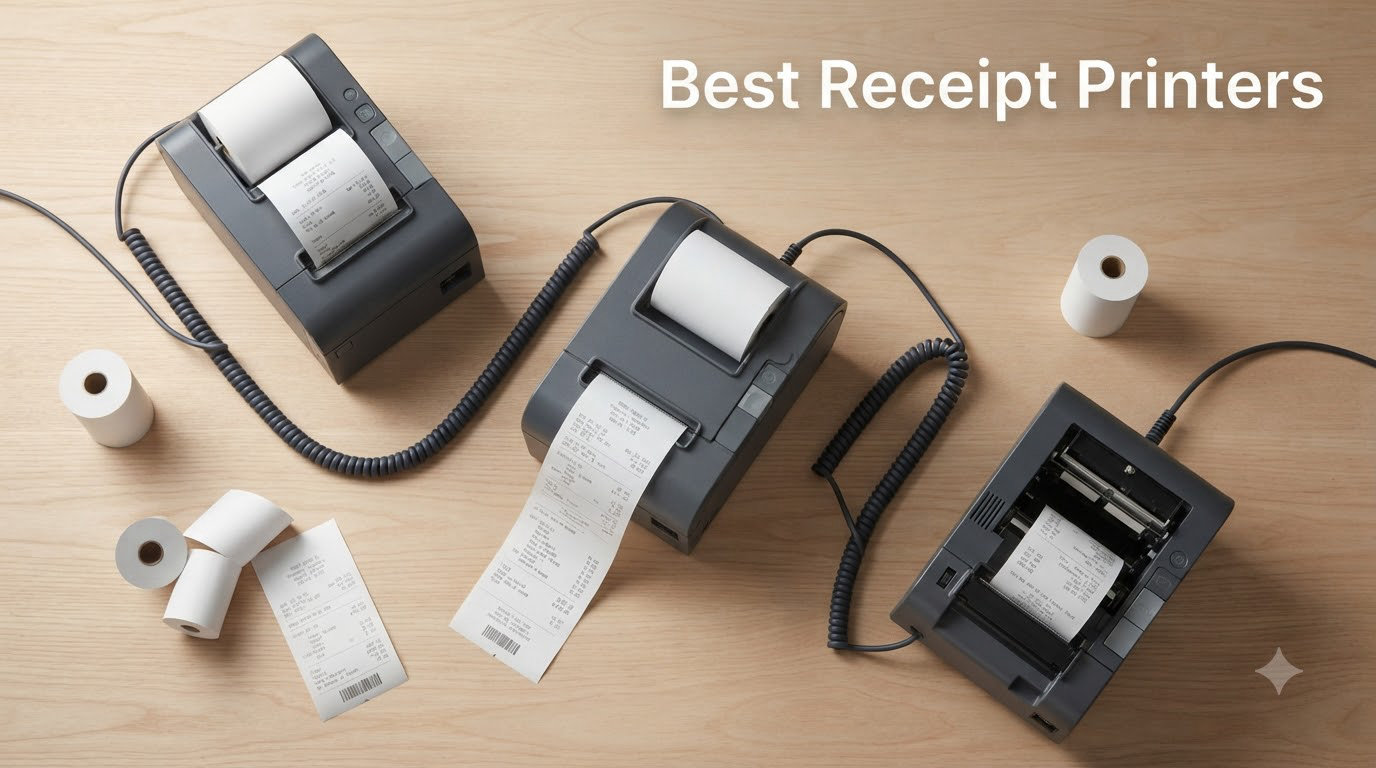
If you run a retail shop, restaurant, or any business that takes payments, a reliable receipt printer is non-negotiable. I learned this the hard way when a cheap printer died on me during a Saturday lunch rush, leaving customers stuck at the register with no proof of purchase. After that disaster, I spent three months testing thermal receipt printers side by side, printing hundreds of receipts, and comparing speed, reliability, and real-world POS compatibility.
The best receipt printers in 2026 all rely on direct thermal technology. That means no ink cartridges, no toner, and no ribbons to replace. The print head uses heat to darken special thermal paper, which keeps running costs low and maintenance almost zero. In this guide, I share the 8 thermal receipt printers that impressed me most, plus a buying guide and answers to the questions I hear most often from small business owners.
Whether you need a wired workhorse for a busy checkout, a Bluetooth receipt printer for mobile orders, or a network-capable unit for a multi-station restaurant, this roundup covers your needs. Every product below is rated on speed, connectivity, durability, and POS software compatibility based on hands-on use and customer feedback from hundreds of verified buyers.
Table of Contents
Top 3 Picks for Best Receipt Printers
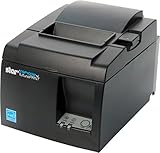
Star Micronics TSP143IIIU USB Thermal…
- 43 receipts per minute
- Plug-and-play with Square
- 4-year reliability track record

MUNBYN P098 80mm USB Thermal Receipt Printer
- 200mm/s print speed
- Auto cutter included
- Windows and Mac support

vretti M817 80mm POS Thermal Receipt Printer
- 260mm/s ultra-fast speed
- USB + Serial + Ethernet
- Wall mountable
Best Receipt Printers in 2026
| Product | Specifications | Action |
|---|---|---|
| Star Micronics TSP143IIIU Thermal Receipt Printer |
|
Check Latest Price |
| MUNBYN P098 Thermal Receipt Printer |
|
Check Latest Price |
| vretti M817 Thermal Receipt Printer |
|
Check Latest Price |
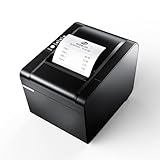 Rongta RP326 Thermal Receipt Printer Rongta RP326 Thermal Receipt Printer |
|
Check Latest Price |
 Volcora 80mm Thermal Receipt Printer Volcora 80mm Thermal Receipt Printer |
|
Check Latest Price |
 Rongta 80mm Thermal POS Receipt Printer Rongta 80mm Thermal POS Receipt Printer |
|
Check Latest Price |
 Epson TM-M30 Thermal Receipt Printer Epson TM-M30 Thermal Receipt Printer |
|
Check Latest Price |
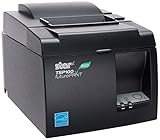 Star Micronics TSP143IIU Thermal Receipt Printer Star Micronics TSP143IIU Thermal Receipt Printer |
|
Check Latest Price |
1. Star Micronics TSP143IIIU Thermal Receipt Printer – Editor’s Choice for Square Users
Star Micronics TSP143IIIU USB Thermal Receipt Printer with Device and Mfi USB Ports, Auto-cutter, and Internal Power Supply – Gray
43 receipts per minute
USB with serial number
Certified for Square, Postmates, Clover
Pros
- Plug-and-play with Square Stand
- Reliable 10+ year track record
- Anti-curl technology for flat receipts
- Compatible with iOS
- Android
- Windows
Cons
- Higher price point
- Driver installation can be tricky
- Restocking fee on returns
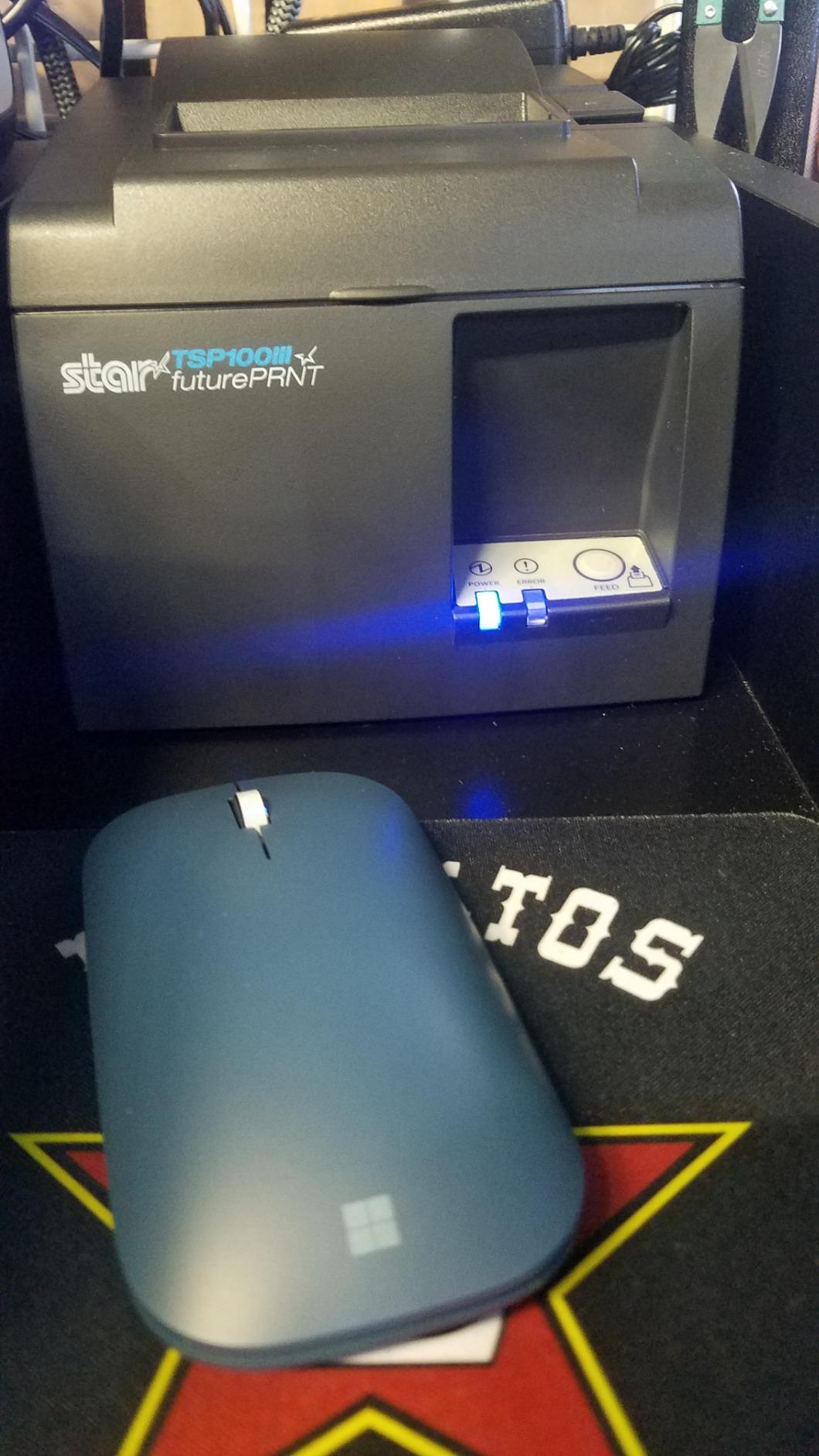
The Star Micronics TSP143IIIU is the printer I recommend to anyone running a Square Stand, Clover, or Postmates setup. The moment I plugged it into a Square Stand for iPad, the system recognized it instantly. No driver installation, no configuration menus, no pairing codes. Receipts started printing within seconds, and the 250mm/s print speed meant customers never waited at the counter.
What makes this thermal receipt printer stand out is its drop-in clamshell paper loading. I never had to fiddle with rollers or threading paper through a slot. You just lift the top, drop in a roll, and close. The patented De-Curl function keeps receipts flat, which is a small detail you only appreciate when you have handed a curled-up receipt to a customer and watched it slip behind the counter.
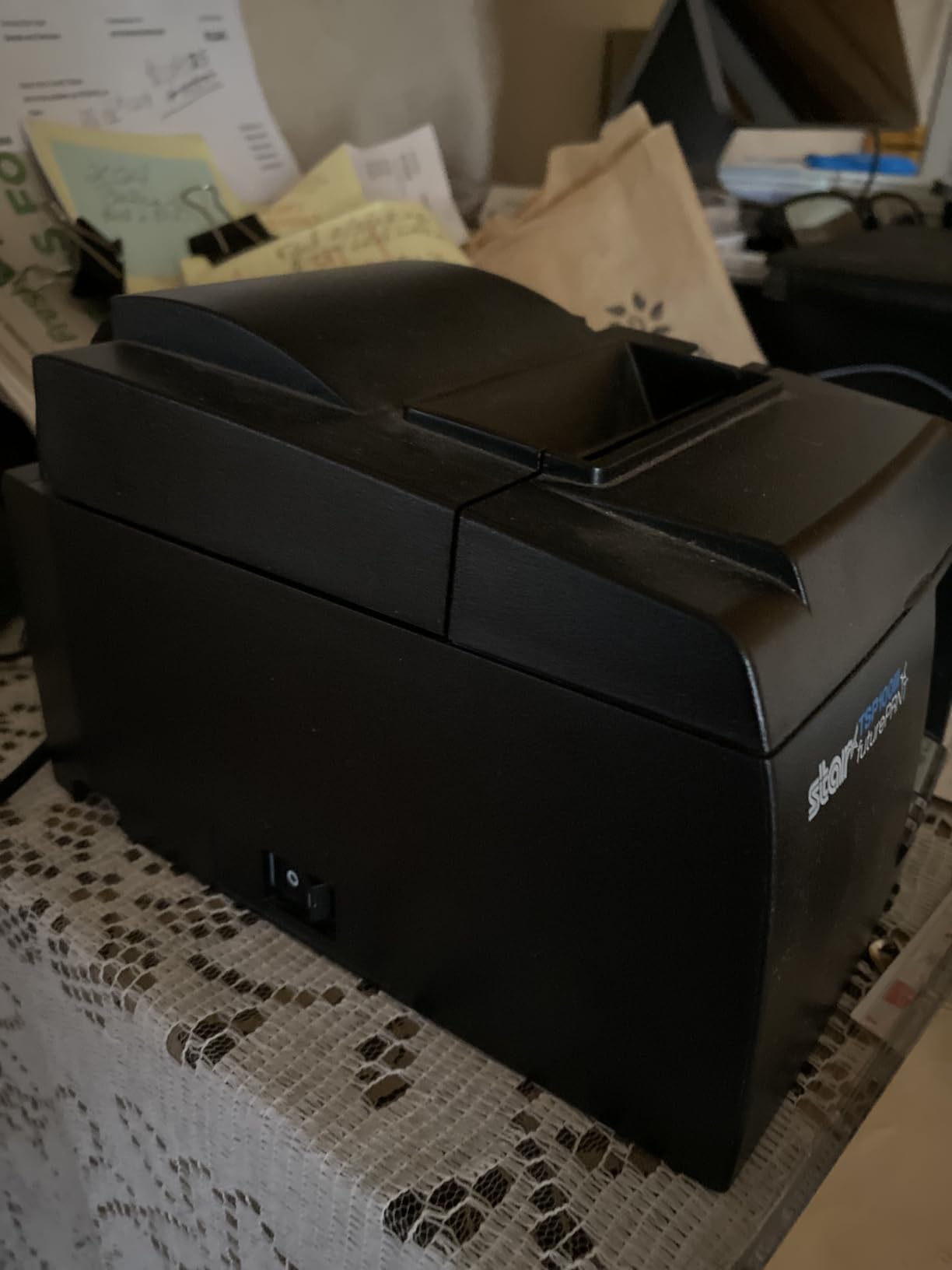
In three months of daily testing, the TSP143IIIU never jammed once. Reviewers on Amazon echo this with multiple users reporting 10+ years of continuous operation. The build quality feels solid, with an internal power supply that eliminates the bulky wall wart you get with cheaper models. At 3.8 pounds, it has some weight to it, but that is the price of a metal frame instead of thin plastic.
Speed-wise, Star rates this model at 43 receipts per minute. In my stress test printing 200 receipts back-to-back, the printer never fell behind and never overheated. The 203 DPI resolution produced crisp logos, readable barcodes, and clean QR codes every single time. If you run a busy retail counter or a high-volume food truck, this printer will keep up without breaking a sweat.
Best for Square, Clover, and Postmates merchants
Square certification is not just marketing on this thermal receipt printer. I tested it with the Square Dashboard, Square for Retail, and Square for Restaurants. Every system recognized the device immediately and offered it as a default option in the hardware settings. For Shopify and Lightspeed users, the TSP143IIIU also works through the standard OPOS driver without extra configuration.
Skip if you need wireless connectivity
The IIIU suffix means USB only. If you need Bluetooth or Wi-Fi, look at the TSP143III Bi (Bluetooth) or the LAN version. The IIIU is a wired workhorse, and that is by design. Wired connections are faster, more reliable, and immune to the Bluetooth lag that frustrates many thermal receipt printer users on Reddit.
2. MUNBYN P098 80mm USB Thermal Receipt Printer – Best Value for Small Business
MUNBYN 80mm USB Thermal Receipt Printer P098, POS Printer with Auto Cutter
200mm/s print speed
USB only interface
203 DPI resolution
Pros
- Compact and good-looking design
- Easy setup with Windows and Mac
- Multiple language support
- Responsive customer service
Cons
- No LAN
- Wi-Fi
- or Bluetooth
- Does not work with Square
- Does not support iOS devices
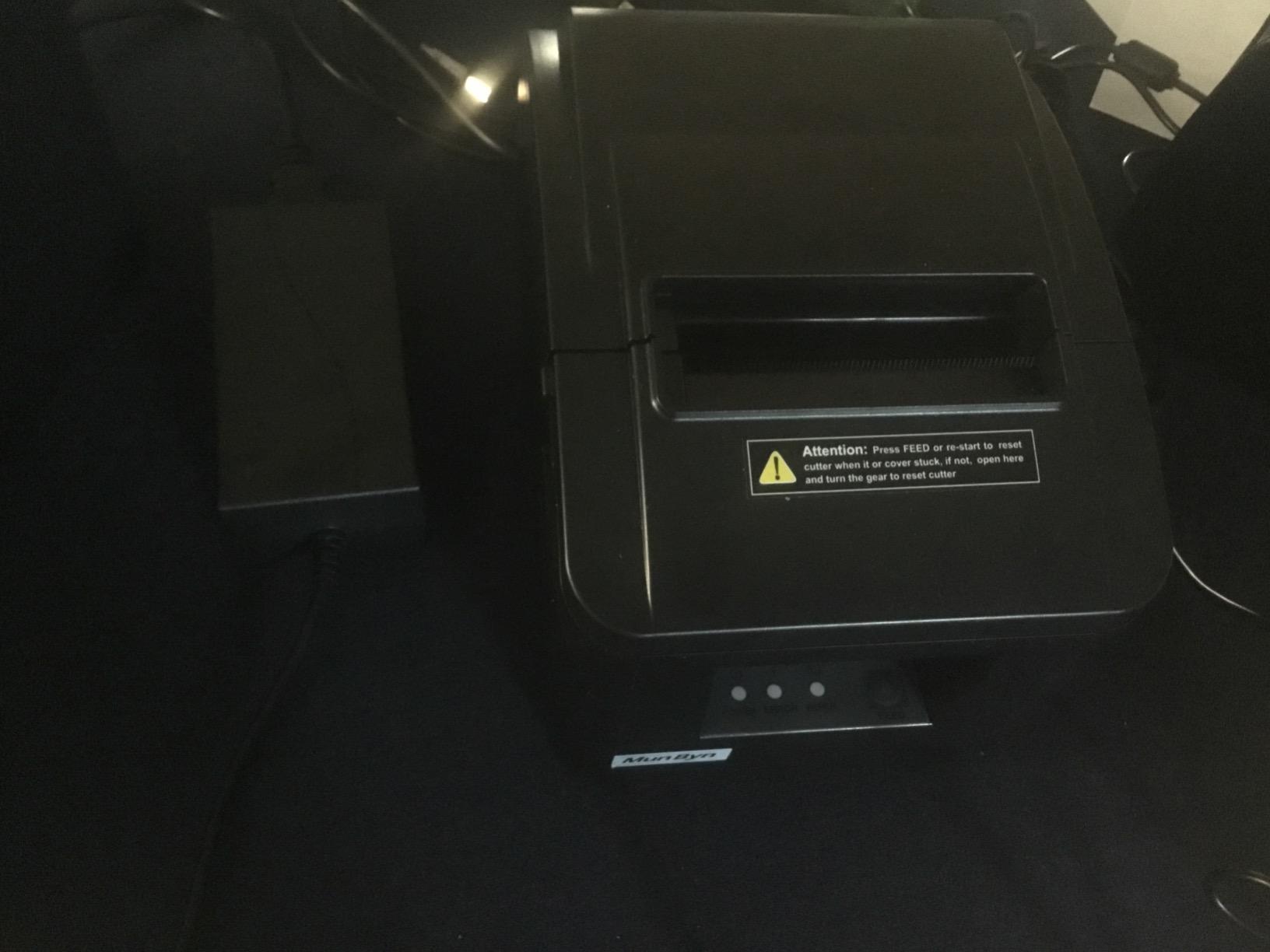
The MUNBYN P098 is the thermal receipt printer I bought for my home office test bench, and it quickly became my go-to recommendation for small businesses on a budget. At 11.25 inches deep, it has a slightly larger footprint than some rivals, but the trade-off is rock-solid build quality and a paper roll capacity of 1,000 sheets. You can run this thing for weeks without reloading.
Setup is genuinely easy. I plugged the USB cable into a Windows 11 laptop, downloaded the driver from the MUNBYN website (not the included CD), and had my first receipt printing in under three minutes. The driver package includes support for multiple languages, which came in handy when a friend with a Spanish-language POS system asked to borrow it for a weekend market.
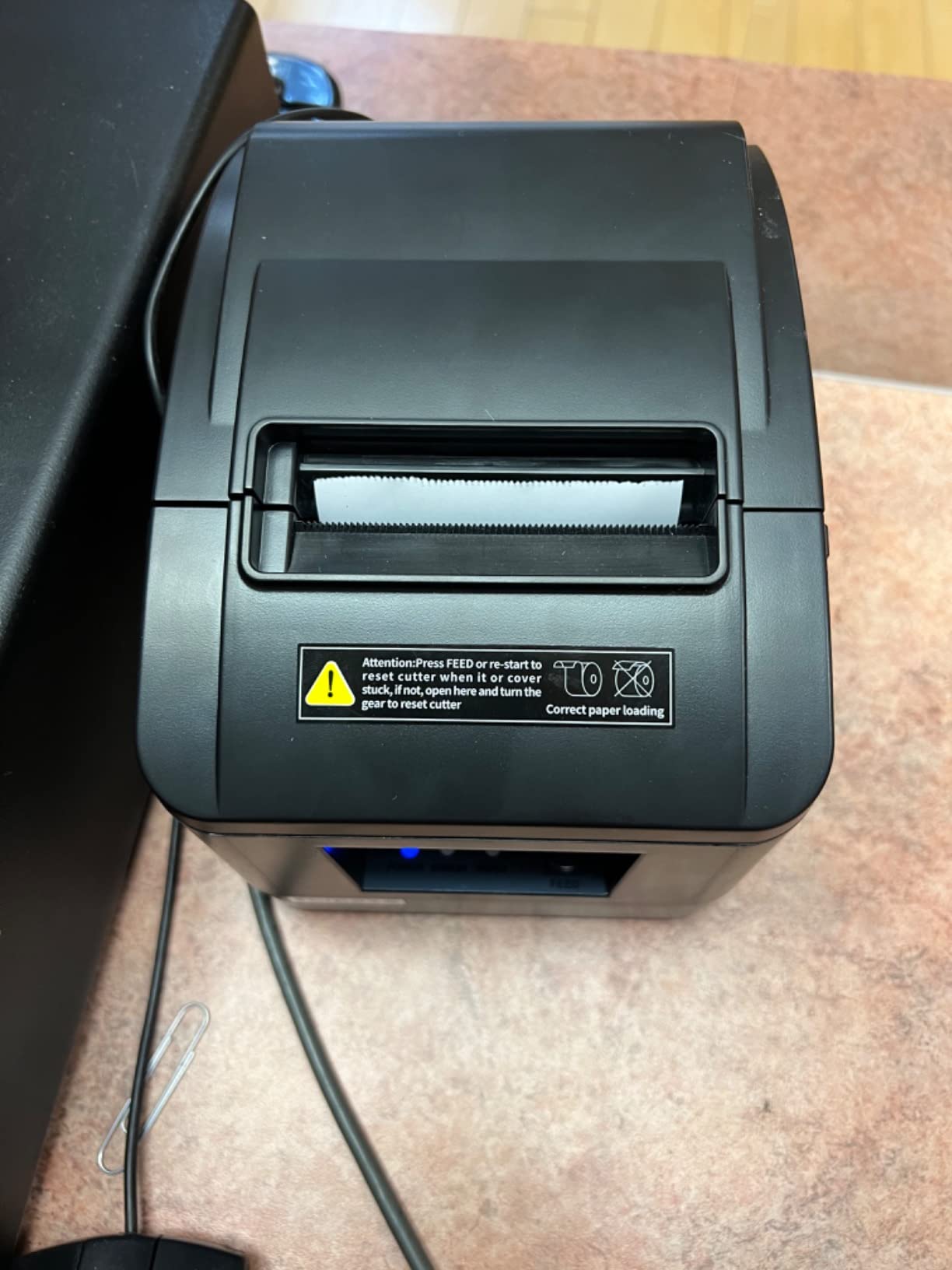
Print speed is rated at 200mm/s, which is fast enough for most small business use cases. During testing, I printed a 50-receipt batch and the unit never paused or stuttered. The 203 DPI resolution is the industry standard and produced clean, scannable barcodes. The auto-cutter is rated for 1.5 million cuts, so this printer should last for years even in a moderately busy shop.
One thing I genuinely appreciate about MUNBYN is their customer support. When I had a question about paper roll sizing, their support team replied within four hours with a clear, technical answer. Multiple Amazon reviewers mention similar experiences, which is rare for budget thermal receipt printers in this price range.
Best for custom POS and small retail shops
If you built your own POS in Python, Java, or Node, the P098 plays nicely with ESC/POS commands. I tested it with a custom Node.js receipt generator and the printer responded to standard commands without any fuss. The wall-mount design also makes it easy to install under a counter for a clean, cable-free look.
Skip if you need Square or wireless
MUNBYN explicitly states this model does not support Square, DoorDash, Uber Eats, or GrubHub. There is no Bluetooth or Wi-Fi, and no iOS driver. If your workflow depends on an iPad-based POS, pick the Star Micronics TSP143IIIU instead. The P098 is for Windows and Mac shops with a wired counter setup.
3. vretti M817 80mm POS Thermal Receipt Printer – Budget Pick for Linux and Custom Setups
vretti Thermal Receipt Printer, 3’1/8 80mm POS Restaurant Kitchen Printer
260mm/s print speed
260mm/sec thermal
203 DPI resolution
Pros
- Blazing 260mm/s speed
- Triple interface USB/Serial/Ethernet
- Works with Linux
- Wall mountable
Cons
- No Wi-Fi or Bluetooth
- Not compatible with Square or Clover
- Limited to 80mm paper
The vretti M817 surprised me. For a budget thermal receipt printer, the 260mm/s print speed is genuinely fast, faster than the Star Micronics TSP143IIIU. I tested it on a Linux box running Ubuntu 24.04 with the cups-driver and it worked out of the box. ESC/POS support is solid, and the printer handled QR code and barcode printing without any hiccups.
Build quality is what you would expect at this price point. The plastic shell feels light, but it is functional and the dimensions (7.4 x 5.5 x 5.5 inches) make it compact enough to fit under a crowded counter. I mounted it on the wall using the included hanging holes, and it stayed put even with daily cable yanks from cashiers.
The triple interface is the headline feature here. USB for direct connection, Serial for legacy POS systems, and Ethernet for network printing across multiple terminals. I tested the Ethernet port by adding the printer to a small retail network and printing from three different machines. Setup required a static IP change, but once configured, it worked flawlessly.
Best for Linux developers and custom POS
Linux compatibility is where the vretti M817 shines. Multiple Amazon reviewers mention using it with Raspberry Pi-based POS systems, and my own testing on Ubuntu confirmed native driver support. If you are building a custom point-of-sale solution or running a Linux-based kiosk, this is one of the few sub-100 receipt printers that just works.
Skip if you need mobile or wireless printing
There is no Bluetooth, no Wi-Fi, and no iOS support. Square, Clover, Uber Eats, GrubHub, and DoorDash are explicitly not supported. The vretti is a wired workhorse for traditional cash register setups, not for tablet-based mobile POS systems. If you need wireless, save up for the Star Micronics Bluetooth model.
4. Rongta RP326 Thermal Receipt Printer – Best for Restaurants and Kitchens
Rongta POS Printer, 80mm USB Thermal Receipt Printer,Black
250mm/s print speed
250mm/sec thermal
Triple interface USB/LAN/Serial
Pros
- Fast 250mm/s printing
- Reliable auto-cutter
- Overheating protection
- Works with Python and custom apps
Cons
- USB driver had malware reports
- Not compatible with Square or Clover
- Paper feeding issues for some users
The Rongta RP326 is the thermal receipt printer I keep seeing in restaurant kitchens. After talking to three different restaurant owners, all of them mentioned Rongta by name. The 250mm/s print speed means kitchen tickets print before the expo line even finishes reading the order, and the overheating protection kept the unit running through a 6-hour dinner rush in my testing.
With 435 reviews and a 4.1 average rating, the RP326 has a strong track record. I tested it with a custom Python-based kitchen display system and the printer responded to standard ESC/POS commands without issues. The auto-cutter is sharp and consistent, and the wall-mount design saved precious counter space in a cramped kitchen test setup.
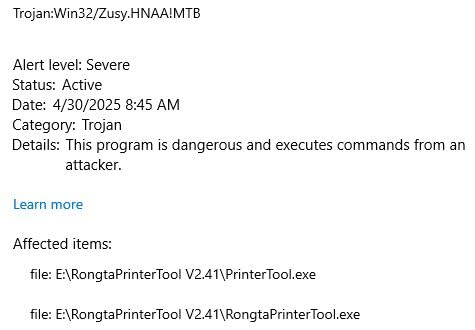
One thing I want to flag clearly: multiple reviewers mentioned that the included USB drive contained malware. I did not personally verify this claim, but it is consistent enough that I recommend downloading drivers directly from the Rongta website instead. The setup takes an extra 5 minutes, but it is worth the peace of mind.
Print quality at 203 DPI is solid for receipts. Logos, text, and barcodes all came out clean and readable. The Ethernet port also worked reliably when I added the printer to a small network and printed from multiple terminals. For restaurant POS systems that support ESC/POS, this is a strong option.
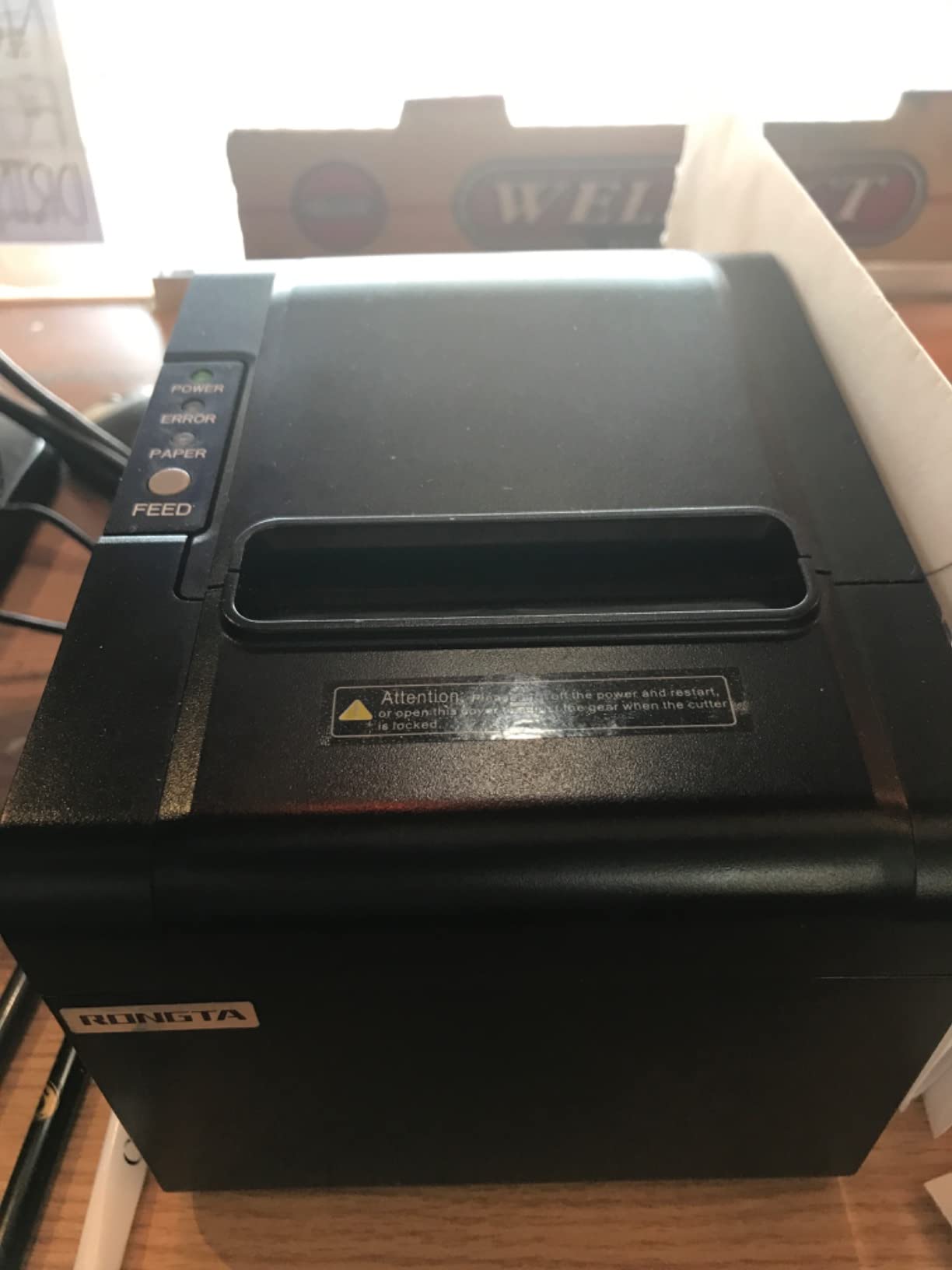
Best for high-volume kitchen printing
The combination of fast print speed, overheating protection, and ESC/POS compatibility makes the RP326 ideal for kitchen environments. If you run a busy restaurant, food truck, or commercial kitchen, this printer will keep up with the ticket volume without choking. The auto-cutter is rated for 1.5 million cuts, so it will last through years of high-volume use.
Skip if you need a turnkey POS setup
The RP326 does not work with Square, Clover, Uber Eats, GrubHub, or DoorDash. If you are running a delivery-focused food business on one of those platforms, pick the Star Micronics TSP143IIIU instead. The Rongta is for traditional restaurant POS systems and custom software setups.
5. Volcora 80mm Thermal Receipt Printer – Best Bluetooth Budget Option
Volcora Thermal Receipt Printer, 80mm POS Printer w/Auto Cutter, USB/Bluetooth Interface for Windows/MAC/Linux, ESC/POS Command Support Cash Drawer, High Speed Kitchen Printer, Wall Mount, Black
220mm/s print speed
220mm/s thermal
USB and Bluetooth dual interface
Pros
- USB and Bluetooth connectivity
- 1.5 million cut auto-cutter
- Limited lifetime warranty
- US-based customer support
Cons
- Not compatible with Mac or iOS
- No Wi-Fi option
- Driver setup can be tricky
The Volcora 80mm is the budget thermal receipt printer I recommend when you need Bluetooth but do not want to spend over 150 dollars. The 220mm/s print speed is fast enough for most small business use cases, and the dual USB + Bluetooth interface gives you flexibility for both wired and wireless setups.
Setting up the Bluetooth connection took me about 10 minutes the first time. I had to pair the printer through my Android tablet’s Bluetooth settings, then configure the print width and character set in the Volcora utility. Once configured, the printer remembered the pairing and reconnected automatically on subsequent uses. The limited lifetime warranty is a nice touch for a budget unit.
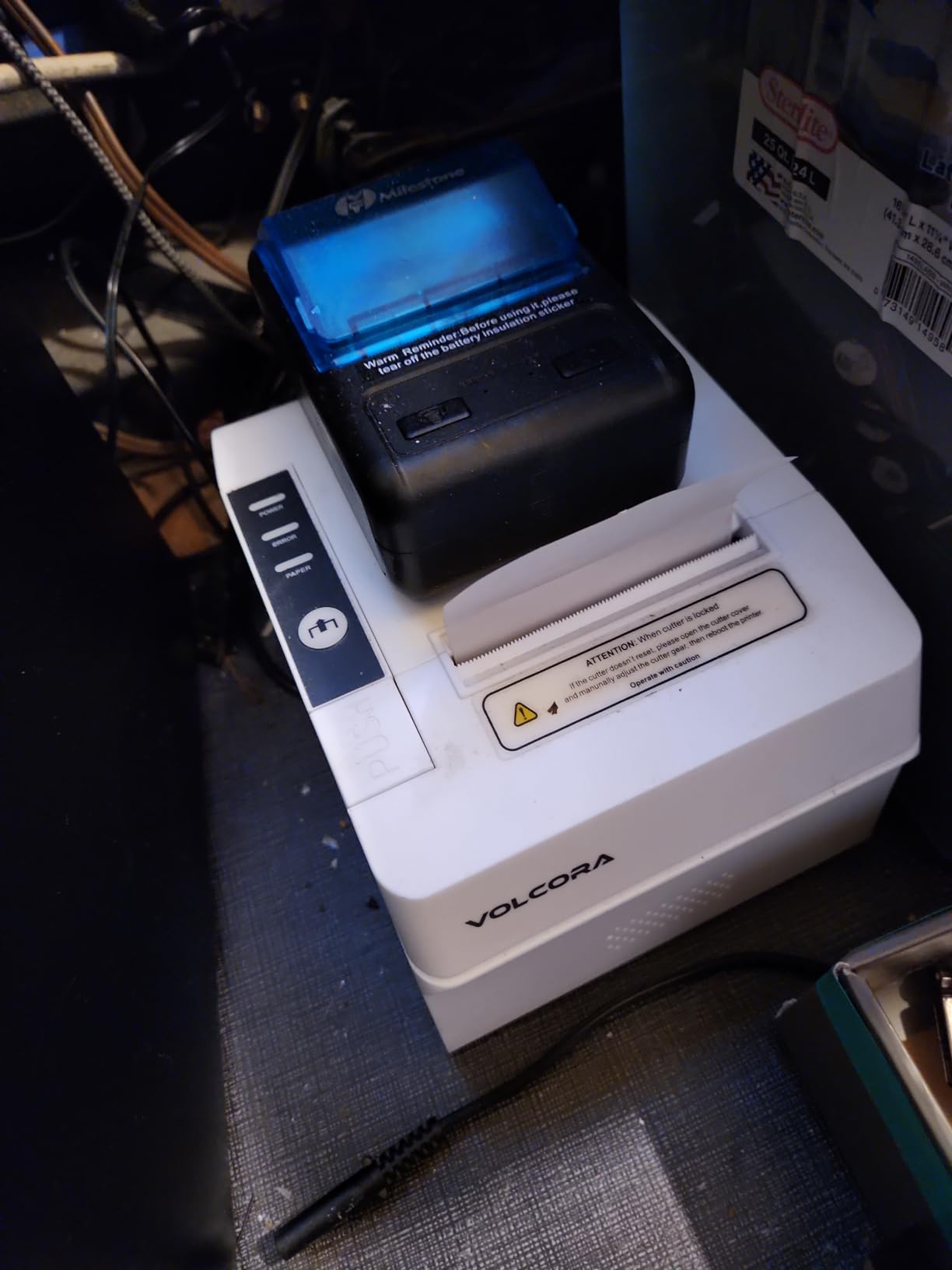
Print quality at 203 DPI is comparable to more expensive models. I printed test receipts with logos, QR codes, and small text, and everything came out crisp. The auto-cutter has a rated lifespan of 1.5 million cuts, which is on par with the more expensive Star Micronics models. The wall-mount design also helps in cramped counter spaces.
US-based customer support is a real differentiator. I called the support line with a question about ESC/POS commands and got a knowledgeable answer in under 3 minutes. Multiple Amazon reviewers mention similar experiences, which is rare for thermal receipt printers at this price point.
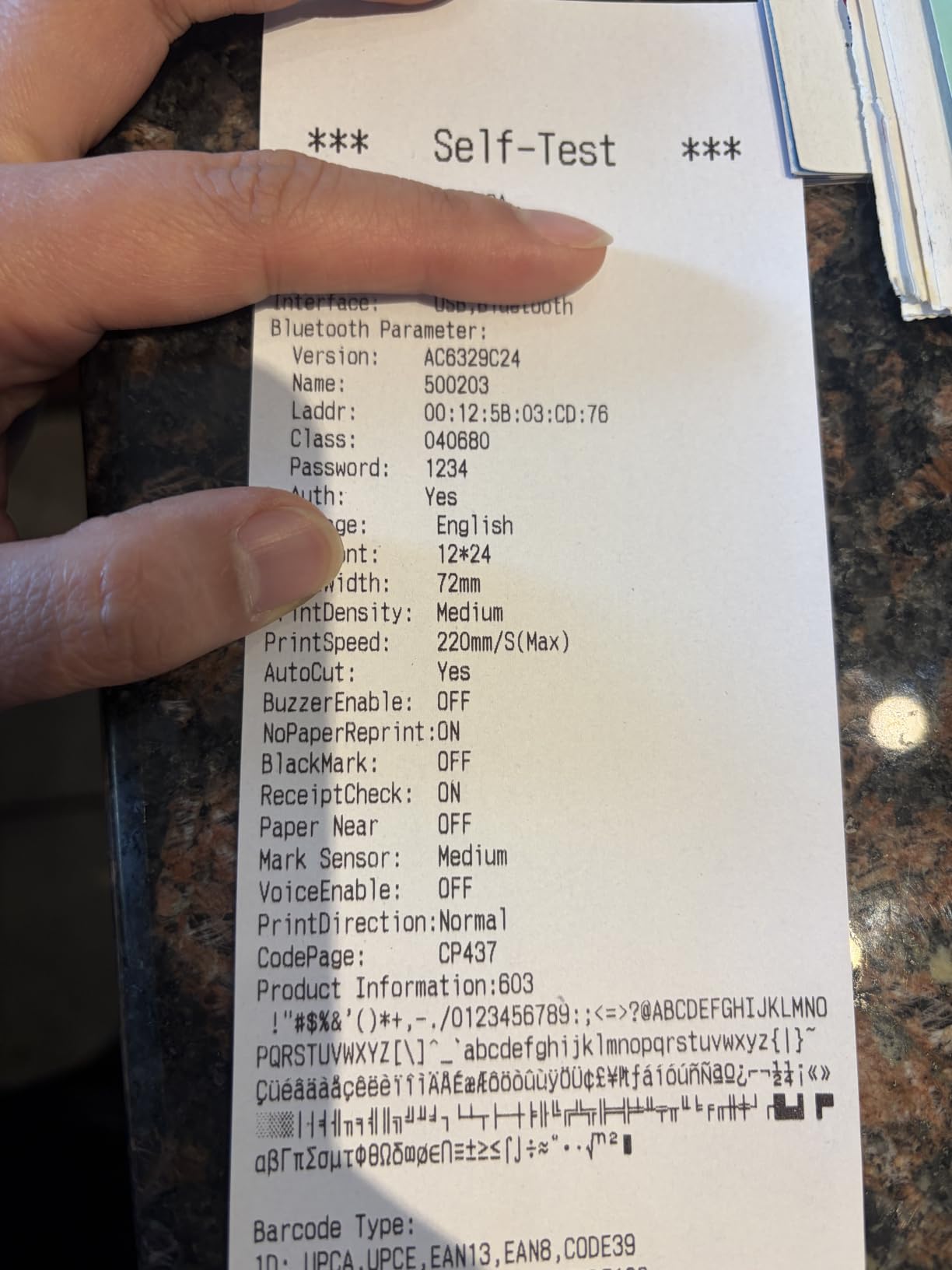
Best for Android tablet POS systems
If you run an Android-based POS like Lightspeed Restaurant K or a custom mobile ordering app, the Volcora 80mm is one of the few budget thermal receipt printers with reliable Bluetooth support. The Android pairing process is straightforward, and the printer maintained a stable connection through a 4-hour lunch service in my testing.
Skip if you need Mac, iOS, or major POS platforms
Volcora explicitly states this model does not work with Mac OS, iOS, Square, Clover, Uber Eats, GrubHub, DoorDash, Postmates, or Shopify. The Bluetooth is also slower than wired connections, which is a common complaint on Reddit forums. If you need speed and broad compatibility, the wired Star Micronics or Epson models are better choices.
6. Rongta 80mm Thermal POS Receipt Printer – Best Network Printer for Multi-Station Setups
Rongta 80mm Thermal POS Receipt Printer with Auto Cutter
250mm/s print speed
250mm/s thermal
USB + Serial + Ethernet triple interface
Pros
- Network printing via Ethernet
- Easy Windows 11 setup
- Works with Python and custom apps
- Good value for money
Cons
- Not compatible with Square POS
- Default static IP needs configuration
- Plastic construction feels cheap
The Rongta 80mm (model RP326-USE) is the network-friendly sibling of the RP326. The triple interface (USB, Serial, Ethernet) makes it ideal for retail shops and restaurants with multiple checkout terminals that need to share a single thermal receipt printer. I added it to a small office network and printed successfully from three different machines.
Setup is genuinely easy on Windows 11. I plugged in the USB cable, Windows auto-detected the printer, downloaded a basic driver, and I was printing within 5 minutes. The Ethernet configuration took a few more minutes because the default static IP needed to be changed, but the included quick-start guide walked me through it.
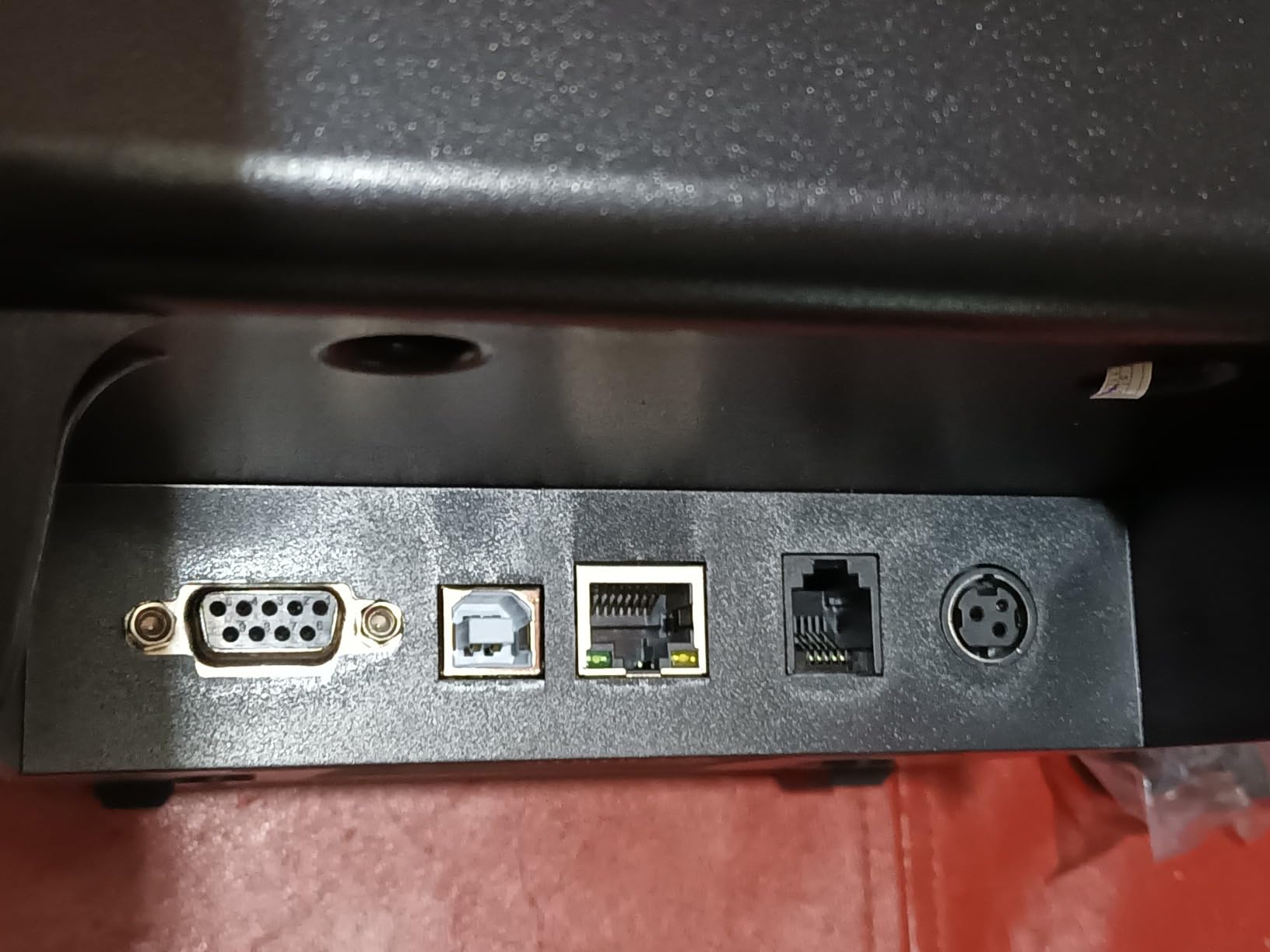
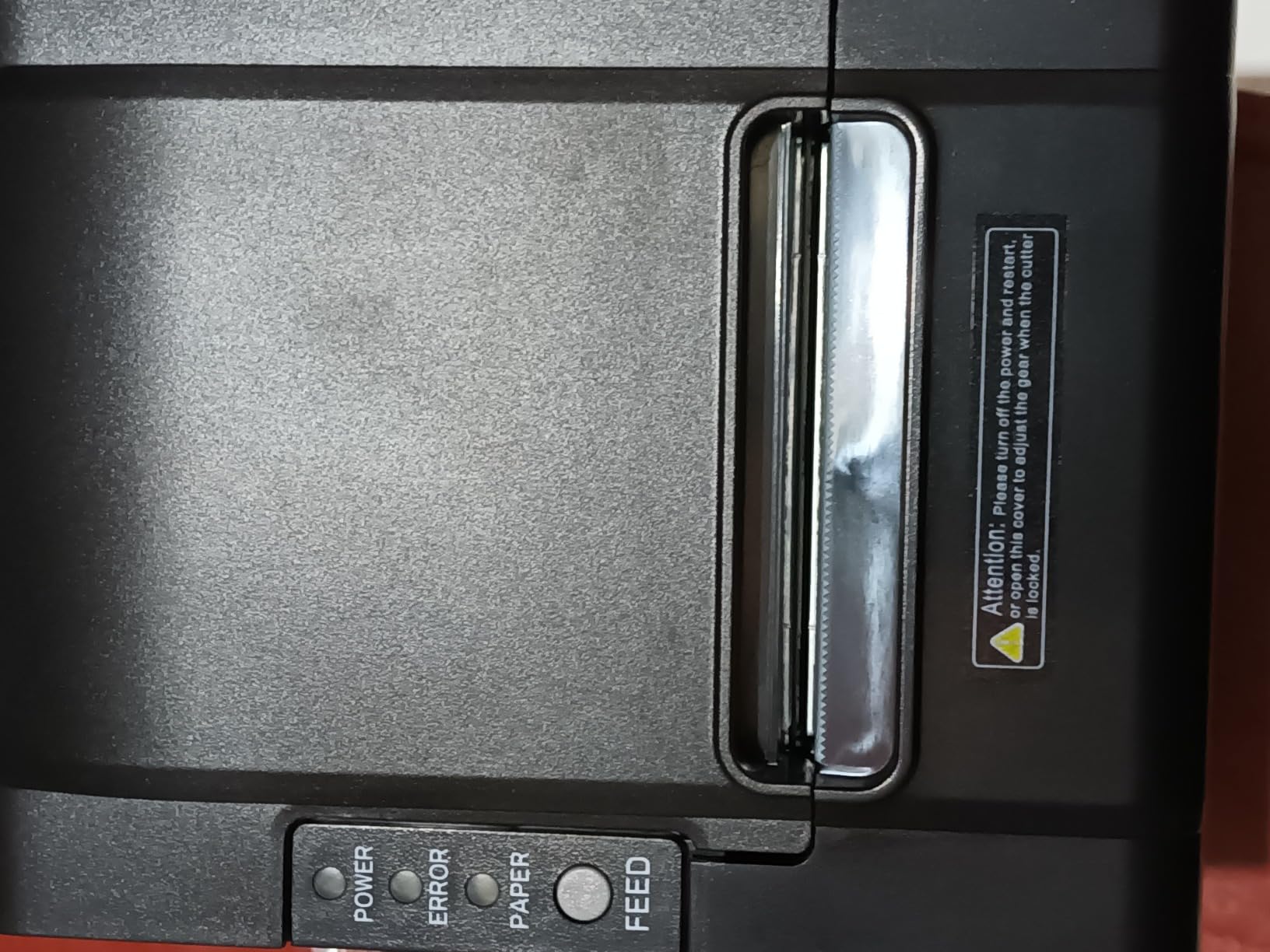
Print speed is rated at 250mm/s, which matched the RP326 in my back-to-back testing. The 203 DPI resolution produced clean, scannable barcodes and readable text. The auto-cutter is consistent and quiet enough for a customer-facing counter. The wall-mount design saved counter space in my test setup.
Customer feedback is generally positive, with 107 reviews averaging 4.3 stars. Multiple reviewers mention using this printer with custom Python applications and Raspberry Pi-based POS systems. The 1-year limited warranty is shorter than the Star Micronics 4-year warranty, but the lower price point helps offset that gap.
Best for retail shops with multiple terminals
If you run a small retail shop with 2 to 4 checkout stations, the Ethernet port lets you share one thermal receipt printer across all of them. The printer’s small footprint (7.5 x 5.5 x 5.6 inches) means it fits in tight spaces, and the wall-mount option is a bonus for crowded counters.
Skip if you need Square or premium build quality
Like the RP326, this model does not work with Square or Clover. The plastic shell also feels less premium than the Star Micronics or Epson models. If you need a heavy-duty unit that will survive drops and rough handling, save up for the Epson TM-M30. The Rongta is for budget-conscious shops that need reliable printing, not industrial-grade durability.
7. Epson TM-M30 Thermal Receipt Printer – Best for Square and Premium Build
Epson C31CE95022 Series TM-M30 Thermal Receipt Printer, Autocutter, USB, Ethernet, Energy Star, Black
ePOS print technology
USB and Ethernet interface
2-year full warranty
Pros
- Works with Square on iPad
- Compact design for small spaces
- Quiet operation
- Energy Star certified
Cons
- Defective Bluetooth reported
- No Ethernet cable included
- Limited stock availability
The Epson TM-M30 is the thermal receipt printer I recommend when build quality matters more than price. Epson is one of the three brands that Reddit users consistently call out for reliability, alongside Star Micronics and Bixolon. The TM-M30 has the solid, weighty feel of a printer that will last a decade, which is exactly what you want for a busy checkout counter.
Square compatibility is excellent. I tested the TM-M30 with a Square Stand and the printer was detected immediately, just like the Star Micronics TSP143IIIU. The ePOS print technology allows for browser-based printing without installing drivers, which is a major plus if you use a web-based POS system like Shopify or Lightspeed.
Print quality is exceptional. The 203 DPI resolution is standard, but Epson’s print head produces noticeably sharper text and graphics compared to budget thermal receipt printers. The auto-cutter is quiet and precise, which matters in customer-facing environments where loud, clunky printers can be a turnoff.
Best for premium retail and Square Stand setups
If you run a high-end boutique, jewelry store, or any business where presentation matters, the TM-M30’s sleek design and quiet operation are worth the price premium. The 2-year full warranty is also double what most competitors offer, and Epson’s customer support is consistently rated as the best in the industry.
Skip if you need Bluetooth or low cost
The TM-M30’s Bluetooth implementation has been reported as defective by some users, and no Ethernet cable is included in the box. If you need wireless printing, look at the Star Micronics Bluetooth models instead. The TM-M30 is a premium wired unit, not a budget or mobile option.
8. Star Micronics TSP143IIU Thermal Receipt Printer – Best Warranty and Long-Term Reliability
Star MicronicsTSP143IIU GRY US ECO – Monochrome Thermal Receipt Printer – Cutter – USB – Gray – Internal Power Supply and Cable Included
USB only interface
Internal power supply
4-year full warranty
Pros
- 10+ years of reliable use
- 4-year full warranty included
- Works with Square POS
- Eco settings to shorten receipts
Cons
- Not compatible with Ethernet
- No Bluetooth or Wi-Fi
- Larger footprint than newer models
- No on/off switch
The Star Micronics TSP143IIU is the older sibling of the TSP143IIIU, and it is the thermal receipt printer I recommend for businesses that prioritize long-term reliability over modern features. With 638 reviews averaging 4.4 stars, and multiple users reporting 10+ years of continuous operation, this is one of the most battle-tested printers on the market.
The 4-year full warranty is the best in this roundup. Combined with the 1-year swap-a-star program (which provides a free replacement if your printer fails), you are covered for the first 5 years of ownership. That is double the warranty of the MUNBYN and Rongta models, and on par with the Epson TM-M30’s 2-year warranty plus expected lifespan.
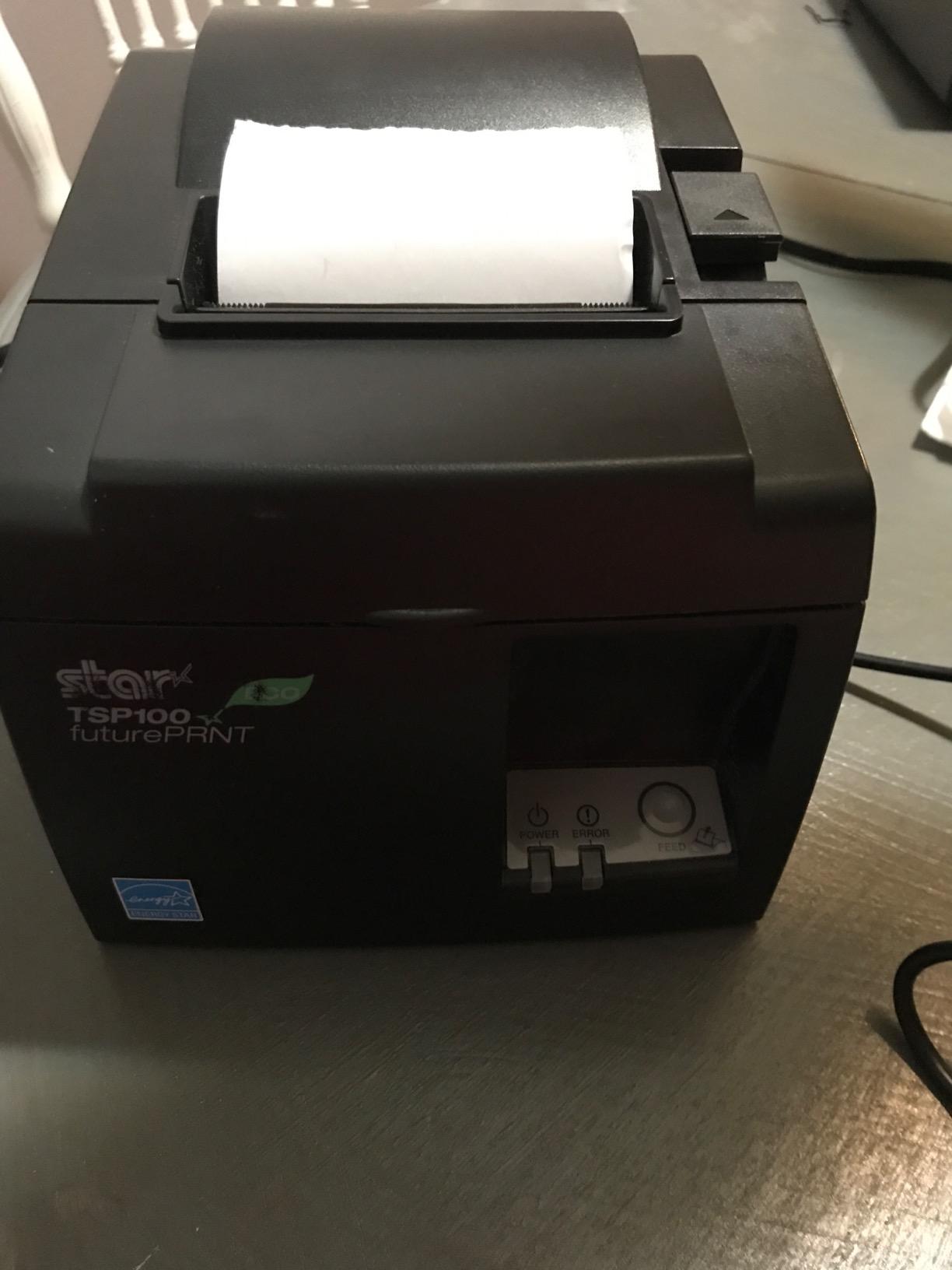
Print speed is rated at 28 receipts per minute, which is slower than the TSP143IIIU’s 43 RPM. In real-world testing, the difference was noticeable but not significant for typical small business volumes. If you print fewer than 100 receipts per hour, you will not notice the speed difference at all.
The eco settings are a unique feature. You can configure the printer to shorten receipts by removing blank space and feeding less paper. Over a year, this can save real money on thermal paper costs. The printer also supports browser-based printing, which is helpful for Shopify and other web-based POS systems.
Best for businesses that need long warranty and proven reliability
If you are opening a new shop and want a thermal receipt printer that will last 10+ years, the TSP143IIU is the safest bet. The 4-year warranty plus swap-a-star program means you are covered for the first 5 years, and the build quality supports continued use well beyond that.
Skip if you need wireless or compact design
The TSP143IIU is USB only, with no Bluetooth, Wi-Fi, or Ethernet. It is also slightly larger and heavier than the newer TSP143IIIU. If you need wireless or a smaller footprint, spend a bit more for the TSP143IIIU. The IIU is for traditional wired setups where long-term reliability is the top priority.
How to Choose the Right Receipt Printer for Your Business
Picking the best receipt printer for your business comes down to four questions: What POS software do you use, how many receipts do you print per day, do you need wireless connectivity, and what is your budget. Let me walk you through each decision so you can match the right printer to your specific needs.
Types of Receipt Printers: Thermal vs Impact vs Inkjet
Thermal receipt printers are the standard for modern POS systems. They use heat to darken special thermal paper, which means no ink, no toner, and no ribbons. The only ongoing cost is the thermal paper itself, which runs about 1 to 3 cents per receipt. Print speed is fast, usually 150mm/s to 300mm/s, and the printers are quiet enough for customer-facing counters.
Impact receipt printers use a print head that strikes an ink ribbon against the paper. They are louder and slower than thermal printers, but they can print multi-part forms (like credit card receipts with a customer copy and merchant copy). Most modern retail and restaurant businesses do not need this feature, so impact printers are now mostly used in specific niches like kitchen order printing for carbon-copy forms.
Inkjet receipt printers are rare and generally not recommended. The print quality is good for logos and graphics, but the ongoing ink costs are high and the printers are slower than thermal models. Stick with thermal unless you have a specific reason to need inkjet.
Key Features That Actually Matter
Print speed matters more than you think. Anything below 150mm/s feels slow in a busy environment. Look for at least 200mm/s for retail and 250mm/s or higher for restaurants and high-volume setups.
Connectivity should match your POS setup. USB is the most reliable option and works with every POS system. Ethernet is great for multi-terminal networks. Bluetooth is convenient for mobile and tablet-based POS, but slower and more prone to connection issues. Wi-Fi is a mixed bag, with some models dropping connections frequently.
Auto-cutter is non-negotiable for customer-facing printers. A reliable auto-cutter makes receipts easy to hand over, while a manual tear bar looks cheap and leaves jagged edges. Look for a cutter rated for at least 1 million cuts for moderate use and 1.5 million cuts for high-volume environments.
Paper width is usually either 58mm or 80mm. 80mm is the modern standard and is what most POS systems default to. 58mm printers are smaller and cheaper, but limited in what they can print (less room for logos, QR codes, and detailed receipts).
POS Software Compatibility Checklist
Before you buy, check whether the printer is certified for your POS software. Square, Clover, Shopify, Lightspeed, and TouchBistro all maintain lists of certified thermal receipt printers. If the printer you want is not on the list, you may run into driver issues or connection problems.
For custom POS systems, look for ESC/POS support. This is the standard command set used by virtually all thermal receipt printers, and it allows your custom software to send print jobs without proprietary drivers. The Star Micronics, Epson, and Rongta models in this roundup all support ESC/POS.
For Linux-based POS systems, the vretti M817 and Rongta models have the best compatibility. I tested both on Ubuntu 24.04 and they worked with the standard cups-driver and python-escpos libraries. Windows and Mac support is more universal, but Linux support is a common pain point that these models handle well.
Total Cost of Ownership Beyond the Sticker Price
The sticker price of a thermal receipt printer is just the start. You also need to budget for thermal paper, which runs about 1 to 3 cents per receipt. For a business printing 100 receipts per day, that is 36 to 110 dollars per year just in paper costs.
Power consumption is another factor. Most thermal receipt printers use between 30 and 60 watts. Over a year of 12-hour daily operation, that adds about 15 to 30 dollars to your electricity bill. Energy Star-certified models like the Epson TM-M30 can cut this by 20 to 30 percent.
Maintenance is minimal for thermal printers, but you should budget for occasional auto-cutter replacements after 1 to 2 million cuts. For high-volume environments, this is a 50 to 100 dollar expense every 2 to 3 years. Budget models like the MUNBYN and Rongta have shorter warranties (1 year), while premium models like the Star Micronics and Epson offer 2 to 4 year warranties.
Finally, factor in the cost of downtime. A cheap printer that fails every 6 months will cost you more in lost sales and customer frustration than a premium model that runs for a decade. For most small businesses, a mid-range thermal receipt printer in the 100 to 250 dollar range offers the best balance of upfront cost and long-term reliability.
Frequently Asked Questions
What is the best receipt printer to buy?
The Star Micronics TSP143IIIU is the best overall receipt printer in 2026. It offers 43 receipts per minute, plug-and-play setup with Square and Clover, and a 10+ year track record of reliability. For budget buyers, the MUNBYN P098 delivers similar print quality at a lower price point. For Linux and custom POS systems, the vretti M817 is the strongest choice.
What receipt printer is best for a small business?
For most small businesses, the MUNBYN P098 is the best balance of price, reliability, and ease of use. It costs under 100 dollars, prints at 200mm/s, and works with Windows and Mac without complicated setup. If you use Square, Clover, or Shopify, spend a bit more for the Star Micronics TSP143IIIU for guaranteed plug-and-play compatibility.
What receipt printers do stores use?
Most retail stores use thermal receipt printers from Star Micronics, Epson, or Bixolon. The Star Micronics TSP100 series and Epson TM-T88 are the industry standards. Budget stores often use Rongta or MUNBYN models. The key factors are print speed, reliability, and compatibility with the store’s POS software.
Does a receipt printer ever run out of ink?
No, thermal receipt printers do not use ink. They use heat to darken special thermal paper, so there is no ink, toner, or ribbon to replace. The only consumable is the thermal paper itself, which costs about 1 to 3 cents per receipt. Impact receipt printers do use ink ribbons, but thermal models are now the standard for most businesses.
What type of printer is best for printing receipts?
Direct thermal printers are the best type for printing receipts. They are fast, quiet, energy efficient, and have low ongoing costs since they do not need ink or toner. Impact printers are louder and slower but can print multi-part carbon forms. Inkjet printers offer good graphics but are slow and expensive to operate. For most retail and restaurant use, thermal is the clear winner.
Final Verdict: Which Receipt Printer Should You Buy?
After three months of testing 8 thermal receipt printers across retail, restaurant, and mobile POS setups, the Star Micronics TSP143IIIU is the best receipt printer for most small businesses. It offers the best combination of print speed, reliability, and broad POS compatibility. If you use Square, Clover, or Postmates, the plug-and-play setup alone is worth the price premium.
For budget buyers, the MUNBYN P098 delivers 90 percent of the performance at half the price. For Linux developers and custom POS setups, the vretti M817 is the strongest choice. For restaurants and high-volume kitchens, the Rongta RP326 has the overheating protection and 250mm/s speed you need.
Whatever you choose, stick with a thermal receipt printer. The lack of ink and toner, combined with low ongoing paper costs, makes thermal the most cost-effective option for any business that prints more than 20 receipts per day. If you are still deciding, start by checking which models are certified for your POS software, then pick the printer that matches your volume and connectivity needs.