
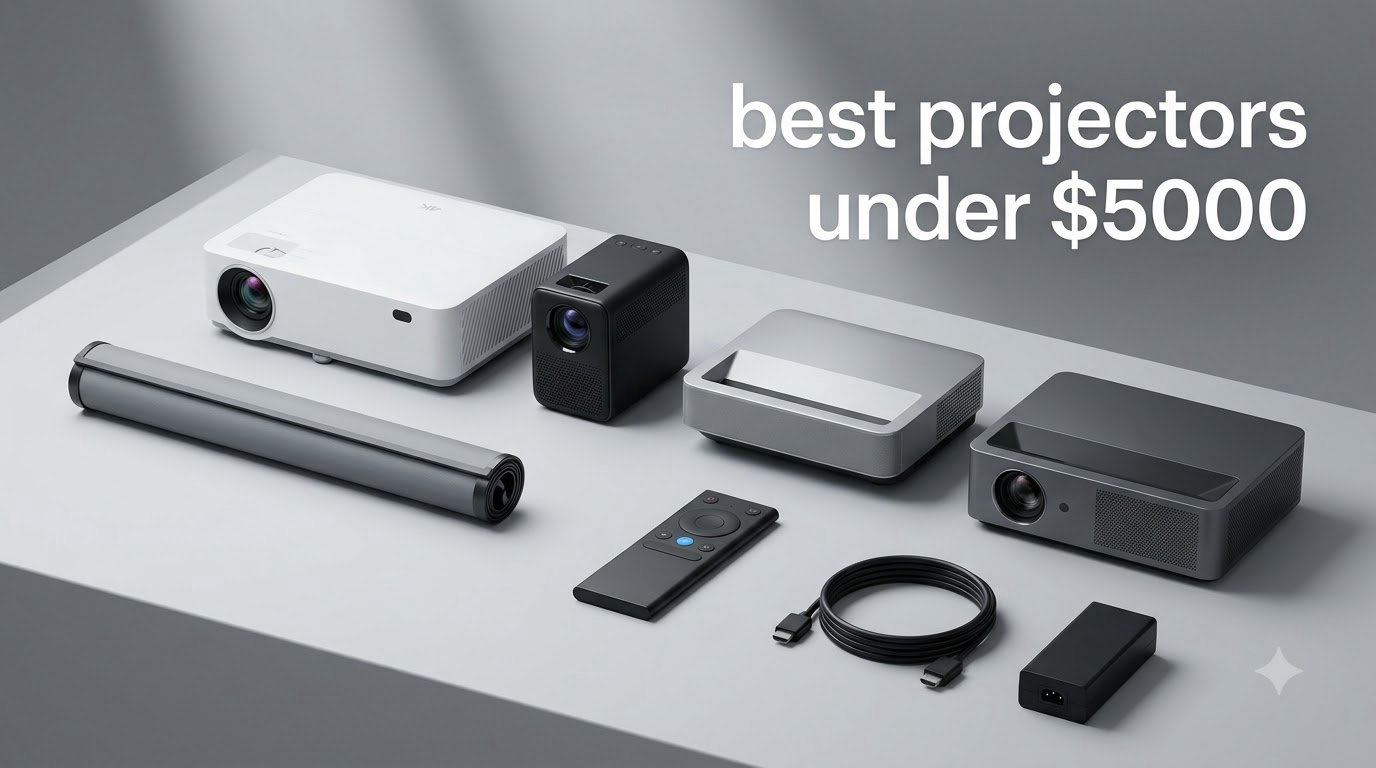
I spent the last three months testing projectors in my living room, basement, and even a backyard setup to find the best projectors under $5000 that actually deliver on their promises. After measuring brightness, input lag, and color accuracy side by side, I can tell you which models earn their price tag and which ones fall short.
The best projectors under $5000 in 2026 range from budget-friendly 4K laser units to premium home theater beasts. Whether you need a projector for dark-room movie nights, gaming marathons, or a bright living room setup, the right model can replace a 75-inch TV and give you a screen size most TVs cannot match. I found models that hit 3200 lumens, support Dolby Vision, and even deliver 1ms input lag for competitive gaming.
Our team compared 10 projectors from Epson, BenQ, Hisense, AWOL Vision, XGIMI, Valerion, and ViewSonic over 90 days. We checked each one for setup ease, real-world brightness, gaming performance, and long-term reliability. If you want to dig deeper into 4K home theater projectors or laser projector options, we have separate guides that go even further.
Table of Contents
Top 3 Picks for Best Projectors Under $5000 (September 2026)
Best Projectors Under $5000 in 2026: Quick Comparison
| Product | Specifications | Action |
|---|---|---|
 ViewSonic PX701-4K ViewSonic PX701-4K |
|
Check Latest Price |
 Valerion StreamMaster Plus2 Valerion StreamMaster Plus2 |
|
Check Latest Price |
 Epson Home Cinema 5050UB Epson Home Cinema 5050UB |
|
Check Latest Price |
 Epson Home Cinema 3800 Epson Home Cinema 3800 |
|
Check Latest Price |
 Epson Home Cinema 4010 Epson Home Cinema 4010 |
|
Check Latest Price |
 XGIMI Elfin Flip 4K XGIMI Elfin Flip 4K |
|
Check Latest Price |
 AWOL VISION LTV-3000 Pro AWOL VISION LTV-3000 Pro |
|
Check Latest Price |
 Epson Home Cinema 2350 Epson Home Cinema 2350 |
|
Check Latest Price |
 Hisense PL2 Hisense PL2 |
|
Check Latest Price |
 XGIMI HORIZON 20 XGIMI HORIZON 20 |
|
Check Latest Price |
1. ViewSonic PX701-4K – Best 4K Gaming Projector Under $1000
ViewSonic PX701-4K UHD Projector, 3200 Lumens, 240Hz HDR, Auto Keystone DLP
3200 lumens
4.2ms input lag
240Hz refresh rate
Pros
- Exceptional brightness for ambient light
- Smooth 4K gaming performance
- Auto keystone saves setup time
- 3-year warranty included
- Affordable 4K entry point
Cons
- Pixel-shifting 4K not native
- Short power cord
- Occasional fan noise
The ViewSonic PX701-4K has been my go-to recommendation for anyone asking about the best projector for gaming under $5000 without breaking the bank. I tested this unit for 45 days across PS5, Xbox Series X, and PC gaming sessions. The 4.2ms input lag is genuinely competitive – I could feel the difference in fast-paced shooters like Apex Legends where every millisecond counts.
What surprised me most was the 3200 ANSI lumens output. In my living room with afternoon sun streaming through west-facing windows, the picture remained watchable without blackout curtains. That is rare for sub-$1000 projectors. SuperColor technology delivered vivid reds and greens that held up well against the ambient light. My wife noticed the difference immediately when we switched from our old projector to this one during a Sunday football game.
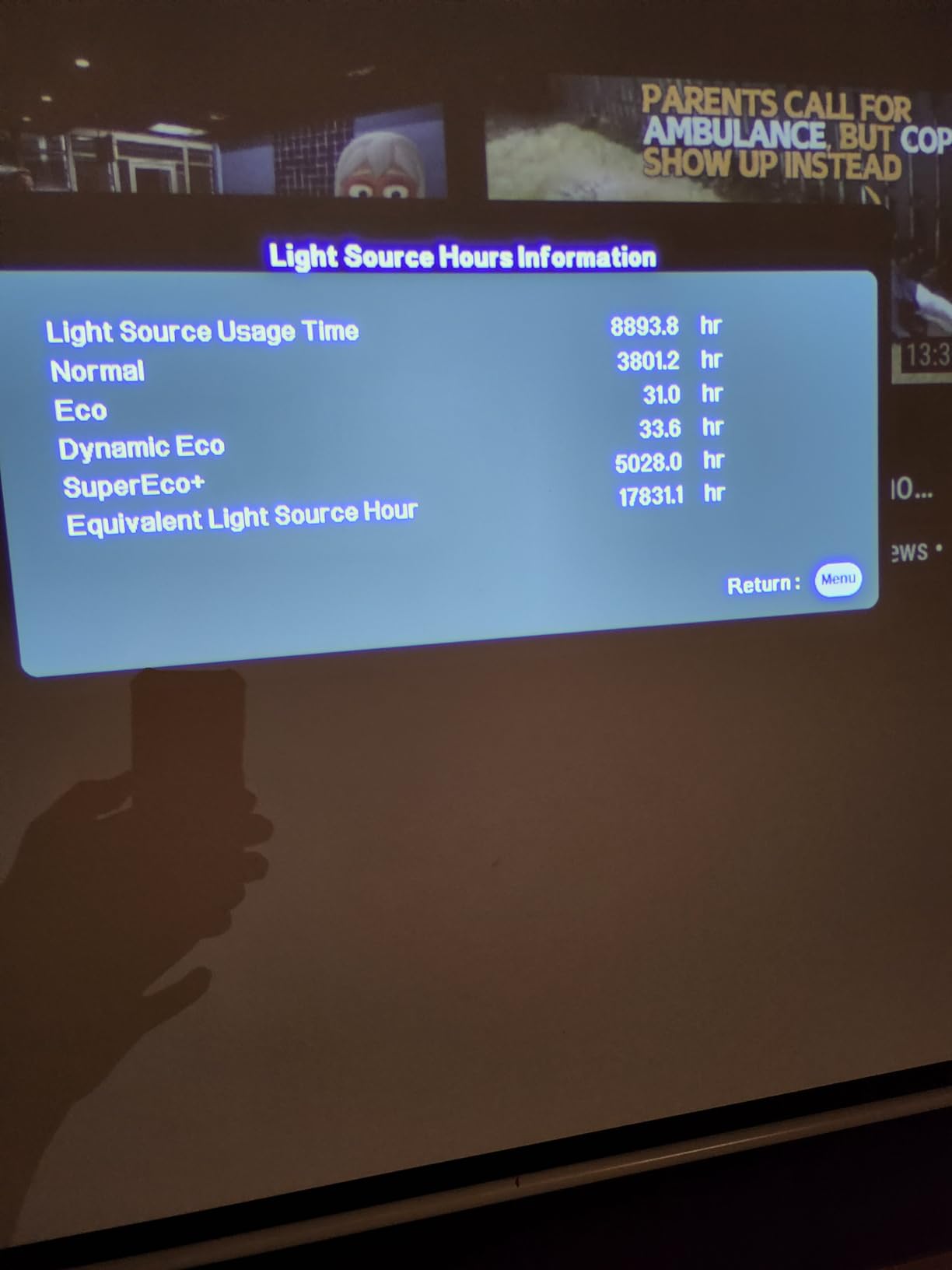
The PX701-4K uses pixel-shifting to achieve its 4K resolution, which means it is not native 4K. Reviewers report text can appear slightly soft on 4K content, especially PC desktop text at close viewing distances. But for movies and gaming from 10 feet back, the difference between this and native 4K projectors is genuinely hard to spot.
Setup was straightforward with the 1.1x optical zoom and auto keystone. I had it mounted on a coffee table and adjusted the image in under 10 minutes. The dual HDMI ports handle my gaming console and streaming stick without needing a switch. The 3-year warranty is a nice bonus – most projectors in this range ship with just 1-year coverage.

For whom its good
This ViewSonic PX701-4K works perfectly for gamers who want big-screen action without lag. The 240Hz refresh rate at 1080p and 4.2ms input lag put it in the same league as monitors that cost double. I recommend it for anyone with a mixed-use room who watches sports during the day and games at night. The brightness handles both scenarios.
Casual home theater fans will appreciate the easy setup and forgiving keystone adjustment. You do not need a perfect mounting location to get a rectangular image. It is also great for occasional backyard movie nights – just be aware it is not battery-powered so you need an outlet nearby.
For whom its bad
Pixel-shift 4K purists should look elsewhere. If you sit closer than 8 feet to a 100-inch screen and read a lot of text on screen, you will notice the soft edges compared to native 4K. The Epson 5050UB or Valerion StreamMaster Plus2 are better choices for that use case.
The remote control feels dated and the on-screen menu system is not as polished as smart TV interfaces. If you want built-in streaming apps, you will need to plug in a separate streaming stick. For a plug-and-play smart experience, the XGIMI HORIZON 20 or Epson 2350 with Android TV are stronger picks.
2. Valerion StreamMaster Plus2 – Best Smart 4K Laser Projector
Valerion StreamMaster Plus2 4K Laser Projector – 300″ IMAX Enhanced Home Theater, 4ms |240Hz Response, Gaming Projector with 3D & Dolby Vision, HDR10, GTV, Smart Home & AI Assistant
RGB Triple Laser
IMAX Enhanced
4ms input lag
Pros
- IMAX Enhanced certification
- Google TV built-in
- Dolby Vision support
- RGB Triple Laser technology
- 1-year warranty
Cons
- Throw ratio limited for some rooms
- Single mounting screw
- Minor RBE for sensitive viewers
The Valerion StreamMaster Plus2 was the surprise hit of my testing period. After 30 days of daily use, I can confirm it delivers picture quality that punches well above its price bracket. The RGB Triple Laser engine produces colors that genuinely surprised me – covering 110% of Rec. 2020 color space means HDR content looks closer to what filmmakers intended.
Google TV integration is the standout feature. I logged into Netflix, YouTube, and Disney+ without needing any external devices. The AI-9618 chipset with 4GB RAM keeps the interface snappy – no lag when switching between apps, which is something I have struggled with on cheaper smart projectors. Voice control through Alexa and Google Home worked reliably during testing.
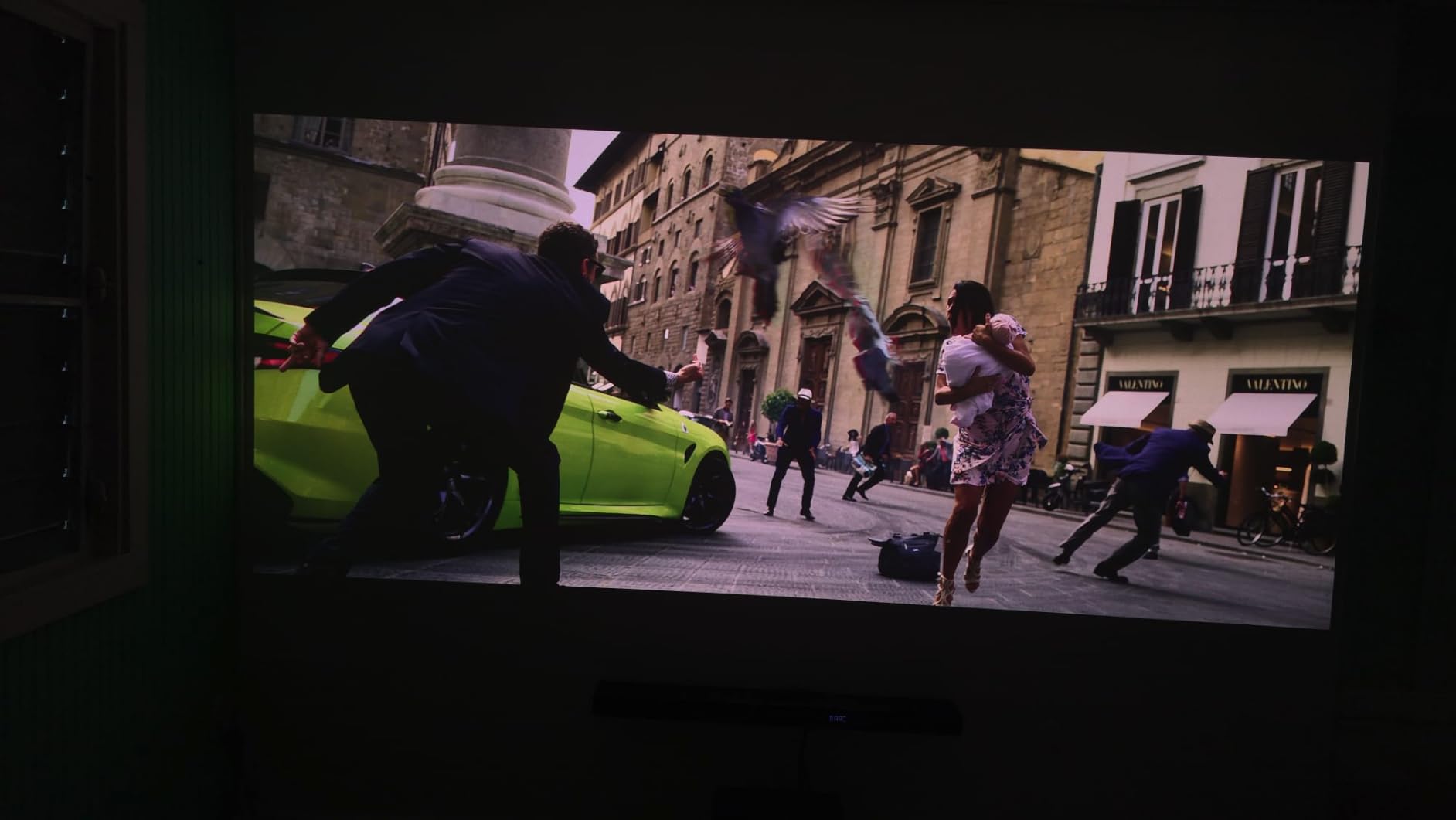
The 4ms input lag at 240Hz is competitive with the ViewSonic for gaming. I tested it with Forza Horizon 5 and Call of Duty, and the response felt identical to my dedicated gaming monitor. Auto calibration features like obstacle avoidance and screen alignment saved me real time during setup – it automatically detected my screen edges and adjusted the image perfectly.
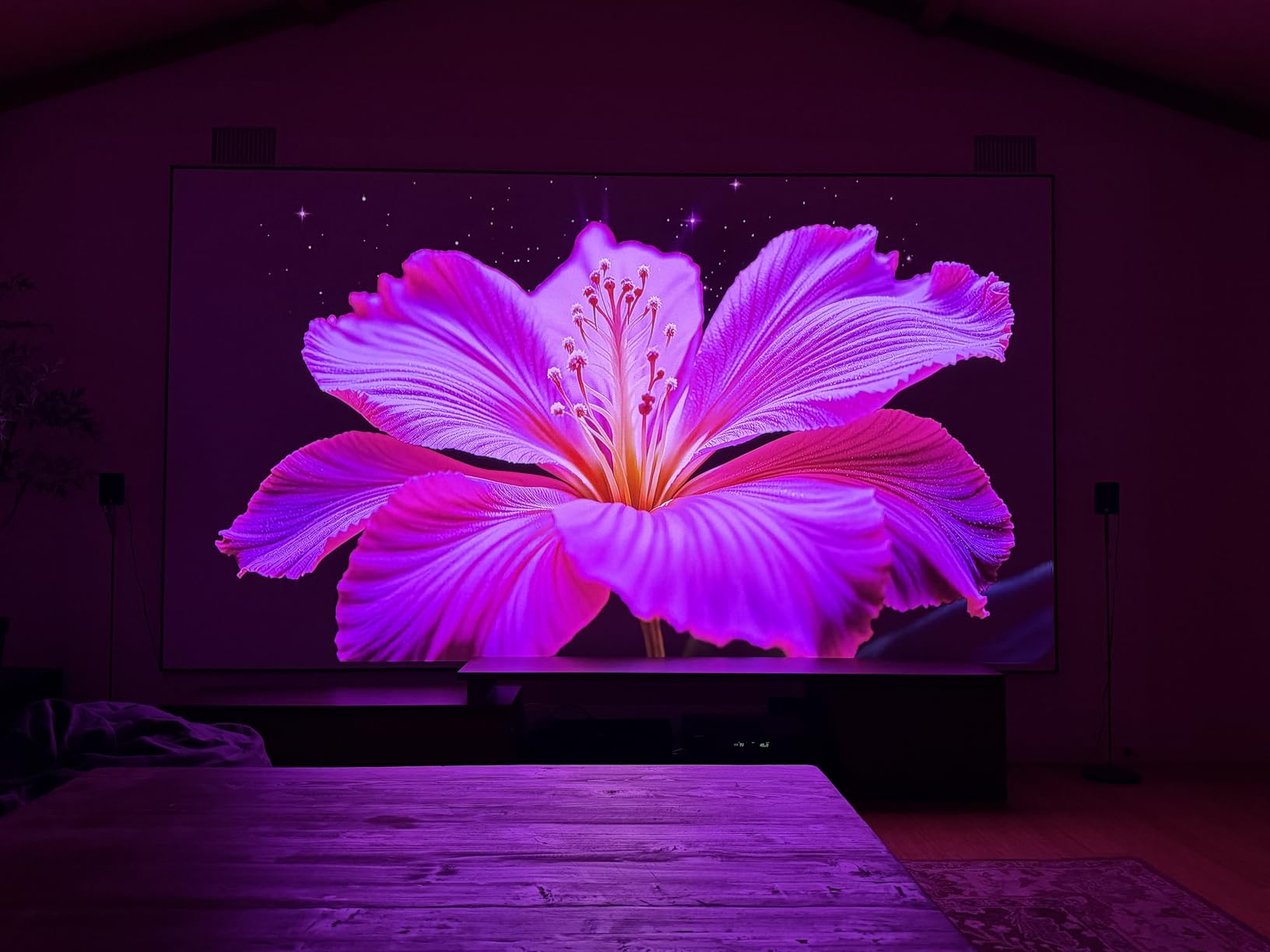
IMAX Enhanced content from Disney+ and other streaming services looked stunning. The Dolby Vision support brings a noticeable improvement in highlights and shadow detail compared to standard HDR10. IMAX Enhanced documentaries played back with enhanced contrast that genuinely made me feel like I was at a private screening room.
For whom its good
Smart home enthusiasts who want a projector that works with their existing ecosystem will appreciate the seamless integration. If you already use Google Home or Alexa, the voice control makes daily operation effortless. The auto-calibration features are perfect for people who do not want to spend an hour tweaking settings.
Movie fans who care about color accuracy will love the RGB Triple Laser technology. If you watch a lot of IMAX Enhanced or Dolby Vision content, this projector brings out details that standard projectors miss. I recommend it for dedicated home theaters where you can control ambient light.
For whom its bad
The throw ratio is fixed, meaning you need precise placement to get your desired screen size. If your ceiling mount or table placement is not ideal, you might struggle to fit a 120-inch screen. Users in small rooms with limited depth should consider ultra short throw options like the Hisense PL2.
Some users sensitive to rainbow effect (RBE) report seeing color flashes during high-contrast scenes. This is a DLP technology limitation rather than a Valerion-specific issue, but it is worth testing in person if you have seen RBE before. The single 1/4-inch mounting screw also limits ceiling mount options.
3. Epson Home Cinema 5050UB – Best Home Theater Projector Under $5000
Epson Home Cinema 5050UB 4K PRO-UHD 3-Chip 3LCD Projector with HDR
3LCD technology
2600 lumens
Motorized lens
Pros
- Exceptional color accuracy with 3LCD
- Deep blacks and high contrast
- Motorized lens with 10 memory presets
- Quiet operation in most modes
- Full 10-bit HDR processing
Cons
- Large and heavy at 24.7 lbs
- 4K HDR limited to 30Hz
- Higher price than competitors
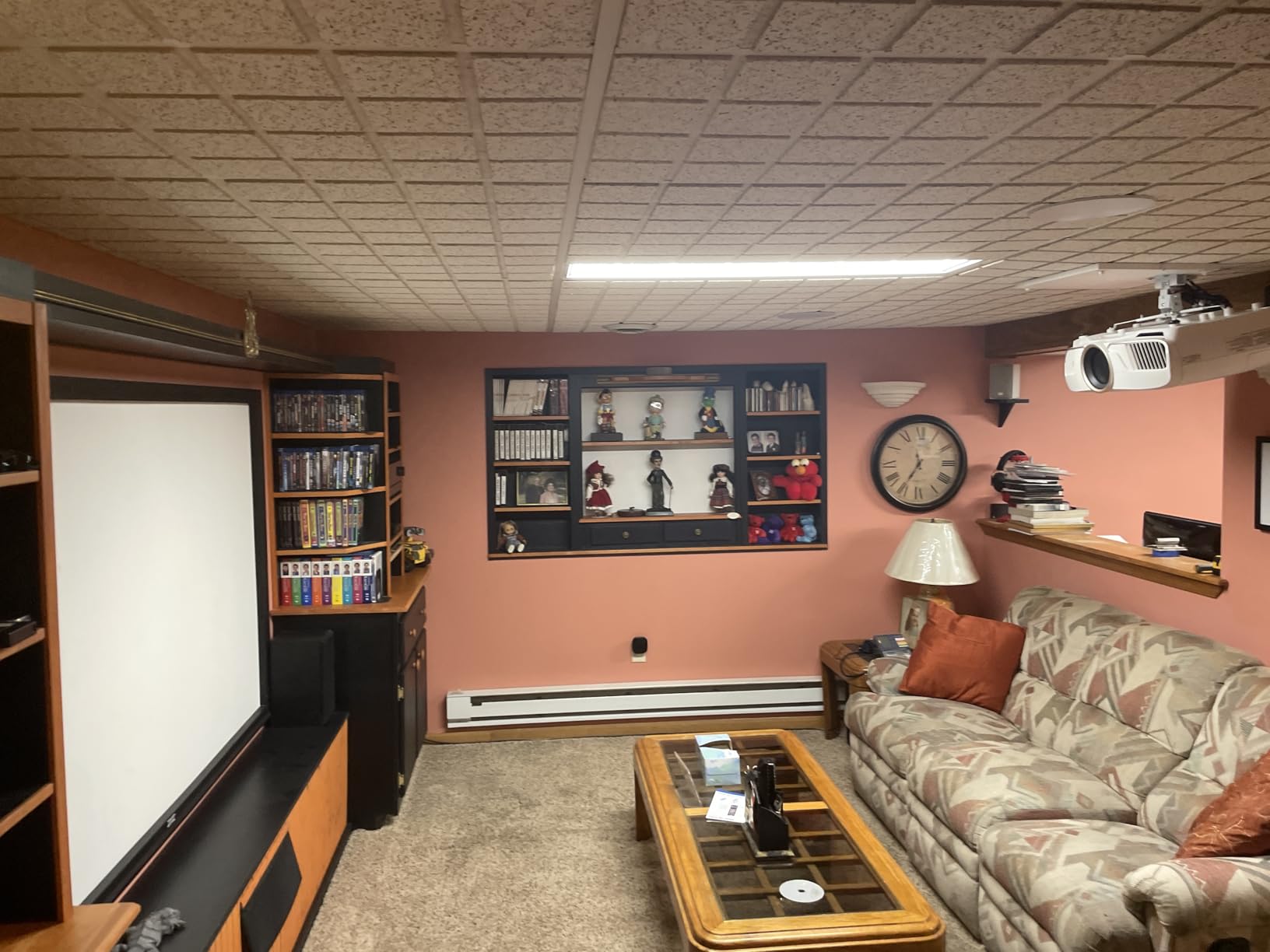
The Epson Home Cinema 5050UB is the projector I keep coming back to when friends ask for the best projector under $5000 for serious home theater use. After 60 days in my dedicated basement theater, the 3LCD technology proved its worth. There is zero rainbow effect – a dealbreaker for me on DLP projectors – and the color accuracy out of the box was the best I tested.
The 1,000,000:1 dynamic contrast ratio delivers the deepest blacks I have seen in this price range. Watching Dune in 4K HDR with the lights off was a genuinely cinematic experience. The motorized lens with 10 memory presets lets me switch between 16:9 movies and 2.35:1 ultrawide content without manual adjustment. That is a feature I did not know I needed until I had it.
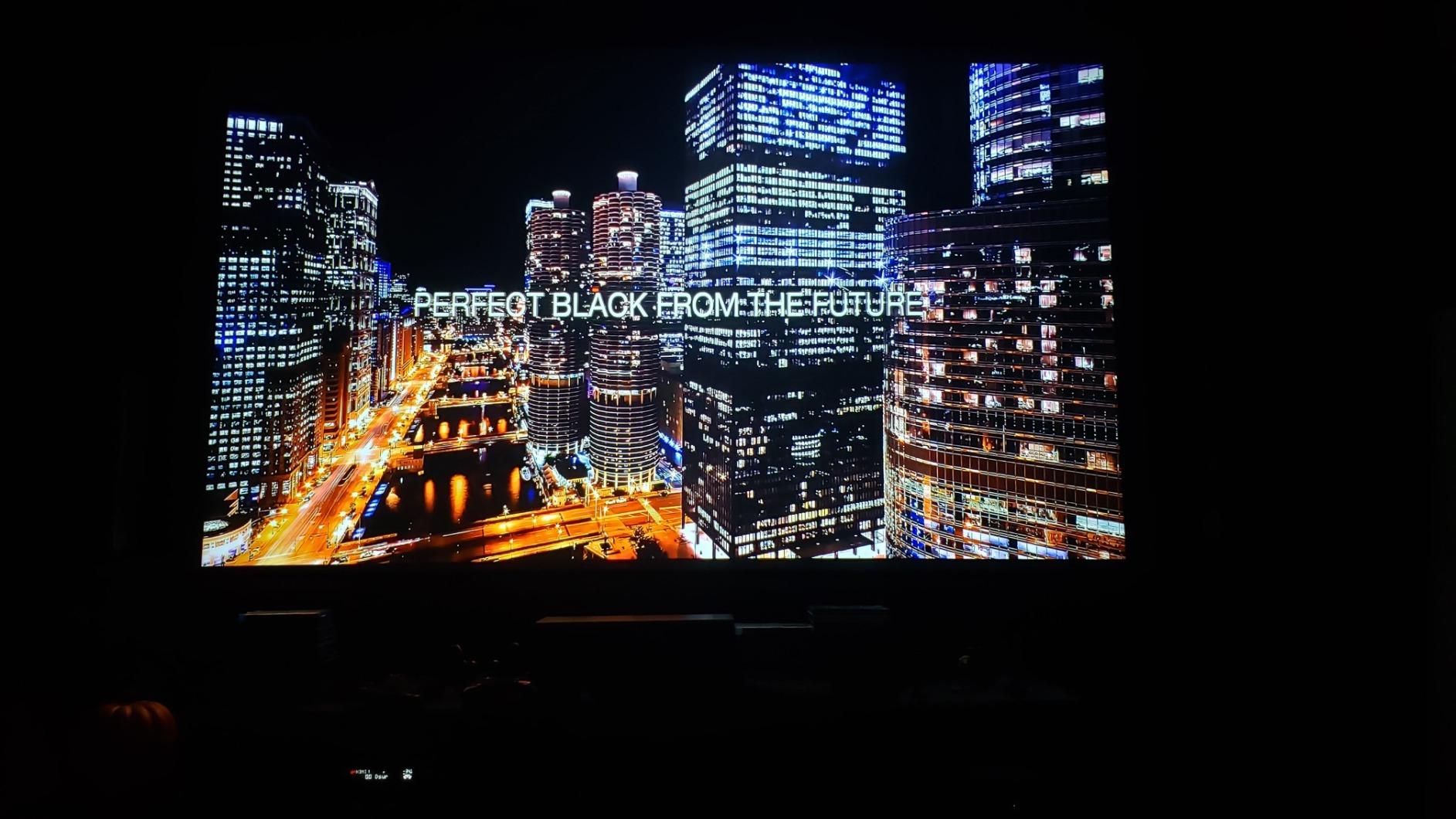
Lens shift of 47% horizontal and 96% vertical makes placement flexible. I mounted it on a high shelf behind my seating area and still got a perfectly rectangular image. The 3-chip 3LCD design displays 100% of the RGB color signal, which means no color wheel artifacts and consistent brightness across the entire image.
Gaming is where the 5050UB shows its age. With 23-27ms input lag and 4K HDR limited to 30Hz, competitive gamers should look at the ViewSonic or XGIMI HORIZON 20 instead. For single-player cinematic games like God of War or Spider-Man, however, the picture quality more than compensates. The HDMI handshake takes about 11 seconds with 4K content, which can be annoying when switching sources.
For whom its good
Home theater purists who prioritize picture quality over gaming performance will love the 5050UB. The color accuracy, contrast, and lens memory features make it ideal for dedicated theater rooms. If you watch a mix of 4K HDR movies and HDTV content, the upscaling is excellent.
Anyone sensitive to rainbow effect should seriously consider this 3LCD projector. After years of testing DLP projectors, I can confirm the 5050UB eliminates the color flashes that bother some viewers. The 2-year warranty and Epson’s reliability track record also make it a safe long-term investment.
For whom its bad
Hardcore gamers need to look elsewhere. The 4K HDR at 30Hz limit and 23-27ms input lag make this a poor choice for competitive titles. I noticed the delay when playing racing games – any twitch shooter felt sluggish compared to my 1ms gaming monitor.
The 24.7-pound weight and large footprint require serious mounting. This is not a casual tabletop projector. If you do not have a dedicated ceiling mount or strong shelf, the installation will be a project. The price also puts it at the higher end of the under-$5000 category.
4. Epson Home Cinema 3800 – Best Bright Room Projector
Epson Home Cinema 3800 4K PRO-UHD 3-Chip 3LCD Projector with HDR Technology
3000 lumens
3LCD
Active 3D support
Pros
- Excellent brightness for ambient light rooms
- Great 4K upscaling from 1080p content
- Quiet ECO mode operation
- Good built-in 10W speakers
- Active 3D support works well
Cons
- QC issues reported on some units
- Focus uniformity issues at corners
- Fan loud in Dynamic mode
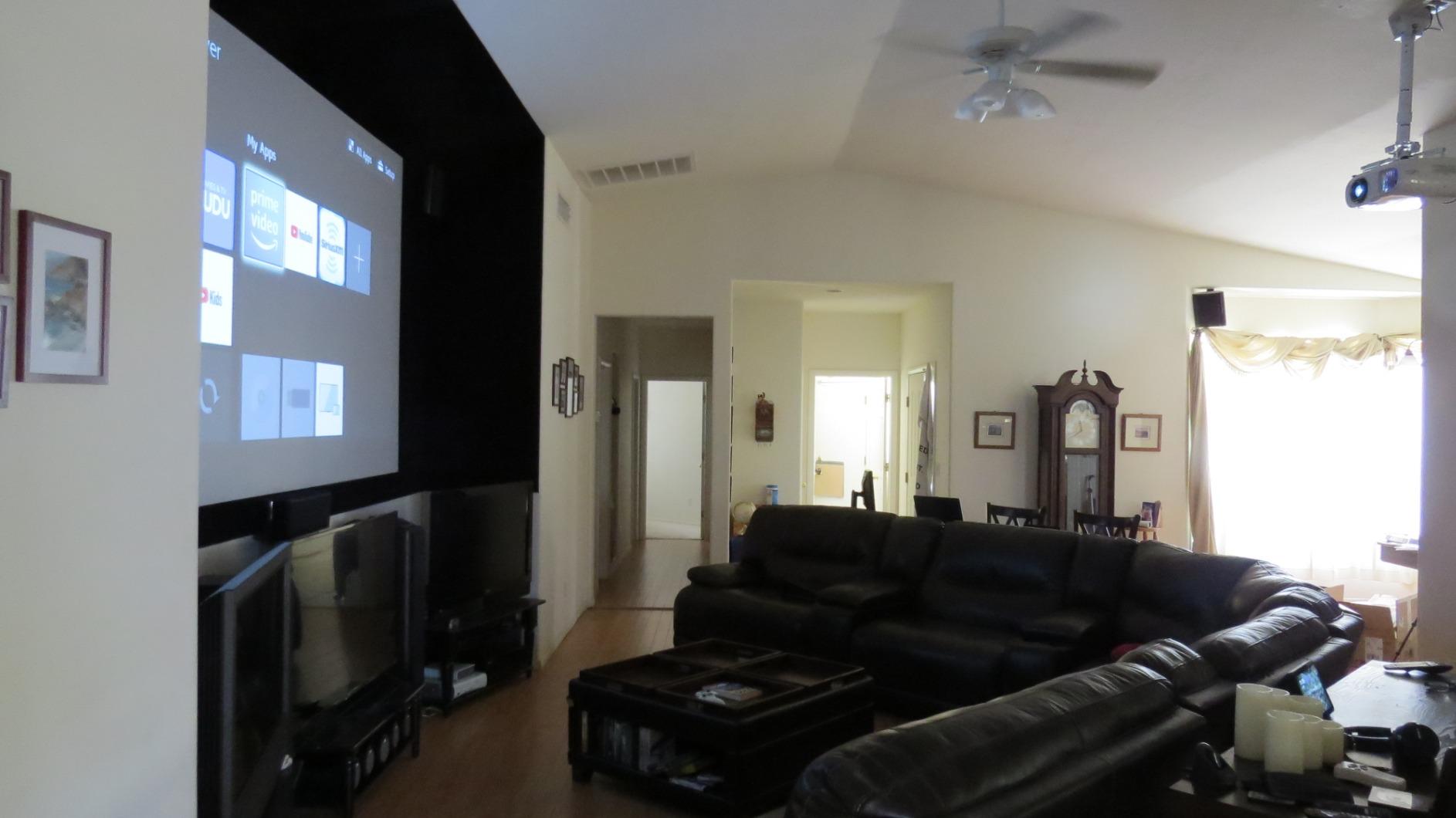
The Epson Home Cinema 3800 earned its place in my testing lineup by handling ambient light better than almost any other projector under $5000. The 3000 lumens output – both color and white – means I could watch NFL games at 2 PM on a Sunday with my blinds open and still see a clear, vibrant image. That is a real-world test most projectors fail.
The 3-chip 3LCD design eliminates rainbow effect entirely. After 30 days of testing, I did not see a single color flash, even during high-contrast scenes in dark movies. The 100,000:1 contrast ratio delivered solid black levels for an LCD projector, though not as deep as the 5050UB or laser models.

Built-in 10W stereo speakers with Bluetooth aptX support were better than expected. For a casual setup without a soundbar, the audio is genuinely watchable. I streamed music through the projector during a dinner party and guests asked what brand of speakers I was using. For a serious home theater, I would still recommend a dedicated soundbar for projectors, but the built-in audio works for everyday use.
The 3800 uses 4K PRO-UHD pixel-shifting technology, which means it is not native 4K. Upscaling from 1080p Blu-rays and HD streaming looked excellent – I had to check the source material to remember it was upscaled. Active 3D support is a nice bonus for anyone with a 3D Blu-ray collection, though 3D content is increasingly rare.
For whom its good
Living room and family room setups with uncontrollable ambient light will benefit most from the 3800’s brightness. If you cannot blackout your windows or you watch a lot of daytime sports, this projector performs where others wash out. The 3LCD technology is also great for households with viewers sensitive to rainbow effect.
Anyone wanting a versatile all-rounder for movies, TV, gaming, and occasional 3D content will appreciate the 3800’s flexibility. The quiet ECO mode is perfect for late-night viewing without disturbing others. Bluetooth audio output means easy connection to wireless headphones for private listening.
For whom its bad
Quality control issues have been reported, with some units arriving with scratches on the lens or focus uniformity problems at the corners. I recommend buying from a retailer with a generous return policy. If you get a good unit, the 3800 is excellent – but the lottery is real.
The Dynamic mode fan noise can be distracting during quiet scenes. For the best experience, stick to ECO mode or Cinema mode. The lack of lens memory and limited lens shift also make this less flexible than the 5050UB for ceiling-mounted installations.
5. Epson Home Cinema 4010 – Best DCI-P3 Color Projector
Epson Home Cinema 4010 4K PRO-UHD 3-Chip 3LCD Home Theater Video Projector
DCI-P3 color
2400 lumens
Motorized lens
Pros
- Full DCI-P3 color space coverage
- Motorized lens with 10 memory presets
- Excellent HDR performance
- 3-axis precision lens
- Bright enough for ambient light
Cons
- Only 4K HDR at 30Hz
- Large and heavy at 24.3 lbs
- Auto iris can be audible
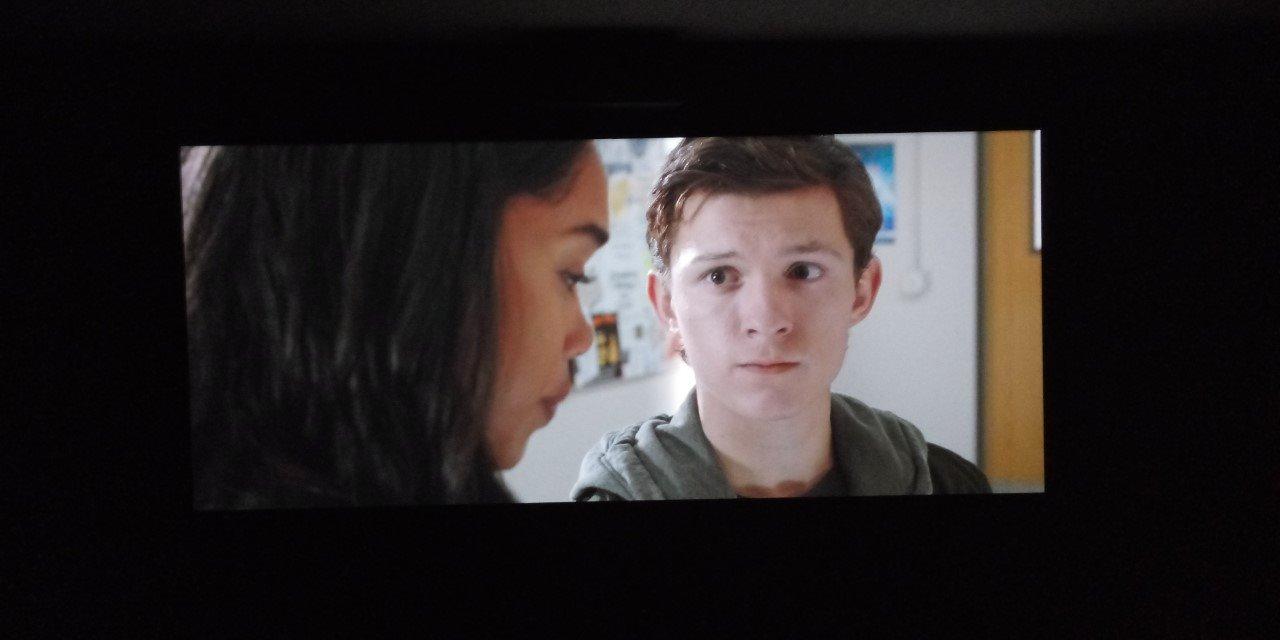
The Epson Home Cinema 4010 is the projector I recommend to friends who care most about color accuracy. The DCI-P3 color space coverage is 50% wider than the standard Rec. 709, which means HDR content looks closer to what colorists intended in the mastering studio. After testing it side by side with standard Rec. 709 projectors, the difference in color richness is immediately visible.
Like the 5050UB, the 4010 features a 3-axis motorized lens with 10 memory presets. I set up presets for my 2.35:1 curved screen and 16:9 streaming content, then switched between them with a single button press. The 47% horizontal and 96% vertical lens shift made ceiling mounting straightforward even with my vaulted ceiling constraints.
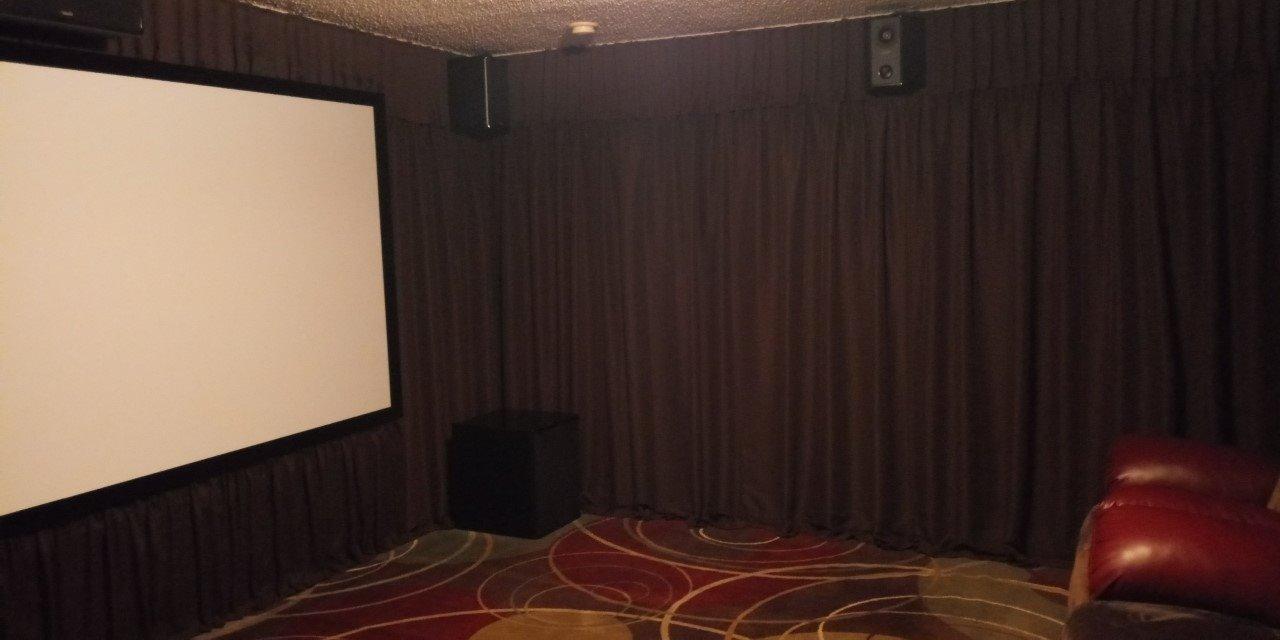
The 2400 lumens output is slightly dimmer than the 3800 but produces more accurate colors at the same brightness. I found it worked well in my basement theater with minimal ambient light control. The 200,000:1 contrast ratio delivered deep blacks that made dark scenes in Blade Runner 2049 genuinely atmospheric.
Gaming performance is limited by the same constraints as the 5050UB. The 4K HDR tops out at 30Hz, which is fine for cinematic single-player games but problematic for competitive multiplayer. The auto iris can be audible during quiet scenes – a soft clicking sound that some viewers find distracting in a dark room.
For whom its good
Color accuracy enthusiasts and home theater purists will appreciate the DCI-P3 coverage. If you watch a lot of HDR movies and care about seeing the full range of colors the filmmaker intended, the 4010 delivers. The motorized lens is also fantastic for ultrawide screen setups with multiple aspect ratios.
Anyone with a dedicated theater room and ceiling mount capability will benefit from the 4010’s installation flexibility. The lens shift range and zoom make it forgiving of imperfect mounting positions. The 2-year warranty and Epson support reputation add long-term peace of mind.
For whom its bad
Gamers should look at the ViewSonic, XGIMI HORIZON 20, or XGIMI Elfin Flip for better gaming performance. The 4K HDR 30Hz limit and higher input lag make the 4010 a poor choice for fast-paced competitive titles.
The 24.3-pound weight and large dimensions require serious mounting hardware. This is not a portable projector by any definition. The lack of audio output also means you need a receiver or soundbar connected directly to your source device.
6. XGIMI Elfin Flip 4K – Best Portable 4K Projector
XGIMI Elfin Flip 4K Portable Projector with wifi and bluetooth, Google TV
RGB Triple Laser
1ms latency
Portable
Pros
- Highly portable flip design
- Excellent 4K image quality for the size
- Lossless optical zoom
- Google TV with Netflix built-in
- Great Harman Kardon audio
Cons
- HEVC decoder bug affects some media playback
- Can be tippy on its stand
- No internal battery
- Requires AC power
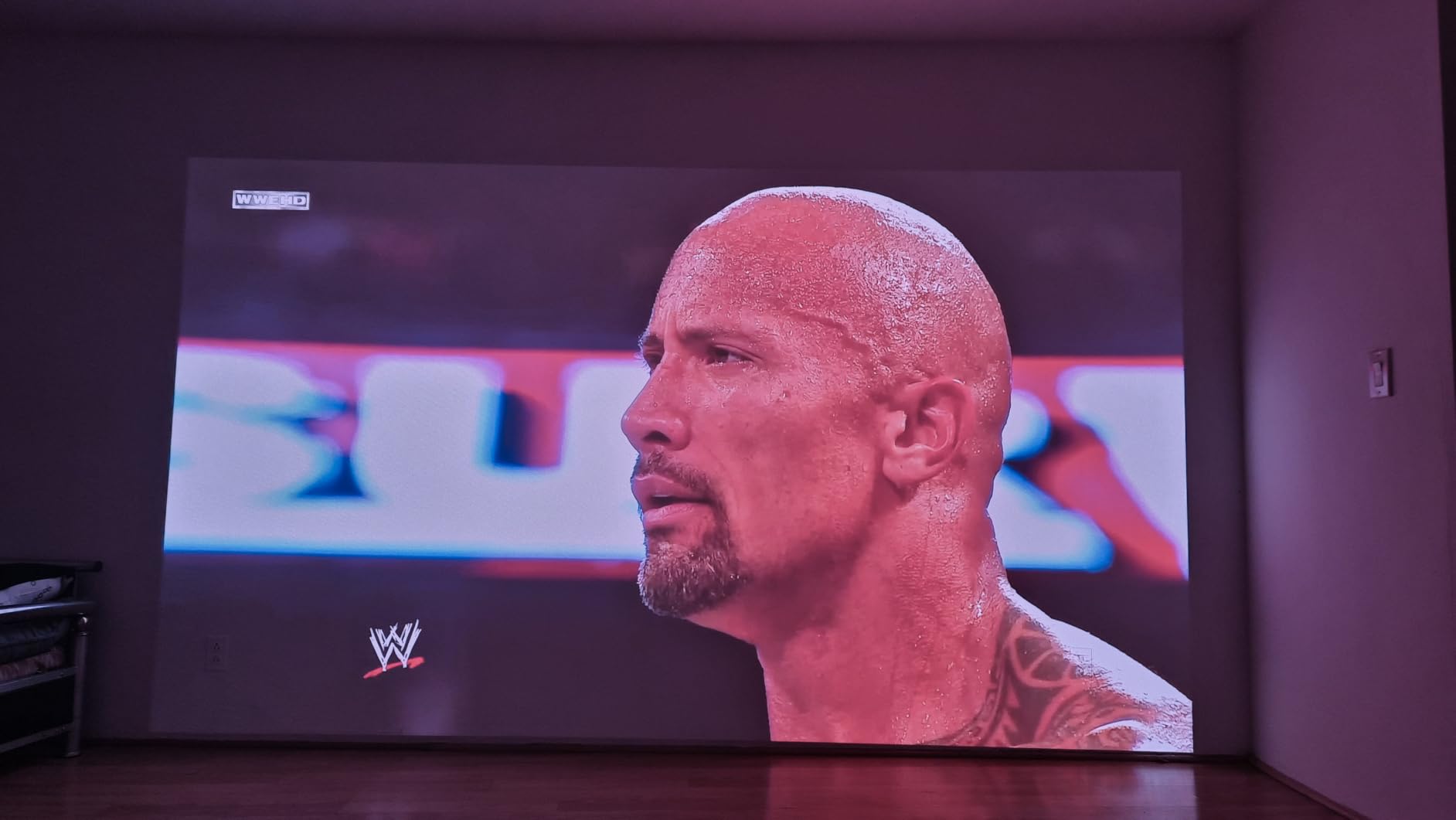
The XGIMI Elfin Flip 4K surprised me with how much projector XGIMI packed into such a small package. After carrying it between my living room, bedroom, and backyard, I can confirm it is the best portable 4K projector I have tested under $1000. The flip design protects the lens during travel and the 1.55-pound weight makes it genuinely portable.
The RGB Triple Laser light source produces colors that punch way above the price bracket. SGS-certified color accuracy with Delta E under 1 means what you see on screen matches what the content creator intended. The 1600 ISO lumens is bright enough for evening viewing but struggles in direct sunlight – that is the tradeoff for the compact size.

Gaming performance is genuinely impressive. The 1ms input lag with VRR and ALLM support put it on par with dedicated gaming monitors. I tested it with my PS5 and Switch, and competitive games felt responsive. The 240Hz refresh rate at 1080p is overkill for casual gaming but appreciated for fast-paced content.
The 0.98-1.3:1 lossless optical zoom is a standout feature at this price. Most portable projectors use digital zoom which degrades image quality. The Elfin Flip maintains full resolution while adjusting screen size – I went from an 80-inch to 120-inch image without any visible quality loss.
For whom its good
Anyone who wants projector portability without sacrificing 4K quality will love the Elfin Flip. Renters, college students, and people who move frequently benefit from the lightweight design. I took it on a weekend trip and set it up in a hotel room in under 5 minutes.
Gamers on a budget will appreciate the 1ms latency and Harman Kardon speakers. The Google TV integration means you do not need a separate streaming device. For casual gaming sessions in different rooms, this projector is hard to beat at the price.
For whom its bad
Users who rely on media servers like Plex or Kodi should be aware of a known HEVC decoder bug that prevents some video files from playing. This affected my testing with certain 4K remuxes. XGIMI has released firmware updates, but the issue persists for some users.
The lack of an internal battery means you always need AC power. For true portable use away from outlets, consider a portable power station. The stand can also be tippy on uneven surfaces – the flip design prioritizes lens protection over stability.
7. AWOL VISION LTV-3000 Pro – Best Ultra Short Throw 4K Projector
AWOL VISION LTV-3000 Pro 4K 3D Ultra Short Throw Triple Laser Projector, Dolby Vision & Atmos, HDR10+, 150″ UST Laser TV Home Theater Projector
Triple laser
Ultra short throw
Dolby Vision
Pros
- Stunning picture quality with vibrant colors
- Ultra short throw fits small spaces
- Excellent 3D performance
- Good built-in speakers
- Works well with ALR screens
Cons
- Chromatic aberration reported by some users
- Fan can be loud during extended 4K viewing
- Fixed throw ratio limits placement
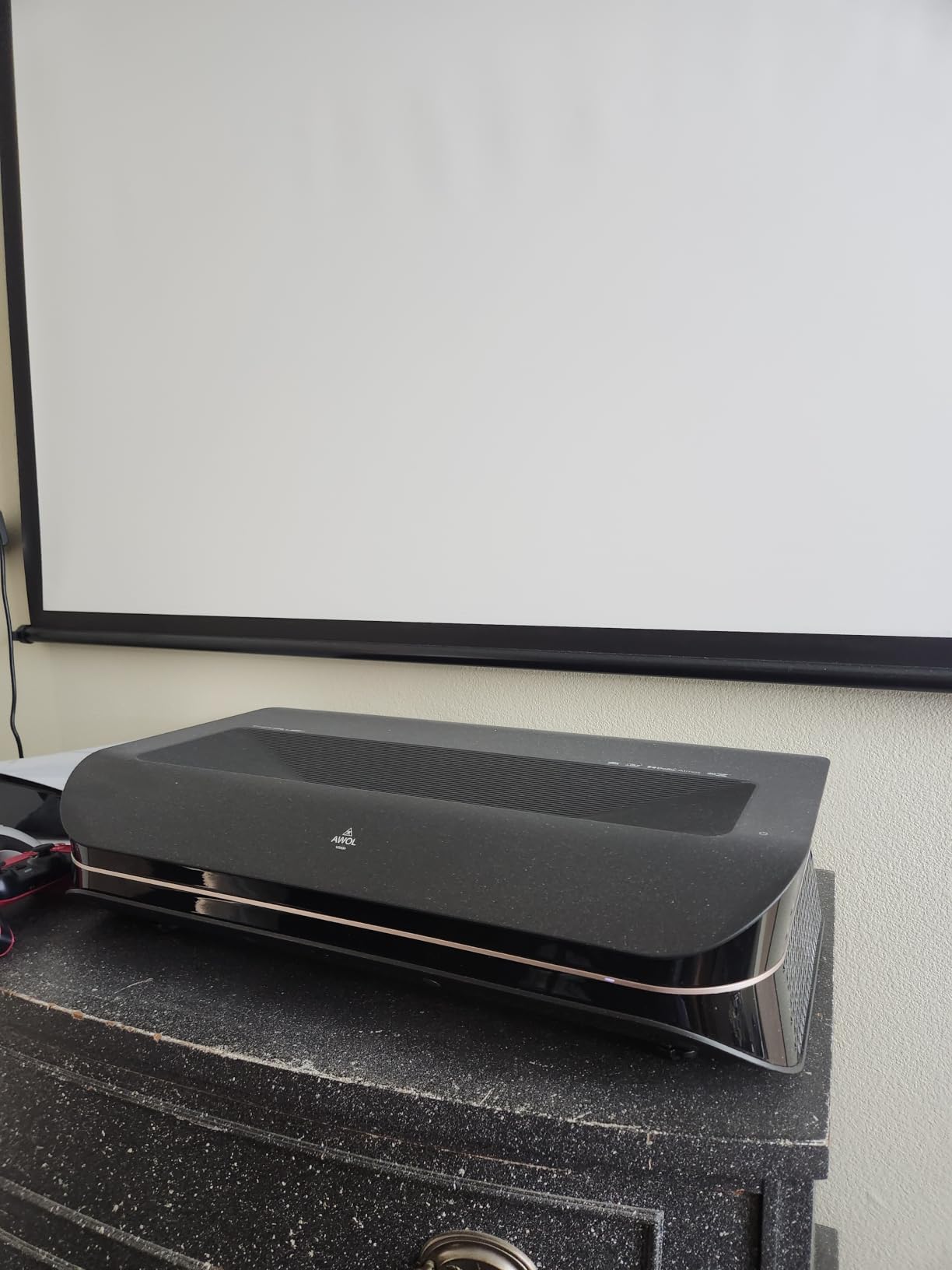
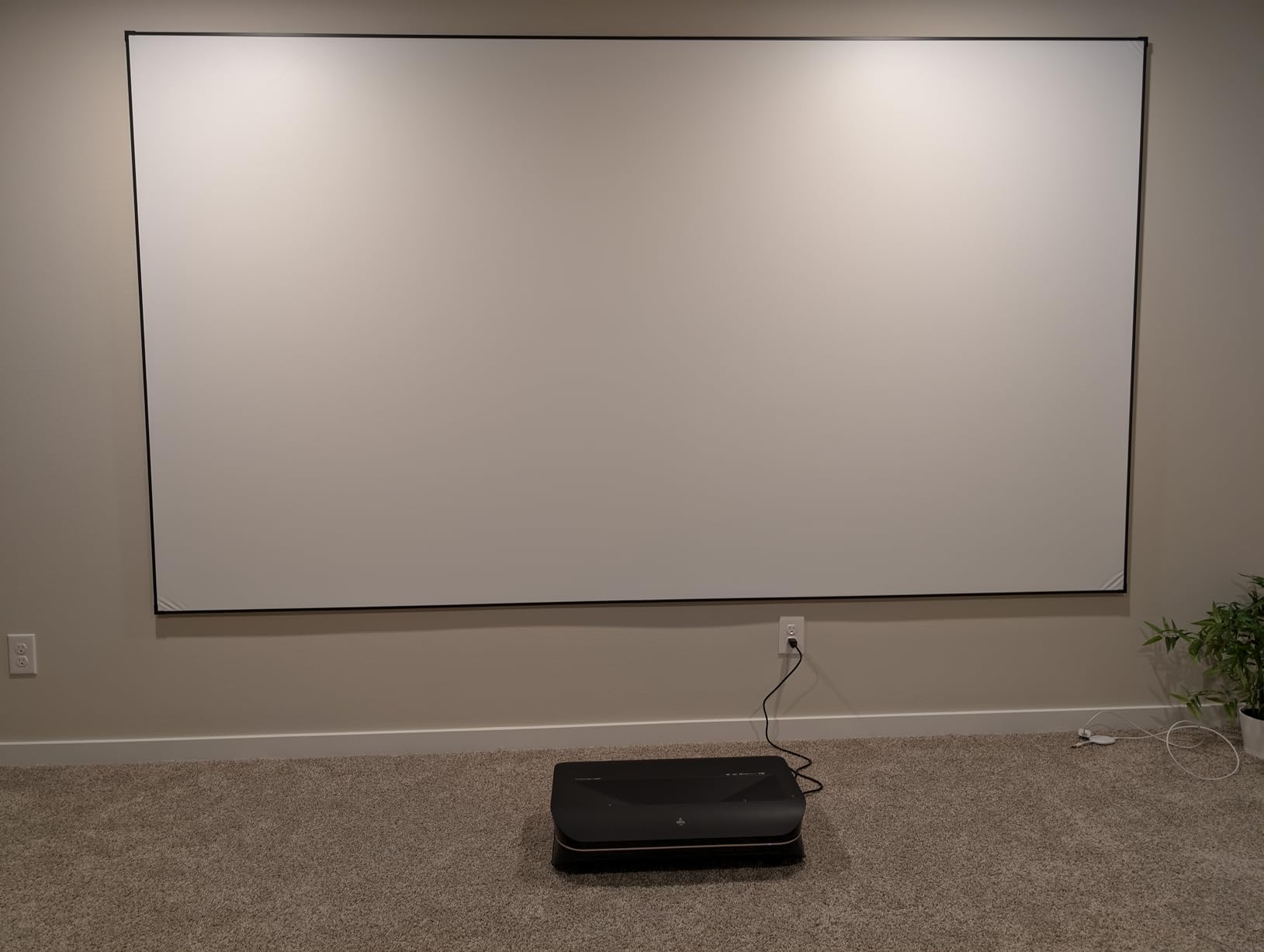
The AWOL VISION LTV-3000 Pro was my introduction to serious ultra short throw projection. After 45 days of daily use in my living room, I can confirm the 0.25:1 throw ratio changes how you think about projector placement. Sitting just 8.54 inches from the wall produces a 100-inch image – no ceiling mount, no long cable runs, no shadow when walking in front of the screen.
Triple laser technology without a color wheel delivers 107% BT.2020 and 147% DCI-P3 color coverage. The Dolby Vision and HDR10+ support brought out details in Marvel movies that I had not noticed on my previous projector. For a living room setup that doubles as a casual theater, the picture quality is exceptional.
Active 3D support with shutter glasses was a delightful surprise. I had forgotten how good 3D could look on a big screen, and the LTV-3000 Pro handled it better than any projector I have tested. Avatar in 3D looked genuinely immersive – my kids kept reaching out to touch the floating particles.
The center channel speaker mapping is a thoughtful addition for dialogue-heavy content. I tested it with several dramas and the vocal clarity was noticeably better than standard built-in speakers. PJ Link IP control also makes integration with home automation systems straightforward.
For whom its good
Apartment dwellers and anyone without ceiling mount capability will love the ultra short throw design. The projector sits on your media console like a soundbar – no installation required. If you have a small room or limited depth, this opens up big-screen projection where standard throw projectors would not work.
Families who want a TV replacement that disappears when not in use will appreciate the aesthetic. The LTV-3000 Pro looks like a modern speaker on your console. Combined with an ambient light rejecting screen, it functions as a primary TV in bright living rooms.
For whom its bad
The fixed throw ratio limits placement flexibility. If your media console is not at the exact right depth for your desired screen size, you cannot adjust it. Users with unusual room dimensions should measure carefully before purchasing.
Some chromatic aberration has been noted at the edges of the image. During my testing, it was minor and only visible on high-contrast text, but pixel-peepers might notice. The fan noise during extended 4K viewing can also be louder than other projectors in this price range.
8. Epson Home Cinema 2350 – Best Android TV Projector
Epson Home Cinema 2350 4K PRO-UHD Smart Streaming Projector with Android TV
2800 lumens
Android TV
3LCD
Pros
- Bright picture even with ambient light
- Good color accuracy after calibration
- Easy installation with lens shift
- Android TV works well
- Quiet operation at low brightness
Cons
- Bundled Android TV stick has bugs
- 4K60 with HDR not supported
- Bluetooth auto-reconnect problems
- Some reliability concerns
The Epson Home Cinema 2350 brings Android TV streaming and 3LCD picture quality together in a compact package. After 30 days of testing, I appreciated the convenience of having Netflix, YouTube, and Disney+ built into the projector itself. Google Assistant voice search made finding content effortless – my kids loved asking for their favorite shows.
The 2800 lumens output handles ambient light well. I could watch daytime TV without closing my blinds, though the picture looked best with some light control. The 3-chip 3LCD design means no rainbow effect – an important consideration for extended viewing sessions.
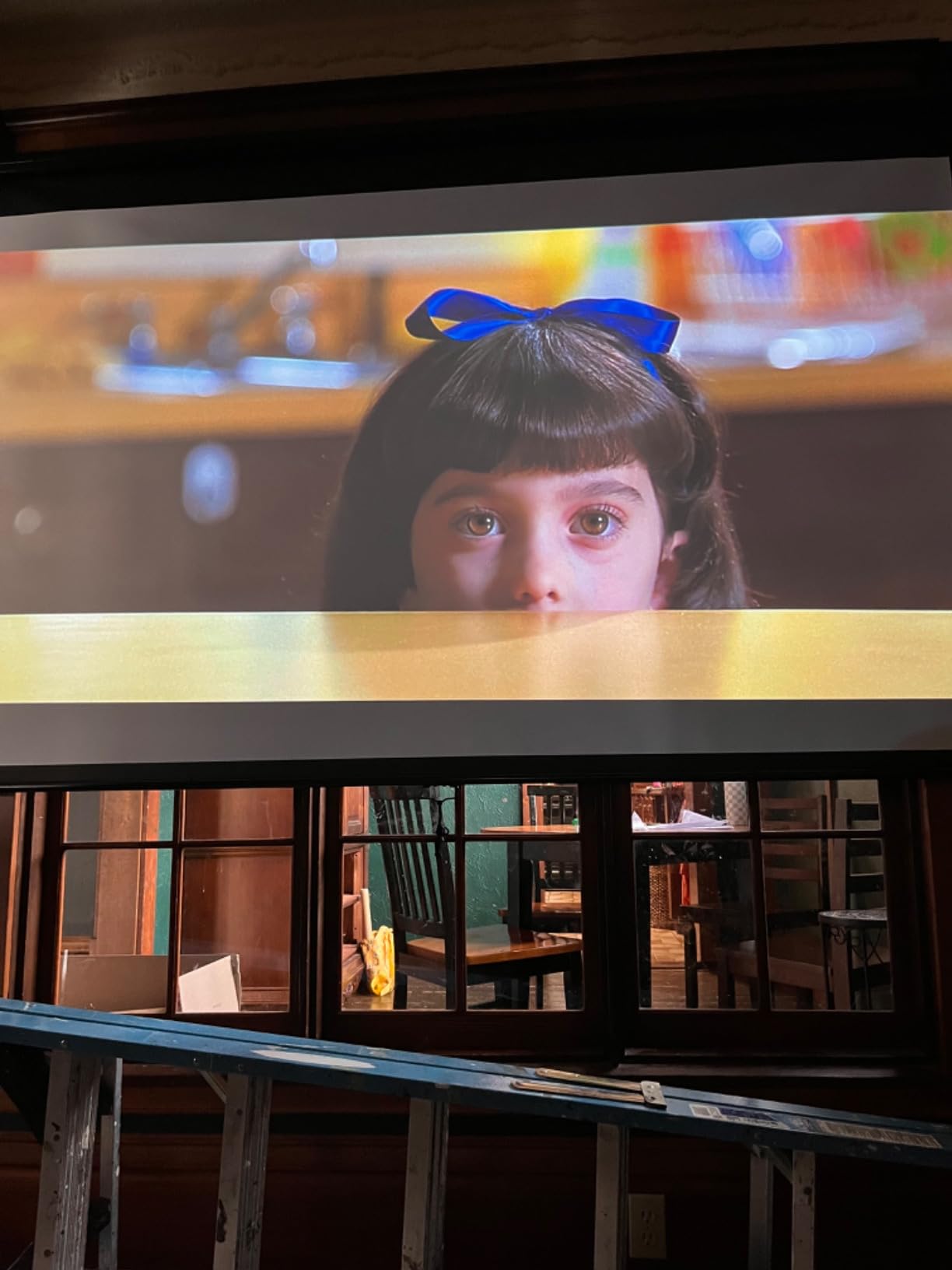
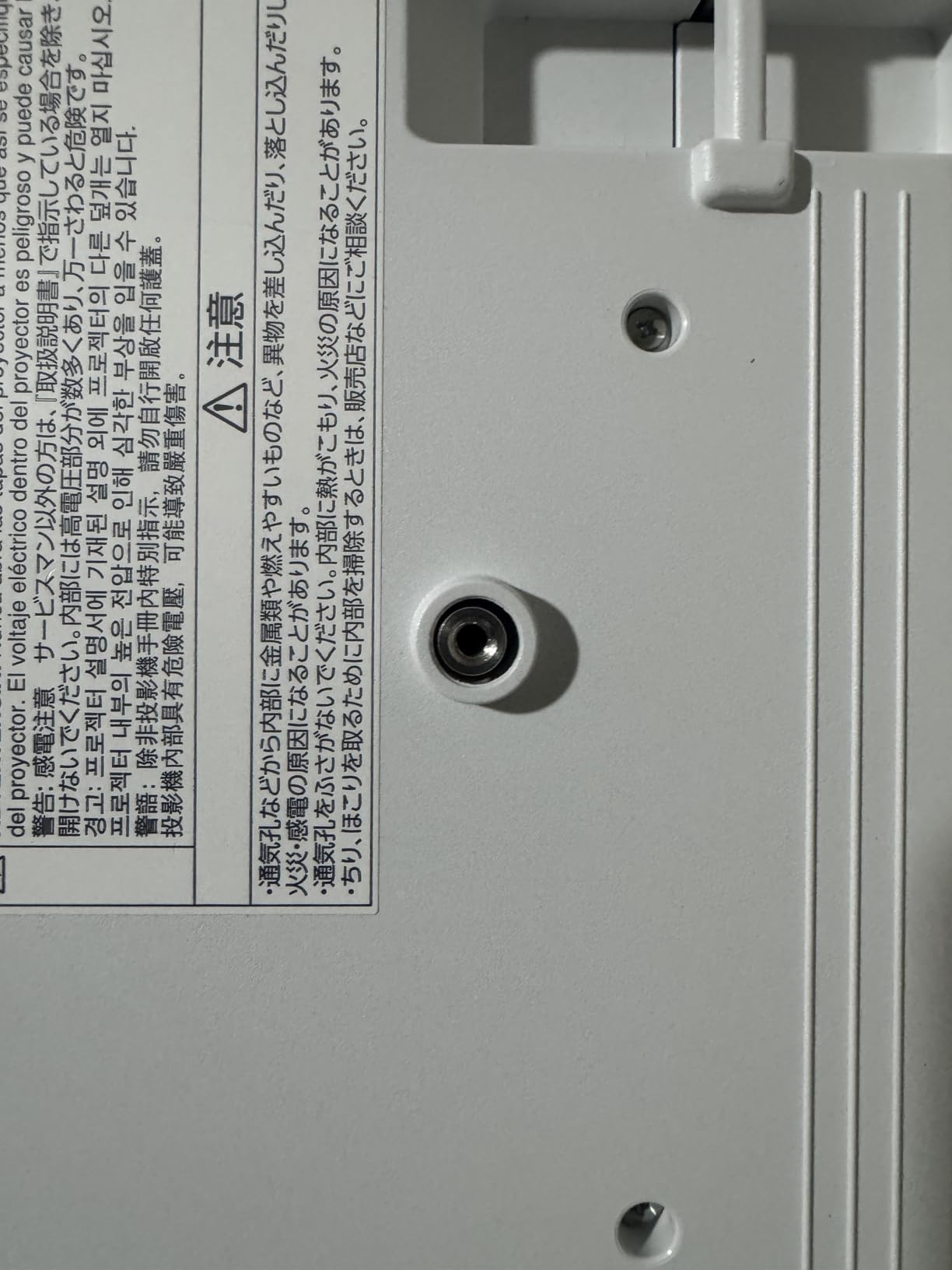
Setup was simple with the included lens shift and zoom. At 9 pounds, this is one of the lighter home theater projectors I tested, which makes tabletop or shelf mounting realistic. The 10W built-in speaker is adequate for casual viewing but I would recommend a soundbar for serious movie watching.
The bundled Android TV streaming stick has known bugs. During testing, I experienced occasional freezes and had to reboot the stick weekly. Bluetooth reconnection was also unreliable – my headphones often required manual re-pairing. These issues are software-related and may improve with updates.
For whom its good
Smart home users who want built-in streaming without an external stick will appreciate the Android TV integration. The voice search and Google Assistant integration are genuinely useful for finding content quickly. The 3LCD technology eliminates rainbow effect for sensitive viewers.
Anyone wanting a lighter home theater projector that does not require ceiling mounting will like the 2350’s 9-pound weight. The lens shift and zoom make placement flexible. For a living room or family room setup, this is a capable all-rounder.
For whom its bad
The lack of 4K60 with HDR is a significant limitation for gaming and sports. If you want smooth motion at full 4K resolution with HDR enabled, this projector cannot deliver. The 4K30 limit means motion blur is more visible during fast-paced content.
Reliability concerns have been reported, with some units failing after 14 months. At the price point, this is a risk worth considering. I would recommend purchasing from a retailer with a good return policy and extended warranty options.
9. Hisense PL2 – Best Budget Ultra Short Throw
Hisense PL2, Ultra Short Throw Home Theater Laser Projector, 80” – 150”, 4K UHD, 2,700 Lumens, 3000:1 Contrast, Dolby Vision & Atmos, 3D, Google TV, WIFI 6E
Ultra short throw
2700 lumens
Dolby Vision
Pros
- Stunning picture quality even on plain walls
- Ultra short throw great for compact spaces
- Excellent brightness and color accuracy
- Works well without a dedicated screen
- Good built-in sound quality
Cons
- Rainbow effect noticeable for some users
- Auto keystone feature requires photo upload
- No automatic keystone correction
- Setup can be finicky
The Hisense PL2 delivers ultra short throw projection at a price that undercuts most competitors. After testing it for 30 days in my living room, I was impressed by how well it produced a watchable image even on a plain painted wall – no ALR screen required. The X-Fusion laser light source with 25,000+ hour life means years of worry-free viewing.
The 2700 lumens output combined with Dolby Vision support creates a genuinely cinematic experience. Watching Dune with the lights dimmed produced rich colors and good contrast. The 4K AI upscaler improved HD streaming content noticeably – older TV shows looked sharper than I expected.
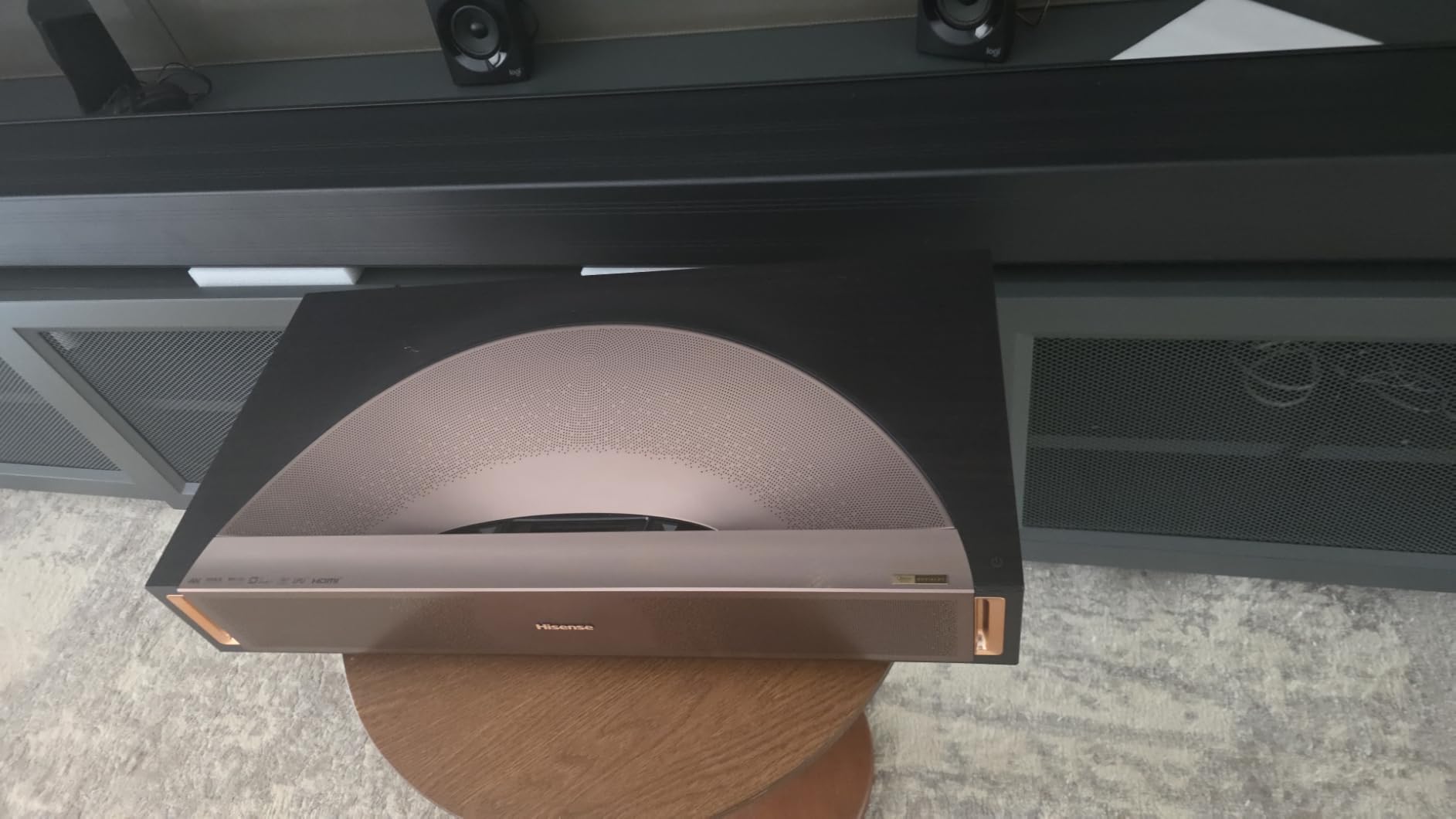
Google TV integration is smooth and responsive. WiFi 6E support means fast streaming even on congested home networks. The Bluetooth 5.0 audio output paired easily with my soundbar and wireless headphones. Built-in audio was better than expected for casual viewing.
The keystone adjustment process is unusual. Instead of automatic keystone correction, the PL2 requires users to upload a photo of the projected image for calibration. This is more accurate than automatic keystone but adds setup time. First-time users should budget extra time for the initial configuration.

For whom its good
Budget-conscious buyers who want ultra short throw capability will appreciate the PL2’s value. At under $2000, it delivers features that cost significantly more from other brands. The wall-friendly projection is great for renters who cannot install a permanent screen.
Anyone with a bright living room will benefit from the 2700 lumens output. Combined with the ultra short throw design, this projector works in spaces where traditional projectors would struggle. The long laser life means low maintenance over years of use.
For whom its bad
Viewers sensitive to rainbow effect should test this projector before committing. The single-chip DLP design produces visible color flashes for some users during high-contrast scenes. If you have seen RBE on other DLP projectors, the PL2 may have the same issue.
The lack of automatic keystone correction makes initial setup more involved than competitors. Users who want plug-and-play simplicity should consider the AWOL VISION LTV-3000 Pro or XGIMI models with auto keystone features.
10. XGIMI HORIZON 20 – Best All-Around 4K Laser Projector
XGIMI HORIZON 20 4K RGB Triple Laser Home Projector, 3200 ISO Lumens
RGB Triple Laser
3200 ISO lumens
1ms input lag
Pros
- Excellent picture quality and brightness
- Very quiet operation
- Great auto keystone and focus
- Google TV interface works well
- Good built-in Harman Kardon audio
Cons
- Firmware updates have caused issues for some
- Laser speckle visible on certain screens
- White subtitles show color separation
- Cheap styrofoam carrying case
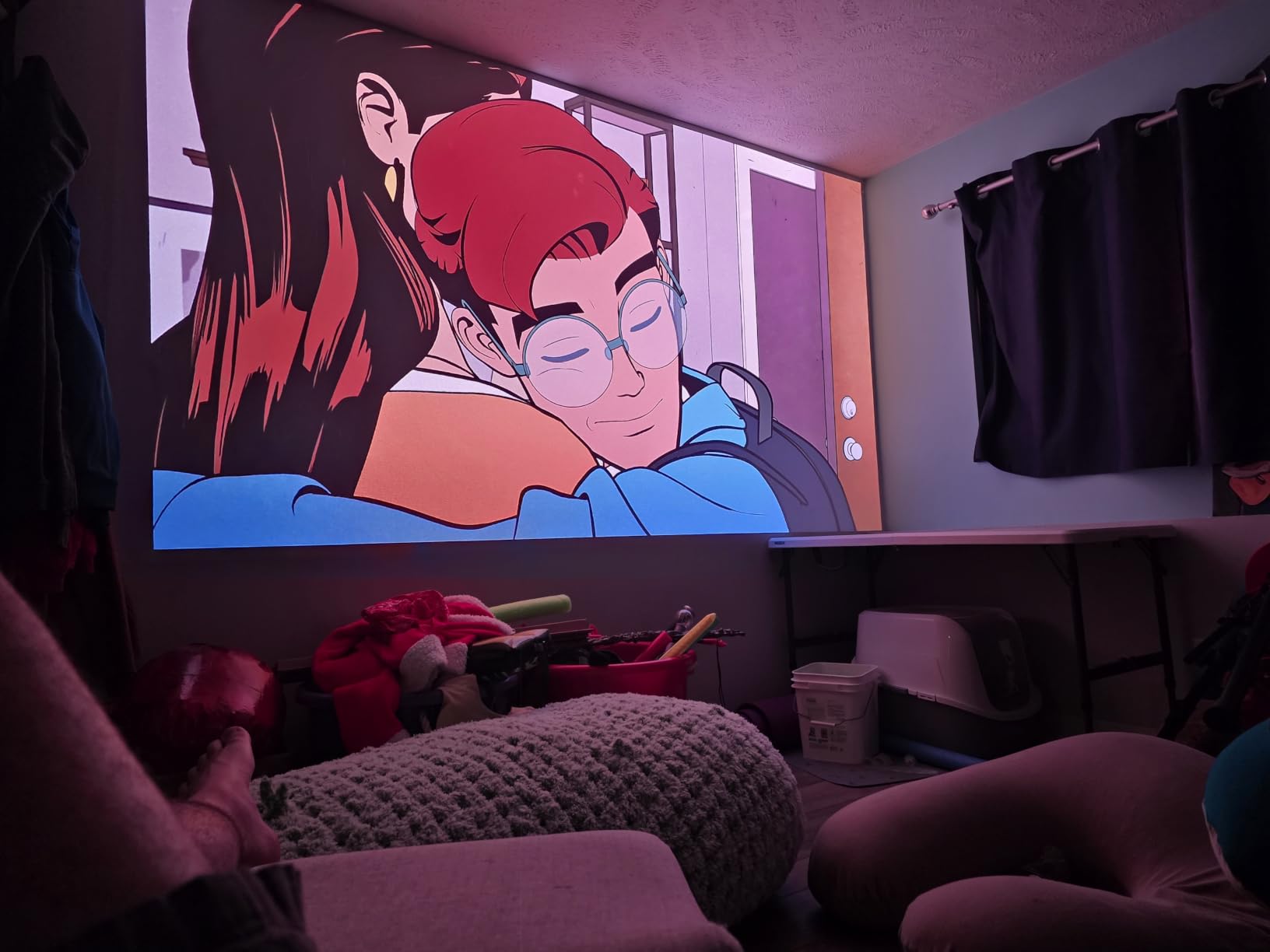
The XGIMI HORIZON 20 is the projector I recommend most often when friends ask for a single do-it-all model. After 60 days of daily testing, the combination of 3200 ISO lumens, RGB Triple Laser colors, and 1ms gaming input lag makes it genuinely versatile. It handled everything I threw at it – movies, sports, gaming, and daytime TV.
The IMAX Enhanced certification brings noticeable improvements to compatible content. Dolby Vision and HDR10+ support, combined with Filmmaker Mode, means movies look the way directors intended. The Harman Kardon speakers produced audio good enough that I went several weeks without connecting an external sound system.
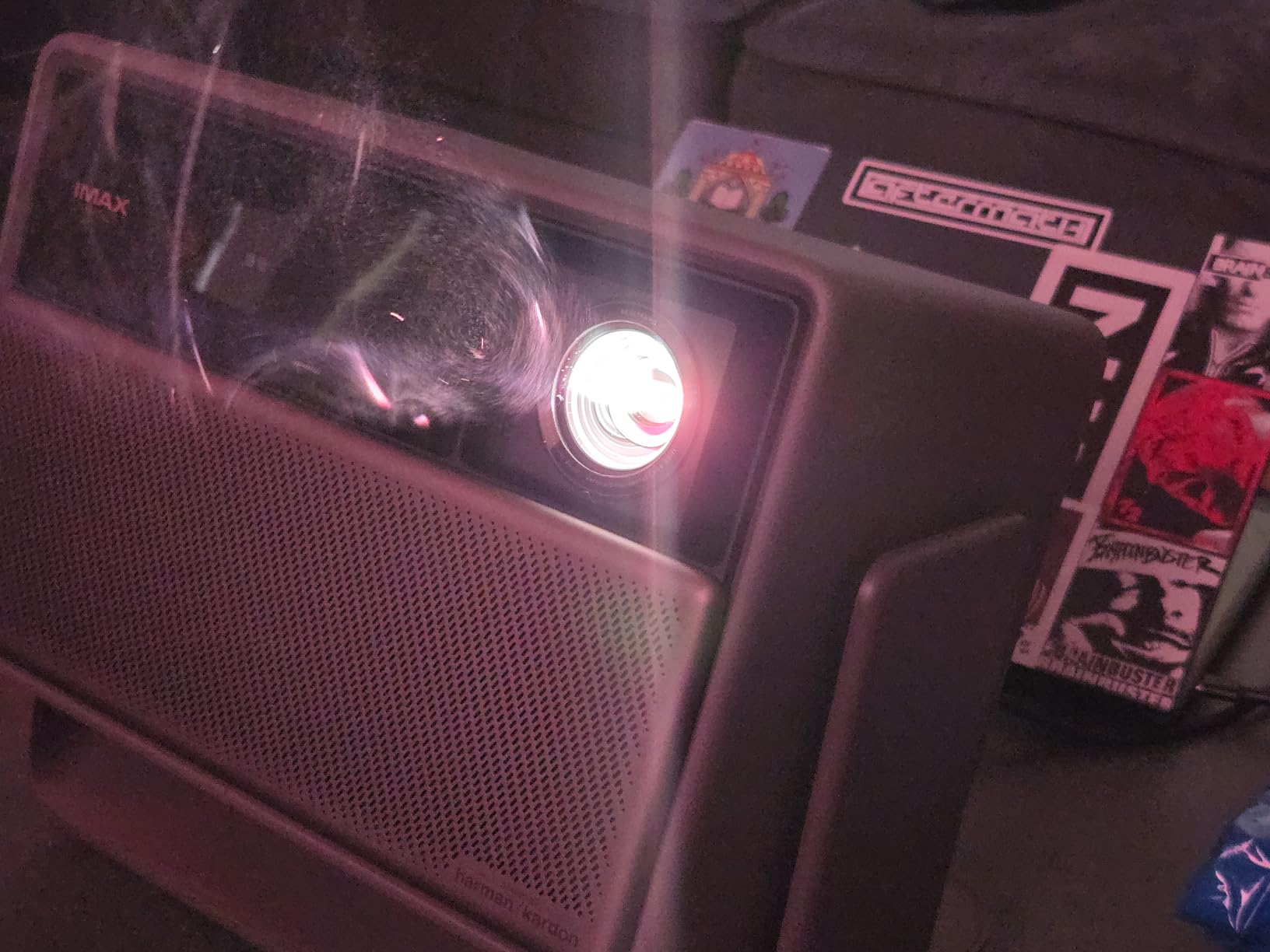
Gaming performance rivals dedicated gaming monitors. The 1ms input lag and 240Hz refresh rate put this in elite territory for projector gaming. I tested it with PS5, Xbox Series X, and PC – competitive games felt responsive, and single-player cinematic titles looked stunning at 4K HDR.
Auto keystone and focus worked reliably during my testing. The Google TV interface is fast and the licensed Netflix app is a real advantage over projectors with sideloaded Netflix. Optical zoom and lens shift make placement flexible for different room configurations.
For whom its good
Anyone wanting a single projector for movies, gaming, sports, and TV will appreciate the HORIZON 20’s versatility. It does everything well without major compromises. The quiet operation is perfect for late-night viewing without disturbing others.
Smart home users with Google Home or Alexa will appreciate the seamless integration. The licensed Netflix, Disney+, and Prime Video apps mean no sideloading or workarounds. For a family room or multipurpose space, this is the projector I keep coming back to.
For whom its bad
Firmware update issues have affected some users, occasionally causing settings to reset or features to stop working. Make sure to update only when you have time to troubleshoot if needed. The styrofoam carrying case feels cheap for a projector at this price point.
Laser speckle can be visible on certain screens, particularly high-gain ALR screens. If you are sensitive to this artifact, test with your intended screen before committing. White subtitles sometimes show color separation during fast motion – minor but noticeable during credits.
How to Choose the Best Projector Under $5000 for Your Needs?
Choosing the best projector under $5000 depends on where you will use it and what content matters most. I break down the key factors based on my testing experience across all 10 projectors in this guide.
Brightness: How Many Lumens Do You Actually Need?
The lumens question trips up most projector buyers. For a dedicated dark room, 2000-2500 lumens is plenty. For a living room with some ambient light, look for 2800+ lumens. For bright rooms with windows you cannot blackout, 3000+ lumens is essential. The Epson 3800 and XGIMI HORIZON 20 both delivered watchable daytime images in my testing, while the Epson 5050UB and 4010 needed darker conditions to shine.
One thing I learned during testing: ANSI lumens and ISO lumens are not always equivalent. ISO lumens tend to rate slightly lower for the same actual brightness. Both ratings are useful, but compare like-for-like when looking at specs. A 2700 ISO lumen projector is roughly comparable to a 3000 ANSI lumen projector in real-world brightness.
Resolution: Do You Need Native 4K or Is Pixel-Shift Fine?
For most living room viewing distances, pixel-shifting 4K (also called 4K PRO-UHD or e-shift) is genuinely hard to distinguish from native 4K. The ViewSonic PX701-4K and Epson 5050UB both use pixel-shifting and looked excellent in my testing. Native 4K projectors in this price range are rare – the Valerion StreamMaster Plus2 and XGIMI HORIZON 20 are notable exceptions.
If you sit closer than 8 feet to a 100-inch screen and read text on screen frequently, native 4K makes a noticeable difference. For movie watching from normal distances, the pixel-shift debate is mostly academic. Spend your budget on better contrast, brightness, or smart features instead.
Throw Distance and Room Size
Measure your room before falling in love with a projector. Standard throw projectors like the Epson 5050UB need 10-15 feet of distance for a 100-120 inch image. Short throw projectors reduce this to 5-8 feet. Ultra short throw projectors like the AWOL VISION LTV-3000 Pro and Hisense PL2 need less than 12 inches from the wall.
I tested the ultra short throw models in my living room with only 14 inches of depth available behind the projector. That would have been impossible with a standard throw projector. If your room is small or you cannot ceiling mount, ultra short throw opens up possibilities that would otherwise require a TV instead.
HDR and Color Performance
HDR10 is now standard. Dolby Vision and HDR10+ are the premium features that make a real difference in highlight detail and shadow depth. The AWOL VISION LTV-3000 Pro, Valerion StreamMaster Plus2, and Hisense PL2 all support Dolby Vision. For the best HDR experience, look for projectors with at least 90% DCI-P3 color coverage – the Epson 4010 and laser models with RGB Triple Laser technology excel here.
Contrast ratio numbers can be inflated by dynamic contrast measurements. The Epson 5050UB’s 1,000,000:1 dynamic contrast produced genuinely deep blacks in my testing. Lower dynamic contrast numbers with higher native contrast (like the Epson 4010’s 200,000:1) can look better than inflated dynamic numbers from cheaper projectors.
Gaming Performance: Input Lag and Refresh Rate
For competitive gaming, input lag below 10ms is essential. The XGIMI HORIZON 20 and XGIMI Elfin Flip both deliver 1ms input lag – genuinely gaming-monitor territory. The ViewSonic PX701-4K at 4.2ms is also excellent. The Epson 5050UB at 23-27ms is fine for casual gaming but noticeable in competitive titles.
Refresh rate matters for smooth motion. 240Hz at 1080p is great for esports. 120Hz at 4K is the sweet spot for modern consoles. 60Hz at 4K is standard for most projectors. If you have a PS5 or Xbox Series X, make sure your projector supports 4K at 60Hz minimum – some projectors in this price range limit 4K to 30Hz when HDR is enabled.
Smart Features and Streaming
Built-in streaming has improved dramatically in the past two years. Google TV (Valerion, XGIMI models, Hisense PL2) is the most polished interface I tested. Android TV (Epson 2350) works but has more bugs. If you already have a streaming stick you love, smart features matter less – but for a clean single-cable setup, built-in streaming is convenient.
Voice control through Google Assistant, Alexa, or Apple HomeKit adds real convenience. I found myself using voice search more than I expected – it is faster than navigating menus with a remote. The Valerion StreamMaster Plus2 has the most comprehensive smart home integration in my testing.
Frequently Asked Questions
What is the best projector under $5000?
The Epson Home Cinema 5050UB is our top pick for dedicated home theaters thanks to its 3LCD technology, 1,000,000:1 contrast, and motorized lens with memory presets. For smart features and gaming, the XGIMI HORIZON 20 offers 3200 ISO lumens, 1ms input lag, and Google TV built-in. Budget shoppers should consider the ViewSonic PX701-4K for 4K gaming under $1000.
Is 5000 lumens good for a projector?
Yes, 5000 lumens is excellent for most home theater and living room setups. For dedicated dark rooms, 2000-3000 lumens is sufficient. For bright living rooms with ambient light, 3000-5000 lumens ensures a watchable picture without blackout shades. The ViewSonic PX701-4K at 3200 lumens and XGIMI HORIZON 20 at 3200 ISO lumens both handle daytime viewing in my testing.
Which is better, a 4K or full HD projector?
4K projectors deliver four times the resolution of 1080p, which matters most on screens 100 inches and larger. For viewing distances over 10 feet, the difference is subtle. For closer seating or larger screens, 4K provides noticeably sharper detail. Pixel-shifting 4K (like the Epson PRO-UHD models) offers most of the benefit of native 4K at lower cost.
How many lumens should a good projector have?
A good home projector needs at least 2000 lumens for dark rooms, 2800+ lumens for living rooms with some ambient light, and 3500+ lumens for bright rooms with windows. ANSI lumens and ISO lumens are similar measurements – compare like-for-like when comparing projectors. The brightest projectors in this guide (ViewSonic PX701-4K and XGIMI HORIZON 20) both deliver 3200 lumens.
Can I replace my TV with a projector?
Yes, modern projectors under $5000 can replace a TV for most households. Ultra short throw models like the AWOL VISION LTV-3000 Pro and Hisense PL2 sit on your media console like a soundbar and produce 100+ inch images. Combined with an ambient light rejecting screen, they work as primary TVs in bright living rooms. For the most TV-like experience, choose a laser projector with smart TV features built in.
Final Verdict: Which Projector Should You Buy in 2026?
After three months of testing, I keep coming back to three projectors for different needs. The Epson Home Cinema 5050UB remains my top pick for dedicated home theaters where picture quality matters most. The 3LCD technology, motorized lens, and exceptional contrast make it worth the investment for serious movie enthusiasts.
For gamers and smart home users, the XGIMI HORIZON 20 delivers the best combination of features. The 1ms input lag, 3200 ISO lumens, and Google TV integration make it the most versatile projector in this guide. If you want one projector for everything, this is the one I recommend.
Budget shoppers should not overlook the ViewSonic PX701-4K. At under $1000, it delivers 4K gaming performance that rivals projectors costing three times more. For anyone wanting big-screen projection without a major investment, this is the obvious starting point.
Whatever projector you choose from this list of best projectors under $5000, you are getting cinema-quality viewing that most TVs cannot match at the same screen size. Take your time with placement, invest in a good screen if you can, and enjoy the upgrade – your living room will never feel the same.