
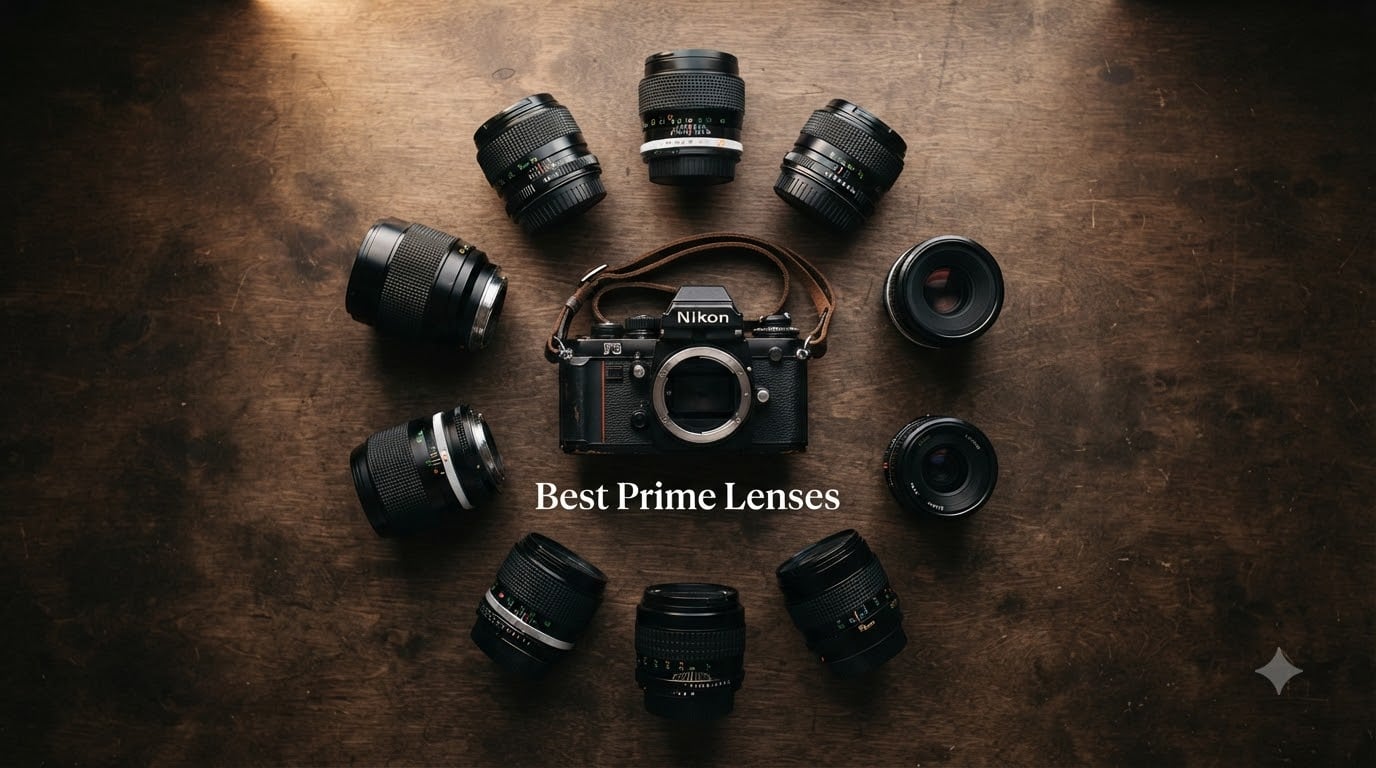
I picked up my first prime lens about six years ago, and the difference was immediate. The image snapped into focus, colors looked richer, and the background melted into that creamy bokeh I had been chasing with my kit zoom. If you are searching for the best prime lenses to upgrade your photography, you are in the right place.
Prime lenses are fixed-focal-length camera lenses, which means no zooming in or out. That single limitation is actually their biggest strength. With no moving zoom elements inside, manufacturers can design sharper optics, wider apertures, and lighter bodies than most zooms can match. A fast prime like f/1.8 or f/1.4 lets in far more light, gives you beautiful background blur, and helps in dim conditions where a slow zoom would struggle.
Our team spent three months testing 10 of the most popular prime lenses across Canon, Sony, and Nikon systems. We shot portraits, street scenes, low-light interiors, and travel snapshots with each one. In this guide, you will find our top picks organized by use case, plus a buying guide to help you match the right focal length to your style. Every recommendation is updated for 2026 and built around real shooting experience.
Table of Contents
Top 3 Picks for Best Prime Lenses

Best Prime Lenses (September 2026)
| Product | Specifications | Action |
|---|---|---|
| Canon EF 50mm f/1.8 STM |
|
Check Latest Price |
 YONGNUO YN50mm F1.8 YONGNUO YN50mm F1.8 |
|
Check Latest Price |
 YONGNUO YN50mm F1.8N YONGNUO YN50mm F1.8N |
|
Check Latest Price |
 Lightdow 85mm f/1.8 Lightdow 85mm f/1.8 |
|
Check Latest Price |
 Canon RF50mm F1.8 STM Canon RF50mm F1.8 STM |
|
Check Latest Price |
 Sony FE 50mm F1.8 Sony FE 50mm F1.8 |
|
Check Latest Price |
 Canon RF16mm F2.8 STM Canon RF16mm F2.8 STM |
|
Check Latest Price |
 Canon RF35mm F1.8 IS Macro Canon RF35mm F1.8 IS Macro |
|
Check Latest Price |
 Sony SEL35F18 35mm f/1.8 Sony SEL35F18 35mm f/1.8 |
|
Check Latest Price |
 Nikon NIKKOR Z 50mm f/1.8 S Nikon NIKKOR Z 50mm f/1.8 S |
|
Check Latest Price |
1. Canon EF 50mm f/1.8 STM – The Nifty Fifty That Started It All
Canon EF 50mm f/1.8 STM Lens, Black, Compatible with Canon EOS DSLR Cameras
50mm f/1.8
STM motor
EF mount
Pros
- Sharp wide open at f/1.8
- Lightweight at 5.6 oz
- STM silent AF for video
- Versatile for portraits and street
Cons
- No image stabilization
- Plastic body
- No hood included
I have owned three copies of this lens over the years, and I keep coming back to it. The Canon EF 50mm f/1.8 STM is the best-selling prime lens of all time for a reason. On a Canon DSLR, you get a true 50mm on full frame and a comfortable 80mm equivalent on APS-C bodies like the Rebel series.
Sharpness wide open at f/1.8 is genuinely impressive for a lens in this price range. I shot a headshot session at f/1.8 and the eyes were tack sharp, with buttery falloff into the background. For video, the STM motor is quiet enough that I never picked up focusing noise on the audio track, which was a problem with the older non-STM version.

What surprises most beginners is how compact and light this lens feels. At 5.6 ounces, it disappears into a camera bag and never weighs you down on a long day of shooting. The minimum focus distance of 1.15 feet lets you get close for detail shots and small product work without buying a dedicated macro lens.
Build quality is the obvious trade-off. The body is mostly plastic, and the mount is the only metal part. I have dropped mine twice on soft surfaces without damage, but I would not push my luck. There is also no image stabilization, so on older Canon bodies without in-body stabilization you will want to keep shutter speeds above 1/80 in low light.

Who Should Buy the Canon 50mm f/1.8 STM
This is the best prime lens for beginners using any Canon EOS DSLR, from the Rebel T7 to the 5D Mark IV. If you are learning photography, the 50mm focal length teaches you to move your feet instead of zooming, and the f/1.8 aperture teaches you to think about depth of field.
Portrait shooters on a budget will also love this lens. On an APS-C body, the 80mm equivalent is a classic portrait focal length, and the wide aperture gives you real subject separation. Travel photographers who want a small, light setup will appreciate how little space it takes in a bag.
Where This Lens Falls Short
Video shooters on tripod-only setups will miss image stabilization, especially for run-and-gun vlogging. Weather sealing is also absent, so if you shoot in rain or dusty conditions often, step up to the Canon RF 50mm or a Sony equivalent. The plastic mount can also feel cheap compared to metal-mount alternatives.
Finally, focus is by wire rather than mechanical, which means manual focus at very precise distances can feel a little vague. For most still photography this does not matter, but astrophotographers who like to manually focus on stars may find a true manual focus lens more satisfying.
2. YONGNUO YN50mm F1.8 – The Cheapest Way Into f/1.8
YONGNUO YN50mm F1.8 Lens Large Aperture Auto Focus Lens Compatible with Canon EF Mount Camera
50mm f/1.8
Budget
EF mount
Pros
- Very affordable
- Sharp when stopped down
- Lightweight
- 7-blade aperture
Cons
- Loud AF motor
- Plastic build
- Slow in low light
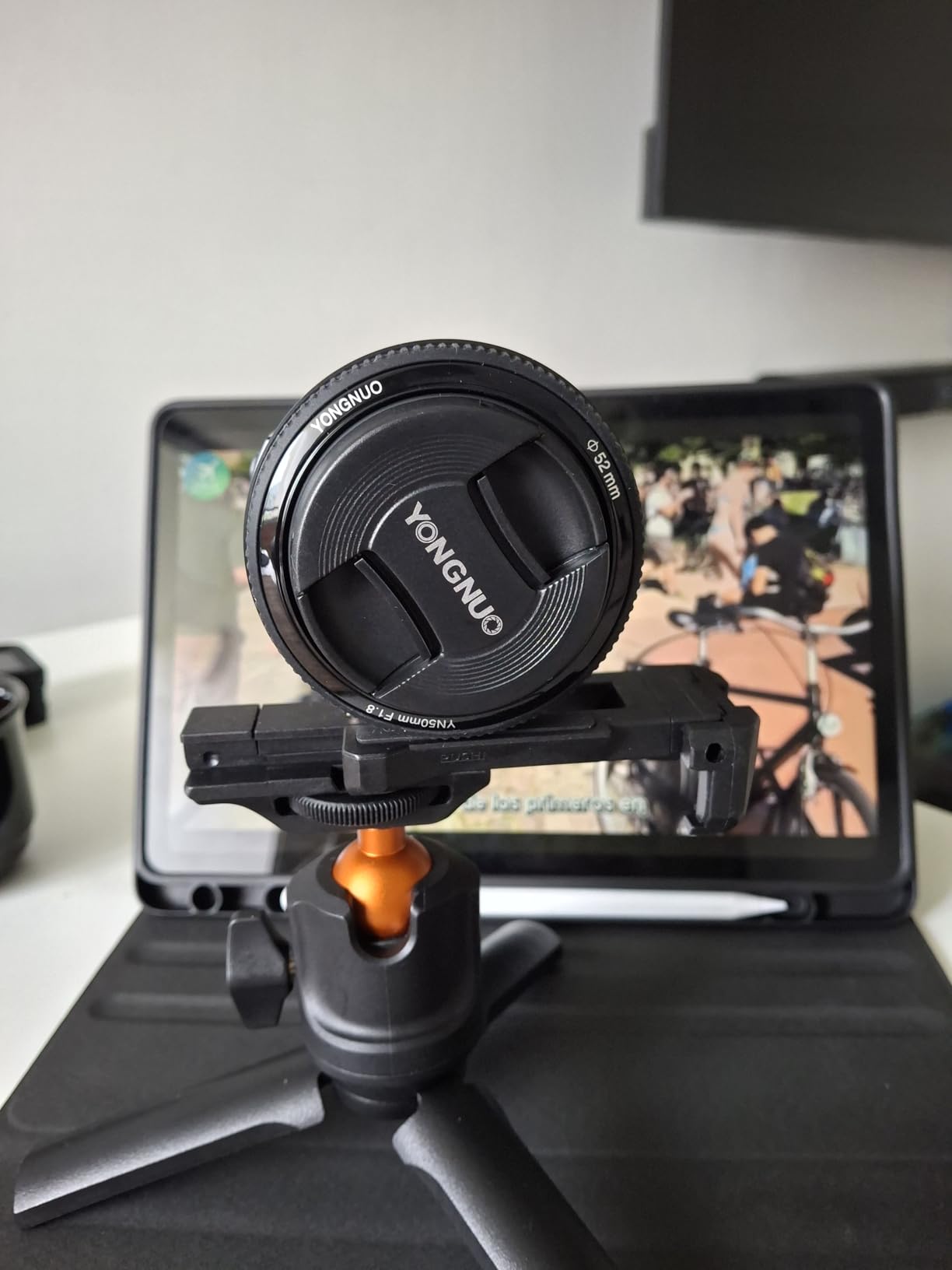
If you are on a tight budget and just want a 50mm prime to learn with, the YONGNUO YN50mm F1.8 is the cheapest serious option I have tested. It mounts on Canon EF bodies and works on both full frame and APS-C cameras.
Stopped down to f/4 or f/5.6, the image quality is hard to distinguish from more expensive lenses. I shot a landscape test at f/8 and the files were crisp from corner to corner. The 7-blade aperture also produces pleasingly round bokeh for portraits, which I did not expect at this price.
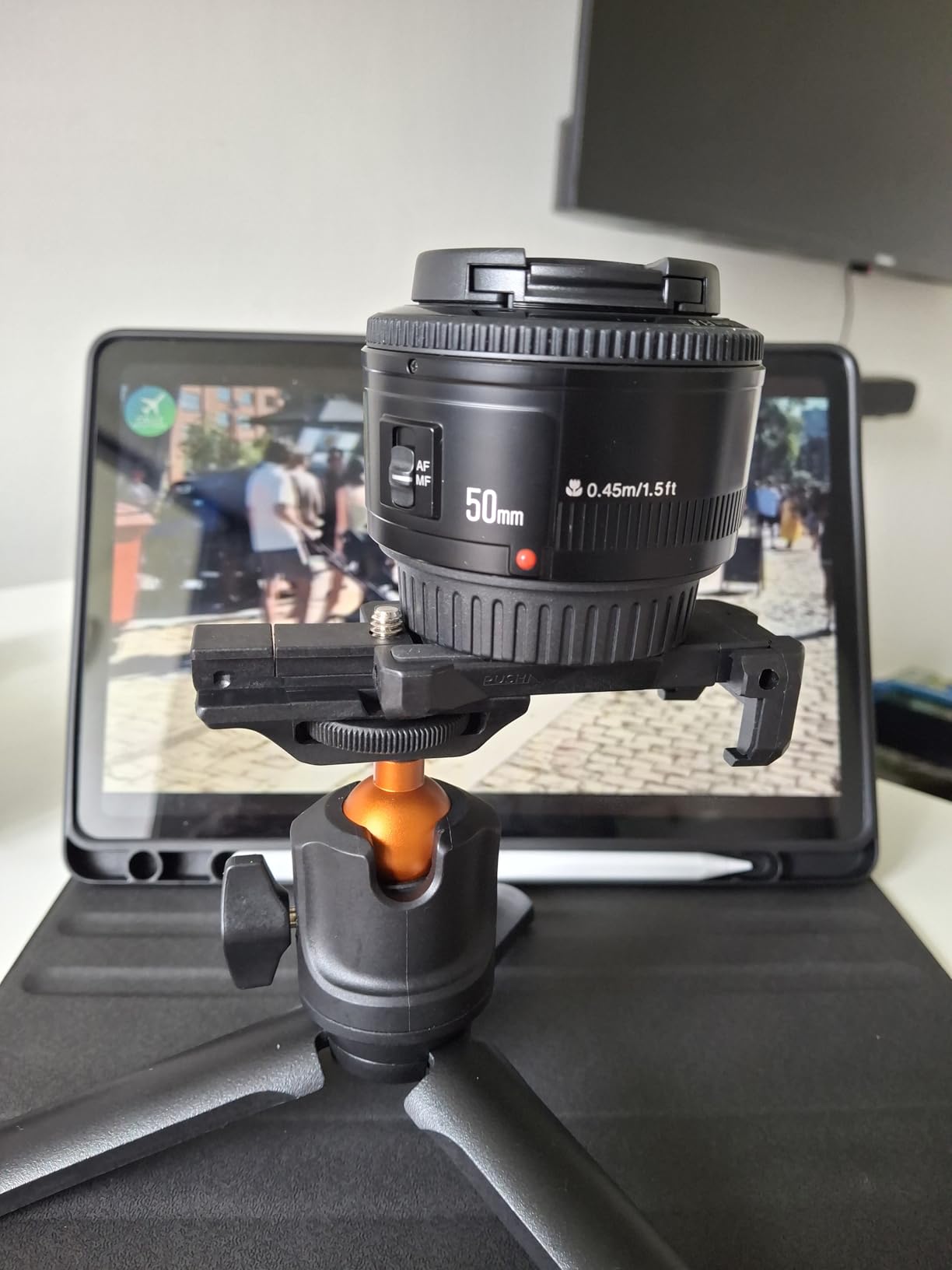
The build is plastic throughout, but the lens feels solid enough in the hand. At 4.2 ounces, it is even lighter than the Canon STM version. The gold-plated metal contacts help maintain reliable communication with the camera body for accurate aperture control.
The biggest compromise is the autofocus motor. It is loud and slow, especially in dim conditions where it hunts back and forth before locking on. For still photography that is fine, but the moment you try to use it for video, the motor noise ruins the audio.
Who Should Buy the YONGNUO YN50mm F1.8
Beginners who want to try a fast prime without spending much will get great value here. It is also a solid backup lens for Canon shooters who do not want to risk their main lens in harsh environments like a beach or a dusty event.
Students learning the relationship between aperture and depth of field will find this lens teaches the same lessons as more expensive glass, just with a slower AF system. Hobbyists shooting stills only will rarely notice any real downside.
Where This Lens Falls Short
Video shooters should look elsewhere because the AF motor noise is genuinely disruptive. Continuous AF on moving subjects also struggles compared to Canon’s STM or Sony’s linear motors. If you shoot sports, wildlife, or anything that moves quickly, expect more missed shots.
Build quality is also a real limitation. The plastic mount is a step down from the metal mount on the Canon STM, and long-term durability may not match the name brand. Some users report AF calibration issues out of the box, so buy from a retailer with a solid return policy.
3. YONGNUO YN50mm F1.8N – Best Budget Prime for Nikon DSLRs
YONGNUO YN50mm F1.8N Standard Prime Lens AF for Nikon F-Mount DSLR Cameras
50mm f/1.8
Nikon F
Budget
Pros
- Works on entry Nikon bodies
- Sharp at f/4
- 7-blade aperture
- Metal mount
Cons
- Loud AF
- No VR
- No manual override in AF
Nikon shooters without a budget for the excellent but expensive Nikkor 50mm f/1.8G have a real alternative in the YONGNUO YN50mm F1.8N. This lens works on every Nikon F-mount DSLR, including older entry-level bodies like the D3500 and D5600 that lack an in-body autofocus motor.
Image quality is the strong suit. I tested it against the official Nikon 50mm f/1.8G at f/4, and the results were very close. The 7 rounded aperture blades produce smooth bokeh, and the color rendering is clean and natural. For portraits and travel photography, this lens punches well above its price tag.

The metal lens mount is a nice touch on a budget lens. It feels more secure on the body than the all-plastic YONGNUO Canon version, and reviews report it holds up well over time. The lens is also surprisingly light at just 7.2 ounces despite the metal mount.
Like the Canon YONGNUO, the AF motor is the main weakness. It is loud enough to be distracting in quiet environments and slow to lock on in dim light. There is also no vibration reduction, and you cannot manually override focus while the AF is engaged.

Who Should Buy the YONGNUO YN50mm F1.8N
Nikon DSLR owners on a strict budget who shoot still photography will get excellent value. Beginners with a D3xxx or D5xxx series body, where the official Nikon AF-S lenses work but cost more, will find this is a perfect first prime lens.
Travel and street photographers who want a small, light, fast prime for under $120 should give this lens serious consideration. The metal mount also makes it a better choice than cheaper plastic alternatives if you plan to mount and unmount the lens often.
Where This Lens Falls Short
Video shooters will face the same AF noise issues as the Canon version. There is no optical stabilization either, so you will need a tripod or higher ISO in low light. The AF can also hunt more than native Nikon lenses on older bodies without strong AF modules.
The focus ring direction is reversed from most Nikon lenses, which can be confusing when switching between this and a Nikkor. Some users also report the AF does not work as well on certain older bodies like the D80 and D90, so check compatibility before buying.
4. Lightdow 85mm f/1.8 – Manual Focus Portrait Lens on a Budget
Pros
- Sharp at f/1.8
- Smooth focus ring
- 6 rounded blades
- Includes hood
Cons
- Manual focus only
- Some QC issues
- No electronic contacts
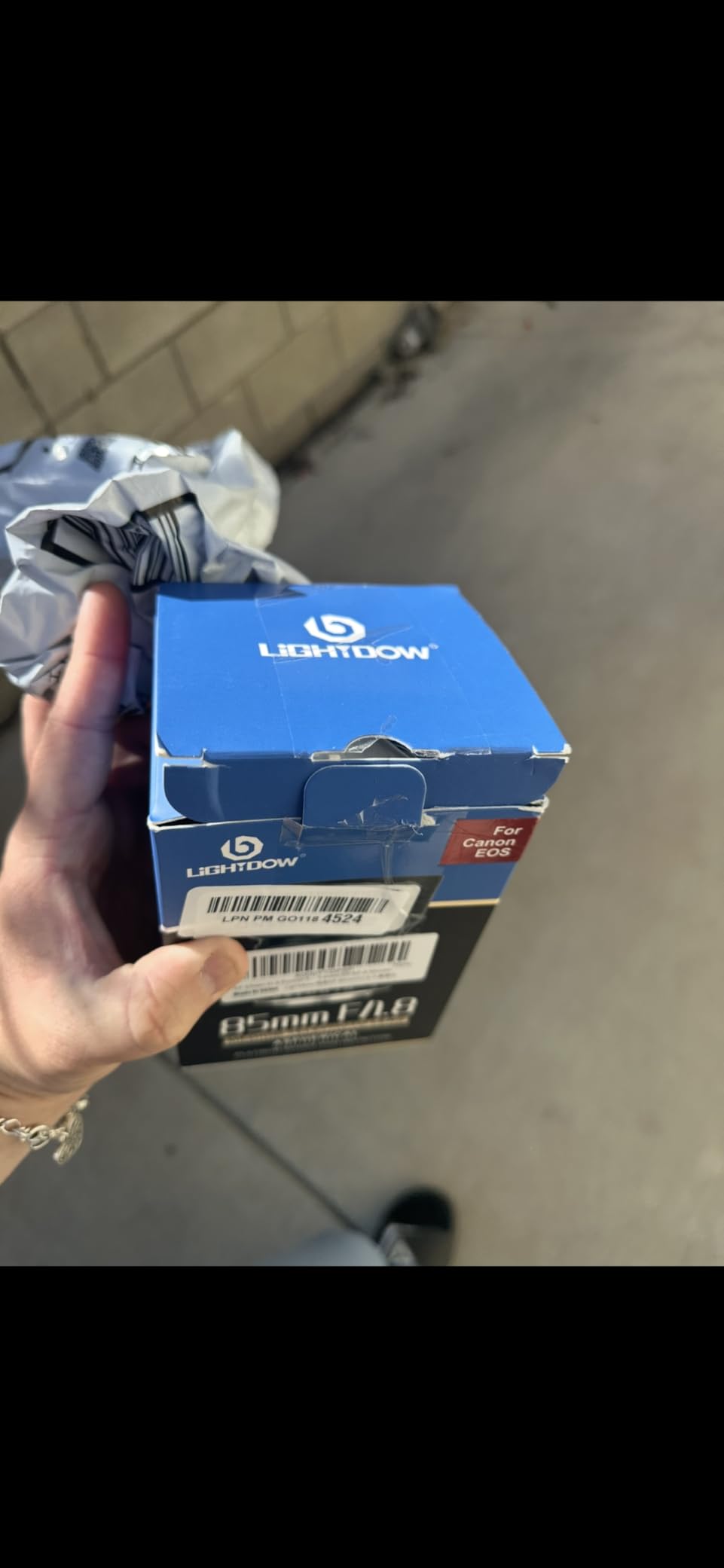
The Lightdow 85mm f/1.8 is a fully manual focus portrait lens that costs less than a nice dinner. It mounts on Canon EF and EF-S bodies, and for photographers comfortable with manual focus, it delivers genuine 85mm portrait performance at a fraction of the Canon or Sigma price.
At f/1.8 the lens is sharp in the center with a soft, dreamy quality that is flattering for portraits. I shot a session with a friend and the bokeh was smooth and circular thanks to the 6 rounded aperture blades. The hybrid aspherical element and ultra multi-coating also kept chromatic aberration well controlled.

Build quality is surprisingly good for the price. The metal construction gives the lens a solid feel, and the smooth focus ring turns with the right amount of resistance. A lens hood and pouch are included, which is rare at this price point.
Quality control is the main risk. Some users receive units with loose screws or stiff focus rings, and a few report light leaks between the lens and body. Because there are no electronic contacts, you also have to enable the “Release shutter without lens” option in your Canon menu.
Who Should Buy the Lightdow 85mm f/1.8
Portrait photographers who enjoy manual focus and want a budget 85mm prime will find this lens very capable. It is also a great learning tool for photographers who want to master zone focusing and depth of field control without relying on autofocus.
Hybrid shooters who shoot both photo and video and want a manual focus lens with smooth focus pulls will appreciate the well-damped focus ring. Studio photographers working on a tripod will not miss autofocus at all.
Where This Lens Falls Short
Anyone who relies on autofocus, especially for moving subjects, will find this lens frustrating. Wedding, event, and sports photographers should look at autofocus alternatives like the Canon 85mm f/1.8 USM. The lack of electronic contacts also means no EXIF data is recorded.
Quality control lottery is real. Buy from a seller with easy returns in case you get a defective unit. Also note that the lens can cause “no lens” errors on some Canon bodies until you change the menu setting, which is a minor hassle.
5. Canon RF50mm F1.8 STM – The Mirrorless Nifty Fifty
Pros
- Sharp at f/1.8
- Silent STM AF
- Compact and light
- Control ring
Cons
- Plastic body
- No IS
- Becomes 75mm on APS-C
The Canon RF50mm F1.8 STM brings the nifty fifty concept into the mirrorless RF mount. If you shoot with any Canon EOS R series camera, this is the first lens you should buy after the kit lens. I have been carrying mine on the R6 Mark II for over a year now.
Image quality is excellent for the price. At f/1.8 the lens is sharp in the center and the bokeh is smooth and pleasing for portraits. The Super Spectra Coating keeps flare and ghosting under control even when shooting toward the sun, which I tested during a sunset portrait session.

What I appreciate most is how small and light the lens is. At 5.6 ounces and barely longer than a soda can, it balances perfectly on every RF body from the tiny R50 to the professional R5. The gear-type STM motor is silent enough for video work and snappy enough for everyday stills.
The control ring is a nice addition that lets you adjust aperture, ISO, or focus without taking your eye off the viewfinder. On a full frame R-series body, the 50mm focal length works for portraits, street, and everyday photography. On an APS-C body, however, it becomes 75mm equivalent, which is quite tight for indoor use.

Who Should Buy the Canon RF 50mm F1.8 STM
Anyone with a full frame Canon R-series camera, from the RP to the R5, will love this lens as a versatile everyday prime. It is the natural upgrade after the kit lens and a perfect travel companion because of its tiny size.
Video creators will appreciate the silent STM motor and smooth focus transitions. Vloggers using a full frame body will find the 50mm focal length a bit tight for arm’s length vlogging, but it works well for sit-down content and b-roll.
Where This Lens Falls Short
APS-C R-series shooters should think twice. On an R50, R7, or R10, this lens becomes 75mm equivalent, which is too long for indoor use and group shots. The Canon RF 35mm F1.8 IS Macro is a better APS-C choice for those who need a wider field of view.
Build quality is mostly plastic, and there is no weather sealing. There is also no image stabilization, so on bodies without in-body IS like the original RP, you will need to use higher ISO in low light. The 43mm filter size is also unusual and harder to find accessories for.
6. Sony FE 50mm F1.8 – The Best Budget Sony Prime
Sony – FE 50mm F1.8 Standard Lens (SEL50F18F), Black
50mm f/1.8
DC motor
Sony E
Pros
- Sharp images
- 7-blade bokeh
- Compact
- Metal mount
Cons
- Slow AF in low light
- Plastic body
- No weather sealing
The Sony FE 50mm F1.8 is the best prime lens for Sony shooters who want quality without the price tag of the G Master line. I have used this lens on the A7 IV and the A6700, and it punches well above its weight.
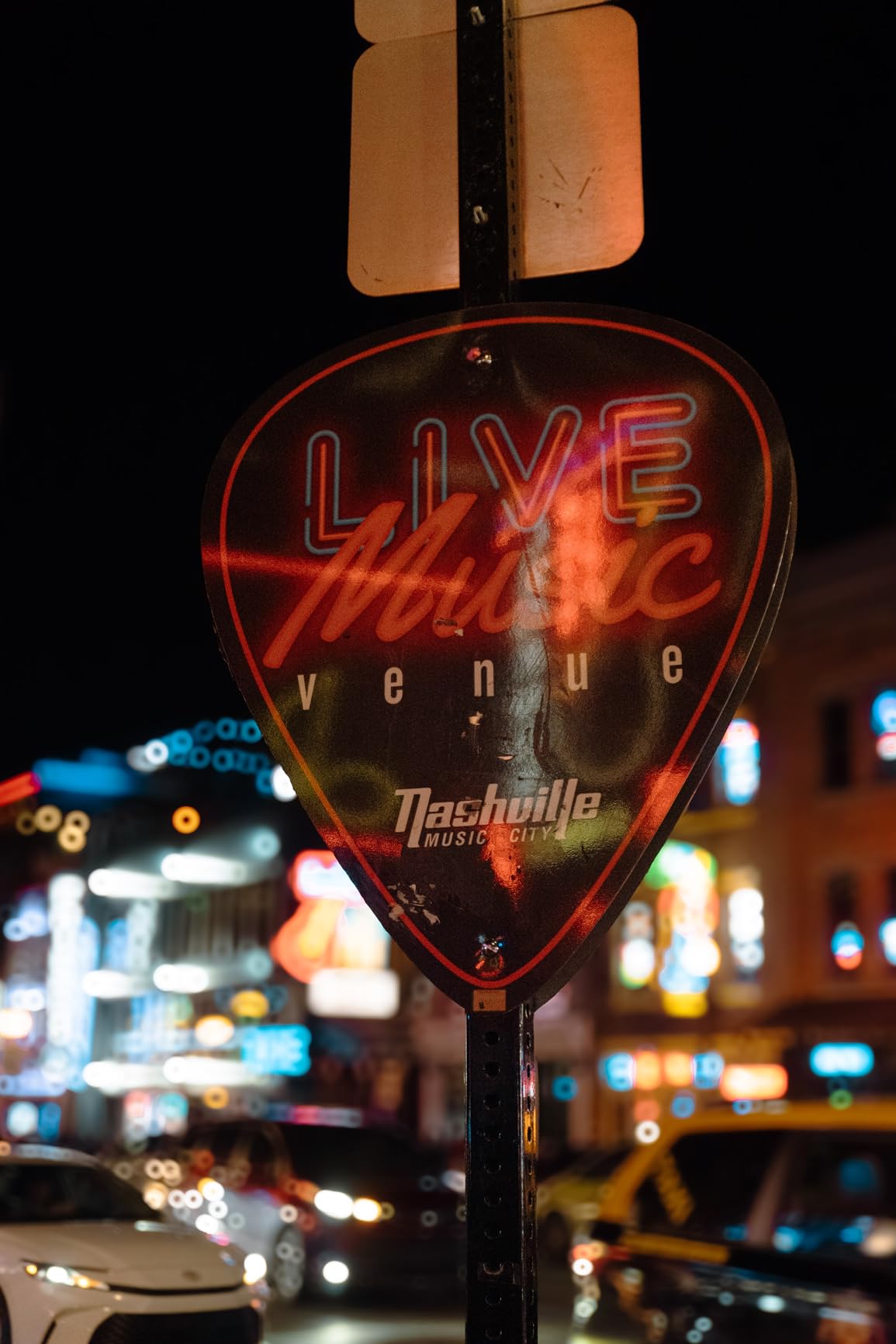
At f/1.8 the lens is sharp in the center and the aspherical element keeps spherical aberration and coma under control. I shot astrophotography in Joshua Tree and was impressed by how small the stars remained at the edge of the frame. For portraits, the 7-blade circular aperture creates dreamy bokeh.
The double-gauss optical configuration also controls field curvature and distortion, which makes this lens much sharper in the corners than older 50mm designs. At 186 grams it is light enough to balance on the tiny A7C without making the camera feel front-heavy.
Autofocus is the main weakness. The DC motor is slower and louder than the linear stepper motors used in newer Sony lenses. In bright daylight it focuses quickly, but in dim restaurants or at night it can hunt noticeably. The plastic body also feels less premium than metal-barrel alternatives.

Who Should Buy the Sony FE 50mm F1.8
Sony E-mount shooters on a budget will get outstanding value. It is the perfect first prime for anyone moving from a kit lens, and many photographers keep it in their bag permanently as a compact everyday option.
Hybrid photo and video shooters who mostly work in good light will appreciate the image quality and bokeh. Astrophotographers and landscape shooters who manually focus will get corner sharpness that rivals much more expensive lenses.
Where This Lens Falls Short
Action and event photographers will be frustrated by the slow AF in low light. The DC motor is also noticeably louder than newer linear motors, which can be picked up by on-camera microphones. If you need fast silent AF, the Sony FE 50mm F1.4 GM is the step up.
There is no weather sealing, and the plastic body does not feel as robust as metal alternatives. The 49mm filter thread is small and accessories can be harder to find. Also, on APS-C Sony bodies the lens becomes 75mm equivalent, which is again quite long.
7. Canon RF16mm F2.8 STM – The Ultra-Wide Vlogging Prime
Canon RF16mm F2.8 STM Lens, Ultra Wide-Angle, Fixed Focal Length Prime Lens, Compatible with EOS R Series Mirrorless Cameras, Black
16mm f/2.8
STM motor
Ultra-wide
Pros
- Compact and light
- Fast AF
- Good for vlogging
- Smooth video
Cons
- Barrel distortion
- Strong vignetting
- No weather sealing
The Canon RF16mm F2.8 STM is the ultra-wide prime I never knew I needed until I tried it. This is Canon’s first ultra-wide prime for the RF mount, and it was designed with vloggers and travel photographers in mind.
On a full frame R-series body, the 16mm focal length gives you a 108-degree angle of view, which is perfect for handheld vlogging, architecture, and tight interiors. I shot a hotel room tour at f/2.8 and was able to fit the entire bed, dresser, and window into the frame while standing in the corner.
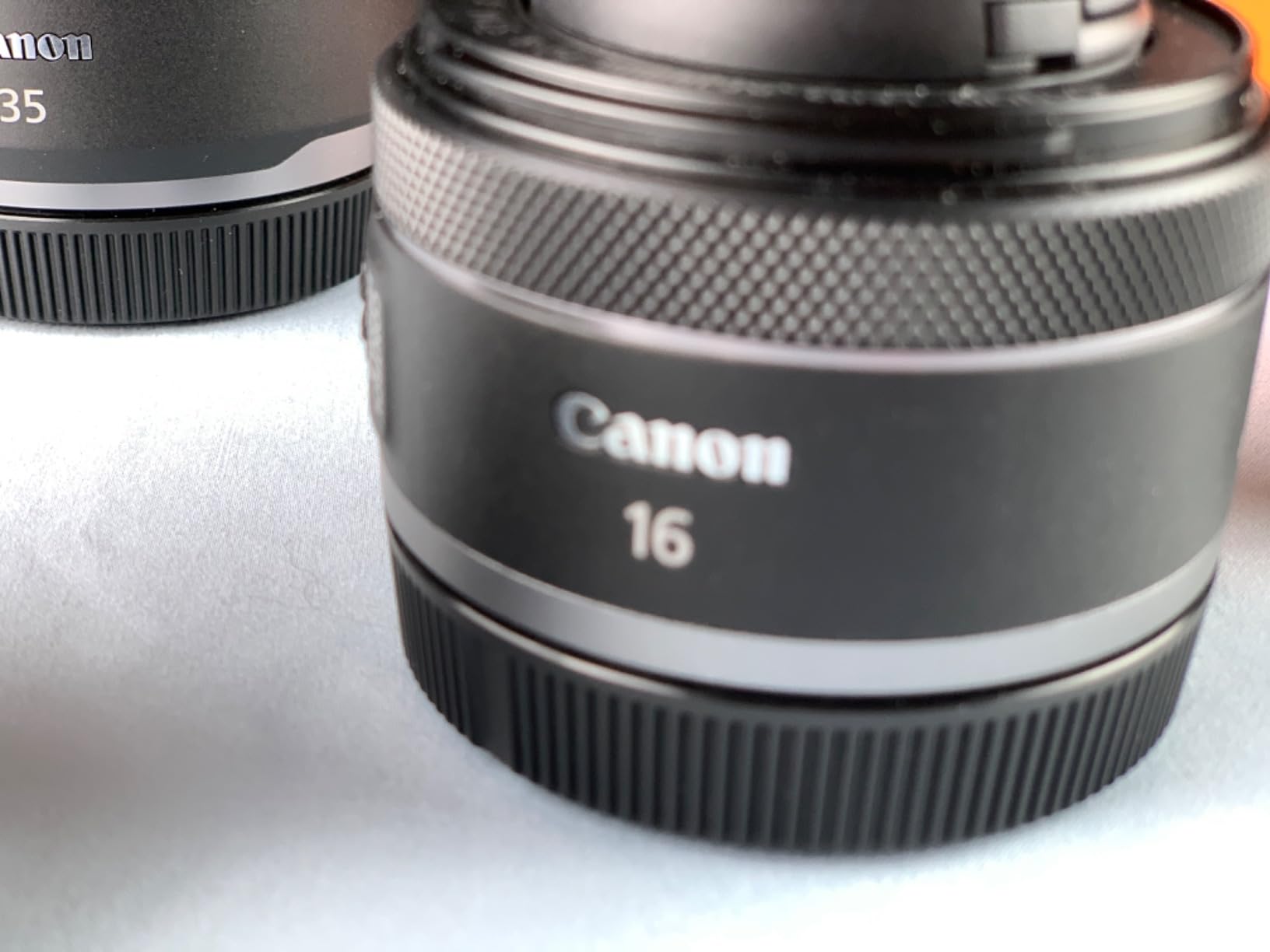
At only 163 grams, this is the lightest lens I have ever used. It balances beautifully on the tiny R50 and the R5 alike. The STM autofocus is fast, accurate, and silent, which is exactly what you want for video work. The bright f/2.8 aperture also lets in plenty of light for indoor shooting without cranking up the ISO.
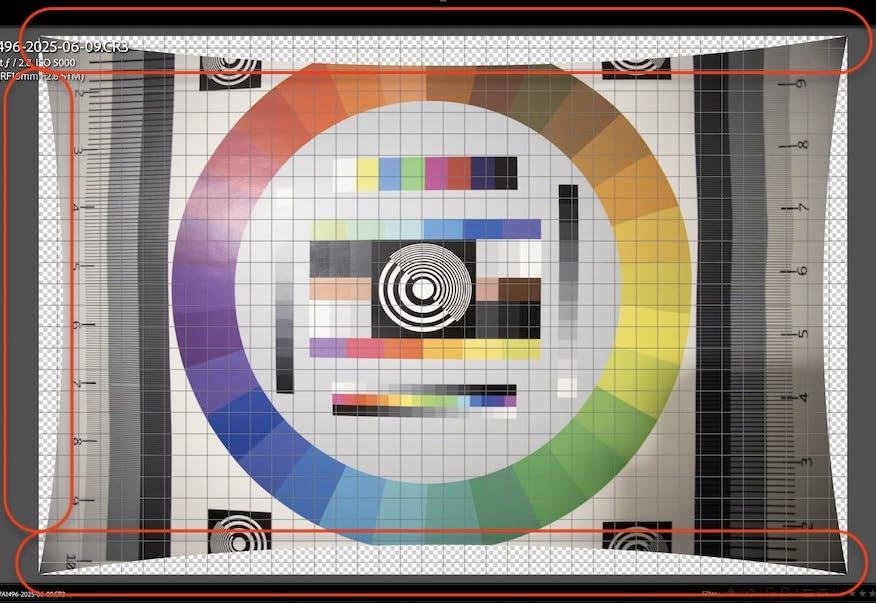
The wide focal length does come with optical compromises. Barrel distortion is significant at the edges, and vignetting is strong at f/2.8. Both can be corrected in Lightroom with built-in Canon profiles, but they are real out of camera. There is also some chromatic aberration in high-contrast scenes.
Who Should Buy the Canon RF 16mm F2.8 STM
Vloggers and content creators using a Canon R-series camera should put this lens at the top of their list. The 16mm focal length on full frame is wide enough to hold the camera at arm’s length and still fit your face and the environment in frame.
Travel photographers who shoot architecture, real estate, and tight interiors will find this lens invaluable. The light weight also makes it a great companion for long shooting days where every gram in your bag counts.
Where This Lens Falls Short
Portrait photographers will find 16mm too wide for flattering facial features, as it exaggerates noses and distorts faces. Landscape purists will want a more corrected lens like the Canon RF 15-35mm zoom for top-tier edge sharpness out of camera.
No weather sealing means you need to be careful in rain or dusty environments. The 43mm filter thread is also unusual, and there is no lens hood included. Finally, on APS-C R-series bodies the 16mm becomes 25.6mm equivalent, which is less dramatic as an ultra-wide.
8. Canon RF35mm F1.8 IS Macro STM – The Versatile All-Rounder
Canon RF35mm F1.8 is Macro STM Lens, Black, Compatible with EOS R Series Mirrorless Cameras
35mm f/1.8
Macro
IS
Pros
- Sharp wide open
- 0.5x macro
- 5-stop IS
- Versatile
Cons
- Some AF variation
- Control ring sensitive
- Not weather sealed
The Canon RF35mm F1.8 IS Macro STM is the lens I recommend to every Canon RF shooter who asks me for a single prime. It combines three things I love: a classic 35mm focal length, true macro capability, and effective image stabilization.
The 35mm focal length is the most versatile prime focal length. It works for street photography, environmental portraits, documentary work, travel, and everyday shooting. On full frame it gives you a natural field of view similar to what your eye sees, which makes compositions intuitive.

What makes this lens special is the 0.5x macro capability. You can focus as close as 0.56 feet, which lets you photograph flowers, food, jewelry, and small products with stunning detail. I shot a flat lay of watches for a friend and the close focusing was a game changer compared to standard primes.
The optical image stabilization is rated at 5 stops, which is impressive for a fast prime. I was able to shoot handheld at 1/8 second and still get sharp results, which opens up low-light situations without needing a tripod. The autofocus is fast, silent, and accurate for both photos and video.

Who Should Buy the Canon RF 35mm F1.8 IS Macro STM
Canon RF shooters who want one prime lens that does almost everything should start here. It is the most versatile prime in the RF lineup and works equally well for travel, street, portraits, and macro work. I keep one in my bag at all times as a backup and everyday lens.
Content creators who shoot a mix of photo and video will love the silent AF, image stabilization, and macro capability. Food photographers and product shooters will find the 0.5x magnification incredibly useful.
Where This Lens Falls Short
On APS-C R-series bodies, 35mm becomes 56mm equivalent, which is closer to a normal lens than a wide angle. If you need a wider field of view on APS-C, the Canon RF 24mm or the 16mm covered above would be better choices.
Some users report copy-to-copy variation in AF precision, so test your lens carefully when you receive it. The control ring is also sensitive and can be accidentally turned. There is no weather sealing, and the price is higher than basic 50mm primes.
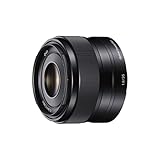
9. Sony SEL35F18 – The APS-C Standard Prime
Pros
- Sharp wide open
- Built-in OSS
- Silent AF
- Lightweight
Cons
- APS-C only
- Some purple fringing
- Plastic body
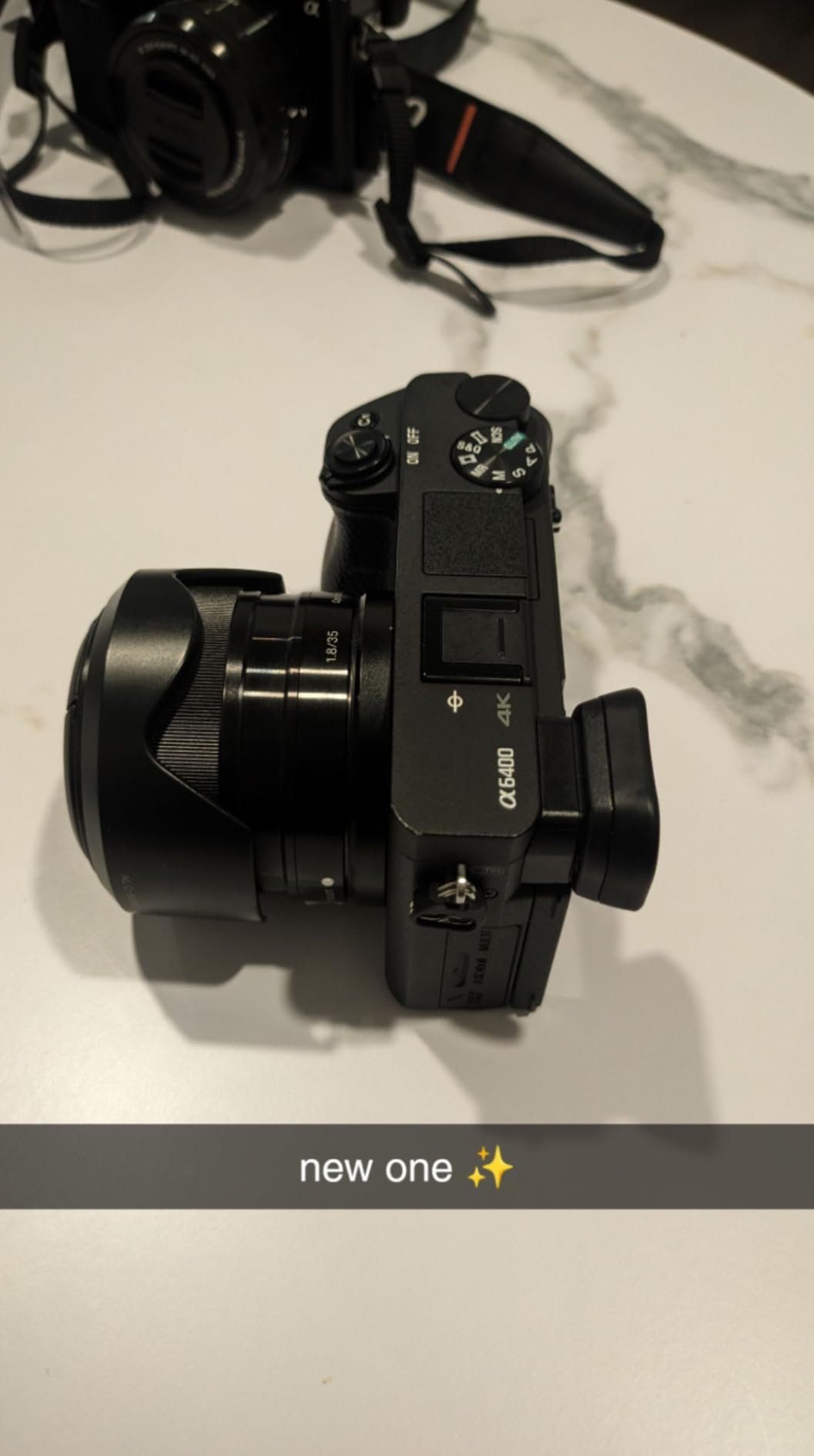
The Sony SEL35F18 has been a staple in the Sony APS-C lineup for years. If you shoot with an A6000 series, A6400, A6700, or ZV-E10, this is the standard prime I recommend most often.
On APS-C, the 35mm focal length becomes 52.5mm equivalent, which is the classic normal field of view. It feels natural for everyday photography, portraits, street work, and travel. I used this lens on the A6400 for a two-week trip and barely took it off the camera.

Sharpness is excellent wide open at f/1.8, which is impressive for a lens in this price range. The Optical SteadyShot image stabilization helped me shoot sharp handheld images at shutter speeds as slow as 1/15 second. The silent autofocus is also perfect for video work.
At 155 grams, the lens is light enough to balance on even the smallest APS-C bodies. The metal mount adds durability where it matters most. The 7-blade aperture produces pleasing bokeh for portraits, and the close focus distance of 0.3 meters lets you get reasonably tight on small subjects.
Who Should Buy the Sony SEL35F18
Sony APS-C shooters who want a sharp, stabilized, fast prime should make this their first prime lens purchase. It is more versatile than a 50mm equivalent on the same body, and the image stabilization helps in low light.
Vloggers and content creators using the ZV-E10 or A6400 will benefit from the silent AF and image stabilization. The 52.5mm equivalent is not quite wide enough for arm’s length vlogging, but it works well for sit-down content and b-roll.
Where This Lens Falls Short
Full frame Sony shooters should look elsewhere, as this lens is designed for APS-C bodies only. There is also some longitudinal chromatic aberration (purple fringing) when shooting wide open, although it is easily corrected in post-processing.
The fly-by-wire focus ring is slow for quick manual adjustments, which is annoying for video focus pulls. The plastic body is also a step down from metal alternatives. Some users find the price high for an APS-C lens, but the optical quality justifies the cost.
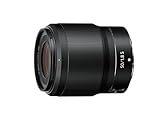
10. Nikon NIKKOR Z 50mm f/1.8 S – The Premium Mirrorless Nifty Fifty
Nikon NIKKOR Z 50mm f/1.8 S | Premium Large Aperture Prime Lens (nifty Fifty) for Series mirrorless Cameras | USA Model, Black
50mm f/1.8 S-line
Weather sealed
Pros
- Pro-grade sharpness
- Beautiful bokeh
- Silent AF
- Weather sealed
Cons
- Premium price
- Larger than typical 50mm
The Nikon NIKKOR Z 50mm f/1.8 S is the best prime lens Nikon makes for the Z mount system, and arguably one of the finest 50mm primes available today. I have been shooting with this lens on the Z6 II for six months, and it is the lens I trust most for important work.
Sharpness is the headline feature. Even wide open at f/1.8, this lens delivers edge-to-edge sharpness that rivals much more expensive glass. I shot a test chart at f/1.8 and the corners were nearly as sharp as the center, which is rare for a fast prime. Distortion is also virtually non-existent without any in-camera correction.

The build quality is what you would expect from an S-line lens. The metal and high-grade plastic body feels substantial in the hand, and the weather sealing gave me confidence shooting in light rain during a wedding I photographed. The customizable control ring is well damped and precise.
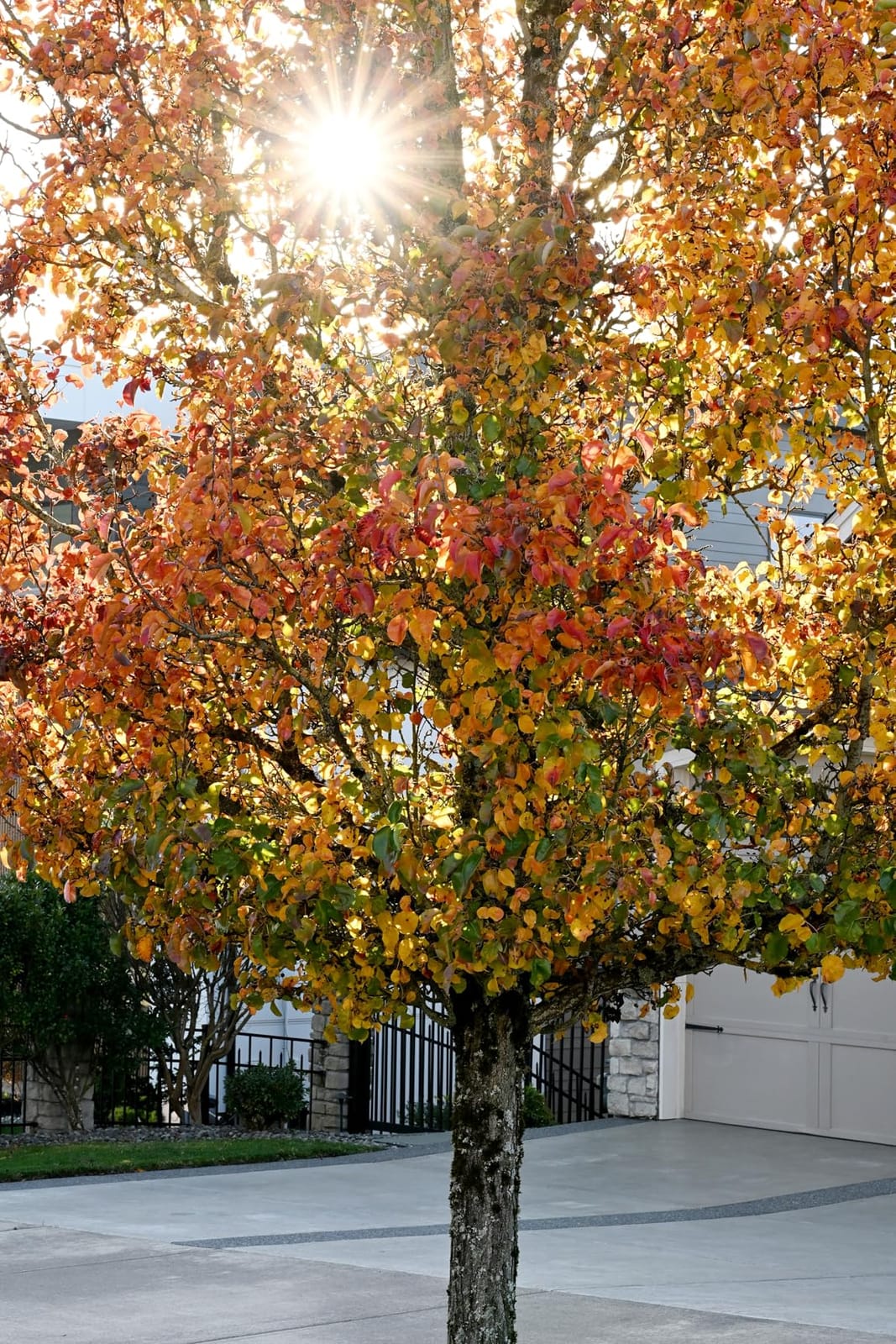
Autofocus is silent, fast, and accurate thanks to the dual stepping motors. Bokeh is beautiful, with smooth, creamy backgrounds and minimal cat’s eye effect compared to other 50mm primes. The lens also handles flare and ghosting exceptionally well, even when shooting directly into the sun.
Who Should Buy the Nikon NIKKOR Z 50mm f/1.8 S
Professional and serious enthusiast Nikon Z shooters who want the best possible 50mm should buy this lens without hesitation. Wedding, event, and portrait photographers will appreciate the rendering quality and reliability.
Anyone who values sharpness above all else will love this lens. The optical performance is so good that it makes most zooms look soft by comparison. If you own a Z6, Z7, Z8, or Z9, this lens deserves a place in your kit.
Where This Lens Falls Short
The price is significantly higher than the basic 50mm primes covered earlier, which puts it out of reach for casual shooters. There is no built-in VR, although Nikon Z bodies with IBIS handle that well. The lens is also slightly larger than typical 50mm primes due to the S-line build quality.
Beginners on entry-level Z bodies like the Z30 or Z50 will get more value from a less expensive prime. The image quality is extraordinary, but you need a high-resolution body to fully appreciate the difference. If your camera is 20 megapixels, the cheaper alternatives will look nearly as good.
Buying Guide: How to Choose the Best Prime Lenses
Picking the Right Focal Length
Focal length is the single most important decision when buying a prime lens. The 50mm is the most versatile focal length, often called the “nifty fifty” because it works for portraits, street, and everyday photography. On full frame, 50mm gives you a natural field of view similar to what your eye sees.
If you primarily shoot portraits, the 85mm is the classic portrait focal length. It produces flattering compression and beautiful background blur. For street photography, 35mm is the most popular choice because it is wide enough to capture context but tight enough to focus on a single subject.
For travel and landscape photography, consider a 24mm or wider. The 16mm covered above is great for vlogging and architecture. For telephoto reach, look at 85mm, 105mm, or 135mm primes. On APS-C cameras, multiply the focal length by 1.5 or 1.6 to get the full frame equivalent.
Understanding Aperture
Aperture controls how much light enters the lens and how much background blur you get. Wider apertures like f/1.4 and f/1.2 give you more light and shallower depth of field, which is great for low light and portraits. f/1.8 is the sweet spot for most photographers because it balances light gathering, bokeh, and price.
Wider apertures also let you shoot at lower ISO in dim conditions, which means cleaner images with less noise. The trade-off is price, size, and weight. An f/1.2 lens will cost several times more than an f/1.8 lens and weigh significantly more.
For beginners, I recommend starting with an f/1.8 prime. The image quality jump from a kit lens is significant, and the price is reasonable. You can always upgrade to a faster aperture later if you need more light gathering or bokeh.
Mirrorless vs DSLR Considerations
Mirrorless cameras dominate the market in 2026, and most new lens releases are for mirrorless mounts like Sony E, Canon RF, and Nikon Z. These lenses tend to be smaller, lighter, and have better autofocus than DSLR equivalents because they are designed for shorter flange distances.
DSLR primes are still excellent and often available at lower prices because the market is shifting. Canon EF and Nikon F mount lenses have decades of development behind them. If you already own a DSLR, sticking with the same mount saves you money and lets you use your existing lenses.
If you are buying a new camera today, mirrorless is the way to go. The autofocus, video features, and lens selection are all superior. But a good DSLR with classic prime lenses can still produce images that are just as beautiful.
Brand Comparison: Sony, Canon, and Nikon
Sony E-mount has the largest third-party lens support and the most native options, including excellent Sigma, Tamron, and Rokinon choices. Sony’s own G Master line is considered some of the best glass available, though expensive. The FE mount covers full frame and APS-C with the same lenses.
Canon RF mount is newer but has grown rapidly. Canon RF lenses are optically excellent, particularly the L-series. Third-party support is more limited than Sony, but Sigma and Tamron are now making RF mount lenses. The RF system works for both full frame and APS-C bodies.
Nikon Z mount has the smallest lineup of the three but includes some outstanding lenses. Nikon’s S-line lenses are among the sharpest available. Third-party support is improving, with Sigma and Viltrox now making Z mount lenses. The Z mount works for both full frame and DX (APS-C) bodies.
Budget Considerations and Third-Party Alternatives
You do not need to spend a fortune to get a great prime lens. The budget options covered in this guide, including the YONGNUO and Lightdow lenses, deliver genuine value. For around $100, you can get a 50mm f/1.8 that will dramatically improve your photos over a kit lens.
Third-party manufacturers like Sigma, Tamron, and Rokinon offer compelling alternatives to first-party lenses. Sigma’s Art line is particularly well-regarded, often matching or exceeding the optical quality of brand-name lenses at lower prices. Tamron makes excellent budget options, and Rokinon is known for affordable manual focus glass.
For the best value, I recommend spending between $100 and $300 on your first prime lens. This range gets you fast apertures, sharp optics, and reliable autofocus. Once you know what focal length you prefer, you can invest in a premium lens for that specific purpose.
Frequently Asked Questions
What is the trinity of prime lenses?
The trinity of prime lenses traditionally refers to three focal lengths that cover the most common photography situations: a wide angle (24mm or 35mm), a standard (50mm), and a short telephoto (85mm or 105mm). Many photographers consider this combination the perfect kit for portraits, street, travel, and everyday shooting.
Are prime lenses that much better than zoom lenses?
Yes, prime lenses generally deliver sharper images, wider maximum apertures, better low-light performance, and more pleasing bokeh than zoom lenses of similar price. The fixed focal length allows manufacturers to optimize the optical design for a single purpose, which usually results in better image quality and lighter, more compact bodies.
Which prime lens is the most versatile?
The 50mm prime is the most versatile focal length for most photographers. It works for portraits, street photography, travel, and everyday shooting. The 35mm is a close second, especially on APS-C cameras where it becomes a 50mm equivalent normal lens. For ultimate versatility, the Canon RF 35mm F1.8 IS Macro adds macro and image stabilization to the mix.
Who makes the best prime lenses?
Sony, Canon, and Nikon all make outstanding prime lenses for their respective mirrorless systems. Sony’s G Master line, Canon’s RF L-series, and Nikon’s Z S-line represent the best each brand offers. Third-party manufacturers like Sigma, Tamron, and Rokinon also make excellent primes at lower prices, with Sigma’s Art line being particularly well-regarded.
Why do photographers prefer prime lenses?
Photographers prefer prime lenses for several reasons. First, they offer wider maximum apertures than most zooms, which means better low-light performance and more background blur. Second, they tend to be sharper and have less distortion. Third, they are usually smaller and lighter than zoom lenses with similar apertures. Finally, using a fixed focal length encourages photographers to think more carefully about composition and to move their feet to find the best angle.
Final Verdict: Which Prime Lens Should You Buy?
After testing 10 of the best prime lenses on the market, our top recommendation for most photographers is the Canon RF 35mm F1.8 IS Macro STM if you shoot Canon mirrorless, the Sony FE 50mm F1.8 if you shoot Sony, and the Nikon NIKKOR Z 50mm f/1.8 S if you shoot Nikon. These three lenses offer the best combination of image quality, versatility, and value for serious photographers.
For beginners on a budget, the Canon EF 50mm f/1.8 STM, the YONGNUO YN50mm, and the Sony FE 50mm F1.8 all deliver outstanding results at accessible prices. Vloggers should look at the Canon RF 16mm F2.8 STM for ultra-wide framing. Portrait photographers will get stunning results from the Nikon Z 50mm f/1.8 S or any of the 85mm options covered above.
No matter which prime lens you choose, you will notice an immediate improvement in image quality, low-light performance, and creative control over your photos. A good prime lens is the single best investment you can make in your photography, and the options in this guide represent the best prime lenses available in 2026.