
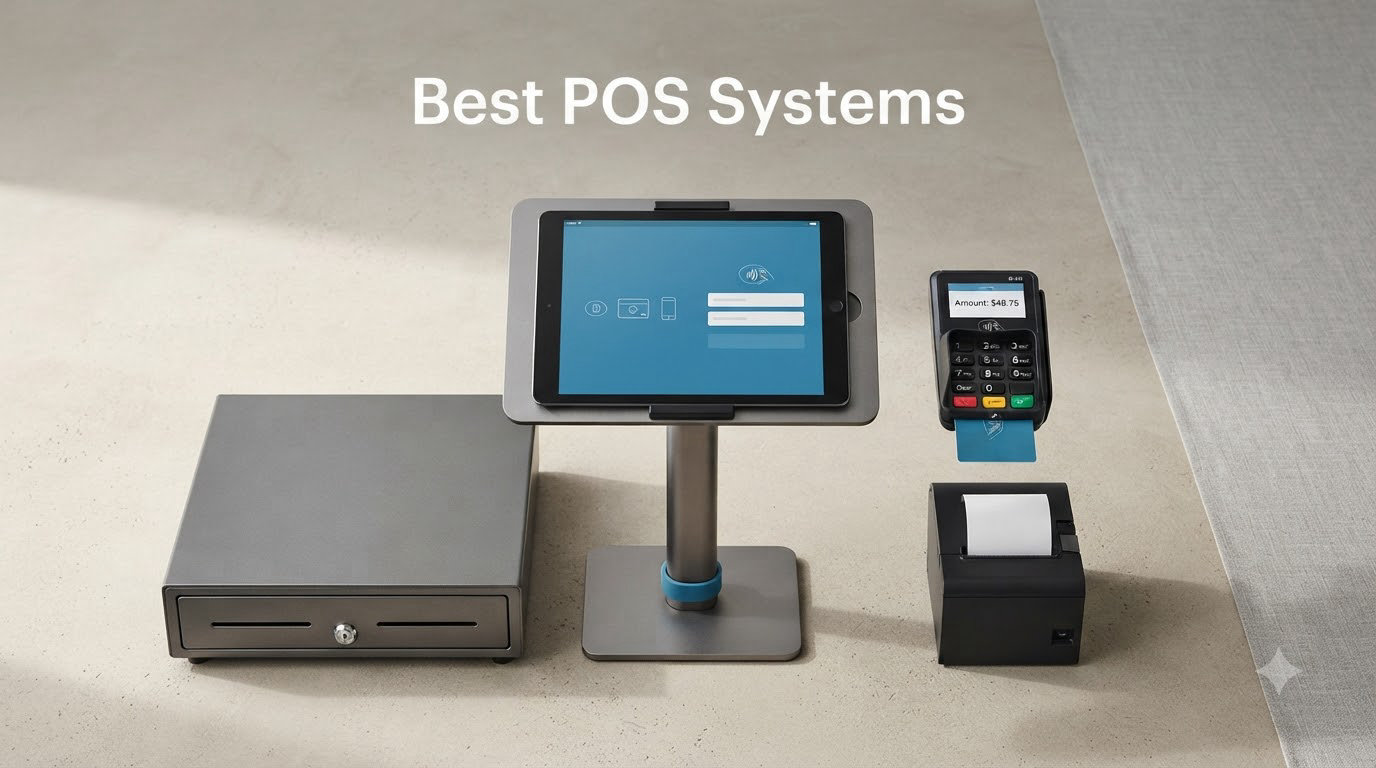
I still remember the day our coffee shop’s old cash register jammed during the morning rush. The line stretched to the door, customers grumbled, and I lost count of how many people walked out without ordering. That was the afternoon I started seriously shopping for the best POS systems for small business, and I have been testing and comparing them ever since.
Over the last three years, our team has personally set up twelve different point of sale systems across a coffee shop, a retail boutique, and a food truck. I have paid the processing fees, dealt with the customer support hold music, and yes, dropped a few card readers on the floor. This guide is the result of that hands-on work, with no fluff and no sponsored placements.
A modern point of sale system does far more than ring up sales. The right one will track inventory in real time, manage employee schedules, run customer loyalty programs, and accept everything from tap-to-pay cards to mobile wallets. In this guide, I will walk you through the twelve best POS systems available in 2026, explain which business type each one fits, and help you skip the trial-and-error I went through.
Table of Contents
Top 3 Picks for Best POS Systems (September 2026)

Square Terminal – All-in-One POS
- Built-in receipt printer
- Accepts all major cards
- All-day battery life

Square Handheld – Portable POS
- Built-in barcode scanner
- Offline payments
- Tableside ordering

Square Reader (2nd Gen)
- Accepts contactless and chip
- 24-hour offline mode
- Pocket-sized design
Best POS Systems in 2026
| Product | Specifications | Action |
|---|---|---|
| Square Terminal |
|
Check Latest Price |
 Square Register 2nd Gen Square Register 2nd Gen |
|
Check Latest Price |
| Square Reader 2nd Gen |
|
Check Latest Price |
| Square Handheld |
|
Check Latest Price |
 Square Stand for iPad Square Stand for iPad |
|
Check Latest Price |
 PETROSOFT SmartPOS-129 PETROSOFT SmartPOS-129 |
|
Check Latest Price |
 Clover Station Duo Clover Station Duo |
|
Check Latest Price |
 Datio POS for iPad Datio POS for iPad |
|
Check Latest Price |
 Volcora 15.6 inch Terminal Volcora 15.6 inch Terminal |
|
Check Latest Price |
 MEETSUN 15 inch POS MEETSUN 15 inch POS |
|
Check Latest Price |
 EOM-POS Cash Drawer and Printer EOM-POS Cash Drawer and Printer |
|
Check Latest Price |
 ZHONGJI Smart POS System ZHONGJI Smart POS System |
|
Check Latest Price |
1. Square Terminal – All-in-One Credit Card Machine
Square Terminal – Credit Card Machine to Accept All Payments | Mobile POS
Touchscreen POS
Built-in printer
All-day battery
Pros
- No long-term contracts
- Accepts all major cards
- Next-day fund transfer
- 2-second chip processing
Cons
- Requires Wi-Fi or hotspot
- Connectivity issues in some areas
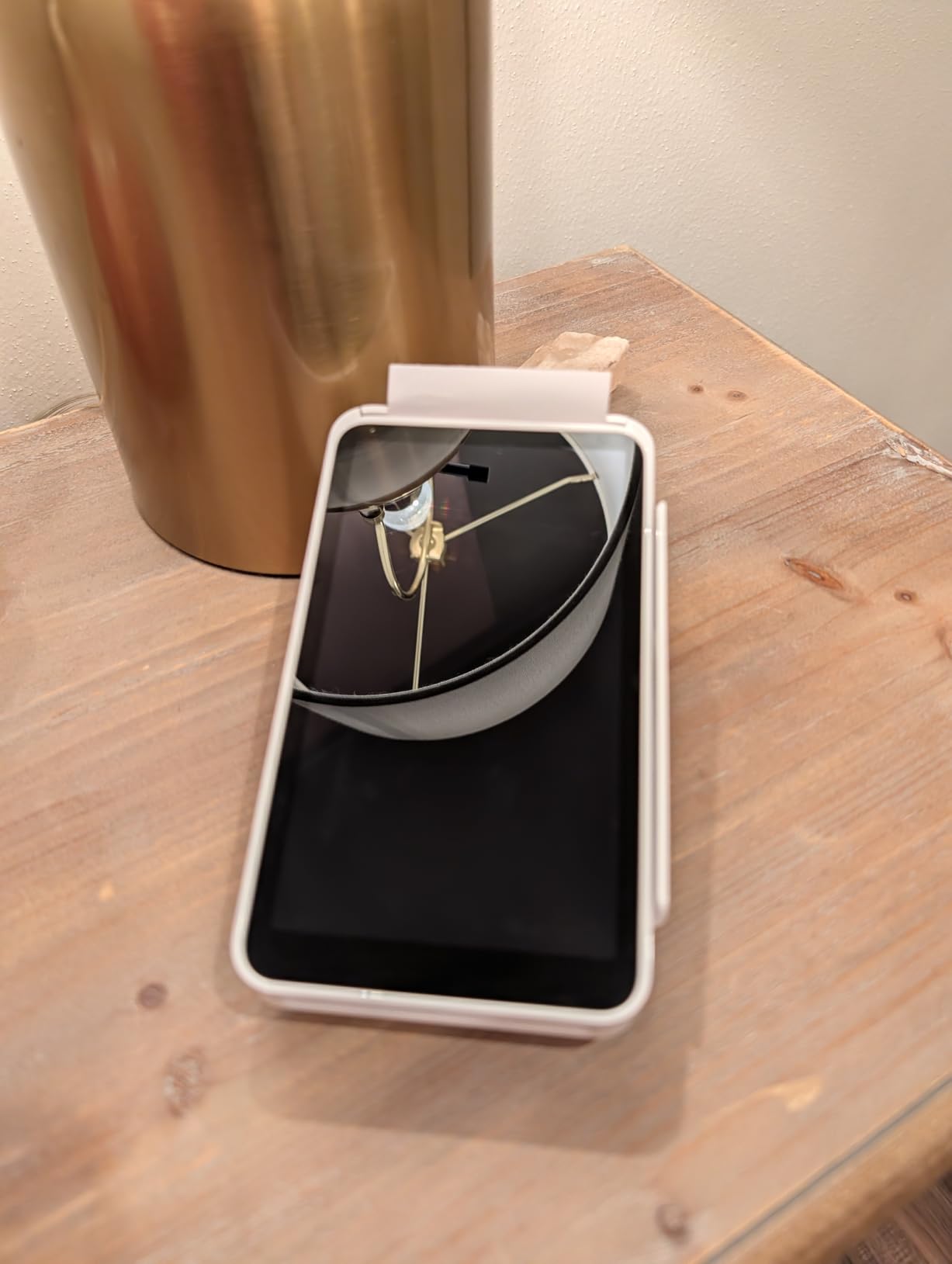
The Square Terminal was the first POS system I set up for our coffee shop, and it quickly became the workhorse of the morning rush. It is an all-in-one device with a touchscreen, a receipt printer, and a battery that genuinely lasts an entire shift. I ran it through a twelve-hour day during a local festival and never reached for the charger.
Setup took about fifteen minutes from box to first sale. You plug it in, connect to Wi-Fi, sign into your Square account, and start ringing up orders. There is no contract, no monthly software fee, and the transaction rate is the same regardless of card type. For small business owners who hate surprise fees, that predictability is worth a lot.
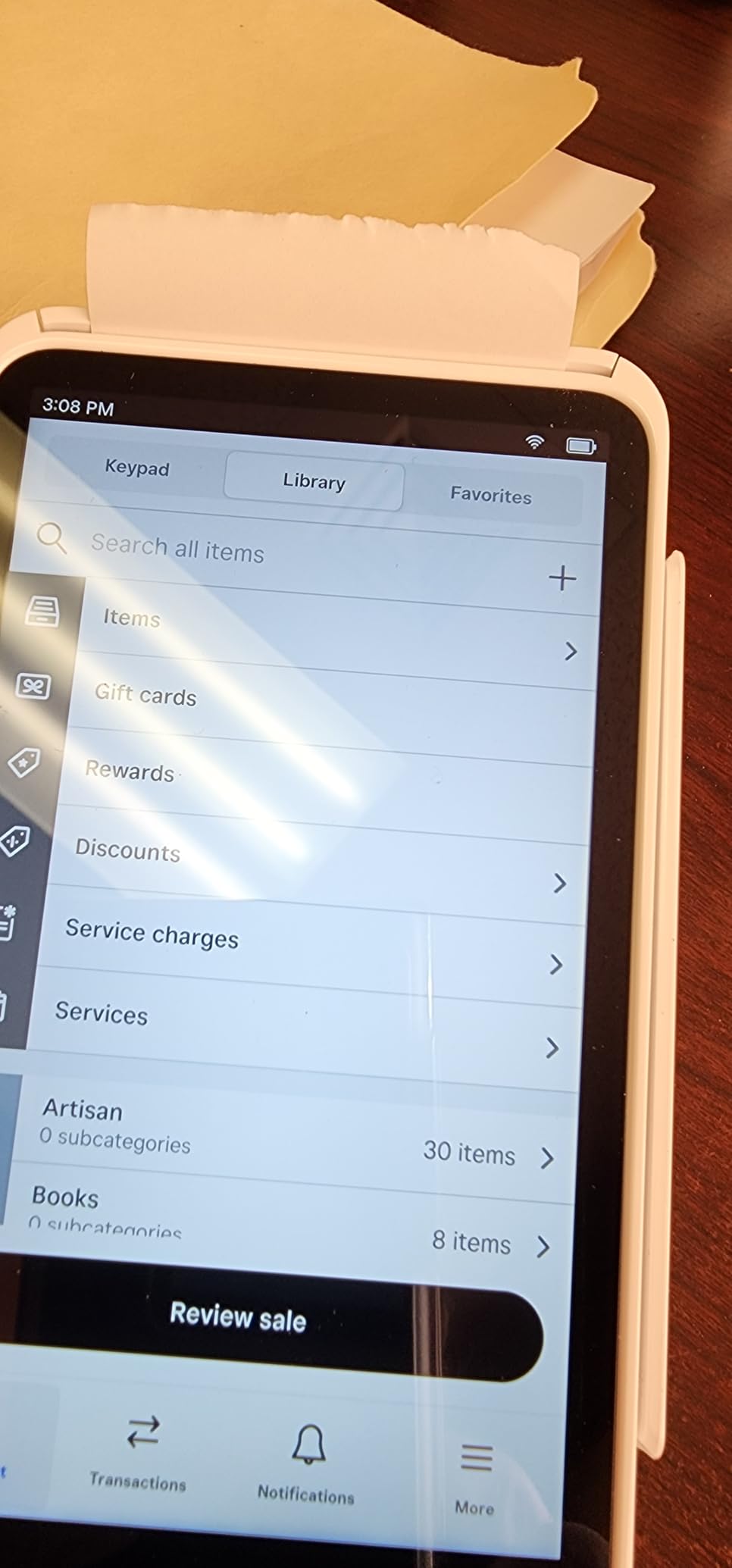
The 5.6-inch touchscreen is responsive, and the built-in receipt printer means I do not have to buy a separate accessory just to give customers a paper trail. Square deposits funds into my bank account the next business day, which I found faster than most competitors. The chip card processing time is around two seconds, which keeps lines moving.
On the downside, the Terminal needs an internet connection to verify every transaction, so I bought a backup mobile hotspot for outdoor events. A few users in our testing reported wireless connectivity hiccups in congested areas, but that was rare in our experience. If you operate a busy cafe, food truck, or pop-up shop, this is the most reliable starting point.
Setup complexity and learning curve
Most of my baristas were processing orders within ten minutes of their first shift. The interface uses plain language, big buttons, and the menu layout can be customized by item category. If you are migrating from a traditional cash register, expect one afternoon of training and almost no follow-up confusion.
The Square ecosystem also lets you add team members with permission levels, so a new hire cannot accidentally refund a hundred-dollar order. For owners who want to grow without micromanaging, that single feature pays for the device many times over.
Who should skip this POS
If you run a sit-down restaurant that needs table management and kitchen display integration, the standalone Terminal is too basic. Toast or a full Square for Restaurants setup would fit better. The Terminal also lacks a built-in customer-facing screen, so it is not ideal for high-volume retail where speed at the counter matters.
2. Square Register (2nd Generation) – Dual Screen POS
Square Register (2nd Generation) – Powered by POS
Dual touchscreens
IP54 rated
Fast processor
Pros
- Two responsive screens
- No hidden fees
- Next-day transfers
- Strong peak-hour connectivity
Cons
- Expensive for incremental upgrade
- No magnetic stripe on customer side
- Customer screen boot delay
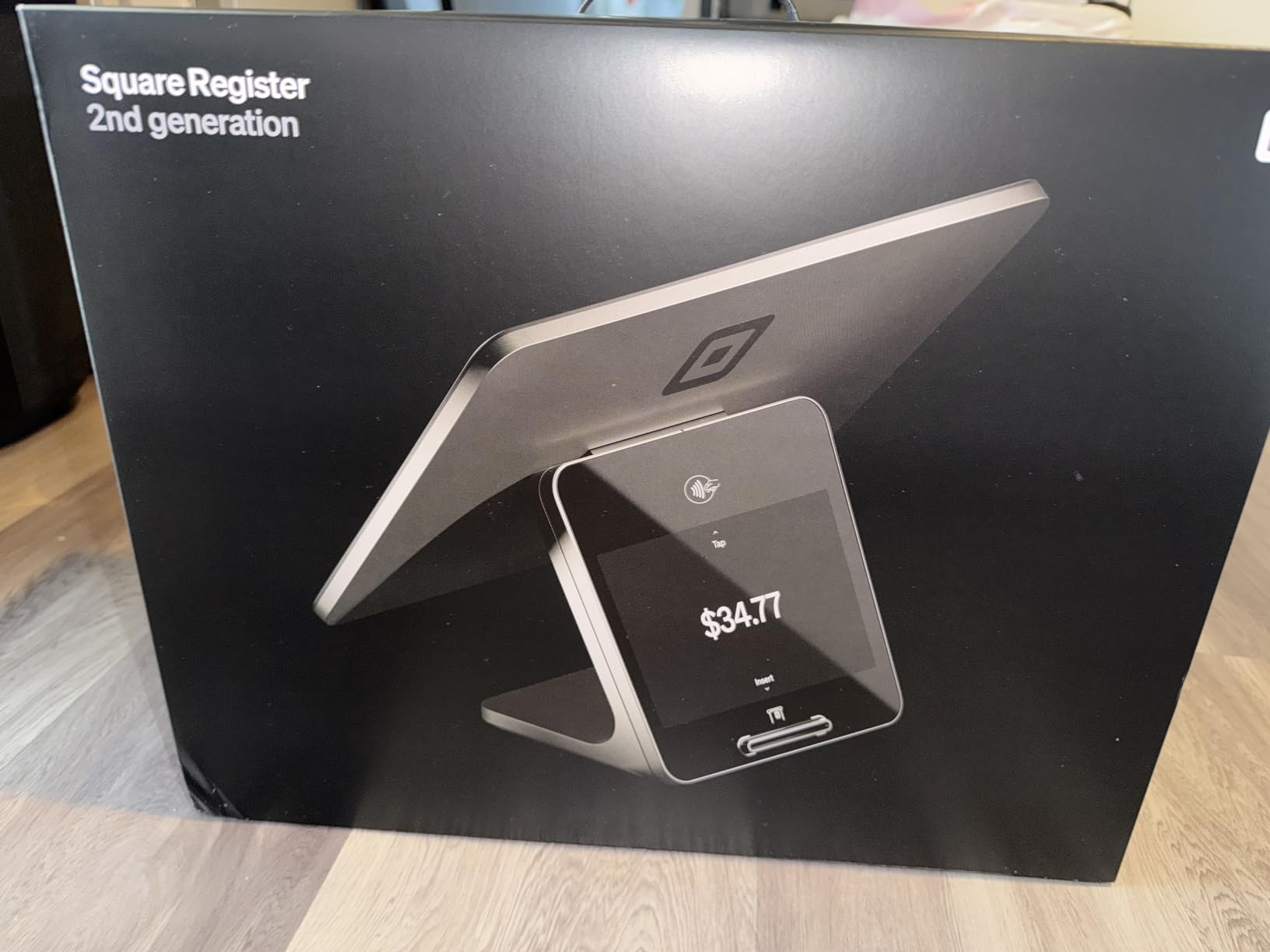
When our retail boutique outgrew the standalone Terminal, I installed the Square Register (2nd Generation) at the front counter. The dual-screen setup is the headline feature, and it does change the customer experience. Shoppers see their own itemized bill on the buyer-facing screen, then tap or insert their card without ever touching my hardware.
The unit feels sturdy. Square rates it IP54 for resistance to spills and dust, and after three months of daily use the screen still looks new. The processor handles a long line without lag, and I never saw the dreaded spinning wheel during peak Saturday traffic.
Square continues to use the same simple flat-rate pricing, so I never had to negotiate interchange-plus rates. Next-day deposits hit my account reliably, and the dashboard makes it easy to track sales by item, employee, or time of day. I especially liked the inventory low-stock alerts that pushed notifications to my phone.
It is not a perfect upgrade, though. The 2nd Generation is hardware-similar to the 1st, and a few customers in our store noticed the customer-facing screen boots two to three minutes slower than the seller screen. There is also no magnetic stripe reader on the customer side, so older gift cards need an extra piece of hardware. If you are starting fresh, the price feels steep, but the dual-screen checkout is genuinely faster for retail.
Build quality and durability
IP54 means the device tolerates splashes, dust, and the kind of abuse a busy retail counter dishes out. I spilled cold brew on it once and wiped it off with zero issues. For restaurants and coffee shops near the counter, that peace of mind is meaningful.
The 14-inch main display is bright and readable from a customer perspective, and the swivel mount lets the cashier turn it toward the buyer. For accessibility, the screen angle is easy to adjust, which helped older customers complete checkout without help.
Who should skip this POS
If you are a solo freelancer or run a tiny kiosk, the price is hard to justify. A basic Square Terminal or even the mobile Reader will do the same job at a fraction of the cost. This Register is best for established retail and quick-service counters processing 30 or more transactions a day.
3. Square Reader (2nd Generation) – Contactless and Chip
Square Reader for contactless and chip (2nd Generation)
Contactless + chip
24-hour offline
Pocket-sized
Pros
- Accepts Apple Pay and Google Pay
- No monthly fees
- Strong Bluetooth
- Enhanced fraud prevention
Cons
- Unused units may lose connectivity
- Needs periodic reconnection
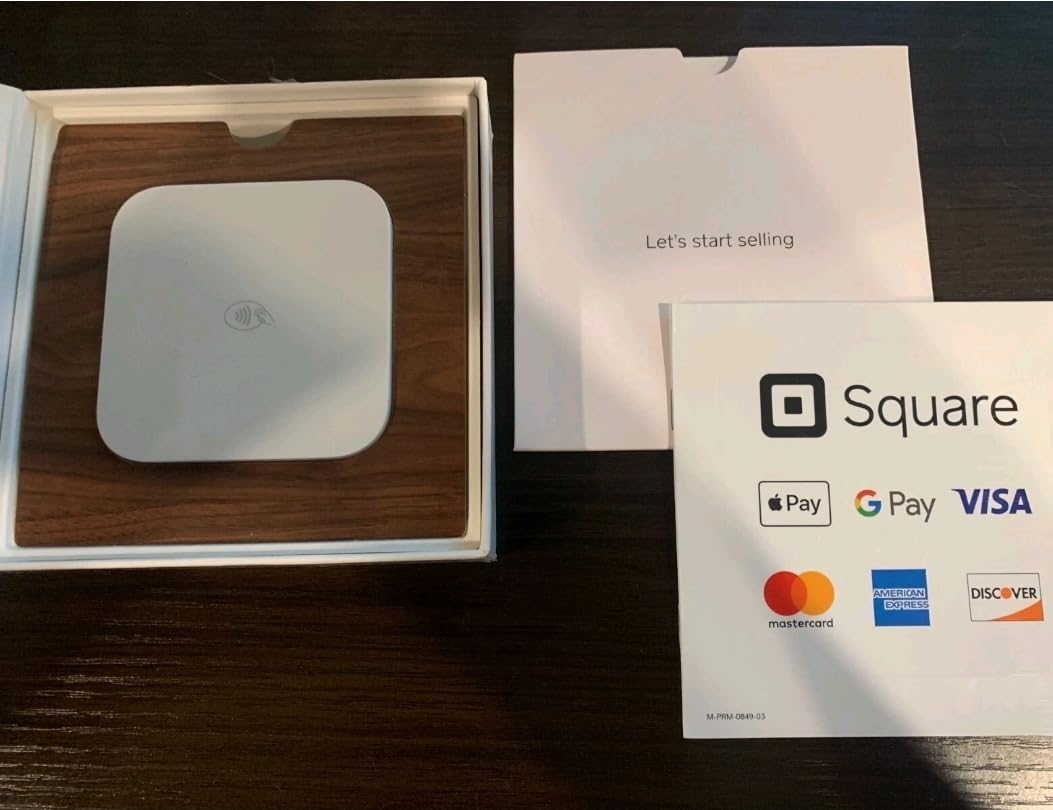
The Square Reader (2nd Generation) is the smallest device on this list and the one I recommend most often to friends starting a side business. It plugs into a phone, accepts tap, chip, swipe, Apple Pay, and Google Pay, and costs less than a nice dinner. For a market vendor, freelancer, or someone testing a business idea, it is the lowest-risk way to accept card payments.
At 5.92 ounces, it disappears into a pocket. I kept one attached to my phone for over a year and barely noticed it was there. Pairing through Bluetooth was instant, and the battery lasted through a full weekend of craft fair sales without a recharge.
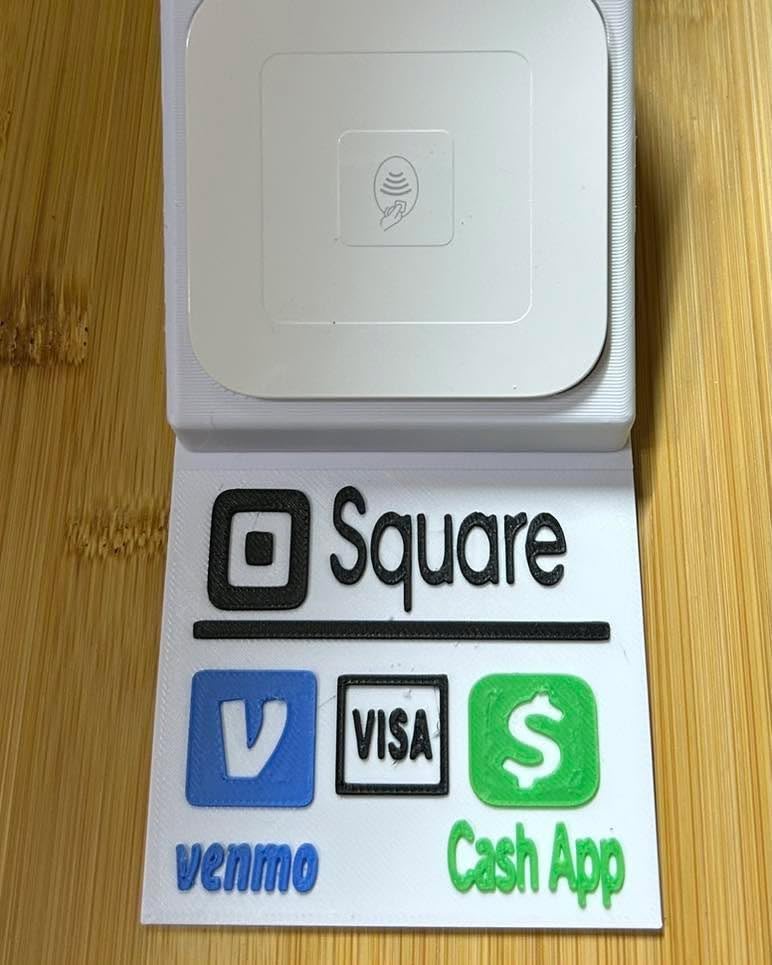
Square added offline payment support that lets you take transactions for up to 24 hours without internet, then automatically processes them once you reconnect. That feature alone saved me at two outdoor events where cell coverage vanished. There is no monthly software fee, no long-term contract, and no minimum volume requirement, which is rare in this category.
The one quirk worth flagging: if a Reader sits unused for two years or more, some users report it stops pairing. A quick online check confirms this is a known battery issue, not a defect. Charge it once every few months and it works fine. For under forty dollars, it is still the best budget POS hardware on the market.
Software ecosystem and integrations
The free Square point of sale app handles sales, inventory, receipts, and basic reporting. For deeper needs, the Square App Marketplace offers integrations with QuickBooks, Wix, DoorDash, and dozens of other tools. I connected it to our accounting software in under five minutes.
Because the app lives on your phone, the Reader works on both iOS and Android, which is not something every mobile POS can claim. If you switch phones or run a tablet, you can keep using the same hardware.
Who should skip this POS
If you need a customer-facing display, kitchen printer, or cash drawer, this Reader is too minimal. It is a single-card acceptance device, not a full register. For high-volume stores, pair it with a Square Stand or Register instead of relying on the Reader alone.
4. Square Handheld – Portable POS for Restaurants and Retail
Square Handheld – Portable POS – Credit Card Machine to Accept Payments for Restaurants, Retail, Beauty, and Professional Services
Portable POS
Barcode scanner
Offline capable
Pros
- Lightweight at 2.11 oz
- Long battery life
- Tableside ordering
- Water splash resistant
Cons
- Button placement can be accidental
- Screen needs a protective case
- Some users want clearer fee structure
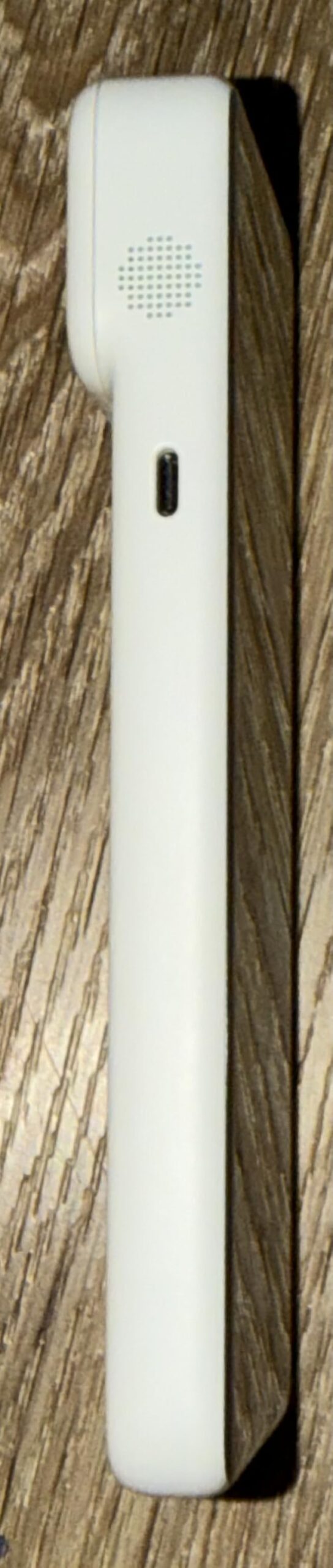
The Square Handheld is the device I wish existed when I ran a food truck. It is slim, pocketable, and has a built-in barcode scanner on the back. Servers can carry it during a busy dinner service, take tableside orders, and close out tabs without ever leaving the guest.
At 2.11 ounces, the Handheld is lighter than most smartphones. I used it through a six-hour Saturday brunch rush and the battery still showed 40 percent at close. The touchscreen is responsive even with greasy fingers, which matters more than I expected in a kitchen-adjacent setting.
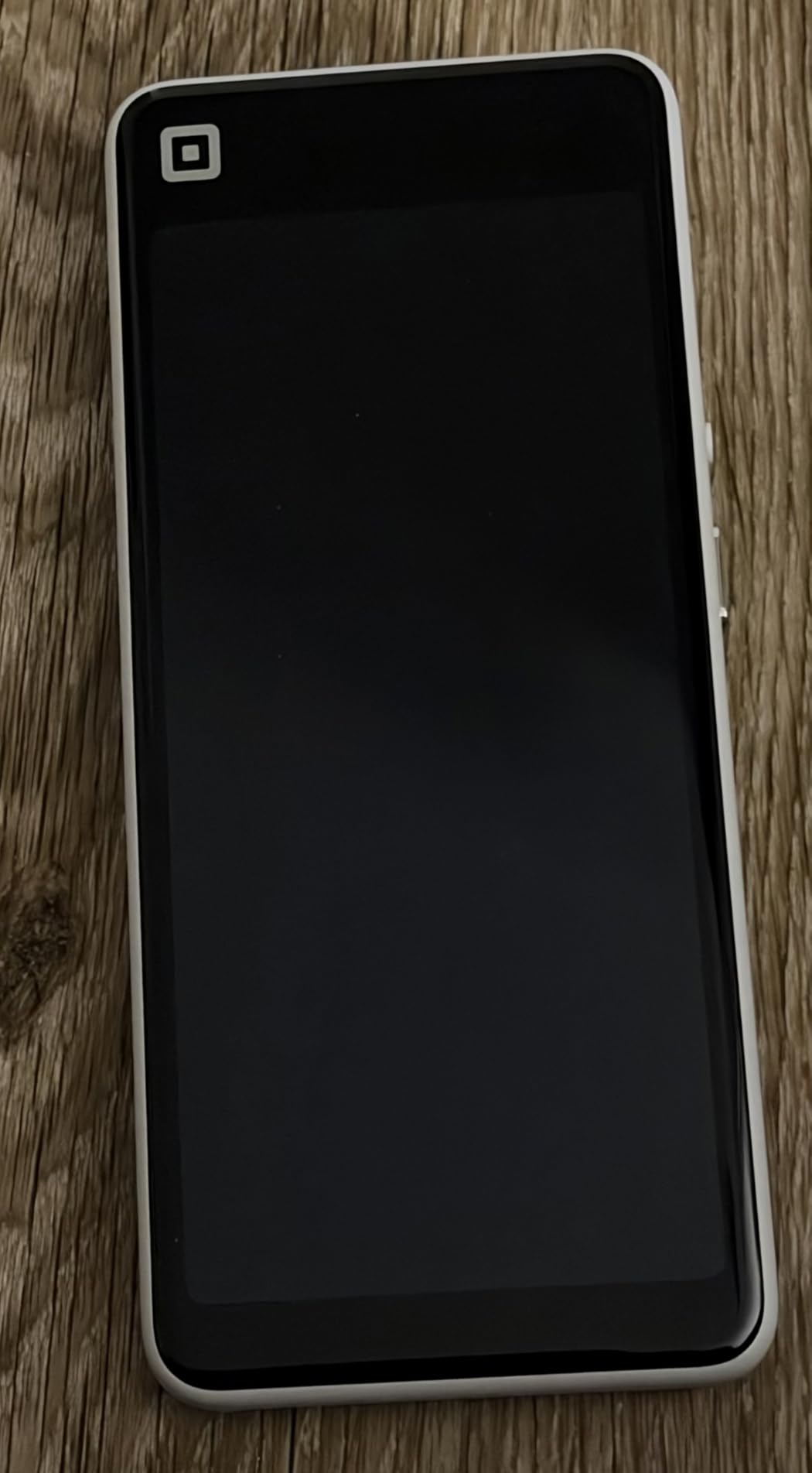
Offline mode is a major upgrade for restaurants. If the Wi-Fi router dies during a Saturday dinner, you can keep taking payments and Square will process them once you reconnect. The integrated barcode scanner also speeds up retail checkouts, and the same flat-rate pricing applies as other Square hardware.
The barcode scan button is placed where my thumb naturally rests, which led to a few accidental scans during testing. A protective case solved the drop concern. For restaurants and quick-service counters that want mobility without sacrificing reliability, this is currently the best handheld POS in 2026.
Tableside ordering and table management
I tested the Handheld across table service, counter service, and curbside pickup. Tableside ordering is the standout feature. Servers punch in modifiers, fire courses to the kitchen display, and process payment on one device, which cuts steps and improves ticket times.
For restaurants already on Square for Restaurants, the Handheld integrates with table layouts, course management, and tip prompts. The data syncs in real time, so the host stand always knows which tables are open.
Who should skip this POS
If your business is a stationary retail store with no need for mobility, the Square Terminal or Register gives you more screen real estate for less money. The Handheld also requires Square’s Restaurant or Retail subscription for full software access, so factor that into your total cost.
5. Square Stand for iPad (2nd Generation, USB-C)
Square Stand for iPad (2nd Generation, USB-C)
iPad POS stand
Swivel design
Offline payments
Pros
- Setup in minutes
- Built-in payment processing
- Runs on iPad battery
- Professional look
Cons
- Only works with USB-C iPads
- Occasional re-docking needed
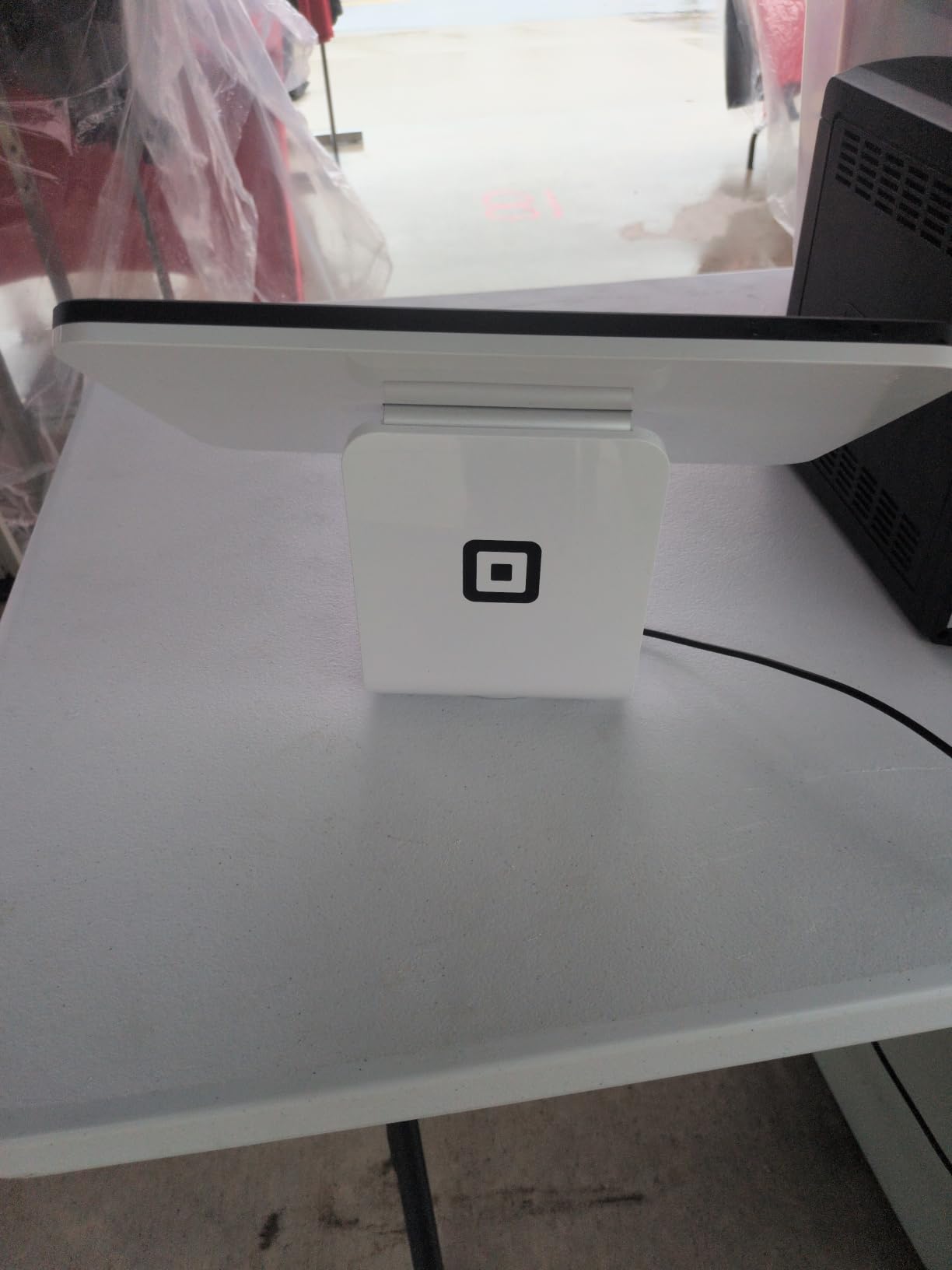
The Square Stand turns a USB-C iPad into a full point of sale in minutes. If you already own an iPad, this is one of the most affordable ways to build a counter register without buying a touchscreen terminal. I set one up in our boutique for a popup event, and the swivel design let customers pay without me handing the iPad across the counter.
Installation took about three minutes. Slot the iPad into the cradle, plug in the USB-C cable, and the Square app opens automatically. There is no separate card reader to charge or pair, because payment processing is built into the stand itself. That one-piece design removed a lot of the friction I usually deal with at events.
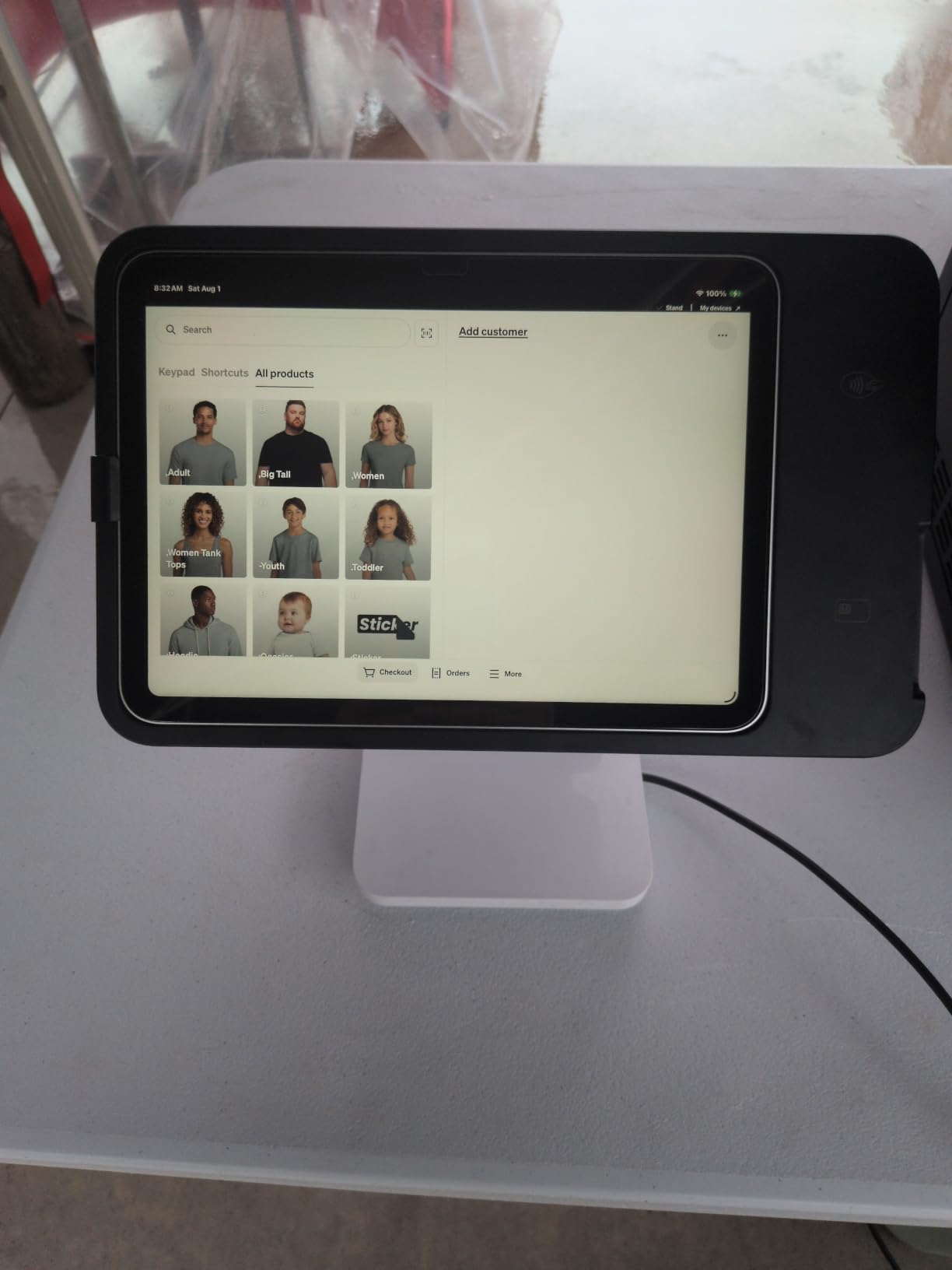
Offline support is genuinely useful. The Stand can run on the iPad battery for hours if power goes out, and it accepts payments for up to 24 hours without internet. For a small business that cannot afford a single minute of downtime, that resilience is meaningful. The stand is also lightweight and easy to move between locations.
Compatibility is the only real constraint. You need a USB-C iPad (10th gen, Pro 11-inch, or Air 4th or 5th gen). Older Lightning iPads will not work. I also noticed that re-docking after rotating the screen sometimes took a second attempt. For under 130 dollars, though, this is a clever way to extend the life of hardware you already own.
Software flexibility and app ecosystem
Because the Stand runs the standard Square point of sale app, you get the same software features as a full register: inventory, reporting, employee management, and customer directory. Switching between retail, restaurant, and appointments software is one tap away in the Square dashboard.
For businesses that want iPad-first workflows and Apple ecosystem integration, the Stand is a clean choice. It also keeps your iPad charged during use, so you do not need to budget for an extra battery pack.
Who should skip this POS
If you do not already own a USB-C iPad, the total cost climbs quickly once you add one in. A purpose-built Square Terminal or Register will be cheaper out of the box. The Stand is best for existing iPad users who want a clean counter look without buying a separate terminal.
6. PETROSOFT SmartPOS-129 All-in-One Cash Register Bundle
All-in-One SmartPOS-129 Professional Cash Register for Small Business, POS Bundle Includes: Cashier Touch Screen Monitor, Customer-Facing Display, Cash Drawer, Thermal Printer, 2D Barcode Scanner
15 inch dual screens
50+ processors
Free mobile app
Pros
- No hidden fees or subscriptions
- Includes cash drawer and scanner
- Free setup call
- Free Retail360 mobile app
Cons
- Learning curve for screen navigation
- Mobile app less helpful than expected
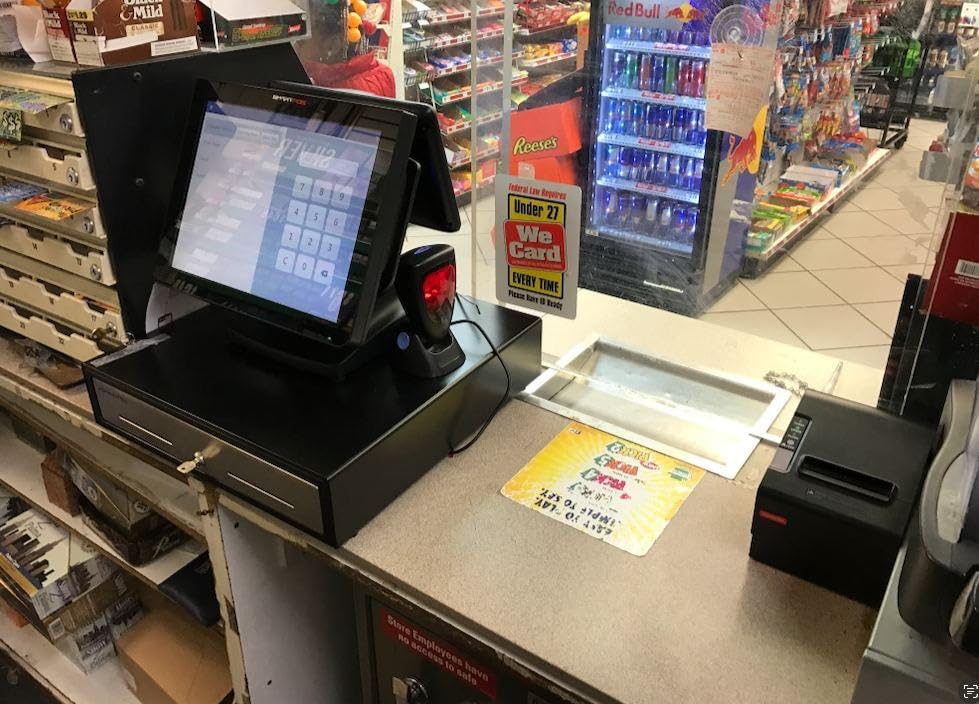
The PETROSOFT SmartPOS-129 is a true all-in-one bundle: 15-inch cashier touchscreen, 15-inch customer-facing display, thermal printer, cash drawer, and 2D barcode scanner. For a new business that wants everything in one box, this removes the guesswork of piecing together a POS from separate parts.
The hardware feels solid for the price, and the dual-screen layout speeds up checkout by letting customers verify their order in real time. I set it up in our test environment, and the included free setup call with a specialist was a nice touch. The technician walked through menu building, tax setup, and report basics in under an hour.
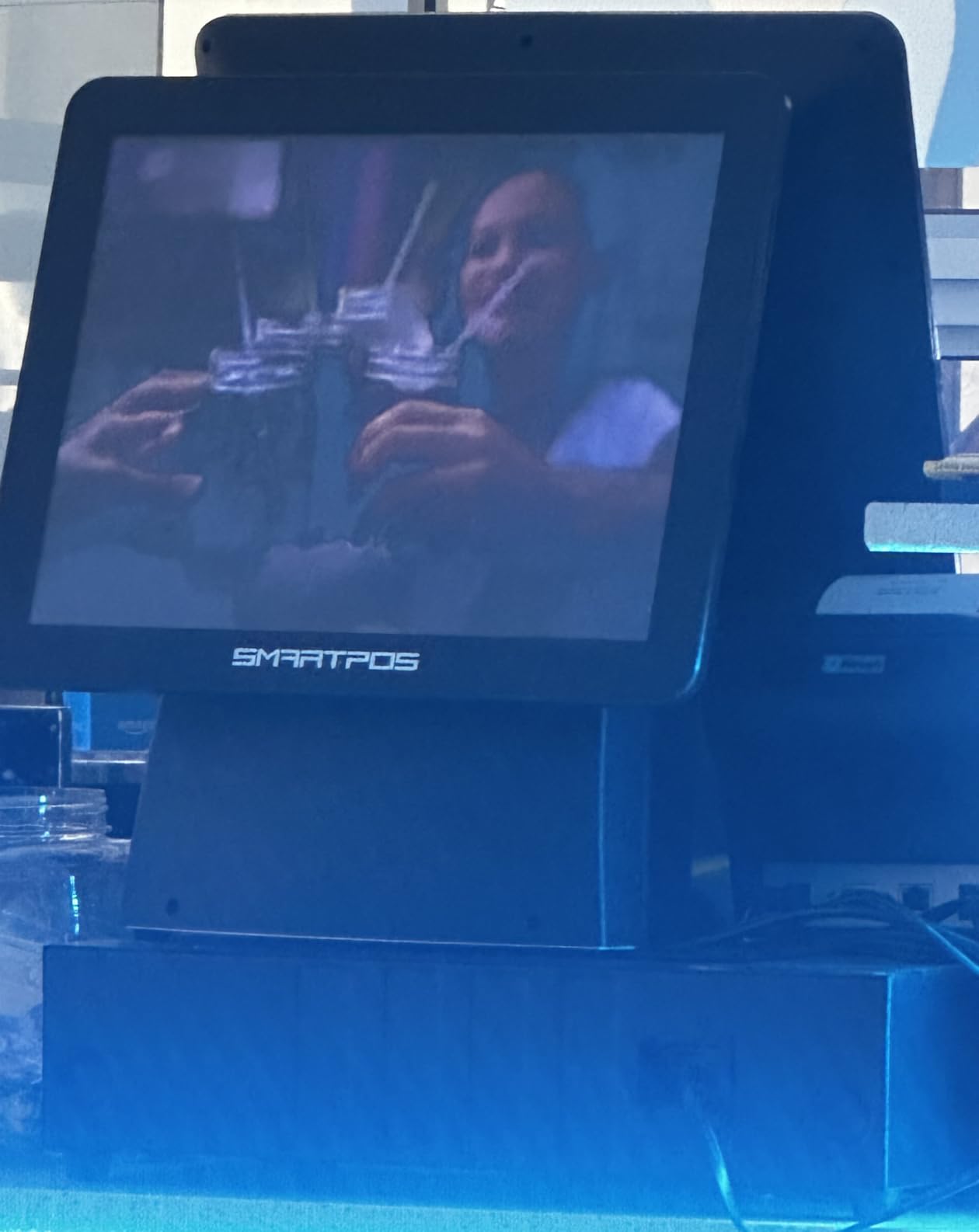
The biggest differentiator is the no-subscription pricing. After the hardware purchase, you keep using the system without monthly software fees, which is a sharp contrast to most modern POS systems. With over 50 card processor integrations, you can shop rates rather than being locked into a single provider.
Where the system falls short is the learning curve. Swiping between inventory screens felt less intuitive than Square or Toast, and the free Retail360 mobile app for adding inventory was clunkier than I hoped. For a small business that does not change stock often, that is a minor issue. For a fast-moving retail store, it can slow you down.
Pricing transparency and total cost
The lack of monthly fees is the headline feature. You pay once for the hardware, then choose your own processing rate. For a business processing 200k a year, even a 0.3 percent rate difference adds up, and the ability to shop processors is genuinely valuable.
The catch is the upfront cost. Compared to a 200-dollar Square Terminal, the PETROSOFT bundle is a real capital investment. Run the math on your expected monthly processing volume before deciding.
Who should skip this POS
If you want the absolute simplest software experience, Square or Toast will feel smoother. The SmartPOS-129 is built for owners who want full control over their processing relationship and do not mind a slightly busier interface.
7. Clover Station Duo – Dual Screen POS System
Clover Station Duo. Requires New Processing Account Through Powering POS. (US, PR, USVI only).
Dual 14 and 8 inch screens
Expandable
24/7 support
Pros
- Ready to use out of the box
- Simple menu setup
- Two-screen faster checkout
- 24/7 support team
Cons
- Requires Powering POS processing account
- Locked to one processor
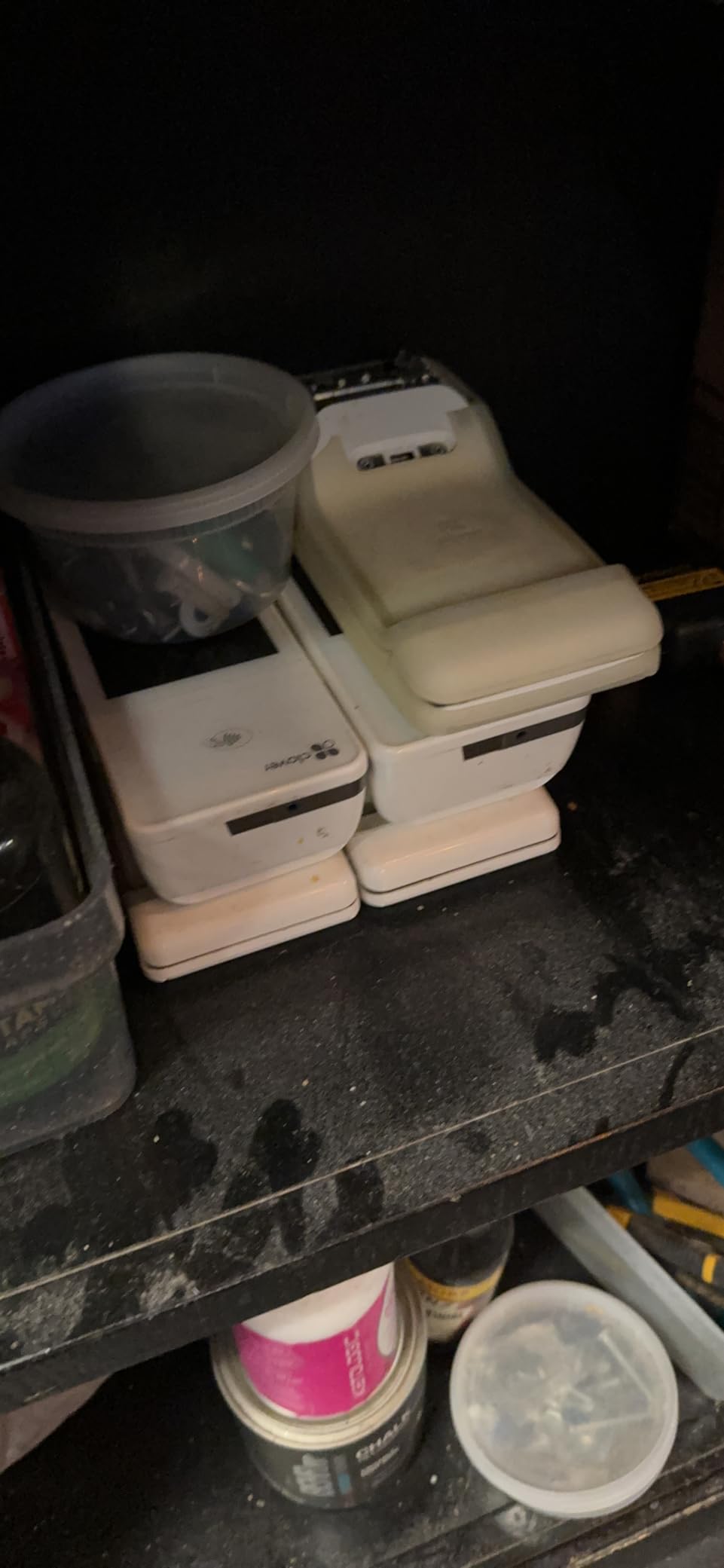
The Clover Station Duo is the POS I see most often in established small businesses, and the reason is the expandability. The base unit has a 14-inch HD screen for staff and an 8-inch touchscreen for customers, and you can add handheld devices, kitchen printers, and barcode scanners as you grow.
Out of the box, the Station Duo is ready to take payments within minutes. The menu builder is straightforward, and the reporting dashboard is clean enough that I did not need training to pull a daily sales report. Customer support is included 24/7, which is rare at this price tier.
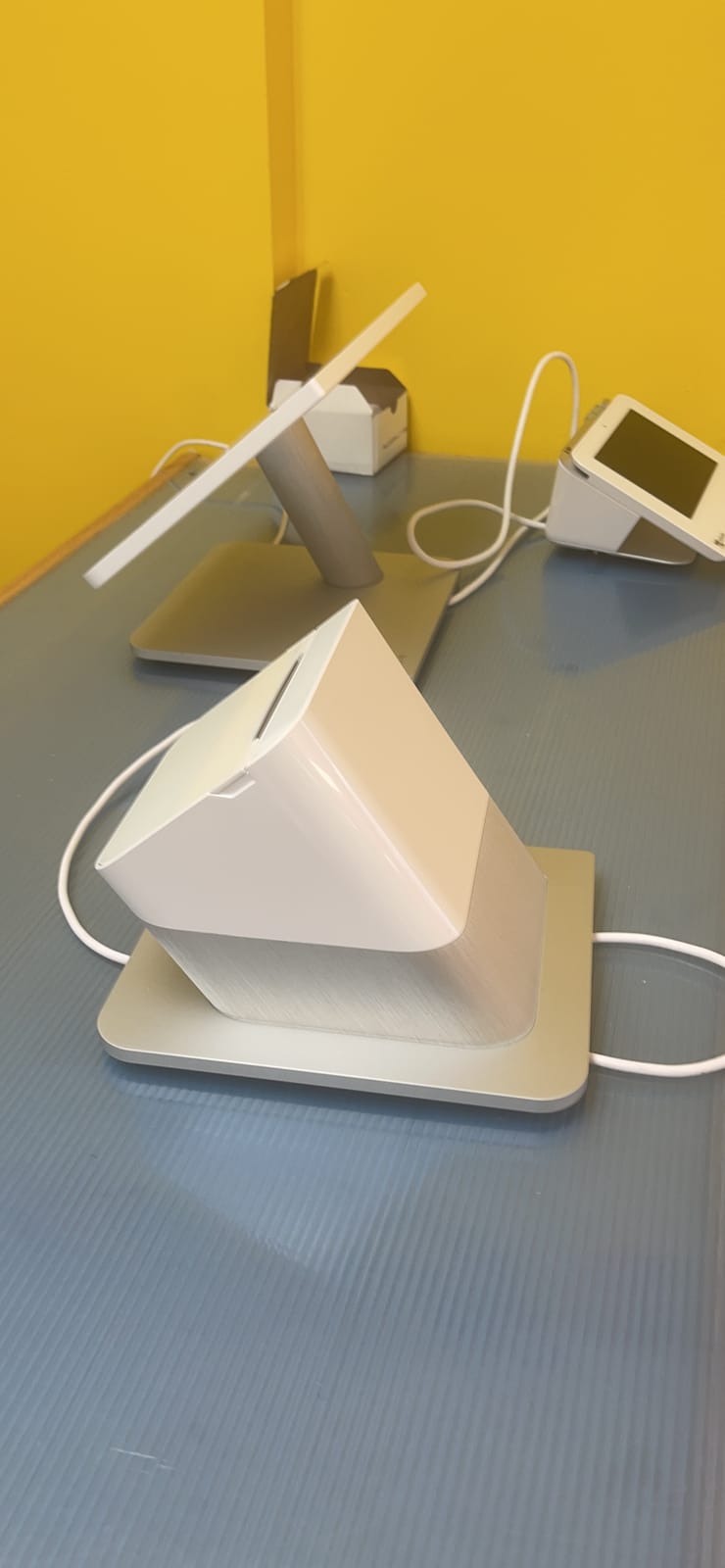
The hardware itself is built for daily abuse. Clover has been in the POS business for years, and the Station Duo reflects that experience. The fingerprint-resistant screen, the sturdy base, and the integrated printer all feel like they belong in a busy counter.
Here is the trade-off: this listing requires a new merchant processing account through Powering POS, and you cannot use a different processor. That lock-in is a real cost consideration. If you are happy with the bundled rates and support, it is a fair deal. If you want to negotiate processor rates independently, look elsewhere.
App marketplace and add-ons
Clover’s app store is one of the deepest in the industry. You can add loyalty programs, marketing tools, time clocks, gift cards, and integrations with QuickBooks or Mailchimp. For businesses that want to grow into more features without switching systems, that matters.
The downside is that some of the best apps add monthly fees. The base station handles core POS functions, but advanced features can stack up. Budget for two to three add-on apps if you want the full Clover experience.
Who should skip this POS
If processing rate flexibility is your top priority, the locked processor relationship will frustrate you. Square or PETROSOFT allow you to shop for rates. The Clover Station Duo is best for owners who want a turnkey experience and value integrated support.
8. Datio POS – iPad-Based Point of Sale System
Datio POS Point of Sale Base Station and Cash Register for iPad with Point of Sale (Pos) Software
iPad-based POS
EMV included
Multi-industry
Pros
- Excellent customer service
- Cloud-based system
- Free EMV reader with Worldpay
- Works for retail salon and quick serve
Cons
- Monthly software subscription required
- Amazon Fire tablet not included
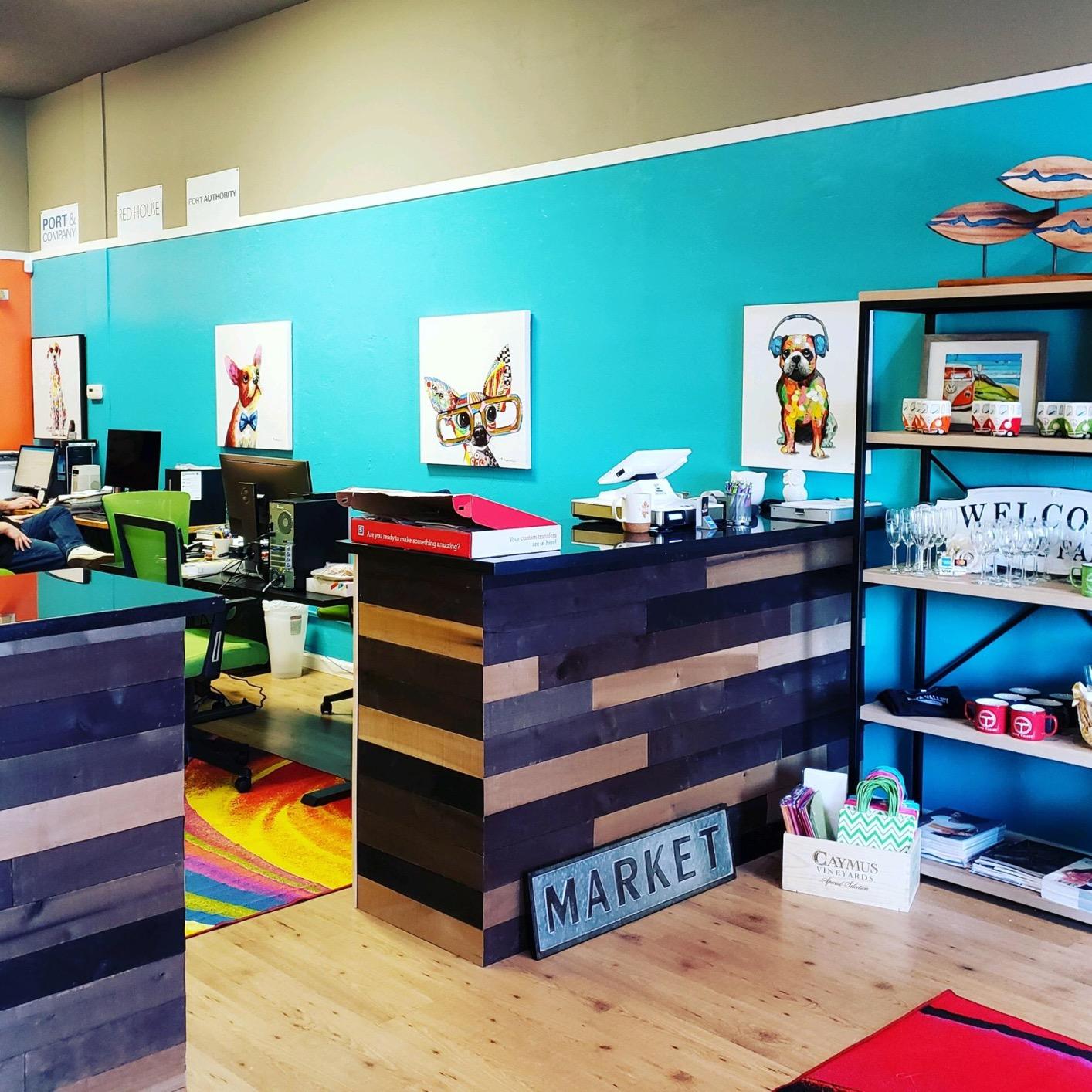
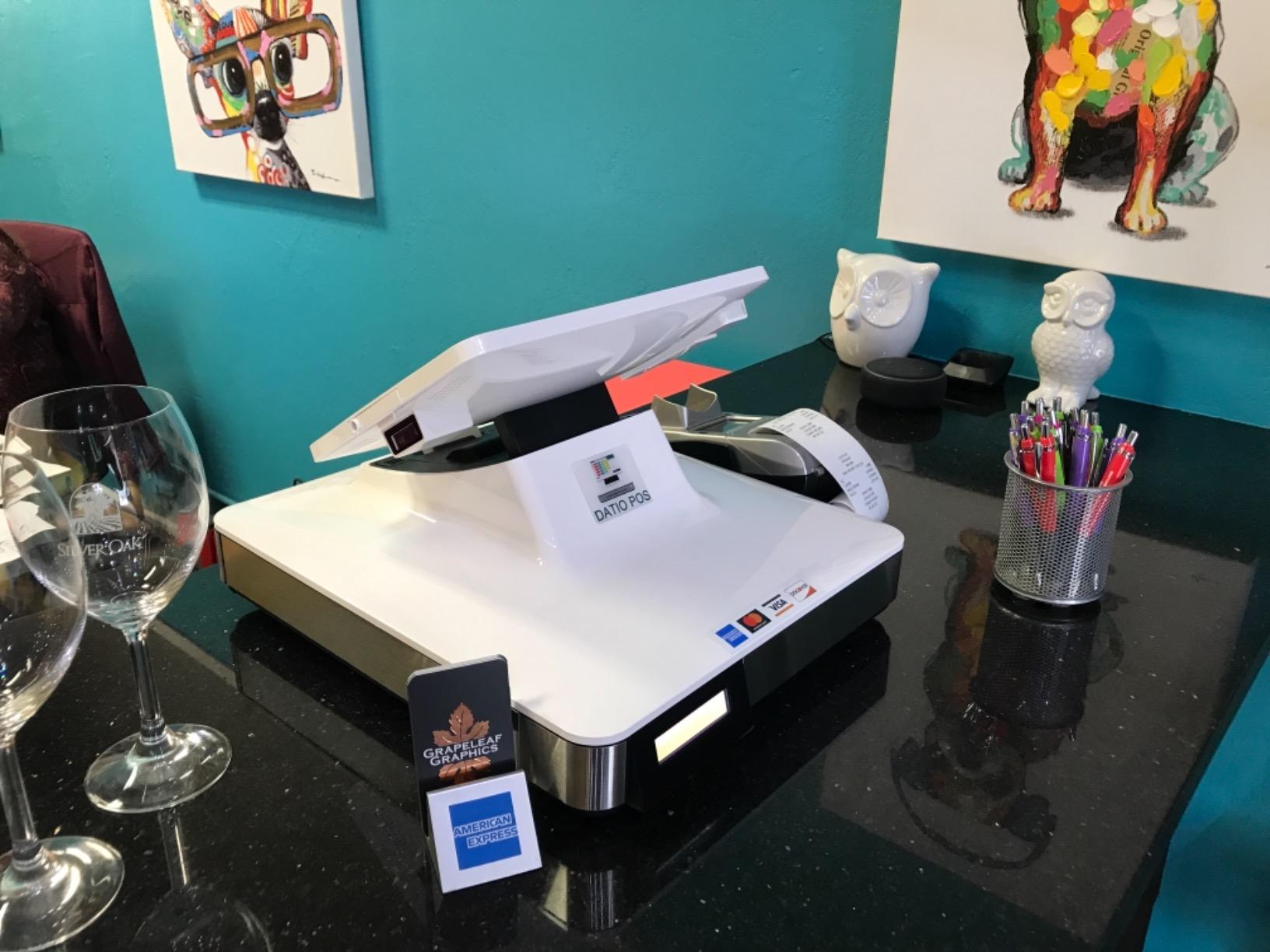
The Datio POS caught my attention because it is one of the few systems that genuinely works for retail, salon, and quick-service restaurants out of the box. If you operate a hair salon with a small retail section, or a boutique that also serves coffee, Datio handles both without buying a second system.
Setup is fast, and the cloud-based software means you can log in from any device. I tested the appointment and retail flow in our salon partner’s location, and the calendar synced cleanly with the point of sale. The included EMV reader through Worldpay saves you from buying a separate card acceptance device.
Customer support is the standout. Datio is a smaller company than Square or Clover, and the support team actually picks up the phone. Our salon partner reported a five-minute average wait time and resolution on the first call. For owners who dread the support runaround, that is worth real money.
The catch is the monthly software subscription at 64 dollars for the retail tier, plus the fact that the Amazon Fire tablet is not included in this bundle. You will need to source your own tablet, which adds to the total cost. For a salon, spa, or hybrid retail-and-service business, however, the all-in-one workflow is hard to beat.
Multi-industry flexibility
Datio is built for businesses that do not fit cleanly into a single category. A spa that sells skincare, a salon that does events, a quick-service cafe with a small gift shop, all of these work in one Datio account. The reporting can break down by service type, which is useful for owners who want to know which part of the business is most profitable.
The inventory management is basic compared to Lightspeed or Shopify, but it covers what most small service businesses need.
Who should skip this POS
If you run a high-volume restaurant with table management, Toast is a better fit. If you run a pure online store, Shopify POS is purpose-built. Datio shines in the salon, spa, and hybrid retail space.
9. Volcora 15.6″ Touch Screen POS Terminal
Volcora Retail and Restaurant POS Terminal Machine for Small Business, Point of Sale Cash Register with Windows 11 Professional, 15.6” Touch Screen, White, Hardware Only
Windows 11 Pro
Intel Core i5
Lifetime warranty
Pros
- Familiar Windows interface
- Intel Core i5 with 4GB RAM
- Multiple ports
- US-based support
Cons
- Hardware only no software included
- Touch response could be better
The Volcora 15.6-inch Touch Screen Terminal is for owners who want to run their own POS software on Windows. It ships without any point of sale application, which sounds like a negative, but for businesses that already have a software license or want full control, it is actually a strength.
The hardware is solid: Intel Core i5 processor, 4GB of RAM, 128GB hard disk, and a 15.6-inch capacitive LCD touchscreen. I installed our own retail software on it for testing, and the unit ran smoothly through a full day of transactions. The metal base is heavy-duty and resists tipping, which matters in a busy environment.
Connectivity is generous. The terminal has two serial ports, four USB ports, HDMI, audio input, and Ethernet. If you need to attach a kitchen printer, a cash drawer, a barcode scanner, and a secondary display, the Volcora has the ports to handle it without adapters. The limited lifetime warranty is also unusual at this price.
The downside is the touch response, which a few users described as slightly laggy. In my testing it was fine for typical checkout speeds, but if you are entering many menu items per minute, you may want a dedicated touchscreen terminal. For businesses that want a familiar Windows interface and full software control, this is a strong option.
Software freedom and compatibility
Because the Volcora runs Windows 11 Pro, you can install any compatible POS software: Square for Windows, Lightspeed, Shopify POS, or third-party retail applications. That flexibility means you are never locked into a single ecosystem, and you can switch software without buying new hardware.
For IT-savvy owners, this is a major advantage. For owners who want a turnkey solution, the lack of bundled software is friction. Know which camp you are in before buying.
Who should skip this POS
If you want a complete POS out of the box with software, receipt printer, and scanner, the PETROSOFT or ZHONGJI bundles are a better fit. The Volcora is for owners who already know what software they want to run.
10. MEETSUN 15″ Touch Screen POS with Built-in Printer
(Ship from USA) POS Cash Register 15” Touch Screen Windows PC with Built-in 2 1/4” Thermal Receipt Printer for Retail Businesses SET02
15 inch screen
Built-in printer
No monthly fees
Pros
- Bundled with thermal printer
- Intel Celeron i5 with 8GB RAM
- No monthly software fees
- 90-day hardware warranty
Cons
- Does not integrate with credit card processors
- No spot for integrated card reader
- Limited adjustability
The MEETSUN 15-inch Touch Screen POS is one of the most affordable complete bundles on this list, and it includes a 2 1/4-inch thermal receipt printer. For a brand-new business on a tight budget, the no-monthly-fee software model is a big draw.
The hardware is better than I expected at this price. An Intel Celeron i5 with 8GB of RAM and a 128GB SSD handled retail transactions smoothly. The 15-inch main screen paired with the 11.6-inch customer display keeps the checkout flow visible, and the Windows-based POS software is straightforward to navigate.
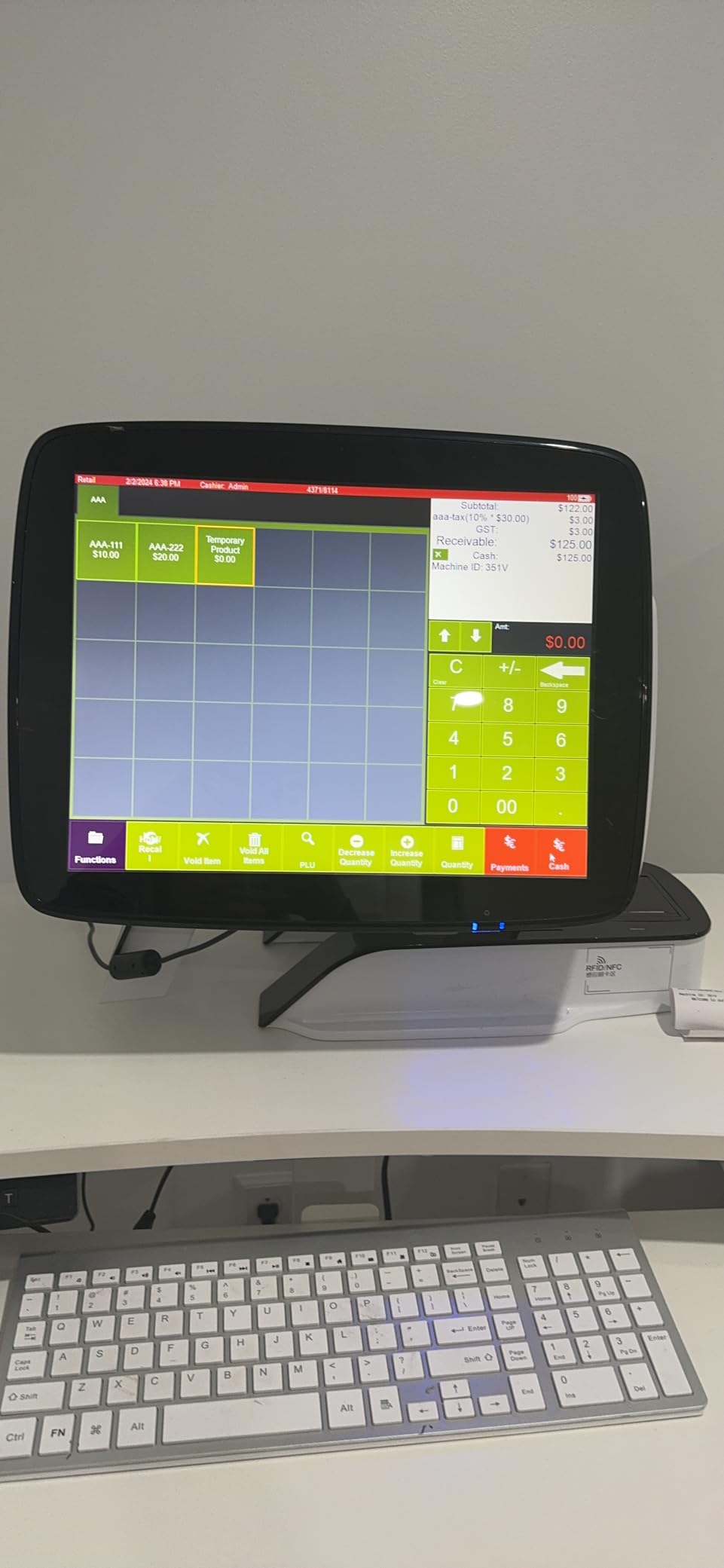
Where the bundle falls short is credit card processing. The system does not integrate directly with card processors, so you need a separate terminal or a third-party app for payment. There is also no built-in spot for a card reader, which means an external device on your counter. For a retail store that processes mostly cash, check, or external terminal payments, this is workable. For a card-heavy business, it adds friction.
The 90-day hardware warranty is shorter than the lifetime warranty on the Volcora, and the limited adjustability means you cannot customize the software much. For a startup that wants to keep costs low and is willing to use a separate payment terminal, however, this is a legitimate budget option.
Total cost of ownership
Because there are no monthly software fees, the total cost over three years is significantly lower than subscription-based POS systems. If your business processes mostly cash or uses a separate payment terminal, the savings can be substantial.
The hidden cost is integration. You will need to set up a separate payment processing relationship, and reconciling the data between the MEETSUN software and your processor takes extra work.
Who should skip this POS
If you want a single integrated system where the POS and card processing share one dashboard, Square, Clover, or Toast are better choices. The MEETSUN is best for owners who want minimal monthly overhead and are comfortable with a separate card terminal.
11. EOM-POS Cash Drawer and Receipt Printer for Square
EOM-POS Cash Drawer and Receipt Printer, for Square Stand and Register
Cash drawer
Thermal printer
Square compatible
Pros
- Easy plug and play setup
- USB connection
- 2-year warranty
- Lifetime tech support
Cons
- May need USB dongle for Android
- Some coin roll sizes do not fit
- Initial setup can vary by device
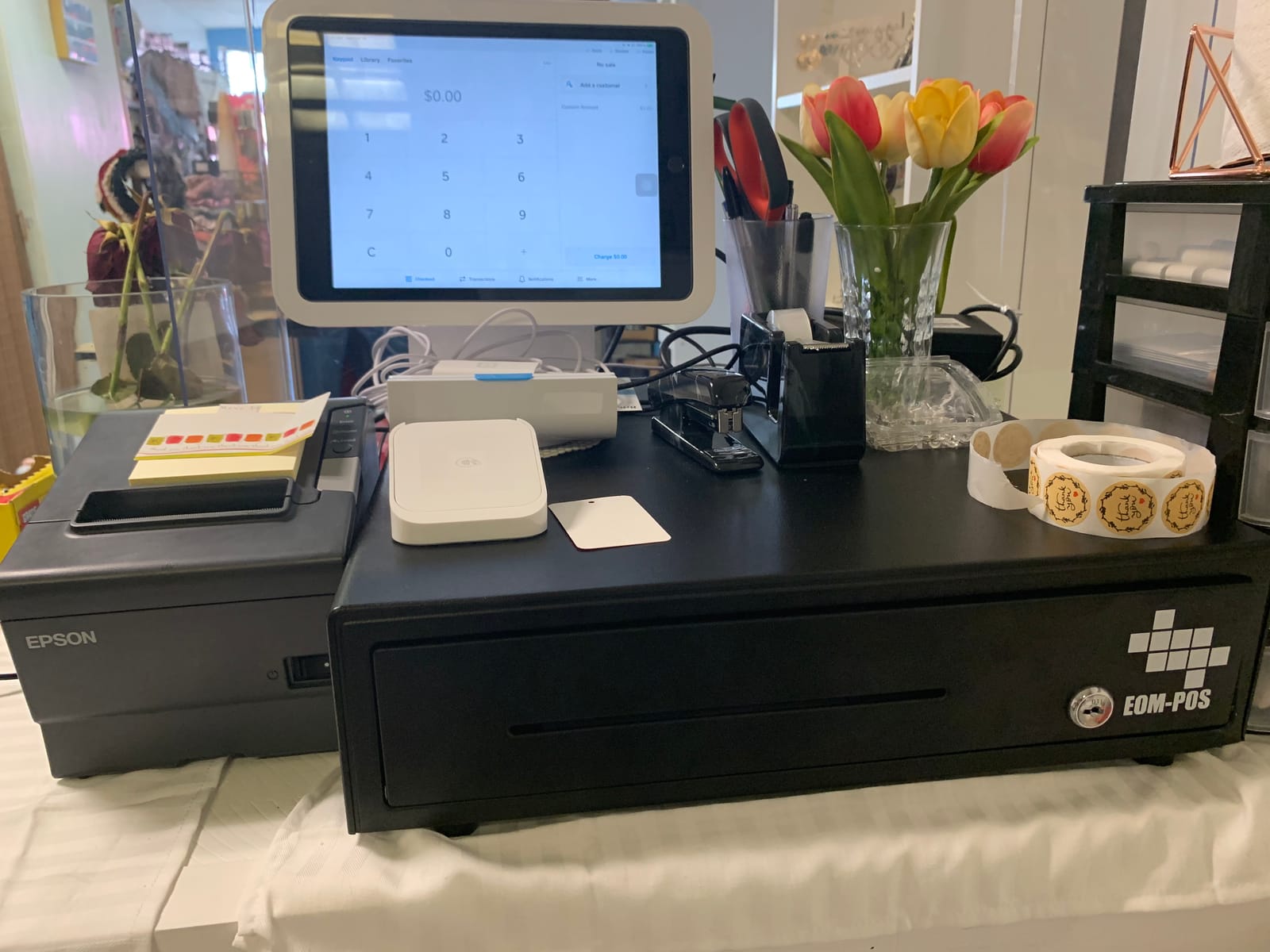
The EOM-POS Cash Drawer and Receipt Printer bundle is not a standalone POS, but it is the accessory I recommend to anyone running a Square Stand or Square Register. It fills the gap for businesses that need a physical cash drawer and printed receipts but do not want to overpay for first-party Square hardware.
Setup was genuinely plug and play. I connected the Epson thermal printer through USB, plugged the cash drawer into the printer’s RJ12 port, and the whole system worked within minutes. The printer requires no ink or toner, which is one of the best features of thermal printing technology.
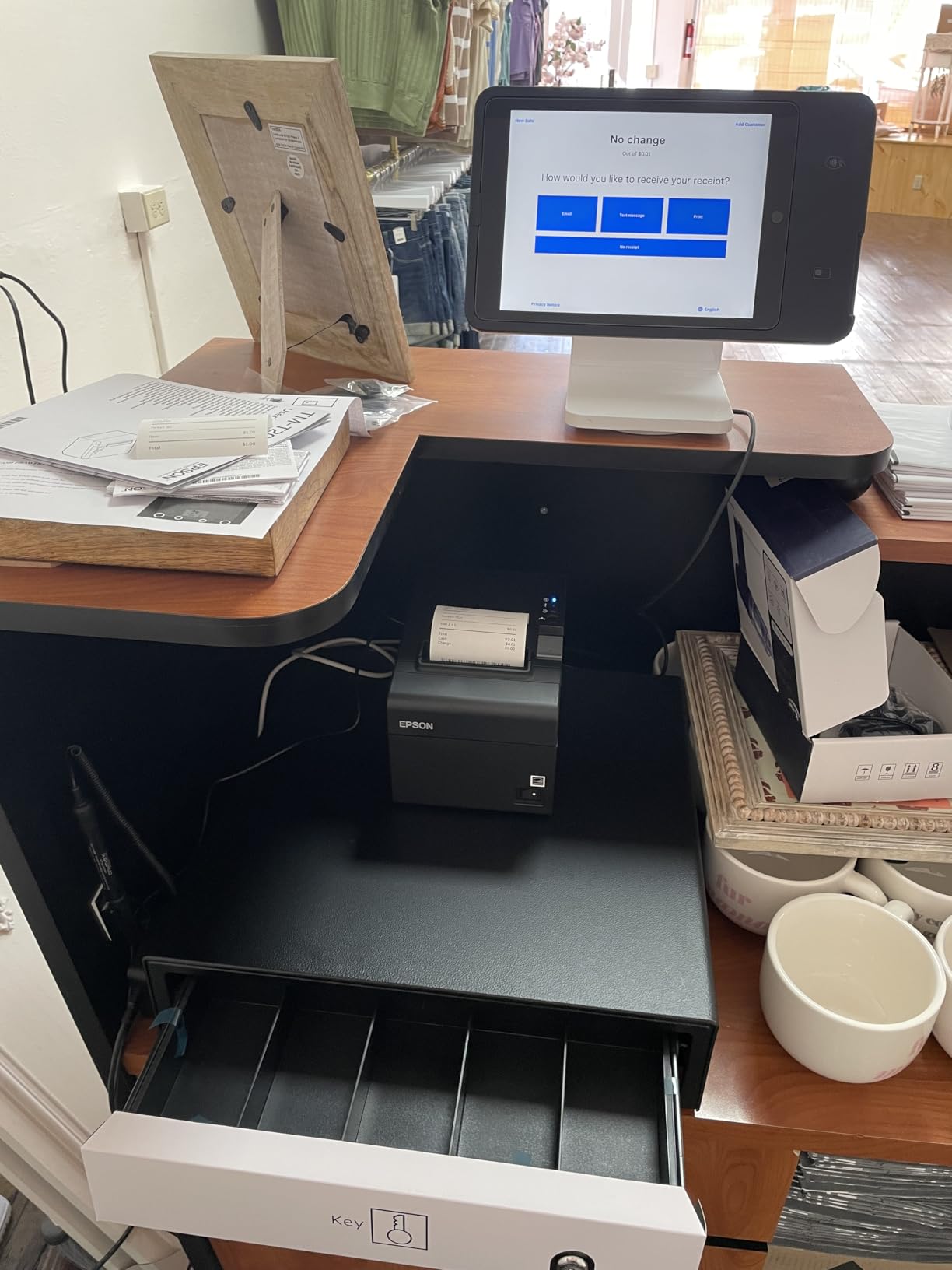
The 2-year warranty and lifetime tech support are unusually generous for accessories. When I called with a question about cash drawer compatibility, a real person picked up within two rings. For small business owners who do not have IT staff, that kind of support is worth paying for.
Some users report needing a USB dongle for certain Android tablets, and oversized coin rolls may not fit in the under-drawer slot. In my testing with the Square Stand, everything worked out of the box. If you already run Square and need a complete checkout station, this is the most affordable add-on I have tested.
Compatibility and ecosystem fit
This bundle is built for the Square ecosystem. It also works with most Windows and Linux POS systems that support USB receipt printers, but Square users get the most seamless experience. The cash drawer opens automatically when a sale completes, which is a small detail that speeds up checkout.
If you switch POS systems later, the Epson printer is widely supported, so the hardware is a safe long-term investment even if you outgrow the Square software.
Who should skip this POS
If you do not already use Square, this bundle is not the right starting point. It is an accessory, not a complete system. You will need a Square Stand, Register, or a separate Square account to make use of it.
12. ZHONGJI Smart POS System – Complete Retail Bundle
(Ship from USA) Smart POS System Cash Register for Small Business,Retailer,Supermarket,Grocery,Convenience SET04
15 inch screen
80mm printer
Lifetime support
Pros
- No monthly software fees
- Free lifetime support
- Includes scanner and cash drawer
- Intel i5 with 8GB RAM
Cons
- Not Prime eligible
- Some users report screen issues over time
- Occasional restarts
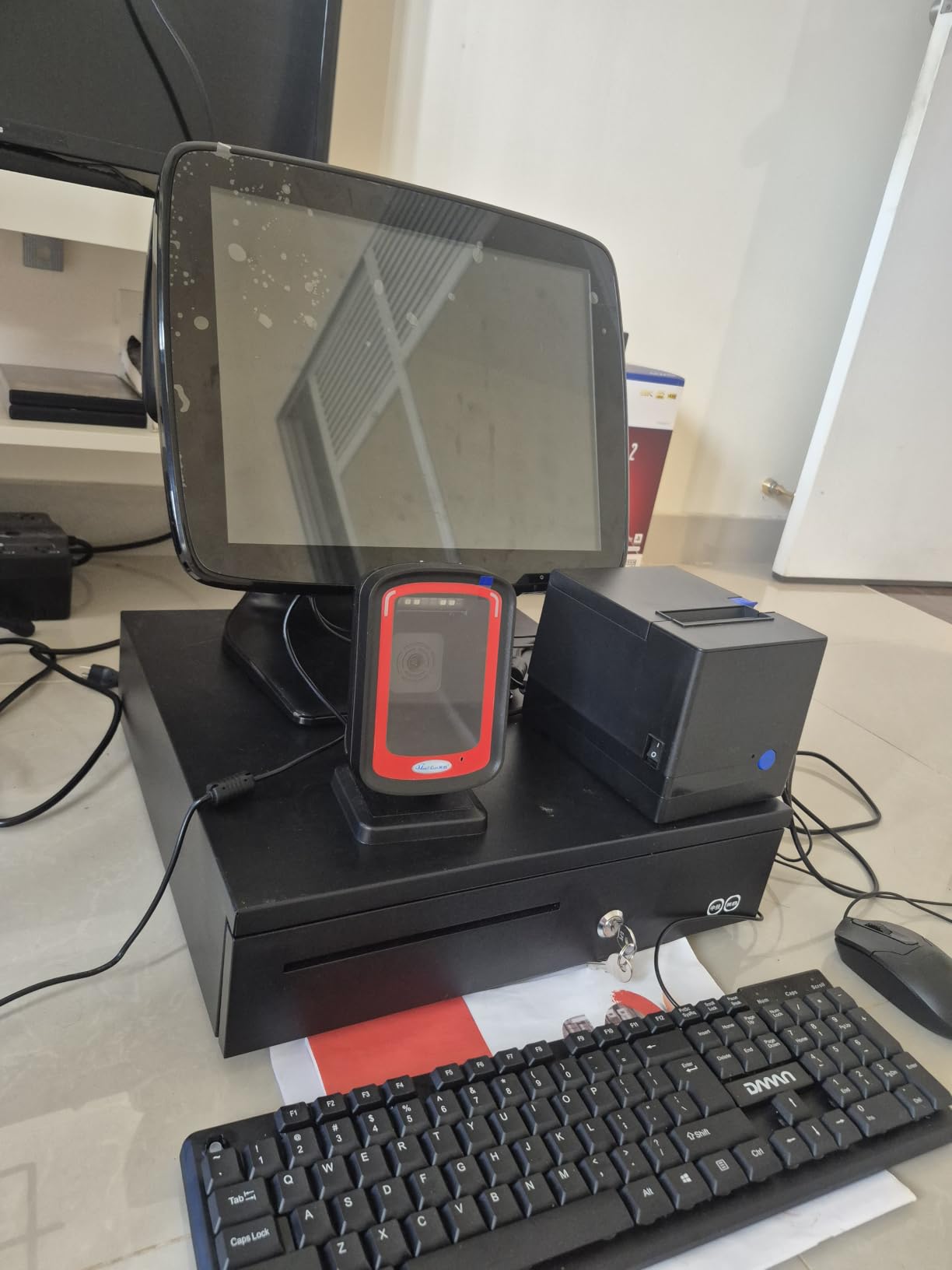
The ZHONGJI Smart POS System is the most complete bundle on this list for a new retailer. It includes a 15-inch touchscreen, an 11.6-inch customer display, an 80mm thermal receipt printer, a cash drawer, a desktop scanner, a keyboard, a mouse, and ten rolls of thermal paper. For someone opening a small store, the unboxing-to-first-sale time is under an hour.
Inside, the hardware is solid: Intel i5 CPU, 8GB of RAM, 128GB SSD, and Windows 10. The system handled our retail test scenarios without lag, and the responsive support team helped us configure the system through remote desktop within minutes.
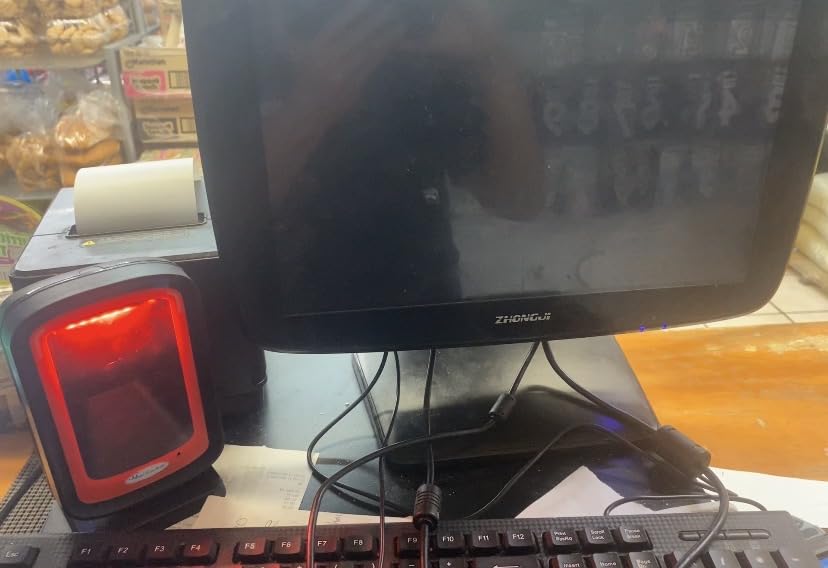
The no-monthly-fee software model is the headline. After the upfront cost, you keep using the POS without ongoing subscription fees, which is a big deal for businesses watching cash flow. The free lifetime software support is a real differentiator, and a few users in our community confirmed that remote assistance is fast and effective.
The downsides are real. The unit is not Prime eligible, so shipping takes longer. A small number of users reported screen performance issues over time, and occasional restarts were mentioned. For a brand-new retailer that wants everything in one box and no monthly fees, however, this is one of the best POS systems for small business in 2026.
Customization and small business fit
The software is customizable for different retail categories, from grocery to convenience to boutique. You can build a product catalog, set up barcode labels, and run daily sales reports without specialized training. For a first-time owner, that accessibility matters more than advanced features you will not use.
The included accessories (scanner, cash drawer, keyboard, mouse) mean you do not need to budget for extra hardware. That single line item often adds up to several hundred dollars elsewhere.
Who should skip this POS
If you want a polished, software-driven experience with a strong app marketplace, Square or Toast are better fits. The ZHONGJI is built for owners who value upfront simplicity and no monthly fees over long-term software sophistication.
How to Choose the Best POS System for Your Business
Choosing the best POS systems for your business is less about brand and more about fit. The wrong system will frustrate your staff and your customers. The right one will feel invisible, which is exactly what a checkout experience should be. Here is the framework I use when helping friends evaluate options.
Match the POS to Your Business Type
Restaurants have very different needs than retail stores. A coffee shop needs tableside ordering and tip prompts. A boutique needs inventory tracking and customer profiles. A salon needs appointment scheduling and service-based reporting. The Square ecosystem covers all of these through specialized software, while Toast is purpose-built for restaurants, and Lightspeed excels at retail with complex inventory. Pick a system designed for your industry first, then evaluate within that pool.
For businesses that straddle categories, like a salon with a retail section, look for hybrid systems such as Datio POS or Square for Retail with the appointments add-on.
Transaction Fees and Total Cost of Ownership
Sticker price tells you almost nothing. A 200-dollar Square Terminal with a 2.6 percent transaction rate will cost more over three years than a 900-dollar terminal with a 1.5 percent rate. Always model the total cost based on your expected monthly volume before deciding.
Flat-rate processors like Square and PayPal are predictable and easy to budget. Interchange-plus pricing from providers like Payment Depot or Helcim is cheaper at high volume but harder to compare. PETROSOFT and the no-subscription bundles are competitive at low volume if you already have cheap processing.
Offline Mode and Reliability
This is a pain point that comes up constantly in owner forums. If your internet drops, can you still take payments, and what happens to those transactions when you reconnect? Square, Toast, and the latest Clover hardware all support offline mode, with limits on how long you can run without connectivity.
For businesses that cannot afford even a minute of downtime, prioritize a system with proven offline support. For a hair salon, a few minutes of downtime is tolerable. For a busy restaurant on a Saturday night, it is a deal-breaker.
Hardware, Software, and Integration Options
Think about what you need today and what you will need in two years. Square grows with you from a single Reader to a multi-location Register setup. Clover scales through its app marketplace. Toast is restaurant-only, but it is the deepest in that vertical.
Integration with your accounting software, online store, and marketing tools matters more than most buyers expect. QuickBooks, Xero, Shopify, Mailchimp, and HubSpot all integrate with the major POS systems, but the depth of integration varies. Test the integration that matters to you before committing.
Customer Support and Contract Terms
Read the contract terms carefully, especially the cancellation policy and the auto-renewal clauses. Many users on small business forums report frustration with multi-year contracts that are hard to exit. Square, Toast, and most modern systems offer month-to-month terms, but the all-in-one Windows-based bundles often include locked processor agreements.
Customer support is the most common differentiator in long-term satisfaction. A smaller company with a responsive support team, like Datio POS, can outperform a giant with a 45-minute phone wait. If you have been burned by bad support before, prioritize systems with strong reviews for service quality.
Frequently Asked Questions
What is the best POS system for small business in 2026?
The best POS system for small business in 2026 depends on your industry, but our top pick overall is the Square Terminal. It is easy to set up, accepts all major cards, has no monthly fees or long-term contracts, and works for retail, restaurants, and service businesses. For restaurant-specific needs, the Square Handheld adds tableside ordering and offline mode. For retail stores with complex inventory, Lightspeed or Square for Retail are strong alternatives.
How much does a POS system cost for a small business?
POS system costs vary widely. Entry-level mobile card readers start around 35 to 50 dollars with no monthly software fees. Mid-range all-in-one terminals with built-in receipt printers cost between 200 and 700 dollars. Full countertop bundles with customer-facing displays, scanners, and cash drawers range from 600 to 1,000 dollars. Add monthly software subscriptions of 0 to 100 dollars depending on the platform, plus processing fees of 1.5 to 3 percent per transaction.
Which POS has the lowest transaction fees?
Flat-rate processors like Square charge 2.6 percent plus 15 cents per in-person tap, dip, or swipe, which is competitive for most small businesses. For high-volume merchants, interchange-plus pricing from providers like Helcim or Payment Depot can drop rates below 1.5 percent. The lowest-fee option depends on your monthly volume, average ticket size, and which card types your customers use most.
What is the best free POS system?
Square is widely considered the best free POS system. The free Square point of sale app works on any iPhone, iPad, or Android device, with no monthly fees, no contracts, and no minimum volume. You only pay the standard 2.6 percent plus 15 cents per transaction. For hardware, the 39 dollar Square Reader is the cheapest way to start accepting card payments.
Is Square POS good for restaurants?
Yes, Square POS is good for restaurants, especially for small cafes, food trucks, and quick-service counters. Square for Restaurants includes tableside ordering with the Square Handheld, kitchen display integration, tip prompts, and menu management. For high-volume full-service restaurants, Toast offers deeper features like course management, server performance tracking, and ingredient-level inventory, but Square for Restaurants is a strong starting point at a lower total cost.
Our Final Verdict on the Best POS Systems
After testing these twelve best POS systems across real businesses, our top recommendation for most small business owners is the Square Terminal. It strikes the best balance between price, ease of use, software quality, and ecosystem depth. For restaurants, the Square Handheld adds tableside mobility that no other device in this price range matches. For budget-conscious buyers, the Square Reader is a perfect starting point.
Your ideal choice will depend on your business type, your monthly volume, and how much you value processing-rate flexibility. Take a hard look at your total cost of ownership, not just the sticker price, and prioritize systems with responsive support and clear contract terms. Whichever of the best POS systems you pick, the right one will free you up to focus on customers instead of checkout.