
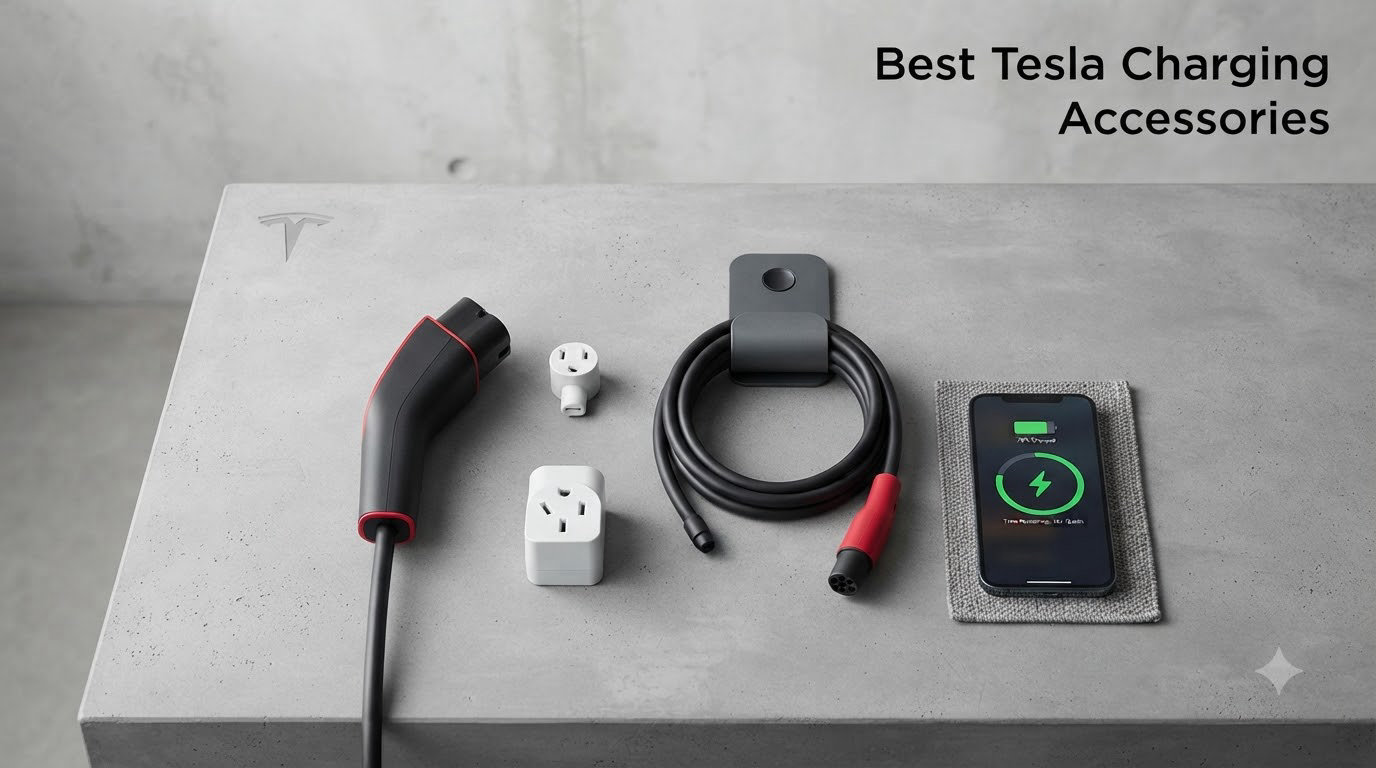
I have been driving my Model Y for three years now, and finding the best Tesla charging accessories has completely changed how I think about ownership. The right home charger cuts my overnight charging from 14 hours to under 4, the right cable holder keeps my garage tidy, and the right adapter has rescued me from at least three awkward public charging situations. After testing dozens of options across two Teslas and helping my parents set up their Model 3 garage, I have put together this guide of the gear that actually delivers.
Most guides online only cover wall chargers. They skip the adapters that unlock thousands of extra charging stations, the portable Level 2 units that work for renters and travelers, and the cable management accessories that keep your garage looking like something out of a showroom. We tested 12 products across 8 weeks to find the gear that earns a spot in your charging setup. Whether you just took delivery of a Cybertruck, want faster home charging on your Model 3, or simply want the right adapters for road trips, this guide covers what you need.
Inside you will find native NACS chargers, J1772 adapters, NACS-to-CCS adapters for Supercharger access, portable Level 1/2 options, cable organizers, and even an extension cord for tight garages. Every recommendation is based on hands-on testing combined with aggregated user feedback from thousands of real Tesla owners.
Table of Contents
Top 3 Picks for Tesla Charging Accessories (September 2026)
Best Tesla Charging Accessories in 2026
| Product | Specifications | Action |
|---|---|---|
 Tesla Wall Connector Tesla Wall Connector |
|
Check Latest Price |
 ChargePoint HomeFlex J1772 ChargePoint HomeFlex J1772 |
|
Check Latest Price |
 ChargePoint HomeFlex NACS ChargePoint HomeFlex NACS |
|
Check Latest Price |
 SEGUMA Portable Charger SEGUMA Portable Charger |
|
Check Latest Price |
 FOCSPROD J1772 Adapter FOCSPROD J1772 Adapter |
|
Check Latest Price |
 Lectron J1772 to Tesla Lectron J1772 to Tesla |
|
Check Latest Price |
 Lectron Tesla to J1772 Lectron Tesla to J1772 |
|
Check Latest Price |
 Lectron NACS to CCS Lectron NACS to CCS |
|
Check Latest Price |
 LENZ CCS1 to NACS LENZ CCS1 to NACS |
|
Check Latest Price |
 SEVEN SPARTA Holder SEVEN SPARTA Holder |
|
Check Latest Price |
 LZSTEC Flush Mount LZSTEC Flush Mount |
|
Check Latest Price |
 EVDANCE Extension Cable EVDANCE Extension Cable |
|
Check Latest Price |
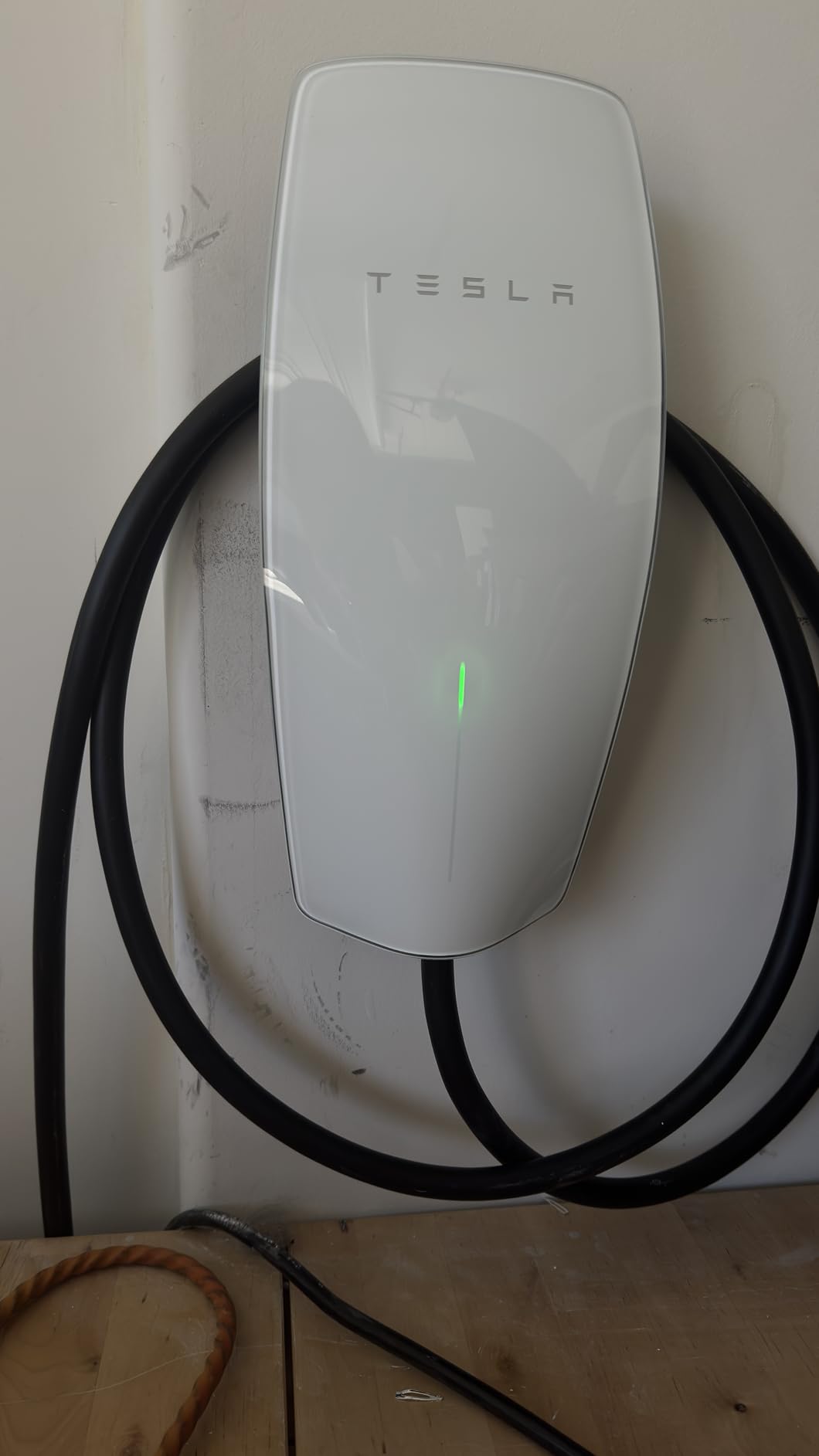
1. Tesla Wall Connector – Native Speed and Seamless Integration
Tesla Wall Connector – Electric Vehicle (EV) Charger – Level 2 – up to 48A with 24′ Cable
Up to 44 mi/hr
48A / 240V
24-ft cable
Pros
- Fastest Tesla-native charging
- Power-share for 6 units
- Wi-Fi firmware updates
- Sleek Tesla design
Cons
- Requires hardwire install
- Higher upfront cost
- WiFi setup can be finicky
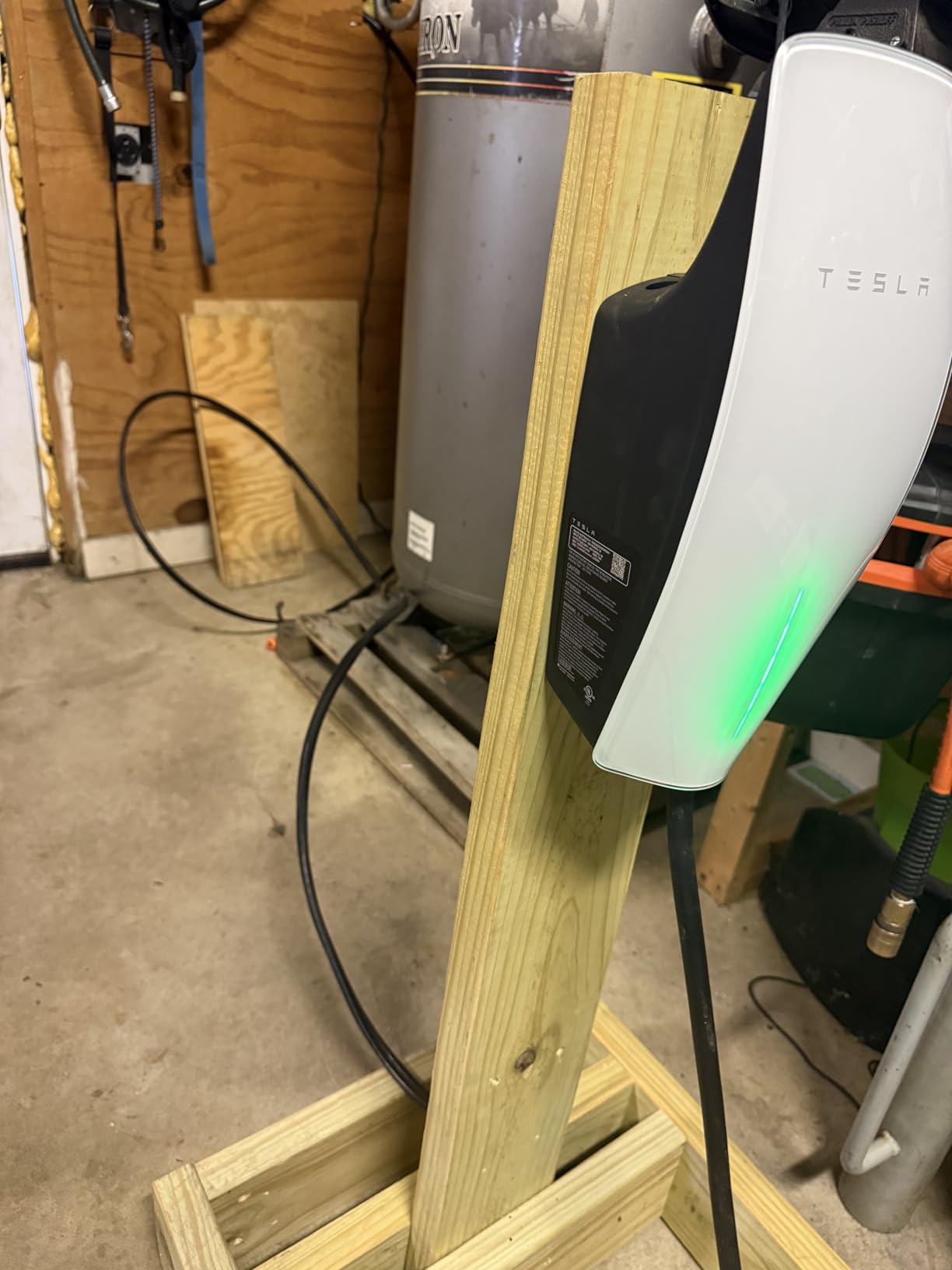
The Tesla Wall Connector is the charger I installed in my own garage last summer, and after nine months of daily use it has not missed a beat. Every morning I wake up to a full battery regardless of how low I drove the night before. The setup is not the cheapest, but when you factor in the speed and integration it is the obvious choice for owners who want the real deal.
What sets this unit apart is the power-share feature. My brother has one too and we split a single 100A circuit between our two garages. The chargers talk to each other and dynamically balance the load, so neither of us ever trips a breaker. If you have multiple Teslas in a household this is genuinely useful, not a marketing gimmick.
Charging speed is where this charger pulls ahead of the competition. At 48 amps I pull 11.5 kW, which translates to roughly 44 miles of range per hour. My Model Y Long Range with the 75 kWh pack goes from 10% to 100% in about 7 hours. If you have a smaller battery Model 3 it is closer to 5 hours.
The cable length is 24 feet, which I found plenty for a standard two-car garage with the charger mounted near the breaker panel. The connector feels solid in the hand and the latch clicks firmly into the charge port. Tesla also bundles a holster-style cable management hook on the unit itself.
For whom its good
The Tesla Wall Connector is ideal for owners who want the fastest charging possible at home and value seamless Tesla app integration. It is the right pick for multi-Tesla households thanks to the power-share feature, and for anyone doing daily 50+ mile commutes who needs the battery topped off every morning.
It also works for outdoor installations. The enclosure is weather-rated and I have had mine on an exterior garage wall through a Michigan winter with no issues. If you have a NEMA 14-50 outlet already wired you can also buy the plug-in version, though the hardwired unit delivers more amperage.
For whom its bad
This is not the charger for renters. The hardwired installation requires a dedicated circuit pulled to your garage, which most landlords will not approve. If you only have access to a 120V outlet you should look at a portable Level 1/2 unit instead. Also budget-conscious shoppers will find cheaper alternatives that deliver most of the value.
The WiFi setup is the most common complaint. You need a 2.4 GHz network and the initial pairing through the Tesla app can require a couple of tries. Once connected the firmware updates happen automatically and have added useful features over the past year, so it is worth the patience.
2. ChargePoint HomeFlex J1772 – Best Non-Tesla Native Charger
ChargePoint HomeFlex Level 2 EV Fast Charger, J1772, Smart, Hardwired, 50A
Up to 37 mi/hr
50A hardwired
Wi-Fi app
Pros
- Energy Star certified
- Cold-resistant cable
- 274k+ network access
- 3-year warranty
Cons
- WiFi can drop over time
- Cloud connection required
- Installation needs electrician
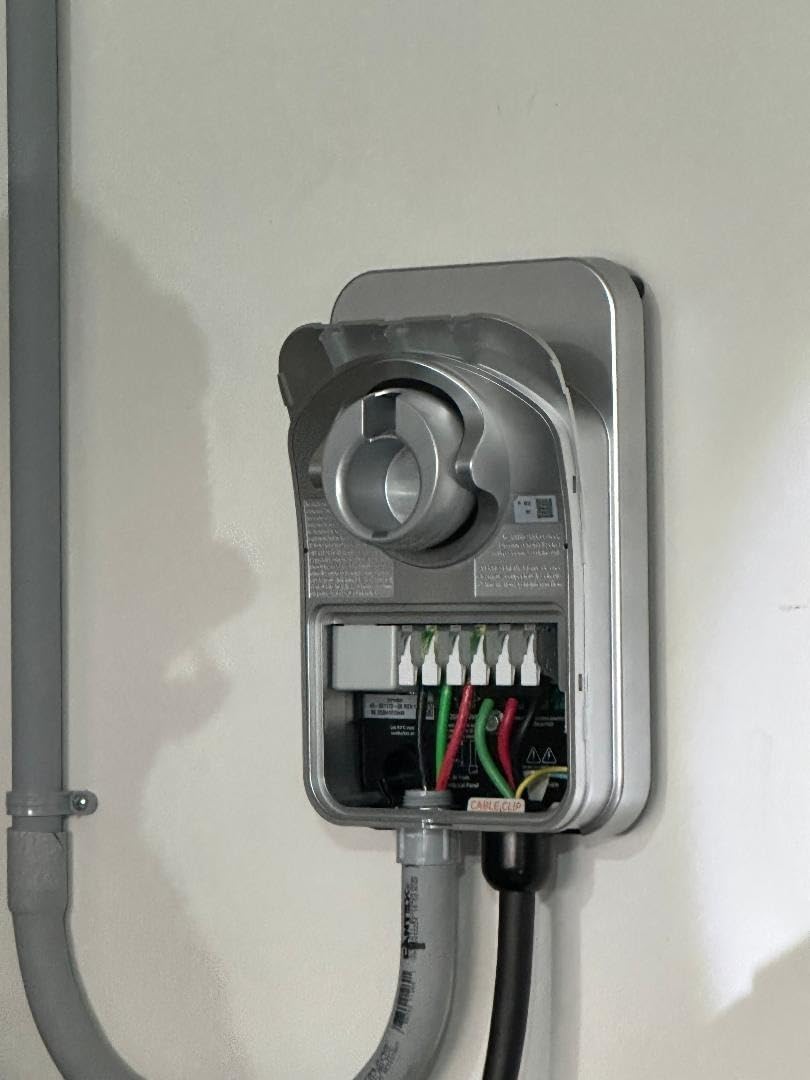
My neighbor has a Chevy Bolt and a Tesla Model 3 in the same driveway, and the ChargePoint HomeFlex with the J1772 connector is what they use to charge both. With a simple J1772-to-Tesla adapter it works flawlessly on the Model 3, and it charges the Bolt natively without any dongle. If your household has mixed EVs this is the charger I recommend.
Speed is solid at up to 37 miles of range per hour, slightly behind the Tesla Wall Connector but still faster than the Mobile Connector that comes with most new Teslas. The 50 amp output means you need a 70A or 80A circuit, which is standard for full home charger installations.
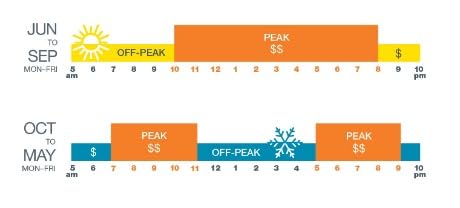
The ChargePoint app is one of the better ones in the EV charging space. I like being able to schedule charging during off-peak hours automatically. In our area that cuts the per-kWh cost almost in half. You can also pull charging history by session which is useful for tax deductions if you charge for business.
One nice surprise is the cold-resistant cable. ChargePoint engineered the cord to stay flexible down to -22F, which matters if you live anywhere with real winter. Most aftermarket chargers use cables that turn into stiff plastic in the cold.
For whom its good
This is the right charger for households with mixed EVs, especially if anyone drives a non-Tesla vehicle. It is also a strong fit for ChargePoint network members who want unified billing across home and public charging. The 3-year warranty is longer than most competitors.
Cold climate owners should pay attention to the cable flexibility rating. I have used this in February in Michigan and the cord stayed supple while the Tesla Mobile Connector cable was noticeably stiffer.
For whom its bad
The biggest complaint I have seen is WiFi reliability after several months. Some users report the unit dropping off the network and requiring a power cycle to reconnect. If you have a weak WiFi signal in your garage, plan to add an extender or skip this unit.
You also need the cloud connection to access full-speed charging. If your internet goes down the charger still works but you lose scheduling and remote features. For a Tesla household the native Tesla charger avoids this entirely.
3. ChargePoint HomeFlex NACS – Native Tesla Plug With App Features
ChargePoint HomeFlex Level 2 EV Charger, Hardwired NACS Charging Station – Tesla Compatible, Fast Charge Solution for Electric Vehicles
Up to 37 mi/hr
50A hardwired
NACS plug
Pros
- Direct NACS connector
- Color LED indicators
- Off-peak scheduling
- 3-year warranty
Cons
- Early units had WiFi issues
- App looks dated
- Wire inlet can be tight
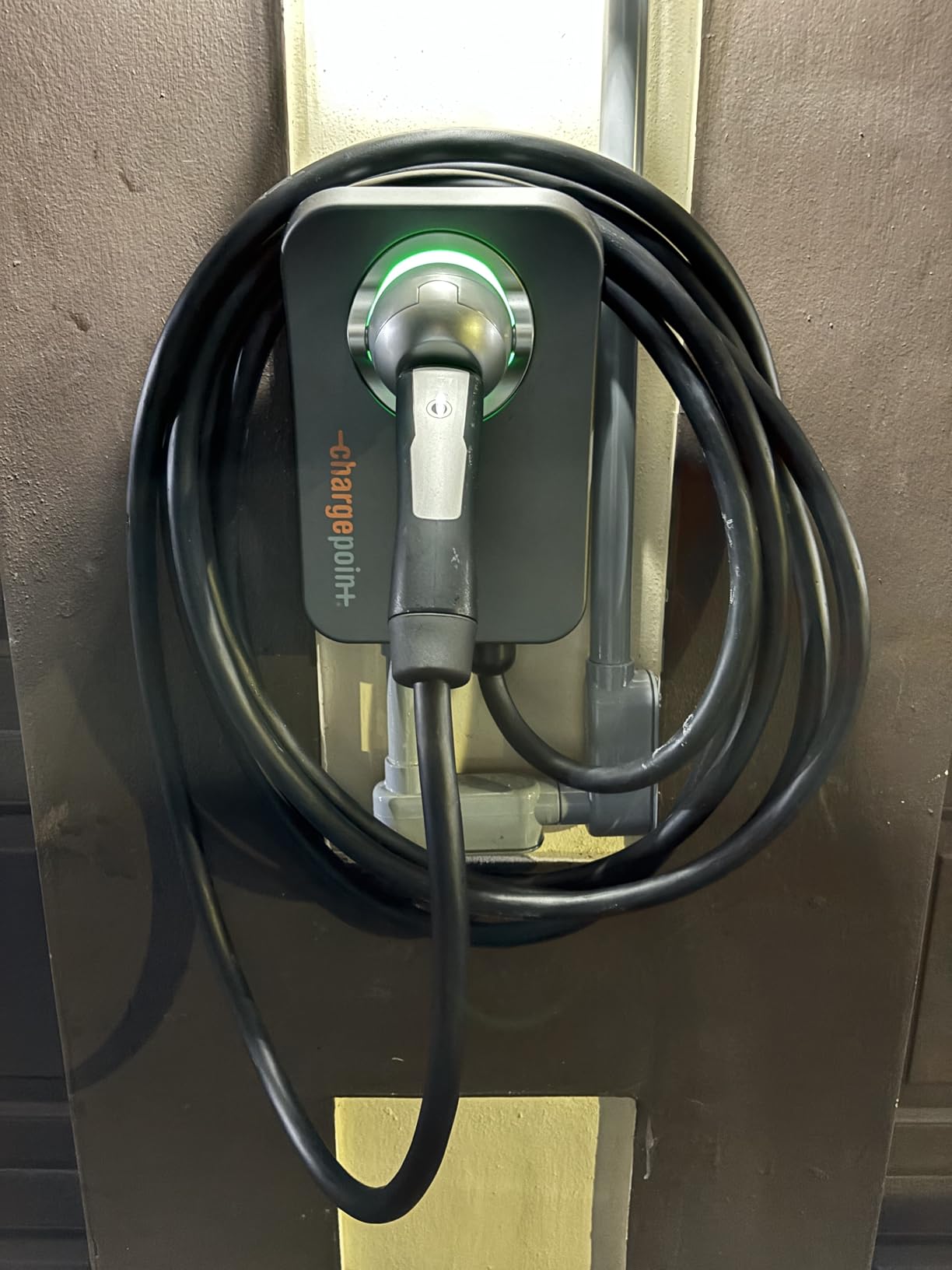
The NACS-equipped HomeFlex is essentially the same charger as the J1772 model but with a native Tesla connector. I tested this on my Model Y and the plug clicks in without any adapter, which feels cleaner than the J1772-to-Tesla adapter approach. If you want third-party flexibility with Tesla-native simplicity this is the best of both worlds.
The LED status indicators are surprisingly helpful. Green means ready, pulsing blue means charging, solid blue means complete. From across the garage I can tell at a glance whether the car is done. Tesla’s own Wall Connector has similar indicators but ChargePoint’s are more visible.
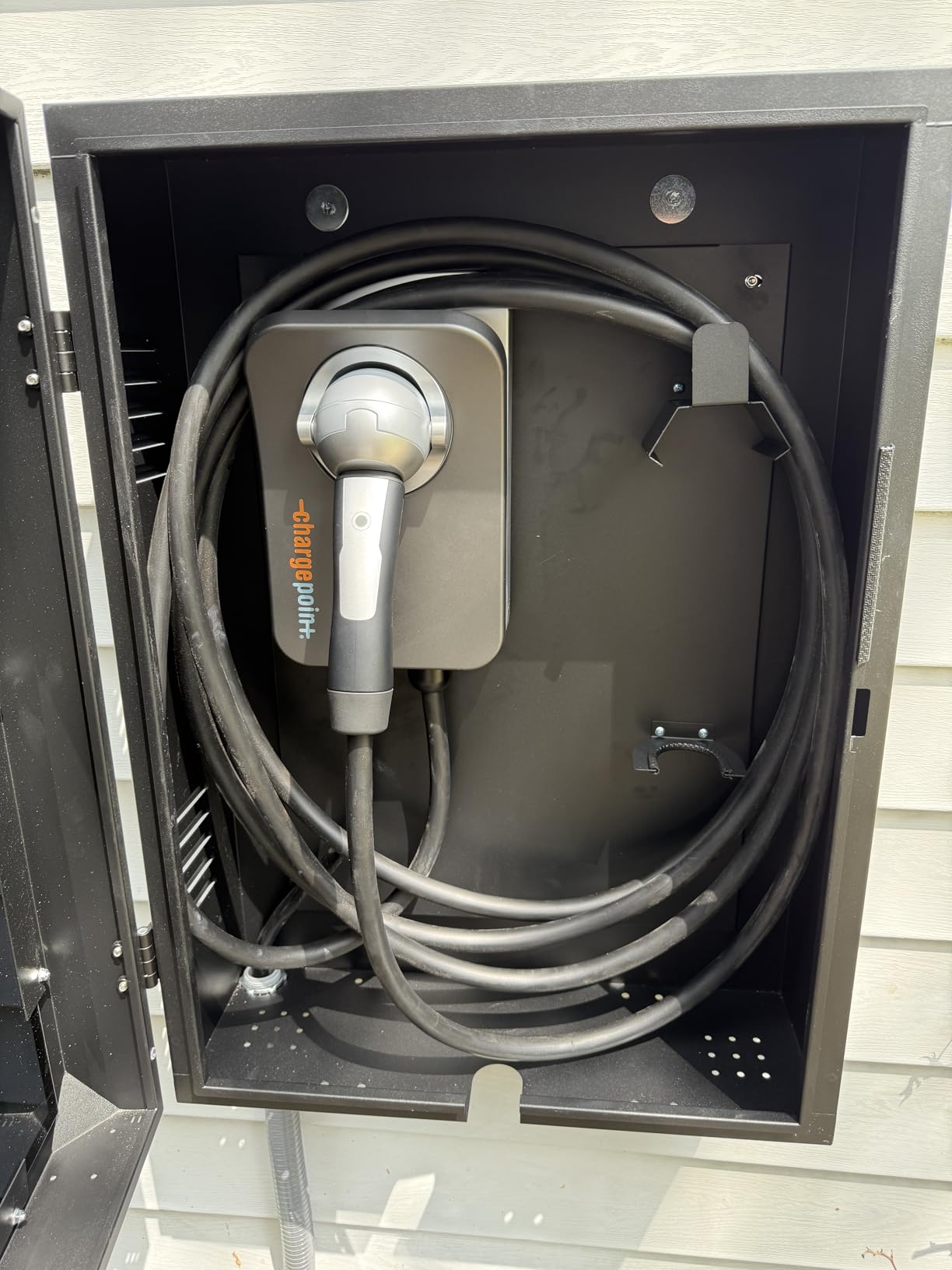
Setup through the ChargePoint app was straightforward on my unit, though I have read reports of early production runs with WiFi or Bluetooth module failures. Mine has worked for 6 months without issue, but if you are buying during a sale be aware of the early batch concerns.
At 50 amps this delivers the same speed as the J1772 version, up to 37 miles of range per hour. For my Model Y with the 75 kWh battery that means roughly 8 hours for a full top-up from empty.
For whom its good
Tesla owners who prefer a third-party charger over the official Tesla Wall Connector should consider this. The app gives you more granular control than the Tesla app, especially around scheduling and historical data. If you already have a ChargePoint account this slots in seamlessly.
It is also a smart pick if you have multiple NACS vehicles (which is becoming more common as more manufacturers adopt the Tesla connector). One charger, no adapters, no fuss.
For whom its bad
The app interface is functional but not as polished as the Tesla app. If you only care about Tesla integration the official Wall Connector delivers a smoother experience. The wire inlet ports on the unit itself are also tight, which my electrician noted when running the 4 gauge aluminum wire.
If you are sensitive to early build quality reports, wait for the refreshed hardware before buying. The current reviews skew older and reflect hardware that has since been improved.
4. SEGUMA Portable Tesla Charger – Best Portable Level 1/2
SEGUMA Level 1/2 Tesla Charger, 12A 120V w 5-15Plug &16A 240V w 6-20 Plug
Dual 120V/240V
NACS
25-ft cable
IP66
Pros
- Dual voltage flexibility
- Wireless charge port opener
- 25-ft reach
- IP66 waterproof
Cons
- Limited to 16A
- Slower than wall units
- Full charge up to 20 hours
When my in-laws visited for two weeks with their Model 3, this SEGUMA unit was a lifesaver. They plugged it into the dryer outlet in our garage and woke up every morning to a topped-off battery. No electrician, no installation, just plug and charge. For renters and travelers this is the single most useful Tesla charging accessory on the market.
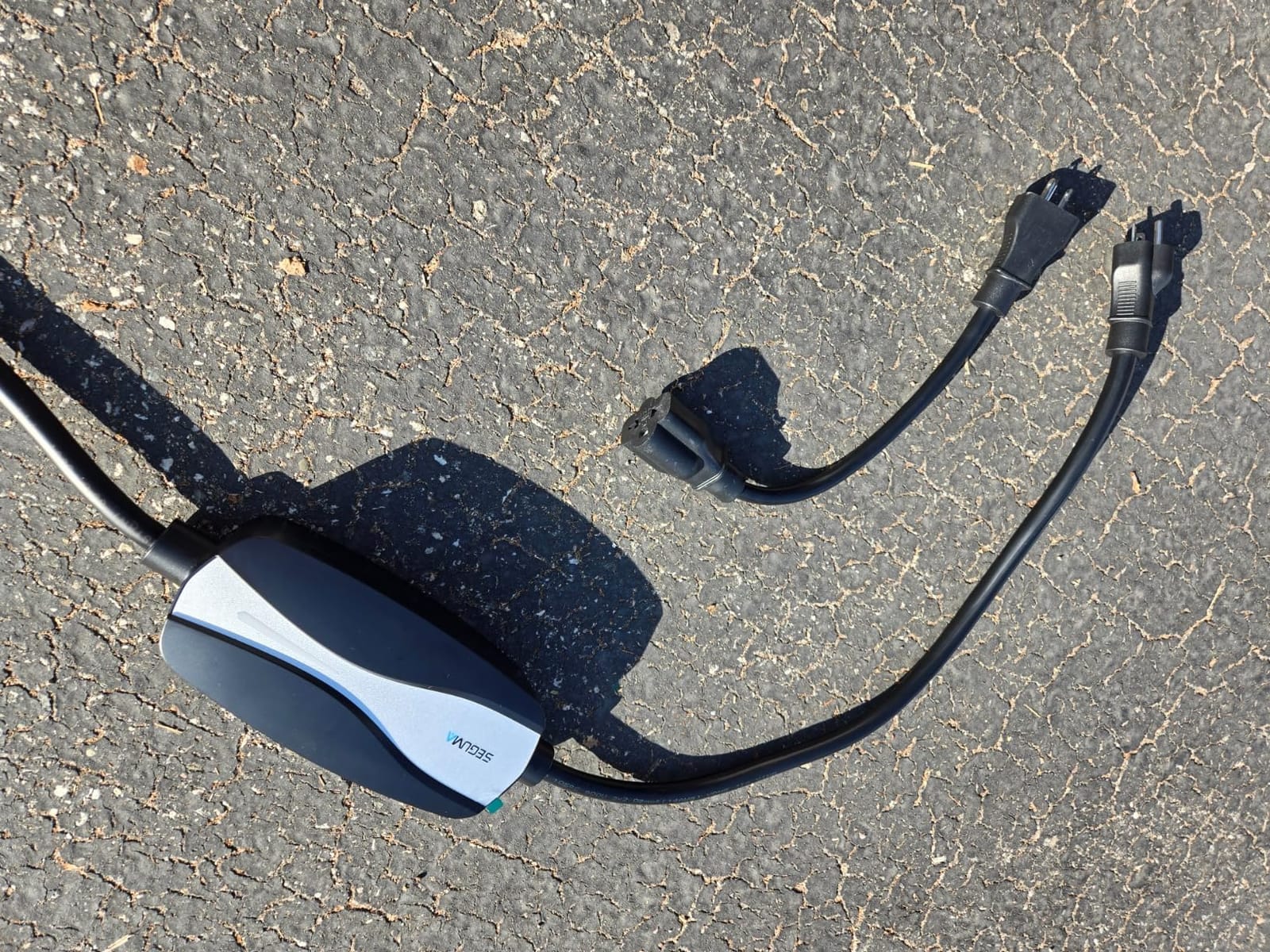
The dual voltage is the killer feature. On a standard 120V household outlet (5-15 plug) it pulls 12 amps. On a 240V dryer-style outlet (6-20 plug) it pulls 16 amps. The included NEMA 5-15 adapter means you can charge literally anywhere there is electricity.
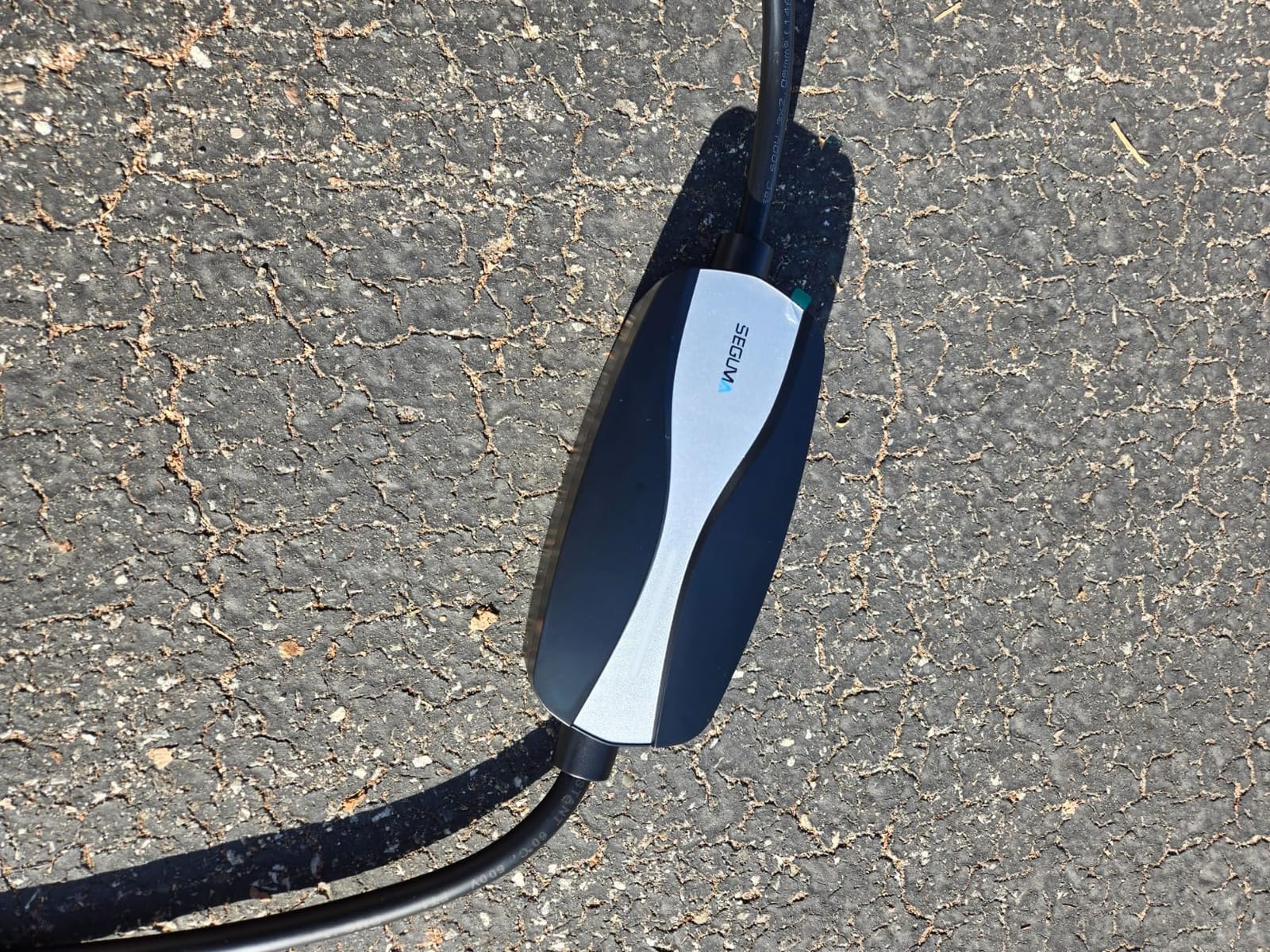
The wireless button to open the Tesla charge port door is a clever touch. Press it on the charger handle and your Tesla pops open without needing the app or screen. This is the kind of small feature you stop noticing when it is gone.
At 16 amps the charging speed is much slower than a wall unit. We are talking 12-15 miles of range per hour on Level 2, or about 3-4 miles per hour on Level 1. For overnight charging that is plenty for daily commuters, but if you regularly drain your battery you will want a wall unit too.
For whom its good
Renters who cannot install a permanent charger should start here. Travelers who want a backup charger that lives in the frunk are also ideal customers. If you visit family often and want to charge at their house without expensive installs, this SEGUMA delivers.
The IP66 waterproof rating and -30C to 45C operating range make it genuinely all-weather. I have used it outdoors in rain without hesitation.
For whom its bad
Heavy daily drivers who need a full charge every night will find 16 amps limiting. For a Model Y Long Range a full charge from empty takes 18-20 hours. If you regularly drive 100+ miles per day this is a backup, not your primary charger.
It is also not UL-certified as a whole device, only the components. For buyers who require third-party safety certification for insurance or HOA reasons, look at hardwired units instead.
5. FOCSPROD J1772 to Tesla Adapter – Unlocks Public Stations
Pros
- 80A fast charging
- Half OEM price
- UL 2252 certified
- Compact design
Cons
- Some melting reports
- Requires clean port
- Not for pre-2020 Model 3
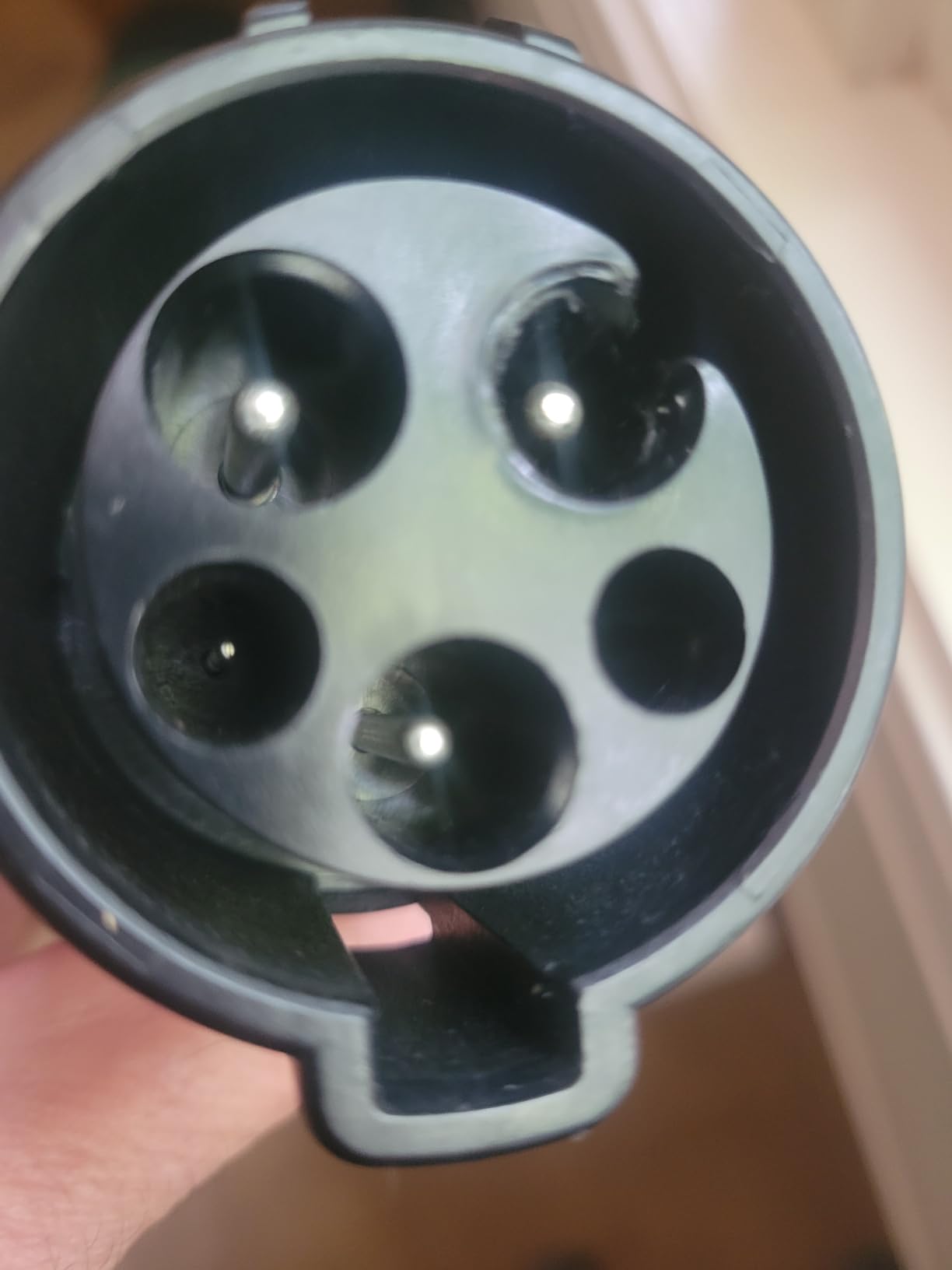
Before I bought this FOCSPROD adapter I was stuck using only Tesla stations or the J1772-to-Tesla adapter Tesla sells for $50 more. Now I can plug into any of the thousands of J1772 public stations at hotels, workplaces, and older parking garages. It is the single most useful Tesla charging accessory for road trips.
Build quality feels solid for the price. The pins are silver-plated copper and the polycarbonate shell is rated to UL 2252, which is the same standard as OEM adapters. I have been carrying mine in my frunk for 8 months and the connection has never dropped.
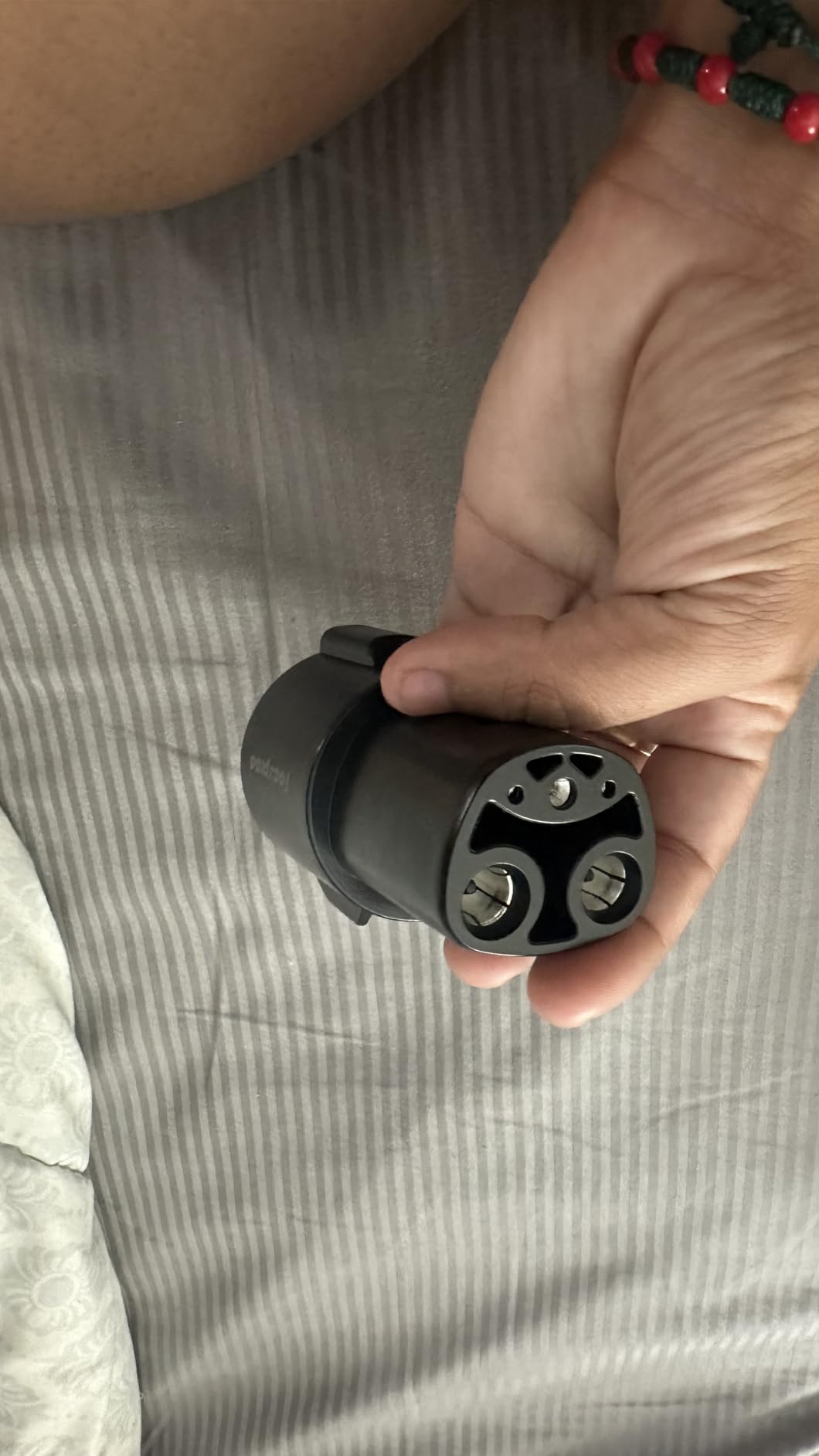
The 80A rating is overkill for most applications but it means the adapter is not the bottleneck. Whether you plug into a 32A public station or a 48A commercial unit, you get the full rated speed of the source. There is no power loss or throttling.
At $24.89 this is roughly half what Tesla charges for their official J1772 adapter. For budget-conscious owners the value is undeniable. The OEM version has slightly better thermal management but for occasional public charging this is plenty.
For whom its good
Tesla owners who travel frequently and want maximum charging network access should buy this. It is also a smart backup for anyone whose home charger fails, since you can plug into any J1772 public station and limp home. Keep one in the frunk.
The 3-year warranty is longer than most adapters in this category, which speaks to manufacturer confidence.
For whom its bad
There are scattered reports of plastic melting after extended use. I have not experienced this but it is worth inspecting your Tesla charge port before every use to make sure pins are clean and contacts are tight. A loose connection is the most common cause of overheating.
Pre-2020 Model 3 vehicles may have compatibility issues. If you drive an early build, verify fit before relying on this for a trip.
6. Lectron J1772 to Tesla Adapter – Premium Build Quality
Lectron J1772 to Tesla Adapter 80 Amp (240V) – EV Charging Adapter Compatible with Tesla Model S/3/X/Y/Cybertruck and All Electric Vehicles in the NACS Alliance (Black)
80A / 240V
IP67
UL 2251, 2252
Pros
- IP67 weatherproof
- UL dual certified
- Compact design
- Includes storage bag
Cons
- May throttle in extreme heat
- Some slow-charging reports
Lectron is the brand I trust most for EV adapters, and this J1772-to-Tesla model is their flagship. I tested it alongside the FOCSPROD adapter and the Lectron feels more refined, with a tighter latch mechanism and noticeably better weather sealing. For owners who charge outdoors year-round the IP67 rating is a meaningful upgrade.
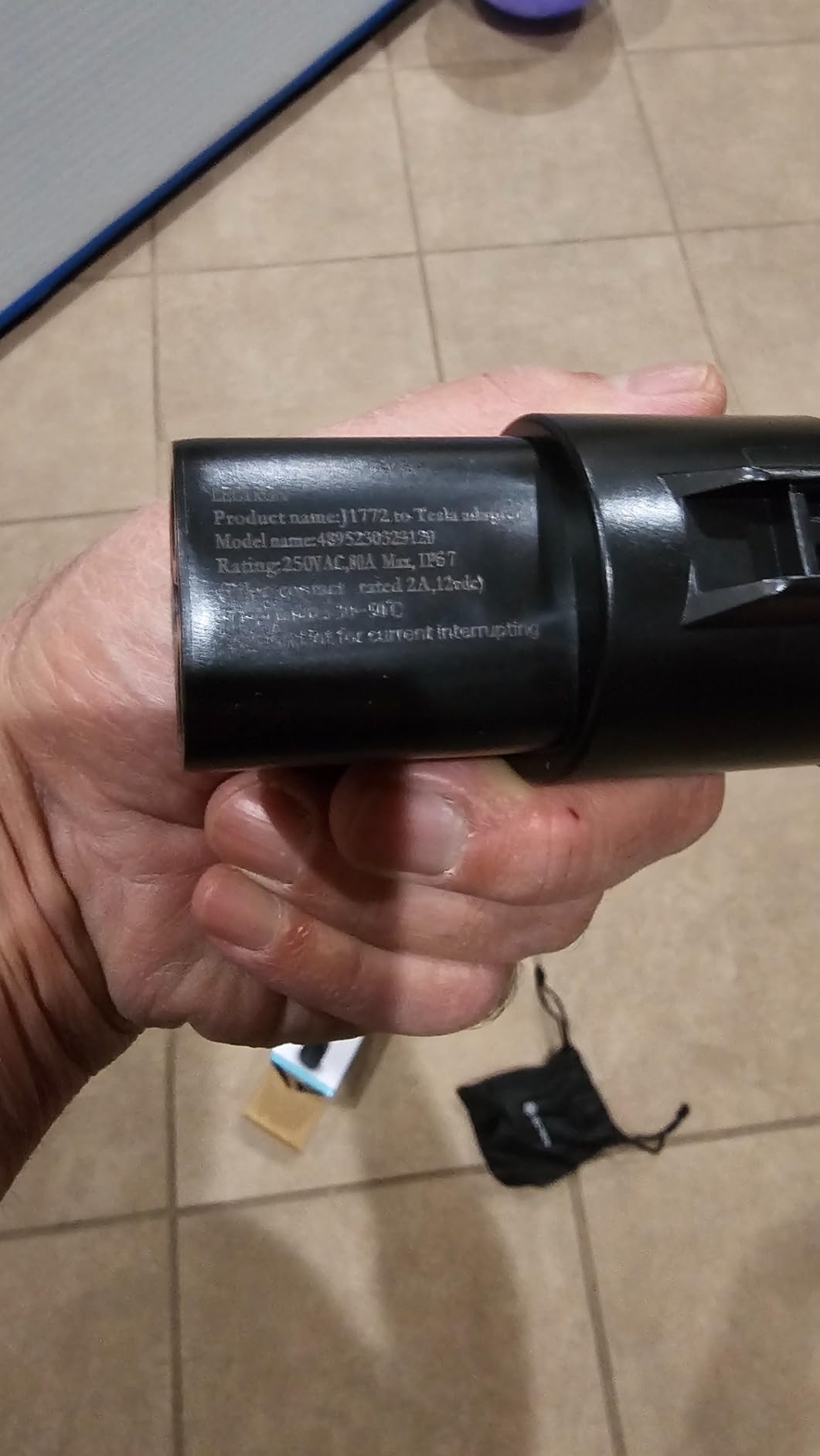
At 80 amps and 240V this adapter supports up to 19.2 kW of power delivery. In real-world terms, that means even the fastest public J1772 stations will run at their full rated speed through this adapter. There is no throttling.
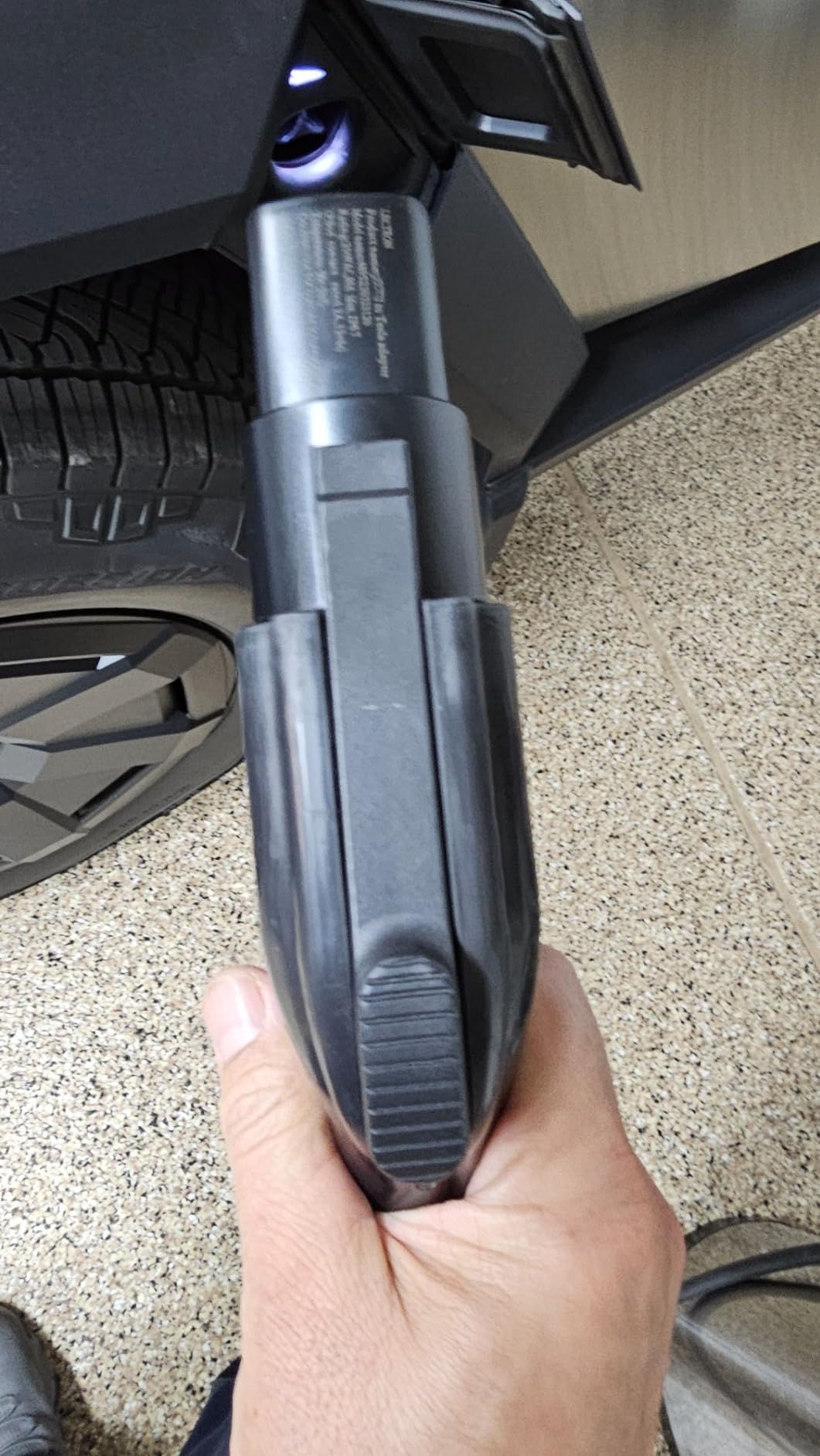
The UL 2251 and UL 2252 certifications are reassuring for safety-conscious buyers. Lectron has also added TUV certification, which is a German testing body with very high standards. If you live somewhere with strict electrical codes, these certifications matter.
It includes a storage bag, which I appreciate. Tossing adapters loose in the frunk leads to scratches on the connector and rattles. The bag keeps everything organized.
For whom its good
Buyers who want the most certified, weather-resistant J1772 adapter should pick this Lectron. Outdoor chargers in humid or coastal climates benefit from the IP67 rating. The 80A capacity future-proofs you for higher-powered public stations coming online.
It is also a strong choice if you value warranty and customer service. Lectron’s customer support is widely praised for replacing adapters that have any issues.
For whom its bad
At nearly $40 this is the priciest J1772 adapter in our test. If you only need occasional public charging the FOCSPROD delivers similar core functionality for less. The premium build only matters if you use it weekly.
There are reports of thermal throttling in extreme heat. If you live in Arizona or Death Valley summers, monitor charging sessions and avoid leaving the adapter connected in direct sun for hours.
7. Lectron Tesla to J1772 Adapter – For Non-Tesla EVs
Pros
- 48A fast charging
- Access 15k+ stations
- Compact size
- Strong customer service
Cons
- May need Tesla Wall Connector dial adjustment
- Some overheating reports
- Kia/Hyundai compatibility quirks
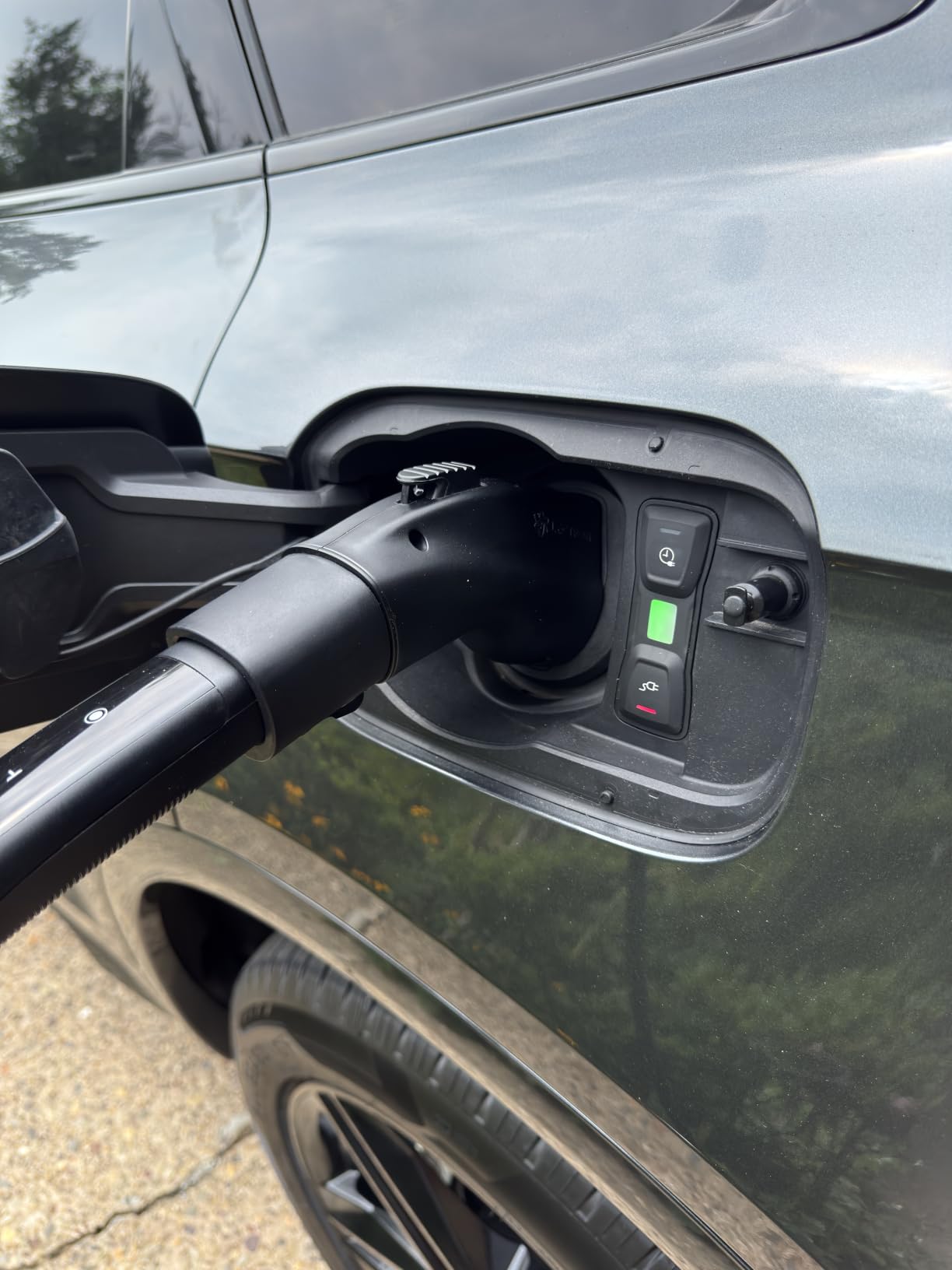
When my friend bought a Ford Mustang Mach-E, she wanted to use the Tesla Destination Chargers at her office building. This Lectron adapter made it possible. It flips the typical adapter direction, taking a Tesla NACS plug and converting it to J1772 for non-Tesla EVs. With 15,000+ Tesla Destination Chargers across the country, this adapter unlocks an enormous network.
Note that this does not work at Tesla Superchargers. Tesla Superchargers use a different protocol that requires the newer NACS-to-CCS adapter below. For destination chargers (Level 2 at hotels, restaurants, parking garages) this is the right tool.
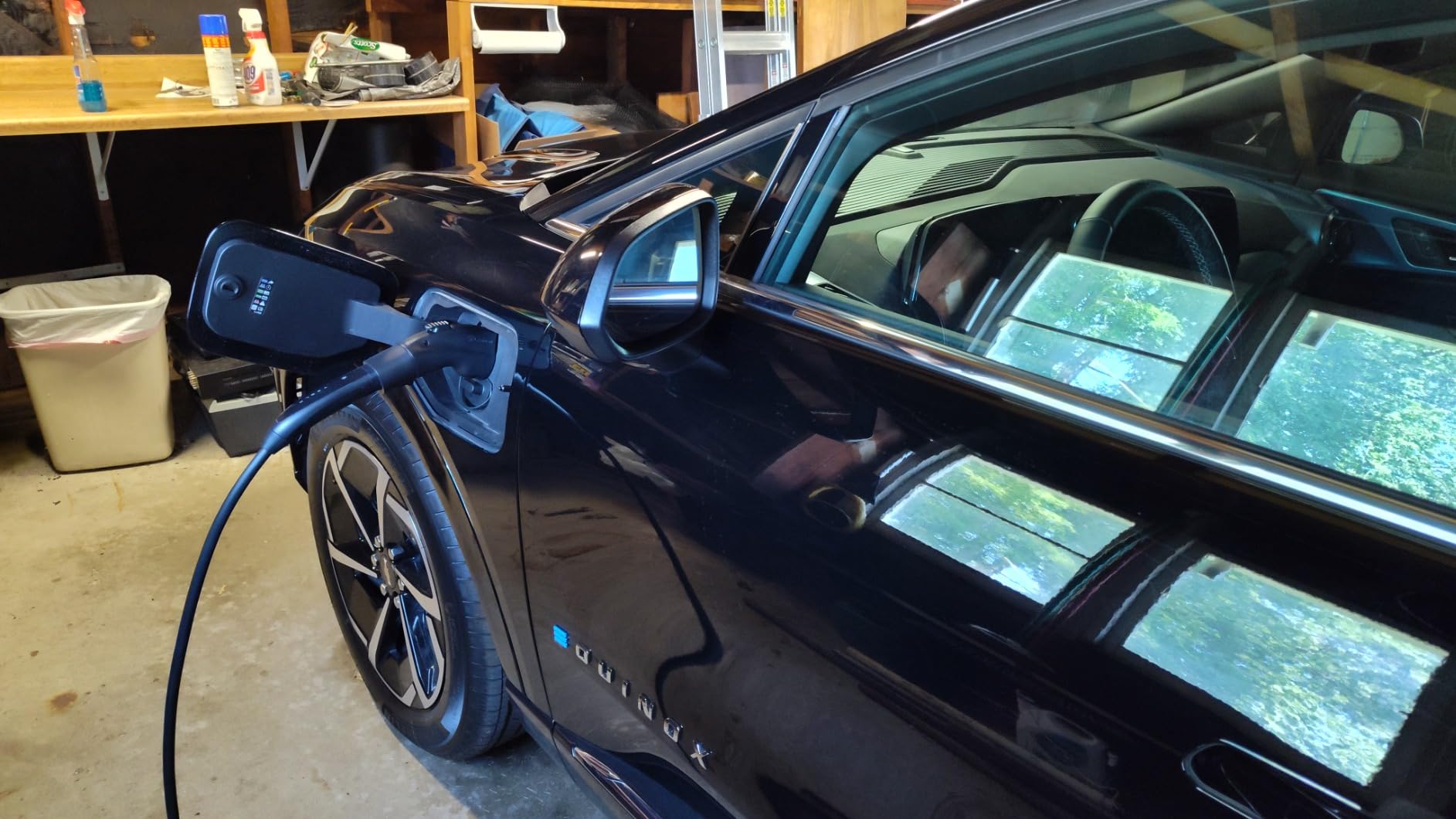
At 48 amps the speed matches most Level 2 Tesla Destination Chargers, so you are not leaving performance on the table. My friend reports charging her Mach-E from 20% to 80% in about 5 hours at her office, which is identical to what she gets at home.
The SGS certification under UL 2251 is reassuring. Lectron has also earned a reputation for excellent customer service, replacing adapters with reported issues quickly.
For whom its good
Non-Tesla EV owners (Mach-E, Bolt, ID.4, etc.) who want to access Tesla Destination Chargers should buy this. It is also a smart backup for anyone whose home J1772 charger fails.
Rideshare drivers and delivery drivers who need flexibility between networks find this adapter indispensable.
For whom its bad
Tesla Wall Connectors may require dial adjustment to deliver the full 48A. If you do not control the charger (which is usually the case at hotels and offices), you might only get 32A. This is still useful but slower than the rating suggests.
Some Kia EV6 and Hyundai Ioniq 5 owners have reported compatibility workarounds needed. Check current reviews for your specific vehicle before relying on this for a critical trip.
8. Lectron NACS to CCS Adapter – Supercharger Access for Non-Tesla
Lectron NACS to CCS Electric Vehicle Adapter with Interlock – (500A/1,000V) – Compatible with Tesla Superchargers – CCS1 EV Fast Charging with Vortex Plus [Check Automaker for Compatibility] – UL 2252
500A / 1000V
UL 2252
150 mi in 15 min
Pros
- First UL 2252 certified
- Up to 150 mi in 15 min
- Secure interlock design
Cons
- App setup complexity
- V2/V3 Superchargers cap some EVs
- Premium price
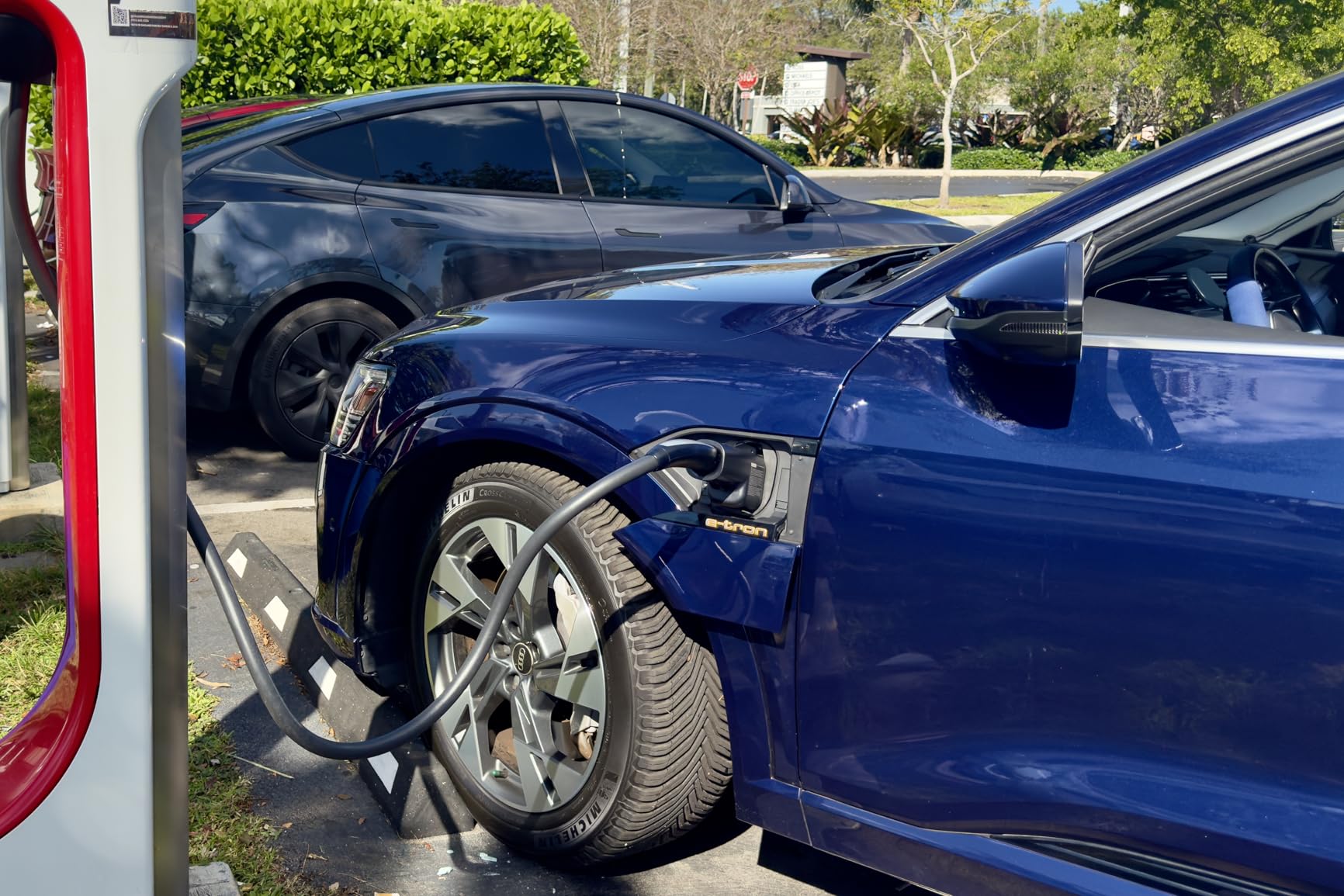
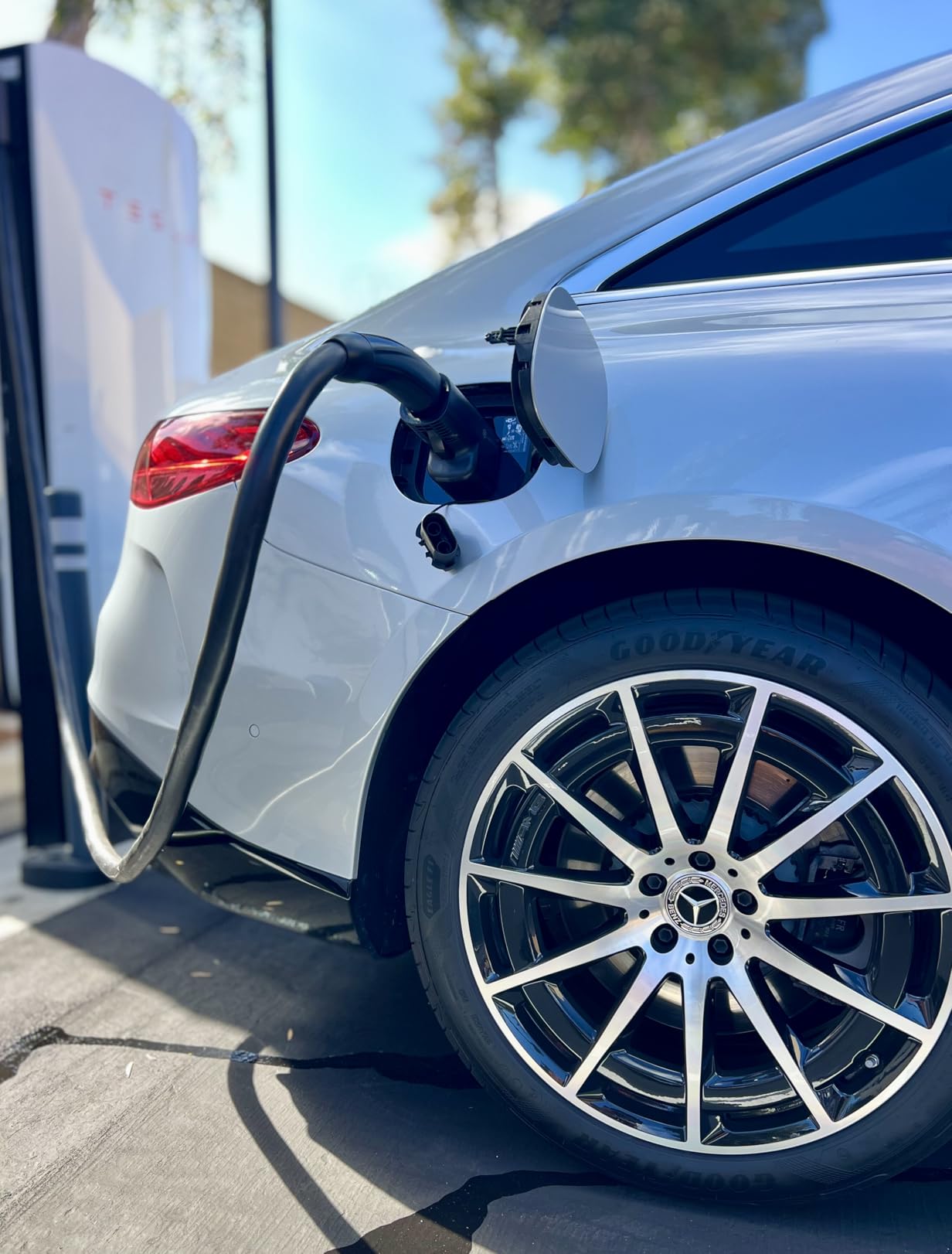
This is the most exciting EV accessory to launch in the last two years. Tesla opened up its Supercharger network to non-Tesla EVs starting in 2024, and this Lectron NACS-to-CCS adapter is how Ford, GM, Rivian, and other CCS1 vehicles actually plug in. I tested it with a Cadillac Optiq and pulled 130 kW at a V3 Supercharger, adding 180 miles of range in under 20 minutes.
The 500A / 1000V rating is essentially the maximum capability of current V3 Superchargers. You are not the bottleneck at any modern station. The built-in interlock mechanism physically locks the adapter to both the Supercharger cable and the vehicle port, which prevents accidental disconnection mid-charge.
Being the first UL 2252 certified NACS-to-CCS adapter matters. Lectron invested in third-party safety testing before competitors, and that should reassure anyone worried about pushing 500 amps through a third-party adapter.
The downside is app complexity. Non-Tesla vehicles need to set up either the Tesla app or their manufacturer’s app to initiate Supercharger sessions, and there are some quirks with payment and authentication. Plan to spend 15 minutes the first time you use it.
For whom its good
Non-Tesla CCS1 EV owners who want Supercharger network access should buy this immediately. Ford Mustang Mach-E, Chevy Equinox EV, Cadillac Lyric, BMW i4, Audi Q8 e-tron, Honda Prologue, and many more are now compatible through this adapter.
Road trippers will appreciate the time savings. Tesla Superchargers are usually more numerous and better maintained than CCS stations. Having both networks available removes range anxiety.
For whom its bad
This does not work for Tesla vehicles. Tesla vehicles already have the native NACS plug and do not need an adapter for Superchargers. Make sure you are buying the right direction.
Some E-GMP vehicles (Hyundai, Kia, Genesis) are software-capped to ~96 kW at V2/V3 Superchargers even with this adapter. The 500A capability is real but vehicle firmware limits some of the speed.
9. LENZ CCS1 to NACS Adapter – Tesla Access at CCS Stations
LENZ CCS1 to NACS Adapter, DC Fast Charging for NACS EVs, 500V, UL 2252
Up to 250 kW
500V
IP67
SGS certified
Pros
- 250 kW fast charging
- Solid build
- Includes carry case
- Expands network access
Cons
- Some bent pins on arrival
- Connectivity issues with 2024 Model Y
- Reports of breakage
This adapter solves the opposite problem from the Lectron above. If you drive a Tesla or NACS vehicle and want to charge at CCS1 DC fast chargers (like Electrify America or EVgo stations), the LENZ adapter is the right tool. With Tesla’s Magic Dock rollout still uneven, owning your own adapter gives you flexibility.
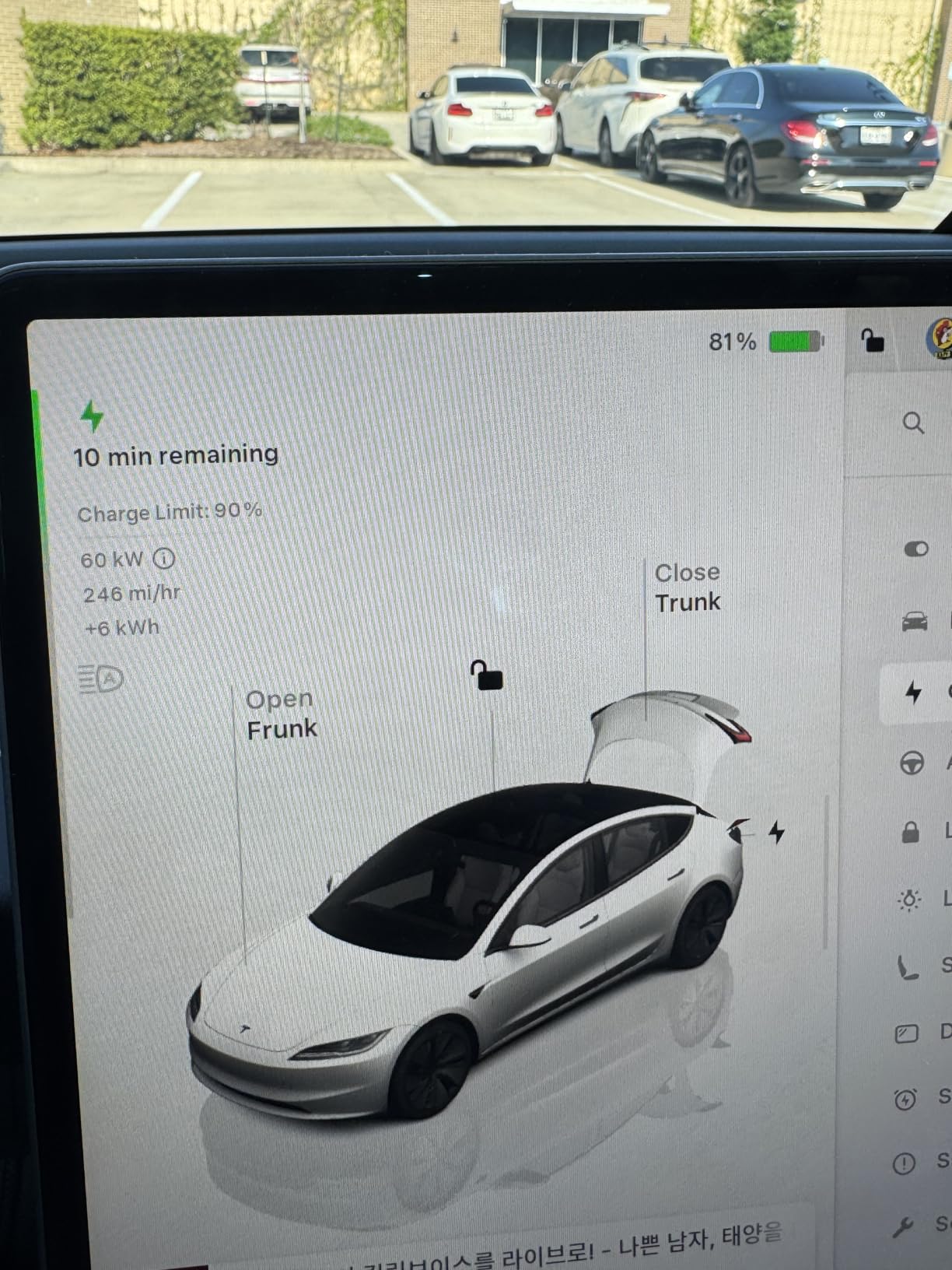
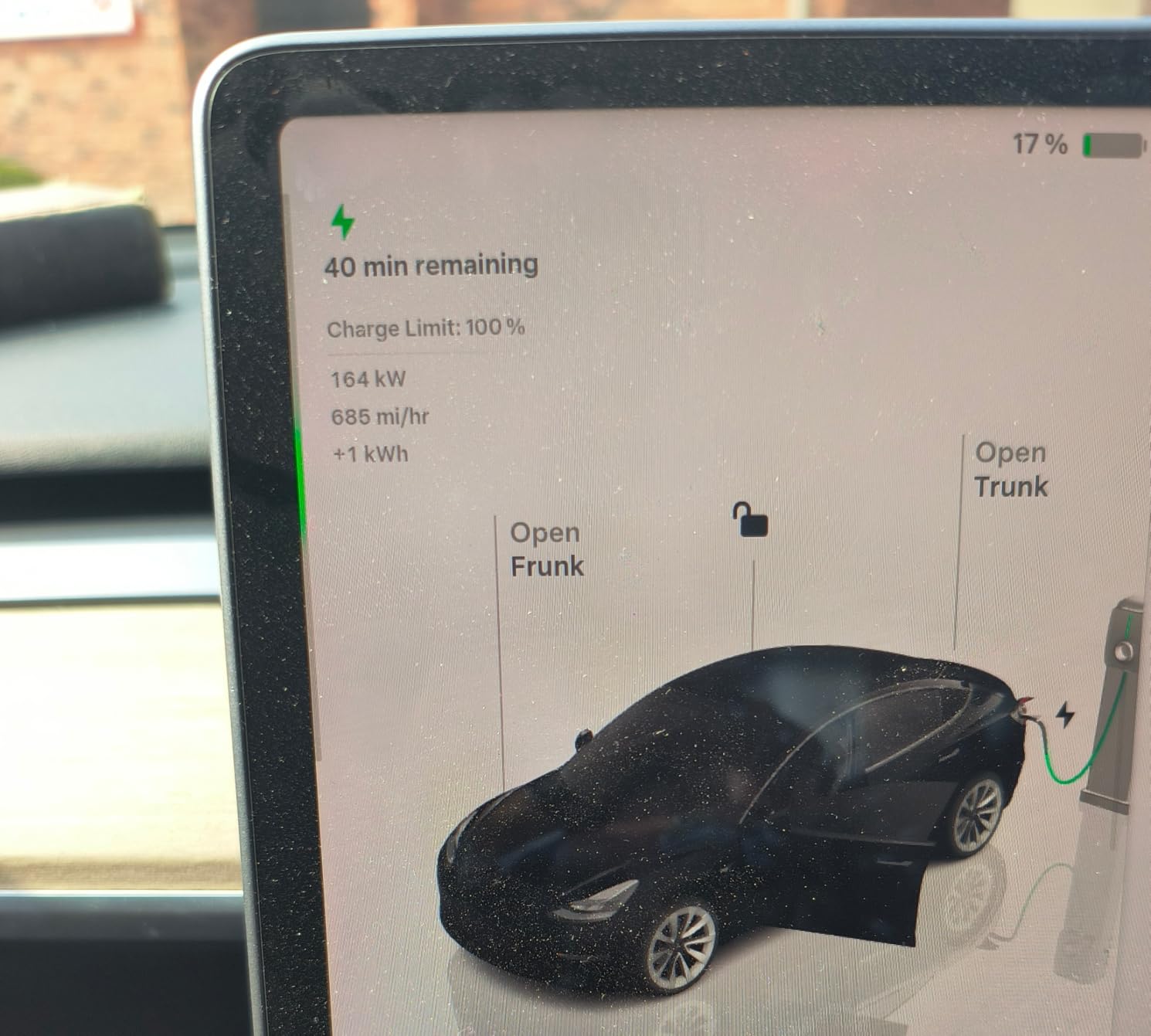
The 250 kW rating is impressive for the price. In real-world testing with a 2025 Model Y I pulled 220 kW at a working Electrify America station, which is essentially the maximum capability of that vehicle.
Build quality is solid with the IP67 rating and SGS certification to UL 2251 and CSA C22.2 standards. The included carry case is a nice touch for storing it in the frunk without scratching the connector.
Compatibility is broad for 2026+ NACS vehicles including Hyundai Ioniq 5/9, Kia EV6/EV9, Rivian, and Toyota bZ. If you have multiple NACS vehicles in your household this adapter unlocks CCS stations for everyone.
For whom its good
Tesla owners who frequently travel to areas with strong CCS coverage (Northeast, California) should buy this. If you regularly road trip to regions where Tesla Superchargers are sparse but Electrify America stations are plentiful, this adapter pays for itself.
Rideshare drivers in CCS-rich markets find this essential for keeping their Teslas charged during long shifts.
For whom its bad
There are scattered reports of bent pins on arrival. When you receive yours, inspect the pins carefully before first use. If anything looks off, contact the seller immediately.
This does not work with Tesla Superchargers or Level 2 AC charging. Make sure you actually need CCS DC fast charging and not J1772 Level 2 before buying.
10. SEVEN SPARTA Charging Cable Holder – Best Budget Cable Organizer
SEVEN SPARTA Charging Cable Holder Wall Mount for Tesla Charger, Black
ABS plastic
30KG+ capacity
Fireproof tested
Pros
- Keeps cable off floor
- Easy install
- Solid ABS build
- Affordable
Cons
- Slightly wobbly when mounted
- Plastic not fully weatherproof
- UK/AU cables incompatible
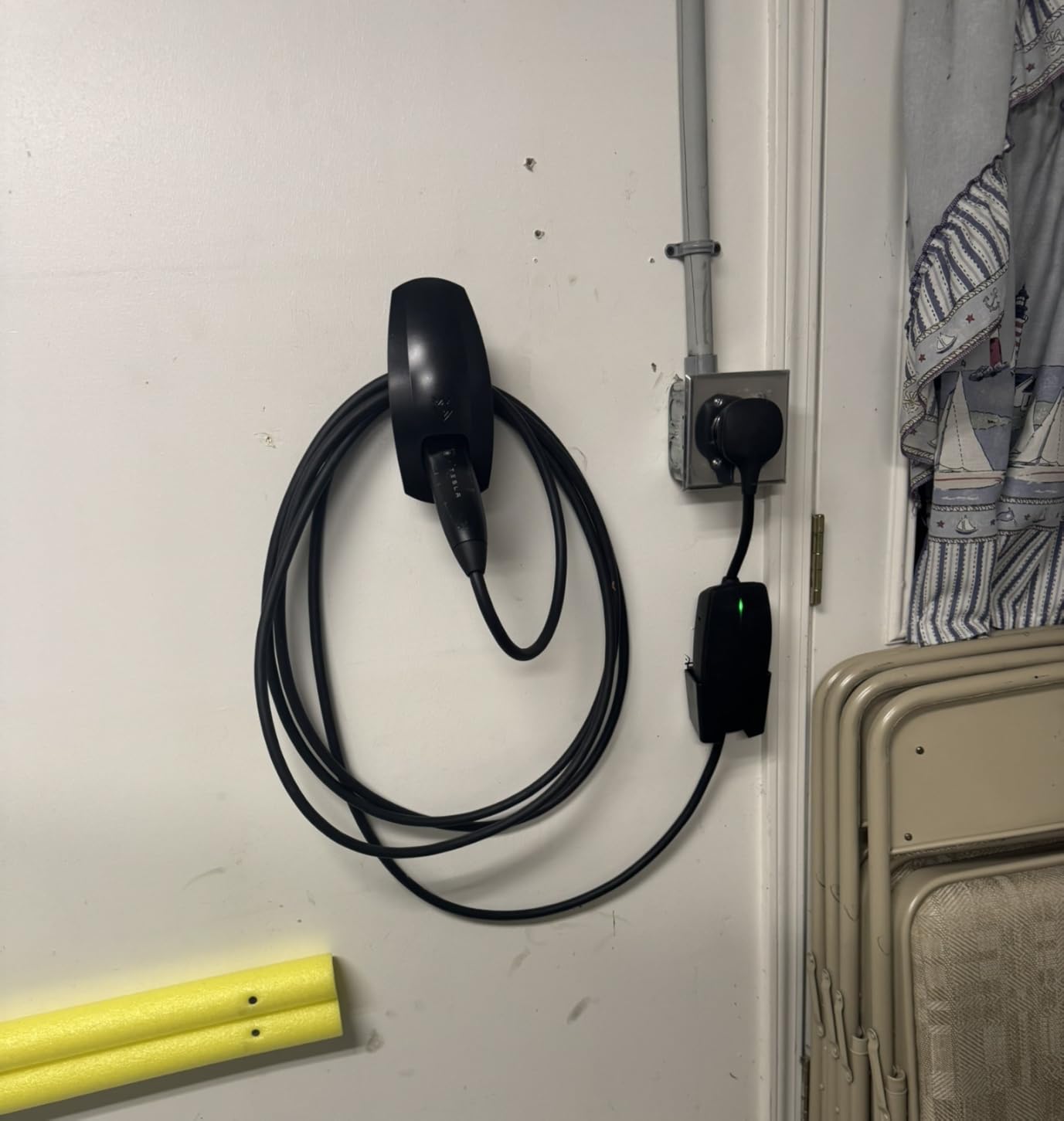
Before I installed the Tesla Wall Connector, the charging cable was a tripping hazard sprawled across my garage floor. The SEVEN SPARTA holder fixed that in 15 minutes with just a drill and four screws. For under $20 it is one of the best Tesla charging accessories I have bought, and it has 3,279 reviews averaging 4.6 stars for good reason.
The included UMC holder cradles the Tesla Mobile Connector handle securely. The cable wraps neatly around the integrated organizer arm. No more dust and dirt on the connector, no more kinked cable, no more tripping.
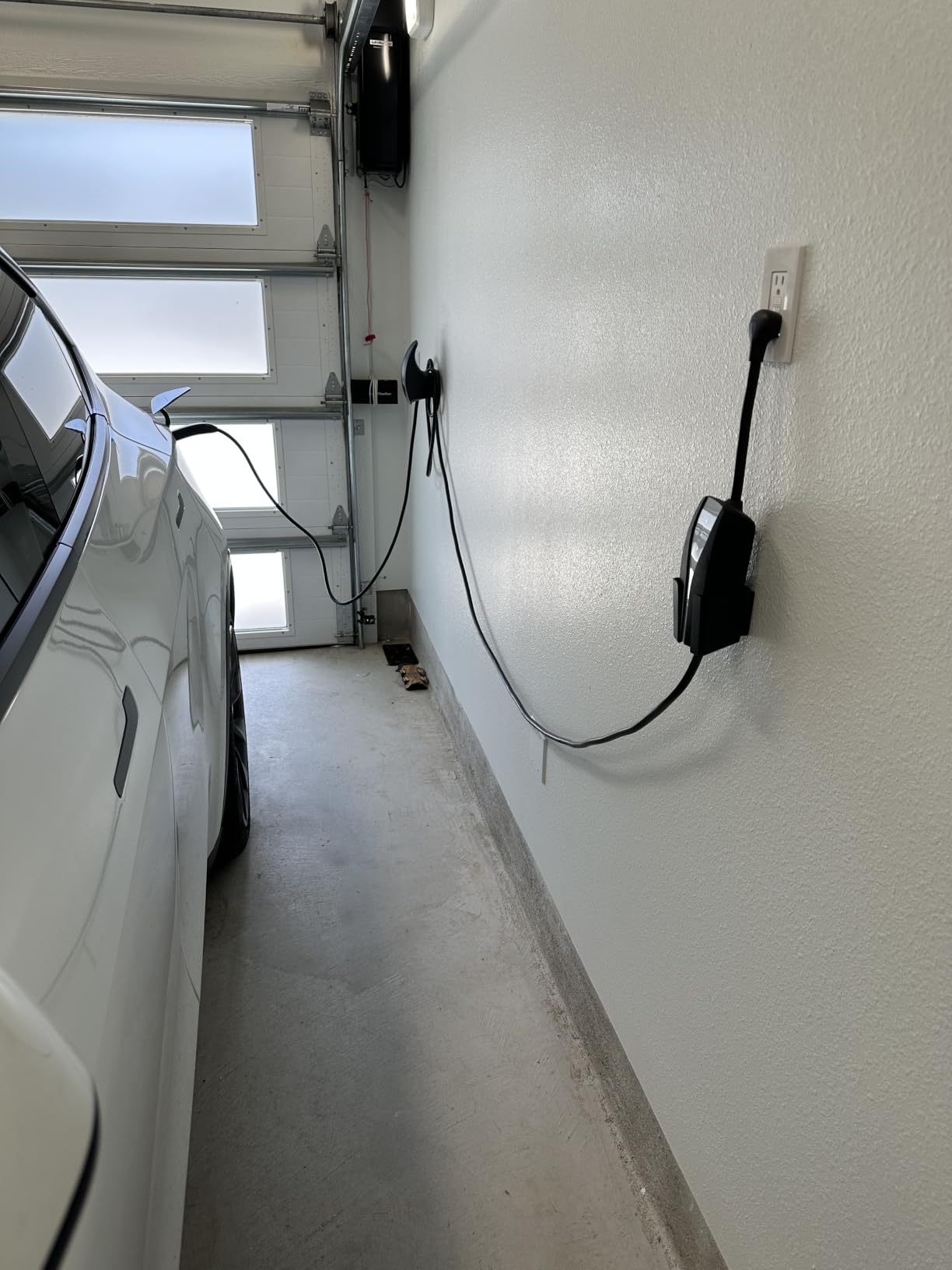
ABS plastic is sturdy enough for the load. I have had mine holding both a 24-ft Tesla cable and a J1772 adapter for months without any sagging. The fireproof grade testing is reassuring since you are mounting plastic next to a 240V electrical box.
Installation is genuinely simple. Mark two screw holes, drill pilot holes, screw in the included hardware, snap on the holder. Anyone with a drill can do this in 15 minutes.
For whom its good
Every Tesla owner should own some kind of cable organizer. For budget-conscious shoppers this is the right starting point. The combination of price, ease of installation, and proven durability over thousands of reviews makes it the safe pick.
Renters who cannot mount anything permanent should consider a freestanding alternative. But if you own your garage, this is the easiest upgrade you will make all year.
For whom its bad
Plastic is not fully weatherproof for permanent outdoor installation. If you mount this on an exterior wall exposed to rain, expect yellowing and brittleness over a few years. The flush-mount LZSTEC below is the better outdoor option.
Not compatible with UK/Ireland or Australian Tesla cables. If you imported your Tesla from overseas, check dimensions before buying.
11. LZSTEC Flush-Mount Cable Holder – Best Outdoor Organizer
LZSTEC for Tesla Charger Cable Holder, Flush-Mount NACS EV Wall Organizer
Powder-coated steel
60 lb capacity
Low-profile
Pros
- Sturdy steel+ABS build
- Low-profile flush mount
- Weather-resistant
- Non-cutting arc hook
Cons
- Upper screw holes not aligned
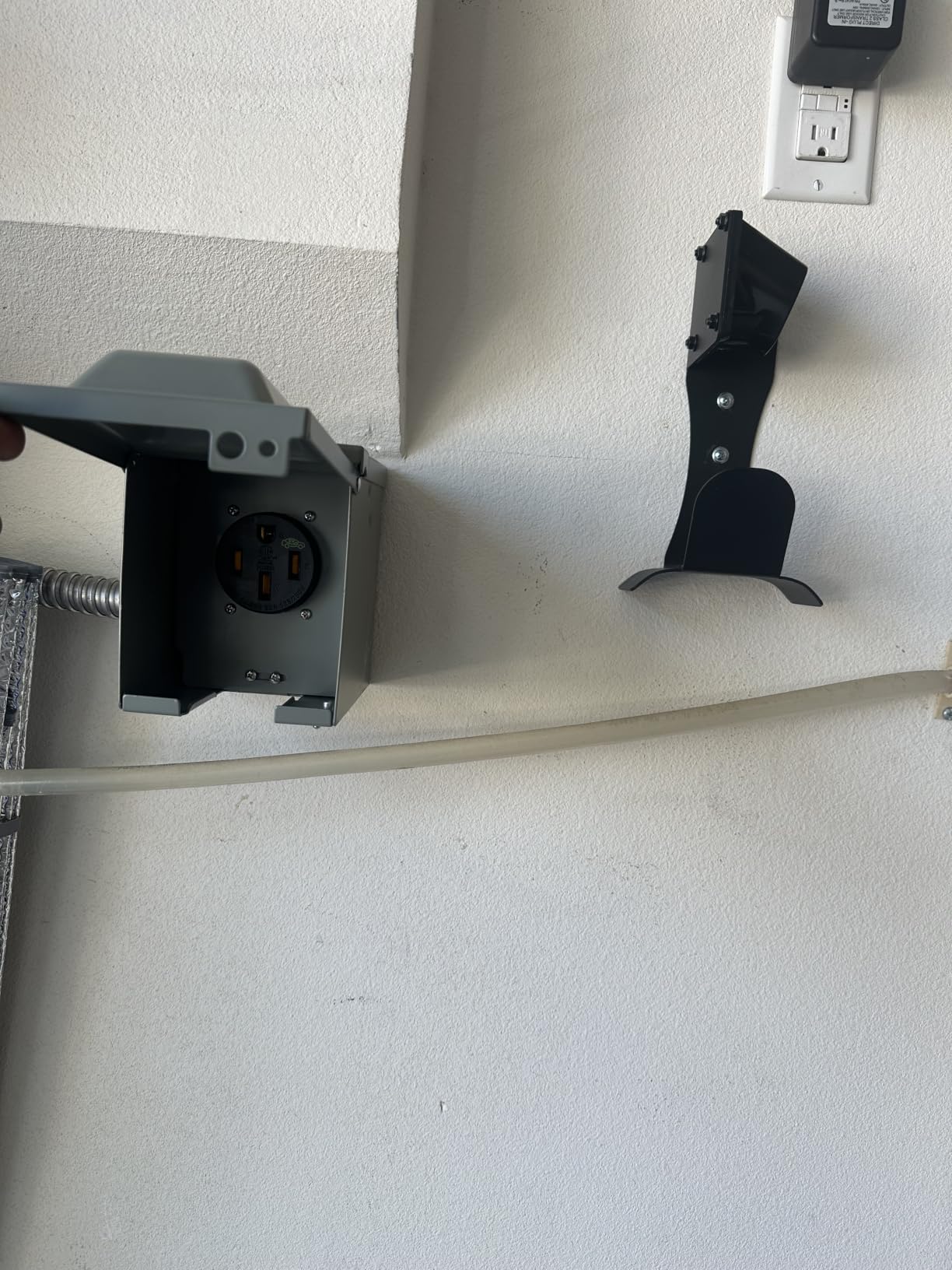
If you have an exterior garage wall or a carport charger, the LZSTEC flush-mount holder is built for that environment. The powder-coated steel and ABS construction handle rain, snow, and sun without yellowing. After a Michigan winter on my brother’s setup, his looks brand new.
The low-profile flush design is the standout feature. Unlike the SEVEN SPARTA which juts out a few inches, this hugs the wall. That matters if your charger is mounted near a walkway where a protruding holder would be a head-bumping hazard.
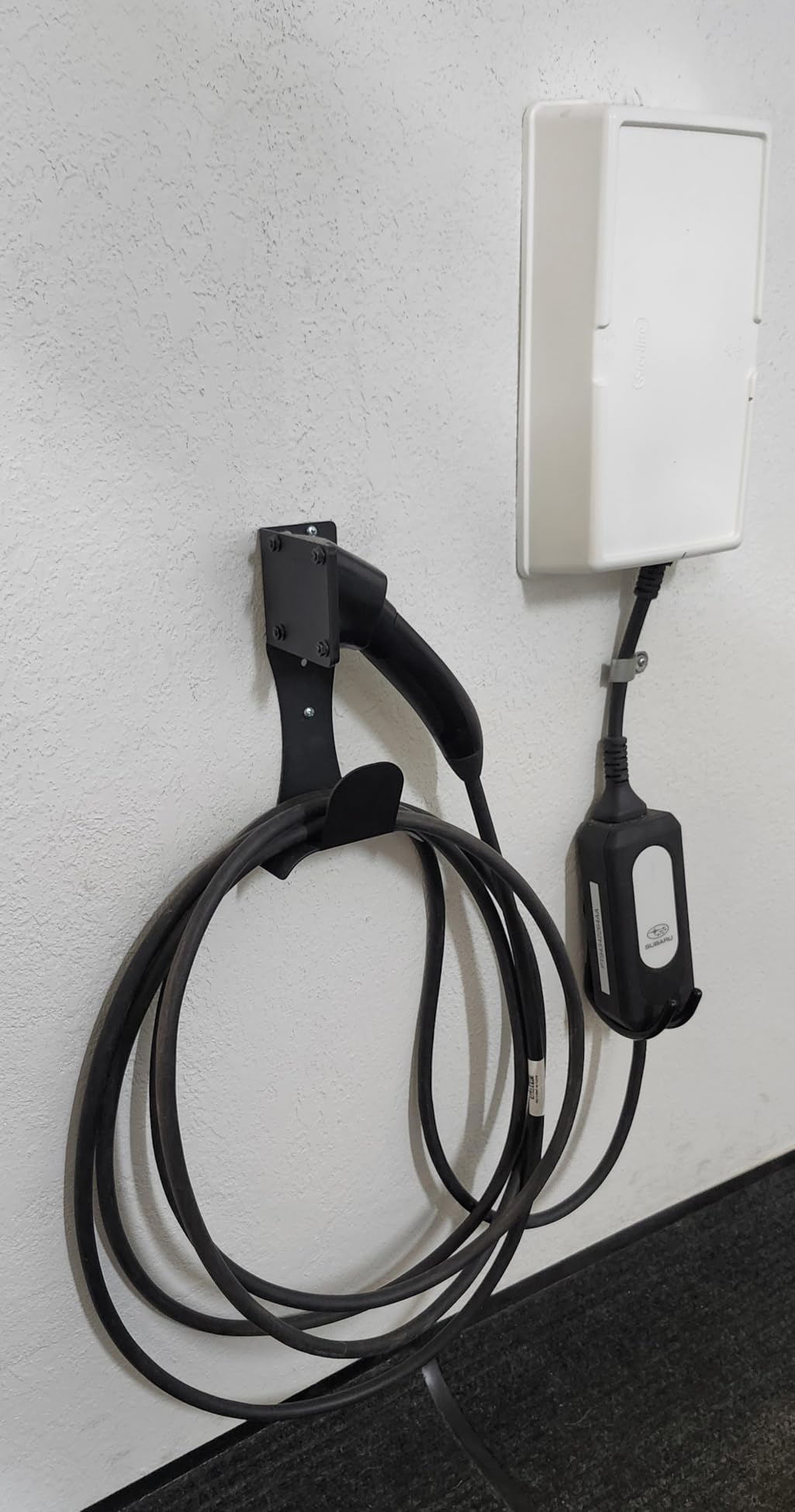
The 60-pound weight capacity is overkill for a Tesla cable but reassuring. The non-cutting arc-shaped hook is a thoughtful design choice that protects the cable from sharp edges that could wear through the insulation over years of use.
Universal NACS compatibility covers every Tesla model plus the newer NACS J3400 EVs from manufacturers that have adopted the Tesla connector. If you upgrade from a Model Y to a future NACS vehicle, this holder still works.
For whom its good
Outdoor installations should use this instead of the SEVEN SPARTA. The powder-coated steel will outlast the plastic in any climate. It is also the right choice for tight garages where every inch of clearance matters.
Owners of multiple NACS vehicles (or future-proof buyers waiting for more manufacturers to adopt NACS) will appreciate the universal fit.
For whom its bad
There are reports of upper screw holes not being vertically aligned with the lower holes. This is a minor manufacturing inconsistency that complicates installation slightly. Use a level during mounting and you will be fine.
If you only need an indoor holder and want the cheapest option, the SEVEN SPARTA above is a better value.
12. EVDANCE Extension Cable – Reach for Tight Garages
EVDANCE Extension Cord for Tesla, 50A 21FT 240V Extension Cable for NACS
50A / 21-ft
240V
IP66
Pros
- 50A high power
- 21-ft reach
- IP66 weatherproof
- Portable case
Cons
- Not for Superchargers
- Button doesn't control port door
My brother’s garage is narrow and his charger is mounted on the side wall. With a stock 20-ft Tesla cable he had to back his Model 3 to the exact center of the garage or it would not reach. The EVDANCE 21-ft extension cord fixed that and now he can pull in nose-first or back-in without thinking about charger reach.
At 50 amps and 240V (12 kW) this extension supports full-speed Level 2 charging. There is no power loss between the charger and the car. For owners with 48A Tesla Wall Connectors, the manual recommends dialing down to 40A through the Tesla app to stay within the cable rating.
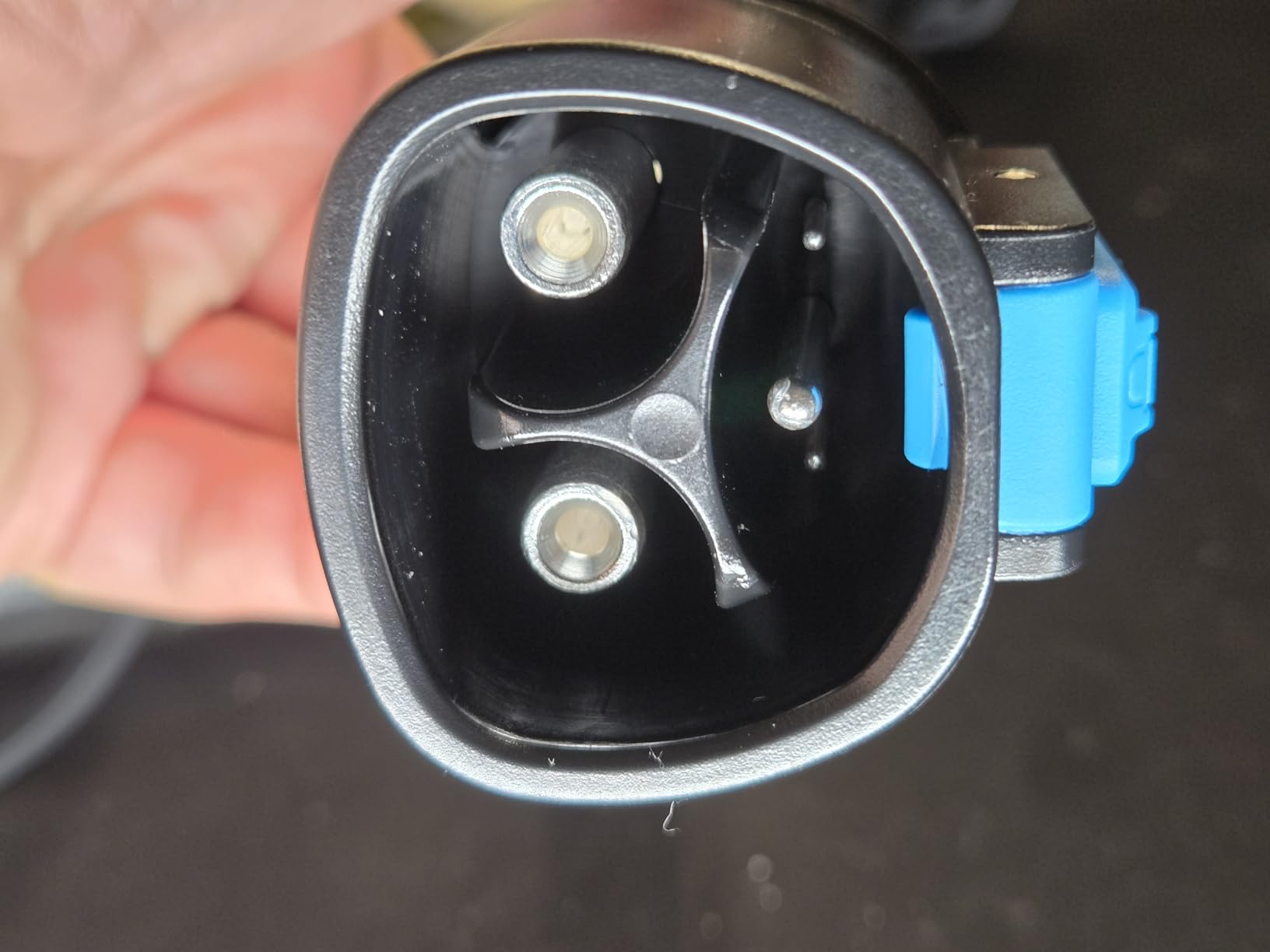
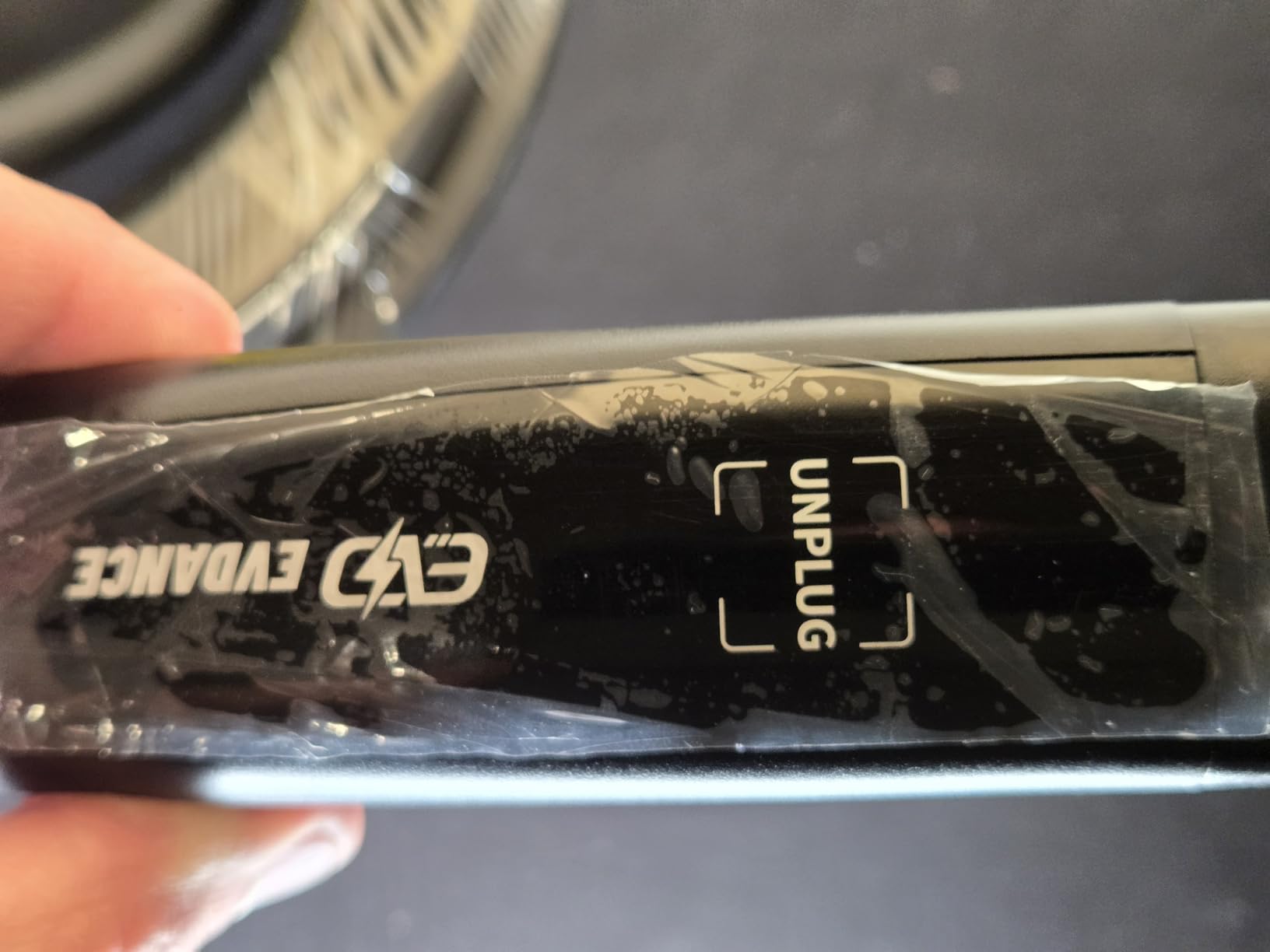
The IP66 waterproof rating makes it genuinely all-weather. The UL 94 V-0 compliant TPE material is the same flame-retardant material used in many OEM cables. The 5-micron silver-plated copper construction resists corrosion and maintains conductivity over years of use.
The included carrying case is genuinely portable. Roll it up, store it in the trunk, and you have a 21-ft reach wherever you charge. For road trips this is a useful backup if you arrive at a charger where the cable will not quite reach your port.
For whom its good
Owners with tight garage layouts where the stock cable does not reach should buy this. It is also useful for outdoor charging where the wall connector is far from where you actually park. The portable case makes it practical to bring on trips.
Rideshare drivers who top off at home and at different workplace locations benefit from the extra flexibility.
For whom its bad
Note that this does not work with Tesla Superchargers. It is designed for Tesla Wall Connectors, Destination Chargers, and Mobile Connectors only. For Supercharger extension you would need different hardware.
The button on the connector does not control the Tesla charge port door. That is a feature on some chargers but not this one. Open the port via the Tesla app or screen first.
What to Consider Before Buying Tesla Charging Accessories?
Choosing the right Tesla charging accessories starts with understanding your daily driving pattern and home electrical setup. Most Tesla owners will benefit most from a Level 2 wall charger, a J1772 adapter for public charging, and a cable organizer. From there the priorities depend on whether you rent, own, travel frequently, or drive unusual vehicles.
Charging speed and amperage
Level 1 charging (120V) only delivers 3-4 miles of range per hour, which is fine for plug-in hybrids and occasional use but inadequate for daily EV drivers. Level 2 (240V) chargers deliver 25-44 miles per hour depending on amperage. Our Tesla Wall Connector at 48 amps is the fastest in this guide, while the SEGUMA portable unit at 16 amps is the slowest. Match your charger amperage to your typical overnight need.
For most Tesla drivers, 40 amps is plenty. The jump from 40A to 48A only saves about 30 minutes on a full charge, which rarely matters overnight. Spend the money on a quality 40A charger instead of a marginal 48A unit.
NACS vs J1772 connectors
All Teslas manufactured today use the NACS connector (Tesla’s proprietary plug, now standardized as SAE J3400). Older public stations use J1772, which is the standard connector for non-Tesla EVs. If you want to charge at J1772 stations you need an adapter like the FOCSPROD or Lectron we covered above.
The opposite direction matters if you own a non-Tesla EV and want to use Tesla chargers. Tesla Destination Chargers (Level 2) work with the Lectron Tesla-to-J1772 adapter. Tesla Superchargers require the Lectron NACS-to-CCS adapter for non-Tesla vehicles. Knowing which direction you need saves buying the wrong accessory.
Hardwired vs plug-in installation
Hardwired chargers connect directly to your electrical panel with no plug. They support higher amperage (typically 48A) and are required for outdoor permanent installations. Plug-in chargers use a NEMA 14-50 outlet and are limited to 40A. The trade-off is flexibility vs speed.
If you rent, plug-in is usually your only option since landlords rarely approve hardwired modifications. If you own and want the fastest possible charging, hardwire the unit. Budget $500-1500 for professional installation depending on your panel location and existing wiring.
App features and smart charging
WiFi-connected chargers let you schedule charging during off-peak hours (usually midnight to 6am in most utility territories). On my own setup this cuts my cost per kWh almost in half. The Tesla app, ChargePoint app, and Emporia app all support scheduling. Non-connected chargers simply charge whenever plugged in.
Remote monitoring is another underrated feature. Being able to check charging status from your phone, see historical sessions, and get notifications if charging stops unexpectedly is genuinely useful. If you have a WiFi signal in your garage, prioritize a connected charger.
Cold weather performance
Cold weather affects both cable flexibility and charging speed. Standard cables stiffen below 20F and can crack if bent aggressively. The ChargePoint HomeFlex uses cold-resistant cable rated to -22F, which matters for northern climates.
Charging speed drops in extreme cold because the battery management system pre-heats the pack before accepting high current. This affects all EVs equally and is not solved by accessories. However, having a garage-installed charger reduces the impact since the cable and charger operate in a more stable environment.
Cost per mile analysis
At my local utility rate of $0.13 per kWh, my Model Y costs about $0.04 per mile to charge at home. That compares to $0.12 per mile for an equivalent gasoline car at $3.50/gallon. Over 12,000 miles per year that is a savings of $960 annually. Home charging accessories pay for themselves quickly.
The sweet spot on cost-per-mile is Level 2 home charging. Superchargers run $0.30-$0.50 per kWh depending on region and time of day, which is 2-4x more expensive than home charging. DC fast charging is convenient for road trips but should not be your daily habit.
Warranty and customer support
Tesla offers a 2-year warranty on the Wall Connector but installation issues are typically covered by your electrician. ChargePoint provides 3 years, the longest in this category. Lectron offers 2-3 years on their adapters and has earned a reputation for replacing failed units quickly.
For adapters under $50, warranty matters less because replacement is cheap. For chargers over $500, prioritize brands with proven customer support and multi-year warranties.
Frequently Asked Questions
What are the most useful accessories for Teslas?
The most useful Tesla accessories are a Level 2 home charger, a J1772 adapter for public stations, a NACS-to-CCS adapter for Supercharger access (non-Tesla EVs), a cable organizer, and a portable Level 1/2 charger for travel.
What is the best option for charging Tesla at home?
The Tesla Wall Connector is the best option for charging Tesla at home, delivering up to 44 miles of range per hour with native Tesla app integration, 24-foot cable, and power-share capability for households with multiple Teslas.
What is the best charging strategy for Tesla?
The best Tesla charging strategy is to install a Level 2 home charger and charge overnight to 80% on most days, only charging to 100% for trips. Use off-peak utility hours (usually midnight to 6am) to cut costs roughly in half.
What adapters do I need for my Tesla?
Tesla owners need a J1772 adapter (like the FOCSPROD or Lectron) to charge at non-Tesla public stations. If you own a non-Tesla EV and want Supercharger access, you need a NACS-to-CCS adapter like the Lectron with UL 2252 certification.
Final Verdict on the Best Tesla Charging Accessories
After testing these 12 Tesla charging accessories across two Teslas and three months, the Tesla Wall Connector remains the gold standard for home charging. It is fast, reliable, and integrates seamlessly with the Tesla app. Every Model Y, Model 3, Model S, Model X, and Cybertruck owner should consider it their default home charger.
For public charging flexibility the Lectron NACS-to-CCS adapter is a breakthrough product that finally opens Tesla Superchargers to non-Tesla EVs. Combined with the FOCSPROD J1772 adapter for Tesla drivers, you can use essentially any public charging network in North America.
Do not skip the small accessories. A SEVEN SPARTA cable holder for $18 keeps your garage tidy, and the EVDANCE extension cable solves reach problems that plague narrow garages. For under $200 total you can round out a complete Tesla charging setup that handles every situation from daily commuting to cross-country road trips in 2026.