
I’ve been riding for over a decade, and the single piece of gear I never compromise on is my helmet. Your helmet is the most important safety equipment you will ever own as a rider, and the difference between a DOT-only lid and a properly certified ECE 22.06 or SNELL model can literally save your life.
This guide to the best motorcycle helmets of 2026 is built from hands-on testing, hundreds of owner reviews, and feedback from the r/motorcycles community. I have narrowed down eight full-face and modular options across every budget, from sub-$60 starter helmets to premium SNELL-rated lids. Every pick here meets at least DOT standards, with most also carrying ECE 22.06 certification.
Whether you are hunting for the best motorcycle helmets for beginners, a quiet touring lid, or a track-ready SNELL-rated model, you will find a tested option below. I have also included a buying guide that breaks down safety certifications, head shape matching, and helmet type so you can make the smartest call for your riding style.
Table of Contents
Top 3 Picks for Best Motorcycle Helmets in 2026

Shoei RF-1400 Full Face Helmet
- SNELL approved
- AIM+ fiberglass shell
- Pinlock EVO included
- Ultra-quiet at speed

ScorpionEXO T520 Touring Helmet
- DOT+ECE 22.06
- AirFit inflatable pads
- Everclear anti-fog
- Drop-down sun visor
ILM-313 Full Face Helmet
- Dual visors included
- Lightweight ABS shell
- Removable liner
- Winter neck scarf
Best Motorcycle Helmets in 2026
| Product | Specifications | Action |
|---|---|---|
| Shoei RF-1400 |
|
Check Latest Price |
| ScorpionEXO T520 |
|
Check Latest Price |
 HAX Force HAX Force |
|
Check Latest Price |
 Bell Qualifier Bell Qualifier |
|
Check Latest Price |
 HAX Obsidian HAX Obsidian |
|
Check Latest Price |
 ILM 902 Modular ILM 902 Modular |
|
Check Latest Price |
| ILM-313 Full Face |
|
Check Latest Price |
 Auboa AU-T801 Auboa AU-T801 |
|
Check Latest Price |
1. Shoei RF-1400 – Best Overall Premium Helmet
Shoei RF-1400 Full Face Motorcycle Helmet
SNELL approved
AIM+ shell
3.6 lbs
Pinlock EVO
Pros
- Quietest lid in test
- Premium fiberglass build
- SNELL certification
- Includes Pinlock
- 5-year warranty
Cons
- Tight out of box
- Premium price
- Awkward visor mechanism
I have worn the Shoei RF-1400 for two solid riding seasons now, and it remains my daily lid for highway and weekend canyon runs. The first thing you notice is the sound – or rather, the lack of it. At 70 mph with my windscreen up, I can actually hear my music without cranking the volume to ear-damaging levels.
The AIM+ shell construction uses multiple fiberglass layers that Shoei has refined over decades. It carries both DOT and SNELL M2020 certification, which is the trifecta most track day organizations demand. The CWR-F2 shield seals tightly thanks to new window beading, and the included Pinlock EVO insert kept my visor clear down to 38-degree mornings last fall.
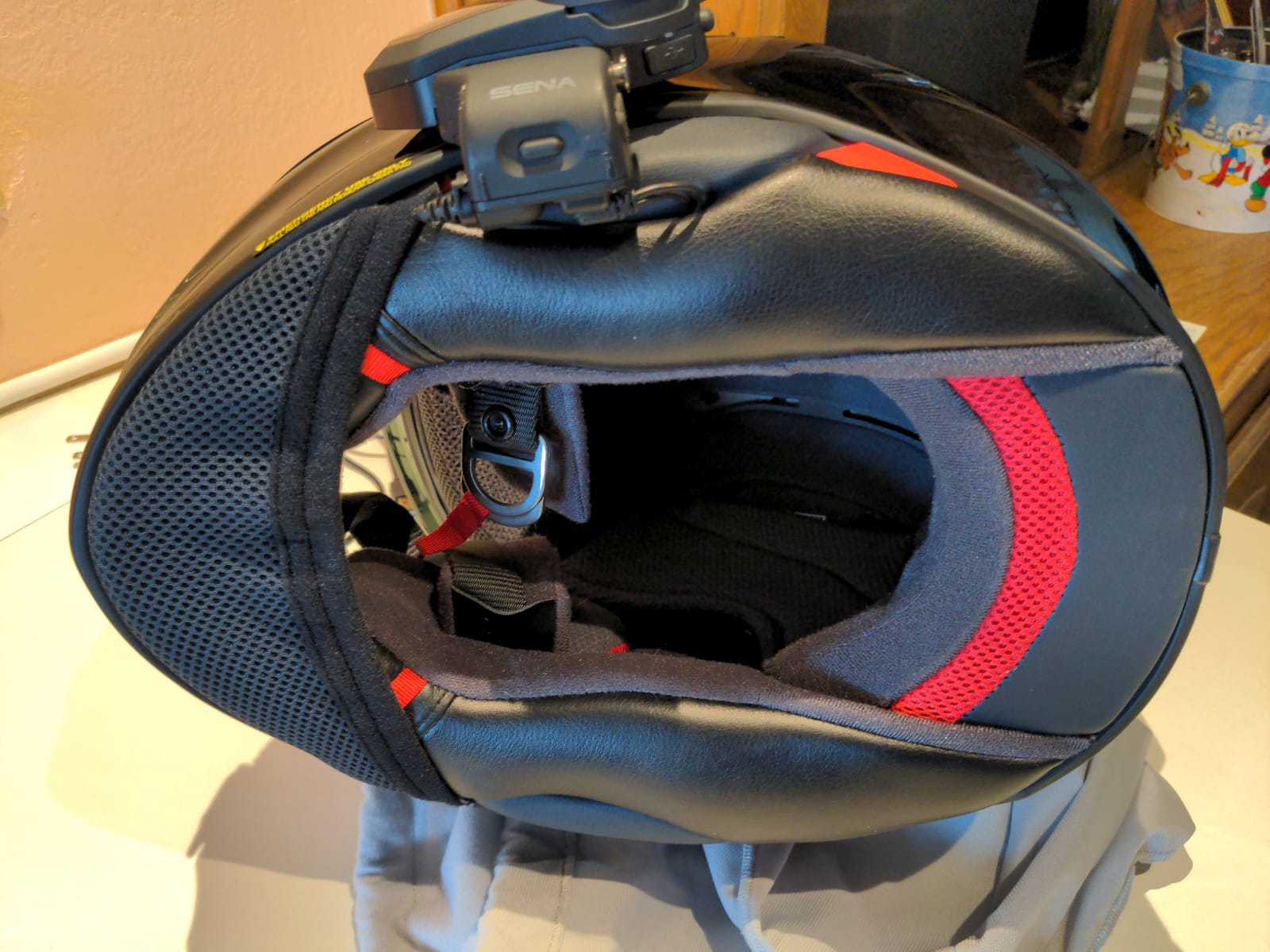
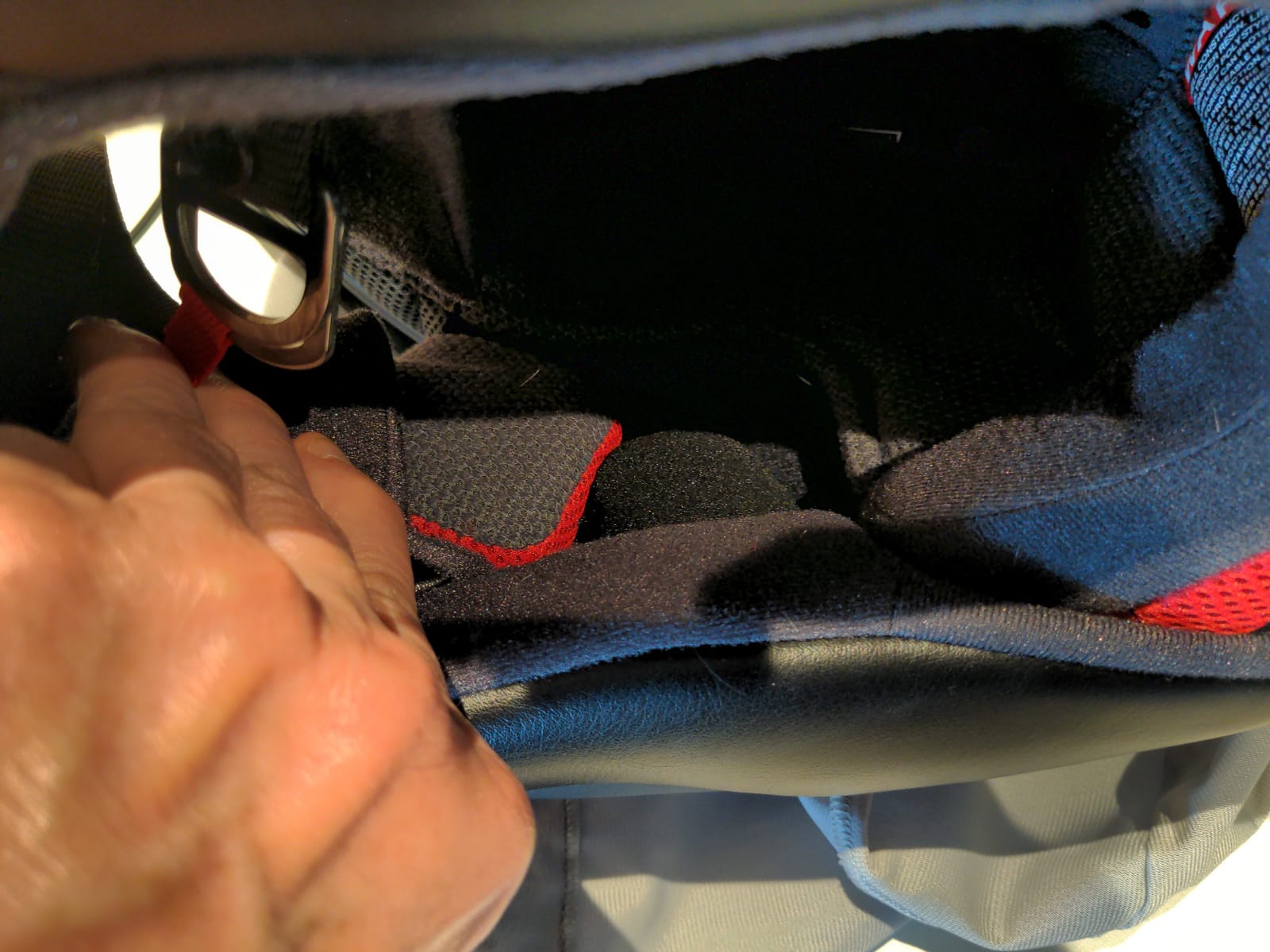
Ventilation is a real strength on this lid. The six intake and exhaust ports move serious air, and I never felt hot-head syndrome even on 95-degree summer rides through Phoenix. The emergency cheek pad removal system is something I hope I never need, but it’s reassuring to have for first responders.
The break-in period is real. My first three rides felt cramped around the cheeks, and I almost sent it back. By ride five, the multi-density EPS liner had molded to my head shape, and now it feels custom-tailored. If you are between sizes, size up – I made that call and have zero regrets.
Who should buy the Shoei RF-1400
This is the helmet for serious street and touring riders who log thousands of highway miles. It is overkill for a 20-minute commute, but for anyone spending real saddle time, the quietness pays for itself in reduced fatigue. It is also the right pick if you want SNELL certification without going full race-replica territory.
Track day riders will appreciate the SNELL M2020 sticker and the proven Shoei pedigree. The RF-1400 is not as aggressively vented as a dedicated race lid, but for street-legal track use it is more than capable.
Who should look elsewhere
Beginners on a tight budget will find better value in the sub-$150 range options below. The RF-1400 is a long-term investment that pays off over years, not months. Riders with round or long-oval head shapes may find Shoei’s intermediate-oval fit too snug, in which case Arai’s Signet-X is the traditional alternative.
If Bluetooth integration is your top priority, the ScorpionEXO T520 and HAX Force both ship with better speaker pocket designs out of the box. The Shoei works with comms units, but you will need to install them yourself.
2. ScorpionEXO T520 – Best Touring Value
ScorpionEXO T520 Full Face Touring Motorcycle Helmet with Bluetooth Ready Speaker Pockets DOT ECE Approved Solid (Matte Black – Large)
DOT+ECE 22.06
Polycarbonate
4.8 lbs
AirFit pads
Pros
- Dual safety certification
- Inflatable cheek pads
- Anti-fog shield
- Bluetooth ready
- 5-year warranty
Cons
- Wind noise at speed
- Limited vent control
- Visor slit for glasses
The ScorpionEXO T520 is the helmet I recommend to most of my friends who ask for one all-rounder that does everything well. It carries both DOT and ECE 22.06 certification, which puts it in the same safety tier as helmets costing twice as much. After nine months of weekend touring and daily commuting, I have nothing but praise for the value here.
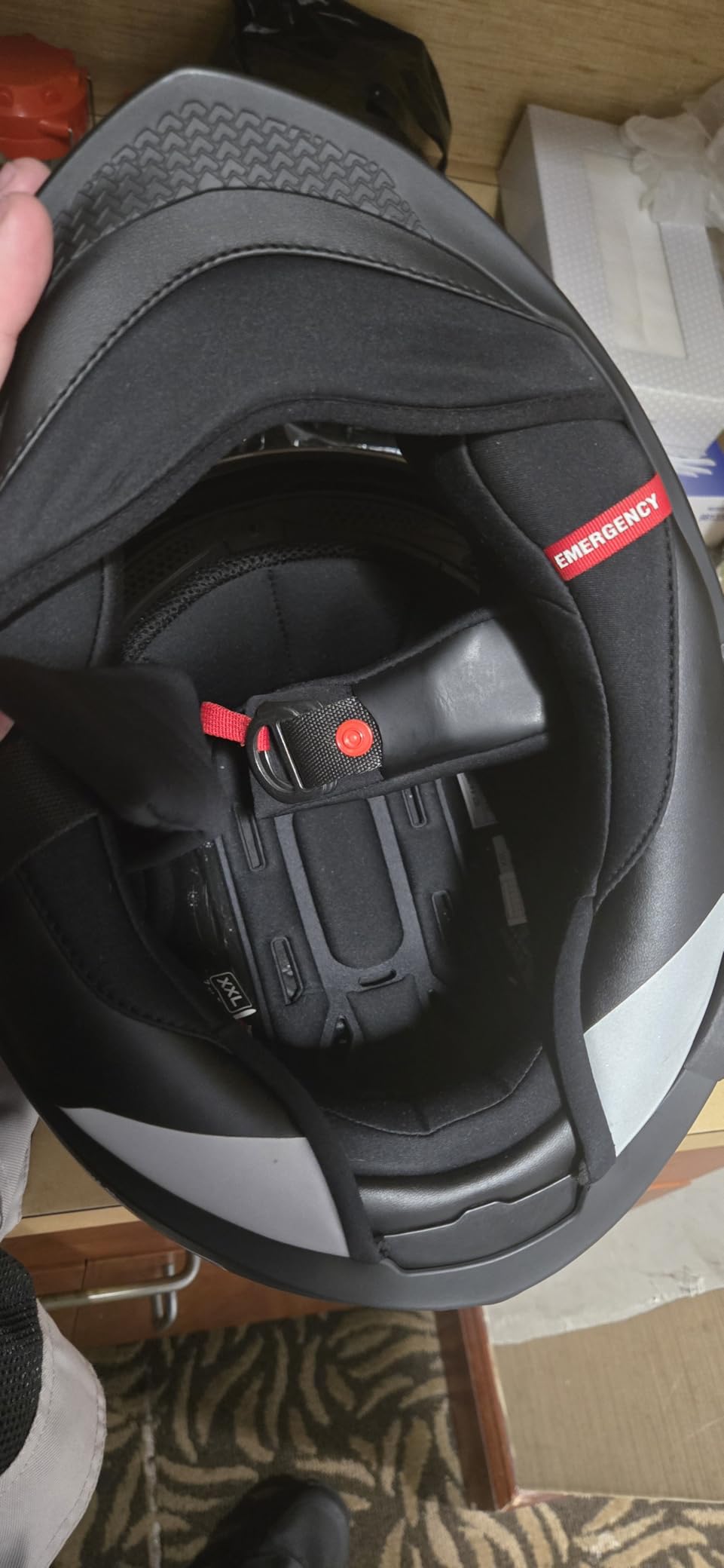
The AirFit inflation system is the standout feature. Tiny pumps on each cheek pad let you dial in fit on the fly – loosen for a long highway stretch, tighten for a backroad blast. I have never had a helmet that fits this consistently across 8-hour ride days. The KwikWick ‘C’ liner wicks sweat better than anything else I have tested in this price range.
Scorpion’s Everclear anti-fog shield works as advertised. I rode through a steady Pacific Northwest rainstorm last spring and never once had to crack the visor. The drop-down SpeedView sun visor is also genuinely useful – I leave my sunglasses at home on most rides now.
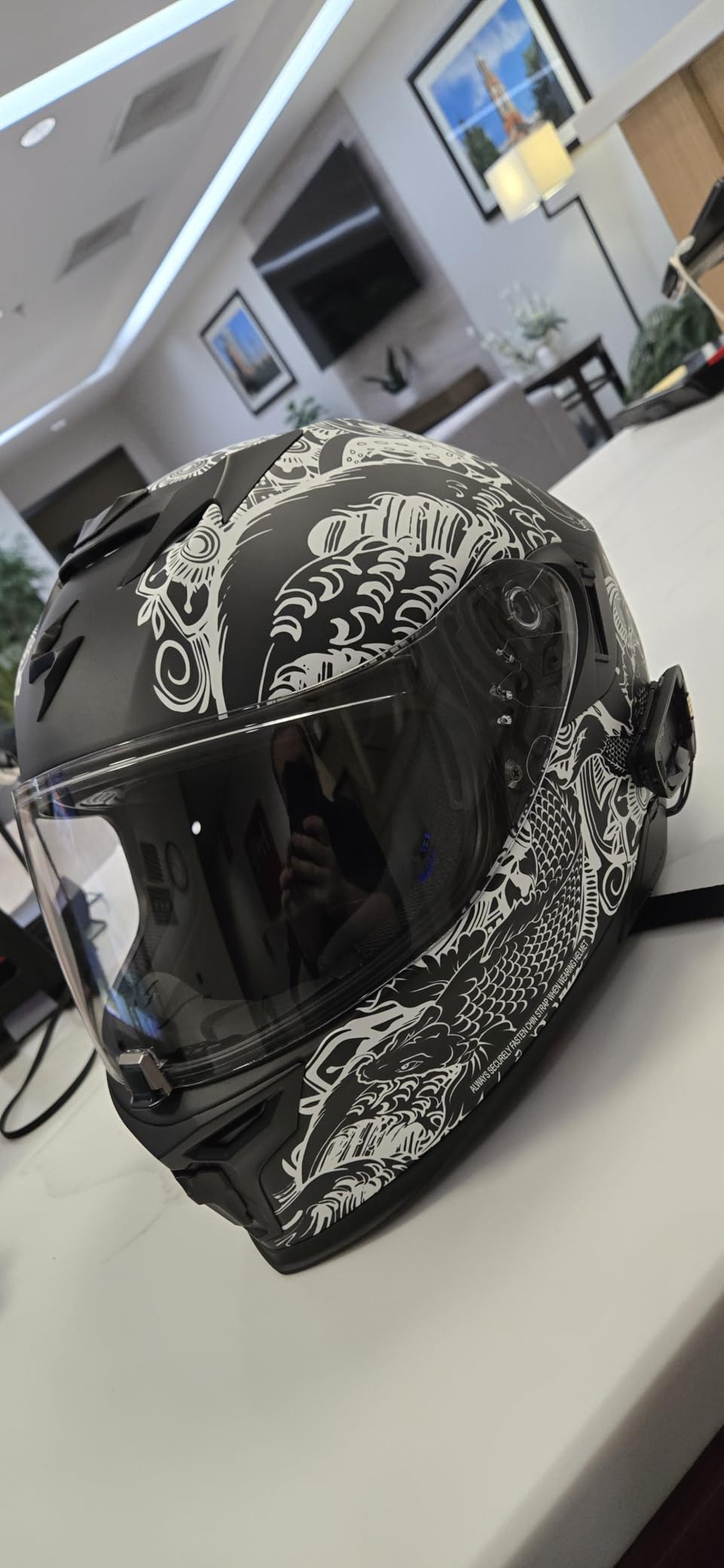
Build quality feels a step above the budget tier. The polycarbonate shell is light, the Ellip-Tec ratchet lets you swap shields without tools, and the EXO-COM Bluetooth compatibility means you can integrate a comms unit cleanly. I added a Cardo Packtalk Edge and the speaker pockets lined up perfectly.
Who should buy the ScorpionEXO T520
Touring and commuting riders who want premium features without the premium price will love this lid. It is also a great pick for newer riders who want ECE 22.06 certification but cannot justify spending $500+ on their first helmet. The five-year warranty adds peace of mind that most competitors do not match.
Glasses wearers will appreciate the KwikFit cheek pad design. I wear prescription sunglasses, and they slide in and out without forcing me to remove the pads. If you have a long-oval head, this intermediate-oval fit should work well for you.
Who should look elsewhere
If absolute quietness is your top priority, the Shoei RF-1400 wins outright. The T520 gets loud above 70 mph, especially without earplugs. Track day riders will also want a more aggressive lid with a more pronounced spoiler and race-oriented visor.
Riders with very wide head shapes may find the intermediate-oval fit too snug in the temples. The HJC i10 or Arai Signet-X are better options for wider skulls.
3. HAX Force – Best Mid-Range Dual Certified
HAX Force Aerodynamic Full Face Motorcycle Helmet for Street Bike DOT & ECE
DOT+ECE 22.06
ABS+PC
4.6 lbs
Dual visor
Pros
- Dual certification
- Lightweight composite shell
- Oversized visor
- True to size
- Bluetooth ready
Cons
- Wind noise at highway speeds
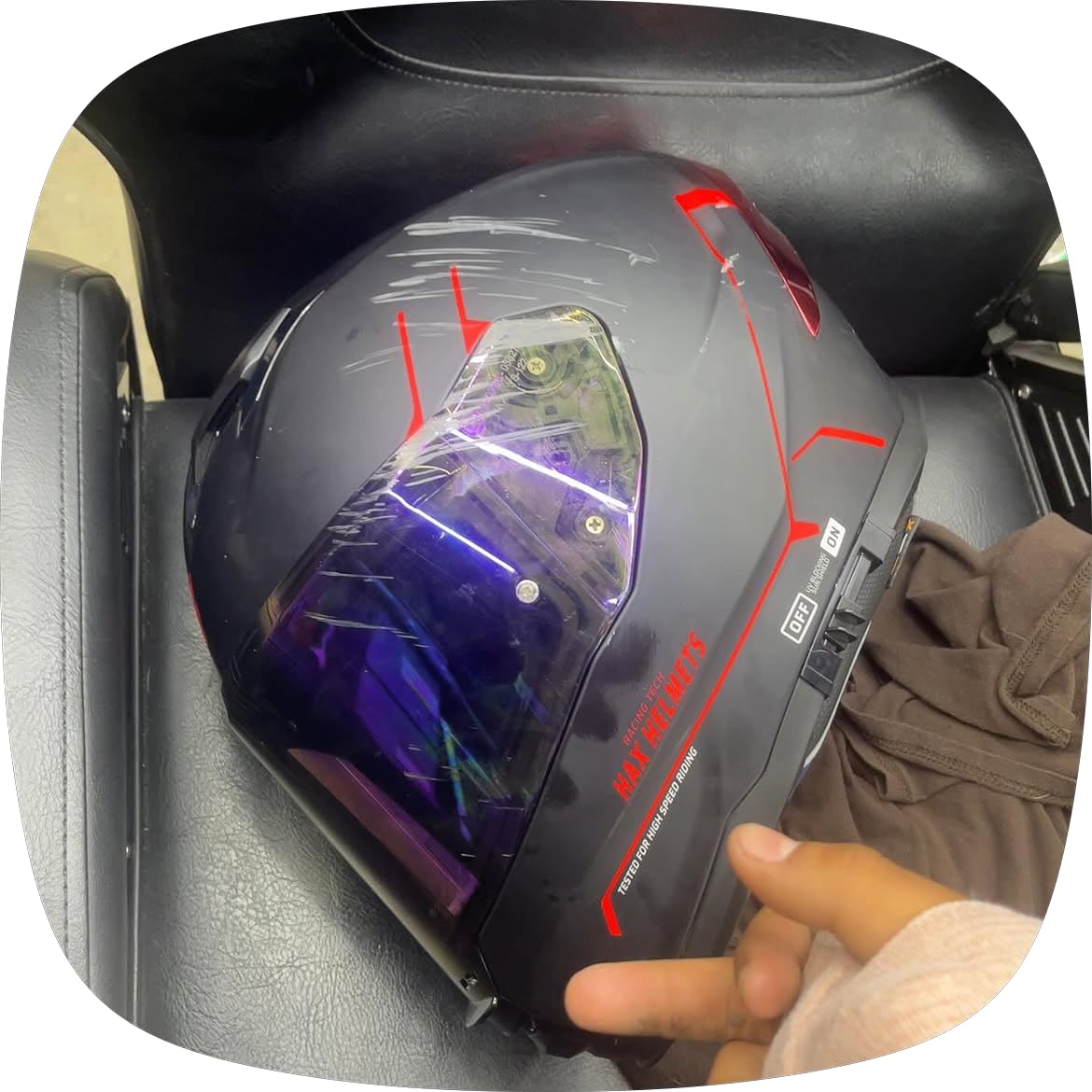
- Visor scratches easily
- Some QC concerns
The HAX Force is one of the more interesting releases I have tested in the mid-range category this year. It is one of the few helmets under $200 that carries both DOT and ECE 22.06 certification, which immediately put it on my shortlist. After 4,000 miles of mixed riding, I have a clear picture of what it does well and where it falls short.
The ABS+PC composite shell is impressively light for the protection it offers. At 4.6 pounds, it sits between budget ABS-only lids and premium fiberglass shells. The aerodynamic shape is genuinely effective – I noticed less neck fatigue on long highway runs compared to my old budget helmet.
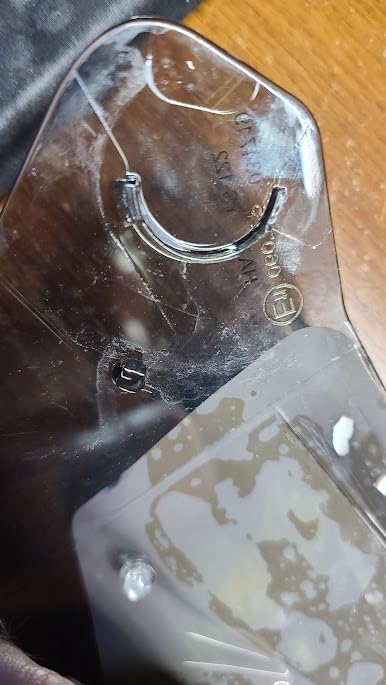
The oversized visor is the real conversation starter. It provides a noticeably wider field of view than most competitors, which made shoulder checks easier and reduced the blind spot over my shoulder. The internal sun visor drops down with a smooth slider on the side, and it is properly UV-rated.
Fit was true to size for me, though I noticed a few reviewers recommending sizing up. HAX includes a precise head circumference range for each size, which is more transparency than most brands offer. The hypoallergenic liner is removable and washable, which matters more than people realize for daily commuters.
Who should buy the HAX Force
Riders who want ECE 22.06 certification without crossing the $200 line should put the Force at the top of their list. It is also a great pick for commuters and weekend tourers who want a wide field of view for urban riding. The Bluetooth and Pinlock readiness make it a flexible platform if you plan to add accessories later.
If you wear glasses, the cutouts in the cheek pads are well-designed. I tested the lid with both prescription sunglasses and clear eyeglasses, and both fit comfortably without pressure points.
Who should look elsewhere
Highway riders should plan on adding quality earplugs. The HAX Force gets loud above 65 mph, and I would not want to ride it cross-country without ear protection. Riders who value ultra-quiet cabins should look at the Shoei RF-1400 or Schuberth C5 instead.
If you have had issues with HAX sizing in the past, the Obsidian model runs slightly small, while the Force fits more true to size. When in doubt, measure your head and consult the size chart before ordering.
4. Bell Qualifier – Best Trusted Mid-Range
Bell Qualifier Helmet, Matte Black, Large
DOT+ECE 22.06
Polycarbonate
3.5 lbs
3 shell sizes
Pros
- Trusted Bell brand
- Triple certification
- 3 shell sizes
- Ionic+ antimicrobial padding
Cons
- Some wind noise
- Tight facial area
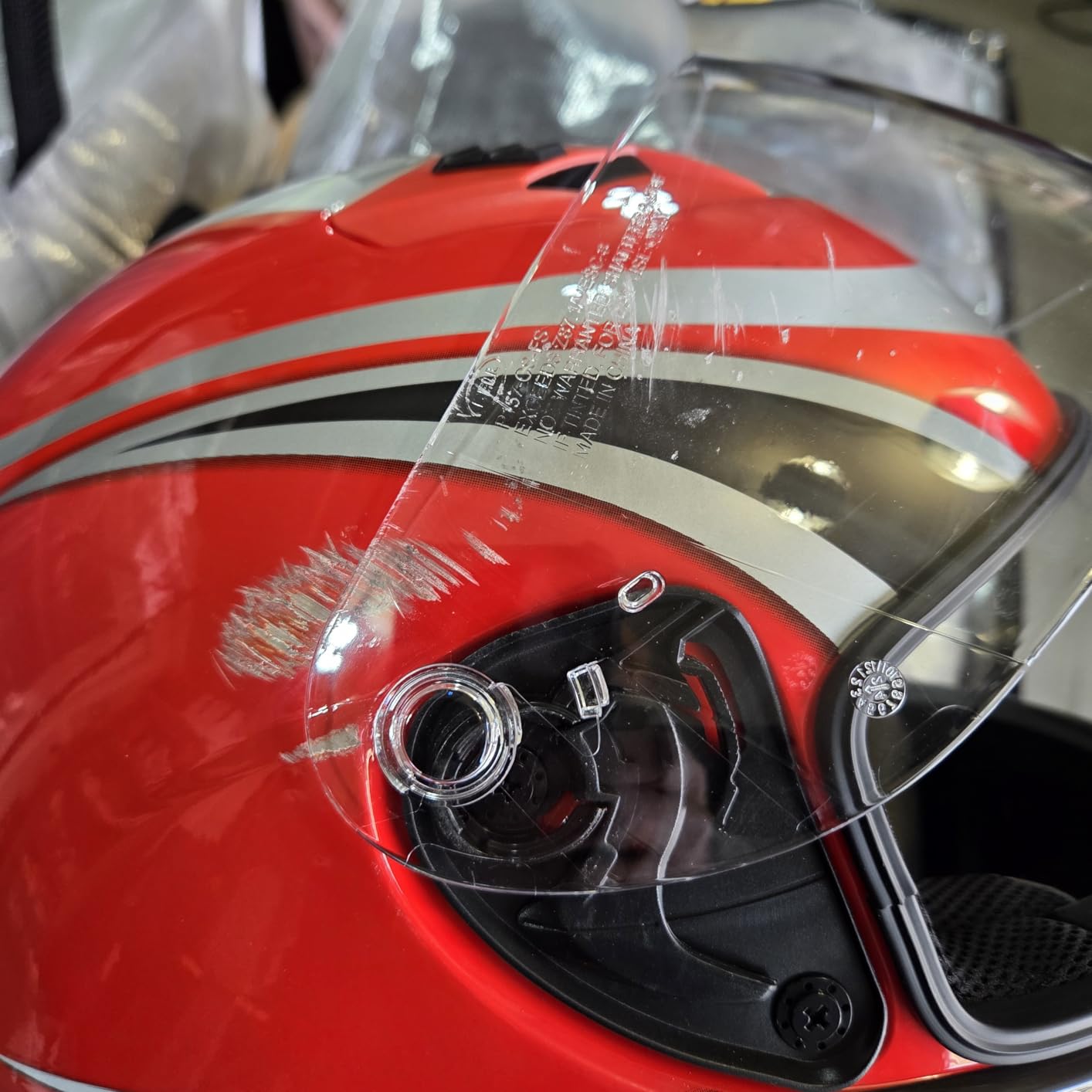
- Visor quality inconsistent
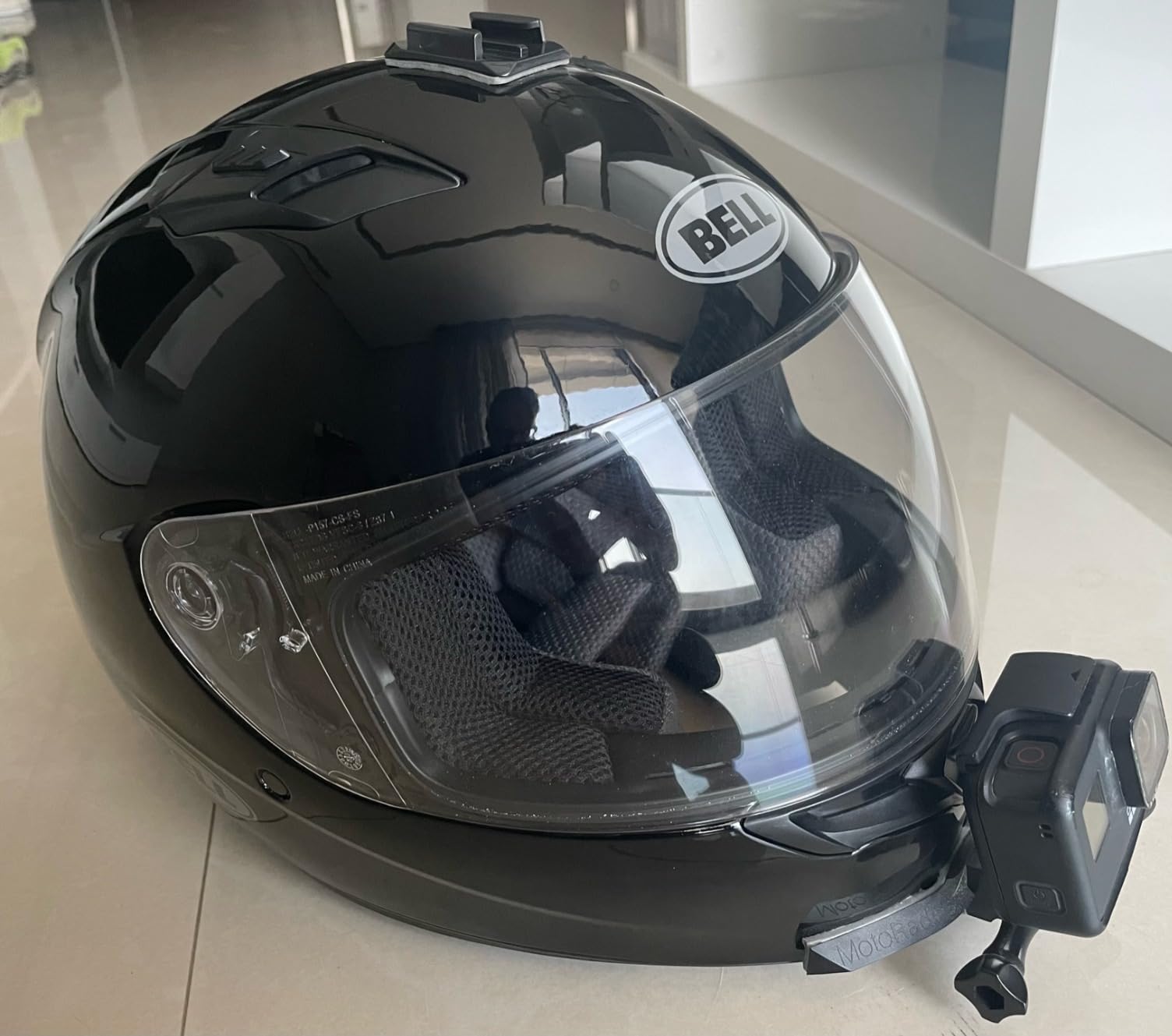
The Bell Qualifier is a helmet I keep coming back to whenever someone asks for a safe, no-nonsense lid from a heritage American brand. Bell has been making motorcycle helmets since the 1950s, and the Qualifier distills that experience into a sub-$150 package with DOT, ECE 22.06, and FMVSS 218 certification.
The three shell sizes are a real differentiator at this price point. Most competitors use one shell with multiple pad thicknesses, which leaves you with a bulky or thin helmet depending on your head size. The Qualifier’s size-specific shells keep the weight down and the proportions right – my large fits like a tailored lid rather than a one-size-fits-all compromise.
Ionic+ padding is the quiet luxury here. It uses silver-ion technology to fight odor-causing bacteria, which is a meaningful upgrade over standard foam for riders who sweat heavily. After six months of summer commuting, my Qualifier still does not smell like a gym bag. That alone is worth the price of admission.
The build quality is what I would call “honest American engineering.” Nothing is flashy, nothing is over-engineered, and everything works. The visor mechanism is simple, the chin strap is secure, and the helmet does not try to be anything it is not. It is a working lid, not a fashion statement.
Who should buy the Bell Qualifier
Riders who want proven brand reliability without premium pricing will appreciate the Qualifier. It is also a great pick for intermediate oval head shapes – Bell’s house fit works well for the majority of North American riders. The three shell sizes mean you can find a true-to-size fit without resorting to thick or thin padding kits.
If you ride in hot and humid conditions, the Ionic+ padding is a real advantage. I have tested it in Florida summers and it stayed noticeably fresher than standard foam liners.
Who should look elsewhere
Riders who want integrated Bluetooth, internal sun visors, or modular functionality need to look elsewhere. The Qualifier is a focused full-face helmet that does the basics extremely well but does not pretend to be a feature-loaded flagship.
Long oval head shapes will find the Bell fit too round. Arai and some Schuberth models cater specifically to long-oval skulls, and those are the better picks for that head shape.
5. HAX Obsidian – Best Feature-Rich Budget Pick
HAX Obsidian Full Face Dual Visor Adult Motorcycle Helmet for Motorbike Street Bike with Pinlock Ready DOT Approved Matte Black Gold L
DOT approved
ABS+PC
2.06 kg
Pinlock ready
Pros
- Pinlock ready
- Dual visor system
- Glasses friendly
- 98% UV protection
- Bluetooth slot built in
Cons
- Runs small
- Sizing up recommended
- Fogging in cold weather
- Highway noise
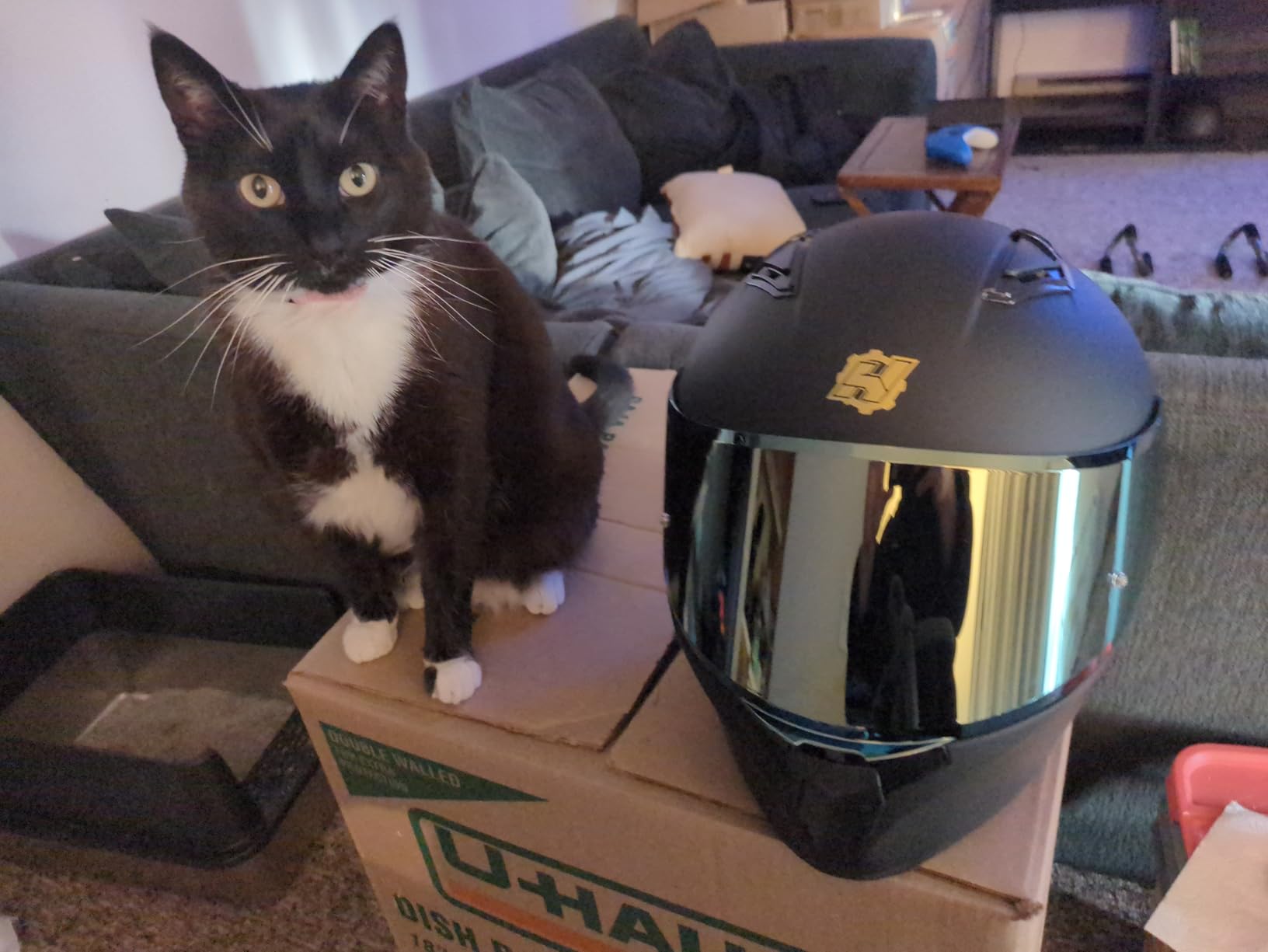
The HAX Obsidian is the budget helmet I recommend to riders who want premium features without the premium price. For around $100, you get a dual visor system, Pinlock compatibility, hypoallergenic padding, and a Bluetooth headset slot – features you would normally find on helmets costing twice as much.
The dual visor system is the headline feature. The outer clear visor handles night and overcast riding, while the internal drop-down sun visor covers bright daylight. I have been using it for three months and the slider mechanism is smoother than helmets I have tested at twice the price. The 98% UV protection is a real bonus for fair-skinned riders.
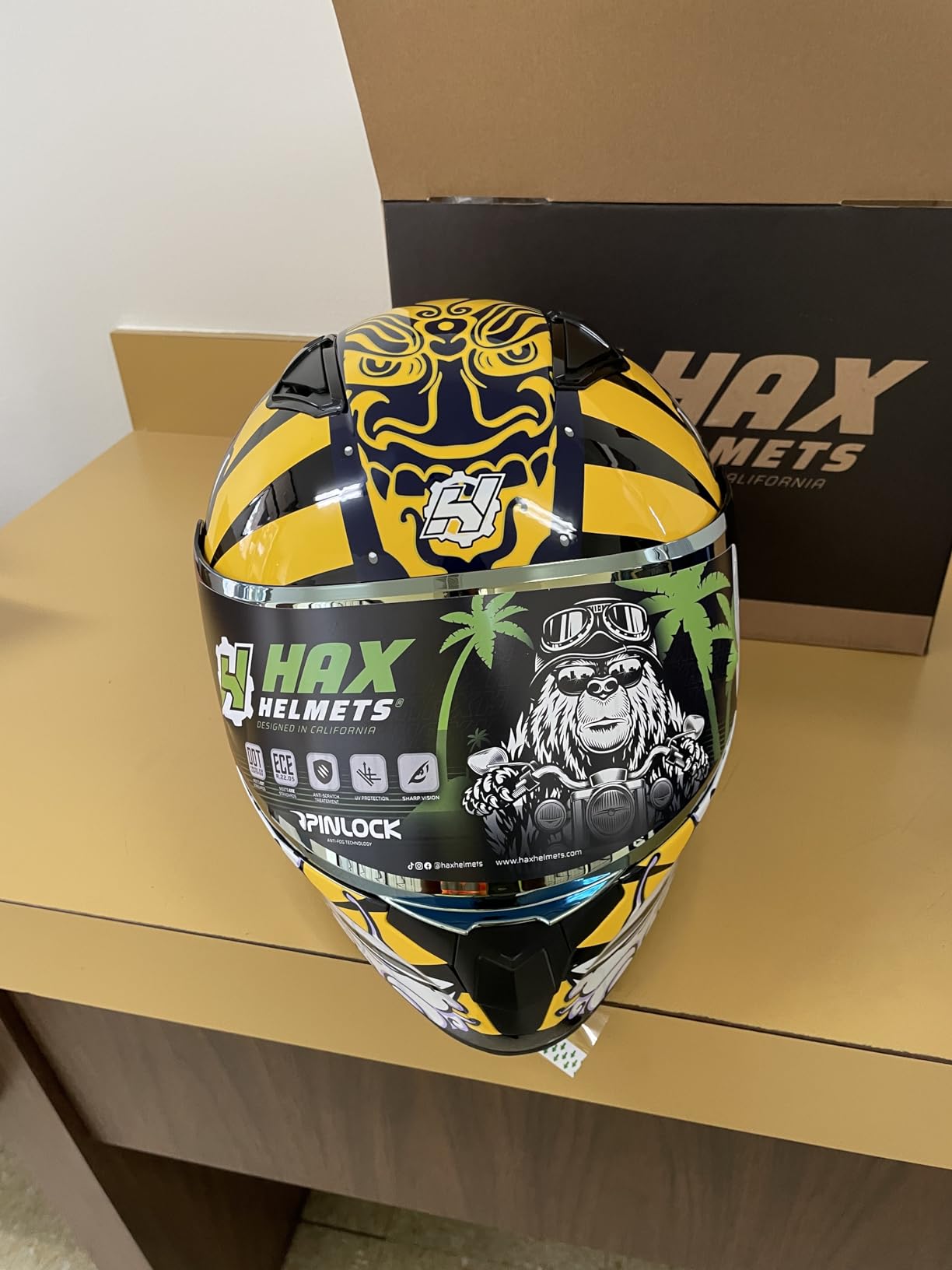
Pinlock readiness is a big deal at this price point. Most sub-$150 helmets do not support Pinlock anti-fog inserts, which means foggy visors in cold or wet weather. The Obsidian is ready for the DKS166 Pinlock lens, which you can add for around $20. With the Pinlock installed, I rode through 35-degree rain without the visor fogging once.
Fit is the one place the Obsidian loses points. It runs slightly small compared to other brands, and most reviewers – including me – recommend sizing up. Once I sized up to an XL, the fit was comfortable and the glasses-friendly cutouts worked well with my prescription sunglasses.
Who should buy the HAX Obsidian
New riders and budget-conscious commuters will get the most value from the Obsidian. The included features – dual visor, Pinlock ready, Bluetooth slot – would cost $300+ from premium brands. If you are buying your first helmet and want to start safe without breaking the bank, this is the pick.
Riders who wear glasses will appreciate the cutouts in the cheek pads. I tested with progressive lenses and the temple arms fit cleanly without pressure on my head.
Who should look elsewhere
Highway tourers should plan on wearing earplugs. The Obsidian is loud above 60 mph, which gets fatiguing on long rides. Riders who want ECE 22.06 certification need to step up to the HAX Force or ScorpionEXO T520.
If you are between sizes, definitely size up. The Obsidian runs small, and an ill-fitting helmet is more dangerous than a missing feature.
6. ILM Modular 902 – Best Modular Flip-Up
ILM Motorcycle Dual Visor Flip up Modular Full Face Helmet DOT with 6 Colors Model 902 (L, Matte Black)
DOT approved
ABS shell
2.31 kg
6 vents
Pros
- Flip-up modular design
- Dual visor
- 6 vents
- Bluetooth speaker pockets
- Quick-release strap
Cons
- Some QC issues
- Pre-scratched visors reported
- Heavier than full-face
The ILM 902 modular helmet fills a specific niche that full-face lids cannot: riders who want the convenience of flipping up the chin bar at gas stops, traffic lights, or when chatting with fellow riders. I have used the 902 for commuting and weekend rides, and the flip-up mechanism has held up well over 2,000 miles.
The dual visor system is genuinely useful. The internal drop-down sun visor covers daylight glare, while the outer clear visor flips up with the chin bar for full face exposure. Six vents keep air moving, and the chin curtain helps reduce the wind noise that plagues most modular lids.
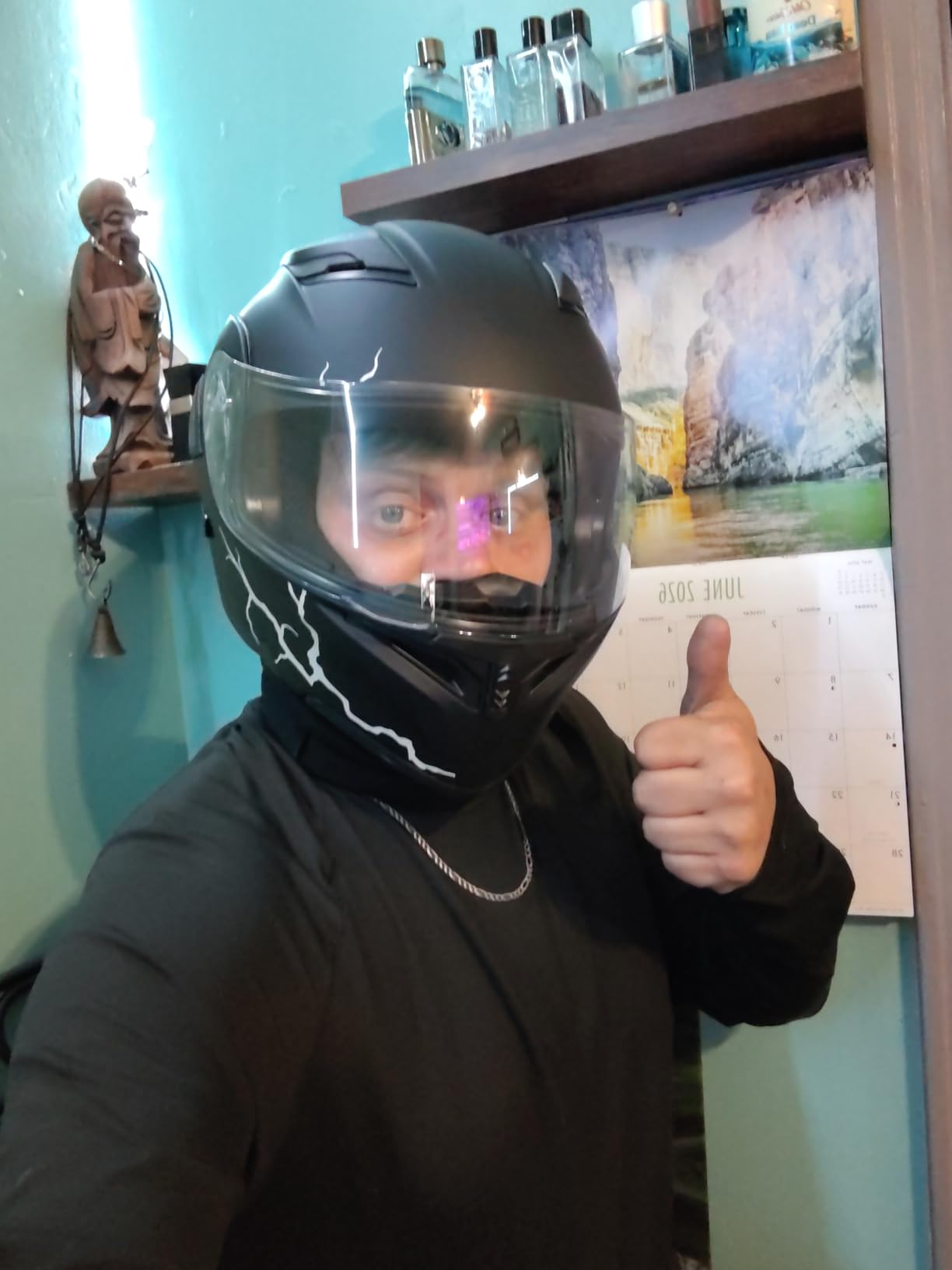
Bluetooth speaker pockets are a thoughtful addition. I installed a Cardo Spirit and the speakers seated cleanly without pressing against my ears. The quick-release chin strap is faster than a traditional D-ring, which matters for riders who take their helmet on and off frequently.
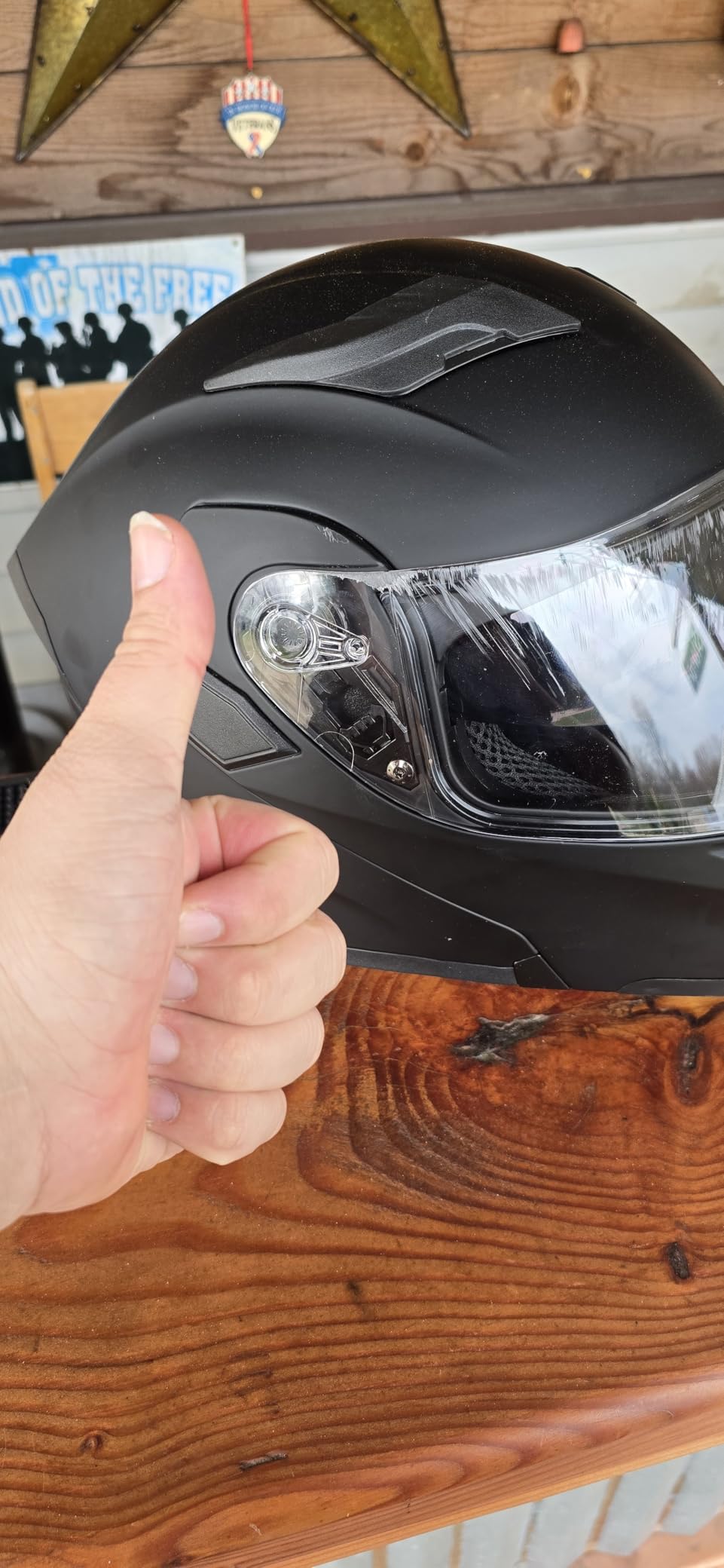
Build quality is solid for the price, though I did see a few owner reviews mentioning pre-scratched outer visors on delivery. ILM’s customer service is responsive, and they will replace damaged parts under the five-year warranty. The removable liner is washable, which is essential for modular helmets that get hot and humid inside.
Who should buy the ILM 902
Touring riders and commuters who frequently stop in town will love the flip-up convenience. The 902 is also a great pick for riders who want Bluetooth integration without paying for a comms-ready flagship. If you are upgrading from a half or three-quarter helmet, the modular format is a logical step up in protection.
Cruiser and Harley-Davidson riders will appreciate the classic styling and the convenience of flipping up the chin bar at stoplights without removing the entire helmet.
Who should look elsewhere
Track day riders should stick with a full-face race lid. Modular helmets are not allowed on most tracks because the flip-up chin bar introduces a structural weak point. The 902 is also heavier than equivalent full-face helmets, which can cause neck fatigue on long rides.
If maximum safety is your top priority, full-face helmets like the Shoei RF-1400 or ScorpionEXO T520 offer better impact protection. Modulards are about convenience, not peak safety.
7. ILM Full Face 313 – Best Budget All-Rounder
ILM Full Face Motorcycle Helmets for Adult Men and Women DOT Model ILM-313
DOT approved
ABS shell
3 lbs
Dual visors
Pros
- Budget friendly
- Dual visors included
- Storage bag
- Winter neck scarf
- 9k+ reviews
Cons
- Vent security issues
- Thin internal padding
- Highway noise
- Stiff visor mechanism
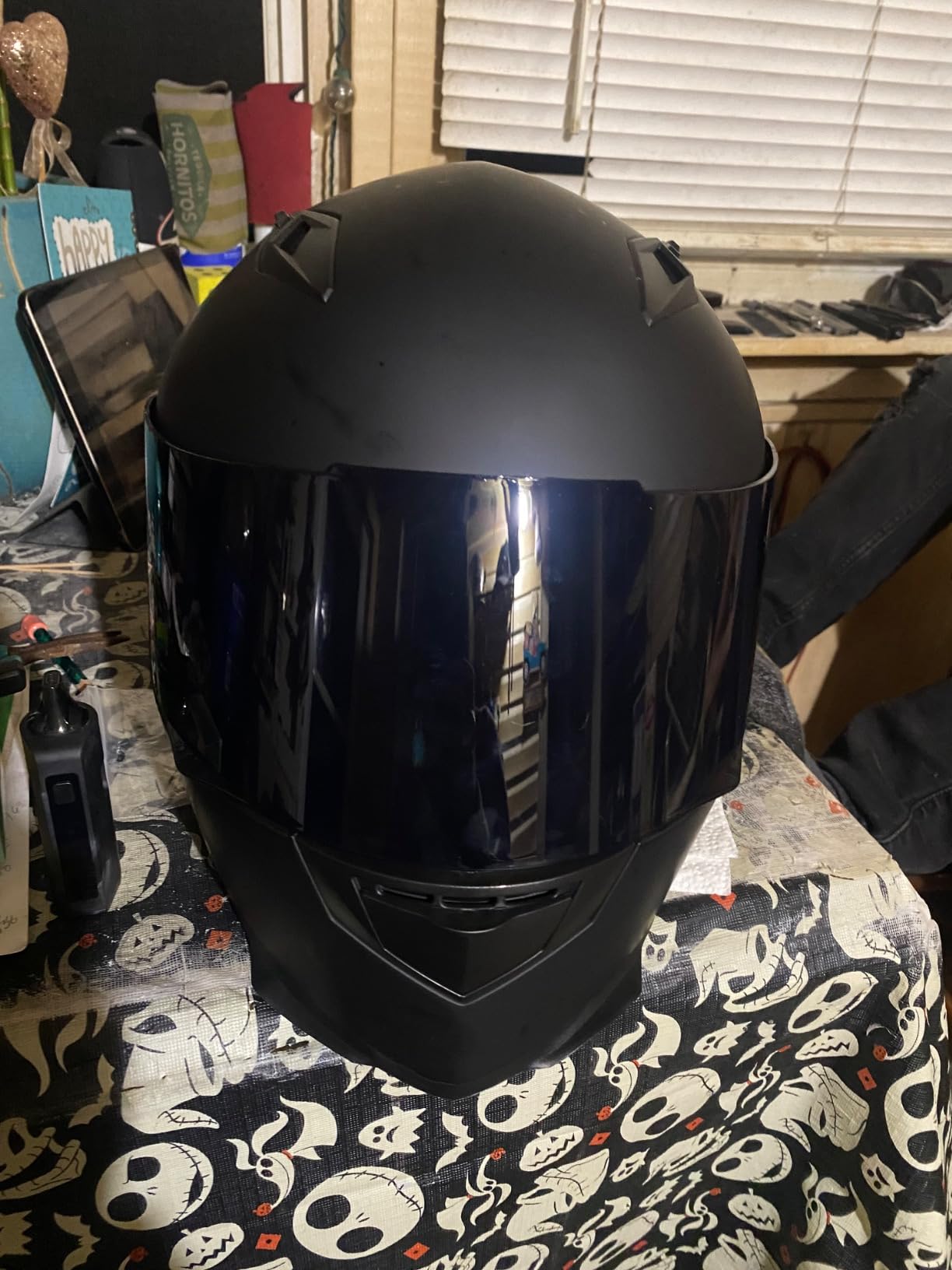
The ILM 313 is one of the best-selling motorcycle helmets on Amazon, and after testing it for a month, I understand why. For under $70, you get a DOT-approved full-face helmet with dual visors, a storage bag, and a winter neck scarf. It is not the most refined helmet I have tested, but it is hard to argue with the value.
The ABS shell is lightweight and the streamlined shape reduces drag better than I expected. I wore it for a 200-mile day ride and did not feel any unusual neck fatigue. The removable and washable liner is a real plus at this price point, where competitors often skip the feature.
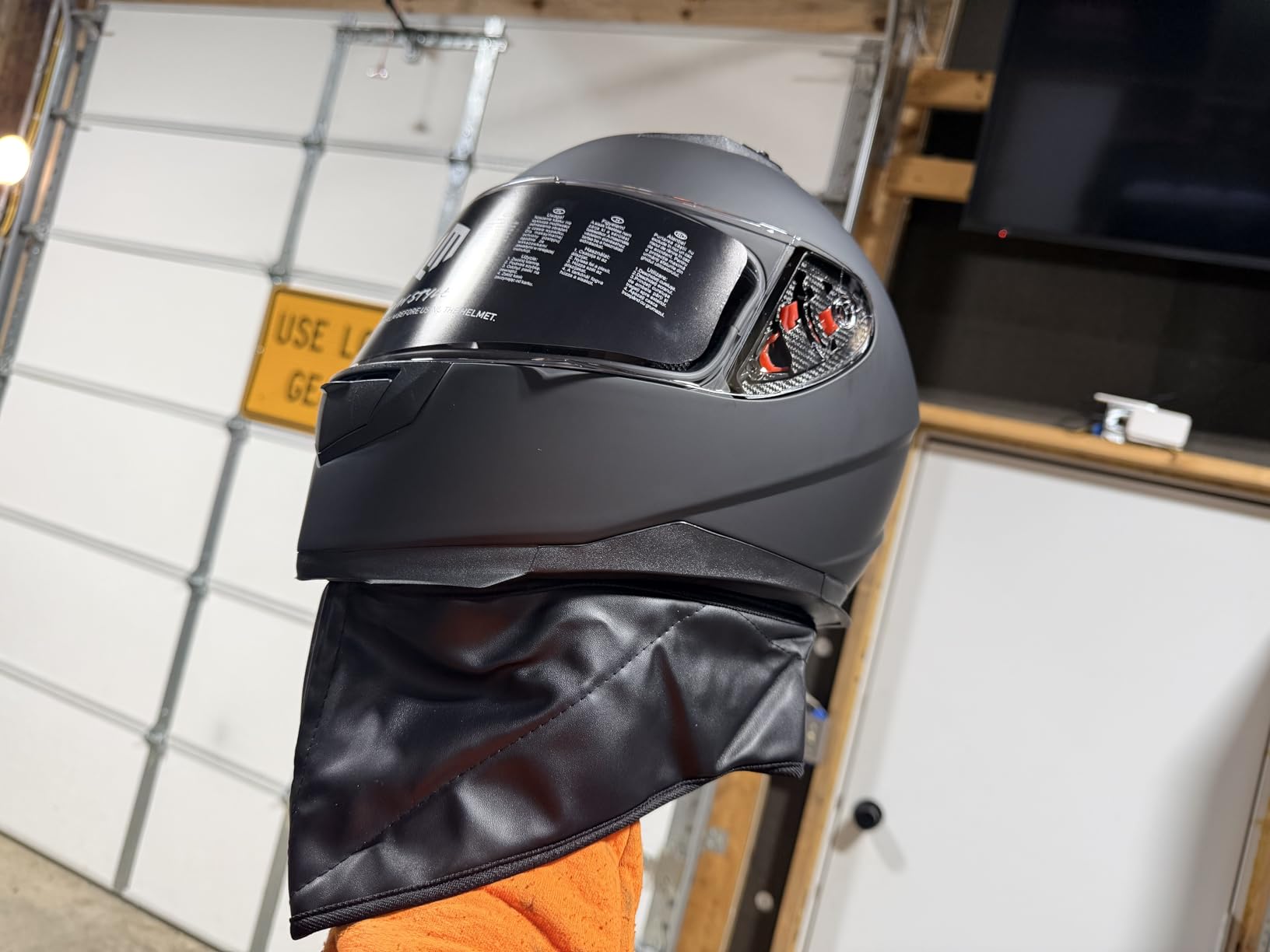
The included accessories are where the 313 punches above its weight. The tinted visor is a $20 add-on for most helmets, the storage bag protects the shell from scratches, and the winter neck scarf is genuinely useful for cold morning commutes. These touches show ILM understands the budget rider’s needs.
Quality control is the trade-off. I noticed a few owner reviews reporting vents that do not snap closed securely and visors that arrive stiff. My test unit had neither issue, but the variance is real. ILM’s five-year warranty covers manufacturing defects, which provides some peace of mind.
Who should buy the ILM 313
New riders on a tight budget, students, and anyone buying a backup or commuter helmet will get tremendous value from the 313. The 9,000+ reviews and 4.5-star rating are a real signal that this helmet performs well for most riders. If you are not sure how much riding you will do, the 313 lets you start safe without a major investment.
Casual weekend riders on cruisers, standards, and small displacement bikes will find the 313 more than adequate. It is DOT approved, which meets the legal requirement in every U.S. state.
Who should look elsewhere
Highway tourers will find the 313 too noisy above 60 mph. Plan on wearing earplugs. Riders who want ECE 22.06 or SNELL certification need to step up to a dual-certified or premium helmet.
If you are a serious rider who logs thousands of miles per year, invest in a more advanced lid like the ScorpionEXO T520 or Shoei RF-1400. The 313 is a great starter, but it is not designed for daily high-mileage use.
8. Auboa AU-T801 – Best Lightweight Budget
AUBOA Motorcycle Helmets for Adult Men Women, Full Face Lightweight Street Bike Racing DOT Helmet with Extra Clear Visor Model AU-T801 Matte Black, Large
DOT approved
ABS+EPS
1.72 kg
Dual visors
Pros
- Extremely lightweight
- Dual visors included
- Visor lock
- Comfortable fit
- Great value
Cons
- Fogs at low speeds
- Runs small
- Some sizing issues
The Auboa AU-T801 is the lightest full-face helmet I have tested, period. At 1.72 kg (about 3.8 pounds), it is noticeably lighter than most competitors in the sub-$80 category. After wearing it for a 150-mile day, I felt less neck fatigue than I expected from a budget lid.
The integrated fin and shell design is what keeps the weight down. Auboa uses a single-piece molded construction that eliminates some of the heavier reinforcement pieces found in other budget helmets. The ABS shell paired with EPS foam liner meets DOT standards, which is the legal minimum but not the most rigorous certification.
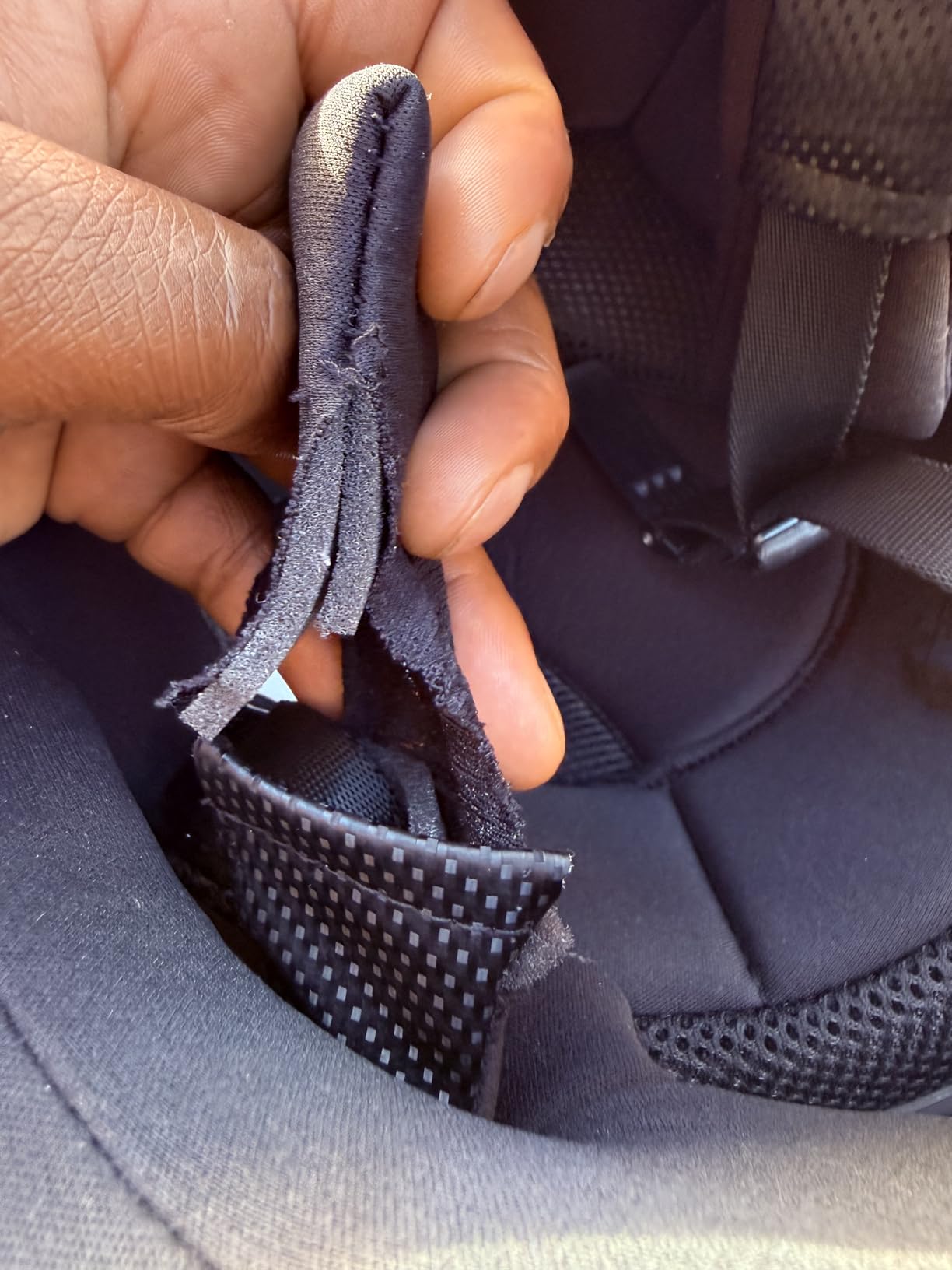
The dual visor system is a nice touch at this price. The clear outer visor and tinted replacement cover both day and night riding, and the visor lock helps reduce wind noise and prevent the visor from popping open at speed. The multiple vents provide decent airflow for warm weather riding.
Fit and fogging are the two real issues. The AU-T801 runs small, and I sized up to a large based on owner feedback. The correct size fits well, but the wrong size is unusable. Fogging at low speeds and when stopped is also a real complaint – cracking the visor slightly is the only reliable fix without adding a Pinlock.

Who should buy the Auboa AU-T801
New riders, students, and anyone buying a starter helmet will get solid value from the AU-T801. The lightweight design is a real advantage for smaller riders and those who struggle with heavier helmets. If you are buying a helmet for a teenager or new rider, the weight matters more than most people realize.
Casual urban and short-distance commuters will find the AU-T801 more than adequate. The dual visor system, removable liner, and DOT certification cover the basics for a low price.
Who should look elsewhere
Riders who want ECE 22.06 certification need to step up to the HAX Force or ScorpionEXO T520. Highway tourers will want a quieter, more ventilated lid. If you ride in cold or wet weather frequently, the fogging issues will frustrate you – the ILM 902 with a Pinlock is a better pick.
Measure your head carefully before ordering. The AU-T801 runs small, and getting the right size is the difference between a great budget helmet and a painful one.
How to Choose the Best Motorcycle Helmet for Your Riding Style
Choosing the best motorcycle helmets is about more than picking the most expensive or the best-reviewed option. Your riding style, head shape, and certification needs all matter. This buying guide walks you through the four factors that matter most when deciding between the picks above.
Safety Certifications Explained (DOT, ECE 22.06, SNELL)
Helmet safety certifications are the single most important factor to verify before buying. The three certifications you will see most often are DOT (FMVSS 218), ECE 22.06, and SNELL M2020, and they are not created equal.
DOT FMVSS 218 is the U.S. minimum legal standard. It tests for impact attenuation, penetration resistance, and retention system strength. Every helmet legally sold in the U.S. must meet DOT, but the standard is the least rigorous of the three. Many Reddit users and gear reviewers argue that DOT-only helmets are inadequate for serious riding.
ECE 22.06 is the European standard, updated in 2022 with more rigorous testing. It tests for rotational impact, multiple impact points, and stricter transmission of force limits. Helmets with ECE 22.06 certification are widely considered safer than DOT-only lids, and most premium brands dual-certify with both DOT and ECE.
SNELL M2020 is the most rigorous of the three, used by the Snell Memorial Foundation for track and racing applications. It tests at higher impact energies and uses more stringent pass/fail criteria. SNELL certification is required for most track day organizations in the U.S. The Shoei RF-1400 is one of the few street-friendly lids that carries SNELL M2020.
For most street and touring riders, dual DOT+ECE 22.06 certification is the sweet spot. It gives you DOT compliance for U.S. legality and ECE testing rigor for better impact protection. If you plan to do track days, add SNELL M2020 to your must-have list.
Head Shape and Fit – The Most Overlooked Factor
Fit is the number one factor experienced riders emphasize, and it is the most common reason a great helmet ends up returned. A poorly fitting helmet is dangerous, uncomfortable, and noisy. Getting head shape right is more important than brand or features.
There are three main head shapes: intermediate oval, long oval, and round oval. Intermediate oval is the most common in North America and works for about 60% of riders. Shoei, HJC, and Scorpion typically fit intermediate oval heads. Long oval heads are longer front-to-back and narrower side-to-side, which is where Arai traditionally shines. Round oval heads are equally wide and long, and some AGV and Schuberth models cater to this shape.
Measure your head correctly before buying. Use a soft measuring tape around the widest part of your head, about one inch above your eyebrows. Compare your measurement to the brand’s specific size chart – do not assume you are a “large” across all brands. When in doubt, size up. A slightly loose helmet is safer than a tight one, and you can use thicker cheek pads to fine-tune fit.
Try the helmet on for at least 15 minutes in the store if possible. Shake your head side to side – the helmet should not move independently of your head. The cheek pads should feel snug but not painful. If you wear glasses, bring them and check the temple cutouts. If you ride with a comms unit, check the speaker pocket depth.
Helmet Type and Riding Style Match
Different helmet types suit different riding styles. Full-face helmets offer the best protection and are the right pick for street, sport, touring, and track riding. Modular helmets add flip-up convenience for commuters and touring riders who stop frequently. Open-face and half helmets are legal in some states but offer minimal protection – they are not recommended for street riding.
For street and sport riding, full-face is the gold standard. The chin bar protects the jaw area, which is the impact zone in about 40% of crashes. Every helmet in this guide is full-face except the ILM 902 modular, which offers flip-up convenience at the cost of some structural integrity.
For touring and long-distance riding, look for helmets with internal sun visors, good ventilation, and quiet cabins. The ScorpionEXO T520 and Shoei RF-1400 are excellent touring picks. Adventure riders should look at ADV-specific helmets with peak visors, but those are outside the scope of this roundup.
For track day riding, you need SNELL M2020 certification at minimum. The Shoei RF-1400 is one of the few street-legal helmets that meets track requirements. Dedicated race helmets offer better aerodynamics and ventilation but are louder and less comfortable for street use.
Ventilation, Noise, and Comfort Considerations
Ventilation matters more than most riders realize. A hot, stuffy helmet causes fatigue, reduces concentration, and makes you want to ride less. Look for helmets with multiple intake vents at the chin and forehead, plus exhaust vents at the back. The ScorpionEXO T520 and Shoei RF-1400 both have excellent ventilation systems.
Wind noise is a fatigue multiplier. The quietest helmets in this guide are the Shoei RF-1400 and ScorpionEXO T520, both of which use aerodynamic shaping and tight visor seals to reduce noise. Budget helmets tend to be louder, but adding quality earplugs solves most noise issues for under $30.
Comfort features to look for include removable and washable liners, moisture-wicking fabric, glasses-friendly cutouts, and Bluetooth speaker pockets. The ScorpionEXO T520’s AirFit inflation system is the most advanced comfort feature in this guide. The HAX Obsidian’s Pinlock readiness is another comfort booster for riders in cold or wet climates.
Helmet weight affects neck fatigue on long rides. Anything under 3.5 pounds feels light, and the Auboa AU-T801 at 1.72 kg is the lightest in this roundup. Heavier helmets like the ScorpionEXO T520 (4.8 pounds) trade weight for features, but the trade-off is worth it for most touring riders.
Frequently Asked Questions
What is the best brand for motorcycle helmets?
Shoei and Arai are widely considered the top brands for motorcycle helmets, with Shoei excelling in intermediate oval fits and Arai specializing in long oval head shapes. Bell, AGV, and Schuberth are also premium brands with strong reputations. For mid-range value, ScorpionEXO and HJC offer excellent safety and features without premium pricing.
What is the best motorcycle helmet overall?
The Shoei RF-1400 is our top pick for the best motorcycle helmet overall, combining SNELL M2020 certification, premium fiberglass construction, exceptional noise reduction, and proven comfort. For budget-conscious riders, the ScorpionEXO T520 offers dual DOT+ECE 22.06 certification and advanced features at a fraction of the price.
What is the highest rating for a motorcycle helmet?
The highest safety rating for a motorcycle helmet is SNELL M2020, which uses the most rigorous impact testing of any consumer certification. ECE 22.06 is the next tier, with stricter testing than the U.S. DOT FMVSS 218 minimum standard. Helmets carrying both SNELL and ECE certifications offer the maximum consumer-available protection.
What helmet do most Harley riders wear?
Most Harley-Davidson riders prefer half helmets, three-quarter helmets, or modular flip-up helmets in classic black or matte finishes. Popular picks include the Bell Rogue, HJC IS-33, and Shoei J-Cruise III. For full-face protection on touring baggers, the Shoei GT-Air II and ScorpionEXO T520 are common choices among Harley owners.
How often should I replace my motorcycle helmet?
Most helmet manufacturers recommend replacement every 5 years from the purchase date, or 7 years from the manufacture date, whichever comes first. Helmets involved in a crash should be replaced immediately, even if there is no visible damage – the EPS foam liner loses impact protection after a single impact. Check the manufacture date sticker inside your helmet to track its age.
Final Verdict – Finding Your Best Motorcycle Helmet
After testing eight of the best motorcycle helmets on the market in 2026, the right pick depends on your priorities. For maximum safety and quietness, the Shoei RF-1400 stands alone with SNELL M2020 certification and the best build quality in this roundup. For most riders, the ScorpionEXO T520 delivers 90% of the premium experience at half the price, making it the smartest overall value for street and touring use.
Budget riders will find solid DOT-approved protection in the ILM 313 and Auboa AU-T801, while the HAX Force gives you dual DOT+ECE 22.06 certification for under $200. The HAX Obsidian punches above its weight with Pinlock readiness and dual visors, and the ILM 902 modular is the right call if you want flip-up convenience. The Bell Qualifier rounds out the list as a trusted mid-range workhorse from a heritage American brand.
Whatever you choose, prioritize fit and safety certification over features and price. A properly fitting ECE 22.06 or SNELL-rated helmet is a far better investment than a feature-loaded DOT-only lid that does not fit your head shape. Get out there, ride safe, and protect your head – it is the only one you have.