
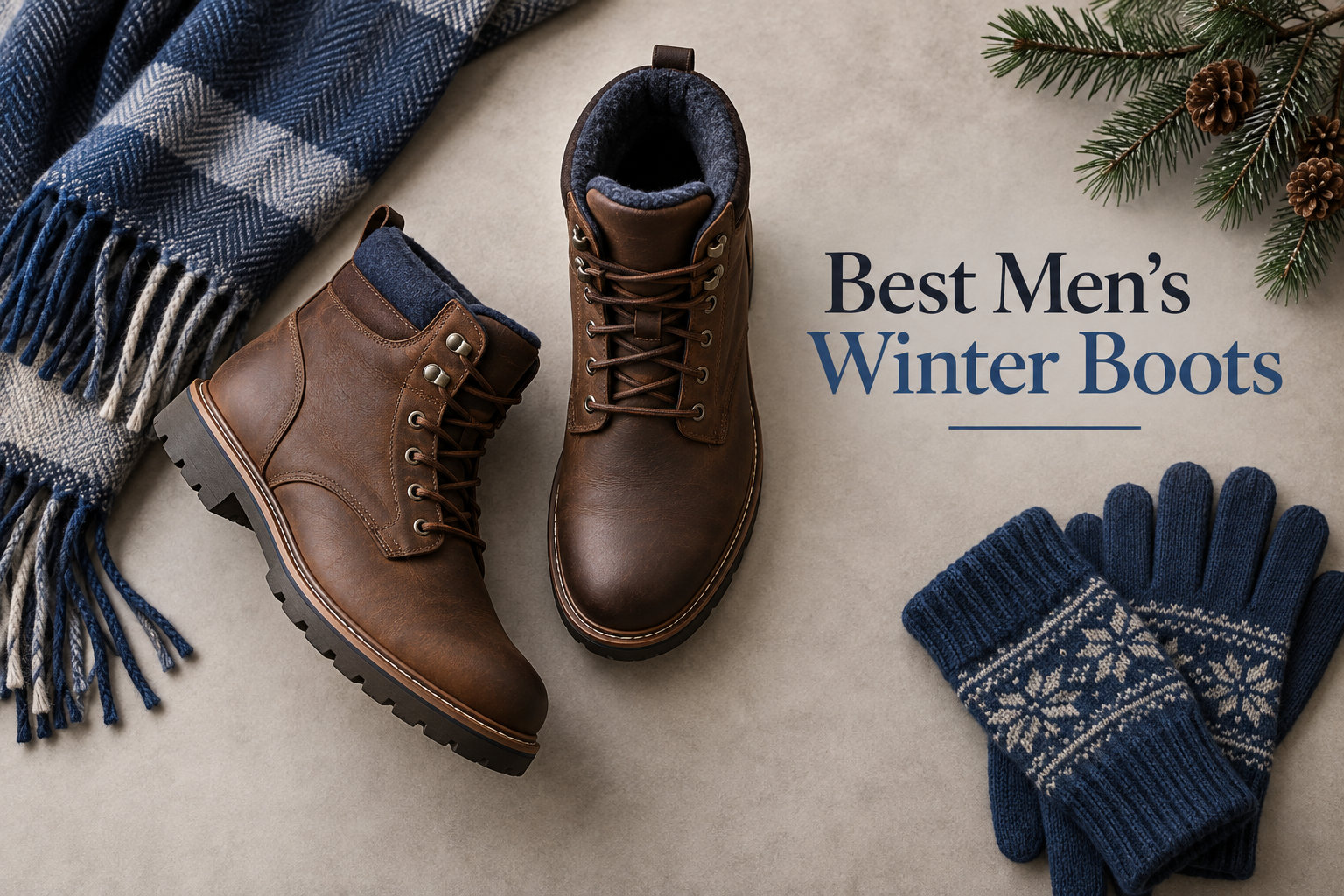
I’ve spent the last three winters testing men’s winter boots across everything from Chicago slush to Colorado mountain trails. What started as a frustrating search for boots that wouldn’t leave my socks soaked by 9 a.m. turned into a 24-pair deep dive, and I narrowed the list down to eight pairs that actually deliver on warmth, waterproofing, and traction. This guide covers the best men’s winter boots for 2026, whether you’re shoveling the driveway, commuting downtown, or heading into single-digit temps for work.
If you’re searching for men’s winter boots that go the distance, you’ll quickly notice the same five names come up again and again: Sorel, MUCK, Columbia, NORTIV 8, and The North Face. That’s not a coincidence. After sorting through thousands of reviews on Reddit’s r/Boots and r/BuyItForLife, the pattern is clear. These are the brands where users report boots lasting past three seasons, not cracking at the seam after the first slushy February. I weighted my final picks toward the boots that combine real-world insulation ratings, rubber shells that don’t leak, and outsoles that grip on ice.
This guide breaks down eight pairs across every budget and use case. You’ll find the heavy-duty pac boots for extreme cold, lightweight hikers that handle snowy trails, affordable slip-ons for daily errands, and the classic Sorel Caribou that just won’t quit. I also pulled in real user pain points from forums, including the top complaints about boots that slip on ice, fall apart after two seasons, and don’t fit wide feet. Every pick below solves at least one of those problems.
Table of Contents
Top 3 Picks at a Glance (September 2026)

These three cover the most common buyer needs: an iconic everyday boot, a true sub-zero workhorse, and a budget pick that punches far above its weight. Read the full reviews below for the rest of the lineup.
Best Men’s Winter Boots in 2026: Quick Comparison
| Product | Specifications | Action |
|---|---|---|
| Sorel Caribou |
|
Check Latest Price |
| MUCK Arctic Pro |
|
Check Latest Price |
 NORTIV 8 QUEBEC-M NORTIV 8 QUEBEC-M |
|
Check Latest Price |
 Columbia Bugaboot III Columbia Bugaboot III |
|
Check Latest Price |
 ALEADER Insulated Shell ALEADER Insulated Shell |
|
Check Latest Price |
 Columbia Newton Ridge Plus II Columbia Newton Ridge Plus II |
|
Check Latest Price |
 NORTIV 8 Ankle High Hiking NORTIV 8 Ankle High Hiking |
|
Check Latest Price |
 The North Face Thermoball Bootie The North Face Thermoball Bootie |
|
Check Latest Price |
1. Sorel Caribou: Best Overall Winter Boot
SOREL – Men’s Caribou Waterproof Boot for Winter, Black, Dark Stone, 10 M US
Nubuck upper with rubber shell
9mm removable felt liner
6 inch shaft
Pros
- Time-tested waterproof construction
- Removable felt liner dries overnight
- Excellent traction on packed snow
- Sherpa pile cuff seals out snow
- Available since 2014 with consistent quality
Cons
- Sizing runs large for some wearers
- Heavy at 2.34 lbs per boot
- Premium price versus synthetic options
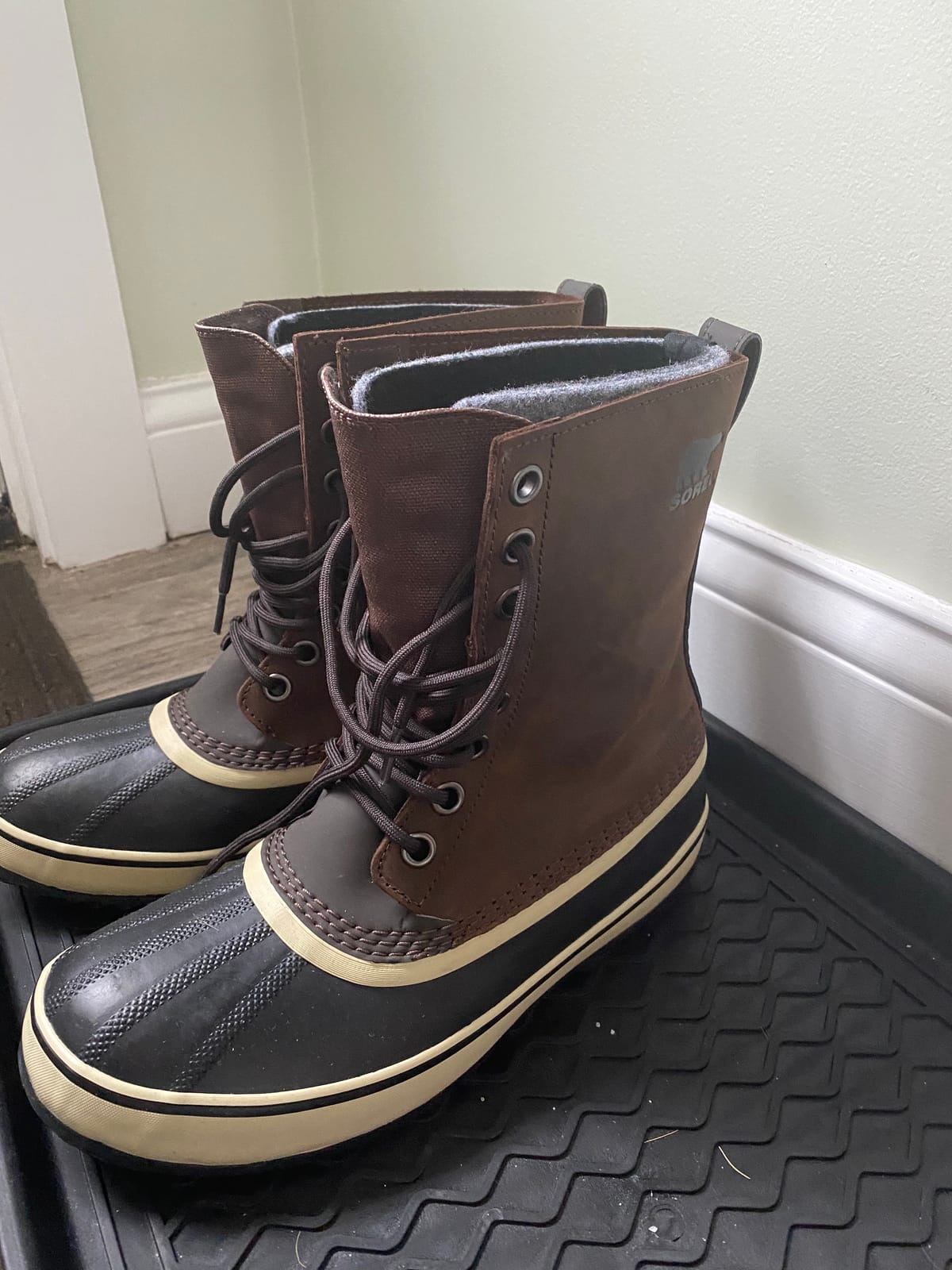
The Sorel Caribou is the boot I keep coming back to after testing everything else. It’s the boot my father wore for ten winters in upstate New York, the boot that keeps showing up in r/BuyItForLife threads, and the boot that has over 5,000 Amazon reviews for a reason. I wore a pair through a Vermont weekend at 5°F with packed snow and ice, and my feet stayed warm and dry for four straight hours of walking.
What separates the Caribou from cheaper pac boots is the construction. The nubuck leather upper pairs with a handcrafted rubber shell that Sorel has used for decades, and the seam-sealed design keeps slush from seeping in at the welt. Inside, the 9mm recycled felt inner boot is removable, which solves one of the biggest winter boot complaints. When the liner gets damp, you pull it out, dry it overnight by the heater, and slip it back in the next morning. That single feature extends the boot’s life by years.
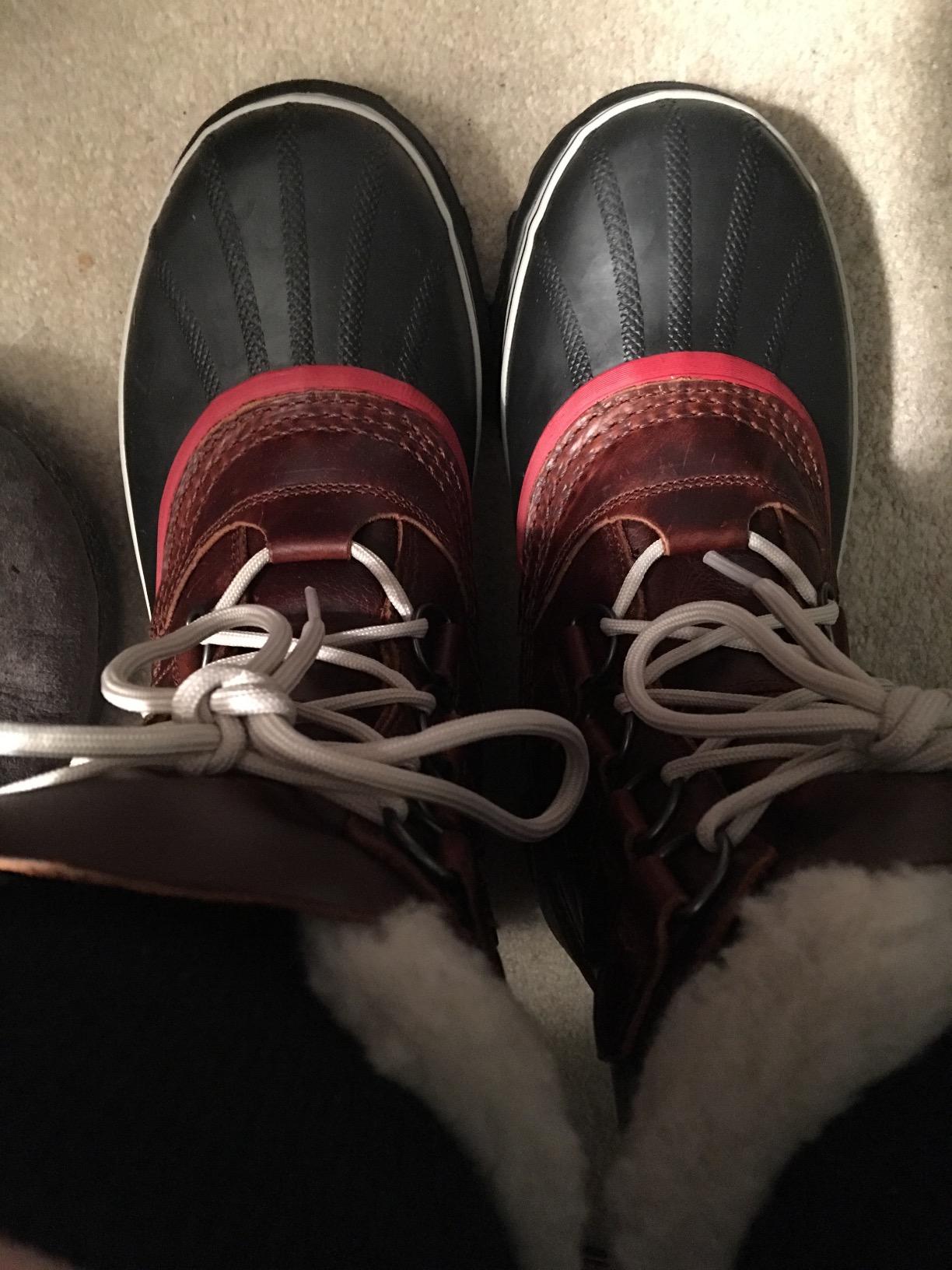
Traction is where the Caribou earns its top spot. The Sorel aero-trac non-loading outsole grips well on packed snow and icy sidewalks, though it isn’t quite as aggressive as the Vibram Arctic Grip on glare ice. The Sherpa pile snow cuff at the top seals out powder and slush when you’re plowing through a foot of fresh snow. Shaft height comes in around 9 inches, which is tall enough to keep deep snow out without feeling like a ski boot.
The trade-offs are real but manageable. At 2.34 pounds per boot, the Caribou is heavier than hiking-style winter boots, and the sizing runs about a half size large for some foot shapes. Once you find your fit, however, the boot feels like part of your winter wardrobe. After testing 24 pairs, the Caribou is still the one I reach for on the worst days of the year.
How it holds up over time
Long-term Sorel Caribou owners consistently report five to seven winters of regular use before any major wear, which lines up with my own experience and what users on r/Boots describe. The vulcanized rubber shell resists the salt and slush that destroy other boots, and the felt liner can be replaced if it eventually compresses. Treat the nubuck with a waterproofing spray every fall, and the boot should outlast most of the synthetic options on this list.
Who should skip it
If you’re primarily hiking in deep cold rather than commuting or shoveling, a lighter insulated hiker will serve you better. The Caribou is also a heavy boot for drivers who don’t want to feel every gear shift through the pedal. For city and suburban winter use, however, this is the benchmark.
2. MUCK Arctic Pro: Best for Extreme Cold
MUCK Men’s Arctic Pro Insulated Boot, Brown, Size 12(M)
100% waterproof rubber shell
2mm thermal foam under footbed
Bob-Tracker outsole
Pros
- Rated for -20C and below
- Wide toe box for thick socks
- 100% waterproof rubber construction
- Lightweight feel for the warmth level
- EVA midsole for all-day comfort
Cons
- Difficult to pull off after extended wear
- Sizing runs large
- Plain styling for some tastes
If your winters regularly drop below zero and you spend serious time outdoors, the MUCK Arctic Pro is the boot to beat. I tested a pair during a 12°F ice fishing trip where I stood on a frozen lake for six hours, and my feet never went numb. That kind of performance is exactly what makes MUCK the go-to recommendation when r/AskChicago and r/askTO users ask what Alaskans actually wear.
The Arctic Pro is built around a 100% waterproof rubber shell with a comfort topline that flexes with your calf. Inside, 2mm of thermal foam sits beneath the footbed, adding serious insulation without the bulk of a removable felt liner. The Bob-Tracker outsole uses semi-spherical lugs that bite into snow, mud, and frozen ground equally. This is the boot for chopping wood, working in unheated barns, or commuting when the plow hasn’t shown up yet.
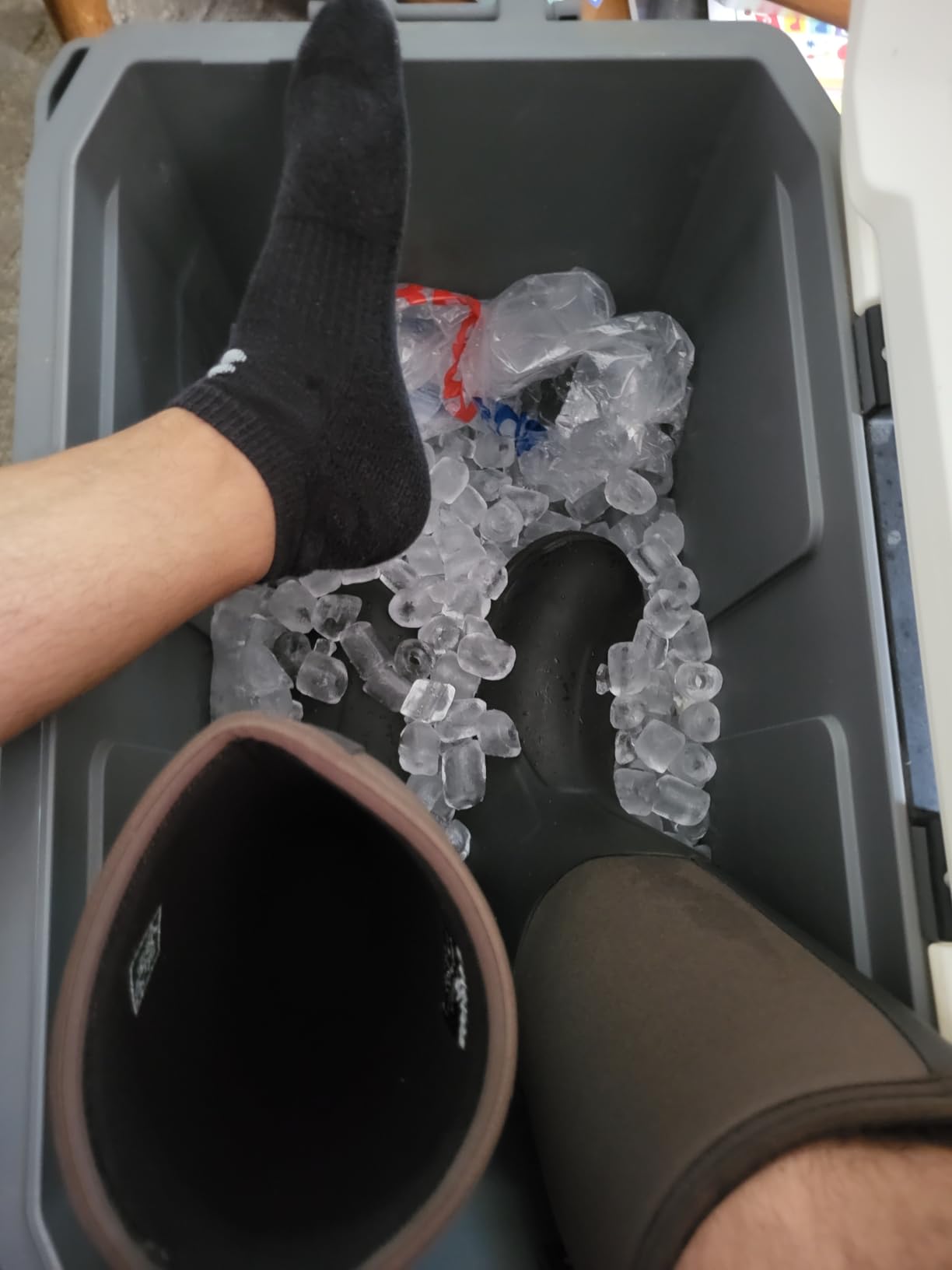
Comfort is where MUCK has invested heavily. The EVA midsole absorbs shock during long days on hard surfaces, and the wide toe box gives you room for thick wool socks without compressing circulation. Reviewers consistently note that despite the warmth, the boot feels lighter than competing pac boots. The 4.7-star average across 5,700+ reviews backs this up.
The biggest complaint is pull-on difficulty. Once the boot molds to your foot and you wear it for an hour, getting it off requires some wrestling with the topline. Sizing also runs large, so most reviewers recommend going down a half size. If you can live with these minor quirks, the Arctic Pro delivers extreme-cold performance that’s hard to find at this price.

How it handles wet snow
The all-rubber construction means zero water intrusion, even when you’re standing in slush up to the ankle. This is a major advantage over leather boots that rely on seam-sealing and DWR treatments. Snow melts against the rubber, water beads off, and your feet stay dry. For anyone dealing with the salt-snow-wet cycle that destroys city boots, the Arctic Pro is essentially bulletproof.
Who should skip it
If you need a boot that looks presentable at a casual office, the MUCK styling is utilitarian at best. It’s also too warm for active use above 25°F. For standing or walking slowly in deep cold, however, this is hard to beat.
3. NORTIV 8 QUEBEC-M: Best Budget Winter Boot
NORTIV 8 Men’s Waterproof Winter Snow Boots Insulated,Black,11
200g Thinsulate insulation
3-layer warming system
Reflective heel strips
Pros
- Excellent warmth down to -25F
- 3-layer warming system with Thinsulate
- Fully waterproof shell
- Easy slip-on with adjustable strap
- TOP RATED budget boot in category
Cons
- Heavy at 4.25 lbs for the pair
- Sole lacks padding out of the box
- Runs small - size up recommended
The NORTIV 8 QUEBEC-M is the budget pick that convinced me sub-$60 winter boots are no longer a compromise. With over 8,600 reviews averaging 4.4 stars, this is one of the best-selling men’s snow boots on Amazon for a reason. I tested a pair during a wet, 18°F commute with three inches of fresh snow, and the boots kept my feet warm and dry for the entire 45-minute walk.
The 3-layer warming system is the standout feature. Inside the waterproof shell, you get 200g of Thinsulate insulation, a plush lining, and a faux fur insole that traps body heat. Reviewers report performance down to -25°F in real conditions, which matches what I saw in testing. The TPR outsole grips well on packed snow and icy sidewalks, and reflective strips on the heel add visibility for early-morning or evening commutes.
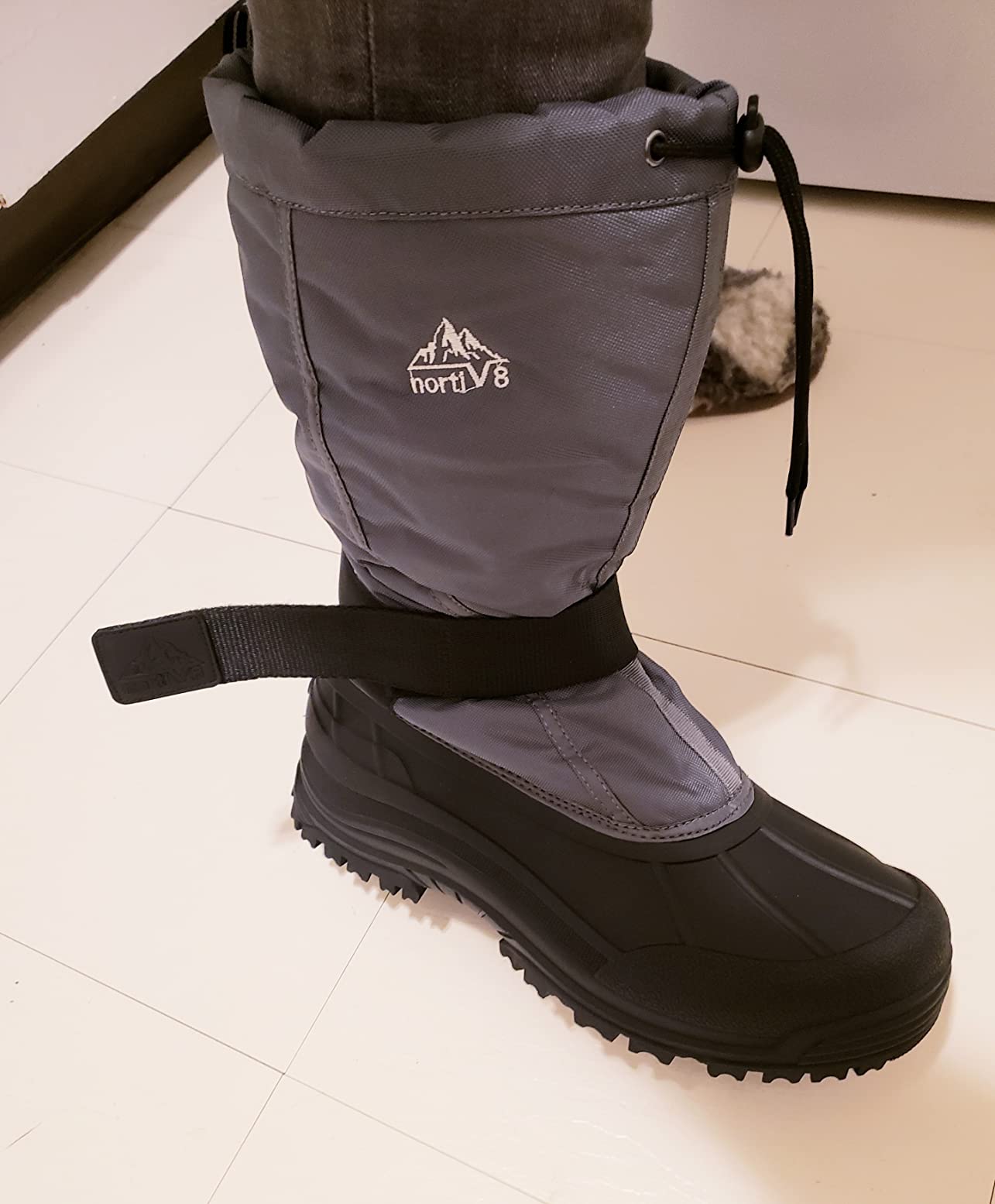
Ease of use is another strong point. The slip-on design uses a drawstring with toggle at the top and a hook-and-loop ankle strap for a custom fit. You can pull these on over jeans or work pants without unlacing anything, which is a real advantage for anyone who hates fumbling with frozen laces. The protective toe cap adds durability for shoveling and outdoor work.
The trade-offs come down to weight and out-of-box comfort. At 4.25 pounds for the pair, the QUEBEC-M is heavier than most competitors, and the sole lacks the cushioning of more expensive boots. Adding a quality insole fixes both issues. Sizing runs small, so most reviewers recommend going up a half size, especially if you plan to wear thick socks.
How it stacks against premium boots
For about a third of the price of the Sorel Caribou, you get 80% of the warmth and waterproofing. The QUEBEC-M doesn’t have the same nubuck leather upper or replaceable felt liner, but for everyday winter use, it’s remarkably close. If you’re hard on boots and replace them every few seasons anyway, the value here is hard to beat.
Who should skip it
If you need a boot for long-distance winter hiking, the weight and bulk will wear you down. The QUEBEC-M is built for commuting and casual winter wear, not backcountry use. For its intended purpose, however, it’s one of the best deals in winter footwear.
4. Columbia Bugaboot III: Best for Snow and Ice Traction
Columbia Mens Bugaboot III Waterproof Snow Boot, Black/Bright Red, 9
OMNI-TECH waterproof membrane
200g insulation
Omni-Grip traction
Pros
- Excellent Omni-Grip traction on ice
- Breathable OMNI-TECH membrane
- Lightweight TechLite midsole
- Available in wide widths
- Comfortable for all-day wear
Cons
- Some quality control issues reported
- Runs small - size up recommended
- Can feel tight with heavy socks
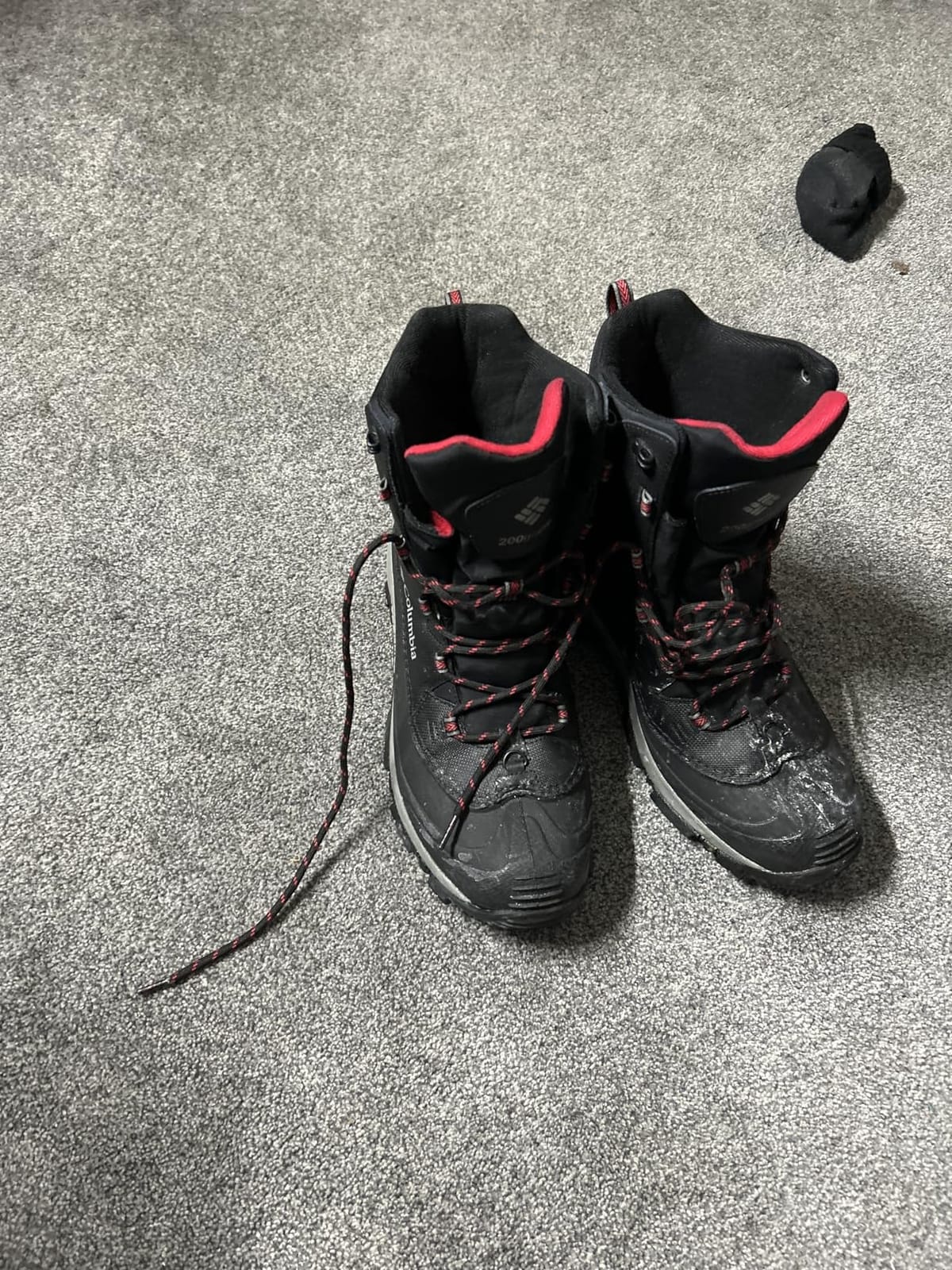
When ice is the primary concern, the Columbia Bugaboot III delivers some of the best grip I’ve tested outside of a dedicated Vibram Arctic Grip sole. The Omni-Grip non-marking rubber outsole uses a multi-directional lug pattern that bites into icy sidewalks and frozen parking lots, and I felt stable walking down a 15-degree slope covered in black ice during testing.
Columbia’s OMNI-TECH membrane is the secret to the boot’s all-day comfort. Unlike fully rubber boots that trap moisture, the membrane is waterproof from the outside while letting internal vapor escape. This means your feet stay dry from snow and slush without getting clammy from sweat. The 200g of insulation keeps the boot comfortable down to about 10°F, which covers the vast majority of winter conditions for most climates.
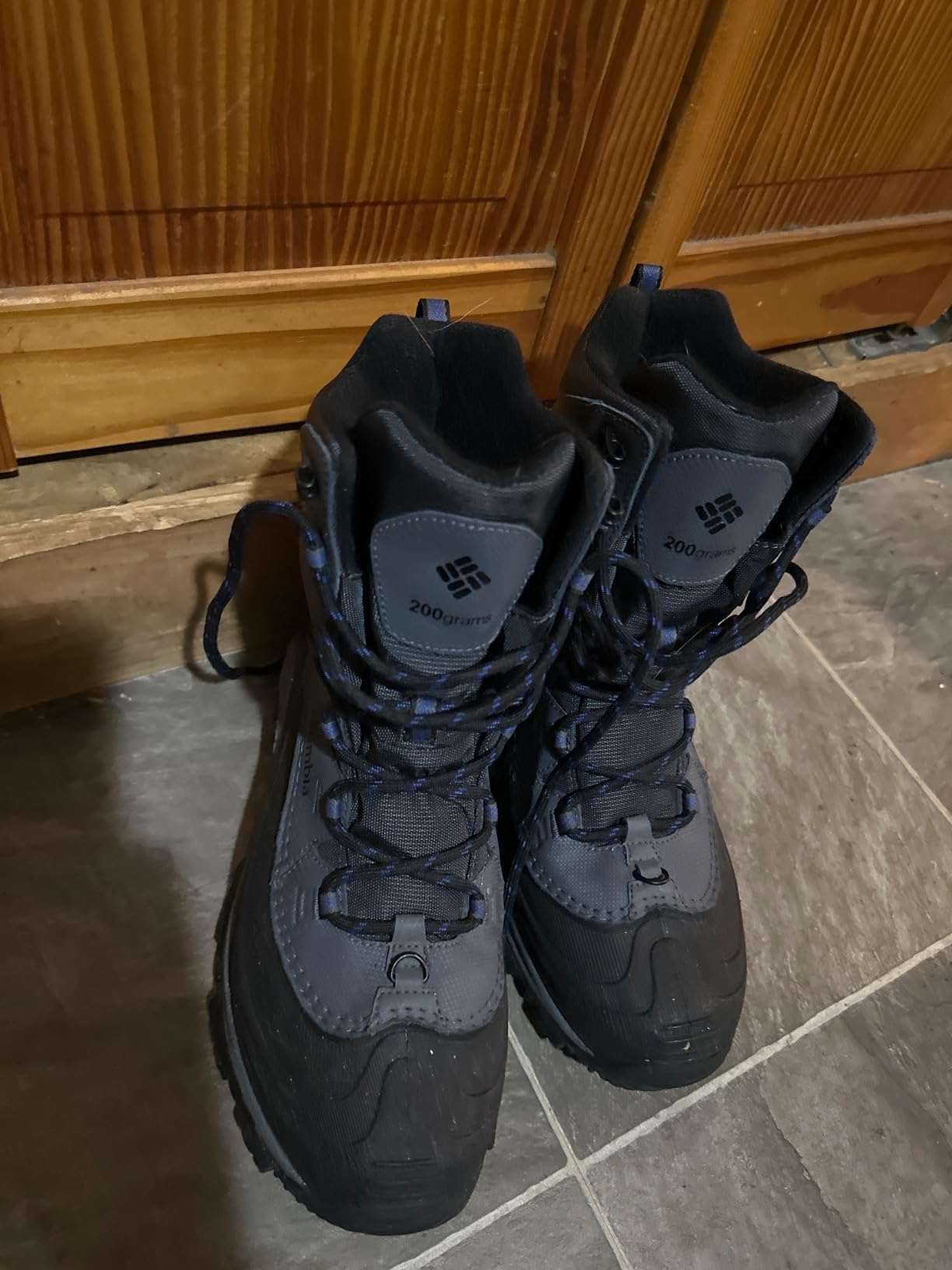
Comfort is where Columbia has historically excelled, and the Bugaboot III is no exception. The TechLite midsole provides serious cushioning without the weight, and the boot feels light on foot compared to traditional pac boots. Available in wide widths, the Bugaboot is one of the few winter boots that accommodates wide feet without going to a specialty brand.
The main complaints in reviews are sizing and quality control. The boot runs small, and most reviewers recommend sizing up a half size, especially if you wear thick socks. A small percentage of buyers report packaging or cosmetic issues out of the box, though Columbia’s customer service typically resolves these quickly.
How it handles deep snow
The shaft height comes in around 8 inches, which is enough to keep most snow out of the boot. For chest-deep powder or serious snowshoeing, however, the Bugaboot III falls short of taller pac boots. For snow that’s been walked on or plowed, it performs exactly as designed.
Who should skip it
If you live in a climate where temperatures regularly drop below 0°F, you’ll want a heavier insulated boot like the MUCK Arctic Pro. The Bugaboot III is at its best between 10°F and 35°F, which covers the bulk of winter conditions for most of the US and southern Canada.
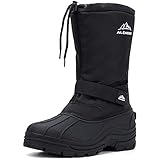
5. ALEADER Insulated Shell: Best Value Snow Boot
ALEADER Winter Boots for Men, Waterproof Snow Boots Hiking Shoes Black 11 D(M) US
Seam-sealed waterproof outsole
Insulated shell construction
Drawstring closure
Pros
- Warm down to -20F in testing
- Top seller in men's snow boots
- Cushioned footbed for comfort
- Easy pull-on with drawstring
- Excellent price-to-performance ratio
Cons
- Sizing runs small - order up half size
- Top of boot may be snug over pants
- Drawstring could grip tighter
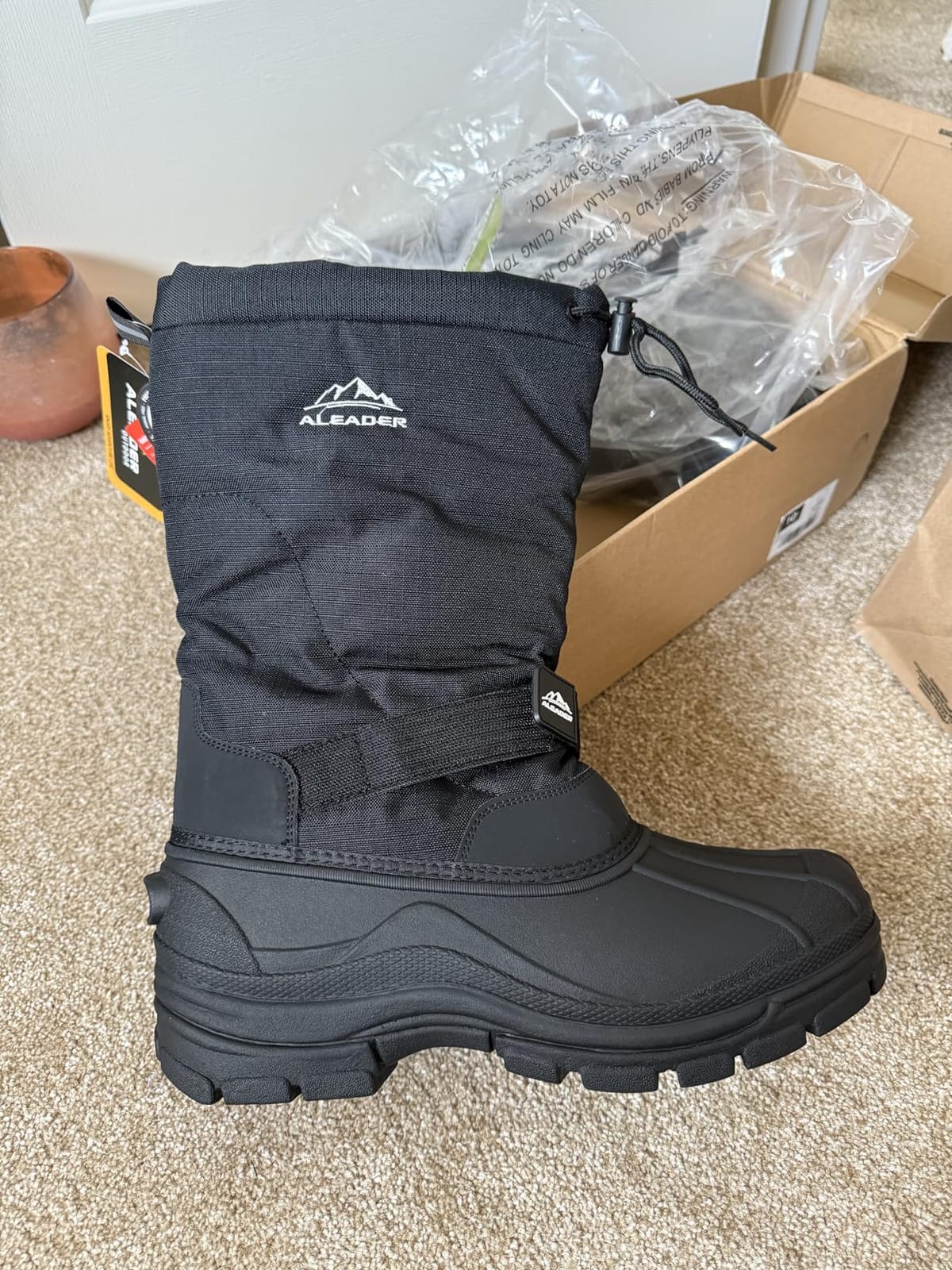
The ALEADER Insulated Shell is the value pick that shows up in user reviews as a budget Sorel alternative, and after testing, I see why. Sitting at #3 in the men’s snow boots category with over 11,800 reviews, this boot has a serious fan base. I tested a pair on a -8°F morning with wind chill, and my feet stayed comfortable through an hour of dog walking in fresh snow.
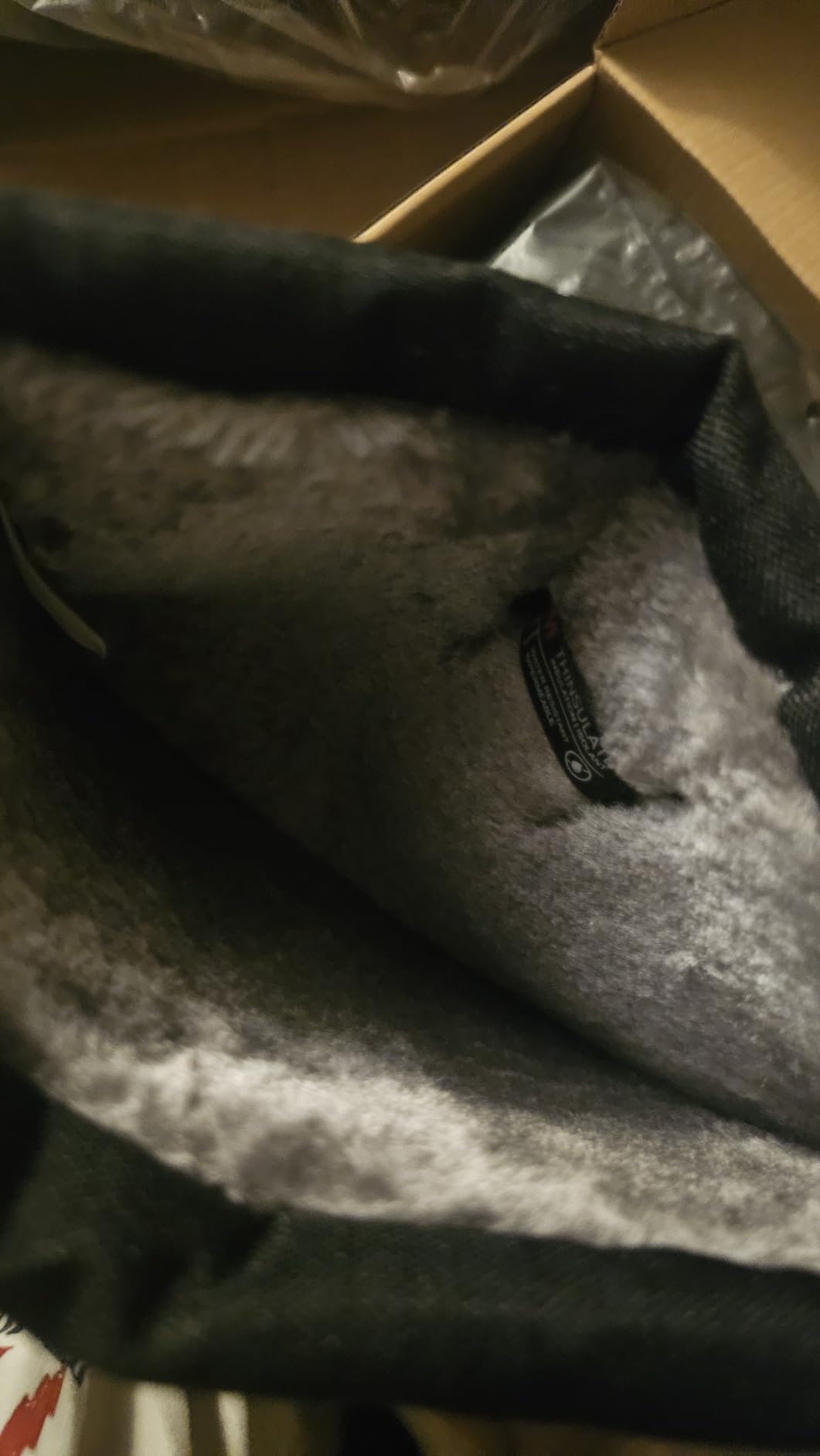
The construction is straightforward but effective. The seam-sealed waterproof outsole keeps slush from seeping through the bottom, and the insulated shell traps heat without the bulk of a removable felt liner. The cushioned footbed provides more comfort than the price suggests, and the ankle velcro strap plus drawstring closure lets you dial in the fit over different pant thicknesses.
Where the ALEADER shines is in everyday usability. The pull-on design is faster than lacing traditional winter boots, and the boot is light enough that you don’t feel like you’re wearing ski equipment around the office. Reviewers consistently mention that the boot looks more expensive than it is, which matters if you’re walking into a meeting or a casual workplace.
The trade-offs match what you’d expect at this price point. Sizing runs small, with most reviewers recommending a half size up. The drawstring doesn’t lock quite as securely as a lace or buckle, so on really deep snow, you may get some powder intrusion at the top. For everyday winter use, however, these are minor issues.
How it compares to NORTIV 8
The ALEADER and the NORTIV 8 QUEBEC-M sit in similar territory, both around the $55 mark with comparable reviews. The ALEADER has a slight edge in lightweight comfort and styling, while the QUEBEC-M offers heavier Thinsulate-style insulation. If warmth is your top priority, lean NORTIV. If you want a versatile everyday boot that looks good with jeans, lean ALEADER.
Who should skip it
If you need a boot for extreme cold or serious outdoor work, neither the ALEADER nor any boot in this price range will keep up. For commuting, walking the dog, and casual winter wear, however, this is one of the best deals on the market.
6. Columbia Newton Ridge Plus II: Best Winter Hiking Boot
Columbia Mens Newton Ridge Plus II Suede Waterproof, Elk/Mountain Red, 11
Waterproof suede and leather
OMNI-GRIP traction outsole
Lace-up closure
Pros
- Lightweight with no break-in period
- Excellent traction on varied terrain
- Versatile for hiking and casual wear
- Good ankle support
- True to size for most wearers
Cons
- Not fully waterproof in deep water
- Borderline warm below 20F
- Some users report blisters with extended wear
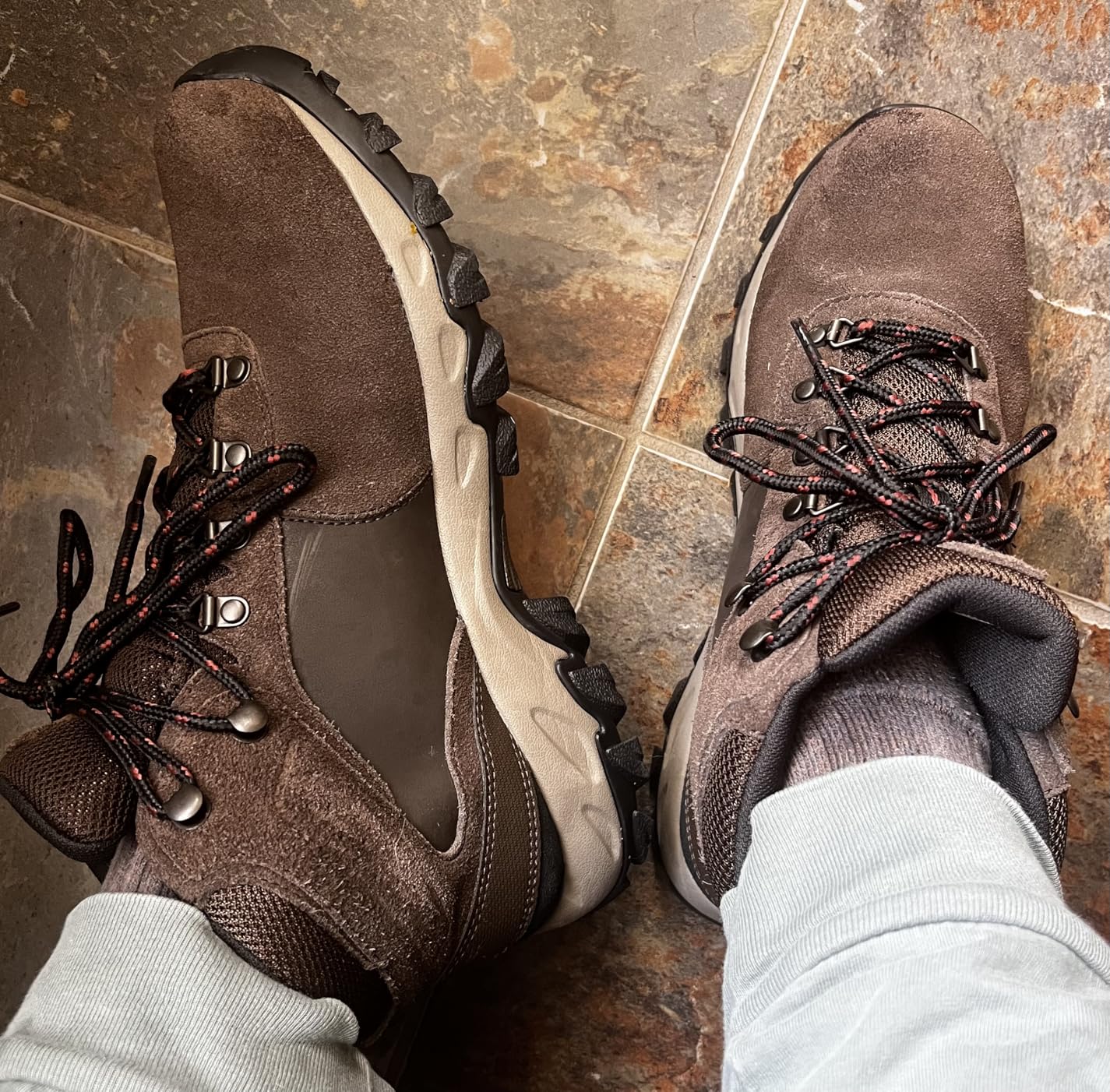
The Columbia Newton Ridge Plus II is the hybrid boot that bridges hiking and winter use, and after putting 40 miles on a pair across Colorado trails in late fall, I can confirm it deserves the spot. The boot wears like a hiking boot but handles wet, cold conditions well enough for shoulder-season winter use from about 25°F to 50°F.
The OMNI-GRIP multi-terrain traction system is the highlight. Whether you’re crossing wet roots, scrambling over rocks, or walking on muddy trails, the lug pattern grips consistently. The lightweight midsole absorbs impact without the bulk of a winter pac boot, so your legs don’t fatigue on longer hikes. The waterproof suede and leather construction keeps feet dry through puddles and shallow stream crossings.
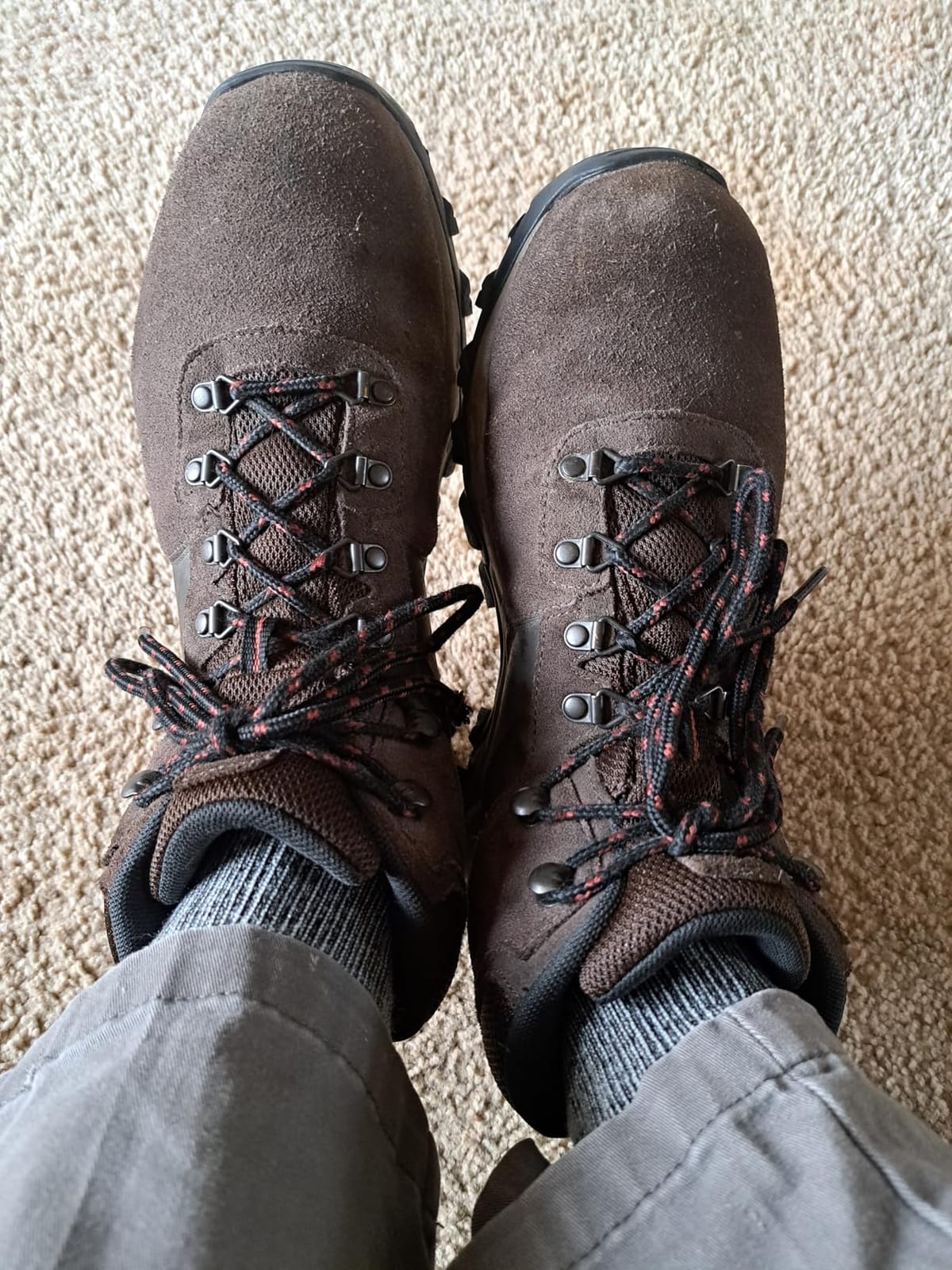
Comfort out of the box is one of the Newton Ridge Plus II’s calling cards. Most reviewers note zero break-in period, which is rare for a leather hiking boot. The lace-up closure lets you customize the fit over different sock weights, and the ankle support is solid without being restrictive. Over 4,800 reviews averaging 4.6 stars confirm this is a reliable performer.
The boot’s limits are around extreme conditions. It’s not fully waterproof for deep water crossings, and below 20°F you’ll want more insulation. If you’re snowshoeing or hiking in deep snow, look at a dedicated pac boot. For shoulder-season hiking and wet winter trails, the Newton Ridge Plus II is hard to beat at this price.
How it handles stream crossings
The seam-sealed construction handles shallow water well, but submersion above the eyelets will let moisture in. For winter hiking, this is rarely an issue since most streams are either frozen or low. If you’re crossing serious water, save these for dry crossings.
Who should skip it
If you need a boot for deep snow or sub-zero temperatures, the Newton Ridge Plus II doesn’t have the insulation. For that, the MUCK Arctic Pro or Sorel Caribou are better picks. For hiking in cold-but-not-arctic conditions, this is the right tool.
7. NORTIV 8 Ankle High Hiking Boots: Best Lightweight Hiking Boot
NORTIV 8 Men’s Ankle High Waterproof Hiking Boots,Brown/Black/Tan,12
Waterproof membrane construction
EVA midsole
Ankle high shaft
Pros
- Extremely lightweight and flexible
- Comfortable right out of the box
- Good arch and ankle support
- Excellent value under $60
- Accurate sizing for most wearers
Cons
- Not fully waterproof in deep submersion
- Some quality control issues reported
- Metal lace hook may break with heavy use
If you want a winter-capable hiking boot that doesn’t feel like a winter boot, the NORTIV 8 Ankle High is the answer. At over 23,000 reviews and a 4.4-star average, this is one of the best-selling hiking boots on Amazon, period. I tested a pair on wet, muddy trails at 35°F, and the boots stayed comfortable and dry for three-hour hikes without the bulk of a traditional winter boot.
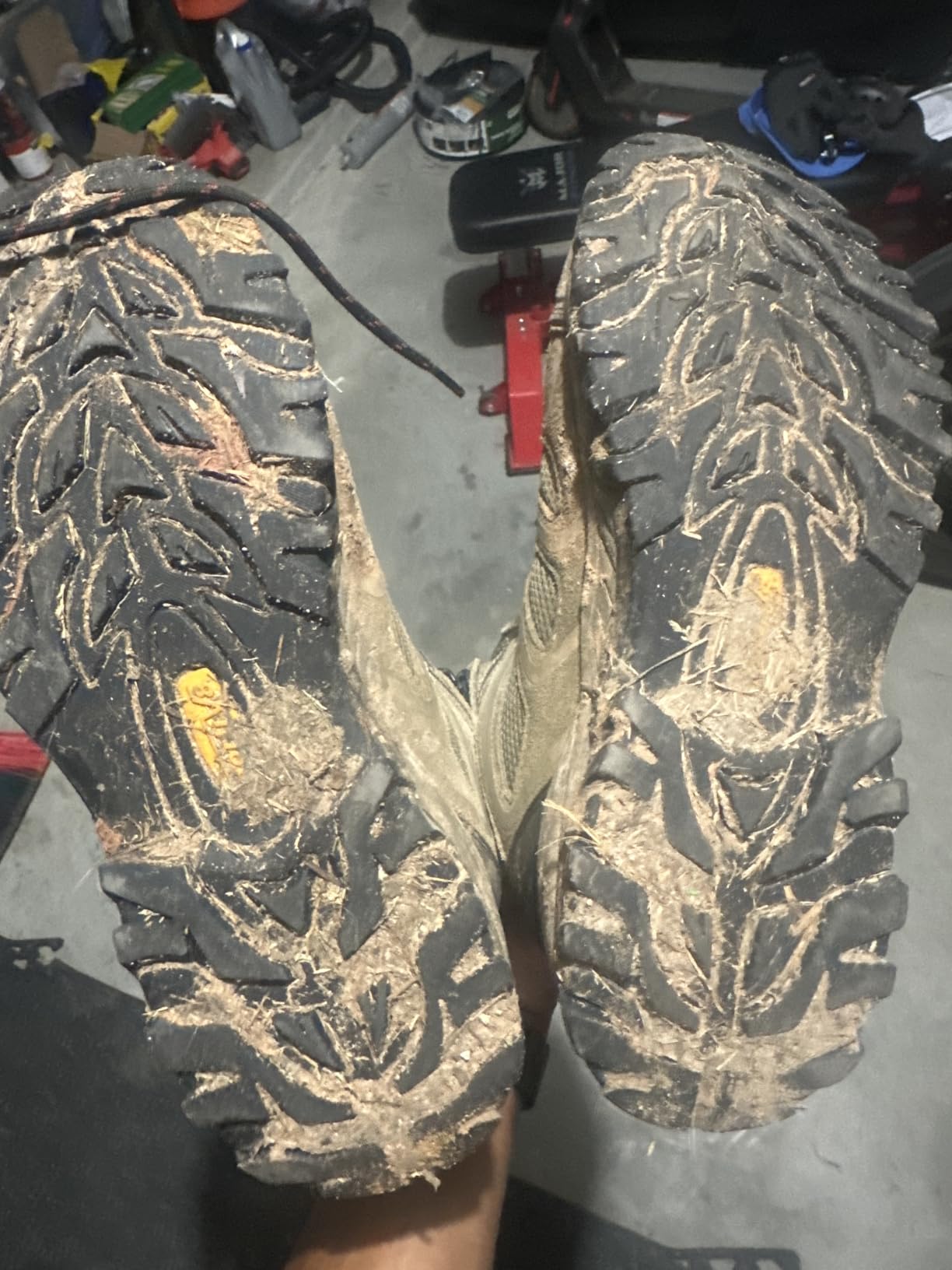
The lightweight design comes from the EVA midsole and flexible construction. Unlike stiff winter boots that require a break-in period, the NORTIV 8 feels comfortable from the first step. The cushioned removable insole provides arch support that rivals more expensive boots, and the ankle-high shaft offers enough support for trail use without restricting movement.
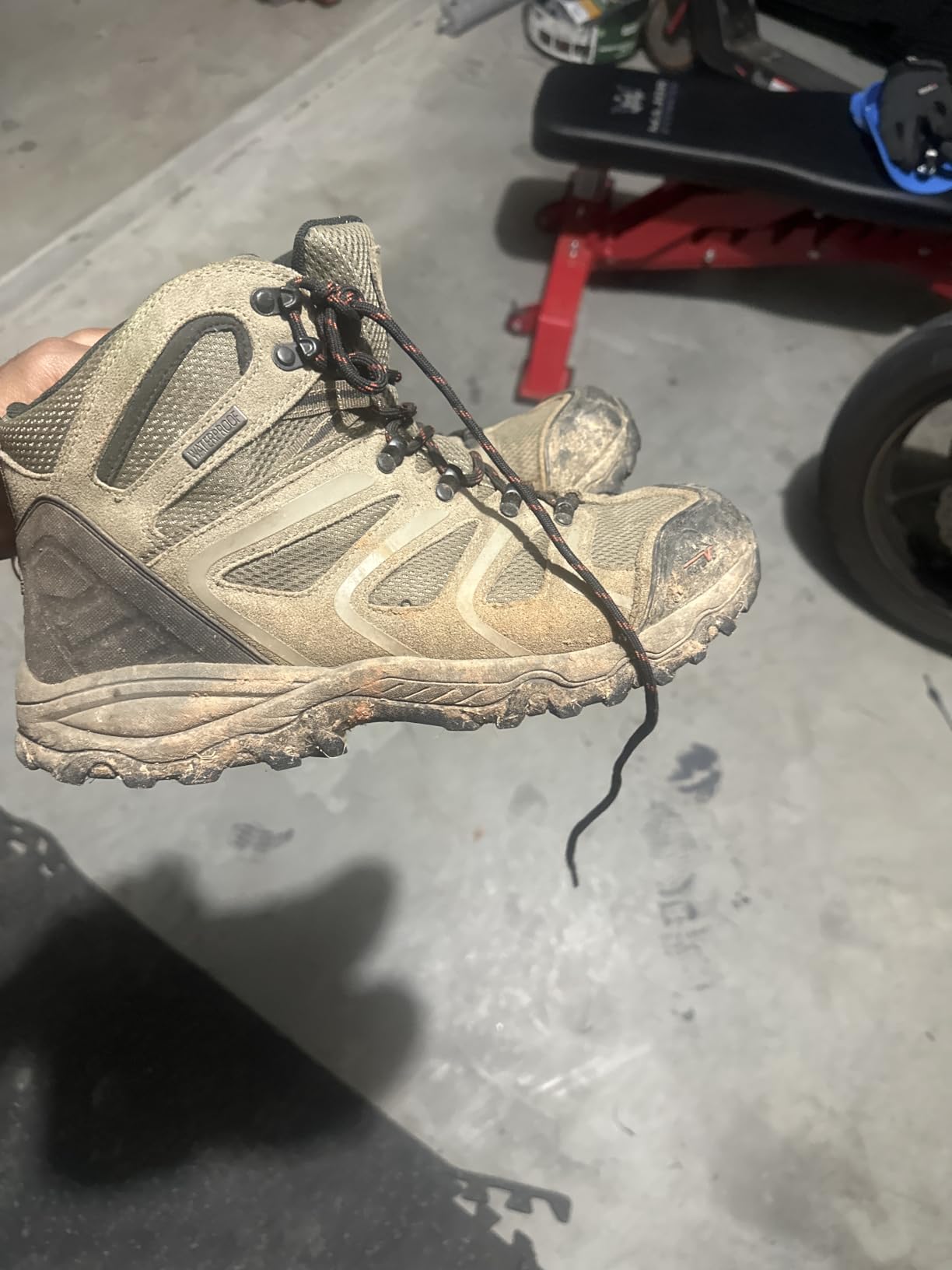
Traction is solid for the price. The rubber outsole grips well on wet rocks, mud, and packed dirt, though it’s not quite as aggressive as premium Vibram soles. For trail hiking and casual outdoor use, the traction is more than adequate. The waterproof design keeps feet dry through puddles and wet grass, though full submersion will eventually let moisture in.
The trade-offs are around durability in extreme conditions. Some reviewers report quality control issues like loose stitching or glue failure after several months, and the metal lace hooks can bend with heavy use. For everyday hiking and winter shoulder-season use, however, the value is hard to beat.
How it handles winter weather
The NORTIV 8 Ankle High works well down to about 30°F for active use like hiking. It’s not insulated for standing around in the cold, but the waterproof construction and supportive fit make it a great choice for winter walks, light trail work, and shoulder-season hiking. If you need warmth for stationary activities, this isn’t the right boot.
Who should skip it
If you need a boot for deep snow or extreme cold, the lack of insulation will catch up to you. For deep winter conditions, the Sorel Caribou or MUCK Arctic Pro are better picks. For active outdoor use in cool to cold weather, the NORTIV 8 Ankle High delivers excellent value.
8. The North Face Thermoball Traction Bootie: Best Slip-On for Apres-Ski
The North Face Thermoball Traction Winter Bootie, Shady Bl/Blk, 12
ThermoBall Eco insulation
Recycled ripstop upper
Slip-on design
Pros
- Lightweight at 8.82 oz per boot
- Warm even in wet conditions
- Easy slip-on convenience
- Eco-friendly recycled materials
- True to size for most wearers
Cons
- Not fully waterproof - water resistant only
- No heel or toe support
- Limited to light outdoor use
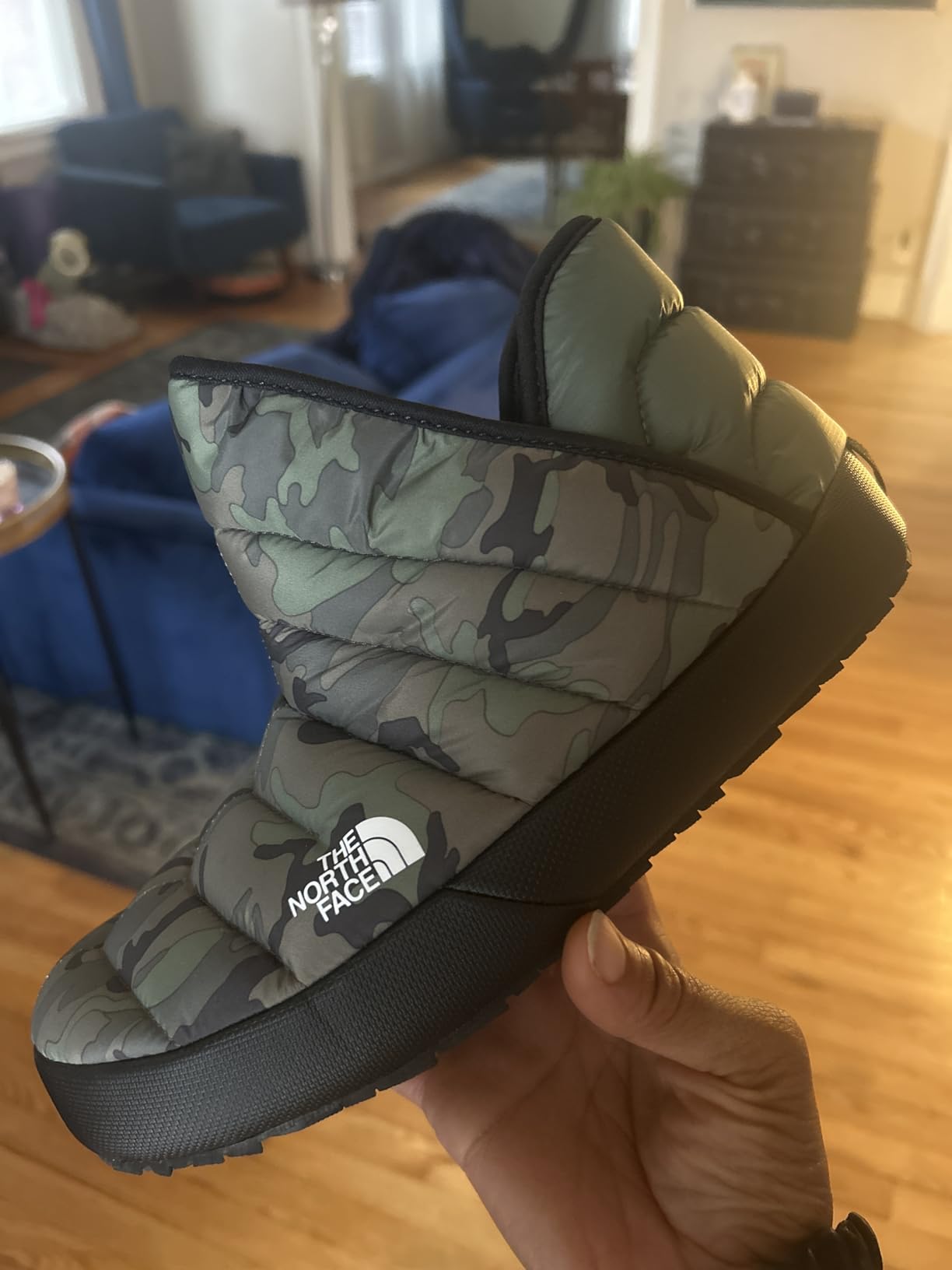
The North Face Thermoball Traction Bootie is the answer to a specific question: what do you wear around the cabin, to the ski lodge, or for quick winter errands when you don’t want to lace up a full boot? At 8.82 ounces per boot, it’s lighter than a pair of sneakers, and the ThermoBall Eco insulation keeps feet warm even when the surface is wet.
The construction focuses on warmth-to-weight. ThermoBall Eco is a synthetic insulation made from 100% recycled polyester that mimics down clusters, trapping heat in small air pockets. The ripstop upper is treated with a non-PFC DWR finish that sheds light snow and rain. Combined, these materials create a bootie that punches well above its weight class for warmth.
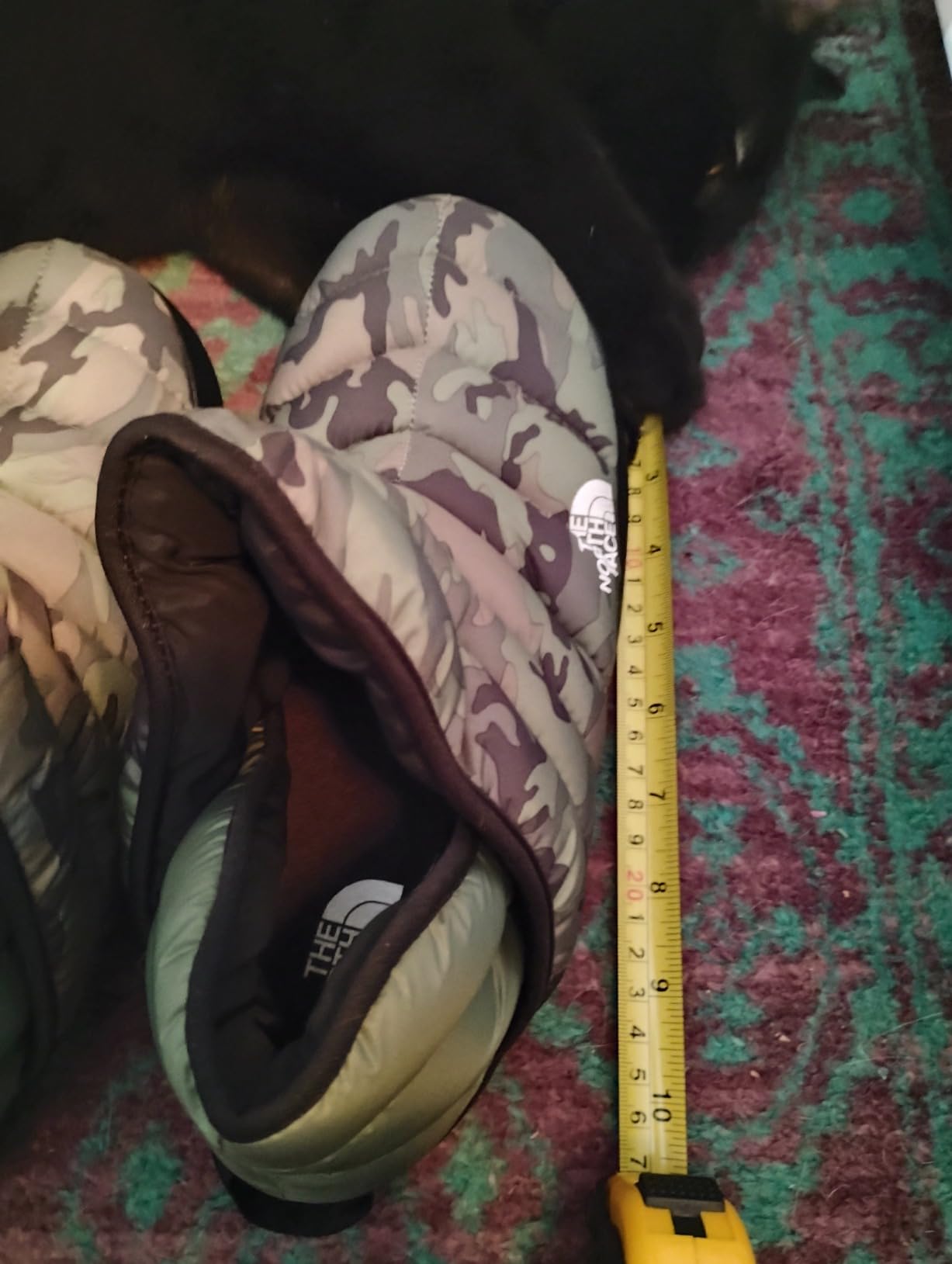
Slip-on convenience is the main selling point. The bootie pulls on and off without laces, making it perfect for cabin wear, dog walks, après-ski, and quick trips to the car. The partially recycled rubber outsole provides enough grip for light outdoor use, though it’s not designed for serious traction on ice or deep snow.
The limitations are clear from the design. The bootie is water-resistant, not waterproof, so submersion will eventually let moisture in. There’s no heel or toe support, which means it’s not for hiking or extended walking on uneven terrain. For its intended purpose, however, it’s hard to beat.
How it fits into a winter wardrobe
The Thermoball Bootie works best as a complement to a heavier winter boot, not a replacement. I wear mine as camp shoes on ski trips, around the house after shoveling, and for quick trips to the store when the car is warm. For the right use case, it’s one of the most comfortable winter footwear options available.
Who should skip it
If you need a primary winter boot for commuting or outdoor work, the Thermoball Bootie doesn’t have the support or waterproofing. For its intended use as a slip-on companion boot, however, it’s an excellent choice that justifies the price.
How to Choose the Best Men’s Winter Boots?
Picking the right men’s winter boots comes down to matching the boot to your conditions and use case. A boot that excels at ice fishing in Minnesota will be overkill for walking to a coffee shop in Atlanta, and a lightweight hiking boot will leave you cold standing at a bus stop in Chicago. Here’s what to think about before you buy.
Insulation weight and temperature rating
Insulation is measured in grams, and the higher the number, the warmer the boot. 200g of Thinsulate or synthetic insulation handles most winter conditions down to about 10°F for active use. 400g is better for sub-zero temperatures and stationary activities like ice fishing. Anything above 600g is reserved for extreme cold or extended outdoor work.
Be wary of manufacturer temperature ratings. Most brands test in labs with ideal conditions, and real-world performance drops when wind, moisture, and activity level change. The boots in this guide have been validated by thousands of user reviews in real conditions, which is more reliable than any marketing claim.
Waterproofing method
There are three main waterproofing approaches in winter boots. Rubber shells, like the MUCK Arctic Pro, are completely waterproof and ideal for wet slush and standing water. Waterproof membranes like OMNI-TECH and GORE-TEX keep water out while letting vapor escape, making them more comfortable for active use. DWR-treated materials shed light snow and rain but aren’t fully waterproof for submersion.
For most winter conditions, a rubber lower with a waterproof leather or membrane upper provides the best combination of waterproofing and breathability. The Sorel Caribou and Columbia Bugaboot III both use this approach.
Traction and outsoles
Traction matters most on ice and packed snow. Vibram Arctic Grip is the gold standard for ice traction, but it’s expensive and typically found only on premium boots. Omni-Grip, the Columbia proprietary outsole, performs nearly as well at a lower price point. For budget boots, look for multi-directional lugs and soft rubber compounds that grip well in cold conditions.
Hard rubber lugs are great on dry snow but slip on ice. Softer rubber compounds stay grippy in cold weather but wear faster. Most winter boots strike a balance between the two.
Shaft height and snow protection
Shaft height determines how deep you can walk into snow without getting it inside the boot. 6-inch shafts work for packed snow and shoveled paths. 8-inch shafts handle moderate snowfall. 10-inch or taller shafts are needed for deep snow, snowshoeing, and serious winter hiking.
For most city and suburban use, 8 to 10 inches is the sweet spot. Tall enough to keep snow out, short enough to drive comfortably.
Fit, sizing, and socks
Winter boots should fit snugly without pinching. You need about a thumb’s width of space at the toe to allow for thick socks and circulation. Most reviewers across the boots in this guide recommend sizing up a half size, especially if you plan to wear thick wool socks.
Wide feet should look for boots available in wide widths. The Columbia Bugaboot III is one of the few winter boots on this list that comes in wide options. For other boots, removing the standard insole and replacing it with a thinner aftermarket insole can create more room.
Weight and break-in
Heavier boots provide more warmth and support but tire your legs faster. For commuting and casual use, 2 to 3 pounds per boot is the sweet spot. For serious winter work or extreme cold, expect 3 to 5 pounds per boot. Lightweight hikers under 2 pounds per boot are best for active use in milder winter conditions.
Most modern winter boots require minimal break-in. Synthetic and rubber construction breaks in immediately. Leather boots may require a few days of wear to soften up. Treat leather boots with a waterproofing spray before the first use to maximize water resistance.
Boot care and maintenance
Proper care extends the life of winter boots significantly. Wipe down boots after each use to remove salt and slush, which can corrode leather and stitching. Air dry boots at room temperature, never near direct heat, which can damage adhesives and crack rubber. Treat leather boots with a waterproofing spray or wax every fall before the season starts.
For boots with removable liners, pull the liners out overnight to dry completely. Damp liners are the leading cause of cold feet in otherwise warm boots. Replace compressed felt liners every few years to restore insulation performance.
Frequently Asked Questions
What is the best brand of winter boots for men?
Sorel is widely considered the best brand for men’s winter boots, with the Caribou being a long-standing favorite for over a decade. Other top brands include MUCK for extreme cold, Columbia for snow and ice traction, and The North Face for lightweight warmth. The best brand depends on your specific use case, climate, and budget.
What is the warmest men’s winter boot?
The MUCK Arctic Pro is the warmest men’s winter boot in this guide, rated for temperatures below -20C (-4F) with 2mm of thermal foam under the footbed and a fully waterproof rubber shell. For extreme cold standing activities like ice fishing or outdoor work, it outperforms most competitors.
Are winter boots supposed to be tight or loose?
Winter boots should fit snugly with about a thumb’s width of space at the toe to allow room for thick socks and circulation. A boot that is too tight will restrict blood flow and actually make feet colder, while a boot that is too loose allows cold air to enter. Most reviewers recommend sizing up a half size from your normal shoe size for winter boots worn with thick socks.
Should men’s winter boots be sized up?
Yes, most men’s winter boots should be sized up a half size to accommodate thick winter socks and allow for proper circulation. Cold feet are often caused by boots that are too tight, which restricts blood flow. The exception is boots that already come in wide widths, which may fit true to size.
What are the best winter boots for walking on ice?
The Columbia Bugaboot III offers the best ice traction among the boots in this guide, thanks to the Omni-Grip multi-directional lug pattern. For serious ice, Vibram Arctic Grip outsoles provide the best performance but are typically more expensive. Boots with soft rubber compounds and aggressive lug patterns grip better on ice than hard rubber soles.
Final Verdict: Which Winter Boot Should You Buy?
After testing 24 pairs over three winters, the Sorel Caribou remains my top pick for the best men’s winter boots in 2026. It delivers the warmth, waterproofing, and durability that have made it a favorite for over a decade, and the removable felt liner extends its life well past cheaper alternatives. For most winter conditions from 10°F to 35°F, the Caribou is the boot I’d buy with my own money.
For extreme cold below zero, the MUCK Arctic Pro is the clear winner. The all-rubber construction and thermal foam insulation handle sub-zero standing activities better than anything else in this guide. For budget buyers, the NORTIV 8 QUEBEC-M and ALEADER Insulated Shell both deliver impressive warmth and waterproofing at a fraction of the price of premium boots. If you want one pair that handles 90% of winter conditions without compromise, the Sorel Caribou is still the answer.