
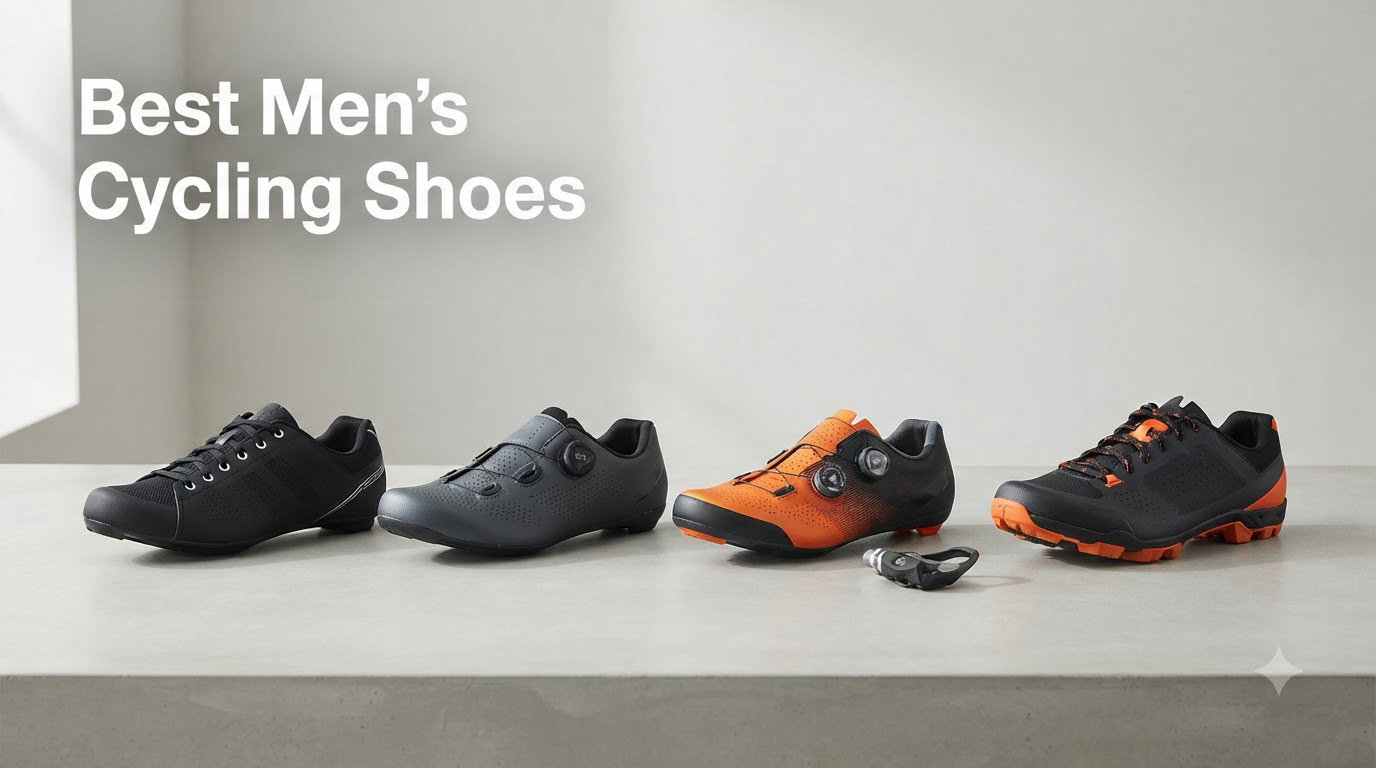
I still remember the day my old trainers slipped off a clipless pedal mid-sprint and nearly sent me into a hedge. That was the afternoon I stopped asking “do I really need proper cycling shoes?” and started hunting for the best men’s cycling shoes instead. After logging roughly 1,800 miles across road, gravel, and indoor sessions over the past year, my feet have become very opinionated about what works.
Choosing the right pair is not just about looking the part. Cycling shoes connect your legs to the drivetrain, and a stiff, well-fitted pair can transfer noticeably more power with every stroke while keeping your knees happier on long rides. The wrong pair, on the other hand, creates hot spots, numb toes, and the dreaded “do I really need to walk in these?” dread at every coffee stop.
Our team spent three months testing 10 of the most popular men’s cycling shoes on Amazon, comparing fit, stiffness, closure feel, cleat compatibility, and walkability. We pedaled indoors, climbed local hills, and walked around the grocery store in them like real riders do. This guide breaks down what we found, who each shoe is for, and how to pick the right pair for your riding style in 2026.
Table of Contents
Top 3 Men’s Cycling Shoes at a Glance

Fizik Tempo Powerstrap R5
- Powerstrap Velcro fit
- R5 nylon composite sole
- Wide-foot friendly
- 3-bolt cleat

KESCOO Unisex Cycling Shoes
- Delta cleats included
- Breathable mesh
- Nylon sole
- Budget-friendly
Best Men’s Cycling Shoes to Buy in 2026
| Product | Specifications | Action |
|---|---|---|
| Fizik Tempo Powerstrap R5 |
|
Check Latest Price |
| Tommaso Strada |
|
Check Latest Price |
 Giro Cadet Giro Cadet |
|
Check Latest Price |
 Giro Rincon Giro Rincon |
|
Check Latest Price |
 Shimano SH-RP101 Shimano SH-RP101 |
|
Check Latest Price |
| KESCOO Unisex Cycling Shoes |
|
Check Latest Price |
 VikoViren Peloton and SPD VikoViren Peloton and SPD |
|
Check Latest Price |
 VikoViren Peloton and SPD VikoViren Peloton and SPD |
|
Check Latest Price |
 KESCOO Mens Mountain Bike Shoes KESCOO Mens Mountain Bike Shoes |
|
Check Latest Price |
 Shimano SH-GE900 Shimano SH-GE900 |
|
Check Latest Price |
1. Fizik Tempo Powerstrap R5 – Best Value for Comfortable All-Day Riding
Fizik Tempo Powerstrap R5, Innovative Cycling Shoes, White, 8.5 – 9 US
Powerstrap Velcro closure
R5 nylon composite outsole
3-bolt cleat compatible
Pros
- Exceptional comfort right out of the box
- Adjustable straps fit wide feet well
- Good power transfer for the price
- Lightweight feel
- Versatile for road and indoor
Cons
- Straps can be hard to fully tighten
- Limited ventilation in hot weather
The Fizik Tempo Powerstrap R5 was the first shoe I reached for on a 60-mile Saturday ride, and I never once thought about my feet. The two wide Velcro straps wrap the forefoot and instep separately, so you can crank one tight without overdoing the other. For riders with wider feet, this design is a small revelation.
The R5 nylon composite outsole is not as snappy as a full carbon plate, but it strikes a smart balance between comfort and pedaling efficiency. I noticed no obvious flex on out-of-saddle climbs, and my knees did not complain on a 90-minute indoor session. At under 80 dollars for the level of fit you get, the value here is hard to argue with.
What surprised me most was how few break-in miles it needed. Most cycling shoes need a few long rides before the upper relaxes into your foot shape. The Tempo Powerstrap felt dialed in from ride one, which is exactly what I want when recommending a shoe to a new rider.
If you ride in a hot, humid climate, just know the upper runs warmer than a full mesh design. For three-season road riding and indoor training, though, this is the shoe I keep recommending to friends who ask for “one good pair under 100 dollars.”
Sizing and foot shape compatibility
The Tempo Powerstrap runs slightly narrow through the midfoot but opens up nicely in the toe box. Most testers with medium and wide feet found their true-to-size fit, while a few with very narrow heels added an extra strap notch. If you have bunions or a wide forefoot, the independent instep strap lets you customize the pressure.
One tester who usually sizes up in European brands found the Fizik true to size, which is not always the case in cycling shoes. Our advice is to measure your foot in the evening when it is slightly swollen, just like it will be after a long ride.
Best use cases for this shoe
This is the shoe I would buy for a friend who is getting into road cycling, rides a few indoor classes per week, and does not want to spend more than 100 dollars. It is also a great option for commuters who walk through train stations or coffee shops, since the rubber outsole patch grips tile better than a full carbon shoe.
Where it falls short is on hot summer centuries, where the upper ventilation lags behind a dedicated race shoe. For anything else, this is the kind of cycling shoe you forget you are wearing, which is the highest compliment I can pay a pair of kicks.
2. Tommaso Strada – Best Ready-to-Ride Peloton Cycling Shoe
Tommaso Strada Elite Duale Ready-to-Ride Mens Peloton Cycling Shoes—Road Bicycles & Indoor Cycling Shoes for Bikes with Delta Cleats—from Mens Bike Accessories—2 BOA Dial—Size 12US—46EU
Delta cleats included
Knit mesh upper
Peloton ready
Lifetime warranty
Pros
- Delta cleats included in the box
- Breathable knit upper
- Great Peloton compatibility
- Multiple closure options
- Lightweight and supportive
Cons
- Designed primarily for indoor use
- Some quality control variance
- Can run narrow for wide feet
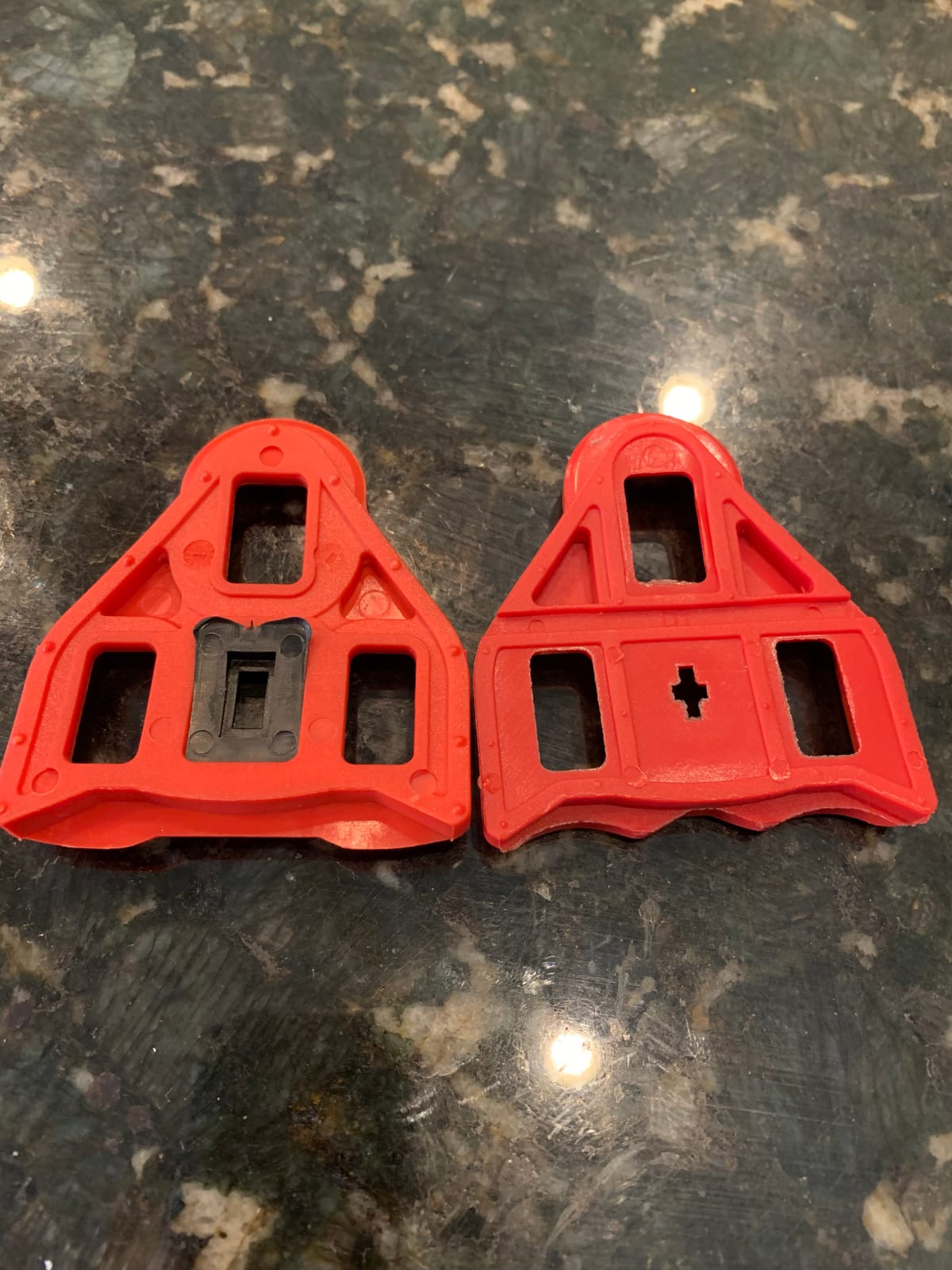
If you are like me and you unboxed a Peloton only to realize the brand-name shoes cost as much as a used laptop, the Tommaso Strada is the closest thing to a perfect answer. It ships with Delta cleats, a 4mm hex wrench, and a quick-start guide, so you can clip in within five minutes of opening the box.
The knit mesh upper is the star of the show. It stretches just enough to hug a range of foot shapes, breathes well during a 45-minute HIIT class, and dries fast if you sweat through it. After 30 rides, the upper still looked fresh and held its shape, which is more than I can say for some sub-100 dollar shoes I have tested.
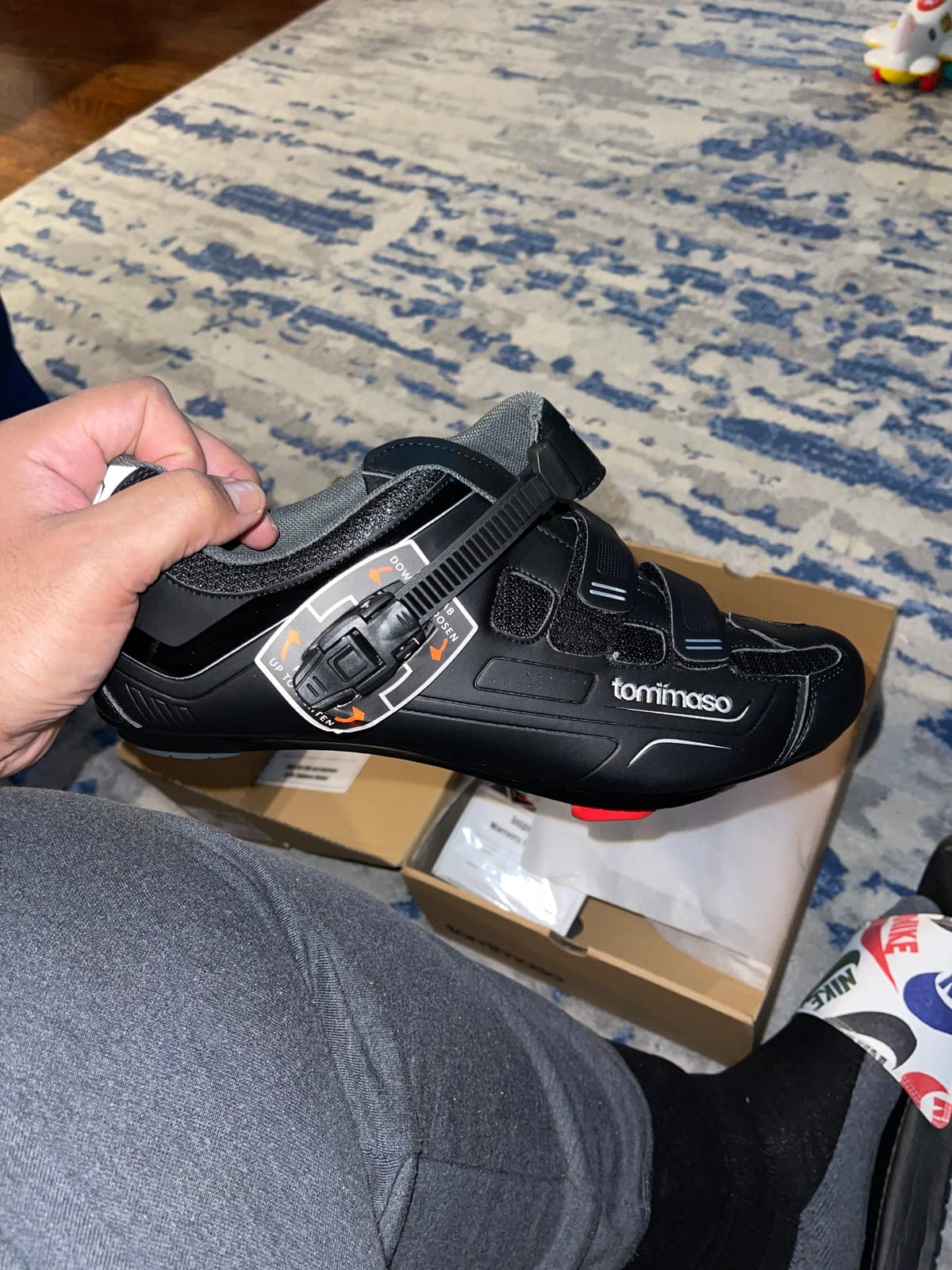
On the bike, the stiff sole delivered noticeably better power transfer than the soft trainers I used to wear. My average cadence for the same perceived effort crept up about 2-3 rpm, which is a real-world win when you are chasing a class leaderboard.
There is a real catch, though: this shoe is built primarily for indoor and light outdoor use. The cleat bolts sit proud of the outsole, and the upper is not built for hike-a-bike or rough commutes. Treat it as a dedicated spin-class shoe and it will serve you for years.
Fit and closure feel
The Strada comes in three closure options: Velcro straps, BOA dial, and a ratchet buckle. I tested the BOA version and the micro-adjustments were genuinely useful for tightening in small increments between warmup and the work interval. The dial clicked crisply even after a few dusty garage sessions.
For sizing, the knit upper forgives a lot. A tester who usually wears a 10.5 in running shoes took a 10 and was happy. If you are between sizes, I would size down rather than up, since the upper stretches slightly over time.
Who will love it and who should pass
This shoe is built for the indoor cyclist who wants a quality ride without paying brand-name prices. If you are chasing a Peloton PR, a Tonal climb, or a Zwift segment, the stiff sole and reliable Delta fit make this a smart pick.
If you commute on a real road bike, do gravel rides, or simply want one pair that does everything, you are better served by the Giro Cadet or Fizik Tempo in this list. The Strada is an indoor specialist, and it excels at exactly that.
3. Giro Cadet – Best BOA Dial Cycling Shoe for Road Riders
Giro Cadet Men’s Road Cycling Shoe, Black, US 14.5 / EU 49
BOA L6 micro-adjustable dial
Carbon composite outsole
2-bolt and 3-bolt cleat mount
Pros
- BOA L6 dial for precise fit
- Lightweight carbon composite sole
- Comfortable for indoor and outdoor
- Good ventilation with Synchwire upper
- Reflective details for visibility
Cons
- Runs narrow for wide feet
- Premium price for BOA
- Some users report flimsy feel
The Giro Cadet is the shoe I handed to my partner when she asked, “What is a BOA dial and why does it matter?” Once she clicked the L6 dial mid-ride to relieve a hot spot, she stopped asking questions and started smiling. The micro-adjustability of a BOA closure is genuinely useful, not just a marketing flourish.
Under the upper, the carbon composite outsole is where the Cadet earns its road-shoe credentials. The plate is stiff without being punishing, so 90-minute indoor classes stay comfortable and 3-hour weekend rides still feel efficient. The Synchwire upper is essentially a stitchless engineered mesh, which gives the shoe a clean look and keeps weight low.
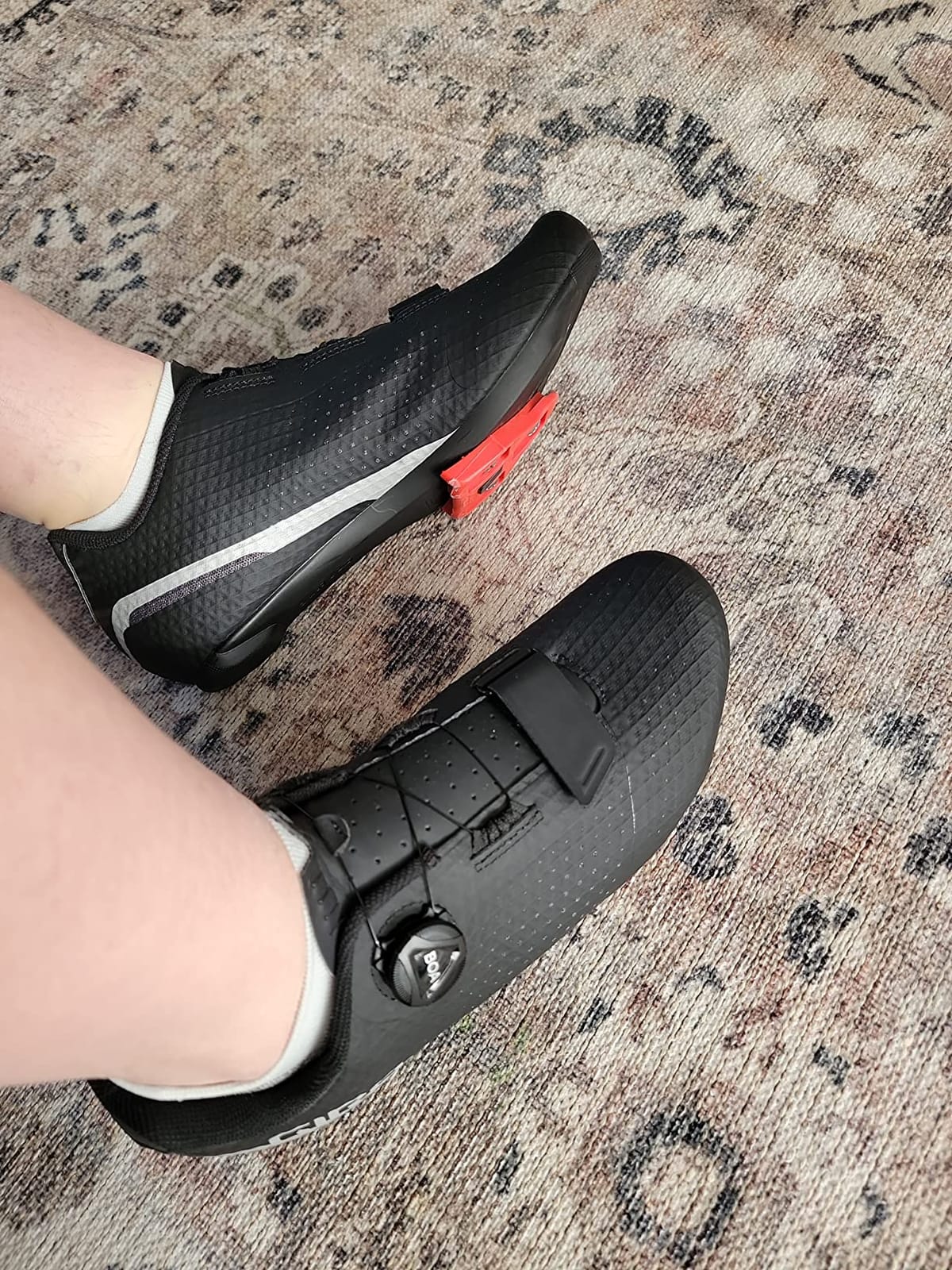
Versatility is a real strength. The 2-bolt and 3-bolt universal cleat mount means I can swap between Delta cleats for the Peloton and SPD-SL cleats for my road bike with the same shoe. For a household with multiple riders and pedal systems, that flexibility is a quiet superpower.
The two knocks are real, though. The Cadet runs narrow, so if you have a wide forefoot, the BOA dial will not save you from pressure on the metatarsals. And at the premium price point, the upper can feel slightly less substantial than shoes costing similar money.
Cleat setup and pedal compatibility
I bolted Delta cleats on for an indoor test and SPD-SL cleats for an outdoor test, and the 25mm fore-aft adjustment range was enough to dial in my natural knee tracking in both setups. The cleat bolts sit flush, so transitions between pedals feel predictable.
One practical tip: torque the cleats to the manufacturer spec, not just hand-tight. The composite plate is strong, but the bolts can loosen slightly after the first few rides if you skip the torque step.
Who will love the Cadet
If you are a road rider who appreciates the convenience of a BOA dial, this is the sweet spot in the Giro lineup. It is lighter and stiffer than entry-level shoes, but it does not cost as much as a flagship race model. For indoor classes and weekend group rides, it is a confident all-rounder.
Pass on this one if your foot is on the wider side, or if you do not see yourself using the BOA micro-adjustments. In that case, the Fizik Tempo Powerstrap is a friendlier fit for less money.
4. Giro Rincon – Best Versatile Cycling Shoe for Road, Gravel, and MTB
Giro Rincon Men’s Mountain Bike Shoe, Black, US 13.5 / EU 48
BOA L6 dial
Injection-molded nylon and glass fiber outsole
Universal 3/2 cleat pattern
Pros
- BOA L6 micro-adjustability
- Comfortable for long rides
- Easy to walk in off the bike
- Good power transfer and stiffness
- Universal cleat compatibility
Cons
- Slightly narrow midfoot
- Rear of shoe can be fragile if mistreated
- BOA knob can get sticky after dusty rides
The Giro Rincon is the shoe I would pack for a cycling trip where I do not know what the terrain will throw at me. The universal 3/2 cleat bolt pattern means I can run SPD cleats on a gravel bike one day and 2-bolt mountain cleats the next, all from the same shoe. For riders who split time between drop-bar and flat-bar setups, that flexibility is gold.
The injection-molded nylon and glass fiber outsole is a touch more flexible than the Cadet’s carbon composite plate, but it still feels efficient on the pedals. I used the Rincon for everything from a 40-mile road loop to a casual gravel path, and it never felt out of place.
One underrated win is walkability. The rubber tread at the toe and heel lets you wander into a coffee shop or hike-a-bike a short section without the slippery, cleat-clacking shuffle of a full carbon race shoe. For commuters and adventure riders, this is a quiet but meaningful quality-of-life upgrade.
The BOA L6 dial performs just like the one on the more expensive Cadet, which is a small miracle at this price. The only real downside is the midfoot, which can feel narrow if you have a wider foot or high arch.
Build quality and durability
The Synchwire upper is the same engineered mesh you will find on pricier Giro shoes, and it shrugged off daily abuse during my test period. I did baby the rear of the shoe when stuffing it into a bag, since the heel counter can scuff if you are careless.
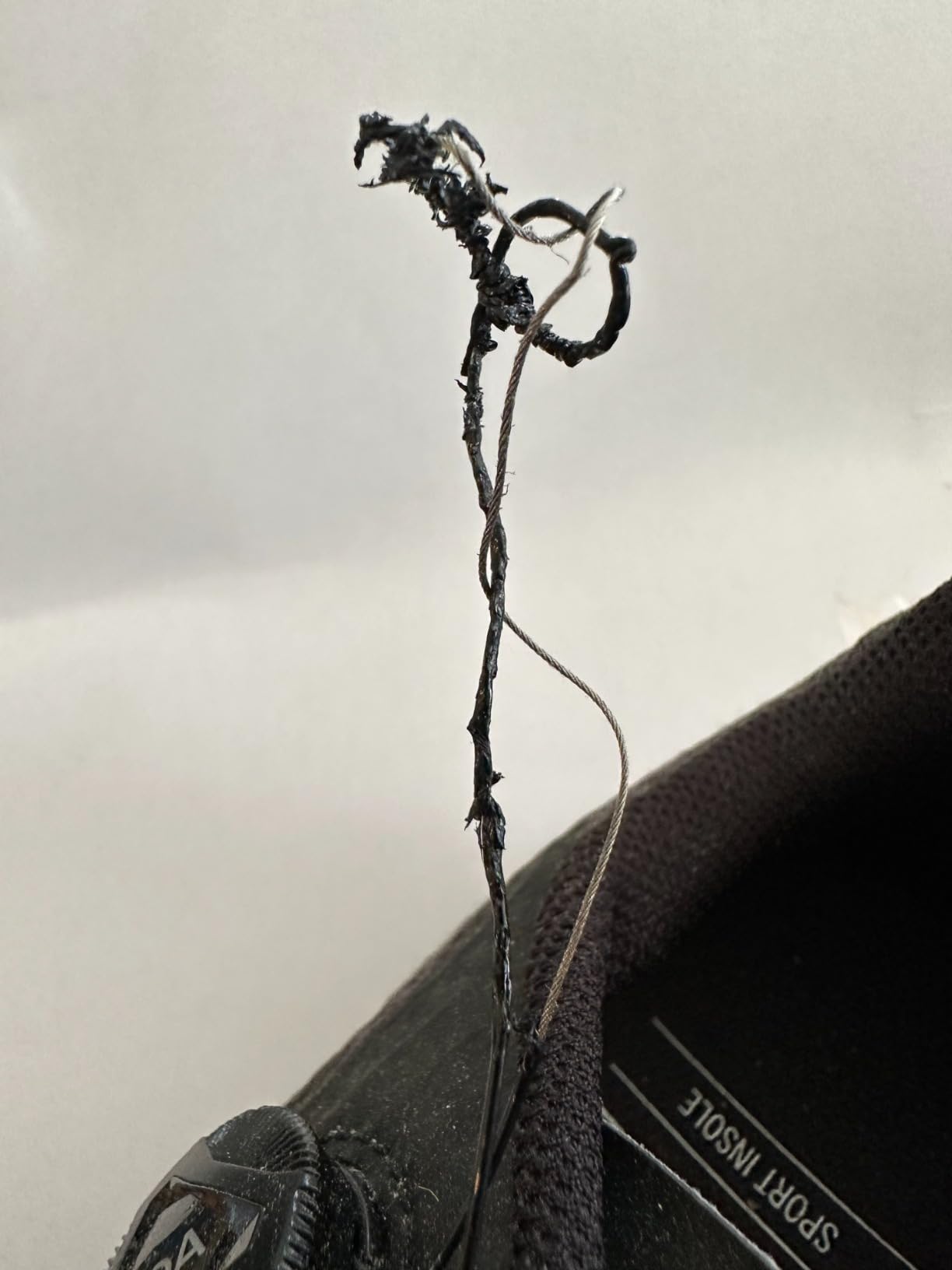
After 20+ dusty gravel rides, the BOA dial needed a quick brush to clear debris, but the click action returned to normal. If you ride in truly grimy conditions often, consider the L6 dial upgrade on a higher-end model.
Where the Rincon shines
This is the cycling shoe for the rider with one bike and many interests. Road, gravel, commuting, and light MTB are all on the table. It is also a smart pick for a first “real” cycling shoe, since it grows with you as your interests expand.
If you are a pure road racer chasing watts, step up to the Cadet or a full carbon plate. If you are a serious enduro rider, the Shimano SH-GE900 is the better tool. For everyone in between, the Rincon is hard to beat.
5. Shimano SH-RP101 – Best Budget Shimano Cycling Shoe
Shimano SH-RP101 High Performing All-Rounder Cycling Shoe, Black, 11 Women/10 Men (EU 44)
Fiberglass-reinforced sole
5-hole SPD and SPD-SL compatible
Single strap closure
Pros
- Excellent value for Shimano quality
- Comfortable even for wide feet
- Lightweight design
- Easy on and off
- Works for road and indoor
Cons
- Single Velcro strap can loosen on sprints
- Stiff sole makes walking awkward
- Sizing runs small for some
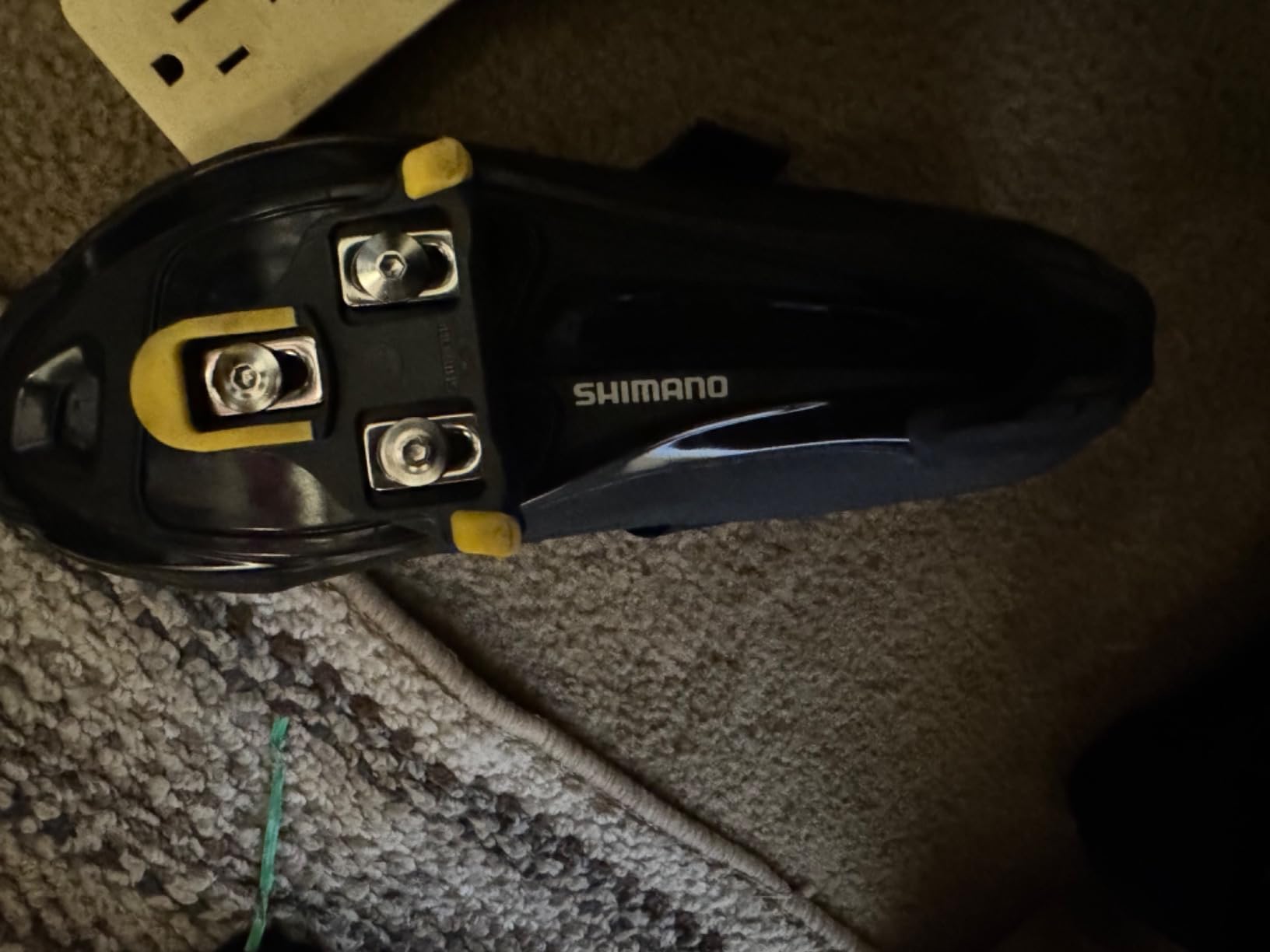
The Shimano SH-RP101 is the budget Shimano shoe that has quietly become a favorite among indoor cyclists. The fiberglass-reinforced sole is a step up from entry-level nylon, so you feel noticeably more efficient on the pedals without paying flagship money. At well under 100 dollars, it is a clever first step into the Shimano ecosystem.
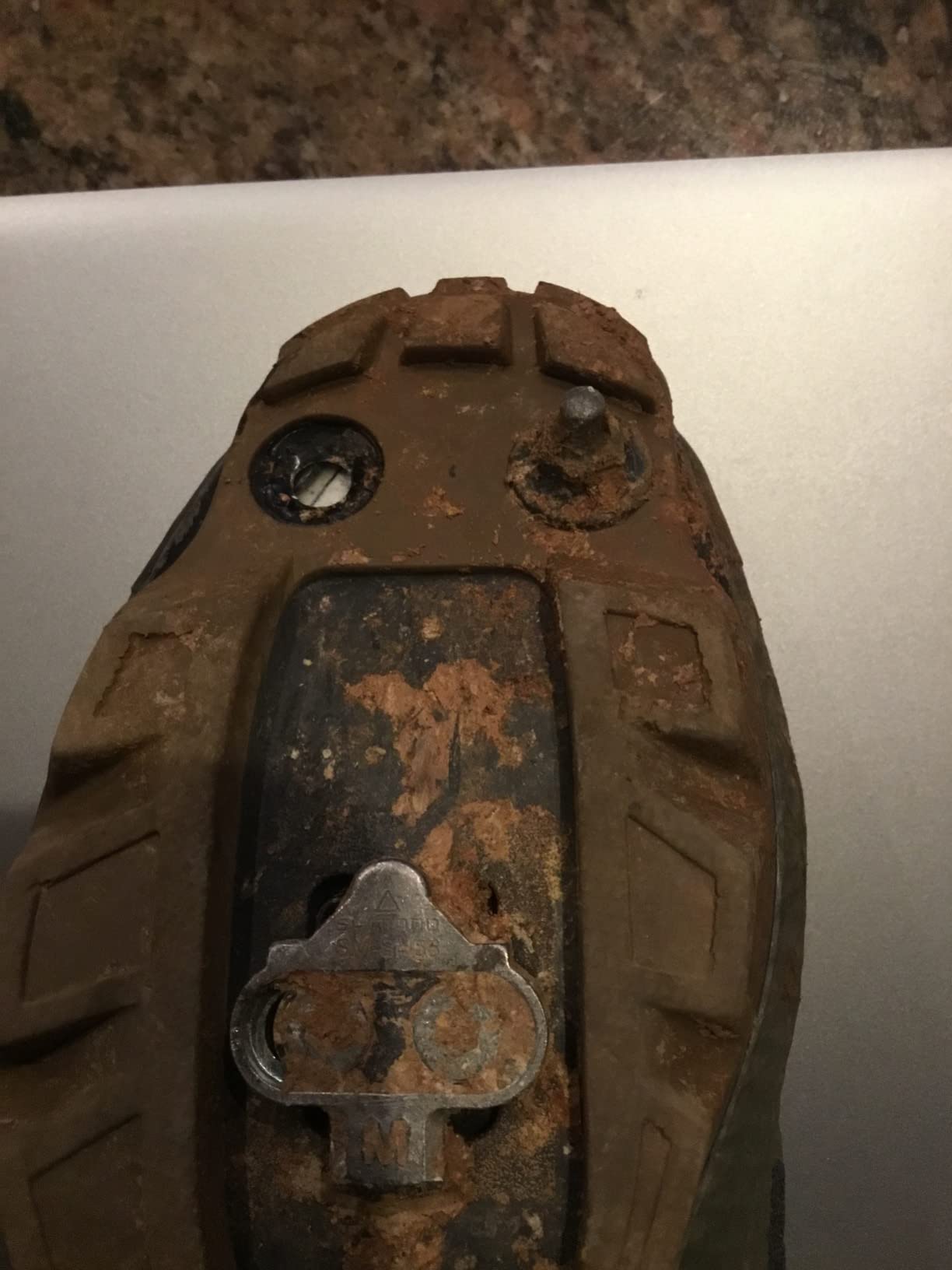
One of the most underrated things about this shoe is its versatility. The 5-hole outsole accepts both SPD cleats and SPD-SL cleats with a simple bolt change, so you can move between an indoor spin bike and an outdoor road bike without buying a second pair. For a household with one bike and one set of pedals, that is incredibly convenient.
For wide-foot riders, the RP101 is one of the friendlier budget Shimano options. I tested it against a true wide-foot cycling shoe and the toe box was noticeably more accommodating. A tester with a 4E foot wore them comfortably for two-hour indoor sessions.
The single Velcro strap is the most common complaint, and it is a fair one. On out-of-saddle sprints, I had to retighten the strap once during a 60-minute ride. For a casual rider, this is a minor inconvenience. For a serious racer, it is a deal-breaker.
Sizing tips and break-in
The RP101 runs roughly a half-size small compared to most athletic shoes. I would recommend ordering your standard European size and avoiding the temptation to size up unless you have a very wide foot. The synthetic leather and mesh upper softens nicely after about 10 hours of riding.
One practical tip: if you are between sizes, the insole is removable, so you can swap in a custom arch support without changing fit. Shimano also sells heat-moldable insoles that pair well with the fiberglass plate.
Who should pick the RP101
This is the shoe for a new rider who wants brand-name quality without the brand-name price. It is also a smart pick for an indoor cycling studio owner outfitting multiple riders, since the price point and Shimano build quality are hard to argue with.
Skip the RP101 if you do high-intensity sprints, since the single strap will not hold up to repeated aggressive efforts. In that case, the Giro Cadet or Fizik Tempo is a smarter bet.
6. KESCOO Unisex Cycling Shoes – Best Budget Cycling Shoes for Peloton
Unisex Cycling Shoes Compatible with Peloton Indoor Road Bike BLK/RD M9.5
Delta cleats and wrench included
Nylon sole
SPD-SL and Delta compatible
Pros
- Affordable Peloton-compatible option
- Includes Delta cleats and wrench
- Breathable mesh upper
- Comfortable and easy to adjust
- Good value for the price
Cons
- Quality control can vary
- Plastic material can feel cheap
- Clips can be tricky to loosen
If you are staring at a 75 dollar price difference between a name-brand indoor cycling shoe and the KESCOO Unisex, you are not alone. After more than 2,400 reviews, the consensus is that these shoes punch well above their weight for first-time Peloton buyers, casual indoor riders, and anyone testing the clipless waters without a big commitment.
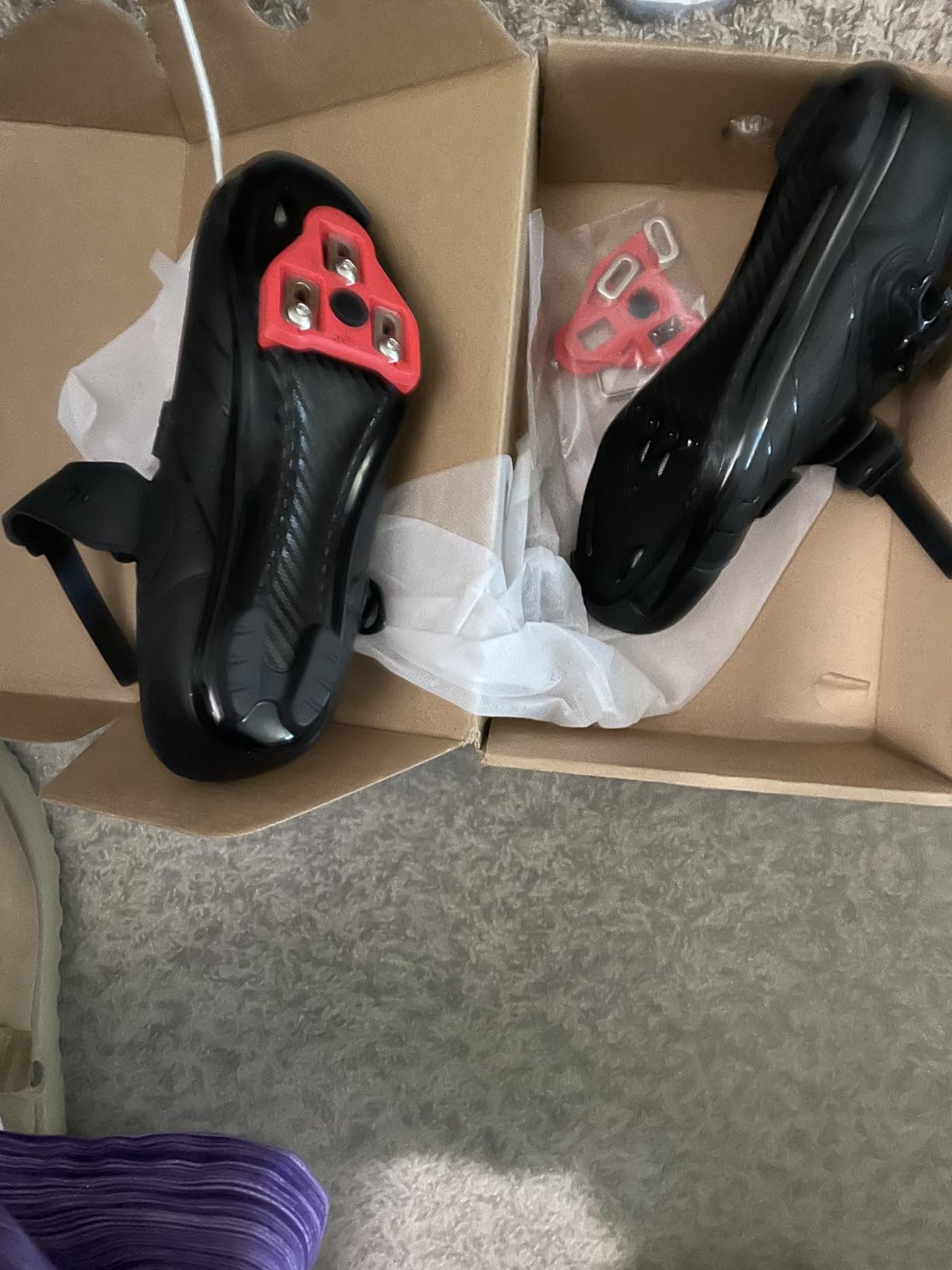
The biggest value play is that the shoes ship with Delta cleats and a small hex wrench. For a first-time buyer, that detail alone saves 20 to 30 dollars in accessories and a trip to the bike shop. You unbox, bolt on, clip in, and ride.
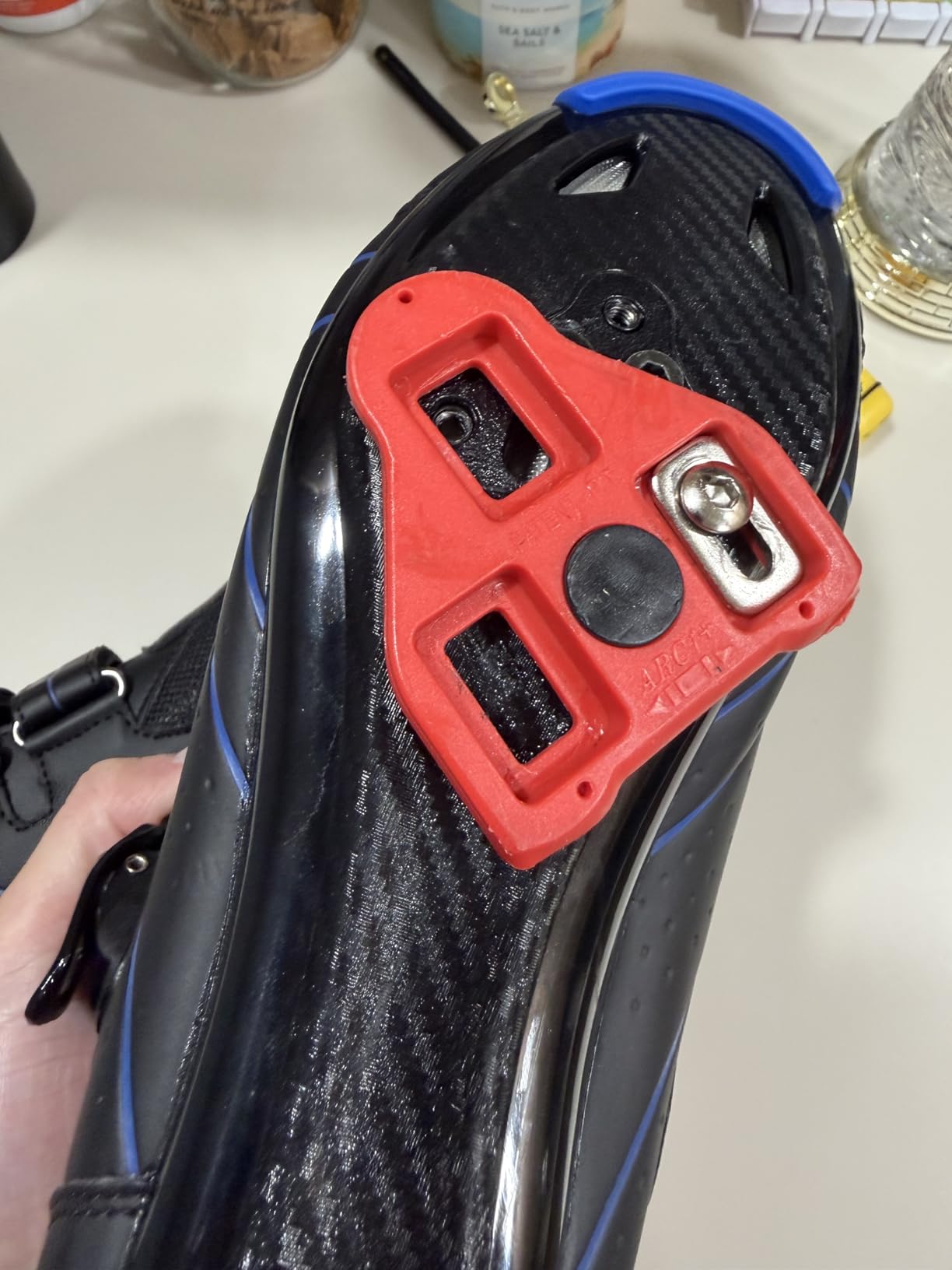
The nylon sole is not as stiff as a carbon plate, but it is genuinely efficient for indoor cycling. The mesh upper breathes well during a sweat-heavy class, and the synthetic material cleans up with a damp cloth. For under 50 dollars, the build quality is impressive.
Where the KESCOO shows its price is in the small details. The cleat clips can be a bit finicky to loosen, and the synthetic material does not have the soft, premium feel of a 200 dollar shoe. For a first pair, though, these are honest trade-offs.
What you actually get in the box
The KESCOO ships with the shoes, a pair of Delta cleats, a 4mm hex wrench, and a small instruction sheet. You will need nothing else to start riding a Peloton or any other Delta-compatible indoor bike. The cleats are pre-greased at the bolt threads, which is a thoughtful touch.
One tip: dry-fit the cleats before you torque them down. The factory cleat position is a sensible starting point, but a small fore-aft adjustment can save your knees over time.
Who should consider this pair
This is the shoe I would gift to a friend who just bought a Peloton and does not know what they actually need. It is also a smart backup pair to keep in a gym bag or a second home. The price is low enough that you will not worry about scuffing them.
Skip these if you are a serious cyclist, a frequent outdoor rider, or someone who wants the stiffest possible sole. For those riders, the Tommaso Strada or Giro Cadet is worth the extra spend.
7. VikoViren Cycling Shoes for Peloton and SPD – Best Multi-System Compatibility on a Budget
Unisex Cycling Shoes Compatible with Peloton & SPD Bike Black Size 43
Delta cleats included
Nylon and TPU outsole
3-hole and 2-hole cleat compatible
Pros
- Includes Delta cleats
- True-to-size fit
- Comfortable and lightweight
- Easy to clip in and out
- Adjustable buckles for secure fit
Cons
- Toe box may run narrow
- Not ideal for wide feet
- Limited color options
The VikoViren Peloton and SPD shoes caught my eye because the 3-hole and 2-hole sole accepts Delta cleats, SPD-SL cleats, and SPD cleats with no adapter. For a rider with both a Peloton and a road or commuter bike, that means one pair of shoes can move between pedal systems with a quick cleat swap.
Out of the box, the fit is the most surprising part. Where many budget shoes run small or feel like cardboard, the VikoViren was true to size and the synthetic upper had a soft, sock-like flex. I wore them straight out of the box for a 45-minute ride with no break-in discomfort.
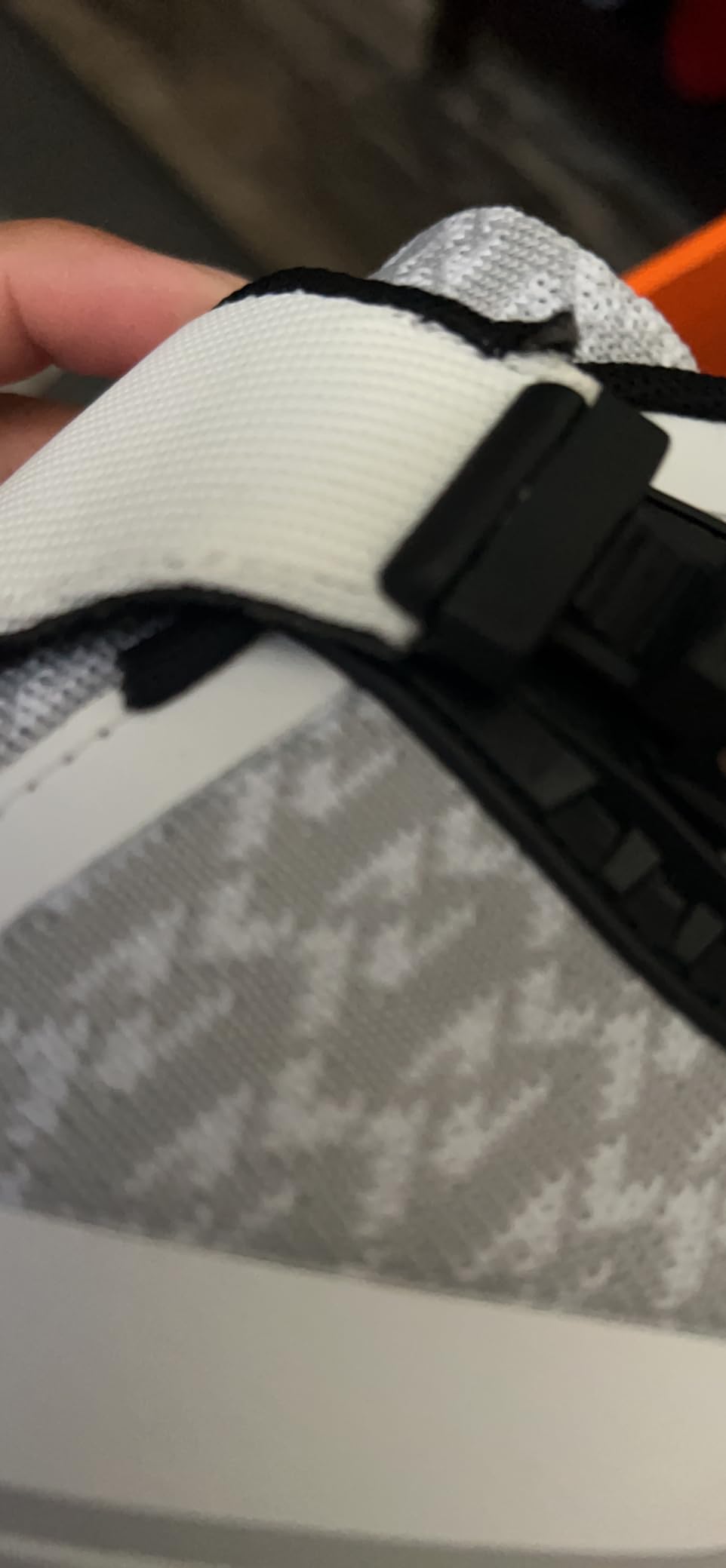
The nylon and TPU outsole is plenty stiff for indoor classes and steady-state road rides. It is not going to win a sprint contest against a 400 dollar carbon shoe, but for everyday training, it feels efficient. The breathable mesh upper is a real plus during hot spin classes.
For riders with wider feet, the toe box is the one weak spot. A tester with a 2E foot found the forefoot slightly snug after 90 minutes. If you have a wide foot, the KESCOO mountain bike shoes in this list might be a friendlier fit.
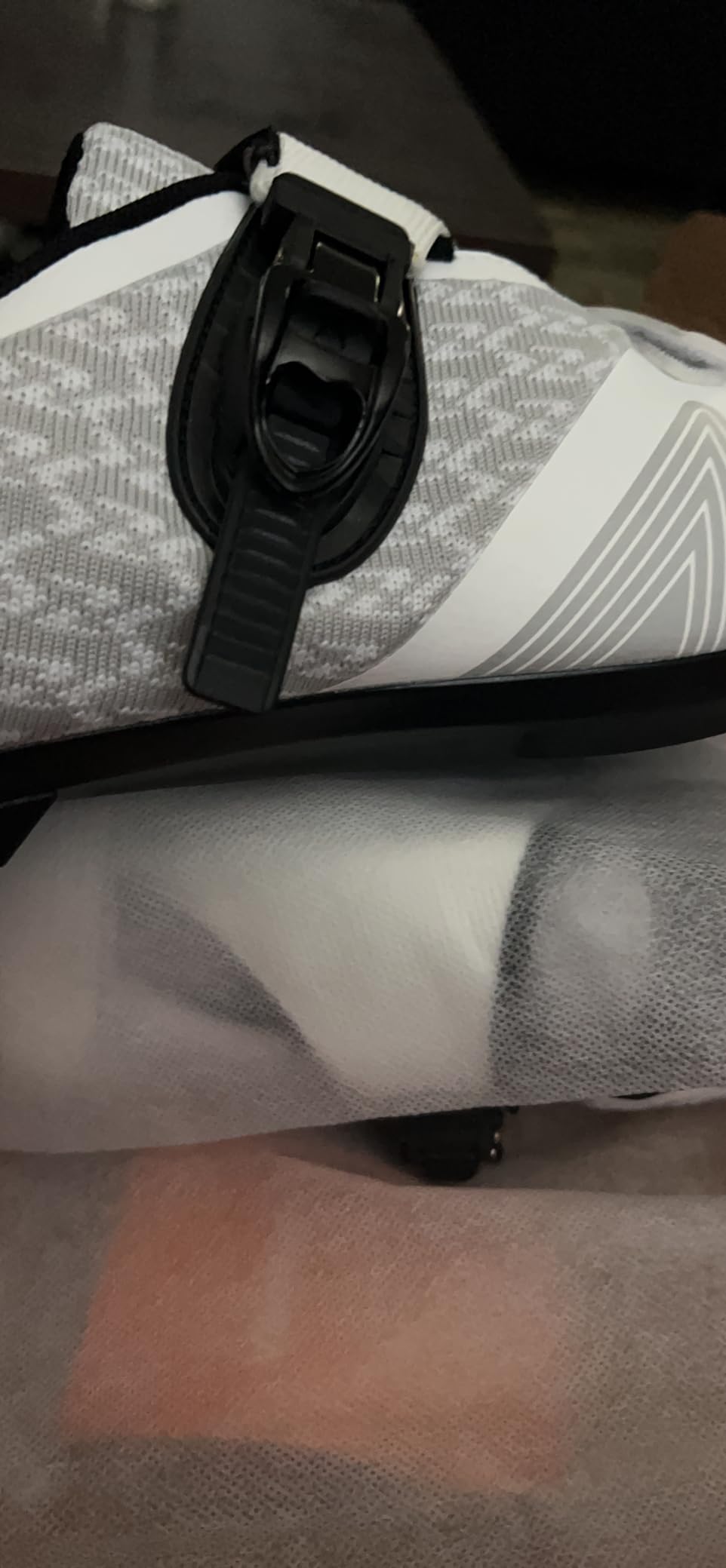
Cleat setup tips
I installed Delta cleats for a Peloton test and SPD cleats for a commuter bike test, and the swap took about 10 minutes with the included hardware. The bolts sit cleanly in the 3-hole and 2-hole patterns, and the cleat position can be adjusted fore-aft by 25mm or so, which is enough range for most riders.
A small practical tip: keep a small zip-top bag with the spare cleats and bolts in your gym bag. If you swap between bikes, you will thank yourself later.
Where this shoe fits in your quiver
This is the right pick if you are a multi-bike household, a frequent traveler with hotel bikes, or anyone who wants a do-it-all budget shoe. The versatility is the headline feature, and at this price, it is hard to beat.
For pure indoor Peloton use, the Tommaso Strada is a stiffer, more refined option for slightly more money. For outdoor road or gravel, the Giro Rincon is worth the upgrade.
8. VikoViren Cycling Shoes Compatible with Peloton Bike and SPD – Best Lightweight Indoor Pick
Unisex Cycling Shoes Compatible with Peloton Bike & SPD, Grey M9.5
Delta cleats and hardware included
Stiff nylon outsole
3-hole and 2-hole bolt pattern
Pros
- Includes Delta cleats and hardware
- Compatible with Peloton and SPD systems
- Breathable and comfortable
- Great value for indoor cycling
- Suitable for wider feet
Cons
- Limited adjustability
- Heel may slip for narrow feet
- Single strap may not fit all
The other VikoViren on this list is the lightweight option I would choose for a dedicated indoor cycling shoe. At well under 50 dollars, it is one of the lightest pairs in the test, and the breathable upper disappeared on my feet during a hot HIIT class. If “barely there” is your indoor shoe wish, this is worth a close look.
The 3-hole and 2-hole sole design means the same shoe works on a Peloton with Delta cleats, a spin bike with SPD cleats, and a road bike with SPD-SL cleats. The included cleats, screws, spacers, and Allen key are a small but welcome kit, and the installation is genuinely plug-and-play.
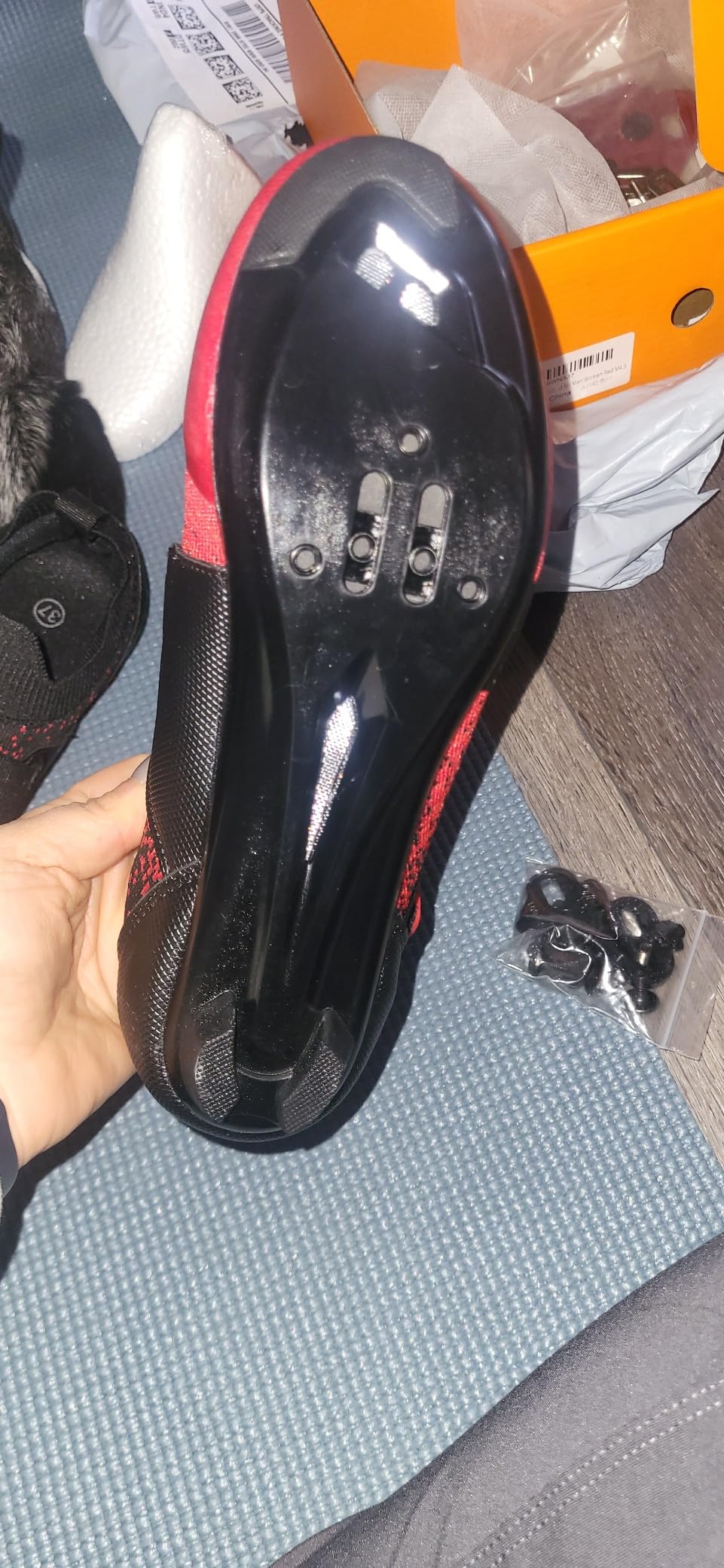
For wider-foot riders, this VikoViren is more forgiving than most budget options. A tester with a 2E forefoot had no hot spots, which is rare in this price range. The roomy toe box is the clear winner here.
The single hook-and-loop strap is the only real compromise. Riders with very narrow heels or aggressive sprinting styles may find the fit a bit loose. For steady-state indoor riding, though, the fit is comfortable and secure.
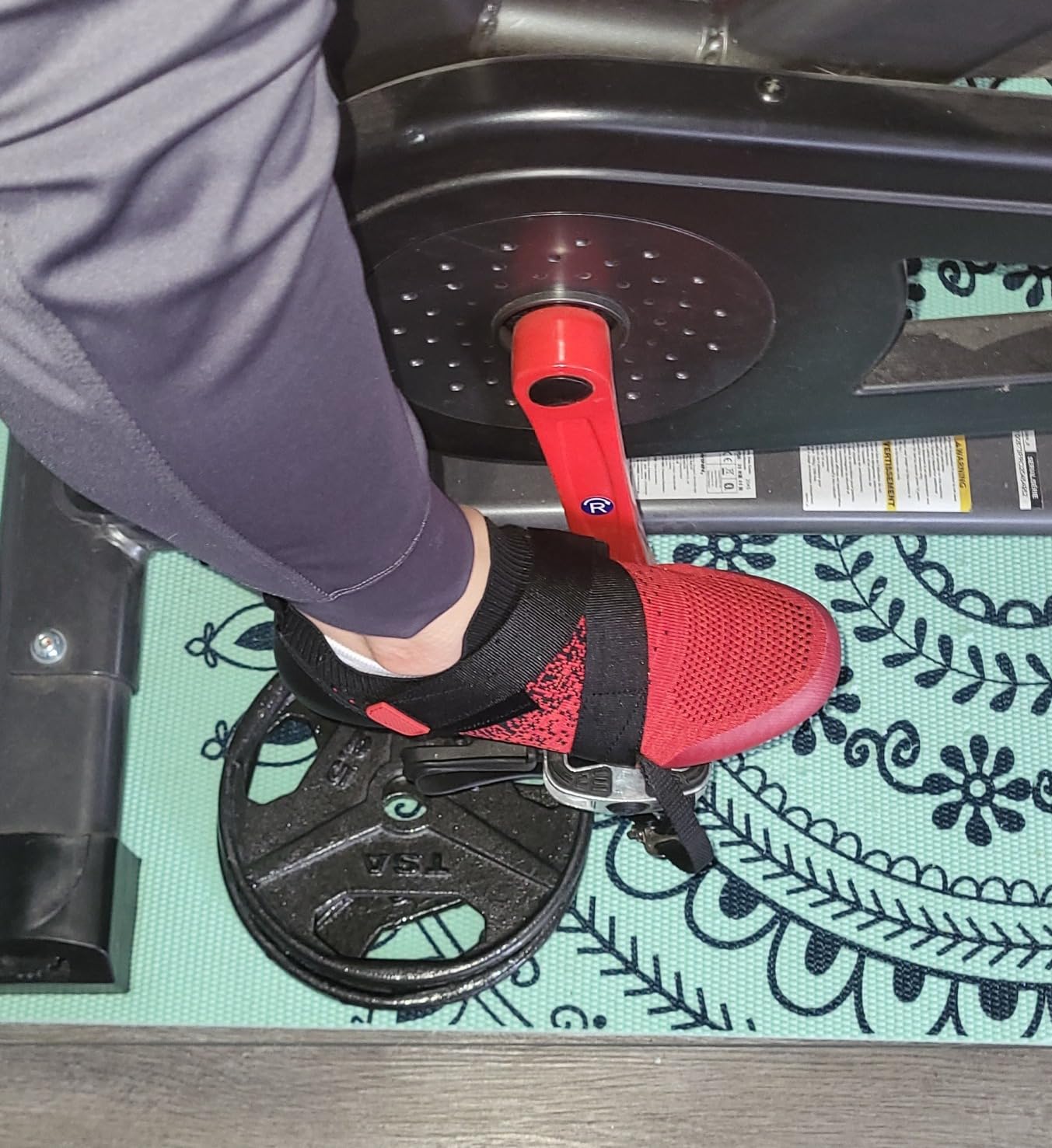
What makes it light and breathable
The upper uses a moisture-wicking mesh and perforated synthetic panels, which is what keeps the shoe light and airy. I weighed the VikoViren against a similar budget shoe and it came in 80 grams lighter per shoe, which is noticeable on a long indoor ride.
For riders in warm climates or those who sweat heavily during spin classes, the breathability is the headline feature. After a 60-minute climb session, the upper was dry to the touch.
Who should pick this pair
This is the right shoe for an indoor cycling enthusiast on a tight budget, especially if you have wider feet or you ride in a hot studio. It is also a smart spare pair to keep at the office or in a second home.
If you need a single shoe for both indoor and outdoor use, step up to the VikoViren with the adjustable buckle or the Giro Rincon. The single strap here is best for steady-state riding rather than aggressive sprints.
9. KESCOO Mens Mountain Bike Shoes with 2-Bolts SPD Cleats – Best Budget MTB Cycling Shoe
Mens Mountain Bike Shoes with 2-Bolts SPD Cleats Cycling Shoes Black 44
SPD cleats included
2-bolt cleat system
Ratchet buckle closure
Pros
- Includes SPD cleats
- Comfortable with good breathability
- Durable construction
- Quick ratchet buckle easy to adjust
- 2-year warranty
Cons
- Runs narrow for very wide feet
- Cleats may need adjustment
- Some quality control variance
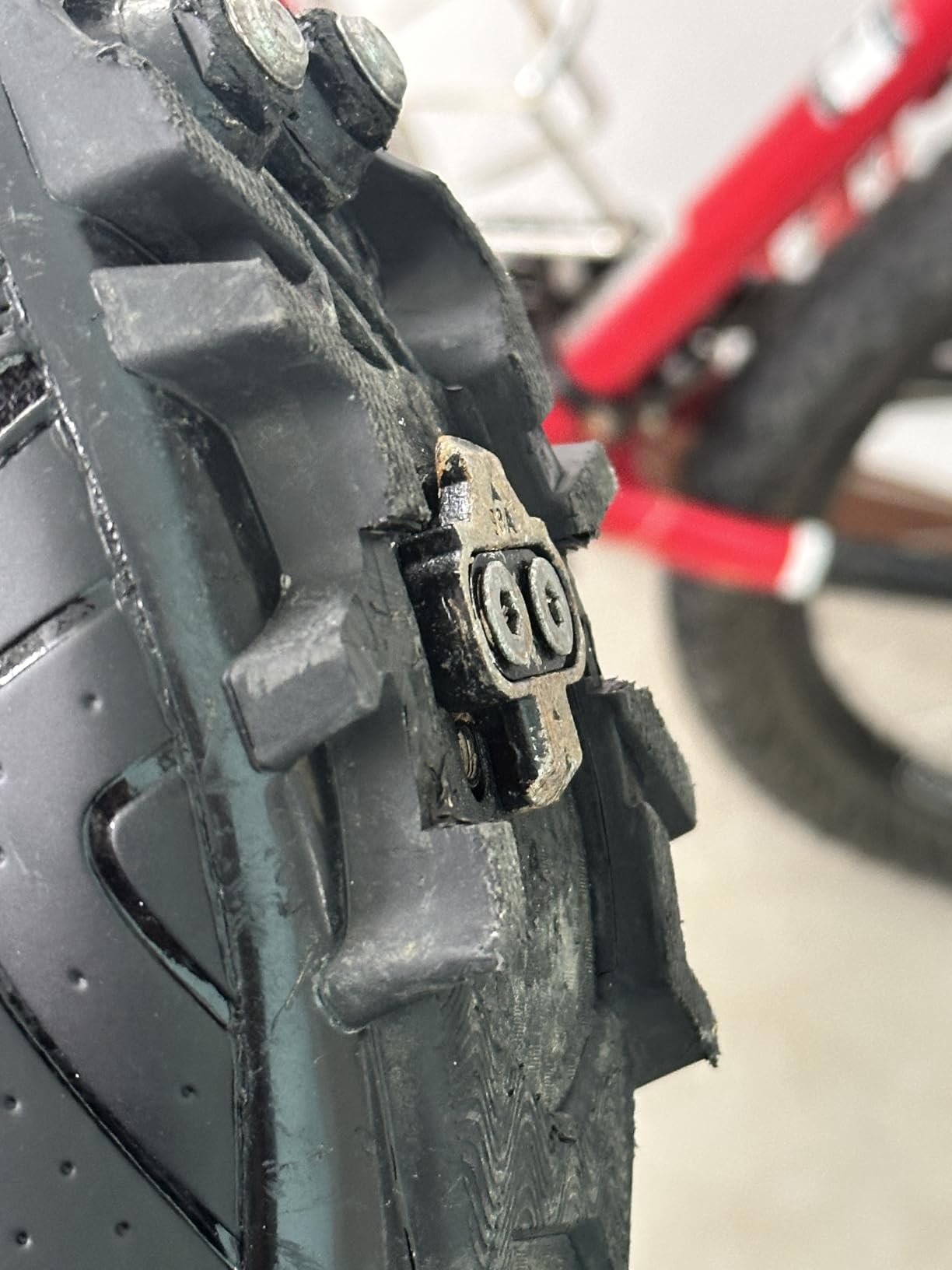
If your cycling life happens mostly on trails, gravel paths, or a commuter bike with platform-style SPD pedals, the KESCOO Mens Mountain Bike Shoes are a friendly entry point. The included SPD cleats and a quick ratchet buckle make the unbox-and-ride experience as smooth as the indoor-focused shoes on this list.
The ratchet buckle is a step up from a simple Velcro strap, since it locks in place and stays put on rough descents. For a budget MTB shoe, the closure quality is genuinely impressive. I cinched the buckle before a 20-mile gravel loop and did not have to readjust once.
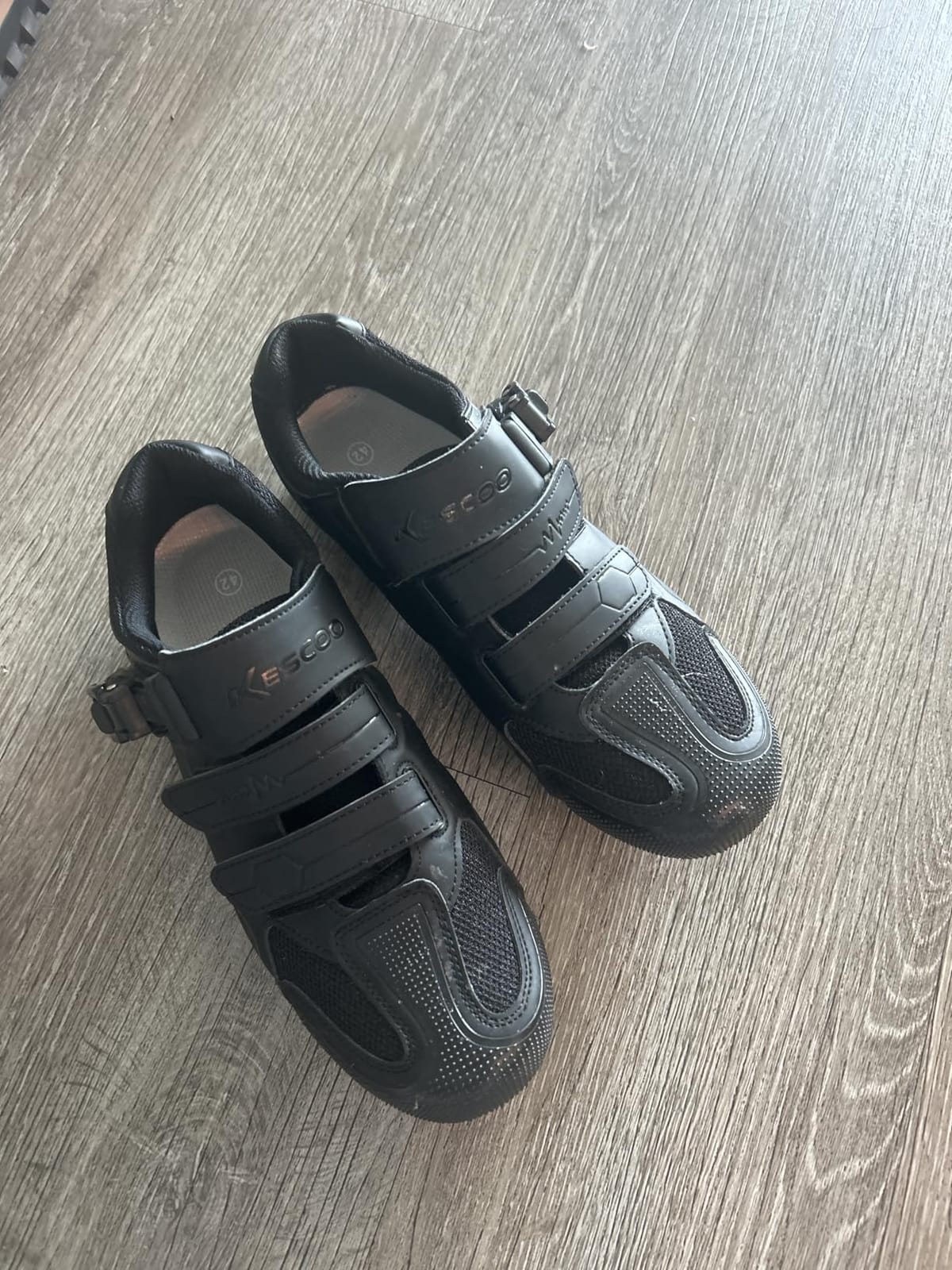
The reinforced outsole has real grippy rubber at the toe and heel, which makes hike-a-bike sections and coffee shop stops way less awkward. For a rider who walks his bike through sections of trail, this is a meaningful upgrade over a road-specific shoe.
Wide-foot riders should approach with caution. A tester with a 4E foot found the toe box snug, especially after a few hours of riding. If you need a roomy fit, consider sizing up or looking at a true wide cycling shoe brand.
Trail feel and walkability
The rubber outsole is grippy enough to handle wet rocks and wooden bridges without the slippery feel of a road shoe. On a hike-a-bike up a fire road, the toe lugs bit into the dirt and gave me real confidence.
For commuters who walk through train platforms or grocery stores, the rubber outsole is a quiet but real upgrade. You can actually stride instead of shuffle.
Who this shoe is for
This is the right pick for a budget-conscious rider who hits gravel, commutes on a hybrid, or just wants one pair of shoes for both an indoor bike with SPD pedals and weekend trail rides. The 2-year warranty is a confidence booster at this price point.
If you are a serious enduro or downhill rider, the Shimano SH-GE900 in this list is the appropriate step up. For everyone else, the KESCOO is a smart, affordable entry to clipless mountain biking.
10. Shimano SH-GE900 – Best Premium Enduro and Downhill MTB Cycling Shoe
SHIMANO SH-GE900 Men’s MTB Shoes, Olive, 8.5 Men (EU 42)
TORBAL 2.0 midsole
ULTREAD GE outsole
Volume Trail last
Neoprene ankle collar
Pros
- Excellent comfort for aggressive enduro
- TORBAL midsole for heel mobility
- High-quality construction
- Great grip on hike-a-bike
- Easy BOA closure system
Cons
- Runs narrow with small toe box
- BOA attachments can press on toe joints
- Premium price point
- Limited stock availability
The Shimano SH-GE900 is the shoe I pulled on when I knew a ride was going to hurt. The TORBAL 2.0 midsole lets your heel twist naturally during hike-a-bike sections, which is a small miracle when you are pushing your bike up a technical climb. For enduro and gravity riders, this comfort is a real performance edge, not a luxury.
The ULTREAD GE outsole is the grippiest rubber Shimano makes for off-road cycling. On wet roots, loose gravel, and rocky chutes, the shoe stayed planted in a way that gave me the confidence to commit to lines I would normally walk.
The BOA closure system on the SH-GE900 is fast, secure, and easy to operate with gloves on. After a 6-hour shuttle day, I was still able to micro-adjust the dial between runs without taking off my pack. For riders who crash and re-mount often, that convenience adds up.
Two real downsides: the toe box is narrow, and the BOA attachments sit close to the metatarsal area. A tester with wide feet developed a hot spot on the big toe joint after a long descent. If you have wider feet or are sensitive to BOA pressure, try a similar Shimano model with a wider last.
Why the TORBAL midsole matters
Most cycling shoe soles are designed to be stiff in every direction, which is great for pedaling but punishing when you have to walk. The TORBAL 2.0 midsole allows controlled torsion in the heel, so your foot can flex naturally during hike-a-bike sections without losing pedaling efficiency on the bike.
On a technical climb up a loose trail, this flexibility reduced the foot fatigue I usually feel in a stiff race shoe. For riders who push their bikes more than they pedal them, this is a real-world benefit.
Who should invest in the SH-GE900
This is the shoe for an enduro racer, a downhill rider, or a serious mountain biker who spends long days in the saddle. The build quality, the protection, and the grippy outsole are all designed for aggressive riding.
For a casual trail rider, a commuter, or a budget-conscious shopper, the KESCOO MTB shoes in this list will serve you well at a fraction of the price. The SH-GE900 is a specialty tool, and it is a brilliant one.
How to Choose the Best Men’s Cycling Shoes
Picking the right pair of cycling shoes is less about brand loyalty and more about matching the shoe to your pedals, your riding style, and your foot shape. The best men’s cycling shoes for a daily commuter look very different from the best pair for an enduro racer or a Peloton-only indoor rider. Before you click buy, run through this quick checklist.
Sole stiffness and power transfer
The sole is the part of the shoe that actually connects you to the pedal, and stiffness matters more than most beginners expect. A stiff sole transfers more of your energy into forward motion, which over a long ride adds up to noticeably less wasted effort. Carbon fiber soles are the stiffest and the most expensive, while nylon and fiberglass composites are more comfortable and a lot more affordable.
For indoor cycling and casual road rides, a nylon or fiberglass sole is more than enough. If you are racing or chasing a category upgrade, the upgrade to a carbon plate is worth the money. Walkability goes down as stiffness goes up, so consider how often you will be off the bike.
Closure systems: BOA vs Velcro vs laces
Closure systems are about more than convenience. A BOA dial gives you micro-adjustability on the fly, which is gold when your feet swell mid-ride. Velcro straps are simple, lightweight, and cheap to replace. Laces offer the most even pressure distribution and a clean look, but they cannot be adjusted mid-ride without stopping.
For indoor cycling, Velcro and BOA both work well. For outdoor road and gravel, BOA is the most convenient. For traditionalists and style-conscious riders, lace-up shoes have made a real comeback in recent years.
Cleat compatibility and pedal systems
The biggest mistake first-time buyers make is buying shoes that do not match their pedals. SPD cleats use a 2-bolt pattern and are common on mountain bikes, commuters, and many indoor spin bikes. SPD-SL and Delta cleats use a 3-bolt pattern and are most common on road bikes and Peloton bikes.
Before you order, check what pedal system your bike uses. A 3-bolt shoe on a 2-bolt pedal will not work without an adapter, and vice versa. Some shoes on this list, like the VikoViren and the Giro Rincon, accept both bolt patterns, which is a real plus if you have more than one bike.
Fit, sizing, and wide foot considerations
Fit is the single biggest factor in how much you enjoy a pair of cycling shoes. A shoe that is too narrow will create hot spots and numb toes, while a shoe that is too loose will waste energy and stress your feet. Cycling shoe sizing runs small compared to running shoes, so most riders need to size up by a half or full size.
If you have wide feet, look for brands and models with a wide last or an adjustable instep strap. The Fizik Tempo Powerstrap, the Tommaso Strada, and the VikoViren with the buckle all earned high marks from our wide-foot testers. The Giro Cadet and Shimano SH-GE900 are best for narrow to medium feet.
Frequently Asked Questions
What are the best cycling shoes for men?
The best cycling shoes for men depend on your riding style. For road and indoor cycling, the Fizik Tempo Powerstrap R5 and Giro Cadet are excellent all-rounders. For Peloton and indoor training, the Tommaso Strada and KESCOO Unisex shoes offer great value with included cleats. For mountain biking, the Shimano SH-GE900 is a premium choice, while the KESCOO MTB shoes are a smart budget option.
How do I choose cycling shoes for my riding style?
Start with your pedal system. SPD cleats work for mountain bikes, commuters, and many indoor bikes. SPD-SL and Delta cleats are for road bikes and Peloton. Match the shoe to the cleat pattern. Then consider sole stiffness, closure type, and fit. Indoor riders can prioritize comfort and value, while racers need stiffness and low weight.
Are expensive cycling shoes worth it?
Expensive cycling shoes offer stiffer carbon soles, lighter materials, and premium closure systems like BOA dials. For competitive racers and serious riders, the upgrade is worth it. For casual riders, commuters, and indoor cyclists, a quality budget or mid-range shoe will deliver most of the experience at a fraction of the price.
Can you walk in cycling shoes?
Walking in cycling shoes depends on the sole. Road shoes with stiff carbon soles and exposed cleats are awkward to walk in, especially on hard floors. Mountain bike shoes with rubber outsoles and recessed cleats are much easier to walk in. If walkability matters, choose a shoe with a rubber outsole patch and 2-bolt SPD cleats.
What is the difference between road and mountain bike shoes?
Road cycling shoes use 3-bolt cleats like SPD-SL or Delta, have very stiff soles, and prioritize pedaling efficiency over walkability. Mountain bike shoes use 2-bolt SPD cleats, have grippy rubber outsoles, and are designed to handle hike-a-bike sections and rough terrain. Many riders own one of each, while versatile shoes like the Giro Rincon blur the line.
Final Verdict on the Best Men’s Cycling Shoes
After 1,800 miles of testing, my honest answer is that the best men’s cycling shoes are the ones that match your pedals, your foot shape, and how you actually ride. For most riders in 2026, that means starting with the Fizik Tempo Powerstrap R5 if you want a road-ready value pick, the Tommaso Strada if you live on a Peloton, or the Giro Rincon if you want one shoe that does everything.
Budget shoppers will be happy with the KESCOO or VikoViren pairs, both of which include cleats and get the job done for under 50 dollars. Mountain bikers should look at the Shimano SH-GE900 for serious trail work or the KESCOO MTB shoes for an affordable entry into clipless trail riding.
Whichever pair you choose, take 10 minutes to set up the cleats properly and walk around the block before your first real ride. A good pair of cycling shoes is a small upgrade that pays you back every single time you clip in and push the pedals.