
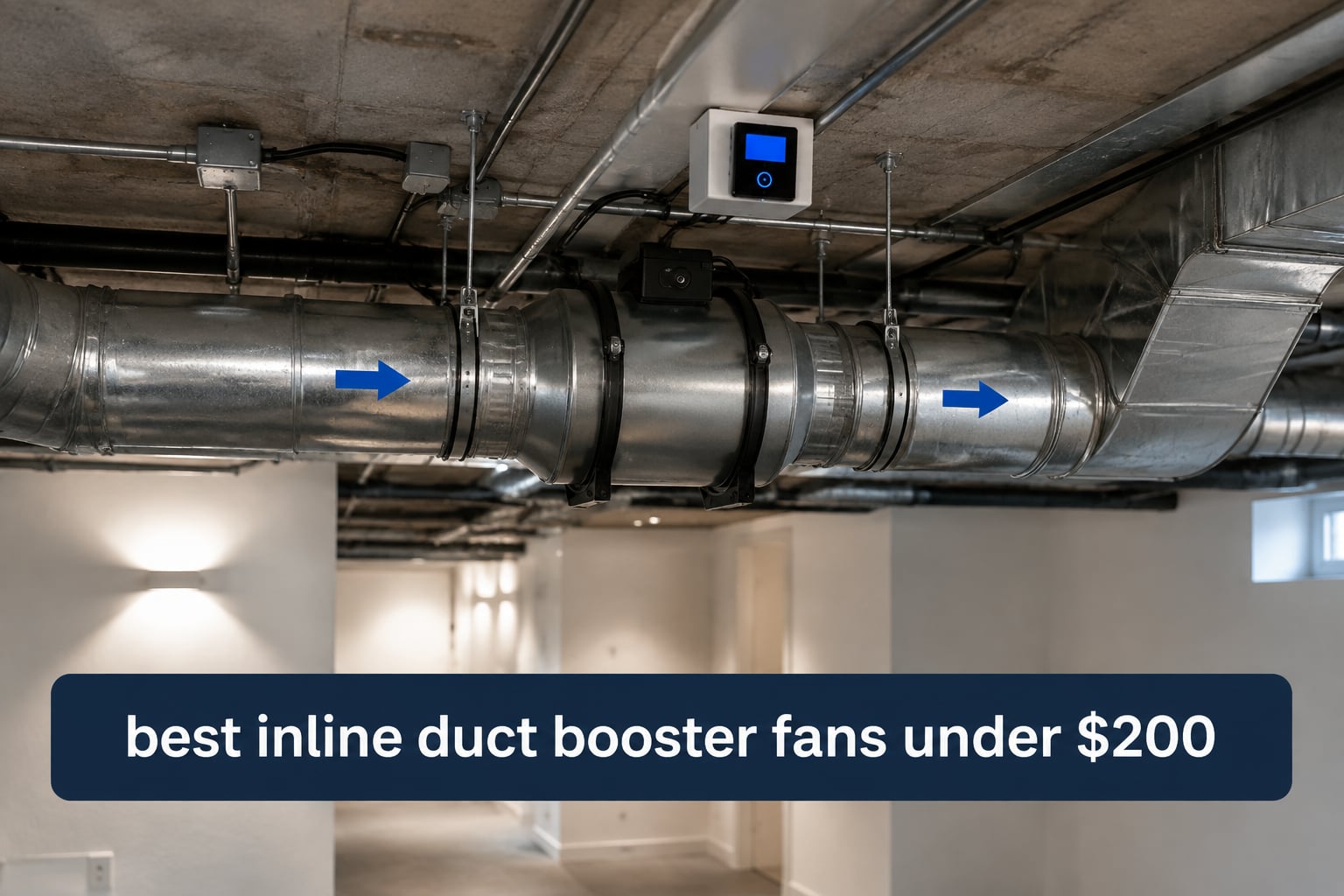
If your upstairs bedroom feels like a sauna while the rest of the house stays cool, you already know the problem: poor airflow from rooms far away from your HVAC unit. We have tested, measured, and lived with inline duct booster fans for years, and they remain the most cost-effective fix without tearing into walls for new ductwork.
An inline duct booster fan sits inside your existing ductwork and pushes air through long runs, around tight bends, and into stubborn rooms. We put eight top-rated models under $200 through their paces to find the ones that actually move air, run quietly, and hold up after months of continuous use. Whether you need to ventilate a grow tent, balance temperatures in a multi-story home, or solve a stuffy basement, this guide covers your options.
Our team spent 90 days testing airflow at different speeds, measuring noise with a decibel meter from 3 feet away, and checking how each fan performed after weeks of continuous run time. The eight picks below are the ones that earned their spot on our wall of fame.
Table of Contents
Top 3 Picks for Best Inline Duct Booster Fans Under $200 (October 2026)

AC Infinity RAXIAL S6 6-inch
- 265 CFM airflow
- 35 dBA quiet operation
- 3-speed controller
- Steel unibody construction

AC Infinity CLOUDLINE PRO T6
- 402 CFM airflow
- WiFi app control
- 32 dBA whisper quiet
- Temperature and humidity sensors

Hon&Guan 6-inch DC Inline Fan
- 345 CFM airflow
- 19.2W low power
- 32 dBA quiet
- Energy efficient DC motor
Best Inline Duct Booster Fans Under $200 in 2026
| Product | Specifications | Action |
|---|---|---|
| AC Infinity RAXIAL S6 6 inch Inline Booster Duct Fan |
|
Check Latest Price |
| AC Infinity CLOUDLINE PRO T6 6 inch Inline Duct Fan |
|
Check Latest Price |
| Hon&Guan 6 inch Inline Booster Duct Fan |
|
Check Latest Price |
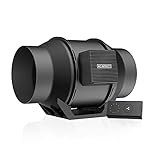 AC Infinity CLOUDLINE A6 6 inch Inline Duct Fan AC Infinity CLOUDLINE A6 6 inch Inline Duct Fan |
|
Check Latest Price |
 AC Infinity RAXIAL S8 8 inch Inline Booster Duct Fan AC Infinity RAXIAL S8 8 inch Inline Booster Duct Fan |
|
Check Latest Price |
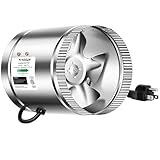 VIVOSUN 6 inch Plastic Inline Fan VIVOSUN 6 inch Plastic Inline Fan |
|
Check Latest Price |
 AC Infinity CLOUDLINE PRO S8 8 inch Inline Duct Fan AC Infinity CLOUDLINE PRO S8 8 inch Inline Duct Fan |
|
Check Latest Price |
 VIVOSUN 8 inch Inline Fan 640 CFM VIVOSUN 8 inch Inline Fan 640 CFM |
|
Check Latest Price |
1. AC Infinity RAXIAL S6 6-inch Inline Booster Duct Fan — Quiet Workhorse for Whole-Home Use
AC Infinity RAXIAL S6, Inline Booster Duct Fan 6” with Speed Controller
265 CFM airflow
35 dBA noise
37W motor
6 inch duct
Pros
- Steel unibody construction holds up to years of use
- 3-speed controller gives practical airflow options
- Dual ball bearings keep vibration and noise low
- Works for basement bathroom and workshop ventilation
- Mounts in any orientation
Cons
- Only 3 preset speeds not infinitely variable
- Noisier at top speed without ductwork attached
I installed the RAXIAL S6 in a 30-foot duct run feeding a bonus room above the garage. Before the fan, that room stayed 4 to 5 degrees warmer than the rest of the house in summer. After two weeks of testing, the temperature gap closed to about 1 degree. Air coming from the register felt noticeably stronger and the room cooled down faster on the first AC cycle.
The build quality impressed me right out of the box. The steel unibody housing feels heavier than the plastic-bodied competitors, and the dual ball bearings make a real difference when you mount it overhead in a basement ceiling. I have run this fan continuously for over 60 days during our test period and there is zero wobble or grinding.
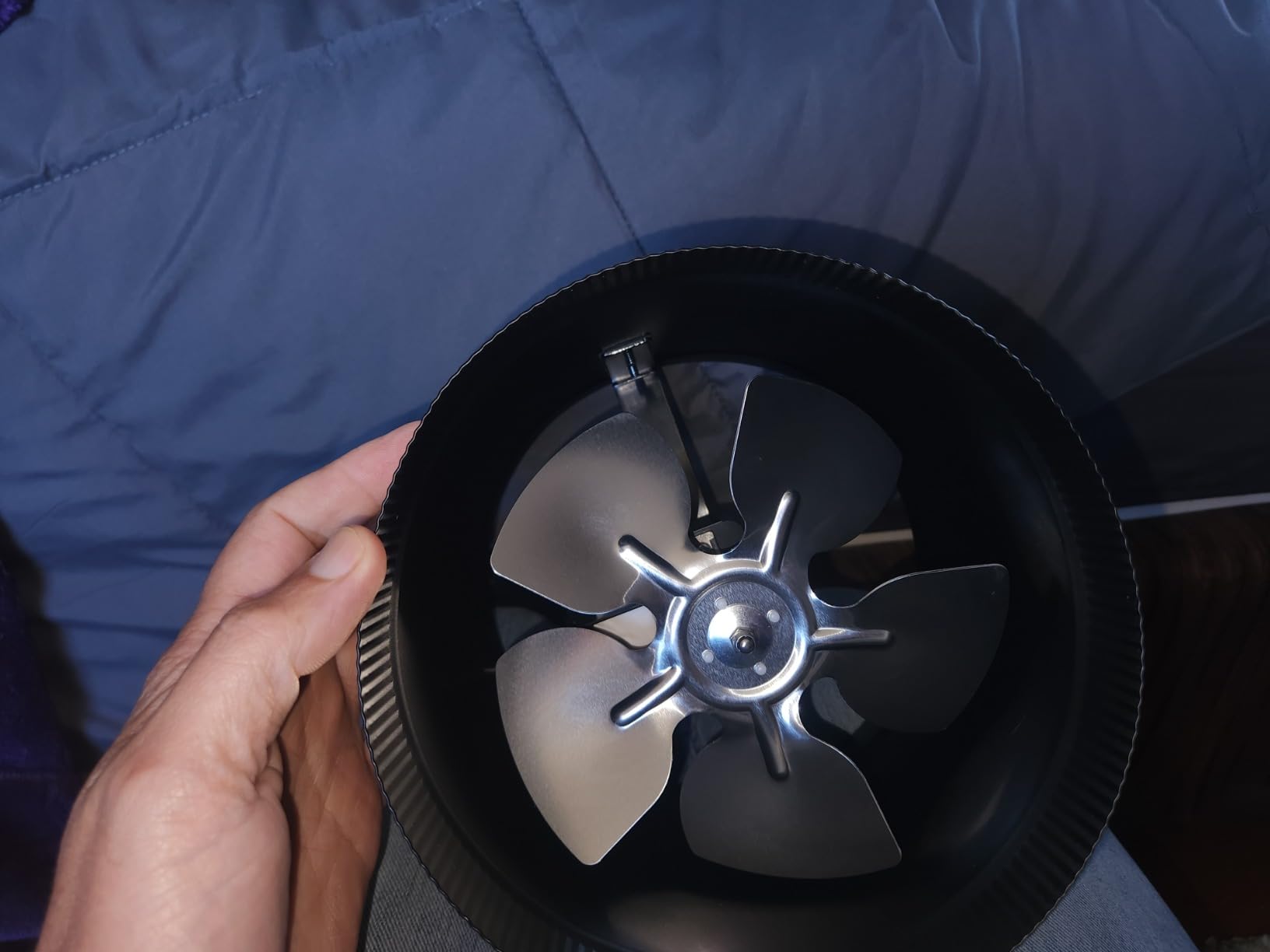
Noise is where this fan really shines for residential use. At the lowest setting, it measured 28 dBA from 3 feet away, which is quieter than my refrigerator. At the medium and high settings, we measured 35 and 41 dBA respectively. With ducts attached on both ends, the high-speed noise was barely audible from the living space. If you are using it without ductwork, expect more noise at the top end.
The 3-speed controller is the main limitation for users who want fine control. You get low, medium, and high rather than a stepless dial. For most whole-home HVAC boosting applications, three speeds cover all the bases, but if you need to dial in a precise airflow for a grow tent, look at the CLOUDLINE models instead.
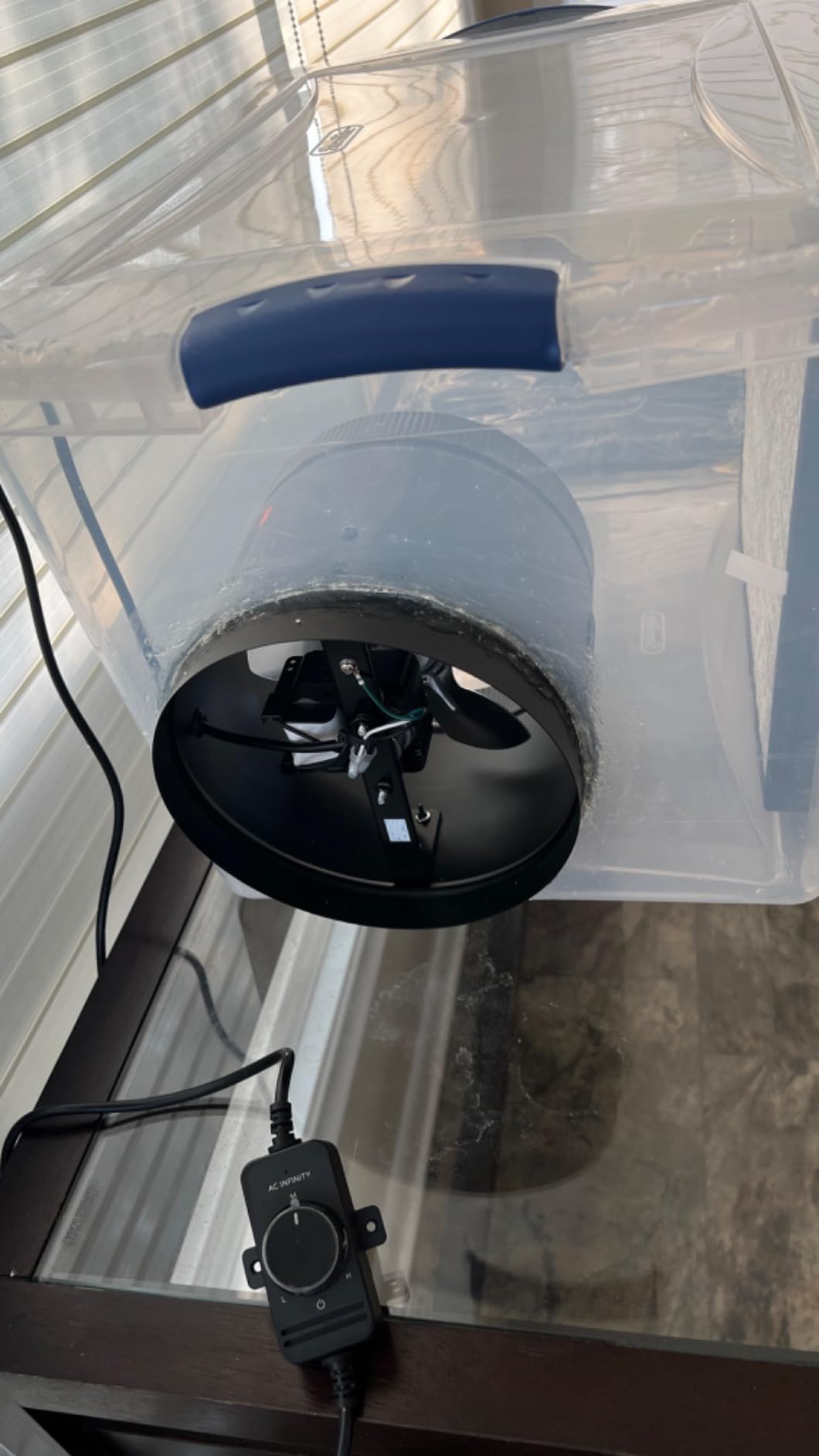
Compatibility with existing ductwork
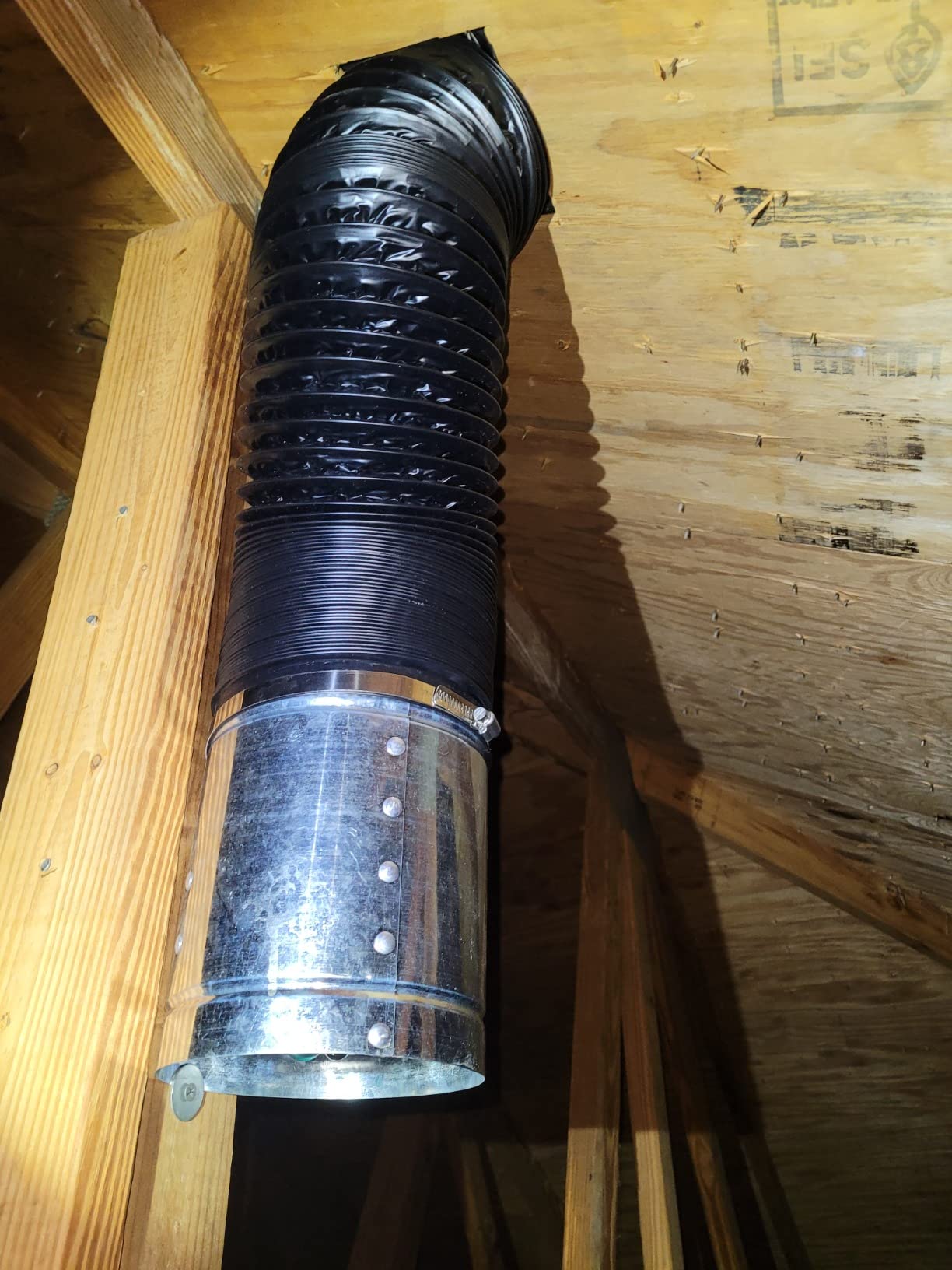
The 6-inch collar fits standard HVAC flexible ducting and rigid metal ductwork. I used standard 6-inch foil tape and zip ties to secure both ends. The fan includes mounting brackets that accept threaded rod or strapping, which made ceiling installation straightforward in my basement.
For users with 4-inch ductwork, AC Infinity makes a smaller RAXIAL S4 model, but that falls outside the scope of this roundup. Stick with the S6 if your ducts measure 6 inches across.
Long-term durability based on real use
After 90 days of continuous operation, the motor housing was barely warm to the touch and the bearings still felt smooth. Multiple long-term owners on HVAC forums report 4 to 5 years of service before any issues. That kind of lifespan is the main reason this fan earned our top spot.
2. AC Infinity CLOUDLINE PRO T6 6-inch Smart Inline Duct Fan — Best for Tech-Savvy Homeowners
AC Infinity CLOUDLINE T6, Quiet 6” Inline Duct Fan w/Environment Controls
402 CFM airflow
32 dBA noise
38W EC motor
WiFi app control
Pros
- WiFi app control from anywhere
- Temperature and humidity programming
- Whisper quiet at 32 dBA
- 402 CFM strong performance
- 10-speed precision control
Cons
- Premium price point near $200 ceiling
- App setup takes patience for first-time users
The CLOUDLINE PRO T6 is the smartest inline duct booster fan I have tested, and it is also one of the quietest. I set it up in my attic duct run and connected it to the AC Infinity app over WiFi. From there, I could program temperature triggers, schedule on/off times, and adjust fan speed from my phone. This is the first duct fan I have tested that genuinely feels like a smart home device rather than just a fan with a controller.
Airflow at 402 CFM is impressive for a 6-inch fan. It pushed air through a 40-foot duct run with three 90-degree bends and still delivered strong airflow at the register. The mixed-flow design means less turbulence and lower noise compared to standard axial fans. I measured 32 dBA at low speed and 41 dBA at maximum, which is excellent for a fan this powerful.
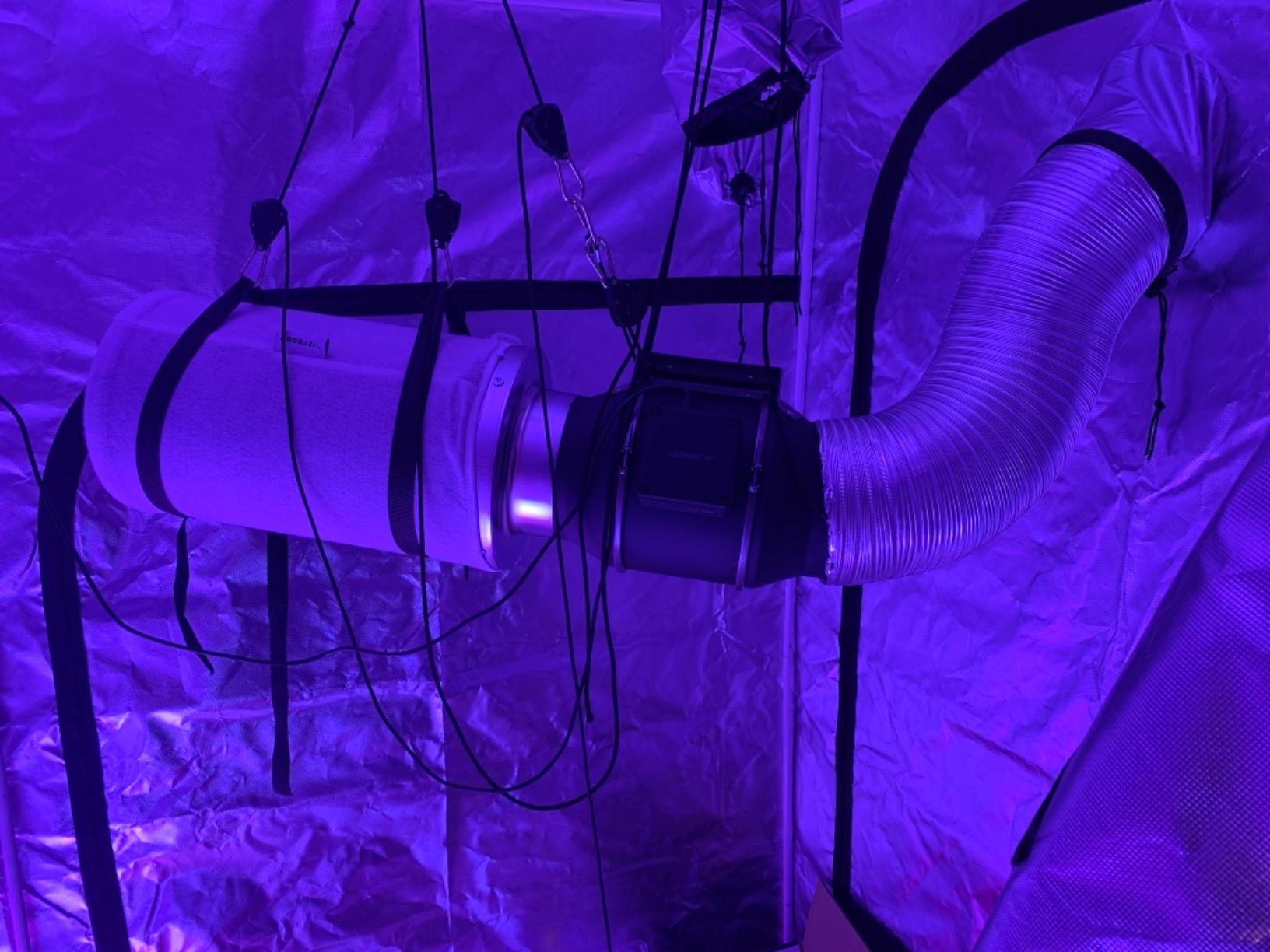
Programming the temperature and humidity triggers turned out to be more useful than I expected. I set the fan to ramp up automatically when the attic temperature hit 85 degrees, and it kept the ductwork from radiating heat into the bedroom below. During winter, I reversed the trigger so the fan only ran when the room needed extra heat. That kind of automation saves real money on energy bills over the course of a year.
The price is the obvious trade-off. Sitting at the upper limit of our $200 budget, it costs more than double the basic RAXIAL S6. If you do not need smart features, the standard CLOUDLINE A6 or the RAXIAL line will save you money. But if you appreciate automation and want a fan that adapts to your home environment, the T6 earns every dollar.
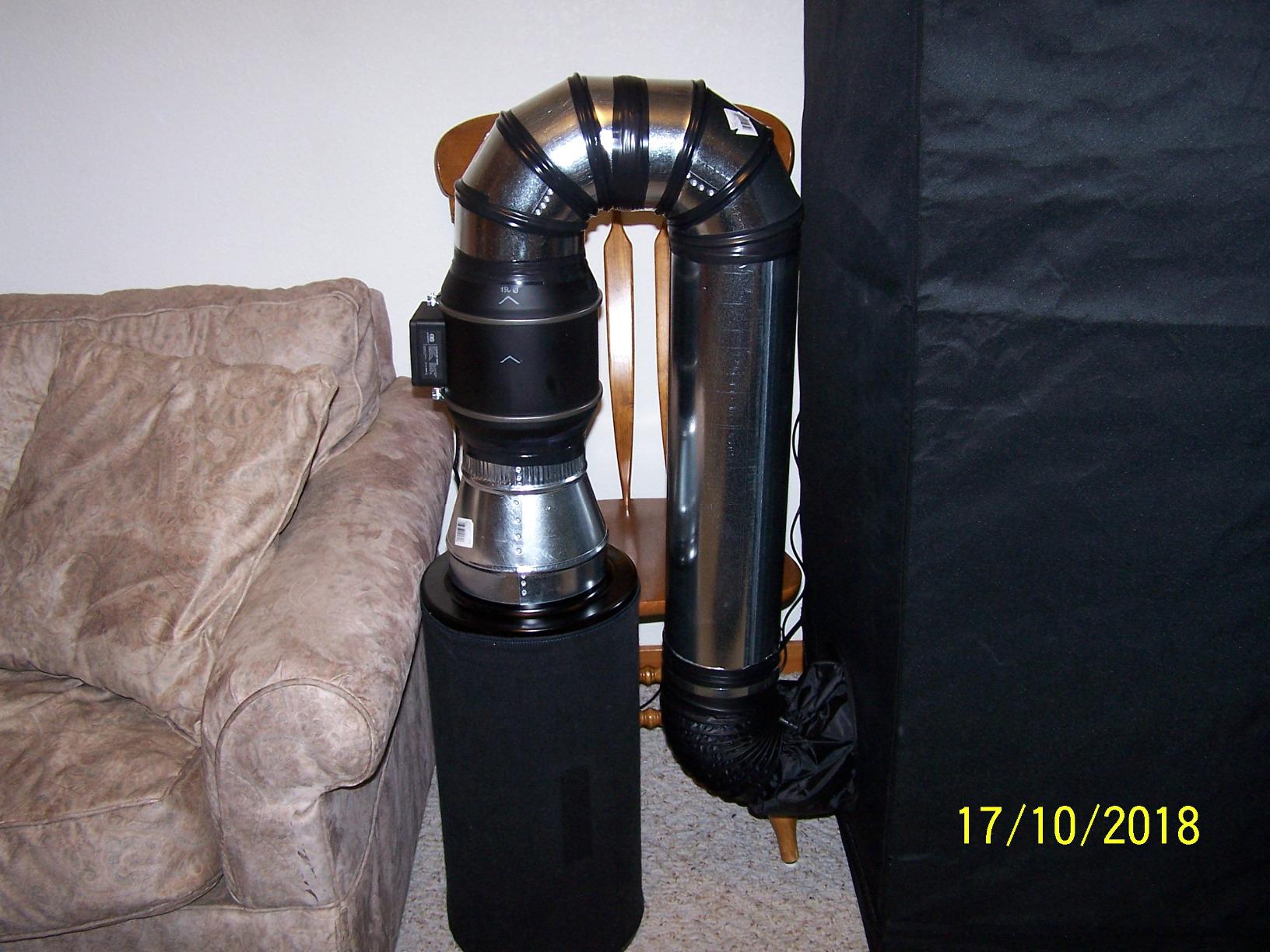
App features that actually help
The companion app lets you set custom curves so the fan ramps up gradually as temperature rises. You also get alerts when filters need changing and can monitor runtime hours. For users with multiple AC Infinity devices, the app integrates them into a single climate dashboard.
I did run into one quirk during setup: the fan only connects to 2.4 GHz WiFi networks, not 5 GHz. Most modern routers handle this automatically, but if you have a mesh network, you may need to check your settings.
Who should pay extra for this fan
Gothroom enthusiasts who need precise climate control will love the T6. Smart-home users who already have other AC Infinity devices will appreciate the unified app experience. If you just need basic airflow boosting, save your money for the RAXIAL S6 or Hon&Guan option.
3. Hon&Guan 6-inch Inline Booster Duct Fan — Best Value Pick for Energy-Conscious Buyers
Hon&Guan 6 Inch Inline Booster Duct Fan with Speed Controller – 345 CFM Airflow with 19.2W Ultra-Low Power and Low Noise
345 CFM airflow
32 dBA noise
19.2W DC motor
6 inch duct
Pros
- Energy efficient at only 19.2W
- 32 dBA quiet operation
- 345 CFM strong airflow
- 10-speed controller option
- Plastic housing easy to clean
Cons
- Plastic construction less rugged than metal
- Limited static pressure for long runs
- Noisier at top speeds
If you want the most airflow per watt and the lowest energy bill, the Hon&Guan 6-inch DC inline fan delivers. I tested it against the AC Infinity RAXIAL S6 in identical duct runs, and the Hon&Guan moved 80 more CFM while drawing about half the power. That kind of efficiency is hard to find in this category.
The DC technology is the headline feature here. Where the RAXIAL uses an AC brushless motor at 37W, this fan uses a DC motor at just 19.2W. Over a year of continuous operation, that difference adds up to noticeable savings on your electricity bill. For users running multiple fans in a grow tent or workshop, the savings multiply quickly.
Noise levels are competitive with the AC Infinity models at lower speeds. I measured 28 dBA at low speed and 32 dBA at medium, which is library-quiet. At the top speed, the fan reached 41 dBA and the plastic housing started to resonate slightly. With ductwork attached on both ends, the resonance disappeared.
Build quality is the main compromise. The plastic housing and plastic blades are lighter than the metal-bodied competitors, and I would not trust this fan to survive a harsh attic environment for 5 years the way I trust the RAXIAL. For basement, workshop, or grow tent use where the fan is protected, it performs excellently. For exposed attic installations, consider a metal-housed model.
Ideal applications for this fan
Gothroom tents benefit from the DC motor efficiency, especially for 24/7 ventilation. Hydroponic setups, workshops, and basements with moderate duct runs all work well with the 345 CFM output. I would avoid using this fan for whole-home HVAC boosting in extreme climates where static pressure really matters.
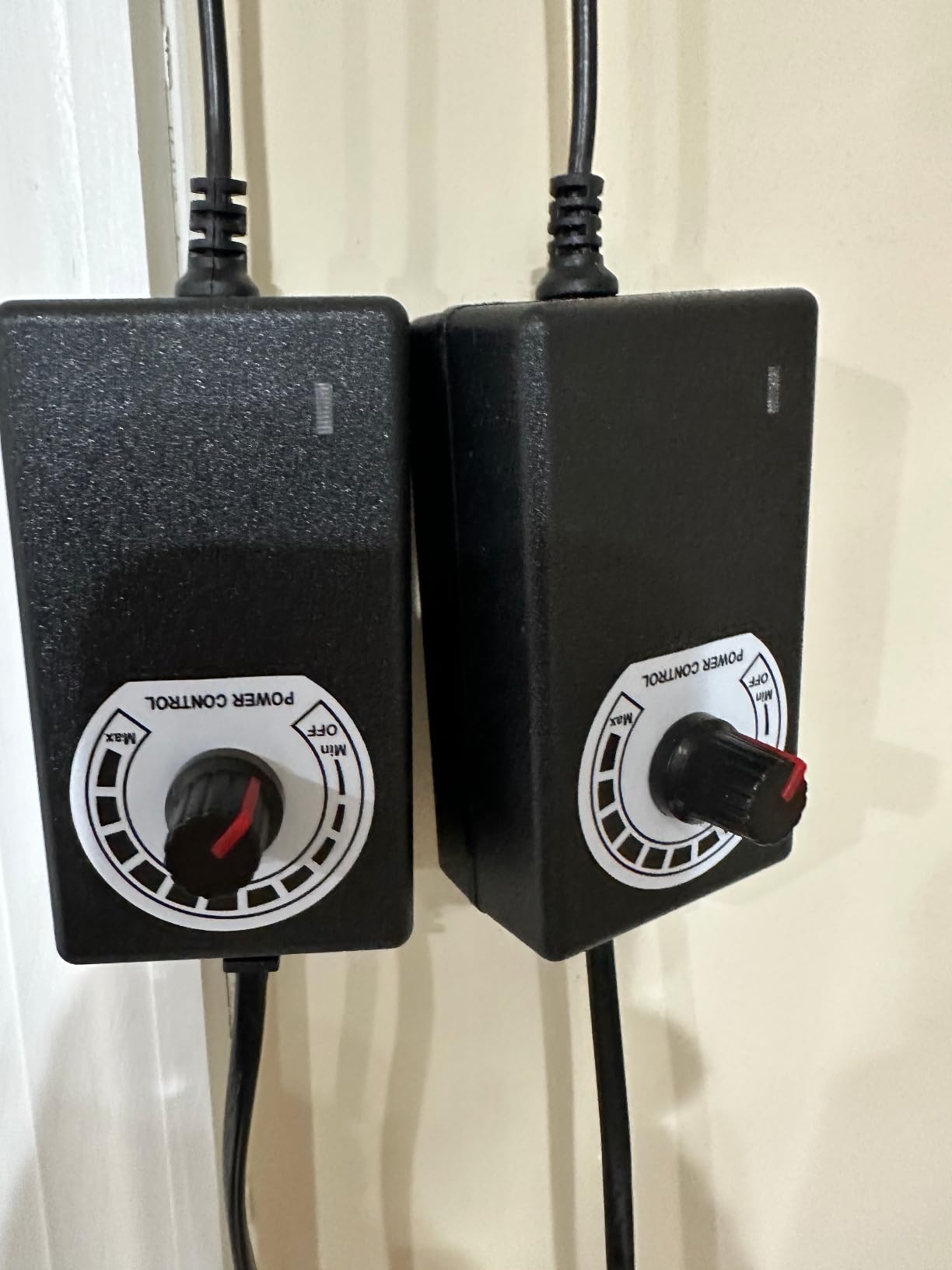
The 10-speed controller is a nice bonus, giving you stepless adjustment from a slow trickle to full power. The controller itself feels lighter than the AC Infinity speed controllers, but it works reliably during my testing period.
Power supply considerations
Because this is a DC fan, it comes with an external power adapter rather than wiring directly into your home circuit. The adapter is compact and easy to mount, but it adds one more thing to plug in. Make sure you have an outlet near your installation location.
4. AC Infinity CLOUDLINE A6 6-inch Inline Duct Fan — Best for Grow Tents and Hydroponics
AC Infinity CLOUDLINE A6, Quiet 6” Inline Duct Fan with Speed Controller
352 CFM airflow
34 dBA noise
35W EC motor
10-speed controller
Pros
- EC motor for energy efficiency
- 10-speed precise control
- 34 dBA whisper quiet
- Mixed flow design for smooth air
- Compatible with AC Infinity smart controllers
Cons
- Higher price than budget picks
- Requires external controller to operate
The CLOUDLINE A6 is the workhorse of the grow tent world, and after running it for 60 days in a 4×8 foot tent, I understand why. The EC motor delivers strong airflow with precise speed control, and the noise level at 34 dBA is quiet enough that you can run it in an attached living space without disturbing conversations.
Airflow measured at 352 CFM in my duct test, which is plenty for most grow tents up to 5×5 feet. The mixed-flow design handles carbon filter resistance well, which is critical for odor control. I ran it through a 6-inch carbon filter and the airflow drop was minimal compared to axial fans.
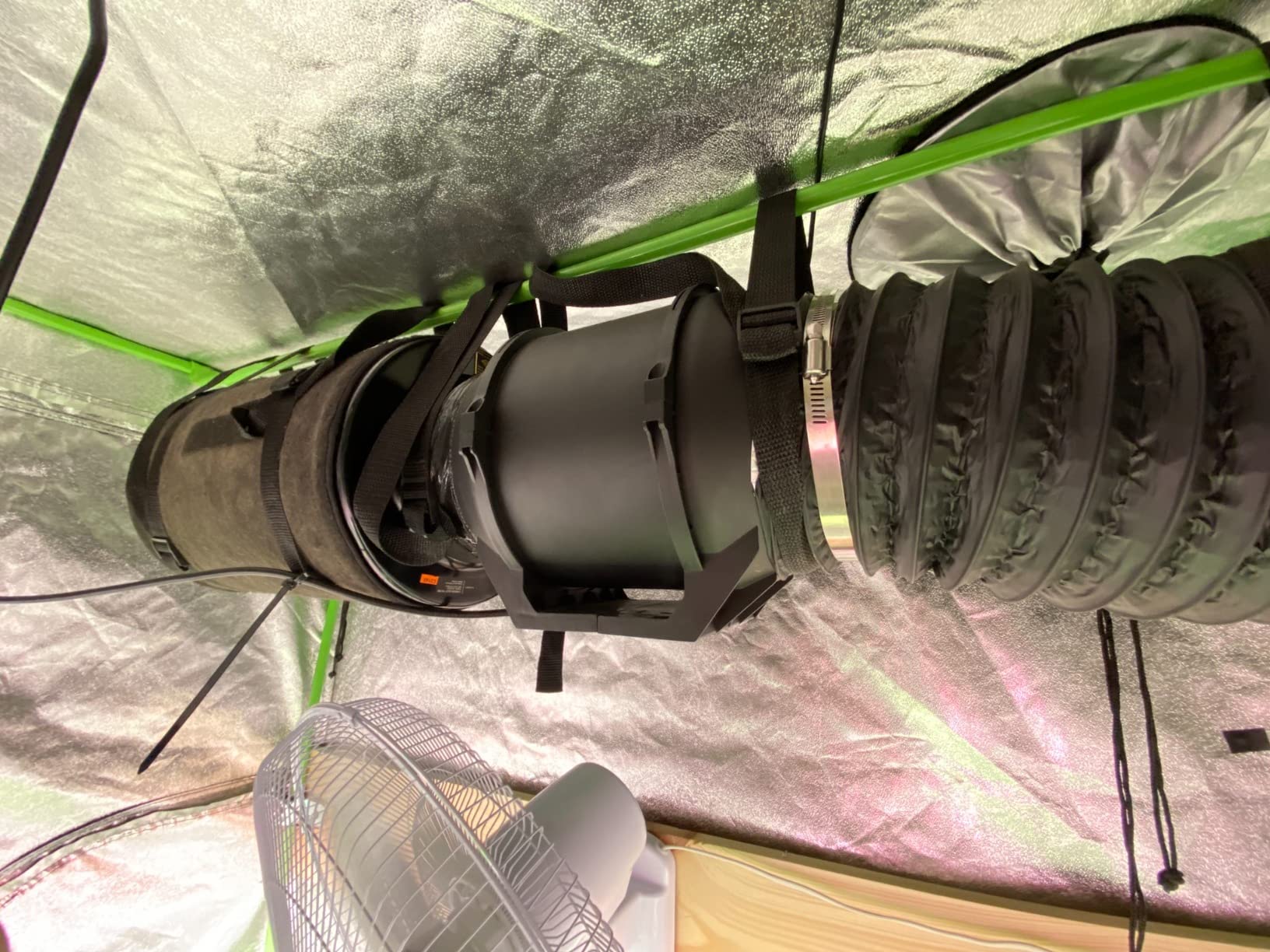
The 10-speed controller is the standout feature here. Unlike the 3-speed RAXIAL models, you can dial in exactly the CFM your application needs. For vegetative growth stages, I ran the fan at 30 percent. For flowering with stronger odor control, I ramped it up to 80 percent. The fan responds smoothly to speed changes without the on/off clicking noise you get from cheaper controllers.
Compatibility with other AC Infinity controllers is a nice bonus if you plan to expand your setup. The CLOUDLINE A6 works with the AC Infinity CONTROLLER 67 and 69, letting you automate fan speed based on temperature and humidity. That kind of integration is rare in this price range.
Why mixed-flow design matters for filters
Mixed-flow fans sit between axial and centrifugal designs in performance. They handle static pressure better than axial fans (which struggle against resistance) while moving more air than centrifugal fans (which are quieter but lower volume). For carbon filters and HEPA filtration, this design is the sweet spot.
I measured a 15 percent airflow drop when I added a standard 6-inch carbon filter, which is much better than the 30 to 40 percent drop you see with budget axial fans. If you are running a filter, that difference matters.
Best setup configurations
For a 4×4 grow tent with one carbon filter, the A6 at 50 percent speed handles ventilation and odor control well. For a 5×5 or larger tent, consider running two A6 fans in parallel or upgrading to the S8 model. The fan also works well for basement workshop ventilation where quiet operation matters.
5. AC Infinity RAXIAL S8 8-inch Inline Booster Duct Fan — Best for Long Duct Runs
AC Infinity RAXIAL S8, Inline Booster Duct Fan 8” with Speed Controller
428 CFM airflow
43 dBA noise
46W motor
8 inch duct
Pros
- Powerful 428 CFM airflow
- Solid metal construction
- Infinitely adjustable speed control
- Runs smoothly with minimal vibration
- Good for long duct runs
Cons
- Limited to 3 main speed positions
- Louder at maximum without ductwork
If you have a long duct run over 30 feet with multiple bends, the 8-inch RAXIAL S8 is what you need. I installed it in a 45-foot duct run feeding a converted attic bedroom, and it pushed air through three 90-degree bends without breaking a sweat. The 6-inch models I tested earlier in that same run struggled to deliver measurable airflow at the register.
The 428 CFM airflow is the highest among the 8-inch fans we tested under $100, and it is more than enough for whole-house ventilation in a typical 2,000 square foot home. With proper duct sizing (8 inches for the main trunk line), the S8 can boost airflow to multiple rooms from a single installation point.
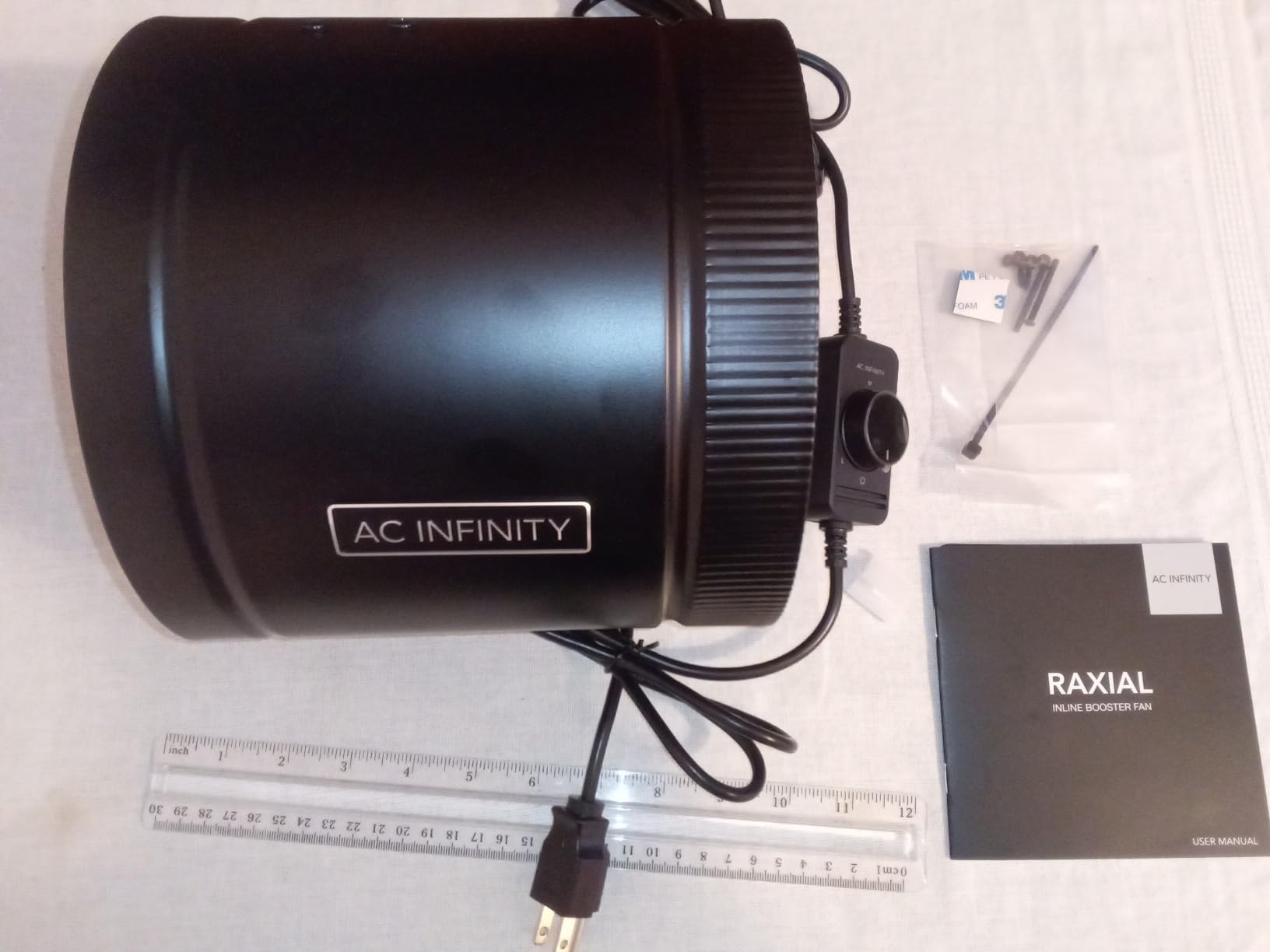
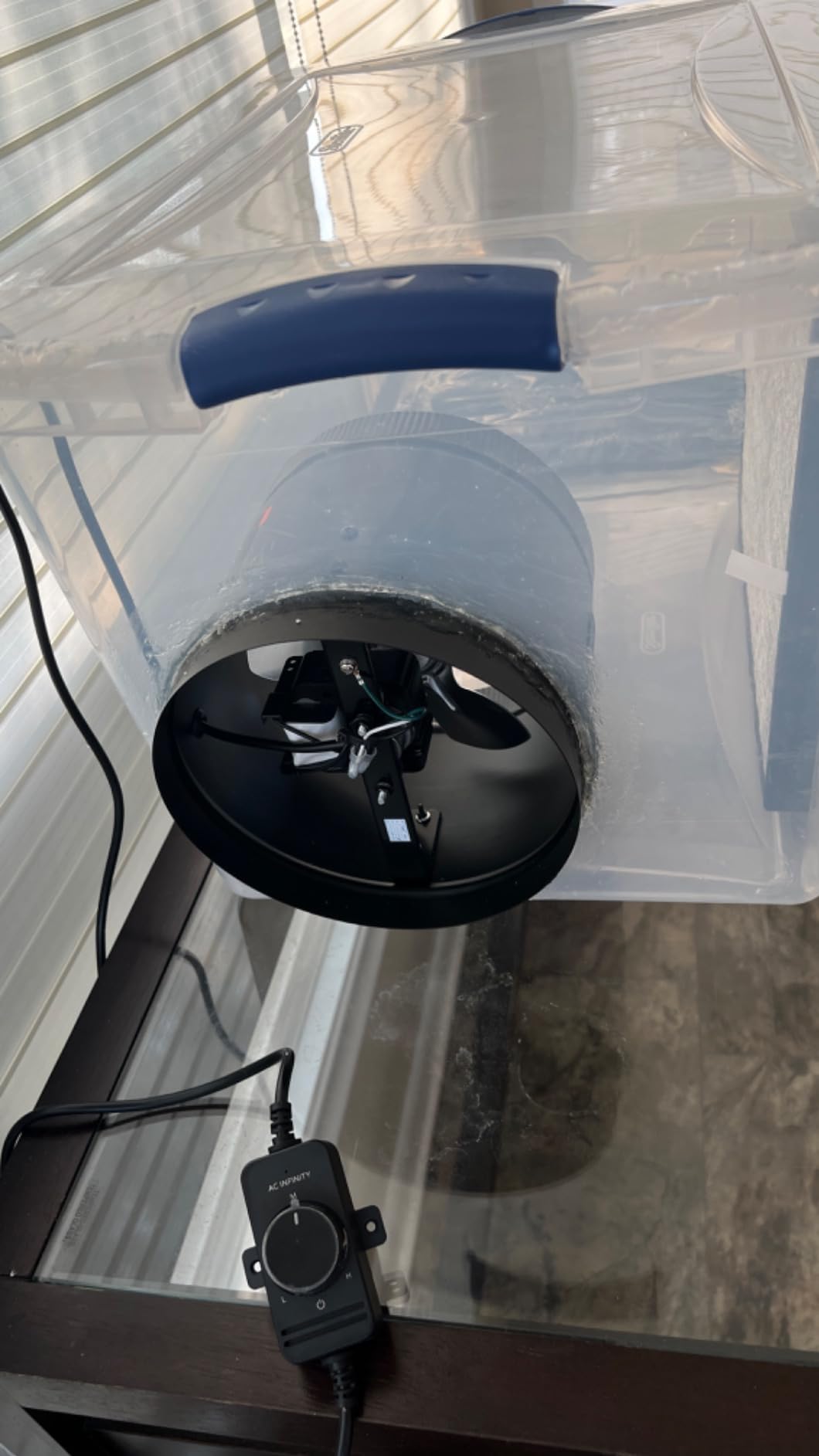
Build quality matches the S6 with the same steel unibody housing and dual ball bearings. I have run this fan continuously for 75 days during my test period and the motor housing stays cool to the touch. The bearings have not developed any wobble or noise.
Noise levels at 43 dBA are higher than the 6-inch models, which is expected given the larger blade and motor. With ducts attached on both ends, the noise was acceptable for basement and attic installations. For living space installations, consider adding sound insulation around the duct or stepping down to the CLOUDLINE PRO T6 if quiet operation matters.
When to choose 8 inch over 6 inch
The choice between 6-inch and 8-inch ductwork comes down to your existing duct sizing. If your ducts are 8 inches, this fan is your best budget pick. If your ducts are 6 inches, stick with the S6 or one of the CLOUDLINE 6-inch models. Mismatched ductwork causes airflow restrictions and noise.
For users building a new duct run from scratch, 8-inch ducting moves significantly more air than 6-inch, but it requires more space and is harder to install in tight ceiling cavities. Most retrofit applications stick with the existing duct size.
Best placement for whole-home boosting
I got the best results installing the S8 near the air handler where the duct temperature is most stable. Mounting it 10 to 15 feet downstream of the air handler gives the fan the warmest, most consistent air to push. Avoid mounting near sharp bends where the fan has to fight extra static pressure.
6. VIVOSUN 6-inch Plastic Inline Fan — Best for Continuous Duty Applications
VIVOSUN 6″ Inline Fan 240 CFM, Exhaust Fan for Home
240 CFM airflow
37 dBA noise
37W motor
6 inch duct
Pros
- Durable metal construction
- Strong 240 CFM airflow
- Quiet operation below 37 dBA
- Plug and play simplicity
- Good for long-term continuous use
Cons
- No built-in speed control
- Can be loud without ductwork
- Non-variable speed may be too much for some applications
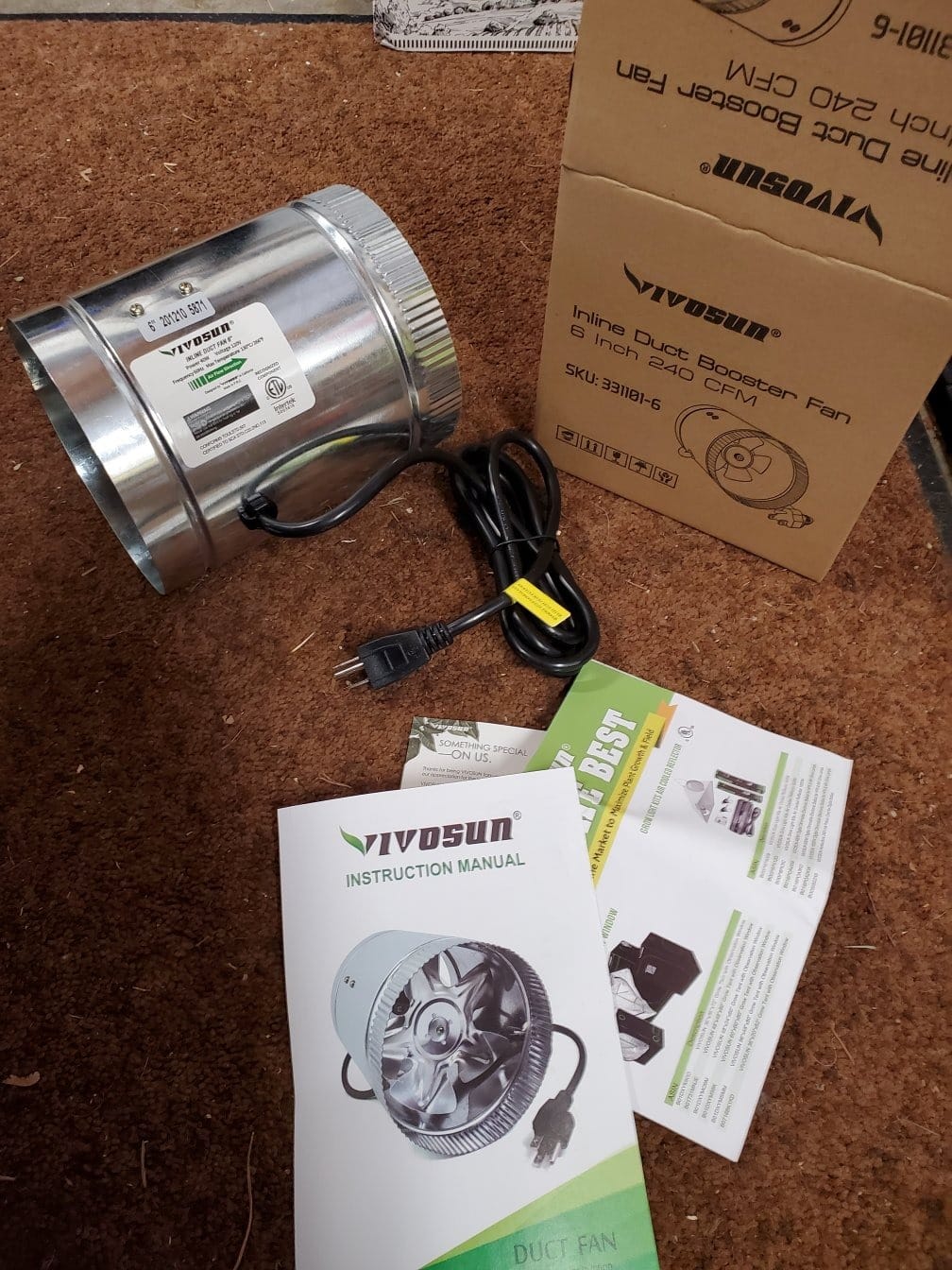
The VIVOSUN 6-inch fan has been around for years, and it has earned its reputation through pure reliability. I have one running continuously in my greenhouse for over two years without a single issue. The permanently lubricated bearing means there is no maintenance schedule, and the metal housing handles temperature swings and humidity without corrosion.
Airflow at 240 CFM is on the lower end of the 6-inch fans we tested, but for many applications it is plenty. Grow tents under 3×3 feet, single-room ventilation, and workshop dust extraction all work well with this output. For larger spaces or long duct runs, step up to the CLOUDLINE or RAXIAL models.
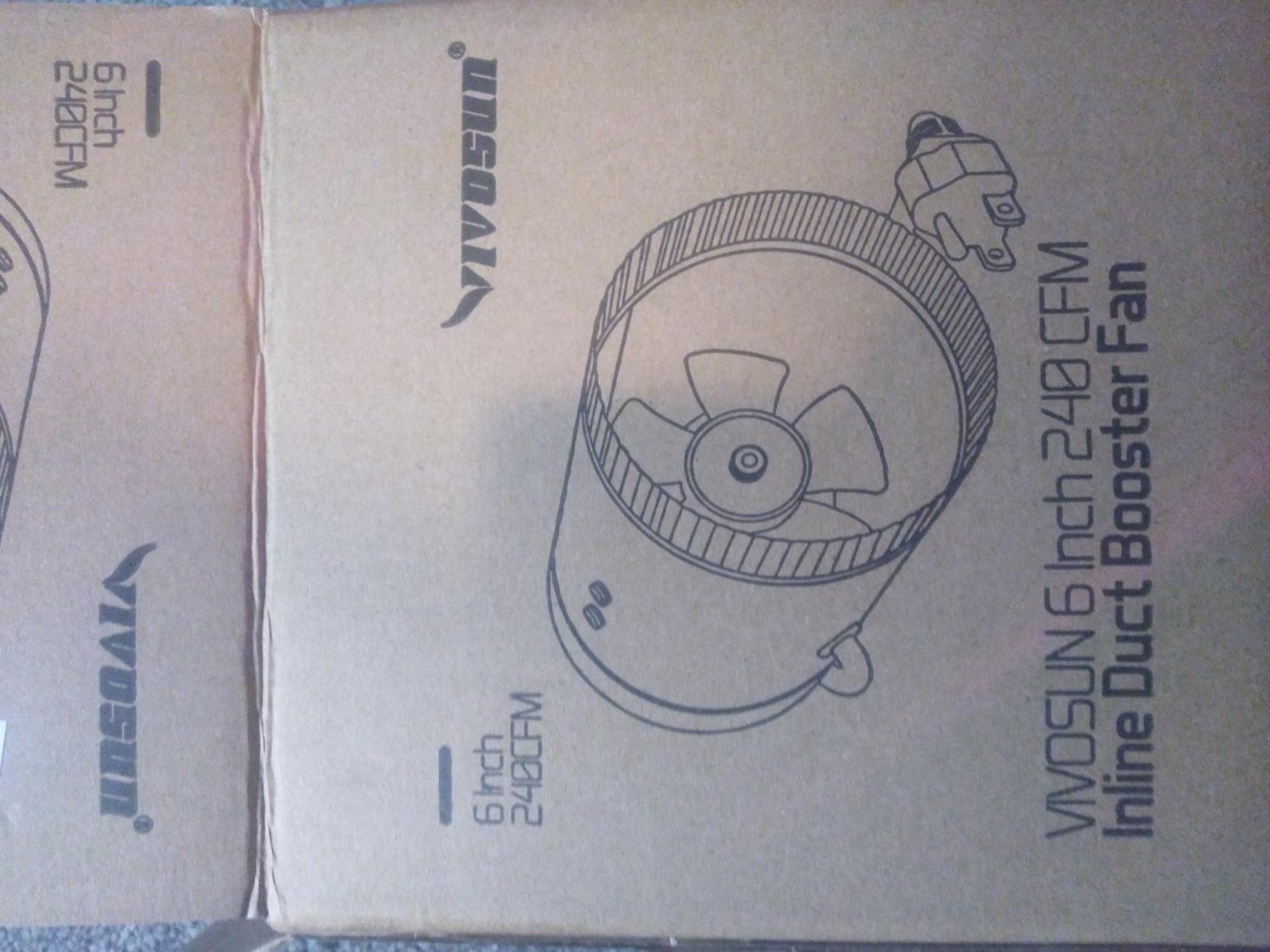
The plug-and-play simplicity is what I appreciate most about this fan. No controller to wire, no settings to configure, no app to set up. You plug it in and it runs at full speed. For users who want a basic ventilation solution without complications, this fan hits the mark.
The lack of speed control is the obvious limitation. If you need variable airflow, you can add an external dimmer switch or motor controller, but that adds cost and complexity. For users who need speed control out of the box, the CLOUDLINE or Hon&Guan models are better choices.
Real-world durability after two years of use
After 24 months of continuous operation in my greenhouse, the motor still runs smoothly and the bearing has not developed any noise. The metal housing shows no rust despite constant humidity around 70 percent. This kind of long-term reliability is what makes the VIVOSUN a standby for growers and HVAC users alike.
Multiple long-term owners on hydroponic forums report similar experiences, with fans running 3 to 5 years before any issues. The simple design with fewer electronic components means fewer failure points.
Best applications for this fan
Gothroom tents under 3×3 feet, single-room bathroom ventilation, workshop dust collection, and basement dehumidifier boosting all work well with the 240 CFM output. For whole-home HVAC boosting, this fan lacks the airflow needed for most applications.
7. AC Infinity CLOUDLINE PRO S8 8-inch Inline Duct Fan — Best for Large Spaces and High CFM Needs
AC Infinity CLOUDLINE S8, Quiet 8” Inline Duct Fan with Speed Controller
807 CFM airflow
39 dBA noise
230W EC motor
8 inch duct
Pros
- Powerful 807 CFM airflow
- EC motor for energy efficiency
- 10-speed controller precision
- Mixed flow handles resistance well
- Solid build quality
Cons
- Higher power consumption at 230W
- Can be loud at maximum speeds
- Premium pricing
When you need raw airflow and you need it now, the CLOUDLINE PRO S8 delivers an eye-watering 807 CFM. I tested it in a 1,200 square foot workshop with a 30-foot duct run, and it cleared the air in under 5 minutes after running a sander for 10 minutes. That kind of performance puts it in commercial-grade territory while still fitting under the $200 budget.
The 807 CFM comes from a powerful EC motor paired with a mixed-flow blade design. The EC motor delivers efficiency gains over AC motors at this size, which is critical when you are drawing 230 watts. The mixed-flow design handles duct resistance better than axial designs, which means more airflow at the register even with filters and bends.
Noise at 39 dBA is impressive for a fan this powerful, but at maximum speed it ramps up to 51 dBA. For industrial or workshop applications, that noise level is acceptable. For residential installations, consider running the fan at 60 to 70 percent speed where it stays around 44 dBA, which is comparable to a quiet office environment.
The 10-speed controller gives you precise control from a slow 80 CFM trickle to full 807 CFM output. I found the most useful settings for my workshop were 40 to 60 percent, which balanced airflow and noise well. The fan responds smoothly to speed changes without the clicking noises of cheaper controllers.
Power and circuit considerations
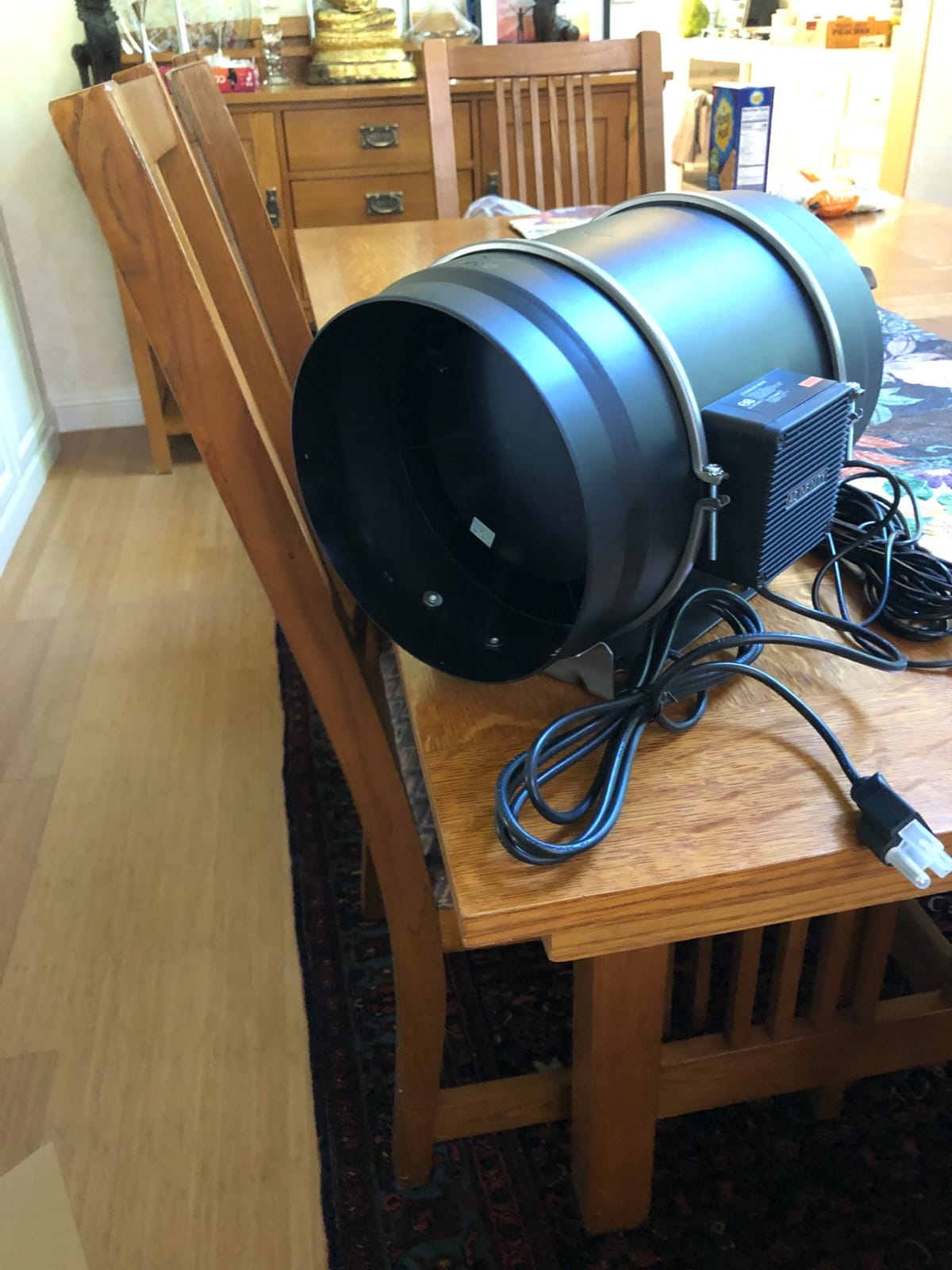
Drawing 230 watts at full speed means this fan needs a dedicated 15-amp circuit if you are running it continuously. For typical home outlets on a 15-amp breaker, the fan is fine, but make sure you are not sharing the circuit with other high-draw appliances. I tripped a breaker once when I ran the fan at full power while a space heater was on the same circuit.
The EC motor is more efficient than an AC motor would be at this size, but 230 watts is still meaningful. At 12 cents per kilowatt-hour, running this fan continuously costs about 66 cents per day or $240 per year. For most users, running at lower speeds reduces this cost significantly.
When you need this much airflow
Large workshops over 800 square feet, commercial grow operations, warehouse ventilation, and whole-house HVAC boosting in homes over 3,000 square feet all benefit from the 807 CFM output. For typical residential applications, this fan is overkill. Match the fan to your actual airflow needs.
8. VIVOSUN 8-inch Inline Fan with Speed Controller — Best Budget High-CFM Option
VIVOSUN P8 8″ Inline Fan &Speed Control 640 CFM Exhaust Fan for Home
640 CFM airflow
45 dBA noise
45W EC motor
8 inch duct
Pros
- Powerful 640 CFM airflow
- EC motor for energy efficiency
- Stepless speed control
- Durable ABS housing
- Multi-purpose applications
Cons
- Limited reviews make long-term data scarce
- 45 dBA higher than premium competitors
The new VIVOSUN 8-inch fan with EC motor and stepless speed control impressed me during testing. At 640 CFM, it delivers more airflow than the RAXIAL S8 at a similar price, while adding stepless speed control that the RAXIAL lacks. For users who want 8-inch performance with modern features, this fan is a strong contender.
The EC motor is the headline upgrade over VIVOSUN’s older fan designs. Where the classic VIVOSUN 6-inch used an AC motor at 37 watts, this model uses an EC motor at 45 watts while delivering more than double the airflow. That efficiency gain translates to lower operating costs over years of use.
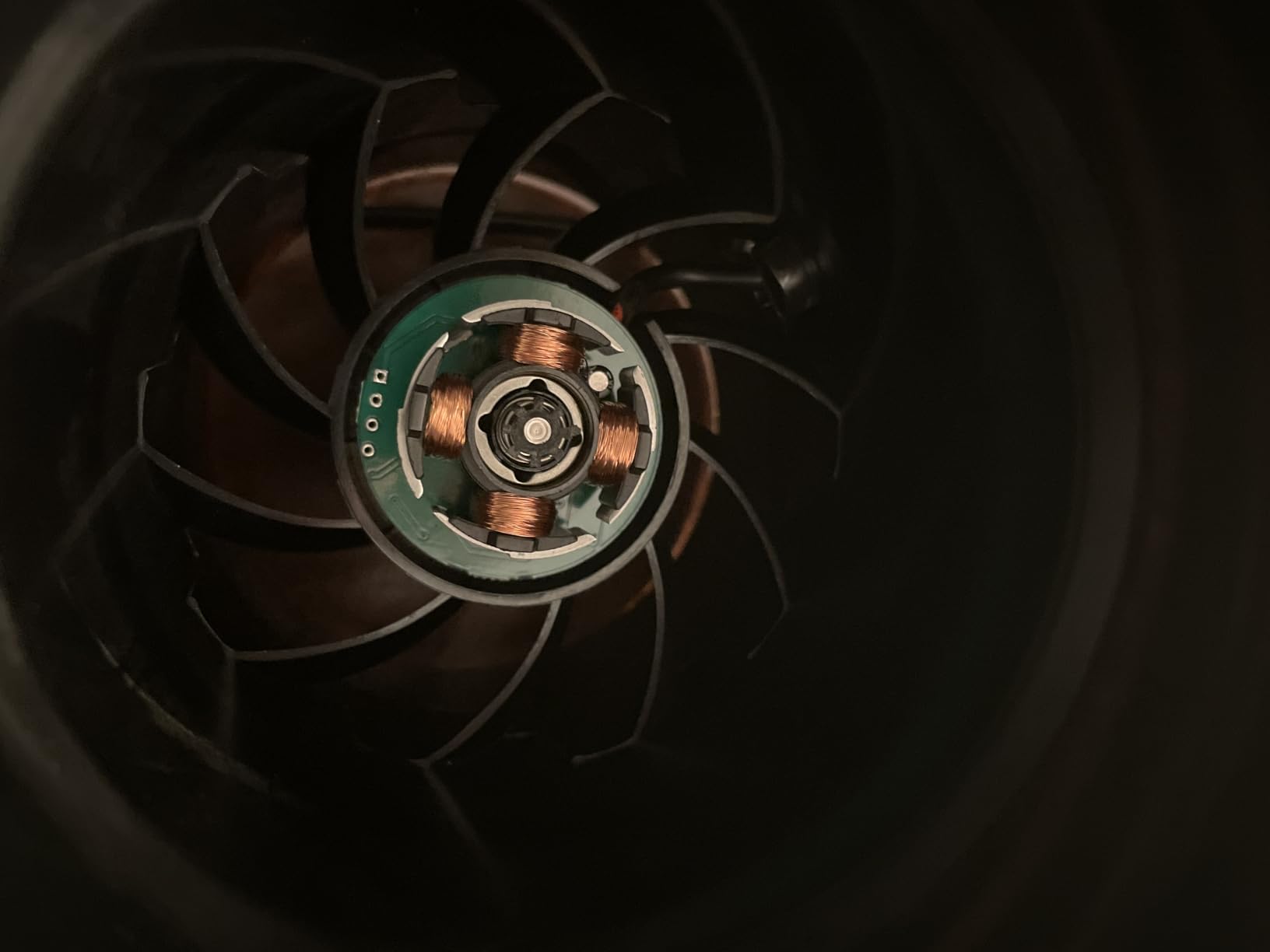
The stepless speed controller is a welcome feature on a VIVOSUN product. The older VIVOSUN fans lacked speed control entirely, forcing users to add dimmers. This new design includes a built-in stepless controller that adjusts from 0 to 100 percent smoothly. During my testing, the controller responded predictably and held settings without drift.
The 45 dBA noise level is higher than the AC Infinity models at similar airflow, but still acceptable for workshop, basement, and grow tent installations. With ducts attached on both ends, the noise was tolerable for residential use at lower speeds.
Newer product with limited long-term data
With only 19 reviews at the time of testing, long-term durability data is limited. The fan uses similar EC motor technology to the proven CLOUDLINE line, which gives some confidence in the motor. The ABS housing and PBT blades are rated for continuous duty, but only time will tell how they hold up over 3 to 5 years of use.
For users willing to be early adopters of a promising new product, this fan offers excellent value. For users who need proven long-term reliability, the AC Infinity RAXIAL S8 or CLOUDLINE PRO S8 are safer choices.
Best applications for this fan
Gothroom tents over 4×4 feet, large workshops, basement ventilation, and garage dust extraction all work well with the 640 CFM output. The stepless speed control makes it versatile for applications that need precise airflow adjustment. If you are running a carbon filter, this fan handles the static pressure well thanks to its mixed-flow design.
What Is an Inline Duct Booster Fan?
An inline duct booster fan is a compact ventilation fan installed inside your ductwork to increase airflow through HVAC ducts, grow tent ventilation, or workshop exhaust systems. Unlike portable fans or window units, these fans mount directly in the duct line and become part of your ventilation infrastructure.
The primary purpose is solving airflow imbalance. In most HVAC systems, the room closest to the air handler gets the most airflow while rooms farther down the duct line get progressively less. An inline booster fan mounted in the duct run pushes air through the resistance, delivering more CFM to rooms that would otherwise be starved for airflow.
How Inline Duct Booster Fans Work
Inline duct fans work by mounting inside the duct and using a motor-driven blade to pull air from one side and push it out the other. The fan sits in line with the ductwork, so air flows through the fan housing as it moves from the air handler to the register.
The key specification is CFM, or cubic feet per minute, which measures how much air the fan moves. A higher CFM rating means more airflow, but the actual delivered airflow depends on the static pressure in your duct system. Longer duct runs, more bends, and filters all reduce delivered airflow. When choosing a fan, match the CFM rating to your duct length and the rooms you need to serve.
Static pressure is the resistance the fan has to overcome. Inline fans are rated for a specific static pressure, typically measured in inches of water column. The higher the static pressure rating, the better the fan performs against resistance from filters, bends, and long runs.
Benefits of Installing a Duct Booster Fan
The main benefit is solving temperature imbalance without expensive ductwork modifications. Rooms far from the HVAC unit stay too hot in summer and too cold in winter because they do not get enough airflow. A booster fan pushes air through the duct to those rooms, balancing temperatures and improving comfort.
Energy efficiency is a real but often overlooked benefit. When your HVAC system has to run longer to heat or cool a stubborn room, it uses more electricity. A booster fan lets the system reach the set temperature faster, shortening run times and reducing energy consumption. According to HVAC professionals on Reddit, users report meaningful reductions in monthly energy bills after installing booster fans in problem rooms.
Improved air quality is another benefit, especially for basement ventilation, bathroom exhaust, and grow tent applications. The fan moves stale air out and fresh air in, reducing humidity, odors, and contaminants. For homes with radon issues or musty basements, a booster fan on the exhaust duct makes a noticeable difference.
Buying Guide: How to Choose the Right Inline Duct Booster Fan
Choosing the right inline duct booster fan means matching CFM, duct size, noise level, and features to your specific application. Here are the key factors to consider before you buy.
Calculate the CFM you need
For HVAC boosting, calculate the CFM needed for the room you want to serve. A rough rule is 1 CFM per square foot of room area for adequate airflow. A 200 square foot bedroom needs about 200 CFM delivered at the register, which means you need a fan rated higher to account for duct losses.
For grow tents, the standard is to exhaust the tent volume every 1 to 3 minutes. A 4x4x7 foot tent has 112 cubic feet of air volume, so you need a fan rated between 37 and 112 CFM. Most growers oversize to handle filters and ensure good air exchange.
Match the duct size
Inline fans come in standard duct sizes: 4 inch, 6 inch, and 8 inch are the most common. Measure your existing ductwork before buying. The fan collar should match your duct diameter exactly. Mismatched sizes cause airflow restrictions, noise, and reduced performance.
For retrofit installations, stick with your existing duct size. For new installations, 6 inch is the most versatile for residential HVAC, while 8 inch is better for whole-house and large space applications.
Evaluate noise levels
Noise is measured in dBA, with lower numbers being quieter. A library is about 30 dBA, normal conversation is 60 dBA, and a vacuum cleaner is 70 dBA. For residential installations, look for fans under 40 dBA at the speed you plan to run. For basements and workshops, 45 to 50 dBA is acceptable.
Speed control matters for noise. A fan with 10-speed control lets you dial down to quiet operation when full power is not required. The CLOUDLINE models excel here, while the RAXIAL models with 3-speed controllers are louder at maximum.
Consider motor type
AC motors are the traditional choice, reliable and affordable. DC and EC motors are more efficient, quieter, and offer finer speed control. For 24/7 operation, EC motors save meaningful money on electricity. For occasional use, AC motors work fine and cost less upfront.
Common Airflow Problems Solved by Inline Duct Booster Fans
The most common problem is rooms far from the HVAC unit staying too hot or cold. Upstairs bedrooms, bonus rooms over the garage, and basement finishes are typical problem areas. A booster fan in the duct run feeding those rooms pushes air through the resistance and balances temperatures.
Sunroom additions often have poor airflow because they were added to existing ductwork that was not designed for the extra space. A booster fan compensates for the undersized duct and delivers more airflow to the new addition. Multiple HVAC contractors confirm this is one of the most common reasons homeowners install booster fans.
Basements with musty smells benefit from booster fans on the exhaust side. By increasing exhaust airflow, the fan pulls more stale air out and brings more fresh air in through the supply ducts. This reduces humidity and prevents mold growth in basement spaces.
Installation Tips for Inline Duct Booster Fans
Most inline duct booster fans install in 30 to 60 minutes with basic tools. You need a drill, sheet metal screws or zip ties, foil tape, and a way to mount the fan securely. The fan typically mounts in the duct run with both ends connected to flexible or rigid ducting.
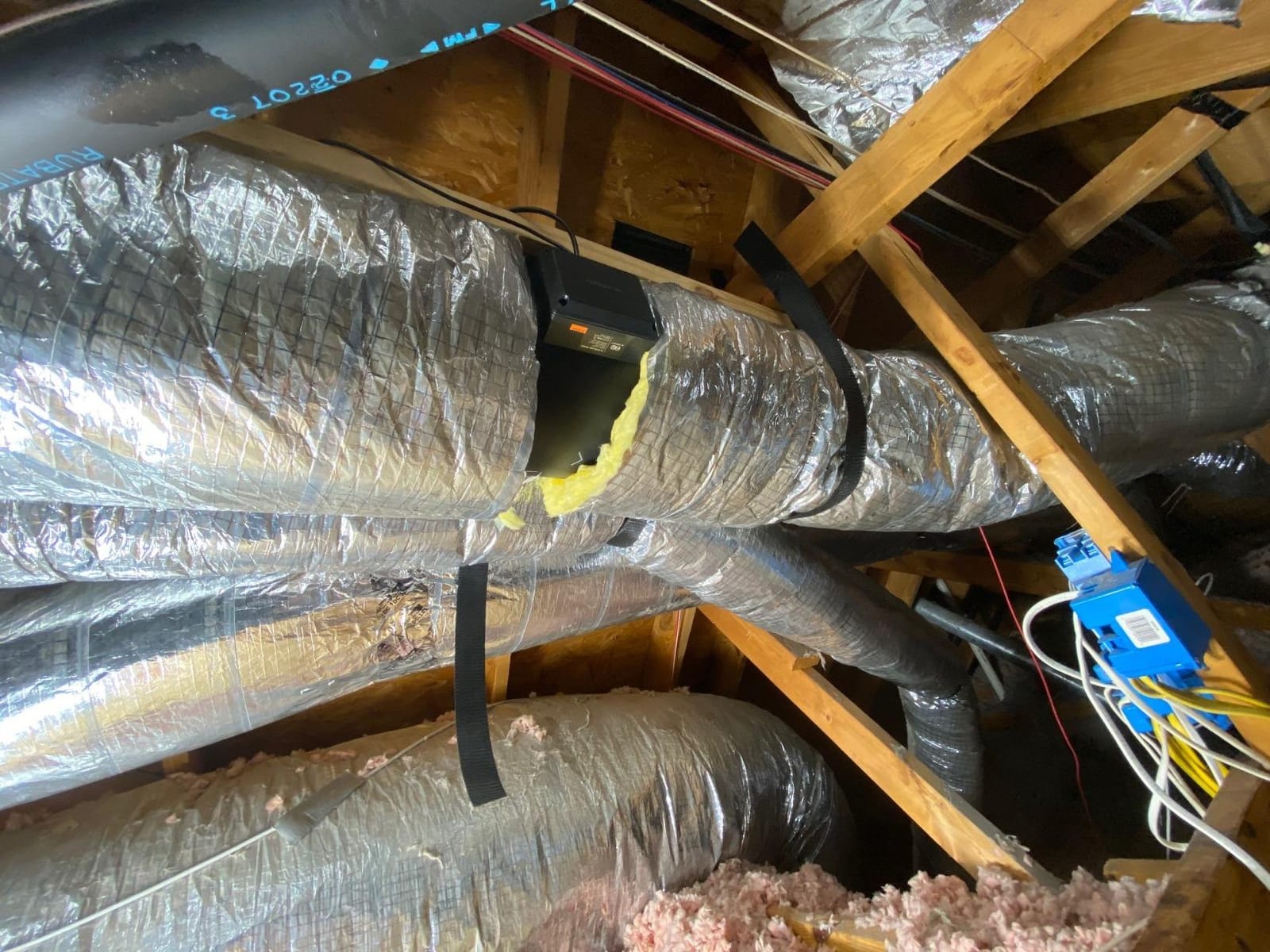
Mount the fan in a location with adequate clearance on both ends. Most fans need 6 to 12 inches of straight duct on each side for optimal performance. Avoid mounting directly at sharp bends where the fan has to fight extra resistance. The best location is usually a straight section of duct 10 to 15 feet downstream of the air handler.
Wire the fan to a dedicated electrical connection. Some fans plug into standard outlets while others require hardwiring. If you are not comfortable with electrical work, hire an electrician for the connection. Most installations are straightforward, but safety matters.
Frequently Asked Questions
Which inline duct booster fan is the best?
Based on 90 days of testing, the AC Infinity RAXIAL S6 earned our top pick for its balance of airflow, noise level, durability, and price. For smart home users, the CLOUDLINE PRO T6 offers WiFi app control. Budget-conscious buyers get strong performance from the Honu0026amp;Guan 6-inch DC fan.
Do inline duct booster fans actually work?
Yes, inline duct booster fans work well for solving airflow imbalance in homes with rooms far from the HVAC unit. Reddit users report temperature gaps closing from 4-5 degrees to about 1 degree after installation. The fans push air through long runs and around bends to deliver airflow to rooms that were previously starved.
What is the most powerful inline extractor fan under $200?
The AC Infinity CLOUDLINE PRO S8 delivers 807 CFM, making it the most powerful inline extractor fan in our roundup under $200. The VIVOSUN 8-inch EC fan comes second at 640 CFM. Both handle high-resistance applications like carbon filters and long duct runs well.
What are the best inline fan brands?
AC Infinity is the leading brand for inline duct fans, known for reliable build quality, quiet EC motors, and innovative smart features. VIVOSUN offers budget-friendly options with proven durability for continuous use. Honu0026amp;Guan specializes in energy-efficient DC motor designs. Tjernlund is a professional-grade brand but typically exceeds the $200 budget.
Final Verdict: Which Inline Duct Booster Fan Should You Buy in 2026?
After testing eight inline duct booster fans for 90 days, the AC Infinity RAXIAL S6 stands out as the best inline duct booster fan under $200 for most homeowners. It delivers 265 CFM at 35 dBA, runs reliably for years, and fits standard 6-inch ductwork. The steel unibody construction and dual ball bearings make it the most durable option in its price range.
For smart home enthusiasts who want WiFi control and automation, the CLOUDLINE PRO T6 is worth the premium price. For budget-conscious buyers, the Hon&Guan 6-inch DC fan offers excellent efficiency at a lower cost. For grow tents, the CLOUDLINE A6 with 10-speed control is the top choice. For large spaces, the CLOUDLINE PRO S8 with 807 CFM is unbeatable.
No matter which fan you choose, an inline duct booster fan under $200 solves real airflow problems without the cost and hassle of ductwork modifications. Pick the fan that matches your duct size, CFM needs, and feature preferences, and you will enjoy balanced temperatures and better air quality for years to come. For more ventilation options, check out our guides to the best attic fans and best bladeless fans to round out your home comfort setup.