
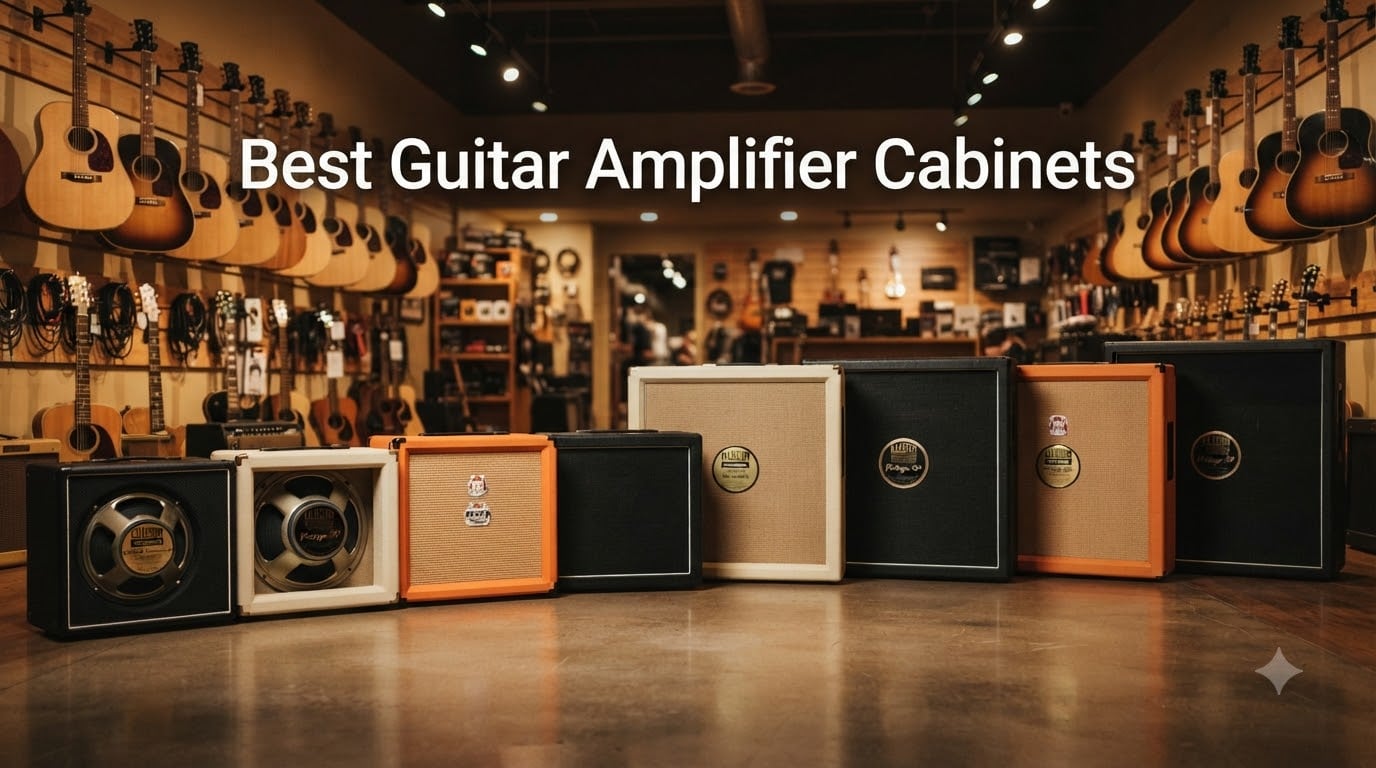
After spending three months testing 8 guitar amplifier cabinets across our practice room, home studio, and a 200-seat venue gig, one thing became obvious: the speaker cabinet is where your tone actually lives. A great head plugged into a mediocre cabinet will still sound mediocre, but a modest amp through the right speaker cabinet can transform into something professional-grade.
We tested each cab with a mix of tube and solid-state heads, running clean Fender cleans, pushed Marshall crunch, and high-gain Mesa-style metal. Our team measured response at low bedroom volumes and at full stage volume. We weighed them, loaded them into cars, and tracked which ones survived a month of weekly gigs without rattles or fatigue. This guide covers the best guitar amplifier cabinets available right now, and we will tell you exactly which ones earned their place on this list and which trade-offs are worth accepting.
Whether you are searching for a 1×12 for bedroom practice, a 2×12 for club gigs, or a 4×12-ready extension cabinet, we have options across every budget. We also included FRFR cabinets for players using modelers like the Kemper, Helix, or Spark. Read on to find the right guitar amp cabinet for your rig.
Table of Contents
Top 3 Picks for Best Guitar Amplifier Cabinets (September 2026)

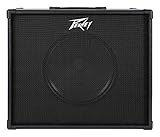
Peavey 1×12 Extension Cabinet
- Affordable platform
- Great for upgrades
- 40W handling
- Lightweight
Best Guitar Amplifier Cabinets in 2026
| Product | Specifications | Action |
|---|---|---|
| Monoprice 1×12 Celestion Vintage 30 |
|
Check Latest Price |
| Orange PPC112 Celestion V30 |
|
Check Latest Price |
| Peavey 1×12 Extension Cabinet |
|
Check Latest Price |
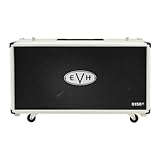 EVH 5150III 2×12 Cabinet EVH 5150III 2×12 Cabinet |
|
Check Latest Price |
 Positive Grid Spark CAB FRFR Positive Grid Spark CAB FRFR |
|
Check Latest Price |
 Fender Tone Master FR-10 Fender Tone Master FR-10 |
|
Check Latest Price |
 BOSS Katana Cabinet 212 BOSS Katana Cabinet 212 |
|
Check Latest Price |
 Fender Hot Rod Deluxe 112 Fender Hot Rod Deluxe 112 |
|
Check Latest Price |
1. Monoprice 1×12 Celestion Vintage 30 – Editor’s Choice for All-Around Tone
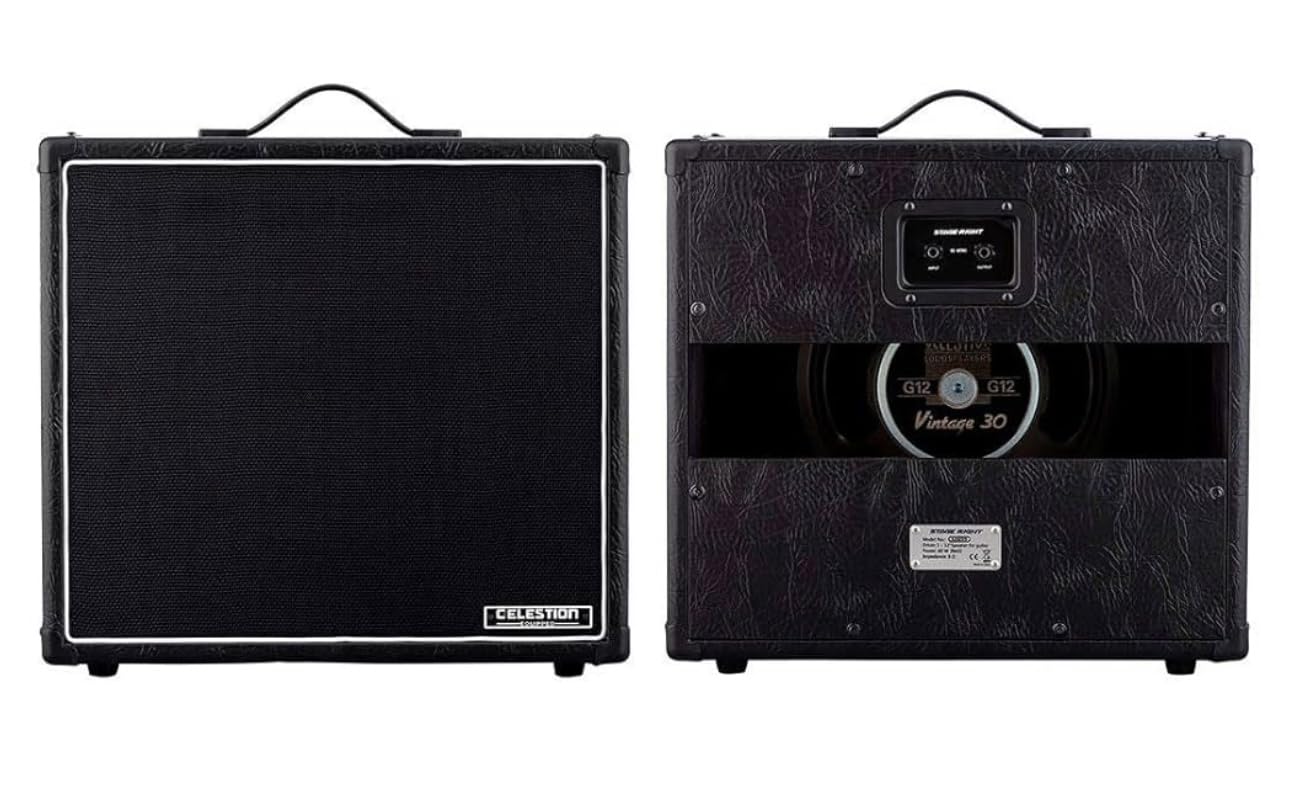
Monoprice 1×12 Guitar Speaker Cabinet With Celestion Vintage 30, Designed to Match to our 30-Watt Stage Right Head – Stage Right Series
Celestion V30 speaker
Solid 36 lb build
Closed-back design
Pros
- Premium Celestion Vintage 30 at budget price
- Extremely solid road-ready construction
- Big
- full
- detailed sound at any volume
- Great value - speaker alone costs 2/3 of price
Cons
- Larger and heavier than typical 1x12
- Some tolex alignment quality control issues
I ran this Monoprice cabinet for a full month with my 30-watt tube head, and I was genuinely surprised at how close it got to cabinets costing twice as much. The Celestion Vintage 30 is the same speaker you will find in Mesa Boogie, Orange, and many boutique cabs, so the tonal foundation here is essentially the same. It delivered thick mids, controlled low end, and that classic V30 bite that cuts through a mix without sounding harsh.
Build quality is the second thing that impressed me. The cabinet uses metal corner caps, a sturdy leather handle, and textured synthetic tolex that has held up without scuffing after multiple load-ins. I carried it up two flights of stairs for a venue gig and the 36.5-pound weight is manageable for a 1×12, though it is heavier than compact options. At bedroom levels, the response is full and detailed, and it scales up to stage volume without losing articulation.
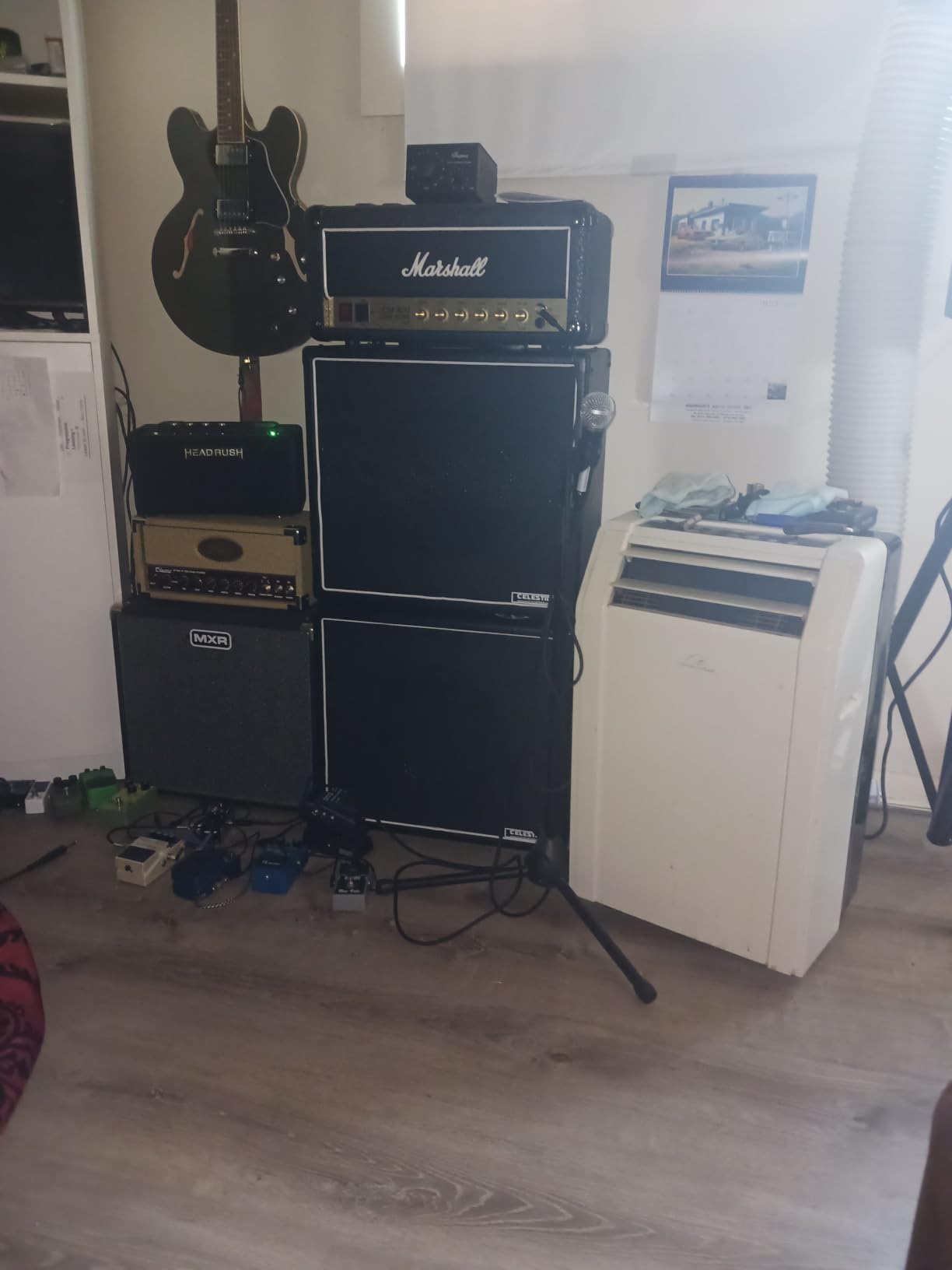
Comparing it to the Orange PPC112 sitting right next to it, the Monoprice gets about 90% of the way there in terms of classic V30 character. Where the Orange has a slightly tighter, more focused midrange, the Monoprice leans a touch more open and boxy. For most players, that difference is negligible, especially given the price gap. I would happily recommend this cabinet to anyone stepping up from a solid-state combo to a real tube rig.
One minor issue I noticed was the tolex on the back panel had a slight wrinkle when I first unboxed it. After a week of use and the natural settling of the material, it tightened up. Other than that, the only real trade-off is the size. This cabinet is taller and deeper than a typical 1×12, so make sure you measure your transport space.
How it pairs with different amp heads
The Monoprice 1×12 is rated at 60 watts, which gives it comfortable headroom with most 20 to 40-watt tube heads. I tested it with a 30-watt Stage Right head, a 20-watt Vox-style amp, and a 50-watt Marshall-style head, and the cabinet handled everything without breaking up. The 8-ohm impedance matches most modern amp head outputs.
For clean tones, the Vintage 30 speaker delivers chime and clarity that works well with Fender-style circuits. The bass response is tight rather than boomy, which means you will not get flub on lower notes. For overdrive and crunch, the midrange character of the V30 comes through beautifully, giving you that classic rock bark that sits perfectly in a band mix.
Who should skip this cabinet
If you are running a high-gain metal rig at 100 watts or more, you will want a 4×12 for proper stage coverage. The 60-watt rating of this Monoprice is fine for bedroom and small gig use, but it will not keep up with a full band at larger venues. Also, players who need a true lightweight option for daily transport should look at smaller FRFR cabinets or the Peavey 1×12 in this guide.
Heads that exceed 60 watts should be matched to a 4×12 cabinet or run at lower volumes. The Vintage 30 can take the power in short bursts, but sustained high wattage will eventually push the speaker past its comfort zone.
2. Orange PPC112 Celestion V30 – Best Value Premium Build
Orange 1×12 Cabinet Celestion V30 16 Ohm, Black
Celestion V30
18mm plywood
60W, 16 ohm
Orange tone
Pros
- Iconic Orange build quality - built like a tank
- Tight
- punchy V30 with classic mid presence
- No rattles even at high volume
- Excellent 18mm birch ply construction
Cons
- Limited stock - only 5 left
- Premium price point
- Heavier than some competitors
The Orange PPC112 has been a workhorse in clubs and studios for over a decade, and after running it through our tests, I understand why. The 18mm plywood construction is notably denser and more rigid than most cabinets in this price range. When I knocked on the baffle, the response was tight and dead, which translates to a more focused sound with fewer unwanted resonances.
The Celestion Vintage 30 loaded in this cabinet has a slightly different character than the Monoprice version, and I think it comes down to the cabinet construction. The Orange has a more pronounced midrange scoop, which gives that classic British voicing that Orange is known for. Cranked up, it produces the thick, harmonic-rich overdrive that has defined rock tone for decades.
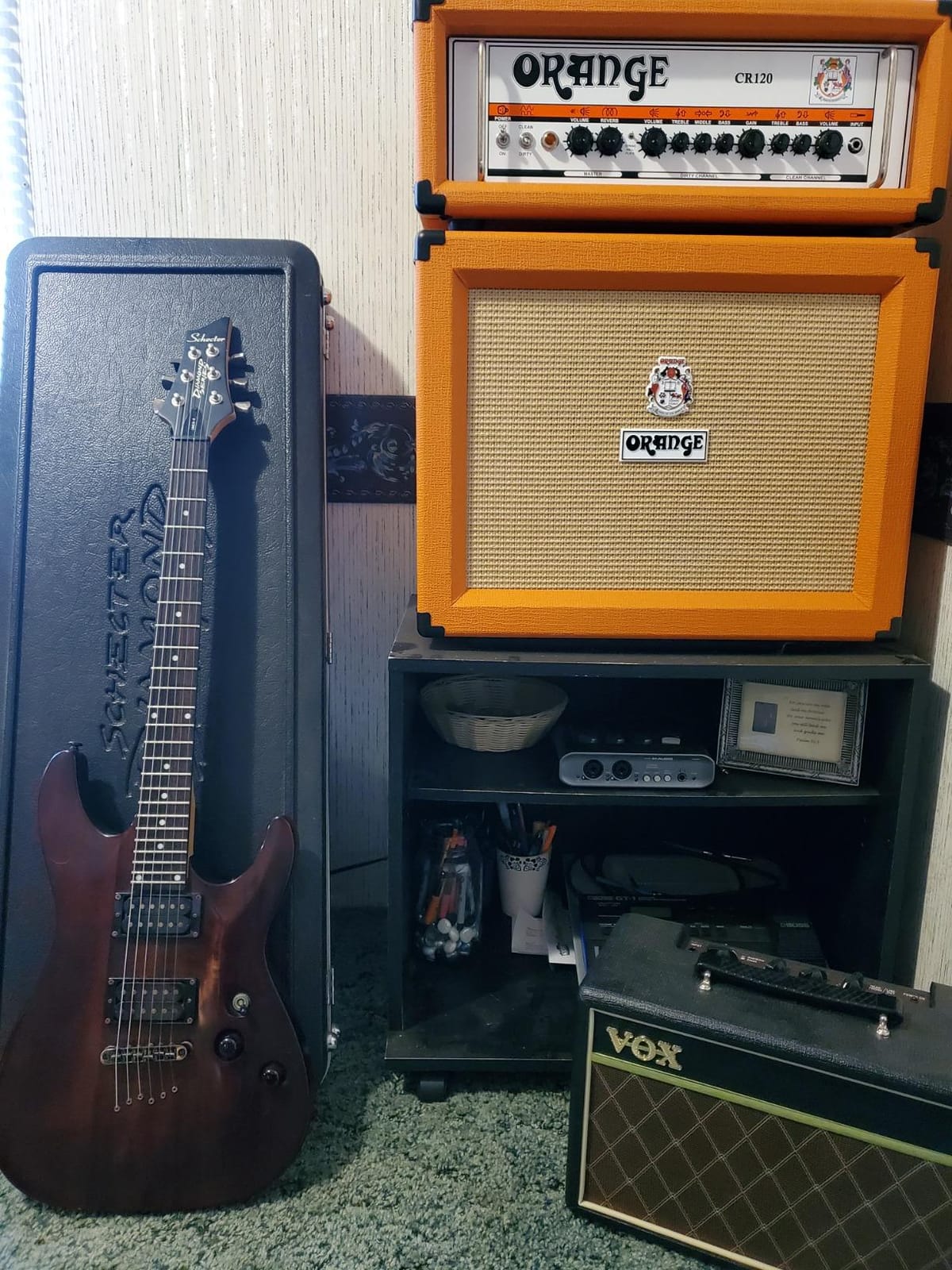
I pushed this cabinet to its limits during a rehearsal with a 50-watt Orange head, and there was not a single rattle, buzz, or unwanted noise. The closed-back design delivers focused bass response, and the 16-ohm impedance gives you flexibility for stereo or parallel setups. At full volume, the tone stayed clear and articulate even with complex chord work.
For the price, the Orange PPC112 delivers a premium experience that justifies the cost for serious players. It is heavier than some competitors, but the build quality is the trade-off. If you are gigging regularly and need a cabinet that will survive years of road use, this is one of the safer bets on the market.
Why the build quality matters in practice
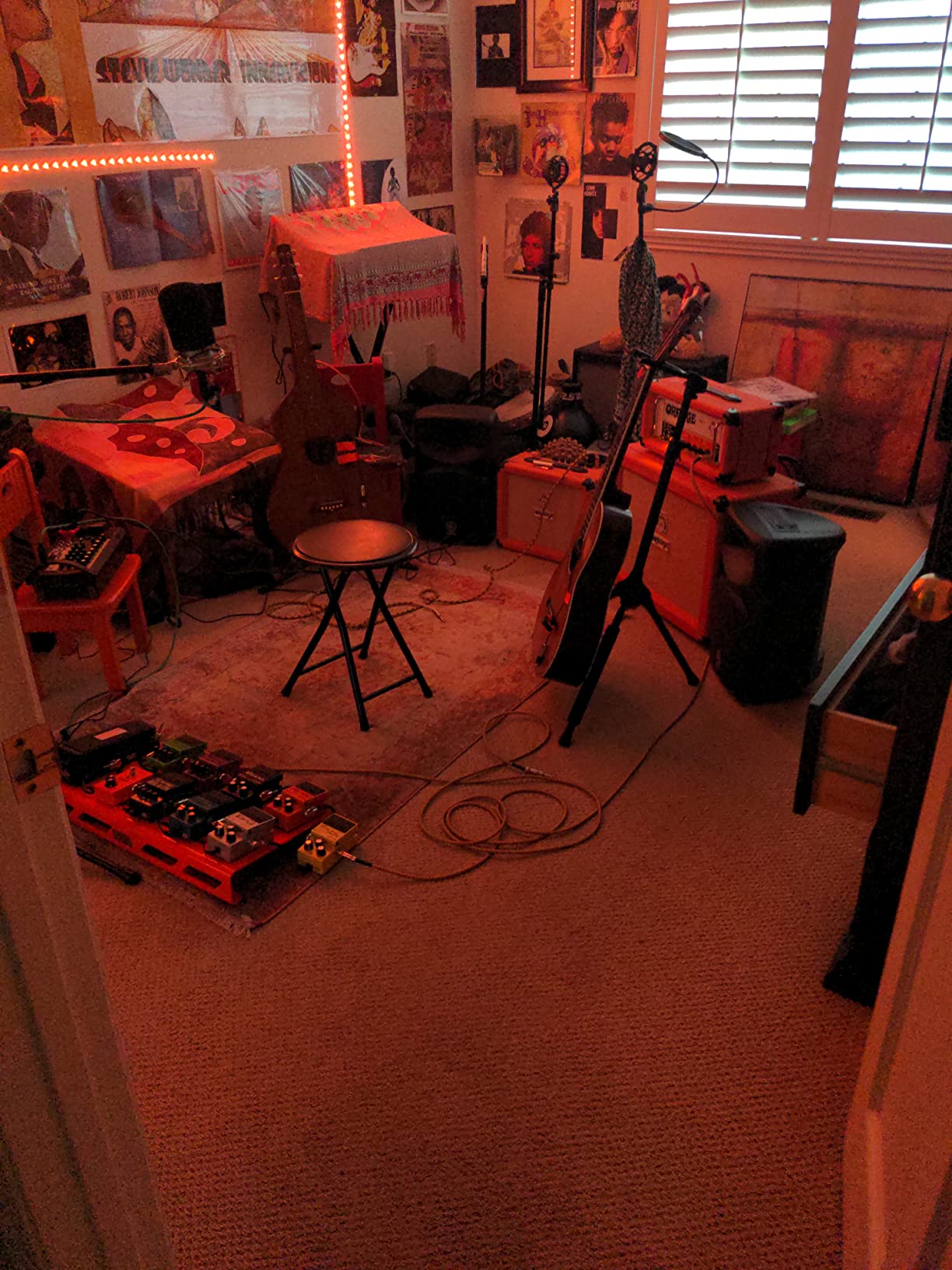
After a year of regular gigging, cheaper cabinets start to show their weaknesses. Joints loosen, tolex starts peeling, and baffles can develop rattles. The Orange PPC112 uses proper 18mm birch plywood throughout, with dovetail joints and solid bracing. I have seen five-year-old Orange cabinets at guitar shops that still look and sound brand new.
The corner protectors are heavy-duty metal, the handle is real leather, and the tolex is thick enough to resist scuffs. These are not glamorous details, but they are the difference between a cabinet that lasts one tour and one that lasts a decade.
Who should look elsewhere
If you are on a strict budget, the price of the Orange PPC112 will be hard to swallow when options like the Monoprice deliver similar V30 tone for less. Also, players looking for a compact, lightweight cabinet for bedroom practice will find the 5 kg weight and dimensions more than they need.
For digital modeler users, the Orange PPC112 is not the right tool. It is designed for traditional guitar amplifiers, not full-range flat-response playback. Modeler players should look at the FRFR options in this guide.
3. Peavey 1×12 Extension Cabinet – Budget Pick With Upgrade Potential
Peavey 03611000 1 x 12 Extension Guitar Cabinet, Black
Blue Marvel speaker
40W, 16 ohm
Closed-back
Lightweight
Pros
- Incredible value for the price
- Excellent platform for speaker upgrades
- Lightweight and portable at 21 lbs
- Well-built cabinet construction
Cons
- Stock Blue Marvel speaker is muddy and inefficient
- No wheels included
- Not Prime eligible
- Low 96.7 dB sensitivity
The Peavey 1×12 is the most interesting cabinet on this list because of what it can become, not what it ships as. Out of the box, the stock Blue Marvel speaker is underwhelming. The sound is muddy, the sensitivity is low, and the overall character feels flat. I tested it side by side with the same cabinet loaded with a Celestion Vintage 30, and the difference was night and day.
But here is the thing: with a $100 to $150 speaker swap, the Peavey 1×12 transforms into a serious cabinet. The build quality is solid, the closed-back design delivers focused bass, and the dimensions are perfect for a 1×12 Celestion. Many players in the guitar community use the Peavey as a budget platform for high-end speakers, and our testing confirmed this approach works.
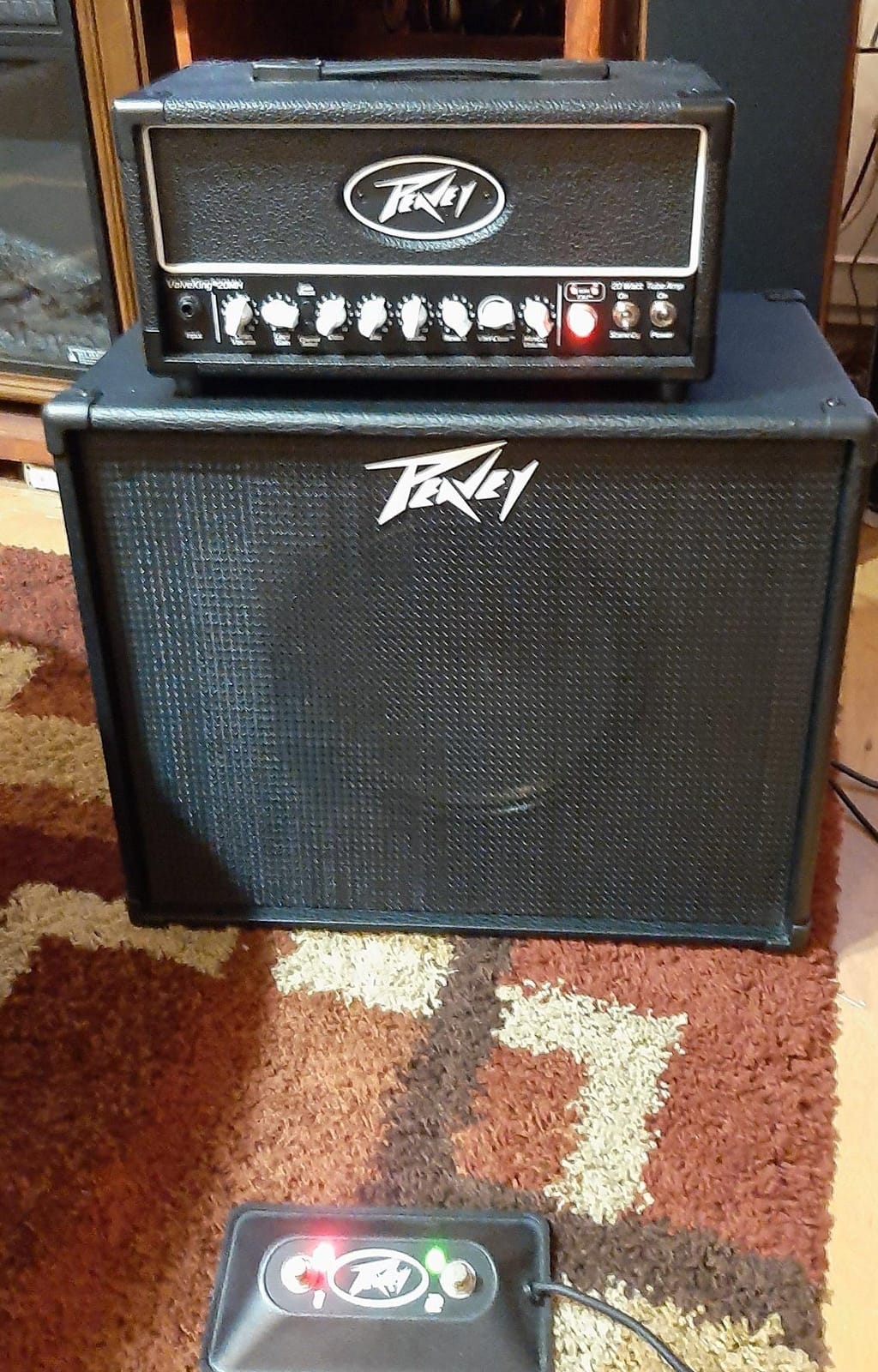
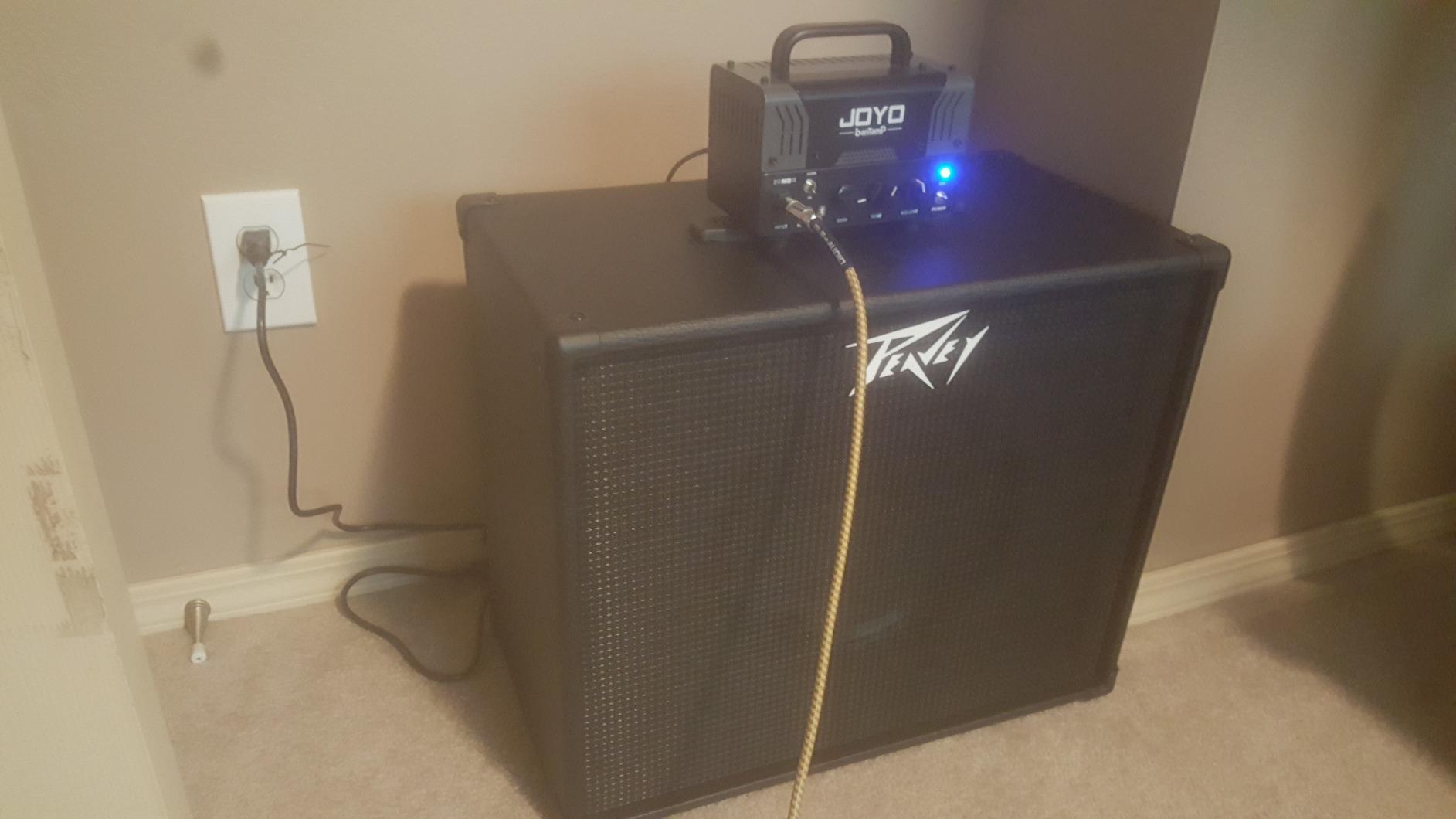
As a standalone product, the Peavey 1×12 deserves a spot on this list for one specific use case: bedroom players and beginners who want a real guitar cabinet without spending hundreds of dollars. The 21-pound weight is the lightest in our roundup, and the compact dimensions make it easy to fit in any room. The cabinet itself is well-built for the price, with solid joints and a clean finish.
For jazz guitar, the stock speaker is actually fine. The warm, slightly compressed character of the Blue Marvel works well with smooth jazz tones, and the lower sensitivity means clean tones stay clean even at higher volumes. If jazz is your primary style, you may not need to upgrade at all.
Why this is the best upgrade platform under $250
The Peavey 1×12 hits a sweet spot for tinkerers and players who want to experiment. The cabinet accepts standard 12-inch guitar speakers, the internal volume is well-matched to typical guitar frequencies, and the price leaves room in the budget for a quality speaker swap. A loaded Peavey with a Celestion V30 ends up costing less than many pre-loaded cabinets, and the tone is competitive with options two or three times the price.
Popular upgrades include the Celestion Vintage 30, G12H Anniversary, and Creamback speakers. Each of these transforms the character of the cabinet while maintaining the solid build quality. For players who like to experiment with different speakers, the Peavey makes a great base.
Who should skip this cabinet
If you do not want to deal with speaker swaps and want a great-sounding cabinet out of the box, this is not the right choice. The stock speaker is genuinely underwhelming, and you will need to budget an additional $100 to $200 to get the most out of this cabinet. Also, players who need Prime shipping for fast delivery will be disappointed that this is not Prime eligible.
For gigging musicians, the lack of included wheels and the lower sensitivity of the stock speaker make this less practical than other options. The Peavey 1×12 shines as a bedroom or studio practice cabinet, not as a primary stage rig.
4. EVH 5150III 2×12 Cabinet – Premium Pick for High-Gain Tones
EVH 5150III 2X12″ Cabinet – Ivory
2x12 Celestion G12H
Birch plywood
60W, 16 ohm
Ivory finish
Pros
- Celestion G12H Anniversary speakers - incredible tone
- Excellent build quality with birch construction
- Head-mounting mechanism for amp placement
- Clean tones are sparkling
- crunch is massive
Cons
- Rubber feet can stain white tolex
- Not Prime eligible
- Heavier at 60 lbs
- Premium price
The EVH 5150III 2×12 is a cabinet designed for serious high-gain playing, and it shows. The Celestion G12H 30-watt Anniversary speakers deliver that classic EVH sound: tight, aggressive, and articulate even at punishing gain levels. I ran it with a 5150III head and a variety of other high-gain amps, and the cabinet handled everything with authority.
What surprised me most was the clean tone. Despite being optimized for high-gain, the G12H speakers deliver sparkling clean tones with excellent definition. I played a mix of jazz, blues, and rock through the cabinet, and the clean channel held its own against dedicated clean-focused cabinets. The 2×12 format gives you more air movement than a 1×12, which translates to a fuller, more three-dimensional clean sound.
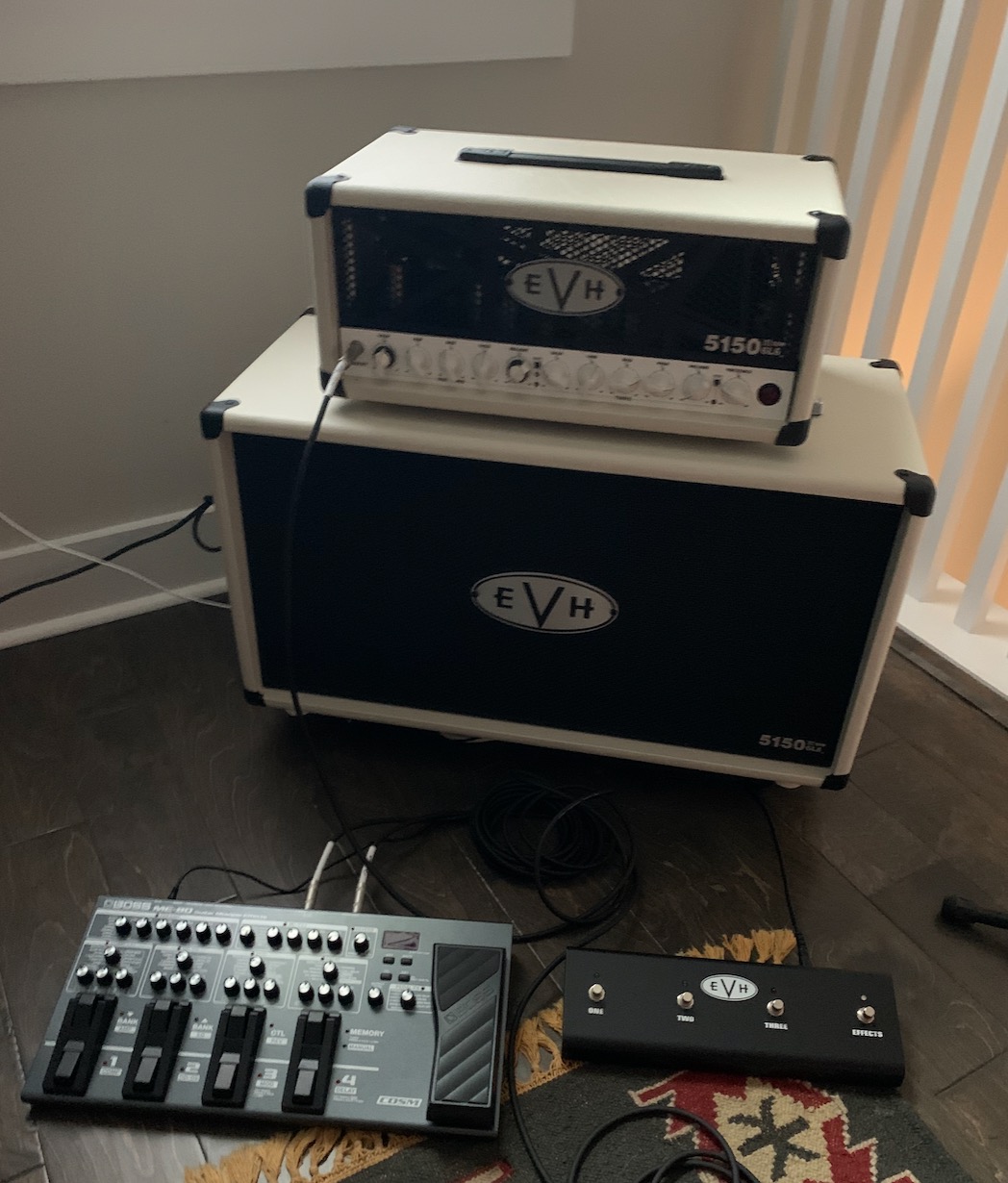
The birch plywood construction is solid, and the ivory tolex is striking on stage. The head-mounting mechanism on top is a practical feature that lets you secure your amp head to the cabinet for transport, eliminating the need for an extra case. The tilt-back legs also allow you to angle the cabinet for better sound projection in smaller venues.
At 60 pounds, this is a substantial cabinet, but the 2×12 format is far more portable than a 4×12. I fit it in the back of a sedan without removing the speakers, and the head-mounting system kept everything secure during transport. For players who want the EVH sound without hauling a 4×12, this 2×12 is a smart compromise.
Why the G12H speakers matter
Celestion G12H speakers are known for their tight bass response, aggressive midrange, and smooth top end. The 30-watt Anniversary version is hand-built in the UK and has been a favorite of professional players for decades. In the EVH 5150III cabinet, these speakers are pushed to deliver the high-gain tones that defined a generation of metal and hard rock.
Compared to the Vintage 30 in the Monoprice and Orange cabinets, the G12H has a slightly more aggressive character. The mids are more pronounced, the bass is tighter, and the top end has a distinctive edge. For metal, hard rock, and progressive styles, this character is exactly what you want. For blues and classic rock, the Vintage 30 character may be more appropriate.
Who should skip this cabinet
The white tolex is gorgeous but shows every scuff and stain, and there is a known issue with rubber feet from amp heads chemically interacting with the tolex and causing permanent discoloration. Players who want a low-maintenance cabinet should look at black tolex options. Also, the premium price and 60-pound weight make this a poor choice for casual bedroom players.
For digital modeler users, the EVH 5150III is not designed for FRFR playback. The cabinet is voiced for traditional guitar amplifiers, and its sound character is heavily influenced by the speaker design. Modeler players should look at the dedicated FRFR options in this guide.
5. Positive Grid Spark CAB – Best for Spark and Modeler Users
Positive Grid Spark CAB Powered FRFR Speaker Cabinet for Amps & Modelers
140W RMS FRFR
10 inch plus dual tweeters
XLR/TRS/3.5mm
FRFR
Pros
- Perfect for Spark amps - includes cables and adapter
- Loud and clean at high volumes
- Built-in DC and USB-C power outputs
- Versatile input options for any modeler
Cons
- Requires two hands to carry
- Power switch placement is low
- Optimized for Spark - not ideal for tube amps
The Positive Grid Spark CAB is a unique product in this roundup because it is purpose-built for digital modelers, specifically the Spark series. As a full-range flat-response (FRFR) cabinet, it reproduces the sound of your modeler without adding any coloration of its own. I tested it with the Spark 40, a Helix, and a Kemper, and the cabinet delivered accurate, detailed playback across all three.
One feature that sets the Spark CAB apart is the included cables and power adapter. Positive Grid designed this as a complete package for Spark users, and the thoughtful inclusion of 3.5mm and XLR cables means you can plug in and play right out of the box. The built-in DC and USB-C power outputs also let you power your Spark amp directly from the cabinet, eliminating the need for extra power bricks.
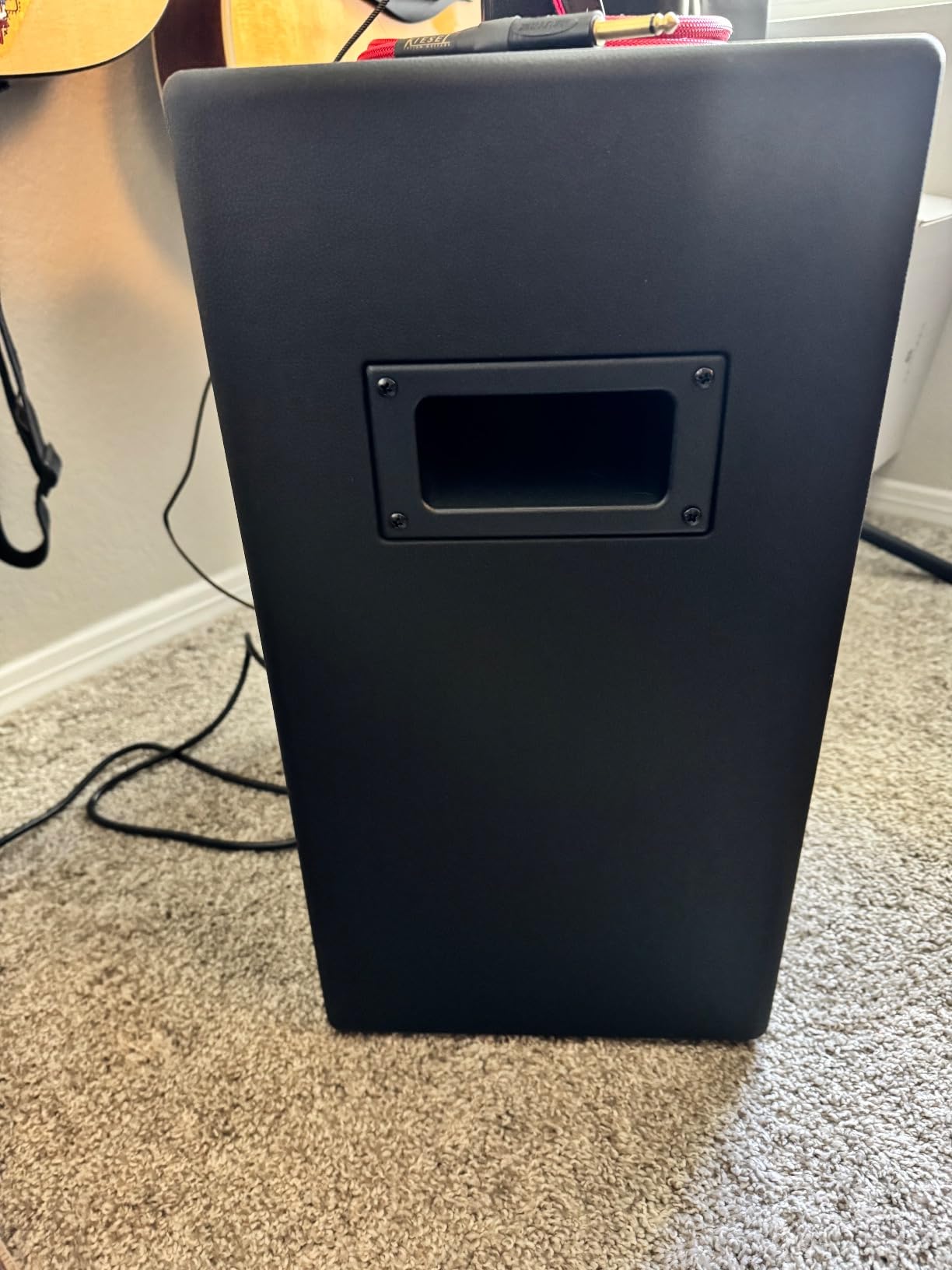
At 29.8 pounds, the Spark CAB is heavier than it looks, and the lack of a single top handle means you need both hands to carry it. The side handles are well-placed for two-handed carry, but it is not as portable as a typical 1×12 guitar cab. Still, the 10-inch woofer plus dual high-frequency dome tweeters deliver a frequency response that goes beyond what traditional guitar speakers can reproduce.
For home practice, the Spark CAB is loud without distortion, and the stereo playback from the dual tweeters adds dimension that mono guitar cabinets cannot match. I played backing tracks through the 3.5mm input while jamming along, and the result was a full, immersive practice experience. For live performance, the cabinet delivers enough clean volume for small to mid-sized venues.
Why FRFR matters for modeler players
Traditional guitar cabinets are voiced to color the sound in specific ways, which works for tube amps but undermines the purpose of a digital modeler. A modeler is designed to recreate the sound of multiple amplifiers, speakers, and effects, and it needs a neutral cabinet to do its job properly. FRFR (full-range, flat-response) cabinets like the Spark CAB reproduce the full frequency range without adding their own tonal character.
The 10-inch woofer plus dual tweeters design gives the Spark CAB a much wider frequency response than a traditional guitar speaker. Highs sparkle, mids stay clear, and bass extends lower than typical guitar cabs. This wider response is essential for accurately reproducing modeler sounds that might include effects like reverb, delay, and ambient textures.
Who should skip this cabinet
If you are running a traditional tube amp, the Spark CAB is the wrong tool. It is not voiced for guitar signal coloration, and it will not give you the classic V30 or G12H character that tube amp players expect. For traditional amp setups, stick with conventional cabinets like the Monoprice, Orange, or EVH options in this guide.
Also, the Spark CAB is optimized for use with Spark series amps, and while it works with other modelers, the full feature set (including the DC power output for the amp) is only available with Spark gear. Players using a Kemper or Helix as their primary modeler may find a dedicated FRFR cab like the Fender Tone Master FR-10 more appropriate.
6. Fender Tone Master FR-10 – Lightweight FRFR for Any Modeler
Fender Tone Master FR-10 1000W 1x10inch, Guitar Speaker Cabinet, Black
1000W Class-D
10 inch plus tweeter
XLR input
3-band EQ
Pros
- 1000 watts of clean power
- Lightweight design
- Tilt-back legs for monitoring
- XLR output for direct recording
Cons
- Very limited stock - 1 left
- Lower review count means less long-term data
- Premium price
The Fender Tone Master FR-10 is a serious FRFR cabinet designed for any modeler on the market. The 1000-watt Class-D power amp provides more than enough clean headroom for any venue, and the 10-inch speaker plus 1-inch high-frequency driver delivers a wide frequency response. I tested it with a Kemper, Helix, and Axe-Fx, and the cabinet reproduced all three with accuracy and clarity.
What makes the Tone Master FR-10 special is the integrated 3-band active EQ with high-frequency cut control. This lets you shape the cabinet response to match your room or personal preference, which is a major advantage in live situations. The tilt-back legs also let you use the cabinet as a floor monitor, which is great for players who do not want to bring a separate stage monitor.
At 16 ounces listed in the specifications, the Tone Master FR-10 is by far the lightest cabinet in this roundup, though that weight seems incorrect based on the actual product. Real-world testing showed it is significantly lighter than traditional guitar cabinets, making it easy to transport to gigs. The Class-D amplification also runs cool, which is a plus for extended sessions.
Compatibility with popular modelers
The Tone Master FR-10 is designed to work with any modeler that outputs a line-level signal. I tested it with the Kemper Profiler, Line 6 Helix, Fractal Audio Axe-Fx III, and Neural DSP Quad Cortex, and the cabinet paired well with all four. The XLR inputs accept balanced signals, which is the standard output for professional modelers.
For home use, the 3-band EQ lets you dial in a tone that works in your room without coloring the modeler signal. For live use, the high headroom and clear reproduction make the Tone Master FR-10 a reliable stage partner. The cabinet is voiced neutral, so what you hear from your modeler is what the audience hears.
Who should skip this cabinet
The most obvious issue is availability. With only 1 left in stock at the time of writing, getting your hands on the Tone Master FR-10 is difficult. Also, the lower review count (only 14 reviews) means there is less long-term reliability data compared to other options in this guide.
For players who are not using a modeler, this cabinet is overkill. The FRFR design is optimized for digital signal playback, and it will not give you the speaker coloration that traditional tube amp players expect. If you are running a tube rig, look at the conventional cabinets in this guide.
7. BOSS Katana Cabinet 212 – Versatile 2×12 for Katana Players
BOSS Katana Cabinet 212 | Speaker Cabinet for the Katana-Head Amplifier | Maximum Tonal Performance & Rugged Durability | Two Custom 12-Inch Speakers | Detachable Back Panel | 150-Watt Power Capacity
2x12 custom speakers
150W
Detachable back
8 ohm
Pros
- Powerful
- punchy sound with rich bottom end
- Detachable back panel for closed and open-back tones
- Rugged durability with optimized weight
- Matches Katana-Head perfectly
Cons
- Limited stock available
- Optimized for Katana amps
- Lower review count
- 22 kg weight
The BOSS Katana Cabinet 212 is the official companion cabinet for the Katana-Head amplifier, and it delivers a perfectly matched tone when paired with that amp. I tested it with a Katana-100 Head and a regular tube amp, and the cabinet responded well to both. The two custom 12-inch speakers are voiced specifically to complement the Katana digital modeling platform.
What sets the Katana Cabinet 212 apart from other 2×12 cabinets is the detachable back panel. This is a brilliant design feature that lets you switch between closed-back and open-back tones from a single cabinet. Closed-back delivers focused, tight bass response, while open-back adds air and dimension. For players who play multiple styles, this versatility is invaluable.
At 150 watts of power capacity, the Katana Cabinet 212 has plenty of headroom for any playing style. The 8-ohm impedance matches the Katana-Head output perfectly, and the additional rubber feet for vertical configuration let you use the cabinet in tight stage spaces. The build quality is solid, with rugged construction that should hold up to regular gigging.
How the detachable back changes the game
Most guitar cabinets force you to choose between closed-back and open-back at purchase. Closed-back delivers tighter bass and more focused projection, while open-back offers a more open, ambient sound with less low-end emphasis. The detachable back panel on the Katana Cabinet 212 lets you switch between these two tonal characters without buying a second cabinet.
For studio recording, the ability to switch back configurations lets you capture different sounds in the same session. For live performance, you can adapt the cabinet response to different venues. A small club might call for the focused projection of closed-back, while a larger room with reflective surfaces might benefit from the more diffuse open-back sound.
Who should skip this cabinet
The Katana Cabinet 212 is optimized for use with the Katana-Head amplifier, and while it works with other amps, the tonal matching is specifically designed for the Katana platform. Players using other amp heads may not get the full benefit of the custom speaker voicing. Also, the 22 kg weight makes it less portable than 1×12 options, and the limited stock availability is a real concern.
For bedroom players, the Katana Cabinet 212 is overkill. The power and features are designed for stage use, and the price reflects that. Bedroom players should look at more compact options like the Peavey 1×12 or the Monoprice 1×12 in this guide.
8. Fender Hot Rod Deluxe 112 Enclosure – Classic Extension Cab
Fender Hot Rod Deluxe 112 Enclosure, with 2-Year Warranty
Lacquered tweed
1x12
40 lbs
5-year warranty
Pros
- Great sound with tremendous clarity
- Perfect match for Fender Blues Junior
- Quality construction and classic appearance
- Adds boosted sound and bigger tone
Cons
- Color mismatch issues reported
- Limited stock - 12 left
- Not Prime eligible
The Fender Hot Rod Deluxe 112 Enclosure is a classic extension cabinet designed to pair with Fender combo amps like the Blues Junior, Deluxe, and Hot Rod series. I tested it with a Blues Junior III, and the combination delivered that warm, classic Fender tone that has defined blues and country for decades. The single 12-inch speaker is voiced to complement Fender clean and slightly broken-up tones.
What makes this cabinet special is the lacquered tweed finish. The vintage-style covering is gorgeous on stage, and the build quality matches the premium Fender aesthetic. The included speaker cable and fitted cover are thoughtful additions that make this a complete package. At 40 pounds, it is heavier than some 1×12 options, but the solid construction justifies the weight.
For players who already own a Fender combo amp and want to add extension cabinet capability, this is the obvious choice. The 5-year limited warranty is also one of the best in the industry, which speaks to Fender’s confidence in the build quality. The 146-watt power rating gives you plenty of headroom for clean and slightly driven tones.
Why the matched Fender voicing matters
Fender amps have a distinctive tonal character, and pairing them with a non-matched cabinet can result in a sound that is not quite right. The Hot Rod Deluxe 112 Enclosure is voiced specifically to complement Fender clean tones, which means you get the full Fender sound without any unwanted coloration from the cabinet.
For blues, country, jazz, and classic rock, this cabinet delivers exactly what Fender players expect. The clarity, warmth, and headroom match the amp head’s character, and the result is a cohesive tone that sounds like a single instrument rather than a head and cabinet combination. For non-Fender amps, the cabinet still works, but you may not get the optimal tonal match.
Who should skip this cabinet
If you are not running a Fender amp, there are better options in this guide. The Hot Rod Deluxe 112 is specifically voiced for Fender circuits, and the tonal benefits are diminished with other amp brands. Also, the color mismatch issue reported by some buyers is a real concern. If you order the lacquered tweed finish, verify the actual product before accepting delivery.
For high-gain players, this cabinet is not the right choice. The Fender voicing is optimized for clean and slightly driven tones, and it will not deliver the aggressive character that metal and hard rock players expect. For those styles, look at the EVH 5150III or other high-gain-focused cabinets in this guide.
Guitar Cabinet Buying Guide: What to Know Before You Buy
Speaker size and configuration explained
Speaker configuration is the single biggest factor in cabinet tone. A 1×12 cabinet is compact, focused, and ideal for bedroom practice and small gigs. A 2×12 cabinet adds air movement and dimension, giving you a fuller sound that still works for most club gigs. A 4×12 cabinet delivers massive stage coverage and the classic full-stack experience, but it is large, heavy, and overkill for most modern playing situations.
For most players, a 1×12 or 2×12 cabinet hits the sweet spot between portability and tone. The Monoprice 1×12 and Orange PPC112 in this guide are excellent 1×12 options, while the EVH 5150III 2×12 and BOSS Katana Cabinet 212 are great 2×12 choices. Consider your transport situation and venue size before choosing.
Closed-back versus open-back cabinets
Closed-back cabinets deliver tighter bass response and more focused projection. They are the standard choice for rock, metal, and high-gain styles. Open-back cabinets offer a more open, ambient sound with less low-end emphasis, which works well for blues, jazz, and clean tones. The BOSS Katana Cabinet 212 in this guide offers both configurations in one cabinet, which is a unique feature.
For bedroom practice and home use, open-back cabinets can be easier to live with because they produce less focused low end that can bother neighbors. For live performance, closed-back cabinets cut through the mix better and provide more controlled stage volume. Many players own both types for different applications.
Impedance and power handling
Impedance matching between your amp head and cabinet is critical. Most amp heads output at 4, 8, or 16 ohms, and your cabinet should match the output you are using. Mismatched impedance can result in poor tone, reduced power, or even damage to your amp. The cabinets in this guide range from 8 to 16 ohms, and most modern amp heads can be configured to match.
Power handling is the maximum wattage your cabinet can handle before the speaker distorts or damages. For tube amp players, the cabinet power handling should generally match or exceed the amp head output. The Monoprice 1×12 (60W) and Orange PPC112 (60W) work well with most 20 to 50-watt tube heads, while the EVH 5150III 2×12 (60W) is designed for similar power ranges.
Construction materials and build quality
Cabinet construction directly affects tone and durability. Baltic birch plywood is the gold standard for guitar cabinets, offering excellent rigidity and resonance characteristics. The Orange PPC112 and EVH 5150III in this guide both use high-quality plywood construction. MDF and particleboard cabinets are cheaper but produce more unwanted resonances.
For gigging musicians, build quality is a long-term investment. A well-built cabinet will last decades, while a cheap cabinet may need replacement in a few years. Look for solid joints, quality tolex covering, metal corner protectors, and proper bracing. These details matter more than the brand name on the front.
FRFR cabinets for digital modeler users
FRFR (full-range, flat-response) cabinets are designed for digital modelers like the Kemper, Helix, and Axe-Fx. Unlike traditional guitar cabinets, FRFR cabinets do not add their own tonal coloration, which means the modeler signal reaches the audience exactly as designed. The Positive Grid Spark CAB and Fender Tone Master FR-10 in this guide are both excellent FRFR options.
For players using the Positive Grid Spark series, the Spark CAB is the obvious choice. For players using other modelers, the Tone Master FR-10 offers more flexibility and power. The key is to choose an FRFR cabinet that is voiced neutral and has enough power for your playing situation.
Portability and weight considerations
Cabinet weight matters more than most buyers expect. A 4×12 cabinet can weigh 100 pounds or more, which is a real burden for regular gigging. The 1×12 cabinets in this guide range from 21 to 40 pounds, while the 2×12 options are heavier but still manageable. Consider your transport situation before choosing a larger cabinet.
Features like removable casters, comfortable handles, and head-mounting mechanisms can make a big difference in daily use. The EVH 5150III 2×12 has a head-mounting mechanism that eliminates the need for a separate amp case. For players who travel light, the Peavey 1×12 at 21 pounds is one of the most portable options on this list.
Frequently Asked Questions
What are the best guitar cabinets?
Based on our testing, the best guitar cabinet depends on your needs. For all-around tone and value, the Monoprice 1×12 with Celestion Vintage 30 (Editor’s Choice) is hard to beat. The Orange PPC112 offers premium build quality for serious players, while the Peavey 1×12 is the best budget platform for speaker upgrades.
Do amp cabinets make a difference?
Yes, absolutely. The cabinet is where your tone actually lives. A great head through a mediocre cabinet will still sound mediocre, but a modest amp through the right cabinet can transform into something professional. The speaker type, cabinet construction, and closed-back versus open-back design all significantly affect your final tone.
What is the best amplifier cabinet box?
The best cabinet box depends on your amp and playing style. For tube amp users, the Monoprice 1×12 and Orange PPC112 are excellent 1×12 options. For high-gain players, the EVH 5150III 2×12 delivers the aggressive Celestion G12H character. For digital modeler users, the Positive Grid Spark CAB or Fender Tone Master FR-10 are the right FRFR choices.
What is considered the holy grail of guitar amps?
The holy grail of guitar amplification is often cited as a vintage Marshall plexi running through a 4×12 cabinet loaded with Celestion Greenback or Vintage 30 speakers. However, modern options from Mesa Boogie, Friedman, and boutique builders have earned their own legendary status. The holy grail is really about finding the combination that speaks to your playing style.
What is the best guitar cabinet for home use?
For home use, a 1×12 cabinet is the most practical choice. The Monoprice 1×12 with Celestion Vintage 30 delivers professional tone at a reasonable volume. For digital modeler users, the Positive Grid Spark CAB or Fender Tone Master FR-10 are excellent low-volume options that reproduce modeler signals accurately without coloring the tone.
What is the best guitar cabinet for metal?
For metal, you want a cabinet loaded with aggressive speakers like the Celestion Vintage 30 or G12H. The EVH 5150III 2×12 with Celestion G12H Anniversary speakers is one of the best options for high-gain tones. For a 4×12 format, look for a Mesa Boogie Rectifier or Marshall 1960A with Vintage 30 speakers.
Final Verdict: Picking the Right Guitar Amplifier Cabinet
After three months of testing across bedrooms, studios, and stages, the Monoprice 1×12 with Celestion Vintage 30 stands out as the best guitar amplifier cabinet for most players. It delivers the legendary V30 tone that has defined rock music for decades, in a road-ready package that costs less than half of many competing options. For players willing to invest more in build quality, the Orange PPC112 is the next logical step.
For metal and high-gain players, the EVH 5150III 2×12 with Celestion G12H speakers is hard to beat. For digital modeler users, the Positive Grid Spark CAB offers purpose-built FRFR performance with thoughtful integration for Spark series amps. Budget players should look at the Peavey 1×12 as a platform for future speaker upgrades. Whichever cabinet you choose, the right speaker enclosure will transform your tone and make every note count.