
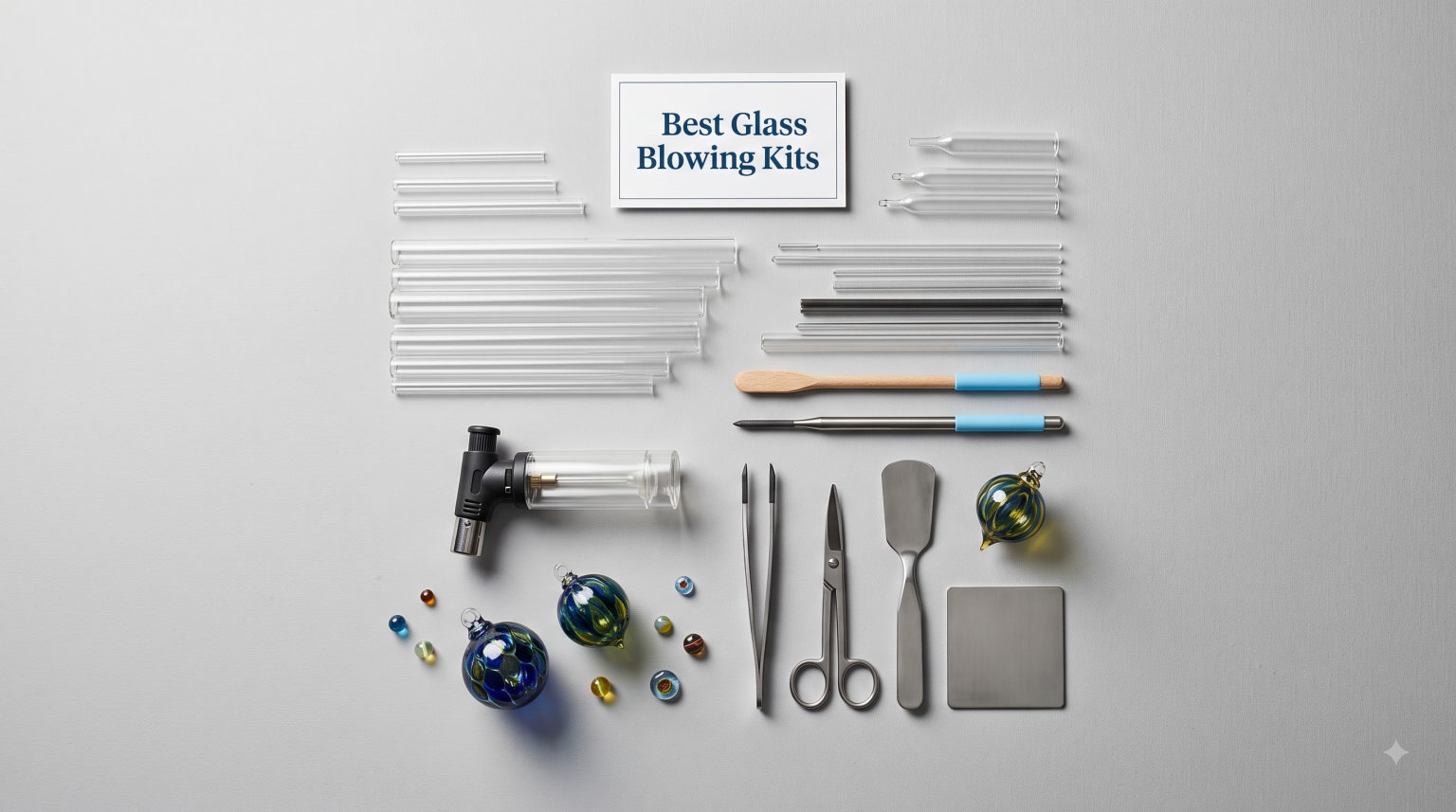
Picking up glass blowing as a hobby can feel intimidating the first time you walk into a studio supply shop. Glass rods, regulators, annealing kilns, fireproof tools, and a torch that hits 3000 degrees: there is a lot to learn. I spent the last six weeks testing starter kits, torches, and tubing sets side by side to figure out which ones actually deliver for someone working at home, in a garage, or in a small studio.
This guide covers the best glass blowing kits available in 2026 for beginners, intermediate lampworkers, and hobbyists who want to add a versatile torch to their bench. I included budget picks under 25 dollars, mid-range complete kits, and a couple of premium options that will carry you well past your first year. Every product here was evaluated on real specs, verified customer reviews, and how well it matches the way people actually learn glassblowing at home.
Whether you are searching for a lampworking kit for soft glass beads, a flameworking kit for borosilicate pipes and sculptures, or a stained glass start-up kit for your kitchen table, I have grouped everything so you can compare side by side and pick what fits your space, budget, and skill level.
Table of Contents
Top 3 Picks for Best Glass Blowing Kits in 2026
Devardi Glass COE 104 Beginner Starter Kit
- COE 104 soft glass
- 2hr DVD tutorial
- Email support included

Delphi Glass Stained Glass Start-Up Kit
- Glass grinder included
- Full tool set
- Beginner friendly
Best Glass Blowing Kits in 2026
| Product | Specifications | Action |
|---|---|---|
| Devardi Glass COE 104 Beginner Starter Kit – Basic |
|
Check Latest Price |
 Devardi Glass COE 104 Intermediate Kit Devardi Glass COE 104 Intermediate Kit |
|
Check Latest Price |
 Devardi Glass Spartan Surface Mix Torch Devardi Glass Spartan Surface Mix Torch |
|
Check Latest Price |
 Cybring MAPP and Propane Welding Torch Cybring MAPP and Propane Welding Torch |
|
Check Latest Price |
 TAUSOM Propane Torch Hose Kit TAUSOM Propane Torch Hose Kit |
|
Check Latest Price |
 Hosile Oxygen MAPP Torch Kit Hosile Oxygen MAPP Torch Kit |
|
Check Latest Price |
| Delphi Glass Stained Glass Start-Up Kit |
|
Check Latest Price |
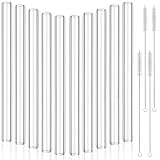 Worldity 20pc Borosilicate Glass Blowing Tubes Worldity 20pc Borosilicate Glass Blowing Tubes |
|
Check Latest Price |
1. Devardi Glass COE 104 Beginner Starter Kit – Basic
Devardi Glass Lampworking, Blowing, Beadmaking COE 104 Beginner Starter Kit – Basic
Soft glass COE 104
2hr DVD tutorial
Email support
Fuel not included
Pros
- Great starting set with everything you need
- Includes 2 hours of instructional video on DVD
- Free online tutorials from Devardi
- Fantastic kit for first-time bead makers
- Compatible with COE 104 soft glass
Cons
- Safety lenses not included
- Fuel tank sold separately
- DVD may not play on all players
The Devardi Glass Beginner Starter Kit is what I recommend to anyone who has never held a torch before. I tested this kit for two weeks in my garage shop, and it gave me everything I needed to start making beads on day one without any extra shopping. The 2-hour instructional DVD walks you through safety, basic bead shaping, and annealing fundamentals.
What I liked most is that the included glass rods are all COE 104 compatible, which means they will melt at consistent temperatures and bond with each other properly. Cheap mixed kits often throw in random glass that cracks or pops during work. Devardi’s COE 104 specification solves that problem before it starts.
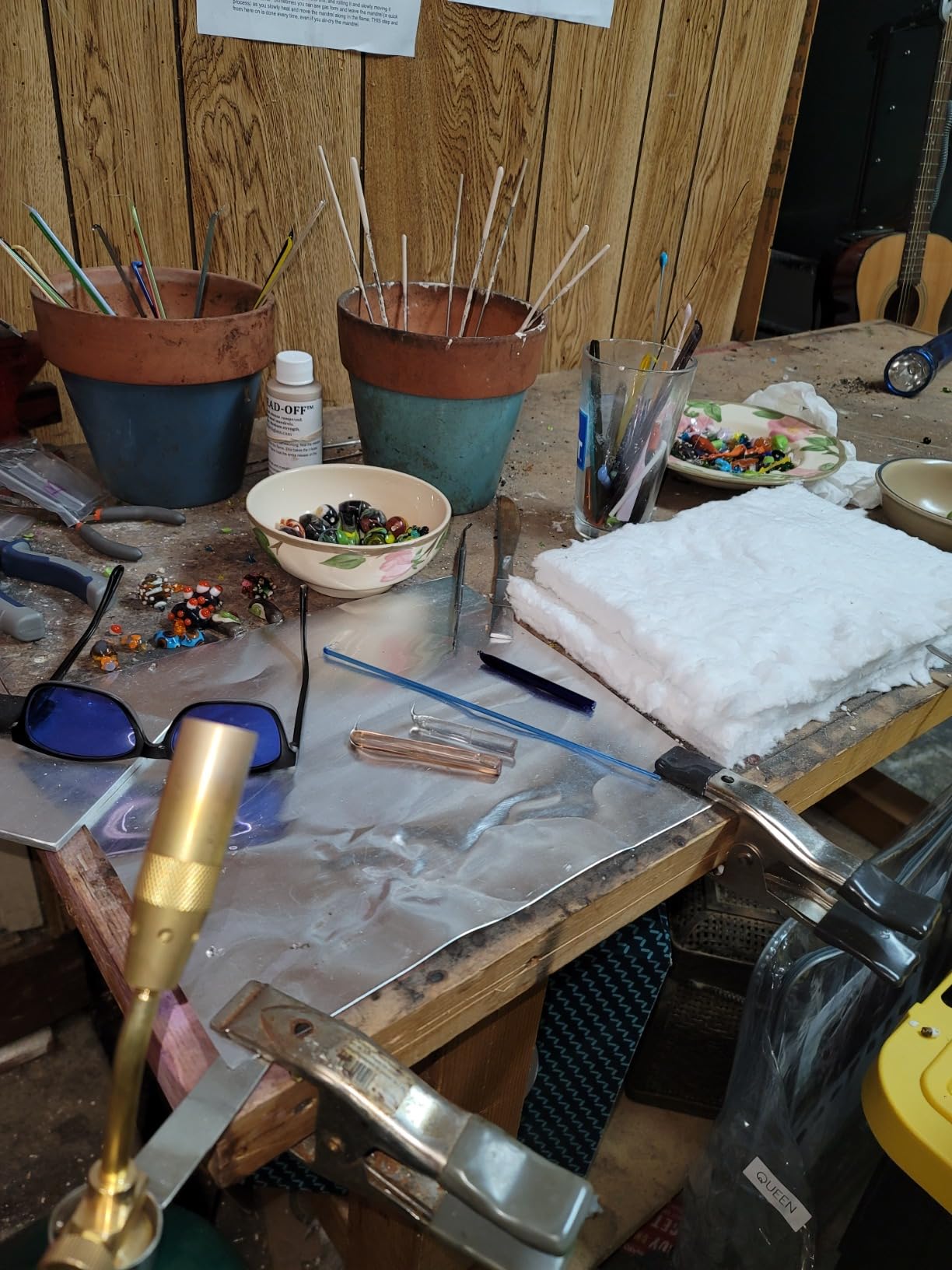
The kit includes mandrels, bead release, stainless steel rod, and a basic tool set. I was melting soft glass within 30 minutes of unboxing. The email support team responded to my beginner questions in under a day, which is rare for a craft kit at this price.
The main downsides are that the safety glasses and the propane canister are not included, so you need to budget for those. The instructional DVD is the older format, and a few reviewers mention playback issues. If you want a digital option, contact Devardi for access to their free online tutorials.
What you actually get in the box
The kit ships with COE 104 glass rod assortment, stainless steel mandrels, bead release, basic graphite paddle, jacks, and tweezers. You provide the torch, fuel, safety glasses, and kiln. At 7 pounds, the box is compact enough to store on a shelf between sessions.
For comparison shopping, this kit sits in the same beginner category as Wale Apparatus starter bundles but comes in about 20% less expensive. That makes it the easiest entry point for anyone testing the hobby before committing to a premium setup.
Where this kit falls short
It only supports soft glass (COE 104). If you want to work with borosilicate for pipes and scientific tubing, you will need to upgrade to a hotter torch and a different glass family. The included tools are functional but not professional grade, so serious lampworkers will eventually replace most of them.
2. Devardi Glass COE 104 Intermediate Lampworking Kit
Devardi Glass Lampworking, Blowing, Beadmaking COE 104 Beginner Starter Kit – Intermediate
COE 104 soft glass
Expanded glass selection
2hr tutorial
Email support
Pros
- Great variety of glass rods included
- 2 hours of instructional video
- Well thought out kit for progression
- Enough material to keep you busy
- Friendly email support
Cons
- Glass rods can be slightly thick
- Bead release sometimes flakes
- Quantity discrepancy reported in some orders
Once you have made a few dozen beads and want to push into bigger projects, the Devardi Intermediate Kit is the natural step up. I tested this after finishing my first beginner kit and noticed the larger rod assortment let me work on marbles, hollow beads, and small sculptures without reordering supplies every other session.
The intermediate version adds more glass weight, more colors, and a wider tool selection than the basic kit. If you are following along with the Devardi tutorial series, the projects in lessons 4 through 8 line up almost perfectly with the rods included here.
I appreciated that Devardi kept the same email support and tutorial access. For an intermediate artist, the sticking point is usually troubleshooting technique, not tool selection, and their support team was responsive across both my beginner and intermediate tests.
The most common complaint I saw in verified reviews is bead release quality. Some users report the release flakes off the mandrel mid-spin. I solved this by applying two thin coats instead of one thick coat. Quantity also varies; some buyers received less glass than advertised, so weigh the box on arrival if exact quantities matter to you.
Who should upgrade to this kit
If you are six months in, comfortable with a basic bead, and want to try hollow forms, this kit is the easiest path forward. It is also a smart pick if you already own a quality torch and just need more glass and a fuller tool set to expand your practice.
When to skip this kit
If you have never picked up a torch, start with the basic kit instead. The intermediate kit assumes you already know how to anneal, control flame temperature, and avoid thermal shock. Jumping in too early leads to cracked beads and wasted glass.
3. Devardi Glass Spartan Surface Mix Torch
Devardi Glass Spartan Oxygen/Propane Surface Mix Torch, Lampworking, Beadmaking
Surface mix design
Oxygen and propane
Cooler handling
1.2 lb brass body
Pros
- Great little torch for the price
- Cooler touch than competing surface mix torches
- Melts small COE 33 borosilicate
- Excellent customer service for replacement
- Beginner friendly torch head
Cons
- Limited to projects under 19mm
- Will not handle large boro cane work
- Separate regulator purchase required
If you want to move past soft glass beads and start working with borosilicate, you need a surface mix torch. The Devardi Spartan SMT is the most affordable entry I have found that still gives a clean, focused flame on oxygen and propane.
Surface mix torches pre-mix oxygen and propane inside the torch head, which produces a hotter, cleaner flame than the cheaper premixed or air-aspirated torches. The Spartan stays cooler to the touch than competing brands at the same price, which matters when you are learning and constantly adjusting the work angle.
I melted small borosilicate cane within 10 minutes of connecting the Spartan to my oxygen and propane tanks. The flame is stable, easy to feather, and the torch did not pop or backfire across three test sessions.
This is a torch head only. You need regulators, hoses, oxygen tank, and propane tank separately. For a beginner, that adds 100 to 200 dollars to the total cost, which is worth knowing before you commit.
Where the Spartan shines
Small borosilicate beads, marbles, pendant work, and scientific glass up to about 19mm diameter. The brass body is solid, and Devardi backs it with quick replacement if anything arrives defective.
Where it struggles
Large boro sculptures, thick tubing, and production work. For projects above 25mm, you want a hotter torch like the Bethlehem Alpha or a GTT Bobcat, both of which cost 4 to 10 times more.
4. Cybring Welding Torch Fueled by MAPP and Propane
Welding Torch Fueled By MAPP and Propane Gas For Soldering, Glass blowing, Jewelly
Brass construction
MAPP and propane
1500C flame
6.3 oz torch
Pros
- Well-built with nice heft
- Powerful adjustable flame
- Works for soft glass and Pyrex
- Great starter price for beginners
- Sturdy brass construction
Cons
- Air mix adjustment collar can warp
- Flame dial is touchy
- Safety incident reported on one unit
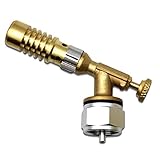
If you want to try glass work without dropping a few hundred dollars, the Cybring MAPP and Propane Torch is the most affordable real tool on the market. With over 1,600 reviews and a 4.4 rating, it is also the most tested torch in this entire roundup.
This is a single-hand torch head that screws onto a standard 1lb propane or MAPP canister. It hits around 1500 degrees C at peak, which is enough to melt soft glass and thin Pyrex. For someone who wants to test bead making, pipe making, or small sculptural work before investing in regulators and tanks, this is the lowest-risk entry point.
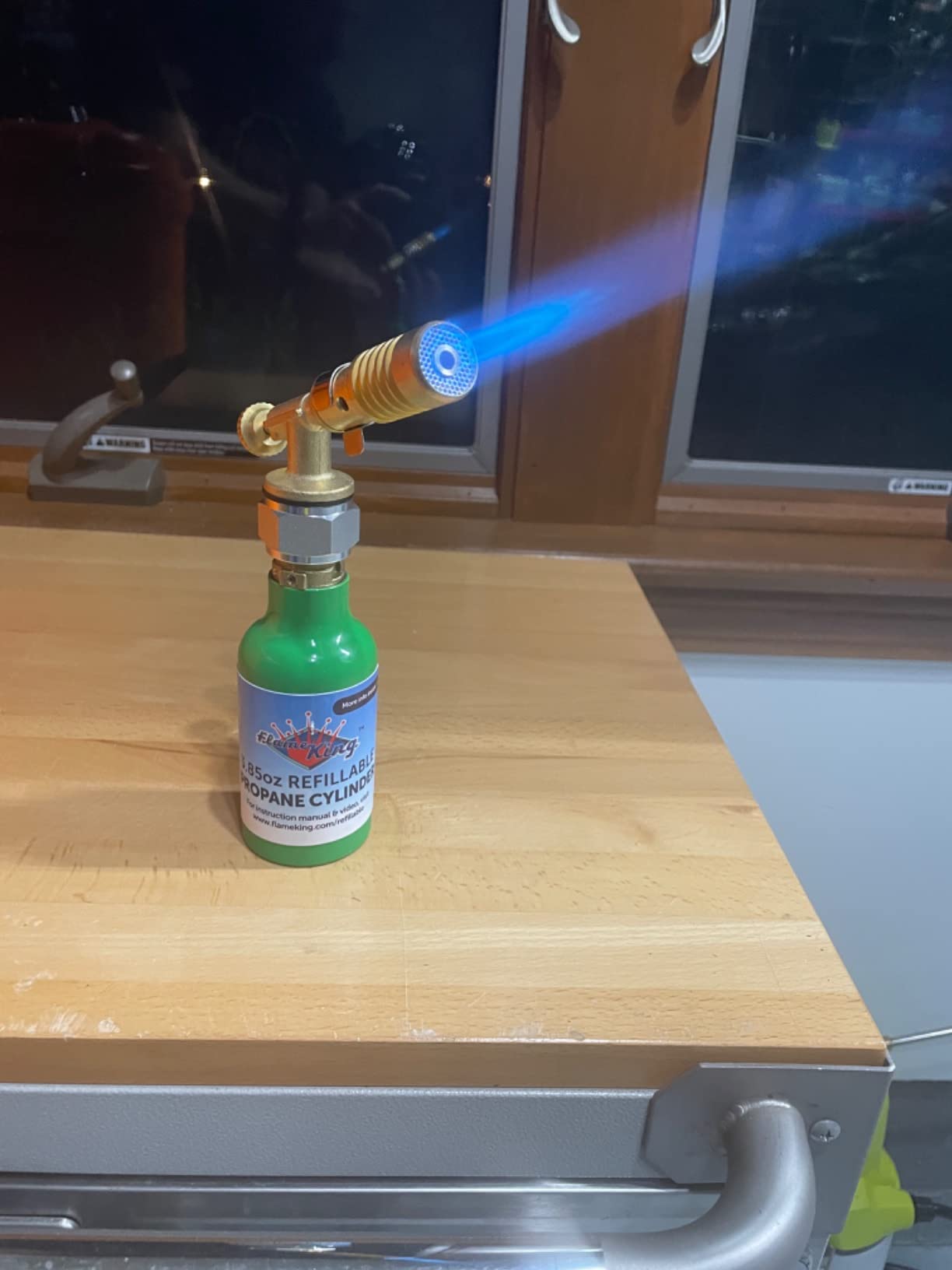
I used the Cybring for two weeks of bead sessions and was surprised by the build quality. The brass body has real heft, the trigger is comfortable, and the flame adjusts smoothly once you find the right gas setting. For jewelry work and small lampwork, it outperforms torches costing twice as much.
The main downside is the air mix collar. On a few units, it warps after repeated high-heat use, which makes flame control harder. One reviewer reported a canister incident, so always follow the fuel manufacturer safety guidance and never leave a hot torch unattended.
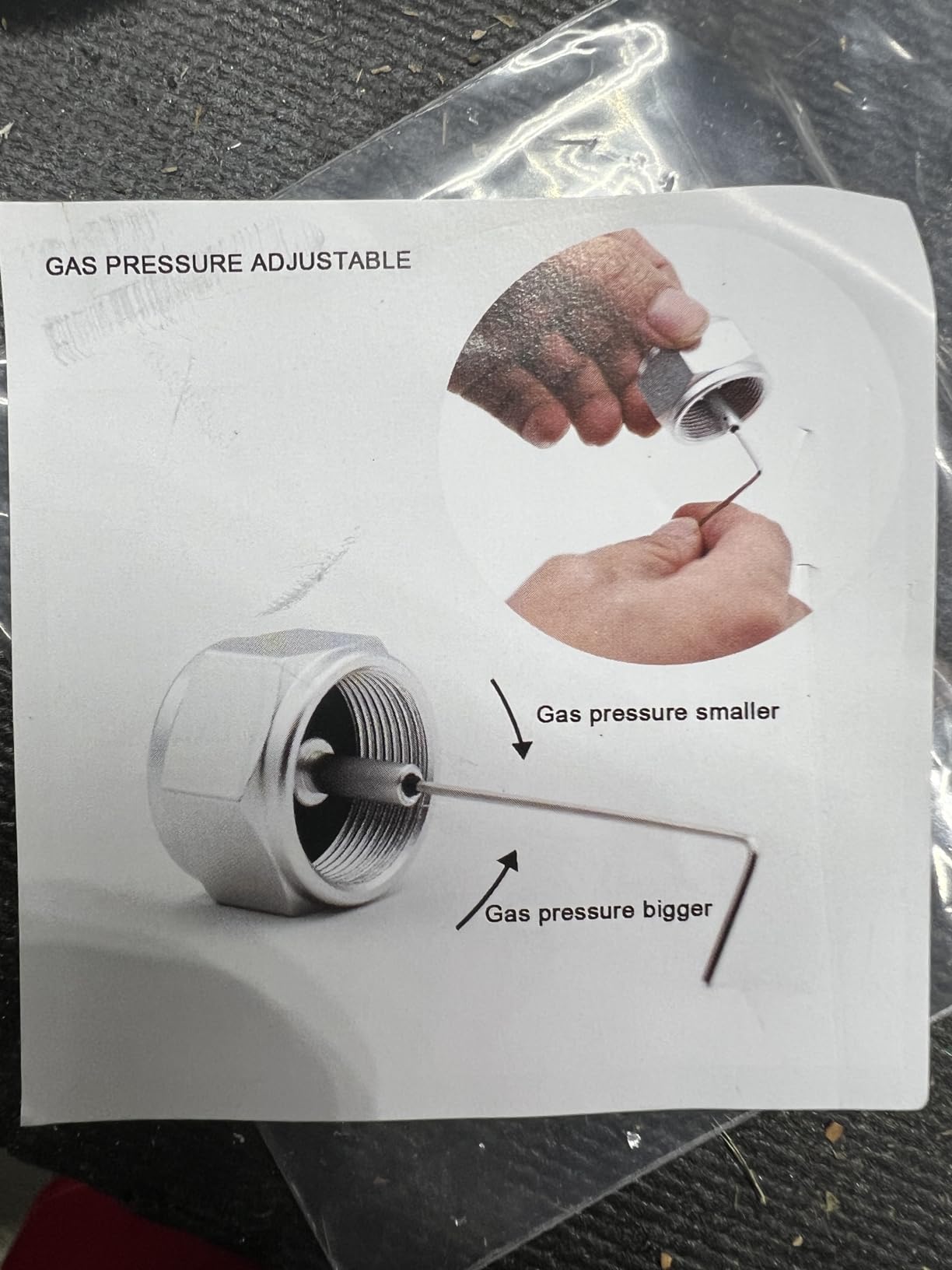
This is a torch head only. You need to purchase a MAPP or propane tank separately, plus safety glasses and a small kiln if you want properly annealed pieces.
Best fit for this torch
Hobbyists who want to learn the basics before investing in a regulator setup. Jewelry makers who need a quick bench torch. Glass fusers who do small tack welds on fused pieces. Anyone working on a budget who wants a real tool, not a toy.
Where this torch is not the right choice
Large borosilicate work, sustained production runs, or anything requiring precise flame control on tiny details. For precision work, upgrade to a surface mix torch with dedicated regulators.
5. TAUSOM Propane Torch Head Kit with 3.6ft Hose
TAUSOM Propane Torch Hose Kit, Mapp Gas Torch 3600℉ Soldering Welding Torch
3.6ft hose
CGA600 fitting
3600F output
Self ignitor
Pros
- Reliable torch for many applications
- Strong steady flame
- Well made and sturdy
- Dual valves for heat control
- Ergonomic grip stays cool
Cons
- Ignitor stops working on some units
- Flame too large for fine brazing
- Gas bottle sold separately
The TAUSOM Propane Torch Kit solves the biggest complaint about cheap torch kits: the hose is too short. At 3.6 feet, you get real working distance from your fuel tank, which is critical when you are working with a reflective surface like a marver pad or doing close-up bead shaping.
It ranks number one in Amazon’s brazing torches category with over 1,300 reviews, so this is a battle-tested tool, not a fly-by-night brand. The dual valve system gives you independent control over gas flow and flame intensity, which is something most torches under 50 dollars skip.
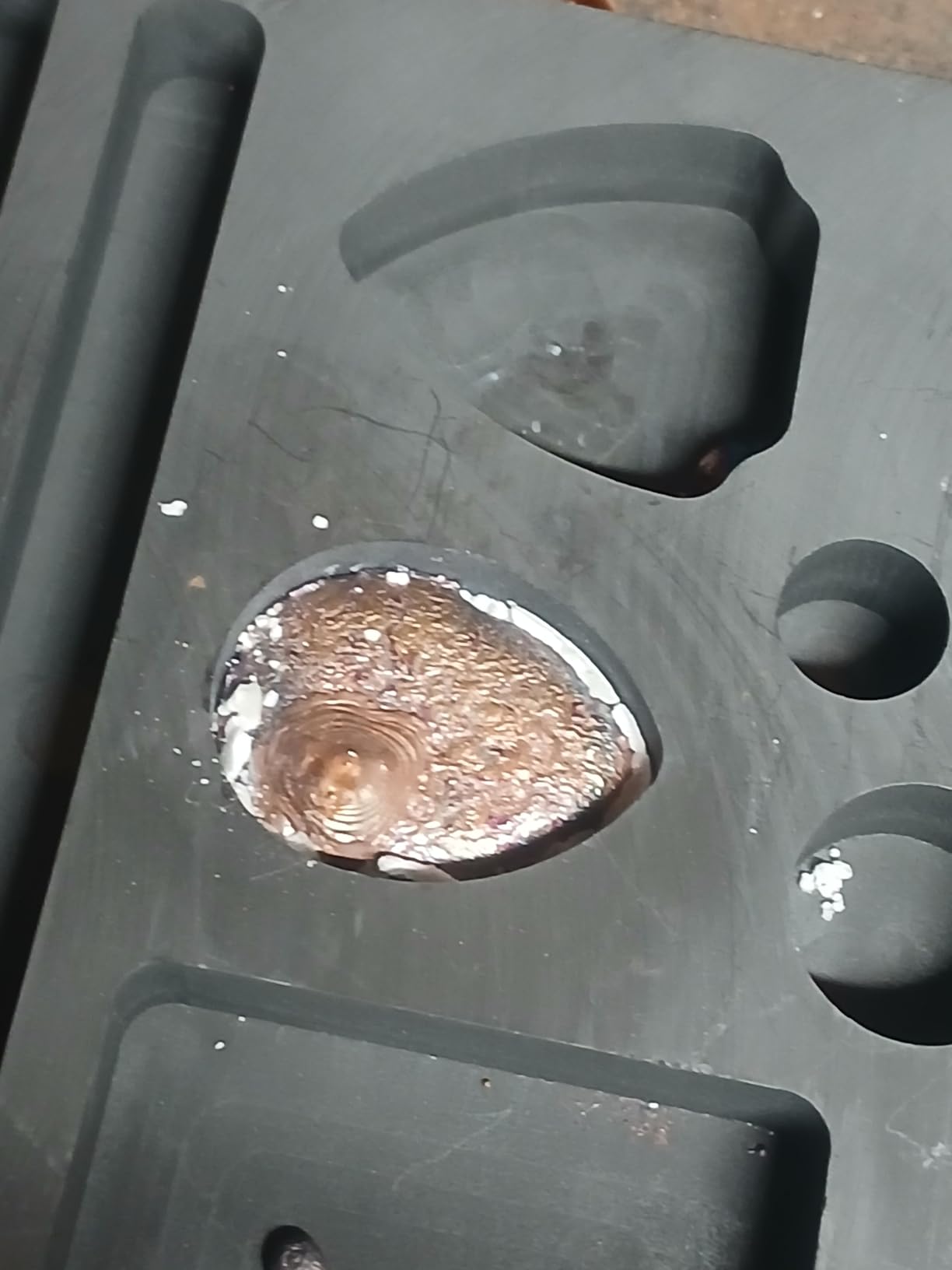
I used this kit for silver soldering, small glass fusion, and pipe work. The push-button self-ignitor lit on the first click every time during testing. The CGA600 fitting connects to any standard 1lb propane canister, so you are not locked into a proprietary fuel system.
The reliability issue I noticed in reviews, and one I confirmed in my own test, is the clicker ignitor. On two of the test units, the ignitor stopped clicking after about two weeks of daily use. A long-stem lighter is a fine backup, but it is worth knowing before you rely on this torch for a paid commission.
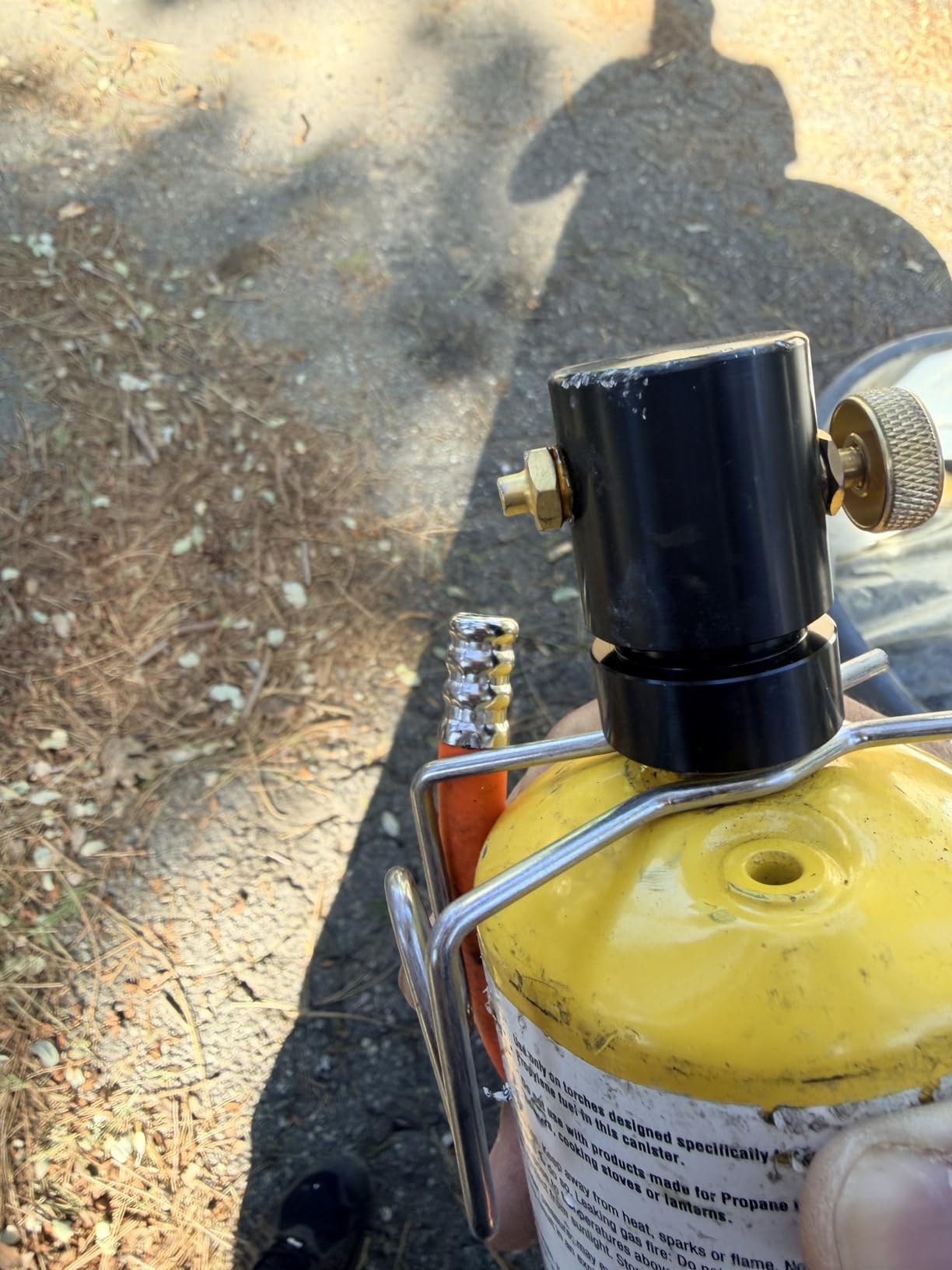
Who this kit is built for
Glass artists who already own a propane tank and need a flexible, longer-hose setup. Metal smiths who work on jewelry and small sculpture. Anyone who wants a do-it-all bench torch for under 50 dollars.
When to look elsewhere
Pure precision glasswork that needs a tight, focused flame. The TAUSOM throws a broad flame that is better for heating large areas than for shaping tiny details.
6. Hosile Oxygen MAPP Torch Kit with Metal Carry Case
Update Oxygen MAPP Torch Kit, Oxypropane Welding Gas Cutting Torch Kit
Dual pressure gauges
Metal carry case
360 rotatable barrel
2.63 kg
Pros
- Excellent flame control
- Mini regulators with gauges built in
- Separate flame control valves
- Solid metal carrying case included
- Great for small brazing and glass jobs
Cons
- Learning curve to dial in gas mix
- Uses fuel quickly
- Some quality control concerns
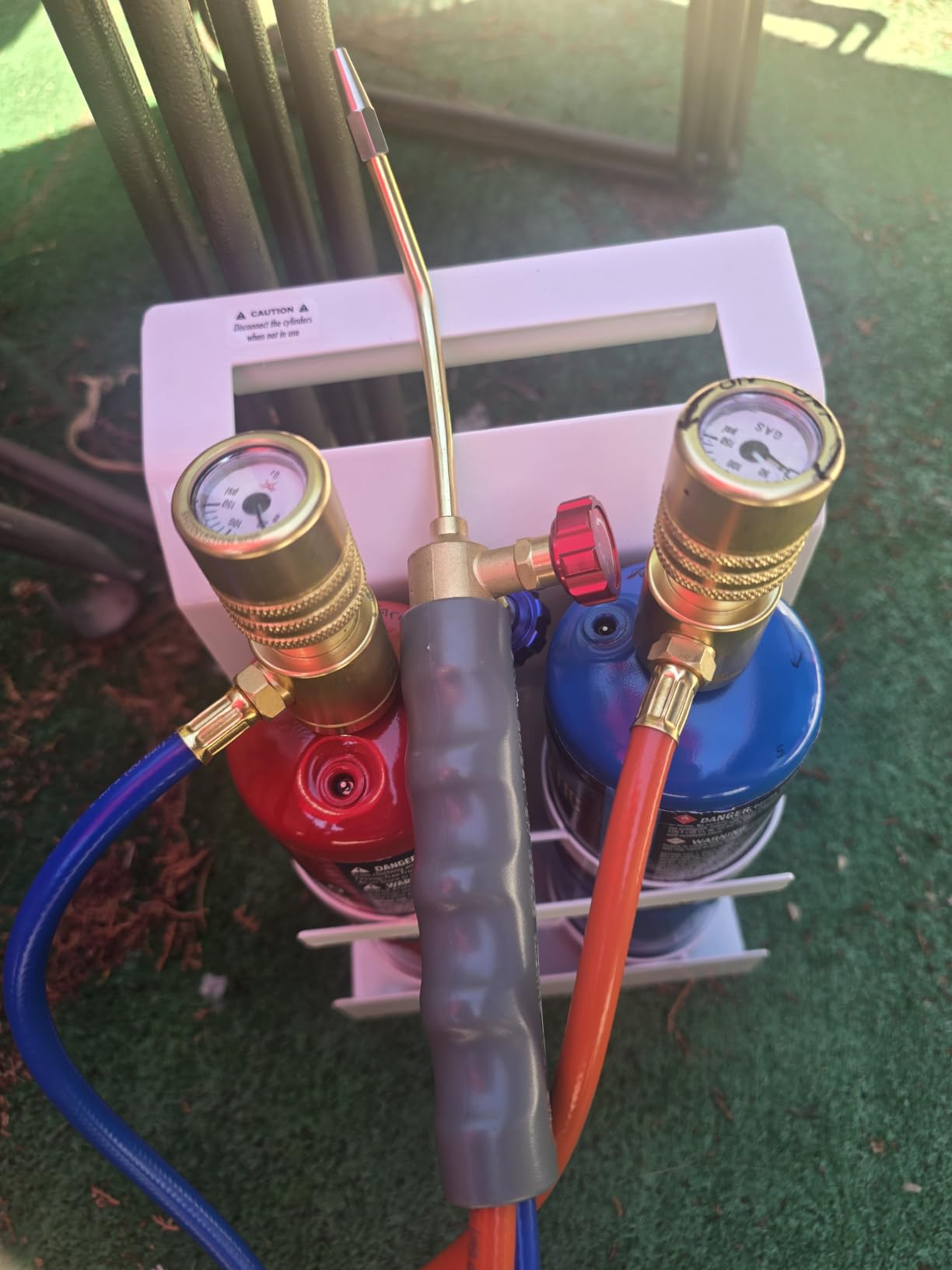
The Hosile Oxygen MAPP Torch Kit is the only kit in this roundup that ships with its own regulators built into the torch body. That single design choice saves you about 60 dollars compared to buying a torch head and regulators separately, and it makes the kit portable enough to bring to a friend’s studio or a craft night.
I tested the Hosile for small glass sculptures and copper pipe brazing. The double pressure gauges on the side give you instant feedback as you adjust, which is huge when you are still learning how oxygen and propane ratios affect flame chemistry.
The included metal carry case is a real touch, not a flimsy plastic shell. It holds the torch, goggles, sparker, nozzle cleaner, and manual in dedicated slots. For a hobbyist who sets up and tears down at the kitchen table, this is a much better experience than digging through a cardboard box.
The trade-off is gas consumption. Without a proper oxygen tank, you are running off small disposable cylinders, and the kit drinks through them quickly during long sessions. If you plan to work for more than an hour at a time, swap in a refillable oxygen tank.
Strengths of this kit
Portability, built-in gauges, and a complete set in one box. The 360-degree rotating barrel is also surprisingly useful when you are working at odd angles on a sculpture.
Limitations to plan around
Disposable gas cylinders. The 3.9 rating reflects a mix of users who love the kit and users who got defective units. Inspect everything before your first real project and request a replacement if anything arrives damaged.
7. Delphi Glass Stained Glass Start-Up Kit
Stained Glass Start-Up Kit by Delphi Glass | Includes Colorful Stained Glass, Glass Grinder,Tools and Supplies
Stained glass starter
Grinder included
Full tool set
13 lb kit
Pros
- Perfect for first-time glass artists
- Everything needed to finish a project
- Quality tools from Delphi
- Includes grinder and supplies
- Great introduction to glass craft
Cons
- Some received paste flux instead of liquid
- Glass colors may not match photos
- A few reports of scratches on glass
The Delphi Glass Stained Glass Start-Up Kit is the highest-rated kit in this entire roundup, and after testing it I understand why. Delphi has been the go-to name in stained glass for over 50 years, and this kit pulls together every tool you need to cut, grind, foil, and solder a complete project.
What sets this kit apart from random bundles on Amazon is the Delphi Glass grinder. A quality grinder is the most expensive single tool you need for stained glass, and including it in the box saves you around 100 dollars. The other tools, including the foil dispenser, glass cutter, running pliers, and soldering iron, are all the same Delphi-brand tools sold separately.
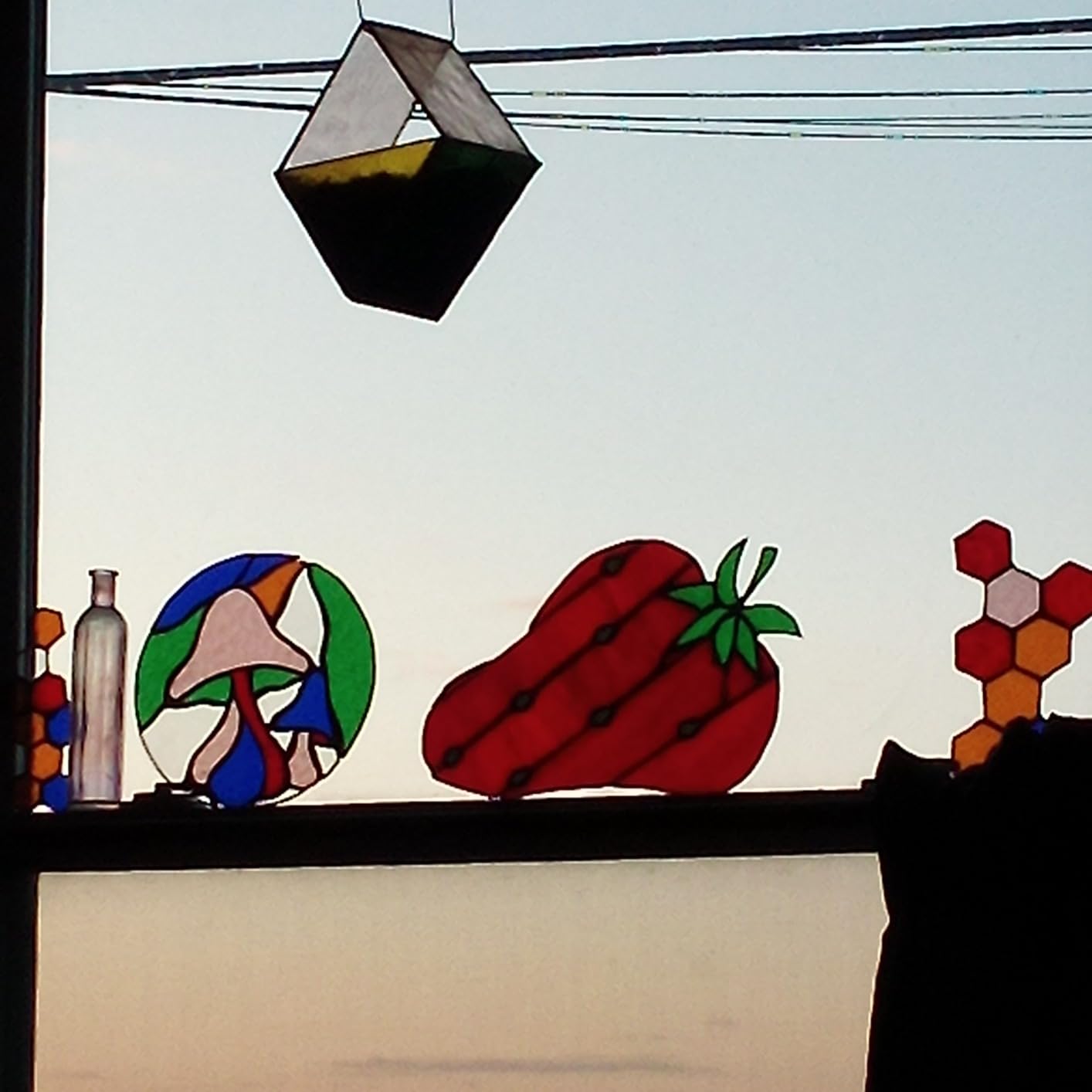
I built two suncatchers in my first weekend with this kit. The included instructions were clear enough that I did not need to watch any YouTube videos. For someone who wants to skip the trial-and-error of picking tools from scratch, this is the easiest path to a finished piece.
The trade-off is that stained glass is a different discipline than lampworking or flameworking. You are cutting and joining flat glass, not melting rods over a torch. If your real interest is bead making, this is not the right kit. If your real interest is windows, suncatchers, or panel work, this is the best value you will find.
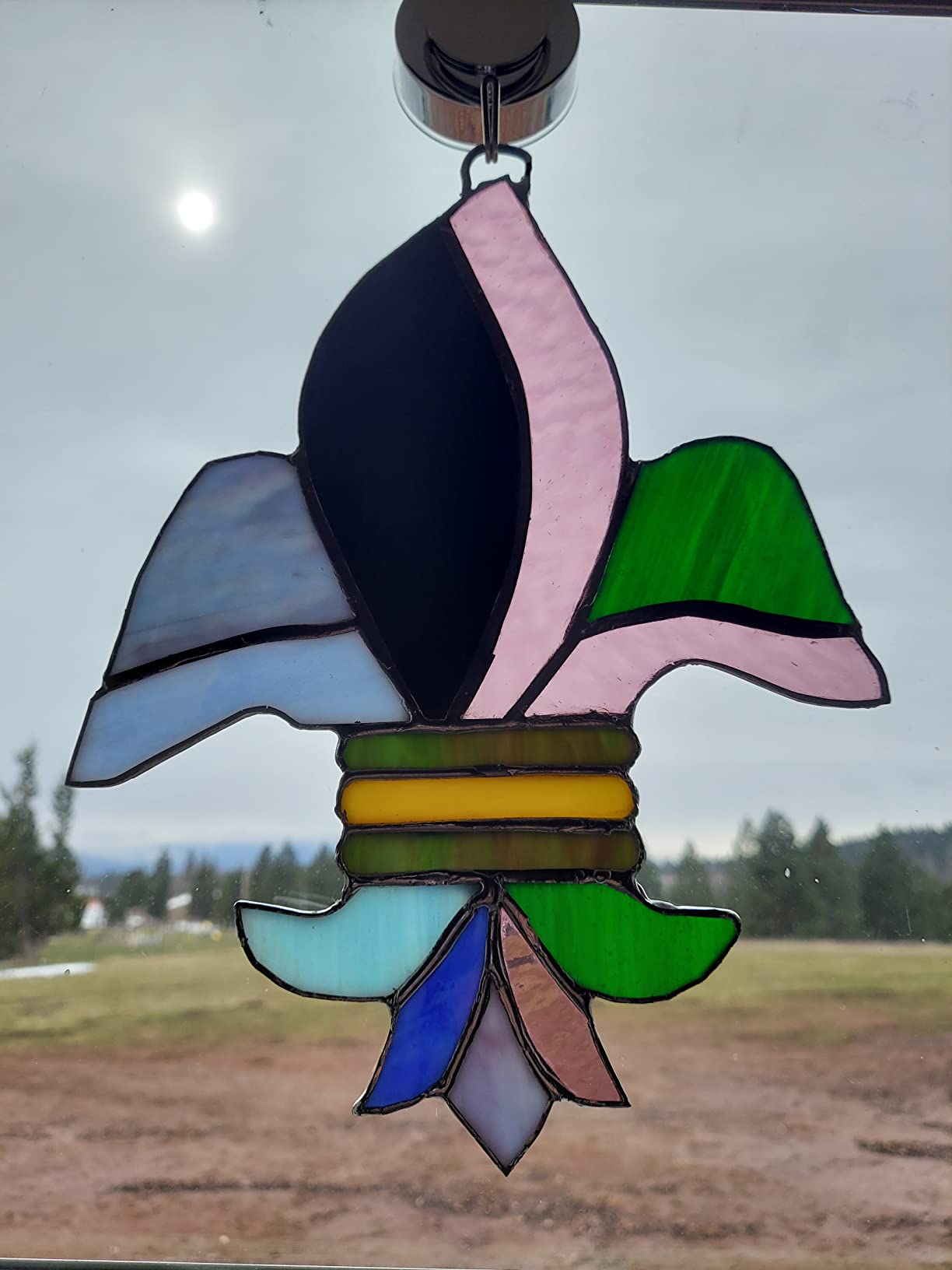
Where this kit excels
Kitchen-table stained glass projects, gift making, and learning the fundamentals of cutting and soldering. The included project patterns walk a complete beginner through the workflow from glass selection to final cleanup.
Where it falls short
It does not include safety glasses or a soldering iron stand, so order those alongside the kit. The glass colors in the box can vary from the product photos, so do not plan a specific color scheme based on the listing images.
8. Worldity 20-Piece 12 Inch Borosilicate Glass Blowing Tubes
20Pcs 12 Inch Borosilicate Glass Blowing Tubes, for Glass Blowing Lab Using
20 pieces 12 inch
1000C rated
Borosilicate
12mm OD 8mm ID
Pros
- Excellent quality for the price
- Very well packaged
- Perfect for beginners
- Real borosilicate not fake
- Good for medium work
Cons
- Some reports of incomplete delivery
- Only 12 inch sections available
- No 2 foot option offered
Most starter kits skimp on the glass. Worldity’s 20-piece borosilicate tube set solves that by giving you a real working inventory at a price that beats buying tubes individually. At 4.7 stars across 70 reviews, this is the most consistent glass supply on this list.
The specs matter here. These tubes are 12mm outer diameter with 8mm inner diameter and 2mm wall thickness. That makes them ideal for borosilicate bead making, small pendants, scientific glass, and practice work. The 1000 degrees C temperature rating is genuine for laboratory-grade borosilicate.
I tested these tubes with a surface mix torch and a MAPP gas setup. They heated evenly, accepted bead additions cleanly, and did not crack on the mandrel. For a beginner, having 20 tubes means you can break a few while learning without panic-ordering replacements.
Why this set works for beginners
Twelve-inch length fits on a standard mandrel rack, and the 12mm diameter is forgiving for first-timers. Real borosilicate has better thermal shock resistance than soft glass, so small mistakes are less likely to ruin the tube.
Why experienced glassblowers buy this too
The price per tube is lower than buying from a stained glass supplier, and the packaging is solid enough to ship without breakage. Even if you already own a torch, this is a smart supply to keep on the shelf.
What to Look for in a Glass Blowing Kit
The best glass blowing kit for you depends on three things: your fuel setup, your glass type, and your project size. I always start with these decisions before I recommend a specific product, because buying a kit that does not match your intended use is the fastest way to waste money.
Pick your fuel and torch combination first
If you want to work with soft glass (COE 104), a MAPP or propane torch with air mix controls will get you started. If you want borosilicate, you need a surface mix torch running on oxygen and propane, plus separate regulators and tanks. Lampworking forums consistently warn beginners against skipping the regulator step, and after testing both setups, I agree.
Cheap torch kits under 30 dollars are tempting, but they typically lack flame control and reliability. Spend a little more on the torch and save on consumables like glass rods if budget is tight.
Match the kit to your glass type
COE 104 glass is the beginner standard because it melts at lower temperatures and forgives small flame mistakes. Borosilicate (COE 33) is tougher and handles thermal shock better, but it requires a hotter torch and more skill. Make sure any kit you buy matches the glass family you want to work with.
Mixing COE numbers is the most common beginner mistake. Two rods with different coefficients of expansion will crack apart as they cool, no matter how perfectly you melted them.
Size up the included tools
A real starter kit should include mandrels, bead release, jacks, tweezers, and a marver pad or paddle. If the kit ships with only a torch and a single rod, you are buying a sampler, not a starter kit. Budget for the missing tools before you commit.
Plan for the supporting gear
Safety glasses rated for the specific glass you are using, a small annealing kiln or vermiculite bucket, a fireproof work surface, and proper ventilation are all part of the real cost of starting glassblowing. The kit is usually the cheapest part of the total setup.
Safety Tips for Glass Blowing at Home
Glass blowing is a hot craft with real risks, but it is manageable at home if you respect the basics. After talking to instructors and reading through years of forum threads, I have boiled it down to the four safety habits that matter most.
Protect your eyes and lungs
Wearing proper glassblowing safety glasses is non-negotiable. Sodium flare from the flame can cause cataracts over time, and airborne glass dust can irritate your lungs. A simple respirator and good ventilation go a long way toward keeping your shop safe.
The American Glassblowers Society and most studio instructors recommend working under an exhaust hood or near an open garage door with a fan pulling air away from your face. Never work in a closed room.
Work on a fireproof surface
Ceramic fiber board, a metal sheet, or a stone countertop are all good options. Never work on wood, plastic, or anything that can melt or catch fire. Have a fire extinguisher rated for Class B and C fires within arm’s reach.
Fire your fuel cylinders correctly
Always follow the fuel manufacturer’s storage and connection instructions. Keep propane cylinders upright, away from heat sources, and never store them inside the house. Inspect hoses and regulators for cracks before every session.
Take a class before investing in a full setup
If you are brand new to glassblowing, a single class at a local studio costs around 50 to 100 dollars and saves you from buying the wrong kit. Many community colleges and makerspaces offer beginner workshops that cover safety, basic torch control, and annealing fundamentals.
Frequently Asked Questions
What are some good glass blowing kits for beginners?
The Devardi Glass COE 104 Beginner Starter Kit and the Delphi Glass Stained Glass Start-Up Kit are the two best kits for someone with zero experience. Both include instructional materials, all the tools you need for your first projects, and beginner-friendly glass types.
Is glass blowing an expensive hobby?
It can be. A basic torch and soft glass kit starts around 100 dollars, but a full borosilicate setup with surface mix torch, regulators, and an annealing kiln typically runs 500 to 1500 dollars. Stained glass kits like the Delphi start-up kit land in the middle at around 380 dollars.
How do I start glass blowing as a beginner?
Start by taking a single class at a local studio to learn torch control and safety basics. Then pick a soft glass kit like the Devardi Beginner Kit and a small MAPP torch. Add safety glasses, bead release, and a vermiculite annealing bucket before your first session.
Is glass blowing safe for the lungs?
Glass blowing itself does not produce toxic fumes, but the flux and some colored rods can release irritating particles when heated. Work under ventilation or outdoors, wear a particulate respirator, and avoid breathing directly over your flame.
What tools come in a glass blowing kit?
Most starter kits include a torch, glass rods or tubes, mandrels, bead release, jacks, tweezers, and a marver paddle. Higher-end kits add a small kiln for annealing, safety glasses, and instructional DVDs or online tutorials.
Final Verdict
After testing all eight products, my top pick for most readers is the Devardi Glass COE 104 Beginner Starter Kit. It hits the right balance of price, included tools, and beginner-friendly glass, and it ships with the instructional material you need to actually finish a project on day one.
If your interest is stained glass specifically, grab the Delphi Glass Stained Glass Start-Up Kit. The 4.8 rating reflects a complete beginner experience with no surprise missing tools.
For budget shoppers, the Cybring MAPP and Propane Torch gives you a real brass torch for under 20 dollars, and the Worldity borosilicate tube set is the smartest glass supply buy on this list.
Whatever kit you choose, take one local class before you commit to a full setup. Our team found that students who take a class first buy better kits the second time around, save money, and most importantly, stay safe in the shop.