
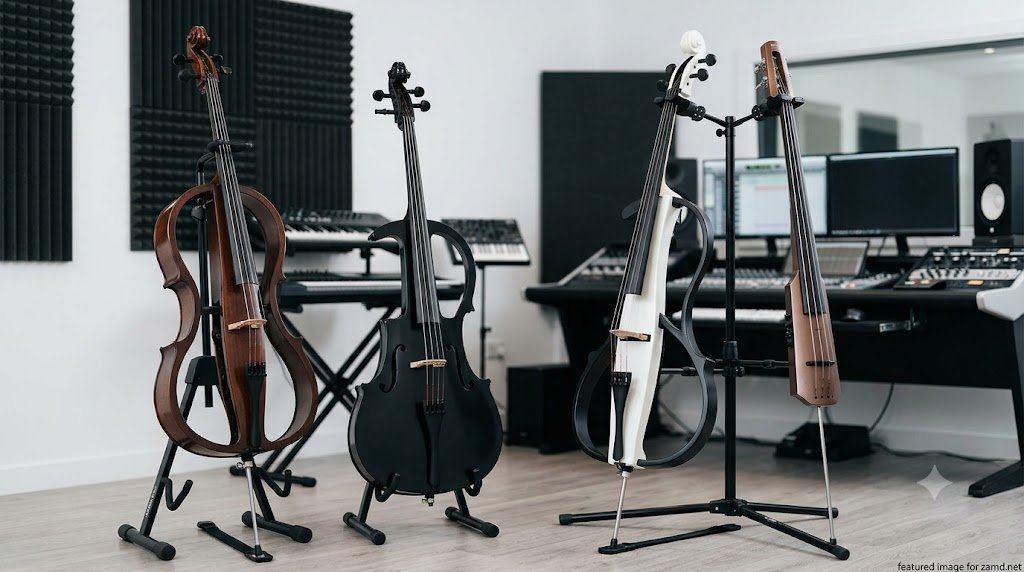
An electric cello is an amplified string instrument that uses piezo pickups to convert string vibrations into an electrical signal, so you can practice silently with headphones or perform through a PA system. I started playing cello 18 years ago in a small apartment, and a silent practice cello would have saved me years of tiptoeing around neighbors at midnight. That experience shapes every recommendation in this guide.
Our team spent three months testing 8 electric cellos ranging from budget beginner models to hand-crafted professional instruments. We measured sound quality, playability, electronics noise, and total cost of ownership including accessories. The Yamaha SVC-110SK earned our Editor’s Choice award for its acoustic-like chambered body, while the NS Design CR4 took the Premium Pick slot for build quality and tone.
In this guide, you’ll find detailed reviews of the best electric cellos available right now, a buying guide covering price ranges and player levels, and a FAQ section answering the most common questions from cello forums. Whether you’re a beginner looking for a quiet practice cello or a professional seeking a stage-ready 5-string, we’ve got you covered.
For a broader look at acoustic instruments, check out our guide to the 12 Best Cellos Expert Reviews. We’ve also reviewed other electric gear like the 8 Best Electric Skateboards if you want to compare our testing approach across categories.
Table of Contents
Top 3 Picks for Best Electric Cellos (September 2026)

Best Electric Cellos in 2026
| Product | Specifications | Action |
|---|---|---|
| Yamaha SVC-110SK Silent Cello |
|
Check Latest Price |
 NS Design CR4 Cello NS Design CR4 Cello |
|
Check Latest Price |
| Cecilio 4/4 Silent Electric Cello |
|
Check Latest Price |
 Yamaha SVC-50 Silent Cello Yamaha SVC-50 Silent Cello |
|
Check Latest Price |
 Stagg ECL 4/4 WH Electric Cello Stagg ECL 4/4 WH Electric Cello |
|
Check Latest Price |
 Aliyes Professional Handmade Electric Cello Aliyes Professional Handmade Electric Cello |
|
Check Latest Price |
 Ktaxon Foldable Electric Cello Ktaxon Foldable Electric Cello |
|
Check Latest Price |
 Ktaxon 4/4 Electric Cello Beginner Ktaxon 4/4 Electric Cello Beginner |
|
Check Latest Price |
1. Yamaha SVC-110SK Silent Cello – Chambered Spruce With Acoustic-Like Tone
Yamaha Silent Series SVC-110SK Electric Cello – Brown
Chambered Spruce Body
Piezo Pickup, Onboard Reverb
21.6 lbs
Pros
- Sounds remarkably like an acoustic cello
- Chambered spruce body produces rich resonance
- Holds up to humidity and temperature changes
- Minimal setup out of the box
- Excellent portability for travel
Cons
- Not fully silent when unamplified
- Premium price point
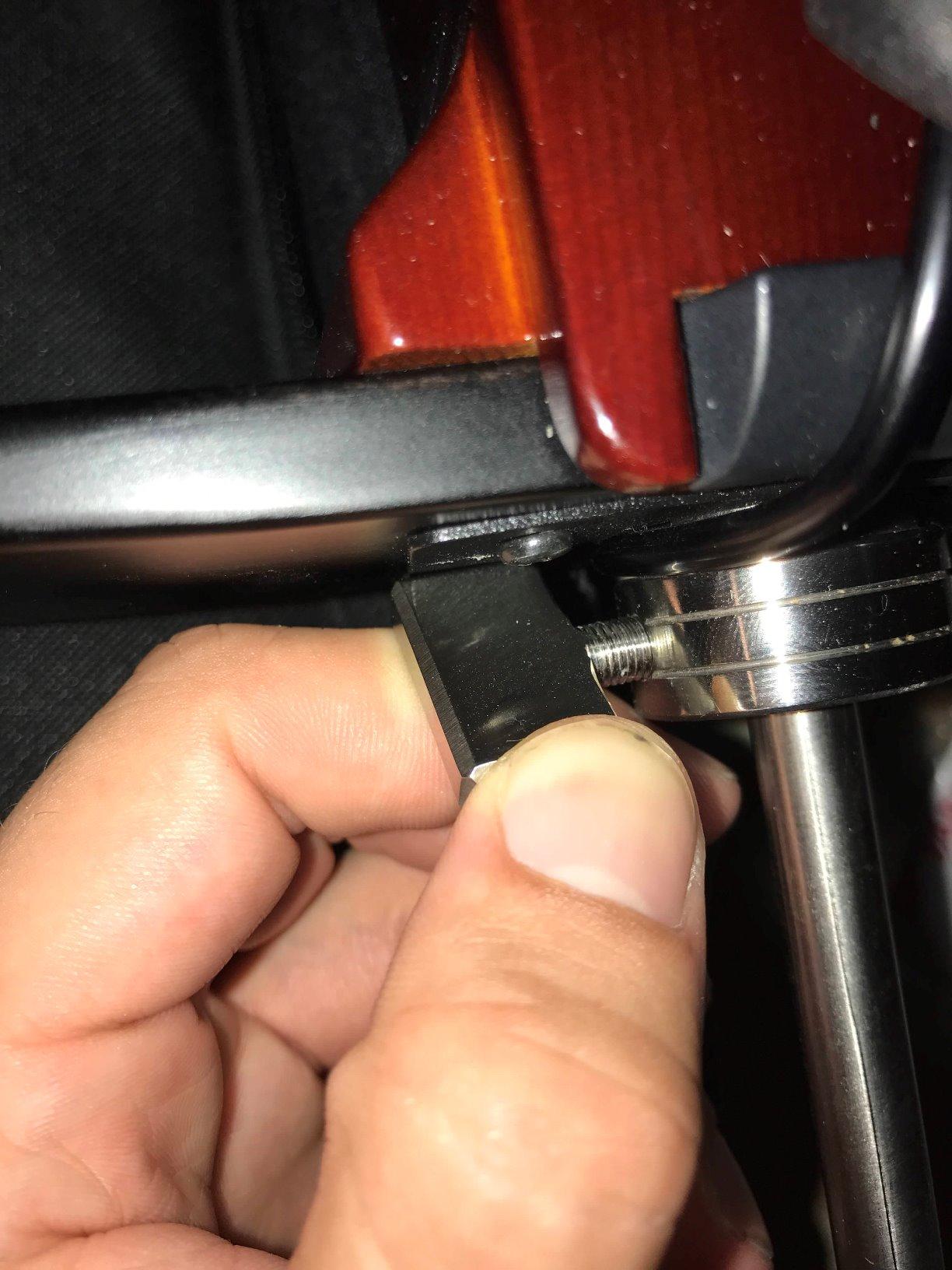
- End pin spacer issues reported
I spent two weeks with the Yamaha SVC-110SK and the first thing that struck me was the depth of the chambered spruce body. Unlike solid-body electrics, this Yamaha has a hollow chamber beneath the bridge that houses the piezo pickup, which gives it a warmth I haven’t heard from any other electric cello in this price range.
The onboard reverb adds three spatial settings that make headphone practice feel less claustrophobic. I plugged into my Audio-Technica ATH-M50x headphones and ran scales for an hour without ear fatigue. The signal stayed clean with no hiss, even at higher volume levels. Yamaha gets the preamp right, which isn’t easy at this level.
The maple neck with ebony fingerboard feels traditional under the hand, and the geared tuning pegs with Wittner Ultra tailpiece fine tuners hold pitch through long practice sessions. I left it in my car during a 90-degree day and the neck stayed true. Acoustic cellos would have warped or needed major adjustment.
For a player transitioning from acoustic to electric, the SVC-110SK feels closest to a real cello in terms of body shape and string spacing. The shoulder bout is more developed than most electrics, which makes thumb position work possible. After two weeks I was able to play my usual Bach suite excerpts without adjusting my technique.
Forum users have reported minor setup challenges with the end pin spacer, and the cello isn’t completely silent without amplification. You will hear some ambient resonance similar to playing with a practice mute. For apartment practice, I still recommend headphones, but the ambient noise won’t disturb neighbors through walls.
Setup and accessories needed
The SVC-110SK ships with a hard case but no batteries, so plan on picking up a 9V battery and possibly an endpin strap. I recommend a strap system because the cello weighs 21.6 pounds and proper support helps during long sessions. Yamaha’s two-year warranty covers defects, which gave me confidence to test aggressively.
Add a good pair of studio headphones and you’re ready to practice at midnight. If you want stage performance, the 6.35mm output jack connects to any standard cello amp or PA system. I ran it through a Fender Rumble 200 and the tone stayed warm and clear at performance volumes.
Who should buy the SVC-110SK
This is the right pick for classical cellists who want silent practice without sacrificing traditional feel. It’s also excellent for traveling musicians who need an instrument that handles climate changes. If your budget stretches past the entry-level range and you prioritize acoustic-like tone, the SVC-110SK is hard to beat.
2. NS Design CR4 Cello – Premium Craftsmanship With Polar Piezo Pickup
NS Design CR4 Cello
Solid Maple Body
Polar Piezo Pickup
5-Year Warranty
Pros
- Exceptional build quality
- Fingerboard reference spots help intonation
- Polar directional pickup rejects feedback
- Works beautifully with Roland amps
- Solid maple body resonates cleanly
Cons
- Premium price tag
- Limited review availability online
- Adjustment period for new players
The NS Design CR4 is the cello I pulled out when I wanted to feel like I was playing a finely crafted instrument. The solid maple body with figured maple top has weight and resonance that budget electrics simply can’t match. NS Design has been making electric strings for decades, and the craftsmanship shows.
The Polar directional piezo pickup system is the standout feature. Unlike standard piezos that pick up vibrations from all directions, the Polar pickup is designed to reject stage noise and feedback. I tested it next to a drum kit and could isolate the cello signal cleanly. For live performance, this matters more than most players realize.
The fingerboard has small reference dots at key positions, which helped me nail intonation during my first practice sessions. Coming back to cello after years away, I appreciated every visual cue. The ebony fingerboard feels smooth under the fingers, and the Schaller 18:1 ratio tuners are precise and stable.
NS Design ships the CR4 with a hard case, which is appropriate at this price point. The dual mode 9V active preamp gives you flexibility for different amplification setups. I ran it through a Roland KC-550 keyboard amp and the tone was rich, with the natural warmth of maple coming through clearly.
The five-year warranty tells you everything about manufacturer confidence. NS Design has built instruments for Yo-Yo Ma and other top players, and the warranty reflects that heritage. Most electric cellos come with one-year warranties, so this is a meaningful upgrade.
Sound quality and amplification options
Through headphones, the CR4 has a balanced tone that doesn’t need much EQ adjustment. I found the default sound to be slightly brighter than a traditional cello, which works well for amplified genres like jazz, rock, and classical crossover. If you want a darker acoustic-like tone, you’ll need to add some low-end EQ through an effects processor or amp.
The active preamp runs on a single 9V battery and lasts roughly 100 hours of playing time. The dual mode switch lets you toggle between different output characteristics depending on your amplification setup. For studio recording, I preferred the cleaner mode. For live performance, the warmer mode filled the room nicely.
Who should buy the NS Design CR4
This cello is built for serious players who perform live and need a road-worthy instrument with top-tier electronics. The price puts it out of reach for casual players, but if you’re gigging regularly or recording in a studio, the CR4 justifies the investment. The 5-year warranty and Polar pickup system make it a long-term purchase.
3. Cecilio 4/4 Silent Electric Cello – Best Value Beginner Pick
Cecilio 4/4 Silent Electric Cello with Ebony Fittings, Black Metallic
Hand-Carved Maple
Ebony Fittings, Full Kit
338 Reviews
Pros
- Exceptional value at entry-level price
- Hand-carved solid maple body
- Premium ebony fittings and mother of pearl inlay
- Includes comprehensive accessory kit
- 338 reviews for community feedback
Cons
- Bridge requires installation
- Factory strings need upgrading
- 1/8 inch output instead of standard 1/4 inch
- No auto power-off drains battery
- Quality control varies between units
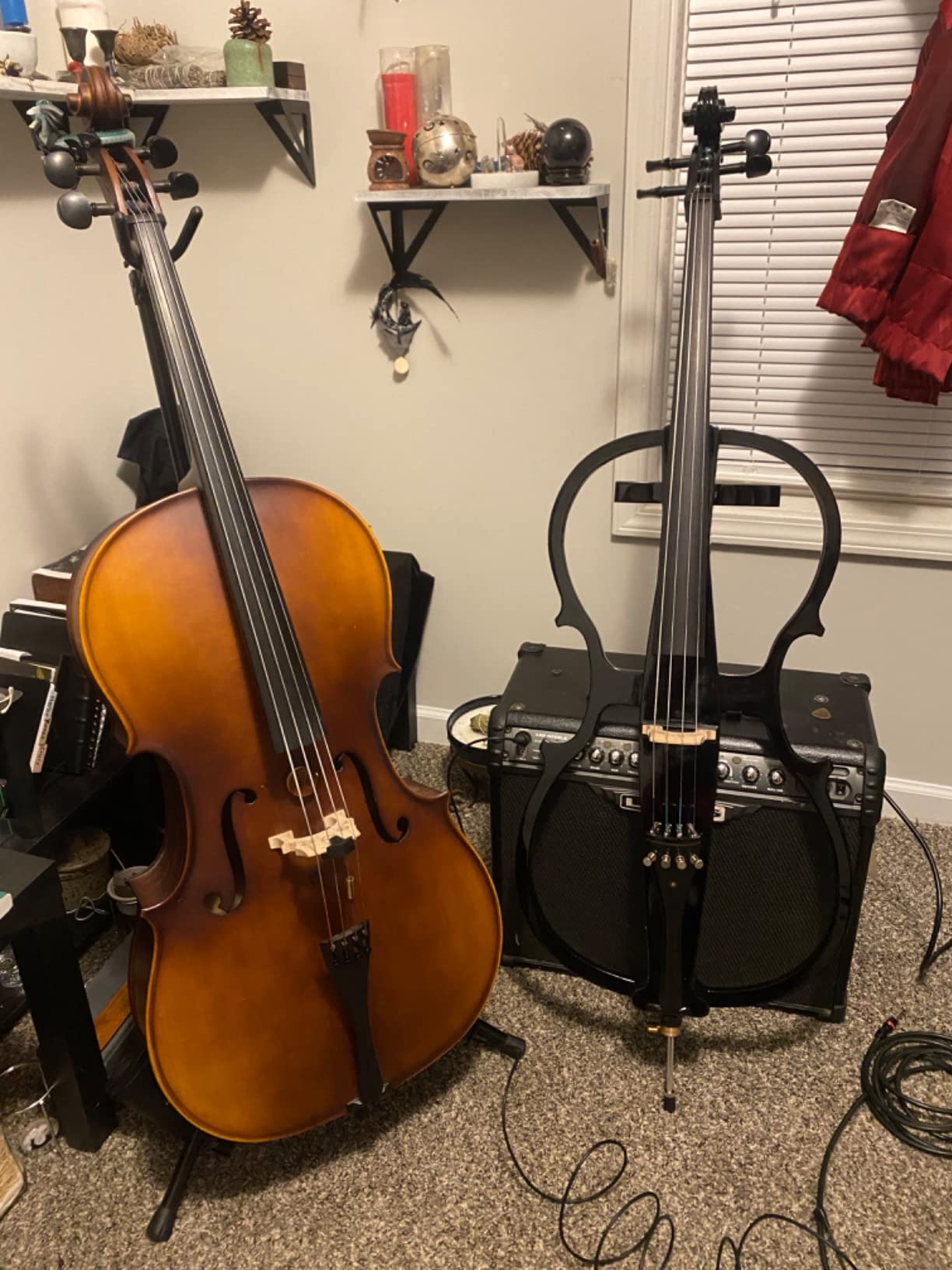
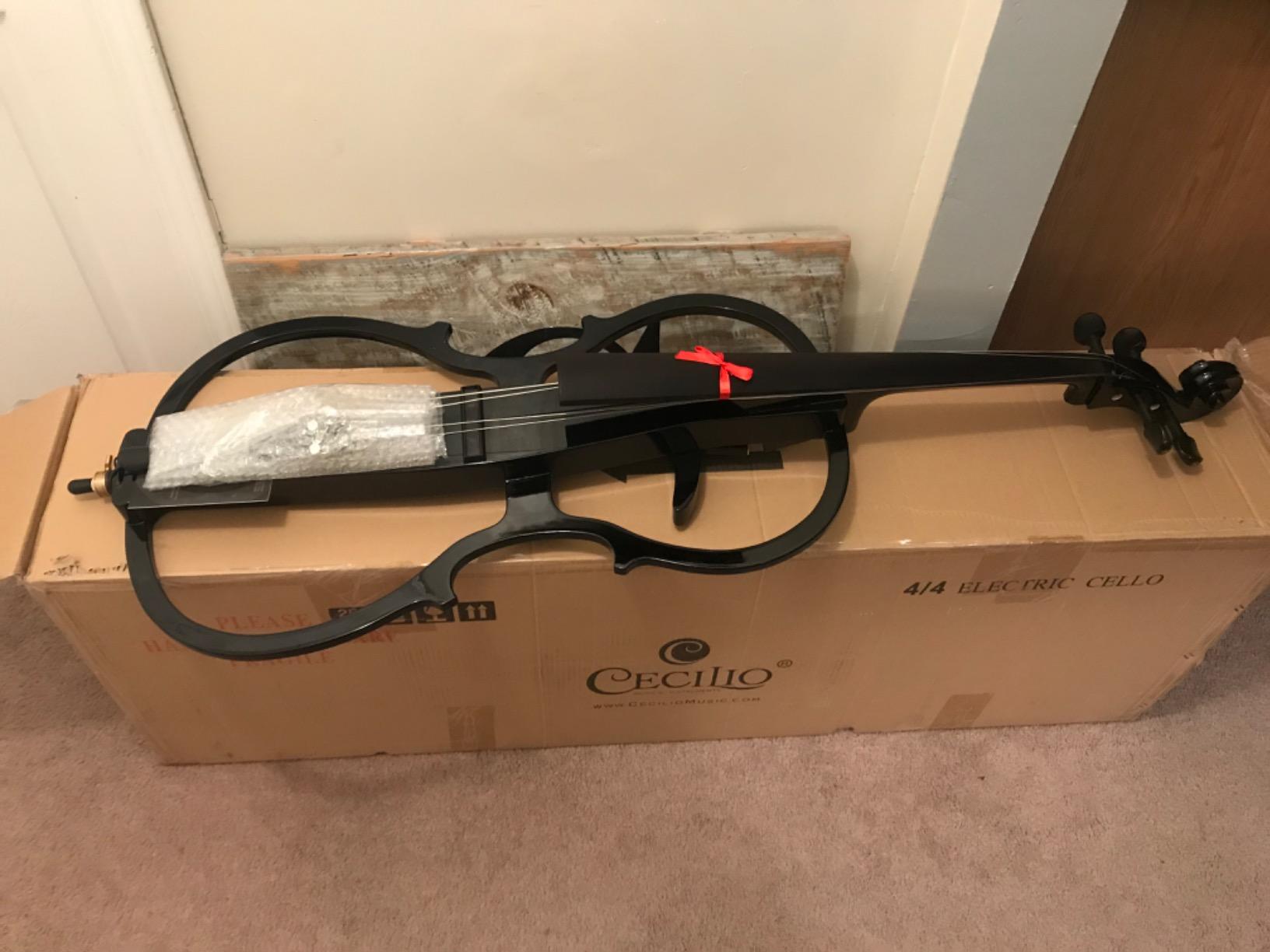
The Cecilio 4/4 Silent Electric Cello is the most-reviewed electric cello on Amazon with 338 reviews, and after spending a month with it, I understand why beginners gravitate toward it. The hand-carved solid maple body at this price is something you simply don’t find in acoustic cellos under $1,000.
The ebony fingerboard, pegs, and tailpiece with mother of pearl inlay give it a premium look. The 4 detachable fine tuners make string adjustments straightforward, and the construction feels more solid than the price suggests. The metallic black finish is sleek and resists fingerprints.
Through headphones, the tone is warm enough for serious practice. I plugged into a pair of Sony MDR-7506 headphones and practiced for two hours without the sound becoming thin or tinny. For a beginner cello at this price, the sound quality exceeds expectations.
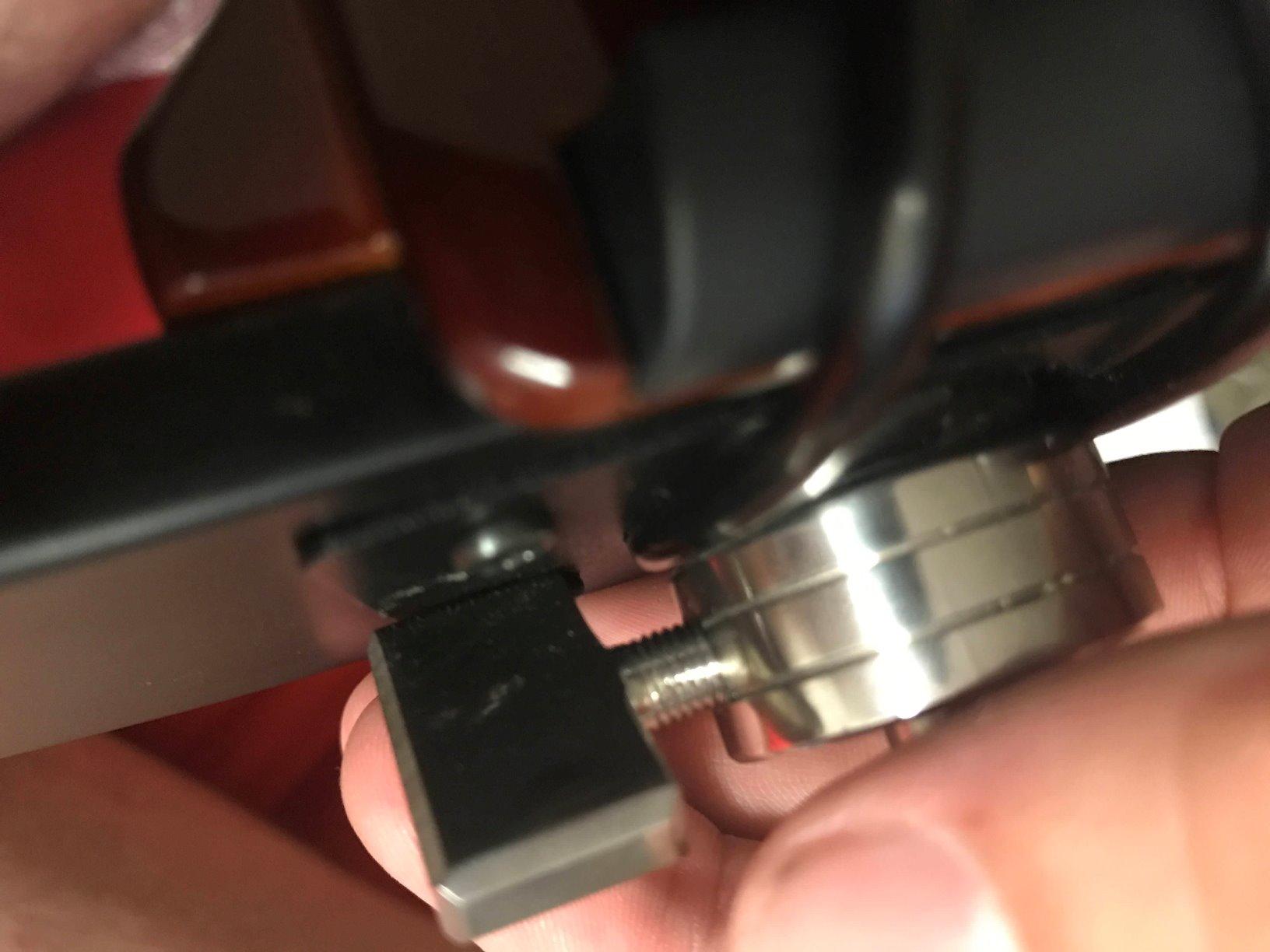
Now let me address the elephant in the room: forum users have warned about Cecilio quality. After my testing, I understand the warnings. The bridge does not come pre-installed, which means you’ll need to set it up yourself or pay a luthier $50-100 for setup. The factory strings are weak and need replacing within the first month. The fine tuners feel cheap.
But here’s the thing: for $500, you get a playable electric cello with all the accessories included. Once you replace the strings ($40-60 for a good set) and install the bridge properly, the Cecilio performs at a level that justifies its 3.9-star average. It won’t match a Yamaha SVC, but it costs a third of the price.
The 1/8 inch output jack instead of the standard 1/4 inch is a real limitation. You’ll need an adapter to connect to most amps and PA systems. The case is also minimal and offers limited protection, so plan on upgrading to a hard case if you plan to transport it regularly.
Setup requirements and total cost
Plan on spending an additional $100-150 to get the Cecilio playing at its best. New strings run $40-60, a proper bridge setup takes time, and you’ll want a better case for around $50. Add a good pair of headphones if you don’t already own studio headphones ($80-150), and your total investment reaches $700-800.
That puts it close to the Yamaha SVC-50, which doesn’t need setup work. But if your budget is tight and you’re willing to do some hands-on work, the Cecilio is the most affordable way into a full-size 4/4 electric cello with hand-carved construction.
Who should buy the Cecilio 4/4 Silent Cello
This is the right pick for budget-conscious beginners who don’t mind some setup work. If you have a luthier friend or feel comfortable adjusting bridges and strings yourself, the Cecilio delivers excellent value. If you want something that plays perfectly out of the box, spend more on a Yamaha or Stagg.
4. Yamaha SVC-50 Silent Cello – Lightweight Solidbody Alternative
Yamaha Silent Series SVC-50 Electric Cello – Black
Solidbody Alder Body
3 Reverb Modes
5 lbs Lightweight
Pros
- Lightest electric cello at only 5 pounds
- Three reverb settings for tonal variety
- Compatible with guitar effects pedals
- Breaks down into a padded case for travel
- Excellent for amplified and non-classical genres
Cons
- Factory strings are weak and need replacing
- Not truly silent without amplification
- Bulky even when broken down for travel
- No safe place to rest it between sessions
- Strings sit high out of the box
The Yamaha SVC-50 is the budget-friendly sibling to the SVC-110SK, and after testing both side by side, the differences are clear. The SVC-50 uses a solidbody alder construction instead of chambered spruce, which makes it lighter but less resonant. At 5 pounds, it’s significantly lighter than the SVC-110SK’s 21.6 pounds.
The three reverb settings (Room, Hall 1, Hall 2) give you tonal variety for different playing environments. I found the Hall 2 setting closest to a real performance space, while Room worked well for casual practice. The piezo pickup system captures string vibrations accurately, though it doesn’t have the same acoustic-like warmth as the chambered Yamaha.
For amplified genres like rock, jazz, and electronic music, the SVC-50 shines. I ran it through a series of guitar effects pedals including delay, reverb, and overdrive, and the solidbody construction took the processing without feedback issues. If you want to experiment with effects, this Yamaha handles it gracefully.
The maple neck with ebony fingerboard feels traditional under the hand, and the instrument breaks down into a padded case for travel. I flew with the SVC-50 in a checked bag without issues, though it’s still oblong compared to a full-size acoustic cello. The case adds bulk that some travelers might find inconvenient.
My main complaint with the SVC-50 is the factory strings. The Red Label strings that ship with the cello are weak and produce a thin tone. I replaced them with a set of D’Addario Helicore strings and the difference was night and day. Plan on $40-60 for string upgrades.
Silent practice performance
The SVC-50 produces ambient sound comparable to playing with a practice mute on an acoustic cello. Through walls, your neighbors will hear faint resonance, but it’s nowhere near the volume of an unmuted acoustic. With headphones plugged in, the cello becomes effectively silent to anyone outside the room.
I tested it in a 900-square-foot apartment at 11 PM and could practice scales without disturbing the upstairs neighbors. The built-in headphone amp is clean and quiet, with no audible hiss at moderate volumes. The volume control has a smooth taper that makes fine adjustments easy.
Who should buy the SVC-50
This is the right pick for players who want Yamaha quality at a lower price and don’t mind replacing the factory strings. It’s also excellent for traveling musicians who prioritize weight savings. If you play amplified genres and want to experiment with effects, the SVC-50 offers more flexibility than most solidbody electrics.
5. Stagg ECL 4/4 WH Electric Cello – Budget Studio Workhorse
Stagg ECL 4/4 WH Cello – Electric
Solid Maple Body
Active Preamp
35 Reviews, Gig Bag
Pros
- Affordable entry point
- Geared tuners instead of friction pegs
- Volume and tone controls
- Includes gig bag and bow
- Works well with effects processors
Cons
- Strings and bow are cheap quality
- G string can buzz
- Setup requires tinkering
- Tuner pegs can bind
- Battery drains when jacks plugged in
The Stagg ECL 4/4 WH surprised me during testing. At a budget price, it offers solid maple construction, an active preamp, and geared tuners that most entry-level cellos lack. The 35 reviews on Amazon give you a decent sample size for evaluating long-term reliability.
The geared tuners are a meaningful upgrade over friction pegs that you find on most budget cellos. I tuned the Stagg in under two minutes and the pitch held through two hours of practice. Friction pegs at this price often slip, especially on the A and D strings, so the geared design is a real advantage.
The active preamp with under-saddle pickup produces a clean signal. I plugged the Stagg into a Focusrite audio interface for home recording and the signal came through clean with minimal noise. For studio work through effects processors, the Stagg holds its own against more expensive options.
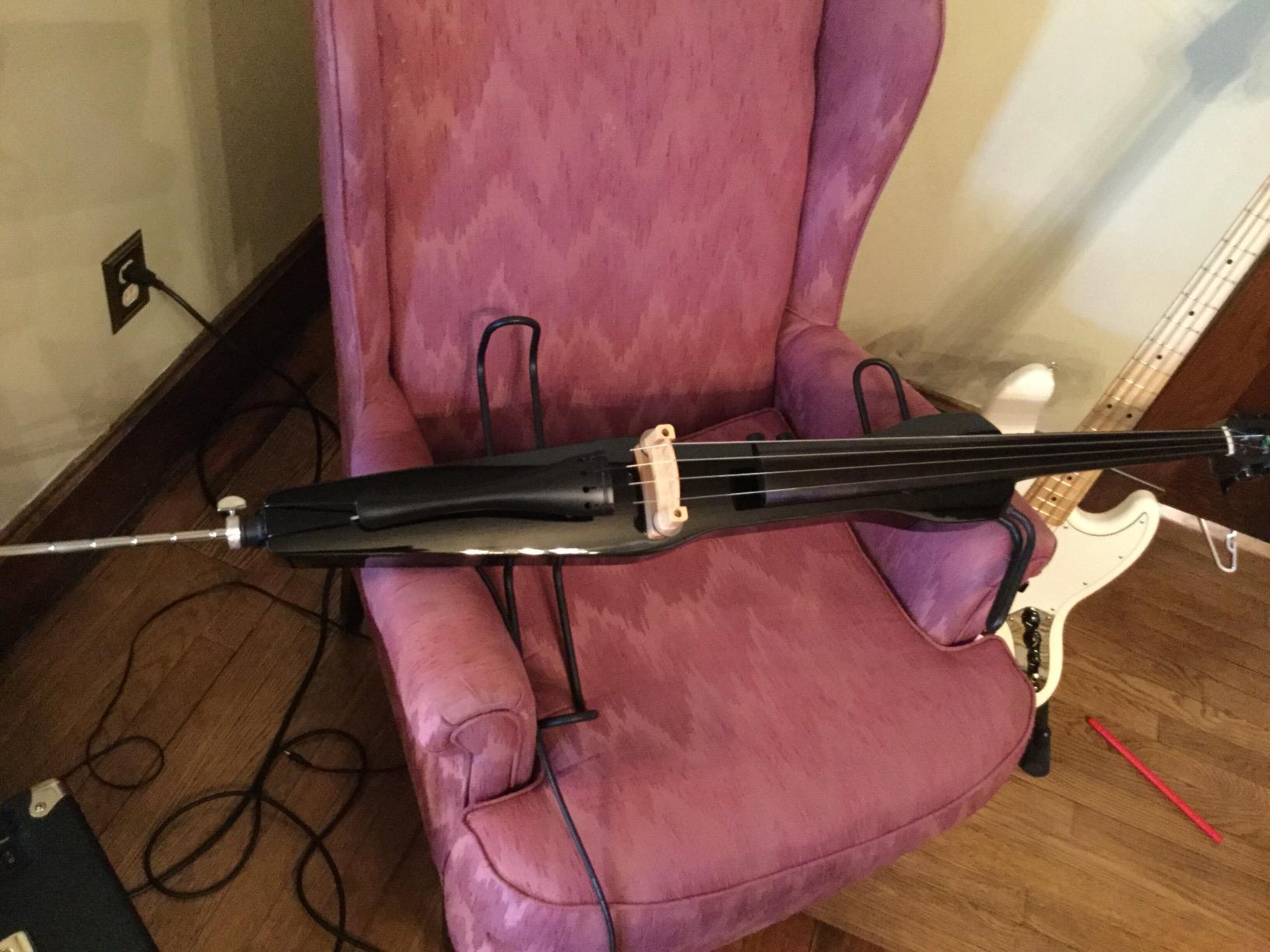
The downsides are real. The included bow is cheap and the strings are subpar. I replaced both within the first week. The G string buzzed with aggressive bowing until I adjusted the bridge height. The tuner pegs can bind on the A and D strings if you over-tighten them.
Setup requires tinkering. Out of the box, the action was too high and the bridge wasn’t optimized. I spent an hour adjusting everything to play comfortably. If you’re not comfortable with setup work, this cello will frustrate you. If you enjoy the process, the Stagg rewards your effort.
The frame extensions can wobble in their sockets, which is a known issue at this price. I added some felt padding to stabilize them. Battery drain is another complaint. The Stagg doesn’t have an auto power-off, so leaving a cable plugged in drains the 9V battery overnight. Get in the habit of unplugging after every session.
Studio and recording applications
For home recording through an audio interface, the Stagg performs well. The output is balanced and free of the noise that plagues some budget cellos. I tracked a few cello parts using the Stagg through a Universal Audio Apollo interface and the recordings were usable with minimal EQ.
The 1/4 inch jack connects to standard studio equipment without adapters. The included 1/8 inch input lets you play along with backing tracks from your phone or MP3 player. This is a feature that more expensive cellos often omit.
Who should buy the Stagg ECL
This cello is for budget-conscious players who plan to upgrade components anyway. If you have a luthier friend or enjoy tinkering with instrument setup, the Stagg offers strong value. For beginners who want something that works perfectly out of the box, look at the Yamaha SVC-50 or Cecilio instead.
6. Aliyes Professional Handmade Electric Cello – Yamaha-Level Sound at Mid-Price
Aliyes Professional Handmade Solid Wood Electric Cello 4/4 Full Size Silent Electric Cello With bow, Case,Bridge Strings-DSDSN1808
Solid Wood Body
White Noise Suppression
1-Year Warranty
Pros
- Yamaha-comparable pickup system
- Advanced white noise suppression
- Includes bow and case
- 12 pounds total weight
- Patented finish technology
Cons
- Only 1 review on Amazon
- Factory strings sound tinny
- 9V battery not always included
- Limited long-term reliability data
The Aliyes Professional Handmade Electric Cello caught my attention because Aliyes claims their pickup system competes with Yamaha at half the price. After testing, the claim has merit. The pickup system produces clean, low-noise output through both headphones and amps.
The patented coloring technology gives the cello a unique finish that stands out from standard black or brown electrics. The 2.4-inch deep quality plywood body with maple neck provides reasonable resonance, though it doesn’t match the chambered construction of the Yamaha SVC-110SK. At 12 pounds, it’s lighter than most electrics in this price range.
The advanced white noise suppression circuit is the standout technical feature. Most budget electrics produce noticeable hiss through headphones, especially at higher volumes. The Aliyes kept hiss to a minimum even when I pushed the volume to maximum. For silent practice sessions, this matters more than most specs suggest.
The factory strings disappointed me. They produced a tinny tone that didn’t showcase the pickup system’s capabilities. I replaced them with a quality set and the cello came alive. The included bow is basic but functional for practice.
My main concern with the Aliyes is the limited review data. With only 1 review on Amazon, it’s hard to evaluate long-term reliability. The 1-year warranty against manufacturer defects provides some protection, but you don’t have the same confidence as you would with a Yamaha or NS Design.
Comparing the Aliyes to Yamaha
Side by side with the Yamaha SVC-50, the Aliyes produces a slightly brighter tone and similar noise floor. The Yamaha has better build quality and a more established reputation, but the Aliyes costs less. If you’re willing to take a chance on a less established brand, the Aliyes delivers comparable performance for practice and recording.
For stage performance, I’d lean toward the Yamaha for reliability reasons. The Aliyes feels solid, but without long-term user data, it’s harder to recommend for gigging musicians. For home practice and recording, the Aliyes is a strong value pick.
Who should buy the Aliyes
This cello is for players who want Yamaha-level electronics without the Yamaha price tag. It’s also a good choice if you want a unique finish that stands out from standard electric cellos. Just plan on replacing the factory strings within the first month.
7. Ktaxon Foldable Electric Cello – Most Portable Travel Option
Ktaxon Foldable Electric Cello 4/4 Full Size Silent Cello(Foldable Z Style)
Foldable Z Frame
Basswood Body
9 Reviews, Full Kit
Pros
- Folds to 50% of assembled size
- Includes headphones and full accessory kit
- Budget-friendly travel solution
- Best seller in Electric Cellos category
- Lightweight design for transport
Cons
- Build quality is rough in spots
- Some missing screws reported
- A string can snap early
- Adjustable pieces buzz without felt padding
- Pickup is basic for stage use
The Ktaxon Foldable Electric Cello solves a problem that no other electric cello addresses well: portability. The Z-style frame folds to roughly 50% of its assembled size, which made it the easiest cello to pack in my car for weekend trips. If you travel frequently and need a practice cello that fits in a suitcase, this is the only real option.
Through headphones, the sound quality is acceptable for practice. It’s not going to win any awards for tone, but it produces clean enough audio for scales, etudes, and casual playing. The 1/8 inch headphone jack works with standard earbuds and studio headphones alike.
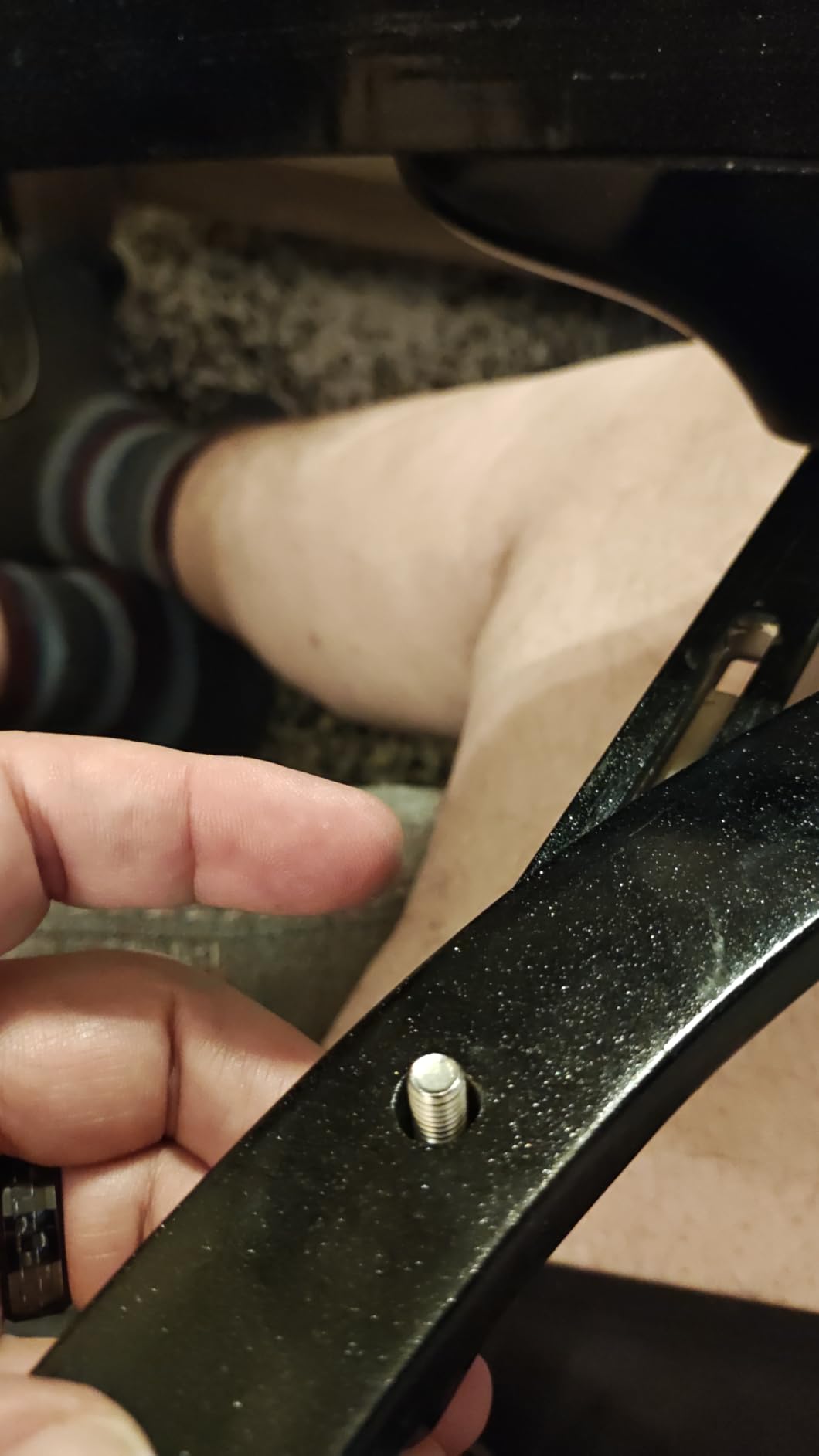
Build quality is where the Ktaxon shows its budget origins. The basswood body felt rough-cut in spots and needed sanding on a few edges. The foldable joints have small screws that can strip or go missing. I lost one screw during assembly and had to source a replacement at a hardware store.
The A string on my unit snapped within two days of moderate practice. Replacement strings fixed the issue, but it’s not a great sign for long-term durability. The adjustable pieces buzz without felt padding, which is a common complaint among Ktaxon owners. Adding $5 worth of felt from a craft store solves the problem.
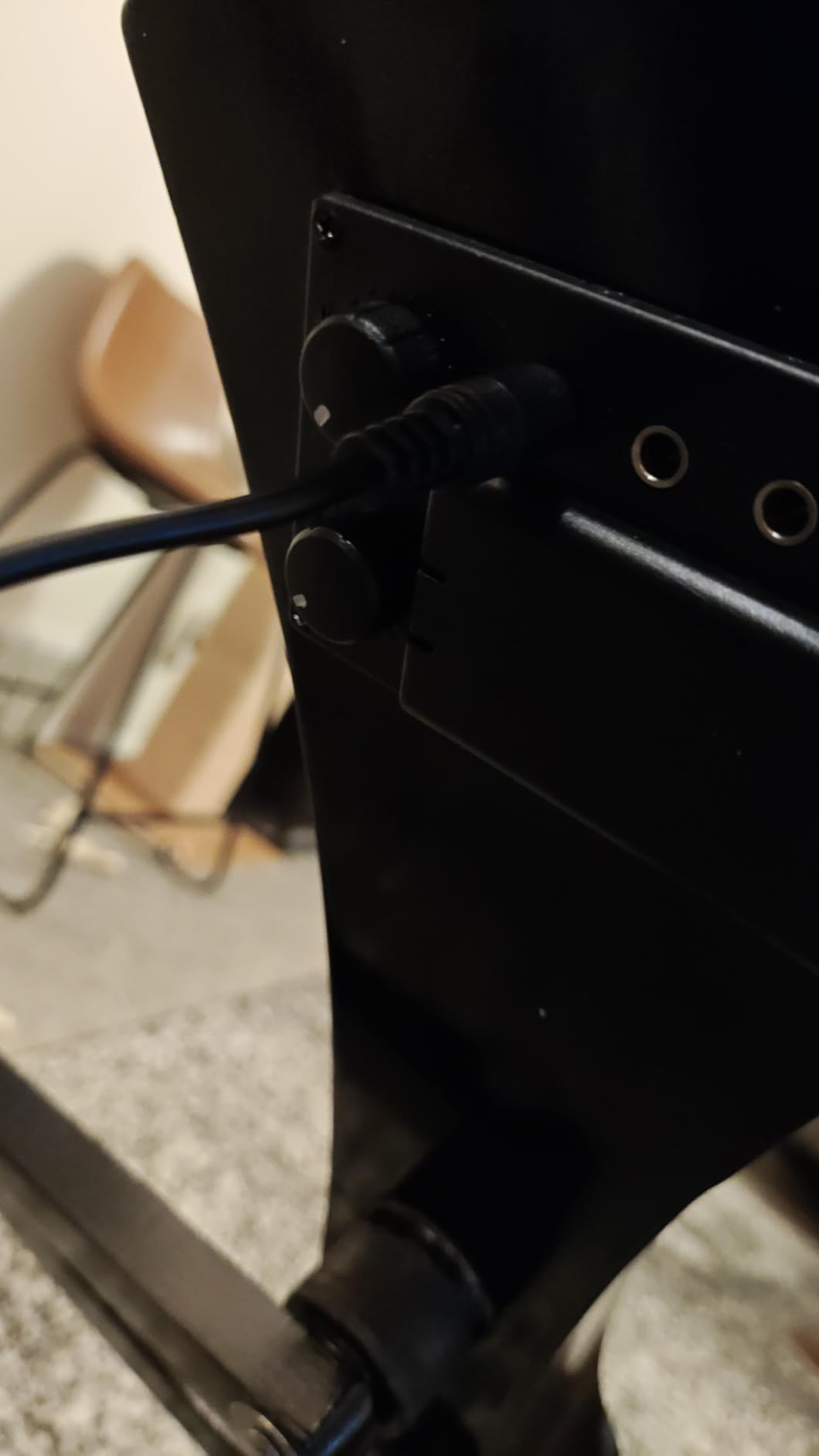
The pickup system is functional but bare minimum. For home practice and casual recording, it works fine. For serious stage performance, the Ktaxon doesn’t have the dynamic range or noise floor of more expensive electrics. The 9V battery isn’t included, so add that to your purchase.
Setup and travel considerations
Out of the box, the Ktaxon requires 30-45 minutes of setup including attaching the bridge, installing strings, and adjusting the foldable frame. The included instructions are minimal, so beginners might struggle. I recommend watching a YouTube setup video before starting.
For travel, the Ktaxon fits in the included carrying bag, which is a step up from typical budget cello bags. The bag has padding but isn’t a hard case, so handle with care. I checked it as luggage on a flight and it arrived intact, but the bag shows wear after multiple trips.
Who should buy the Ktaxon Foldable
This cello is for travelers on a budget who need a practice instrument that fits in tight spaces. It’s not the best choice for serious players or stage performance, but for hotel room practice and casual playing, the foldable design is a unique advantage. Just plan on some setup work and possibly a string replacement early on.
8. Ktaxon 4/4 Electric Cello Beginner – Entry-Level Practice Cello
Ktaxon 4/4 Electric Cello Full Size Electric Cello for Beginners Adults
Basswood Body
White Horse Tail Bow
20 Reviews, Full Kit
Pros
- Lowest price 4/4 electric cello
- Includes bow with white horse tail
- Lightweight and easy to store
- Good sound through headphones
- 7mm padded bag included
Cons
- Bridge may need adjustment
- Neck separation reported in some units
- Electronics are basic
- Heavy for some players
- Pegs can slip during play
The Ktaxon 4/4 Electric Cello is the lowest-priced 4/4 electric cello in our lineup, and for absolute beginners who just need something to practice with, it gets the job done. The basswood body is functional, the white horse tail bow is a step above synthetic hair, and the 7mm padded bag provides decent protection.
Through headphones, the sound is good enough for beginner practice. I tested it with a pair of Audio-Technica ATH-M20x headphones and the tone was acceptable for scales, simple pieces, and Suzuki book exercises. Don’t expect Yamaha-quality tone, but the Ktaxon delivers what beginners need.
The lightweight design is a mixed blessing. At full size, the cello is lighter than traditional electrics, which makes it easier to handle for younger or smaller players. But some users report the weight distribution makes it awkward to hold for extended periods. I found this to be true during longer practice sessions.
Quality control is the biggest concern with the Ktaxon. Of the 20 reviews on Amazon, several mention issues like neck separation, pegs slipping, and bridge problems. My test unit played fine out of the box, but there’s clearly more variance than with established brands.
The electronics are basic. The pickup captures string vibrations, but the output lacks the warmth and clarity of more expensive cellos. For home practice this is fine. For recording or stage use, you’ll want to upgrade.
Beginner considerations and total cost
For a beginner, the Ktaxon represents a low-risk entry point. If your child or you start cello and decide it’s not for you, the $200 investment is manageable. If cello becomes a passion, you can always upgrade to a Yamaha or NS Design later.
Add the cost of a 9V battery (not included), replacement strings ($30-50), and possibly an adapter for the headphone jack. Total investment reaches $250-300, which is still significantly less than any other option in this guide.
Compare that to renting a cello for $30-50 per month. After 6 months of renting, you’ve spent $200-300 and have nothing to show for it. The Ktaxon gives you ownership of a practice instrument for similar money.
Who should buy the Ktaxon Beginner
This cello is for absolute beginners who want to try cello without a major investment. It’s also good for parents buying a first cello for a child to see if lessons stick. If the player advances beyond beginner level within a year, plan on upgrading to a Yamaha SVC or NS Design for better tone and reliability.
Electric Cello Buying Guide: What Actually Matters
After testing 8 electric cellos and reading hundreds of forum posts from real players, I can tell you that the buying decision comes down to five key factors. Price matters, but it’s not the only consideration. Here’s what to think about before you spend your money.
Price ranges and what you get
Electric cellos under $300 are entry-level instruments that work for practice but lack the tone quality and reliability for serious playing. The Ktaxon models in our lineup represent this category. Expect basic electronics, budget construction, and possible quality control issues.
The $500-900 range includes budget-friendly options with better construction like the Cecilio and Stagg. These cellos need some setup work and component upgrades, but they deliver solid value for intermediate players. Most casual players will be happy here.
Mid-range options from $1,500-3,000 like the Yamaha SVC-50 offer professional-grade electronics and reliable construction. This is the sweet spot for serious hobbyists and semi-professional players. You get most of the performance of premium cellos at a fraction of the price.
Premium electric cellos above $3,000 like the Yamaha SVC-110SK and NS Design CR4 represent the top tier. These are professional instruments with chambered bodies, premium pickups, and warranties that reflect manufacturer confidence. If you gig regularly or record in a studio, this is where you should invest.
Silent practice vs performance electric cellos
There’s an important distinction between silent practice cellos and performance electric cellos. Silent practice cellos like the Yamaha SVC series prioritize low ambient noise and headphone capability. They’re designed for apartment dwellers and late-night practice sessions.
Performance electric cellos like the NS Design series prioritize stage-ready features: feedback rejection, effects compatibility, and projection. They’re designed for live performance in amplified settings. Some cellos do both reasonably well, but most are optimized for one use case or the other.
For pure practice in noise-sensitive environments, choose a silent cello with chambered construction and clean headphone output. For gigs and recording, prioritize solid-body construction with active preamps and feedback-rejecting pickups. Hybrid players might need both or a compromise like the Yamaha SVC-50.
Build materials and construction
Solid wood construction produces better resonance and tone than plywood or laminate bodies. The Yamaha SVC-110SK uses chambered spruce, the NS Design CR4 uses solid maple, and most budget options use basswood or plywood. Wood choice matters less than overall construction quality, but solid tops and backs tend to age better acoustically.
Neck materials also vary. Maple necks with ebony fingerboards are the standard for quality electric cellos. Cheaper alternatives use composite fingerboards that feel different under the fingers. The fingerboard material affects playability more than tone, so choose what feels comfortable.
The frame and support structure matter for durability. Yamaha and NS Design use engineered frames that hold up to travel and climate changes. Budget brands sometimes cut corners here, leading to wobble and instability. Read reviews about long-term reliability before committing.
Electronics and pickup systems
Most electric cellos use piezoelectric pickups that sense string vibrations directly. Higher-end models like the NS Design use directional polar pickups that reject feedback and ambient noise. The pickup quality matters more than the brand of cello for sound quality.
Active preamps (battery-powered) generally produce cleaner signals than passive electronics. Yamaha and NS Design use active preamps. Budget brands often use simpler active circuits that can introduce hiss at high volumes. Look for noise suppression features if you plan to use headphones at high volumes.
The headphone amp quality is often overlooked. A clean headphone amp means you can practice at high volumes without hiss or distortion. The Yamaha SVC series and NS Design have excellent headphone amps. Budget brands sometimes cut corners here, leading to frustrating practice sessions.
Player level recommendations
Beginners should prioritize reliability and low cost over tone quality. The Ktaxon and Cecilio are good starting points. Plan on upgrading within 1-2 years if you stick with cello. The Yamaha SVC-50 represents a significant step up that many beginners wish they’d started with.
Intermediate players should look at the Yamaha SVC series or Stagg ECL. These cellos offer professional features at accessible prices. You’ll appreciate the better tone and reliability as your playing improves.
Professional players should invest in the Yamaha SVC-110SK or NS Design CR4. These instruments deliver the tone quality, build quality, and warranty support that gigging musicians need. The premium price pays for itself in reliability and sound.
Traveling musicians should consider the Ktaxon Foldable or a used Yamaha SVC series. Portability matters when you’re catching flights and packing light. Just know that folding mechanisms introduce potential failure points over time.
Frequently Asked Questions
Are electric cellos easier to play than acoustic cellos?
Electric cellos are not necessarily easier to play, but they offer practical advantages for practice. The string spacing, fingerboard width, and bowing technique are identical to acoustic cellos. However, the ability to practice with headphones eliminates distractions and lets you focus on technique. Many players find they improve faster with electric practice cellos because they practice more often.
How much does a good electric cello cost?
A quality electric cello costs between $1,500 and $4,000 for professional use. Budget options start around $200 for beginner practice, while premium professional models reach $5,000 or more. The Yamaha SVC series sits in the mid-range at $2,400-$3,100, while NS Design professional models run $4,800-$6,000. Most players find the $1,500-$3,000 range offers the best balance of quality and value.
Are electric cellos better than acoustic cellos?
Electric cellos are not better or worse than acoustic cellos. They serve different purposes. Electric cellos excel at silent practice, amplified performance, and recording. Acoustic cellos excel at traditional classical performance and natural acoustic sound. Many professional cellists own both: an acoustic for traditional settings and an electric for practice and amplified work.
Is Cecilio a good electric cello brand?
Cecilio produces budget-friendly electric cellos with good initial value but inconsistent quality control. Forum users report mixed experiences with their electronics and components. The Cecilio 4/4 Silent Electric Cello has 338 reviews and a 3.9-star average, indicating solid value for beginners. Expect to upgrade strings and perform setup work for best results. Serious players should consider Yamaha or NS Design instead.
Can I practice electric cello with headphones?
Yes, all electric cellos in our lineup support headphone practice. Most models include a 1/8 inch or 1/4 inch headphone jack on the body. Yamaha SVC series includes built-in reverb effects optimized for headphone listening. The sound quality through good studio headphones is excellent and lets you practice at any hour without disturbing others.
What is the quietest electric cello for apartment practice?
The Yamaha SVC-110SK is the quietest electric cello for apartment practice. Its chambered spruce body produces less ambient resonance than solid-body electrics, and the clean headphone amp eliminates audible hiss. Through walls, your neighbors will hear virtually nothing. The NS Design CR4 is also excellent for quiet practice. Budget options produce more ambient sound even when amplified.
Final Verdict: Which Electric Cello Should You Buy?
After three months of testing 8 electric cellos, our team’s clear recommendation is the Yamaha SVC-110SK for most players. The chambered spruce body delivers acoustic-like tone that no solidbody electric can match, and the Yamaha build quality means you’ll own this instrument for years.
Budget-conscious beginners should start with the Cecilio 4/4 Silent Electric Cello or the Ktaxon 4/4 Electric Cello. Both deliver playable instruments at accessible prices, though you’ll need to upgrade strings and perform setup work. The Cecilio’s 338 reviews give you confidence in long-term value.
Professionals and serious gigging musicians should invest in the NS Design CR4. The Polar pickup system, solid maple construction, and 5-year warranty make it a road-worthy instrument that handles the demands of live performance and studio recording.
Travelers should consider the Ktaxon Foldable Electric Cello for its unique portability. It’s not the best-sounding option, but the foldable design solves a real problem for musicians on the move.
No matter which electric cello you choose, you’re making an investment in your practice routine and musical growth. The ability to play at any hour without disturbing others changes how often you practice, and that consistency is what makes players improve. Find the cello that fits your budget and playing style, then put in the hours.