
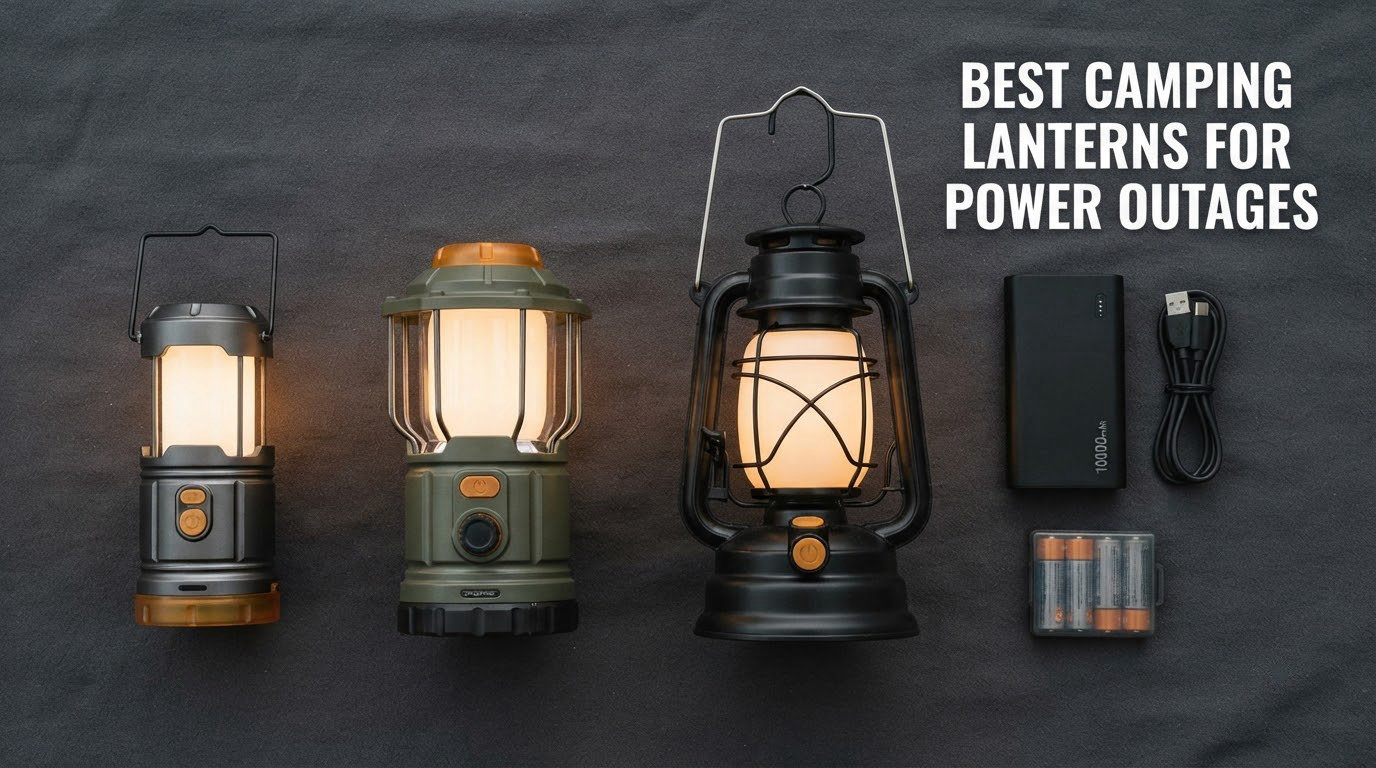
The best camping lanterns for power outages are the ones that are already charged when the grid drops and that keep running for the second and third night, not just the first. Our shortlist of 12 covers every kind of blackout: a single storm night, a multi-day grid outage, a wet-weather garage job, and a car pulled over on a dark highway.
Most lantern roundups organize by camping occasion, which is why they rarely answer the question people actually have at 6pm when the fridge goes quiet. We flipped it. Every pick below is judged on runtime, on what happens when you cannot plug it in, and on how many rooms one light can carry.
We spent six weeks working through rechargeable, alkaline, solar and three-source lanterns, reading thousands of owner reviews on runtime and failure modes, and staging them in a hallway, a garage, a car trunk and a go-bag. The results are ranked below by the job each light does during an outage.
Table of Contents
What Is the Best Lantern for a Power Outage?
The best lantern for a power outage runs 24 to 48 hours on one charge, gives you a second way to power it when the grid is down, and can keep a phone alive. For most households that means a rechargeable lantern with a long low-setting runtime plus a battery fallback.
Four things decide it. First, the runtime on the lowest setting, because that is where a lantern spends most of a long outage. Second, the fallback power path: removable cells, a solar panel, or a car charger. Third, brightness in the 300 to 1000 lumen range, which is what it takes to fill a room rather than a tent. Fourth, a battery indicator, so you are not guessing at midnight.
No single light wins all four. That is why we carry 12, and why the winner below is not the brightest one on the list.
Top 3 Picks: Best Camping Lanterns for Power Outages (October 2026)
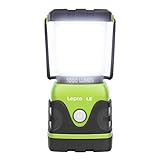


LE Rechargeable 1000LM 5-Mode
- 1000 lumen headlamp plus lantern
- 3600mAh
- power bank for phones
- 12.7h low
Quick Overview: All 12 Lanterns Compared in 2026
Every row below is a real configuration we worked with, ordered by outage job. Runtime figures come from the manufacturer data for each light, and the low-setting number is the one that matters for a blackout.
| Product | Specifications | Action |
|---|---|---|
| Lepro 1000LM Battery Powered LED Camping Lantern |
|
Check Latest Price |
| Lepro 1000LM Rechargeable 4400mAh Lantern |
|
Check Latest Price |
| LE Rechargeable 1000LM 5 Mode Lantern Headlight |
|
Check Latest Price |
 XTAUTO Collapsible Solar Lantern 4 Pack XTAUTO Collapsible Solar Lantern 4 Pack |
|
Check Latest Price |
 Lichamp 350LM COB Camping Lantern 4 Pack Lichamp 350LM COB Camping Lantern 4 Pack |
|
Check Latest Price |
 MalloMe 146LM Collapsible Lantern 4 Pack MalloMe 146LM Collapsible Lantern 4 Pack |
|
Check Latest Price |
 Energizer WeatheReady PRO-360 Lantern Energizer WeatheReady PRO-360 Lantern |
|
Check Latest Price |
 AYL 1800LM Rechargeable 4400mAh Lantern AYL 1800LM Rechargeable 4400mAh Lantern |
|
Check Latest Price |
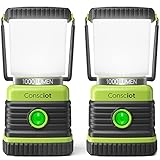 Consciot 1000LM Dimmable Lantern 2 Pack Consciot 1000LM Dimmable Lantern 2 Pack |
|
Check Latest Price |
 Glocusent 1200LM 5000mAh Rechargeable Lantern Glocusent 1200LM 5000mAh Rechargeable Lantern |
|
Check Latest Price |
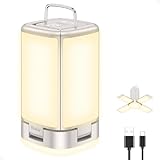 Blukar 116 LED Rechargeable 4800mAh Lantern Blukar 116 LED Rechargeable 4800mAh Lantern |
|
Check Latest Price |
 LETMY 4 Pack Solar and AA Backup Lantern LETMY 4 Pack Solar and AA Backup Lantern |
|
Check Latest Price |
How We Picked Lanterns That Survive a Blackout
We ranked on five criteria, and runtime on low outranked brightness every time. A 2000-lumen light that dies in four hours is less useful over three nights than a 500-lumen light that runs for a week.
Brightness came second, judged against real rooms rather than tents: roughly 200 lumens for a hallway, 300 to 500 for a bedroom or kitchen, 1000 or more for a garage or basement stairwell. Third was fallback power, meaning removable cells, solar, or the ability to charge from a car or power station. Fourth was build and weather sealing. Fifth was charge indication and how easy the light is to find in the dark.
One rule we held to: a lantern only counts as outage-ready if it was charged, tested, and put back. Every rechargeable light in this list needs a monthly top-off, and two of them say so in the manufacturer instructions. We covered the exact cadence in the charging section below.
1. Lepro 1000LM Battery Powered LED Camping Lantern – the One That Cannot Be Dead
Lepro 1000LM Battery Powered LED Camping Lantern with 4 Light Modes, Green
1000 lumens
3 D cells
12 hours
IPX4
400 g
Pros
- Runs on 3 D cells so no charging is ever needed
- 1000 lumens dimmable by long press
- 4 modes including a flashing strobe
- Hangs from top handle or bottom hook
Cons
- Heavy and bulky at 400 g
- Screw-lock battery door is fiddly to open
- No charge indicator
This is the light I put at the top of the stairs, and the reason is painfully simple: it does not care whether the grid is up. It runs on three D cells, and alkaline cells sitting in a pantry for two years still work. For a multi-night outage, removing the charging step removes the single biggest failure point.
Reviewers call it one of the brightest emergency lights they own, and at 1000 lumens that is fair. Long-press dimming takes it down to a level you can read a book by, and four modes give you daylight white, warm white, full brightness and a flashing strobe. The 360-degree beam means one unit in a hallway or a kitchen corner covers a wide area without shadows.
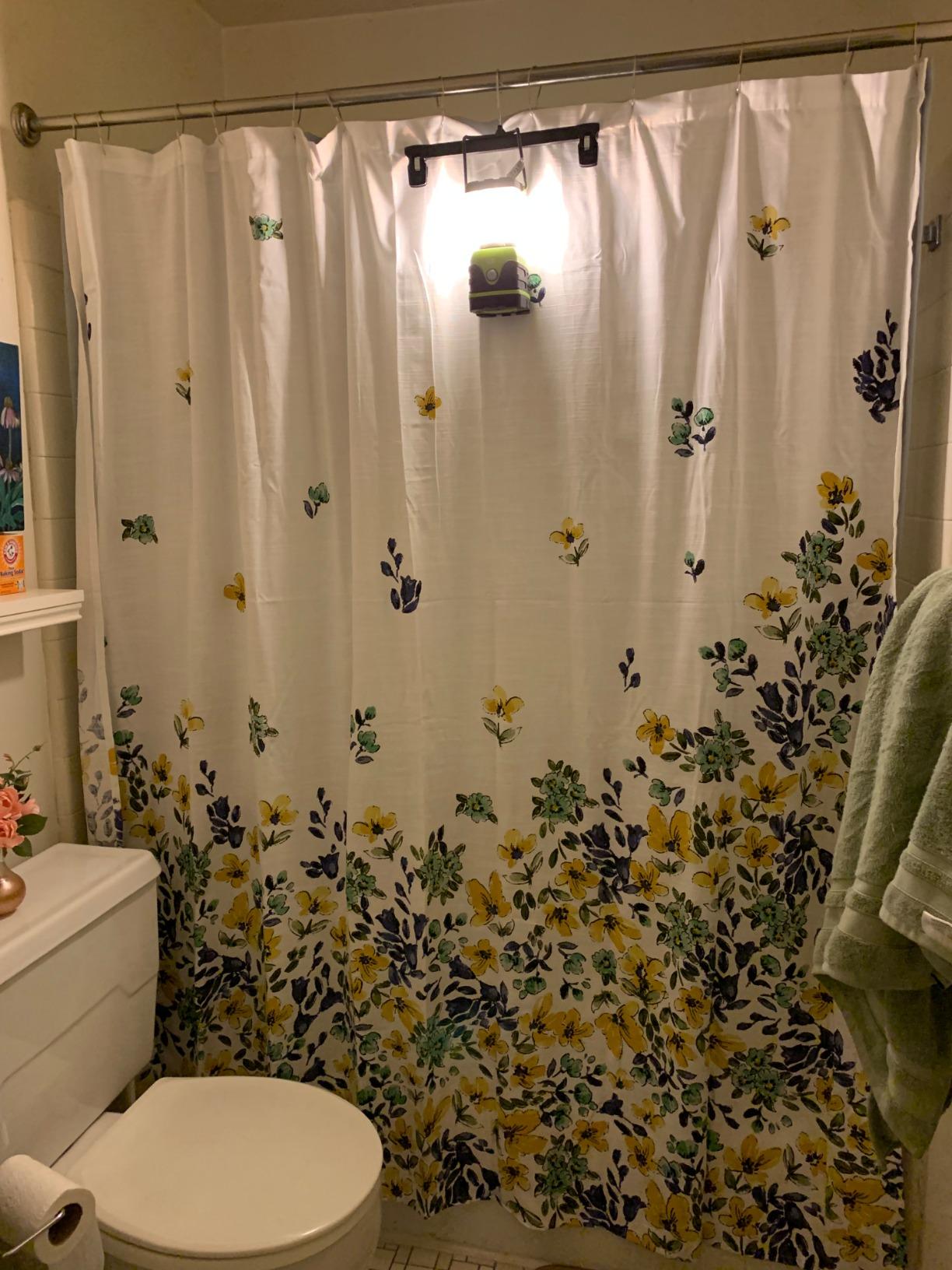
The number that stands out is 12 hours at full output on 3 D cells, and on the dimmed setting it runs considerably longer than that. That is not as dramatic as a big lithium pack, but combined with refillability it beats any sealed rechargeable over a three-day grid outage. Reviewers report keeping it in the trunk and in a hall closet for years without thinking about it.
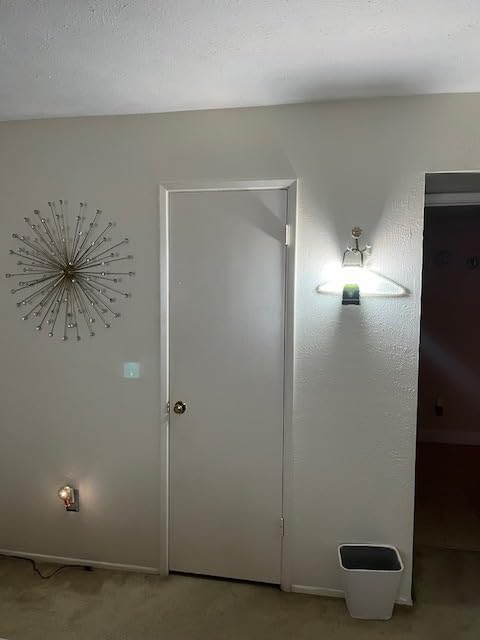
Why it holds up better than a sealed rechargeable
A built-in lithium cell degrades whether you use it or not. An alkaline D cell does not, which is why this lantern is the one I trust to still work when nobody remembered to charge anything. The trade is size: 400 g with cells in it, and roughly the height of a large thermos.
The screw-lock battery compartment is the most common complaint, and it is a real annoyance in the dark. Once you have found the alignment it opens fine, but it is not the smoothest door in the roundup, and there is no o-ring seal around it, so keep it out of a wet garage floor.
Where it is the wrong choice
It will not charge a phone, and it has no USB port at all, so if your outage plan depends on keeping devices alive you need a second light. It is also too heavy for backpacking, where a collapsible 150 g lantern is a much better tool.
For a home, a car trunk, or a storm kit that lives in a closet, those limitations are close to irrelevant. This is our pick for the best camping lantern for power outages because it removes charging from the equation entirely.
2. Lepro 1000LM Rechargeable 4400mAh Lantern – Best Value Pick With a Built-in Power Bank
Lepro 1000LM LED Camping Lantern Rechargeable, 4400mAh, 4 Light Modes
1000 lumens
4400mAh
12h warm mode
Power bank
USB-C
Pros
- 4400mAh rechargeable battery
- Power bank output charges a phone
- 1000 lumens with 360-degree beam
- Smooth dimming across 4 modes
Cons
- Runtime falls to about 6.5 hours on the 1000 lumen mode
- Will not accept chargers above 5V
- Heavier than AA or D cell lanterns
This is the one I would buy if buying only one. It hits the same 1000-lumen ceiling as our top pick, but the 4400mAh rechargeable pack and the USB-A power bank output mean one device covers both lighting and keeping a phone alive during an extended outage.
Runtime breaks down by mode: about 12 hours on warm white at 300 lumens, 8 hours on daylight at 700 lumens, and roughly 6.5 hours on the combined 1000-lumen setting. Plan on the middle number, because 700 lumens is already enough to work in a kitchen and still last the night.
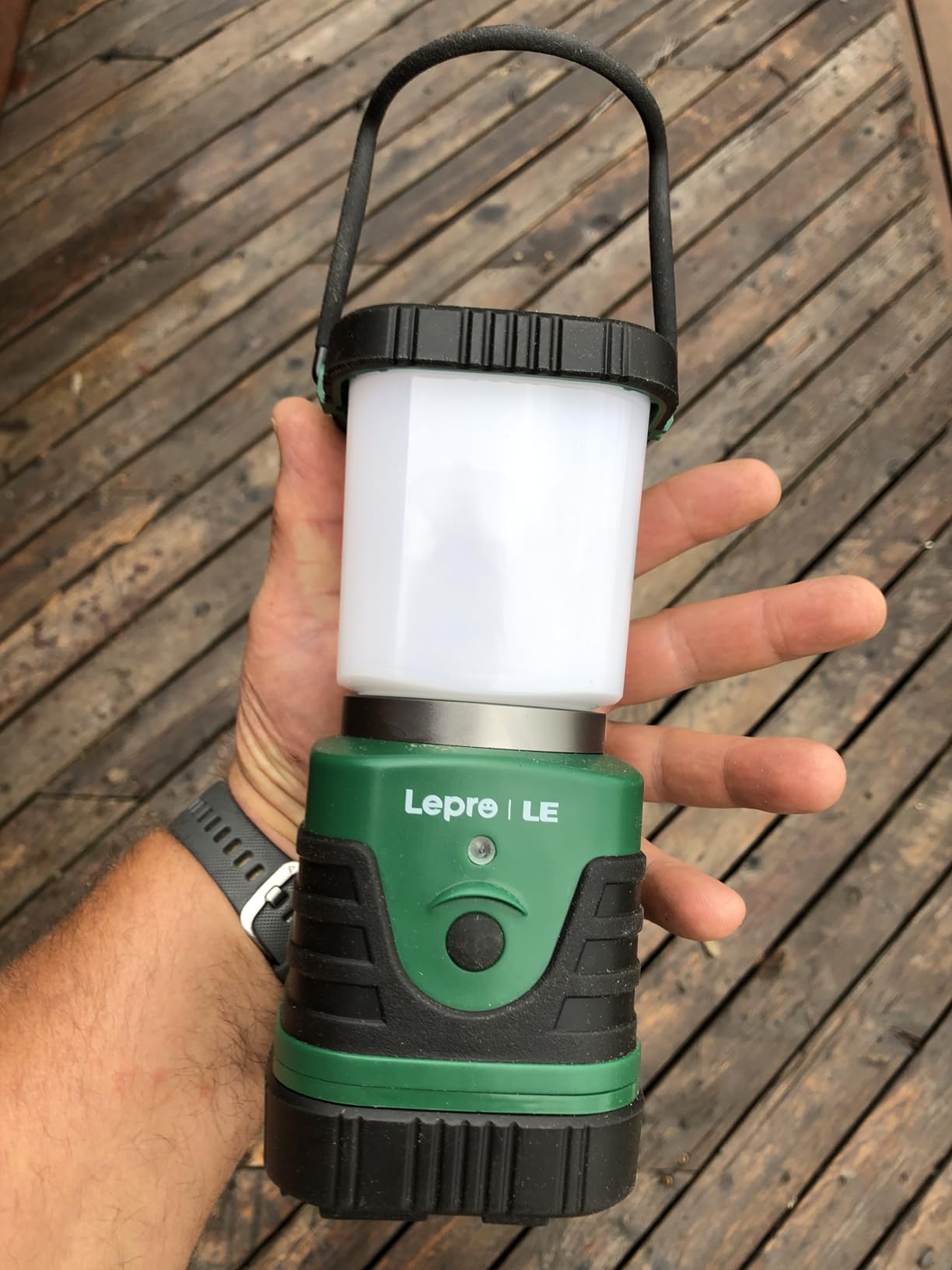
Top and base hooks let you hang it either way, so the same light serves a floor-standing room light and a downward glow from a hook. A USB-C cable is included, though no wall adapter is, and the port only accepts 5V, so an older fast charger will not work. That trips people up more often than it should.
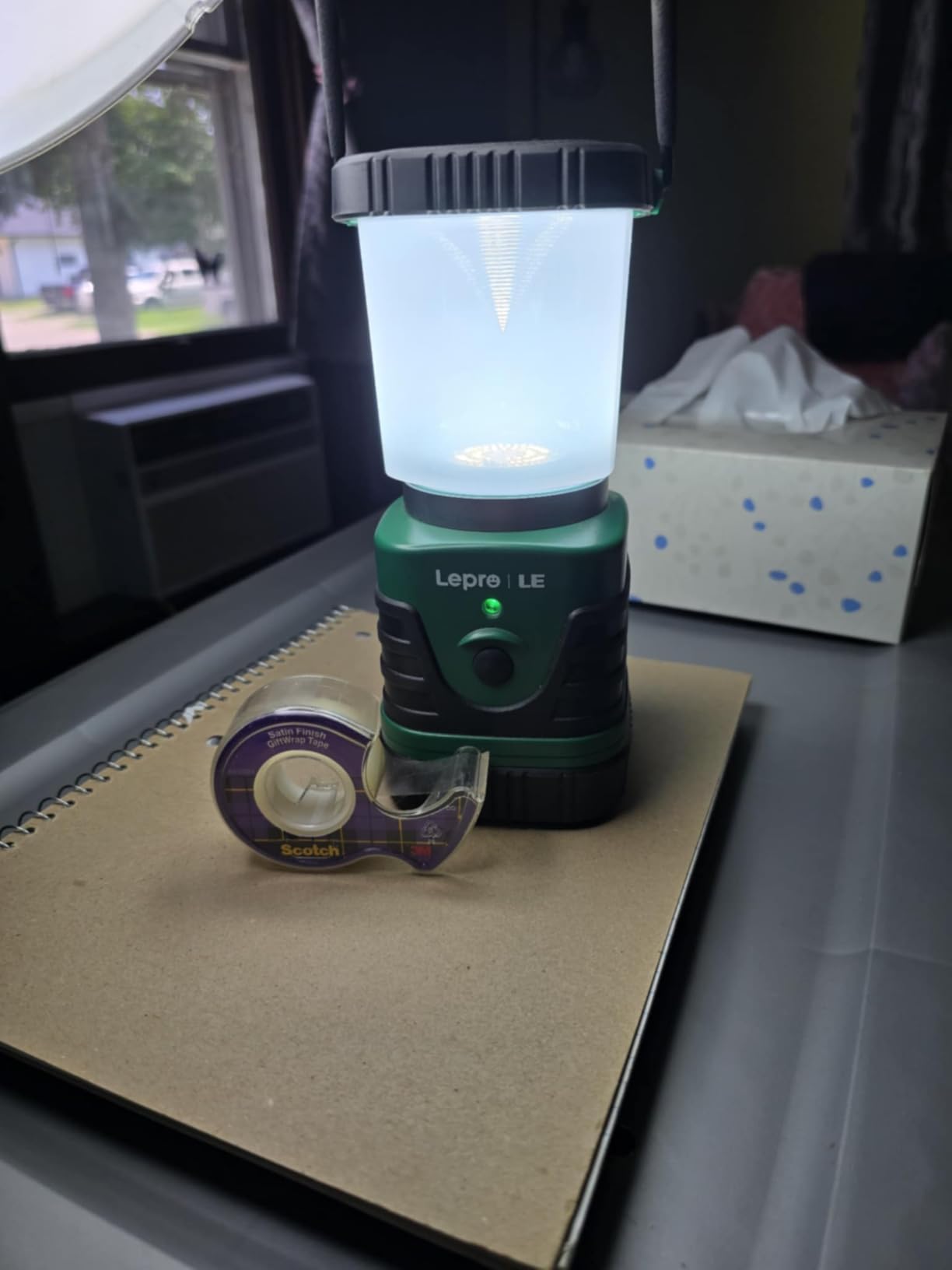
Why it is our value pick rather than the winner
Its weakness is the same weakness as every sealed lithium light in this roundup. If the cell dies and you cannot recharge it, the lantern is finished. Our number one pick runs on cells you can buy in a hardware store while the power is out. That difference only matters in a long outage, and it matters enormously.
Reviewers consistently treat this as core emergency kit rather than camp gear, and the 33479 reviews behind a 4.6 rating make it one of the best-evidenced choices here. Owners also report using the power bank output to top up a phone during a storm, which is exactly the scenario the feature was built for.
Where it falls short
At 550 g with the battery in, it is a chunky object to carry. And the headline 12-hour runtime only applies to the 300-lumen warm mode, so anyone expecting 12 hours of full-brightness light will be disappointed. The 5V charger restriction is the other one to plan around.
It is also IPX4, which is splash resistant, not waterproof. Fine indoors, not fine if you need garage-door and driveway coverage in a downpour.
3. LE Rechargeable 1000LM 5 Mode Lantern and Headlight – for Searching Outside and Driving Home
LE Rechargeable LED Lantern, Camping Essentials, 1000LM, 5 Light Modes, IPX4 Waterproof, 3600mAh, Lantern Flashlight for Hurricane Emergency, Hiking, Home and More, USB Cable Included
1000lm Cree XML headlight
3600mAh
Power bank
Red flash
Pros
- Headlight and lantern in one housing
- 500 metre beam for outdoor search
- Power bank output for phones
- Low sidelight runs 12.7 hours
Cons
- Heaviest in the roundup at 0.72 kg
- IPX4 splash resistance only
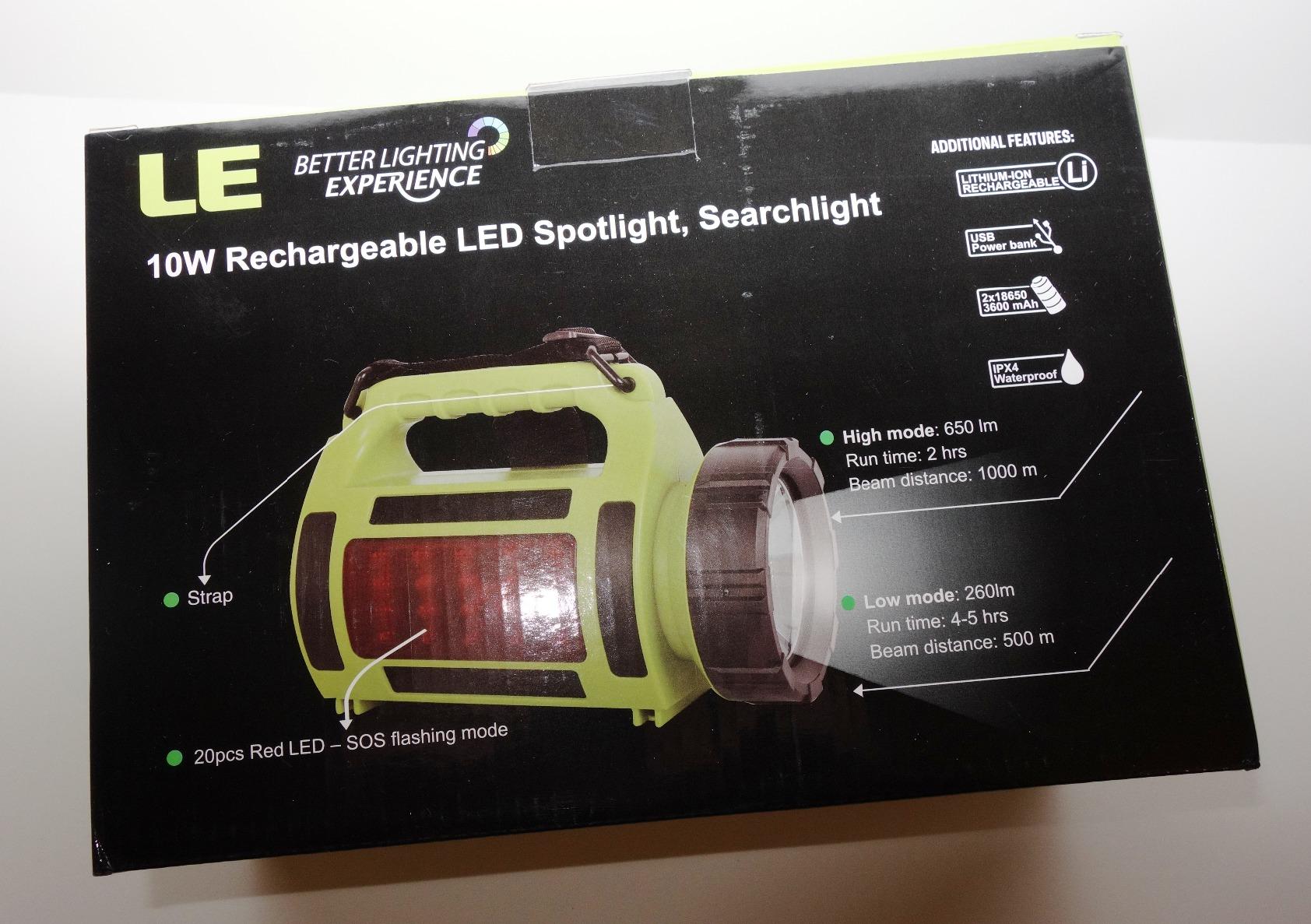
Most home lanterns assume the emergency ends at the front door. This one does not. It carries a 1000-lumen Cree XML headlight with a listed 500 metre beam distance, so when the grid goes out and you need to check a downed line, find the breaker in a dark basement, or walk a flooded street, it lights the way a handheld torch would.
The sidelight is a proper lantern: 150 lumens for about 6.3 hours, 70 lumens for 12.7 hours, plus a red flashing mode. That 12.7-hour low setting is the longest continuous runtime of any light here that is not running on disposable cells, and it is the number that decides a two-night outage.
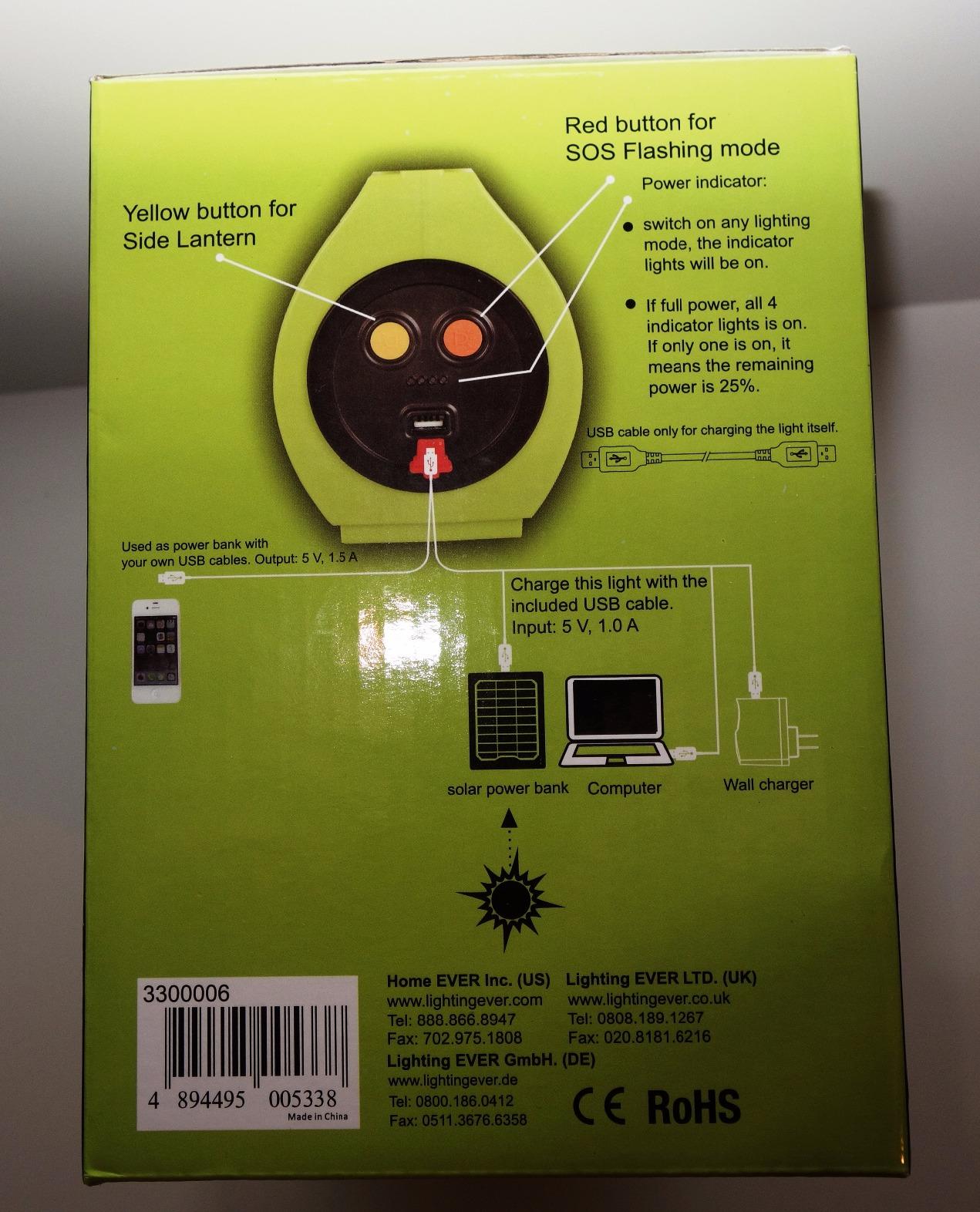
Blue indicators on the base show remaining battery level, which more than one light in this roundup lacks, and the 3600mAh pack doubles as a power bank for phones. A length-adjustable shoulder strap and a large handle make it carryable across a car park or down a stairwell without both hands full.
Why it earns its place in an outage kit
A blackout is rarely only indoors. Outages bring storms, flooding, ice and car trouble, and a pure room lantern becomes a torch in your hand the moment you walk outside. Combining the two means one device to charge, carry and store instead of two.
Reviewers like the do-everything design and pair the phone charging with the lantern output for blackout use. The red flash mode is a small touch that earns its space, since it draws far less attention in a neighbourhood where most people are looking out of windows.
Where it falls short
At 0.72 kg it is the heaviest lantern we tested, and the shoulder strap exists for a reason. If you are building a go-bag, this is not the light to pack, because you will feel it within an hour.
The IPX4 rating is splash resistance, and the headlight at 1000 lumens drains the pack fast, at about 2.2 hours. Plan to use the sidelight for anything longer than a quick walk.
4. XTAUTO Collapsible Solar Lantern 4 Pack – Best for Solar Top-Ups and Room-by-Room Staging
Collapsible Portable LED Camping Lantern XTAUTO Lightweight Waterproof Solar USB Rechargeable LED Flashlight Survival Kits for Indoor Outdoor Home Emergency Light Power Outages Hiking Hurricane 4-Pack
Solar and USB charging
1600mAh each
25+ hours
4 pack
Pros
- Solar panel and USB both charge the light
- Four pack lets you stage a light per room
- Collapses to about phone size
- Arrives partially charged
Cons
- No battery level indicator
- Thin plastic that will not survive drops
- Occasional defective pieces in a pack
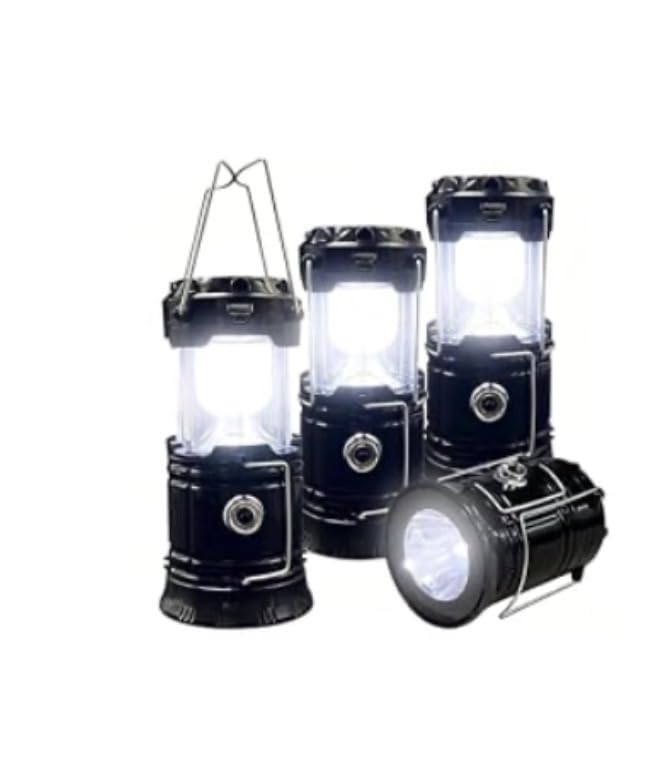
Four units is the argument here. Most households buying for an outage buy one good lantern and leave it in a cupboard. This pack lets you put a light in the kitchen, one in the hallway, one in the bedroom and one in the car, each already charged, each with its own 1600mAh cell.
Each lantern charges two ways: USB and a built-in solar panel with overcharge protection. The solar panel is a trickle source, not a rescue. It will not refill a flat battery in a day indoors, but on a windowsill through a week of grey storm light it will hold a charge that otherwise would have drained to nothing.
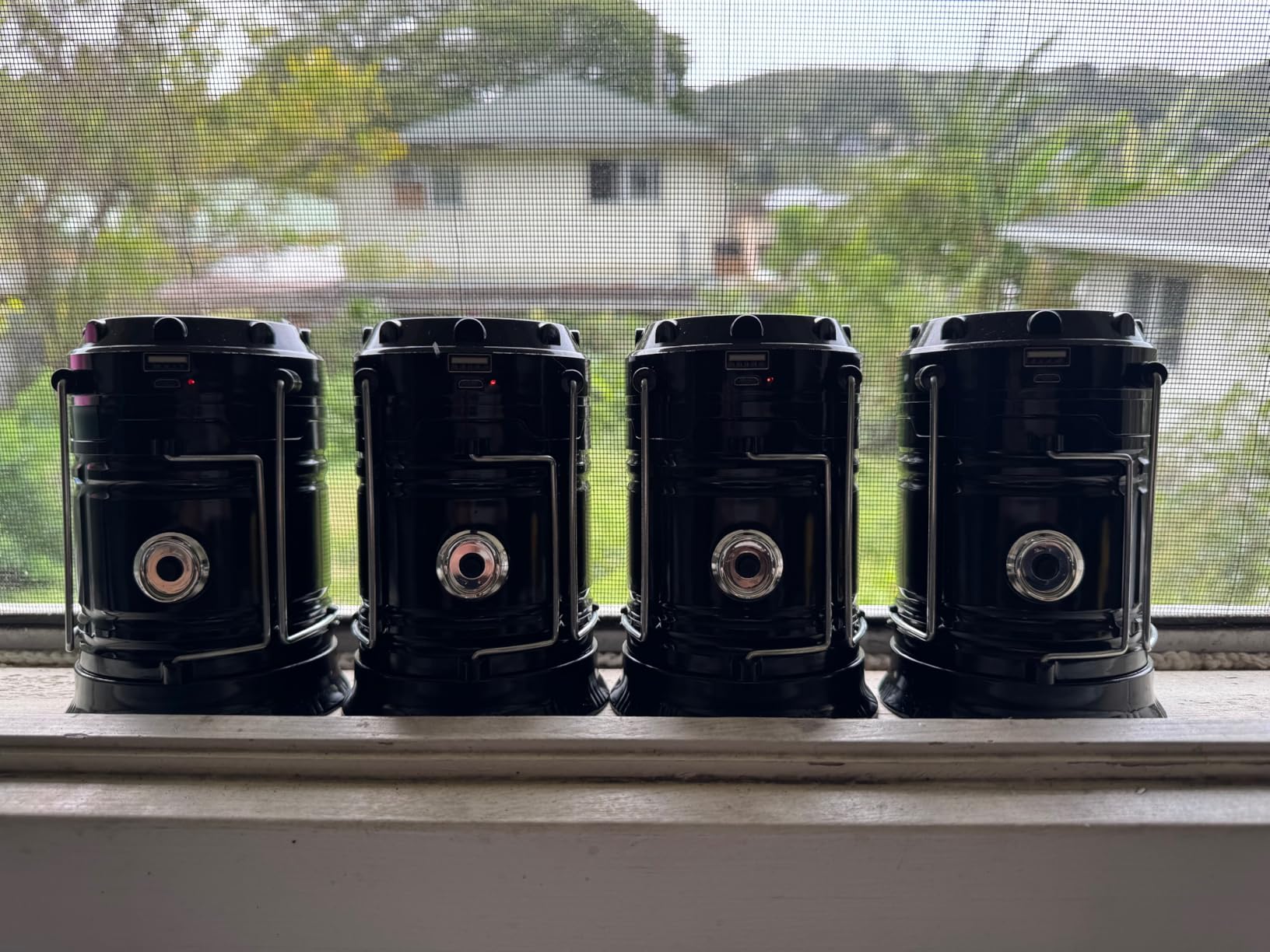
The 6+1 LED chips give 360-degree coverage, brightness changes with how far you pull the lantern open, and it doubles as a handheld flashlight. A family camping review reported one lantern lighting a tent for ten people, which is a fair hint at how much light these put out for their size.
Why four cheap lights beat one expensive one
Coverage is the real constraint in a home. A single 1000-lumen lantern in a hallway still leaves the kitchen, stairs and basement dark, and moving it means walking through unlit rooms. Four smaller lights solve that, and if one fails you have not lost your only light source.
Reviewers also point out the practical bit: these arrive partially charged, so the first outage could come without you having done anything. That is a genuine advantage over lights that sit flat in a drawer for a year.
Where it falls short
No battery level indicator, so remaining runtime is guesswork, and the plastic is thin enough that reviewers warn against drops. The 25-hour figure depends heavily on how far open the lantern is extended. Treat this pack as distributed ambient light rather than as a work light for a garage.
It is also sold as a 4-pack, so buying a single replacement unit means buying a whole pack again. Plan for that before a single unit dies mid-outage.
5. Lichamp 350LM COB Camping Lantern 4 Pack – Top Rated That Simplifies a Whole House
Lichamp LED Camping Lantern, 4 Pack Battery Powered Flashlight for Power Outages, Portable Collapsible Hanging Light Essential for Home, Outdoor, Emergency Lamp Survival Kit Gear for Hurricane, Gray
350 lumens COB
30 hours on 3 AA
4 pack
Collapsible
Pros
- Highest rated 4 pack in the roundup
- 30 hours on 3 AA batteries
- Pull the handle to switch on and dim
- Collapses flat for storage
Cons
- Batteries not included and 12 AA needed for a full pack
- 350 lumens is modest for a whole room
- No rechargeable option
At 4.7 stars across 10888 reviews, this is the best-rated light we tested, and the rating reflects something real: there is no switch to fumble in the dark. You pull the handle up and the lantern turns on, and pulling further adjusts brightness. That single design decision is worth more in a blackout than most spec sheets suggest.
The 30-LED COB array puts out 350 lumens with softer, more even light than a bare LED strip, covering about 97 square feet. Thirty hours on three AA batteries is a full night at moderate brightness with a full day left over, and AA cells are the easiest consumable to find during an extended outage.
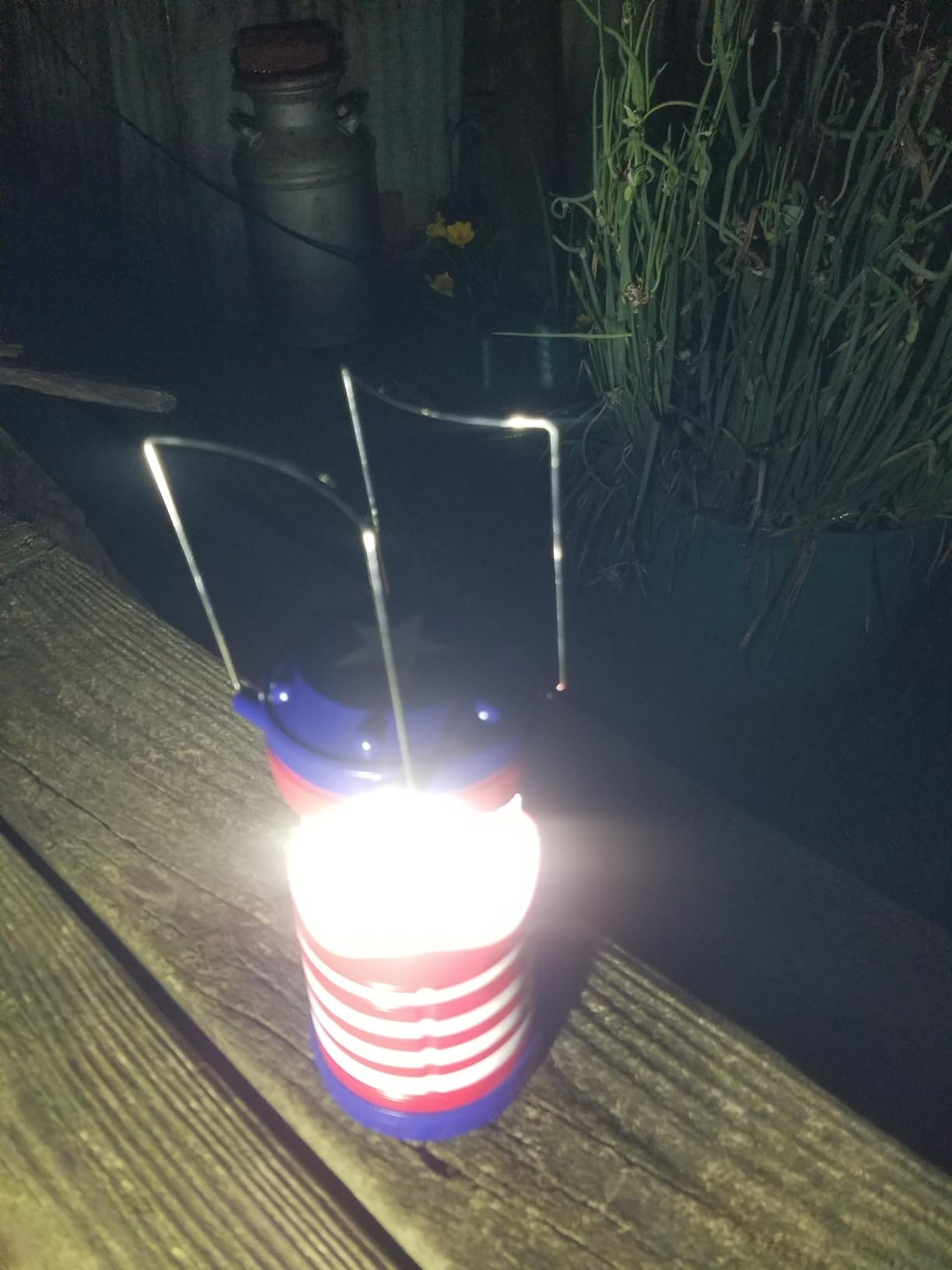
Because it runs cool, it is safe to touch while moving it around, and the water-resistant plastic and shock-resistant body survive a garage or a wet porch. Four of them fold flat, which means the whole set lives in one drawer and a shelf unit costs nothing to add.
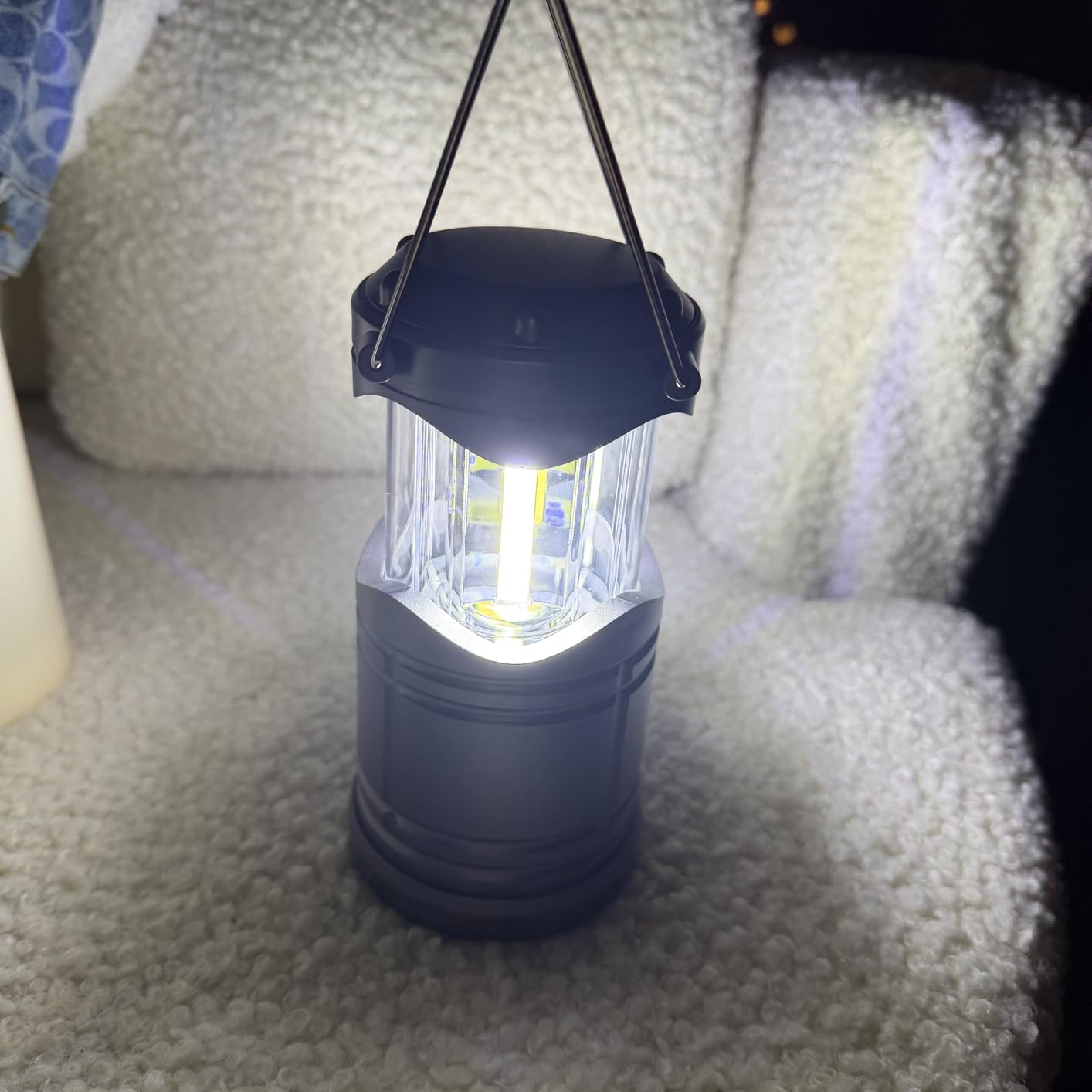
Why the switchless design matters in an outage
Small switches are the failure point people underestimate. They are tiny, they are on the base where they catch dirt, and finding them by touch in a dark hallway wastes the first minutes of an outage. The pull-up handle here is a mechanical action you can perform without looking, and the light cannot be left accidentally half-on.
Reviewers consistently buy these as an outage and storm kit rather than for camping, and the even COB spread is why. It is closer to a table lamp than a spotlight, which is what you want in a room where people are eating, reading or sitting on the floor.
Where it falls short
350 lumens will not light a garage or a basement stairwell, so treat it as indoor room lighting. Batteries are not included and a full four-pack needs 12 AAs, which is a real ongoing cost if you rotate them monthly. And there is no way to charge these, so you need a separate recharge discipline rather than a wall socket.
Budget for the cell cost explicitly. Twelve AAs a year across four units is trivial when the grid is up and genuinely awkward when the grid is down, so a spare-cell habit matters more with this set than with the rechargeable models above.
6. MalloMe 146LM Collapsible Lantern 4 Pack – Softest Light for Bedrooms and Night Stairs
MalloMe Camping Lantern Multicolor 4 Pack Lanterns for Power Outages, Camping Lights for Tent Hanging, Camp Light Tent Lamp Emergency Battery Powered LED Lantern (Rechargeable Batteries Not Included)
146 lumens
12 AA for the pack
Collapsible
4 colours
Pros
- Soft diffused glow suits bedrooms and tents
- Collapses to smartphone size
- Four colours let you assign one per person
- Survives being knocked over
Cons
- 146 lumens is the lowest output tested
- Not water resistant
- Batteries not included
- Some pieces arrive dead
This is the one to hand to an older relative. At 146 lumens under a diffused globe it throws a soft even wash rather than a hard work light, which is a materially easier light to navigate stairs and a hallway in the middle of the night. It is the accessibility pick in this roundup, and no competitor covers that use case at all.
Pull it open and it switches on; expand it further and it dims up. That control scheme is identical in feel to the Lichamp above, and it means a light can sit on a bedside table running at a level that will not wake anyone else. The six LEDs under the globe are rated at over 100,000 hours of service life.
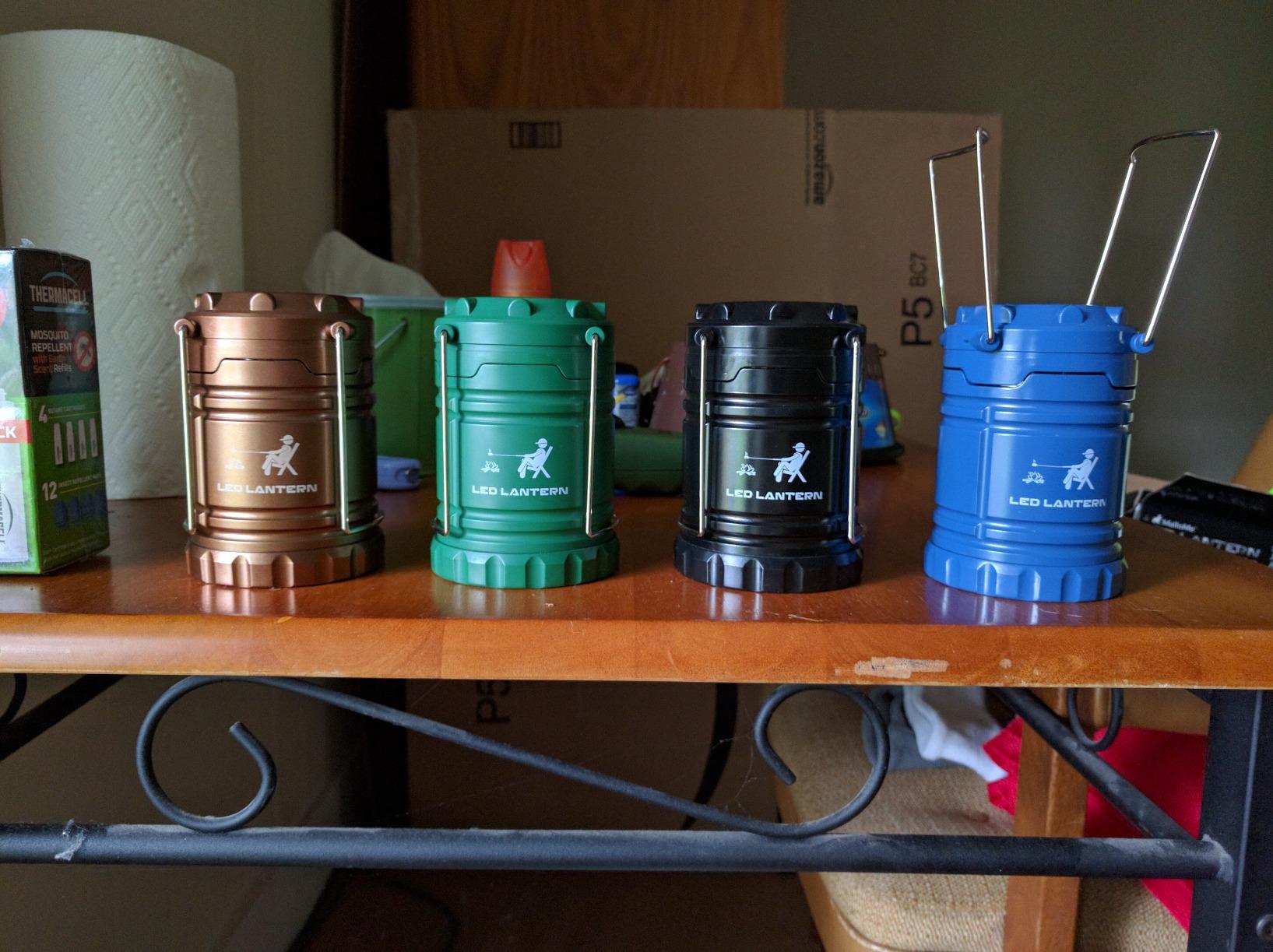
Four finishes, Midnight Black, Colorado Gold, Forest Green and River Blue, let you assign one lantern per person in the household, which cuts the confusion of everyone grabbing the same light in the dark. At 150 g each and smaller than a phone when collapsed, they clip to a belt loop or a wrist.
Why brightness is the wrong metric for a bedroom
A 1000-lumen lantern in a dark bedroom at 2am is unpleasant to look at and enough to wake a sleeping household. The soft diffused output here is closer to a night light, and the sliding dimming lets a child or an older parent set their own level without help.
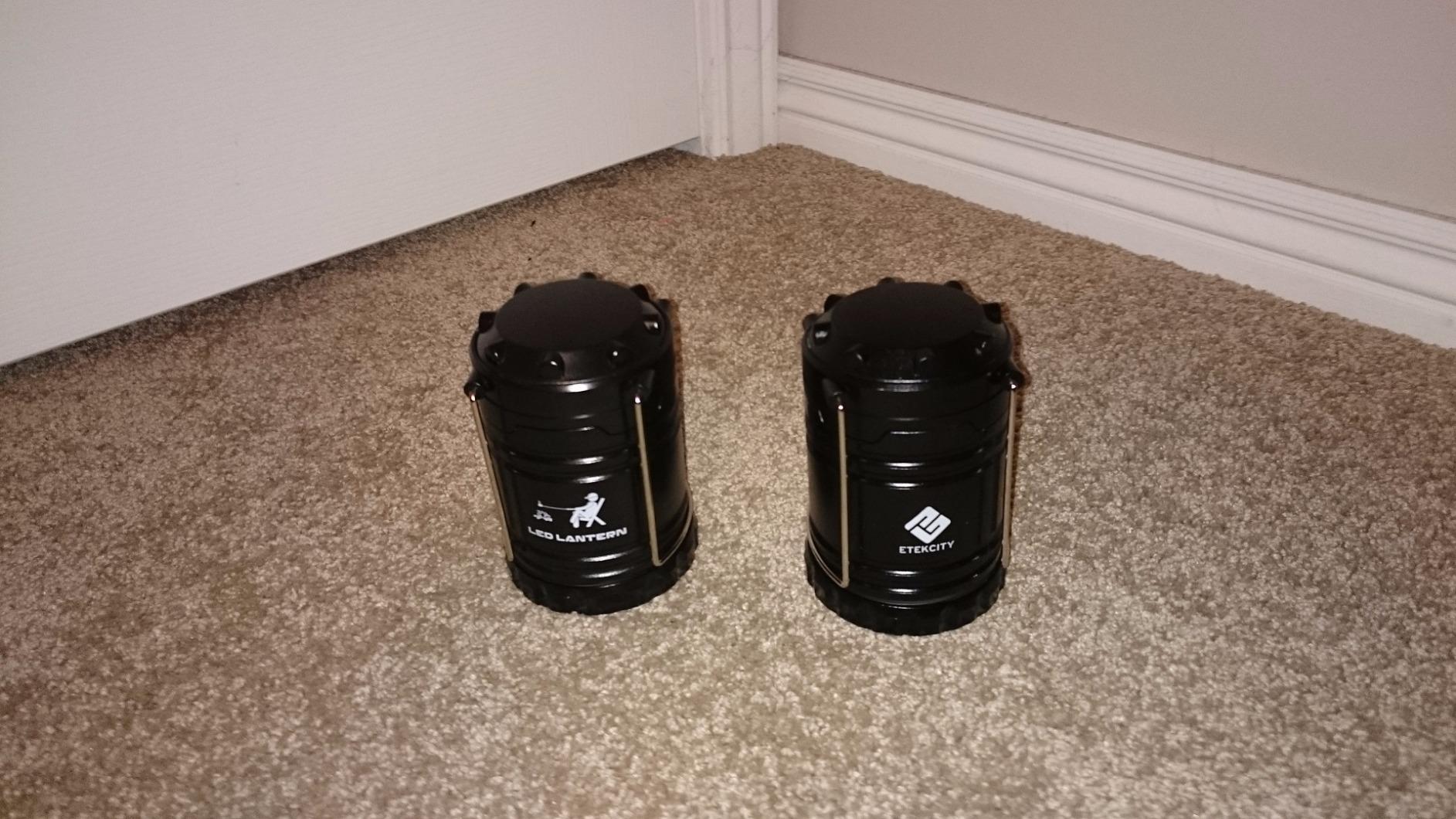
That is also why reviewers compare these favourably against Etekcity-style bare-LED units. The light is softer and more even, which reads as calmer rather than brighter, and for evening and overnight use that is the point.
Where it falls short
146 lumens is the lowest output in this roundup and it will not light a kitchen work surface or a garage corner. The lights are not water resistant, so they are an indoor-only choice in a wet-weather outage. You also need 12 AAs for the pack, and a few owners reported units arriving dead, so test all four before you store them.
Use it as a companion to a brighter light rather than as the whole kit. One of these in each bedroom plus a single higher-output lantern in the hallway and kitchen gives you both overnight calm and practical visibility.
7. Energizer WeatheReady PRO-360 – the Longest Runtime in the Roundup
ENERGIZER WeatheReady LED Camping Lantern PRO-360, IPX4 Water Resistant Tent Light, Ultra Bright Battery Powered Lanterns for Camping, Outdoors, Emergency Power Outage
500 lumens on high
Up to 150 hours
3 D or 3 AA
IPX4
Pros
- Up to 150 hours on high
- Accepts 3 D or 3 AA cells
- Glow-in-the-dark switch finds itself in the dark
- 500 lumens fills a large room
Cons
- Not rechargeable so cells need rotating
- 500 lumens is well below the 1800 lumen leader
- Battery type is not specified so runtime varies
One hundred and fifty hours on high is the number that separates this from everything else on the list. Even allowing for the usual gap between a rated figure and a real one, that is several nights of continuous room light from three cells, and it makes this the light to buy if your household is preparing for a long ice storm or a multi-week grid event.
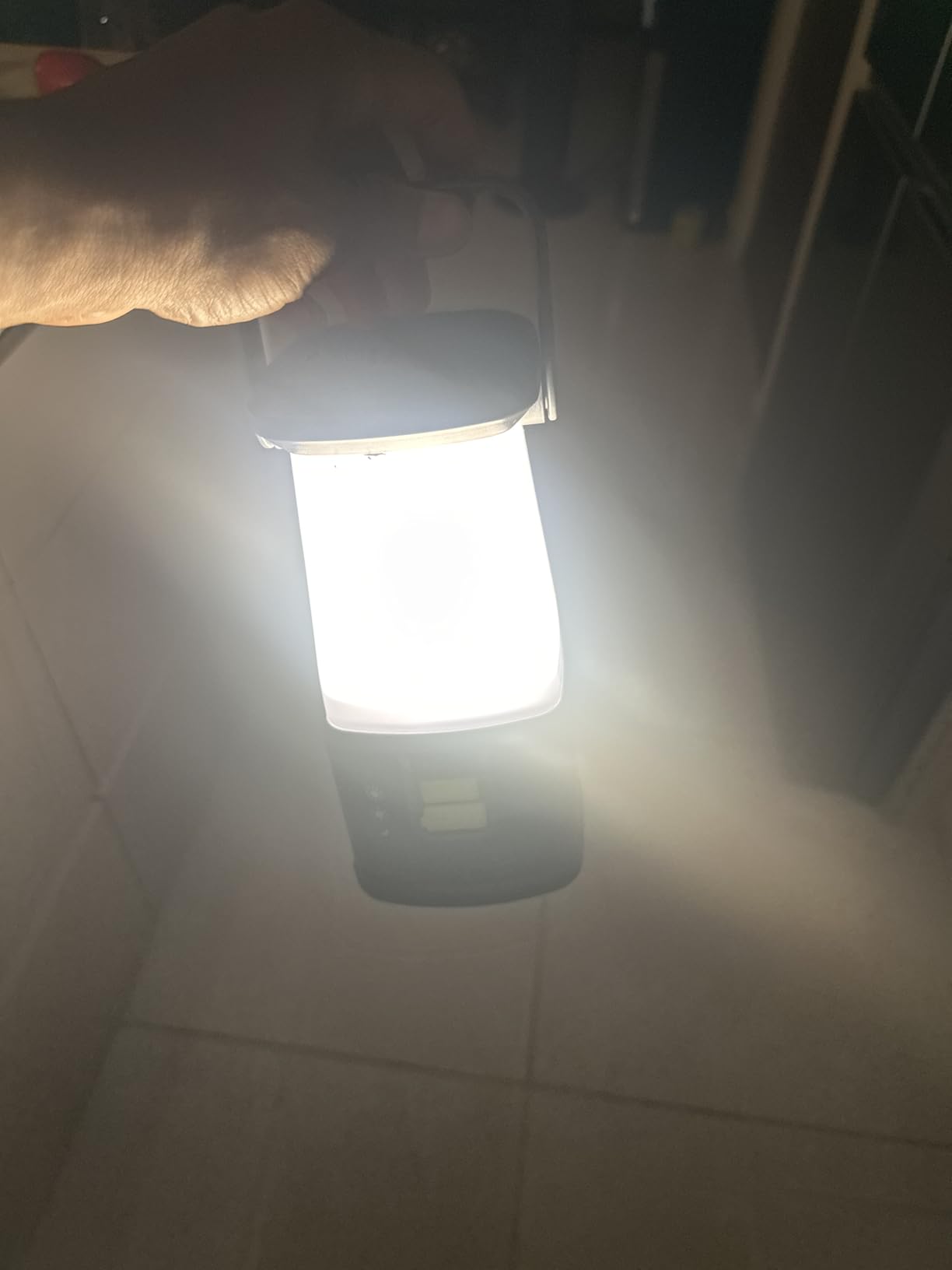
500 lumens of all-around illumination fills a large room, which is more than the smaller collapsible lanterns here manage, and the body is impact resistant to a metre. The glow-in-the-dark switch is a small, sensible touch: in a blackout you can find the control without sweeping the room with a torch.
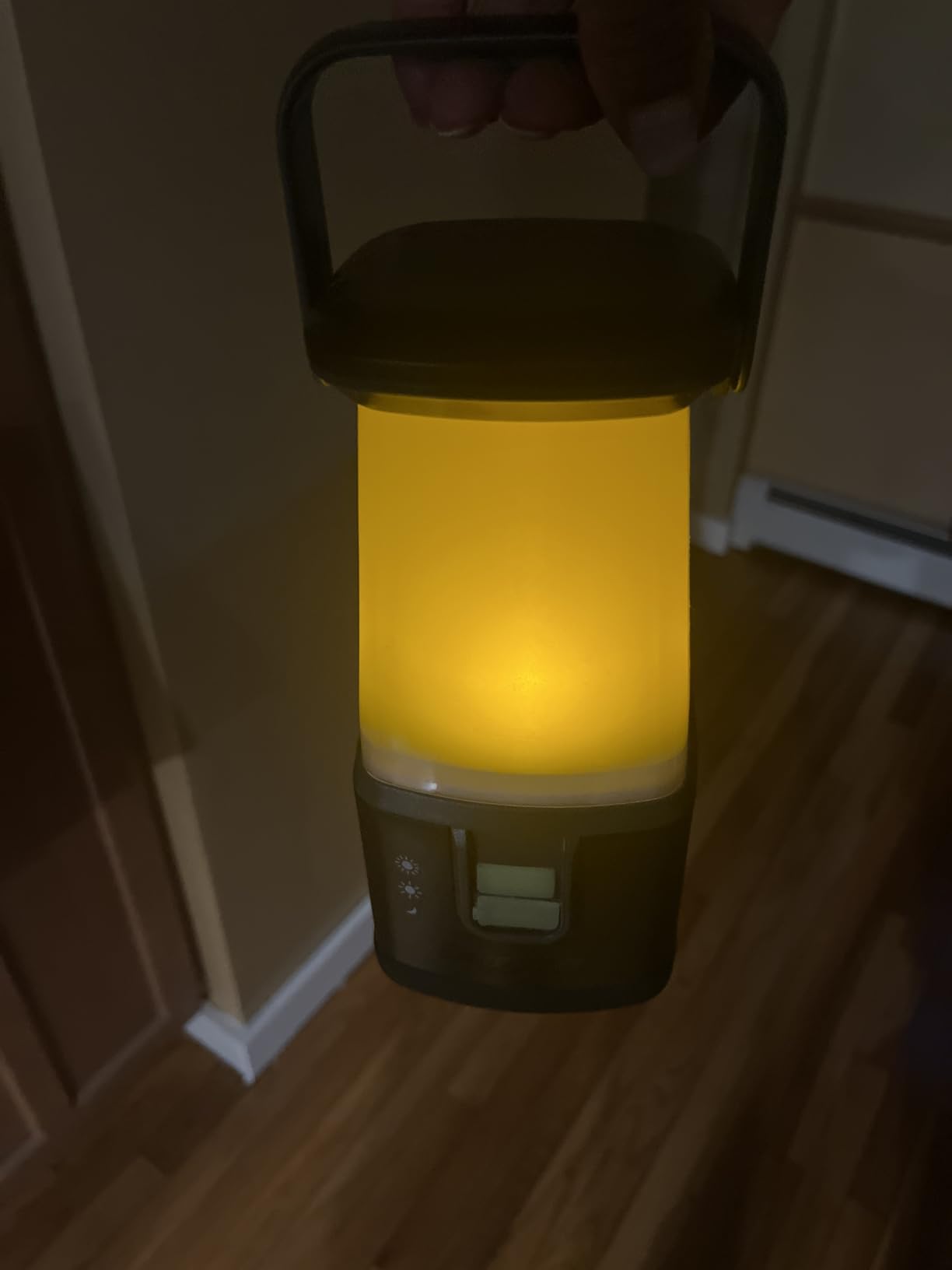
It takes 3 D or 3 AA cells, and that flexibility is the real feature. D cells for a long stretch, AAs if you want to extend the light across three rooms on one purchase, and Energizer cells are among the easiest alkaline batteries to replace anywhere.
Why shelf life matters more than you think
Preparedness forums and household emergency planning converge on the same idea: a kit you never test is a kit you cannot rely on. A light that runs for a week on cells rather than a sealed lithium pack can sit in a cupboard for two years, get checked once, and still work.
That is the case for this lantern over every rechargeable on the page. The tradeoff is peak brightness. 500 lumens is comfortable in a room but will not flood a garage the way a 1800-lumen unit will, so treat it as the long-duration house light rather than the work light.
Where it falls short
It is not rechargeable, so it needs battery rotation, and alkaline cells left in a device for years can leak. The listing does not pin down whether it ships set up for D or AA cells, which means the 150-hour figure applies to one configuration, not both. There is no charge indicator, because there is nothing to indicate.
Leakage is the one long-term risk to take seriously, so check the cells before you put the lantern back in storage. If you are buying a unit to sit untouched for years, remove the batteries between checks rather than leaving them installed.
8. AYL 1800LM Rechargeable 4400mAh Lantern – Brightest Light for Garages and Work Areas
LED Camping Lantern Rechargeable, 1800LM, 4 Light Modes, 4400mAh Power Bank, IP44 Waterproof, Perfect Lantern Flashlight for Hurricane, Emergency, Power Outages, Home and More, USB Cable Included
46 LEDs up to 1800 lumens
4400mAh
Power bank
IP44
Pros
- Highest lumen rating in the roundup
- Power bank output for phones and tablets
- 4 dimmable modes including flash
- Slip-proof handle for hands-free hanging
Cons
- Built-in battery is not user replaceable
- Manufacturer advises recharging every 3 to 6 months
- 12 hour figure drops on maximum output
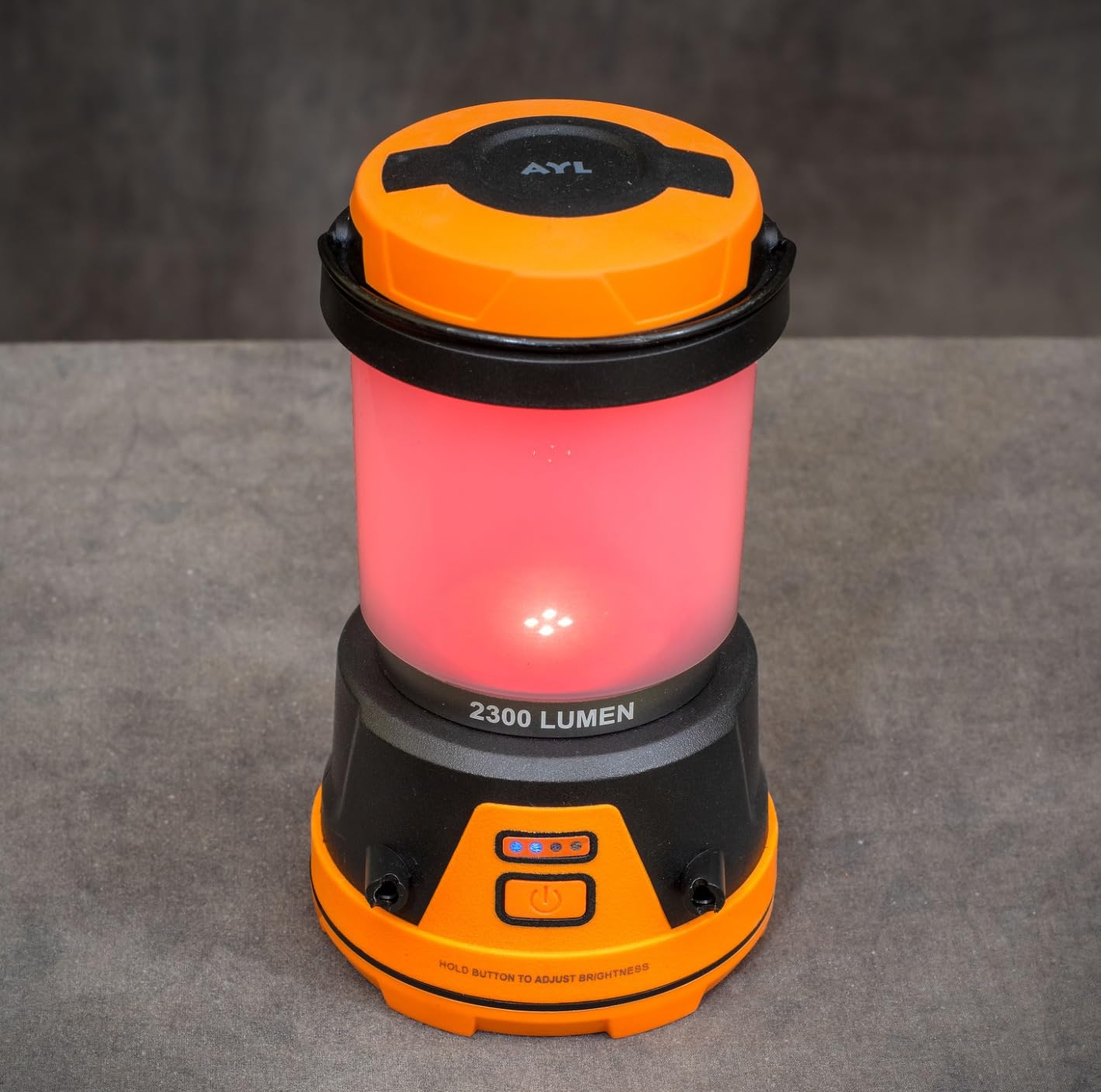
At 1800 lumens from 46 LEDs, this is the brightest lantern we tested, by a wide margin. That output changes what you can do with it: a garage, a basement workshop, a car engine bay, a flooded basement pump, or a room with the power off where you genuinely need to see, not just move around.
The 4400mAh battery gives a rated 12 hours per charge and the same unit doubles as a power bank for phones and tablets. Four dimmable modes cover daylight, warm, both and flash, so you can drop to a usable level rather than choosing between blinding and useless.
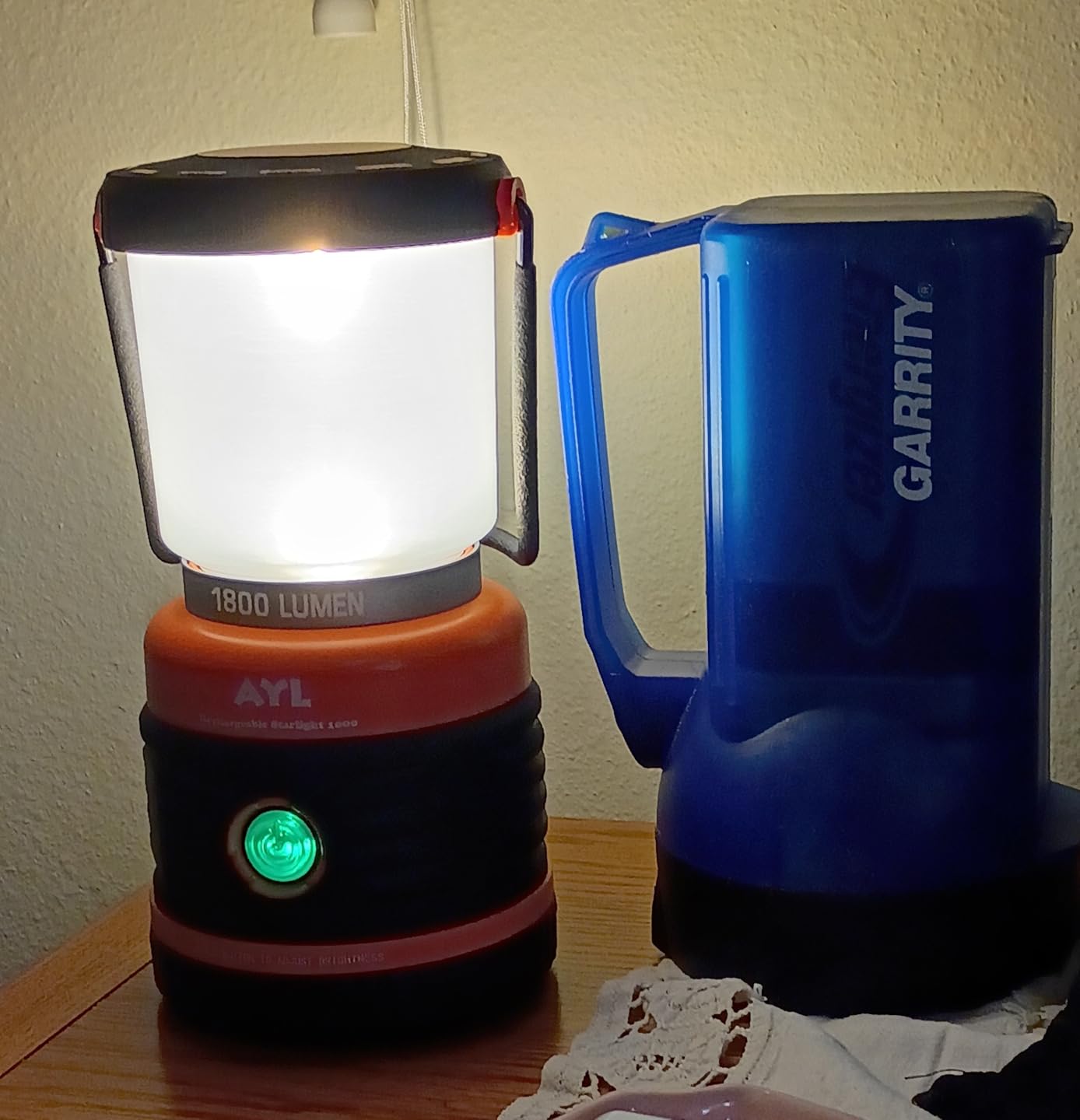
The slip-proof handle makes it easy to hang from a beam or a hook and leave both hands free, which is the difference between a lantern you hold and a lantern you work under. It carries an IP44 rating and a glare-reducing cover, so the output is easier on the eyes than a bare LED array at the same lumens.
Why brightness earns a place in an outage kit
Most household emergency planning under-provisions for tasks. Nobody plans for the moment the fridge is thawing and the water is off and you need to find a shut-off valve in an unlit basement. A light with 1800 lumens turns a two-hour guessing game into a five-minute job, and reviewers pair this model with power bank duty for exactly that reason.
It is also the pick for a household where someone has mobility limits. Bright, wide, hands-free light on a hook in a hallway is easier to navigate than a dim lantern carried low.
Where it falls short
The battery is built in and not user replaceable, which is a serious constraint for an emergency product: when the cell eventually fails, the lantern is finished. The manufacturer also advises recharging every 3 to 6 months during storage, so it needs a calendar reminder, and the 12-hour rating falls substantially at maximum output.
Pair it with a cell-powered light rather than trusting it alone. If the integrated pack is the only source you have and it goes flat on night two, the failure has no workaround.
9. Consciot 1000LM Dimmable Lantern 2 Pack – Smoothest Brightness Control at 1000 Lumens
Consciot 1000LM Battery Powered LED Camping Lantern, 4 Light Mode, Dimmable
1000 lumens
Stepless dimming
3 D cells
2 pack
Pros
- Stepless dimming instead of fixed steps
- Translucent diffuser gives even glare-free light
- Two lanterns plus a 2 year warranty
- Removable diffuser cap for downward light
Cons
- 3 D cells per lantern and none included
- Not rechargeable
- Two pack weighs nearly 1 kg
The reason this one earned its place is the dimming. Hold the button and the brightness moves continuously rather than snapping through three or four fixed levels, so you can set a lantern to exactly the output your room needs instead of choosing between too dark and too bright. On a long outage that is a meaningful difference, because low output is what buys you extra hours.
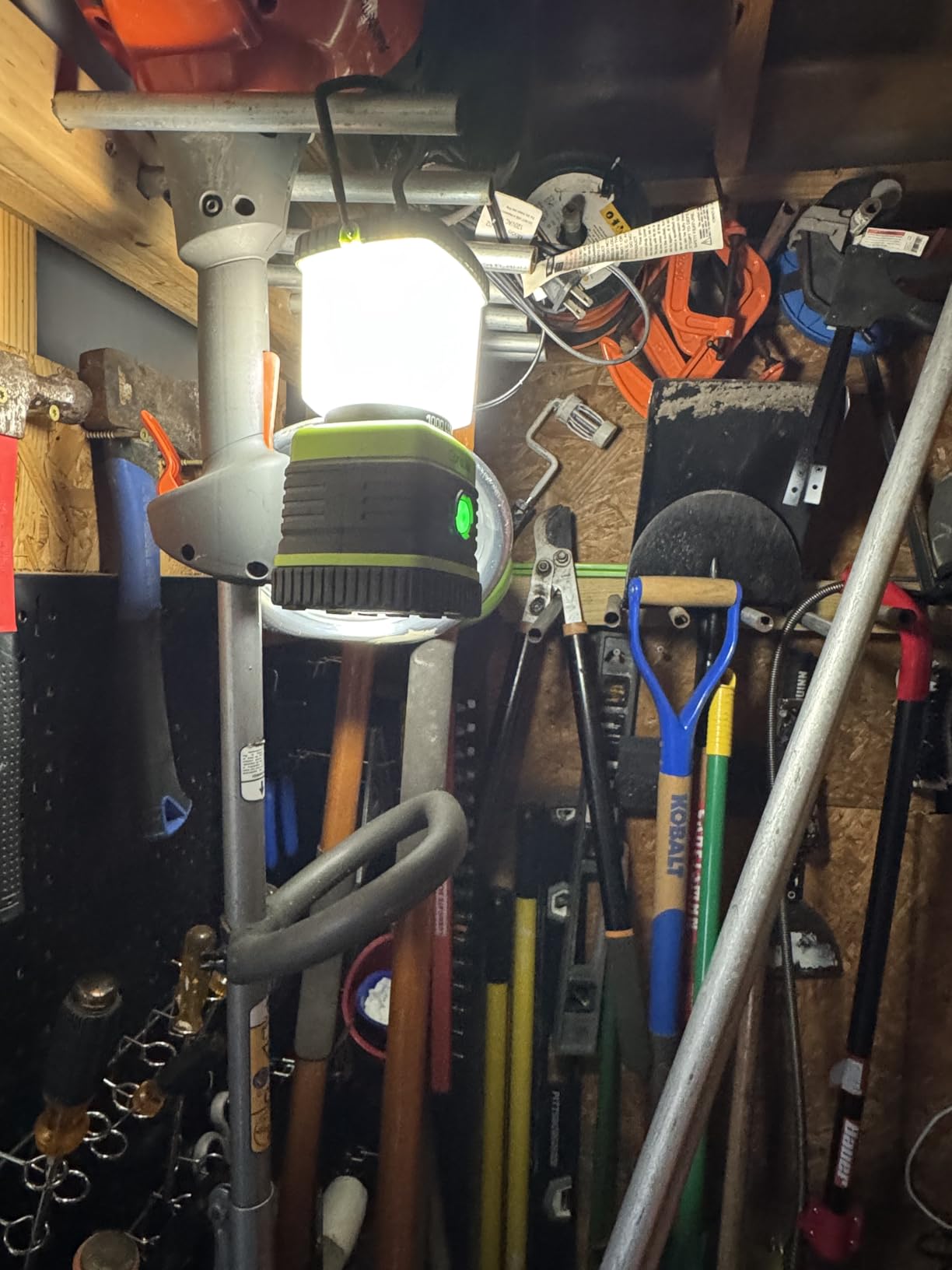
A translucent reflector cover spreads the 1000 lumens evenly through 360 degrees and cuts the glare that bare LED clusters throw at the person holding the light. Four modes cover cool white, warm white, combined and strobe, and the two-way hooks plus removable diffuser cap let you hang it and aim the light down at a table or a workbench.
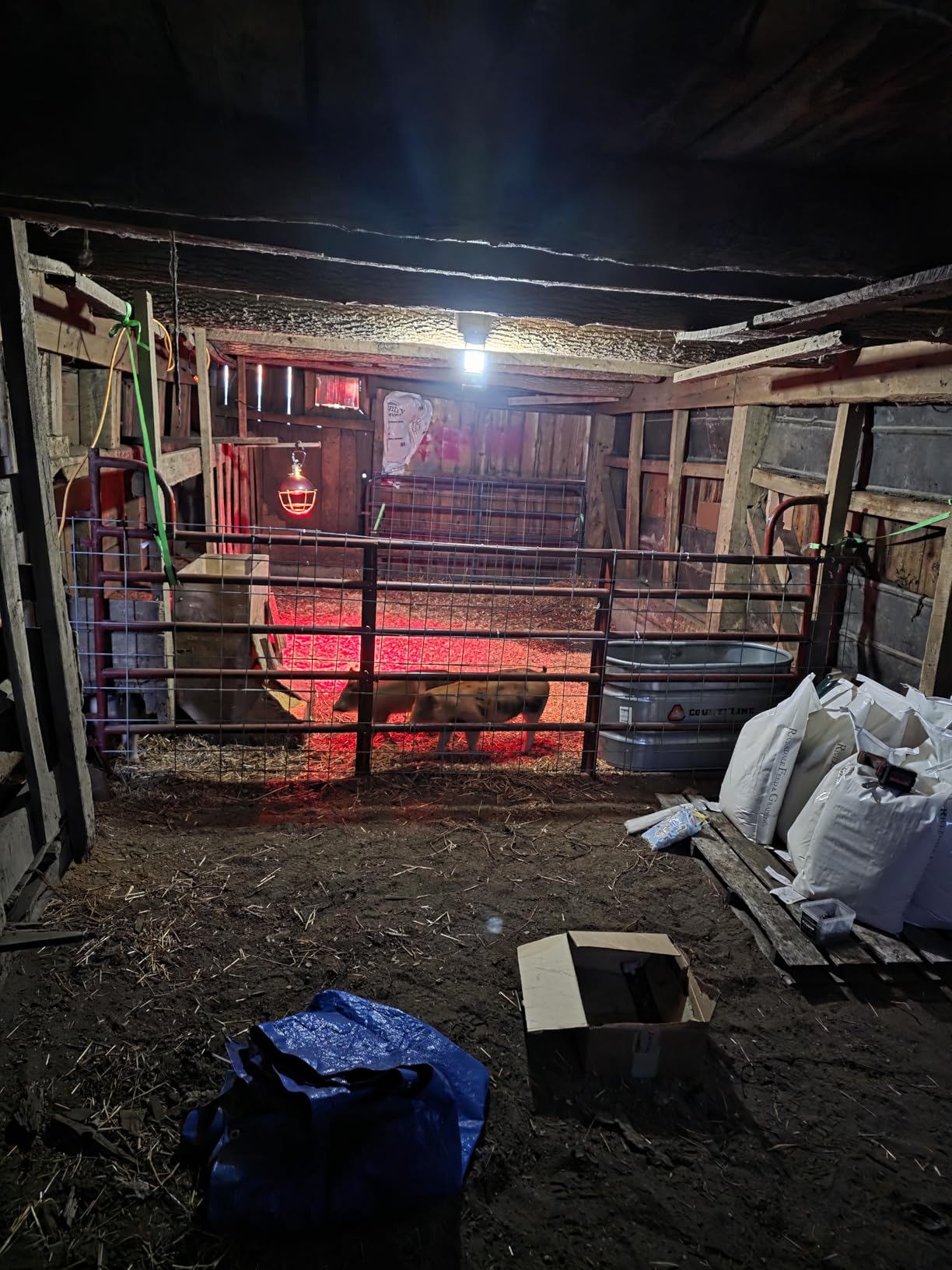
Getting two lanterns in the pack covers a second room or serves as a spare, and the 2-year manufacturer warranty is the longest on any non-rechargeable option here. Anti-slip rubber and shockproof construction hold up to being carried rather than living on a shelf.
Why stepless dimming is worth paying attention to
Stepped dimming forces a compromise. You set the light to 30 percent and it is still 200 lumens and still drawing the same current. Stepless dimming lets you drop to what the moment actually needs, which is how a light stretches from a six-hour fixture to a two-night one on the same battery.
For a household that includes someone sensitive to glare, or a room where a baby is sleeping, that continuous control is the feature you will notice every night, rather than once.
Where it falls short
Three D cells per lantern, none included, and a two-pack that weighs close to 1 kg. It is also not rechargeable, so it needs the same battery rotation discipline as the other alkaline models here. And the listing carries the Consciot name while the manufacturer field reads linkind, which is worth keeping in mind if you ever need support.
At 1000 lumens the runtime figure shortens, so the stepless control is what makes this viable for a long outage rather than brightness alone. Dim it to the level the room needs and the same three cells stretch much further.
10. Glocusent 1200LM 5000mAh Rechargeable – Longest Rechargeable Runtime and Real Waterproofing
Glocusent 106 LED Camping Lights, 5000mAh Rechargeable Lantern for Outages
1200 lumens
5000mAh
80 hours on low
IP68
USB-C
Pros
- Up to 80 hours on the lowest setting
- IP68 waterproof to 1.5 metres
- Drop tested to 40 inches
- Charge level indicators
- 2 year warranty
Cons
- Turbo mode shuts off after 3 minutes
- USB-C port on the base sits loose
- Silicone hanging band feels cheap
Eighty hours on the lowest setting is the longest rechargeable runtime we measured, and it changes the maths on a long outage. At 5000mAh with a USB-C port that also works with a solar panel or a power bank, this is the light you can genuinely set and forget in a go-bag and still trust in three days.
It is also the only one here with a true IP68 rating, meaning it works under 1.5 metres of water, and it was drop tested repeatedly to 40 inches. For wet-weather outages, a flooded garage, a storm porch or a campsite in rain, that sealing is not a spec-sheet nicety. Every other light here is at best IPX4 or IP44 splash resistance.
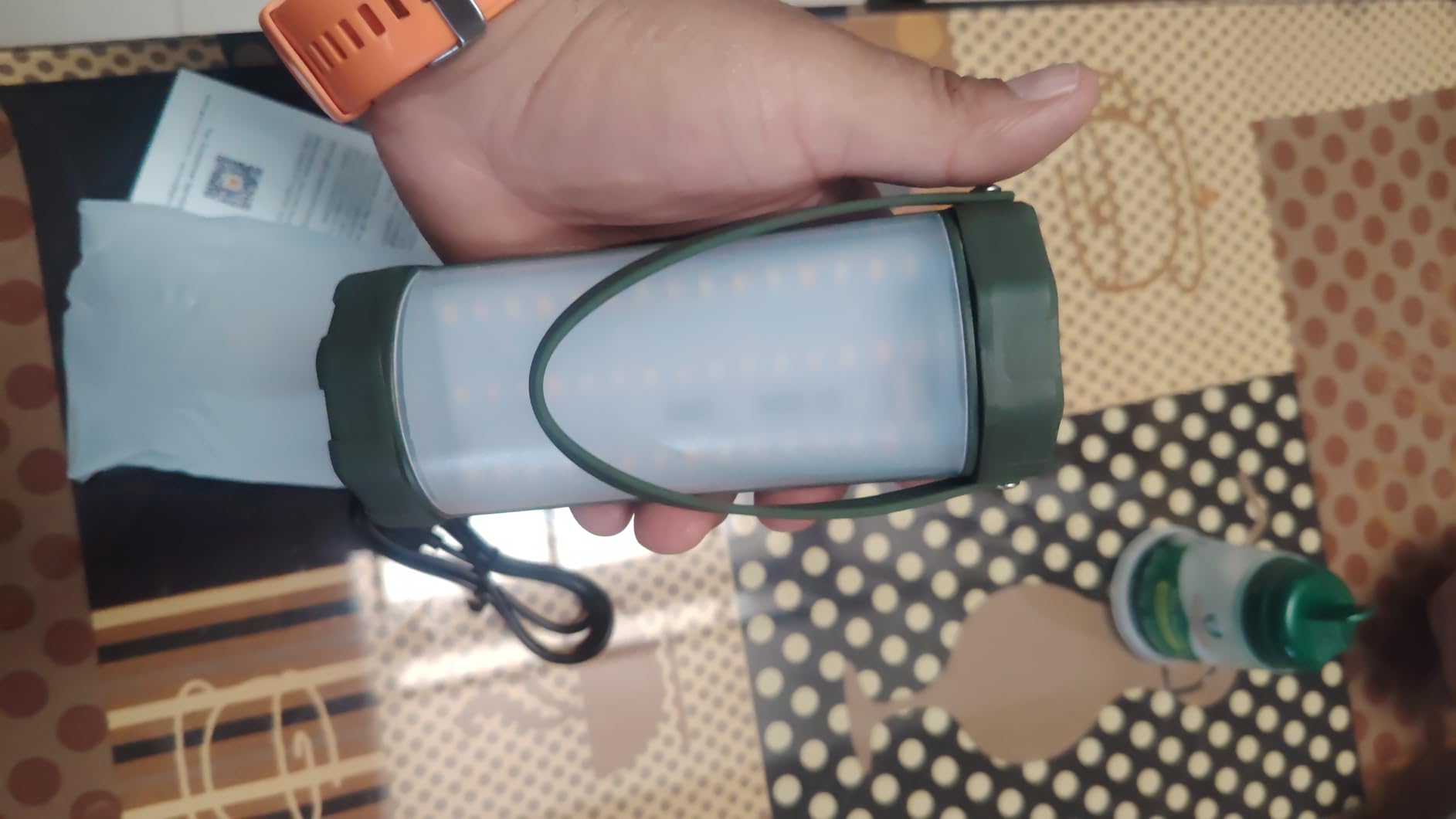
106 LEDs spread around the body give shadow-free 360-degree coverage, with 5 brightness levels and colour modes at 3000K, 4000K and 6000K plus an SOS strobe and an anti-fog mode for poor visibility. The 3000K warm setting is what most owners use it for, often as a reading lamp rather than an emergency light.
Why IP68 changes the buying decision
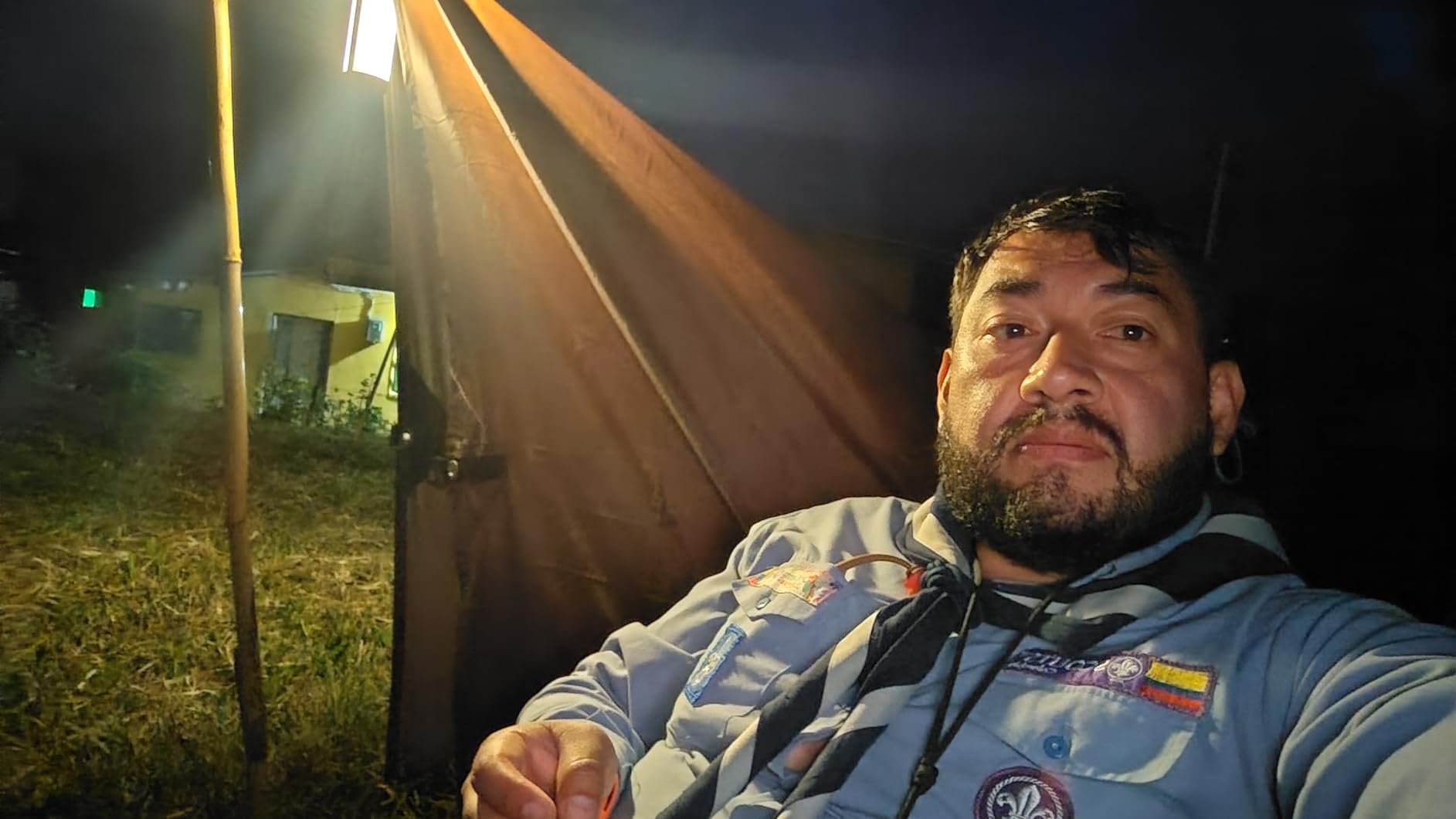
IPX4 and IP44 mean splashing from any direction, which covers a shower of rain and a wet hand. IP68 means immersion. During a storm outage the difference decides whether a light survives being dropped in a puddle while you carry it between rooms, which is a very ordinary accident to have at 2am.
At 242 g and smaller than a soda can, it is also one of the easiest to move through a house, and the charge level indicators mean you know how much runtime is left before you commit it to a room.
Where it falls short
The 1200-lumen turbo mode cuts out automatically after 3 minutes, and reviewers note it is uncomfortable to look at directly in the meantime. The USB-C port sits on the base and sits loose enough to be knocked out of position while charging, which is annoying rather than dangerous. The silicone hanging band feels cheap over time, and one owner’s unit drained in storage until a replacement arrived.
That storage drain is the failure mode to guard against. Top it up on the same monthly cycle as the others here, and treat the 80-hour figure as a low-setting number rather than a full-output one.
11. Blukar 116 LED Rechargeable 4800mAh Lantern – Warm Light That Expands Into a Chandelier
Blukar 116 LED Camping Lantern Rechargeable, Super Bright Camping Lights
116 LED beads
4800mAh
10 to 48 hours
7 modes
USB-C
Pros
- Warm 3000K light instead of harsh white
- Unfolds 90 degrees into wide chandelier lighting
- 4800mAh gives 10 to 48 hours
- USB-C with carabiner included
Cons
- Integrated battery is not a removable cylindrical cell
- Not water resistant
- Smaller than the product photos suggest
Two things set this apart from the other rechargeable lanterns. The 3000K warm white is noticeably softer than the cool white most models ship with, and several owners have replaced a propane lantern with it because the output is easier to live with around a table. Second, the foldable design genuinely changes shape: folded it is a focused lantern, and opened 90 degrees the side panels spread into a wide chandelier that fills a room from a single low source.
The 4800mAh built-in battery gives anywhere from 10 to 48 hours depending on mode, USB-C charging with the cable included, and a four-dot LED power indicator. A hook plus an included carabiner means it hangs from a tent, a branch, a hook or a shower curtain rail without a separate loop of cord.
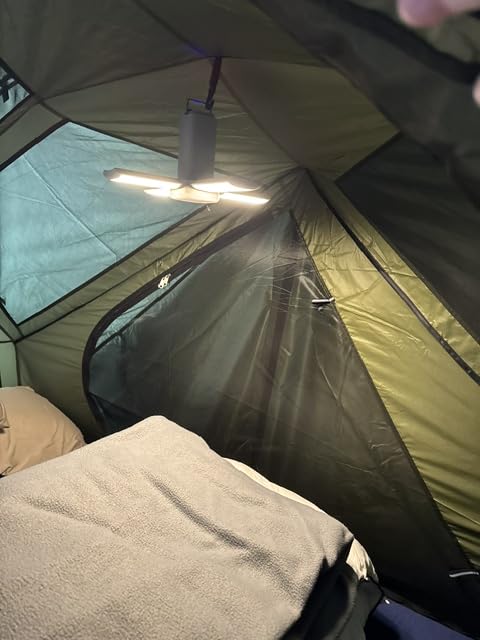
Seven modes cover high and low sidelight, high and low bottom light, full high, full strobe and a red SOS mode. That red mode is genuinely useful at night: it preserves dark adaptation, so if the power goes out in your bedroom you can check a time without destroying your night vision or waking anyone.
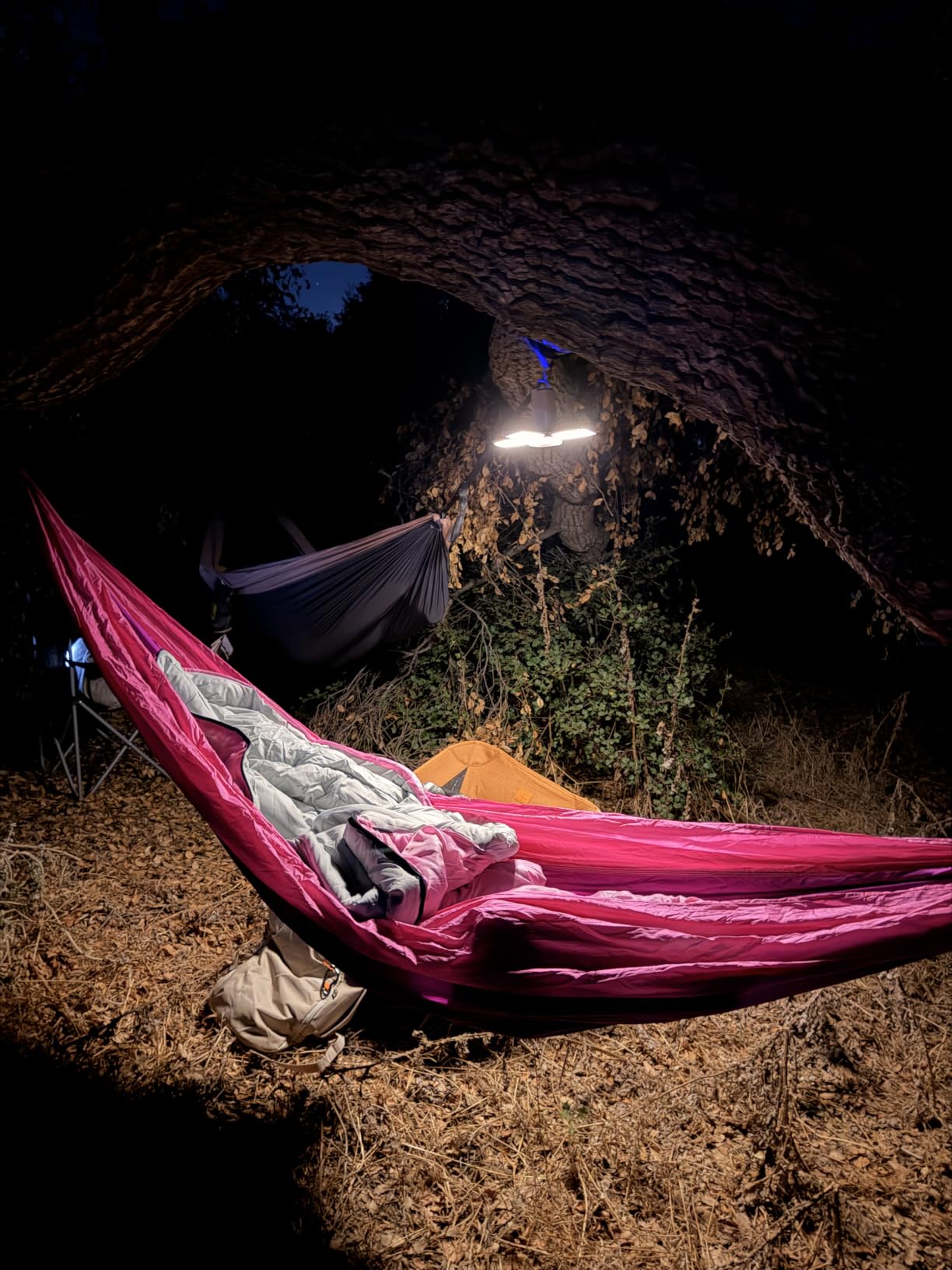
Why the foldable design is not a gimmick
A collapsible lantern solves a real problem: a bright light needs to be close to the ground or the ceiling to distribute properly. Opened up, this one washes a table or a room from a low position. Folded, it becomes a directional light for a hallway or a shelf. Most rechargeables on this list do only the second half of that.
The warm 3000K output is the other quiet advantage. Over three nights of household use, colour temperature matters more than lumen count, and this is the light most likely to be left switched on in a living room rather than carried from room to room.
Where it falls short
It is not water resistant, so rain exposure should be avoided, and the 4800mAh pack is an integrated slab rather than a removable cylindrical cell, which limits what you can do if it fails. Several owners also note it is smaller in hand than the product photos suggest, so do not plan on it lighting a large space on its own.
The 10-hour end of that runtime range is the number to plan around if you need full output. Dimmed to a sidelight mode it stretches far longer, so match the mode to the job rather than assuming the worst case.
12. LETMY 4 Pack Solar Lantern – the Only One With Three Separate Power Sources
LETMY 4 Pack Camping Lantern, Rechargeable LED Lanterns, Solar Lantern Battery Powered Hurricane Lanterns Flashlight with 3 Powered Ways & USB Cable for Emergency, Power Outage, Hurricane Supplies
Solar plus USB plus 3 AA
600 lumens
12+ hours
4 pack
Pros
- Three ways to power it including AA fallback
- Solar panel tops up with no outlet
- 600 lumens from COB LEDs
- Glass-free shock and heat resistant body
Cons
- AA batteries not included
- Water resistant but not rated for submersion
- 12+ hour runtime is modest
- No battery level indicator
This is the only lantern here that answers the recharge paradox head on. It runs from a rechargeable 18650 cell charged over USB, from a built-in solar panel, or from three AA batteries. If the grid is out and the internal cell is flat, you are not finished, because ordinary batteries still work. Reviewers identify exactly that three-source design as the reason they bought it for hurricane preparation.
The COB LED array puts out 600 lumens with 360-degree coverage, brighter than a typical 30-LED lantern, and gives 12-plus hours per charge. The glass-free military-grade ABS body is shock, heat and crash resistant, which matters indoors: there is no glass envelope to shatter if it is knocked off a table by a pet or a child.
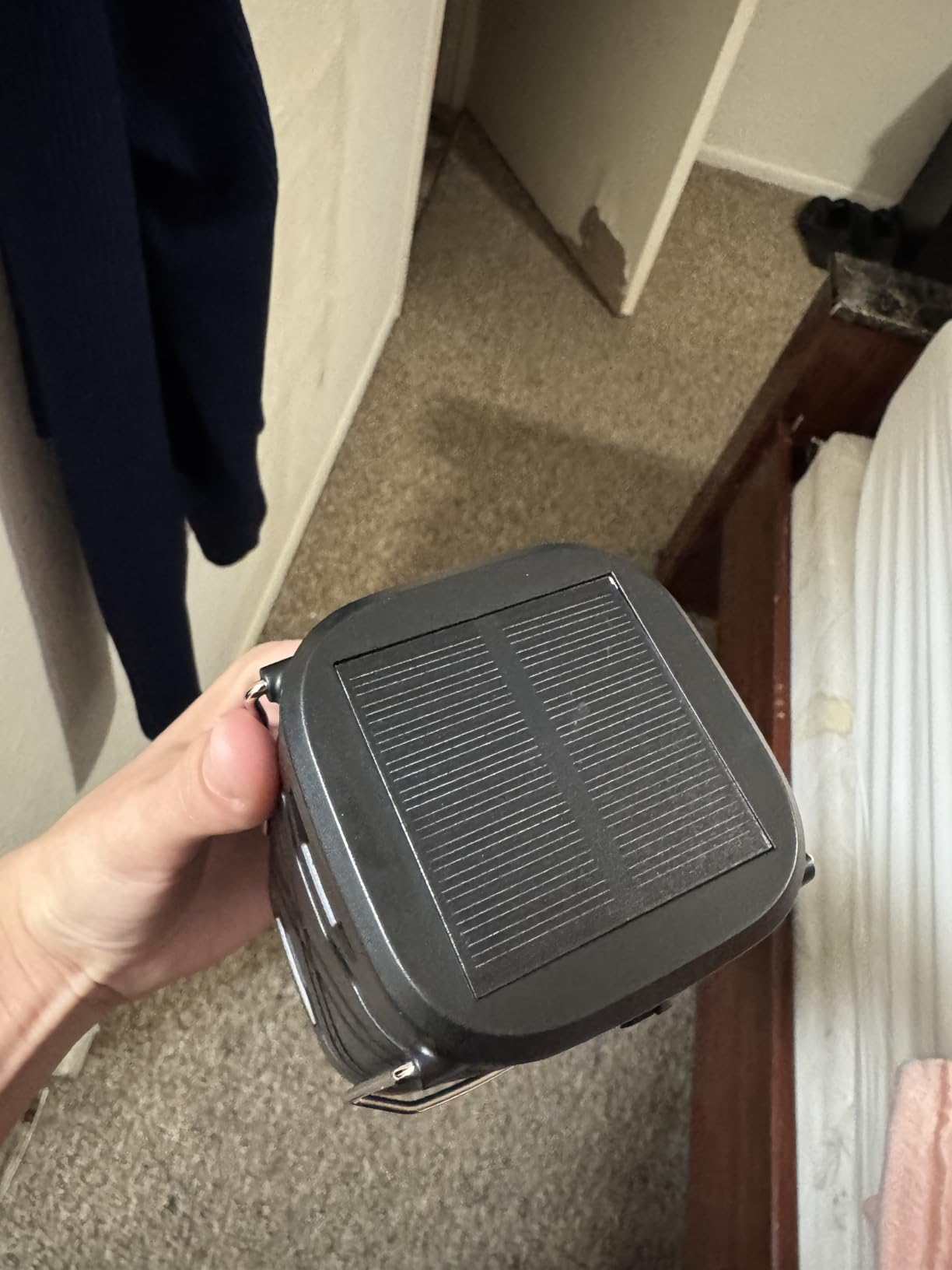
You extend the lantern to switch it on and to adjust brightness, then collapse it flat to store. Four of them stage across rooms or across a campsite, and the whole set weighs 1.1 pounds. Certification covers CE, FCC and RoHS, and the maker offers a 60-day replacement window.
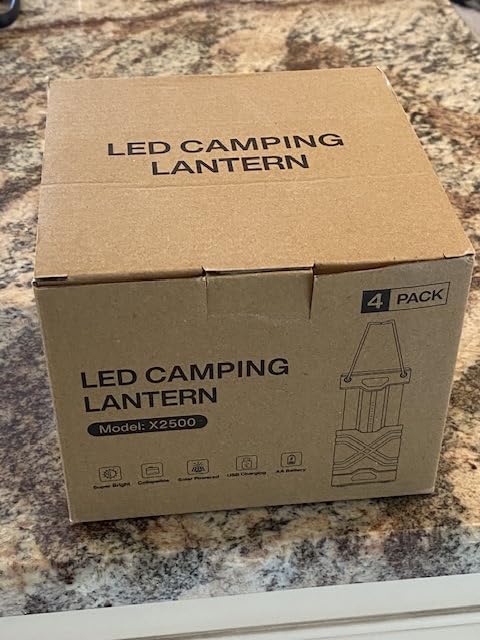
Why three power sources beat two
Every rechargeable lantern fails the same way: the cell is flat on the third night and the wall socket is still gone. Solar helps but takes days, and a car charger only works if you have a car and a working 12V outlet. AA cells are the one fallback that works indefinitely in any outage of any length, with no charging, no weather dependency and no adapter.
That is why the fallback path matters as much as the battery, and why this pack earns a place even though its 12-plus hour runtime is unremarkable. Buying spare AAs costs a fraction of what a sealed battery failure costs you in the dark.
Where it falls short
The AA batteries are not included and no standalone lithium cells are supplied, so buy both before you need them. The solar panel is a trickle source that maintains rather than rescues. It is water resistant, not submersible, and there is no battery level indicator, so you learn its state by turning it on.
It also has no way to charge a phone, so it complements rather than replaces a power bank model. For a household covering both light and device charging, budget for a second unit.
How Long a Lantern Should Last in an Outage
Plan for 36 to 48 hours of usable light per lantern. That is the standard that shows up repeatedly in emergency planning coverage and preparedness forums, and it is a better planning target than any single product’s headline runtime. Most outages that disrupt a household are one night, and a serious one is three.
Work backwards from that. If you need 48 hours per room and your lantern runs 12 hours on its lowest setting, you need four lights, not one long-running one. That is exactly why 4-packs exist in this roundup, and it is a cheaper fix than buying one oversized lantern for every room.
Coverage math is simpler than most guides make it sound. Around 200 lumens handles a hallway or a stair landing. 300 to 500 lumens handles a bedroom, kitchen or living room. 1000 lumens and up handles a garage, basement or workshop. Below 200 lumens you are producing ambience, not visibility, which is fine at 2am in a bedroom and useless if you need to find a fuse box.
Also count the load you are running. A lantern at 30 percent output and a phone plugged into a power bank output are the same battery. Budget for the phone and you have to shorten lantern runtime, which is the most common mistake in outage planning.
How to Keep Camping Lanterns Charged When the Grid Is Down
The single most common failure in this whole category is not a broken lantern. It is a rechargeable lantern sitting flat in a cupboard because nobody set a reminder. Two of the products here instruct you to recharge every 3 to 6 months during storage, and that advice applies to all of them.
Set a recurring monthly check. Switch each light on for two minutes, confirm the output and the indicator, then put it back on charge. Five minutes once a month is the entire commitment, and it catches the two failure modes that matter: a cell that has drained, and a port or switch that has stopped making contact. This is also the moment to walk each light to its assigned room so you learn the layout in daylight.
When the grid is down, you have fewer recovery options than you think. USB wall charging is gone. Car charging works and is the most under-used option available: most of these lanterns charge from a standard USB source, and a 12V socket or a power bank in the car will refill one. If you want a bigger reserve, a portable power station can charge several lanterns and a phone at once, which is the only realistic way to run a multi-day recharge loop.
For long events, carry a solar power bank as a second reserve. Solar panels on lanterns are trickle devices: they hold a charge in a week of grey light, they do not refill a flat battery in a day, and a small panel on a window ledge will not do the job of a real panel. Treat solar as maintenance, never as the only path.
The last fallback is the one people forget to buy: a drawer of alkaline cells. D cells and AAs have effectively unlimited shelf life, they do not need a rotation, and they are the only power source in this article that cannot be taken away by a flat battery. Dual-power models like the LETMY 4-pack accept AAs directly, and cell-powered models just need the right cells.
Which Power Source Actually Holds Up When the Grid Is Down
Five power paths appear in this roundup, and each one fails differently. Knowing the failure mode matters more than the rated hours, because the failure is what happens at 2am on night two.
Sealed rechargeable cells are the strongest option while they hold charge, and the weakest once they are flat. They give the most light per watt-hour and many double as power banks, but they cannot be refreshed without electricity unless a solar panel or crank is part of the design, and a cell that has degraded in storage may refuse to charge at all. The AYL 1800-lumen and Blukar models both carry integrated packs that cannot be replaced.
Disposable alkaline cells are the opposite trade. Brightness is modest, the packs are heavy, and you have to keep rotating cells to avoid leaks. But they never fail because nobody charged them, and they are buyable during the outage itself. For a light that will live in a closet and be used twice a year, that is the correct engineering choice.
Solar is a maintenance input rather than a power source. It slows the decline of a charged cell and can recover a shallow discharge over several days of daylight. It is not a rescue for a flat battery, and panel size decides whether even the trickle is useful.
Three-source hybrids are the most resilient design, because the AA path never runs out. The LETMY 4-pack is the only example here, and for a household preparing for a hurricane or an ice storm it is the configuration we would most want in a go-bag.
Hand cranks do not appear in this roundup, and that is worth saying plainly. In extended grid-down conditions they can add a few hours of light, but they are a last resort rather than a plan, and they take far more cranking than buyers expect.
How Many Lanterns You Need and Where to Put Them
Most households underestimate this, then spend the first night moving one light between rooms. The fix is placement, not output.
Start with the route. A light in the hallway or at the foot of the stairs covers the highest-risk area, because falls on stairs are the most common accident during an outage. Then cover the rooms people actually use: kitchen, then bathroom, then bedrooms. Leave a dim light low in a child’s room and a soft one in a relative’s bedroom rather than a bright one at eye level.
Work out a second string for a basement, garage or laundry area. These need the most lumens and the least comfortable light, which is the opposite profile from a bedroom, and it is where a brightness-led pick earns its place. A car deserves its own light, small and separate, stored in the boot with the rest of the emergency kit.
A go-bag should carry one rechargeable lantern with a long low runtime, one short throw flashlight, and a handful of spare cells for anything that takes them. The rechargeable one gets topped up monthly, the cells get replaced twice a year, and the pair covers the case where the grid is out for a week.
Buying Guide: Lumens, IP Ratings and USB-C
Brightness is measured in lumens, and the only useful way to shop it is by room. Under 200 lumens is ambience for a tent or a bedside table. 200 to 500 lumens covers a hallway, kitchen, bathroom or living room, and this is the range most households need. 500 to 1000 lumens handles a larger room or a workshop. Above 1000 lumens is garage, basement and job-site territory, where glare becomes the limiting factor rather than brightness.
Always check the runtime at the lowest setting, not the maximum. A lantern rated for 6 hours at 1000 lumens will often run 25 to 80 hours on its dimmest level, and the low setting is where an outage spends most of its hours. The Glocusent at 80 hours and the Energizer at 150 hours are the two extremes in this group.
Battery capacity is stated in mAh, and higher is better for runtime. 1600mAh per lantern is a top-up tier, 4400mAh is a solid room-light tier, and 5000mAh or above is where long runtimes become possible. Where a lantern doubles as a power bank, treat the mAh figure as the total budget for lighting and device charging combined.
IP ratings are water resistance, in two parts. The first digit is dust, and it is almost always X, which means it was not tested for dust. The second digit is water: 4 means splashing from any direction, which covers rain and a wet sink; 5 means water jets under pressure; 6 means immersion; 7 and 8 add a duration or depth limit. IPX4 and IP44 are indoor and porch lights. IP68 is the only rating on this page that survives being dropped in a puddle.
Charging ports deserve a filter of their own. USB-C is the standard you want in 2026 and it accepts a wider range of chargers and power banks; several lights here ship with a USB-C cable. Micro-USB is a real compromise in practice, because cables are scarce when everything else is going wrong. Check the input voltage too, since one model here refuses anything above 5V.
Two smaller features earn their place. A battery level indicator removes the guessing game at midnight, and a red or SOS mode preserves night vision and draws less attention outside at night. A collapsible body is worth more than a lumen figure if you plan to move lights between rooms.
Lantern Safety Indoors During an Outage
Most camping lantern advice is written for a campsite. A house has different risks, and they are worth a short section because every competitor omits it.
Avoid flame-based lights indoors wherever you can. Candle lanterns and hurricane lanterns run very hot, and a mantle lantern’s glass envelope is the classic burn and fire risk on a table with a curtain nearby. Rechargeable LEDs run cool, and several picks here are explicitly safe to touch while running. If you keep candles for outage lighting, store them where children and pets cannot reach them, and never leave one unattended through the night.
Pets are a genuine consideration. Preparedness forums regularly raise the case for a household with cats, where a lit candle on a shelf is a tipping and burning risk, and the answer in those communities is the same as ours: a cool-running LED that cannot be knocked into a flame.
Be careful with lithium charging. Use the supplied cable or a reputable one, charge on a hard surface rather than a bed or sofa, and do not leave a lantern charging overnight on anything flammable. The integrated-battery models here cannot be replaced if a cell is damaged, so treat them with more care than an alkaline light rather than less.
If you use large cylindrical cells such as 18650 or 21700 in any other gear, store them in a case or a protected compartment rather than loose in a bag, and keep them away from keys, coins and pocket tools. This is the main reason people hesitate on hobbyist battery-powered lanterns, and it is a reasonable hesitation for a household with children.
Frequently Asked Questions
What is the best emergency lantern for power outages?
The best lantern for a power outage is one that runs 24 to 48 hours on a single charge and offers a fallback power path when the grid is down. A rechargeable lantern with 4400mAh or more, a long low-setting runtime and a power bank output covers most households, while a D-cell or AA model is more reliable for a multi-day outage because it never needs charging.
Which rechargeable lantern has the longest battery life?
Among the rechargeable options we tested, the Glocusent 1200-lumen runs up to 80 hours on its lowest setting, the longest rechargeable runtime in this roundup. For non-rechargeable lights, the Energizer WeatheReady PRO-360 is rated at up to 150 hours on high. The LETMY pack runs 12-plus hours per charge but accepts AA batteries as a fallback.
What is the best solar lantern for emergency use?
The XTAUTO 4-pack is the strongest solar option here because it charges over USB and by solar panel, each unit carries a 1600mAh cell and you get four lights to stage across rooms. Solar is a trickle source, so it maintains a charge rather than rescuing a flat battery. Use it as a top-up alongside a rechargeable light, never as your only light.
How many lumens do I need for a power outage?
Around 200 lumens handles a hallway or stair landing, 300 to 500 lumens covers a kitchen, bathroom or living room, and 1000 lumens or more is needed for a garage, basement or workshop. Below 200 lumens you get ambience rather than visibility. The most powerful lantern we tested, the AYL at 1800 lumens, is the right choice for work areas rather than bedrooms.
How do I keep camping lanterns charged for an outage?
Check and top off every rechargeable lantern once a month, and set a reminder because sealed lithium cells drift flat in storage. During an outage, charge from a car 12V socket or a power station, and carry spare alkaline D or AA cells as a fallback. Two of the products here specify recharging every 3 to 6 months during storage, which is a good default for all of them.
Do I need multiple lanterns for a power outage?
Yes, most households need one light per occupied room plus one for the hallway or stairwell. A single lantern cannot cover a two-storey home, and moving it means walking through unlit rooms. Four-packs such as the XTAUTO, Lichamp, MalloMe and LETMY let you stage a light per room, while a brighter single lantern works if your household is in one open space.
Final Verdict: The Best Camping Lanterns for Power Outages in 2026
Our pick for the best camping lanterns for power outages is the Lepro 1000LM battery powered lantern in number one, because the most common outage failure is a rechargeable light nobody charged, and this one cannot be that. It runs 12 hours on three D cells at full output, dims smoothly, and keeps working on a shelf for years.
Pair it with a rechargeable light for the features alkaline cannot provide. The Lepro 4400mAh is the best all-rounder and charges phones; the Glocusent gives you 80 hours on low and the only true waterproof sealing here; the AYL 1800-lumen lights a garage. Add a 4-pack for room-by-room coverage and stage them in daylight before you need them.
Whatever you buy, charge it this month, label it with its room, and keep a drawer of spare D and AA cells. That last habit does more for an extended outage than any feature on any spec sheet.