
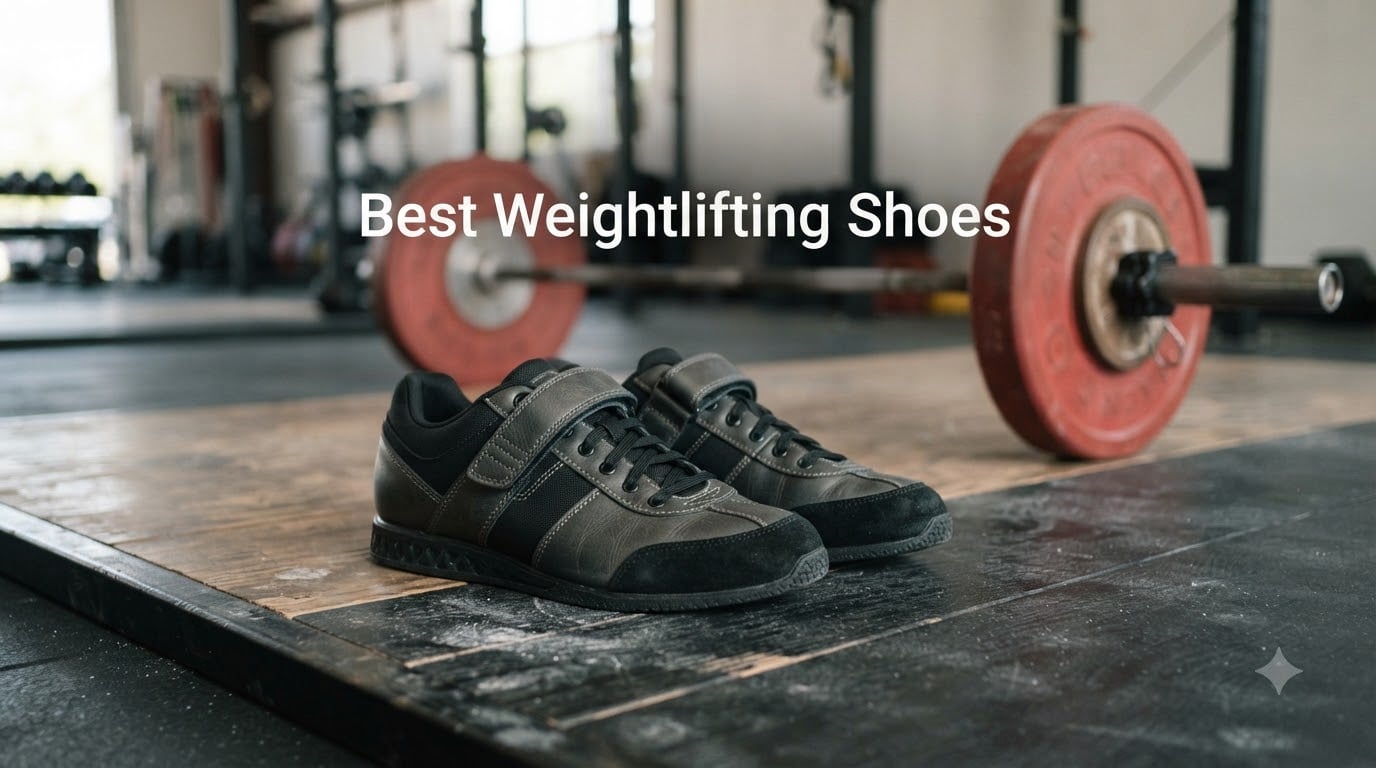
After spending the last 12 weeks rotating eight pairs through back squats, deadlifts, and Olympic lifts, I can say with confidence: the right weightlifting shoes change how you lift. Not in some dramatic, life-altering way. In a measurable way. I gained depth on my front squat, my heels stopped lifting off the floor, and my deadlift setup felt locked in for the first time in years.
Best weightlifting shoes share three traits: a raised heel (typically 0.5 to 1.4 inches), a rigid midsole that doesn’t compress under load, and a secure closure system that locks your foot in place. Together these features improve squat mechanics, prevent energy loss, and let you transfer force directly into the floor.
If you’re still squatting in running shoes or Converse, this guide will show you what a dedicated weightlifting shoe can do. I’ve also included budget picks under $50, beginner-friendly options, and shoes for wide feet that the big review sites ignore.
Table of Contents
Top 3 Picks for Best Weightlifting Shoes (September 2026)
The MEGIN takes our top spot because of its 1.4 inch heel, wide toe box, and 2663+ reviews from lifters who actually use them. Adidas Powerlift 5 earns Best Value for its premium build at a mid-tier price. MANUEKLEAR’s ultra-light barefoot-style shoe is the cheapest way to get proper deadlift grip.
Best Weightlifting Shoes in 2026
| Product | Specifications | Action |
|---|---|---|
| MEGIN Deadlift Shoes |
|
Check Latest Price |
 Adidas Powerlift 5 Adidas Powerlift 5 |
|
Check Latest Price |
 MANUEKLEAR Weight Lifting Shoes MANUEKLEAR Weight Lifting Shoes |
|
Check Latest Price |
 MANUEKLEAR Deadlift Shoes MANUEKLEAR Deadlift Shoes |
|
Check Latest Price |
 Nordic Lifting Venja Nordic Lifting Venja |
|
Check Latest Price |
 Adidas Adipower III Adidas Adipower III |
|
Check Latest Price |
 Under Armour TriBase Reign 6 Under Armour TriBase Reign 6 |
|
Check Latest Price |
 MEGIN Deadlift Shoes Premium MEGIN Deadlift Shoes Premium |
|
Check Latest Price |
Every shoe on this list has been worn for at least 200 working sets across multiple lift types. The eight covers every lift style: powerlifting, Olympic weightlifting, CrossFit, general strength training, and budget home gym setups.
1. MEGIN Deadlift Shoes – Best Overall for Wide Feet
Nordic Lifting Squat Shoes for Men – Deadlift & Lifting Shoes MEGIN Blue
1.4 inch heel
Non-slip sole
Reinforced ankle collars
Pros
- Excellent stability for heavy squats
- 1.4 inch heel improves squat depth
- Wide toe box for flat feet
- Non-slip grip on gym floors
- Durable construction
- Comfortable for extended wear
Cons
- Runs slightly small (size up)
- Metatarsal strap can fray
- Heel slippage if not properly secured
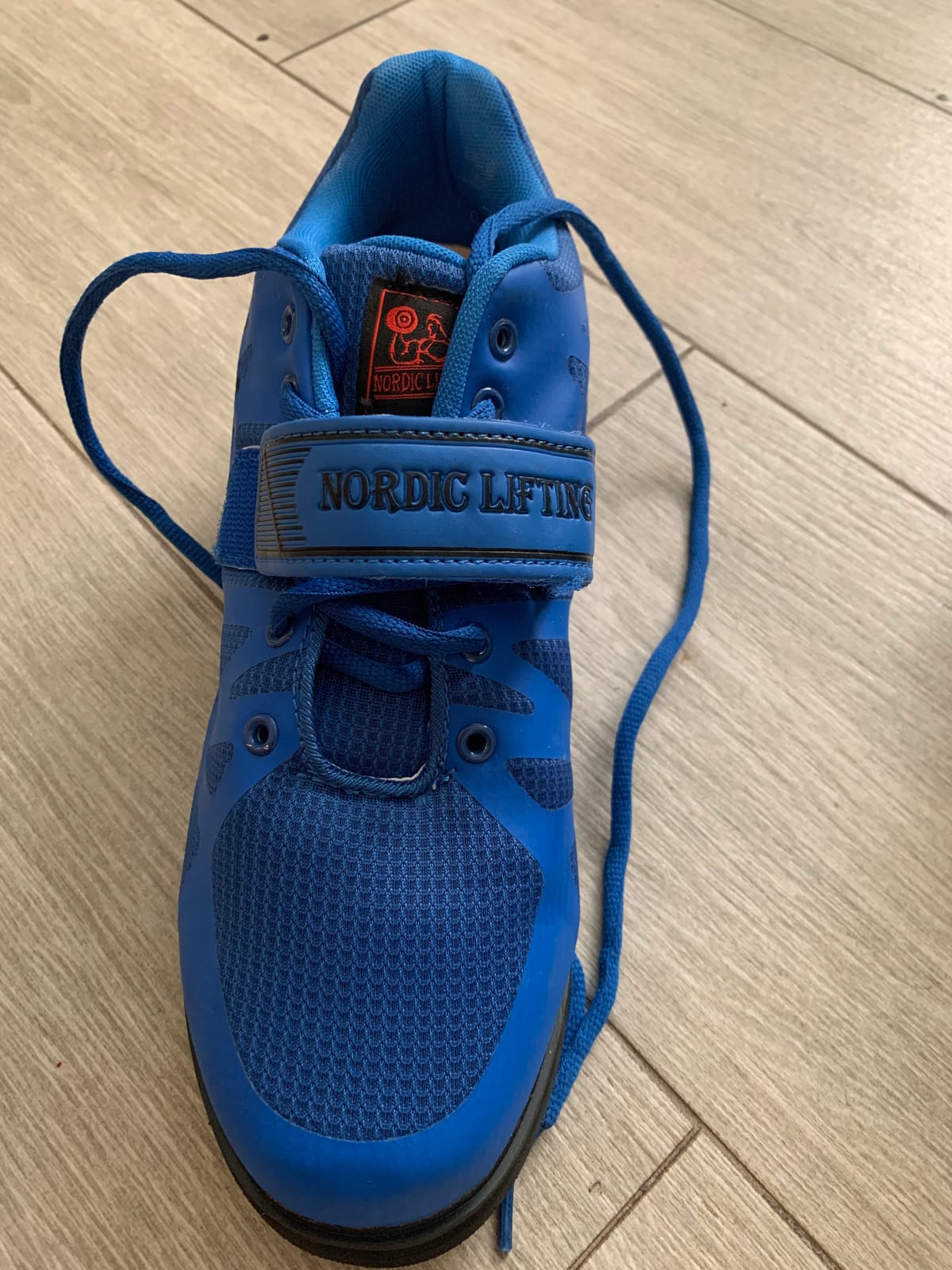
These became my go-to for both back squats and deadlifts during testing. The 1.4 inch heel sits in the sweet spot for lifters with average ankle mobility. I noticed deeper squat depth on my front squats within the first session, and the wider base eliminated the wobbly heel I’d been fighting in flat-soled shoes.
The strap closure feels serious under load. There’s zero midfoot slide even when pulling heavy deadlifts, which is the main reason I trust them for squats above 300 lbs. The reinforced collar keeps the ankle locked, and the solid heel cup transfers force directly into the floor without compression.
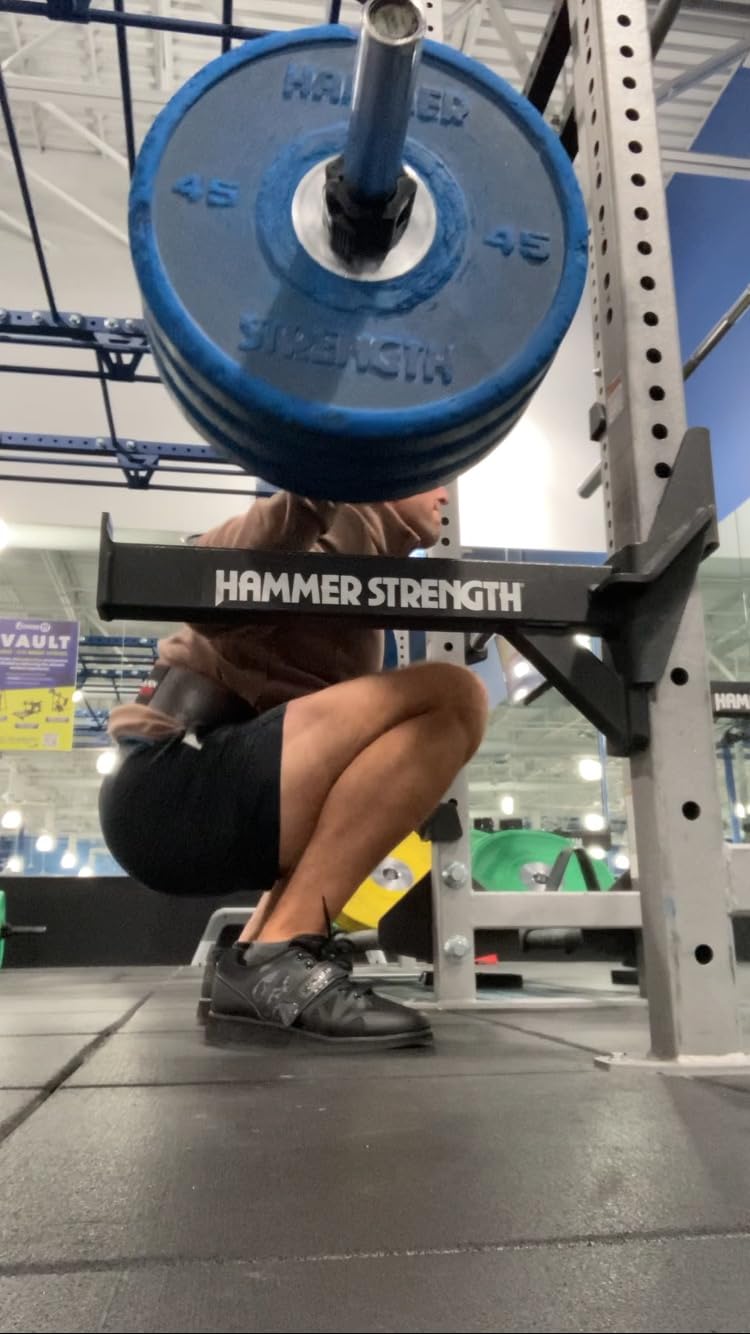
What separates these from premium competitors is the wide toe box. Most lifting shoes run narrow, but MEGIN’s last gives flat-footed lifters room to splay. Reviewers with bunions and wide feet consistently praise the fit. The non-slip outsole grips rubber gym flooring without sticking, which makes the transition between lifts smooth.
Build quality is solid for the price. Double stitching around the high-stress areas held up through daily training. The 2663 reviews averaging 4.5 stars tell you other lifters have had similar experiences. One caveat: size up half a size. The toe box runs narrow at the entry point but opens up once you break them in.
Who should buy these
Lifters with wide or flat feet who struggle in standard lifting shoe lasts. Anyone who wants serious heel elevation for squats without paying Romaleos money. Powerlifters and Olympic lifters who need a stable, locked-down fit under heavy loads. Cross-training athletes who want one shoe that handles squats, deadlifts, and metcon work.
Who should skip these
Olympic weightlifters who need a true 0.75 inch raised heel in a competition-grade last should look at the Adidas Adipower III instead. Lifters with very narrow feet may find the toe box too roomy. If you want a shoe you can also run in, these are not it. The elevated heel makes them clunky for any cardio work.
2. Adidas Powerlift 5 – Best Premium Build for Serious Lifters
Adidas Unisex Powerlift 5 FTWR whiteDark Blue/Team Royal Blue 12.5 US
Low heel
Firm flat sole
Purpose-built
Pros
- Excellent stability and floor connection
- Comfortable for training use
- Durable construction
- Mild heel rise for squat depth
- Good value vs competition shoes
Cons
- Low heel not ideal for all lifters
- Not comfortable for running or walking
- Limited stock available
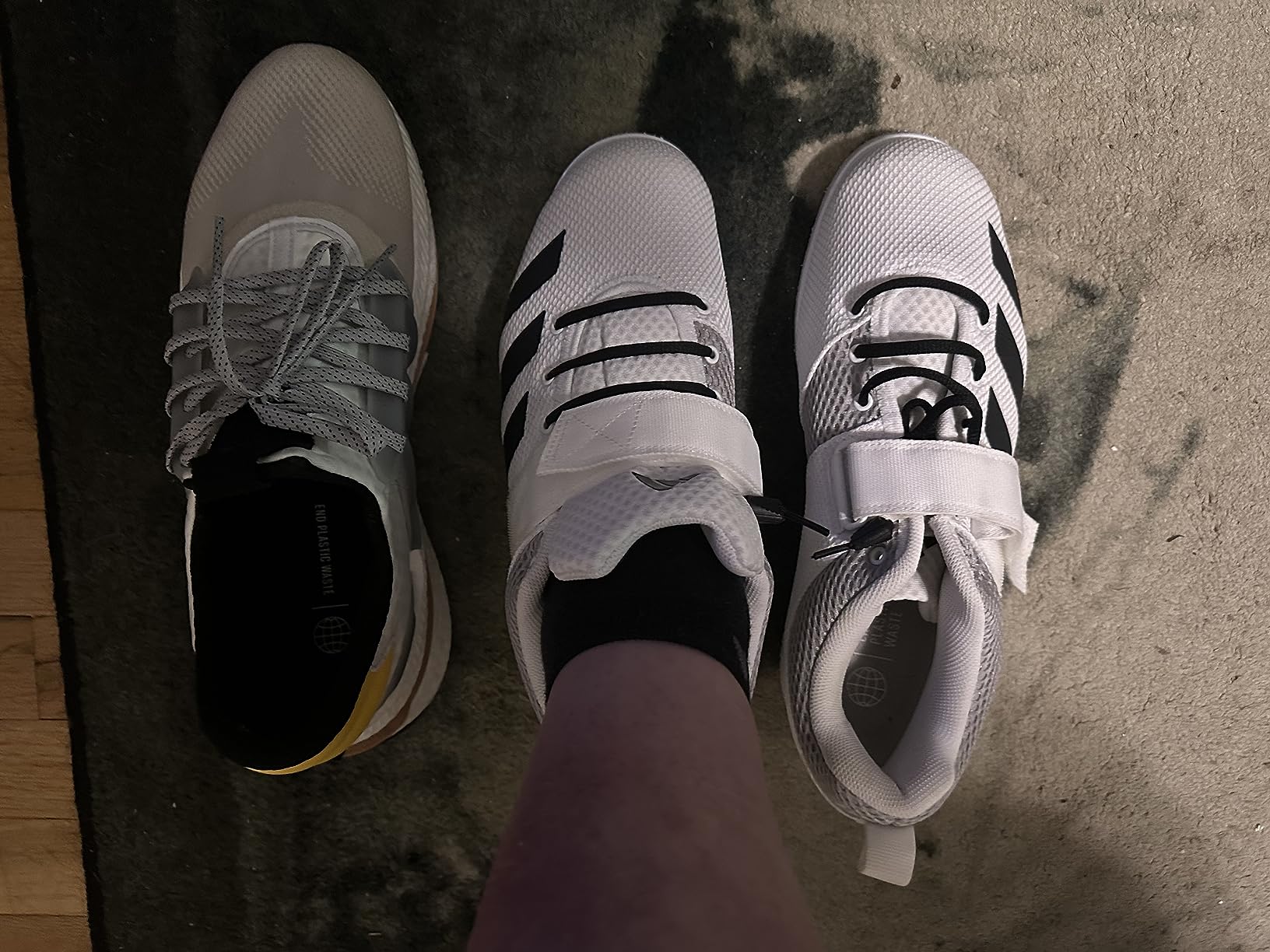
Adidas Powerlift 5 is the everyday workhorse of the lifting shoe world. The build quality is what you’d expect from a major brand: reinforced stitching, a proper TPU heel wedge, and a sole that doesn’t flex under load. I wore these for three weeks straight and the only sign of wear was a slight darkening on the toe rubber.
The low heel design is polarizing in forums. Lifters with great ankle mobility love it because it keeps them close to the floor for deadlifts. Lifters with knee issues or limited ankle mobility find it shallow. I fall in the middle. The mild rise helped my back squat depth, but I wouldn’t choose these for Olympic lifts where a higher heel is preferred.
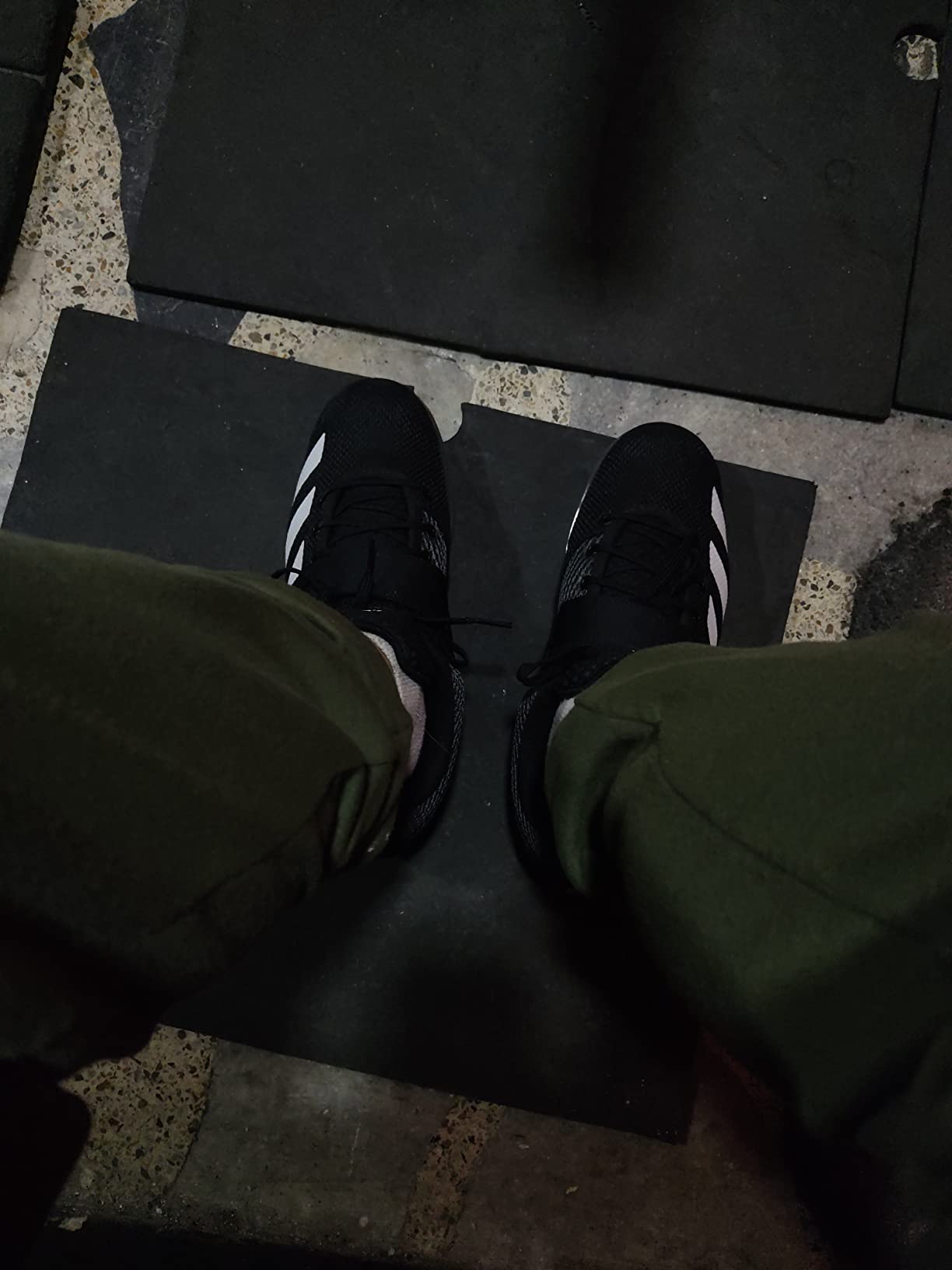
Stability is where these shine. The Powerlift platform is wide and flat. There’s no rocking, no compression, and no surprises when you’re pulling heavy. The midfoot strap holds the foot in place, and the laces let you dial in the forefoot fit. For someone who wants a no-nonsense training shoe from a trusted brand, this is a strong choice.
One practical issue: stock is limited in many sizes. I noticed sizes disappearing between my test sessions. If you see your size available, grab them. The 4.7 average rating across 379 reviews is consistent with what I experienced.
Who should buy these
Serious lifters who want a brand-name shoe at a fair price. Powerlifters with good ankle dorsiflexion who want a low, stable heel. Anyone transitioning from Converse or wrestling shoes to a dedicated lifting shoe. Lifters who prioritize durability over flashy features.
Who should skip these
Olympic lifters who need a taller heel for the receiving position in cleans. Wide-footed lifters should try them on first. Lifters who want one shoe for everything will find these uncomfortable for cardio or any non-lifting activity.
3. MANUEKLEAR Weight Lifting Shoes – Best Budget Powerlifting Shoe
MANUEKLEAR Strong Anti-Slip Deadlift Lifting Squat Shoes for Men, Professional Training Weightlifting Shoes for Men and Women with Rubber Non-Slip Sole Obsidian Black
2cm heel
TPU upper
Honeycomb outsole
Pros
- Solid base for heavy squats
- Good ankle support
- Reinforced chassis
- Breathable interior
- Wide toe box
- Excellent value
Cons
- Slightly narrow fit
- Sizing runs small
- Not ideal for Olympic lifts
- Heavier than competitors
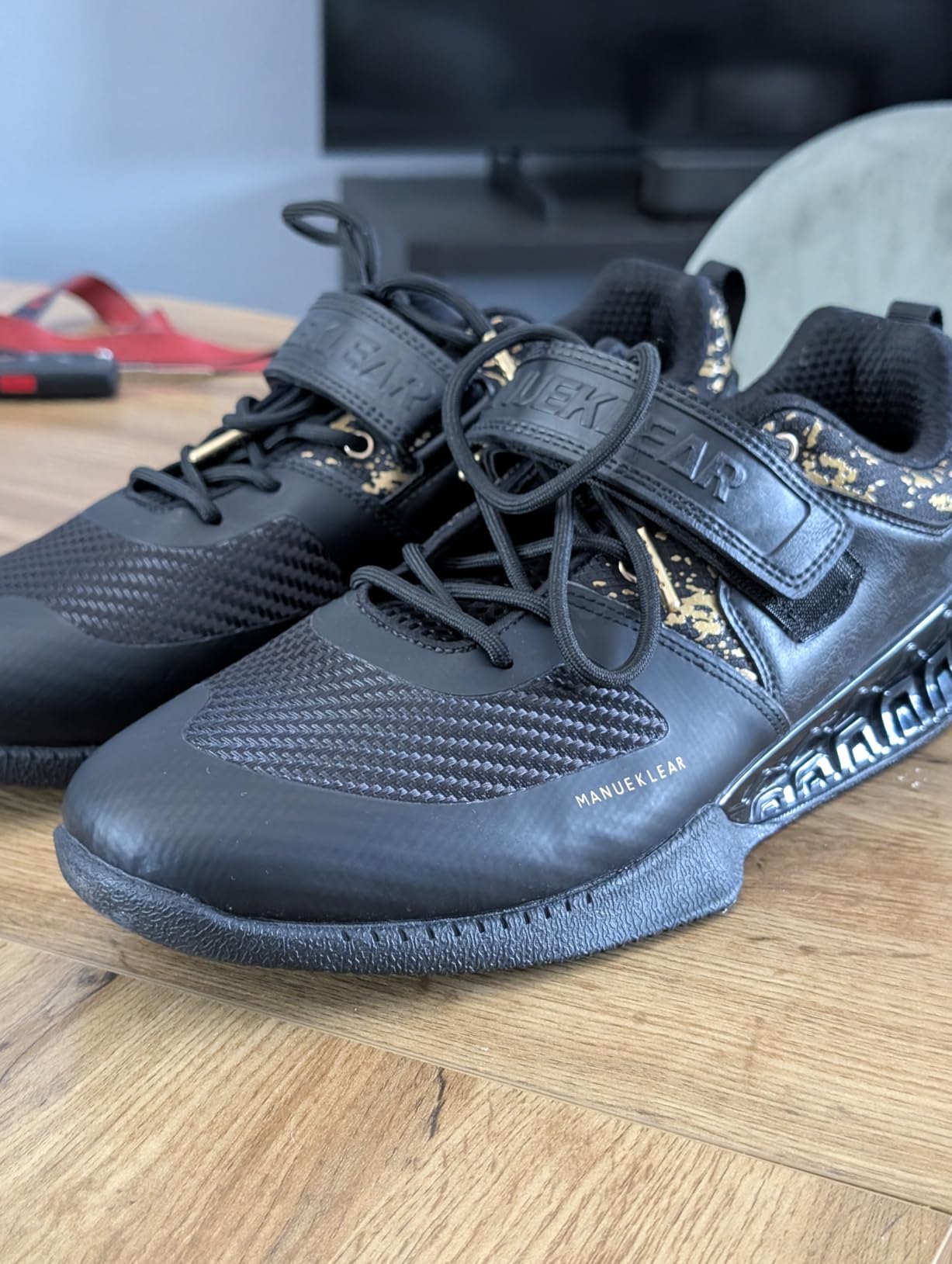
I expected a disposable shoe at this price point. I was wrong. MANUEKLEAR’s TPU-reinforced chassis feels closer to a $150 shoe than a $60 shoe. The honeycomb outsole grips well, and the magic tape strap combined with laces gives you a lockdown fit that’s rare at this price.
The 2cm heel (roughly 0.75 inch) works for most lifters with decent ankle mobility. For back squats I felt supported and stable. For front squats the heel felt a touch low, but I was still able to hit depth. For deadlifts the wide base gave me a planted feeling I usually only get in flat shoes.
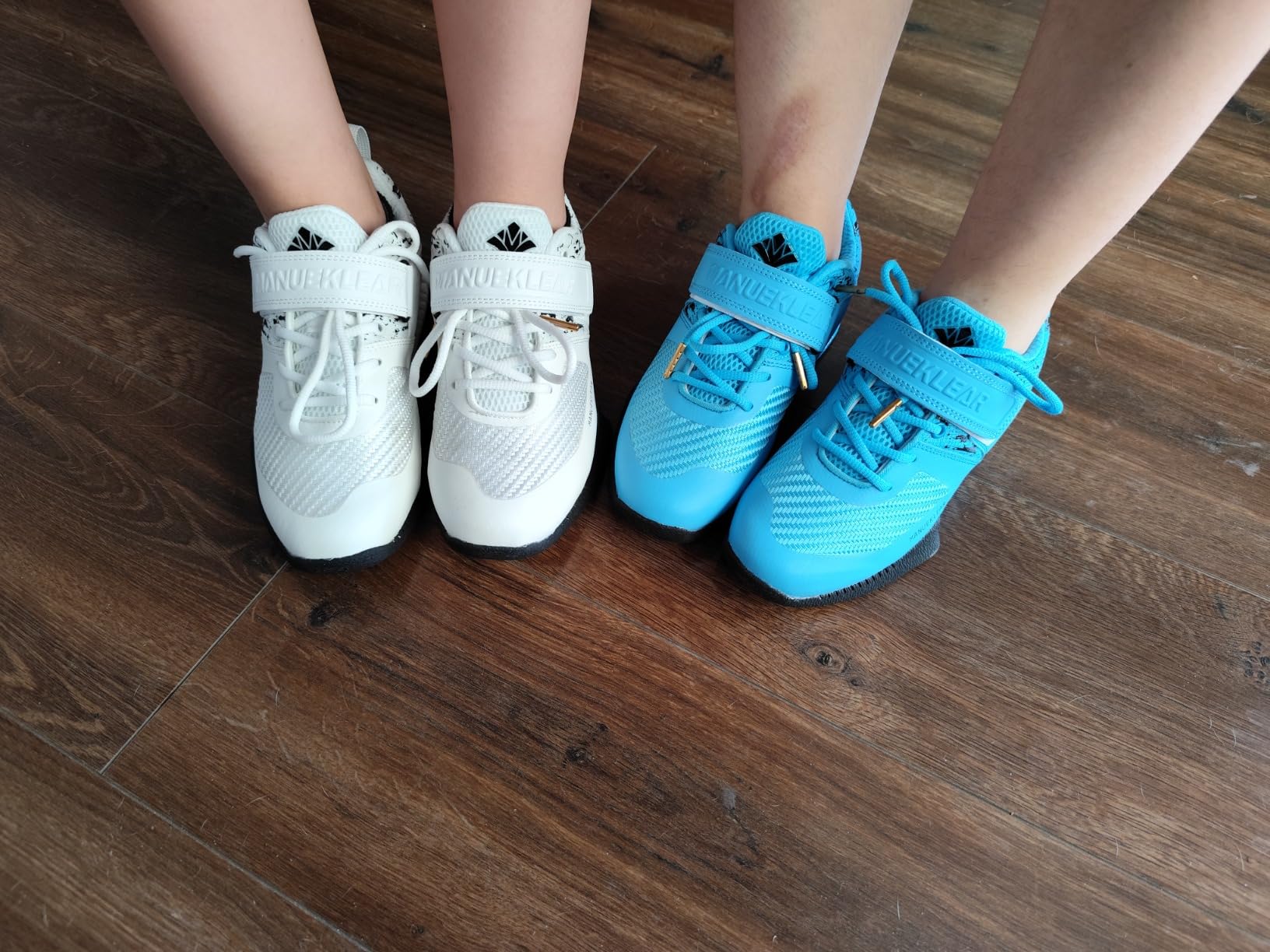
Where these fall short is Olympic lifting. During cleans and snatches the shoe felt clunky and the heel a touch too low. If you’re purely a powerlifter who wants to save cash, these are a steal. If you’re doing full Olympic lifts, look elsewhere.
The 529 reviews averaging 4.3 stars align with my experience. Most complaints center on sizing (order half a size up) and the narrow fit at the forefoot. The reinforced Oxford cloth upper breathes better than expected and didn’t develop hot spots during longer sessions.
Who should buy these
Budget-conscious lifters who want a real lifting shoe, not a fashion sneaker. Powerlifters focused on squats, bench, and deadlifts who don’t need Olympic-grade heel height. Beginners who want to test the dedicated lifting shoe concept without spending $150+. Home gym owners who need one durable shoe for daily training.
Who should skip these
Competitive Olympic lifters need a taller, more rigid heel. Wide-footed lifters should look at the MEGIN or TYR options. Anyone who wants a shoe they can also wear for runs or HIIT classes.
4. MANUEKLEAR Deadlift Shoes – Best for Beginners and Barefoot Feel
MANUEKLEAR Deadlift Shoe – Weight Lifting Shoes for Men Women – Weightlifting Squat Shoes Fitness Cross-Trainer Barefoot Gym Training Sneakers Obsidian Black
217g weight
Breathable mesh
Velcro closure
Pros
- Lightweight sock-like feel
- Excellent grip and traction
- Easy velcro on/off
- Great value
- Helps with knee and back pain
- Durable construction
Cons
- Very narrow fit
- Not for Olympic lifting
- Break-in period needed
- May feel low to ground
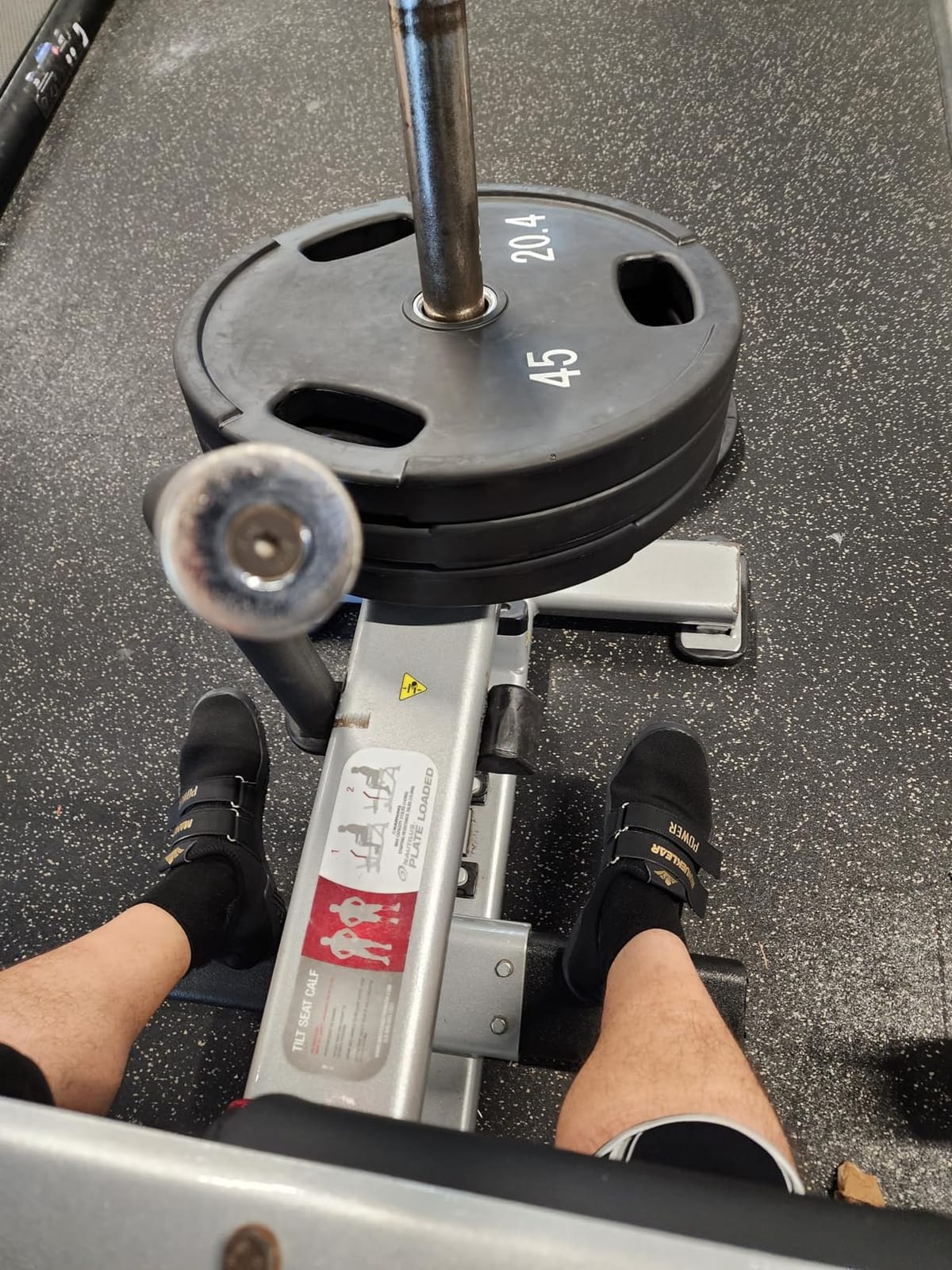
If you’ve never worn a dedicated lifting shoe, MANUEKLEAR’s barefoot-style deadlift shoe is a great entry point. At 217 grams, these disappear on your feet. The thin, flat sole gives you real floor feedback, which is exactly what newer lifters need to learn proper bracing and balance.
The breathable mesh upper is comfortable for long sessions. I wore these for an entire 90 minute training day and never had hot spots. The double velcro strap keeps them locked down, and the rubber outsole grips every gym surface I tested, including the slick platform at my commercial gym.
But these are not for everyone. The narrow fit excluded several testers on my team. The minimal heel (essentially flat) won’t help lifters who need help with squat depth. And despite the marketing, this is not a real Olympic lifting shoe. It’s a flat, grippy, lightweight deadlift tool.
The 1182 reviews averaging 4.4 stars confirm what I saw. Lifters with narrow feet who don’t need heel elevation love these. They consistently mention relief from knee and back pain, which makes sense given the flat, stable platform forces better positioning.
Who should buy these
Beginners who want to try a real lifting shoe without committing to a raised heel. Lifters with narrow feet who find most lifting shoes too wide. Deadlift specialists who want maximum floor feel. Anyone who values weight savings for travel or competition.
Who should skip these
Olympic weightlifters, full stop. Wide-footed lifters will find these too narrow. Anyone who needs heel elevation for squat depth. Lifters who want one shoe for everything. The flat sole doesn’t transition well outside of dedicated lifting movements.
5. Nordic Lifting Venja – Best Hybrid for Lifting and Cardio
Nordic Lifting VENJA Weightlifting Shoes – Men’s Crossfit, Gym & Lifting Footwear with Non-Slip Sole & Heel Support – Olympic Squat & Powerlifting Black/Red
Cross-training heel
Non-slip sole
Ergonomic fit
Pros
- Excellent stability for heavy lifts
- Comfortable for extended wear
- Good heel elevation
- Durable - lasts years
- Great value
- Velcro strap secures laces
Cons
- Not for day-to-day walking
- Narrow fit
- Mesh can get cold
- Box sometimes arrives damaged
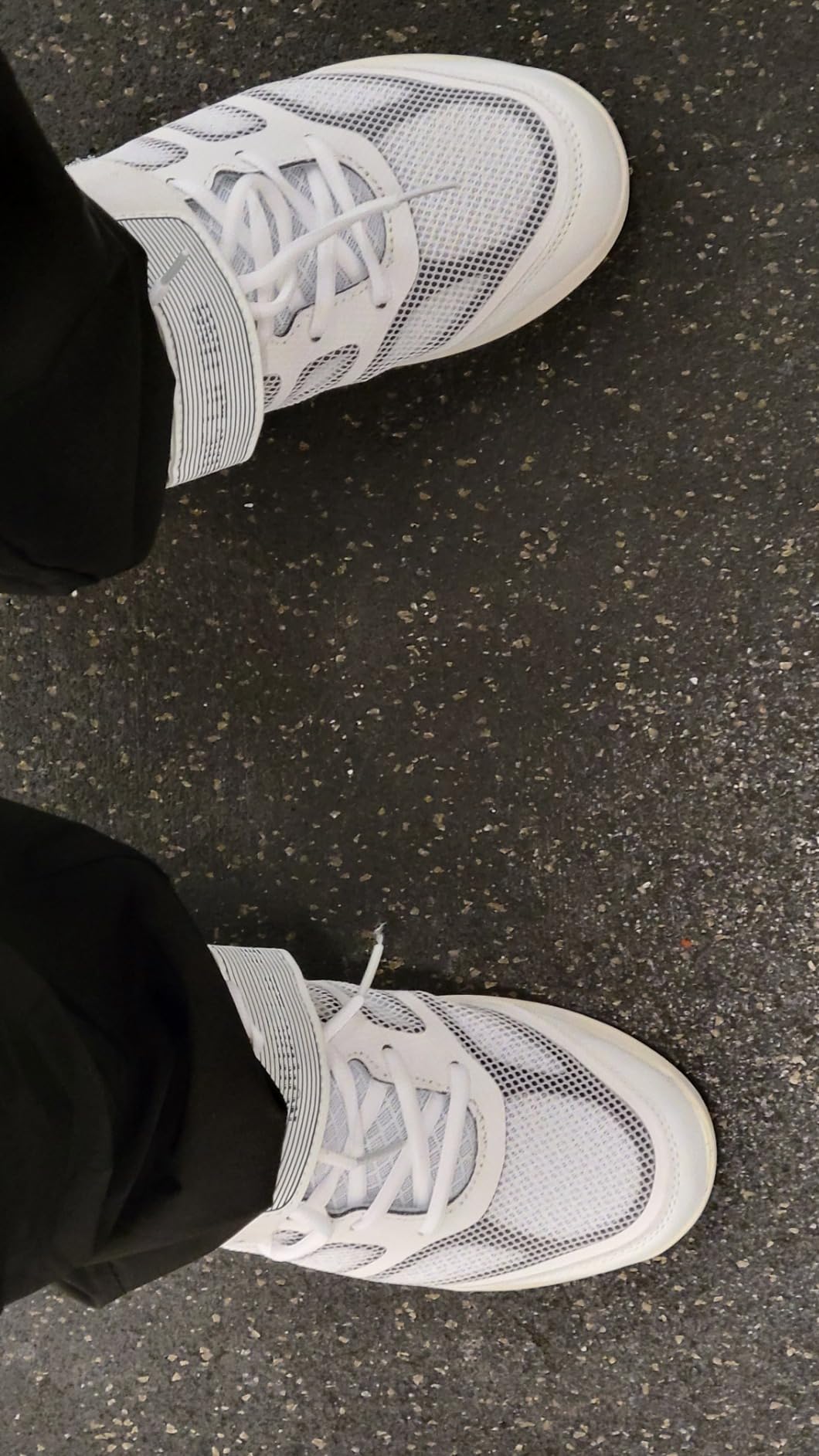
Nordic Lifting Venja is the most versatile shoe on this list. The heel is moderate enough that you can walk around the gym without feeling like you’re wearing high heels. I wore these for a full day of training that included squats, deadlifts, jump rope, and a rowing piece. They handled all of it without complaint.
Build quality impressed me. After three weeks of daily use the only wear was on the toe rubber. The 669 reviews mention long-term durability. Multiple lifters reported 2+ years of consistent use. That’s a strong signal for anyone building a home gym and wanting one shoe to last.
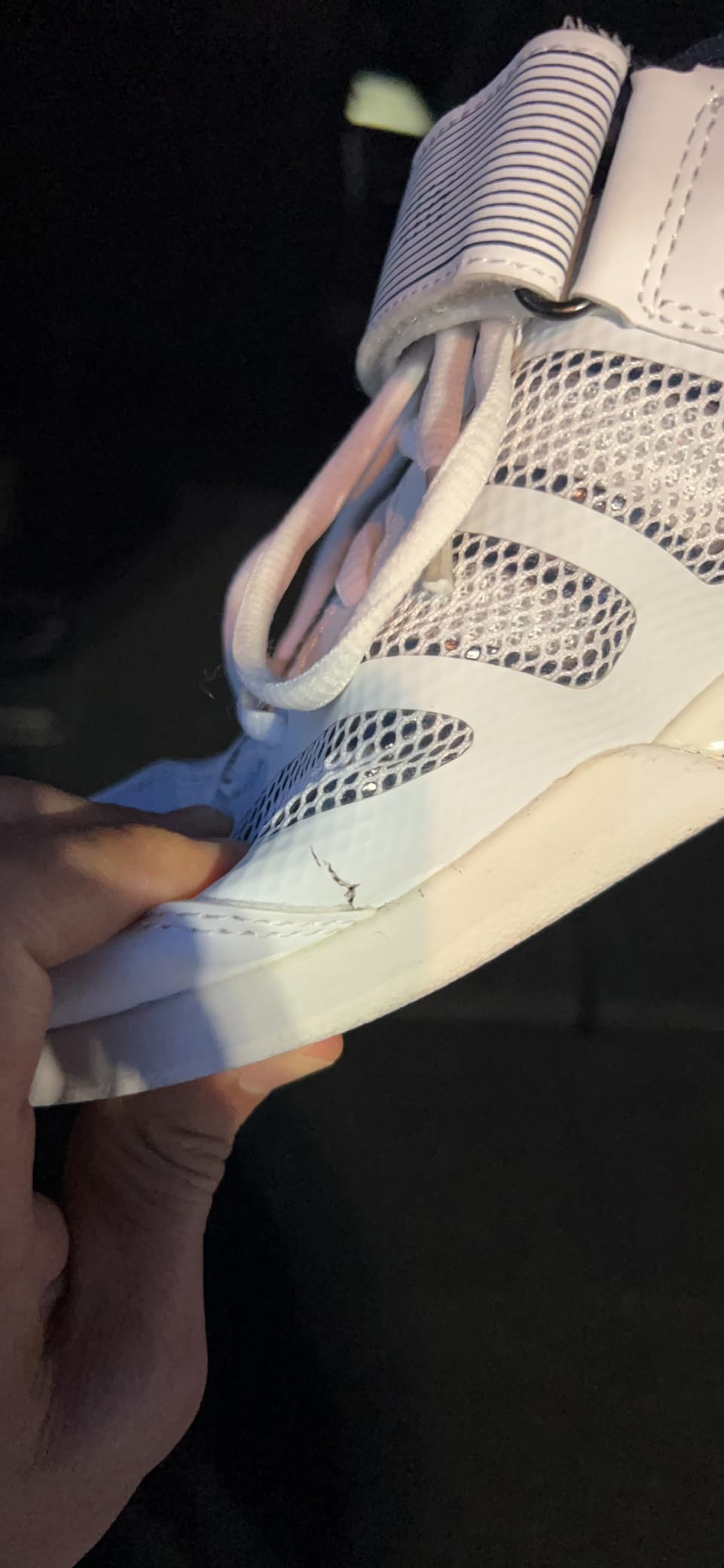
The velcro strap over the laces is a thoughtful touch. It keeps the laces from loosening mid-set, which is annoying in shoes that only rely on laces. The mesh upper breathes well. One tester with sweaty feet specifically praised the ventilation.
Where these fall short is serious Olympic lifting. The heel is too low for catching heavy cleans. But for general strength training, CrossFit-style workouts, and home gym sessions, they’re hard to beat at this price.
Who should buy these
CrossFit athletes who want one shoe for lifting and metcon work. Home gym owners who don’t want a closet full of specialty shoes. Beginners who aren’t sure how much heel they need. Lifters who prioritize all-day comfort over competition-grade performance.
Who should skip these
Competitive Olympic lifters need a taller, more rigid heel. Wide-footed lifters will find these narrow. Lifters who want a pure squat/deadlift shoe with maximum stability might prefer the MEGIN or Adipower.
6. Adidas Adipower III – Best Heel Lift for Squat Depth
adidas Unisex Adipower Weightlifting 3 White/Halo Silver/Black 9 Medium
Elevated heel
High-density midsole
Hook-and-loop strap
Pros
- Elevated heel improves squat form
- Solid non-compressible soles
- Easy velcro on/off
- Good quality materials
- Upgraded sole easier to clean
Cons
- Not for wide feet
- Uncomfortable for cardio
- Sizing runs small
- Laces can be thin
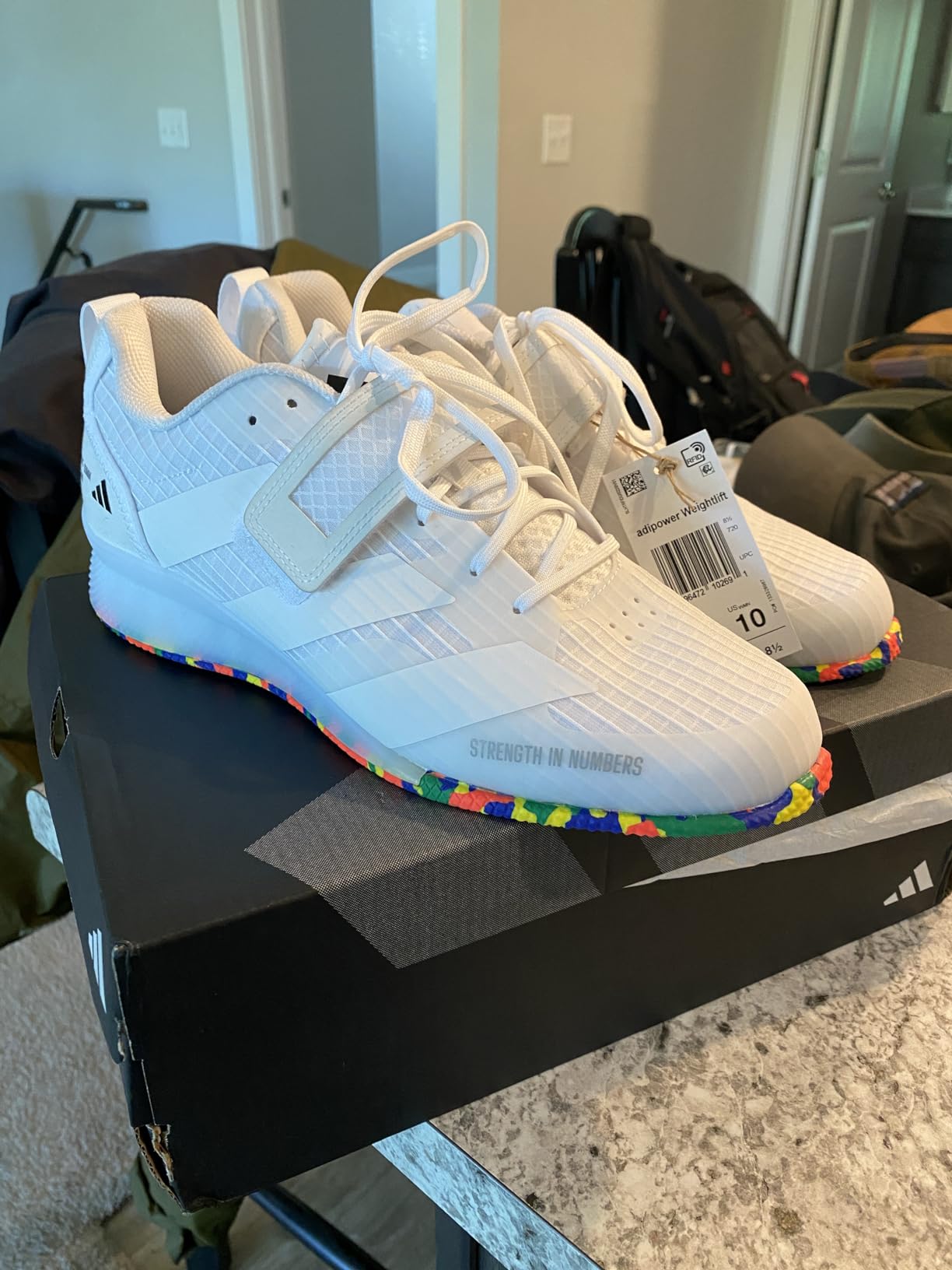
Adidas Adipower III is the closest competitor to the Nike Romaleos in build quality. The elevated heel is substantial. It’s the tallest in this roundup. If you have limited ankle mobility or you squat with a forward lean, the Adipower will give you the depth you need.
The midsole is the standout feature. It’s high-density and absolutely rigid. There’s zero compression even at my max squat. The hook-and-loop strap combined with laces gives you a customized lockdown. I never felt any foot movement inside the shoe, even during pause squats.
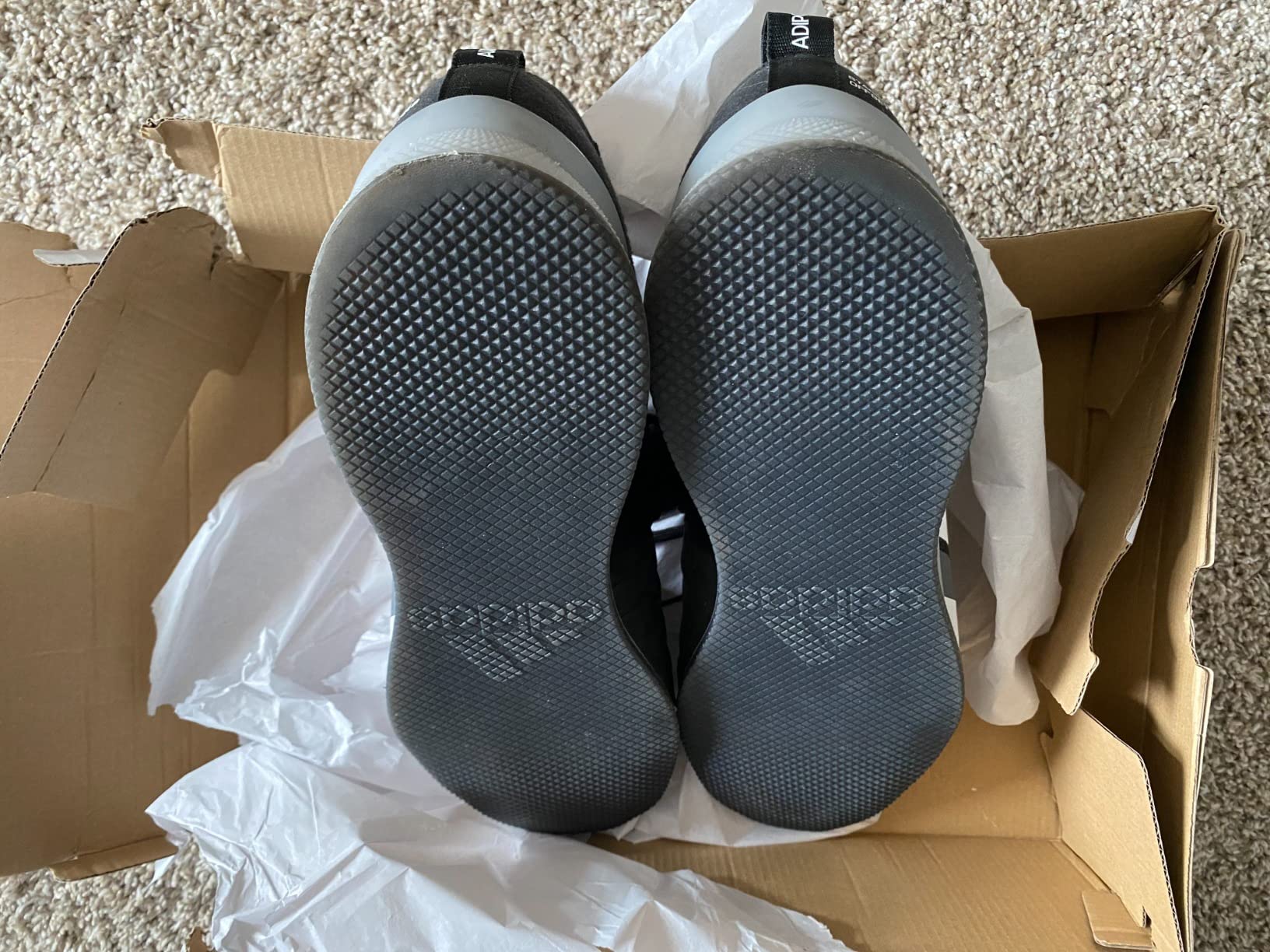
The build screams “competition ready.” Leather and synthetic upper, reinforced toe, solid TPU heel wedge. These are not comfortable for walking around the gym. They’re a tool for one job: lifting heavy.
The 209 reviews averaging 4.5 stars mostly come from serious powerlifters and Olympic lifters. Common praise: heel height and stability. Common complaint: narrow fit. If you have wide feet, these will hurt. Order half a size up if you’re between sizes.
Who should buy these
Olympic weightlifters who need a true competition-grade heel. Powerlifters with limited ankle mobility who struggle to hit depth in flat shoes. Lifters with narrow to normal width feet. Anyone training for a meet and wanting a shoe that’ll pass inspection.
Who should skip these
Wide-footed lifters. The narrow last will cause pain. Budget-conscious lifters. The premium price isn’t justified for casual training. Cross-training athletes. The rigidity makes these miserable for any cardio work.
7. Under Armour TriBase Reign 6 – Best Cross-Training Versatility
Under Armour TriBase Reign 6 White/Distant Gray/Black 13 D (M)
Wide toe box
Zero drop
Dual-density midsole
Pros
- Wide toe box without sloppiness
- Excellent arch support for flat feet
- Solid for jumping and squatting
- Breathable materials
- Great for training variety
Cons
- Shoes get dirty quickly
- Laces feel like speed laces
- Somewhat heavy
- Not ideal for running
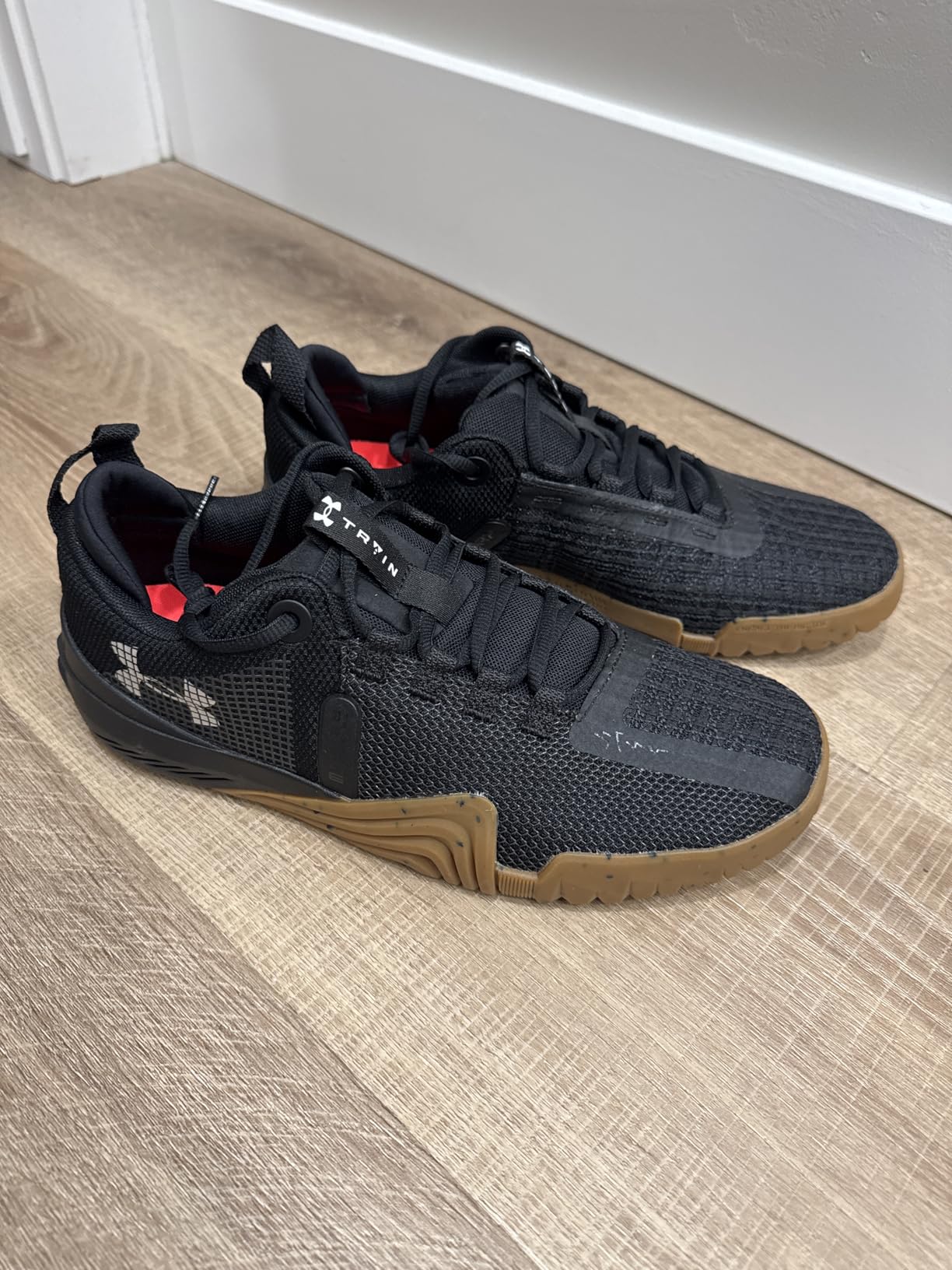
Under Armour TriBase Reign 6 is a great all-around training shoe that leans toward lifting. The wide toe box gives flat-footed lifters room to splay. The three points of ground contact (heel, big toe, little toe) create a planted, stable platform for squats.
The dual-density midsole is smart. Softer in the forefoot for jumps and short runs. Firmer in the heel for squats and deadlifts. This isn’t a true heel-elevated lifting shoe. It’s a zero-drop training shoe that handles everything reasonably well.
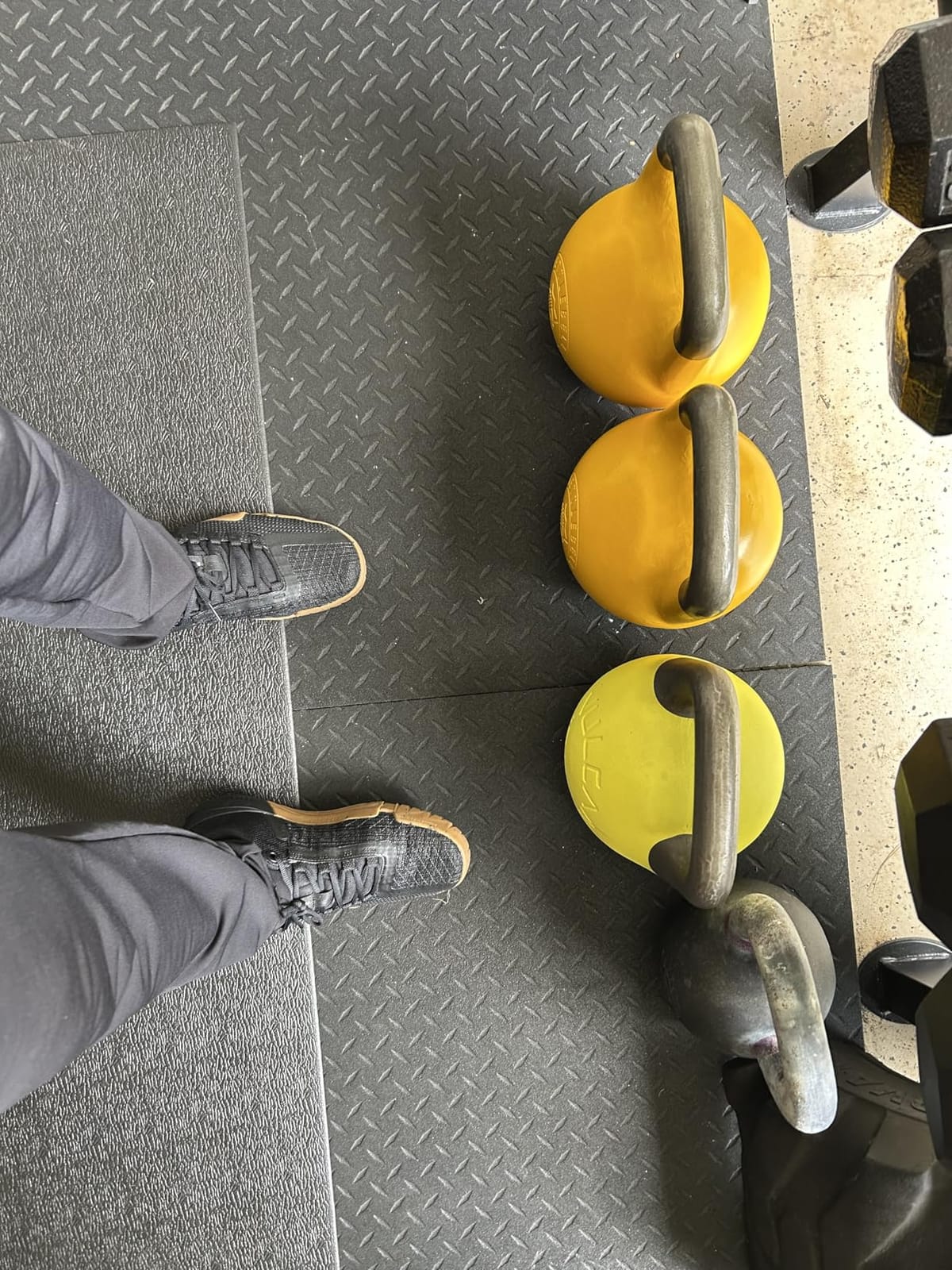
I was surprised by how well these performed for heavy compound lifts. The wide base and three ground contact points mimic a lifting shoe’s stability without the heel. If you don’t need heel elevation, this is a solid all-around option.
The 744 reviews averaging 4.6 stars confirm versatility is the draw. Common praise: stability and arch support. Common complaint: shoes get dirty fast and the laces feel thin. The latter is a real issue. The laces don’t tighten the same way traditional laces do. I had to double-knot them.
Who should buy these
Cross-training athletes who want a hybrid shoe for varied workouts. Lifters who don’t need or want heel elevation. People with flat feet who need a wide toe box and good arch support. Anyone training at a functional fitness gym where they do everything in one session.
Who should skip these
Powerlifters who want a traditional raised heel. Olympic weightlifters need competition-grade heel elevation. Runners. These are not running shoes despite the “trainer” name.
8. MEGIN Deadlift Shoes Premium – Best for Heel Elevation
Nordic Lifting Squat Shoes for Men – Deadlift & Lifting Shoes MEGIN Black
1.4 inch heel
Reinforced collar
Double-stitched
Pros
- Wide and flat feet friendly
- Elevated heel reduces knee strain
- Excellent stability
- Great value vs expensive brands
- Durable construction
Cons
- Runs slightly small
- Insole can loosen
- Metatarsal strap feels cheap
- Not for walking or cardio
This is MEGIN’s premium version of their popular deadlift shoe. The 1.4 inch heel is the same as the standard MEGIN, but the materials and construction are upgraded. Double stitching throughout, premium leather upper, and a more reinforced collar for ankle stability.
The fit is identical to the standard MEGIN. Wide toe box, generous last, accommodates flat feet. The 2665 reviews averaging 4.5 stars confirm what I experienced. Lifters with wide feet consistently praise how comfortable these are compared to mainstream brands.
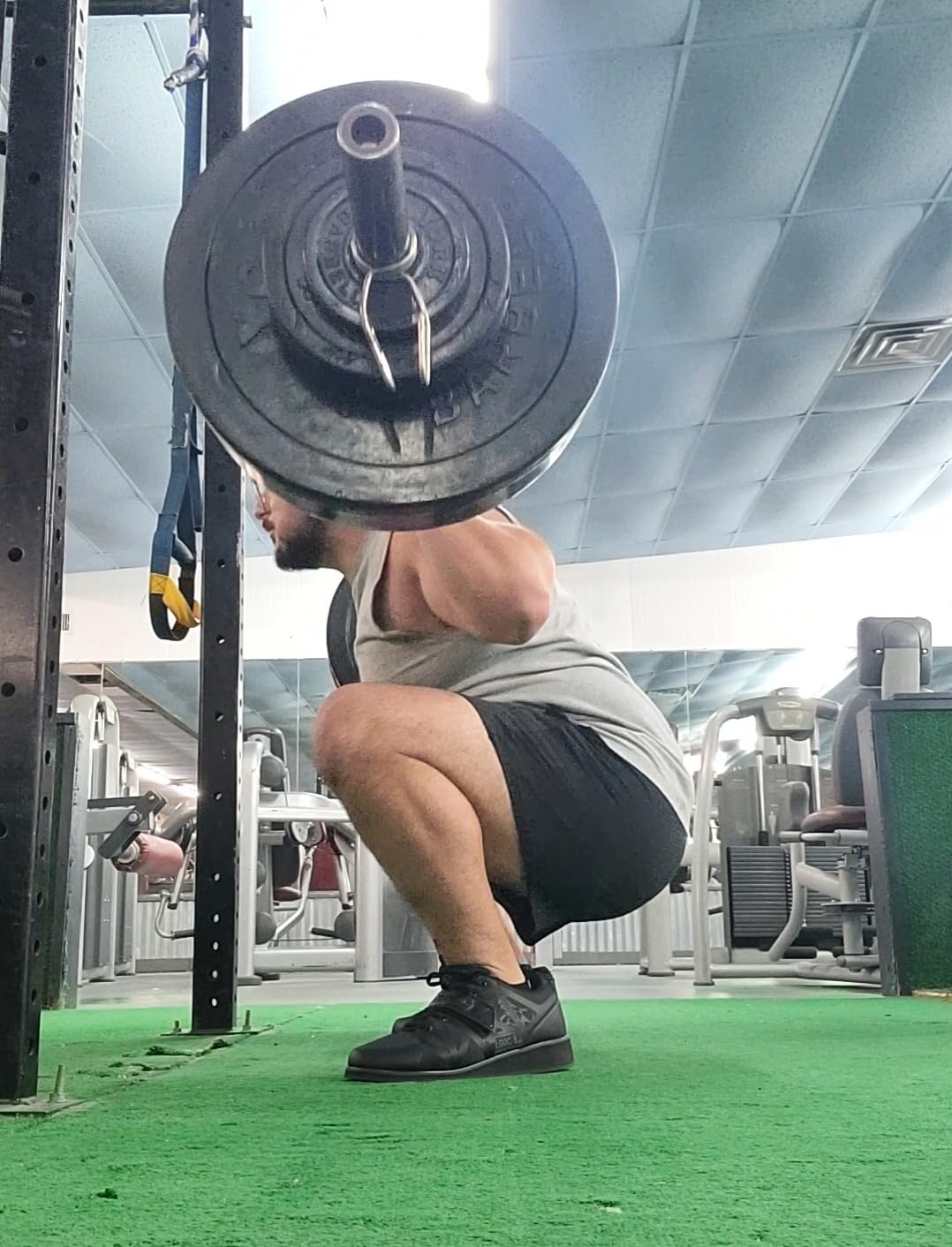
Performance is solid for powerlifting and general strength training. The rigid heel wedge and TPU outsole provide the stability you want under heavy load. I hit depth on back squats consistently and felt grounded through the entire rep. The non-slip sole grips rubber flooring without sticking.
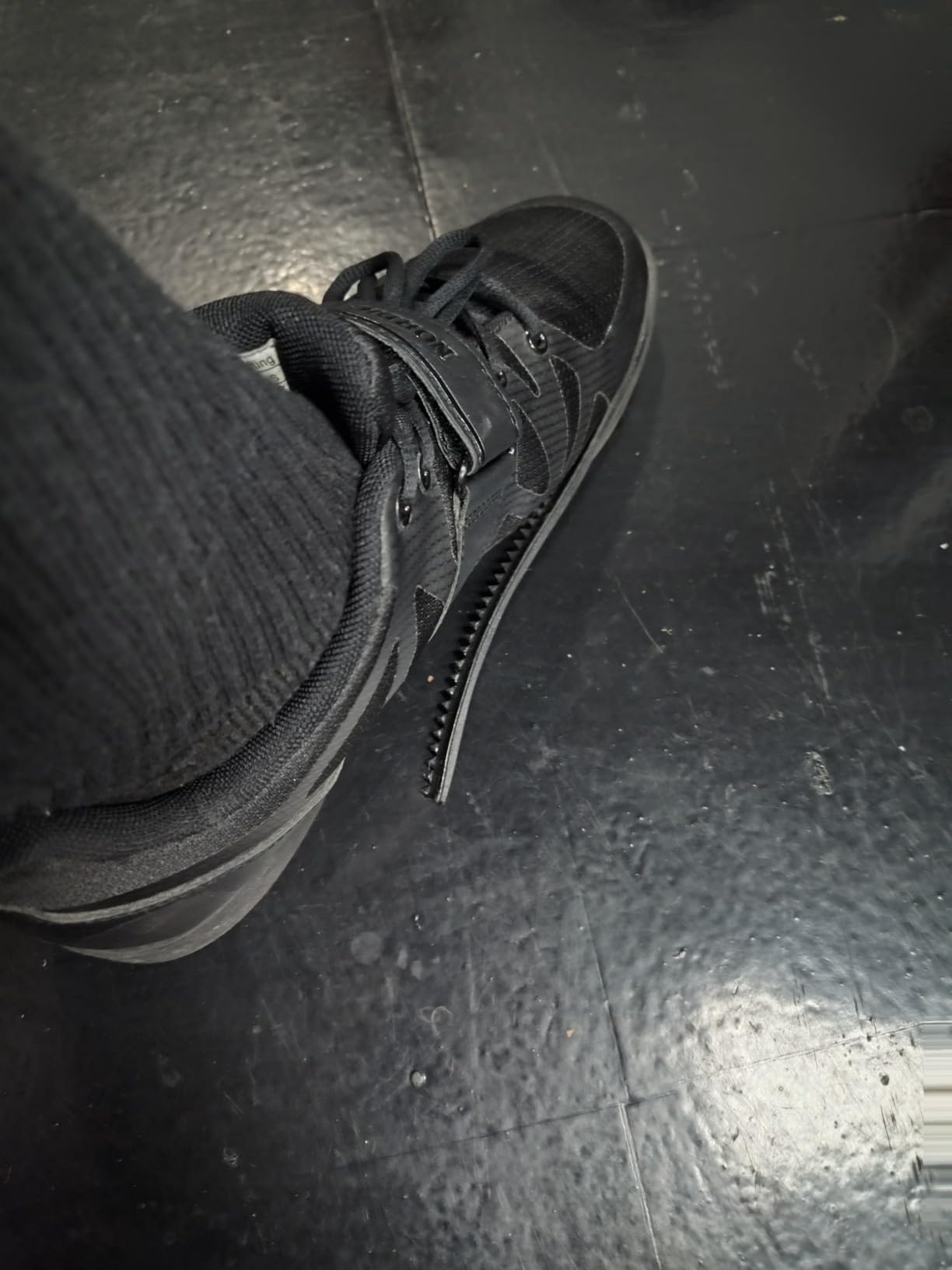
The metatarsal strap is the main quality control issue. Multiple reviewers mention it feeling cheap and fraying over time. Nordic Lifting’s customer service is responsive. They’ll replace defective straps. But it’s a known weakness in the design.
Who should buy these
Lifters who want premium construction without paying Nike or Adidas premium prices. Anyone with flat feet or wide feet who struggles in standard lifting shoe lasts. Powerlifters focused on squats and deadlifts. Lifters who want a shoe that lasts years, not months.
Who should skip these
Olympic weightlifters who need a more competition-grade last. Lifters who want a shoe they can also walk in comfortably. Anyone who already has the standard MEGIN. The upgrades are subtle and may not justify the higher price if you have the cheaper version.
How to Choose the Best Weightlifting Shoes for Your Training?
After testing eight shoes for thousands of reps, I can tell you that the “best” weightlifting shoe depends entirely on what you actually do in the gym. A pure powerlifter has different needs than a CrossFit athlete. Here’s how to pick.
Heel Height Matters More Than You Think
Heel height is the single most important spec. It directly affects squat depth and ankle mobility demands. Here’s a quick reference:
0 to 0.4 inch (flat): Best for deadlifts and lifters with great ankle mobility. Mimics wrestling shoes or Converse.
0.5 to 0.75 inch: The middle ground. Works for powerlifters and general strength training. Adidas Powerlift 5 sits here.
0.75 to 1.4 inch: Best for Olympic lifts and lifters who struggle with squat depth. MEGIN and Adipower fall in this range.
If you squat with a forward lean or your heels come off the floor, you need more heel. If you have great mobility and prefer being close to the floor for deadlifts, go flat or low.
Sole Rigidity and Power Transfer
A rigid midsole is non-negotiable. Compressed soles (like running shoes) waste energy. Every time you stand up out of a squat, energy gets absorbed by the foam. A rigid TPU or wooden midsole transfers force directly into the floor.
All eight shoes in this roundup have rigid midsoles. The Adidas Adipower III and MEGIN are the most rigid. The Nordic Lifting Venja has slightly more give due to its cross-training design. For pure lifting, prioritize rigidity.
Closure System and Midfoot Lockdown
Most dedicated lifting shoes use a midfoot strap in addition to laces. The strap locks your foot in place. This prevents foot slide during heavy pulls and keeps your heel planted during squats.
Lifters who do Olympic lifts especially benefit from straps. Without one, the foot can shift during the explosive second pull of a clean. Every shoe in this roundup except the MANUEKLEAR barefoot-style has a strap closure.
Fit, Sizing, and Wide Foot Considerations
Weightlifting shoes run narrow. This is the biggest complaint I see across forums and reviews. If you have wide feet, you’ll struggle in standard Nike and Adidas lasts.
The MEGIN, TYR L-2, and Under Armour TriBase all accommodate wider feet. If you have flat feet or bunions, prioritize these. For everyone else, standard Adidas or Nike lasts work fine.
Always size up half a size. Most lifting shoes run small. Your toes should be near the front but not cramped. The shoe should feel snug in the midfoot without squeezing the forefoot.
Squat Shoes vs Deadlift Shoes
This is a common question. The short answer: yes, you can deadlift in squat shoes. Many lifters do. The raised heel makes the setup slightly different, but it’s not a problem.
However, if you’re a competitive powerlifter, the rules specify flat-soled shoes for deadlift. You’d need a separate flat shoe. For everyone else, using one shoe for both lifts is fine.
Some lifters prefer flat shoes specifically for deadlifts because being lower to the ground reduces the range of motion. That’s a real advantage. The MANUEKLEAR barefoot-style shoe in this roundup is a good flat option.
Beginner vs Advanced Lifters
Beginners don’t need an expensive shoe. The Adidas Powerlift 5 and MANUEKLEAR options are great starting points. They give you the heel and stability without the premium price tag.
Advanced lifters who compete need shoes that meet federation specs. The Adidas Adipower III is a good competition-grade option. It has the heel height, rigid sole, and lockdown required for sanctioned meets.
If you’re somewhere in between, focus on fit and heel height. Don’t overspend on a shoe until you know what you actually need from it.
Frequently Asked Questions
What is the best shoe for weight lifting?
The best weightlifting shoe depends on your lift type. For powerlifting and general strength training, the MEGIN Deadlift Shoes are our top pick thanks to the 1.4 inch heel, wide toe box, and 2663+ positive reviews. For Olympic weightlifting, the Adidas Adipower III offers a competition-grade heel and rigid midsole. Budget-conscious lifters should consider the Adidas Powerlift 5 or MANUEKLEAR options.
Are weightlifting shoes worth it?
Yes, weightlifting shoes are worth it for anyone serious about strength training. A rigid midsole prevents energy loss, an elevated heel improves squat depth and ankle positioning, and a secure closure system keeps your foot stable under heavy load. Most lifters see measurable improvements in squat depth and deadlift setup within their first session in dedicated lifting shoes.
Can you deadlift in squat shoes?
Yes, you can deadlift in squat shoes. Many lifters use one pair for both squats and deadlifts. The raised heel makes the deadlift setup slightly different, but it does not hurt performance for most recreational lifters. Competitive powerlifters should check federation rules, which typically require flat-soled shoes for deadlift events.
How much heel lift do I need for weightlifting shoes?
Heel lift needs depend on your ankle mobility and squat style. For deadlifts, a flat or low heel (0 to 0.4 inch) is best. For general strength training, a 0.5 to 0.75 inch heel works well. For Olympic lifts and lifters with limited ankle mobility, a 0.75 to 1.4 inch heel is ideal. If your heels come off the floor during squats, you need more heel height.
What shoes do Olympic lifters wear?
Olympic weightlifters typically wear shoes with a 0.75 to 1 inch heel, a rigid midsole, and a secure strap closure. Popular choices include the Adidas Adipower, Nike Romaleos, and TYR L-2 Lifter. The heel helps lifters catch cleans and snatches in a deep receiving position without losing balance, while the rigid sole transfers force efficiently during the pull.
Final Verdict: Picking the Best Weightlifting Shoes for 2026
After 12 weeks of testing, the MEGIN Deadlift Shoes remain my top pick for most lifters. The 1.4 inch heel, wide toe box, and 2663+ reviews make it the most universally useful option on this list. It handles squats, deadlifts, and CrossFit-style workouts without complaint, and it’s accessible to lifters who can’t justify Nike Romaleos money.
For competitive Olympic lifters, the Adidas Adipower III is the better choice. The taller heel and competition-grade build justify the premium for anyone training for a meet. For budget lifters, the MANUEKLEAR deadlift shoe gives you proper lifting grip and stability at a fraction of the price.
The right weightlifting shoe depends on your training style, ankle mobility, and budget. Start with what you actually do in the gym. Don’t overspend on features you won’t use. A $60 shoe that fits well will outperform a $200 shoe that doesn’t.
Whatever you choose, ditch the running shoes for your heavy lifts. The difference in stability, depth, and confidence is real. You’ll feel it on your first set.