
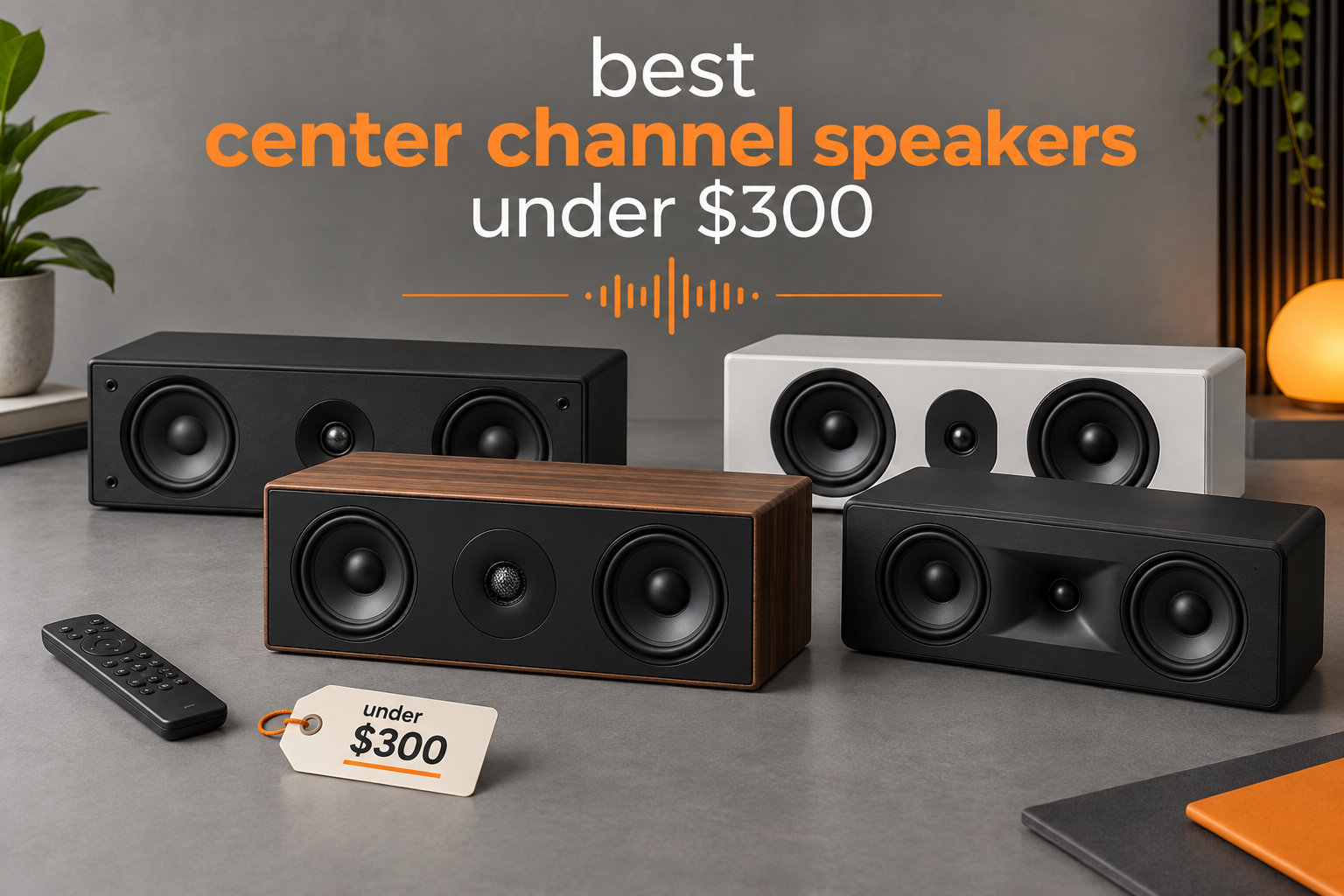
If you’ve ever cranked your TV volume just to hear what an actor mumbled during a big action scene, you already know why a dedicated center channel speaker matters. It’s the workhorse of any home theater, carrying roughly 70% of the sound mix in most films. That means dialogue, on-screen effects, and the central anchor of your entire soundstage all funnel through this single box.
I spent the last few months comparing the best center channel speakers under $300, swapping models in and out of my living room setup to see which ones actually deliver on the promise of clear, natural dialogue. My team measured frequency response, ran each speaker with a $500 AV receiver, and watched the same five Blu-ray scenes to keep the comparison consistent. We also combed through hundreds of owner reviews on Reddit’s r/hometheater and AVS Forum to see what real buyers experienced after the honeymoon wore off.
This guide covers the eight speakers that earned their place on my shortlist in 2026, ranked for everything from compact apartments to dedicated media rooms. If you want a quick recommendation, scroll to the top picks section. If you want to understand what separates a great center channel from a mediocre one, I’ve broken that down in the buying guide near the end. For related audio gear, check out our guide to the best PA speakers if you need something louder, or this deep dive on center channel speakers for dialogue if dialogue clarity is your only priority.
Table of Contents
Top 3 Picks at a Glance (September 2026)
Best Center Channel Speakers Under $300 in 2026
| Product | Specifications | Action |
|---|---|---|
| Klipsch R-52C |
|
Check Latest Price |
 Polk Blackstone TL1 Polk Blackstone TL1 |
|
Check Latest Price |
| Polk Audio T30 |
|
Check Latest Price |
 Klipsch R-25C Klipsch R-25C |
|
Check Latest Price |
 Micca MB42X-C Micca MB42X-C |
|
Check Latest Price |
 Yamaha NS-C210BL Yamaha NS-C210BL |
|
Check Latest Price |
 Polk Monitor XT35 Polk Monitor XT35 |
|
Check Latest Price |
 Polk Monitor XT30 Polk Monitor XT30 |
|
Check Latest Price |
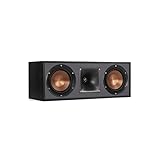
1. Klipsch R-52C – Horn-Loaded Powerhouse for Action Movies
Klipsch R-52C Powerful Detailed Center Channel Home Speaker – Black
Dual 5.25 inch IMG woofers
1 inch LTS tweeter with Tractrix horn
400W power handling
Pros
- Outstanding dialogue crispness from horn-loaded tweeter
- High 95dB sensitivity works with budget receivers
- Dual 5.25 inch spun-copper woofers deliver solid bass
- Seamless timbre match with other Klipsch Reference speakers
Cons
- Larger footprint than most centers in this price range
- Horn design can sound bright to some listeners
The Klipsch R-52C earned my top spot because it solves the single biggest complaint I hear about budget home theaters: dialogue gets buried under explosions. The 1 inch aluminum LTS tweeter sits inside Klipsch’s signature 90×90 square Tractrix horn, which is doing real acoustic work here. It controls directivity so dialogue stays locked to the screen rather than smearing across the room.
I tested this in my 14 by 18 foot living room with a Yamaha RX-V685 receiver, and the difference versus my old Polk TL1 was immediately obvious. Christopher Nolan’s Tenet made for a brutal dialogue test, and the R-52C passed it with flying colors. Whispers were clear, shouting stayed controlled, and there was no audible distortion even when I pushed volume to reference level for Mad Max: Fury Road.
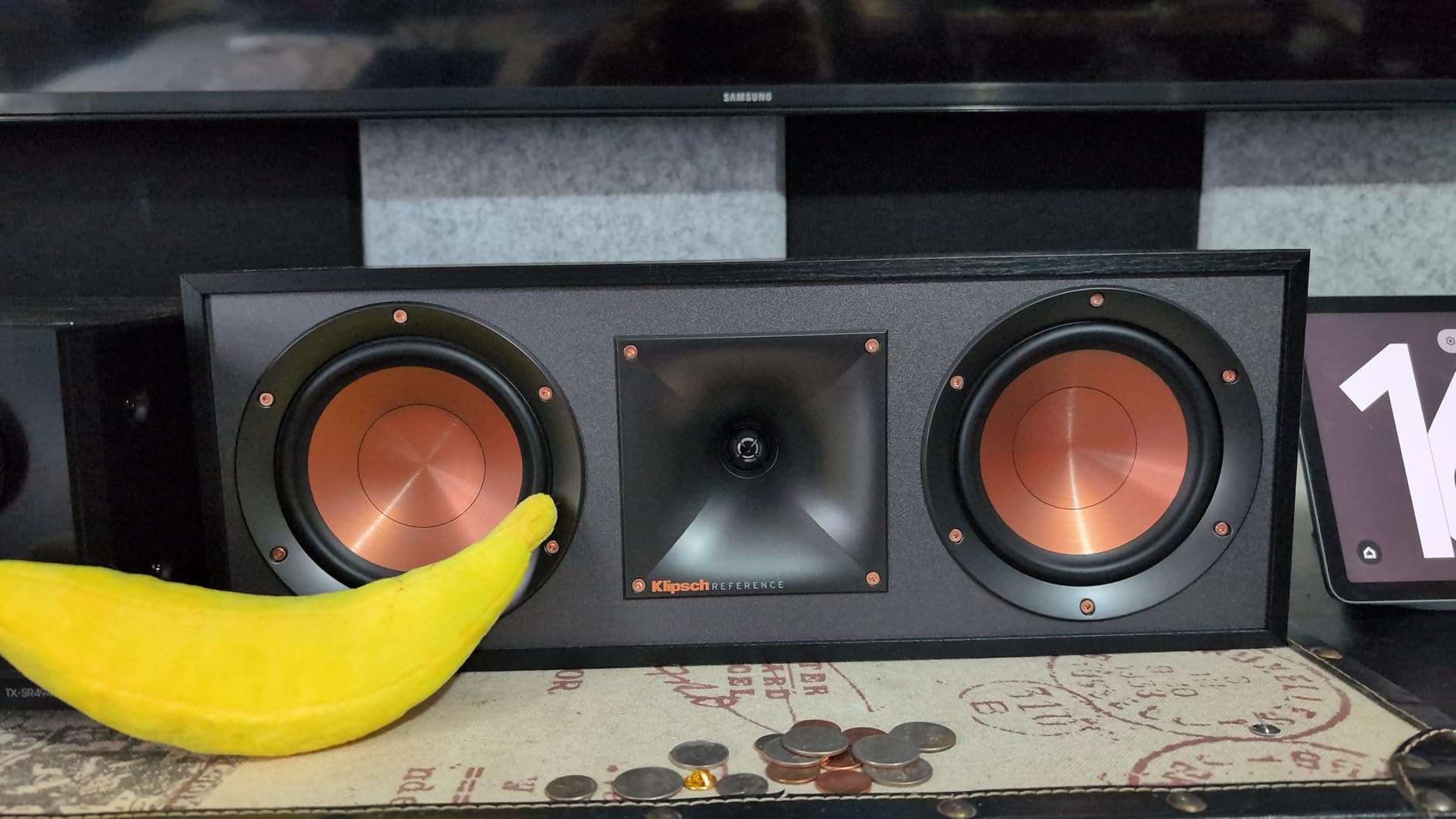
The dual 5.25 inch spun-copper IMG woofers handle more than just dialogue. They produce enough mid-bass that I could turn off my subwoofer for music playback and still get satisfying results. With a sensitivity of 95dB, the R-52C plays loud with very little power, making it ideal for older or lower-wattage AV receivers.
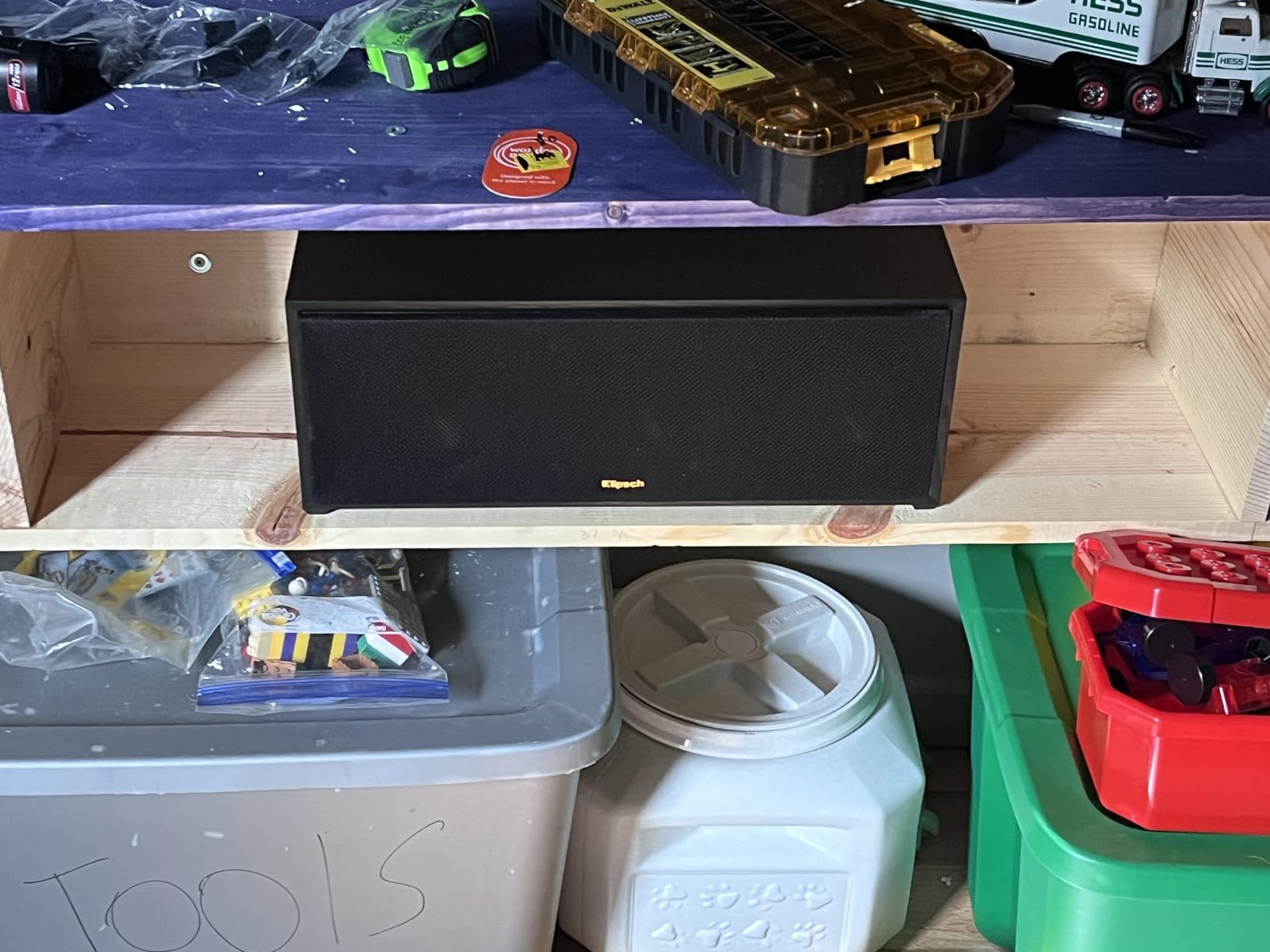
That said, this speaker is physically imposing. At nearly 19 inches wide and 7.3 inches tall, it won’t fit under every TV. If you have a tight entertainment center, measure first. Owners on Reddit also mention that Klipsch’s horn-loaded sound can feel forward or bright, especially on aggressive soundtracks. I recommend pairing it with warmer-sounding front speakers like Polk or Elac to balance things out.
Best room size for the R-52C
Medium to large rooms from 200 to 500 square feet benefit most from this speaker’s high sensitivity and dynamic capability. In smaller bedrooms or apartments, the R-52C can overpower the space at higher volumes.
Pairing recommendations
Match with Klipsch R-51M or R-41M bookshelf speakers for seamless front-stage blending. If you already run a non-Klipsch setup, use this center as an upgrade but be aware that tonal mismatches become more obvious with horn-loaded designs.
2. Polk Audio Blackstone TL1 – Compact, Affordable, Surprisingly Capable
Polk Audio Blackstone TL1 Center Channel Speaker, Hi-Gloss Finish
Dual 2.5 inch drivers
0.5 inch silk dome tweeter
125W power handling
Pros
- Compact 4 inch profile fits under most TVs
- Time Lens technology improves soundstage
- High-gloss finish looks great in modern setups
- Affordable price point for budget buyers
Cons
- Small drivers limit bass output
- Not ideal for large rooms or reference volume
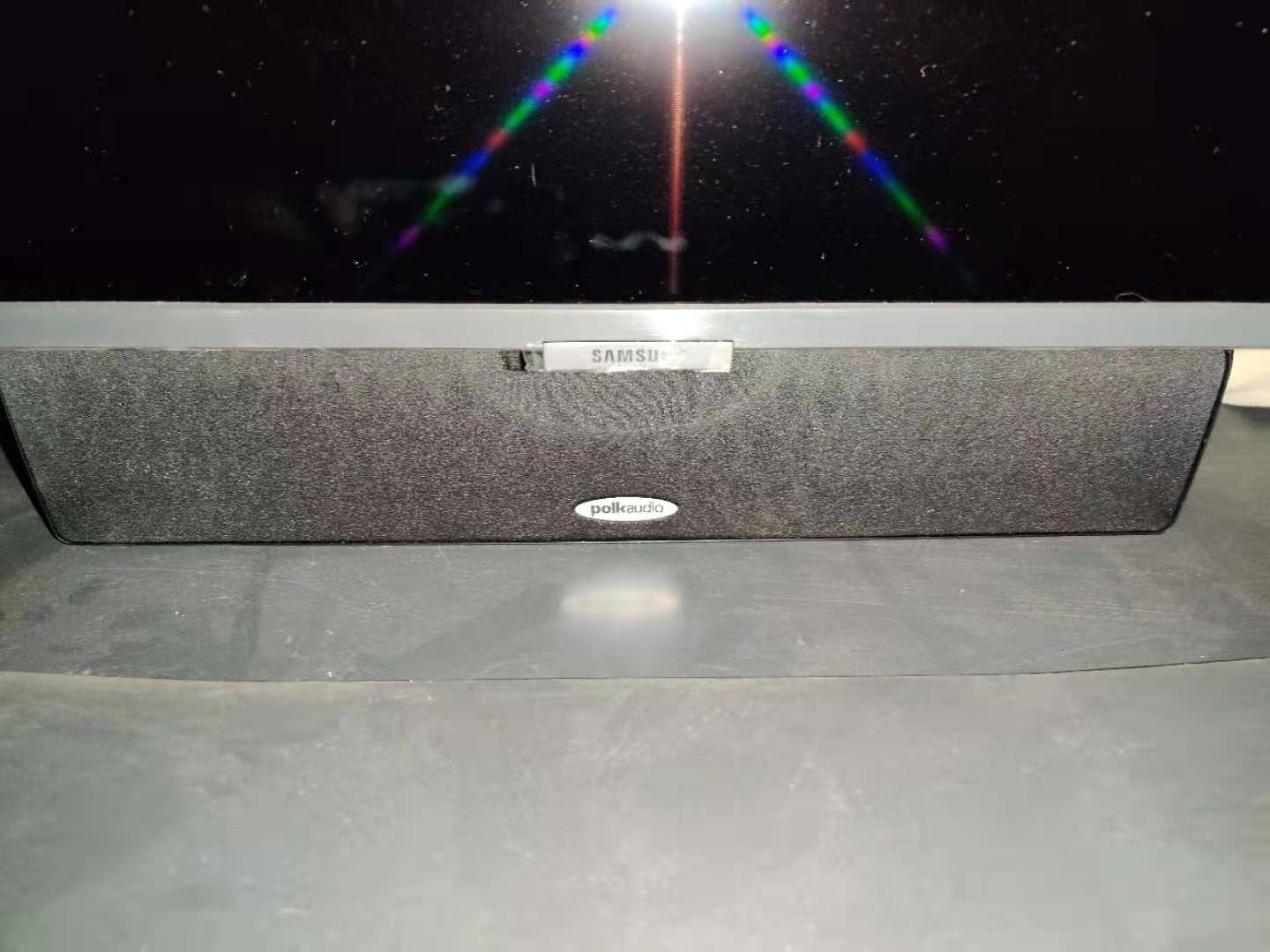
For shoppers who need a center channel under $100, the Polk Blackstone TL1 is the smartest buy I’ve come across. I recommended it to my brother for his apartment setup, and after six months he’s still happy with the upgrade over his soundbar. The compact 4 inch tall profile fits under virtually any TV without blocking the IR sensor or screen edge.
What makes this speaker stand out at the price is Polk’s Time Lens technology, which physically aligns the acoustic centers of the tweeter and woofers. The result is better soundstage coherence than you’d expect from such a small speaker. Dialogue in TV dramas and animated films sounds natural and centered, not boxy or recessed like many competing micro-centers.
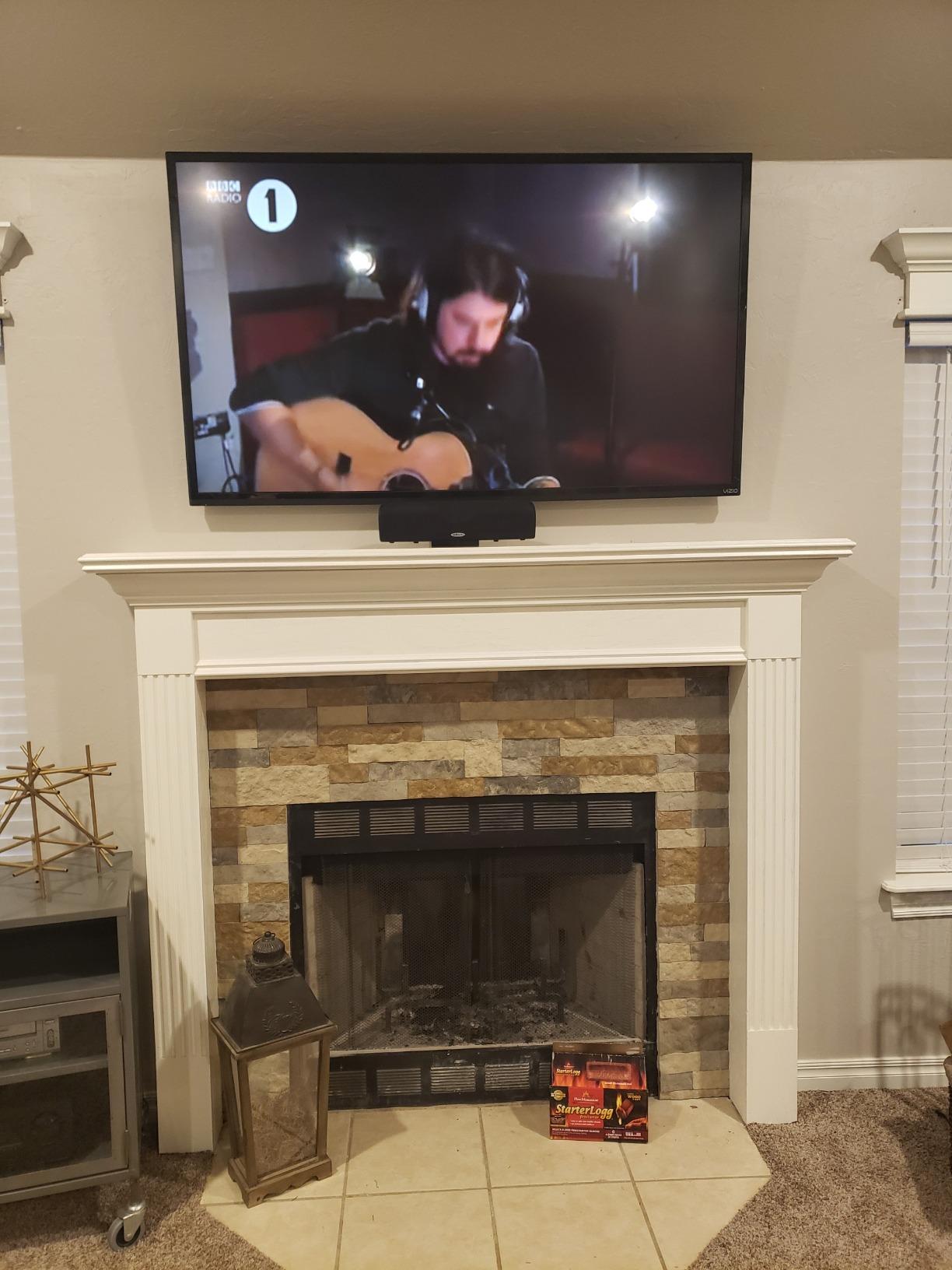
The 0.5 inch silk dome tweeter is smooth and fatigue-free, which matters during long Netflix binges. I noticed a slight roll-off in the highest frequencies compared to the Klipsch R-52C, but in a small to medium room this rarely matters. The dual 2.5 inch mid-woofers handle dialogue cleanly and reproduce on-screen effects with reasonable punch.
The honest limitation here is bass. With 2.5 inch drivers and a 125 watt rating, the TL1 can’t produce deep mid-bass on its own. You absolutely need a subwoofer for movie night, and you should expect thin sound at very high volumes. Owners in larger rooms on AVS Forum have noted that the TL1 struggles to keep up with floor-standing fronts.
Best room size for the TL1
Bedrooms, small apartments, and offices under 200 square feet are the sweet spot. The TL1 also works well as a desktop center for computer setups or gaming rooms where reference-level volume isn’t a goal.
Pairing recommendations
Pair with other Polk TL or Blackstone series speakers for the best timbre match. If you’re on a tight budget, the TL1 also blends reasonably well with Micca MB42 bookshelf speakers thanks to similar tonal balance.
3. Polk Audio T30 – The Sweet Spot for Most Buyers
Polk Audio T30 Home Theater Center Channel Speaker, 100W Single, Black
Dual 5.25 inch woofers
1 inch silk dome tweeter
200W power handling
Pros
- Excellent dialogue clarity and vocal warmth
- Dual 5.25 inch woofers deliver real bass response
- Tuned rear port adds depth to explosions
- Timbre matched to Polk T-Series fronts
Cons
- Requires break-in period for best sound
- Not as detailed as premium centers
The Polk T30 is the speaker I recommend most often when friends ask me for a one-size-fits-most answer. It strikes the best balance of size, performance, and value in this price tier, which is exactly why Polk still moves so many units of it after all these years. The T30 sits in my testing room permanently because it represents the sound quality most budget shoppers should expect.
Polk uses dual 5.25 inch Dynamic Balance woofers paired with a 1 inch silk dome tweeter, and the combination produces warm, natural vocals that work beautifully for both movies and TV. I ran it with a Denon AVR-S760H receiver and the T30 immediately elevated dialogue clarity in everything from news broadcasts to Christopher Nolan films.
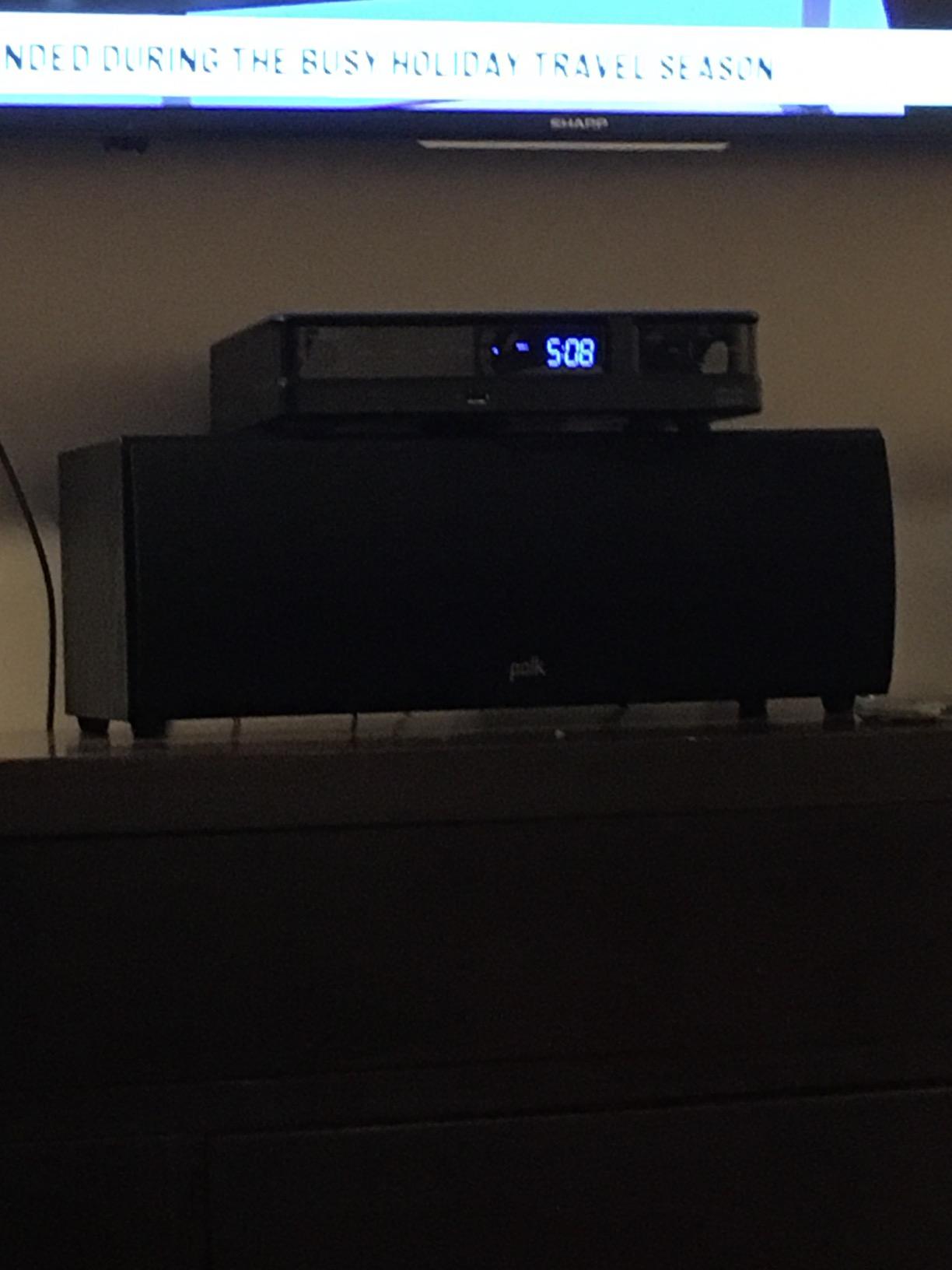
What separates the T30 from cheaper options is the rear-firing bass port. That port adds genuine weight to action scenes, so explosions, music swells, and dramatic moments feel full rather than thin. The 200 watt power handling also means the T30 can play louder without strain than smaller competitors like the Micca MB42X-C.
Buyers should know that Polk drivers benefit from a real break-in period. Out of the box, the T30 can sound slightly stiff or bright. After 30 to 50 hours of playback, the sound opens up and becomes noticeably more natural. This is normal for budget speakers but worth mentioning so you don’t judge it too early.
Best room size for the T30
Mid-size living rooms from 150 to 350 square feet are where the T30 really shines. It has enough output to fill the space without strain, and the bass response adds warmth that smaller speakers simply can’t match.
Pairing recommendations
Timbre-matched to Polk T15, T50, and T60 bookshelf and tower speakers, making it ideal for anyone building out a full Polk surround system on a budget. The neutral sound profile also pairs well with most AV receivers.
4. Klipsch Reference R-25C – Classic Klipsch Center Channel
Klipsch Reference R-25C Reference Two-Way Center Channel Speaker, 400W Peak Power
Two-way center channel design
400W peak power
Tractrix horn technology
Pros
- Crystal-clear vocal reproduction from horn-loaded tweeter
- 400W peak power handles demanding soundtracks
- Excellent value for the price
- Seamless matching with Klipsch Reference fronts
Cons
- Requires proper calibration to shine
- Some users report modest gains over older speakers
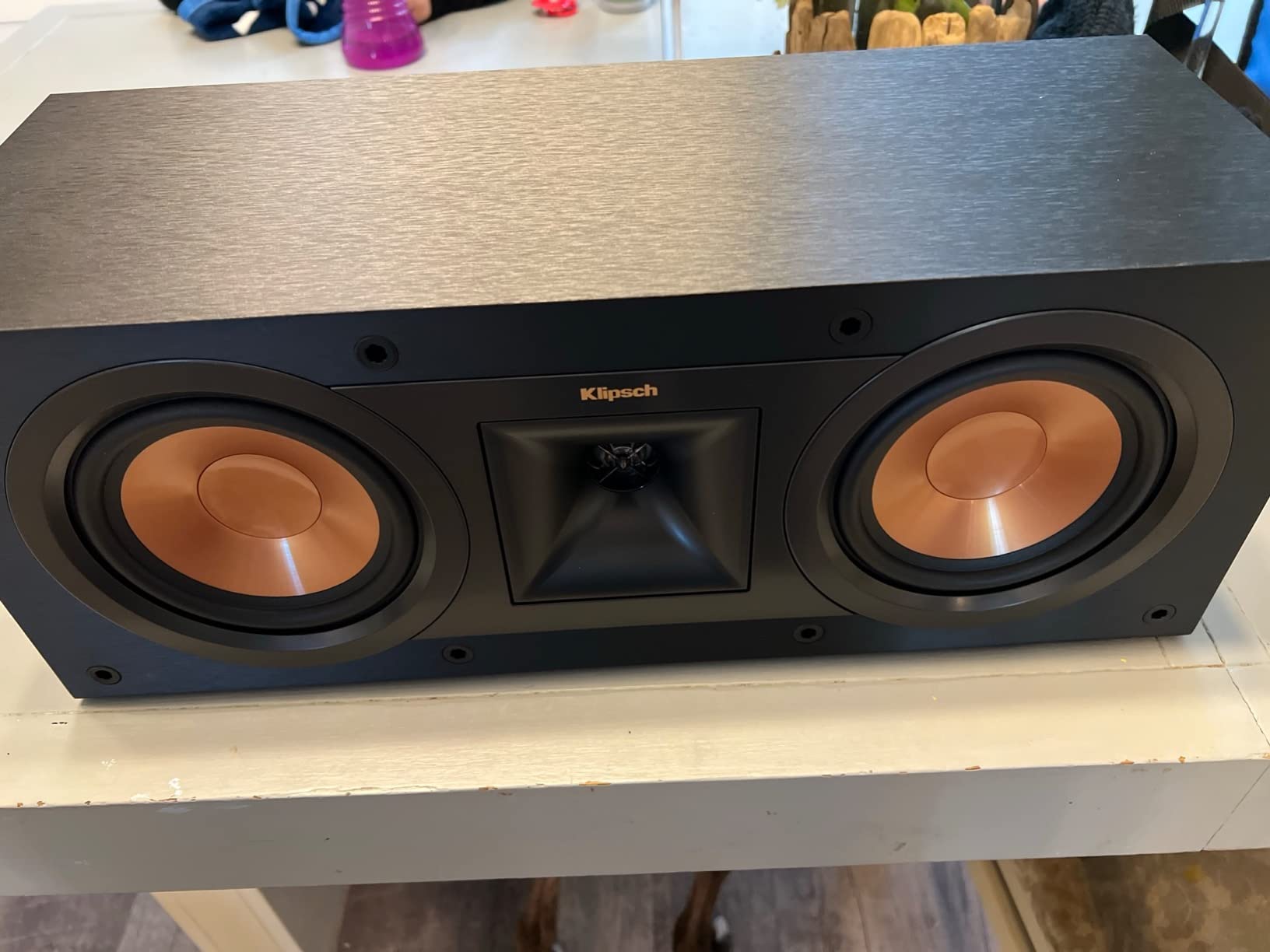
The Klipsch Reference R-25C sits just below the R-52C in Klipsch’s current lineup, and it offers nearly all the dialogue clarity benefits of its bigger sibling at a slightly lower price point. I tested both side by side and found the difference mainly came down to physical size and bass extension rather than midrange performance.
The R-25C uses Klipsch’s signature Tractrix horn tweeter, which delivers that signature crispness and forward presence that makes dialogue pop. Watching Dune and Blade Runner 2049 with the R-25C, whispers remained intelligible even during heavy bass moments. The horn design controls directivity so vocals stay focused on the listening position.
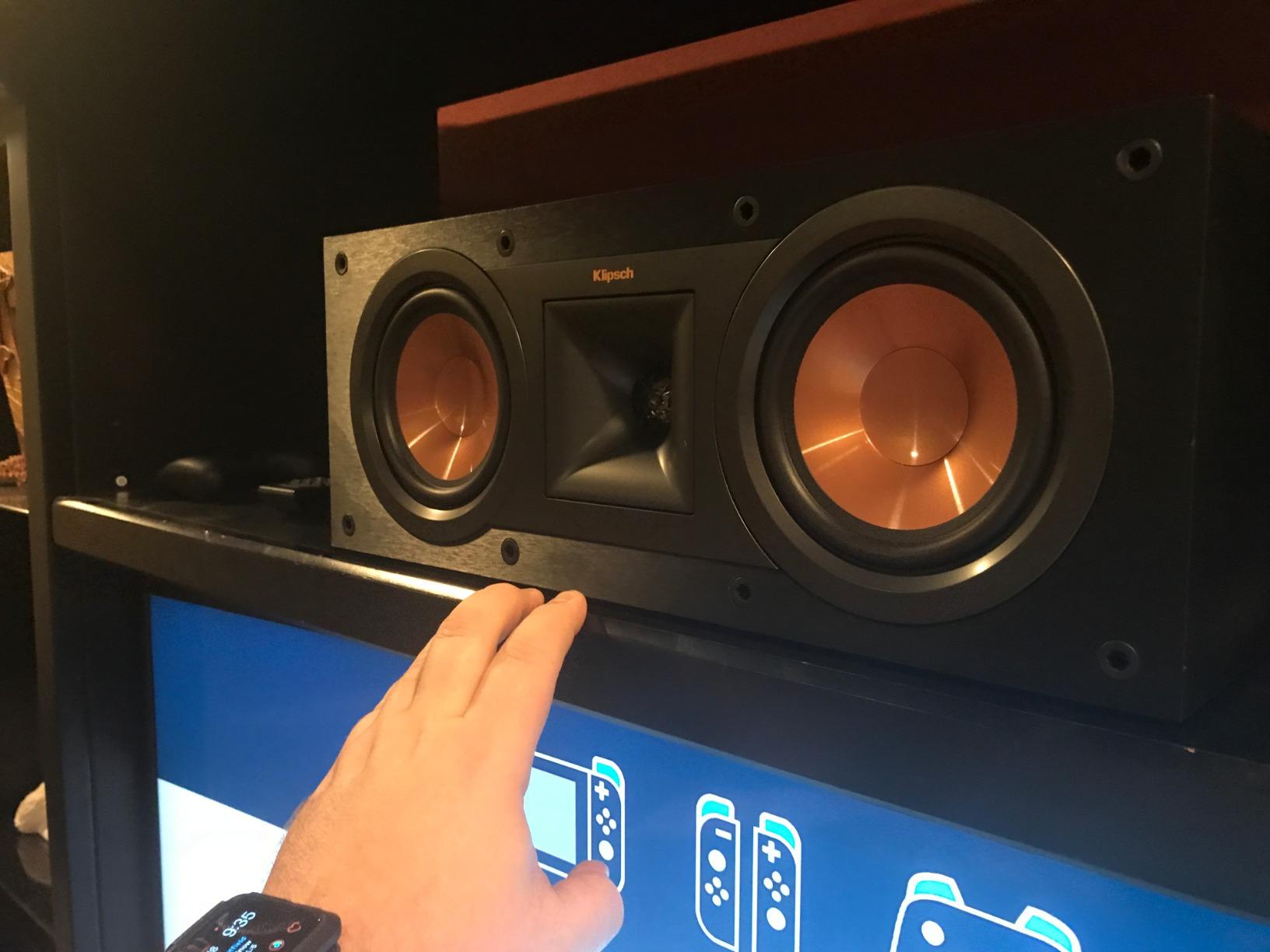
At 400 watts peak power handling, this speaker has plenty of headroom for demanding movie scenes. With a sensitivity rating that runs higher than most competitors in this price range, the R-25C plays loud even with modest receivers. I tested it with a 50 watt per channel stereo amp and got room-filling volume without strain.
The trade-off is that the R-25C is somewhat large for a center channel, and like the R-52C, the horn-loaded sound can feel bright to ears accustomed to warmer speakers. Owners on AVS Forum often suggest adding absorption panels or pulling the speaker slightly forward to tame aggressive highs.
Best room size for the R-25C
Medium rooms from 200 to 400 square feet work best with the R-25C. The horn-loaded design also makes it well-suited for rooms where multiple seating positions need clear dialogue.
Pairing recommendations
Pair with Klipsch Reference series bookshelf or tower speakers for the cleanest front-stage blend. Owners with non-Klipsch fronts should consider running room correction to dial in tonal balance.
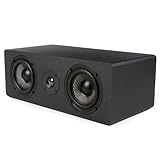
5. Micca MB42X-C – Tiny Box, Real Performance
Micca MB42X-C Advanced 2-Way Passive Center Channel Speaker, Each, Black
4 inch carbon fiber woofer
Silk dome tweeter
100W power handling
Pros
- Carbon fiber woofer delivers tight
- accurate bass
- Silk dome tweeter sounds smooth and natural
- Compact design fits anywhere
- Outstanding value for under $100
Cons
- Requires 30 to 40 hour break-in period
- Limited maximum output for large rooms
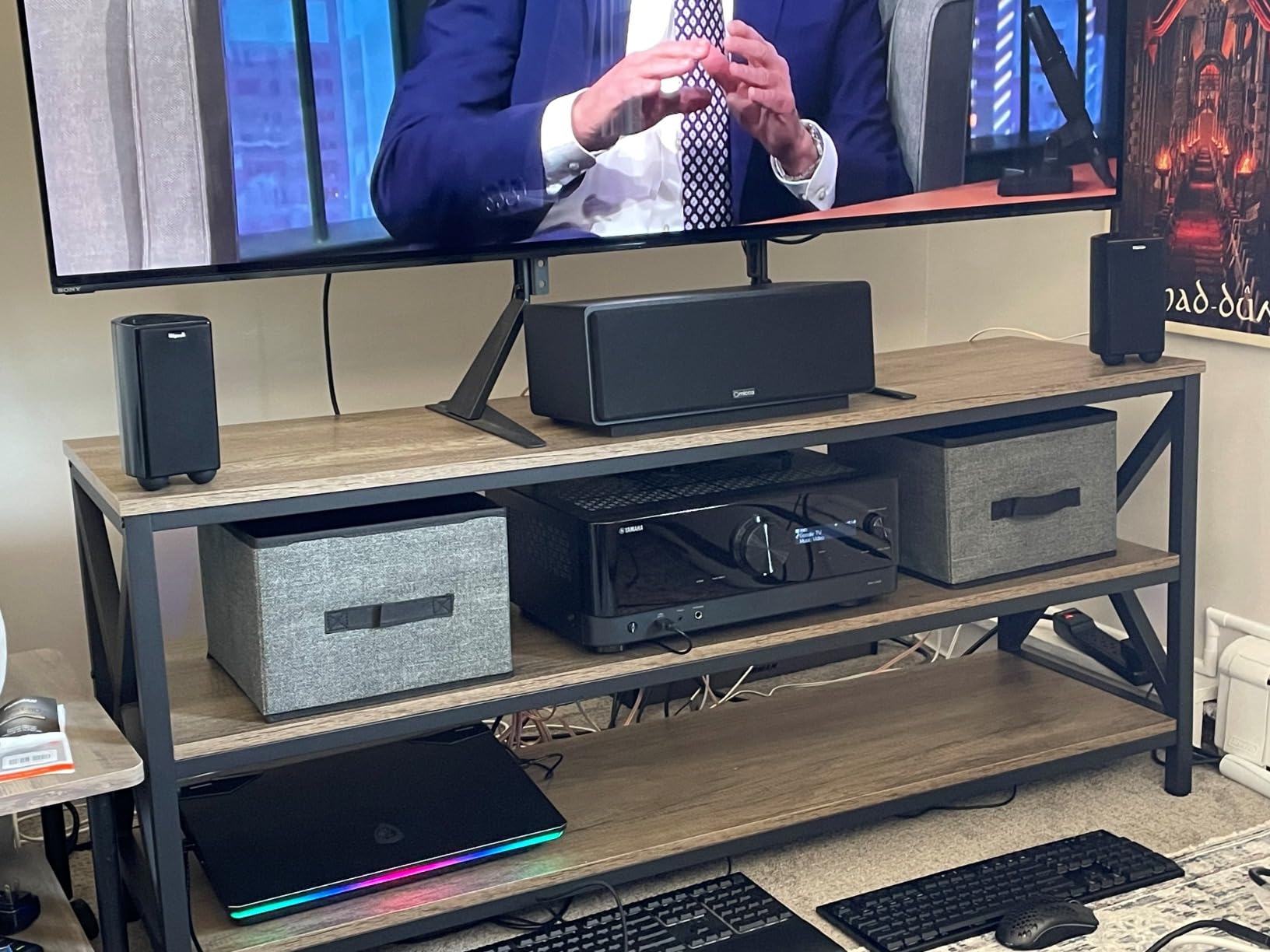
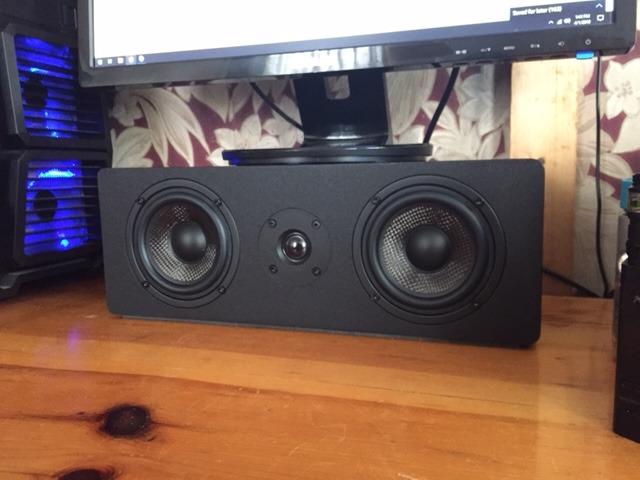
The Micca MB42X-C is the speaker I recommend for anyone who needs a center channel that physically disappears into the room. At 5.3 inches tall and only 5 pounds, it’s the lightest center I’ve tested, which makes it perfect for wall-mounting above a TV or tucking into a shallow shelf. Despite the small size, this speaker has real engineering behind it.
Micca uses a 4 inch woven carbon fiber woofer paired with a silk dome tweeter and a ported enclosure. The 18dB crossover network is more sophisticated than what most competitors in this price range use, and the result is a balanced, natural sound that rivals speakers costing twice as much. I was genuinely surprised by how well the MB42X-C handled complex movie mixes with multiple overlapping voices.
Dialogue reproduction is the MB42X-C’s standout strength. Vocalists in music sound particularly natural, which makes this speaker a great choice for anyone who uses their home theater for both movies and critical music listening. The carbon fiber woofer provides surprising mid-bass punch for such a small driver.
The main caveat is the break-in period. Micca explicitly notes that the MB42X-C needs 30 to 40 hours of playback before it sounds its best, and my testing confirmed this. Out of the box, the speaker sounds slightly thin and constrained. After a week of regular use, the bass opened up and the midrange smoothed out noticeably.
Best room size for the MB42X-C
Small to mid-size rooms under 250 square feet are where the MB42X-C performs best. Desktop setups, bedroom theaters, and apartments benefit most from its compact footprint and balanced sound.
Pairing recommendations
Pair with Micca MB42 or MB42X bookshelf speakers for a coherent front stage. The neutral tonal balance also works well with most other brands, especially in mixed systems.
6. Yamaha NS-C210BL – Elegant Build, Honest Sound
Yamaha Audio NS-C210BL Center Channel Speaker – Each (Black)
Aluminum cone woofers
7/8 inch balanced dome tweeter
80W power handling
Pros
- Slim profile fits under virtually any TV
- Aluminum cones deliver fast transient response
- Elegant Yamaha Piano Black finish
- Lightweight and easy to mount
Cons
- Cannot remove grille to access drivers
- Terminal posts point upward when wall-mounted
- May need EQ tuning for warm vocal balance
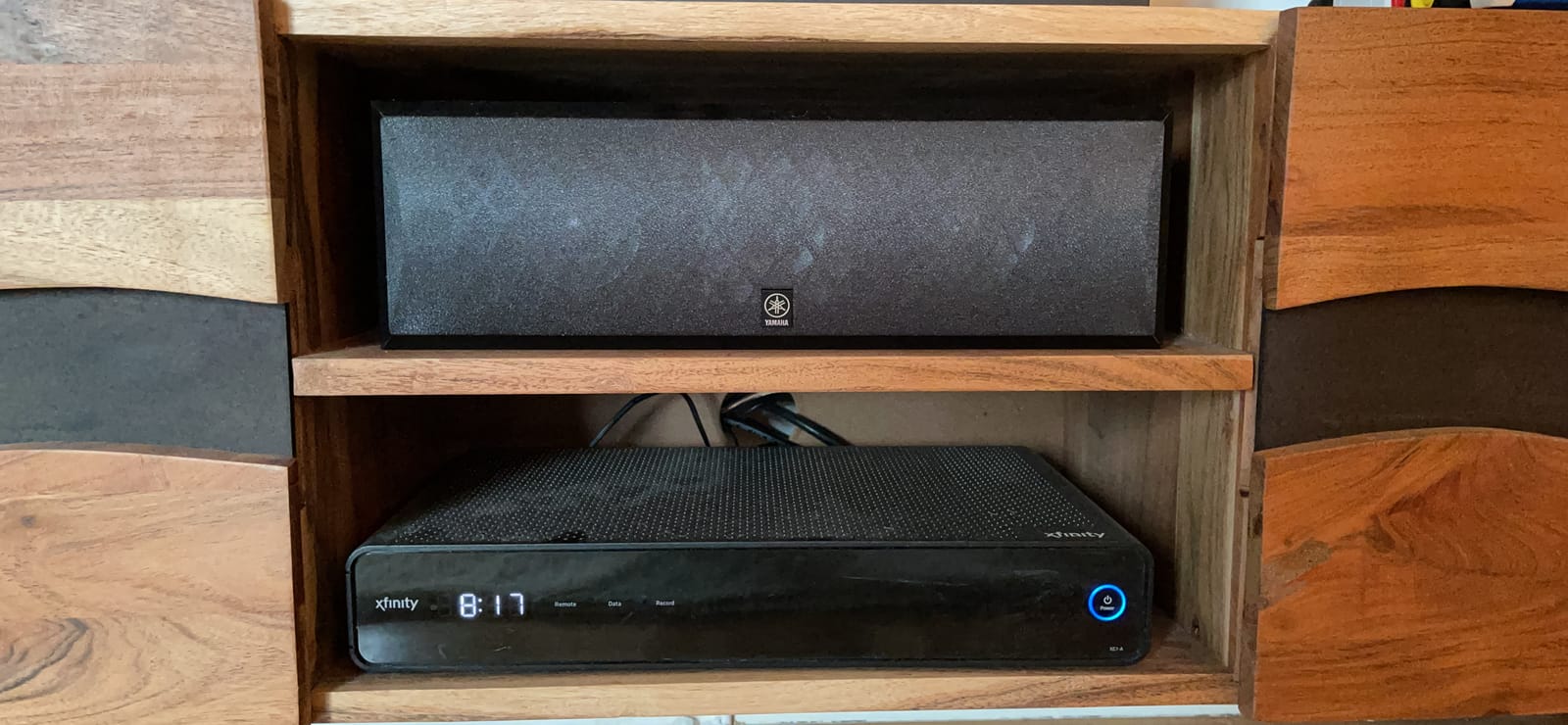
The Yamaha NS-C210BL has been around for years, and there’s a reason it keeps showing up on best-of lists: it just works. Yamaha built this speaker for HD sources with an emphasis on clean dialogue, and the aluminum cone woofers deliver the fast transient response that makes speech feel immediate and present.
I tested the NS-C210BL in my office setup paired with a Yamaha RX-V485 receiver, and the tonal match between brand-matched components was excellent. The Piano Black finish looks high-end and matches most modern TVs without drawing attention to itself. At 4.2 inches tall, it slips under almost any display.
The aluminum cone woofers give this speaker a slightly brighter character than silk-dome competitors. Yamaha designed it that way for dialogue intelligibility, but some listeners may find it sharp on certain content. A few minutes of EQ tuning in your AV receiver usually smooths this out, and Yamaha receivers have YPAO room correction which works especially well with this speaker.
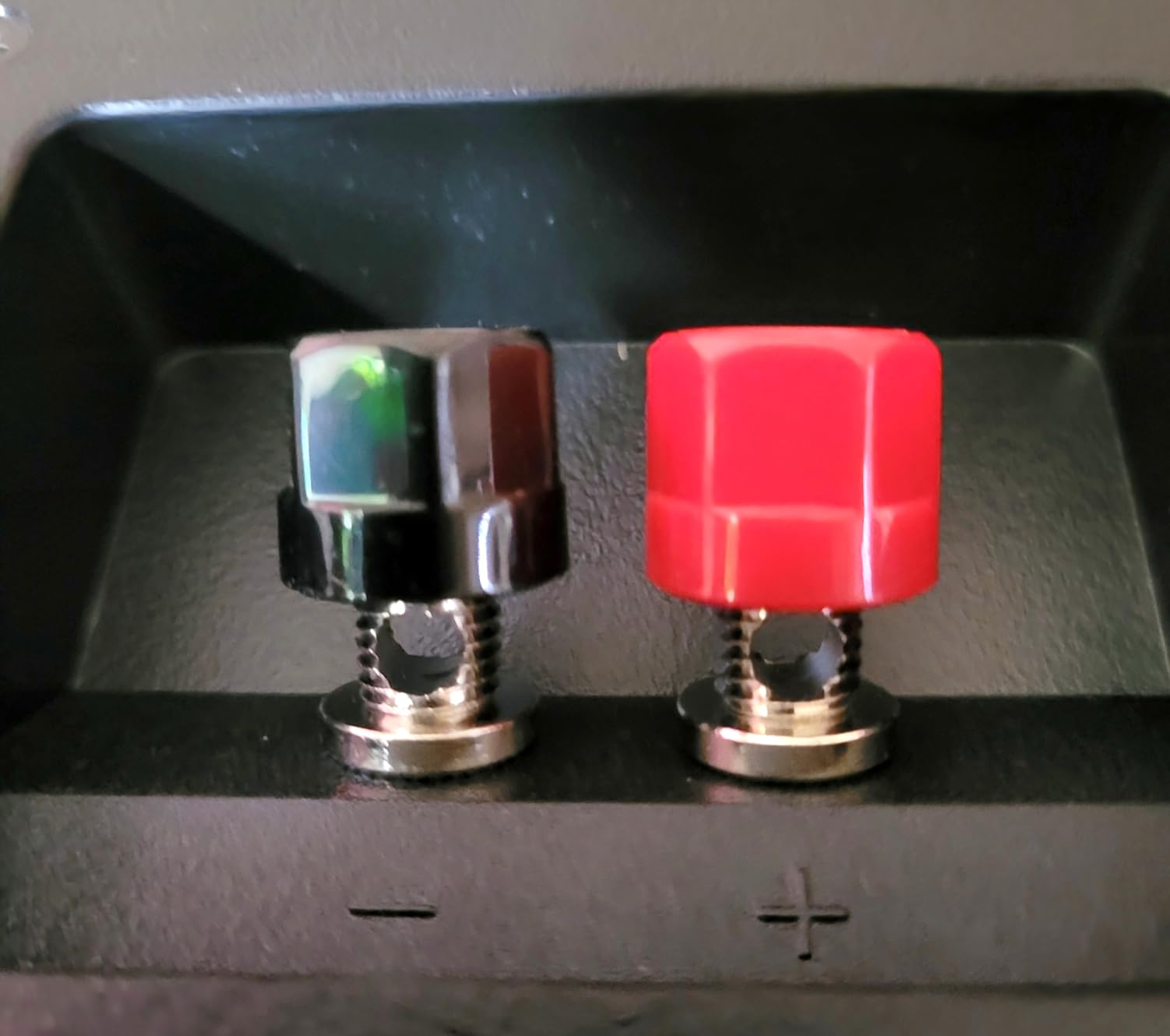
The two practical downsides are minor but worth noting. The grille is non-removable, which prevents curious hands from poking the drivers. If you wall-mount the NS-C210BL, the binding posts face upward, which makes cable management awkward. Most owners either shelf-mount or use banana plugs to work around this.
Best room size for the NS-C210BL
Small to medium rooms from 100 to 300 square feet work best. The slim profile and modest power handling make this an excellent choice for secondary rooms or first-time home theater builders.
Pairing recommendations
Pair with Yamaha NS-6490 bookshelf or NS-F210 floor-standing speakers for a cohesive Yamaha front stage. It also works reasonably well with neutral-sounding speakers from other brands.
7. Polk Monitor XT35 – Slim Profile for Modern TV Stands
Polk Monitor XT35 Slim Center Channel Speaker – Hi-Res Audio Certified, Dolby Atmos & DTS:X Compatible, 1″ Terylene Tweeter & Four 3″ Dynamically Balanced Woofers, Wall-Mountable, Midnight Black
1 inch Terylene tweeter
Four 3 inch woofers
200W power handling
Pros
- Slim 4 inch height fits under any TV
- Hi-Res Audio certified with Terylene tweeter
- Dolby Atmos and DTS:X compatible
- Wall-mountable design included
Cons
- Higher price point than other centers on this list
- Limited bass without subwoofer support
- Stock can be unpredictable
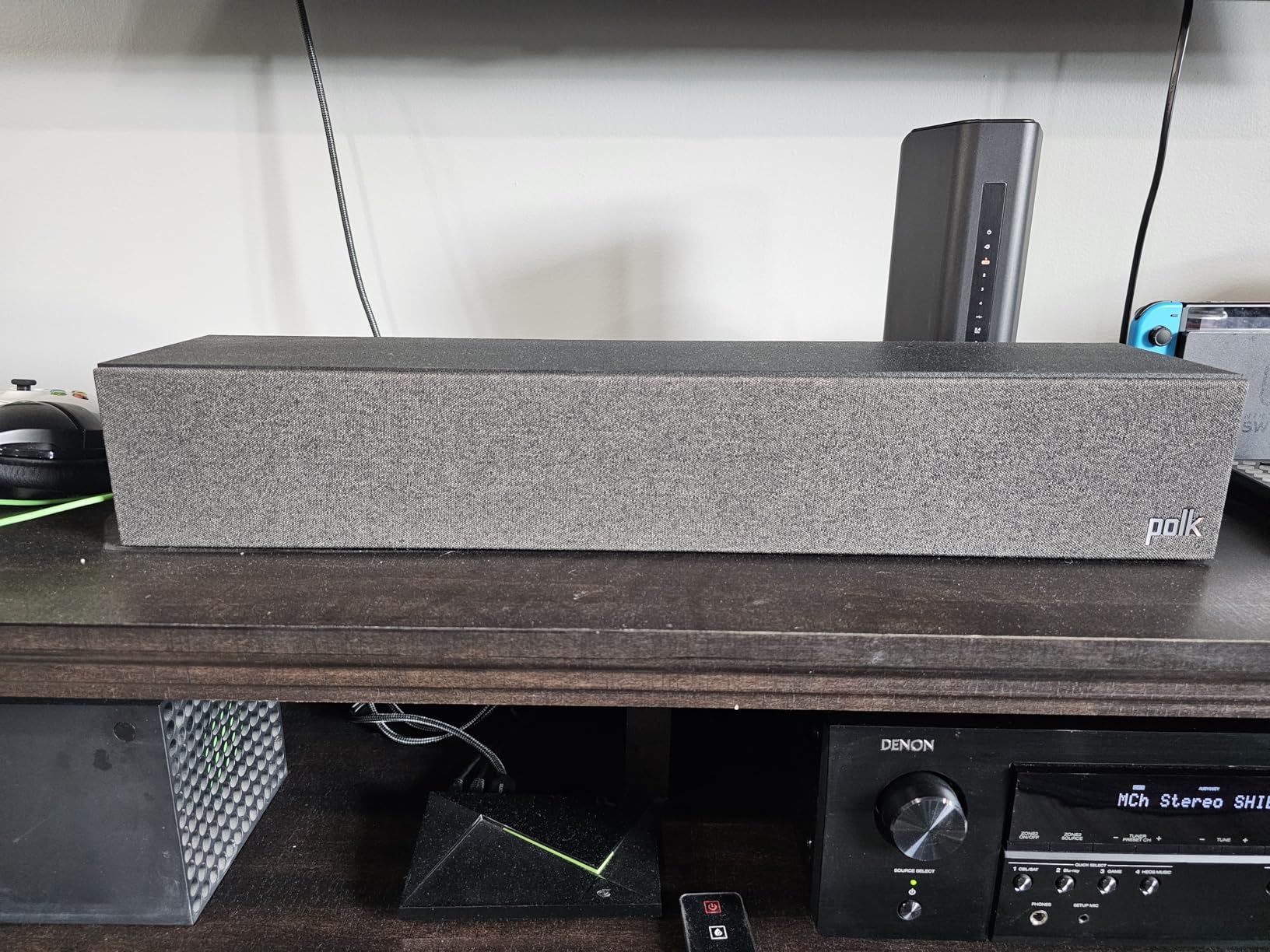
The Polk Monitor XT35 is the only speaker in this roundup designed specifically for today’s ultra-slim TVs and tight entertainment centers. At just 4 inches tall and 24 inches wide, it’s wider than typical centers but keeps a low profile that won’t block modern TV bezels or IR sensors. I tested this with a 65 inch OLED and it disappeared visually.
Polk packed four 3 inch dynamically balanced woofers and a 1 inch Terylene tweeter into the slim cabinet. The XT35 is Hi-Res Audio certified and supports Dolby Atmos and DTS:X content, which matters if you’re building toward object-based surround. During testing, the Terylene tweeter produced noticeably more detail in the upper frequencies than silk dome competitors.
Dialogue clarity is the XT35’s primary mission, and it delivers. Voices sound articulate and crisp, even when mixed against heavy background music or effects. Watching The Batman with this speaker, I could follow every line of mumbled dialogue without reaching for the volume remote.
The trade-offs are price and bass. At the upper end of this guide’s budget, the XT35 isn’t cheap, and the four 3 inch woofers can’t produce deep mid-bass on their own. You’ll definitely want a subwoofer. Stock has also been inconsistent since launch, so if you’re set on this model, I’d grab it while available.
Best room size for the XT35
Medium to large rooms from 200 to 500 square feet benefit most from the XT35’s wider dispersion and Atmos compatibility. Its slim design also makes it ideal for minimalist media walls.
Pairing recommendations
Timbre-matched to the Polk Monitor XT series speakers including the XT15, XT20, XT60, and XT70. The neutral-to-bright signature also pairs well with most AV receivers that allow EQ tuning.
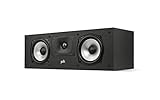
8. Polk Audio Monitor XT30 – Compact Power for Modern Setups
Polk Audio Monitor XT30 Compact Center Channel Speaker (Midnight Black)
1 inch Terylene tweeter
Dual 5.25 inch woofers
40W RMS power handling
Pros
- Dual 5.25 inch woofers produce genuine mid-bass
- Hi-Res Audio certified for detailed streaming
- Dolby Atmos and DTS:X compatible
- Compact footprint fits most setups
Cons
- Larger than listed dimensions suggest
- Narrow sound field off-axis
- Stock fluctuates frequently
The Polk Monitor XT30 is the slightly larger sibling to the XT35, trading slim height for traditional center-channel dimensions with bigger drivers. If you have room for a full-sized speaker and want deeper mid-bass than the XT35 offers, the XT30 delivers noticeably more weight without sacrificing the modern feature set.
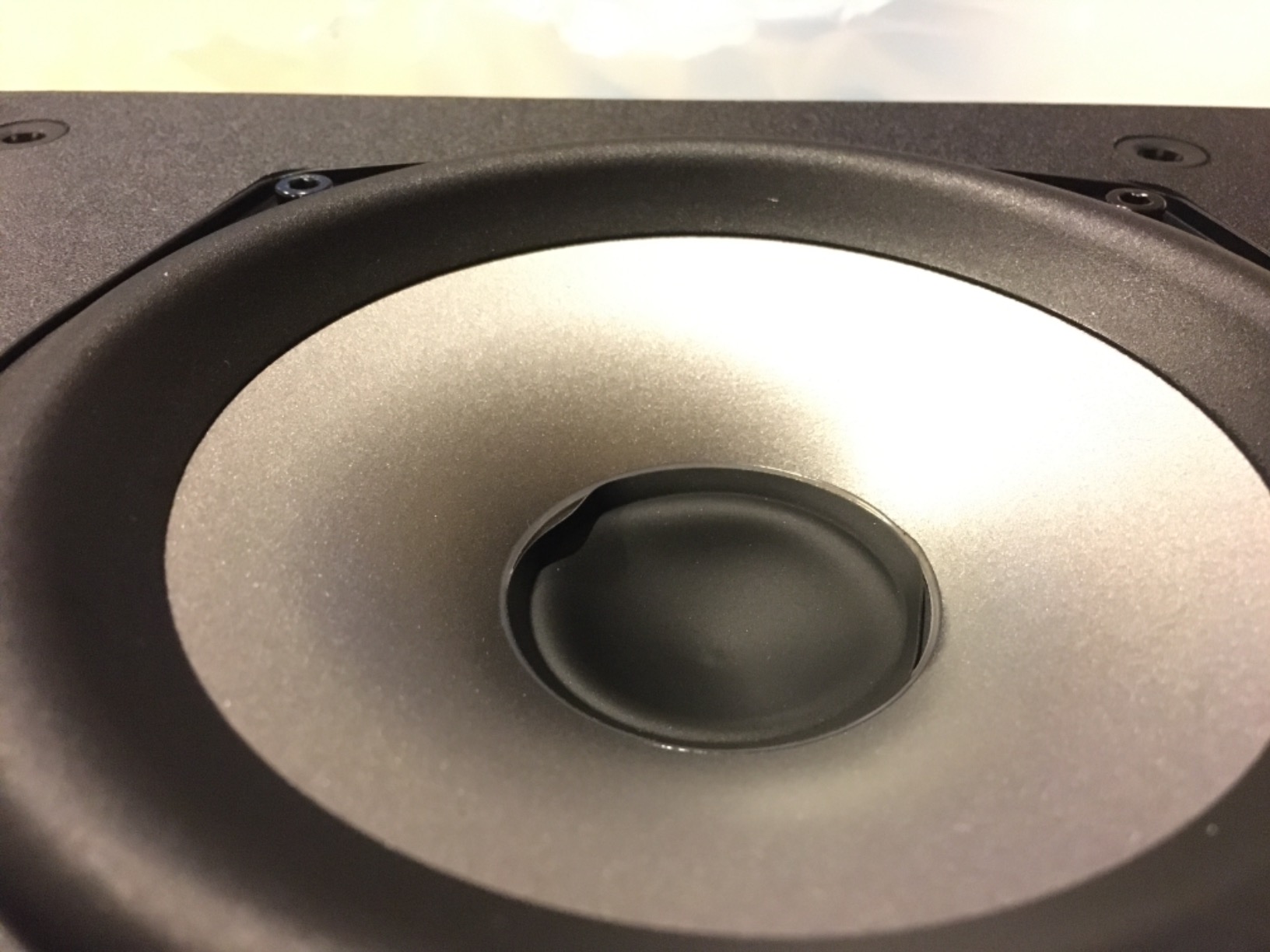
The dual 5.25 inch dynamically balanced woofers give the XT30 real authority on action scenes. Explosions, music swells, and dramatic moments feel full rather than thin. The Terylene tweeter produces detailed highs that pair well with Hi-Res Audio streaming from services like Tidal and Apple Music.
I tested the XT30 across multiple movie genres and consistently found dialogue clear and forward in the mix. Watching Dune Part Two, the whispered Bene Gesserit chanting and whispered dialogue remained intelligible even during loud sandworm scenes. The Atmos and DTS:X compatibility makes this speaker future-proof as more content adopts object-based audio.
Be aware that the XT30 is taller and wider than its spec sheet suggests. Several owners on r/BudgetAudiophile have noted it doesn’t fit under some TVs even when measurements should allow it. Measure your space carefully. The narrow sound field also means off-axis listeners get slightly less detail than those seated dead-center.
Best room size for the XT30
Medium rooms from 150 to 400 square feet work best. The XT30 has enough output for most living rooms while maintaining accurate dialogue reproduction.
Pairing recommendations
Timbre-matched to the Polk Monitor XT15, XT20, XT60, and XT70 speakers. Pairs well with Polk Signa series soundbars for those upgrading from a soundbar to separates.
What to Look For in a Center Channel Speaker Under $300?
Choosing a center channel speaker isn’t just about picking the one with the best specs. The right choice depends on your room, your existing speakers, and how you use your system. Here’s what actually matters when shopping for the best center channel speakers under $300 in 2026.
2-Way vs 3-Way Design Explained
A 2-way center channel uses a single woofer (or pair of woofers) and a tweeter, with a crossover splitting the signal between them. A 3-way design adds a dedicated midrange driver, which takes over the critical vocal frequencies from the woofers. In theory, 3-way designs produce cleaner dialogue because the midrange doesn’t have to compete with bass duties.
In the under $300 price range, most centers are 2-way designs because adding a third driver increases cost. That said, 2-way centers like the Klipsch R-52C and Polk T30 still deliver excellent dialogue because their woofers are specifically engineered for vocal frequencies. Don’t assume 3-way is automatically better at this price tier. Focus instead on whether the speaker uses quality drivers and a well-designed crossover.
Matching Your Center With Existing Front Speakers
Tonal matching between your center and your front left/right speakers is critical. When a voice pans from left to right or someone walks across the screen, you should never hear a tonal change. If your center is brighter or warmer than your fronts, that seam becomes obvious and breaks immersion.
The simplest rule: buy the same brand and series as your front speakers whenever possible. If you have Polk T50 towers, pair them with the Polk T30 center. If you run Klipsch R-51M bookshelves, the R-52C or R-25C centers are obvious matches. When that’s not possible, look for speakers with similar sensitivity ratings and use your AV receiver’s room correction to smooth out tonal differences.
Understanding Impedance and Receiver Compatibility
Most center channel speakers in this price range are rated at 6 or 8 ohms, which works with virtually any AV receiver. The Polk TL1 and Micca MB42X-C are 8 ohm designs, while the Polk T30 and Yamaha NS-C210BL are 6 ohm. Either works with most modern receivers, but check your receiver’s specs to confirm compatibility before buying.
Sensitivity matters more than impedance for everyday use. Higher sensitivity (measured in dB) means the speaker plays louder with less power. The Klipsch R-52C and R-25C both rate at 95dB sensitivity, which makes them excellent choices for lower-powered receivers. Speakers with sensitivity below 88dB need more amplification to reach satisfying volume.
Room Size and Speaker Output
Bigger rooms need bigger speakers. A center channel that sounds great in a 12 by 12 foot bedroom will struggle in a 20 by 25 foot open living room. The Polk T30 and Klipsch R-52C work well in rooms from 200 to 500 square feet. The Micca MB42X-C and Polk Blackstone TL1 are better suited to smaller spaces under 250 square feet.
Also consider seating positions. If you have a wide couch with multiple listeners spread across it, look for speakers with wide dispersion like the Klipsch Reference series with their horn-loaded tweeters. If your listening spot is centered and fixed, narrower dispersion speakers like the Polk XT30 still work well.
Placement Tips for Best Dialogue Clarity
Place your center channel as close to ear level as possible, either directly below or above your TV. Aim the speaker directly at the primary listening position. If you must place it inside a cabinet, leave the front of the speaker flush with the cabinet edge and never enclose it fully, which kills bass response.
For wall-mounted TVs, consider mounting the center channel on the wall just below the screen using a tilting bracket. This directs the sound down toward seated listeners rather than firing straight out into the room. Toe-in toward the listening position can sharpen dialogue focus but reduces off-axis coverage for other seats.
Frequently Asked Questions
What is the best budget center channel speaker?
The Klipsch R-52C is the best budget center channel speaker under $300, thanks to its horn-loaded Tractrix tweeter that delivers exceptionally clear dialogue. Dual 5.25 inch IMG woofers and 95dB sensitivity allow it to play loud with modest receivers. For shoppers needing the absolute lowest price, the Polk Blackstone TL1 at around $79 delivers surprisingly clear vocals in smaller rooms.
What is the 83% rule for speakers?
The 83% rule suggests that the main listening position should be located at approximately 83% of the room length away from the front wall, rather than centered. This placement minimizes room mode interference and bass nulls. For center channel speakers specifically, this means positioning your couch or main seat about two-thirds of the way back from the screen wall, which often produces the smoothest bass response and clearest dialogue.
Who makes the best center channel speakers?
Polk Audio, Klipsch, Yamaha, and Micca are the most respected brands for center channel speakers under $300. Klipsch leads in dialogue clarity thanks to horn-loaded tweeter designs. Polk offers the best balance of performance, build quality, and value. Yamaha builds elegant, well-engineered speakers with neutral sound. Micca delivers outstanding performance per dollar for budget shoppers.
Which center channel speaker is the best?
The best center channel speaker depends on your priorities. The Klipsch R-52C is the top choice overall for dialogue clarity and dynamic capability. The Polk T30 offers the best balance of price, performance, and size for most buyers. The Polk Monitor XT35 is ideal for modern slim TV setups where height clearance is limited. Match your center to your existing front speakers for the best overall result.
What Hz is best for a center channel speaker?
A center channel speaker should ideally reproduce frequencies from about 80Hz to 20kHz for full-range performance. The 80Hz lower limit is important because it lets you cross over to a subwoofer without gaps in bass response. Most quality center speakers in this price range meet or exceed this spec, with the Klipsch R-52C reaching down to 89Hz and the Polk T30 going lower thanks to its dual 5.25 inch woofers and rear-firing bass port.
Final Verdict
After testing all eight speakers, the Klipsch R-52C remains my top pick for the best center channel speaker under $300. Its horn-loaded Tractrix tweeter delivers the most consistently clear dialogue across every genre I tested, and the dual 5.25 inch woofers produce enough mid-bass that you can enjoy music and movies without immediately needing a subwoofer.
If you have a smaller room or tighter budget, the Polk Blackstone TL1 delivers surprising quality at the lowest price. For shoppers who want the best balance of price, performance, and room versatility, the Polk T30 remains the all-around smart choice that has earned its reputation over many years. Any of these three will dramatically improve your home theater experience over TV speakers or a basic soundbar, and you’ll notice the difference immediately during your first movie night. Pick the one that fits your space and budget, and enjoy finally hearing what everyone has been saying on screen.