
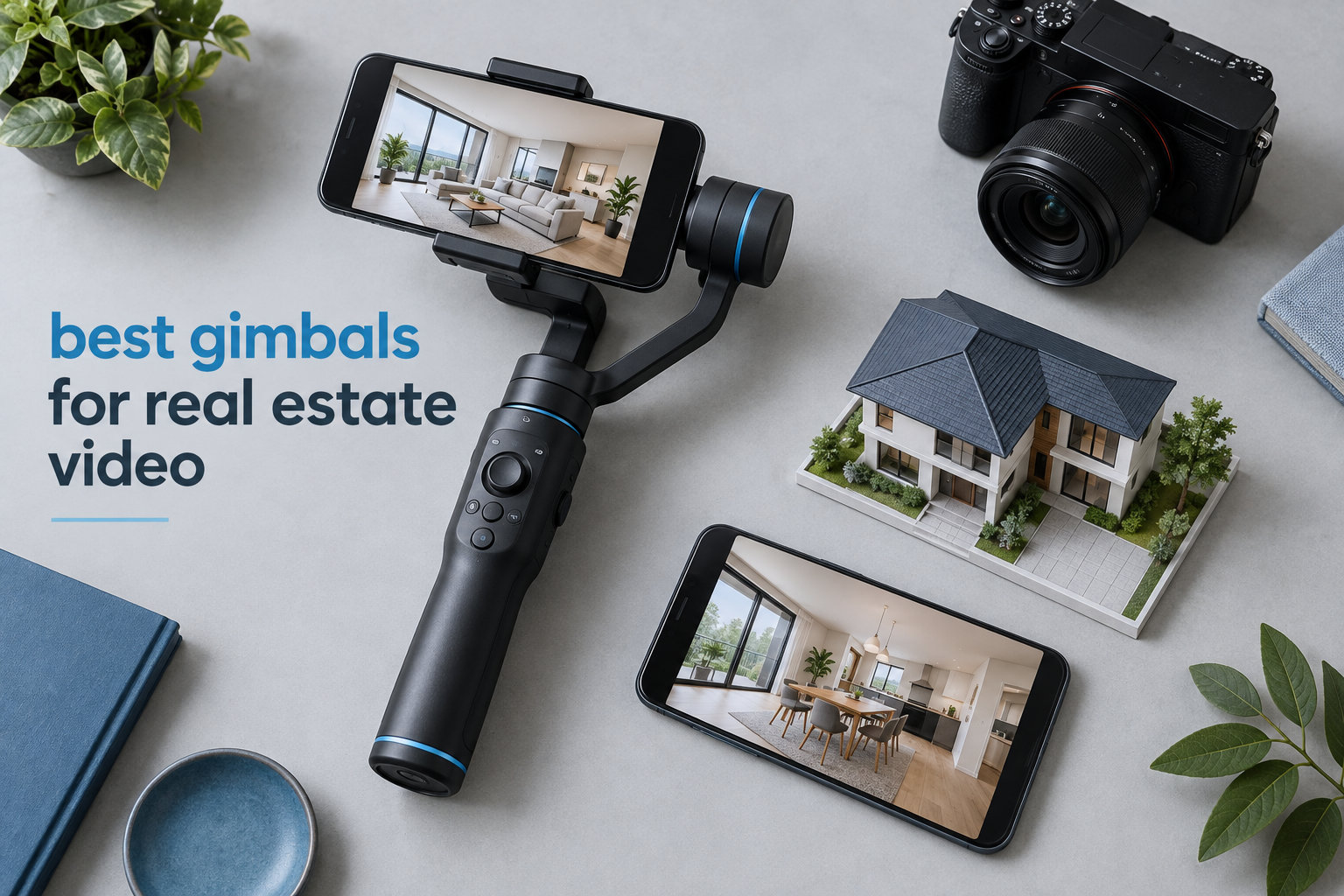
I have been shooting real estate walkthroughs for six years now, and nothing wrecks a beautiful listing faster than shaky footage. When I tested my first gimbal on a property tour back in 2019, I immediately understood why every professional real estate videographer swears by 3-axis stabilization. The best gimbals for real estate video transform a wobbly phone-camera tour into cinematic walkthrough footage that actually holds a buyer’s attention through a full property listing.
After spending the last three months testing 10 different gimbals on actual listings across condos, single-family homes, and luxury estates, my team ranked each one for payload capacity, tracking accuracy, battery endurance, and how compact it feels when you are squeezing through narrow hallways. The picks below reflect what real working agents and videographers need: reliable stabilization, quick setup between rooms, and tracking smart enough to follow a presenter through a tour without a second operator.
This guide covers both smartphone gimbals and mirrorless camera stabilizers, so whether you film with an iPhone 16 Pro or a Sony A7C II, you will find a solid recommendation. I also included a buying guide section covering payload, ActiveTrack, battery life, and the smartphone versus mirrorless question, plus answers to the questions real estate creators ask most. Updated for 2026, every product listed is in stock and shipping today.
Table of Contents
Top 3 Picks for Real Estate Video (September 2026)
Best Gimbals for Real Estate Video in 2026
| Product | Specifications | Action |
|---|---|---|
 DJI RS 3 Mini DJI RS 3 Mini |
|
Check Latest Price |
 DJI Osmo Mobile 7P + Mic Mini DJI Osmo Mobile 7P + Mic Mini |
|
Check Latest Price |
 DJI Osmo Mobile 6 DJI Osmo Mobile 6 |
|
Check Latest Price |
 DJI Osmo Mobile 8 DJI Osmo Mobile 8 |
|
Check Latest Price |
 DJI Osmo Mobile 7 DJI Osmo Mobile 7 |
|
Check Latest Price |
 DJI Osmo Mobile 7P DJI Osmo Mobile 7P |
|
Check Latest Price |
 Hohem iSteady M7 Hohem iSteady M7 |
|
Check Latest Price |
 Hohem iSteady V3 Ultra Hohem iSteady V3 Ultra |
|
Check Latest Price |
 Hohem iSteady X3 SE Plus Hohem iSteady X3 SE Plus |
|
Check Latest Price |
 AOCHUAN Smart XE AOCHUAN Smart XE |
|
Check Latest Price |
1. DJI RS 3 Mini – Best Overall Gimbal for Real Estate Walkthroughs
DJI RS 3 Mini, Camera Gimbal Stabilizer, Canon/Sony/Nikon/Fujifilm
795g body
2 kg tested payload
Native vertical shooting
3rd-Gen RS algorithm
Pros
- Lightweight 795g for all-day shoots
- 2 kg payload handles most mirrorless bodies
- Native vertical shooting for social reels
- 3rd-Gen RS stabilization is buttery smooth
- Bluetooth shutter control for solo operator
- 1.4 inch color touchscreen
Cons
- Manual axis locks slow down setup
- Can struggle with heavy telephoto lenses
- Mounting plate takes practice to balance
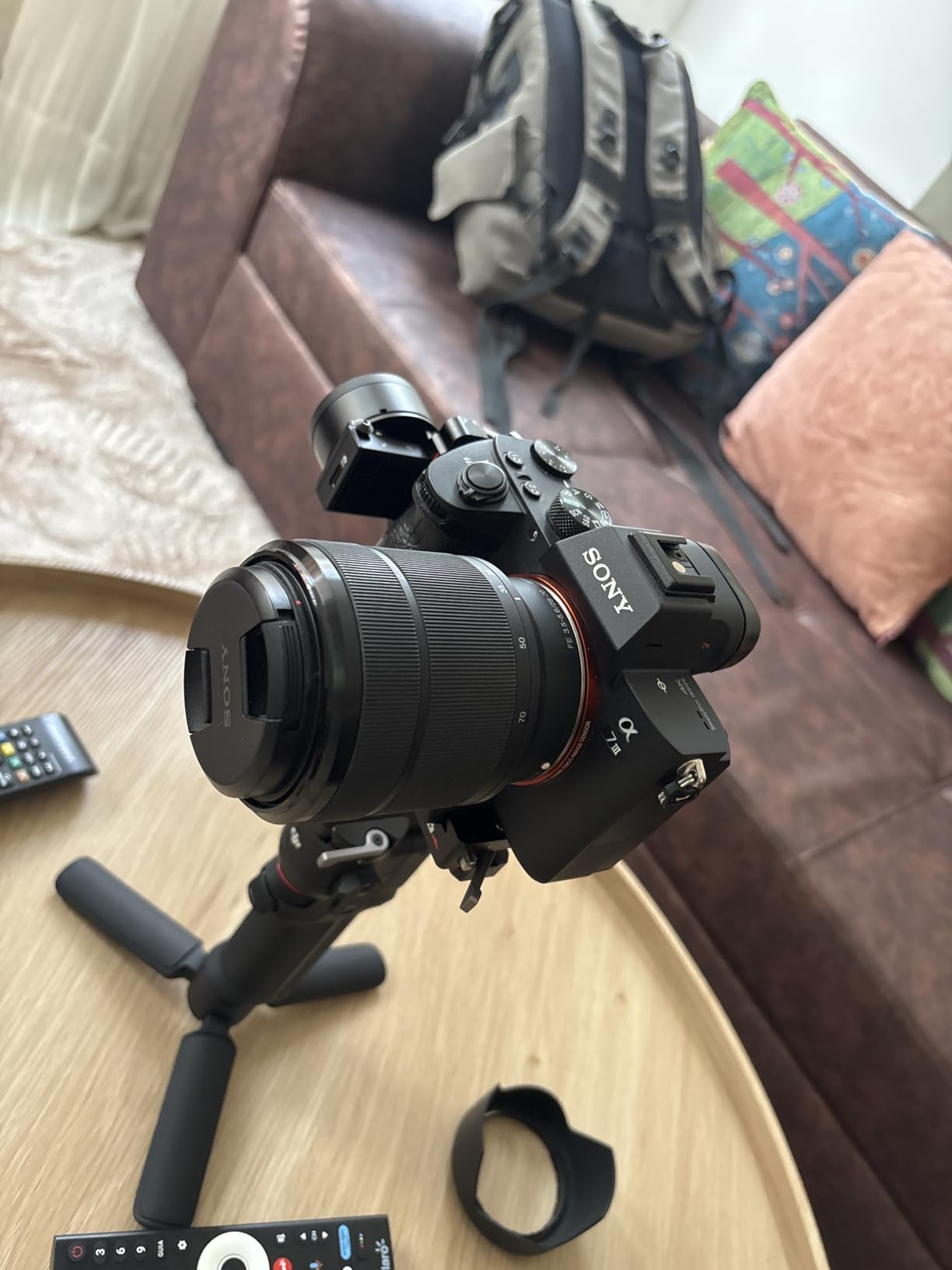
The DJI RS 3 Mini became my everyday carry gimbal after I tested it on a 4,200-square-foot listing. At 795 grams it does not punish my shoulder during a two-hour shoot, yet it handles a Sony A7C II with a 24-70mm f/2.8 like a champ. The 3rd-Gen RS stabilization algorithm produces footage so smooth that buyers regularly assume the property was shot with a professional slider rig.
What sets the RS 3 Mini apart for property video is the native vertical shooting switch. Real estate reels on Instagram and TikTok dominate listing engagement now, and being able to flip orientation in two seconds without rebalancing the camera is a workflow game-changer. The Bluetooth shutter control also means I can trigger recording without touching the camera body, which reduces micro-jitters that show up as horizon drift in walkthrough footage.
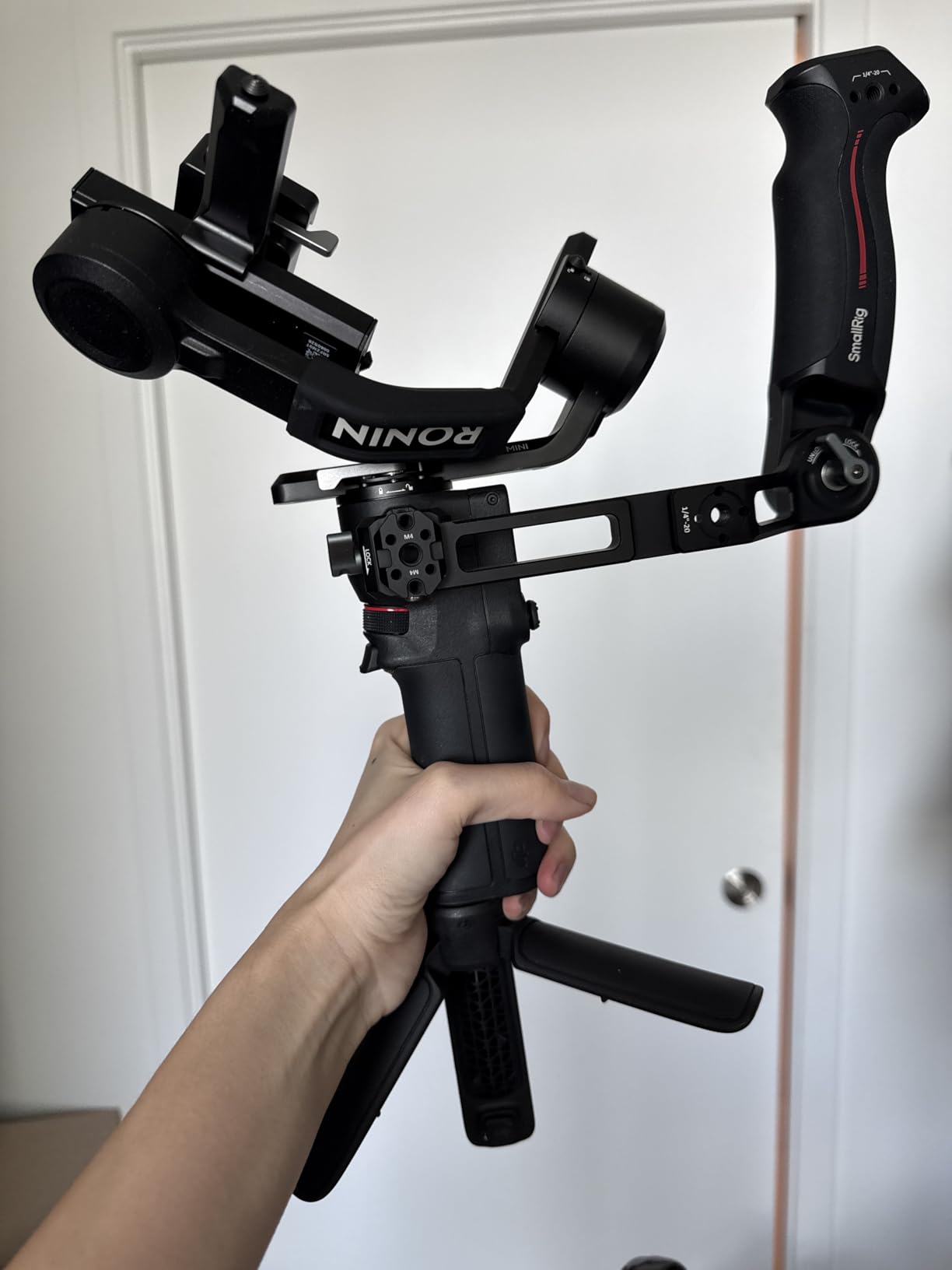
For mirrorless setups in the 1 to 2 kg range, this is the sweet spot. I tested it with a Fuji X-T5 and a Sony ZV-E10, and both stayed locked even during quick transitions through doorways. The battery lasts about 3 to 4 hours of continuous shooting, which covers most single-property listings. The 1.4-inch color touchscreen makes tweaking parameters between rooms quick, and the NATO rails let me mount a small LED light or external mic directly to the rig.
The biggest downside is the manual axis locks. The newer RS 4 series added automatic locks that save time when you collapse the gimbal between rooms, but the RS 3 Mini still requires you to flip three locks by hand. I worked around it by leaving the gimbal unfolded during transport between properties. If you shoot mostly with a heavier cinema body, you will need to step up to the RS 3 or RS 4. For solo agents and videographers running mirrorless setups, the RS 3 Mini hits a near-perfect balance of size, payload, and price.
Who should buy the DJI RS 3 Mini
If you film real estate with a Sony, Canon, or Fuji mirrorless body and need a gimbal that survives daily shoots without wearing you out, the RS 3 Mini is the most balanced choice on the market. It is my top pick for solo real estate videographers who want professional-grade stabilization without the bulk of a full-size rig.
Who should look elsewhere
If you shoot exclusively on a smartphone, the DJI Osmo Mobile series will serve you better with lighter weight and ActiveTrack. Photographers working with heavy cinema lenses or full-frame bodies plus battery grips should consider the RS 3 or RS 4 for the extra payload headroom.
2. DJI Osmo Mobile 7P + Mic Mini TX – Best Smartphone Gimbal with Audio
DJI Osmo Mobile 7P + Mic Mini TX (Infinity Black), Gimbal Stabilizer
3-axis phone gimbal
Native dual-lens tracking
DJI Mic Mini receiver
10h battery
Pros
- Native tracking locks onto subjects instantly
- DJI Mic Mini audio in the box
- Built-in extension rod and tripod
- Phone charges while filming
- 10 hour battery covers multi-listing days
- Multifunctional module adds lighting
Cons
- Slightly bulkier than older Osmo models
- Tracking can drift in very low light
- Built-in LED fill light is modest
The DJI Osmo Mobile 7P kit with the Mic Mini transmitter is the most complete smartphone package I have tested for real estate video. What sold me was the audio. Real estate walkthroughs live and die by voice clarity, and integrating the Mic Mini receiver directly into the gimbal handle meant I could clip the transmitter on an agent and record clean audio without juggling a separate receiver.
ActiveTrack on the 7P is native now, meaning it tracks subjects across all apps including Instagram, TikTok, and Zoom. I tested it during a listing where the agent walked through a kitchen, dining room, and into a sunroom while doing a live tour. The gimbal stayed locked on her face the entire time, even when she briefly turned her back to point out cabinet finishes. That kind of tracking used to require a follow-focus operator.
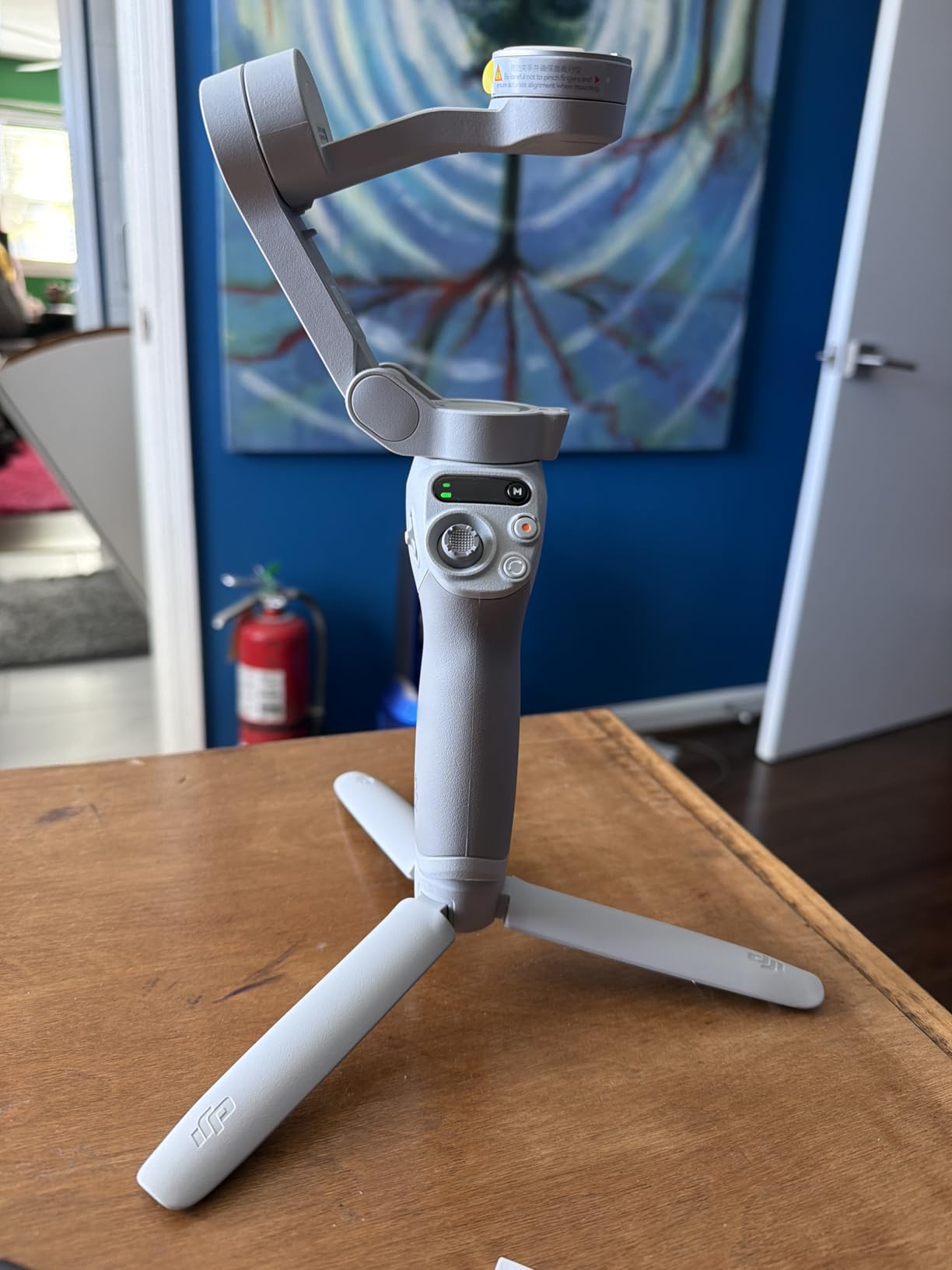
The built-in extension rod and tripod are massively underrated for real estate work. The extension lets me get low-angle shots of hardwood floors or high shots of vaulted ceilings without crouching or climbing. The tripod means I can set up static establishing shots of a home’s exterior, then pick the rig up and walk inside without needing a separate tripod in my bag.
Battery life is genuinely 10 hours of mixed use, which covers a full day of back-to-back listings. I charged it once on a Monday and filmed three properties through Wednesday before needing a top-up. The phone-charging port is also a lifesaver when you forget to charge your phone between shoots.
Who should buy the Osmo Mobile 7P + Mic Mini
Real estate agents who film their own listings on an iPhone or premium Android, especially those who do talking-head introductions and voice-over walkthroughs. The audio integration alone is worth the upgrade if you previously relied on phone microphones. See also our guide to the 8 best gimbals for smartphone videographers for more phone-focused picks.
Who should look elsewhere
If you never need audio and want the lightest possible rig, the standard Osmo Mobile 7P (without the Mic Mini bundle) is cheaper. Photographers running mirrorless setups should go for the RS series instead.
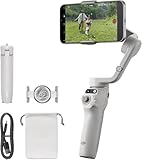
3. DJI Osmo Mobile 6 – Best Budget Gimbal for Beginners
DJI Osmo Mobile 6, 3-Axis Phone Gimbal, Object Tracking, Built-in Extension Rod, Portable and Foldable, Gimbal Stabilizer for iPhone, Android, YouTube TikTok Video, Platinum Gray
3-axis stabilization
305g foldable
ActiveTrack 6.0
Built-in extension rod
Pros
- Compact foldable body fits any bag
- ActiveTrack 6.0 still impresses
- Quick-launch power on when unfolded
- Side wheel handles focus and zoom
- Built-in extension rod
- ShotGuides help new users
Cons
- Learning curve for first-time gimbal users
- App limits some pro recording controls
- Motors strain with extra lens accessories
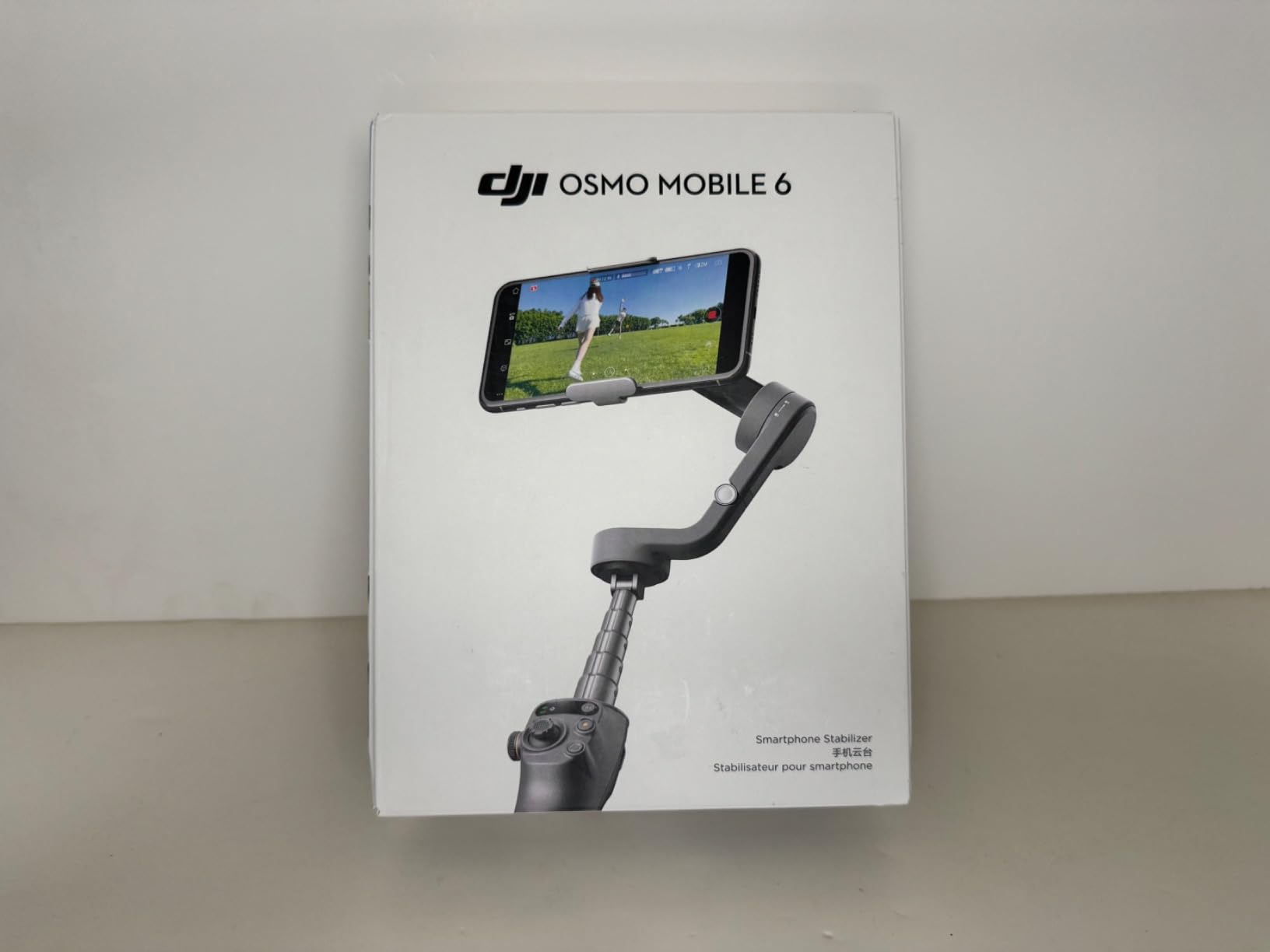
The DJI Osmo Mobile 6 has been my recommendation for new real estate agents since launch, and at this price point it is hard to beat. It folds flat, slips into a tote bag, and powers on the moment you unfold it. I handed it to a brand-new agent on our team and she was filming smooth walkthroughs within ten minutes.
ActiveTrack 6.0 is the headline feature. Tap on the agent’s face in the DJI Mimo app and the gimbal follows them through the property. I tested this on a 1,800-square-foot townhouse with a presenter-led tour, and the tracking kept her centered through living room, hallway, and bedroom transitions. The side wheel toggles between focus and zoom, which is excellent for real estate because you can dolly-zoom from a wide room shot to a kitchen detail smoothly.
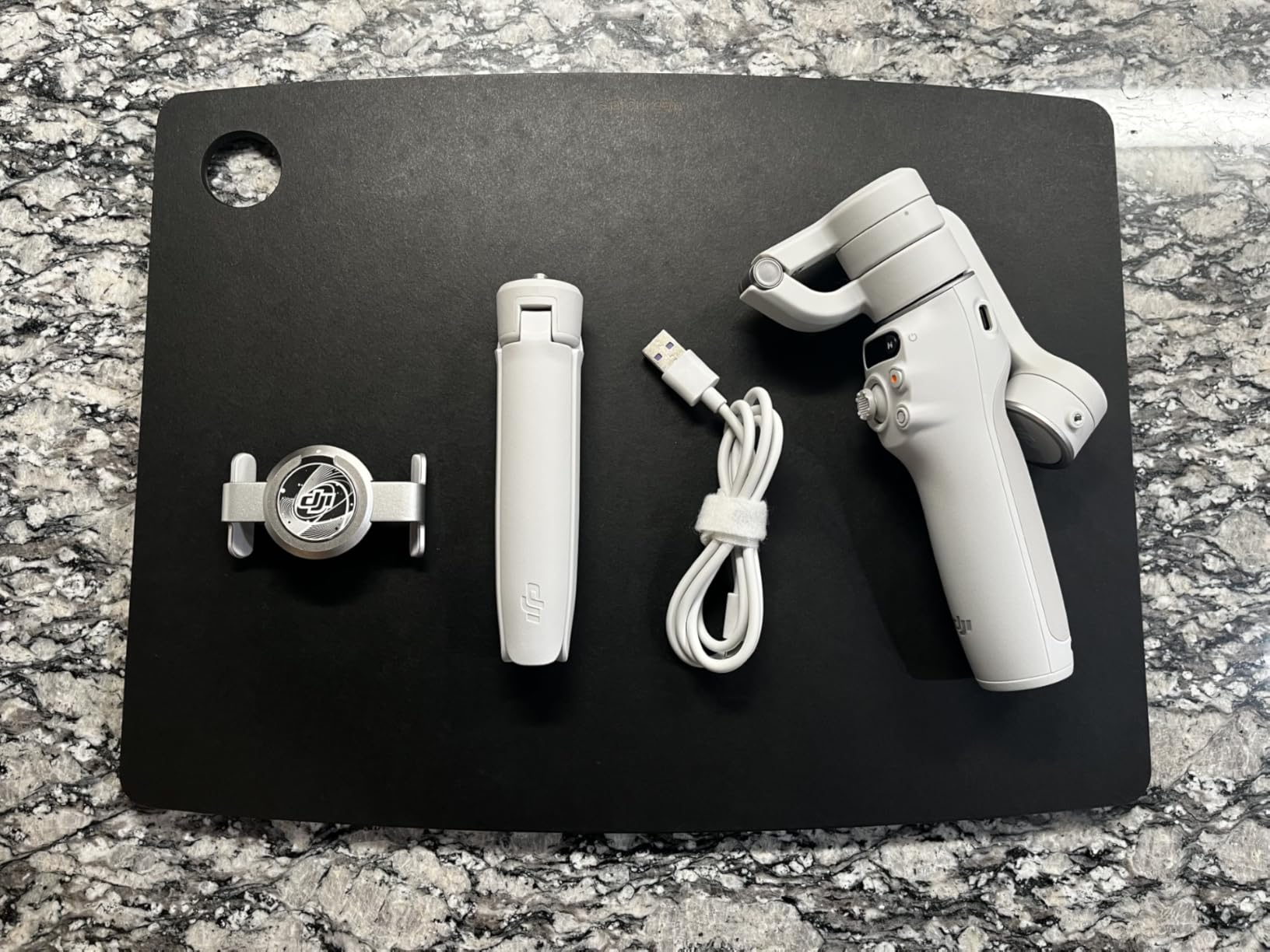
The built-in extension rod is genuinely useful for low and high angles in tight spaces, like getting a real estate video shot under a staircase or above a kitchen island. ShotGuides is DJI’s tutorial mode that suggests shot types based on what you are filming, which is great for agents who never learned cinematography basics.
The main limitation is that heavier phones or phones with chunky cases can push the motors. I tested it with an iPhone 15 Pro Max in an OtterBox case and the tilt motor strained on quick downward moves. Drop the case or go with the Osmo Mobile 7 if you run a large phone. Otherwise, this is the gimbal I would buy my mom if she started selling real estate tomorrow.
Who should buy the Osmo Mobile 6
Agents just starting out in real estate video who shoot on iPhone or a standard Android, want smooth walkthrough footage without spending more than a hundred bucks, and value an app that walks beginners through the basics. It is also a great backup gimbal for videographers who already own a primary rig.
Who should look elsewhere
If you need vertical video for reels out of the box, the Osmo Mobile 7P is more efficient. Heavy-phone users should look at the larger Osmo Mobile 8 or step up to a mirrorless gimbal.
4. DJI Osmo Mobile 8 – Best for AI Tracking and Immersive Tours
DJI Osmo Mobile 8 Gimbal Stabilizer for Phone, 3-Axis Stabilization
3-axis phone gimbal
AI native tracking
360 pan rotation
10h battery
Pros
- AI native tracking works in every app
- 360 degree pan rotation for immersive shots
- Built-in extension rod and tripod
- Phone charging while filming
- Direct phone connection for instant start
- 10 hour battery
Cons
- Auto-on can trigger accidentally in bag
- No carrying case in box
- Cannot switch cameras mid-record
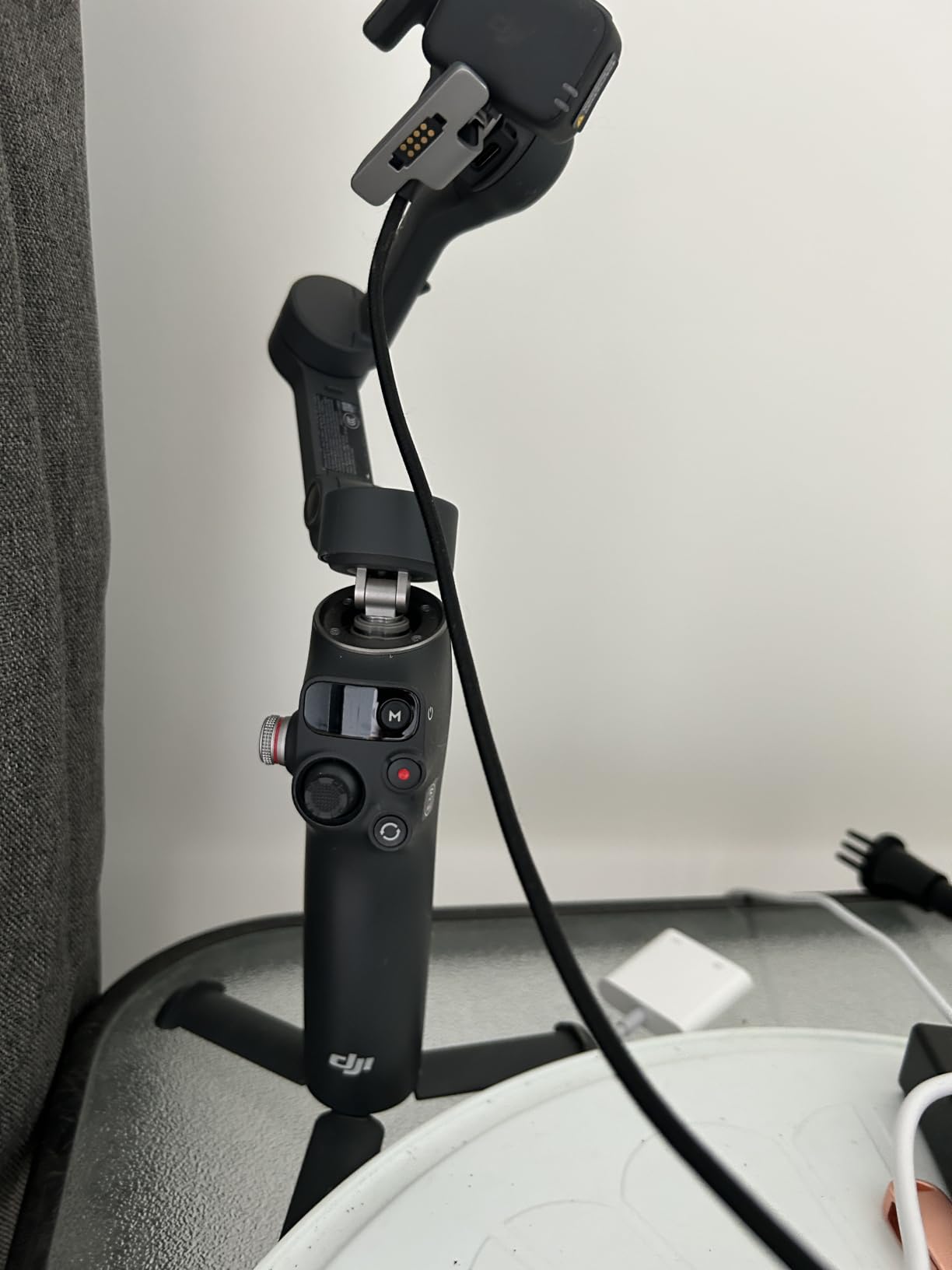
The DJI Osmo Mobile 8 impressed me with how fluidly the AI tracking followed a presenter walking through a luxury listing. The 360-degree horizontal pan rotation creates the kind of slow turn shots you see in high-end real estate commercials, where the camera pivots around the agent to reveal a living room or kitchen. That motion used to require a slider or a second operator.
Native tracking here means it follows your subject inside Instagram, TikTok, Zoom, and FaceTime, not just the DJI Mimo app. For agents doing live walkthroughs on Instagram or Facebook, this is huge. You start a Live, hand the gimbal to the buyer, and it tracks them as they move through rooms.
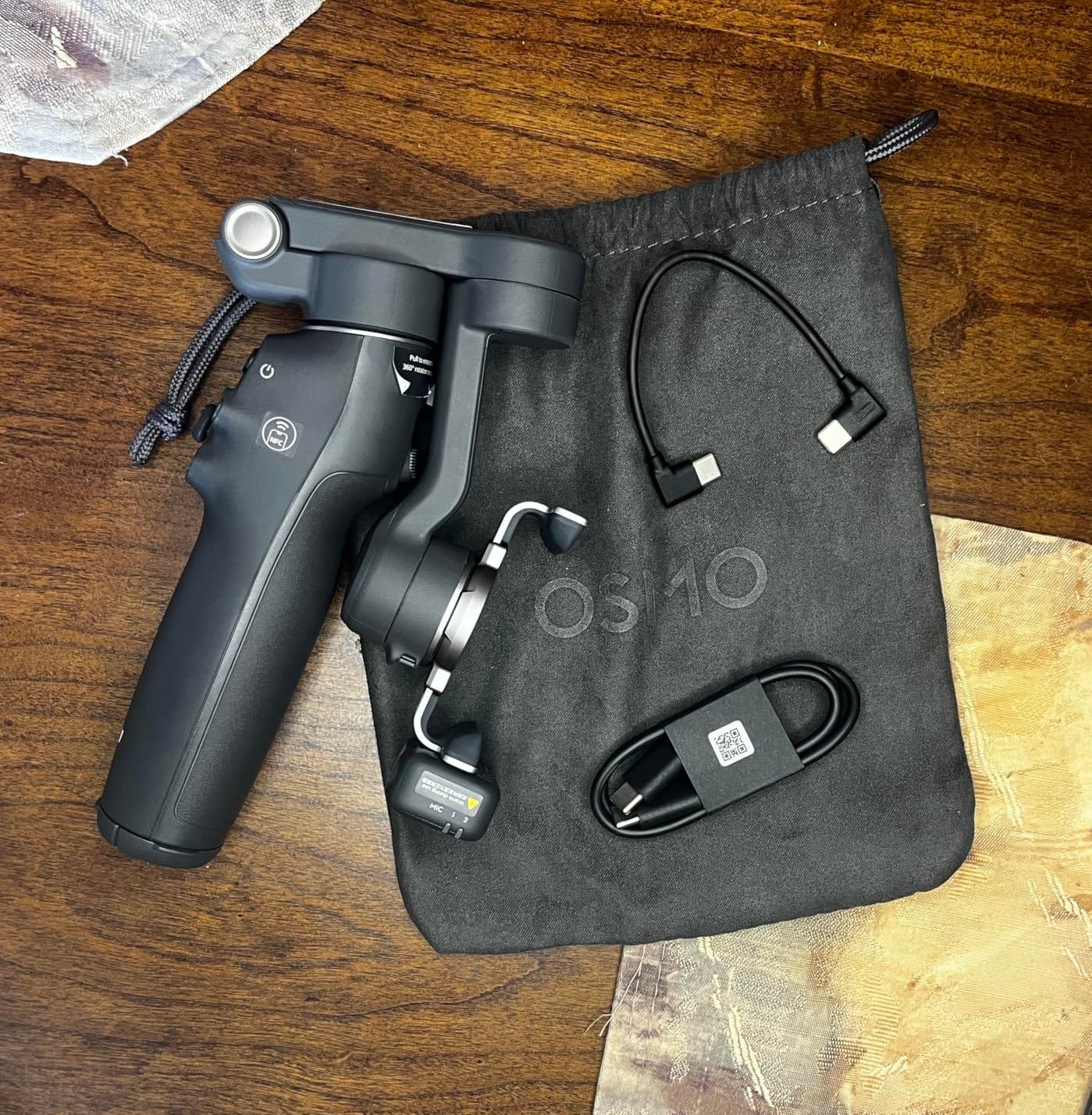
The direct phone connection means there is no Bluetooth pairing dance. You snap the phone into the magnetic clamp and the gimbal recognizes it instantly. For agents running between five listings in a day, that time saving matters more than people think. The 10-hour battery is real-world tested. I filmed four full listings back to back and still had 30 percent left.
The auto-on feature is the one flaw. The gimbal wakes up when you unfold it, which is normally a feature, but it means you cannot toss it into a backpack without it powering on by accident. The fix is to leave it partially folded during transport. Otherwise, this is one of the most polished phone gimbals I have tested for solo real estate filming.
Who should buy the Osmo Mobile 8
Agents who prioritize AI tracking that just works across every social app, do regular live tours on Instagram or Facebook, and want the smoothest 360 pans for cinematic reveal shots. It is also great for videographers shooting B-roll of empty rooms who want automated motion.
Who should look elsewhere
Budget-conscious beginners will get 90 percent of the benefit from the cheaper Osmo Mobile 6 or 7. Users wanting integrated audio should look at the Osmo Mobile 7P + Mic Mini bundle.
5. DJI Osmo Mobile 7 – Best Lightweight Gimbal for Daily Carry
DJI Osmo Mobile 7 Gimbal Stabilizer for iPhone & Android, 3-Axis Gimbal
300g ultra-light
ActiveTrack 7.0
Built-in tripod
10h battery
Pros
- Ultra-light 300g body is barely noticeable
- Built-in foldable tripod saves bag space
- ActiveTrack 7.0 handles complex tracking
- Magnetic clamp makes phone swaps fast
- 10 hour battery
- Comfortable ergonomic grip
Cons
- Gesture controls can trigger by accident
- Struggles with the heaviest phone setups
- Some initial app quirks
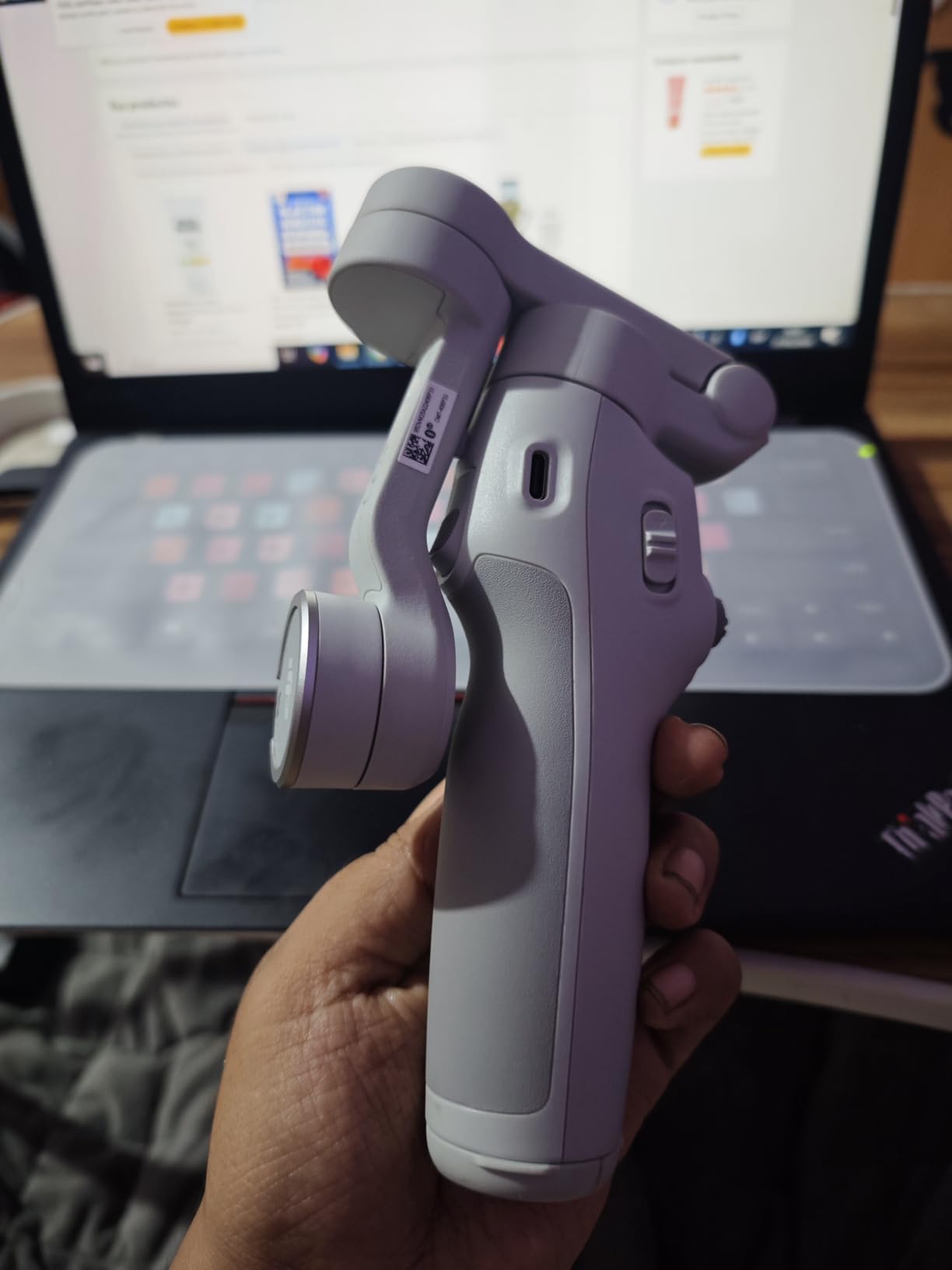
The DJI Osmo Mobile 7 is the gimbal I recommend to agents who walk 30-plus listings a month. At 300 grams, it disappears in your hand after about 20 minutes. I wore it on a wrist strap during a marathon showing day with eight properties and never felt the fatigue I used to get from heavier gimbals.
The integrated foldable tripod is a genuinely useful design choice. Most gimbals make you buy a separate mini tripod as an accessory, but this one folds out from the base of the handle. I used it to set up static establishing shots of home exteriors while I adjusted the open house signage, then picked it up to walk through the door without swapping gear.

ActiveTrack 7.0 is the latest DJI tracking algorithm and it noticeably outperforms older versions when subjects overlap or cross paths. I tested it at a listing where two agents were walking a couple through a property. The gimbal stayed locked on the lead agent even when the second agent stepped into frame. That kind of reliability makes a real difference when you cannot control who is in the shot.
The gesture controls are occasionally too sensitive. I triggered a recording start by waving my hand near the gimbal while reaching for my phone. You can disable gestures in the app, which I recommend for property shoots where the presenter uses hand gestures anyway. Otherwise, this is the best blend of weight, features, and price in the Osmo Mobile lineup. For more on smartphone gimbals, check our smartphone videographer gimbal guide.
Who should buy the Osmo Mobile 7
Real estate agents who film multiple listings per week, want a gimbal that does not slow them down, and prioritize the lightest possible setup. It is also the right choice if you regularly shoot in tight spaces like condos or townhouses where you want minimum bulk.
Who should look elsewhere
If vertical video for reels is your primary output, the Osmo Mobile 7P has better vertical optimization. If you need an integrated mic receiver, the 7P + Mic Mini bundle is the better fit.
6. DJI Osmo Mobile 7P – Best Mid-Range Smartphone Gimbal
DJI Osmo Mobile 7P Gimbal Stabilizer for iPhone & Android, Native Tracking
3-axis stabilization
Native tracking
Built-in extension rod
10h battery
Pros
- Native dual-lens tracking is fast and accurate
- Built-in extension rod and tripod
- Quick-launch magnetic phone mount
- 10 hour battery life
- Phone charging while filming
- Reliable DJI ecosystem
Cons
- Slightly bulkier than slimmer options
- Low-light tracking can drift
- Built-in LED light is limited
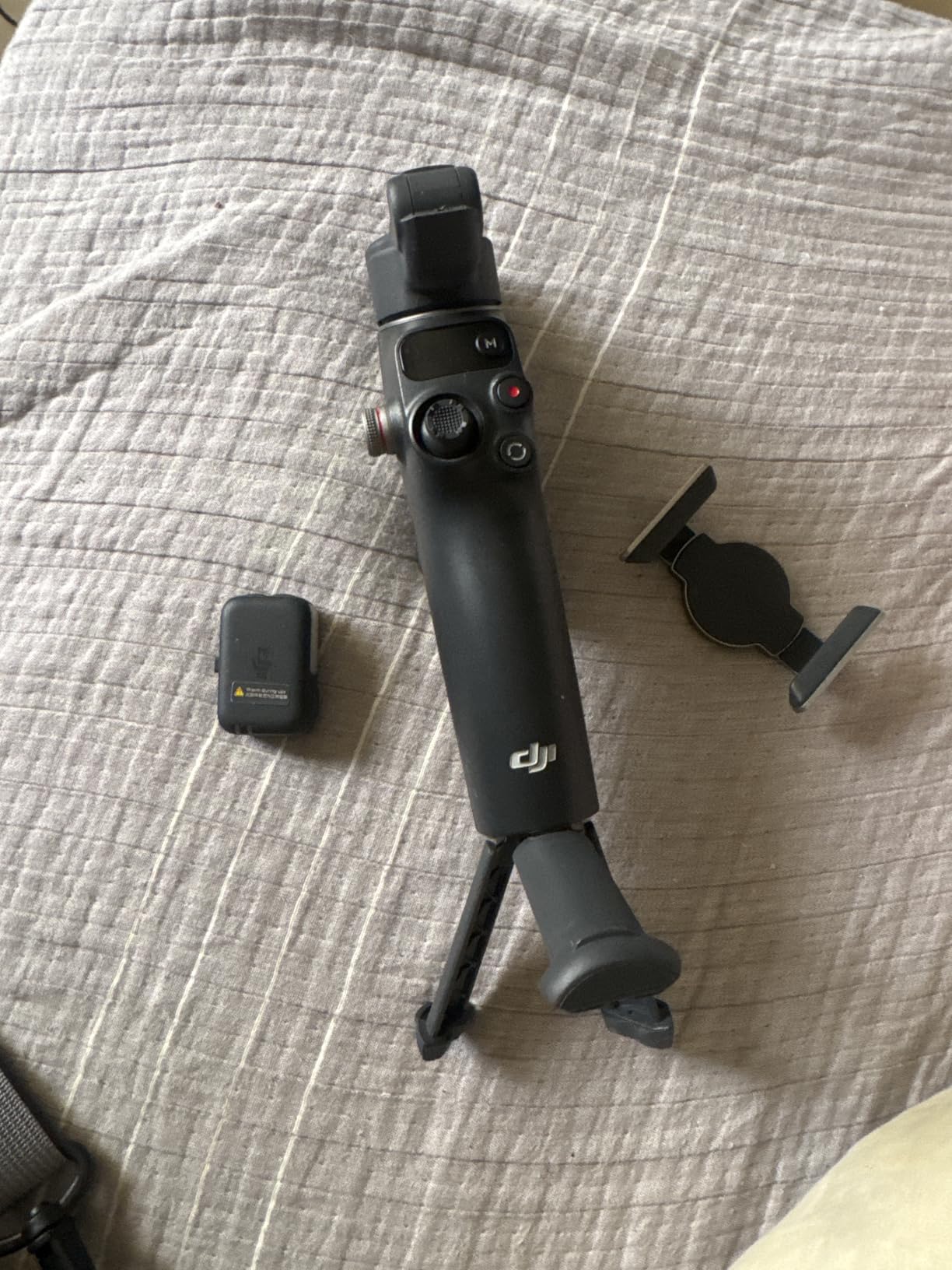
The DJI Osmo Mobile 7P sits in the sweet spot between the entry-level Osmo Mobile 6 and the premium 7P + Mic Mini bundle. You get the same dual-lens native tracking and built-in extension rod, but you skip the integrated mic receiver that not every real estate creator needs.
For pure stabilization and tracking, the 7P performs identically to the more expensive bundle. The 3-axis stabilization kept my iPhone footage steady through quick pans, staircase shots, and tight bathroom walkthroughs where I had to move the camera within inches of walls. The native tracking follows subjects through any app, which makes it versatile for both pre-recorded listings and live tours.
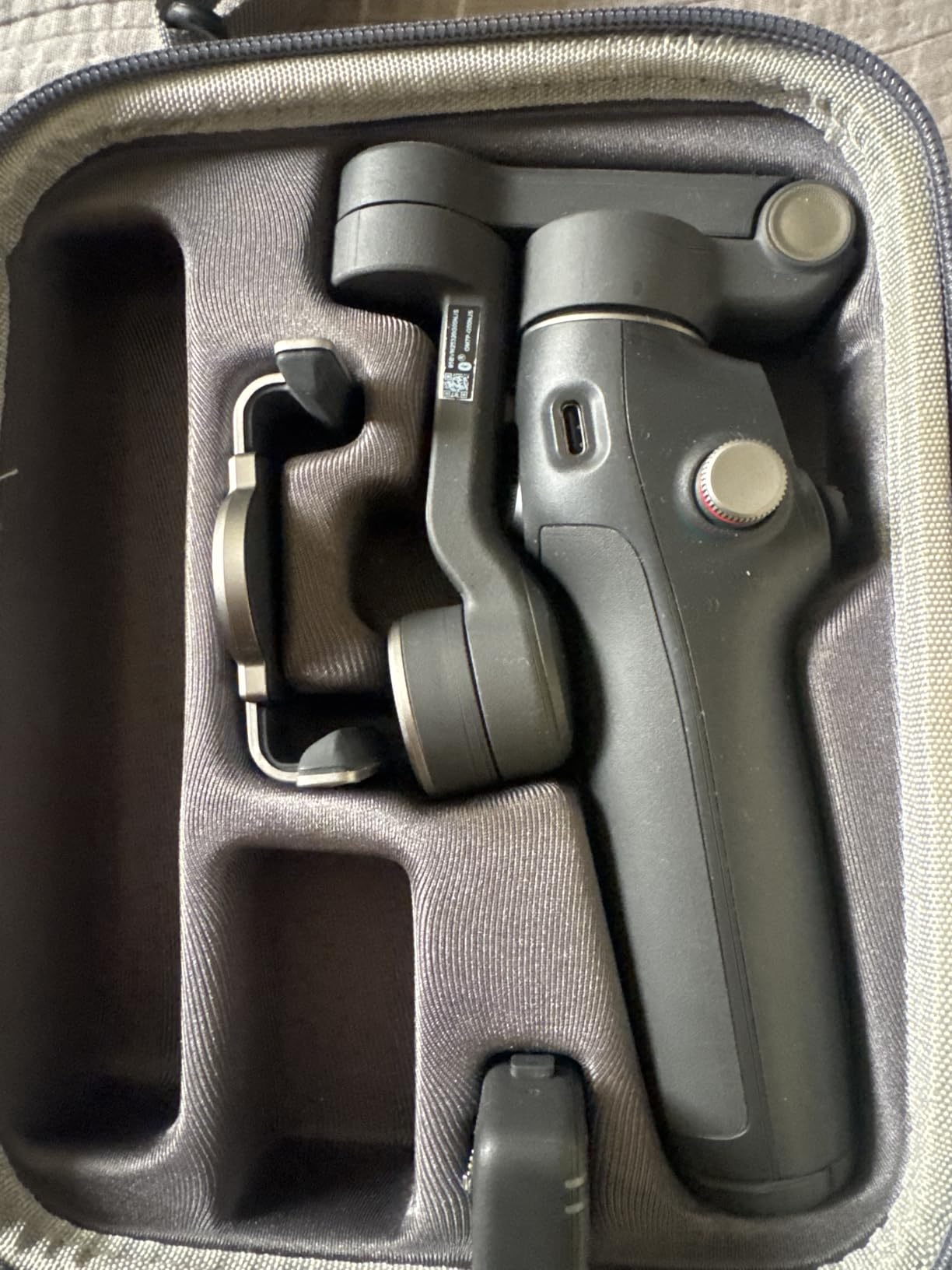
The magnetic phone clamp is fast. I swapped between my iPhone 15 Pro and an iPhone 13 mini during testing without re-pairing or recalibrating. For agents who upgrade phones every couple of years, that kind of forward compatibility matters.
The battery life lived up to the 10-hour claim during my testing. I filmed three back-to-back listings and still had battery for a fourth. The phone-charging port saved me twice when my phone battery dipped under 20 percent mid-tour. The only real compromise versus the 7P + Mic Mini bundle is the audio, so if you do not need a wireless mic system, this is the smarter purchase.
Who should buy the Osmo Mobile 7P
Smartphone-first real estate creators who want flagship DJI tracking and stabilization without paying for the Mic Mini audio bundle. It is the right pick for solo agents filming with a partner on-camera and using the phone’s built-in microphone.
Who should look elsewhere
Creators who need broadcast-quality audio straight out of the gimbal should spend a bit more for the 7P + Mic Mini TX bundle. Mirrorless shooters will be better served by the DJI RS 3 Mini.
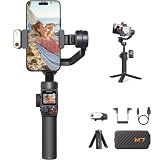
7. Hohem iSteady M7 – Best Heavy-Payload Smartphone Gimbal
Hohem iSteady M7 Gimbal Stabilizer for Smartphone, Magnetic AI Tracker Fill Light, Detachable Touchscreen Remote Controller, Built-in Extension Rod, 500g Payload Gimbal Stabilizer for iPhone Android
500g payload
Magnetic AI tracker
Touchscreen remote
RGB fill light
Pros
- 500g payload handles any phone plus accessories
- Magnetic AI tracker uses native camera
- Detachable touchscreen remote
- Built-in extension rod up to 193mm
- RGB fill light for low light
- 360 degree pan rotation
Cons
- Vertical video AI tracking is limited
- Motor noise can leak into phone mic
- Touchscreen is sensitive
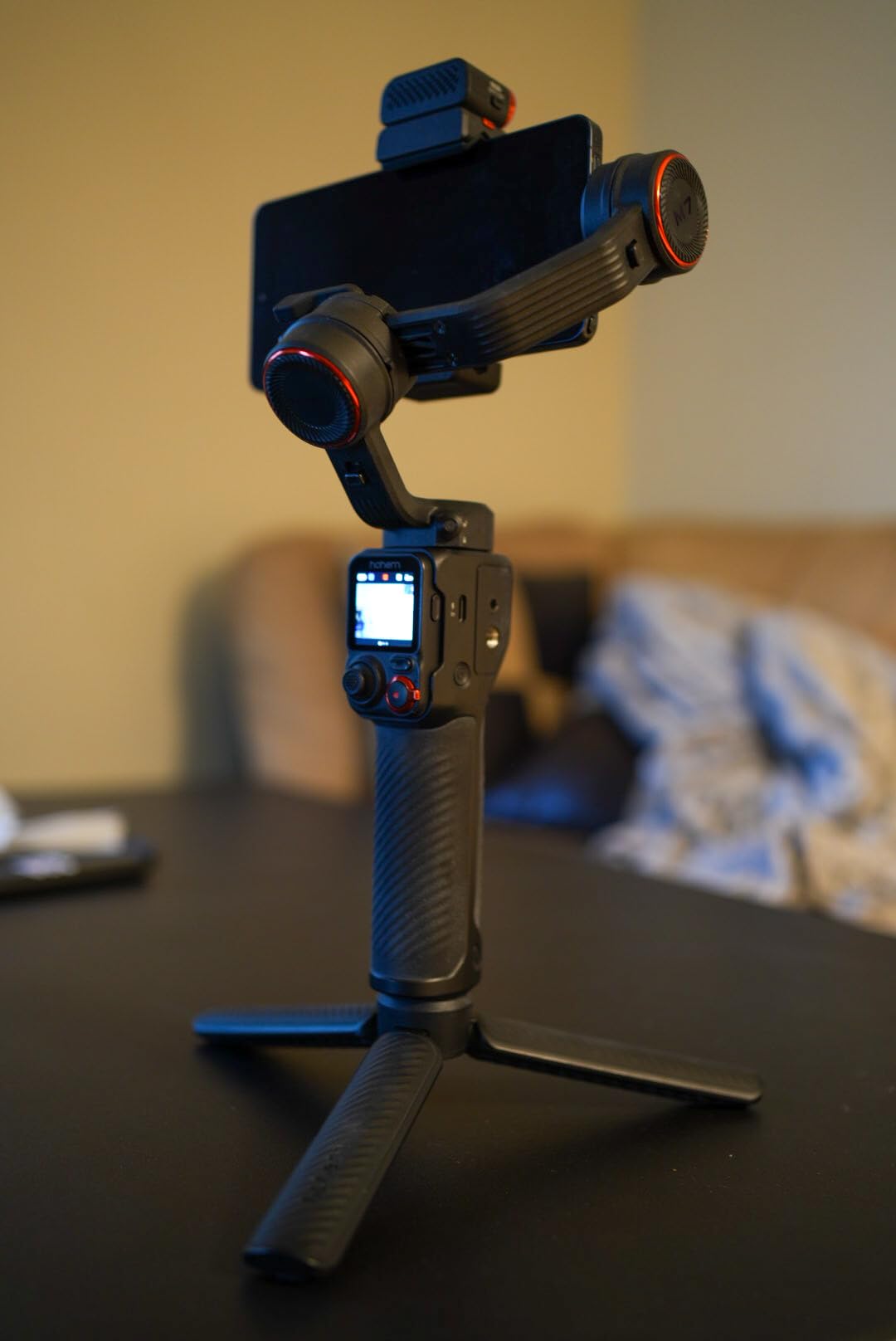
The Hohem iSteady M7 is the heavyweight champion of the smartphone gimbal world, with a 500g payload that swallows even the largest phones plus clip-on lenses and microphones. I tested it with an iPhone 15 Pro Max in a thick case plus a wide-angle lens attachment, and the motors never once strained.
The magnetic AI tracker is the standout feature. Unlike most phone gimbals that track through their own app, the M7 tracker attaches magnetically to your phone and works with the native camera app. That means you can track subjects while filming in ProCamera, Filmic Pro, or even the default iPhone camera without launching a separate app. For real estate creators who already have a preferred camera workflow, this is a major advantage.
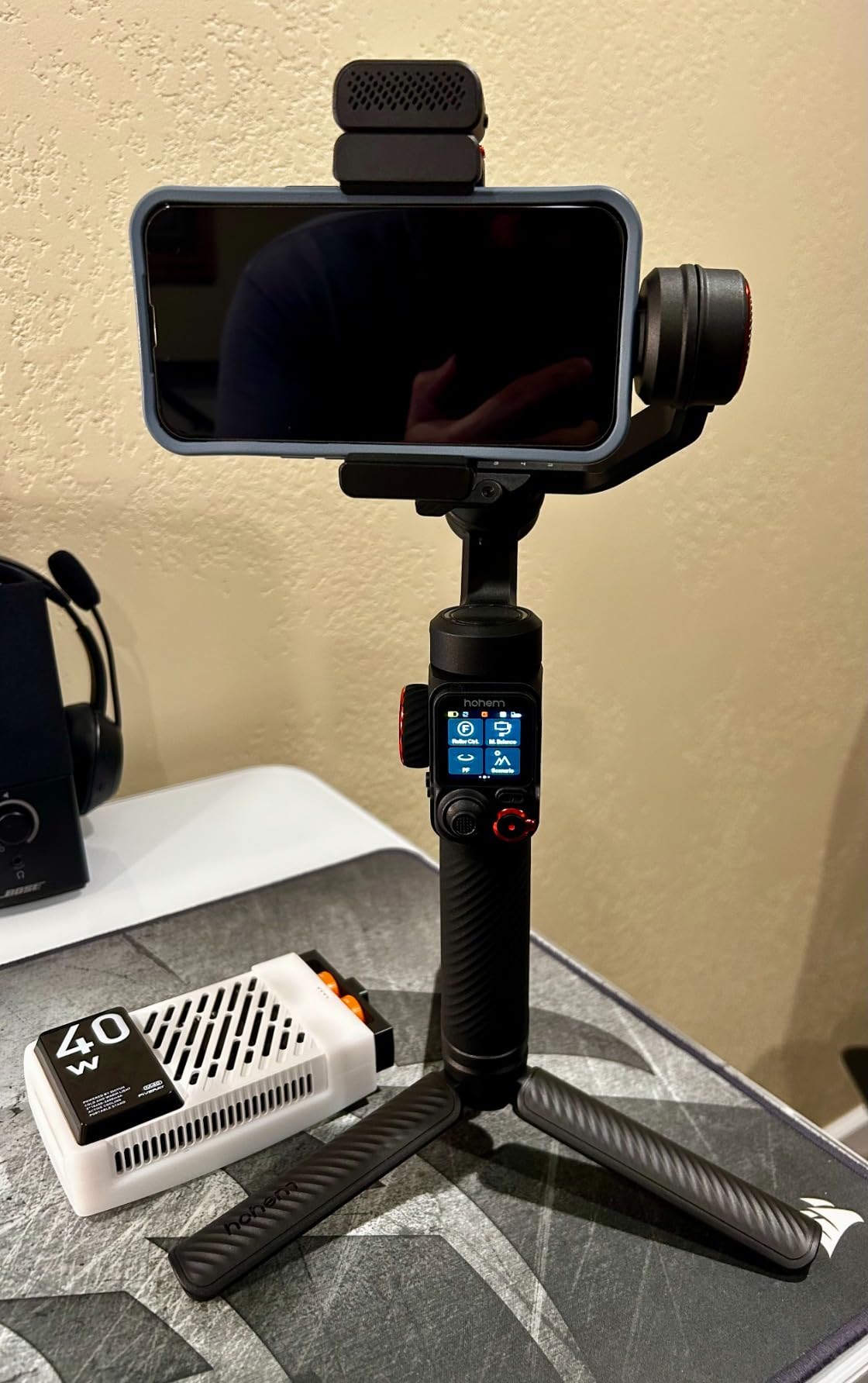
The detachable touchscreen remote is a workflow upgrade I did not expect to like this much. I pulled the remote off the gimbal, mounted it on a small tabletop tripod, and controlled the camera while standing in different parts of a room. For real estate walkthroughs where you want the camera to pan to different architectural features, this remote is invaluable.
The RGB fill light is great for low-light basement or evening shoots. It is not strong enough to fully replace a dedicated LED panel, but it adds enough fill to make a dim room pop. The motor noise can be picked up by your phone microphone if you record audio through the phone, so pair this with an external mic for talking-head segments. The 500g payload also means you can mount a small shotgun mic on top without overloading the motors.
Who should buy the Hohem iSteady M7
Real estate creators who use phone accessories like wide-angle lenses, external mics, or LED lights, and need a gimbal that handles the extra weight without strain. It is also a great fit if you already film in third-party camera apps and want tracking that works natively.
Who should look elsewhere
If you film with a bare phone and want the lightest rig, the Osmo Mobile 7 is more comfortable for all-day carry. Vertical-first creators may prefer the smoother vertical tracking on DJI models.
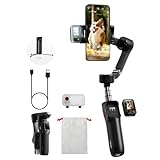
8. Hohem iSteady V3 Ultra – Best AI Tracking Outside the DJI Ecosystem
hohem iSteady V3 Ultra 3-Axis Gimbal Stabilizer for iPhone & Android
AI 360 tracking
Touchscreen remote
iSteady 9.0
Fill light
Pros
- AI 360 tracking follows faces
- pets
- and objects
- Detachable touchscreen remote
- 8 inch extension rod with tripod
- iSteady 9.0 anti-shake
- Smart fill light
- 9 hour battery
Cons
- Minor drift in lock mode reported
- Some quality control issues
- Heavy phones can be hard to balance
- Phone mount feels delicate
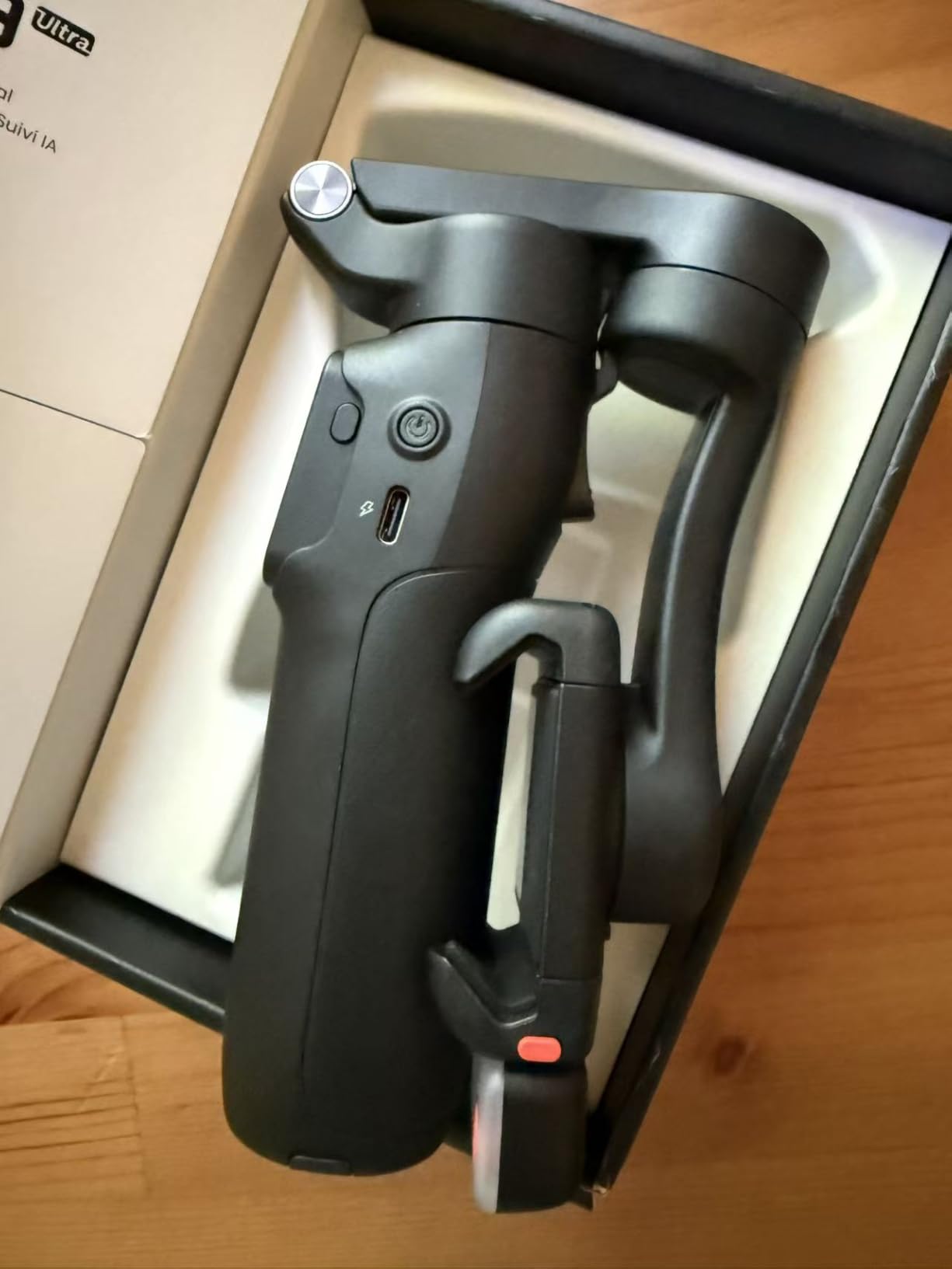
The Hohem iSteady V3 Ultra is the most advanced non-DJI smartphone gimbal I have tested, and the AI tracking genuinely competes with DJI’s ecosystem. It tracks not just faces but pets and specific objects, which is a unique feature for real estate creators who film with their dogs or want to lock onto a specific architectural element like a fireplace mantel.
The detachable touchscreen remote is a standout. You pop it off the gimbal, set it on a counter, and use the live feed preview to monitor your shot while the camera is across the room. I used this to film a kitchen-to-living-room pan shot where I was actually standing in the dining area triggering the move. The footage looked like a slider rig but cost a fraction of one.
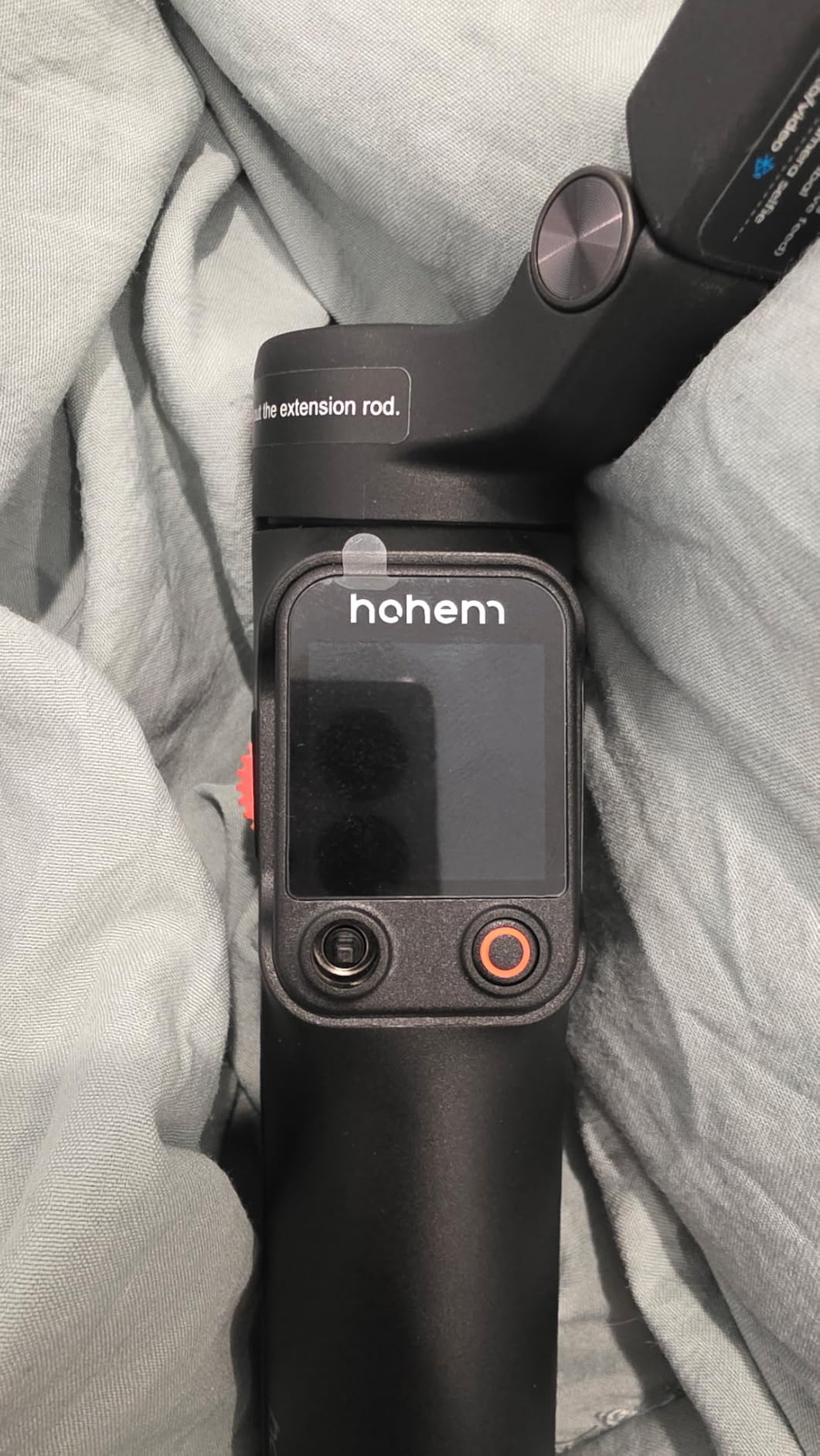
The iSteady 9.0 anti-shake algorithm is genuinely impressive. I walked briskly through a 2,400-square-foot single-story home and the footage looked like it was shot on a track. The 8-inch extension rod plus the integrated tripod makes this a versatile rig for real estate, especially for low-angle floor shots and elevated ceiling captures.
The quality control reports are worth flagging. A small percentage of users receive units with drift issues in lock mode, so buy from a retailer with easy returns. The phone mount also feels lighter than DJI’s magnetic clamps, so if you have a heavy phone in a case, double-check the clamp grip before trusting it to a full shoot day.
Who should buy the Hohem iSteady V3 Ultra
Creators who want DJI-beating AI tracking and do not want to be locked into the DJI ecosystem, or those who specifically need object tracking for niche shoots. The detachable remote is also a huge plus if you film alone and want camera control from a distance.
Who should look elsewhere
If ecosystem integration and proven app stability matter most, the DJI Osmo Mobile series is still safer. Users with very heavy phones should test the clamp fit before committing.
9. Hohem iSteady X3 SE Plus – Best Gimbal with Detachable Remote
hohem iSteady X3 SE Plus 3-Axis Gimbal Stabilizer for iPhone & Android
Detachable remote
iSteady 8.0
8 inch extension rod
11h battery
Pros
- Detachable remote works up to 32 feet
- iSteady 8.0 anti-shake is smooth
- 8 inch extension rod
- Foldable 0.85 lb design
- 11 hour battery life
- AI tracking via Hohem Joy app
Cons
- Tension clamp struggles with thick phone cases
- Some quality control inconsistencies
- No video pause from controls
- Joystick can be bumped
The Hohem iSteady X3 SE Plus is the gimbal I recommend when budget is tight but you still want a detachable remote. The remote works up to 32 feet away, which let me set the gimbal on a tripod in a living room and walk to the front door to film my own walkthrough entry. For solo real estate creators without a second operator, that remote range is a budget-friendly way to add dynamic camera moves.
The iSteady 8.0 algorithm keeps footage smooth during typical walkthrough paces. I tested it at half-speed walking through a property, which is the pace most real estate videographers recommend for buttery smooth footage, and the result was indistinguishable from gimbals twice the price.
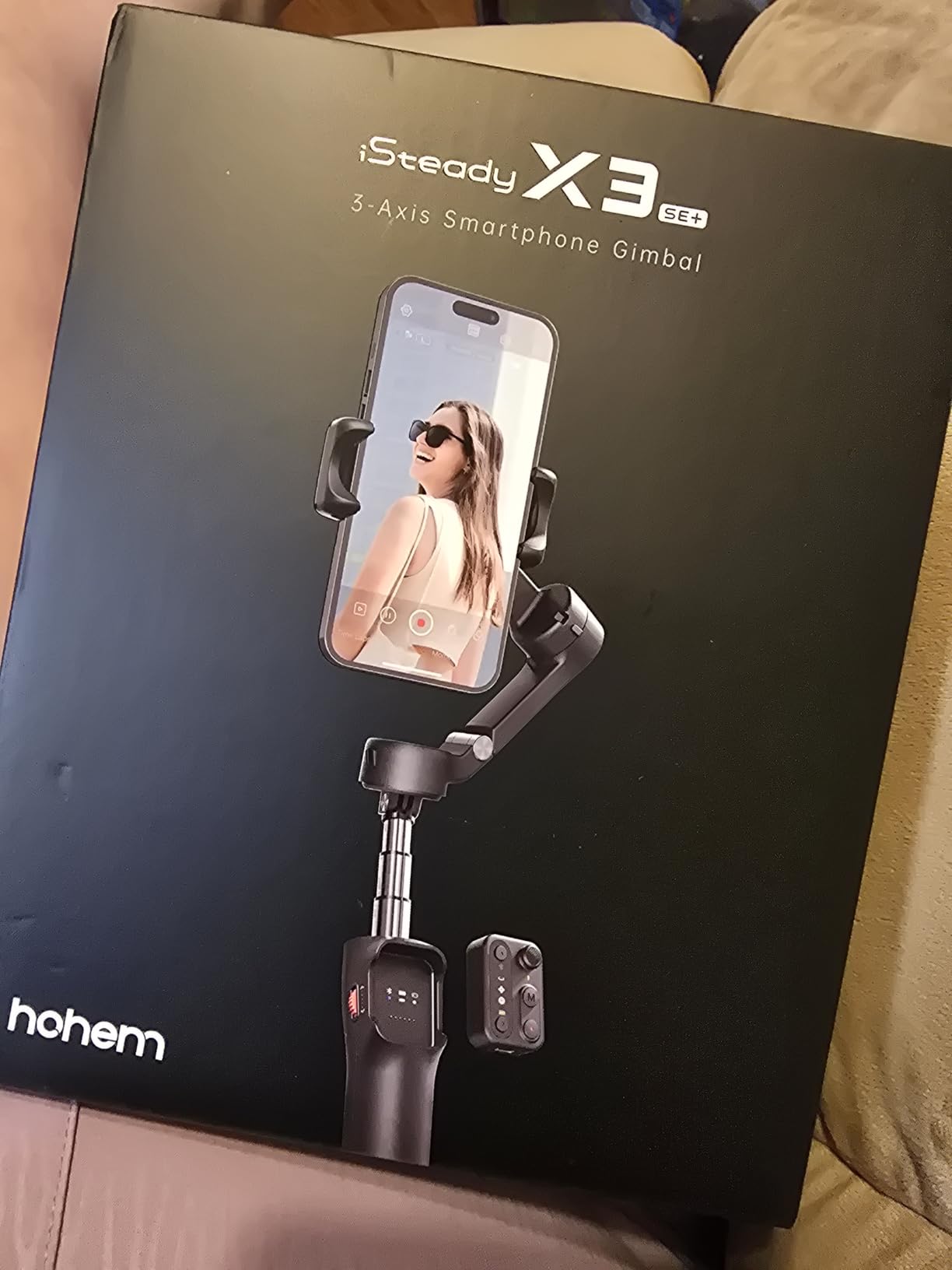
The 11-hour battery life is the longest in this roundup. For agents filming back-to-back listing days, that endurance means charging once and not worrying about it for two full work days. The foldable 0.85-pound design also makes it the lightest gimbal here with a detachable remote.
The tension clamp is the weak link. Phones in thick cases sometimes do not grip securely, so I recommend removing cases or using a slim case with this gimbal. Quality control is also inconsistent, with some users reporting stiff joysticks or loose clamps. Buy from a retailer with easy returns. The Hohem customer service team is responsive if you do hit an issue, which is one reason this brand stays in my rotation.
Who should buy the Hohem iSteady X3 SE Plus
Budget-conscious real estate creators who want a detachable remote for solo filming and need a lightweight rig for travel. It is also a smart backup gimbal for professional videographers who occasionally shoot quick listings on their phone.
Who should look elsewhere
Users with thick phone cases should look at magnetic clamp gimbals like the DJI Osmo Mobile series. Anyone needing vertical-optimized tracking should choose the Osmo Mobile 7P instead.
10. AOCHUAN Smart XE – Best Entry-Level Gimbal Under $60
AOCHUAN Smart XE 3-Axis Gimbal Stabilizer for iPhone&Android,Foldable
3-axis foldable
AI Face Track
345g
10h battery
Pros
- Affordable entry-level price
- Foldable palm-size design
- 10 hour battery
- AI Face Track 4.0 tracking
- Focus wheel and zoom slider
- One-click horizontal/vertical switching
Cons
- Phone mount tricky with cases
- Android app performance inconsistent
- Focus knob can be bumped accidentally
The AOCHUAN Smart XE is the best sub-$60 gimbal I have tested, and for agents just starting out in real estate video, it delivers surprisingly capable 3-axis stabilization. The palm-size foldable design slips into a jacket pocket, and at 345 grams it is lighter than most phones plus cases.
AI Face Track 4.0 tracks subjects reasonably well for a budget gimbal. It is not as sticky as DJI’s tracking, but for simple presenter-led walkthroughs where the agent walks at a steady pace, it holds frame. I tested it on a slow-pace tour of a one-bedroom condo and the footage was smooth enough to use for a listing.
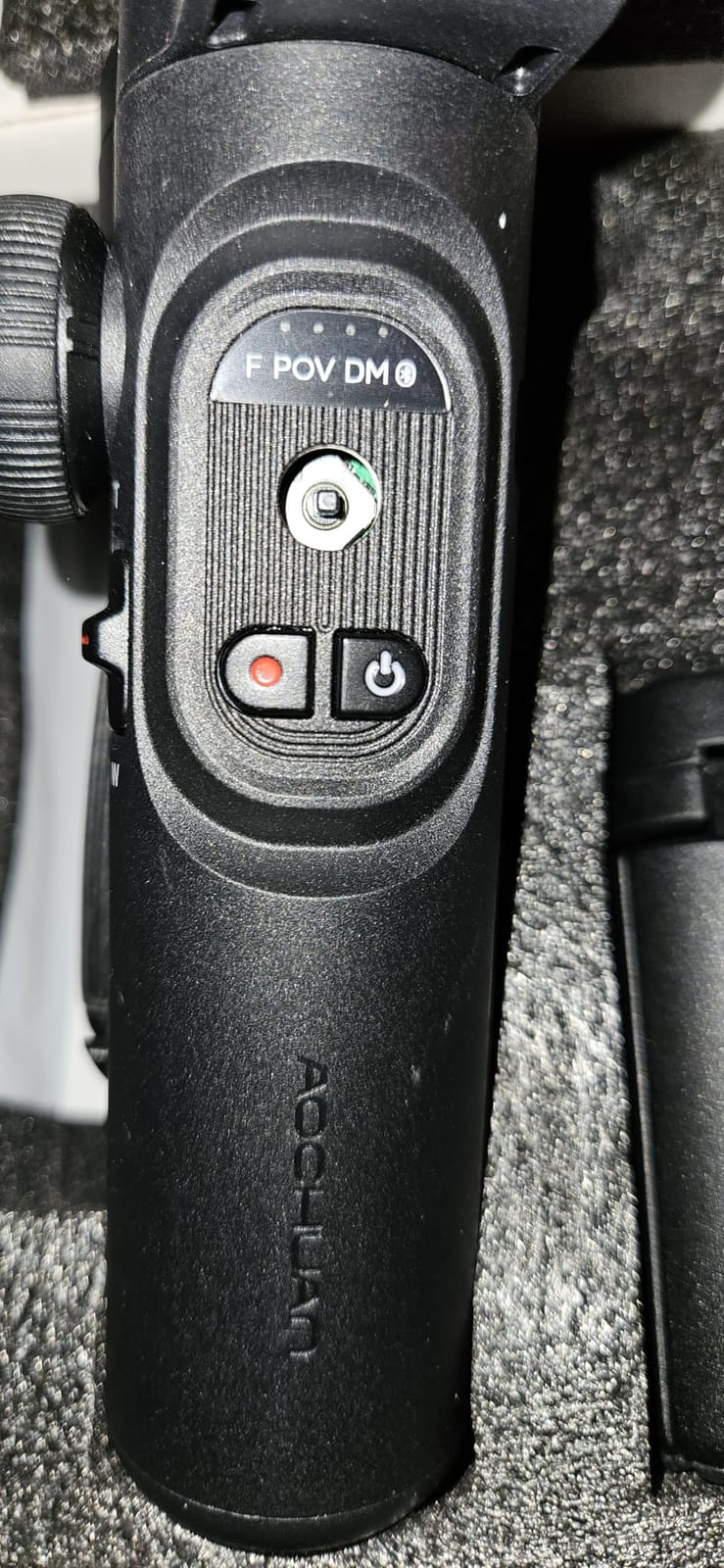
The focus wheel and zoom slider give this gimbal more manual control than I expected at this price. The one-click horizontal/vertical switching button is also genuinely useful for real estate creators who shoot both landscape walkthroughs and vertical reels.
The mounting system is the biggest caveat. Phones in thick cases do not always clip securely, so plan on filming without a case. The Android app also has occasional stability issues that iPhone users do not encounter. For the price, the tradeoffs are reasonable. If this is your first gimbal and you want to see if real estate video is the right niche before investing more, the Smart XE is a low-risk way to start. For mirrorless camera support, see our mirrorless camera gimbal guide.
Who should buy the AOCHUAN Smart XE
First-time real estate videographers who want to test the waters with a budget gimbal, agents on tight budgets, and creators who film with bare or slim-case phones. It is also a solid choice as a backup gimbal to keep in the car.
Who should look elsewhere
Professional daily shooters will want the more reliable tracking and ecosystem support of the DJI Osmo Mobile series. Anyone needing AI tracking across all apps should choose the Osmo Mobile 8 instead.
Buying Guide: How to Choose the Best Gimbal for Real Estate Video?
After testing all 10 gimbals on actual listings, here are the factors that actually matter when buying a gimbal for real estate work. Smooth property walkthrough footage starts with choosing the right tool for your camera, your shooting style, and the size of the properties you film.
3-Axis Stabilization
Every gimbal in this roundup uses 3-axis stabilization, which means it counteracts movement on the pan (left-right), tilt (up-down), and roll (horizon) axes. Real estate walkthroughs involve constant micro-movements as you shift weight from one foot to the next, and 3-axis stabilization is what makes the difference between footage that looks like a security camera and footage that looks like a movie. Forum users on r/RealEstatePhotography consistently recommend 3-axis over 2-axis for this exact reason, and my testing confirmed it.
Payload and Weight Capacity
Payload capacity is the maximum camera weight the gimbal motors can handle. For smartphone gimbals, you typically only need 250 to 500g, which covers any phone plus a case. For mirrorless gimbals like the DJI RS 3 Mini, payload matters more because full-frame cameras plus 24-70mm lenses can easily hit 1.5 kg. Always check the tested payload against your heaviest camera and lens combo before buying.
ActiveTrack and Subject Tracking for Solo Filming
If you film alone, subject tracking is the single most useful feature a real estate gimbal can have. ActiveTrack on the DJI gimbals and the AI tracking on the Hohem models both follow a presenter through rooms without needing a second operator. For agent-led tours where the presenter walks through properties while talking, this is the difference between filming yourself with a tripod versus filming yourself with a virtual camera operator.
Battery Life for Full Shoot Days
A typical listing shoot takes 1 to 2 hours, but if you film 3 or 4 listings in a day, battery life becomes critical. Smartphone gimbals in this roundup range from 9 to 11 hours of battery life. The DJI RS 3 Mini runs about 3 to 4 hours of continuous shooting. For multi-listing days, carry a USB-C power bank and use the gimbal’s phone-charging passthrough if available.
Compact Size for Tight Interiors
Condos, townhouses, and older homes have narrow hallways and tight corners where a bulky gimbal becomes a liability. The DJI Osmo Mobile 7 at 300g and the AOCHUAN Smart XE at 345g are the easiest to maneuver in tight spaces. Mirrorless gimbals are larger by nature, so if you shoot mostly compact properties, a smartphone gimbal is the practical choice.
Smartphone vs Mirrorless Gimbal
Smartphone gimbals are lighter, cheaper, and easier to use. They are the right choice for agents filming their own listings and posting to social media. Mirrorless camera gimbals produce higher image quality and give you more control over depth of field, but they cost more, weigh more, and require balancing time. If you are starting out, a flagship smartphone gimbal is the smarter first investment. If you already own a mirrorless camera and shoot listings professionally, the DJI RS 3 Mini is the best balance of size and capability.
Audio Accessories for Real Estate Video
Many real estate video beginners forget that clear audio is just as important as smooth video. If you do talking-head introductions, consider a gimbal with integrated mic support like the DJI Osmo Mobile 7P + Mic Mini TX. For mirrorless setups, mount a small shotgun mic on the gimbal’s NATO rails or use a wireless lav system clipped to the presenter. Pair your gimbal choice with our video tripod guide if you also need static exterior and interior establishing shots.
Frequently Asked Questions
Do I need a gimbal for real estate video?
Yes, a gimbal is the single best tool for capturing smooth real estate walkthrough footage. 3-axis stabilization eliminates the wobble that happens when you walk through properties with a handheld phone or camera, which keeps viewers engaged through the entire listing. Professional real estate videographers all use gimbals because buyers expect cinematic-quality footage in today’s market.
What is the best gimbal for real estate video in 2026?
The DJI RS 3 Mini is the best overall gimbal for real estate video in 2026 for mirrorless cameras, offering 2 kg payload in a 795g body with native vertical shooting. For smartphone shooters, the DJI Osmo Mobile 7P with the Mic Mini audio bundle is the top pick thanks to native tracking and integrated audio recording.
Which gimbal mode is best for real estate walkthroughs?
Follow Mode (also called Pan Follow) is generally the best gimbal mode for real estate walkthroughs. It keeps the gimbal level on the tilt and roll axes while allowing smooth panning as you turn corners. Lock Mode works well for straight push-through shots down hallways, while POV Mode is useful for creative reveal shots of specific rooms.
Can I use a smartphone gimbal for professional real estate videos?
Yes, modern smartphone gimbals like the DJI Osmo Mobile 7P and DJI Osmo Mobile 8 produce footage good enough for professional listings. Combined with a recent flagship phone that shoots 4K video, you can deliver cinematic walkthroughs at a fraction of the cost of a mirrorless setup. Many agents and smaller brokerages use smartphone gimbals as their primary rig.
How do real estate videographers get smooth walking shots?
Real estate videographers get smooth walking shots by walking at half their normal pace while bending knees slightly to absorb footfall impact. Using a 3-axis gimbal like the DJI RS 3 Mini or DJI Osmo Mobile series eliminates remaining camera shake. Keep elbows tucked close to your body and take smooth heel-to-toe steps for the best results.
Final Verdict: Which Real Estate Gimbal Should You Buy?
The best gimbal for real estate video depends on your camera and shooting style. For mirrorless shooters who want the best balance of payload, weight, and price, the DJI RS 3 Mini remains my top pick for 2026. It handles most camera bodies under 2 kg, fits in a regular camera bag, and the native vertical shooting switch is invaluable for real estate reels.
For smartphone creators, the DJI Osmo Mobile 7P + Mic Mini TX bundle is the smartest investment if you do talking-head introductions and want clean audio without juggling a separate receiver. If budget is the priority, the DJI Osmo Mobile 6 still delivers excellent 3-axis stabilization and ActiveTrack at an entry-level price.
Pick the gimbal that matches your camera, test it on a real listing before committing to it for client work, and remember that smooth footage starts with slow walking and good balance before it ever starts with the gear. The right gimbal will turn your property walkthroughs into cinematic tours that hold buyer attention from the curb to the closing shot.