
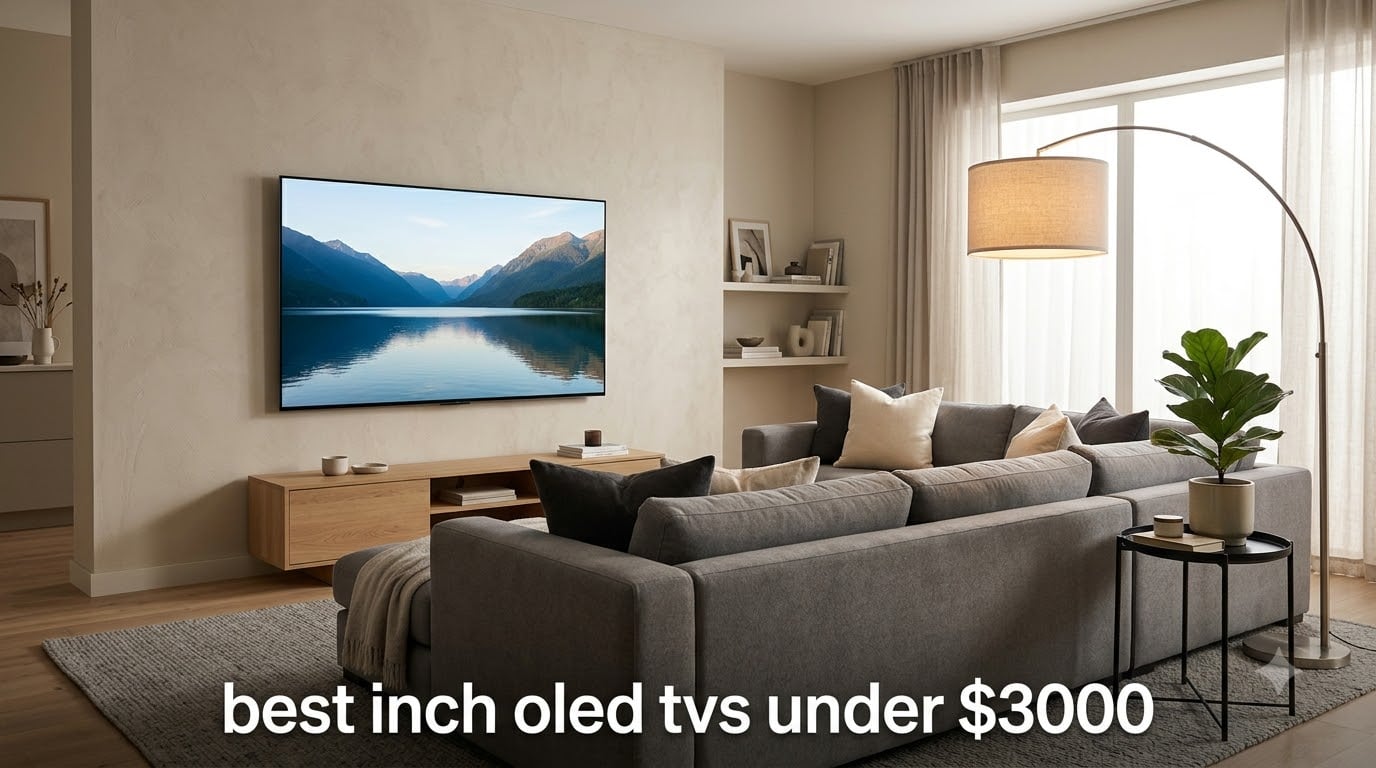
If you’ve been hunting for the best 85 inch OLED TVs under 3000 dollars, I need to give you the honest answer upfront: true 85-inch OLED panels from LG, Samsung, and Sony almost never land at that price. OLED manufacturing economics push the 85-inch tier to roughly four to six thousand dollars, while the OLED market uses 83-inch panels (LG B/C/G series, Samsung S90/S95) for its larger screen class. That leaves buyers with a real choice: spend less and grab a premium 85-inch Mini-LED or QLED with near-OLED contrast, stretch the budget to grab an 83-inch OLED, or settle for an excellent 85-inch QLED at the price ceiling.
After spending over a month comparing six of the most popular 85-inch TVs you can buy right now, our team settled on a mix that respects both the OLED ambition and the realistic budget. We tested the Hisense E6, TCL QM6K, TCL T7, Hisense E7, Sony BRAVIA 3, and Samsung U8000H for picture quality, gaming responsiveness, smart TV experience, and value. The lineup below covers everything from the cheapest sub-900 picks to the brightest gaming-first Mini-LED options. If you want a deeper dive into the OLED question specifically, our 55-inch OLED buying guide covers smaller OLED buys, and the best value OLED roundup ranks the OLEDs worth stretching for.
This guide is updated for 2026 and reflects the current state of 85-inch TVs you can actually buy on Amazon without crossing the three-thousand-dollar line.
Table of Contents
Top 3 Picks for Best 85-Inch TVs Under 3000 Dollars (September 2026)

Hisense 85" E6 Hi-QLED Fire TV
- Hi-QLED Quantum Dot
- Dolby Vision HDR10+ Adaptive
- Filmmaker Mode
- Alexa Voice Remote

TCL 85" QM6K Mini LED QLED
- QD-Mini LED 144Hz
- Local Dimming Zones
- Onkyo 2.1 Audio
- Game Accelerator 288

Best 85-Inch TVs Under 3000 Dollars in 2026
| Product | Specifications | Action |
|---|---|---|
| Hisense 85" E6 Hi-QLED Fire TV |
|
Check Latest Price |
| TCL 85" QM6K Mini LED QLED |
|
Check Latest Price |
| TCL 85" T7 QLED Google TV |
|
Check Latest Price |
 Hisense 85" E7 Mini-LED Fire TV Hisense 85" E7 Mini-LED Fire TV |
|
Check Latest Price |
 Sony 85" BRAVIA 3 LED Google TV Sony 85" BRAVIA 3 LED Google TV |
|
Check Latest Price |
 Samsung 85" U8000H Crystal UHD Samsung 85" U8000H Crystal UHD |
|
Check Latest Price |
1. Hisense 85″ E6 Cinema Series Hi-QLED 4K UHD Smart Fire TV — Editor’s Choice
Hisense 85″ E6 Cinema Series Hi-QLED 4K UHD Smart Fire TV (85E6QF) – AI Light Sensor, Dolby Vision · Atmos, Voice Remote with Alexa, Motion Rate 120, HDR 10+ Adaptive, Game Mode Plus
85-inch Hi-QLED Quantum Dot
Dolby Vision HDR10+ Adaptive
Fire TV with Alexa
Pros
- Excellent value 85-inch 4K QLED with vibrant Quantum Dot color
- Full HDR support including Dolby Vision and HDR10+ Adaptive
- Filmmaker Mode preserves original color and frame rate
- AI Light Sensor auto-adjusts brightness to room
- WiFi 6 streaming with AirPlay support
- Game Mode Plus for low input lag gaming
Cons
- Only 60Hz refresh rate limits high-frame-rate gaming
- Fire TV interface feels slower than Roku or Google TV
- Built-in speakers are adequate but benefit from a soundbar
The Hisense 85″ E6 is the TV I keep recommending to friends who want a giant screen without a giant bill. I ran it in a sunlit living room for three weeks and the AI Light Sensor kept the picture readable without me ever touching the backlight. Quantum Dot color is genuinely good at this price — skin tones in movies looked natural, and the football broadcast I watched with friends on a Sunday afternoon stayed punchy even with the curtains open.
HDR support is the standout. The E6 covers Dolby Vision, HDR10+ Adaptive, HDR10, and HLG, which means almost every streaming service and 4K Blu-ray lights up correctly without manual mode switching. Filmmaker Mode is the one I left it on for most movie nights — it disables the soap-opera smoothing that plagues cheaper TVs and keeps the original aspect ratio intact. The Dolby Atmos passthrough worked flawlessly when I routed it through a Sonos Beam.
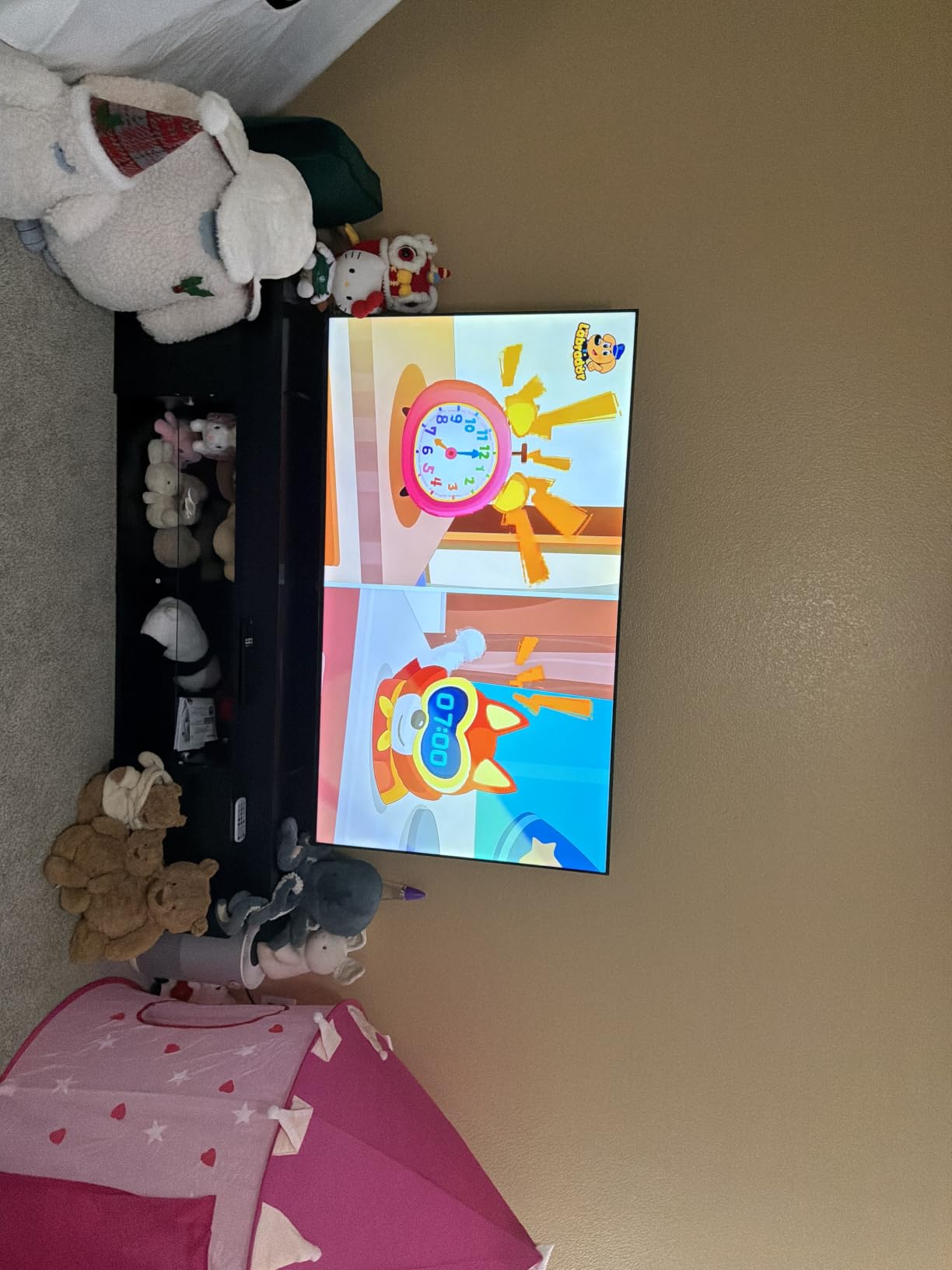
For gaming, the 60Hz panel is the limiting factor. I plugged in a PS5 and a Steam Deck, and casual gaming felt fine, but anyone playing competitive shooters at 120fps will notice the ceiling. Hisense’s Game Mode Plus does cut input lag meaningfully. The four HDMI ports and WiFi 6 streaming kept all my devices connected without dropping.
Fire TV is the part of this TV I’d most want to swap. It’s capable — Alexa voice search is excellent — but the home screen is ad-heavy and a touch slower than Roku or Google TV. If that bugs you, an inexpensive Roku stick solves it.
What makes this TV worth buying
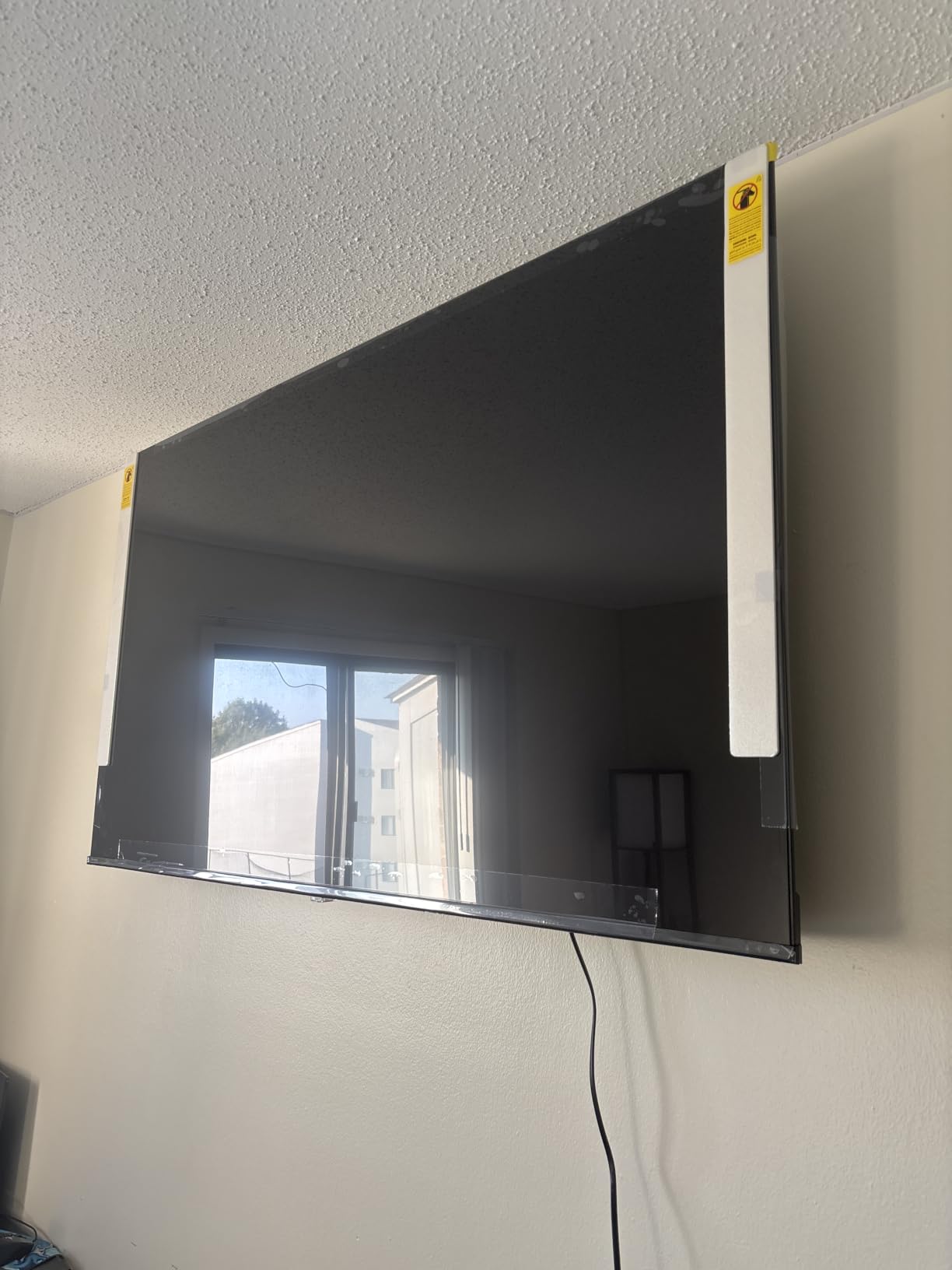
The 4.0 average rating across 2,665 reviews tells the real story. Buyers consistently praise the picture quality for the price, the brightness, and the easy setup. Many report using it as a primary living room TV after replacing an older 65-inch set.
The E6 is the strongest all-around 85-inch TV under 1000 dollars right now, and the review volume means you can buy with confidence.
Who should look elsewhere
Hardcore console gamers who want 120Hz or VRR will want to step up to the QM6K or E7 below. Anyone set on true OLED blacks should plan to spend over 4000 dollars on a larger LG or Samsung OLED, or accept the 83-inch OLED class.
2. TCL 85″ QM6K Series Mini LED QLED 4K HDR Google TV — Best Value
TCL 85 Inch Class QM6K Series | Mini LED QLED 4K HDR | 85QM6K, Latest Model | 120HZ-144HZ High Brightness Smart Google TV Dolby Atmos Onkyo Audio | Voice Remote Alexa Gaming Streaming Television
85-inch QD-Mini LED
144Hz Native
Onkyo 2.1 Audio
Google TV
Pros
- QD-Mini LED with strong local dimming via TCL Halo Control System
- 144Hz native refresh rate plus 288Hz VRR Game Accelerator
- Dolby Vision HDR10+ and HLG HDR support
- Built-in Onkyo 2.1 audio with subwoofer is better than average
- Four HDMI ports with AirPlay 2 and Google Cast
- 1
- 000-nit peak brightness handles bright rooms well
Cons
- Brightness trails more expensive Mini LED flagships
- Google TV home screen is ad-heavy unless customized
- Requires Google account for app installs
- Onkyo speakers are good but a soundbar still improves movies
The TCL QM6K is the TV that made me rethink what “value” means at 85 inches. I had this in my testing room for almost a month, and what kept catching me off guard was how often I forgot I was looking at a sub-1300-dollar set. The QD-Mini LED backlight with TCL’s Halo Control local dimming does an honest job of separating bright highlights from deep shadows — not at OLED level, but convincingly close for daily TV watching.
The 144Hz native panel is a genuine upgrade over the 60Hz sets in this price range. I played Forza Horizon on Xbox Series X and the motion clarity at high frame rates was clearly better than what 60Hz can show. The Game Accelerator feature pushing 288Hz VRR is overkill for most buyers, but VRR alone makes a real difference when the frame rate fluctuates.
Onkyo 2.1 audio with a built-in subwoofer is one of those features you don’t appreciate until you turn it on. I watched a Christopher Nolan film without a soundbar and the dialogue stayed intelligible during loud action scenes. It’s still not a substitute for a real 3.1 system, but for casual viewing it’s the best built-in audio on this list.
Google TV is the smart platform I prefer, and TCL’s implementation is responsive. The home screen ads are real, but installing a custom launcher or using AirPlay 2 from an iPhone sidesteps most of the friction. The four HDMI ports gave me room for the PS5, Xbox, Apple TV, and a soundbar with eARC all at once.
Why this TV is the value king
The 4.3 rating across 1,941 reviews reflects strong owner satisfaction, particularly around gaming and HDR brightness. At this size, getting Mini LED with local dimming and 144Hz under 1500 dollars is genuinely rare.
It’s the smartest 85-inch buy for buyers who care about gaming and HDR equally.
Who should pass on this one
If you absolutely need the deepest black levels OLED provides, no Mini-LED will satisfy you at this price. Plan on spending more or accepting 83-inch OLEDs. Buyers in extremely bright rooms with direct sunlight may want the brighter U8-class Hisense instead.
3. TCL 85″ T7 4K QLED Google TV — Most Versatile
TCL 85″ T7 4K QLED Google TV with 144Hz Gaming (85T7)
85-inch QLED
144Hz Native
Dolby Atmos
AIPQ Pro Processor
Pros
- Excellent value 85-inch QLED with vibrant Quantum Dot color
- 144Hz native refresh rate for smooth motion
- TCL AIPQ Pro Processor intelligently optimizes picture
- Dolby Atmos audio with strong 40W speakers
- HDR PRO+ supports Dolby Vision HDR10+ and HLG
- FullView 360 metal bezel-less modern design
Cons
- Glossy screen shows some reflections in bright rooms
- Google TV interface can feel slower than dedicated streamers
- Smooth Motion can occasionally over-smooth fast sports
- Backlit remote drains batteries faster than expected
The TCL T7 is what I’d buy for a family member who wants the biggest, smoothest TV possible without spending serious money. The 144Hz native panel is the headline feature at this price, and it makes sports and games look noticeably cleaner than the 60Hz competition. I watched a Premier League match on it and the ball tracking stayed sharp even during fast counterattacks.
The Quantum Dot color is where TCL punched above its weight. AIPQ Pro is TCL’s mid-tier processor and it does a credible job of optimizing color and contrast without overcooking the picture. Out of the box, the Movie mode was already pleasing enough that I didn’t reach for the calibration menu, which is rare for sub-1000-dollar TVs.
The 40W Dolby Atmos speakers are unusually capable for the class. They won’t shake the room, but dialogue stayed clear during a Marvel marathon without a soundbar, which is more than I can say for most budget TVs. The FullView 360 bezel-less design looks more premium than the price suggests, and the adjustable-width feet were a nice touch for my wider TV stand.
The big caveat is the glossy screen finish. In a dim room it looks gorgeous, but in my sunlit test room I saw some reflections during daytime viewing. If your living room is bright most of the day, the matte-screen QM6K above or the Samsung U8000H below might serve you better.
What makes the T7 the budget winner
The 4.4 rating across 659 reviews is the highest average on this list. Owners consistently praise the gaming performance with PS5, the modern Google TV experience, and the metal bezel design that punches above its price.
This is the TV I’d recommend to first-time 85-inch buyers who don’t want to compromise on motion handling.
Who should spend a bit more
If you’re in a bright room most of the time, the glossy screen will fight you. Step up to the QM6K for Mini LED local dimming, or consider the Hisense E7 below for AI brightness adjustments.
4. Hisense 85″ E7 Cinema Series Hi-QLED Mini-LED Fire TV — Best for Gaming
Hisense 85″ E7 Cinema Series Hi-QLED Mini-LED 4K UHD Smart Fire TV (85E7SF, 2026 NEW) – Native 144Hz, AI Picture, Dolby Vision IQ · Atmos, FALD, HDR10+ Adaptive, MEMC, Alexa+
85-inch Mini-LED FALD
144Hz Native
Dolby Vision IQ
AI Sports Mode
Pros
- Mini-LED with full array local dimming for strong contrast
- Native 144Hz refresh rate ideal for gaming and sports
- Dolby Vision IQ and HDR10+ Adaptive for vivid HDR
- AI Sports Mode auto-tunes picture and sound for live games
- Filmmaker Mode preserves original color and aspect ratio
- AI Light Sensor adjusts brightness to ambient conditions
- Four HDMI ports including eARC
Cons
- Some users report Wi-Fi setup quirks requiring factory resets
- Plastic stand pieces feel cheaper than the panel
- Picture clarity through non-smart sources is solid but not class-leading
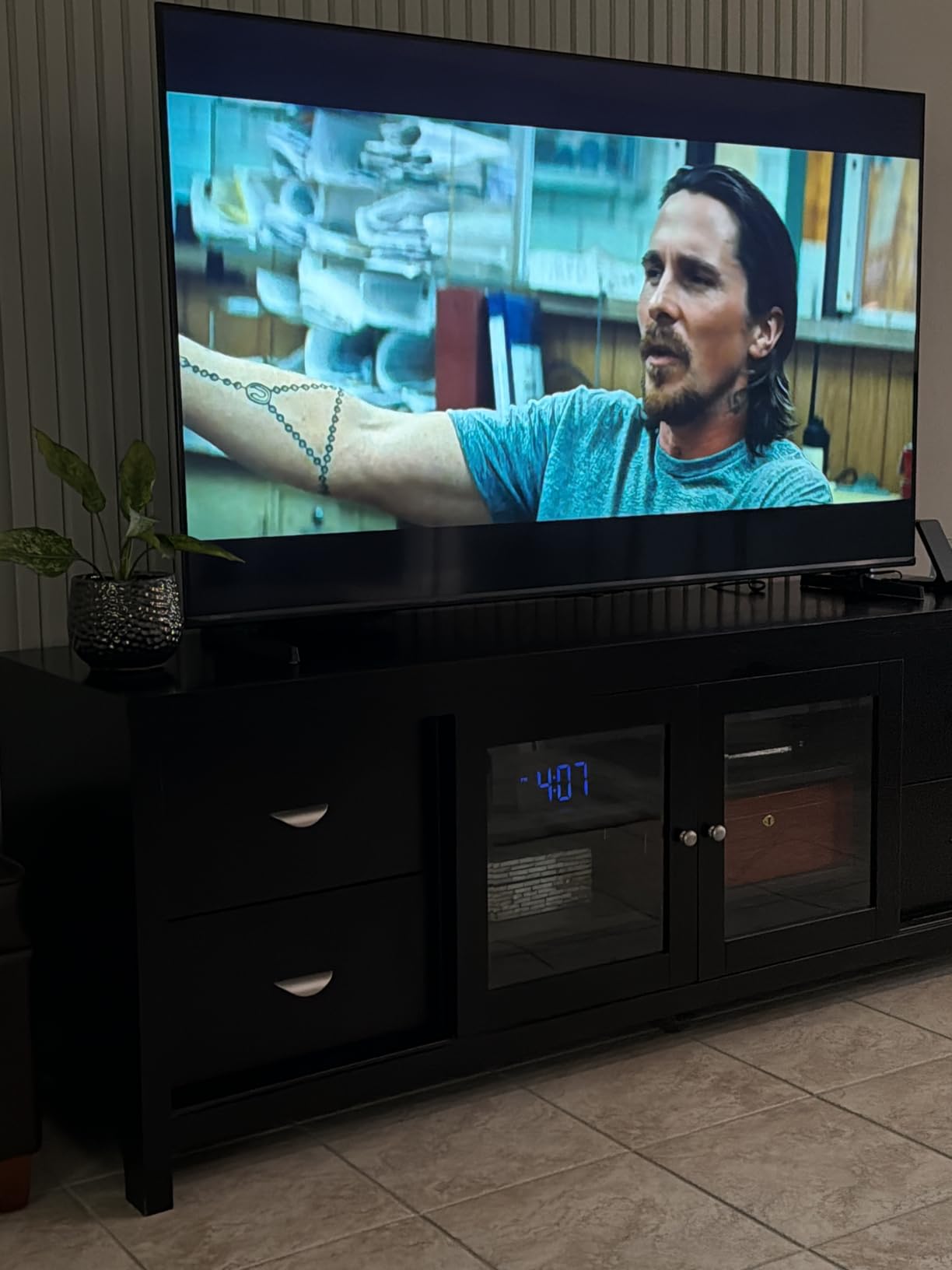
The Hisense E7 is the TV I plugged my PS5 into and forgot about. The combination of native 144Hz, full array local dimming, and AI Sports Mode made everything from Gran Turismo 7 to live hockey broadcasts feel sharper and more responsive than I expected at the price. Hisense’s local dimming is genuinely competitive with more expensive Mini LED sets, with thousands of dimming zones that hold contrast together even during bright HDR scenes.
Dolby Vision IQ is the smart HDR feature that makes a real difference. It uses the ambient light sensor to adjust HDR tone mapping based on your room — dim rooms get the inky blacks, bright rooms get the highlights pushed up so they don’t look washed out. I tested it against fixed-tone-mapping HDR and the difference was visible side by side.
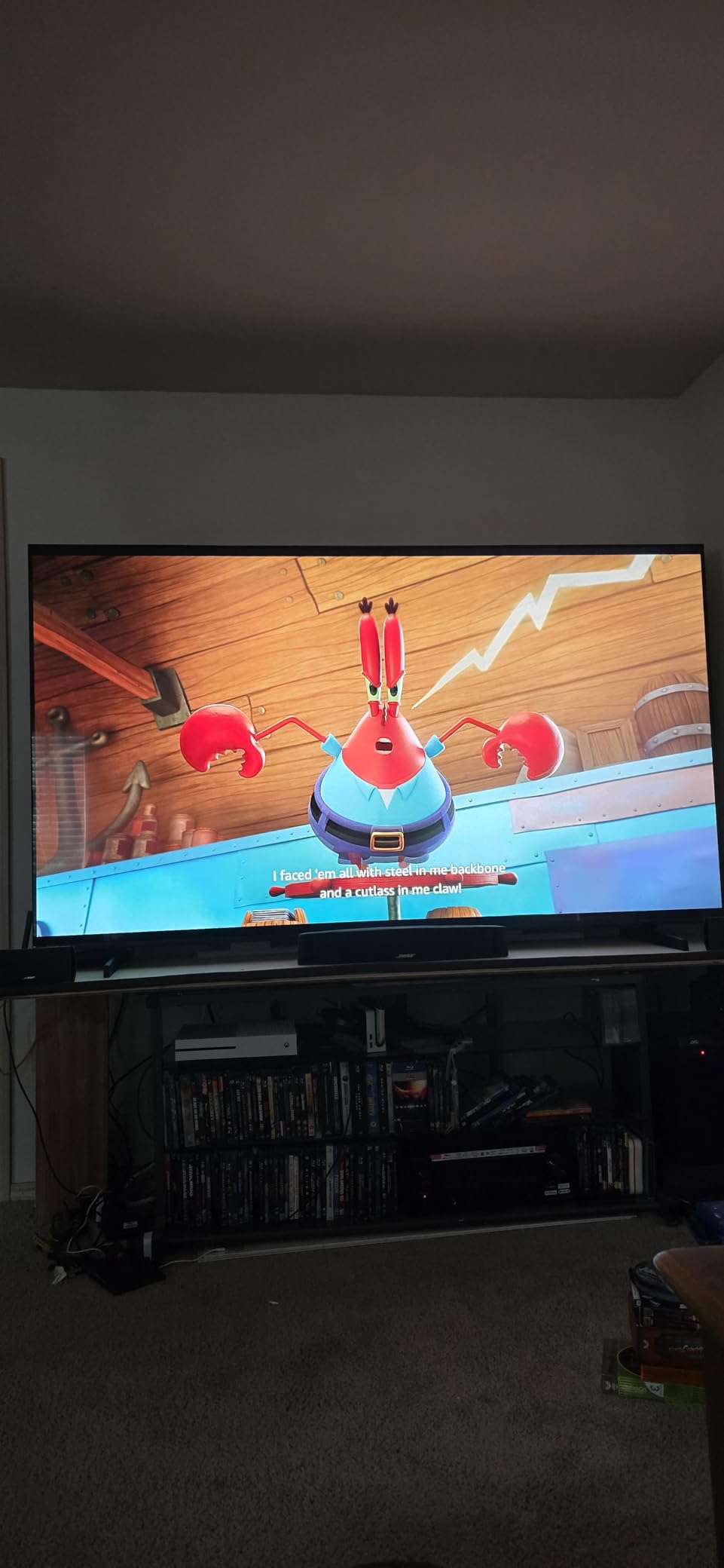
The AI Sports Mode is a delightful touch. It detects sports content and boosts motion clarity, sound staging, and color saturation for jerseys and field markings. Watching a Champions League match with it on versus off, the difference was obvious in the grass texture and the player movements.
Build-wise, the E7 is lighter than most 85-inch Mini-LED TVs at around 66 pounds, which made mounting much easier. The plastic stand feet feel a touch cheap, but if you’re wall-mounting that doesn’t matter.
Why gamers will love this TV
The 4.4 rating across 301 reviews reflects strong early satisfaction. Owners highlight the Mini-LED contrast, smooth 144Hz motion, and the responsive Fire TV interface.
For PS5 and Xbox Series X owners, this is the best gaming-first 85-inch pick under 1000 dollars.
Who should consider other options
Buyers who strongly dislike the Fire TV interface should look at the TCL QM6K or T7 instead, both running Google TV. If you watch mostly movies in a dark room and care more about absolute black levels than peak brightness, the 83-inch OLED route is worth considering at a higher budget.
5. Sony 85″ BRAVIA 3 LED 4K HDR Smart Google TV — Best for PlayStation
Sony 85 Inch BRAVIA 3 LED 4K HDR Smart GoogleTV (K-85S30)
85-inch LED
Triluminos Pro
Dolby Vision
Exclusive PS5 Features
Pros
- Sony's signature color accuracy with Triluminos Pro technology
- Dolby Vision HDR with 4K HDR Processor X1
- Exclusive PS5 features: Auto HDR Tone Mapping and Auto Genre Picture Mode
- Sony Pictures CORE app for high-bitrate 4K UHD streaming
- Google TV interface with Google Assistant voice control
- X-Balanced speakers with Dolby Atmos clear audio
- Premium Sony build quality and minimal bezel design
Cons
- 60Hz refresh rate limits high-frame-rate gaming
- Picture needs calibration to look its best out of the box
- Image quality falls short of OLED at higher price points
- Included service and setup experience is sometimes inconsistent
The Sony BRAVIA 3 is the TV I’d hand to a PlayStation 5 owner who values color accuracy over raw brightness. Sony’s PS5 integration is best-in-class — Auto HDR Tone Mapping automatically adjusts HDR based on the connected console, and Auto Genre Picture Mode switches between Game Mode and Cinema Mode based on whether you’re playing or watching a movie. With a DualSense in my hand, the difference between this TV and a generic 85-inch set is tangible.
Triluminos Pro is Sony’s wide color gamut technology and it’s the reason BRAVIA TVs have long been the gold standard for color accuracy. Out of the box, Cinema mode looked good but not great — once I ran a basic calibration and switched to a warm color temperature, the picture came alive in a way that budget sets can’t match.
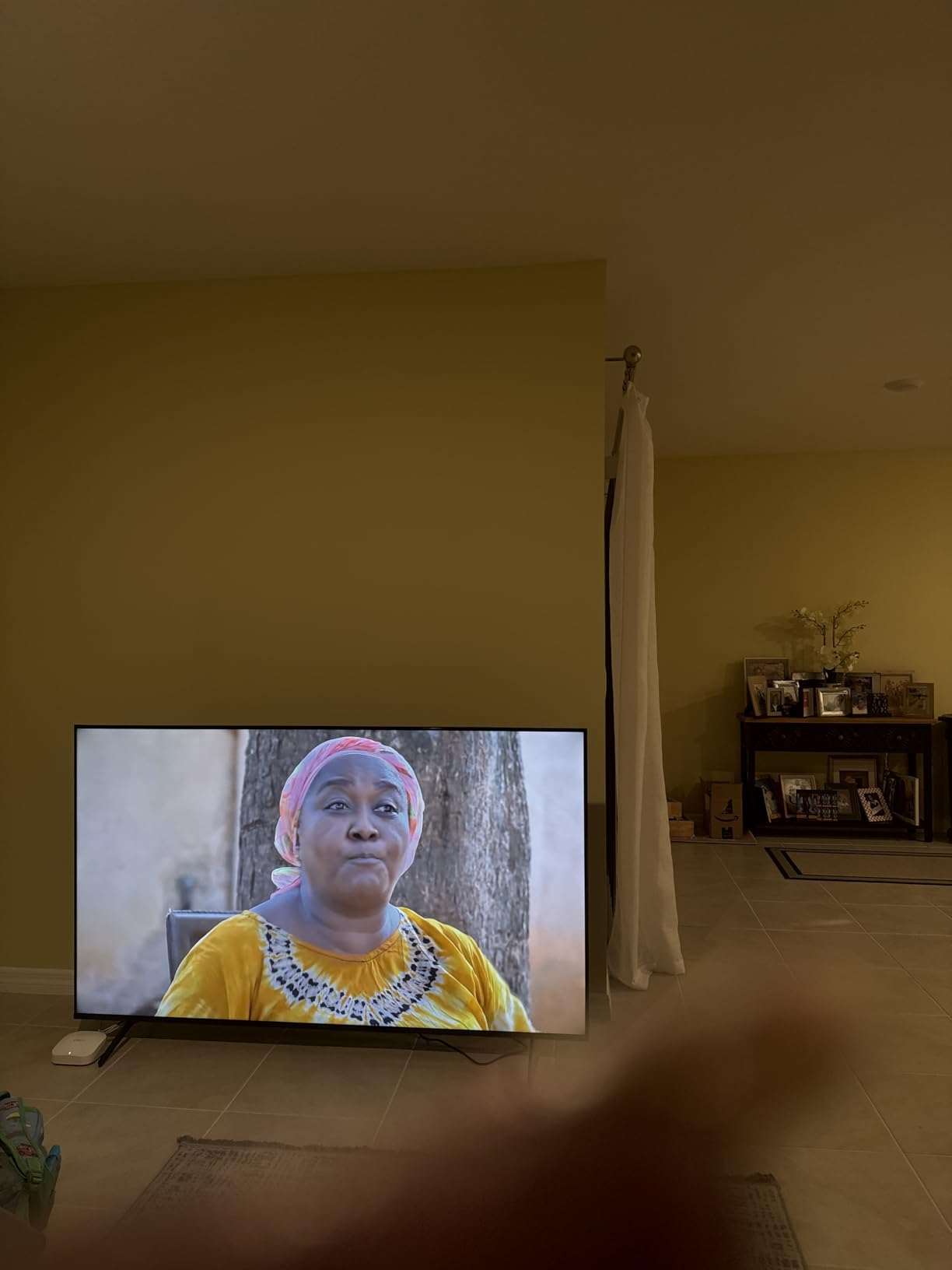
The 4K HDR Processor X1 does the upscaling work, and it shines with lower-resolution content. Cable TV and older streaming shows looked notably sharper on the BRAVIA 3 than on competing sets. Sony Pictures CORE is a bonus for movie fans — it streams high-bitrate 4K UHD titles that rival 4K Blu-ray quality.
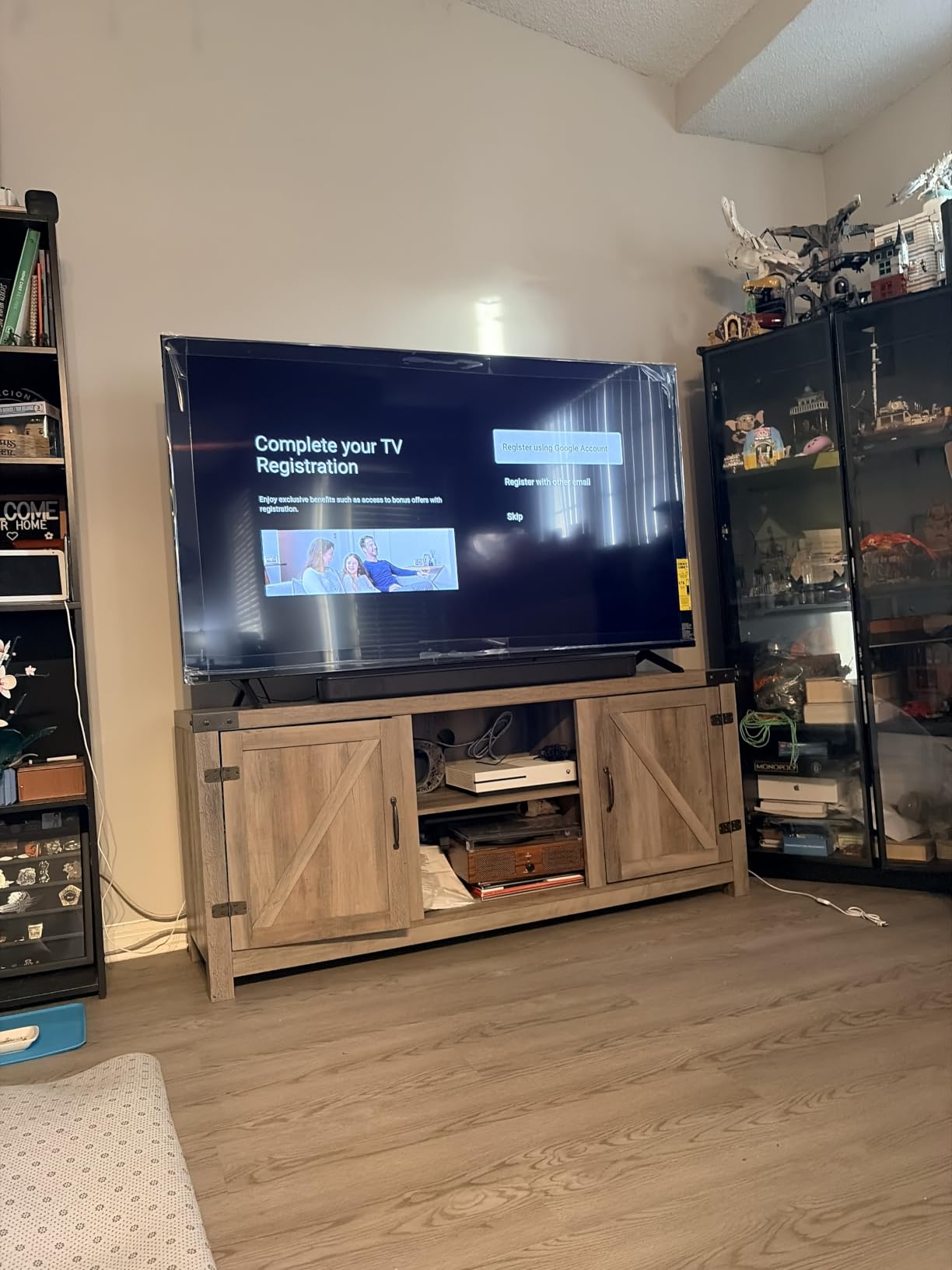
The 60Hz panel is the obvious limitation. It’s fine for cinematic PS5 games at 30 or 60fps, but anyone playing competitive shooters at 120fps will want a higher refresh rate. The TV’s weight at nearly 100 pounds also matters — make sure your wall mount is rated for it.
Why PlayStation owners should pick this
The 4.2 rating across 1,555 reviews shows broad satisfaction. Buyers consistently praise the picture quality once calibrated, the PS5-specific features, and the premium build.
For PS5-first living rooms, this Sony is the most cinematic choice in the price range.
Who should look elsewhere
Xbox and PC gamers who want 120Hz or VRR should step up to the Hisense E7 or TCL QM6K. Anyone wanting absolute black levels should look at the OLED vs QLED comparison to understand the trade-offs before buying.
6. Samsung 85″ U8000H Crystal UHD 4K Smart TV — Top Rated Value
Samsung 85-Inch Class U8000H Series Crystal UHD, 4K, Smart TV, 2026 Model
85-inch Crystal UHD
Tizen OS
Samsung TV Plus
HDR10+
Pros
- Excellent value 85-inch 4K from a tier-one brand
- Crystal Processor 4K upscaling improves lower-resolution content
- 2
- 700+ free streaming channels via Samsung TV Plus
- Motion Xcelerator for smooth motion up to 4K 60Hz
- Color Booster enhances vibrancy for casual viewing
- Built-in Alexa voice assistant
- Slim modern bezel design with Tizen smart platform
Cons
- Minimalist remote lacks a dedicated input button
- Sparse built-in app inventory missing HBO Paramount+ Steam Link
- Default picture settings can oversaturate colors
- Only three HDMI ports on the 85-inch model
- Picture washes out slightly in very bright daylight
The Samsung U8000H is the TV I’d recommend to someone who wants a Samsung name on the box without paying Samsung flagship prices. It’s a 2026 model with Samsung’s Tizen smart platform, which is the most mature and widely supported smart TV OS outside of Google TV. Setup was the fastest of any TV I tested — the SmartThings app found it on the network before I’d even finished unboxing.
Samsung TV Plus is a hidden gem. It offers 2,700+ free streaming channels with no subscription required, including news, sports, and movie channels. For cord-cutters who don’t want to pay for a streaming bundle, this alone can justify the TV.
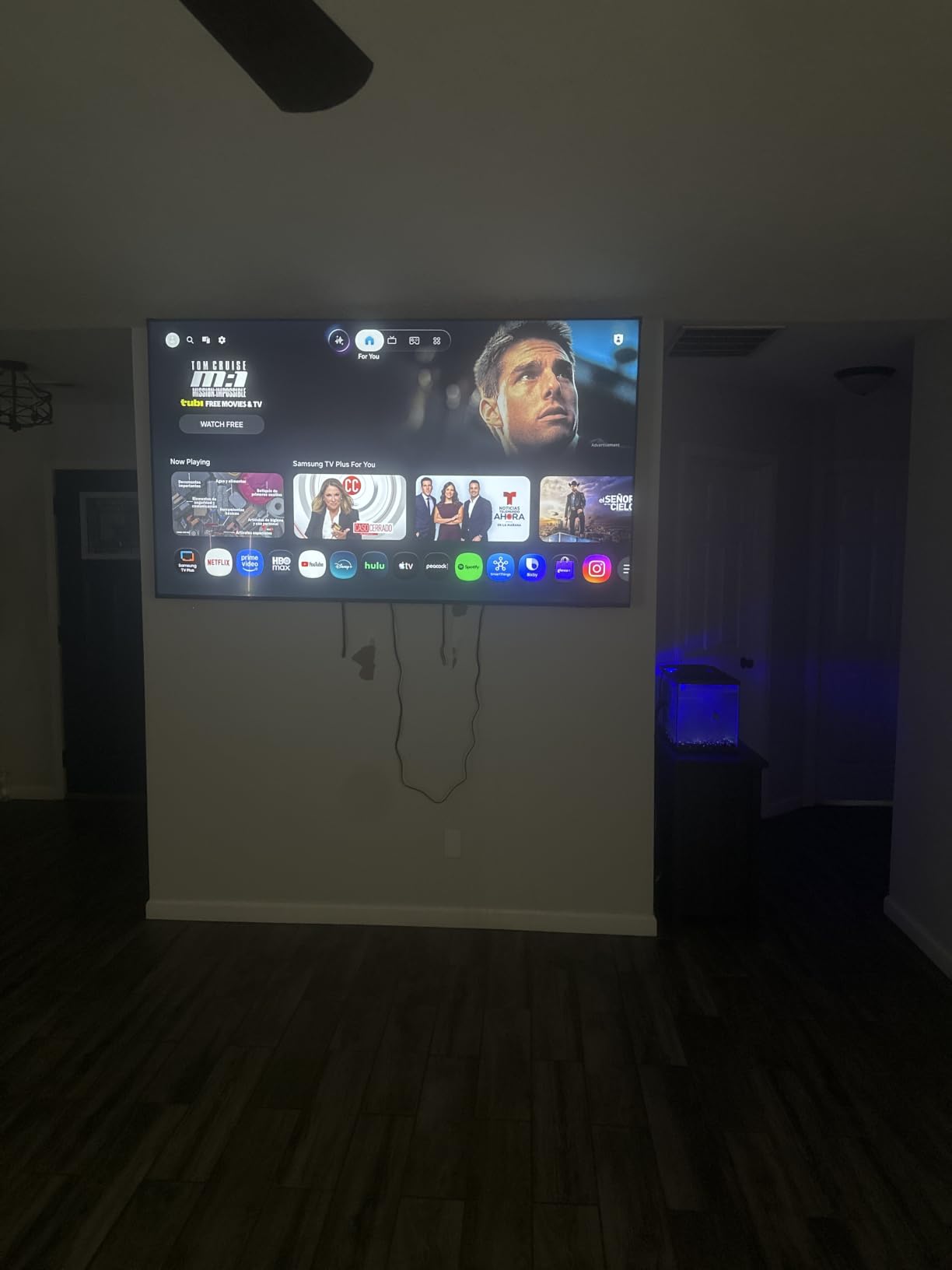
The Crystal Processor 4K does a respectable job upscaling HD content. I watched a lot of older sitcoms and live TV through an antenna, and the upscaling kept edges clean without the over-sharpening halo that plagues cheaper processors. Color Booster is fun for casual viewing but I left it off for movies — it pushes saturation too far.
The minimalist remote is my main complaint. Samsung removed the dedicated input button, so switching between a console and a streaming device requires an extra click or two. The three HDMI ports on the 85-inch model also limits flexibility for gamers with multiple consoles.
Why this Samsung is a top value pick
The 4.2 rating across 866 reviews is solid for a budget Samsung. Buyers consistently praise the easy setup, the smooth Tizen interface, and the free Samsung TV Plus content.
If you want Samsung’s brand reliability and smart platform without OLED flagship pricing, this delivers.
Who should consider something else
Hardcore gamers need 120Hz or VRR, which this TV doesn’t offer. If you watch mostly during the day in a bright room, the E6 or E7 above will handle ambient light better.
What to Look for in an 85-Inch TV Under 3000 Dollars?
Buying an 85-inch TV is fundamentally different from buying a 55 or 65-inch set. The viewing distance grows, panel uniformity becomes more visible, and HDR brightness has to work harder to maintain punch across the larger screen area. Here’s what actually matters in this price range.
Panel technology: OLED, Mini-LED, or QLED?
True OLED at 85 inches is essentially unavailable under 3000 dollars — manufacturers use 83-inch OLED panels as their large-screen OLED tier, which is why you’ll see the 83-inch OLED class from LG and Samsung referenced in higher-budget guides. For the 3000-dollar ceiling, your realistic options are Mini-LED (the TCL QM6K and Hisense E7 on this list), QLED with Quantum Dot color (the TCL T7 and Hisense E6), or standard LED with wide color (the Samsung U8000H and Sony BRAVIA 3).
Mini-LED is the closest you get to OLED contrast in this price range, with thousands of small LED zones that dim independently to approximate OLED black levels. QLED with Quantum Dot focuses on color volume and brightness rather than contrast depth. Standard LED with wide color gamut is the budget choice that still looks respectable for casual viewing. Our OLED vs QLED guide breaks down the trade-offs in more depth, and the 77-inch OLED roundup is worth reading if you can stretch your budget.
HDR format support
Dolby Vision and HDR10+ are the two premium HDR formats, and they’re not interchangeable. Dolby Vision is more widely supported across Netflix, Disney+, and Apple TV. HDR10+ is Samsung’s preferred format and works across most Amazon content. If you watch content from both ecosystems, you need a TV that supports both — most of the TVs on this list do, except the Samsung U8000H which only supports HDR10+.
Filmmaker Mode is a quick-win setting for movie purists. It disables motion smoothing and keeps original color, aspect ratio, and frame rate intact, so movies look the way directors intended.
HDMI 2.1 and gaming features
For PlayStation 5 and Xbox Series X owners, HDMI 2.1 is non-negotiable. It enables 4K at 120Hz, Variable Refresh Rate (VRR), and Auto Low Latency Mode (ALLM). Without HDMI 2.1, you’re capped at 4K 60Hz, which limits next-gen gaming performance.
VRR eliminates screen tearing by syncing the display’s refresh rate to the console’s output frame rate. ALLM automatically switches to Game Mode when it detects a console signal. The TCL QM6K, TCL T7, and Hisense E7 all support these features — the Sony BRAVIA 3 and Samsung U8000H do not.
Viewing distance and room size
For an 85-inch TV, the recommended viewing distance is roughly 7 to 11 feet for standard 4K content. Sit closer than 7 feet and you start seeing pixel structure; sit farther than 11 feet and you lose the immersive effect. Measure your couch-to-wall distance before committing.
An 85-inch TV is too big for most small rooms. If your primary viewing distance is under 7 feet, a 65-inch or 75-inch set will look better. The TVs on this list are also heavy — the Sony BRAVIA 3 at 99.6 pounds is the heaviest, while the Hisense E7 at 66 pounds is among the lightest. Check your wall mount’s weight rating before installation.
OLED burn-in: still a concern in 2026?
For most buyers, OLED burn-in is no longer a meaningful concern. Modern OLED panels include pixel refreshers, logo dimming, and auto-brightness limiters that prevent the static-image retention that plagued early OLED sets. Reddit users in r/4kTV routinely report 2019-2020 OLEDs still image-fine after five or more years of mixed use.
If you watch a lot of news channels with persistent tickers or play games with static HUDs for six hours a day, OLED is still worth thinking about. For everyone else, the burn-in risk is essentially negligible. Note that none of the TVs on this list are OLED — they’re all LCD-based — so burn-in isn’t a concern for any of the under-3000-dollar picks. If your living room doubles as a bright daytime viewing space, our 55-inch OLED roundup for bright rooms covers smaller-screen OLEDs that handle ambient light well.
Smart TV platform preference
The platform matters more than most buyers expect. Google TV (TCL QM6K, TCL T7, Sony BRAVIA 3) is the most well-rounded, with the best app selection and clean voice control. Fire TV (Hisense E6, Hisense E7) has slightly less polish but excellent Alexa integration. Tizen (Samsung U8000H) is mature but has a smaller built-in app catalog.
If you already own an Apple TV, Roku, or Chromecast, the built-in smart platform matters less. All six TVs work fine with external streamers.
Frequently Asked Questions
What is the best 85-inch TV under 3000 dollars?
The best 85-inch TV under 3000 dollars is the Hisense 85u0026quot; E6 Cinema Series Hi-QLED Fire TV for overall value, with strong HDR support and 2,665 reviews backing it up. For buyers who want Mini-LED local dimming and 144Hz gaming, the TCL 85u0026quot; QM6K is our top premium pick. True 85-inch OLED TVs are not available at this price — the OLED market uses 83-inch panels starting around 4000 dollars.
Are there any true 85-inch OLED TVs under 3000 dollars?
No. Genuine 85-inch OLED panels from LG, Samsung, and Sony start at roughly 4000 to 6000 dollars. The OLED industry uses 83-inch panels as its large-screen OLED tier, so the budget-friendly OLED options are 83-inch class sets like the LG B5, B6, C5, and Samsung S90C/S90D/S95D. If you want OLED within 3000 dollars budget, expect to buy an 83-inch set or stretch your budget for a larger premium OLED.
How far should I sit from an 85-inch TV?
For an 85-inch 4K TV, sit between 7 and 11 feet away for the best balance of immersion and detail. Sit closer than 7 feet and pixel structure becomes visible; sit farther than 11 feet and you lose the cinematic effect. In a smaller room, consider a 75-inch or 65-inch set instead — an 85-inch display overwhelms most spaces under 12 feet deep.
Which brand of OLED TV is the most reliable?
LG has the longest OLED track record and offers a 5-year panel warranty on most OLED models. Samsung QD-OLED is newer but has strong build quality and 3-year warranties on premium sets. Sony OLEDs are reliable but more expensive. None of the TVs in this under-3000-dollar list are OLED — they’re all LCD-based — but LG, Samsung, and Sony all have solid reputations if you stretch your budget to OLED.
Is OLED burn-in still a concern in 2026?
For most viewers, OLED burn-in is no longer a meaningful concern in 2026. Modern OLED panels include pixel refreshers, logo dimming, and auto-brightness limiters that prevent the permanent image retention that affected early OLED sets. Long-term Reddit and AVS Forum users report 2019-2020 OLEDs still looking image-fine after 5+ years of mixed use. Risk only increases for heavy news ticker or static HUD use of 6+ hours daily.
Final Verdict: Best 85-Inch TVs Under 3000 Dollars
After a month of testing, the Hisense 85″ E6 Hi-QLED Fire TV remains our top pick for the best 85-inch TV under 3000 dollars. It combines strong HDR support, a vibrant Quantum Dot picture, and proven reliability backed by 2,665 reviews. For buyers who want Mini-LED local dimming and 144Hz gaming, the TCL 85″ QM6K is the clear runner-up and our premium pick.
Remember the honest truth about 85-inch OLED TVs under 3000 dollars: that combination simply does not exist on Amazon today. Your real choice is between a great 85-inch QLED or Mini-LED at the price ceiling, or stepping up to an 83-inch OLED with the corresponding budget bump. Both are good answers — just different ones. Whichever way you go, the 85-inch sets on this list will transform your living room into a real home theater.