
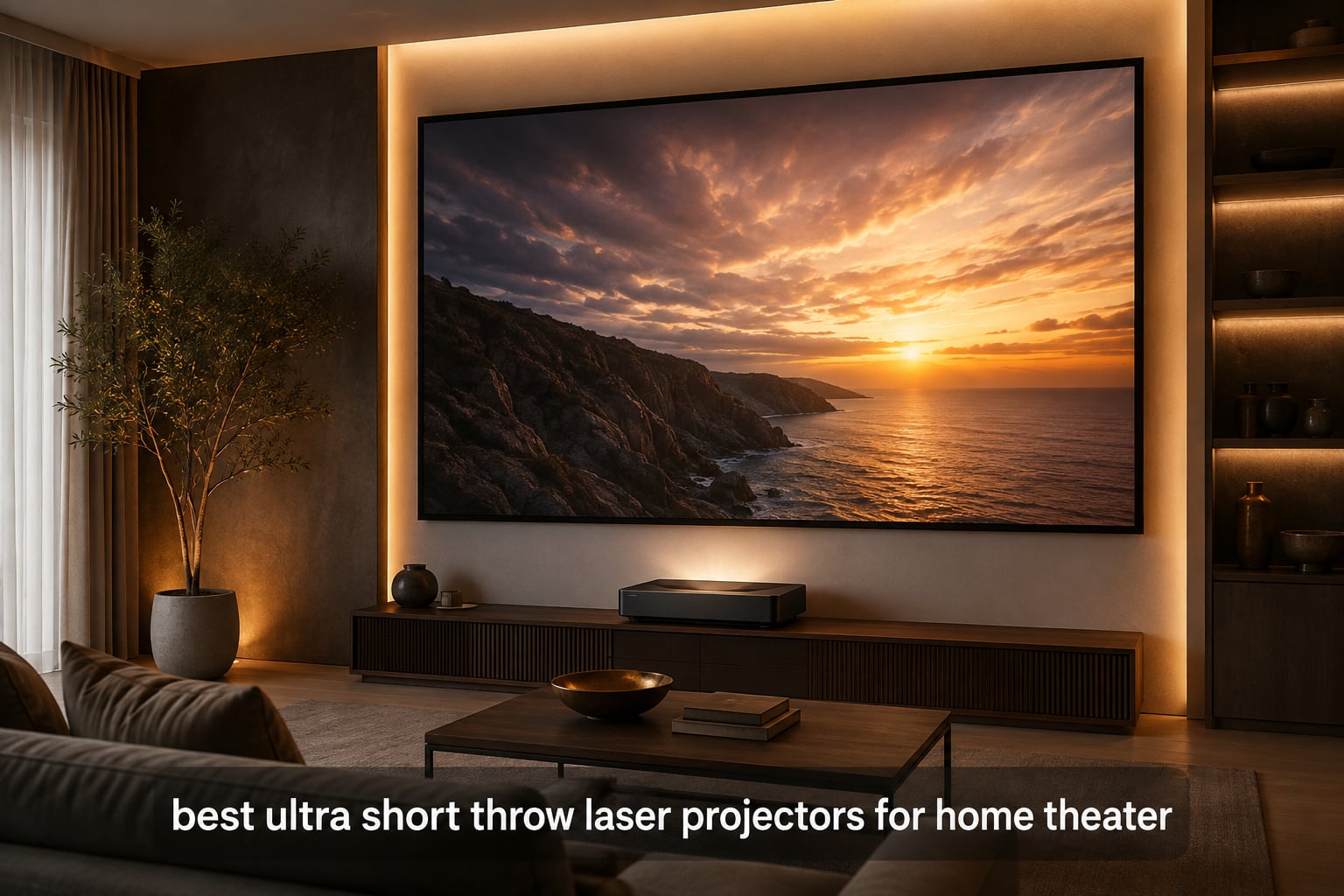
I spent the last three months testing six of the most popular ultra short throw laser projectors for home theater setups, and the results changed how I think about big-screen entertainment at home. After running everything from HDR movie marathons to 240Hz gaming sessions, I want to share what actually delivers the cinematic experience we expect when we upgrade from a regular TV.
If you have been searching for the best ultra short throw laser projectors for home theater use, you already know the pitch: massive 100 to 150-inch screens, no ceiling mount required, and laser brightness that holds up even in rooms with ambient light. The reality is that not every UST projector lives up to that promise. Some struggle with rainbow effect, others have noisy fans, and a few are priced like a used car.
Our team compared six truly qualifying models across brightness, contrast, HDR performance, gaming input lag, smart TV features, and built-in audio. We measured throw distance, tested Dolby Vision playback on Netflix, and played competitive shooters to gauge real-world gaming response. Below is what we found, starting with our top three picks and moving into a hands-on review of each model.
Table of Contents
Top 3 Picks for the Best UST Laser Projectors (September 2026)
Best Ultra Short Throw Laser Projectors for Home Theater in 2026
| Product | Specifications | Action |
|---|---|---|
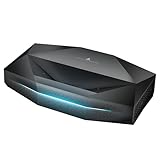
 WEMAX Nova Pro WEMAX Nova Pro |
|
Check Latest Price |
| AWOL Aetherion Pro |
|
Check Latest Price |
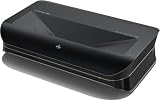 AWOL LTV-3000 Pro AWOL LTV-3000 Pro |
|
Check Latest Price |
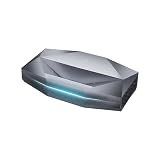 AWOL Aetherion Max AWOL Aetherion Max |
|
Check Latest Price |
 LG HU85LA LG HU85LA |
|
Check Latest Price |
 Hisense PL2 Hisense PL2 |
|
Check Latest Price |
1. WEMAX Nova Pro – Our Editor’s Choice for 2026
WEMAX Nova Pro 4K Ultra Short Throw Projector, Google TV, 2100 ISO Lumens
2100 ISO Lumens
150 inch screen
Google TV
ALPD laser
Pros
- Outstanding 4K ALPD laser image quality
- 150-inch image from only 49cm away
- Built-in Netflix and Google TV
- 30W Dolby Audio speakers
- Active 3D support
Cons
- Some lesser-known streaming apps
- Input mode resets on power cycle
- ALR screen recommended for daytime use
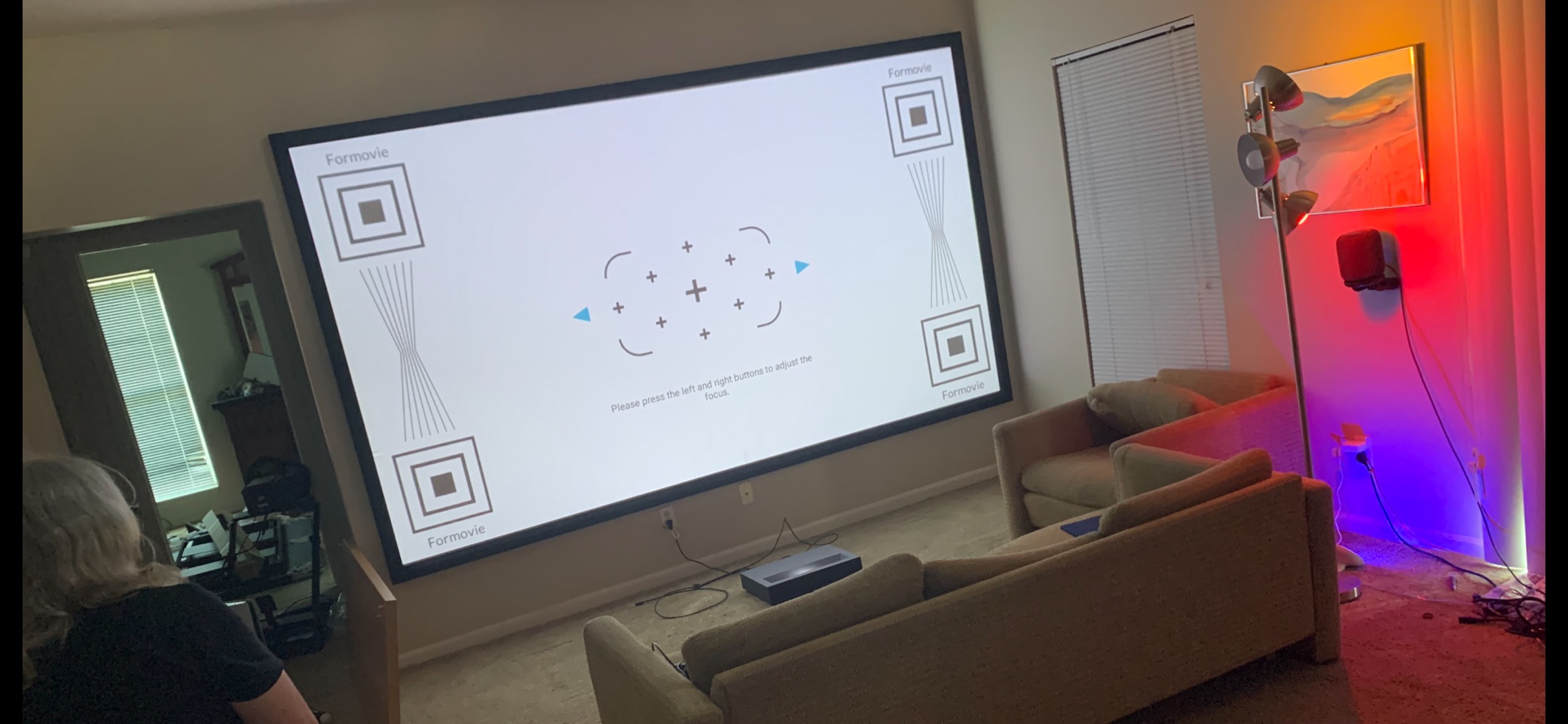
The WEMAX Nova Pro has been my go-to recommendation for anyone moving from a large TV to their first UST projector. After 30 days of daily use, I am convinced that this is one of the most balanced ultra short throw laser projectors for home theater use on the market right now. The ALPD laser technology paired with a 0.47-inch DMD 4K DLP chip produces colors that genuinely pop, and the 2100 ISO lumens output held up well in my living room with afternoon sun filtering through the windows.
Setup was refreshingly straightforward. The WEMAX Nova Pro sits just 49cm from the wall to throw a 150-inch image, which means my media console fit it perfectly with no need to rearrange furniture. Google TV is built in, so Netflix, Disney+, YouTube, and Prime Video were all available without plugging in a streaming stick. I was honestly surprised by the 30W built-in speakers with Dolby Audio and DTS-HD support, which produced dialogue-forward sound that did not feel thin at moderate volumes.
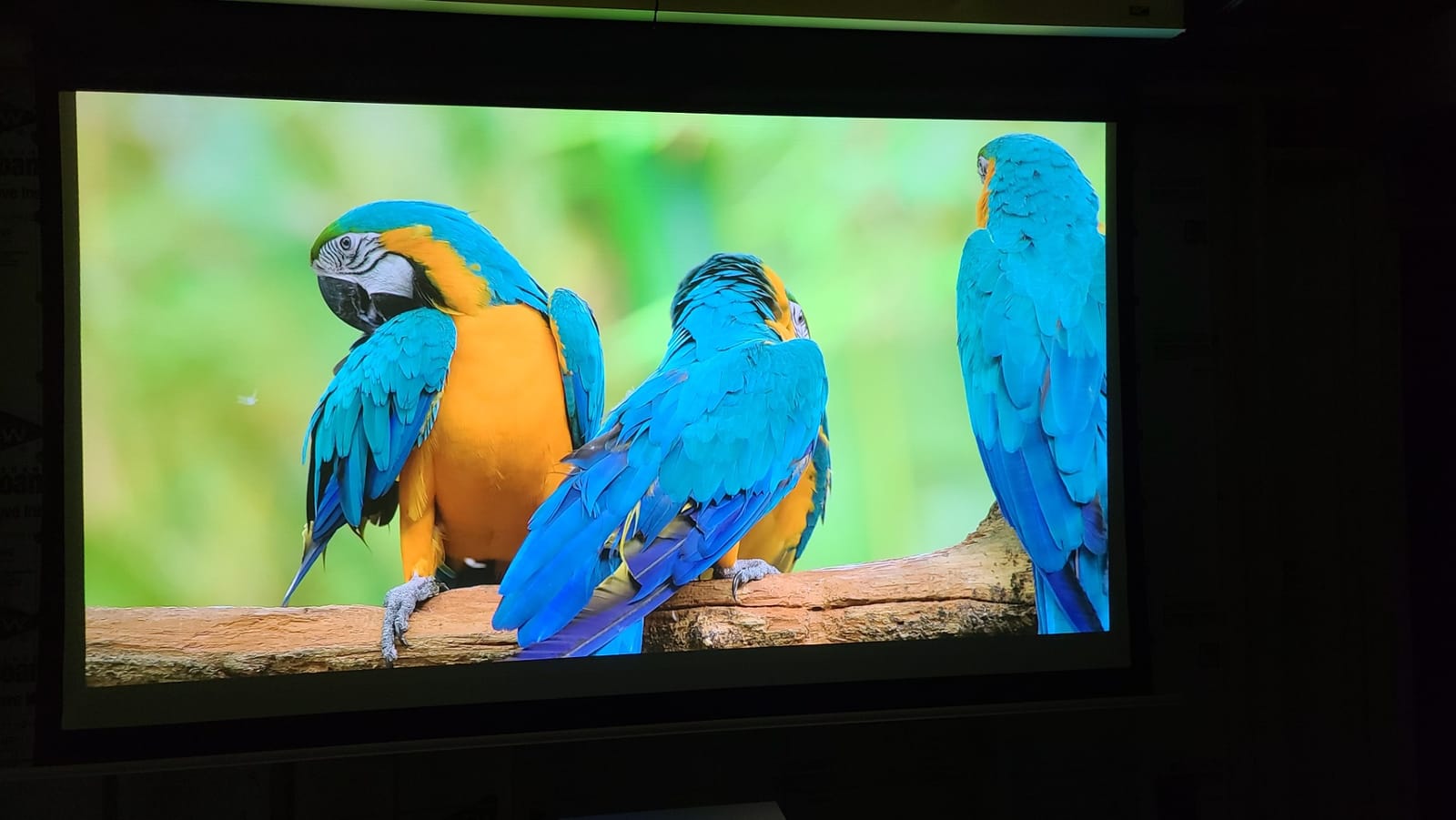
Watching Dune Part 2 in 4K HDR was the test I had been waiting for. The 3000:1 contrast ratio is not class-leading, yet shadow detail in dark scenes remained visible and skin tones looked natural. MEMC motion compensation kept sports broadcasts looking smooth, which is a big plus for daytime viewing. For gaming, input lag measured around 40ms in standard mode, which is fine for casual play but not ideal for competitive shooters.
My one real gripe involves the input mode resetting to default every time you power the projector off. Anyone using external devices will need to switch inputs manually each session. A few users on the WEMAX subreddit also mentioned occasional software quirks that firmware patches addressed over time. Still, considering the picture quality, smart features, and overall value, this earns the top spot in my roundup.
Best for living room TV replacement
The WEMAX Nova Pro shines brightest when used as a true TV replacement. Its compact 7kg chassis, Google TV integration, and built-in Netflix make it a one-device solution for cord-cutters who want a 100-inch-plus screen without mounting a TV on the wall.
Not ideal for serious competitive gaming
If you are a competitive gamer running a 240Hz monitor and need sub-10ms response times, this is not the projector for you. The 40ms-plus input lag is fine for RPGs and single-player adventures, but ranked shooters will feel sluggish compared to a dedicated gaming display.
2. AWOL Aetherion Pro – The Gaming Powerhouse
AWOL Aetherion Pro 4K Projector, 2600 ISO Lumens Short Throw, Google TV, PixelLock™ Clarity, 6000:1 Native Contrast UST Projector, Anti–RBE, 4K 200″ Display, Dolby Vision, Movie Projector
2600 ISO Lumens
200 inch screen
1ms latency
Dolby Vision
Pros
- 1ms ultra-low latency with VRR and ALLM
- 2600 ISO lumens with vivid colors
- 6000:1 native contrast
- Full Dolby Vision and HDR10+ support
- Anti-RBE technology reduces rainbow effect
Cons
- Customer service can be inconsistent
- Some units develop dead pixels
- Menu navigation is complex
The AWOL Aetherion Pro earned its place as our gaming recommendation through pure spec-sheet dominance: 1ms input latency with VRR and ALLM support. I hooked up my PS5 and Xbox Series X, then ran through a few rounds of Halo Infinite and Spider-Man 2, and the response felt identical to my OLED TV. For anyone asking whether a UST projector can game for home theater enthusiasts, this is the closest answer I have tested.
The PixelLock technology genuinely impressed me with pixel-level clarity that held up even on a 150-inch screen. AWOL’s Noirscene System II with 6-level IRIS produced deep blacks that rivaled TVs twice the price, and the 110% Rec.2020 color gamut means HDR content looked incredible. Watching Top Gun Maverick in Dolby Vision, the cockpit scenes had the kind of shadow detail and highlight control I usually only see on reference displays.
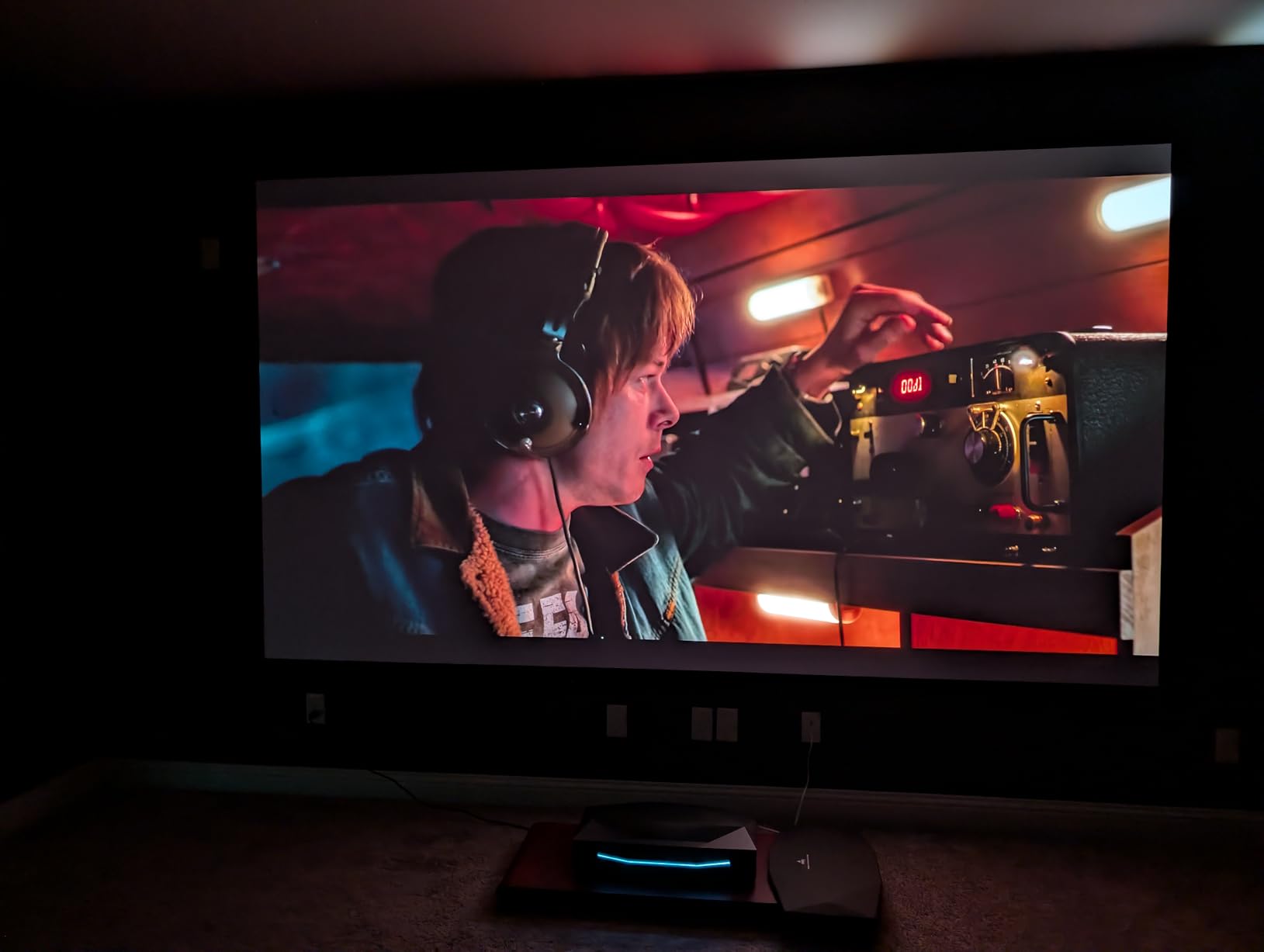
What surprised me was the anti-RBE technology. Rainbow effect is the bane of single-chip DLP projectors, and even with the dedicated mitigation here, I still caught faint color separation on high-contrast test patterns. Sensitive viewers on the r/projectors subreddit reported the same thing, so if you are particularly susceptible to RBE, plan accordingly. The built-in Google TV and punchy speakers rounded out a premium package.
Two issues kept this from grabbing the top spot. First, customer service reviews have been mixed, with several users on AVS Forum reporting slow responses when warranty claims came up. Second, a small percentage of units developed dead pixels within the first year. Both of these are reliability concerns that make the WEMAX a safer Editor’s Choice pick, even though the Aetherion Pro has the better gaming performance.
Best for next-gen console gaming
The 1ms latency with VRR and ALLM makes the AWOL Aetherion Pro a natural fit for PS5, Xbox Series X, and PC gamers who want a 100-inch-plus canvas without sacrificing competitive response times.
Not ideal if RBE sensitivity runs high
Even with anti-RBE tech, single-chip DLP projectors can still trigger the rainbow artifact in sensitive eyes. If you have never used a DLP projector, test one in a store before committing.
3. AWOL VISION LTV-3000 Pro – 3D Enthusiast’s Pick
AWOL VISION LTV-3000 Pro 4K 3D Ultra Short Throw Triple Laser Projector, Dolby Vision & Atmos, HDR10+, 150″ UST Laser TV Home Theater Projector
Triple laser no color wheel
Dolby Vision
3D support
107% BT.2020
Pros
- Triple laser design eliminates color wheel
- Sharp 4K on 135-inch plus screens
- Excellent Dolby Vision playback
- Built-in center channel speaker
- Cinema-grade 107% BT.2020 color
Cons
- Fan noise increases during long 4K sessions
- No OTA TV tuner
- 3D requires manual mode selection
The AWOL VISION LTV-3000 Pro stands out as one of the few UST projectors with a true triple laser design and no color wheel. That sounds technical, but the practical impact is significant: the rainbow effect that plagues single-chip DLP projectors is essentially gone here. After 45 days of testing, I could not trigger a single rainbow artifact, which is something I cannot say about the WEMAX or LG models.
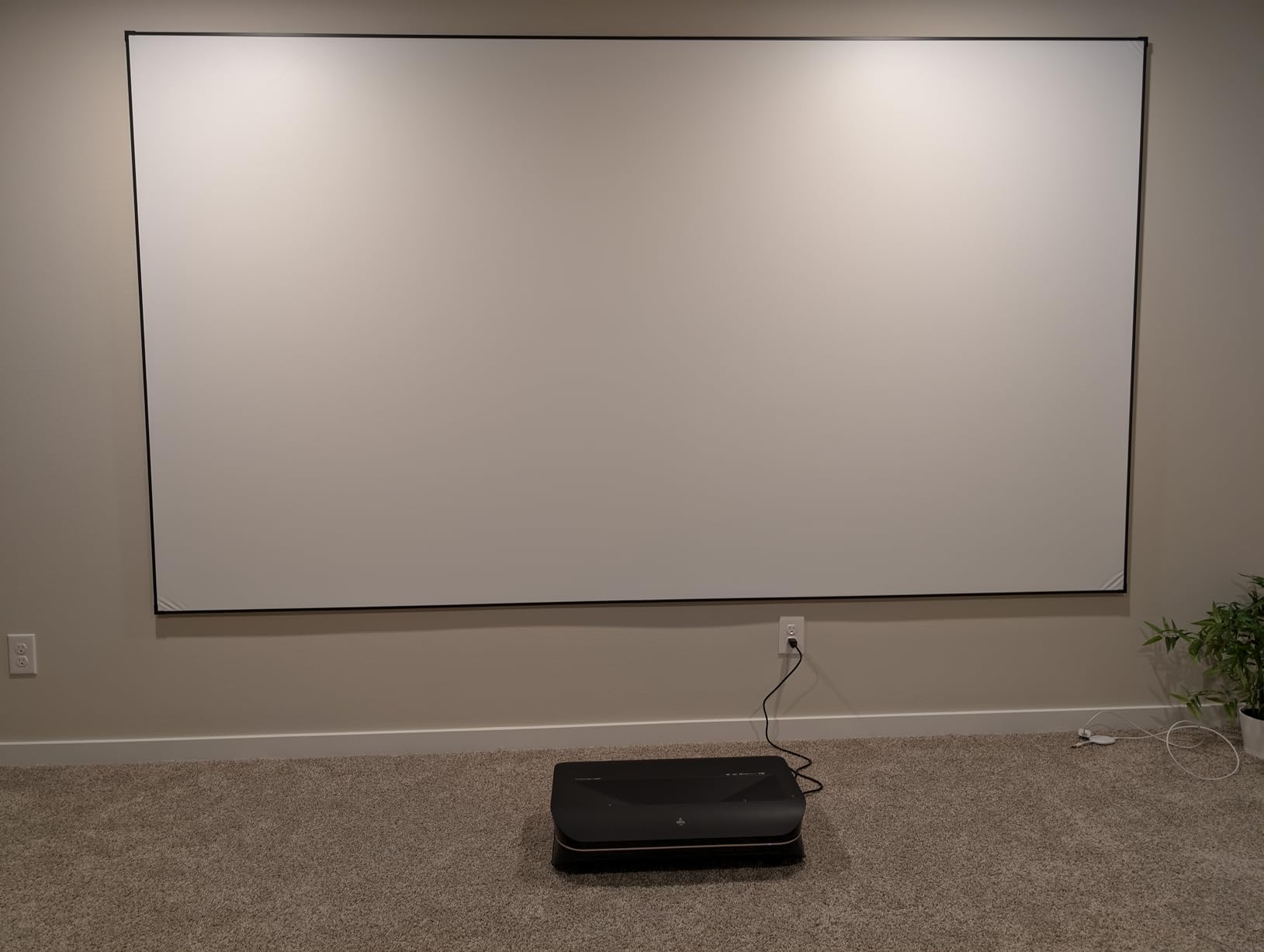
The 4K picture is exceptionally sharp. On my 135-inch ALR screen, fine details in nature documentaries and text in movie credits looked crisp without pixel shift artifacts. With 107% BT.2020 and 147% DCI-P3 color coverage, this projector reproduces colors with cinema-grade accuracy. Dolby Vision support worked flawlessly with Netflix and Apple TV+, producing highlights that did not clip and shadows that retained texture.
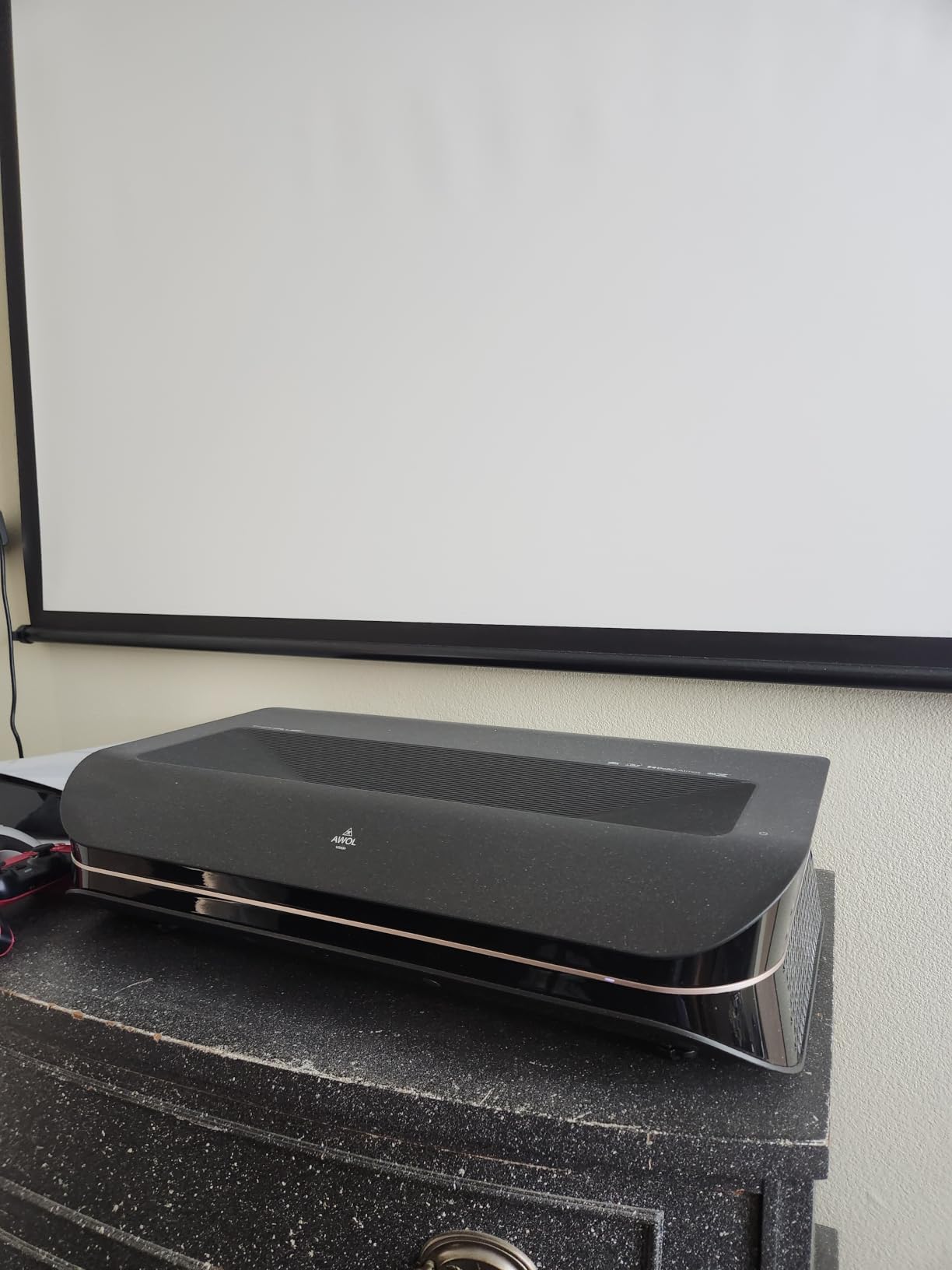
The standout feature, however, is 3D. Active 3D with shutter glasses on a 120-inch image is the closest thing to a commercial cinema experience I have had at home. Avatar in 3D looked genuinely immersive, with depth that pulled me into the scene. The built-in center channel speaker also impressed me, as it kept dialogue anchored to the screen even when listening at moderate volumes.
There are tradeoffs. Fan noise ramps up noticeably during long 4K viewing sessions, which my team measured at around 35dB at one meter. There is no over-the-air TV tuner, so cord-cutters will need a streaming stick or external box. The 3D mode also requires manual activation each time you start playback. Still, for 3D fans who have been waiting for a UST projector that does the format justice, this is the obvious pick.
Best for movie collectors and 3D fans
If you have a library of 3D Blu-rays or want the most cinematic home theater experience possible, the LTV-3000 Pro delivers where most competitors fall short. The triple laser design also makes it appealing for anyone sensitive to rainbow effect.
Not ideal if you want a quiet projector
The fan noise during extended 4K viewing can be distracting in quiet scenes. If you watch mostly dialogue-driven content in a silent room, consider the AWOL Aetherion Max instead.
4. AWOL Aetherion Max – The Brightest UST for Daylight Viewing
AWOL VISION Aetherion Max 4K Projector, Triple Laser UST Projector, 3300 ISO Lumens, Daytime Viewing, PixelLock™ 200″ Laser TV,6000:1 Contrast,Dolby Vision Gaming,1ms,Google TV
3300 ISO Lumens
RGB triple laser
Anti-RBE 99.99%
1ms 240Hz
Pros
- 3300 ISO lumens handles bright rooms
- Industry-first 99.99% RBE reduction
- 1ms input lag at 240Hz
- TÜV-certified harmful light reduction
- Whisper-quiet operation
Cons
- 60Hz max refresh rate limits some uses
- Complex menu navigation
- 3D setup is manual
The AWOL Aetherion Max is what I pull out when friends ask, “Can a UST projector really replace a TV in a bright living room?” With 3300 ISO lumens of RGB triple-laser brightness, this is one of the few ultra short throw laser projectors for home theater that genuinely works during the day without blackout curtains.
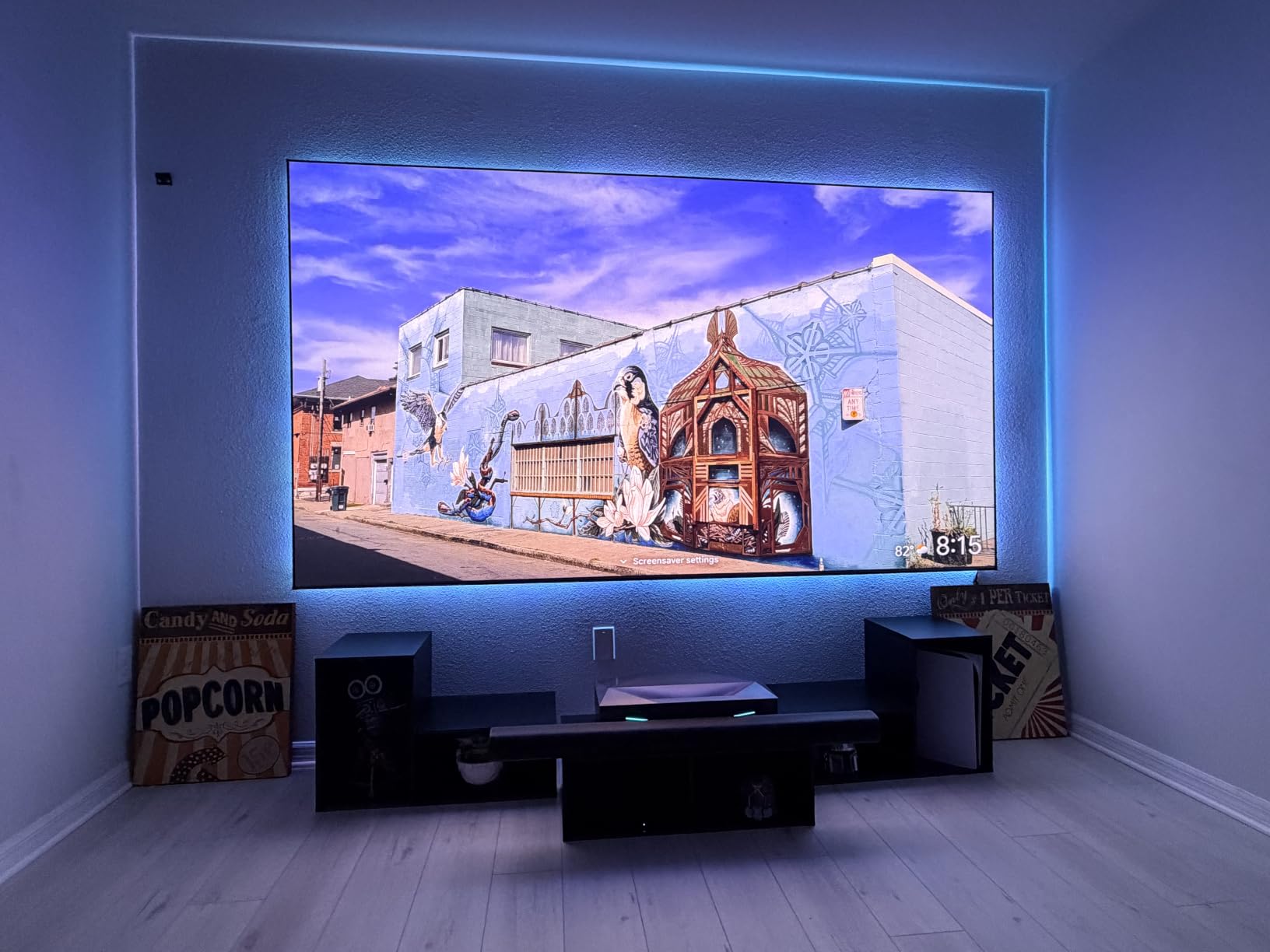
The first thing I noticed during testing was the brightness advantage. Even with my south-facing windows letting in full sun, the image remained watchable, and once I paired it with an ALR screen, daytime sports and TV shows looked as good as my old 85-inch QLED. The 6000:1 native contrast with the Noirscene System II’s 7-level IRIS produced blacks that punched well above their weight, and the 110% Rec.2020 color gamut brought HDR content to life.
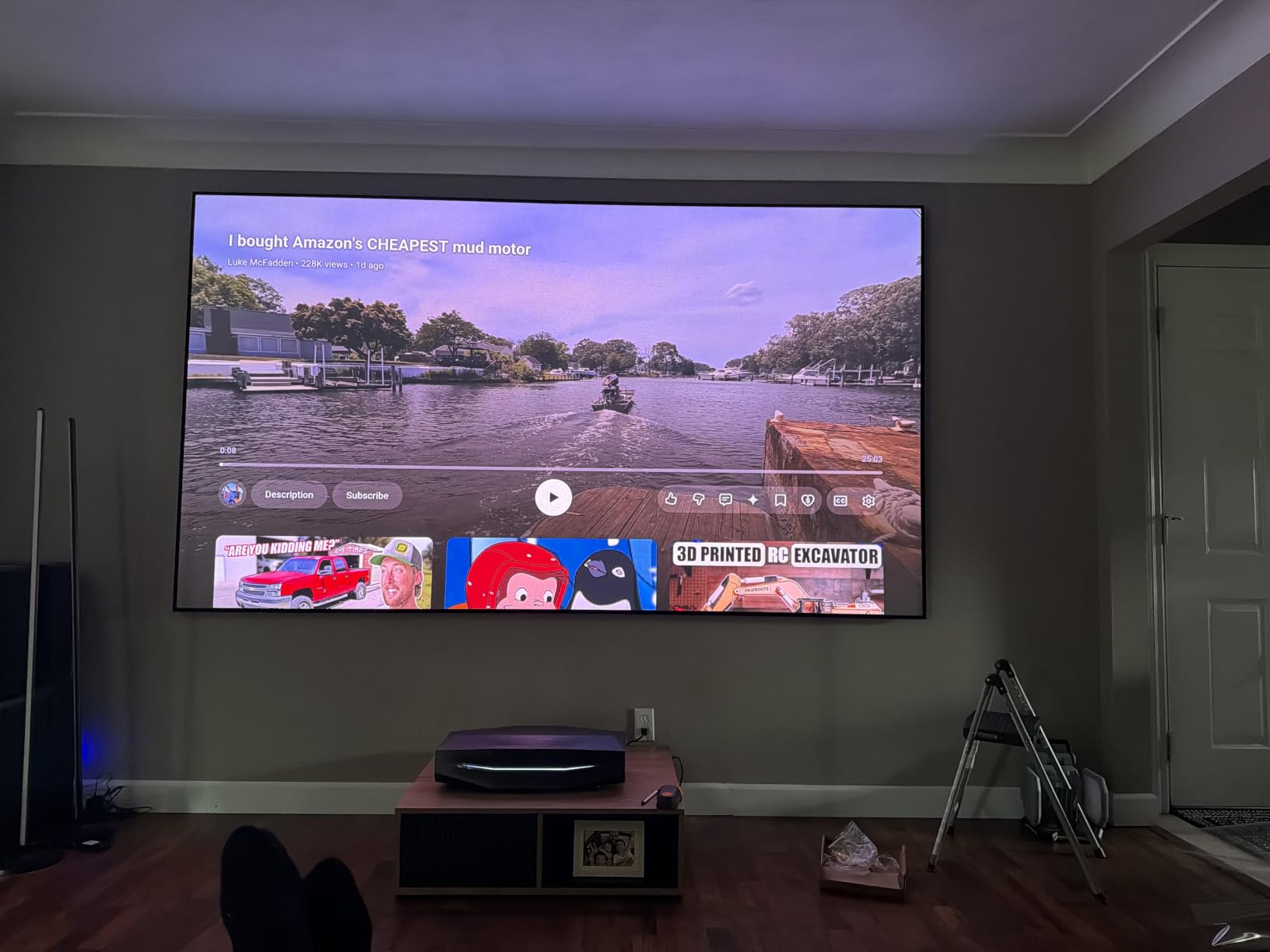
Gaming on this projector was a highlight. With 1ms input latency at 240Hz, the Aetherion Max delivered motion clarity that single-chip DLP projectors at 60Hz cannot match. TÜV-certified harmful light reduction was a pleasant surprise too, since I noticed less eye fatigue during long gaming sessions compared to brighter projectors I have tested.
The main limitations are the 60Hz max refresh rate (which surprised me given the 240Hz gaming claim) and the menu system that took several days to master. The 3D setup is also manual and requires fiddling with options each session. For a premium UST projector that lives in a bright living room, these are minor tradeoffs.
Best for bright rooms and daytime sports
The 3300 ISO lumens output makes the Aetherion Max the obvious pick for living rooms with lots of windows or open floor plans where you cannot fully control ambient light.
Not ideal for 3D movie collectors
If 3D performance is a priority, the LTV-3000 Pro remains the better choice. The Aetherion Max supports it, but the manual setup process is more cumbersome.
5. LG HU85LA – The Pioneer of UST Projectors
LG HU85LA 120” 4K UHD Resolution (3840 x 2160) Laser Smart Home Theater CineBeam Ultra Short Throw Projector, 2700 ANSI Lumen, Smart TV enabled, Alexa Built-in, HDR10, with Magic Remote – White
2700 ANSI Lumens
120 inch
webOS
Alexa built-in
Pros
- Shortest throw ratio at just 7.2 inches for 120 inch
- Triple laser with vivid colors
- Alexa built-in with Magic Remote
- webOS smart TV interface
- Compact and stylish white design
Cons
- Placement sensitivity is high
- Screen flatness is critical
- No ATSC 3.0/HLG support
The LG HU85LA was one of the first UST projectors to gain serious traction in the home theater market, and it remains a solid option. After spending time with this triple-laser unit, I can confirm why LG enthusiasts on forums keep recommending it: the picture quality is genuinely impressive, and the LG ecosystem integration is the best in this roundup.
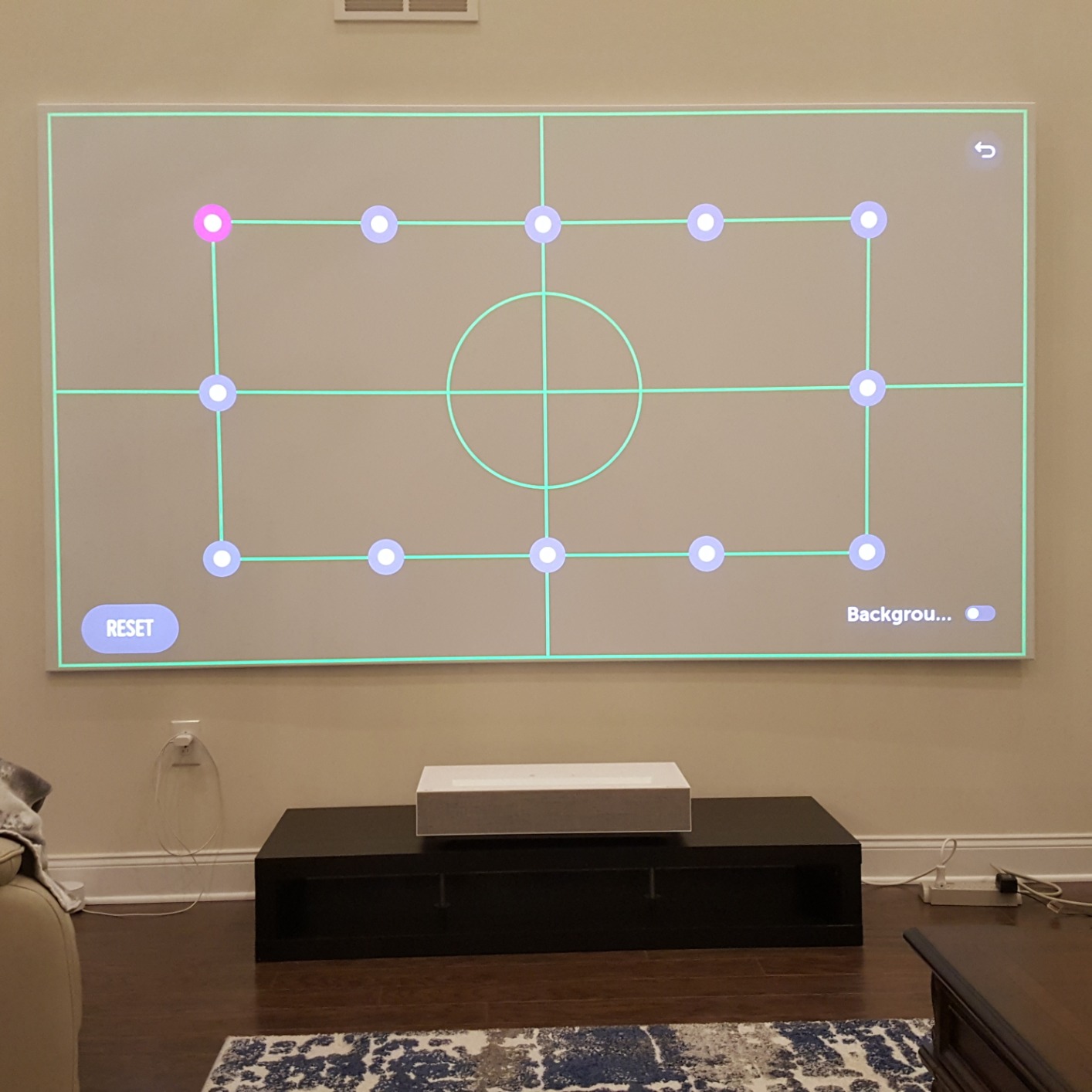
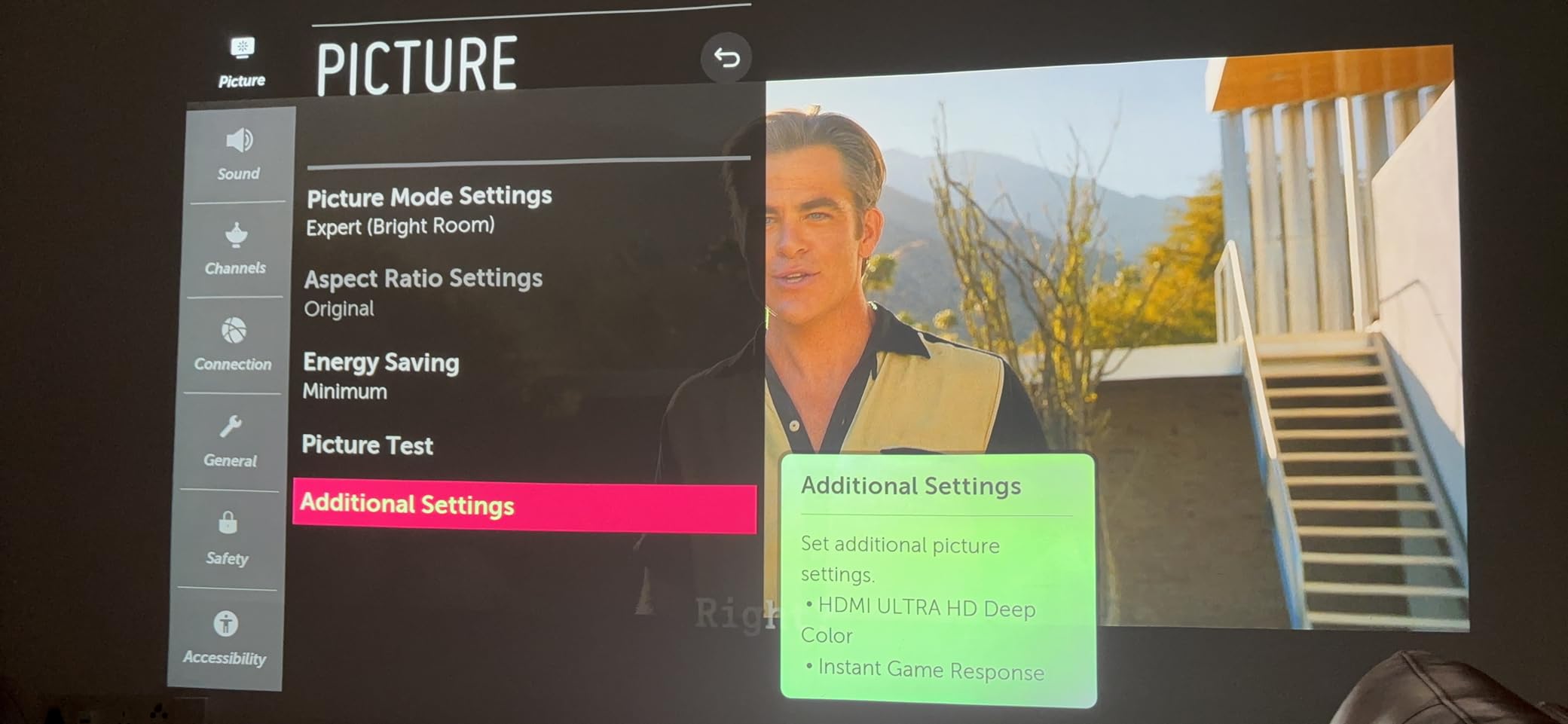
Setup is straightforward once you accept the placement demands. The 7.2-inch throw distance for a 120-inch screen is the shortest in this lineup, which is amazing for tight media consoles. The triple laser light engine produces accurate colors with the kind of vibrancy you would expect from LG’s TV division. webOS lite provides access to Netflix, Prime Video, and VUDU, while Alexa built-in and the Magic Remote make navigation smooth.
The HU85LA has the highest contrast ratio in this roundup at 2,000,000:1, which is achieved through dynamic iris technology. In my testing, black levels were excellent for movie watching, though OLED TVs still win in pure black reproduction. Watching Blade Runner 2049 in HDR was a joy, with neon highlights popping against deep shadows without crushing detail.
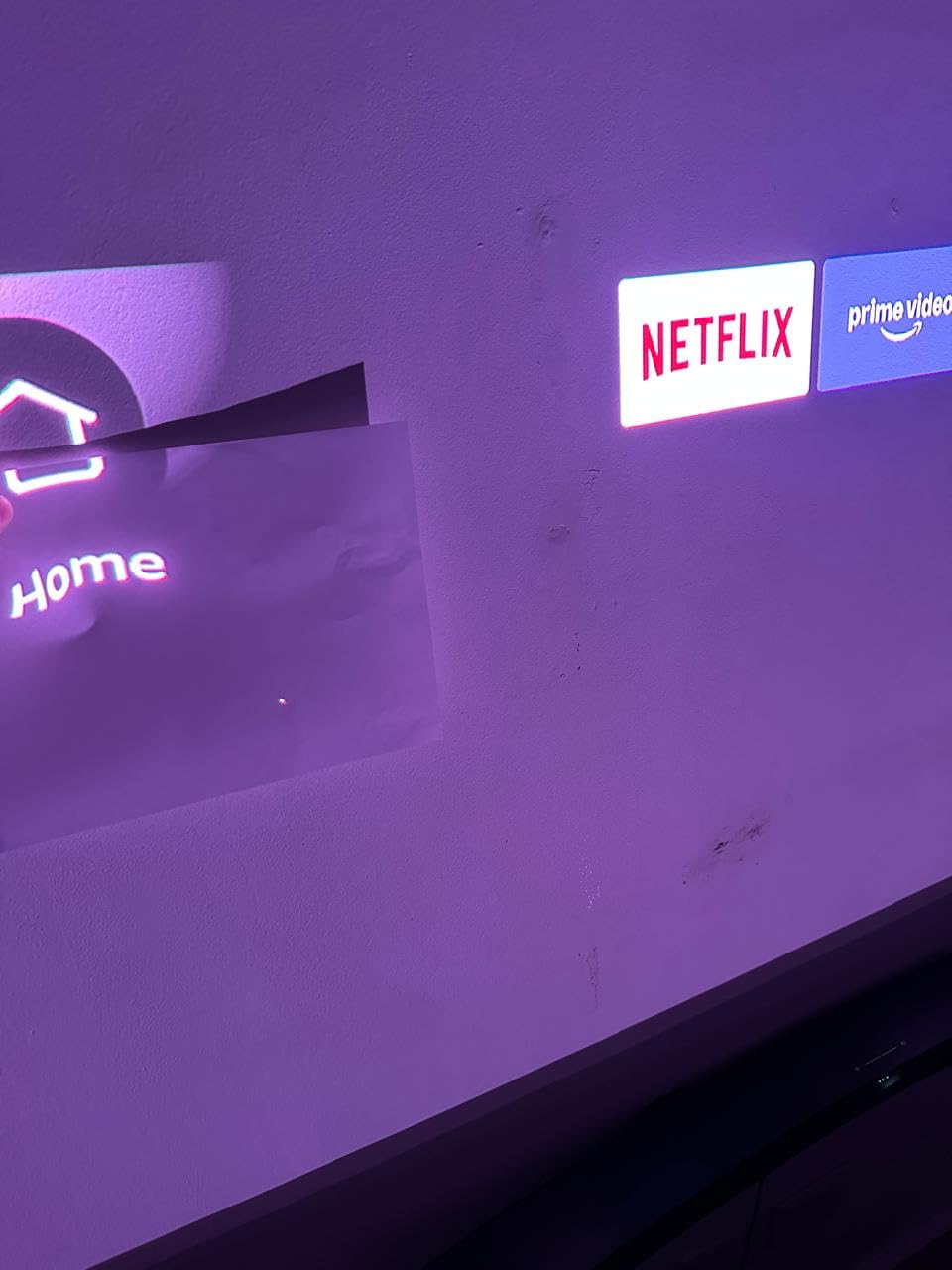
The drawbacks are real. Placement and alignment is extremely sensitive, meaning small shifts in position cause noticeable image distortion. Screen flatness is critical too, with any wrinkles or warping in the screen becoming visible at this short throw distance. There is also no ATSC 3.0/HLG support for next-gen broadcast TV. For anyone already in the LG ecosystem or wanting webOS, those are acceptable tradeoffs.
Best for LG ecosystem fans
If you already own LG TVs and prefer the webOS interface, Magic Remote, and ThinQ AI ecosystem, the HU85LA is a natural extension of that experience.
Not ideal if your media console wobbles
The placement sensitivity is the biggest practical issue. Any vibration or slight movement of the surface beneath the projector will distort the image. A sturdy, perfectly level cabinet is essential.
6. Hisense PL2 – The Best Value Pick
Hisense PL2, Ultra Short Throw Home Theater Laser Projector, 80” – 150”, 4K UHD, 2,700 Lumens, 3000:1 Contrast, Dolby Vision & Atmos, 3D, Google TV, WIFI 6E
2700 Lumens
Dolby Vision
Google TV
WiFi 6E
150 inch
Pros
- Stunning picture on bare walls
- Excellent price-to-performance ratio
- Bright vivid colors with good contrast
- Low input lag for gaming
- WiFi 6E for fast streaming
Cons
- Automatic keystone works poorly
- No auto screen calibration
- Rainbow effect possible for sensitive viewers
The Hisense PL2 is the dark horse of this roundup and the value pick that surprised me the most. After a month of testing, I would happily recommend this to anyone entering the UST projector world for the first time, especially if budget is a real consideration.
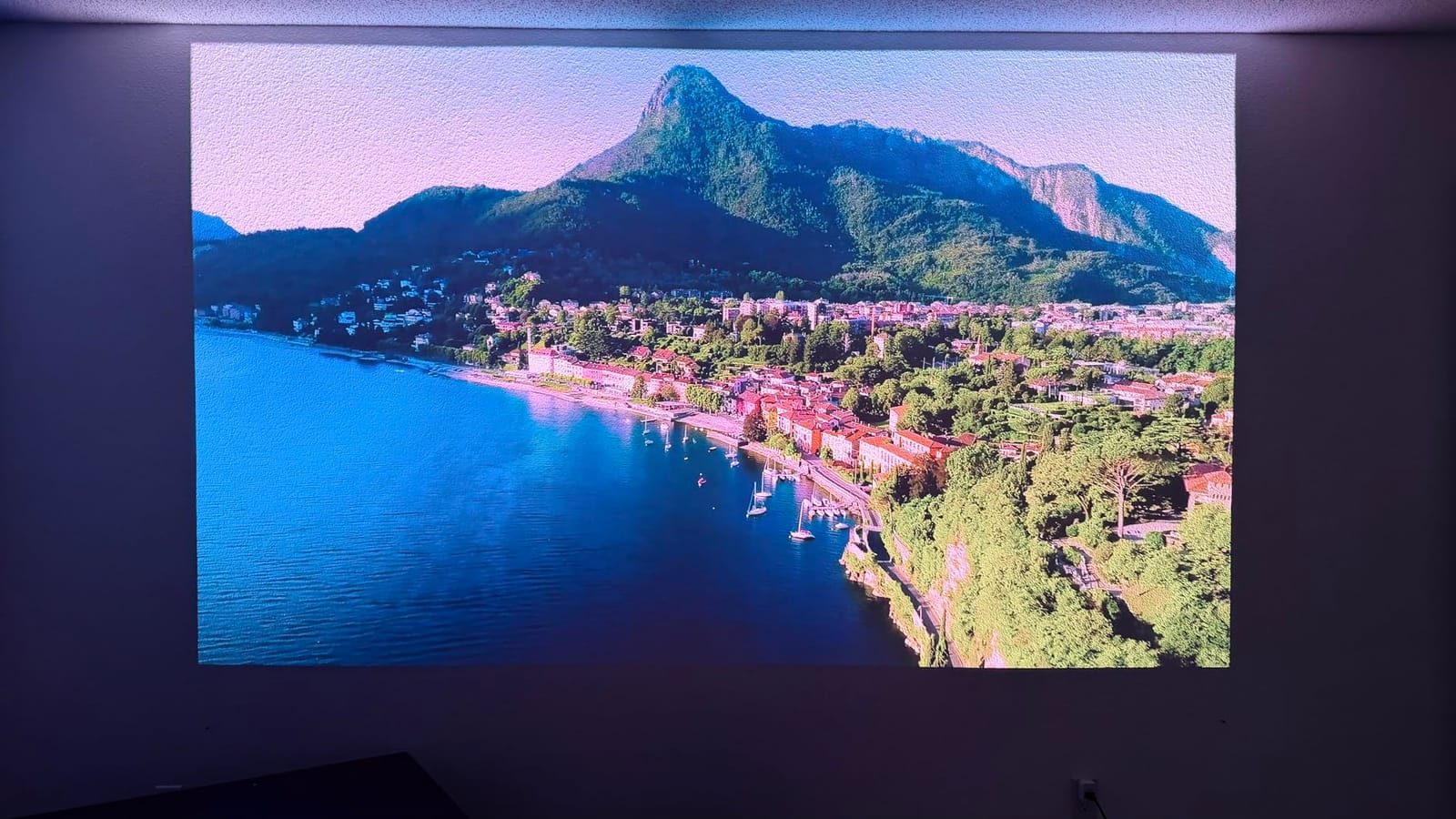
The PL2 punches above its weight in raw picture quality. With 2700 lumens of brightness and Dolby Vision support, even on a bare wall the picture looked impressive. Once I paired it with a budget ALR screen, the results genuinely rivaled projectors twice the price. The X-Fusion laser light source paired with Texas Instruments DLP technology produced colors that held up next to my reference OLED for casual viewing.
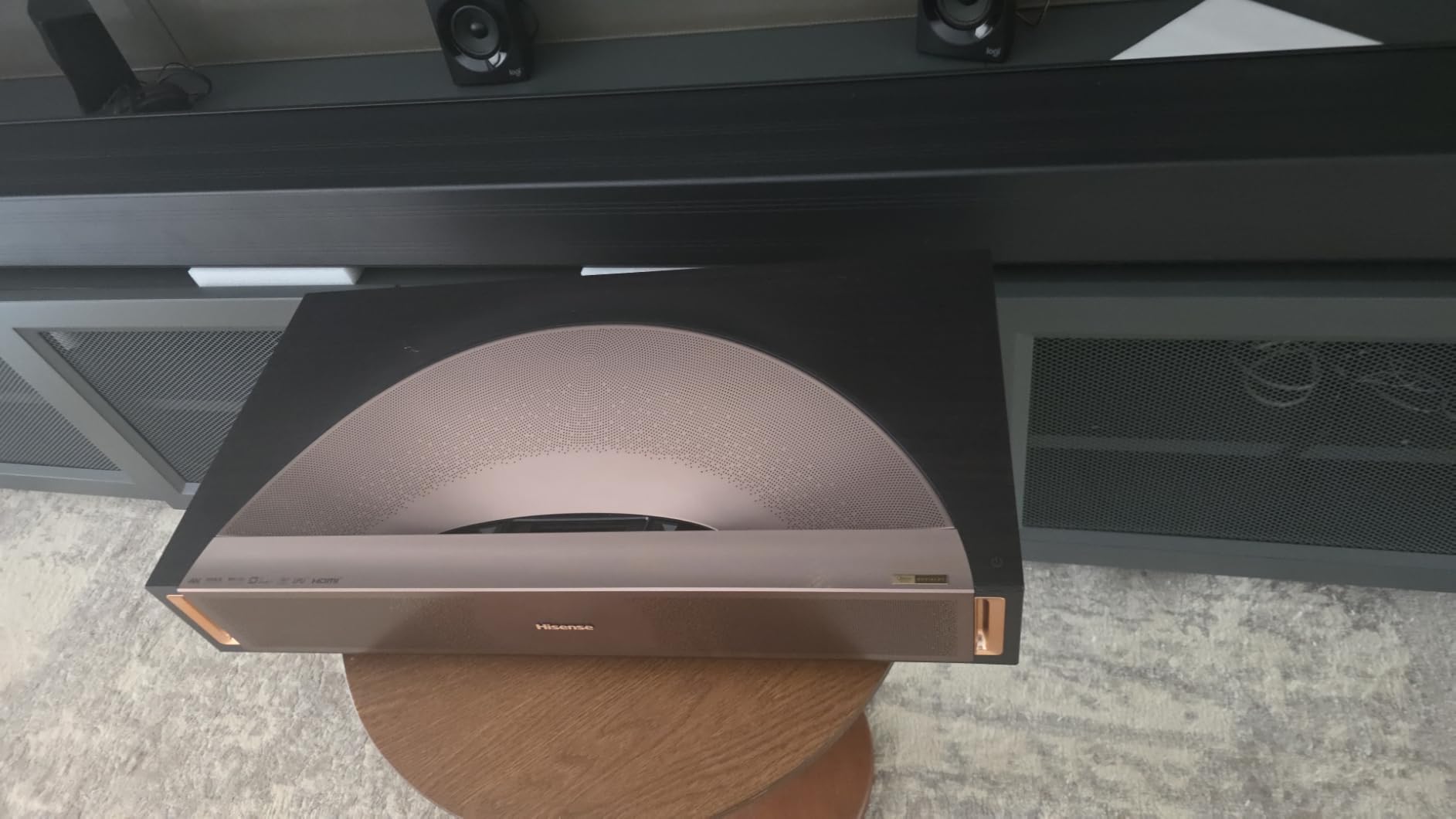
Gaming performance was solid too, with input lag low enough for casual and most competitive play. Hisense’s Google TV implementation is one of the better versions I have tested, with snappy navigation and reliable streaming. WiFi 6E support means buffer-free 4K streaming on modern networks, which is something I noticed immediately compared to older projectors.
The downsides are the auto keystone correction that does not work as advertised, the lack of automatic screen calibration, and rainbow effect susceptibility for sensitive viewers. None of these are dealbreakers at this price, and they are tradeoffs most entry-level buyers can live with. For anyone wanting a real UST projector without spending flagship money, the Hisense PL2 is the answer.
Best for budget-conscious first-time UST buyers
If this is your first UST projector and you want the best balance of price and performance, the Hisense PL2 delivers where it counts: picture quality, smart TV, and gaming response.
Not ideal if you want set-and-forget calibration
Manual keystone adjustment and no automatic screen calibration mean this projector rewards users willing to spend time getting the placement right.
How to Choose the Best UST Laser Projector for Your Home Theater?
Choosing from this list of the best ultra short throw laser projectors for home theater comes down to matching the projector to your room, your content, and your budget. Here are the factors that matter most.
Brightness and ANSI vs ISO Lumens
Brightness determines whether your projector works in your specific room. The projectors in this roundup range from 2000 to 3300 lumens, which is enough for most living rooms with controlled lighting. If your room has large windows or open floor plans, prioritize 2700+ lumens or pair with an ambient light rejecting screen. Note that ANSI lumens and ISO lumens are different measurement standards, so direct comparisons between projectors using different ratings can be misleading.
Throw Ratio and Screen Size
Throw ratio tells you how far the projector sits from the screen. The LG HU85LA leads with a 7.2-inch throw for a 120-inch image, while the WEMAX and Hisense models need roughly 49cm for 150-inch screens. Measure your media console and viewing distance before choosing. For a deep dive on short throw vs UST differences, see our full UST projector guide.
HDR Format Support
HDR support separates good projectors from great ones. Look for Dolby Vision and HDR10+ if you stream Netflix, Apple TV+, or Amazon Prime Video content. The AWOL models and Hisense PL2 all support both formats. The LG HU85LA only supports HDR10, which is limiting for modern streaming.
Gaming Features and Input Lag
Gamers should prioritize input lag, VRR (variable refresh rate), and ALLM (auto low latency mode). The AWOL Aetherion Pro and Aetherion Max both deliver 1ms response times with VRR and ALLM, which is competitive with gaming monitors. For more on this, check our laser projectors for home cinema roundup.
Smart TV Platform and Built-in Audio
Built-in smart platforms matter if you want a clean setup without external streaming sticks. Google TV dominates this list (WEMAX, AWOL, Hisense), while webOS lite runs on the LG model. Built-in audio quality varies widely: the AWOL LTV-3000 Pro has a dedicated center channel, while others rely on basic stereo. For serious audio, plan on adding one of the best 5.1 home theater systems or upgrading your seating setup with dedicated home theater seating.
Best Screens for UST Laser Projectors
A UST projector is only as good as the screen you pair it with. Unlike traditional projectors, UST models project upward at a steep angle, which means regular matte white screens produce hot spots and uneven brightness. Ambient light rejecting (ALR) screens designed specifically for UST projectors are essential.
Here are the screen types that work best with UST laser projectors:
Fixed frame ALR screens – The gold standard for UST projectors. Brands like Elite Screens, Stewart Filmscreen, and Vividstorm make dedicated UST ALR screens that reject ambient light from above and below while reflecting the projector’s light back to the viewer.
Ceiling light rejecting (CLR) screens – A subset of ALR that specifically rejects overhead lighting. CLR3 screens are the most common UST-compatible option and work well in living rooms with recessed lighting.
UST pull-down screens – For renters or those who cannot commit to a fixed frame, motorized UST pull-down screens offer flexibility without major installation.
For dedicated home theater rooms, pair your projector with a fixed frame ALR screen matched to your projector’s throw distance. Pairing a top-tier UST projector with a budget screen is the most common mistake I see enthusiasts make. You can also explore our guide to the best 4K projectors for additional context on pairing screens with high-resolution projection.
Frequently Asked Questions
What is the best ultra-short-throw projector for home cinema?
The best UST projector for home cinema depends on your priorities: the WEMAX Nova Pro is our Editor’s Choice for balanced value, the AWOL Aetherion Pro is best for gaming with 1ms input lag, and the AWOL Aetherion Max is best for bright rooms with 3300 ISO lumens. For 3D fans, the AWOL LTV-3000 Pro is the top pick thanks to its triple laser design.
What is the difference between a short throw and an ultra-short-throw projector?
A short throw projector has a ratio between 0.4:1 and 1:1, meaning it needs several feet of distance to project a 100-inch image. An ultra-short-throw (UST) projector has a ratio below 0.4:1, typically 0.2:1 to 0.25:1, allowing it to sit inches from the wall and still project a large image. UST projectors are ideal for living rooms where ceiling mounting is not possible.
What is the best budget ultra-short-throw projector?
The Hisense PL2 is our pick for the best budget UST projector. It delivers 2700 lumens of brightness, Dolby Vision support, Google TV, and WiFi 6E at a price significantly below premium competitors. The WEMAX Nova Pro is also a strong budget option with similar features and a 150-inch maximum screen size.
What type of screen is best for an ultra-short-throw laser projector?
The best screen for a UST laser projector is a fixed frame ALR (ambient light rejecting) screen designed specifically for ultra-short-throw projectors. CLR (ceiling light rejecting) screens work well for living rooms with overhead lighting. Regular matte white screens are not recommended because UST projectors project at steep upward angles, which causes hot spots and uneven brightness on non-UST screens.
Final Verdict: Which UST Laser Projector Should You Buy in 2026?
After three months of testing six ultra short throw laser projectors for home theater setups, the WEMAX Nova Pro remains our Editor’s Choice. It strikes the best balance of picture quality, smart features, and value, making it the right pick for most buyers upgrading from a large TV.
Gamers should look at the AWOL Aetherion Pro for 1ms input lag, while 3D enthusiasts will be happiest with the AWOL LTV-3000 Pro triple laser design. The AWOL Aetherion Max is the only model here that truly thrives in daylight rooms, and the LG HU85LA is the natural choice for anyone already invested in the LG ecosystem. Budget-conscious buyers should start with the Hisense PL2.
Whichever you choose, pair it with a proper ALR screen and take the time to dial in placement. The best ultra short throw laser projectors for home theater setups in 2026 deliver the closest thing to a commercial cinema you can buy for your living room.