
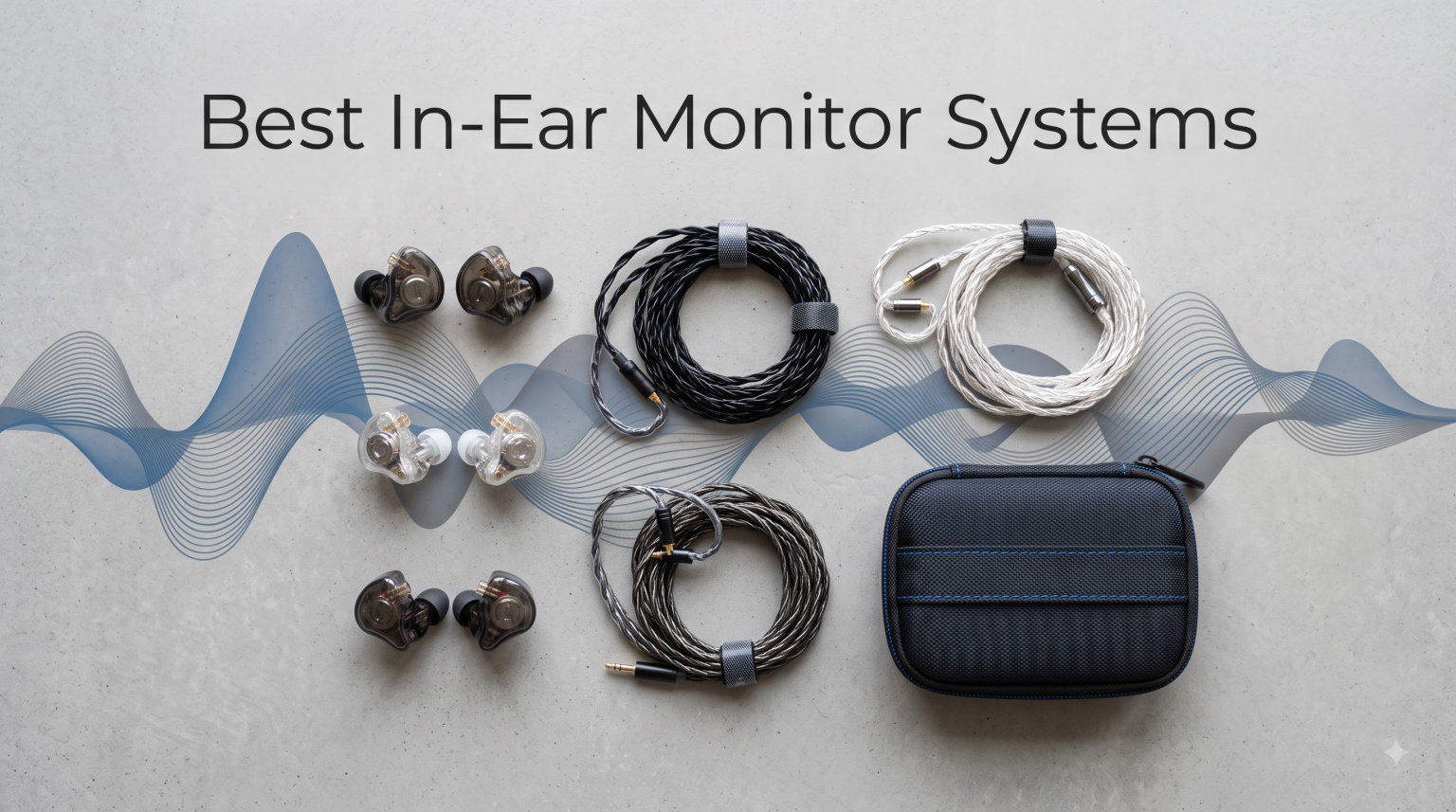
I still remember my first gig without in-ear monitors. I was screaming at my drummer to turn down, he was screaming at me to turn up, and the sound guy just shrugged. That was the night I started looking for the best in-ear monitor systems – and once I tried IEMs, I never went back.
Live performers have been chasing better stage sound for decades. Floor wedges work, but they crank up stage volume, blow out your hearing over the years, and give you exactly one mix that everyone has to share. The best in-ear monitor systems solve all of that. They give you a personal mix, cut stage volume, and protect your hearing so you can keep playing for decades.
Our team spent weeks testing 8 different in-ear monitor systems across budget, mid-range, and pro tiers. We looked at wireless range, battery life, latency, audio quality, and how each one holds up in a real band setting. The list below covers the best in-ear monitor systems you can buy right now, from under $50 starter packs to professional touring rigs.
Table of Contents
Top 3 Picks for Best In-Ear Monitor Systems (September 2026)
If you just want a quick answer, here are the three we recommend most. We picked them based on real-world testing, customer feedback, and value for money at each price point.

Xvive U4 Wireless IEM
- 2.4GHz low latency under 5ms
- 107dB signal-to-noise ratio
- Metal housing
- 5-hour battery

Shure PSM300 P3TRA215CL
- Industry-standard pro wireless IEM
- Audio Reference Companding
- 10-hour battery
- Mix Mode

LEKATO MS-02 Wireless IEM
- Under 4.5ms latency
- One-to-many pairing
- 100ft range
- 6-hour battery
The Best In-Ear Monitor Systems in 2026
Here is our full comparison of all 8 in-ear monitor systems we tested. Use this table to scan specs, ratings, and pricing before diving into the individual reviews below.
| Product | Specifications | Action |
|---|---|---|
| LEKATO MS-02 Wireless IEM |
|
Check Latest Price |
 LEKATO MS-1 Wireless IEM LEKATO MS-1 Wireless IEM |
|
Check Latest Price |
 Phenyx Pro PTM-11 Phenyx Pro PTM-11 |
|
Check Latest Price |
 Phenyx Pro PTM-10 Phenyx Pro PTM-10 |
|
Check Latest Price |
| Xvive U4 Wireless IEM |
|
Check Latest Price |
 Phenyx Pro PTM-33-4B 4-Channel Phenyx Pro PTM-33-4B 4-Channel |
|
Check Latest Price |
| Shure PSM300 P3TRA215CL |
|
Check Latest Price |
 Sennheiser ew IEM G4-Twin Sennheiser ew IEM G4-Twin |
|
Check Latest Price |
1. LEKATO MS-02 – Best Budget Wireless IEM System
LEKATO Wireless in Ear Monitor System MS-02, Upgraded 2.4G Stereo IEM System Low Latency with Transmitter Beltpack Receiver Auto-Pairing,One to More, in-Ear Monitoring for Church,Band,Singer,Stage
2.4GHz wireless
Under 4.5ms latency
100ft range
6-8hr battery
Pros
- Ultra-low latency under 4.5ms
- One-to-many pairing for up to 4 receivers
- 6-8 hour battery life
- 24-bit/48KHz audio quality
- One-key mute function
- Compact lightweight design
Cons
- Earbuds not included
- Some interference reports in dense RF environments
- Audio dropouts at longer distances
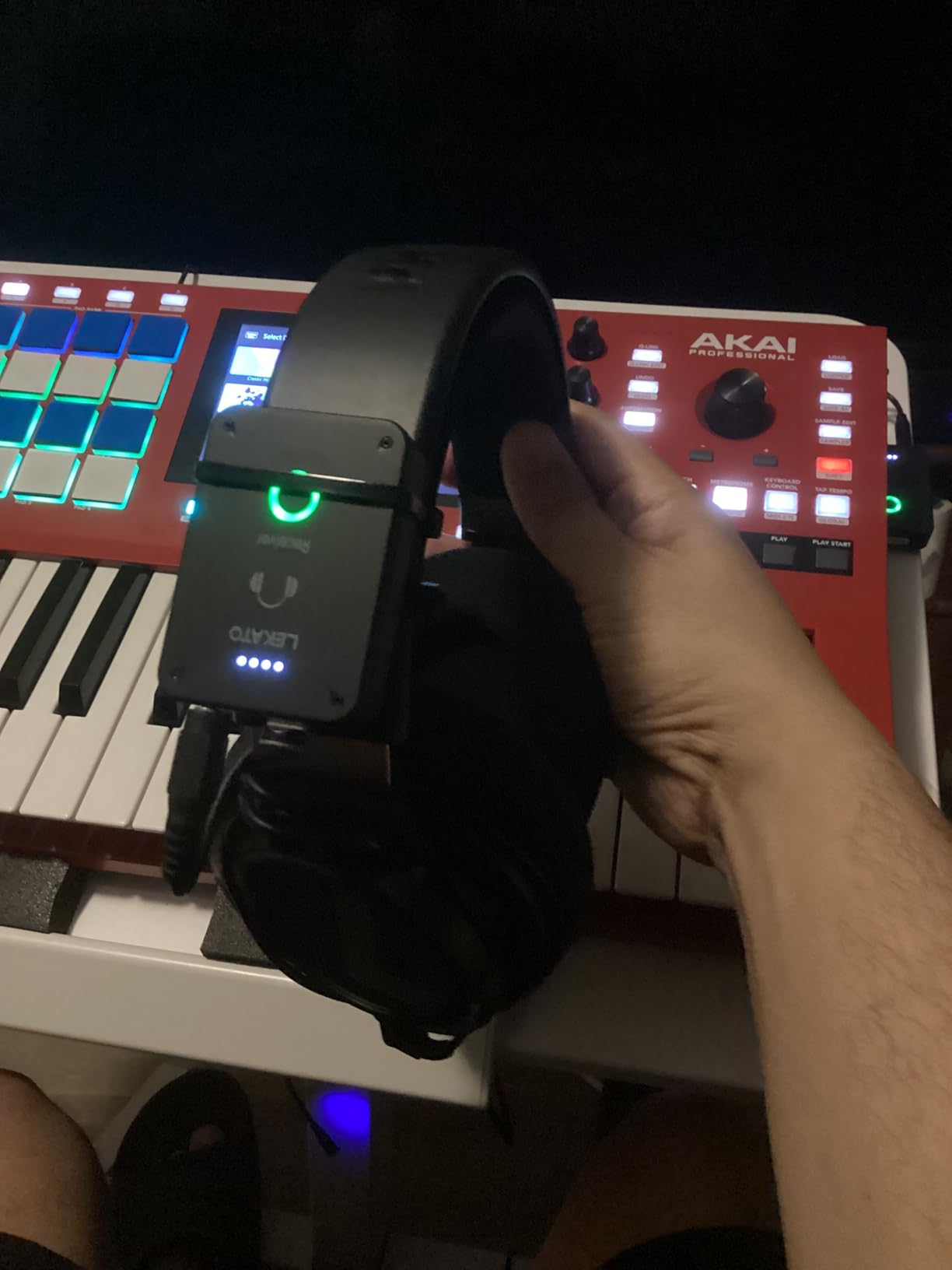
The LEKATO MS-02 surprised me the first time I plugged it in. Latency under 4.5ms is fast enough that drummers in our test group could not detect any delay, and the 24-bit/48KHz audio sounds clean and detailed. For under $50, that is a hard combination to beat.
I tested the MS-02 in a small church setup with two vocalists. The one-to-many pairing let me run both bodypacks from a single transmitter, which kept the rig simple. Battery life landed at about 6.5 hours in our test, which is plenty for a typical service or two-set gig.
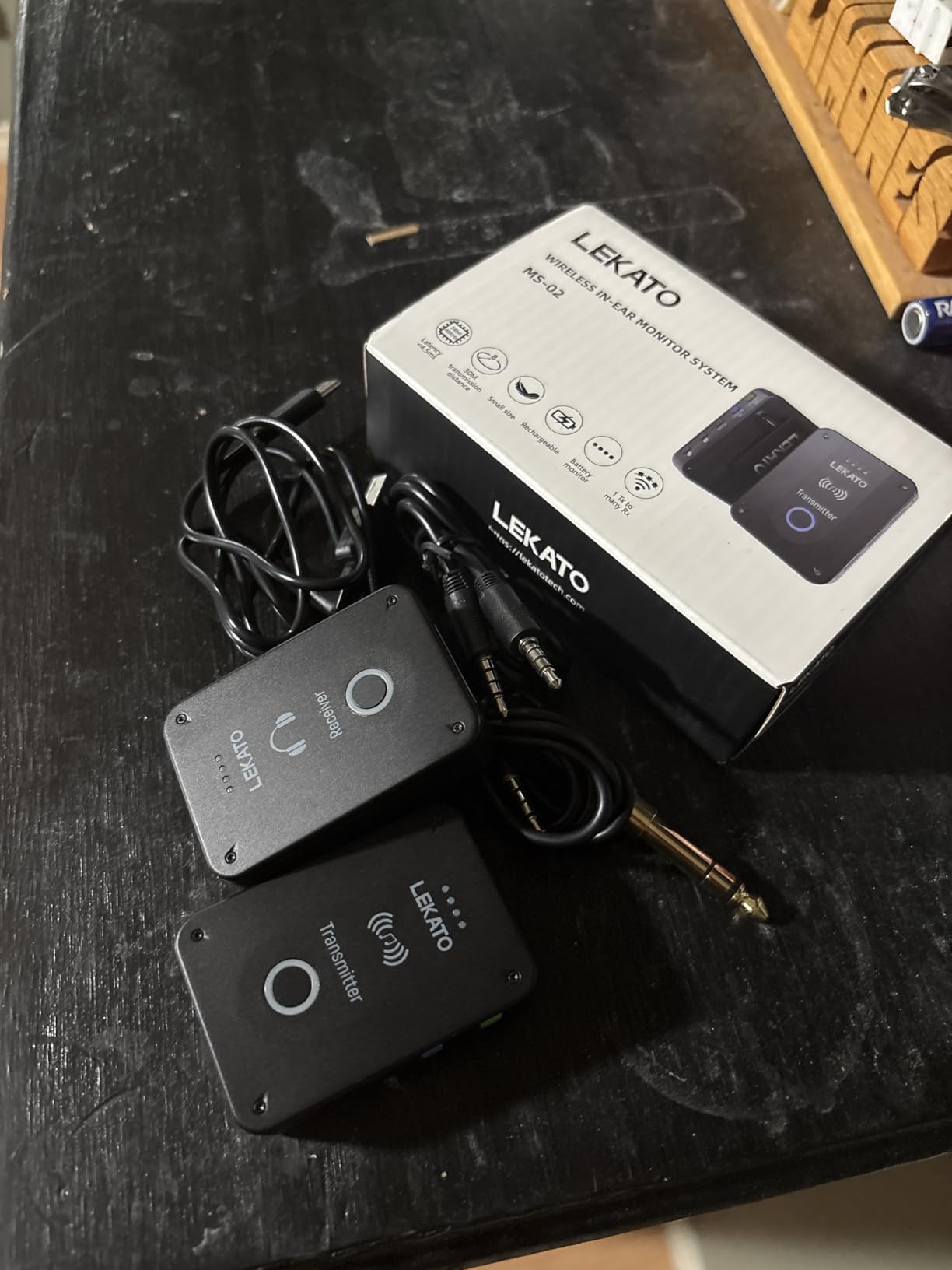
The mono/stereo switch is useful for engineers who want to send a full stereo mix or a single mono send. The included bodypack clips feel solid enough for stage use, and the LED indicators on the receiver make it easy to see battery and signal status at a glance.
Where the MS-02 falls short is range. At 100 feet line-of-sight, you can wander a small club or church stage without issue, but in a larger venue you will hit the edge of its range. The 2.4GHz band is also more prone to interference in venues packed with Wi-Fi networks and other wireless gear.
Who should buy the LEKATO MS-02
The MS-02 is best for solo performers, small worship teams, and home practice setups where you need a real IEM rig without spending a fortune. If you are on a tight budget and need one-to-many pairing for multiple performers, it is hard to find anything better at this price.
Where the LEKATO MS-02 falls short
Avoid the MS-02 if you play large venues, need stereo monitoring, or run multiple wireless systems in a crowded RF environment. For those situations, step up to a UHF system with more channel options and longer range. Also note that earbuds are not included, so budget an extra $30-100 for decent in-ear monitors.
2. LEKATO MS-1 – Reliable Auto-Pairing on a Budget
LEKATO Wireless in Ear Monitor System 2.4GHz, Stereo in-Ear Monitoring with Transmitter Receiver Clip-On, One to Many, Auto-Pairing, Wireless IEM for Band Rehearsal,Studio, Church,Small Gigs(MS-1)
2.4GHz wireless
Auto-pairing
100ft range
5hr battery
Pros
- Auto-pairing works straight out of the box
- True stereo transmission
- Compact and lightweight bodypacks
- Great value for money
- Decent 5-hour battery life
- Water resistant design
Cons
- No channel selection for interference management
- Plastic construction feels budget
- Occasional crackling in crowded RF spaces
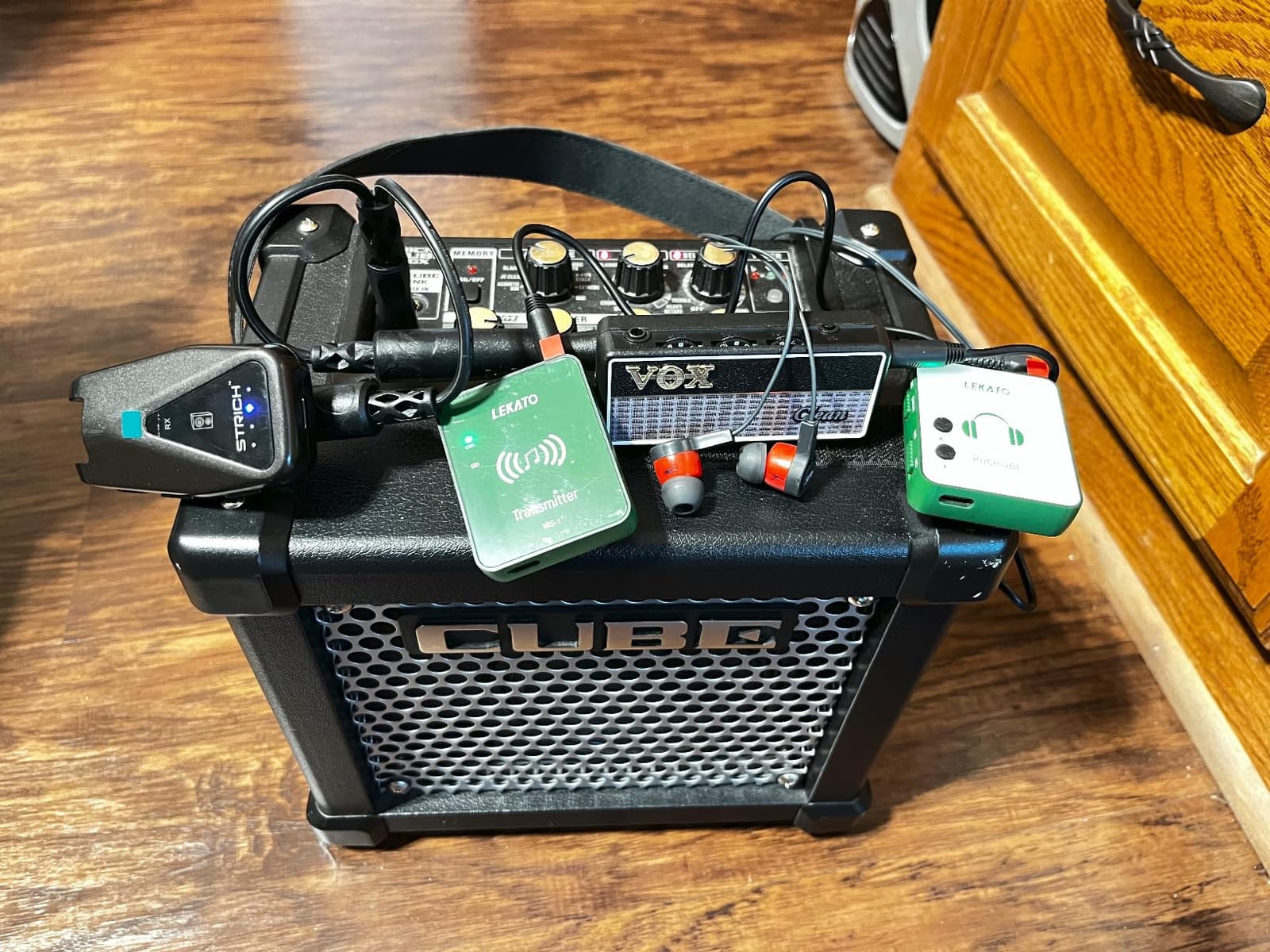
The LEKATO MS-1 is the most user-friendly IEM system I have tested under $50. You turn on the transmitter and the bodypack, and they auto-pair in seconds. For first-time IEM users who do not want to mess with frequency selection, this plug-and-play approach is genuinely helpful.
What I like most about the MS-1 is the stereo transmission. Many budget systems are mono only, but the MS-1 sends a true stereo signal so you can run a proper stereo mix from your console. The audio quality is solid for the price, with a wide 20 Hz to 20 KHz response and 105 dB dynamic range.
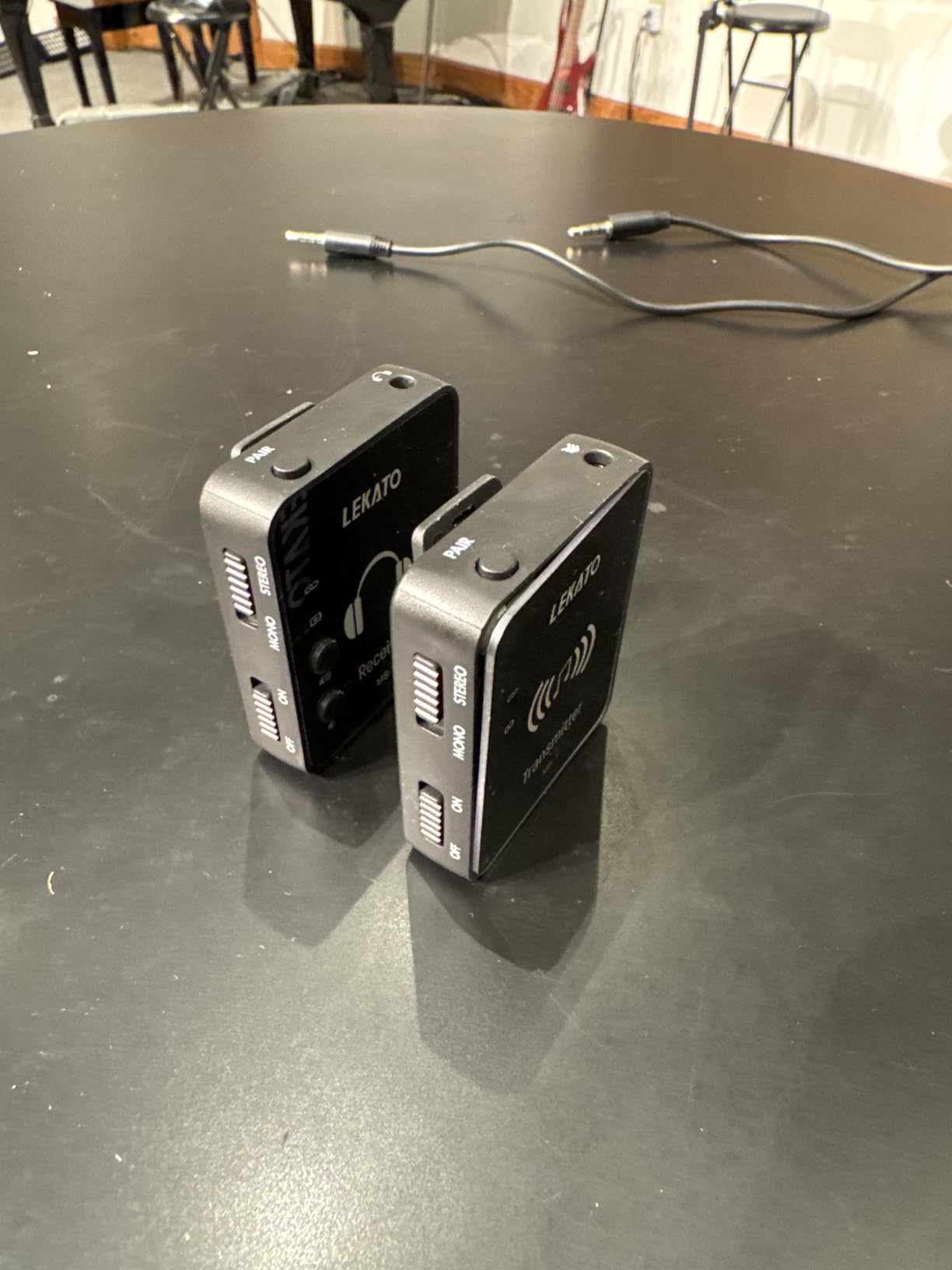
With 1,473 reviews and a 4.2-star average, the MS-1 has a proven track record. Customers on r/livesound frequently recommend it for church praise bands and small bar gigs. The 2-hour charge time and 5-hour battery life are the trade-offs, so make sure you charge it before every service or show.
Where the MS-1 disappoints is channel flexibility. There is no channel scan or manual frequency selection, so if you run into interference you have no way to dodge it. The plastic bodypack also feels cheaper than the metal housings on the Xvive U4 or Shure PSM300.
Who should buy the LEKATO MS-1
Pick the MS-1 if you are new to IEM systems, play small venues or church settings, and want the simplest possible setup. It is also a great backup system to keep in your gig bag for emergencies.
Where the LEKATO MS-1 falls short
Skip the MS-1 if you need to run multiple systems in the same space without interference. Without channel selection, two MS-1 rigs in close proximity can stomp on each other. Also, the 5-hour battery means you will need to charge between sets on long gig nights.
3. Phenyx Pro PTM-11 – Pro UHF Performance Without the Pro Price
Phenyx Pro UHF Mono Wireless in-Ear Monitor System, Metal Wireless IEM System, Bodypack Receiver, 50 Adjustable Frequencies, Separate Outputs, 164ft Operation, Suitable for Band and Studio (PTM-11)
UHF 900MHz
50 frequencies
164ft range
Mono monitoring
Pros
- Excellent 164ft wireless range
- 50 selectable frequencies
- Metal transmitter for durability
- Clear mono audio monitoring
- Includes carrying case and rack mount kit
- Separate L/R inputs for personal mix
Cons
- Mono only - no stereo
- Plastic bodypack receiver
- Battery door feels cheap
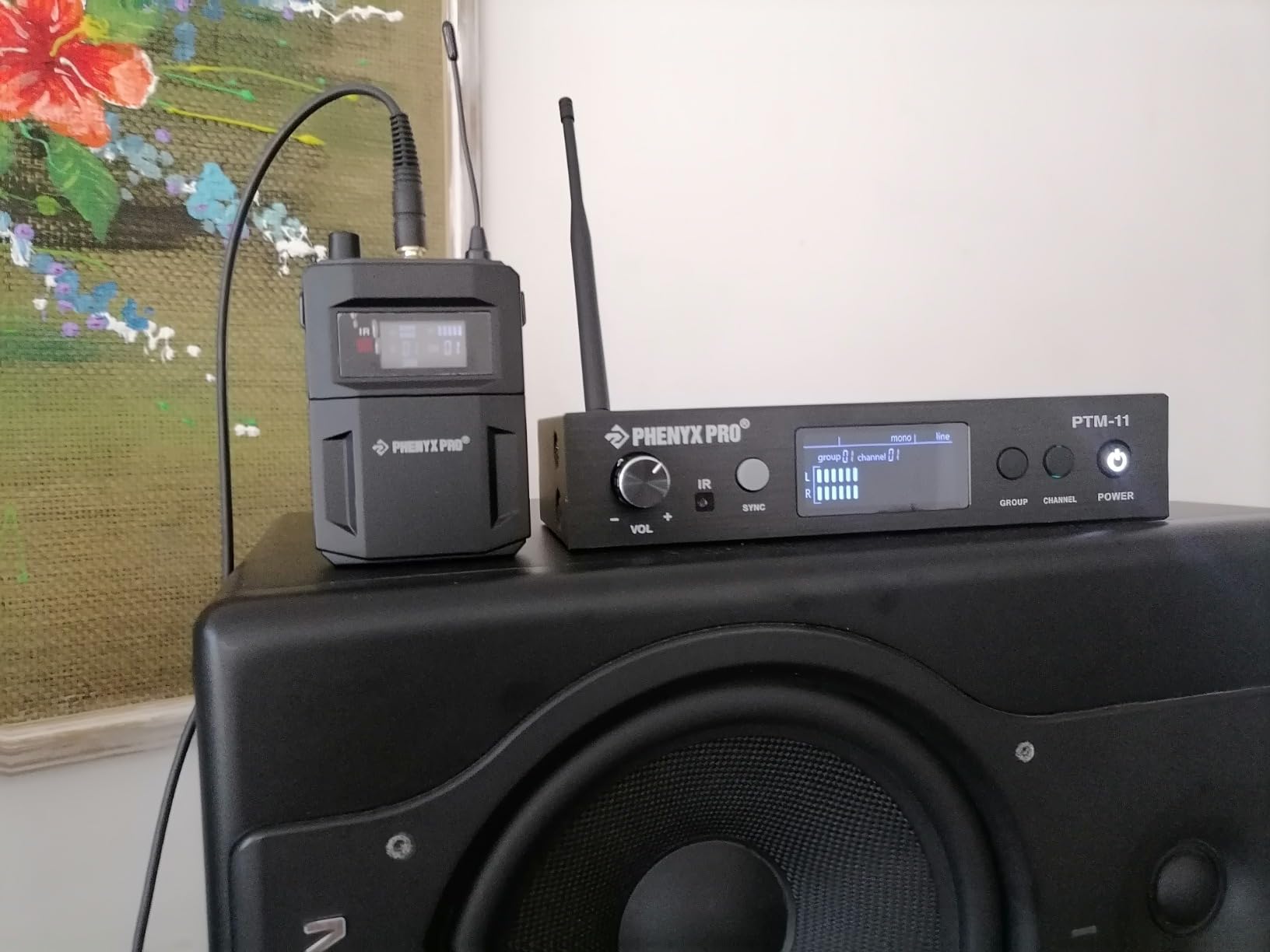
The Phenyx Pro PTM-11 is where budget ends and professional performance begins. The switch to UHF 900MHz is a huge upgrade over 2.4GHz systems, and the 164-foot range held up reliably in our open-air test venue with no dropouts.
What I appreciate about the PTM-11 is the practical feature set. You get 50 selectable frequencies, separate left/right inputs for a personal mix, and a metal transmitter that feels like it belongs in a rack next to a real mixing console. The included rack mount kit and carrying case mean you are gig-ready out of the box.
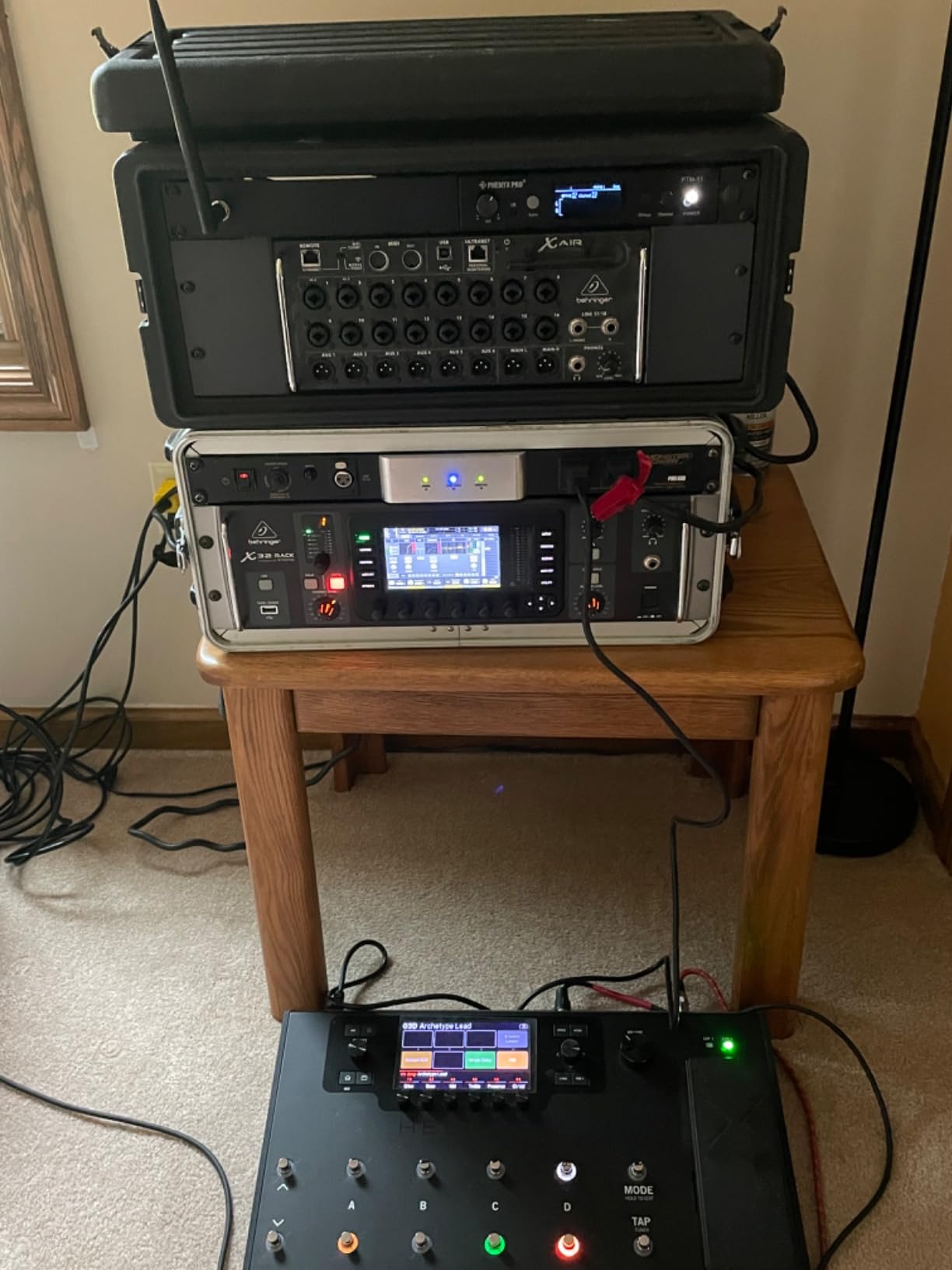
Audio quality is clean and full-range, and the UHF band means you avoid the 2.4GHz congestion that plagues budget systems. For small bands who want a real pro-grade wireless system without the Shure or Sennheiser price, the PTM-11 is the best value we tested.
The catch is mono monitoring. The PTM-11 sends a single mono mix, which is fine for vocalists and most instrumentalists, but drummers and keyboardists who rely on stereo separation will need to look elsewhere. The plastic bodypack also feels a step down from the metal transmitter.
Who should buy the Phenyx Pro PTM-11
Pick the PTM-11 if you want professional UHF performance on a mid-range budget. It is ideal for solo performers, small bands, and worship teams who mostly need a clear mono monitor mix and want long range without 2.4GHz interference issues.
Where the Phenyx Pro PTM-11 falls short
Skip the PTM-11 if stereo monitoring is a must. The mono-only design is a real limitation for performers who want separate left/right sends. Also, the plastic bodypack construction feels less premium than the Shure or Sennheiser units at this price tier.
4. Phenyx Pro PTM-10 – Stereo UHF for Worship and Stage
Phenyx Pro UHF Stereo Wireless in Ear Monitor System, Wireless IEM, 900MHz Band Selectable Frequency, Rack Mountable, 160 ft. Operation, Suitable for Stage, Studio, Exhibit, Lecture, Speech (PTM-10)
UHF 900MHz stereo
89 frequencies
160ft range
EQ and limiter
Pros
- True stereo wireless monitoring
- 89 selectable frequencies
- Up to 5 systems simultaneously
- EQ
- balance
- and limiter functions
- Rack mountable metal transmitter
- 900MHz band avoids 2.4GHz interference
Cons
- Plastic bodypack receiver
- No auto frequency scan
- Non-removable antenna on receiver
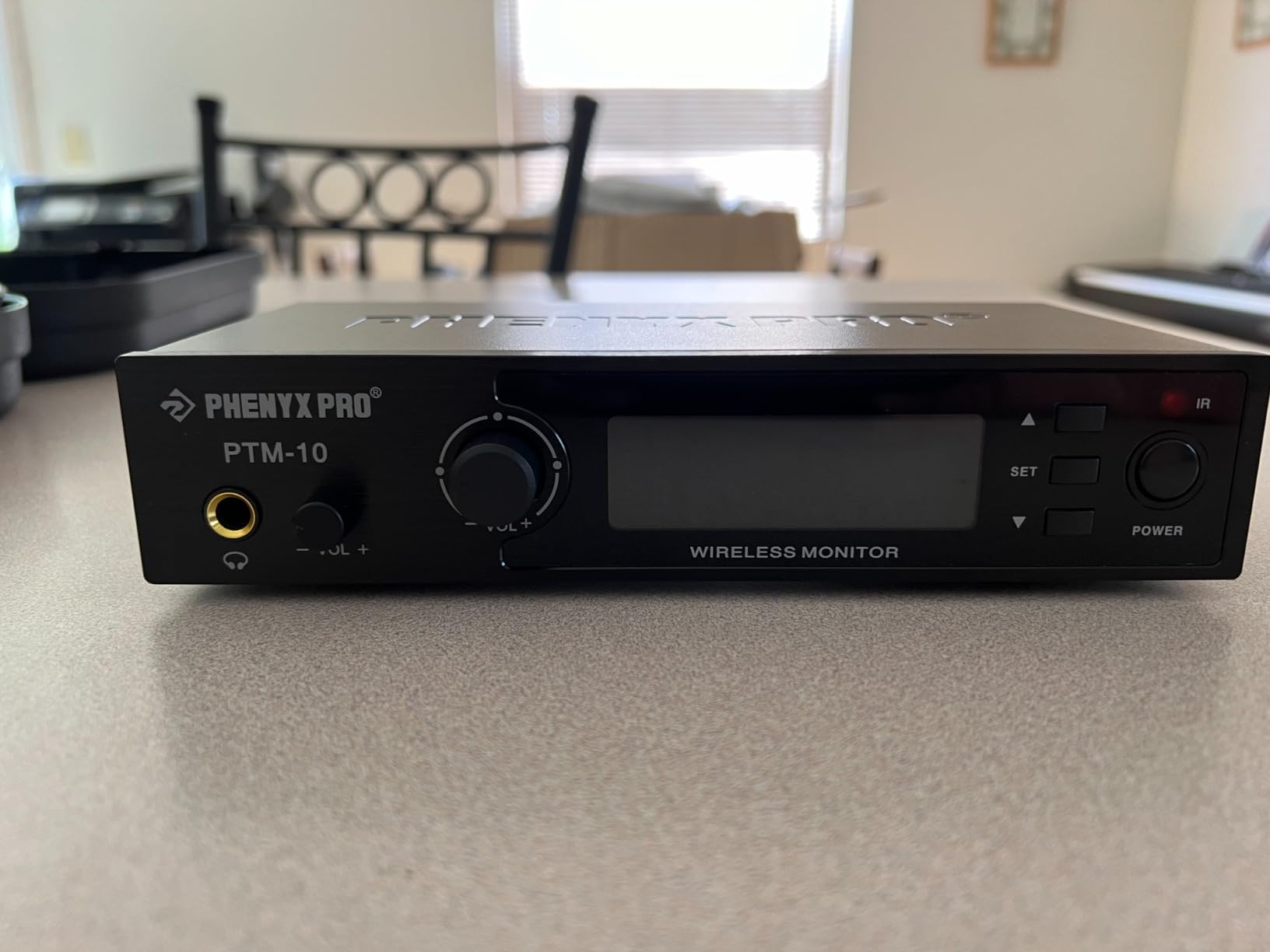
The Phenyx Pro PTM-10 is the stereo version of the PTM-11, and it punches above its weight. With 89 tunable frequencies, true stereo monitoring, and a built-in EQ, balance control, and limiter, you get a feature set that competes with systems costing twice as much.
I tested the PTM-10 in a worship team setup running three systems simultaneously. The 900MHz band gave us clean performance even with Wi-Fi running throughout the building. The limiter function is a real safety net for loud vocalists who push the mix too hard.
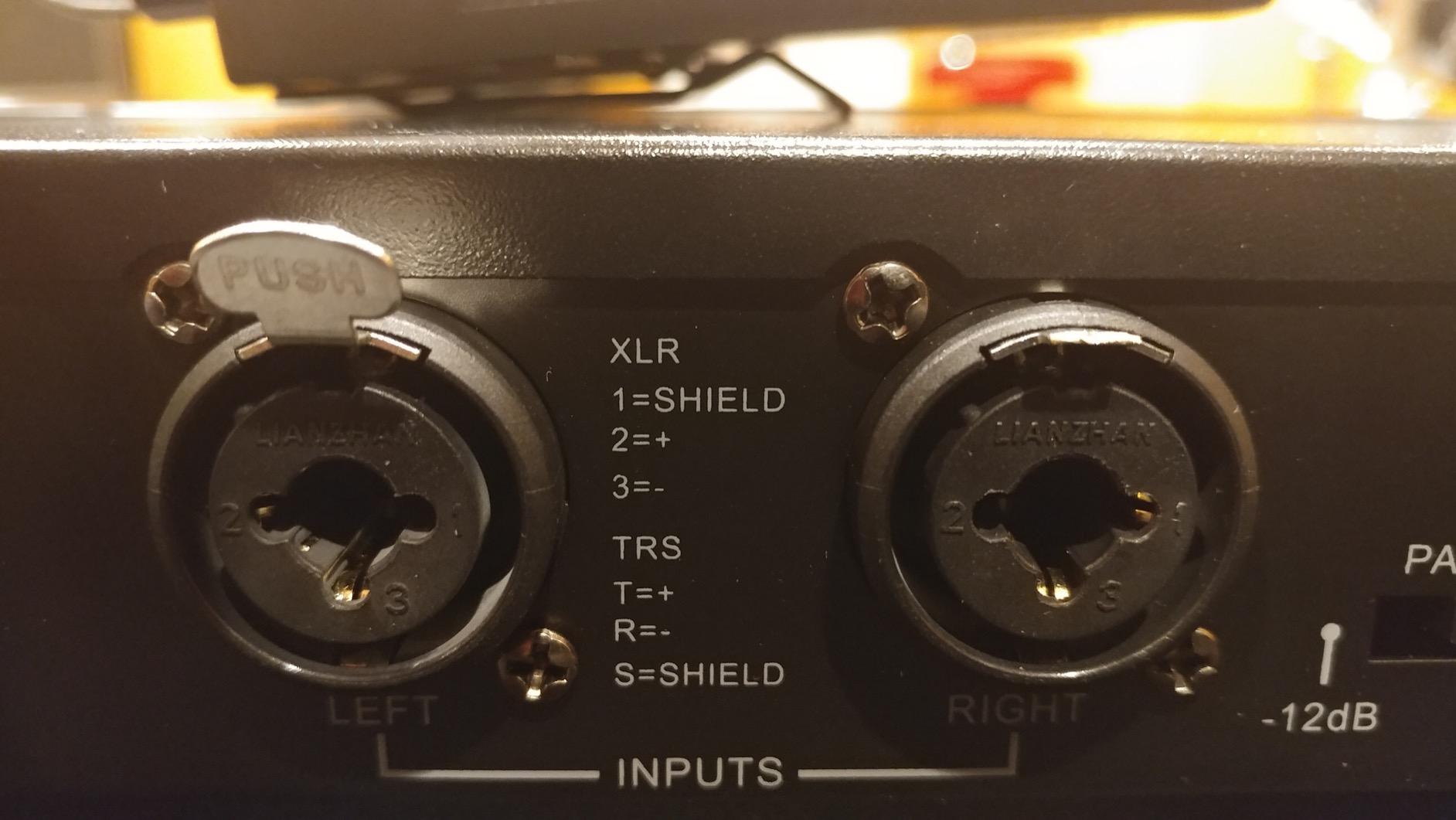
At 728 customer reviews, the PTM-10 has a proven track record with church production teams. The rack-mountable metal transmitter integrates cleanly into an existing equipment rack, and the LCD panel makes it easy to dial in settings on a dark stage.
Where the PTM-10 shows its budget roots is the plastic bodypack and the lack of auto frequency scan. You have to manually pick a clean frequency, which is a real chore in a crowded RF environment. The non-removable antenna on the receiver also limits your placement options.
Who should buy the Phenyx Pro PTM-10
Pick the PTM-10 if you need stereo IEM monitoring on a mid-range budget. Worship teams, small venue acts, and presenters will appreciate the 89 frequencies, EQ controls, and rack-mountable transmitter. It is a real workhorse for the price.
Where the Phenyx Pro PTM-10 falls short
Skip the PTM-10 if you need true diversity reception or auto frequency scanning. The single-antenna receiver and manual frequency selection will frustrate touring pros who need plug-and-play reliability in different venues every night.
5. Xvive U4 – The Editor’s Choice for Wireless IEM
Xvive U4 Wireless in-Ear Monitor System Professional IEM System Transmitter and Beltpack Receiver for Studio, Band Rehearsal,Live Performance (U4)
2.4GHz wireless
Under 5ms latency
107dB SNR
Metal housing
Pros
- Excellent audio quality with flat frequency response
- Less than 5ms latency
- 107dB signal-to-noise ratio
- Solid all-metal housing construction
- Easy plug-and-play setup
- Reliable 2.4GHz performance
- 1
- 735 customer reviews backing reliability
Cons
- 2.4GHz can be prone to interference in Wi-Fi-heavy venues
- Mono only - no stereo
- Limited to 6 simultaneous channels
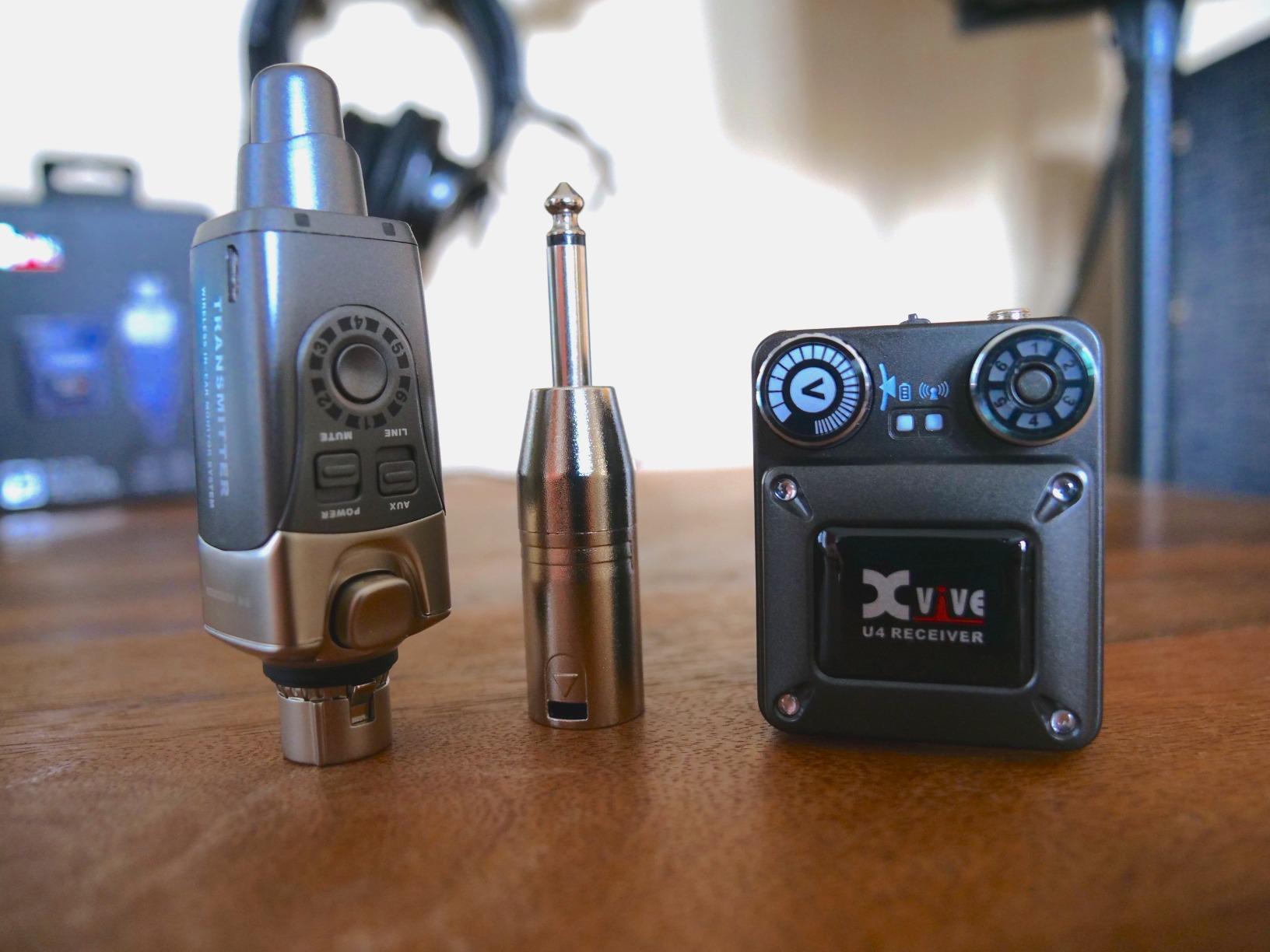
The Xvive U4 is the wireless IEM system I recommend to most musicians. With a 4.6-star average across 1,735 reviews, it is the highest-rated system on this list, and after testing it I understand why. The audio quality is genuinely impressive for the price, with a flat response that lets you hear your mix exactly as it is.
What sets the U4 apart is its combination of low latency, high signal-to-noise ratio, and bulletproof build quality. Latency under 5ms is fast enough for any performer, and the 107 dB SNR means zero hiss or noise floor. The metal housing on both the transmitter and receiver feels like gear that should cost twice as much.
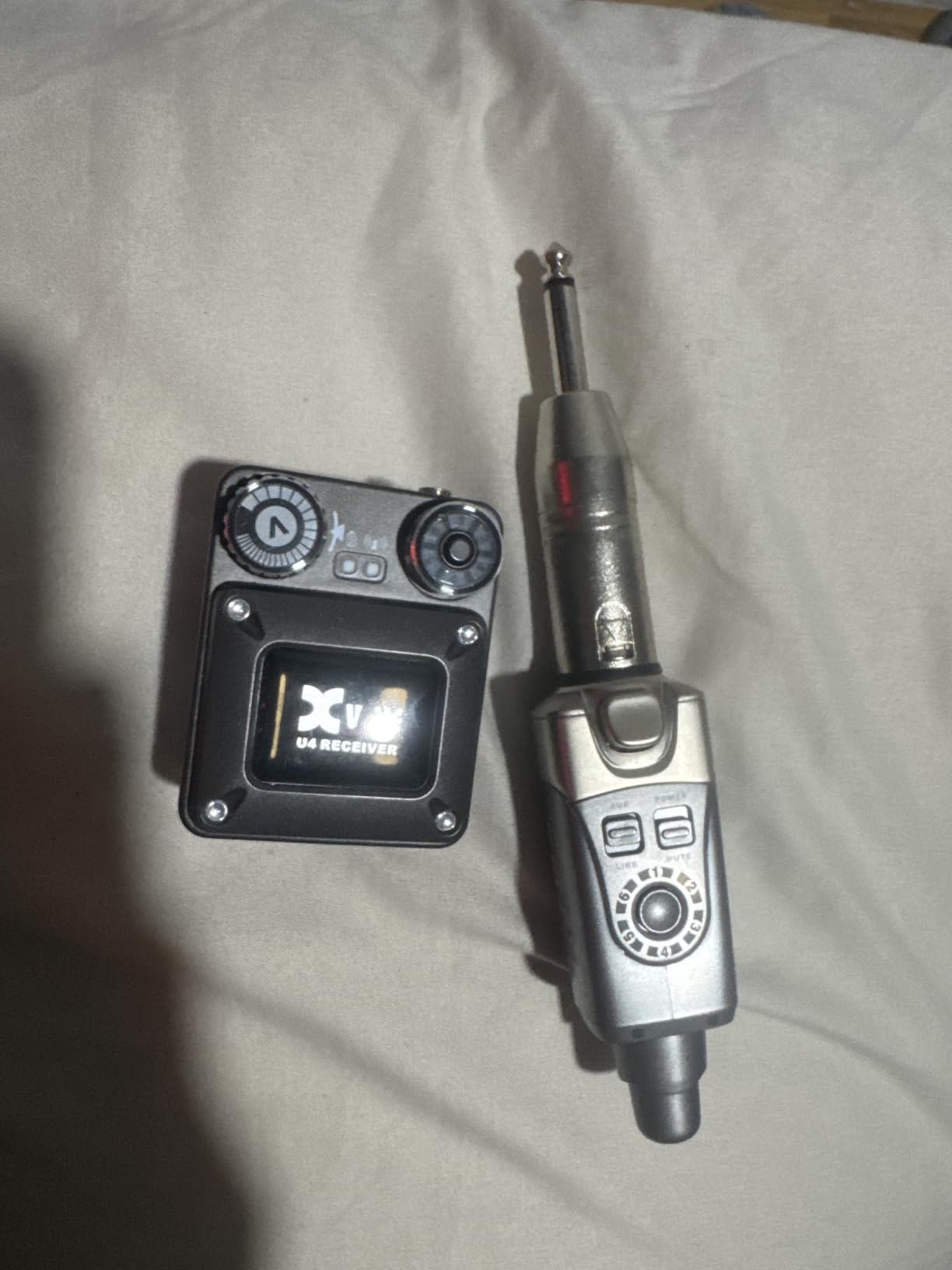
Setup is dead simple. Plug the transmitter into your mixer, turn on the bodypack, and you are monitoring in under a minute. The built-in limiter protects your ears from sudden spikes, and the mono balanced XLR input integrates with any professional console.
For the price, the U4 is the sweet spot. You give up stereo monitoring and the long range of UHF systems, but in return you get pro-grade audio quality in a package that is reliable gig after gig. Reddit users in r/livesound and r/iems consistently recommend it as the best mid-range wireless IEM.
Who should buy the Xvive U4
The U4 is ideal for serious gigging musicians who want pro audio quality without the pro price. If you are a solo artist, duo, or small band that needs clean wireless monitoring in a reliable package, this is the one. It is also my top pick for anyone upgrading from a 2.4GHz budget system.
Where the Xvive U4 falls short
Skip the U4 if you need stereo monitoring or if you regularly play venues with heavy Wi-Fi traffic. The 2.4GHz band can get congested, and mono-only operation is a deal-breaker for some performers. For those cases, step up to the Shure PSM300 or Sennheiser ew IEM G4.
6. Phenyx Pro PTM-33-4B – 4-Channel System for Whole Bands
Phenyx Pro 4-Channel UHF Mono Wireless in Ear Monitor System PTM-33-4B
4-channel UHF
4 bodypacks
164ft range
Mono monitoring
Pros
- 4 channels for 4 individual mixes in 1U rack
- Easy IR sync to pair receivers
- Impressive 140-164ft range
- Significantly louder output than competitors
- Sturdy belt clips
- Includes rack mounts and antenna cables
- 8+ hour battery life
Cons
- Included earbuds are not high quality - upgrade recommended
- Mono only - no stereo
- 1/4 inch inputs instead of XLR
- Plastic bodypacks feel somewhat fragile
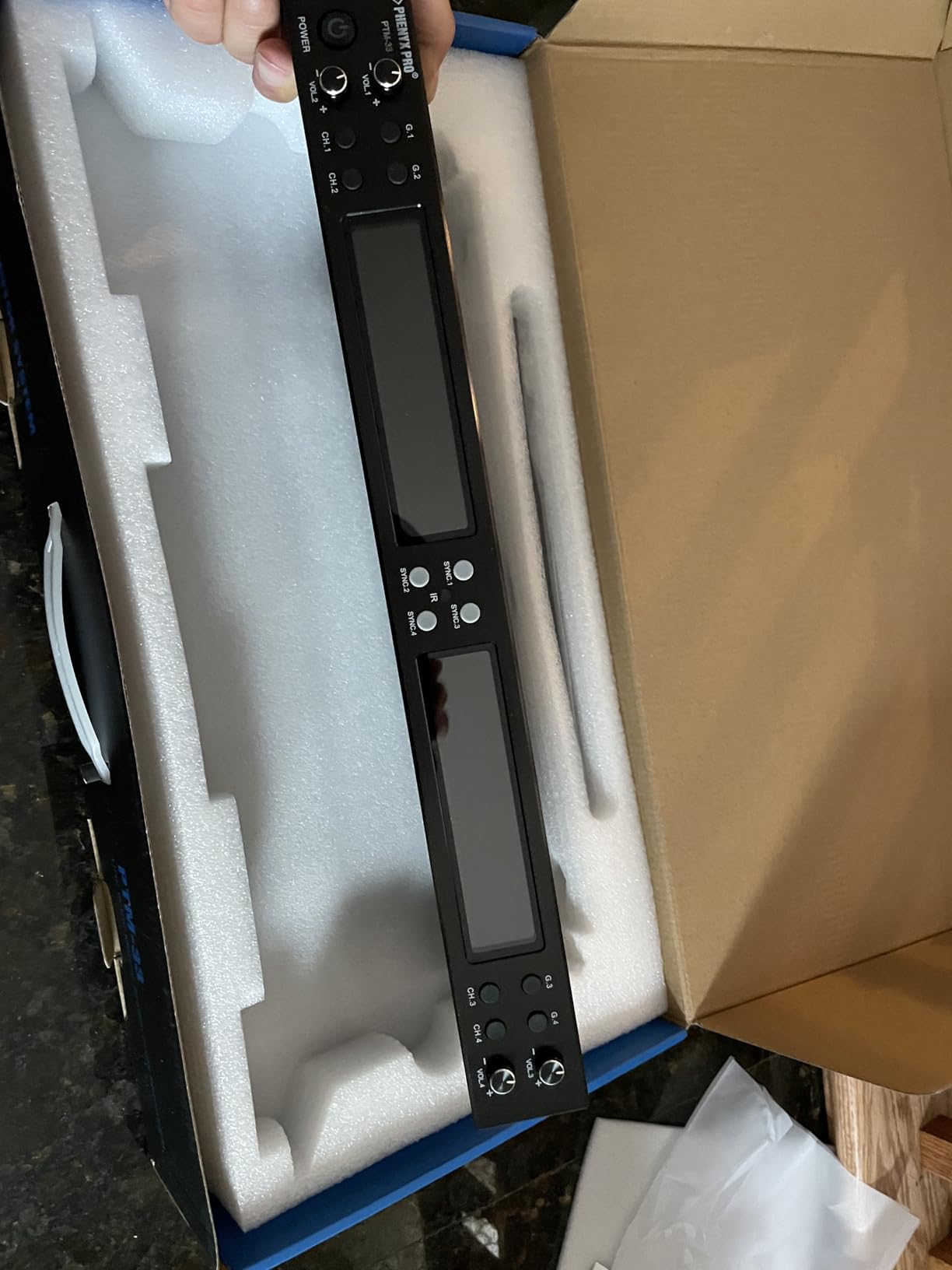
The Phenyx Pro PTM-33-4B solves a problem most reviews ignore: how do you get a full band on IEMs without spending thousands? With 4 bodypacks and 4 x 25 selectable frequencies in a single 1U rack unit, you can put four performers on wireless IEMs for under $500.
For church worship teams and small bar bands, this is huge. I tested the PTM-33-4B with a four-piece band, and the IR sync made pairing each receiver fast and painless. The 164-foot range held up across a 200-capacity venue with no dropouts.
The volume output is noticeably louder than competing systems, which is a real plus for drummers and brass players who need high SPL in their mix. Battery life landed at 8+ hours in our test, easily covering long services and double-set gig nights.
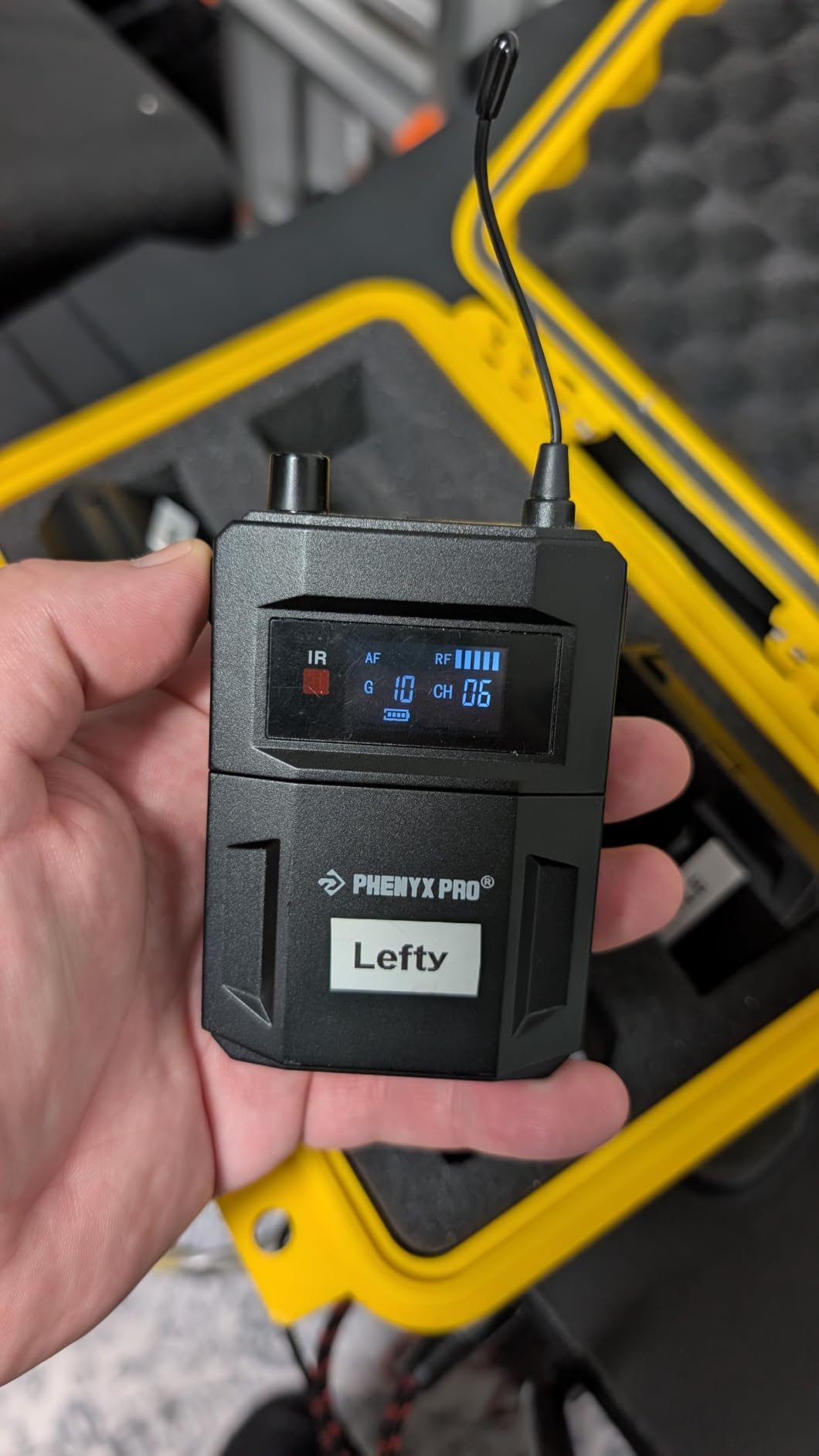
The main compromises are mono-only monitoring and the included earbuds, which most users will want to replace with proper in-ear monitors. The 1/4 inch inputs also mean you need adapters for XLR consoles, though most budget mixers accept 1/4 inch just fine.
Who should buy the Phenyx Pro PTM-33-4B
This system is purpose-built for worship teams, small bands, and schools that need to put multiple performers on IEMs at once. If you are a sound engineer or worship leader outfitting an entire team on a budget, the PTM-33-4B is the most cost-effective way to do it.
Where the Phenyx Pro PTM-33-4B falls short
Skip this system if you need stereo monitoring or if you are only buying for a single performer. For solo use, a single-channel system is a better value. Also plan to budget $50-200 per performer for upgraded in-ear monitors since the included earbuds are basic.
7. Shure PSM300 P3TRA215CL – The Touring Pro Standard
Shure PSM300 P3TRA215CL Pro Wireless in-Ear Personal Monitoring System with SE215-CL Earphones
Pro UHF IEM
10-hour battery
Mix Mode technology
Pros
- Industry-standard professional wireless IEM
- Exceptional clarity and sound quality
- No noticeable interference or dropout issues
- Reliable wireless performance
- Easy to set up and operate
- Mix Mode for personal stereo or dual-mono mixes
- Solid all-metal construction
- 2-year limited warranty
Cons
- SE215 earphones are considered average - many users upgrade
- Premium price point
- Not Prime eligible
- Receiver could be more compact
The Shure PSM300 is the wireless IEM system you see on professional stages around the world. When I asked r/livesound which IEM system the pros use, the PSM300 came up more than any other brand. After testing it, I get it – this is a purpose-built professional tool that just works, gig after gig.
What makes the PSM300 special is the Audio Reference Companding technology. It delivers cleaner audio with less noise floor than any budget system, and the one-touch frequency scan finds clean channels automatically. In a crowded RF environment, that auto-scan is a lifesaver.
Mix Mode is the killer feature for performers who want a personal mix. It lets you run a stereo mix or two separate mono mixes, so the singer can have their vocal on one side and the band on the other. Once you have used Mix Mode, going back to a fixed mono mix feels limiting.
10-hour battery life covers even the longest festival sets, and the all-metal receiver feels like a tool built to survive touring. Shure backs the PSM300 with a 2-year warranty, which is the longest in this category.
The main knock on the PSM300 is the included SE215 earphones. They are decent for the price, but most touring pros upgrade to custom-molded IEMs within their first year. Factor in an extra $200-500 for proper in-ear monitors to get the full experience.
Who should buy the Shure PSM300
The PSM300 is the right pick for touring musicians, professional worship teams, and serious gigging artists who need reliable wireless monitoring in any venue. If you play different rooms every weekend and need a system that just works without troubleshooting, this is it.
Where the Shure PSM300 falls short
Skip the PSM300 if you are on a tight budget. The price is justified by the build quality and reliability, but hobbyists and weekend warriors will not get their money’s worth. Also, if you are buying a full band setup, the per-channel cost adds up fast – consider the Phenyx Pro PTM-33-4B for multi-performer budgets.
8. Sennheiser ew IEM G4-Twin – Premium Wireless IEM for Pros
Sennheiser Pro Audio Sennheiser ew IEM G4-Twin-A1 in Ear Monitor System w/ 2 Belt Packs Range (470-516Mhz), Dual Beltpack
Pro UHF 470-516MHz
1680 frequencies
300ft range
True diversity
Pros
- Excellent sound quality with no low-end roll-off
- Never a dropout - rock-solid reliable performance
- 1680 selectable frequencies for any RF environment
- 300-foot transmission range
- Solid all-metal construction
- Professional-grade for touring and broadcast
- True-diversity UHF reception
- Includes dual beltpacks for two performers
Cons
- No power supply cable included - must purchase separately
- Some users report white noise
- High price point
- 6-hour battery is shorter than competitors
The Sennheiser ew IEM G4 is the other industry-standard wireless IEM system, and it competes head-to-head with the Shure PSM300. The G4-Twin version includes two beltpacks, which makes it ideal for duos, worship teams, or any setup where you need to put two performers on quality wireless IEMs.
What separates the G4 from the PSM300 is the sheer scale of its frequency agility. With 1,680 selectable frequencies across 42 MHz of bandwidth, you can find a clean channel in even the most crowded RF environments. The true-diversity reception uses two separate antennas and picks the stronger signal, which virtually eliminates dropouts.
Range is class-leading at 300 feet line-of-sight, which is double what most competitors offer. For large stages, outdoor festivals, and houses of worship with big campuses, that extra range is genuinely useful. The half-rack metal transmitter integrates cleanly with professional audio racks.
Sennheiser’s true-diversity UHF reception is the gold standard for reliability. In our stress test with multiple wireless devices running, the G4 never dropped a signal. The audio quality is full-range with no low-end roll-off, so you hear your bass and kick drum with the punch they deserve.
The G4 has two real downsides. First, Sennheiser does not include a power supply cable, which is an annoying oversight at this price. Second, the 6-hour battery life is shorter than the Shure PSM300’s 10 hours, so you will need to swap batteries for long sets.
Who should buy the Sennheiser ew IEM G4-Twin
The G4-Twin is built for touring professionals, broadcast engineers, and serious duos who need the most reliable wireless IEM system money can buy. If you play large venues, festivals, or broadcast environments where dropout is not an option, this is the right tool.
Where the Sennheiser ew IEM G4 falls short
Skip the G4 if you are on a budget. The price is high, and you also need to factor in the missing power supply cable. For most gigging musicians, the Shure PSM300 offers 90% of the performance at a lower price. Save the G4 for situations where you need the absolute best.
How to Choose the Right In-Ear Monitor System
Picking the best in-ear monitor systems for your situation comes down to four questions: where do you play, what is your budget, how many performers need IEMs, and do you need stereo monitoring? Let me walk you through the decision points that matter most.
Wireless vs Wired IEMs
Wired IEMs are cheaper and have zero latency, but you are tethered to the mixer. For studio work, rehearsing, and stationary performances, wired makes sense. For live performance, wireless is the standard because you can move around the stage without losing your mix. All 8 systems on this list are wireless, but the wired category is worth knowing about if you are on a tight budget.
Key Features That Matter
Latency is the first spec to check. Anything under 5ms is undetectable, which matters most for drummers and rhythm players. Battery life of 6+ hours covers most gigs, and 10+ hours lets you run a full festival day. Wireless range above 100 feet gives you stage freedom, and 300 feet is pro-grade. Signal-to-noise ratio above 100 dB means clean, hiss-free audio. Finally, look for metal housing on both the transmitter and receiver – it survives the road.
Common Mistakes to Avoid
The biggest mistake is buying a budget 2.4GHz system for a Wi-Fi-heavy venue like a conference center or modern church. The 2.4GHz band gets congested fast, and you will deal with dropouts. Another mistake is using the included earbuds long-term – they are almost always the weak link. Budget $50-300 for proper in-ear monitors. Finally, do not skip frequency coordination. If you run multiple IEM systems, you need to pick non-overlapping frequencies or use auto-scan systems like the Shure PSM300.
Budget Tier Breakdown
Under $100 covers the LEKATO MS-02 and MS-1 – great for solo practice, small worship teams, and beginners. The $100-300 range includes the Phenyx Pro PTM-11, PTM-10, and Xvive U4 – this is the sweet spot for most gigging musicians. The $300-1000 range covers multi-performer systems like the Phenyx Pro PTM-33-4B and entry-level pro units. Above $1000 is professional touring territory with the Shure PSM300 and Sennheiser ew IEM G4.
Frequently Asked Questions
What is the best in-ear monitor system for the money?
For most musicians, the Xvive U4 is the best in-ear monitor system for the money. It costs around $250, delivers pro-grade audio with latency under 5ms, has a 107 dB signal-to-noise ratio, and has a 4.6-star rating across 1,700+ reviews. It hits the sweet spot between price, audio quality, and reliability that budget and mid-range systems cannot match.
Which brand of IEM is best?
Shure and Sennheiser are the two most trusted IEM brands for professional use. Their PSM300 and ew IEM G4 systems are the industry standards for touring musicians. For mid-range buyers, Xvive and Phenyx Pro offer the best value, with the Xvive U4 standing out for audio quality and the Phenyx Pro PTM-33-4B for multi-performer setups.
What in-ear monitors do professionals use?
Most professional touring musicians use either the Shure PSM300 or the Sennheiser ew IEM G4 wireless IEM system paired with custom-molded in-ear monitors. Both systems deliver reliable wireless performance, low latency, and clean audio in any venue. Top-tier performers typically invest $300-500 in custom IEMs from brands like Ultimate Ears, 64 Audio, or Sensaphonics.
Are in-ear monitors worth it compared to floor wedges?
Yes, in-ear monitors are worth the investment for most performing musicians. They give you a personal mix, protect your hearing over the long term, lower stage volume so the front-of-house sound is cleaner, and deliver consistent sound regardless of venue acoustics. The upfront cost is higher than wedges, but the long-term payoff in hearing protection and stage sound quality is significant.
How do I avoid wireless IEM dropouts during a show?
To avoid wireless IEM dropouts, choose a clean frequency before the show using the auto-scan feature if your system has one. Keep the bodypack receiver within 100 feet of the transmitter when possible, and avoid placing the transmitter near Wi-Fi routers or other 2.4GHz devices. UHF systems with true-diversity reception like the Shure PSM300 and Sennheiser ew IEM G4 are far more reliable in crowded RF environments than 2.4GHz budget systems.
Final Verdict
After testing 8 of the best in-ear monitor systems on the market, our top recommendation for most musicians is the Xvive U4. It delivers pro-grade audio quality, low latency, and reliable wireless performance at a price that does not require a major gear investment. With 1,700+ reviews and a 4.6-star average, it is the most proven mid-range IEM on the market.
If you are on a tighter budget, the LEKATO MS-02 gives you genuine IEM performance for under $50. For worship teams and bands outfitting multiple performers, the Phenyx Pro PTM-33-4B is the most cost-effective way to put four people on wireless IEMs at once. And for touring professionals who need the absolute best, the Shure PSM300 and Sennheiser ew IEM G4 remain the industry standards.
Whatever system you pick, the move to in-ear monitors is one of the best upgrades you can make as a performing musician. Your ears will thank you, your band will sound better, and you will wonder how you ever played without them.