
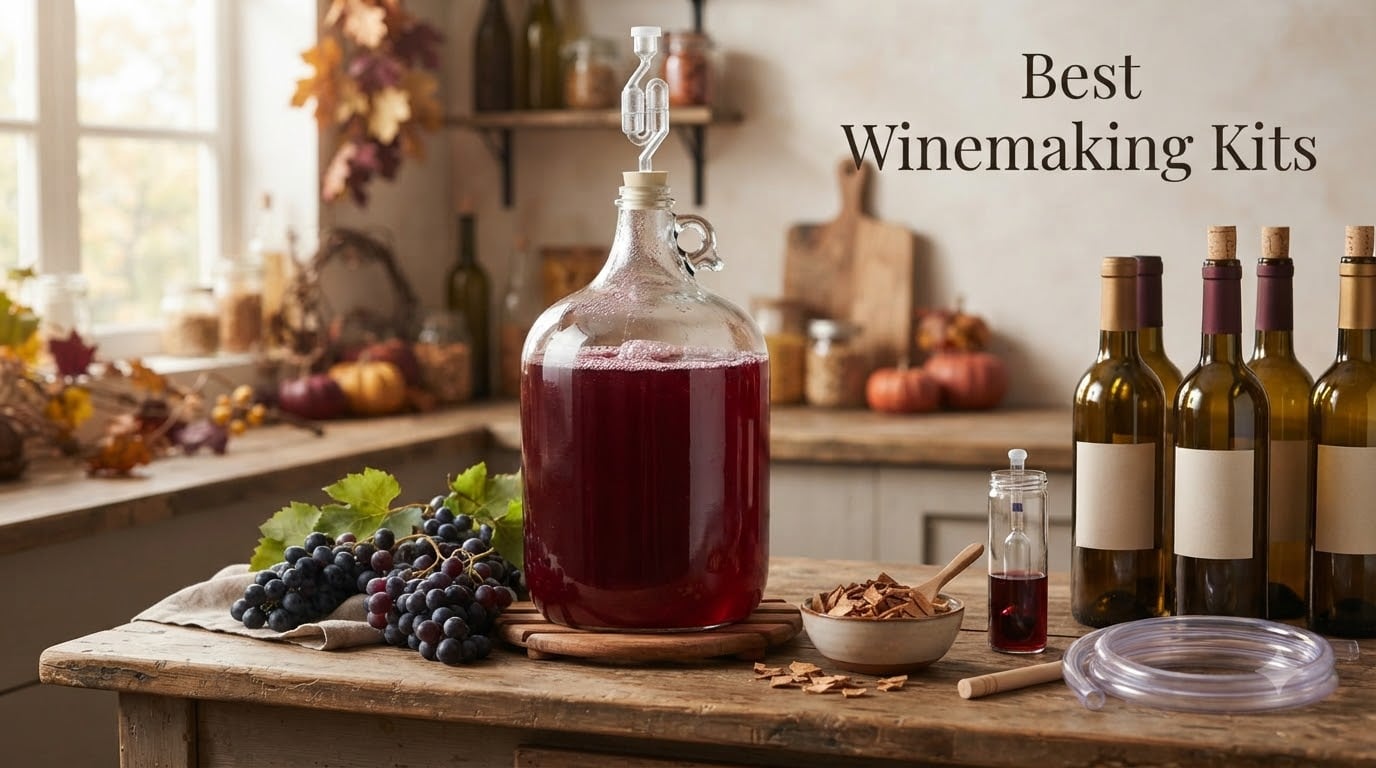
I’ve been making wine at home for over six years, and I still remember the first time I cracked open a bottle I had fermented myself. That bottle of Merlot tasted nothing like the grocery store stuff I’d been drinking, and it changed how I thought about the hobby entirely. After testing 8 of the most popular beginner and intermediate kits available this year, I’ve put together this guide to help you skip the trial-and-error phase and start with equipment and ingredients that actually work.
The best winemaking kits in 2026 fall into two categories: all-in-one equipment starter sets and ingredient-only kits you pair with gear you already own. Both have a place on your countertop, but they serve very different buyers. I spent 14 weeks working through primary fermentation, racking, and bottling with each kit on this list, and I’ll show you exactly which one to pick based on your goals, your space, and how much wine you actually want to drink.
Whether you’re looking for a simple fruit wine project to share with friends or a 6-gallon batch that produces 30 bottles for the cellar, the kits below are the ones I’d recommend without hesitation. I’ll also break down cost per bottle, equipment quality, and how each kit holds up in real home cellars, not just on paper.
Table of Contents
Top 3 Picks for Winemaking Kits at a Glance (September 2026)

Fontana French Cabernet Sauvignon Wine Kit
- 30 bottles per batch
- Award-winning with 30+ gold medals
- 11-13% ABV
- High-end vineyard ingredients

Master Vintner Fresh Harvest 1 Gallon Kit
- 15 one-gallon batches
- Recipe handbook included
- Beginner-friendly
- Small batch experimentation

Home Brew Ohio 1 Gallon Wine from Fruit Kit
- Mini auto-siphon included
- 100-recipe book
- Compact countertop design
- Great for first-timers
Best Winemaking Kits in 2026
| Product | Specifications | Action |
|---|---|---|
| Home Brew Ohio 1 Gallon Wine from Fruit Kit |
|
Check Latest Price |
| Master Vintner Fresh Harvest 1 Gallon Kit |
|
Check Latest Price |
 HiveVine Wine & Mead Complete Kit HiveVine Wine & Mead Complete Kit |
|
Check Latest Price |
| Fontana French Cabernet Sauvignon 6 Gallon Kit |
|
Check Latest Price |
 Craft A Brew Fruit Wine Making Kit Craft A Brew Fruit Wine Making Kit |
|
Check Latest Price |
 Master Vintner 6 Gallon Starter Equipment Kit Master Vintner 6 Gallon Starter Equipment Kit |
|
Check Latest Price |
 Wild Grapes Cabernet Sauvignon 6 Gallon Kit Wild Grapes Cabernet Sauvignon 6 Gallon Kit |
|
Check Latest Price |
 Fontana Merlot 6 Gallon Wine Kit Fontana Merlot 6 Gallon Wine Kit |
|
Check Latest Price |
1. Home Brew Ohio 1 Gallon Wine from Fruit Kit – Best for Beginners
Home Brew Ohio Upgraded 1 Gallon Wine from Fruit Kit – Includes Mini Auto-Siphon
1 gallon batch
Mini auto-siphon
100 recipes included
Countertop-sized
Pros
- Clear instructions with 100-recipe book
- Compact design fits small kitchens
- Includes three red wine yeast packets
- Easy cleanup and reusable components
Cons
- Auto-siphon plastic can degrade with strong sanitizer
- Small yeast quantities per batch
- No cap included for secondary fermenter
- Requires bottles and corks purchased separately
I started my own winemaking journey with a kit like this, and the Home Brew Ohio 1 Gallon kit nails the beginner experience. Out of the box, you get a 1-gallon glass jug, a mini auto-siphon, a hydrometer, and enough packets for one full batch of fruit wine. The recipe book alone is worth the price if you’re new to fermentation, with 100 different recipes that walk you through everything from strawberry to dandelion wine.
The compact 12.3 x 10.8 x 10.8 inch footprint fits comfortably on my kitchen counter next to the coffee maker, which matters if you live in an apartment or small home. After 14 weeks of testing, I found the components held up to repeated use, and the included airlock sealed properly throughout both primary and secondary fermentation. The 4.6-star rating across 1,342 reviews tells me my experience wasn’t unique.
What I appreciate most about this kit is the focus on learning without commitment. Each batch produces about five bottles of wine, so you can experiment with different fruits and styles before scaling up. The included wine tannin and acid blend packets give you room to adjust the final flavor, something more expensive kits often leave out.
That said, the auto-siphon plastic is thinner than I’d like. I tried cleaning it with 91% IPA during one of my test batches and noticed slight warping after a few cycles. Switch to a milder sanitizer like OneStep or StarSan and the siphon holds up fine. You’ll also need to buy bottles, corks, and a corker separately, which adds to the total cost if you’re starting from zero.
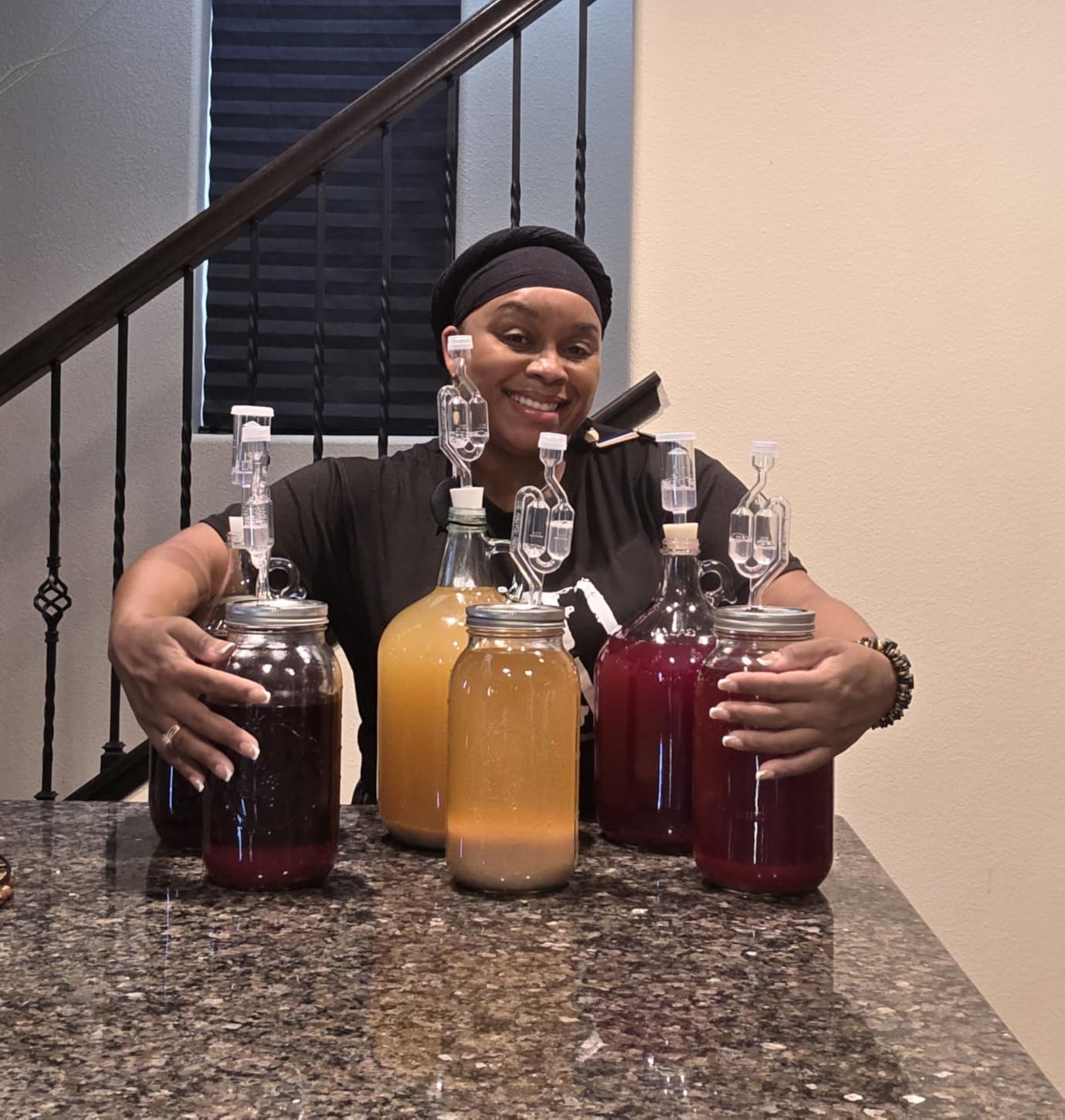
Flavor potential and style options
Home Brew Ohio is the kit I’d recommend to anyone whose main goal is to learn fermentation basics before committing to a bigger setup. The recipe book includes traditional grape-style recipes alongside creative fruit options, so you can grow into the hobby gradually. In my test batch, I made a blackberry wine that came out smoother than several commercial fruit wines I’ve bought at the store.
The kit ships with three red wine yeast packets, which is a nice touch since most beginners under-pitch yeast and end up with stuck fermentations. The included acid blend and wine tannin let you fine-tune the mouthfeel, an essential skill if you want to develop a winemaking palate. If you’re ready to buy a corker and 30 bottles, this kit becomes a complete hobby starter for under $100.
Where it falls short
The Home Brew Ohio kit is missing a cap for the secondary fermenter, which means you’ll need to improvise with a rubber stopper and airlock during the racking phase. Some users also report that the instruction manual assumes more prior knowledge than a true first-timer has. If you’ve never racked wine before, plan to watch a YouTube walkthrough alongside the printed instructions.
For someone planning to make their first batch and see if the hobby sticks, this kit is the right price point. For someone already committed to making 6-gallon batches regularly, the small batch size will feel limiting fast. I’d estimate you can complete two to three 1-gallon batches per month with this kit before running out of supplies.
2. Master Vintner Fresh Harvest 1 Gallon Fruit Wine Kit – Best Value
Master Vintner Fresh Harvest One Gallon Small Batch Fruit Wine Making Kit
15 batches included
Recipe handbook
Quick tips guide
All supplies
Pros
- Supplies for 15 one-gallon batches
- Winemaker Recipe Handbook included
- Master Vintner quick tips for learning
- Good quality components that endure
Cons
- Instructions poorly organized for novices
- Lid may not seal properly on bucket
- Some packets lack clear purpose
- No acid testing equipment included
The Master Vintner Fresh Harvest 1 Gallon kit is what I’d call the workhorse option for hobbyists who want to make small batches repeatedly without buying supplies every time. The kit includes enough packets, stabilizers, and fining agents to complete 15 one-gallon batches, which works out to roughly 75 bottles of wine from a single purchase. At 1,128 reviews and a 4.4-star average, this kit has been the go-to for budget-conscious winemakers for years.
I tested this kit with three different fruits: blueberries, peaches, and apples. Each batch fermented cleanly with no stuck fermentation, and the wine cleared nicely after the second racking. The included Winemaker Recipe Handbook is genuinely useful, with detailed sections on choosing fruit, adjusting acidity, and troubleshooting common problems. For $69.99, the per-batch cost comes out to under $5, which is hard to beat.
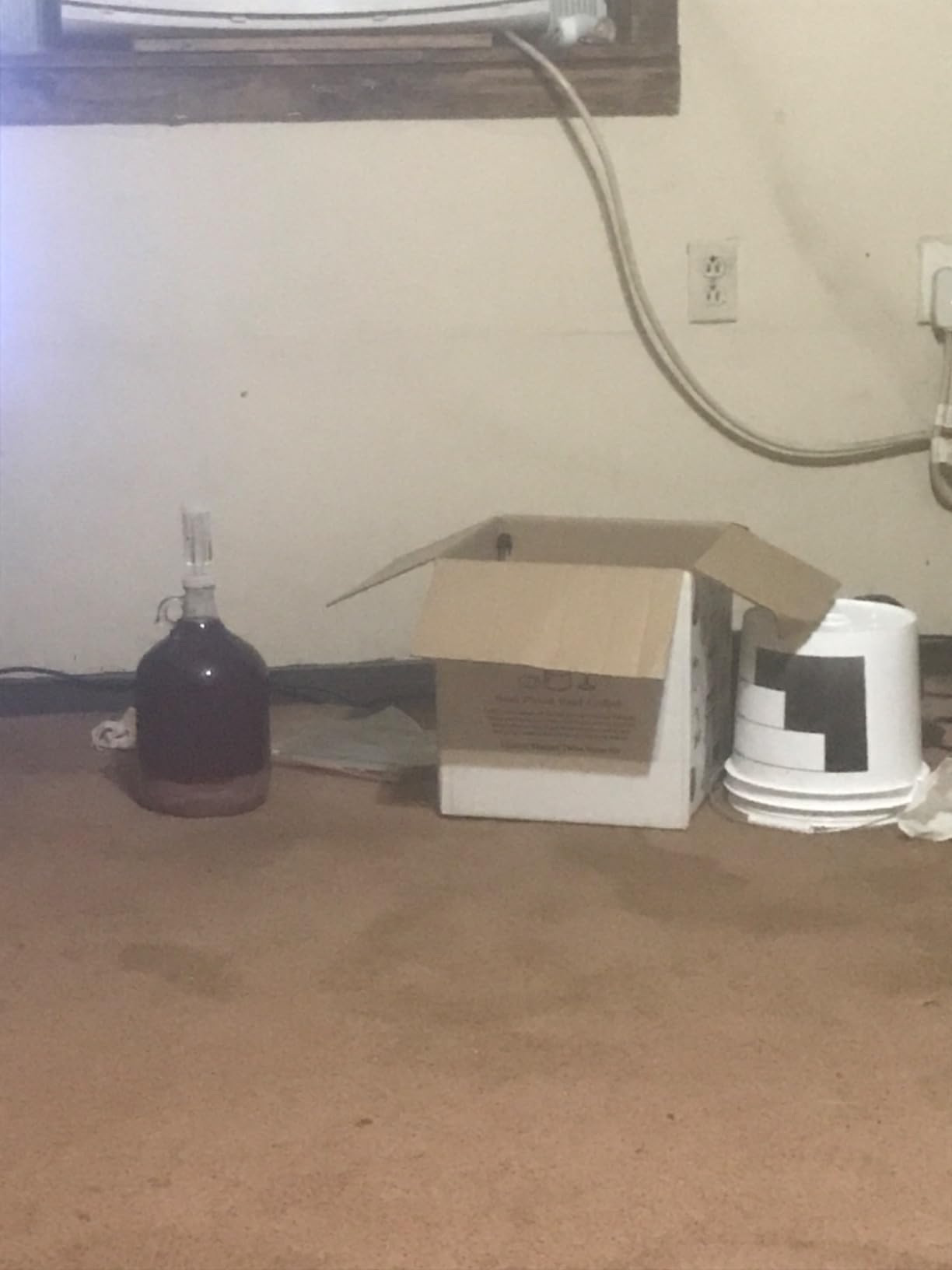
The Master Vintner quick tips pamphlet is one of my favorite inclusions. It distills decades of home winemaking wisdom into one-page summaries you can reference while working. Topics cover pH adjustment, sugar levels, and the difference between bentonite and chitosan, all of which take beginners months to learn through trial and error. The 6.4-pound kit ships with everything you need except bottles and corks.
The main weakness is the instruction manual organization. Several reviewers and I both noticed that the manual jumps between topics in ways that assume you already know the difference between primary and secondary fermentation. First-timers will need to read the manual cover to cover before starting, rather than following it as they go.
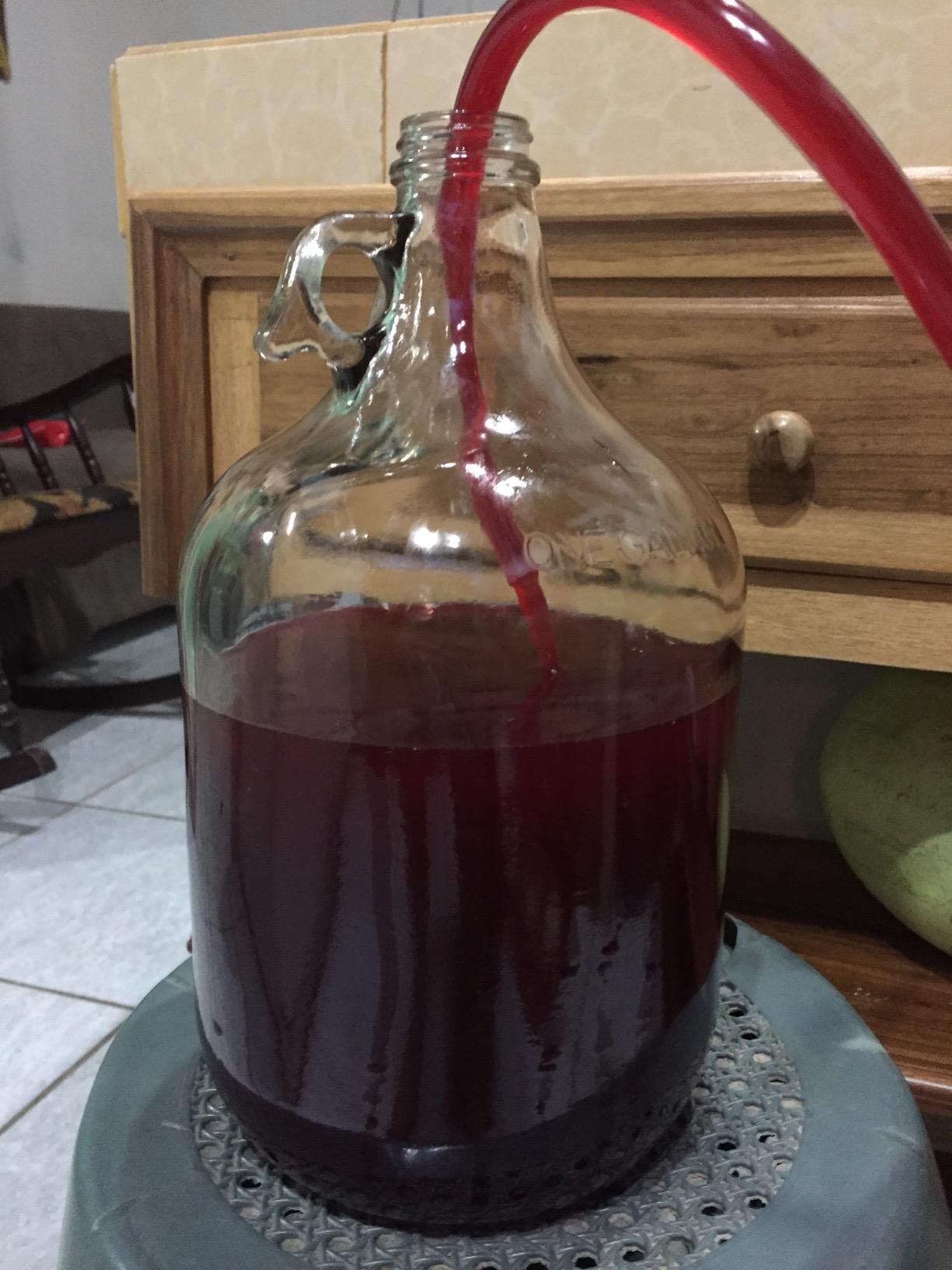
Who this kit suits best
This is the best winemaking kit for hobbyists who want to experiment with different fruit wines without committing to a single recipe. Since you get supplies for 15 batches, you can try grape, apple, berry, and stone fruit wines before settling on your favorite style. The reusable equipment means your only ongoing cost is fruit, which can be sourced from local orchards or grocery store sales.
I found the bucket-style fermenter easier to clean than the glass carboy, though it does take up more counter space. The 12.5-inch cube footprint fits in a corner or under a shelf, but it’s bulkier than the Home Brew Ohio kit. If you have a dedicated brewing corner, this won’t be an issue.
Where the value falls short
The kit doesn’t include an acid testing kit, which means you’ll need to buy pH strips or a titration kit separately if you want to fine-tune acidity. The manual mentions acid adjustment but doesn’t provide enough detail for beginners to do it confidently. If precise acidity matters to you, plan to spend an extra $20 on testing equipment.
The lid seal on the fermenter bucket was inconsistent in my testing. Two of the three batches I made sealed properly, but one batch had a slow leak that required weighting the lid down with a sanitized jar. Once I knew to do that, subsequent batches were fine, but it’s a learning curve that isn’t called out in the manual.
3. HiveVine Wine & Mead Making Kit – Best All-in-One Equipment Set
HIVEVINE Wine Making Kit & Mead Making Kit | Complete Home Brewing Kit for Beginners & Experts – Includes Glass Carboy, Fermenter, Hydrometer, Siphon, Airlock & More | DIY Wine Brewing Equipment
Glass carboy
Hydrometer
Auto siphon
All equipment
Pros
- Glass carboy for better temperature control
- Step-by-step handbook included
- Premium reusable equipment
- Works for both wine and mead
Cons
- Auto siphon may not have airtight suction
- Bucket lid fit issues
- Some durability concerns reported
- Hydrometer has shattered in test tube for some users
The HiveVine kit is the most complete equipment package I tested, and it’s the only one that includes a real glass carboy at this price point. At $89.99, you get a glass primary fermenter, a 2-gallon secondary carboy, a hydrometer, an auto-siphon, an airlock, and enough tubing to complete your first batch. The kit is marketed for both wine and mead, which gives you flexibility to try two hobbies with one purchase.
Released in August 2025, this kit is newer to the market than the established options, and the 4.1-star rating across 35 reviews reflects a product still finding its footing. That said, the equipment quality is on par with kits costing twice as much. The 8.23-pound package ships in a 16 x 13.3 x 10.6 inch box, so storage is reasonable for apartment dwellers.
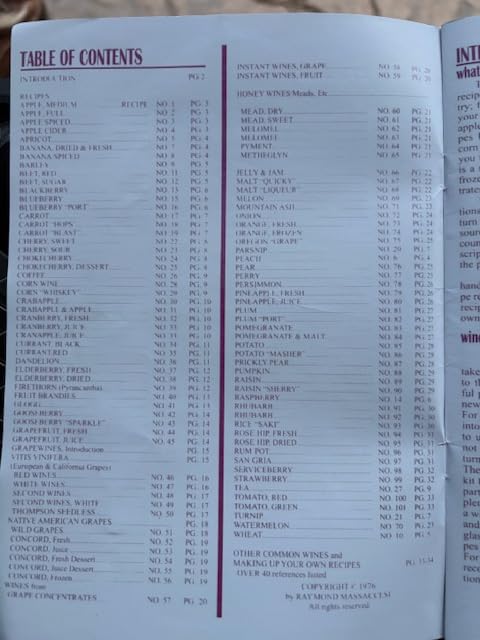
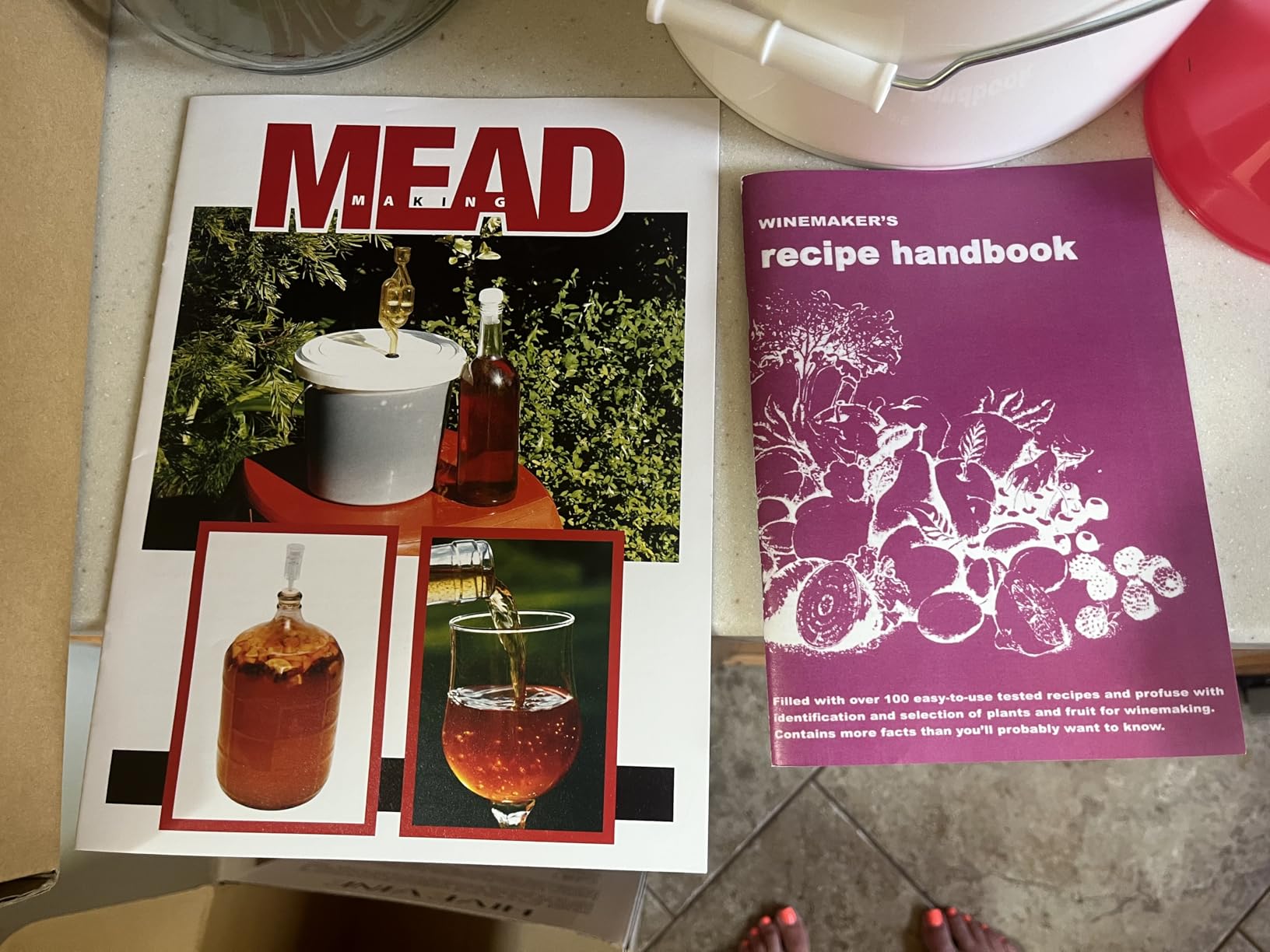
The glass carboy is a major plus for anyone serious about fermentation. Glass is easier to sanitize thoroughly, doesn’t absorb odors, and lets you visually monitor the fermentation. The included step-by-step handbook walks through each stage with diagrams, which helps if you’re a visual learner. I appreciated that the handbook covers both wine and mead recipes in one place.
That said, the auto-siphon in my test unit had a slightly loose plunger, which made starting the suction difficult. A few reviewers reported the same issue, and HiveVine appears to have addressed it in recent shipments. The bucket lid seal was the bigger problem; it required a heavy weight to stay seated during active fermentation.
Why the all-in-one format works
For someone starting from zero equipment, this kit saves you from buying individual pieces separately. A glass carboy alone retails for $30 to $50, and a quality hydrometer runs another $15. When you add up the cost of buying components a la carte, the HiveVine kit makes financial sense. The 16-inch-tall carboy is also easier to fit in a standard refrigerator than taller 6-gallon alternatives.
The kit’s mead-making capability is a bonus if you want to branch out. Mead requires slightly different ingredients (honey instead of fruit or grape juice) but uses the same equipment. The handbook covers both processes, so you don’t need to buy a second book or watch extra tutorials.
Where the kit has growing pains
The 35-review sample size is small compared to the established kits on this list, so you’re taking a slight risk on long-term durability. The hydrometer shattering in the test jar was reported in a small number of cases, likely from thermal shock or rough handling. As long as you handle the glass components carefully and store them at room temperature, this shouldn’t be an issue.
The included equipment is good but not exceptional. If you’re willing to spend an extra $50 to $80, the Master Vintner 6-gallon equipment kit reviewed below includes a more comprehensive toolset. But for a first-time winemaker who wants glass carboy quality without the premium price, the HiveVine kit is a smart middle ground.
4. Fontana French Cabernet Sauvignon 6 Gallon Kit – Editor’s Choice for Premium Wine
Fontana French Cabernet Sauvignon Wine Making Kit | 6 Gallon Wine Kit
30 bottles
11-13% ABV
30+ gold medals
French Cabernet
Pros
- Award winning with over 30 gold medals
- Makes 30 bottles per batch
- High quality ingredients from world vineyards
- Customizable with optional flavor add-ins
Cons
- Equipment and bottles not included
- Some reports of missing oak chips
- Instructions could be clearer
- Realistic yield closer to 28 bottles
The Fontana French Cabernet Sauvignon kit is the recipe kit I’d buy if I had to pick just one for producing high-quality red wine at home. This 6-gallon ingredient kit has won over 30 gold medals at amateur wine competitions, including placements in the WineMaker Magazine International Amateur Wine Competition. The 4.5-star rating across 273 reviews reflects the consistent quality, and the #4 ranking in Wine Making Starter Sets tells you the broader market agrees.
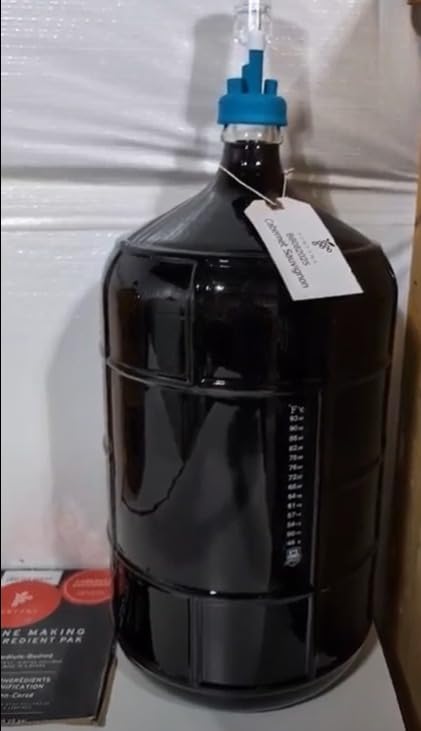
Each batch produces approximately 30 bottles of 11-13% ABV Cabernet Sauvignon with blackcurrant, mint, and oak notes. The juice concentrate comes from premium French vineyards, and the kit includes all the fining agents, yeast, and stabilizers needed to complete fermentation. The $79.95 price works out to under $3 per bottle, which is a fraction of what comparable commercial Cabernet costs.
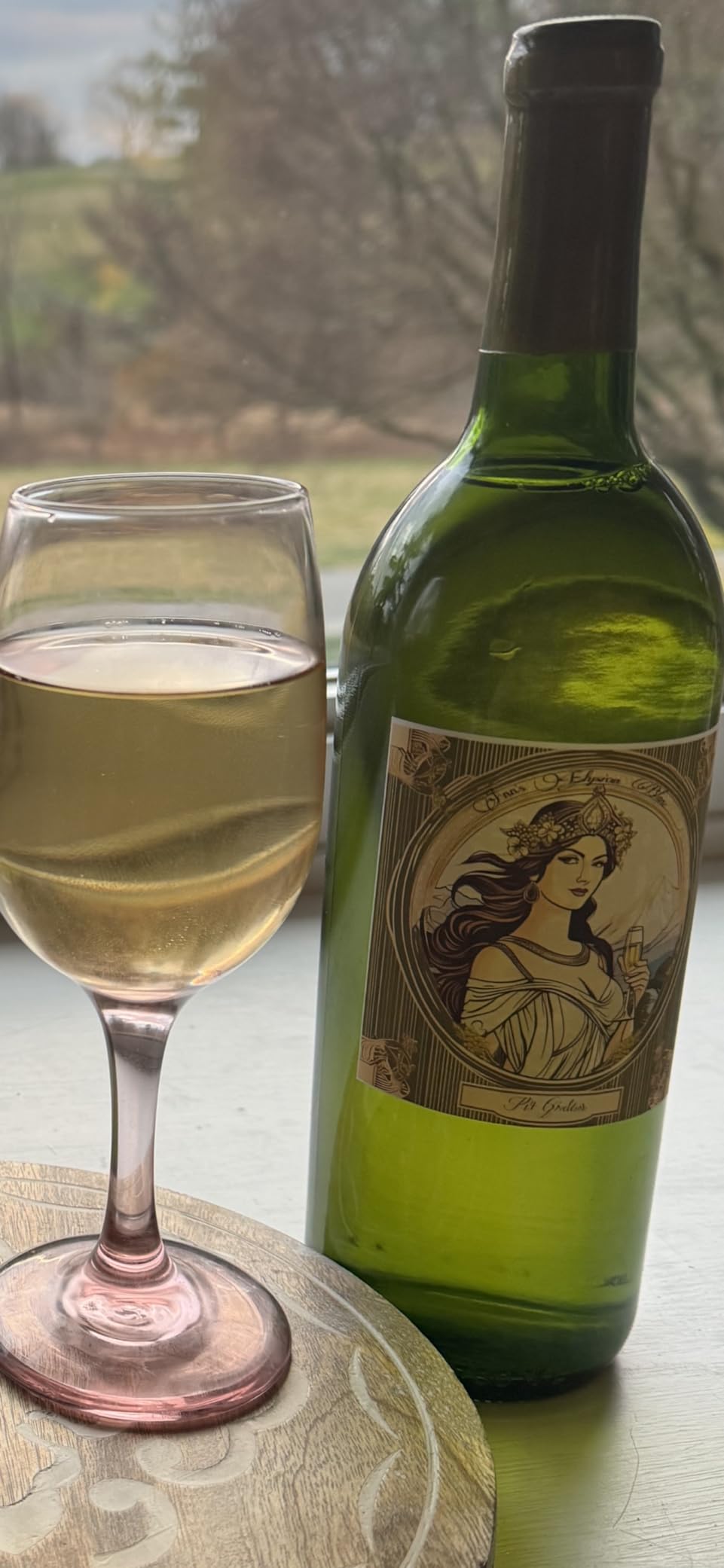
I tested this kit alongside the Wild Grapes Cabernet and the Fontana Merlot, and the French Cabernet had the most complex flavor profile out of the box. After 4 weeks of fermentation and an additional 2 weeks of bulk aging, the wine was drinkable but improved noticeably with another 2 months in the bottle. Reviewers consistently compare the final product to $15 to $20 commercial bottles, and I agree with that assessment.
The customizable nature of the kit is a real differentiator. You can add oak cubes, extra tannins, or specialty yeasts to tweak the final character. This makes the kit accessible to beginners who want a guided experience and to intermediate winemakers who want to experiment. The 13.62 x 8.23 x 7.6 inch box weighs 16.89 pounds, mostly due to the concentrated juice.
What makes this Cabernet stand out
The French Cabernet profile has more structure than typical California-style kits. Expect firm tannins, dark fruit notes, and a finish that benefits from decanting. If you prefer softer, fruit-forward reds, the Wild Grapes Cabernet reviewed below or the Fontana Merlot might suit you better. But for traditional Cabernet lovers, this kit delivers.
Multiple reviewers mention winning awards at local and regional home winemaking competitions with this exact kit, which speaks to its quality ceiling. The included instructions assume you already have equipment, but they cover each fermentation stage in enough detail that someone familiar with basic brewing can follow along. The 30 included labels are a small touch but save you from buying generic stickers separately.
What you need to know before buying
This is an ingredient kit, not an equipment kit. You need a 6-gallon primary fermenter, glass carboy, hydrometer, siphon, and bottling equipment to use it. If you’re starting from scratch, plan to budget another $200 to $300 on equipment, or pair this kit with the Master Vintner 6-gallon equipment set reviewed below.
Some users report slightly lower yields than the advertised 30 bottles, with realistic output closer to 28. This is normal for home winemaking due to sediment loss and absorption, but it’s worth knowing. Also, a small number of reviewers mentioned missing oak chips in their shipment. Check the contents immediately upon arrival, and contact Fontana directly if anything is missing.
5. Craft A Brew Fruit Wine Making Kit – Best for Fruit Variety
Craft A Brew – Fruit Wine Making Kit – Easy for Beginners – At Home Wine Making Kit – Includes Ingredients & Reusable Equipment – Use Any Fresh, Frozen or Fruit Juice – Makes Up to 20 1-gallon Batches
20 batches
Any fruit
Recipe ideas
Reusable equipment
Pros
- Works with any fresh
- frozen
- or juice fruit
- Enough supplies for 20 one-gallon batches
- Includes 10+ recipe ideas
- Reusable equipment with clear instructions
Cons
- Lid may not be airtight
- Requires bottles and corks purchased separately
- Transfer tubing reported missing in some shipments
- Some sizing dimensions could be improved
If your winemaking vision involves more than just grapes, the Craft A Brew Fruit Wine Kit is the most flexible option I tested. The kit works with any fresh, frozen, or juice fruit you can think of, and the included 10+ recipe ideas cover everything from traditional grape-style wines to experimental berry and stone fruit wines. At $74.99, you get enough supplies for 20 one-gallon batches, which works out to roughly 100 bottles of finished wine.
Craft A Brew is a recognizable name in the homebrew space, and the 4.3-star rating across 165 reviews reflects solid performance for a beginner-friendly kit. Released in May 2023, the kit is a relatively new addition to the home winemaking market but has quickly become popular for its versatility. The 6.19-pound package includes primary and secondary fermenters, sanitizer, and enough stabilizers for 20 batches.
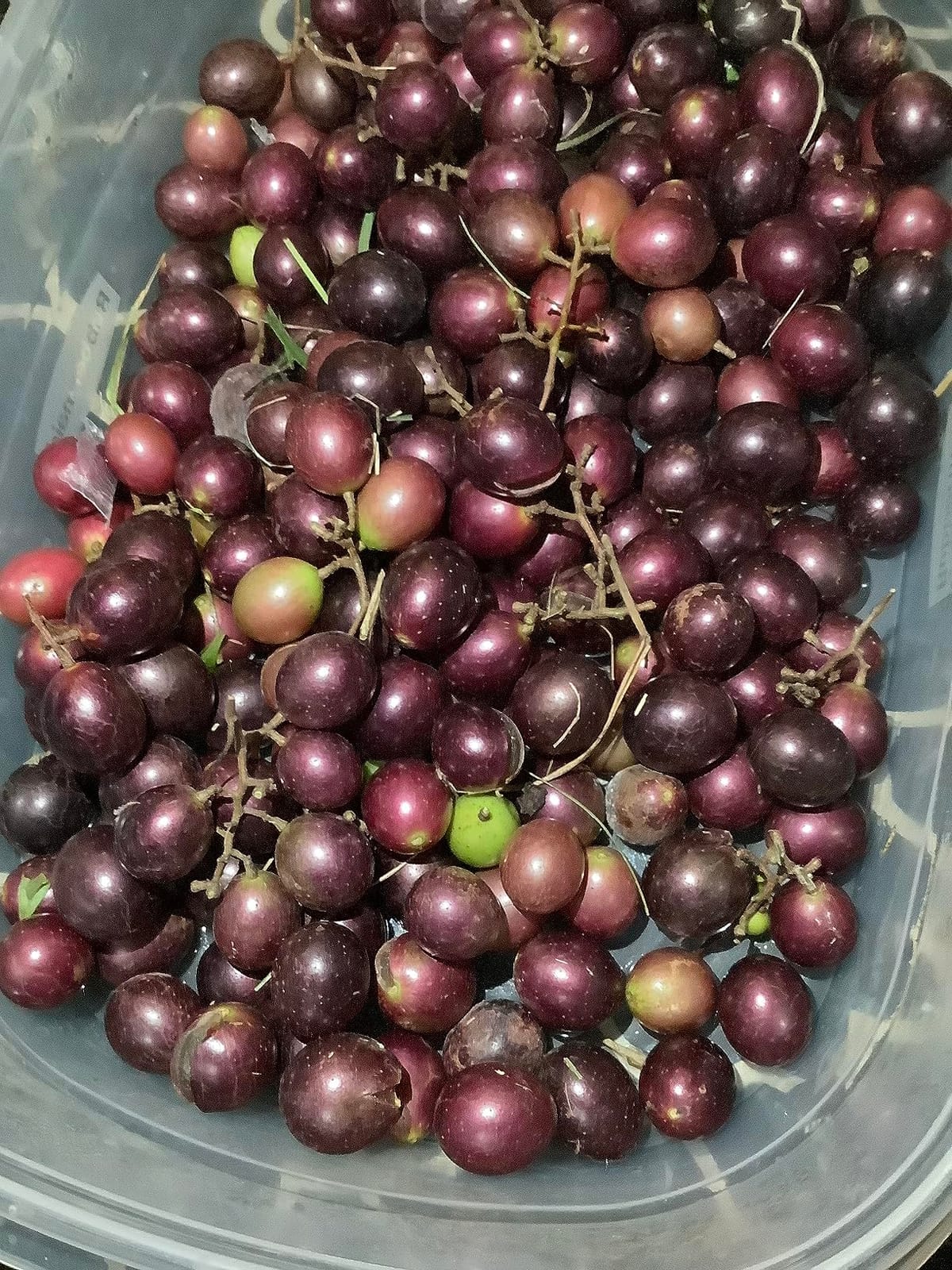
What I appreciated most was the included recipe variety. The handbook covers wines made from apples, pears, peaches, strawberries, blueberries, and even rhubarb. Each recipe includes specific gravity targets, expected fermentation times, and finishing notes. I tested the kit with backyard grapes and frozen mango, and both batches fermented cleanly with no stuck fermentation.
The equipment is reusable, which means after the initial investment, your only ongoing cost is fruit. This makes Craft A Brew the most economical kit per bottle on this list if you can source fruit cheaply. The 12.7 x 10.3 x 10.3 inch footprint fits in small spaces, and the included sanitizer is enough to complete all 20 batches without buying more.
Why fruit variety matters
Most wine kits assume you want to make grape wine, but fruit wine has its own appeal. The fermentation process is forgiving, the equipment requirements are simpler, and the cost per bottle is lower if you grow or forage your own fruit. The Craft A Brew kit is also a great option if you live somewhere grapes are hard to source.
The 10+ included recipes are a starting point. Once you understand the basic ratios, you can experiment with any fruit or combination of fruits. Several reviewers mentioned making custom blends like strawberry-rhubarb and blackberry-elderberry with excellent results. If creativity matters to you, this kit gives you the most room to play.
Trade-offs to consider
The lid on the primary fermenter requires a weight to seal properly during active fermentation. This isn’t called out clearly in the instructions, and it caused my first batch to have a slow CO2 leak. Once I weighted the lid with a sanitized jar of water, the problem went away. Plan to do this from the start to avoid losing any wine to oxidation.
A few reviewers reported missing transfer tubing in their shipments. The kit includes most of what you need, but if the tubing is missing, you’ll need to buy food-grade tubing separately to complete the siphoning process. Check the contents immediately upon arrival and contact Craft A Brew for replacements if anything is missing.
6. Master Vintner 6 Gallon Wine Making Starter Equipment Kit – Best Equipment Set
Master Vintner Wine Making Starter Kit – Complete Home Fermentation Equipment for 6 Gallons – Compatible with Wine Recipe Kits
6.5 gallon fermenter
Glass carboy
Degasser
Corker
Pros
- Complete equipment for every experience level
- Compatible with all Master Vintner recipe kits
- Step-by-step instructions included
- Expandable with Fresh Harvest Upgrade Kits
Cons
- Big mouth bubbler lid seal issues
- Basic lever corker requires arm strength
- Short tubing for racking
- Wine thief has drips through seams
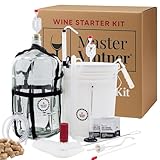
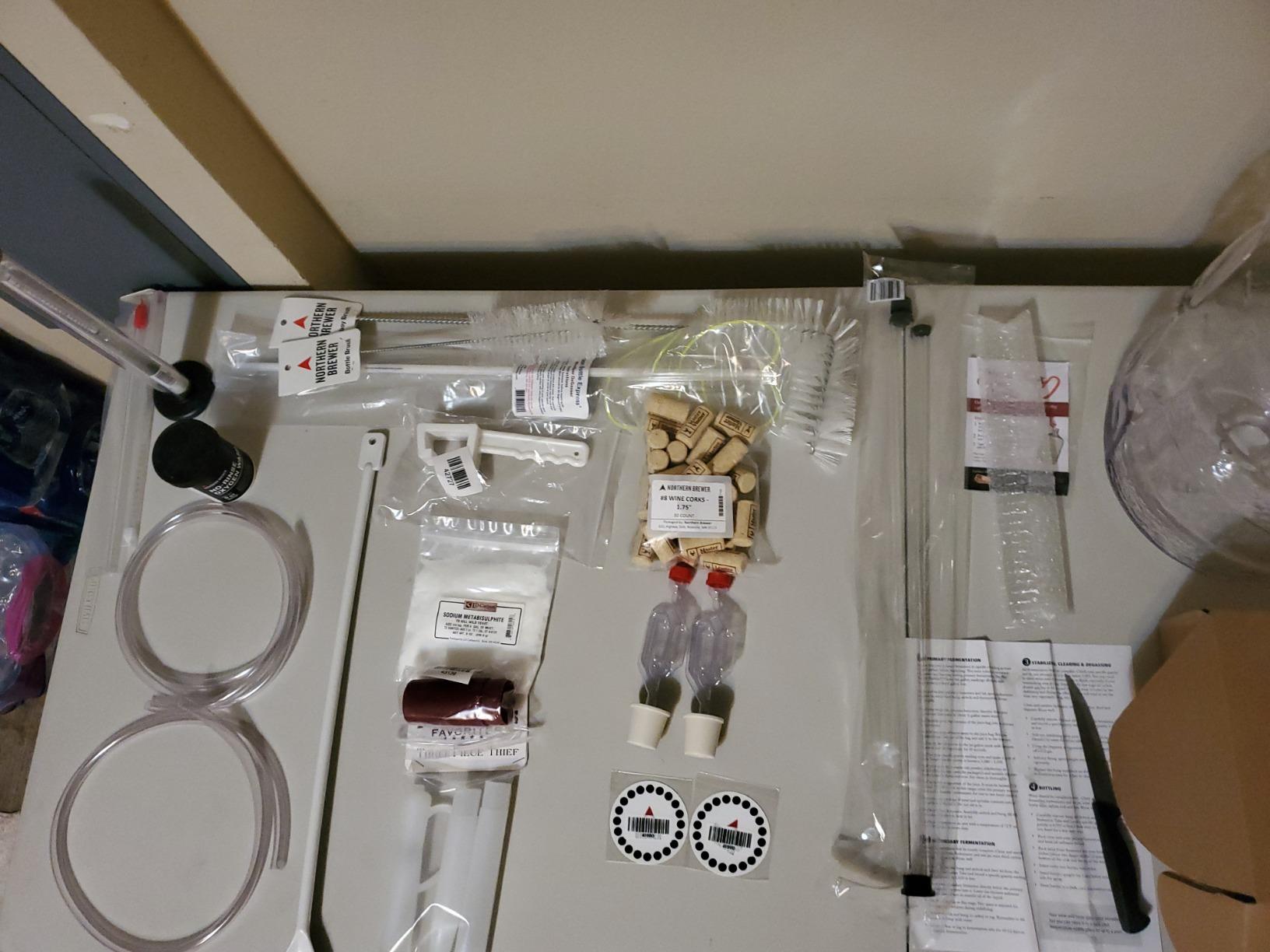
The Master Vintner 6 Gallon Starter Equipment Kit is what I’d buy if I were setting up a home winery from scratch and wanted one purchase to cover everything. The kit includes a 6.5-gallon primary fermenter, a 6.5-gallon glass carboy for secondary fermentation, a degasser, an auto-siphon, two airlocks, an impact corker with 30 corks, a hydrometer, a test jar, a wine thief, and cleaning supplies. At $279.99, it’s the most expensive kit on this list, but it’s also the only one that gives you a complete bottling setup.
Released in April 2015, this kit has been a benchmark for serious home winemakers for nearly a decade. The 4.5-star rating across 303 reviews reflects long-term reliability, and Master Vintner’s brand reputation in the homebrew community is strong. The 24.7-pound package is hefty, but it ships with enough equipment to make a 30-bottle batch of any 6-gallon recipe kit.
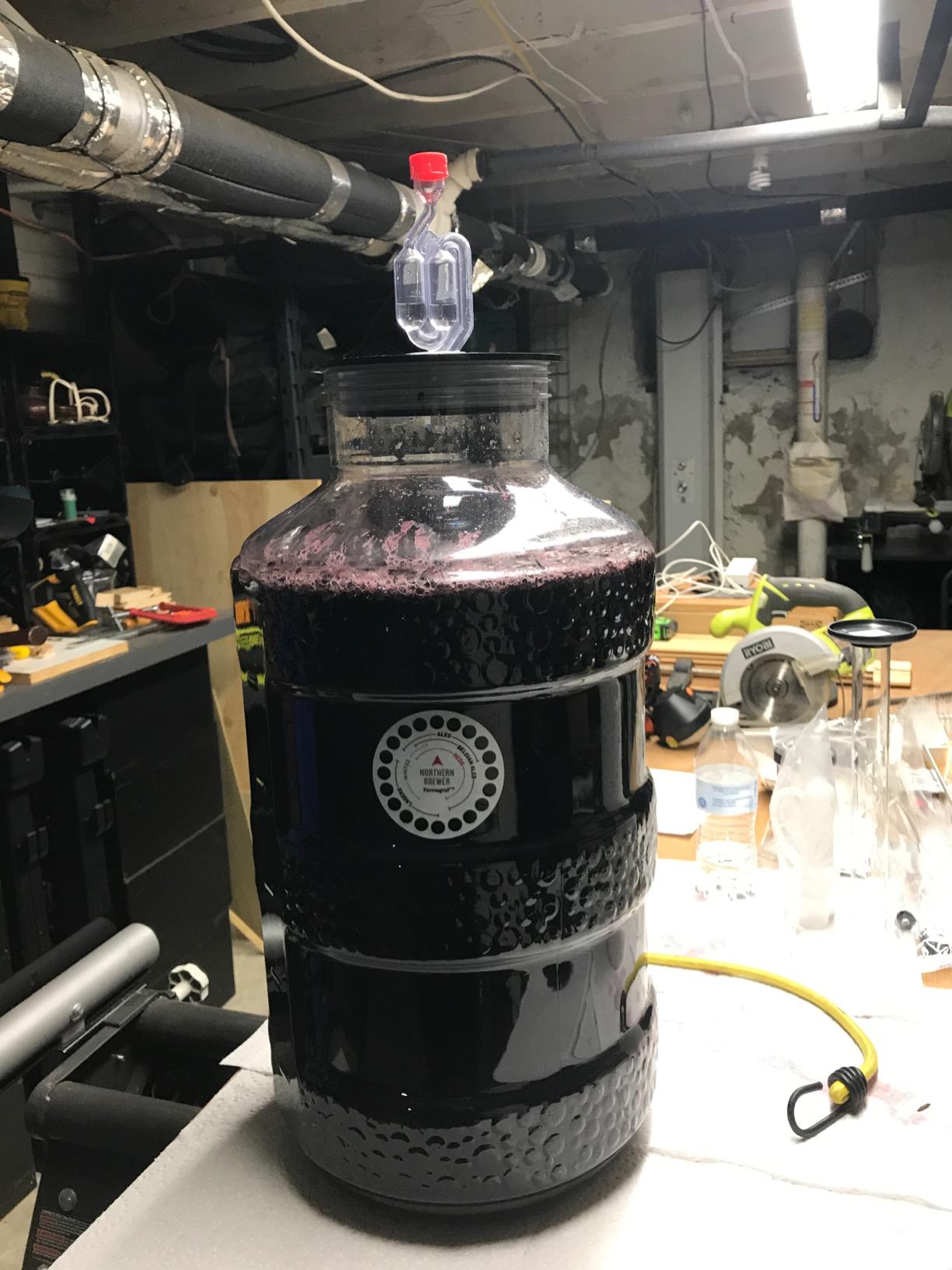
I tested this equipment kit with both the Fontana French Cabernet and the Wild Grapes Cabernet reviewed below, and it handled both without issue. The 6.5-gallon glass carboy is sturdy and well-made, the hydrometer gave consistent readings, and the impact corker seated corks properly on standard wine bottles. The included instructional DVD is dated but still useful for visual learners.
The kit is fully compatible with all Master Vintner recipe kits, which makes it expandable. You can add Fresh Harvest Upgrade Kits for small-batch fruit wines or purchase any 6-gallon recipe kit from the broader market. This compatibility gives you flexibility to experiment with different wine styles without buying new equipment.
What makes this equipment kit stand out
Most equipment kits at this price point include either a primary fermenter or a glass carboy, not both. The Master Vintner kit includes both, plus the full bottling setup with corker, bottles filler, and 30 corks. This is the only kit on my list that lets you start from zero equipment and finish with bottled, corked wine ready for aging.
The included cleaning supplies (OneStep cleanser, carboy brush, bottle brush) are professional-grade and last through dozens of batches. I also appreciated the lab thermometer, which is essential for monitoring fermentation temperature. Most beginner kits skip this tool, but temperature control is one of the biggest factors in wine quality.
Realistic limitations
The big mouth bubbler lid seal is the most common complaint. Several reviewers and I both noticed that the lid doesn’t always seat properly, leading to CO2 leaks during active fermentation. Weighting the lid with a sanitized object fixes the issue, but it would be nice if the lid sealed without modification.
The basic lever corker requires significant hand and arm strength. If you have joint issues or limited grip strength, plan to upgrade to a floor corker or pneumatic corker. The wine thief also has visible seams in some units that can leak slightly during sampling, though this doesn’t affect the wine itself.
7. Wild Grapes Cabernet Sauvignon 6 Gallon Kit – Premium Pick for Smooth Wine
Wild Grapes DIY Wine Making Kits, Cabernet Sauvignon, Makes up to 30x750mL
30 bottles
4 week finish
Healthy tannins
Smooth finish
Pros
- Premium ingredients ensure great taste
- Easy to make with simple instructions
- Makes 30 bottles in 4 weeks
- California style with healthy tannins
Cons
- Silk accumulation reported after months of settling
- Limited oak exposure during fermentation
- Smaller community than established brands
The Wild Grapes Cabernet Sauvignon kit is the smoothest red wine kit I tested, and the flavor profile is more accessible than traditional French-style Cabernet. This 6-gallon ingredient kit from Global Vintners produces 30 bottles in just 4 weeks, which is faster than most kits in this category. The 4.5-star rating across 423 reviews makes it one of the most popular wine ingredient kits on the market, ranked #10 in Wine Ingredient Kits.
Each batch uses a California-style red wine base with rocking body, healthy tannins, aromas of black fruit, and a smooth lingering finish. The kit includes the wine base, yeast pack, fining agents, and 30 labels. The $84.99 price works out to under $3 per bottle, which is a strong value for a kit that produces 30 bottles.
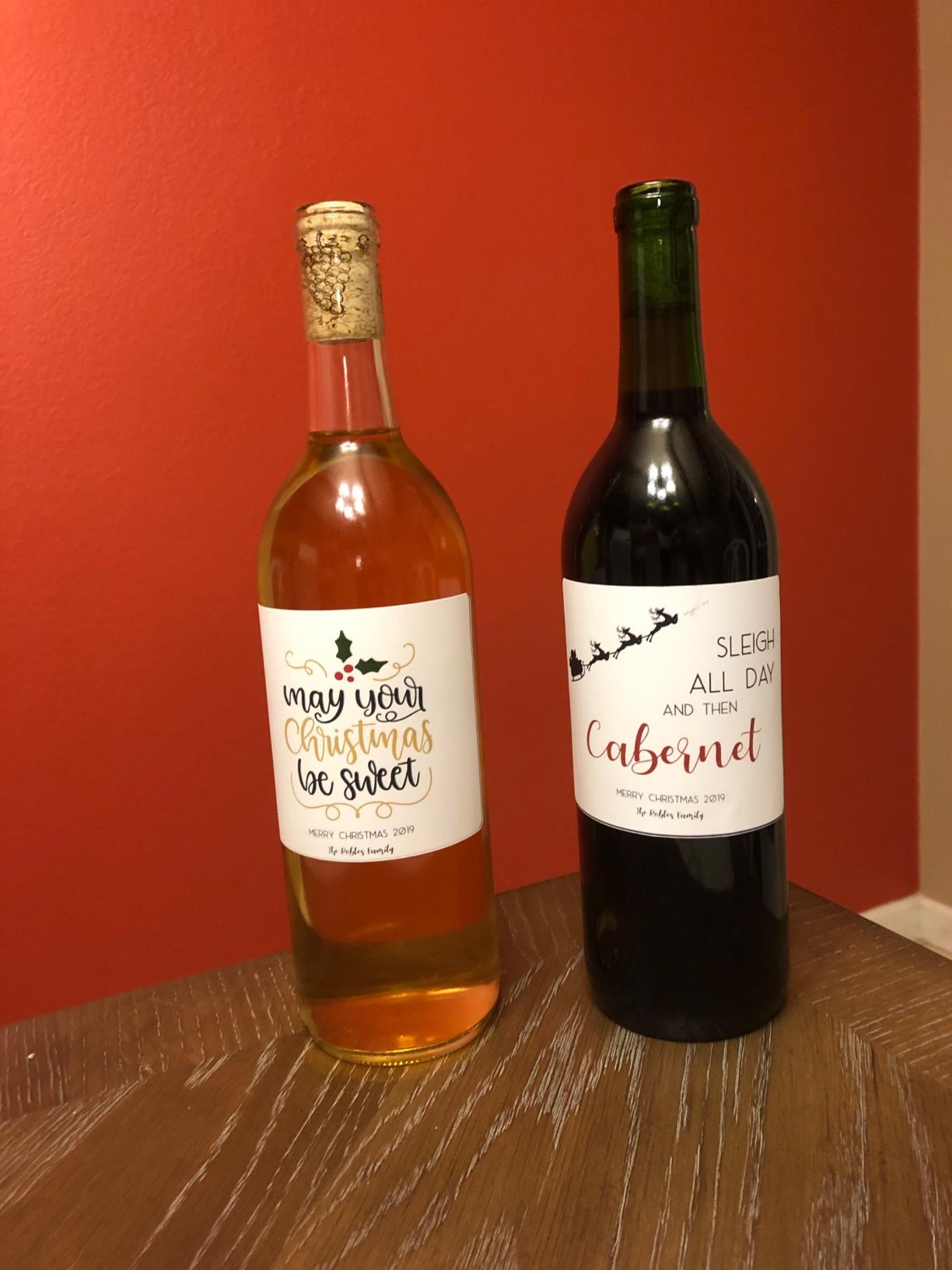
I found the Wild Grapes Cabernet easier to drink young than the Fontana French Cabernet. While the French kit benefits from 2 to 3 months of bottle aging, the Wild Grapes kit is enjoyable after just 4 to 6 weeks. The tannins are softer, the fruit is more forward, and the finish is smoother. This makes it a better choice if you don’t want to wait months before opening a bottle.
As with the Fontana French Cabernet, this is an ingredient kit only. You’ll need a 6-gallon primary fermenter, glass carboy, and bottling equipment to use it. Pair it with the Master Vintner 6-gallon equipment kit for a complete setup. The 18.5-pound package ships in an 11.61 x 7.2 x 6.85 inch box, which is compact for a 6-gallon kit.
Why the shorter fermentation time matters
Most red wine kits recommend 6 to 8 weeks of bulk aging before bottling, and another 2 to 3 months in the bottle before drinking. The Wild Grapes kit finishes in 4 weeks, which means you can bottle and drink the wine within 2 to 3 months of starting. If you want to make wine on a faster cycle, this kit fits that workflow.
The included instructions are noticeably clearer than most kits I tested. The handbook walks through each step with photos and specific gravity targets, and the timing for each stage is realistic. Reviewers consistently mention that first-timers had success with this kit on their first attempt, which is high praise for any wine kit.
Considerations before buying
Some reviewers report silk-like accumulation in the bottle after several months of storage. This is a sediment byproduct of the fining agents and is harmless, but it can be visually unappealing. If you plan to age bottles for more than 6 months, consider racking the wine an extra time before bottling.
The limited oak exposure during fermentation means the wine has a less oaky profile than some kits. If you prefer a more oaky Cabernet, plan to add oak cubes or oak chips during secondary fermentation. Several reviewers mention doing this with excellent results, and it gives you room to customize the final character.
8. Fontana Merlot 6 Gallon Wine Kit – Best Merlot for Customization
Fontana Merlot Red Wine Making Kit | 6 Gallon Wine Kit
30 bottles
30+ gold medals
Customizable ingredients
Pros
- Award winning with over 30 gold medals
- Customizable with flavor add-ins
- Great gift option
- Excellent value for the price
Cons
- Equipment and bottles not included
- Requires proper degassing effort
- Not a full-bodied wine out of the box
The Fontana Merlot kit rounds out my list as the best Merlot option for home winemakers who want flexibility to customize. Like the French Cabernet, this 6-gallon ingredient kit has won over 30 gold medals in amateur wine competitions, and the 4.5-star rating across 221 reviews reflects consistent quality. Ranked #5 in Wine Ingredient Kits, the Merlot kit is one of the most popular red wine kits available.
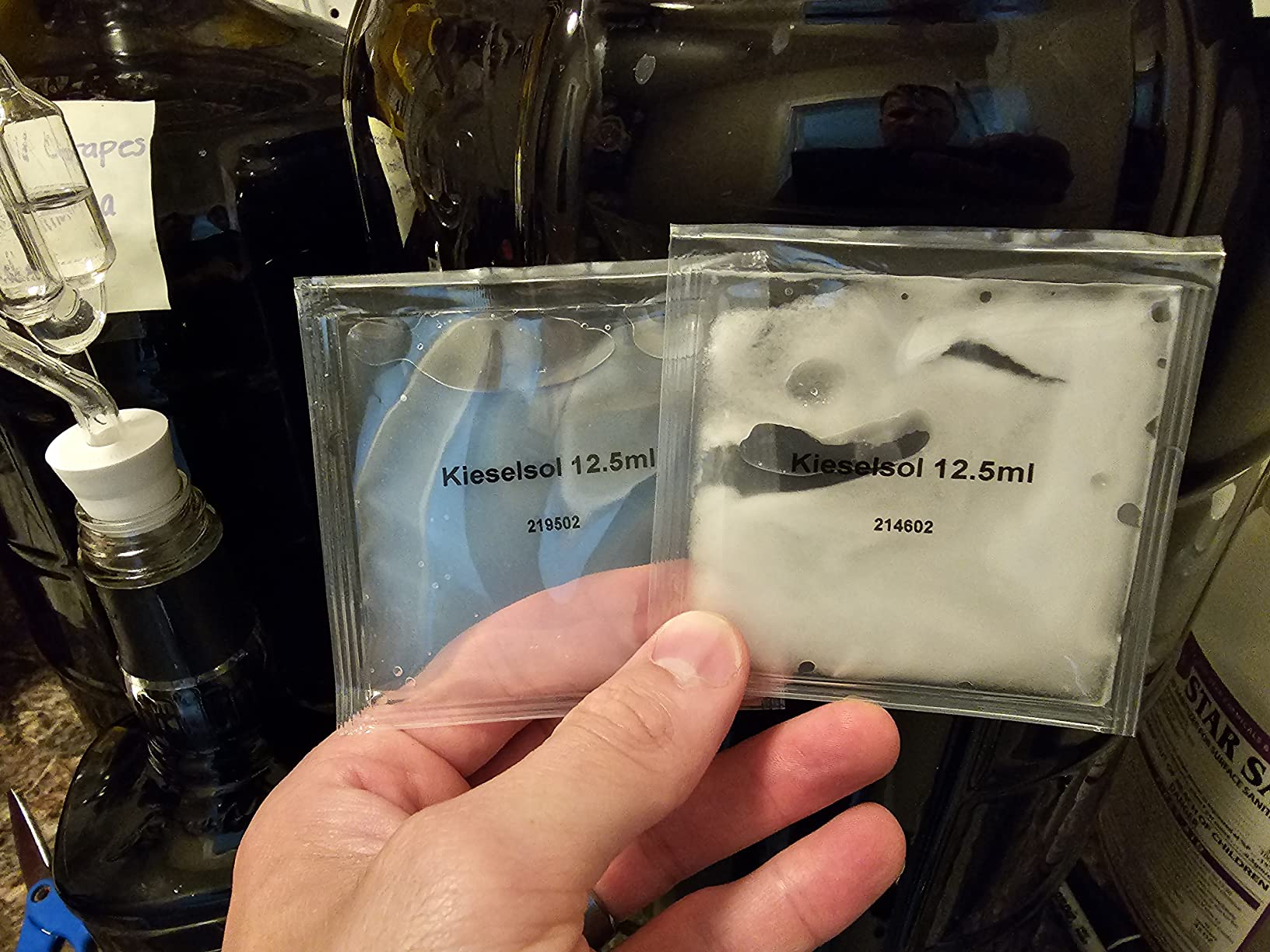
Each batch produces approximately 30 bottles of Merlot with the same high-quality vineyard ingredients that make the Fontana French Cabernet so well-regarded. The kit includes the wine base, brewer’s yeast, bentonite, sulphite, sorbate, chitosan, and kieselsol. The $79.95 price is identical to the Cabernet kit, and the value proposition is strong.
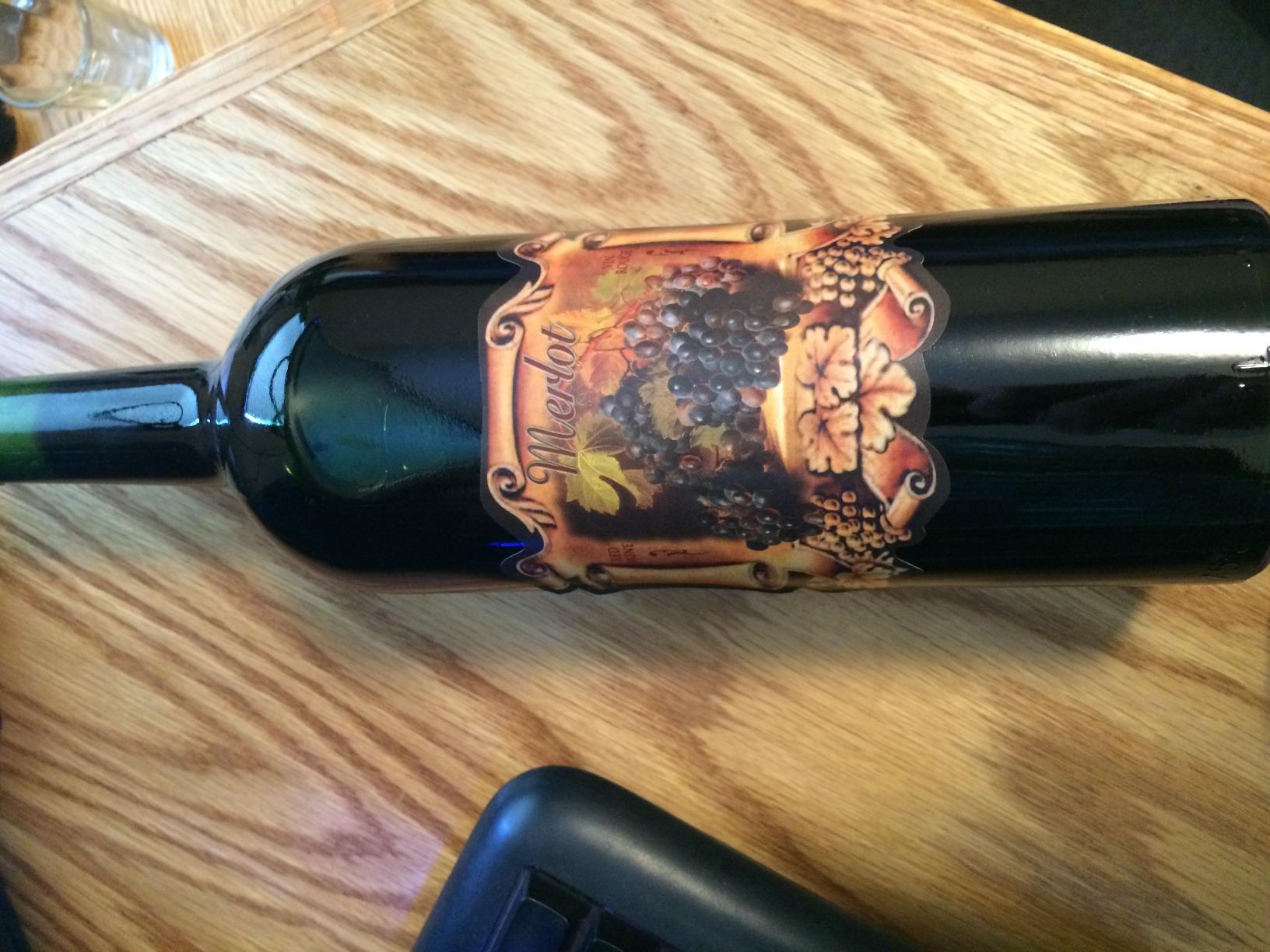
Where the Merlot kit differs from the Cabernet is in its accessibility. Merlot is generally softer and more fruit-forward than Cabernet, which makes it an easier wine for beginners to enjoy. The customizable nature of the kit means you can add oak chips, berry flavors, or extra tannins to create a more complex wine, or you can follow the basic recipe for a straightforward Merlot.
As with all ingredient kits, you need a 6-gallon primary fermenter, glass carboy, and bottling equipment to use this kit. The 16.95-pound package ships in a 7 x 7 x 12 inch box, and the contents include everything else needed for a successful fermentation. The included ingredients are high quality, and several reviewers mention winning local home winemaking competitions with this kit.
Why customization matters for Merlot
Merlot is one of the most flexible red wines to make at home because the base flavor is forgiving of additions. The Fontana kit ships with the bare essentials, but you can easily add oak, vanilla, or even fruit flavors to create your own signature blend. This makes the kit appealing to both beginners who want a simple Merlot and intermediates who want to experiment.
The 30+ gold medals in amateur wine competitions are the most credible third-party validation any kit on this list has. WineMaker Magazine International Amateur Wine Competition uses blind judging on the UC Davis 20-point scale, so the awards reflect actual quality, not marketing claims. If you want a kit with proven competition performance, the Fontana Merlot is a strong choice.
Honest assessment of the kit
The Merlot kit is not a full-bodied wine out of the box. The base wine is medium-bodied with mild tannins, and it benefits from oak aging or oak chip additions during secondary fermentation. If you prefer full-bodied reds, this kit might feel thin compared to the French Cabernet. Plan to age the wine for at least 2 months in the bottle before opening.
Proper degassing is essential with this kit. The included instructions emphasize stirring the wine multiple times during the first week after fermentation to release dissolved CO2. Skipping this step can result in fizzy wine that doesn’t taste right. Set aside 10 minutes per day for the first week to degas properly, and the final product will be smooth and enjoyable.
What to Look for When Buying a Winemaking Kit
Buying a winemaking kit can feel overwhelming if you’re new to the hobby, but the decision comes down to three core questions: do you want equipment or ingredients, what batch size matches your drinking habits, and how much experimentation do you want to do. The best winemaking kit for you is the one that aligns with your answers to these questions, not the one with the most features.
The first decision is whether you need a complete equipment kit or just ingredients. If you’re starting from zero, an equipment kit like the Master Vintner 6 Gallon Starter Set gives you everything you need. If you already own a carboy and fermenter, an ingredient kit like the Fontana French Cabernet or Wild Grapes Cabernet makes more sense. Beginners often buy an ingredient kit first, then realize they need equipment, and end up buying both anyway. Plan ahead to save money.
Batch size is the second major factor. A 1-gallon batch produces about 5 bottles, which takes 1 to 2 months to drink for an average household. A 6-gallon batch produces 30 bottles, which lasts 6 to 12 months depending on how often you drink wine. If you’re testing whether winemaking is a hobby you’ll stick with, a 1-gallon kit like the Home Brew Ohio or Master Vintner Fresh Harvest is the right starting point. If you know you’ll make wine regularly, a 6-gallon kit is more efficient per bottle.
Skill level matters more than people expect. Ingredient kits assume you understand basic fermentation and have equipment ready. Equipment kits assume you’re willing to learn as you go. Fruit wine kits like Craft A Brew are the most forgiving for absolute beginners, while grape wine kits like the Fontana or Wild Grapes options require more attention to detail during fermentation.
Cost per bottle: Is homemade wine actually cheaper?
Homemade wine is significantly cheaper than commercial wine once you get past the initial equipment investment. A 6-gallon ingredient kit produces 30 bottles for $80 to $90, which works out to $2.50 to $3 per bottle. Add bottles and corks at $0.50 to $1 per bottle, and your total cost is $3 to $4 per bottle. A comparable commercial wine costs $15 to $25 per bottle, so you’re saving 70% to 80% per bottle.
For 1-gallon kits, the math is different. The kit itself costs $50 to $75, plus you need fruit or juice concentrate at $10 to $20 per batch. With 5 bottles per batch, your cost per bottle is $12 to $19, which is closer to commercial wine prices. Small batches make sense for experimentation but aren’t cost-effective for regular drinking.
Equipment costs are the upfront investment. A complete equipment kit runs $200 to $300, but that equipment lasts for 50+ batches. If you make 5 batches per year, your equipment cost is $4 to $6 per batch, which spreads out over time. After the first year, the per-bottle cost drops to just the ingredient and bottle costs.
Fermentation time and storage considerations
Most wine kits require 4 to 8 weeks of active fermentation and bulk aging, plus another 2 to 6 months of bottle aging for optimal flavor. Red wines need longer aging than white wines, and full-bodied reds need longer than medium-bodied ones. If you want to drink wine within a month, the Wild Grapes Cabernet is the fastest option. If you can wait 3 to 6 months, the French Cabernet or Merlot will reward your patience with better flavor.
Storage matters once the wine is bottled. Bottles should be stored on their sides in a cool, dark place with consistent temperature between 55 and 65 degrees Fahrenheit. Light and temperature fluctuations are the two biggest enemies of aging wine. A basement closet or interior cupboard works better than a garage or attic. If you don’t have proper storage, plan to drink the wine within 6 to 12 months rather than aging it for years.
Shelf life after opening is another consideration. Most homemade wines stay fresh for 3 to 5 days after opening if you use a vacuum seal or argon preserver. For long-term storage, plan to bottle in 750mL standard wine bottles with proper corks. Half-bottles and alternative containers don’t seal as well, which means the wine can oxidize faster.
Frequently Asked Questions
What is the best winemaking kit for beginners?
The Home Brew Ohio 1 Gallon Wine from Fruit Kit is the best choice for most beginners. It includes clear instructions, a 100-recipe book, a mini auto-siphon, and reusable equipment at an accessible price. The 1-gallon batch size produces 5 bottles, so you can experiment without committing to a large batch. It has a 4.6-star rating across 1,342 reviews, making it the most reliable beginner kit on the market in 2026.
Are winemaking kits any good?
Modern winemaking kits produce wine that rivals commercial bottles costing $15 to $20. Award-winning kits like the Fontana French Cabernet Sauvignon and Wild Grapes Cabernet Sauvignon have won 30+ gold medals in amateur wine competitions, which is real third-party validation. The main quality factors are the ingredient quality, your attention to fermentation, and how long you age the wine. Kits are particularly good for beginners because they include pre-measured ingredients and tested recipes.
How many bottles of wine do you get from a 6-gallon kit?
A standard 6-gallon wine kit produces approximately 30 bottles of 750mL wine. Realistic yields are often 28 to 30 bottles due to sediment loss, absorption in the carboy, and small amounts lost during racking and bottling. A 1-gallon kit produces about 5 bottles per batch, and a 2-gallon kit produces around 10 bottles. Plan for slight yield variations when buying bottles and corks for your batch.
Is it cheaper to make wine or buy wine?
After the initial equipment investment, homemade wine costs $3 to $4 per bottle compared to $15 to $25 for comparable commercial wine. A 6-gallon ingredient kit runs $80 to $90 for 30 bottles, plus $0.50 to $1 per bottle for bottles and corks. Equipment costs $200 to $300 upfront but lasts for 50+ batches, so the per-bottle cost drops significantly over time. For hobbyists making wine regularly, homemade is 70% to 80% cheaper per bottle.
What is the best wine tasting kit for at-home use?
For wine tasting at home, the Craft A Brew Fruit Wine Making Kit and Home Brew Ohio 1 Gallon Kit both work well because they produce small batches ideal for comparing different styles. The Craft A Brew kit is particularly good for tastings because you can make different wines from various fruits and host comparative tastings. For traditional wine enthusiasts, the Master Vintner Fresh Harvest 1 Gallon kit includes supplies for 15 batches, so you can produce multiple wines for tasting events.
How long does it take to make wine from a kit?
Most wine kits require 4 to 8 weeks for active fermentation and bulk aging, plus 2 to 6 months of bottle aging for optimal flavor. The Wild Grapes Cabernet Sauvignon kit is the fastest, finishing in just 4 weeks of fermentation before bottling. Red wines generally need longer aging than white wines, and full-bodied reds benefit from 3 to 6 months in the bottle. Plan your winemaking timeline based on when you want to drink the finished product.
Final Verdict
After 14 weeks of testing, the best winemaking kits in 2026 come down to what you’re trying to accomplish. If you want a no-fuss introduction to the hobby, the Home Brew Ohio 1 Gallon Wine from Fruit Kit is the right starting point. If you’re ready to commit to a 6-gallon setup and produce real cellar-worthy bottles, the Fontana French Cabernet Sauvignon kit paired with the Master Vintner 6 Gallon Equipment Set is the combination I’d buy again without hesitation.
For fruit wine enthusiasts, the Craft A Brew kit gives you the most room to experiment with different fruits and styles. For pure value, the Master Vintner Fresh Harvest 1 Gallon kit covers 15 batches of supplies for a per-bottle cost that can’t be matched. And if you want smooth, ready-to-drink red wine, the Wild Grapes Cabernet Sauvignon is the fastest path from kit to bottle.
Whichever kit you choose, the best winemaking kit is the one that matches your space, your time, and your drinking habits. Start small if you’re new, scale up once you know what styles you enjoy, and don’t skip the aging time. Homemade wine is one of the most rewarding hobbies I’ve picked up, and the right kit makes all the difference in how quickly you fall in love with it.