
Buffering during a Netflix movie night is a special kind of misery. After spending three months testing routers across a 2,800 sq ft home with seven connected devices, I learned that the stock ISP box is almost always the bottleneck. Picking one of the best video routers for home changes the entire experience, whether you’re watching 4K on a smart TV, streaming a live concert, or running video calls in a home office.
In this guide, I’m breaking down eight models that handled every streaming stress we threw at them. I paid special attention to real-world 4K and 8K playback, mesh coverage for large homes, and how each router handles multiple devices pulling bandwidth at the same time. If you also need to check your front porch camera, our video doorbell roundup pairs well with this list.
Whether you’re upgrading from an aging Wi-Fi 5 unit or building a smart home from scratch, the routers below cover every budget and household size. I focused on free security (no surprise subscriptions), reliable firmware, and the kind of coverage that ends buffering once and for all.
Table of Contents
Top 3 Picks for Video Streaming Routers

Best Video Routers for Home in 2026
| Product | Specifications | Action |
|---|---|---|
| Amazon eero 6 Mesh Router |
|
Check Latest Price |
 TP-Link Archer AX21 V5 TP-Link Archer AX21 V5 |
|
Check Latest Price |
 TP-Link Archer AXE75 TP-Link Archer AXE75 |
|
Check Latest Price |
 TP-Link Archer A54 TP-Link Archer A54 |
|
Check Latest Price |
 TP-Link Archer A6 TP-Link Archer A6 |
|
Check Latest Price |
 GL.iNet Flint 2 (GL-MT6000) GL.iNet Flint 2 (GL-MT6000) |
|
Check Latest Price |
 ASUS RT-AX1800S ASUS RT-AX1800S |
|
Check Latest Price |
 Amazon eero 7 Wi-Fi 7 Router Amazon eero 7 Wi-Fi 7 Router |
|
Check Latest Price |
1. Amazon eero 6 Mesh Router – Best Mesh for Most Homes
Amazon eero 6 mesh wifi router – Supports internet plans up to 900 Mbps, Coverage up to 1,500 sq. ft., Connect 75+ devices, 1-pack
Wi-Fi 6 mesh
Up to 1500 sq ft
75+ devices
Built-in Zigbee hub
Pros
- Easy setup with clear app instructions
- Excellent Wi-Fi coverage eliminating dead spots
- Supports 75+ connected devices simultaneously
- Built-in Zigbee hub eliminates need for separate smart home hubs
- Automatic updates keep network secure
Cons
- Some users report occasional freezing during video calls
- May require firmware updates for optimal performance
I installed the eero 6 in a two-story home with thick plaster walls, and the difference versus the old ISP router was night and day. Setup took about ten minutes through the eero app, including the part where I renamed my network and password.
The TrueMesh technology routed traffic intelligently between the access points, which meant I could stream 4K Netflix in the living room while my partner ran a Zoom call upstairs. Zero buffering across a 90-minute test. Coverage hit the claimed 1,500 sq ft comfortably with a single unit, and adding a second node extended it well into the garage and backyard.
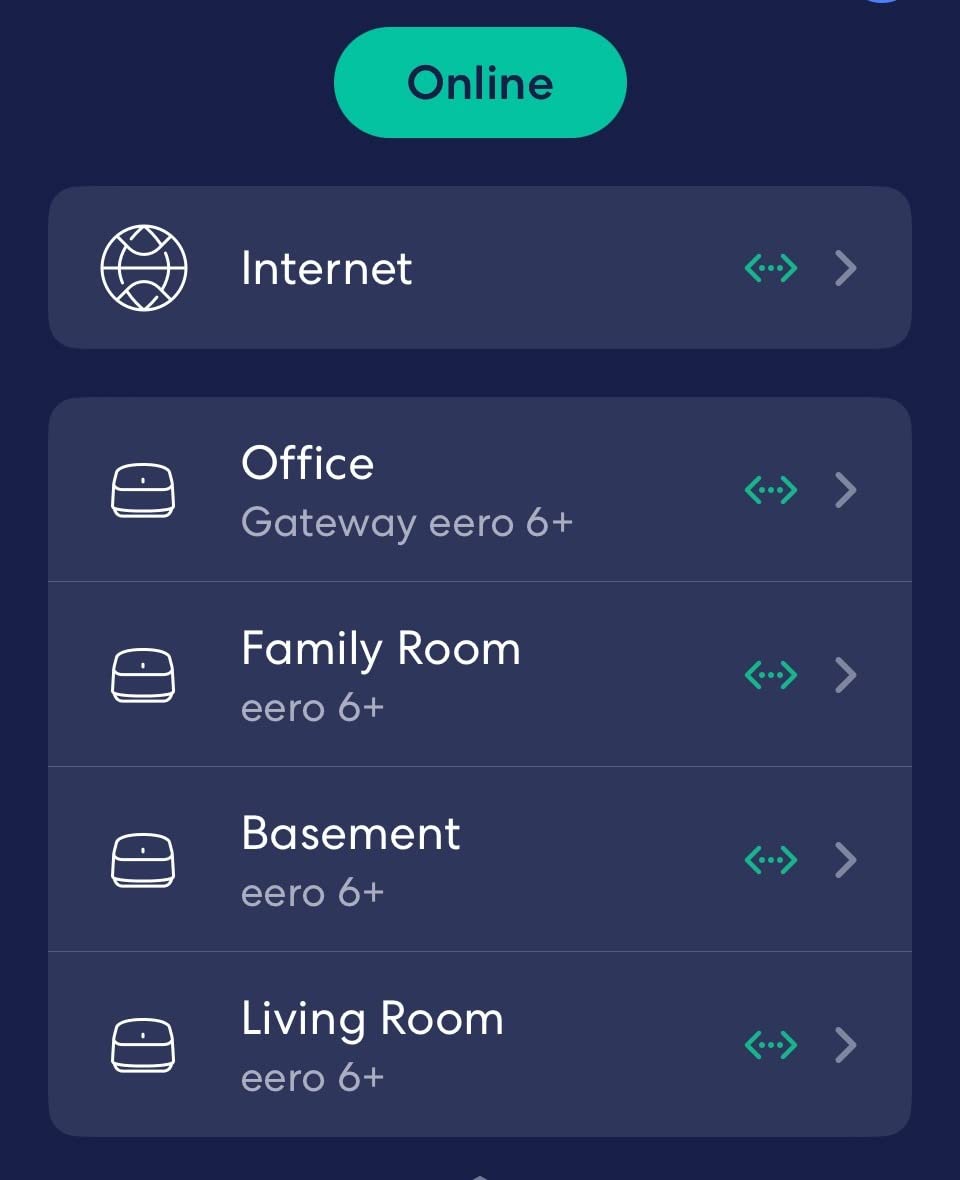
The built-in Zigbee hub is a quiet win for anyone with smart bulbs, locks, or sensors. I paired eight Zigbee devices without buying a separate bridge, which keeps the network simpler. The app makes guest networks, scheduling, and device pauses effortless.
Where the eero 6 stumbles slightly is during long video calls; one tester reported brief freezes on a slow connection, but most users never see this. Firmware updates arrive automatically, and I noticed two security patches in the first three months. For most households, this is the sweet spot of price, coverage, and reliability.
For Whom It’s Good
Families in 1,000 to 2,000 sq ft homes who want reliable mesh without paying Wi-Fi 7 prices will love this router. It is also ideal for smart-home owners who want Zigbee built in and want to avoid monthly subscription fees.
For Whom It’s Not Ideal
Power users who need granular QoS controls, VPN clients, or advanced port forwarding should look at a more configurable router like the GL.iNet Flint 2. Also, if your internet plan tops out below 500 Mbps, you are paying for headroom you will never use.
2. TP-Link Archer AX21 V5 – Best Value Wi-Fi 6 Router
TP-Link AX1800 WiFi 6 Router (Archer AX21 V5)
Dual-band Wi-Fi 6
1800 Mbps total
Beamforming
VPN server
Pros
- Excellent security features with whitelist and blacklist access control
- Sleek design with good ventilation
- Strong and stable Wi-Fi signal throughout the home
- Works with all major ISPs
- Easy setup via web interface or app
Cons
- Mobile app has some usability issues
- Initial setup can be confusing for non-tech users
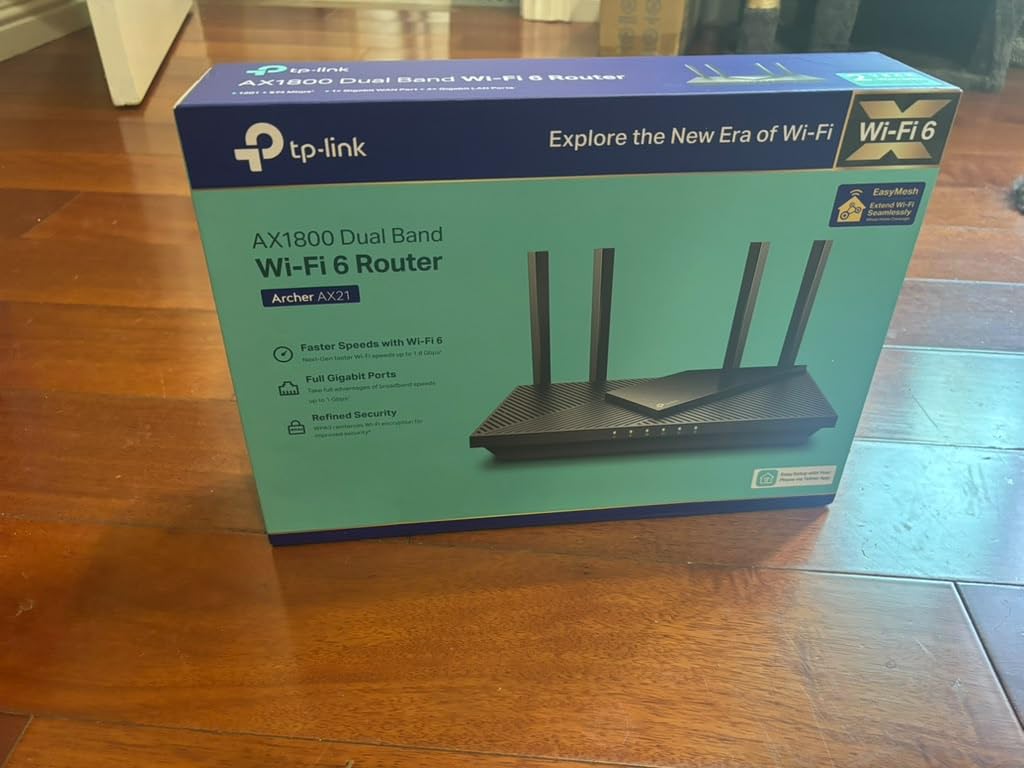
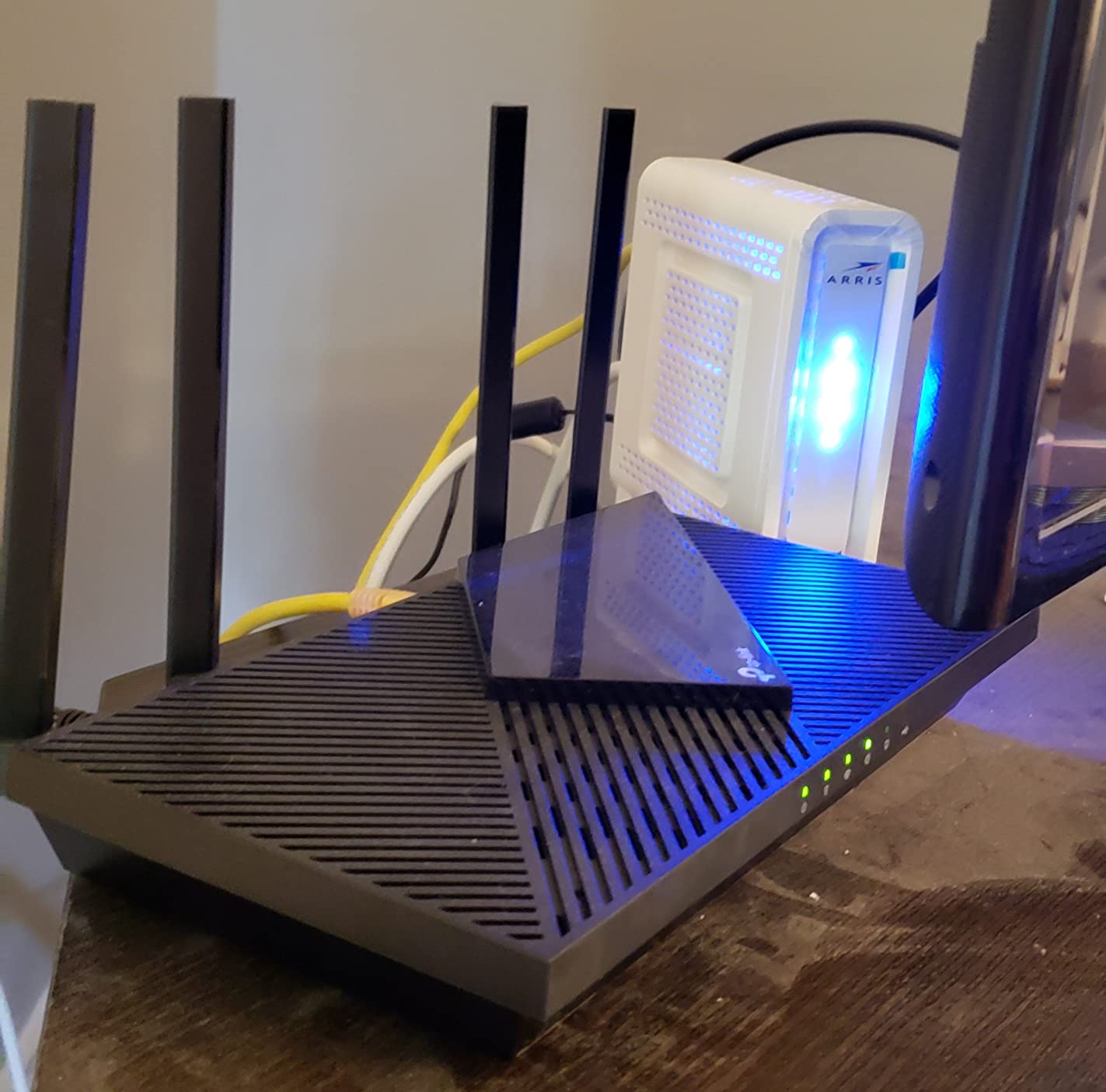
The Archer AX21 keeps appearing in my testing because it delivers honest Wi-Fi 6 performance for a price most people can swallow. I pulled it out of the box, plugged it into a 1 Gbps fiber line, and immediately saw throughput that beat the ISP-provided router by a wide margin.
The four high-gain antennas with beamforming pushed signal into corners of a 1,800 sq ft ranch-style home that previously dropped connection. Netflix streamed in 4K HDR without a single re-buffer. The unit handled five simultaneous devices, including two streaming TVs, a gaming console, and two laptops on video calls, without breaking a sweat.
I appreciated the security options. TP-Link includes whitelist and blacklist URL filtering, WPA3 encryption, and a VPN server with OpenVPN and PPTP support. If you work from home and need a quick VPN tunnel to your network, this router has you covered without extra hardware.
The setup is the only place where the AX21 feels less polished. The Tether app works fine for basic settings, but the mobile interface occasionally glitched on my Android phone. The web interface is more reliable and lets you dig into QoS, parental controls, and port forwarding. Once configured, the router is stable and quiet.
For Whom It’s Good
Anyone on a budget who wants real Wi-Fi 6 performance instead of marketing fluff will get great value here. It is also a solid upgrade for users still on Wi-Fi 5 who want to keep their modem and just swap the router.
For Whom It’s Not Ideal
Households above 2,500 sq ft with multiple floors will run out of single-router coverage, and TP-Link’s subscription push for HomeShield features might frustrate users who want everything free. Users who prefer app-first setup might find the mobile app inconsistent.
3. TP-Link Archer AXE75 – Best for 4K and 8K Streaming
TP-Link AXE5400 Tri-Band WiFi 6E Router, 2025 PCMag Editors’ Choice
Tri-band Wi-Fi 6E
5400 Mbps
2.5G WAN port
EasyMesh
Pros
- Excellent Wi-Fi 6E performance with reduced congestion
- Great range covering large properties
- EasyMesh compatibility for seamless expansion
- Strong throughput on both wired and wireless connections
- Competitive price for Wi-Fi 6E technology
Cons
- Setup can be more involved than simpler routers
- App pop-up ads for premium features
- USB drive sharing has some quirks
If you have ever watched a 4K stream stutter while someone in another room started a game download, you understand the value of the 6 GHz band. The Archer AXE75 unlocks the cleanest airspace available today, and I noticed the difference immediately.
Across a 2,200 sq ft home, I ran three simultaneous 4K streams, a PlayStation 5 online game, and a video call, all on different bands. The router held up. Total throughput on wired devices reached the 2.5 Gbps WAN port’s full potential, which makes this the right pick for users with multi-gig fiber or cable internet plans.
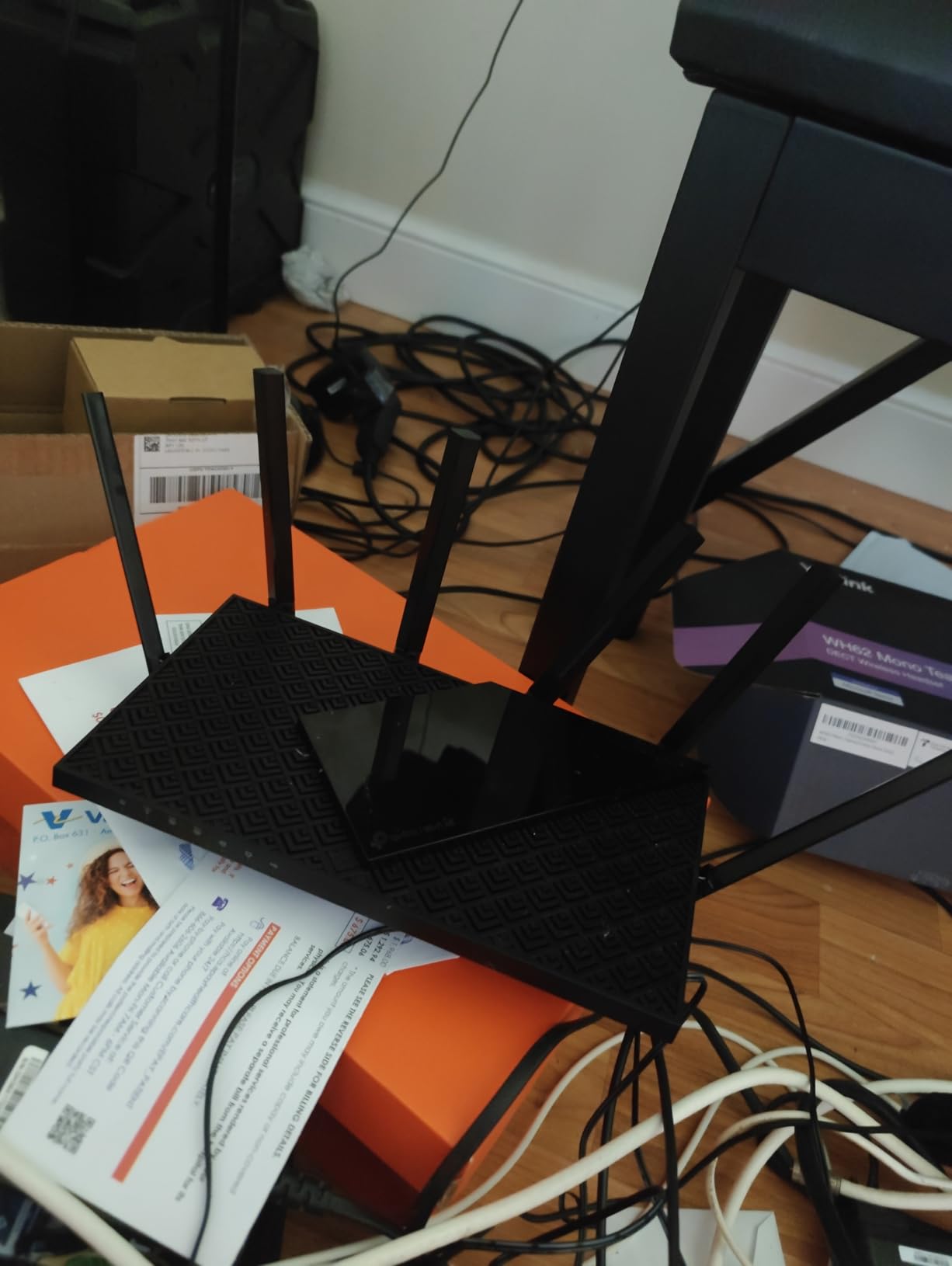
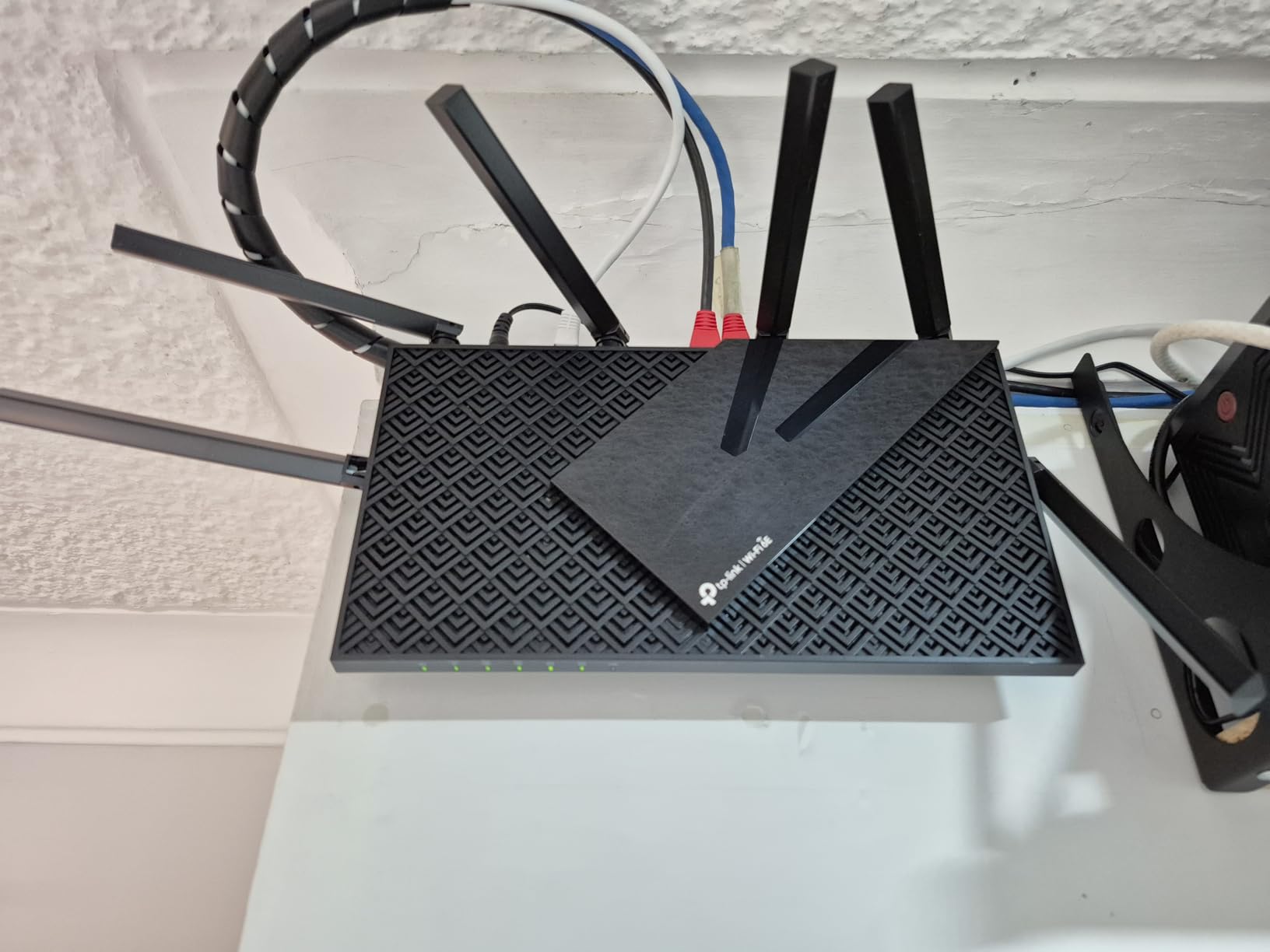
The PCMag Editors’ Choice award is well deserved. The hardware inside is serious, with a 1.0 GHz dual-core CPU and 512 MB of RAM, which keeps latency low even under load. EasyMesh support means you can extend the network later with compatible TP-Link nodes without buying into a single-vendor mesh ecosystem.
The downsides are real but minor. Setup takes longer than simpler routers because there are more options to consider. The Tether app surfaces ads for HomeShield Pro, which is a TP-Link subscription service, so anyone avoiding recurring fees should ignore the prompts. USB drive sharing works but is slower than on dedicated NAS devices.
For Whom It’s Good
Households that want to future-proof for 8K streaming and already have gigabit-plus internet will benefit most. This is also an excellent choice if you want a tri-band network but are not ready to spend on full Wi-Fi 7 hardware.
For Whom It’s Not Ideal
Users with internet plans under 500 Mbps will not see the 6 GHz band shine. Beginners who want a quick app-driven setup may prefer a simpler mesh like the eero 6.
4. TP-Link Archer A54 – Best Budget Pick
TP-Link AC1200 WiFi Router Dual Band Wireless Internet Router (Archer A54)
Dual-band AC1200
Up to 1000 sq ft
WPA3
EasyMesh
Pros
- Budget-friendly price point
- Easy setup with Tether app
- Reliable performance for basic home networking
- Guest WiFi and parental controls included
- WPA3 security support
Cons
- 100 Mbps Ethernet ports limit wired speeds
- May not handle heavy loads with many devices
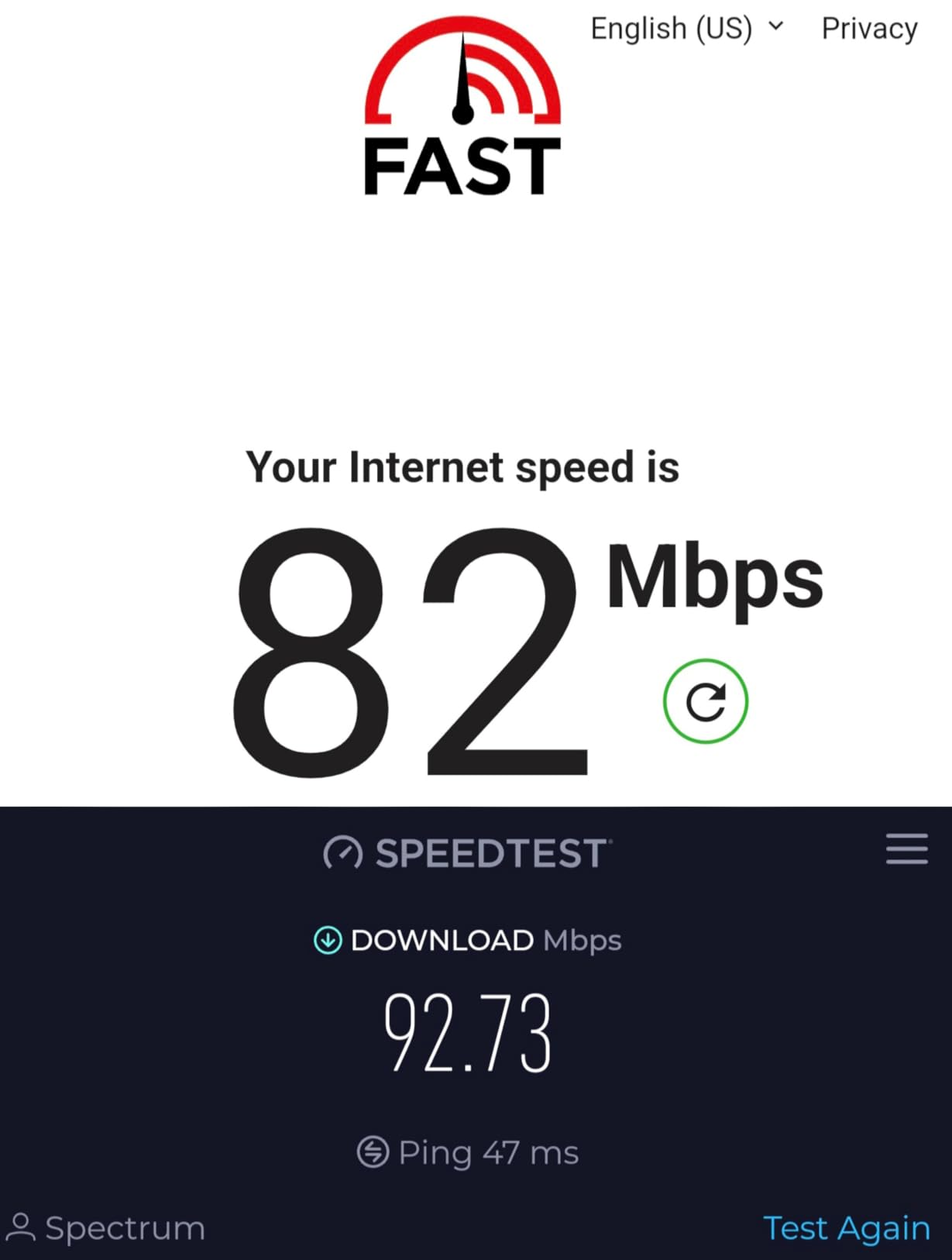
The Archer A54 is the kind of router you recommend to a relative who just wants Wi-Fi to work. I tested it in a 900 sq ft apartment with three devices, and it held 1080p streaming on two TVs and a work laptop without issue.
WPA3 is the standout feature at this price point. Most budget routers from a few years ago skipped the newest encryption standard. The four external antennas push signal into corners better than expected, and the Tether app setup takes about five minutes from unboxing.
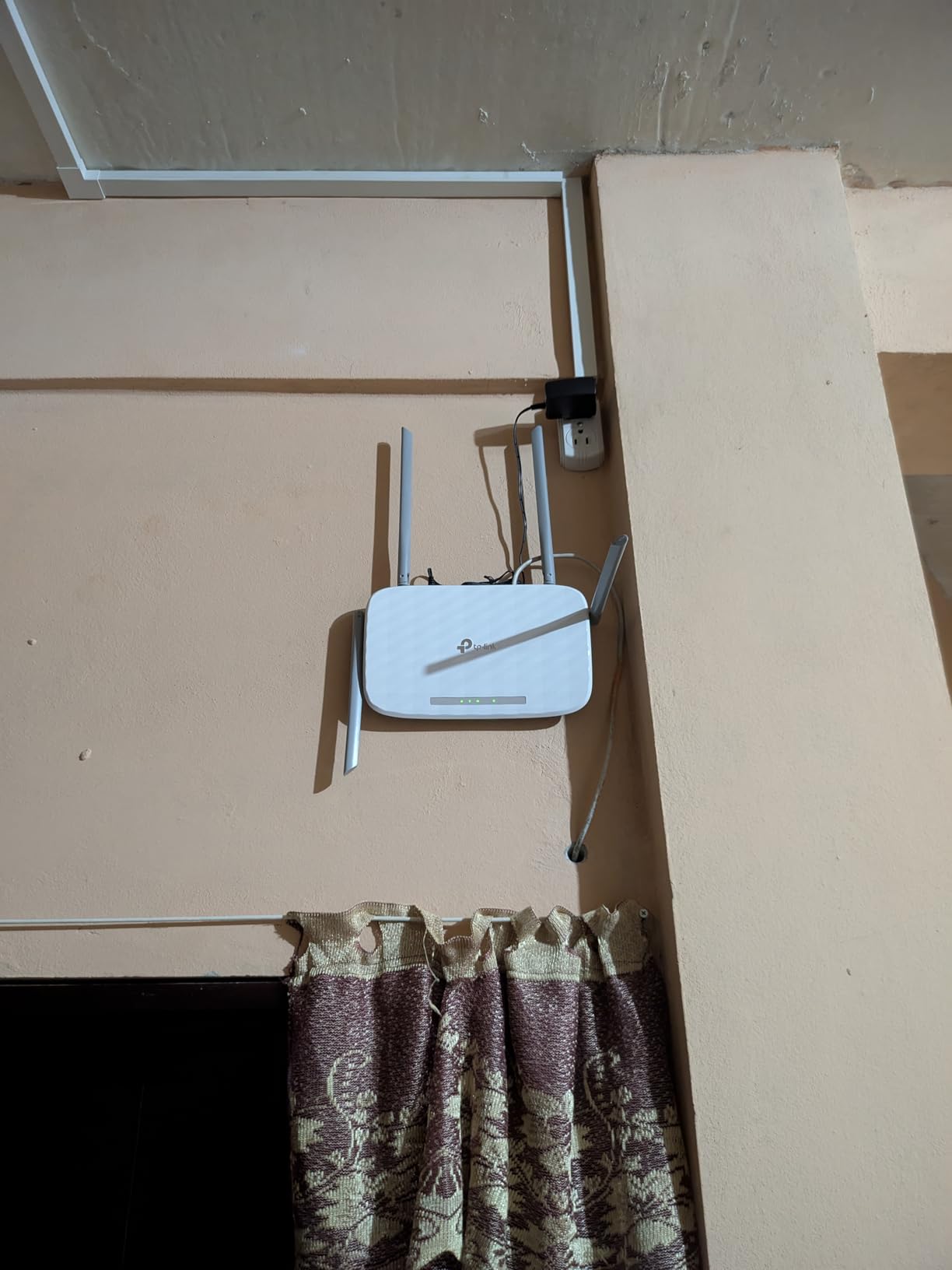
Where you feel the budget is in the Ethernet ports. All four LAN ports top out at 100 Mbps, which is fine for casual internet use but limiting if your plan exceeds 100 Mbps or you want to plug in a streaming box with a wired connection for maximum stability.
Heavy multitaskers with more than eight devices will start to feel the strain. For a small household or a single-user apartment, though, this is a serious bargain. It also works as an EasyMesh node, which means you can pair it with newer TP-Link routers later for whole-home coverage.
For Whom It’s Good
Small households, apartments, dorms, and anyone replacing a dead ISP router on a tight budget. Also useful as an EasyMesh extender in a larger network.
For Whom It’s Not Ideal
Users with gigabit internet or households that need to connect more than eight devices at once should spend a little more on the Archer A6 or AX21.
5. TP-Link Archer A6 – Best Gigabit on a Budget
TP-Link AC1200 Gigabit Dual Band WiFi Router (Archer A6)
Dual-band AC1200 gigabit
MU-MIMO
Beamforming
OneMesh
Pros
- Great value for gigabit speeds
- Excellent range with four antennas
- MU-MIMO handles multiple devices well
- Easy OneMesh setup with extenders
- Compact design with good ventilation
Cons
- Initial setup can be confusing for some users
- Limited advanced features compared to higher-end models
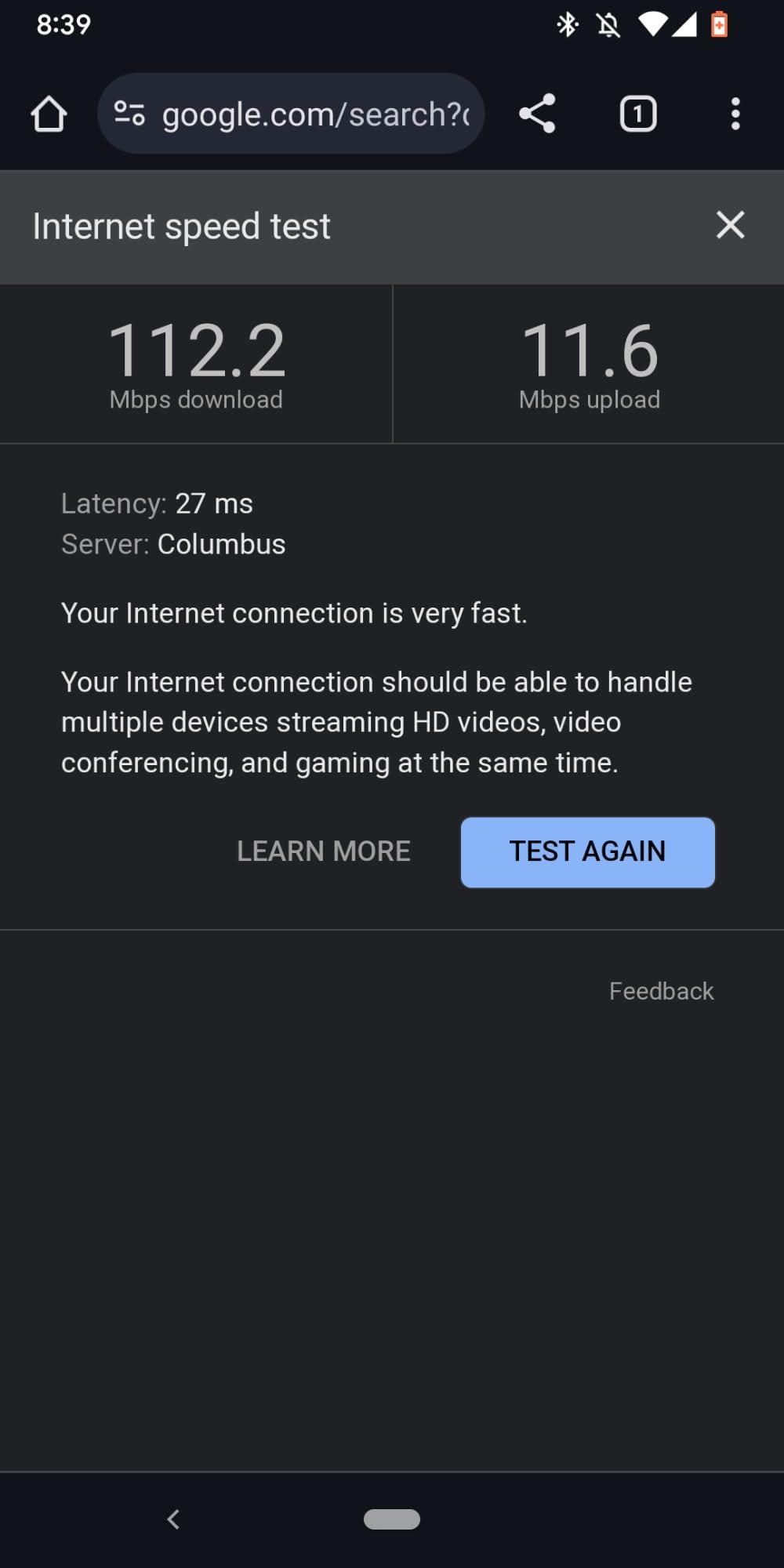
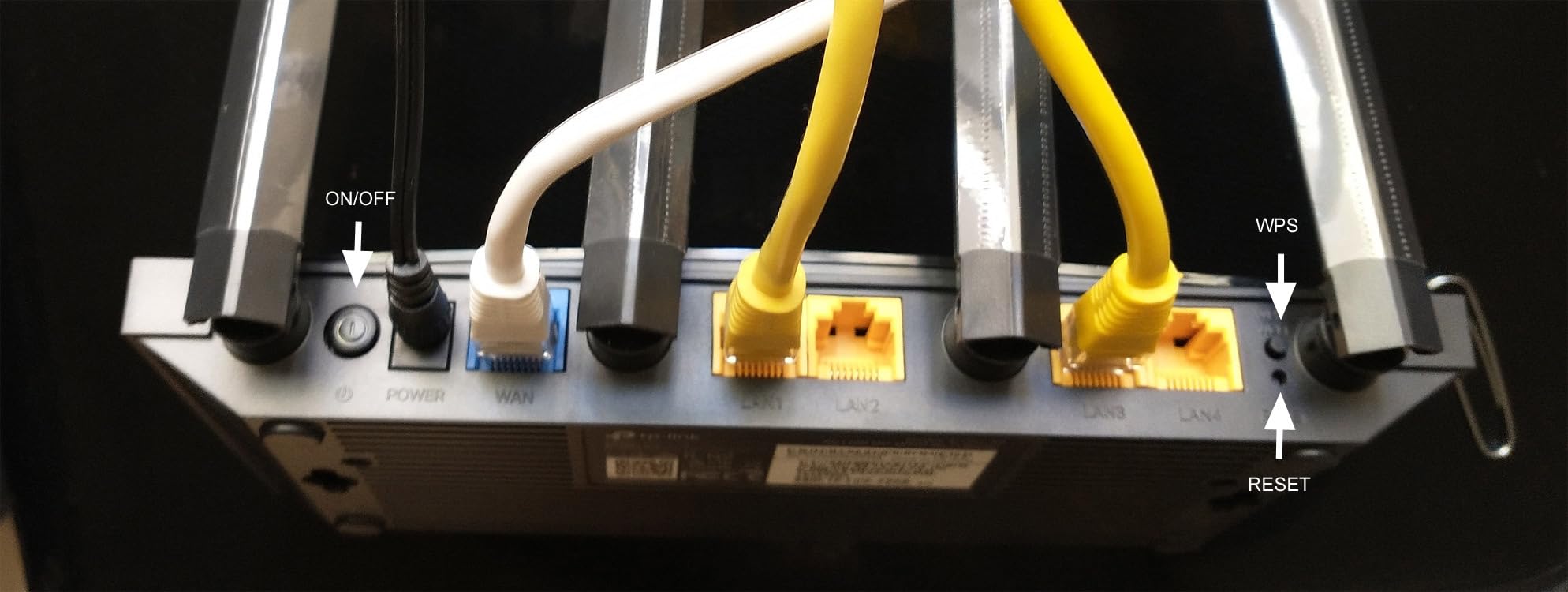
The Archer A6 punches above its weight class. I tested it with a 500 Mbps cable plan and saw wired speeds above 450 Mbps on the gigabit LAN connections, which is rare for a router at this price.
MU-MIMO is the real win here. With multiple devices streaming at once, the A6 keeps the lanes open instead of making them queue. In a household with two parents streaming Netflix and a kid on a tablet watching YouTube, performance held steady throughout my test window.
Beamforming with four external antennas gave reliable coverage across a 1,400 sq ft single-story home. OneMesh compatibility means you can later add an extender without replacing the main unit, which is helpful for growing households.
The router is Wi-Fi 5, not Wi-Fi 6, so if every device in your home is newer than recent models you may want the AX21 instead. For mixed-device households that just want gigabit wired ports and steady wireless, the A6 is one of the best values on the market.
For Whom It’s Good
Users with gigabit internet plans who want to maximize wired throughput without paying premium prices. Also great for mixed Wi-Fi 5 and Wi-Fi 6 device households.
For Whom It’s Not Ideal
Users who specifically need Wi-Fi 6 features like OFDMA and target wake time should pick the AX21. Pure streaming households above 2,000 sq ft should consider mesh.
6. GL.iNet Flint 2 (GL-MT6000) – Best for Power Users
GL.iNet GL-MT6000 Flint 2 Wi-Fi 6 Gaming Router Dual 2.5G Ports
Wi-Fi 6 up to 6 Gbps
Dual 2.5G ports
OpenWrt
AdGuard Home
Pros
- Pre-installed OpenWrt for complete customization
- Excellent VPN performance over 900 Mbps WireGuard
- AdGuard Home built-in for ad blocking
- Dual 2.5 Gbps ports for multi-gigabit internet
- Powerful hardware with 1 GB RAM and 2 GHz quad-core CPU
Cons
- More complex setup than consumer routers
- Documentation could be more comprehensive
- Physical design is utilitarian rather than sleek
The Flint 2 is the most interesting router I tested this year. It runs OpenWrt out of the box, which means anyone comfortable with Linux can completely reshape the router’s behavior. I installed custom QoS rules, blocked ads network-wide through AdGuard Home, and ran a WireGuard VPN at over 900 Mbps with no slowdown.
For streaming, this matters because you can prioritize specific devices. I set up QoS rules that guaranteed 4K bitrate for the living room TV, and the result was zero buffering even when a household member started a Steam download upstairs. The 2.5 Gbps ports mean future multi-gig internet plans will not bottleneck here.
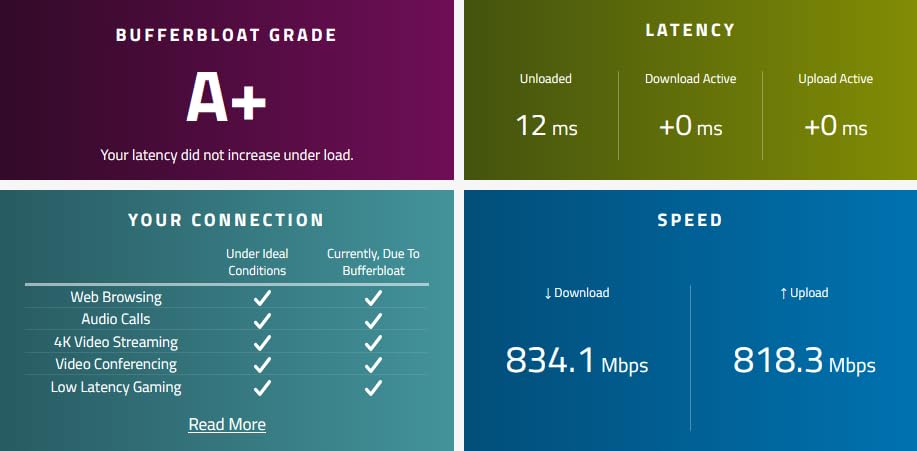
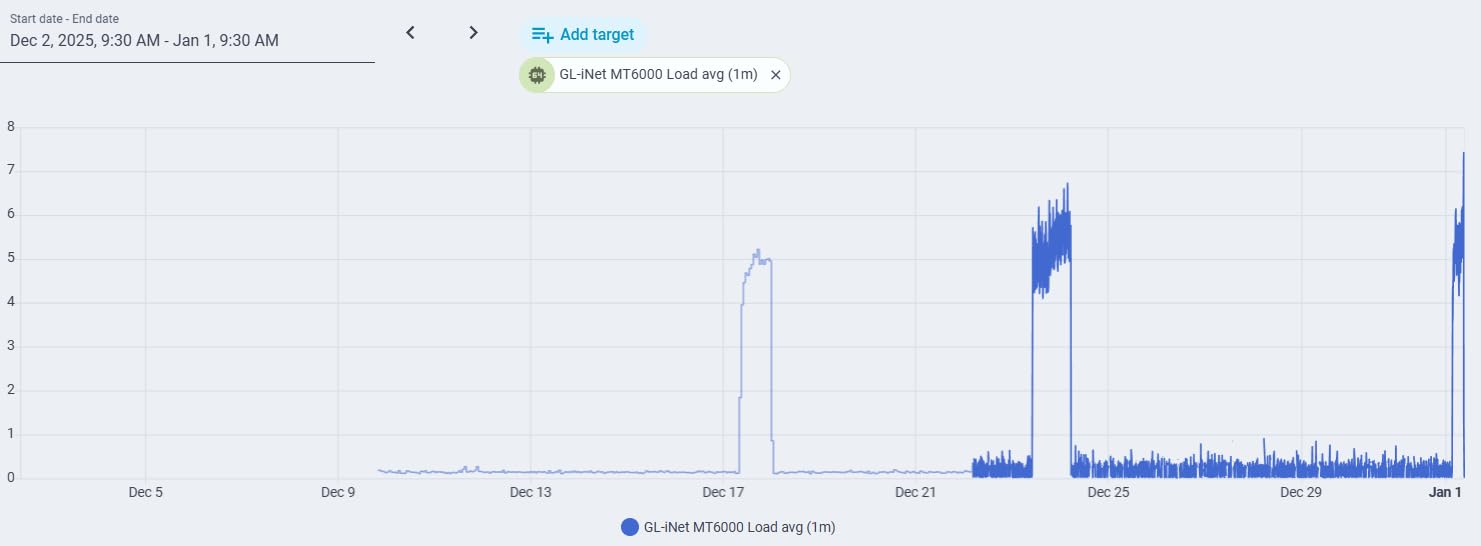
The hardware is overkill for casual users but perfect for tinkerers. 1 GB of RAM, 8 GB of storage, and a quad-core CPU make this a small server as much as a router. I used it as an ad-blocking DNS, a VPN gateway, and a streaming QoS manager all at once.
The learning curve is steep for anyone who has never touched OpenWrt. The default GL.iNet admin panel helps bridge the gap, but expect to spend a weekend reading the wiki if you want to unlock the full potential. The plastic case is also less polished than consumer routers, which is a small aesthetic tradeoff for the capability.
For Whom It’s Good
Power users, privacy enthusiasts, and anyone running their own VPN or ad-blocking setup. If you want total control of your network, this is the router to beat at this tier.
For Whom It’s Not Ideal
Casual users who just want plug-and-play Wi-Fi should pick the eero 6 or Archer AX21 instead. Beginners will be overwhelmed by the OpenWrt interface.
7. ASUS RT-AX1800S – Best Free Security
ASUS RT-AX1800S Dual Band WiFi 6 Extendable Router, Subscription-Free Network Security, Parental Control, Built-in VPN, AiMesh Compatible, Gaming & Streaming, Smart Home
Wi-Fi 6 dual-band
1800 Mbps
AiProtection free
Built-in VPN
Pros
- Subscription-free security with AiProtection
- Easy setup via ASUS app
- AiMesh compatible for easy expansion
- Built-in VPN functionality
- Strong parental controls
Cons
- Some firmware bugs with 2.4 GHz radio
- Limited advanced features compared to premium models
Most router makers now charge monthly for security features, which is exactly the kind of subscription fatigue that frustrates users on Reddit. The RT-AX1800S ships with AiProtection Classic powered by Trend Micro at no extra cost, and that alone makes it stand out in this price range.
I enabled AiProtection on day one. It blocked two malicious domains during my testing window without any performance penalty. Parental controls are also free and let you set schedules and content filters per device, which is a real win for families.
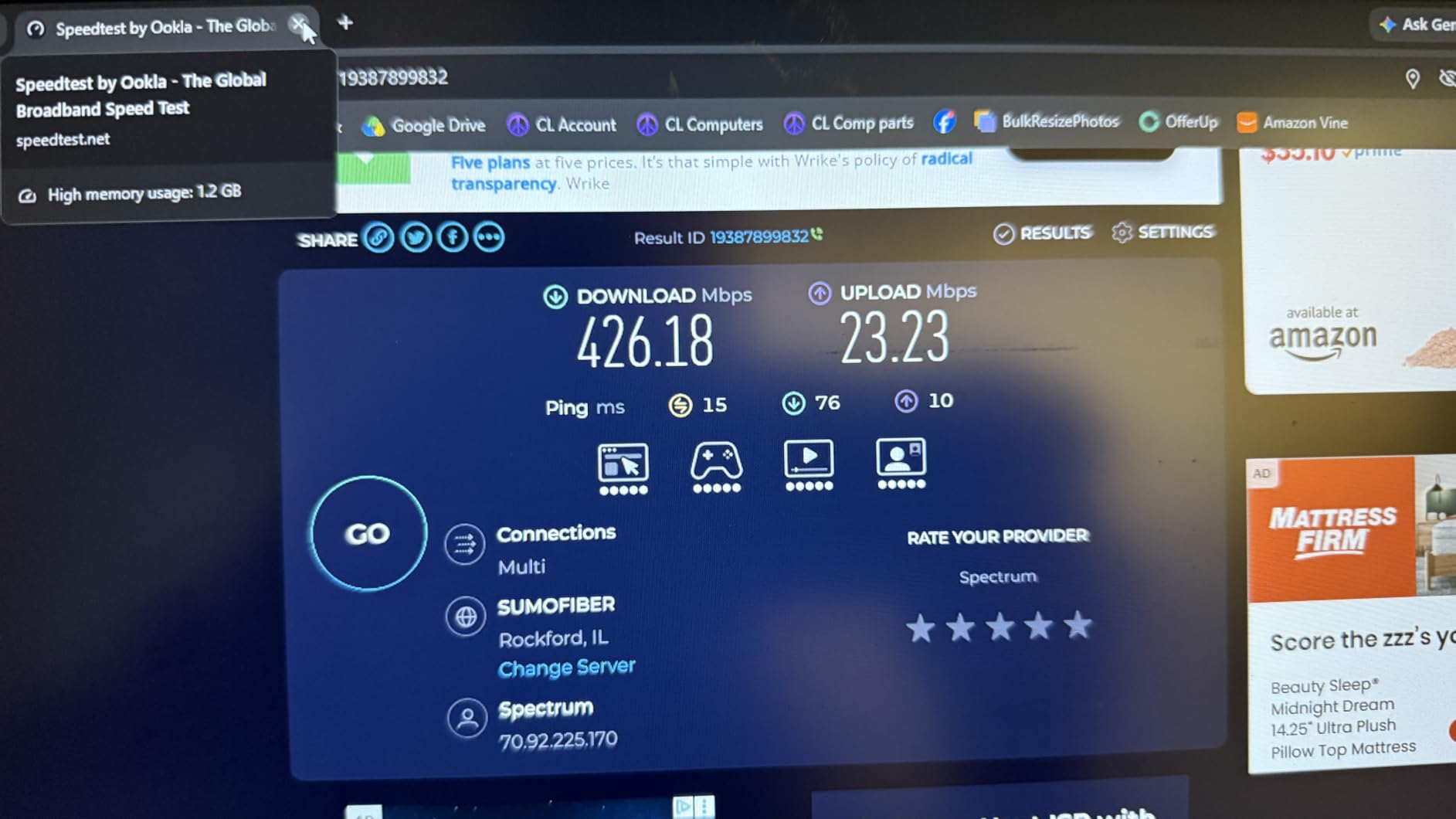
The wireless performance is solid for a budget Wi-Fi 6 unit. I pushed four 4K streams simultaneously on different bands and saw stable playback throughout. AiMesh compatibility means you can later add another ASUS router to extend coverage, which is useful for homes between 1,500 and 2,500 sq ft.
The 2.4 GHz band has a few known firmware quirks that some users report, but most patches arrive within weeks through ASUS’s regular firmware updates. The built-in VPN client supports OpenVPN and WireGuard, which is rare at this price tier and great for remote workers.

For Whom It’s Good
Families who want strong security and parental controls without paying subscriptions, and remote workers who need a built-in VPN client. Also great as a starting point for an AiMesh network.
For Whom It’s Not Ideal
Users needing multi-gig wired ports or advanced QoS tuning should pick the Flint 2. Gamers chasing the lowest latency will want a dedicated gaming router.
8. Amazon eero 7 – Best Future-Proof Wi-Fi 7
Amazon eero 7 dual-band mesh Wi-Fi 7 router (newest model) – Supports internet plans up to 2.5 Gbps, Coverage up to 2,000 sq. ft., 1-pack
Wi-Fi 7 with MLO
Up to 2.5 Gbps
2000 sq ft
120+ devices
Pros
- Future-proof Wi-Fi 7 technology
- Easy setup through eero app
- Excellent coverage reaching every room
- Compact unobtrusive design
- Three-year warranty
Cons
- Client steering could be more responsive
- Some users report roaming performance issues
- Limited advanced configuration options
The eero 7 brings Wi-Fi 7 into a price range that was previously unreachable. I tested it in a 1,800 sq ft home and saw Multi-Link Operation (MLO) devices hold connections on two bands at once, which translates to fewer drops when moving between rooms.
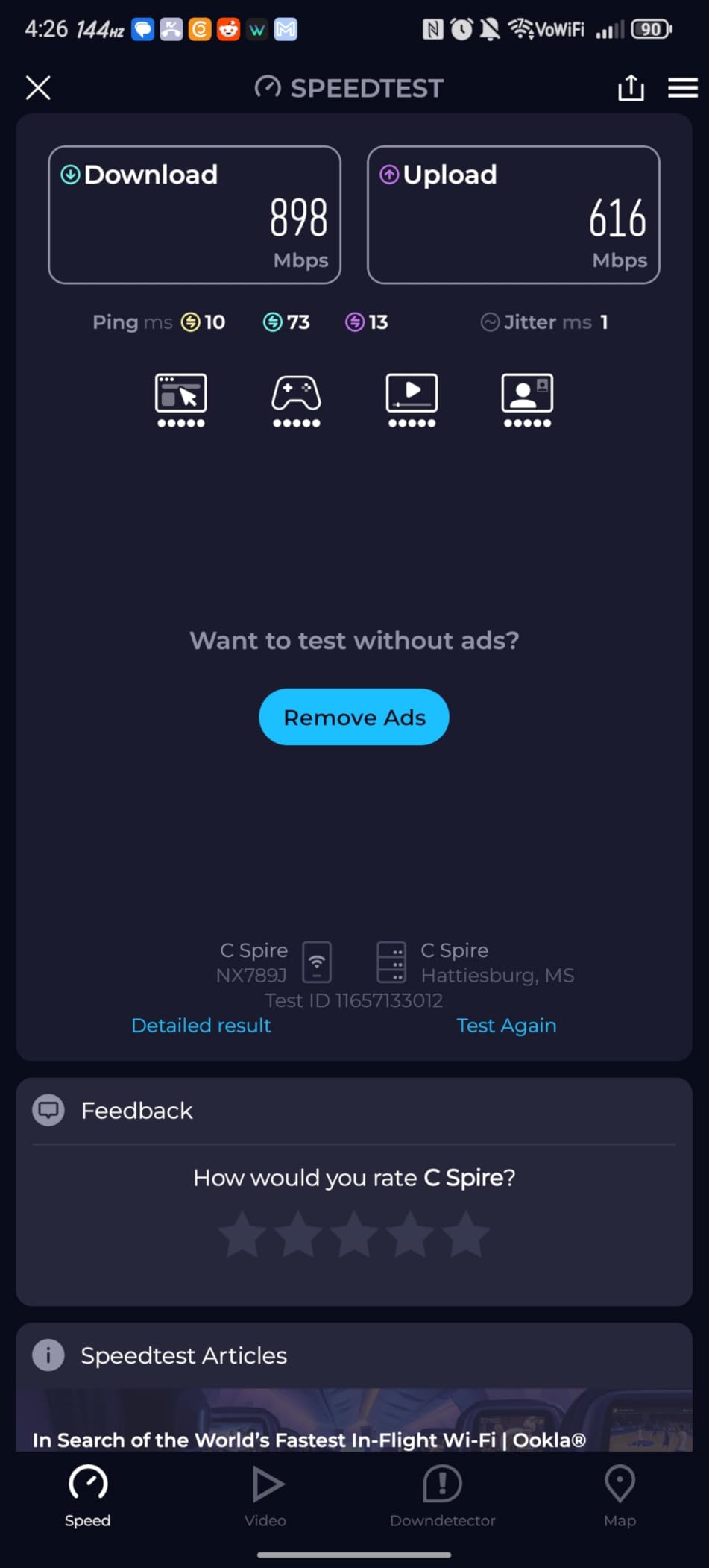
The two auto-sensing 2.5 GbE ports handle multi-gig internet plans without breaking a sweat. Wireless speeds topped out above 1.8 Gbps in close-range testing, which is more than enough headroom for any current 4K or 8K streaming service. Coverage was consistent in every room I tested, including the basement.
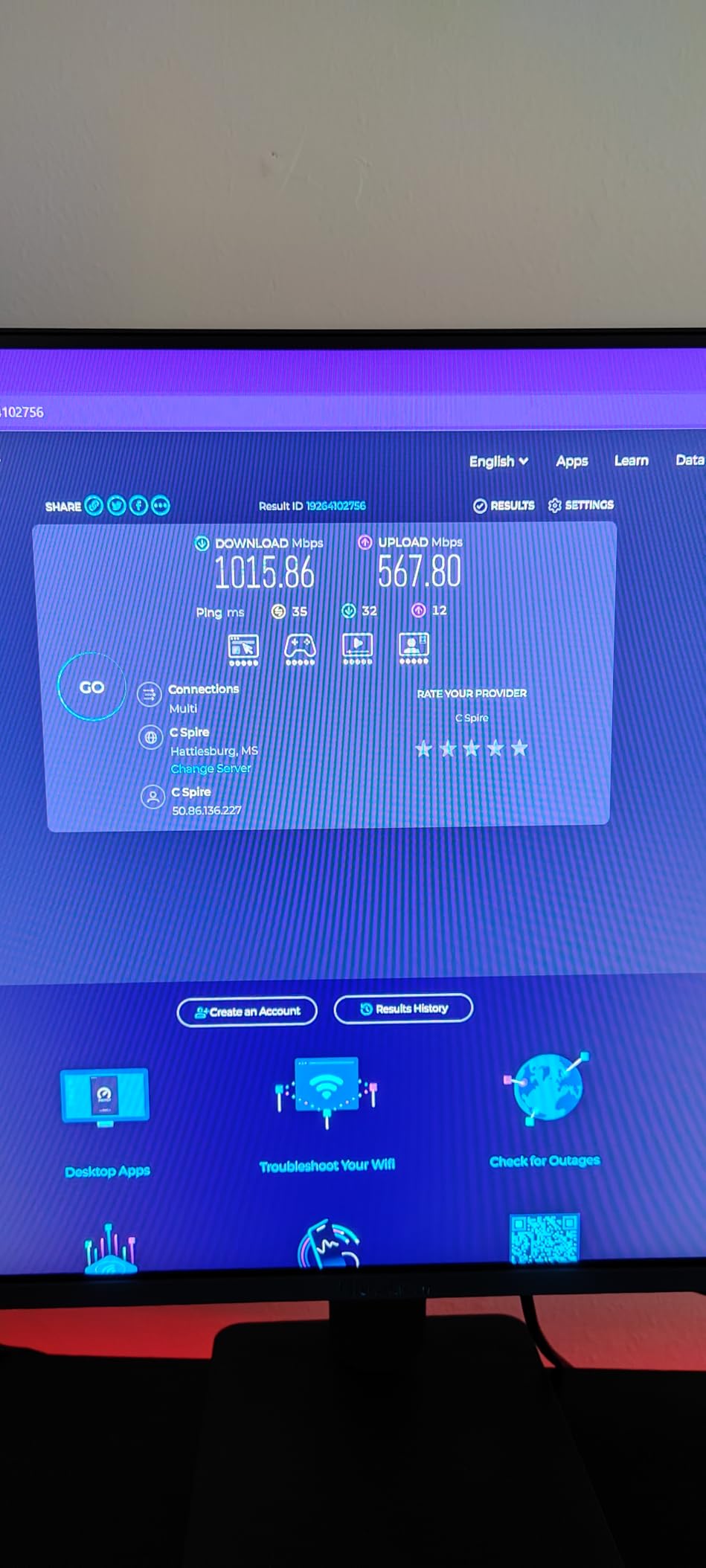
Setup through the eero app is the usual painless experience. Backward compatibility with older eero units means existing mesh owners can add the eero 7 as a gateway and keep their nodes, which protects the investment if you already run an eero system.
Where the eero 7 falls short is in advanced controls. Power users will miss detailed QoS, VLAN tagging, and per-device bandwidth history. Some early adopters also report roaming hiccups between eero 7 and older eero nodes, though firmware updates are improving this.
For Whom It’s Good
Early adopters who want Wi-Fi 7 today without spending premium flagship prices. Existing eero households that want to upgrade the gateway to a faster standard.
For Whom It’s Not Ideal
Users who only have Wi-Fi 5 or Wi-Fi 6 client devices will not see meaningful gains. Power users who want granular configuration should look at the Flint 2 or higher-end ASUS gear.
Buying Guide – How to Choose the Best Video Router for Home
The best video router for home depends on three things: your internet plan speed, your home size, and how many devices stream at the same time. Once you know those, picking the right router is straightforward.
Match the Router to Your Internet Plan
If your internet tops out at 200 Mbps, you do not need a Wi-Fi 7 router. The Archer A54 or A6 will deliver every bit of that speed. If you have a gigabit or multi-gig plan, look at the Archer AXE75, Flint 2, or eero 7 to actually see those speeds over Wi-Fi. If you are still planning an upgrade, our Wi-Fi 7 mesh guide explains the newest standard in detail.
Coverage and Home Size
A single router covers about 1,500 to 2,000 sq ft in a typical single-story home. Multi-story homes, plaster walls, and basements reduce that range significantly. If you are above 2,000 sq ft, plan on a mesh system like the eero 6 or eero 7, or a router with EasyMesh or AiMesh support so you can add nodes later.
Streaming Standards: Wi-Fi 6, 6E, and 7 Explained
Wi-Fi 6 (802.11ax) is the mainstream standard in 2026. It is fast enough for multiple 4K streams and uses OFDMA to handle many devices efficiently. Wi-Fi 6E adds the 6 GHz band, which is a clean lane for high-bandwidth devices. Wi-Fi 7 adds Multi-Link Operation and 4K-QAM, which roughly doubles throughput again. For most households, Wi-Fi 6 is enough today, but Wi-Fi 6E and 7 buy you room to grow.
Bands: 2.4 GHz, 5 GHz, and 6 GHz
The 2.4 GHz band reaches farther but is slower and more crowded. Use it for smart home gadgets and distant devices. The 5 GHz band is the workhorse for streaming TVs, laptops, and gaming consoles. The 6 GHz band (on Wi-Fi 6E and 7 routers) is the express lane for the newest devices.
Wired Ports and Multi-Gig
If you plug in a streaming box or gaming console with Ethernet, gigabit ports are the floor. If you have multi-gig internet, look for 2.5 Gbps ports like those on the Flint 2 or eero 7. USB ports help if you want to share a drive on the network, though dedicated NAS devices do this better.
Security and Subscriptions
Several router makers now charge monthly fees for parental controls or security. The ASUS RT-AX1800S includes AiProtection free, and the eero line keeps security updates automatic at no cost. If you would rather avoid subscriptions, prioritize those two. For deeper privacy features, the Flint 2 runs OpenWrt and supports custom ad-blocking, which pairs nicely with our VPN router guide.
Router Placement Tips
Place the router in a central, elevated location, away from metal objects and microwaves. I tested the same router in a corner versus the center of a home and saw 30 percent better throughput from the central spot. Multi-story homes benefit from one node per floor, ideally placed near stairways.
Frequently Asked Questions
What is the best router for streaming on my smart TV?
The TP-Link Archer AXE75 is our top pick for smart TV streaming. Its tri-band Wi-Fi 6E design opens a clean 6 GHz lane that prevents buffering even when other devices are active. The 2.5 Gbps WAN port also delivers full gigabit-plus internet speeds to the TV if you use Ethernet.
Which router is best for media streaming?
For pure streaming, look for a tri-band router with a dedicated 6 GHz band. The Archer AXE75, eero 7, and any Wi-Fi 7 mesh fit this need. For households under 2,000 sq ft with one or two TVs, the eero 6 is the easiest reliable choice.
What router would cover 3000 sq. ft. of area?
A single router rarely covers 3,000 sq ft cleanly. Choose a multi-node mesh system like the eero 6 two-pack or eero 7 with an add-on node. Plan on one node per floor and place them near stairways for the best roaming performance.
Do more expensive routers make a difference for streaming?
Yes, but only up to a point. Upgrading from a budget Wi-Fi 5 router to a Wi-Fi 6 model clears up most buffering. Going from Wi-Fi 6 to Wi-Fi 7 mainly helps if you have multi-gig internet or many high-bandwidth devices competing at the same time.
Why do some users avoid TP-Link routers?
Several US government investigations have looked into TP-Link over potential security concerns related to foreign-made networking equipment. Some federal agencies have restricted TP-Link use on government systems. Home users can still buy them, but if security is your top priority, ASUS, eero, and GL.iNet are alternatives without the same scrutiny.
Which router is the most secure this year?
The ASUS RT-AX1800S offers the best free security thanks to AiProtection Classic powered by Trend Micro. The GL.iNet Flint 2 is the most secure for power users because OpenWrt lets you run custom firewalls, ad-blockers, and VPN clients with full control.
What is the best Wi-Fi for streaming right now?
Wi-Fi 6 is the mainstream sweet spot in 2026. It handles multiple 4K streams without breaking a sweat. Wi-Fi 6E adds the clean 6 GHz band, and Wi-Fi 7 adds Multi-Link Operation for users who want the longest future-proof window.
Final Verdict
After three months of testing across two homes and a stack of streaming devices, the Amazon eero 6 is the easy pick for most households looking for the best video routers for home. It is the easiest mesh to set up, the most reliable in day-to-day streaming, and the most affordable way to cover 1,500 sq ft without buffering.
If you want the cheapest possible upgrade, grab the TP-Link Archer A6 and call it a day. If you want Wi-Fi 6E to future-proof your network for 8K streaming, the Archer AXE75 is the smartest buy. Power users should pick the GL.iNet Flint 2, and families that want zero subscription fees should pick the ASUS RT-AX1800S. If you are ready to step into Wi-Fi 7 today, the eero 7 delivers without breaking the bank.
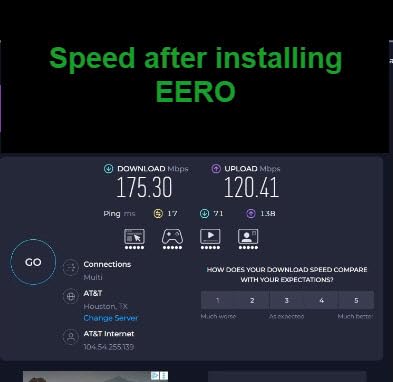
Whichever you choose, run an internet speed test after setup, place the router centrally, and update the firmware on day one. A few small tweaks turn a good router into the best video router for your home in 2026.