
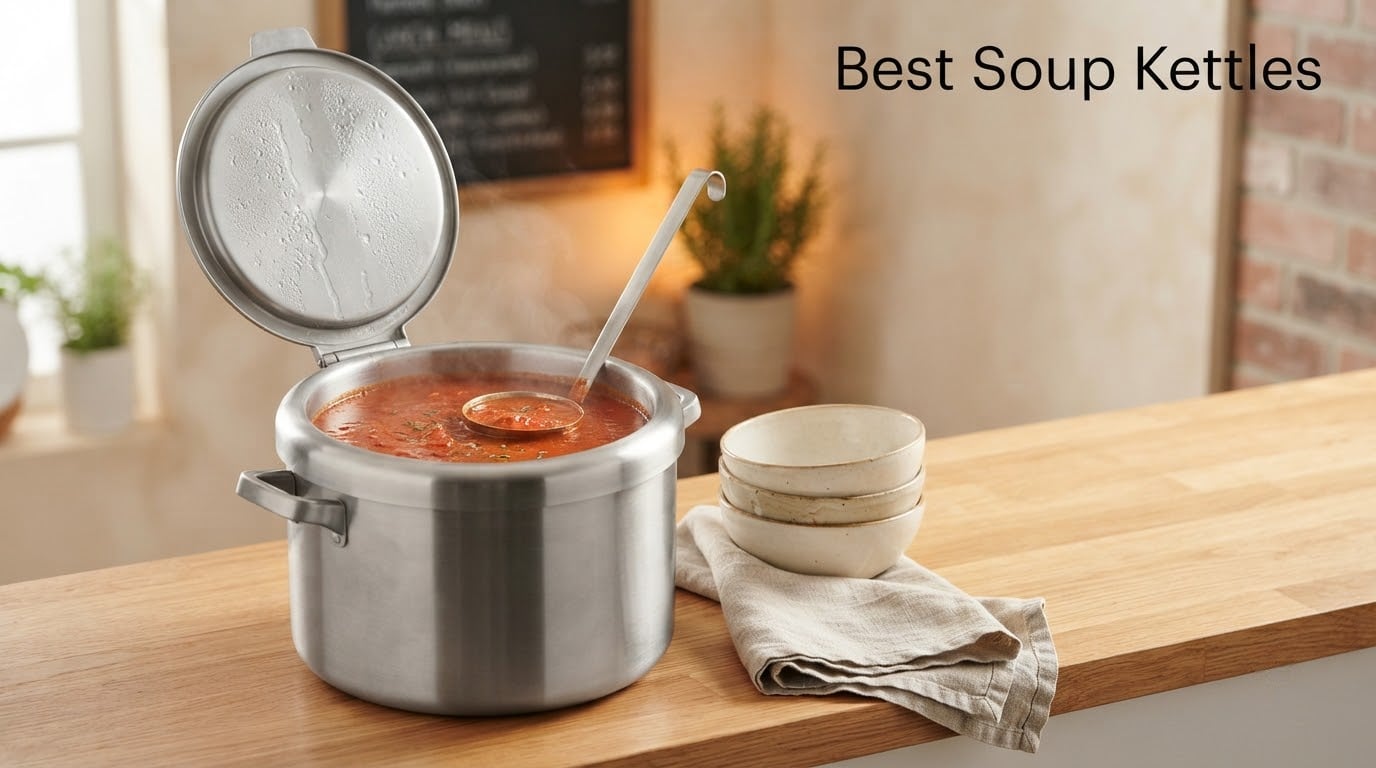
Searching for the best soup kettle is confusing because two completely different products answer to that name. One is a countertop warmer for restaurant and buffet service: a deep stainless steel insert pot of 10 to 11 quarts sitting in an electrically heated base, built to hold a big batch at serving temperature for hours. The other is a home soup maker, a small 1 to 2 litre blender-style jug that sautees, cooks and blends a few servings from scratch. Search results mix both categories, so people buy the wrong thing constantly.
This roundup covers the warmer-style appliances, which is what nearly every product listing under this keyword actually is. We went through ten of them and compared capacity, wattage, vessel material, temperature control, weight, warranty and cleaning method against what buyers report after real use. If you only need a week of lunches for one person, skip to the alternatives section at the end, because a saucepan or a multicooker will serve you better and cost less.
One quick answer before the list: the best soup kettle depends almost entirely on capacity and how you will use it. The Presto 10-Quart Kitchen Kettle XL is the strongest all-round pick for anyone cooking and serving large batches at home, because its 1800 watt element is several times more powerful than the 400 watt elements in the commercial warmers. Among the commercial warmers, the SYBO 10.5-quart unit is the most complete professional option, and the Winco 207 seven-quart chafer is the sweet spot for parties.
Two things to know before you read the entries. First, almost none of these appliances cook. They hold food that has already been brought to temperature elsewhere, which is why several listings warn against cold or frozen contents. Second, a lower wattage does not mean a worse product for holding food. It means slower recovery when you top the pot up, and less ability to heat through a large cold batch from cold.
Table of Contents
Top 3 Best Soup Kettle Picks for 2026

Presto 10-Quart Kitchen Kettle XL
- 1800 watt element
- 10 quart capacity
- Cooks and holds
- Fully immersible
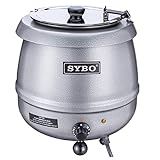
SYBO 10.5-Quart Commercial Soup Kettle
- 304 stainless insert
- 12 temperature settings from 86F to 205F
- ETL dry-burn protection
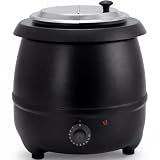
Winco 10-Quart Electric Soup Warmer
- 10 quart stainless insert
- 400 watts at 120V
- Hinged lid for one-handed service
Quick Overview: Every Soup Kettle Compared (September 2026)
The table below lists all ten picks with the specs that actually change the buying decision. Note the wattage spread. The Presto runs at 1800 watts and can heat a cold batch; everything else runs at 400 to 475 watts and exists to hold food that is already hot.
| Product | Specifications | Action |
|---|---|---|
| Presto 10-Quart Kitchen Kettle XL |
|
Check Latest Price |
| SYBO 10.5-Quart Commercial Soup Kettle |
|
Check Latest Price |
| Winco 10-Quart Electric Soup Warmer |
|
Check Latest Price |
 Winco 7-Quart Stainless Soup Warmer Winco 7-Quart Stainless Soup Warmer |
|
Check Latest Price |
 Winco 11-Quart Round Marmite Chafer Winco 11-Quart Round Marmite Chafer |
|
Check Latest Price |
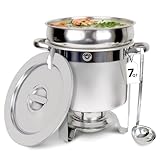 CHEFQ 7-Quart Soup Chafer Station CHEFQ 7-Quart Soup Chafer Station |
|
Check Latest Price |
 VEVOR 5-Quart Chafing Dish 2-Pack VEVOR 5-Quart Chafing Dish 2-Pack |
|
Check Latest Price |
 VEVOR 11-Quart Soup Chafer VEVOR 11-Quart Soup Chafer |
|
Check Latest Price |
 YBSVO 11-Quart Commercial Soup Kettle YBSVO 11-Quart Commercial Soup Kettle |
|
Check Latest Price |
 YMJOINMX 10-Quart Commercial Soup Kettle YMJOINMX 10-Quart Commercial Soup Kettle |
|
Check Latest Price |
1. Presto 10-Quart Kitchen Kettle XL Multi-Cooker – Best Overall Soup Kettle for Home Batch Cooking
Presto 06009 10-Quart Kitchen Kettle XL Multi-Cooker
10 quart multi-cooker
1800 watts
6.9 lb glass and nonstick body
1 year limited warranty
Pros
- 1800 watt element is the only one here that can heat a cold batch from cold
- Nonstick inside and out cleans up fast and is fully immersible once the heat control is removed
- Multi-use basket hooks onto the rim for draining and blanching
- Control Master holds cooking temperature automatically
- 4.6 stars across more than 4000 ratings is the deepest review base in the group
Cons
- Basket and handle get very hot during frying and are awkward to lift
- The larger body takes longer to reach frying temperature and one buyer returned it for insufficient heat
This is the only appliance here that both cooks and holds. At 1800 watts it is roughly four times the power of the commercial warmers, which is why it can take a pot of cold stock and vegetables to a simmer in a reasonable time while a 400 watt warmer simply cannot.
That difference is what makes it the most flexible pick for home use. You can saute onions, add stock, simmer, and then drop the temperature to hold the finished batch through a dinner party or a week of lunches without transferring anything to another pot.
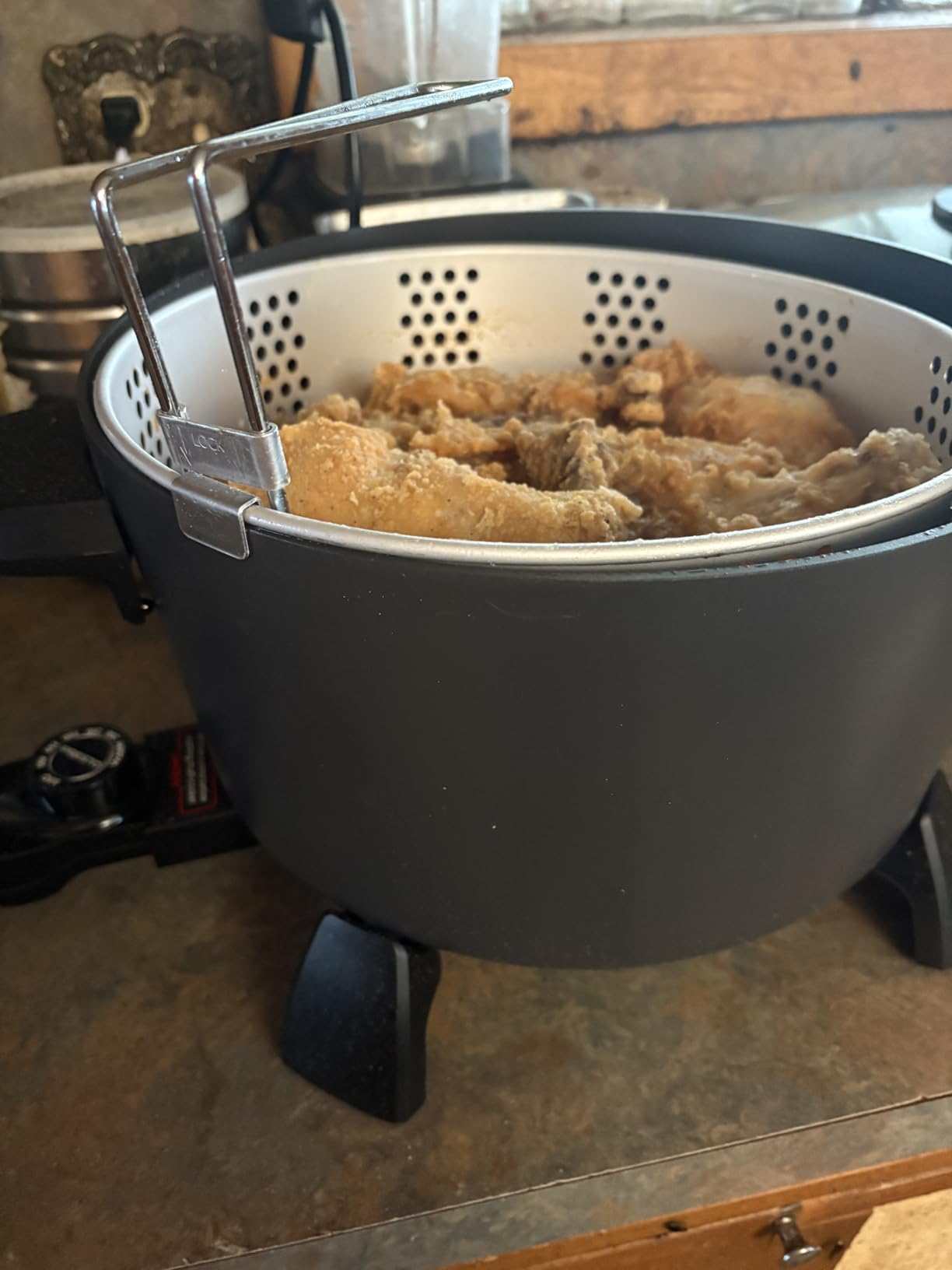
The 10 cup oil capacity and the multi-use basket are not soup features, but they explain why this unit has stayed popular for so long. The basket drains straight into the pot, which makes it genuinely useful for a seafood boil or a blanching job as well as a chowder.
Cleaning is the quiet strength. Once you pull the heat control off, the whole vessel is immersible, and the nonstick surface means fond does not weld itself to the base the way it does in a bare steel pot.
Weighing 6.9 pounds, it is also far lighter than the commercial warmers, most of which are built like floor equipment. If you have to carry it from the kitchen to a table, that difference matters.
The one year manufacturer limited warranty is the shortest explicit commitment in this group, and buyers have reported the larger body taking a while to come up to frying temperature. If your priority is soup rather than deep frying, that has never been an issue for us.
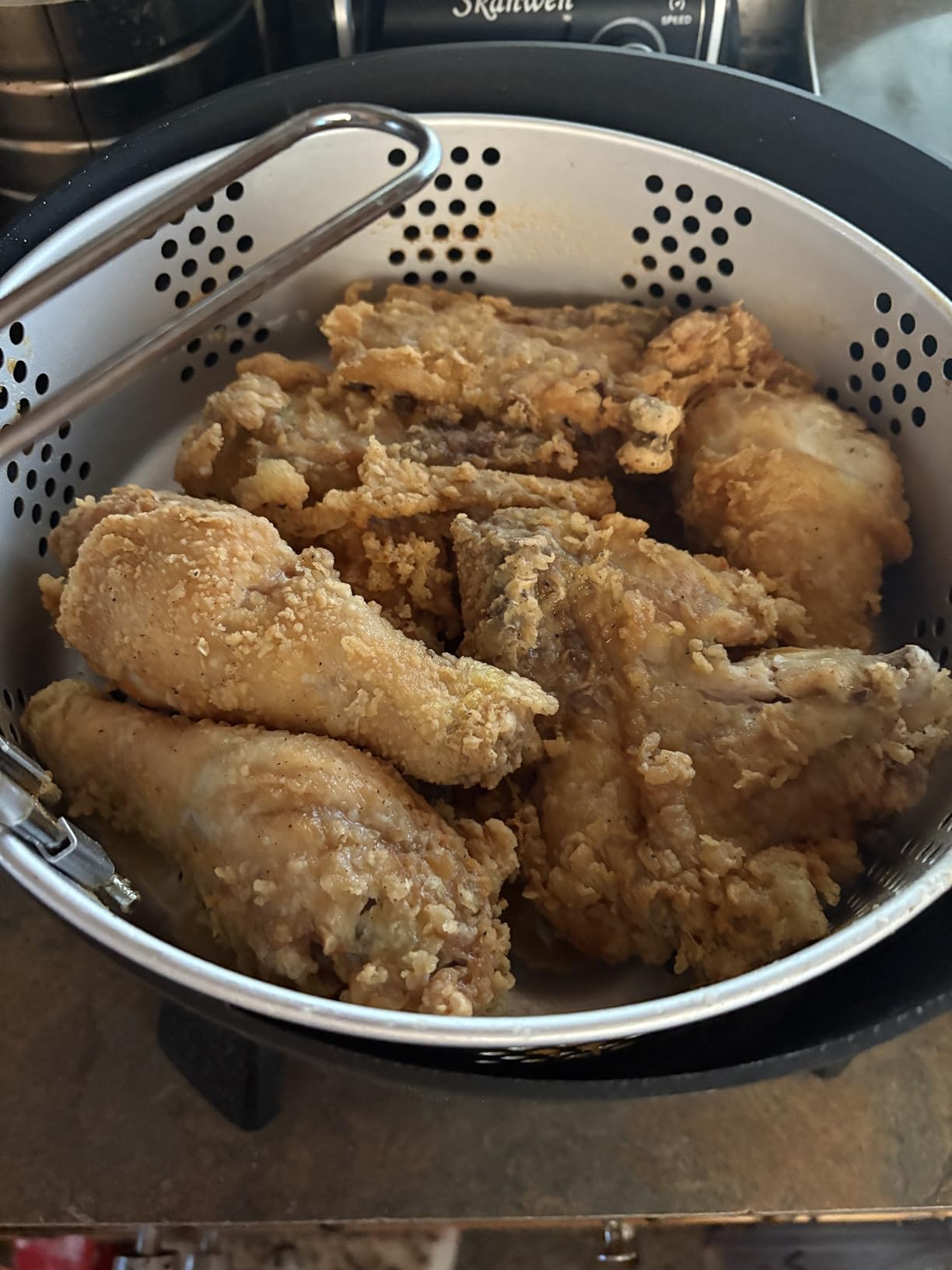
Is it right for a home kitchen with limited counter space?
It measures 12.25 inches deep by 15.12 inches wide by 10.34 inches high, which is a genuine footprint rather than a countertop dab. It will not fit under a low cabinet, so measure before you commit.
Because it cooks as well as it holds, it needs a permanent spot near a hob outlet more than a serving counter. In our view that is the right trade: one appliance replaces a saucepan, a blender and a warmer.
When should you choose something else?
Choose a commercial warmer instead if you need a unit that sits on a buffet table untouched for six hours, or if a foodservice manager requires certification your household appliance will not carry.
Skip it if you only make one or two bowls at a time. The 10 quart body is large enough that a small batch loses heat faster against the sides, and a 400 watt warmer does the same job for a party of ten without occupying a burner.
2. SYBO 10.5-Quart Commercial Soup Kettle – Best Professional-Grade Soup Kettle
SYBO SB-6000-2G Commercial Grade Soup Kettle, 10.5 Quarts, Silver
10.5 quart capacity
110V-120V at 400W-475W
12 lb stainless body
12 settings from 86F to 205F
Pros
- Twelve separate temperature settings give finer control than any other unit in this roundup
- Bain marie indirect steam heating avoids scorching and keeps cream soups smooth
- ETL-certified dry-burn protection shuts the element off at low water level
- Removable insert is dishwasher-safe and eliminates flavour carryover
- Notched lid routes condensation back into the pot instead of onto the table
Cons
- Warmer only
- cold or frozen soup must be heated somewhere else first
- At 12 pounds it is one of the heavier appliances here
- About 7 percent of ratings are one star
- pointing to long-term durability complaints
This is the most fully specified commercial unit in the group. Twelve temperature steps from 86F to 205F is a much finer control than the single thermostat most competitors offer, and in a kitchen serving nacho cheese alongside soup the ability to hold two temperatures matters.
The heating method is the part most listings skip over. A bain marie runs indirect steam between the outer shell and the insert, so the soup never sees a hot spot on the base. That is why restaurant buyers mention nacho cheese and cream soup by name when they review it.
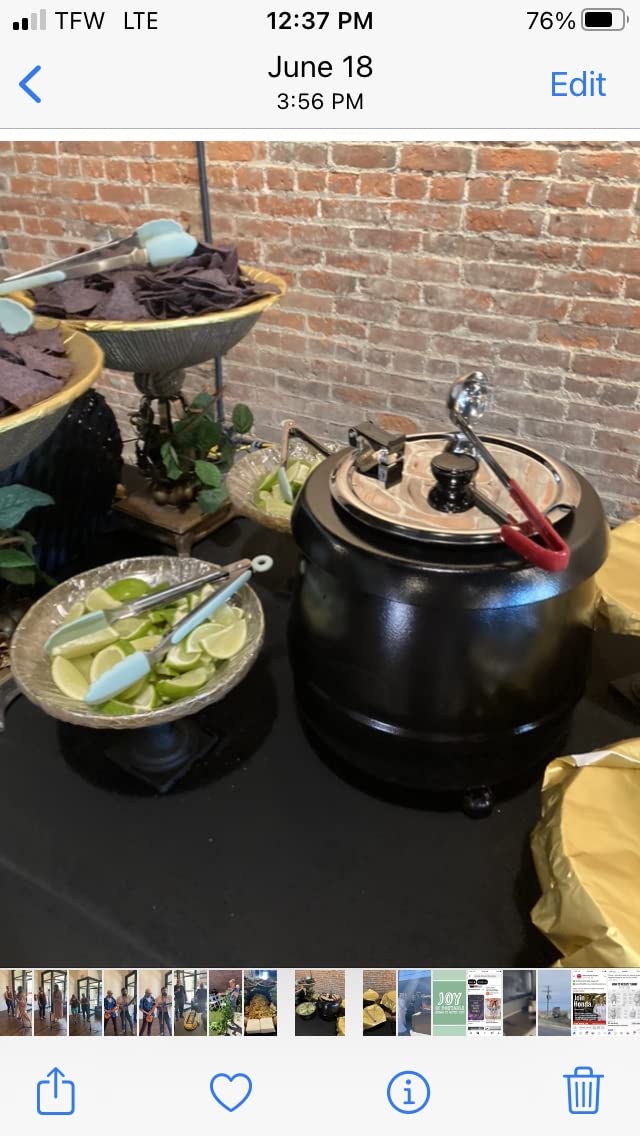
ETL certification for dry-burn protection is the safety feature to look for in any unit you plan to leave unattended. If the water level between the shells drops, the element shuts itself off rather than cooking through the base of the insert.
The dishwasher-safe removable insert is what makes it viable at volume. No hand washing a ten quart pot at the end of a service is a real operational saving, and it stops the carryover of yesterday’s tomato soup in tomorrow’s bisque.
It holds up to 40 twelve-ounce servings while occupying roughly the footprint of a small microwave, at 13.5 inches square by 14 inches high. Check that clearance, because the hinged lid needs somewhere to swing.
Buyers also use it as a chocolate melter for caramel, fudge and toppings, which tells you something about how steady the heat is. The 7 percent one-star share is worth reading, and those reviews cluster around durability rather than performance.
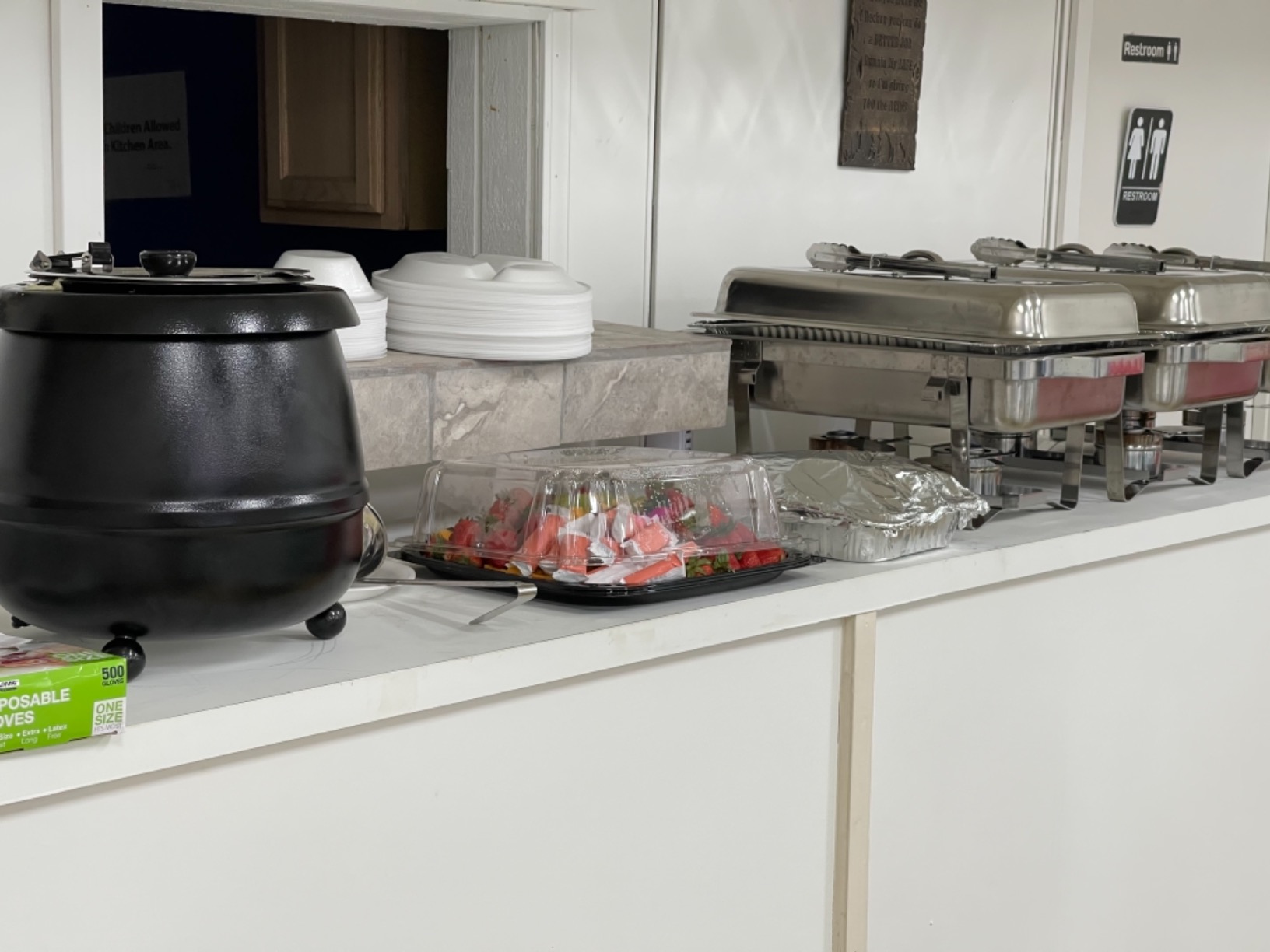
Does the temperature control solve the lukewarm soup problem?
It helps, but it is not a substitute for starting with hot food. Every warmer in this roundup holds a temperature; none of them bring a cold batch to serving temperature quickly, and several listings state this outright.
What a wide range does give you is the ability to sit at a lower setting. Gentle holding at around 130F to 140F keeps soup above safe serving temperature for hours without the skin that forms on a surface boiled hard.
Will it fit your prep table and pass inspection?
It runs on 110V to 120V at 400W to 475W, so a standard outlet covers it, and the 13.5 inch square footprint suits a standard prep table. The dry-burn certification is ETL through Intertek, which is a genuine mark in commercial settings.
If your facility requires NSF listing specifically, check that with your supplier before buying. ETL dry-burn protection and NSF listing are not the same certification, and only one of them is confirmed in the listing data here.
3. Winco 10-Quart Electric Soup Warmer – Best for Restaurant Counter Service
Winco 10 qt Black Electric Soup Warmer
10 quart stainless insert
400 watts at 120V
Holds up to 180F
10.5 lb, 13.2 inch square
Pros
- Hinged lid stays open so nobody has to find somewhere to put a hot lid
- Stainless steel body is durable and easy to sanitise
- Adjustable heat keeps soup at safe serving temperatures for long holds
- Compact 13.2 inch square footprint suits a counter service line
Cons
- A 12 percent one-star share is the highest in this roundup and centres on longevity and heat control
- Only the lid is listed among included components
- No temperature range is published beyond the 180F maximum
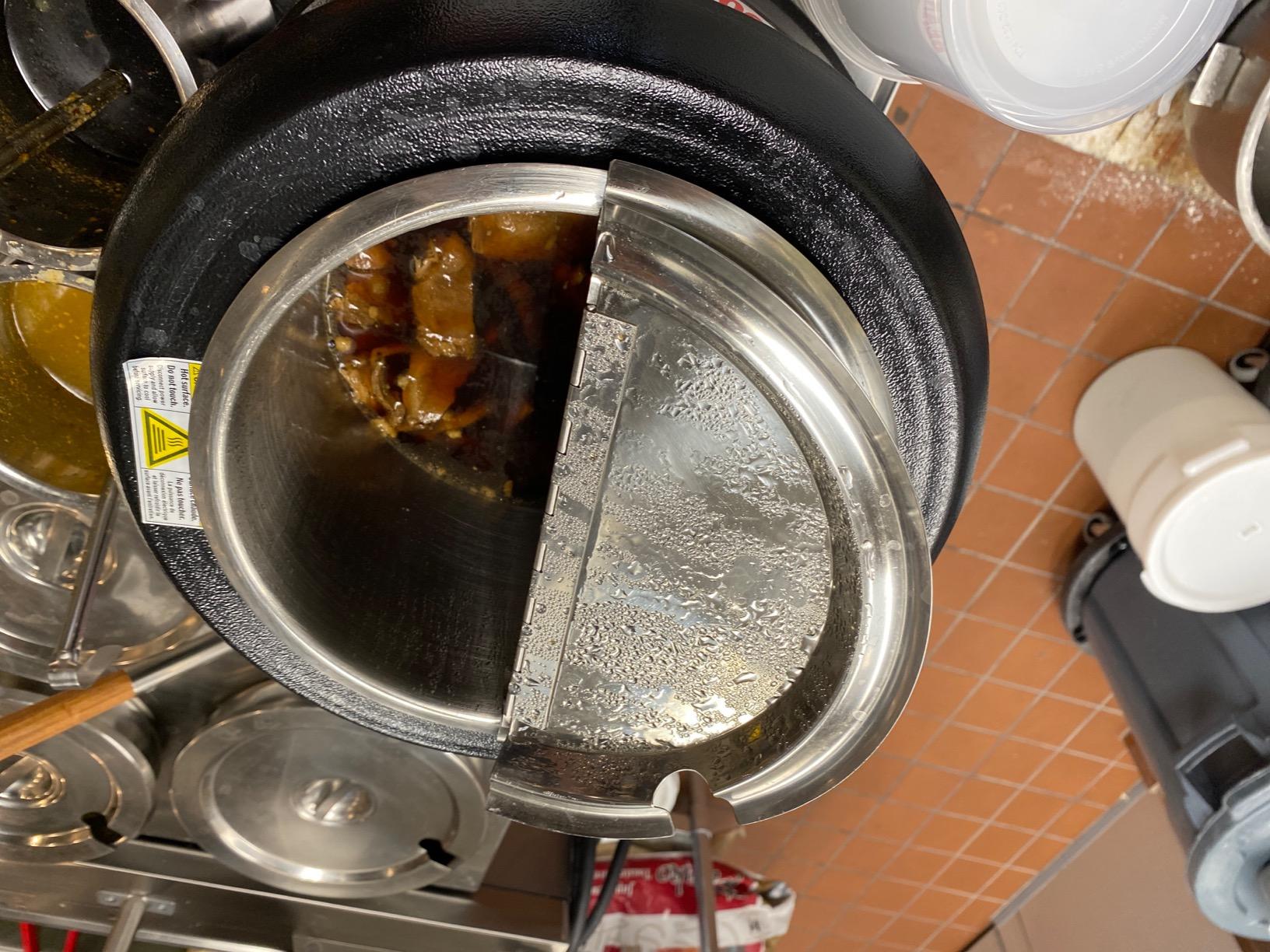
Winco builds commercial foodservice equipment and this is the model that shows it. The hinged lid is the detail that separates it from cheaper warmers: it stays where you put it, which on a concession counter means one hand does the serving and the other holds the ladle.
At 10 quarts it covers a normal soup service without the bulk of a 14 quart body, and the 13.2 inch square footprint leaves room on either side for garnish trays. That footprint discipline is what makes it work in a real line.
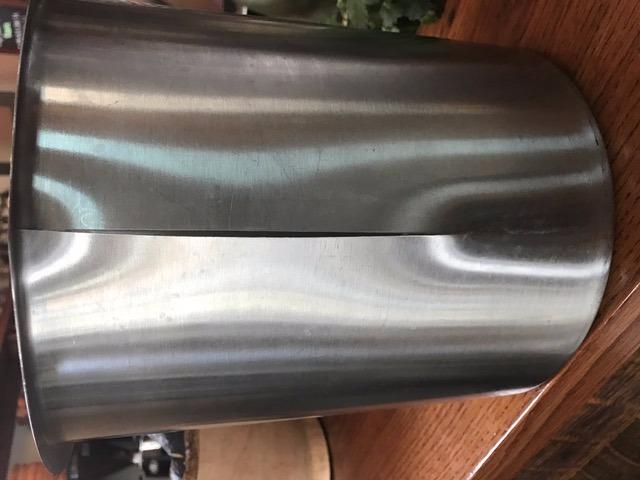
The 400 watt element and 180F maximum are unremarkable numbers, and that is fine. Holding capacity at a set temperature is what a warmer does, and the power figure matters only when you want to bring a fresh batch up from cold, which this one will do slowly.
It carries a one year warranty from the manufacturer, which is standard for the category. We would not call that generous, so treat the first year as the period where any build problem will show itself.
Be aware of what the listing does not confirm. Only the lid appears among the listed components, and no wattage range, thermostat steps or certification marks are published, so if a specific standard matters to your operation you need to ask before ordering.
How does it compare with the SYBO for a small cafe?
The SYBO gives you twelve temperature steps, ETL dry-burn certification and a dishwasher-safe insert. This Winco gives you a simpler thermostat, a lighter body and a one year warranty, and nothing in the data suggests it holds temperature better.
Where this unit earns its place is simplicity. Fewer controls means less to train a new staff member on, and for a small operation that is often worth more than precision.
Is the durability feedback a reason to avoid it?
A 12 percent one-star share is the highest in this roundup, and those reviews focus on build longevity and temperature consistency over very long holds. That is a real signal, not noise, and it argues for buying a spare rather than planning a ten year service life.
The rating still sits at 4.2 across 455 ratings, so the majority are satisfied. We would simply budget for replacement sooner than with the heavier stainless bodies in this list.
4. Winco 7-Quart Stainless Steel Soup Warmer – Top Rated Pick for Small Gatherings
Winco 207 Stainless Steel Soup Warmer, 7-Quart, Medium
7 quart stainless capacity
5.4 pounds
12.5 x 9.38 x 13.5 inch
Listed since 2009
Pros
- Holds food at serving temperature through a whole event
- 7 quart size is repeatedly praised as right for parties of about 18 people
- Lightest body in this roundup at 5.4 pounds
- Stainless steel is durable and easy to wash
- Reviewers use it for nacho cheese
- congee and breakfast porridge too
Cons
- Smallest capacity here
- so it suits smaller groups only
- No wattage
- voltage or temperature range is published for this listing
- No feature bullet list was returned for this product
Seven quarts is the size most home hosts actually need. At roughly 18 servings it covers a family gathering or a holiday table without leaving half the soup in the pot at the end of the night.
It is also the lightest appliance in this roundup at 5.4 pounds, and at 12.5 by 9.38 by 13.5 inches it is narrow enough to disappear at the end of a buffet table rather than dominating it.
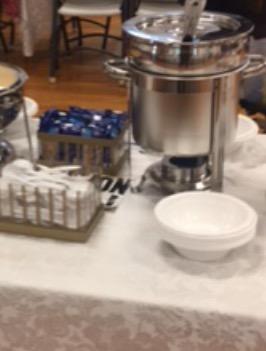
One detail stands out across reviews: owners use it for far more than soup. Nacho cheese, congee and breakfast porridge come up repeatedly, because holding a thick, starch-heavy food at a gentle temperature is exactly what a simple stainless warmer does well.
At 4.7 stars across 355 ratings, this is one of the highest-rated units in the group, and the complaints are almost entirely about capacity rather than quality.
The honest limitation is missing data. The listing publishes no wattage, no voltage and no temperature range, and the research tool returned no feature bullet list, so we cannot tell you how fast it recovers after a top-up.
It has been listed since March 2009, which tells you this is a long-running design rather than something new to the market.
How many people does a 7 quart warmer actually serve?
Reviewers put it at roughly 18 servings, and that lines up with a bowl of soup plus bread at a holiday meal. For a buffet where people take smaller portions you would get more, and for a seated dinner where bowls are generous you would get fewer.
If you are feeding more than twenty people, step up to an 11 quart model. Refilling a smaller pot is a nuisance, but it is a smaller nuisance than a half-empty 11 quart unit on the table all evening.
Is it worth buying with no published power rating?
It is, for holding food. A missing wattage figure matters when you want to heat through a cold batch, and this appliance is not designed for that job.
It matters less when the soup arrives hot. We would still want to confirm the wattage with the manufacturer if you plan to run it for eight hours at a stretch, because the recovery speed is the one number you cannot check from the listing.
5. Winco 11-Quart Round Marmite Chafer – Best for Weddings and Banquets
Winco 211 Stainless Steel Marmite Soup Chafer 11qt Round W/ Cover & Fram
11 quart round capacity
7.9 pounds
12 x 11.88 x 14 inch
Stainless steel pot, lid and body
Pros
- 11 quart capacity covers a large buffet or family gathering in a single vessel
- Stainless steel throughout including the lid
- Adjustable heat holds soup at safe serving temperatures
- Hinged lid for one-handed ladling without setting a hot lid down
- Round chafer profile looks right on a catered table or a sales stand
Cons
- Manufacturer specifies hand wash only
- so it will not go in a dishwasher
- Heavier than the 7 quart Winco at 7.9 pounds
Eleven quarts is the capacity most wedding and banquet services are sized around, and the round profile is the traditional one. A round chafer reads as catering equipment on a dressed table, which a rectangular unit does not.
Adjustable heat and a hinged lid complete the service picture. The lid stays up, so a server can ladle with one hand and hold a bowl with the other, and nobody has to find a clear surface for a scalding metal disc.

Owners report using it for nacho bars, holiday gatherings and food sales stands, which suggests it holds temperature well over a long event rather than only over an hour.
Stainless steel across the pot, lid and body is the right material for a machine that gets washed a hundred times a season. It is also the reason it looks identical in year five as it does on day one.
At 12 by 11.88 by 14 inches and 7.9 pounds it is compact for its capacity, and the round body leaves the corners of a folding table usable for other dishes.
The one real constraint is care. The manufacturer specifies hand wash only, which in a catered operation means extra staff time at the end of the night, and that labour cost belongs in your decision more than the purchase price does.
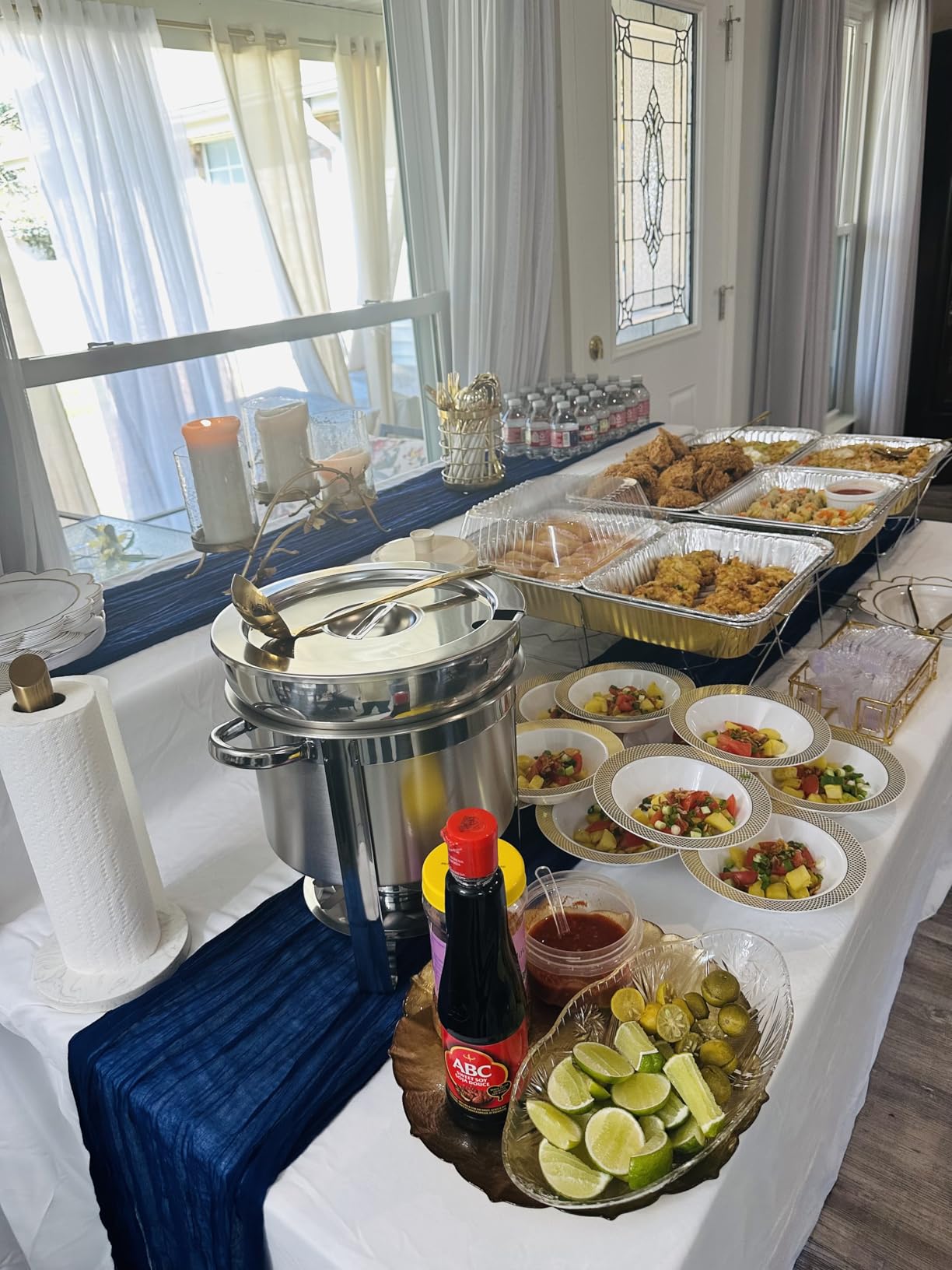
Hand wash only: how much of a problem is it in practice?
In a home kitchen it is manageable. A ten quart stainless pot with a hinged lid washes quickly in a sink, and the detachable lid helps. In a commercial kitchen with two hundred covers it is a real cost.
If you are catering professionally, compare this against the SYBO in our list, which has a dishwasher-safe removable insert. The Winco is the better-looking table unit; the SYBO is the better back-of-house unit.
Does 11 quarts leave leftovers on a smaller table?
It can. A 10 to 12 person wedding service rarely empties an 11 quart unit, and you will hold the remainder at temperature until it is boxed up.
If your guest numbers fluctuate, buying the 7 quart Winco alongside this one and running both is often more practical than buying the largest vessel available and accepting waste.
6. CHEFQ 7-Quart Soup Chafer Station – Best Fuel-Powered Buffet Station
CHEFQ 7 QT Soup Chafer Station with Contemporary Marmite Water Pan, Stainless Steel, Including Fuel Holder & 6 Oz Ladle – Perfect for Buffets, Catering, and Events
7 quart stainless water pan
Station format with fuel holder
Includes a 6 oz ladle
Sold in 7 and 11 quart
Pros
- Burns fuel rather than drawing power
- so it can be set up anywhere a table will stand
- Includes both the fuel holder and a 6 oz ladle in the box
- 84 percent of ratings are five star
- Also produced in an 11 quart configuration for larger tables
Cons
- Requires chafing fuel to be bought separately
- No weight
- dimensions or wattage were returned for this listing
- No customer review images or review text were available for this product
This is a different category again, and the difference matters. A chafer station burns combustible fuel under a water pan, so it needs no power outlet at all. That single fact makes it the only realistic option for a table in a hall, a marquee or a garden with no cable.
Seven quarts suits a table of about a dozen, and the water pan is the contemporary round style that reads better at a catered event than a square commercial warmer.
The box includes the fuel holder and a 6 oz ladle, which removes the two items most people forget to order. The fuel itself is not included, so budget for cans separately.
At 4.7 stars across 291 ratings with 84 percent five-star responses, satisfaction is high, and the practical feedback pattern in this category is clear: these units are judged on appearance and setup speed rather than on temperature precision.
We have less to go on here than with the other picks. The research tool returned no weight, no dimensions and no review text for this listing, so we are reporting the specification and rating rather than a performance story.
Why choose fuel over electricity for a buffet?
Two reasons. There is no cable to run, which frees the placement of the table completely, and there is no thermostat to fail. A fuel chafer either burns or it does not, which is a level of reliability some event hosts prefer.
The trade-off is control. A fuel unit cannot be set to 140F, so it either holds or it does not, and you manage the heat by controlling the flame and the fuel rather than a dial.
Is it safe to run indoors?
Chafing fuel is designed for indoor catering use and these stations are built for it, but ventilation matters in a small room, and the flame sits below a water pan rather than being enclosed.
Keep the water pan filled, keep the fuel holder seated properly, and never move a lit unit. If your venue has fire rules about open-flame appliances, check them before you plan the layout.
7. VEVOR 5-Quart Chafing Dish 2-Pack – Best Two-Dish Buffet Set
VEVOR Chafing Dish Buffet Set, 5 Qt 2 Pack, Stainless Steel Chafer with 2 Full Size Pans, Round Catering Warmer Server with Lid Water Pan Folding Stand Clip, for Weddings Parties Banquets, Silver
Two 5 quart stainless pans
11.24 pounds
16.14 x 13.39 x 11.42 inch
Folding frame for storage
Pros
- Two full-size pans in one set give you a complete two-dish buffet line
- Folding frame collapses flat so it lives in a cupboard between events
- Rolled edges with no sharp corners improve handling around guests
- Works for hot holding and cold service with the same pans
- 80 percent of ratings are five star
Cons
- Chafing fuel is not listed among included components and must be bought separately
- Steel is lighter than premium commercial units
- This is a chafing set rather than a dedicated soup kettle
A soup warmer holds one thing. A two-pan chafing set holds two, and at a family reunion or a wedding that is often the difference between a sensible line and a queue. The soup goes in one pan and the bread, potatoes or greens go in the other.
Each pan is 5 quarts, so you are serving roughly 12 to 15 people per pan rather than a single large batch. That is a better fit than one big pot when your numbers are uncertain.
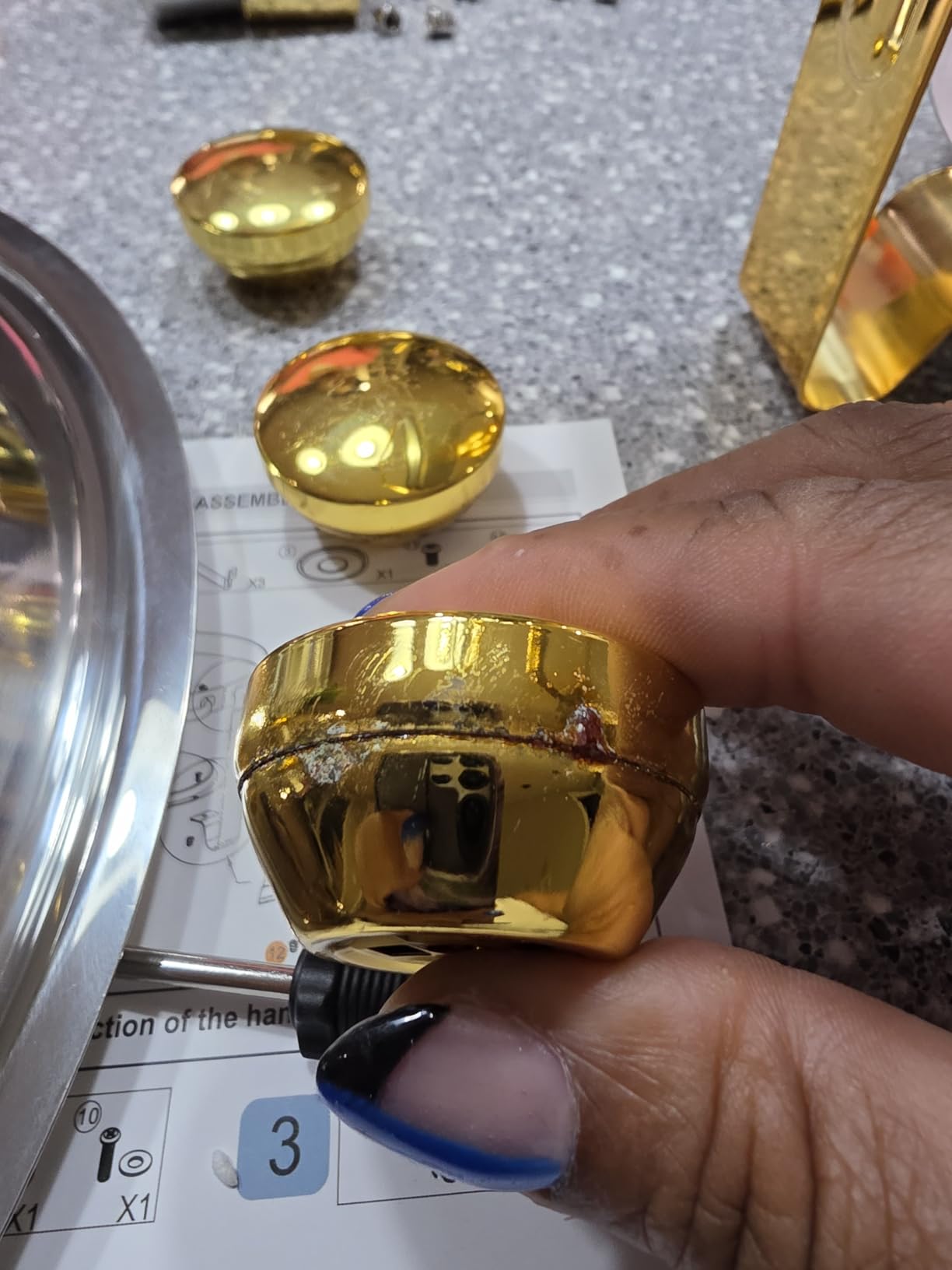
The folding frame is the feature people mention most. These are seasonal and event items, and being able to flatten the whole thing to store in a cupboard between uses is worth more than any temperature specification.
Rolled edges matter more than they sound. Buffets get crowded, and pans with sharp folded corners are the ones that end up with a bleed in someone’s hand.
It works for cold service too. Swap the fuel and hot water for ice and the same setup keeps a salad or a dessert at temperature, which extends how often you pull it out.
Owners consistently mention quick assembly and easy cleaning, and 80 percent of 406 ratings are five star. The recurring caveat is that the steel is lighter than premium units, which matters mostly for transport and tipping stability.
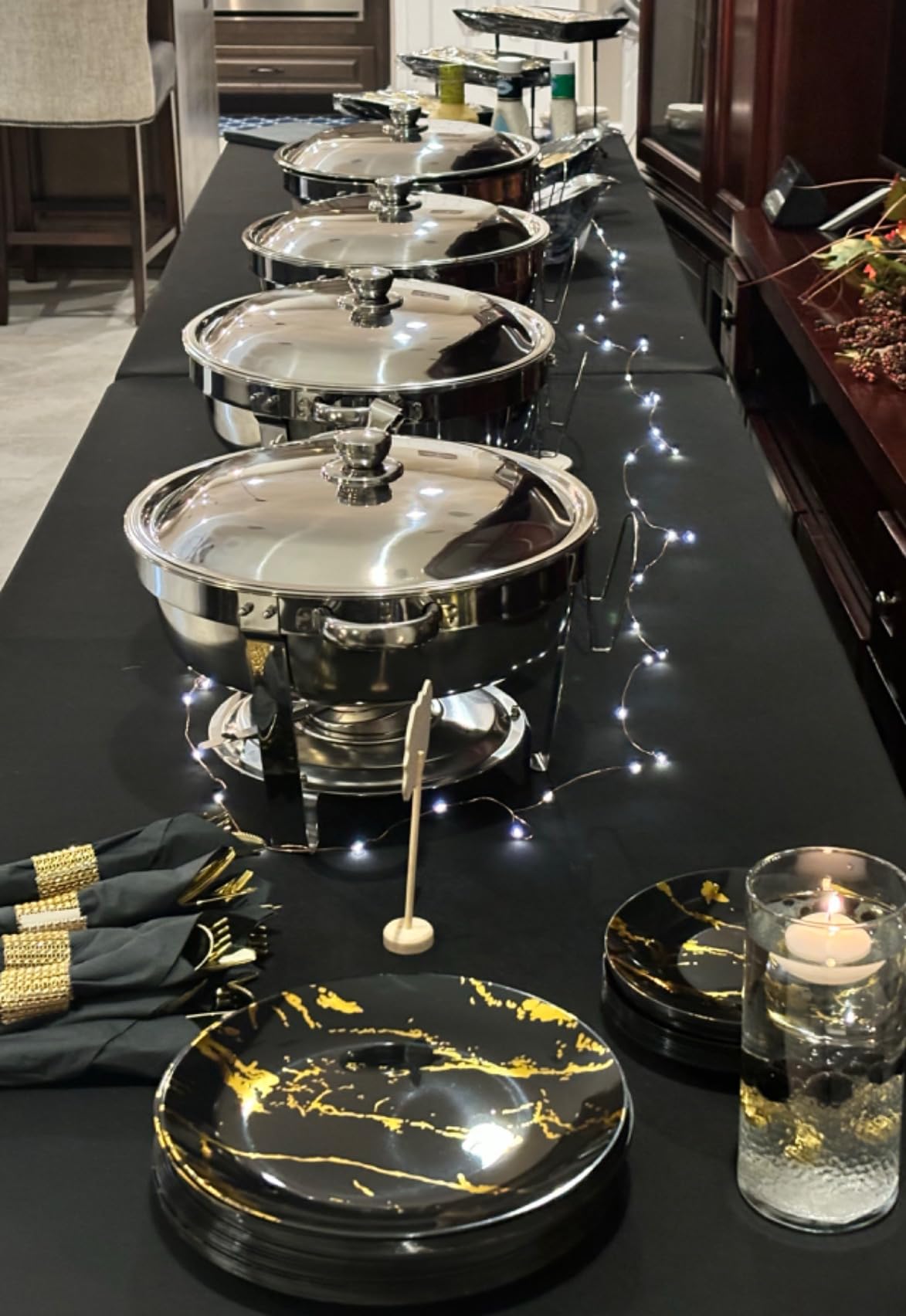
Is a chafing set the right thing for soup specifically?
Not if soup is all you are serving. A 5 quart pan is small, the pans sit above a fuel flame rather than a thermostat, and there is no way to hold a precise temperature. For a single soup dish on a long table, an electric kettle is the better instrument.
It is the right thing when the meal has two or three components, or when you want to serve two soups side by side. In that case one set replaces two separate warmers.
How much does running fuel actually cost?
Cans of chafing fuel are consumed steadily once lit, and a long event burns through them faster than most people expect. We cannot quote a figure without knowing your local fuel price and event length.
What we can say is that fuel units have no thermostat, so you are managing temperature with the flame rather than a dial, and that the holding time is limited by how much fuel you load rather than by a control setting.
8. VEVOR 11-Quart Stainless Steel Soup Chafer – Best for Self-Serve Catering
VEVOR 1 Pack Soup Chafer, Chafing Dish for Buffet Set, 11QT Stainless Steel
11 QT / 10.4 L capacity
7.1 pounds
Food-grade stainless on an SS410 stand
Three-step assembly
Pros
- 11 quart capacity serves 6 to 12 people according to the manufacturer
- Smooth edges on the food pan
- water pan and lid reduce finger scratches
- Three-step assembly and a lid notch that gives the ladle somewhere to rest
- Switches between hot and cold service using water and fuel or ice
- Customer service replaced a damaged set promptly according to one review
Cons
- Lighter-gauge stainless than heavier commercial units and some edges described as sharp
- Chafing fuel is not listed among included components
- A minority of buyers received missing screws or bent pieces and one report involved a glass lid cracking during assembly
This is the largest chafer in the list and the one to look at if your buffet is genuinely self-serve. Eleven quarts, or 10.4 litres, is sized by the manufacturer for 6 to 12 people, and the pot, water pan and lid are all food-grade stainless on an SS410 stand.
The lid notch is a small design decision that saves a real annoyance. The ladle has somewhere to live instead of sliding into the soup, and during a two-hour service that is the difference between a tidy line and a marked one.
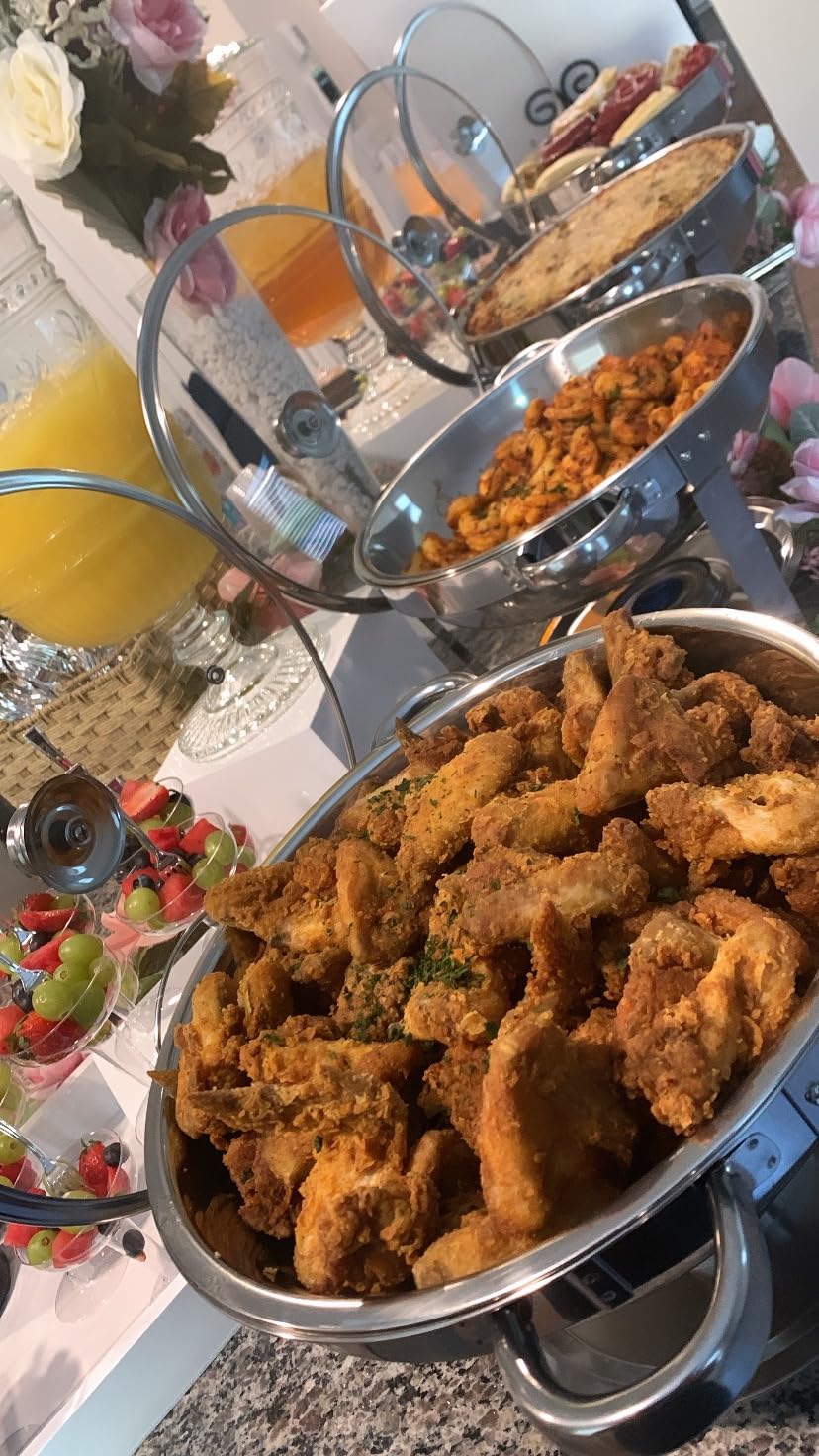
Assembling in three steps means you can set it up and take it down without tools, which is why it suits event staff doing the work between courses rather than a kitchen porter.
It is 7.1 pounds, which is light for an 11 quart chafer and makes it easy to move, though it is also a hint that the steel gauge is on the thinner side compared with the commercial bodies in this roundup.
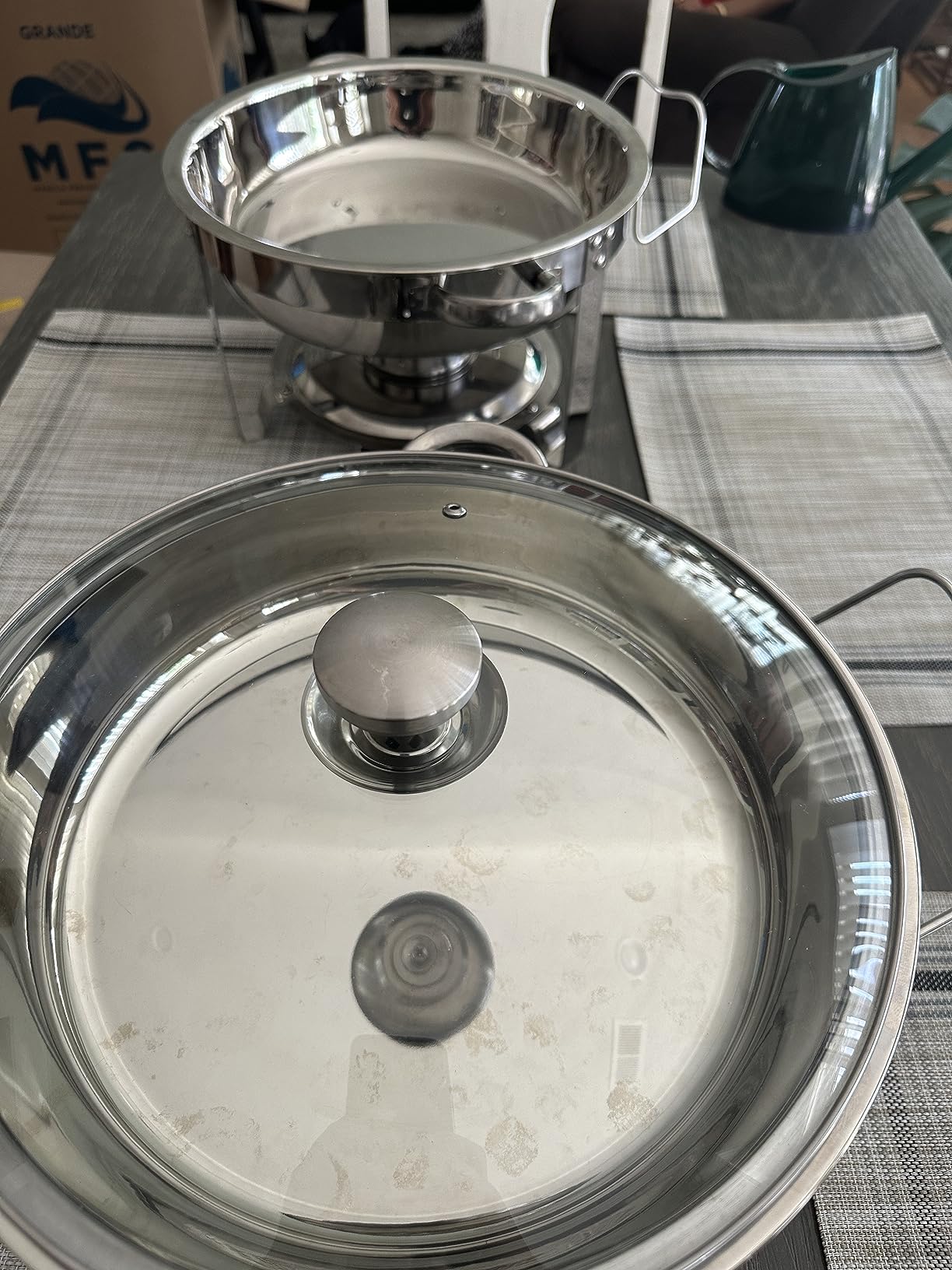
Several buyers describe the edges as sharp despite the smooth-edge claim, and a minority received missing screws, bent pieces or a cracked glass lid. Inspect the set on arrival rather than assuming.
The upside is service from the manufacturer. At least one buyer reports a damaged set being replaced promptly, which is meaningful for an event item you depend on for one specific day.
Can one 11 quart chafer handle a full banquet line?
It covers 6 to 12 people according to the manufacturer, which is a moderate table rather than a large service. Beyond about 15 people you want two units running side by side, or a 10.5 to 11 quart electric kettle that refills faster.
Because the pans sit over a fuel well rather than an element, topping it up mid-service takes longer than an electric unit. Plan the batch size before the guests arrive.
Is thinner steel a problem in practice?
It shows up as warping over time, especially if a pan is left sitting on a flame with no water in it, and as edges that need a cloth rather than a bare hand to handle.
For occasional event use the lighter gauge is a fair trade for the price. For a unit that will run every weekend for years, we would move up to one of the heavier stainless commercial kettles in this list.
9. YBSVO 11-Quart Commercial Soup Kettle Warmer – Best 11-Quart Electric Warmer
YBSVO 11 Quart Commercial Soup Kettle Warmer
11 quart capacity
400 watts at 120V
Thermostat from 105F to 195F
9.5 lb, 13 x 13 x 15 inch
Pros
- 11 quart commercial capacity in a compact countertop footprint
- Thermostat knob runs from 105F to 195F with even heat distribution
- Cool-touch exterior reduces burn risk during service
- Hinged lid allows one-handed serving
- Comes with a removable dishwasher-safe 304 stainless insert
Cons
- Lighter at 9.5 pounds than comparable 10 to 11 quart commercial warmers
- Small review base of 135 ratings compared with the leaders here
Eleven quarts of electric capacity with a dishwasher-safe 304 stainless insert is a specification sheet you do not often get at this level. The insert lifts out, the interior is smooth, and the fact that it is dishwasher-safe removes the main objection to owning an electric warmer.
The thermostat range of 105F to 195F is wide. The bottom of that range is genuine hot-holding, and the top is close to a light simmer, so you can move from serving temperature to keeping a delicate sauce moving without a second appliance.
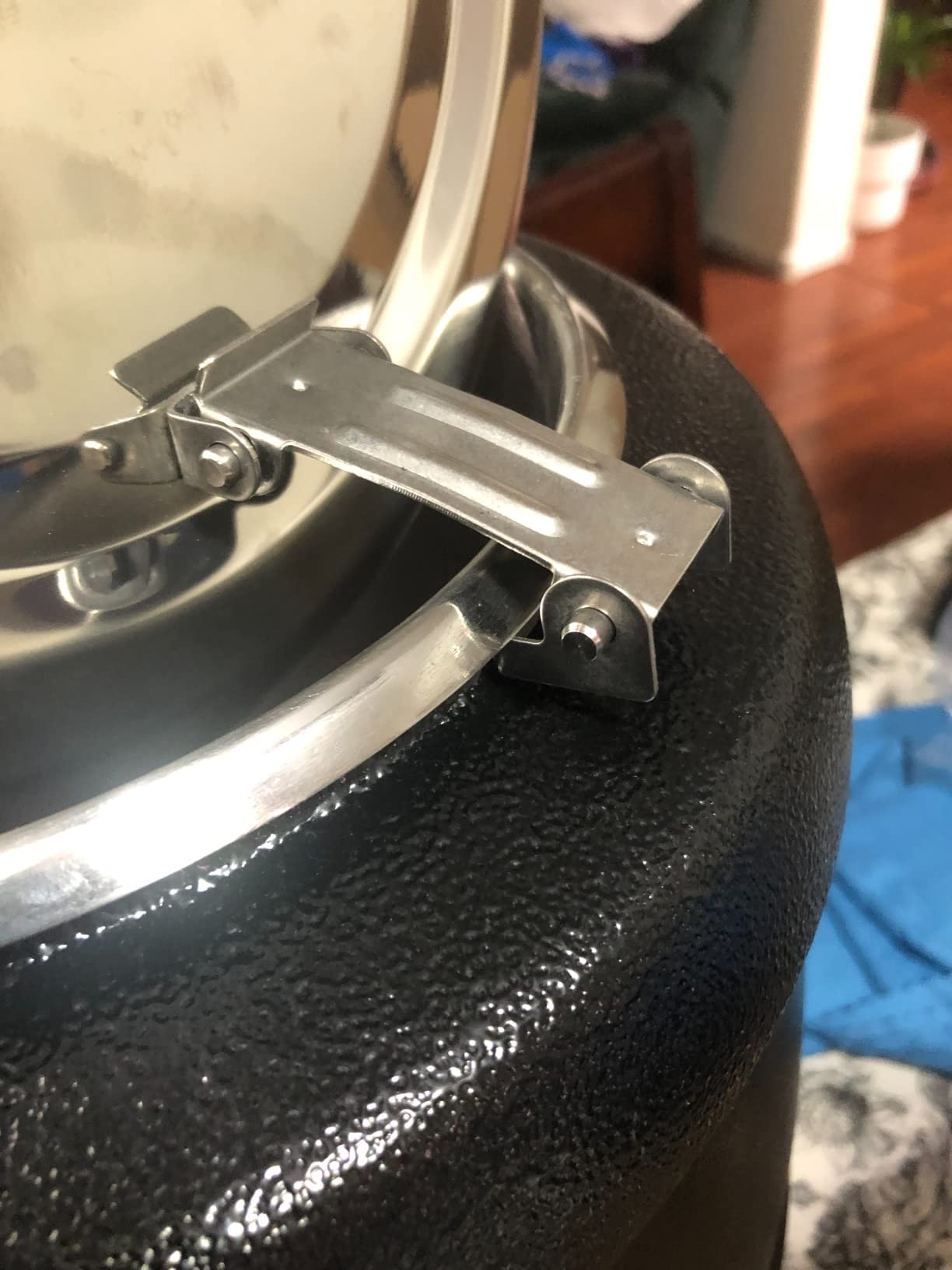
The cool-touch exterior coating is quietly the most useful feature for buffet service. Servers pick these up, nudge them, and grab the handle constantly, and a body that stays at room temperature removes the risk that comes with that habit.
It comes ready out of the box with the kettle base, stainless insert, hinged lid and magnetic food labels for buffet identification, which is a level of completeness you rarely get.
Owners use it for soup, chili, nacho cheese, gravy and melted chocolate, and 83 percent of 135 ratings are five star. That is a very high satisfaction rate from a small sample.
The honest caveat is the review base. 135 ratings is thin next to 4000 on the Presto, so treat the rating as encouraging rather than proven, and note that at 9.5 pounds the body is lighter than other commercial warmers of the same size.
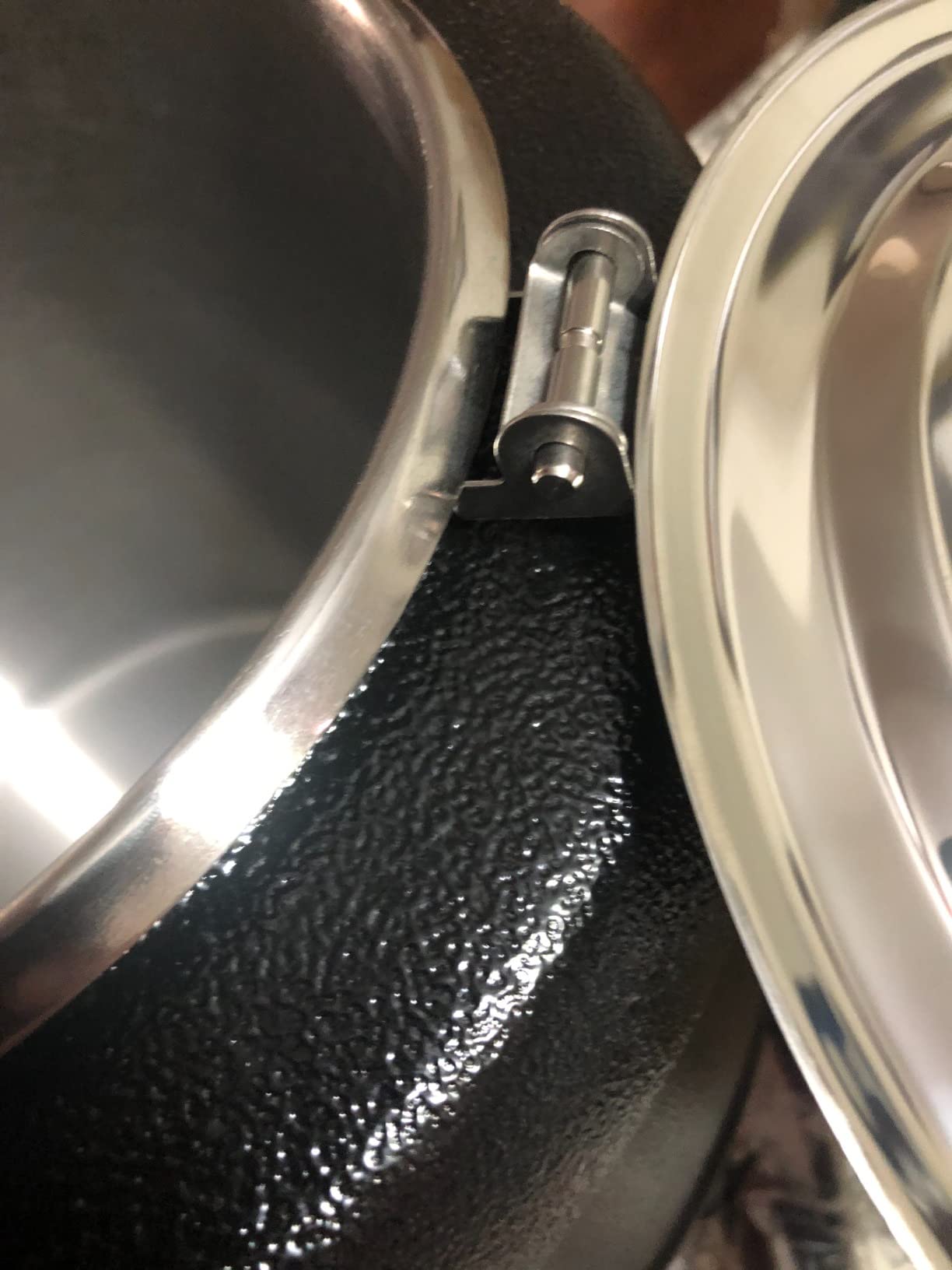
Why does the cool-touch exterior matter on a buffet?
Because buffet equipment gets handled. A server carrying a full 11 quart insert puts a hand on the body of the unit to steady it, and an exposed metal shell at 180F is a burn waiting to happen during a busy service.
It also means the unit can be positioned at the edge of a line rather than pushed to the back, which is where you want it if you want people to serve themselves.
Is 400 watts enough for an 11 quart body?
For holding, yes. The element cycles on and off against the thermostat, and the job is to replace the heat lost through the walls, not to raise a large cold batch to temperature.
For reheating, no. If your plan depends on dropping frozen soup into the pot twenty minutes before service, plan on heating it on a hob first and transferring it in hot.
10. YMJOINMX 10-Quart Commercial Soup Kettle Warmer – Best for Cool-Handled Home Service
YMJOINMX Food Soup Kettle Warmer with Ladle Countertop Cheese Warmer Catering Soup Warmer Commercial for Buffet Food Warmer Party
10 quart capacity
400 watts at 110V
Adjustable from 95F to 176F
13.8 x 13.8 x 15 inch
Pros
- Thickened stainless insert is described as rust-resistant and easy to clean
- Three-dimensional circulating steam heats evenly around the insert
- Hinged lid hangs on the side of the pot to save counter space and service time
- Adjustable thermostat from 95F to 176F
- 72 percent of ratings are five star
Cons
- Warmer only
- so frozen or cold soup cannot be cooked or reheated in it
- Requires water to be added between the outer shell and the insert as an extra step
- Smallest review base in the roundup at 56 ratings
- No customer images or review text were available for this product
The 95F to 176F range is the widest low-end reach of any electric unit here, and the bottom of it is the setting that matters. Gentle holding well below a simmer is how you keep soup for six hours without a skin forming across the surface.
The steam heating design is worth understanding before you buy. Water goes between the outer shell and the insert, and circulating steam carries heat around the pot, which is even but means there is a filling step before every use.
The hinged lid hangs on the side of the pot rather than staying overhead, which keeps it out of the way during service and stops it dripping onto the base. Reviewers treat that as a space-saving feature rather than a gimmick.
At 10 quarts and 400 watts it is a straightforward warmer, and buyers use it for chili, soup, melted chocolate, sausage gravy, cheese and caramel drizzle. Seventy-two percent of its 56 ratings are five star.
We are including it last with a caveat. 56 ratings is the thinnest evidence base in this roundup, and the research tool returned no review text, so we are reporting the specification and the aggregate rating rather than a performance claim.
Why does it need water added between the shells?
Because the heat travels as steam rather than direct contact. That is why the unit has three-dimensional circulation and why the soup does not scorch on the base, but it is also why it is a two-step process rather than a fill-and-forget one.
Set it up once for a service and the step costs nothing. Forget it at the start of a party and the dry-burn risk is real, so keep the water line in sight.
Is a small review base a reason to skip it?
It is a reason to be cautious, not to skip. The design and the specification are conventional and well understood, and the 4.3 rating with a 72 percent five-star share does not suggest a problem.
It is simply the pick we would want to see in use before committing, which is exactly the sort of judgement readers tell us marketplace ratings make hard. Treat the star figure as encouraging and the specification as the reason to consider it.
How to Choose a Soup Kettle in 2026
Step 1: work out which of the two categories you need
Almost every mistake in this category starts here. A soup warmer is for holding a large batch at serving temperature for hours, and it needs a nearby outlet unless it is a fuel chafer. A home soup maker is a small jug that sautees, cooks and blends, and it makes one to four servings at a time.
Our ten picks are all warmers. If you want the appliance that starts from raw ingredients and finishes with a blended bowl of soup, you are shopping for a different product entirely, and none of the units below will do that job.
Step 2: size the capacity to your headcount
A 5 quart chafing pan serves roughly 12 to 15 people, a 7 quart unit about 18, and a 10 or 11 quart unit covers 25 to 30. Buying one size above your real need is reasonable, because the extra volume costs you money in energy and a large pot of soup is not a better thing.
Buying one size below is the expensive mistake. A pot that empties means ladling out, reheating on a hob and transferring back, which is the exact work the appliance was supposed to remove.
Step 3: match wattage to what you will actually do with it
Wattage only matters for recovery, and 400 watts is genuinely enough to hold a hot batch at temperature. It is not enough to bring a 10 quart pot of cold stock to a simmer in reasonable time, which is why the 1800 watt Presto behaves like a different category of appliance.
Expect to heat your soup somewhere else first. Every commercial warmer in this roundup, including the 11 quart and 10.5 quart models, is specified for pre-heated food. Budget the hob or a stockpot into your workflow rather than discovering the limitation at 5pm before a party.
Step 4: choose the vessel
Glass goblet jugs, found on home soup makers, blend in place and can be watched while cooking. They are also the part that breaks, and forum discussion of home soup makers repeatedly reports bases and goblet mounts cracking before the electronics fail.
Removable stainless inserts, found on commercial warmers, go in the dishwasher, tolerate hard knocks and thermal cycling, and last far longer. If you are buying for holding rather than blending, stainless is the better engineering choice and it is what nine of our ten picks use.
Step 5: check the safety features you will actually rely on
Dry-burn protection matters most for any unit you plan to leave unattended, and the SYBO in our list carries ETL certification for it. A hinged lid prevents burns and drips during service. A cool-touch exterior matters where guests and staff are standing close.
Voltage is worth a check if you use these outside North America. These appliances run on 110V, 120V or 110V to 120V at 400 to 475 watts, so none of them will run on a 220V supply without a converter.
Do you even need a soup kettle? Honest alternatives
For most households, no. A saucepan on the hob gives you browning, simmering and control for a fraction of the cost, and several owners in forum threads simply reverted to one after their soup maker failed. It is the least glamorous answer and frequently the right one.
A slow cooker is the better buy if you want hands-off cooking. It cooks a full pot unattended all day and holds it warm overnight, which covers both jobs in one appliance. Its weakness is that you cannot brown meat properly first, and its control is a low and high setting rather than a real temperature.
A multicooker, such as the Instant Pot style, does the most jobs: saute, pressure cook for half an hour, and keep warm. Forum discussions recommend it repeatedly as the multi-use alternative. You still need a blender for a smooth result unless you blend in a jug, and it will not hold an 11 quart batch for a buffet.
A fuel chafer, or a countertop electric warmer, is the right answer only when the food is already cooked and the service is the problem you are solving. That is a real need at a wedding or a church fundraiser, and it is the one case where a dedicated soup kettle earns its footprint.
Frequently Asked Questions
What is the best soup kettle?
The best soup kettle depends on capacity and use. For home batch cooking the Presto 10-Quart Kitchen Kettle XL wins because its 1800 watt element can both cook and hold. For restaurant and buffet service the SYBO 10.5-quart commercial kettle is the strongest option, with twelve temperature settings, bain marie heating and ETL dry-burn protection. For parties of about eighteen people the Winco 7-quart warmer is the sweet spot.
Are soup kettles good?
They are good at the one job they are built for: holding a large batch of already-hot soup at serving temperature for hours without burning the base or boiling it dry. They are not good at cooking. Cold or frozen soup must be heated elsewhere first, which surprises a lot of first-time buyers. If your real need is making soup from raw ingredients rather than serving it hot, a saucepan, slow cooker or multicooker is the better purchase.
What is the best appliance for making soup?
For most home cooks the answer is a saucepan, because it is the only option that lets you brown ingredients, control the heat and reduce a sauce. A slow cooker wins when you want the pot to cook unattended all day. A multicooker adds pressure cooking and sauteing in one vessel. A dedicated soup maker is worth it only if you want blending in the same jug and will use it most weeks.
Can you use a kettle for soup?
You can pour pre-made soup into a standard electric kettle and keep it warm, but that is a small-volume solution. A conventional kettle holds one to two litres, has no thermostat for holding temperature, and a lidded kettle spout is difficult to ladle from. A soup kettle is a different appliance: a deep insert pot with a thermostat and a hinged lid, designed for a 10 to 11 quart batch.
Can I boil vegetables in an electric kettle?
You can, but a kettle is an awkward vessel for it. The element sits under a small volume of water, so vegetables scorch at the base before the water returns to a boil, and the spout makes draining awkward. A saucepan or a steamer insert gives you far better control. A soup maker with a saute function is a good middle option, because you can brown first and then simmer in the same jug.
How long does a soup warmer keep soup hot?
A 400 watt warmer in a 10 quart stainless insert will hold soup above safe serving temperature for a full service of four to six hours, provided you start with hot food and the lid stays on. Users report soup going lukewarm after several hours in insulated vessels, which is why buffet operators top up rather than refill from scratch. Starting cold is the real constraint, not the duration.
Conclusion: The Best Soup Kettle for How You Actually Cook
The best soup kettle for most people is the Presto 10-Quart Kitchen Kettle XL, because it is the only one here that can take cold ingredients to a finished batch and then hold it, and its 1800 watt element solves the slow recovery that limits every 400 watt warmer. For commercial service, the SYBO 10.5-quart kettle is the pick: twelve temperature settings, even bain marie heat and a dishwasher-safe 304 stainless insert.
If you are hosting rather than cooking, the Winco 7-quart warmer suits about eighteen people, and a fuel chafer is the only option for a table with no power outlet. Measure your counter space, decide whether you are cooking or holding, and buy the size you will genuinely fill.