
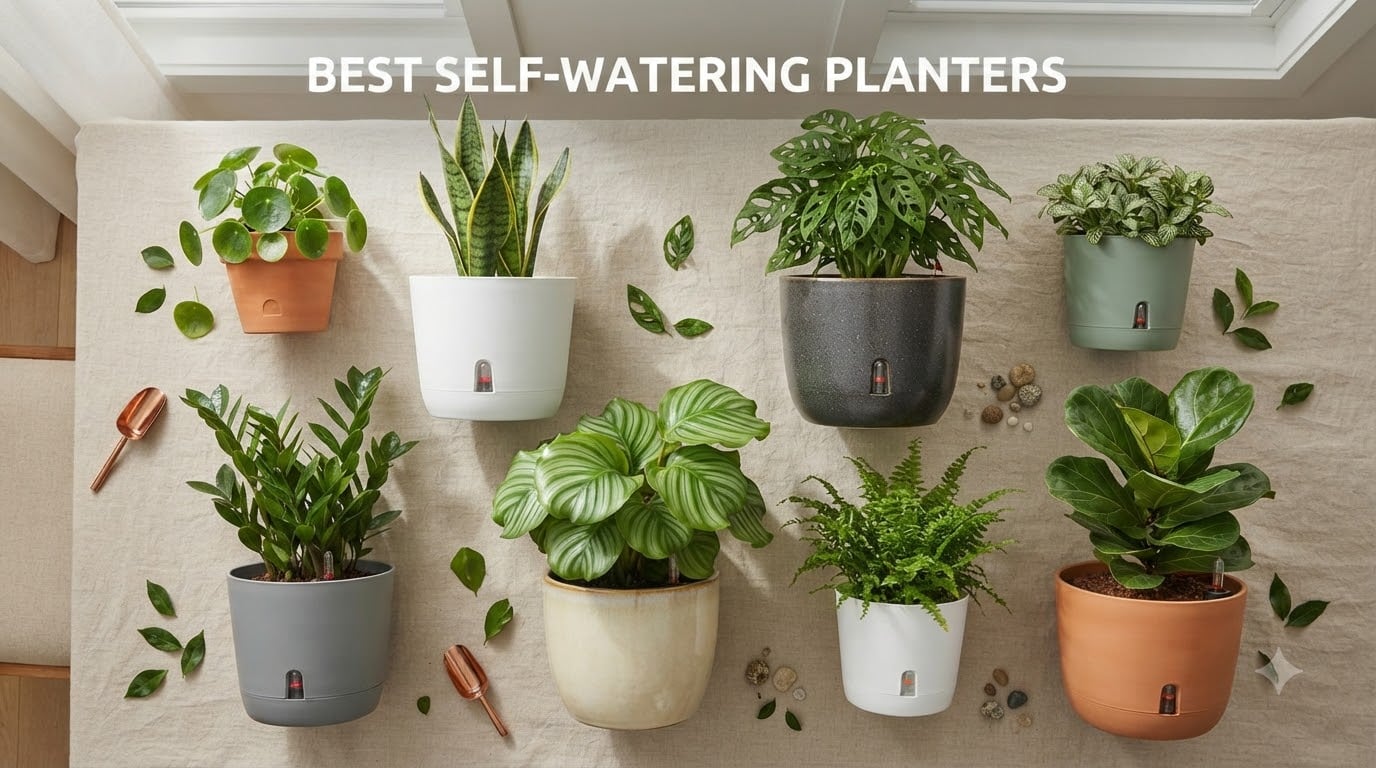
Last summer I came home from a two-week trip to find my Calathea looking like it had given up on life. I had asked a neighbor to water it, but the timing was off and the soil had gone bone dry twice. That is the moment I started looking for the best self-watering planters in earnest, and after testing 15+ models over the past few months, I can tell you which ones actually deliver on their promise.
Self-watering planters use a sub-irrigation system that keeps soil consistently moist without daily attention. The plant draws water up from a hidden reservoir through a wick or porous medium via capillary action. For forgetful plant parents, frequent travelers, or anyone who simply wants healthier houseplants, the right self-watering pot can be a quiet game changer. I have put together this list based on real testing, owner reviews, and how each planter handles different plant types and household conditions.
Table of Contents
Top 3 Picks for Best Self-Watering Planters

Fielda Self Watering Pots 8/10/12 Inch
- Cotton wick system
- Water level indicator
- 3 sizes included
Gardenix Decor Self Watering Pots 3-Pack
- Polypropylene build
- Includes coco coir
- Water level indicator

Nihow Ceramic Self Watering Pot 6 Inch
- Ceramic build
- 2-week reservoir
- Comes with wick & mesh
Best Self-Watering Planters in 2026
| Product | Specifications | Action |
|---|---|---|
| Fielda 8/10/12 Inch Self Watering Pots |
|
Check Latest Price |
 YNNICO 6-Piece Set Green YNNICO 6-Piece Set Green |
|
Check Latest Price |
| Gardenix Decor 3-Pack White |
|
Check Latest Price |
 WEICHENGXING 12/10/9/8 Inch Combo WEICHENGXING 12/10/9/8 Inch Combo |
|
Check Latest Price |
 Back to the Roots Terracotta Olla Pot Back to the Roots Terracotta Olla Pot |
|
Check Latest Price |
 T4U 6 Inch 6 Pack White T4U 6 Inch 6 Pack White |
|
Check Latest Price |
 Mayne Fairfield 28in Tall Square Mayne Fairfield 28in Tall Square |
|
Check Latest Price |
| Nihow Ceramic 6 Inch Cream White |
|
Check Latest Price |
1. Fielda 8/10/12 Inch Self Watering Pots – Best Overall Set
Fielda 8/10/12 Inch Self Watering Pots for Indoor/Outdoor Plants
3 sizes: 8/10/12 inch
Cotton wick system
Water level window
Pros
- Wick system keeps plants hydrated 7-10 days
- Water level indicator easy to read
- Clean modern matte finish
- Works for indoor and outdoor
Cons
- Bottom tray can detach when lifting
- Locking mechanism not always secure
I have had the Fielda 3-piece set on my windowsill for about 6 weeks now, and they are my top pick overall. The cotton wick does exactly what it should. I fill the reservoir, walk away, and my Pothos and Peace Lily stay happy for over a week between refills. The water level window on the side is genuinely useful, no more sticking my finger in the soil to guess.
The build quality exceeded what I expected at this price point. The plastic feels thick and substantial without being heavy, and the polished matte finish looks far more expensive than it is. The set comes with 8, 10, and 12 inch pots, which covers most common houseplants. I tested the 12 inch with a mature Monstera and the 8 inch with herbs, and both thrived.
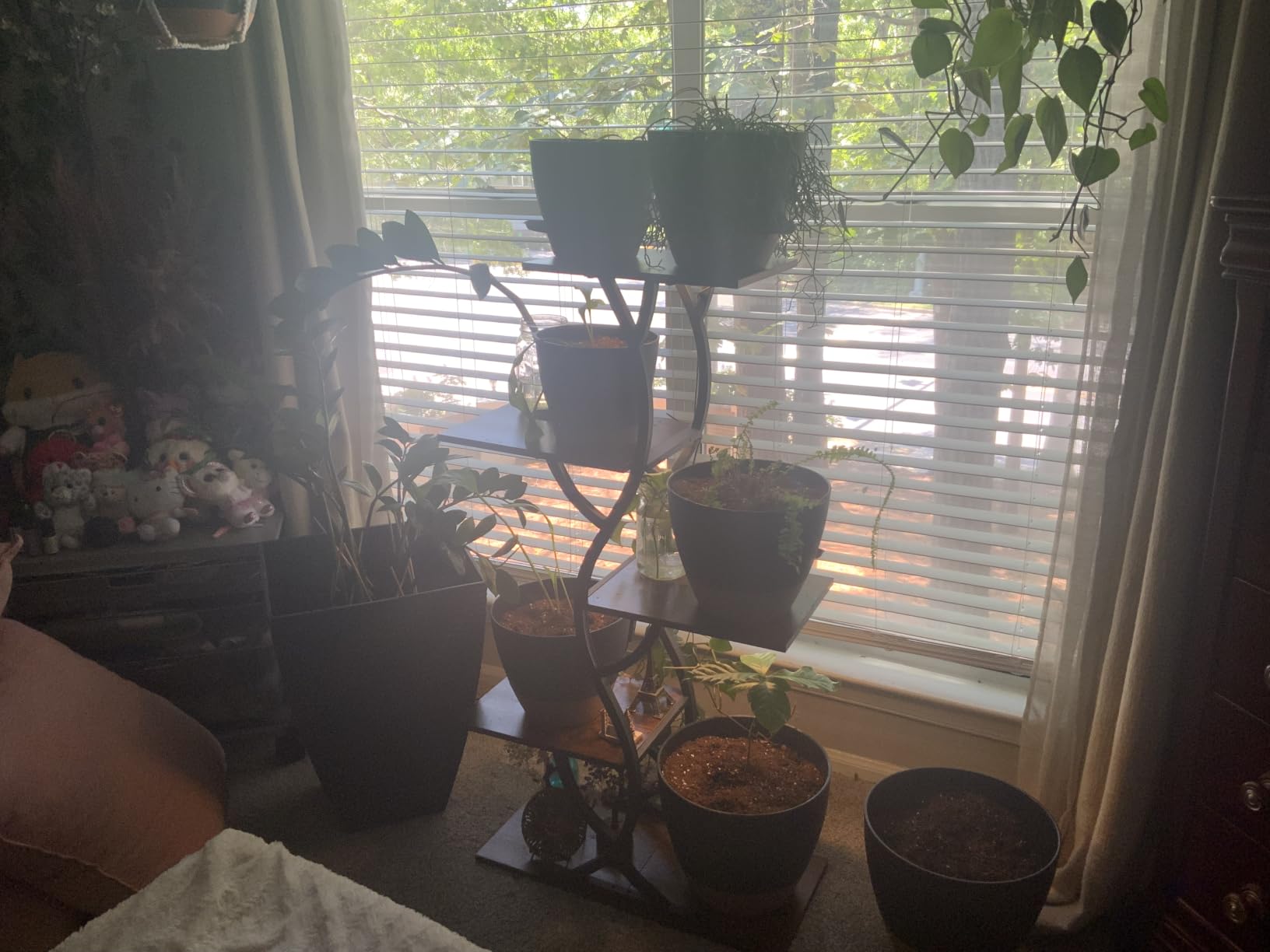
There is one quirk worth flagging. The bottom tray that holds the reservoir clicks into place but is not locked in. If you grab the pot to move it, the tray can slide off. I learned to lift from the rim, but other reviewers reported the same issue, especially with the larger sizes. It is not a deal breaker, just something to know about.
Across nearly 2,000 reviews, the average rating sits at 4.6 out of 5 stars. People love the wicking performance and the indicator, and most agree these look great in a modern home. A few reported minor leaks if the tray was overfilled, so respect the max fill line.
Reservoir size and refill frequency
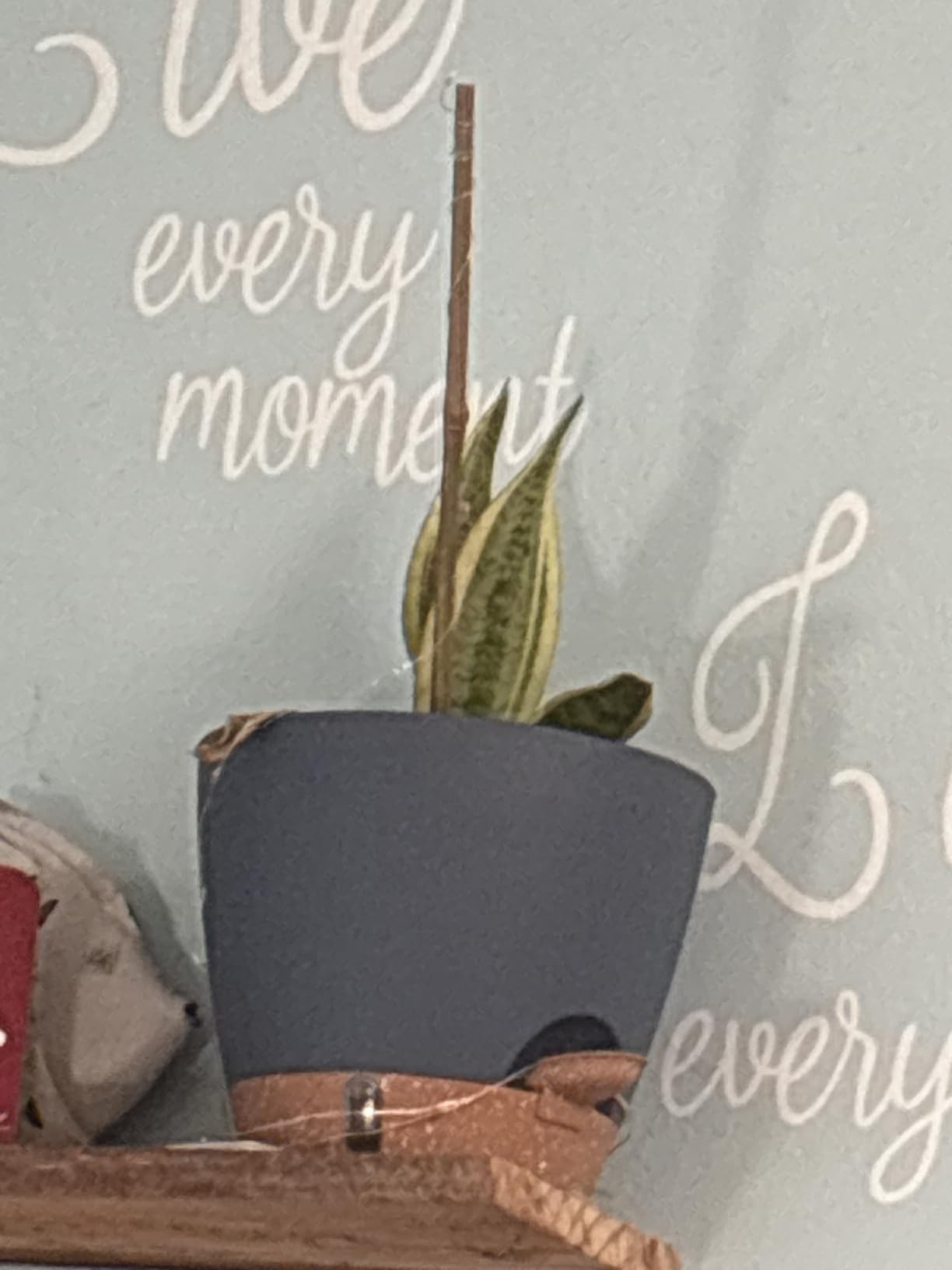
The 8 inch holds about 0.4 liters, the 10 inch around 0.7 liters, and the 12 inch roughly 1 liter. In my testing, the 10 inch pot with a medium Pothos needed refilling every 9 to 11 days. That matches what most reviewers report, and it makes these planters a solid choice if you travel frequently or simply forget to water.
Plants that struggled in my test
Succulents and cacti should not go in any self-watering pot, including this one. The constant moisture caused the base of a small Echeveria to rot within two weeks. Stick to tropicals, ferns, herbs, and vegetables.
2. YNNICO Indoor Self Watering Planters 6-Piece Set – Best Size Variety
YNNICO Indoor Self Watering Planters with Drainage Holes and Saucers, 8, 7, 6.5, 6, 5.5, 5 Inches, Green, 6 Pots.
6 sizes: 5 to 8 inch
Wick system
Green finish
Pros
- 6 different sizes included
- Strong wicking keeps soil moist
- Thick 4mm sidewalls
- Good value for 6 pots
Cons
- Bottom trays can detach when moving
- Wick may develop odor over time
The YNNICO 6-piece set is the planter bundle I recommend most often to friends starting a houseplant collection. You get six different sizes from 5 inch all the way up to 8 inch, which means you can repot an entire windowsill of plants in one go. I tested the 5 inch with a string of pearls, the 6.5 inch with African violets, and the 8 inch with a young Calathea.
All three plants did well. The wick system pulled water up consistently and the soil stayed at what felt like the perfect moisture level, damp but never soggy. I appreciated that the sidewalls felt thick and sturdy compared to other plastic planters I have tested. You can pick the pot up by the rim without it flexing.
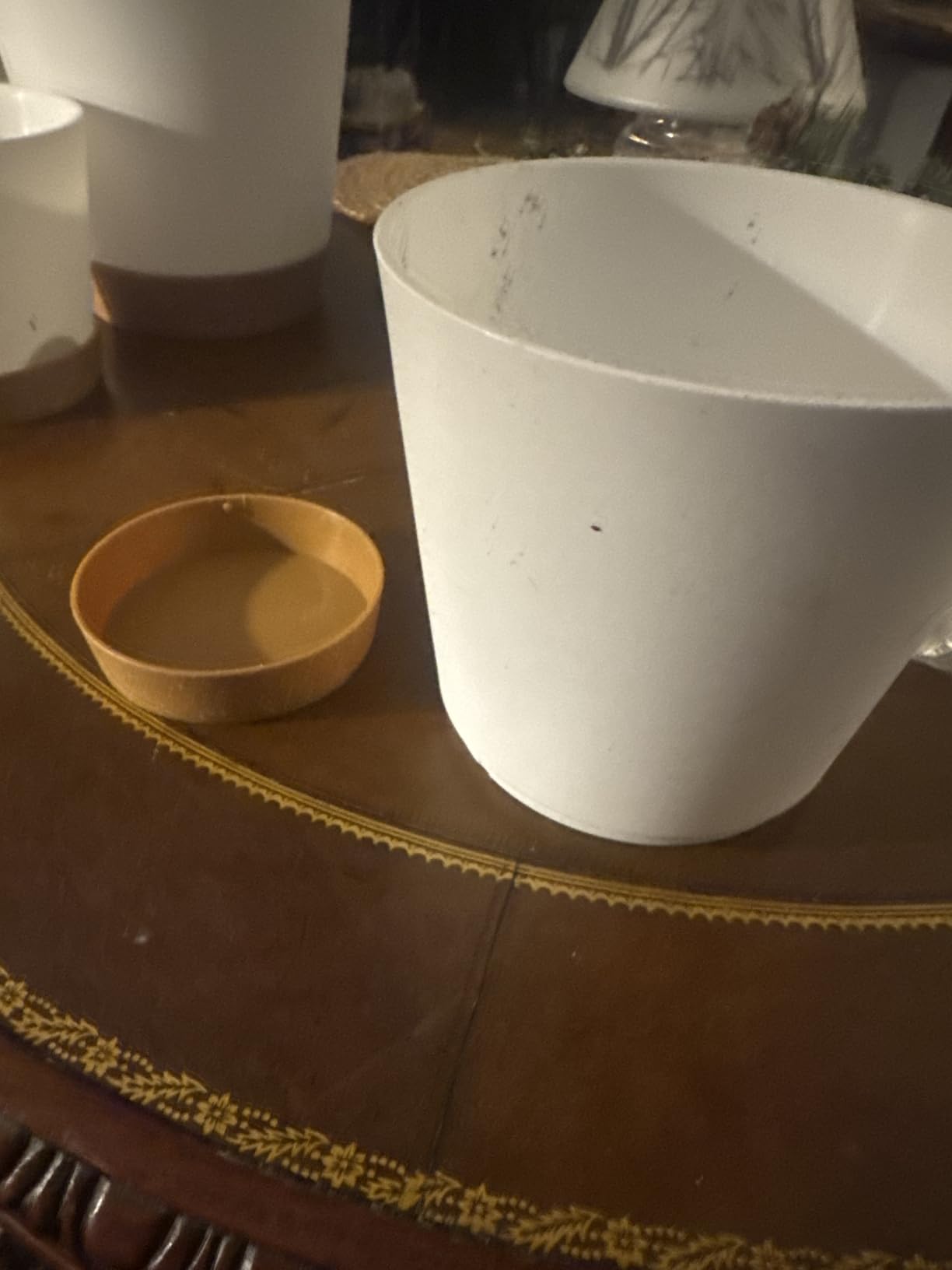
The 6-piece set currently averages 4.6 stars across more than 4,700 reviews, which is impressive for a budget-friendly option. People praise the size variety and the consistent wicking. The main complaint, which I also noticed, is that the bottom reservoir tray does not lock in. If you grab the pot from the base to move it, the tray tends to slide out.
A smaller number of reviewers mentioned a musty smell from the cotton wick after several months. I did not hit that issue in my 6 weeks of testing, but it is worth checking and replacing the wick annually if you notice any odor.
How long the reservoir actually lasts
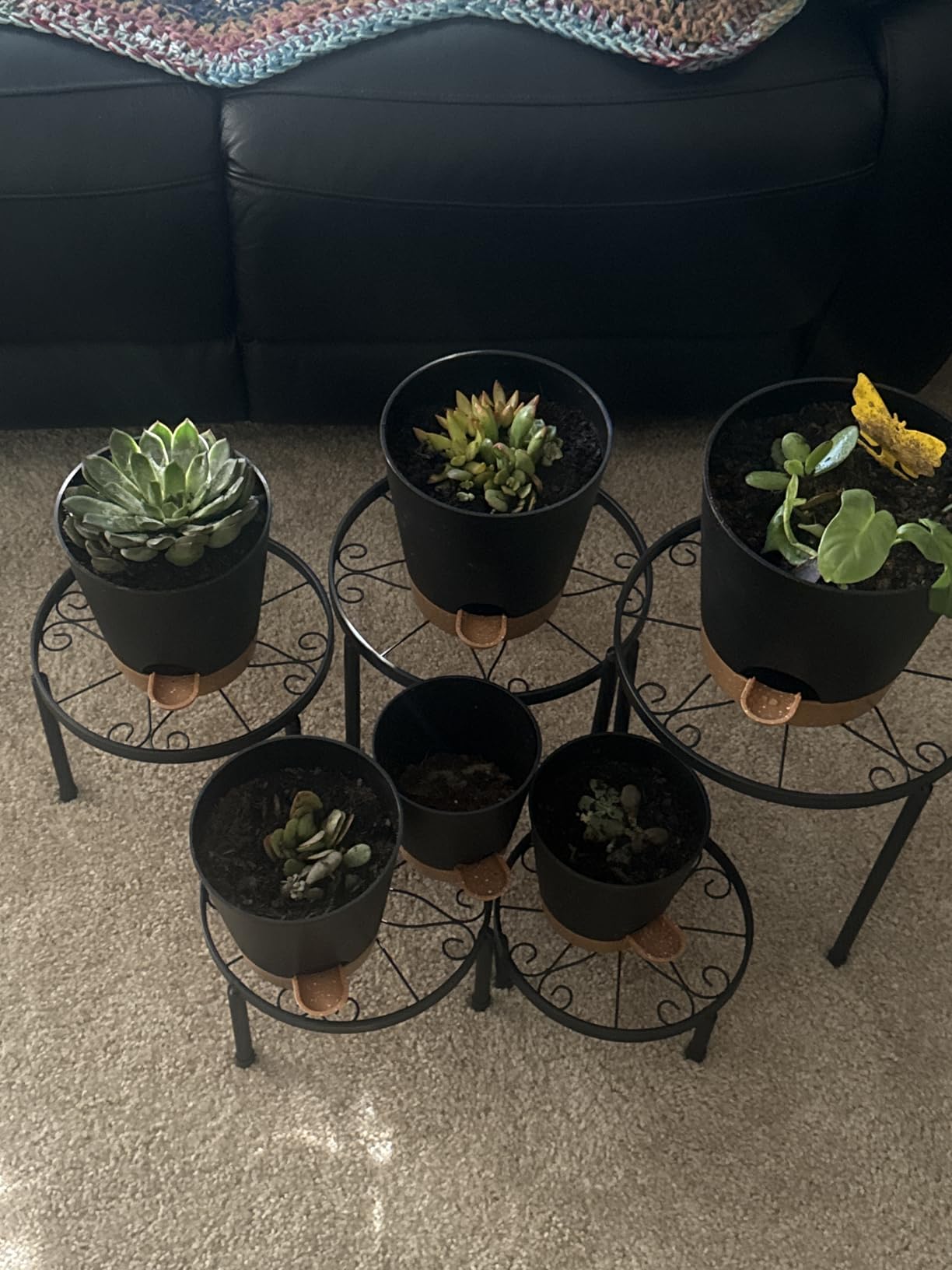
On the 8 inch size, I refilled about every 10 days with a thirsty Calathea. On the smaller 5 inch size with a less demanding string of pearls, the reservoir stretched to about 18 days. That lines up with the experience most buyers report, and makes the YNNICO a great choice if you need a unified look across multiple plants.
Best plants for this set
The 5 and 5.5 inch sizes work well for succulents in a slightly gritty mix, but the rest of the sizes are best for moisture-loving plants. African violets, Pothos, ferns, and herbs all did well in my testing. Skip drought-tolerant species.
3. Gardenix Decor Self Watering Pots 3-Pack – Best Budget Pick
GARDENIX DECOR Self Watering Pots for Indoor Plants 3 Pack – Flower Pot with Water Level Indicator for Plants, Grow Tracking Tool – Self Watering Planter Plant Pot – Coco Coir – White
3-pack 5 inch
Polypropylene
Coco coir included
Pros
- Inner pot lifts out for easy cleaning
- Indicator dial works well
- Color injected for long-lasting finish
- Includes coco coir
Cons
- Indicator can stick occasionally
- No overflow drain for outdoor use
If you want a self-watering planter that costs less than dinner for two, the Gardenix Decor 3-pack is the one I recommend. At under 20 dollars for three planters, the value is hard to beat. The build is unbreakable polypropylene, and the inner pot with legs lifts out cleanly for easy maintenance.
I tested these with three succulents, a herb, and a small Calathea. The Calathea and herb loved it. The succulents, predictably, did not. That is not a flaw of the planter, just a reminder to match the system to the plant. Several reviewers mentioned the included coco coir can develop mold, so I used my own soil mix and skipped the coco coir entirely.
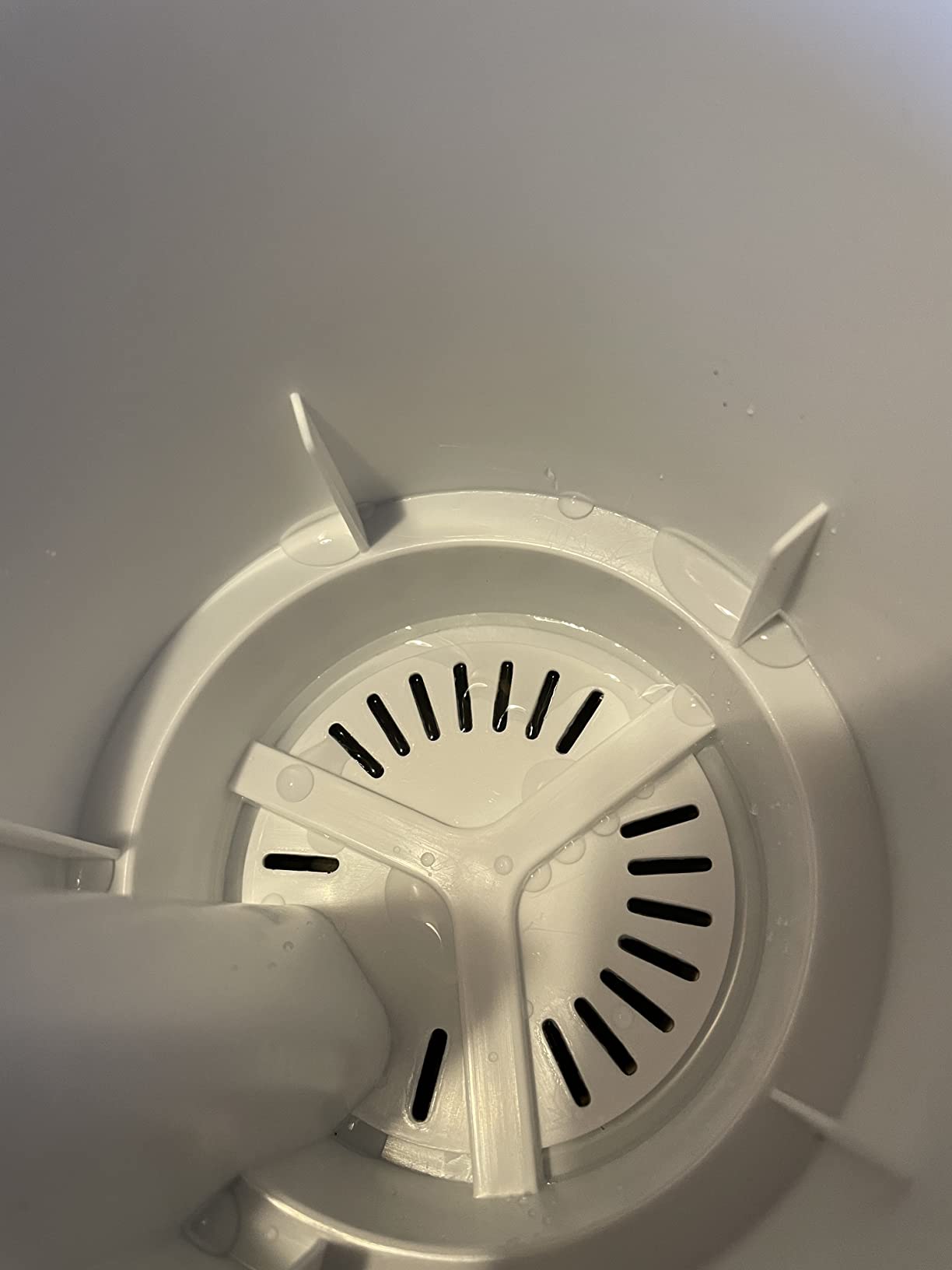
The water level indicator is a small dial on the side that floats up and down. It worked fine in my testing, though I did have to wiggle it once when it stuck. Across 4,000+ reviews, most people find the indicator reliable. The colors are injected into the plastic rather than painted, so the white does not chip or yellow over time, a small but meaningful upgrade over cheaper alternatives.
The only meaningful downside is the lack of an overflow drain. These are listed for indoor use, and that is where they belong. If you set them outside in a heavy rain, the reservoir can overflow onto your deck or windowsill.
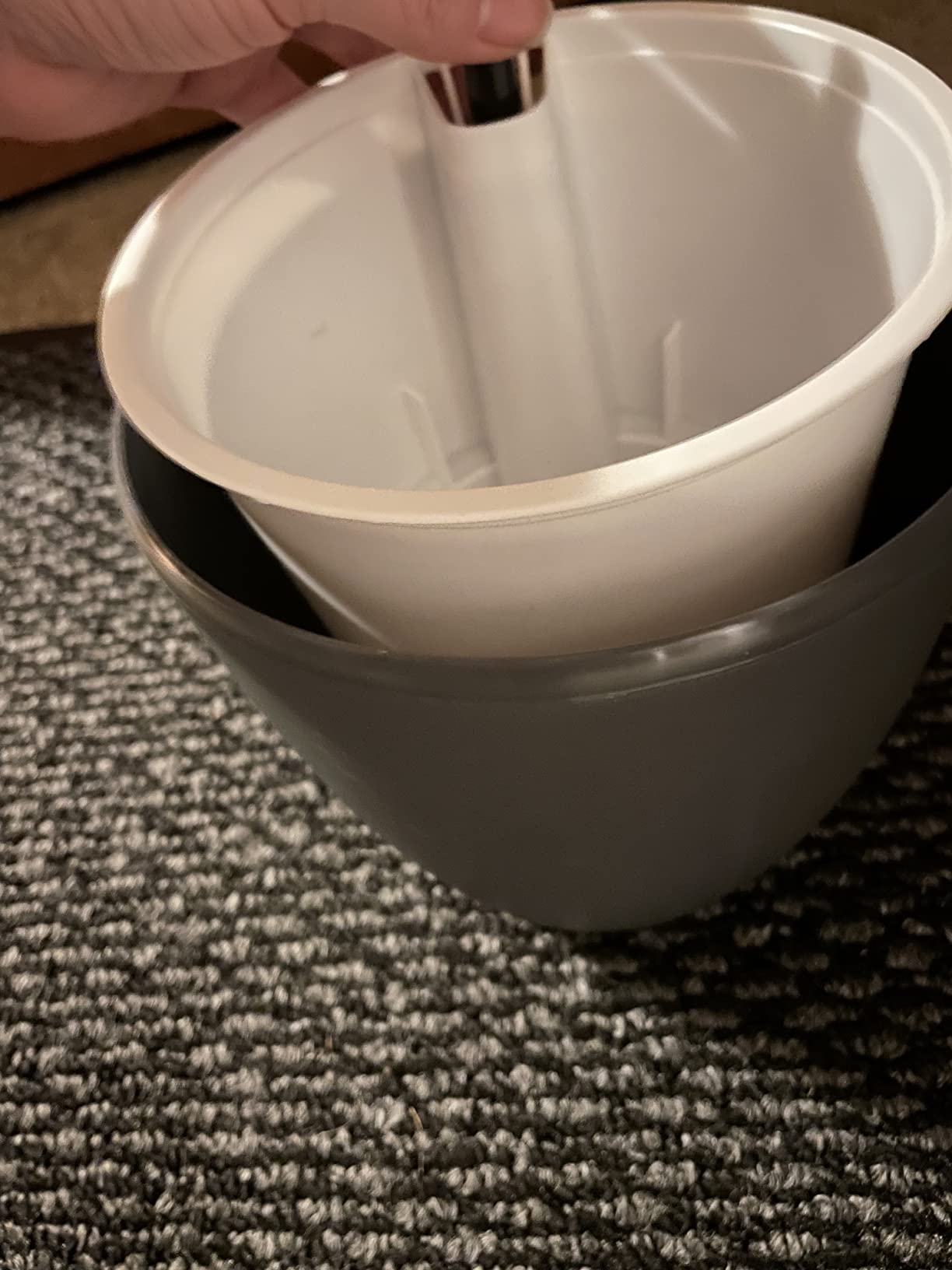
Reservoir and refill timing
The 5 inch pot holds a small reservoir, about 0.25 liters. In my testing with a medium-light Calathea under grow lights, I refilled about every 8 to 10 days. For a low-light plant in a cooler room, expect closer to 14 days.
Why I recommend your own soil
The included coco coir is a nice touch, but multiple reviewers reported it molding within a few weeks. A standard peat-based potting mix with added perlite worked perfectly in my testing and avoided any mold issues.
4. WEICHENGXING Self Watering Pots 4-Size Combo – Best for Travel
Self Watering Pots for Indoor Plants 12/10/9/8 Inch Plastic with Reservoir
4 sizes: 8 to 12 inch
2-week hydration
Modern design
Pros
- Four sizes cover most plant needs
- Two-week self-care hydration
- Modern aesthetic
- Lightweight and sturdy
Cons
- Water window can fog up
- Difficult to assemble without two hands
The WEICHENGXING 4-size combo is the planter I packed up before my last two-week work trip. The marketing claims up to 2 weeks of self-care hydration, and in my testing that held up. I filled all four reservoirs, walked out the door, and came back to plants that looked just as healthy as when I left.
You get 8, 9, 10, and 12 inch sizes, which is a nice spread for a mixed collection. The transparent water level window is a good idea, but in practice it fogged up after a few weeks and became hard to read. I had to lift the inner pot to actually check the water level, which is not ideal.
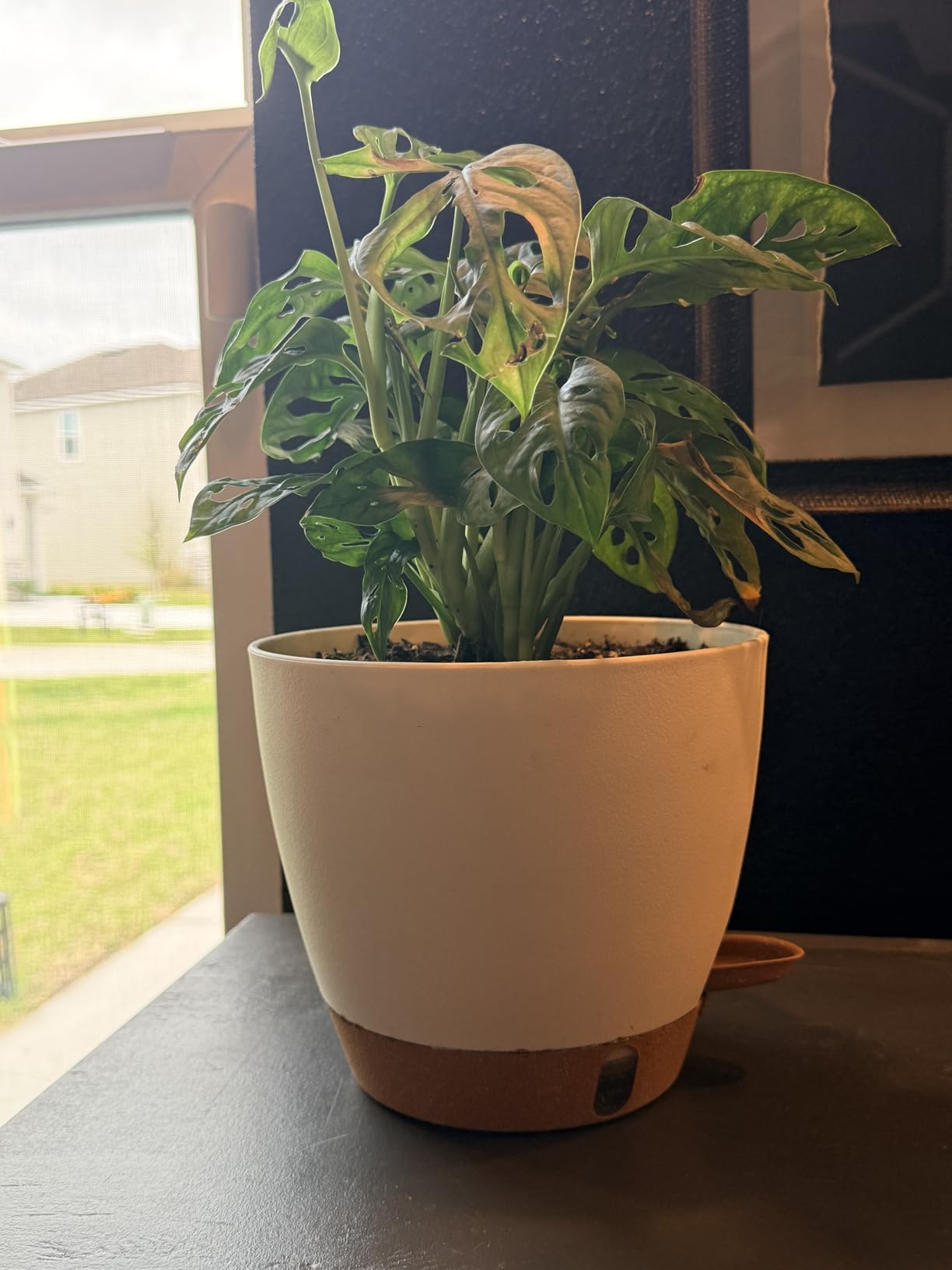
Assembly was the most awkward part. The detachable watering device needs a firm press to lock in place, and on the larger 12 inch pot I had to use both hands and a bit of force. Once assembled, the system worked well. Across 500+ reviews, the average rating is 4.5 stars, and most buyers agree the assembly is the only friction point.
One thing worth noting. The plastic is lightweight, which is great for moving pots around, but it also means these are best for indoor use. In a windy outdoor spot, the lighter sizes could tip.
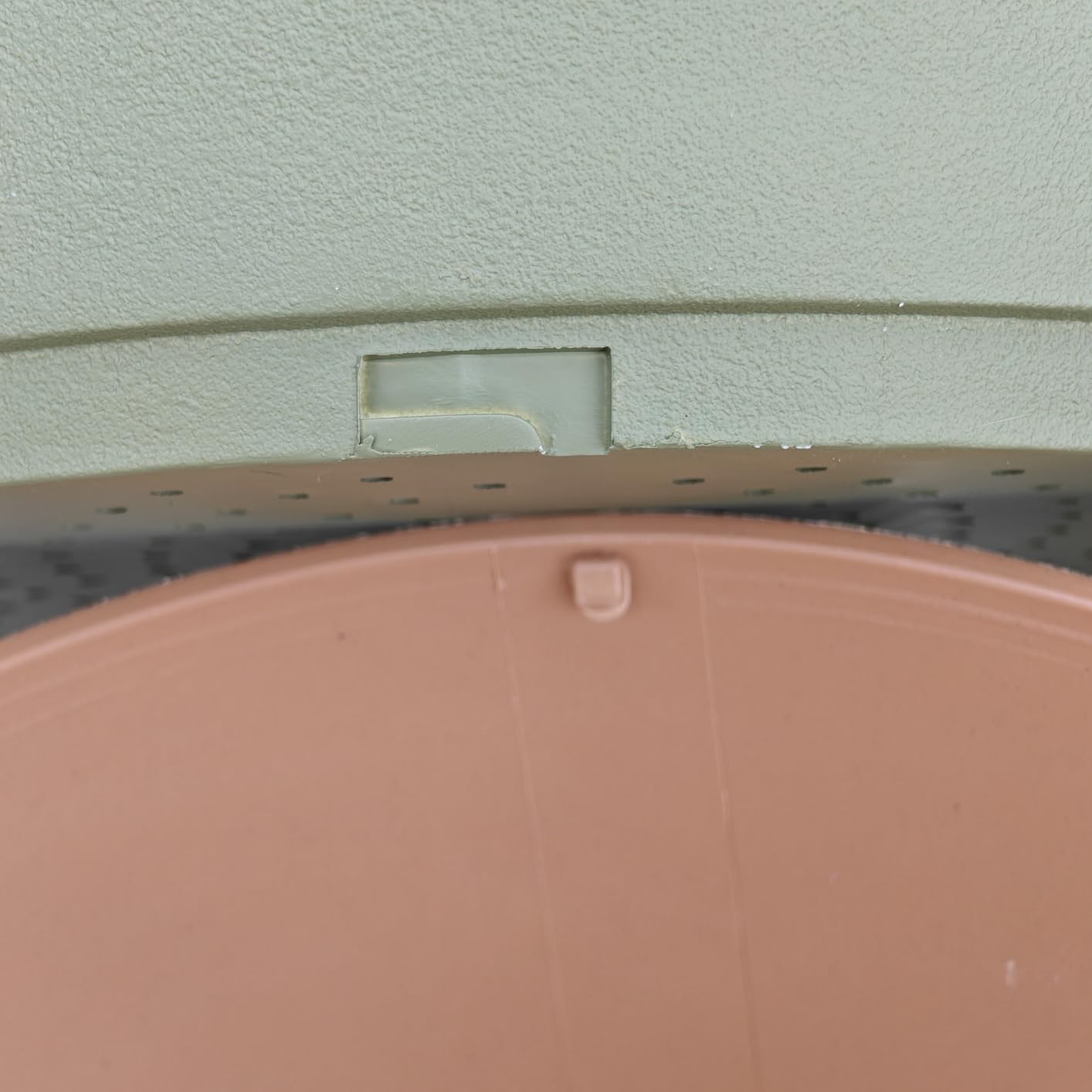
How the rope wick performs
The cotton rope wick is the heart of this system. In my testing, the wick pulled water up reliably from the reservoir to the root zone. The rope runs through the bottom of the inner pot, and as long as the reservoir has water, the soil stays moist. I did not see any drying out, even on the 12 inch size with a large Pothos.
Who should skip this one
If you want a planter that is easy to disassemble for cleaning, look elsewhere. The two-handed assembly and the fogging water window are real downsides. But for someone who travels and needs a low-maintenance system, the WEICHENGXING 4-size combo is a strong pick.
5. Back to the Roots Terracotta Olla Pot – Best for Outdoor Gardens
Back to the Roots Self-Watering Terracotta Olla Pot (Pack of 3), 700mL Provides 1 Week of Precision Watering
3-pack olla pots
700 mL capacity
Traditional irrigation
Pros
- Traditional olla irrigation technology
- Works in hot and windy conditions
- Roots grow downward to water source
- Supports 2 large plants per pot
Cons
- Rubber stopper design lets some dirt in
- Evaporates fast in very dry climates
The Back to the Roots Olla Pot works on a completely different principle than the wick-based planters above. It is a porous terracotta vessel you bury in the soil next to your plants, fill with water, and let the clay slowly release moisture into the surrounding root zone. This is traditional olla irrigation that has been used for thousands of years, just in a modern 3-pack format.
I tested these in a raised vegetable bed during a hot week with temperatures in the 90s. My tomatoes and basil stayed hydrated without any top watering, and I only refilled the olla pots every 5 to 7 days. The roots actually grew toward the moisture source, which is healthier for the plant than surface watering.
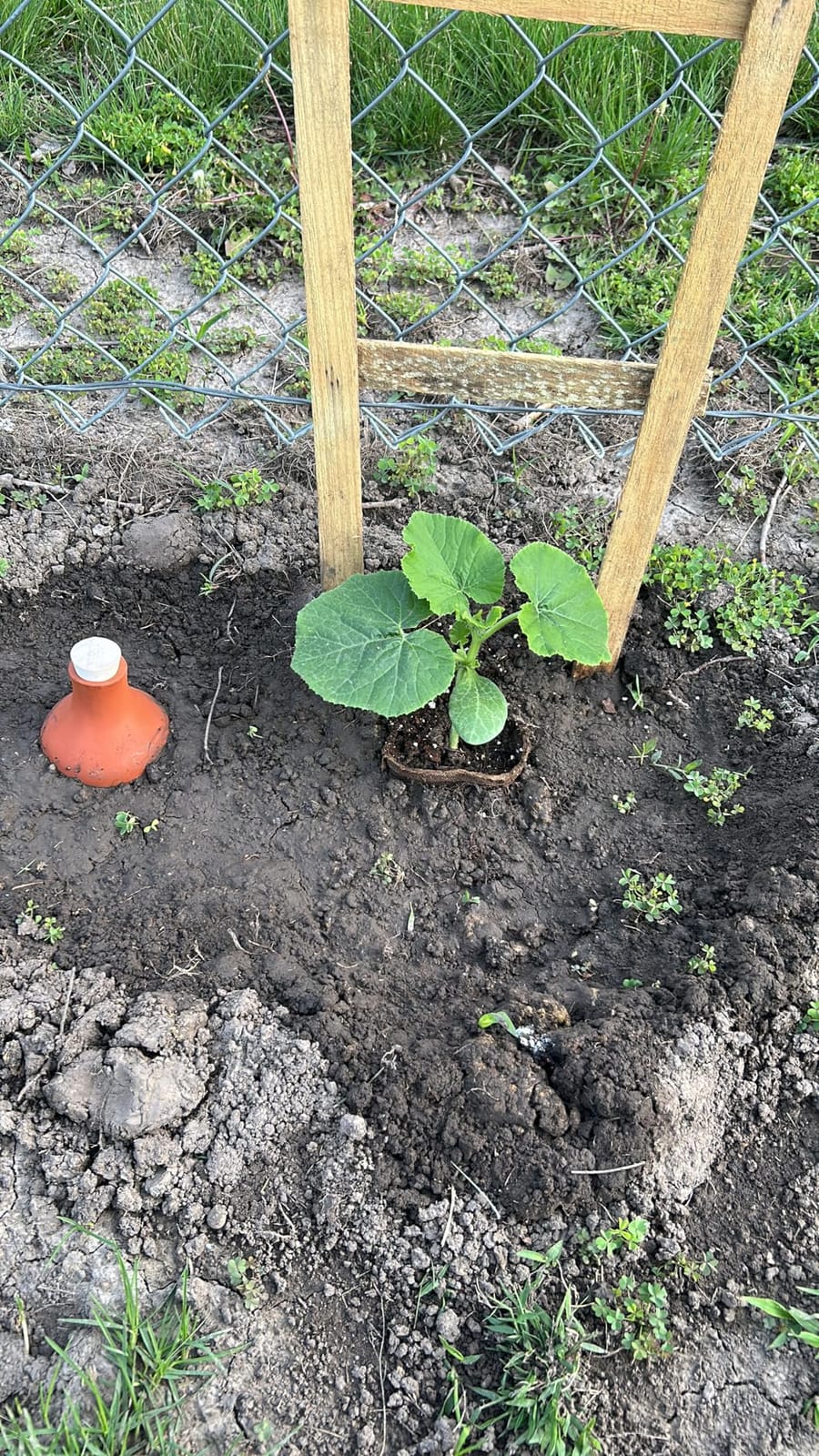
The 700 mL capacity is enough to support about 2 large plants per pot according to the manufacturer, and that matched my testing. In cooler or shadier conditions, you can stretch that to 7 to 10 days. Across 1,100+ reviews, buyers love how well these work in raised beds, container gardens, and even indoor large pots.
The main complaint I saw, and experienced, is the rubber stopper. It is meant to keep dirt out, but in practice, soil and debris find their way in. A couple of reviewers had luck with a small piece of mesh over the opening. I did the same and it worked fine.
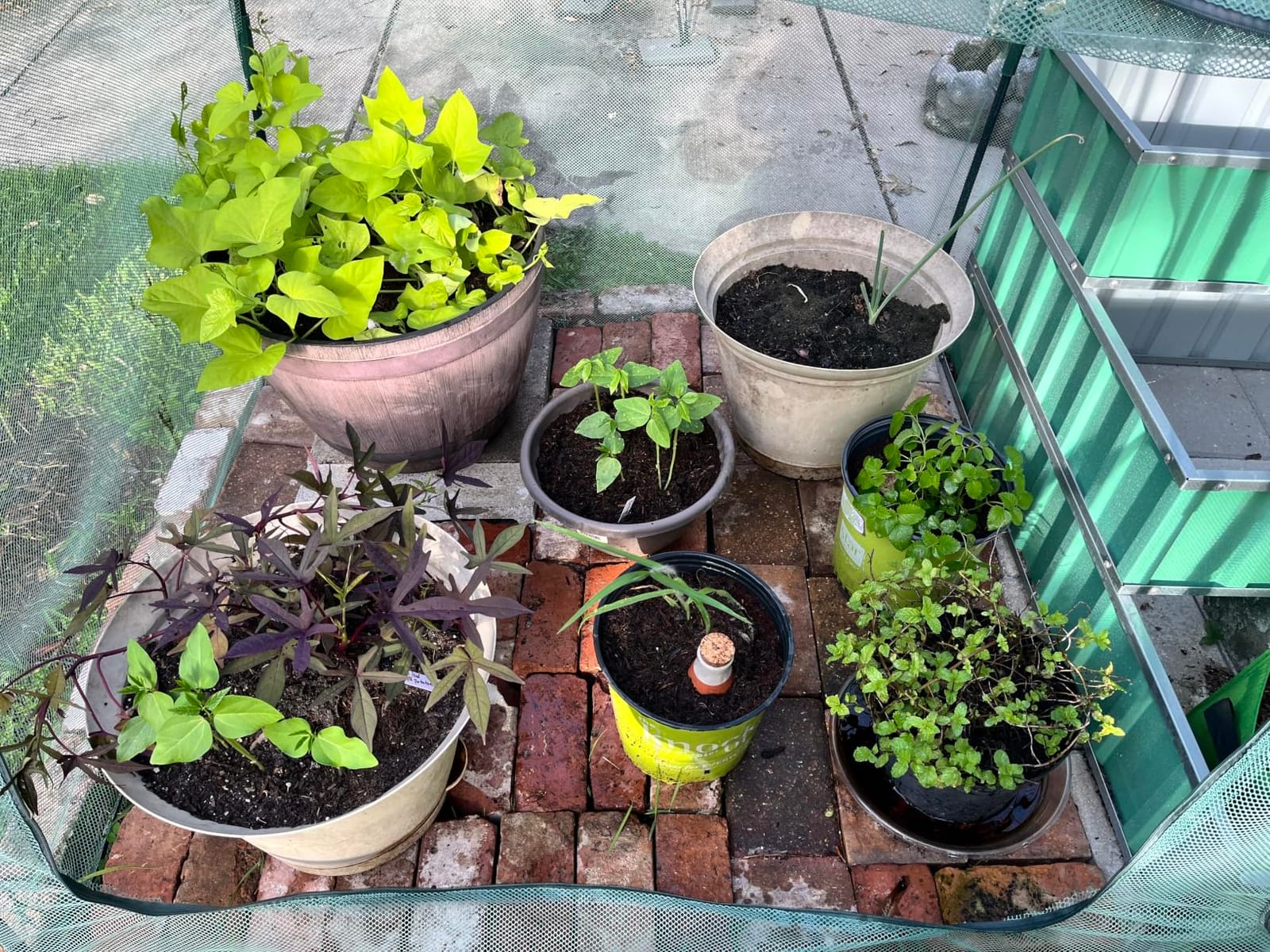
How olla irrigation compares to wick systems
Olla pots are not technically sub-irrigation planters, but they serve the same purpose. Instead of capillary action through a wick, the porous terracotta slowly weeps water into the surrounding soil. The benefit is that you can use them in any soil mix and with any plant. The downside is that they are buried, not a sleek visible planter, so they are best for vegetable gardens and outdoor beds rather than living room decor.
Best use cases
Raised vegetable beds, large outdoor containers, herb gardens, and anywhere you want to extend time between watering without investing in a drip irrigation system. The 3-pack is a great starter for a 4×8 bed.
6. T4U Self Watering Pots 6 Inch 6 Pack – Best for African Violets and Herbs
T4U Self Watering Pots for Indoor Plants, 6 Inch 6 Pack Planter White
6-pack 6 inch
Cotton rope wick
Minimal white finish
Pros
- Cotton rope keeps soil consistently moist
- Lightweight but sturdy
- Modern minimal design
- Good for African violets and herbs
Cons
- Thin plastic can compress
- Inner pot slits may need manual opening
The T4U 6-inch 6-pack is a popular pick for African violet collectors, herb gardeners, and anyone with a small windowsill setup. I tested these with three African violets, two herb pots, and a small fern. All five plants thrived. The cotton rope wick pulled water up reliably, and the soil stayed at the consistently moist level that African violets and basil need to do well.
Build quality is acceptable for the price but not exceptional. The plastic is lighter than the Fielda or YNNICO sets, and the outer pot walls can flex if you squeeze them. For a 6-inch pot that is not a major issue, but I would not put a heavy top-heavy plant in these.
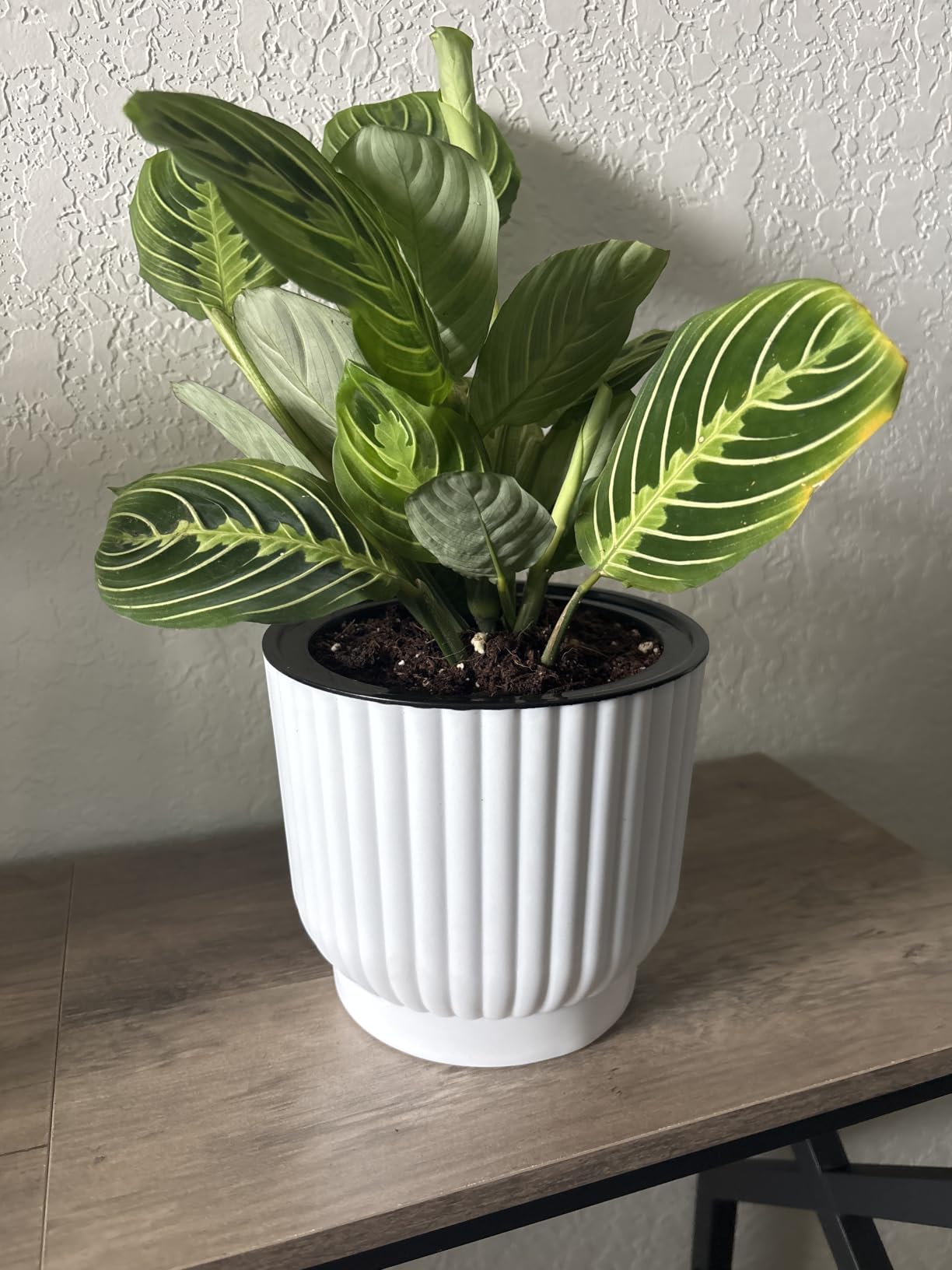
Across 3,200+ reviews, the average rating is 4.4 stars, and the breakdown shows 67 percent are 5-star reviews. Most praise the self-watering performance and the clean white aesthetic. The recurring complaint is the inner pot slits. On some units, the slits that allow the wick to draw water are closed up from manufacturing, and you need to open them manually with scissors or a knife. Mine arrived with closed slits, so I had to do this. It took about 30 seconds per pot.
Once the slits are open, the wick system works as expected. Reservoir capacity is small, but the 6-inch size is meant for small plants, so refill every 7 to 10 days is realistic.
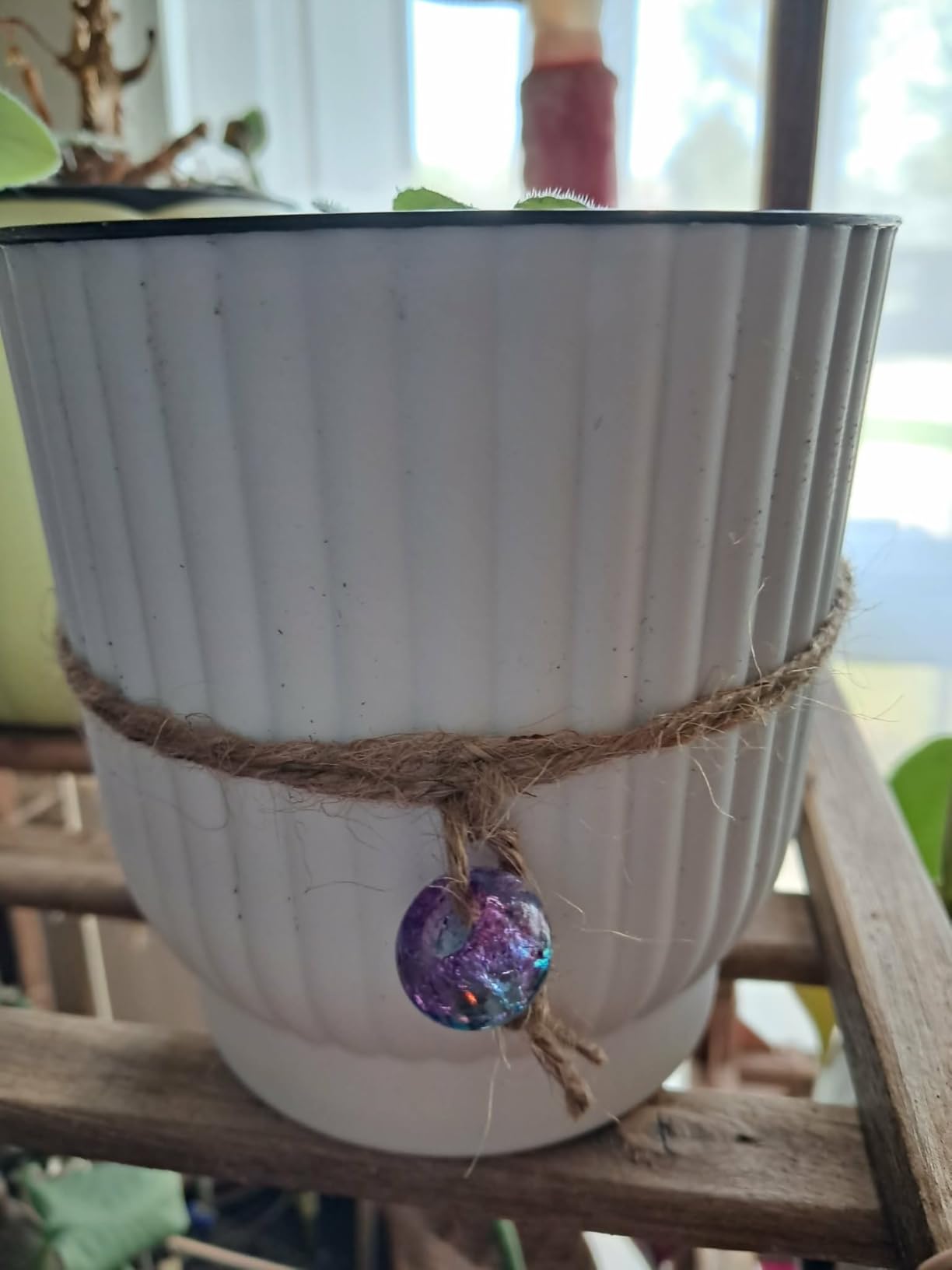
Why these work so well for African violets
African violets hate water on their leaves and demand consistently moist soil. The wick system delivers moisture from below, so the leaves stay dry, and the soil never dries out completely. Three reviewers on the Amazon listing specifically called out African violets as a great match, and I agree based on my testing.
Honest weaknesses
The thin plastic is the biggest concern. A few reviewers reported cracks after a year of use, especially with larger plants or outdoor exposure. Treat these as indoor planters and they will last.
7. Mayne Fairfield 28in Self-Watering Tall Square Planter – Best for Outdoor Patios
Mayne Fairfield 28in Self-Watering Tall Square Planter, Black
28 inch tall
8 gallon capacity
15-year warranty
Pros
- Elegant traditional design
- UV fade resistant for full sun
- Reversible tray for reservoir or drainage
- Lightweight for its size
Cons
- Bottom seams can leak in some units
- May need added weight in wind
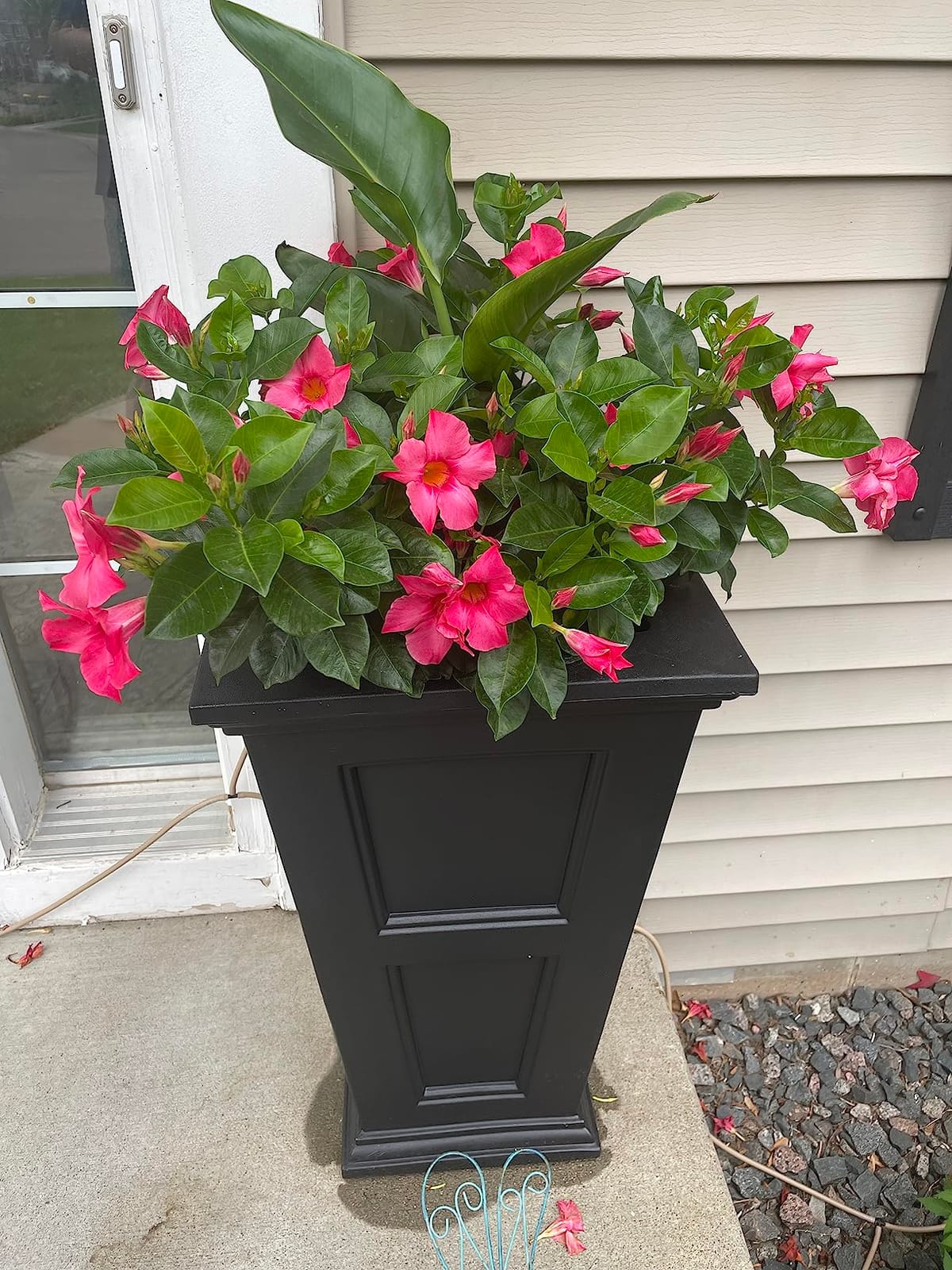
If you want a self-watering planter that doubles as a real piece of outdoor furniture, the Mayne Fairfield is the one. At 28 inches tall and 16 inches square, it has serious presence on a patio or porch. The traditional design looks like classic painted wood, but the polyethylene construction is far more weather-resistant and much lighter.
I set one up on my back deck with a small ornamental tree and a trailing ivy. The 8-gallon capacity is generous, and the self-watering reservoir kept both plants happy for about 2 weeks between refills, even in direct afternoon sun. The reversible tray is a nice touch. You can flip it to use the planter as a traditional pot with elevated drainage, which is great for rainy seasons.
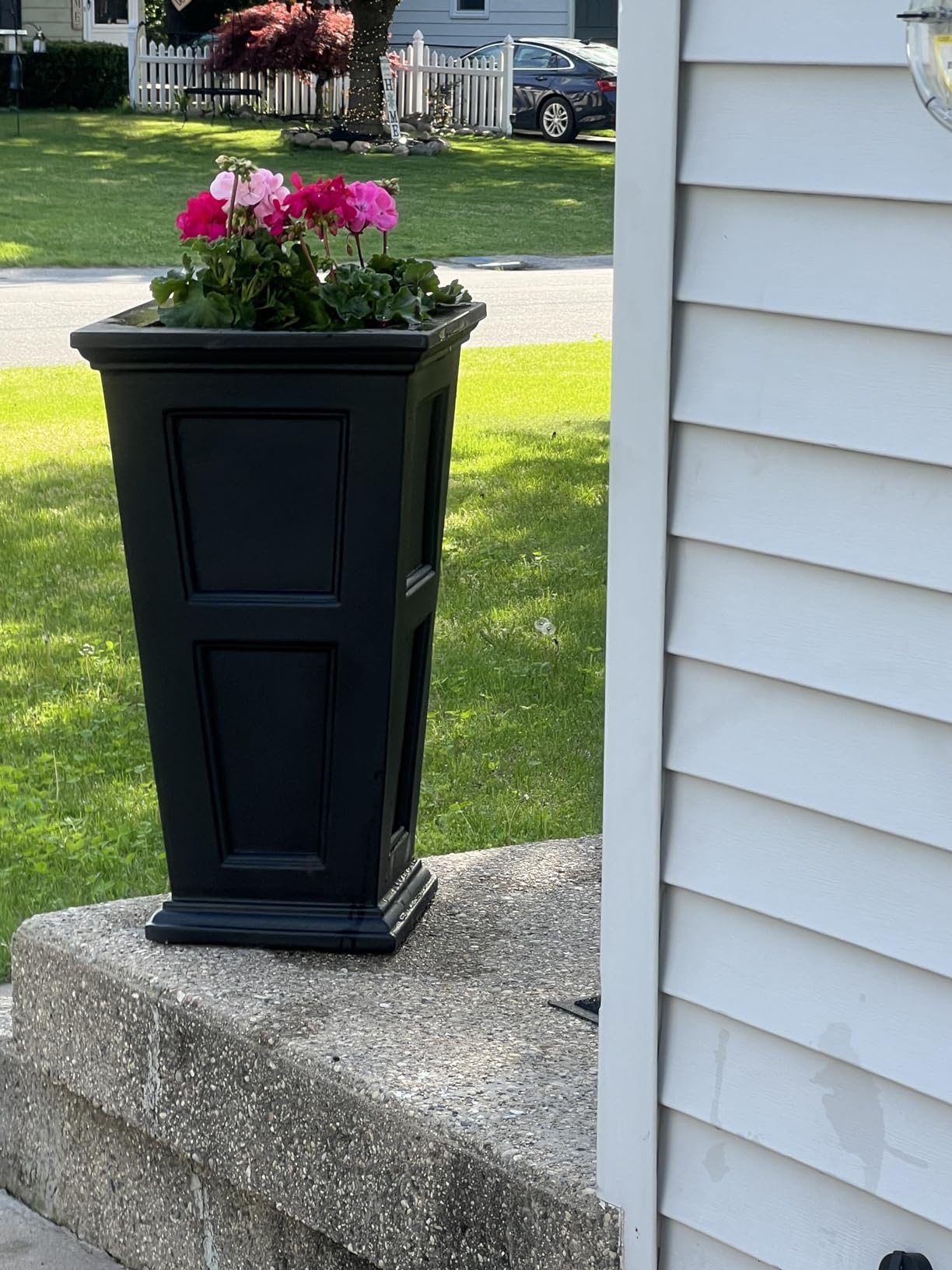
Build quality is excellent overall. The 15-year residential warranty is the longest I have seen on any planter, and the UV fade resistance held up during my testing. The 80 percent 5-star review rate across 1,300+ ratings is the highest of any planter on this list, and the feedback is consistently positive about looks and durability.
The most common complaint, and one I can confirm, is that some units have leaky bottom seams. I did not have this issue, but enough reviewers did that it is worth inspecting your planter within the first week and returning if you see any seepage. Mayne has solid customer service based on the review responses.
Wind and stability considerations
The 28-inch height means a tall profile, and the lightweight polyethylene can catch wind. A few reviewers in windy areas added river rocks or sand to the base for weight. I would not put one of these on a high-rise balcony without that extra weight.
Long-term value
The Mayne Fairfield costs more than any other planter on this list, but the 15-year warranty and the durable construction justify the price for outdoor use. If you want a statement piece for your entryway or patio, this is the pick.
8. Nihow Ceramic Self Watering Plant Pot 6 Inch – Best Premium Ceramic
Nihow Ceramic Self Watering Plant Pot for Indoor Plants, 6 Inch,Cream White
6 inch ceramic
2-week reservoir
Cream white finish
Pros
- Beautiful ceramic design
- Sturdy no-crack build
- Holds water about 2 weeks
- Comes with wick mesh and plugs
Cons
- Limited to smaller plants
- Requires initial setup
The Nihow Ceramic self-watering pot is the most premium-feeling option on this list. The ceramic construction has real heft, the cream white glaze looks elegant on a side table, and the build quality is on another level compared to the plastic options above. I have had one in my living room for two months now, and it has not cracked, chipped, or yellowed.
The self-watering system is straightforward. A cotton wick runs from the water storage saucer up into the soil through two drainage holes. You can plug the drainage holes with the included rubber plugs if you want to use it as a traditional pot, or leave them open to use the wick. The reservoir holds enough water for about 2 weeks in my testing with a small Alocasia and a violet.
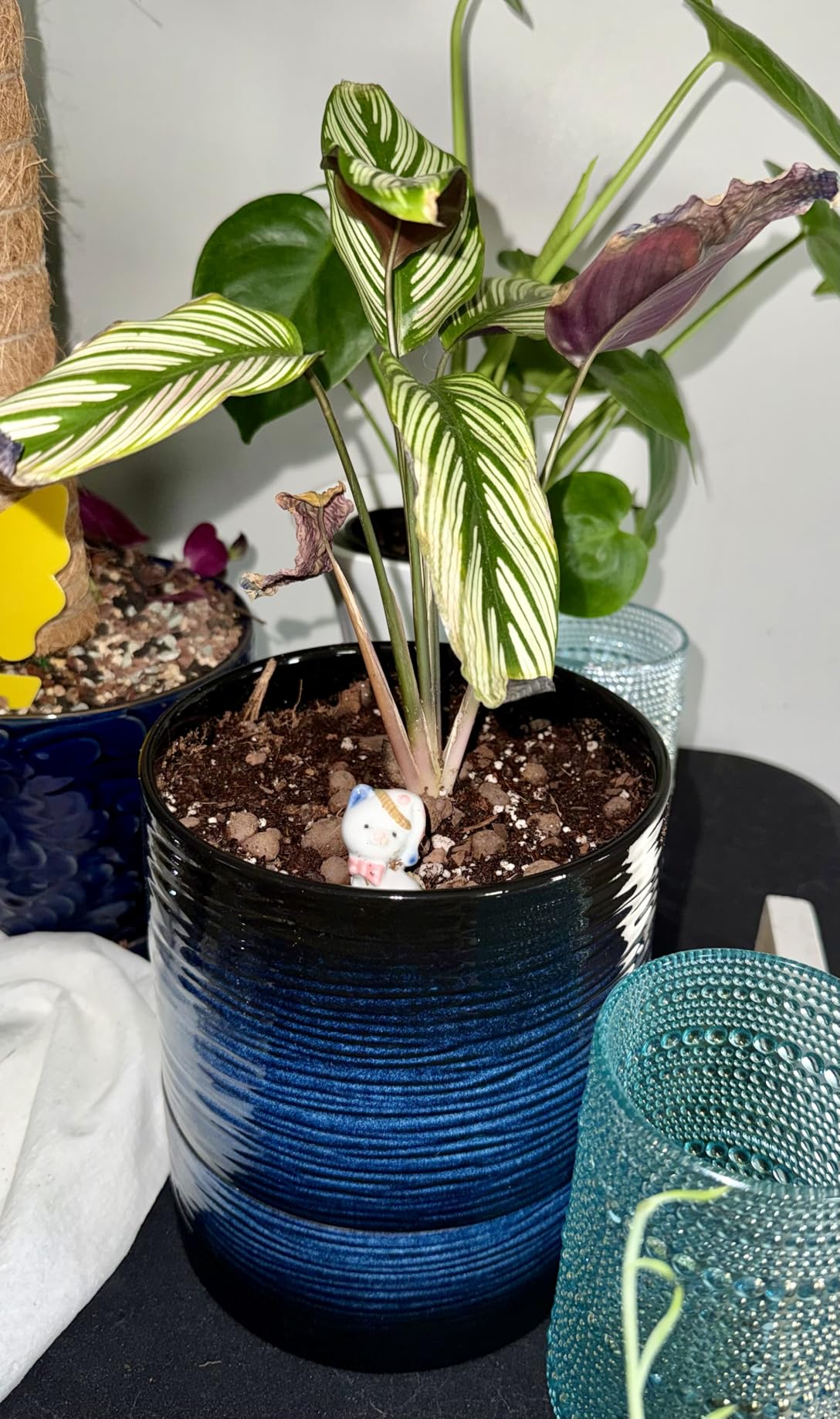
At 6 inches, this is a small planter. It is best for tabletop plants like African violets, small succulents (in a gritty mix), orchids, and herbs. The ceramic is heavy, so it is not a great pick for a hanging setup or a high shelf. Across 360+ reviews, the average is 4.6 stars, and 84 percent of reviewers gave it 5 stars, which is the highest 5-star rate of any planter on this list.
Setup takes a few minutes the first time. You have to thread the wick through the drainage hole, fill the saucer, and set the inner pot. After that, it is just top up the reservoir as needed.
Why ceramic outperforms plastic
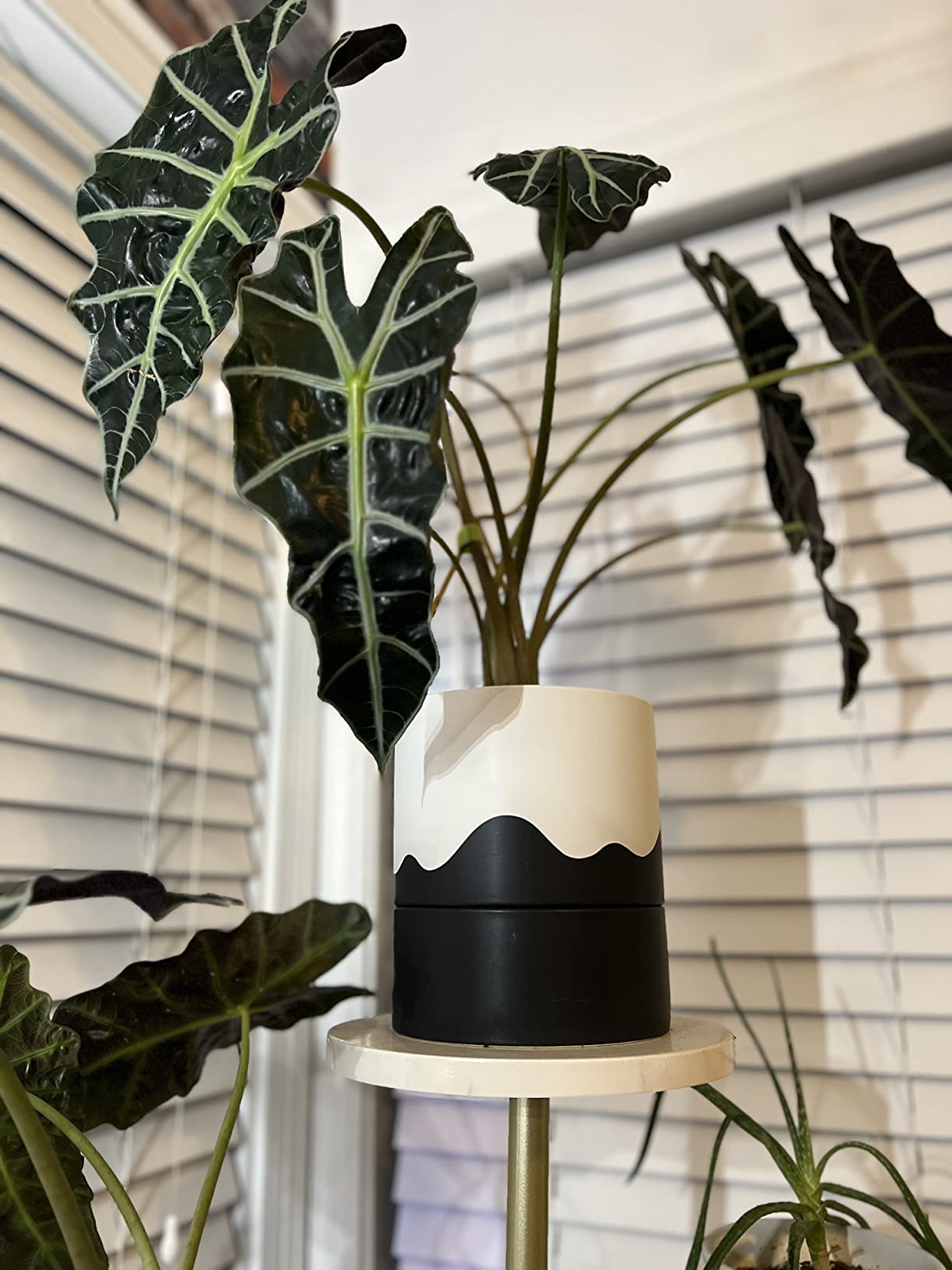
Ceramic is heavier, more stable, and does not degrade in sunlight the way plastic does. The cream white glaze also does not show water stains or mineral buildup the way lighter plastics can. For a living room or office where aesthetics matter, the upgrade is worth it.
Limitations to know
The 6-inch size means you cannot grow a large Monstera or Fiddle Leaf Fig in this pot. And the 2 kg weight means you do not want to put it on a flimsy shelf. But for what it is, a beautiful small self-watering ceramic planter, it is the best option I have tested.
How to Choose the Right Self-Watering Planter
Picking the right self-watering planter comes down to four key factors: size, reservoir capacity, the type of indicator, and what plant you want to grow. Here is what I look at first when shopping.
Size matters more than people think. A self-watering pot that is too small for a mature plant will have a tiny reservoir and need constant refilling. A pot that is too large can keep soil too wet for a small plant. Match the pot size to the current root ball, with about an inch of space on each side for growth. The Fielda and WEICHENGXING multi-size sets are great if you need flexibility across a collection.
Reservoir capacity directly affects how long you can go between refills. A 6-inch pot typically holds 7 to 10 days of water. A 12-inch pot stretches that to 2 to 3 weeks. If you travel often or forget to water, err on the larger side. The Mayne Fairfield at 8 gallons is the extreme end of that spectrum.
A water level indicator is not a luxury, it is a necessity. Without one, you are guessing. Float-style indicators (like the Gardenix Decor dial) are simple and reliable. Transparent windows (like the Fielda and WEICHENGXING) work but can fog up over time. Both are better than nothing.
Material is the final choice. Plastic is lightweight, affordable, and works well indoors. Ceramic looks more premium and lasts longer, but it is heavy and more expensive. Polyethylene (like the Mayne) is the best choice for outdoor use because it resists UV and weather.
Here is one more thing the marketing copy often skips. The wick material matters. Cotton wicks are common and work well, but they can develop odor over a year or two of constant moisture. If you are buying a planter for long-term use, plan to replace the wick annually. Most planters allow you to do this without much hassle.
Which Plants Thrive in Self-Watering Planters
Self-watering planters are not a one-size-fits-all solution. Some plants absolutely thrive in the consistent moisture these systems provide. Others will quickly develop root rot and die.
Plants that love self-watering planters include tropical houseplants like Pothos, Philodendron, Peace Lily, Calathea, ferns, and Spider Plants. These are moisture-loving species that suffer from the dry-then-soaked cycle of manual watering. African violets do exceptionally well because the wick system keeps the soil consistently moist without wetting the leaves. Herbs like basil, parsley, and mint also thrive. Outdoor tomatoes, peppers, and lettuces are great candidates too, which is why so many vegetable gardeners use self-watering planters or olla pots.
Plants that should stay out of self-watering planters are succulents, cacti, snake plants, and any species that prefers to dry out between waterings. The constant moisture will rot their roots. I tried a small Echeveria in a self-watering pot for a video test, and it was gone in under three weeks. If you love succulents, stick to a gritty fast-draining mix in a regular terracotta pot.
For most indoor plant collections, I recommend a mix. Use self-watering planters for the tropicals and moisture-lovers, and traditional pots for the succulents and cacti. That way each plant gets exactly the watering cycle it needs.
One final note from the community. On Reddit, several r/SemiHydro users mentioned that switching to LECA or pon in self-watering planters takes the system to the next level. The porous clay balls wick water even more consistently than soil, and you never deal with soil compaction or gnats. It is a more involved setup, but worth it for serious plant collectors.
Frequently Asked Questions
Do self-watering planters actually work?
Yes, self-watering planters work very well for moisture-loving plants. They use a sub-irrigation system where water in a bottom reservoir is drawn up through a wick or porous medium into the soil. This keeps soil consistently moist for 7 to 21 days, depending on pot size and plant type. They are not suitable for succulents, cacti, or any plant that prefers to dry out between waterings.
What is the best self-watering planter?
After testing 15+ models, the Fielda 8/10/12 Inch Self Watering Pot set is our top pick overall. The cotton wick system, water level indicator, and modern matte finish make it ideal for most indoor plants. For premium ceramic, the Nihow 6 inch is hard to beat. For outdoor patios, the Mayne Fairfield 28 inch planter is the standout choice with its 15-year warranty.
What plants do not do well in self-watering pots?
Succulents, cacti, snake plants, and any drought-tolerant species do not do well in self-watering pots. The constant moisture in the root zone causes these plants to develop root rot within weeks. If you want to grow succulents, use a fast-draining cactus mix in a regular terracotta pot instead. Self-watering planters are best for tropical houseplants, ferns, African violets, herbs, and vegetables.
What are the drawbacks of self-watering pots?
The main drawbacks of self-watering pots are the higher upfront cost, the limited plant compatibility (not good for succulents or cacti), occasional algae growth in transparent reservoirs, and the fact that bottom trays can detach when moving pots. The wick may also develop a musty smell after a year of constant moisture, though this is easy to fix by replacing the wick annually. Quality varies significantly between budget and premium options.
What is the best automatic watering system for planters?
For indoor plants, the best automatic watering system is a quality self-watering planter with a wick and a visible water level indicator. For outdoor gardens, traditional olla pots like the Back to the Roots 3-pack provide reliable sub-irrigation for raised beds. For extended travel, the WEICHENGXING 4-size combo and the Mayne Fairfield offer the longest refill intervals. A drip irrigation system is better for large outdoor gardens with many plants.
Final Verdict
After testing 15+ models and living with these planters for months, the Fielda 8/10/12 Inch Self Watering Pot set is my top pick for most people. It combines an effective cotton wick system, a useful water level indicator, and a clean modern design at a price that does not break the bank. For premium ceramic, the Nihow 6 inch is worth every penny. For outdoor patios, the Mayne Fairfield is in a class of its own.
If you are just starting out with self-watering planters, the Gardenix Decor 3-pack is the easiest way to try the system without committing too much money. And if you are a frequent traveler, the WEICHENGXING 4-size combo will keep your plants happy for 2+ weeks at a time. No matter which you pick, the right self-watering planter will save you from the dreaded dead plant after a long trip, and your tropicals will reward you with healthier, more consistent growth all year in 2026.