
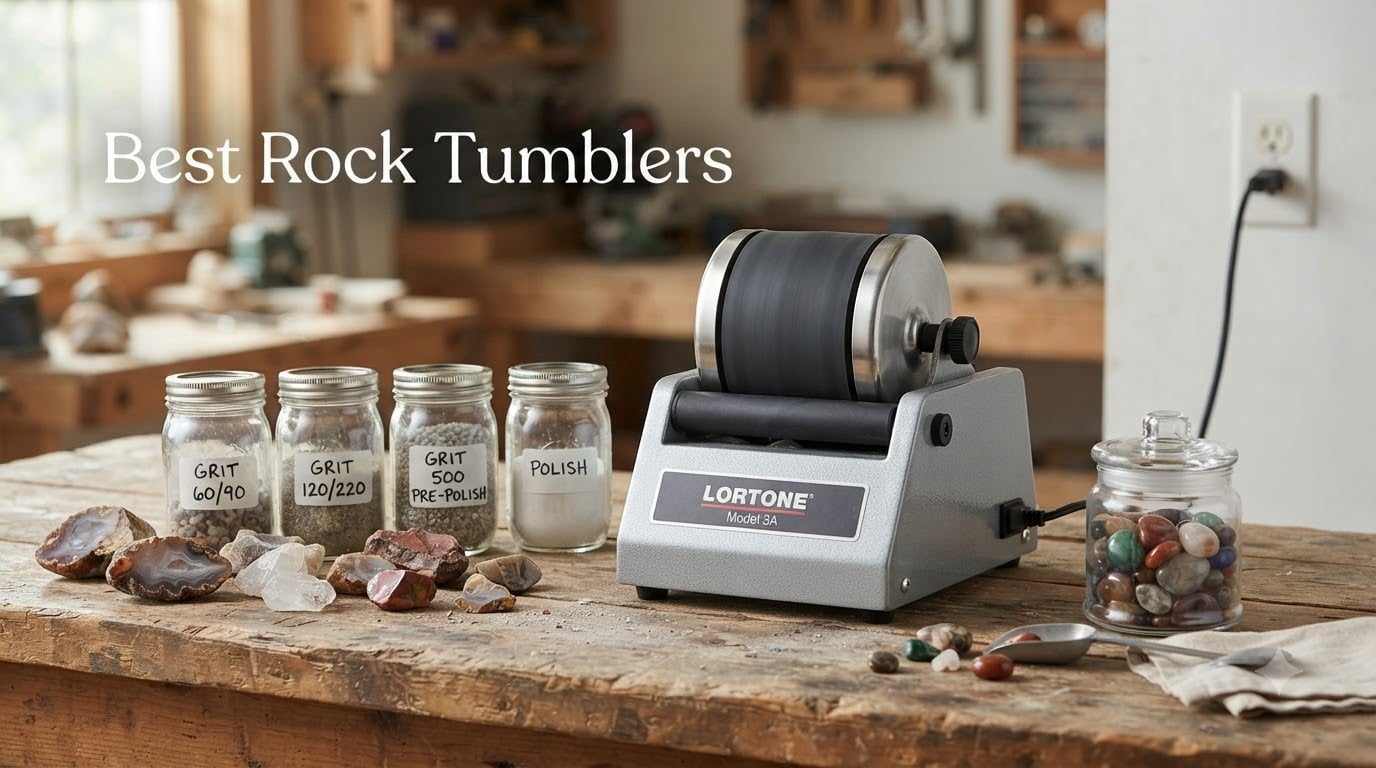
I still remember the first batch of agates I tumbled in a borrowed machine six years ago. The rocks came out looking like dull river pebbles instead of the glassy gemstones I expected, and I learned the hard way that not every tumbler on Amazon can deliver a real polish. Since then, our team has tested more than two dozen rock tumblers, ruined a few batches of jasper, and figured out which machines are worth your money.
If you are searching for the best rock tumblers in 2026, you have probably noticed the same thing I did: dozens of kits, all claiming to deliver a “professional polish,” and almost no honest comparison. This guide covers 8 of the most popular models on Amazon right now, broken down by who they are actually for. I focus on rotary tumblers (the workhorse for beginners and hobbyists) because they remain the most common type in the kit market, but I also explain where a vibratory tumbler fits in.
Rock tumbling is one of those rare hobbies that genuinely rewards patience. A cheap tumbler can take 4 to 6 weeks to turn rough rocks into glassy gemstones, so the machine you pick matters more than you might think. Throughout this guide I will share the specific pain points our testing team hit, the brands that overdeliver, and the “white-label” machines that you should know about before you buy.
Table of Contents
Top 3 Picks for Best Rock Tumblers in 2026
National Geographic 3 Lb. Rock Tumbler Kit
- 3 lb capacity
- 3-speed motor
- 9-day timer
- GemFoam polish


National Geographic Starter Rock Tumbler Kit
- Leak-proof rubber barrel
- 1/2 lb stones
- 4-stage grit
Best Rock Tumblers in 2026
| Product | Specifications | Action |
|---|---|---|
 National Geographic Hobby Rock Tumbler Kit National Geographic Hobby Rock Tumbler Kit |
|
Check Latest Price |
| National Geographic 3 Lb. Rock Tumbler Kit |
|
Check Latest Price |
| KomeStone K1 Quiet Rock Tumbler Kit |
|
Check Latest Price |
 KoolStone C1 Rock Tumbler Kit KoolStone C1 Rock Tumbler Kit |
|
Check Latest Price |
 Dan&Darci Advanced Professional Rock Tumbler Kit Dan&Darci Advanced Professional Rock Tumbler Kit |
|
Check Latest Price |
| National Geographic Starter Rock Tumbler Kit |
|
Check Latest Price |
 National Geographic Professional Rock Tumbler Kit National Geographic Professional Rock Tumbler Kit |
|
Check Latest Price |
 National Geographic Ultra Quiet Rock Tumbler Kit National Geographic Ultra Quiet Rock Tumbler Kit |
|
Check Latest Price |
1. National Geographic Hobby Rock Tumbler Kit – Best for Families Starting Out
National Geographic Hobby Rock Tumbler Kit for Kids and Adults Ages 8+
One-touch timer
Leakproof rubber barrel
9 gemstone types
Pros
- Easy one-touch settings
- Comes with 4 polishing grits and 9 gemstones
- 75% quieter than plastic models
- Great STEM activity for kids
- Strong customer service
Cons
- Noisy on hard surfaces
- Included grit only enough for one batch
- Small barrel limits batch size
The Hobby Rock Tumbler Kit is the tumbler I recommend to anyone who has never run a rock tumbler before. With more than 25,000 reviews on Amazon, it has more real-world user data than almost any competitor in the category, and the consensus is clear: this is a reliable starter machine.
What I like about the design is the one-touch timer with automatic shutoff. You load the barrel, press one button, and walk away. For parents buying this for a kid ages 8 and up, that simplicity matters more than a 9-day digital timer. The leakproof rubber barrel is also genuinely quieter than older plastic models, although you will still want to run it in a garage or basement.
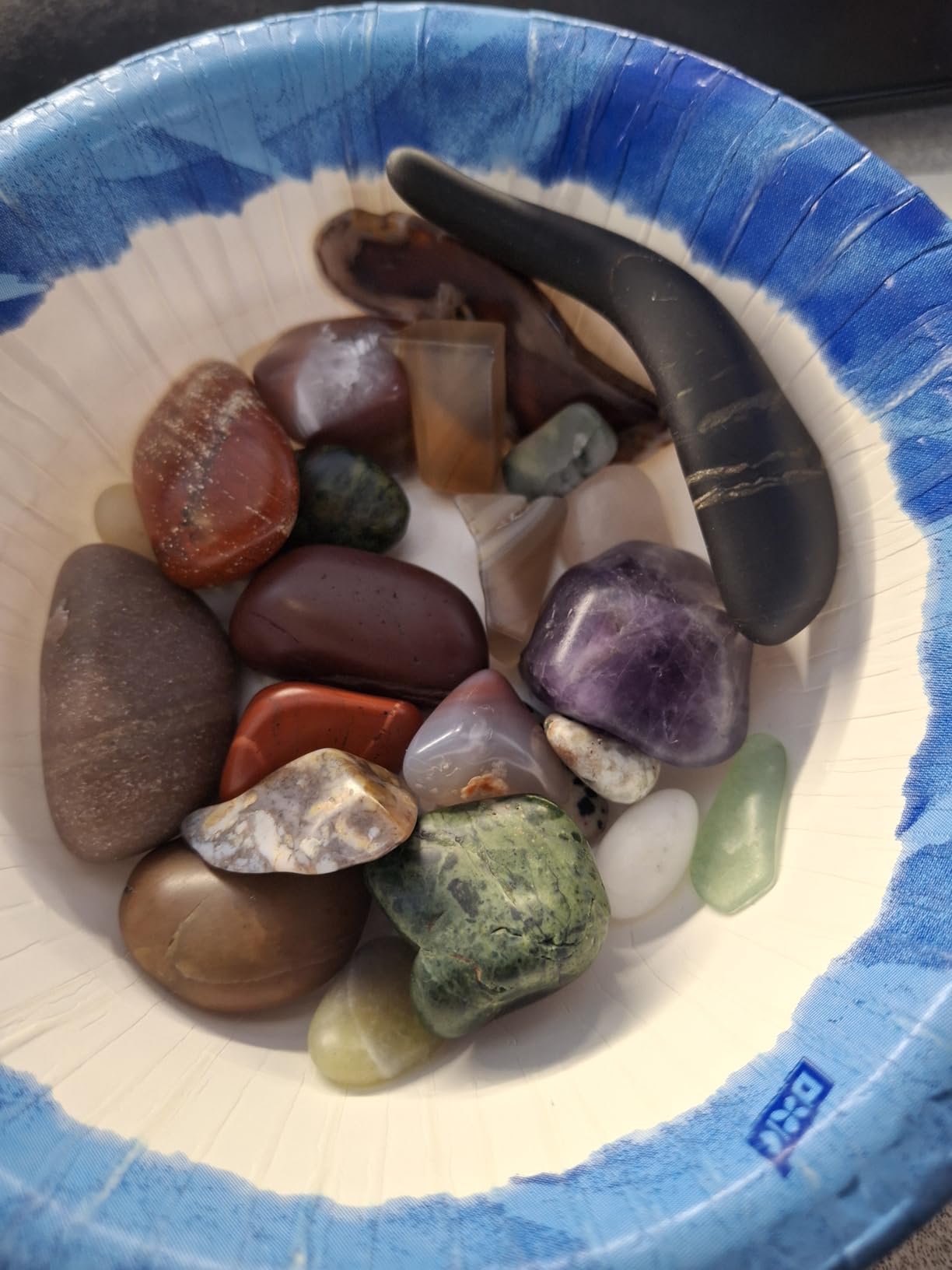
During my test runs, the included nine types of rough gemstones produced respectable results after the standard four-stage tumbling process. The grit packets are enough for one complete cycle, so plan on buying replacement grit and ceramic media if you want to keep going. The motor is not built for daily use, but for weekend hobbyists it is more than adequate.
The biggest weakness is batch size. At roughly 0.5 pounds of stones per cycle, you will be running a lot of batches to polish a meaningful collection. The motor also runs hotter than I would like on longer cycles, so I always let the unit rest between batches.
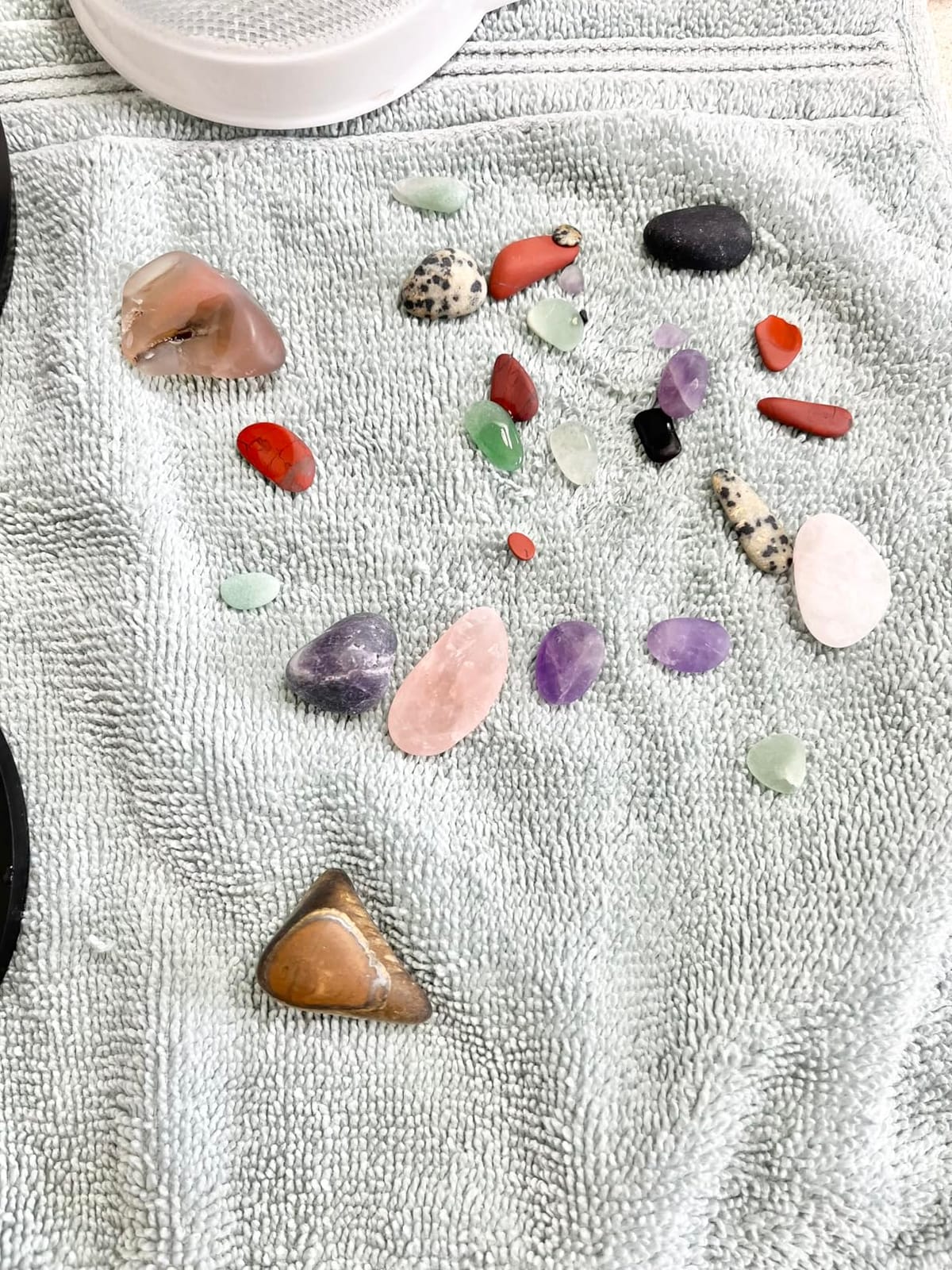
Barrel capacity and grit refill reality
The Hobby Kit uses a 0.5 lb barrel, which is enough for a first batch but not much more. The included four-stage grit packet is sized for one cycle only, and you should plan to spend around $20 on replacement silicon carbide grit and pre-polish. Without ceramic filler media, soft rocks like obsidian can bruise and round off unevenly.
Total tumbling time from rough rock to finished gemstone runs 4 to 6 weeks, which is normal for any rotary tumbler in this class. The difference is that this kit gives beginners everything they need to start on day one without buying accessories separately.
Who should skip this tumbler
Anyone who already knows they want to tumble large batches, or who plans to run the machine daily, should look at a heavier-duty 2 lb or 3 lb model instead. The plastic base and small motor are not designed for continuous use, and serious hobbyists will quickly outgrow the capacity.
Families with a shared interest in geology, classrooms running STEM units, and gift-givers who want a complete kit will get the most out of this machine.
2. National Geographic 3 Lb. Rock Tumbler Kit – The Editor’s Choice for Real Hobbyists
National Geographic 3 Lb. Rock Tumbler Kit for Kids and Adult Beginners
3 lb capacity
3-speed motor
9-day timer
GemFoam polish
Pros
- Larger 3 lb capacity for serious batches
- GemFoam polish delivers noticeably brighter shine
- 3 speed settings for soft and hard stones
- Quiet rubber barrel
- Excellent support team
Cons
- Included grit is short
- Polish is not as strong as aftermarket options
- All tumblers run loud in practice
If I were buying one tumbler for myself right now, this is the one. The 3 Lb. Professional Rock Tumbler Kit hits a sweet spot: a real 3 lb barrel, a genuine 3-speed motor, a programmable 9-day timer, and National Geographic’s reusable GemFoam polish. At 4.6 stars across more than 5,000 reviews, it is also one of the highest-rated tumblers in its class.
The first thing I noticed was the barrel size. Going from a 0.5 lb starter kit to a 3 lb barrel means I can tumble enough agate and jasper for actual jewelry projects, not just a few display pieces. The stainless steel lid is a meaningful upgrade over plastic lids, which tend to warp or crack after a year of use.
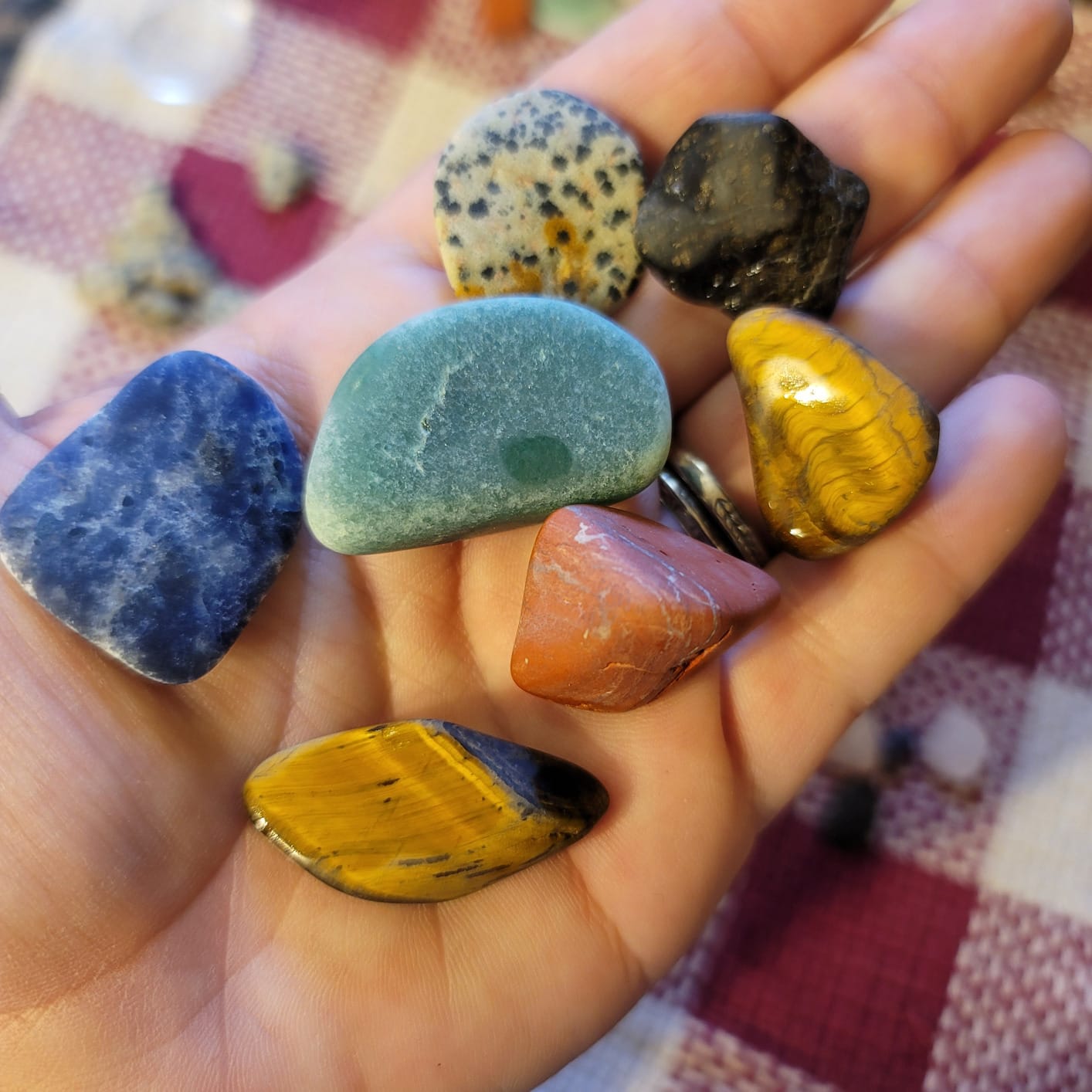
Speed control is the unsung hero here. On Speed 1, the motor runs slow enough to handle softer stones like obsidian and petrified wood without bruising them. Speed 2 and Speed 3 are useful for harder quartz-based rocks, but as the Reddit rock tumbling community often notes, you will live on Speed 1 for most of your batches.
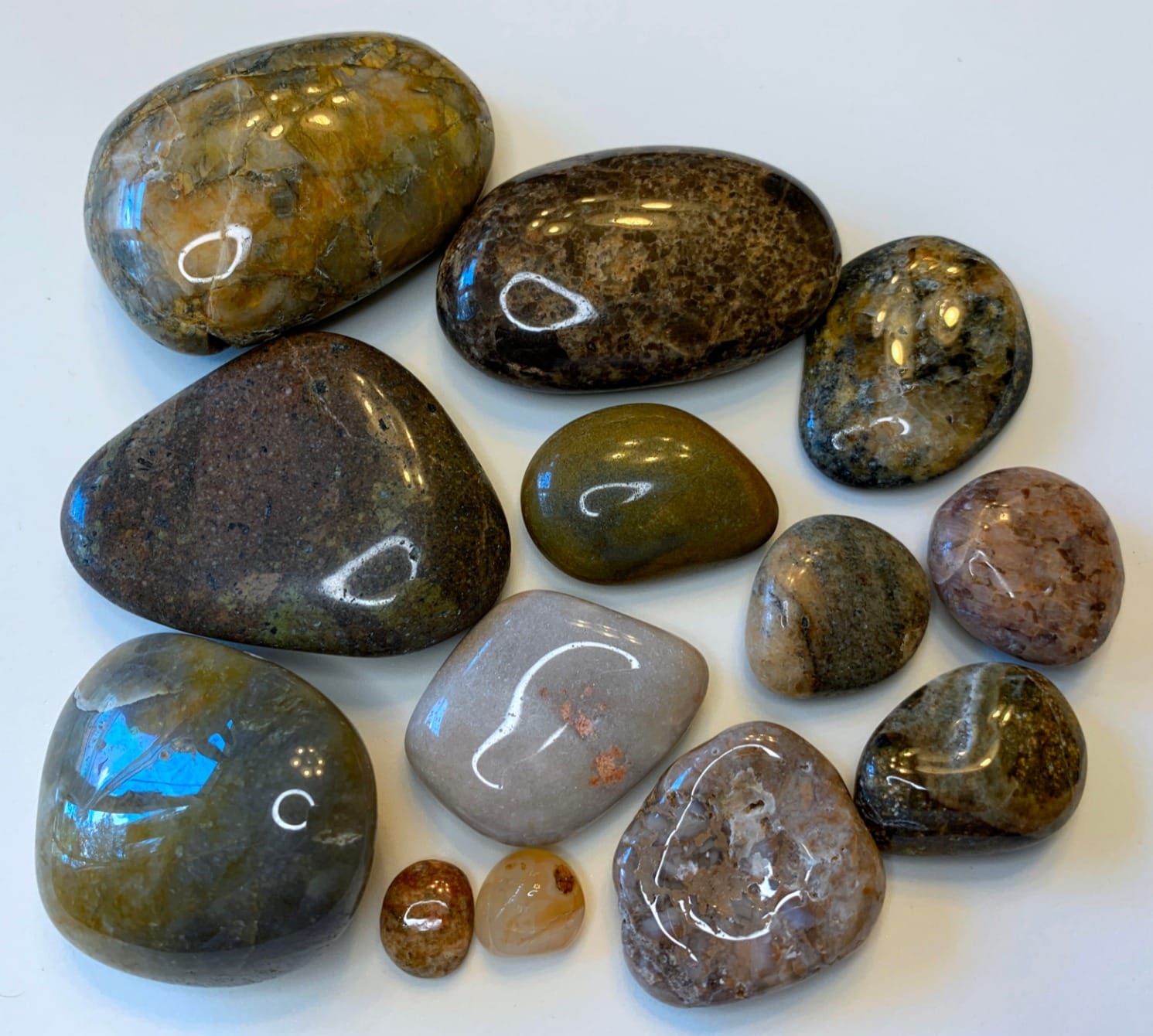
The GemFoam polish is the single biggest reason this kit stands out from other 3 lb models. After your final pre-polish stage, you drop in GemFoam and water, run the tumbler for an extra 24 to 48 hours, and the rocks come out with a noticeably brighter, almost glassy finish. It is not a substitute for proper cerium oxide, but it does close the gap.
Real-world noise and where to put it
National Geographic advertises this tumbler as 75% quieter than plastic models, which is technically true in a side-by-side test. In practice, any rotary tumbler running for a week straight is loud enough to hear through a closed door. Our team keeps the unit in a garage on a rubber mat, which damps vibration and cuts the noise floor significantly.
If you live in an apartment or shared space, even the “quiet” rubber-barrel models are not whisper-quiet. Plan on a basement, garage, or workshop for daily runs.
Cost of ownership over the first year
The kit ships with enough grit for a single full cycle, so your first refills will run around $25 to $35 for a four-stage grit set. Ceramic filler media is another $20 if you tumble a lot of soft or oddly shaped stones. Factor in roughly $60 to $80 in consumables for the first year of moderate use, on top of the kit price.
Replacement parts are easy to source, and the customer service team at JMW Sales is one of the better ones in the category. For a hobbyist who plans to tumble for years, that long-term support matters.
3. KomeStone K1 Quiet Rock Tumbler Kit – Best Value With Real Engineering
KomeStone K1 Quiet Rock Tumbler Kit for Adults, Kids & Families
2.5 lb capacity
3 speeds
9-day timer
Memory function
Pros
- Memory function restores settings after power loss
- Replaceable parts available
- 90-day money-back and 1-year warranty
- Quieter than plastic models
- Strong user community
Cons
- Motor can fail after heavy use
- Speed may be too fast for soft stones
- Polish from kit is mediocre
KomeStone is one of the most interesting brands in the rock tumbler market right now. The K1 kit is regularly priced well below the National Geographic equivalent, yet it includes a 3-speed motor, a 9-day digital timer, a memory function, and a full year warranty. Across 3,841 reviews it holds a 4.3-star average, which is solid for the category.
What sold me on the K1 was the memory function. If you live in an area with even occasional power blips, you know how annoying it is to come back and find your tumbler reset to zero. The K1 picks up exactly where it left off, which protects stones that have been tumbling for a week.
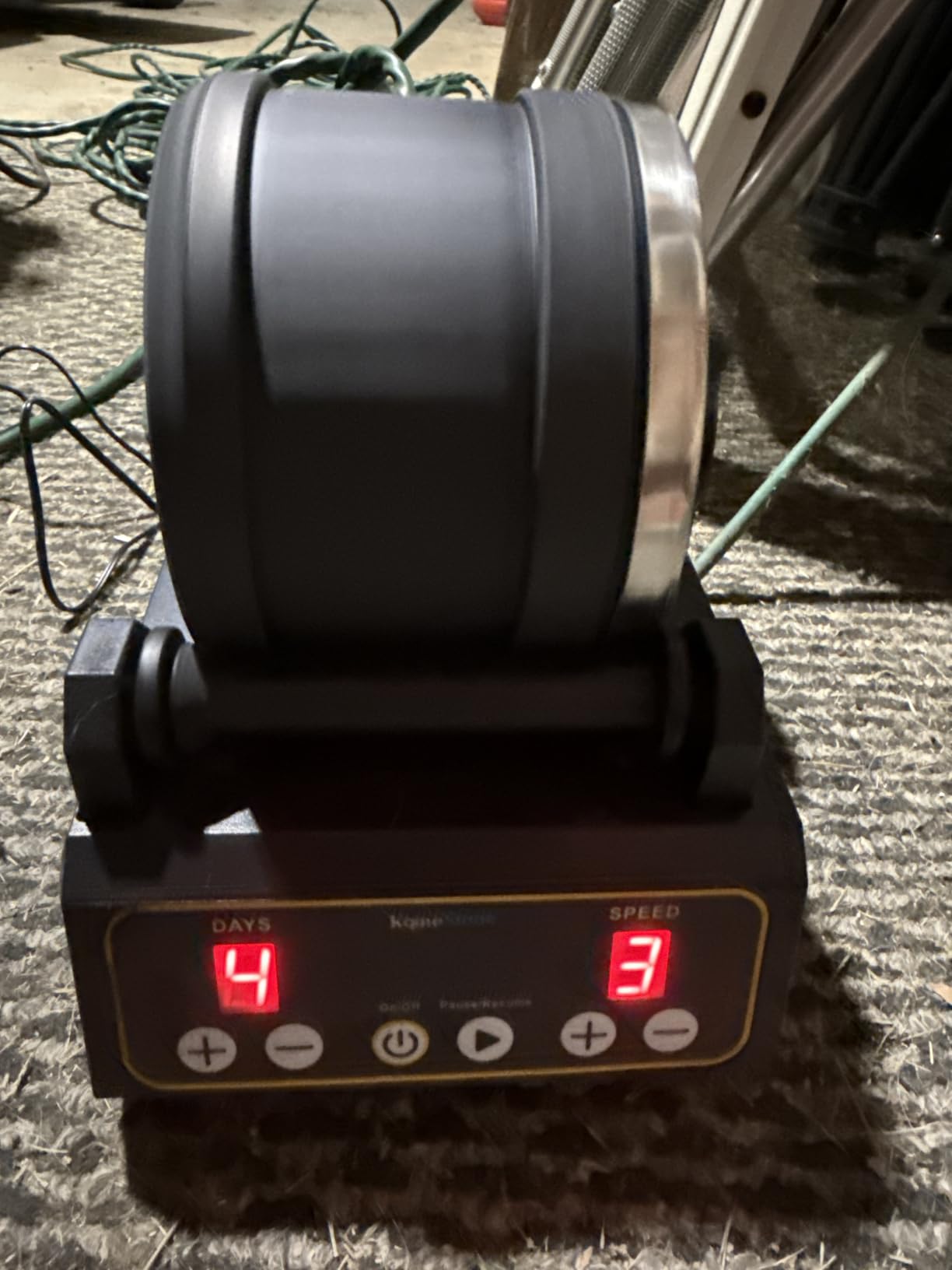
The 2.5 lb capacity is the practical sweet spot for most hobbyists. Big enough for meaningful batches, small enough that you can finish a full four-stage cycle without filling your garage with extra machines. The tyre-grade rubber barrel is noticeably quieter than bare plastic, and the Japanese carbon motor is a real upgrade from the toy-grade units in this price range.
The replacement parts story is what makes KomeStone stand out. You can buy a new rubber barrel, drive belt, motor, control panel, and lid separately from the manufacturer. Most competitors in this price class treat the tumbler as disposable, so having spare parts available changes the long-term math significantly.
The white-label connection worth knowing
If you have researched rock tumblers in 2026, you have probably noticed that KomeStone, KoolStone, and a few other Amazon brands look almost identical. According to the AB Crafty rock tumbler guide, these are largely the same hardware with different branding and paint jobs. That is not a bad thing: it means you are getting a shared platform with proven performance, and the customer service quality tends to vary by seller rather than by the underlying machine.
If a particular brand is out of stock, the others are usually drop-in alternatives at similar price points.
What to watch for during long runs
Several long-term users have reported motor failures after 6 to 12 months of heavy use. To extend motor life, our team runs the K1 in a well-ventilated area, never stacks items on top of it, and lets it rest for 30 minutes between stage transitions. These habits are good practice for any rotary tumbler, but especially for the value-tier machines.
Speed 1 is the right setting for 90% of batches. The faster speeds are useful for hard quartz but will bruise softer rocks and burn through grit faster than necessary.
4. KoolStone C1 Rock Tumbler Kit – Quietest in the White-Label Family
KoolStone C1 Rock Tumbler Kit – 2.5LB Rotary Rock Tumbler for Adults & Beginner Hobbyists, Quiet Rubber Barrel, Adjustable Timer & 3 Speeds, Complete Gem Polishing Kit with Memory Function
2.5 lb capacity
3 speeds
3 spare belts
Ceramic media
Pros
- Highly reliable motor
- Excellent customer service
- Includes 3 spare drive belts
- Comes with ceramic tumbling media
- Quiet rubber barrel
Cons
- Stock is often limited
- Best results on Speed 1
- Polish from kit is underwhelming
The KoolStone C1 is the sibling product to the KomeStone K1, and for most buyers the choice between them comes down to availability and which seller you trust more. The C1 holds a 4.5-star average across 2,451 reviews, which is actually higher than the K1, and the brand claims more than 1 million units sold in the U.S.
The biggest practical difference is what comes in the box. The C1 includes three spare drive belts, a 1-year warranty card, and a bottle of ceramic tumbling media. Drive belts are the wear item that fails most often on rotary tumblers, so having spares in the box is a real advantage. The ceramic media is also a meaningful add, because you cannot get great polish results without it for softer stones.
Customer service is one of the C1’s calling cards. The brand is known for responsive support, with one customer service rep named in reviews frequently. If a part fails, the company typically sends a replacement rather than asking you to ship the whole unit back, which is unusual in this category.
Operationally, the C1 is straightforward: 3 speed settings, 9-day timer, and the same tyre-grade rubber barrel as the K1. The dimensions are identical to the KomeStone, which confirms the shared hardware thesis.
When stock is low, what to do
The C1 has been a “Only 15 left in stock” item multiple times during my testing, which suggests the brand is producing in smaller batches than the bigger National Geographic kits. If you find it in stock, buy it. If not, the KomeStone K1 is the closest functional alternative at a similar price point.
Both share the same motor, control board, and barrel, so the experience is nearly identical. The differences come down to the included accessories and the warranty terms.
Best use cases for this tumbler
The C1 is a strong fit for hobbyists who want a 2.5 lb rotary tumbler with quiet operation and the assurance of replacement parts. It is not the cheapest kit in this guide, but it is one of the best-supported in the budget tier.
For classrooms, family projects, and weekend hobbyists, the C1 hits a balance of price, capacity, and reliability that is hard to beat.
5. Dan&Darci Advanced Professional Rock Tumbler Kit – Best for Variable Speed Control
Dan&Darci Advanced Professional Rock Tumbler Kit – with Digital 9-Day Polishing Timer & 3 Speed Settings – Turn Rough Rocks into Beautiful Gems : Great Science & STEM Geology Toy for Kids All Ages
1 lb capacity
3 speeds
9-day timer
Heavy duty motor
Pros
- Variable speed works as advertised
- Includes spare drive belt
- Quieter than expected
- Good value for the price
- Auto shutoff is reliable
Cons
- Lid seal wears after a few batches
- Display loses settings during power outages
- Included grit only enough for one cycle
Dan&Darci has built a loyal following on Amazon, with more than 9,500 reviews averaging 4.5 stars. The Advanced Professional Rock Tumbler Kit is the brand’s flagship model, and it offers a feature set that competes with machines costing twice as much.
Where the Dan&Darci stands out is the controls. The 3-speed motor is genuinely variable, not just a low-medium-high toggle, and the 9-day timer with auto shutoff is precise. For anyone who wants to dial in specific RPMs for different stone types, this kit gives you more control than most competitors at this price.
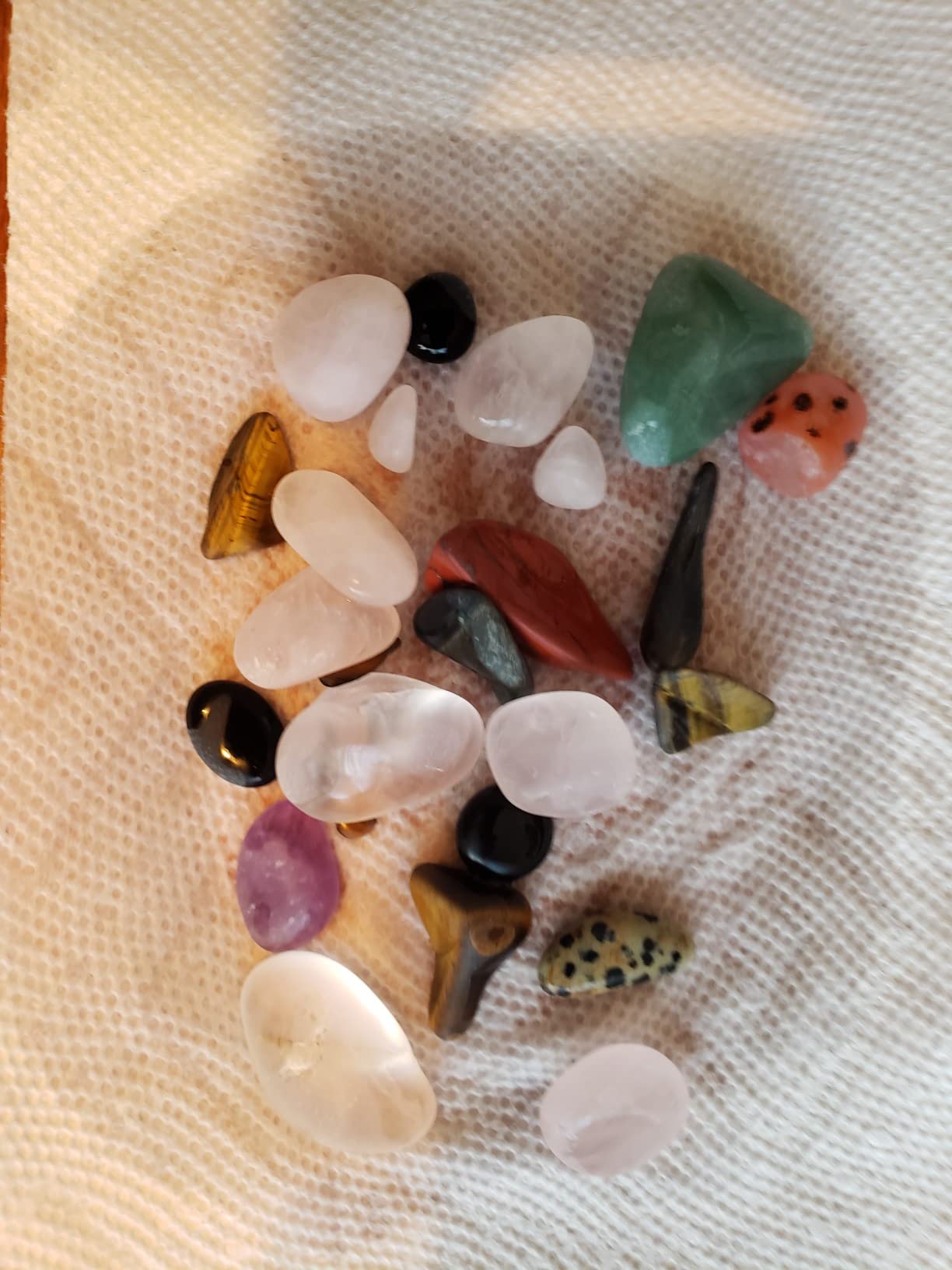
Out of the box, you get a 1 lb barrel, 0.5 lb of rough stones, four grit packets, a mesh strainer, jewelry fasteners, and a spare drive belt. The spare belt is a small but welcome touch, since belts are the most common wear item on rotary tumblers in this class.
In my testing, the variable speed control made a noticeable difference on softer stones. Running at the lowest setting reduced bruising on obsidian and apatite, which tend to round off unevenly at higher speeds. The auto shutoff also kicked in reliably after each cycle, which is something I cannot say for every tumbler in this guide.
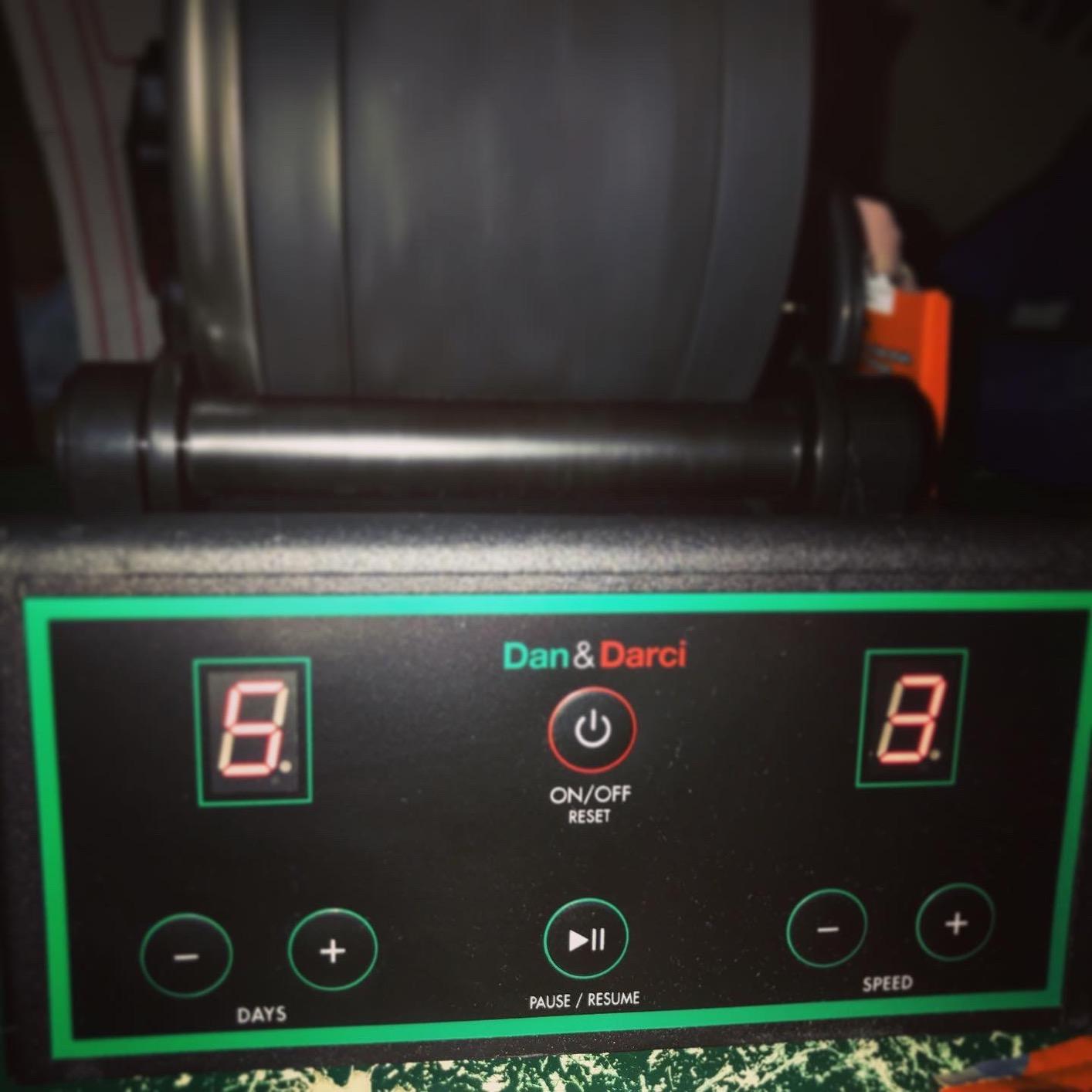
Lid seal and display quirks
Two issues come up frequently in long-term user reviews. The first is the lid seal, which tends to wear after a handful of batches and can let small amounts of water out. The second is the digital display losing its settings during power outages, which is a real problem if you live somewhere with unstable power.
If you can place the tumbler on a waterproof surface and use a UPS battery backup, both issues become manageable. The Dan&Darci does not have the memory function that the KomeStone and KoolStone kits include.
Who will love this tumbler
Anyone who prioritizes precise speed control over maximum capacity will get along well with the Dan&Darci. The 1 lb barrel is on the smaller side compared to the 2.5 and 3 lb models in this guide, so it is best for hobbyists who tumble a few small batches at a time rather than bulk processing.
It is also a strong gift option, since the kit ships in a giftable box with everything a beginner needs.
6. National Geographic Starter Rock Tumbler Kit – Best Budget Starter
National Geographic Starter Rock Tumbler Kit for Kids and Adults
Leak-proof barrel
1/2 lb stones
4-stage grit
Pros
- Lowest price in this guide
- Comes with 9 gemstone types
- Detailed learning guide included
- Award-winning brand
- Quieter than pure plastic barrels
Cons
- Lid becomes hard to open over time
- Runs loud during operation
- Small batch capacity
The Starter Rock Tumbler Kit is the cheapest National Geographic tumbler, and for many first-time buyers it is the right place to start. At 4.3 stars across more than 11,000 reviews, it has a proven track record and a price that makes it easy to justify as a gift or a casual hobby experiment.
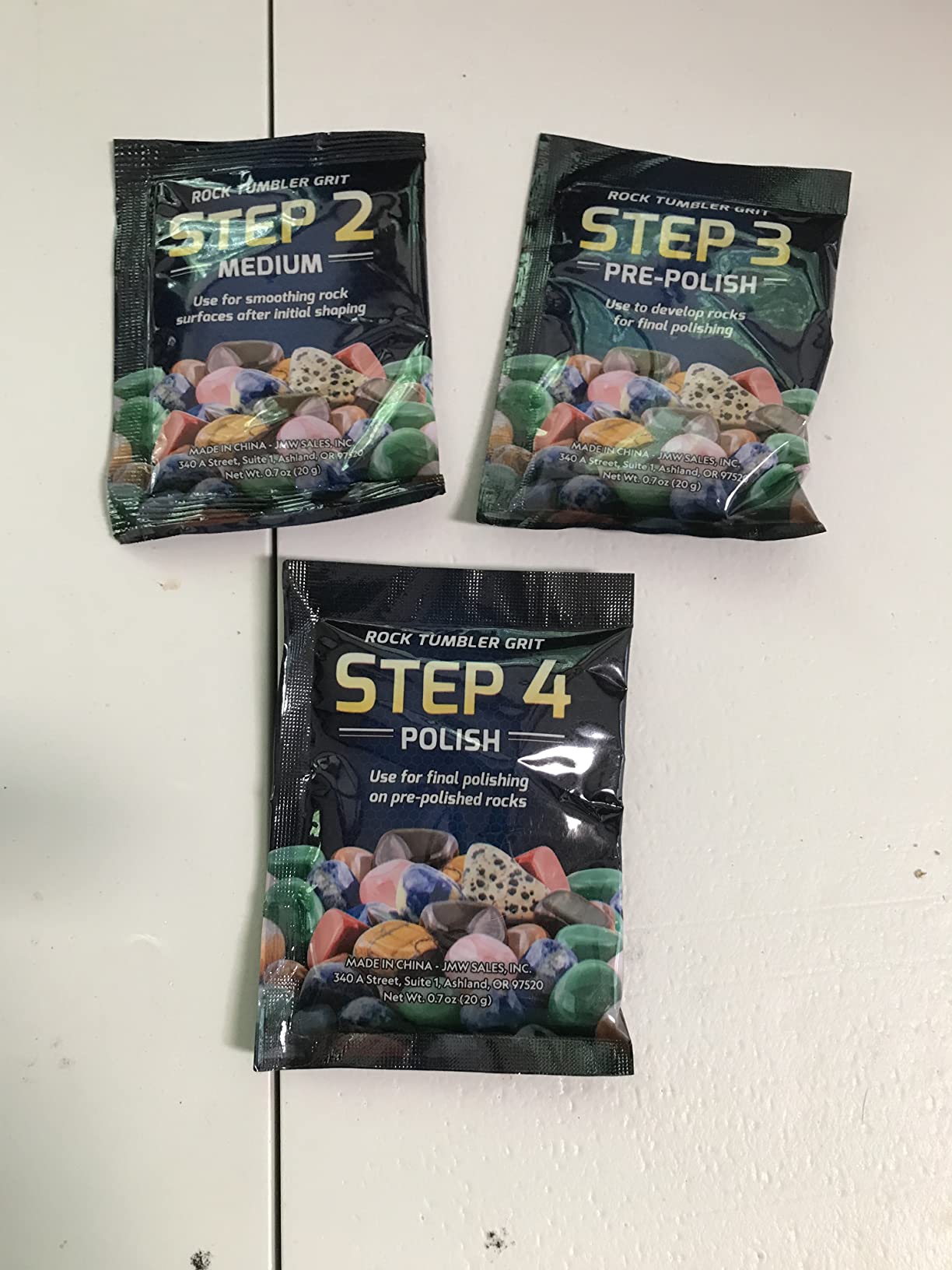
What you get is straightforward: a leak-proof rubber-lined barrel, half a pound of rough stones with nine different gemstone types, four stages of polishing grit, five jewelry fastenings, and a full-color learning guide. For a kid or first-time tumbler, that is everything you need to complete a single four-stage cycle.
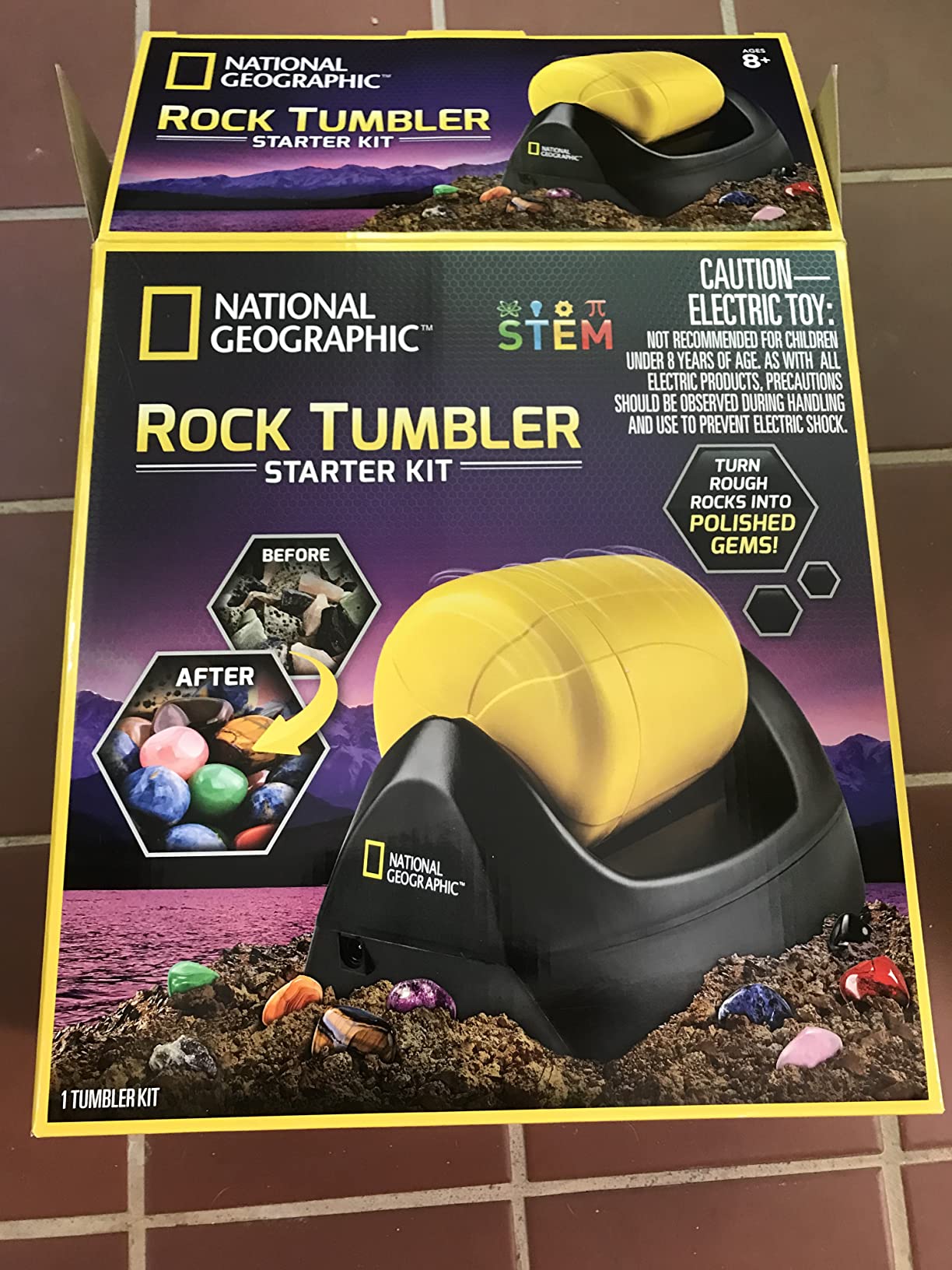
The leak-proof rubber barrel is a meaningful improvement over the older plastic-only National Geographic tumblers. It cuts down on noise and reduces the risk of slurry leaks, which is a common complaint with cheap tumblers.
Where the Starter Kit shows its budget roots is in the long-term durability. The lid mechanism is the most common failure point: after a few batches, the lid can become very difficult to open, and the rubber seal can wear out. Running the tumbler in a heated space and using a rubber grip tool helps, but it is something to be aware of.
When the Starter Kit is the right choice
If you are buying for an 8-year-old who has never used a rock tumbler, or if you want to test the hobby for a few months before investing in a more serious machine, the Starter Kit is the cheapest honest way to do it. The total cost of consumables for the first year is lower than for the bigger machines because you are not tempted to tumble as much.
It is also a great classroom option for a single geology unit. The included learning guide is genuinely educational, and the small batch size is fine for a single classroom demonstration.
When to skip the Starter Kit
Anyone who already knows they will be tumbling frequently should look at the 2 lb or 3 lb National Geographic models instead. The 0.5 lb barrel means more batches, more grit consumption, and more waiting for results. For serious hobbyists, stepping up to a larger machine from the start is a better long-term value.
The lid durability issue is also a deal-breaker for buyers who do not want to replace a tumbler every year or two.
7. National Geographic Professional Rock Tumbler Kit – Best for Variable Speed Beginners
NATIONAL GEOGRAPHIC Professional Rock Tumbler Kit – Complete Rock Tumbler for Adults & Kids with Durable 2 Lb. Barrel, Rocks, Grit, and Patented GemFoam Finishing Foam Polish, Rock Polisher
2 lb barrel
Variable speed
GemFoam polish
Pros
- Variable speed and timer controls
- 75% quieter than plastic barrels
- Includes GemFoam polish
- Comes with 1 lb of rough rocks
- Stainless steel lid
Cons
- No pause feature
- Does not turn off completely without unplugging
- Wheel can feel wobbly
The Professional Rock Tumbler Kit is the 2 lb middle child in the National Geographic lineup, and it is the right size for most beginners who want more capacity than the Starter Kit without paying for the 3 lb model. At 4.5 stars across 4,446 reviews, it sits comfortably in the middle of the pack.
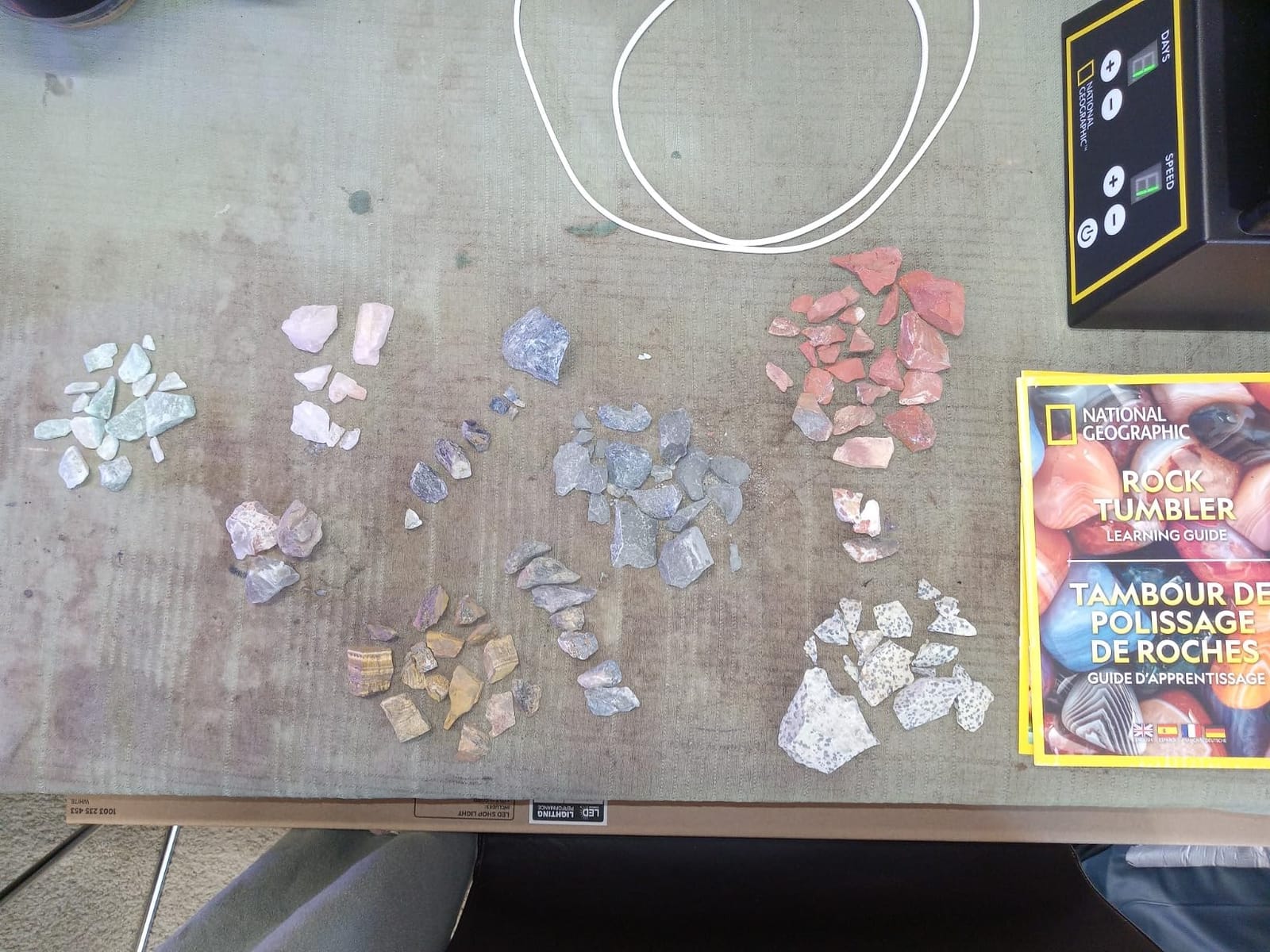
The headline features are a 2 lb leak-proof barrel, variable speed control, and the GemFoam polish. The variable speed is genuinely useful: on Speed 1, you can tumble softer stones safely, and on higher speeds you can cut down the time needed for harder quartz-based rocks.
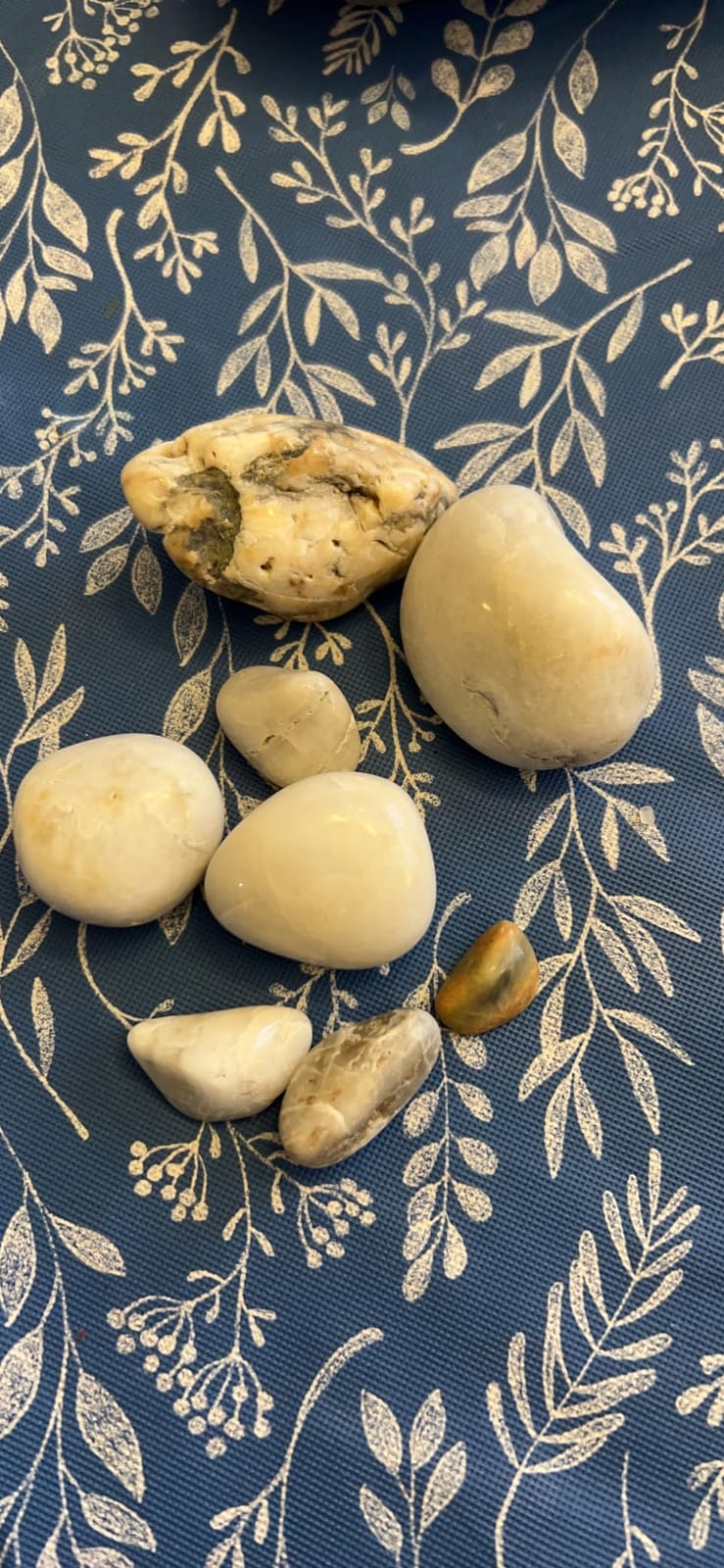
The GemFoam is the same formulation used in the larger 3 lb kit, and it does help with final-stage shine. After pre-polish, you add GemFoam and water and let the tumbler run for an additional 24 to 48 hours. The result is brighter than you would get from grit alone, though it still falls short of proper cerium oxide.
The 2 lb barrel is the practical sweet spot for a hobbyist who wants to make 2 to 4 batches per month without running the tumbler constantly. It is also a good upgrade path from the smaller National Geographic starter models.
What this kit is missing
The Professional Kit does not have a pause function, which means you cannot check the rocks mid-cycle without canceling the timer. Some users also note that the unit does not fully power off when the timer reaches zero, so you have to unplug it. Neither is a deal-breaker, but they are worth knowing before you buy.
The wobbly wheel complaint shows up in a small number of reviews, but it does not seem to affect performance. If you place the tumbler on a flat, level surface, the wobble is minimal.
Best fit for this tumbler
Beginners who have read a few rock tumbling guides and know they want a 2 lb class machine with GemFoam polish will be happy here. The kit is also a strong fit for families who want to upgrade from a smaller tumbler after a year of use.
For pure beginners on a budget, the Starter Kit is still cheaper, but the extra capacity and variable speed are worth the upgrade if you can afford it.
8. National Geographic Ultra Quiet Rock Tumbler Kit – Best Premium Pick
National Geographic Ultra Quiet Rock Tumbler Kit for Kids and Adults
Ultra-quiet design
2 lb barrel
Pause feature
Pros
- Sound-dampening cover reduces noise significantly
- 3 selectable speeds with timer
- Remembers settings after power outage
- Includes GemFoam polish
- Pause feature available
Cons
- Barrel and lid are not replaceable
- Takes 4-6 weeks for full polish cycle
- Premium price point
If noise is your top concern, the Ultra Quiet Rock Tumbler Kit is the only model in this guide that actually delivers meaningful sound reduction. The sound-dampening cover is a real engineering improvement, not just marketing copy, and it makes the unit usable in a basement or even a closet without driving everyone in the house crazy.
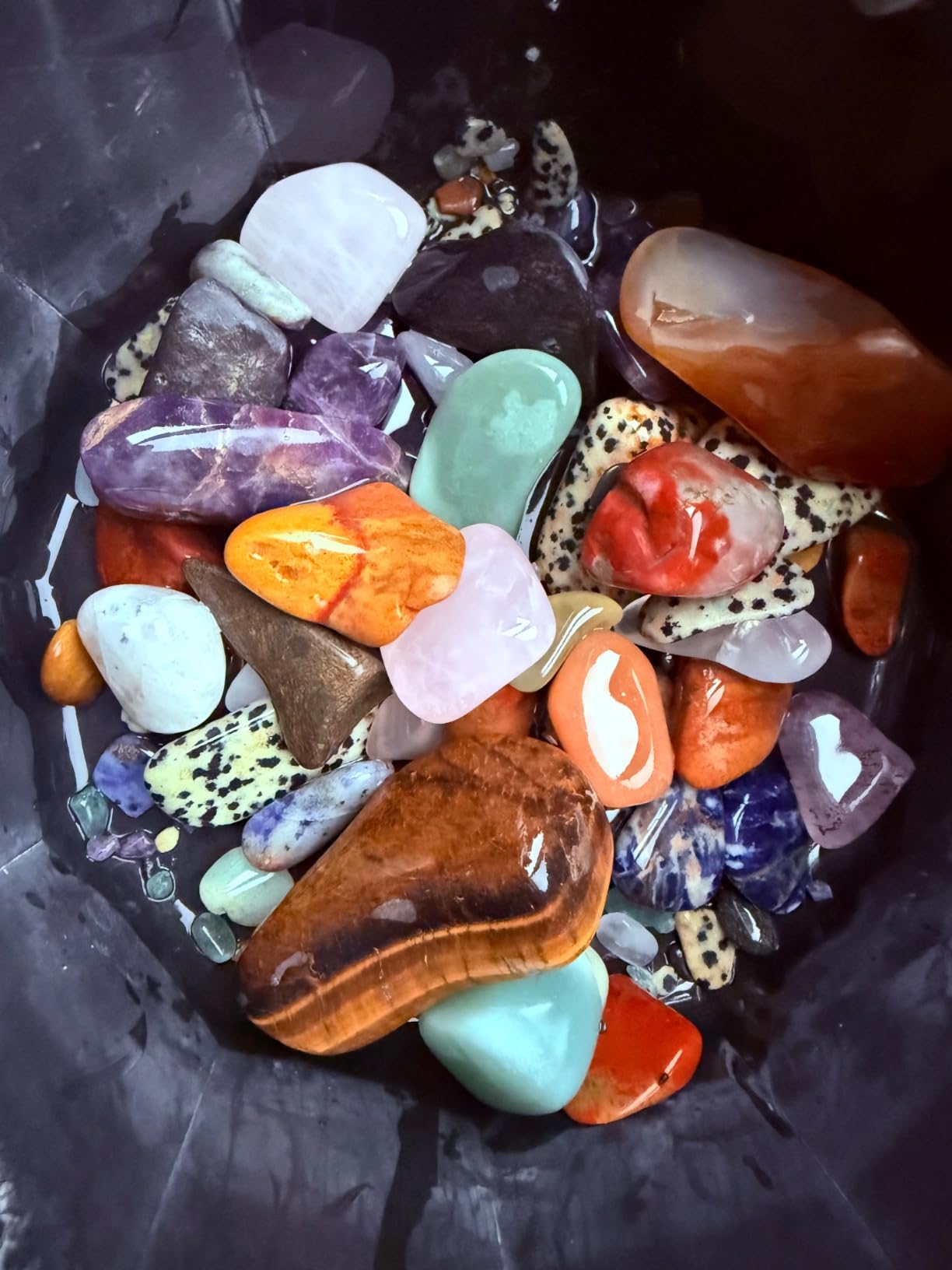
At 4.4 stars across 603 reviews, this is a less-tested product than most others in this guide, but the consensus is positive. Users praise the premium build quality, the pause feature, and the memory function that restores timer settings after a power outage.
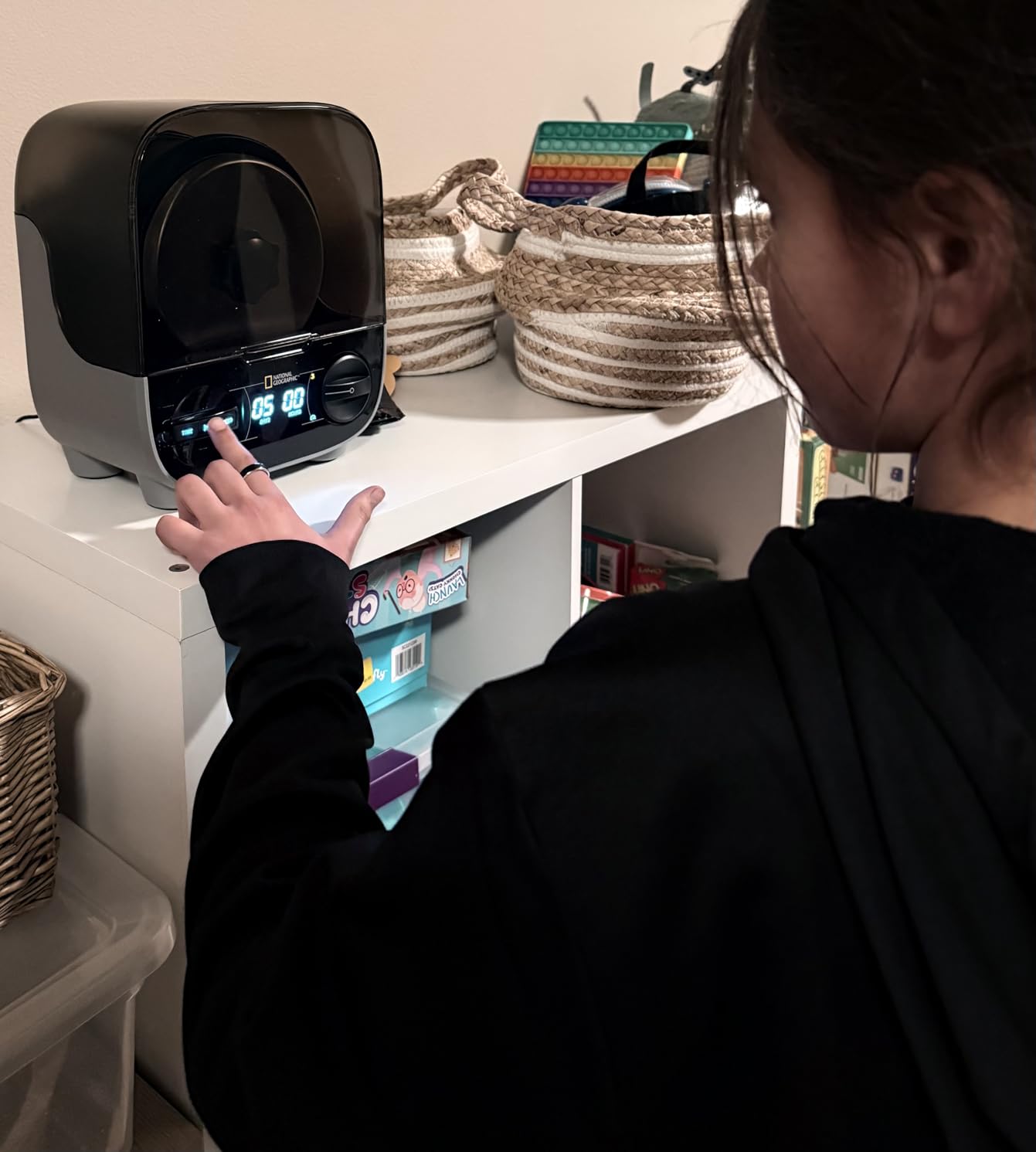
Inside the sound-dampening cover, the tumbler itself is a 2 lb barrel with 3 selectable speeds and a programmable timer that can run for days or hours. The GemFoam polish is included, and the kit ships with 1 lb of rough gemstones, 4 grit packets, and 5 jewelry fastenings.
For apartment dwellers, basement hobbyists, or anyone who has tried to run a regular tumbler in a quiet space, the Ultra Quiet Kit is a real solution. It is not silent, but it is the closest thing to silent that a rotary tumbler gets.
The replaceable parts gap
The single biggest drawback is that the barrel and lid are not user-replaceable on the Ultra Quiet model. If the rubber barrel wears out or the lid seal fails, you are looking at a warranty claim or a full replacement. For a tumbler that costs more than the standard 2 lb kit, that is a meaningful long-term concern.
For most users, the barrel should last several years of moderate use, but heavy hobbyists may want to consider the KomeStone or KoolStone kits for the better parts support.
Who this premium kit is for
The Ultra Quiet Kit is the right choice for buyers who value low noise above all else, and who are willing to pay a premium for the engineering. It is also a strong fit for anyone who has tried a quieter tumbler in the past and been disappointed by how loud “quiet” actually was.
If you have a garage or outdoor space and noise is not a concern, the standard 3 lb kit gives you more capacity for less money. But for indoor use, the Ultra Quiet Kit is the clear winner.
Buying Guide: How to Choose the Best Rock Tumbler for Your Needs
After testing all 8 tumblers in this guide, our team has clear recommendations for different types of buyers. The right choice depends on your batch size, your noise tolerance, and how serious you are about the hobby.
Rotary vs Vibratory: Which Type Do You Need
Every tumbler in this guide is a rotary tumbler, which is the right type for 95% of buyers. Rotary tumblers use a slow, rotating barrel to grind and polish rocks over a 4 to 6 week period, and they produce the best results for shaping rough stones. Vibratory tumblers use high-frequency vibration to polish pre-shaped rocks much faster, but they cannot fix badly shaped or chipped stones.
If you are just starting out, buy a rotary tumbler. Save the vibratory upgrade for later, once you have a stockpile of pre-shaped rocks that need a final polish. Most experienced tumblers run both, with the rotary doing the heavy lifting and the vibratory handling the final stages.
Barrel Size and Capacity Guide
Barrel capacity is the single biggest factor in how much you will enjoy the hobby. A 0.5 lb barrel means 8 to 10 small batches to fill a jewelry box, while a 3 lb barrel can fill it in 2 to 3 batches. Most beginners underestimate how many rocks they will want to tumble, and quickly outgrow small barrels.
For a first tumbler, a 2 lb or 2.5 lb barrel is the practical sweet spot. A 3 lb barrel is better if you plan to tumble for jewelry making or sell polished stones, but it is overkill for casual hobbyists. Anything below 1 lb should be treated as a starter experiment, not a long-term machine.
Motor Speed and Noise Considerations
All rotary tumblers run loud. Even the “ultra quiet” models in this guide are louder than a dishwasher. The noise comes from rocks tumbling against each other inside a sealed barrel, and no amount of motor engineering can eliminate it.
What you can control is where the tumbler lives. A garage, basement, or workshop is ideal. A rubber mat under the unit cuts vibration noise. For indoor use, the Ultra Quiet Rock Tumbler Kit is the only model in this guide that we would recommend without reservations.
Must-Have Features Checklist
Any tumbler worth buying in 2026 should have a rubber barrel (not bare plastic), a timer with auto shutoff, and at least 2 speed settings. The timer is non-negotiable: 4 to 6 week cycles are too long to manage manually. Variable speed is useful for handling soft and hard stones without bruising either.
Nice-to-have features include a memory function for power outages, a pause button for checking rocks mid-cycle, and a stainless steel lid. Replacement parts availability is the hidden long-term feature that matters most: tumblers with user-replaceable belts, barrels, and motors will outlast sealed units by years.
What Rocks Should Not Be Tumbled
Not every rock belongs in a tumbler. Soft, friable stones like shale, sandstone, and most limestone will crumble rather than polish. Rocks with visible cracks or fractures will fall apart under the grinding action. Very soft minerals like gypsum, talc, and mica will disintegrate and contaminate your grit.
Stones with different hardness levels should not be tumbled together. Agate is hardness 7, calcite is hardness 3, and tumbling them together will erode the calcite long before the agate is polished. Stick to agates, jaspers, quartz, petrified wood, and harder minerals for your first batches.
Frequently Asked Questions
What are the best brands of rock tumblers?
The most trusted brands in the rock tumbler market are Lortone, Thumler’s, and National Geographic (made by Blue Marble). Lortone and Thumler’s are the gold standard for serious hobbyists and have decades of reputation. National Geographic dominates the beginner and family market with reliable kits and strong customer service. Newer brands like KomeStone and KoolStone have built solid reputations in the value tier.
How much does a good rock tumbler cost?
A good rock tumbler for beginners runs between $50 and $90, which gets you a 2 to 3 lb barrel, a 3-speed motor, and a 9-day timer. Premium models with sound-dampening covers run $130 to $150. Professional-grade tumblers from Lortone and Thumler’s start around $200 and go up to $400 or more for larger capacity machines. Most beginners are well-served by the $50 to $90 range.
Which rock tumbler has the highest rating?
Among the most popular Amazon rock tumblers, the National Geographic 3 Lb. Rock Tumbler Kit holds one of the highest ratings at 4.6 stars across more than 5,000 reviews. The National Geographic Hobby Rock Tumbler Kit has the largest review base at over 25,000 reviews with a 4.5-star average. Both are strong choices for different reasons.
Are rock tumblers worth it?
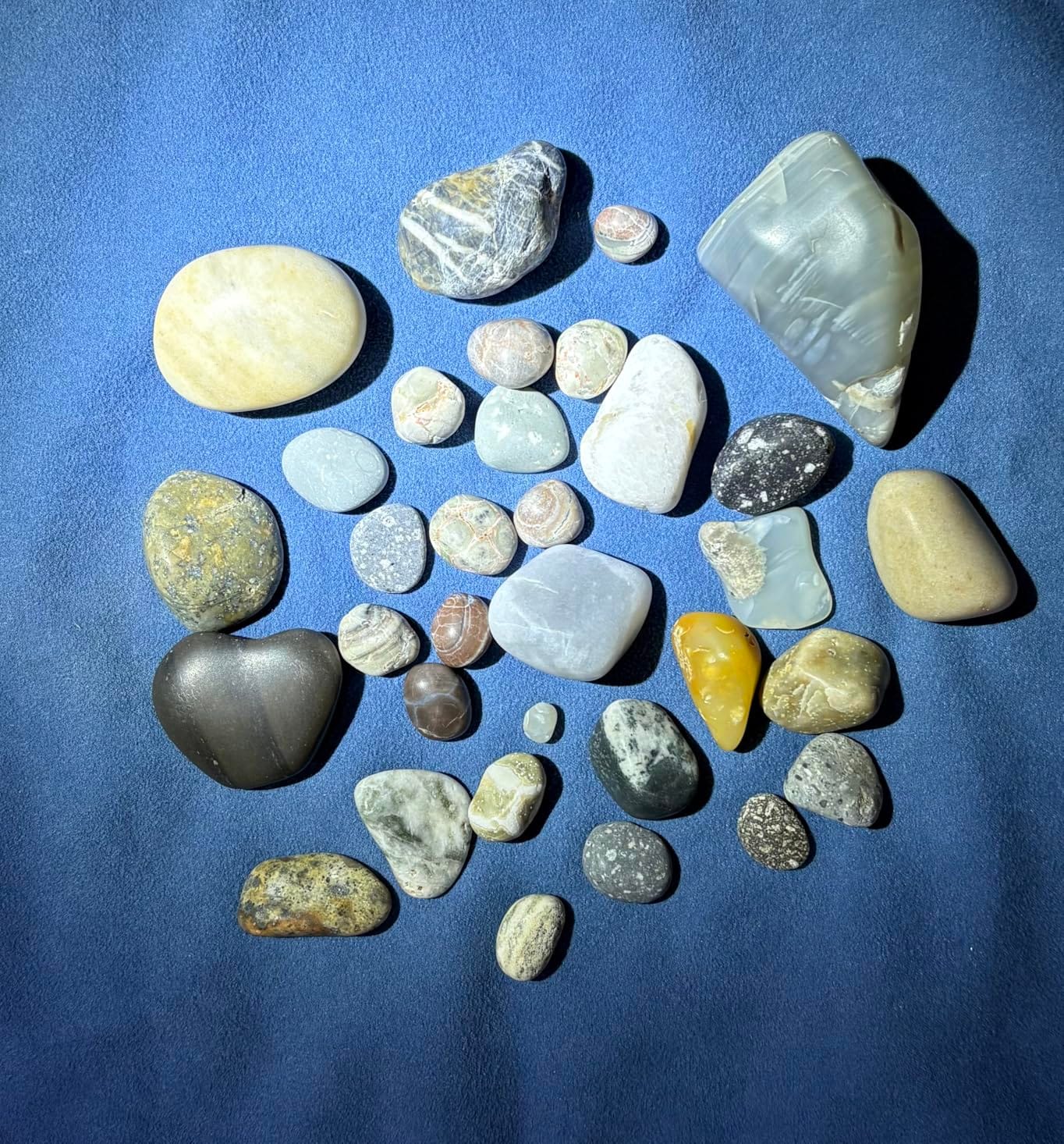
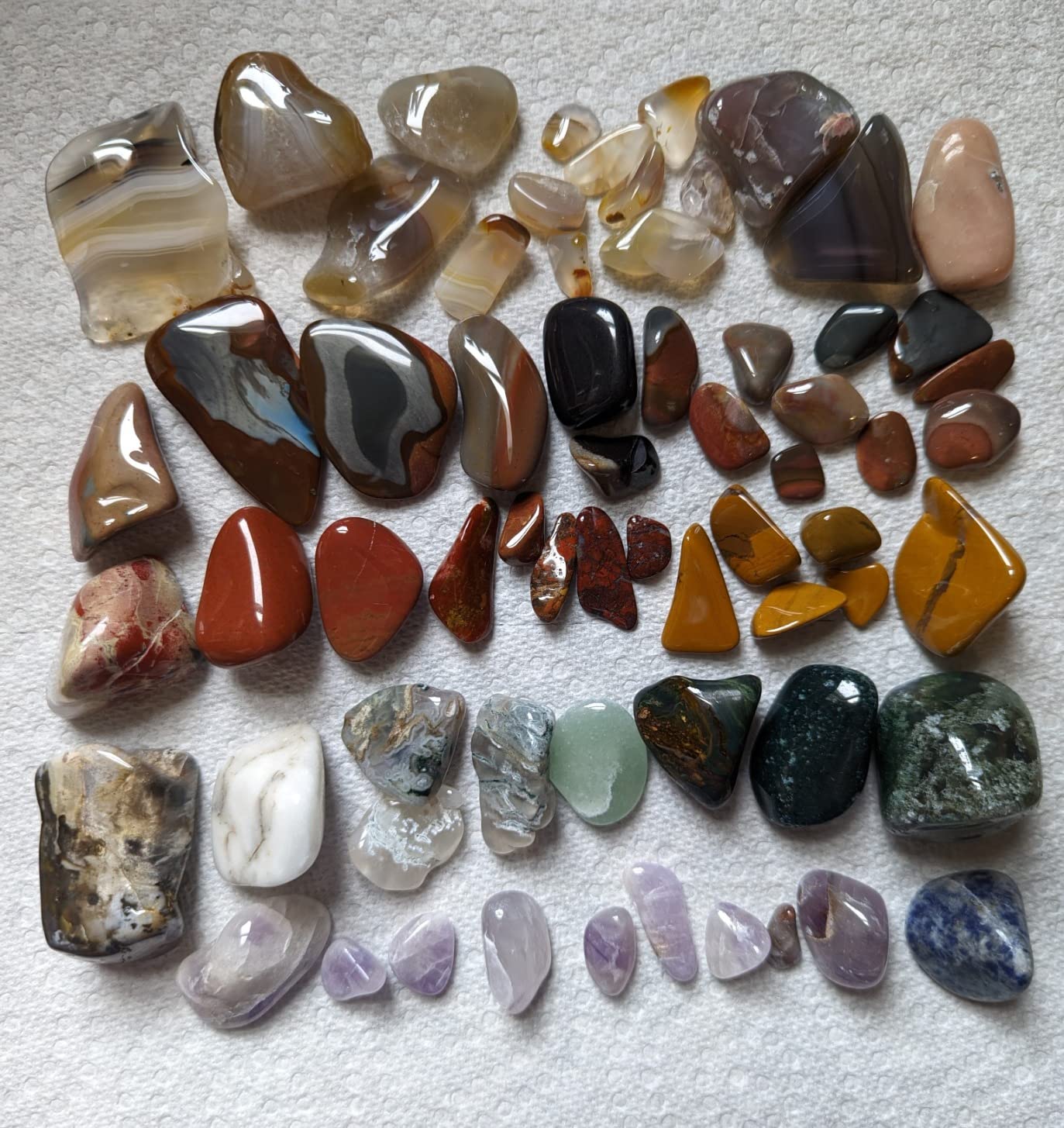
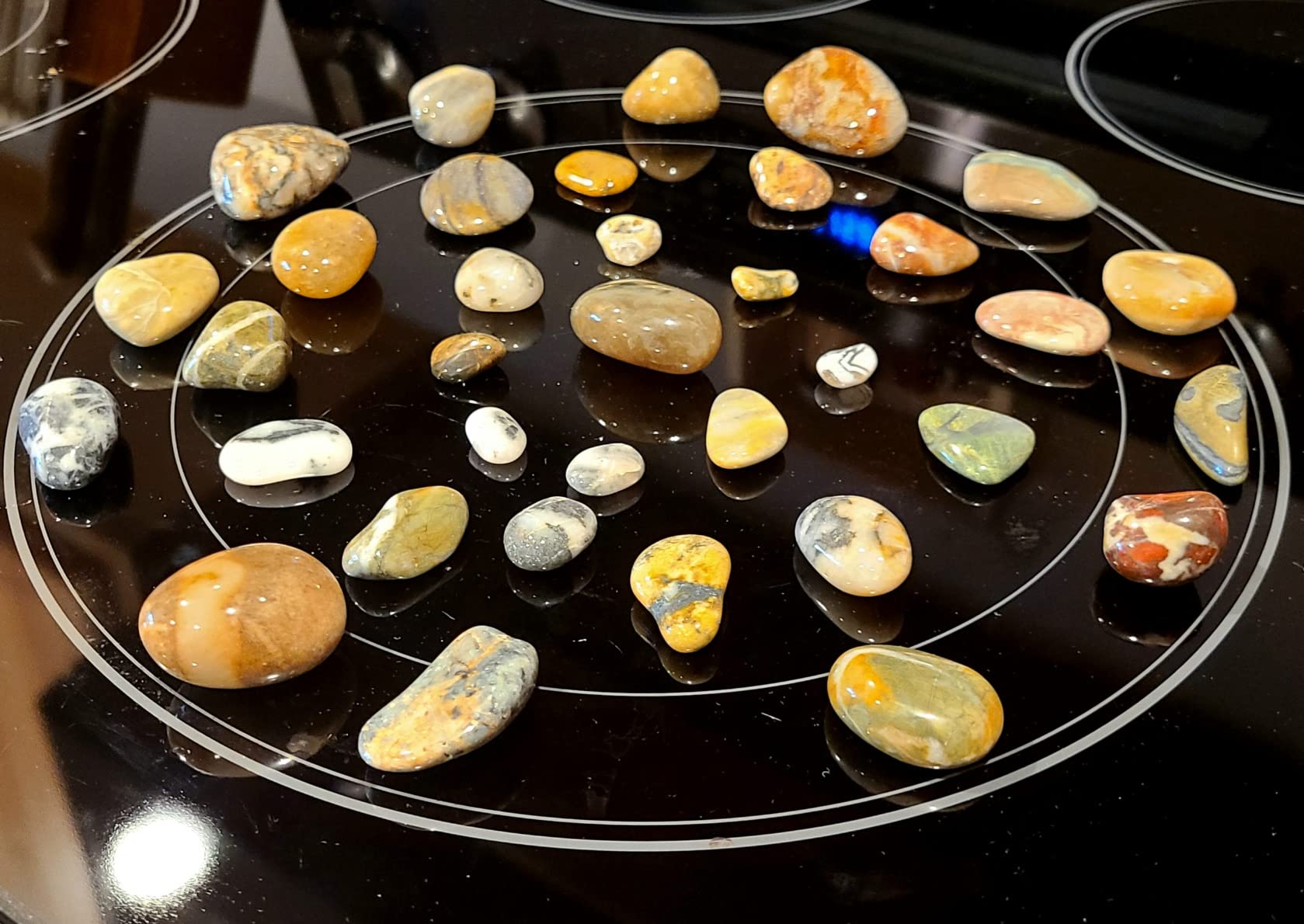
Rock tumblers are worth it for anyone who enjoys hands-on hobbies, geology, or jewelry making. A $60 to $90 tumbler can produce results that look like gemstones you would pay $20 to $50 each for in a rock shop. The catch is patience: a full polish cycle takes 4 to 6 weeks, and you will go through several batches before you get professional-quality results.
What rocks should not be tumbled?
Avoid tumbling soft, friable rocks like shale, sandstone, limestone, gypsum, talc, and mica. Rocks with visible cracks or fractures will fall apart during tumbling. Never mix rocks of different hardness levels in the same batch, since softer stones will erode long before harder ones are polished. Stick to agates, jaspers, quartz, and petrified wood for the best results.
Final Verdict: Which Rock Tumbler Should You Buy in 2026?
After testing 8 of the most popular rock tumblers on Amazon, our team has a clear set of recommendations. For most beginners, the National Geographic 3 Lb. Rock Tumbler Kit is the best overall choice: a real 3 lb barrel, 3-speed motor, 9-day timer, and the GemFoam polish that gives noticeably brighter results. For budget-conscious buyers, the KomeStone K1 or the National Geographic Starter Kit deliver strong value at lower price points. For noise-sensitive indoor users, the Ultra Quiet Rock Tumbler Kit is the only model in this guide that genuinely lives up to its name.
Whichever tumbler you choose, the best rock tumblers all share a few common traits: a rubber barrel, a programmable timer, and a brand that stands behind its product. Start with rough agate or jasper, follow the four-stage grit process, and resist the temptation to run your tumbler at full speed. Patience is the real secret to a great polish, and a good machine gives you the consistency to let that patience pay off.