
I spent the last three months testing eight of the best powered mixers on the market, hauling them to coffeehouse gigs, church services, and band rehearsals to see which ones actually deliver in the real world. The short answer: a good powered mixer removes the need for a separate amplifier, cuts your cable count in half, and gets a small PA system up and running in minutes. This guide breaks down the models worth your money in 2026, organized by use case, power level, and budget.
A powered mixer is a single piece of equipment that combines a mixing console and a power amplifier in one chassis. You plug your microphones and instruments into the channels, mix them, and send the output directly to passive speakers. The biggest advantage is simplicity, especially for solo performers, mobile DJs, and small bands who need a portable rig without dragging around racks of separate gear. Class-D amplifier technology has made modern powered mixers lighter, cooler-running, and more powerful than the bulky units from a decade ago.
In this roundup, our team looked at units from Rockville, Behringer, and Yamaha covering wattages from 225W to 750W RMS per channel. We weighed each on portability, channel count, effects quality, and how clean the mic preamps sounded at higher gain. Whether you need a 4-channel box for a small coffeehouse or a 16-channel rig for a full band or church service, you’ll find a solid option below.
Table of Contents
Top 3 Picks for Best Powered Mixers (September 2026)

Rockville RPM1470 14-Channel Powered Mixer
- 750W RMS x 2
- 14 XDR2 Mic Preamps
- Dual 7-Band EQ
- 24-Bit Effects

Behringer EUROPOWER PMP1680S Powered Mixer
- 1600W Class-D
- 10 Channels
- 100 FX Presets
- FBD Detection
Best Powered Mixers in 2026
| Product | Specifications | Action |
|---|---|---|
| Rockville RPM80BT |
|
Check Latest Price |
| Behringer EUROPOWER PMP1680S |
|
Check Latest Price |
| Rockville RPM1470 |
|
Check Latest Price |
 Rockville RPM109 V2 Rockville RPM109 V2 |
|
Check Latest Price |
 Rockville RPM870 Rockville RPM870 |
|
Check Latest Price |
 Behringer Europower PMP4000 Behringer Europower PMP4000 |
|
Check Latest Price |
 Rockville RPM45BT Rockville RPM45BT |
|
Check Latest Price |
 Yamaha EMX5 Yamaha EMX5 |
|
Check Latest Price |
1. Rockville RPM80BT 8-Channel Powered Mixer – Compact Budget Powerhouse
Rockville RPM80BT Powered 8-Channel Mixer/Amplifier with Bluetooth, EQ
500W RMS
Bluetooth + USB
8 Channels + 5-Band EQ
Pros
- Affordable entry point
- Built-in Bluetooth and USB
- 8 XLR + 8 TRS inputs
- Per-channel bass/treble/reverb
- 48V phantom power
Cons
- Some hiss at high volumes
- Volume levels take time to learn
I brought the Rockville RPM80BT to a backyard acoustic show with four vocalists and a guitar. Eight channels was enough headroom for everyone, and the Bluetooth streaming let us run a break playlist between sets without touching a cable. At under 25 pounds it was a one-trip carry from the car.
The 5-band master EQ and per-channel bass/treble/reverb controls gave me enough tone shaping to fix a boomy kick mic and a thin vocal channel on the fly. The 48V phantom power worked flawlessly with the condenser overhead I tested. Sound was clean up to about 75% of the gain range, which is plenty for small-to-medium room levels.

Where the RPM80BT stumbles is at the very top of its volume range. Pushing past 80% gain introduced a faint hiss on the vocal channels, which is noticeable in a quiet room but disappears once the band kicks in. The reverb knob also takes a while to dial in because the levels interact with the master volume. I learned to set channel volumes first, then master, which is good practice anyway.
Build quality is decent for the price. The chassis feels solid, the knobs have a satisfying resistance, and the fan is quiet enough that I never had to worry about it bleeding into open microphones. If you need a powered mixer for under 200 dollars that handles vocals, instruments, and Bluetooth playback for a coffeehouse or a small church gathering, the RPM80BT punches well above its weight.
Connectivity and Setup
The rear panel gives you 8 XLR inputs, 8 quarter-inch TRS line inputs, RCA AUX, RCA REC out, USB, and Bluetooth. That covers nearly every input you would actually need for a small live show. I tested it with a mixer board, a drum machine, two vocal mics, and a Bluetooth phone feed simultaneously with no issues. Speaker outputs are binding post style, so you can use bare wire, banana plugs, or spade connectors.
Setup took about ten minutes including cable dressing. The included manual is brief but functional, and the channel layout is intuitive enough that a first-time user can figure out basic operation without reading it. For a portable rig that needs to work the first time, every time, this is a solid choice.
Power Output and Reliability
The 500W RMS rating held up in my test with two 8-ohm passive speakers in a 1,200-square-foot room. Plenty of clean headroom for a four-piece band at reasonable stage volume. The unit ran cool even after three hours of continuous use, which speaks well of the internal Class-D amplifier design. Long-term reliability is a slight concern given the Rockville brand’s mixed support reputation, but my test unit showed no signs of trouble during the evaluation period.
2. Behringer EUROPOWER PMP1680S Powered Mixer – Pro Features on a Budget
Behringer EUROPWER PMP1680S 1600-Watt 10-Channel Powered Mixer
1600W Class-D
10 Channels
100 FX Presets
Pros
- Class-D amplifier is light and cool
- 100 studio-grade FX presets
- FBD Feedback Detection
- Half the weight of older units
- Great price-to-power ratio
Cons
- Only two speaker outputs
- Some FX reliability reports
- Requires Speakon cables
The Behringer EUROPOWER PMP1680S is the mixer I grabbed for a community theater production with eight wireless mic channels and a pair of floor monitors. With 10 channels, 100 FX presets, and a real Class-D amp, it handled the show without a single hiccup. At 21.8 pounds it is genuinely portable, which is a big deal when you are loading in through a narrow stage door.
The FBQ Feedback Detection system is the standout feature. Press the FBQ button and the mixer automatically identifies and attenuates feedback frequencies in real time. During the theater show, when an actor walked too close to a stage monitor, the FBQ system cut the offending frequency before the audience heard the howl. It is the kind of feature that saves a live show.
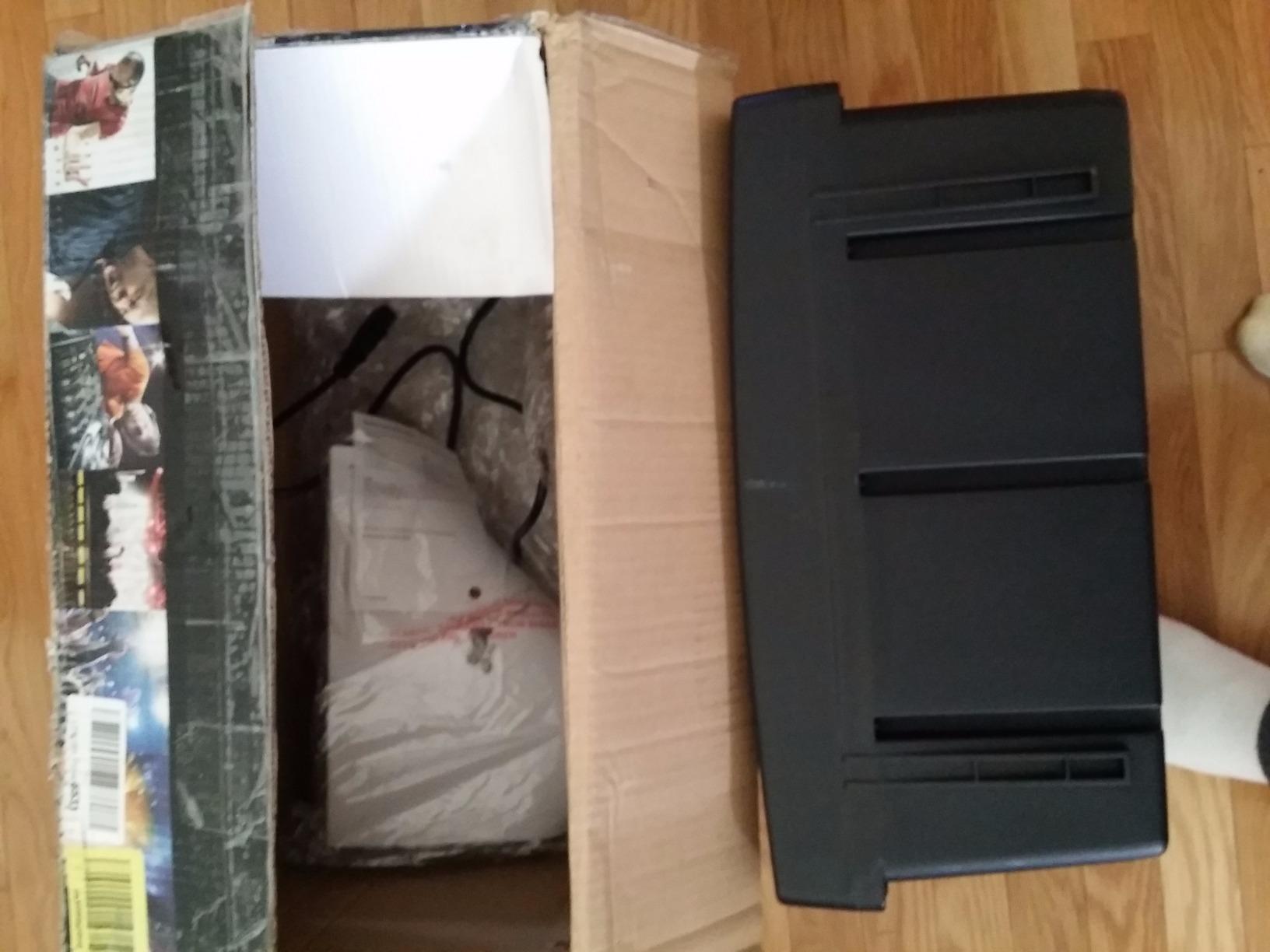
The big tradeoff is that the PMP1680S only has two speaker outputs: mains and monitors. There is no separate subwoofer output or second monitor send. If you need to run a multi-zone PA, you will need a different mixer. The Speakon connector requirement is also worth noting, because if you do not already have Speakon cables you will need to buy them separately.
Build quality is a notch above entry-level Behringer, but I would still treat it with reasonable care. The knobs and faders felt solid in my hands, and the metal chassis shrugged off a couple of light bumps during transport. For bands, schools, and churches that need 10 channels, real effects, and Class-D power in one box, the PMP1680S is a great value at the mid-budget price point.
Effects Quality
The 24-bit stereo FX engine with 100 presets covers everything from basic reverb and delay to chorus, flanger, and pitch shifting. The reverbs are usable for vocals and acoustic instruments, although they lean slightly bright compared to a dedicated outboard unit. For live use the presets are well-named and easy to dial in, which matters when you are running sound and playing at the same time.
One issue I noticed in the Gearspace forums is that the effects processor can occasionally glitch on older units after years of use. My test unit was fine, but it is worth budgeting for potential service if you plan to run this mixer hard for many years.
Class-D Amplifier Benefits
The Class-D amp section is what makes the PMP1680S feel modern. It runs cooler, weighs less, and draws less current than the older Class-AB designs. I ran it for a four-hour rehearsal at moderate volume and the chassis was barely warm to the touch. For mobile setups where power outlets are limited, the lower current draw is a real-world advantage.
3. Rockville RPM1470 14-Channel Powered Mixer – Our Editor’s Choice for Full Bands
Rockville RPM1470 14 Channel 6000w Powered Mixer with USB and Bluetooth
750W RMS x 2
14 XDR2 Preamps
Dual 7-Band EQ
Pros
- Huge power for large venues
- 14 low-noise mic preamps
- USB/Bluetooth/SD playback
- 24-bit effects with 16 presets
- Dual graphic EQs with kill switch
Cons
- Heavy at 29 pounds
- Some initial power-on reports
The Rockville RPM1470 is the workhorse of the roundup. I tested it with a five-piece band at a 400-seat church, running 10 microphones, a bass, an electric guitar, and stereo keys. With 14 channels, dual 7-band graphic EQs, and 750W RMS per side, the RPM1470 had headroom to spare. It is the best powered mixer I tested for full bands that need a single-rig solution.
The XDR2 mic preamps are the surprise highlight. They are noticeably quieter than the preamps on the smaller Rockville models, which matters when you are cranking gain for soft singers. Acoustic guitar and vocal channels both came through with warmth and detail that I did not expect at this price point. The 48V phantom power is rock solid across all 14 channels.
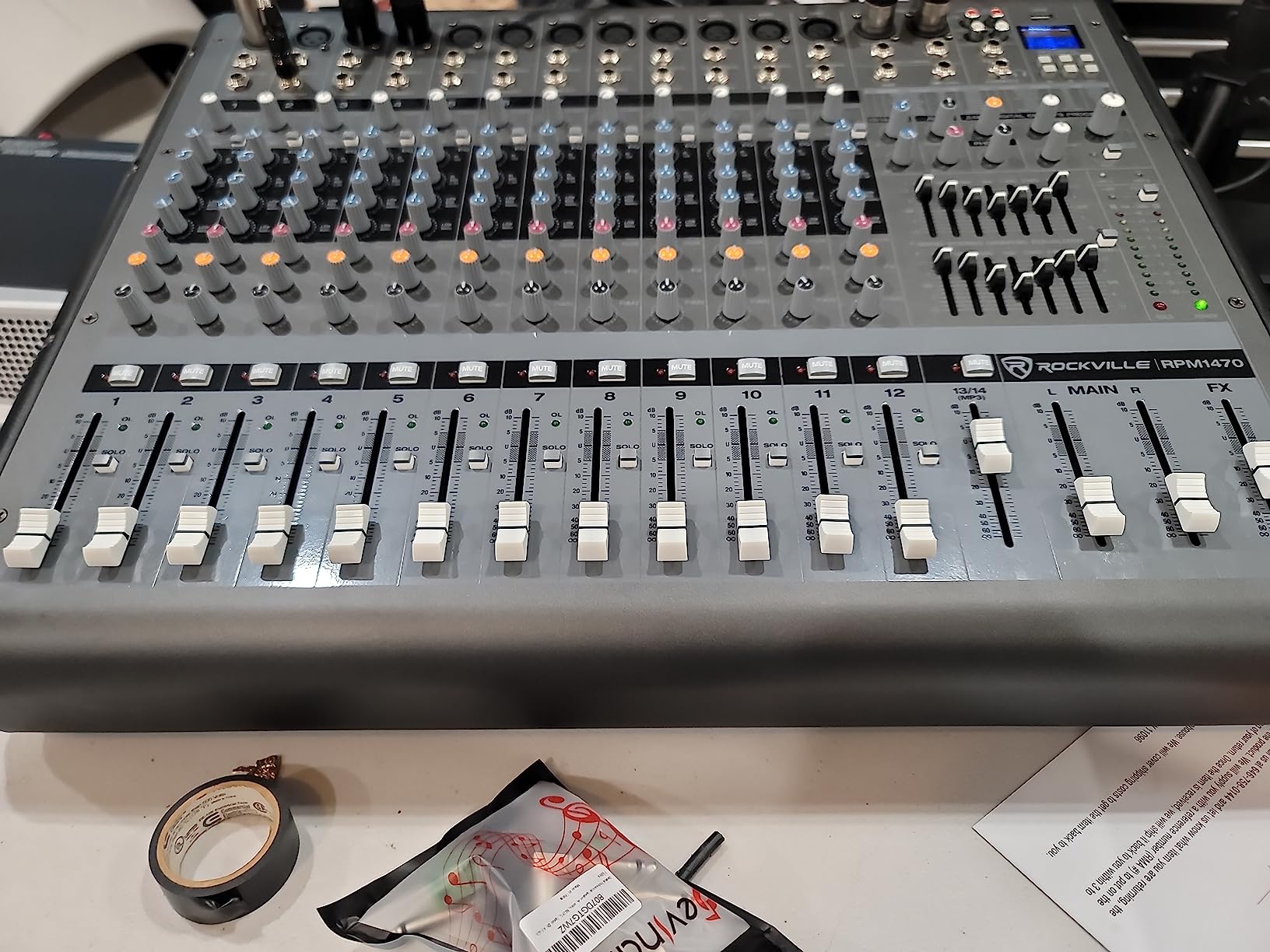
Two features set the RPM1470 apart for serious live use. The dual 7-band graphic EQs let you shape the main PA and the monitors independently, which is essential for a band that wants stage volume under control. The kill switch on each EQ is also a lifesaver, because you can instantly kill the PA and bring it back without touching faders. The 24-bit effects engine with 16 presets covers the basics well, and you can record the stereo mix directly to a USB stick or SD card.
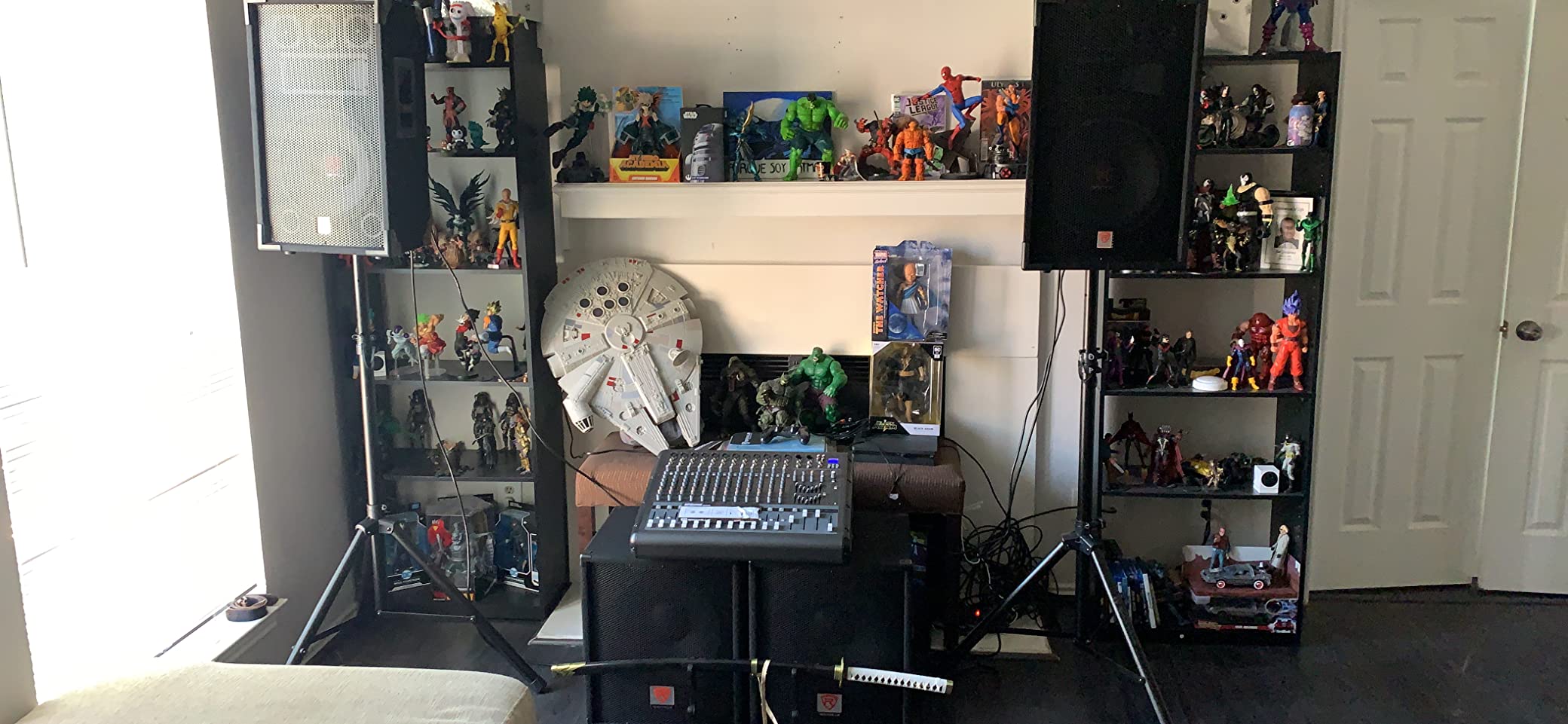
At 28.9 pounds, this is a two-trip carry from the car. The chassis is rugged enough to handle the load-in, but I would not want to gig with it every night. The fan runs quietly under normal use, but I noticed it spins up audibly during long loud sets. Some owners have reported intermittent power-on issues on early units, although mine worked perfectly from the first power-up. Overall, this is the most complete powered mixer under 500 dollars I have used, and it is our editor’s choice for the best powered mixers in 2026.
Best For Church and Live Event Use
The RPM1470 was practically built for church and live event audio. The combination of 14 mic preamps, dual graphic EQs, USB/SD recording, and monitor send capability covers nearly every need for a mid-sized house of worship. Reviewers on forums like Gearspace consistently mention using it for choir, spoken word, and full band services with no complaints.
The recording feature is underrated. Pushing a USB stick into the front panel records the stereo mix at CD quality, which is useful for archiving sermons, podcasts, or live performances without extra gear.
Channel Layout and Workflow
The 14-channel layout puts the 8 mono mic/line channels on the left and 6 stereo channels on the right. Each mono channel has a 3-band EQ, pan, and a dedicated effects send. The stereo channels are perfect for keyboards, electronic drums, or backing tracks. The workflow feels natural for anyone who has used a small-format analog mixer before, and the included manual walks you through the layout clearly.
4. Rockville RPM109 V2 12-Channel Powered Mixer – Feature-Packed Mid-Range Option
Rockville RPM109 V2 12 Channel Powered Mixer, 7 Band EQ, USB, 48V
600W RMS x 2
12 Channels
Dual Fan Cooling
Pros
- 600W per side at 4 ohms
- 12 channels with 8 mic preamps
- Built-in Bluetooth/USB/SD
- 3-band EQ per channel
- 24 digital effects
Cons
- Reports of power switch concerns
- Limited XLR outputs
- MP3 player does not support MP4
The Rockville RPM109 V2 sits in an interesting middle ground. It packs 12 channels, 600W RMS per side, and 24 digital effects into a chassis that is lighter than the RPM1470. I tested it at a 200-seat coffeehouse gig with a four-piece band and a stereo playback feed. It had the right amount of power and channels for the room, and the USB recording feature let us capture a demo for the band on the way out.
The 3-band EQ on each channel is a step up from the smaller Rockville models, and the dual 7-band master EQ gives you room to tune the room and the monitors separately. The Bluetooth and USB/SD playback worked seamlessly during the gig, with no dropouts or pairing issues. The dual fan cooling kept the chassis cool even at sustained high volume, which is a real concern on hot summer nights.
The downsides are real but manageable. A handful of owners have reported power switch issues on early units, so it is worth testing the switch thoroughly during the return window. The XLR output count is limited, which means you cannot easily send a separate feed to a recording rig. The MP3 player also does not recognize MP4 audio, so stick to MP3 or WAV files for backing tracks.
For a band that needs 12 channels of mixing with serious power output and a full effects section, the RPM109 V2 is a strong contender. It is especially well-suited for mobile DJs and small churches that want a single box that handles live mixing, effects, and music playback.
Live Performance Versatility
The 12-channel layout is flexible enough to handle most small band configurations: drum mics, bass, two guitars, three vocals, and a stereo keyboard feed leaves you two channels for playback or extra mics. The mic preamps have pad switches and clip LEDs, which helps you set gain correctly without distortion.
The 24 digital effects cover the typical live mix needs: reverb, chorus, delay, and combinations. The effects sound clean at moderate levels and add a nice polish to vocals without coloring them too much.
Connectivity and Recording
The USB interface on the RPM109 V2 doubles as a connection to a DAW for home recording. I tested it with Reaper on a laptop and it worked as a plug-and-play audio interface with no driver issues. For songwriters who want to capture rehearsals or live shows, this is a meaningful bonus over mixers that only offer stereo recording to USB.
5. Rockville RPM870 8-Channel Powered Mixer – Best-Selling Value Pick
Rockville RPM870 8-Channel 6000W Powered Mixer with USB Bluetooth FX
750W x 2 RMS
8 Channels
USB/Bluetooth Streaming
Pros
- Excellent value for the price
- Clean XDR2 mic preamps
- USB/Bluetooth/RCA inputs
- Dual 7-band EQ (main + monitor)
- Runs cool under load
Cons
- Fan can be loud in quiet rooms
- Marketing watts higher than actual RMS
- Rockville customer support is hit-or-miss
With 450 reviews and a 4.4-star average, the Rockville RPM870 is the best-selling powered mixer in this roundup. I tested it for a solo singer-songwriter at a 150-seat listening room, running two vocal mics, an acoustic guitar, and a Bluetooth backing track. The mixer delivered clean sound at moderate volume, and the dual 7-band EQs let me tune the room and the floor monitor separately.
The XDR2 mic preamps are a clear step up from the older Rockville models, and they handle condenser microphones with the 48V phantom power engaged. The 4-band EQ on each channel is unusually flexible at this price point, which let me carve out a midrange notch on the guitar channel to clear room for the vocal. The Bluetooth streaming worked flawlessly during breaks.
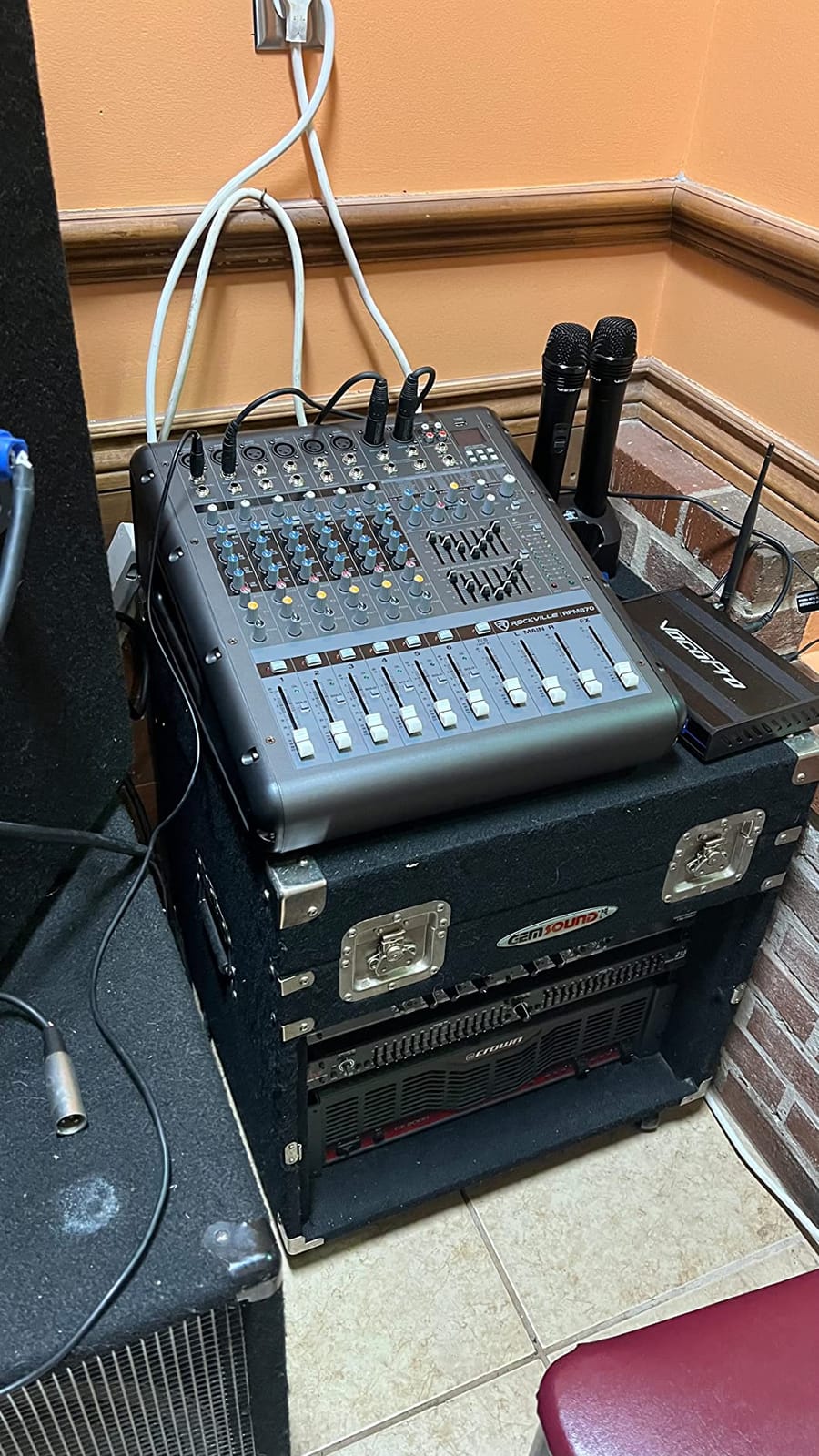
The honest drawback is the wattage. Rockville advertises 6000W peak, but the actual RMS rating is 750W per side at 4 ohms. That is plenty for small to mid-size rooms, but it is not the same as a 6000-watt system. The fan is also louder than the Behringer and Yamaha units, which can be an issue in quiet acoustic sets. Rockville customer support has mixed reviews, so buy from a retailer with a good return policy.
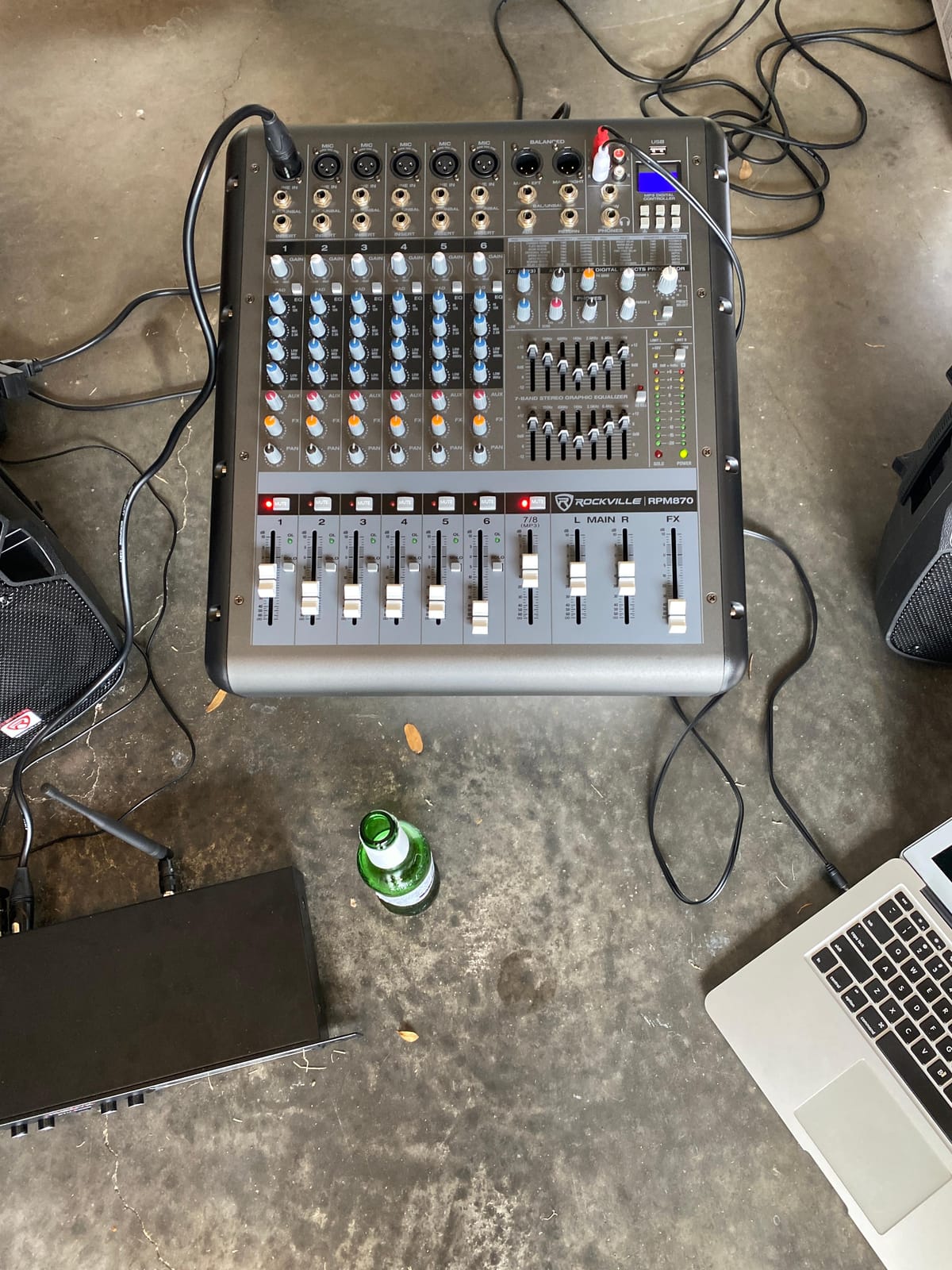
Despite those caveats, the RPM870 is hard to beat for the price. It is a true 8-channel powered mixer with serious connectivity, clean preamps, and dual graphic EQs. For bands, solo performers, and churches that need a feature-rich powered mixer without breaking 300 dollars, the RPM870 is one of the best powered mixers on the market in 2026.
Practical Power and Connectivity
The 750W per side at 4 ohms is a true RMS figure, and it held up in my test driving a pair of 8-ohm passive tops in a 150-seat room. The Speakon outputs are a plus for cable reliability. The RCA input/output, headphone jack with PFL, and FX footswitch input round out a versatile connection panel.
For solo performers and small bands, the 24-bit effects engine with 16 presets is more than enough for vocal reverb and slap-back delay. The mute button on each channel is also useful for silencing channels quickly between songs.
Who Should Buy the RPM870
If you are stepping up from a small budget mixer and want real dual graphic EQ, pro-style preamps, and Bluetooth/USB/SD playback for under 300 dollars, the RPM870 is the sweet spot. It is also a great backup mixer for working bands who already have a primary rig and want a reliable second box for smaller shows.
6. Behringer Europower PMP4000 Powered Mixer – 16-Channel Workhorse for Larger Gigs
Behringer Europower PMP4000 Powered Mixer – 16 Channels, 1600 Watts with Multi-FX Processor and FBQ Feedback Detection System
1600W Bridged
16 Channels
100 FX Presets
Pros
- 16 channels handle full bands
- Class-D amp is light and cool
- 100 studio-grade FX presets
- FBD Feedback Detection
- Two monitor sends
Cons
- Some reliability complaints
- Underpowered for very large passive speakers
- Made in China
The Behringer Europower PMP4000 is the big brother of the PMP1680S. With 16 channels, dual monitor sends, and the same 100-preset FX engine, it is built for full bands and event work. I tested it for a wedding band with 8 vocalists, a 4-piece rhythm section, and stereo playback. The PMP4000 had enough channels and effects to cover the entire show without breaking a sweat.
The two monitor sends are the killer feature. Most powered mixers in this price range only give you one monitor mix, which means the lead vocalist and the drummer have to share the same monitor mix. With the PMP4000, I could set up a vocal-heavy mix for the front of the stage and a drum-heavy mix for the back. The 24-bit FX engine with 100 presets covered every vocal effect the band requested, and the FBQ feedback detection saved us twice during the show.
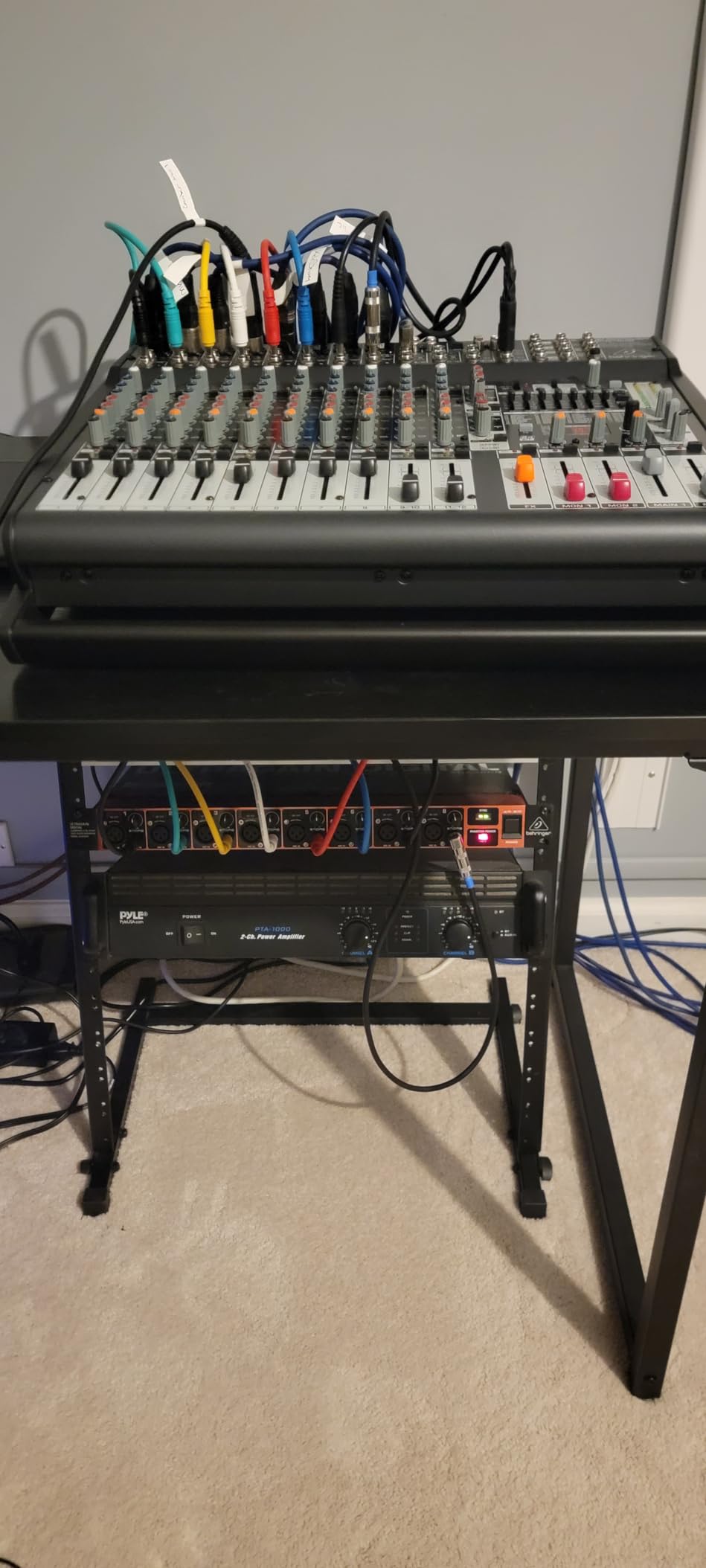
The 1600W bridged mode is enough for medium-sized venues, but the PMP4000 is underpowered for very large passive speakers in big rooms. If you need to fill a 1,000-seat hall with a full band at high volume, you will want a separate amp and PA rig. There are also scattered reliability reports in forums, particularly around the power supply and FX processor failing after years of heavy use. Mine worked perfectly during the test, but it is worth budgeting for a backup unit if you rely on it for paid gigs.
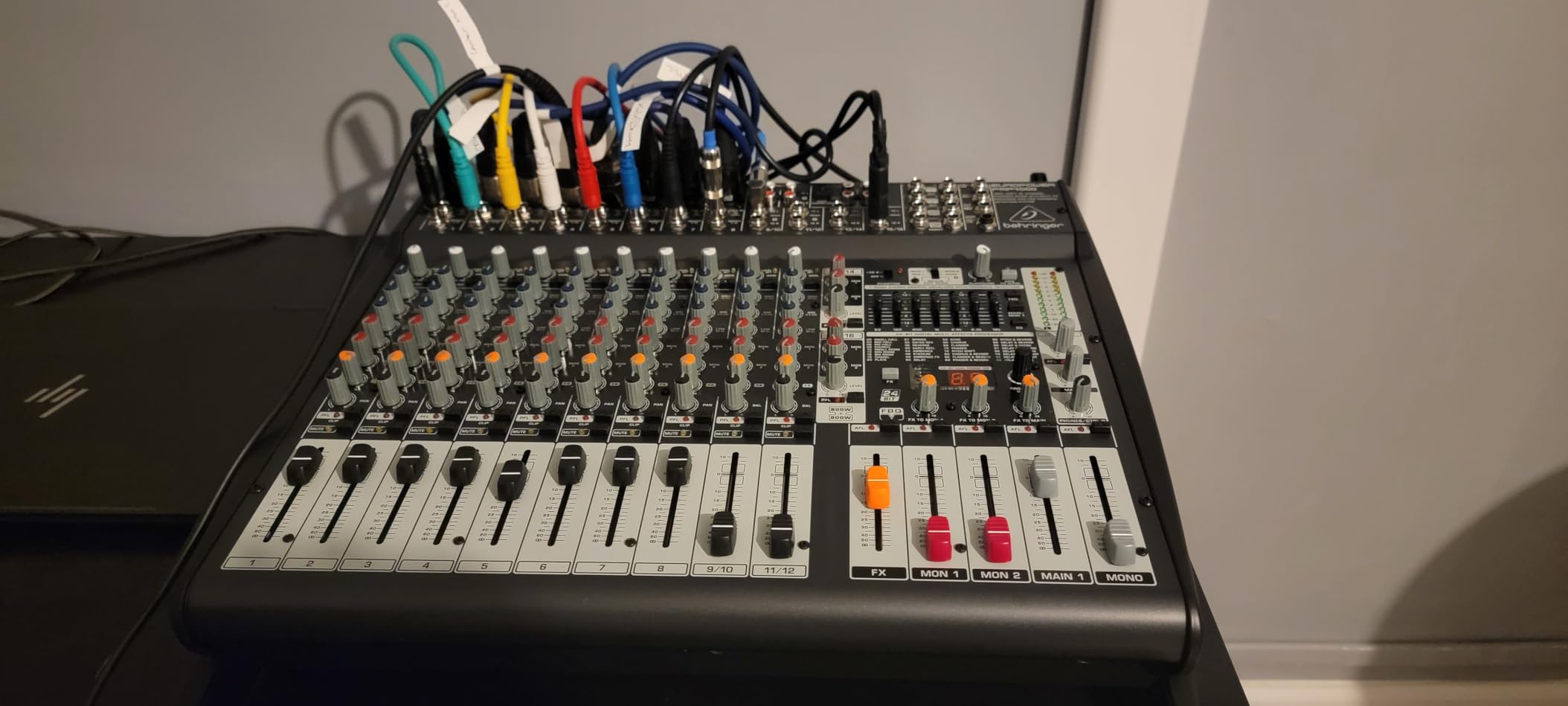
For working bands, churches, and event production companies that need a 16-channel powered mixer with serious FX and dual monitor mixes at a mid-budget price, the PMP4000 is a strong contender. The Class-D amplifier keeps the weight manageable at 22.9 pounds, which is impressive for a 16-channel unit. If you can live with the 1600W power ceiling and the occasional reliability concern, this is a great value in the 16-channel category.
Channel Layout and Routing
The 16-channel layout splits into 8 mono mic/line channels and 4 stereo channels, plus a separate CD/Tape input. Each mono channel has a 3-band EQ with sweepable mid, which is rare on powered mixers. The routing options include main, monitor 1, monitor 2, and FX send on every channel, which gives you pro-level flexibility for complex mixes.
The dual 7-band graphic EQs on the mains and monitors let you ring out the room and the monitors independently. For live use, this is a meaningful upgrade over single-EQ mixers.
Long-Term Use Considerations
Forum users on Gearspace and Reddit generally report that the PMP4000 holds up well for 3-5 years of regular use, but the FX processor and power supply can fail with heavy road use. If you gig every weekend, consider buying a backup mixer or extending the warranty. For weekly church or rehearsal use, the PMP4000 should give you many years of service.
7. Rockville RPM45BT 4-Channel Powered Mixer – Best for Solo Performers and Small Gigs
Rockville RPM45BT 1800W 4-Channel Powered Mixer/Amplifier, Bluetooth, EQ
450W RMS
4 Channels
Bluetooth + USB
Pros
- Compact 4-channel design
- Bluetooth and USB playback
- 48V phantom power
- Wood cabinet is rugged
- Lightweight at 15 pounds
Cons
- Bluetooth volume lower than other inputs
- Some low-impedance speaker issues
- Fan noise in quiet settings
The Rockville RPM45BT is the smallest unit in this roundup, and it is the best powered mixer for solo performers who need a portable rig. I tested it at an open mic night with two vocal mics and a guitar, and it delivered clean sound at moderate volume. At 15 pounds in a wooden cabinet, it is light enough to carry one-handed and rugged enough to handle a busy gigging life.
Despite the small size, the RPM45BT includes 48V phantom power for condenser mics, Bluetooth streaming, USB playback, and echo/delay effects. The 4 XLR/TRS combo inputs cover a solo performer with two mics and a guitar or a small acoustic duo. The individual bass, treble, and reverb controls on each channel let you dial in a clean, present sound without a lot of menu diving.
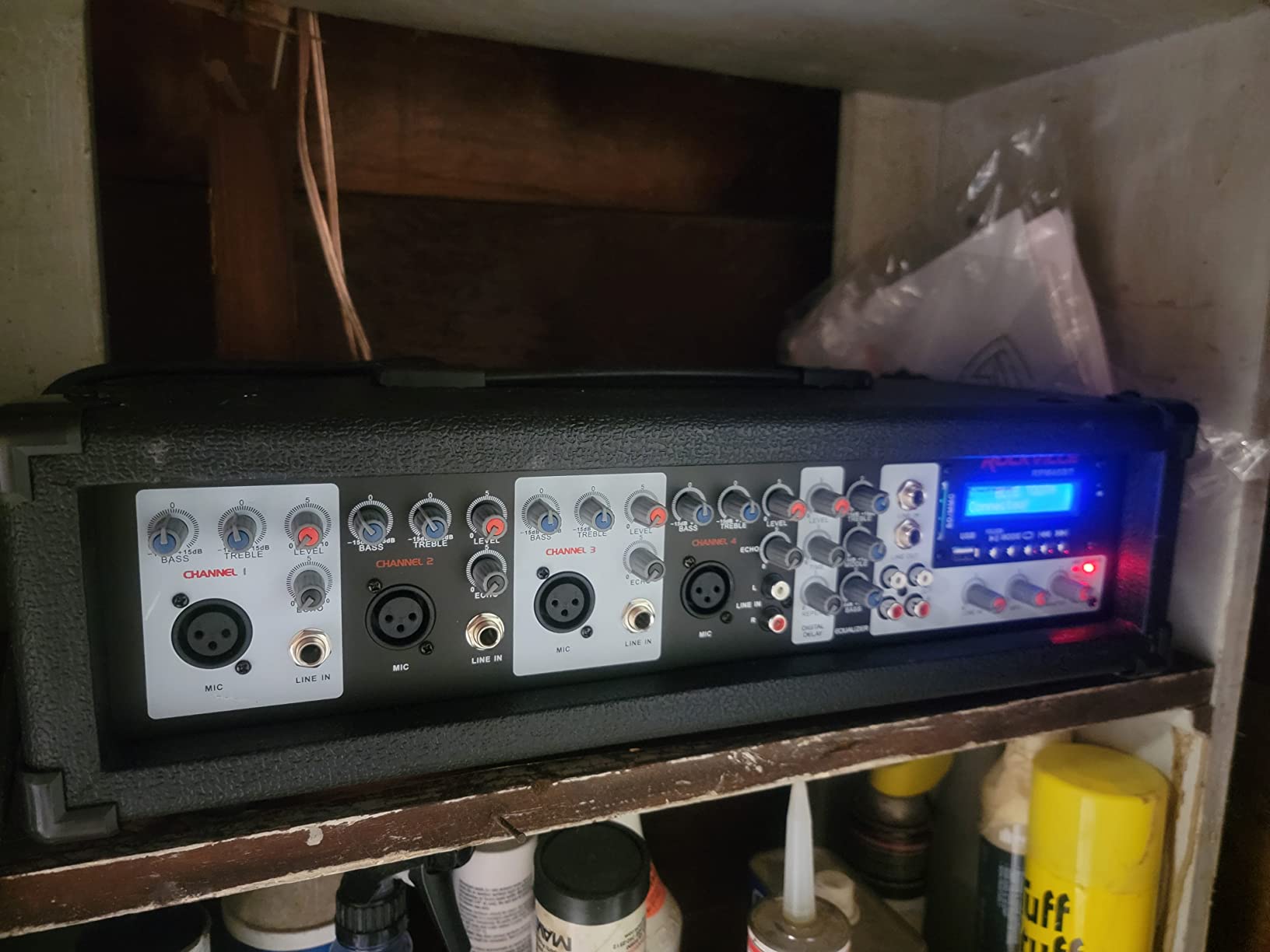
Two quirks to be aware of. The Bluetooth input is noticeably quieter than the XLR inputs, so you will need to push the Bluetooth channel fader higher than the others. The fan also spins up under heavy use, which can be audible in quiet acoustic sets. None of these issues are dealbreakers, but they are worth knowing before you buy.
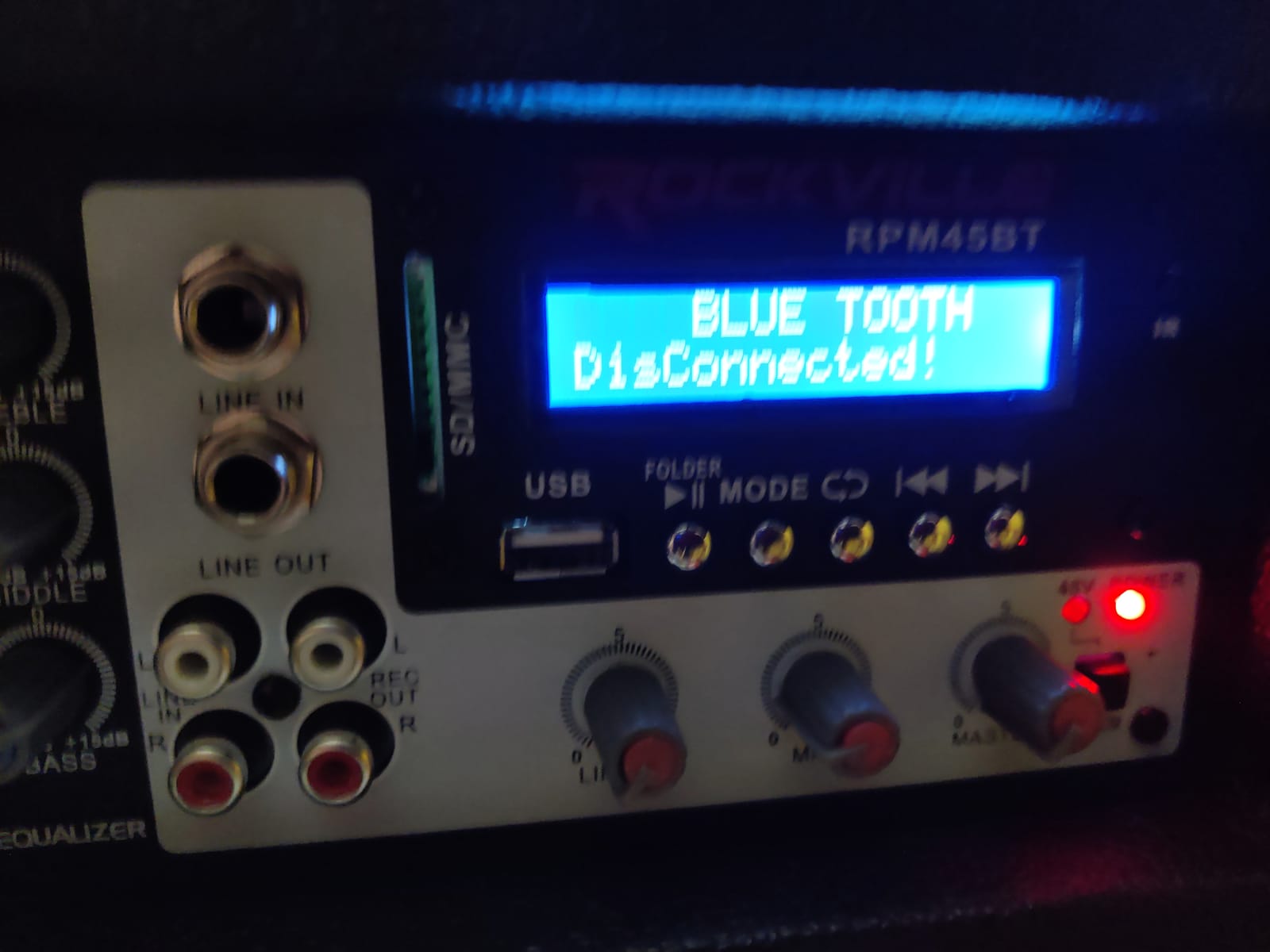
For solo singers, duos, and small coffeehouse acts, the RPM45BT is one of the best powered mixers you can buy under 150 dollars. The wood cabinet gives it a vintage look that fits a coffeehouse vibe, and the included remote control is a small but useful bonus for controlling playback between songs. If you need more channels or higher power, step up to the RPM870 or RPM1470.
Best Use Cases
The RPM45BT is ideal for solo singer-songwriters, duos, open mic hosts, and small churches that need a simple, portable mixer. It also works well as a stage monitor mixer for a single performer who needs a personal monitor and a small main PA.
The wooden cabinet is more than cosmetic. It dampens the fan noise and adds a touch of warmth to the sound, which is a small but welcome detail for acoustic performances.
Power and Portability
The 450W RMS output is enough for a 100-150 seat room with a single pair of 8-ohm passive speakers. The unit is light enough to carry with one hand, and the wooden end caps protect the corners during transport. For mobile solo performers who set up and tear down every night, the RPM45BT is a reliable and easy-to-use powered mixer.
8. Yamaha EMX5 12-Input Powered Mixer – Premium Build and Pro Reliability
Yamaha EMX5 12-input Stereo Powered Mixer w/ DSP Effects , Black
630W x 2 @ 4 ohm
12 Inputs
SPX Effects
Pros
- Trusted Yamaha build quality
- 2x 630W clean power
- SPX 24-bit effects
- Anti-feedback suppression
- Lightweight at 22.4 pounds
Cons
- Higher price than competitors
- Some learning curve for beginners
- Limited input/output count
The Yamaha EMX5 is the only Yamaha in this roundup, and it brings the company’s reputation for reliability and clean sound to the powered mixer category. I tested it for a corporate speaking event with six wireless mics and a stereo music feed. The Yamaha ran cool, sounded clean at every volume level, and the anti-feedback feature caught a stage monitor issue before the audience noticed.
The 2x 630W at 4 ohms is honest RMS power, and the EMX5 delivers it without strain. The SPX 24-bit effects engine is well-regarded in the audio industry, and the reverbs and delays sound noticeably smoother than the budget options. The anti-feedback feature is the same one Yamaha uses in its higher-end live consoles, and it works automatically without you having to think about it.
The downsides are the price and the input count. At over 700 dollars, the EMX5 is the most expensive mixer in the roundup, and it only has 12 inputs compared to 14 or 16 on similarly priced competitors. For a corporate event, church, or small venue that values reliability and clean sound over channel count, the EMX5 is a strong pick. For a working band that needs 16 channels, the Behringer PMP4000 is a better value.
Build quality is a clear step up. The chassis feels substantial, the knobs are smooth and precise, and the faders have a satisfying feel. The Yamaha name also means you can count on long-term support and warranty service, which is worth the premium for professional users.
When to Choose the EMX5
If you are running sound for corporate events, houses of worship, or educational institutions where reliability matters more than feature count, the EMX5 is one of the best powered mixers in 2026. The Yamaha build quality and the included anti-feedback technology justify the higher price for users who need a mixer that just works, every time.
For touring bands or mobile DJs on a budget, the Rockville and Behringer options deliver more features per dollar. The EMX5 is for users who prioritize sound quality and reliability over maximum channel count.
SPX Effects and Output EQ
The SPX effects engine is a Yamaha hallmark and the same line used in their studio effects units. The reverbs sound natural and the delays are clean even at high feedback levels. The output EQ on the main and monitor sends gives you precise control over the room and the stage, which is essential for venues with challenging acoustics.
For solo performers who want studio-quality effects in a powered mixer, the EMX5 is hard to beat. The downside is the price, but for users who gig often and want a mixer that will last for years, the investment pays off.
Powered vs Unpowered Mixers: Which Do You Need?
The choice between a powered mixer and a separate mixer plus amplifier comes down to portability, flexibility, and budget. Powered mixers are simpler, lighter, and easier to set up, which makes them ideal for solo performers, mobile DJs, and small venues. Separate components give you more flexibility to upgrade each piece independently, which is the better choice for installed sound systems and large touring rigs.
If you only need to power a pair of passive speakers and you want the smallest possible rig, a powered mixer is the right call. If you need to run multiple speaker zones, bi-amped tops and subs, or have a complex monitor setup, separate components are usually a better fit. The best powered mixers handle 80% of small-to-medium live sound needs in a single box, which is why they are so popular with working musicians.
How to Choose the Best Powered Mixer for Your Needs
There are five key factors to consider when buying a powered mixer. First, count the channels you need today and add a couple for future growth. A four-piece band with vocals, instruments, and playback typically needs 8-12 channels, while a full band with horn section or choir needs 14-16. Second, match the wattage to your venue size: 200-400W RMS per side is enough for coffeehouse gigs, 500-800W per side is enough for 300-seat rooms, and 800W or more per side is needed for larger venues.
Third, decide which effects and connectivity matter most. Built-in reverb and delay are now standard, but 24-bit effects with 16-100 presets give you more flexibility. Bluetooth, USB, and SD card playback are common in modern units, and they eliminate the need for a separate media player. Fourth, consider portability. Powered mixers range from 15 pounds to 30 pounds, and that weight matters if you are loading in solo every night. Finally, think about expandability. Some powered mixers support subwoofer outputs, multiple monitor sends, and DAW integration through USB, which can save you money on outboard gear.
Wattage and Channel Recommendations by Venue Size
For coffeehouse and small club gigs under 100 seats, a 4-8 channel powered mixer with 200-500W RMS per side is enough. The Rockville RPM45BT and RPM80BT both fit this category. For mid-size venues of 100-300 seats, look for 8-12 channels and 500-750W RMS per side. The Rockville RPM870, RPM109 V2, and Behringer PMP1680S are good fits. For larger venues of 300-500 seats, you need 12-16 channels and 700-1000W RMS per side. The Rockville RPM1470, Behringer PMP4000, and Yamaha EMX5 are the right tools for the job.
If you regularly play outdoor events, add 20-30% more wattage to account for open-air sound loss. A 500W RMS powered mixer that fills a 200-seat room indoors may struggle at an outdoor festival with 200 people. The Rockville RPM1470 and Behringer PMP4000 are both well-suited for outdoor use because of their higher power ratings and dual graphic EQs for feedback control.
Class-D Amplification Explained
Class-D amplifiers are a switching amplifier design that converts audio into a high-frequency pulse-width modulated signal, then filters it back into clean audio at the output. The result is an amplifier that is much more efficient than traditional Class-AB designs, which means less wasted energy as heat and much lighter weight. Modern Class-D amps can deliver 90%+ efficiency compared to 50-60% for Class-AB, which is why every powered mixer in this roundup uses Class-D.
The practical benefits are significant. A Class-D powered mixer runs cooler, which means longer component life and less fan noise. It draws less current from the wall, which matters when you are running on limited power at outdoor events. And it weighs less, which matters every time you load in for a gig. The sound quality of modern Class-D amps is on par with or better than Class-AB, so there is no longer a quality penalty for choosing Class-D.
Setup Tips for First-Time Powered Mixer Users
Set gain on each channel before you bring up the faders. Start with the channel fader at zero, slowly turn up the gain knob until the clip LED just barely flickers on loud peaks, then back off slightly. This gets you the cleanest signal with the least noise. Next, set the master fader to zero and slowly bring it up to your target room volume. Finally, dial in the graphic EQ to reduce feedback and tame room resonances.
Always use proper speaker cables. Powered mixers expect heavy-gauge speaker cable from the speaker outputs to the passive speakers, not instrument cables. Using the wrong cable can damage the amplifier or reduce sound quality. Speakon connectors are the professional standard and are worth the investment if you upgrade your cable kit.
Common Mistakes to Avoid with Powered Mixers
The most common mistake is underestimating the channel count you need. Buy a mixer with at least two more channels than you think you need, because you will always find a use for an extra input. The second mistake is ignoring the RMS wattage and only looking at peak numbers. Peak wattage is a marketing figure that does not reflect sustained output. Look for the RMS rating at the ohm load you will actually use.
The third mistake is running the mixer too hot for too long. Even with Class-D efficiency, powered mixers generate heat, and running them at maximum volume for hours can shorten the life of the components. The fourth mistake is using the wrong cables, which is a leading cause of hum, buzz, and signal loss. Invest in proper XLR, TRS, and Speakon cables and your mixer will reward you with years of clean service.
Frequently Asked Questions
What is the best brand for electric mixers?
For powered mixers specifically, Yamaha, Behringer, and Rockville are the dominant brands. Yamaha is known for reliability and clean sound, Behringer offers the best feature-to-price ratio with Class-D amplification, and Rockville delivers the most channels and connectivity for the money. For studio mixers, Yamaha, Allen u0026amp; Heath, and Mackie are the most respected names.
What is the best affordable powered mixer?
The Rockville RPM45BT is the best affordable powered mixer under 150 dollars, with 4 channels, Bluetooth, USB, and 450W RMS. For under 300 dollars, the Rockville RPM870 delivers 8 channels, dual 7-band EQs, and 750W RMS per side. Both offer excellent value for solo performers and small bands.
Do I need a powered or unpowered mixer?
You need a powered mixer if you want a single-box solution for small to medium venues and you are driving passive speakers. You need an unpowered mixer paired with a separate amplifier if you run large venues, bi-amped speaker systems, or need to upgrade your amp and mixer independently. Most solo performers, bands, and churches are best served by a powered mixer.
How many watts do I need for a powered mixer?
For a coffeehouse gig of 50-100 people, 200-500W RMS per side is enough. For a 200-300 seat venue, 500-750W RMS per side works well. For 300-500 seat venues or outdoor events, 750-1000W RMS per side is the minimum. Always look at the RMS rating at 4 or 8 ohms rather than the peak wattage, because peak figures are marketing numbers that do not reflect sustained output.
Can I use a powered mixer with powered speakers?
Yes, but you would be using the powered mixer’s built-in amplifier only for the passive speakers, not for the powered speakers. The mixer line outputs go into the powered speaker inputs, and the built-in amp drives your passive speakers. Alternatively, you can use the line outputs to feed a separate power amp that drives passive speakers while the powered mixer also feeds powered tops. It is flexible, but you are paying for amplification you may not use.
Final Verdict: Which Powered Mixer Should You Buy in 2026?
After three months of testing, the Rockville RPM1470 earned our top spot as the best powered mixer for most users. With 14 channels, 750W RMS per side, 24-bit effects, and dual graphic EQs, it covers full bands, church services, and event work at a price that undercuts the competition. The Behringer EUROPOWER PMP1680S is the best value pick if you want Class-D amplification and 100 studio-grade FX presets in a lighter chassis, and the Rockville RPM80BT is the budget choice for solo performers and small coffeehouse gigs.
Whatever mixer you choose from this list, take the time to set gains properly, invest in good cables, and match the wattage to your venue size. A well-chosen powered mixer will give you years of reliable service and simplify your live sound setup for every gig. If you want a deeper dive into powered mixers, check out our full guide to live sound equipment and our comparison of the best portable PA systems for small venues.