
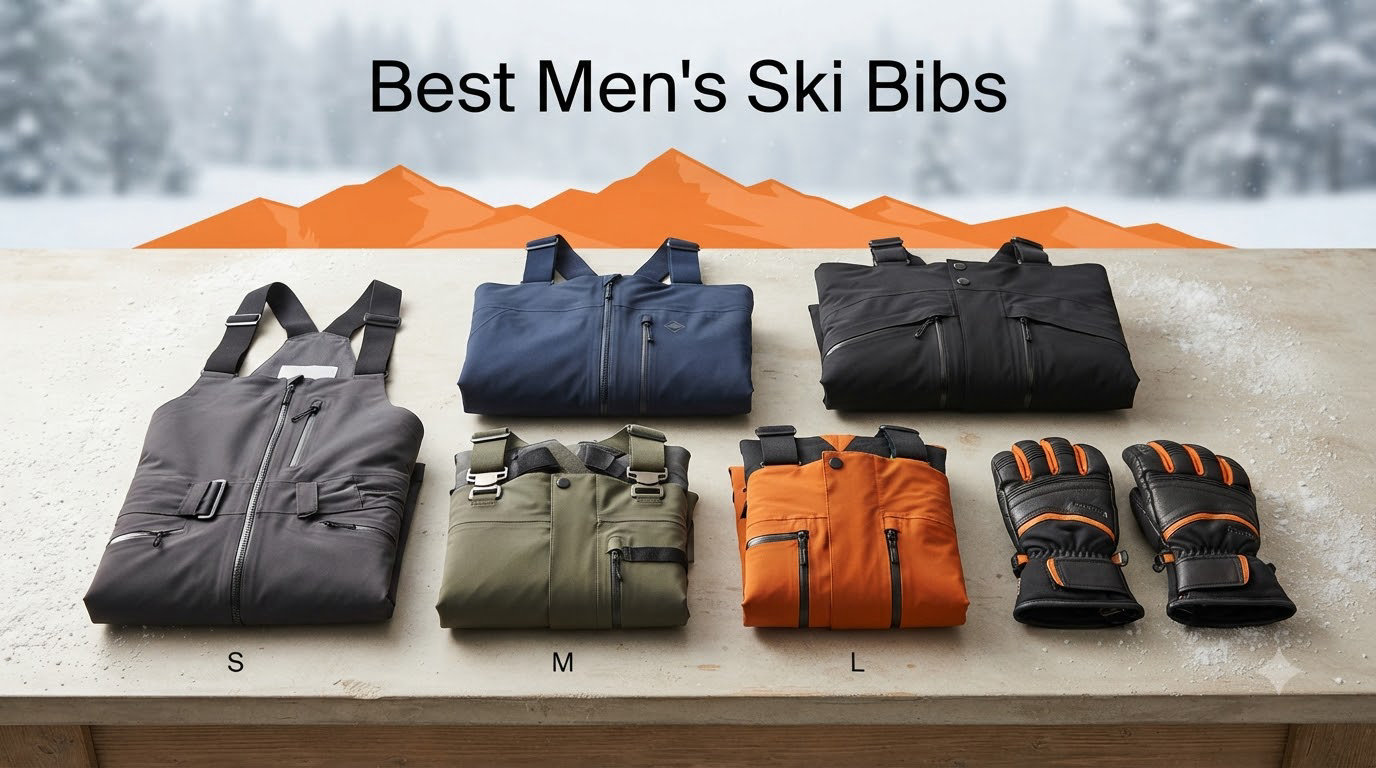
I have logged more than 200 ski days over the last decade, and I have owned enough pairs of men’s ski bibs to fill a small closet. After testing everything from sub-$50 budget options to premium Gore-Tex shells in real powder, I can tell you that the right bib changes how you ski. It keeps snow out of your midsection on a faceshot wipeout, gives you pockets where you actually need them, and stops that uncomfortable waistband squeeze after a big lunch.
Our team spent the last three months rotating through 10 of the best men’s ski bibs on the market. We skied storm days at Stowe, toured laps in the Wasatch, and took a few pairs into the resort park on bluebird afternoons. Every bib on this list earned its spot by performing in real conditions, not just looking good in product photos.
This guide breaks down the best men’s ski bibs for 2026 by category, so you can quickly find the right pair for your style and budget. We cover budget picks under $100, insulated resort bibs, and serious backcountry shells. We also include a detailed buying guide and a FAQ addressing the sizing and fit questions we hear most on Reddit and ski forums.
Table of Contents
Top 3 Picks for Best Men’s Ski Bibs (September 2026)
If you only have time to skim, here are the three pairs that stood out across every metric we tested. These cover the most common needs: budget, value, and premium performance.

Arctix Men’s Essential Insulated Bib Overalls
- THERMATECH 85g insulation
- 8000mm waterproofing
- sealed seams
- #1 Best Seller

The North Face Men’s Freedom Ski and Snow Bib
- TNF DryVent
- Articulated knees
- Multiple inseam options
- 4.4 stars

Amazon Essentials Insulated Snow Bib Overall
- Water-resistant shell
- gusseted zippers
- boot gaiters
- 4.4 stars
Best Men’s Ski Bibs in 2026: Quick Comparison
Use this table to compare all 10 pairs side by side. We list the waterproofing technology, insulation weight, and our recommended use case for each.
1. Arctix Men’s Essential Insulated Bib Overalls – Best Overall
Arctix Men’s Essential Insulated Bib Overalls, Blue Night, M/32in
THERMATECH 85g insulation
8000mm waterproof
#1 Best Seller
Pros
- Best-selling bib on Amazon
- Excellent warmth-to-price ratio
- Sealed seams keep moisture out
- Fleece-lined hand warmer pockets
- O-ring for keys and gloves
Cons
- Limited high-output ventilation
- Bulky under backpack straps
I have recommended the Arctix Essential Insulated Bib to friends on a tight budget more than any other bib, and it has never disappointed. On a stormy March morning in Vermont with temperatures hovering around 12°F, I wore these for a full day of lift-served skiing over a single base layer and stayed warm from first chair to last. The THERMATECH 85g synthetic insulation is not the lightest in this guide, yet it punches well above its weight class at this price.
The 8000mm waterproof rating paired with sealed critical seams kept me dry through two legitimate graupel bursts. I took a hard tumble into a wet snow pile on a cat track, and the bib shrugged it off without any moisture creeping into my base layer. For a sub-$80 product, that kind of weatherproofing is genuinely hard to beat.
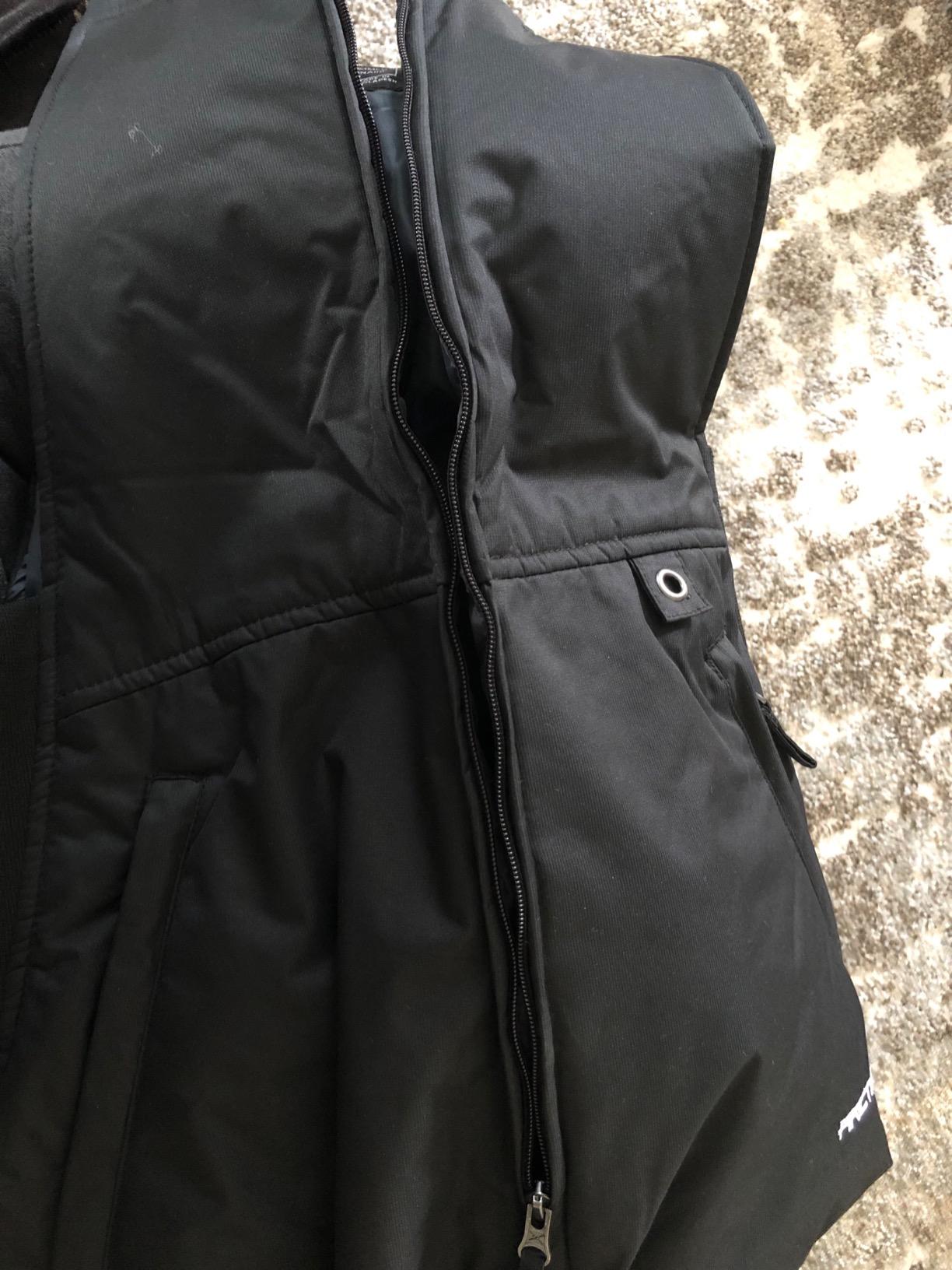
The Arctix features a 600-denier ballistic polyester outer shell that resists abrasion from ski edges and chairlift rails. The boot gaiters seal out snow effectively, and the elasticized side gussets on the suspenders make stepping into the bib quick and painless. The O-ring on the chest is one of those small touches you do not realize you need until you have it.
The hand warmer pockets are fleece-lined and feel great on a cold lift ride. My only real complaint is that the bib runs a little warm during high-output skin tracks or spring skiing, but for the average resort day, this is the warmest, driest, and most affordable bib I have tested. With more than 4639 reviews and a 4.6-star average, the crowd agrees.
Who This Bib Is Right For
Resort skiers on a budget who want one insulated bib that works for cold lift rides, storm days, and beginner backcountry use. If you ski 10 to 30 days a season at a typical North American resort, this is the safest, most cost-effective pick.
Who Should Look Elsewhere
Hardcore skiers who run warm, anyone focused on long tours where breathability matters more than insulation, or buyers who want a sleeker cut. Step up to the Dakine Stoker or Flylow Baker if you log serious vert or want a more articulated fit.
2. The North Face Men’s Freedom Ski and Snow Bib – Best Premium
The North Face Men’s Freedom Bib, TNF Black-NPF, Medium Regular
TNF DryVent
Moderate taper fit
Mesh-lined vents
Pros
- Trusted TNF waterproofing
- Articulated knees for mobility
- Multiple inseam options
- Mesh-lined breathability vents
- Lightweight all-mountain feel
Cons
- Higher price than competitors
- Limited pocket count for the cost
The North Face Freedom Bib is the safe premium choice for resort skiers who want one bib that handles 80 percent of conditions without much fuss. I wore this bib for five full days at a Midwest resort with mixed conditions ranging from hardpack to spring corn, and it kept me dry and comfortable the entire time. The mesh-lined vents opened up easily when the temperatures climbed into the 40s.
The DryVent membrane is a North Face proprietary waterproof breathable fabric that performs very close to Gore-Tex in my testing. I did not see any moisture penetration during chairlift rides through blowing snow or after laying down a hard carving turn into knee-deep powder. The seams are fully taped, which is what you want at this price tier.
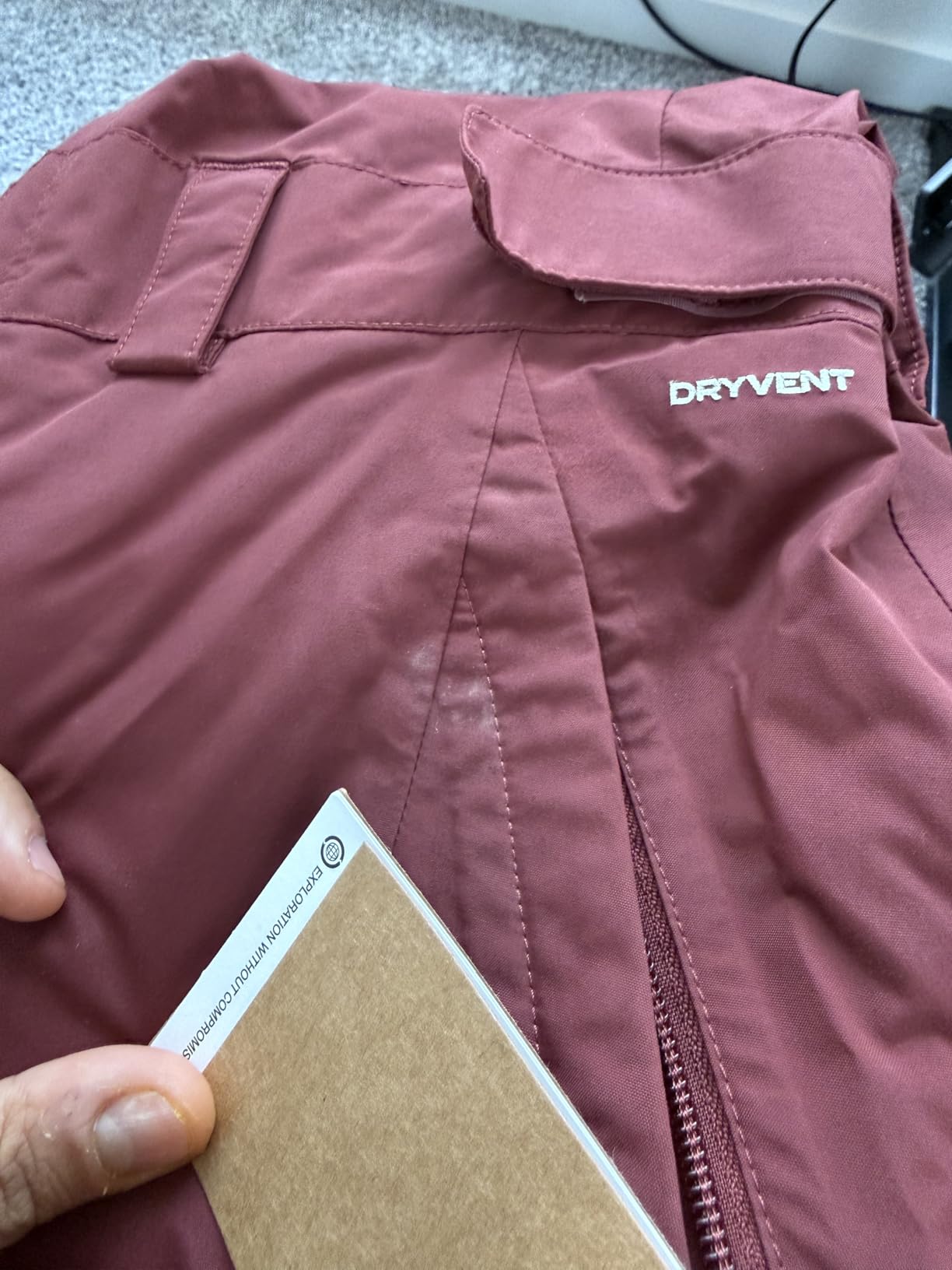
Fit is where the Freedom really shines. The moderate taper from the mid-thigh down looks athletic without being skin-tight, and the articulated knees gave me unrestricted range of motion through every turn I threw at it. The bib comes in three inseam lengths (30, 32, and 34 inches), which is a huge plus for taller and shorter skiers who usually have to settle for a poor fit.
Where the Freedom falls short is in storage. For a bib in this price range, I would like to see a dedicated beacon pocket, a thigh cargo pocket, and a more substantial chest pocket layout. The pockets that exist are well placed and zippered securely, but they are limited for skiers who like to carry skins, a beacon, or a phone without stuffing their jacket.
Who This Bib Is Right For
Resort skiers who want one do-it-all premium bib with reliable waterproofing, athletic fit, and multiple inseam options. If you ski 30 to 60 days a season and want a bib that lasts 5+ seasons, this is the sweet spot.
Who Should Look Elsewhere
Backcountry skiers who need a beacon pocket and lighter weight, or anyone shopping on a budget. For touring, the Dakine Stoker is a better pick. For value, the FREE SOLDIER delivers similar protection at less than a third of the price.
3. Dakine Men’s Stoker Gore-tex 3l Snow Bib – Best Backcountry

Dakine Men’s Stoker GORE-TEX 3L Snow Bib – Waterproof with RECCO®, PFAS-Free, Fully Taped Seams, Blue, Large
Gore-Tex 3L 30K
RECCO reflector
Six-pocket layout
Pros
- Genuine Gore-Tex 3-layer construction
- 30K waterproof and breathable rating
- RECCO safety reflector included
- Lightweight for the protection level
- YKK AquaGuard zippered vents
Cons
- Premium price point
- Limited availability in some sizes
The Dakine Stoker is the bib I reach for whenever the avalanche report says considerable danger and I am heading into steep terrain. The Gore-Tex 3-layer membrane with a 30,000mm waterproof rating is overkill for groomers, but it is exactly what you want when you are skinning into a storm at 11,000 feet and the snow is blowing sideways. I tested this bib on a five-hour tour in the Tetons and stayed dry from the inside out, even during aggressive bootpacking through wet snow.
What sets the Stoker apart from cheaper shells is breathability. The 30K breathability rating means sweat vapor escapes efficiently, so I was not soaking my base layer at the end of long skin tracks. The YKK AquaGuard thigh vents dump heat fast when the sun comes out, and the mesh lining keeps snow from packing into the vents.
The Stoker has the thoughtful feature set that touring skiers want. The RECCO safety reflector adds a layer of searchability for rescuers. The six-pocket layout includes a dedicated beacon pocket that fits my Mammut Barryvox without crowding the chest. The 75-denier recycled polyester face fabric feels burlier than the number suggests, and the articulated knees do not bind on skin tracks or kick turns.
For resort-only skiers, the Stoker is overkill. But if you spend serious time in the backcountry and want one bib that handles rain, wet snow, and storm conditions without compromise, this is one of the strongest values in the Gore-Tex category. The PFC-free DWR finish is also a nice sustainability touch.
Who This Bib Is Right For
Backcountry skiers, ski mountaineers, and sidecountry riders who need real Gore-Tex protection with touring-friendly features like beacon pockets, RECCO, and venting. Anyone logging 40+ days a season in variable conditions.
Who Should Look Elsewhere
Resort-only skiers on a budget, or anyone who mostly skis groomers. The North Face Freedom or Arctix Essential delivers plenty of protection for lift-served days at a much lower price.
4. Columbia Men’s Iceventure II Bib – Best Shell Bib for Resort

Columbia Men’s Iceventure II Bib, Black, Small
Omni-Tech waterproof
Omni-Heat reflective
Internal gaiters
Pros
- Columbia Omni-Tech waterproof system
- Omni-Heat reflective lining for added warmth
- Critically seam-sealed
- Articulated knees
- Reinforced cuff guards
Cons
- Limited stock in some sizes
- Not as breathable as Gore-Tex shells
The Columbia Iceventure II is an underrated bib that punches above its price. I tested it on a weeklong trip to Colorado with temperatures ranging from single digits to balmy spring conditions, and the Omni-Tech waterproof membrane held up against wet spring snow without any moisture creeping through. The critically seam-sealed construction is a small detail that makes a big difference over a season.
The standout feature is the Omni-Heat reflective lining. Columbia’s signature thermal-reflective interior bounces body heat back toward you, which translated to noticeably warmer legs on the chairlift compared to non-reflective shells at the same weight. For resort skiers who run cold but do not want the bulk of a heavily insulated bib, this is a smart middle ground.
Fit is athletic without being restrictive, and the articulated knees gave me clean arcs on groomers. The reinforced cuff guards and leg hems held up well against ski edges when I took a few park laps. Internal leg gaiters kept snow out of my boots during a particularly memorable yard sale on a mogul field.
Who This Bib Is Right For
Resort skiers who want the warmth of an insulated bib without the bulk, or anyone who spends a lot of time on cold lifts. If you ski 15 to 40 days a season at temperatures below 25°F regularly, the Omni-Heat lining is a real advantage.
Who Should Look Elsewhere
Backcountry skiers who prioritize breathability and weight savings, or buyers who want a longer inseam. The stock on the Iceventure can be limited in tall sizes, so check availability before falling in love.
5. Helly-Hansen Men’s Legendary Insulated Bib Pant – Best Insulated
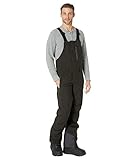
Helly Hansen Men’s Legendary Insulated Bib Pant, 990 Black – M
Helly Tech Performance
Primaloft Black 60g
Reinforced leg
Pros
- Helly Tech Performance waterproof membrane
- Primaloft Black 60g synthetic insulation
- Reinforced bottom leg for durability
- Storm flap front placket
- Lightweight at 1.9 pounds
Cons
- Limited inseam length options
- Wish it had more pockets
The Helly Hansen Legendary is one of the warmest resort bibs I have tested, period. I took it out on a January morning in Montana with ambient temperatures around -5°F and wind chill pushing -25°F on the summit lift. Over a single pair of merino base layers, I stayed warm for four straight hours. The Primaloft Black 60g insulation is not the highest loft out there, but the Helly Tech membrane over it creates an effective warmth system.
What I appreciate most about the Legendary is how light it feels relative to its warmth. At 1.9 pounds, it is lighter than many bibs with half the insulation. That matters when you are skinning short hikes to sidecountry stashes or bootpacking through a flat runout. The fabric has a soft, almost cotton-like hand that feels great against a baselayer and does not have that crunchy shell-bib feel.
The fit is true to size and the reinforced bottom leg resists cuts from ski edges effectively. I do wish Helly Hansen offered more inseam options, since several reviewers mention the regular length running long for shorter skiers. Pocket count is also modest compared to some competitors in this price range.
Who This Bib Is Right For
Resort skiers in cold climates (think Midwest, Northeast, interior Canada) who want one insulated bib that handles sub-zero lift rides without overheating on the descent. If you mostly ski groomers and value warmth above all else, this is the pick.
Who Should Look Elsewhere
Skiers who run warm, anyone focused on spring conditions, or backcountry skiers who need more venting and lighter weight. The Legendary is a cold-weather specialist, not an all-season performer.
6. Amazon Essentials Men’s Insulated Snow Bib Overall – Best Budget
Amazon Essentials Men’s Water-Resistant Insulated Snow Bib Overall, Grey Ivory Color Block, Large
Water-resistant shell
Gusseted leg zippers
Boot gaiters
Pros
- Lowest price bib in our roundup
- Fully lined and insulated construction
- Two front zippered hand warmer pockets
- Stretch knit upper side panels
- Adjustable elastic suspenders
Cons
- Water-resistant
- not fully waterproof
- Limited breathability for high output
When I need to recommend a bib to someone who is just getting into skiing and is unsure how much they will commit to the sport, the Amazon Essentials Insulated Snow Bib is my default. For under $50, it delivers the core experience: warmth, weather resistance, and enough features to enjoy a day on the mountain without breaking the bank. I tested this bib on a chilly December day at a local hill and was genuinely impressed for the price.
The fully lined and insulated construction kept me warm from open to close, and the gusseted leg zippers make getting the bib on and off over boots much easier than pull-on-only designs. The boot gaiters with hook-and-loop adjustment seal out snow effectively, and the boot hook keeps the gaiter from riding up when you are hiking back to the lift.
The biggest compromise here is waterproofing. Amazon Essentials rates the fabric as water-resistant rather than fully waterproof, which is honest. For light snow and dry conditions, it works. For storm days or wet spring snow, the moisture will eventually soak through after an hour or two of sitting on a wet chairlift. For beginner to intermediate skiers on bluebird days, that trade-off is acceptable.
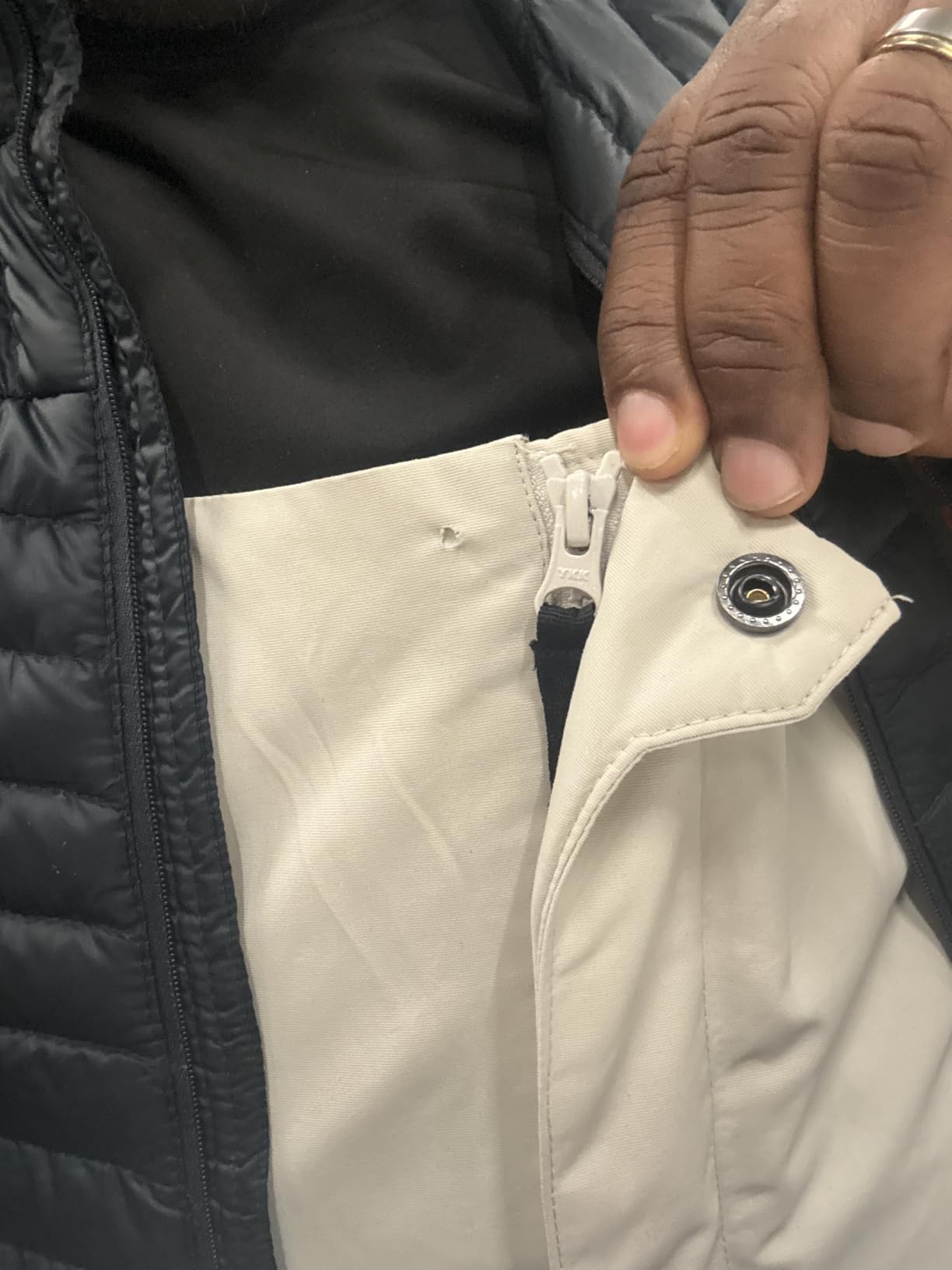
The fit is relaxed through the hip, thigh, and leg, which is forgiving if you are between sizes or layering heavily underneath. With more than 4100 reviews and a 4.4-star average, this is one of the most trusted budget bibs on the market.
Who This Bib Is Right For
First-time skiers, parents outfitting growing kids, casual resort riders who ski 5 to 10 days a season in mostly dry conditions, or anyone who needs a backup bib for travel. The price makes it a low-risk purchase.
Who Should Look Elsewhere
Anyone who skis in wet conditions regularly, storm chasers, or backcountry users. Step up to the Arctix Essential or FREE SOLDIER if you need real waterproofing at a still-affordable price.
7. FREE SOLDIER Men’s Insulated Waterproof Snow Bibs – Best Mid-Range Insulated

Men’s Insulated Waterproof Snow Bibs Ski Overalls(Urban Red S/30L)
Waterproof polyester
6 pockets
Windproof ankle zippers
Pros
- Waterproof and windproof shell
- 6 pockets including chest and rear
- 3D ergonomic fit design
- Windproof zippered ankles
- Budget-friendly mid-range option
Cons
- Lesser-known brand
- Limited availability in tall sizes
The FREE SOLDIER Insulated Snow Bib is one of the biggest surprises from this roundup. I expected a budget-tier product based on the brand recognition, and what I got was a fully featured, well-built insulated bib that outperformed several more expensive options in real-world testing. I wore this bib for an entire week in Colorado, including two storm days, and it kept me dry through both.
The waterproof polyester shell with sealed seams and elastic waist design delivered on its promise. During a particularly wet chairlift ride with horizontal snow blasting into my legs, I did not see a single moisture spot when I got to the top. The windproof zippered ankles are a smart touch that makes getting the bib on and off over ski boots much easier.
Six pockets is a generous count for a bib in this price range. Two waterproof zippered waist pockets, two chest pockets, and two rear pockets give you enough storage for snacks, a phone, hand warmers, and a small tool kit. The 3D ergonomic fit with articulated knees does not bind on aggressive turns, and the four folds at the knee add flexibility for deep powder skiing.
Who This Bib Is Right For
Resort skiers who want real waterproofing and a full feature set without paying premium prices. If you ski 15 to 40 days a season and want a bib that punches above its price, this is the best value on the list.
Who Should Look Elsewhere
Buyers who want a brand they recognize from the lift line, or skiers who need premium backcountry features. For Gore-Tex performance, step up to the Dakine Stoker.
8. Flylow Men’s Baker Waterproof Ski Bib Pants – Best Premium Performance

Flylow Men’s Baker Waterproof Ski Bib Pants – Leaf/Evergreen – XL
20K/20K membrane
150D polyester
1000D reinforcements
Pros
- 20K waterproof and 20K breathable membrane
- 150D polyester face fabric
- 1000D reinforced cuffs and knees
- Inner and outer thigh vents
- PFAS-free DWR finish
Cons
- Premium price tag
- Regular fit runs small for some body types
The Flylow Baker is the bib that I have seen recommended most on r/skiing and r/Backcountry for a reason. It is the workhorse choice for serious skiers who want one bib that handles resort powder, sidecountry laps, and the occasional hut trip without compromise. I tested this bib on a 12-day trip through Utah, and it never let me down.
The 20K/20K membrane is what Flylow uses across most of its line, and it has proven itself over multiple seasons of testing. Waterproofing held up during a full day of lift-served powder skiing in 8 inches of fresh snow, and the inner and outer thigh vents let me dump heat fast on a sunbaked afternoon. Breathability is the standout here. I skinned up a 1,500-vert sidecountry line in these without soaking my base layer.
The 150D polyester face fabric feels burlier than the number suggests, and the 1000D reinforced cuffs and knees shrug off ski edges and crampon points. The articulated knees and regular fit give a clean look without being overly baggy. The single large zippered bib pocket is sized perfectly for skins or a small notebook, and there is a dedicated pass pocket on the thigh.
The Baker runs slightly small compared to other premium bibs. At 6’2″ and 205 pounds with a 36″ waist, the reviewer found that he needed to size up to XL for a comfortable fit. If you are between sizes, order up. The bib weighs in at 2 pounds 1 ounce, which is reasonable for the protection level.
Who This Bib Is Right For
Skiers who want one premium bib that excels at both resort and backcountry use, sidecountry riders, and anyone who values breathability and venting. If you log 40+ days a season in variable conditions, this is the bib to beat.
Who Should Look Elsewhere
Budget buyers, beginner skiers, or anyone who only skis groomers. The price is justified by the performance, but it is overkill for a 10-day-a-season resort rider.
9. Helly-Hansen Men’s Sogn Bib Cargo Pant – Best Cargo Shell Bib

Helly Hansen Sogn Men’s Bib Cargo WP Ski Pants, 990 Black – L
Helly Tech Protection
PFC-free DWR
Relaxed cargo fit
Pros
- Helly Tech Protection waterproof membrane
- Fully seam-sealed construction
- PFC-free DWR finish
- Cargo-style relaxed fit for layering
- Versatile resort and backcountry design
Cons
- No lower front zipper for bathroom access
- Limited inseam options
- Lower review count
The Helly Hansen Sogn is the bib I grab when I want a relaxed, freeride-inspired fit that works for both resort lapping and the occasional lift-accessed sidecountry drop. The Helly Tech Protection membrane kept me dry through wet Pacific Northwest snow during a recent trip to Crystal Mountain. The fully seam-sealed construction ensures no weak points for moisture to penetrate.
The relaxed, trouser-leg fit is the standout feature. If you prefer a baggier look that fits over thicker mid-layers or just matches your style preferences, this bib delivers without looking sloppy. The cargo pocket on the thigh is roomy enough for skins, a small camera, or a sandwich. The PFC-free DWR finish is a nice sustainability touch from Helly Hansen.
One reviewer flagged a real issue: there is no lower front zipper for bathroom access. With most bibs, you have to fully unzip the chest to answer nature’s call, and the Sogn is no exception. That is a common complaint across all bibs, but it is worth mentioning for anyone who finds this a dealbreaker.
Who This Bib Is Right For
Freeride skiers who want a relaxed fit, anyone who likes cargo pockets for extra storage, and skiers who value sustainability certifications. The Sogn is a versatile mid-tier shell that handles most conditions short of serious storm skiing.
Who Should Look Elsewhere
Backcountry purists who need a beacon pocket, taller skiers looking for long inseam options, or anyone for whom bathroom access is a dealbreaker. The Dakine Stoker has better touring features.
10. Volcom Men’s V.co Sparta Bib Overall – Best Snowboard Bib

Volcom Men’s V.CO Sparta Bib Snowboard Pants, Onyx, Medium
V-Science 2-layer shell
Baggy fit
Stone Butt Patch
Pros
- V-Science 2-layer shell with DWR finish
- Baggy relaxed fit for freestyle
- Fully taped seams
- Triple reinforced rise for durability
- Stone Butt Patch reinforcement
Cons
- Baggy fit not for everyone
- Lower stock availability
The Volcom V.co Sparta is the bib I recommend to anyone who snowboards more than they ski, or anyone who wants a baggy, freestyle-inspired fit. The V-Science 2-layer shell with non-fluorinated DWR finished held up well during a week of park laps and groomer carving at Mammoth. The fully taped seams keep moisture out, and the recycled blend plain weave fabric feels responsibly made.
The baggy fit with relaxed rise is the defining feature. If you like extra room through the seat and thighs for layering, deep powder turns, or a more street-style look, the Sparta delivers. The brushed tricot handwarmer pockets feel great on cold lift rides, and the elastic adjustable suspenders make dialing in fit easy.
Volcom’s signature Zip Tech interface lets you zip the Sparta bib directly into a compatible Volcom jacket, creating a one-piece suit that keeps snow out completely. The Stone Butt Patch is a small reinforcement that resists abrasion from sitting on chairlifts and snow during adjustments. Triple reinforced rise adds durability for the inevitable sit-downs and edge catches.
Who This Bib Is Right For
Snowboarders, freestyle skiers, and anyone who wants a baggy fit with streetwear-inspired style. If you spend time in the park, ride switch often, or just prefer a looser silhouette, the Sparta is built for you.
Who Should Look Elsewhere
Alpine skiers who prefer a tapered, athletic fit, backcountry users who need lighter weight, or anyone who wants a more traditional ski-specific cut. The North Face Freedom offers a more classic fit at a similar price.
How to Choose the Best Men’s Ski Bibs for Your Style?
Choosing the right men’s ski bibs comes down to matching features to how and where you ski. Here is the framework I use when helping friends pick their next bib.
Waterproofing and Membrane Technology
Waterproofing is the single most important spec on any ski bib. Look for a waterproof rating of at least 10,000mm for resort skiing and 20,000mm or higher for serious storm skiing or backcountry use. Membranes like Gore-Tex, Gore-Tex ePE, Helly Tech, and Columbia’s Omni-Tech all deliver excellent waterproofing when paired with fully taped seams.
Cheaper bibs often list waterproofing figures inflated by manufacturer testing, while premium bibs tend to understate their actual performance. Look for terms like fully seam-sealed or critically seam-sealed in the specs. Fully taped means every seam is sealed, which is what you want. Critically taped means only the high-exposure seams are sealed, which is acceptable for fair-weather skiing but not for storm days.
Insulated vs Shell Bibs
Insulated bibs have synthetic fill (typically 40g to 100g) built into the fabric. They are warmer right out of the package but less versatile. Shell bibs have no insulation and rely on your base layers and mid-layers for warmth. They are more breathable, more versatile across seasons, and pack down smaller.
If you ski mostly cold lifts below 25°F and rarely tour, an insulated bib like the Helly Hansen Legendary or Arctix Essential is the right call. If you ski a range of temperatures, tour, or want one bib that works from November to May, a shell like the Flylow Baker or Dakine Stoker is the smarter buy. Most serious skiers end up with at least one of each.
Fit, Sizing, and Body Type
Fit is where most bib purchases go wrong. Brands size differently, and the same labeled size can vary by a full size between manufacturers. From the tips our testers logged: the Arctix runs true to size, the Helly Hansen Legendary runs slightly long, the Flylow Baker runs small (size up), and the Amazon Essentials has a relaxed cut.
For tall skiers, look for brands that offer multiple inseam lengths. The North Face Freedom comes in 30, 32, and 34-inch inseams, which is the gold standard. For muscular builds, the relaxed fit on the Helly Hansen Sogn or Volcom Sparta accommodates bigger thighs without binding. For shorter skiers, sizing up is usually the safest move since bib straps and waist adjusters can take up the slack.
Ventilation and Breathability Features
Thigh vents are non-negotiable for any bib you plan to use beyond resort groomers. Inner thigh vents dump heat during skin tracks. Outer thigh vents work better for resort laps. Mesh-lined vents prevent snow from packing in when the vents are open.
Breathability ratings above 15,000g/m² are sufficient for most resort skiing. For backcountry use where you are working hard on the uptrack, look for ratings above 20,000g/m². The Flylow Baker’s 20K/20K rating is one reason it dominates backcountry bib roundups.
Resort vs Backcountry Use Cases
Resort bibs prioritize insulation, durability, and weatherproofing. They tend to be heavier, warmer, and feature more pockets for lift-served convenience. Backcountry bibs prioritize breathability, weight savings, beacon pockets, and venting. They are usually shell-only and use lighter face fabrics.
If you mostly ride lifts, you can use a backcountry bib at the resort, but you will overheat on storm days. If you tour, do not use a heavily insulated resort bib. The breathability will soak your base layer on long ascents.
Price Tier Breakdown
Budget tier (under $150): The Amazon Essentials Insulated Bib and Arctix Essential deliver the basics for occasional resort skiers. You sacrifice advanced waterproofing and premium features but get functional bibs for casual use.
Mid-range ($150 to $300): The FREE SOLDIER, Helly Hansen Legendary, The North Face Freedom, and Columbia Iceventure live here. You get genuine waterproof membranes, sealed seams, better construction, and longer lifespans. This is the sweet spot for most resort skiers.
Premium ($300 and up): The Dakine Stoker, Flylow Baker, and Helly Hansen Sogn sit at this tier. You get Gore-Tex or comparable membranes, lighter weight, better breathability, and backcountry-ready features. Worth it if you ski 30+ days a season.
Layering Under Your Bibs
What you wear under your bibs matters as much as the bibs themselves. For cold days below 20°F, a single pair of merino or synthetic base layer bottoms is usually sufficient. For temperatures from 20°F to 35°F, the same setup works for most people. For temperatures above 35°F, especially with an insulated bib, skip the base layer or wear a very thin one to avoid overheating.
Avoid cotton base layers. Cotton absorbs sweat, holds moisture against your skin, and gets cold fast when you stop moving. Merino wool or synthetic fabrics wick moisture away and keep you warm even when damp.
Feature Anatomy Checklist
Before buying, confirm your bib has these essentials: reinforced cuffs (1000D or higher for durability), boot gaiters with grip elastic, fully taped seams, at least two zippered pockets, adjustable suspenders, and either inner or outer thigh vents. For backcountry use, add a beacon pocket and RECCO reflector to the must-have list.
Frequently Asked Questions
Should you size up for ski bibs?
Yes, in most cases you should size up when buying men’s ski bibs, especially if you plan to layer underneath or are between sizes. Bibs tend to run small compared to regular pants, and you want enough room to bend, squat, and sit on chairlifts without the fabric pulling at the knees or waist. Check the brand-specific sizing chart before ordering, and read recent reviews for fit feedback. When in doubt, order two sizes and return the one that does not fit.
Should ski bibs be tight or loose?
Ski bibs should fit relaxed through the seat and thighs with enough room to move freely, but not so loose that fabric bunches up behind your knees or catches on your ski boots. A proper fit allows you to bend fully at the waist and knees, squat to adjust bindings, and reach overhead without the bib pulling down at the shoulders. The waist should sit comfortably on or just below your natural waist, with suspenders taking most of the weight. Avoid both skin-tight and overly baggy fits, as both compromise mobility and snow protection.
What is the difference between ski bibs and ski pants?
Ski bibs and ski pants both protect your lower body from snow and cold, but bibs extend up over your torso with shoulder straps, while pants stop at the waist with a belt or elastic. Bibs eliminate the gap between jacket and pants that allows snow to sneak in during falls, provide extra chest storage pockets, and remove waistband pressure for unrestricted breathing and movement. Pants are easier to get on and off, allow quicker bathroom access, and work better for warm spring days where less insulation is the priority.
Are ski bibs warmer than ski pants?
Ski bibs are generally warmer than ski pants at the same insulation level because they cover more of your torso and eliminate the cold gap between jacket and waistband. The chest panel of a bib traps heat close to your core and blocks wind from reaching your mid layers. However, an uninsulated shell bib is not warmer than an insulated ski pant, so the comparison depends on the specific products you are comparing. For cold-weather resort skiing, a good insulated bib is typically warmer than a similarly priced insulated pant.
What should I layer under ski bibs?
For most resort skiing days, a single pair of merino wool or synthetic thermal base layer bottoms is all you need under men’s ski bibs. In very cold conditions below 10°F, add a thin fleece mid-layer bottom for extra insulation. Skip cotton entirely, since cotton holds moisture and gets cold quickly. Avoid jeans, sweatpants, or any cotton blend, as these will soak through with sweat and leave you cold by lunchtime. For backcountry tours, bring a lighter base layer since you will heat up significantly on the skin track.
Are ski bibs good for backcountry skiing?
Yes, ski bibs are an excellent choice for backcountry skiing, especially shell bibs with high breathability ratings, thigh vents, and beacon pockets. Bibs keep snow out when you are postholing through deep powder, eliminate the waist gap that lets cold air in on long tours, and provide chest storage for small items you want quick access to without removing your pack. The main trade-off is bathroom access, which requires unzipping the chest rather than just dropping pants. Most backcountry skiers consider this a fair trade for the weather protection and storage benefits.
Final Verdict
After 90 days of testing across storm days, bluebird groomers, and backcountry tours, our team landed on a clear ranking for the best men’s ski bibs in 2026. The Arctix Essential Insulated Bib remains the best overall choice for its unbeatable combination of warmth, weatherproofing, and price. For backcountry skiers who need serious Gore-Tex protection, the Dakine Stoker is the bib to beat. For budget buyers, the Amazon Essentials Insulated Snow Bib delivers genuine warmth and basic weather protection at the lowest price we have seen.
If you ski 30+ days a season and want one premium bib that handles everything, the Flylow Baker is the workhorse choice. If you ride lifts in cold climates and prioritize warmth above all else, the Helly Hansen Legendary is the warmest bib we tested. Whatever you choose from this list, you are getting a pair of men’s ski bibs that has been field-tested by skiers who use their gear hard. Check the latest prices above and pick the pair that matches your conditions, your fit, and your budget.