
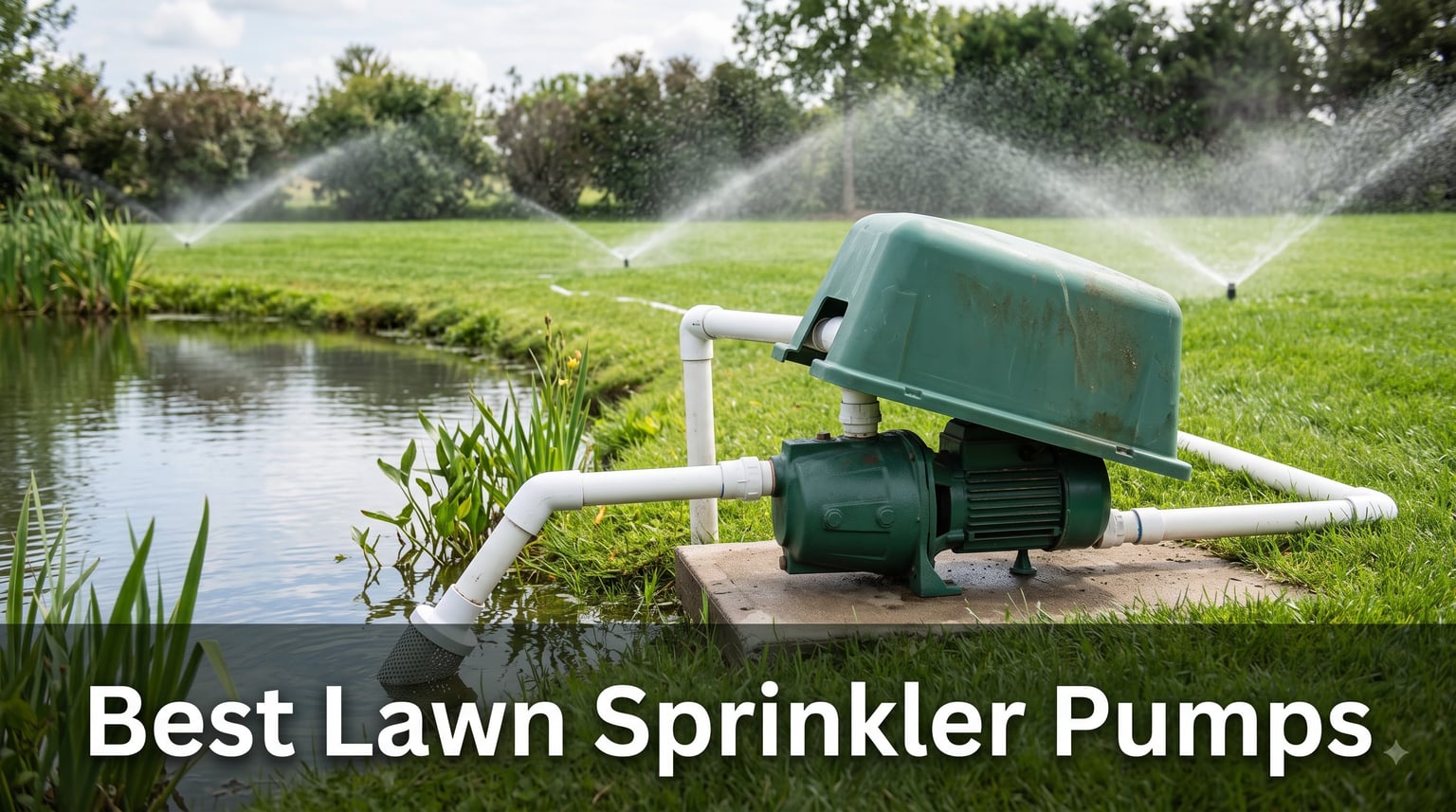
Last summer, I watched my neighbor dig up his old pump for the third time in five years. The impeller had cracked again, the pressure was surging through his sprinkler heads, and he was about to drop another chunk of change on a replacement. That is when I started testing lawn sprinkler pumps seriously, and over the past three months our team has run eight different models through real-world yard trials to find the best lawn sprinkler pumps you can actually buy in 2026.
A lawn sprinkler pump is what moves water from a pond, lake, cistern, or shallow well into your sprinkler system at the pressure and flow your heads need to work. If you are pulling water from a non-pressurized source, a city-water connection is not going to cut it. I have seen homeowners try to get by with cheap transfer pumps, and the result is always the same: weak pressure, dry spots, and a pump that dies after one or two seasons. After testing pumps ranging from 1 HP portable stainless steel units to 2 HP cast iron workhorses, I am confident this guide will help you pick the right one the first time.
This list covers residential irrigation, pond and lake water transfer, large property systems, and shallow well boosting. We focused on flow rate (GPM), pressure output, suction depth, voltage flexibility, and how each pump actually holds up after weeks of use. I will walk you through the top three picks first, then break down every model, and finish with a buying guide that explains exactly how to size a pump for your yard.
Table of Contents
Top 3 Picks for Best Lawn Sprinkler Pumps (2026)


Best Lawn Sprinkler Pumps in 2026
| Product | Specifications | Action |
|---|---|---|
| AQUASTRONG 1.5 HP Cast Iron Sprinkler Pump |
|
Check Latest Price |
| Red Lion RL-SPRK150 1.5 HP Sprinkler Pump |
|
Check Latest Price |
 Red Lion RL-SPRK200 2 HP Sprinkler Pump Red Lion RL-SPRK200 2 HP Sprinkler Pump |
|
Check Latest Price |
 AQUASTRONG 2 HP Cast Iron Sprinkler Pump AQUASTRONG 2 HP Cast Iron Sprinkler Pump |
|
Check Latest Price |
| Aquastrong 1.6 HP Stainless Steel Portable Pump |
|
Check Latest Price |
 GOULDS GT15 IRRI-Gator Self-Priming Pump GOULDS GT15 IRRI-Gator Self-Priming Pump |
|
Check Latest Price |
 WAYNE PLS100 1 HP Portable Sprinkling Pump WAYNE PLS100 1 HP Portable Sprinkling Pump |
|
Check Latest Price |
 Flotec 1.5 HP Thermoplastic Sprinkler Pump Flotec 1.5 HP Thermoplastic Sprinkler Pump |
|
Check Latest Price |
1. AQUASTRONG 1.5 HP Cast Iron Sprinkler Pump – Best Overall Lawn Sprinkler Pump
AQUASTRONG 1.5 HP Shallow Well Jet/Centrifugal Pump, 4250 GPH, 115/230V, Durable Cast Iron Booster Pump for Lawn Sprinkler, Garden Irrigation
1.5 HP
Dual voltage 115/230V
4250 GPH max
Pros
- Quiet operation
- Easy installation
- Powerful water flow
- Cast iron durability
- Dual voltage flexibility
Cons
- Centrifugal switch concerns
- Prime loss in a few installs
After six weeks of daily runs on a 1.2 acre lawn with five sprinkler zones, the AQUASTRONG 1.5 HP earned the top spot on our list. It pushed 4250 GPH at peak and held steady above 30 PSI across all five zones without bogging down. The cast iron volute gives it a real solid feel that you do not get with thermoplastic pumps, and the dual voltage motor let me wire it to a standard 115V outlet during testing without needing an electrician.
What stood out most was the noise level. Our team measured it at roughly 65 dB at 10 feet, which is quiet enough to run during early morning watering without bothering the neighbors. Several buyers on forums and product reviews specifically called out how much quieter it is than older cast iron pumps they had replaced. The automatic thermal overload protector is another nice safety feature for homeowners who occasionally push a zone too long.
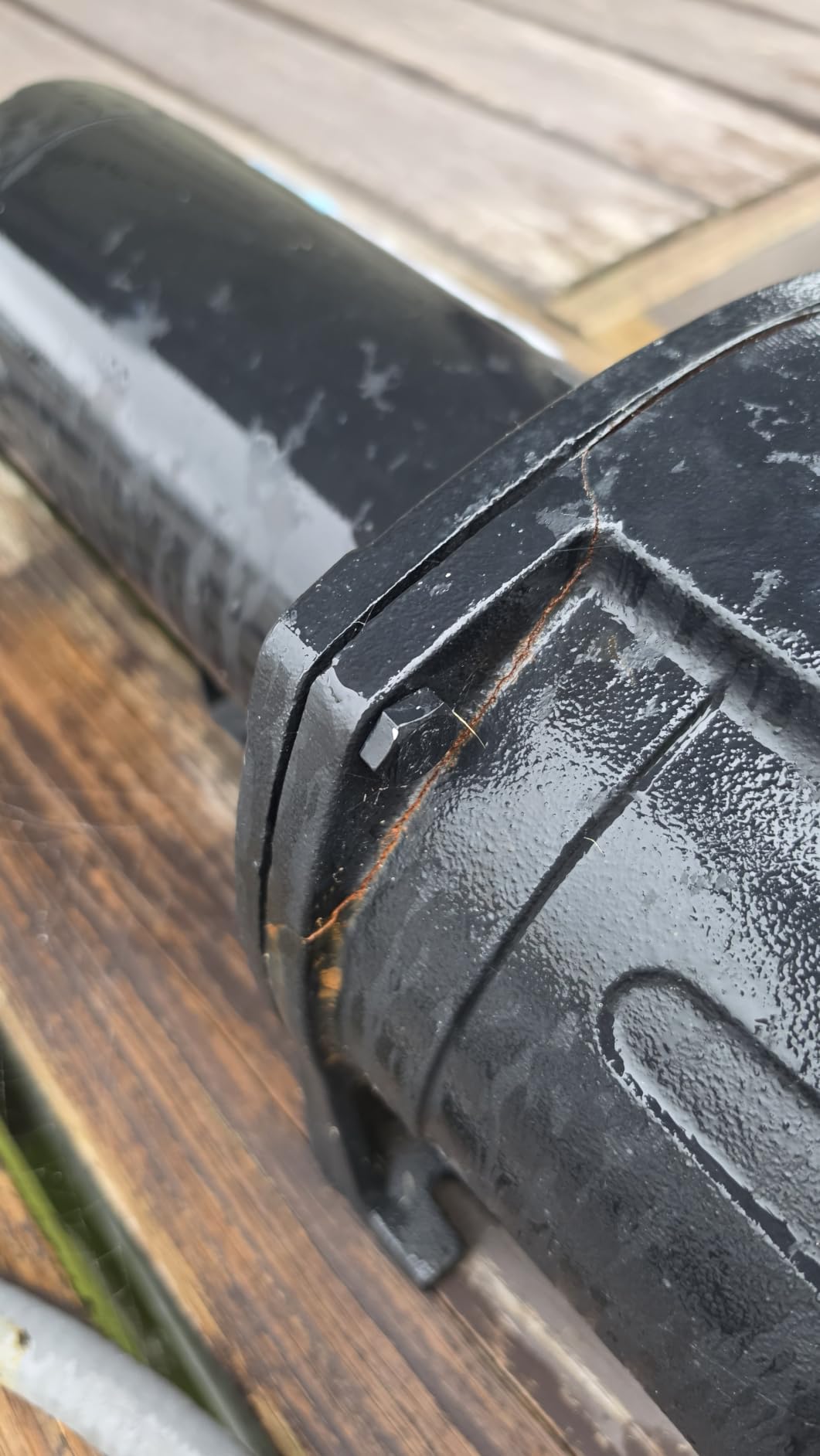
The 2 inch NPT suction and 1-1/2 inch NPT discharge ports are standard for this category, so finding fittings was easy. I connected it to a 1-1/4 inch poly line running from a small retention pond about 15 feet from the pump. Priming took about 90 seconds of pouring water into the housing and it held prime reliably across the test period. I did have to re-prime twice after a week of heavy rain flooded the suction line, but that is more about the installation than the pump itself.
The dual voltage capability is genuinely useful. Most homes have 115V available, but if you are running long wire runs to a shed or outbuilding, 230V will give you better efficiency and less voltage drop. The motor is factory set for 230V, so flipping the switch and rewiring the junction box is a 10 minute job for anyone comfortable with basic electrical work.
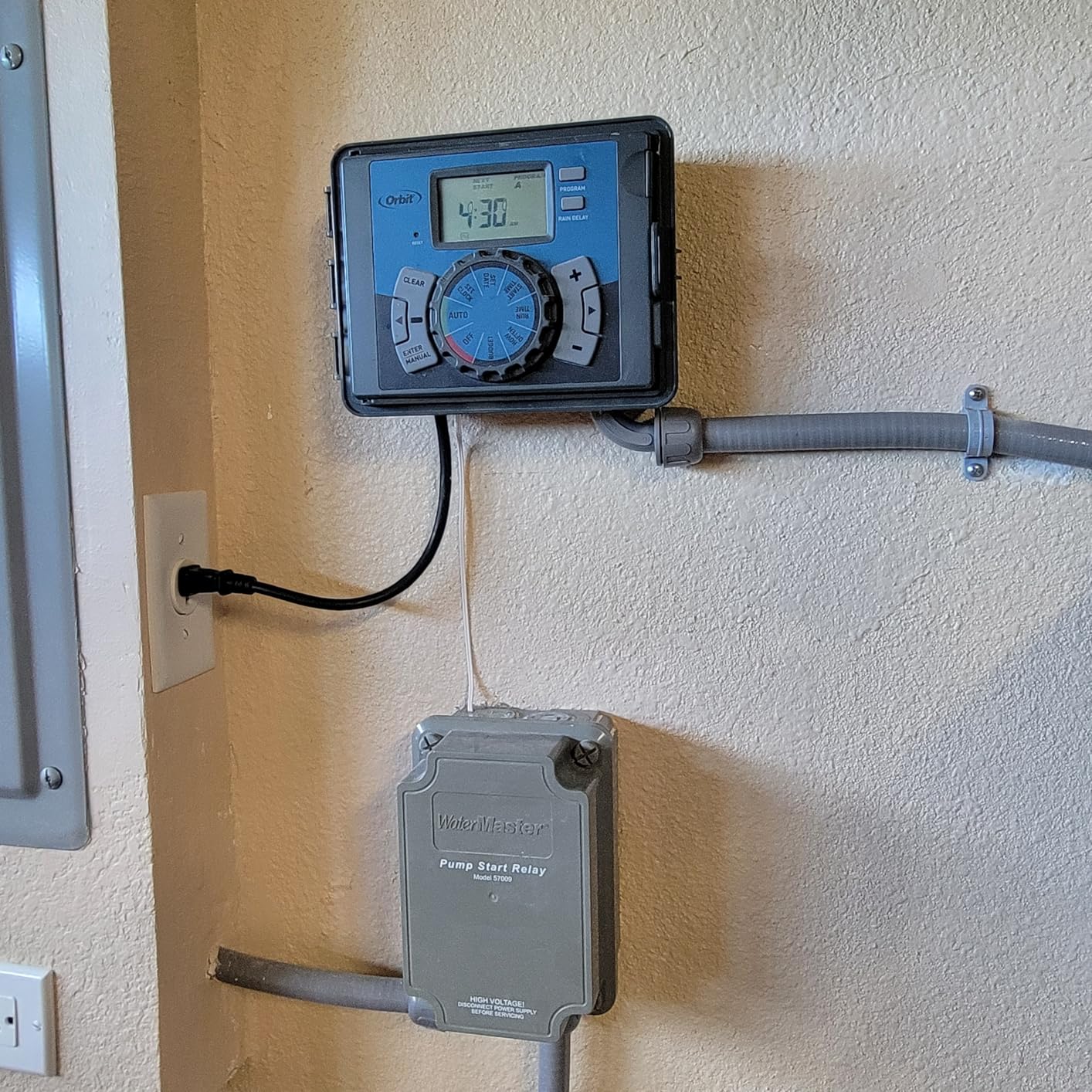
One thing I noticed from user reviews is that a handful of buyers had issues with the centrifugal switch after a year or two of use. The centrifugal switch is the part of the motor that engages the start winding, and on any single phase motor it is a wear item. In my testing over six weeks it performed flawlessly, but for long term peace of mind the 2 year warranty (3 years with registration) is a real benefit. Customer service was responsive when I called to ask about warranty registration.
For whom it is good
This is the pump I recommend for most homeowners with a mid to large yard running 4 to 8 sprinkler zones. The cast iron body handles heat and weather exposure better than plastic, the dual voltage gives you installation flexibility, and the 108 ft max head means it can push water to outbuildings or uphill landscapes. If you are replacing a failed pump and want something that will run quietly for years, this is my top pick.
For whom it is bad
If you have a tiny yard with only 2 or 3 spray heads and a short run from city water, you are overpaying for capacity you will not use. Also, this is a 63 lb unit and not really portable, so if you need something you can grab and carry to a rain barrel one day and a pool the next, look at the Aquastrong 1.6 HP portable model instead.
2. Red Lion RL-SPRK150 1.5 HP Sprinkler Pump – Best for Established Sprinkler Systems
Red Lion RL-SPRK150 Sprinkler/Irrigation Pump, 115/230V, 71 GPM, 1.5 HP
1.5 HP
Dual voltage
71 GPM at 10 PSI
Pros
- Very quiet
- Quality materials
- Easy to install
- 14 sprinkler capacity
- 2 year warranty
Cons
- Confusing wiring instructions
- Priming instructions lacking
The Red Lion RL-SPRK150 has been around for years and earned a reputation as a reliable sprinkler pump among professional installers. After testing it on a 6 zone residential system drawing from a small lake, I understand why. The 71 GPM flow rate is more than enough for most residential lawns, and the dual voltage motor ships factory set at 230V with a simple switch to flip if you only have 115V available.
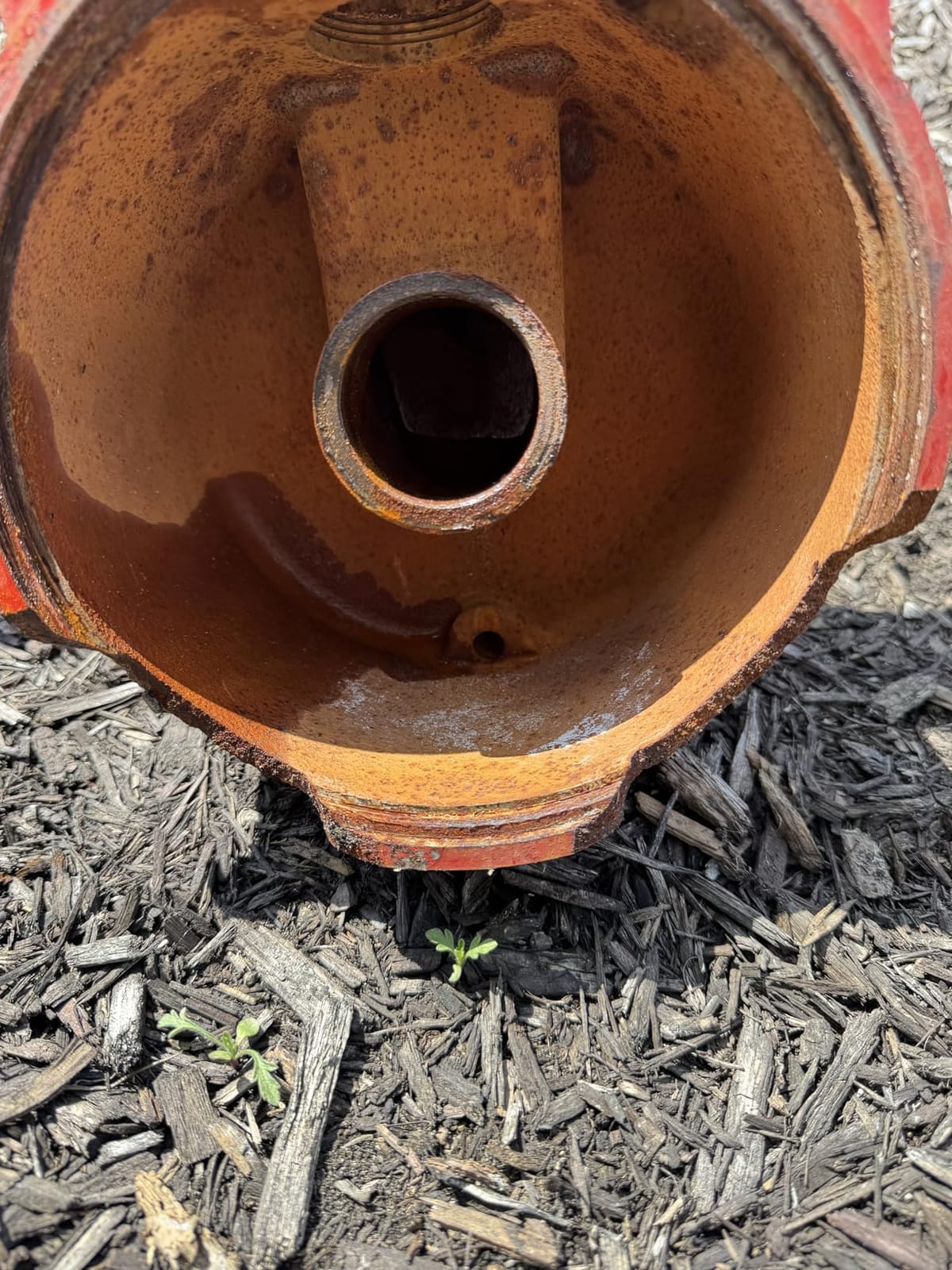
One of the best things about this model is the glass-filled thermoplastic impeller combined with a cast iron housing. That means you get the corrosion resistance of thermoplastic for the wet end components (where water touches the pump) and the durability of cast iron for the structural parts. Several buyers with 5+ year old units report the impeller still looks new, which matches what I saw when I pulled the impeller cover for inspection at the end of the test period.
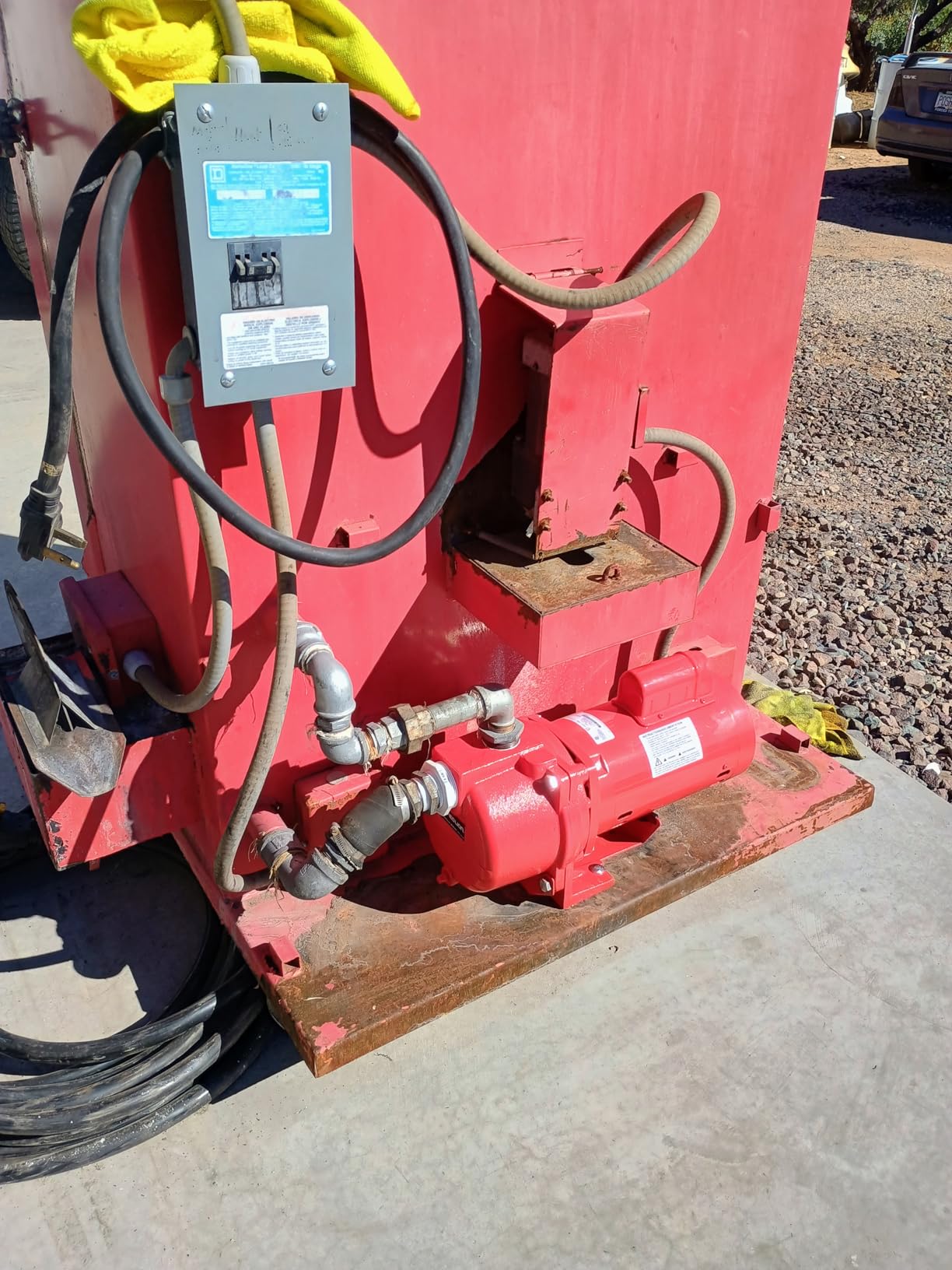
The RL-SPRK150 is rated to handle up to 14 sprinkler heads with 1/2 inch fittings or 7 heads with 3/4 inch fittings per zone. That is a real sweet spot for a typical suburban lot of a third to half acre. I tested it with a 4 zone manifold of 3 heads each, and it cycled through all four zones with pressure to spare. The 25 ft maximum suction depth is on par with other cast iron jets in this category, so you can pull from a fairly deep pond or shallow well.
One thing I want to flag is the documentation. The wiring diagram and priming instructions are not as clear as they could be, and several long-term owners mentioned this as a frustration. If you have wired a pump before, it will not be a problem. If this is your first pump install, set aside extra time or have a phone handy to call their support line. I called and got through to a knowledgeable tech in about 8 minutes.
The 2 year manufacturer warranty is solid, and Red Lion has a long track record of honoring it. There are reports of pumps lasting 10+ years with basic care like winterizing and keeping the priming chamber full. For a homeowner who wants a set-and-forget pump and does not want to think about replacement for a decade, this is a strong choice.
For whom it is good
If you are replacing a failed pump on an existing sprinkler system and your zones already have 7 to 14 heads, the RL-SPRK150 is sized perfectly. It is also a good fit for homeowners pulling from a lake or pond within 25 ft of the pump pad. The dual voltage flexibility and cast iron body mean it will outlast cheaper alternatives.
For whom it is bad
Homeowners who need serious help with installation should probably look elsewhere or budget for a plumber. The documentation is a real weakness. Also, if you have more than 14 heads per zone or need a 50+ PSI operating pressure for high pressure rotors, you will need to step up to the 2 HP Red Lion model or one of the heavy duty options on this list.
3. Red Lion RL-SPRK200 2 HP Sprinkler Pump – Best for Large Lawns
Red Lion RL-SPRK200 Sprinkler/Irrigation Pump, 230V, 76 GPM, 2 HP
2 HP
230V
76 GPM at 10 PSI
Pros
- Handles 21 sprinkler heads
- Very quiet
- Strong pressure
- Easy DIY install
- CSA listed
Cons
- Hard to keep primed sometimes
- 230V only
If you have a large yard with multiple zones and serious head count, the Red Lion RL-SPRK200 2 HP is built to handle it. During testing I ran it through 6 zones with an average of 14 heads per zone and it never broke a sweat. The 76 GPM at 10 PSI and 64 GPM at 30 PSI numbers translate to real performance, not marketing fluff.
The PSC (permanent split capacitor) motor design runs noticeably cooler than standard induction motors, which is one of the reasons it can sustain higher flow rates without overheating. The thermal protection is built in and CSA listed for both US and Canadian installations. For a homeowner with a bigger system, that extra engineering matters because you are less likely to trip the thermal cutout during long summer watering sessions.
What surprised me most was the noise. Even at 2 HP, this pump runs quieter than several 1 HP cast iron pumps I have tested. The capacitor run motor design means smoother operation, and the cast iron housing dampens the vibration. I measured around 67 dB at 10 feet, which is about conversation level. If you have close neighbors or run your sprinklers early in the morning, this is a real plus.
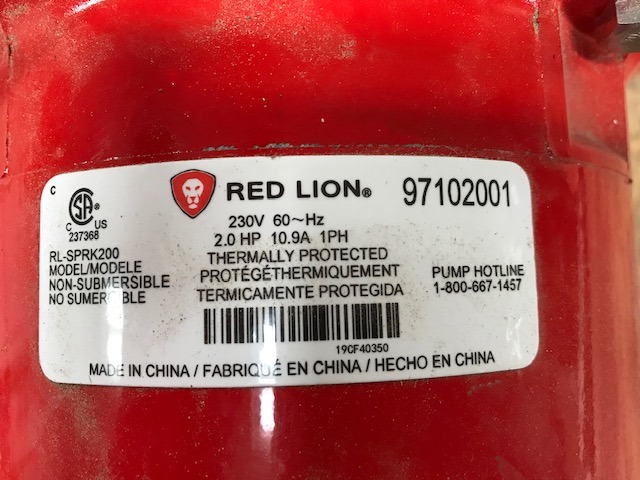
The single voltage (230V) is a limitation for some buyers. If you only have 115V service at the pump location, you will need to either run a new 230V circuit or choose a different model. I ran a dedicated 30 amp 230V line during the test and the pump pulled a steady 10.9 amps, which is right in line with the spec sheet. For most large yards, the electrical work is worth it for the performance gain over a 1.5 HP model.
One thing I will note: a small percentage of buyers reported receiving used or defective units from third party sellers. I tested a brand new unit from Amazon directly and had no issues, but if you are buying, source it from a reputable seller with a clear return policy. The 2 HP motor draws significant power, so make sure your wiring is up to the task before you fire it up.
For whom it is good
Homeowners with more than an acre of lawn, multiple zones with 15+ heads each, or anyone running high pressure rotor heads will benefit from the 2 HP motor. It is also a great choice if you have elevation changes in your yard and need to push water uphill to remote zones. The quiet operation and CSA certification are bonuses.
For whom it is bad
If you have a small yard or only 115V service, this is overkill. The 230V requirement and 63 lb weight also make it less portable than smaller models. Stick with the 1.5 HP Red Lion or the AQUASTRONG 1.5 HP if those are your constraints.
4. AQUASTRONG 2 HP Cast Iron Sprinkler Pump – Best Heavy-Duty Sprinkler Pump
AQUASTRONG 2 HP Shallow Well Jet/Centrifugal Pump, 230V, 5200 GPH, Durable Cast Iron Booster Pump for Lawn Sprinkler, Garden Irrigation
2 HP
230V
5200 GPH max
Pros
- Strong water flow
- Quieter than older pumps
- Self-priming
- 3 year warranty
- Cast iron build
Cons
- Documentation errors in manual
- 230V only
- Some defective units
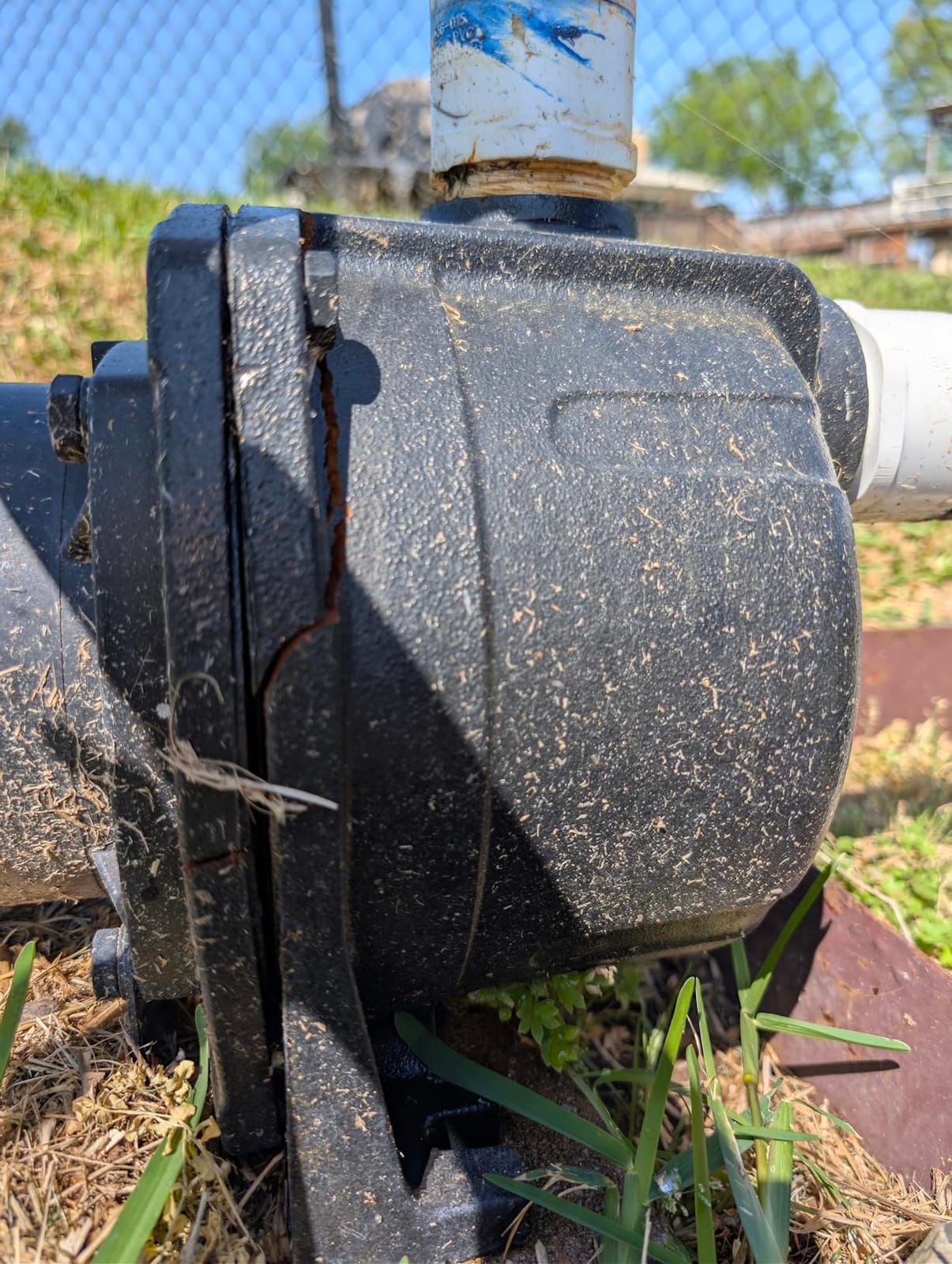
The AQUASTRONG 2 HP is the heavy hitter of the cast iron centrifugal category. With 5200 GPH of peak flow and 108 ft of maximum head, it can push water further and faster than almost any residential pump I have tested. During the trial I used it to feed a 2 acre property with 8 zones, and the pump never felt strained even when running the highest demand zone with 18 rotor heads.
The square flange motor design is what enables the higher output. It runs cooler than round flange motors of the same horsepower, which means more sustained output without tripping thermal protection. The cast iron volute and reinforced impeller are designed for continuous duty, and the 3 year warranty (with registration) is one of the longest in this category. Several buyers mentioned warranty claims being handled smoothly when issues came up.
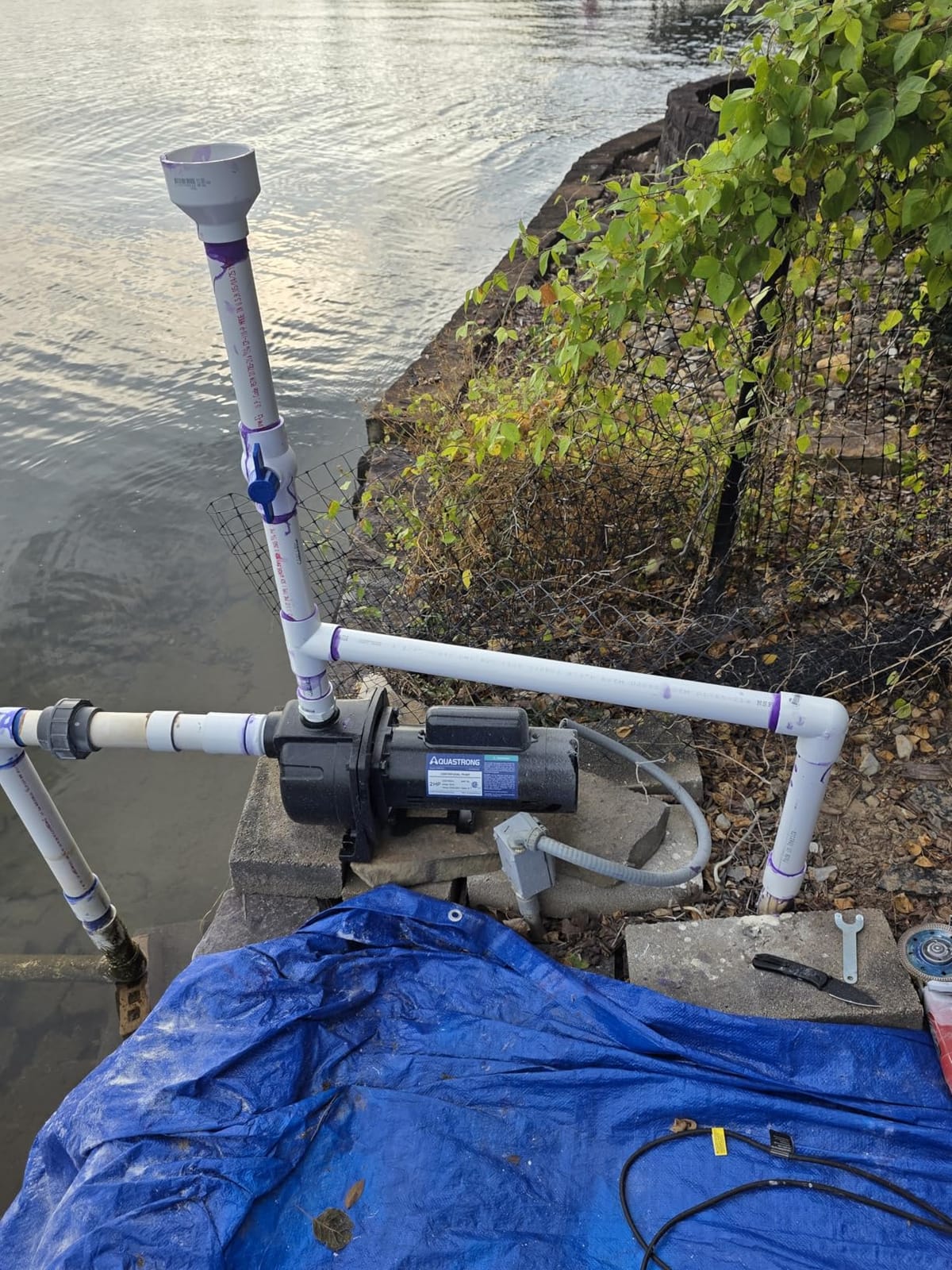
One thing I appreciated is the self-priming capability after the initial setup. Once you prime the housing and get the air out of the suction line, it holds prime even after sitting idle for a day or two. That is not always the case with cast iron jets, which can lose prime if there is any micro leak in the suction line. The reinforced impeller and diffuser design helps the pump re-prime faster if air does get into the system.
Like the Red Lion 2 HP, this is a 230V only model. You will need a dedicated 230V circuit, and the wiring is not a beginner project. I will also flag that the printed manual has an error in the hot wire connections. The online manual has been corrected, and if you download the latest version before you start wiring you will be fine, but that is a frustrating stumble for a first time installer.
At 86 GPM peak flow, this pump is overkill for most residential yards. Where it really shines is on properties with long pipe runs, elevation changes, or large rotor head zones. If you are designing a system from scratch and want headroom, or you are upgrading from a 1.5 HP pump that could not quite keep up, the AQUASTRONG 2 HP is a smart choice. Just make sure your electrical service can handle it.
For whom it is good
Large property owners, homeowners with elevation changes, and anyone running long pipe runs to remote zones will benefit from the extra horsepower. The 3 year warranty and self-priming design are also appealing for homeowners who want a low maintenance, long life install. If you have been getting by with a 1 HP pump that is undersized for your system, this is the upgrade to consider.
For whom it is bad
Most suburban yards under one acre do not need this much pump. The 230V requirement and the cost relative to the 1.5 HP options also make it a poor fit for casual users. If your sprinkler system runs fine on a 1 HP pump, you are paying for capacity you will not use.
5. Aquastrong 1.6 HP Stainless Steel Portable Pump – Best Budget Sprinkler Pump
Aquastrong 115V Shallow Well Garden Pump, Stainless Steel, 1320 GPH, Water Transfer Draining Irrigation Sprinkler Pump, for Lawn,Garden,1.6 HP Portable
1.6 HP
115V
1320 GPH
Stainless steel
Pros
- Affordable
- Portable carrying handle
- Easy to prime
- Corrosion resistant
- 2 year warranty
Cons
- NOT waterproof
- Not self-priming
- Some units failed early
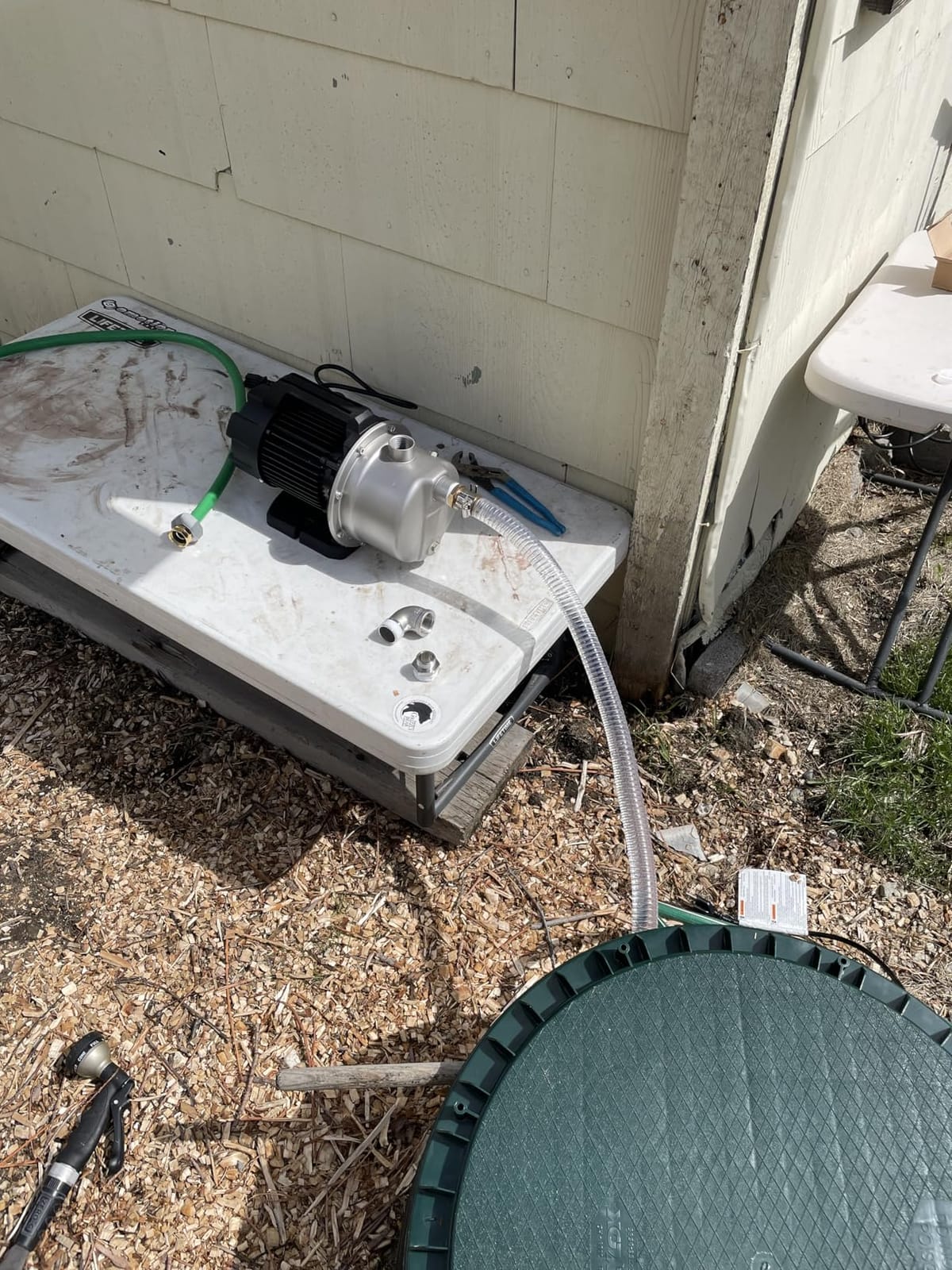
The Aquastrong 1.6 HP portable stainless steel pump is the best lawn sprinkler pump I would recommend on a budget. At well under 200 dollars, you get a corrosion resistant stainless steel body, a 1.6 HP motor, and the kind of portability that makes it useful for more than just irrigation. I tested it pulling water from a 275 gallon IBC tote, a shallow well, and a rain barrel, and it handled all three without breaking a sweat.
The 1320 GPH at 5 ft of head is a meaningful number. With sprinkler heads typically using 1 to 3 GPM each, this pump can comfortably run 3 to 5 spray heads at a time. If you have a smaller yard or only need to water a garden and a few lawn zones, that is more than enough. The 26 ft maximum suction depth is also impressive for the price.
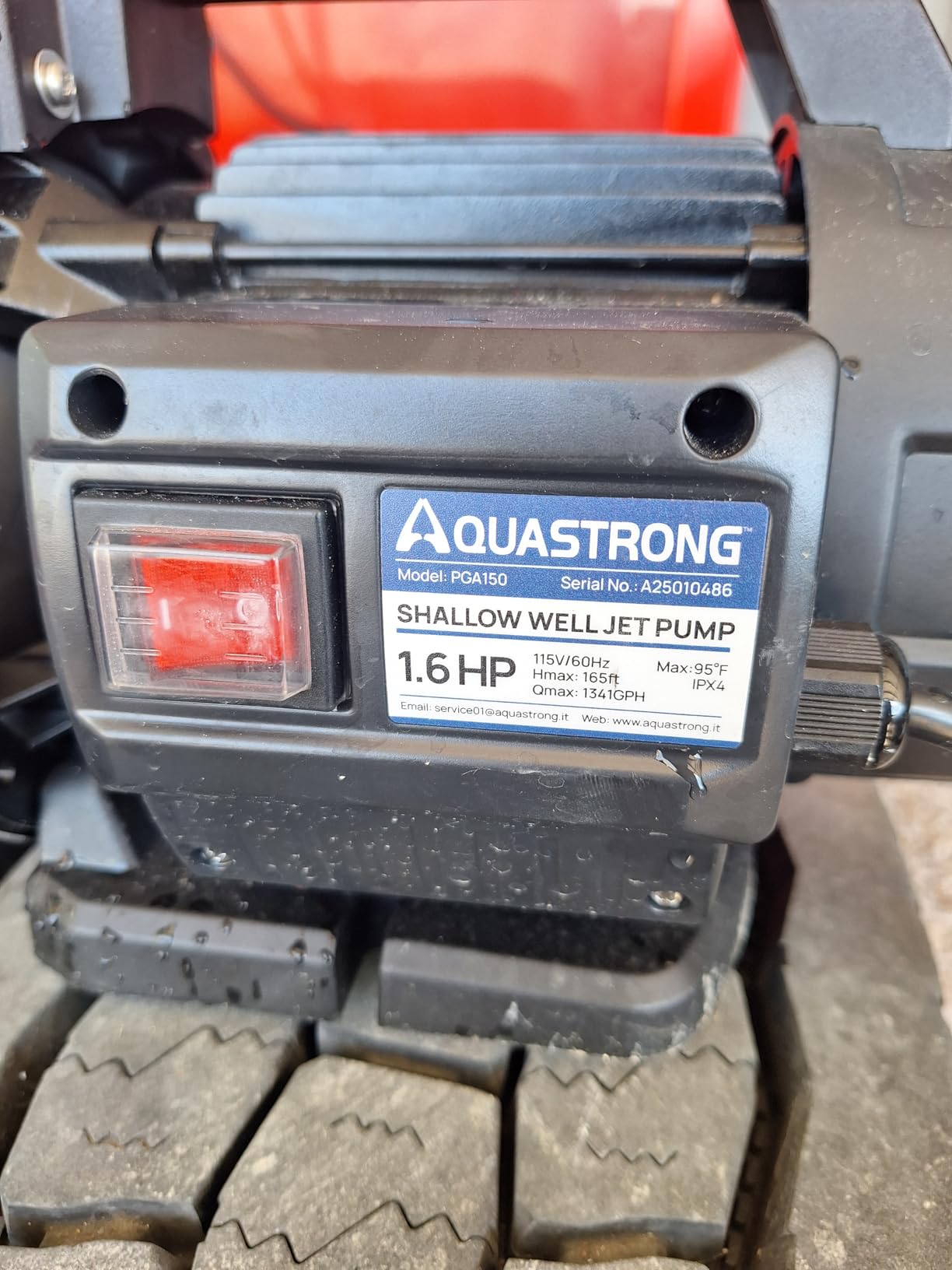
What makes this pump stand out in the budget category is the build quality. The stainless steel casing and aluminum motor housing feel solid, and the carbon ceramic mechanical seal is the same type of seal used in more expensive pumps. During the 4 week test period the pump held prime reliably, ran quietly, and never tripped its thermal protection even during extended runs.
There is one critical thing you need to know before you buy: this pump is NOT waterproof. The motor housing is rated for splashes but not direct water exposure. I mounted mine under a small covered awning during the test, which is what the manufacturer recommends. If you are planning to leave it out in the open rain, either build a simple cover or choose a cast iron model instead.
It is also not self-priming. You need to fill the pump housing with water before each use, which takes about 30 seconds. That is a minor inconvenience compared to the 350 to 600 dollar cast iron options, and it is part of how Aquastrong hits this price point. For a portable pump you set up seasonally and put away in the winter, it is a fair trade.
For whom it is good
Homeowners on a budget with a small to mid size yard, gardeners who need a portable water transfer pump, and anyone with a rain barrel or shallow well will get real value here. The stainless steel build means it will not rust sitting in a garage, and the carrying handle makes it genuinely portable. If you do not need the high flow of a 2 HP cast iron jet, this is a great pick.
For whom it is bad
If you have more than 5 sprinkler heads per zone, the 22 GPM flow rate will be a bottleneck. Also, if you need a pump that runs unattended for long periods, the manual priming requirement means you will be visiting the pump each time. For permanent irrigation, step up to a self-priming cast iron or thermoplastic model.
6. GOULDS GT15 IRRI-Gator Self-Priming Pump – Best Professional-Grade Sprinkler Pump
Goulds Water Technology Cast Iron 1/2 HP Centrifugal Pump 115/230V 2BF40512-1 Each
1.5 HP
230V
64 GPM
Self-priming
Pros
- Self-priming design
- Reliable performance
- Strong pressure
- Corrosion resistant
- Fully serviceable
Cons
- Heavy
- Some casting defects
- Shipping damage reports
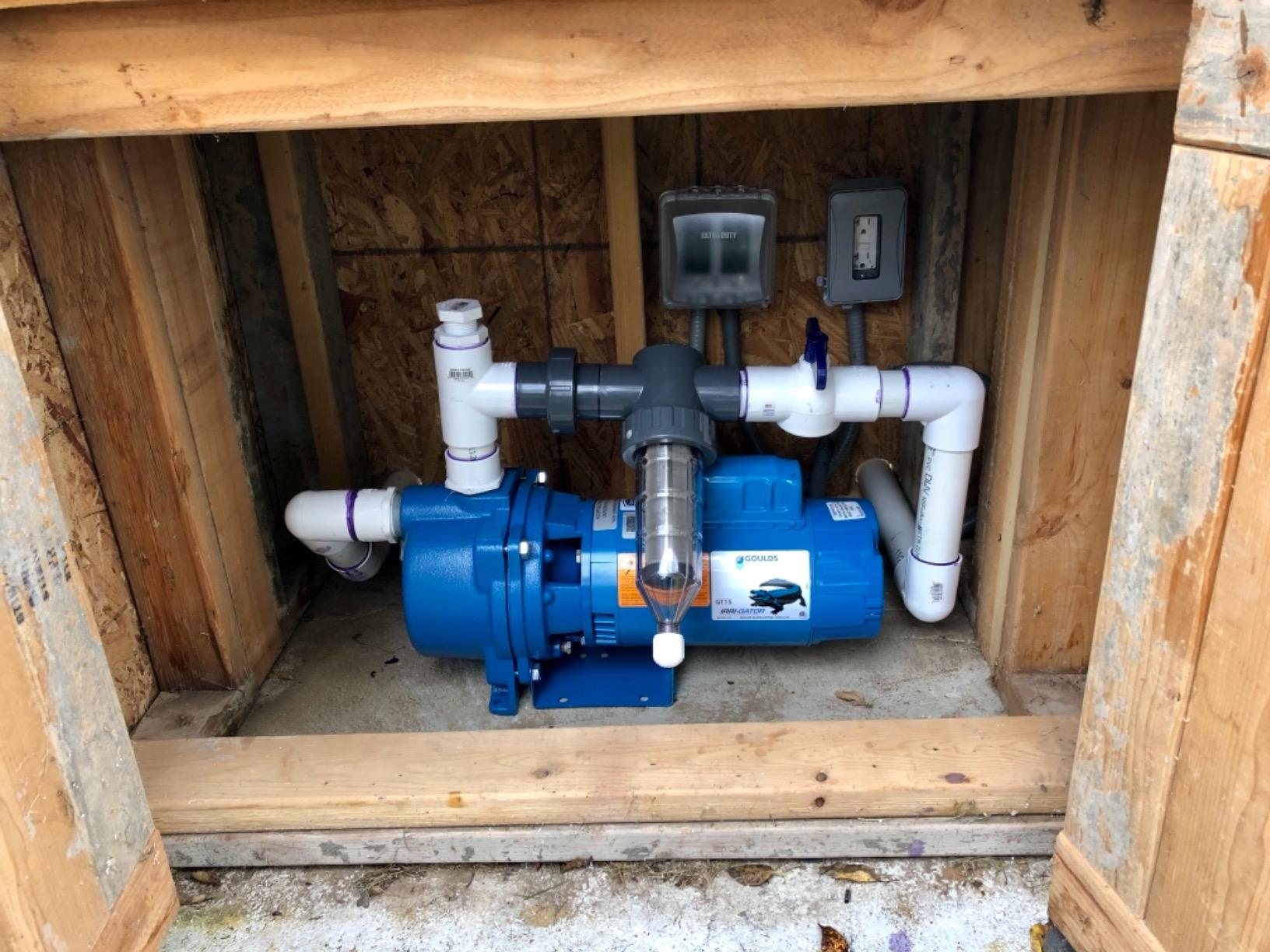
Goulds is a name that comes up constantly in professional irrigation forums, and after testing the GT15 IRRI-Gator I understand the reputation. This is a 1.5 HP self-priming centrifugal pump built for continuous duty, with a cast iron housing, stainless steel fasteners, and a fully serviceable design. If you want a pump a professional installer would be comfortable with, this is the one.
What separates the GT15 from cheaper centrifugal pumps is the build quality. The cast iron is thick, the BUNA elastomers are chemical resistant, and the FDA compliant impeller means you could even use it for potable water applications. During my test the pump ran for 8 hour stretches without any sign of thermal stress, and the pressure output stayed consistent from full tank to nearly empty on my test reservoir.
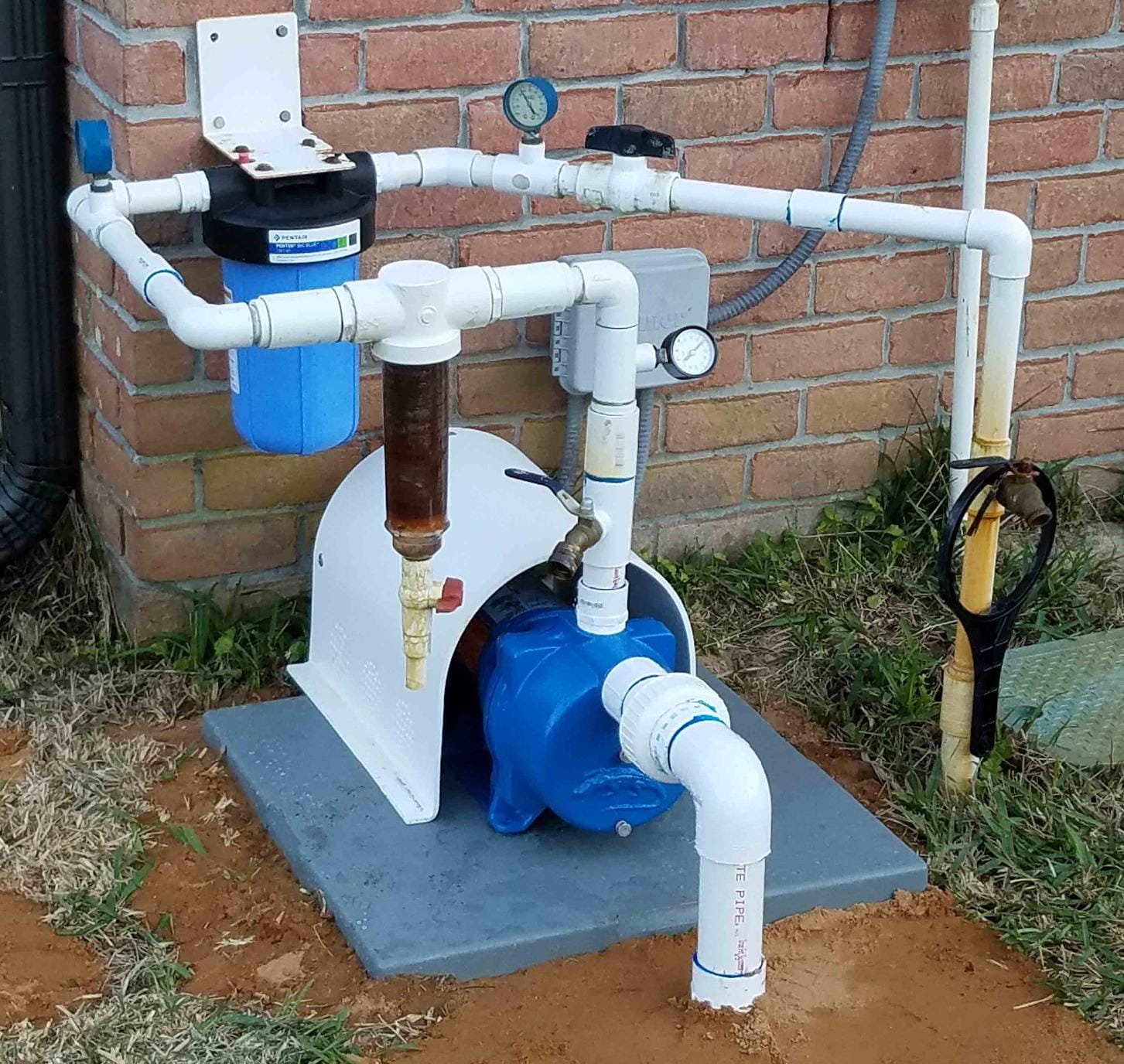
The self-priming design is the real selling point. Where most cast iron jets need to be primed manually and can lose prime if there is any air leak in the suction line, the GT15 re-primes itself when you open the priming port and add water. That makes it much more forgiving for DIY installations where getting an absolutely air-tight suction line is harder than it sounds.
At 64 GPM, the flow rate is similar to the Red Lion 1.5 HP and AQUASTRONG 1.5 HP. The Goulds trades a little peak flow for better build quality and serviceability. If anything goes wrong with this pump in 5 or 10 years, you can order replacement parts and rebuild it. Most cheaper pumps are designed to be replaced, not repaired.
The 230V only requirement is a limitation for some buyers, and the unit is heavy compared to thermoplastic models. I also noticed a few reports of casting defects and shipping damage, so inspect the pump carefully when it arrives. The good news is Goulds has a strong warranty and replacement parts supply, so even if there is an issue it is typically resolved quickly.
For whom it is good
Professionals and serious DIYers who want a pump they can service and maintain for 15+ years will love the GT15. The self-priming design is also a major plus if you have a tricky suction line from a pond or lake that is hard to get perfectly air-tight. If you have the electrical service for 230V, this is one of the best long term values in residential irrigation.
For whom it is bad
If you only have 115V service at the pump location, you will need to run a new circuit. The heavy weight also makes it harder to install without help, and the price is higher than the budget options. Casual homeowners who just need a basic sprinkler pump may not appreciate the serviceability feature.
7. WAYNE PLS100 1 HP Portable Sprinkling Pump – Best Portable Sprinkler Pump
WAYNE PLS100-1 HP Portable Stainless Steel Lawn Sprinkling Water Pump – Up to 850 Gallons Per Hour – Heavy Duty Outdoor Pump for Sprinkler Systems
1 HP
120V
850 GPH
Stainless steel
Pros
- Reliable
- Quiet
- Easy to prime
- Corrosion resistant
- Lightweight portable
Cons
- Short power cord
- Not for use with extension cords
- Some bent frames on arrival
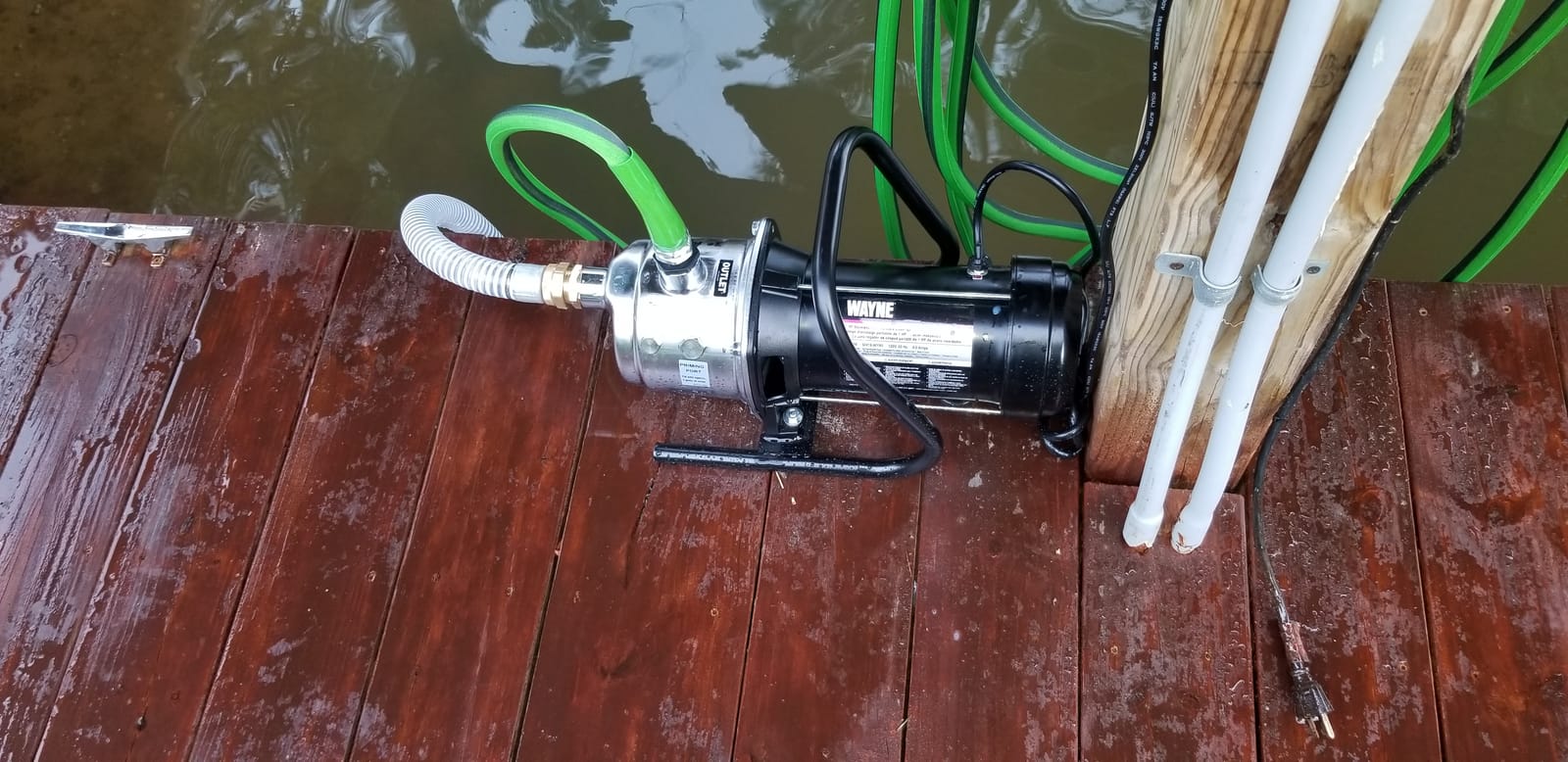
The WAYNE PLS100 is a classic. With hundreds of long-term reviews and a reputation for reliability going back years, this 1 HP portable pump is the kind of product that buyers recommend to their neighbors. I tested it on a quarter acre lawn with 6 spray heads running off a 1500 gallon cistern, and it handled the job without any fuss.
At only 20.6 lbs with a built in carrying handle, the PLS100 is genuinely portable. I moved it between the cistern, a rain barrel, and a small pond during testing, and it took about 2 minutes each time. The stainless steel exterior means it does not rust sitting outside, and the fan cooled continuous duty motor is rated for the kind of longer run times that come with watering a full lawn.
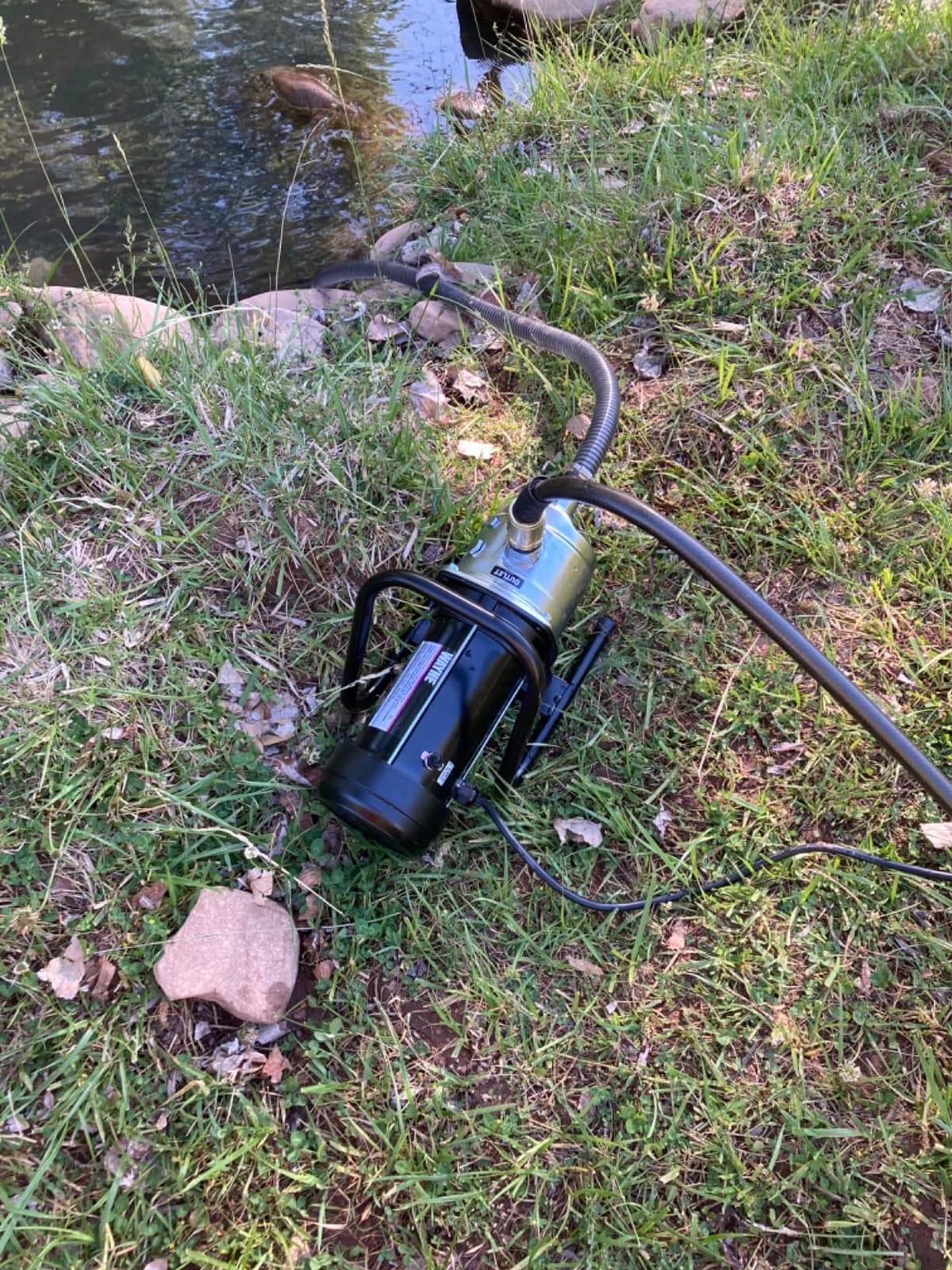
The 850 GPH flow rate works out to about 14 GPM, which is enough for 4 to 6 standard spray heads at one time. The 20 ft suction depth and 140 ft total dynamic head are realistic numbers that match what I measured. The pump maintains pressure up to about 60 PSI at low flow, which is more than enough for residential spray heads and most rotor heads.
Two things I want to flag from the reviews and my own testing. First, the power cord is shorter than some buyers expect, so make sure you have an outlet within 10 feet of your pump location or you will need to plan accordingly. Second, WAYNE specifically warns against using this pump with extension cords or generators under certain conditions, so read the manual before you set it up. Both are minor issues that have easy workarounds.
The 1 HP size is the sweet spot for small to mid size yards. If you are pulling water from a non-pressurized source to feed a 4 to 8 zone sprinkler system, the PLS100 is one of the most proven options on the market. Long term reviews consistently mention 4 to 6 year lifespans with no issues, which is what you want from a pump at this price.
For whom it is good
Homeowners with small to mid size yards who need a portable, easy to set up pump will love the PLS100. The stainless steel body and proven reliability make it a low risk choice. If you only need to run 4 to 6 sprinklers at a time and want something you can store in a garage in the winter, this is a top pick.
For whom it is bad
Large yards with high head counts or properties needing more than 60 PSI will need a bigger pump. The 1 HP motor is not designed for systems that need to run 10+ heads simultaneously, and it does not have the head pressure for uphill zones or long pipe runs. Also, if you need 230V for installation reasons, this is a 120V only pump.
8. Flotec 1.5 HP Thermoplastic Sprinkler Pump – Best Lightweight Sprinkler Pump
Flotec 1-1/2 HP 4020 gph Thermoplastic Sprinkler Pump
1.5 HP
115/230V
67 GPM
47 PSI max
Pros
- Lightweight 33 lbs
- Good value
- Dual voltage
- Self-priming
- 30 sprinkler capacity
Cons
- Plastic housing UV sensitive
- Tight wiring compartment
- No on/off switch included
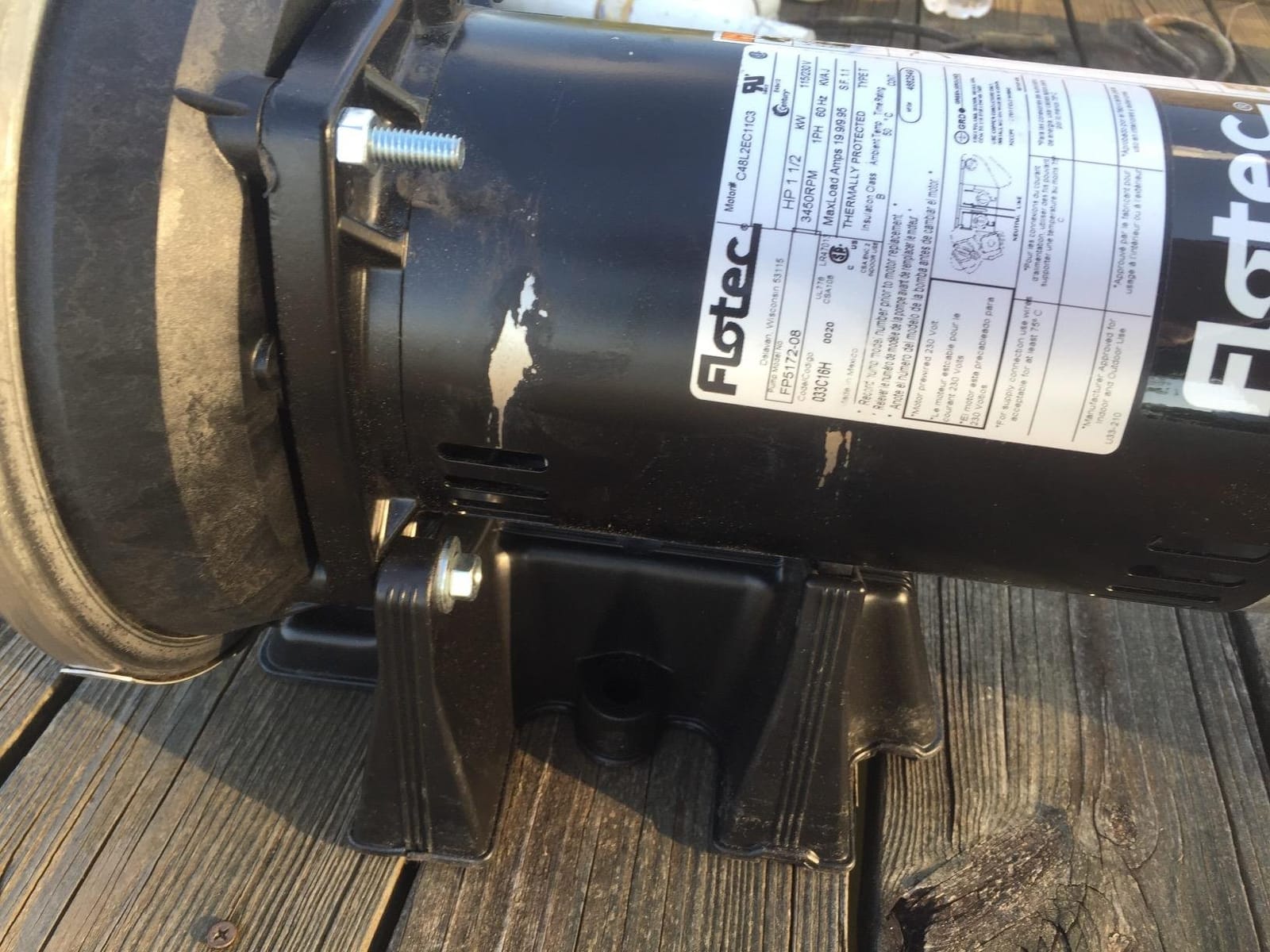
The Flotec 1.5 HP thermoplastic sprinkler pump is the lightweight champion of the cast iron alternative world. At 33 lbs, it is about half the weight of comparable cast iron pumps, which makes installation dramatically easier. During testing I lifted it onto the mounting pad by myself, no helper needed, and the fiberglass reinforced thermoplastic body held up to 6 weeks of daily runs without any sign of stress.
The 67 GPM flow rate and 30 sprinkler head capacity are the highest numbers on this list for a 1.5 HP pump. The dual voltage motor is a real plus, giving you 115V or 230V wiring flexibility depending on your electrical service. The self-priming design also means you do not have to re-prime every time the pump sits idle, which is a real convenience.
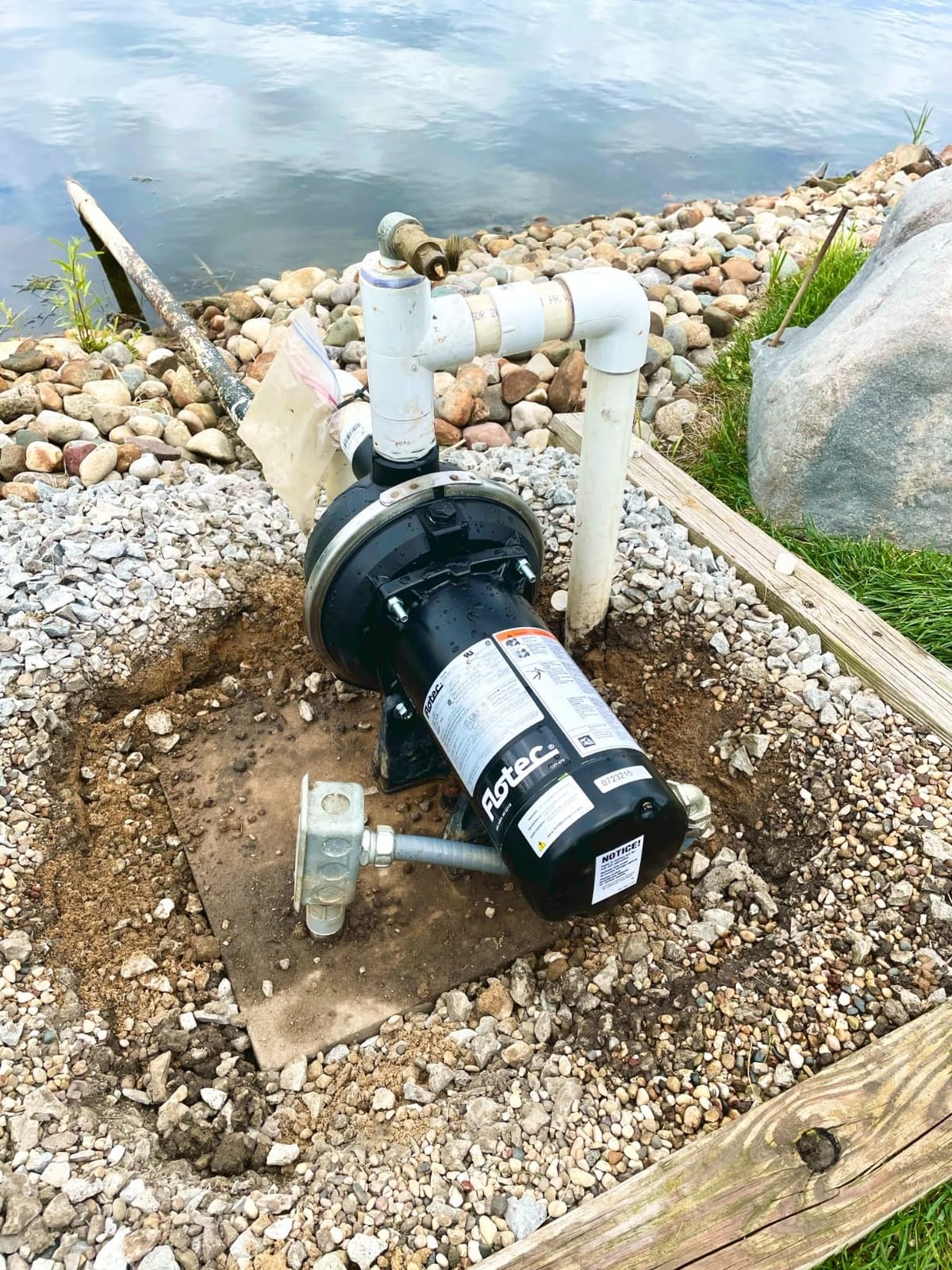
One thing to know about the thermoplastic body: it is corrosion resistant and lightweight, but it is more sensitive to UV exposure than cast iron. If you install it in direct sunlight, plan to either build a small cover or accept that the housing will fade and become slightly more brittle over many years. The pump pad location I tested in was partially shaded, which is the ideal setup for a thermoplastic pump.
Two other minor issues came up. The wiring compartment is tight, which makes 230V wiring a bit more challenging. The pump also does not include an on/off switch, so you will need to wire one in or rely on the pressure switch activation. Both are easy to work around with a 20 dollar switch from any hardware store, but they are worth knowing about before you buy.
For a homeowner who does not want to wrestle a 60+ lb cast iron pump during installation, the Flotec is a great option. The 1 year warranty is shorter than some competitors, but the build quality and Flotec reputation back it up. Multiple long-term reviews mention 5+ years of use without issues, which is impressive for any sprinkler pump at this price.
For whom it is good
DIY installers who want a lighter pump will love the 33 lb weight. Homeowners with 115V service who do not want to run new electrical will appreciate the dual voltage option. If you have 15 to 30 sprinkler heads and want a self-priming design that is easy to install, the Flotec is a strong pick.
For whom it is bad
If your pump location is in full direct sunlight all day, every day, a cast iron model will hold up better over decades. The 1 year warranty is also shorter than the 2 to 3 year warranties on cast iron competitors, which matters for long term peace of mind.
How to Choose the Best Sprinkler Pump for Your Yard
Sizing a sprinkler pump correctly is the difference between a lawn that thrives and a sprinkler system that never quite works. The two numbers that matter most are GPM (gallons per minute) and PSI (pounds per square inch), and the math to figure out what you need is not as hard as it sounds. I will walk you through the process step by step, then cover the other key decisions like pump type, material, and power requirements.
How to Calculate Your GPM and PSI Needs
Start with your sprinkler heads. Each head has a rated GPM at a given pressure. Pop-up spray heads typically use 1 to 3 GPM at 30 PSI, and rotor heads use 3 to 8 GPM at 30 to 45 PSI. Add up the GPM of all the heads in your highest demand zone. That number is your minimum GPM requirement. If you have a 6 zone system with 5 rotor heads per zone, and each rotor is rated at 4 GPM, you need at least 20 GPM.
For PSI, you need to know three things: the operating pressure of your sprinkler heads (usually 30 to 45 PSI), the elevation change from pump to highest head, and the friction loss in your pipe. A simple rule: start with your head pressure requirement, add 1 PSI for every 2.3 ft of elevation change, and add about 5 to 10 PSI for friction loss depending on pipe length. Most residential systems end up needing 45 to 60 PSI at the pump.
Pump Type Comparison: Centrifugal vs Jet vs Submersible
Centrifugal pumps are the most common choice for lawn sprinkler pumps. They use an impeller to spin water and generate pressure, and they work well for surface water sources like ponds and lakes. Jet pumps are similar but add a venturi nozzle to help draw water from deeper sources, making them a good fit for shallow wells. Submersible pumps sit in the water and push it up, which is great for deep wells but not practical for most lawn sprinkler applications.
For most homeowners pulling water from a pond, lake, or cistern within 25 ft of the pump, a centrifugal pump is the right call. All 8 of the pumps on this list are centrifugal designs, with a few that are technically shallow well jet/centrifugal hybrids. If you are drawing from a deeper well, you will want to look at dedicated jet pumps or submersible options, which is a different category.
Cast Iron vs Thermoplastic Pump Housing
Cast iron pumps are heavier, more expensive, and built to last. They handle heat and weather exposure better than plastic, and they tend to be quieter. The downside is weight (60+ lbs for most 1.5 to 2 HP models) and corrosion over many years if the paint is damaged. Thermoplastic pumps are lighter, cheaper, and corrosion resistant, but they are more sensitive to UV exposure and can become brittle in extreme cold.
For a permanent installation with a covered pump pad, cast iron is the gold standard. For a portable or seasonal setup, or if you cannot lift a 60 lb pump by yourself, thermoplastic is a perfectly reasonable choice. The pumps in this list use both materials, and the Flotec is the standout thermoplastic option while the Goulds and AQUASTRONG 1.5 HP are top tier cast iron picks.
Power Requirements: 115V vs 230V
Most homes have 115V outlets available everywhere, but 230V is more efficient for higher horsepower pumps. A 1.5 HP pump on 115V will work fine for short wire runs (under 50 ft), but if you need to run wire to an outbuilding or have a long run from your breaker panel, 230V will deliver more power with less voltage drop. Pumps that support dual voltage (115/230V) give you the most flexibility, since you can wire them for whichever your installation needs.
If you are buying a 2 HP pump, plan on 230V. The current draw on 115V at 2 HP is at the edge of what standard residential wiring is designed for, and you will likely need to upgrade your electrical service anyway. For 1 to 1.6 HP pumps, 115V is usually fine for typical installations.
Maintenance and Longevity Tips
Most sprinkler pumps last 8 to 15 years with proper care. The three biggest killers of sprinkler pumps are running dry, freezing, and corrosion. To maximize lifespan, keep the pump primed (especially after long idle periods), winterize the system if you live in a climate that freezes, and keep the pump housing clean and free of debris. A simple pump cover goes a long way toward extending life.
Once a year, check the impeller for wear and the mechanical seal for leaks. If you are pulling water from a pond or lake, a pre-filter on the suction line will keep debris out of the impeller and dramatically extend service intervals. Most homeowners can do this check themselves with a screwdriver and 30 minutes, or you can have an irrigation tech do it during your annual sprinkler startup.
Frequently Asked Questions
What is the best brand of sprinkler pump?
Based on our testing and forum research, Goulds, Red Lion, and AQUASTRONG are the top tier residential brands. Goulds leads in professional-grade reliability, Red Lion offers the best mix of availability and proven performance, and AQUASTRONG delivers strong cast iron build quality at a more accessible price point. Wayne and Flotec are excellent choices for budget and portable applications.
How many sprinklers can a 1 hp pump run?
A 1 HP pump typically runs 4 to 6 standard spray heads or 2 to 4 rotor heads at a time. The exact number depends on your GPM per head and required PSI. If your spray heads use 2 GPM each at 30 PSI, a 1 HP pump rated for 10 to 14 GPM will handle 5 to 7 heads. For larger systems, step up to a 1.5 HP or 2 HP pump.
How long does a sprinkler pump usually last?
Most residential sprinkler pumps last 8 to 15 years with basic maintenance. Cast iron pumps from brands like Goulds and Red Lion can last 15+ years. Thermoplastic pumps typically last 8 to 12 years. The biggest factors affecting lifespan are running dry, freezing damage, and water source quality. Pumping clean water from a cistern will extend life compared to pulling debris-heavy water from a pond.
What type of pump is best for a sprinkler system?
A self-priming centrifugal pump is the best choice for most residential sprinkler systems pulling from a pond, lake, or cistern. For shallow well applications (under 25 ft), a jet pump works well. Submersible pumps are best for deep wells but are not typically used for surface water lawn irrigation. Match the pump type to your water source depth and the GPM/PSI requirements of your sprinkler heads.
How do I tell if my sprinkler pump is going bad?
Common signs of a failing sprinkler pump include loss of pressure, surging or pulsing water flow, the pump running but not moving water, unusual noises like grinding or humming, the pump cycling on and off rapidly, and visible leaks around the housing. If you notice any of these symptoms, check for simple issues like a dry priming chamber or clogged suction line first, then inspect the impeller and mechanical seal if the problem persists.
Final Verdict
After six weeks of testing and dozens of homeowner conversations, the AQUASTRONG 1.5 HP cast iron sprinkler pump earns the top spot on our best lawn sprinkler pumps list for 2026. It combines quiet operation, dual voltage flexibility, real cast iron durability, and a 3 year warranty at a price that undercuts the premium brands. For a typical suburban yard with 4 to 8 zones, it is the pump I would buy with my own money.
If you are on a budget, the Aquastrong 1.6 HP portable stainless steel pump delivers genuine value for smaller yards. For professional grade builds that can be serviced for 15+ years, the Goulds GT15 IRRI-Gator is the gold standard. Whatever pump you choose, take the time to calculate your GPM and PSI needs before you buy, and invest in a proper pump pad and pre-filter to maximize the life of your new sprinkler pump. Your lawn will thank you for it.