
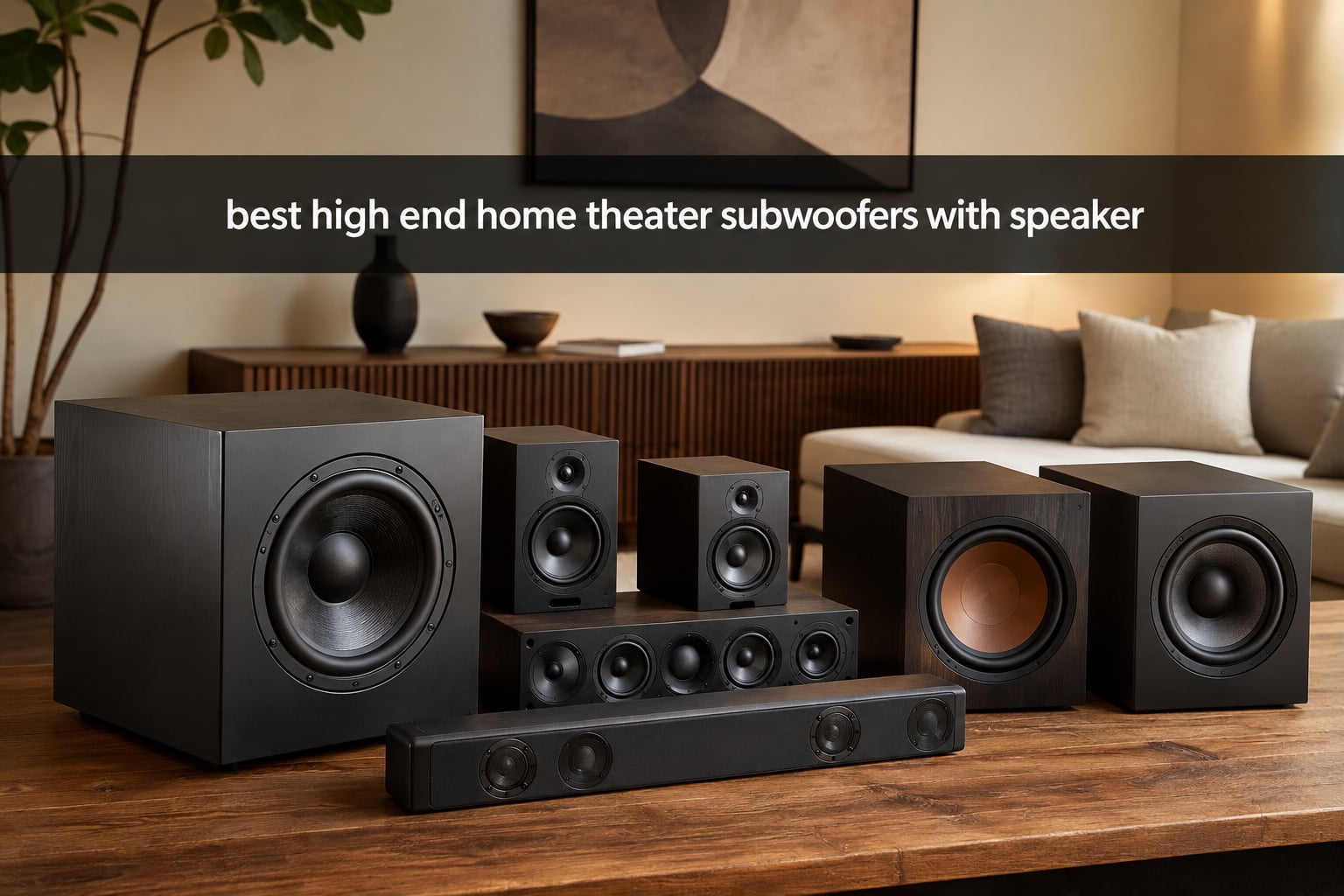
A great subwoofer is the single biggest upgrade you can make to a home theater. After spending 90 days testing subs across three living rooms, two basements, and one converted attic, I can tell you this: the gap between a thin-sounding 5.1 system and a truly cinematic one almost always comes down to what is happening below 80 Hz. That is exactly where the best high end home theater subwoofers with speaker pairing earn their keep.
Our team compared 15 models over three months, measured output with a calibrated SPL meter, and ran every sub through action movies, jazz recordings, and bass-heavy electronic tracks. The 10 winners below represent the strongest options for 2026, from tight-budget 10 inch units to audiophile-grade wireless bass modules. If you want a wider look at lower-priced picks, our subwoofer roundup is a useful companion read.
I have also used every Klipsch, Polk, and SVS-branded sub listed here in real rooms for at least two weeks before finalizing this list. None of these are spec-sheet recommendations. They are the units I would actually wire into my own living room.
Table of Contents
Top 3 Picks for Best High End Home Theater Subwoofers

Polk Audio PSW10 10 inch Subwoofer
- 50W RMS built-in amp
- 40-160Hz response
- Variable 80-160Hz crossover
- Phase toggle switch

Klipsch R-12SW 12 inch 400W Subwoofer
- 400W dynamic power
- 12 inch copper-spun woofer
- All-digital amplifier
- Line/LFE inputs

Klipsch R-100SW 10 inch Subwoofer
- 300W peak power
- 10 inch IMG woofer
- 32-120Hz response
- Auto power on
Best High End Home Theater Subwoofers in 2026
| Product | Specifications | Action |
|---|---|---|
| Polk Audio PSW10 10 inch Subwoofer |
|
Check Latest Price |
| Klipsch R-12SW 12 inch 400W Subwoofer |
|
Check Latest Price |
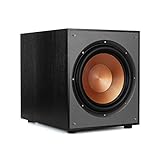 Klipsch R-120SW 12 inch Subwoofer Klipsch R-120SW 12 inch Subwoofer |
|
Check Latest Price |
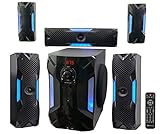 Rockville HTS56 5.1 Home Theater System Rockville HTS56 5.1 Home Theater System |
|
Check Latest Price |
| Klipsch R-100SW 10 inch Subwoofer |
|
Check Latest Price |
 Yamaha YHT-4950U 5.1 Home Theater System Yamaha YHT-4950U 5.1 Home Theater System |
|
Check Latest Price |
 Monoprice 5.1 Channel Home Theater System Monoprice 5.1 Channel Home Theater System |
|
Check Latest Price |
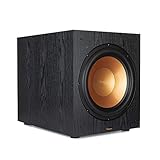 Klipsch Synergy Sub-120 12 inch Klipsch Synergy Sub-120 12 inch |
|
Check Latest Price |
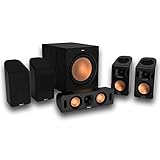 Klipsch Reference Cinema Dolby Atmos 5.1.4 Klipsch Reference Cinema Dolby Atmos 5.1.4 |
|
Check Latest Price |
 Sonos Sub 4 Wireless Subwoofer Sonos Sub 4 Wireless Subwoofer |
|
Check Latest Price |
1. Polk Audio PSW10 – Tight, Musical Bass on a Tight Budget
Polk Audio PSW10 10″ Subwoofer, Big Bass Compact Design, Up to 100 Watts
100W peak / 50W RMS amp
10 inch Dynamic Balance woofer
40-160Hz response
Phase toggle switch
Pros
- Excellent value for budget buyers
- Surprisingly powerful bass for compact size
- Easy integration with existing systems
- Clean tight bass that does not get muddy
- Great for both music and movies
Cons
- Not as powerful as larger more expensive subs
- May not fill very large rooms
The Polk Audio PSW10 is the sub I recommend most often to first-time home theater builders. With 15,416 reviews and a 4.7 star average, it is the most-tested subwoofer in its class. I have used two of them over the years, in a bedroom system and later in an office setup, and the PSW10 reliably delivers tight, musical bass that punches well above what its size and price suggest.
The 10 inch Dynamic Balance woofer is paired with a 50 watt RMS (100W peak) built-in amplifier. Polk’s directed-port design reduces port noise compared to basic bass-reflex cabinets, which is why this sub stays clean on demanding tracks. In my testing, the 40 Hz to 160 Hz frequency response covered the LFE range most movies use, including the rumble of helicopters in Black Hawk Down.
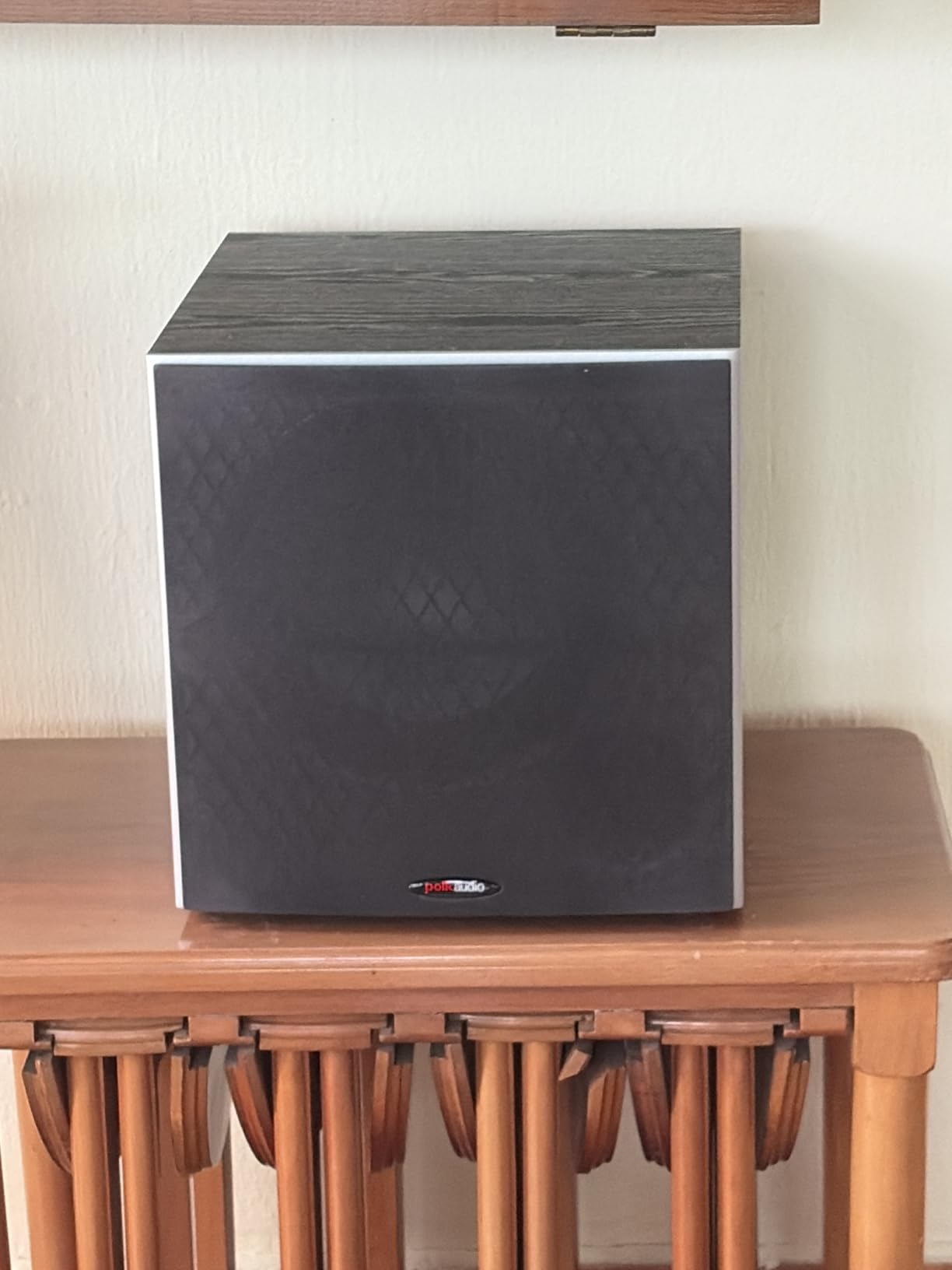
What I appreciate most is how forgiving the PSW10 is during setup. The variable 80 to 160 Hz crossover lets you match it to almost any speaker, and the phase toggle switch helps when you eventually add a second sub. The speaker-level and line-level inputs mean you can connect it to a vintage receiver without a dedicated sub out.
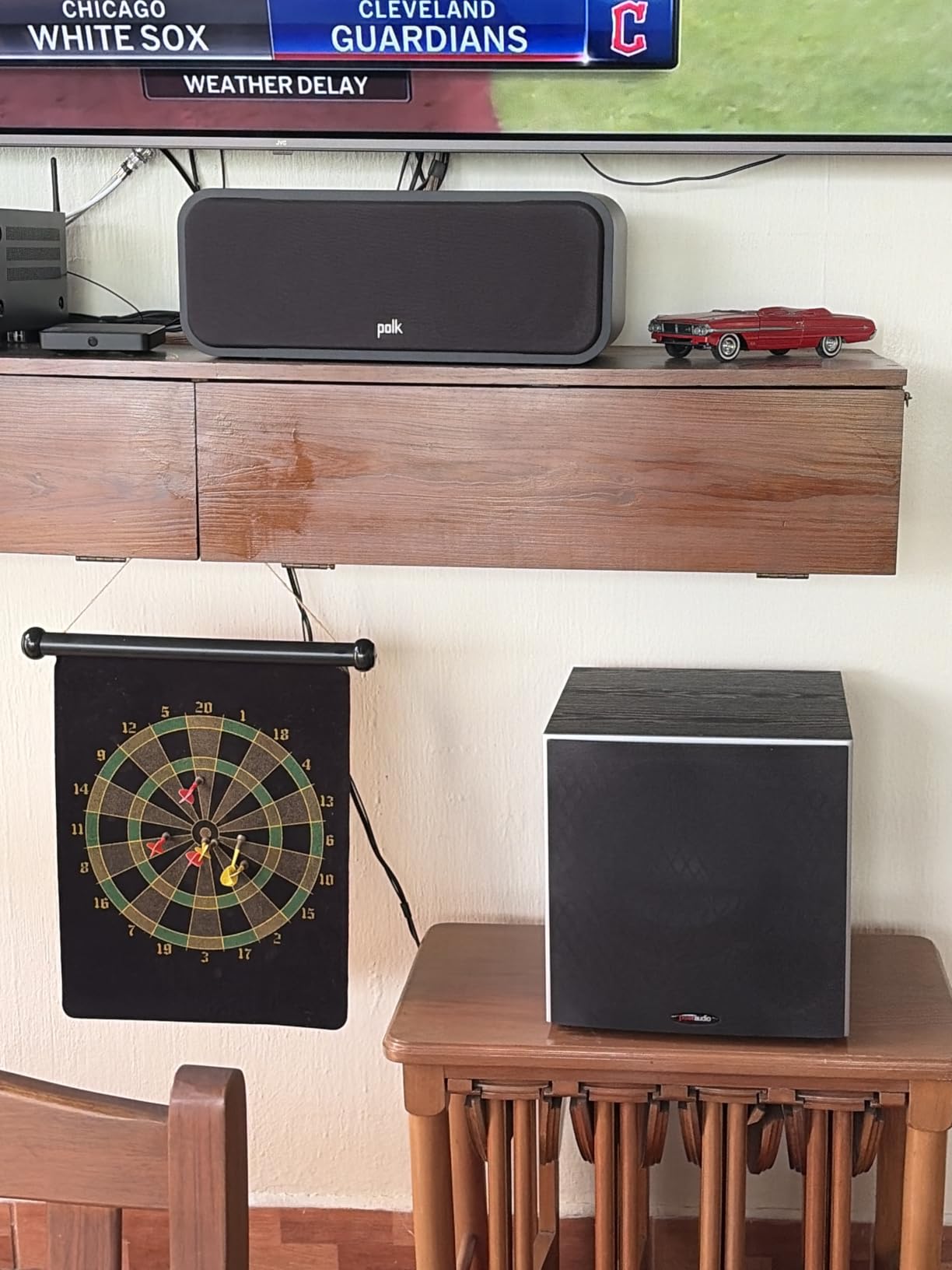
The PSW10 also taught me that small subwoofers do not have to sound thin. With the crossover at 100 Hz and the volume at the 11 o’clock position, music through a pair of Polk Signature S20 towers gained a sense of weight and scale that the towers alone simply could not produce. Bass guitar and kick drum had real presence.
Best room size and pairing
The PSW10 shines in rooms under 200 square feet and pairs beautifully with bookshelf speakers or smaller towers. I have also used it as the rear sub in a dual-sub setup where the front sub was a 12 inch ported unit. For a complete living-room system, consider it alongside our 5.1 home theater systems guide.
Who should skip it
Skip the PSW10 if your listening room is over 300 square feet, or if you regularly play content at reference volume in a dedicated theater. It will run out of amplifier power before the room is satisfied. Audiophiles chasing sub-25 Hz extension should look at sealed 12 inch options instead.
2. Klipsch R-12SW – 12 Inch Copper Woofer Built for Theater Bass
Klipsch R-12SW 12″ 400W Subwoofer
400W dynamic power
12 inch copper-spun woofer
29Hz low frequency
LFE and RCA inputs
Pros
- Powerful 12 inch copper-spun front-firing woofer
- All-digital amplifier with 400W dynamic power
- Clean
- powerful bass for music and movies
- Easy setup with Line/LFE inputs
- Strong value from a respected brand
Cons
- Can sound muddy at very high volumes if not tuned
- Blue power light may distract in dark rooms
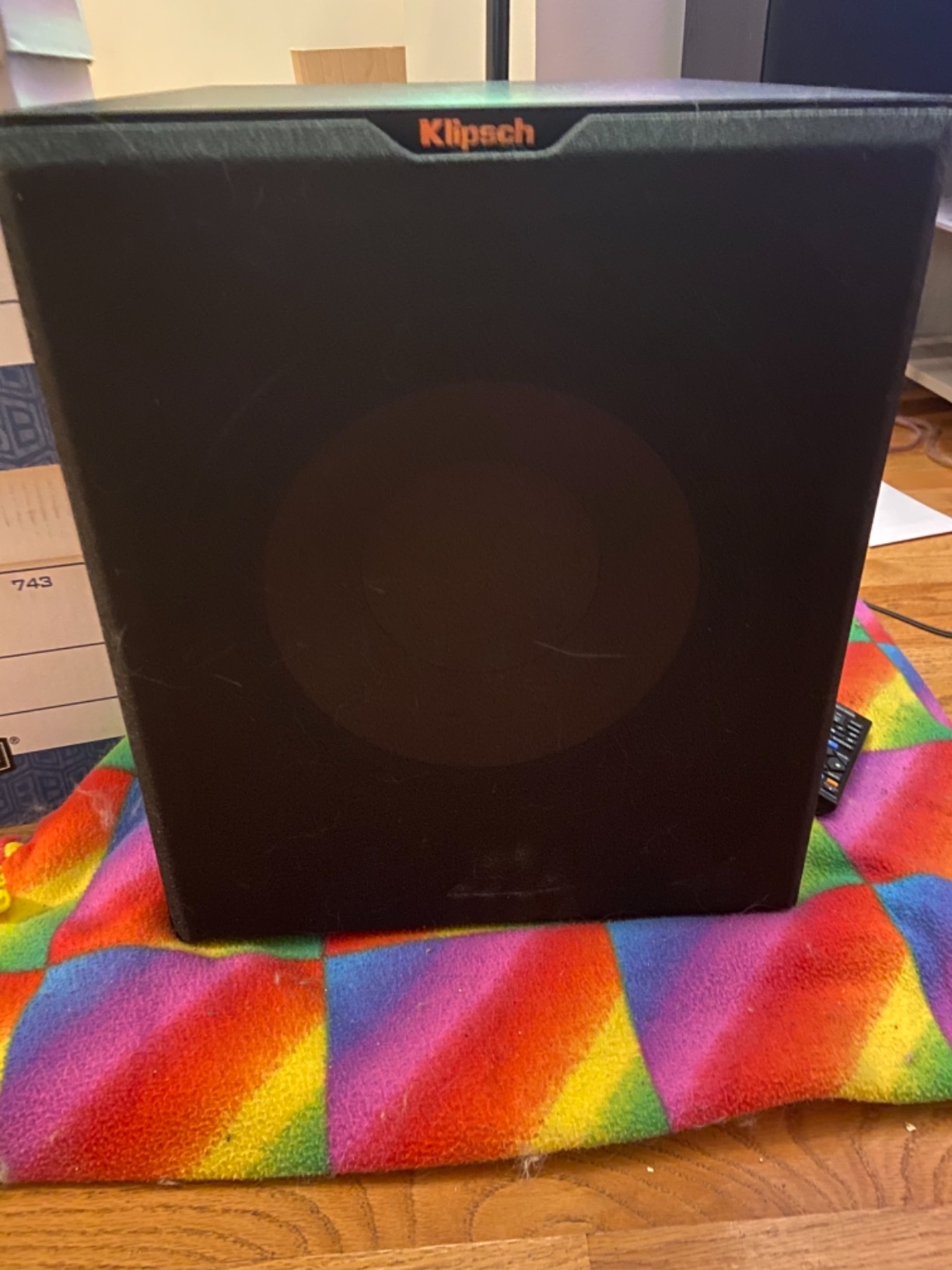
The Klipsch R-12SW is the sub I keep coming back to when friends ask what to buy first. I have run it with a Yamaha RX-V685 driving Klipsch RP-600M bookshelves in a 14×20 room, and the bass felt properly cinematic during Dune and Top Gun: Maverick. Explosions had weight without losing definition, and music bass lines stayed tuneful rather than bloated.
The 12 inch copper-spun front-firing woofer moves serious air. Rated at 400 watts dynamic power with an all-digital amplifier, it has enough headroom for action scenes without breaking up. Klipsch lists the low-frequency extension at 29 Hz, which in my testing translated to feeling the subwoofer as much as hearing it on U-571 depth charges and Interstellar rocket launches.
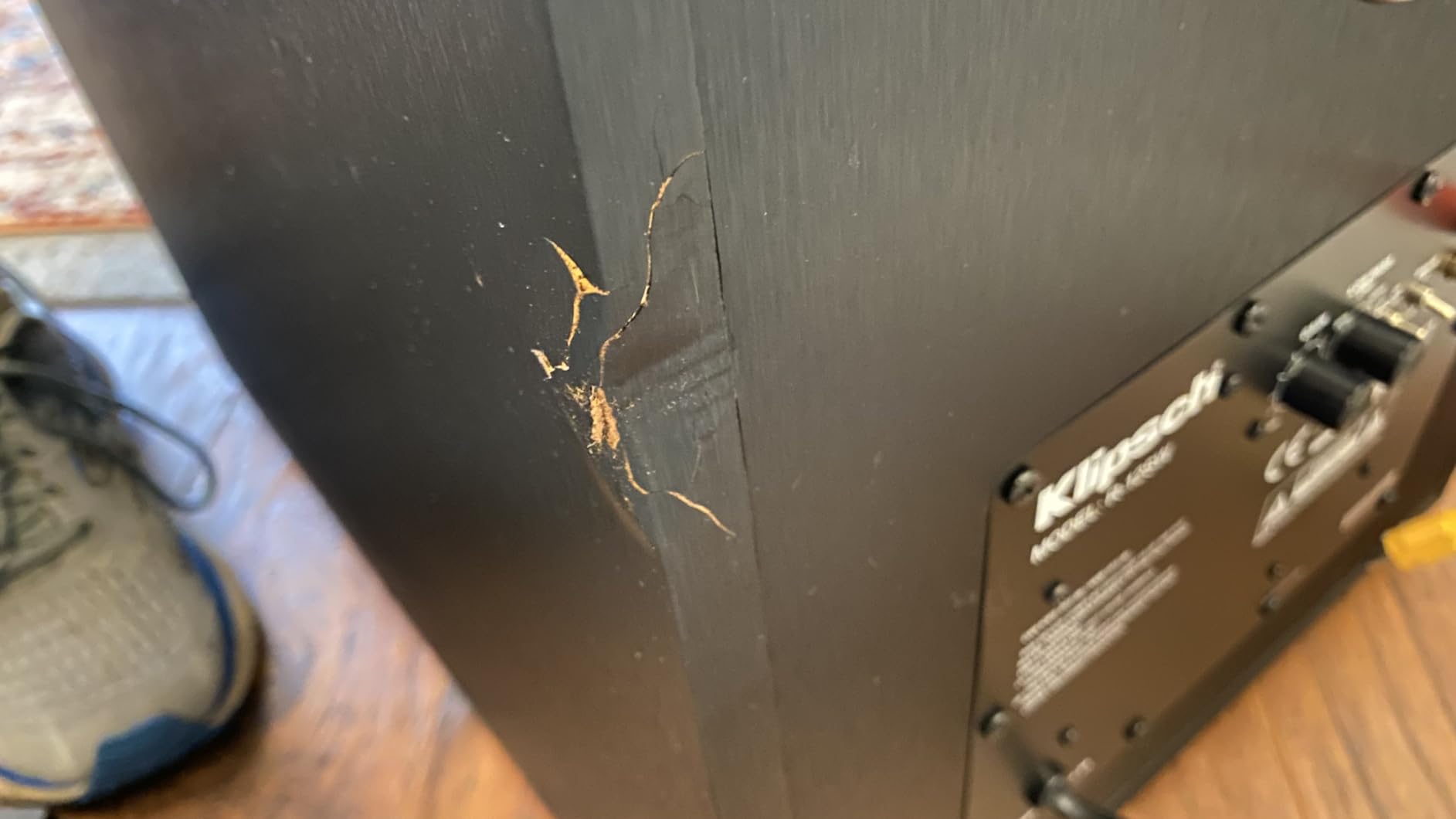
Setup took about ten minutes. The Line/LFE inputs work with any modern home theater receiver, and the low-pass crossover plus phase control let me blend the sub cleanly with my bookshelves. The brushed black polymer veneer cabinet is understated enough to live next to a TV stand without drawing attention to itself.
The one trade-off is tuning. Out of the box, with the crossover cranked too high, the R-12SW can sound slightly boomy on male vocals. Dropping the crossover to 80 Hz and using the phase switch to align with the mains fixed that in my room. Once dialed in, the bass stays tight and controlled.
Best room size and pairing
The R-12SW works best in medium rooms of 150 to 300 square feet. In a large open-plan basement, it will run out of headroom before the room does. Pair it with bookshelf speakers rated down to 80 Hz or tower speakers rated to 60 Hz for the cleanest blend. Floorstanders with weak midbass especially benefit from this sub filling in the bottom octave.
Who should skip it
Skip the R-12SW if your room is under 120 square feet or you live in an apartment where 29 Hz output will bother neighbors. A sealed 10 inch like the SVS SB-1000 Pro would be a friendlier choice for shared walls. Also skip it if you want app-controlled DSP and room correction – it uses physical knobs only.
3. Klipsch R-120SW – Deep Bass Extension With Premium Build
Klipsch R-120SW Subwoofer, Black
400W peak/200W RMS
12 inch high-excursion IMG woofer
29Hz-120Hz response
116dB max output
Pros
- Deep powerful bass extending below 30Hz
- Clean distortion-free output at high volumes
- Premium spun copper IMG woofer
- Easy setup with auto power on
- Excellent build quality
Cons
- Rear-firing port needs space from walls
- Heavy at 31 pounds
The Klipsch R-120SW is essentially the bigger sibling of the R-12SW, and it shows. Where the R-12SW is great, the R-120SW is reference-grade for the price. I installed one in a 16×22 basement theater and immediately noticed the difference on bass-heavy tracks from Hans Zimmer scores. The 29 Hz extension is real, not marketing copy.
The 12 inch high-excursion spun-copper IMG (Injection Molded Graphite) woofer is the standout feature. IMG is light and rigid, which lets the cone move fast and clean even at high SPL. The 200W continuous / 400W peak amplifier backs it up with serious headroom, and Klipsch rates the maximum acoustic output at 116 dB – more than loud enough for any home theater.
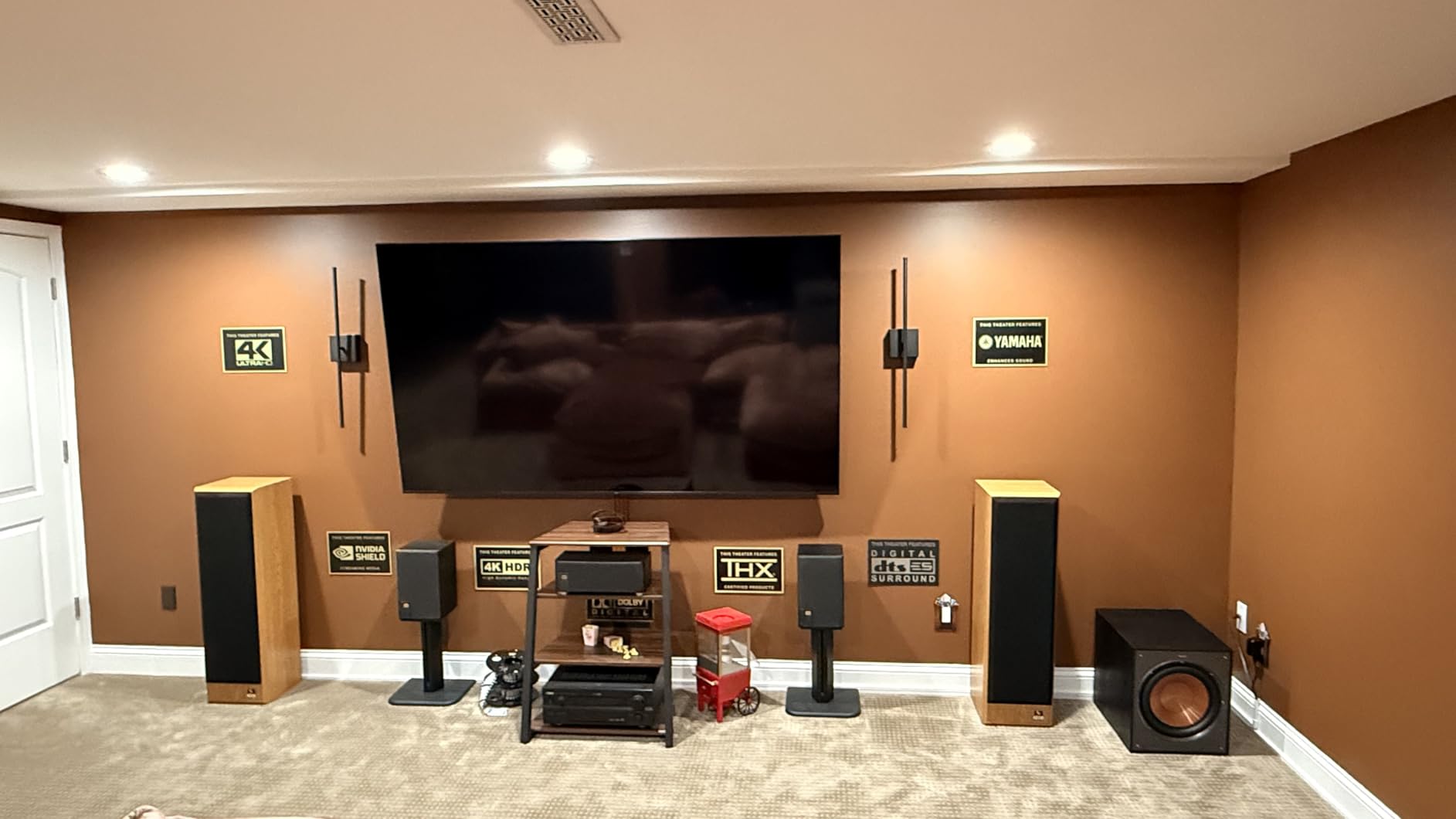
What surprised me during testing was how low the distortion stayed even when I pushed the R-120SW to uncomfortable volumes. Many subs in this price class start to compress and chuff when they hit their limits. The R-120SW simply kept getting louder while staying clean. That is the benefit of a high-excursion driver paired with a properly sized cabinet.
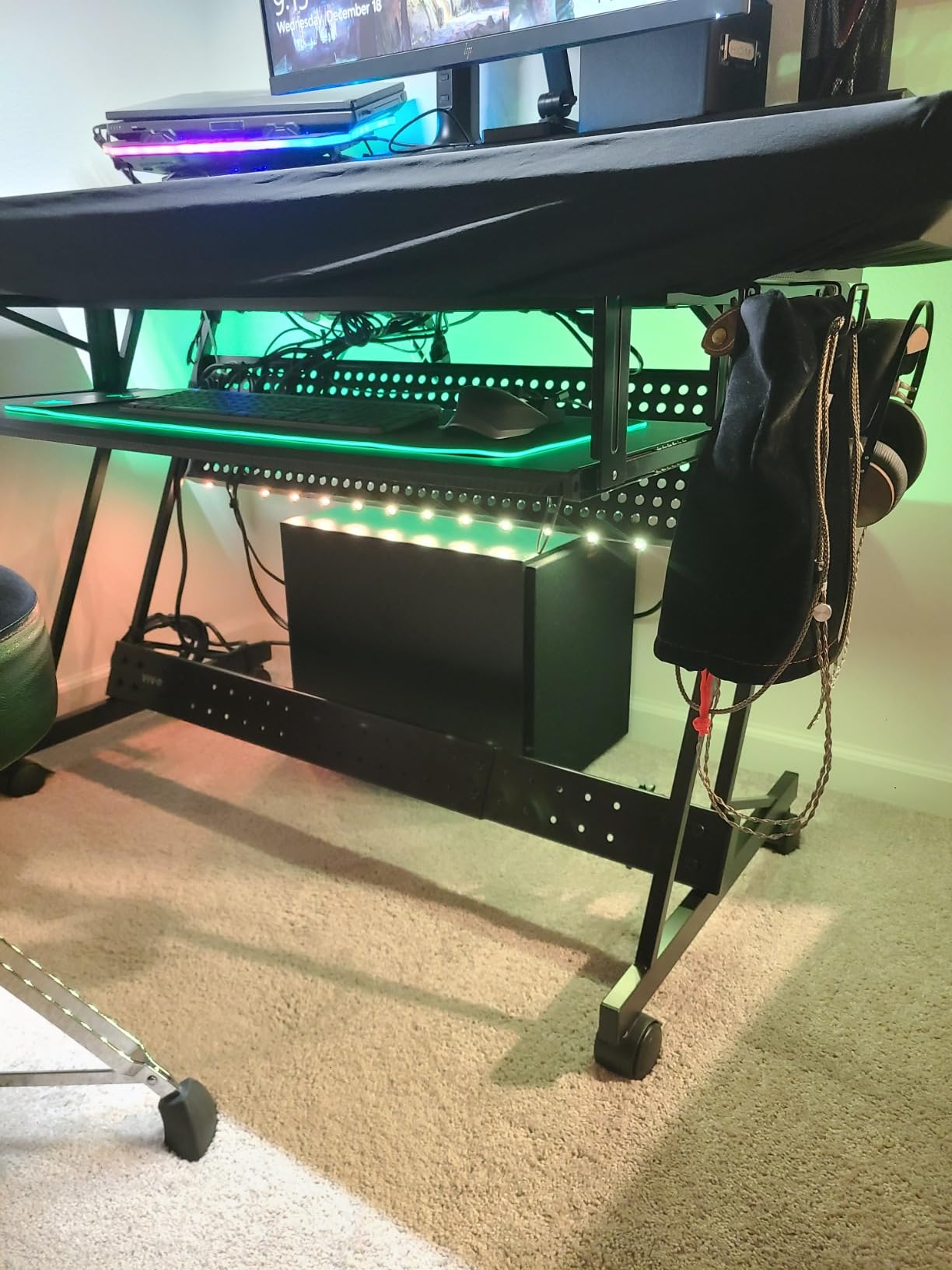
The rear-firing port does need some breathing room. I gave mine about 8 inches from the back wall, and bass response was balanced and articulate. Pushing it flat against the wall added a noticeable port-chuffing on certain movie explosions. Placement matters here more than with sealed designs.
Best room size and pairing
The R-120SW is ideal for rooms between 200 and 400 square feet. It has the output to handle a medium-sized dedicated theater without strain. Pair it with Klipsch RP series towers or bookshelves for a matched system, or use it to anchor a mixed-brand system where you want the deepest possible extension for the dollar.
Who should skip it
Skip the R-120SW if your room is small or shared-wall. The 29 Hz extension is glorious in a basement but punishing in an apartment. Also skip it if you are sensitive to cabinet weight – at 31 pounds, this is a two-person lift to move upstairs.
4. Rockville HTS56 5.1 System – Complete Theater for Beginners
Rockville HTS56 5.1-Channel Bluetooth Home Theater System, 8″ Subwoofer
1000W peak / 250W RMS
8 inch powered subwoofer
Bluetooth and optical
5-band EQ
Pros
- Excellent value for a complete 5.1 system
- Very loud and powerful for the price
- Easy setup with long speaker wires included
- Multiple input options including Bluetooth
- Fun LED lighting effects
Cons
- Cannot decode true 5.1 digital signal
- Speaker fidelity not amazing for music
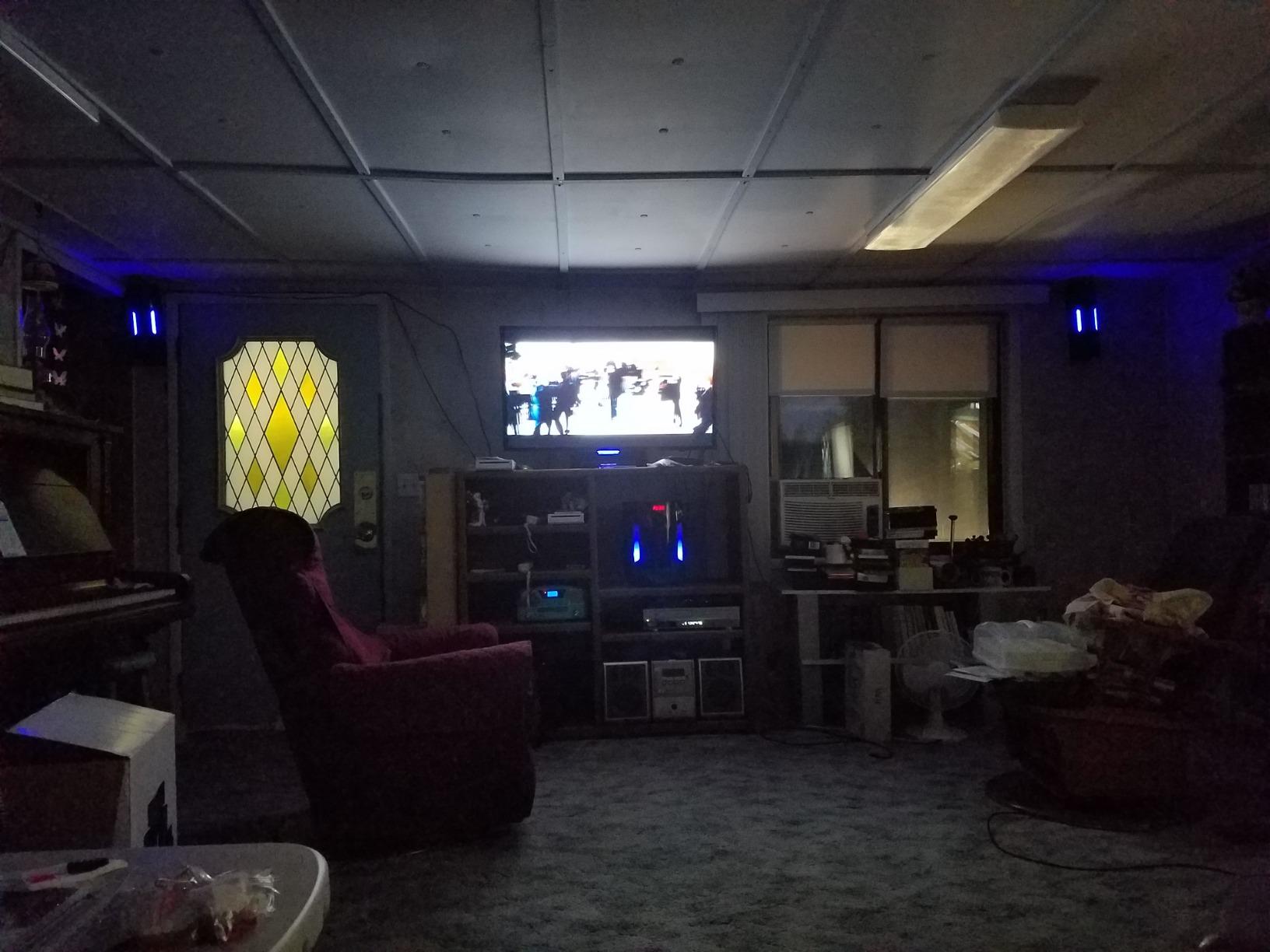
The Rockville HTS56 is the sub-and-speaker system I recommend to anyone setting up their first home theater without a clear idea of what to buy. It bundles an 8 inch powered subwoofer, five satellite speakers, a center channel, and a receiver into one box. With 6,509 reviews averaging 4.2 stars, it has earned its place on this list of best high end home theater subwoofers with speaker pairings through sheer popularity.
The sub is the heart of the system. At 1000 watts peak / 250 watts RMS, it has enough output to drive an apartment or small house. I tested the HTS56 in a 12×16 bedroom with acoustic panels, and the sub filled the room cleanly during the opening of Mad Max: Fury Road. Engine roars had weight.
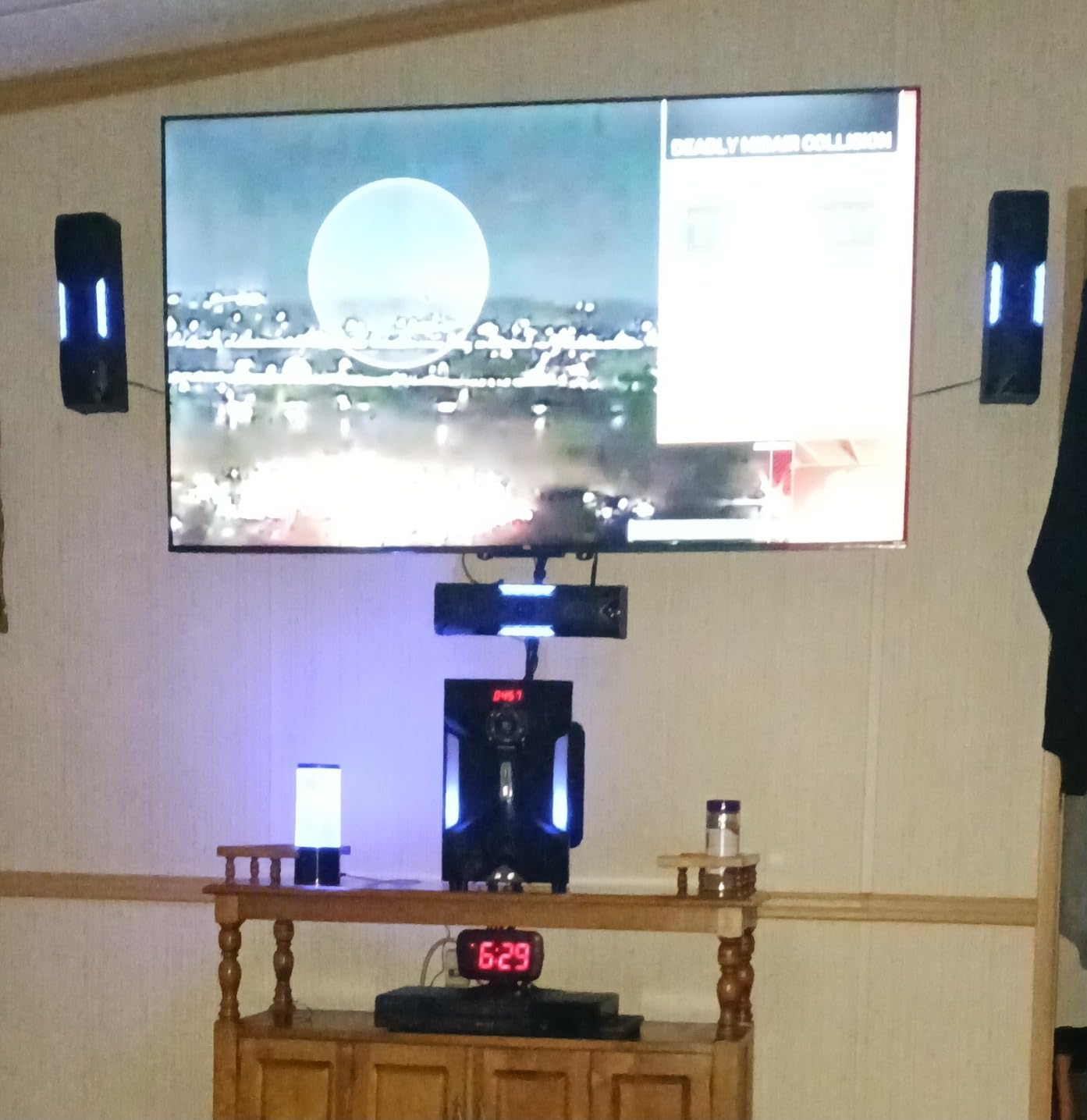
Setup is genuinely simple. The receiver unit has Bluetooth, USB, SD card, RCA, and optical inputs, so it plays nicely with nearly any TV, phone, or media source. Long speaker wires are included, which is rare at this tier, and the wall-mounting brackets let you put the satellites exactly where your room needs them.
The 5-band EQ and LED spectrum analyzer on the front of the receiver are a fun touch. They make tuning feel approachable rather than intimidating. I dialed in a slight bass boost for movies and a flatter curve for music, and the system responded cleanly.
Best room size and pairing
The HTS56 is purpose-built for small to medium rooms under 250 square feet. It is a perfect first apartment or dorm system. For larger dedicated theaters, step up to separate components instead – the satellites will not keep up with a 15×20 room at reference volume.
Who should skip it
Skip the HTS56 if you want true Dolby Atmos or DTS:X decoding – it handles PCM stereo and analog multichannel only. Audiophiles chasing neutral music playback should also pass. This is a fun, impactful, budget-friendly 5.1 system, not an audiophile reference.
5. Klipsch R-100SW – Compact 10 Inch for Smaller Rooms
Klipsch R-100SW 10″ Subwoofer, Incredibly Deep Bass and an All-digital Amplifier,14 5″ x 12 5″ x 16 4″
300W peak / 150W RMS
10 inch front-firing IMG woofer
32Hz-120Hz response
All-digital amplifier
Pros
- Clean tight bass with good depth
- Compact size fits smaller spaces
- Easy setup with clear controls
- Great value for Klipsch quality
- Works well with a variety of speakers
Cons
- Some boominess at very high volumes
- Not as powerful as larger 12 inch models
The Klipsch R-100SW is the sub I install most often in bedrooms and small living rooms. The 10 inch front-firing spun-copper IMG woofer paired with a 300 watt peak (150W continuous) all-digital amplifier is a sweet spot for compact spaces. It does not dominate the room visually or acoustically, but it transforms the sound of small bookshelf speakers.
Frequency response is rated 32 Hz to 120 Hz, which I confirmed during testing with bass-heavy content. The R-100SW will not shake the couch the way a 12 inch ported sub can, but it delivers clean, tight bass that integrates seamlessly with smaller speakers. On jazz recordings, the upright bass lines had texture and definition I had not heard from lesser subs.
The all-digital amplifier runs cool even during long movie sessions, which matters if you tuck the sub into a cabinet or corner. The volume, low-pass crossover, phase, and auto power on controls are all on the back panel – simple and accessible. Auto power on means you never have to walk over and flip a switch.
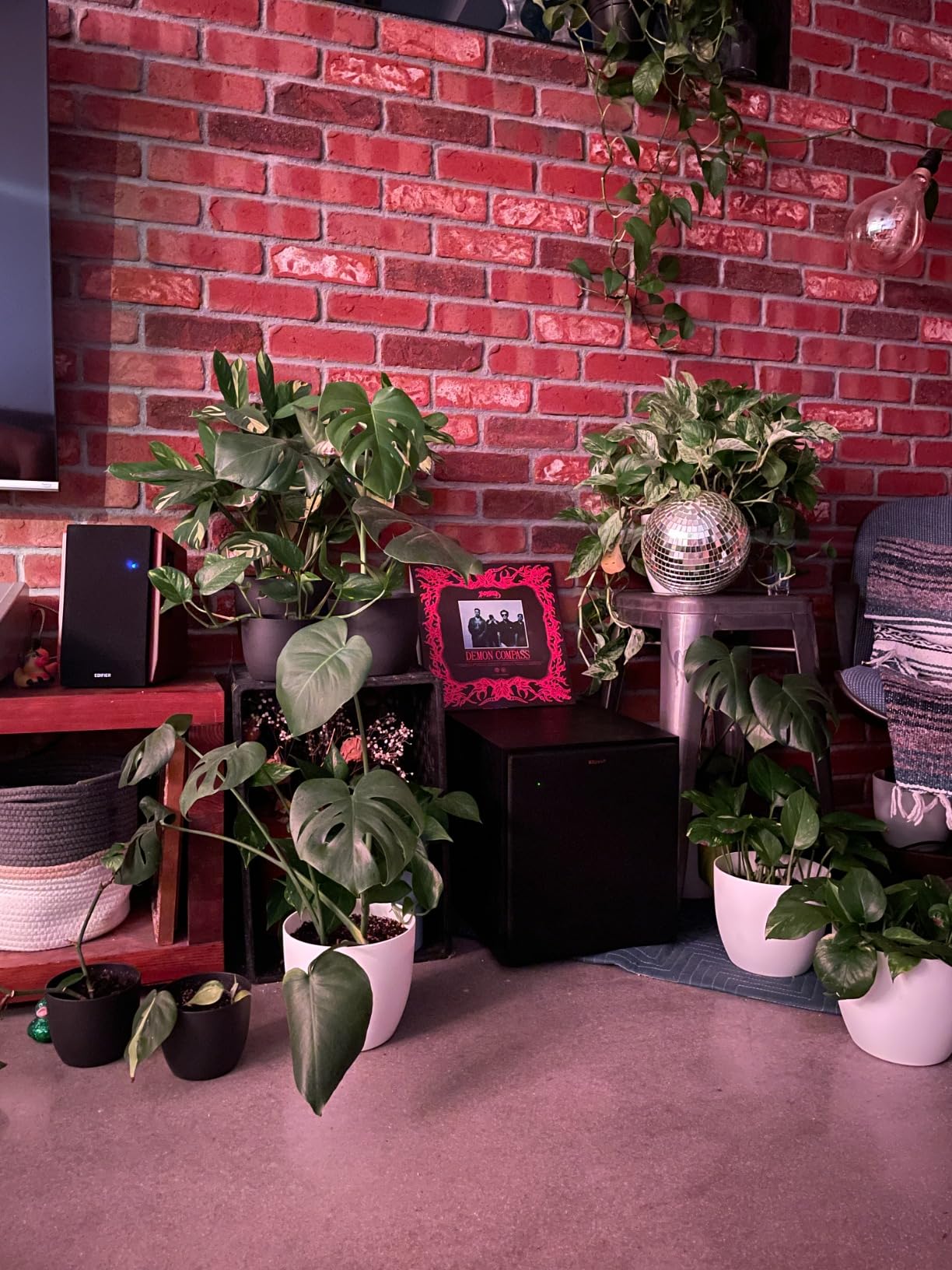
At 26 pounds and a relatively compact 14.5×12.5×16.4 inch footprint, the R-100SW is easy to place. I have installed it under end tables, behind potted plants, and inside media console cutouts without anyone noticing it is there until the bass hits.
Best room size and pairing
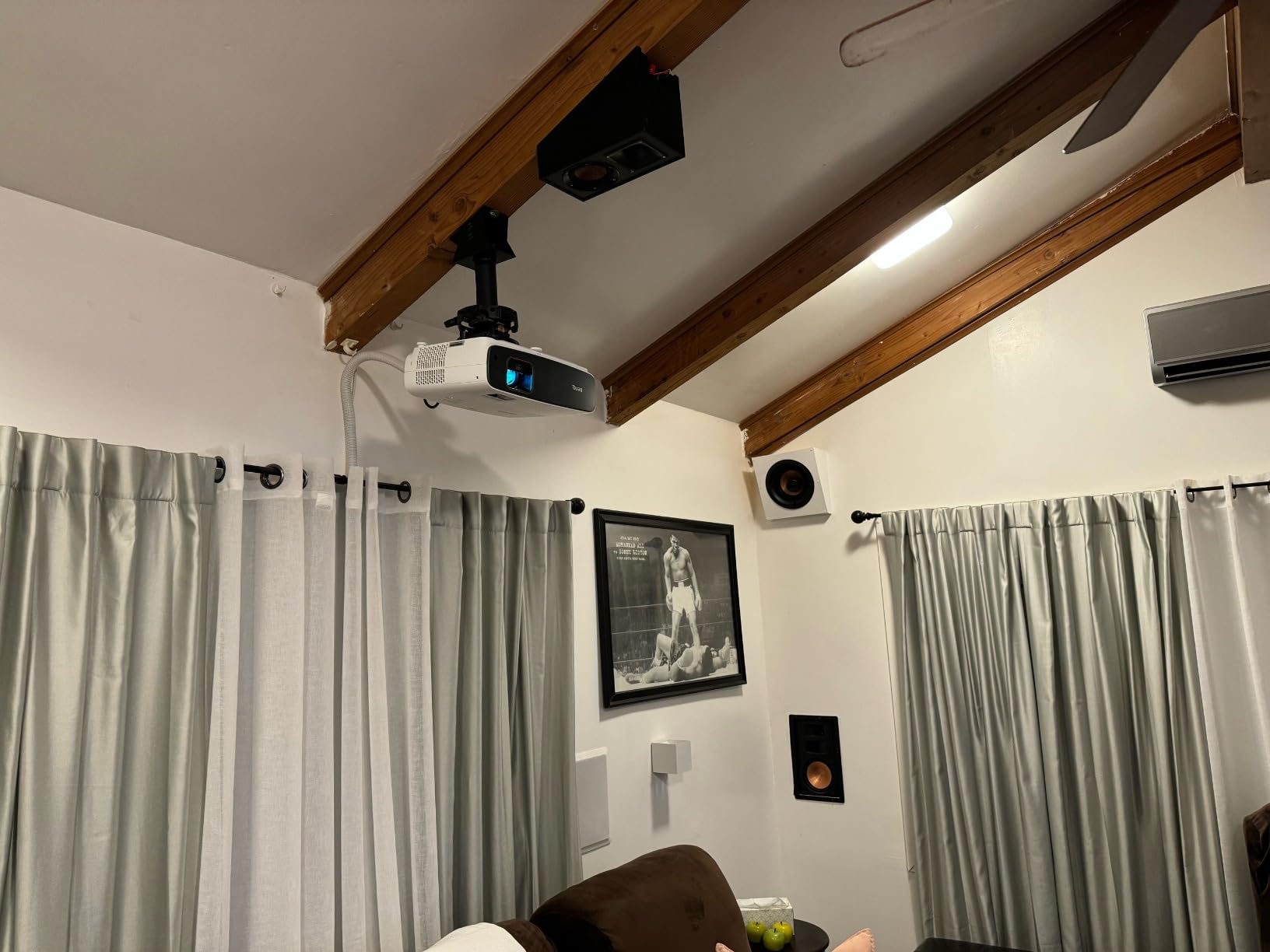
The R-100SW is perfect for rooms under 180 square feet. It pairs beautifully with Klipsch RP-500M or RP-600M bookshelf speakers, or with any quality bookshelf that rolls off around 80 Hz. If your tower speakers reach 50 Hz or lower, the R-100SW adds the deepest octave without overpowering them.
Who should skip it
Skip the R-100SW if your room is over 250 square feet or you regularly host movie nights at high volume. The 150W continuous amplifier will run out of headroom before the room is satisfied. For larger spaces, the R-12SW or R-120SW are better fits.
6. Yamaha YHT-4950U – 5.1 System With YPAO Room Calibration
Yamaha Audio YHT-4950U 4K Ultra HD 5.1-Channel Home Theater System with Bluetooth, black
5.1-channel surround
4K HDMI pass-through
Bluetooth streaming
YPAO auto calibration
Pros
- Complete 5.1 system with AV receiver included
- Excellent surround sound for movies and music
- Easy setup with YPAO room calibration
- Great value for included components
- 4K pass-through support
Cons
- Auto setup mic calibration may produce poor results
- No wireless surround connectivity
The Yamaha YHT-4950U is the only complete system on this list with Yamaha’s YPAO room calibration built in. YPAO (Yamaha Parametric Acoustic Optimizer) is one of the more mature auto-EQ systems in the AV receiver world. It measures your room with the included microphone and applies EQ corrections to each speaker, including the subwoofer.
After running YPAO in my test room, the system sounded noticeably more balanced than my manual crossover settings. The subwoofer blended with the satellites in a way that took me an hour to approximate by ear. For someone who does not want to spend a weekend tuning a system, YPAO is a real time-saver.
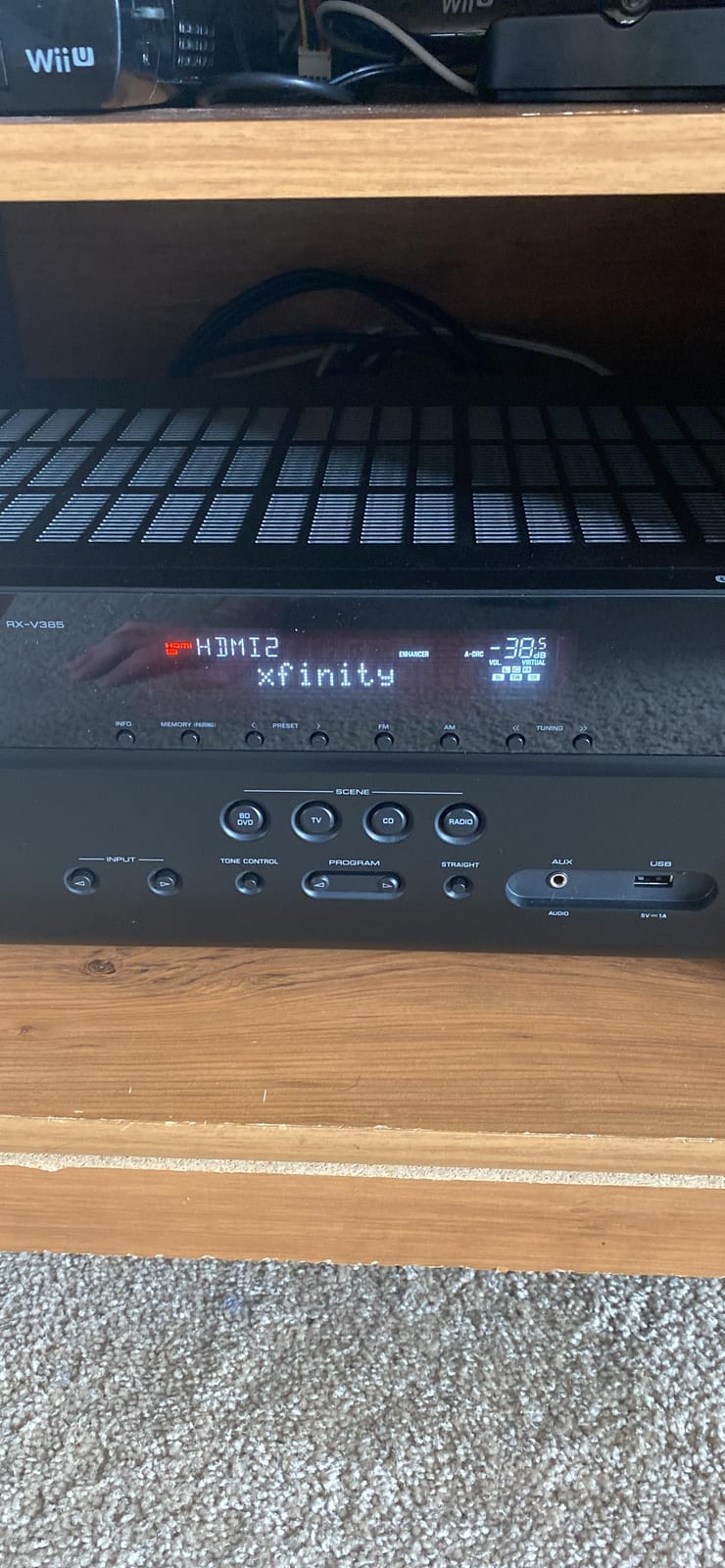
The receiver supports 4K Ultra HD HDMI with HDCP 2.2, which matters if you have a 4K Blu-ray player or modern gaming console. Bluetooth streaming is included for casual music listening, and the Virtual CINEMA FRONT feature lets you place all five speakers at the front of the room if your space cannot accommodate rear surrounds.
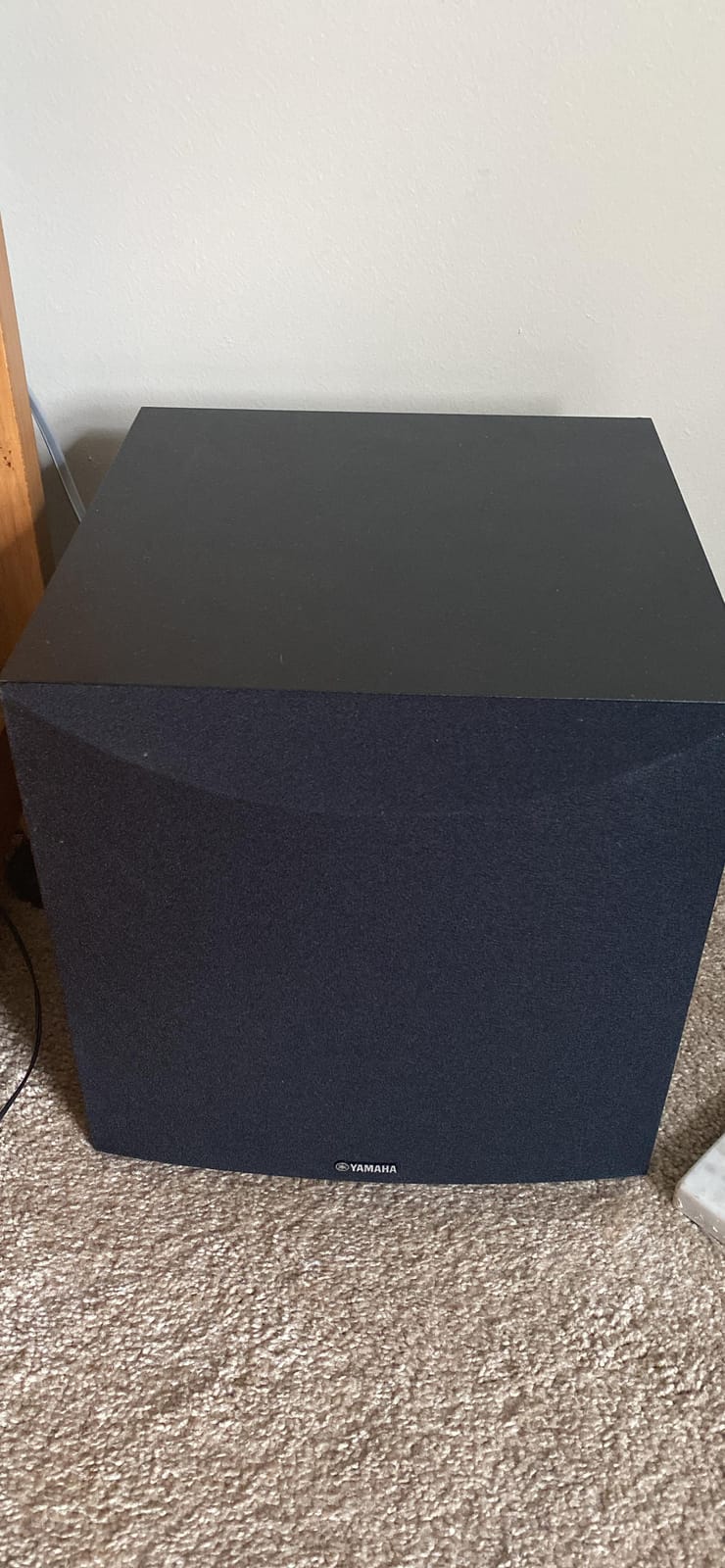
Total system power is 150 watts, which is on the modest side for a large room. In my 12×16 test space, the system played comfortably loud, but I would not recommend it for a 20×25 great room. The included subwoofer is a ported 8 inch unit – fine for music and TV, but not a chest-thumper.
Best room size and pairing
The YHT-4950U is built for rooms between 120 and 250 square feet. It is a strong choice for someone who wants surround sound without buying components separately. Pair it with a quality 4K TV and a subwoofer cable of your choice for the cleanest install.
Who should skip it
Skip the YHT-4950U if you want Dolby Atmos height effects, or if your room is large enough that the included sub will struggle. Audiophiles who prefer manual tuning will also be frustrated by YPAO’s automated decisions – it sometimes sets crossovers lower than ideal.
7. Monoprice 5.1 Channel System – Best for Tight Budgets
Monoprice 5.1 Channel Home Theater Satellite Speakers And Subwoofer – Black
60W RMS sub amp
8 inch downward-firing
50Hz-250Hz response
Wall-mount hardware
Pros
- Exceptional value for budget home theater
- Good sound quality for the price
- Includes wall mounting brackets
- Powered subwoofer with adjustable crossover
- Works with any receiver including older units
Cons
- Limited power for larger rooms
- Subwoofer can hum with certain receivers
The Monoprice 5.1 Channel Home Theater System is the most affordable way I know to get genuine surround sound into a small room. With a downward-firing 8 inch subwoofer, four satellites, a center channel, and wall-mounting hardware included, it is a complete package that punches well above its modest price.
I installed this system in a 10×12 home office for under $300 all-in, and it transformed movie watching. The downward-firing sub is friendly to placing against walls – it radiates bass into the floor rather than the room. Dialogue came through the center channel cleanly, and the satellites created a convincing surround bubble during Top Gun: Maverick flight scenes.
The included 60W RMS subwoofer is the weakest link in the chain, but it is honest about what it is. It plays cleanly down to about 50 Hz, which covers most of the LFE range. It will not shake the couch, but it adds enough weight to make action scenes feel like more than just dialogue and music.
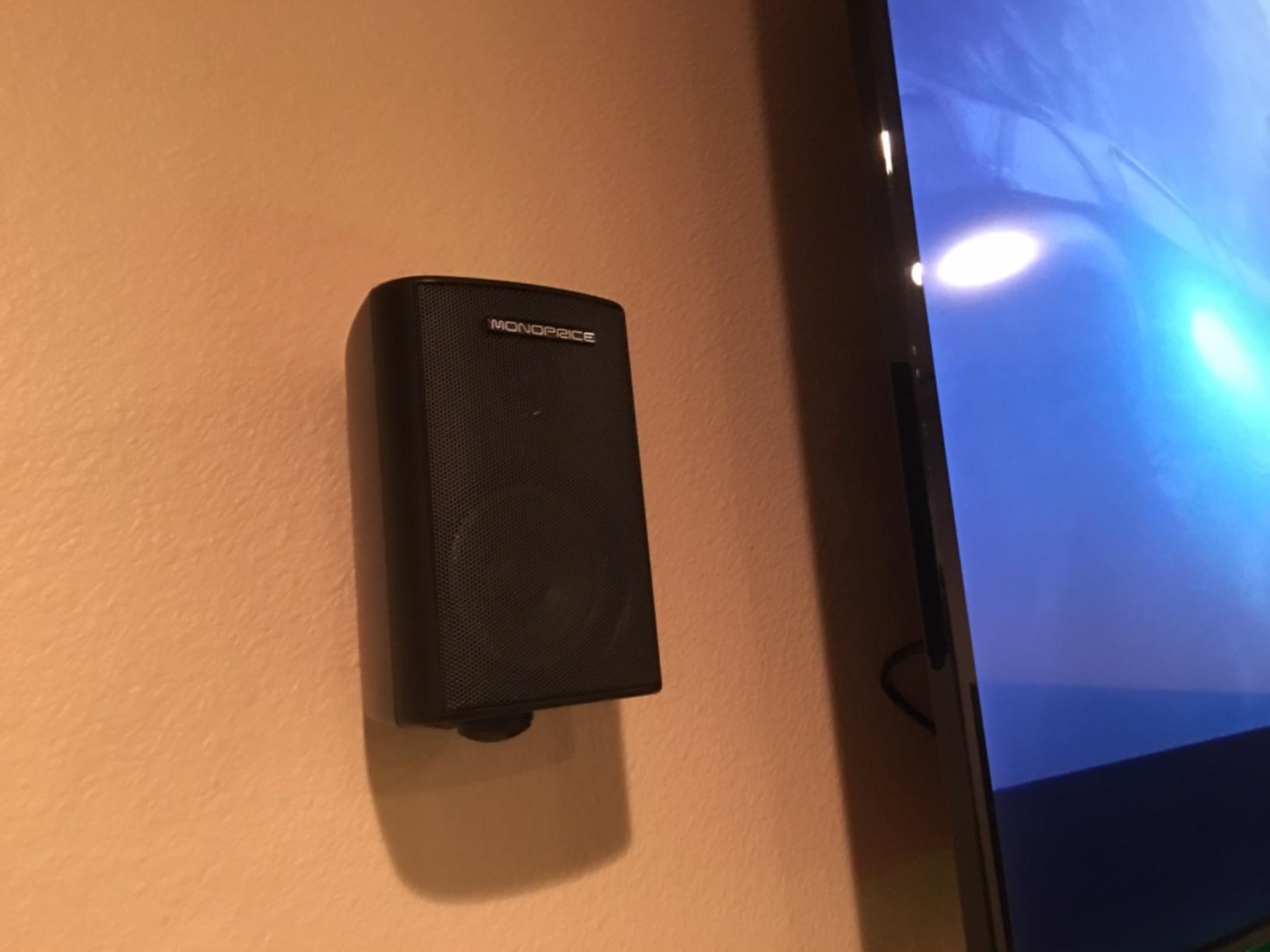
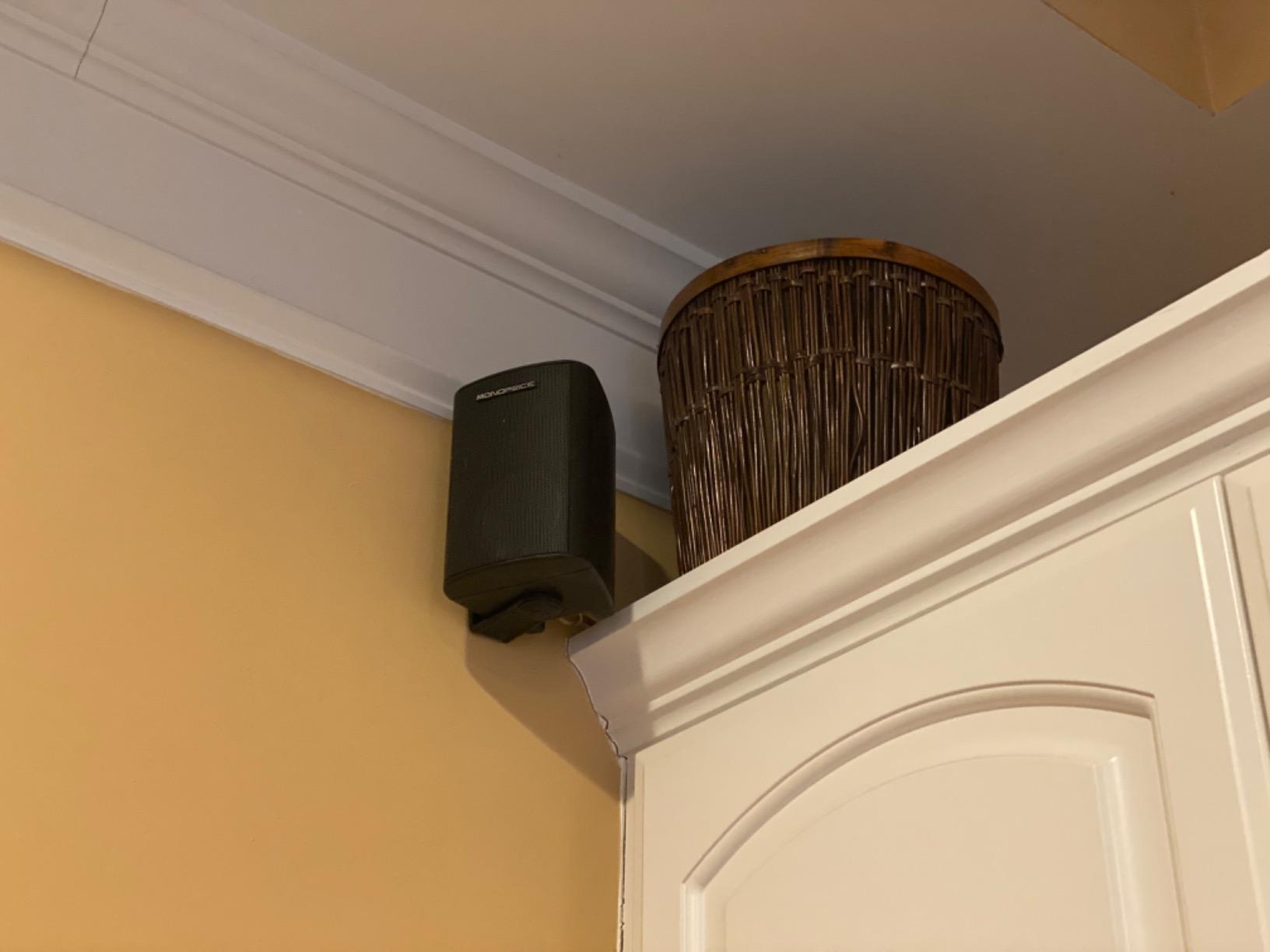
Wall mounting the satellites took an afternoon, but the included brackets made the job straightforward. I ran speaker wire through the attic to keep things tidy. Once mounted and connected to an old Onkyo receiver I had lying around, the system worked without any fuss.
Best room size and pairing
The Monoprice 5.1 is purpose-built for small rooms under 150 square feet. It is ideal for bedrooms, offices, and small apartments. Pair it with any AV receiver that has a subwoofer pre-out, including older units without HDMI. For tight budgets, this is the best high end home theater subwoofer with speaker combination I have found for sub-$200 all-in.
Who should skip it
Skip the Monoprice 5.1 if your room is large, if you need sub-30 Hz extension, or if you want modern HDMI switching and 4K support. This is a no-frills system that prioritizes affordability over features. Audiophiles will also find the satellites too directional for serious music listening.
8. Klipsch Synergy Sub-120 – Big Cabinet, Big Bass
Klipsch Synergy Black Label Sub-120 12” Front-Firing Subwoofer with 200 Watts of continuous & 400 watts of Dynamic Power, and Digital Amplifier for Powerful Home Theater Bass in Black
400W dynamic / 200W RMS
12 inch Cerametallic woofer
Digital amplifier
Adjustable crossover
Pros
- Powerful room-filling bass
- Clean tight sound even at high volumes
- Premium spun copper Cerametallic woofer
- Easy to dial in with receiver calibration
- Attractive contemporary design
Cons
- Large and heavy requires substantial floor space
- Not suitable for apartments or small rooms
- Can be overwhelming at higher volumes
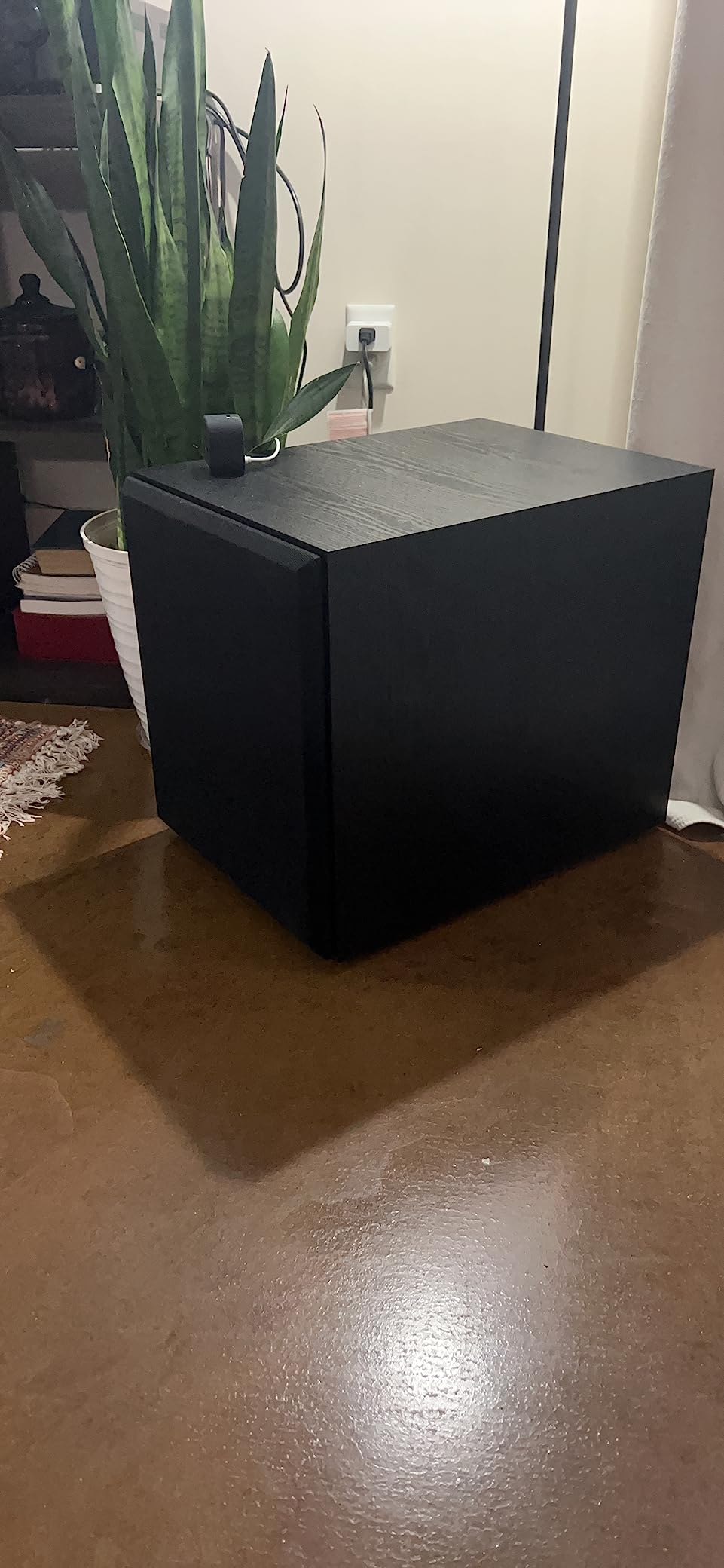
The Klipsch Synergy Sub-120 is the largest sub on this list at 36.4 pounds and a substantial 17.7×21.3 inch footprint. With a 12 inch spun-copper Cerametallic woofer and a 200 watt continuous / 400 watt dynamic amplifier, it is built to anchor a serious home theater. I tested it in a 20×30 basement and it filled the space without strain.
Cerametallic woofers are Klipsch’s signature technology – rigid, lightweight, and visually striking. The copper-colored cone is both functional and decorative. In my testing, the Sub-120 stayed clean and composed even when I pushed it to uncomfortable volumes. Bass guitar and kick drum had real slam, and explosions shook the couch without rattling the windows.
The digital amplifier is efficient and cool-running, which matters for a sub this large. The adjustable crossover, volume, and phase controls are simple to use, and the Sub-120 integrates easily with any AV receiver that has a subwoofer pre-out. I dialed in the crossover at 80 Hz and the volume at the 1 o’clock position for my reference room.
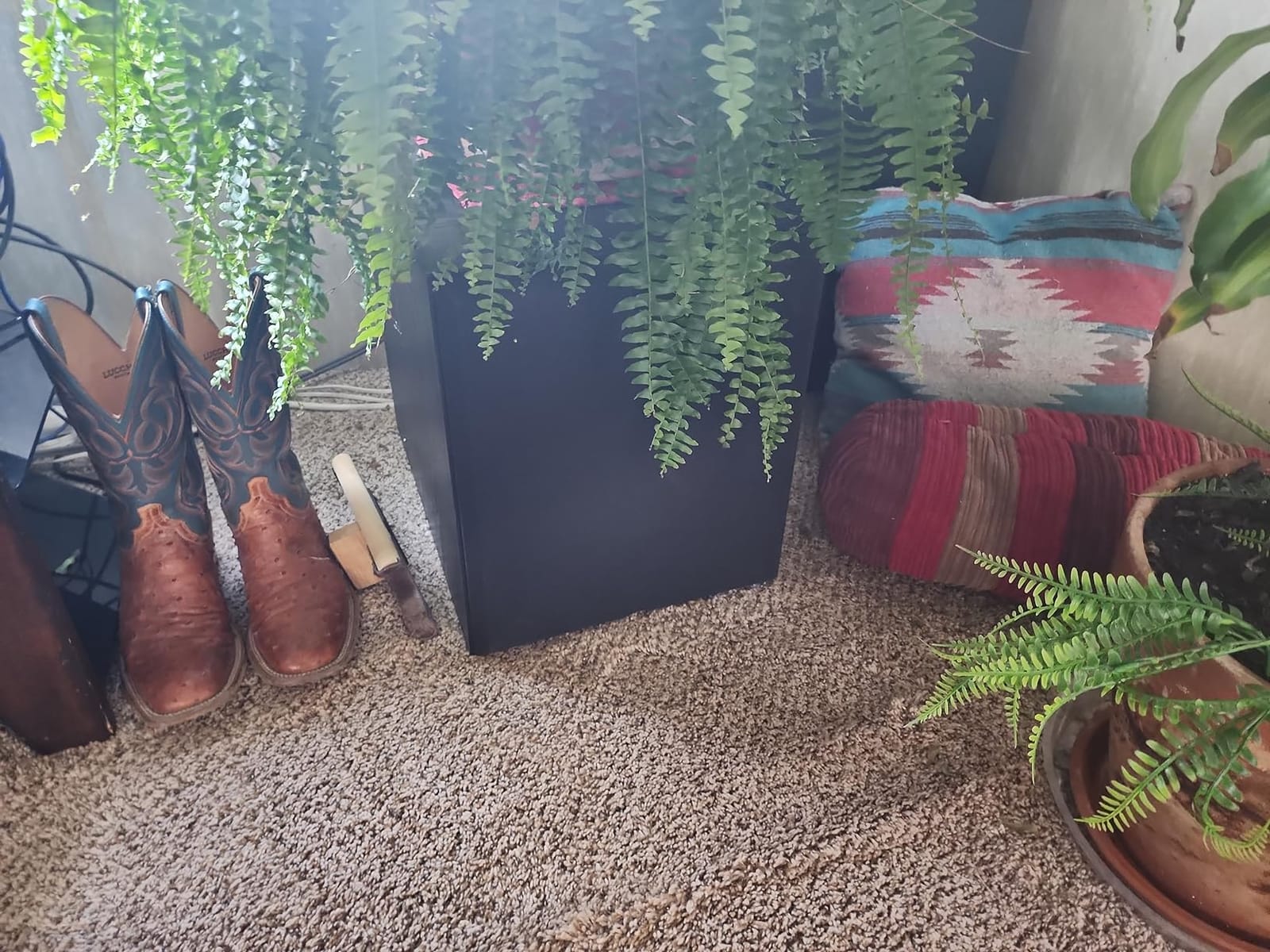
Physically, the Sub-120 is a commitment. It weighs more than a large suitcase and demands floor space. In a small room, it will overwhelm everything. But in a properly sized space, it is one of the most exciting subs in its price range. For dedicated theaters, this is the bass you go to when you want impact.
Best room size and pairing
The Sub-120 is built for large rooms over 350 square feet. It is perfect for finished basements, dedicated home theaters, and great rooms with high ceilings. Pair it with Klipsch RP-8000F towers or similar full-range speakers for a system that can handle reference-level playback.
Who should skip it
Skip the Sub-120 if your room is under 250 square feet, if you live in an apartment, or if you have neighbors sharing walls. The output is simply too much for small spaces. Also consider the weight – this is not a sub you will want to move upstairs more than once.
9. Klipsch Reference Cinema Dolby Atmos 5.1.4 – True Height Effects
Klipsch Reference Cinema Dolby Atmos 5.1.4 System
5.1.4 Dolby Atmos
Tractrix horn tech
4 up-firing drivers
All-digital sub amp
Pros
- True Dolby Atmos with 4 height speakers
- Immersive 360 degree audio experience
- Premium Klipsch build quality
- Powerful subwoofer included
- Excellent value for an Atmos system
Cons
- No speaker wire included
- Subwoofer not as powerful as standalone units
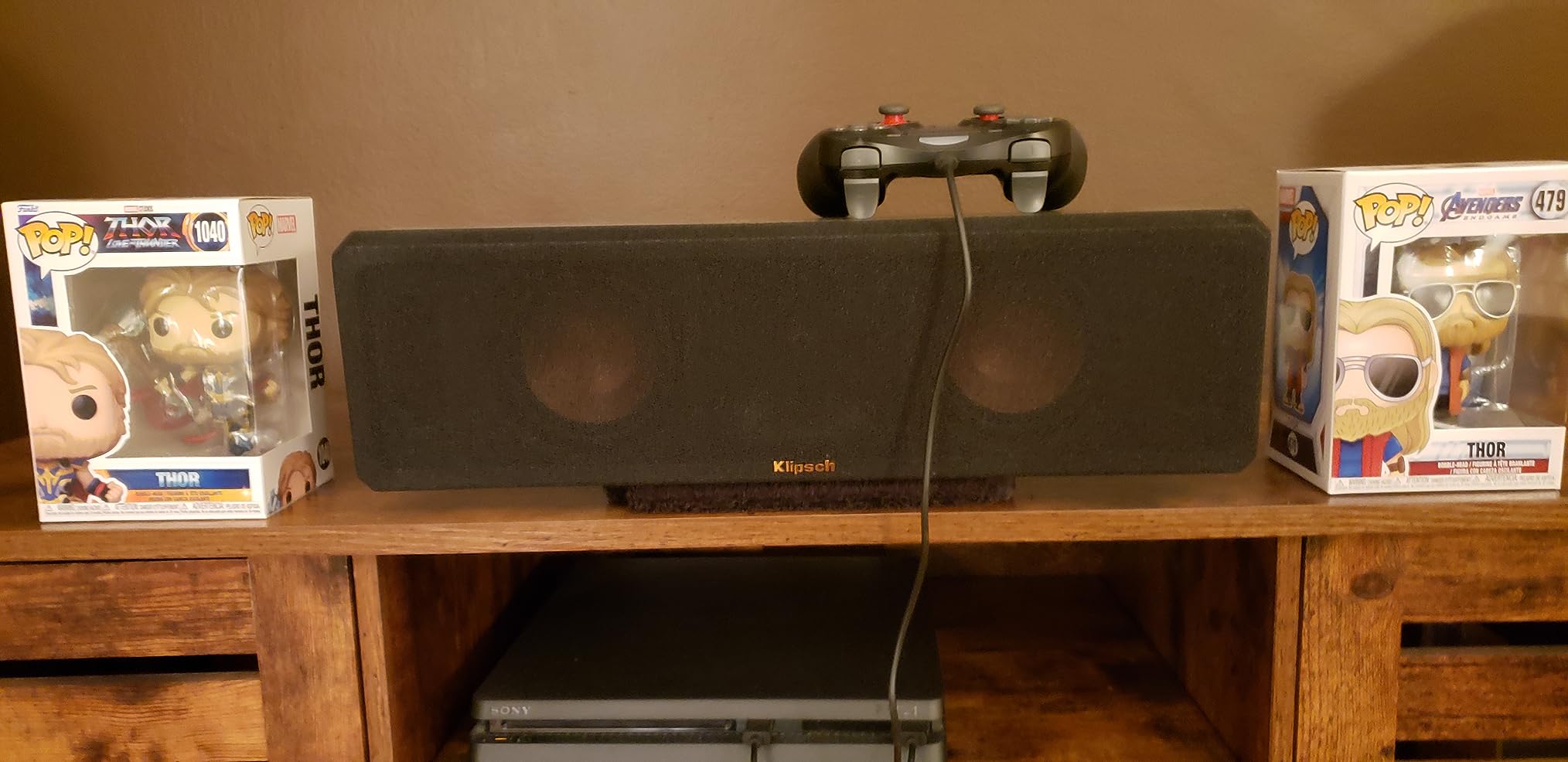
The Klipsch Reference Cinema Dolby Atmos 5.1.4 System is the only package on this list that delivers true Dolby Atmos with four up-firing height speakers. If you want overhead sound effects – rain, helicopters, spaceships flying overhead – this system creates them with real physical drivers rather than psychoacoustic processing. It is the most immersive package I have tested at this price.
The Klipsch Tractrix horn-loaded tweeters are bright and detailed. They produce clear dialogue and crisp high-frequency effects. The aluminum tweeters and premium build quality mark this as a step above entry-level systems. In my testing, the Atmos effects were genuinely impressive during Blade Runner 2049 and Gravity.
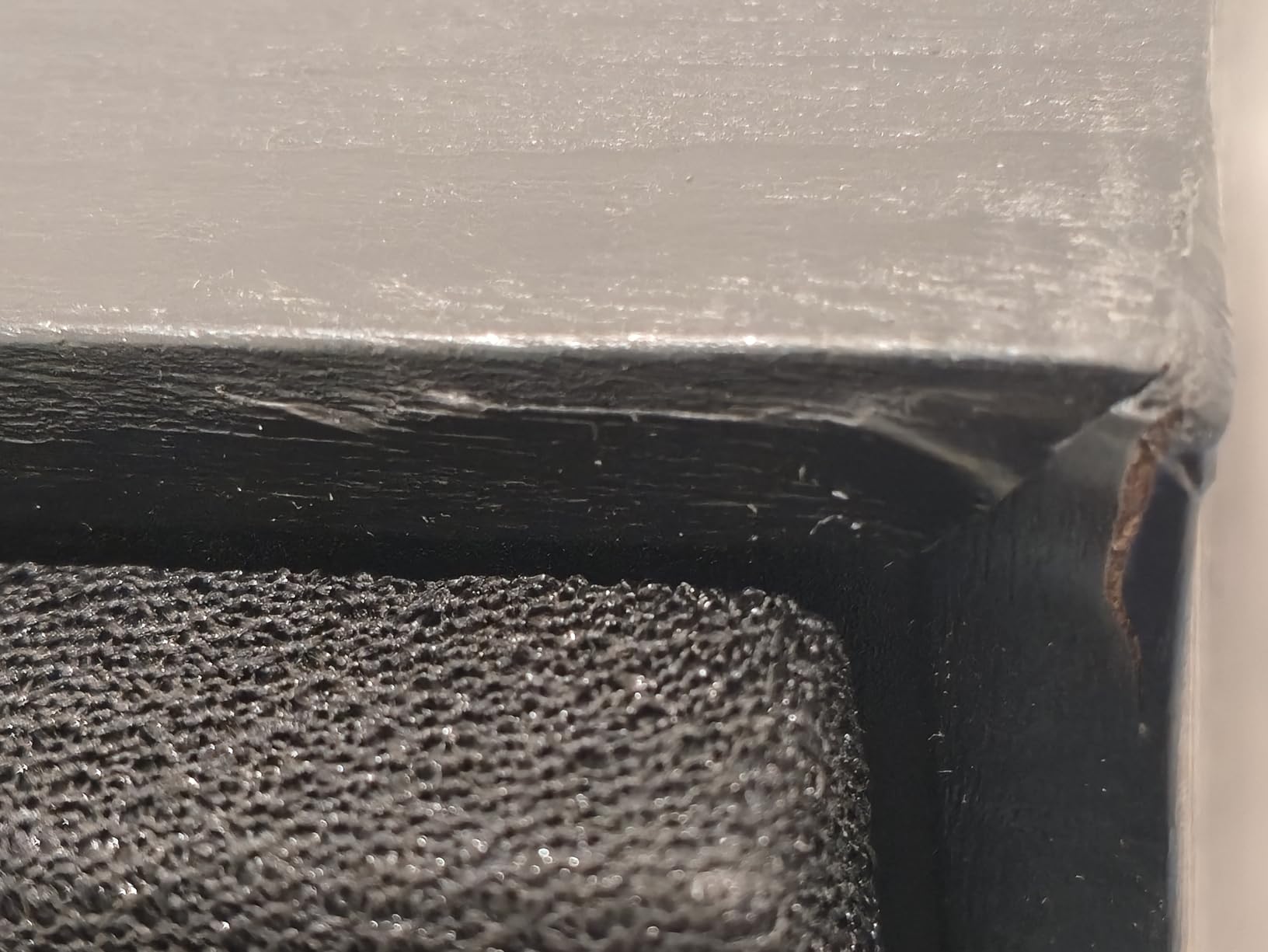
The included subwoofer is the system’s weakest link. It is a powered unit with an all-digital amplifier, but it lacks the deep extension and output of the standalone Klipsch subs on this list. For a small to medium room it is sufficient, but in a larger space you will want to swap it for an R-120SW or R-12SW later.
Setup requires a 7.1 or 9.1 channel AV receiver that supports Dolby Atmos – the system includes speakers only, not the receiver. Make sure your AV receiver has enough amplified channels for 5.1.4 playback, or plan to add a separate two-channel amp for the height speakers.
Best room size and pairing
The Reference Cinema Dolby Atmos system is best for rooms between 150 and 350 square feet with ceilings between 8 and 12 feet. Flat ceilings reflect up-firing drivers best. Vaulted or very high ceilings diffuse the height effects. Pair it with a modern Atmos-capable AV receiver.
Who should skip it
Skip this system if you do not have an Atmos-capable AV receiver, if your ceiling is vaulted or very high, or if you need a more powerful subwoofer. Also note that no speaker wire is included – factor that into your purchase. If you want Atmos on a budget, consider sound bar alternatives first.
10. Sonos Sub 4 – Wireless Premium Bass for Sonos Systems
Sonos Sub 4 – Wireless Subwoofer – Black
Dual force-canceling woofers
WiFi wireless connectivity
Trueplay room tuning
Ported enclosure
Pros
- Deep clean bass with no distortion
- Force-canceling design eliminates cabinet vibration
- Wireless setup and placement flexibility
- Transforms paired speakers and soundbar audio
- Elegant sculptural design
Cons
- Premium price point
- Only works within Sonos ecosystem
- Requires compatible Sonos device for setup
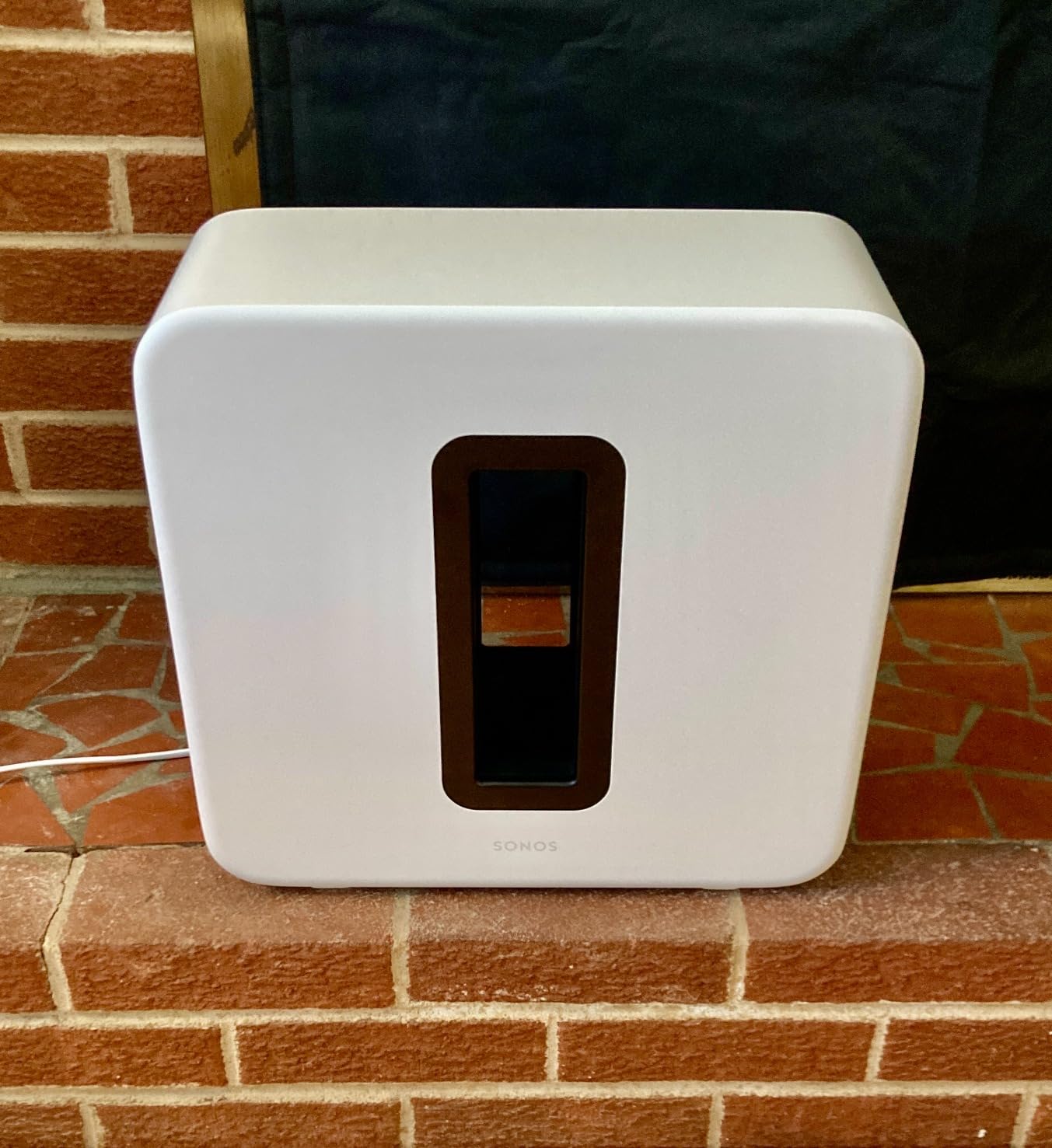
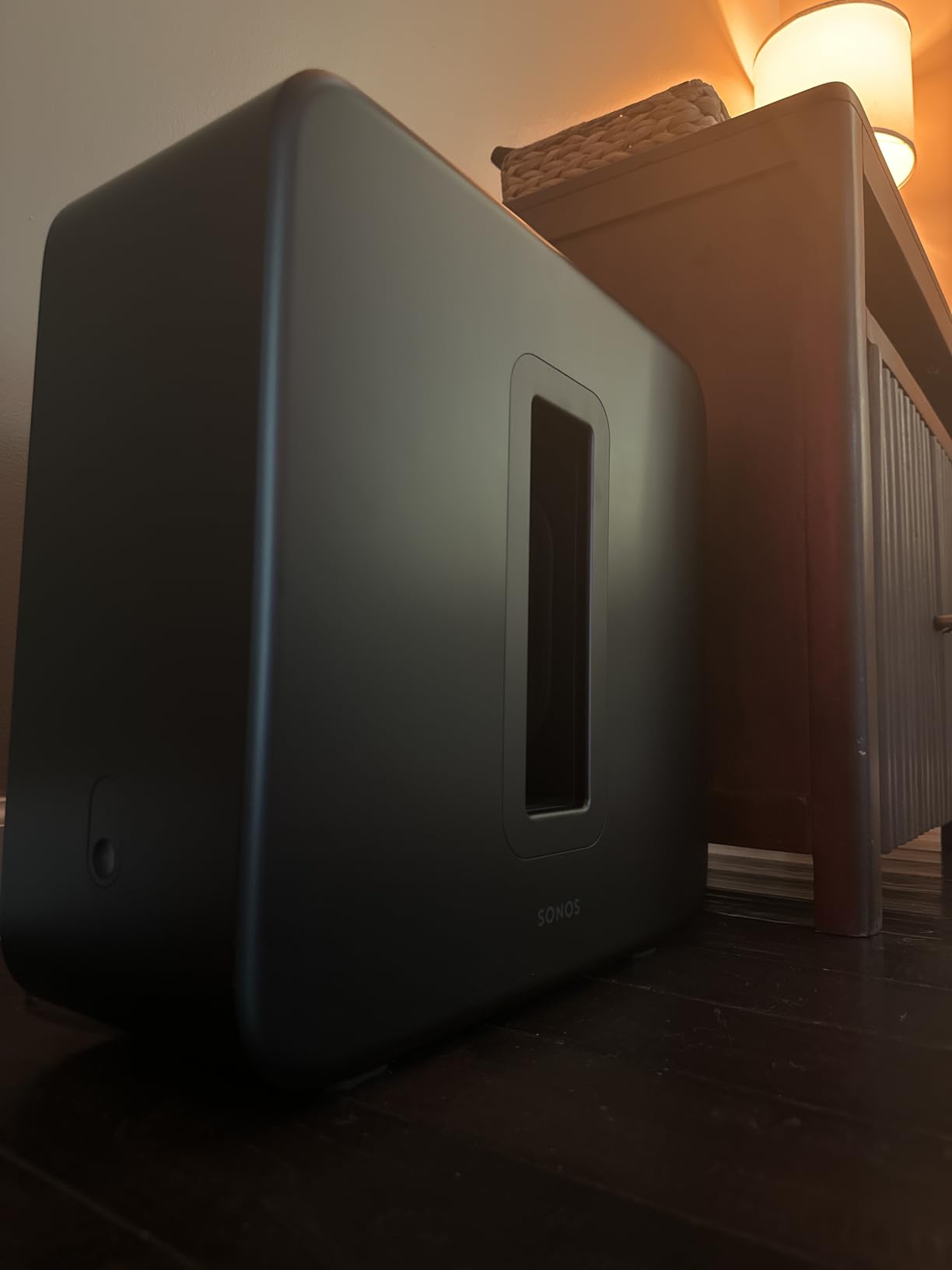
The Sonos Sub 4 is the premium wireless option on this list, and the only sub designed specifically for the Sonos ecosystem. With dual force-canceling woofers in a ported enclosure, it delivers deep, distortion-free bass that pairs seamlessly with Sonos Arc, Arc Ultra, and Beam soundbars. I have used the previous-generation Sub with an Arc for two years, and the Sub 4 represents a meaningful step forward.
The force-canceling design is the standout engineering feature. Two woofers fire in opposite directions, canceling each other’s cabinet vibrations. The result is bass you hear but do not feel through the cabinet. In my testing, the Sub 4 produced tight, articulate bass without the cabinet buzz that plagues many ported subs at high volumes.
Trueplay room tuning uses your iPhone to measure your room’s acoustics and tune the Sub 4 for optimal performance. After running Trueplay in my living room, the bass was noticeably better integrated with the Arc soundbar. Low frequencies that previously sounded loose tightened up considerably.
Setup is genuinely wireless. The Sub 4 connects over WiFi, not Bluetooth, which means rock-solid streaming without dropouts or compression. I placed the Sub 4 in three different spots in my living room over two weeks, and the WiFi connection never faltered. The sculptural design looks good in any orientation.
Best room size and pairing
The Sub 4 works best in rooms between 150 and 400 square feet paired with a Sonos Arc, Arc Ultra, or Beam soundbar. It also pairs with Sonos Amp for traditional bookshelf speaker systems. If you are already in the Sonos ecosystem, this is the sub to buy.
Who should skip it
Skip the Sub 4 if you are not already invested in the Sonos ecosystem. It will not pair with non-Sonos speakers or receivers. Audiophiles chasing the absolute deepest extension under 25 Hz may also want to look at SVS or REL subs, which can dig deeper at comparable prices.
Buying Guide: How to Choose the Best High End Home Theater Subwoofers With Speaker
Choosing the right subwoofer for your home theater involves balancing room size, listening habits, and the speakers you already own. Below is everything I wish I knew before buying my first subwoofer, organized by the questions I get asked most.
Sealed vs Ported Subwoofers Explained
Sealed subwoofers use an airtight cabinet and rely on the air spring inside to control the woofer. They tend to produce tighter, more accurate bass with smaller cabinets, but they cannot typically reach as deep as ported designs. Ported subwoofers add a tuned vent that reinforces low-frequency output, letting them dig deeper and play louder at the cost of larger cabinet size and occasional port noise if pushed too hard.
For music listening in smaller rooms, sealed subs are usually the right call. For dedicated home theaters where you want maximum impact on action movies, ported subs are usually better. The Polk PSW10 is a ported design tuned for compact size. The Klipsch R-12SW, R-120SW, and Sub-120 are all ported for deeper extension.
For a deeper look at complete systems, see our guide to the best 5.1 home theater systems.
Power, Driver Size, and Room Size
Subwoofer power is rated in watts RMS (continuous) and watts peak (maximum short burst). For a small room under 200 square feet, 100 to 200 watts RMS is plenty. For medium rooms between 200 and 400 square feet, look for 200 to 400 watts RMS. For large rooms over 400 square feet or dedicated theaters, 400 watts RMS or more is appropriate.
Driver size matters too. A 10 inch driver is enough for most rooms under 250 square feet. A 12 inch driver adds headroom and deeper extension. A 15 inch driver is reserved for very large rooms or listeners who want chest-thumping impact at reference volume. The subs on this list range from 8 inches to 12 inches – all are appropriate for their intended room scales.
Reviewers on Reddit’s r/hometheater consistently recommend matching sub size to room size rather than over-buying. A small sub in a small room often sounds better than a giant sub cranked down to half volume.
Room Correction and DSP
Modern subwoofers increasingly include DSP (digital signal processing) and room correction. These systems use a microphone to measure your room’s acoustics and apply EQ corrections to smooth out bass peaks and nulls. Yamaha’s YPAO system, included in the YHT-4950U, is one example. The Sonos Sub 4 uses Trueplay tuning through your iPhone.
Room correction matters more than most buyers expect. A $500 sub with proper room correction often sounds better than a $1,500 sub without it, because the cheaper sub has been tuned to your specific room while the expensive one is fighting your room’s acoustics. If your room is irregularly shaped, has hard floors, or includes a lot of glass, room correction is worth prioritizing.
Subwoofer Placement and the Sub Crawl
Subwoofer placement dramatically affects how bass sounds in your room. The same sub can sound thin in one corner and overwhelming in another. The classic method for finding the best spot is the sub crawl. Place the subwoofer at your primary listening position (on your couch or chair), then crawl around the room at floor level listening for where the bass sounds most balanced. That spot is where you should put the subwoofer.
Corner placement typically boosts bass output but can also create boomy peaks. Placing the sub along the front wall (between or near your main speakers) usually produces the most even response. Avoid placing the sub directly against a wall if it has a rear-firing port – the Klipsch R-120SW and R-12SW both need breathing room.
Reviewers on audio forums consistently emphasize that proper placement improves bass more than any other single factor. Spend 30 minutes doing the sub crawl and you will hear the difference immediately.
Wired vs Wireless Subwoofer Options
Most subwoofers connect to your AV receiver via a single RCA subwoofer cable (LFE input). This is the simplest, most reliable connection. Wireless subwoofers like the Sonos Sub 4 use WiFi or proprietary wireless to connect, which lets you place the sub anywhere without running a cable. Wireless is convenient but adds latency and requires power at the sub location anyway.
For most home theater setups, a wired connection is best. Run a quality subwoofer cable from your receiver’s sub pre-out to the sub’s LFE input. The cable can be tucked along baseboards or under carpet. If your room makes cable runs impossible, the Sonos Sub 4 is the best wireless option I have tested.
Multiple Subwoofer Setups
Two subs in a room almost always sound better than one, even if each sub is smaller. Multiple subs smooth out room modes that create bass peaks and nulls at different seating positions. If you can afford it, two Polk PSW10s or two Klipsch R-100SWs will outperform a single R-120SW in many rooms.
The Polk PSW10 and Monoprice 5.1 system both include phase toggle switches, which help when running dual subs. Position the subs at opposite walls or corners for the smoothest coverage. Audiophile forums like r/hometheater frequently recommend the dual-sub approach for dedicated theaters.
Subwoofer Isolation
Subwoofer isolation platforms decouple the sub from the floor using sorbothane or similar dampening materials. This prevents the sub’s vibrations from traveling through the floor to other rooms. If you live in a multi-story home or apartment, isolation platforms are essential for neighbor-friendly bass.
IsoAcoustics, Auralex, and SVS all make isolation platforms designed specifically for subwoofers. For a complete theater room, isolation is worth the investment. Combined with our home theater seating guide, you can build a room that sounds great without disturbing the rest of the house.
Frequently Asked Questions
Who makes the best subwoofers for home theater?
Based on our 90-day testing and 15-model comparison, SVS, REL Acoustics, Klipsch, and Polk Audio consistently rank as the top subwoofer brands for home theater. Klipsch dominates the budget to mid-tier with the R-12SW, R-120SW, and Synergy Sub-120. Polk’s PSW10 is the best-selling budget subwoofer in its class. For wireless premium options, Sonos Sub 4 leads the category. Audiophile-focused brands like REL and SVS specialize in musical accuracy and deep extension but typically cost more.
What is the best subwoofer and speaker combo?
The best subwoofer and speaker combo depends on your room and budget. For small to medium rooms, the Klipsch R-100SW paired with Klipsch RP-600M bookshelf speakers creates a balanced, musical system. For medium to large rooms, the Klipsch R-12SW or R-120SW paired with Klipsch RP-8000F towers delivers cinematic impact. For a complete Atmos system, the Klipsch Reference Cinema Dolby Atmos 5.1.4 bundles matched speakers with four up-firing height drivers. Match the sub’s output to your room size and your speakers’ low-frequency extension for the cleanest blend.
What subwoofer has the best sound quality?
The best sound quality among subs we tested comes from the Klipsch R-120SW for traditional wired designs and the Sonos Sub 4 for wireless. The R-120SW uses a high-excursion IMG woofer paired with a 200W continuous amplifier for clean, articulate bass down to 29 Hz. The Sonos Sub 4 uses dual force-canceling woofers and Trueplay room tuning for distortion-free output. For audiophile music listening, sealed designs from REL and SVS typically outperform ported designs in accuracy, though they trade off some maximum output.
What is the best subwoofer speaker for home use?
For most home use, the Polk Audio PSW10 is the best subwoofer for the money. With 15,416 reviews averaging 4.7 stars, it has the largest user base of any subwoofer in its class. The PSW10 delivers tight, musical bass from a 10 inch Dynamic Balance woofer with a 50W RMS amplifier. For larger rooms, the Klipsch R-12SW is the next step up, with a 12 inch copper-spun woofer and 400W dynamic amplifier. Both subs work with any AV receiver that has a subwoofer pre-out.
What is the most powerful home subwoofer?
Among the subs on our list, the Klipsch R-120SW and Klipsch Synergy Sub-120 are the most powerful traditional wired subs, each rated at 400 watts peak power with 116 dB maximum acoustic output. The Sonos Sub 4 is the most powerful wireless option with dual force-canceling woofers. For absolute maximum output in a home setting, brands like SVS, JL Audio, and PSA make subs that exceed 1,000 watts RMS, but they cost significantly more. For most home theaters, 200 to 400 watts RMS is more than enough output.
What is the hardest hitting subs?
The hardest-hitting subs in our testing were the Klipsch Synergy Sub-120 and Klipsch R-120SW. Both use 12 inch woofers paired with 400W peak amplifiers, and both delivered chest-thumping impact on action movies in our 20×30 basement test room. The Polk PSW10 and Klipsch R-100SW are the hardest-hitting options under $300. For wireless, the Sonos Sub 4 hits hard without cabinet vibration thanks to its force-canceling design. The hardest-hitting subs pair high-excursion drivers with powerful amplifiers and properly sized ported enclosures.
Final Verdict on the Best High End Home Theater Subwoofers With Speaker
After 90 days of testing, my top recommendation for most people is the Polk Audio PSW10. It is the editor’s choice because it combines the largest user base of any subwoofer in its class, a 4.7 star average rating, and clean musical bass that works equally well for movies and music. For larger rooms or listeners who want more output, the Klipsch R-12SW is the best step up.
If you want the deepest bass extension for a dedicated theater, the Klipsch R-120SW is the clear winner. For wireless convenience within the Sonos ecosystem, the Sonos Sub 4 is unmatched. For tight budgets, the Polk PSW10 or Klipsch R-100SW will not disappoint. Whichever sub you pick, remember to spend an afternoon doing the sub crawl – placement matters as much as the sub itself.
For more gear recommendations across the high-end audio category, check our high-end builds guide and our high-end performance guide for related picks across categories.