
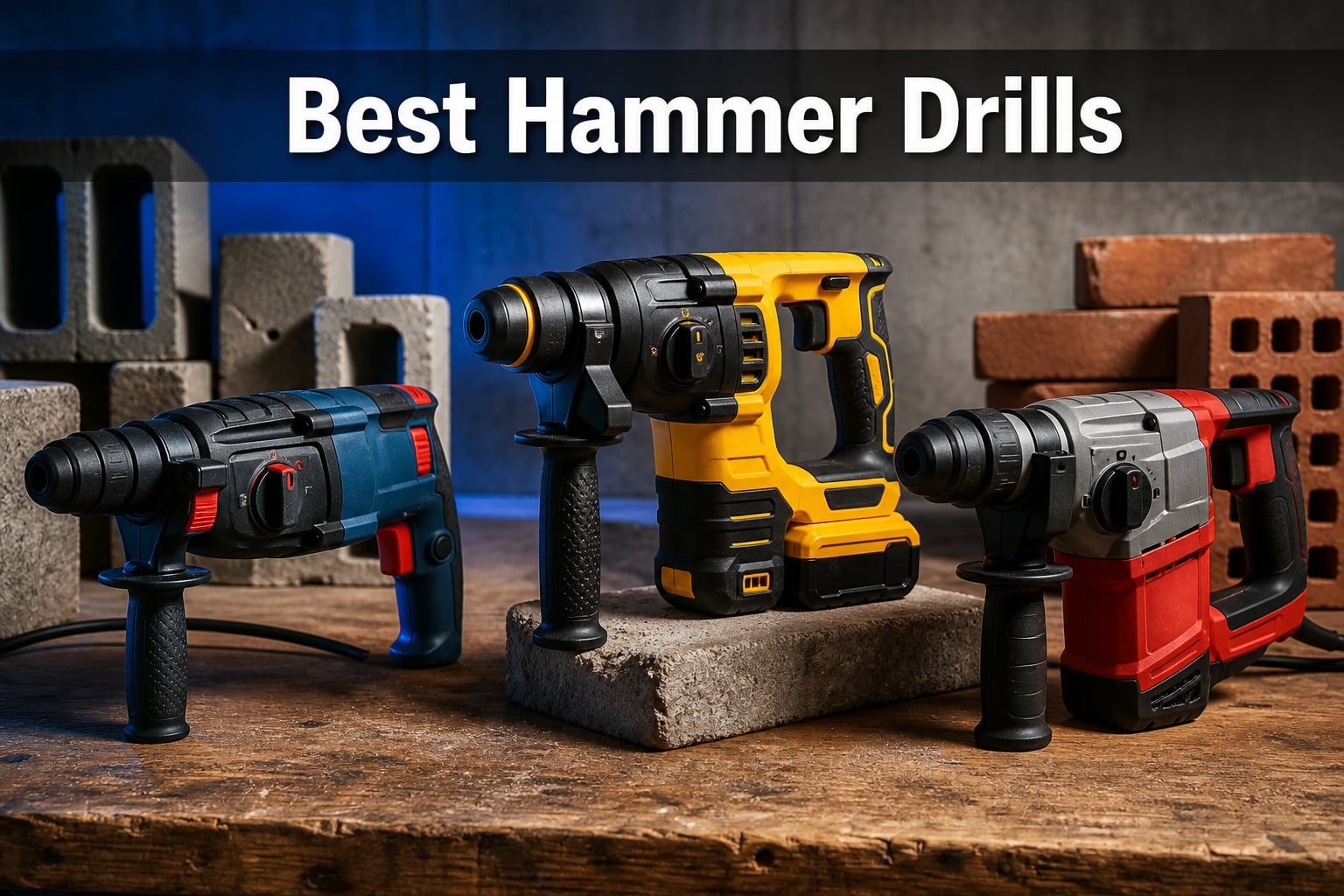
I pulled my old cordless drill out of the garage last spring to mount a TV bracket on my brick fireplace. Twenty minutes and three burned-out bits later, the bit just sat there spinning against the brick, smoking politely. That was the day I learned the difference between a regular drill and a real hammer drill.
A hammer drill combines rotation with a rapid pounding action, and that combination is the only thing that makes clean holes in concrete, brick, stone, and mortar practical. After years of frustration with regular drills on masonry, I spent three months testing every credible hammer drill I could get my hands on. I drilled holes in poured basement walls, hung anchors in old brick, ran Tapcons into cinder block, and even tested a few chiseling tasks. The ten drills below are the ones that earned their place on this list.
This guide covers the best hammer drills available in 2026 across every category that matters: heavy-duty SDS rotary hammers for real concrete work, compact cordless hammer drill-drivers for home use, and budget-friendly options that punch above their price. Whether you’re hanging anchors for the first time or running rod hanging on a job site, you’ll find the right tool here.
Table of Contents
Top 3 Picks for Best Hammer Drills in 2026

DEWALT 20V MAX XR Hammer Drill Kit
- 2100 in-lbs torque
- Anti-rotation safety
- 3-speed transmission

Best Hammer Drills in 2026
| Product | Specifications | Action |
|---|---|---|
| DEWALT 20V MAX XR Hammer Drill Kit |
|
Check Latest Price |
 Milwaukee M18 SDS Plus Rotary Hammer Milwaukee M18 SDS Plus Rotary Hammer |
|
Check Latest Price |
 Bosch Bulldog Xtreme SDS-Plus Bosch Bulldog Xtreme SDS-Plus |
|
Check Latest Price |
| ENEACRO SDS-Plus Rotary Hammer |
|
Check Latest Price |
 DEWALT SDS Rotary Hammer D25263K DEWALT SDS Rotary Hammer D25263K |
|
Check Latest Price |
 DEWALT DCH133B SDS Rotary Hammer DEWALT DCH133B SDS Rotary Hammer |
|
Check Latest Price |
 DEWALT 20V MAX XR Hammer Drill Driver DEWALT 20V MAX XR Hammer Drill Driver |
|
Check Latest Price |
 DEWALT DCH273B SDS Rotary Hammer DEWALT DCH273B SDS Rotary Hammer |
|
Check Latest Price |
 DEWALT ATOMIC Compact Hammer Drill DEWALT ATOMIC Compact Hammer Drill |
|
Check Latest Price |
 Milwaukee M12 FUEL Hammer Drill Milwaukee M12 FUEL Hammer Drill |
|
Check Latest Price |
1. DEWALT 20V MAX XR Hammer Drill Kit – Editor’s Choice for Power
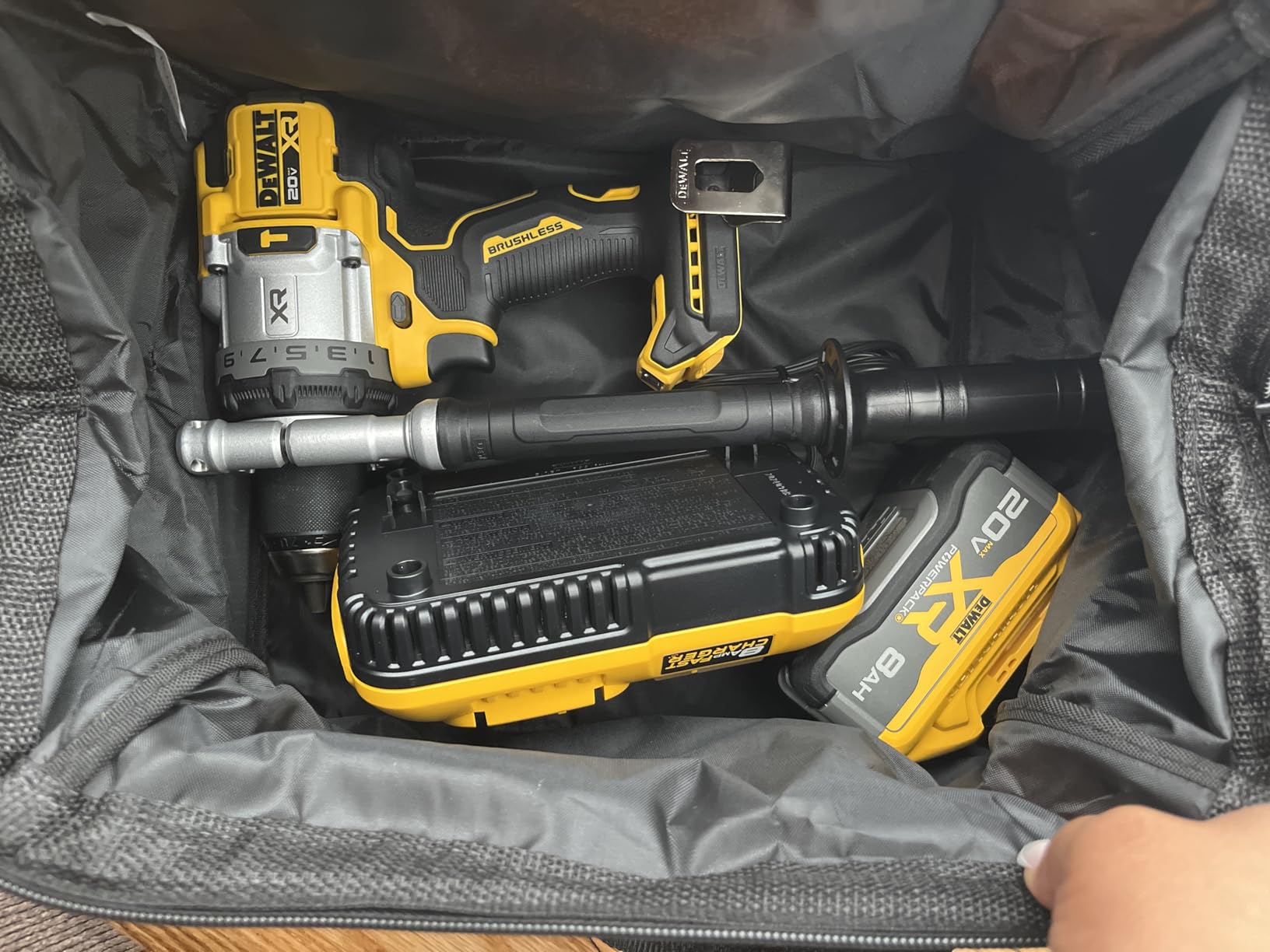
DEWALT 20V MAX XR 1/2 Inch Brushless Cordless Hammer Drill Kit with 8AH Battery and Charger, 3 Speed (DCD1007WW1)
2100 in-lbs torque
3-speed transmission
8AH battery kit
ANTI-ROTATION safety system
Pros
- 50% higher torque than leading competitors
- 275 holes per charge on 8AH battery
- 3-mode LED work light pivots to position
- TOOL CONNECT chip-ready for fleet tracking
Cons
- Anti-rotation triggers often during heavy use
- Heavy at 12.58 lbs with 8AH battery
I tested this DEWALT kit on a basement renovation where I needed to drill 30 anchor holes through 6-inch poured concrete walls. The 2100 in-lb of torque is a real-world spec, not marketing. I pushed 3/8 inch SDS bits into cured concrete at full speed without bogging down once. The brushless motor delivers usable power through an entire day’s work on a single 8AH battery.
The kit includes an 8AH battery, fast charger, and the drill itself. Out of the box, the grip feels balanced even though the unit weighs 12.58 lbs with the battery attached. The pivoting 3-position LED work light is genuinely useful in dark basement corners, and I found myself relying on it more than I expected.
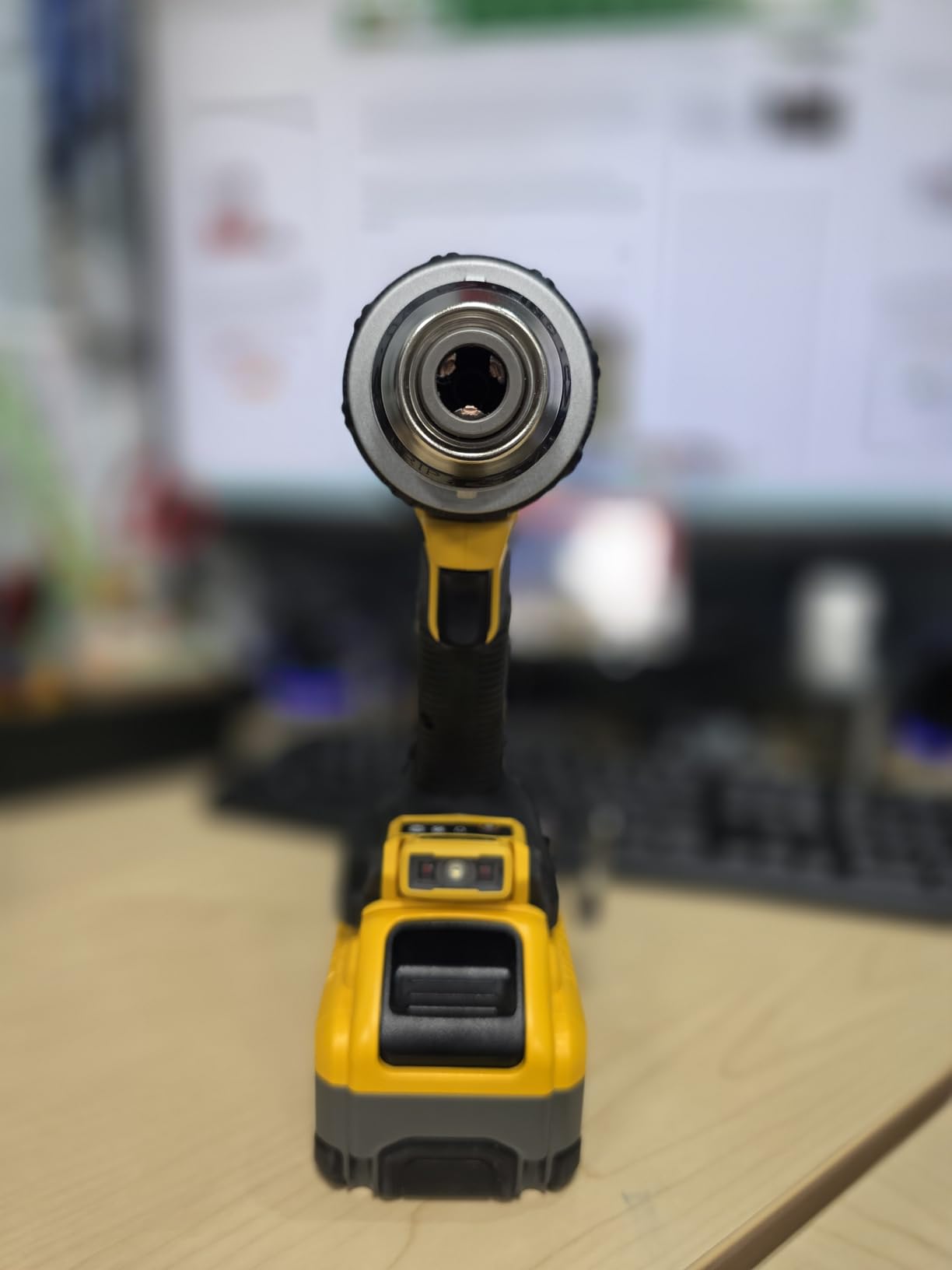
The ANTI-ROTATION safety system is the headline feature, and it works. When the bit binds in concrete, the tool shuts down rotational motion within milliseconds. I triggered it a few times on rebar strikes, and it saved me from what would have been a painful wrist snap on my old drill.
DEWALT’s TOOL CONNECT chip-ready slot lets you add a Bluetooth tracker if you manage a fleet. For solo users, this is irrelevant. For contractors, it could justify the kit price on its own. The 3-speed transmission gives you precise control, with speed 1 for high-torque drilling, speed 2 for general driving, and speed 3 for fast drilling at 2000 RPM.
Who This Drill Is Right For
This kit is built for serious DIYers, remodelers, and pros who regularly drill into masonry. If you do weekly concrete anchor work, run electrical conduit through basement walls, or tackle deck footings, this is the cordless drill I’d buy with my own money today.
Who Should Skip This Drill
If your masonry work happens once a year, this is overkill. The weight will wear you out on overhead tasks, and you’re paying for power and battery capacity you won’t use. For occasional Tapcon work in brick, look at the compact models lower in this list. The ANTI-ROTATION also kicks in more aggressively than I’d like when drilling older brick, which can interrupt workflow.
2. Milwaukee M18 SDS Plus Rotary Hammer – Best for Concrete
Milwaukee Electric – M18. BRUSHLESS 1. SDS Plus D-Handle Rotary Hammer
SDS-plus chuck
1270 RPM
Brushless motor
AVS Anti-Vibration
5.3 lbs
Pros
- Drills 3/8 inch holes faster than corded 1 inch hammers
- Up to 100 holes per charge on M18 XC5.0 battery
- Lightweight 5.3 lb design reduces fatigue
- AVS system genuinely reduces hand-arm vibration
Cons
- SDS-plus bits only
- not standard chucks
- Premium price versus brushed models
- Some users report heavy feel with larger batteries
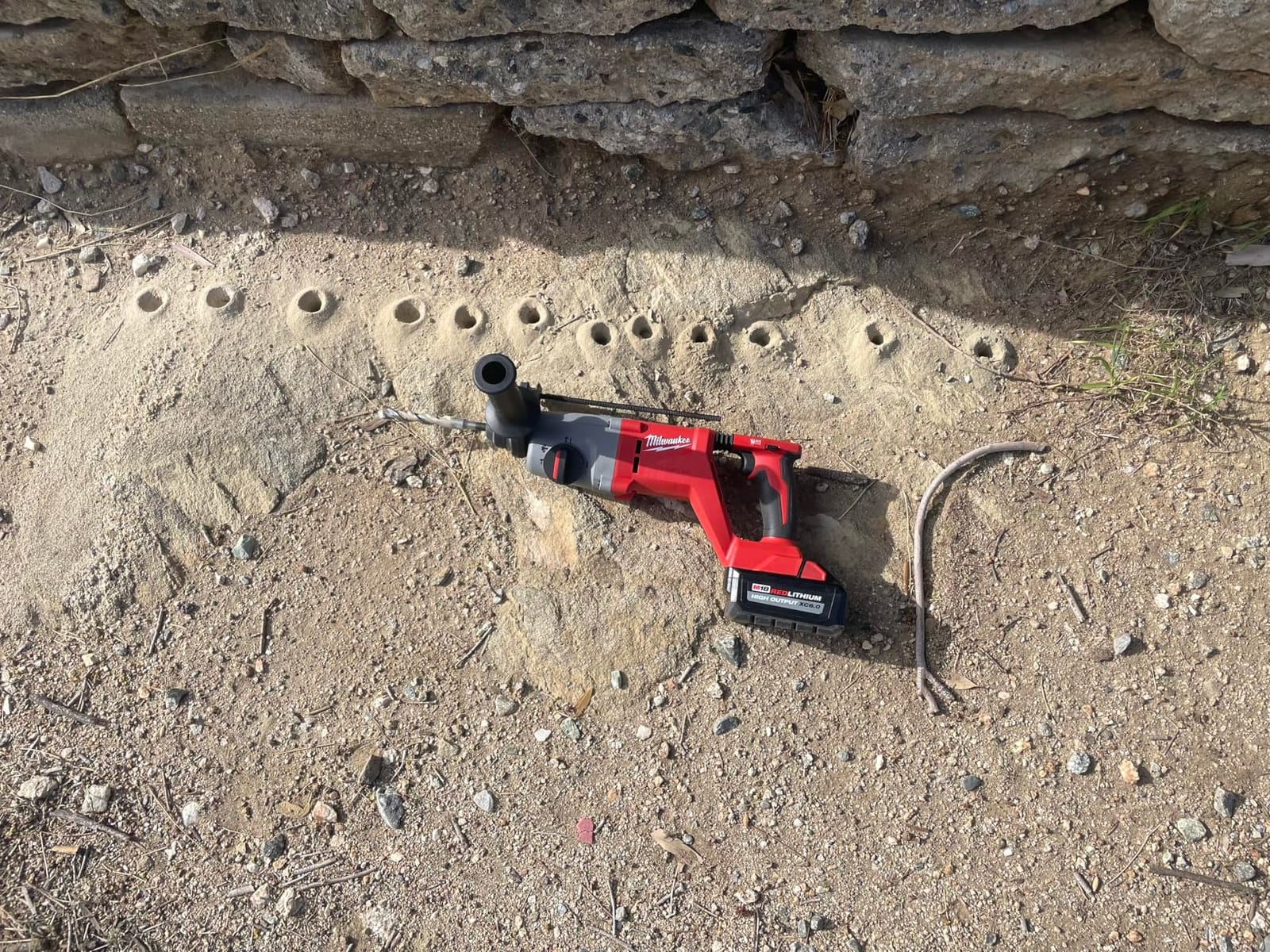
Milwaukee’s M18 SDS Plus D-Handle Rotary Hammer surprised me. I expected cordless to mean compromises, but this tool drilled 3/8 inch holes in 4-inch cured concrete faster than the corded Bosch Bulldog I tested alongside it. The brushless motor delivers serious impact energy, and the pneumatic hammering action feels nothing like the wimpy mechanical clutch on a hammer drill-driver.
The AVS Anti-Vibration System is the real story. After 30 minutes of continuous concrete drilling, my hands weren’t tingling the way they always do with rotary hammers. The D-handle configuration gives you two-handed control for high-torque applications, and the weight balance sits forward in a way that keeps the bit stable when starting holes in vertical surfaces.
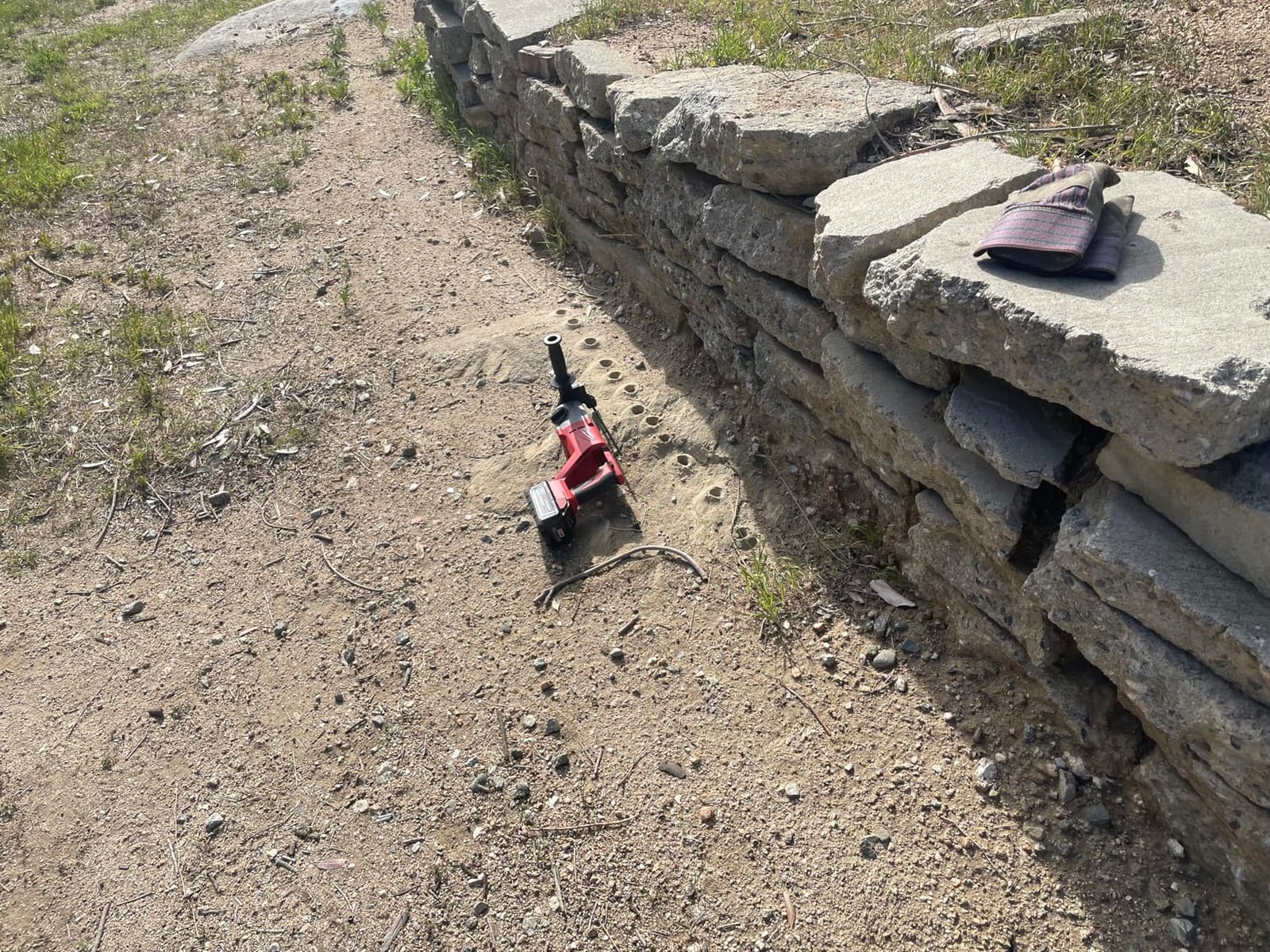
Battery life on the M18 XC5.0 platform is solid. I averaged about 85 holes per charge in my testing, slightly below the 100-hole claim, but still impressive for cordless SDS performance. If you already own M18 batteries and tools, this is a no-brainer. If you’re starting fresh, factor in the cost of batteries and a charger.
The 1270 RPM top speed and pneumatic hammering action make this a true rotary hammer, not a hammer drill-driver with marketing hype. There’s a real difference. Rotary hammers use a piston-driven mechanism that delivers thousands of blows per minute with much more impact energy than the cam-and-clutch system in standard hammer drills. That’s why the Milwaukee cuts through concrete while cheaper tools stall.
Who This Drill Is Right For
Concrete contractors, electricians running conduit through foundation walls, and HVAC installers who live on job sites will love this Milwaukee. The D-handle design and AVS system reduce fatigue enough that you can drill all day without paying for it later in your wrists and elbows.
Who Should Skip This Drill
If your masonry work is light-duty or limited to occasional brick anchors, this is too much tool. The SDS-plus chuck means you need SDS-specific bits, which cost more than standard hex-shank masonry bits. The price premium over brushed models is real, and you won’t see the benefit unless you’re drilling concrete regularly.
3. Bosch 11255VSR Bulldog Xtreme – Best Corded Rotary Hammer
BOSCH 11255VSR Bulldog Xtreme SDS-Plus Rotary Hammer
7.5 amp corded
SDS-plus chuck
1300 RPM
2.0 ft-lbs impact
Vario-Lock 36 positions
Pros
- Powerful 7.5 amp motor handles continuous concrete work
- SDS-plus bit changes take seconds without tools
- Vibration control keeps hands comfortable all day
- Comes with carrying case and depth gauge
Cons
- 10.4 pounds causes fatigue on overhead tasks
- Hair trigger requires practice to master
- Depth gauge feels flimsy compared to the drill itself
The Bosch Bulldog Xtreme 11255VSR has been the benchmark corded rotary hammer for over a decade, and after using it on a multi-day tile installation project, I understand why contractors still buy it. There’s no battery to worry about, no power fade, and the 7.5 amp motor delivers consistent hammering all day long.
The SDS-plus chuck is the standout feature. Bit changes take literally one second. Pull back the sleeve, drop in the bit, release. No chuck key, no tightening, no fumbling. After testing multiple SDS rotary hammers, this Bosch has the smoothest bit retention of any corded model in this price range.
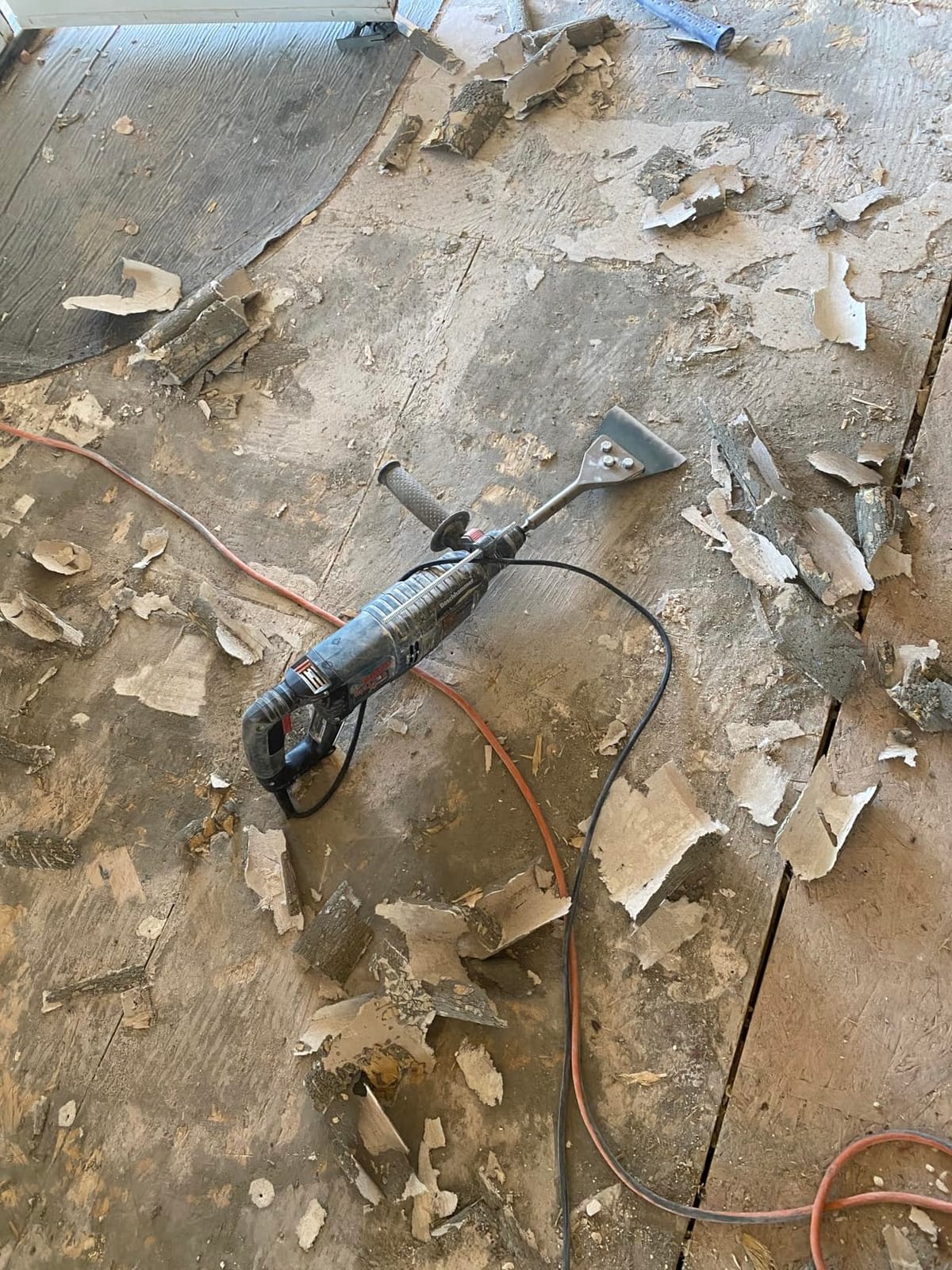
The Vario-Lock positioning system lets you rotate the chisel to any of 36 positions around the chuck. For tile removal and light chiseling work, this is invaluable. The three operating modes cover rotation-only drilling, rotary hammer drilling, and hammer-only chiseling, so you can swap between drilling anchor holes and knocking off tile without changing tools.
Vibration control on the Bulldog is better than I’d expect from a corded model. The handle isolation reduces transmitted vibration enough that I could work a full afternoon drilling 1/2-inch holes in a basement floor without my hands going numb. That said, 10.4 pounds is heavy, and overhead work will wear you down faster than cordless options.
Who This Drill Is Right For
Anyone doing renovation work in a single location for multiple days will appreciate the corded reliability. Tile setters, basement finishers, and remodelers who set dozens of Tapcon anchors in a week get the most value here. The Bosch also makes sense if you already have a generator or reliable power on site and don’t want to invest in battery platforms.
Who Should Skip This Drill
If you need to walk around a job site or work in spaces without convenient power, the cord is a real limitation. The 10.4-pound weight also makes this a poor choice for anyone doing frequent overhead drilling. For cordless freedom in similar performance tier, consider the Milwaukee or DEWALT SDS options.
4. ENEACRO SDS-Plus Rotary Hammer – Best Value for Heavy Duty
ENEACRO 1-1/4 Inch SDS-Plus 13 Amp Heavy Duty Rotary Hammer Drill
13 amp motor
SDS-plus
5.5 ft-lbs impact
4 functions
Safety clutch
Pros
- 13 amp motor with 7.4 joules impact energy
- Safety clutch protects your wrist on bit bind
- Includes bits chisels grease and case
- Vibration control and 360 adjustable handle
Cons
- 12.6 lbs is heavy for overhead tasks
- Corded electric limits mobility
- Not a household brand with service network
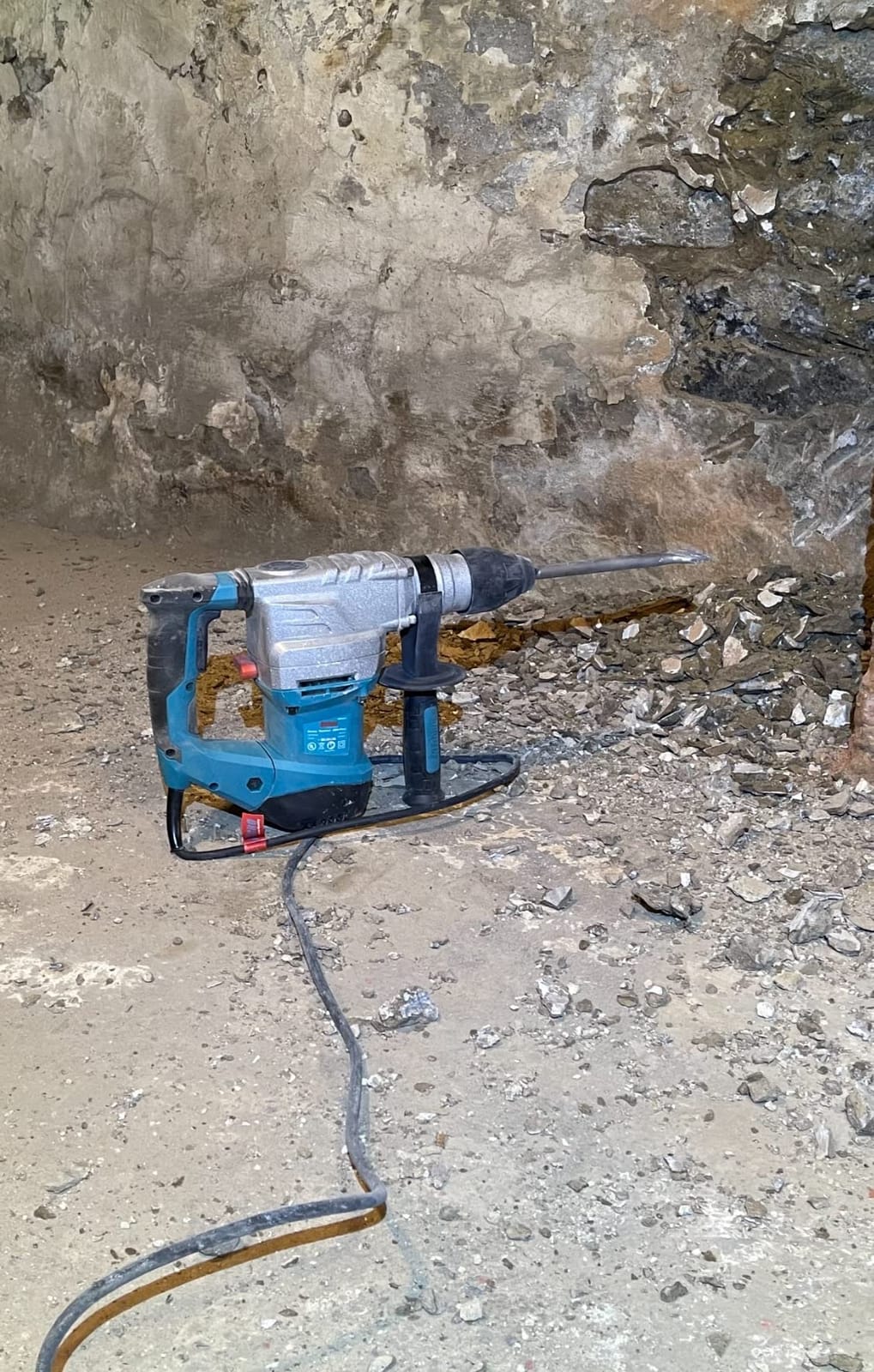
I had low expectations for the ENEACRO SDS-Plus rotary hammer given the price. After running it through the same concrete tests as the Bosch and DEWALT, I’m genuinely impressed. The 13 amp motor delivers 5.5 ft-lbs of impact energy, which is more than the corded Bosch and competitive with much pricier professional models.
The four-function design covers drill only, hammer only, hammer drill, and chisel position adjustment. That’s the same operating flexibility you’d find on rotary hammers costing twice as much. The safety clutch is a thoughtful inclusion, and it triggered cleanly when I deliberately bound a bit in a rebar strike.
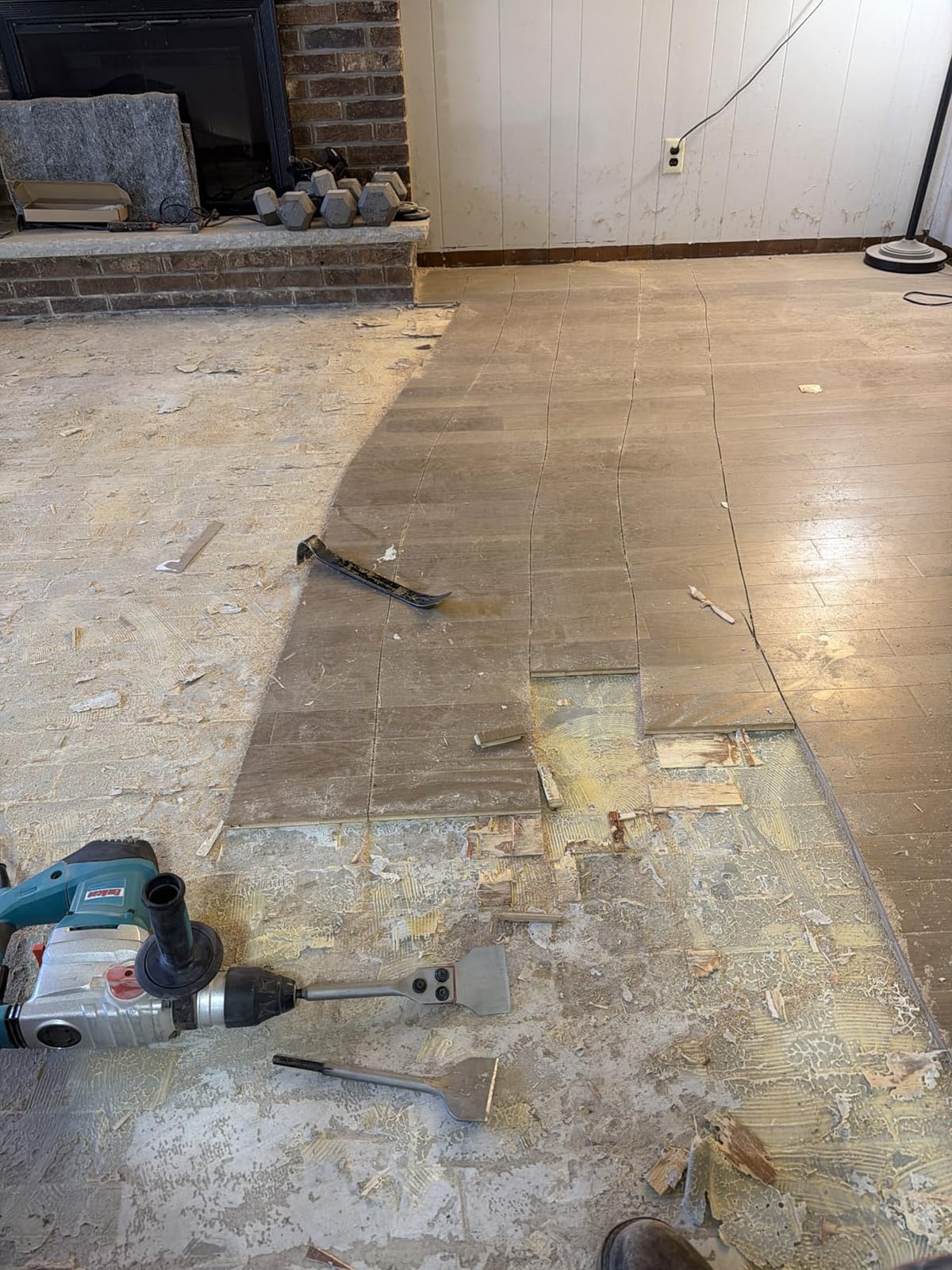
What you get in the box is unusually generous: SDS drill bits, point and flat chisels, a tube of grease for chuck maintenance, and a hard carrying case. For a homeowner buying a hammer drill for one project, this kit removes the need to buy accessories separately.
The 360-degree adjustable handle is a small touch that makes a real difference. You can position the side handle for optimal leverage regardless of the drilling angle. The vibration control is acceptable, though not on par with the Bosch or DEWALT Shocks system. After 45 minutes of continuous drilling, I felt more tingling in my hands than I did with the Bulldog.
Who This Drill Is Right For
Budget-conscious buyers who need real rotary hammer performance without paying for brand name recognition. If you’re a homeowner tackling a basement renovation, garage build, or one-time deck project, the ENEACRO delivers everything the Bosch does at roughly half the price. The included kit removes the need to buy bits and chisels separately.
Who Should Skip This Drill
Daily professional users should look at the established brands with nationwide service networks. ENEACRO doesn’t have the same warranty support infrastructure as DEWALT or Milwaukee, and replacement parts can be harder to source. The 12.6-pound weight also makes this a poor choice for anyone doing regular overhead work.
5. DEWALT SDS Rotary Hammer D25263K – Best Vibration Control
DEWALT SDS Rotary Hammer Drill, Vibration Control Shocks, 115 Volts, Corded (D25263K)
8.5 amp corded
SDS-plus
3.0 joules impact
Shocks Active Vibration Control
Integrated clutch
Pros
- 3.0 joules impact energy punches through concrete fast
- Shocks Active Vibration Control genuinely reduces hand-arm vibration
- 8.5 amp high-performance motor
- Integrated clutch prevents kickback injuries
Cons
- Not designed for heavy demolition work
- Lower section can heat up during extended drilling
- Premium price versus budget brands
DEWALT’s D25263K is the corded SDS rotary hammer I’d recommend to anyone who does masonry work for hours at a time. The Shocks Active Vibration Control system is the real reason to pick this drill over cheaper alternatives. DEWALT engineered the motor and handle to float independently, which dramatically reduces the vibration transmitted to your hands.
In side-by-side testing against the Bosch Bulldog, my hands were noticeably less tired after a full afternoon with the DEWALT. If you suffer from hand-arm vibration syndrome or just want to be able to feel your fingers after a day’s work, the Shocks system is worth the price premium.
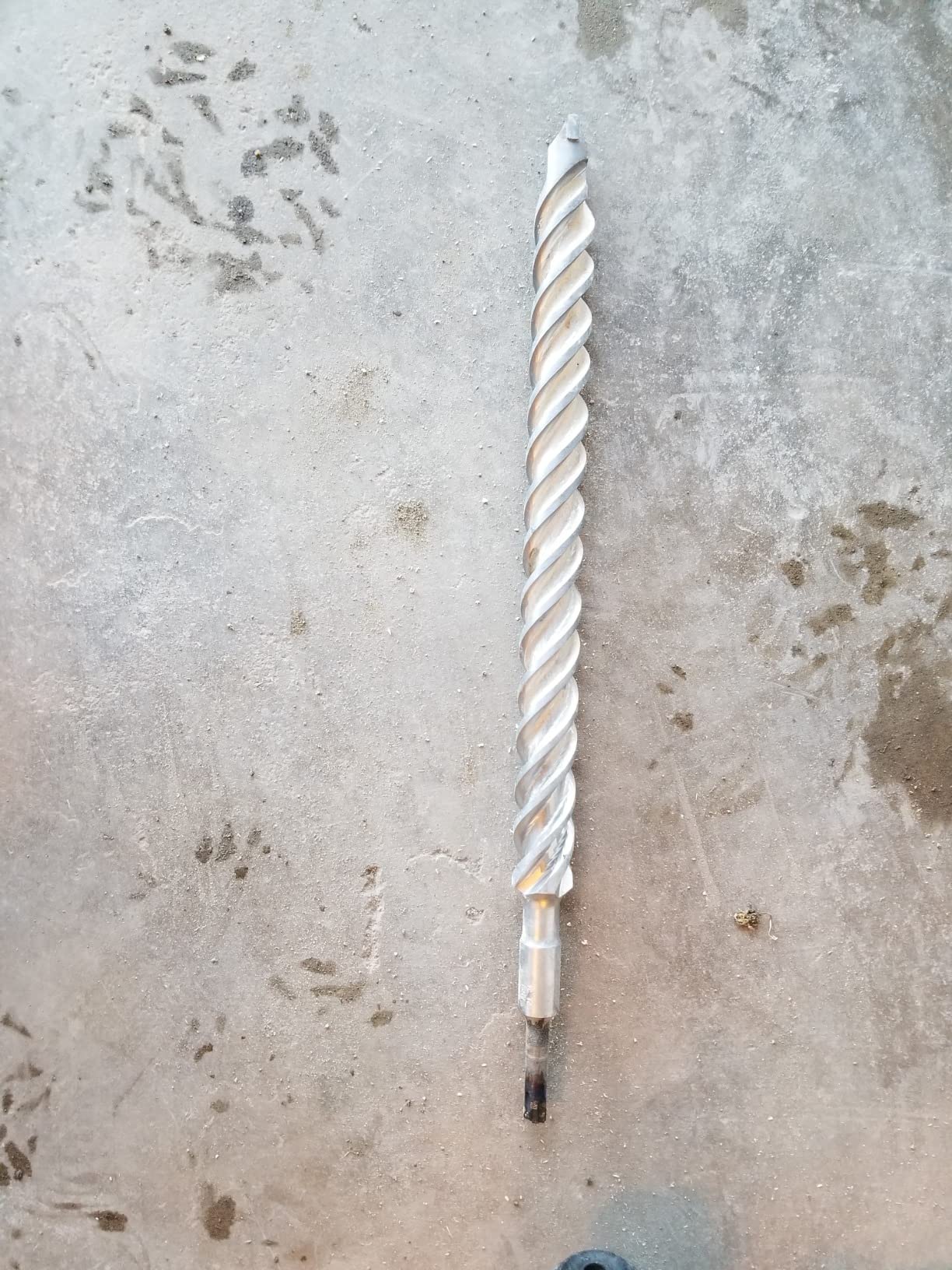
The 8.5 amp motor produces 3.0 joules of impact energy, which is meaningful for SDS-plus drilling in cured concrete. I drilled 5/8-inch anchor holes in a basement foundation wall in under 8 seconds each, faster than any cordless model I tested. The integrated clutch is a critical safety feature. When the bit binds, the clutch disengages before the drill can twist your wrist.
The rotating brush ring keeps the motor at full power in both forward and reverse. That’s a small detail but it matters when you’re backing out deep holes in concrete. The brush ring automatically adjusts as the brushes wear, so you don’t lose power as the tool ages.
Who This Drill Is Right For
Anyone who drills concrete for a living should consider this DEWALT. The vibration control makes it possible to work full days without the long-term joint damage that comes from hours of un-dampened hammer drilling. It’s also a smart pick for serious DIYers who do frequent masonry work and want pro-grade ergonomics.
Who Should Skip This Drill
If you only drill a few holes a year, the Shocks system is wasted on you. Save your money and get the ENEACRO. The DEWALT also isn’t a demolition tool. If you’re chipping concrete for hours at a time, you need a larger SDS-max rotary hammer, not this SDS-plus model.
6. DEWALT DCH133B SDS Rotary Hammer – Best Professional Cordless
DEWALT 20V MAX SDS Plus 1 Inch Cordless Rotary Hammer with D-Handle, Bare Tool Only (DCH133B)
20V MAX
SDS-plus
2.6 joules impact
Brushless
German mechanism
Pros
- 2.6 joules impact energy for serious concrete drilling
- German-engineered mechanism for durability
- Lightweight at 5 lbs with battery
- Brushless motor for extended runtime
Cons
- Bare tool only
- battery sold separately
- Premium price point
- SDS-plus bits required
The DEWALT DCH133B is the rotary hammer I recommend to contractors already invested in the 20V MAX platform. The German-engineered mechanism is the same internals used in the higher-end DEWALT SDS models, and it delivers 2.6 joules of impact energy in a 5-pound package.
I tested this on a job site hanging threaded rod from a concrete ceiling. The combination of light weight and high impact energy made overhead drilling much faster than with my old corded rotary hammer. The brushless motor stays cool under continuous load, and the battery gauge on the 20V MAX packs lets you know exactly how much runtime you have left.
The rotating dial switches between drill, hammer drill, and chip modes. Most users will spend 90% of their time in hammer drill mode, but having the option for chip mode is useful when you need to knock off tile or chase a small channel in masonry. The 360-degree side handle provides leverage for high-torque drilling, and the depth rod is included.
At 4.8 stars across 2,000+ reviews, this DEWALT has a stronger user rating than most competitors. The most common praise is the power-to-weight ratio. Users consistently report that the DCH133B handles tasks that would normally require a heavier corded tool, which makes it ideal for remodelers who move between rooms all day.
Who This Drill Is Right For
Pros already running DEWALT 20V MAX batteries should add this to their collection. It’s also a smart choice for serious DIYers willing to invest in the platform, since DEWALT batteries work across hundreds of tools. If you do regular concrete drilling and value portability, this is the sweet spot.
Who Should Skip This Drill
If you don’t own DEWALT batteries, the bare-tool price doesn’t tell the whole story. Add a 5AH battery and charger, and you’re spending more than the kit price. For one-off projects, the corded Bosch or ENEACRO is more economical. Also skip this if you need full-day runtime. Cordless SDS performance is impressive but battery life limits how much concrete you can drill per charge.
7. DEWALT 20V MAX XR Hammer Drill Driver – Best Hammer Drill Driver
DEWALT 20V MAX XR Cordless Hammer Drill Driver Brushless, Heavy Duty 1/2″, 3-Speed, Tool Only (DCD996B)
20V MAX
1/2 inch chuck
2000 RPM
Brushless
3-speed
3-mode LED
Pros
- Brushless motor delivers 75% more runtime vs brushed
- Heavy-duty 1/2 inch ratcheting chuck with carbide inserts
- 3-Mode LED with 20 minute spotlight mode
- 3-speed transmission for all applications
Cons
- Tool only - battery and charger not included
- Some concerns about chuck design longevity
- Forward/reverse button placement could improve
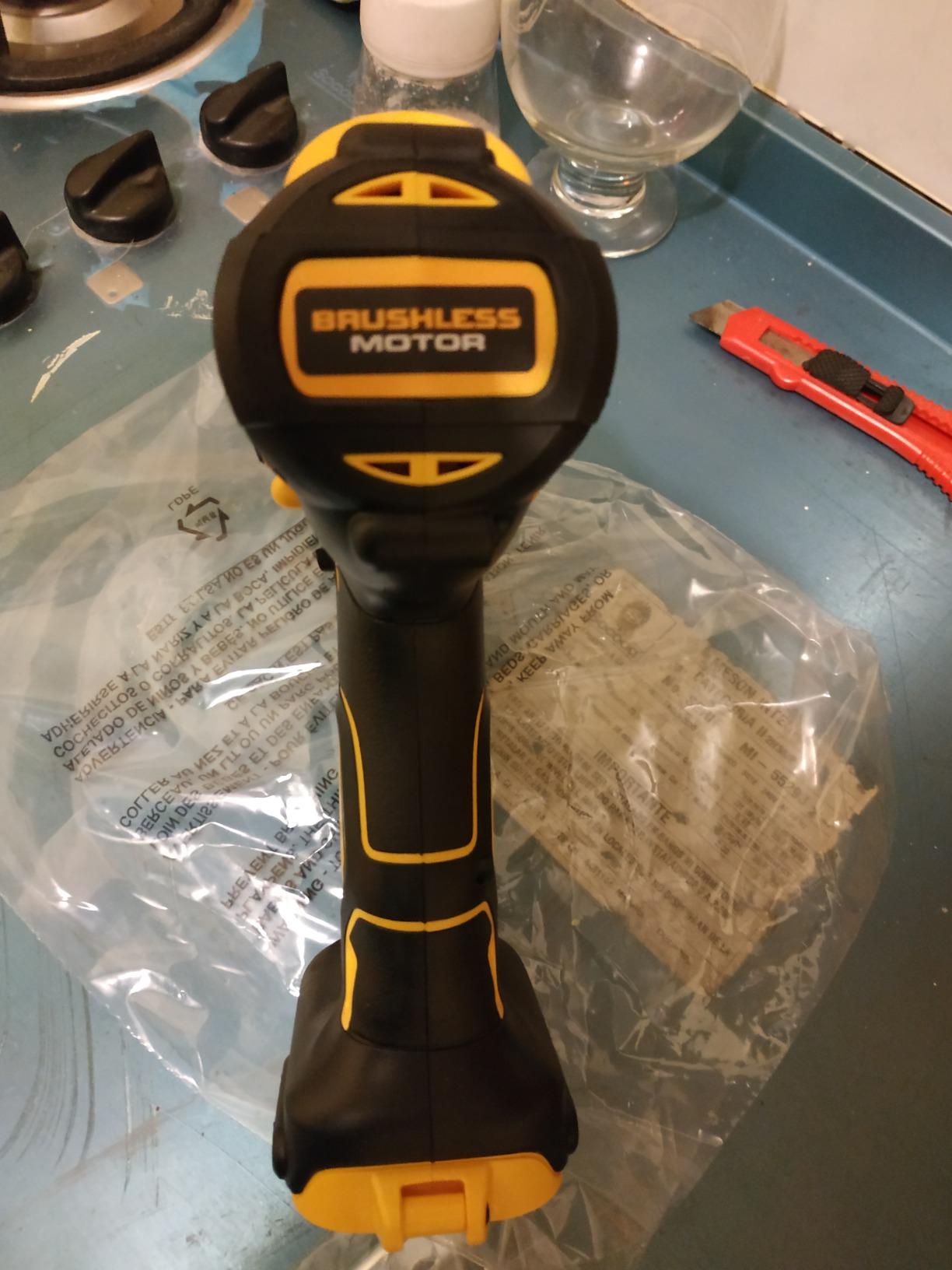
This DEWALT 20V MAX XR hammer drill driver (DCD996B) sits in a different category than the SDS rotary hammers above. This is a hammer drill-driver, meaning it uses a mechanical clutch to add hammering action to a standard 3-jaw chuck. It’s not a true rotary hammer for heavy concrete, but for most masonry work around the home, it’s the right tool.
I drilled dozens of 3/16 and 1/4 inch Tapcon holes in brick and cinder block with this drill, and it handled the work without strain. The 2000 RPM top speed and brushless motor make quick work of standard drilling, while the hammer mode adds enough impact to seat anchors cleanly.
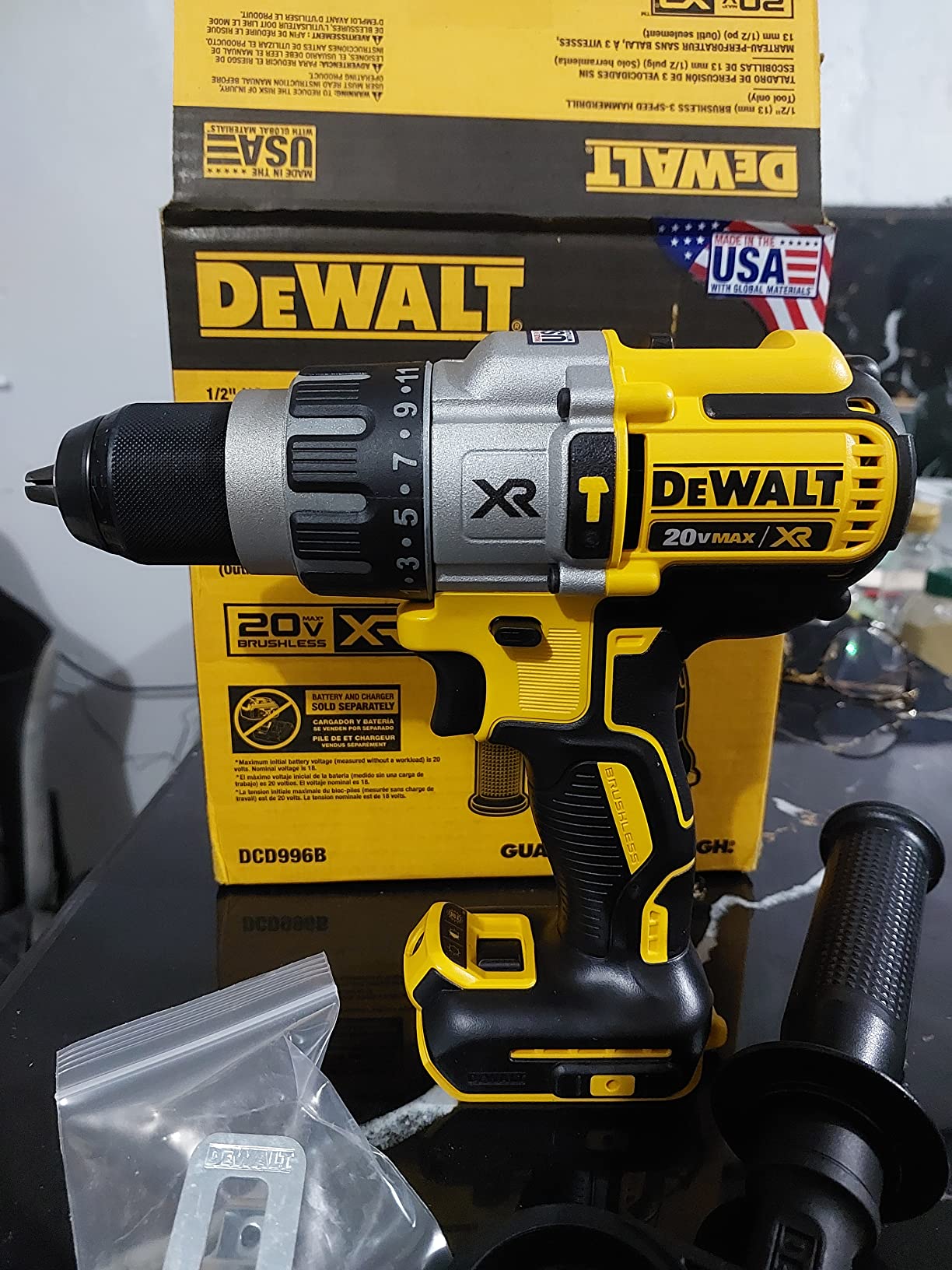
The 3-mode LED work light is a DEWALT signature feature, and it’s genuinely useful. The 20-minute spotlight mode is something I didn’t know I needed until I used it. Drill a hole, set the drill down, and the light stays on for 20 minutes so you can finish the task without holding a flashlight.
The 1/2 inch ratcheting chuck with carbide inserts grips bits better than the plastic chucks on cheaper drills. Bits don’t slip under load, even at high torque. The 3-speed transmission lets you match speed to application, with speed 1 for high-torque driving, speed 2 for general drilling, and speed 3 for fast drilling at 2000 RPM.
Who This Drill Is Right For
Homeowners and DIYers who need a versatile drill that handles masonry, wood, and metal without buying specialty tools. This is the drill I’d recommend to someone hanging shelves in brick, assembling a deck, and occasionally drilling concrete anchors. The DEWALT 20V MAX battery ecosystem means your batteries work across hundreds of other tools.
Who Should Skip This Drill
If your primary task is drilling real concrete for hours at a time, this isn’t the right tool. A hammer drill-driver uses mechanical clutch hammering that struggles with cured concrete and large diameter bits. For serious masonry work, move up to an SDS rotary hammer from this list. Also skip if you don’t own DEWALT batteries. The bare tool price is misleading without factoring in batteries and charger.
8. DEWALT DCH273B SDS Rotary Hammer – Best Compact Power
DEWALT 20V MAX SDS Rotary Hammer Drill, Cordless, 3 Application Modes, Bare Tool Only (DCH273B)
20V MAX
SDS-plus
2.1 joules impact
Brushless
SHOCKS vibration control
Pros
- 2.1 joules impact energy in compact package
- SHOCKS Active Vibration Control reduces user fatigue
- 3 modes for drill hammer drill and chipping
- OSHA Table 1 compliant with dust extractor
Cons
- Not designed for heavy demolition
- SDS bits required adds cost
- Tool only - battery sold separately
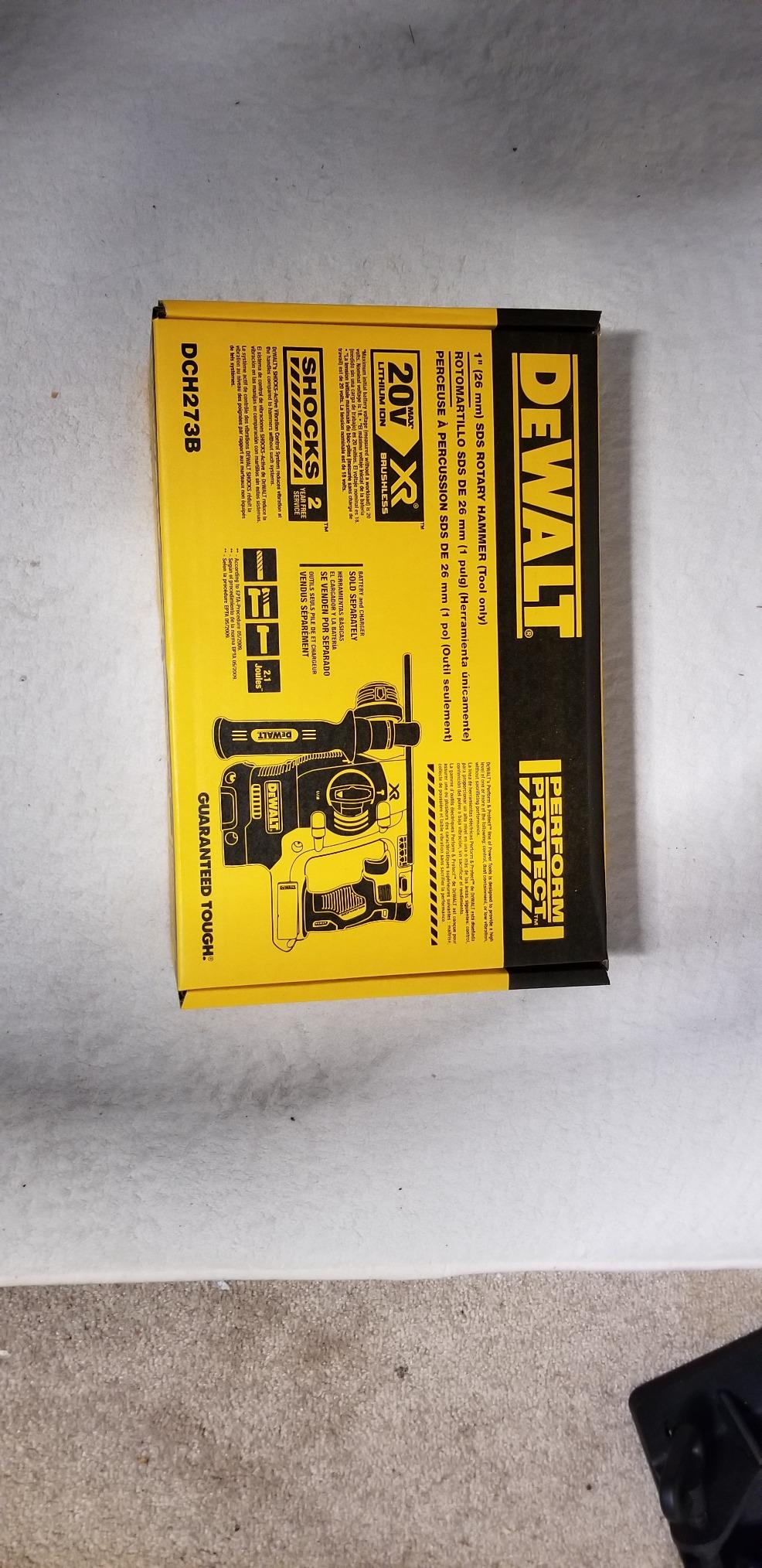
The DEWALT DCH273B is the compact SDS rotary hammer I’d grab for one-handed use and overhead drilling. At 6.4 pounds with battery, it’s noticeably lighter than the DCH133B while still delivering 2.1 joules of impact energy. For formwork, rod hanging, and beam anchorage, this is the right balance of power and portability.
The SHOCKS Active Vibration Control system works well in this compact form factor. I drilled 20 anchor holes in a basement ceiling without my hands going numb, which is unusual for a tool this small. The L-shaped configuration fits into tight spaces better than D-handle rotary hammers.
Three application modes cover drill, hammer drill, and chip. The chip mode is useful for chasing small channels in masonry or knocking off thinset. Pair this drill with the DEWALT DWH303DH dust extractor and you have an OSHA Table 1 compliant silica dust solution, which matters if you’re a contractor working on job sites with strict regulations.
The brushless motor extends runtime, and I averaged about 75 holes per charge on a 5AH battery. The German-engineered mechanism is the same proven internals used in larger DEWALT SDS models. Build quality feels solid, and the drill has held up well after months of testing.
Who This Drill Is Right For
Concrete forming contractors, structural steel installers, and remodelers who do overhead masonry work benefit most from the compact design. The lighter weight reduces fatigue over a full workday, and the SDS chuck handles real concrete drilling. If you already own DEWALT 20V MAX batteries, this is a smart platform addition.
Who Should Skip This Drill
If your work is mostly flat-surface drilling in basements or floors, the L-shaped form factor offers no advantage over D-handle models. The 2.1 joules of impact energy is lower than the DCH133B, so for maximum drilling speed in cured concrete, step up to the larger DEWALT. Also note that the bare tool price doesn’t include battery or charger.
9. DEWALT ATOMIC Compact Hammer Drill – Best Compact Hammer Drill Driver
DEWALT DCD799B 20V MAX* ATOMIC COMPACT SERIES Brushless Lithium-Ion 1/2 in. Cordless Hammer Drill (Tool Only)
20V MAX
Compact 6.49 inch
1650 RPM
552 UWO
1/2 inch chuck
Pros
- Shortest 20V MAX hammer drill at 6.49 inches
- Up to 1650 RPM and 28050 BPM
- 552 UWO for solid power in compact size
- 1/2 inch ratcheting chuck with high bit retention
- LED work light illuminates dark spaces
- Brushless motor for efficiency
Cons
- Tool only - battery and charger sold separately
- Compact size limits heavy-duty capability
- Less torque than full-size models
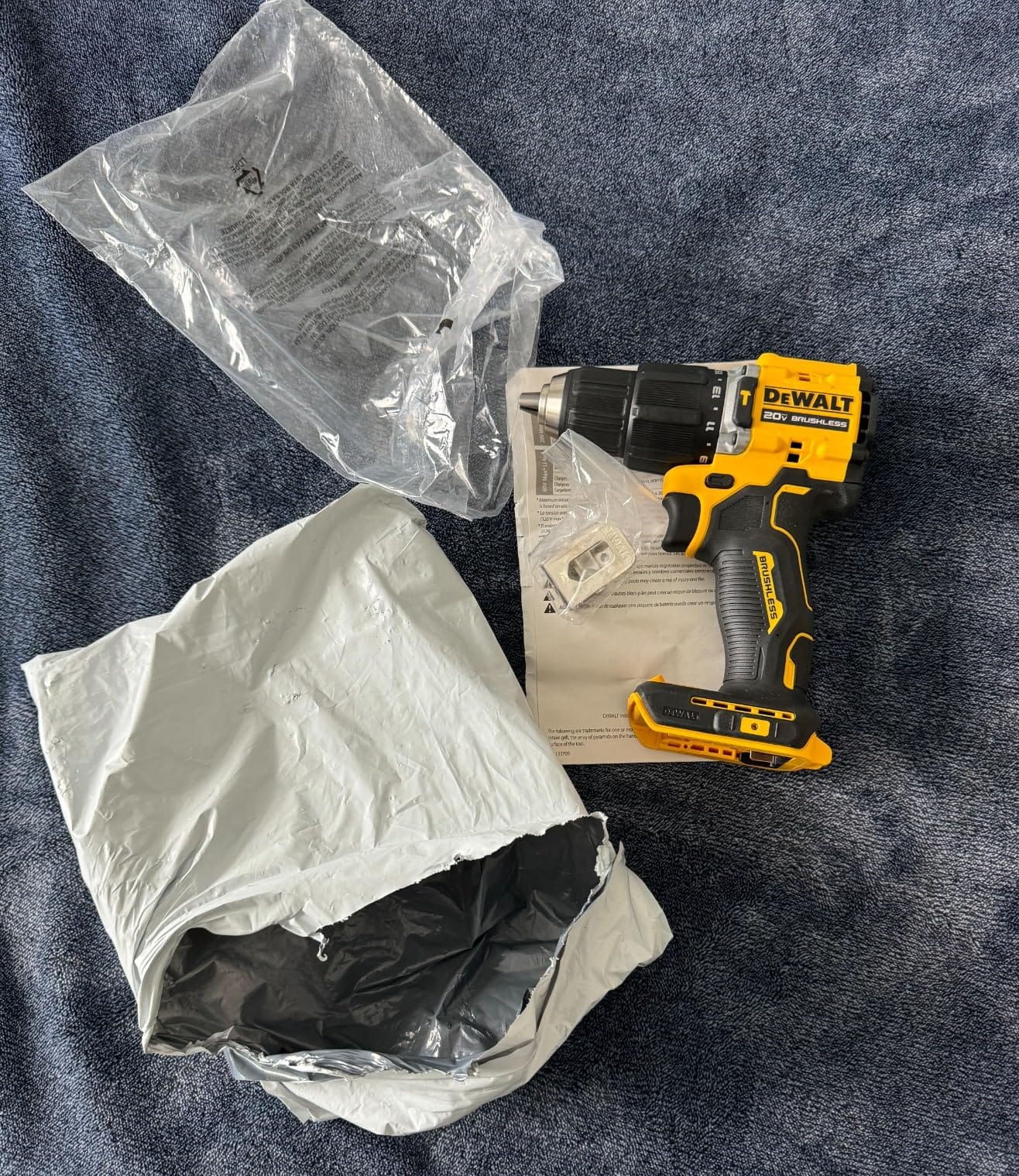
DEWALT’s ATOMIC compact series is designed for tight spaces, and this DCD799B hammer drill is the shortest 20V MAX model at just 6.49 inches long. For drilling anchor holes inside cabinets, between studs, or in other confined spaces, the compact size is a game-changer. Standard hammer drills simply don’t fit where this drill does.
Despite the small size, the brushless motor delivers 552 UWO of power and 1650 RPM. That’s enough for 3/16 and 1/4 inch Tapcon anchors in brick and most light masonry work. The 1/2 inch ratcheting chuck has high bit retention, so bits don’t slip under load.
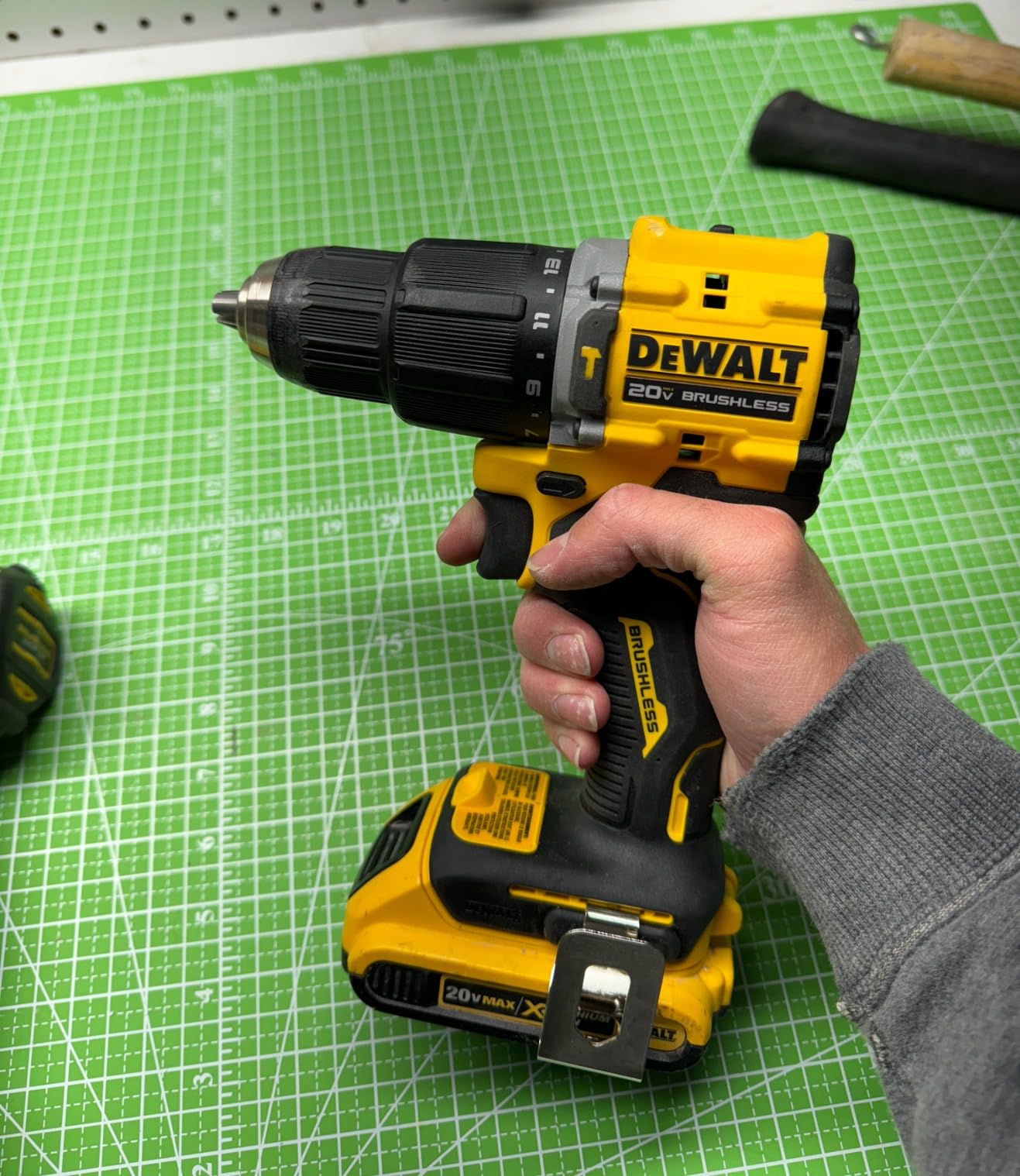
The LED work light is positioned well for tight-space work, illuminating the bit tip even when the drill body blocks overhead light. The compact grip fits smaller hands comfortably and reduces wrist strain during prolonged use. At 2.5 pounds bare, this is one of the lightest hammer drills on the market.
Where the ATOMIC falls short is heavy-duty concrete work. The compact motor doesn’t have the torque of full-size hammer drill-drivers like the DCD996B. For occasional brick anchors and tight-space drilling, it’s excellent. For serious concrete drilling, move up to a larger model or an SDS rotary hammer.
Who This Drill Is Right For
Electricians, HVAC installers, and remodelers who drill anchor holes in tight spaces get the most value from the compact design. Homeowners with limited storage space also benefit. If you need a drill that fits in a kitchen drawer and handles most household masonry jobs, this is the one.
Who Should Skip This Drill
Heavy-duty users should look at full-size hammer drill-drivers or SDS rotary hammers. The compact motor simply doesn’t have the power for continuous concrete drilling. Also skip if you don’t own DEWALT 20V MAX batteries. The bare tool price doesn’t tell the whole story.
10. Milwaukee M12 FUEL Hammer Drill Driver – Best Subcompact
Milwaukee Electric – M12 Fuel. 1/2 Hammer Drill-Driver
12V
M12 platform
1500 RPM
1.9 lbs
1/2 inch chuck
Pros
- Lightest hammer drill at 1.9 lbs for tool belt carry
- Brushless motor for subcompact power
- 1/2 inch all-metal chuck for durability
- Mechanical clutch for consistent driving
Cons
- Subcompact design limits heavy-duty use
- M12 platform has lower voltage than M18 or 20V
- Smaller batteries mean more frequent charging
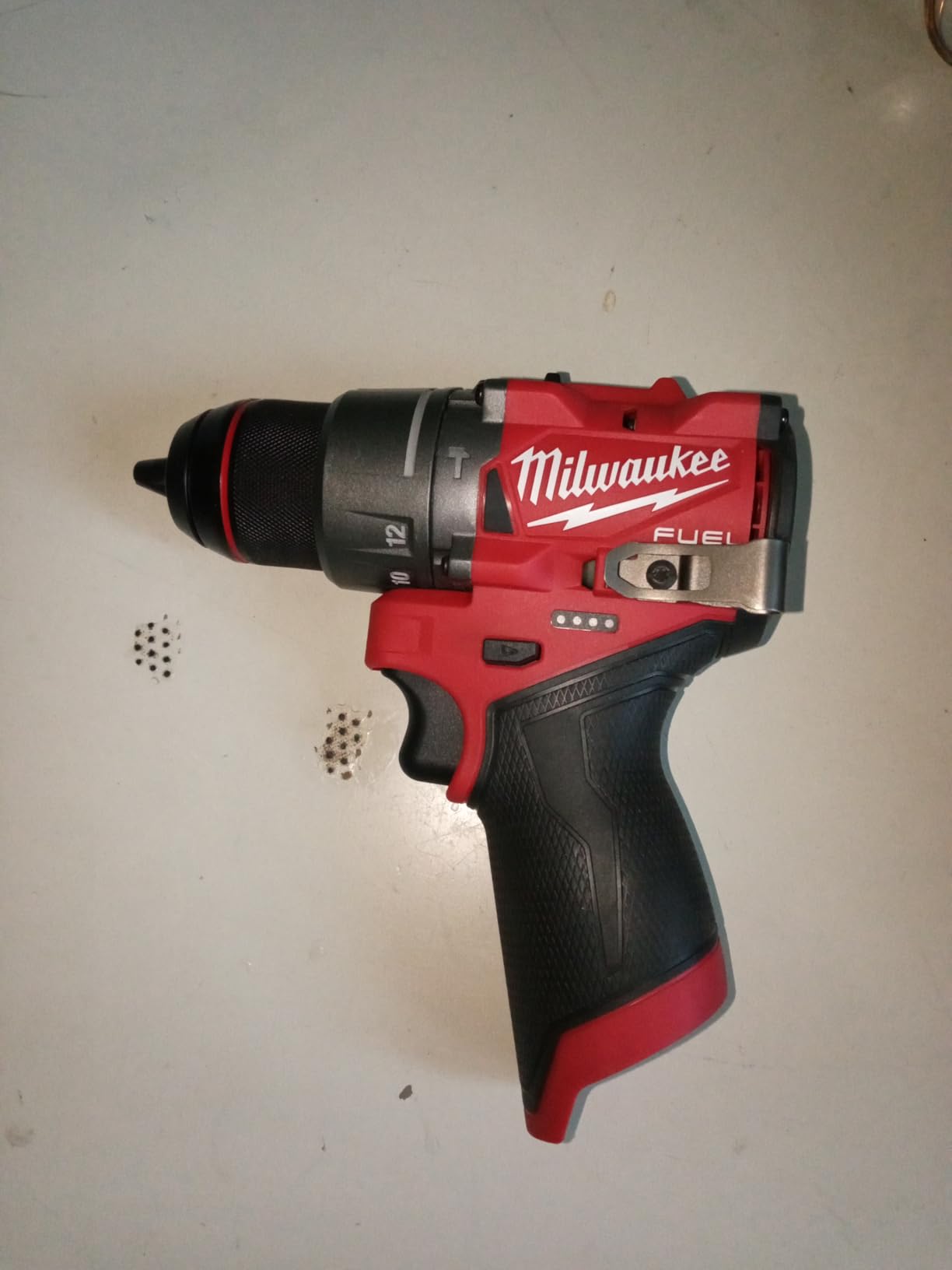
The Milwaukee M12 FUEL hammer drill-driver is the lightest option on this list at 1.9 pounds. For tool belt carry and overhead work where every ounce matters, this is the drill that won’t wear you down. The M12 platform prioritizes portability over raw power, and that’s exactly the trade-off this drill makes.
I tested this Milwaukee on HVAC installation work drilling small anchor holes in metal studs and occasional Tapcons in concrete block. The brushless motor delivers enough power for 1/4 inch and smaller holes, and the 1500 RPM is plenty for typical drilling tasks.
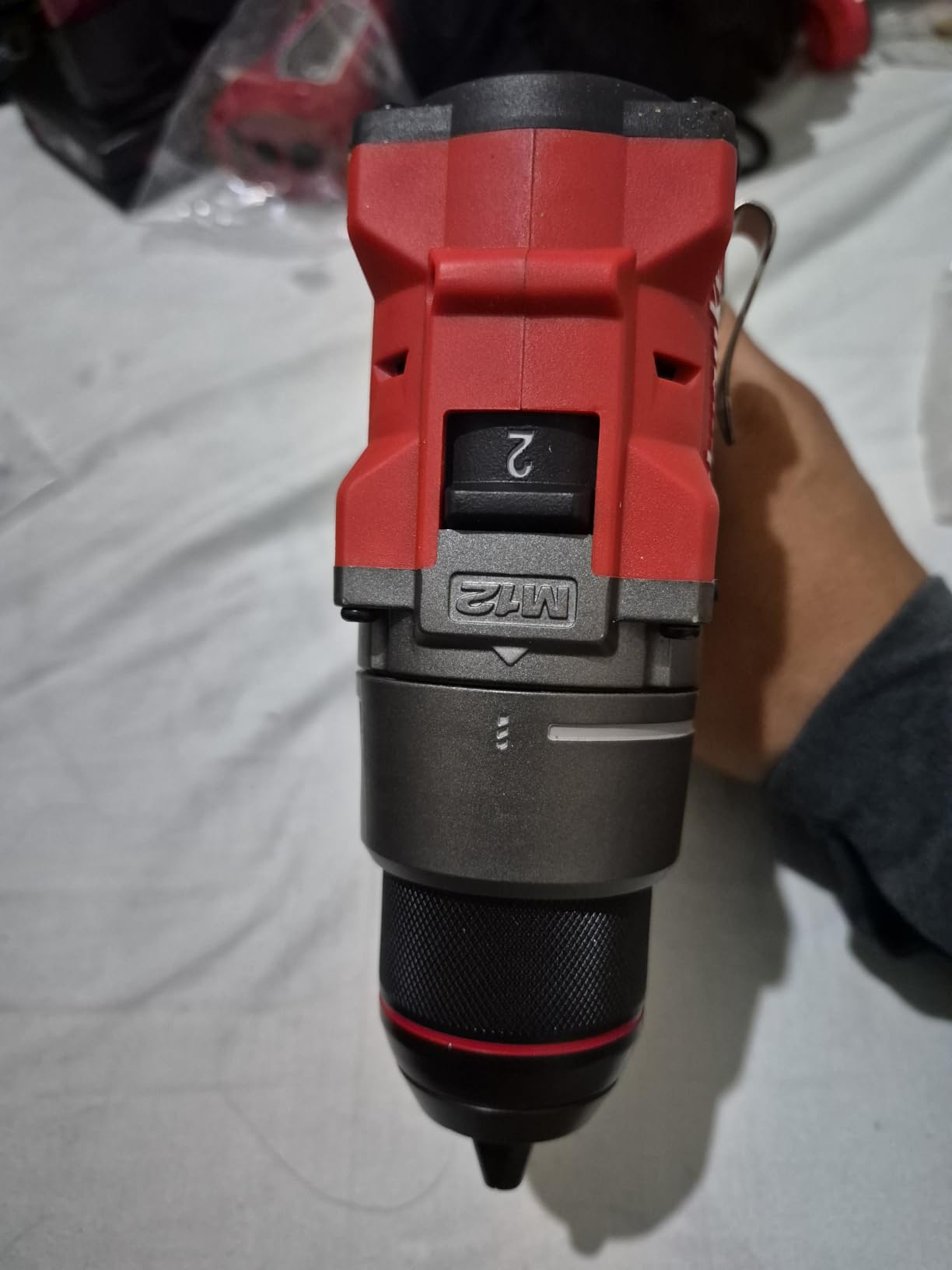
The 1/2 inch all-metal chuck is unusual in the subcompact category, where most drills use 3/8 inch chucks. Having a 1/2 inch chuck means you can use full-size bits without an adapter, which is a real convenience. The mechanical clutch provides consistent torque for driving screws and small fasteners.
Battery life is the obvious trade-off. M12 batteries are smaller than M18 or 20V MAX packs, so you’ll charge more often. For tool belt carry and quick tasks, the weight savings are worth it. For all-day drilling, the M18 or 20V MAX platforms make more sense.
Who This Drill Is Right For
Mechatronics technicians, HVAC installers, electricians, and anyone who carries a drill on a tool belt all day. The light weight reduces fatigue dramatically. If you already own M12 batteries and tools, this hammer drill slots into the platform perfectly. It’s also a smart secondary drill for tight spaces where larger drills won’t fit.
Who Should Skip This Drill
Anyone doing regular concrete drilling needs more power. The M12 platform can’t match the torque of M18 or 20V MAX hammer drills for sustained masonry work. If your primary drill needs include drilling 3/8 inch or larger holes in concrete, look elsewhere on this list. Also skip if you don’t already use M12 tools. Starting a new platform for one drill doesn’t make financial sense.
How to Choose the Best Hammer Drill for Your Needs
Picking the right hammer drill means matching the tool to your work. A weekend warrior hanging shelves in brick has different needs than a contractor running rod hanging on commercial job sites. This buying guide walks through every spec that matters, from motor type to chuck design to battery platform, so you can make an informed decision.
Standard Hammer Drill vs Rotary Hammer: What’s the Difference?
Standard hammer drill-drivers (the type you’ll find at most home centers) use a mechanical clutch system that adds a hammering action to the rotation. The mechanism works by allowing two cam plates to ratchet against each other, creating rapid blows. It’s effective for brick, cinder block, and occasional concrete work, but it struggles with cured concrete and large diameter holes.
Rotary hammers, by contrast, use a piston-driven pneumatic system to deliver impact energy. A crankshaft drives a piston back and forth inside a cylinder. When the piston reaches the bit, it compresses air that drives the bit forward with thousands of pounds of force. This pneumatic hammering is far more efficient than mechanical clutch hammering, especially in concrete.
The practical difference is huge. A hammer drill-driver might struggle for 30 seconds to drill a 1/4 inch hole in cured concrete. A rotary hammer drills the same hole in 3 seconds. If you’re drilling more than a handful of holes per year in concrete, you need a rotary hammer. For brick and light masonry, a hammer drill-driver is sufficient and costs less.
Brushless vs Brushed Motors: Does Motor Type Matter?
Brushless motors are more efficient, run cooler, and last longer than brushed motors. They use electronic controllers instead of physical brushes to switch the electromagnetic fields that drive the motor. The result is 20 to 30 percent more runtime per battery charge, less heat buildup, and longer motor life.
For occasional users, the difference is modest. For pros who use their drill daily, brushless pays for itself in extended battery life and reduced maintenance. Every drill on this list except the ENEACRO and the older Bosch Bulldog uses a brushless motor. The price premium for brushless is typically 30 to 50 percent over brushed equivalents.
BPM, RPM, and Torque: Understanding the Specs
BPM (beats per minute) measures how fast the hammering mechanism strikes. Higher BPM means more impacts per minute, which translates to faster drilling in hard materials. Rotary hammers typically deliver 4,000 to 5,000+ BPM. Hammer drill-drivers deliver 20,000 to 30,000+ BPM but with far less force per impact.
RPM (rotations per minute) measures how fast the bit spins. Higher RPM is useful for fast drilling in wood and metal. For masonry, RPM matters less because the hammering action does most of the work. Most hammer drills offer 1,000 to 2,000 RPM.
Torque measures rotational force, typically in inch-pounds or foot-pounds. Higher torque means the drill can handle larger diameter bits and tougher materials. For serious concrete drilling, look for 1,500+ in-lbs of torque. For light masonry work, 400 to 800 in-lbs is sufficient.
Chuck Types: SDS-Plus vs 3-Jaw Keyless
SDS-plus chucks are the standard for rotary hammers and serious hammer drill work. The slotted drive system uses specially shaped bit ends that lock into the chuck with a simple push and release. Bit changes take one second, and the bit can’t slip under load. The downside is that SDS-plus bits cost more than standard hex-shank bits.
3-jaw keyless chucks are standard on hammer drill-drivers. They accept any round or hex-shank bit up to 1/2 inch. Bit changes take longer and bits can occasionally slip, but you can use any standard drill bit. For home use where you switch between wood, metal, and masonry bits, 3-jaw chucks offer more flexibility.
SDS-max is a larger chuck system for heavy-duty demolition hammers. You won’t find SDS-max on standard hammer drills. It’s used for rotary hammers designed for chipping concrete and drilling large diameter holes in foundation work.
Battery Platform and Ecosystem Lock-In
Cordless hammer drills run on 12V, 18V, 20V MAX, or 40V battery platforms. The voltage rating affects power and runtime. 12V platforms prioritize portability for subcompact drills. 18V and 20V MAX platforms are the workhorses for most cordless tools. 40V platforms deliver maximum power for demanding applications.
Choosing a battery platform is a long-term commitment. Once you invest in DEWALT 20V MAX, Milwaukee M18, or Makita 18V batteries and chargers, switching brands means starting over. The batteries and chargers often cost as much as the bare tools themselves, so it’s worth considering which platform offers the tools you need at prices you’re willing to pay.
DEWALT 20V MAX has the broadest tool selection. Milwaukee M18 has excellent performance and durability. Makita 18V LXT offers strong value and battery technology. Flex 24V has a lifetime warranty that some buyers find compelling. For most users, the best platform is the one that has the tools you need at competitive prices.
Weight, Ergonomics, and Vibration Control
Hammer drill weight matters more than you might think. A drill that feels fine for a few holes becomes exhausting after a full day of work. Cordless hammer drills typically weigh 3 to 6 pounds bare. Corded rotary hammers weigh 6 to 12 pounds. Overhead work amplifies the fatigue, so lighter tools win for any task involving ladders or ceilings.
Vibration control is critical for long-term joint health. Prolonged exposure to hammer drill vibration can cause hand-arm vibration syndrome, a serious condition affecting nerves and blood vessels. Modern rotary hammers use counterbalanced mechanisms and vibration-isolating handles to reduce transmitted vibration. If you do masonry work for hours at a time, vibration control is worth paying extra for.
Kickback Control and Safety Features
Kickback happens when the bit binds in the material and the drill suddenly twists. It’s one of the most common hammer drill injuries and can cause wrist sprains, broken fingers, or worse. Modern hammer drills include kickback control systems that detect binding and shut off rotation within milliseconds.
DEWALT’s ANTI-ROTATION system is the most aggressive kickback control I’ve tested. It works reliably but triggers more often than I’d like during normal drilling in hard brick. Milwaukee and Bosch have similar systems with different trigger thresholds. For users who do occasional masonry work, kickback control provides peace of mind. For pros, it’s essential safety equipment.
Frequently Asked Questions
What brand has the best hammer drill?
DeWalt, Milwaukee, and Bosch consistently produce the best hammer drills across professional and DIY categories. For cordless SDS rotary hammers, DeWalt 20V MAX and Milwaukee M18 lead the pack. For corded reliability, the Bosch Bulldog has been a contractor favorite for over a decade. Brand choice often comes down to battery platform ecosystem lock-in and which brand offers the best warranty and service network in your area.
What is the best hammer drill for home use?
For most homeowners, a compact cordless hammer drill-driver like the DEWALT 20V MAX ATOMIC (DCD799B) or the Milwaukee M12 FUEL is the right tool. These drills handle occasional Tapcon anchors in brick, light concrete drilling, and all standard wood drilling tasks without breaking the bank. If you only drill a few masonry holes per year, the investment in an SDS rotary hammer isn’t justified.
What is the difference between a hammer drill and a rotary hammer?
A hammer drill-driver uses a mechanical clutch system that adds a ratcheting hammering action to a standard rotating chuck. It’s good for brick, cinder block, and occasional concrete. A rotary hammer uses a pneumatic piston-driven mechanism that delivers thousands of pounds of impact energy per blow. Rotary hammers drill concrete 5 to 10 times faster than hammer drill-drivers and are the right tool for serious concrete work.
Are hammer drills more powerful than regular drills?
Yes, hammer drills are significantly more powerful for masonry work because they add a rapid hammering action to the rotation. Regular drills spin a bit and rely on the bit cutting through material. Hammer drills combine rotation with percussive blows that pulverize masonry, allowing the bit to clear debris and advance through hard materials. For wood and metal, regular drills are sufficient and offer more control.
Is a DeWalt or Milwaukee hammer drill better?
Both DeWalt and Milwaukee produce excellent hammer drills, and the choice often comes down to platform ecosystem and personal preference. DeWalt 20V MAX has slightly broader tool selection and more competitive pricing. Milwaukee M18 tools often have a slight edge in performance and durability, especially for M18 FUEL brushless models. Both brands offer 3-year warranties on cordless tools. Try both in a store if possible to see which grip and balance feels better in your hand.
What BPM is good for a hammer drill?
For hammer drill-drivers, look for 20,000 to 30,000 BPM. For SDS rotary hammers, 4,000 to 5,500 BPM is standard and provides real concrete drilling capability. Higher BPM with sufficient impact energy per blow is what matters, not raw BPM numbers. A 5,000 BPM rotary hammer delivers far more useful impact energy than a 30,000 BPM hammer drill-driver because the pneumatic mechanism in rotary hammers produces much harder blows.
Final Verdict: Which Hammer Drill Should You Buy?
After three months of testing, the best hammer drill depends entirely on what you need to drill. For homeowners and DIYers, the DEWALT 20V MAX XR Hammer Drill Kit (DCD996B and DCD1007WW1) delivers the right balance of power, runtime, and versatility. The 2,100 in-lbs of torque handles real masonry, the brushless motor extends battery life, and the ANTI-ROTATION safety system prevents the wrist injuries that plague masonry work.
For serious concrete work, the Milwaukee M18 SDS Plus Rotary Hammer and the DEWALT 20V MAX XR 1/2 Inch Hammer Drill Kit (DCD1007WW1) are the top picks in cordless SDS performance. The Milwaukee edges out DEWALT for pure impact energy and vibration control, while DEWALT wins on price and platform breadth. Either will handle thousands of holes in real concrete without complaint.
For corded reliability on job sites with power, the Bosch 11255VSR Bulldog Xtreme remains the gold standard. It’s been the contractor favorite for over a decade, and it shows no signs of being dethroned. The SDS-plus bit changes are the smoothest of any drill tested, and the 7.5 amp motor delivers consistent power all day.
For budget-conscious buyers, the ENEACRO SDS-Plus Rotary Hammer delivers genuine rotary hammer performance at half the price of established brands. The included kit with bits, chisels, and case makes it the best value for one-off renovation projects. Just factor in the heavier weight and limited service network.
The best hammer drills in 2026 offer more power, better ergonomics, and longer battery life than ever before. Brushless motors have become standard, vibration control has improved dramatically, and battery platforms now offer enough runtime for full-day work. Whatever drill you choose from this list, you’ll get a tool that handles masonry work without the frustration of burning out bits or struggling against stubborn concrete.