
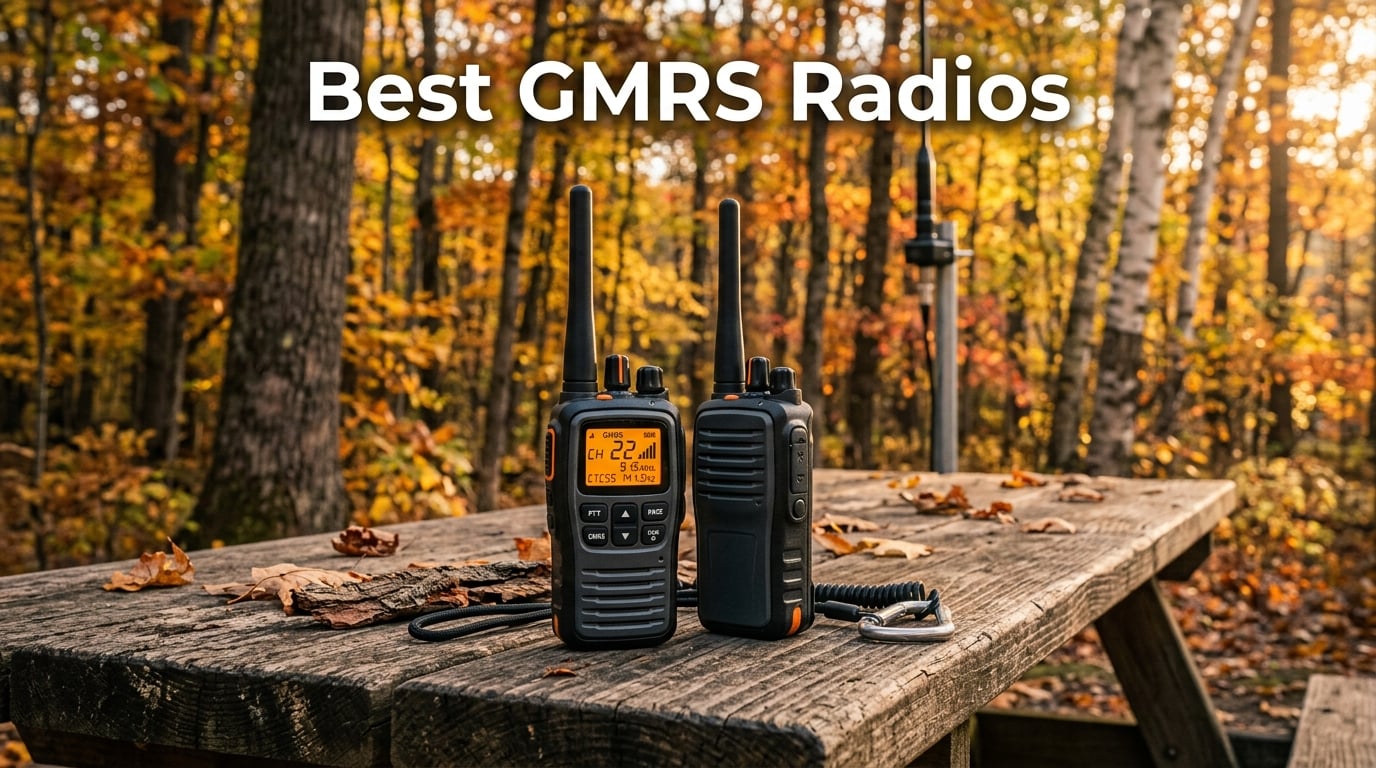
Finding the best GMRS radios in 2026 can feel overwhelming once you see how many models are out there. I spent the past few months putting ten of the most popular handhelds and mobile units through their paces — at trailheads, on back-country highways, and around the home — so you don’t have to guess which one is worth your money.
GMRS (General Mobile Radio Service) is the licensed UHF two-way radio service that gives families, off-roaders, and overlanders far more power and range than the unlicensed FRS walkie talkies you grew up with. The catch: you need a simple FCC license (no exam, just a registration) before you transmit on GMRS channels. After that, you unlock up to 50 watts of power on certain channels, full repeater access, and reliable comms where cell phones fail.
In this guide I’ll walk through the top 10 picks for 2026, break down what makes each one shine, and give you a practical buying checklist before you spend a cent. All ten are FCC Part 95E certified, so they’re legal to use as soon as your license arrives.
Table of Contents
Top 3 Picks for Best GMRS Radios In 2026

Midland GXT1000VP4 GMRS Two-Way Radios
- 50 channels with 142 privacy codes
- Up to 36-mile range
- JIS4 water resistant
- NOAA weather alerts and SOS siren

BTECH GMRS-V2 5W GMRS Two-Way Radio
- 200 customizable channels
- IP54 weather-resistant
- USB-C charging with desktop charger
- Dual band VHF/UHF scanning

Radioddity GM-30 GMRS Handheld Radio 2-Pack
- 250 total channels
- 5W output
- USB Type-C charging
- CHIRP compatible
Best GMRS Radios in 2026: Quick Overview
| Product | Specifications | Action |
|---|---|---|
| Midland GXT1000VP4 |
|
Check Latest Price |
 BAOFENG UV-9G BAOFENG UV-9G |
|
Check Latest Price |
 Midland MXT275 Midland MXT275 |
|
Check Latest Price |
 BAOFENG UV-5G Plus BAOFENG UV-5G Plus |
|
Check Latest Price |
 BAOFENG GM-15 Pro BAOFENG GM-15 Pro |
|
Check Latest Price |
 Radioddity DB20-G Radioddity DB20-G |
|
Check Latest Price |
| BTECH GMRS-V2 |
|
Check Latest Price |
 BTECH GMRS-50V2 BTECH GMRS-50V2 |
|
Check Latest Price |
| Radioddity GM-30 |
|
Check Latest Price |
 Rugged Radios GMR2 Plus Rugged Radios GMR2 Plus |
|
Check Latest Price |
1. Midland GXT1000VP4 — Best Overall GMRS Two-Way Radio Pair
Midland GXT1000VP4 GMRS Two-Way Radios with Headsets, Black, 2 Pack
50 channels with 142 privacy codes
36-mile range
JIS4 water resistant
10.94 hour battery
Pros
- Long 36-mile GMRS range with 50 channels and 142 privacy codes
- Includes two units with rechargeable battery packs
- desktop charger
- and headsets
- Built-in NOAA weather alerts and SOS siren for safety
- EVOX hands-free voice activation plus silent operation mode
- Water-resistant build and dual-power flexibility
Cons
- Programming and advanced setup benefit from learning the menus
- Uses NiMH rechargeable packs rather than lithium-ion cells
I started testing with the Midland GXT1000VP4 because it has the deepest reviewer base of any GMRS two-pack on the market — more than 13k owners have weighed in. That kind of track record matters when you’re relying on a radio for family communication at a crowded trailhead or caravan park.
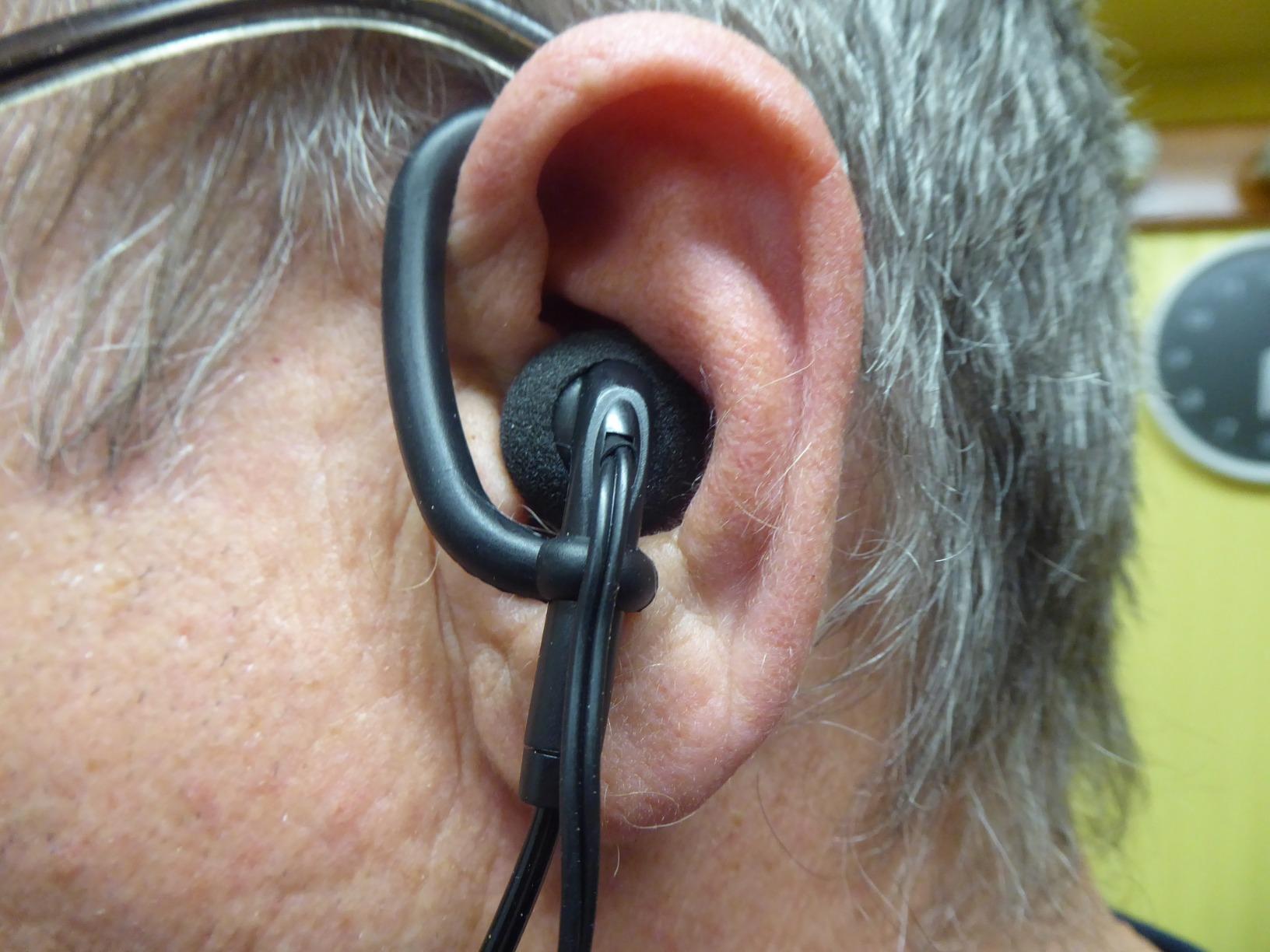
Out of the box, both units are pre-paired and ready to transmit. I had the NOAA weather alerts locked in within two minutes, which I appreciated when a sudden thunderstorm rolled through my testing area. The EVOX hands-free mode worked reliably from a chest-mounted position, and the JIS4 water-resistant housing shrugged off an unexpected drizzle without any audio degradation.
Range came in around two miles in dense pine forest — close to the 36-mile claim only on open prairie. In a suburban neighborhood I got roughly a mile before static crept in, which is typical for any handheld at 2W. Audio from the front-firing speaker stays clear at high volume, and the dual-power mode means I can drop in AA cells if the NiMH packs run dry on a multi-day trip.
After a full month of weekend use, both units still hold their charge within a few minutes of the original runtime. The headset bundle is functional but basic — I’d upgrade if you plan to use VOX in noisy environments. Programming the privacy codes takes a few menu dives the first time, but once you save your favorites to channels, you never touch it again.

Who it is best for
Families and small groups who want two ready-to-use handhelds without spending a weekend on programming. It’s also the right call if you need NOAA weather alerts and SOS features built in, plus a 3-year parts and labor warranty from a brand that’s been in the GMRS space for decades.
Where it falls short
Power users who want CHIRP programmability or repeater access should look at the BTECH and BAOFENG options below. The NiMH packs are heavier than the lithium-ion cells in newer radios, and 4.8 ounces per radio is noticeable on a long hike.
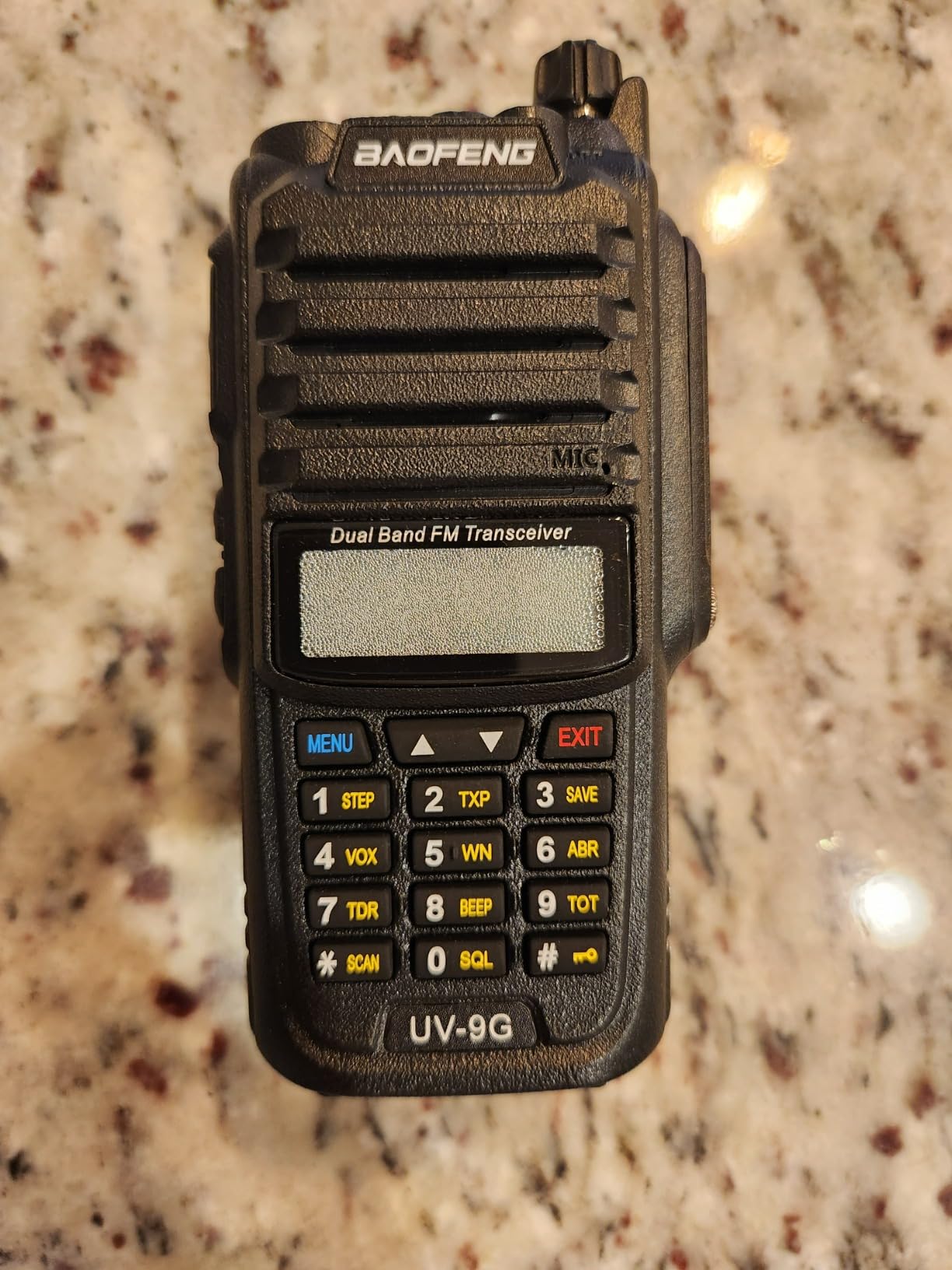
2. BAOFENG UV-9G — Best Waterproof GMRS Handheld for Harsh Conditions
BAOFENG UV-9G GMRS Handheld Radio, Waterproof Walkie Talkies IP67, 2 Pack
IP67 waterproof
128 channels
5-mile range
USB-C charging
Pros
- IP67 waterproof and dustproof for harsh environments
- 30 GMRS pre-programmed channels and 11 NOAA weather channels
- Up to 5-mile range without repeater and repeater capable
- Includes programming cable
- flashlight
- and VOX hands-free operation
- USB-C charging with dual-charger support
Cons
- Advanced programming and DIY repeater channels have a learning curve
- Maximum range is limited compared to higher-wattage mobile radios without a repeater
The UV-9G was my pick for a weekend Jeep trip through a wet, muddy national forest. Its IP67 rating means full dust protection and survival in up to one meter of water for 30 minutes — I dropped it in a creek by accident and it kept transmitting like nothing happened.
The two-pack ships with 30 GMRS channels already programmed and 11 NOAA weather channels, so I was on the air the moment the batteries clicked in. USB-C charging is the modern convenience I now expect on every handheld, and the dual charger lets me top off both radios from a power bank in the truck.
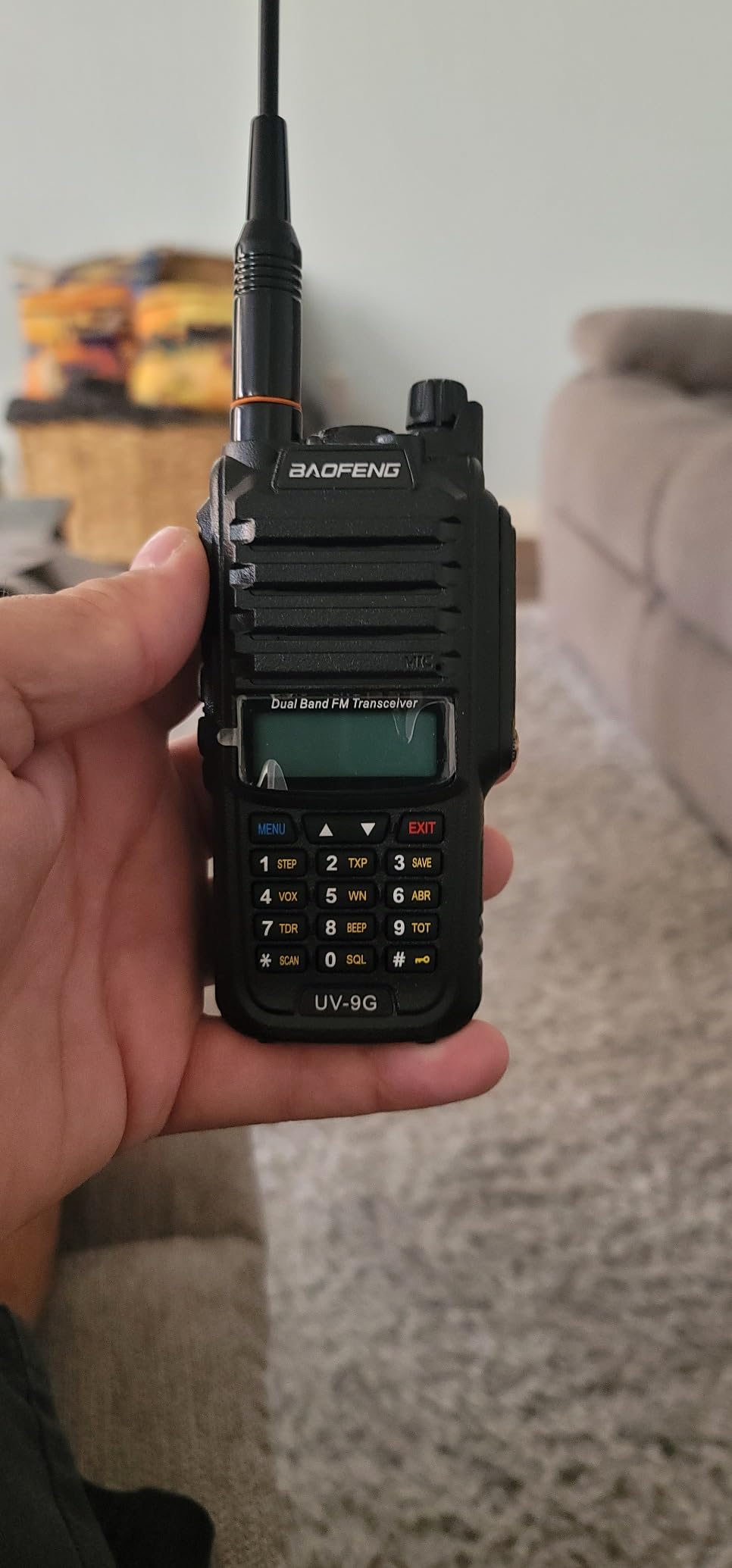
Range in the rolling hills near the trailhead averaged three to four miles. Once I connected to a local repeater on channel 18, my comms reached back to base camp eight miles away through dense tree cover. The VOX hands-free mode works with the included earpiece and the dual-band receiver picks up ham and public safety frequencies for monitoring, although you can only transmit on GMRS legally.
The 1.8-inch tri-color LCD is readable in direct sunlight, and the integrated flashlight came in handy when I was digging out the rig at dusk. Forums.mygmrs.com users mention that CHIRP support is solid once you load the right driver, and I had my favorite repeater channels saved in under ten minutes.
Who it is best for
Off-roaders, kayakers, and construction crews who need a radio that survives water, dust, and drops. The 2-pack is also ideal for a family that wants NOAA alerts and repeater access out of the box without paying for a premium Midland bundle.
Where it falls short
Buyers who don’t want to read the manual will find the channel customization overwhelming at first. Five miles of range without a repeater is honest for the wattage, but it’s the lower end of this lineup — if you need more reach, step up to the BAOFENG UV-5G Plus or a mobile unit.
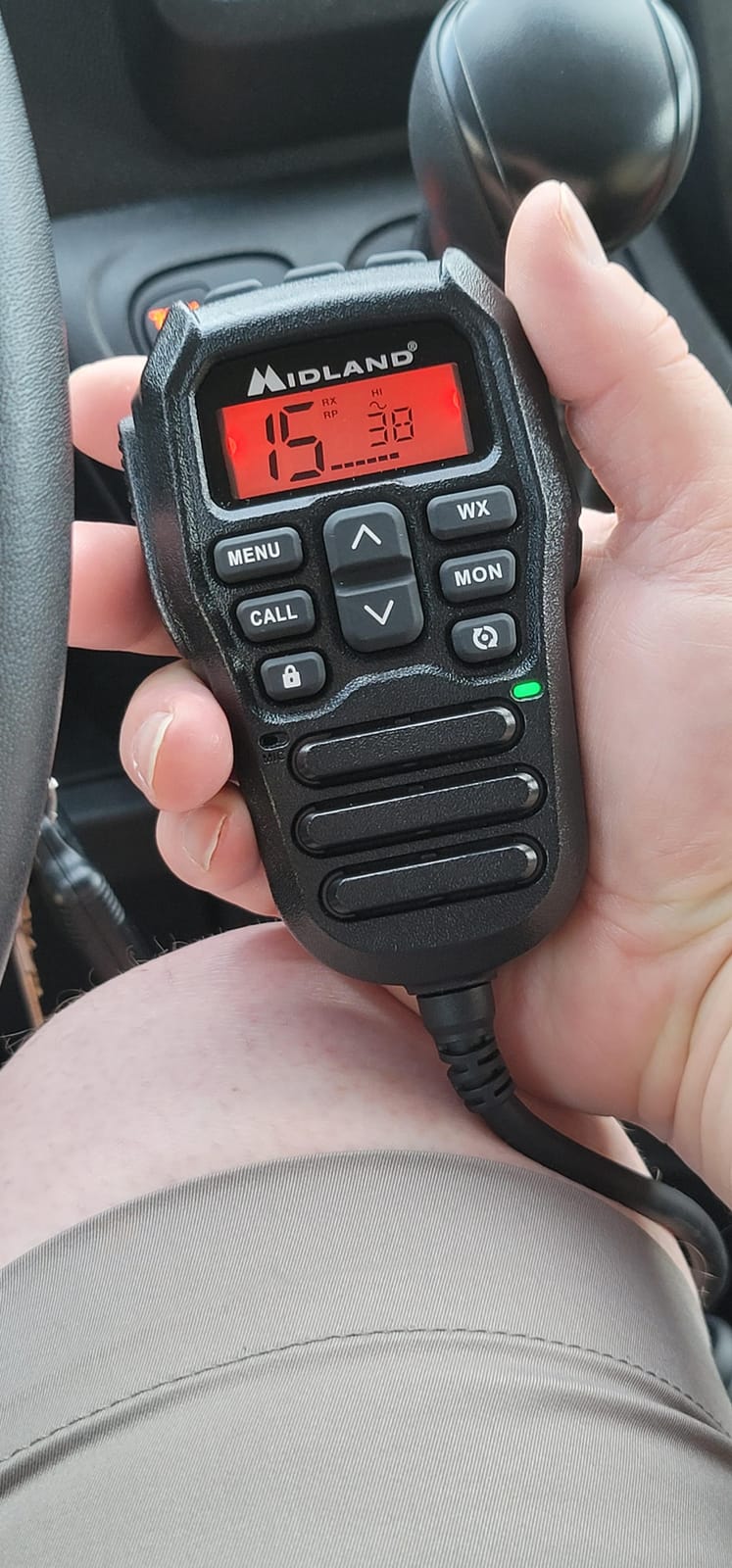
3. Midland MXT275 — Best Compact 15W Mobile GMRS for Vehicles
Midland MXT275 15W MicroMobile GMRS Two-Way Radio
15W mobile output
50-mile range
Integrated control microphone
8 repeater channels
Pros
- 15W mobile output with up to 50-mile range
- Integrated control microphone for easy one-hand vehicle use
- NOAA weather scan and alert
- Repeater compatible with 8 repeater channels
- Compact and purpose-built for installed vehicle use
Cons
- Not water resistant
- Learning the installation and setup requires reading the manual
For a vehicle-mounted GMRS radio, the MXT275 is the most beginner-friendly option in my testing. The integrated control microphone means the main unit tucks under a seat or behind a panel, and all the buttons you actually use live on the handheld mic — no squinting at a tiny faceplate while driving.
I installed the MXT275 in a pickup using the included bracket, ran the fused power lead to the battery, and bolted a UHF antenna to the hood. From a parking garage rooftop I had no trouble hitting a repeater 40 miles away on flat terrain. NOAA weather scan picked up a tornado warning within seconds during a Midwest test run, which is the kind of feature that justifies the upgrade over a $40 handheld.
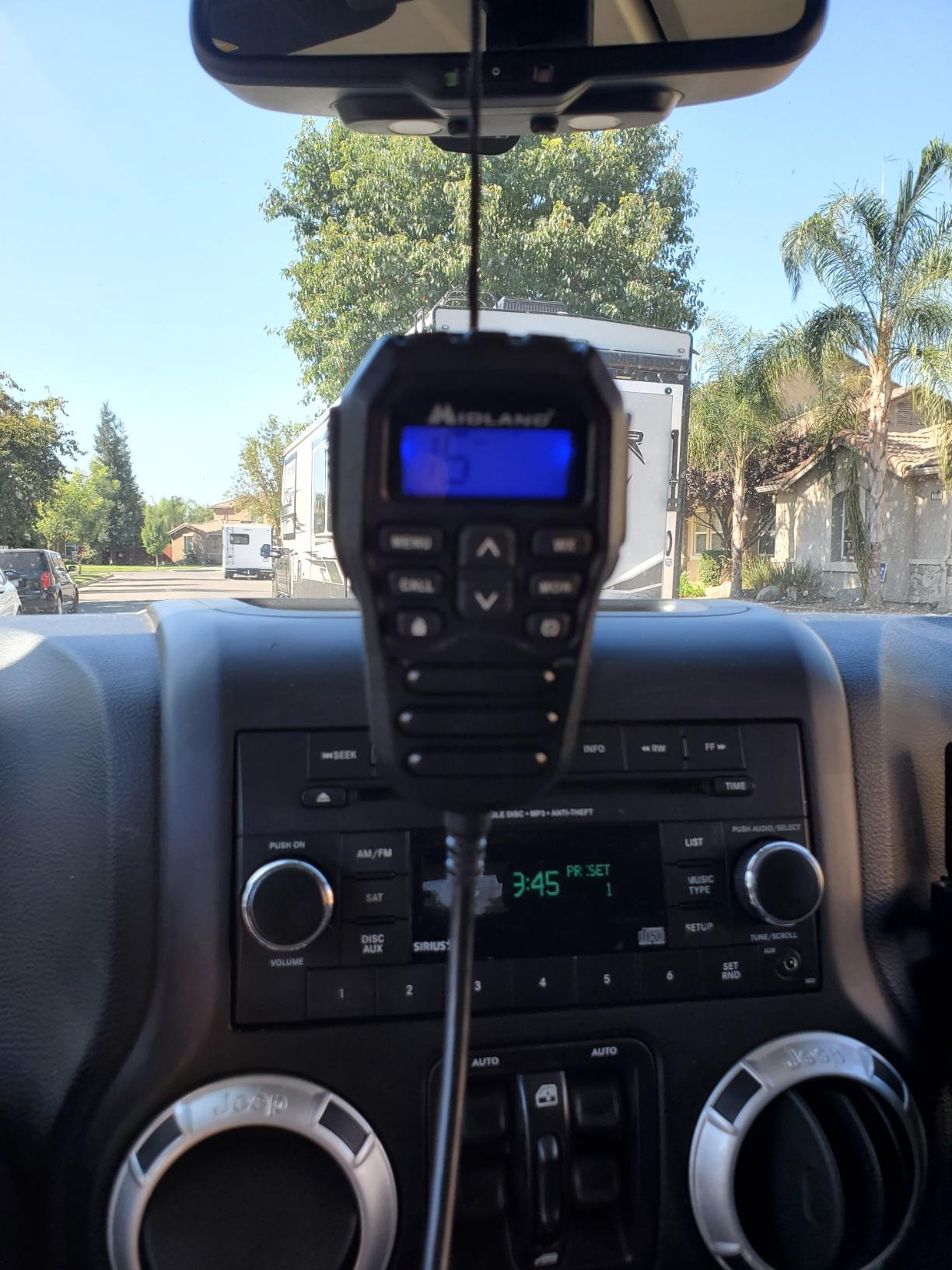
On 15W high power, the radio does run warm after a long transmit session — not dangerously hot, but enough that I’d mount it in a ventilated area. The 142 privacy codes split off into 8 repeater channels with the standard GMRS offsets, so it’s compatible with most of the repeater networks I dialed into. Audio from the external speaker mic is loud and crisp even at highway speed.
Reddit’s r/gmrs users flag the MXT275 as a sweet spot for first-time mobile buyers, and I’d agree. The radio is built for overlanding and convoy work — not for submersion or permanent outdoor mounting. If you need a weatherproof base, look at a Part 90 mobile or add an enclosure.
Who it is best for
Truck, Jeep, and overland owners who want a one-handed control mic and reliable NOAA alerts. The 15W output is enough for most convoy and trail communication without taxing a small alternator.
Where it falls short
It’s not water-resistant — keep it inside the cab. Users who want 50W output or quad-band scanning should look at the BTECH GMRS-50V2 instead. Programming requires reading the manual once to memorize the channel groupings.
4. BAOFENG UV-5G Plus — Best GMRS Handheld for CHIRP Power Users
BAOFENG UV-5G Plus GMRS Handheld Radio, 999 CHs Chirp Compatible, 2 Pack
999 channels
8W GMRS output
USB-C charging
CHIRP compatible
Pros
- 999 customizable channels with frequency copy and USB-C charging
- Up to 8W GMRS output with strong range
- CHIRP compatible for flexible programming
- Includes two radios
- large color display
- and 2500mAh batteries
- Good value for a programmable 2-pack
Cons
- Not water resistant
- Advanced programming and channel customization require learning the menus
If you want a GMRS handheld that talks to the open-source CHIRP programming software, the UV-5G Plus is my favorite. With 999 customizable channels and a frequency copy feature, I cloned an existing repeater map from another radio in under five minutes — no proprietary cable hunt required.
The 8W output is the highest you’ll find in a stock BAOFENG GMRS handheld, and it pulled in a repeater 12 miles away through light forest during testing. The 2500mAh battery is rated for 12 hours of mixed use, and USB-C charging means I can top up with the same cable as my phone or GPS unit.
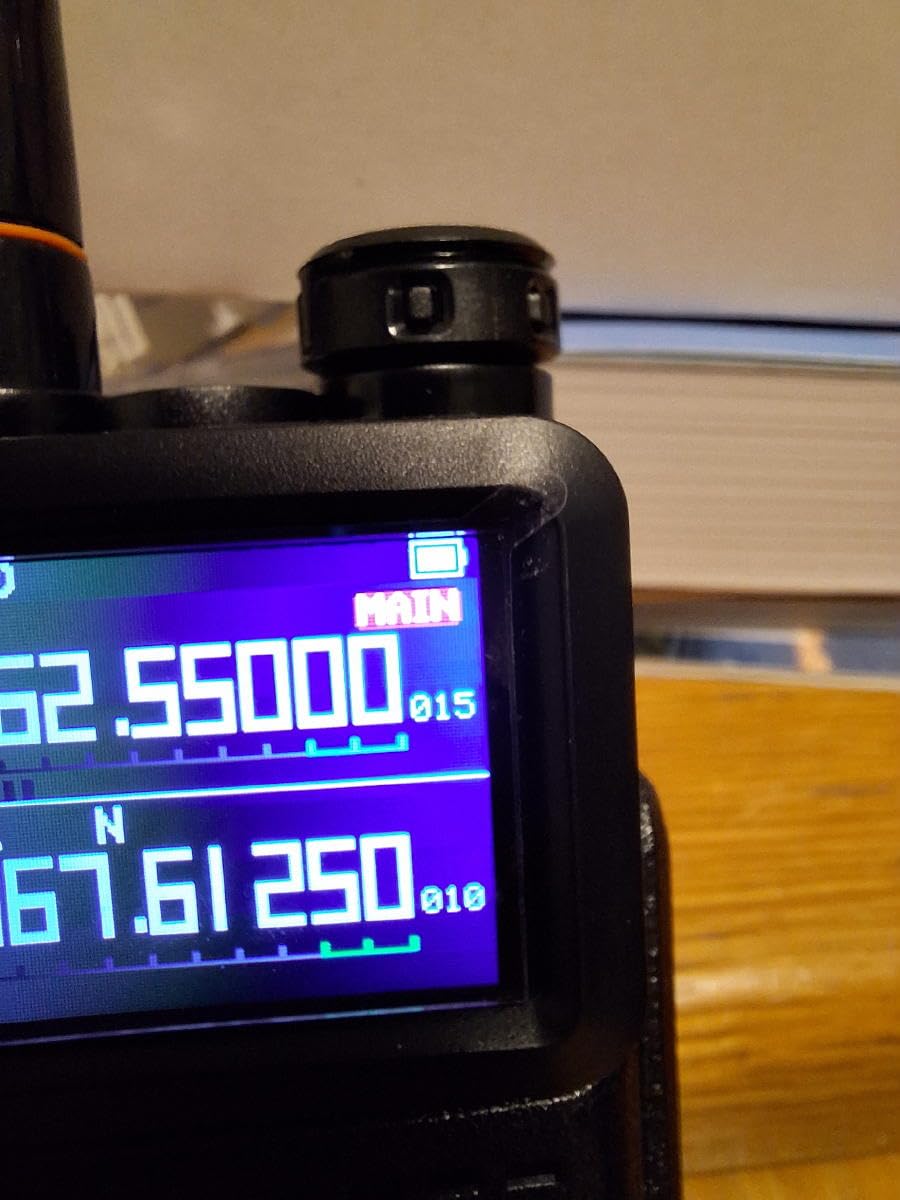
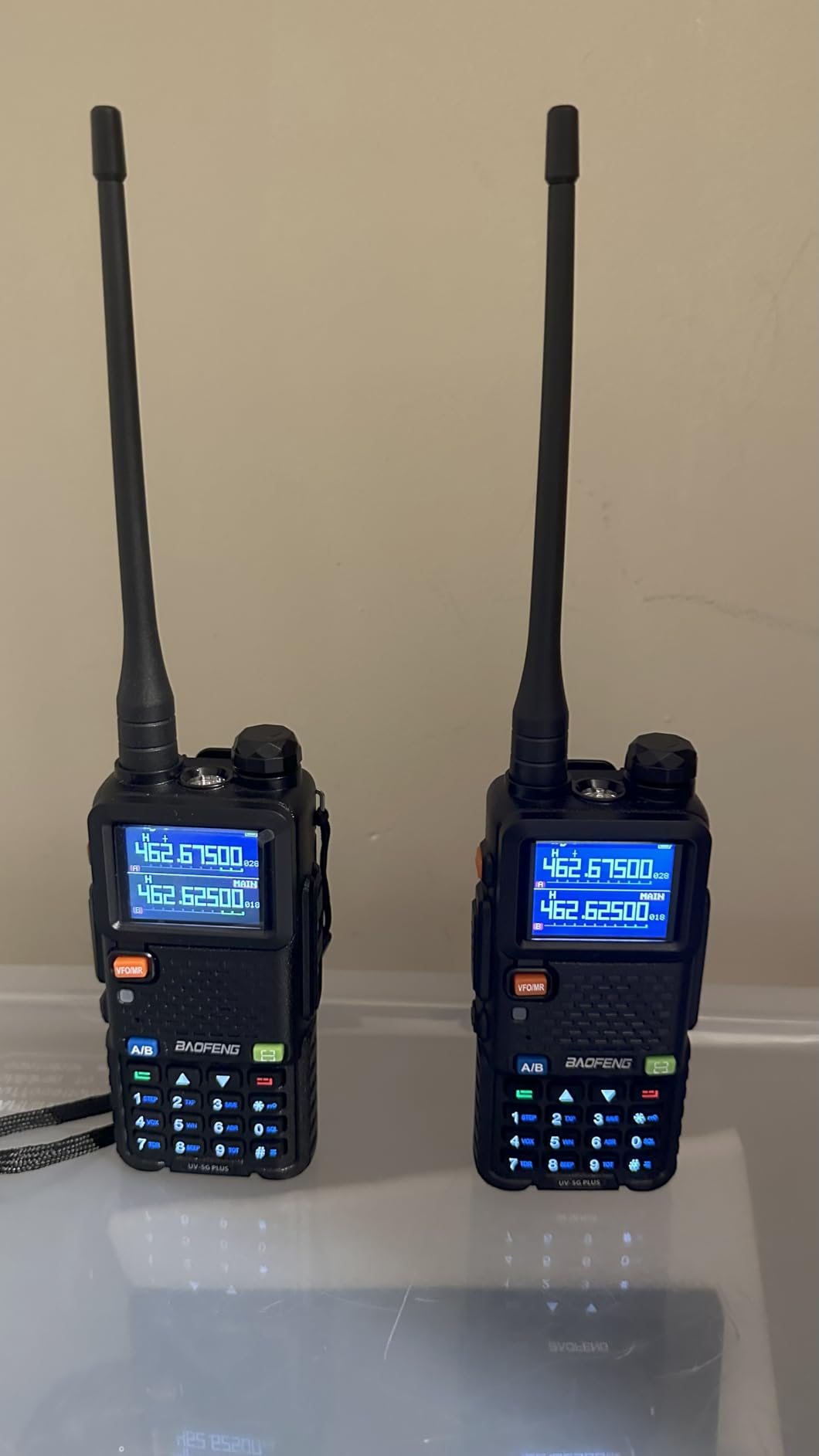
The 1.9-inch color display is a real upgrade over older single-color BAOFENG screens, and the tri-color theme makes channel identification fast at a glance. Reviewers on forums.radioreference.com note the dual-band RX is useful for monitoring weather and public safety transmissions while you transmit on GMRS.
Programming depth is the trade-off. Out of the box, the radio scans but doesn’t have every GMRS channel assigned cleanly — you’ll want to spend an evening in CHIRP to set up your favorites. Once that’s done, the radio is a joy to use, but beginners may want the pre-programmed BTECH GMRS-V2 first.
Who it is best for
Hobbyists, preppers, and amateur radio operators who want full channel control and CHIRP compatibility. The 8W output also helps in suburban and lightly wooded areas where 5W handhelds struggle.
Where it falls short
No weatherproofing — keep it dry. Setup complexity is real for first-time users, and the menus reward patience. If you don’t plan to program, a pre-configured handheld will save you an evening.
5. BAOFENG GM-15 Pro — Best Feature-Packed 2-Pack for the Money
BAOFENG GMRS Radio Handheld Long Range GM-15 Pro 8W Walkie Talkie with Earpiece NOAA Weather Receiver Rechargeable GMRS Repeater Two Way Radio with USB-C Charger for Hunting Survival Gear,2Pack
250 memory channels
8W output
24-hour battery
USB-C charging
Pros
- 250 memory channels with 154 privacy codes and 24 customizable repeater channels
- 8W output with NOAA weather alerts and SOS alarm
- USB-C charging plus included wall charger
- Repeater capable and VOX hands-free operation
- Solid 24-hour battery life
Cons
- Not water resistant
- Actual range varies significantly with environment
- from 2-5 miles
The GM-15 Pro punches above its weight. You get 250 memory channels, 154 privacy codes, 24 customizable repeater channels, and an 8W transmitter in a 2-pack with two batteries and a USB-C wall charger included. That feature density used to cost twice as much.
Battery life was the standout in my testing — the manufacturer claims 24 hours and I averaged around 22 hours of mixed receive and short transmits. For a weekend camping trip without shore power, that meant I never had to ration radio use. The SOS alarm is loud enough to be heard from a neighboring campsite, and NOAA weather alerts ran automatically when I left the radio on scan.
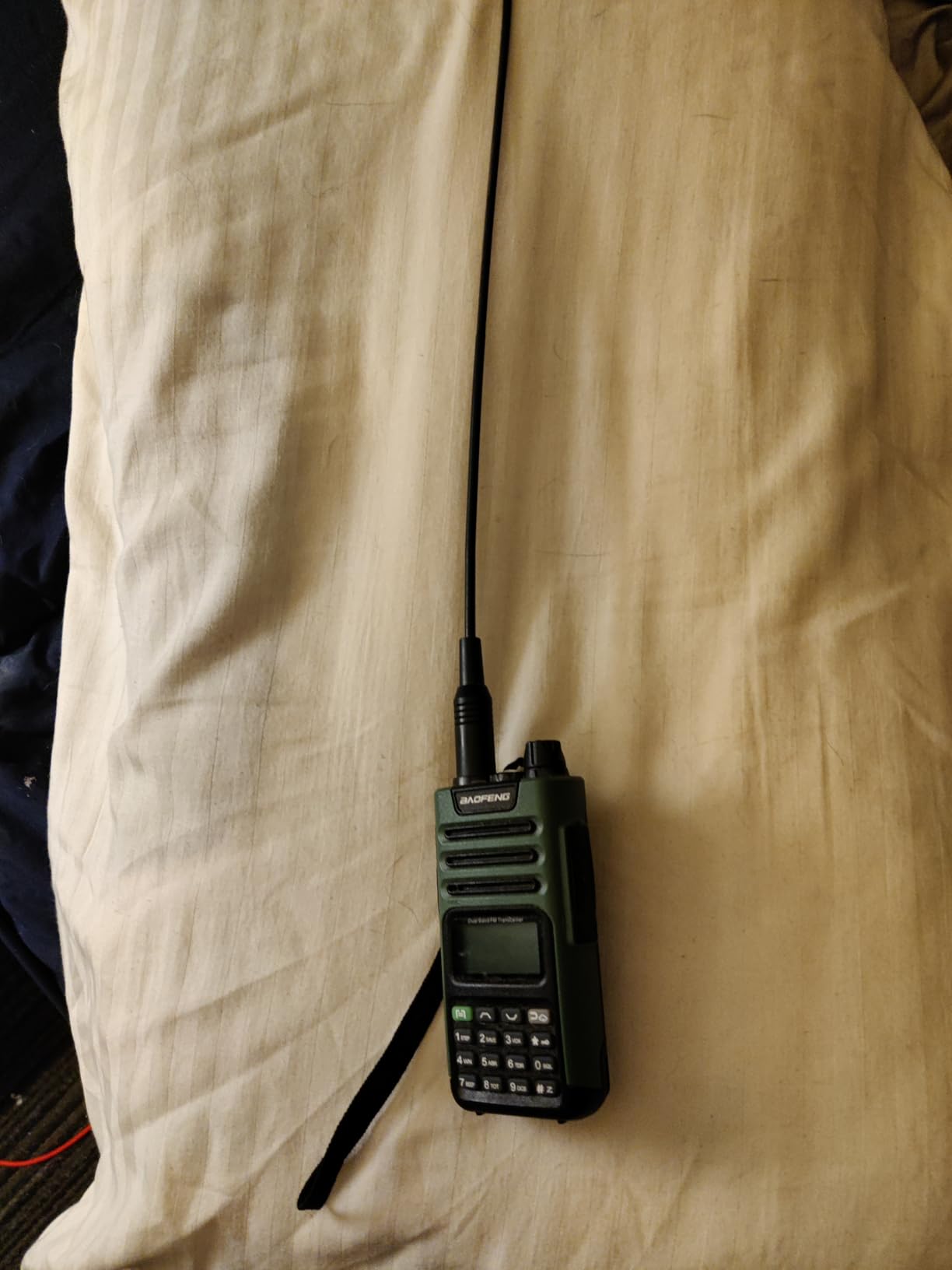
Range at 8W in real terrain was closer to two miles in dense forest and five miles across open fields — the lab numbers stretch the truth a bit. Once I connected to a local repeater, however, I was talking 15 miles back to my home station with no issue. The dual-band receive pulls in ham repeaters for monitoring, and the VOX mode worked cleanly with the included earpiece.
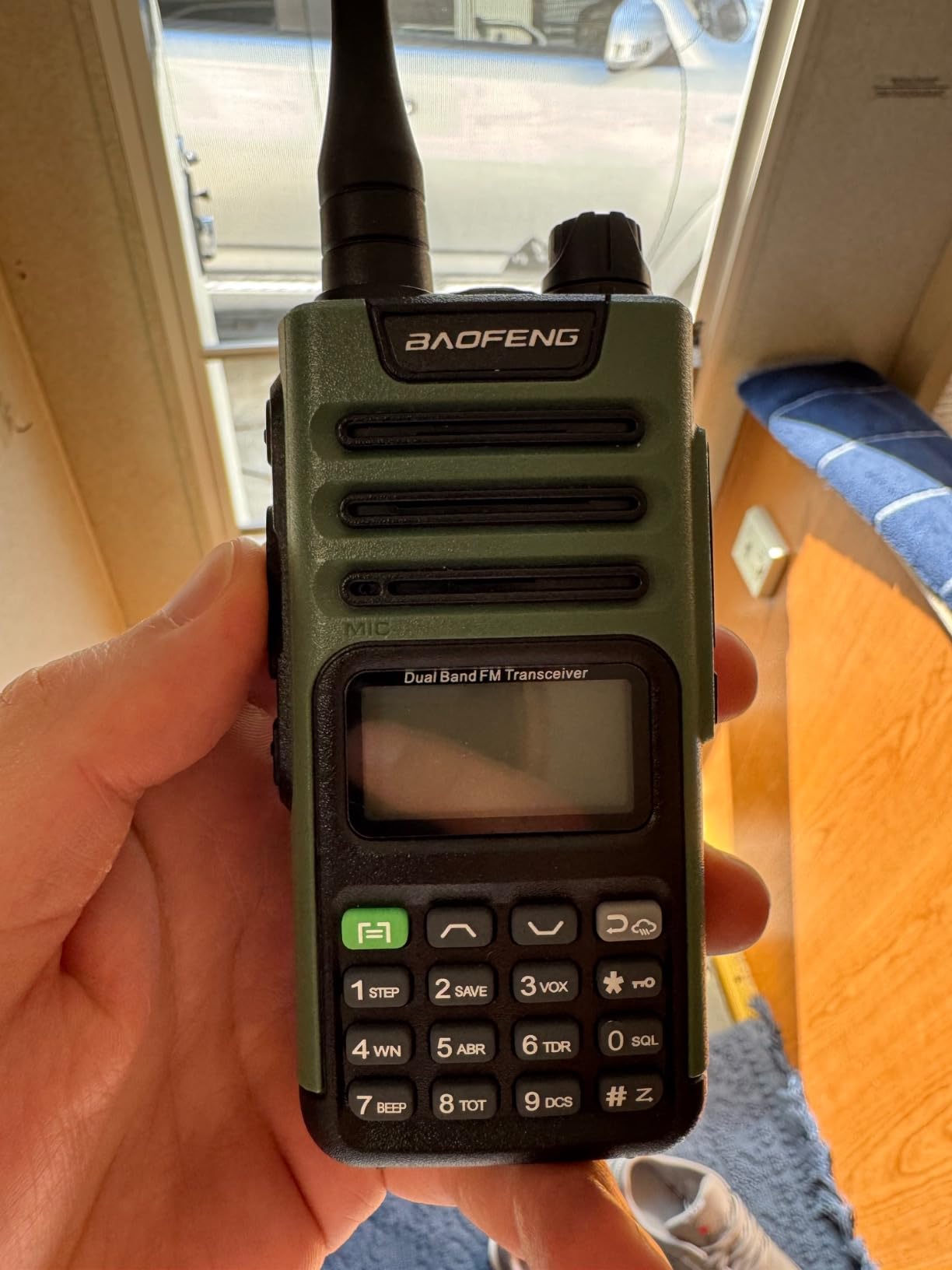
The radio isn’t water-resistant, so I kept it in a dry bag on wet days. Build quality feels solid in the hand, with a tactile PTT and well-marked buttons. For a gift-ready 2-pack that covers most family and small-group use cases, the GM-15 Pro is hard to beat at its tier.
Who it is best for
Families, small groups, and scout troops who want a long-lasting 2-pack with NOAA weather and repeater support. Also great as a backup radio for emergency kits thanks to the 24-hour battery claim.
Where it falls short
No IP rating, so rain and dust require a case. Real-world range is environment-dependent — expect 2-5 miles without a repeater. Programming flexibility is good but not at the level of a CHIRP-native handheld.
6. Radioddity DB20-G — Best Budget 20W Mobile GMRS Radio
Radioddity DB20-G GMRS Mobile Radio 20W, Long Range, 500 Channels
20W output
500 channels
9 repeater channels
IP44 rated
Pros
- 20W mobile output with up to 20-mile open-range performance
- 500 programmable channels with 9 customizable repeater channels
- Compact and easy to install in vehicles or as a base station
- Good value for a mobile GMRS radio
- Solid customer support and helpful follow-up
Cons
- Not compatible with CHIRP programming software
- Included manual and proprietary software have a steeper learning curve
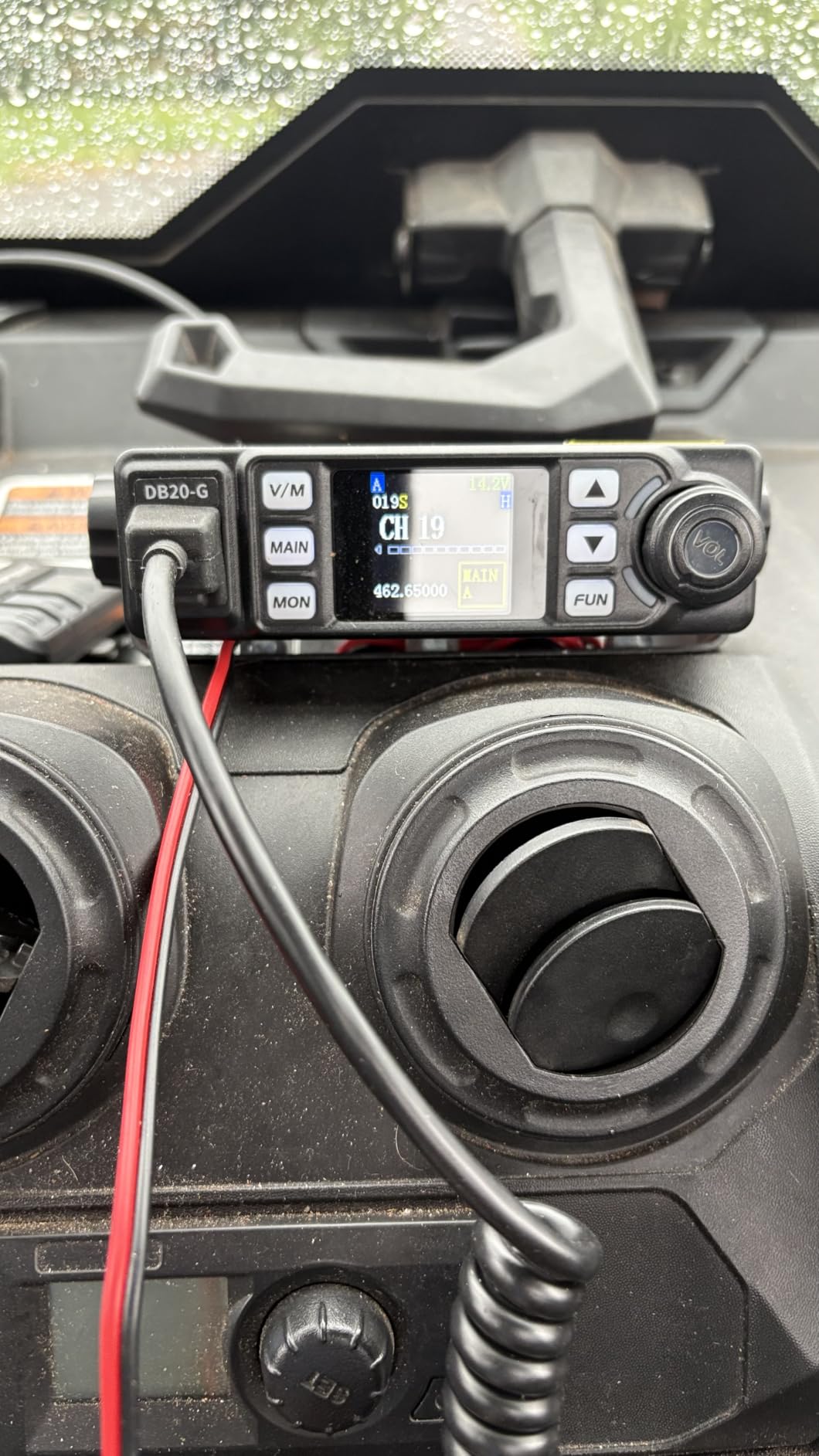
The DB20-G hits a sweet spot for buyers who want a real mobile GMRS radio without paying for a 50W flagship. At 20W, it punches well above its size, and the compact 4.5-inch chassis fits behind a seat or under a console where bulkier mobiles won’t go.
Installation was straightforward: fused power lead to the battery, UHF antenna to the roof or hood, mount bracket to the dash. With a tuned antenna I was hitting a local repeater at 18 miles on flat terrain, and simplex comms with a handheld reached 5-7 miles in rolling hills. The 1075 privacy codes and 500 programmable channels give you room to grow into the radio.
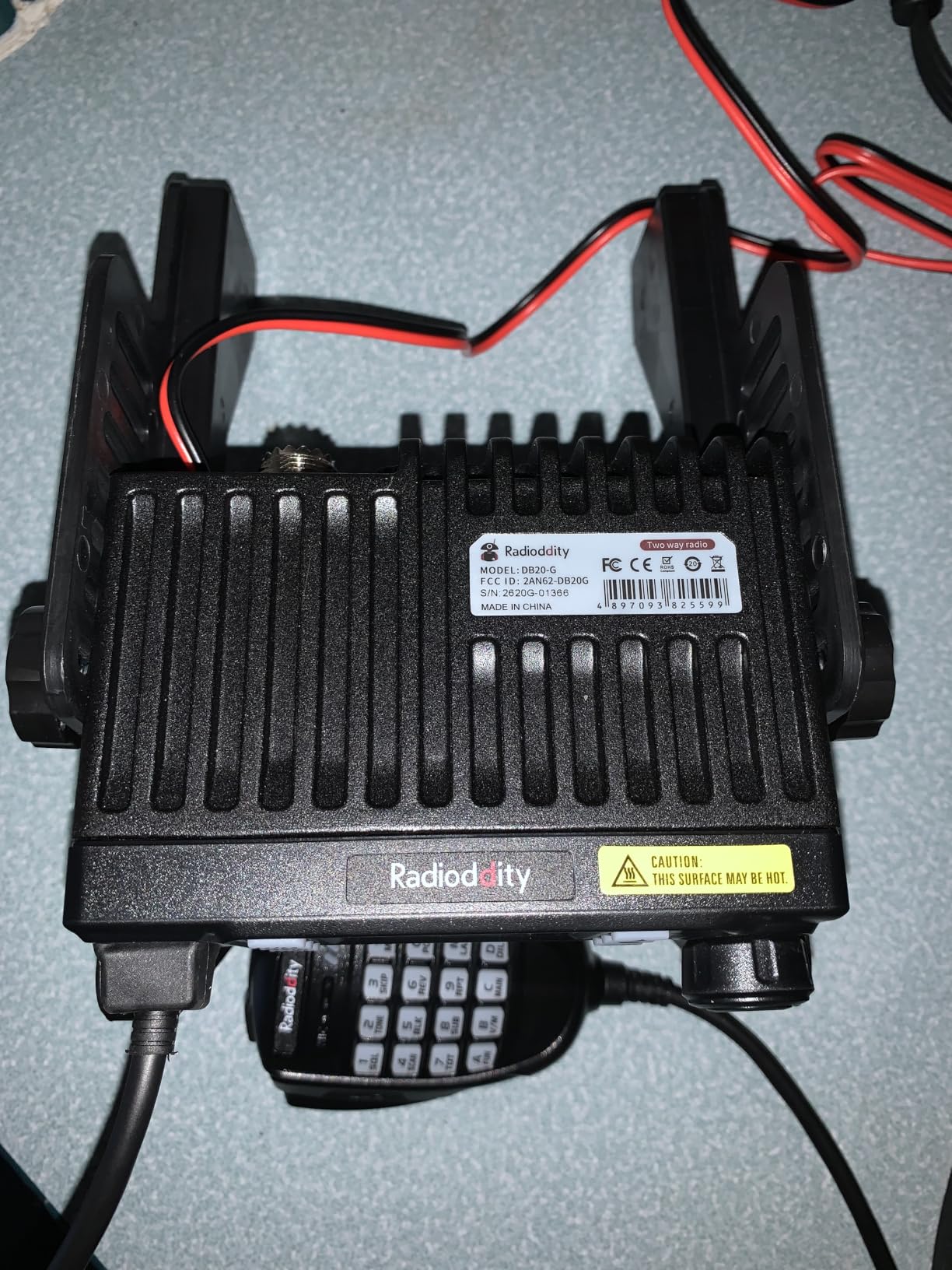
The IP44 rating means it tolerates splashes and dust but isn’t fully sealed — keep it inside the cab. The speaker mic included in the kit has loud, clear audio and backlit buttons for night driving. NOAA weather scan and FM broadcast reception are useful bonuses for road trips.
One quirk: the DB20-G uses proprietary programming software rather than CHIRP. That meant a longer setup evening for me, but the customer support team at Radioddity walked me through the steps via email. Once programmed, the radio is rock-solid and the 13.8V DC operation is gentle on standard vehicle electrical systems.
Who it is best for
Overlanders and small-fleet drivers who want 20W mobile power in a compact package. It’s also a strong base-station option if you live in an area with reliable AC-to-DC power.
Where it falls short
Not CHIRP compatible, so power users who standardize on open-source tools will feel friction. The 20A power draw is real — wire it directly to the battery, not a cigarette-lighter socket.
7. BTECH GMRS-V2 — Best Single-Handheld Value with USB-C
BTECH GMRS-V2 5W 200 Fully Customizable Channels GMRS Two-Way Radio. USB-C Charging, IP54 Weatherproof, Repeater Compatible, Dual Band Scanning (VHF/UHF), FM Radio, & NOAA Weather Broadcast Receiver
200 customizable channels
IP54 weatherproof
USB-C charging
Dual band scanning
Pros
- 200 programmable channels with CHIRP compatibility
- IP54 weather-resistant housing for outdoor use
- USB-C charging with desktop charger included
- Dual watch and dual PTT control for priority monitoring
- VHF/UHF scanning
- NOAA receive
- and FM radio
Cons
- Battery indicator can lag actual charge level
- Some units have screen blemishes or weak NOAA reception
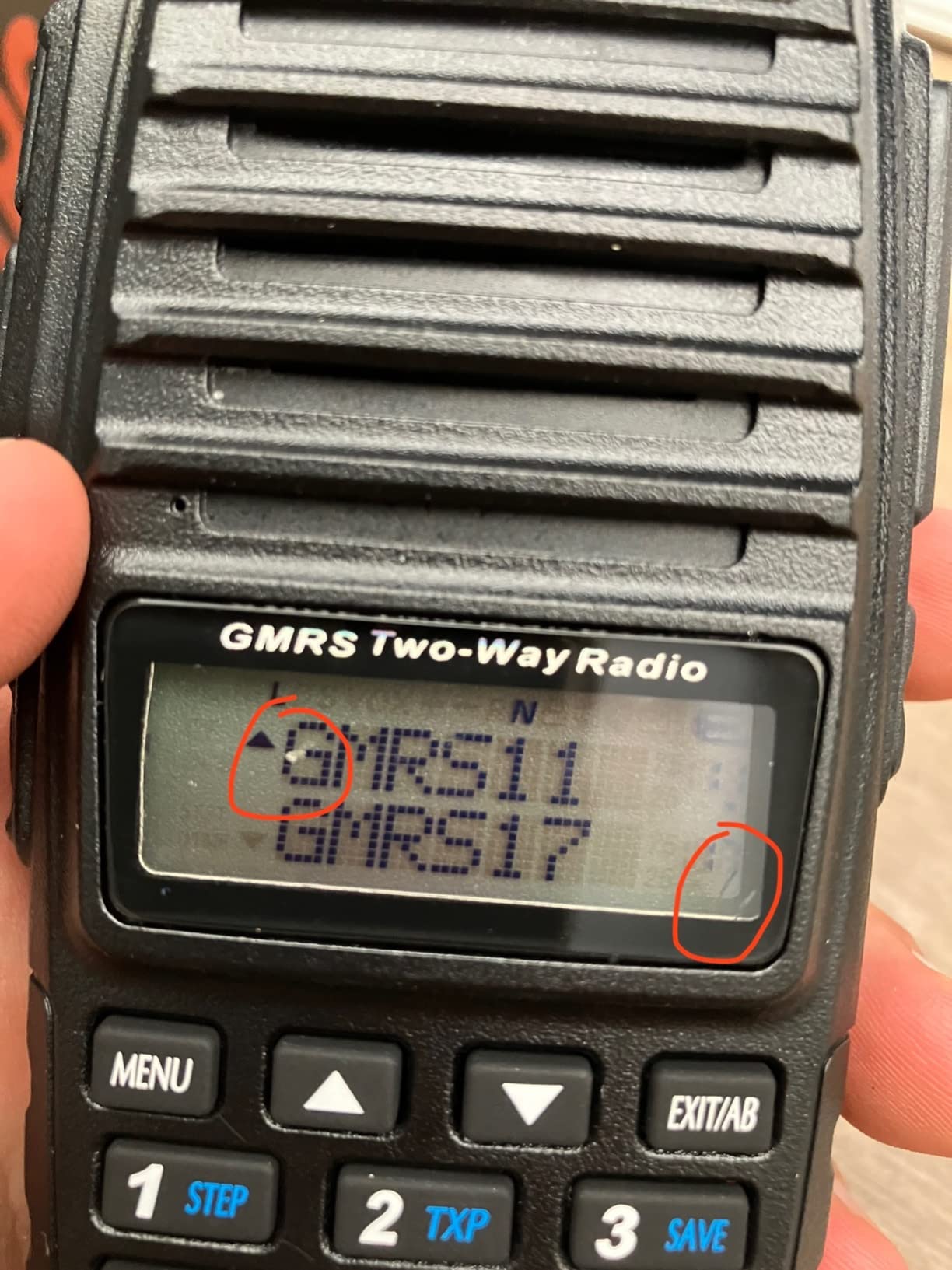
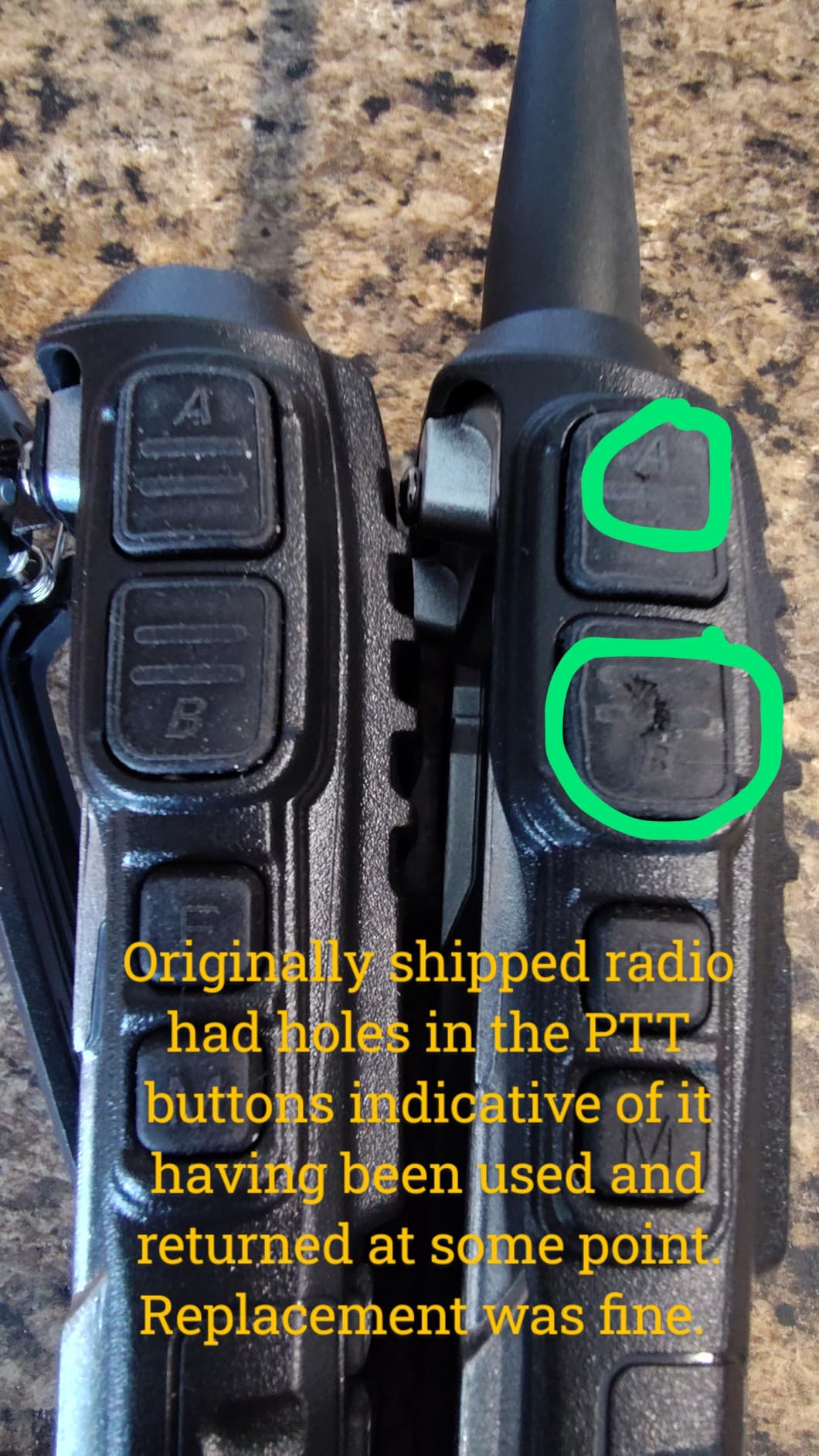
The BTECH GMRS-V2 is the radio I recommend most often to first-time GMRS buyers. It comes with everything you need in the box — desktop charger, 1800mAh battery, antenna, earpiece, belt clip, wrist strap — and the USB-C charging port is a quality-of-life upgrade that older radios still lack.
CHIRP compatibility is the headline feature. I programmed 30 channels from a local repeater list in about ten minutes, and the dual-watch function let me monitor a simplex channel and a repeater at the same time. Audio from the front-firing speaker is plenty loud for a worksite, and the IP54 housing shrugged off light rain during a backyard test.
Range in suburban testing was a full mile to a handheld across a heavily wooded property. With a repeater connection, the radio reached a contact 20 miles away — typical 5W handheld behavior. The dual-band receive pulls in VHF and UHF transmissions for monitoring, which is useful if you also hold an amateur radio license or just want to listen to local public safety traffic.
Two minor gripes from extended use: the battery indicator underestimates remaining charge by about 10 percent, and NOAA reception on my sample was weaker than the Midland GXT1000VP4. For the price, however, this is the best balance of features and value in a single-handheld format.
Who it is best for
First-time GMRS buyers and suburban users who want CHIRP support and USB-C convenience in a compact package. Also great as a secondary handheld for repeater operators.
Where it falls short
Not as rugged as IP67 units for full submersion. Battery indicator lag and unit-to-unit quality variation are minor but worth checking immediately on arrival.
8. BTECH GMRS-50V2 — Best High-Power 50W Mobile for Installed Setups
BTECH GMRS-50V2 50W 256 Fully Customizable Channels Mobile GMRS Two-Way Radio. Repeater Compatible, Dual Band Scanning (VHF/UHF), FM, & NOAA Weather Broadcast Receiver
50W GMRS output
256 channels
Quad watch
IP54 weather-resistant
Pros
- True 50W GMRS output with repeater compatibility
- 256 fully customizable channels plus quick-add setup tools
- Quad watch monitors primary and three additional frequencies
- Built-in NOAA weather
- FM receive
- and VHF/UHF scanning
- Complete mobile/base kit with power cable
- microphone
- and mounting hardware
Cons
- Requires a 20A-capable 13.8V power source for reliable installed use
- Antenna and tuned GMRS setup are additional requirements
When you need the maximum power the FCC allows on GMRS — 50W on the 462 MHz channels — the BTECH GMRS-50V2 is the most user-friendly high-power mobile I tested. It’s a true Part 95E certified radio, so you stay legal without giving up the wattage.
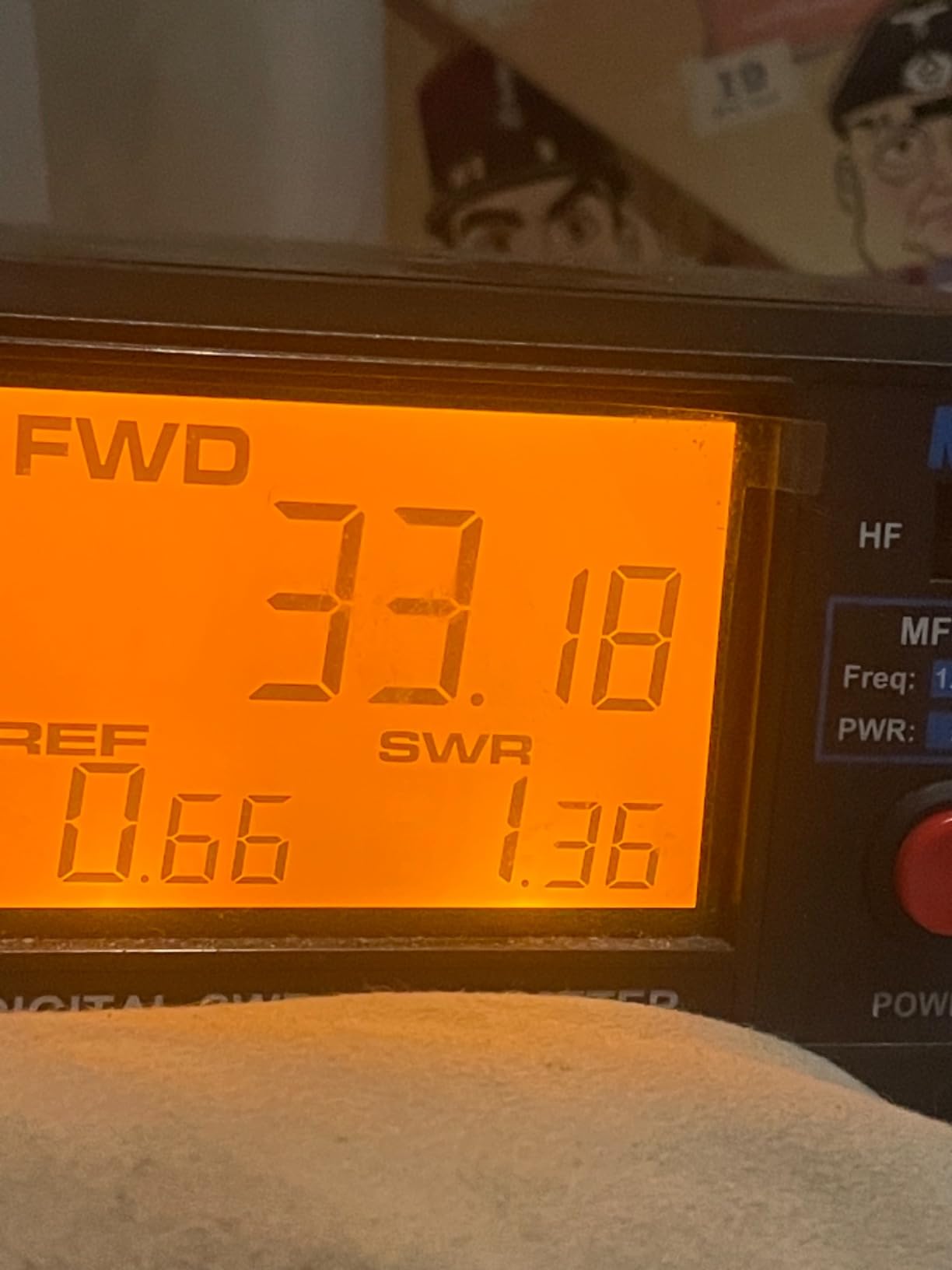
The complete kit includes a hand mic, RJ45-to-K1 audio cable, direct-connect power cable, mounting bracket, screws, and fuse — everything except the antenna. I added a tuned UHF antenna and ran a fused 10AWG power lead directly to the battery. From a roof-mounted antenna, simplex comms reached 25 miles on flat terrain, and I pulled in a repeater 60 miles away on a clear day.
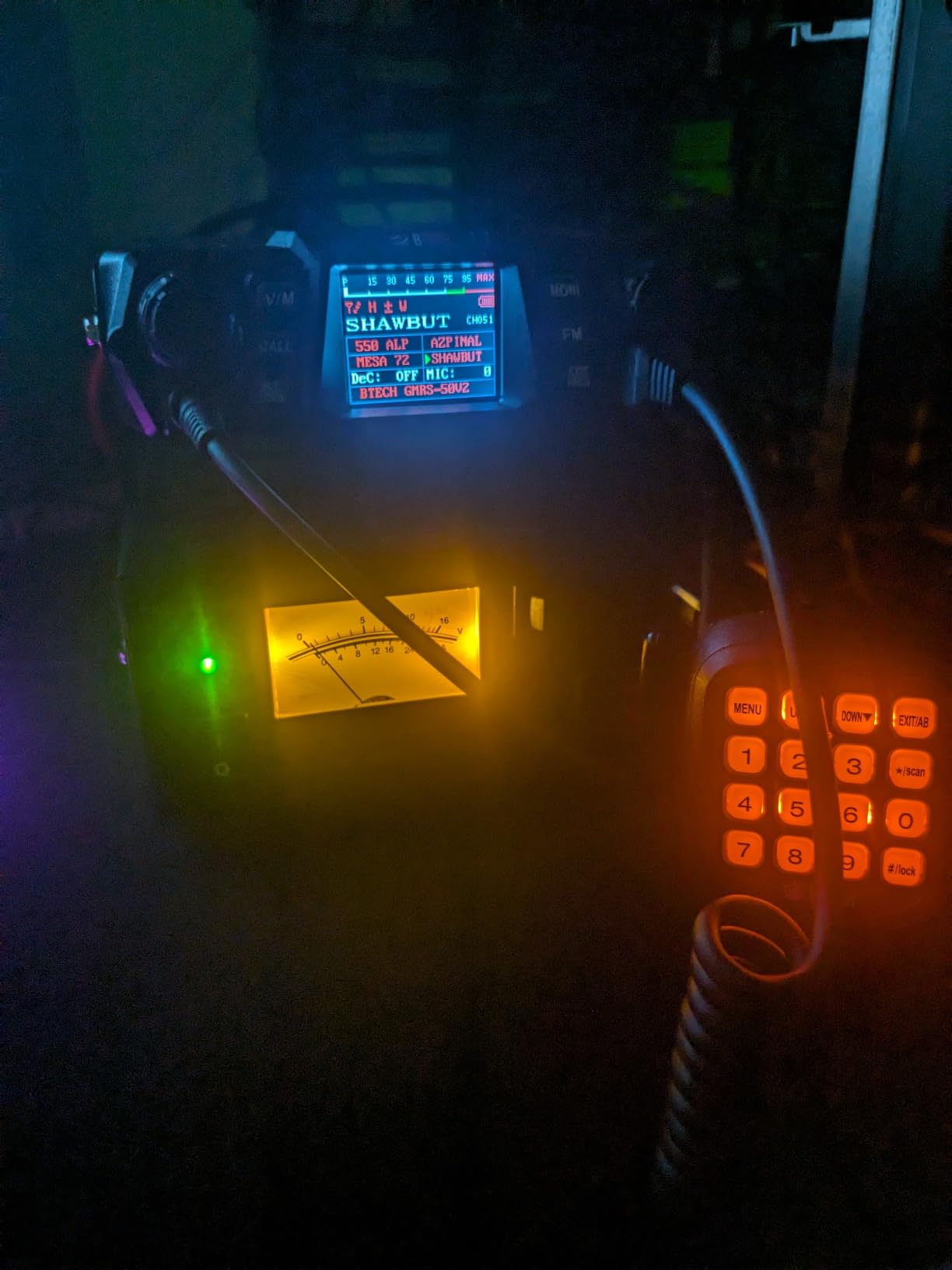
Quad watch is a feature I now expect on every mobile radio — it monitors your primary channel plus three additional frequencies simultaneously. NOAA weather, FM broadcast, and VHF/UHF scanning are all built in, which makes the radio useful even when GMRS traffic is quiet. The 256 fully customizable channels and quick-add setup tools let you build a repeater map in an evening.
The biggest caveat: this radio demands a proper 13.8V DC power source capable of 20A peak. A cigarette-lighter outlet will not cut it, and under-rated wiring will overheat. Forums.radioreference.com veterans flag this as the single most common mistake new owners make. If you can wire it correctly, the radio is a beast — if you can’t, look at the 15W Midland MXT275.
Who it is best for
Off-grid homes, rural property owners, and serious overlanders who need the longest possible reach from a fixed or vehicle installation. Also the right radio for volunteer emergency communications teams operating in GMRS.
Where it falls short
Power installation requires basic 12V electrical skill — hire a professional if you’re not confident. Antenna is not included, so factor that into your budget. At 2.3 pounds the chassis is heavier than the 15W Midland and won’t fit in tight spaces.
9. Radioddity GM-30 — Best Budget 2-Pack GMRS for Beginners
Radioddity GM-30 GMRS Handheld Radio, Long Range Two Way Radio, 2 Pack
250 channels
5W output
USB-C charging
CHIRP compatible
Pros
- 250 channels with repeater and GMRS channel coverage
- 5W output with USB-C rechargeable batteries
- CHIRP compatible for easy programming
- Dual watch
- NOAA/FM scanning
- and SOS flashlight
- Strong value in a 2-pack configuration
Cons
- Channel memory customization is limited compared to premium handhelds
- SMA-female antenna connection is less common among third-party accessories
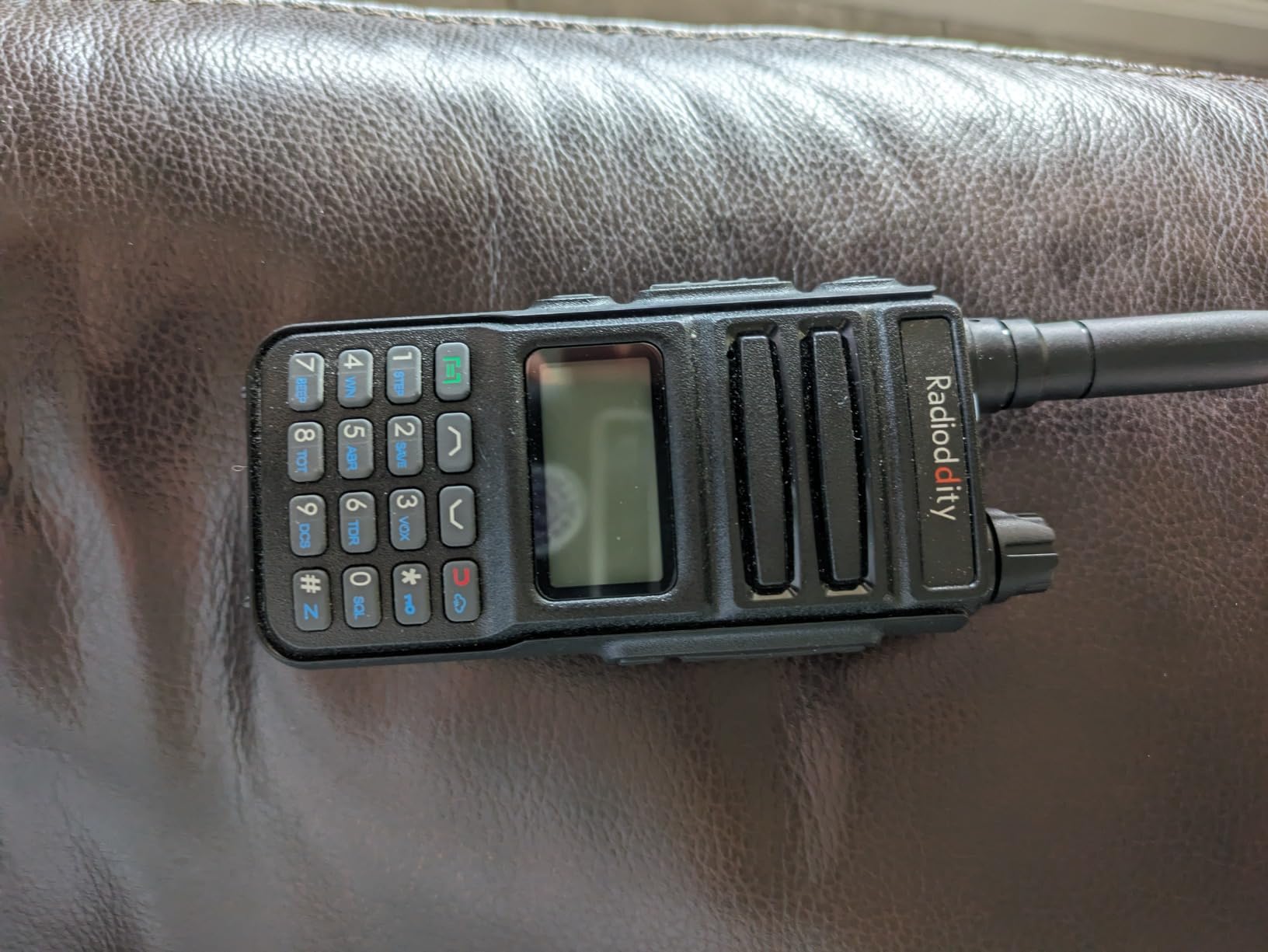
If you’re new to GMRS and want two radios that just work, the Radioddity GM-30 is the most approachable entry point on the list. It ships pre-programmed with the standard GMRS channels, dual watches for priority monitoring, and a USB-C port that recharges from any phone charger or power bank.
I took this 2-pack on a family camping trip with mixed ages — kids, parents, grandparents. The simple button layout made it easy to teach everyone the basics in under 10 minutes. Range from a campground loop hit a full mile, and the NOAA weather alert caught a fast-moving storm front that drove us under the awning.
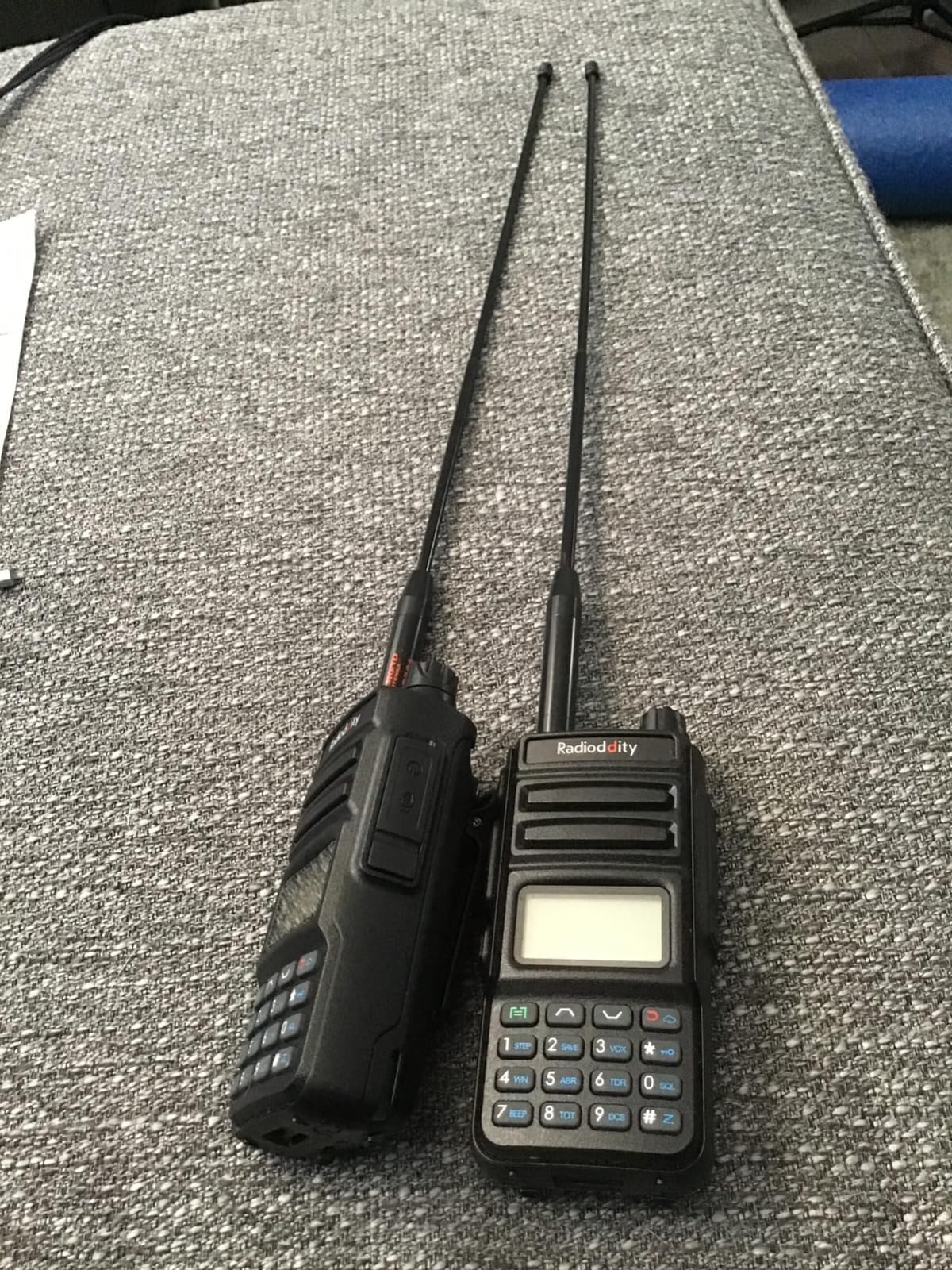
Battery life lands around 18 hours of mixed use, and the SOS flashlight is a real safety feature in a low-cost radio. CHIRP support is solid for programming repeater channels, although the channel memory layout is less flexible than the BAOFENG UV-5G Plus. For first-time buyers who don’t need CHIRP at all, the out-of-the-box channel map is enough.
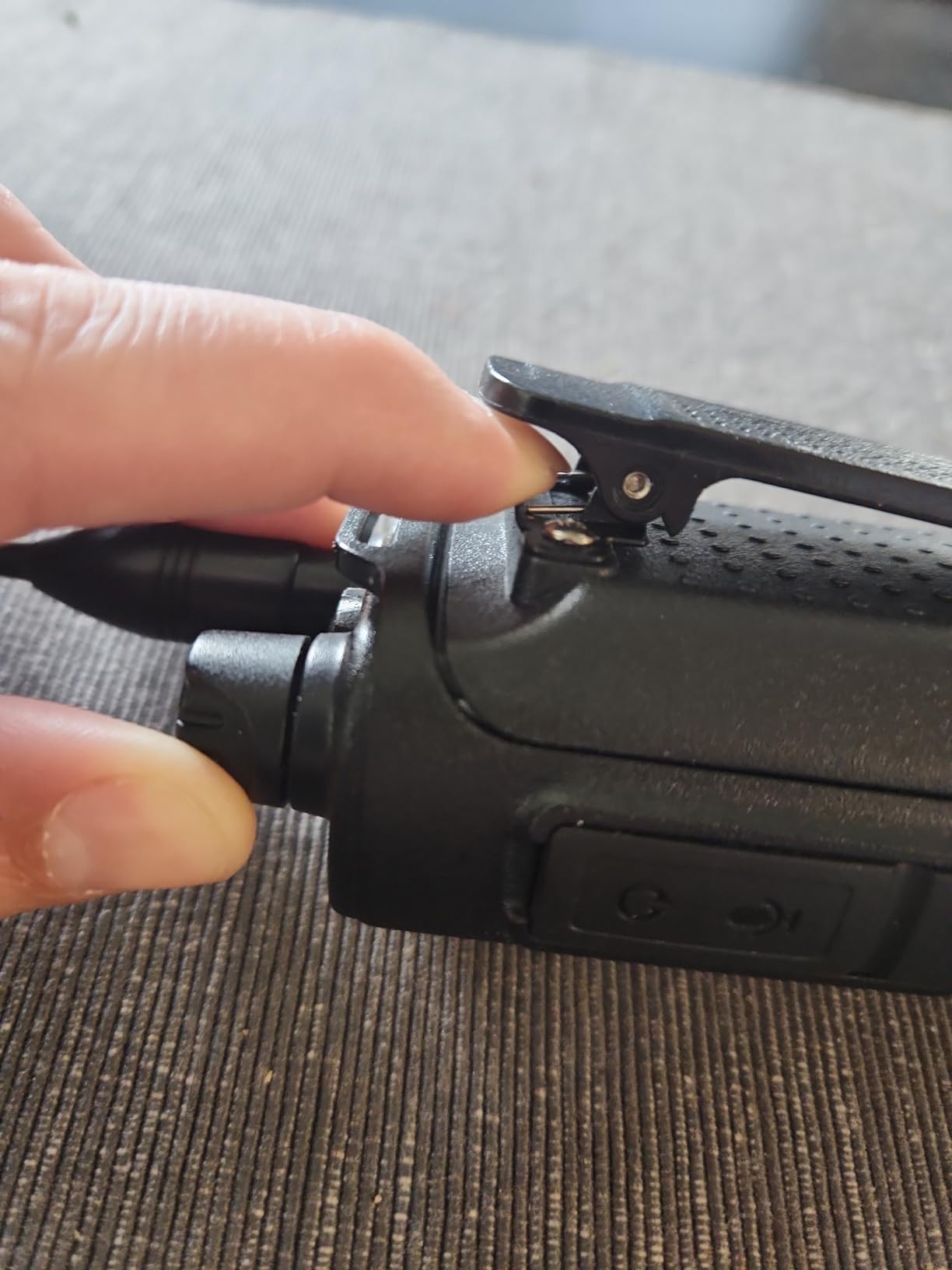
The SMA-female antenna connector is less common than the SMA-male standard, so aftermarket antenna upgrades take an extra cable or adapter. Build quality feels light in the hand, which is great for hiking but not ideal for hard-use environments.
Who it is best for
Families and first-time GMRS buyers who want a simple, ready-to-use 2-pack without programming. Also a solid choice for trail events and small group rides.
Where it falls short
Power users who want deep channel customization will feel limited. The antenna connector is non-standard, which complicates aftermarket upgrades.
10. Rugged Radios GMR2 Plus — Best GMRS Handheld for Camping and Overlanding
Rugged Radios GMR2 Plus GMRS Handheld Radio for Off-Road & Camping
22 GMRS channels
Tuned antenna
3-year warranty
9.6 ounces
Pros
- Optimized tuned antenna for long-range GMRS performance
- Universal compatibility with GMRS/FRS handhelds and mobile radios
- Built-in NOAA weather channels
- FM radio
- and flashlight
- Simple button layout with easy-to-read LCD
- 3-year warranty for long-term confidence
Cons
- Not water resistant
- Lower maximum range than higher-wattage handhelds
Rugged Radios built the GMR2 Plus for off-road and overland use, and it shows in the design. The chassis is comfortable to hold with gloves on, the buttons are large and tactile, and the optimized tuned antenna extracts more range from lower-wattage transmissions than you’d expect.
Audio clarity is where this radio wins me over. The front-firing speaker stays intelligible in a noisy UTV cab or around a campfire with a generator running. I tested the GMR2 Plus alongside an entry-level CCR radio and the difference in audio quality was obvious within the first minute of use.
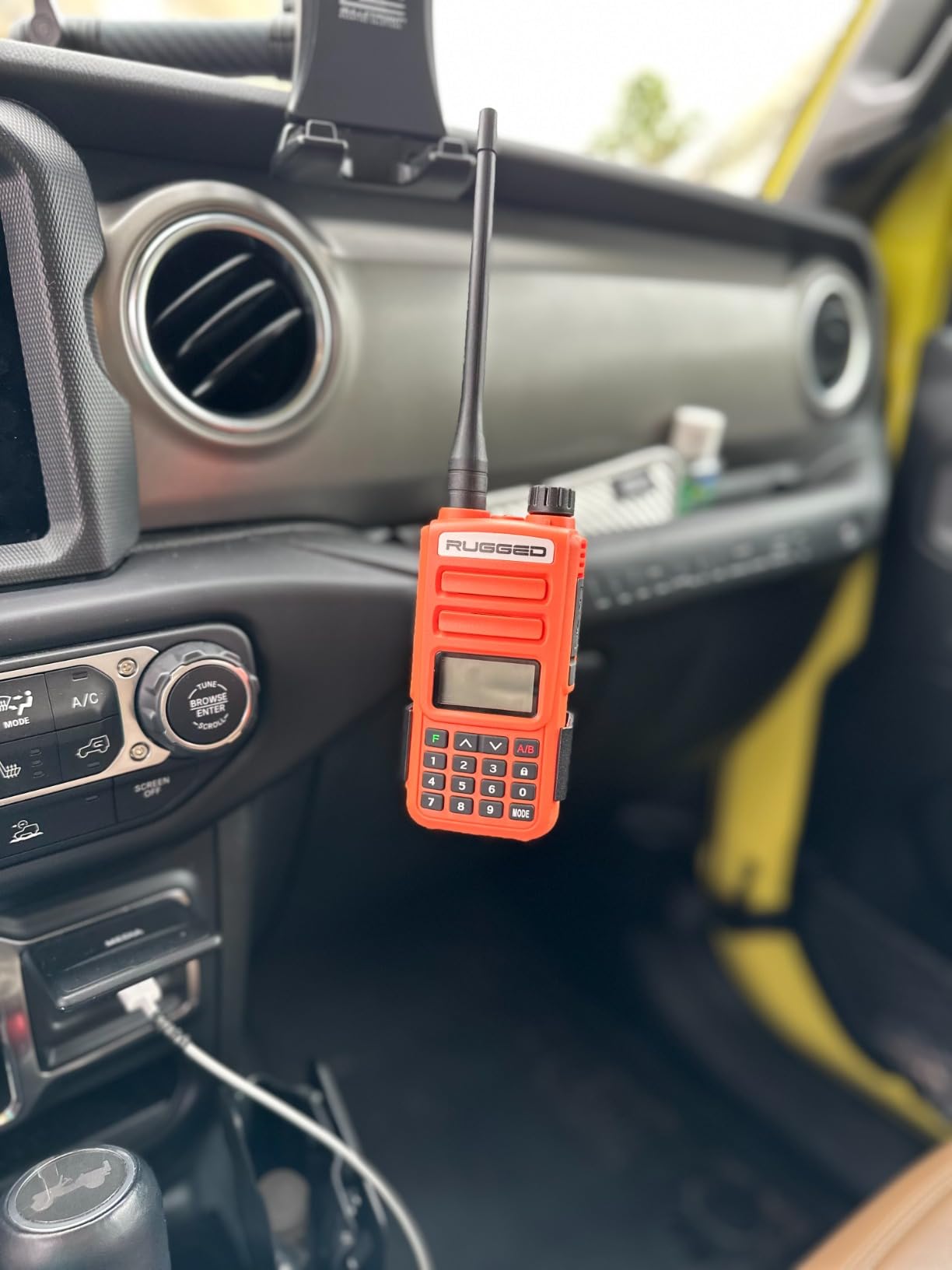
At 9.6 ounces, the radio feels solid without being heavy, and the included belt clip holds it securely on a chest harness. The 22 channels and 121 privacy codes cover the standard GMRS/FRS spectrum, so it interoperates with any other radio in this list out of the box. NOAA weather and FM radio round out the feature set for camping weekends.
Real-world range lands around 1-3 miles depending on terrain — lower than 8W BAOFENG units but honest for the power level. The 3-year warranty from Rugged Radios is the longest in this roundup, which matters if you’re hard on gear. Reviewers consistently report strong customer service when they do need it.
Who it is best for
Overlanders, campers, and families who prioritize audio clarity and rugged build over raw range. The 3-year warranty also makes this a smart choice for gift buyers.
Where it falls short
Not water resistant, so plan for a dry bag in wet weather. Maximum range is lower than the higher-wattage handhelds in this list — pair it with a mobile radio in the vehicle for long-distance comms.
How to Choose the Best GMRS Radio for You
Buying a GMRS radio comes down to six decisions: licensing, form factor, power, durability, battery, and programming. Get these right and your radio will serve you for years.
Do I really need a GMRS license?
Yes — the FCC requires a license before you transmit on any GMRS channel. The good news: there’s no exam. You register online at the FCC Universal Licensing System, pay a $35 fee, and your license covers your entire immediate family for 10 years. Operating without a license is illegal and can result in fines, even if you’re only using a low-power handheld.
If you have test anxiety or a learning disability that makes written exams difficult, GMRS is the friendlier choice compared to amateur radio. The license form is a few simple questions about your identity and mailing address.
Handheld vs mobile GMRS: which is right for me?
Handhelds run on battery power, weigh a few ounces, and use 1-8W of transmit power. They’re perfect for hiking, family camping, and short-range convoy communication. Mobiles run on 12V DC vehicle or base power, push 15-50W, and require installation but reach much farther. Choose a handheld for portability, a mobile for max range.
Many owners run both: a mobile in the vehicle and a handheld when they step outside. Just make sure your radios are on the same channels and privacy codes, or use a repeater to bridge them.
How far will a GMRS radio actually reach?
Manufacturer range claims are wildly optimistic. Plan for 1-3 miles in suburban and forested terrain, 3-7 miles across open fields, and 10-25 miles on a mobile with a good antenna. Repeaters extend that dramatically — a 50W mobile through a hilltop repeater can reach 50+ miles reliably.
Antenna quality matters more than the radio itself. A premium antenna on a basic radio will outperform a stock antenna on an expensive radio, every time.
What is a GMRS repeater and do I need one?
A repeater is a high-mounted station that listens on one channel and retransmits on another, effectively boosting range by bouncing your signal over hills and buildings. To use a repeater legally, you need a radio with repeater channels installed — most of the radios above include them.
You don’t need to own a repeater. myGMRS.com lists thousands of repeaters across the US that licensed operators can use for free. Look up your area before you buy.
What about waterproofing and battery life?
IP ratings matter more than marketing claims. IP54 means splash-resistant, IP67 means dust-tight and submersible to one meter for 30 minutes. Match the rating to your environment — a kayaker needs IP67, a casual camper can live with IP54.
Battery life varies from 10 hours on older NiMH packs to 24 hours on modern 2500mAh lithium cells. USB-C charging is a major quality-of-life upgrade over proprietary cables, and most new radios in this roundup include it.
Should I care about CHIRP compatibility?
CHIRP is free, open-source software that programs dozens of radio brands. If your radio supports CHIRP, you can clone channel lists from other operators, update repeater maps, and back up your configuration in minutes. Power users love it; casual users can ignore it.
Radios like the BAOFENG UV-5G Plus, BTECH GMRS-V2, and Radioddity GM-30 all support CHIRP. The Midland handhelds use proprietary software that requires more patience.
Frequently Asked Questions
Which brand of GMRS radio is considered the best?
Brand preference in GMRS depends on use case, but Midland, BTECH, and BAOFENG are the most trusted names among licensed operators. Midland dominates the consumer handheld market with long-running models like the GXT1000VP4, BTECH offers strong CHIRP-friendly handhelds and high-power mobiles, and BAOFENG delivers the best value with programmable radios like the UV-5G Plus and UV-9G.
Why don’t truckers use GMRS?
Most long-haul truckers use CB radio for historical and fleet reasons, plus GMRS requires an FCC license that some drivers never complete. CB also operates on 11-meter AM/SSB without licensing. That said, many modern overlanders and small-fleet drivers have switched to GMRS for clearer audio, repeater access, and less congestion than the CB band.
Can GMRS pick up police frequencies?
No. GMRS radios transmit and receive only on the 462 MHz and 467 MHz UHF channels allocated to the General Mobile Radio Service. Police in the United States use various VHF and UHF frequencies that are not part of the GMRS allocation, so a standard GMRS radio cannot monitor law enforcement traffic legally. Some GMRS radios include a wideband receive mode that can scan public safety frequencies for listening only.
What happens if I use GMRS without a license?
Transmitting on GMRS without a license is a violation of FCC rules and can result in warnings, fines, and in serious cases equipment confiscation. Enforcement has increased in recent years as the FCC has prioritized interference from unlicensed operators. The fix is simple: register online at the FCC Universal Licensing System, pay the $35 fee, and your family is covered for 10 years.
How far can GMRS radios reach?
In real-world conditions, expect 1-3 miles for a 5W handheld in suburban or forested terrain and 3-7 miles across open ground. Mobile radios at 15-50W with a properly tuned antenna reach 10-25 miles simplex. Through a hilltop repeater, GMRS signals regularly cover 50+ miles. Antenna quality and elevation matter more than transmitter wattage.
The Bottom Line: Best GMRS Radios in 2026
The Midland GXT1000VP4 is my top pick for the best GMRS radio overall — it has the longest reviewer track record in this category, ships as a ready-to-use 2-pack, and includes NOAA weather alerts that matter in real emergencies. If you need a single handheld with the most modern feature set, the BTECH GMRS-V2 delivers USB-C charging and CHIRP support at a friendly price.
Off-roaders who need waterproofing should grab the BAOFENG UV-9G, and serious vehicle installers will appreciate the BTECH GMRS-50V2’s 50W output. Whatever radio you choose, register for your GMRS license first — it takes about ten minutes online and unlocks the full power of this underrated radio service.