
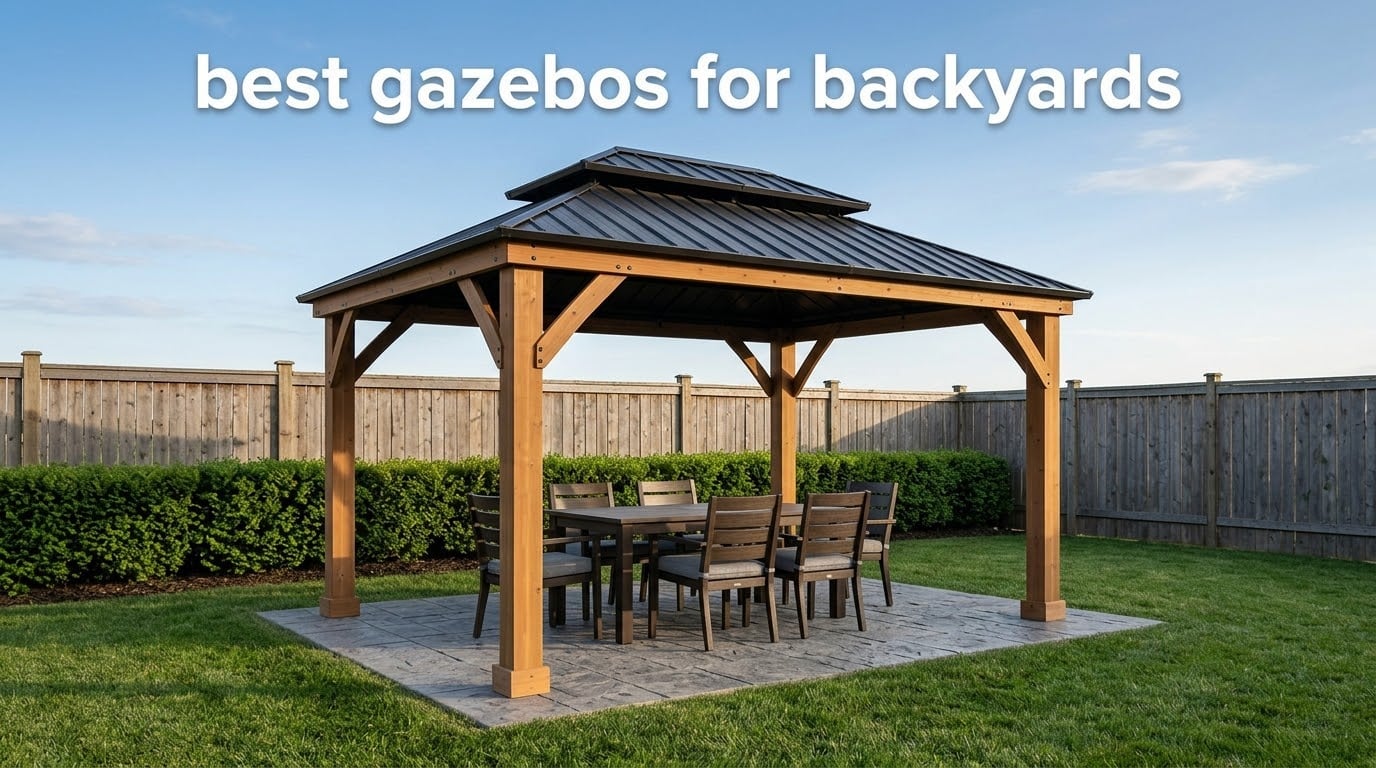
The best gazebos for backyards pair a weather-resistant frame with a roof that sheds sun and rain for years, and those two materials decide how a structure handles wind, snow, rust and time. Powder-coated aluminum and galvanized steel frames with a hardtop galvanized steel or double-tier roof are what we judged first, because fabric tops and thin frames are where most backyard gazebos disappoint.
We spent six weeks comparing ten gazebos across frame material, roof construction, published wind and snow ratings, included accessories and the assembly reality described in customer reviews. Ten of them, covering soft tops, polycarbonate hardtops, aluminum pavilions and cedar kits. The result is a list where every pick has a specific job: shaded patios, snow country, a screen room in the making, a corner of grass that needs a roof by next weekend.
Two things decide a gazebo before style does: the frame material and the roof material. A galvanized steel or powder-coated aluminum frame with a double-tier galvanized steel hardtop roof is what we look for in a permanent backyard structure. Below that, the picks range from a cedar pavilion for snow country to a fabric shelter that two people can carry across a lawn in an afternoon. If you want the broader picture, our hands-on gazebo reviews covers setup decisions in more depth.
Disclosure: we earn from qualifying purchases. Ratings and review counts shown are copied from the product listings at the time of writing and change constantly.
Table of Contents
Our Top 3 Backyard Gazebo Picks
These three cover the widest range of backyards. One is the all-round hardtop with the most verified owners behind it, one is a hardtop that looks permanent, and one is the fabric gazebo that solves a backyard problem in a single afternoon.

Kozyard Alexander 12×12 Hardtop
- Aluminum frame and galvanized steel double roof
- 2500 lb snow load and 60 mph anchored
- Curtains and mesh netting included

Aoxun 12×10 Polycarbonate Hardtop
- Double-layer polycarbonate roof that blocks UV
- Removable curtains and zipped mosquito netting
- Roof hooks for lights and fans
LAUSAINT HOME 10×13 Double Roof
- Galvanized steel frame with expansion bolts
- UPF 50+ polyester canopy with double roof
- Zippered netting and privacy curtains
All 10 Best Gazebos for Backyards (October 2026)
The table below is the quick version. Every pick, its size, its frame and roof, and what it is genuinely good at. Read it first, then jump to the full review for the one or two that fit your yard.
| Product | Specifications | Action |
|---|---|---|
| Kozyard Alexander 12×12 Hardtop |
|
Check Latest Price |
 Domi 12×12 Hardtop Gazebo Domi 12×12 Hardtop Gazebo |
|
Check Latest Price |
 EROMMY 10×12 Hardtop Gazebo EROMMY 10×12 Hardtop Gazebo |
|
Check Latest Price |
| Aoxun 12×10 Polycarbonate Hardtop |
|
Check Latest Price |
| LAUSAINT HOME 10×13 Canopy |
|
Check Latest Price |
 Backyard Discovery Norwood 16×12 Cedar Backyard Discovery Norwood 16×12 Cedar |
|
Check Latest Price |
 Yardistry Meridian 12×16 Cedar Pavilion Yardistry Meridian 12×16 Cedar Pavilion |
|
Check Latest Price |
 PURPLE LEAF 12×12 Hardtop PURPLE LEAF 12×12 Hardtop |
|
Check Latest Price |
 Jolydale 12×12 Aluminum Hardtop Jolydale 12×12 Aluminum Hardtop |
|
Check Latest Price |
 Aoxun 12×10 Fabric Gazebo Aoxun 12×10 Fabric Gazebo |
|
Check Latest Price |
1. Kozyard Alexander 12×12 Hardtop Gazebo: Best Overall for a Backyard
Kozyard Alexander 12′ x 12′ Hardtop Gazebo, Aluminum Frame
Aluminum frame
Galvanized steel double roof
144 sq ft
2500 lb snow load
Curtains and netting
Pros
- Heavy-duty all-metal frame with large posts and reinforced beams
- Galvanized steel roof sheds rain and snow
- Curtains and netting included and usable independently
- Built-in gutter drains water away from the covered area
Cons
- Nearly 400 pounds makes delivery and assembly demanding
- Assembly needs several people and a lot of time
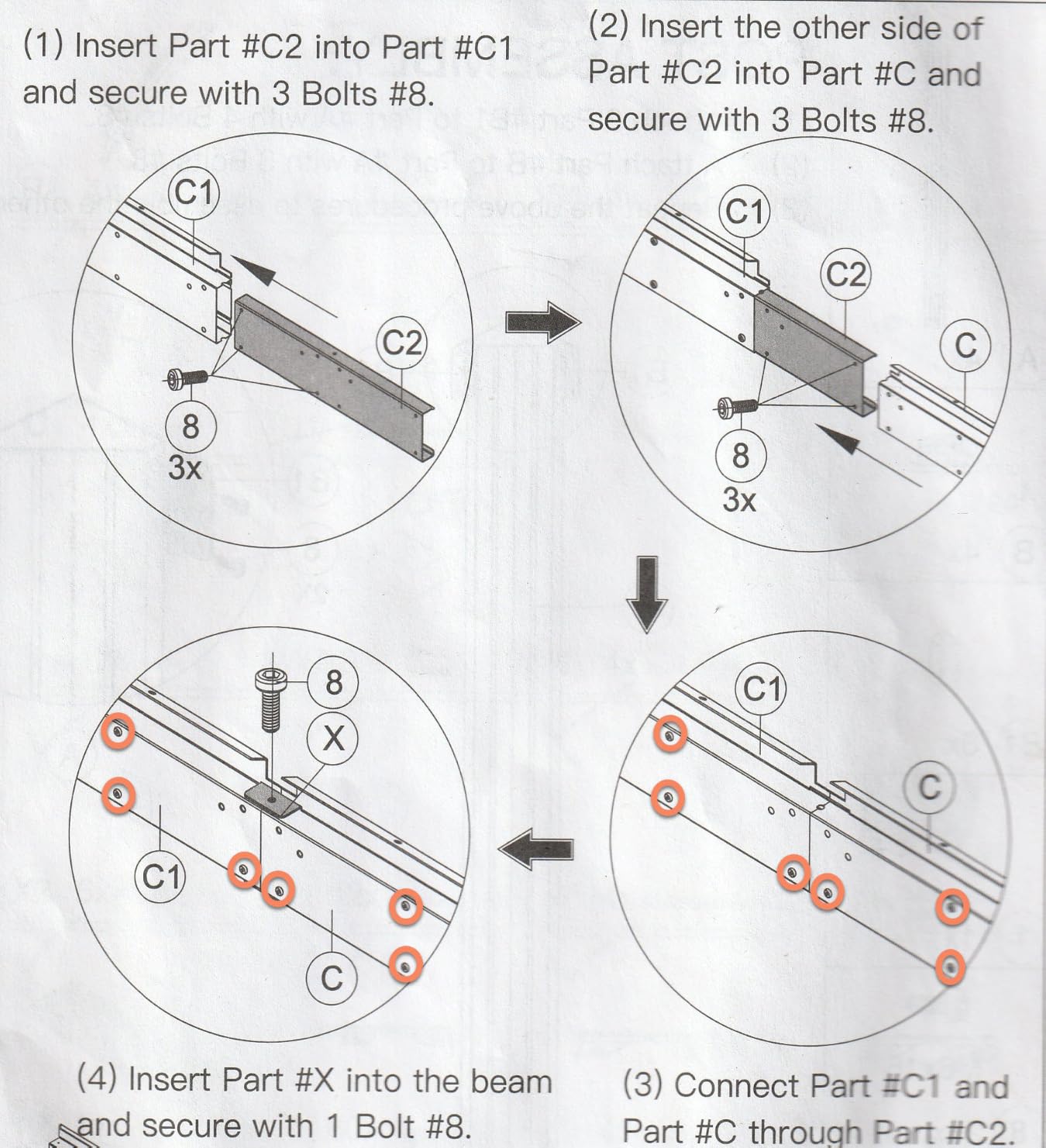
- Instruction diagrams are confusing around bolt placement
The Alexander is the gazebo we kept coming back to while we worked through this list. The frame is aluminum rather than thin steel tube, with 4.7 by 4.7 inch triangular posts feeding into 5 by 4 inch reinforced beams, and that is the difference you feel when you hang a ceiling fan off the crossbars or lean a ladder against a side wall. It is a heavy build at 397 pounds, and that weight is exactly why it feels permanent once it is up.
Roof construction is where the money went. It is a 29-gauge galvanized steel double roof with an integrated water gutter system, rated for 2500 pounds of snow load and 60 mph of wind when properly anchored. Owners report using it year-round for dining and lounging, and the double roof does two jobs: it moves water off the covered area and lets hot air escape instead of pooling under the peak.
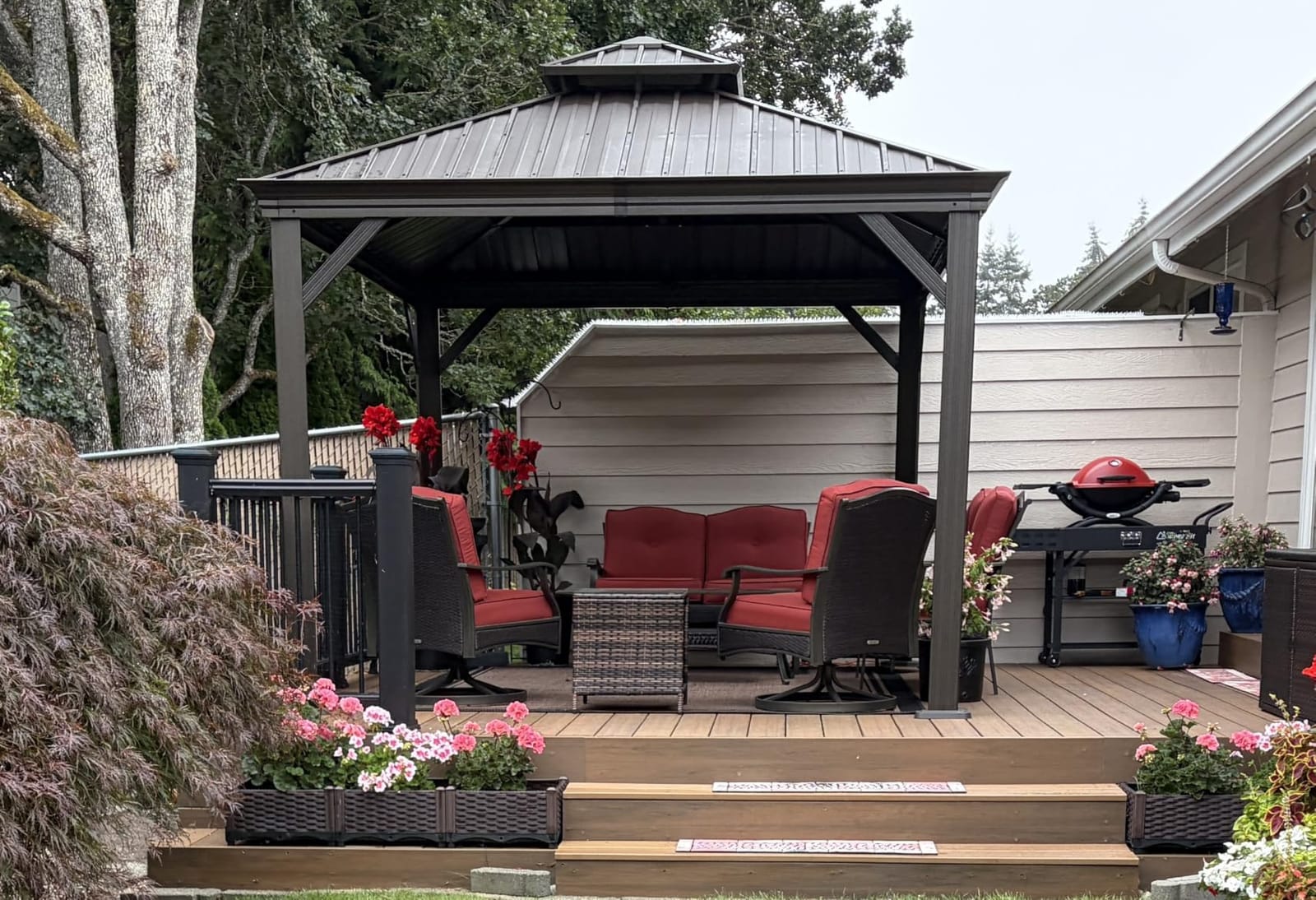
Both soft goods ship in the box. Double-sided zippered curtains and double-layer mesh netting run on dual tracks, so you can run the netting alone for a screened, bug-free evening or pull the curtains closed for shade and privacy. The 144 square feet of floor area seats six to eight people around a table, which is enough to turn a bare patio into an outdoor dining room for a long season.
The honest drawback is effort. At nearly 400 pounds, this is a two-job minimum with a helper for the roof panels, and the most common complaint in reviews is the assembly itself rather than anything that goes wrong afterward. A few owners also mention that the instructions have confusing diagrams around bolt placement. A handful of reviewers received deformed cosmetic parts and say the manufacturer resolved them quickly.
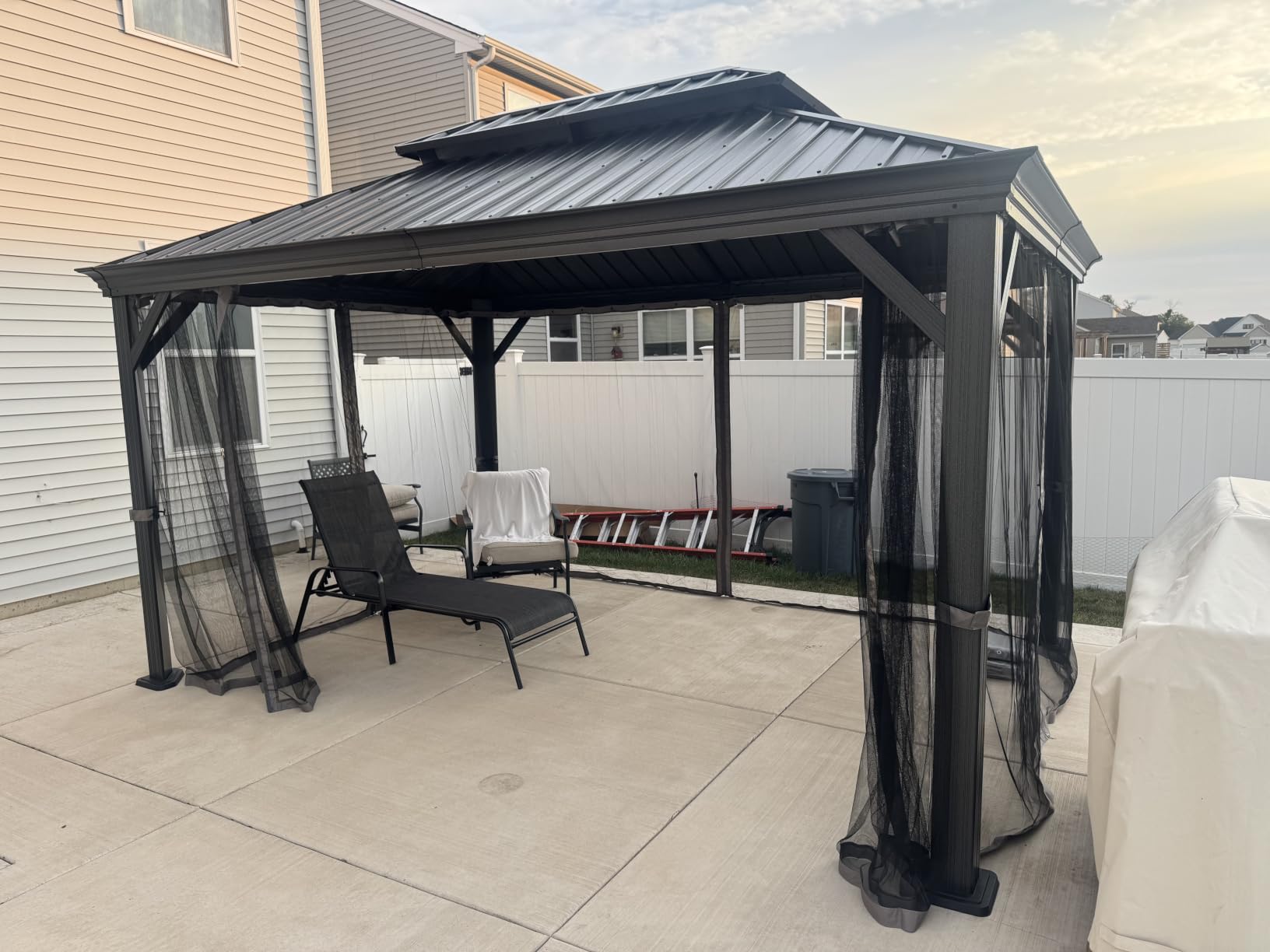
What the Alexander handles that cheaper gazebos do not
Two numbers carry this pick: 2500 pounds of snow load and 60 mph of wind when anchored. That is snow country territory. If you are in a region that sees real winters and you want the roof up in January rather than taken down, that rating is the whole argument. The same goes for hot climates, where the steel roof blocks the sun instead of filtering it and the double roof keeps the air moving underneath.
It also holds its own against coastal yards and poolside splash zones, because aluminum does not rust the way a bare steel frame does. Place it near a pool or a sprinkler head and you are not re-treating the structure every year. Our backyard lighting picks pair well with it for evening use, since the roof hooks accept hanging fixtures and a central light.
Where the Alexander is the wrong choice
If you rent, or you want a structure you can move in an afternoon, this is too much. The weight makes it a permanent commitment and shipping damage to a frame this size is harder to replace than a bent leg on a fabric gazebo. Budget owners should also look at what the same 144 square feet of shade costs in a polycarbonate or fabric build.
It is also a full assembly, not a weekend-lazy project. Owners describe it as the most involved build they have taken on, and the instructions assume at least some familiarity with a spanner and a level. Budget a full day with two capable adults, or budget for a handyman. Nothing about the finished product is disappointing; the hours are the price of admission.
2. Domi 12×12 Hardtop Gazebo: Best for a Grilling Station
Domi 12×12 Hardtop Gazebo for Patio, Metal Gazebo with Gutters, Brown
Metal frame
Brown finish
144 sq ft
22 lbs per sq ft snow load
Drainage system
Pros
- Attractive brown finish that suits most homes
- Parts arrive tightly wrapped and clearly labeled
- Customer service has shipped replacement parts quickly
- Curtains and netting keep insects out effectively
Cons
- Large parts count makes assembly a two to three person multi-day job
- Bottom edge of the screen panels can flap in wind
- Netting fit is looser at the sides and roof than on premium builds
This is the pick for a yard where the gazebo is a working structure rather than a seating pavilion. Owners use it for grilling and fire pits alongside outdoor dining, and the 4 inch thick posts leave enough room for a grill station on one side and a table on the other. The brown finish is a plain, neutral tone that disappears into an existing deck scheme more easily than most of the grey and black models.
The roof is a galvanized steel double roof rated for snow loads up to 22 pounds per square foot, with 60 mph or more of wind resistance once anchored and a 40 mph rating freestanding. A built-in drainage system channels rainwater off the roof and down through the structure. That matters for a grilling station, where standing water on the frame near a hot grill is the thing to design out.
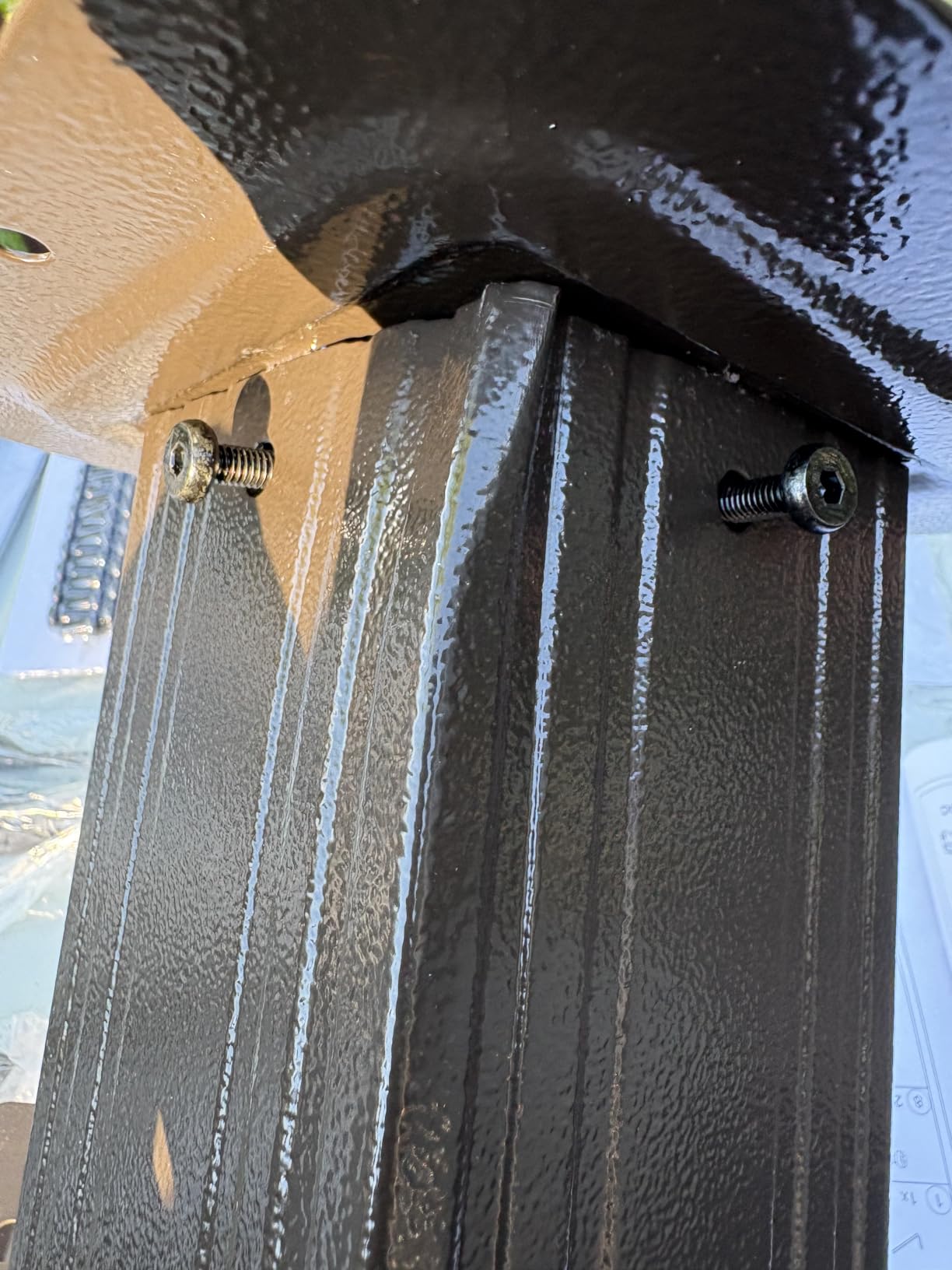
The mosquito protection is the detail that separates it from cheaper builds. Instead of panel strips, the double roofs hold one piece of seamless mesh between them, which removes the seam where insects usually find their way in. Curtains run on a smooth double track, so you can leave the mesh closed and the curtains open for airflow on a warm evening.
Reviews are unusually warm about the seller. Multiple owners mention that deformed cosmetic parts were replaced at no cost, and that packaging arrives tight enough that nothing is scuffed in transit. That kind of parts support is worth more over ten years than any small feature, because a gazebo is a kit of many pieces and one missing bracket stops the whole build.
How it performs in wind and rain
The anchored wind rating is the number to plan around, because 40 mph freestanding and 60 mph anchored are very different structures. Anchored means fixed to a concrete pad or a deck frame with the hardware supplied, not simply weighted down with a bag of sand. Same unit, same roof, roughly a third more wind headroom. See our anchoring section below before you decide where this goes.
Rain performance is good, and the built-in drainage is the reason. Owners report year-round use for cooking and dining without the pooling that plagues flat fabric tops. The one area to watch is the lower edge of the screen panels, which is anchored at the top and can flap in wind, and the loose netting fit at the sides and roof, which a few owners reinforced to close insect gaps.
Who should skip this one
Anyone with a free weekend and no helper. The parts count is large and reviews put the build at 12 to 20 hours for two to three people, sometimes spread over more than one day. Sharp frame edges are also called out as a cut risk during assembly, so gloves are worth having on hand before the first box is opened.
It is also not the pick for someone who wants a refined look. The brown is attractive but industrial, and the seams and hardware are visible. If the gazebo is mainly a dining room and appearance is the priority, the cedar options later in this list serve that better.
3. EROMMY 10×12 Hardtop Gazebo: Best for a Small Patio
EROMMY 10′ x 12′ Hardtop Gazebo, Aluminum Frame Gazebos with Galvanized Steel Double Roof, Permanent Outdoor Metal Pavilion with Curtain and Netting for Patio, Lawn, Deck
Aluminum frame
Galvanized steel double roof
120 sq ft
Pre-drilled bases
Zippered sidewalls
Pros
- Galvanized steel roof outlasts typical fabric tops
- Powder-coated aluminum frame resists rust
- Curtains and netting included with zippers on all sides
- Roof hooks for hanging lights and fans
Cons
- One-star reviews report missing or damaged parts after shipping
- Assembly is a two-person job with many small fasteners
- Frame and roof panels can need adjustment during assembly
At 120 square feet this is one of the two smallest hardtops on the list, and that is the point. If you are working with a narrow patio slab or a modest deck rather than an open lawn, a 10 by 12 footprint is the difference between a gazebo that fits and one that forces you to shrink the furniture. It seats three to eight people, which makes it a shade and drinks space rather than a full dining room.
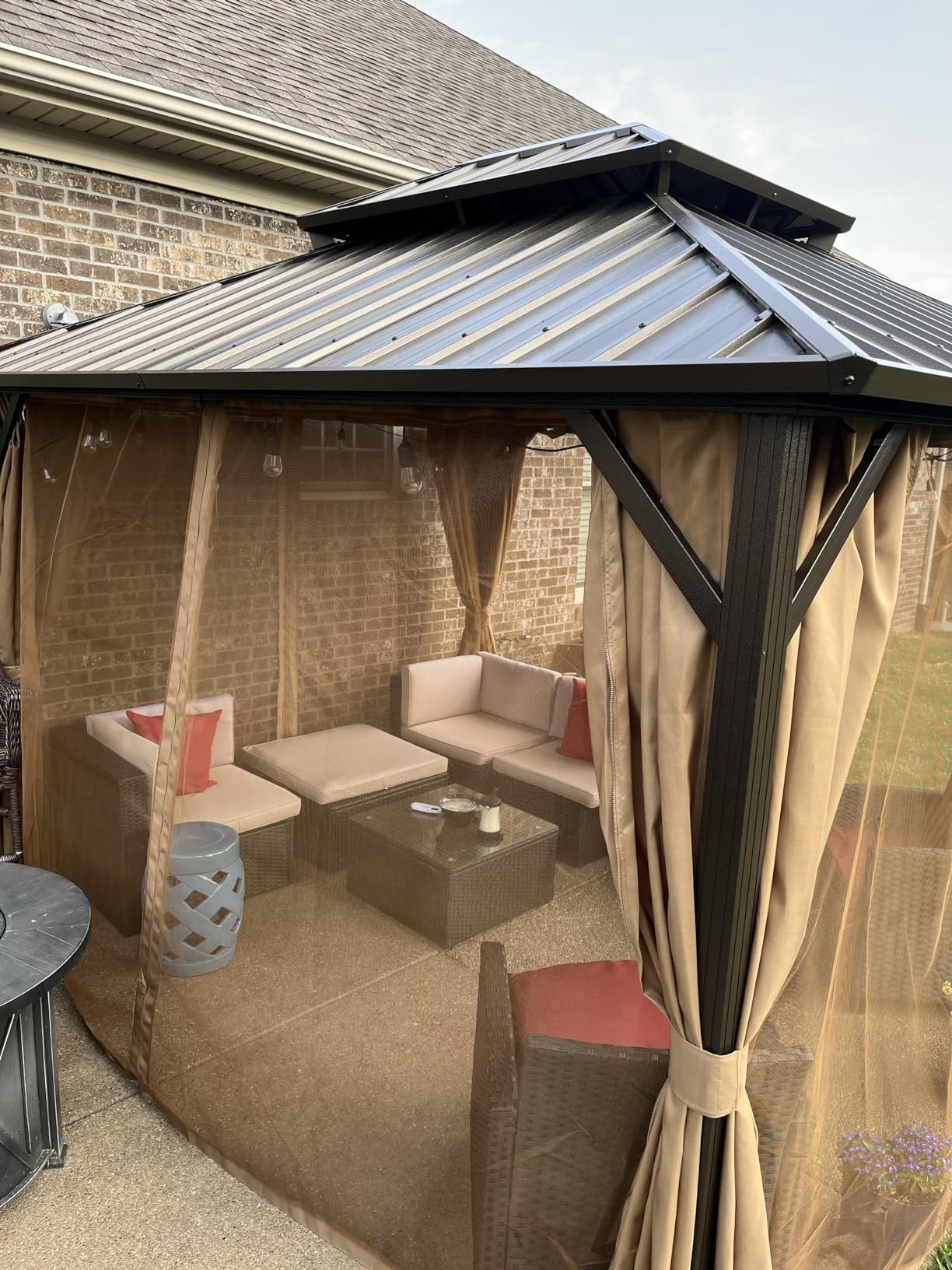
Structure-wise it is a proper hardtop rather than a step up from a canopy. The frame is a powder-coated triangular aluminum with pre-drilled bases, and the roof is a ventilated galvanized steel double top that is described as stronger than soft top or polycarbonate designs. The double roof passes wind through the gap between tiers and blocks UV, which is the mechanism that keeps the space cooler than open air.
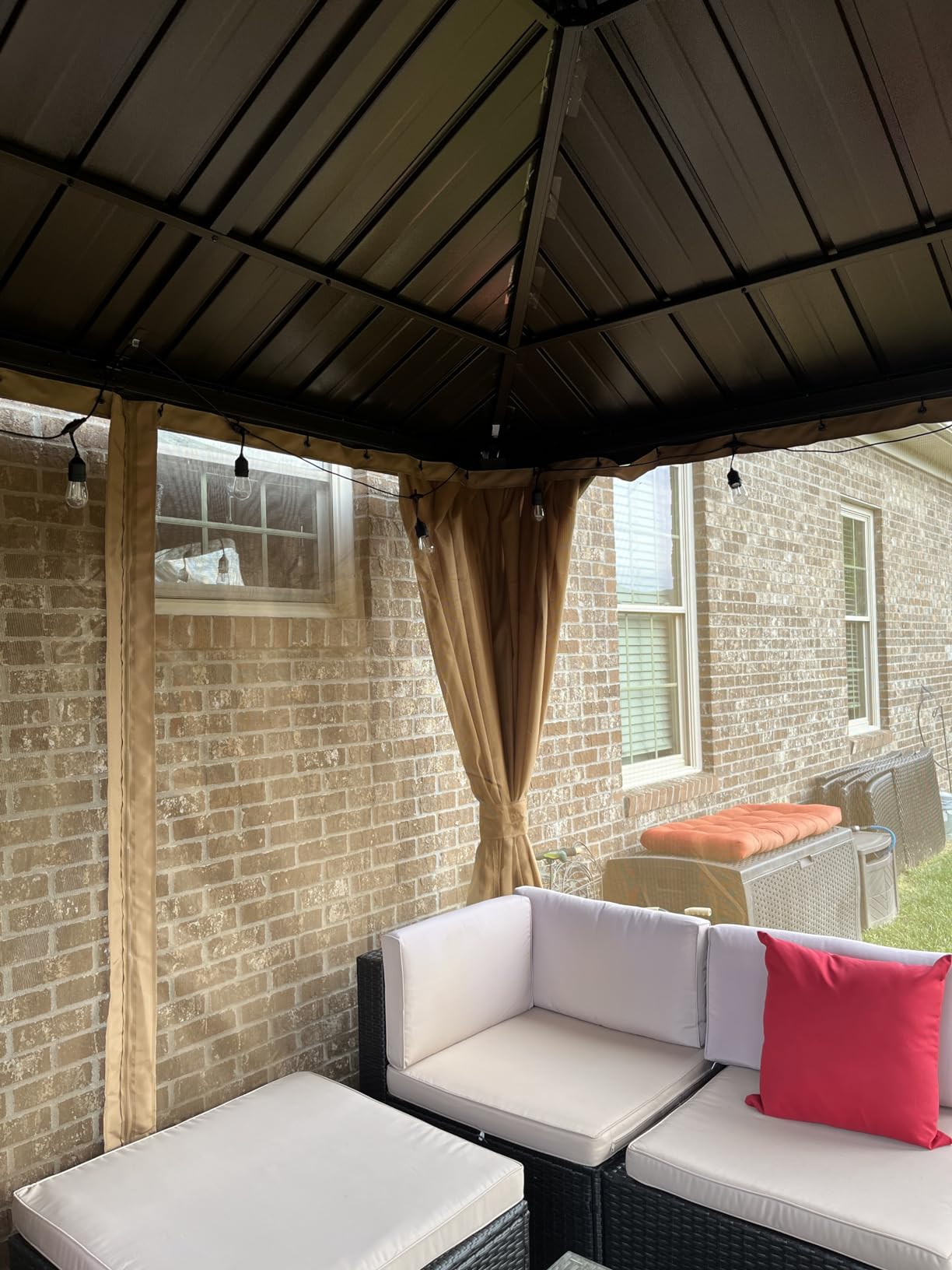
Sidewalls are fully enclosed. Zippered double-layer curtains and netting run on a double track system, and the interior hook rated to 20 pounds gives you somewhere to hang a fan, a light or a plant. That makes the interior usable at dusk, which is when a 120 square foot space works best, as a covered spot on a deck where two or three people can sit outside the main seating.
The rating sits lower than the picks above it, and the reviews are specific about why. One-star accounts describe missing or damaged parts arriving after shipping, and the instructions need some deciphering. Frame and roof panels sometimes require adjustment during assembly, and the manufacturer has generally replaced missing pieces quickly.
What you get for the money
You get a galvanized steel roof, a rust-resistant powder-coated aluminum frame, and both curtains and netting, on a structure that looks permanent from the street. The comparison point is a soft top of the same size, which will need fabric replacement in a few seasons. Owners consistently treat this as the step up that holds its shape year after year rather than sagging after one wet autumn.
For a courtyard, a small deck, or a patio where a 12 by 12 unit would overhang the slab, the footprint is the deciding factor and this nails it. The pre-drilled bases are a genuine time saver, since they tell you where the posts go before you have to work it out from the manual.
What to check before you buy
Confirm the parts box against the manual the day it arrives. This is the pick most likely to arrive with something missing, and a build that stops halfway is the common complaint. Order early in the week if you can, so a replacement part has days to arrive before the weekend you planned to build on.
Assembly is a two-person job with a lot of small fasteners, and roof panels can need alignment. Budget an afternoon and a patient second pair of hands. If you want a gazebo you can put up in a single session with fewer fussy steps, the fabric picks later in this list are the lighter option.
4. Aoxun 12×10 Polycarbonate Hardtop: Best Budget Hardtop With Curtains and Screens Included
Aoxun 12’x10′ Hardtop Gazebo with Polycarbonate Double Roof, Brown
Polycarbonate roof
Powder-coated frame
120 sq ft
2-3 hour build
Pros
- Well reviewed at 1155 ratings
- Polycarbonate roof blocks UV while letting light through
- Curtains and mosquito screens both included and zippable
- Support team has shipped missing components quickly
Cons
- Polycarbonate panels can blow loose in high winds
- Roof panels can mark from hail and ice
- Included ground stakes are too short for soft soil
This budget hardtop has 1155 reviews behind it, and the reason it holds attention is straightforward: it delivers a hard roof, a powder-coated frame, curtains and mosquito screens at a cost that undercuts every metal model above it. At 120 square feet it is also the pick if you want a footprint that fits a standard patio without a redesign.
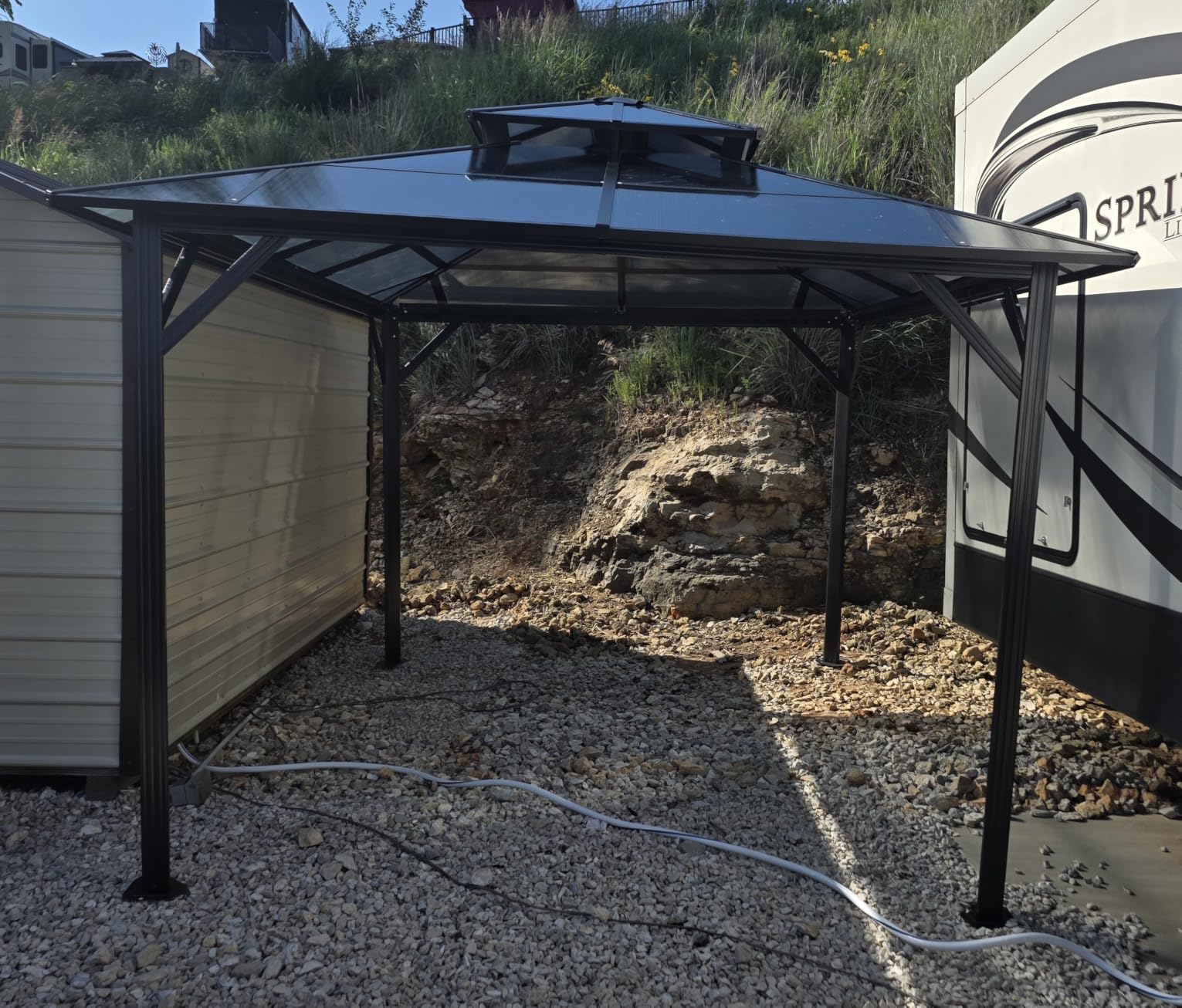
The roof is the compromise, and it is worth being clear about. This is a double-layer polycarbonate roof, not galvanized steel, and polycarbonate is a clear or translucent plastic. The benefit is real: it blocks UV while diffusing daylight, so the space underneath is bright and shaded rather than dark. Owners like that it turns a hot, glaring slab into usable space without a solid roof overhead.
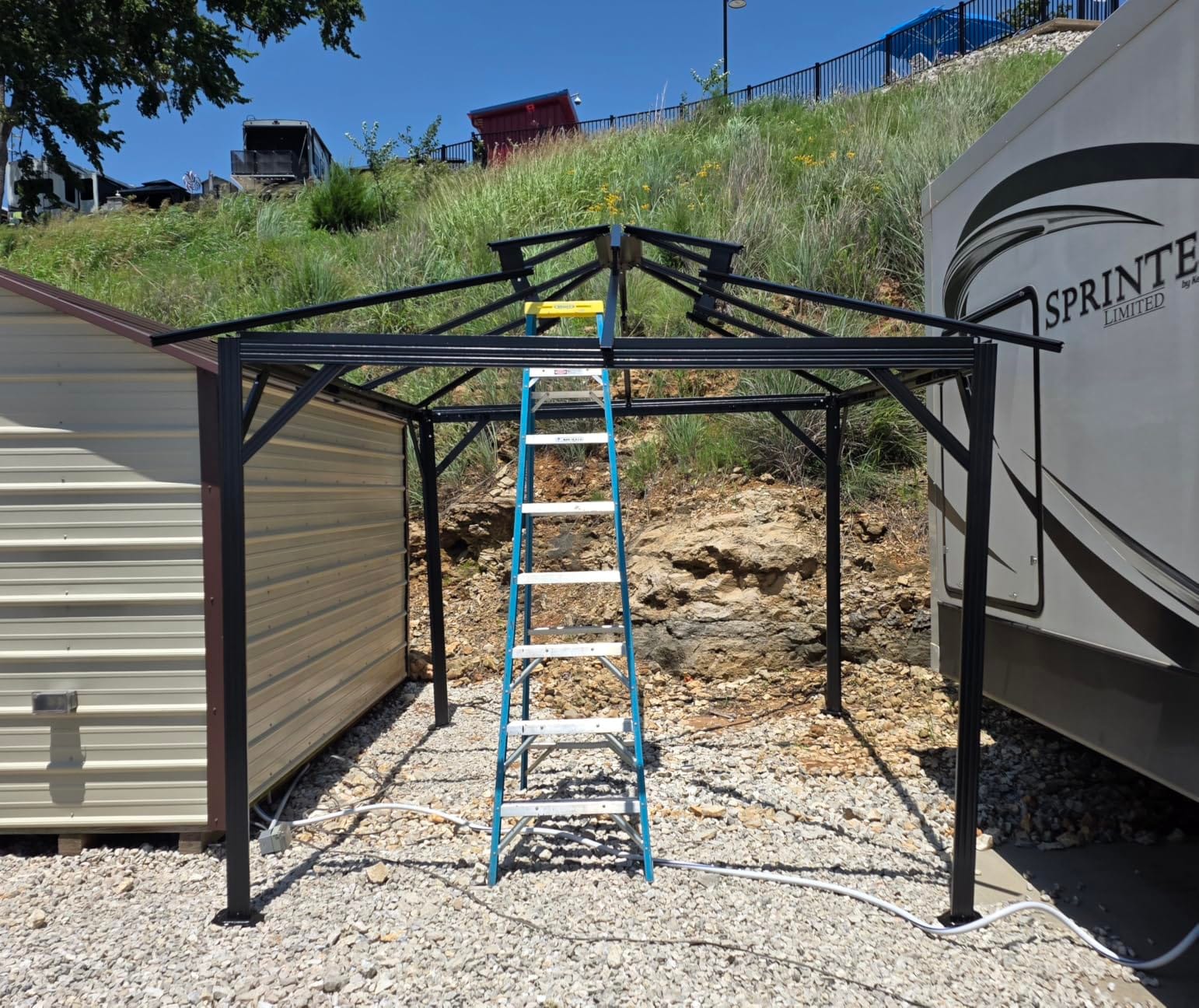
Assembly is the one figure published with the product: two to three people and roughly two to three hours for illustrated, numbered parts. That is the shortest documented build in this list, and the numbering means you are matching a label to a diagram rather than guessing. The frame is a thick powder-coated metal with hooks in the roof for fans, lights and decorations.
Soft goods are both included and removable. Polyester curtains and zipped inner mosquito netting can be used separately, so you can run the screens alone in summer and add curtains for shade or privacy. Support has been responsive when roof components arrive missing, which is the other common complaint alongside panel alignment during assembly.
What polycarbonate changes about the experience
Two things, in both directions. First, light. A polycarbonate roof lets a diffuse version of daylight through, so the space stays usable on a bright afternoon where a steel hardtop would be deeply shaded. The second is heat, and reviews are blunt: it can feel like a greenhouse in direct sun, and heat collects under the roof rather than passing out of it.
Which of those dominates depends on your climate and orientation. In a hot yard, weight the heat trap. In a temperate yard where you want shade but still some light in the evening, polycarbonate is a genuine advantage. Owners also note that polycarbonate can mark from hail and ice, which matters if you are in a storm corridor.
Who should look elsewhere
Anyone in a high-wind area. The recurring negative across reviews is polycarbonate panels blowing loose or out in strong wind, and the included ground stakes are described as too short for soft soil. If you are anchoring properly to a slab, that risk drops a long way, but the panel material is the reason this is not our pick for exposed or coastal sites.
Anyone expecting year-round rain cover should note the roofing panel is listed as waterproof but the panels are the weak point rather than the seams. Treat it as shade-first structure rather than a permanent rain shelter, and check your anchoring hardware before the first storm season.
5. LAUSAINT HOME 10×13 Double Roof Gazebo: Best Value for Seasonal and Renter Use
LAUSAINT HOME 10×13 Gazebo Canopy with Netting, Curtains & Double Roof
Galvanized steel frame
UPF 50+ polyester canopy
130 sq ft
Double-tier roof
Level 6 wind
Pros
- Thick metal columns that outperform typical budget canopies
- Double roof looks good and improves airflow
- Netting and curtains both zip closed for privacy
- Light enough for two people to assemble in about three hours
Cons
- Canopy is not truly waterproof in heavy rain
- Getting the canopy over the frame is a difficult step
- Roof vent is small and not tight against the fabric
This is the fabric gazebo we would put in front of anyone who wants a backyard room without a building project. It covers 130 square feet, weighs 103 pounds, and two people put it together in roughly three hours according to owners. That combination of size, low weight and short build time makes it the practical pick for a rental, a seasonal patio, or a yard where a permanent structure is not possible.
The frame is a reinforced 40 by 40 millimeter galvanized steel tube with a powder-coated finish, which is heavier duty than the folding steel you get on the cheapest canopies. Eight expansion bolts are included for fixing it down, and the unit is rated Level 6 for wind resistance when properly secured. The double-tier roof gives you airflow above the covered area and cuts heat buildup at the peak.
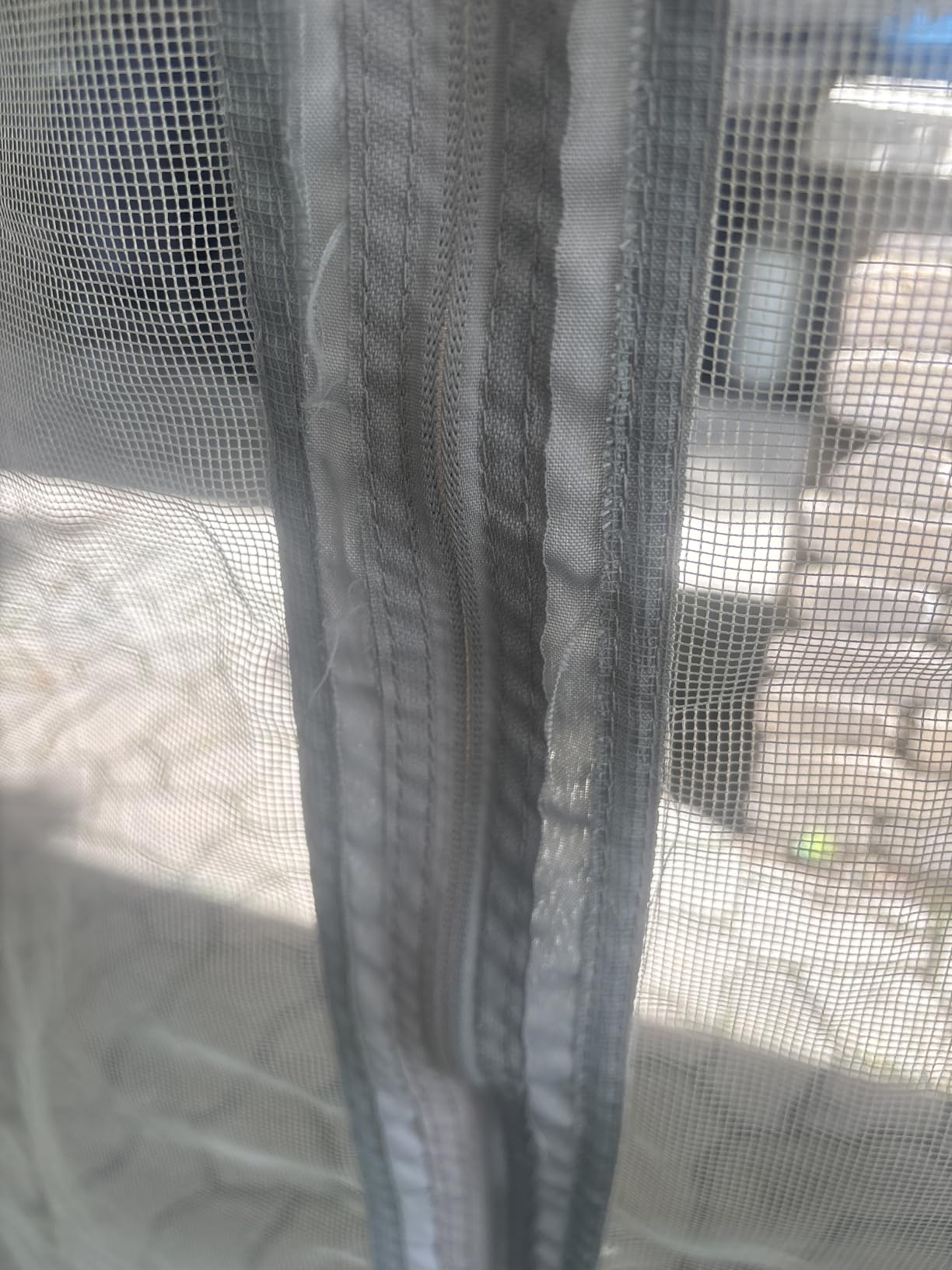
The canopy itself is a 135G polyester with UPF 50 UV protection and a listed 1500MM water resistance rating. Enclosure is the standout: zippered mosquito netting and privacy curtains on all sides, plus a centre hook and D-rings for hanging a light or a fan. Reviews repeatedly describe netting-plus-curtains turning a bare deck into an outdoor room, which is why this one keeps drawing repeat buyers.
One measurement note that matters before you order. The 10 by 13 foot figure is measured at the roof from the eaves, so the actual footprint at post level is smaller. Check your available space against the post spacing rather than the roof edge, or you will be measuring twice.
What the double roof and enclosure actually do
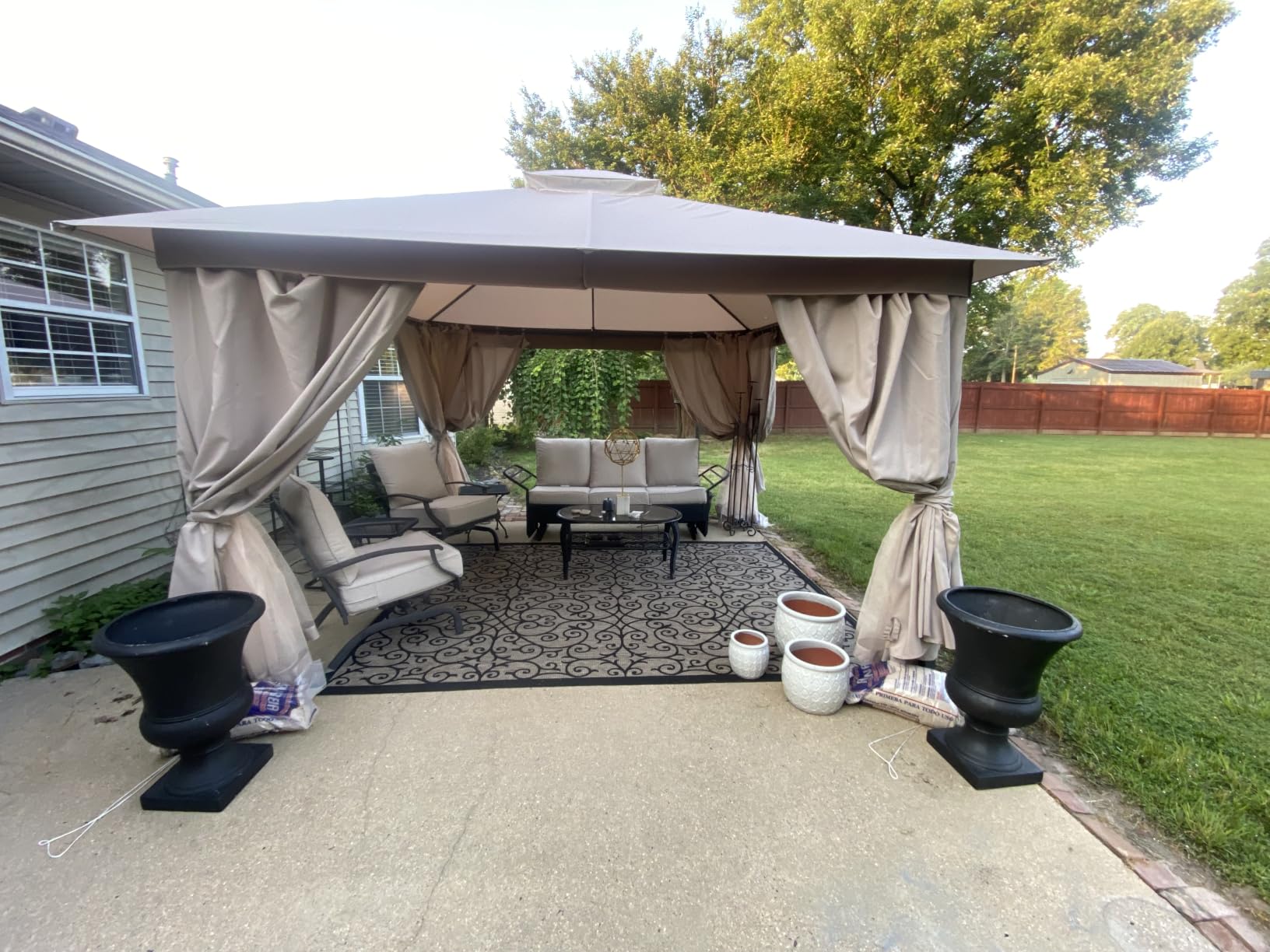
The double roof is a real functional feature, not decoration. Air moves through the gap between the tiers and out of the top vent, which is why owners mention the space stays cooler than under a single-tier canopy. The trade is that the roof vent is small and sits loosely against the fabric, letting both heat and insects in through that gap. It is the most common design complaint in the reviews.
The enclosure is what separates this from a plain market canopy. Netting and curtains both zip closed, so the unit functions as a genuine screened room for evening sitting, not just a shade sail. Ties only hold two panels at a time, so opening one side without opening the whole wall takes a workaround, but the result is worth the fiddling.
The limits to plan around
Rain. The canopy resists water rather than blocking it, and owners are clear that it is not truly waterproof in heavy rain. For light summer showers it is fine, for a structure you plan to sit under in a downpour it is the wrong tool. Polycarbonate hardtops in this list are the step up if rain cover is the priority.
The build has one hard step. Fitting the canopy over the frame, especially around the vent section, is described as very difficult and is the single biggest reason builds stall. Set aside a calm afternoon, and note that a small number of reviews describe mis-drilled frame holes that prevent assembly altogether.
6. Backyard Discovery Norwood 16×12 Cedar Gazebo: Best Cedar Build for Snow Country
Backyard Discovery Norwood 16 ft. x 12 ft. Cedar Wood Gazebo,Thermal Insulated Steel Roof, Durable, Supports Snow Loads and Wind Speed, Rot Resistant, Backyard, Deck, Garden, Patio
Cedar wood frame
29-gauge steel roof
100 mph wind
10,600 lb snow load
5 year warranty
Pros
- Pre-drilled cedar pieces with holes that actually align
- Packaging wraps every sheet metal piece individually
- Handles 12 inch snows and 60 mph winds in owner reports
- Built-in PowerPort with three outlets and three USB ports
Cons
- Roughly 1600 pounds so a crew or carpenters are usually needed
- Drip edge is not included and must be added
- Roof panels need at least two people and careful squaring
The Norwood is the most capable structure in this roundup, and the number that earns it is the wind rating. It is Pro-Tect tested for up to 100 mph and 10,600 pounds of snow load, or roughly 30 inches of accumulation, when anchored. Among metal gazebos here, the best published wind rating is 60 mph, so this is a genuine jump if you are in an open, exposed yard.
The frame is 6 by 6 inch cedar posts joined with powder-coated steel brackets and anchors, topped by a 29-gauge Tudor Brown galvanized steel roof with a peak design. Cedar is the material that looks like a garden structure rather than an imported metal kit, and it also handles heat differently, insulating better than an aluminum frame under the same sun.
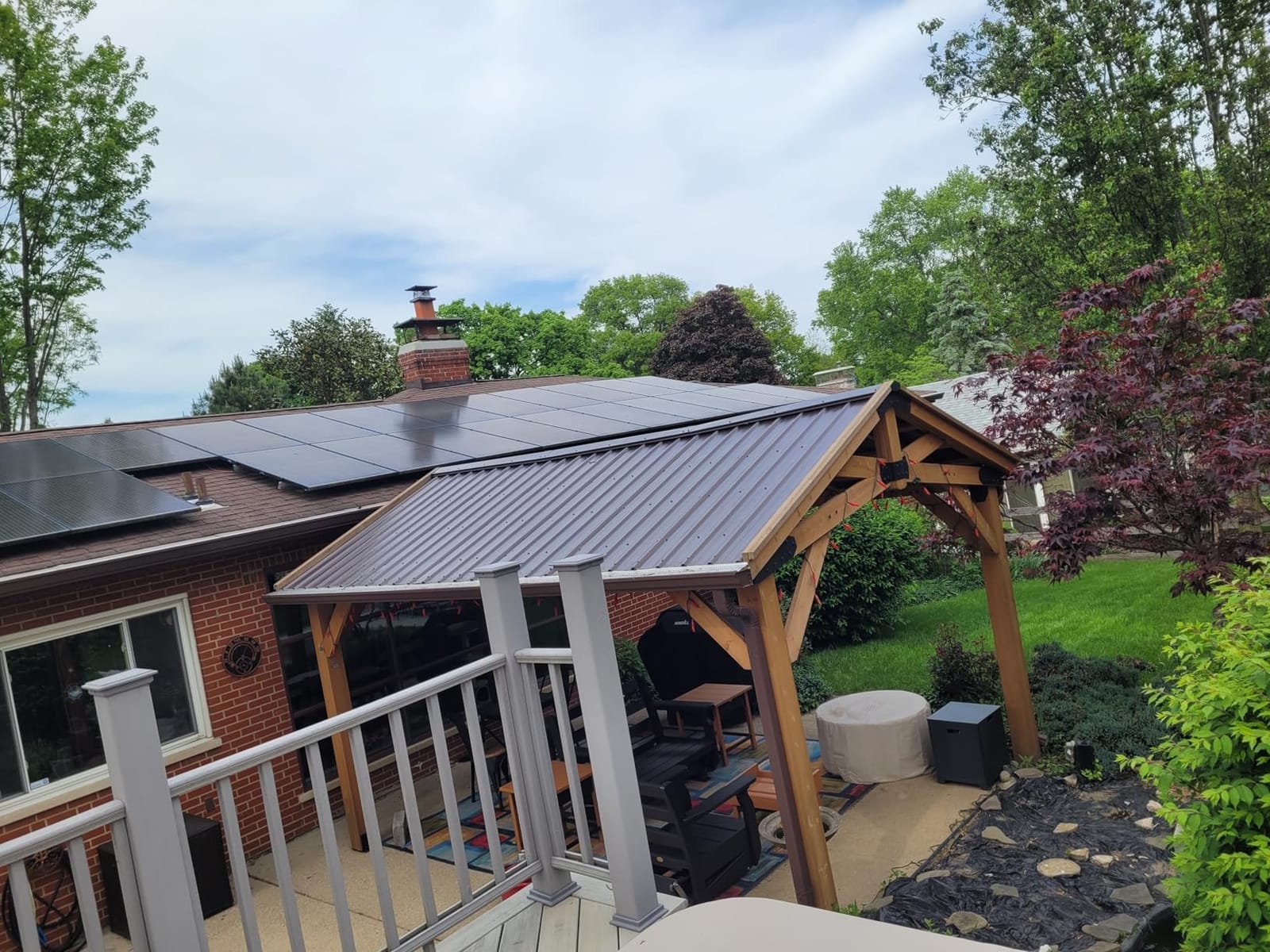
This is the only pick with built-in electrical. A patented PowerPort carries three electrical outlets and three USB ports through the post, with the power source not included. For a 16 by 12 structure intended as a long-term outdoor room, that removes the main reason people run extension cords across a deck, which is a safety issue as much as an aesthetic one.
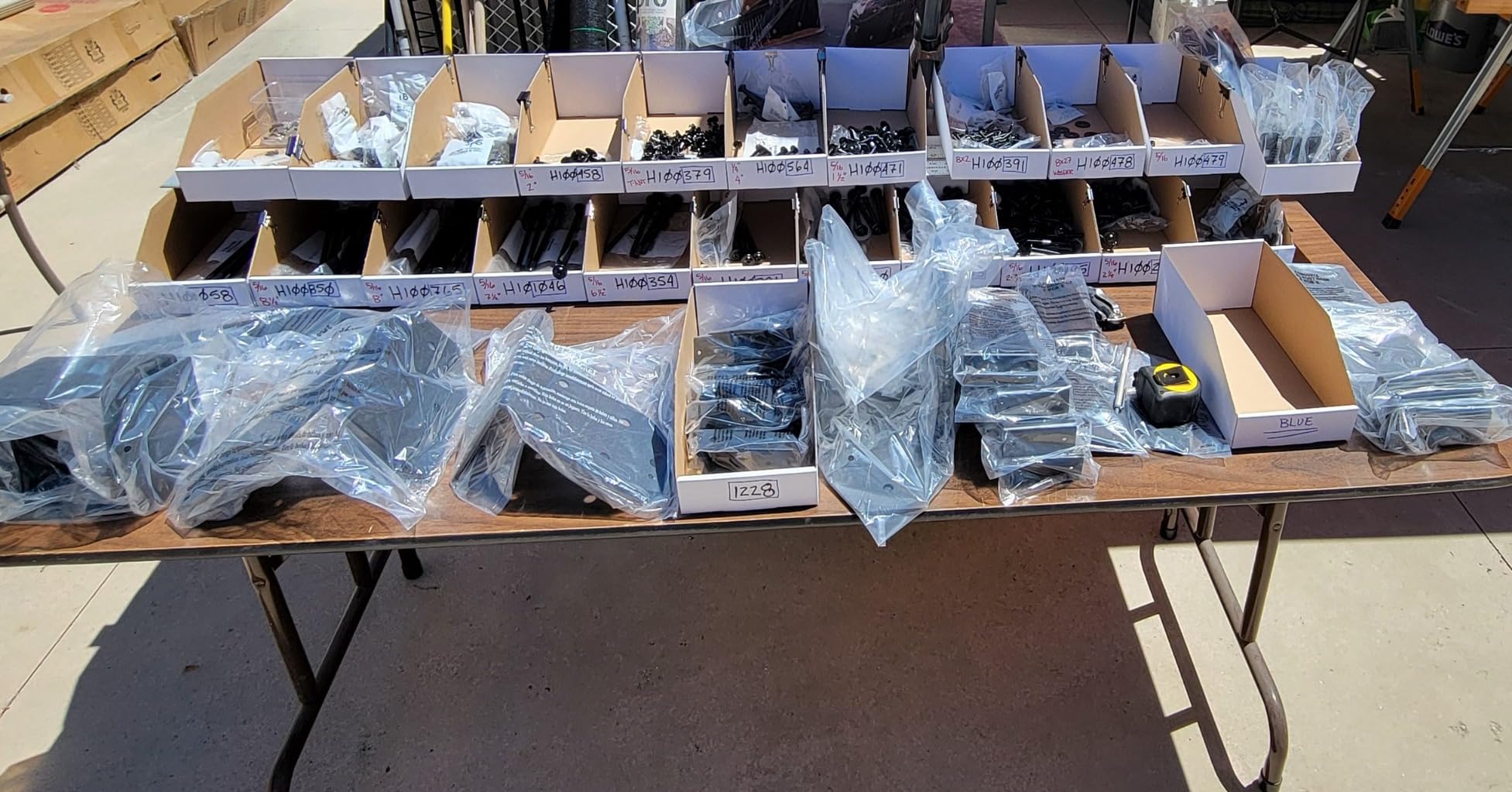
Build quality shows in the preparation. Wood arrives pre-cut, pre-drilled and pre-stained, and owners single out the drilling accuracy as exceptional, with holes that align without fighting. Packaging wraps every sheet metal piece individually, which protects the soft wood in transit, and the BILT app 3D instructions walk a large build through step by step.
What a 100 mph rating really depends on
Anchoring, entirely. A published wind rating is a lab figure for a properly anchored structure, and the manufacturer states it as such. On a 1600 pound cedar frame, that means a concrete foundation and the supplied anchors, not a patio slab. If your base surface cannot take anchors, the rating does not transfer to your yard and the number is marketing.
With that base in place, owners report the gazebo holding through 12 inch snows and 60 mph winds in real conditions. Cedar itself is rot resistant, and the build carries a 5 year limited warranty, one of only three published warranties in this roundup. For a structure expected to stay up for a decade, that document matters.
Why this is not our top pick
Scale. At roughly 1600 pounds this is a multi-day project that most owners hand to a crew or hired carpenters, and that labour is the real cost. The drip edge is not included, the roof panels need at least two people and careful squaring, and the manual advises leaving bolts loose until the frame is squared, which is not a beginner instruction.
There are also reports of boards breaking in high winds and difficulty obtaining replacement parts, plus a ridge beam that can sag over time. If the project scale is not the issue, those are trade-offs worth making. If it is, the aluminum hardtops give you a fraction of the wind rating for a fraction of the build.
7. Yardistry Meridian 12×16 Cedar Pavilion: Best for Large Yards
Yardistry 12 x 16 Meridian Cedar Wood Gazebo Pavilion for Patios, Decks, Garden, Backyard, Durable, Aluminum Roof
Cedar frame
Aluminum roof
192 sq ft
6x6 posts
1 and 5 year warranty
Pros
- Premium cedar construction with a classic profile
- Aluminum roof resists rust and needs no seasonal replacement
- Wood arrives pre-cut
- pre-drilled and pre-stained
- Heavy-duty mounting hardware and 6x6 posts for stability
Cons
- Large
- heavy kit that usually needs professional assembly
- Aluminum roof can be noisy in rain
At 192 square feet the Meridian is the largest footprint on the list, and it is built for a yard with room to actually use it. A 12 by 16 pavilion holds a full dining table with seating around it, a conversation area, and circulation space to move, where a 12 by 12 leaves you choosing between those. If you have been planning an outdoor kitchen or a long-table party setup, this is the size that stops feeling cramped.
The construction is premium cedar, finished in natural cedar stain, under a rust-proof coffee brown aluminum roof. The aluminum is the differentiator from the cedar-and-steel kits: it will not rust, and it does not need replacing the way a fabric top does. Owners treat it as a long-term structure, which matches the warranty, one year on material and workmanship and five years on the lumber against rot and decay.
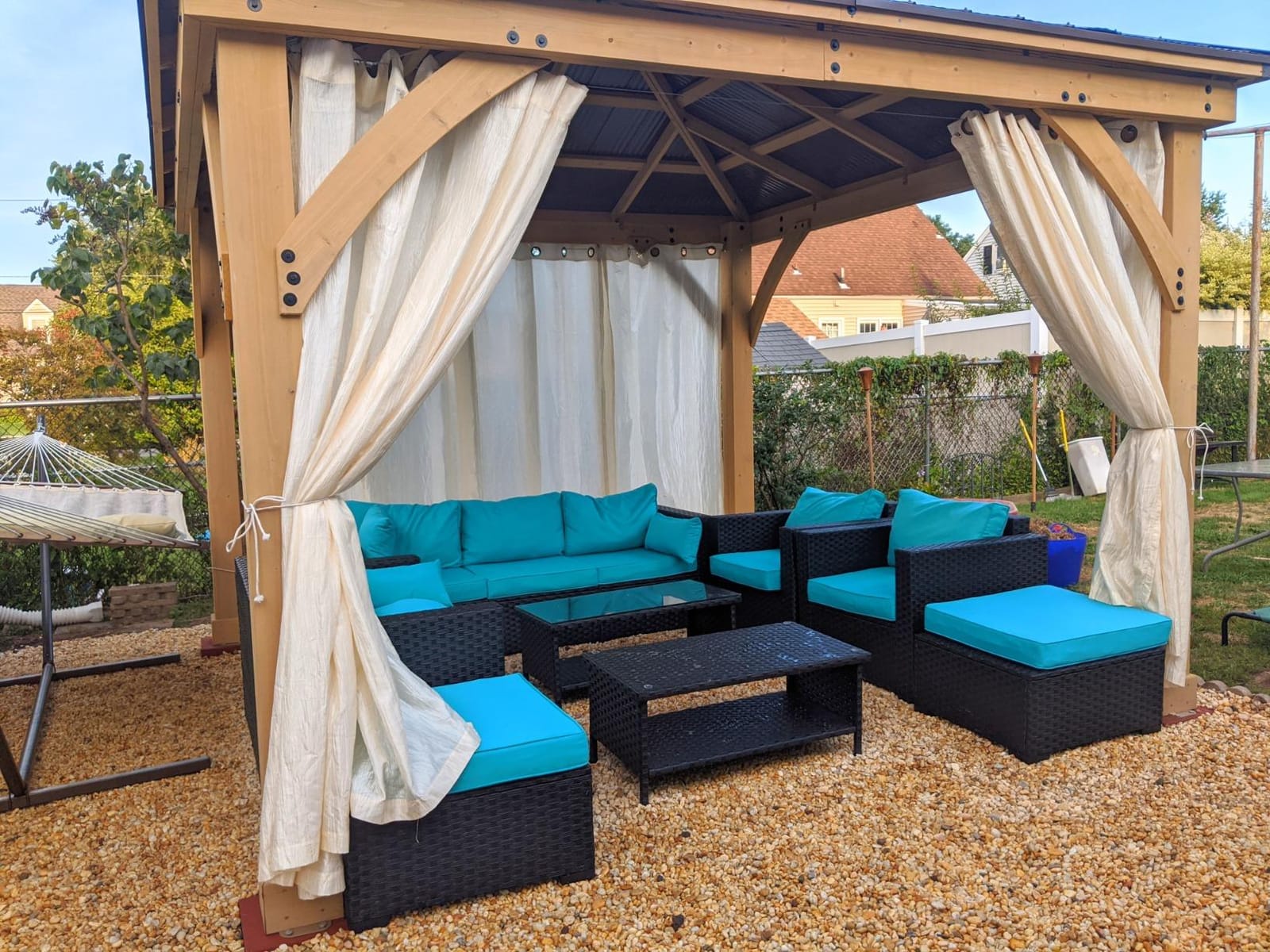
Posts are 6 by 6 inches with a premium post base and heavy-duty mounting hardware, and the wood is pre-cut, pre-drilled and pre-stained before it ships. That preparation is what keeps a build this size sane. The structure is also described as snow load and wind tested beyond industry standards, though no specific figure is published, so treat the Norwood’s stated numbers as the more concrete benchmark in this guide.
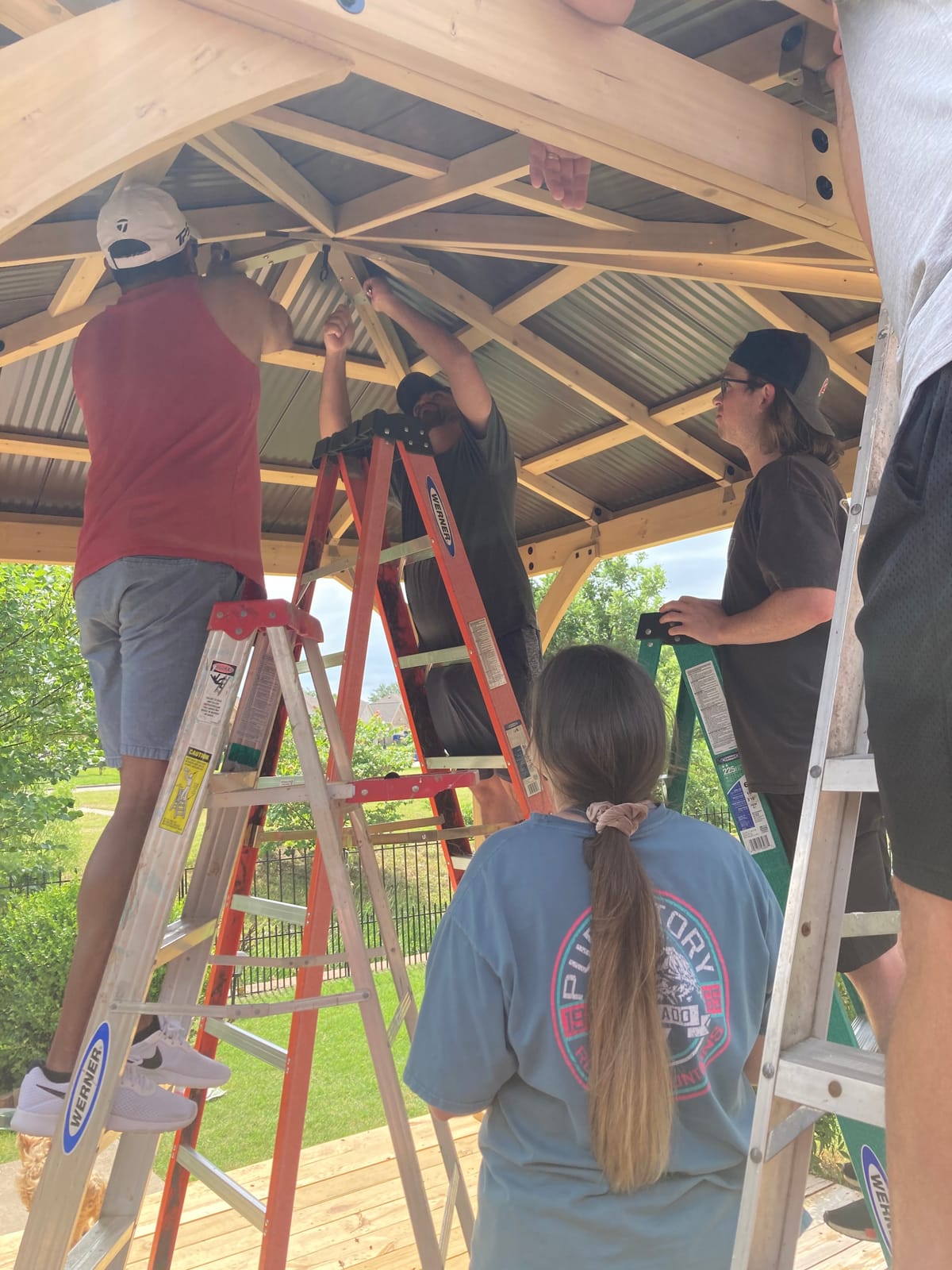
The review profile is consistent and narrow: people love the cedar, the aluminum roof and the classic look, and almost every complaint is about size, weight and assembly. Most owners ended up hiring installers, and a few found the kit needed tools beyond those in the manual.
When 192 square feet is the right call
Measure first, and the rule is simpler than it sounds. Leave at least two feet of clearance on each side so rain running off the roof does not land on the structure or the seating, and confirm the post positions sit on ground or a slab you can actually anchor. A large pavilion looks wrong when it crowds a fence, and looks right when it defines a terrace.
Because the walls are open, a big footprint is not a commitment to a closed room. Use it as shade over an outdoor dining set and a seating area, and the open sides keep the scale from overwhelming a mid-size yard. Where it really differs from a hardtop is the look: this reads as a garden pavilion, not a shelter bolted onto a deck.
The trade-offs you are accepting
Budget is the first one. This sits well above every metal gazebo in the roundup, and the gap is the cedar, the aluminum roof and the size. If the cost is not an issue, the second is the aluminum roof being loud in rain, which owners mention directly and which matters if you plan to sit under it in a storm.
Third, assembly. A kit this heavy generally goes to professional installers, so the labour cost can rival the structure. Check that the site is accessible for delivery and flat enough to square a 16 foot frame, and confirm your local rules before ordering, since a permanent structure of this size is the kind of build that can trigger a permit.
8. PURPLE LEAF 12×12 Wood Grain Hardtop: Best for a Timber Look Without Wood
PURPLE LEAF Hardtop Gazebo 12′ x 12′ with Drainage System, Wood Grain Frame
Aluminum frame
Double-vent steel roof
144 sq ft
40 mph wind
2,500 lb snow load
Pros
- Wood grain finish reads as timber rather than painted metal
- Strong
- stable frame that holds up in wind and snow
- Integrated gutter drains rainwater down the poles
- Published warranty of 5 years on the roof
Cons
- Manufacturer does not offer an installation service
- Furniture is not included
- Full assembly required and needs several people
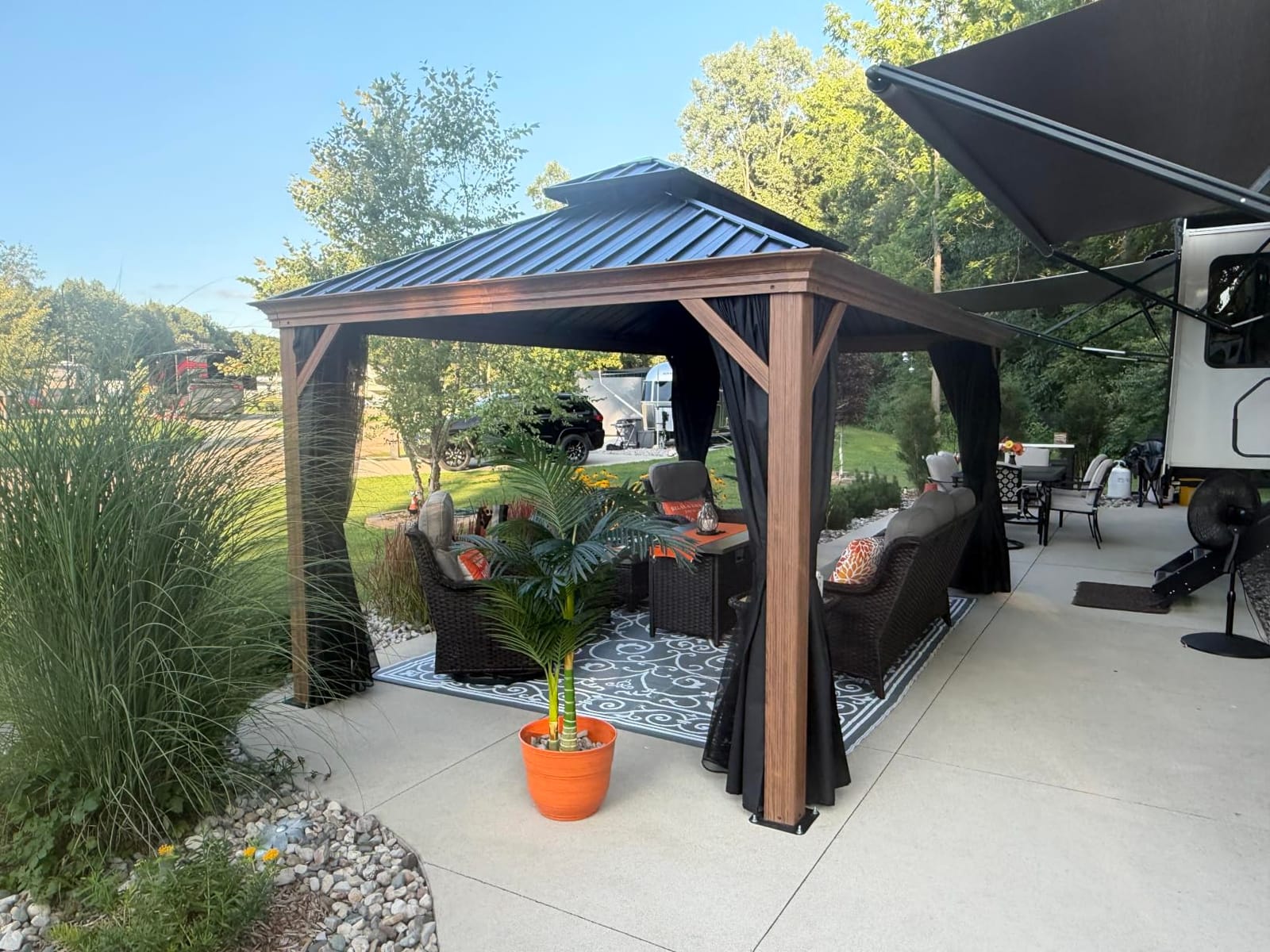
This solves a specific problem: you want a gazebo that looks like timber, but you do not want to re-stain cedar every spring. The frame is a teak-finish powder-coated aluminum in a wood grain, and the consensus in reviews is that it reads as real timber rather than as a metal gazebo with a printed pattern. It is the best of both worlds on appearance, without the annual maintenance.
Underneath the finish it is a serious hardtop. The roof is a fade- and rust-resistant galvanized steel double vent, rated at 40 mph wind and 2500 pounds of snow load, with an integrated water gutter that drains rainwater down through the poles. The vents in the roof give airflow you do not get from a single-tier design, which helps in hot months.
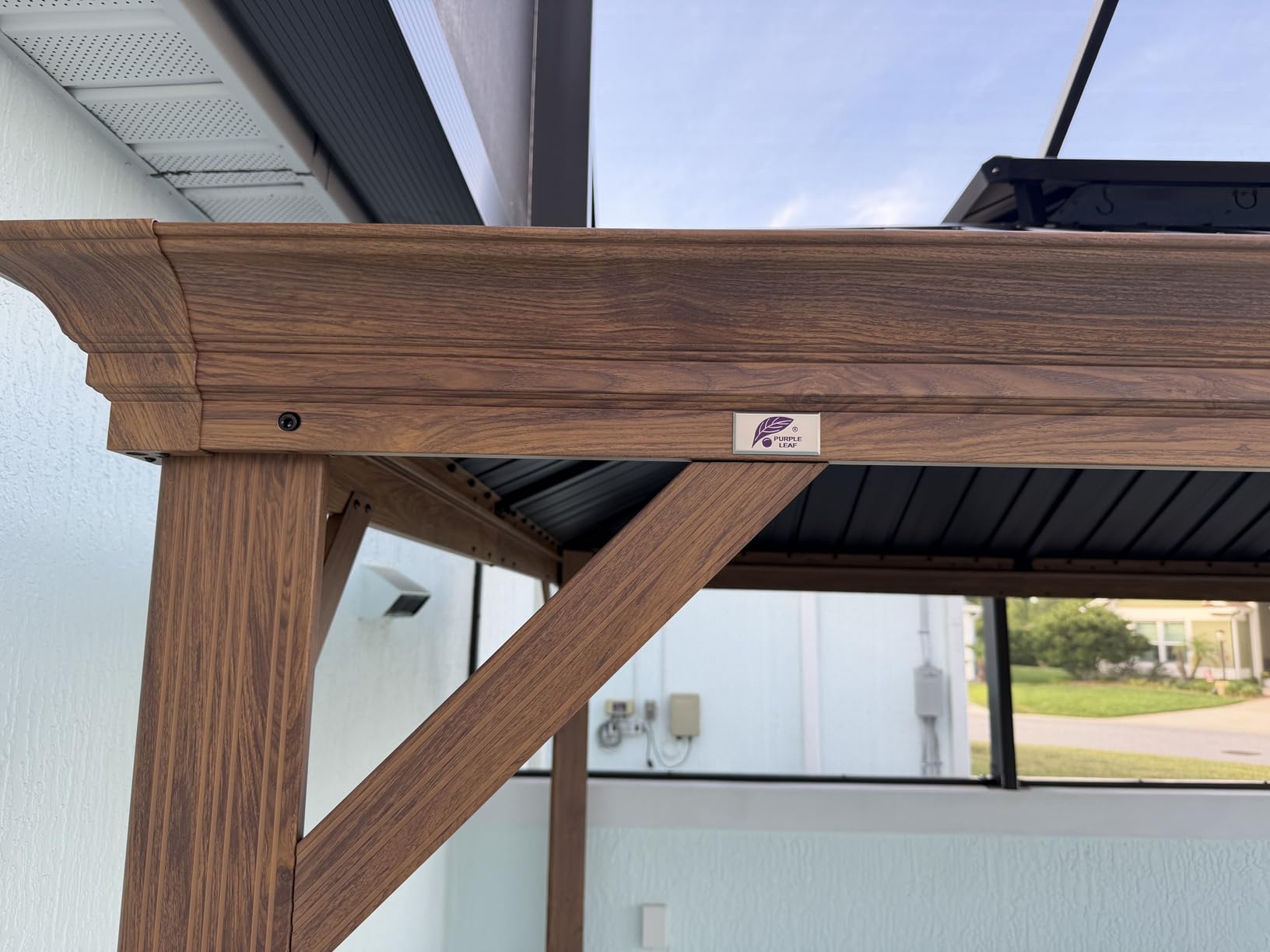
At 144 square feet it is a full dining footprint with 4.7 inch reinforced posts. Netting is removable and upgraded, and reviews single it out as durable and effective at keeping insects out. Owners tend to use this one as a long-term outdoor living space rather than a seasonal shelter, which is where the finish starts to pay for itself.
The warranty is published and unusually specific: five years on the hardtop roof, one year on the frame, two years on the netting. That detail is rare in this category, and it lets you judge which part is expected to outlast which.
Wood grain against real cedar
Real cedar wins on warmth and on how it ages, since untreated cedar silvers to a grey and looks better for it. It also insulates better than aluminum, so the frame is cooler to touch under the same sun. Those are real advantages, and the Norwood and Meridian in this guide are the picks when they matter most to you.
Aluminum wins on everything else. No re-staining, no rot at the base, no checking or splitting in dry summers, and a finish that stays consistent. For a yard near water, a coastal property, or anywhere the structure will not be repainted, that is a considerable advantage over ten years.
What the rating and the warranty hide
Forty mph is the honest wind figure, and it sits below the 60 mph of the aluminum hardtops at the top of this list and well below the Norwood’s 100 mph. In a sheltered suburban yard that is not a problem. In an open or coastal site, anchor it properly and read the anchoring section below, because the rating assumes a fixed base.
Also budget the labour yourself. The manufacturer does not offer an installation service, furniture is not included, and reviews say full assembly needs several people. Some owners also report missing or damaged parts on arrival, so check the parts list on arrival day before scheduling the build.
9. Jolydale 12×12 Aluminum Hardtop: Best Lightweight Hardtop for a Patio
12 Ft. W X 12 Ft. D Aluminum Patio Hardtop Gazebo
Aluminum frame
Polycarbonate double roof
144 sq ft
180g curtains
Ground pegs and wind rope
Pros
- Aluminum frame is sturdy and the powder coat holds up well
- Polycarbonate double top gives shade without a heavy solid roof
- Curtains and netting included for privacy and insect control
- Roof helps keep furniture dry in light rain
Cons
- Polycarbonate roof can scratch and blow loose in wind
- Ground anchoring is essential when set on grass
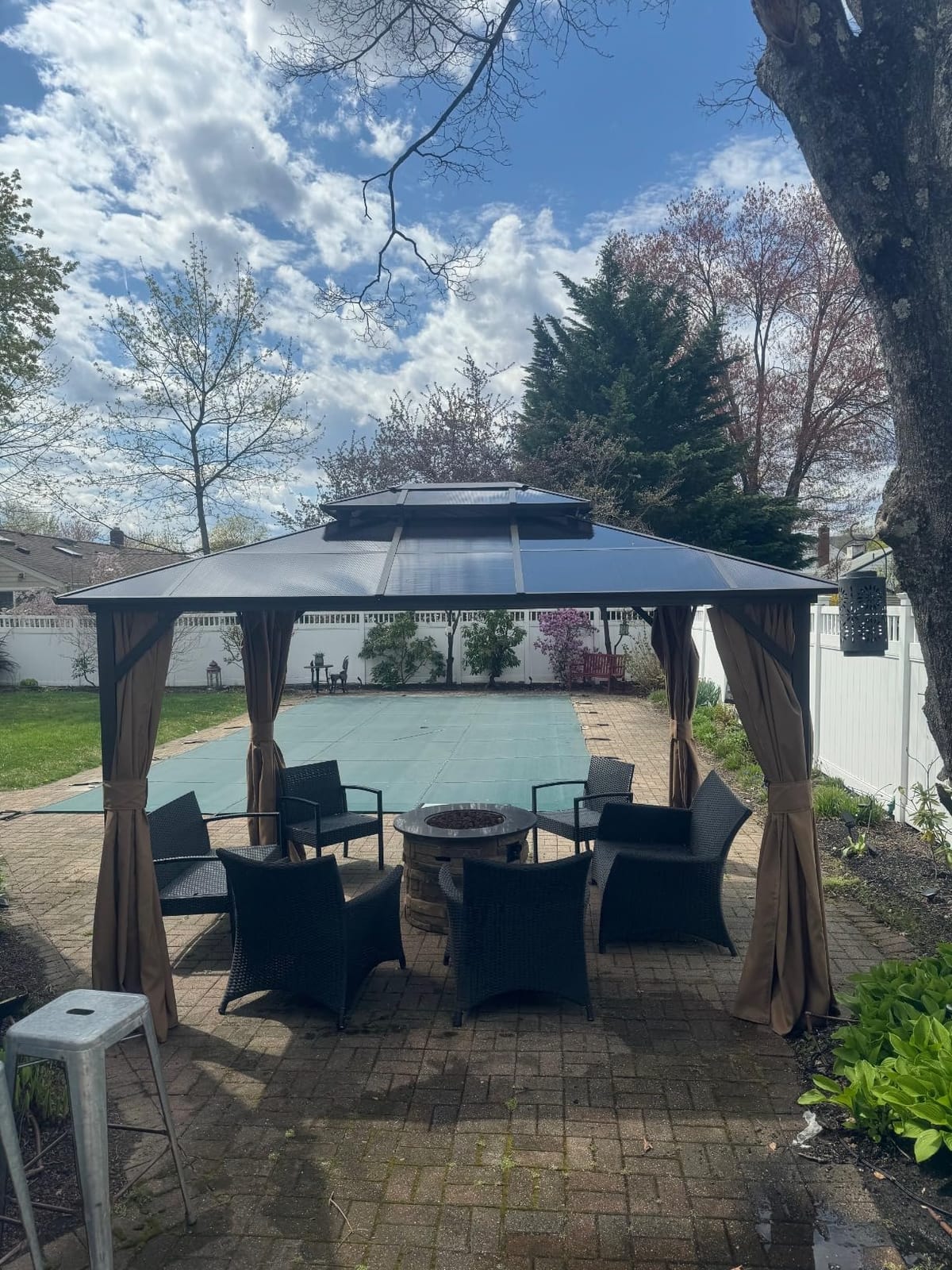
The Jolydale is a 12 by 12 hardtop with a powder-coated aluminum frame and a full 144 square feet of floor area, which puts it in dining range rather than the shade-and-drinks range of the smaller hardtops. The frame resists scratching, peeling, corrosion and rust, and reviewers describe it as sturdy and consistent, with a powder coat that has held up well over time.
The roof is a polycarbonate dual-layer double top. Like the other polycarbonate pick in this roundup, it gives you a light, shaded space rather than a dark one, and the second layer plus the gap between tiers handle airflow and UV. It is a lighter structure than a galvanized steel hardtop, which matters for patios where the structure needs to be repositioned occasionally.
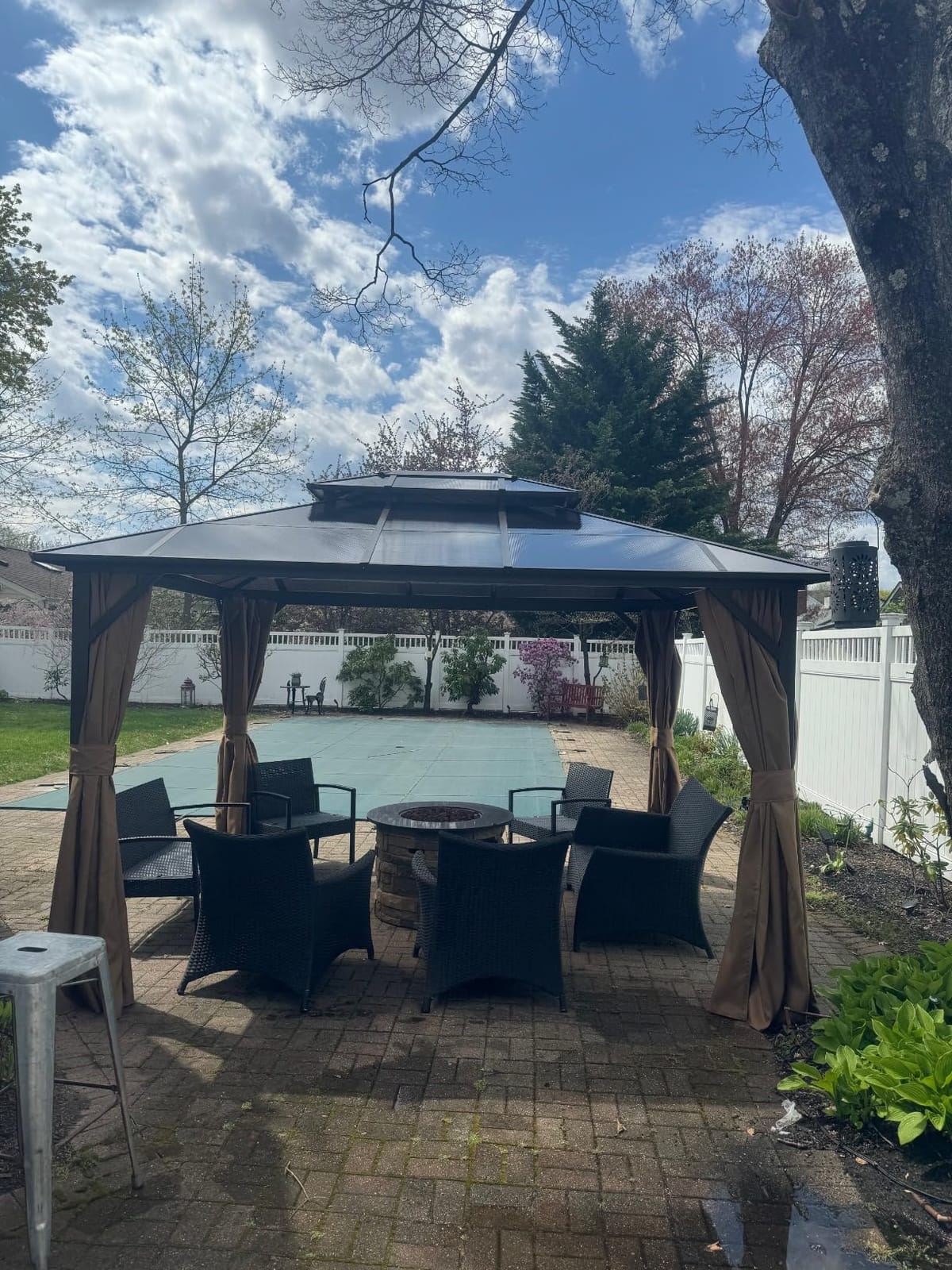
Enclosure is 180G polyester curtains with netting for mosquito protection, giving privacy and insect control from the same package. Owners report the roof helping keep furniture dry in light rain. Ground pegs and a wind rope are required when it is set up on grass, so treat the anchoring kit as mandatory rather than optional on a lawn.
Two practical notes. The unit arrives in two boxes that may come on different days, which is a common source of one-star reviews that open the door to an incomplete structure. And polycarbonate panels here are described as scratch-prone and prone to loosening in wind, so handle the roof with care and check the fixings after a storm.
When a light roof beats a steel one
There are yards where a steel hardtop is the wrong answer. If your gazebo sits next to a fence or under a tree and the last thing you want is a dark cave at the end of a long afternoon, a polycarbonate double top is a better answer. It also keeps heat gain lower than a solid dark roof, and it looks modern in a way that suits contemporary patios.
It is also the lighter build, which means it is easier to handle on a lawn and less punishing on a deck. If you expect to move the gazebo once or twice, that matters more than it sounds.
Where it falls short
Wind and weather. A polycarbonate roof is the first thing to loosen, scratch or go, and the 4.2 rating reflects a meaningful share of one-star quality complaints. For a patio in a sheltered yard this is manageable, but a site that takes coastal wind or heavy hail is not where we would put it.
Rain cover is also partial. The unit is listed as waterproof overall, but the roof is polycarbonate and the practical result is protection from light rain rather than a full shelter. Check your anchoring and be realistic about the seasons you can leave furniture under it.
10. Aoxun 12×10 Fabric Gazebo: Best Portable Shelter Under 90 Pounds
Aoxun 12×10 Outdoor Gazebo with Mosquito Netting & Double Roof, Gray
Fabric roof
Powder-coated steel legs
120 sq ft
Level 7 wind
89 pounds
Pros
- Lightest unit here at under 90 pounds so setup is far easier
- Full-perimeter mosquito netting with a netted vent duct
- Double roof with eight drainage holes resists pooling
- Complete anchoring kit with stakes
- bolts and wind ropes
Cons
- Netting only
- no curtains included
- Loose fabric sides can hold water in pockets
At 89 pounds this is the lightest gazebo in the roundup, light enough that two people can carry it across a lawn without a dolly. It is a 12 by 10 shelter covering 120 square feet, and it can be taken down and repositioned when the sun moves, the season changes or you move house. Nothing else here does that.
The legs are 50 by 50 millimeter powder-coated steel rated to Level 7 wind and 250 pounds, and the roof is a dual layer with eight dedicated drainage and leakage holes. The fabric is 160G PU-coated polyester with UPF 50+ sun protection, so the coating is doing real work on both rain and UV rather than being a marketing label.
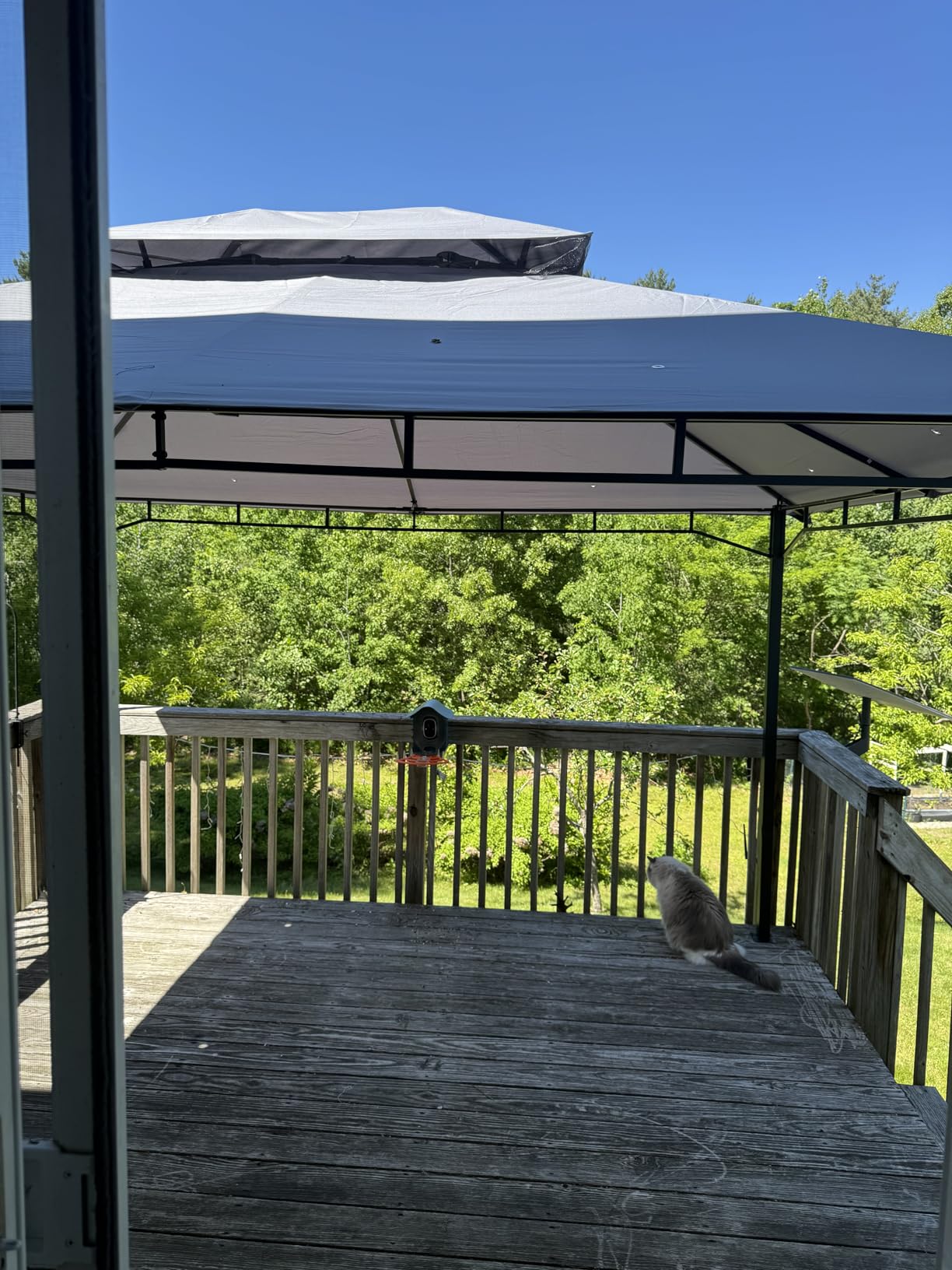
The insect proofing is the best-specified feature in this section. Mesh netting runs the full perimeter with Velcro-sealed edges, and the top ventilation duct has its own mosquito-proof net, so air moves without insects following it. That combination is why owners treat it as a genuinely screened space rather than a canopy with loose netting.
The anchoring kit is unusually complete for this class: four spiral ground stakes, eight short stakes, eight expansion bolts, four wind ropes and an S-hook. Being explicit about that matters, because a lightweight frame is only as good as how it is fixed down. Reviewers note that a light frame can shift in strong wind unless staked and roped.
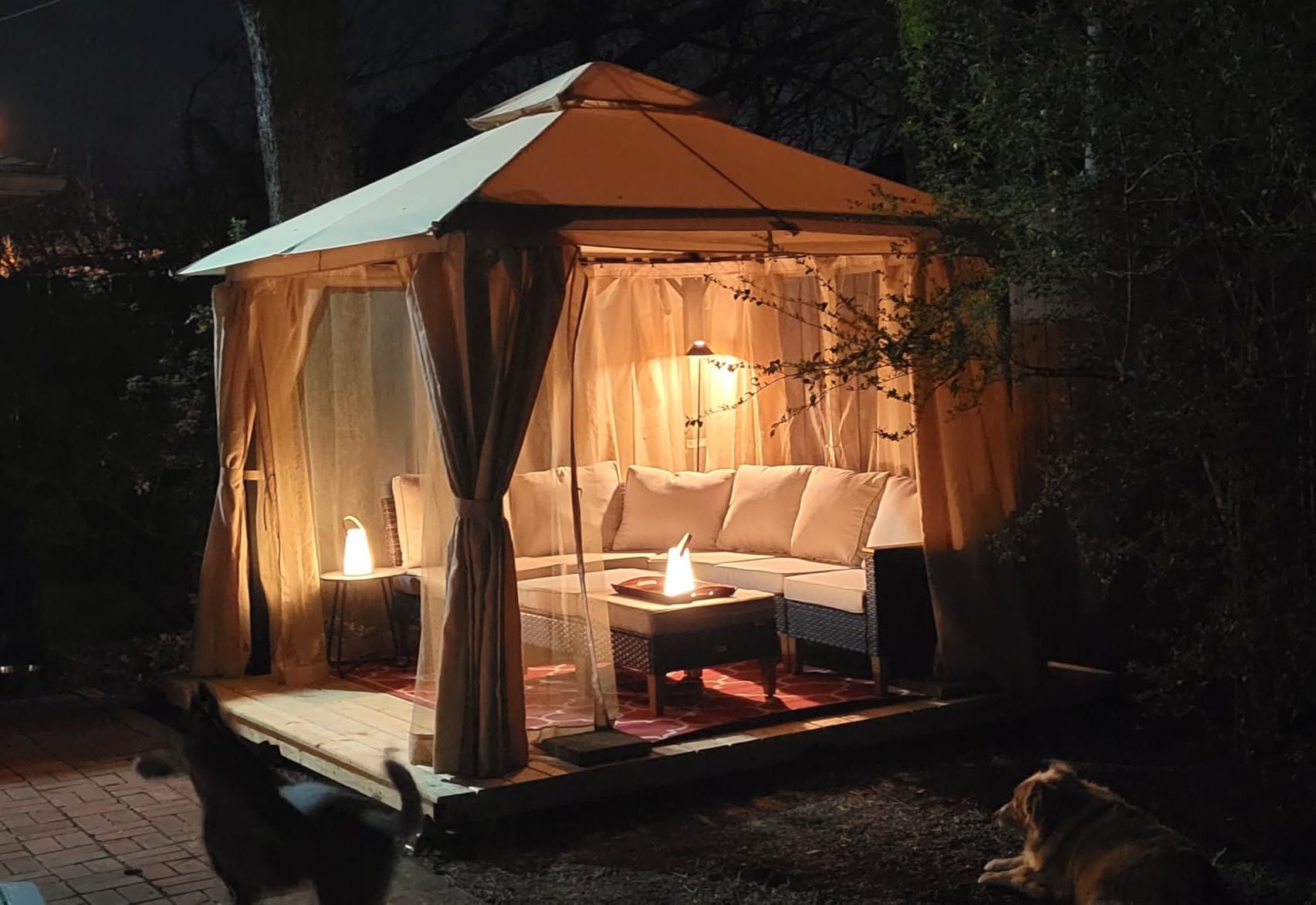
What full-perimeter netting gets you
Most budget gazebos hang netting on tracks, which leaves gaps at the corners and along the base. Velcro-sealed mesh closes those, and the netted vent duct is the detail that matters most in summer, because it keeps the airflow without the insect traffic that makes people abandon screened spaces. Owners who use this one late in the evening on a patio or poolside report it holds up well.
The double roof with eight drainage holes is the other quiet improvement. Loose fabric sags and collects water in pockets, which is what makes fabric gazebos fail. Dedicated holes let the water leave the fabric instead of sitting on it, and that shows up in reviews as less sag after a wet season.
The honest limits
It comes with netting only, no curtains, so you get bug protection and shade but not privacy. Loose fabric sides can still pool water in pockets if the frame is not fully tensioned, and the shade is a filter rather than a block, so it will not cool a hot patio the way a steel hardtop does.
Also expect to stake and rope it every time you move it, and read the instructions slowly, since reviewers describe them as vague. At under 90 pounds it is the right pick for a rental, a seasonal patio, or a lawn where nothing permanent is possible.
Wood vs Metal vs Aluminum Gazebos: Which Frame Fits Your Yard
Cedar looks best and needs the most care. Metal and aluminum need almost none. The frame material is the longest-lived part of the gazebo and the hardest to change later, so it is worth deciding on before the roof.
Cedar is the choice when appearance leads. It insulates better than metal, so frames run cooler in direct sun, and it weathers to a silver-grey that most people find attractive. The cost is maintenance: cedar needs re-staining on roughly an annual cycle, it checks in dry summers, and it needs a rot-resistant base treatment where it meets concrete or ground. The Norwood and Meridian carry five-year lumber warranties against rot, which is the number to look for.
Powder-coated aluminum is the choice when low maintenance leads. It does not rust, does not need stain, and does not check or split, so the cost of ownership over ten years is close to nothing beyond hardware. The tradeoff is heat, since aluminum conducts more than wood, and the fact that a coated surface will eventually show scratches. The Purple Leaf in this list solves the appearance objection with a wood grain finish.
Galvanized or coated steel sits between the two on price-to-durability. It is the strongest of the three against wind and snow, which is why most published wind ratings in this roundup come from steel-roofed or steel-framed models. Its weakness is rust, which becomes real near pools, coastal air or anywhere chlorine spray reaches it. Galvanized coatings slow this considerably but do not stop it.
Practical rule: cedar if the gazebo is a garden feature, aluminum if you want to forget about it, steel if you are in snow country or a high-wind site and want the strongest structure for the money. Do not use untreated cedar within splash distance of a pool without treating it every year.
Hardtop vs Soft Top vs Polycarbonate Roofs
Roof type decides how many seasons you get, how much light comes through and what happens in a storm. There is no best roof, only the roof that matches your climate and your patience.
Galvanized steel hardtops are the permanent option. They shed rain, snow and sun, carry the highest published wind and snow ratings, and the double-tier versions add airflow that stops heat building under the peak. The Kozyard, Domi, EROMMY, Backyard Discovery and Purple Leaf all use steel. The cost is darkness underneath and a heavier unit to build.
Polycarbonate roofs are the middle ground. They block UV while diffusing daylight, so the space stays bright and shaded, and they are lighter and faster to assemble than steel. The costs are a greenhouse effect in direct sun, scratch and hail marking, and looser panels in high wind. The Aoxun and Jolydale in this guide both use polycarbonate.
Fabric soft tops are the seasonal and removable option. They cost the least, weigh the least and go up fastest, which makes them the sensible pick for a rental or a patio you only use in summer. The trade is real: they resist rain rather than blocking it, they sag and fade over time, and strong winds are the main event that ends them. Good fabric gazebos add drainage holes and a double roof to slow that decline, and the two in this roundup do both.
The decision rule: if the gazebo stays up in winter or you need rain cover, hardtop. If you want a bright, shaded space in a hot climate and want the build to be quick, polycarbonate. If it is seasonal, on a lawn, or not yours for the long haul, fabric.
How to Anchor a Gazebo and Pick the Right Base Surface
Anchor every gazebo you buy, and the base surface determines the method. A gazebo that is not fixed down is a gazebo that becomes a debris item in the first serious storm, and it is also the condition under which published wind ratings are meaningless.
Concrete pad or slab is the strongest option and the only one that gives a steel or cedar structure the wind rating its manufacturer publishes. It requires excavation, and in cold climates it needs to go below the frost line or it will heave. The permanent cedar gazebos in this roundup assume this base, and the Backyard Discovery 100 mph rating applies to an anchored structure on a proper foundation.
Deck frame anchoring works if the gazebo footprint matches your deck framing and you attach through the frame into the posts below rather than into deck boards. Board-only attachment is the common mistake, because screws into board do nothing for uplift. Check that your deck can carry the load, and remember a filled gazebo is heavy.
Ground anchors and stakes suit fabric and lightweight aluminum units on a lawn. Spiral ground stakes, expansion bolts, wind ropes and guy lines are the parts that matter, and every fabric pick in this roundup includes some version of that kit. Stakes are the weak link: the ones included with budget units are often too short for soft soil, so plan to upgrade them on any site that is not firm.
Concrete pavers are the compromise most renters use, and they work for fabric units. They are not adequate for a 400 pound aluminum hardtop or a 1600 pound cedar pavilion, because the load path is a weight rather than a fixing.
Before any build, check your local rules. A permanent structure of this size can fall under building permits depending on where you live, and that decision should be made before the base is poured, not after.
What Size Gazebo Does Your Backyard Need
Size is decided by the furniture you want under it, not by the yard you have. Measure the space twice, then subtract for clearance and anchors.
Measure the post positions, not the roof edge. Roof dimensions run wider than the footprint at post level, which is exactly the trap in the 10×13 fabric gazebo in this roundup. Lay out the post footprint on the ground with tape before you order, and check the published dimensions against the post spacing in the manual.
Leave two feet of clear space on each side. A hardtop throws water off its eaves, and clearance stops that water landing on the structure, on seating, or on the wall of the house. It also keeps the roof high enough to feel open rather than tunnel-like.
Match the footprint to the use. Around 100 to 120 square feet works as a shade and drinks space, or a two-person sitting area. 144 square feet seats a six-person dining table with circulation. From 160 square feet upward you can have dining and a separate conversation area under one roof, which is what the 192 square foot Yardistry in this list is for.
Check the ceiling too. Most models in this roundup stand between 107 and 124 inches. Anything under about 108 inches feels cramped for a seated dining space, and a peak design gives you headroom at the centre that the eaves cannot. If you plan to hang a ceiling fan, confirm the frame has a reinforced centre beam for it.
Then check the load. A gazebo plus a table, chairs and people is heavier than people expect, and on a deck that load goes through the framing below. Measure twice, order once, and use our backyard recreation guide for the underfoot surface if the area doubles as play space.
Frequently Asked Questions
What brand makes the best gazebo?
There is no single winner, because brands lead in different materials. Backyard Discovery leads on cedar and premium hardtop builds, with the Arcadia and Norwood lines rated for real snow and wind loads. Purple Leaf leads on aluminum frames with a wood grain look, and Kozyard is strong on aluminum hardtops with netting and curtains included. Rank by frame material and published wind rating rather than by logo.
What gazebo has a 100 mph wind rating?
The Backyard Discovery Norwood 16×12 cedar gazebo is the only one in our roundup published at 100 mph, Pro-Tect tested for up to 10,600 pounds of snow load when anchored. The highest rated metal gazebos we compared sit at 60 mph anchored, which is still substantial. Wind ratings assume a properly anchored structure, so the rating only transfers to your yard if you fix the gazebo to concrete or a deck frame.
What is the top quality gazebo?
Top quality means a galvanized steel or aluminum frame, a double-tier galvanized steel roof, a documented wind rating, and mosquito netting and privacy curtains in the box rather than sold separately. On that definition the Kozyard Alexander 12×12 is the strongest all-round build we found, with a 2500 pound snow load, 60 mph anchored wind rating, integrated gutters and 1547 reviews behind it.
Is it better to get a wood or metal gazebo?
Cedar looks better, insulates better and needs re-staining about once a year, so it suits buyers who treat the gazebo as a garden feature. Aluminum needs no maintenance at all and will not rot or rust, which makes it the low-effort choice. Galvanized steel gives the strongest structure and the best published wind and snow ratings for the money. Coastal and poolside sites favor aluminum, snow country favors steel.
How long does it take to assemble a hardtop gazebo?
Expect two to five hours with two capable adults for a metal hardtop, and considerably longer for a cedar structure of 1000 pounds or more. Reviews of the picks in this roundup run from about two to three hours for the Aoxun polycarbonate model to 12 to 20 hours for the Domi with two to three people, and multiple days or hired carpenters for the cedar kits. Square the frame before tightening bolts, or the roof will not sit flat.
What size gazebo fits a typical backyard?
For most suburban yards, 120 square feet works as a shade and drinks space and 144 square feet seats a six-person dining table with room to move. Larger yards that host long-table gatherings are where 160 square feet and up makes sense. Measure the post positions rather than the roof edge, since roof dimensions run wider, and leave at least two feet of clearance on each side for water runoff.
Which Backyard Gazebo Should You Buy
The Kozyard Alexander 12×12 is our pick for most backyards. It has the most verified owners of any gazebo we compared, an aluminum frame that will not rust, a galvanized steel double roof rated at 2500 pounds of snow load and 60 mph of anchored wind, and both curtains and netting in the box. The cost is assembly effort and a 397 pound unit, and both are manageable with one good helper and a full day.
Match it to a situation instead and the rest of the list makes sense quickly. The Backyard Discovery Norwood is the answer when you are in snow country or an exposed yard and need a published 100 mph wind rating, and it is the only pick with built-in outlets and USB ports. The Yardistry Meridian is for a large yard where 192 square feet of cedar pavilion is the point. The Purple Leaf gives you a wood grain look with none of the re-staining.
Budget buyers have two solid routes. The Aoxun 12×10 polycarbonate hardtop is the most-reviewed budget hardtop here and a good deal for a shaded patio. The LAUSAINT HOME 10×13 is the best value overall for seasonal use, at 103 pounds and a three hour build, and it will take down again at the end of the season.
Whatever you pick, anchor it before the first serious storm and check your local permit rules for a permanent structure. Then decide the use before the size, because the footprint should follow the furniture, not the other way round. The best gazebos for backyards are the ones still standing and still used in year eight.