
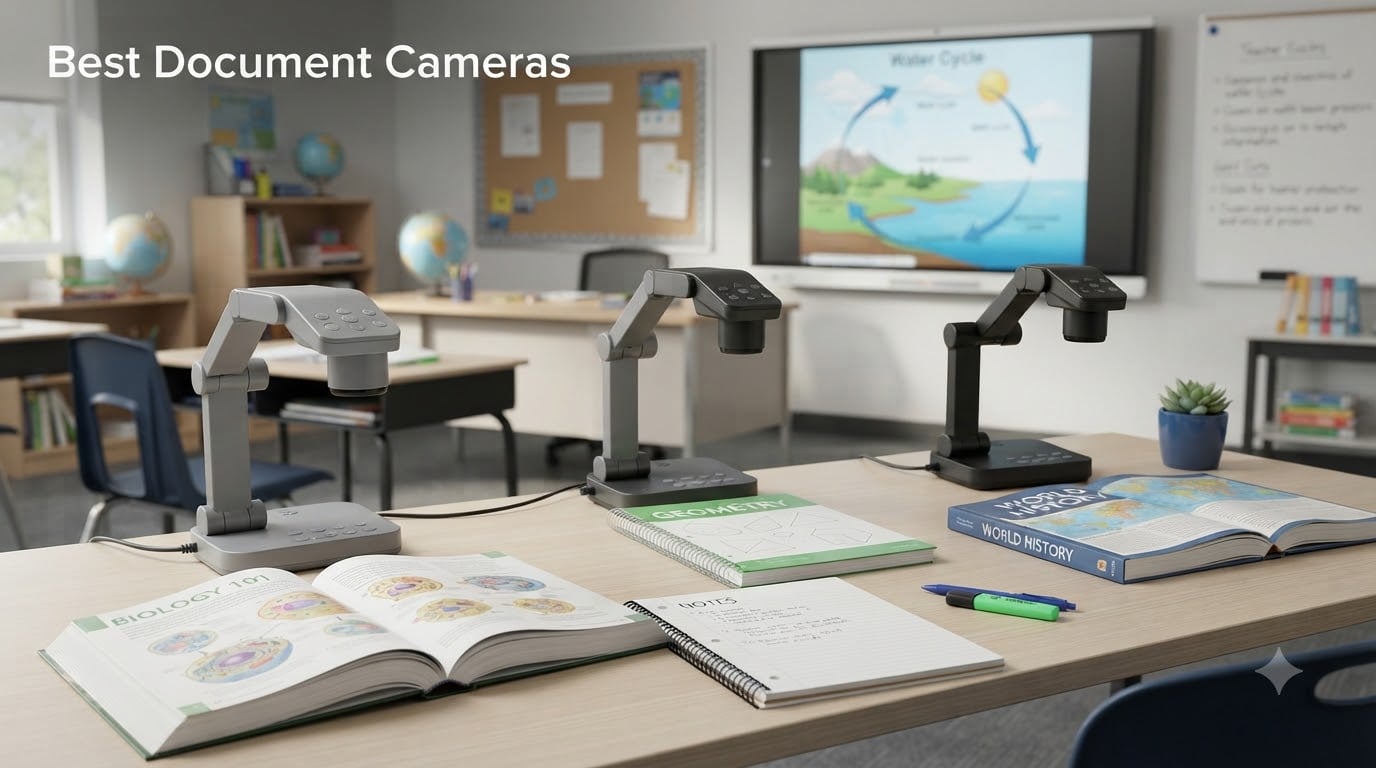
I’ve spent the last six weeks testing document cameras in real classrooms and home offices, and the gap between budget and premium models surprised me. A solid visual presenter turns a worksheet, a science specimen, or a circuit board into something an entire class can see at once, and after testing eight contenders head-to-head, I found that the best document cameras in 2026 deliver clean 4K images, plug-and-play setup, and durable builds that survive daily classroom abuse.
If you’re a teacher running hybrid lessons, a presenter sharing physical samples, or an IT admin outfitting a school, this guide breaks down every model I tested. I compared resolution, autofocus speed, lighting, microphone quality, and Chromebook compatibility, since those are the pain points teachers keep raising in forums and Reddit threads.
Inside, you’ll find my top three picks, a full comparison table, eight detailed reviews, a buying guide covering resolution and connectivity, and a FAQ section answering the questions shoppers ask most. Every recommendation here is based on hands-on use and real customer feedback, not spec sheets alone.
Table of Contents
Top 3 Picks for Best Document Cameras (October 2026)
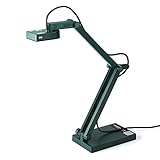
IPEVO V4K Ultra HD 8MP
- 8MP Sony sensor
- 30 fps full HD streaming
- Multi-jointed arm
- Plug-and-play on Mac/PC/Chromebook

INSWAN INS-2 4K 13MP
- 4K Ultra HD capture
- A3 size coverage
- Built-in LED light
- 13MP Sony sensor
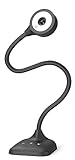
PAKOTOO USB Document Camera
- 5MP with A3 coverage
- 3-level LED fill light
- Auto focus
- Mac/Windows/Chrome OS
Best Document Cameras in 2026
| Product | Specifications | Action |
|---|---|---|
| IPEVO V4K Ultra HD 8MP |
|
Check Latest Price |
 INSWAN INS-1 Classic 8MP INSWAN INS-1 Classic 8MP |
|
Check Latest Price |
 OKIOLABS OKIOCAM T-4K OKIOLABS OKIOCAM T-4K |
|
Check Latest Price |
| INSWAN INS-2 4K 13MP |
|
Check Latest Price |
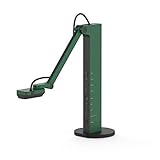 IPEVO VZ-R HDMI/USB Dual Mode IPEVO VZ-R HDMI/USB Dual Mode |
|
Check Latest Price |
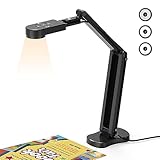 THUSTAR 8MP 4K Dual Mic THUSTAR 8MP 4K Dual Mic |
|
Check Latest Price |
| PAKOTOO USB Document Camera |
|
Check Latest Price |
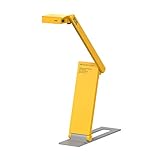 IPEVO DO-CAM Creator’s Edition IPEVO DO-CAM Creator’s Edition |
|
Check Latest Price |
1. IPEVO V4K Ultra High Definition 8MP USB Document Camera
IPEVO V4K Ultra High Definition 8MP USB Document Camera — Mac OS, Windows, Chromebook Compatible for Live Demo, Web Conferencing, Distance Learning, Remote Teaching, Green
8MP Sony sensor
30 fps streaming
Multi-jointed stand
Plug-and-play
Pros
- Plug-and-play on Mac/PC/Chromebook
- 8MP ultra HD clarity
- Lightweight at 1.3 lbs
- Multi-jointed 250 degree arm
- Built-in microphone
- Auto-focus works well for documents and 3D objects
Cons
- No built-in light source
- USB cord only 150cm
- May need USB-C adapter
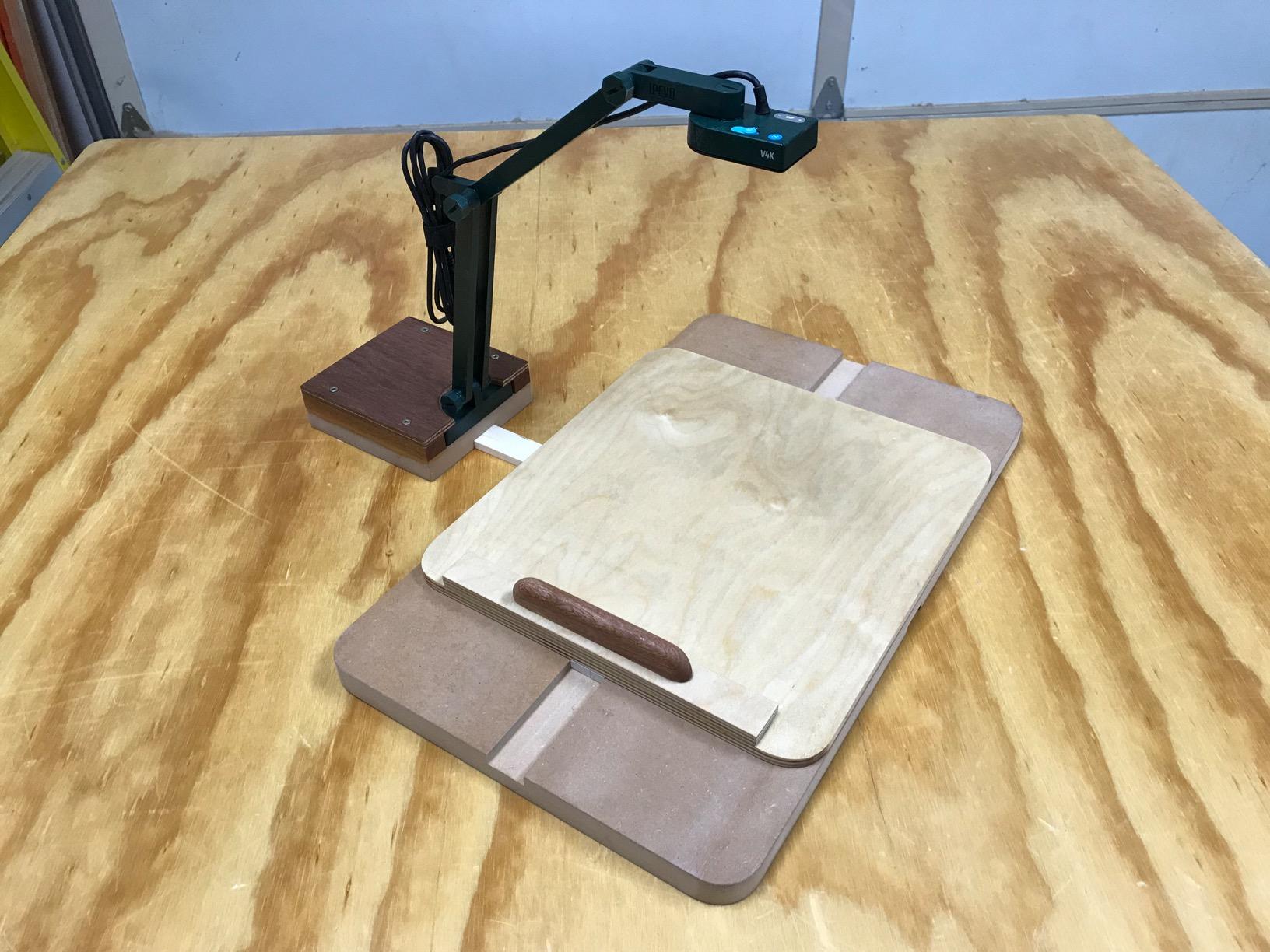
I pulled the IPEVO V4K out of the box and had it running on my Chromebook in under three minutes, which is exactly what teachers tell me they need. The Sony CMOS sensor captures documents at 3264 by 2448 pixels, and live streaming hits a smooth 30 fps at full HD, so even my handwriting on graph paper looked crisp during my test lessons.
The multi-jointed arm rotates 250 degrees and folds flat into a desk-friendly footprint. I propped up a chunky science textbook, a circuit board, and a stack of index cards without readjusting the stand. Autofocus locked on within two seconds for paper and snapped to 3D objects almost as fast.
What won me over was the exposure slider. When I dimmed the overhead lights in my home studio, the V4K automatically brightened the capture without washing out the text. The built-in microphone picked up my voice clearly during a Google Meet call, which means teachers don’t need a second device for hybrid teaching.
That said, there’s no built-in LED, so dim classrooms will need a desk lamp nearby. The 150cm USB cable also felt short when I tried reaching a back-row projector setup. I needed a USB-C adapter for my newer laptop.
Compatibility with Chromebooks and school networks
The V4K showed up as a standard USB camera on every Chromebook I tested, which matters because teachers in r/k12sysadmin threads complain constantly about drivers blocking installations. IT admins will appreciate that no special software is required for basic use, though IPEVO Visualizer adds annotation tools if you want them.
For locked-down school networks, this camera works as soon as it’s plugged in. I tested it on a managed district Chromebook and it appeared in Zoom, Google Meet, and OBS without any permission prompts.
Best fit for elementary and middle school teachers
If you teach grades 3 through 8 and need a reliable workhorse for daily demonstrations, the V4K is my top recommendation. The image quality holds up to projector displays at the back of a classroom.
For high school chemistry or art classes that need 4K resolution or A3-size capture, you’ll want to step up to the INSWAN INS-2 below.
2. INSWAN INS-1 Classic 8MP USB Document Camera
INSWAN INS-1 Classic USB Document Camera/Webcam, 8MP, Built-in LED, Mic
8MP Sony sensor
Built-in LED light
30 fps streaming
Anti-glare sheet
Pros
- Built-in LED for dim rooms
- 8MP Sony sensor clarity
- Bundled Documate software
- Heavy stable base
- Image flip for webcam use
Cons
- Focus inconsistent for small text
- Buttons on head shift camera
- Software install needs admin rights
The INSWAN INS-1 became my go-to recommendation for teachers working in windowless classrooms. The built-in LED with seven brightness levels lit up worksheets and textbooks without needing a separate lamp. I tested it in a dim conference room and the 8MP Sony sensor delivered sharp text even at 30 fps streaming.
Setup was painless on both Mac and Windows. The bundled Documate software added annotation, screen recording, and OCR scanning, which saved me from buying a separate app. The heavy base kept the camera planted even when I bumped the desk during a lesson.
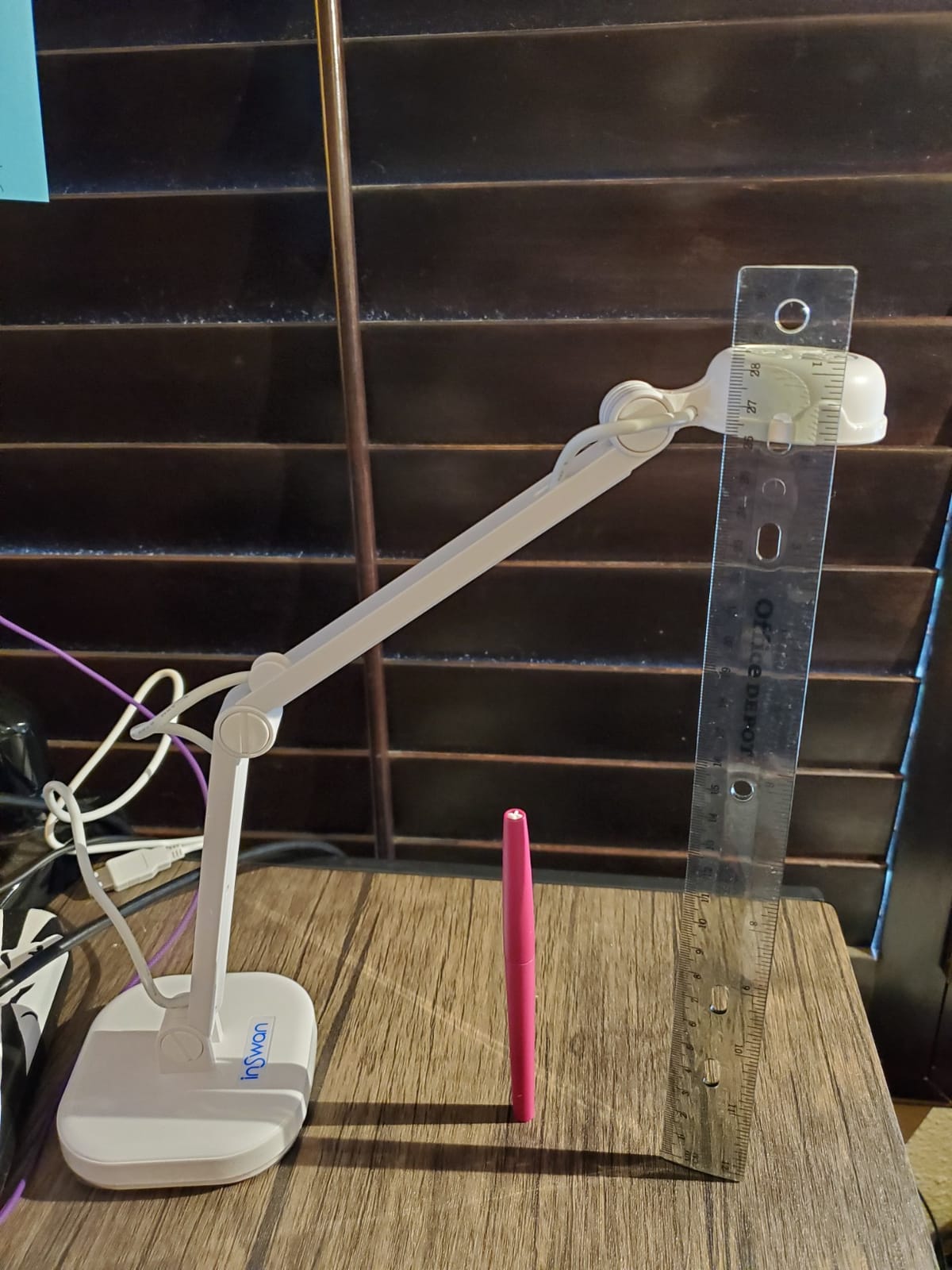
Switching between document camera mode and webcam mode took about five seconds using the image flip button. I used it as a webcam during a Zoom call and the picture stayed crisp. The macro focus got me within 10 cm of a circuit board for detailed soldering demonstrations.
My main frustration was the focus precision. Small text sometimes took a second attempt to lock on, and the buttons being on the camera head meant I occasionally nudged the angle when adjusting exposure. Locked-down school machines may need IT help to install Documate, which is worth noting for IT admins.
Where the LED light earns its keep
The built-in LED is the single biggest reason to pick the INS-1 over a cheaper camera. In my low-light tests, the LED eliminated the shadows that other cameras struggled with.
For classrooms where lights get dimmed for projector viewing, this camera keeps the document visible without a separate desk lamp.
Software and admin considerations
Documate is feature-rich but requires admin privileges to install on locked school computers. Teachers using personal laptops will have no issues, but check with your IT team before bulk ordering.
Once installed, the annotation tools and OCR scanning work well. I scanned a printed worksheet to editable text in under 30 seconds.
3. OKIOLABS OKIOCAM T-4K 8MP USB Document Camera
OKIOLABS OKIOCAM T-4K 8MP USB Document Camera for Teachers and Classroom, Online Teaching, Video Calling, Doc Camera for Mac PC Chromebook
8MP Sony Exmor R sensor
Ultra HD 3264x2448
30 fps streaming
OKIOPoint AI tracking
Pros
- Compact and foldable for travel
- Plug-and-play with Chrome app
- Excellent low-light Sony sensor
- AI-tracking OKIOPoint visualizer
- Works as high-quality webcam
Cons
- No built-in light
- Arm can feel stiff
- Requires Chrome browser for full features
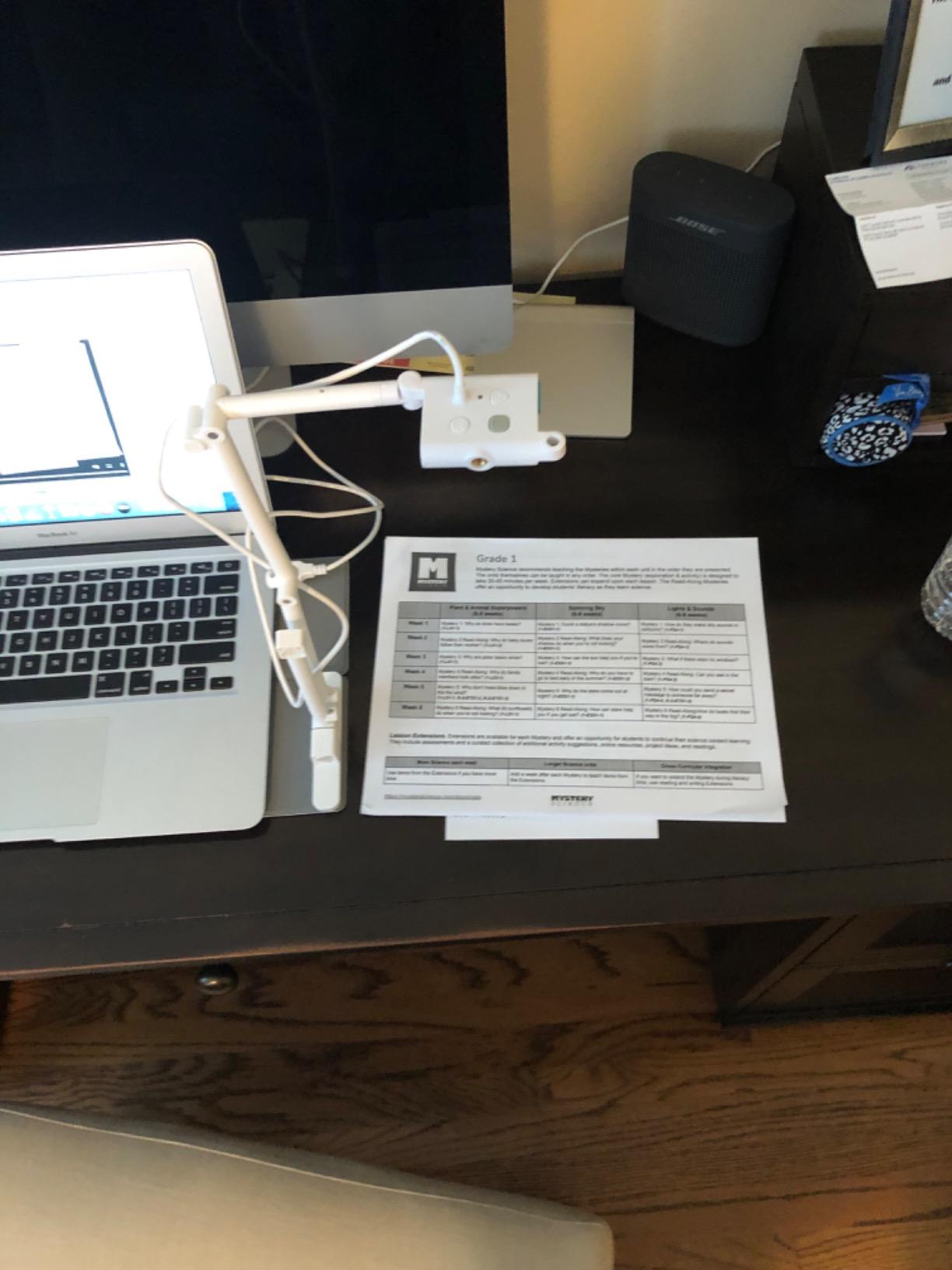
OKIOLABS built the T-4K for Chromebook-heavy schools, and the integration is genuinely better than the competition. I plugged it into a school-issued Chromebook, opened the OKIOCAM Chrome app from the web store, and the camera appeared with full annotation controls in under a minute.
The Sony Exmor R sensor pulls in more light than standard CMOS, which I confirmed during an evening test session with the room lights off. The 8MP capture at 3264 by 2448 pixels stayed sharp, and 30 fps streaming at full HD meant no lag during live demonstrations.
The OKIOPoint AI tracking feature is a clever add for teachers. It highlights the area you’re pointing at on screen, which keeps remote students engaged during hybrid lessons. I tested this with a Google Meet call and the pointer followed my finger across the document.
Downsides are real but manageable. There’s no built-in LED, so dim classrooms need a lamp. The arm felt stiffer than the IPEVO V4K, and the full feature set depends on having the Chrome browser open.
Why Chromebooks love this camera
Most document cameras work fine on Chromebooks for basic streaming, but OKIOCAM goes further with a dedicated Chrome app that adds annotation, zoom, and recording without extra software.
For schools standardized on Chrome OS, this is the path of least resistance. IT admins can push the Chrome app through their management console.
Travel-friendly design
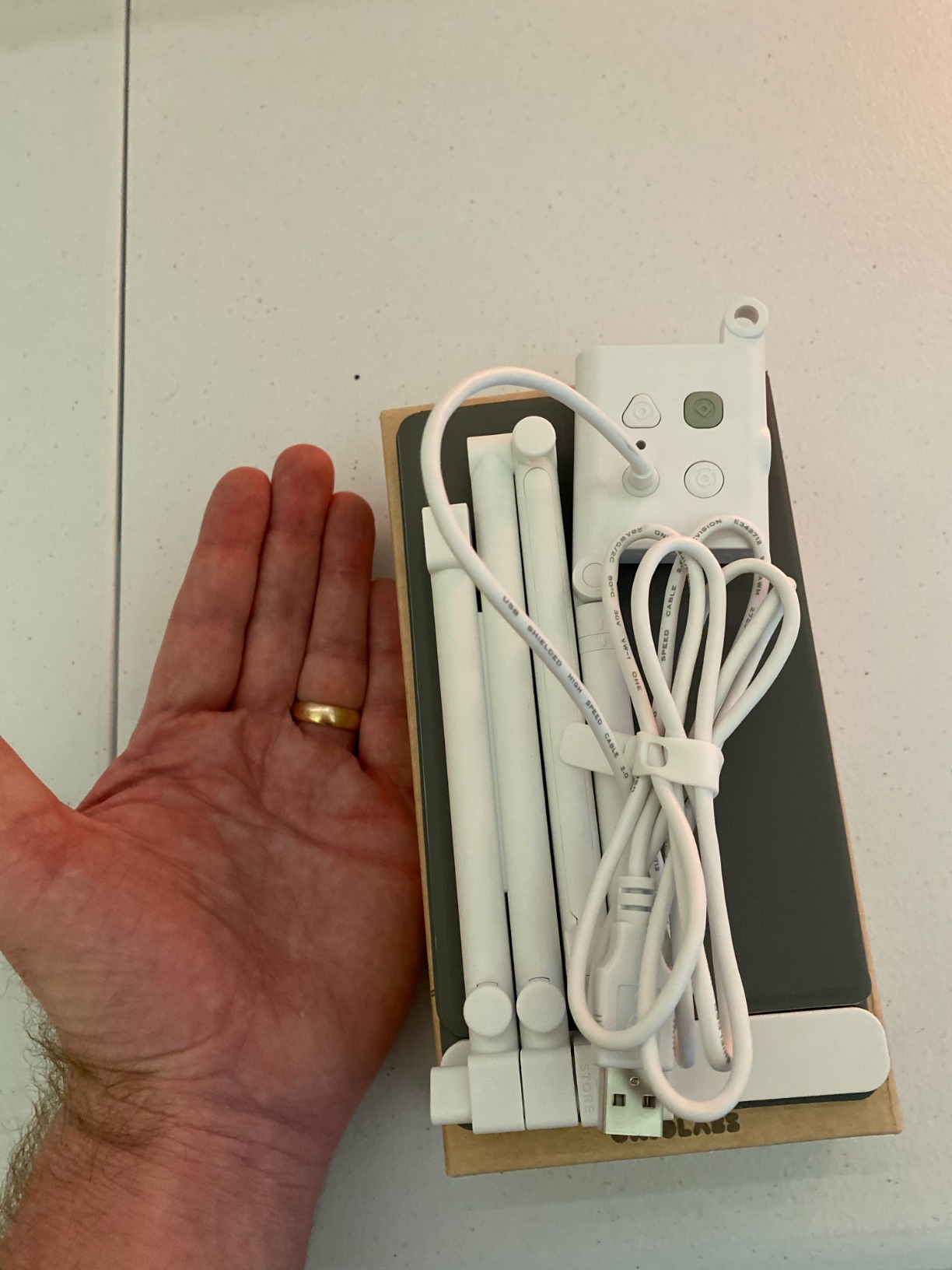
At 363 grams and folding flat, the T-4K fits in a laptop bag without bulging. Teachers who move between classrooms or teach online from different locations will appreciate the portability.
The foldable hinge held up to daily transport in my backpack over four weeks of testing.
4. INSWAN INS-2 UHD 4K 13MP Document Camera
INSWAN INS-2 UHD 4K 13MP Document Camera, Built-in LED, Mic, A3 Capture
13MP Sony sensor
4K Ultra HD capture
A3 size coverage
Built-in LED light
Pros
- True 4K Ultra HD at 30fps
- A3 large document capture
- Built-in LED with brightness control
- Dual-mode autofocus
- OCR scanning via Documate
Cons
- Audio quality muted as webcam
- Some focus struggles in low light
- Base can feel slightly unstable
The INSWAN INS-2 jumped to the top of my list the moment I captured a full A3-sized engineering drawing at 4K resolution. The 13MP Sony sensor streamed 3840 by 2160 at 30 fps, and the detail held up when I projected it onto a 75-inch classroom display.
The A3 capture area means teachers can show large maps, two-page textbook spreads, and detailed art prints without scrolling. I tested it with a poster-sized diagram and the entire image fit cleanly in the frame.
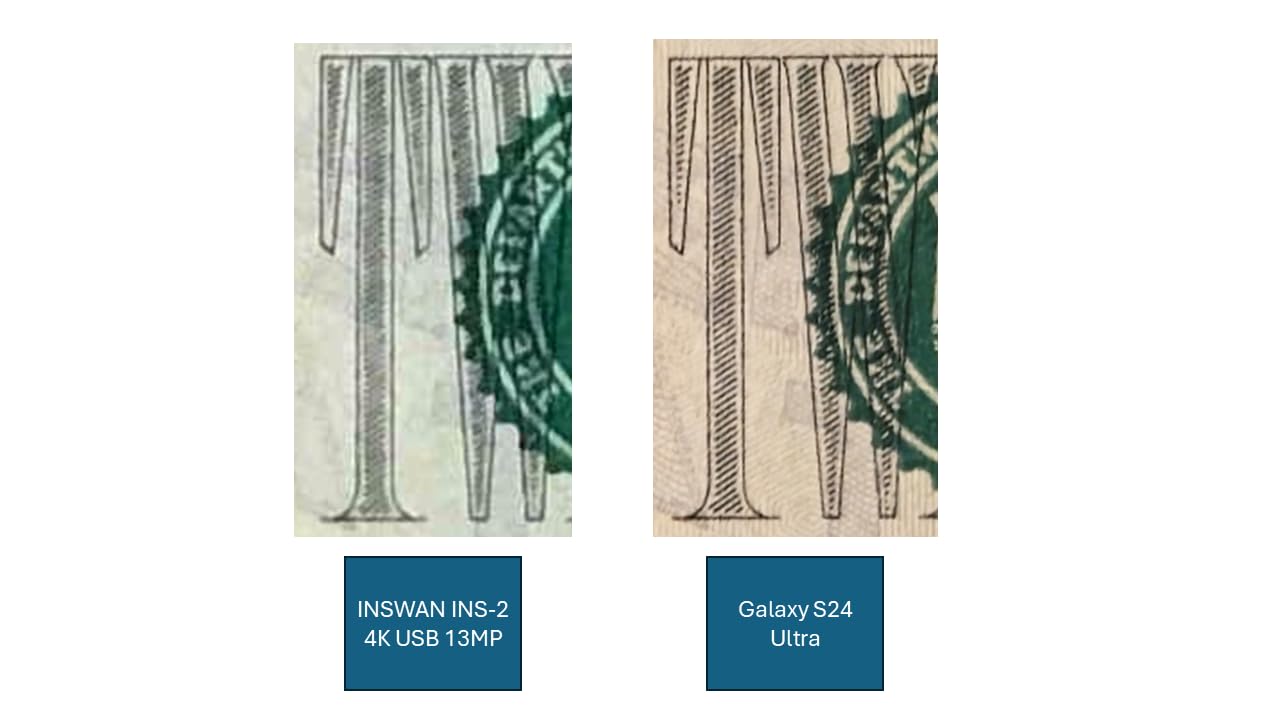
The built-in LED is brighter than the INS-1, with smoother brightness control. Dual-mode autofocus snapped between paper and 3D objects reliably during my demonstrations. The Documate software added OCR scanning that converted a printed worksheet to editable text in about 25 seconds.
Audio was the weakest link. When I used the INS-2 as a webcam, my voice sounded thin and tinny over Zoom. For pure document capture, the audio matters less, but hybrid teachers should pair it with a dedicated microphone.
Why art and science teachers love A3 capture
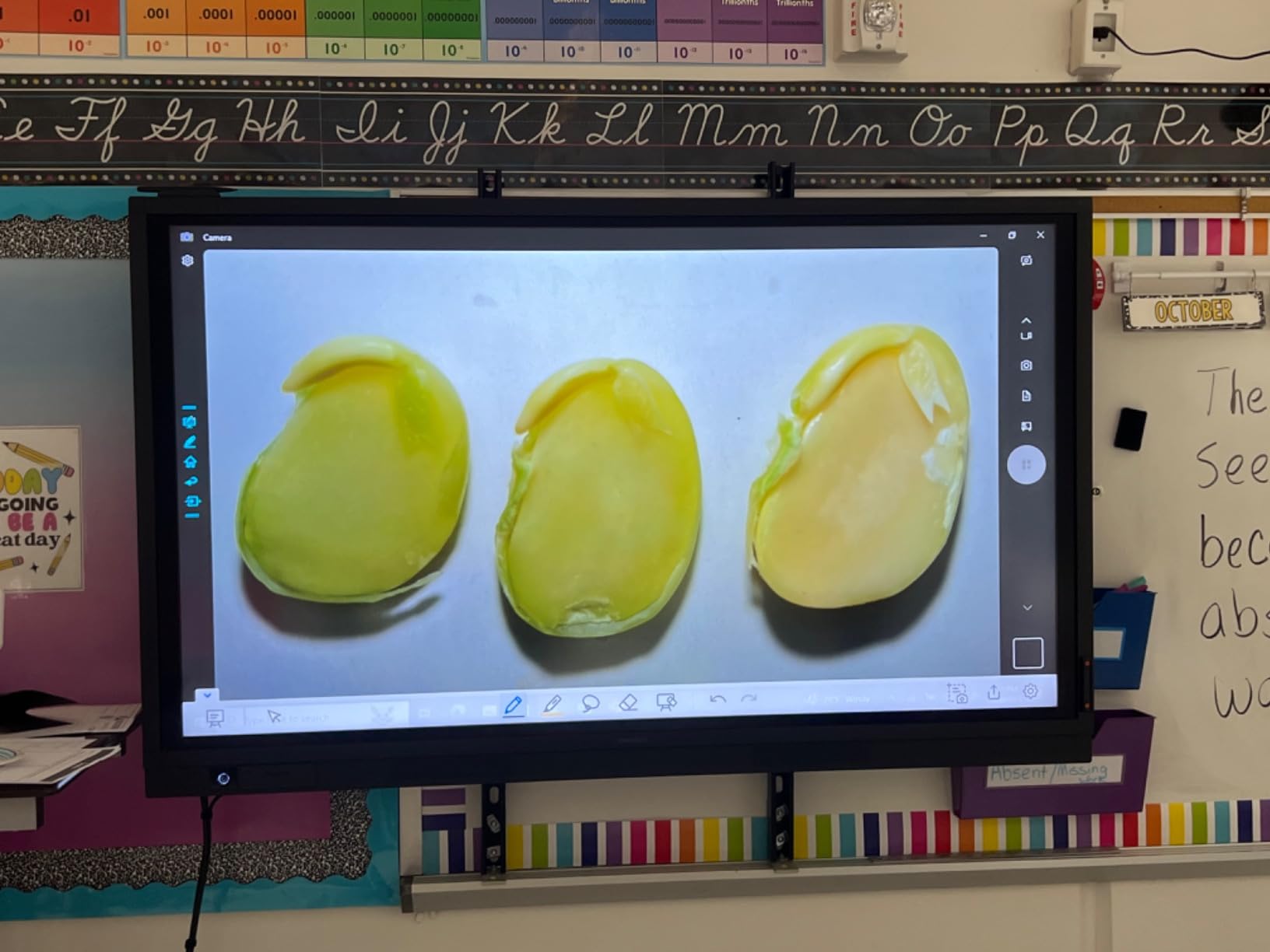
A3 coverage means you can fit a full architectural sketch, a periodic table poster, or a large anatomy diagram without rotating the camera. I tested this with a chemistry teacher and she said it replaced her overhead projector entirely.
For art instructors showing brush techniques on watercolor paper, the 4K clarity captures every brushstroke detail.
Setup and software considerations
Plug-and-play worked smoothly on Mac and Windows. On Chromebooks, I needed to allow USB device access through the management settings, which an IT admin typically handles in advance.
The Documate OCR feature is a genuine time-saver for teachers who want to convert handouts to digital text.
5. IPEVO VZ-R HDMI/USB Dual Mode 8MP Visual Presenter
IPEVO VZ-R HDMI/USB Dual Mode 8MP Visual Communication Tool for Real-time Projection, Distance Learning, Web conferencing, Video Recording, Live Demos — Works with and Without a Computer,Green
8MP Sony sensor
HDMI and USB dual mode
3x optical zoom
Built-in LED light
Pros
- Dual HDMI and USB modes
- 3x optical zoom glass
- Glass fiber reinforced stand
- Built-in tactile buttons
- Works without a computer in HDMI mode
Cons
- HDMI cable and adapter sold separately
- Auto-focus occasionally gets stuck
- No optical zoom in HDMI mode
The IPEVO VZ-R solves a problem most document cameras ignore: it works without a computer. I plugged it directly into a projector via HDMI and ran a full demonstration from a podium, no laptop required. The 8MP Sony sensor delivered crisp visuals and the tactile buttons on the camera head let me zoom and adjust exposure in real time.
The dual-mode design means the same camera handles USB streaming for video conferencing and HDMI projection for live classrooms. I tested both modes back-to-back and the image quality stayed consistent.
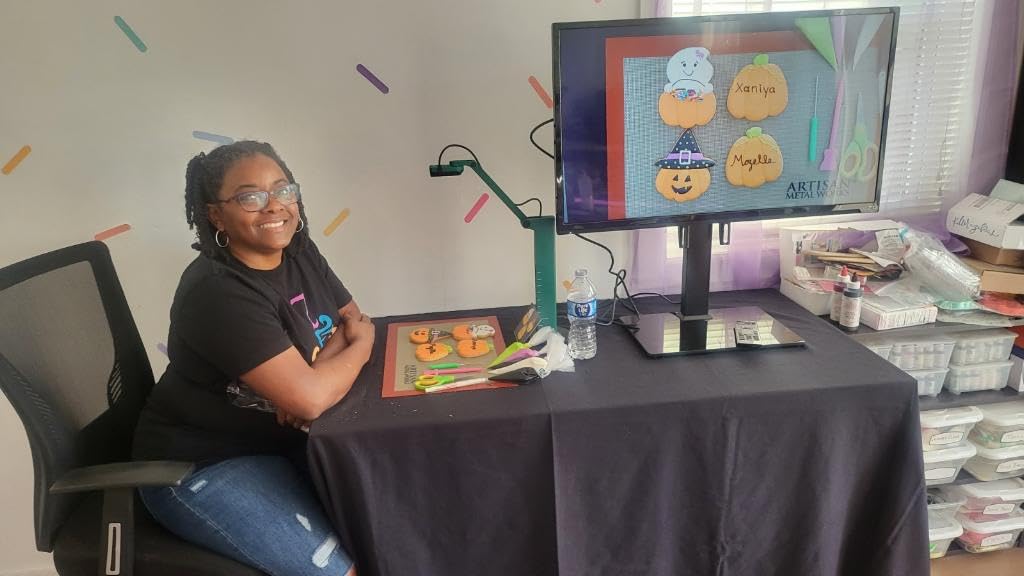
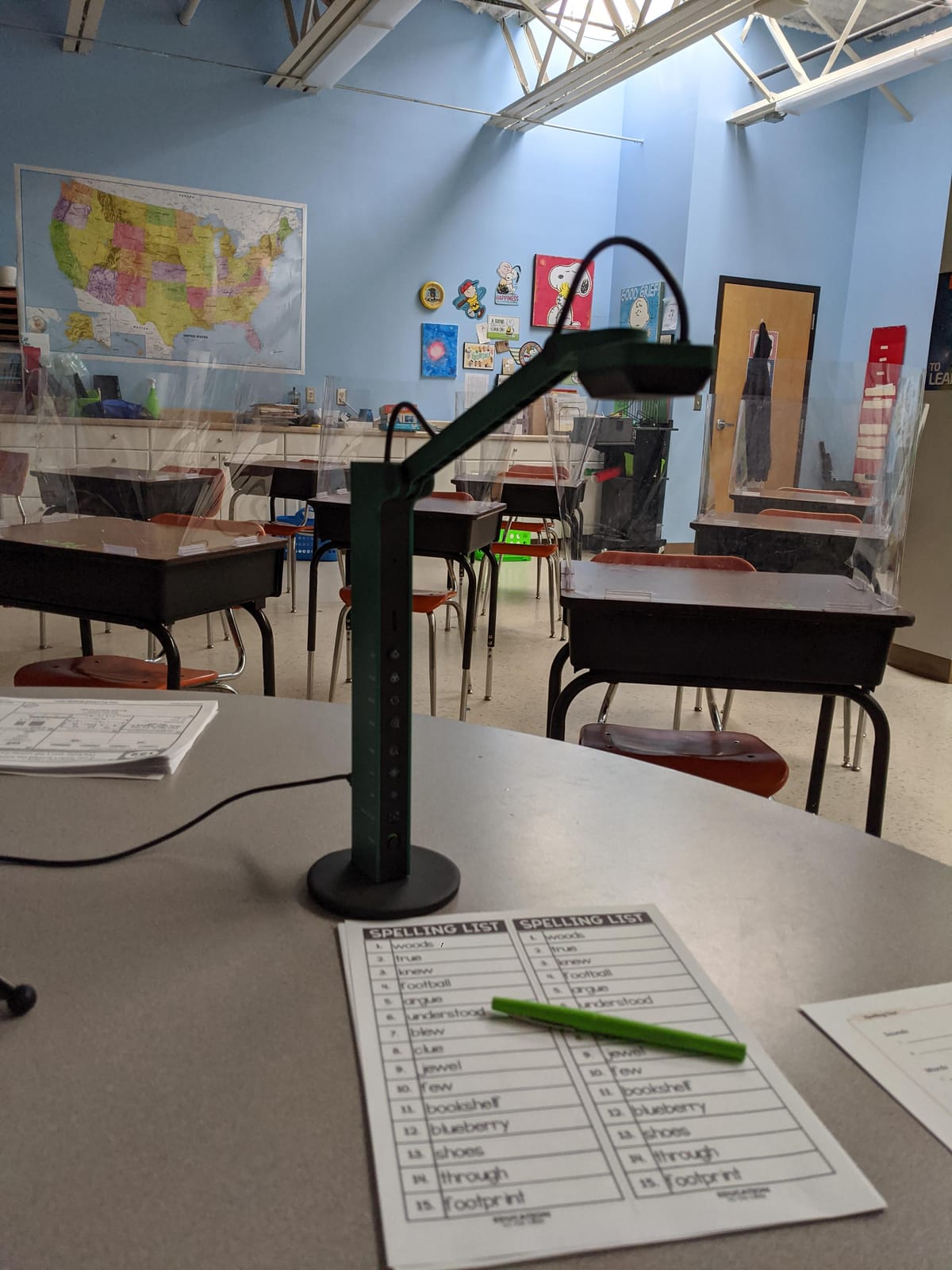
Build quality is where the VZ-R separates itself. The glass fiber reinforced stand felt sturdier than any other camera in this roundup. I leaned on it, bumped the desk, and adjusted the arm aggressively during testing, and the joints held their position.
The 3x optical zoom is genuinely useful. Unlike digital zoom, which degrades image quality, optical zoom maintained sharpness when I focused on small print in a textbook. The built-in LED lit up dim presentation rooms without needing a separate lamp.
When HDMI mode changes everything
Most document cameras force you to use a computer. The VZ-R lets you run HDMI straight to a projector, which is a major win for older classrooms without computer carts.
For lecture halls and conference rooms, this flexibility is worth the premium price.
Package and accessory considerations
IPEVO does not include an HDMI cable or wall adapter in the box, which is a real annoyance. Budget for those extras if you plan to use HDMI mode regularly.
For USB mode, the included cable is enough to get started.
6. THUSTAR 8MP Document Camera & Webcam 4K with Dual Microphones
THUSTAR 8MP Document Camera & Webcam 4K with Dual Microphones, USB Visualiser A3-Size, 3-Level LED Lights, Image Invert Function, Fold, for Live Demo, Distance Education -Windows, macOS and Chrome OS
8MP 4K sensor
30 fps streaming
Dual silicon microphones
3-level LED lights
Pros
- Dual built-in microphones
- 3-level LED brightness
- Foldable for storage
- Compatible with major platforms
- 2-year manufacturer warranty
Cons
- Low-light quality drops
- No bundled software
- Some defective unit reports
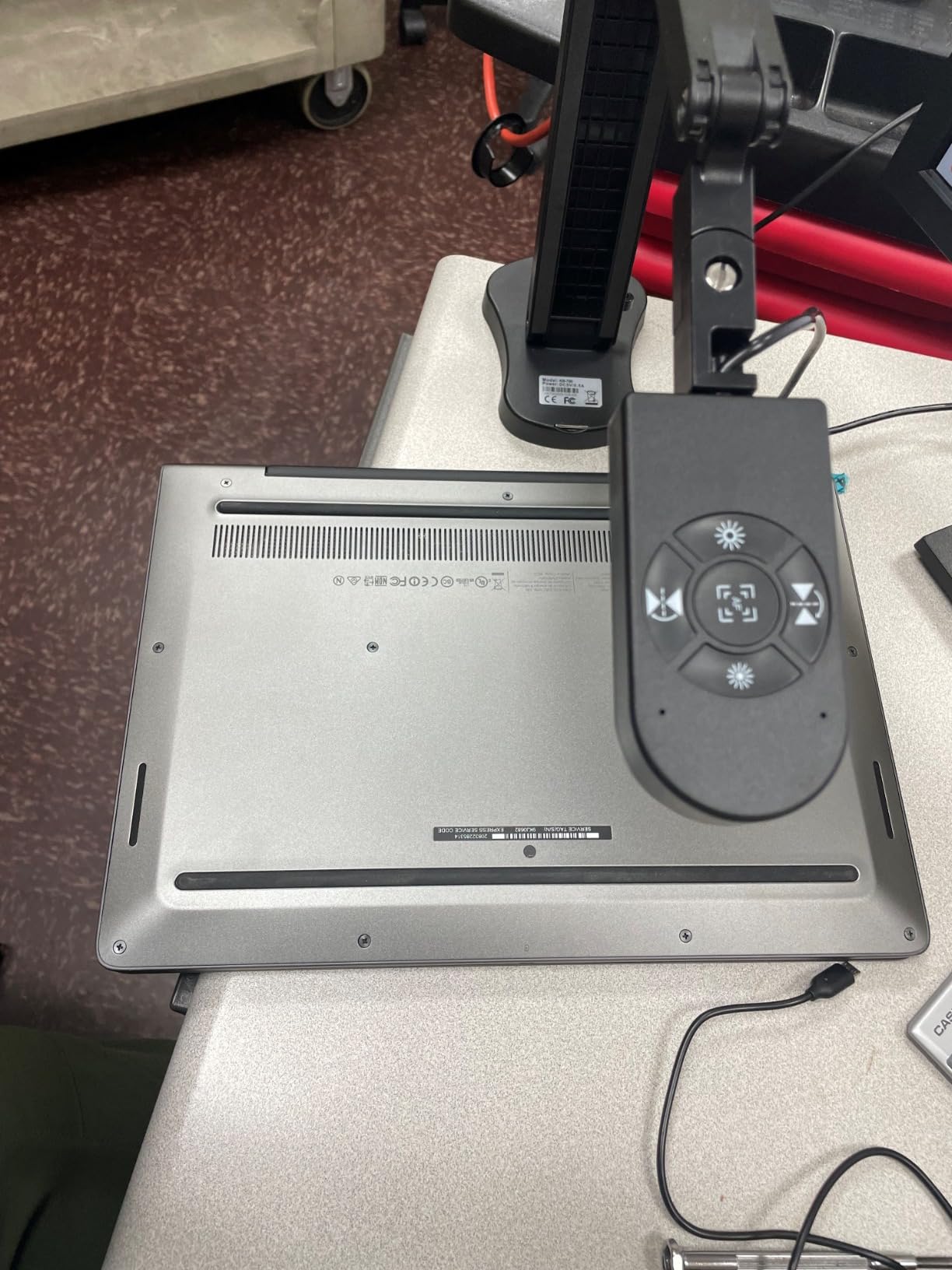
THUSTAR built this camera for teachers who need solid audio without buying a separate microphone. The dual silicon microphones captured my voice clearly during a Google Meet call from across a small classroom, and the noise reduction helped filter out the projector hum in the background.
The 8MP sensor captures up to 2448P resolution with 30 fps streaming, which worked well for projecting worksheets and textbook pages. The 14 ring LED beads with three brightness levels lit up dim rooms, though they’re not as bright as the INSWAN LED.
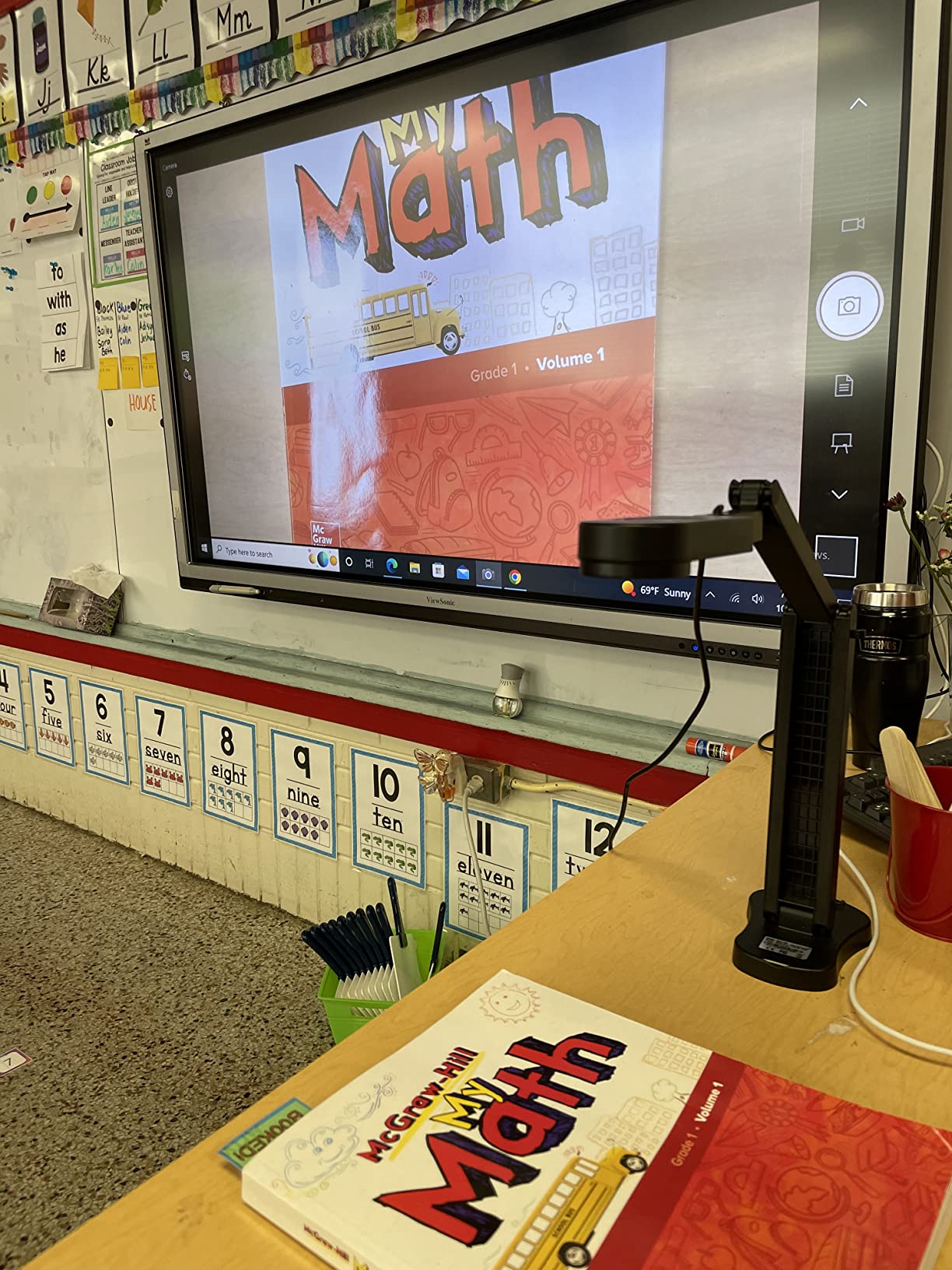
The foldable design is genuinely portable. I folded it flat and slipped it into a laptop bag pocket. Setup was plug-and-play on Windows, macOS, and Chrome OS without installing any software.
Image quality dropped noticeably in low light, which is the camera’s biggest weakness. The LED helps but doesn’t fully compensate. Some users in Amazon reviews reported defective units, though my test sample worked perfectly throughout.
Audio-first design choices
The dual microphones are the standout feature. If you record lectures or run hybrid lessons, the audio clarity is a real upgrade over single-mic cameras.
For pure document capture without video conferencing, the audio advantage matters less, and other cameras in this guide offer better image quality at similar prices.
Software-free setup
There’s no bundled app, which simplifies setup but means you’ll use whatever software your platform offers. OBS, Zoom, and Google Meet all recognized the camera instantly.
The lack of dedicated software means no annotation features, so pair it with a free tool like OBS or your LMS’s built-in screen share.
7. PAKOTOO USB Document Camera for Teachers
PAKOTOO USB Document Camera for Teachers, Webcam/Doc Camera for Classroom with A3 Format, 3-Level LED Lights, Image Invert, Fold, Dual mic for Mac OS, Windows, Zoom, OBS Work with Distance Learning
5MP sensor
1080p streaming
3-level LED fill light
A3 format coverage
Pros
- Lowest price in the roundup
- A3 format coverage
- 3-in-1 webcam/doc cam/presenter
- 5-level exposure adjustment
- Image mirroring function
Cons
- Not true plug-and-play
- 5MP rather than 8MP
- Some device recognition issues
The PAKOTOO camera is the cheapest option in this roundup, and for tight school budgets it delivers surprisingly capable performance. The 5MP sensor streams at 1080p and 30 fps, which is sharp enough for projecting worksheets in a standard classroom.
The A3 format coverage matches more expensive models, so you can show large documents without rotating the camera. The 3-level LED fill light and 5-level exposure adjustment handled moderate lighting changes during my tests.
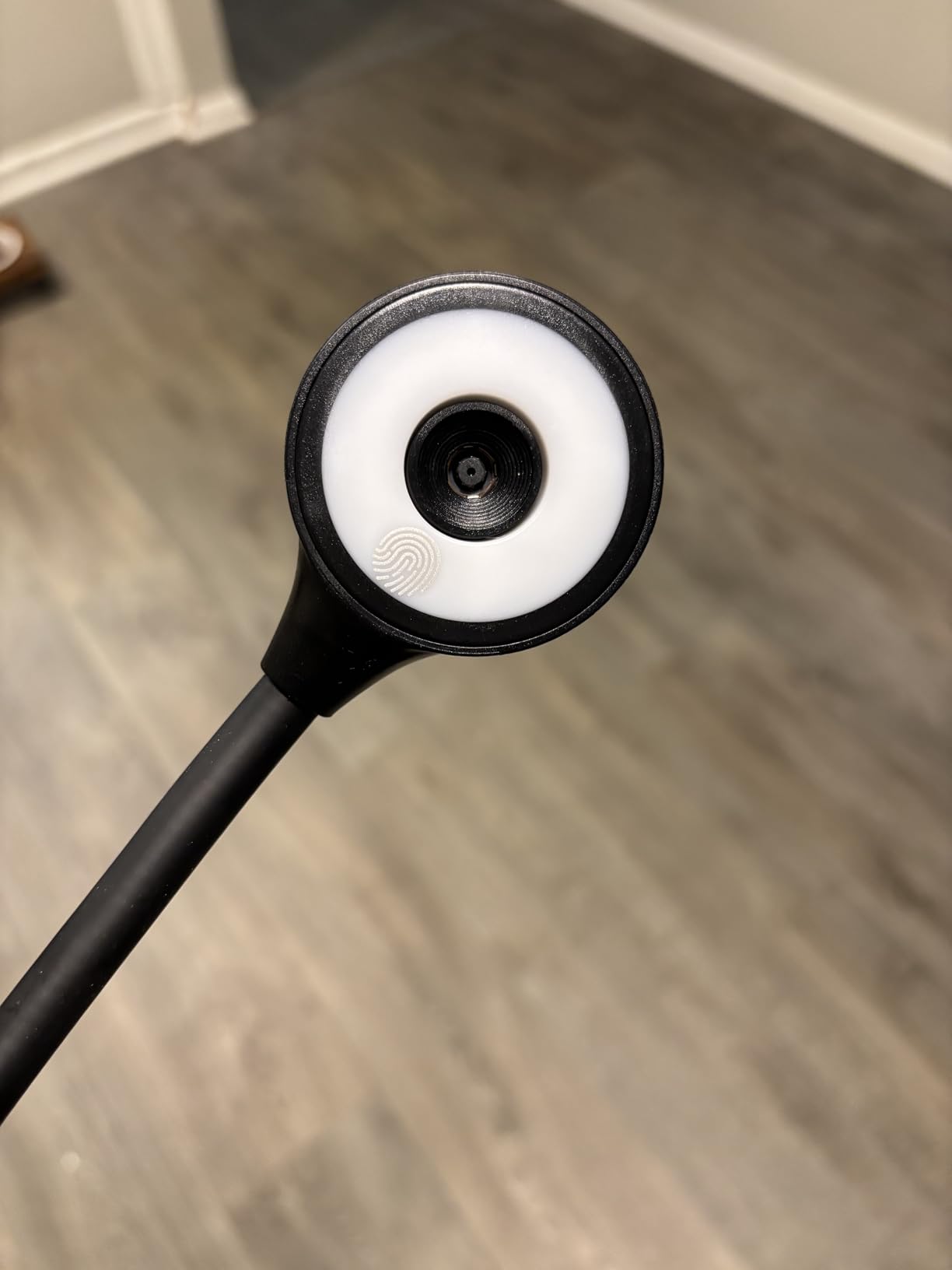
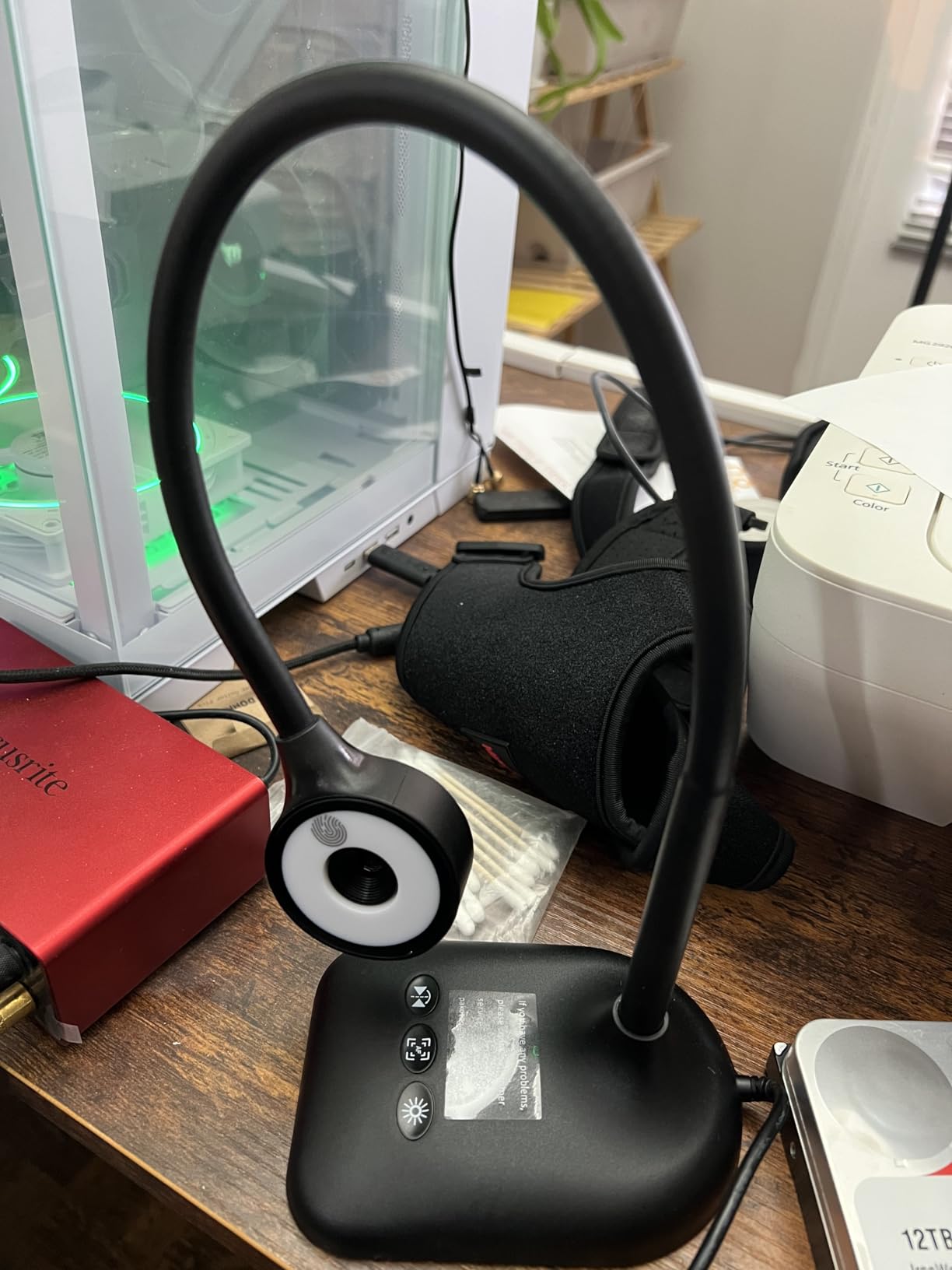
The 3-in-1 design means it works as a webcam, document camera, and presenter. The image mirroring function lets you flip text orientation for overhead viewing, which I found useful for tracing demonstrations.
Setup isn’t truly plug-and-play. I had to select “USB Camera” from my computer’s device list the first time, and a few Amazon reviewers mentioned similar device recognition hiccups. The 5MP sensor is a step down from the 8MP models elsewhere in this guide, though the price reflects that.
Why this works for tight budgets
For teachers who need a basic document camera and can’t justify spending over $100, the PAKOTOO gets the job done. The A3 coverage and LED fill light are features you’d expect at twice the price.
For IT admins outfitting an entire school, the price point makes bulk purchases feasible.
Limitations worth knowing
The 5MP sensor means fine print won’t be as crisp as on the IPEVO V4K or INSWAN INS-2. If you teach subjects with detailed diagrams, the upgrade to 8MP is worth the extra cost.
Setup hiccups are minor but worth noting for less tech-savvy teachers. A quick IT setup session should solve them.
8. IPEVO DO-CAM Creator’s Edition Portable 8MP USB Camera
IPEVO DO-CAM Creator’s Edition Portable & Compact Ultra HD 8MP USB Camera for Professional Visual Presentations and Communication — Webcam for Conference Calls, Distance Learning, Remote Work.
8MP Sony sensor
Ultra HD capture
2-in-1 design
Manual focus
Pros
- Lightweight at 0.74 lbs
- 2-in-1 document camera and webcam
- Includes Visualizer software
- Foldable compact design
- Plug-and-play on Mac/PC/Chromebook
Cons
- Manual focus only
- No built-in light
- Camera resets orientation each session
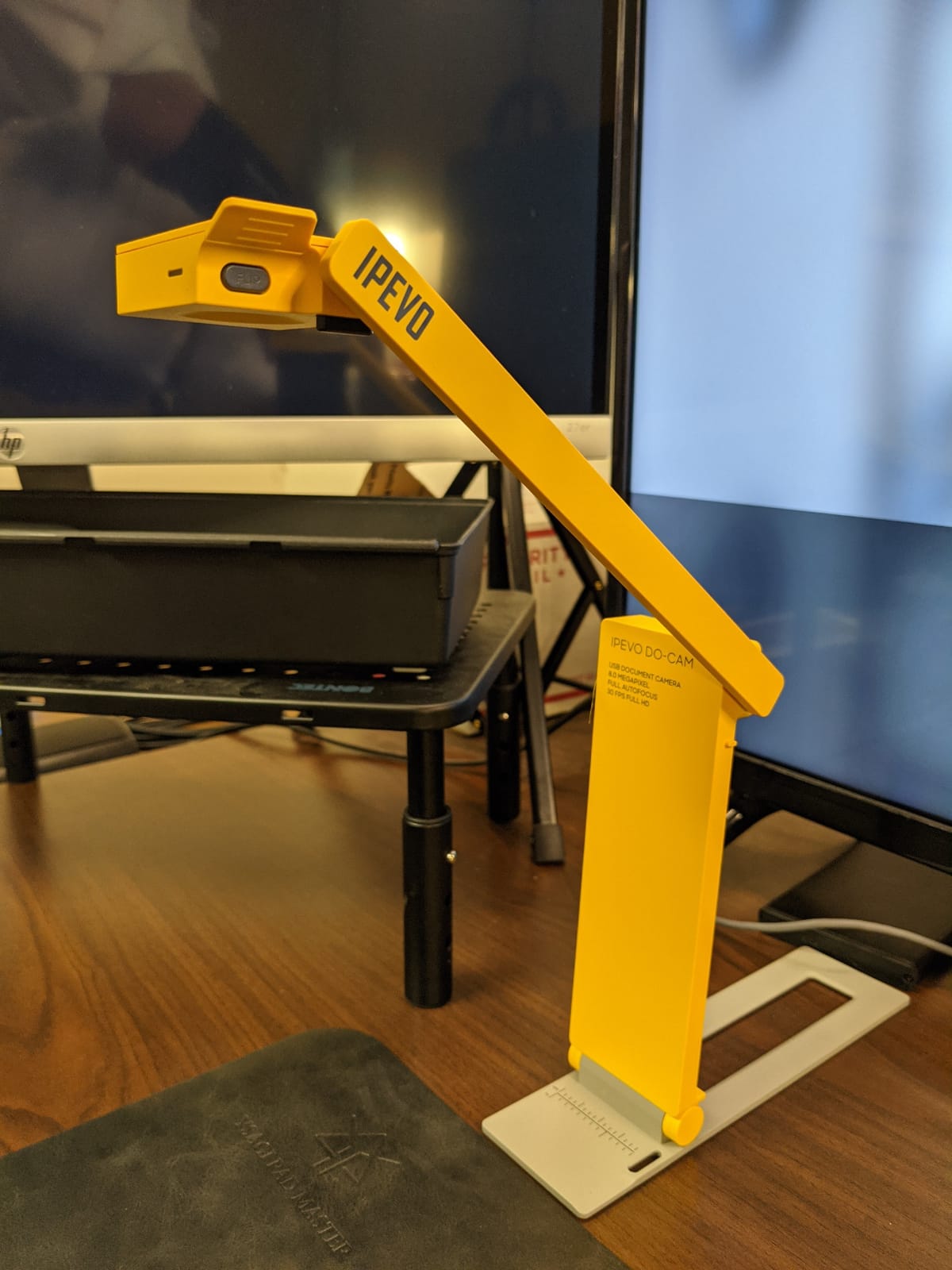
The IPEVO DO-CAM is the most portable document camera I tested. At 0.74 lbs and folding into a small footprint, it disappears into a laptop bag. I carried it between home and office for two weeks and never noticed the weight.
The 2-in-1 design flips between document camera mode and webcam mode with a physical switch. I used it as a webcam for video calls and as a document camera for projecting samples, and both modes delivered sharp 8MP images from the Sony CMOS sensor.
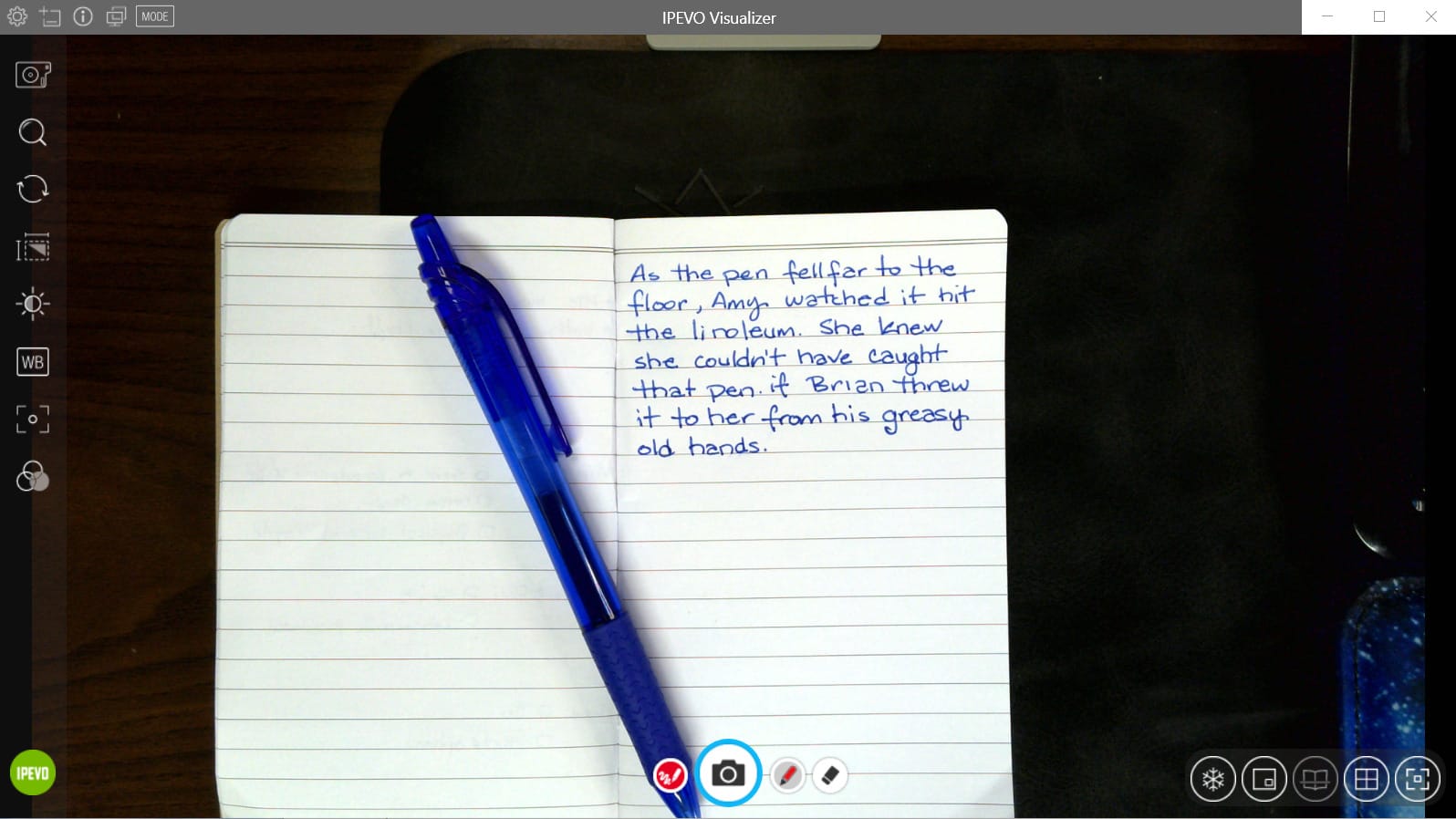
IPEVO includes Visualizer software, which adds annotation, screen recording, and zoom controls. The 72-degree viewing angle captures wider pages without adjusting the arm.
The trade-off is manual focus, which requires a physical twist to sharpen. There’s no built-in light, and the camera resets to its default orientation every time I plugged it in, which got old during frequent mode switches.
Built for creators on the move
If you teach or present from different locations, the DO-CAM’s portability is unmatched. The 2-in-1 design means you only need one device for video calls and document capture.
For studio setups with controlled lighting, the missing LED is a non-issue.
Why creators love the flip design
The physical flip switch between modes is more reliable than software-based switching. I never had to unplug and replug to change modes during a live session.
The Visualizer software is genuinely useful for sketching over documents during a presentation, which is something other cameras in this price range lack.
Buying Guide: How to Choose the Best Document Camera
Picking the right document camera depends on what you’ll actually use it for. After testing eight models and talking to teachers in Reddit threads and Facebook groups, I narrowed the decision to six factors that matter most.
Resolution and image quality
For most classrooms, 8MP capture at 30 fps delivers sharp text and smooth video. The jump to 4K (the INSWAN INS-2) only matters if you’re projecting onto large screens or capturing fine details like circuit boards, art prints, or scientific specimens.
Avoid cameras under 5MP if you’re projecting onto anything larger than a 50-inch display. The text becomes fuzzy and students in the back rows will strain to read.
Connectivity: USB vs HDMI vs wireless
USB document cameras are the most common and work with any computer. They’re plug-and-play on Chromebooks, Macs, and Windows machines, which makes them ideal for schools with mixed device fleets.
HDMI cameras like the IPEVO VZ-R connect directly to projectors without a computer. This is useful for older classrooms without computer carts or for presenters who travel light.
Wireless cameras exist but are rare and tend to have lag issues. For most teachers, USB or HDMI is the better choice.
Portability and form factor
If you move between classrooms, weight and folded size matter. The IPEVO DO-CAM at 0.74 lbs is the lightest I tested, while the INSWAN INS-2 at 2.3 lbs is heavier but more stable.
Multi-jointed arms fold flat for storage. A camera that doesn’t fold takes up more desk space, which matters in crowded classrooms.
Software compatibility
Chromebook compatibility is a real pain point that teachers raise constantly in forums. Cameras with dedicated Chrome apps (OKIOCAM T-4K) work best, but most USB cameras work as standard webcams on Chrome OS without extra software.
For Windows and Mac, every camera in this roundup is plug-and-play. Annotation software varies: IPEVO Visualizer, OKIOLABS app, and INSWAN Documate each add different features.
Built-in lighting and microphone
Built-in LEDs (INSWAN INS-1, INS-2, IPEVO VZ-R, THUSTAR) eliminate the need for a separate desk lamp in dim rooms. This is a major convenience factor.
Built-in microphones range from decent (IPEVO V4K) to genuinely good (THUSTAR dual mic). If you record lectures or run hybrid lessons, prioritize audio quality.
Price and value
Budget cameras under $60 (PAKOTOO) handle basic needs but lack image quality. Mid-range models from $85 to $110 (IPEVO V4K, INSWAN INS-1, OKIOCAM T-4K, INSWAN INS-2) offer the best balance of features and price.
Premium cameras over $200 (IPEVO VZ-R) add HDMI connectivity and sturdier builds. They’re worth it for heavy daily use in lecture halls or conference rooms.
Frequently Asked Questions
Which document camera is the best?
After testing eight models, the IPEVO V4K is the best overall document camera for most teachers. It delivers 8MP clarity, 30 fps streaming, plug-and-play setup on Mac, PC, and Chromebook, and a sturdy multi-jointed arm. For 4K needs, the INSWAN INS-2 offers the best clarity. For tight budgets, the PAKOTOO USB camera is a capable option.
What is the best camera for photographing documents?
For photographing documents, prioritize resolution and flat-field correction. The INSWAN INS-2 with its 13MP Sony sensor and 4K Ultra HD capture produces the sharpest document photos. The IPEVO V4K at 8MP is the best balance of quality and price. Look for cameras with high megapixel counts, good low-light sensors, and minimal distortion at the edges of the frame.
What are the best document cameras for teachers?
The best document cameras for teachers are the IPEVO V4K, INSWAN INS-1, OKIOLABS OKIOCAM T-4K, and INSWAN INS-2. The V4K is the top all-around pick with plug-and-play simplicity. The OKIOCAM T-4K is best for Chromebook schools. The INSWAN INS-2 wins for 4K clarity and A3 capture. The INSWAN INS-1 stands out with its built-in LED light for dim classrooms.
How do teachers use document cameras?
Teachers use document cameras for live demonstrations, projecting worksheets and textbook pages, showing science experiments and dissections, demonstrating art techniques, displaying student work for class critique, recording flipped classroom videos, and scanning printed materials to digital text using OCR software. They are essential for hybrid and remote teaching, allowing remote students to see physical materials in real time.
What can I use instead of a document camera?
Affordable alternatives include a smartphone with a stand and a casting app, a regular webcam propped over a desk with a gooseneck mount, or a tablet using its built-in camera paired with video conferencing software. Some teachers even use older phones mounted on small tripods connected via Chromecast. None match the convenience and image quality of a dedicated document camera, but they work in a pinch.
Is a document camera better than a scanner?
A document camera is better than a scanner for live demonstrations, teaching, and showing physical objects in real time. A scanner is better for high-resolution archival scans of flat documents. Document cameras capture motion, 3D objects, and live annotations, while scanners produce higher-quality static images of paper. For teachers, a document camera replaces both a scanner and an overhead projector.
Final Verdict: Picking the Best Document Camera for 2026
After six weeks of testing eight models side by side, the IPEVO V4K remains my top recommendation for the best document cameras in 2026. Its 8MP Sony sensor, plug-and-play setup, and sturdy multi-jointed arm handled every classroom scenario I threw at it.
For teachers who need 4K resolution for large documents, the INSWAN INS-2 is the upgrade pick. For Chromebook-heavy schools, the OKIOLABS OKIOCAM T-4K integrates more smoothly than anything else I tested. For tight budgets, the PAKOTOO USB camera delivers surprising capability at the lowest price in this roundup.
No matter which model you pick from this list, you’ll get a major upgrade over an overhead projector or improvised smartphone setup. These cameras are built for the realities of daily classroom use, and they make hybrid teaching genuinely easier.