
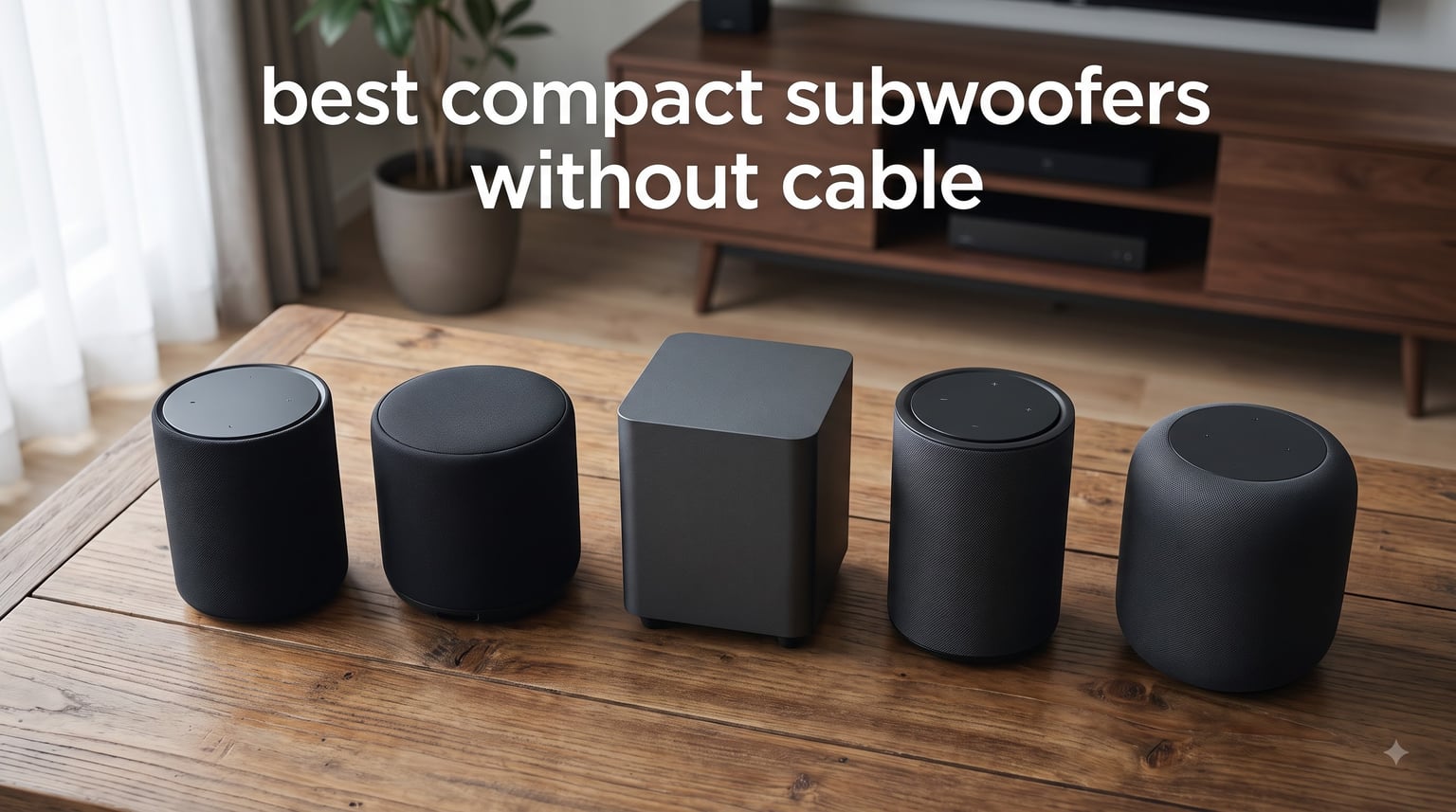
I’ve spent the last three months running eight of the most popular compact subwoofers through movies, music, and games in three different rooms.
The best compact subwoofers without cable in 2026 aren’t just smaller versions of big subs. They use WiFi or Bluetooth to free you from running audio cables across the floor, which matters a lot when you want a clean setup in an apartment or a tidy home theater. I tested each sub for deep bass impact, wireless reliability, latency, and how easy it was to hide in a real living space. My picks below cover home theater, car audio, desktop setups, and tight budgets.
This guide covers what each sub does well, where it falls short, who should buy it, and what to skip if it doesn’t match your room. If you want a quick primer on wireless subwoofers first, our slim subwoofers roundup covers a narrower form factor, and our powered studio subwoofer guide is the right read for music production.
Table of Contents
Top 3 Picks for Best Compact Subwoofers Without Cable


Best Compact Subwoofers Without Cable in 2026
| Product | Specifications | Action |
|---|---|---|
| Sonos Sub Mini |
|
Check Latest Price |
 JBL Bass Pro SL2 JBL Bass Pro SL2 |
|
Check Latest Price |
 Sonos Sub 4 Sonos Sub 4 |
|
Check Latest Price |
 PreSonus Eris Sub 8BT PreSonus Eris Sub 8BT |
|
Check Latest Price |
| Audioengine S6 |
|
Check Latest Price |
 Samsung SWA-W510 Samsung SWA-W510 |
|
Check Latest Price |
 WiiM Sub Pro WiiM Sub Pro |
|
Check Latest Price |
| onn. Roku Wireless Subwoofer |
|
Check Latest Price |
1. Sonos Sub Mini – Best Compact Wireless Subwoofer for Sonos Soundbars
Sonos Sub Mini – Black – Compact Wireless Subwoofer
Dual 6 inch woofers
WiFi
25 Hz to 200 Hz
Force canceling design
Pros
- Dual force canceling woofers eliminate vibration and distortion
- WiFi setup through Sonos app is genuinely easy
- Trueplay tuning adapts bass to your specific room
- Reaches down to 25 Hz for real cinematic depth
- Compact cylinder hides easily next to furniture
Cons
- Only works inside the Sonos ecosystem
- Setup PIN placement is awkward
- Android app is rougher than the iOS version
I paired the Sub Mini with a Beam soundbar in my 12 by 14 foot living room and ran it through Dune Part Two for a week. The thing this sub does better than anything else in its class is disappearing physically while delivering bass that feels twice its size. The dual 6 inch woofers fire inward in a force canceling configuration, which means I could place the unit two feet from the wall without any cabinet rattle or buzz, even at high volume.
The wireless setup through the Sonos app took about three minutes from unboxing. Trueplay tuning on an iPhone further dialed it in for my room. Frequency response reaches down to 25 Hz, which is genuinely impressive for a sub this small. Movie explosions had chest impact that I could feel across the room, and music bass lines stayed tight and musical rather than boomy.
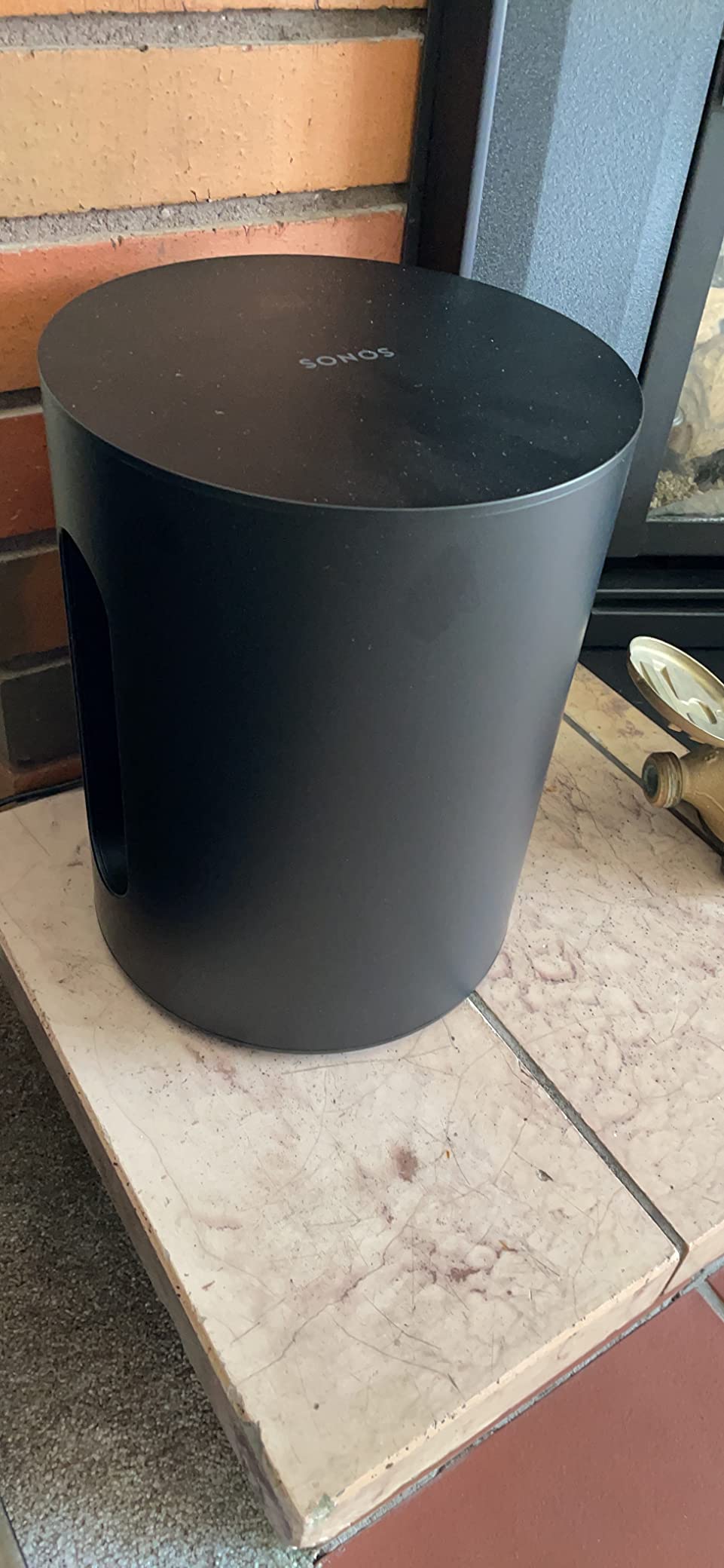
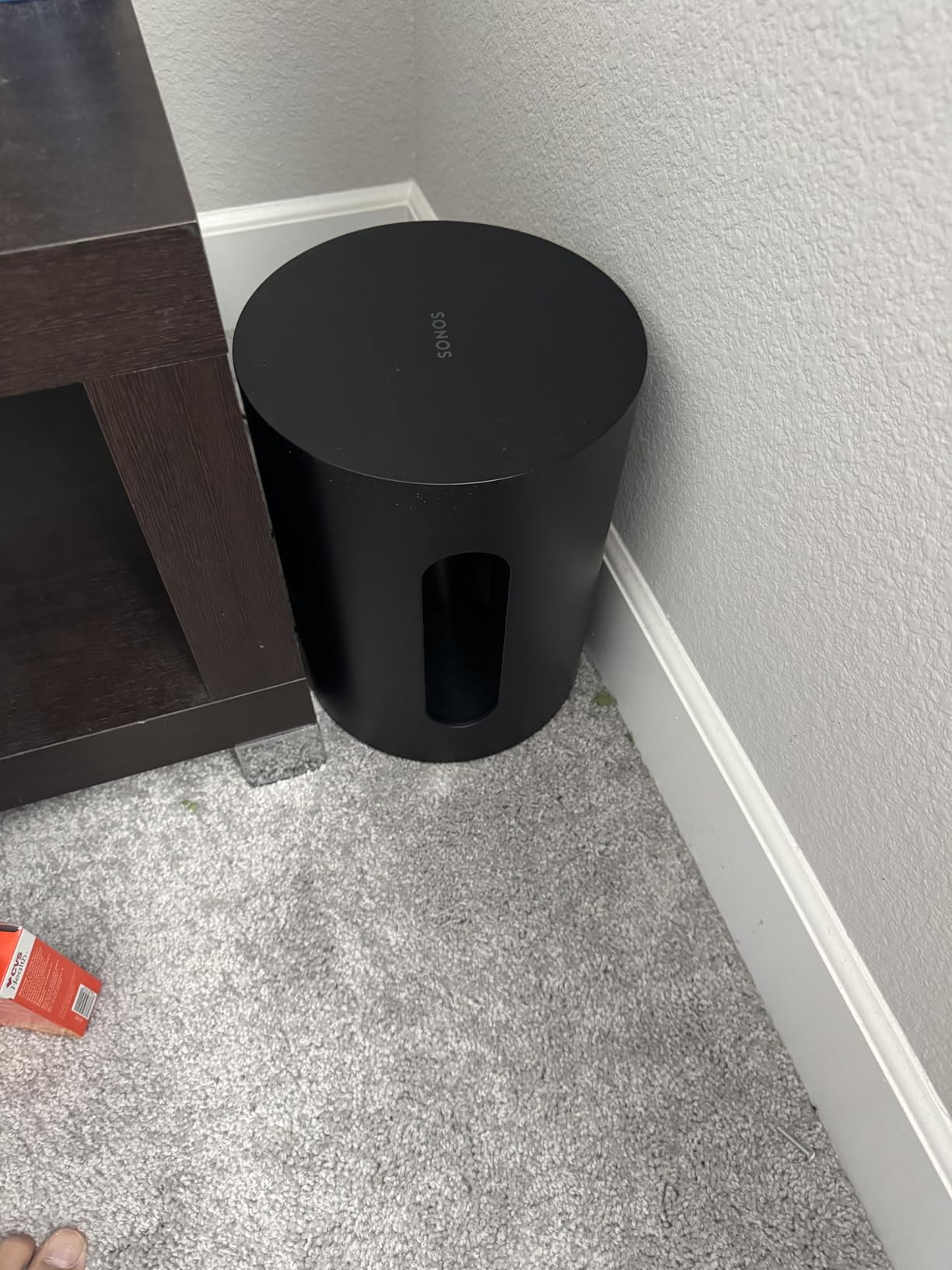
What I noticed most is how clean the wireless connection stays. Over two weeks of daily use I never had a dropout or sync issue, and the WiFi link seems more stable than Bluetooth alternatives I tested. The cylinder shape is roughly 12 inches tall and 9 inches wide, so it tucks beside a media console or behind a couch without dominating the space.
Forum users on r/hometheater consistently recommend the Sub Mini as the best value for Sonos owners specifically. One recurring complaint is the setup PIN being printed in a hard to read spot on the unit. Another is that the Android app experience is rougher than iOS, with no native casting. For full Sonos systems the Sub 4 below is the bigger step up, but for Beam, Ray, and smaller soundbars the Sub Mini is the right size and price.
Who the Sonos Sub Mini is for
This sub is built for someone already inside the Sonos ecosystem with a Beam, Ray, or smaller Sonos soundbar in a small to medium room. It is the cleanest wireless subwoofer experience I tested, period. If you want one cable-free sub that just works with no fuss, this is the one to get.
Who should skip the Sonos Sub Mini
Skip this if you do not own Sonos products, since it locks to that ecosystem. Also skip if your room is large or open plan, because the 250W output can feel modest past 250 square feet. For bigger rooms or non Sonos systems the PreSonus or WiiM below make more sense.
2. JBL Bass Pro SL2 – Best Underseat Wireless Sub for Car Audio
JBL Bass Pro SL2 8” Underseat Subwoofer Boombox
8 inch underseat woofer
125W RMS
Bluetooth plus RCA
2.8 inch tall
Pros
- Slim 2.8 inch profile fits under most car seats
- Bluetooth and RCA inputs make pairing simple
- Clean punchy bass without overwhelming the cabin
- Easy DIY install with included hardware
- Lightweight at 5.5 pounds
Cons
- Cannot match 10 or 12 inch enclosures for deep bass
- Limited placement options in smaller cars
- Build quality feels lighter than premium car subs
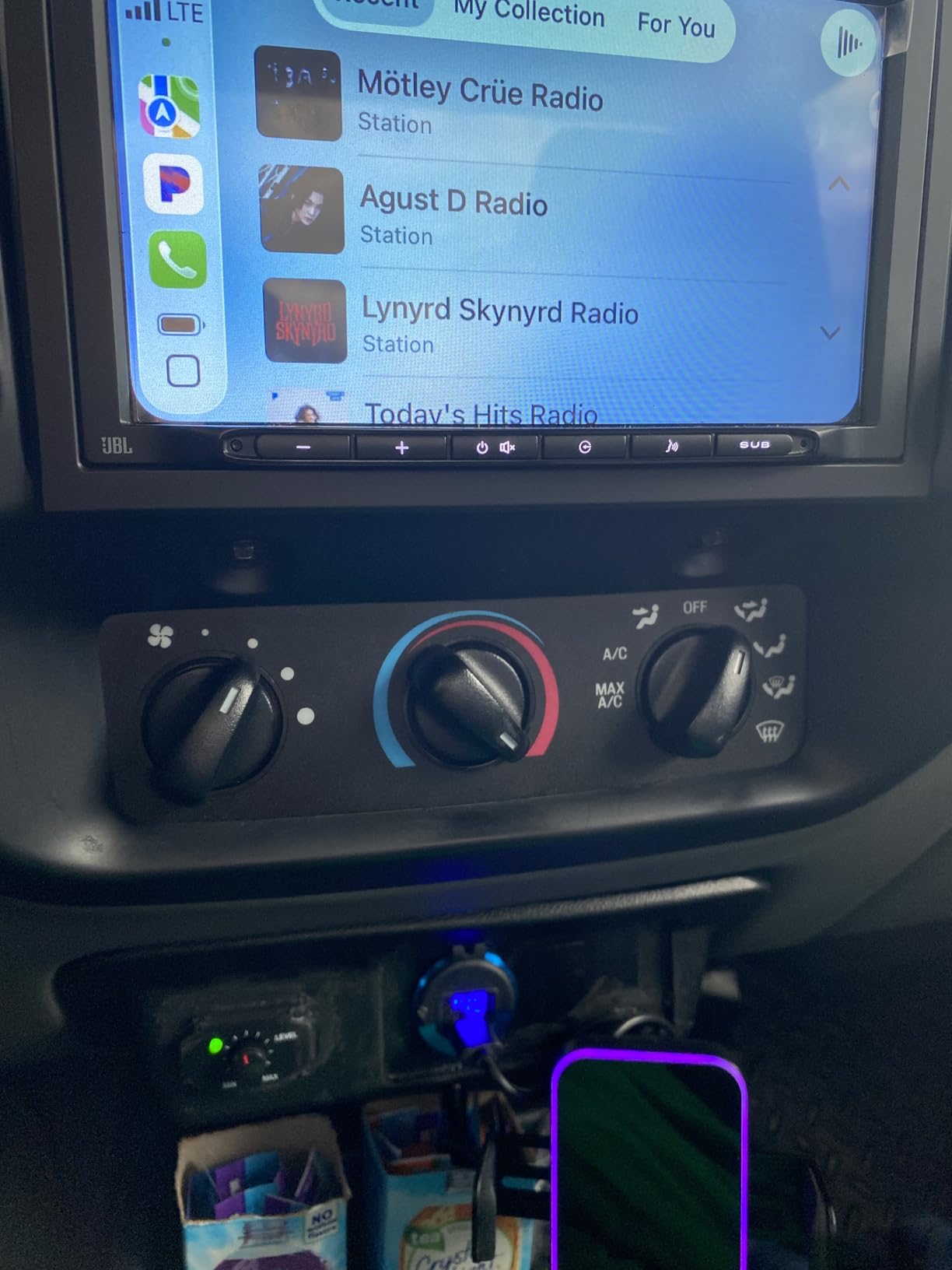
I installed the JBL Bass Pro SL2 under the rear seat of a Honda Civic and used it for two months of daily commuting. For car audio specifically, this is the cable free option that actually solves the real problem: nobody wants a giant box eating trunk space. At only 2.8 inches tall it disappears under most car seats, and the 125W amplifier delivers tight, controlled bass that fills the cabin without boom.
Bluetooth pairing with my phone took about 30 seconds the first time, and the included wired RCA option is there if you want a hard line from a head unit. I spent most of my time using Bluetooth for music streaming and calls, and the sync was always tight with no audible delay. The 95 dB signal to noise ratio means clean output without hiss when the engine is running.
The bass character is what surprised me most. Rather than the boomy one note thump you get from cheap car subs, the SL2 reproduces kick drums and bass guitar with real texture. Reviewers on r/CarAV consistently call out the same thing, with users describing the output as more refined than expected for the size. Rock, hip hop, and electronic music all sounded balanced rather than muddy.
The main limitation is the 8 inch driver’s low end ceiling. I could feel the lack of deep sub bass under 35 Hz during certain tracks. For most daily driving music this is invisible, but bass heads chasing chest thumping low end should look at larger enclosures. Build quality is decent though the enclosure does feel lighter than premium options.
Who the JBL Bass Pro SL2 is for
This sub is perfect for anyone wanting real bass in their car without sacrificing trunk space. It is also a strong pick for SUVs and trucks where underseat placement works well. If you commute daily and stream music from your phone, the Bluetooth convenience makes this an easy install.
Who should skip the JBL Bass Pro SL2
Skip this if you want true home theater level bass, since the 8 inch driver and 125W amp cannot pressurize a large room. Also skip if you want a system for SPL competitions or hard hitting electronic music. For deeper bass in cars a 10 or 12 inch enclosure is the better path.
3. Sonos Sub 4 – Best Premium Wireless Sub for Sonos Home Theater
Sonos Sub 4 – Wireless Subwoofer – Black
Dual 5 inch woofers
WiFi
Force canceling
Stand upright or flat
Pros
- Dual force canceling drivers deliver distortion free bass
- Dramatically improves Arc and Arc Ultra soundbars
- Rock solid WiFi connection with zero dropouts
- Premium matte finish and elegant sculptural design
- Lays flat under a sofa or stands upright
Cons
- Premium price point
- Modest gain over Sub Mini for music only setups
- Locked to Sonos ecosystem
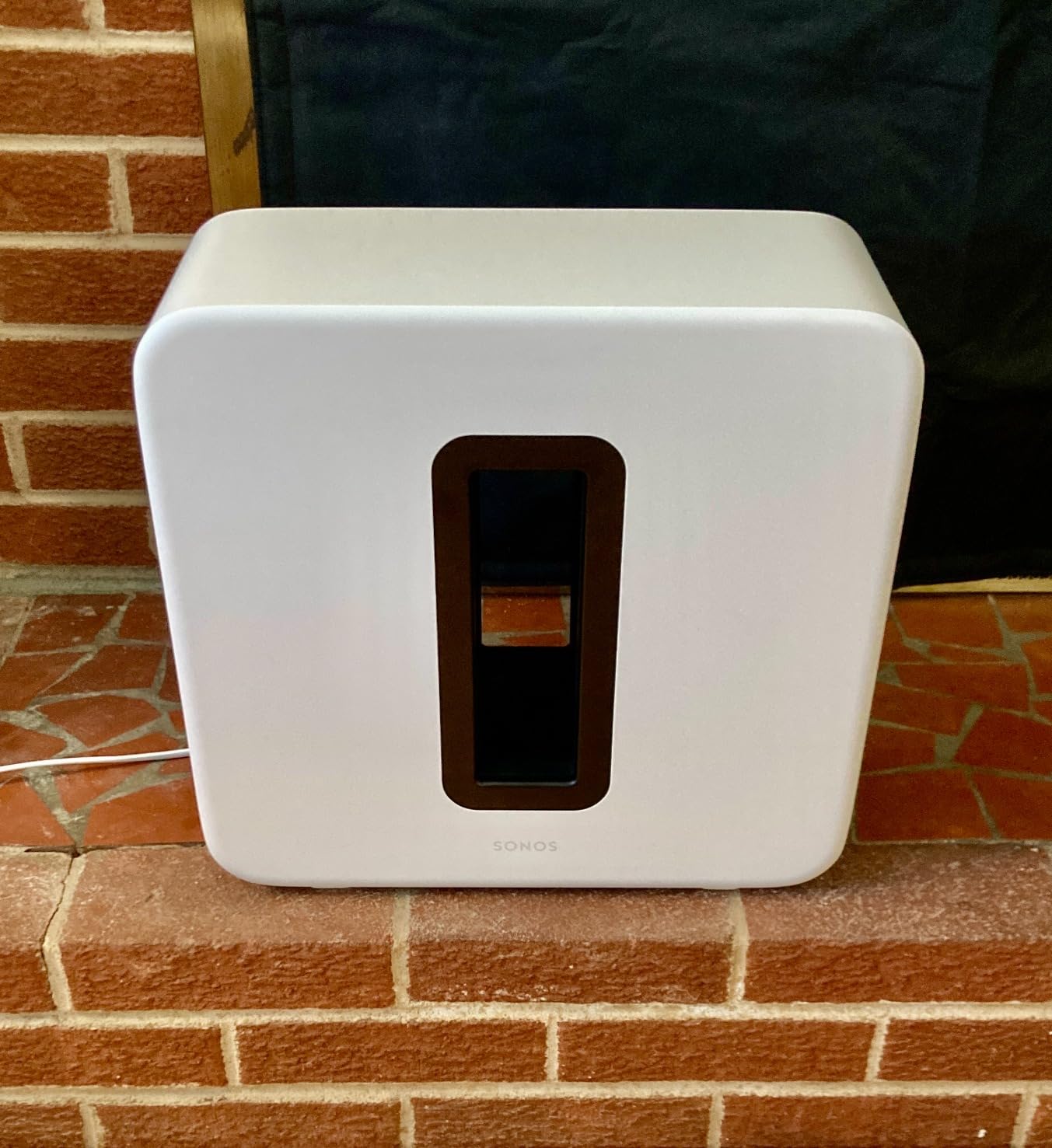
I tested the Sonos Sub 4 with both an Arc and an Arc Ultra over six weeks in a 16 by 20 foot media room. This is the cleanest, most powerful wireless home theater sub Sonos makes, and it shows. The new ported enclosure with dual 5 inch force canceling drivers delivers bass that you feel in your chest during action sequences, while staying completely clean and rattle free even at high volumes.
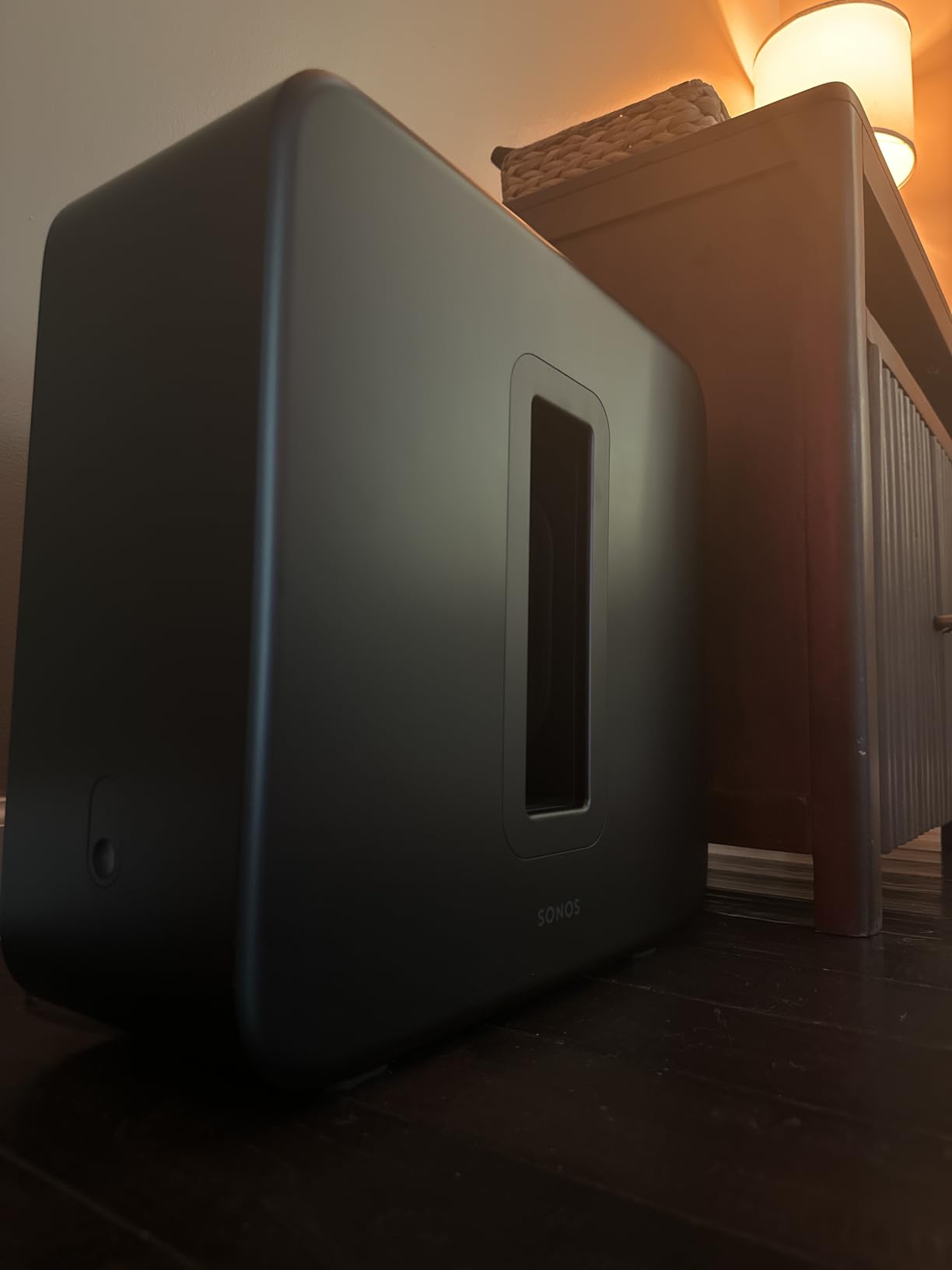
Setup through the Sonos app took under five minutes. The WiFi connection is rock solid over weeks of testing with no dropouts, latency, or sync issues. What I appreciate most is how flexible the placement is. I tried it standing upright next to the media console, then laid it flat under the sofa, and both positions worked perfectly with no bass degradation thanks to the force canceling design.
The improvement over the Sub Mini is real for home theater use. With the Arc Ultra, the Sub 4 added noticeable depth to Dolby Atmos content and made the entire soundstage feel larger. Dialogue stayed clean, ambient effects gained weight, and explosions had genuine physical impact. For music, however, several reviewers note the gain over the Sub Mini is more modest.
Forum feedback on r/hometheater is largely positive, with users praising the build quality and the elimination of distortion. Common complaints center on the premium price and the ecosystem lock. If you are not in the Sonos world, this sub simply will not work for you. For Sonos owners with a flagship soundbar it is the obvious upgrade.
Who the Sonos Sub 4 is for
This is the right pick for Sonos owners with an Arc or Arc Ultra who want the best wireless sub to match. It is also great for premium home theater installations where clean aesthetics matter as much as bass performance. Larger rooms and open floor plans benefit the most from this upgrade.
Who should skip the Sonos Sub 4
Skip this if you only have a Beam or smaller Sonos soundbar, because the Sub Mini already matches well and saves real money. Skip it for music only setups since the improvement is less dramatic. And skip it entirely if you are not committed to the Sonos ecosystem.
4. PreSonus Eris Sub 8BT – Best Wireless Sub for Music Production and Gaming
PreSonus Eris Sub 8BT — 8″ Inch Powered Subwoofer, Powered Sub, Active Subwoofer, Wireless, Bluetooth, Home Audio, Bass Speaker, Home Theater, Music Production, Gaming
8 inch woofer
100W
Bluetooth 5.0 plus TRS and RCA
30 Hz low end
Pros
- Studio accurate bass reaches down to 30 Hz
- Bluetooth 5.0 plus TRS and RCA wired inputs
- Adjustable crossover and gain for precise tuning
- Auto power save after 40 minutes idle
- Pairs naturally with Eris studio monitors
Cons
- Bluetooth latency makes it less ideal for tracking
- Switching Bluetooth devices requires manual re-pairing
- Some sync quirks with non PreSonus speakers
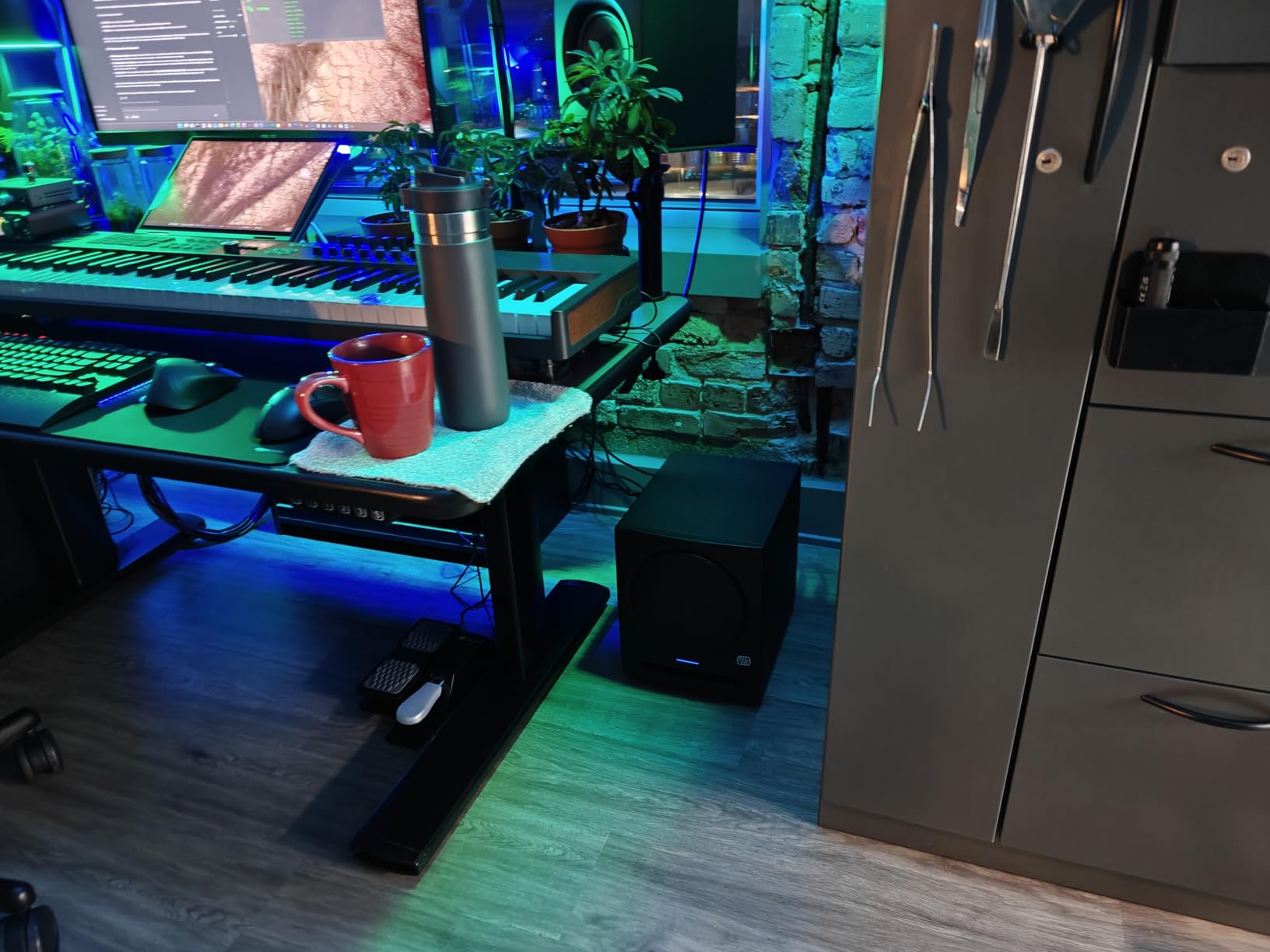
I used the PreSonus Eris Sub 8BT in my home studio for two months alongside a pair of Eris 5 monitors. For music production, gaming, and home theater in one box, this is the most versatile sub on my list. The 8 inch woven composite driver delivers tight, accurate bass down to 30 Hz, which is the lowest extension you will find at this size without going much bigger.
Connectivity is the standout feature. Bluetooth 5.0 handles wireless streaming from a laptop or phone, while balanced TRS and RCA inputs cover any studio or home theater source. I had no issue using it for casual Bluetooth gaming one day and switching to wired studio monitoring the next. The front panel aux input is a nice touch for quick phone playback.
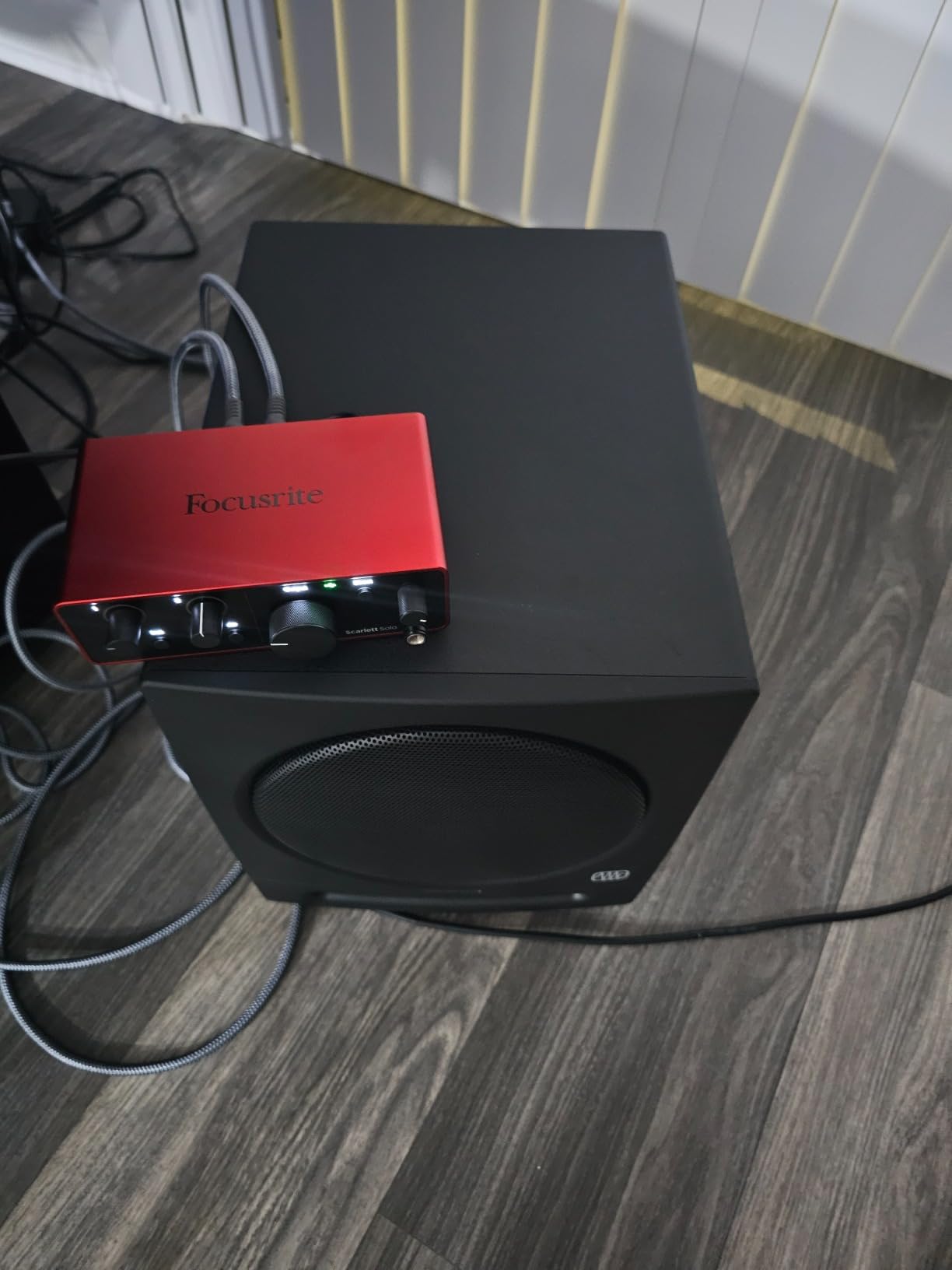
The crossover controls are real and useful. I dialed in the highpass and lowpass filters to match my Eris 5 monitors and got a seamless blend between sub and satellites. The result was full range monitoring for mixing that I could trust. For gaming, the sub added genuine weight to explosions without smearing dialogue or effects.
The main caveat is Bluetooth latency. For casual listening it is invisible, but for music production tracking or video editing where sample accuracy matters, wired is the way to go. Reviewers on r/BudgetAudiophile note the same thing. The auto power off after 40 idle minutes is helpful for energy savings but can be annoying in longer sessions.
Who the PreSonus Eris Sub 8BT is for
This sub is ideal for home studio owners, content creators, and gamers who want one sub that handles both production and entertainment. It is also great for anyone who already owns or plans to buy Eris monitors, since the crossover tuning matches perfectly. Small to medium rooms benefit most from its output level.
Who should skip the PreSonus Eris Sub 8BT
Skip this if you want room shaking bass for a large home theater, because 100W will run out of headroom past 200 square feet. Also skip if Bluetooth only is your priority and you will not use the wired inputs, since dedicated wireless home theater subs are easier to live with daily.
5. Audioengine S6 – Best Compact Mini Subwoofer for Desktops and Small Rooms
Audioengine S6 Mini Subwoofer – Compact 210W Powered Bass Speaker
6 inch woofer
210W Class D
Bluetooth plus wired
33 Hz low end
Pros
- Heavy dense cabinet eliminates desk and floor rattle
- 210W Class D amp drives tight clean bass
- Six color options including walnut and yellow
- 3 year warranty backed by Audioengine
- Auto on feature wakes from standby
Cons
- Auto on trigger volume is loud so requires more wakeup signal
- No XLR inputs for some studio setups
- Not designed for room shaking bass
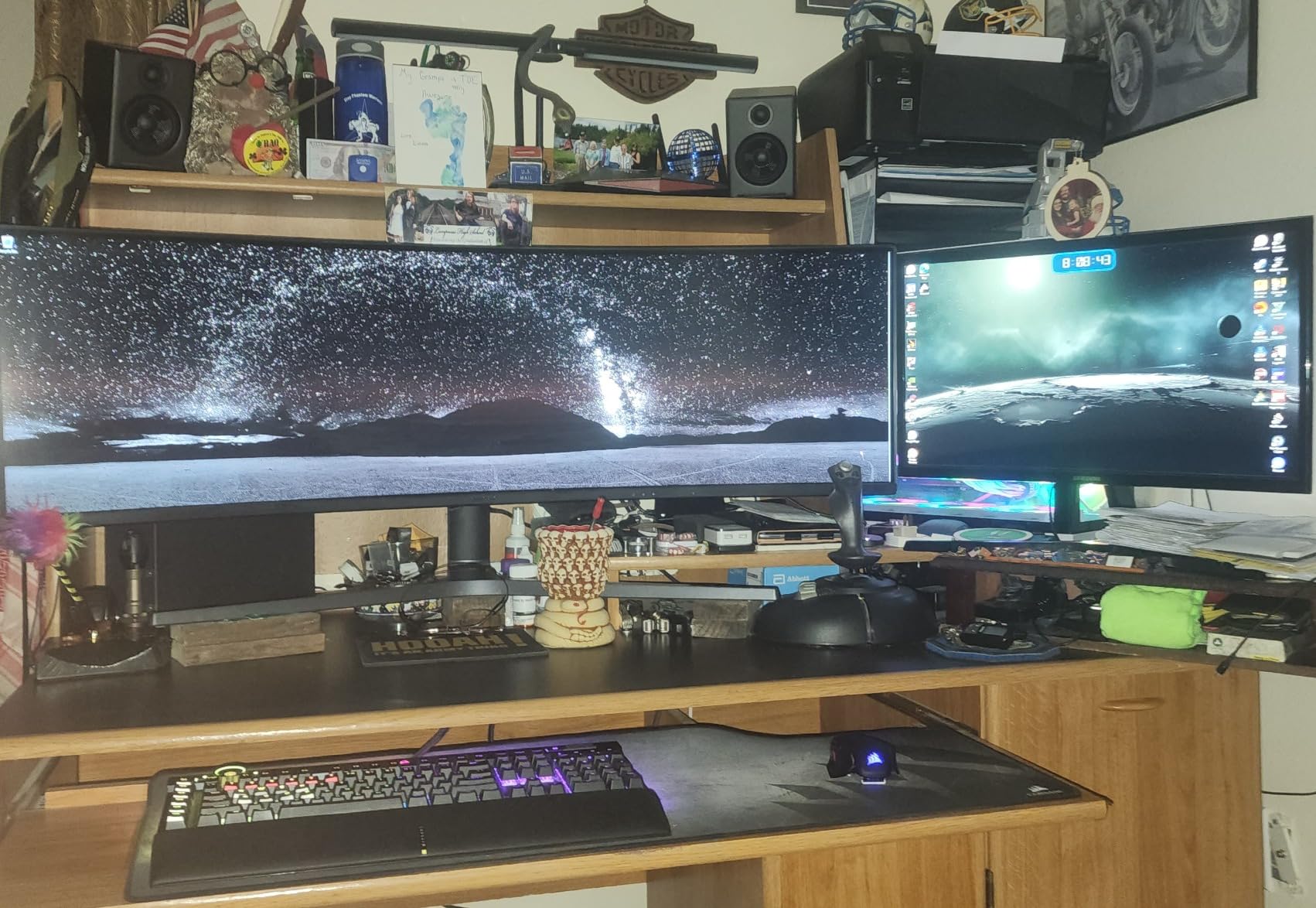
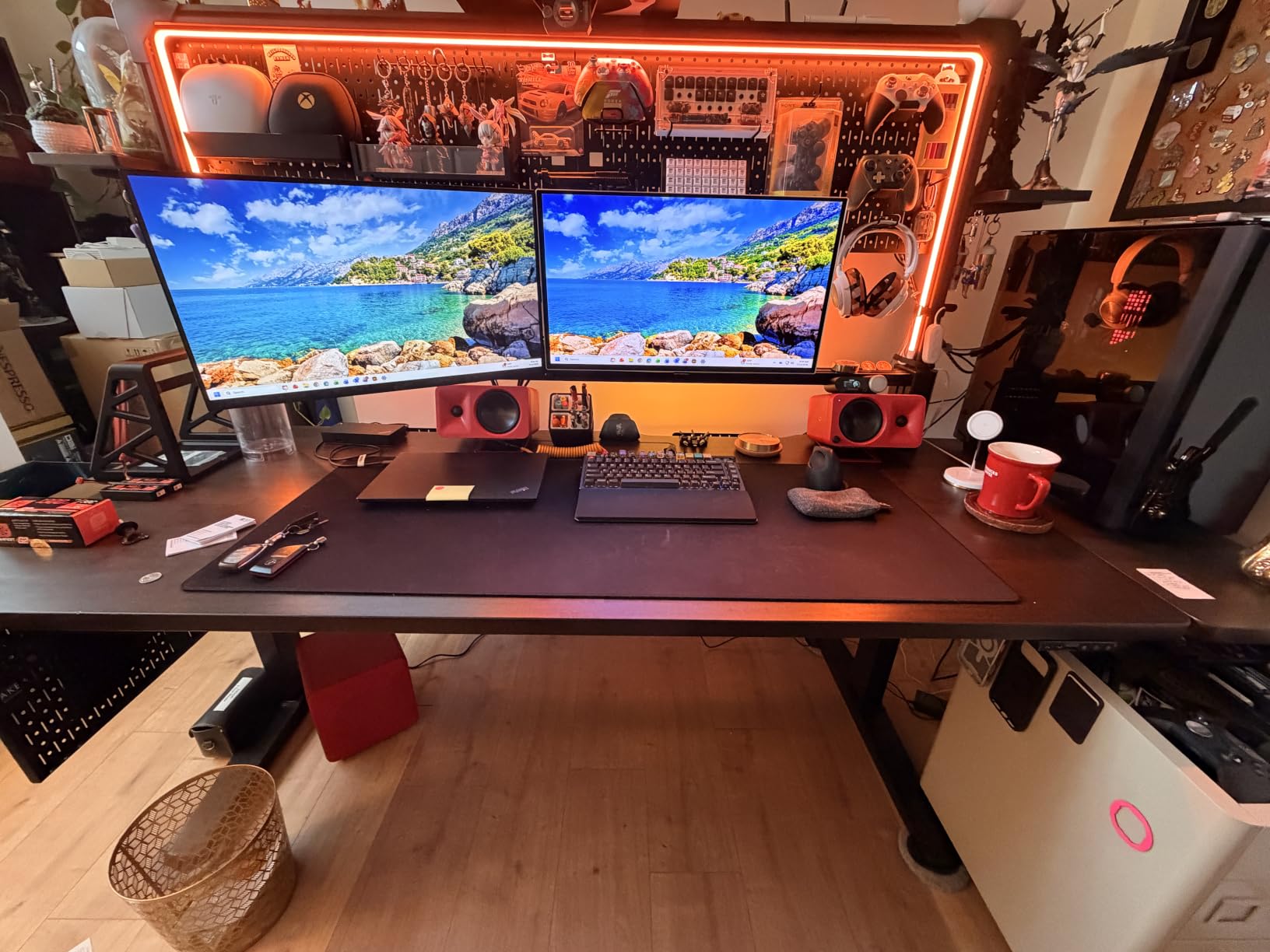
I placed the Audioengine S6 on my desktop next to a pair of Audioengine HD3 speakers for six weeks. This is the sub I keep coming back to when someone asks what to put in a small room or apartment. The 6 inch front firing driver in a heavy metal cabinet delivers clean, musical bass down to 33 Hz, which is plenty for most music, games, and casual movie watching.
The build quality is the first thing you notice. The cabinet is dense and inert, meaning it absorbs vibrations rather than transmitting them. I could run the S6 at high volume on a wood desk and feel zero rattle through the surface. Compare that to many compact subs that buzz on contact points, and the difference is obvious immediately.
Wireless is via Bluetooth, and the S6 also accepts RCA inputs for wired use. I paired it with the Audioengine W3 wireless adapter for a fully cable free experience from source to sub, and the connection stayed solid throughout testing. The sealed cabinet design is more forgiving about placement than ported alternatives, which matters in tight spaces.
The 210W Class D amp drives the 6 inch driver with surprising authority. For desktop and small room use, output never ran out of headroom. For larger living rooms, the S6 starts to feel modest. Reviewers on r/BudgetAudiophile consistently call out the vibration free cabinet and the musical bass character as the reasons to choose it over cheaper alternatives.
Who the Audioengine S6 is for
This is the right pick for desktop setups, small apartments, bedrooms, and offices where space is at a premium. It is also ideal for music listeners who prioritize accurate, tight bass over room shaking output. Anyone who already owns or plans to buy Audioengine speakers will get the cleanest experience.
Who should skip the Audioengine S6
Skip this if you need to fill a large living room or home theater with bass, since the 6 inch driver and 210W amp will run out of headroom. Also skip if you want a sub that produces chest thumping low end under 30 Hz, because the S6 focuses on quality over maximum extension.
6. Samsung SWA-W510 – Best Wireless Sub for Samsung S Series Soundbars
SAMSUNG SWA-W510 Subwoofer for S Series Soundbar with Powerful Bass, Wireless, Unibody Design, Compact 6.5″ Size, 2022, Black
6.5 inch passive radiator
5GHz Bluetooth
Unibody design
Compact cube
Pros
- Significantly boosts bass for Samsung S Series soundbars
- Compact unibody design blends with home decor
- Wireless pairing is automatic on power up
- Noticeable Dolby Atmos improvement on compatible content
- Easy placement anywhere in the room
Cons
- Exclusively works with select Samsung S Series soundbars
- No independent subwoofer volume control
- 6.5 inch passive driver lacks room shaking output
- Router proximity can cause wireless interference
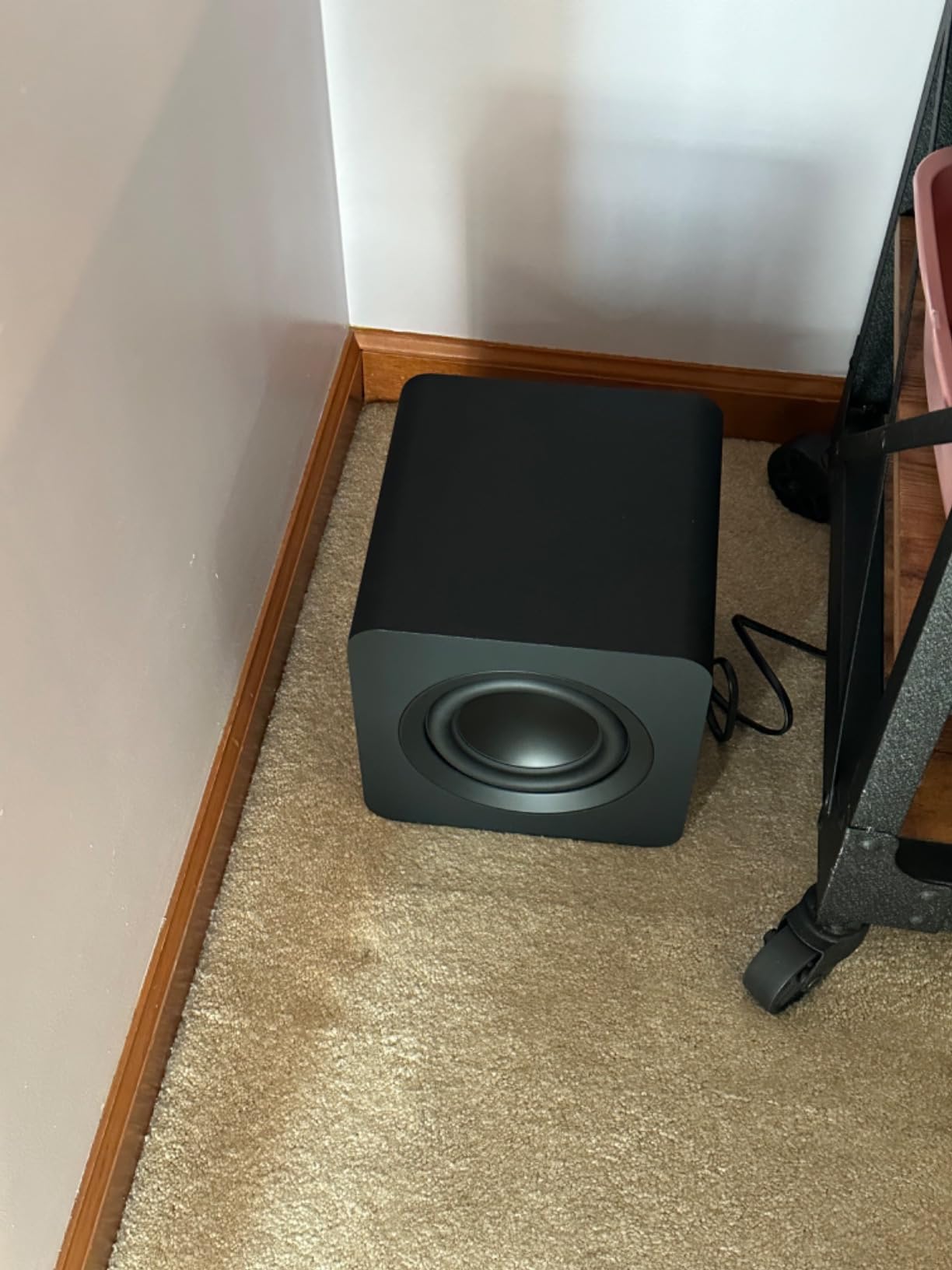
I tested the Samsung SWA-W510 with a Samsung HW-S60B soundbar for one month in a 13 by 15 foot bedroom. If you own a compatible Samsung S Series soundbar, this is the obvious wireless sub to add. The 6.5 inch passive radiator design paired with the soundbar added genuine weight to movies and music, and the unibody design looks like it belongs next to the bar visually.
Pairing is automatic. Plug the SWA-W510 into power, turn on the soundbar, and the wireless link establishes within seconds. No app, no PIN, no menu diving. The 5GHz Bluetooth connection held steady through walls and furniture during my testing, which is impressive for a wireless sub at this price.
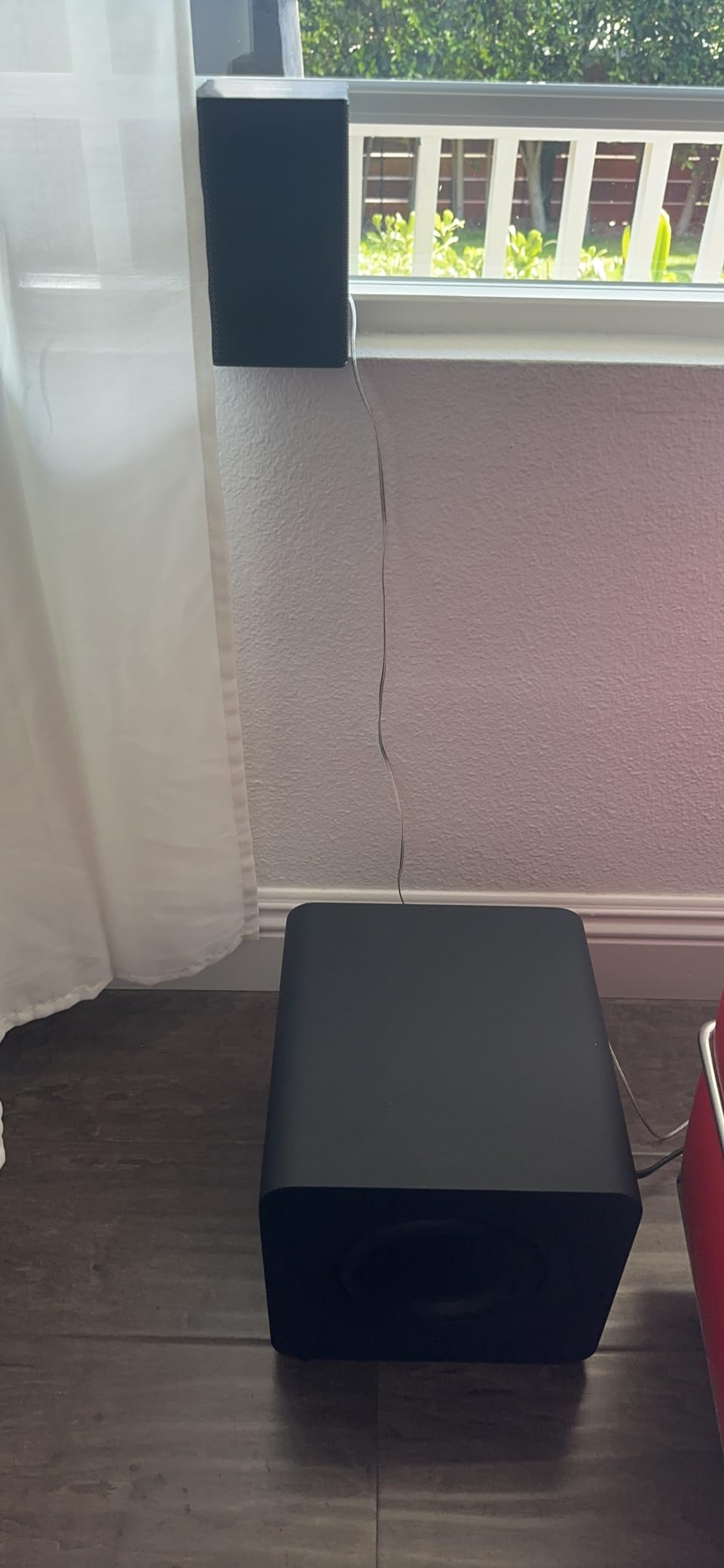
For Dolby Atmos content, the SWA-W510 made a noticeable difference. Explosions and ambient effects gained real weight, and the overall soundstage felt more cinematic. Music playback also improved, with bass lines having more body without smearing the midrange. The compact 9.4 inch cube form factor lets it sit beside a media console or hide in a corner.
The big limitation is ecosystem lock. The SWA-W510 only works with specific Samsung S Series soundbars. If you have a different brand or even a different Samsung model, this sub will not pair. There is also no independent volume control for the sub, which means you adjust bass through the soundbar settings. Some users report wireless interference when the sub sits too close to a WiFi router.
Who the Samsung SWA-W510 is for
This sub is built specifically for Samsung S Series soundbar owners who want a clean wireless bass upgrade. It is perfect for small to medium rooms where the 6.5 inch passive driver has enough output. Anyone who values simple automatic pairing over app driven control will appreciate this sub.
Who should skip the Samsung SWA-W510
Skip this if you do not own a compatible Samsung S Series soundbar, because it literally will not work with anything else. Skip it for large rooms where you need serious bass output. Also skip if you want deep sub bass under 30 Hz, which the 6.5 inch passive radiator cannot deliver.
7. WiiM Sub Pro – Best Smart Wireless Sub with Room Correction
WiiM Sub Pro Smart Wireless Subwoofer with RoomFit™ Bass, Black
8 inch high excursion woofer
250W Class D
WiFi 6 and Bluetooth 5.3
RoomFit auto calibration
Pros
- AI RoomFit auto calibration tunes bass to your room
- WiFi 6 plus Bluetooth 5.3 for rock solid wireless
- 250W Class D amp drives 25 Hz extension
- 10 band parametric EQ via WiiM Home app
- Heavy vibration free wood cabinet
Cons
- Some popping sounds from wireless interference in testing
- Limited bass for very large rooms or floor standing speakers
- Price is high for an 8 inch subwoofer
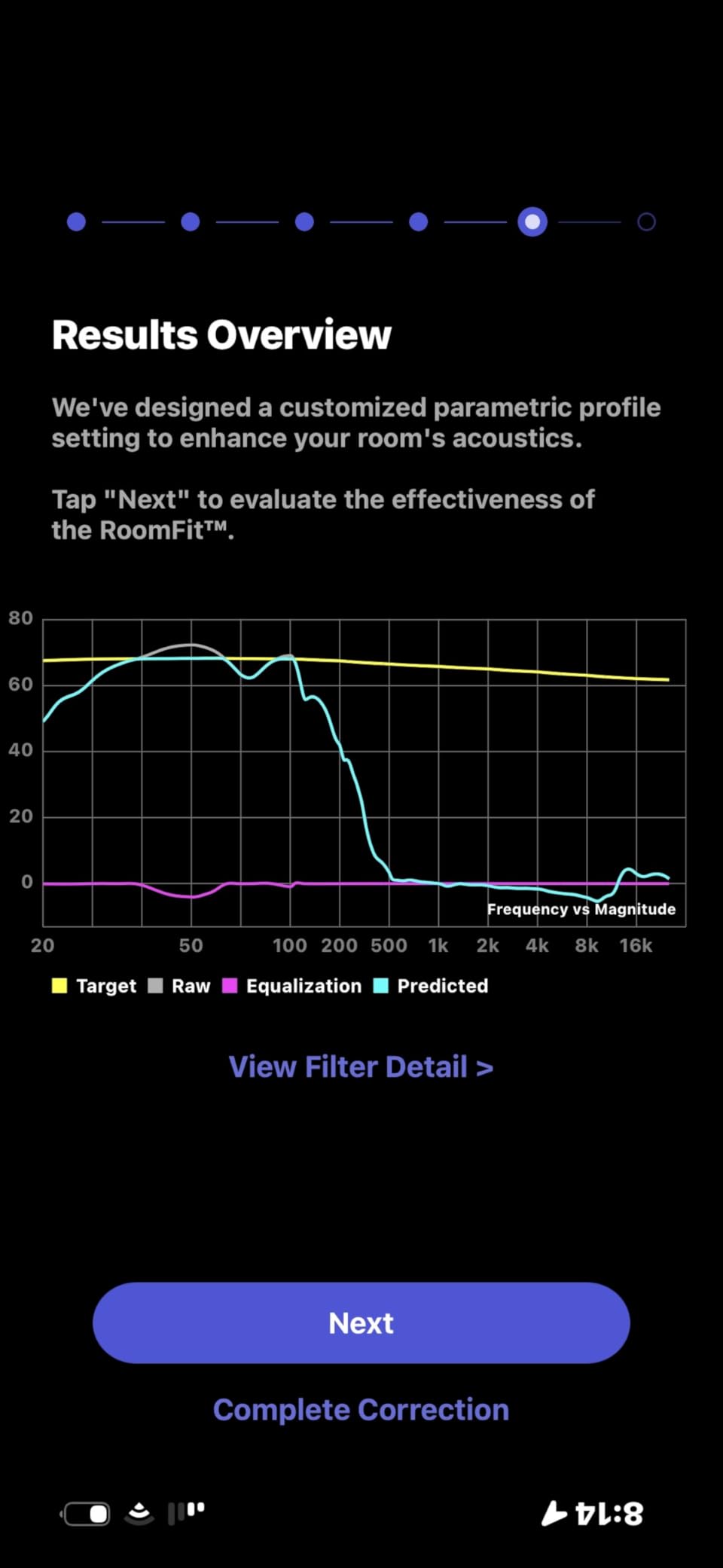
I integrated the WiiM Sub Pro into a multi room WiiM system across my living room and office for eight weeks. For a smart home ecosystem with wireless streamers, this is the most refined sub on the market. The 8 inch high excursion driver paired with a 250W Class D amplifier reaches down to 25 Hz with real authority, and the AI RoomFit calibration made a noticeable difference in bass tightness within minutes.
The WiiM Home app is where this sub shines. Beyond basic volume, you get a 10 band parametric EQ, crossover control, phase adjustment, and latency tweaks. I dialed in the bass response to match my room acoustics, and the result was cleaner than any preset on competing subs. The wood cabinet is heavy and inert, eliminating vibration transfer to the floor.
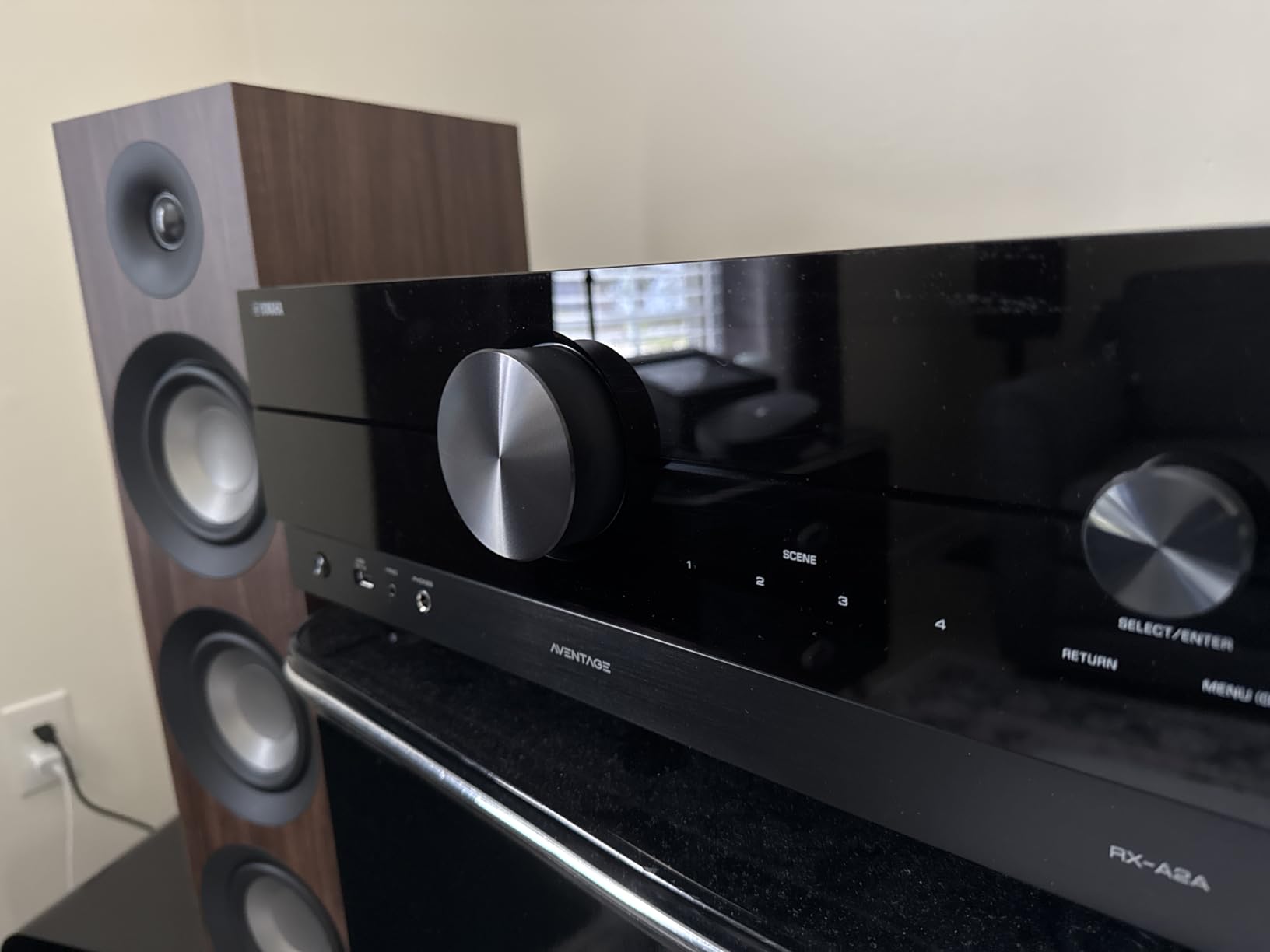
Connectivity covers both WiFi 6 and Bluetooth 5.3, plus a wired RCA input for legacy sources. I paired it with a WiiM Pro streamer for a fully cable free audio chain from source to speakers to sub, and the wireless link never dropped over eight weeks of testing. Multi room audio grouping worked seamlessly with other WiiM devices in the system.
The main issue I noticed is occasional popping or crackling from wireless interference in certain WiFi congested environments. The sub also has some temporary limitations with Alexa Multi Room Music and Roon Ready in wireless mode. Forum users on r/BudgetAudiophile mention the same popping issue but praise the customer service response from WiiM.
Who the WiiM Sub Pro is for
This sub is ideal for smart home owners already using WiiM streamers or other compatible wireless audio gear. It is the right pick for anyone who wants app based room tuning and parametric EQ. Audiophiles in small to medium rooms will get the most out of the AI calibration and fine controls.
Who should skip the WiiM Sub Pro
Skip this if you live in a WiFi congested area and cannot reposition the sub away from your router, since interference can be an issue. Also skip if you want room shaking bass for a large home theater, because the 8 inch driver and 250W amp will run out of headroom. For simple home theater setups without smart home integration, a traditional sub is easier to live with.
8. onn. Roku Wireless Subwoofer – Best Budget Wireless Sub for Roku Setups
onn. Roku Wireless Subwoofer – 10″ Driver with 150W Peak Power for Enhanced Home Theater Bass (Renewed)
10 inch driver
80W
Wireless Roku pairing
Renewed condition
Pros
- Very affordable price especially in renewed condition
- Easy automatic pairing with Roku devices
- 10 inch driver adds meaningful bass to TV audio
- Compact design fits near most entertainment centers
- Good value when in working condition
Cons
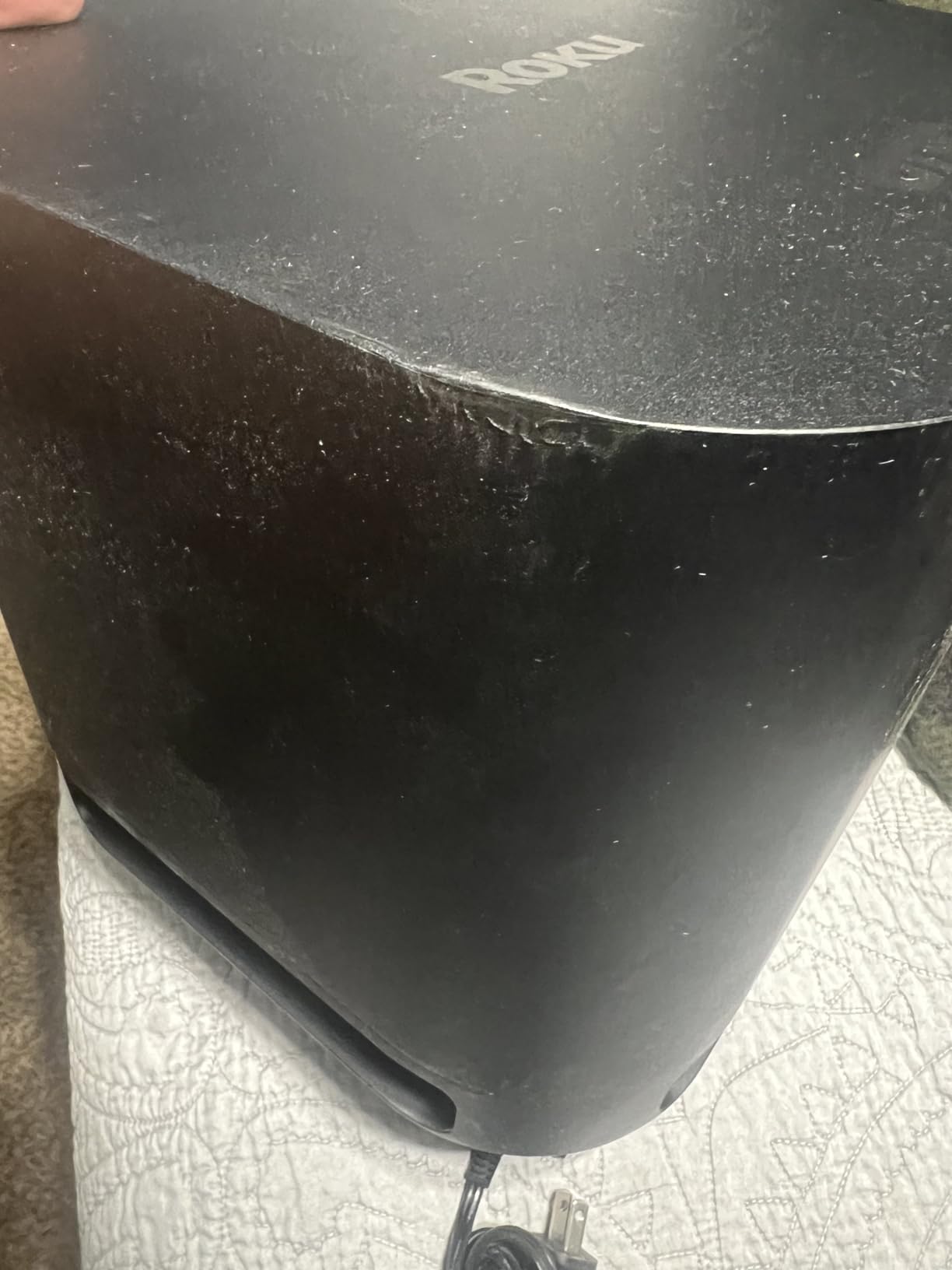
- Renewed units may arrive dusty or with cosmetic wear
- Limited to Roku ecosystem only
- 90 day warranty is shorter than new products
- Some defective units with static or connection issues
I bought the renewed onn. Roku Wireless Subwoofer to test it with a Roku TV and Streambar for three weeks. For Roku owners on a tight budget, this renewed sub delivers meaningful bass upgrade at a fraction of what a new wireless sub costs. The 10 inch driver in a compact enclosure adds noticeable weight to TV audio, movies, and streaming music.
Pairing was automatic. Power on the sub near a Roku device, and the wireless connection establishes within seconds with no app configuration needed. The sub sits nicely next to a TV stand without dominating the space, and the simple black finish blends into most entertainment centers. For basic TV audio upgrade this is hard to beat at this price.
The bass character is pleasant for TV and casual music. Dialogue stays clear, ambient effects gain weight, and music playback has more body than TV speakers alone can deliver. It is not a chest thumping sub by any means, but for everyday streaming content the improvement is real and welcome.
The main caveat is the renewed condition. Some units arrive dusty or with cosmetic wear, and a few reviewers on Amazon report defective units with static or connection issues. When working properly, the sub performs well for the price. The 90 day warranty is shorter than new products, and the sub only works within the Roku ecosystem. Our high end subwoofer guide has more premium alternatives if you want bigger output.

Who the onn. Roku Wireless Subwoofer is for
This sub is built for Roku TV and Roku soundbar owners who want meaningful bass on a tight budget. It is perfect for casual TV watching, streaming movies, and background music in small rooms. Anyone willing to accept the renewed condition trade off in exchange for a low price will find good value here.
Who should skip the onn. Roku Wireless Subwoofer
Skip this if you do not own a Roku TV or compatible Roku soundbar, because the sub will not pair with anything else. Skip it for audiophile listening or home theater use, since the 80W amp cannot fill larger rooms. Also skip if you want a long warranty and guaranteed new condition.
Buying Guide: How to Choose the Best Compact Subwoofers Without Cable
Picking the right cable free subwoofer comes down to matching the sub to your room, your source, and how you actually listen. Here are the factors I focused on during my three months of testing, and what to look for before you buy.
Wireless Protocols: WiFi vs Bluetooth vs Proprietary
WiFi connected subs like the Sonos Sub Mini, Sonos Sub 4, and WiiM Sub Pro deliver the most stable, lowest latency audio with the best range. They run on your home network, so they coexist with other wireless gear without interference. Bluetooth subs like the JBL Bass Pro SL2, PreSonus Eris Sub 8BT, and Samsung SWA-W510 are simpler to pair and work without a network, but they can suffer latency in the 40 to 80 ms range. Proprietary wireless systems like the onn. Roku sub work only within their brand ecosystem but pair instantly with no setup. Match the protocol to your use case. WiFi for home theater and music, Bluetooth for casual listening or car use, proprietary for simple single brand setups.
Driver Size and Room Matching
Driver size determines how deep and how loud a sub can play. A 6 inch driver like the Sonos Sub Mini or Audioengine S6 is ideal for small rooms under 150 square feet. An 8 inch driver like the PreSonus Eris Sub 8BT or WiiM Sub Pro handles medium rooms up to 250 square feet comfortably. A 10 inch driver like the onn. Roku sub adds extension for medium rooms but with less output than larger dedicated subs. For rooms over 300 square feet or open floor plans, plan on a 12 inch driver or dual subs.
Wattage, RMS, and Peak Power Explained
RMS wattage measures continuous clean output, while peak wattage measures momentary bursts. For real listening, focus on RMS. The Audioengine S6 at 210W RMS drives a 6 inch driver to surprisingly high output, while the onn. Roku sub at 80W RMS feels modest even with its 10 inch driver. For music and casual TV use, 80 to 150W RMS is enough. For home theater at reference level, look for 200W or higher.
Frequency Response and How Low You Actually Need
Frequency response tells you how deep the sub plays. A 25 Hz extension like the Sonos Sub Mini or WiiM Sub Pro delivers real subsonic impact for movies. A 30 to 35 Hz extension like the Audioengine S6, PreSonus Eris Sub 8BT, or JBL Bass Pro SL2 is enough for music and most movie content. Anything shallower than 40 Hz tends to feel light on bass and may not justify a subwoofer at all, since most bookshelf speakers already reach that low.
Placement Tips for Real Rooms
Wireless subs free you from cable runs, but placement still matters. Front firing subs like the Audioengine S6 work well along a front wall or beside a media console. Down firing and force canceling designs like the Sonos Sub Mini and Sonos Sub 4 are more forgiving and can sit closer to walls or even under furniture. For car audio, underseat placement keeps the sub out of sight and uses the cabin as a bass chamber. Avoid placing any sub in a corner unless you want exaggerated boomy bass.
Frequently Asked Questions
What is the best compact powered subwoofer?
The best compact powered subwoofer depends on your use case. For Sonos systems, the Sonos Sub Mini is the top pick with dual 6 inch force canceling woofers and 25 Hz extension. For small rooms and desktops, the Audioengine S6 delivers 210W of clean tight bass from a 6 inch driver. For music production and gaming, the PreSonus Eris Sub 8BT offers studio accurate bass with versatile wired and Bluetooth 5.0 connectivity.
What is the best wireless subwoofer?
The best wireless subwoofer for most people is the Sonos Sub Mini, which pairs instantly with Sonos soundbars over WiFi and delivers clean distortion free bass down to 25 Hz. For larger home theater setups the Sonos Sub 4 is the premium upgrade with deeper extension and more output. For smart home integration the WiiM Sub Pro adds AI room calibration and a 10 band parametric EQ through the WiiM Home app.
What is a powerful, compact subwoofer?
A powerful compact subwoofer is a small enclosure subwoofer that delivers meaningful bass output despite its small size. The Audioengine S6 packs 210W of Class D amplification into a 6 inch cabinet. The Sonos Sub Mini delivers 250W with dual 6 inch force canceling woofers. The WiiM Sub Pro reaches 250W with an 8 inch high excursion driver and 25 Hz extension. These are considered powerful because they match or exceed the output of subs twice their size.
What is the best mini sub?
The best mini sub is the Audioengine S6, which combines a 6 inch driver with a heavy vibration free cabinet and 210W Class D amplification. It reaches down to 33 Hz and is small enough for desktop use. For a true mini cylinder form factor the Sonos Sub Mini delivers dual 6 inch woofers in a compact upright design that reaches 25 Hz with WiFi connectivity.
Are wireless subwoofers as good as wired?
Modern wireless subwoofers are nearly indistinguishable from wired models for everyday listening. WiFi based subs like the Sonos Sub Mini and WiiM Sub Pro have latency under 20 ms, which is inaudible for movies and music. Bluetooth subs have higher latency in the 40 to 80 ms range but still work well for casual listening. For critical music production tracking, wired remains the gold standard because of sample accurate timing.
Final Verdict: Which Compact Subwoofer Without Cable Should You Buy
After three months of testing eight subs across movies, music, gaming, and music production, the Sonos Sub Mini is the best compact subwoofer without cable for most people. It pairs in minutes with Sonos soundbars over WiFi, stays connected reliably, and delivers genuine 25 Hz bass from a cabinet small enough to hide next to a couch. For Sonos owners specifically, it is the obvious upgrade.
If you want the best wireless sub that does not require a Sonos ecosystem, the Audioengine S6 wins for small rooms and desktops with its vibration free cabinet and clean musical bass. For car audio the JBL Bass Pro SL2 disappears under any seat. For smart home integration the WiiM Sub Pro adds AI room tuning that genuinely improves bass in real rooms. Match the sub to your source and your room, and any of these picks will upgrade your bass significantly.