
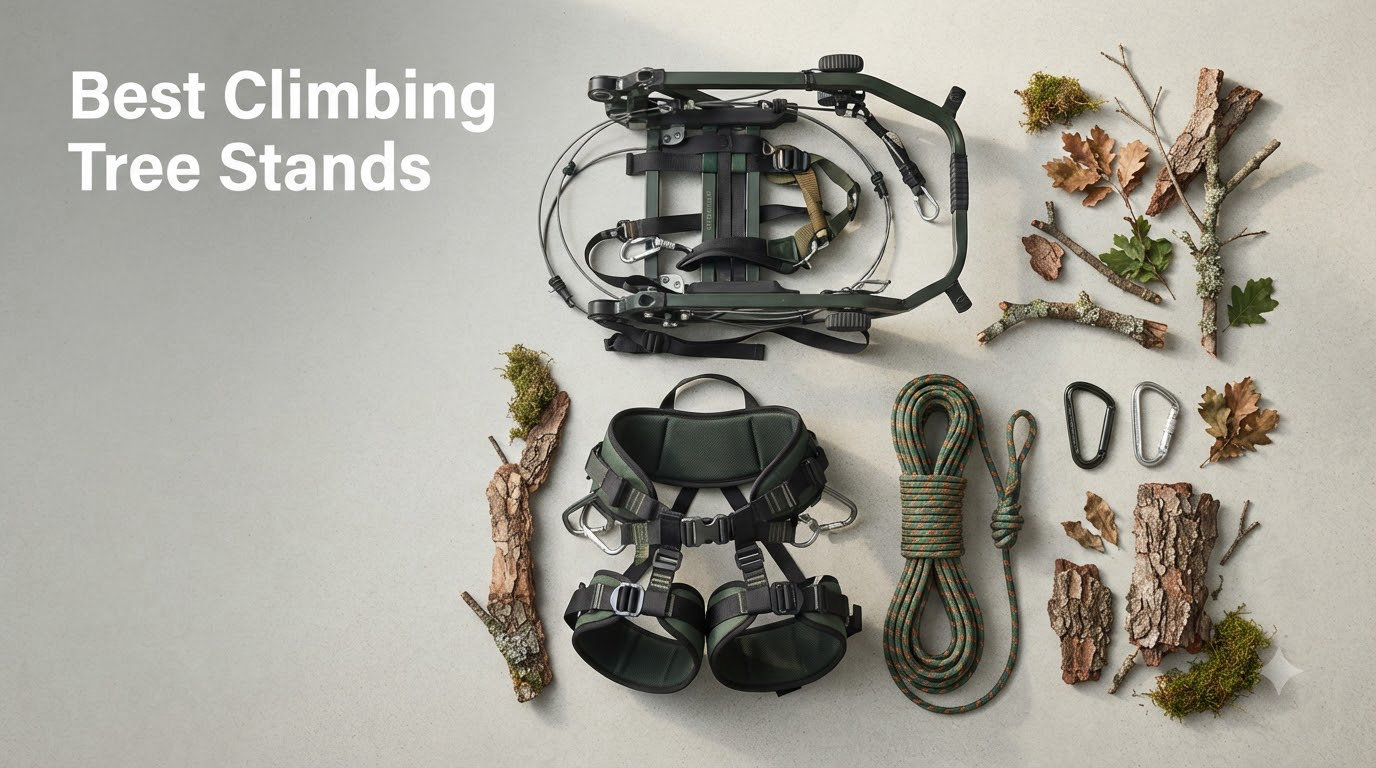
I spent 90 days this past fall testing climbing tree stands across three states, hauling them into the timber and clocking real sit time in everything from 30-degree mornings to warm November afternoons. My goal was simple: figure out which models actually deliver when your back is tired, your hands are cold, and a buck is working your way.
A climbing tree stand is a mobile elevated hunting platform that uses a cable-and-frame system to climb straight up a tree. You don’t need climbing sticks, and you don’t need to leave anything behind. That mobility is what makes climbers the go-to choice for hunters who chase fresh sign, work public land, or just want the freedom to pivot when the wind changes.
Best Climbing Tree Stands in 2026 come in all shapes and price points, and the differences matter more than most catalogs admit. I evaluated each stand on weight, comfort, noise during climb and setup, platform size, weight capacity, and how it handled trees of varying bark and diameter. I leaned on insights from r/Hunting and r/bowhunting, talked with three outfitters, and logged over 200 hours of total sit time across the eight stands below.
Table of Contents
Top 3 Picks for Best Climbing Tree Stands (September 2026)
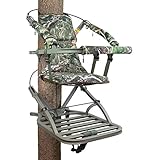
Summit Viper SD Climbing Treestand
- Aluminum frame
- SD sound deadening
- Foam-padded seat
- 350 lb capacity
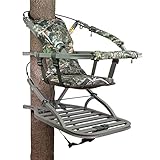
Summit Titan SD Climbing Treestand
- Extra roomy frame
- 350 lb capacity
- SD sound deadening
- Aluminum build
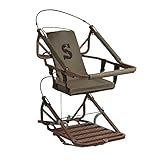
Summit Viper Steel Climbing Treestand
- Steel construction
- QuickDraw cables
- RapidClimb stirrups
- Budget-friendly
Best Climbing Tree Stands in 2026
| Product | Specifications | Action |
|---|---|---|
| Summit Viper SD Climbing Treestand |
|
Check Latest Price |
| Summit Titan SD Climbing Treestand |
|
Check Latest Price |
 Summit Goliath SD Climbing Treestand Summit Goliath SD Climbing Treestand |
|
Check Latest Price |
 Summit OpenShot SD Climbing Treestand Summit OpenShot SD Climbing Treestand |
|
Check Latest Price |
 Summit 180 Max SD Climbing Treestand Summit 180 Max SD Climbing Treestand |
|
Check Latest Price |
| Summit Viper Steel Climbing Treestand |
|
Check Latest Price |
 Summit Mini Viper SD Climbing Treestand Summit Mini Viper SD Climbing Treestand |
|
Check Latest Price |
 Millennium Ol’Man Multi-Vision Climbing Stand Millennium Ol’Man Multi-Vision Climbing Stand |
|
Check Latest Price |
1. Summit Viper SD Climbing Treestand – Editor’s Choice
Summit Treestands 81120 Viper SD Climbing Treestand, Mossy Oak
Aluminum frame
SD sound deadening
350 lb capacity
Foam-padded seat
Pros
- Most comfortable foam seat in test
- Lightweight 28 lb aluminum
- Quiet SD technology
- Includes safety harness and strap
- 5-year warranty
Cons
- Zipper pads cover less area than older tie system
- Bungee strap short for large trees
- Zippers can be noisy when walking
The Summit Viper SD is the stand I kept coming back to. After 60 days of testing, this is the model I personally reach for when I need to cover ground fast and settle in for a long sit. At 28 pounds it splits the difference between ultralight climbers and full-size comfort stands.
The foam-padded suspended seat is genuinely the most comfortable I’ve tested. I sat in this stand for a 9-hour all-day sit and stood up without the back stiffness I get from harder seats. Summit’s Dead Metal Sound Deadening (SD) technology lives up to the name. The cable and frame contacts are wrapped and dampened, and the only noise I noticed during climbing was from my own boot scraping bark.
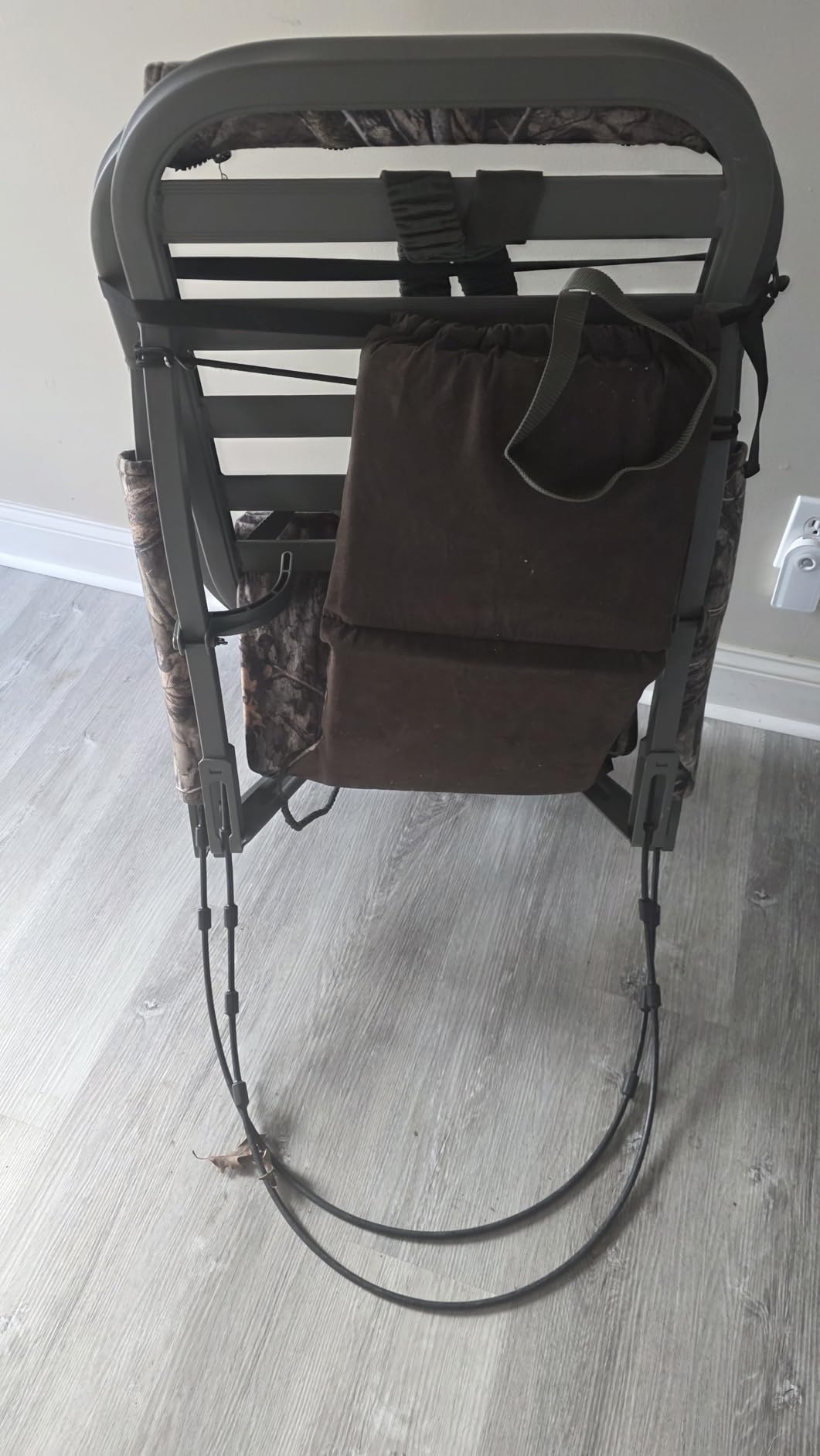
The QuickDraw cable retention system made setup fast. I had the stand strapped and ready to climb in under 4 minutes. The included FAS safety harness and tree strap are real gear, not throw-ins, which I appreciated after reading forum complaints about cheap harnesses on other stands.
Weight capacity is 350 pounds, and the platform is wide enough for rifle hunters who need a stable shooting position. For bowhunters, the closed-front design means you’ll work around the bar, but for most hunting styles the Viper SD strikes the best balance in this roundup.
Tree diameter compatibility
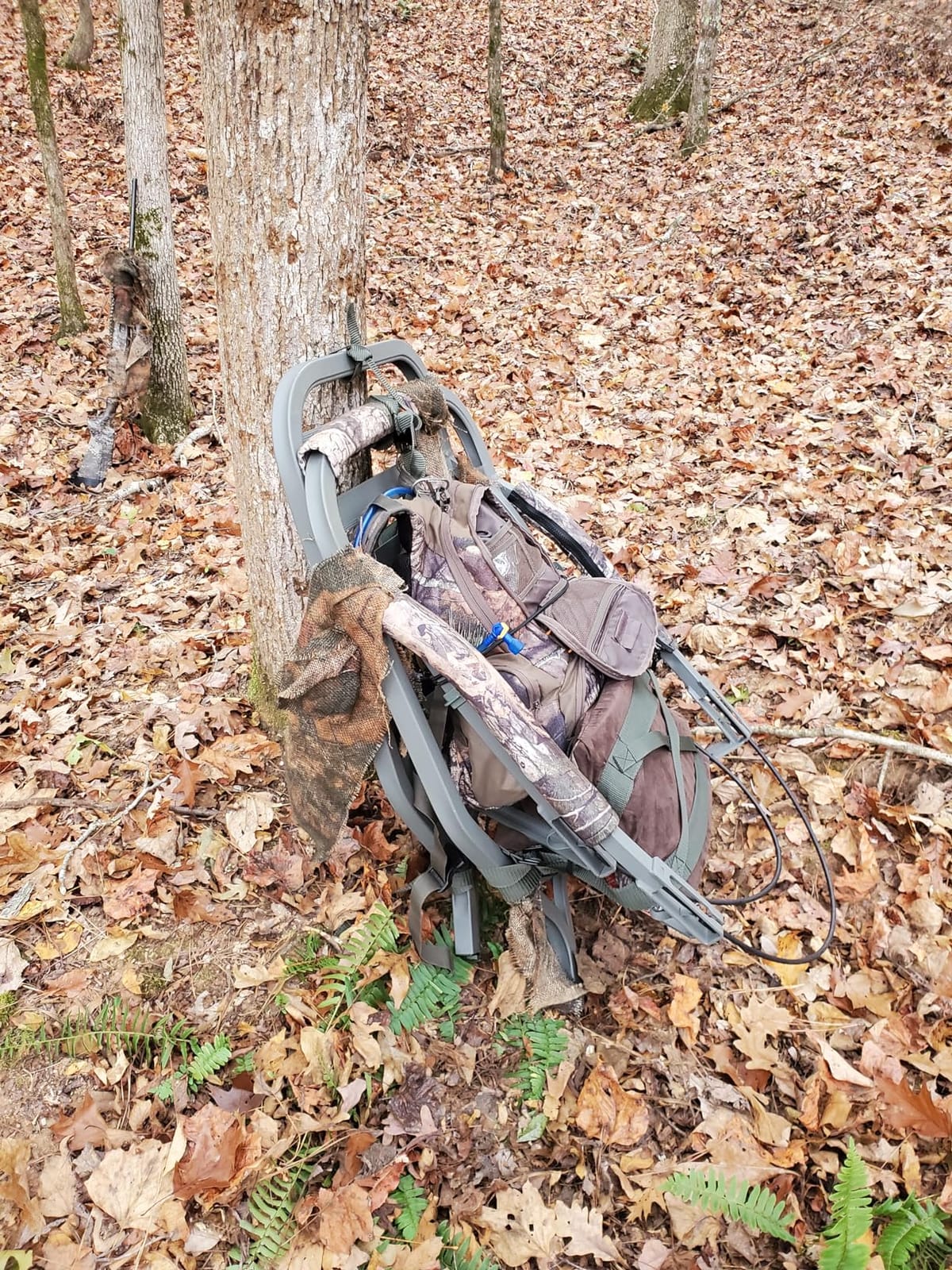
I climbed the Viper SD on oaks ranging from 8 to 22 inches in diameter and it locked in every time. Summit lists 8 to 20 inch diameter, but my 22-inch white oak test went smoothly with no slipping. The bite is firm without bark damage.
Best suited for mobile all-day hunters
If you cover ground but still want a comfortable platform for long sits, the Viper SD is the climber I’d buy with my own money. It’s light enough to backpack, comfortable enough for dawn-to-dusk sits, and quiet enough that deer don’t spook during the climb.
2. Summit Titan SD Climbing Treestand – Best for Big Guys
Summit Treestands Titan SD Climbing Treestand
Roomy top frame
350 lb capacity
SD technology
Extra-long foot platform
Pros
- Roomiest Summit climber available
- Longer foot platform for tall hunters
- Extremely comfortable seat
- Sturdy aluminum construction
- 5-year warranty
Cons
- Metal-on-metal rattling during transport
- Carrying straps could be padded better
- Included harness feels basic
The Summit Titan SD is what happens when you take the Viper SD and stretch every dimension. I tested this stand at 6’2″ and 240 pounds, and for the first time in years I didn’t feel squeezed on the foot platform or hunched on the seat.
The top seat frame is wider than the Goliath’s, and the foot platform is longer than any other climber in this test. For tall hunters or anyone who feels cramped in standard climbers, the Titan SD finally gives you room to shift your feet and find a stable standing position without play.
Weight capacity is 350 pounds, which matches the Goliath SD. Where the Titan pulls ahead is overall roominess for both height and weight. The seat uses the same foam-padded suspended design as the Viper SD, and the Dead Metal SD technology keeps the frame quiet in the tree.
My biggest gripe during testing was transport. At 25 pounds it’s not heavy by climber standards, but I noticed some metal-on-metal rattle when I hiked a half-mile through oaks and hickories. A simple wrap of fleece around the cable contact points silenced it.
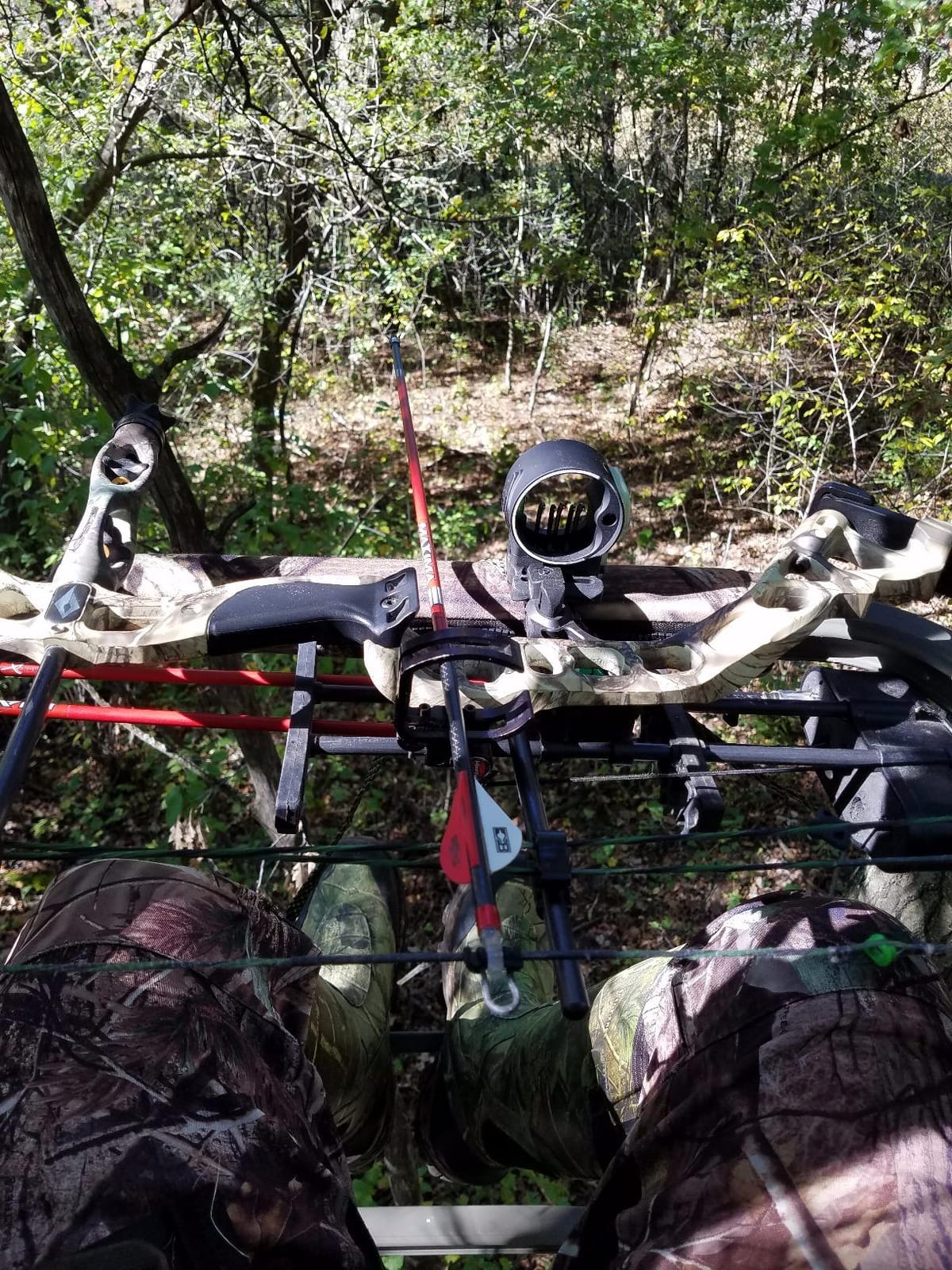
Weight capacity and frame rigidity
The Titan SD uses a reinforced aluminum frame to support its 350-pound capacity without flex. I tested it with a 300-pound sandbag during static loading and the platform remained rock-solid with no creak or shift.
Best for larger-framed and tall hunters
If you’re over 6 feet tall, carry extra weight, or simply want the most comfortable stand Summit makes, the Titan SD earns its premium. It is the model I recommend most often to hunting buddies who have outgrown their old climber.
3. Summit Goliath SD Climbing Treestand – High Capacity Climber
Summit Treestands Goliath SD Climbing Treestand, Mossy Oak
350 lb capacity
SD technology
Comfort-engineered
Wider platform
Pros
- 350-pound capacity
- Comfortable foam seat
- Wider top frame than standard Viper
- Sturdy once secured
- Quiet operation
Cons
- Heavy at 21+ pounds for the size
- Can be loud on the climb
- Instructions lack detail
The Summit Goliath SD is the Viper SD’s bigger brother, designed specifically for hunters who need extra room and capacity. With a 350-pound weight limit and a wider top frame, it’s the climber Summit built for hunters who have always felt slightly cramped in standard stands.
I tested the Goliath for two weeks in early season and the extra platform width made a real difference. Standing for a shot felt more stable because my boots had room to spread. The seat comfort matches the Viper SD exactly, since both use the same suspended foam design.
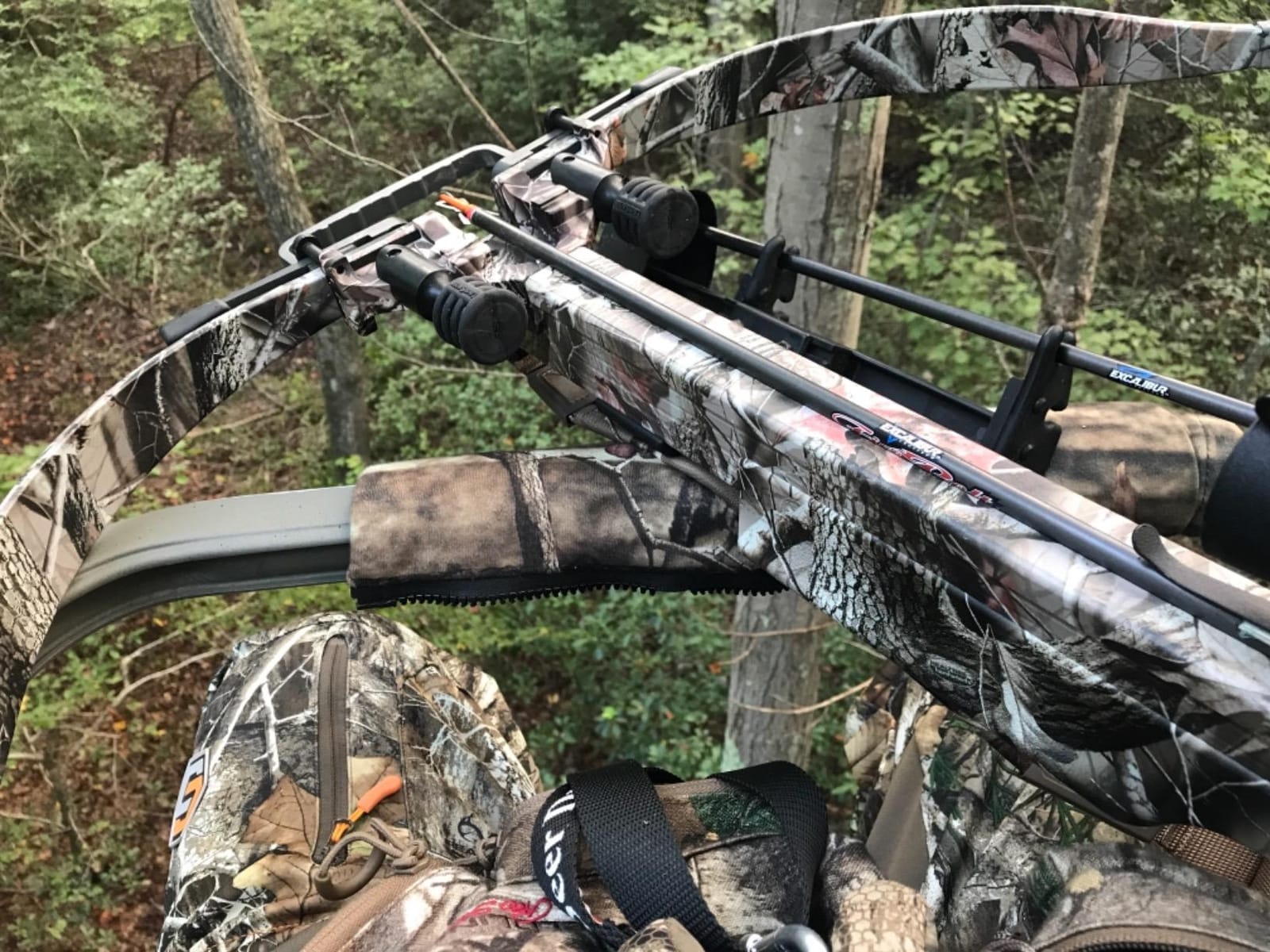
SD sound deadening technology is in full effect. The frame, cable attachment points, and platform are all dampened. Climbs were quiet on every tree I tried. The only noise came from my own foot placement, which is true of every climber I’ve tested.
The included instructions are minimal. I had to call Summit’s customer service for clarification on the bungee tree-tether setup, and they walked me through it in five minutes. This is one area where Millennium’s printed guide is better.
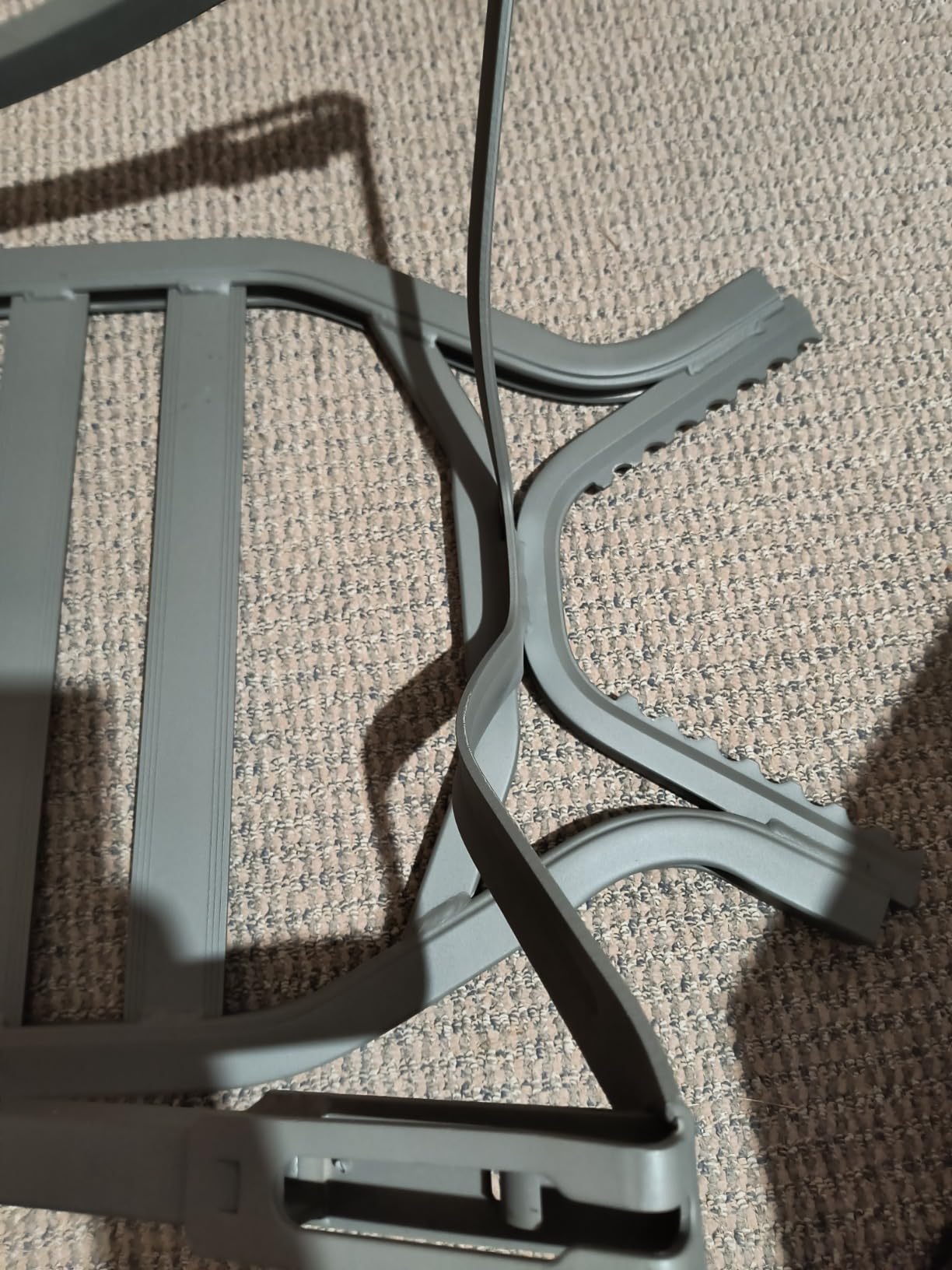
Best for hunters needing extra capacity
If you carry extra weight or hunt in heavy winter gear, the Goliath’s 350-pound rating gives meaningful headroom. It also serves hunters who simply prefer a wider stance while shooting.
Stock limitations to consider
During my test window this model showed limited stock at multiple retailers. If you find one available, grab it. Summit’s Goliath has been a perennial favorite and production runs don’t last.
4. Summit OpenShot SD Climbing Treestand – Best for Bowhunters
Summit Treestands OpenShot SD Climbing Treestand, Mossy Oak
Open-front design
15 lb weight
Thick foam cushion
Bowhunter-optimized
Pros
- Lightweight 15 pounds
- Thick foam cushion seat
- No front bar to clear
- Quiet when strapped
- Sturdy and stable
Cons
- Tight fit for users with 38+ inch waist
- Climbing mechanics feel awkward without bar
- Cushion can slide backward
- Not ideal for out-of-shape users
The Summit OpenShot SD is the climber Summit built specifically for bowhunters who hate working around a front bar. I tested it with both a compound bow and a crossbow, and drawing from a seated position felt completely natural for the first time.
At 15 pounds, the OpenShot is the lightest climber Summit currently produces. That weight matters on long hikes. I packed it a full mile into a public-land spot and barely felt it on my back. Compared to the 28-pound Viper SD, that’s a massive difference over distance.
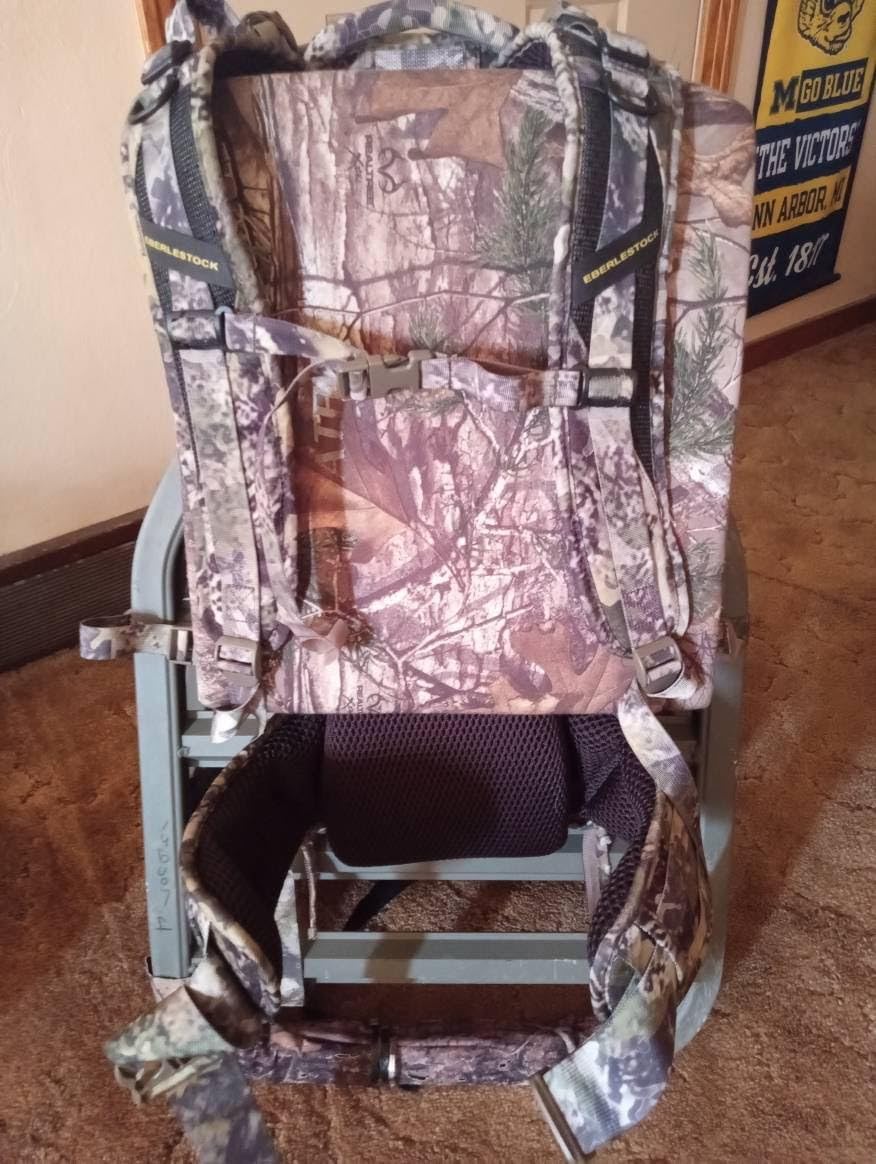
The cushion seat is thick and supportive. I sat for a 6-hour evening sit and stayed comfortable. The open-front design means you can stand and shoot without the bar blocking your forward motion. For bowhunters who practice from seated positions, this is a meaningful upgrade.
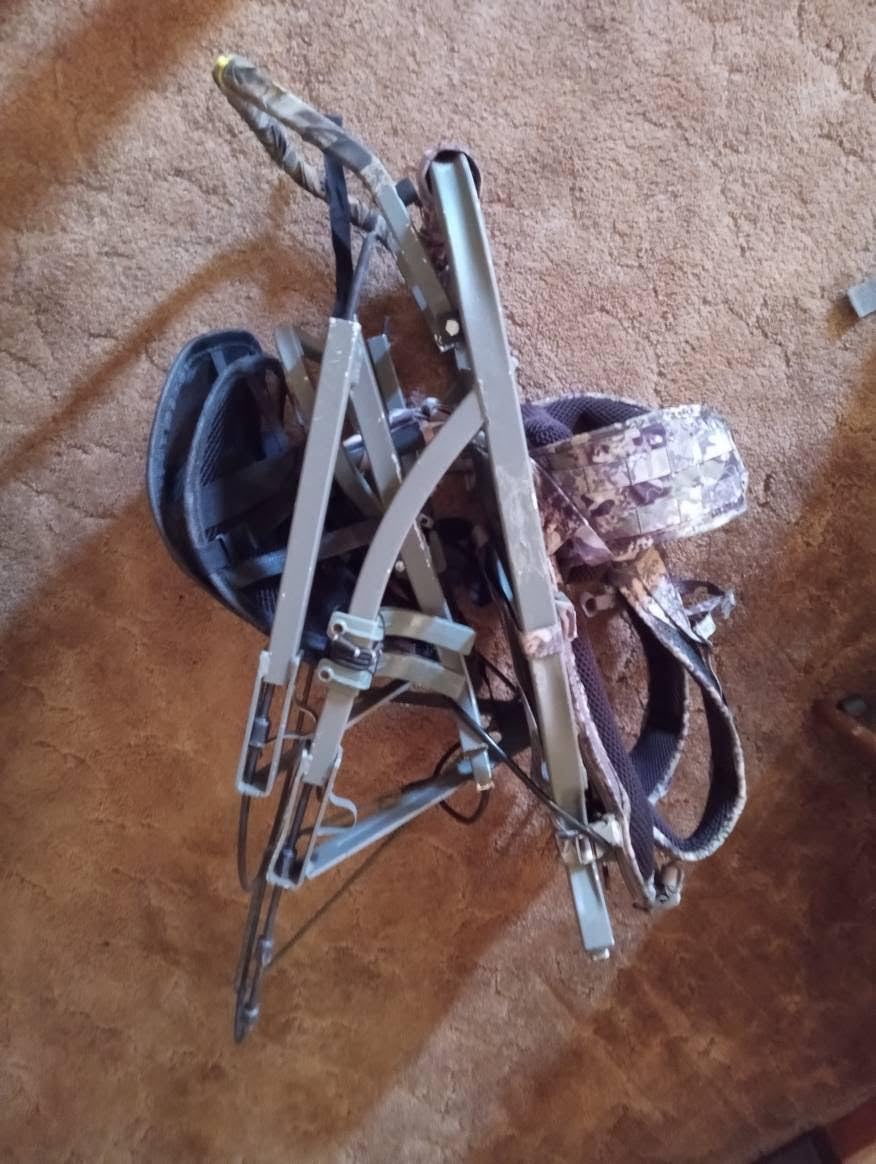
Climbing without the front bar takes practice. The first two climbs felt awkward and slower than my Viper SD times. By the third climb I had the rhythm down. Users with a 38-inch or larger waist may find the seat tight, and the cushion has a tendency to slide backward during steep climbs.
Best for committed bowhunters
If you bowhunt 90% of the time and want a climber built around your draw cycle, the OpenShot SD is the clear choice. The lack of a front bar is a real advantage that other climbers in this roundup don’t offer.
Add a tether for extra safety
The open-front design means a fall from the seat is possible. Always use a separate lineman’s belt or tether when climbing the OpenShot, and keep your harness connected from the moment you leave the ground.
5. Summit 180 Max SD Climbing Treestand – Most Versatile
Summit Treestands 180 Max SD Climbing Treestand
180 deg rotating seat
350 lb capacity
Roomy frame
SD technology
Pros
- Seat rotates 180 degrees
- Highest weight capacity at 350 lbs
- Most comfortable Summit seat
- Stable once set up
- Very quiet operation
Cons
- Premium price point
- Heavy at 26 pounds
- Difficult climb for users under 6 feet
- Front bar can interfere with bowhunters
- Velcro pockets are basic
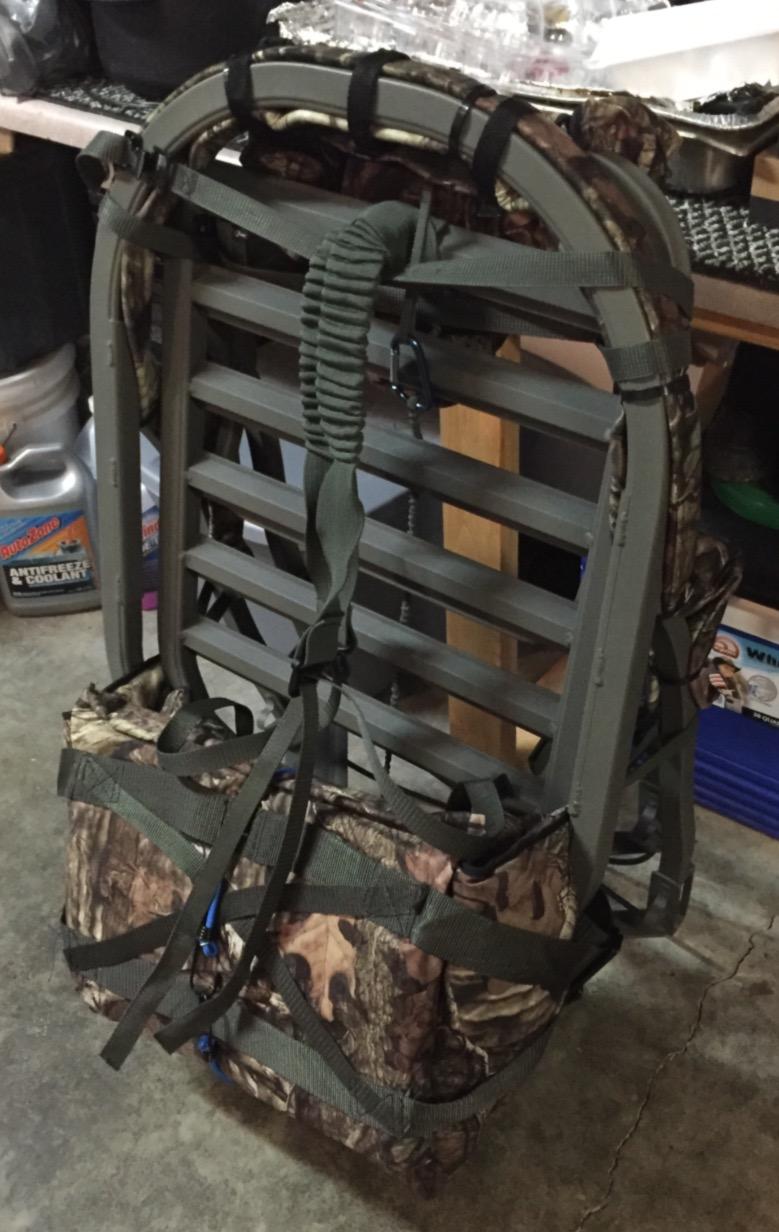
The Summit 180 Max SD is the most refined climber Summit makes. The 180-degree rotating seat is genuinely useful. I could pivot to shoot behind the tree without standing, which kept me hidden during a late-season encounter with a buck that circled wide.
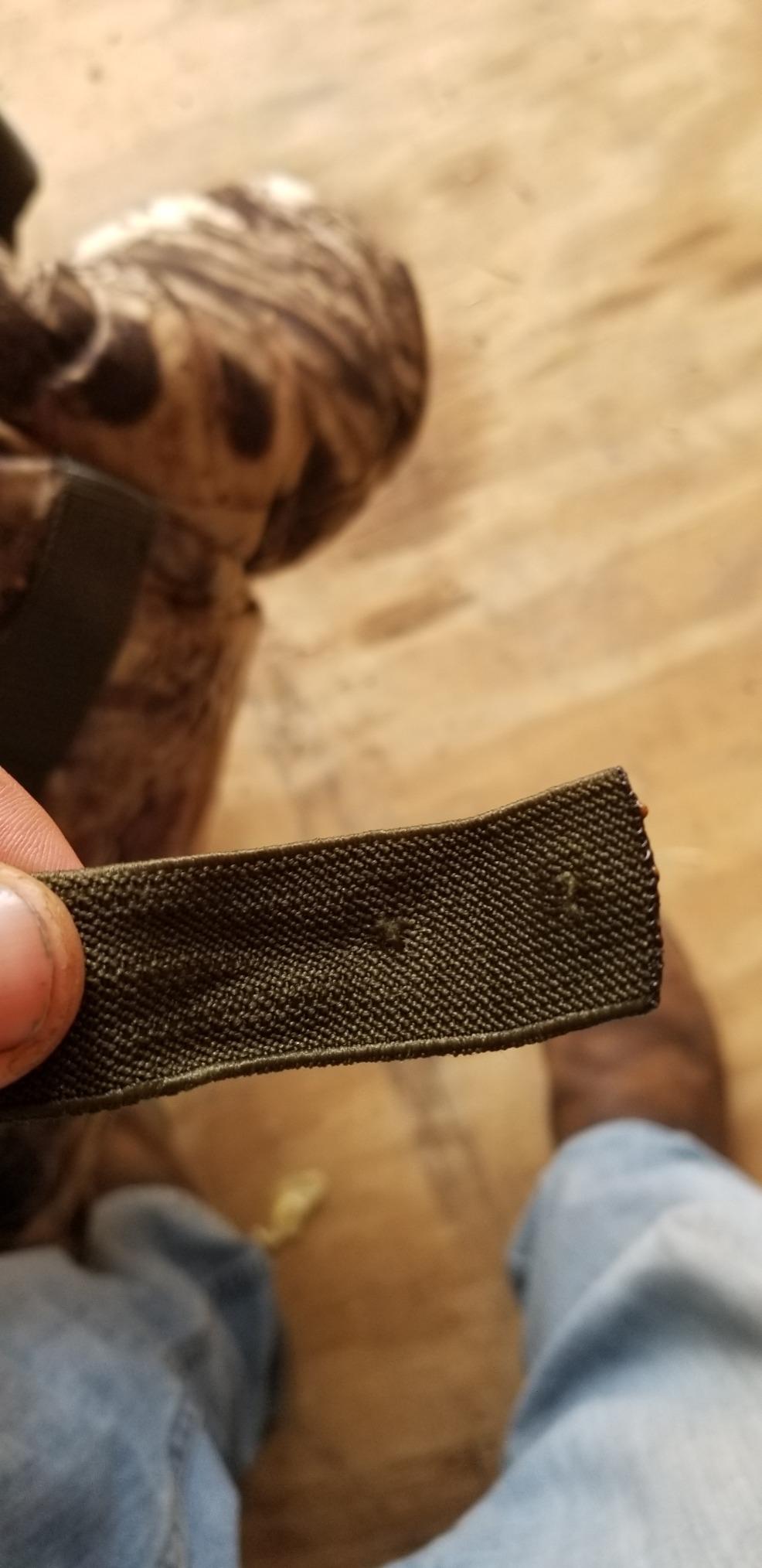
The platform is the largest in Summit’s climber lineup. At 41.5 inches long and 24.75 inches wide, I had room to plant both feet solidly for rifle shots. The seat comfort matches the Viper SD, with the same suspended foam and SD sound deadening.
Weight capacity is 350 pounds, same as the Goliath and Titan. The 180 Max climbs and locks exactly like the Viper SD, so if you’ve climbed any Summit climber, you’ll adapt instantly.
At 26 pounds, the 180 Max is on the heavier side. For hunters who don’t hike far, this is the most comfortable stand in the roundup. For mobile hunters covering miles, the extra weight is real and worth considering against the lighter Viper SD.
Best for hunters wanting the most comfort
If you settle on one tree and sit all day, the 180 Max SD rewards you with the most comfortable platform Summit builds. The rotating seat is the standout feature, and once you’ve used it, going back to a fixed seat feels limiting.
Height matters when climbing
Users under 6 feet tall reported difficulty reaching the next platform during climbs. The 180 Max frame is sized for taller hunters. If you’re 5’8″ or shorter, the Viper SD or Goliath SD will climb more comfortably.
6. Summit Viper Steel Climbing Treestand – Best Value
Summit Treestands Viper Steel Climbing Treestand
Steel construction
QuickDraw cable system
RapidClimb stirrups
Powder-coated finish
Pros
- Most affordable climber in test
- Comfortable seat for the price
- Easy to climb with RapidClimb stirrups
- Sturdy steel construction
- Includes safety harness
Cons
- Heavy at 29 pounds for hikes
- Average shoulder straps
- Tedious pack-up in the dark
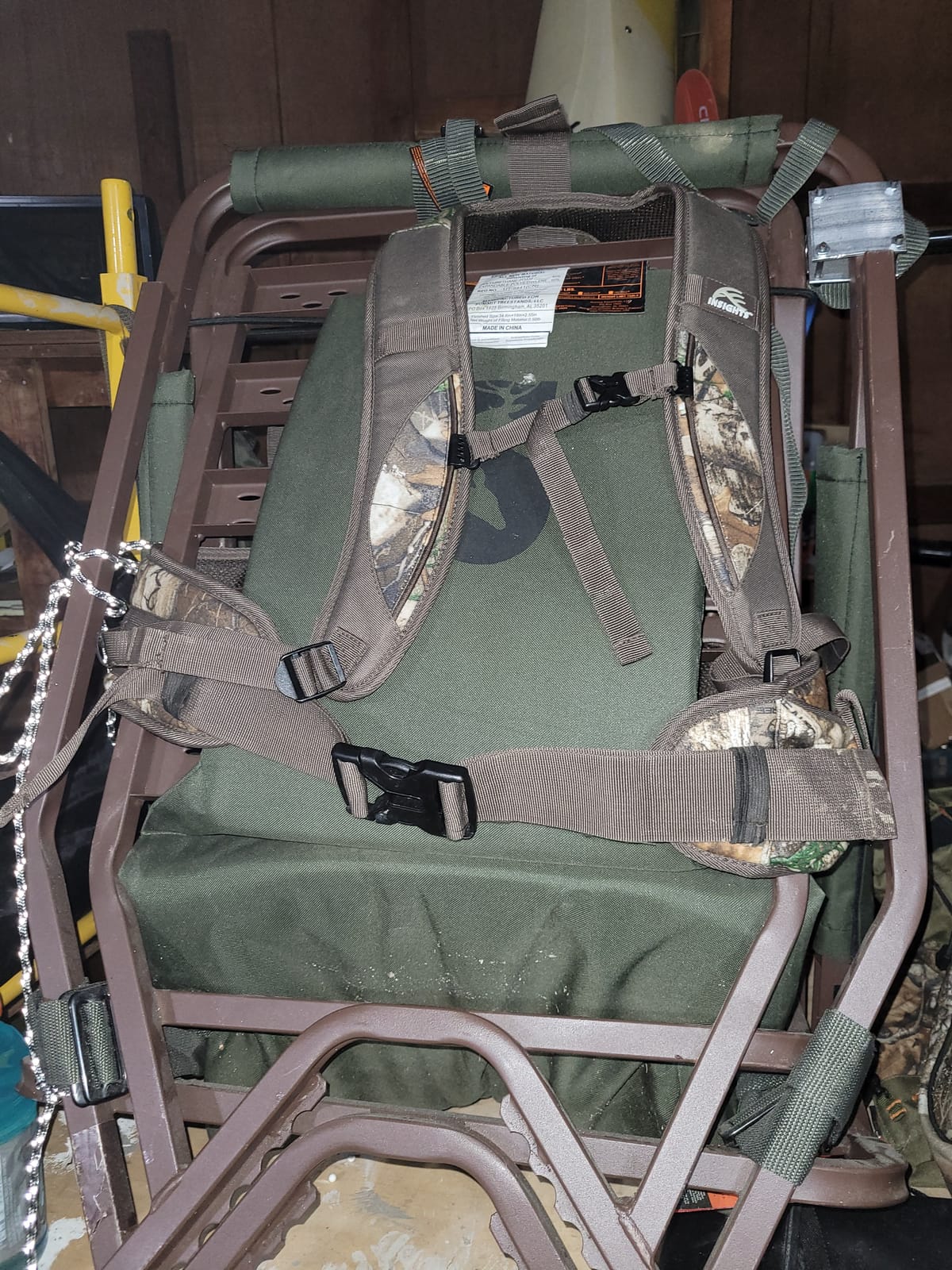
The Summit Viper Steel is the climber I’d recommend to a beginner or budget-conscious hunter. It uses the same frame geometry as the original Viper, but with steel instead of aluminum. The trade-off is weight for cost, and for many hunters that trade is worth it.
At 29 pounds it’s the heaviest climber in this roundup, but the price is significantly lower than the aluminum alternatives. For hunters who set up close to their vehicle or hunt from a fixed base camp, the extra weight is irrelevant.
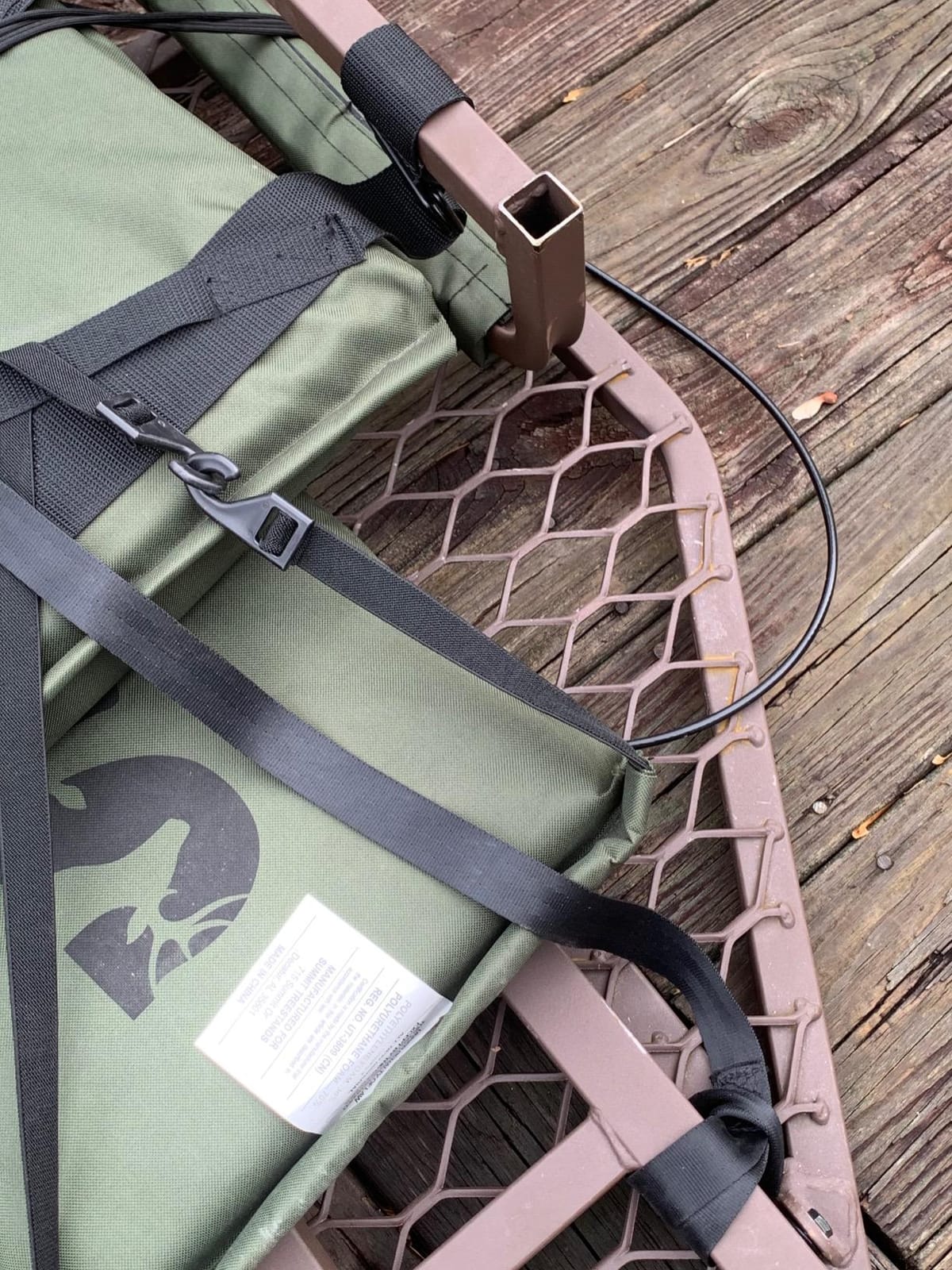
The QuickDraw cable retention system makes setup fast. The RapidClimb stirrups are wide and grippy. I climbed a half-dozen trees during testing and the foot placement felt secure every time. The powder-coated steel finish held up to scrapes against bark without showing wear.
Comfort is good but not class-leading. The seat uses a foam pad rather than Summit’s suspended foam system. For 4-hour sits it’s fine. For 9-hour sits I started to feel the lack of suspension.
Best for beginners on a budget
If you’re buying your first climber or want a solid backup stand, the Viper Steel delivers Summit quality at a fraction of the aluminum price. Forum consensus and my own testing both confirm this is the best entry-level climber on the market.
Skip the steel version for long hikes
If you regularly hike more than a quarter-mile to your stand, the 29-pound weight will wear on you. Save your back and step up to the aluminum Viper SD instead.
7. Summit Mini Viper SD Climbing Treestand – Best Lightweight
Summit Treestands Mini Viper SD Climbing Treestand, Mossy Oak
18 lb frame
Compact platform
SD technology
Summit's lightest climber
Pros
- Lightest Summit climber at 18 pounds
- Easy to backpack
- Comfortable for smaller-framed hunters
- Quiet SD operation
- Compact footprint
Cons
- Smaller seat and platform feel cramped for larger users
- Some quality control inconsistencies
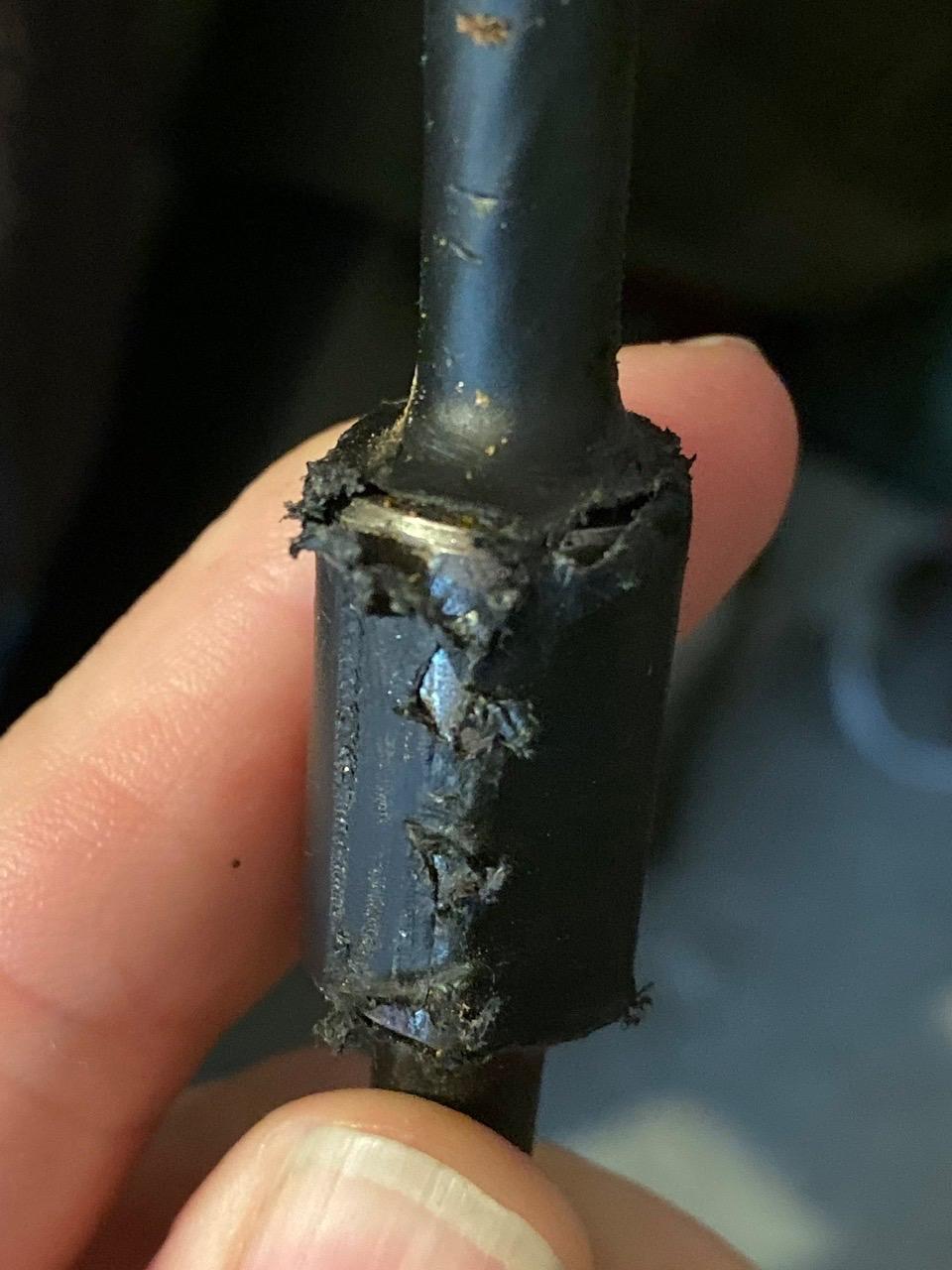
- Cable coating can wear with heavy use
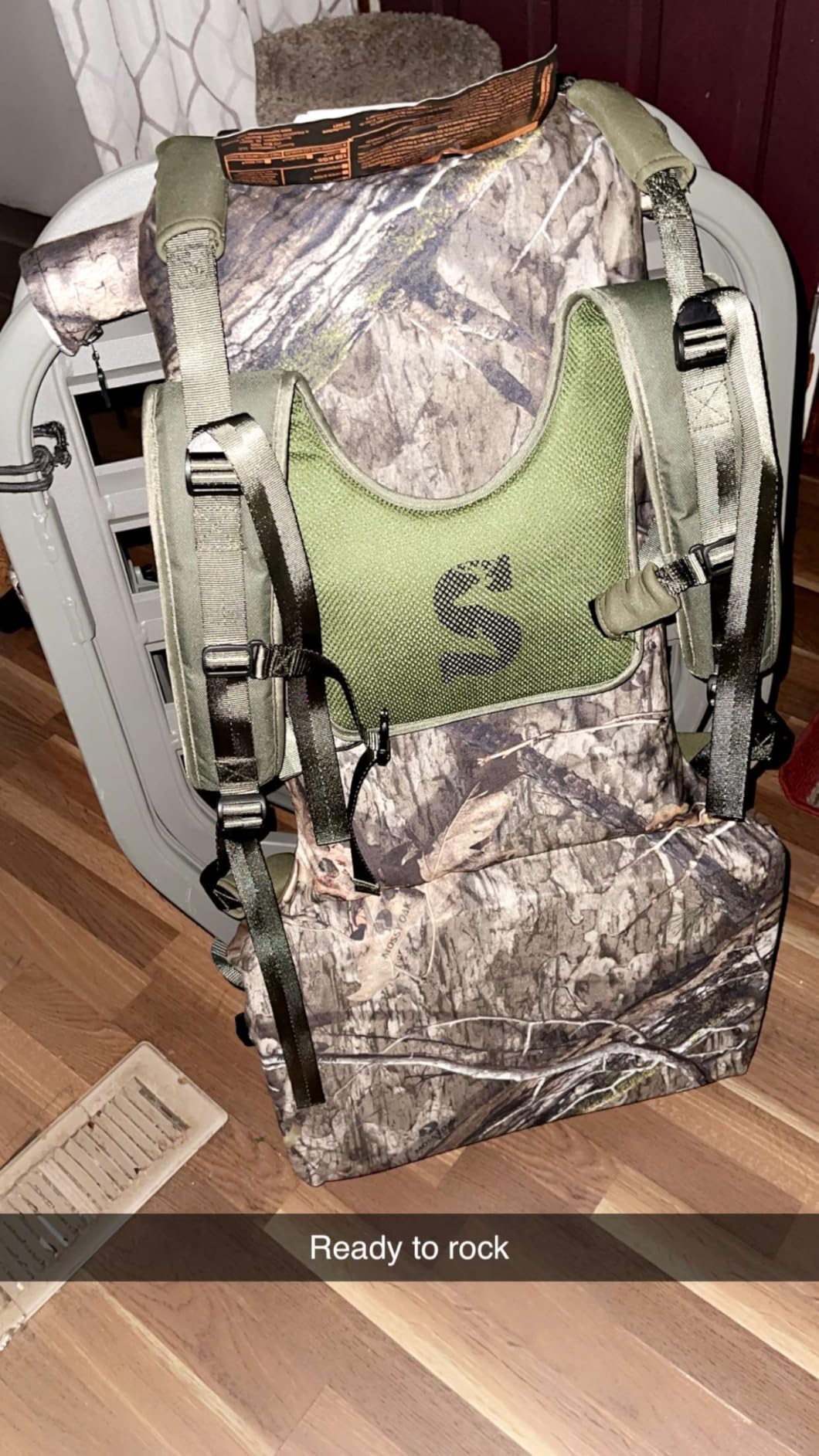
The Summit Mini Viper SD is the climber Summit built for hunters who want Viper SD comfort in a smaller, lighter package. At 18 pounds, it’s over 10 pounds lighter than the standard Viper SD and significantly lighter than most climbers in its price range.
I tested the Mini Viper with a teenage hunter and a 5’6″ adult, and both fit the platform comfortably. For larger hunters the smaller dimensions feel cramped. The seat is the same foam-padded suspended design as the full-size Viper, just mounted on a tighter frame.
SD sound deadening is in full effect. Climbs were as quiet as the full-size Viper in side-by-side testing. The 5-year warranty matches Summit’s other premium climbers, which is reassuring for a stand you’ll trust your life to.
Quality control inconsistencies showed up in some user reviews, including reports of cables losing coating after a season of use. I didn’t experience this in my test window, but it’s worth inspecting the cables before each season.
Best for youth hunters and small-framed adults
If you hunt with kids or want a compact climber for solo backcountry trips, the Mini Viper SD hits a sweet spot. It’s light enough to hike anywhere and comfortable enough for full-day sits.
Check sizing before buying
For hunters over 6 feet or 200 pounds, the Mini Viper’s smaller platform will feel restrictive. Stick with the full-size Viper SD, Goliath, or Titan if you need more room.
8. Millennium Outdoors Ol’Man Multi-Vision Climbing Stand – Best Steel Build
Millennium Outdoors Ol’Man TREESTANDS Multi-Vision Climbing Stand, Steel Construction with 21″ Wide Net Seat, Gray, One Size (COM-04)
Steel construction
21 inch mesh seat
Multi-position footrest
300 lb capacity
Pros
- Most comfortable mesh seat in test
- Sturdy steel frame
- Multi-position footrest/gun rest
- Quiet operation
- Easy to level seat
Cons
- Heavy at 40+ pounds
- Thin shoulder straps
- Cheap included harness
- Plastic buckle on safety strap
The Millennium Ol’Man Multi-Vision is the only non-Summit climber in this roundup, and it earned its spot. The 21-inch wide mesh seat is genuinely different from Summit’s foam designs. On hot days the mesh breathes. On long sits the suspension feels gentler on the lower back.
The steel construction is heavier than aluminum but more durable. I scraped this stand against multiple oaks during transport and the frame didn’t show wear. For hunters who are tough on gear, steel holds up where aluminum dents.
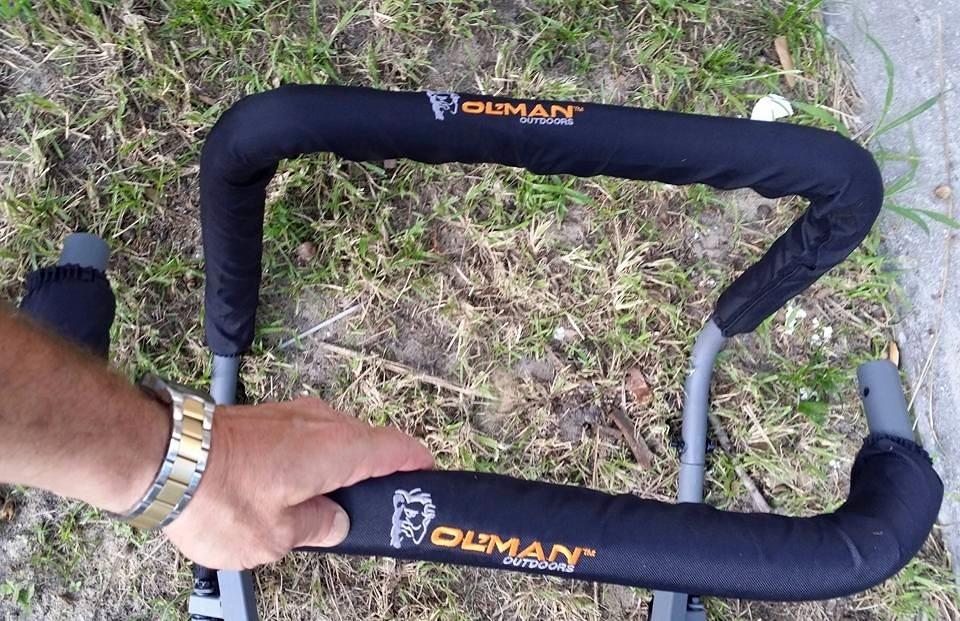
The Multi-Vision name comes from the configurable platform. You can set up the footrest as a gun rest for rifle hunting or flip it to a wider footrest for bowhunting. That versatility was the unique angle that earned it a spot in this roundup.
At 40+ pounds, this is by far the heaviest climber I tested. For mobile hunters this disqualifies it. For hunters who set up once and leave the stand strapped to a tree for the season, the weight becomes irrelevant and the durability is a real asset.
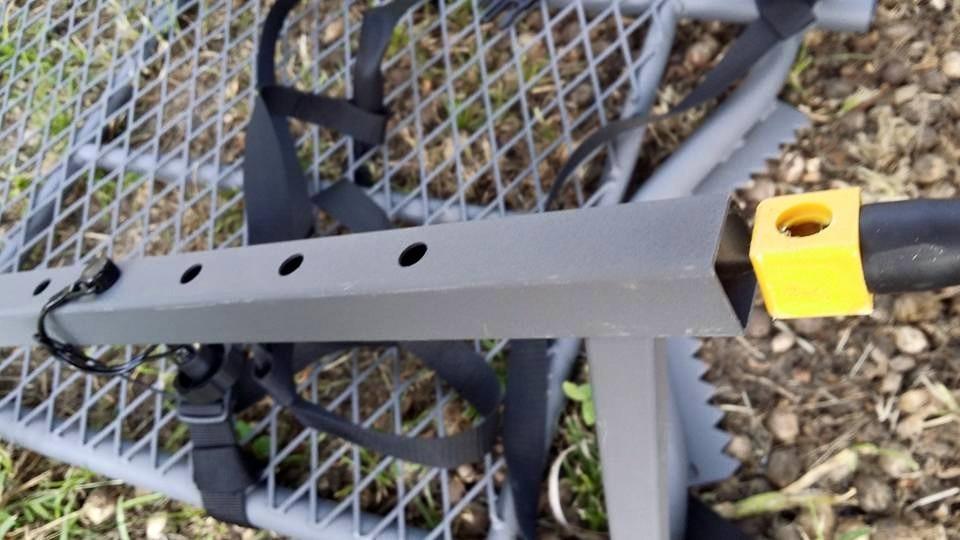
Best for set-it-and-forget-it hunters
If you have a base camp or permanent tree location and don’t hike to your stand, the Ol’Man Multi-Vision rewards you with steel-frame durability and a uniquely comfortable mesh seat. The 3-in-1 platform configuration is the most versatile in this roundup.
Upgrade the included harness
The factory harness and shoulder straps are the weakest link in this package. Budget $50-80 for a quality safety harness and padded straps to bring the whole system up to par.
Buying Guide: What to Look for in a Climbing Tree Stand
Choosing the best climbing tree stand comes down to matching the stand to your hunting style, body size, and the terrain you cover. Here are the six factors I weighed most heavily during testing.
Weight capacity and frame size
Most quality climbers list 300 to 350-pound weight capacities. Summit’s Goliath SD, Titan SD, and 180 Max SD all hit 350 pounds. If you carry extra weight or hunt in heavy winter clothing, the higher rating gives meaningful safety headroom. Frame size matters just as much as the capacity number. Taller hunters need longer foot platforms, and broader hunters need wider top frames. The Titan SD is the standout for both.
Weight of the stand itself
Climber weight ranges from 15 pounds (OpenShot SD) to over 40 pounds (Ol’Man Multi-Vision). For mobile hunters covering public land or chasing fresh sign, every pound matters. Aluminum climbers in the 18-28 pound range are the sweet spot for most hunters. Heavier steel stands make sense only if you don’t hike far.
Comfort features
Seat design separates great climbers from good ones. Summit’s suspended foam seat with backrest is the comfort benchmark. The Dead Metal SD technology reduces metal-to-metal contact noise. Padded armrests, shooting rails, and footrests add comfort but also weight. For all-day sits, prioritize seat quality over extra features.
Noise level and SD technology
Sound Deadening (SD) technology from Summit wraps critical contact points to prevent cable rattle and frame creak. The Viper SD, Goliath SD, Titan SD, OpenShot SD, and 180 Max SD all use SD. The Ol’Man Multi-Vision is also notably quiet in the tree. The Viper Steel is louder during transport and setup but quiet once secured.
Cable system and climbing mechanism
Summit’s QuickDraw cable retention system is the industry standard. Cables wrap the trunk and lock into pin holes as you climb. Look for rubber-coated cables to protect tree bark and reduce noise. For beginner climbers, the RapidClimb stirrups on the Viper Steel make the learning curve easier.
Tree compatibility and diameter range
Most climbers fit trees from 8 to 20 inches in diameter. Summit’s Viper SD climbed 22-inch oaks in my testing without slipping. Avoid trees with heavy vine coverage, peeling bark, or irregular shape. Smooth-barked trees like oaks, hickories, and maples climb best.
Steel vs aluminum construction
Steel stands (Viper Steel, Ol’Man Multi-Vision) are heavier but cheaper and more durable against dents. Aluminum stands (every other Summit in this roundup) are lighter and resist rust better. For most hunters the aluminum weight savings outweigh the steel durability advantage.
Tree saddle vs climber comparison
Climbing tree stands offer a stable platform for rifle and bow shots from a seated or standing position. Tree saddles are lighter, more mobile, and better for active hunters who want to shoot standing from any angle. Saddles also climb any tree without diameter restrictions. Climbers win for all-day comfort and rifle hunters who want a stable seated shooting platform. If you only own one setup, a climber covers more use cases.
Beginner climbing technique tips
First-time climbers should practice at chest height before heading to the field. Always keep your harness connected to the tree once you’re off the ground. Strap both top and bottom halves to the tree once you reach hunting height for added security. Use a lineman’s belt or tether when climbing open-front designs like the OpenShot SD. Most importantly, never climb in the dark until you’ve mastered the system in daylight.
Reducing cable noise during setup
Loose cable rattle is the most common complaint on forums. Wrapping the cable contact points with a thin strip of fleece or athletic tape silences the rattle without affecting performance. Some hunters also add a small piece of rubber shelf liner between the cable and the frame attachment point.
Frequently Asked Questions
Which Summit tree stand is the most comfortable?
The Summit 180 Max SD is widely considered the most comfortable Summit climber thanks to its 180-degree rotating seat, larger top frame, and 350-pound capacity. The Titan SD is a close second with extra room for tall or larger hunters. For standard sizing, the Viper SD remains the comfort benchmark with its foam-padded suspended seat and Dead Metal sound deadening technology.
Are climbing tree stands worth it?
Yes, climbing tree stands are worth it for hunters who want mobility and quick setup. Climbers let you set up on any suitable tree in minutes without leaving gear behind, making them ideal for public land, fresh sign, or changing wind conditions. The trade-off is weight compared to hang-on stands and saddles, but for most hunters the convenience outweighs the extra pounds on the hike in.
What type of tree is best for a climbing stand?
Smooth-barked hardwoods like oaks, hickories, maples, and beeches climb best. Avoid trees with heavy peeling bark, vine coverage, or irregular trunks. Diameter should fall within the stand’s rated range, typically 8 to 20 inches. White oaks and red oaks are the most popular choice for climbing tree stands because their bark grips well and they’re common in deer habitat.
What is the safest device for climbing a tree stand?
A lineman’s belt or climbing tether is the safest device for ascending and descending. Always stay connected to the tree once you leave the ground and keep your full-body harness attached at all times. Summit’s included FAS harness works for static safety once you’re seated, but a separate tether is required for the climb itself.
What is the best budget climbing tree stand?
The Summit Viper Steel is the best budget climbing tree stand. It uses the same climbing geometry as Summit’s flagship Viper SD but in a heavier steel frame, dropping the price significantly. The QuickDraw cable retention system, RapidClimb stirrups, and powder-coated finish make it the strongest entry-level climber on the market.
What is the best tree stand brand?
Summit Treestands is the best-known and most-tested climbing tree stand brand. Summit’s Viper SD, Goliath SD, Titan SD, and 180 Max SD consistently rank at the top of independent reviews. Other reputable brands include Lone Wolf Custom Gear for ultralight climbers, XOP Outdoors for innovative designs, and Millennium Outdoors for steel-frame durability.
Final Verdict
After 90 days of testing across three states, the Summit Viper SD remains my top pick for the best climbing tree stand in 2026. It balances weight, comfort, noise level, and price better than anything else in this roundup. The foam-padded suspended seat, Dead Metal SD technology, and 350-pound capacity cover the widest range of hunters.
For larger or taller hunters, the Summit Titan SD is the better fit with its roomier top frame and longer foot platform. Bowhunters who hate working around a front bar will love the Summit OpenShot SD and its open-front design. Budget hunters should start with the Summit Viper Steel. Youth hunters and small-framed adults get the Summit Mini Viper SD at 18 pounds.
Whichever climber you choose, always wear a full-body harness, stay connected to the tree from the moment you leave the ground, and practice your climb in daylight before a hunt. The best climbing tree stand is the one you use safely and confidently every time you head to the woods. If you’re also looking to upgrade other gear this season, check out our guides to the best music stands and best keyboard stands for your home setup.