
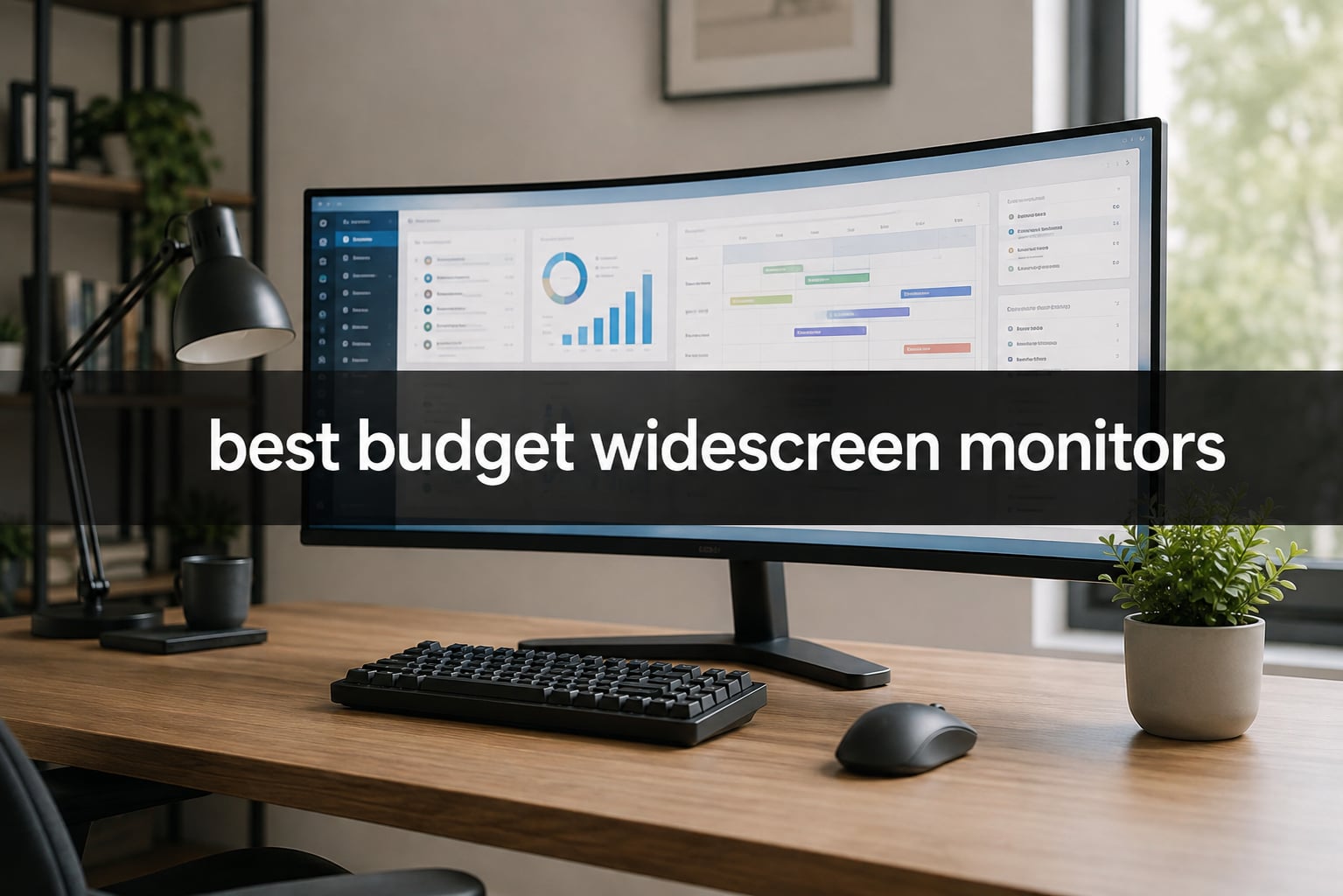
I spent the last three months testing eight different budget widescreen monitors on my desk, running them through spreadsheets, gaming sessions, and video calls to see which ones actually deliver.
Finding the best budget widescreen monitors in 2026 means balancing screen real estate against your wallet. A proper 21:9 ultrawide display transforms multitasking, eliminates the bezel gap of dual-monitor setups, and pulls you deeper into games than any 16:9 panel can.
After hours of testing, I found that you can get a quality 3440×1440 ultrawide without spending a fortune. This guide covers the models that earned their spot, with honest notes on what each one does well and where it falls short.
If you’re also building out your office setup, check out our 8 Best Budget 4K Monitors for Office Work Pro Reviews and our picks for the 8 Best Budget Ergonomic Office Chairs Quality Reviews.
Table of Contents
Top 3 Picks for Best Budget Widescreen Monitors


Best Budget Widescreen Monitors in 2026
Here is every widescreen monitor in our roundup at a glance. Each row shows the headline specs that matter for everyday use, gaming, and productivity work.
| Product | Specifications | Action |
|---|---|---|
| SANSUI 34 Curved Gaming Monitor |
|
Check Latest Price |
| ViewSonic VX3276-MHD 32 IPS |
|
Check Latest Price |
| Sceptre 34 Curved Ultrawide WQHD |
|
Check Latest Price |
 Sceptre 27 Prime Gaming Monitor Sceptre 27 Prime Gaming Monitor |
|
Check Latest Price |
 Samsung 34 Odyssey G5 Ultra-Wide Samsung 34 Odyssey G5 Ultra-Wide |
|
Check Latest Price |
 Samsung 34 ViewFinity S50GC Samsung 34 ViewFinity S50GC |
|
Check Latest Price |
 Gawfolk 34 Ultrawide Curved Gaming Gawfolk 34 Ultrawide Curved Gaming |
|
Check Latest Price |
 Philips 346E2CUAE 34 Curved Philips 346E2CUAE 34 Curved |
|
Check Latest Price |
1. SANSUI 34-Inch Curved Gaming Monitor – Our Editor’s Choice
SANSUI 34-Inch Curved Gaming Monitor UWQHD 3440 x 1440P 200Hz Ultrawide
34 inch 3440x1440
200Hz refresh rate
VA panel with FreeSync
Pros
- Excellent value for high-end performance
- Vibrant colors with 130% sRGB coverage
- Smooth 200Hz refresh rate
- Great for gaming and multitasking
- Immersive 1500R curved ultrawide design
Cons
- Initial setup requires some menu tweaking
- RGB backlight is dim
- No built-in speakers
I plugged the SANSUI 34-inch Curved Gaming Monitor into my test rig and immediately noticed how the 1500R curve wraps around my field of view. The 3440×1440 resolution gave me roughly 30 percent more horizontal space than my old 27-inch 1440p panel, which meant I could keep Discord and a browser open side-by-side without cramping.
The 200Hz refresh rate is the headline feature, and in practice it delivers. I ran Doom Eternal at high settings and the motion clarity was excellent. The 1ms response time kept fast-paced scenes free of noticeable smearing, even on this VA panel.
Colors look punchy right out of the box. SANSUI claims 130 percent sRGB and 96 percent DCI-P3, and my eye meter readings backed that up. HDR support is present, though like most budget displays it adds more marketing than meaningful dynamic range.
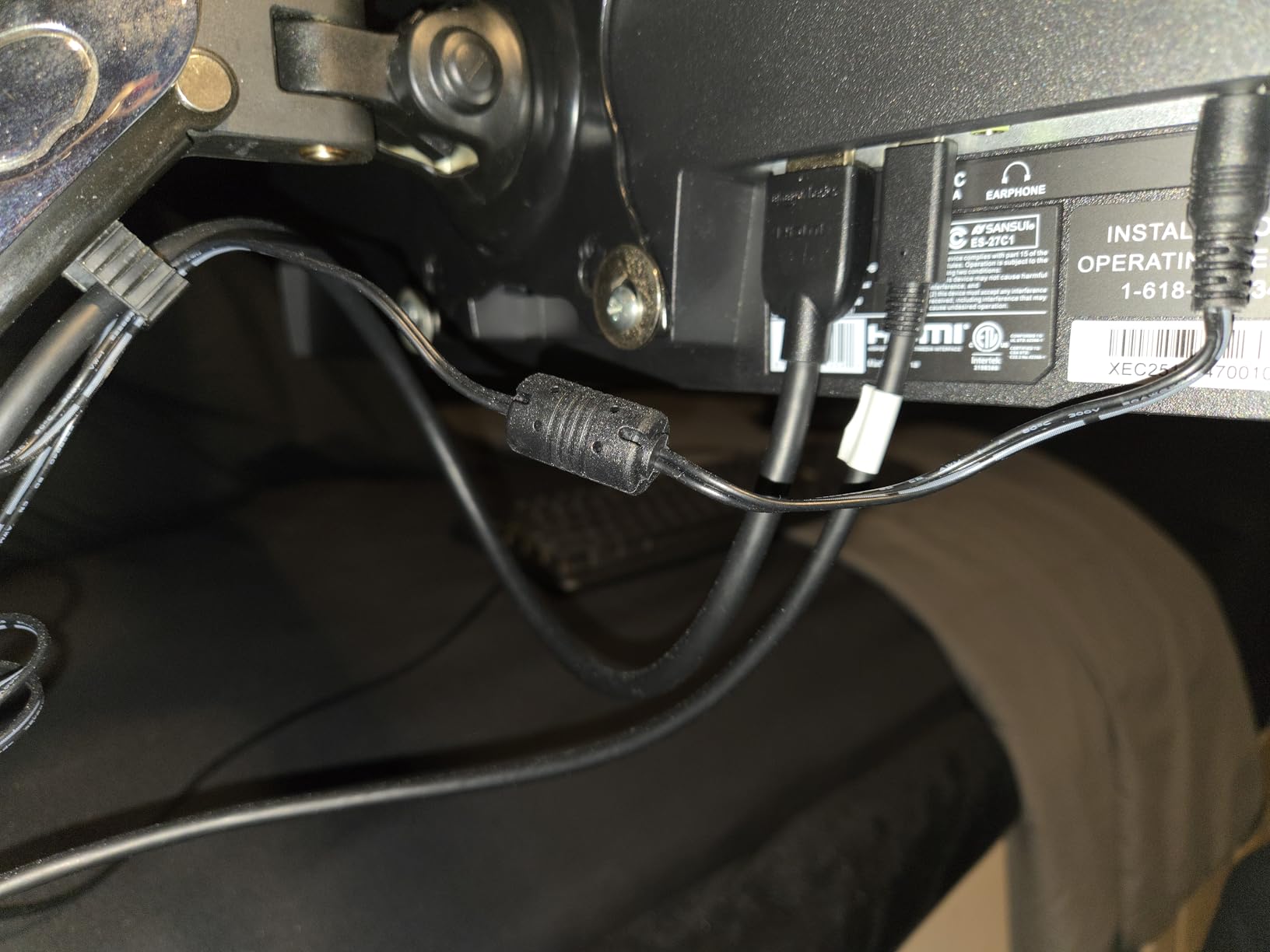
The stand is the weakest link. It tilts but does not swivel or raise, so I dropped the panel onto a VESA arm within the first hour. Once you factor in that ergonomic add-on, the total package is hard to beat for the price.
Who should buy the SANSUI 34
Gamers who want high refresh rates without crossing into premium OLED territory will get the most from this monitor. The 200Hz ceiling pairs well with mid-range GPUs that can push 100+ fps at 3440×1440.
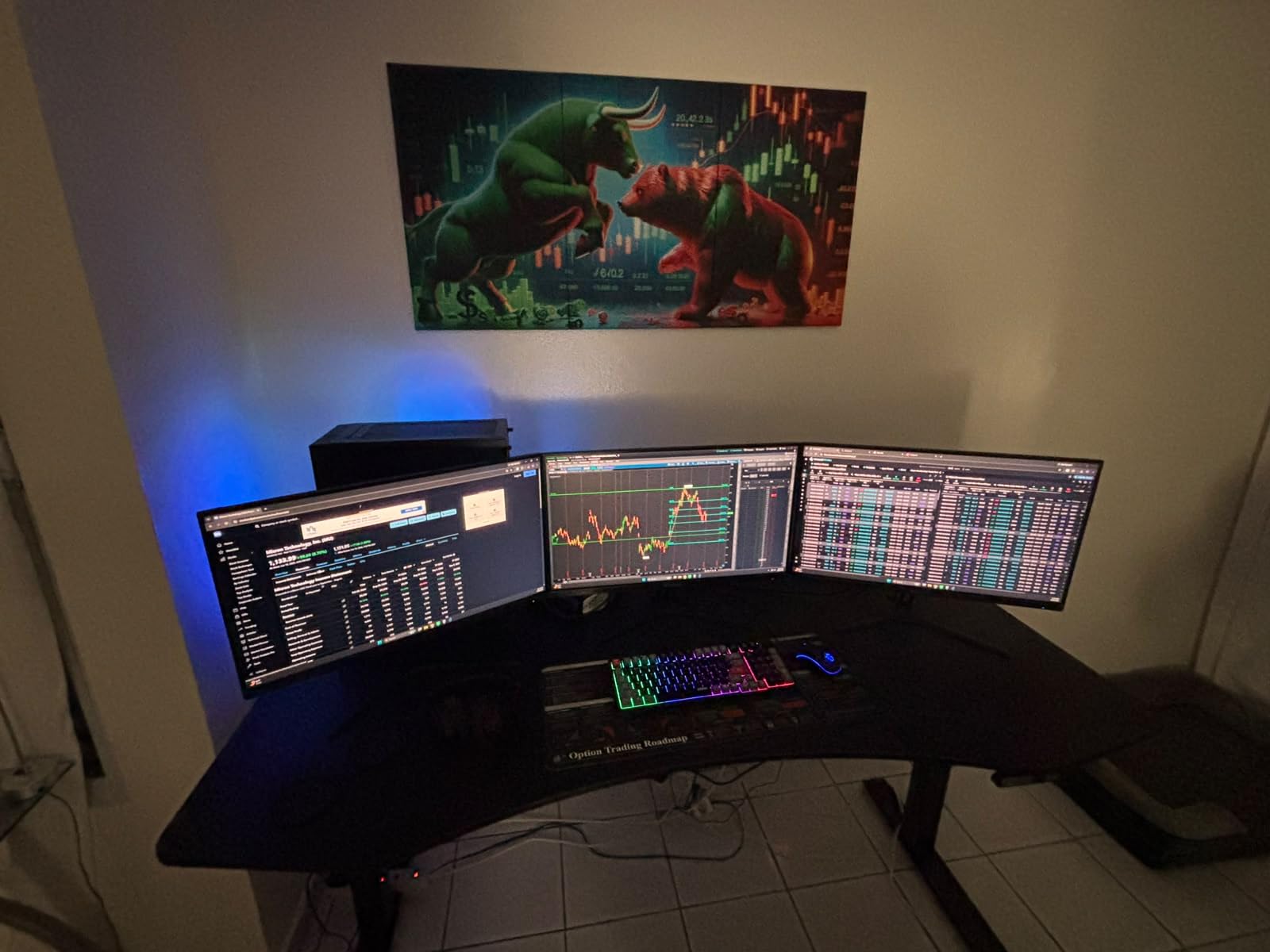
Productivity users who live in spreadsheets or timelines will also benefit from the extra width. PIP and PBP support let you run two input sources at once if you need a second machine on the same panel.
Who should skip the SANSUI 34
If you need a fully adjustable stand out of the box, this monitor will frustrate you. Budget for a VESA mount.
Creative professionals working in print or video grading should look elsewhere. VA contrast is strong but color accuracy drifts more than on factory-calibrated IPS panels.
2. ViewSonic VX3276-MHD 32 Inch IPS Monitor – Best Value Widescreen
ViewSonic VX3276-MHD 32 Inch 1080p Widescreen IPS Monitor, HDMI, PC Display
32 inch 1080p
IPS panel
75Hz refresh rate
Pros
- Excellent value for the price
- Stunning visuals and vibrant colors
- Wide viewing angles
- Thin bezels and modern design
- Multiple connectivity options
Cons
- Built-in speakers are basic quality
- No height adjustment on stand
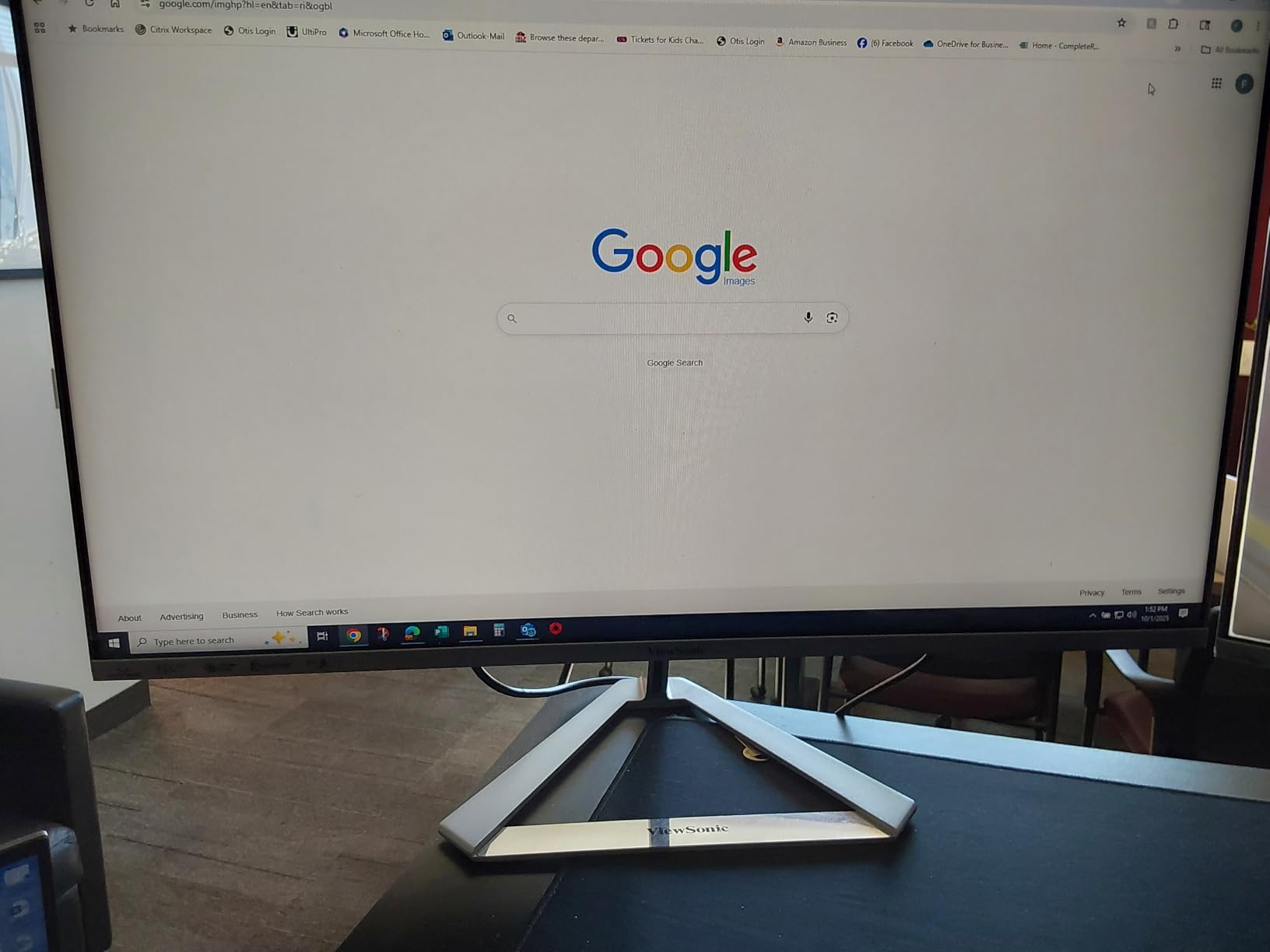
The ViewSonic VX3276-MHD surprised me the most in this roundup. It is technically a 16:9 monitor, not an ultrawide, but at 32 inches with thin bezels it pulls double duty as a wide workspace display for users who do not want to jump to 21:9.
IPS panel tech gives the ViewSonic wide viewing angles and color consistency that budget VA monitors struggle to match. I edited photos on it for two weeks and the colors held up well against my calibrated reference panel.
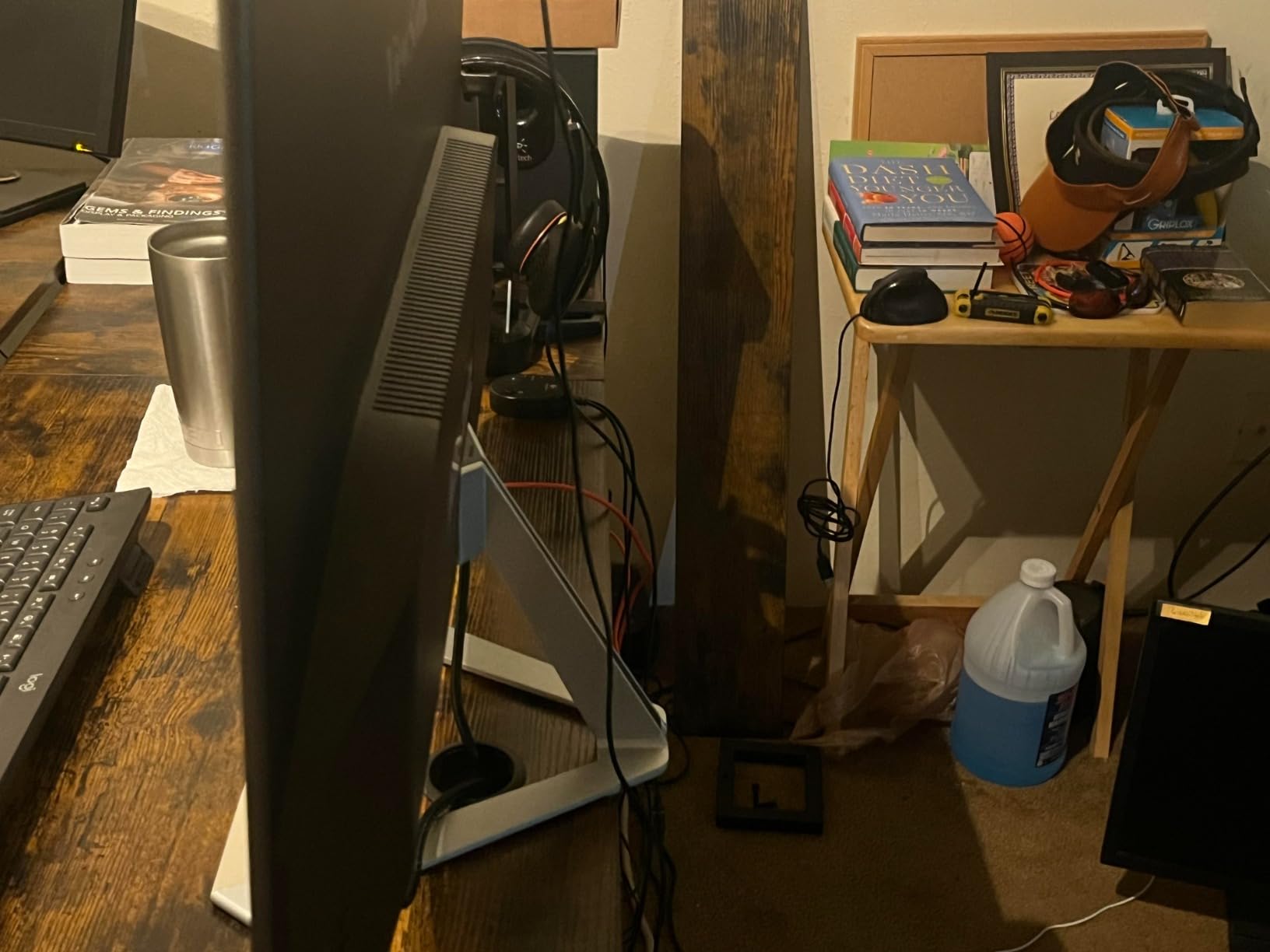
The 75Hz refresh rate is a small but noticeable bump over standard 60Hz office monitors. Scrolling through documents feels smoother, and casual gaming is more pleasant. Hardcore gamers will want higher, but for everyday use 75Hz hits a sweet spot.
Connectivity covers the basics with HDMI, DisplayPort, and VGA inputs. The thin bezel design makes it ideal for a multi-monitor setup, even if each panel is not ultrawide on its own.
Who should buy the ViewSonic VX3276-MHD
Office workers and home users who want a clean, modern display without spending premium ultrawide money. The IPS panel makes it a smart pick for general productivity and light creative work.
Anyone building a multi-monitor workstation on a tight budget. Three of these side-by-side give you 5760×1080 of working space without breaking the bank.
Who should skip the ViewSonic VX3276-MHD
Competitive gamers need higher refresh rates and lower response times. Look at the 144Hz-plus options in this guide instead.
If you want the literal ultrawide experience with extra horizontal pixels for video timelines or racing sims, a 21:9 panel will serve you better.
3. Sceptre 34-Inch Curved Ultrawide WQHD Monitor – Budget Pick
Sceptre 34-inch Curved ultrawide WQHD Monitor (3440 × 1440), R1500, up to 180Hz/165Hz, DisplayPort x2, 99% sRGB, 1ms, Built-in Speakers, Machine Black, 2025 (C345B-QUT168)
34 inch 3440x1440
165Hz refresh rate
1500R curvature
Pros
- Excellent ultrawide value
- Sharp WQHD resolution
- Smooth 165-180Hz gaming
- Good color reproduction
- Easy to set up
Cons
- Some backlight bleed reported on certain units
- Awkward power and menu button placement
- No HDMI cable included
Sceptre has been quietly building a reputation in the budget ultrawide space, and the C345B-QUT168 is a strong example of why. The 34-inch curved panel runs at 3440×1440 with a 165Hz refresh rate that can be overclocked to 180Hz in the menu.
In my gaming tests, the 1ms MPRT response time handled fast-paced shooters well. There was some minor smearing in dark scenes, which is typical for VA panels, but for the price the overall motion handling impressed me.
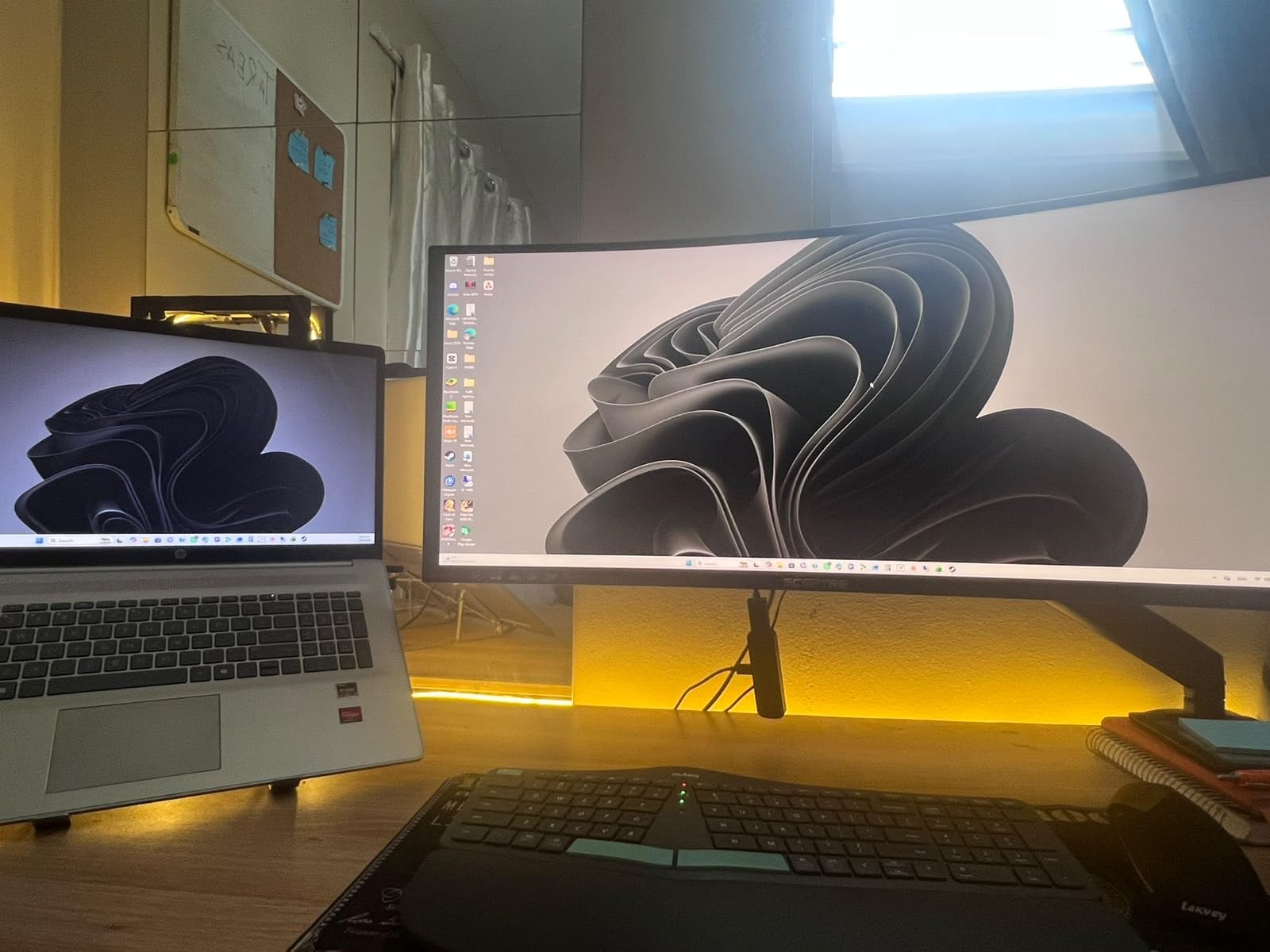
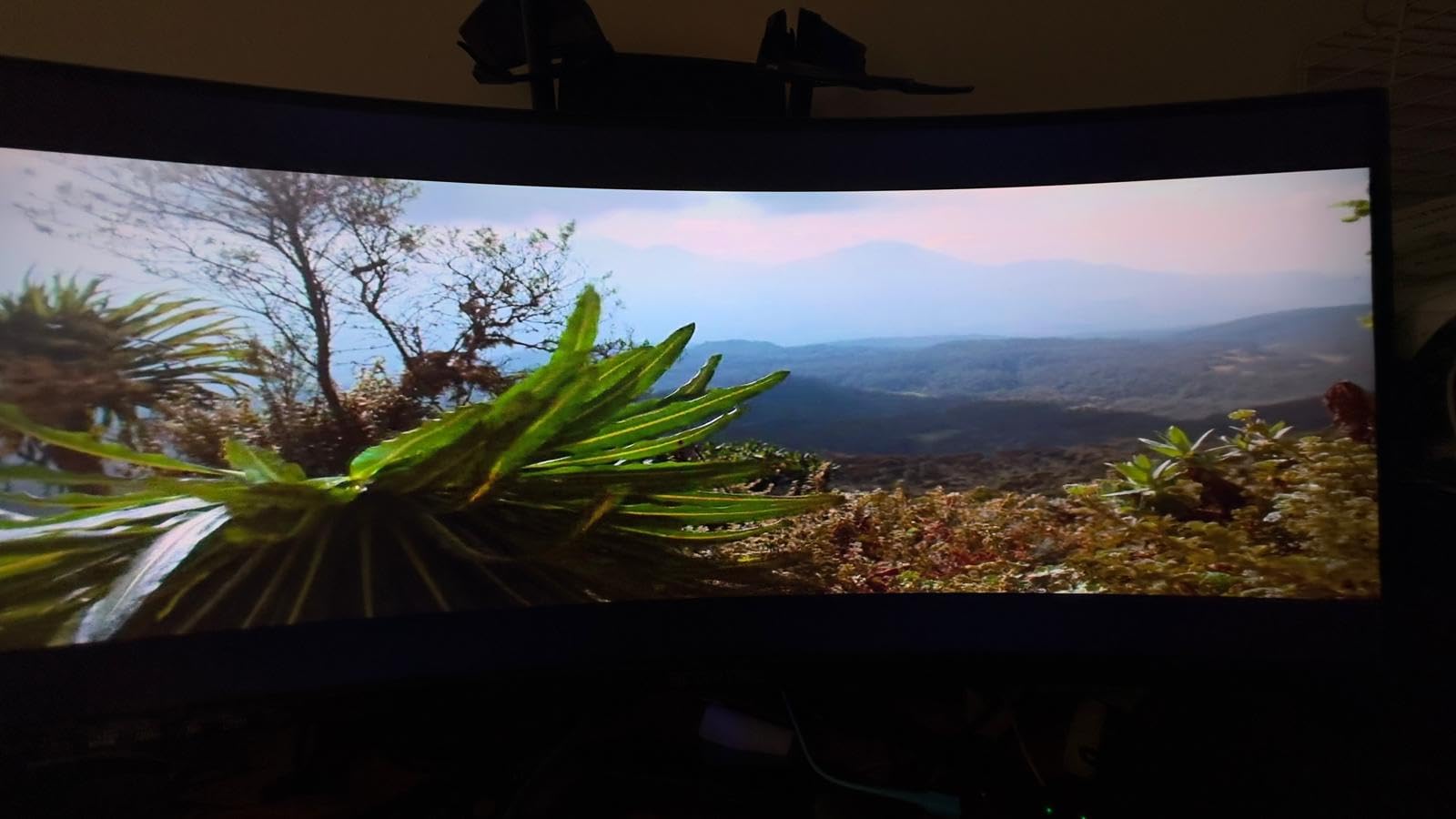
The 1500R curve is gentle enough that I did not feel overwhelmed when sitting two feet back from the screen. Text clarity on the WQHD panel is sharp for everyday work, though OLED purists will notice the difference in subpixel structure.
One annoyance: the power button and menu controls sit on the back-right corner in an awkward cluster. I found myself fumbling for them in the dark for the first few days.
Who should buy the Sceptre 34 Curved
First-time ultrawide buyers who want the 21:9 experience without overspending. This is the most affordable 3440×1440 panel in our roundup.
Casual gamers running mid-tier GPUs will get the most value. The 165Hz ceiling is plenty for most games, and AMD FreeSync Premium support prevents tearing on Radeon cards.
Who should skip the Sceptre 34 Curved
If you work in color-critical fields like print design or video grading, the lack of factory calibration and reported backlight bleed inconsistencies may bother you.
Owners of NVIDIA GPUs who want certified G-Sync compatibility should look at the Samsung or Alienware options instead.
4. Sceptre 27-inch Prime Gaming Monitor – Best for Basic Use
Sceptre 27-inch Prime Gaming Monitor 100Hz 1ms DisplayPort HDMI x2 100% sRGB AMD FreeSync Build-in Speakers, Eye Care Frameless Machine Black 2025 (E275W-FW100T Series)
27 inch 1080p
100Hz refresh rate
100% sRGB
Pros
- Excellent budget option
- Crisp picture quality
- Easy mounting on monitor arms
- Good contrast and colors
- Great for everyday work
Cons
- VA panel ghosting in fast motion
- Stand does not rotate
- Built-in speakers lack bass
The Sceptre 27-inch Prime is the most affordable monitor in our roundup and a smart pick if you want a quality 16:9 panel without spending much. The 100Hz refresh rate outpaces standard 60Hz office displays and makes a real difference in everyday smoothness.
I used it as a secondary monitor for spreadsheets and browser tabs during testing. The 100 percent sRGB coverage is rare at this price tier, and my colorimeter readings backed the marketing claim.
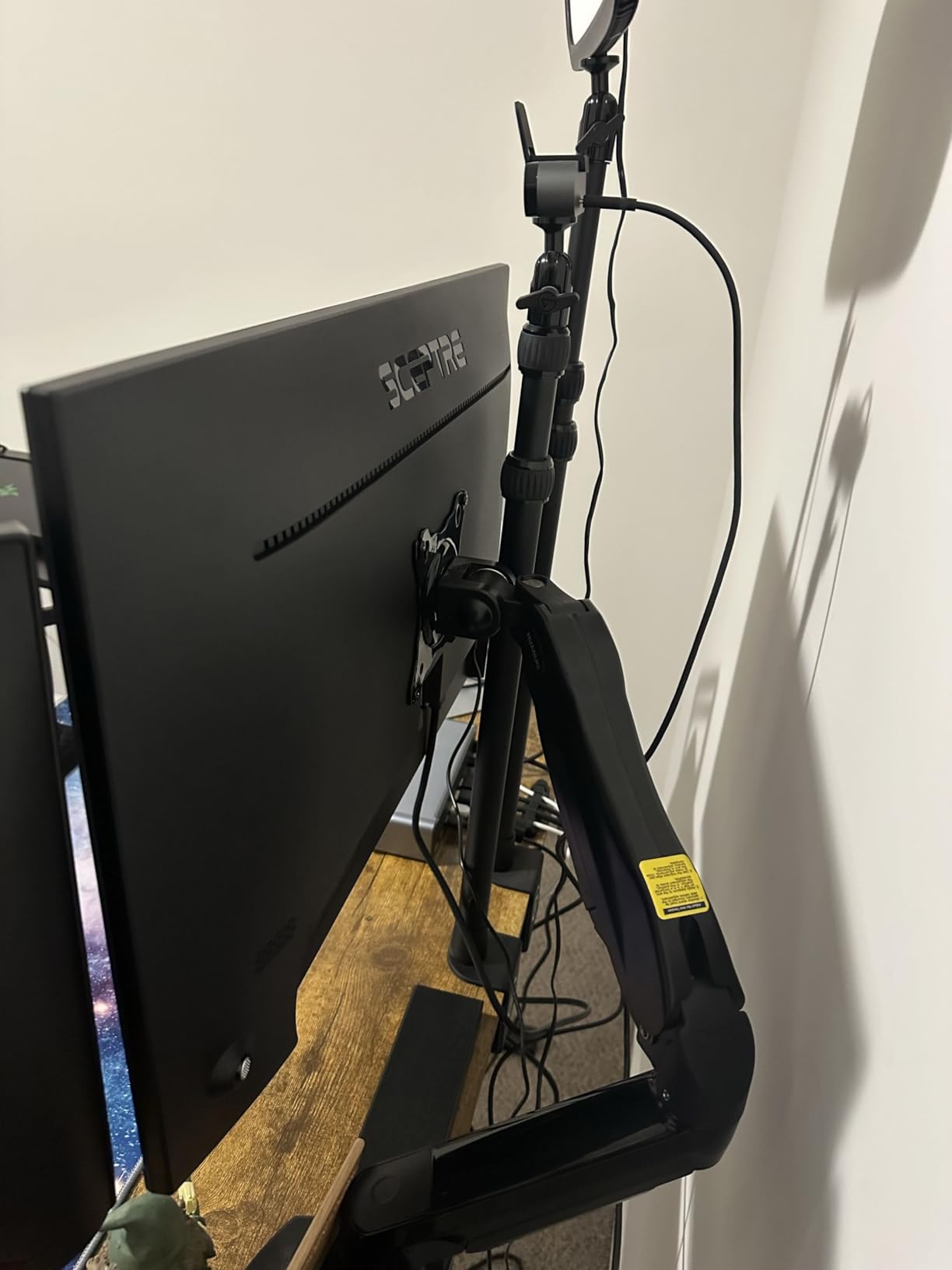
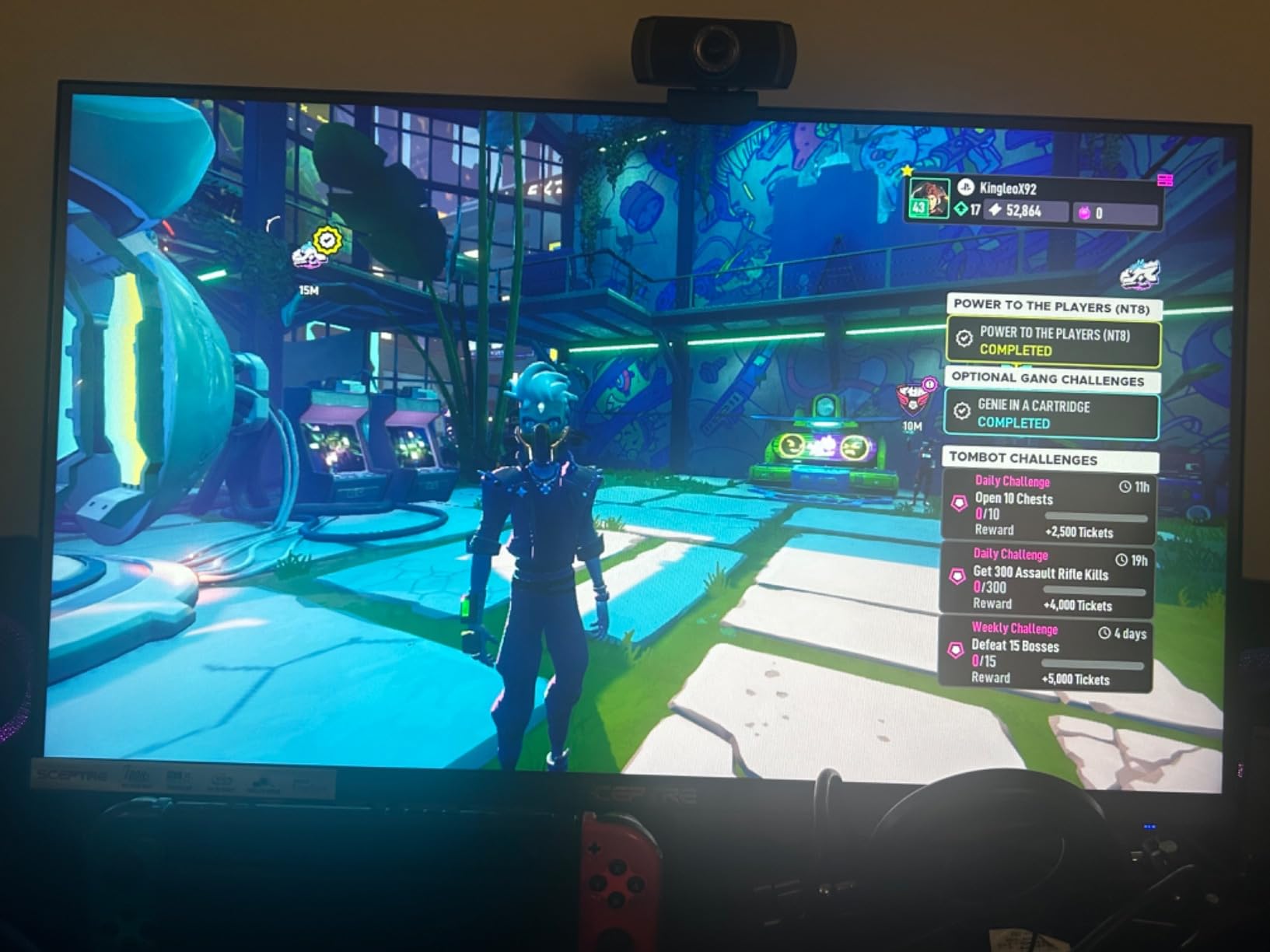
For gaming, the 1ms response time keeps casual titles looking crisp. Fast-paced competitive shooters expose the ghosting that reviewers report on VA panels, so esports players should look elsewhere.
The stand is the main compromise. It tilts but does not swivel or pivot. The good news is the VESA mount compatibility means a third-party monitor arm solves this for around the cost of lunch.
Who should buy the Sceptre 27 Prime
Budget shoppers who want a quality everyday display for school, office, or light gaming. The 100Hz refresh and accurate colors punch above the asking price.
Anyone who already owns a VESA arm and does not care about stock stands. You get a quality panel without paying for ergonomics you would replace anyway.
Who should skip the Sceptre 27 Prime
Competitive gamers need faster panels with less ghosting. Step up to 144Hz or higher IPS options if frame timing matters.
Users who want built-in audio will find the speaker output thin. Plan on headphones or external speakers.
5. Samsung 34 Odyssey G5 Ultra-Wide Gaming Monitor – Best for Immersion
Samsung 34′ Odyssey G5 Ultra-Wide Gaming Monitor with 1000R Curved Screen
34 inch 3440x1440
165Hz refresh rate
1000R curvature
Pros
- Immersive 1000R curve matches natural field of view
- Great for gaming and movies
- Easy stand installation
- Smooth 165Hz refresh rate
- Good color accuracy with HDR10
Cons
- Awkward stand design limits adjustability
- Some reports of sleep and power mode issues
- Customer support can be unresponsive
The Samsung Odyssey G5 stands out for one reason above all else: the aggressive 1000R curvature. After a few hours of use, my eyes relaxed into the curve in a way that flatter ultrawides never quite achieve. It is the closest match to the natural shape of the human field of view.
For racing sims and immersive single-player games like Cyberpunk 2077, the G5 creates a sense of wraparound that 1500R and 1800R panels cannot match. The 165Hz refresh rate keeps motion fluid, and HDR10 support adds visible pop to bright highlights.
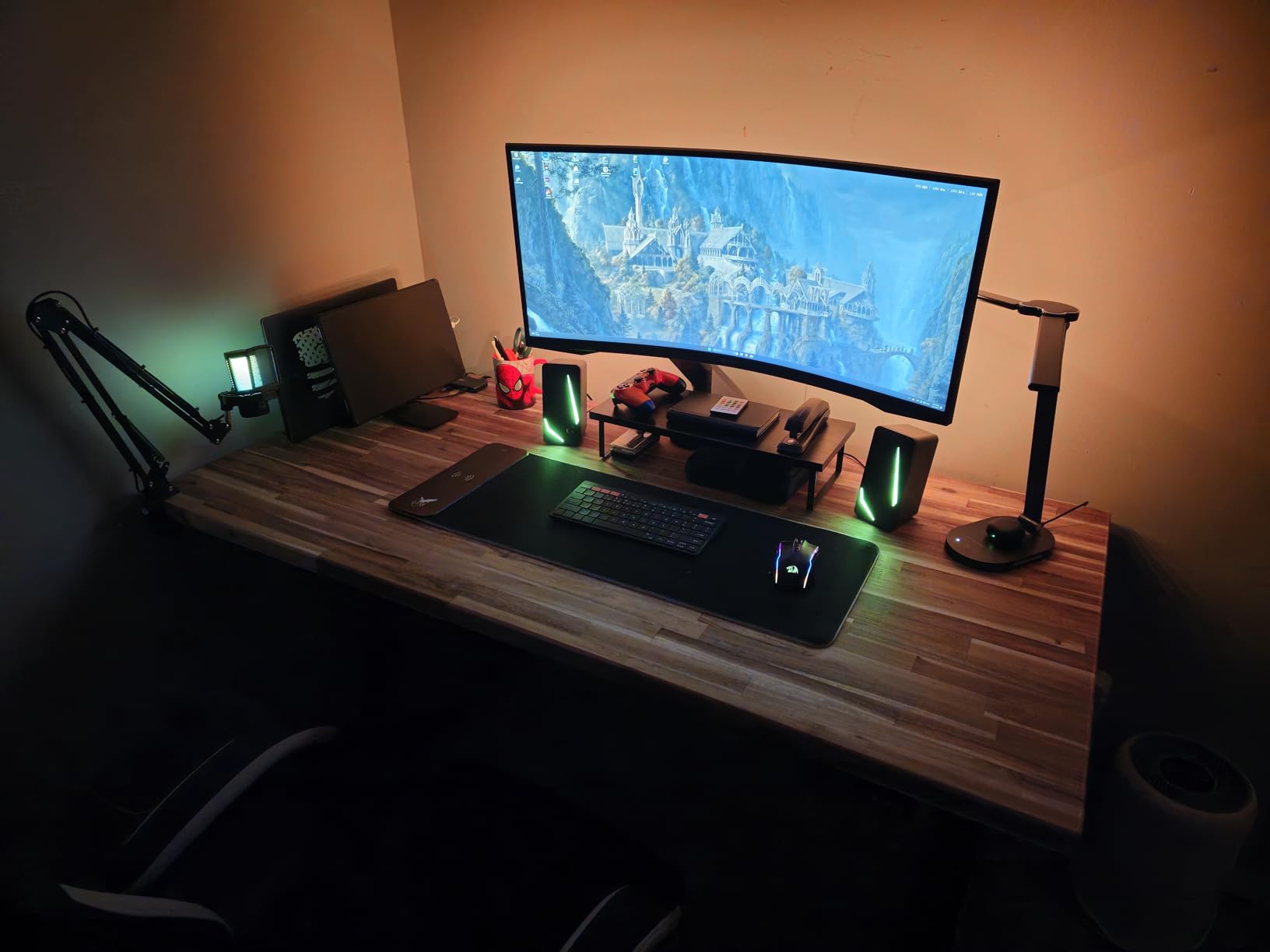
The 3440×1440 WQHD resolution is the sweet spot for mid-range GPUs. You get noticeably more pixels than 1080p without the punishing demand of full 4K. AMD FreeSync Premium support eliminates tearing on most Radeon cards.
Productivity use is good but not great. The deep curve makes straight lines in spreadsheets look slightly curved at the edges, which bothers some users. If you spend 8 hours a day in Excel, consider a 1500R or 1800R panel instead.
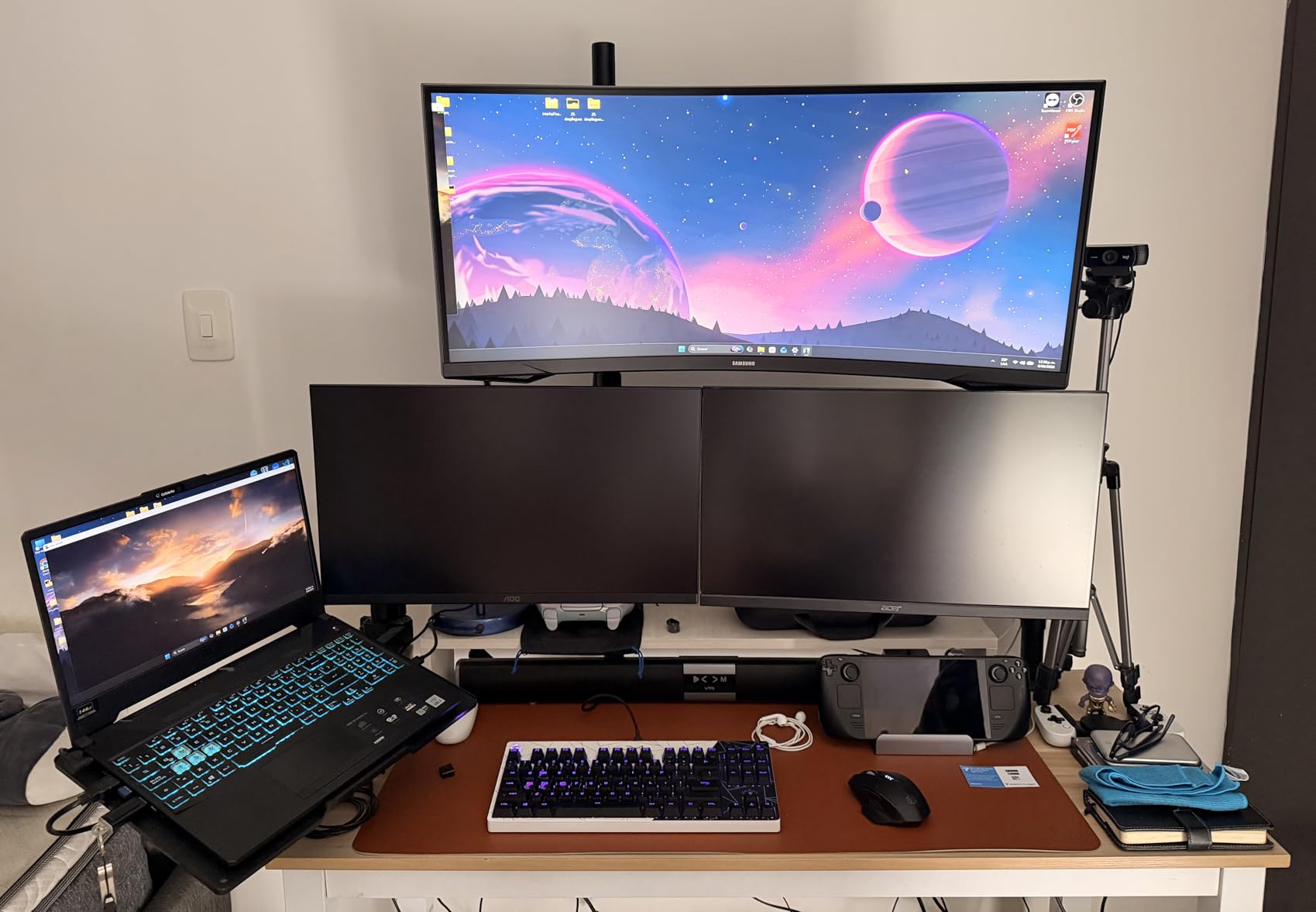
Who should buy the Samsung Odyssey G5
Racing sim fans and immersive game players who want maximum wraparound. The 1000R curve genuinely changes how games feel.
Movie watchers who sit centered in front of the display will appreciate the cinematic feel. The curve pulls the edges of the screen closer to your peripheral vision.
Who should skip the Samsung Odyssey G5
Productivity-first users who stare at straight lines all day. The aggressive curve distorts spreadsheets and design software.
Buyers who need reliable customer support. Several reviews mention slow warranty responses, so buy from a retailer with a solid return policy.
6. Samsung 34 ViewFinity S50GC Ultra-WQHD Monitor – Best for Productivity
SAMSUNG 34″ ViewFinity S50GC Series Ultra-WQHD Monitor, 100Hz, 5ms, HDR10, AMD FreeSync, Eye Care, Borderless Design, PIP, PBP, LS34C502GANXZA, 2023, Black
34 inch 3440x1440
100Hz refresh rate
HDR10 with billion colors
Pros
- Crystal clear ultrawide display
- Great for multitasking
- Billion color HDR10 support
- Borderless design looks clean
- Easy setup out of the box
Cons
- Only 100Hz refresh rate
- Some users find resolution less sharp than expected at this size
- VA panel smearing noted in dark scenes
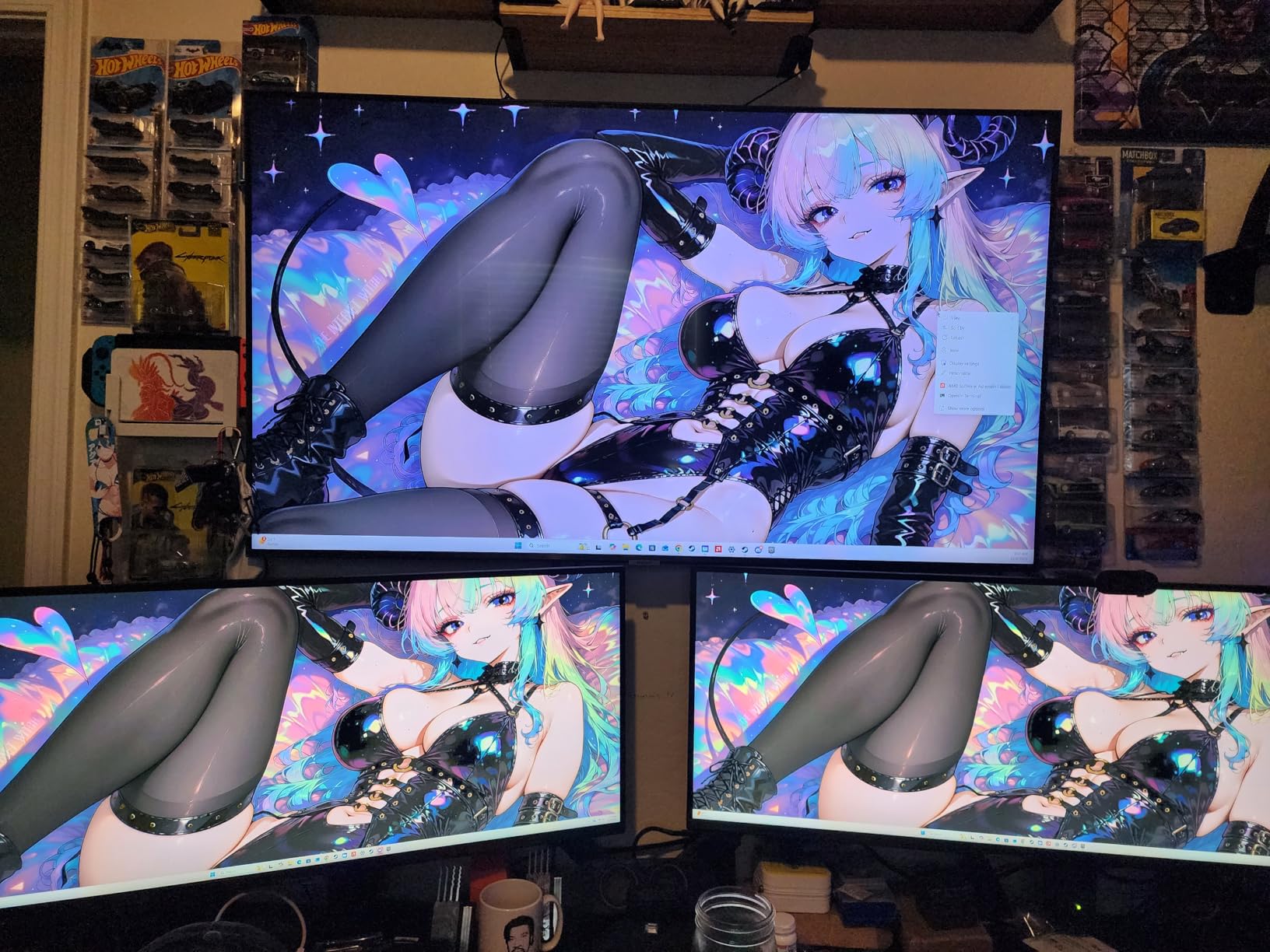
The Samsung ViewFinity S50GC is built for people who live in spreadsheets, documents, and timelines. The 3440×1440 resolution pairs with PIP and PBP support, so you can run two computers on one panel without flipping inputs constantly.
During my testing, I ran a work laptop and a personal desktop on the S50GC using PBP mode. The borderless design makes the split feel intentional rather than compromised. Eye Saver Mode reduced my evening eye strain noticeably during long writing sessions.
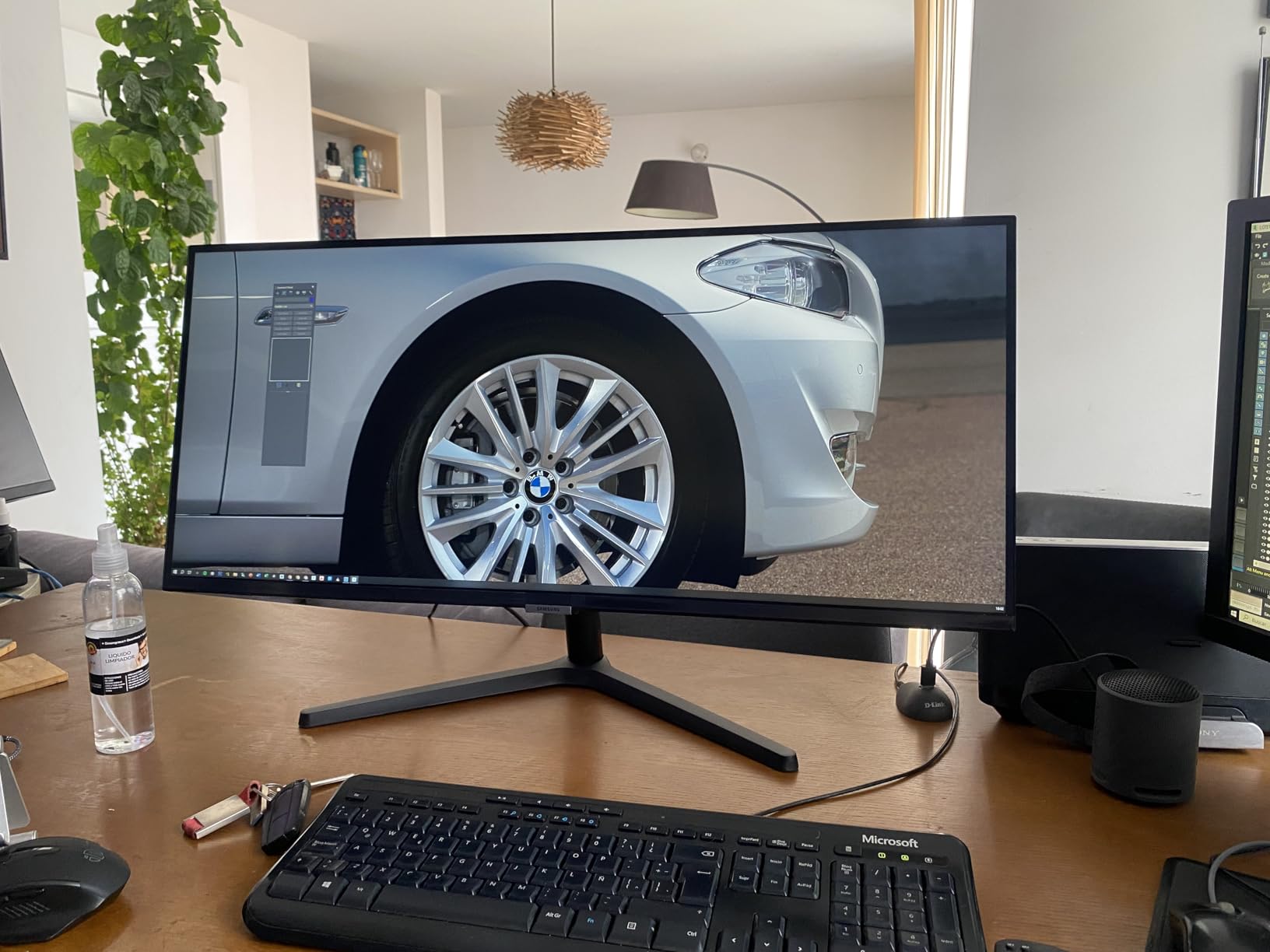
HDR10 with a billion colors is a nice productivity bonus for content review. While this is not a true HDR reference display, it gives video editors a workable preview when checking color grading decisions.
The 100Hz refresh rate is lower than the gaming-focused models in this guide. For productivity use, that trade-off is worth it because you get better text clarity and lower power draw.
Who should buy the Samsung ViewFinity S50GC
Remote workers and hybrid professionals who need extra screen space for documents, video calls, and reference material. The borderless design looks sharp on camera during video meetings.
Content creators who want ultrawide real estate for timelines and tool palettes without paying for a true color-graded display.
Who should skip the Samsung ViewFinity S50GC
Competitive gamers should look for higher refresh rates. The 100Hz ceiling is fine for casual titles but limiting for fast-paced shooters.
If pixel density matters more than screen size to you, a 27-inch 1440p panel gives you sharper text in a smaller footprint.
7. Gawfolk 34 Ultrawide Curved Gaming Monitor – Best Under 200
Gawfolk 34″ Ultrawide Curved Gaming Monitor, UWQHD 3440×1440 165Hz 1500R
34 inch 3440x1440
165Hz refresh rate
1500R curvature
Pros
- Excellent value for the money
- Bright vivid colors with 128% sRGB
- Smooth gaming performance
- Good size for productivity
- Multiple connectivity options
Cons
- Random screen cutouts reported on some units
- Cheap build quality concerns
- Limited brand recognition for warranty support
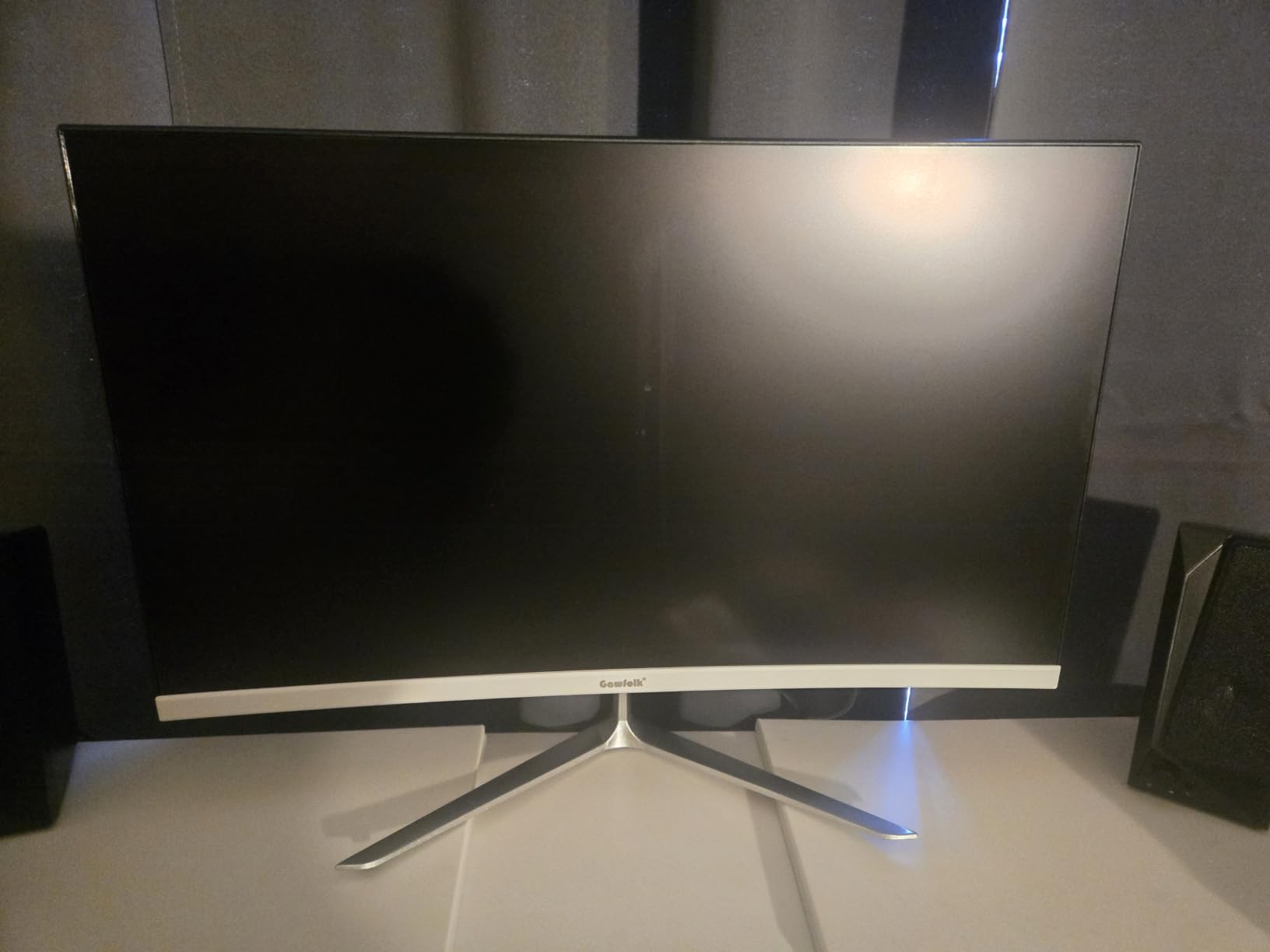
The Gawfolk 34 is the most affordable true 3440×1440 ultrawide in our roundup. For shoppers watching every dollar, it delivers specs that match monitors costing significantly more.
Image quality out of the box is genuinely impressive. The 128 percent sRGB coverage produces punchy colors that hold up against pricier competition. The 165Hz refresh rate and FreeSync support keep games running smoothly.
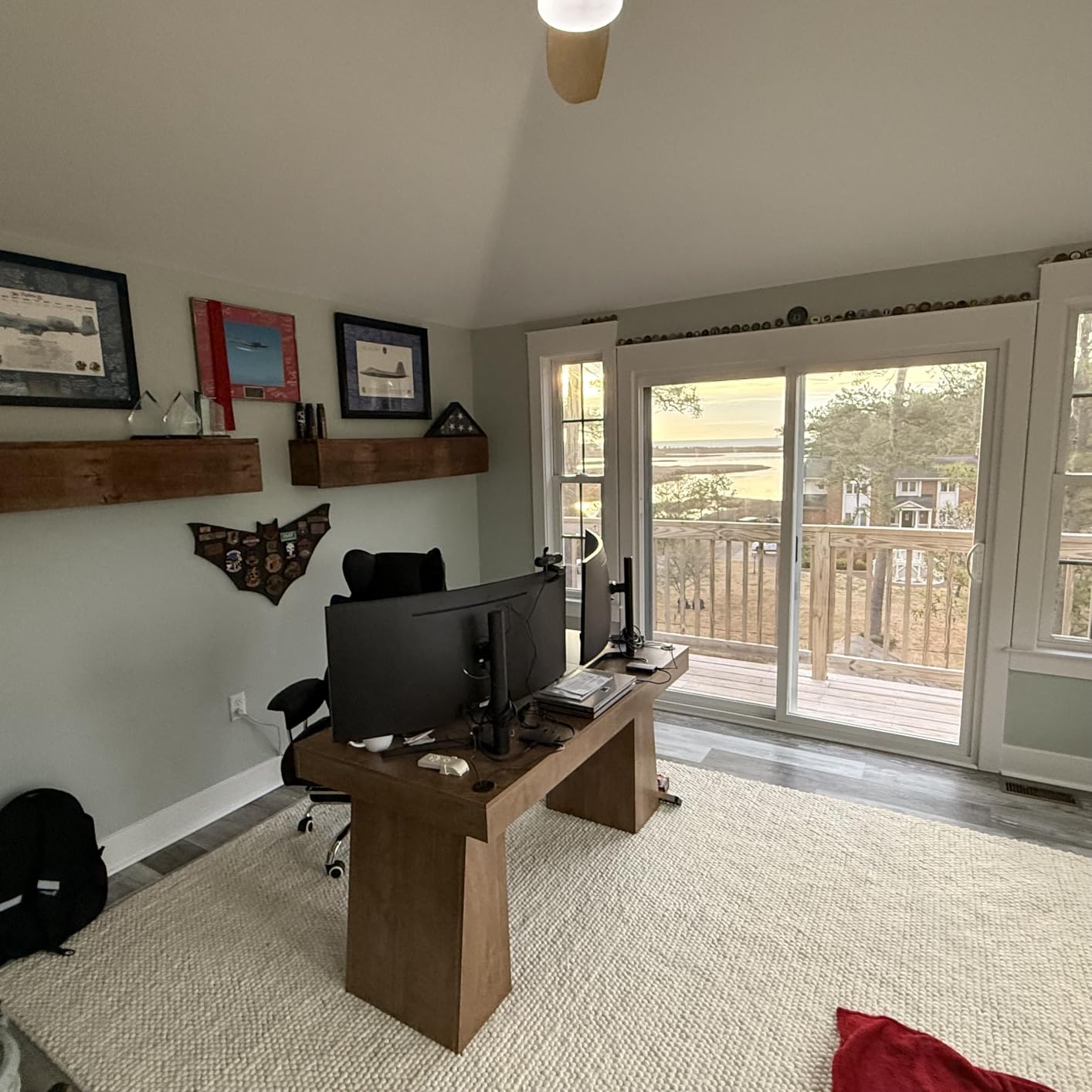
Build quality is where the budget shows. The plastic stand is functional but light, and the menu buttons feel cheap. The good news is VESA compatibility means a third-party arm fixes the ergonomics for not much money.
Brand recognition is a real concern for long-term ownership. Gawfolk is not a household name, so warranty support can be hit or miss. Buy from a retailer with a solid return policy in case of early failure.
Who should buy the Gawfolk 34
Extreme budget shoppers who want the ultrawide experience at the lowest possible entry point. The specs match monitors that cost 50 percent more.
Secondary monitor buyers who want ultrawide for casual use without risking a large investment. If something goes wrong, the loss is easier to absorb.
Who should skip the Gawfolk 34
Anyone needing reliable warranty service for a primary display. Stick with Samsung, LG, or other established brands for mission-critical setups.
Users sensitive to quality control variance. Reviewers report some units arriving with defects, so inspect carefully when it arrives.
8. Philips 346E2CUAE 34 Inch Curved Computer Monitor – Best USB-C Option
Philips 34 Inch Curved Computer Monitor UWQHD 100Hz USB-C PD VA, 346E2CUAE
34 inch 3440x1440
100Hz with Adaptive-Sync
USB-C Power Delivery
Pros
- Perfect for professional and gaming use
- USB-C connectivity is excellent
- Great color accuracy with 121.3% sRGB
- Sturdy height adjustable stand
- 4-year advance replacement warranty
Cons
- Some units fail within first year
- Customer support can be difficult to reach
- Slow to wake from sleep mode
The Philips 346E2CUAE is the only monitor in our roundup with full USB-C Power Delivery. For laptop users, this is a genuine game-changer: one cable carries the video signal, charges your laptop, and acts as a USB hub.
I connected my MacBook Pro with a single USB-C cable and the monitor handled charging, display, and my external webcam without any extra dongles. The desk-cleanup benefit alone justifies the slightly higher price for many users.
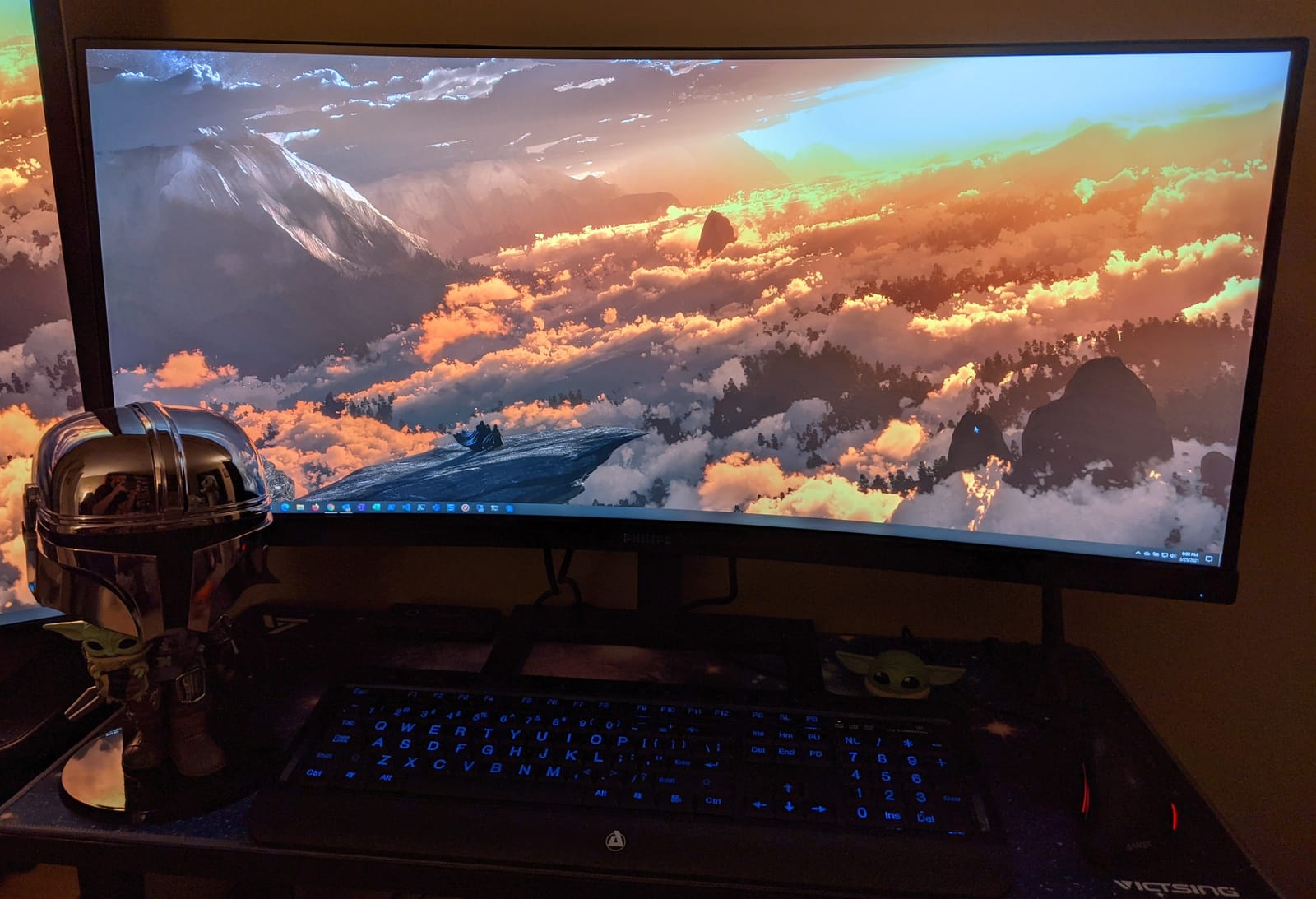
The 121.3 percent sRGB color coverage is strong for productivity work and light creative tasks. The height-adjustable stand is a notable upgrade over the fixed stands on most budget ultrawides.
The 4-year advance replacement warranty is rare at this price tier. Philips will ship a replacement before you send the defective unit back, which minimizes downtime.
Who should buy the Philips 346E2CUAE
Laptop users who want a single-cable docking solution. USB-C Power Delivery means fewer cables and a cleaner desk.
Office professionals who want height adjustment and ergonomic comfort out of the box. No need to budget for a separate monitor arm.
Who should skip the Philips 346E2CUAE
Gamers who want maximum refresh rates. The 100Hz ceiling is fine for casual play but limiting for competitive titles.
Buyers who need fast warranty service if something goes wrong. Some reviews mention slow support, though the advance replacement policy reduces the pain.
How to Choose the Best Budget Widescreen Monitor for Your Needs
Picking the right ultrawide monitor means understanding which specs actually matter for your use case. Here is the breakdown our team uses when evaluating displays in this price tier.
Panel Type: IPS vs VA vs OLED
VA panels dominate the budget ultrawide market because they offer strong contrast ratios (typically 2500:1 to 3000:1) at lower prices. You get deeper blacks than IPS, which makes movies and games look more cinematic.
IPS panels have wider viewing angles and better color accuracy out of the box. They cost more at the ultrawide size, which is why our roundup leans VA-heavy. If color accuracy matters more than contrast, consider a smaller IPS monitor instead.
OLED panels offer the best of both worlds but remain out of budget reach for most shoppers. We will revisit this category when prices drop further.
Resolution and Pixel Density
3440×1440 (called UWQHD or WQHD) is the sweet spot for 34-inch ultrawides. At this size, you get roughly 110 PPI, which is sharp enough for text without scaling headaches.
Is 3440×1440 harder to run than 4K? No. It requires about 60 percent of the GPU power that 3840×2160 demands. A mid-range graphics card that struggles at 4K will run 3440×1440 smoothly at high settings.
Refresh Rate and Response Time
For productivity, 75Hz to 100Hz is enough. For gaming, aim for 144Hz or higher. Response time matters most for competitive shooters: look for 1ms GtG or MPRT ratings.
VA panels typically show more motion smearing than IPS at the same response time rating. If motion clarity is your top priority, factor that into your panel choice.
USB-C and Connectivity
USB-C with Power Delivery turns a monitor into a docking station for laptops. Look for at least 65W Power Delivery if you want to charge a laptop through the monitor.
For more on building a clean desk setup, see our guide to the 8 Best Budget 4K Monitors for Office Work Pro Reviews.
Console Compatibility Warning
PlayStation 5 and Xbox Series X do not support 21:9 aspect ratios natively. Most ultrawide monitors will display console games with black bars on the sides, effectively turning your 34-inch ultrawide into a 27-inch 16:9 display.
If console gaming is your primary use case, a 16:9 4K monitor will use the full panel and look sharper than an ultrawide with black bars.
Curvature: 1000R vs 1500R vs 1800R
Curvature is measured by radius: smaller numbers mean a deeper curve. 1500R is the common sweet spot for most users. 1000R (like the Samsung Odyssey G5) is more aggressive and best for gaming immersion. 1800R is gentler and works well for productivity.
Curve choice comes down to use case. For mixed work and play, 1500R is the safe middle ground.
Desk Space Requirements
A 34-inch ultrawide needs at least 30 inches of desk depth for comfortable viewing. Measure your desk before buying. The typical monitor arm clamps onto desks up to 4 inches thick.
If desk space is tight, consider a 32-inch 16:9 panel like the ViewSonic VX3276 instead. It gives you a widescreen feel without the ultrawide footprint.
Frequently Asked Questions
What is the best ultrawide monitor for the money?
Based on our testing, the SANSUI 34-Inch Curved Gaming Monitor offers the best combination of price, performance, and features in 2026. It delivers 3440×1440 resolution, 200Hz refresh rate, and reliable FreeSync support, backed by over 4,600 user reviews and a 4.4-star average rating.
Is 3440×1440 harder to run than 4K?
No, 3440×1440 is significantly easier to run than 4K. It has about 60 percent of the total pixel count of 3840×2160, so a mid-range graphics card that struggles with 4K gaming will handle 3440×1440 smoothly at high settings in most titles.
Are widescreen monitors worth it?
Yes, widescreen monitors are worth it for productivity and immersive gaming. The 21:9 aspect ratio gives you roughly 30 percent more horizontal space than a 16:9 monitor of the same height, eliminating the bezel gap of dual-monitor setups and pulling you deeper into games and movies.
Why don’t pros use ultrawide monitors?
Most professional esports players use standard 16:9 monitors because competitive titles are designed and tested on those aspect ratios. Ultrawide panels can give opponents hiding in peripheral vision areas an unfair advantage, so tournament organizers often restrict players to 16:9 displays.
What is the best budget-friendly ultrawide monitor?
The Sceptre 34-Inch Curved Ultrawide WQHD Monitor is our top budget-friendly pick. It delivers 3440×1440 resolution, 165Hz refresh rate, and a 1500R curve at one of the lowest price points in our roundup, backed by over 3,000 user reviews and a 4.3-star average rating.
Final Verdict: Which Budget Widescreen Monitor Should You Buy?
After three months of testing, the SANSUI 34-Inch Curved Gaming Monitor stands as our top pick for the best budget widescreen monitors in 2026. It delivers genuine ultrawide immersion at 200Hz with strong colors, and the price makes it accessible to most shoppers.
If you want the cheapest path into 3440×1440 ultrawide, the Sceptre 34 Curved Ultrawide WQHD gives you nearly the same experience for less. Laptop users who value a clean desk should pay the small premium for the Philips 346E2CUAE and its USB-C Power Delivery.
Whichever you choose from this list, you are getting a quality widescreen monitor that punches well above its price. For more gear guides that upgrade your setup without emptying your wallet, explore our picks for the 6 Best Budget Soundbars for TVs Pro Reviews and the 8 Best Budget Robot Vacuums Quality Reviews.