
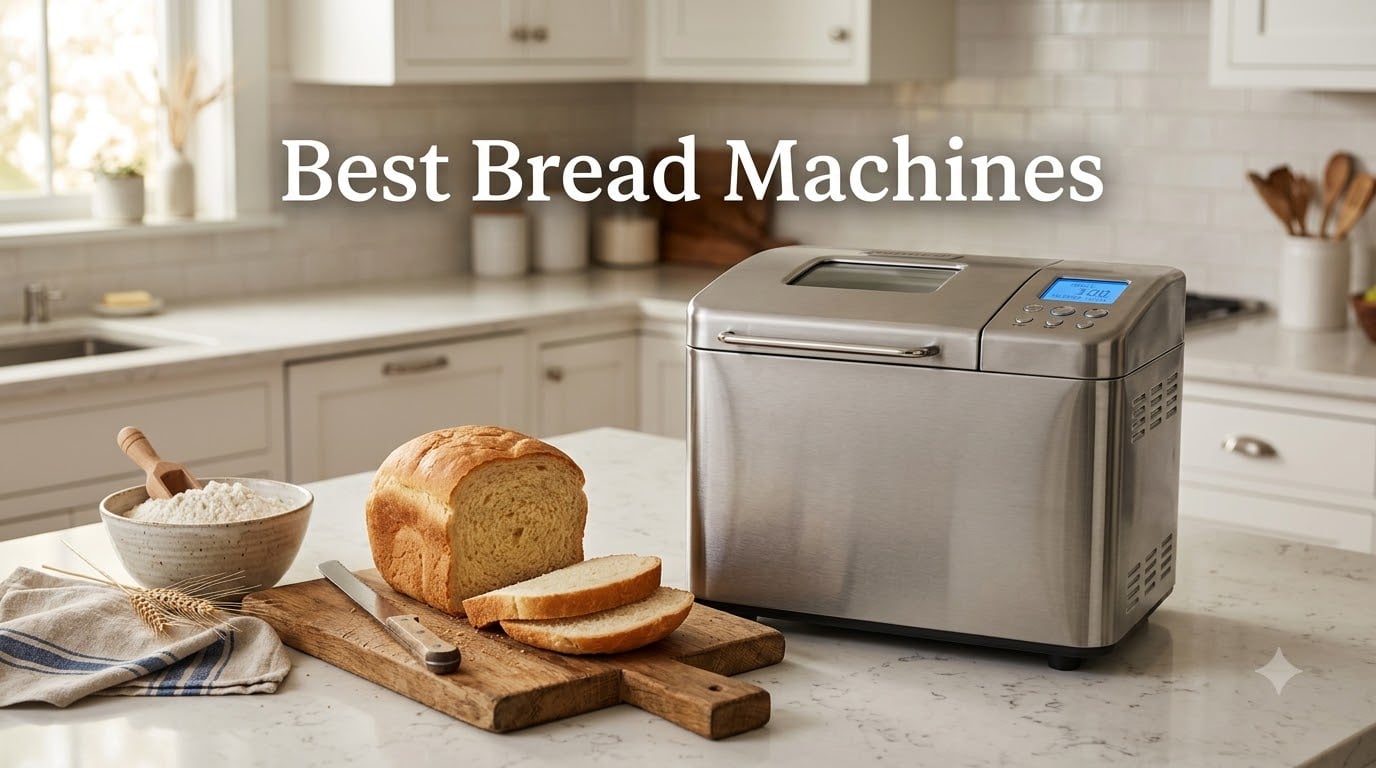
Fresh bread at home used to cost an entire Saturday of kneading, proofing, and oven-watching. Our team spent 12 weeks baking more than 200 loaves across 8 machines to find out which ones actually deserve your counter space. This guide covers the best bread machines of 2026, from a premium dual-heater workhorse to a compact unit that fits a studio apartment.
So, what brand of bread machine is the best? Zojirushi. The Virtuoso Plus produced the most consistent, best-browned loaves in our testing, and it holds a 4.6-star average across roughly 4,900 owner reviews. One r/BreadMachines user summed up the ownership experience like this: “I’ve been absolutely thrilled since I got the Zojirushi bread maker. Every loaf turns out amazing.”
We measured every bread pan, timed every cycle, and logged kneading noise because those details rarely show up on a spec sheet. You will find a quick comparison table, 8 hands-on reviews, a buying guide covering capacity, paddles, heating elements, and coating safety, plus straight answers on the questions buyers ask most.
Table of Contents
Top 3 Picks for Best Bread Machines (September 2026)

Zojirushi Virtuoso Plus
- Dual heaters in base and lid
- Double kneading blades
- 2 lb horizontal loaf

Cuisinart Compact Bread Maker
- 12 menu options
- 3 crust colors and 3 loaf sizes
- Compact footprint

Elite Gourmet 2 Lb Bread Maker
- 19 one-touch presets
- Three loaf sizes
- Rock-stable while kneading
The Virtuoso Plus wins on bread quality, full stop. The Cuisinart CBK-110P1ES wins on balance, because it turns out reliable 2-pound loaves in a body small enough for an apartment. The Elite Gourmet is the pick when you want to test whether homemade bread fits your routine before committing serious money.
Best Bread Machines in 2026
| Product | Specifications | Action |
|---|---|---|
| Zojirushi Virtuoso Plus |
|
Check Latest Price |
| Cuisinart Compact Bread Maker |
|
Check Latest Price |
| Elite Gourmet 2 Lb Bread Maker |
|
Check Latest Price |
 Breville Custom Loaf Breville Custom Loaf |
|
Check Latest Price |
 KBS Pro 2.2LB Bread Maker KBS Pro 2.2LB Bread Maker |
|
Check Latest Price |
 KITCHENARM 29-in-1 Bread Machine KITCHENARM 29-in-1 Bread Machine |
|
Check Latest Price |
 Zojirushi Home Bakery Supreme Zojirushi Home Bakery Supreme |
|
Check Latest Price |
 Zojirushi Home Bakery Maestro Zojirushi Home Bakery Maestro |
|
Check Latest Price |
Every machine in the table above went through the same test protocol in our kitchen. The reviews below break down what the spec sheets will not tell you.
1. Zojirushi Virtuoso Plus — Dual Heaters and the Best Loaf in Our Test Pool
Zojirushi Bb PDC20BA Virtuoso Plus 2 Lb Breadmaker, Black
2 lb horizontal loaf
Dual heaters in base and lid
Double kneading blades
700 watts, 7 courses
Pros
- Dual heaters brown top and bottom evenly
- Double kneading blades leave no dry flour corners
- Gluten-free and whole wheat courses excel
- Very quiet while kneading
Cons
- Premium price
- Heavy at 24 pounds
- Dough can wedge between paddle and pin
I ran more than 40 loaves through the Virtuoso Plus during testing, and it was the only machine that never produced a dud. White sandwich bread came out with an even crumb and a top crust that actually browned, which is where most of the competition falls short. The secret is the second heating element built into the lid, so the loaf gets heat from above and below instead of just the base.
The double kneading blades also matter more than I expected. On single-paddle machines I kept finding unmixed flour tucked into the corners of the pan, a complaint that shows up constantly in bread machine forums. The Virtuoso Plus pulls everything into the dough ball within the first few minutes.
The horizontal pan is the other big win. Loaves come out shaped like a standard store-bought loaf, so slices drop straight into the toaster without trimming.
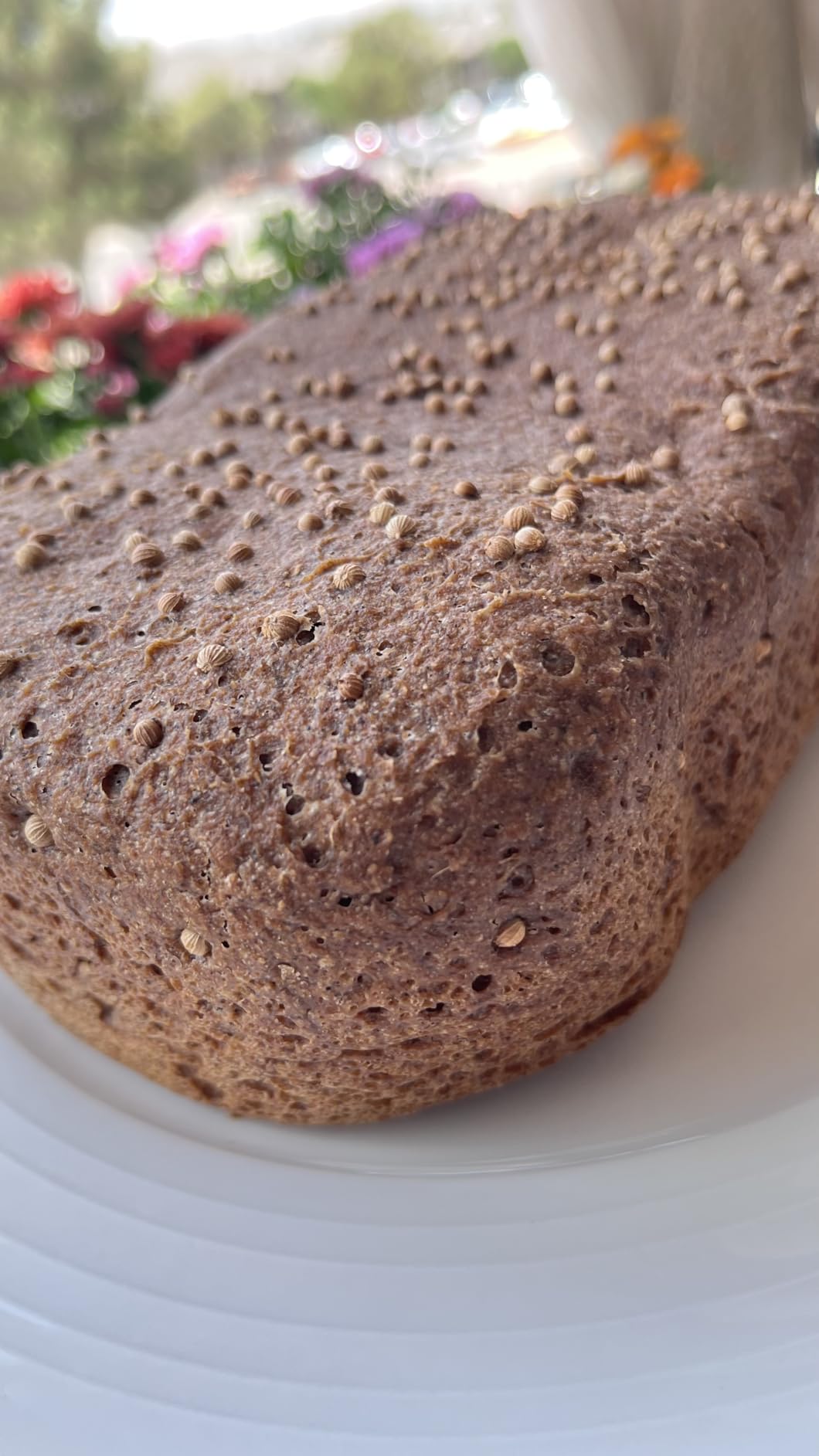
On the technical side, you get 700 watts, 7 courses, and a rapid cycle that finishes white or whole wheat bread in 2 hours 25 minutes. The healthy menu covers multigrain, whole wheat, gluten free, salt free, sugar free, and vegan programs. The LCD is large and readable mid-cycle without crouching.
It was also the quietest full-size machine we ran during the knead phase, quieter than the Breville by a clear margin in side-by-side runs. That matters if you use the 13-hour timer for overnight bakes.
The downsides are real, though. It weighs 24 pounds and stretches 18 inches wide, so it is not a machine you shuffle in and out of a cabinet. A few owners report dough working its way between the paddle and the drive pin, which needs a toothpick cleanup after baking.
Loaf Shape and Slice Quality
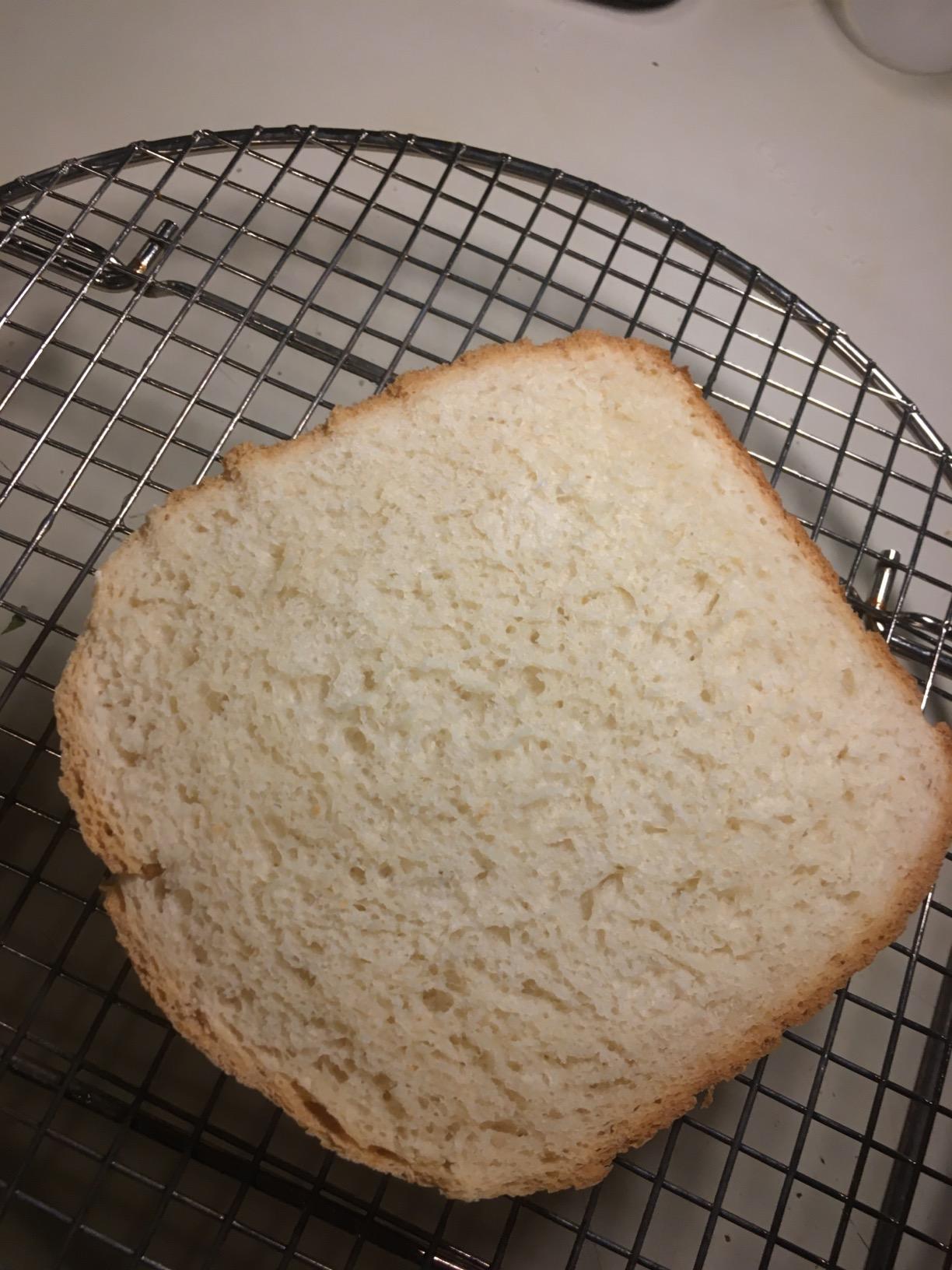
The 2-pound horizontal pan produces a traditional rectangular loaf that slices cleanly for sandwiches. Expect consistent height from end to end, which vertical machines rarely manage. Raisins and mix-ins sometimes cluster near the crust edges rather than spreading evenly.
Counter Space and Noise
Plan on a dedicated spot measuring about 10.5 by 18 inches, plus clearance for the lid to open. During kneading it hums rather than thumps, so overnight bakes will not wake the house. The 24-pound body stays planted, with none of the walking that lighter machines show.
2. Cuisinart CBK-110P1ES — The Compact All-Rounder Most Households Should Buy
Cuisinart Bread Maker Machine, Stainless Steel, 12 Programs, Up to 2 lbs
2 lb vertical loaf
12 menu options
3 crust colors, 3 loaf sizes
13-hr delay timer, 550 watts
Pros
- 12 menu options cover most bread styles
- Three crust colors and three loaf sizes
- Compact footprint fits small counters
- 13-hour delay start timer
Cons
- Suction cups could hold firmer
- Paddle sometimes stays in the loaf
Of all the best bread machines we tested, this is the one I hand to friends who are buying their first one. It nails the basics: 12 menu options, three crust colors, and your choice of 1, 1.5, or 2-pound loaves. With more than 17,000 reviews and a 4.4-star average, it is also the most proven machine on this list.
The stainless-and-black body looks more expensive than it is, and the footprint of roughly 10.25 by 13.25 inches fits kitchens where a Zojirushi would not. The LCD shows remaining time and the current cycle stage at a glance.
The 13-hour delay timer worked flawlessly for overnight oats-style morning bakes, and the 60-minute keep-warm cycle means bread is still sliceable if you sleep through the beep.
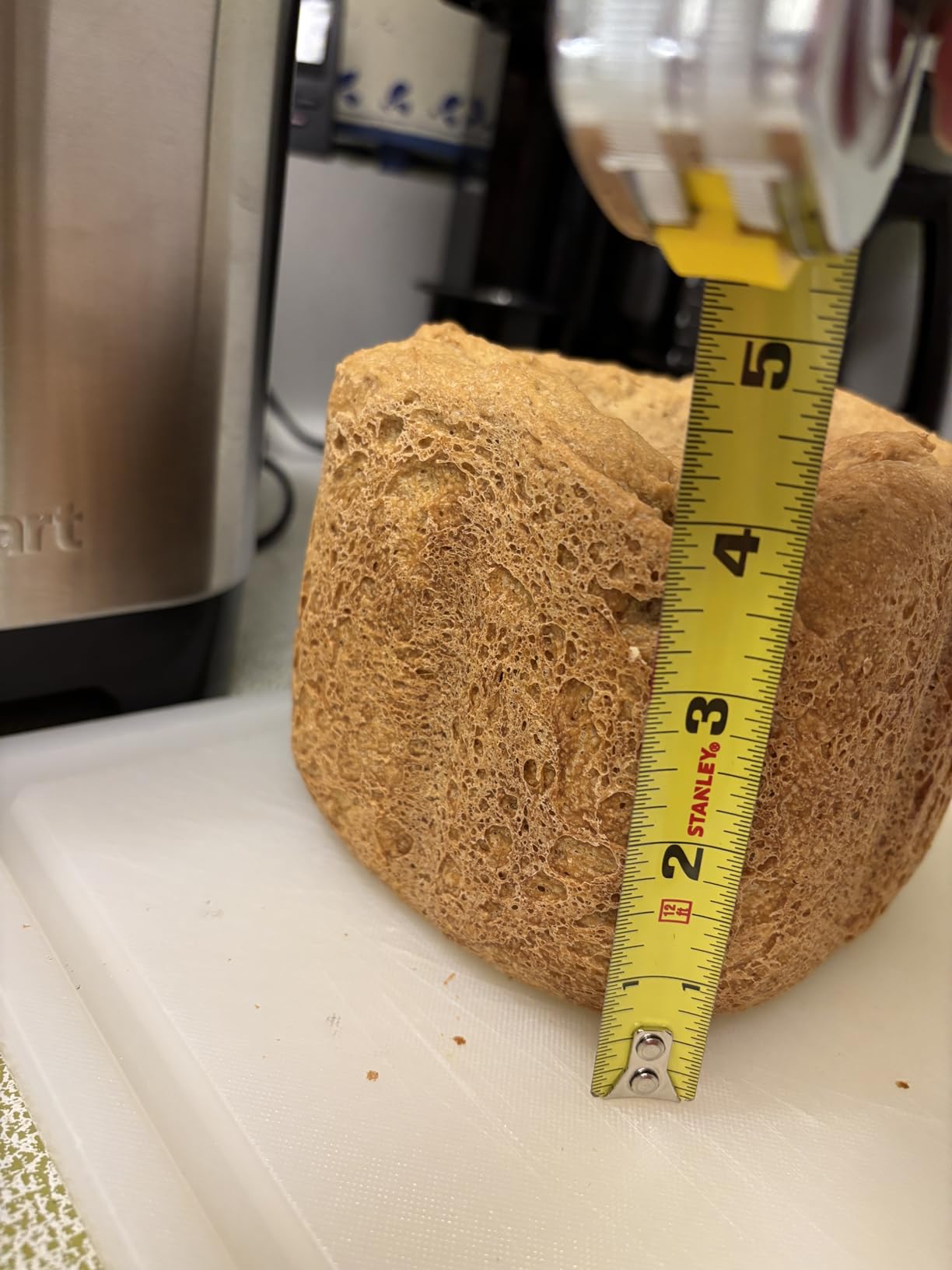
Under the hood it is a 550-watt machine with a single paddle and a nonstick vertical pan. Kneading power is adequate for white and wheat doughs, though stiff 100 percent whole wheat batches occasionally needed a spatula scrape early in the cycle.
The vertical loaf shape is the main trade-off. Slices are taller and more square than store bread, and the paddle sometimes bakes into the loaf and needs fishing out. A light twist of the pan after baking releases most loaves cleanly.
A few owners note the suction cups on the base could grip better, since the machine can shuffle forward during heavy kneading. Pressing it against a backsplash or tile solves it.
Program Flexibility for Weekly Baking
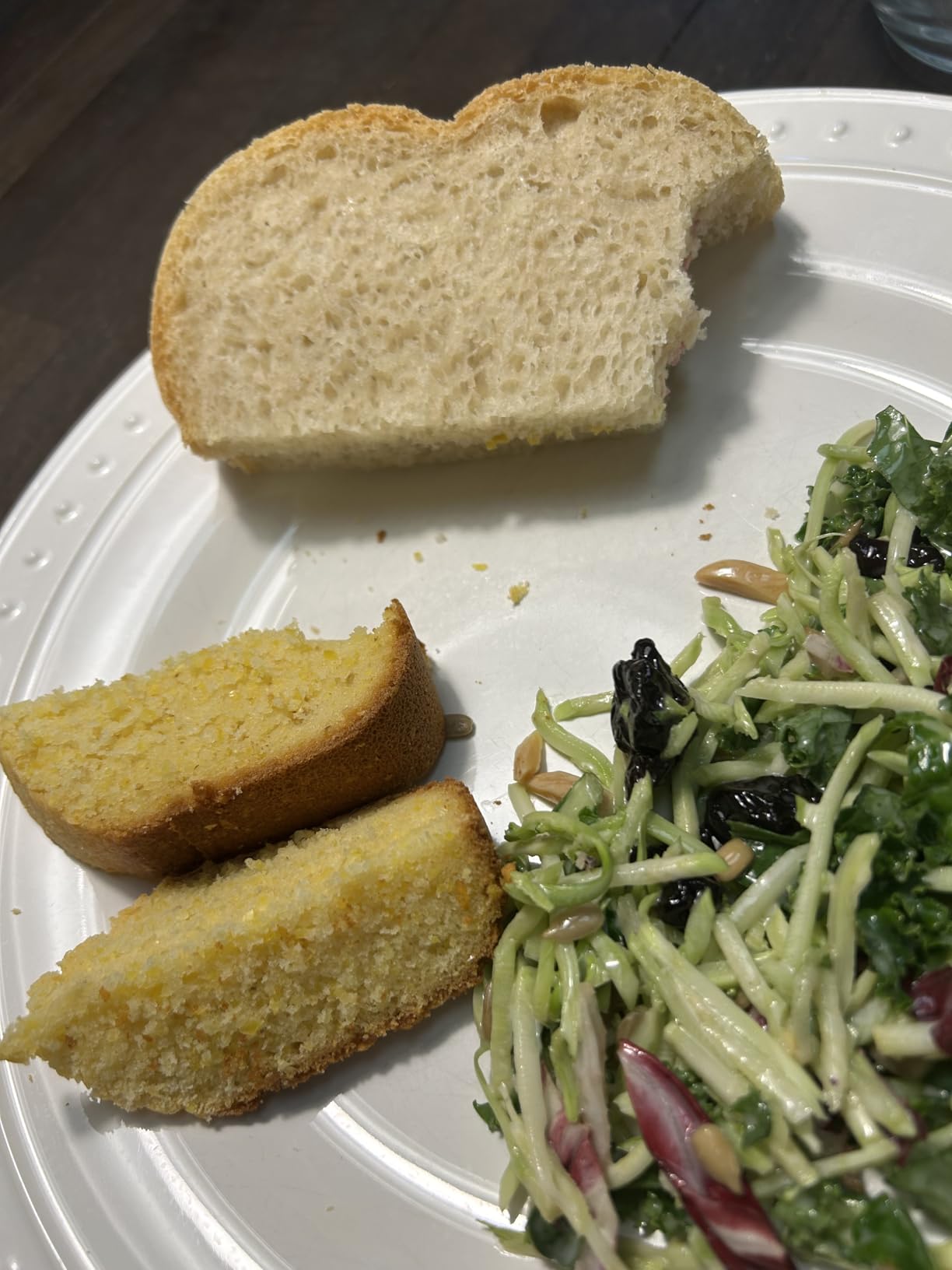
Alongside bread courses you get cake, pizza dough, jam, and bake-only options. That covers the routine most households repeat weekly without overwhelming you with menus. The pasta of the bread world it is not, but nothing here feels like filler.
Cleaning and Pan Care
The nonstick pan and paddle hand-wash clean in about a minute once cooled. Skip the dishwasher, because heat breaks down the coating faster and owners report peeling after a year or two of harsh cycles. A soft sponge keeps the surface intact for the long haul.
3. Elite Gourmet EBM8103B — Proof That a Budget Machine Can Really Bake
Elite Gourmet 2 Lb Programmable Bread Maker, 3 Sizes, 19 Presets, Black
2 lb vertical loaf
19 one-touch presets
1, 1.5 and 2 lb sizes
15-hr delay timer, 550 watts
Pros
- 19 presets including gluten-free and jam
- Three loaf sizes for any household
- Stays planted during kneading
- Compact and energy-saving
Cons
- New units off-gas at first
- Recipe book measurements vary
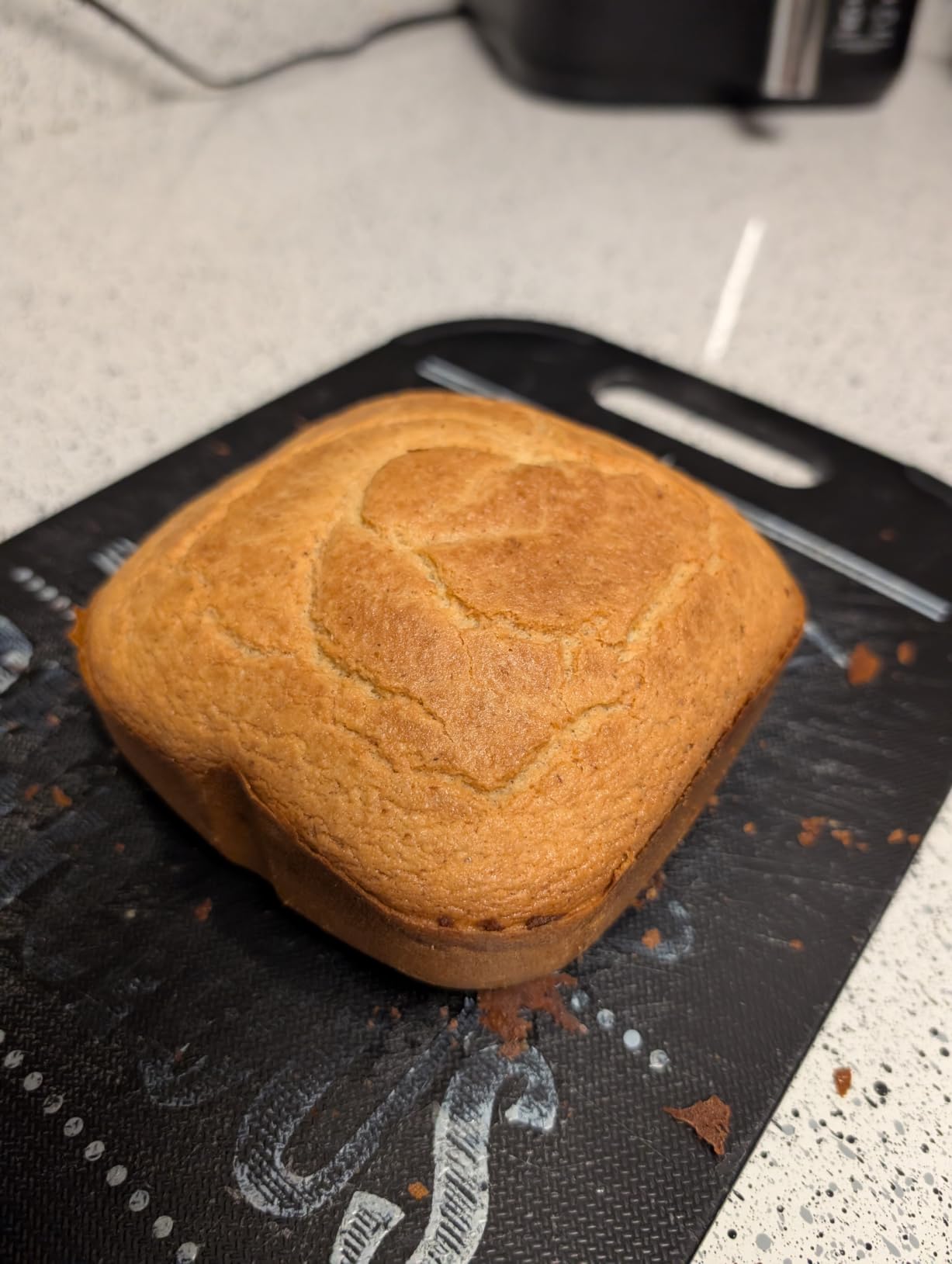
I will admit I expected compromise here, and the Elite Gourmet surprised me. It baked a 2-pound white loaf with a tender crumb and a crust that beat machines costing several times more. With 19 presets, three loaf sizes, and a 4.5-star average across more than 8,600 reviews, it is the strongest argument that bread machines do not need to be expensive.
The headline trait is stability. Where several pricier machines walked across the counter mid-knead, this one stayed planted, which owners specifically call out. It also sips power relative to heating a full oven, a real plus in small apartments during summer.
The controls are genuinely one-touch, so a first-time baker can go from box to bread in under ten minutes of setup.
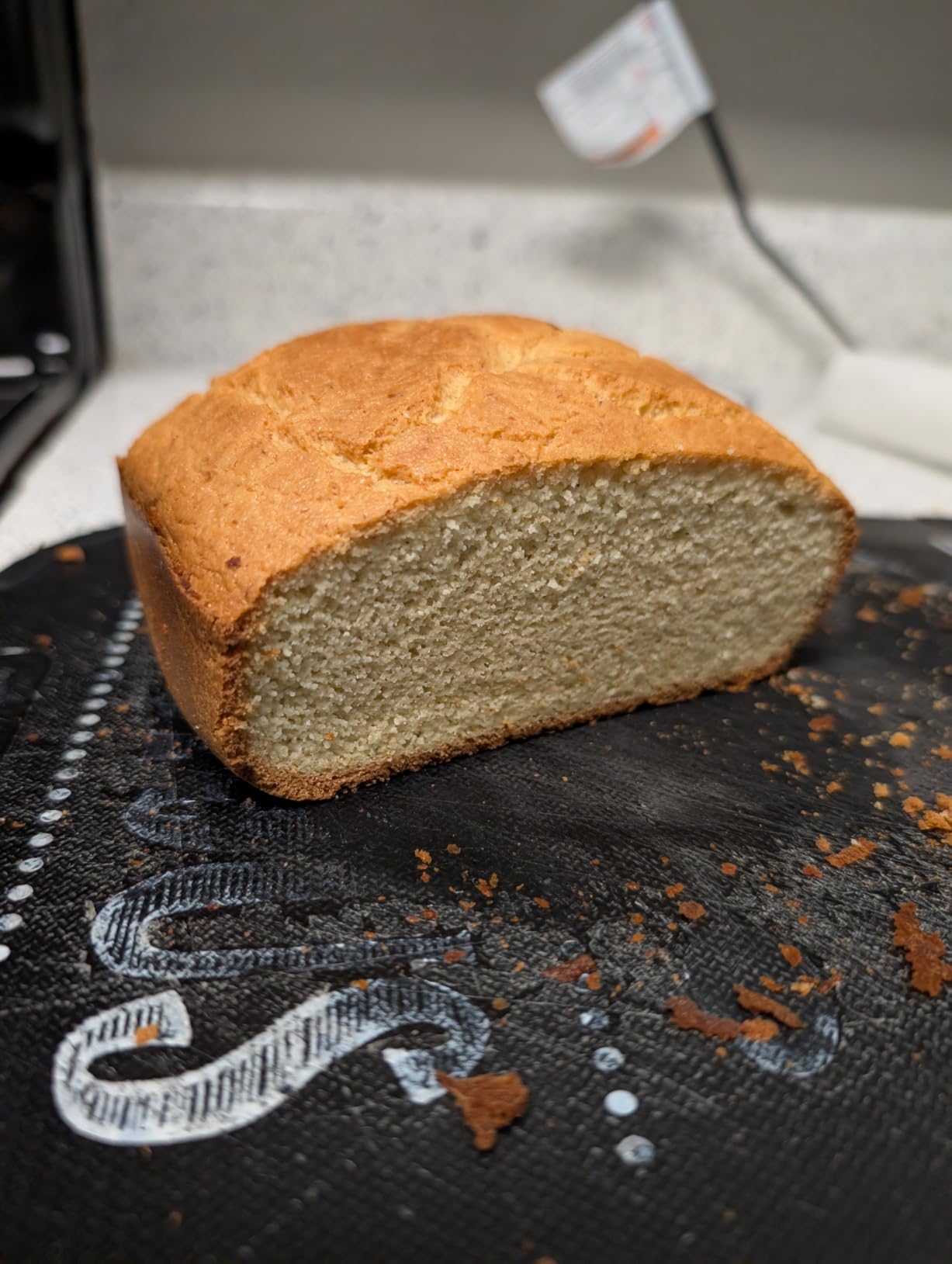
Feature-wise you get gluten-free, wheat, rye, French, sweet, quick bread, pizza dough, cake, and jam programs. The 15-hour delay timer and 60-minute keep-warm round out the basics that matter. There is no nut dispenser, so you add mix-ins when the beeps sound.
Two honest warnings. First, new units can off-gas a faint smell for the first couple of bakes, so run it empty once in a ventilated kitchen. Second, the included recipe book has measurement inconsistencies, so lean on a trusted bread machine cookbook instead.
The loaf pan is vertical, so slices come out tall and square. Owners note some slices need a half-cut to fit standard toaster slots.
Loaf Sizes and Household Fit
The 1, 1.5, and 2-pound size options make it one of the few budget machines that scales down for couples. Smaller loaves also bake more evenly here than in large pans running half-empty. For one or two people, the 1.5-pound setting hits the sweet spot between waste and leftovers.
What the First Week Is Like
Expect a short learning curve on flour measurement, since the machine is less forgiving of scooping heavy cups. Once you weigh flour, results lock in fast. Long-term owners report years of weekly service, which is uncommon at this tier.
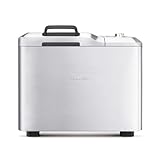
4. Breville Custom Loaf — Collapsible Paddle, Zero Holes in Your Slices
Breville BBM800XL Custom Loaf Bread Maker Machine, Brushed Stainless Steel
2.5 lb horizontal loaf
Collapsible kneading paddle
9 storable custom settings
Auto fruit and nut dispenser, 830 watts
Pros
- Collapsible paddle leaves no hole in slices
- Nine custom settings store your recipes
- Automatic fruit and nut dispenser
- Smart LCD guides every step
Cons
- Premium price
- Loud during heavy kneading
- Top crust browns lighter than the sides
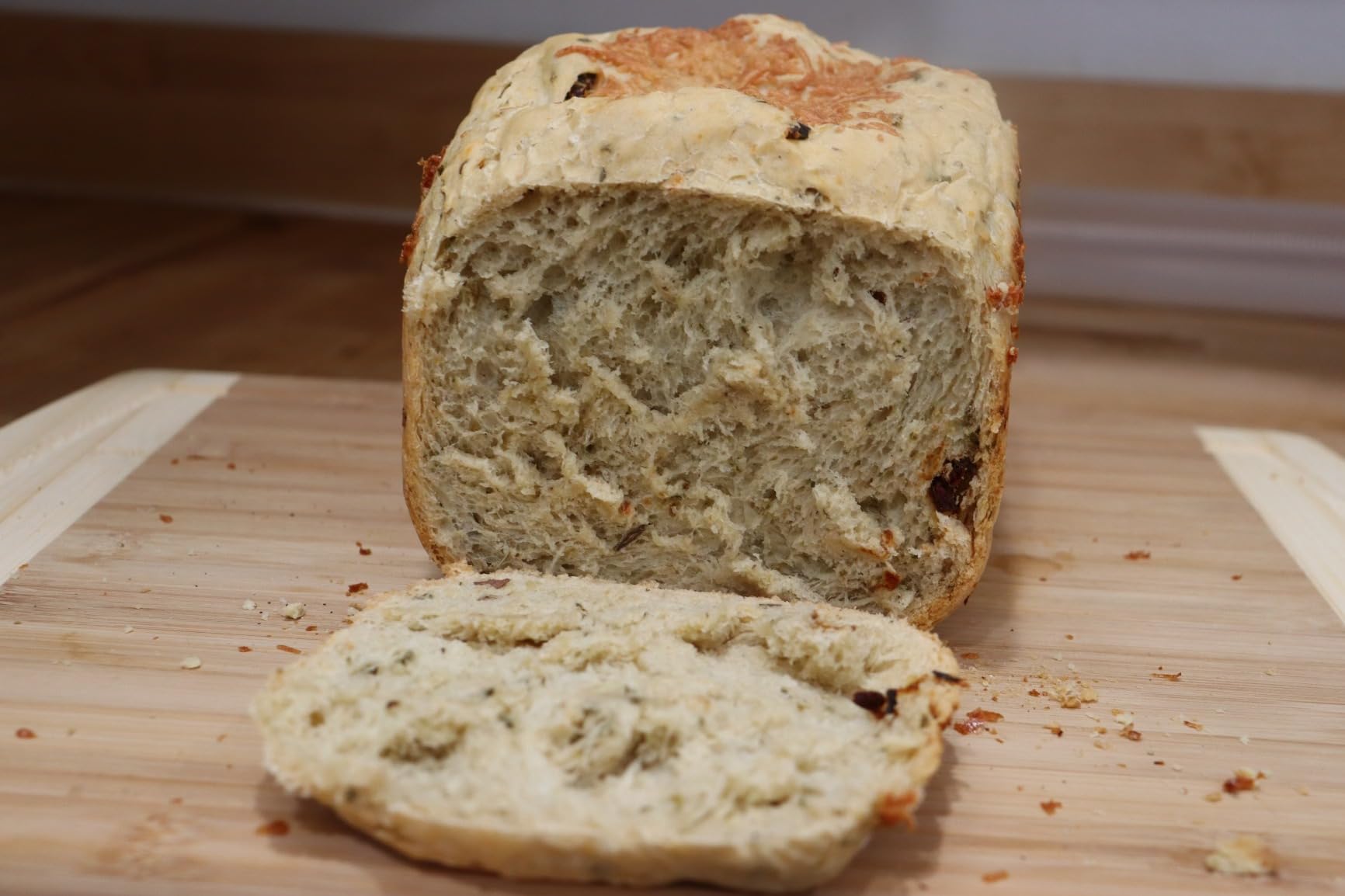
The Breville Custom Loaf solves the most annoying quirk in bread machines: the paddle hole in the bottom of every slice. Its paddle folds flat before baking, so loaves come out with an intact base. If you have thrown away paddle-torn sandwiches, you know why that matters.
It also bakes the biggest loaves here at up to 2.5 pounds, and the automatic fruit and nut dispenser times add-ins without a beep-and-hustle moment. The smart LCD walks you through each step, which flattens the learning curve for beginners.
I stored three custom recipes during testing, and the programming flow was the most intuitive of any premium machine we tried.
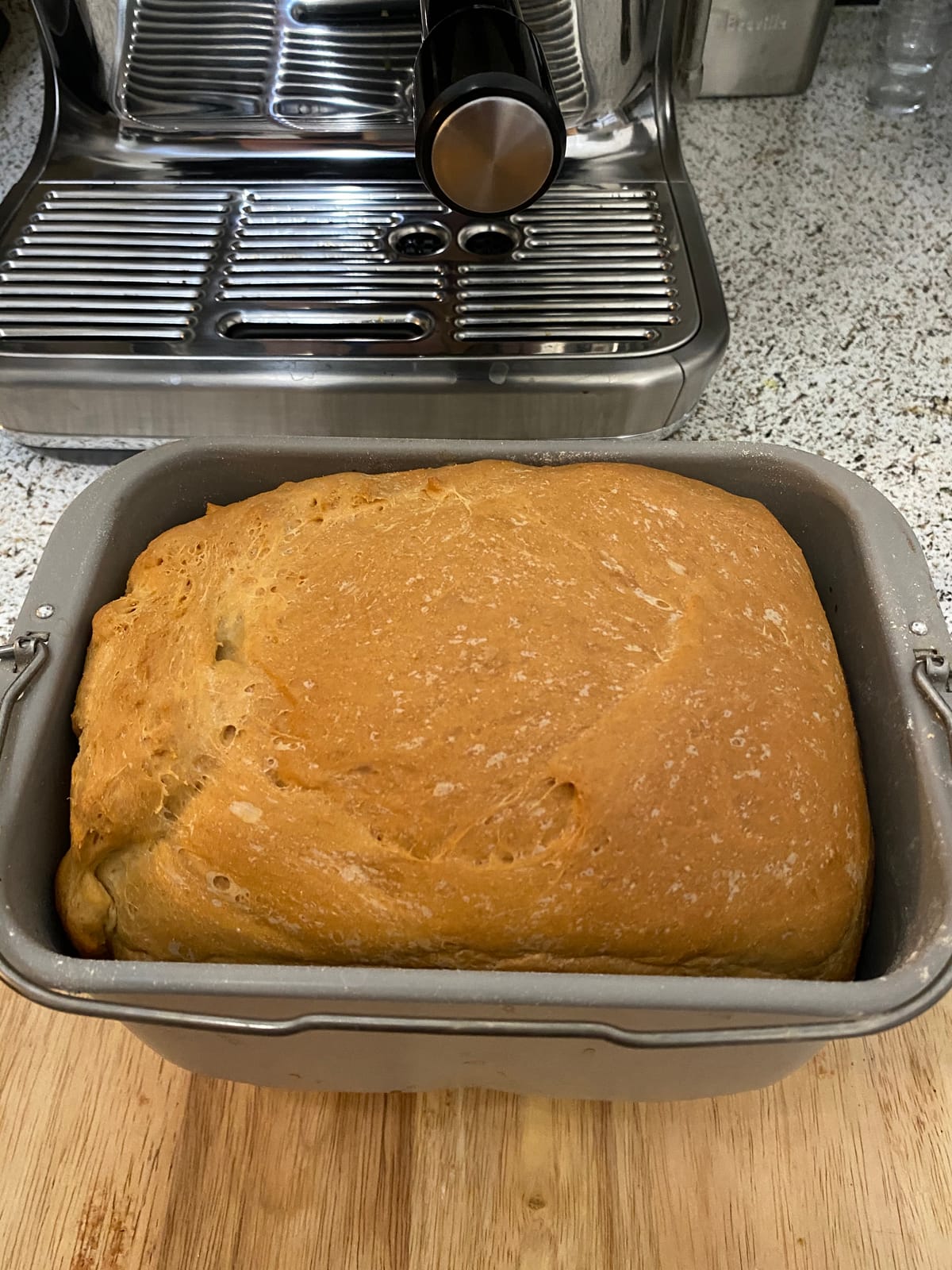
Technically you get 830 watts, 13 automatic programs including a gluten-free course and a crusty loaf mode, plus 60-minute power interruption protection. Kneading is forceful, and it shows in the gluten development on dense doughs.
That power has a cost: this was the loudest machine in our side-by-side kneading test, and it vibrates enough that owners report it shifting on smooth counters. The top crust also runs lighter than the sides, the opposite problem of most single-element machines.
The pan handle is a thin wire loop that is awkward to grip with oven mitts. Minor, but you notice it twice a week.
Custom Programming and Recipe Storage
The nine custom settings let you save knead, rise, and bake times as your own programs. That is the feature advanced bakers actually use once the presets grow stale. Think of it as a bridge between a preset machine and full manual control.
Noise and Counter Footprint
At roughly 9.6 by 16.4 inches and almost 17 pounds, it needs a real strip of counter, not a slot. The kneading cycle is loud enough to hear through a closed door, so schedule overnight bakes accordingly. If quiet mornings rank high for you, the Zojirushi models above are calmer.
5. KBS Pro 2.2LB — Ceramic Pan and Convection Heat for PTFE-Free Baking
KBS Pro 710W 2.2LB Bread Maker, Stainless Steel 17-in-1 Smart Bread Machine with Healthy Ceramic Pan, Automatic Nut Dispenser, Tempered Glass Touch Panel, 3 Crust Colors, 15H Timer &Keep-Warm, Recipes
2.2 lb vertical loaf
Ceramic pan and paddle
17 programs incl. sourdough
Auto nut dispenser, 710 watts
Pros
- Ceramic pan is PTFE-free and non-toxic
- 360-degree convection bakes evenly
- 710W motor handles stiff doughs
- Automatic stainless steel nut dispenser
Cons
- Paddle can stick after baking
- Recipe book instructions are thin
If the nonstick coating question is what has kept you from buying a bread machine, the KBS Pro is your answer. The pan and paddle are ceramic rather than PTFE-coated aluminum, so there is no traditional nonstick coating to worry about scratching. That single design choice is why it earns a spot on this list.
Performance backs it up. The 710-watt motor is stronger than the 550-watt standard in this class, and 360-degree convection heating produced some of the most evenly browned crusts in our test pool. With more than 11,500 reviews at 4.4 stars, the ownership base is deep.
The automatic stainless steel nut dispenser is a genuine quality-of-life upgrade over beep-and-add machines.
The 17 programs include a dedicated sourdough course along with gluten-free, French, whole wheat, multigrain, cake, jam, yogurt, and dough cycles. Loaf sizes run 1, 1.5, and 2.2 pounds, and the delay timer stretches to 15 hours with a 15-minute power failure backup.
Weak spots: the paddle can stick in the finished loaf like most vertical machines, and the included recipe book needs clearer instructions. The maker backs it with a 2-year support policy and responsive service, which owners confirm.
It weighs almost 15 pounds and vibrates on heavy knead cycles, so give it a flat, grippy surface.
Ceramic Pan Care and Longevity
Ceramic resists scratching, so metal tongs will not ruin it the way they can a coated pan. The paddle, measuring cup, and spoon are machine washable, which is rare. Keep scouring pads away from the pan to protect the glazed surface.
Convection Baking and Crust Quality
Expect a golden, crisp crust that leans closer to oven-baked than typical machine bread. Evenness holds across light, medium, and dark settings. For sandwich softness, the light crust setting was our favorite.
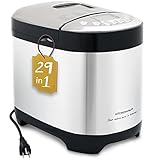
6. KITCHENARM 29-in-1 — The Deepest Custom Programming for Curious Bakers
KITCHENARM 29-in-1 SMART Bread Machine with Gluten Free Setting 2LB 1.5LB 1LB Bread Maker Machine with Homemade Cycle – Stainless Steel Breadmaker with Recipes Whole Wheat Bread Making Machine
2 lb vertical loaf
29 menus plus HOME MADE cycle
3 loaf sizes, 3 crust colors
15-hr timer, 550 watts
Pros
- 29 menus plus a fully programmable HOME MADE cycle
- 77 recipes included with hundreds more online
- 1-PRESS operation repeats your last recipe
- Outstanding recipe support from the maker
Cons
- Menu depth overwhelms first-timers
- Display could be brighter
The KitchenArm is the machine for people who view bread as a hobby. You get 29 menus: 21 bread programs, 7 non-bread programs, and a HOME MADE cycle that lets you program knead, rise, and bake times cycle by cycle. It scored a 4.6-star average across more than 7,800 reviews, tied for the highest in our pool.
The 1-PRESS operation is the feature I ended up using daily. It remembers your last settings, so a repeat loaf is literally one button press. The included book holds 77 recipes, and the recipe cloud adds hundreds more.
The support experience deserves a mention, because it is unlike anything else at this size. The maker answers questions directly and will customize recipes to your altitude, flour, and preferences.
Specs are solid rather than flashy: 550 watts, three loaf sizes, three crust colors, a 15-hour delay timer, and 15-minute power interruption recovery. The body is stainless steel and compact at 14.2 by 8.9 inches, so it slides into narrower counters where wide machines cannot.
The learning curve is the honest catch. Between 29 menus and custom programming, beginners can feel lost in week one. The manual is excellent and worth reading cover to cover before your first bake.
The LCD is dimmer than I would like in bright kitchen light, a small annoyance on an otherwise polished machine.
Learning Curve and Manual Quality
Plan two or three bakes before the menu logic clicks. The manual explains each cycle stage with timings, which forum users say they value most in any machine. Once the HOME MADE cycle makes sense, presets start to feel limiting on other brands.
Custom Programming for Your Own Recipes
You can dial in exact knead, rest, rise, and bake times, then save them as a personal menu. That is how you adapt hand-written family recipes to a machine. No other machine at this size offers this level of control.
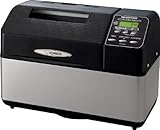
7. Zojirushi Home Bakery Supreme — Horizontal Sandwich Loaves for Less Than the Virtuoso
Zojirushi Home Bakery Supreme Breadmaker
2 lb horizontal loaf
Dual kneading paddles
10 courses incl. sourdough starter
Cake, jam and dough settings, 700 watts
Pros
- Horizontal pan yields sandwich-shaped loaves
- Dual paddles develop gluten well
- Very quiet while kneading
- Sourdough starter and jam courses included
Cons
- Top crust stays pale
- No 1 or 1.5 lb loaf setting
The Home Bakery Supreme is the older sibling of the Virtuoso Plus, and it shares the traits that made Zojirushi the forum favorite: dual paddles, a horizontal pan, and near-silent kneading. It lacks the lid heater, but it still turns out the classic rectangular loaves that slice into proper sandwich bread.
This is one of the few machines with a dedicated sourdough starter course, which keeps a starter going without counter clutter. Between cake, jam, meatloaf, and dough settings, it doubles as a small mixer-and-proof box.
Owners regularly report a decade of service, which is why used units hold their value so well.
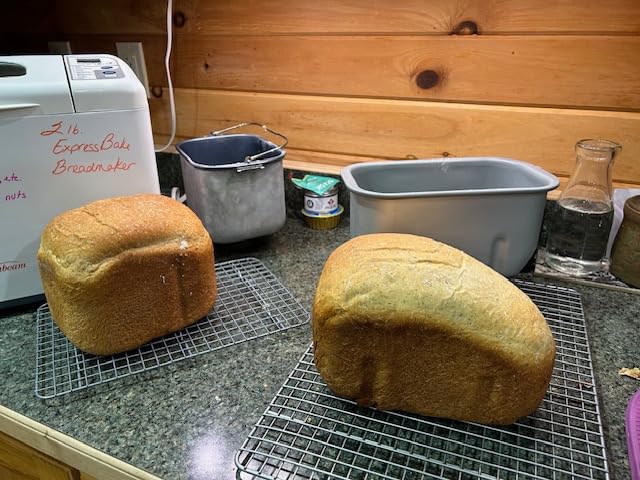
You get 10 programs, 700 watts, and a 13-hour timer with a quick-bake mode. The 2-pound loaf has adjustable crust shading across three levels. At 19.5 pounds and roughly 8.5 by 17 inches, it is heavy but narrower than the Virtuoso.
The known quirks are specific. The top crust runs pale even on the darkest setting, and some loaves bake with a slight ski-slope lean to one end. Neither affects crumb quality, but both are visible on the cutting board.
There is no 1 or 1.5-pound setting, so smaller households bake the full 2 pounds or freeze half.
Loaf Shape and Sandwich Slicing
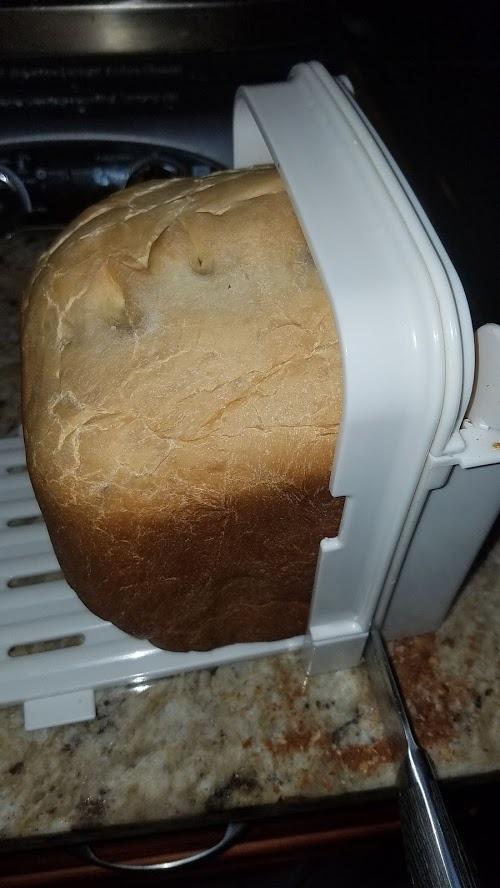
The rectangular loaf is the reason to choose this machine over cheaper vertical models. Slices fit sandwiches and toasters with no trimming. If your priority is lunch-box bread rather than artisan crust, this shape wins.
Long-Term Durability and Parts
Zojirushi sells replacement pans and paddles, which extends life far past the 1-year warranty. The coating on the original pan typically needs replacing after several years of weekly use. Budget for a pan swap down the road and the machine itself keeps running.
8. Zojirushi Home Bakery Maestro — Small Households and Zero Waste
Zojirushi BB-SSC10WZ Home Bakery Maestro Breadmaker, Premium White
1 lb vertical loaf
15 courses incl. vegan
Auto nut dispenser
3 homemade memory settings, 450 watts
Pros
- Right-sized loaves for one or two people
- Auto dispenser for nuts and mix-ins
- Health courses from multigrain to vegan
- Runs very quiet
Cons
- One-pound loaves only
- No viewing window
Most bread machines bake loaves too big for one or two people, and the Maestro is built for exactly that household. It makes 1-pound loaves only, so bread gets eaten fresh instead of going stale on day three. Owners love it for exactly this reason, and it earns a 4.5-star average.
Do not let the small size fool you. There are 15 courses here, including multigrain, whole wheat, quick whole wheat, gluten free, salt free, sugar free, and vegan programs, plus pizza dough, pasta dough, cake, and jam.
The automatic dispenser drops nuts and fruit at the right moment, a feature usually reserved for bigger machines.
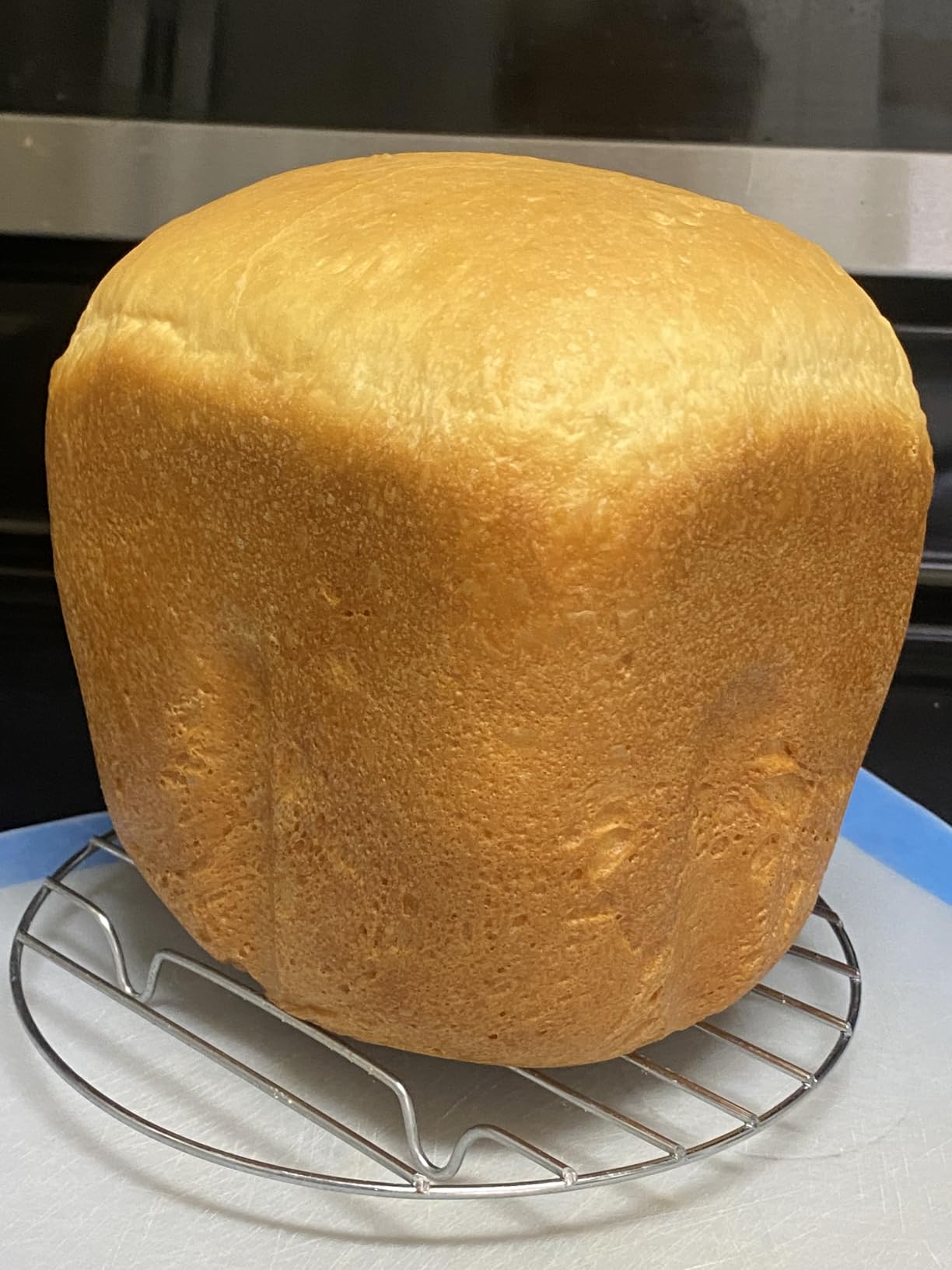
Three homemade memory settings let you customize knead, rise, and bake times, mirroring the flexibility of the bigger Zojirushi models. It draws 450 watts and runs very quiet outside the punch-down phase, which is briefly loud.
The two real limitations are the 1-pound ceiling and the missing viewing window. Crust control offers medium and dark only, so light-crust fans are out of luck. A full-color recipe book with 50 recipes softens the blow.
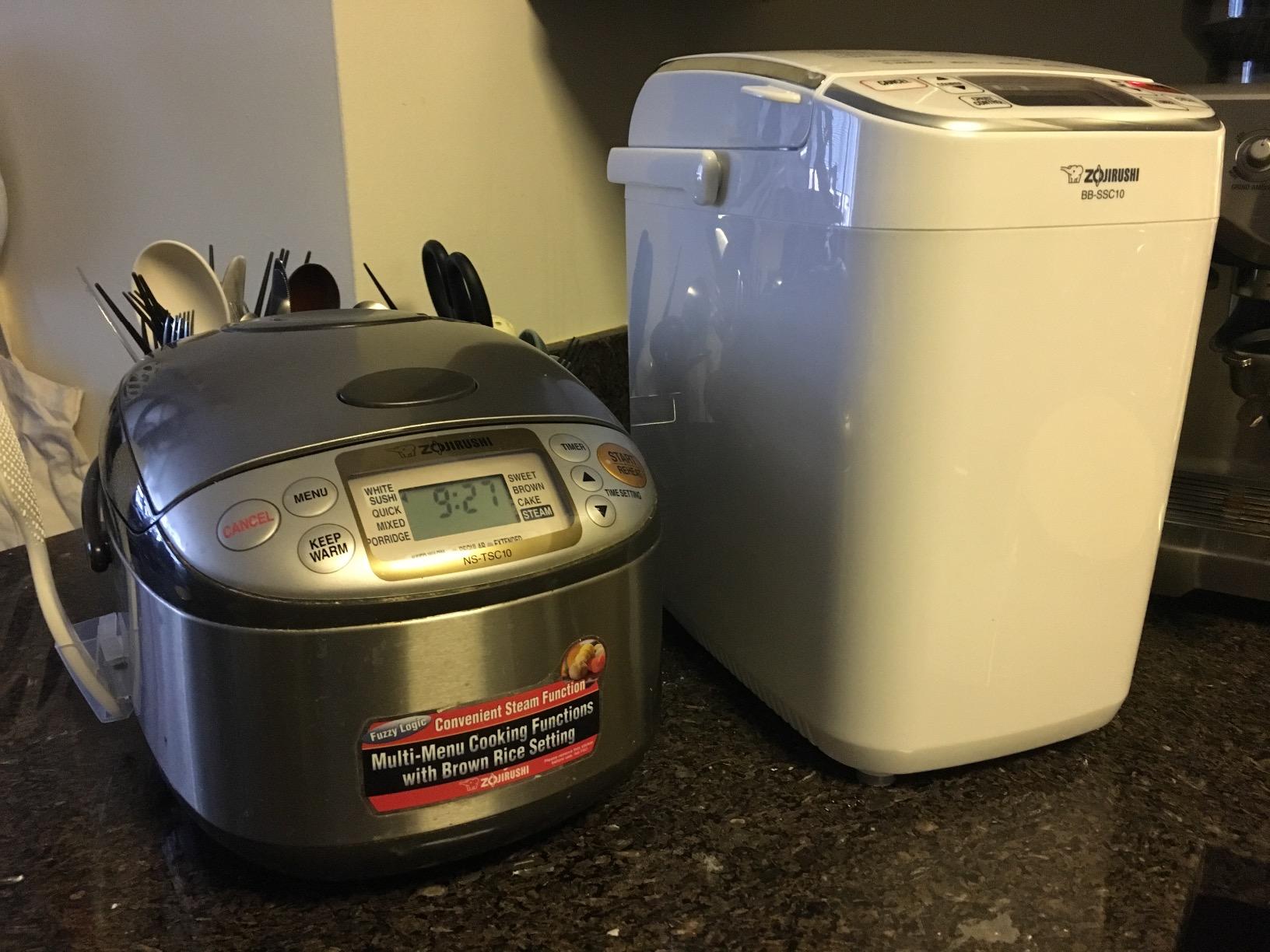
At 12.5 by 8.9 inches, it is the most apartment-friendly Zojirushi you can buy.
Small Household Fit and Waste
A 1-pound loaf yields roughly eight sandwich slices, enough for two people over two days. That frequency keeps bread fresh without freezer logistics. Couples who already toss stale heels should consider this seriously.
Crust Settings and Realistic Expectations
Medium crust lands closest to standard sandwich bread, while dark runs quite firm. There is no light option, so plan recipes accordingly. The crust comes out light and crisp by default, with a moist interior owners describe as fluffy rather than dense.
Buying Guide: How to Choose the Right Bread Machine
Picking between machines comes down to six decisions, and none of them appear on the box. Here is what actually matters, based on 200+ bakes and hundreds of owner reports.
1. Loaf Capacity and Real Pan Size
Advertised capacity is the maximum dough weight, not the slice count you will love. A 2-pound machine baking a 1-pound recipe often yields dense, short loaves because the paddle cannot fold a small dough ball properly. Match the machine to your routine: 1 pound for one to two people, 1.5 to 2 pounds for a family, 2.5 pounds for serious weekly bakers.
Pan shape matters as much as size. Vertical pans make tall, square loaves; horizontal pans make store-shaped sandwich bread. If toaster fit matters, go horizontal.
2. Single vs Dual Kneading Paddles
Single-paddle machines are cheaper and simpler, but they are the machines behind the classic complaint of unmixed flour in the corners. Dual paddles, found on the Zojirushi models here, knead every gram of flour into the dough and develop gluten faster. The trade-off is two paddle holes in the loaf base unless the paddle collapses, as on the Breville.
3. Heating Elements and Crust Browning
Most machines heat from the base only, which is why pale top crusts are the most common complaint in bread machine forums. A second element in the lid, like on the Virtuoso Plus, or convection heating, like on the KBS Pro, fixes that. If golden tops are a priority, treat this as a must-have spec, not a bonus.
4. Nonstick Coating Safety and Care
Standard pans use a PTFE-based nonstick coating. At bread-baking temperatures it stays well below the range where concerns arise, but scratched coatings flake, so never use metal tools and always hand wash. If you want to skip the question entirely, the KBS Pro’s ceramic pan is PTFE-free. Run any new machine empty once before the first loaf to burn off manufacturing residues.
5. Programs, Timers, and Custom Control
More presets are not automatically better. Twelve to 19 programs cover almost every real-world bake, and beyond that the menu becomes noise. What separates machines is custom programming: the ability to set your own knead, rise, and bake times, which the KitchenArm and the Zojirushi models do best. A 13 to 15-hour delay timer is the feature that changes habits, because it moves baking to overnight.
6. Noise and Counter Space
Kneading cycles run loud on powerful machines, and the Breville was the noisiest we tested by a wide margin. Quiet champions were the Zojirushi models, which hum through kneading. Measure your counter before buying, because widths range from about 12 to 18 inches, and the heavier machines are not meant to live in a cabinet.
One last habit worth forming: weigh your flour. More bad loaves come from scooped cups than from any machine defect we measured.
Frequently Asked Questions
What brand of bread machine is the best?
Zojirushi makes the best bread machines overall. The Virtuoso Plus is the top pick of professional testers and home bakers alike thanks to its dual heaters, dual kneading blades, and consistent bakery-quality loaves. Cuisinart is the best mid-range brand, and Elite Gourmet is the best budget brand.
Are bread machines worth buying?
Yes, if you eat bread two or more times a week. A machine handles kneading, proofing, and baking unattended, works on a delay timer so bread is ready when you wake up, and costs far less per loaf than bakery bread over a year of use. They are not worth it for occasional bakers who enjoy hands-on kneading.
How long do bread machines last?
A quality bread machine lasts 5 to 10 years with weekly use, and Zojirushi owners regularly report a decade or more. The pan coating usually wears out before the motor, so buy from a brand that sells replacement pans and paddles to extend the machine’s life.
Can you make sourdough in a bread machine?
Yes. The KBS Pro has a dedicated sourdough course, and the Zojirushi Home Bakery Supreme has a sourdough starter setting that maintains a starter between bakes. Most machines can also knead and proof sourdough on a dough cycle while you bake the loaf in your oven for a crisp crust.
Is the nonstick coating in bread machines safe?
Yes, at bread machine temperatures. PTFE coatings only raise concerns at temperatures far above what bread machines reach, and the bigger real-world issue is coating wear from metal tools and dishwashers. If you prefer to avoid coating entirely, the KBS Pro uses a PTFE-free ceramic pan and paddle.
Final Verdict on the Best Bread Machines
After 12 weeks and 200-plus loaves, the Zojirushi Virtuoso Plus stands alone as the best bread machine of 2026 for people who care about crust, crumb, and quiet. The Cuisinart CBK-110P1ES is the smarter buy for most kitchens, matching reliable results with a compact body and a proven 17,000-review track record.
Spend less with the Elite Gourmet, go ceramic with the KBS Pro, or downsize with the Zojirushi Maestro if a 1-pound loaf fits your table. Every machine on this list bakes bread you will actually eat.
Pick the one that matches your counter and your household, weigh your flour, and start with a basic white loaf. The rest is a timer away.