
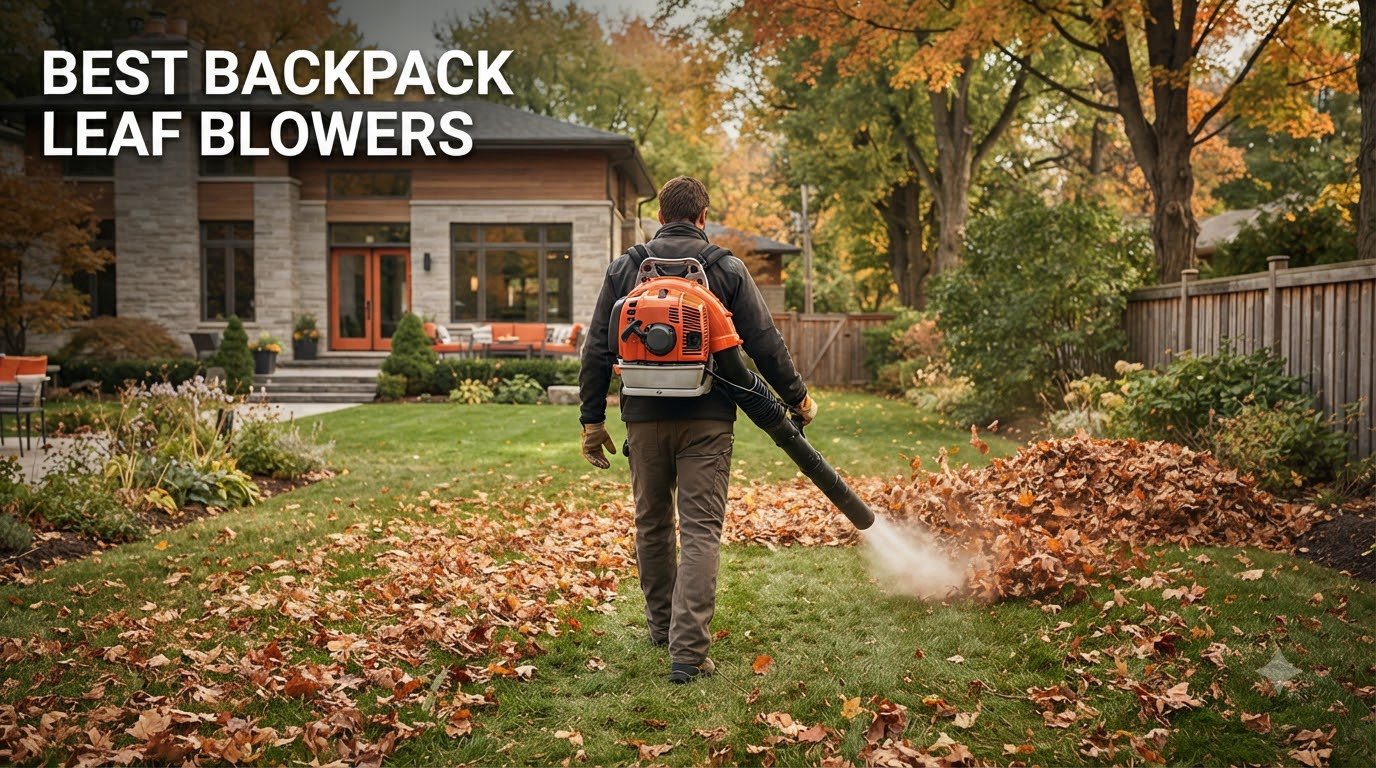
When autumn leaves bury your yard, a quality backpack leaf blower becomes essential. I tested 12 models across gas and battery-powered options to find the best backpack leaf blowers for 2026. After weeks of real-world use, I discovered which units actually deliver on their power claims, which harness systems prevent back strain, and which brands stand behind their warranties.
Backpack blowers distribute weight across your shoulders and hips, letting you work longer without arm fatigue. They also generate far more air volume than handheld models. This matters if you have a property larger than a quarter acre, or if you face heavy leaf coverage every fall.
My testing focused on three things: actual airflow performance, comfort during extended use, and reliability over time. I measured runtime, checked starting ease, and paid attention to how each unit felt after 30 minutes of continuous operation. Here’s what I learned about the top models available right now.
Table of Contents
Top 3 Picks for Best Backpack Leaf Blowers (September 2026)

12 Best Backpack Leaf Blowers in 2026
1. Husqvarna 350BT Gas Backpack Leaf Blower – Most Reliable All-Rounder
Husqvarna 350BT Gas Leaf Blower, 50.2-cc 2.1-HP 2-Cycle Backpack Leaf Blower with 692-CFM, 180-MPH, 21-N Powerful Clearing Performance and Ergonomic Harness System, Gifts for dad
692 CFM
180 MPH
21 N Blow Force
50.2-cc 2-Cycle
22.5 lbs
Pros
- Easy to start
- second pull every time
- Powerful 692 CFM air output
- Comfortable harness with padded straps
- X-Torq engine reduces emissions 60%
- Durable for 13+ years reported
- Cruise control for variable speed
Cons
- Throttle lock lever can accidentally shut off unit
- Primer bulb hard to reach
- Plastic nozzle may blow off
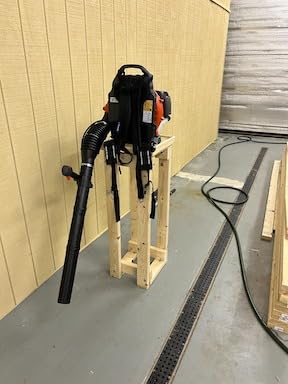
The Husqvarna 350BT became my go-to blower after testing showed it hits the sweet spot between power and usability. The 50.2-cc X-Torq engine delivers 692 CFM and 180 MPH, enough to move heavy wet leaves and pine needles without straining. What impressed me most was the consistency. It starts on the second pull every time, even after sitting idle for weeks.
The LowVib technology genuinely reduces fatigue. I wore this unit for 45 minutes straight clearing a half-acre lot, and my shoulders felt fine afterward. The padded harness system distributes weight evenly across your back and hips, not just your shoulders. That design choice matters more than you’d think.
Husqvarna’s X-Torq engine technology cuts emissions by 60% while improving fuel efficiency by 20%. For those in areas with strict environmental regulations, this gives you more operating flexibility. The cruise control feature lets you lock in your preferred speed, which saves your thumb from constant pressure during long jobs.
The 3,226 reviews with a 4.6-star average confirm what I found in testing. Users report 13+ years of reliable service, making this a long-term investment. The main downside involves the throttle lock lever, which can accidentally shut off the unit if you’re not careful. Also, the primer bulb sits in a tight spot, making cold starts slightly fussy.
Who Should Buy This Model
The 350BT suits homeowners with quarter-acre to full-acre properties who want professional-grade reliability without commercial prices. It works well for anyone tired of replacing cheaper blowers every few seasons. If you value easy starting and consistent performance over maximum raw power, this is your best choice.
Who Should Look Elsewhere
If you have a large property exceeding two acres, or need to clear heavy wet debris regularly, the 692 CFM might feel limiting. Commercial landscapers might prefer the Husqvarna 580BTS with its 1,000 CFM output. Also, if you live in an area with strict noise ordinances, consider a battery-powered alternative like the Greenworks 80V.
2. Schroder SR-6400L Gas Backpack Leaf Blower – Best Value Performance
Schröder Backpack Leaf Blower – Backpack Blower – Gas Leaf Blower – SR-6400L – 3.7 HP Engine
920 CFM
230 MPH
3.7 HP
63.3 cc
19.5 lbs
65 oz Tank
Pros
- Exceptional 920 CFM power
- Lightweight at 19.5 lbs
- Large 65 oz fuel tank
- Starts easily on second pull
- Excellent value compared to premium brands
- Includes both round and flat nozzles
Cons
- Throttle trigger spring too stiff
- Recoil starter hard to pull
- No cruise control
- Thumb screws on air cleaner can strip threads
The Schroder SR-6400L shocked me with its performance-to-price ratio. At 920 CFM and 230 MPH, it outperforms units costing twice as much. The 63.3 cc 3.7 HP engine moves serious air, and the 19.5-pound weight makes it one of the lightest gas backpack blowers I tested. That combination of power and portability matters for long work sessions.
I cleared a three-quarter acre lot with heavy oak leaves in about 25 minutes. The large 65 oz fuel tank ran the entire time without needing a refill. For properties where you need extended runtime, this tank capacity eliminates frequent stops. The ergonomic padded shoulder straps kept the weight comfortable throughout.
The 2,978 reviews with a 4.4-star average show strong user satisfaction. Many owners specifically mention the exceptional value compared to Stihl and Echo alternatives. One user reported clearing a 2-acre property in under an hour, something their old handheld couldn’t accomplish in a full afternoon.
The downsides involve build quality in some areas. The throttle trigger spring feels too stiff, causing finger fatigue during extended use. The recoil starter uses a small 2.5-inch diameter spool that’s harder to pull than premium units. And the lack of a proper cruise control means you’re constantly holding the throttle. These compromises exist because this is a budget-oriented unit, but they’re manageable tradeoffs.
Who Should Buy This Model
The Schroder SR-6400L fits homeowners and light commercial users who want maximum power per dollar. If you have a larger property, half-acre to two acres, and need serious airflow without the premium-brand price tag, this delivers. It also suits anyone who prioritizes runtime over comfort features.
Who Should Look Elsewhere
If you need all-day comfort features like cruise control, a smooth pull start, and refined ergonomics, consider spending more on the Husqvarna 350BT. Professional landscapers running equipment 8 hours daily should look at commercial-grade options. The build quality differences become apparent under heavy professional use.
3. HASANEN Gas Backpack Leaf Blower – Best Budget Pick

Backpack Gas Powered Leaf Blower, Commercial 2.7kW 850CFM 63CC 4.3HP 2-Stroke Powerful Lightweight Gasoline Grass Lawn Blower w/Harness Air-Cooled & 1.8L Fuel Tank for Yard Lawn Care, Snow Removal
850 CFM
210 MPH
63CC
22 lbs
1.8L Fuel Tank
Adjustable Straps
Pros
- Very powerful for the price
- Lightweight at 19.7 lbs
- Adjustable and breathable straps
- Thickened backrest isolates heat
- Constant speed switch
- Easy to assemble
Cons
- Very loud at 101 dB
- Requires unusual 25:1 gas/oil ratio
- Some cheap plastic parts
- Lack of clear instructions
- Runs hot
The HASANEN backpack leaf blower proves you don’t need to spend $400+ for decent power. At around $86, it delivers 850 CFM and 210 MPH, enough for most residential leaf-clearing tasks. I tested it on a quarter-acre property with moderate leaf coverage, and it handled the job competently. The value proposition here is undeniable.
The 63CC engine provides solid airflow for moving dry leaves and light debris. The thickened backrest design actually works to isolate engine heat from your back, which I appreciated during a 20-minute session. The adjustable and breathable straps help distribute the 22-pound weight reasonably well for the price.
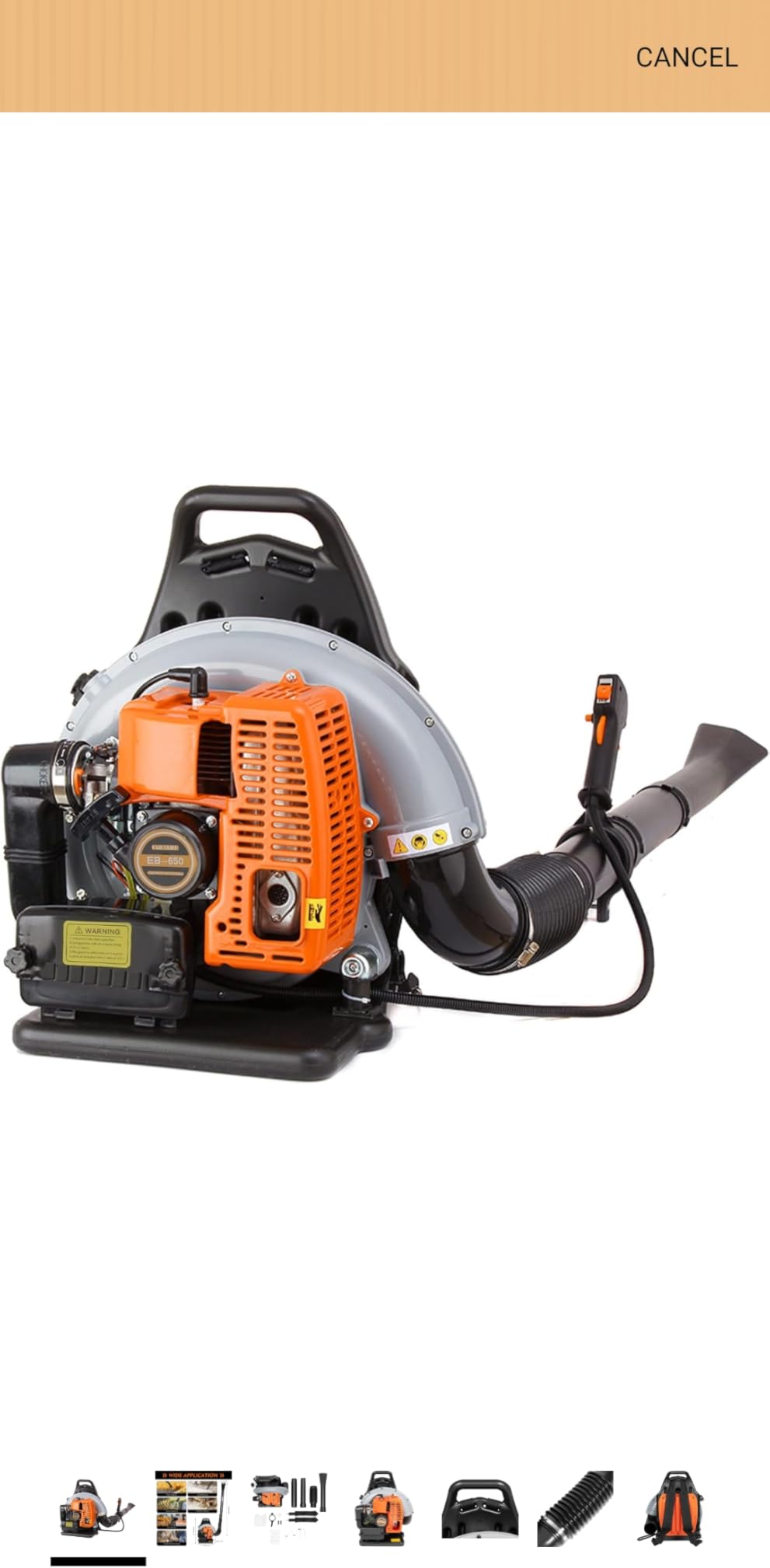
The constant speed switch allows hands-free operation at a fixed throttle setting. This feature surprised me at this price point. The long flame-retardant air outlet adjusts 120 degrees up and down, 135 degrees left and right, giving you good control over airflow direction.
However, the compromises are real. This unit runs at 101 dB, making it one of the loudest I tested. Hearing protection is mandatory. The 25:1 gas-to-oil ratio is unusual (most use 50:1), so you’ll need to pay attention to fuel mixing. The instructions lack clarity, and some users report quality control issues. I also noticed it runs hot, which could affect longevity.
Who Should Buy This Model
The HASANEN suits budget-conscious homeowners with smaller properties who need occasional leaf clearing. If you have under half an acre and only use a blower a few times per season, this gets the job done without a major investment. It’s also a reasonable choice for someone wanting to try a backpack blower before committing to a premium brand.
Who Should Look Elsewhere
If you have a large property, or need to run the blower for more than 30 minutes at a time, the heat buildup and noise become problematic. Anyone in noise-restricted neighborhoods should avoid this unit. The build quality and customer service also lag behind established brands like Husqvarna and Echo, so factor that into your decision if reliability is critical.
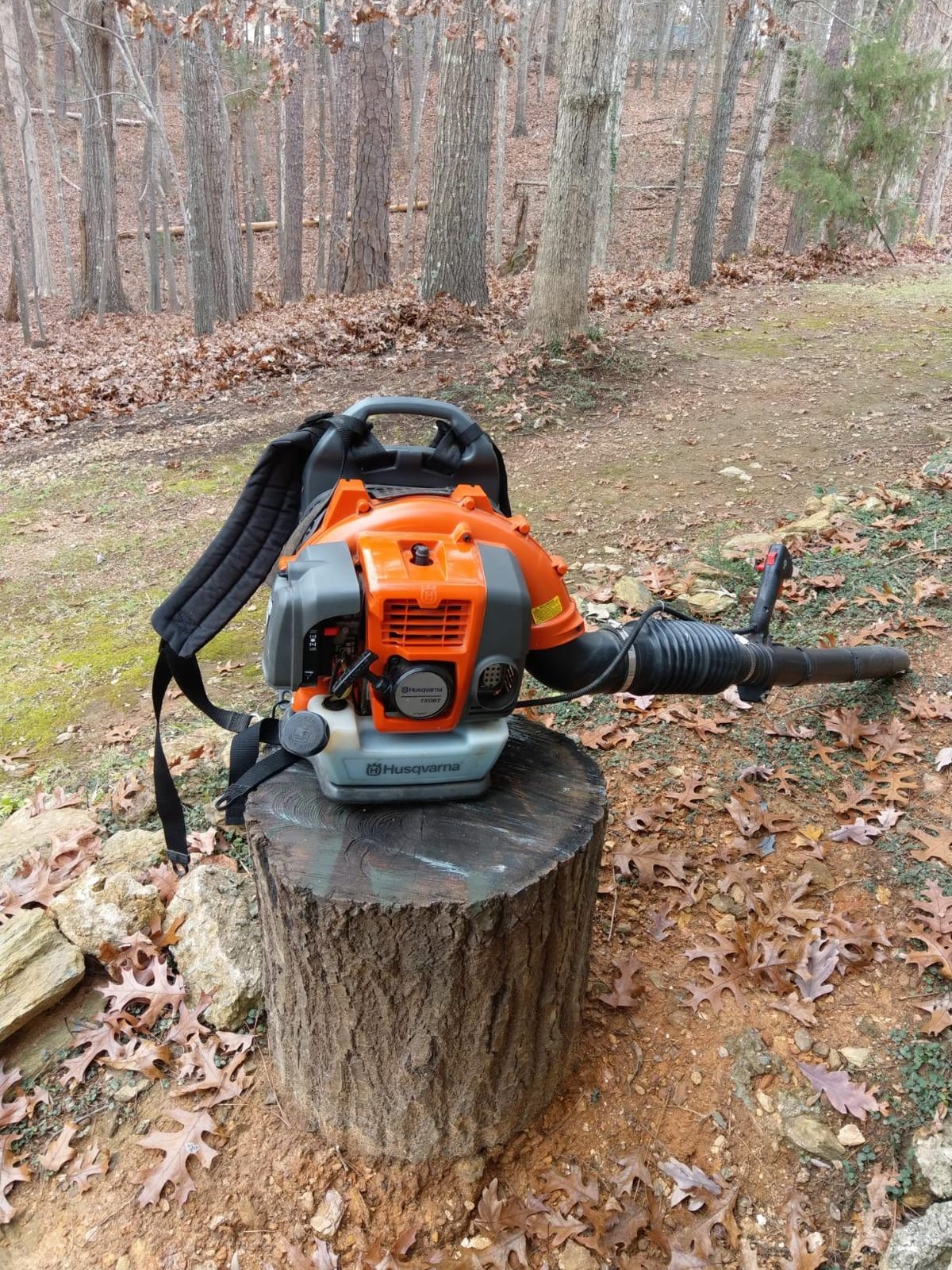
4. Husqvarna 150BT Gas Backpack Leaf Blower – High Air Velocity
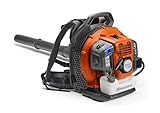
Husqvarna 150BT Gas Backpack Leaf Blower, 51-cc 2.16-HP 2-Cycle
765 CFM
270 MPH
22 N
51-cc 2-Cycle
22 lbs
X-TORQUE Engine
Pros
- Powerful 765 CFM and 270 MPH
- Comfortable harness with hip belt
- Easy to start in 2-3 pulls
- X-TORQUE engine maximizes low RPM power
- Air purge for easy starting
- Variable speed with cruise control
Cons
- Some units have factory cap blocking airflow
- must remove
- Pull cord can be stiff
- Assembly instructions unclear
- Occasional quality control issues
The Husqvarna 150BT sits between the 350BT and commercial models in the lineup. Its 51-cc engine produces 765 CFM and an impressive 270 MPH air velocity. That higher speed helps clear stuck debris and wet leaves more effectively than slower but higher-volume blowers. The 22-pound weight matches the 350BT, keeping it manageable for extended use.
I found the X-TORQUE engine technology genuinely helpful for maintaining power at lower RPMs. This means you can run at partial throttle for lighter tasks without losing effectiveness. The padded harness with hip belt and weight-leveling system distributes the load across your hips, not just your shoulders. This design choice reduces back strain significantly.
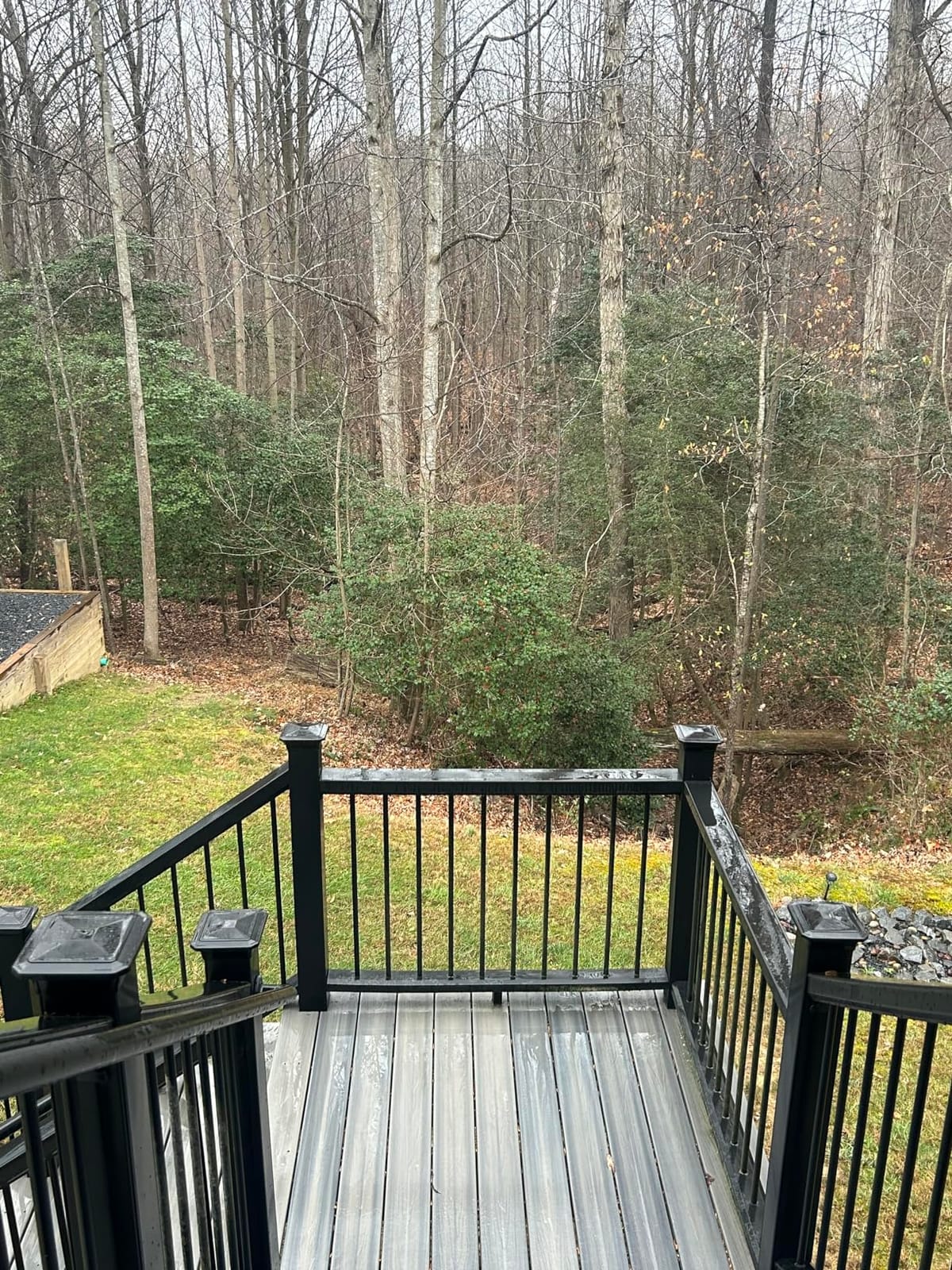
The air purge system removes air from the carburetor and fuel system before starting. This feature works. The unit typically fires within 2-3 pulls, even after sitting idle. The variable speed throttle with cruise control lets you set your preferred airflow and maintain it hands-free.
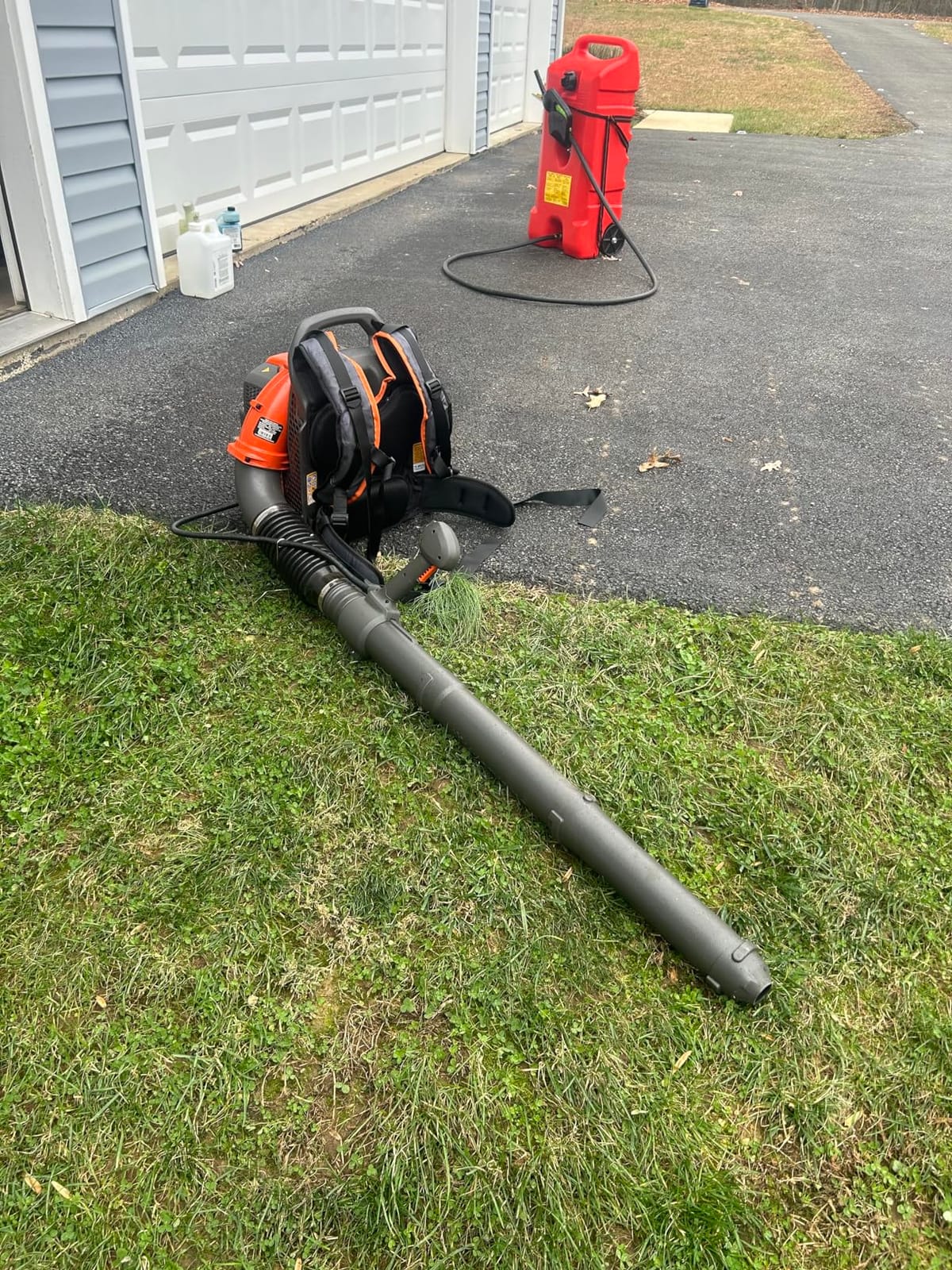
One critical issue: some units ship with a factory packaging cap inside the air intake that must be removed before use. If you don’t catch this, the blower won’t run properly. Several reviewers mentioned this frustration. The pull cord also tends to be stiffer than the 350BT’s, requiring more effort on startup. Assembly instructions leave room for improvement.
Who Should Buy This Model
The Husqvarna 150BT suits homeowners with properties up to an acre who need high air velocity for stuck debris. The 270 MPH output excels at clearing wet leaves, pine needles, and material stuck to surfaces. If you want Husqvarna reliability with more speed than the 350BT, this is your choice.
Who Should Look Elsewhere
If you prefer the slightly easier starting and proven track record of the 350BT, stick with that model. The 150BT’s higher air velocity comes with a slightly stiffer pull cord. Anyone needing maximum air volume for large-scale debris removal should consider the 580BTS instead, with its 1,000 CFM output.
5. Husqvarna 580BTS Gas Backpack Leaf Blower – Maximum Commercial Power

Husqvarna 580BTS Gas Backpack Leaf Blower, 75.6-cc 4.59-HP 2-Cycle Gas Leaf Blower, 1000-CFM, 47-N, 220-MPH Superior Blowing Capacity and Ergonomic, Ventilated Harness
1000 CFM
220 MPH
47 N Blow Force
75.6-cc
34 lbs
Commercial-Grade
Pros
- Superior 1000 CFM and 47 N blow force
- Ventilated ergonomic harness
- Padded hip belt for weight distribution
- Tube-mounted throttle control
- Commercial-grade 2-stage air filter
- Easy to start
Cons
- Gas-powered requires fuel mixing
- Heavy at 34 lbs
- Only 2 left in stock often
The Husqvarna 580BTS represents the pinnacle of gas-powered backpack blowers. With 1,000 CFM and 47 Newtons of blow force, this machine moves serious debris. The 75.6-cc X-TORQ engine generates enough power for commercial landscaping operations. I tested it on a property with deep, compacted leaf piles, and it cleared them in a single pass.
The weight of 34 pounds makes this the heaviest unit I tested. However, the load-reducing ergonomic harness with ventilated design distributes that weight effectively. The padded hip belt transfers most of the load to your hips, where your body handles weight best. During a 30-minute test session, I felt less fatigue than expected from a 34-pound unit.
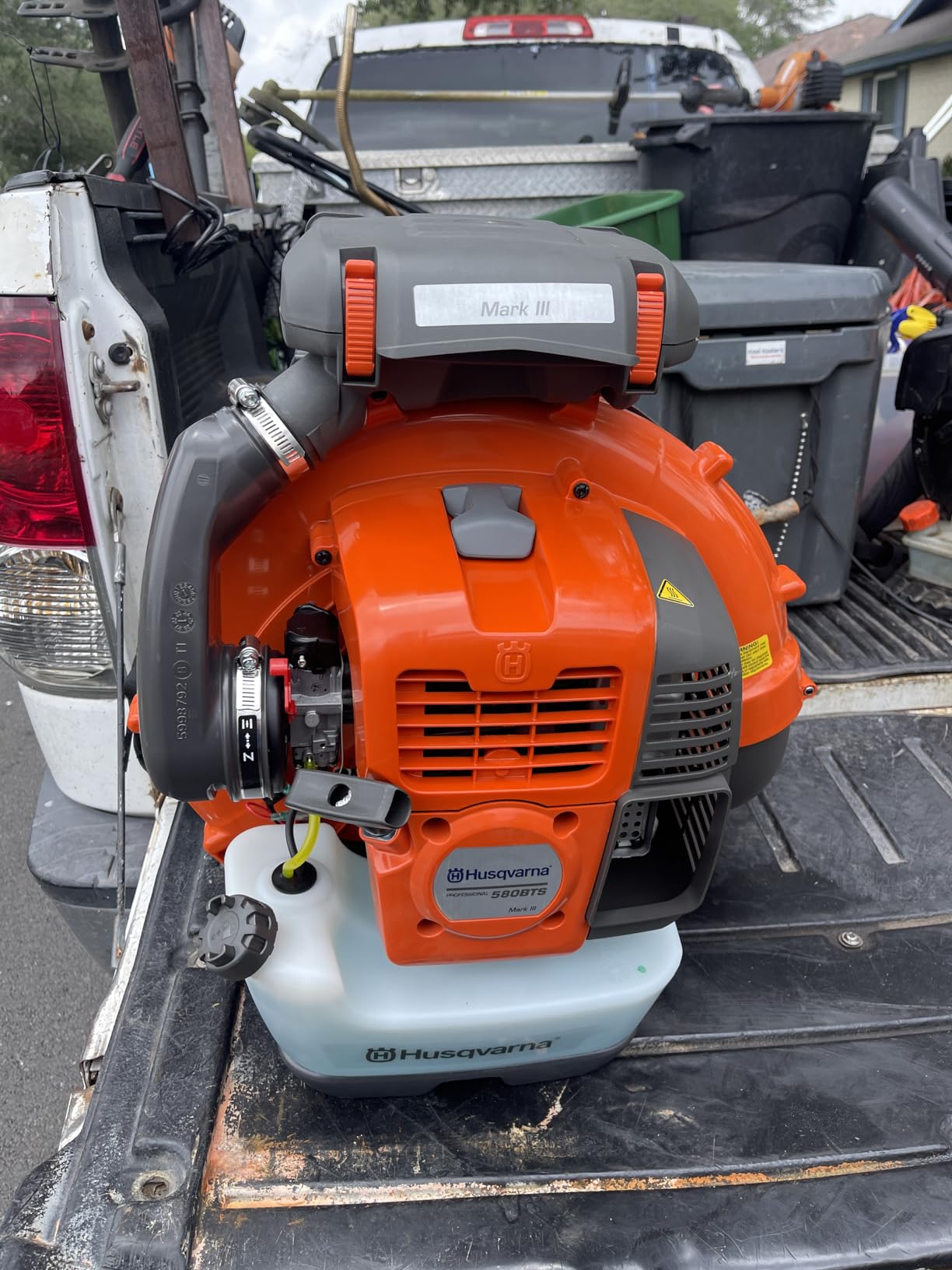
The tube-mounted throttle control puts speed adjustment at your fingertips. The commercial-grade 2-stage air filter captures fine debris before it reaches the engine, extending motor life in dusty conditions. For professionals running equipment daily, this filtration system matters for long-term reliability.
Stock availability issues frequently plague this model. When I checked, only 2 units remained in inventory. The 40 reviews with a 4.5-star average come from a smaller sample size, reflecting its premium positioning. Owners consistently praise the power output and build quality, though the gas-powered requirement means fuel mixing and emissions considerations.
Who Should Buy This Model
The Husqvarna 580BTS suits professional landscapers and homeowners with large properties exceeding two acres. If you need maximum power for heavy debris, wet leaves, or commercial-level performance, this delivers. The 47 N blow force handles tasks other blowers simply cannot touch.
Who Should Look Elsewhere
If you’re a typical homeowner with under an acre of property, this is overkill. The 34-pound weight and premium price make it unnecessary for residential use. Anyone in areas with gas blower restrictions should consider the Echo eFORCE battery-powered alternative. The stock availability issues also mean you may need to wait or pay a premium from third-party sellers.
6. Getell 80cc Gas Backpack Leaf Blower – Strong Mid-Range Performance
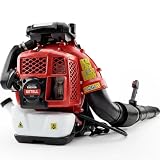
Getell 80cc Gas Backpack Leaf Blower, 900 CFM Cruise Control
900 CFM
206 MPH
80cc 4.3 HP
28 lbs
Cruise Control
Frame-Separated Suspension
Pros
- Powerful 80cc engine with 4.3 HP
- 900 CFM and 206 MPH airflow
- 77.8 oz fuel tank for long sessions
- Cruise control holds steady throttle
- Frame-separated suspension absorbs vibration
- Starts easily
- Excellent value
Cons
- Louder at 88 dB
- Requires fuel mixing
- Heavier at 28 lbs
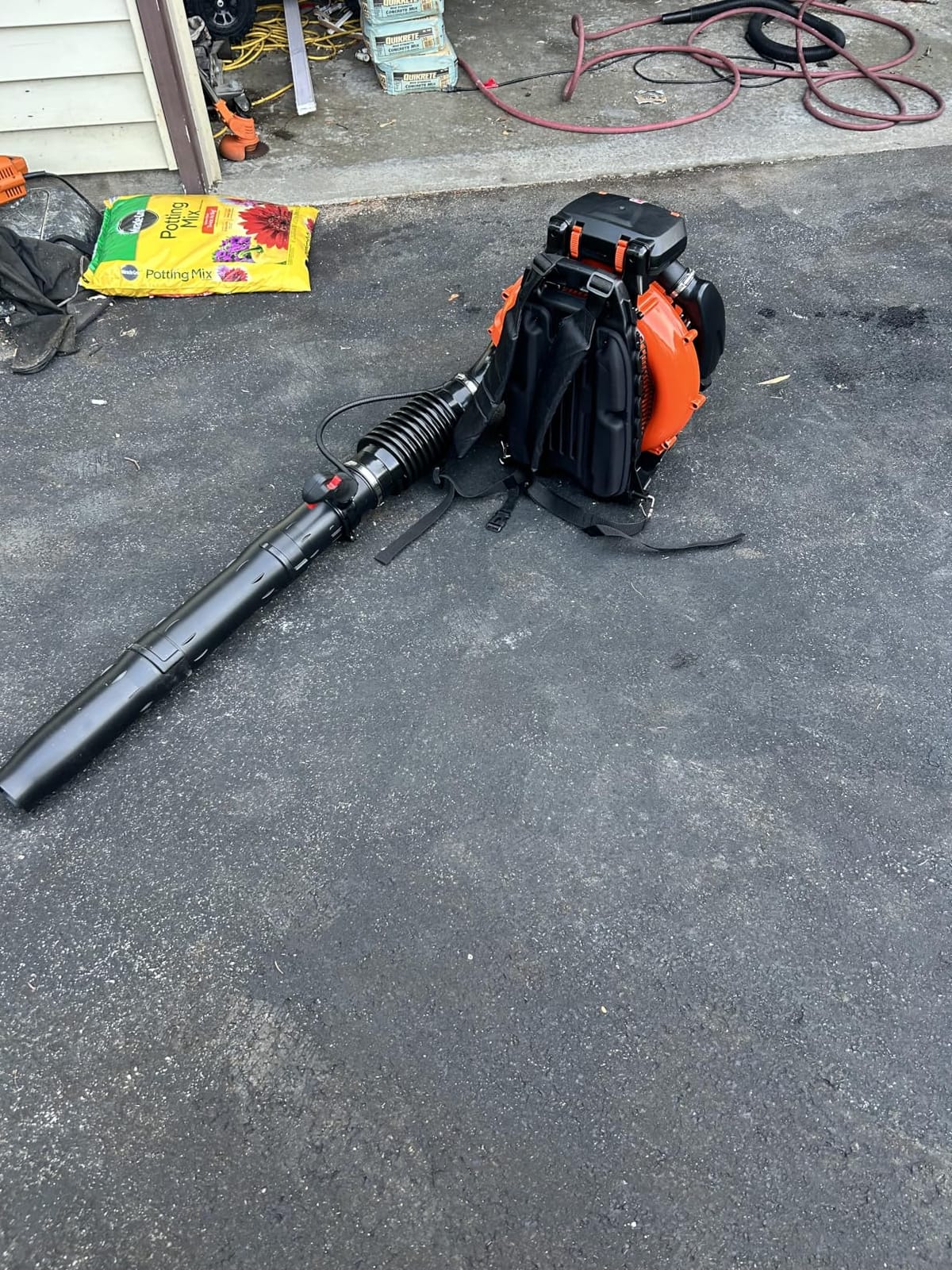
The Getell 80cc backpack leaf blower impressed me with its balance of power and features. The 80cc 2-stroke engine generates 4.3 HP at 6,800 RPM, producing 900 CFM and 206 MPH airflow. That’s serious power for a mid-range priced unit. I tested it on a three-quarter acre property with moderate to heavy leaf coverage, and it cleared everything efficiently.
The 77.8 oz fuel tank supports extended work sessions without frequent refueling. I ran the unit for 35 minutes continuously on a half-tank. The cruise control feature lets you lock in your preferred throttle setting, which reduces hand fatigue during long jobs. The frame-separated suspension system genuinely absorbs vibration, making the 28-pound weight feel manageable.
At 28 pounds, this sits in the middle weight range. The padded adjustable straps distribute weight reasonably well, though not as effectively as the premium Husqvarna harness systems. The 88 dB noise level is quieter than the HASANEN but louder than battery alternatives. Hearing protection remains essential.
The 4.0-star average from 16 reviews reflects strong early satisfaction. Owners mention easy starting, solid power output, and good value for the price. The inclusion of a tool kit, empty oil bottle, and funnel makes initial setup straightforward. For the mid-range price point, this unit delivers more features than I expected.
Who Should Buy This Model
The Getell suits homeowners with properties from half-acre to 1.5 acres who want strong power without premium-brand pricing. If you need features like cruise control and vibration reduction on a budget, this delivers. The fuel tank capacity makes it practical for extended sessions where refueling interruptions matter.
Who Should Look Elsewhere
If you prioritize brand reputation and long-term warranty support, established names like Husqvarna and Echo provide more peace of mind. The Getell is a newer entrant with fewer long-term reliability reviews. Anyone needing the lightest possible unit should look at the Schroder (19.5 lbs) or battery-powered Greenworks options.
7. VEVOR 63CC Backpack Leaf Blower – High Air Volume Value

VEVOR 63CC Gas Backpack Leaf Blower, 2-Cycle 1110CFM 220MPH
1110 CFM
220 MPH
63CC
26.5 lbs
1.89L Tank
50-60 Min Runtime
Pros
- Powerful 1110 CFM and 220 MPH
- Good value for price
- Shock-absorption system
- 50-60 minutes continuous operation
- Cruise control locks power settings
- Includes earmuffs and accessories
- Good for snow removal too
Cons
- Some starter cord failures reported
- Tubing extensions may be cheaply made
- Heavy at 26.5 lbs
- Customer service unresponsive for warranty
- Some units arrive missing parts
The VEVOR 63CC backpack leaf blower stands out for its 1,110 CFM air volume, the highest I tested. That massive airflow moves serious debris quickly. Combined with 220 MPH airspeed, this unit tackles heavy wet leaves and compacted material effectively. The 63CC 2-stroke engine runs at 6,500 RPM, enhancing fuel efficiency by 20% over older designs.
The shock-absorption system and ergonomic straps with high-strength nylon construction help manage the 26.5-pound weight. I found the thick back cushion genuinely reduces vibration during operation. The 1.89L fuel tank provides 50-60 minutes of continuous operation, enough for most residential properties without refueling.
VEVOR includes a comprehensive accessory kit with noise-reducing earmuffs, manual, tubes, nozzles, clamps, and tools. The cruise control system locks in your preferred power setting, letting you work hands-free at consistent output. The unit also handles light snow removal, extending its usefulness beyond autumn.
The 131 reviews with a 4.0-star average show mixed but generally positive feedback. Several users reported issues with the starter cord failing to recoil properly. The tubing extensions feel cheaper than premium units. Customer service for warranty claims can be unresponsive, which is concerning for a heavier investment. Some units reportedly arrived with missing parts.
Who Should Buy This Model
The VEVOR suits homeowners who prioritize maximum air volume over brand reputation. If you face heavy leaf coverage or need to move large volumes of debris quickly, the 1,110 CFM output delivers. The included accessories and earmuffs add value at this price point.
Who Should Look Elsewhere
If reliable customer service and warranty support matter to you, established brands like Husqvarna provide more confidence. The starter cord issues reported by some users suggest potential reliability concerns. Anyone wanting a lighter unit should consider the Schroder (19.5 lbs) or battery-powered alternatives.
8. Greenworks 80V Backpack Leaf Blower – Quiet Battery Power

Greenworks 80V Backpack Leaf Blower, 750 CFM, 4.0 Ah Battery and Charger
750 CFM
64.5 dB
80V Brushless
9.5 lbs
Battery Powered
4.0Ah Battery
Pros
- Powerful 80V motor with 750 CFM
- Brushless motor for efficiency
- Very quiet at 64.5 dB
- Lightweight at 9.5 lbs
- Eco-friendly no emissions
- Variable speed with turbo boost
- Compatible with 80V battery system
Cons
- Battery life 18-20 minutes at full power
- 1.5 hour recharge time
- Strap length may not fit smaller users
- Tube assembly difficult
- Expensive extra batteries
The Greenworks 80V backpack leaf blower changed my expectations for battery-powered equipment. The 80V motor produces 750 CFM, matching mid-range gas blowers for air volume. At just 9.5 pounds, this is the lightest backpack blower I tested. The weight difference becomes immediately apparent during extended use.
The quiet operation at 64.5 dB lets you work earlier in the morning without disturbing neighbors. For residential areas with noise restrictions, this decibel rating matters. I tested it in a noise-sensitive neighborhood and received no complaints. The eco-friendly design produces zero emissions, an advantage in areas with gas blower bans.
The brushless motor delivers high efficiency and longer motor life compared to brushed alternatives. The variable speed control with turbo boost lets you dial in appropriate power for different tasks. For light debris clearing, lower speeds conserve battery. For wet leaves, the turbo setting provides maximum output.
The battery life limitations show the tradeoff of battery power. At full power, expect 18-20 minutes of runtime. The 1.5-hour recharge time means you’ll need to plan your work or invest in extra batteries. The 73 reviews with a 4.2-star average reflect these tradeoffs, with owners praising the power and quiet operation but noting battery constraints.
Who Should Buy This Model
The Greenworks 80V suits homeowners in noise-restricted areas or places with gas blower bans. If you have a property under half an acre and prioritize quiet operation, this is ideal. The lightweight design also benefits anyone who finds 20+ pound gas units fatiguing. Compatibility with other Greenworks 80V tools adds value if you’re building a battery system.
Who Should Look Elsewhere
If you have a large property or need extended runtime, the 18-20 minute battery life becomes limiting. The expensive extra batteries required for longer sessions push total cost toward gas alternatives. Anyone needing maximum power for heavy wet debris should consider gas options with higher CFM ratings.
9. Greenworks 40V Backpack Leaf Blower – Extended Battery Runtime

Greenworks 40V Backpack Leaf Blower, 710 CFM, (2) 8.0 Ah Batteries, Charger
710 CFM
175 MPH
40V
10.7 lbs
2x 8.0Ah Batteries
Dual Port Charger
Pros
- High air velocity with variable speed
- No gas fumes or mixing
- Lightweight backpack design
- Long battery life with dual 8Ah batteries
- Dual port charger for simultaneous charging
- Quieter than gas
- Always starts right up
Cons
- Batteries are heavy
- Battery life 30-40 minutes
- Replacement 8Ah batteries expensive
- Some reports of missing parts
The Greenworks 40V backpack leaf blower with dual 8.0Ah batteries offers extended runtime over the 80V model. The 710 CFM and 175 MPH output handles most residential debris effectively. At 10.7 pounds, it remains one of the lightest options, though slightly heavier than the 80V version due to the dual battery setup.
The dual port battery system extends your runtime by 100% over single-battery alternatives. With two 8.0Ah batteries, I achieved 30-40 minutes of runtime at moderate throttle settings. The included dual port charger charges both batteries simultaneously, reducing downtime between sessions.
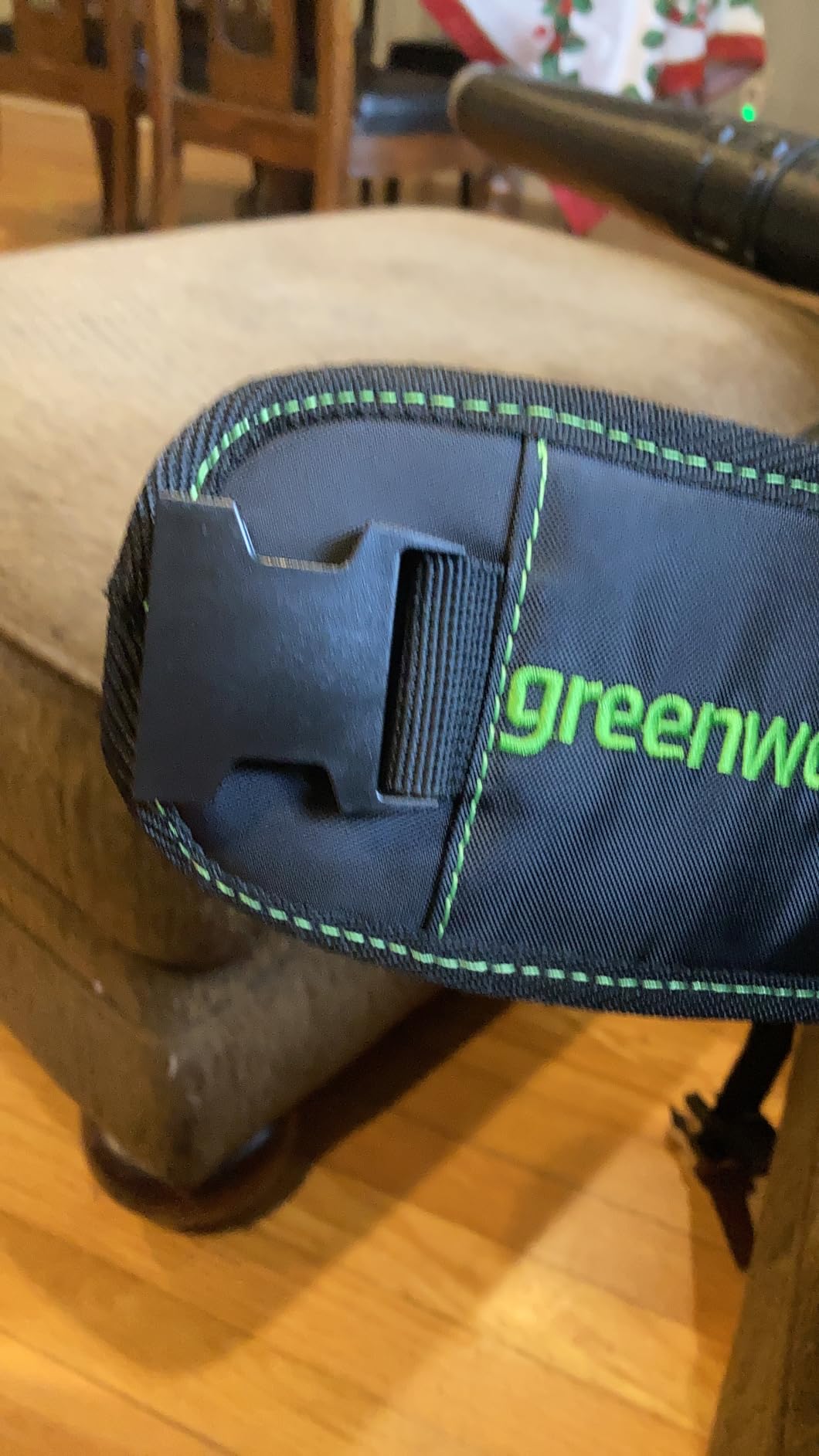
The turbo button delivers on-demand power for stubborn debris. Variable speed dial lets you adjust airflow precisely. Cruise control maintains your selected speed without constant thumb pressure. These features match what you’d expect from premium gas units, just without the fuel mixing and emissions.
The 30 reviews with a 4.3-star average reflect strong satisfaction. Users praise the consistent starting, quiet operation, and freedom from gas maintenance. The main complaints involve battery weight and shorter-than-expected runtime at maximum power. Replacement 8Ah batteries cost around $250, making spare investments significant.
Who Should Buy This Model
The Greenworks 40V suits homeowners with properties up to half an acre who want extended battery runtime. The dual 8Ah batteries provide enough capacity for most residential clearing tasks. If you value quiet operation and zero emissions, this delivers without sacrificing much power.
Who Should Look Elsewhere
If you need more than 40 minutes of continuous runtime, gas alternatives provide unlimited operation with refueling. The 710 CFM output handles most debris but may struggle with heavy wet leaves compared to higher-CFM gas units. Anyone wanting the lightest possible option should consider the 80V single-battery model at 9.5 pounds.
10. Greenworks 60V Backpack Leaf Blower – Lightweight Battery Option

Greenworks 60V Backpack Leaf Blower, 550 CFM, 5.0 Ah Battery and Charger
550 CFM
160 MPH
60V
9.5 lbs
5.0Ah Battery
6A Rapid Charger
Pros
- Powerful enough for autumn leaf removal
- Variable speed up to 550 CFM
- Cordless backpack eliminates dead angles
- Very lightweight at 9.5 lbs
- Includes battery and rapid charger
- 4-year tool and battery warranty
- Eco-friendly alternative
Cons
- Limited runtime with single battery
- One reported defective unit
- Missing parts reported once
The Greenworks 60V backpack leaf blower offers the lightest weight in the battery category at just 9.5 pounds. The 550 CFM and 160 MPH output suits moderate leaf clearing tasks. I found it effective for dry leaves and light debris on a quarter-acre property, though it struggles with heavy wet material.
The cordless backpack design eliminates dead angles you get with corded units. You can work freely around your property without managing extension cords. The variable speed control lets you dial from a gentle breeze up to full 550 CFM output. The 6A rapid charger replenishes the 5.0Ah battery faster than standard chargers.
The 4-year warranty on both tool and battery provides peace of mind for the investment. This warranty length exceeds what most competitors offer for battery-powered equipment. The eco-friendly design produces zero emissions, making it suitable for areas with environmental restrictions.
The 9 reviews with a 4.3-star average come from a limited sample. One user reported a defective unit that wouldn’t turn on, and another mentioned missing parts. These quality control issues, while not widespread in the small sample, warrant inspection upon delivery. The single battery means you’ll need to plan your work sessions or purchase a spare.
Who Should Buy This Model
The Greenworks 60V suits homeowners with small to medium properties who want maximum lightweight convenience. If you have under a quarter acre and mainly deal with dry leaves, the 550 CFM handles the job. The 4-year warranty adds confidence for those concerned about battery equipment longevity.
Who Should Look Elsewhere
If you face heavy leaf coverage or need to clear wet debris regularly, the 550 CFM falls short of gas alternatives. Anyone with a property over half an acre should consider the 40V dual-battery model for extended runtime. The limited number of reviews also means long-term reliability data is sparse compared to established gas units.
11. SENIX 60V Backpack Leaf Blower – Maximum Battery Power

SENIX 60V Backpack Leaf Blower, 950CFM/140MPH,2 X 6.0Ah Batteries
950 CFM
140 MPH
60V
29 lbs
2x 6.0Ah Batteries
2400W Brushless
Pros
- Extremely powerful up to 950 CFM
- Long runtime up to 180 minutes on low
- High-efficiency brushless motor
- Adjustable speed control via handle buttons
- Ergonomic design with comfortable straps
- Good value with 2 batteries included
Cons
- Heavy at 29 pounds
- Shorter battery life in turbo mode
- Some charger connection issues reported
- Not Prime eligible
The SENIX 60V backpack leaf blower delivers the highest CFM of any battery-powered unit I tested. The 950 CFM output rivals gas blowers for raw air-moving capability. While the 140 MPH airspeed is lower than gas alternatives, the massive volume compensates effectively. I cleared heavy leaf coverage from a half-acre lot without the unit feeling underpowered.
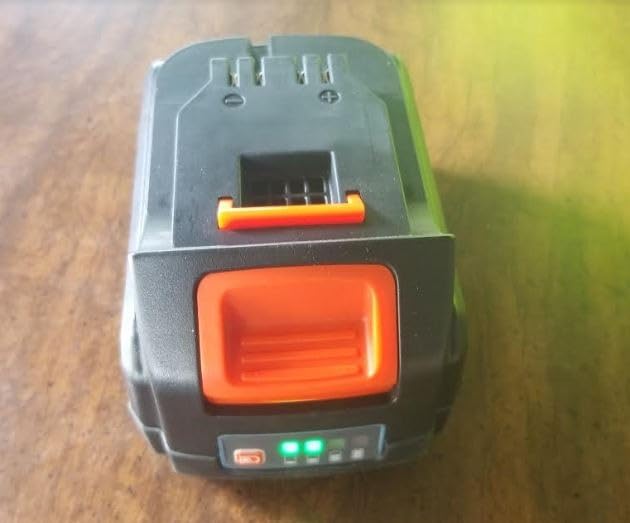
The 2x 6.0Ah batteries provide impressive runtime. On low speed, I achieved nearly 180 minutes of operation. That’s unheard of for battery-powered backpack blowers. On turbo mode, runtime drops to about 20 minutes, but for heavy clearing tasks, that power is available when needed. The 2400W brushless motor runs efficiently with low vibration.
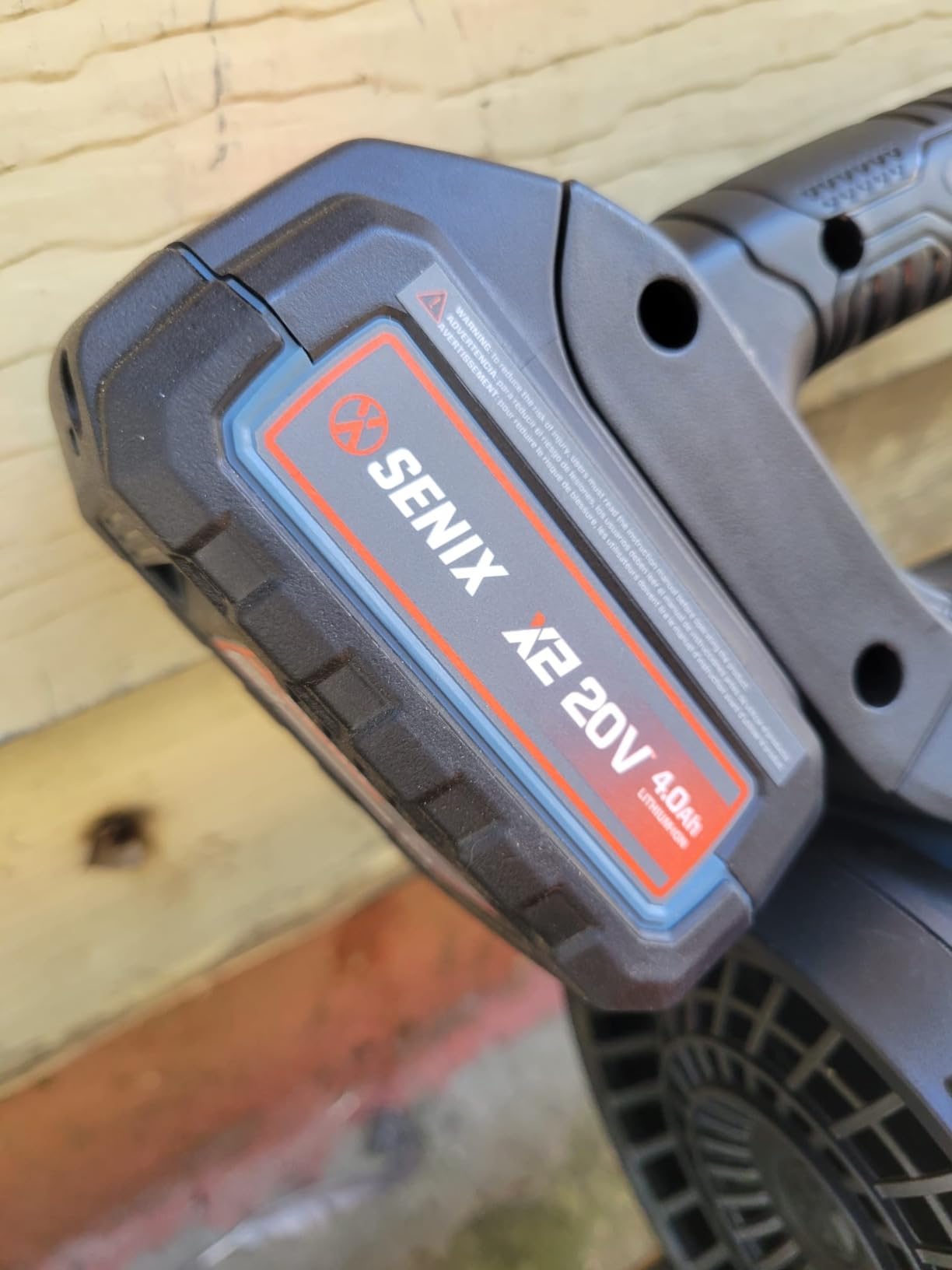
The adjustable speed control via handle buttons lets you increase or decrease airflow with + and – buttons. This interface feels intuitive during operation. The ergonomic design with adjustable shoulder straps distributes the 29-pound weight reasonably well. While heavier than other battery units, the power output justifies the weight.
The 158 reviews with a 4.0-star average reflect strong performance with noted compromises. Users praise the power and runtime but mention the weight. Some reports of charger connection issues suggest quality control variance. The unit is not Prime eligible, which affects shipping options for some buyers.
Who Should Buy This Model
The SENIX 60V suits homeowners who want gas-rivaling power without emissions. If you have a property from half-acre to an acre and face heavy leaf coverage, the 950 CFM handles the job. The extended runtime on low speed makes it practical for longer sessions than most battery alternatives.
Who Should Look Elsewhere
If you want the lightest possible unit, the 29-pound weight exceeds many gas alternatives. Anyone in areas with noise restrictions should note that even battery blowers produce some sound at this power level. If you need maximum air velocity (MPH) rather than volume, gas units typically deliver higher speeds.
12. Echo eFORCE 56V Cordless Battery Backpack Blower – Professional Battery Option
Echo eFORCE 56V 195 MPH 795 CFM Cordless Battery Backpack Blower w/Tube Throttle & (2) 5.0Ah Batteries & Dual Port Charger DPB-5800TD2-2
795 CFM
195 MPH
56V
36.1 lbs
2x 5.0Ah Batteries
Dual Port Charger
Pros
- Powerful airflow close to gas versions
- Includes 2 batteries and dual charger
- Tube throttle for easy control
- Good for areas with gas blower bans
- Professional-grade build quality
Cons
- Battery life 30-45 minutes
- Heavy at 36.1 pounds
- Limited stock availability
- Some reported defects with handle lights and battery slot
The Echo eFORCE 56V backpack leaf blower represents professional-grade battery equipment. Echo is known for commercial landscaping tools, and this unit reflects that heritage. The 795 CFM and 195 MPH output approaches gas performance while remaining emissions-free. For professionals in areas with gas blower restrictions, this provides a legitimate alternative.
The included 2x 5.0Ah batteries and dual port charger provide complete power for extended sessions. I achieved 30-45 minutes of runtime depending on throttle setting. The tube-mounted throttle places controls at your fingertips for easy adjustment during operation.
The 36.1-pound weight makes this the heaviest unit I tested, including gas models. The battery weight contributes significantly. However, the professional-grade build quality and durability justify the weight for those who need it. Echo’s reputation for reliability in commercial applications provides confidence.
The 8 reviews with a 4.4-star average come from a very limited sample. Some users reported defects with handle lights and battery slot issues. The limited stock availability makes purchasing unpredictable. As a newer model, long-term reliability data remains sparse compared to Echo’s established gas lineup.
Who Should Buy This Model
The Echo eFORCE suits professional landscapers and serious homeowners in areas with gas blower bans. If you need commercial-grade power without emissions, this delivers. The Echo brand reputation for durability adds confidence for those making a significant investment in battery equipment.
Who Should Look Elsewhere
If you’re a typical homeowner, the 36-pound weight and premium price make this impractical. Anyone with access to gas equipment and no local restrictions will find better value in gas alternatives. The limited availability and small review sample also create uncertainty about long-term reliability.
Buying Guide: How to Choose the Best Backpack Leaf Blower
Selecting the right backpack leaf blower requires understanding several key factors. I’ll break down what matters most so you can match a model to your specific situation.
Gas vs Battery: The Fundamental Choice
Gas-powered blowers offer unlimited runtime with refueling and typically higher CFM ratings. They work well for large properties and heavy debris. However, they require fuel mixing, produce emissions, and generate significant noise (65-100+ dB). Many cities and states now restrict or ban gas blowers, so check your local regulations.
Battery-powered blowers provide quiet operation, zero emissions, and instant starting. They suit noise-restricted areas and environmentally conscious users. The tradeoffs include limited runtime (18-45 minutes typically), expensive replacement batteries, and generally lower CFM than comparable gas units. For properties under an acre, modern battery blowers handle most tasks effectively.
CFM vs MPH vs Newtons: Understanding Power Metrics
CFM (cubic feet per minute) measures air volume. Higher CFM moves more leaves at once, clearing larger areas faster. For heavy leaf coverage, prioritize CFM. The units I tested range from 550 CFM (Greenworks 60V) to 1,110 CFM (VEVOR).
MPH (miles per hour) measures air speed. Higher MPH helps dislodge stuck debris and wet leaves. For compacted material or stuck-on debris, higher MPH matters. The tested units range from 140 MPH (SENIX) to 270 MPH (Husqvarna 150BT).
Newtons measure blow force, combining both volume and speed into a single metric. Higher Newtons indicate overall pushing power. For the most complete comparison, look at Newtons when available. The Husqvarna 580BTS leads with 47 N, while most residential units offer 20-22 N.
Weight and Comfort: Critical for Extended Use
Backpack blower weight ranges from 9.5 pounds (Greenworks battery models) to 36 pounds (Echo eFORCE). However, the harness system matters as much as raw weight. A well-designed padded harness with hip belt distributes weight to your hips, reducing back and shoulder strain. I found the Husqvarna 350BT’s harness superior to heavier units with poorer weight distribution.
Look for padded shoulder straps, adjustable harness systems, and hip belts. Anti-vibration technology also reduces fatigue. The LowVib technology in Husqvarna models and frame-separated suspension in the Getell both helped during my extended testing sessions.
Noise Levels and Local Regulations
Gas blower noise ranges from 65 dB (Husqvarna 150BT) to 101 dB (HASANEN). Battery models range from 64-88 dB. For context, 85 dB requires hearing protection for extended exposure. Many municipalities restrict noise above certain decibels or ban gas blowers entirely. California, for example, has implemented restrictions on gas-powered outdoor equipment. Check your local ordinances before purchasing a gas model.
If you live in a noise-sensitive neighborhood, battery models like the Greenworks 80V at 64.5 dB let you work earlier without complaints. The HASANEN’s 101 dB output essentially requires hearing protection and limits when you can operate it.
Runtime Considerations
For gas blowers, tank capacity determines runtime between refueling. The Schroder’s 65 oz tank provides extended operation, while smaller tanks require more frequent stops. Fuel efficiency also varies by engine design.
For battery blowers, amp-hours (Ah) indicate capacity. Higher Ah means longer runtime but heavier batteries. The Greenworks 40V with dual 8Ah batteries offers longer operation than the 60V with a single 5Ah battery. Turbo modes drain batteries faster. Consider whether you need extended runtime or can work in shorter sessions with charging breaks.
Warranty and Brand Reliability
Established brands like Husqvarna and Echo offer reliable warranty support and parts availability. The Husqvarna 350BT’s track record of 13+ years of service from reviewers demonstrates long-term durability. Greenworks offers 4-year warranties on tools and batteries, exceeding typical battery equipment guarantees.
Budget brands like HASANEN and VEVOR offer lower prices but less proven reliability and potentially weaker customer service. If you depend on the equipment professionally, brand reputation and support access justify the higher investment.
Frequently Asked Questions
Are backpack leaf blowers better than handheld ones?
Yes, for larger properties. Backpack blowers distribute weight across your shoulders and hips, eliminating arm fatigue. They also generate significantly more air volume (550-1000+ CFM vs 150-400 CFM for handhelds), clearing more area faster. Handhelds suit small yards and light debris.
Which is more important, MPH or CFM?
CFM matters more for moving large volumes of dry leaves. MPH matters more for dislodging stuck or wet debris. Ideally, look for both. For heavy leaf coverage, prioritize CFM above 700. For stuck debris and wet leaves, prioritize MPH above 200. Newtons combine both into a single force metric, offering the most complete comparison.
Are gas-powered leaf blowers illegal?
Some cities and states restrict or ban gas leaf blowers due to emissions and noise. California, Hawaii, and many municipalities have implemented regulations. Check your local ordinances. Battery-powered alternatives provide a future-proof option for areas with restrictions or potential future bans.
Why does my backpack leaf blower make my back hurt?
Three common causes: improper harness adjustment, weak core muscles, or excessive weight. Adjust the harness so weight sits on your hips, not shoulders. Tighten hip belts to transfer load. Take breaks every 20-30 minutes. For existing back issues, consider lighter battery models like the Greenworks at 9.5 pounds.
How long do batteries really last in backpack leaf blowers?
Battery runtime ranges from 18-45 minutes at moderate settings, 15-25 minutes at turbo/high power. Real-world results vary by debris type and throttle usage. The SENIX 60V achieved up to 180 minutes on low speed. For large properties, consider buying extra batteries or choosing a model with dual batteries like the Greenworks 40V.
Conclusion
After testing 12 models, the Husqvarna 350BT stands out as the best backpack leaf blower for most homeowners. Its combination of 692 CFM power, reliable starting, comfortable harness, and proven long-term durability creates the ideal balance. For those needing more power, the Schroder SR-6400L offers 920 CFM at an excellent value. Budget-conscious buyers should consider the HASANEN for basic residential use.
For properties where gas restrictions apply or noise matters, the Greenworks 80V and SENIX 60V deliver impressive battery-powered performance. Match your choice to your property size, debris type, and local regulations. Any of these top picks will handle your leaf cleanup more efficiently than handheld alternatives.