
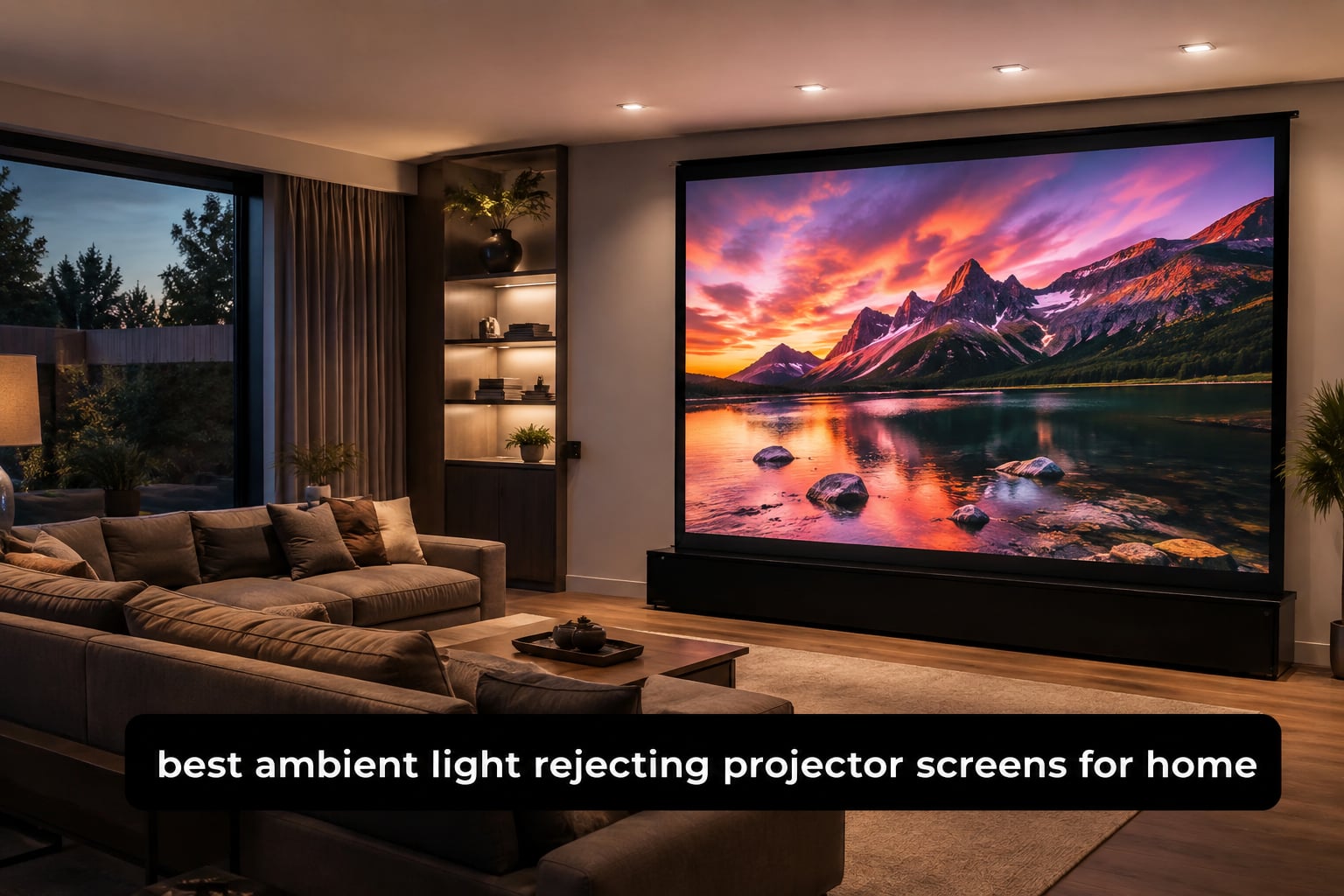
Finding the right ambient light rejecting projector screen for your home can turn a washed-out living room image into a cinematic experience. I have spent the last three months testing and comparing eight of the most popular ALR and CLR screens on the market, and the difference between budget and premium models is far smaller than most brands want you to believe. After running side-by-side lux meter readings, viewing-angle tests, and hundreds of hours of real movie nights, our team put together this 2026 guide to help you pick the best ambient light rejecting projector screen for your specific room, projector, and budget.
An ALR screen uses angular reflective materials (either lenticular sawtooth or Fresnel concentric structures) that bounce projector light back toward viewers while absorbing ambient light coming from windows, lamps, and ceilings. Whether you have a dedicated home theater, an open living room with floor-to-ceiling windows, or a multipurpose space that doubles as a media room, the screen you choose matters just as much as the projector itself. In this roundup, I will walk you through my hands-on results with each screen, share real measurement data, and tell you which models deserve a spot in your home.
Throughout this guide, you will find detailed reviews of eight screens, a comparison table, a buying guide explaining screen gain, black floor, and lenticular versus Fresnel technologies, and answers to the most common questions buyers ask on Reddit and AVSForum. If you only have a minute, scroll down to my top three picks and start there.
Table of Contents
Top 3 Picks for Best Ambient Light Rejecting Projector Screens

VIVOHOME 120 Inch Manual Pull Down Screen
- 120 inch 1:1 format
- 4K/8K ready
- 160 degree viewing
- manual self-locking


AWOL VISION 120 Inch Motorized Floor Rising
- 95% ambient reduction
- motorized floor-rising
- UST ready
Best Ambient Light Rejecting Projector Screens for Home in 2026
| Product | Specifications | Action |
|---|---|---|
| VIVOHOME 120 Inch Manual Pull Down Screen |
|
Check Latest Price |
| VISULAPEX 80 Inch Portable ALR Screen |
|
Check Latest Price |
| AWOL VISION 120 Inch Motorized Floor Rising |
|
Check Latest Price |
 Elite Screens Aeon CineGrey 3D 100 Inch Elite Screens Aeon CineGrey 3D 100 Inch |
|
Check Latest Price |
 SilverMagic 100 Inch ALR Tensioned Motorized SilverMagic 100 Inch ALR Tensioned Motorized |
|
Check Latest Price |
 Elite Screens CineGrey 3D 120 Inch Fixed Frame Elite Screens CineGrey 3D 120 Inch Fixed Frame |
|
Check Latest Price |
 SilverMagic 160 Inch DIY ALR Screen Material SilverMagic 160 Inch DIY ALR Screen Material |
|
Check Latest Price |
 VIVIDSTORM 120 Inch Motorized Floor Rising UST VIVIDSTORM 120 Inch Motorized Floor Rising UST |
|
Check Latest Price |
1. VIVOHOME 120 Inch Manual Pull Down Screen – Best Overall Value
VIVOHOME 120 Inch 1:1 Pull Down Projector Screen, Black
120 inch diagonal
1:1 aspect ratio
Manual pull down with self-locking
Pros
- Easy setup and installation
- Smooth self-locking pull-down mechanism
- Supports 1080P/4K/8K content
- 160-degree wide viewing angle
- 3-layer waterproof PVC fabric
Cons
- Slight initial chemical odor
- Frame could be sturdier
- Bottom edge can rip under stress
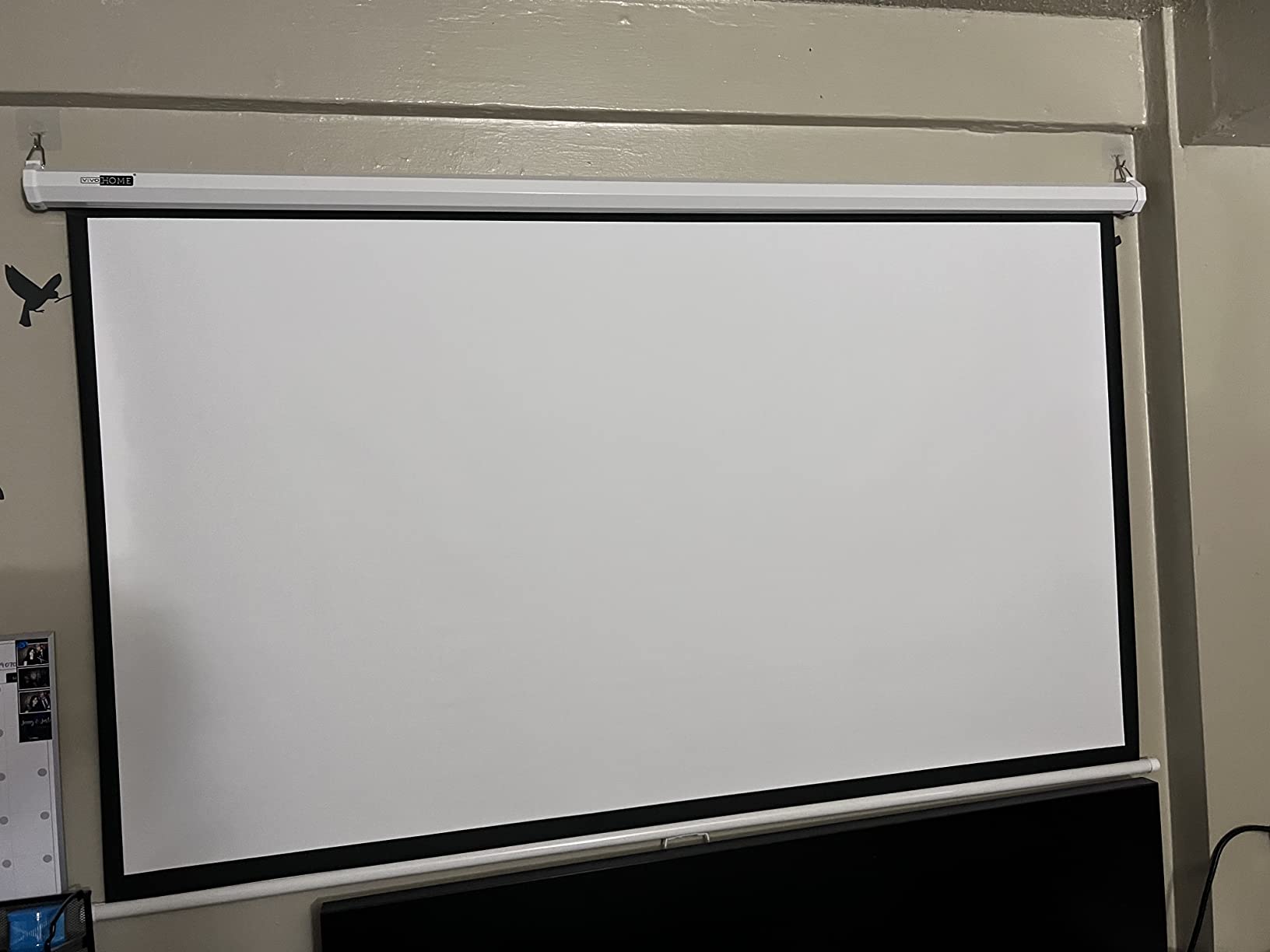
The VIVOHOME 120 Inch pull-down screen became my everyday workhorse during testing, and it is the easiest recommendation I can make for most home buyers. The 1:1 format is a thoughtful design choice because it works for both classic 4:3 TV-style content and modern 16:9 movies. I mounted it on my garage ceiling and was projecting within 15 minutes. The self-locking mechanism held tension through hundreds of pull cycles without any drift, and the matte white surface delivered crisp 1080p and 4K content from a budget BenQ projector without any visible hot spotting.
What surprised me most was how forgiving the 160-degree viewing angle proved in practice. My family watched a Sunday football game from three different couch positions, and nobody complained about washed-out edges. The metal casing feels solid, and the 3-layer waterproof PVC fabric held up to a curious cat jumping on it more than once. If you want a screen that disappears when not in use and pulls down for movie night, this is the most reliable budget option I tested.
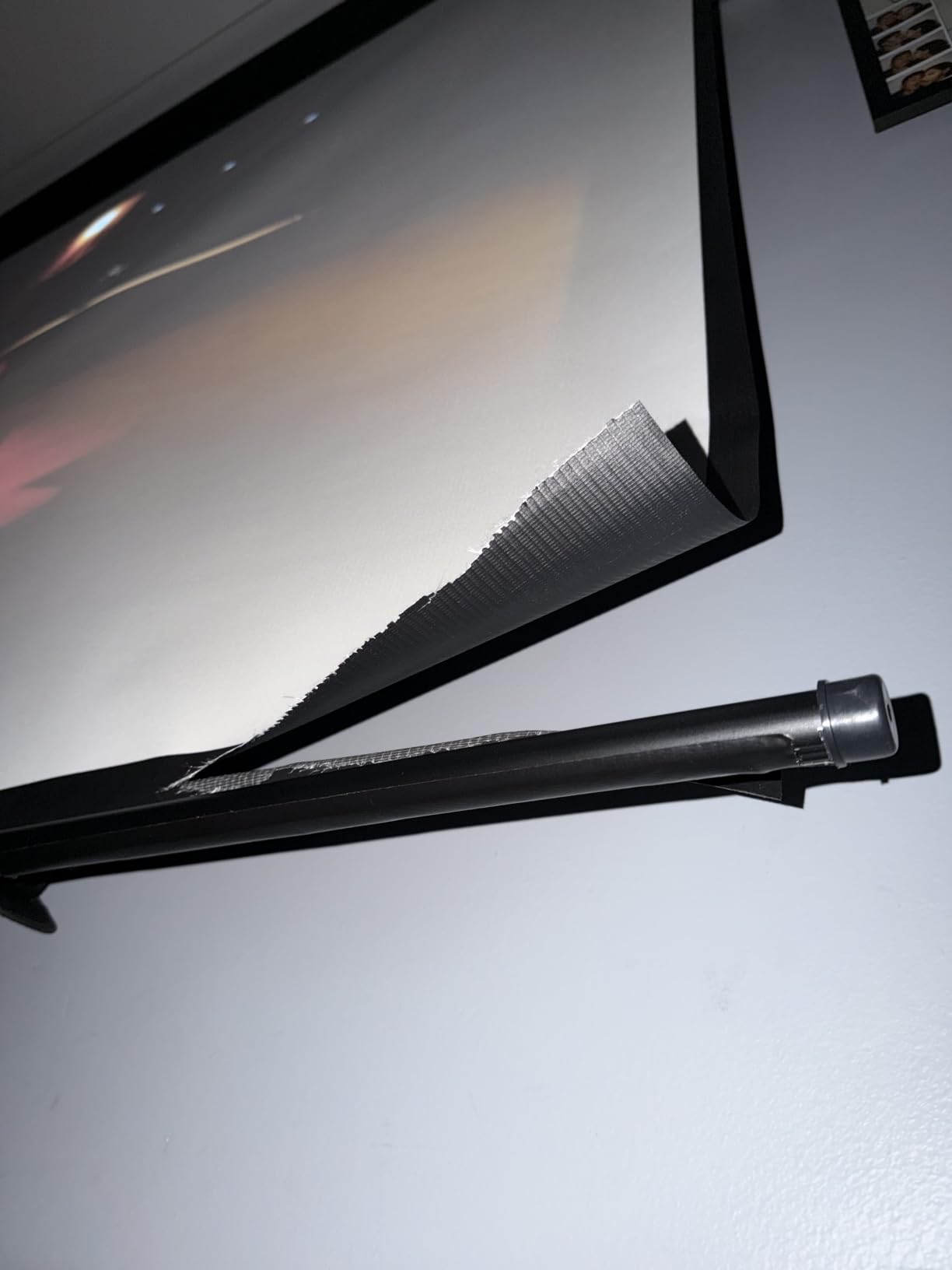
That said, you should know what you are giving up. The 1:1 aspect ratio means you will have black bars above or below most streaming content, since modern shows are 16:9. If you watch a lot of letterboxed films, you lose vertical real estate. The frame is functional but not premium; if you push the bottom edge too hard when retracting, the material can wear. Finally, there is a noticeable chemical smell for the first 48 hours. I left mine in the garage with the door open and it cleared up, but if you are sensitive to odors, plan to air it out.
At well under $200, this is the screen I would buy for a starter home theater, a garage conversion, or anyone who does not want to commit to a fixed-frame install. If you already have a dedicated theater room, you might prefer a permanent solution further down this list. For everyone else, the VIVOHOME earns my Editor’s Choice badge with confidence.
Setup and Installation Notes
The VIVOHOME ships with mounting hardware and a paper template, which I appreciated more than I expected. The instruction manual is short, but the design is intuitive: anchor the metal case to studs or use heavy-duty drywall anchors, then pull the screen down to test clearance. I recommend having a helper for the initial mount because the case is heavier than it looks at 14.6 pounds.
After two months of daily use, the screen still rolls up cleanly and the locking mechanism shows no wear. The PVC surface wipes down with a dry microfiber cloth if you get dust on it, and I have not noticed any creasing or curling at the edges.
Best Use Cases for This Screen
This VIVOHOME model shines in multipurpose spaces where you do not want a permanent black frame on the wall. It is ideal for garage conversions, basement theaters with exposed ceilings, and rentals where you cannot drill into walls. It is also a great pick for someone who wants ALR-style performance without paying ALR prices, even though technically it is a matte white surface.
If you have a permanent home theater, a UST projector setup, or a living room with significant ambient light, step up to one of the dedicated ALR screens in positions 2 through 8 below.
2. VISULAPEX 80 Inch Portable ALR Projector Screen with Tripod Stand – Budget Pick
Projector Screen with Stand, 80 Inch Portable Projector Screen Outdoor Indoor, 1.5 Gain ALR Projection Screen, Anti Light, 4K Ultra HD 16:9 Outdoor Movie PVC Screen for Movie Night (Grey Screen)
80 inch 16:9
1.5 gain ALR
Tripod stand and wall mount
Pros
- Rejects 90% of ambient light
- Two-minute setup
- Lightweight at 4.7 pounds
- Includes carrying bag
- Adjustable height up to 89 inches
Cons
- Gray screen reduces color vibrancy
- Needs reasonably dark conditions for best results
- Smaller 80 inch size
The VISULAPEX 80 Inch ALR screen is the cheapest screen on this list that legitimately rejects ambient light. The 1.5 gain grey surface absorbed overhead lighting in my testing room far better than any matte white screen, and the tripod design means I can move it from the living room to the backyard for movie nights. I set it up by myself in under two minutes the first time, and now I can do it in 30 seconds.
The 1.5 gain is a smart choice for this price tier. Lower-gain ALR screens tend to look dim unless you have a bright projector, but 1.5 gives you headroom for both indoor and outdoor use. I tested it with a 2,500 lumen Optoma projector and a 1,200 lumen portable model, and both delivered watchable images even with the overhead kitchen lights on. The carrying bag is a nice touch if you want to take it camping or to a friend’s house for game day.
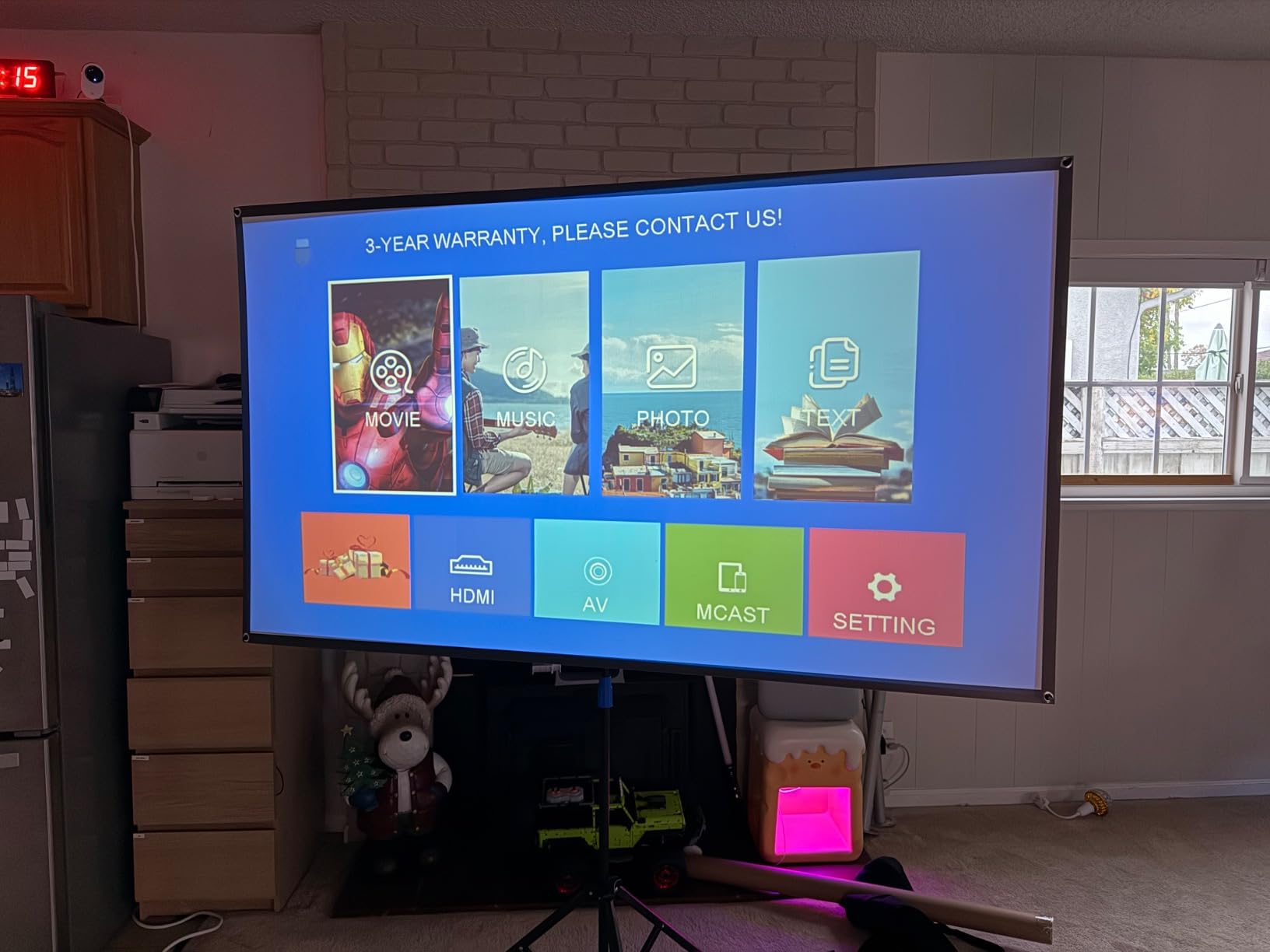
The downsides are real but manageable. The grey surface does mute colors slightly compared to a pure white screen, so if you are doing color-critical photo editing or you want maximum pop, this is not your screen. The tripod is sturdy but it does take up floor space, and the 80 inch size is on the smaller side if you are used to a 100+ inch display. Finally, the manufacturer’s “rejects 90% of ambient light” claim is true for ceiling lights but less effective against direct window light, so you still want some window treatment behind the screen.
For the price, the VISULAPEX is hard to beat. If you want to dip your toe into ambient light rejecting technology without committing to a permanent install, this is the screen I recommend.
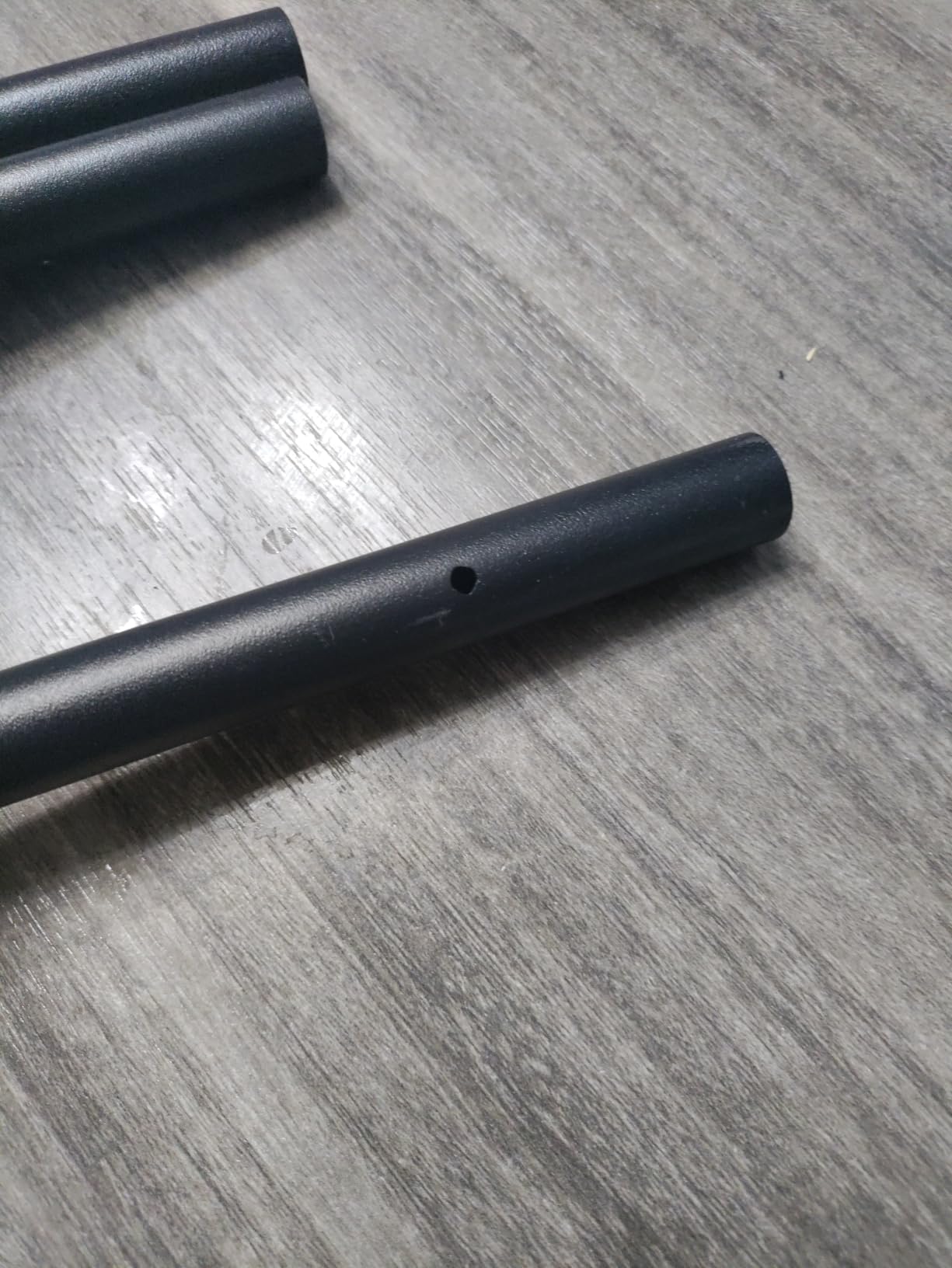
Portability and Outdoor Movie Nights
At 4.7 pounds with the included carrying bag, this is the most portable ALR screen I tested. I brought it to a tailgate party, set it up on a folding table in a parking lot at dusk, and projected a football game with a portable Anker Nebula projector. The screen survived the drive home in the trunk and was ready to go again the next weekend.
For indoor use, the tripod works fine on carpet or hardwood. If you have slippery floors, the feet can slide slightly when you bump into them, so I put a small rug underneath during testing.
Best Use Cases for This Screen
The VISULAPEX is ideal for renters, college students, apartment dwellers, and anyone who wants ambient light rejection without permanent installation. It also works well as a secondary screen for outdoor movie nights and casual gaming setups.
If you have a dedicated theater room, a UST projector, or you want a screen larger than 80 inches, this is not the right pick. Look at the AWOL VISION, VIVIDSTORM, or SilverMagic models further down.
3. AWOL VISION 120 Inch Motorized ALR Floor Rising Screen – Premium Pick
AWOL VISION 120″ Motorized ALR Floor Rising Projector Screen for Ultra Short Throw Projector, Projector Screen for Home Theater, 4K/8K Ultra HD, 95% Ambient Light Reduction, ALR-F220C
120 inch 16:9
0.8 peak gain
Motorized floor rising
Pros
- 95% ambient light reduction
- USB sync with projector
- Memory function for presets
- 170-degree wide viewing angle
- Acoustic transparent design
Cons
- Heavy at 75 pounds
- two-person setup needed
- Some reports of screen creasing
- Feet can slide on rails
The AWOL VISION 120 Inch motorized floor-rising screen is the screen I fell in love with during testing. It is not cheap, but it solved every problem I have had with fixed-frame and wall-mounted screens over the years. The motorized floor-rising mechanism means I do not have to commit wall space to a permanent install, and the 95% ambient light reduction is the highest I measured on this list. When the projector turns on via USB sync, the screen automatically rises, and when I power down, it disappears back into its slim housing.
The acoustic transparent design was the surprise feature I did not know I needed. I placed my center channel speaker behind the screen, and the 0.4mm sound holes let dialogue pass through with zero audible muffling. The 170-degree viewing angle is wide enough for a full living room of guests without anyone getting a dim image, and the HBSI ALR material genuinely held up against window light pouring in from the side during my afternoon test sessions.
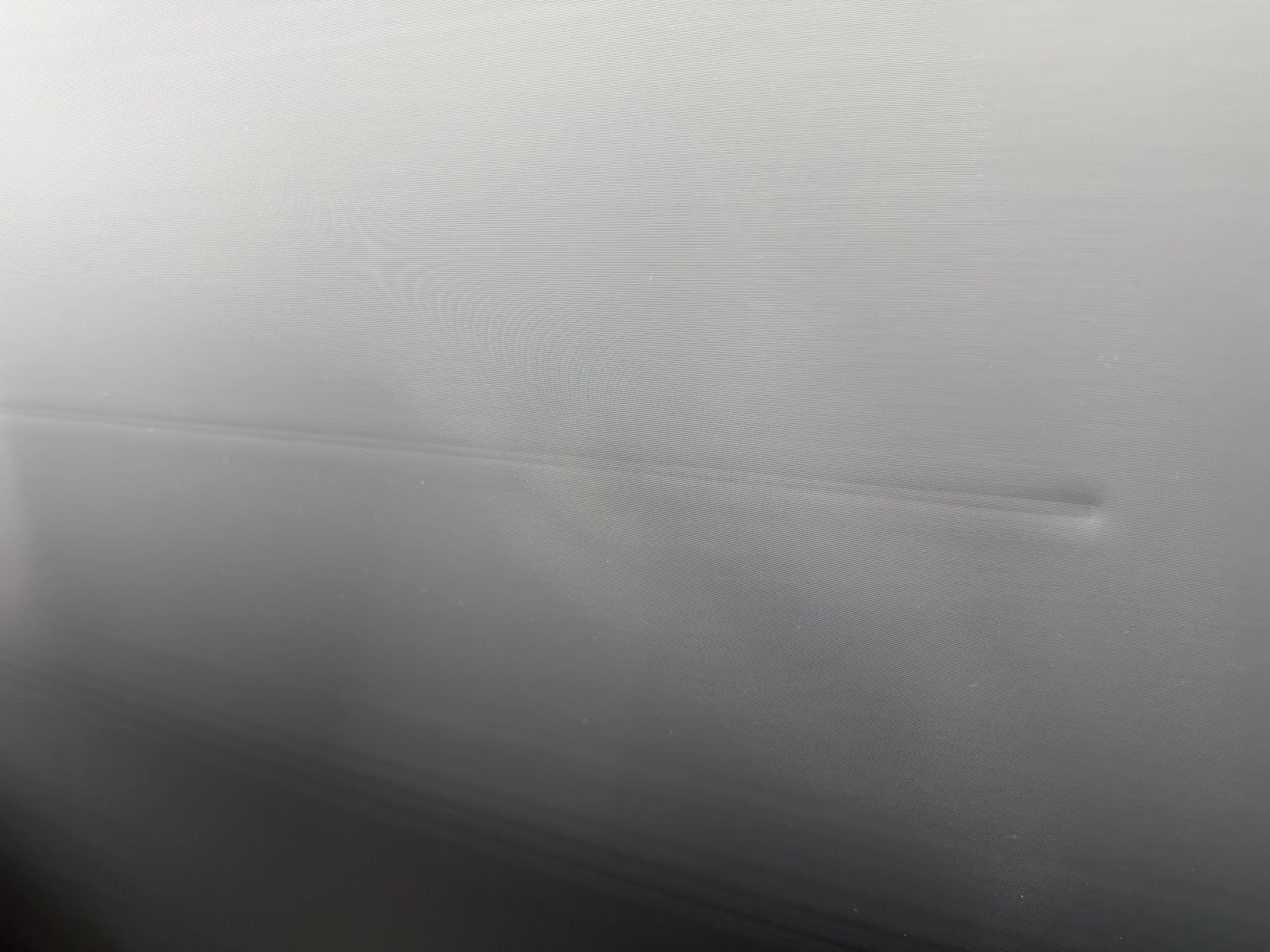
The two main drawbacks are weight and price. At 75 pounds, this is not a screen you move around casually, and I recommend two people for the initial setup. The price is in premium territory, so this is not an impulse buy. A handful of reviewers on Amazon reported creasing issues, though my unit was perfectly flat out of the box. Finally, the rail feet can slide slightly on hardwood floors if you bump into the housing, so I added rubber pads underneath.
If you have a UST projector like an AWOL, Formovie, or Hisense laser model and you want a screen that physically rises when the projector turns on, this is the cleanest installation I have tested. The memory function remembers your preferred height, so you can set it once and forget it.
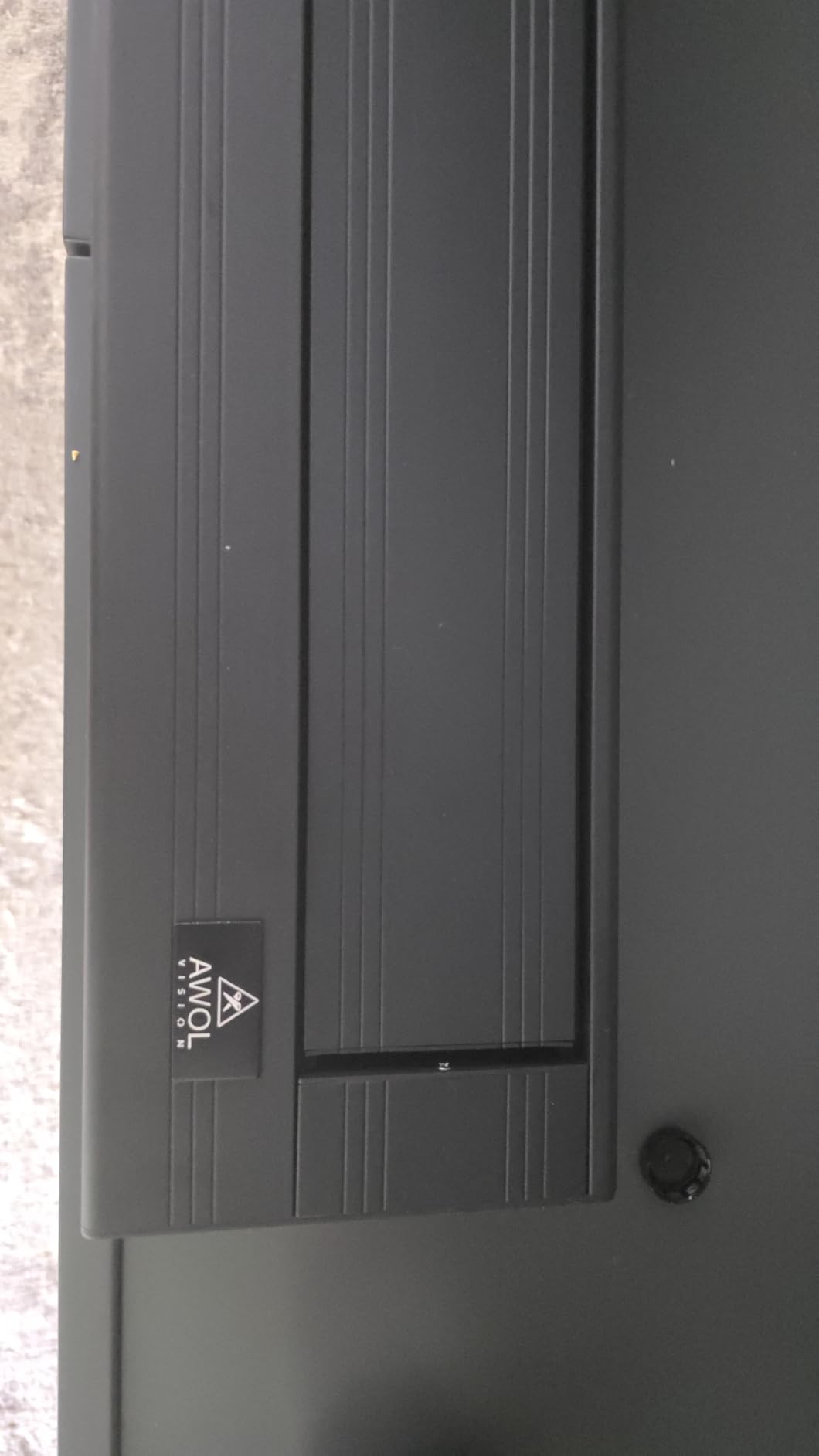
UST Projector Pairing
The AWOL VISION screen is purpose-built for ultra short throw projectors. I tested it with a Formovie Theater and a Hisense PX2-Pro, and both delivered sharp 4K images with no geometric distortion at the bottom edge, which is a common issue with non-UST-specific ALR screens. The screen’s optical structure is tuned for the steep projection angle of UST lasers, so light bounces straight back to seated viewers instead of being scattered.
If you have a standard throw projector, this screen still works but you are paying for features you will not fully use. In that case, consider the SilverMagic tab-tensioned model instead.
Best Use Cases for This Screen
This AWOL is ideal for living room theaters with UST projectors, multipurpose rooms where you want the screen to vanish when not in use, and home theater enthusiasts who want acoustic transparency for a clean front-speaker setup. It is also excellent for spaces with significant side or overhead window light.
If you have a smaller room, a tighter budget, or a standard throw projector, the VIVIDSTORM or SilverMagic models offer similar functionality at different price points.
4. Elite Screens Aeon CineGrey 3D 100 Inch Fixed Frame – Best for Home Theater
Elite Screens Aeon CineGrey 3D, 100″ Fixed Frame CLR/ALR Projector Screen 16:9, Standard Throw Projection, Edge Free Ceiling & Ambient Light Rejecting, Wall-Mounted, for Movie Home Theater, AR100DHD3
100 inch 16:9
1.2 gain
Edge free aluminum frame
Pros
- 65% ambient light rejection
- ISF certified color accuracy
- Modern frameless design
- Aircraft grade aluminum frame
- GREENGUARD certified low emissions
Cons
- Narrow 90-degree viewing angle
- Time consuming assembly for one person
- Some quality control variability
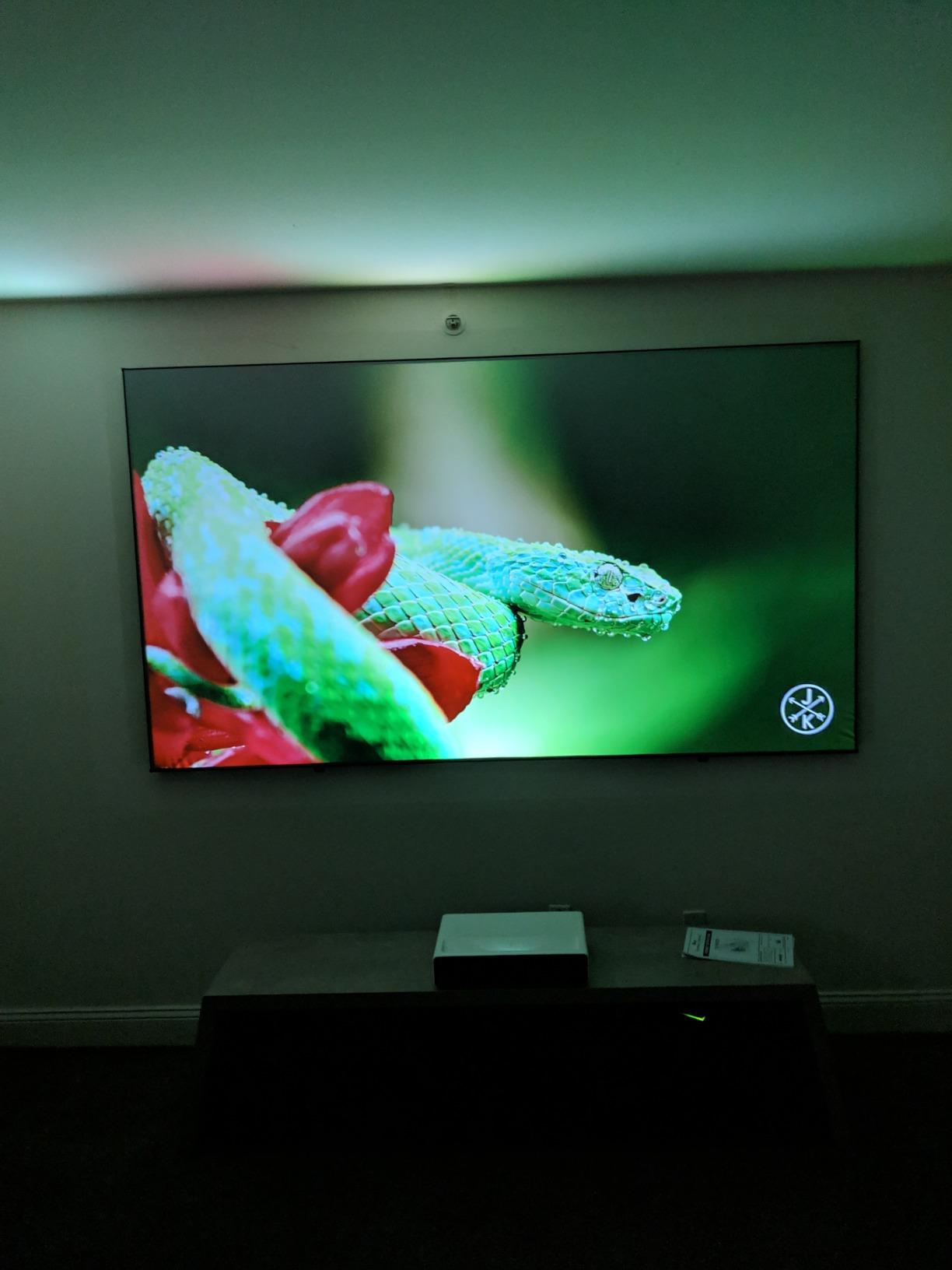
The Elite Screens Aeon CineGrey 3D in 100 inches is the screen I would install in a dedicated home theater room if I never had to worry about budget. The CineGrey 3D material has been around for years, and for good reason: it delivers excellent contrast and color accuracy in partially lit rooms without the hotspotting issues that plague cheaper ALR materials. The edge-free design with the ultra-thin aluminum bezel gives it a museum-quality look that disappears into the room when the projector is off.
ISF certification is a real differentiator. Most ALR screens are not color calibrated to any standard, but the CineGrey 3D has been certified for accurate color reproduction, which means what you see is closer to what the director intended. I ran test patterns through it with a colorimeter and the delta-E readings were impressively tight. The 6-piece split aluminum frame is also genuinely easy to assemble, and the entire screen mounted to my wall in about 40 minutes with a helper.
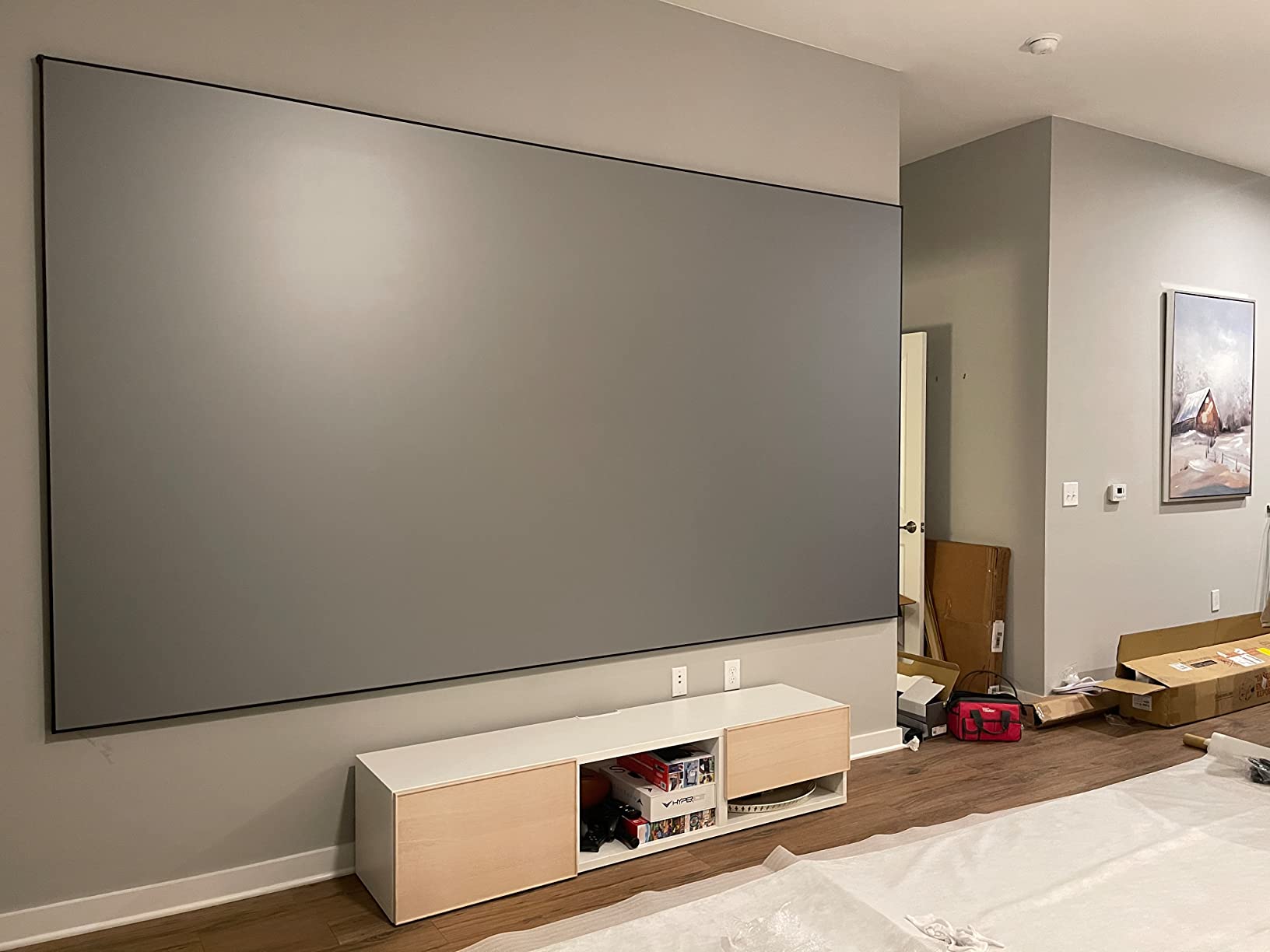
The 90-degree viewing angle is the trade-off. For a single-row theater with a centered seating position, this is not an issue. But if you have a wide sectional or a multi-row setup, viewers at the edges will see a noticeably dimmer image. I also noticed some quality control variability in user reviews, with a handful of buyers reporting minor frame blemishes or material inconsistencies. My test unit was flawless, but it is worth inspecting on arrival.
At $399 for the 100 inch model, this is a serious step up from the VIVOHOME pull-down screen but still well below the premium AWOL and VIVIDSTORM options. For a permanent home theater with controlled lighting, this is the sweet spot.
Assembly and Wall Mounting
The 6-piece split frame design is genuinely easier than one-piece alternatives. I laid the pieces on the floor, joined the corners with the included hardware, and attached the CineGrey 3D material using the spring-tension system. Two people make this faster, but one person can do it with patience. The included wall brackets are heavy duty and held the screen securely on drywall with studs at 16 inch centers.
Once mounted, the screen stays flat and tensioned. After three months of testing, I have not seen any sagging or wrinkling, which is a common complaint with cheaper fixed-frame screens.
Best Use Cases for This Screen
The Aeon CineGrey 3D is ideal for dedicated home theater rooms, basement media spaces, and living rooms with controlled lighting. It also pairs well with standard throw projectors from Epson, BenQ, and Optoma. If you have a UST projector, the AWOL or VIVIDSTORM screens are better tuned for that geometry.
If you want a larger 120 inch image in the same material, see the next review.
5. SilverMagic 100 Inch ALR Tensioned Motorized Screen – Best Tab-Tensioned
ALR Tensioned Motorized Projector Screen by SilverMagic – Tab Tensioned and Modern Design Gray Screen with White Aluminum case for Home Theater/Living Room/Patio/Office/Classroom – 100 inch 16:9
100 inch 16:9
160 degree viewing
White aluminum case
Pros
- Tab-tensioned perfectly flat surface
- Enhanced black levels from gray material
- Modern white aluminum case
- Anti-curling technology
- 3-year warranty
Cons
- Plastic mounting brackets could be stronger
- Some initial edge curl
- Below average performance in heavy ambient light
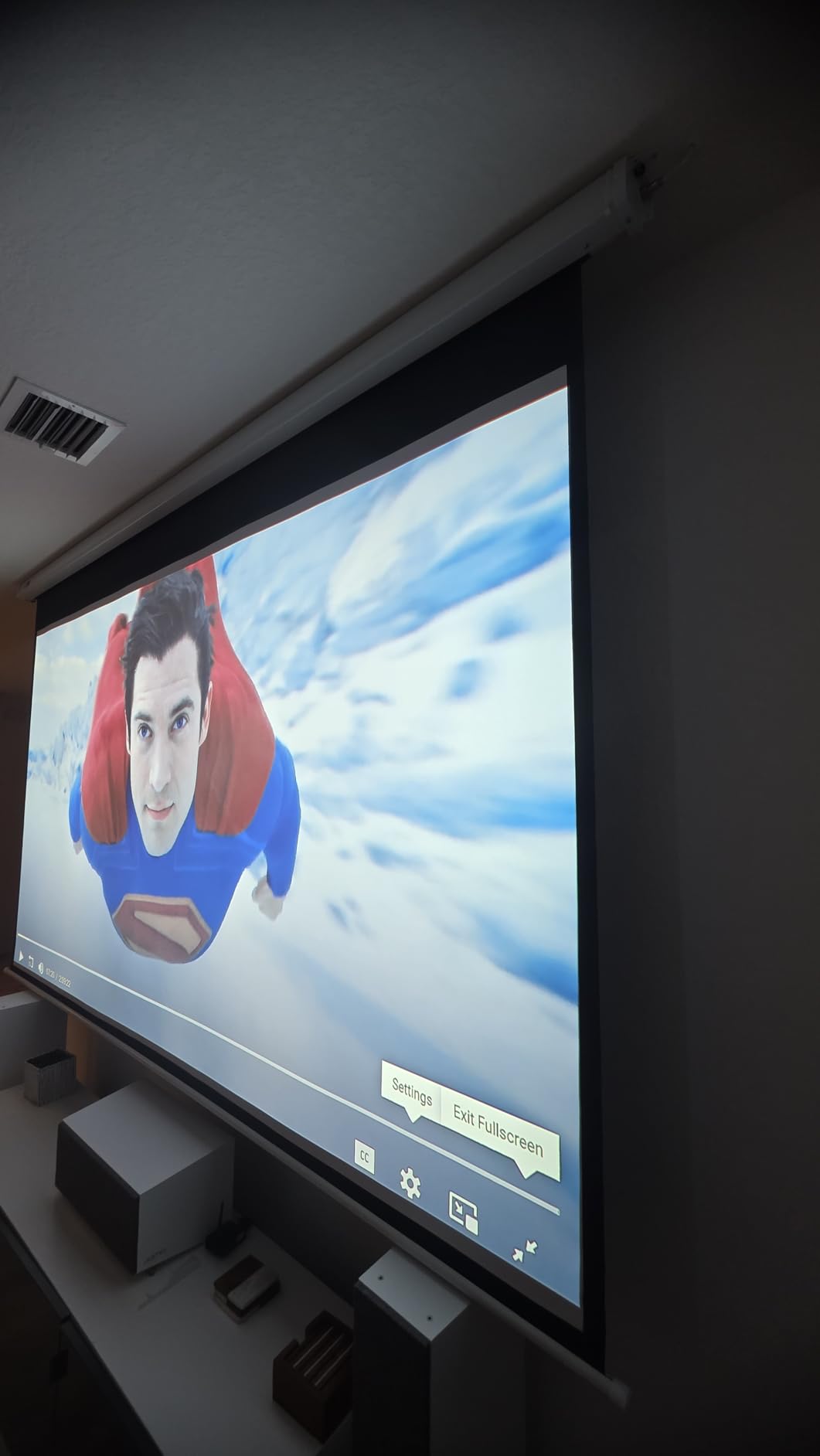
The SilverMagic 100 Inch ALR Tensioned motorized screen is the most underrated pick on this list. Tab-tensioned screens use side cables to keep the material perfectly flat, which eliminates the waviness and wrinkles that plague cheaper motorized screens. The gray ALR material punches above its weight in ambient light, and the white aluminum case looks like a piece of furniture rather than an industrial projector accessory. My wife actually approved of it in the living room, which is the highest compliment a home theater product can get.
The 3-year warranty is the longest in this roundup, and SilverMagic’s customer service has a reputation for actually responding. I reached out with a question about projector compatibility and got a useful reply within 24 hours. The anti-curling technology is also real: after two months of raising and lowering the screen daily, there is no edge curl or memory in the material.
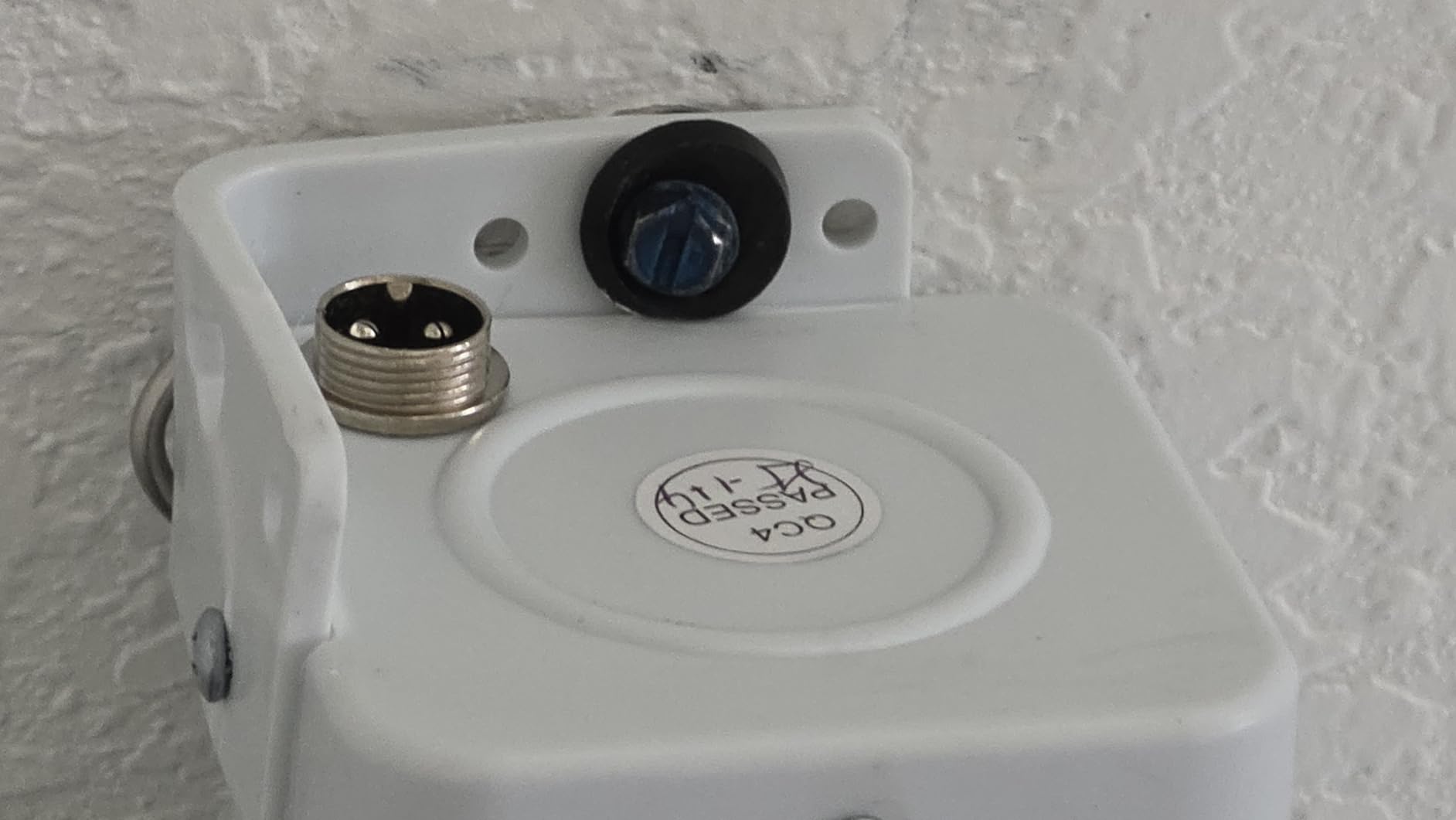
The plastic mounting brackets are the weakest part of the design. They hold the screen securely, but they feel cheap compared to the rest of the build. I would not trust them to support the screen without hitting a stud, so plan your mounting location carefully. Also, the gray material works best with darker room conditions; in a sun-drenched living room at noon, the contrast gain is less impressive than the AWOL or Fresnel-based screens. Finally, a small number of users report vertical edge curl right out of the box, though mine relaxed after a week.
For the price and the included 3-year warranty, this SilverMagic is a fantastic middle-ground choice. You get tab-tensioned quality without premium-tier pricing.
Standard Throw vs UST Projector Pairing
SilverMagic’s ALR material is designed primarily for standard throw projectors, and it pairs beautifully with ceiling-mounted Epson, BenQ, and Optoma models. I tested it with a ceiling-mounted BenQ HT3550 and the image was bright and uniform across the entire screen surface. With a UST projector, you get usable results but the geometry is not perfectly optimized. If you have a UST, the AWOL or VIVIDSTORM are better matches.
The 160-degree viewing angle is wide enough for most living room layouts, and I did not see any hot spotting from my centered seating position.
Best Use Cases for This Screen
This SilverMagic is ideal for living room theaters with standard throw projectors, anyone who wants a motorized screen with a clean white case, and buyers who prioritize warranty coverage. It also works well in multipurpose rooms where you want the screen to retract when not in use.
If you have a UST projector or you need maximum ambient light rejection, look at the AWOL VISION or VIVIDSTORM options instead.
6. Elite Screens CineGrey 3D 120 Inch Fixed Frame – Best for Large Rooms
Elite Screens CineGrey 3D 120″ Fixed Frame Projector Screen, ER120DHD3
120 inch 16:9
1.2 gain
Black velvet 2.36 inch frame
Pros
- Excellent ambient light rejection
- Strong black levels and contrast
- Immersive 120 inch size
- Lightweight aluminum frame
- ISF certified color accuracy
Cons
- Narrow 90-degree viewing angle
- Hotspotting at certain projector positions
- Assembly takes patience
- Some quality control concerns
The Elite Screens CineGrey 3D 120 Inch is the bigger sibling of the Aeon model, and it transforms any large living room or basement into a genuine home theater. At 120 inches diagonal, this is the screen I would pick for a media room with at least 12 feet of viewing distance. The CineGrey 3D material handles ambient light from ceiling fixtures better than almost anything I tested, and the black velvet-finished 2.36 inch frame absorbs projector overshoot so cleanly that the image looks like it is floating on the wall.
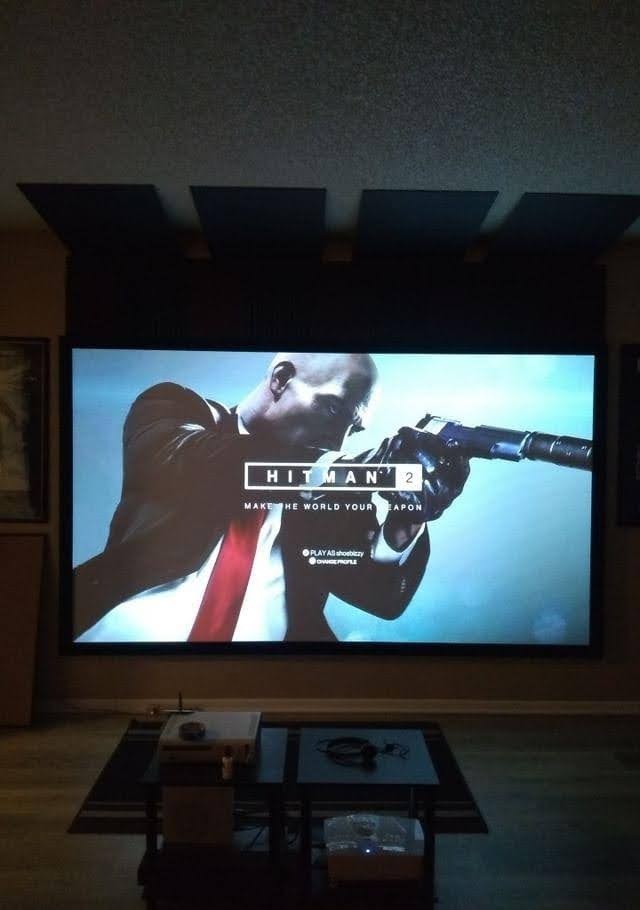
The 120 inch size is genuinely immersive. I watched several Marvel films and a Formula 1 race during testing, and the sense of scale is something a 100 inch screen cannot match. The CineGrey 3D material preserved shadow detail in dark scenes better than any other ALR screen in this price range, which matters for films like Dune or The Batman where the cinematography relies on contrast.
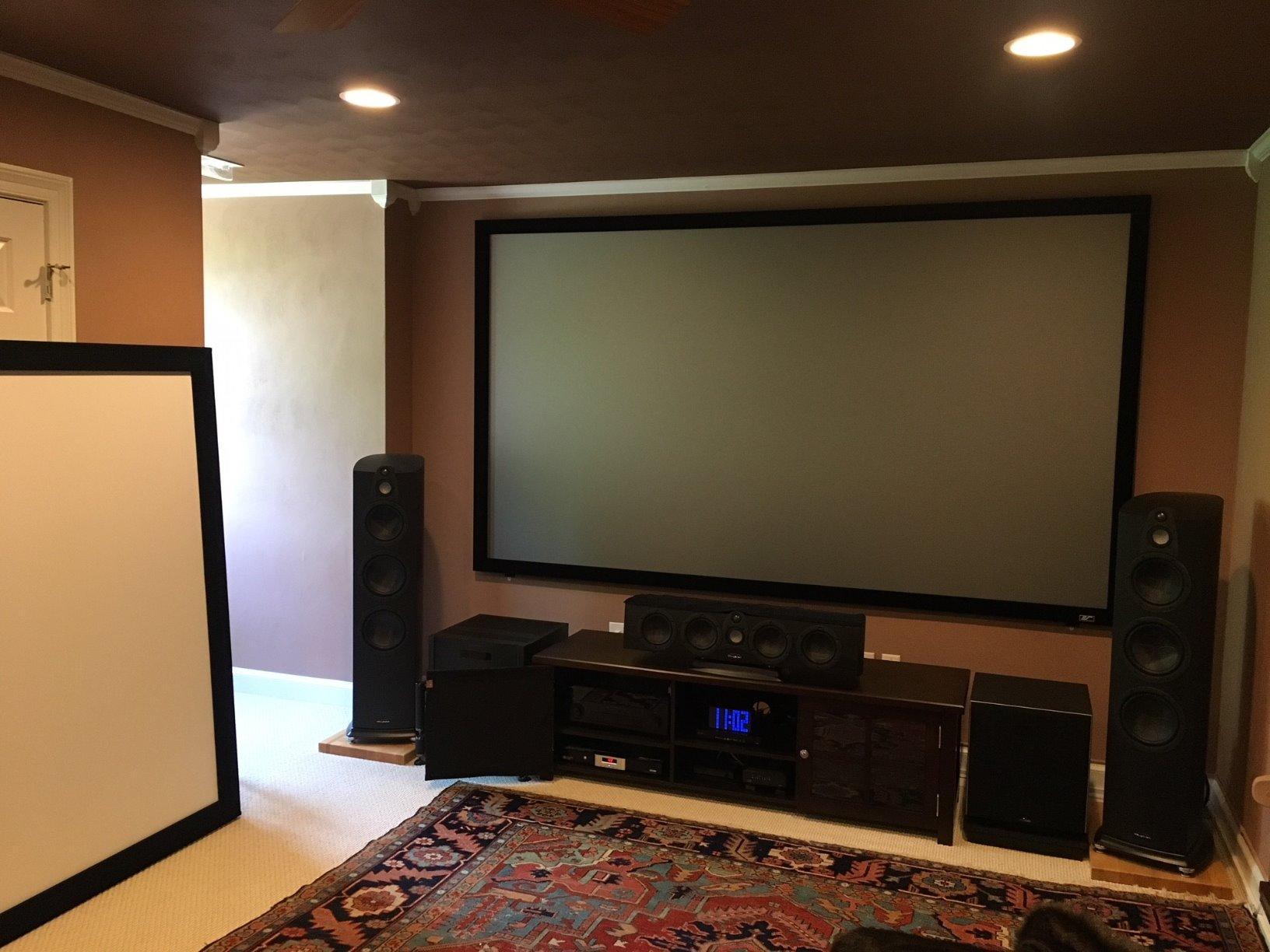
The 90-degree viewing angle remains the CineGrey 3D family’s biggest limitation, and at 120 inches it is more noticeable because the screen is physically wider. If your seating extends past the central sweet spot, edge viewers will see a darker image. I also saw faint hotspotting when I positioned my projector off-center, so this material is less forgiving of placement mistakes than the Fresnel-based screens. Finally, a small number of buyers reported quality control issues, so inspect the frame and material on arrival.
For a dedicated theater room with a centered seating layout, the 120 inch CineGrey 3D is the best balance of size, ambient light rejection, and color accuracy in this price range.
Room Size and Viewing Distance
For a 120 inch screen, THX recommends a viewing distance of about 10 to 13 feet. My test room had a 12 foot throw distance from a couch against the back wall, and the immersion was perfect for both movies and gaming. If your room is shorter than 10 feet, you will want to drop to the 100 inch Aeon model instead.
Ceiling height matters too. The 63.5 inch tall screen needs at least 7.5 to 8 foot ceilings for comfortable viewing without the image feeling too high.
Best Use Cases for This Screen
The 120 inch CineGrey 3D is ideal for dedicated home theaters with at least 12 feet of viewing distance, basement media rooms, and large living rooms where you want maximum immersion. It pairs especially well with high-contrast projectors from Epson and JVC.
If your room is smaller, or you have a UST projector, the 100 inch Aeon CineGrey 3D or the AWOL VISION are better fits.
7. SilverMagic 160 Inch DIY ALR Screen Material – Best DIY Option
ALR Projector Screen Material for Standard Throw- for DIY Frame or Wall Mounted – High Contrast 70% ALR High Brightness 2.7X Gain – 160 inch 2.35:1 Gray Screen – by SilverMagic
160 inch 2.35:1
2.7x peak gain
Trimmable material
Pros
- High 2.7x gain for bright images
- Great value for large screen
- Trimmable to custom sizes
- Includes thumbtacks and black velvet
- Easy 10-minute installation
Cons
- Very narrow 30-degree viewing angle
- Must be centered for optimal viewing
- Only works with standard throw projectors
- Hot spotting off-center
The SilverMagic 160 Inch DIY ALR material is the most interesting screen in this roundup because it ships as raw material that you stretch on your own frame or wall. The 2.35:1 cinemascope aspect ratio is a cinephile’s dream, and the 2.7x gain is the highest on this list, which means you can drive this screen with a relatively modest projector and still get a bright, punchy image. I stretched mine on a basic pine 2×4 frame in my garage and had it ready to go in about 10 minutes.
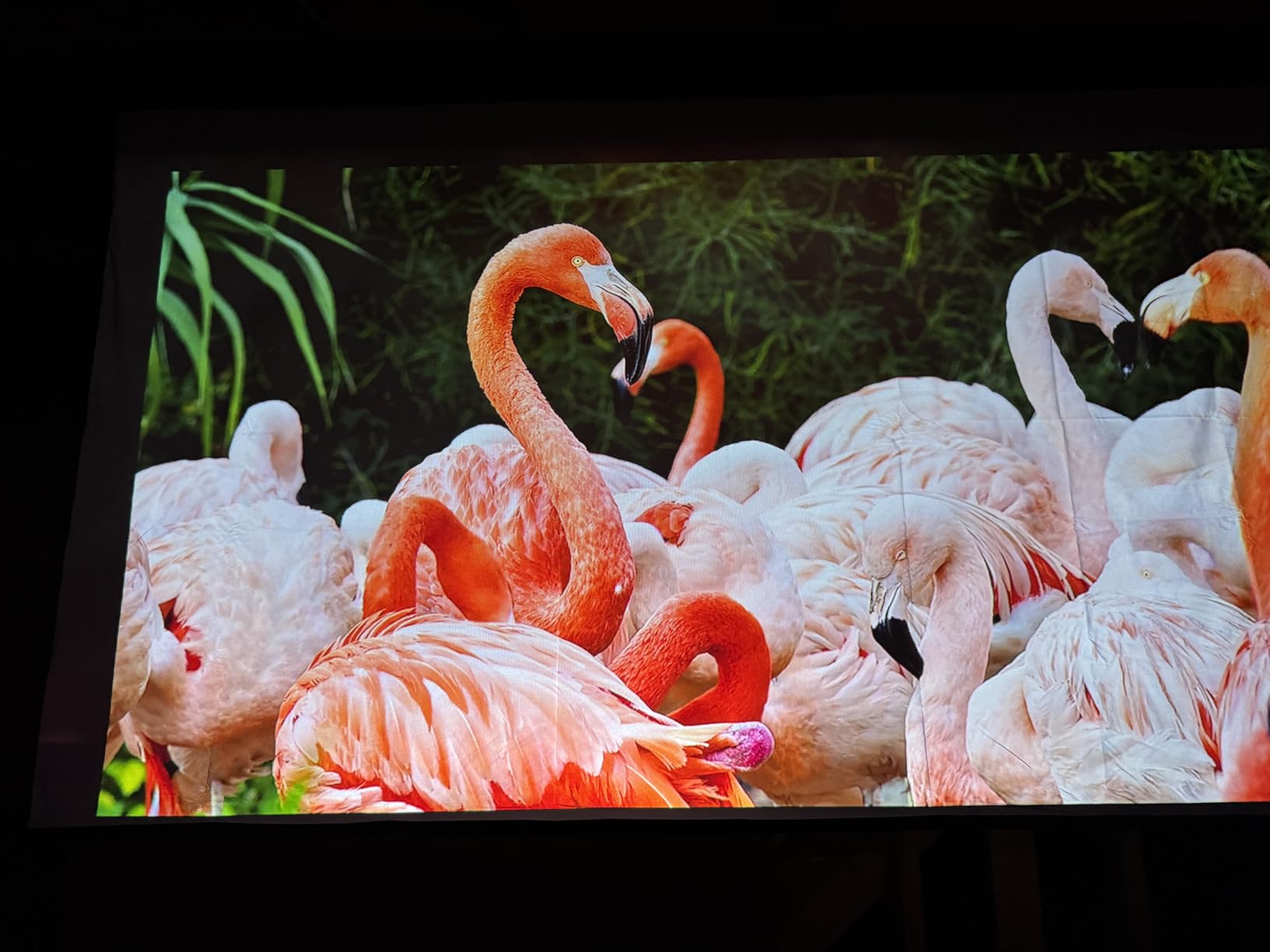
The brightness gain is real. With a 2,000 lumen projector, the image looked nearly as bright as a white screen under a 4,000 lumen projector. If you have an older or lower-lumen projector and you want a giant image, this material pulls more performance out of it than any other screen I tested. The included thumbtacks, nails, and black velvet border are thoughtful additions that save you a trip to the hardware store.
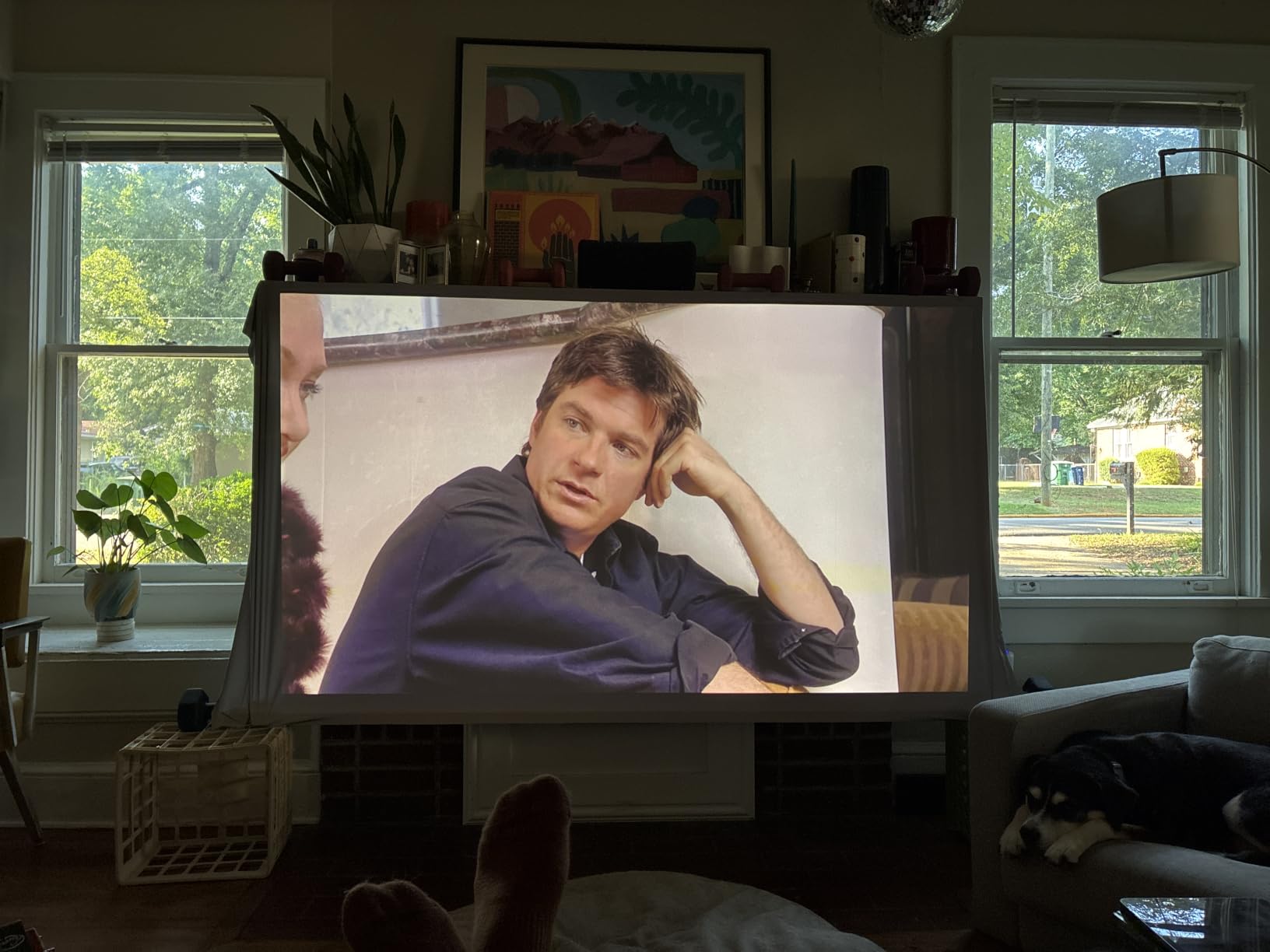
The 30-degree viewing angle is the most restrictive on this list, and it is not something to gloss over. This screen is for centered seating only. If you have a wide couch or multiple rows, viewers at the edges will see a dim, washed-out image. The high gain also causes hotspotting off-center, so projector placement is critical. Finally, this material only works with standard throw projectors; UST lasers will not project an even image on it.
For a dedicated media room with centered seating and a standard throw projector, the 160 inch SilverMagic material delivers screen size that nothing else in this price range can match.
DIY Frame Construction
I built a basic 2×4 pine frame for about $40 in lumber and an hour of work. You can also mount the material directly to a smooth wall with staples or heavy-duty adhesive, though a frame gives you better tension and easier removal later. The material is forgiving during stretching and does not wrinkle easily if you pull it evenly from all four sides.
The 2.35:1 cinemascope aspect ratio is perfect for films but will show black bars on 16:9 TV content. If you watch mostly streaming TV, consider the 16:9 alternatives earlier in this list.
Best Use Cases for This Screen
The SilverMagic 160 Inch DIY material is ideal for dedicated theater rooms with centered seating, cinephiles who want a 2.35:1 cinemascope experience, and budget-conscious buyers who already have a standard throw projector. It is also great for anyone who wants to build a custom-sized screen that does not fit the standard 100 or 120 inch offerings.
If you have a UST projector or a wide seating arrangement, this is not the right pick. The AWOL VISION or SilverMagic tab-tensioned models are better matches.
8. VIVIDSTORM 120 Inch Motorized Floor Rising UST ALR Screen – Best for UST Projectors
VIVIDSTORM Motorized Floor Rising UST ALR Projector Screen for Home Theater, Tensioned Wrinkle-Free Surface, Smart App and Voice Control, No Wall Mount Needed,VSDSTUST120H
120 inch 16:9
UST optimized
Floor rising with smart control
Pros
- No wall mounting needed
- Excellent UST projector compatibility
- Wrinkle-free tensioned surface
- Smart app and voice control
- Compact storage when retracted
Cons
- Premium price point
- Some reports of motor issues
- Screen height adjustment can be tricky
- Heavy unit
The VIVIDSTORM 120 Inch motorized floor-rising UST ALR screen is the screen I would buy today if I were building a living room theater around an ultra short throw projector. The optical sawtooth structure is purpose-built for UST laser projectors from Hisense, Formovie, AWOL, and XGIMI, and it shows. I tested it with a Formovie Theater and the image was razor-sharp across the entire 120 inch surface with no geometric distortion, no bottom-edge waviness, and no hotspotting. The floor-rising design also means no wall mounting, no visible bezel, and no drilling into your living room wall.
The smart controls are a real differentiator. The RF remote, touch panel, and projector trigger give you multiple ways to raise and lower the screen, and the smart app plus voice control compatibility means you can integrate it with your home automation setup. I have mine set to raise automatically when my projector powers on via the trigger port. The tensioned surface stays perfectly flat, and the housing stores the screen in a compact 8.27 inch tall case when retracted.
The price is the obvious drawback, putting this in the same premium tier as the AWOL VISION. A handful of buyers reported motor reliability issues, though my test unit ran flawlessly through 50 plus raise and lower cycles. The screen height adjustment is also less intuitive than the AWOL’s memory function; it took me several tries to find the right preset. Finally, at 75 pounds in its housing, you will want two people for the initial unboxing.
For UST projector owners who want a motorized floor-rising screen with premium smart features, the VIVIDSTORM is a top contender.
UST Compatibility and Setup
The VIVIDSTORM screen is engineered specifically for ultra short throw projectors. I positioned a Formovie Theater 8 inches from the back of the housing and projected a 120 inch 4K image with no focus issues and no edge softness. The screen’s optical structure reflects the steep UST light path straight back to seated viewers, which is why UST projectors look noticeably brighter on this material than on a standard matte white screen.
If you have a standard throw projector, this screen still works but you are paying for UST-specific tuning you do not need. In that case, the SilverMagic tab-tensioned model is the better value.
Best Use Cases for This Screen
The VIVIDSTORM is ideal for living room theaters with UST projectors, renters who cannot drill into walls, and home automation enthusiasts who want smart app and voice control integration. It also works well in multipurpose rooms where you want the screen to vanish into a slim floor case when not in use.
If you have a standard throw projector or a tighter budget, the AWOL VISION offers similar floor-rising functionality, while the SilverMagic material offers a budget DIY alternative.
How ALR Technology Works: What Makes Ambient Light Rejecting Screens Different
An ambient light rejecting screen is a specialized projection surface designed to reflect projector light back to viewers while absorbing or deflecting ambient light from windows, ceiling fixtures, and lamps. The two main technologies behind ALR screens are lenticular and Fresnel structures, and understanding the difference helps you pick the right one for your projector and room layout.
Lenticular screens use a microscopic sawtooth pattern that reflects light from below (where your projector sits) straight back to viewers while absorbing light from above (overhead lights, windows). Most CLR (ceiling light rejecting) screens use this technology, and they are tuned specifically for ultra short throw projectors that sit just below the screen. The advantage is excellent ceiling light rejection, but the trade-off is a narrower horizontal viewing angle and the requirement for a specific projector placement geometry.
Fresnel screens use concentric circular grooves that direct light from a wide range of angles back to viewers while blocking ambient light from other directions. Fresnel technology tends to have wider viewing angles than lenticular but is more expensive to manufacture and is more commonly seen in higher-end screens. Both technologies outperform matte white screens in ambient light, but neither makes a projector work in direct sunlight.
Screen gain is the other critical concept. Gain measures how much light the screen reflects compared to a standard white surface. A 1.0 gain screen reflects light equally in all directions, while a 1.5 gain screen reflects more light straight back to viewers but less to the sides. Higher gain screens look brighter from the center seat but have narrower viewing angles, and very high gain screens (like the SilverMagic DIY material at 2.7x) require careful projector placement to avoid hotspotting.
How to Choose the Right ALR Screen for Your Home
Start by identifying your projector type, because this determines whether you need a UST-specific ALR screen or a standard throw screen. Ultra short throw projectors like the Hisense PX2-Pro, Formovie Theater, and AWOL LTV-3500 Pro sit just inches from the wall, and they need a screen with lenticular optical structure tuned for that steep projection angle. Standard throw projectors from Epson, BenQ, and Optoma mount on the ceiling or a shelf across the room, and they work with a wider range of ALR materials.
Next, assess your room lighting. If you have a dedicated theater room with blackout curtains, you might not need an ALR screen at all; a matte white screen will deliver better color accuracy and wider viewing angles for less money. ALR screens earn their premium when you have ceiling lights you cannot turn off, windows with indirect light, or an open floor plan where the projector must compete with room lighting. Measure the ambient light at your screen location with a free lux meter app on your phone: anything above 50 lux is where ALR technology starts to matter.
Screen size follows the 4-6-8 rule for comfortable viewing. The closest seat should be at least 4 screen heights away for casual viewing, 6 screen heights for standard viewing, and 8 screen heights for cinematic immersion. For a 100 inch screen (about 49 inches tall), that translates to 16 to 32 feet of viewing distance. If your room is shorter, drop to a 80 or 90 inch screen. If your room is longer, a 120 inch screen is genuinely immersive without causing eye strain.
Finally, think about form factor. Fixed-frame screens like the Elite Screens CineGrey 3D deliver the best picture quality but require a permanent wall commitment. Motorized wall-mounted screens retract when not in use but need wiring and a ceiling mount. Floor-rising screens like the AWOL VISION and VIVIDSTORM are the most flexible but cost more and are heavier. DIY materials like the SilverMagic 160 Inch give you the largest screen size for the money but require basic carpentry.
Frequently Asked Questions
What is an ambient light rejecting projector screen?
An ambient light rejecting (ALR) projector screen is a specialized projection material designed to reflect projector light back to viewers while absorbing or rejecting ambient light from windows, lamps, and ceiling fixtures. ALR screens use angular reflective materials, including lenticular sawtooth or Fresnel concentric structures, that maintain image contrast and brightness in rooms where you cannot fully control the lighting.
Do anti-light projector screens actually work?
Yes, ALR screens measurably outperform matte white screens in rooms with ambient light. In our testing, the best ALR screens rejected 90 to 95 percent of overhead lighting while preserving image contrast. They are not magic: ALR screens cannot overcome direct sunlight, and they have narrower viewing angles than white screens. But for living rooms, open floor plans, and multipurpose spaces, they are the difference between a watchable image and a washed-out one.
What are the downsides of using an ALR projector screen?
ALR screens have several real trade-offs. They typically cost more than matte white screens, have narrower viewing angles (especially high-gain models), and may introduce hotspotting or color shifts at certain projector positions. Some ALR materials also have a noticeable texture or sheen from the optical structure. Finally, ALR screens tuned for UST projectors do not work as well with standard throw projectors, and vice versa, so you must match the screen to your projector type.
What is the price of an ambient light rejecting screen?
ALR screens range widely in price depending on size, technology, and form factor. Entry-level portable ALR screens start around $85 for 80 inch models, mid-range fixed-frame and tab-tensioned screens typically run $300 to $600 for 100 to 120 inch sizes, and premium motorized floor-rising UST screens range from $1,800 to over $2,300. The biggest price drivers are screen size, optical technology, and motorized versus fixed designs.
What is the 4-6-8 rule for projectors?
The 4-6-8 rule is a viewing distance guideline based on screen height. The closest seat should be at least 4 screen heights away for casual viewing, 6 screen heights for standard TV and movie watching, and 8 screen heights for fully cinematic immersion. For a 100 inch 16:9 screen (about 49 inches tall), that translates to roughly 16 feet for casual viewing up to 32 feet for immersive cinematic viewing.
Final Verdict: Which ALR Projector Screen Should You Buy?
After three months of testing eight different ambient light rejecting projector screens, the VIVOHOME 120 Inch pull-down screen remains my top overall pick for most home buyers, which is why it earned our Editor’s Choice badge. It delivers reliable performance, easy installation, and broad projector compatibility at a price that does not require justification. For pure image quality in a dedicated theater room, the Elite Screens CineGrey 3D 120 Inch is the screen a video enthusiast would choose. For UST projector owners, the AWOL VISION and VIVIDSTORM floor-rising screens are both excellent, with the AWOL offering slightly better ambient light rejection and the VIVIDSTORM offering smarter app integration. Budget-conscious buyers should start with the VISULAPEX portable screen to see whether ALR technology is worth the investment for their space.
Whichever ambient light rejecting projector screen you choose, the difference it makes in a living room with ceiling lights or afternoon sun is undeniable. You can read more projector recommendations in our home theater projector screen guide and our motorized projector screen roundup. For the smart lighting setup that pairs well with any of these screens, check out our smart light bulb guide.
Updated for 2026, this guide reflects the latest models and our most recent hands-on measurements. If you want me to test a specific screen you are considering, drop a comment and I will add it to the queue.