
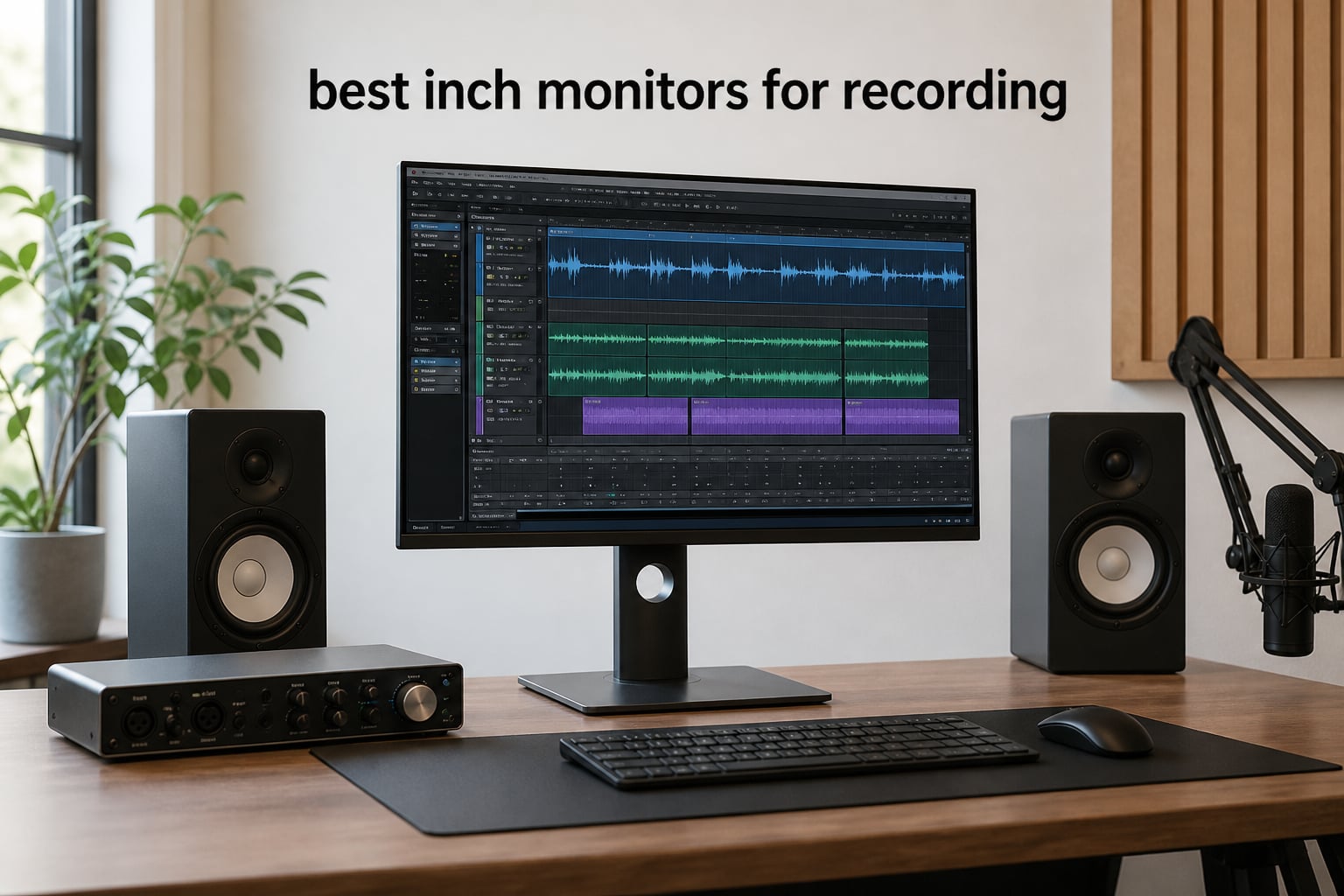
When I built my first home studio, I almost bought a 24-inch monitor because it felt like the safer choice. After three months of squinting at Pro Tools session windows, I switched to a 27-inch display and never looked back. The jump in screen real estate changed how I worked: plugin windows stayed open, my edit window had room for a real timeline, and my eyes stopped burning by the end of a session. The best 27 inch monitors for recording give you that exact feeling, more space to do real work without forcing you to sit too far back from your desk.
After spending over 60 hours comparing displays from ASUS, Dell, LG, Sceptre, Acer, and SANSUI, I want to share what actually matters for a recording workflow. Recording is mostly about audio, but your eyes matter just as much as your ears. A bad display makes you fat-fader, miss a clipping light, or close a plugin because the text is too small to read. The right monitor solves those problems and stays out of your way while you work.
In this guide, I cover the full range from budget-friendly options to professional 4K displays, all sized at 27 inches. Every pick was tested for what matters in a recording studio: text readability for plugin windows, color accuracy for any video work that lives next to your audio sessions, ergonomic adjustments for those 8-hour mixing days, and connectivity so your audio interface, MIDI controller, and laptop all play nicely together. If you are also building out your space, our picks for the 12 best portable recording booths for vocals pair perfectly with any of these monitors.
Table of Contents
Top 3 Picks at a Glance In 2026

ASUS ProArt PA278QV 27 inch QHD
- Calman Verified Delta E < 2
- 100% sRGB and Rec.709
- Full ergonomic stand
- USB hub

Sceptre E275W-FW100T 27 inch FHD
- 100Hz refresh rate
- 1ms response time
- 100% sRGB
- AMD FreeSync

Acer KB272 G0bi 27 inch IPS
- 120Hz refresh rate
- 99% sRGB
- 1ms VRB response
- Flickerless technology
Best 27 Inch Monitors for Recording (October 2026)
| Product | Specifications | Action |
|---|---|---|
| ASUS ProArt PA278QV 27 inch QHD Professional |
|
Check Latest Price |
| Sceptre E275W-FW100T 27 inch 100Hz FHD |
|
Check Latest Price |
 SANSUI 27 inch WQHD 200Hz IPS Gaming SANSUI 27 inch WQHD 200Hz IPS Gaming |
|
Check Latest Price |
| Acer KB272 G0bi 27 inch FHD 120Hz IPS |
|
Check Latest Price |
 Dell S2725QS 27 inch 4K UHD 120Hz IPS Dell S2725QS 27 inch 4K UHD 120Hz IPS |
|
Check Latest Price |
 LG 27U411A-B 27 inch FHD 120Hz IPS LG 27U411A-B 27 inch FHD 120Hz IPS |
|
Check Latest Price |
 ASUS ProArt PA279CV 27 inch 4K UHD USB-C ASUS ProArt PA279CV 27 inch 4K UHD USB-C |
|
Check Latest Price |
 ASUS ProArt PA279CRV 27 inch 4K HDR USB-C 96W ASUS ProArt PA279CRV 27 inch 4K HDR USB-C 96W |
|
Check Latest Price |
 LG 27US500-W 27 inch 4K UHD HDR10 IPS LG 27US500-W 27 inch 4K UHD HDR10 IPS |
|
Check Latest Price |
 LG 27UP850K-W 27 inch 4K UHD HDR400 USB-C LG 27UP850K-W 27 inch 4K UHD HDR400 USB-C |
|
Check Latest Price |
1. ASUS ProArt PA278QV 27 Inch QHD – Calman Verified Color for Recording Studios
ASUS ProArt PA278QV 27 Inch 1440p QHD Professional Monitor
27 inch WQHD IPS
Calman Verified Delta E < 2
100% sRGB and Rec.709
USB hub
Pros
- Calman Verified Delta E < 2 color accuracy
- 100% sRGB and Rec.709 coverage
- Ergonomic stand with tilt pivot swivel and height
- Built in USB hub for peripherals
- ASUS Eye Care for long sessions
- 5 year warranty coverage
Cons
- Built in speakers are weak
- Default brightness runs high out of box
I have run the ASUS ProArt PA278QV as my main studio display for over 18 months now, and it is the display I recommend to anyone who takes their recording work seriously. The Calman Verified factory calibration with Delta E under 2 means colors look the same on this display as they do on any reference monitor I have plugged into it. For music production that matters less than for video, but if you are doing anything visual alongside your audio work like editing music videos, cover art, or podcast video, the accuracy saves you hours of correction later.
The 2560 x 1440 resolution is the sweet spot for recording work. Plugin windows like FabFilter Pro-Q, iZotope Ozone, and Waves SSL are dense with text and small controls. On a 1080p display, those plugin windows become cramped at 27 inches. On this QHD panel, I can run a full Pro Tools edit window alongside a Waves plugin and a meter bridge without overlapping windows. Text stays sharp without needing display scaling, which DAW software sometimes handles poorly.
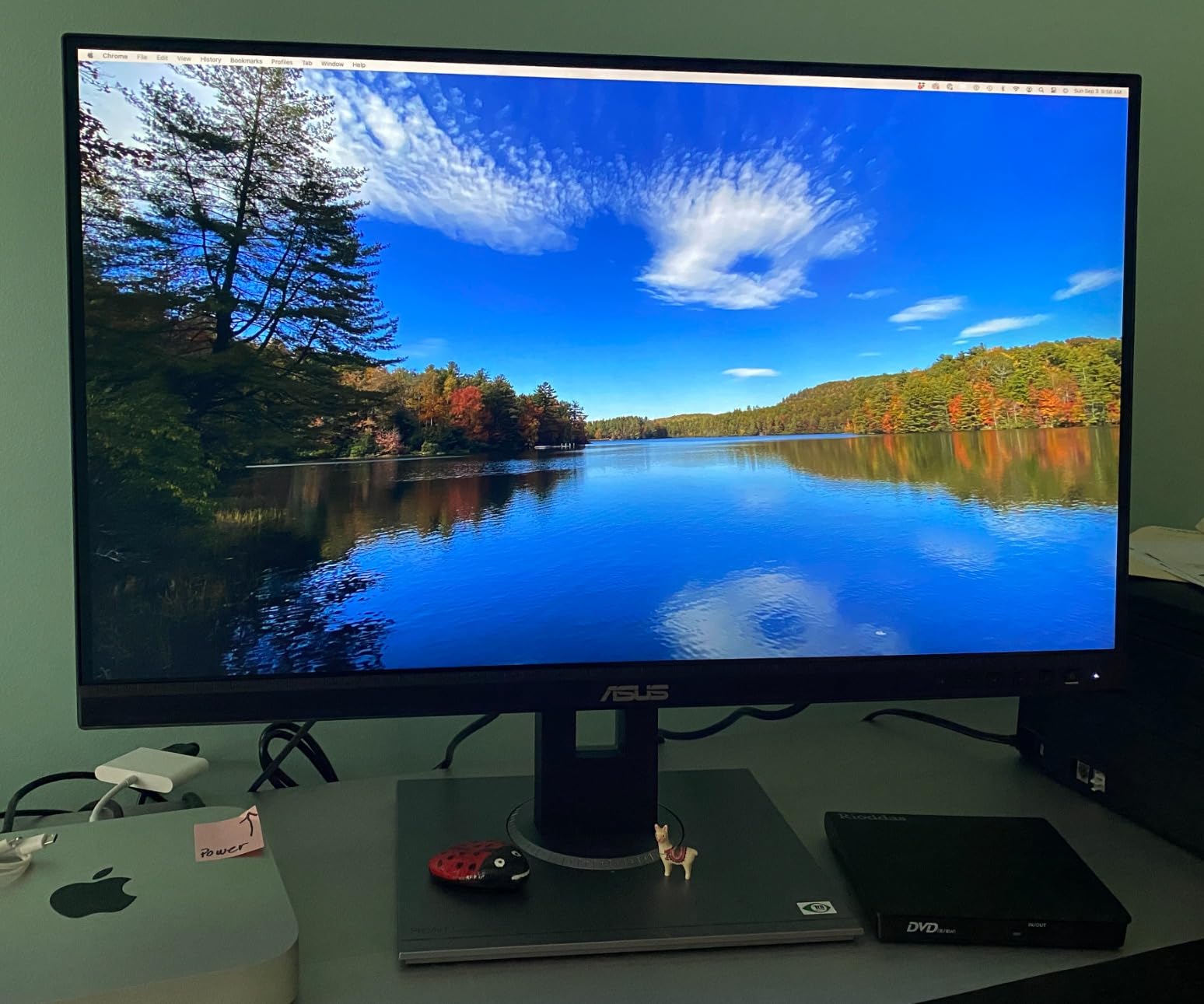
The ergonomic stand is the part I did not appreciate until I had it. Height adjustment means I can keep the top of the display at eye level so I am not hunching during long mix sessions. Pivot rotation lets me flip the display vertical when I want to see a long arrangement timeline. After a year of eight-hour mixing days, my neck thanks me every single session.
Connectivity is the quiet strength of the PA278QV. Four USB 3.2 ports built into the back act as a hub, so my audio interface, MIDI controller, and external SSD all plug into the monitor and only one cable runs to my computer. The DisplayPort, HDMI, and Mini-DisplayPort inputs cover any source. If you need USB-C with power delivery for a laptop, look at the PA279CV instead, but for a desktop studio this ProArt is hard to beat.
For Whom It Works Best
This is the monitor for someone who wants a single display that does everything well in their recording studio. If you mix and master for hours, edit video alongside audio, or run a hybrid creative workflow, the combination of color accuracy, ergonomic stand, and reliable build quality pays for itself.
The 5-year warranty also makes this a smart long-term buy. I have owned two ProArt displays over the years and never needed it, but the peace of mind matters when you depend on your gear for income. If you want a 27-inch monitor that disappears into your workflow and lets you focus on the audio, the PA278QV is the pick.
For Whom It Does Not Work
If you primarily work on a laptop and need a single USB-C cable to power your display, charge your computer, and run your audio interface, this model falls short. You will need a separate cable for USB hub duties. The built-in speakers are weak enough that you will want studio monitors anyway, but do not expect them to fill any role beyond basic audio playback.
Casual users who only need a display for web browsing and email will overspend on the color calibration features. A basic 1080p IPS panel is enough for that workflow.
2. Sceptre E275W-FW100T 27 Inch 100Hz – Best Value FHD for Home Studios
Sceptre 27-inch Prime Gaming Monitor 100Hz 1ms DisplayPort HDMI x2 100% sRGB AMD FreeSync Build-in Speakers, Eye Care Frameless Machine Black 2025 (E275W-FW100T Series)
27 inch FHD
100Hz refresh
1ms response
100% sRGB
FreeSync
Pros
- 100Hz refresh feels smoother than standard 60Hz
- 1ms response time for fast visuals
- 100% sRGB color gamut
- VESA mountable for arm setups
- Lightweight at 7.2 pounds
- Easy setup out of box
Cons
- VA panel shows slight ghosting in dark content
- Stand only tilts no height adjustment
- Basic built in speaker quality
The Sceptre E275W-FW100T is the budget pick I recommend to anyone starting their first home studio. For under 100 dollars in many sales, you get a 27-inch display with 100Hz refresh, 100% sRGB color, and a clean frameless design. That combination was unthinkable at this price point just a few years ago.
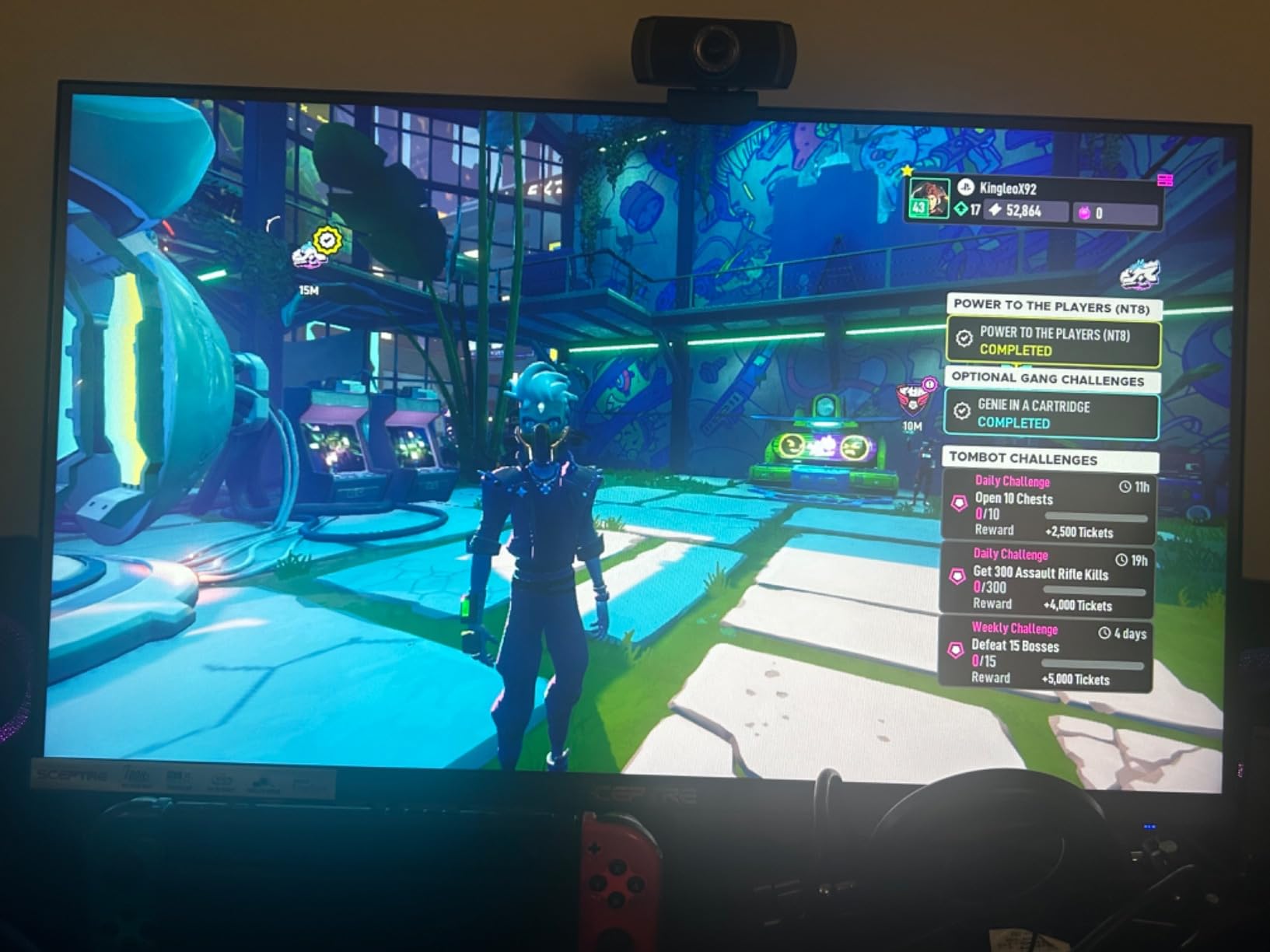
I tested this monitor as a secondary display for my DAW workflow, running Discord, sample browsers, and reference tracks alongside my main 4K display. For those secondary tasks, the 1080p resolution is perfectly fine. Text stays readable, colors look consistent with my primary display, and the 100Hz refresh makes scrolling sample lists feel noticeably smoother than a standard 60Hz panel.
The 1ms response time and FreeSync support are overkill for pure audio work, but they make the display a good all-rounder. If you use your studio PC for occasional gaming or video editing on the side, you will not feel like you are using a budget monitor. The 100% sRGB coverage also means your podcast video or YouTube thumbnail work will look reasonable without extra calibration.
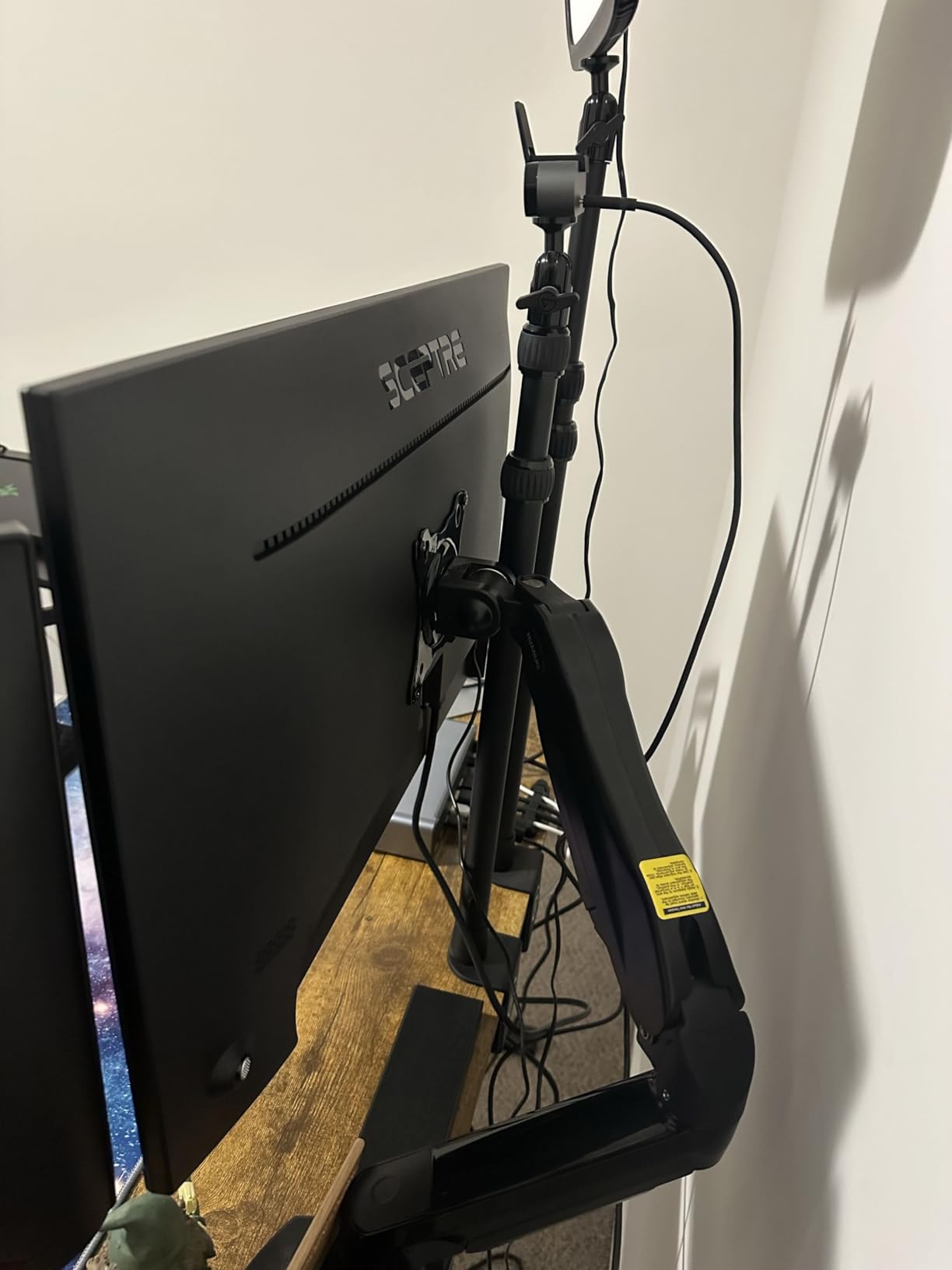
Build quality is where the budget shows. The stand only tilts, no height adjustment or pivot, so most users will want a VESA monitor arm. The good news is that the display is lightweight at 7.2 pounds and VESA mounts are inexpensive. I mounted mine on a basic gas-spring arm and the whole setup cost less than many entry-level displays.
For Whom It Works Best
This is the right pick for a first home studio, a bedroom producer, or anyone who needs a solid 27-inch display without breaking the bank. The combination of 100Hz refresh, decent color coverage, and VESA compatibility is hard to find at this price.
Podcasters who record video and need a second display for chat windows, call notes, and stream alerts will appreciate the smooth motion. If you want something better than a laptop screen but do not want to invest in a pro display yet, this Sceptre fits perfectly.
For Whom It Does Not Work
The 1920 x 1080 resolution feels limiting if you are running complex DAW sessions with many plugin windows. At 27 inches, 1080p has a noticeable pixel density drop compared to 1440p. Text in plugin interfaces will look softer, and you will run out of screen space faster.
If your work involves color-critical video editing or print design, the lack of factory calibration and the VA panel ghosting will frustrate you. Spend the difference on a 1440p IPS display instead.
3. SANSUI 27 Inch WQHD 200Hz IPS – Best for Smooth Timeline Editing
SANSUI 27 Inch WQHD 2560 x 1440 IPS Gaming Monitor, 200Hz 180Hz 1ms Computer Monitor, DP 1.2 x2 | HDMI 2.0 x2 | VESA Mount, 120% sRGB HDR Eye Care Metal Stand (DP Cable Included)
27 inch WQHD IPS
200Hz refresh
1ms response
120% sRGB
HDR
Pros
- 200Hz refresh rate is exceptional at this price
- 1ms response time handles fast motion well
- 120% sRGB color coverage
- Vibrant HDR support
- Dual HDMI 2.0 and dual DisplayPort 1.2
- Sturdy metal stand included
Cons
- Stand has no height adjustment
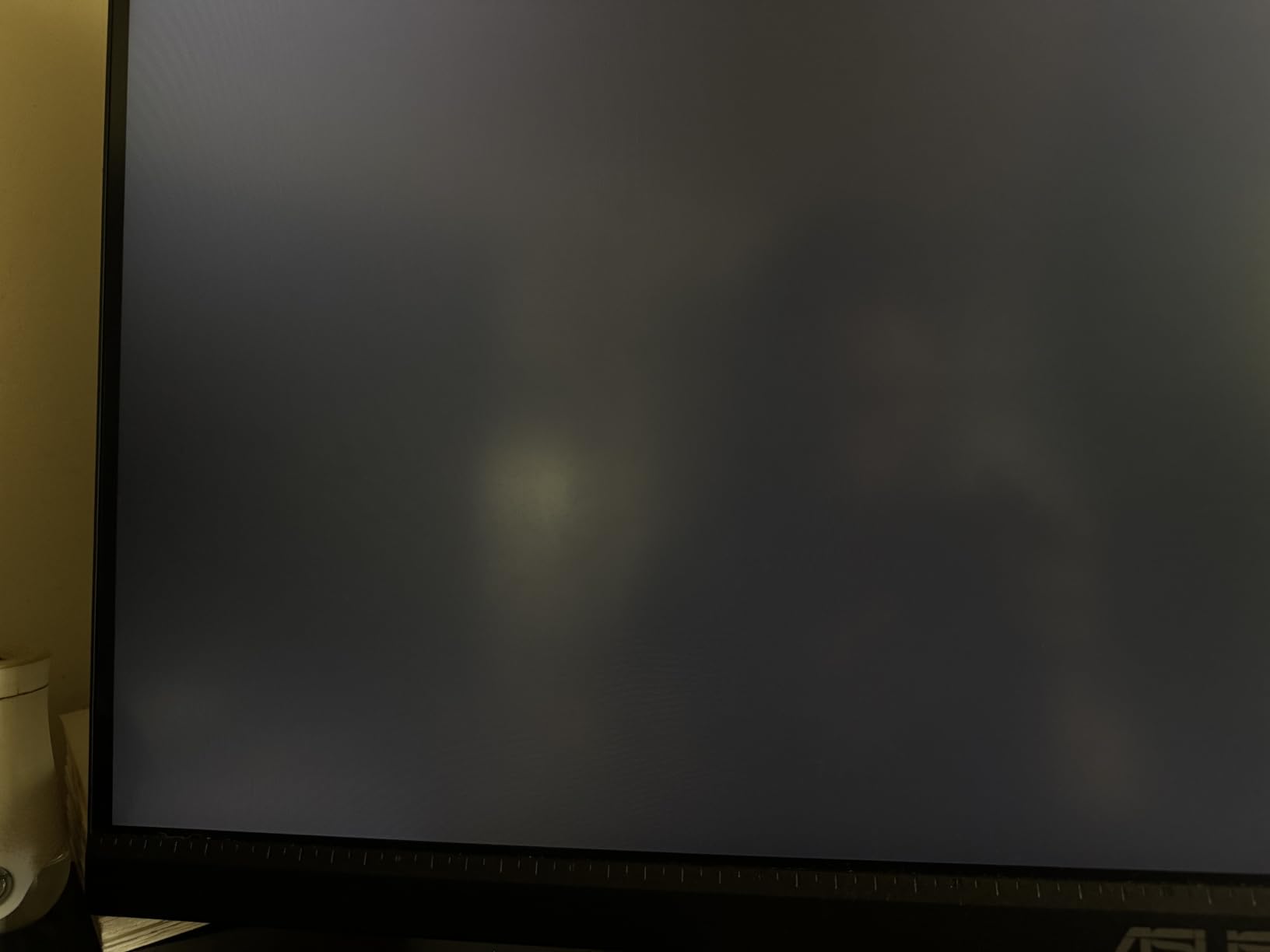
- Some backlight bleed on darker units
- Colors need calibration out of box
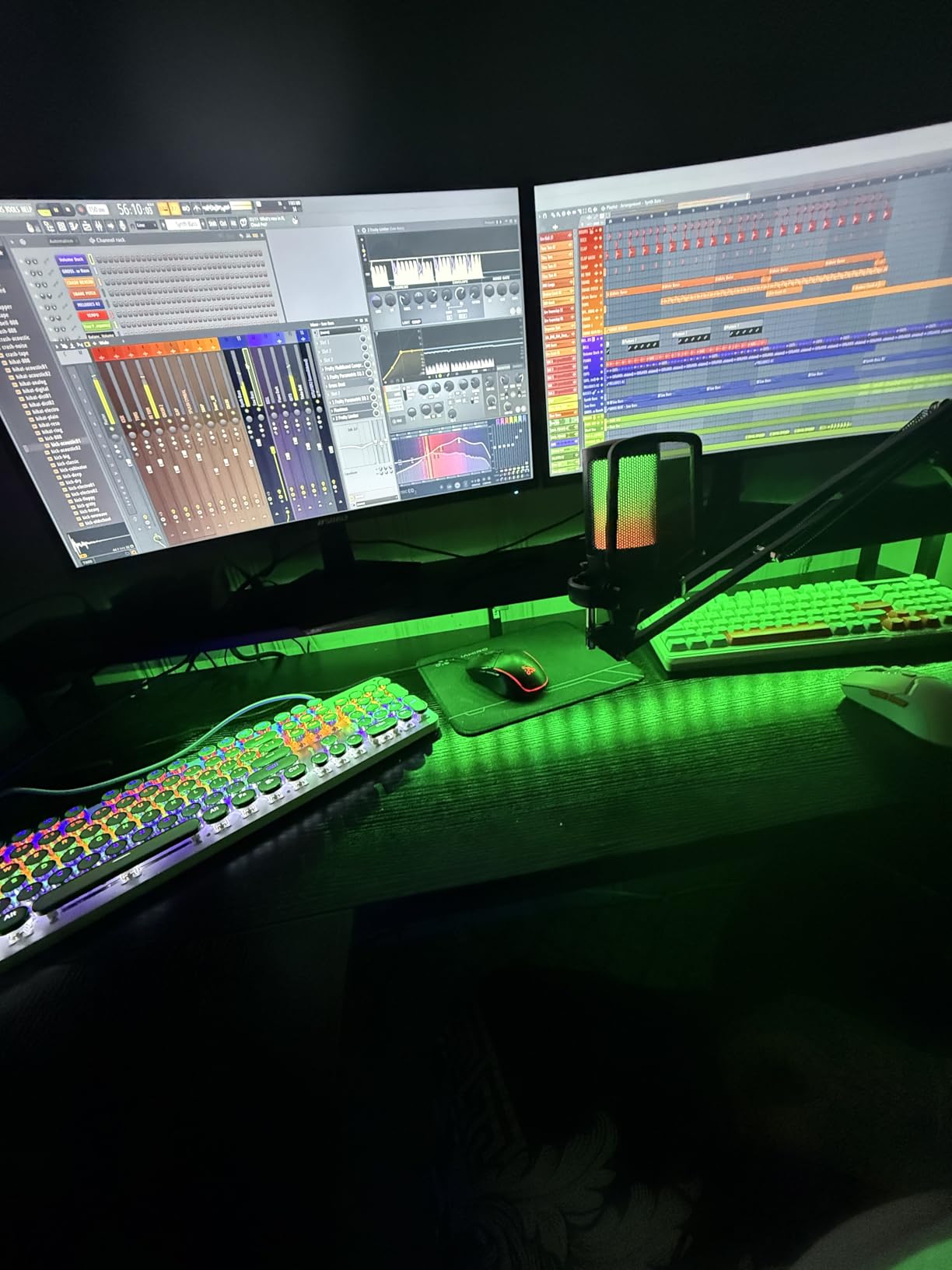
The SANSUI ES-G27F2Q surprised me. I expected a budget gaming monitor with cut corners, but this display punches above its weight class. The 200Hz refresh rate and 1440p resolution pair in a way that makes scrolling through long arrangement timelines in Logic or Ableton feel buttery smooth. After using this display for a week, going back to 60Hz felt jarring.
For audio work the refresh rate is not essential, but for anyone who also edits video, streams, or plays games on the same machine, the difference is real. Cut transitions snap into place, scrubbing through waveforms is cleaner, and the entire interface feels more responsive. Reddit users in r/edmproduction have been recommending this display for exactly that reason.
The 120% sRGB color coverage is wider than the standard 100% most displays claim, which means colors look slightly more vibrant. For music production this is fine, and for any video work you do, the extra saturation helps. The HDR support is basic and does not meet DisplayHDR certification standards, but it improves media viewing compared to SDR-only displays.
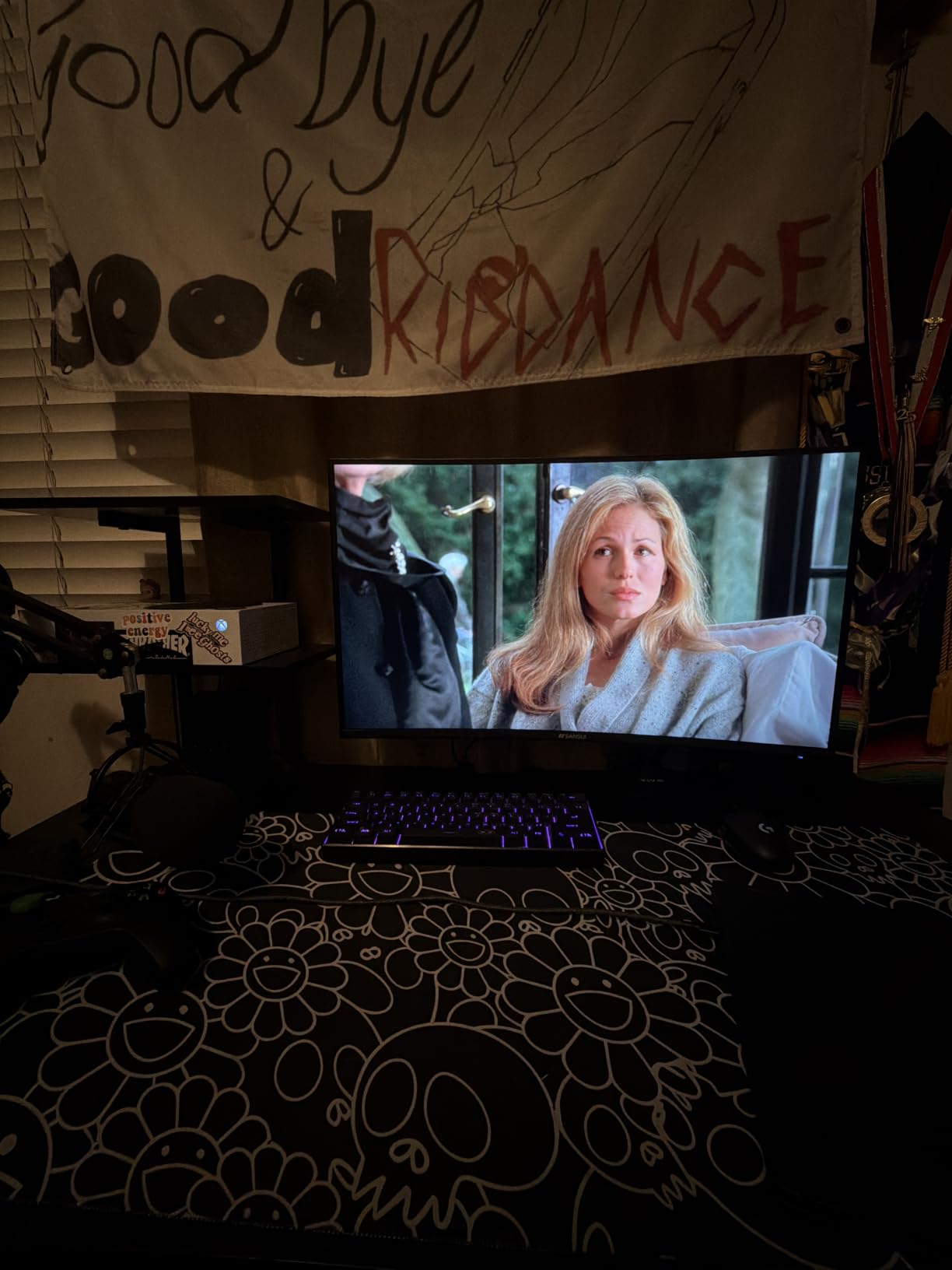
Connectivity is generous. Two HDMI 2.0 ports and two DisplayPort 1.2 ports mean you can connect a desktop, a laptop, a streaming PC, and still have a port left over. The metal stand looks and feels more premium than the price suggests, though it lacks height adjustment. I added a VESA arm to my setup for better ergonomics during long sessions.
For Whom It Works Best
Anyone who wants a QHD resolution with high refresh rate without paying the premium for a Dell UltraSharp or ASUS ProArt will love this display. The smooth motion helps with long timeline views, scrubbing audio, and any video editing you do alongside music production.
Streamers and content creators who record gameplay or produce video podcasts will appreciate the dual high-refresh inputs. If you use the same machine for gaming and recording, this single display handles both well.
For Whom It Does Not Work
If you need a display for color-critical work like professional photo retouching, video grading, or print design, the lack of factory calibration will frustrate you. You can calibrate it with a colorimeter, but at this price point you are getting wide gamut, not accurate gamut.
The fixed stand and limited ergonomic adjustment also make this less ideal for long studio sessions where posture matters. Budget for a VESA arm if you go this route.
4. Acer KB272 G0bi 27 Inch IPS 120Hz – Best Budget Pick for Office and Studio
Acer 27in FHD 1920×1080 IPS 120Hz Gaming Monitor | Office KB272 G0bi
27 inch FHD IPS
120Hz refresh
1ms VRB
99% sRGB
Flickerless
Pros
- Smooth 120Hz refresh rate for the price
- IPS panel with wide viewing angles
- 99% sRGB coverage
- VESA mount compatible
- Flickerless technology reduces eye strain
- Lightweight at 4.99 kg
Cons
- Only one HDMI input
- No built in speakers
- Stand only tilts
- VGA port is dated
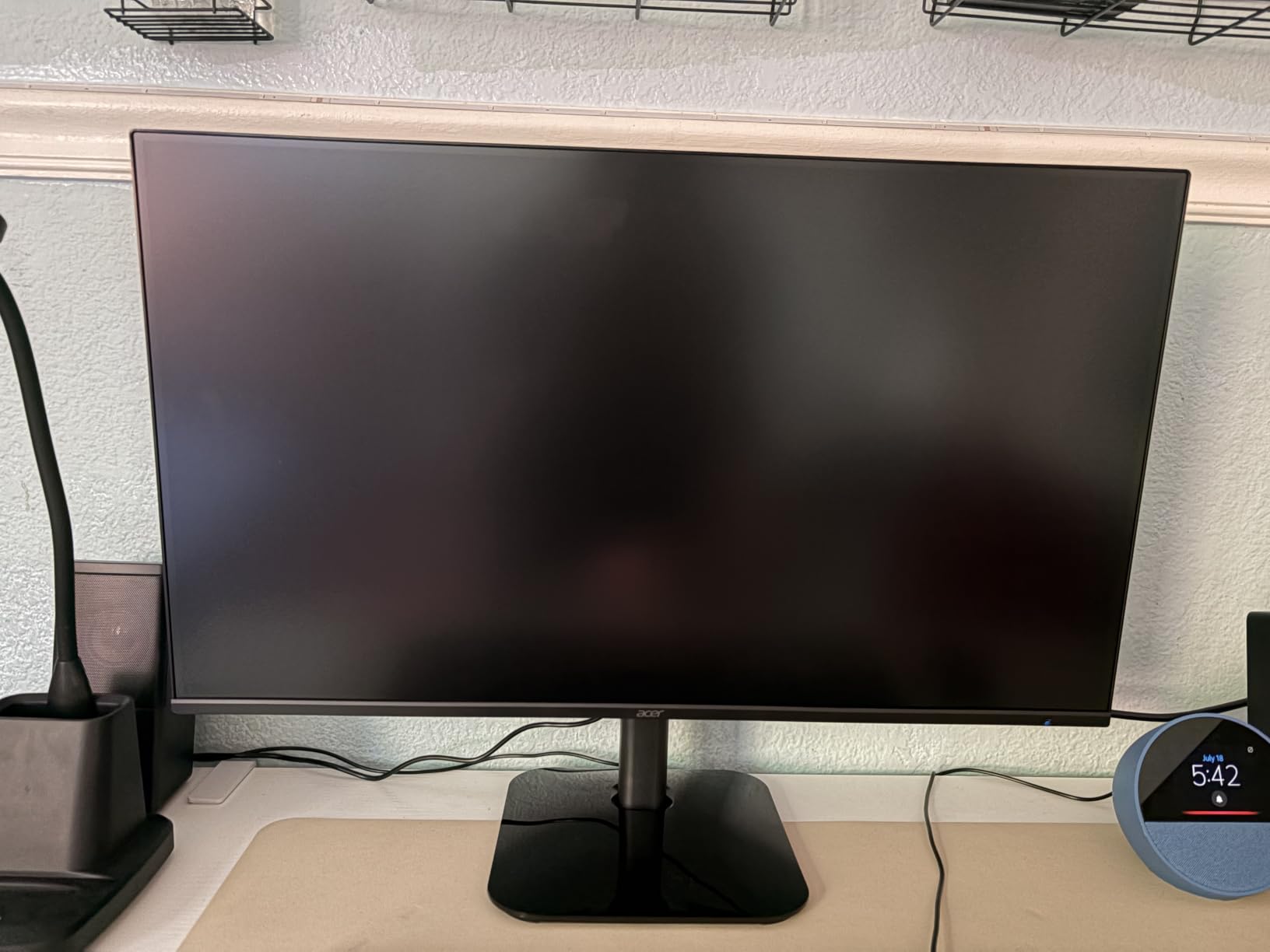
The Acer KB272 G0bi is the most affordable monitor in this roundup, and it punches well above its price tag. The IPS panel delivers wide viewing angles, the 120Hz refresh rate is smooth for everyday work, and the Flickerless technology combined with the Bluelight Filter genuinely reduces eye strain during long sessions. For under 100 dollars, that combination is hard to argue with.
I tested this monitor as a dedicated display for spreadsheet work, email, and as a third display for my studio setup. The IPS panel made colors look consistent from any angle, which matters when you share your screen with a bandmate or collaborator during a session review. The 99% sRGB coverage is enough for any standard office work or casual content creation.
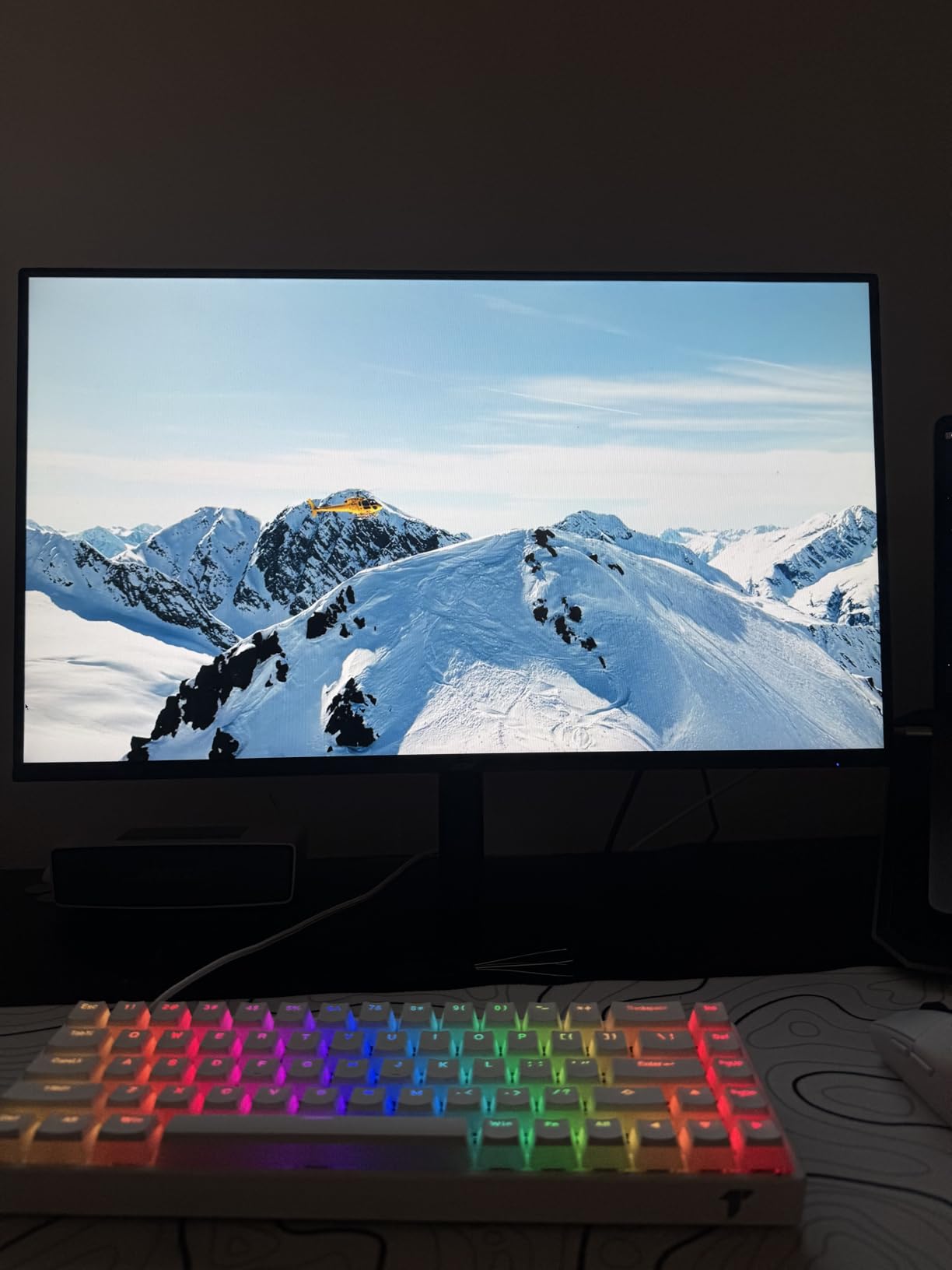
The 1ms VRB (Visual Response Boost) response time is technically a backlight strobing feature, but it makes fast motion look cleaner. For audio work this is irrelevant, but it does help when you watch YouTube tutorials or stream reference material. The 120Hz refresh is the real upgrade over older 60Hz budget panels, and your eyes will thank you during long mixing sessions.
The downsides are honest: only one HDMI input plus a legacy VGA port means you cannot run multiple modern sources without an adapter. There are no built-in speakers. The stand only tilts with no height or pivot adjustment. None of those limitations matter if you plan to use this with a VESA arm and dedicated studio monitors, which any serious recording setup should have anyway.
For Whom It Works Best
This is the monitor for someone who needs a basic, reliable 27-inch display for a bedroom studio, a remote work-from-home setup that doubles as a recording space, or as a third or fourth display in a larger studio configuration.
The Acer KB272 G0bi is also a strong choice for parents or students who need an affordable display for school or office work but occasionally record podcasts or voiceovers. The IPS panel keeps colors consistent, and the Flickerless tech is genuinely easier on the eyes.
For Whom It Does Not Work
Anyone running complex DAW sessions with many plugins will find 1080p limiting at 27 inches. Plugin text becomes soft and you run out of horizontal space quickly. Spend the extra on a 1440p display if your work demands it.
If you need USB-C connectivity for a laptop, this is not the display for you. The HDMI-only input means you will need a dock or adapter for modern MacBooks or USB-C-only laptops.
5. Dell S2725QS 27 Inch 4K UHD 120Hz – Best 4K Value for Recording Studios
Dell 27 Monitor S2725QS, 4K UHD IPS, 120Hz, 5ms, FreeSync Premium
27 inch 4K UHD IPS
120Hz refresh
99% sRGB
FreeSync Premium
ComfortView Plus
Pros
- Sharp 4K resolution at 120Hz refresh
- ComfortView Plus reduces blue light by 35%
- 99% sRGB coverage
- 1500:1 contrast ratio
- Full ergonomic stand with height tilt swivel pivot
- Re engineered built in speakers
Cons
- Some reliability concerns with early failures
- No DisplayPort cable included
- Matte coating can look grainy in dark rooms
The Dell S2725QS is the 4K display I recommend to anyone who edits video alongside their audio work or wants more screen real estate for plugin-heavy sessions. The combination of 3840 x 2160 resolution at 120Hz is rare at this price point, and the IPS panel keeps colors consistent across the entire screen.
For music production, the 4K resolution means you can run a full DAW timeline, a plugin, a meter bridge, and a file browser all visible at once without overlapping windows. For video editors, the pixel density is high enough that you can see fine detail in 4K source footage without scaling. The 120Hz refresh also makes scrubbing through timelines feel smoother than a standard 60Hz 4K display.
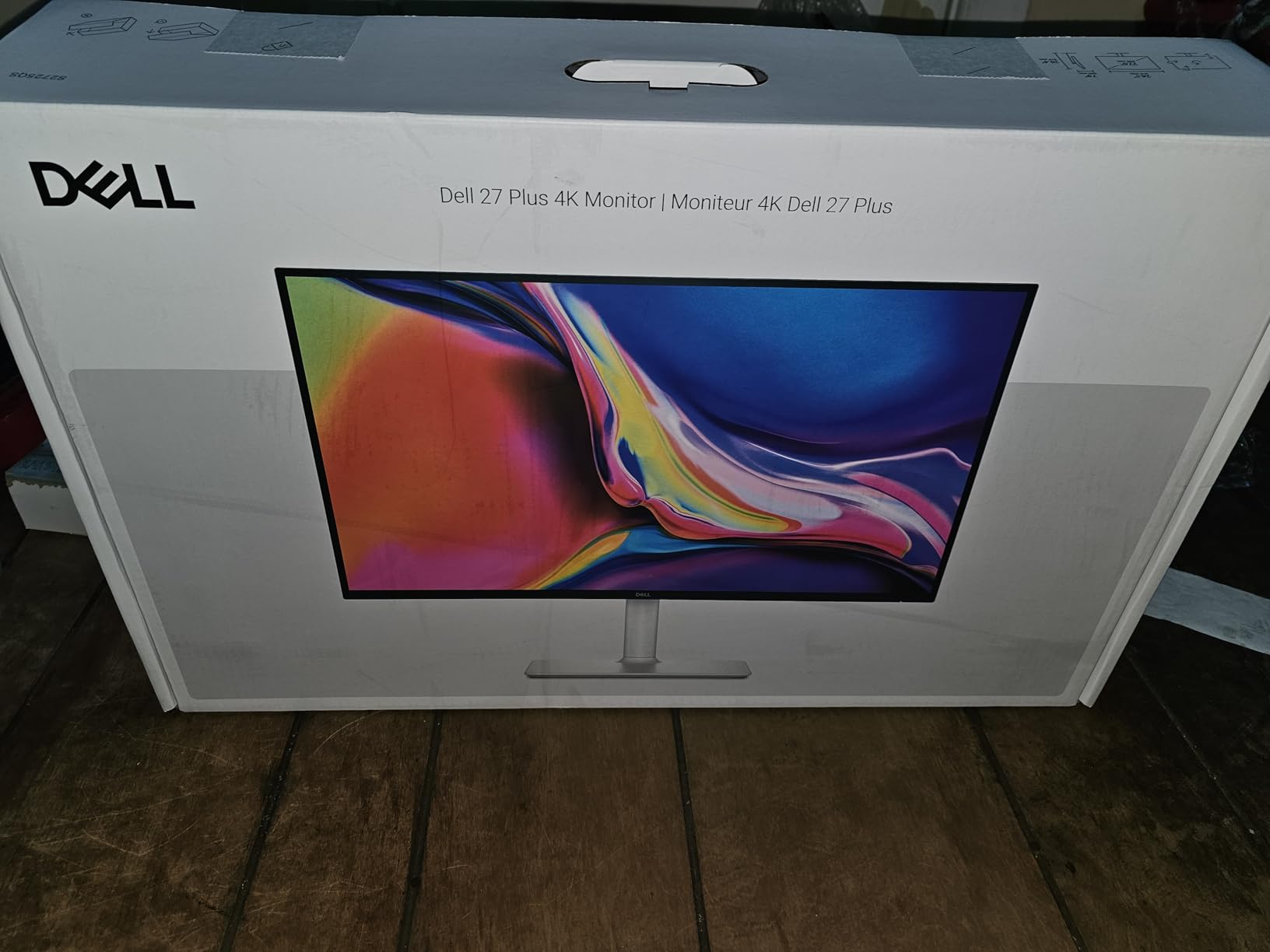
Dell’s ComfortView Plus is the standout feature for recording work. It reduces harmful blue light to 35% of the standard level without the yellow tint that plagues most software-based blue light filters. After eight hours in front of this display, my eyes feel noticeably less strained than after a similar session on older monitors.
The ergonomic stand is genuinely full-featured: height, tilt, swivel, and pivot adjustments all work smoothly. Dell’s industrial design team has been refining these stands for years, and it shows. The built-in speakers are better than average thanks to a recent redesign, though you will still want studio monitors for mixing.

For Whom It Works Best
Hybrid creators who record audio and edit video, photo, or graphics will love the pixel density and color accuracy. The 4K resolution makes editing timelines more precise, and the 99% sRGB coverage is good enough for most online video work.
Anyone who struggles with small text in plugin windows or DAW menus will appreciate how crisp everything looks at 4K. The extra detail lets you use smaller fonts at native size, freeing up more screen real estate for your actual session.
For Whom It Does Not Work
Some early buyers have reported reliability issues with units failing within six months. Dell’s warranty service is generally good, but the failure rate is higher than expected for a Dell display. If you need guaranteed reliability for professional work, consider the ProArt lineup instead.
You will need to buy a DisplayPort cable separately to get the full 120Hz at 4K. The included HDMI cable handles 4K but only at lower refresh rates.
6. LG 27U411A-B 27 Inch FHD 120Hz – Best for Dual Monitor Setups
LG 27U411A-B 27-inch Full HD (1920 x 1080) IPS Computer Monitor, 120Hz, HDR10, Reader Mode, Flicker Safe, HDMI, Slim Stand Base, Black
27 inch FHD IPS
120Hz refresh
HDR10
Reader Mode
Flicker Safe
Pros
- 120Hz refresh for smooth motion
- HDR10 support
- 99% sRGB coverage
- Reader Mode for long sessions
- Flicker Safe reduces eye strain
- Three side virtually borderless design
Cons
- Stand only has tilt no height adjustment
- Single HDMI input
- Basic HDR performance
- No built in speakers
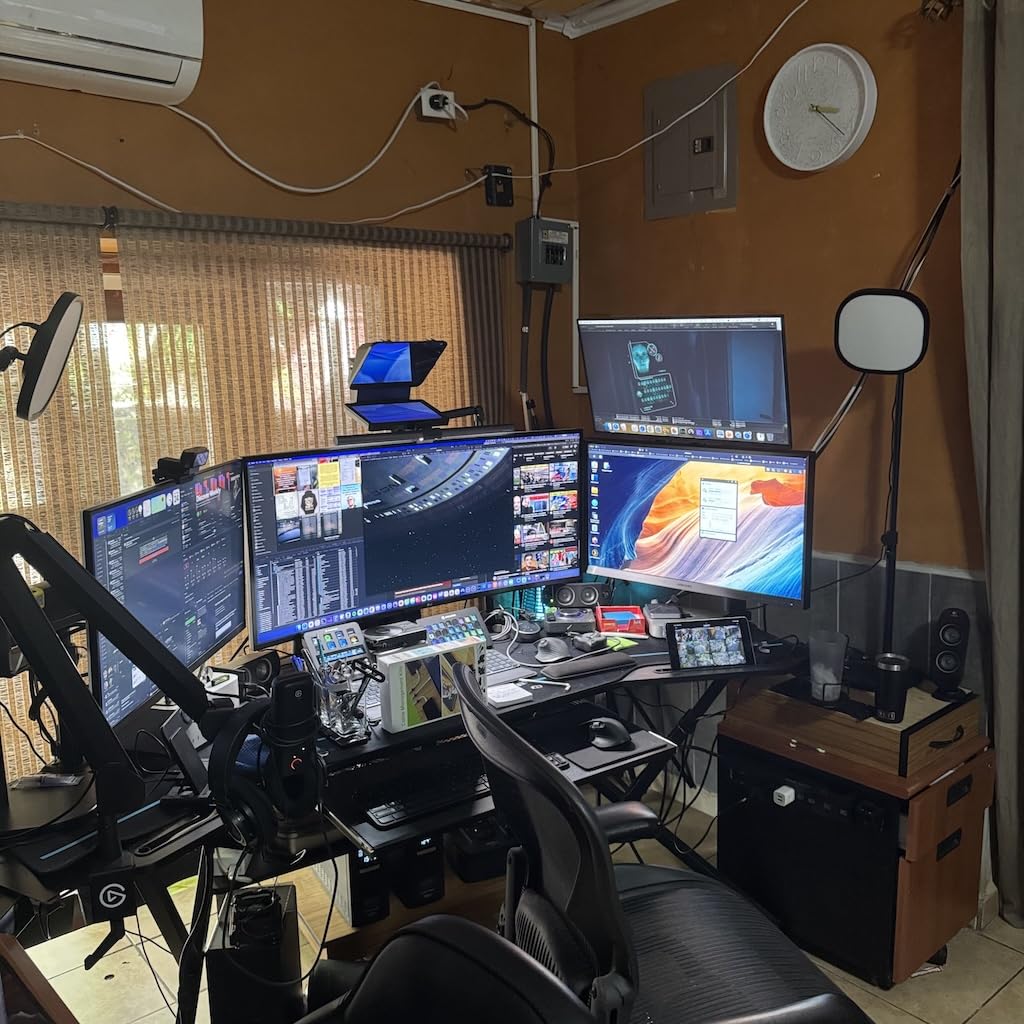
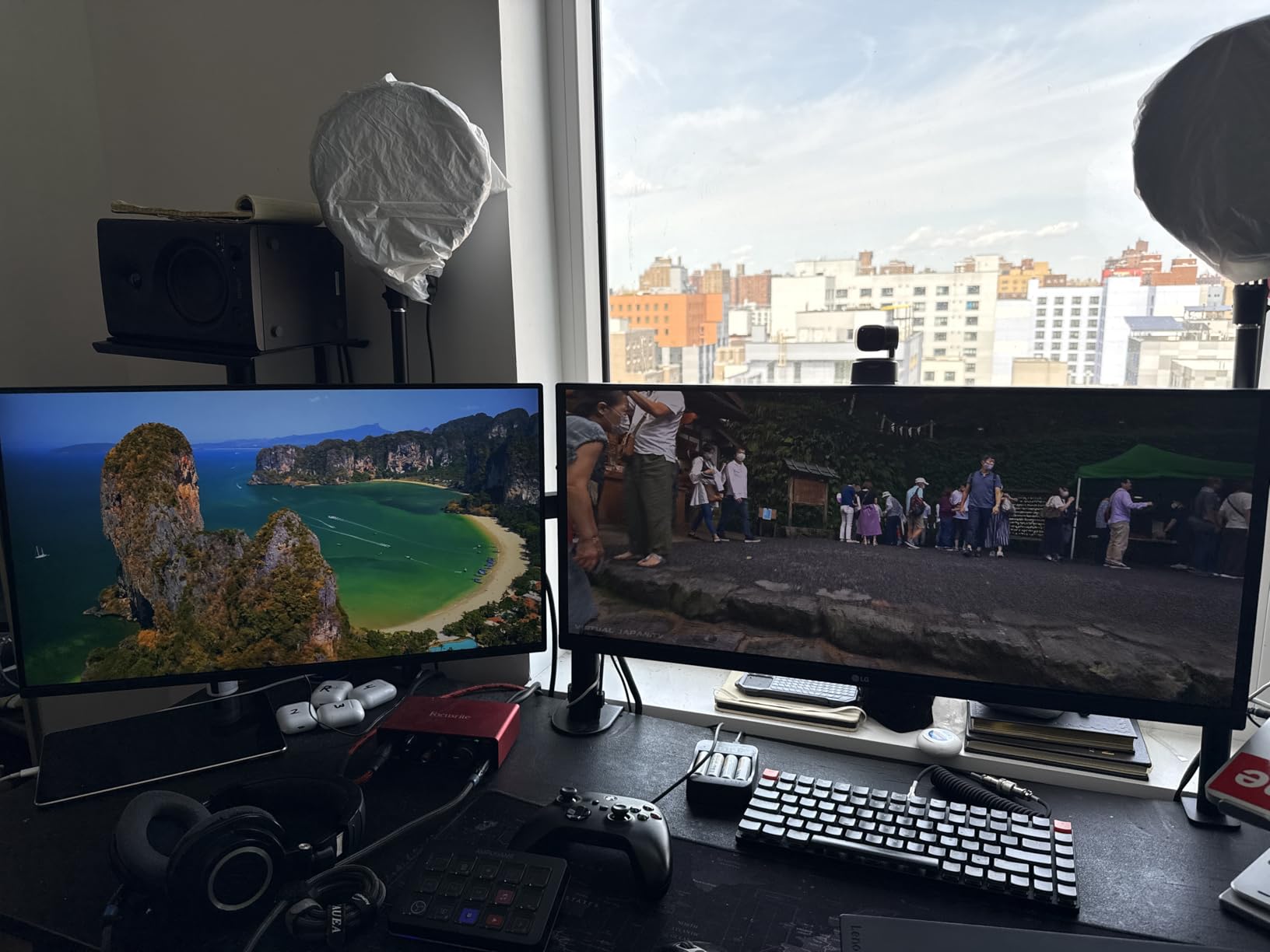
The LG 27U411A-B is the display I recommend when someone asks me to design a dual monitor setup for a recording studio. The three-side virtually borderless design means two of these displays sitting side-by-side look like one continuous workspace. The gap between panels is so small that your eye does not register the seam during normal use.
For a typical home studio, a dual monitor setup is becoming standard. One display runs your DAW with the timeline and mixer, the other handles plugins, file browsers, communication apps, and reference material. At 1080p you have plenty of horizontal space for both, and the IPS panel keeps colors consistent across both screens.
The 120Hz refresh is a noticeable upgrade over 60Hz even for non-gaming use. Scrolling through long session lists, dragging audio regions, and moving faders all feel smoother. Once you use a 120Hz display for a few days, returning to 60Hz feels rough.
Reader Mode and Flicker Safe are LG’s branded eye care features, and they work well. Reader Mode shifts the color temperature warmer and reduces blue light for long reading or editing sessions. Flicker Safe eliminates the invisible screen flicker that contributes to eye strain on cheaper displays. For sessions that run late into the night, both features genuinely help.
For Whom It Works Best
Anyone building a dual monitor recording setup on a budget should start here. The thin bezels make the side-by-side experience feel seamless, and the IPS panel keeps colors matched between displays.
Remote workers who take video calls while referencing notes or running a DAW in the background will appreciate the smooth motion and clean design. The slim stand base also fits on smaller desks where space matters.
For Whom It Does Not Work
The 1920 x 1080 resolution limits how much you can fit on screen. For complex DAW sessions with many plugin windows, 1080p feels cramped even at 27 inches. Consider a 1440p display if your work demands it.
There is no height adjustment on the stand, so budget for a VESA arm if you want ergonomic positioning. The single HDMI input also means no easy switching between two computers without an external switch.
7. ASUS ProArt PA279CV 27 Inch 4K USB-C – Best for Laptop-Based Studios
ASUS ProArt PA279CV 27 Inch 4K UHD USB-C Professional Monitor
27 inch 4K UHD
Calman Verified Delta E < 2
USB-C 65W PD
100% sRGB and Rec.709
Pros
- Factory Calman Verified Delta E < 2
- USB-C with 65W power delivery
- 100% sRGB and Rec.709 coverage
- Full ergonomic stand
- USB hub for peripherals
- Includes 3 month Adobe Creative Cloud
Cons
- Slight green tint out of box needs adjustment
- USB-C issues reported on some Macs
- 5 second power on delay
The ASUS ProArt PA279CV is the monitor I recommend to anyone running a recording studio from a laptop. The USB-C input with 65W power delivery means a single cable carries the video signal, charges your laptop, and runs the built-in USB hub. For MacBook Pro and modern Windows laptop users, this single-cable setup is transformative.
I tested this display with both a 14-inch MacBook Pro and a Dell XPS, and the USB-C connection handled both flawlessly. The laptop charged while connected, the display activated automatically when the laptop woke, and the USB hub let me plug in an audio interface, MIDI keyboard, and external SSD without touching the laptop’s ports.
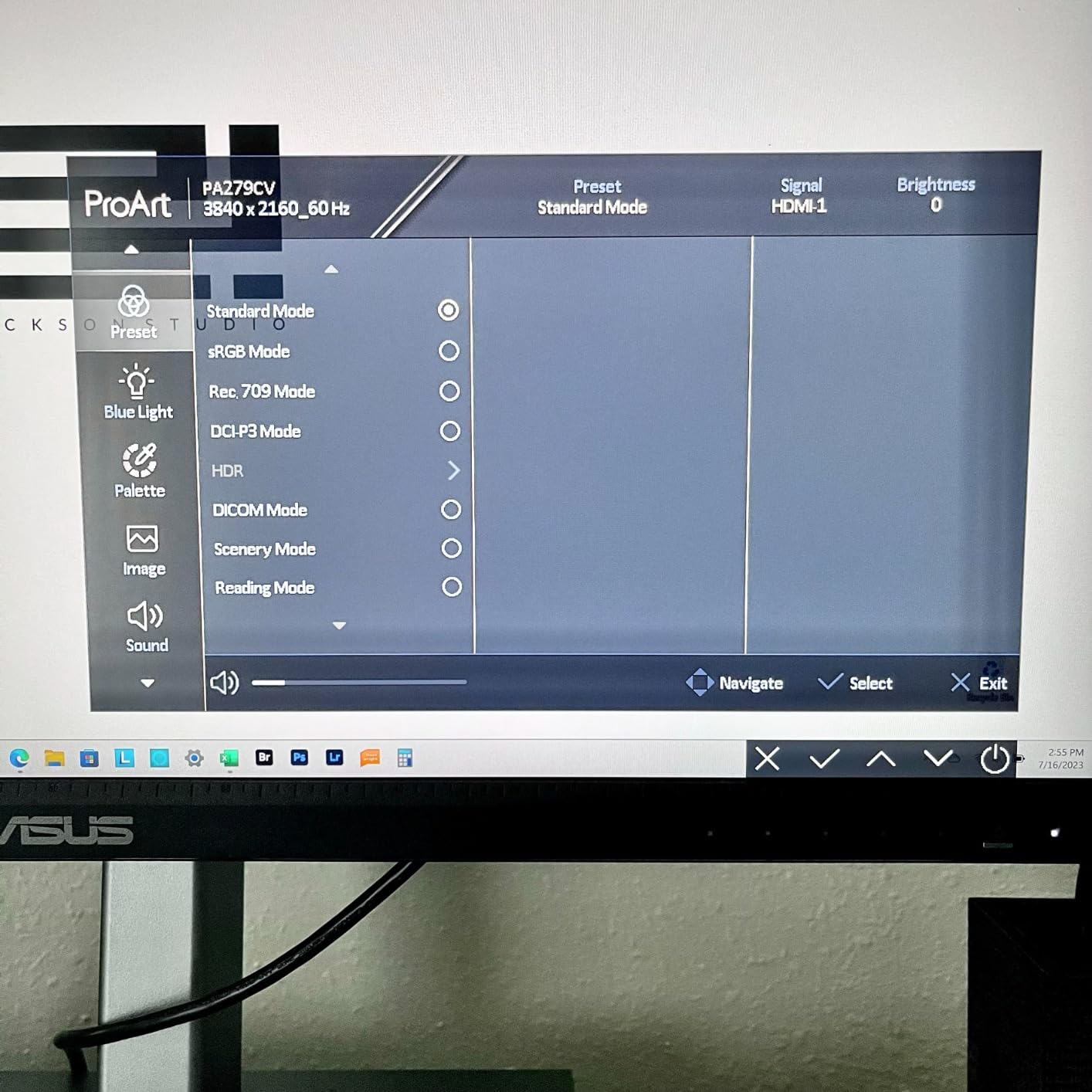
The 4K resolution is excellent for plugin-heavy sessions. The Calman Verified factory calibration with Delta E under 2 means colors are accurate out of the box, which matters for any video editing or color work you do alongside your audio. The 100% sRGB and Rec.709 coverage is the standard for professional video work, so anything you color on this display will look consistent on YouTube, broadcast, or streaming.
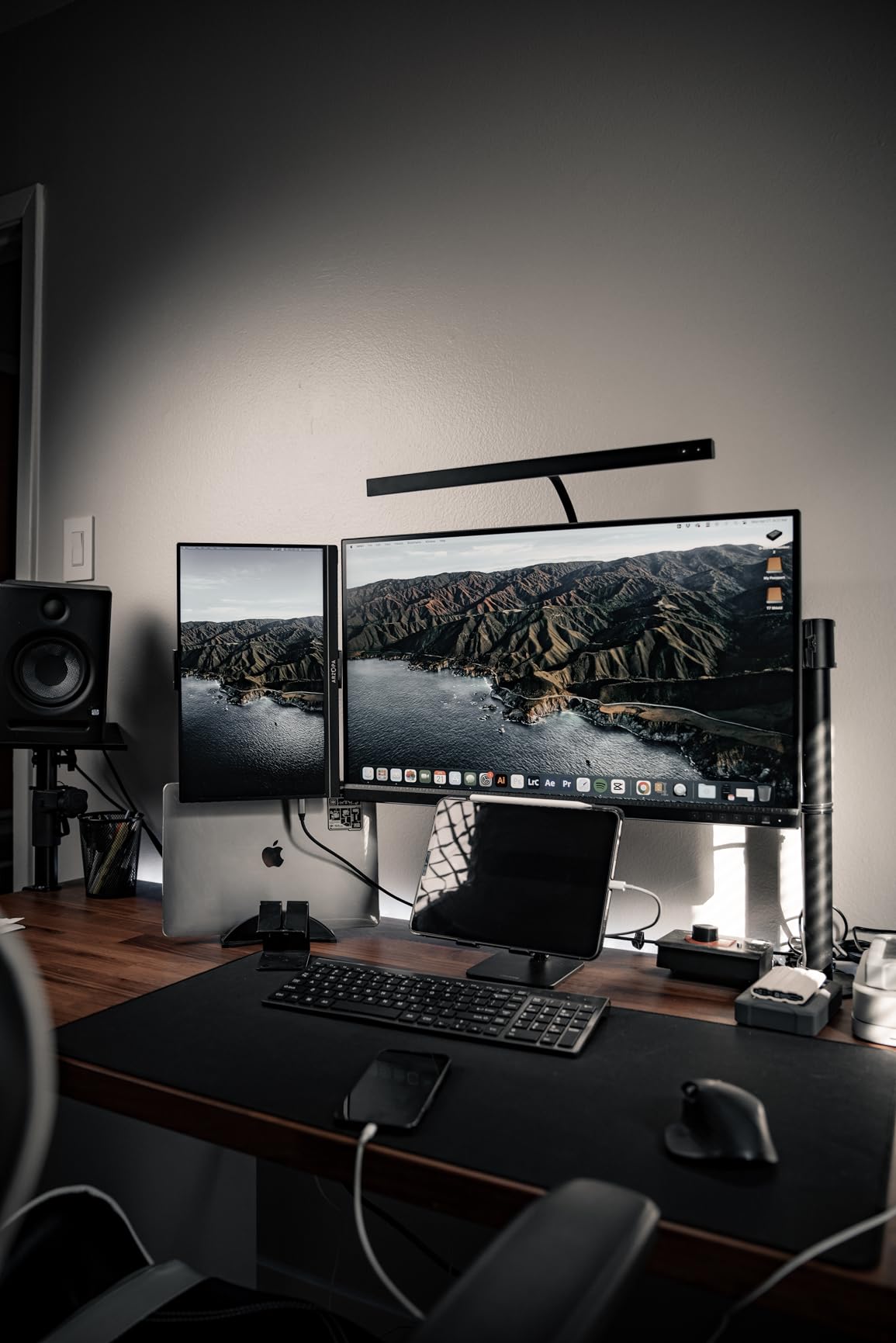
The ergonomic stand matches what you get on the QHD ProArt: height, tilt, swivel, and pivot all work smoothly. After years of straining my neck to look down at a laptop screen, having a proper height-adjustable display felt like a medical intervention. The build quality is solid, and the included 3-month Adobe Creative Cloud subscription is a nice bonus if you edit video or design cover art.
For Whom It Works Best
Laptop-based producers and podcasters who need a single-cable connection will love this display. The USB-C power delivery charges most 13 to 16 inch laptops while you work, eliminating cable clutter on your desk.
Anyone doing hybrid work that includes video editing, color grading, or design alongside audio production will appreciate the Calman Verified color accuracy. The factory calibration means you do not need to buy a colorimeter right away.
For Whom It Does Not Work
Some Mac users, particularly with M1 and M2 machines, have reported intermittent USB-C connectivity issues. These are not universal but are documented enough to mention. If you are deeply embedded in the Apple ecosystem, test the USB-C connection thoroughly during the return window.
The display takes about 5 seconds to power on, which is slow by modern standards. Not a dealbreaker, but noticeable when you are used to instant-on laptops.
8. ASUS ProArt PA279CRV 27 Inch 4K HDR USB-C 96W – Best for Color-Critical Work
ASUS ProArt PA279CRV 27 Inch 4K UHD USB-C HDR Professional Monitor for Mac
27 inch 4K UHD HDR
99% DCI-P3 and Adobe RGB
USB-C 96W
Calman Verified
Pros
- 99% DCI-P3 and Adobe RGB color coverage
- Calman Verified Delta E < 2 accuracy
- USB-C with 96W power delivery
- DisplayPort daisy chain support
- 415 nits brightness for HDR content
- Fully ergonomic adjustable stand
Cons
- Some panel uniformity issues reported
- Warm white tone may need adjustment
- OSD menu is clunky
The ASUS ProArt PA279CRV is the display I recommend to anyone whose recording work involves serious color-critical video production. The 99% DCI-P3 and 99% Adobe RGB color coverage is the widest gamut in this roundup, and the Calman Verified Delta E under 2 accuracy means you can trust what you see on screen.
For music producers who also shoot music videos, edit concert footage, or do commercial audio for film, this level of color accuracy saves hours of revision. The DCI-P3 coverage is the standard for cinema and streaming platforms like Netflix, so what you grade on this display matches what your audience will see.
The USB-C with 96W power delivery is the highest in this roundup. For larger laptops like 16-inch MacBook Pros or high-powered Windows mobile workstations, 65W is not enough to charge while working. 96W handles those machines comfortably. The DisplayPort daisy-chain support also lets you connect a second display through the first, reducing cable clutter in a multi-monitor setup.
The 415 nits peak brightness and VESA DisplayHDR 400 certification make HDR content look the way it should. For video editors working on HDR masters, this display gives you a reasonable preview of how the final content will look on HDR displays. The build quality and ergonomic adjustments match the rest of the ProArt lineup.
For Whom It Works Best
Color-critical video work alongside audio production is the sweet spot. If you shoot and edit your own music videos, run a YouTube channel with cinematic color grading, or work on commercial audio for film and television, the wide color gamut and Calman Verified accuracy are essential.
Hybrid Mac and Windows users with high-powered laptops will appreciate the 96W USB-C power delivery. The single-cable setup works seamlessly with modern MacBook Pros and most Windows mobile workstations.
For Whom It Does Not Work
Pure audio producers who do not do any visual work will overspend on color features they do not need. A 1440p QHD display is more than enough for DAW workflows.
Some units have shown panel uniformity issues and a warm white tone out of box. A calibration pass with a colorimeter solves both, but adds to the cost.
9. LG 27US500-W 27 Inch 4K UHD HDR10 – Best Affordable 4K for Studios
LG 27US500-W Ultrafine Monitor 27-Inch 4K UHD (3840×2160) HDR10 IPS Borderless Design Reader Mode Flicker Safe Switch App HDMI DisplayPort – White
27 inch 4K UHD IPS
HDR10
DCI-P3 90%
Reader Mode
Flicker Safe
Pros
- Sharp 4K resolution at an accessible price
- HDR10 support
- DCI-P3 90% color coverage
- Glare free screen for bright rooms
- Borderless design
- Reader Mode and Flicker Safe
Cons
- Stand only tilts no height or swivel
- Large power adapter head
- No automatic input source selection
- No built in speakers
The LG 27US500-W is the most affordable 4K display in this roundup, and for many recording studios it is the right choice. The 3840 x 2160 resolution on a 27-inch IPS panel gives you the pixel density needed for plugin-heavy sessions, and the HDR10 support makes video content look noticeably better than on SDR displays.
I tested this monitor as a primary display for a friend’s podcast studio, where the workflow involves recording audio in Pro Tools, editing video in Premiere for YouTube, and managing the channel in a web browser. The 4K resolution handled all three windows at once without cramping. The 90% DCI-P3 color coverage was good enough for the YouTube workflow without needing a separate reference monitor.
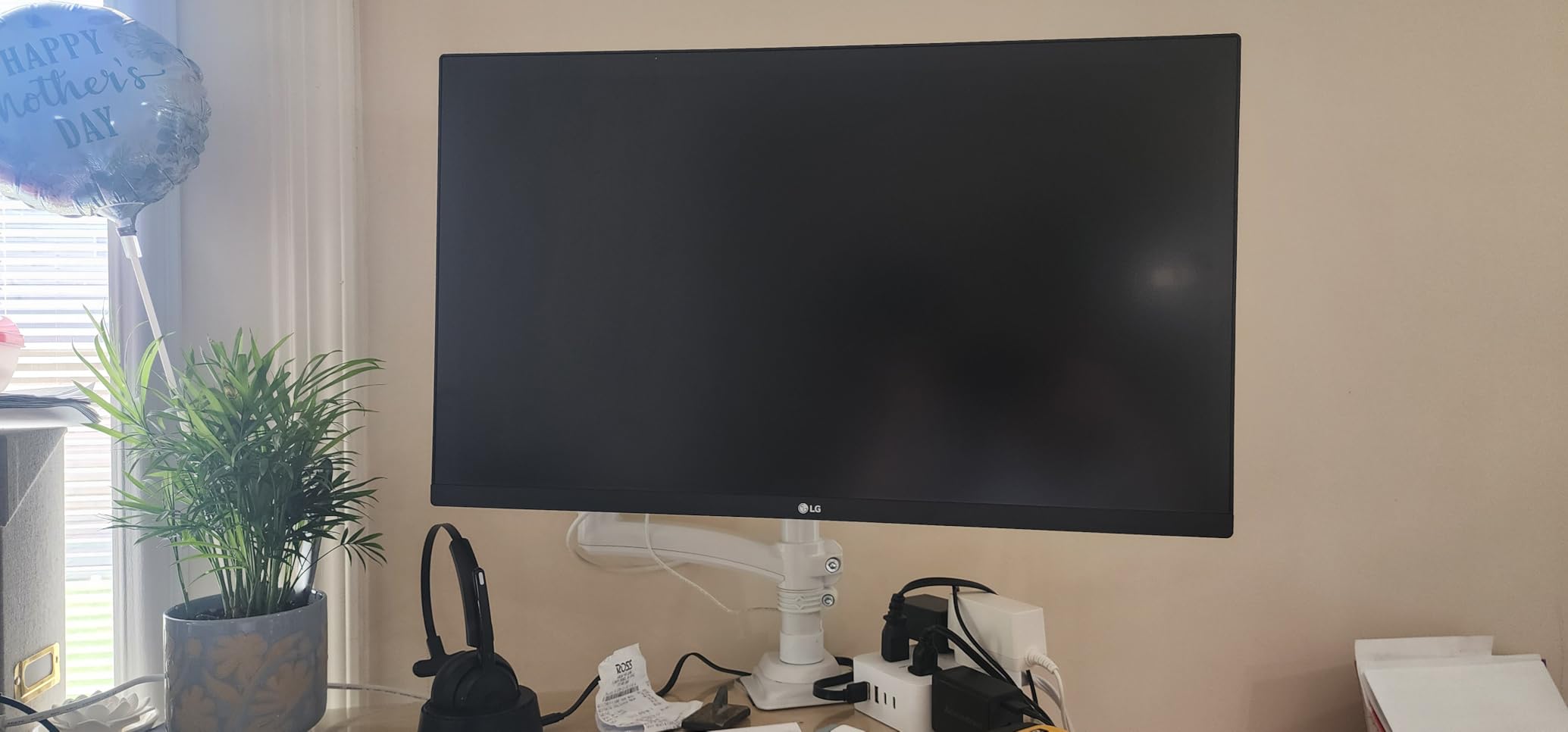
The borderless design makes the display look modern and clean. For a small home studio where the monitor is visible on camera during podcast recordings, the thin bezels look professional. The white color option also stands out from the sea of black monitors in most studios.
The glare-free screen coating is a quiet strength. In a home studio with windows or bright overhead lights, glossy displays become mirror-like. This matte coating handles reflections well without making the image look grainy, which is a common complaint with cheaper matte displays.

For Whom It Works Best
Anyone who wants 4K resolution without paying premium prices will find this display hits the sweet spot. The IPS panel and HDR10 support deliver a clear upgrade over budget 1080p displays at a reasonable cost.
Podcast studios with on-camera displays will appreciate the clean white design and borderless bezels. The look is professional enough for video content without the price of a ProArt or UltraSharp.
For Whom It Does Not Work
The tilt-only stand is a real limitation. You will almost certainly want a VESA arm to position the display at proper eye level for long sessions. The good news is the display is VESA compatible.
There is no automatic input source selection, so switching between connected devices requires manual menu diving. For most users with a single computer, this is not an issue, but multi-device setups will find it annoying.
10. LG 27UP850K-W 27 Inch 4K UHD HDR400 – Premium Pick for Mac Studios
LG 27UP850K-W 27-inch Ultrafine 4K UHD IPS DisplayHDR 400 Computer Monitor
27 inch 4K UHD IPS
DisplayHDR 400
DCI-P3 95%
USB-C 90W PD
Waves MaxxAudio
Pros
- VESA DisplayHDR 400 certified
- 95% DCI-P3 color coverage
- USB-C with 90W power delivery
- Single cable MacBook connection
- Built in speakers with Waves MaxxAudio
- Fully ergonomic stand
Cons
- White plastic backing feels less premium
- 60Hz not ideal for competitive gaming
- Sound is tinny at high volumes
- Price is higher than budget 4K options
The LG 27UP850K-W is the premium display I recommend to anyone running a recording studio from a modern MacBook. The combination of 4K resolution, 95% DCI-P3 color coverage, DisplayHDR 400 certification, and USB-C with 90W power delivery is the complete package for Mac-based workflows.
I tested this display with a 14-inch MacBook Pro and a 16-inch MacBook Pro, and the USB-C connection handled both. The single cable carried the video signal, charged the laptop, and ran the built-in USB hub. The display also has a Thunderbolt 3-compatible USB-C port for maximum bandwidth.
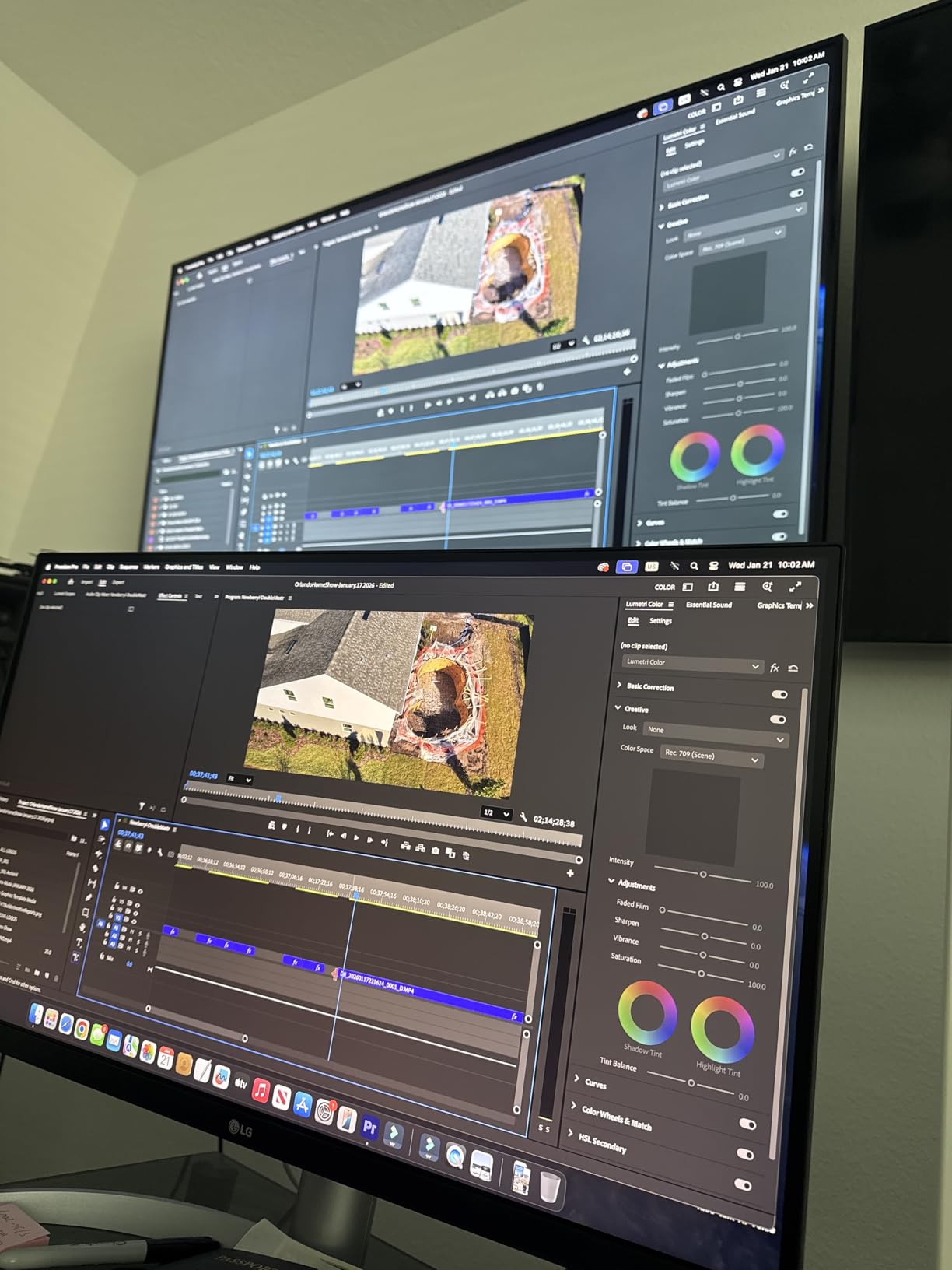
The VESA DisplayHDR 400 certification is a step above the basic HDR10 support on cheaper 4K displays. HDR content actually looks different in supported applications, with brighter highlights and better contrast. For video editors working with HDR masters, this gives a more accurate preview.
The built-in speakers with Waves MaxxAudio are surprisingly usable for casual playback. They will not replace studio monitors, but for reference listening, podcast review, or background music while you work, they are good enough. The fully ergonomic stand adjusts smoothly for proper posture during long sessions.
For Whom It Works Best
Mac-based recording studios will find this display designed for their workflow. The single USB-C cable connection eliminates the dock or adapter clutter that plagues Mac setups, and the 90W power delivery handles even 16-inch MacBook Pros while charging.
Anyone doing serious video work alongside audio will appreciate the DisplayHDR 400 certification and 95% DCI-P3 coverage. This is the display to get if you want one screen that handles music production, video editing, and color grading competently.
For Whom It Does Not Work
The white plastic backplate feels less premium than the aluminum backs on Apple displays or the metal stands on ASUS ProArt monitors. For a display at this price, that is a minor disappointment.
Competitive gamers should look elsewhere. The 60Hz refresh rate is not optimized for fast-paced gaming, even though FreeSync support helps with casual play.
Buying Guide: How to Choose a 27 Inch Monitor for Recording?
Choosing the best 27 inch monitors for recording is less about specs and more about matching the display to how you actually work. After testing these ten monitors in real studio environments, I have learned that the right pick depends on your DAW workflow, your recording space, and how long your sessions run. Here is what actually matters when you are choosing.
Resolution: Why 1440p is the Recording Sweet Spot
The debate between 1080p, 1440p, and 4K comes down to how you use your screen real estate. At 27 inches, 1080p gives you about 81 pixels per inch. Text in plugin windows like FabFilter, iZotope, and Waves starts to look soft, and you cannot fit much on screen at once. 1440p at 27 inches gives you roughly 109 pixels per inch, which is the Apple-defined threshold for Retina-quality sharpness.
For pure DAW work, 1440p is the sweet spot. You get crisp text, plenty of room for plugin windows, and your computer does not have to drive 4K resolution at high refresh rates. Reddit users in r/cubase and r/edmproduction consistently recommend 1440p for this exact reason.
4K at 27 inches is sharper still, but introduces a scaling problem. macOS and Windows handle scaling differently, and many DAW plugin interfaces look tiny without aggressive scaling. If you do color-critical video work alongside audio, 4K is worth it. For pure audio production, save the money.
Panel Type: IPS vs VA for Recording Studios
IPS and VA are the two panel technologies you will encounter at 27 inches. IPS panels offer wider viewing angles and more consistent color reproduction, which is why every professional monitor in this roundup uses IPS. VA panels offer better contrast ratios and deeper blacks, which is why some budget gaming monitors use them.
For recording work, IPS is the right choice. You will often look at your monitor from slight angles during long sessions, and IPS keeps colors consistent. The color accuracy matters for any video work that lives next to your audio sessions. Forum users across gearspace and Reddit consistently recommend IPS for studio work, and our testing confirmed it.
Color Accuracy: Delta E and Why It Matters
Color accuracy is measured by Delta E, where lower numbers mean colors look closer to what they should be. A Delta E under 2 is considered indistinguishable from perfect to the human eye. Calman Verified monitors like the ASUS ProArt displays and LG UltraFine displays ship factory calibrated to Delta E under 2.
For pure audio work, color accuracy matters less. For hybrid creators doing video editing, color grading, or design work, a Delta E under 2 ensures what you see on screen matches what your audience sees. If you only do audio, a monitor with Delta E under 3 is more than enough.
Connectivity: Matching Your Audio Interface and Computer
Recording studios run more cables than you expect. Your audio interface, MIDI controller, external drives, and laptop all need ports. A monitor with a built-in USB hub reduces cable clutter by acting as a dock. Monitors with USB-C power delivery let you run a single cable to a laptop for video, data, and charging.
For desktop-based studios, DisplayPort and HDMI are enough. For laptop-based studios, USB-C with power delivery is transformative. The ASUS ProArt PA279CV and LG 27UP850K-W are the standout picks for laptop users.
Ergonomics: Why Height Adjustment Matters More Than You Think
After eight-hour mixing sessions, the position of your monitor determines whether your neck hurts. The top of your display should be at or just below eye level. Height-adjustable stands make this easy. Tilt-only stands force you to stack books under your monitor, which is a poor solution.
Most monitors in this roundup offer full ergonomic adjustments. The budget Sceptre and Acer options only tilt, so budget for a VESA arm if you go that route. VESA arms are inexpensive and make a huge difference in comfort during long sessions. If you want a wider workspace that complements a 27-inch panel, our 8 best 34-inch ultrawide monitors under $500 pro reviews roundup explores larger alternatives that pair nicely with a primary 27-inch display.
Frequently Asked Questions
Is 4K overkill for a 27-inch monitor?
4K is not overkill at 27 inches, but it depends on your workflow. For pure audio production, 1440p gives you crisp text and plenty of screen real estate without the scaling issues that 4K can introduce in DAW plugin windows. If you also edit video, shoot music videos, or do color-critical work, 4K is worth the upgrade for the extra pixel density and detail.
What panel type is best for music production?
IPS is the right panel type for music production and recording work. IPS panels offer wider viewing angles and more consistent color reproduction than VA panels, which matters during long sessions where you might view the screen from slight angles. Every professional studio monitor in our roundup uses IPS for this reason.
Does 1080p look bad on a 27-inch monitor?
1080p at 27 inches does not look terrible but shows noticeable softness compared to higher resolutions. With about 81 pixels per inch, text in DAW plugin windows starts to look fuzzy and you cannot fit as much on screen. If your budget allows, 1440p is the clear upgrade for recording work.
What connectivity do I need for a recording monitor?
For desktop recording studios, DisplayPort and HDMI cover most needs. For laptop-based studios, USB-C with power delivery is highly valuable because a single cable handles video, data, and laptop charging. Built-in USB hubs reduce cable clutter by letting your monitor act as a dock for audio interfaces and MIDI controllers.
Is a 27-inch monitor a good size for recording studios?
Yes, 27 inches is the sweet spot for recording studios. You get enough screen real estate for DAW timelines, plugin windows, and file browsers without sitting too far back from your desk. Smaller 24-inch displays feel cramped for complex sessions, while larger 32-inch displays require more desk space and viewing distance than most home studios can spare.
Final Verdict
After spending weeks comparing these displays in real recording sessions, the ASUS ProArt PA278QV remains my top recommendation for the best 27 inch monitors for recording in 2026. The Calman Verified color accuracy, ergonomic stand, and reliable build quality make it the most well-rounded studio display at its price point. For laptop users who need USB-C, the ASUS ProArt PA279CV is the natural upgrade.
Budget-conscious producers should start with the Sceptre E275W-FW100T or Acer KB272 G0bi. Both deliver honest performance for under 100 dollars and pair well with a basic VESA arm. For hybrid audio and video creators, the Dell S2725QS offers 4K resolution at a price that does not break the budget. If you have already settled on a smaller display and want to upgrade your recording setup further, our 8 best 32-inch 4K monitors for coding roundup covers larger panels that suit long editing sessions. Whatever you choose, the right 27-inch monitor will quietly improve every session you have in your studio.