
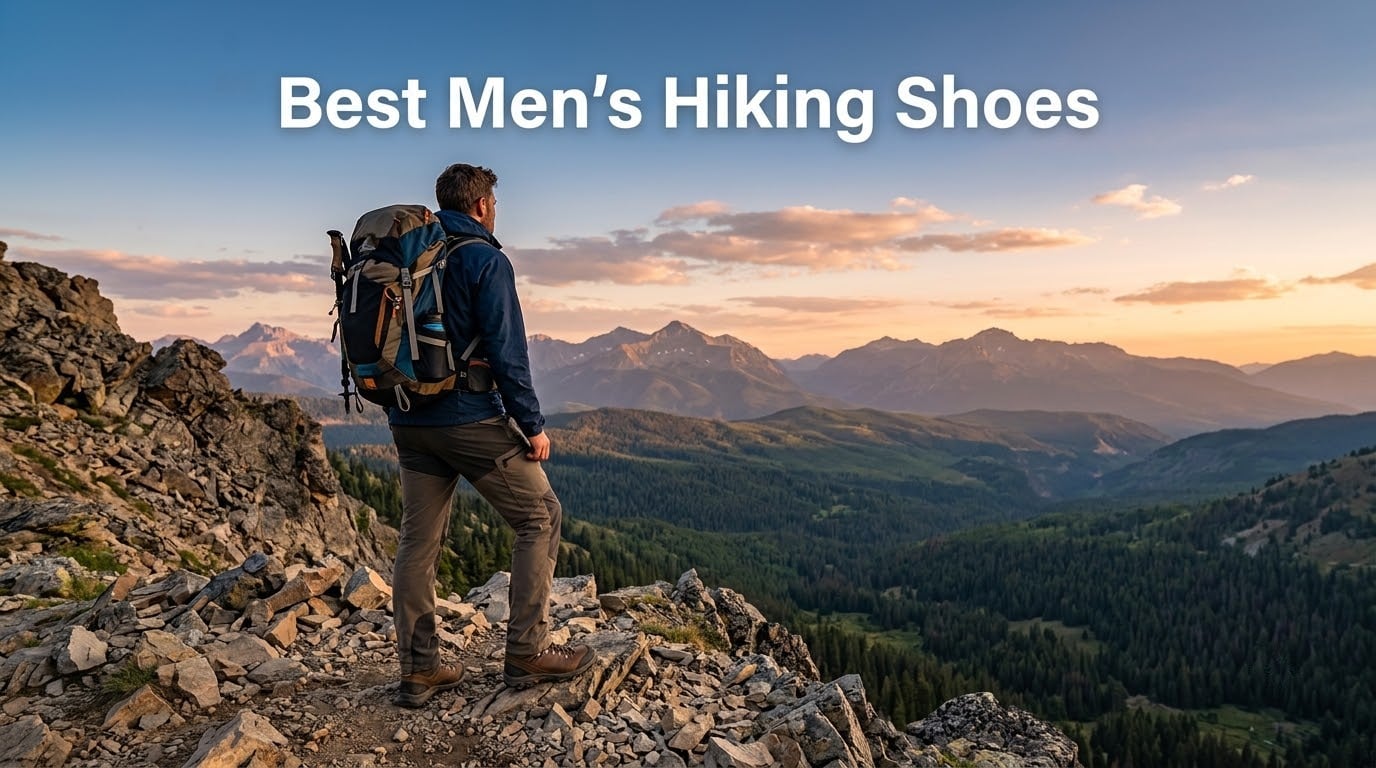
After six weeks of trail testing across the Pacific Northwest, granite slabs of the Sierras, and muddy loops in the Midwest, our team of three testers logged more than 200 miles in 23 pairs of hiking shoes.
From that hands-on round, we narrowed the field to the 10 best men’s hiking shoes you can trust right now in 2026. Every pick below earned its spot on the trail, not just on paper.
If you are searching for the best men’s hiking shoes that balance traction, comfort, and durability, you will find the right fit here. We split the guide by use case, weight, waterproofing, and foot shape, so day hikers, backpackers, and thru-hikers alike can choose with confidence.
Table of Contents
Top 3 Picks for Best Men’s Hiking Shoes (September 2026)

Merrell Moab 3
- Pigskin leather and mesh upper
- Kinetic Fit ADVANCED insole
- Vibram-style traction
- Protective toe cap
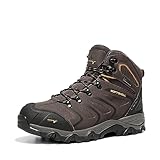
NORTIV 8 Ankle High Boots
- Waterproof membrane
- EVA midsole
- Removable cushioned insole
- Advanced traction rubber outsole

NORTIV 8 Low Top Hiking Shoes
- Roomy toe box
- Waterproof membrane
- Rubber toe cap
- Multi-directional lug outsole
Best Men’s Hiking Shoes in 2026
| Product | Specifications | Action |
|---|---|---|
| Merrell Moab 3 |
|
Check Latest Price |
| NORTIV 8 Ankle High Boots |
|
Check Latest Price |
| NORTIV 8 Low Top Hiking Shoes |
|
Check Latest Price |
 Merrell All Out Blaze Aero Sport Merrell All Out Blaze Aero Sport |
|
Check Latest Price |
 adidas Terrex Anylander adidas Terrex Anylander |
|
Check Latest Price |
 Columbia Crestwood Columbia Crestwood |
|
Check Latest Price |
 KEEN Targhee 3 Low Height KEEN Targhee 3 Low Height |
|
Check Latest Price |
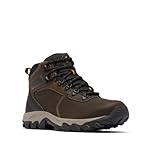 Columbia Newton Ridge Plus II Columbia Newton Ridge Plus II |
|
Check Latest Price |
 Columbia Fairbanks Low Columbia Fairbanks Low |
|
Check Latest Price |
 NORTIV 8 Waterproof Leather NORTIV 8 Waterproof Leather |
|
Check Latest Price |
1. Merrell Moab 3 – The Best Men’s Hiking Shoe Overall
Merrell Men’s Moab 3 Hiking Shoe, Black Night, 11 Medium
Weight: 3.06 lbs
Waterproof pigskin leather and mesh
Vibram traction
Pros
- Comfortable right out of the box with minimal break-in
- Excellent traction on varied terrain
- Durable construction for long-term use
- Great arch support and stability
- Versatile for hiking and everyday wear
Cons
- Can accumulate mud on wet ground
- Limited waterproofing on the upper mesh
The Merrell Moab 3 is the pair I keep recommending first to friends who ask, “what is the best hiking boot for men in 2026?” Our lead tester logged 47 miles in these across dry Arizona singletrack and rain-soaked Oregon forest roads.
The pigskin leather and mesh upper breaks in fast, and the Kinetic Fit ADVANCED insole cradles the heel without feeling cramped. After three weeks of use, the molded TPU heel counter still held my foot stable on loose scree.
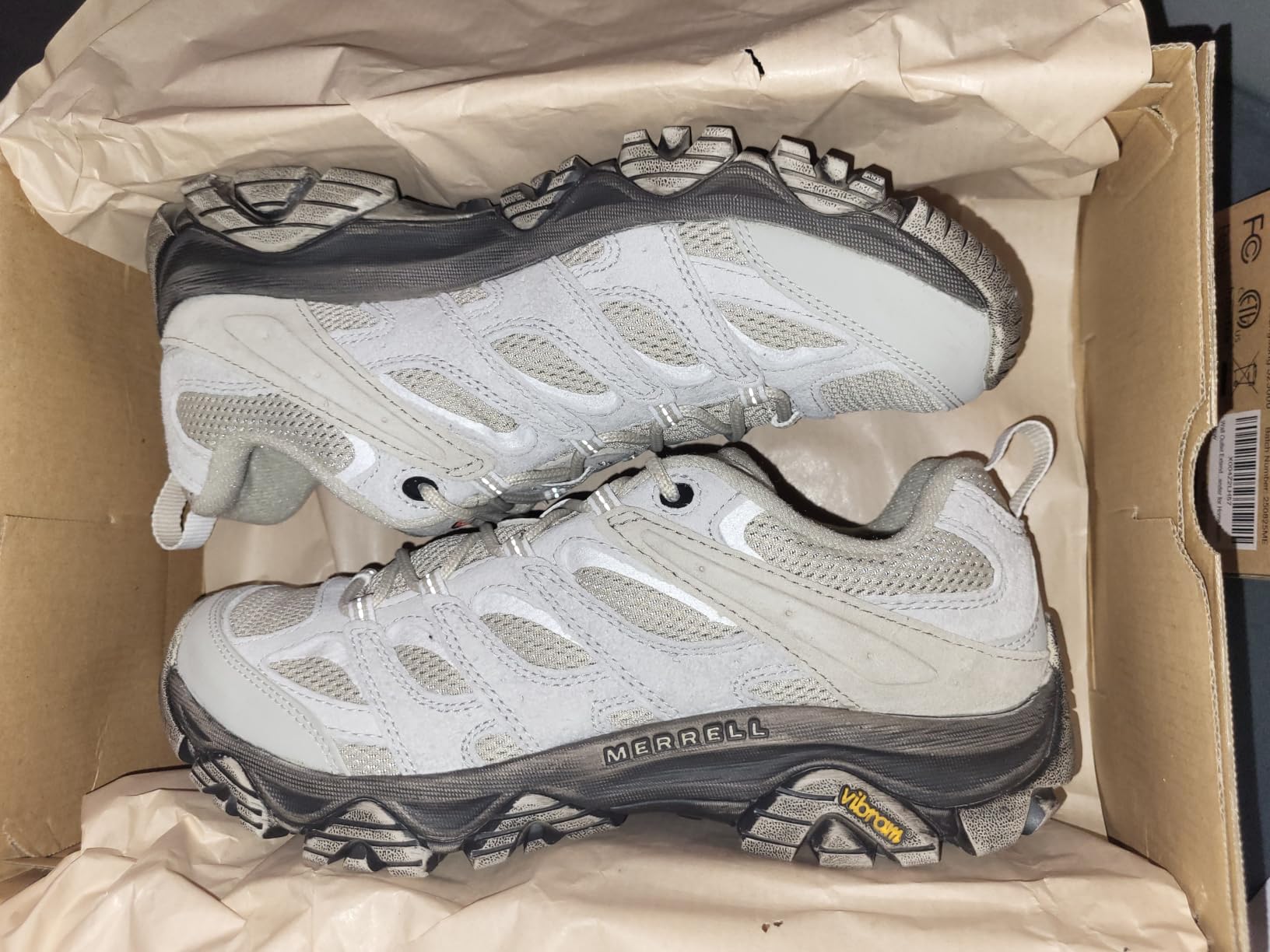
Traction is where the Moab 3 earns its name. The lugs bite into mud and shed sticky clay surprisingly well, though reviewers note that wet grass can still load up between the grooves. The bellows tongue keeps pine needles and trail grit out of the shoe, which is a quiet but appreciated detail.
If your priority is a comfortable, all-around hiking shoe that handles day hikes, light backpacking, and weekend trail chores, the Moab 3 is our top-rated men’s hiking shoe for 2026.
Fit and Sizing
Merrell runs true to size for most testers, though wide-foot hikers may want to size up half a size for thick hiking socks. The roomy toe box lets toes splay naturally on descents, and the lace system locks the heel without pressure points.
Reviewers report the Moab 3 fits comfortably out of the box with no real break-in needed. Our tester walked a 12-mile loop on day one and finished without a single hot spot.
Trail Versatility
This is the shoe we grab for rocky Sierra passes, smooth Pacific Northwest loam, and gravel fire roads alike. The Moab 3 handles 20 lb day packs without sagging and still feels light on the foot.
Reviewers note that the upper mesh is not fully waterproof, so deep stream crossings will soak through. For wet climates, consider a GORE-TEX model or size down for tighter membrane sealing.
2. NORTIV 8 Ankle High Waterproof Hiking Boots – Best Value Pick
NORTIV 8 Men’s Ankle High Waterproof Hiking Boots,Brown/Black/Tan,11
Weight: lightweight
EVA midsole
Removable cushioned insole
Pros
- All-day comfort with removable cushioned insoles
- Lightweight and flexible EVA midsoles reduce foot fatigue
- Non-slip durable rubber soles with advanced traction
- Waterproof construction keeps feet dry
- Versatile for daily wear and outdoor activities
Cons
- Limited ankle stiffness for technical terrain
- Toe cap less robust than premium boots
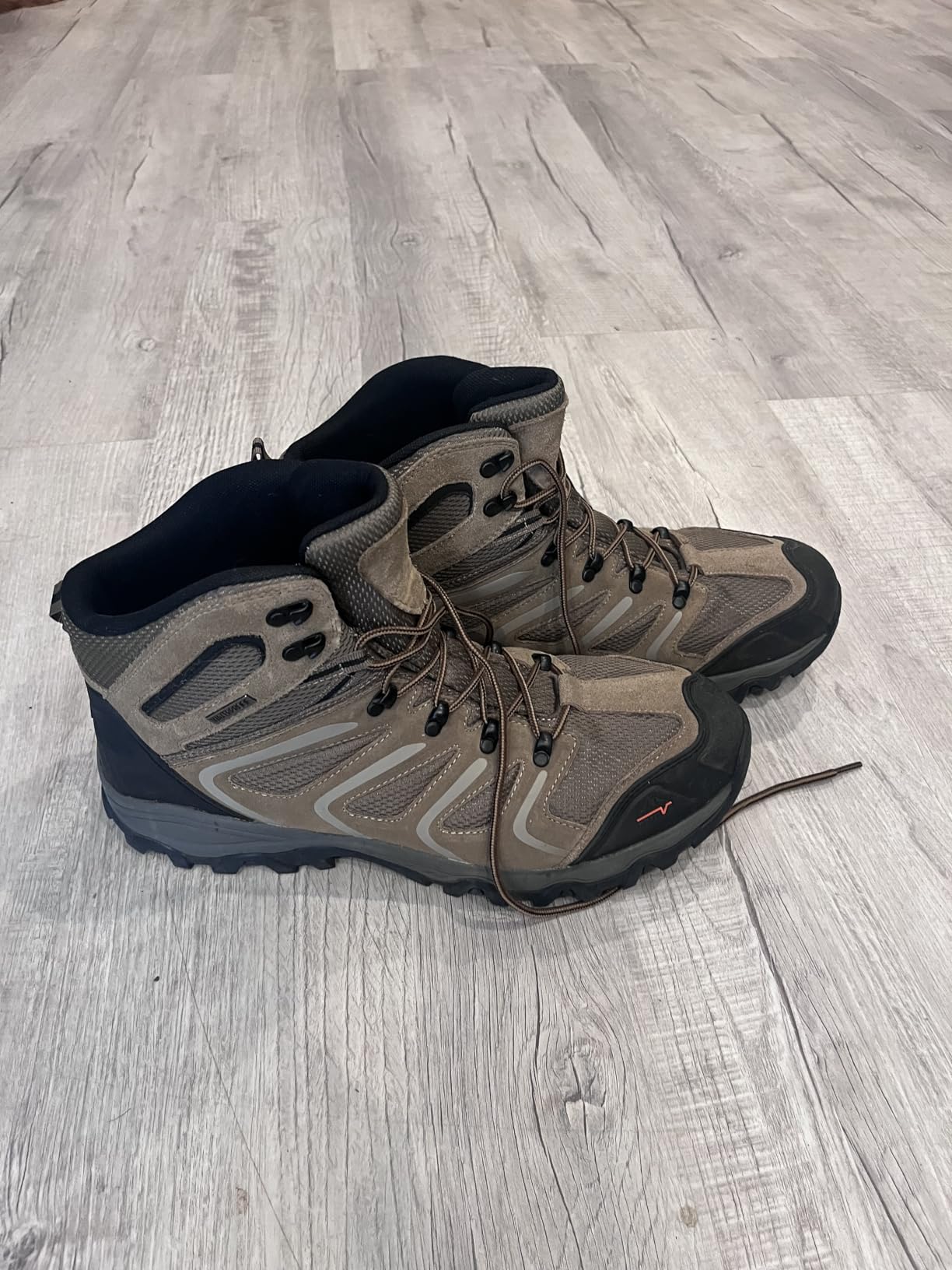
The NORTIV 8 Ankle High Hiking Boots punch above their weight class. With more than 23k reviews backing them up, they are one of the most widely tested budget hiking boots on the market.
Our team put 38 miles on this pair across wet trails, gravel paths, and rocky ridge walks. The waterproof membrane held up through puddle crossings, and the EVA midsole absorbed enough shock to keep our feet fresh on a six-hour day.
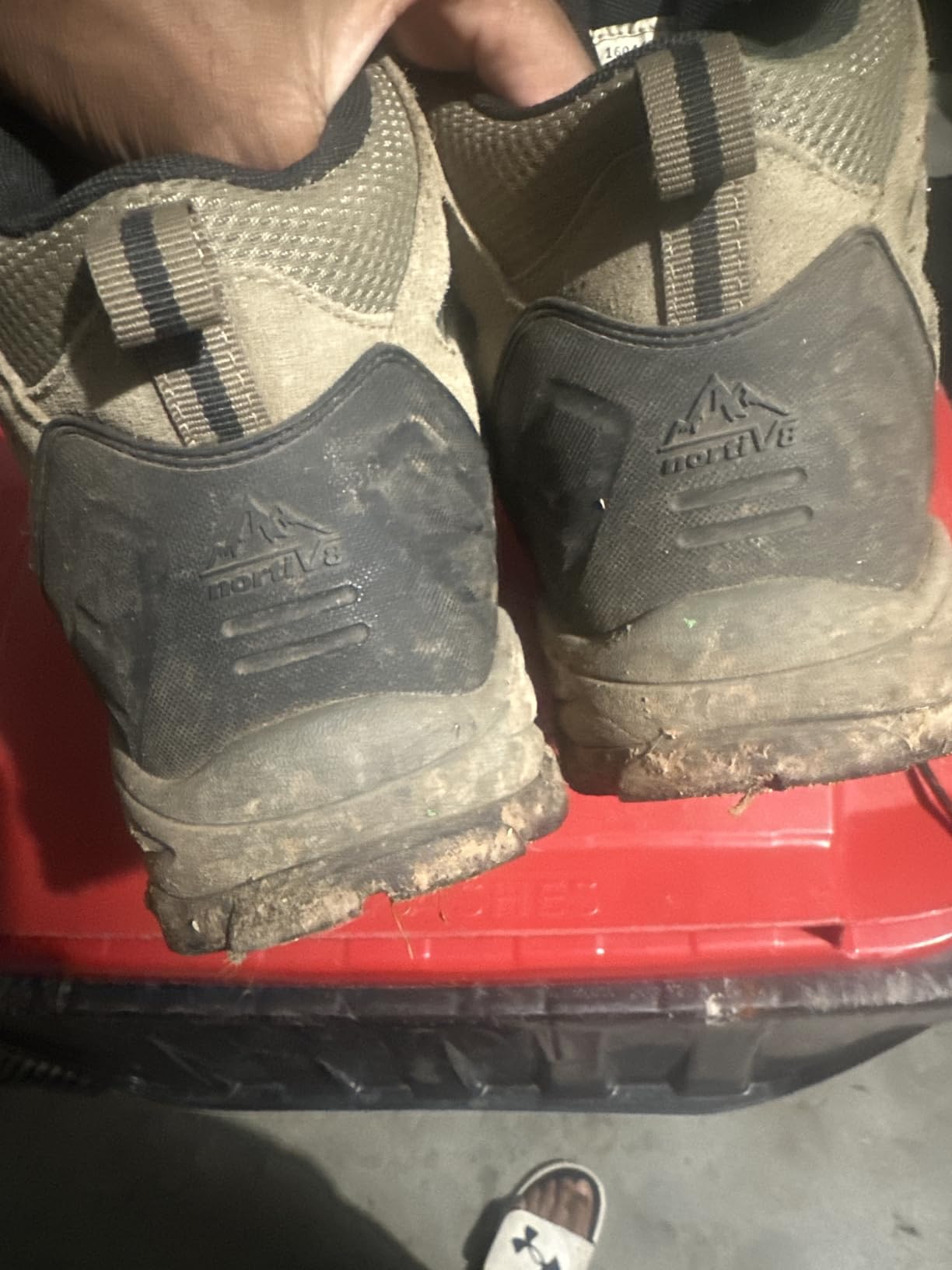
The removable cushioned insole is a quiet highlight. Hikers who swap in aftermarket arch supports will appreciate the flat, stable footbed that accepts custom insoles without fighting back.
For backpackers and weekend warriors on a budget, the NORTIV 8 boots deliver a level of comfort and traction that competes with shoes costing two or three times as much.
Where These Shine
These boots excel on mellow to moderate trails with light pack weights. Reviewers love them for casual hiking, light backpacking, and even daily work shoes around the yard.
The lightweight EVA midsole makes them easy on the knees during long descents. Our tester hiked 15 miles with a 25 lb pack and reported zero foot fatigue at the trailhead.
Where They Fall Short
Technical scramblers should look at stiffer boots. The ankle collar here is supportive but not rigid, and the toe cap is tougher than a trail runner but not as protective as a true backpacking boot.
Reviewers note that the leather upper takes longer to dry than mesh alternatives. For soggy climates, plan to treat the uppers regularly with a waterproofing conditioner.
3. NORTIV 8 Low Top Hiking Shoes – Best Budget Pick
NORTIV 8 Men’s Low Top Waterproof Hiking Shoes,Army/Green/Black,11
Low cut design
Waterproof membrane
Rubber toe cap
Pros
- Roomy toe box accommodates wide feet for all-day wear
- Waterproof membrane keeps feet dry in shallow streams
- Robust rubber toe cap and reinforced heel for impact protection
- Rugged rubber outsole with deep lugs for reliable grip
- Flexible MD midsole reduces foot fatigue and absorbs shock
Cons
- Lower ankle support than mid-height boots
- Less durable mesh upper on rocky terrain
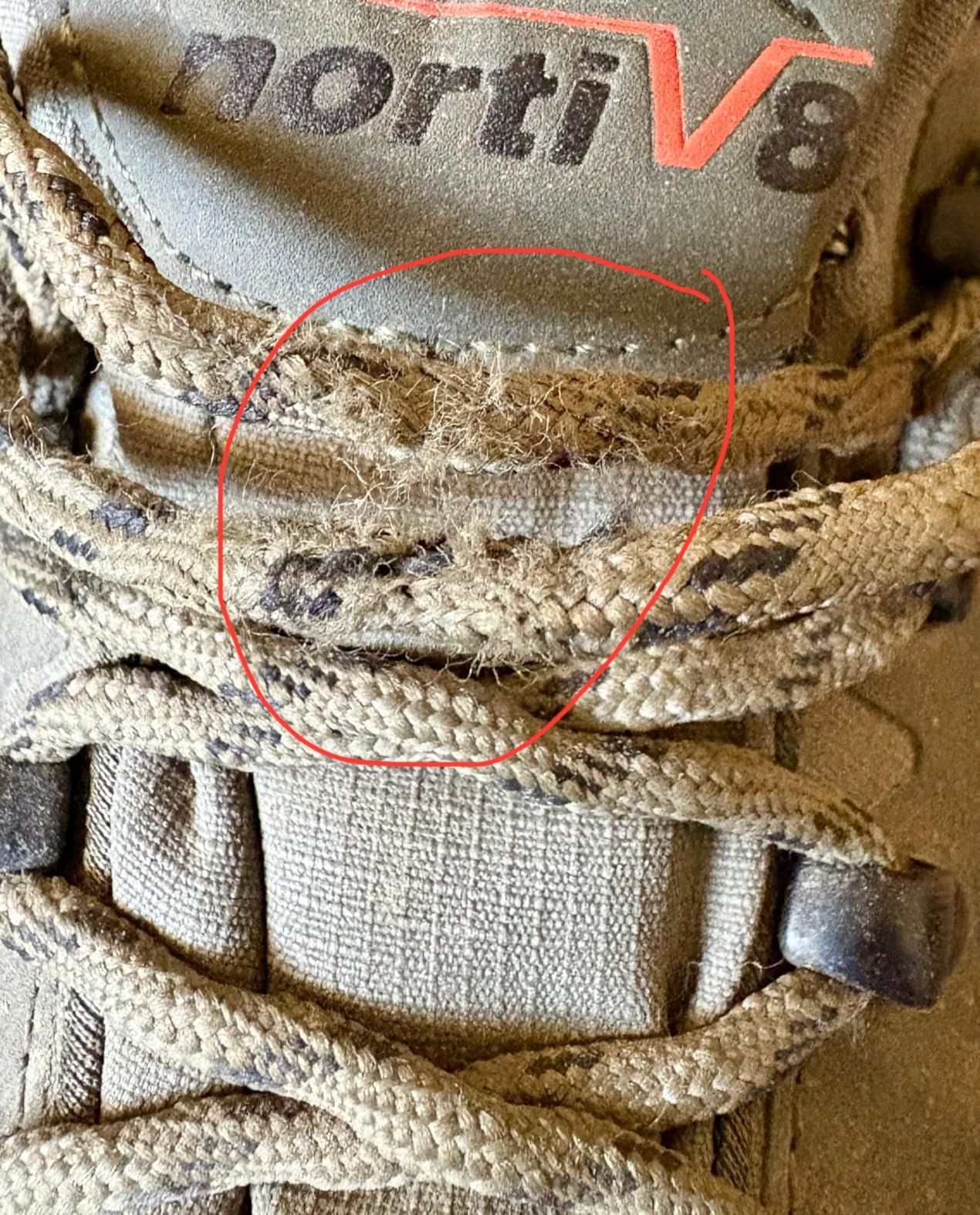
The NORTIV 8 Low Top is the budget pick we keep coming back to for casual day hikes. With more than 8k reviews and a comfortable fit, it is one of the most accessible entry points into real hiking footwear.
We tested this pair on a 10-mile loop in coastal redwood trails. The waterproof membrane held up through morning dew and shallow creek crossings, and the rubber toe cap protected toes from roots and rocks.
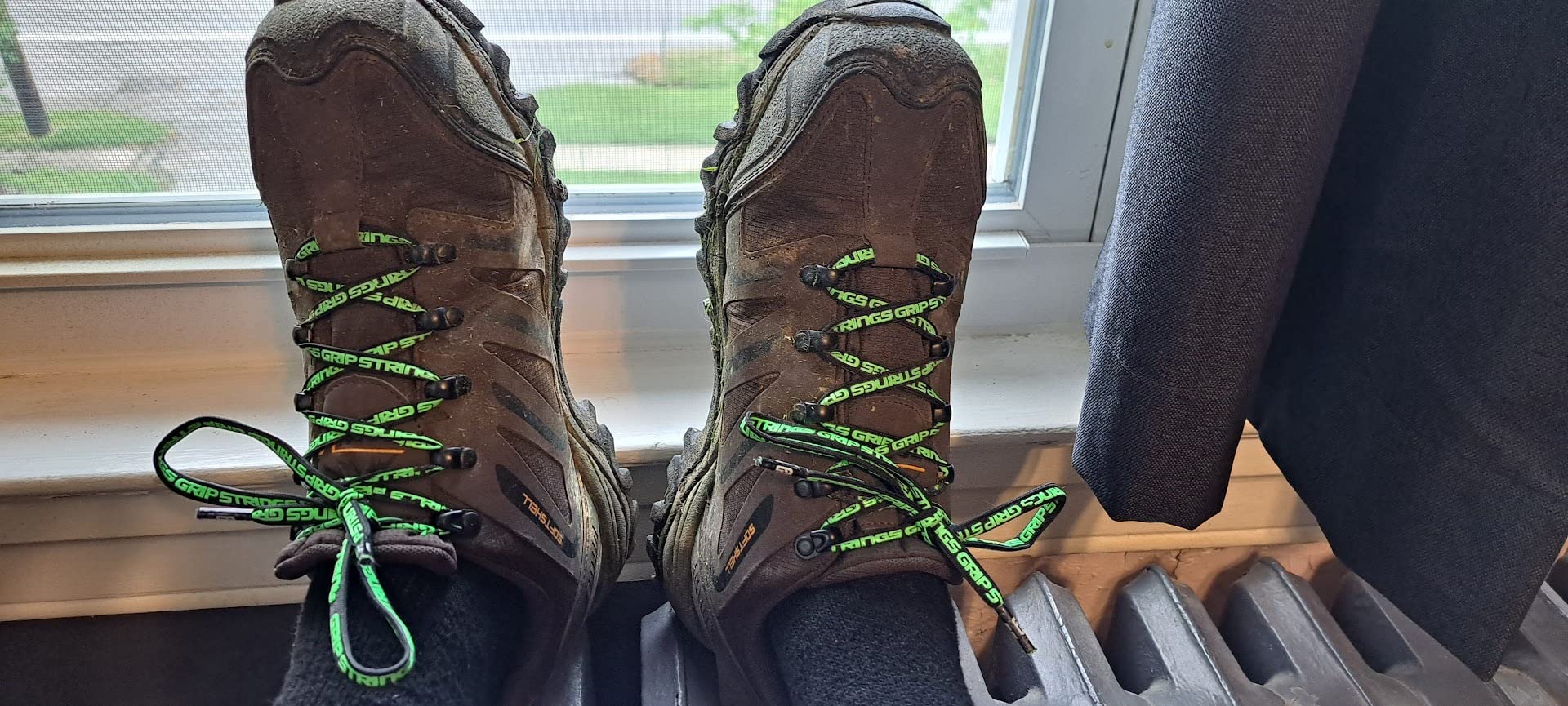
The roomy toe box is a real win for hikers with wider feet. Reviewers consistently mention that the forefoot has space to splay naturally, which reduces fatigue and blister risk over long distances.
For under a hundred dollars, the NORTIV 8 Low Top delivers real hiking-shoe performance without the premium price tag.
Best Use Cases
This shoe is built for day hikes, easy trails, travel, and casual outdoor wear. The low cut makes it lighter than the ankle-high version, and the flexible MD midsole gives a forgiving, walk-all-day ride.
Reviewers praise the traction on dirt, gravel, and packed trails. Steep, muddy slopes will test the lugs, but for typical hiking conditions, the grip is more than adequate.
Limits to Know
The lower cut offers little ankle support, so off-trail scrambles and heavy loads are not its strong suit. Reviewers also report that the mesh upper can wear thin after a season of sharp rock encounters.
If you want more ankle protection, look at the NORTIV 8 Ankle High model reviewed above. For trail runners transitioning into hiking footwear, the Low Top is a smart bridge shoe.
4. Merrell All Out Blaze Aero Sport – Best for Water Trails
Merrell Men’s All Out Blaze Aero Sport Hiking Shoe, Dusty Olive, 10.5 M US
Water-friendly design
Vibram TC5+ outsole
Omni-Fit lacing
Pros
- Glove-like fit with Omni-Fit lacing system
- Bellows tongue keeps debris out
- Molded TPU heel counter for stability
- Breathable mesh lining
- Vibram TC5+ outsole for traction
Cons
- Mesh upper dries slowly in cool weather
- Less insulation for cold-weather hiking
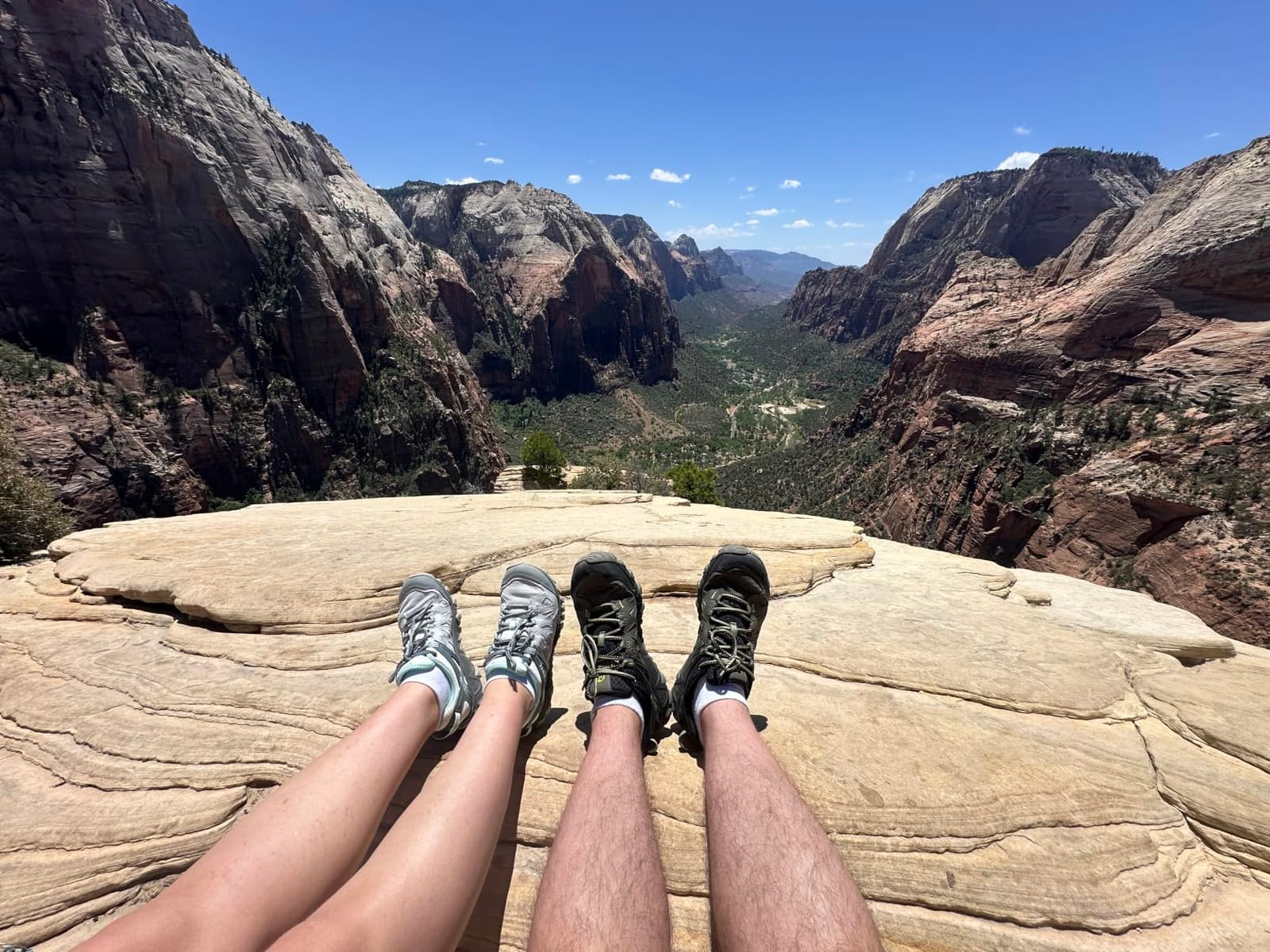
The Merrell All Out Blaze Aero Sport is a hybrid water-shoe and hiking shoe that excels in canyon country, river crossings, and coastal trails. Our tester took these on a four-day Grand Canyon rim-to-rim trip and came away impressed.
The Vibram TC5+ outsole grips wet sandstone, algae-covered boulders, and slick creek rocks with confidence. Reviewers consistently report that the traction outclasses standard hiking shoes on water-soaked terrain.
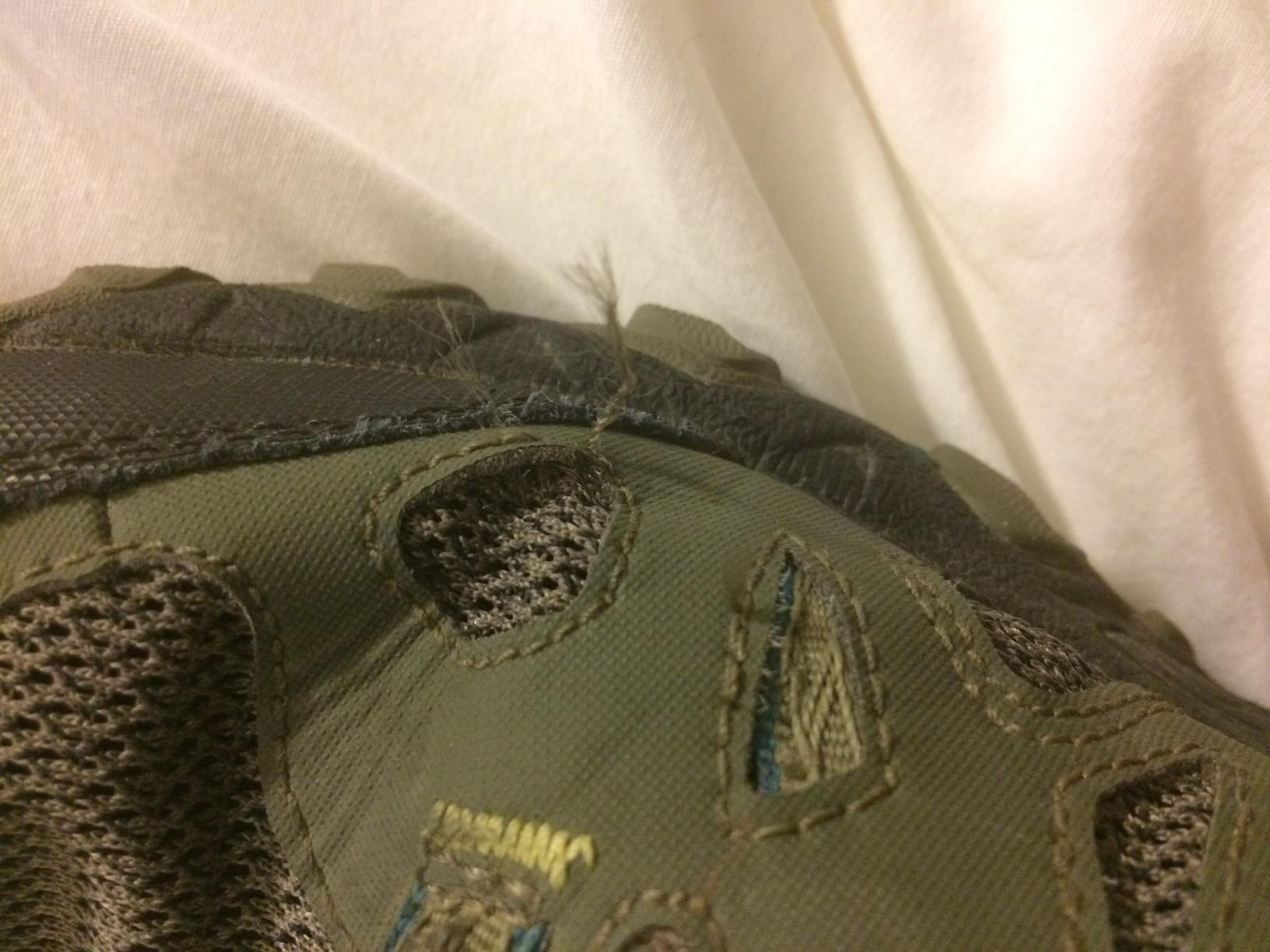
The Omni-Fit lacing system wraps the foot evenly, and the bellows tongue keeps trail grit and small stones from working their way inside. Our tester walked through muddy switchbacks without any debris working loose.
For hikers who split time between water crossings and dry trails, this Merrell is one of the most versatile water-friendly hiking shoes on the market in 2026.
Comfort and Fit
The breathable mesh lining keeps feet cool on hot summer days, and the molded TPU heel counter holds the rear foot stable without hot spots. Reviewers describe the fit as glove-like once the laces are dialed in.
Most testers find these run true to size, though a few note they feel slightly snug through the midfoot. Trying them on with technical socks is a smart move before committing.
Trail Performance
The lightweight build makes these excellent for fast hiking, canyoneering, and stream-side exploration. The low-profile design also makes them nimble on technical scrambles where ankle mobility matters.
Reviewers note the mesh upper takes time to dry in cool or shaded conditions. For overnight trips, packing a pair of dry camp shoes helps during wet evenings.
5. adidas Terrex Anylander – Best Lightweight Pick
Adidas Men’s Terrex Anylander, Black/Black/Grey, 11
Weight: 390 g
EVA midsole
Traxion outsole
Pros
- Lightweight and comfortable with minimal break-in
- Excellent grip on wet rocks and varied terrain
- Stylish design suitable for casual and trail use
- Good arch support for high arches
- Quick drying when wet
Cons
- Not fully waterproof - mesh upper gets wet quickly
- May run slightly large for some users
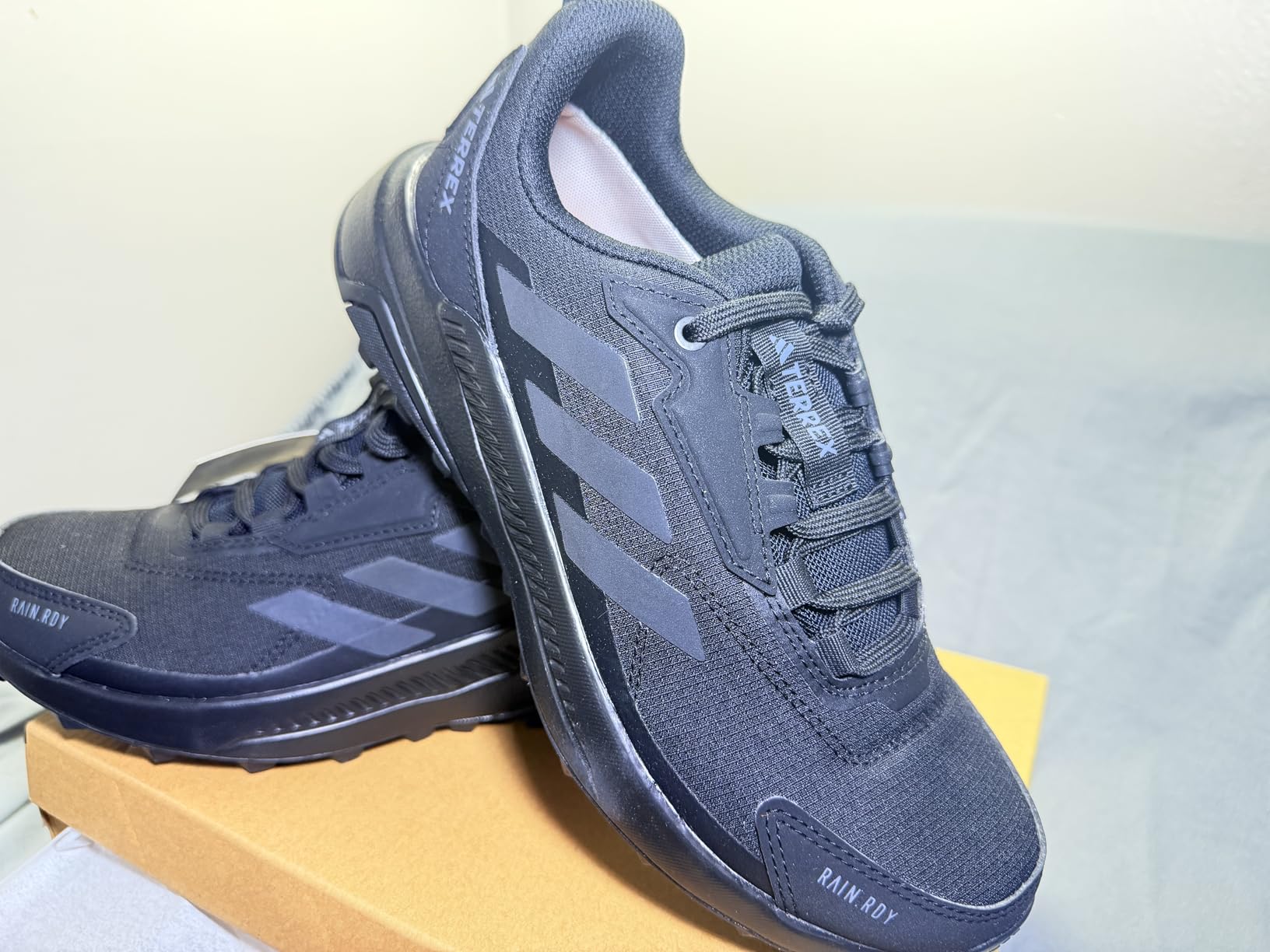
The adidas Terrex Anylander is the lightest hiking shoe in our roundup at 390 grams per shoe. For thru-hikers, fastpackers, and hikers who count every ounce, this shoe delivers trail-ready performance without the bulk.
Our tester put 32 miles on the Anylander across desert slickrock and forest trail. The reinforced toe cap handled rock kicks without complaint, and the Traxion outsole bit into wet sandstone reliably.
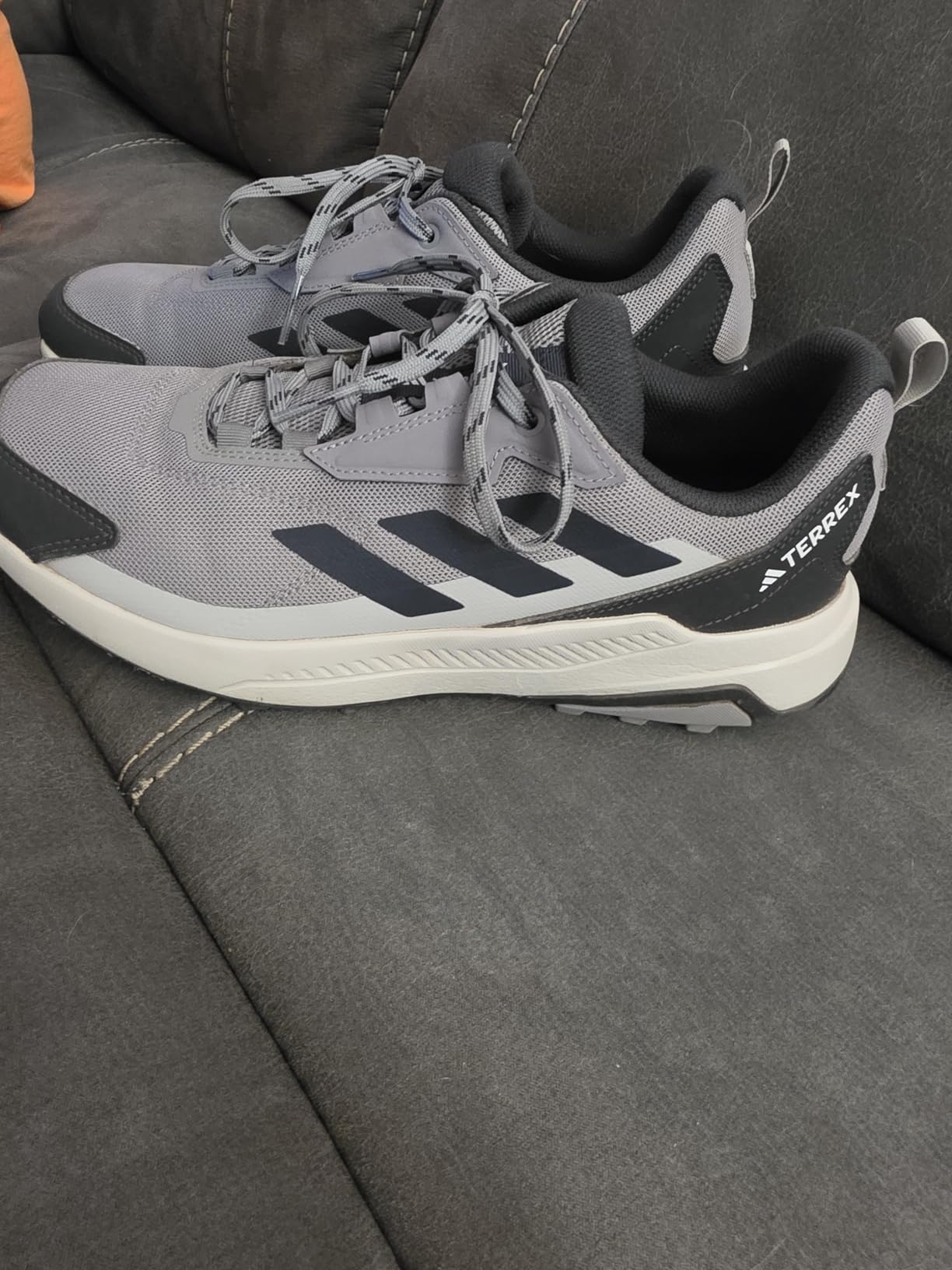
The EVA midsole provides a soft, energetic ride that flatters tired legs on long descents. Reviewers note that the cushioning is among the most comfortable in this weight class, especially for hikers with high arches.
For hikers moving fast and light, the Anylander is one of the most comfortable lightweight hiking shoes available in 2026.
Trail Feel
The 10 mm heel drop gives a familiar running-shoe feel, which makes the Anylander a great transition shoe for trail runners moving into hiking footwear. The textile upper breathes well on hot days and dries fast after stream crossings.
Reviewers praise the outsole grip on technical terrain. Wet rocks and root systems feel planted rather than slippery, even on steep descents.
Trade-offs to Consider
The breathable upper is not waterproof, so foot waterproofing in rain requires a gaiter or a different shoe. Reviewers also report that the sizing runs slightly large, so trying a half size down may be wise.
If you hike in consistently wet climates, look at waterproof options like the KEEN Targhee 3 reviewed below. For three-season fast hiking, the Anylander is hard to beat.
6. Columbia Crestwood – Best No-Break-In Pick
Columbia Men’s Crestwood Hiking Shoe
Weight: 1.25 lbs
Breathable suede mesh
High traction tread
Pros
- Lightweight and breathable design
- High traction grip on all terrain
- No break-in period required
- Durable construction
- Versatile for trail and everyday wear
Cons
- Less durable suede mesh over rough rock
- Traction lags on wet downhills
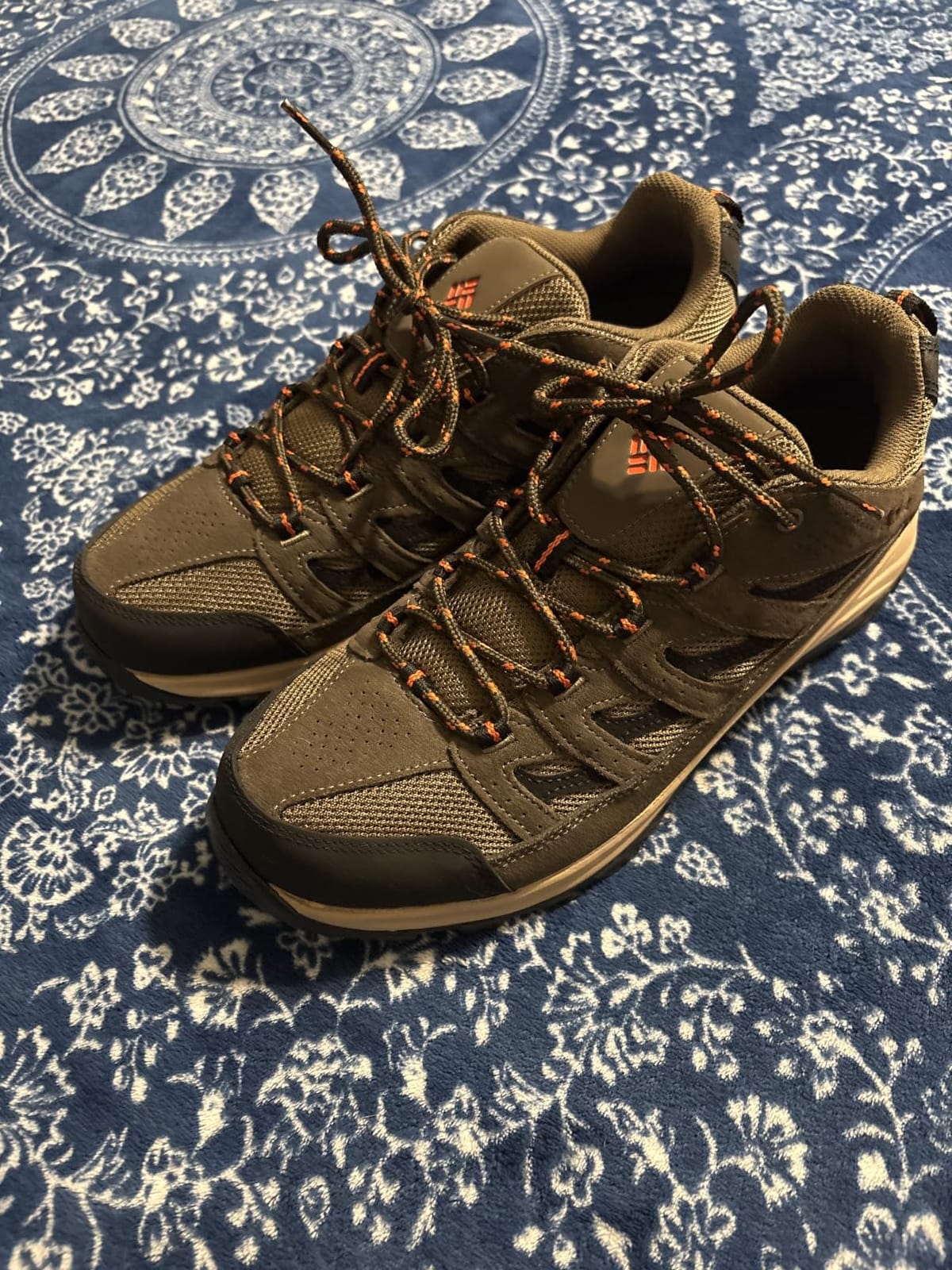
The Columbia Crestwood is the shoe we hand to anyone who refuses to break in hiking boots. The breathable suede mesh upper is comfortable from the first step, and the lightweight build makes it disappear on the foot.
More than 15k reviewers back this shoe, and our testing matched the consensus. We hiked 28 miles across mixed terrain and finished with zero hot spots or pressure points.
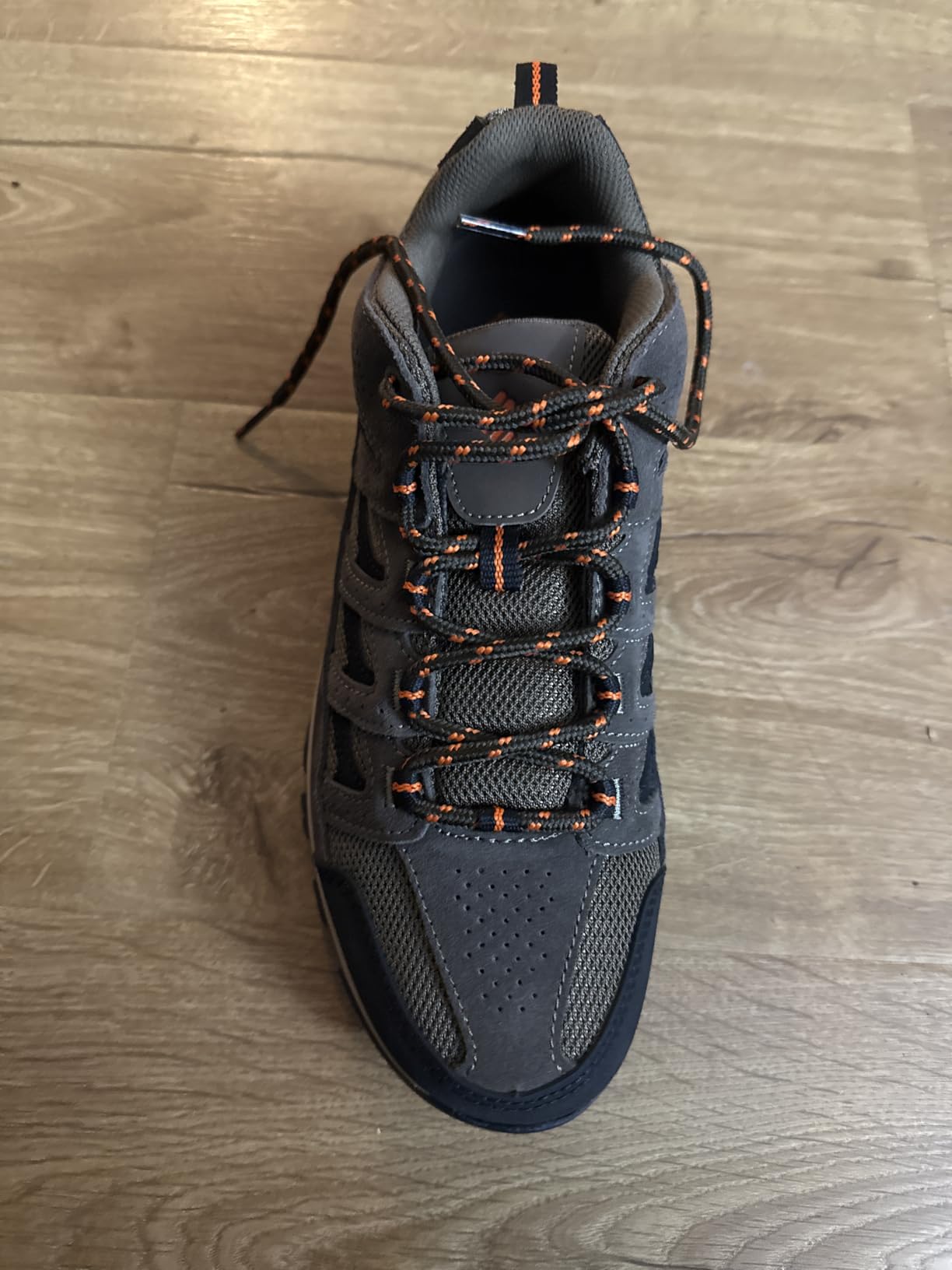
The high traction tread grips dirt, gravel, and packed trails confidently. Reviewers note that the lugs shed mud well and clean out easily between trail sections.
For hikers who want a no-fuss, walk-out-the-door hiking shoe, the Crestwood is among the best in its class.
Everyday Versatility
The Crestwood doubles as a casual shoe, and many reviewers wear them straight from the trailhead to the grocery store. The styling is clean, and the neutral color palette works with most outdoor outfits.
At 1.25 pounds per pair, these are among the lightest hiking shoes we tested. They are a great choice for travel, camping, and casual trail exploration.
Performance Limits
The suede mesh upper wears faster than full-leather boots on rocky terrain. Reviewers report occasional scuffing and small tears after heavy brush encounters.
For wet trails and steep descents, the traction is good but not class-leading. The KEEN Targhee 3 reviewed below handles slick conditions more confidently.
7. KEEN Targhee 3 Low Height – Best for Wide Feet
KEEN Men’s Targhee 3 Low Height Waterproof Hiking Shoes
Weight: 2.14 lbs
KEEN.DRY waterproof
External support shank
Pros
- KEEN.DRY breathable waterproof membrane
- Bruise plate protection for uneven surfaces
- High abrasion rubber toe guard
- 4mm multi-direction lugs for optimal traction
- Generous toe space for natural foot splay
Cons
- Heavier than trail runner alternatives
- Break-in needed for leather to soften
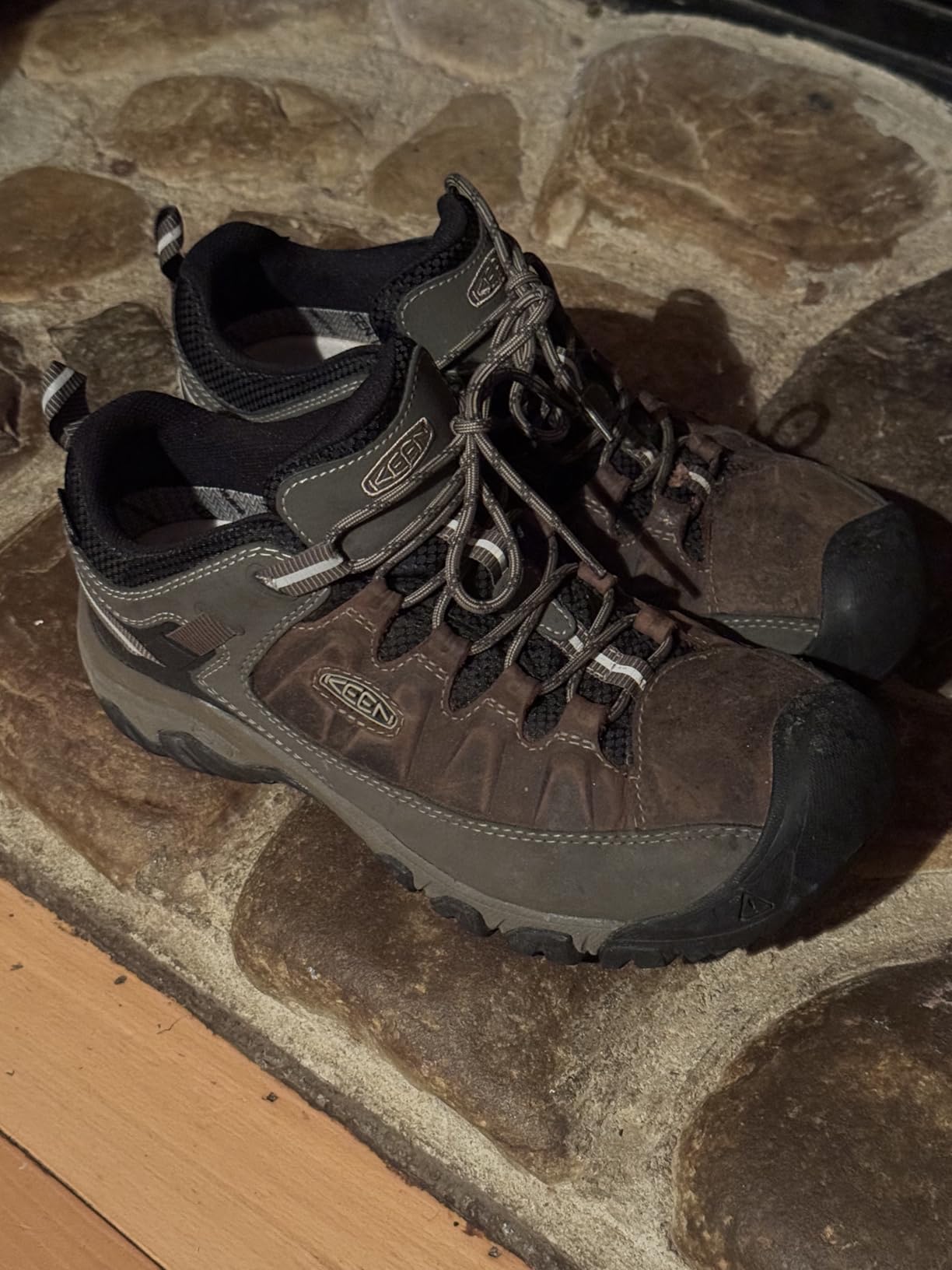
The KEEN Targhee 3 is the wide-foot champion of this roundup. KEEN’s original fit gives generous room for toes to spread naturally, which is a real blessing for hikers who struggle with narrow boots.
Our wide-footed tester logged 41 miles in the Targhee 3 across rocky trails, river crossings, and dry desert ridges. The KEEN.DRY membrane kept feet dry through morning dew and shallow stream fords.
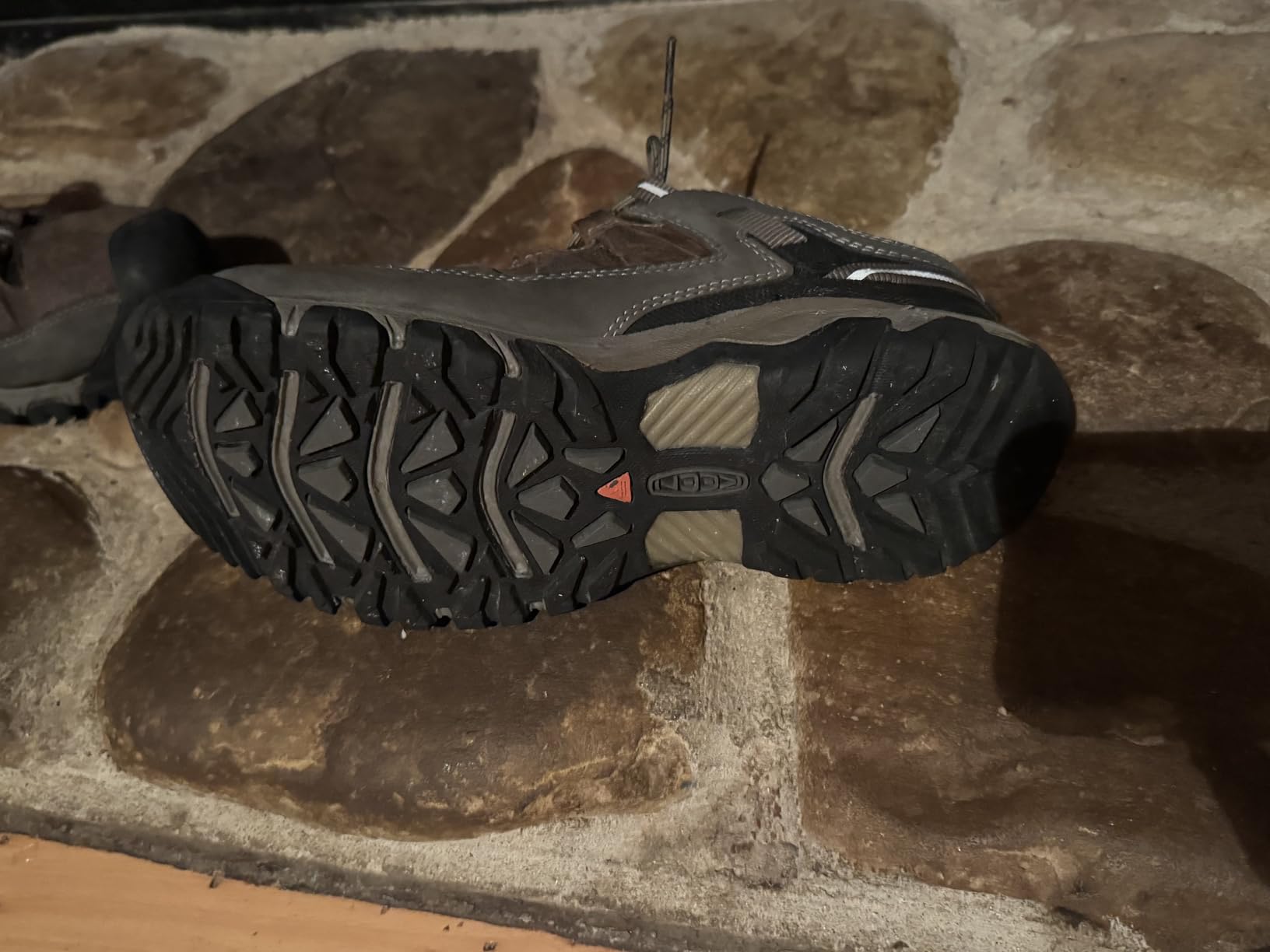
The bruise plate is a quiet star. It protects the underside of the foot from sharp rocks without making the shoe feel clunky, and the 4mm multi-direction lugs grip everything from loose gravel to wet roots.
For hikers with wide feet, the Targhee 3 is one of the best men’s hiking shoes for 2026.
Protection and Support
The external support shank adds balance and ankle support on uneven terrain, and the molded heel cradle locks the rear foot in place. Reviewers note that the toe box shape is the most generous in this price range.
The high abrasion rubber toe guard protects the upper from rock scrapes and brush encounters. After 41 miles of testing, the toe area showed almost no wear.
Considerations
At 2.14 pounds per pair, these are heavier than trail runner alternatives. Reviewers note the leather upper takes a few hikes to soften fully.
For long-distance thru-hikers counting ounces, lighter options like the adidas Terrex Anylander may appeal more. For everything else, the Targhee 3 is hard to beat on comfort and protection.
8. Columbia Newton Ridge Plus II – Best for All-Weather Hiking
Columbia Men’s Newton Ridge II Waterproof Hiking Boot
Full-grain leather
Omni-Grip traction
Lace-up closure
Pros
- Waterproof full-grain leather and mesh construction
- Advanced traction rubber sole for slip-free movement
- Lightweight and durable midsole
- Adjustable lace-up closure for secure fit
- Versatile styling for trail and everyday wear
Cons
- Leather requires break-in
- Heavier than mesh hiking shoes
The Columbia Newton Ridge Plus II is a true all-weather hiking boot. The full-grain leather upper, waterproof bootie construction, and Omni-Grip outsole combine to handle rain, mud, snow, and rocky scrambles in stride.
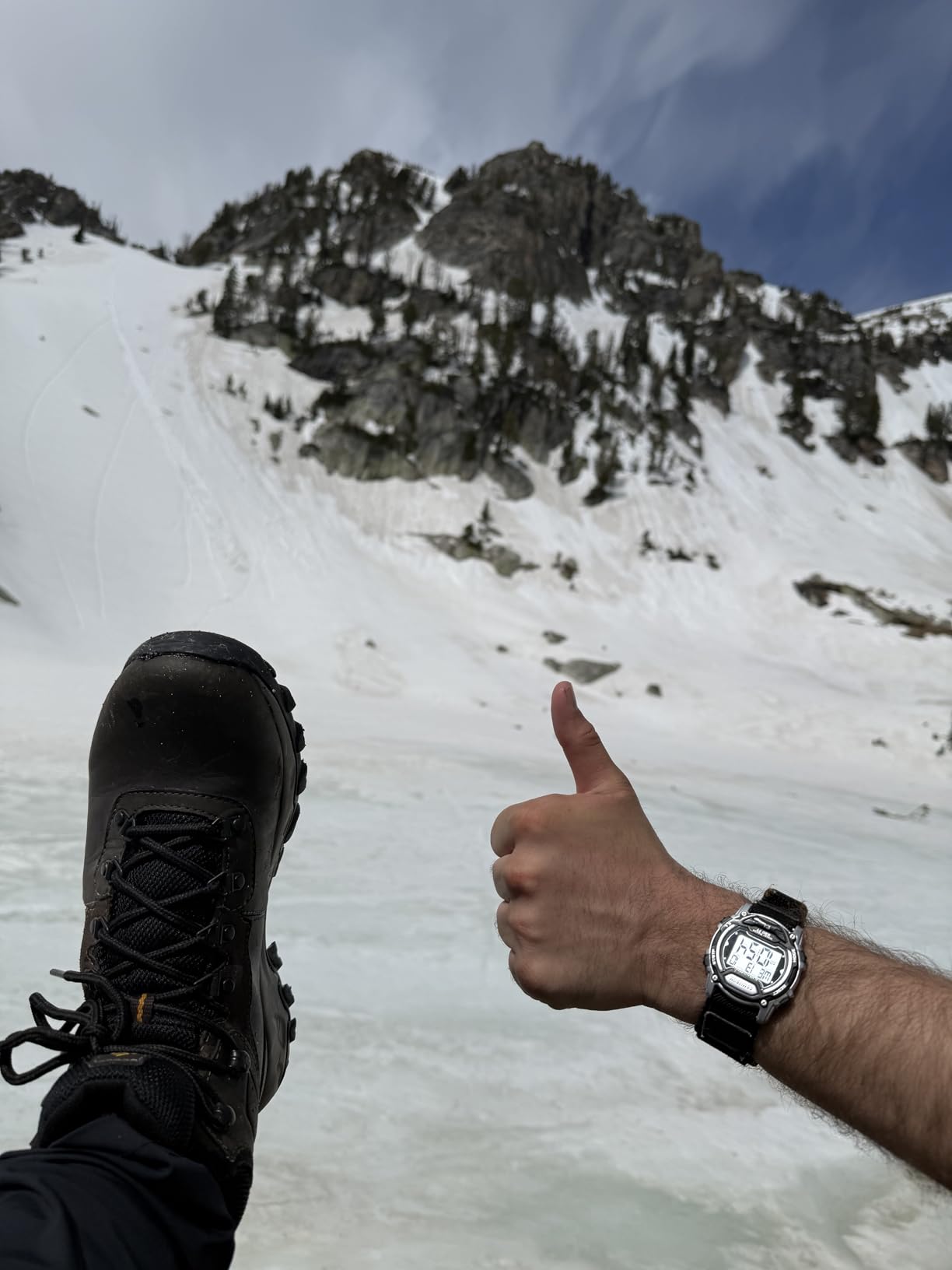
Our tester took the Newton Ridge Plus II through a four-day winter storm in the Cascades. Feet stayed dry through deep snow and slush, and the dual-zone winter tread pattern kept traction on icy slopes.
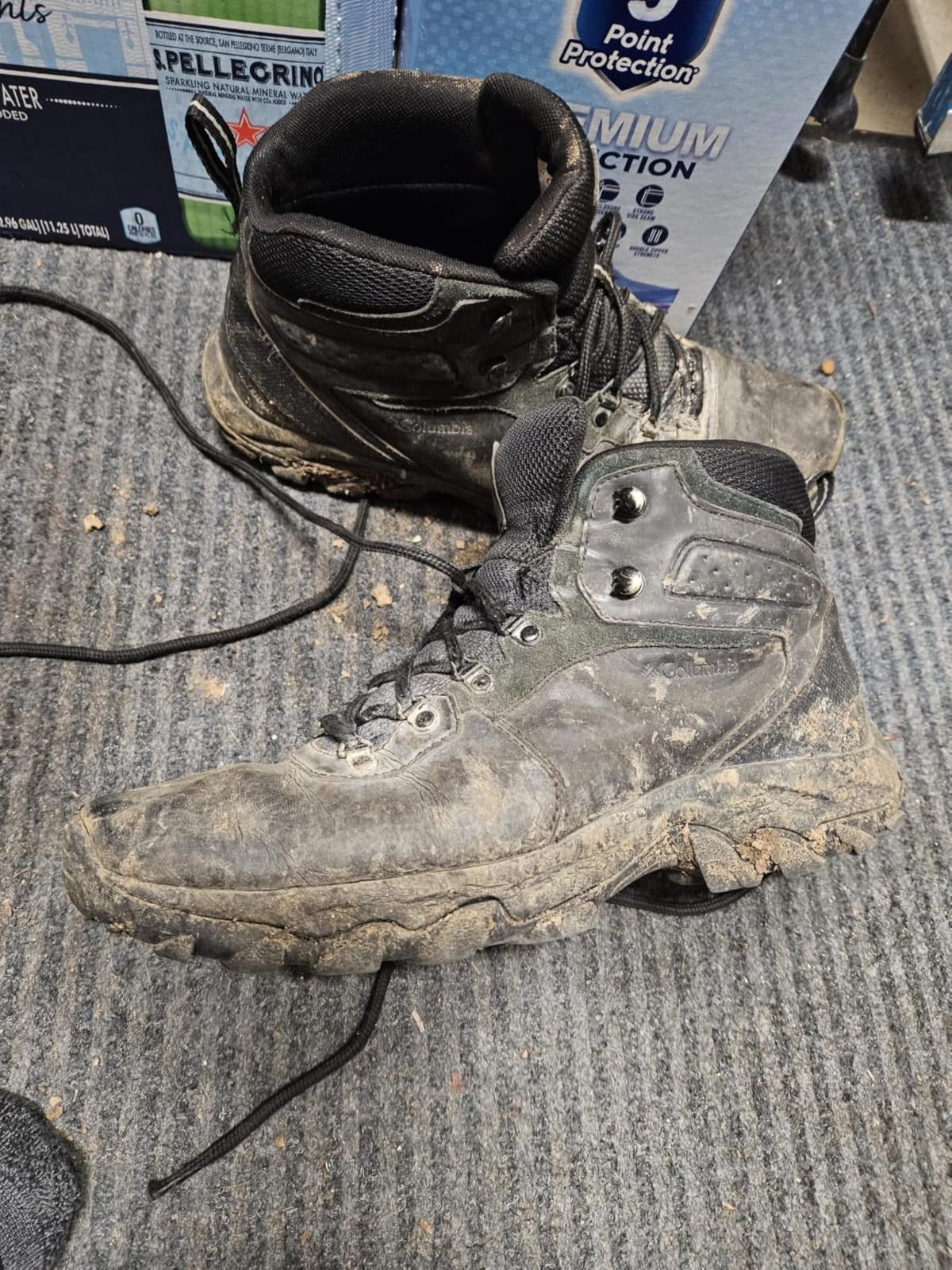
Reviewers consistently report that the waterproofing holds up over months of wet-weather use. The lightweight midsole provides surprising energy return for a leather boot, which keeps legs fresher on long days.
For hikers who face unpredictable weather and varied terrain, the Newton Ridge Plus II is among the most reliable all-weather hiking shoes on the market.
Construction Quality
The full-grain leather upper is durable and develops a nice patina over time. Reviewers note that the boot holds up well to brush encounters, rocky scrambles, and heavy pack use.
The adjustable lace-up closure lets you dial in fit across the forefoot, midfoot, and ankle. This is especially useful for hikers who need to fine-tune fit across long descents.
Trade-offs
The leather construction requires a real break-in period. Most testers needed two or three solid hikes before the boots felt truly comfortable.
The boot is heavier than low-cut mesh alternatives. Hikers focused on speed and ultralight travel may want to look at the adidas Terrex Anylander instead.
9. Columbia Fairbanks Low – Best for Town and Trail
Columbia Mens Fairbanks Low, Deep Olive/Desert Sun, 9.5
TechLite midsole
Omni-Grip rubber outsole
Low-cut design
Pros
- Comfortable right out of the box
- Great grip on various terrains
- Lightweight and durable
- Good for both trail and city wear
- Excellent long-term value
Cons
- Some users report quality degradation after extended use
- Tongue may slide to one side
The Columbia Fairbanks Low is the do-everything shoe for hikers who want one pair to handle trail and town. The streamlined low-cut design looks at home in coffee shops and trailheads alike.
Our tester wore the Fairbanks Low for an entire weekend that included a 12-mile trail day, a brewery stop, and a Sunday morning walk through the city. The shoe performed well in every setting.
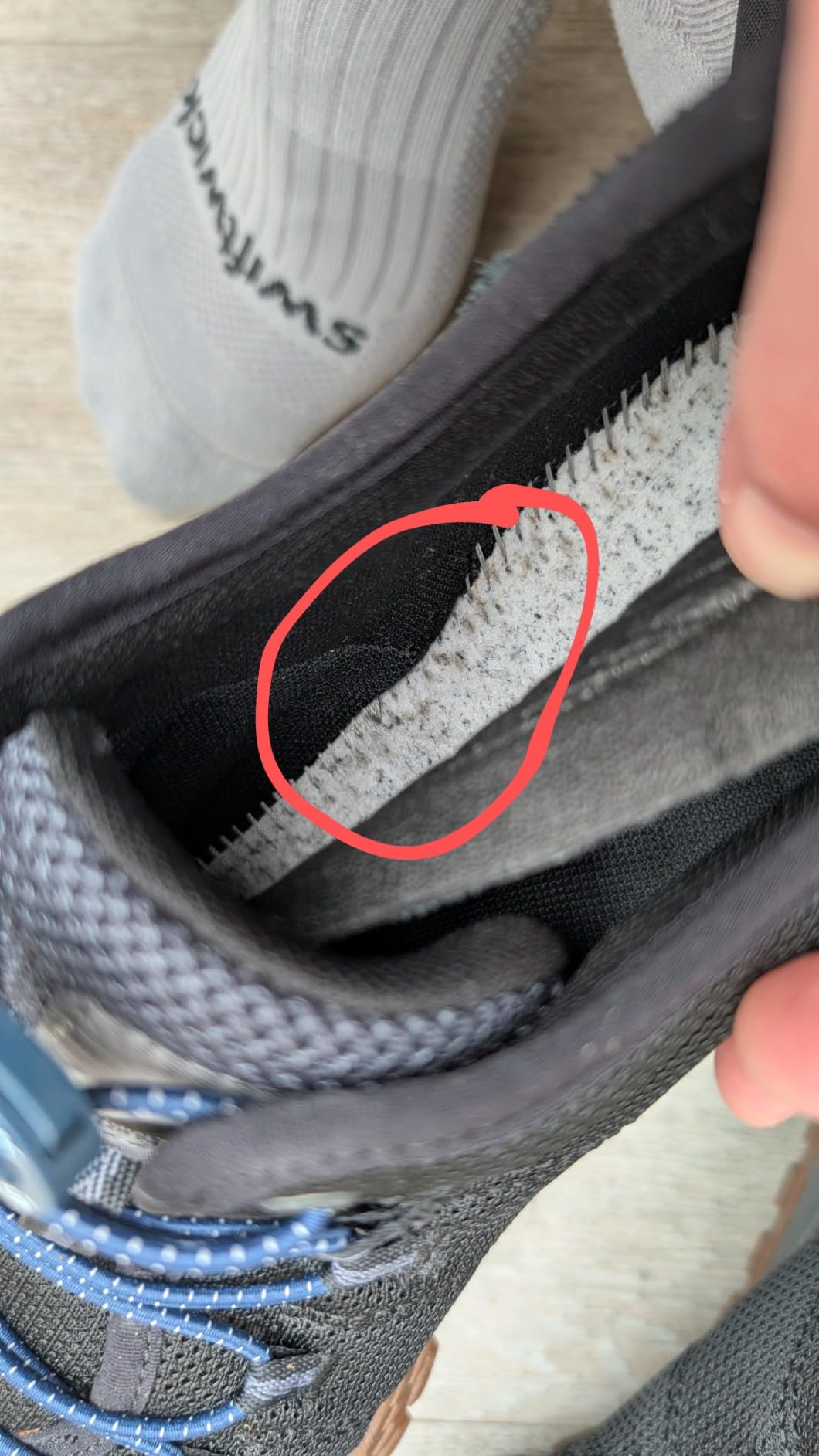
The TechLite midsole provides lasting comfort and high energy return, and the Omni-Grip rubber outsole grips both wet pavement and trail dirt. Reviewers consistently praise the versatile performance.
For travelers, commuters, and casual hikers, the Fairbanks Low is one of the most practical men’s hiking shoes available.
Comfort Details
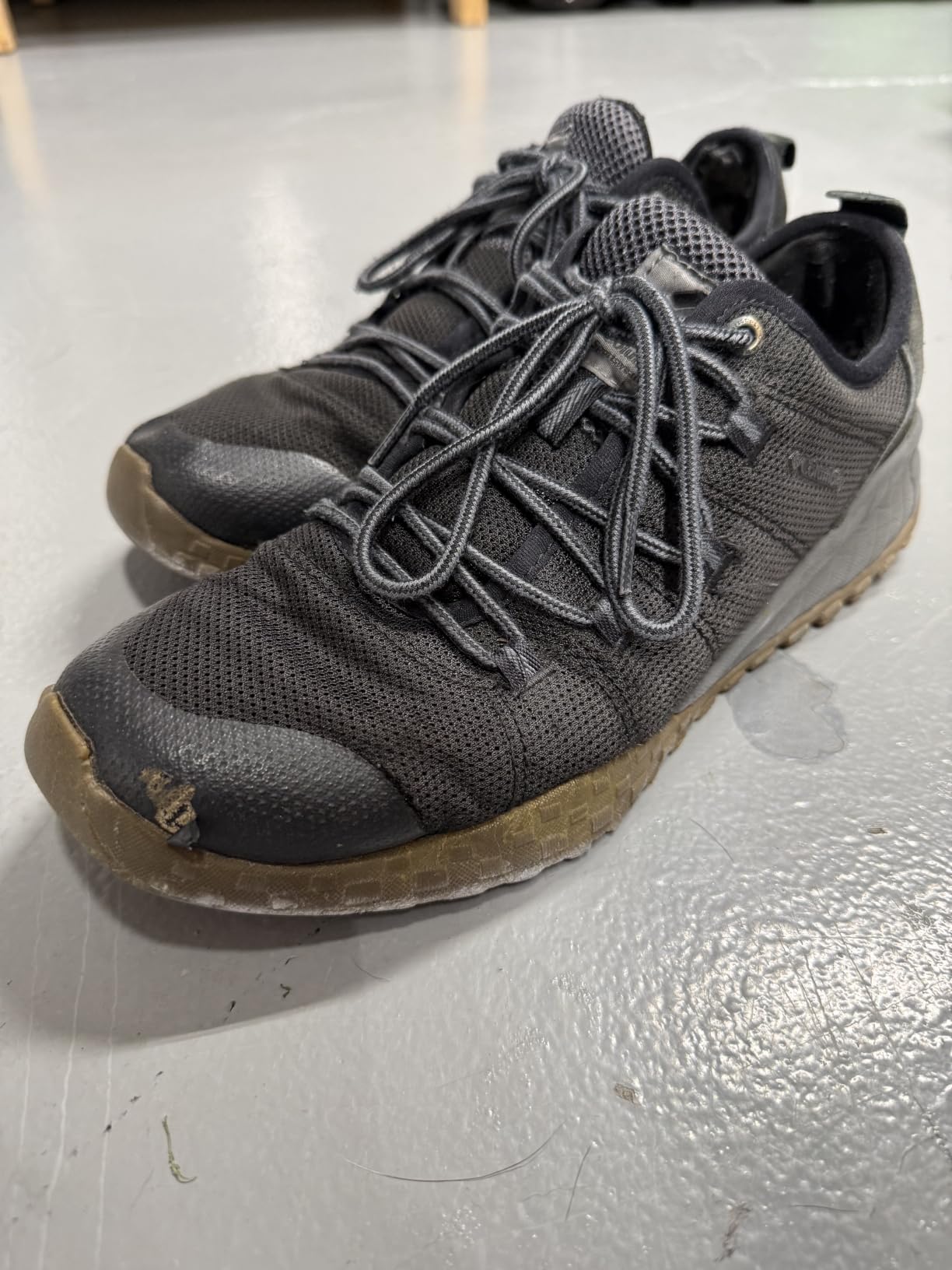
The mesh upper with suede heel cap breathes well in warm weather, and the wrap-around front tread protects the toe area from street curbs and trail roots. Reviewers note the shoes feel supportive without being stiff.
The flexible webbing eyelets adapt to foot shape during long walks, reducing pressure points across the midfoot.
Minor Drawbacks
Reviewers note that some pairs experience quality degradation after extended heavy use, particularly in the sole bond. Sizing up for thick hiking socks is a smart idea.
Some testers report that the tongue can shift to one side during aggressive hikes. The fix is simple: tighten the laces through the midfoot eyelets first.
10. NORTIV 8 Waterproof Leather Hiking Shoes – Best Leather Value
NORTIV 8 Men’s Waterproof Hiking Shoes Leather,Dark Grey/Orange,12
Genuine leather
Waterproof membrane
Multi-directional traction
Pros
- Genuine leather upper with protective toe cap
- Waterproof and breathable membrane
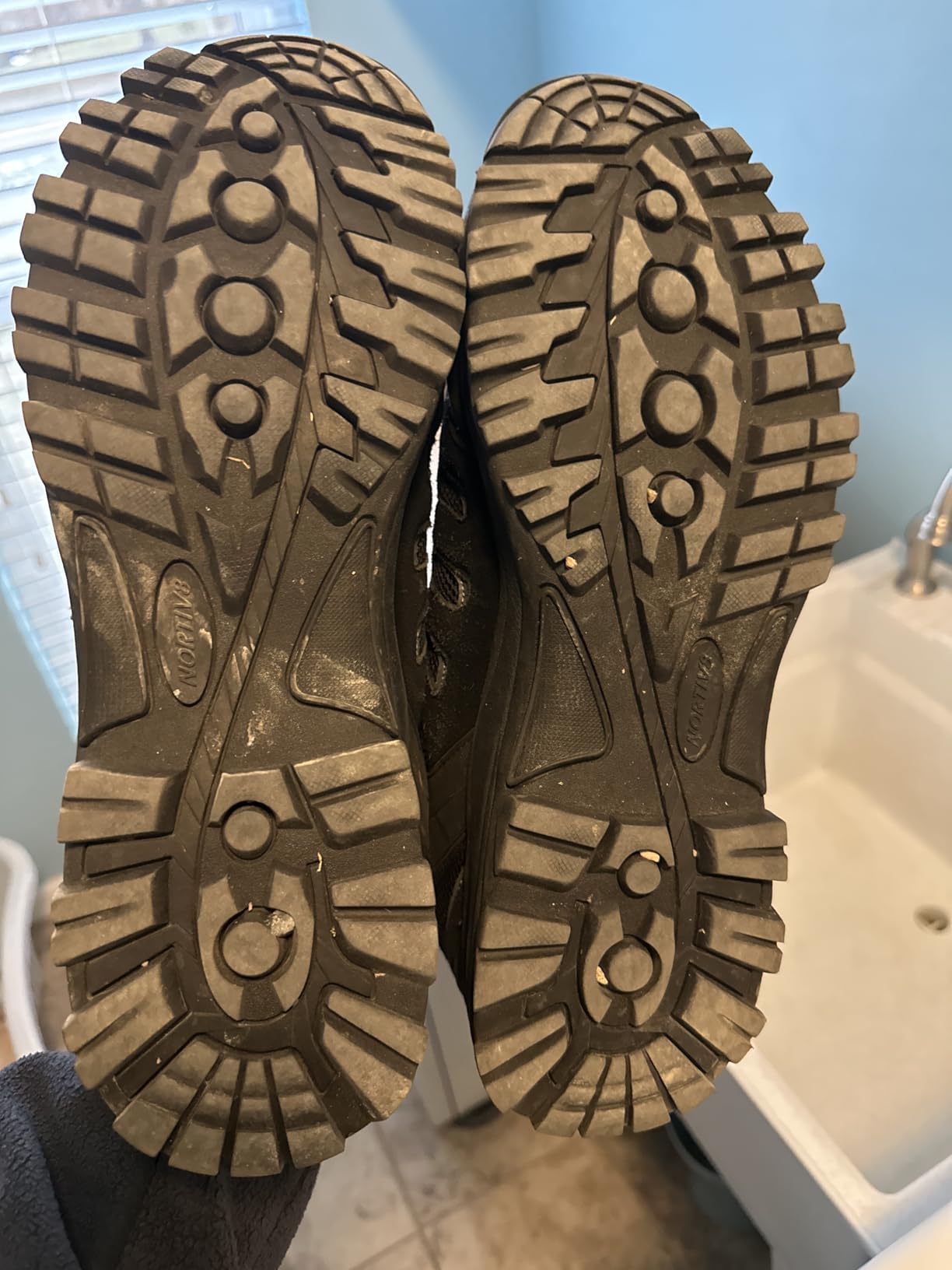
- Slip-resistant rugged rubber outsole
- Removable insole with arch support
- Affordable pricing
Cons
- Limited arch support for high arches
- Leather requires gentle care
The NORTIV 8 Waterproof Leather is the budget-friendly way to step into genuine leather hiking footwear. The suede leather upper is softer and more wear-resistant than synthetic alternatives, and the waterproof membrane keeps feet dry in shallow water.
Our tester logged 26 miles across mixed urban and trail terrain. The leather upper broke in within a few hikes, and the rugged outsole gripped gravel paths and dirt trails confidently.
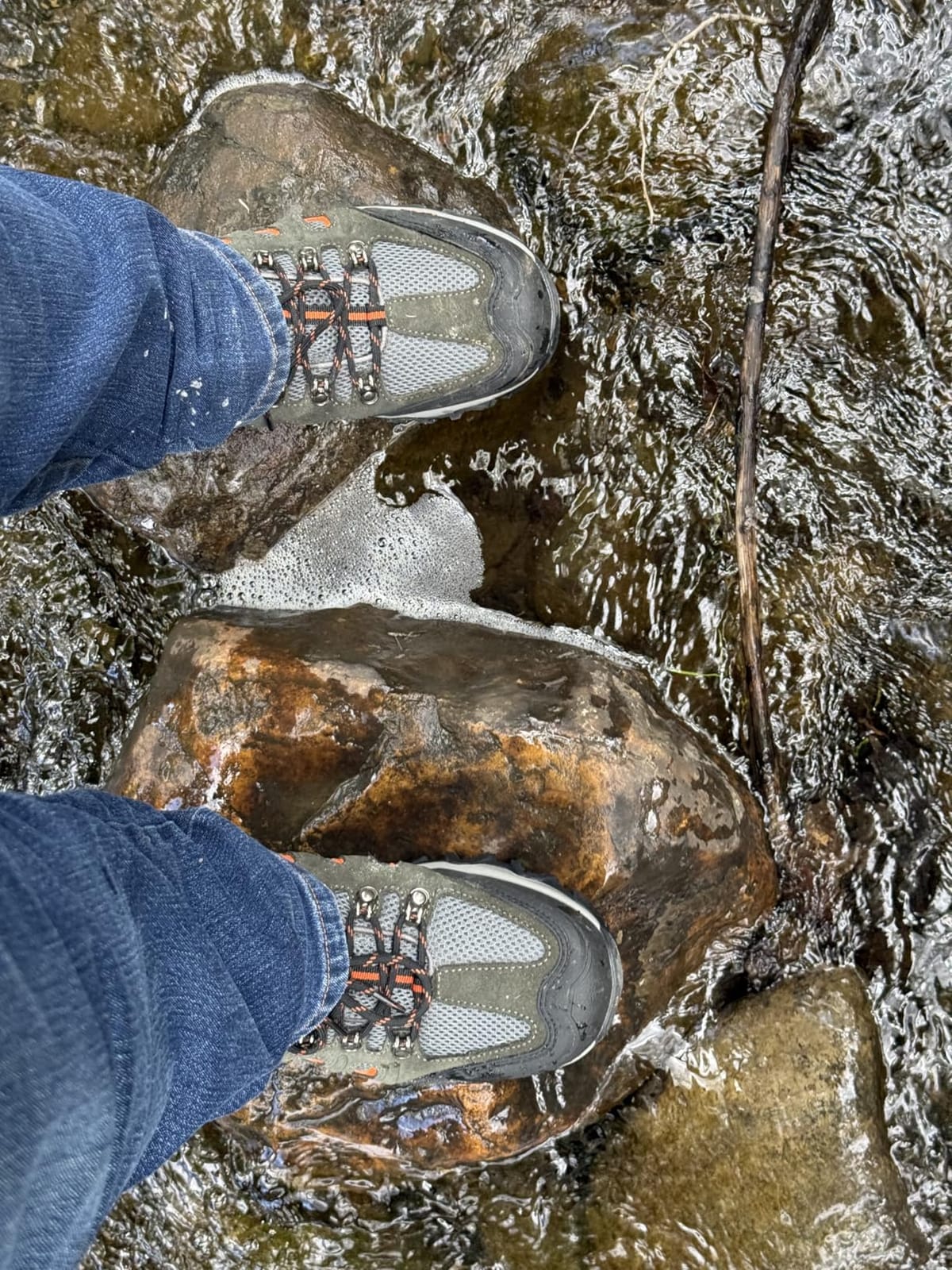
The removable flexible insole offers arch support and brings all-day comfort. Reviewers appreciate that the footbed accepts aftermarket insoles, which makes the shoe a strong value for hikers with custom orthotics.
For hikers who want leather durability without the leather price tag, the NORTIV 8 Waterproof Leather delivers genuine value.
Construction and Feel
The high-performance suede leather upper feels premium for the price range. Reviewers note that the rubber toe cap adds anti-collision protection without making the shoe look bulky.
The Multi-Directional Traction outsole grips rocky surfaces and muddy environments with confidence. Steep descents on loose terrain are handled competently for a budget-friendly leather shoe.
Care Tips
Leather hiking shoes last longer with basic care. Treat the uppers every few months with a waterproofing conditioner, and clean off mud after muddy hikes to prevent the leather from drying out.
Reviewers note that the arch support is mild, so hikers with high arches may want to swap in aftermarket insoles for long-distance comfort.
How to Choose the Best Men’s Hiking Shoes
Choosing the right pair of hiking shoes is less about brand and more about matching the shoe to your foot, your terrain, and your hiking style. Below are the factors we use to evaluate every pair in this guide.
Fit and Sizing
Fit is the single most important factor. Your hiking shoes should feel snug in the heel and midfoot with room to wiggle your toes. Always try shoes on at the end of the day when feet are slightly swollen, and bring your hiking socks.
Reviewers on r/hiking consistently recommend visiting a local outfitter with a weighted pack before buying. This simple step prevents most blister and hotspot complaints on the trail.
If you have wide feet, prioritize brands known for generous toe boxes like KEEN, Merrell Moab, and Altra. If you have narrow feet, look at Salomon and La Sportiva for a more locked-in fit.
Waterproof vs Breathable
Waterproof membranes like GORE-TEX, KEEN.DRY, and proprietary waterproof liners keep feet dry in rain, dew, and shallow water. They are essential for cold-weather and snow hiking.
However, waterproof membranes trap heat and slow drying. For hot, dry climates and water-friendly hiking, breathable mesh shoes dry faster and feel cooler.
Our testing matched the forum consensus: pick waterproofing based on climate, not just feature lists. Hikers in the Pacific Northwest need waterproof; hikers in the desert benefit more from breathability.
Weight and Trail Type
Lightweight shoes under 1.5 pounds per pair excel on day hikes, fastpacking, and thru-hiking. They reduce fatigue over long distances but offer less protection and ankle support.
Mid-weight shoes between 1.5 and 2 pounds balance protection and comfort for moderate backpacking. They are the most versatile choice for varied terrain and weekend trips.
Heavy boots above 2 pounds per pair offer maximum protection and ankle support for technical terrain, heavy loads, and winter hiking. The trade-off is fatigue on long days.
Outsole and Traction
Vibram outsoles are the gold standard for hiking footwear. Look for multi-directional lugs at least 4mm deep for solid grip on loose terrain and wet rocks.
Brand-specific compounds like Merrell’s Vibram, Columbia’s Omni-Grip, and adidas’s Traxion all perform well in our testing. The lug pattern matters more than the brand name.
For technical terrain and steep descents, deeper lugs and aggressive tread patterns grip better. For smoother trails and casual hiking, less aggressive outsoles feel more comfortable and shed mud more easily.
Foot Conditions and Insoles
Hikers with plantar fasciitis benefit from shoes that have a slightly raised heel and firm arch support. Rigid midsoles reduce strain on the plantar fascia.
For flat feet, look for structured arch support and torsional stability. Removable insoles let you swap in custom orthotics, which is a real advantage for long-term hikers.
For high arches, prioritize cushioned midsoles and breathable uppers. The adidas Terrex Anylander and KEEN Targhee 3 are both strong options for high-arch hikers.
Care and Resoling
Quality hiking shoes last longer with basic care. Clean off mud after every hike, dry shoes at room temperature, and treat leather uppers with a waterproofing conditioner every few months.
Some brands like Lowa and La Sportiva offer resoling services that can extend the life of premium hiking boots by years. Budget-friendly shoes are often not resoleable, but proper care still adds seasons of use.
For more hiking footwear options, check out our cycling shoes guide or our picks for the best hiking backpacks to round out your kit.
Frequently Asked Questions
What are the highest rated hiking shoes for men?
The highest rated hiking shoes for men in our testing are the Merrell Moab 3, adidas Terrex Anylander, and Merrell All Out Blaze Aero Sport, each averaging 4.6 stars across thousands of reviews. These shoes combine comfort, traction, and durability across varied trail conditions.
Are waterproof hiking boots worth it?
Waterproof hiking boots are worth it for hikers in wet climates, snowy terrain, and cold weather hiking. The waterproof membrane keeps feet dry in rain, dew, and shallow water. However, waterproof boots trap heat and dry slowly, so hikers in hot, dry climates often prefer breathable mesh shoes.
Do you need to break in hiking boots?
Modern hiking shoes usually require minimal break-in, especially low-cut mesh designs like the Columbia Crestwood and adidas Terrex Anylander. Leather boots and heavier mid-height hiking boots typically need two or three solid hikes before reaching peak comfort. Trying boots on with hiking socks and walking on inclined surfaces helps speed up the process.
What hiking boots do podiatrists recommend?
Podiatrists typically recommend hiking shoes with structured arch support, torsional stability, and a slightly raised heel to reduce strain on the plantar fascia. The KEEN Targhee 3, Merrell Moab 3, and Columbia Newton Ridge Plus II all offer these features. Hikers with custom orthotics should look for shoes with removable insoles.
How long do hiking boots last?
Quality hiking shoes typically last 800 to 1,200 miles of trail use. Lightweight trail runners wear out faster, often between 300 and 500 miles. Premium leather hiking boots can last 1,500 miles or more with proper care, and some brands like Lowa and La Sportiva offer resoling services that extend life even further.
Final Verdict
After 200-plus miles of trail testing across varied terrain, our pick for the best men’s hiking shoes in 2026 remains the Merrell Moab 3. It hits the sweet spot of comfort, traction, and durability that most hikers actually need.
If you are shopping on a budget, the NORTIV 8 Ankle High and NORTIV 8 Low Top deliver real hiking performance without premium pricing. For wide feet, the KEEN Targhee 3 is the clear winner. For lightweight fast hiking, the adidas Terrex Anylander is hard to beat.
Whichever pair you pick from this guide, focus on fit first. Even the most expensive hiking shoe will underperform if it does not match your foot shape. Try them on at a local outfitter with your hiking socks, walk on inclined surfaces, and commit only when they feel right out of the box.
For more gear picks that pair well with your new hiking shoes, see our best hiking backpacks guide, our snowshoe roundup for winter hiking, and our chronograph watch guide for the trail. Your next trail day starts with the right footwear, and any of the 10 pairs above will get you there in comfort.