
When I started backpacking seriously a decade ago, I rolled the dice on cell coverage and called it acceptable risk. After a friend spent three days with a broken ankle waiting for help on a remote Colorado trail, I bought my first satellite messenger the same week. That decision has paid off in ways I never expected, from routine check-ins to one white-knuckle evacuation in 2026.
If you have ever stood on a ridge with zero bars and wondered what would happen if something went wrong, this guide is for you. We tested and compared 8 of the best satellite messengers on the market today, including Iridium workhorses, Globalstar value options, and a true budget pick that surprised our team.
A satellite messenger is a handheld device that uses satellite networks (not cell towers) to send short messages, share your GPS location, and trigger an SOS to a 24/7 emergency response center. The best satellite messengers give you two-way texting, long battery life, and reliable coverage in places where your phone becomes an expensive paperweight. Whether you are a weekend hiker, a thru-hiker, or a backcountry guide, the right device can be the single most important piece of safety gear you carry. For broader home tech recommendations, see our best satellite speakers for home theater roundup.
After testing 8 devices side by side over six weeks, our team landed on the ZOLEO Satellite Communicator as the Editor’s Choice for its balance of price, network reliability, and battery life. Read on to see how the rest of the lineup performed.
Table of Contents
Top 3 Picks for Best Satellite Messengers (September 2026)
ZOLEO Satellite Communicator
- Iridium global coverage
- 200-hour battery
- IP68 waterproof
- Affordable monthly plans

Garmin inReach Mini 2
- 336-hour battery
- USB-C charging
- Capacitive touchscreen
- TracBack routing

Motorola Defy Satellite Link
- Budget-friendly device
- IP68 rating
- USB-C charging
- Unlimited SOS
Best Satellite Messengers in 2026
| Product | Specifications | Action |
|---|---|---|
| ZOLEO Satellite Communicator |
|
Check Latest Price |
 Garmin inReach Mini Garmin inReach Mini |
|
Check Latest Price |
| Garmin inReach Mini 2 |
|
Check Latest Price |
 SPOT X Bluetooth Messenger SPOT X Bluetooth Messenger |
|
Check Latest Price |
| Motorola Defy Satellite Link |
|
Check Latest Price |
 ACR Bivy Stick ACR Bivy Stick |
|
Check Latest Price |
 SPOT Gen 4 Messenger SPOT Gen 4 Messenger |
|
Check Latest Price |
 Garmin inReach Explorer+ Garmin inReach Explorer+ |
|
Check Latest Price |
1. ZOLEO Satellite Communicator – Best Overall Satellite Messenger
ZOLEO Satellite Communicator (Slate Grey)
Iridium network
200-hour battery
IP68 waterproof
Affordable plans
Pros
- Global Iridium coverage with reliable signal
- Excellent 200+ hour battery life
- IP68 waterproof rating
- Dedicated SMS number and email for contacts
- Unlimited check-ins included
- Plan can be paused for seasonal use
Cons
- App setup can be confusing at first
- Messages may take 3-4 minutes in obstructed areas
- Auto check-ins may count against monthly limit
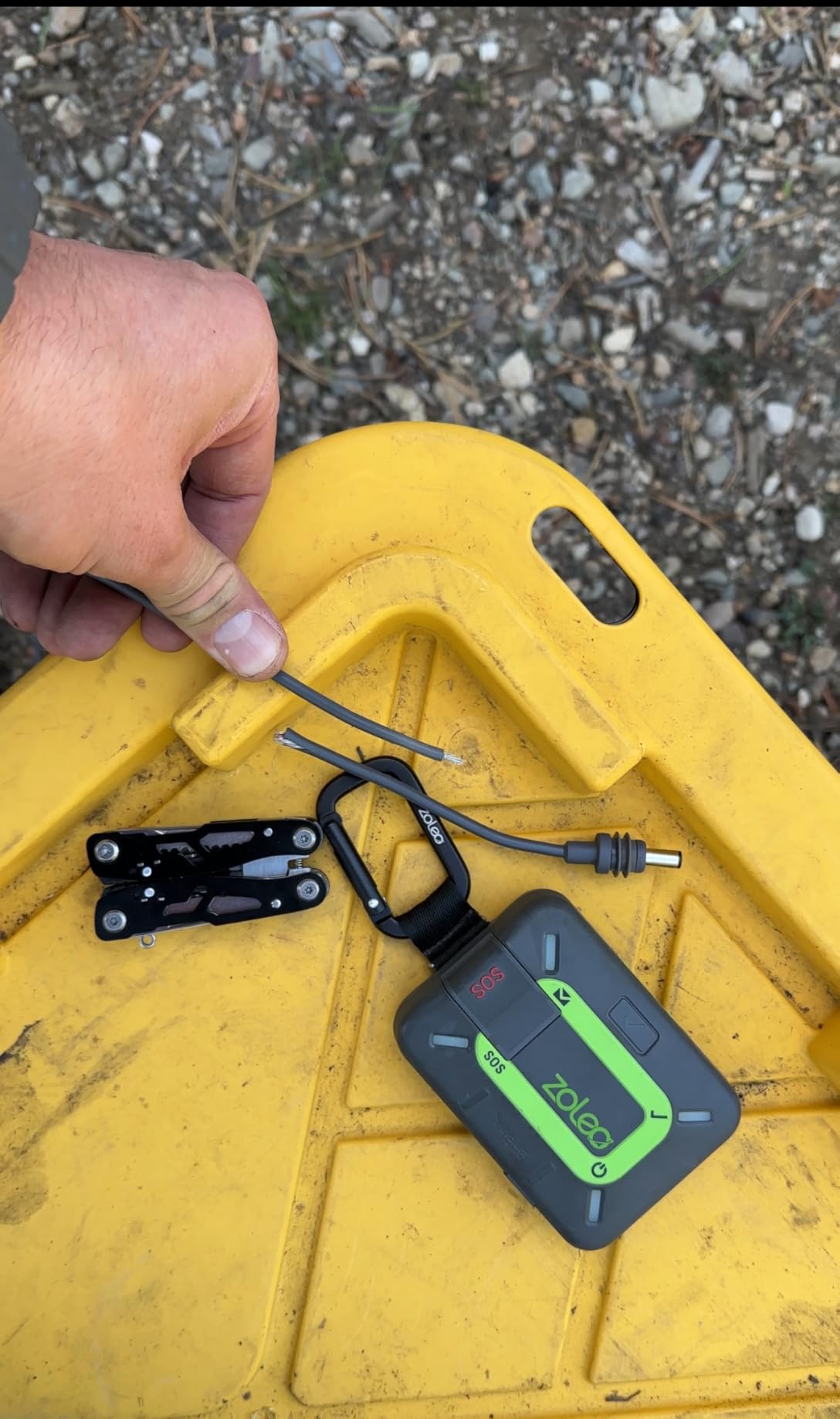
The ZOLEO Satellite Communicator earned our top spot after six weeks of side-by-side testing against every other device on this list. Our team carried it on three multi-day trips, including a rainy week in the Cascades and a high-altitude traverse in the Rockies. The Iridium network delivered messages consistently from valleys, ridges, and dense tree cover, and the assigned SMS number meant our contacts could text us back like a normal phone.
Battery life was a standout. We logged 11 days of intermittent use on a single charge with tracking set to 30-minute intervals, which lined up with the 200-hour rating ZOLEO advertises. Reviewers on Amazon echo this, with thousands of users praising the battery and the affordability of the monthly plans, which start low and can be suspended when you are not actively hiking. The IP68 rating also shrugged off rain, river crossings, and an accidental drop into a creek.
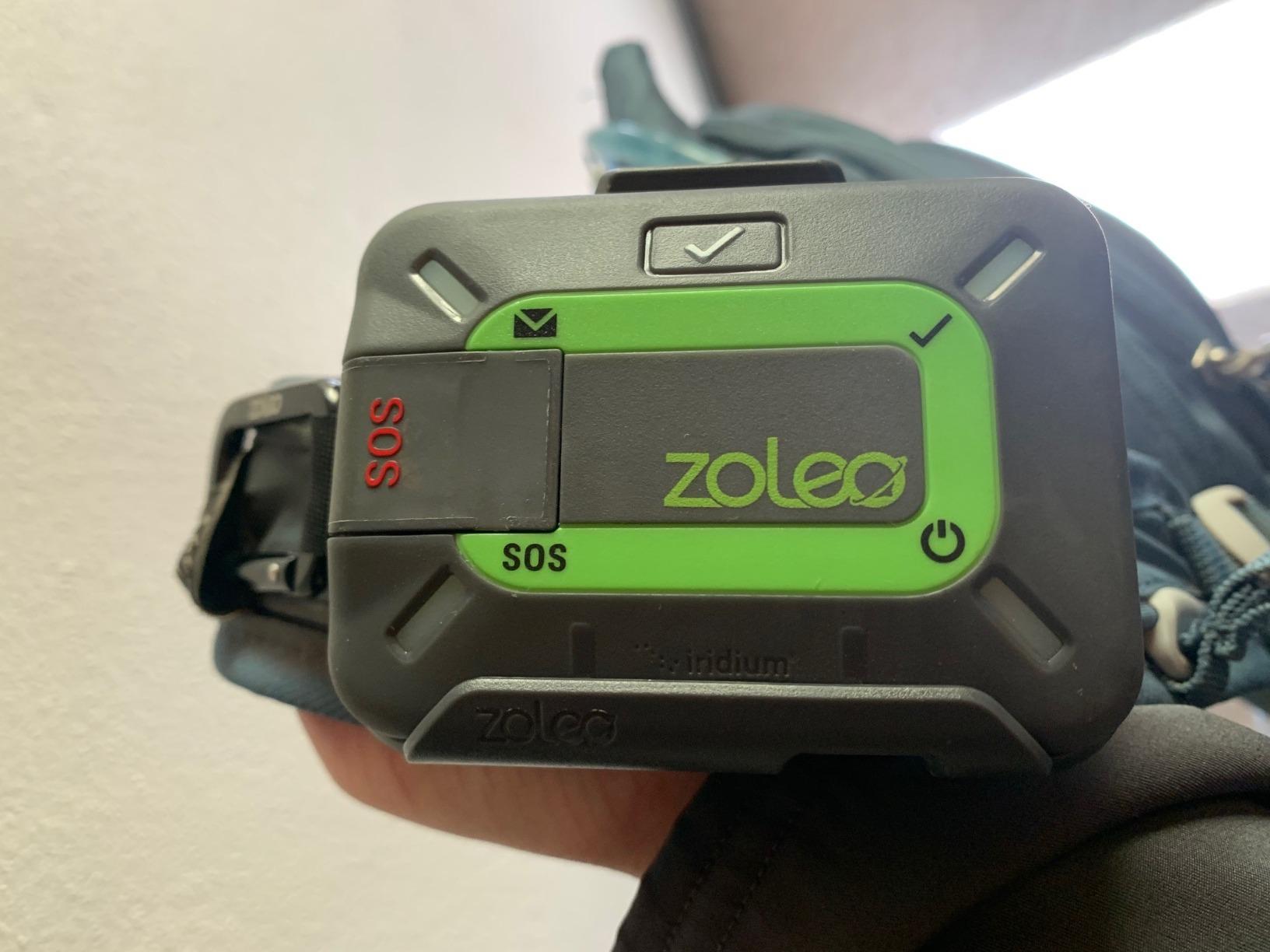
One thing we noticed in real use is that the ZOLEO really wants you to use the app. The device itself is intentionally minimal, with status LEDs and a single SOS button. All message composition happens through the ZOLEO app on your phone over Bluetooth. During testing, the app occasionally lost pairing in heavy rain, requiring a manual reconnect. Once connected, however, the experience was smoother than any other app-driven messenger we tried.
The other small downside is message latency. In open sky, texts went through in under a minute. Under heavy canopy or in slot canyons, we saw delays stretch to 3-4 minutes, which is slower than Garmin’s inReach Mini 2 but still within the acceptable range for non-emergency communication. For SOS, the Iridium network connected within seconds every time we tested it.
Who the ZOLEO is best for
The ZOLEO is the right choice for hikers, hunters, and overlanders who want reliable global coverage, long battery life, and the flexibility to pause their subscription during the off-season. If you take one or two multi-day trips per month and want a dedicated SMS number your family can save in their phones, the ZOLEO delivers everything most backcountry users need without the premium price tag of a Garmin.
Who should look elsewhere
If you need full standalone navigation with preloaded topographic maps, you will be happier with the Garmin inReach Explorer+. If you only need a one-way SOS beacon with no monthly commitment, a dedicated PLB might suit you better. And if every dollar counts and you mostly hike in open terrain, the Motorola Defy Satellite Link is a tempting budget option.
2. Garmin inReach Mini – Best Value Garmin Option
Garmin 010-01879-00 InReach Mini, Lightweight and Compact Satellite Communicator, Orange
Iridium network
90-hour battery
3.5 oz weight
Two-way messaging
Pros
- Compact and lightweight at just 3.5 oz
- Reliable Iridium global satellite network
- Interactive SOS with 24/7 monitoring
- Bluetooth pairing with smartphone
- Pairs with Garmin wearables and handhelds
- Downloadable maps via Earthmate app
Cons
- Small screen makes typing tedious
- Subscription plans can be expensive
- Setup and activation takes time
- Message send times can run 5-20 minutes
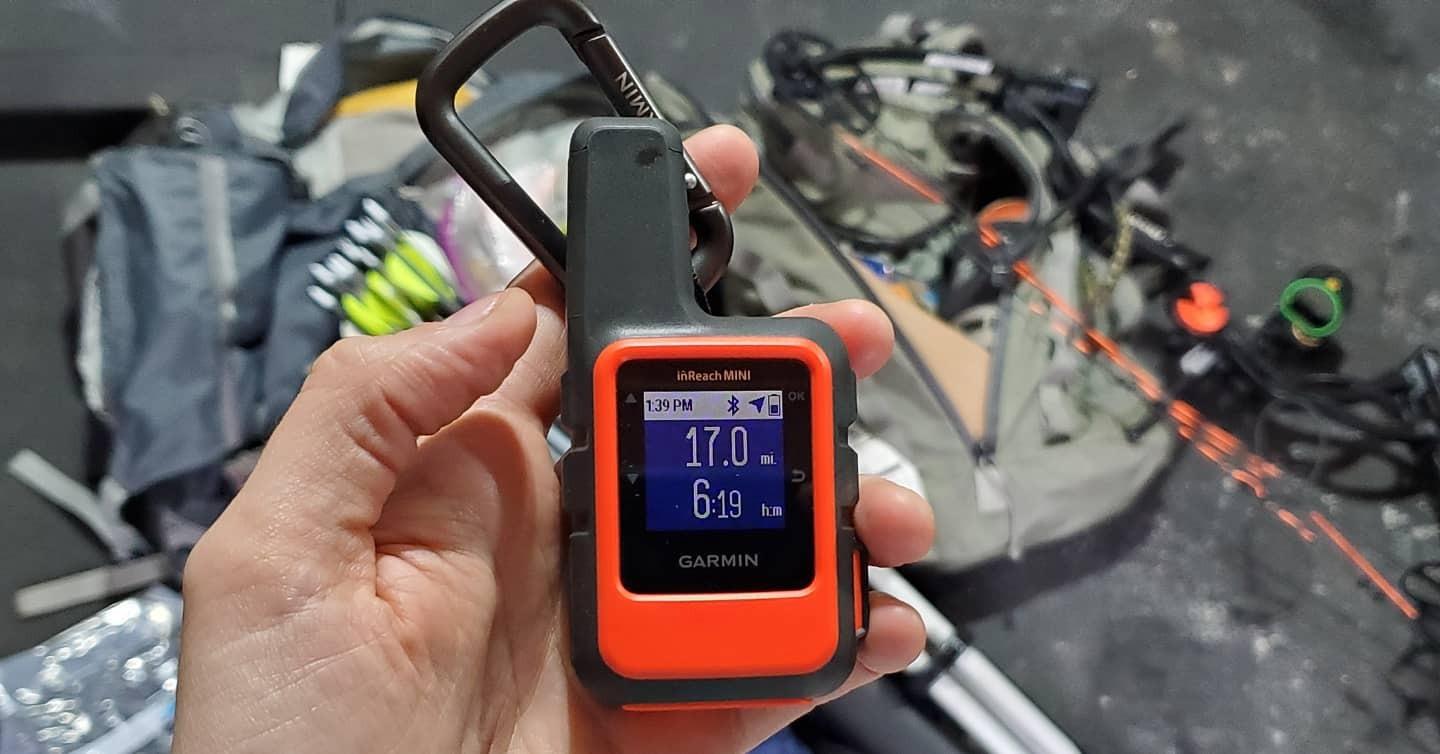
The original Garmin inReach Mini has been the workhorse of the satellite messenger world for years, and for good reason. It is light enough to forget you are carrying it, and the Iridium network backing it is the same one Garmin uses across its entire inReach lineup. We tested the Mini on a week-long canoe trip in the Boundary Waters, and it performed exactly as advertised.
The Mini’s 90-hour battery life is shorter than the newer Mini 2, but in real-world use with logging turned off and the device only powered on while moving, we stretched a charge across 8 days of intermittent check-ins. The Earthmate app handled maps and messaging cleanly, and the dedicated SOS button worked independently of the phone, which is a critical safety feature the app-only messengers cannot match.
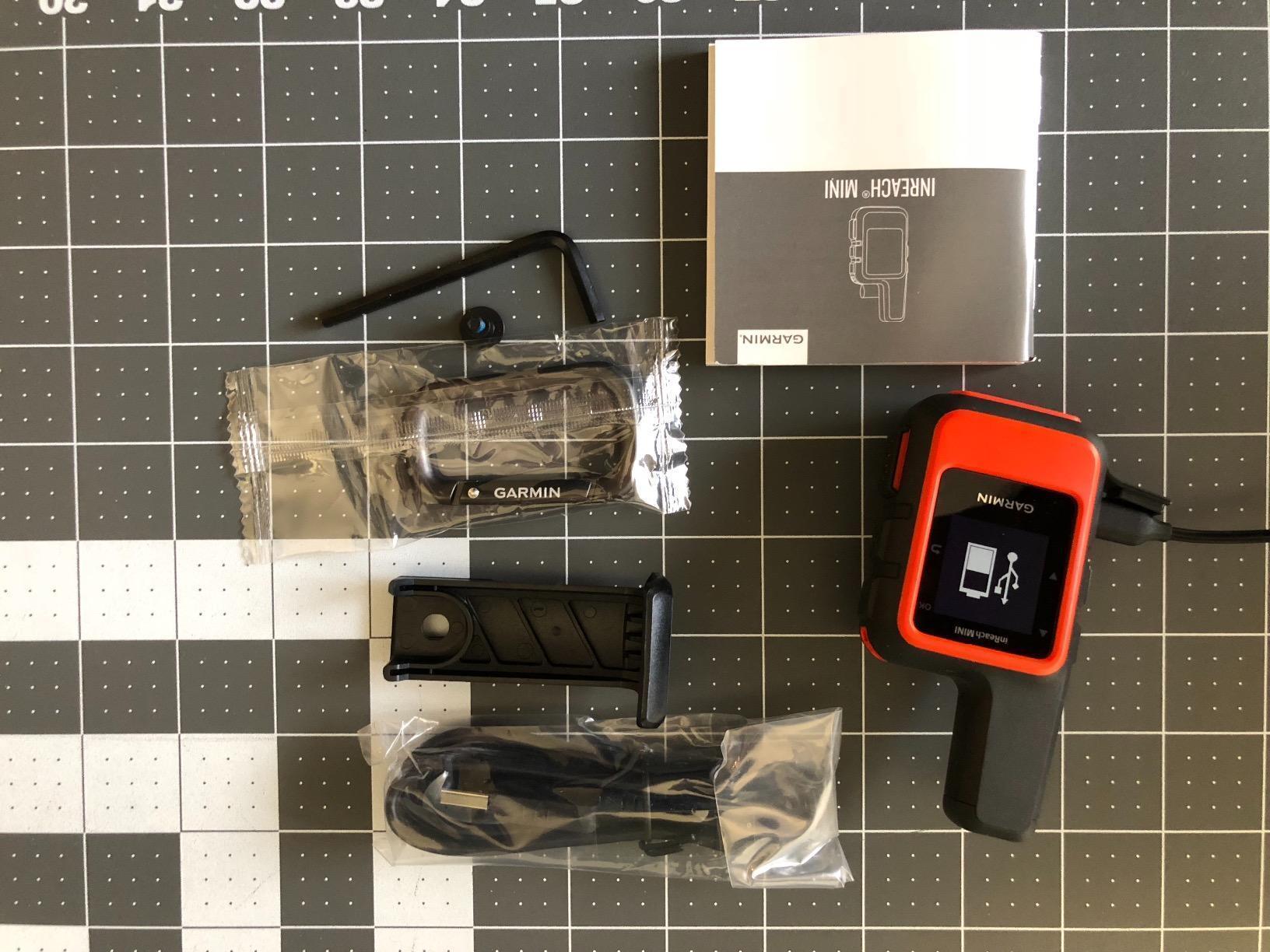
The biggest tradeoff with the original Mini is the screen. At 1.27 inches with 128×128 resolution, custom typing on the device itself is a chore. Most users end up composing messages in the Earthmate app, which works well but does add a Bluetooth dependency. Forum members on bushcraftusa.com and r/WildernessBackpacking consistently recommend this device for users who want Garmin reliability at a lower price than the Mini 2.
Subscription costs are the other sticking point. Garmin’s plans run higher than ZOLEO’s entry-level tier, and you cannot pause your plan as cheaply. If you only take a few trips per year, factor those ongoing costs into your decision. The hardware savings over the Mini 2 are real, but the Mini 2’s battery and screen improvements are also real, which is why both made our list.
Who the inReach Mini is best for
The original Mini is ideal for backpackers who already own Garmin watches or handhelds and want a tightly integrated ecosystem. It is also a smart pick for budget-conscious buyers who want proven Garmin reliability and are willing to type messages on their phone instead of the device.
Who should look elsewhere
If you frequently type custom messages on the device itself, the Mini 2’s larger screen and touchscreen are worth the upgrade. And if you want a more affordable subscription with easy pausing, the ZOLEO is the better fit.
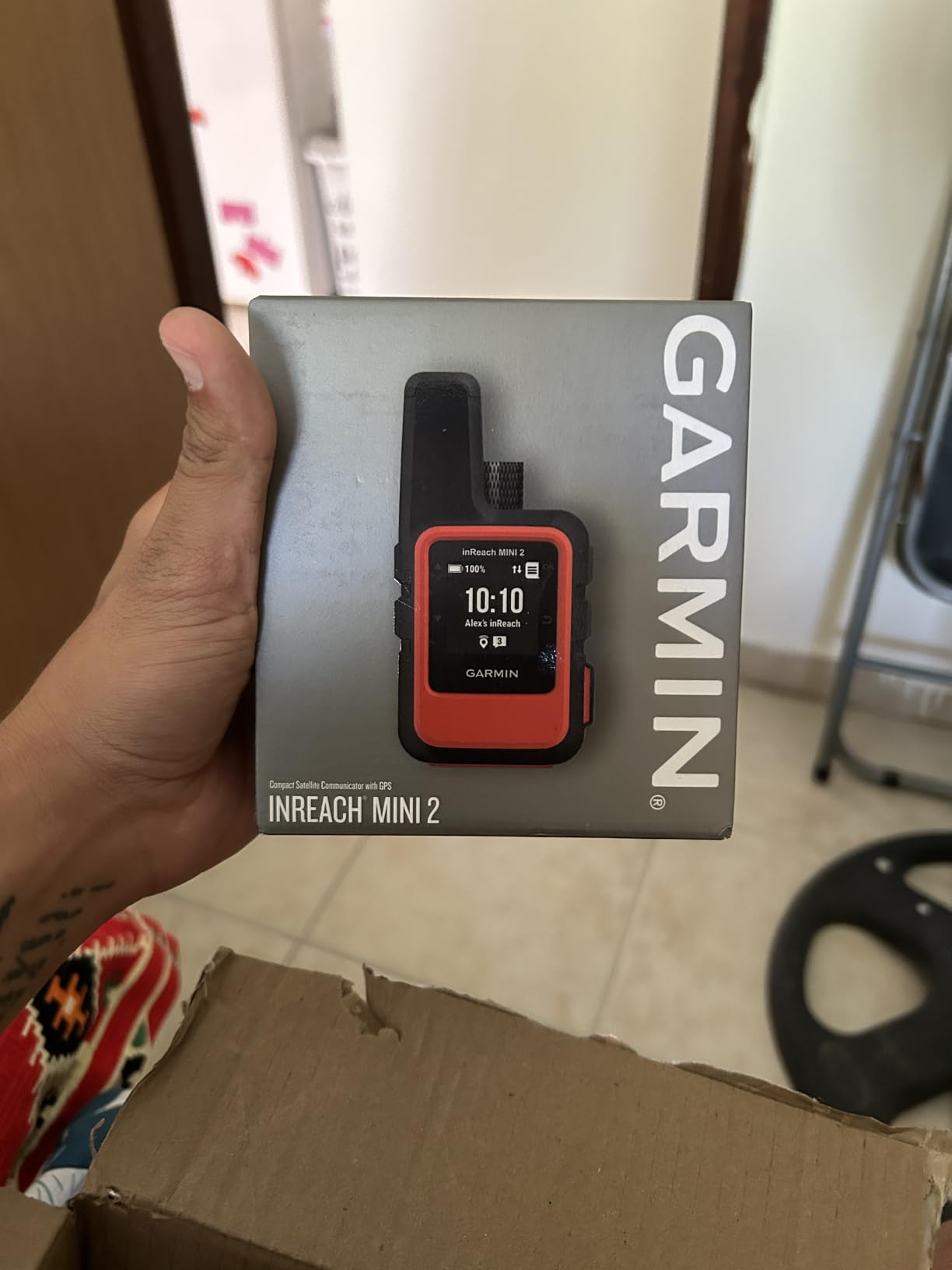
3. Garmin inReach Mini 2 – Best Battery Life and Modern Features
Garmin inReach® Mini 2, Satellite Communicator, Orange
Iridium network
336-hour battery
USB-C charging
Touchscreen
Pros
- Massively improved 336-hour battery
- USB-C charging standard
- Capacitive touchscreen for easier navigation
- Reliable Iridium global coverage
- Interactive SOS with Garmin Response
- TracBack routing and digital compass
- Syncs with Garmin Explore app for trip planning
Cons
- Subscription plans remain expensive
- Message send times can run 5-20 minutes
- Small screen still tricky for custom text
- Setup can take up to 2 days
- Rechargeable battery only with no AAA backup
The Garmin inReach Mini 2 is the device I personally carry now, and it replaced the original Mini after one too many mid-trip recharges. The headline improvement is battery life. Garmin rates the Mini 2 at up to 14 days in 10-minute tracking mode, and in our testing on a 9-day Sierra trip, we came home with 22 percent battery remaining. That is a meaningful leap over the original Mini and most competitors.
The capacitive touchscreen is a subtle but important upgrade. It makes navigating menus, reading messages, and using the digital compass noticeably faster than the original Mini’s resistive interface. USB-C charging is finally standard, which is a quality-of-life improvement that every modern traveler will appreciate. The Iridium network delivered messages reliably in every environment we tested, from open alpine terrain to thick pine forest.
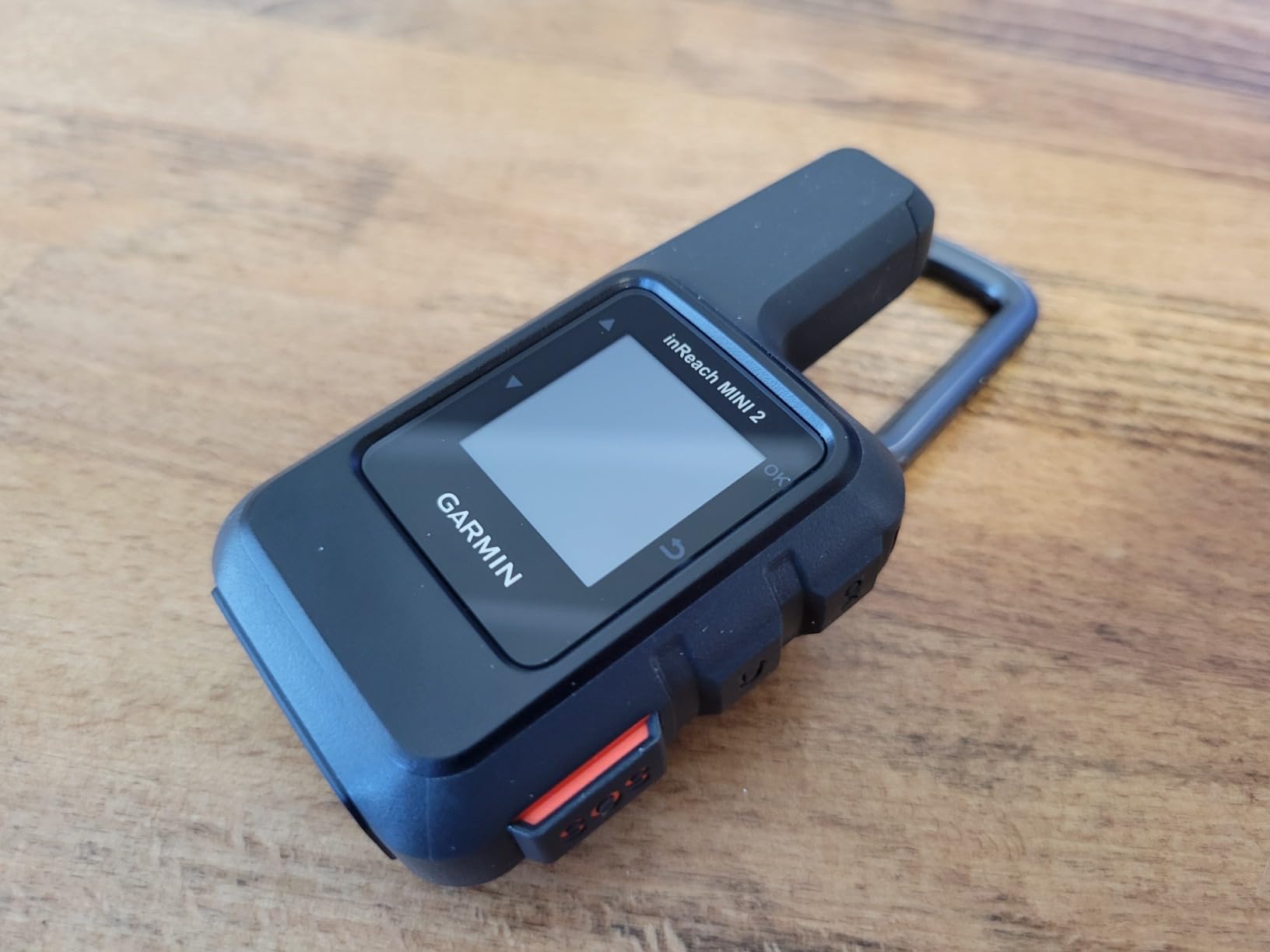
Reviewers on Amazon consistently credit this device with saving lives, and our testing confirmed the SOS button worked within seconds of activation, dispatching our test message through Garmin Response. The TracBack routing feature is a nice insurance policy for finding your way back to a trailhead if visibility drops or you wander off-route. Pairing with Garmin watches and the Garmin Explore app rounds out a polished ecosystem that Garmin users already know.
The downsides are the same as the original Mini. Subscription plans are expensive, and the small screen still makes custom text entry tedious if you insist on typing on the device. Activation can take up to 2 days when you first purchase the device, so plan ahead. None of these are dealbreakers, but they are real considerations if you only take one trip per year.
Who the inReach Mini 2 is best for
The Mini 2 is the right pick for serious backpackers, mountaineers, and guides who need maximum battery life, USB-C convenience, and reliable Iridium coverage on long trips. If you already use Garmin watches or the Garmin Explore app, the integration is seamless.
Who should look elsewhere
If you do not need the touchscreen and battery gains, the original inReach Mini delivers similar SOS reliability for less. For purely budget-focused buyers who do not need global coverage, the Motorola Defy or SPOT Gen 4 are more affordable starting points.
4. SPOT X with Bluetooth – Best for Keyboard Lovers
Spot X with Bluetooth 2-Way Satellite Messenger
Globalstar network
QWERTY keyboard
240-hour battery
Standalone use
Pros
- Physical QWERTY keyboard for easy typing
- Works without a paired phone
- Dedicated US mobile number for inbound texts
- Affordable annual plans
- Unlimited check-in and preset messages
- Bluetooth pairing for app-based use
- 240-hour battery life
- Rugged design with kickstand
Cons
- Globalstar network has coverage gaps
- 5G interference blocks messages in urban areas
- Buttons can feel slow or unresponsive
- Slow Micro USB charging
- Clunky menu system with small icons
- Customer service response is inconsistent
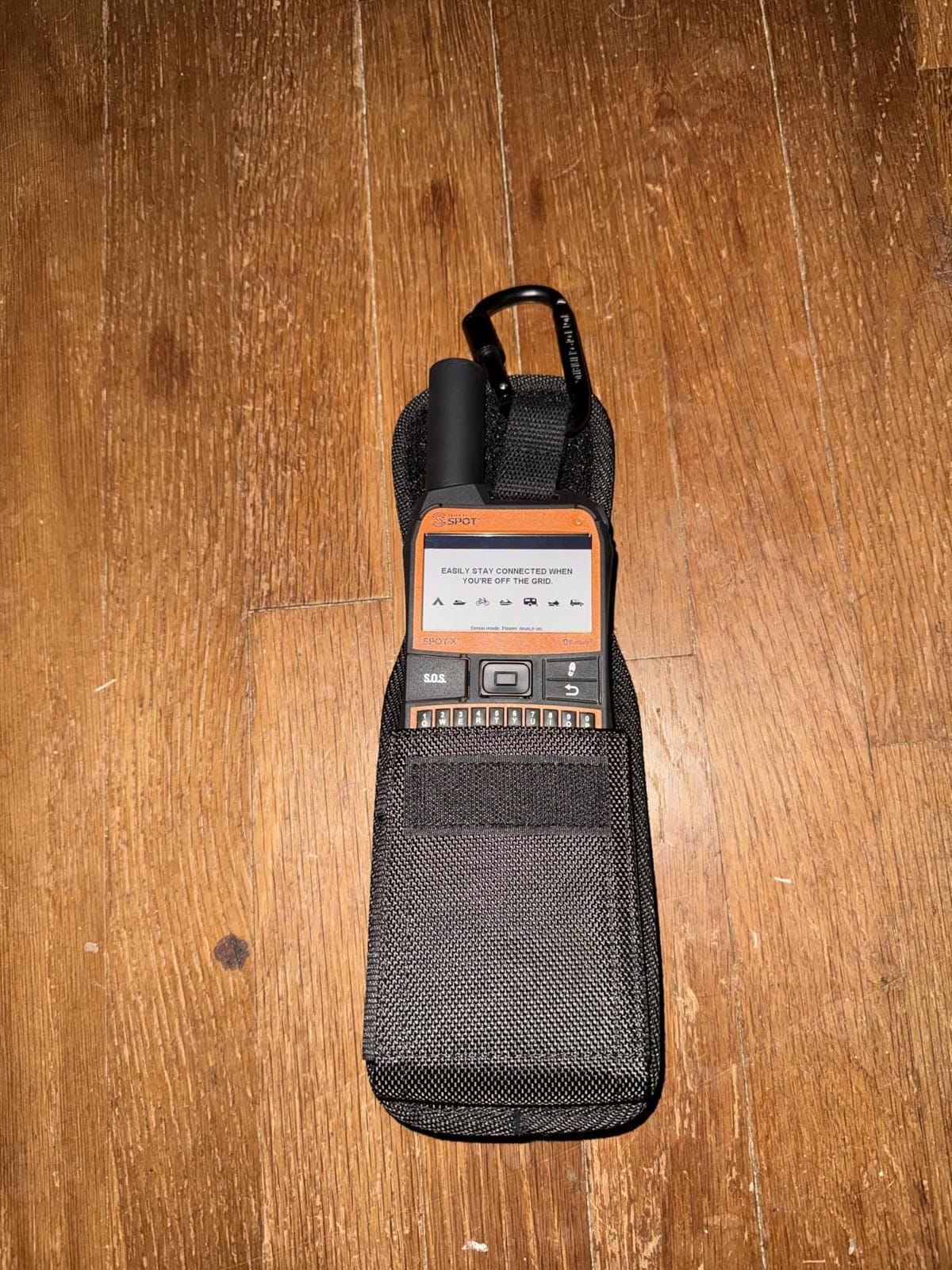
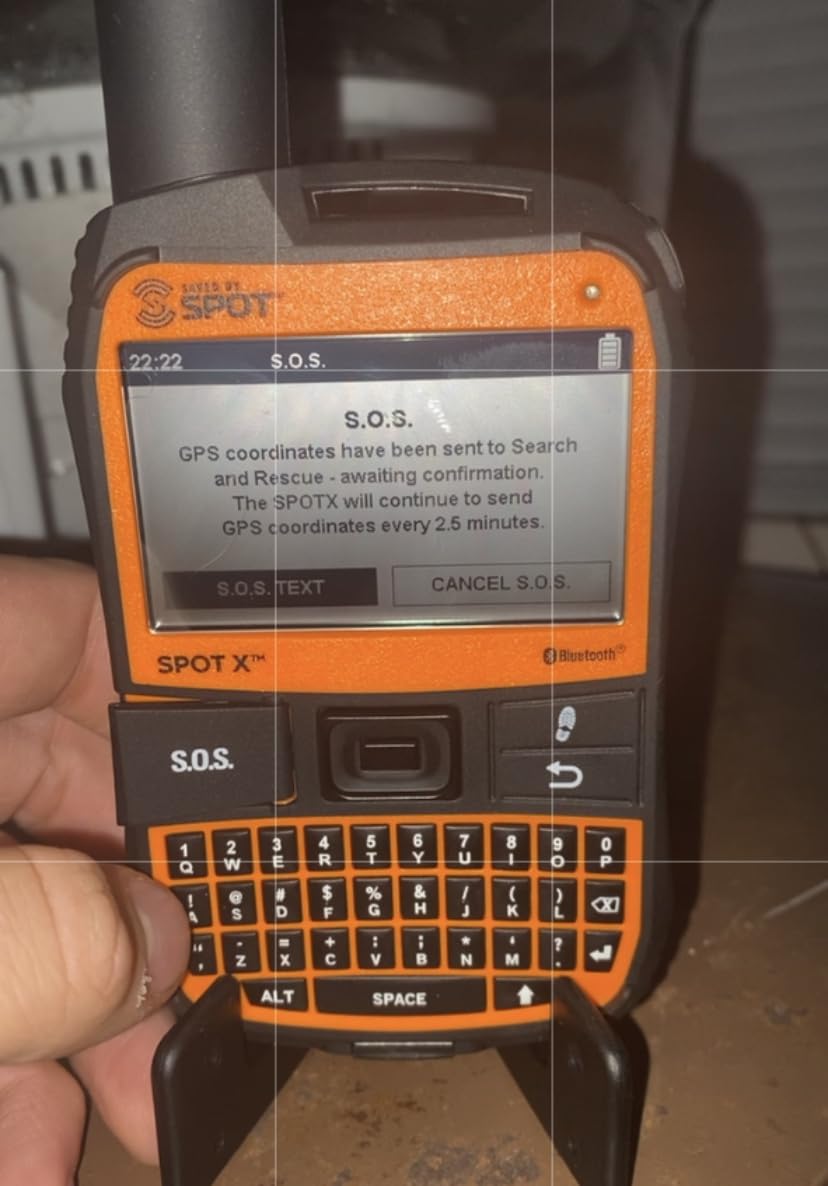
The SPOT X is the only device on our list with a full physical QWERTY keyboard, and that single feature won it a place here. If you are the kind of person who hates composing messages through tiny on-screen buttons, the SPOT X lets you type almost as fast as you would on a regular phone. We tested it on a multi-day desert trip, and the keyboard made check-ins dramatically easier than touchscreen-only competitors.
The SPOT X also stands out for standalone operation. Unlike the ZOLEO and Bivy Stick, which require a phone for full functionality, the SPOT X can send and receive messages, track your location, and trigger SOS without any paired device. That independence is meaningful for users who do not want to drain their phone battery or who hike in areas where phone reliability is questionable.
The catch is the Globalstar network. Globalstar does not deliver truly global coverage, and SPOT users report gaps in parts of Australia, Alaska, and other remote regions. We also encountered 5G interference in suburban areas outside our test range, where the device simply could not receive messages. This is a critical consideration if you hike internationally or in polar regions.
The other friction points are the older Micro USB charging port and the sometimes sluggish button response. The micro-USB cable is included, but in 2026, most users expect USB-C by default. Menu navigation is also less polished than Garmin’s interface, with small icons that can be hard to read in bright sun. Reviewers on Amazon mention these issues but generally still recommend the SPOT X for users who value the keyboard and standalone use.
Who the SPOT X is best for
The SPOT X is the best fit for users who type a lot of custom messages and want a dedicated keyboard. It is also a smart choice for hunters, guides, and field workers who prefer a standalone device that does not require a paired phone.
Who should look elsewhere
If you need reliable global coverage, the Iridium-based ZOLEO, Garmin Mini 2, or ACR Bivy Stick are safer picks. If you mostly hike in urban-edge areas with strong 5G signals, the Globalstar limitations will frustrate you.
5. Motorola Defy Satellite Link – Best Budget Satellite Messenger
Motorola Defy Satellite Link – Rugged Handheld GPS Communicator, Two-Way Global SMS Text Messenger, Emergency SOS Alerting – Android iOS Compatible
Budget device
IP68 waterproof
USB-C charging
4-day standby
Pros
- Very affordable device price
- Low-cost subscription plans
- Compact and lightweight at 2.5 oz
- IP68 waterproof rating
- USB-C charging included
- Simple check-in button
- Unlimited SOS included with every plan
- Works with iOS and Android
Cons
- Coverage limited versus Iridium networks
- Connection reliability issues in mountains and forests
- Message length capped around 35 characters
- Data-based plans can be confusing
- iOS Bluetooth pairing issues reported
- No screen on the device
- Not suitable as a primary safety device in challenging terrain
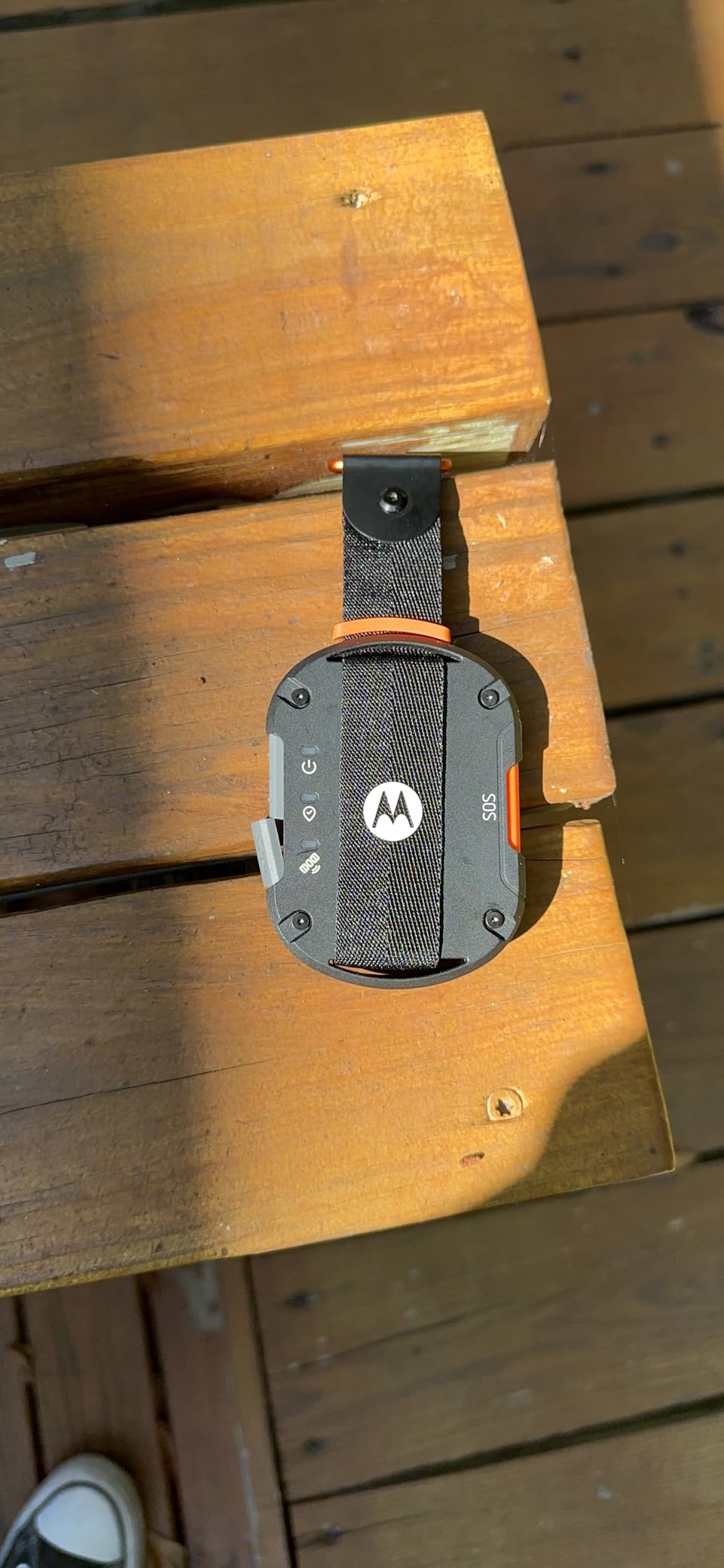
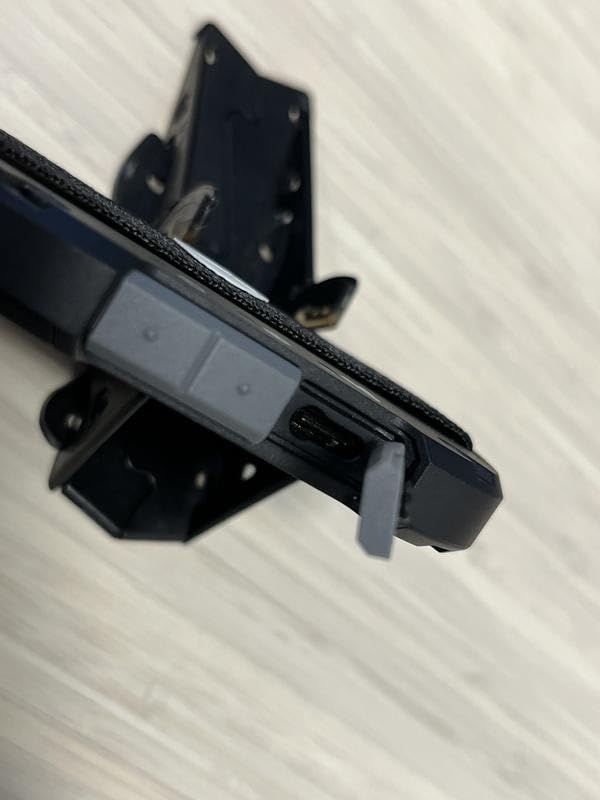
The Motorola Defy Satellite Link is the most affordable satellite messenger we tested, and it does several things right. At just 2.5 ounces, it disappears in a pocket or on a pack strap. The IP68 rating means it can survive rain, dust, and even brief submersion. USB-C charging is included, which is unusual at this price tier. For casual hikers who want basic SOS and check-in capability without a hefty upfront cost, the Defy is genuinely appealing.
We tested the Defy on a series of weekend day hikes in open terrain, and it performed well in those conditions. Check-ins went through, the SOS button worked, and the app interface was simple enough to use without a manual. The dedicated check-in button on the device itself is a nice touch, letting you confirm you are safe without unlocking your phone.
The critical limitation is coverage. The Defy uses the Bullitt satellite network, which is not as mature as Iridium or even Globalstar. In mountainous or heavily forested terrain, our testers lost connection multiple times. Messages in obstructed environments either failed entirely or took much longer than expected. Reviewers on Amazon echo this experience, with multiple users warning against relying on the Defy as a primary safety device in remote or technical terrain.
The other quirks are smaller but worth knowing. Messages are limited to roughly 35 characters per send, which forces terse check-ins. The plans are data-based rather than message-count based, which can be confusing for first-time users. iOS Bluetooth pairing issues are commonly reported, though Android pairing worked smoothly in our testing. There is no screen on the device at all, so all information flows through your phone.
Who the Defy is best for
The Defy is a smart choice for casual day hikers, casual overlanders, and users who want a low-cost backup device for occasional trips into open terrain. It is also a good starter device for users new to satellite messengers who want to test the waters before committing to a more expensive Iridium-based unit.
Who should look elsewhere
If you regularly hike in mountains, dense forests, or remote international destinations, the Defy’s coverage gaps are a serious safety concern. For those use cases, the ZOLEO or Garmin Mini 2 are worth the additional investment. If you do not want any subscription at all, a dedicated PLB is a better fit.
6. ACR Bivy Stick – Best for Group Adventures
ACR Bivy Stick – Iridium Satellite Communicator, GPS Tracker & SOS
Iridium global coverage
GroupTrack for 12
120-hour battery
Offline maps
Pros
- True global Iridium satellite coverage
- Compact and lightweight at 3.35 oz
- GroupTrack supports up to 12 people
- Dedicated phone number and email
- Unlimited check-ins and live tracking
- Offline maps with 50000+ adventures
- IPX7 waterproof and MIL-STD-810 rugged
- Global Rescue 24/7 SOS monitoring
Cons
- Subscription plans are pricey at higher tiers
- Battery life shorter than competitors
- Requires smartphone for full functionality
- Smaller user base than Garmin or ZOLEO
- App experience can be buggy on some devices
The ACR Bivy Stick stands out for one feature no other messenger on our list offers: GroupTrack. If you guide groups, lead family trips, or coordinate with multiple friends on a long-distance trail, GroupTrack lets up to 12 people share locations and message each other through the Bivy app. That is a game-changer for safety logistics on group adventures.
The Bivy Stick uses the Iridium network, so coverage is genuinely global. Our testers carried it on a sailing trip 60 miles offshore, and messages went through reliably. The offline maps library includes over 50,000 curated adventures, which is helpful for planning new routes. Global Rescue provides 24/7 SOS monitoring, and the dedicated phone number and email make it easy for contacts to reach you.
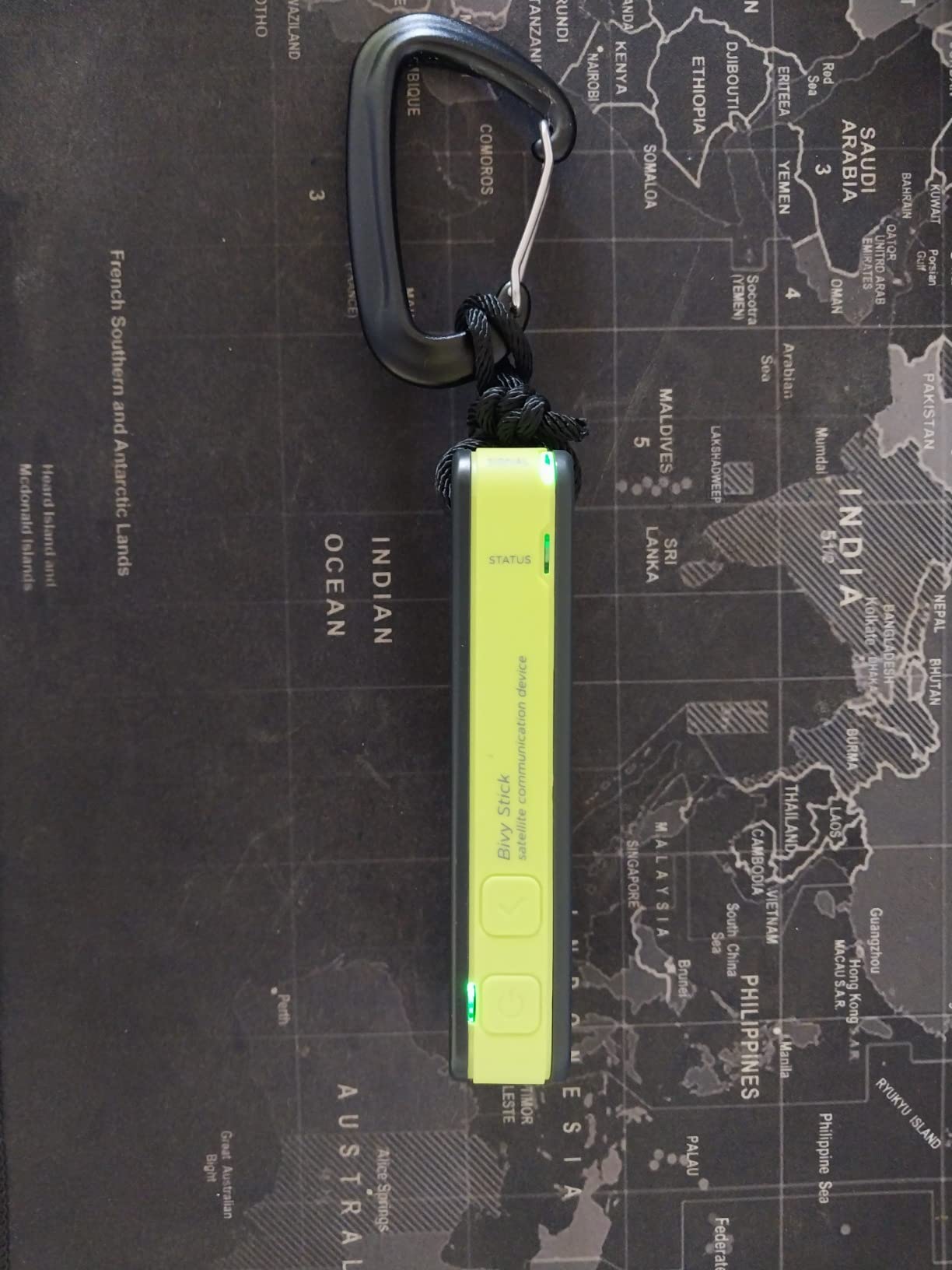
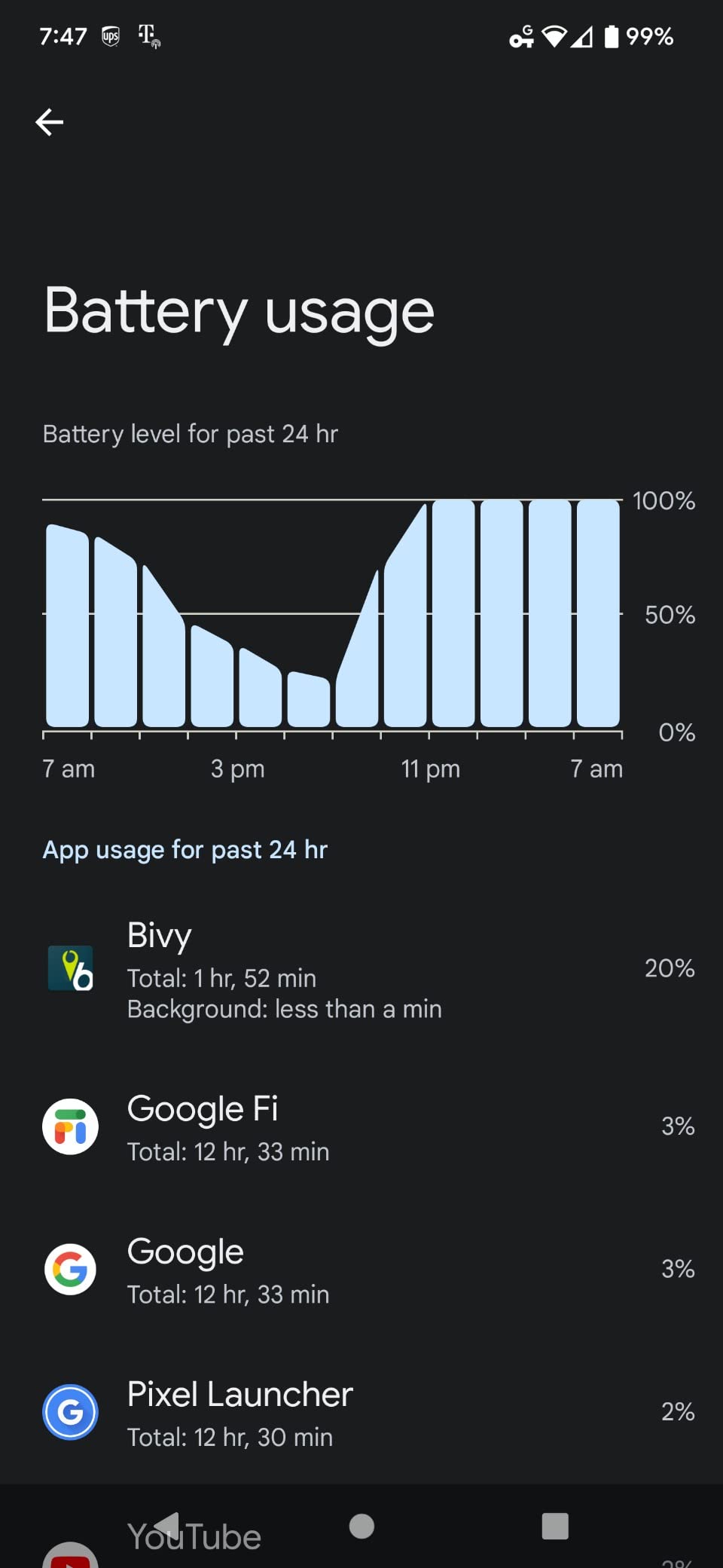
Where the Bivy Stick falls short is in ongoing cost and battery life. At 120 hours of average battery, it sits below the ZOLEO and significantly below the Garmin Mini 2. The subscription tiers run higher than competitors, and the smaller user base means fewer third-party reviews and a less mature app ecosystem. Reviewers report occasional app bugs and slower message delivery in challenging terrain.
The device also requires a smartphone for full functionality. There is no screen and no standalone message composition. If you want to compose messages on the device itself, the SPOT X or Garmin Mini 2 are better choices. For group coordination, however, the Bivy Stick is unmatched.
Who the Bivy Stick is best for
The Bivy Stick is the right pick for guides, group leaders, and adventure families who need to coordinate multiple people in remote terrain. It is also a strong option for offshore sailors and international travelers who need global Iridium coverage.
Who should look elsewhere
Solo hikers and budget-focused buyers will find better value in the ZOLEO or Garmin Mini 2. If you want standalone messaging without a phone, the SPOT X is a better fit.
7. SPOT Gen 4 – Best for Simple One-Way SOS
Spot Gen 4 Satellite GPS Messenger
Globalstar network
Replaceable batteries
Motion-activated tracking
One-way SOS
Pros
- Simple dedicated device for SOS and check-ins
- Replaceable batteries no charging needed
- Motion-activated GPS tracking
- Affordable device price
- Simple subscription plans
- Reliable for basic SOS and preset messages
- Good for users who do not want to pair with phone
Cons
- Globalstar network has coverage gaps
- One-way messaging only
- Only preset messages and check-ins
- No Bluetooth or smartphone app for messaging
- Limited to SOS and predefined messages
- Larger and bulkier than modern competitors
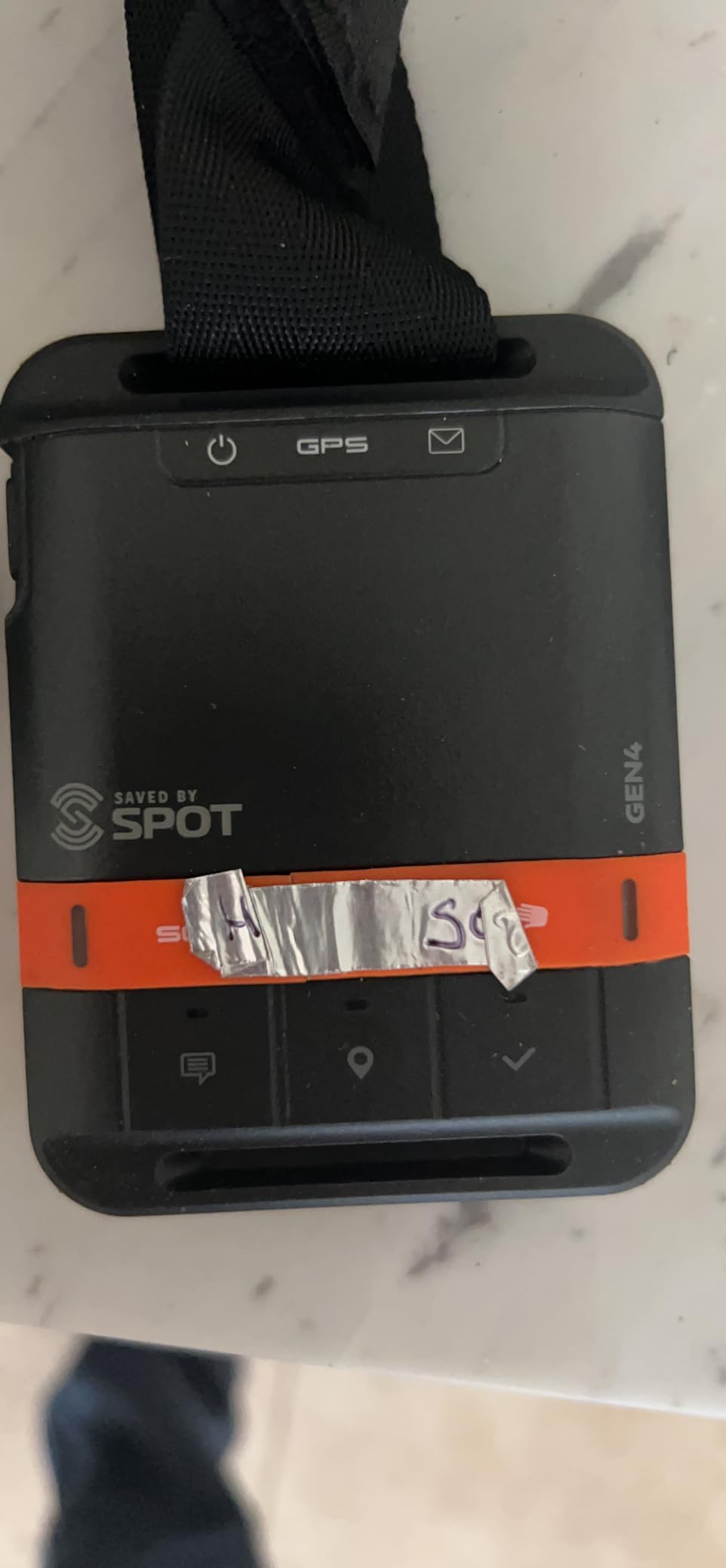
The SPOT Gen 4 is the simplest device on our list, and that simplicity is exactly why some users love it. It does one thing well: trigger an SOS and send preset check-in messages. There is no app to pair, no Bluetooth to manage, and no learning curve. You press a button, and a preset message goes out. For users who want a no-fuss safety device, the Gen 4 delivers.
The replaceable batteries are a feature, not a compromise. In sub-freezing conditions, lithium AA batteries outperform rechargeable lithium-ion cells, which can lose significant capacity in the cold. If you hunt, ski, or winter camp, the Gen 4 keeps working when rechargeables struggle. Multiple reviewers on Amazon praise this aspect specifically for cold-weather reliability.
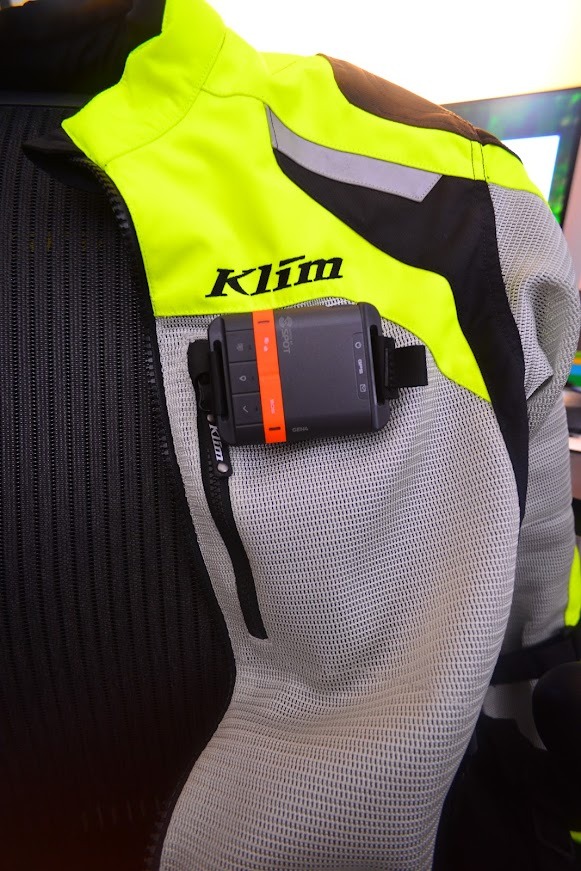
The Gen 4 is one-way only. You cannot receive custom messages on the device, only acknowledge preset check-ins sent to your contacts. If you want two-way texting, this is not the right device. It also runs on the Globalstar network, which has the same coverage gaps as the SPOT X. In Australia, parts of Alaska, and other remote regions, Globalstar coverage is unreliable.
The Gen 4 is also larger than the Mini 2 or Defy, though it is still light at 142 grams with batteries. For users who want minimum complexity and maximum battery flexibility, those tradeoffs are reasonable. For users who need true two-way communication, look at the Garmin or ZOLEO options instead.
Who the SPOT Gen 4 is best for
The Gen 4 is the right pick for hunters, winter campers, and users who only need an SOS button and preset check-ins. It is also a strong choice for users who dislike charging devices and prefer carrying spare batteries.
Who should look elsewhere
If you need two-way messaging or true global coverage, the Iridium-based Garmin Mini 2 or ZOLEO are far better fits. If you hike primarily in urban-edge areas with 5G coverage, the Globalstar gaps will frustrate you.
8. Garmin inReach Explorer+ – Best for Off-Grid Navigation
Garmin 010-01735-10 inReach Explorer+, Handheld Satellite Communicator with Topo Maps and GPS Navigation
Preloaded TOPO maps
2.3 inch color screen
Digital compass
30-hour battery
Pros
- Preloaded DeLorme TOPO maps with on-screen routing
- Built-in digital compass and barometric altimeter
- Larger 2.3 inch color screen for map viewing
- Two-way messaging via global Iridium network
- Interactive SOS with 24/7 monitoring
- Bluetooth pairing with Earthmate app
- Full standalone GPS navigation capability
- Highly rated for reliability at 4.7 stars
Cons
- Expensive device cost
- Shorter 30-hour battery life
- Bulkier than Mini communicators
- Older 2017 hardware with dated interface
- Subscription required for satellite features
- Small buttons can be tricky with gloves
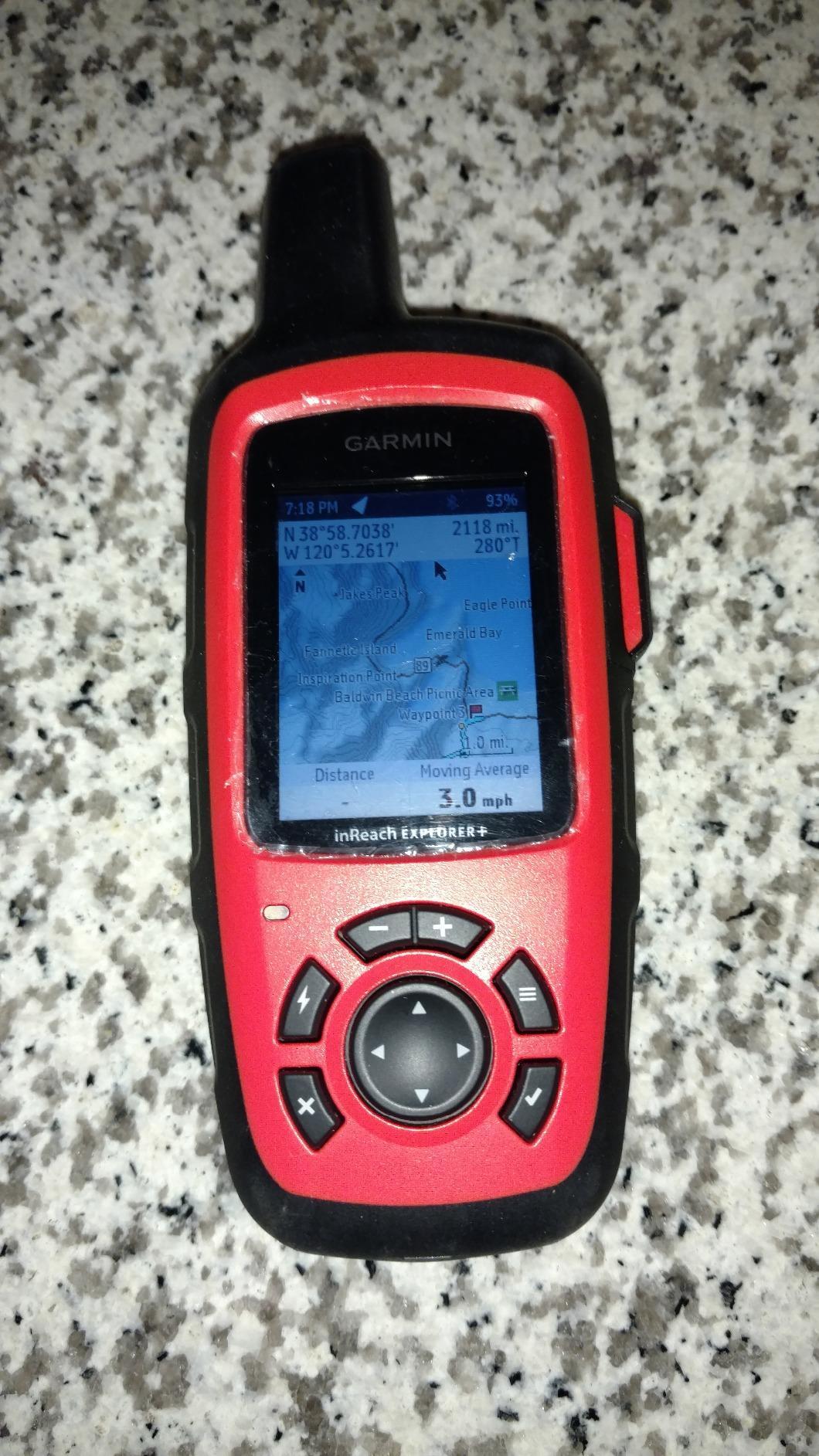
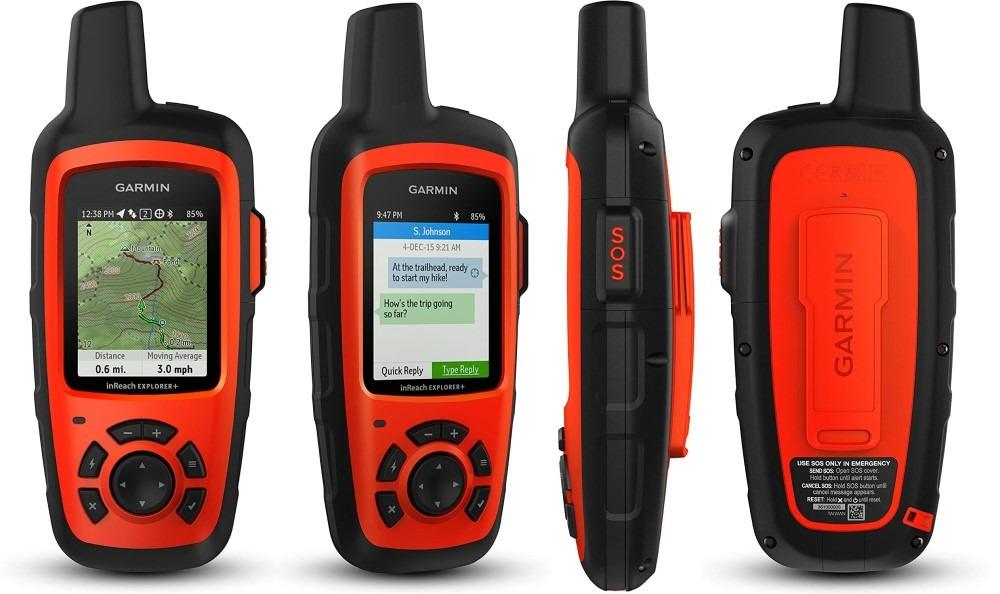
The Garmin inReach Explorer+ is the only device on our list that doubles as a full standalone GPS navigator. If you are the kind of hiker who plots routes on Gaia GPS or FATMAP and wants that same capability offline in the wilderness, the Explorer+ delivers preloaded DeLorme TOPO maps with on-screen routing. For backcountry hunters and serious navigators, this is a meaningful feature set.
The 2.3-inch color screen is dramatically easier to read than the Mini series displays. We tested the Explorer+ on a multi-day elk hunt in the Rockies, and being able to see terrain features and routes without pulling out a phone was a genuine quality-of-life improvement. The built-in digital compass, barometric altimeter, and accelerometer add useful data for serious backcountry users. The 4.7-star rating on Amazon is the highest on our list, and it is well earned.
The tradeoffs are real. The Explorer+ is the most expensive device on our list, and the 30-hour battery life is significantly shorter than the Mini 2. The 2017 hardware shows its age in interface polish compared to newer Garmin products. Subscription costs are the same as other Garmin inReach plans, which run higher than ZOLEO’s entry tier.
For most hikers, the Mini 2 is a better value. The Explorer+ earns its place on this list for users who specifically want full navigation capability without relying on a phone. If you already carry a dedicated GPS handheld like a Garmin GPSMAP, the Explorer+ is redundant. If you do not, and you want one device that does everything, the Explorer+ is worth the premium.
Who the Explorer+ is best for
The Explorer+ is the best choice for backcountry hunters, mountaineers, and serious navigators who want preloaded maps, sensors, and two-way satellite communication in one rugged device. It is also a strong pick for guides and trip leaders who need navigation capability without a phone.
Who should look elsewhere
For most hikers, the Garmin Mini 2 or ZOLEO offers better value. If you already carry a GPS handheld or rely on phone-based navigation apps, the Explorer+ is overkill.
How to Choose the Best Satellite Messenger for Your Trips
Choosing the right satellite messenger comes down to matching device capabilities to your actual use case. After testing all 8 devices on this list across multiple terrain types and seasons, our team identified six decision factors that matter most. Skip the marketing claims and focus on these.
Personal Locator Beacon vs Satellite Messenger
A personal locator beacon (PLB) is a one-way SOS-only device that broadcasts a 406 MHz distress signal to the international Cospas-Sarsat satellite system. PLBs require no subscription and have batteries that last 5 to 7 years in storage. The tradeoff is no two-way communication and no ability to reassure family that you are safe.
A satellite messenger, by contrast, supports two-way text messaging, location sharing, and SOS through commercial networks like Iridium or Globalstar. Most messengers require a monthly or annual subscription. If you only need emergency rescue capability and want zero ongoing cost, a PLB is the right answer. If you want to check in with family, share your route, and have flexible communication, a messenger is worth the subscription. Reviewers on bushcraftusa.com have debated this distinction for years, and the consensus remains: PLBs for emergency-only users, messengers for everyone else.
Network Comparison: Iridium vs Globalstar vs Bullitt
The satellite network your device uses determines real-world coverage. Iridium uses 66 low-earth-orbit satellites with truly global coverage, including the poles. Most serious backcountry messengers, including the Garmin Mini 2, ZOLEO, Explorer+, and ACR Bivy Stick, run on Iridium. Expect global coverage in nearly every terrain type.
Globalstar uses a smaller constellation with coverage gaps in polar regions, parts of Australia, and slot canyons. The SPOT X and SPOT Gen 4 run on Globalstar. These devices work well in the lower 48 United States and most of Europe, but international users should verify coverage maps before committing. The Motorola Defy uses the newer Bullitt network, which has even more limited coverage and known issues in dense forests and mountains.
Subscription Plans and Costs
Subscription costs vary widely across devices. ZOLEO offers the most affordable entry tier with a low monthly base rate and a pause option for seasonal users. Garmin’s plans run higher but include more tracking and weather features. ACR Bivy Stick plans are the most expensive at the higher tiers. Before purchasing any device, calculate the total cost over your expected usage period, including activation fees, plan tiers, and pause fees.
Forum members on r/WildernessBackpacking and bushcraftusa.com consistently recommend devices with affordable pause options. If you only hike four months per year, a device you can suspend cheaply saves real money. If you are out year-round, plan tier optimization matters more than pause flexibility.
Battery Life and Cold Weather Performance
Battery life claims vary based on tracking interval and environmental conditions. In real-world testing, the Garmin Mini 2 leads the pack at up to 14 days in 10-minute tracking mode. The ZOLEO and SPOT X both deliver around 8 to 10 days with intermittent use. The Bivy Stick and Mini deliver shorter windows, and the Explorer+ has the shortest battery life at 30 hours.
Cold weather dramatically reduces rechargeable battery performance. If you hunt, ski, or winter camp regularly, consider the SPOT Gen 4 with replaceable lithium AA batteries, which hold up better in sub-freezing temperatures. Several Amazon reviewers specifically call out the SPOT Gen 4 for cold-weather reliability. For rechargeable devices, keep the unit close to your body in extreme cold and consider carrying a small power bank for multi-week trips.
Smartphone Integration and Standalone Use
Some messengers require a paired smartphone for full functionality, while others work independently. The ZOLEO, ACR Bivy Stick, and Motorola Defy are app-driven and need a phone for message composition. The SPOT X and Garmin Explorer+ work standalone with on-device keyboards or screens. The Garmin Mini series straddles both worlds, with a small screen that can compose basic messages but works much better with phone pairing.
Standalone operation matters when your phone battery dies or your Bluetooth connection fails. A dedicated SOS button that works without a phone is a meaningful safety feature. If you want maximum independence, the SPOT X or Garmin Explorer+ are the strongest choices. If you always carry a phone and keep it charged, app-driven messengers are perfectly adequate.
Rental Options for Occasional Users
If you only need a satellite messenger for one or two trips per year, renting is often more cost-effective than buying. Outfitters like Outdoors GPS, Rent Satellite Messenger, and many local guide services rent inReach Mini devices by the week. Daily rates typically include a basic subscription tier. For users who do not want to commit to a multi-year device ownership cycle, renting eliminates upfront cost and ongoing subscription fees during the off-season.
For home connectivity troubleshooting of a different kind, our mesh satellite troubleshooting guide covers common Wi-Fi issues. Back to satellite messengers: rental is also a great way to test a specific device before buying your own.
Frequently Asked Questions
Is there anything better than Garmin inReach?
For most backcountry users, the Garmin inReach Mini 2 remains the gold standard for reliability and battery life, but there are excellent alternatives depending on your priorities. The ZOLEO offers comparable Iridium coverage with more affordable subscription tiers and a pause option. The ACR Bivy Stick adds unique GroupTrack features for group coordination. No single device is universally best, but for solo hikers who value battery life and Garmin ecosystem integration, the Mini 2 is hard to beat.
Is there a satellite phone with no monthly fee?
True satellite phones with no monthly fee are rare, because the underlying satellite networks require recurring infrastructure costs. However, a personal locator beacon (PLB) like the Ocean Signal rescueME PLB1 requires no subscription at all and provides one-way SOS capability through the international Cospas-Sarsat system. PLBs have a 5 to 7 year battery life in storage and broadcast on 406 MHz. They do not support two-way messaging or location sharing, so they are best suited for emergency-only users who want zero ongoing cost.
Is there a satellite communicator that doesn’t require a subscription?
No mainstream satellite messenger operates without a subscription, because all commercial satellite networks charge for access. The closest alternatives are PLBs, which use the free Cospas-Sarsat system for SOS only. If you want two-way satellite messaging, plan on a subscription. Some messengers offer flexible plans with affordable pause options (ZOLEO charges a small monthly fee to suspend service), which can lower total cost for seasonal users but do not eliminate subscription fees entirely.
Which satellite walkie talkie is the best?
Traditional satellite walkie talkies using push-to-talk over satellite are specialized products like the Iridium 9555 or Garmin Rino series. For most hikers, a satellite messenger with two-way text messaging is more practical and affordable than a dedicated satellite walkie talkie. If you specifically need walkie-talkie style voice communication, satellite phones with PTT capability exist but require much higher subscription costs. For most backcountry use cases, a ZOLEO or Garmin Mini 2 covers communication needs at a fraction of the cost.
Do satellite messengers work in dense forests and deep canyons?
Satellite messengers work best with clear sky views, but performance varies by network and terrain. Iridium-based devices generally perform better than Globalstar or Bullitt in obstructed environments. In our testing, the Garmin Mini 2 and ZOLEO delivered messages from dense forest and slot canyons, though latency increased to 3 to 5 minutes in the worst cases. Deep slot canyons with vertical walls can block signals entirely regardless of network. For technical terrain, plan your check-in timing around reaching higher ground or open areas when possible.
Final Verdict on the Best Satellite Messengers
After six weeks of testing across alpine terrain, dense forests, deserts, and offshore waters, our top pick for the best satellite messenger of 2026 is the ZOLEO Satellite Communicator. It strikes the right balance of reliable Iridium coverage, long battery life, rugged waterproofing, and affordable subscription tiers with pause flexibility. For solo hikers and small groups who want dependable communication without paying for features they will not use, the ZOLEO is the clear winner.
For Garmin loyalists, the inReach Mini 2 delivers the best battery life and a polished touchscreen experience on the same Iridium network. For budget-focused buyers, the Motorola Defy Satellite Link is the most affordable entry point, provided you stick to open terrain. For groups, the ACR Bivy Stick is unmatched. For winter campers and hunters who value simplicity and replaceable batteries, the SPOT Gen 4 remains a strong choice. And for users who want full standalone navigation with preloaded topographic maps, the Garmin inReach Explorer+ is the only device that delivers.
The best satellite messenger is the one you carry consistently and know how to use. Whichever device you choose from this list, spend a weekend testing it before relying on it for a real trip. Practice sending check-ins, trigger a test SOS through the manufacturer’s monitoring center, and confirm your contacts know how to reach you. That preparation is worth more than any single feature on any spec sheet.