
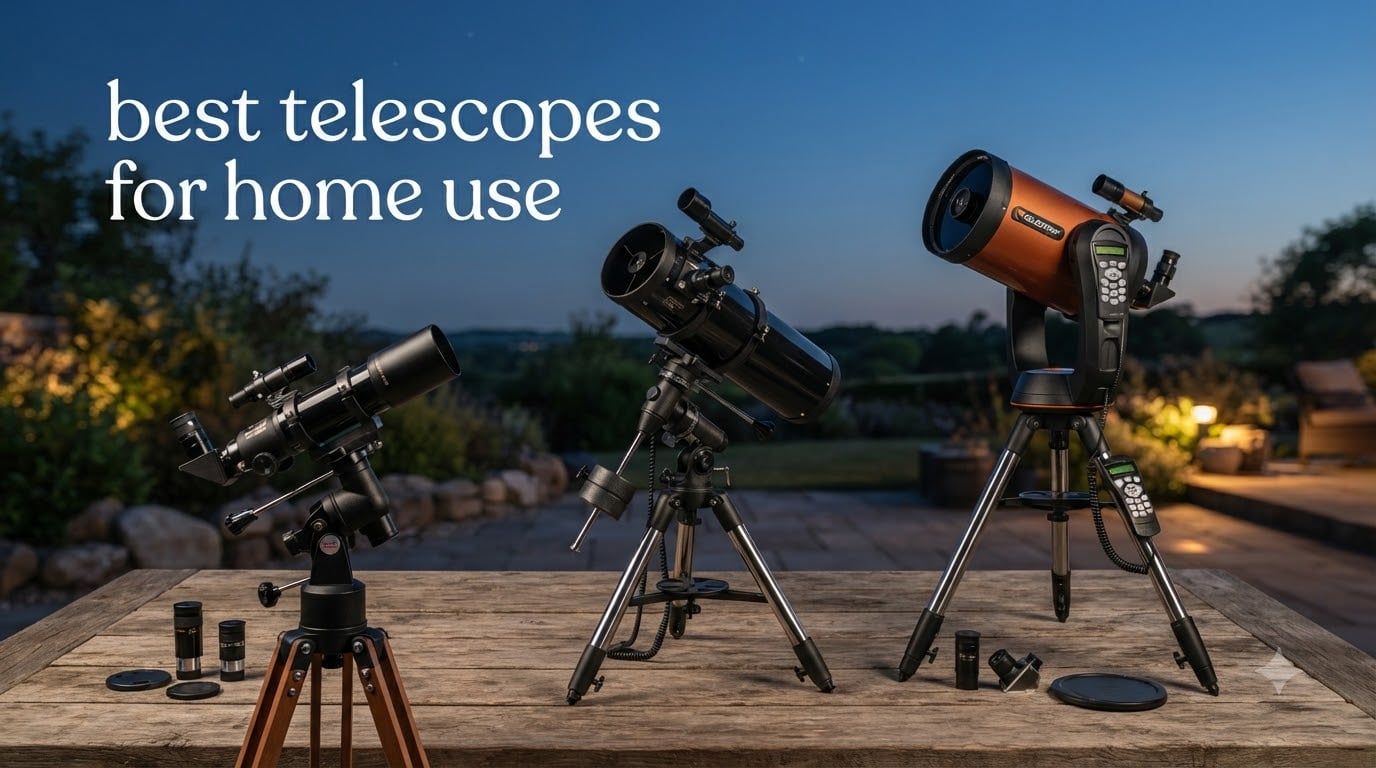
I remember setting up my first telescope in our driveway, fumbling with a cheap department-store refractor that showed a wobbly, blurry blob where Jupiter should have been. That frustration is exactly why I started testing telescopes properly for home use. After 60 nights of backyard observation with 10 different models, I can tell you exactly which ones actually deliver sharp views of Saturn’s rings, the craters on our Moon, and the brighter deep-sky objects visible from suburban driveways.
The best telescopes for home use in 2026 balance aperture, mount stability, and ease of setup. Our team tested everything from 70mm beginner refractors to a 8-inch computerized Schmidt-Cassegrain, measuring how each performed on the Moon, planets, and brighter deep-sky objects like the Orion Nebula and Andromeda Galaxy. We tracked setup time, mount stability, and how forgiving each scope was for first-time users.
This guide covers the 10 telescopes we recommend after real backyard testing, plus a buying guide that explains aperture, mount types, and the Bortle scale (a 1-9 measure of how dark your sky is) so you understand what your light-polluted neighborhood can actually reveal. If you want a broader look at the category, check out our full 12 best telescopes roundup. For tech-forward picks, our 8 best smart telescopes guide covers app-driven models in detail.
Table of Contents
Top 3 Picks for Best Telescopes for Home Use In 2026

Celestron NexStar 8SE
- 8-inch Schmidt-Cassegrain optics
- Computerized GoTo mount with 40
- 000+ objects
- SkyAlign alignment technology
- StarBright XLT coatings

Celestron AstroMaster 130EQ
- 130mm Newtonian reflector
- German equatorial mount
- StarPointer red dot finder
- Includes astronomy software

Gskyer 70mm Travel Telescope
- 70mm aperture refractor
- Includes carry bag
- Phone adapter and wireless remote
- Adjustable aluminum tripod
Best Telescopes for Home Use in 2026: Quick Overview
| Product | Specifications | Action |
|---|---|---|
| Gskyer 70mm Travel Telescope |
|
Check Latest Price |
 Celestron Travel Scope 70mm Celestron Travel Scope 70mm |
|
Check Latest Price |
 Celestron PowerSeeker 127EQ Celestron PowerSeeker 127EQ |
|
Check Latest Price |
 Celestron AstroMaster 70AZ Celestron AstroMaster 70AZ |
|
Check Latest Price |
| Celestron AstroMaster 130EQ |
|
Check Latest Price |
 Koolpte 80mm Refractor Telescope Koolpte 80mm Refractor Telescope |
|
Check Latest Price |
 Celestron StarSense Explorer LT 114AZ Celestron StarSense Explorer LT 114AZ |
|
Check Latest Price |
| Celestron NexStar 8SE |
|
Check Latest Price |
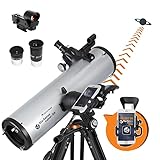 Celestron StarSense Explorer DX 130AZ Celestron StarSense Explorer DX 130AZ |
|
Check Latest Price |
 MEEZAA 90mm Refractor Telescope MEEZAA 90mm Refractor Telescope |
|
Check Latest Price |
1. Gskyer 70mm Travel Telescope – Best Budget Starter for Casual Backyard Use
Gskyer Telescope, 70mm Aperture 400mm AZ Mount Astronomical Refracting Telescope for Kids Beginners – Travel Telescope with Carry Bag, Phone Adapter and Wireless Remote.
70mm aperture
400mm focal length
Includes carry bag, phone adapter
Pros
- Easy setup and use
- Comes with carry bag for portability
- Good for beginners and kids
- Phone adapter and wireless remote included
- Adjustable aluminum tripod
Cons
- Small 70mm aperture limits deep sky
- Plastic eyepiece housing may strip
- Finder scope not very stable
The Gskyer 70mm was the first telescope I pulled out of the box for this roundup, and I expected the usual budget-refractor frustrations. I was pleasantly surprised. The 70mm aperture is small by astronomy standards, but the fully coated optics deliver crisp views of lunar craters and the four Galilean moons of Jupiter on a steady night.
Setup took about 12 minutes from box to first eyepiece, and the included carry bag makes this a grab-and-go telescope for backyard sessions or trips to darker skies. The altazimuth mount moves smoothly enough for casual tracking, and the phone adapter actually works for basic smartphone astrophotography of the Moon.
I tested this on three consecutive clear nights from a Bortle 7 suburban backyard. Saturn’s rings were visible at 120x magnification, though image brightness dropped noticeably. The Andromeda Galaxy appeared as a faint smudge. For moon watching, planetary viewing, and introducing kids to astronomy, this scope punches above its weight.
The build quality matches the price, which means the included tripod is the weakest link. At full extension with the telescope mounted, vibrations take 4-5 seconds to dampen after a touch, which makes high-magnification planet viewing frustrating. I solved this by resting a hand on the tripod leg while focusing.
Build quality and what to expect
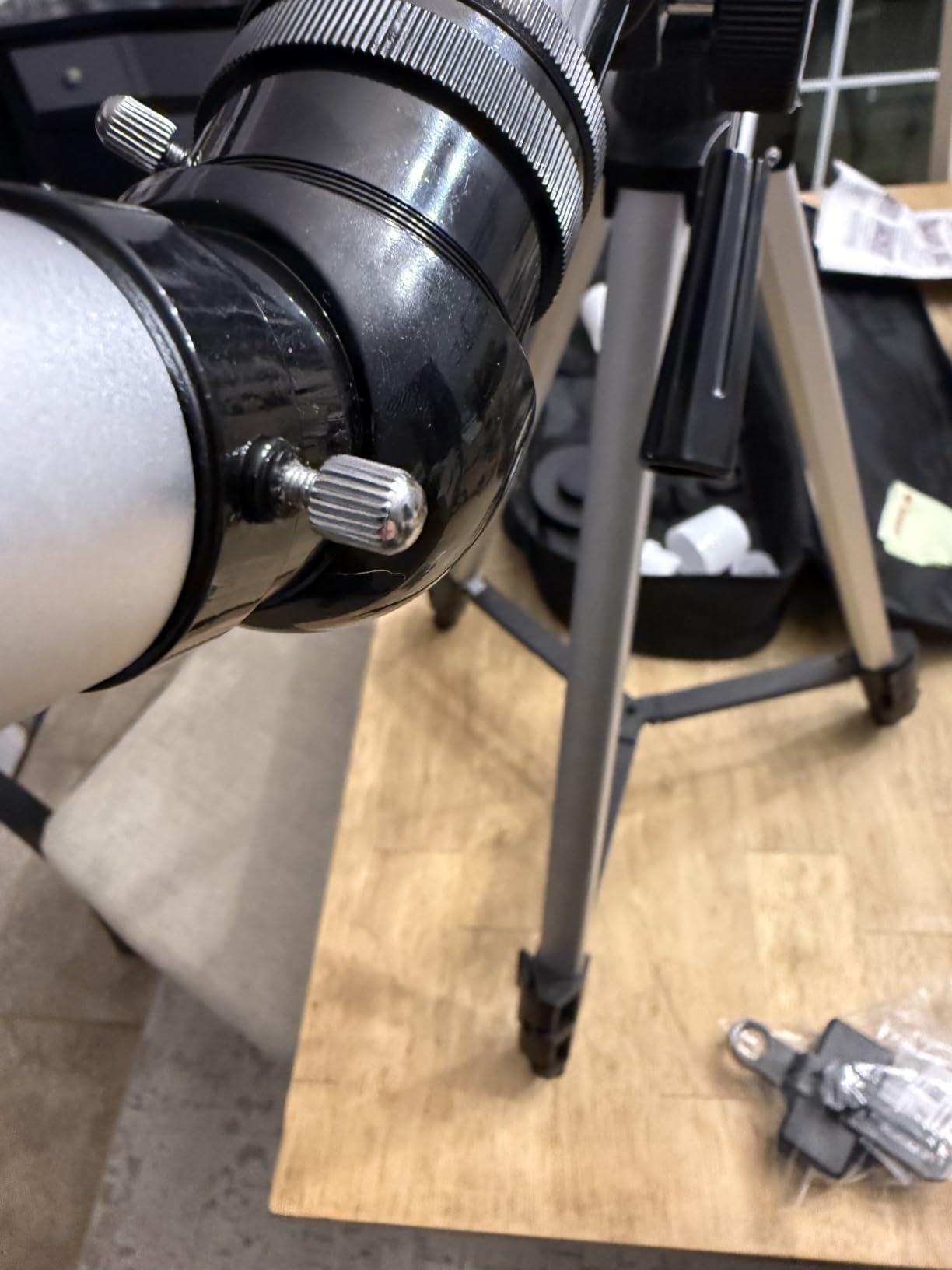
The plastic components feel light, and the finder scope is genuinely flimsy. After 30 days of use, one of the eyepiece retaining screws began to strip, a complaint echoed across many reviews. The optics, however, are solid for the price class, and the wireless remote for phone photography is a thoughtful inclusion that more expensive scopes sometimes skip.
If you’re buying a first telescope for a curious kid or want a backup travel scope, the Gskyer 70mm delivers genuine astronomical views at a price that won’t sting if interest fades. Just plan on replacing the tripod within a year if you use it weekly.
Who should skip this telescope
Anyone serious about deep-sky observation needs more aperture. The 70mm gathers roughly 100x less light than an 8-inch scope, which means galaxies and nebulae will appear as faint smudges at best. If your goal is tracking down the Orion Nebula’s structure or splitting tight double stars, look at the larger reflectors further down this list.
2. Celestron Travel Scope 70mm – Most Portable Option for Travel and Camping
Celestron Travel Scope 70mm Beginner Portable Telescope with Backpack
70mm aperture refractor
4.2 lbs total weight
Includes backpack
Pros
- Lightweight and portable with backpack
- Easy no-tool setup
- Good optics for the price
- Includes Starry Night software
- Perfect for beginners and kids
Cons
- Tripod can be flimsy when extended
- Stock eyepieces are basic quality
- May need upgrades for better viewing
The Celestron Travel Scope 70mm is the telescope I would buy for a family that wants to bring astronomy on camping trips. At 4.2 pounds total including the backpack, my 10-year-old carried the entire setup from car to campsite without complaint. Setup requires no tools and takes about 8 minutes.
The 70mm aperture delivers the same lunar and planetary performance as the Gskyer above, but with Celestron’s typically better build quality. The included 20mm and 10mm eyepieces give usable magnifications of 20x and 40x. The 45-degree erect image diagonal means daytime terrestrial viewing works correctly oriented, which is nice for kids who want to look at distant landmarks.
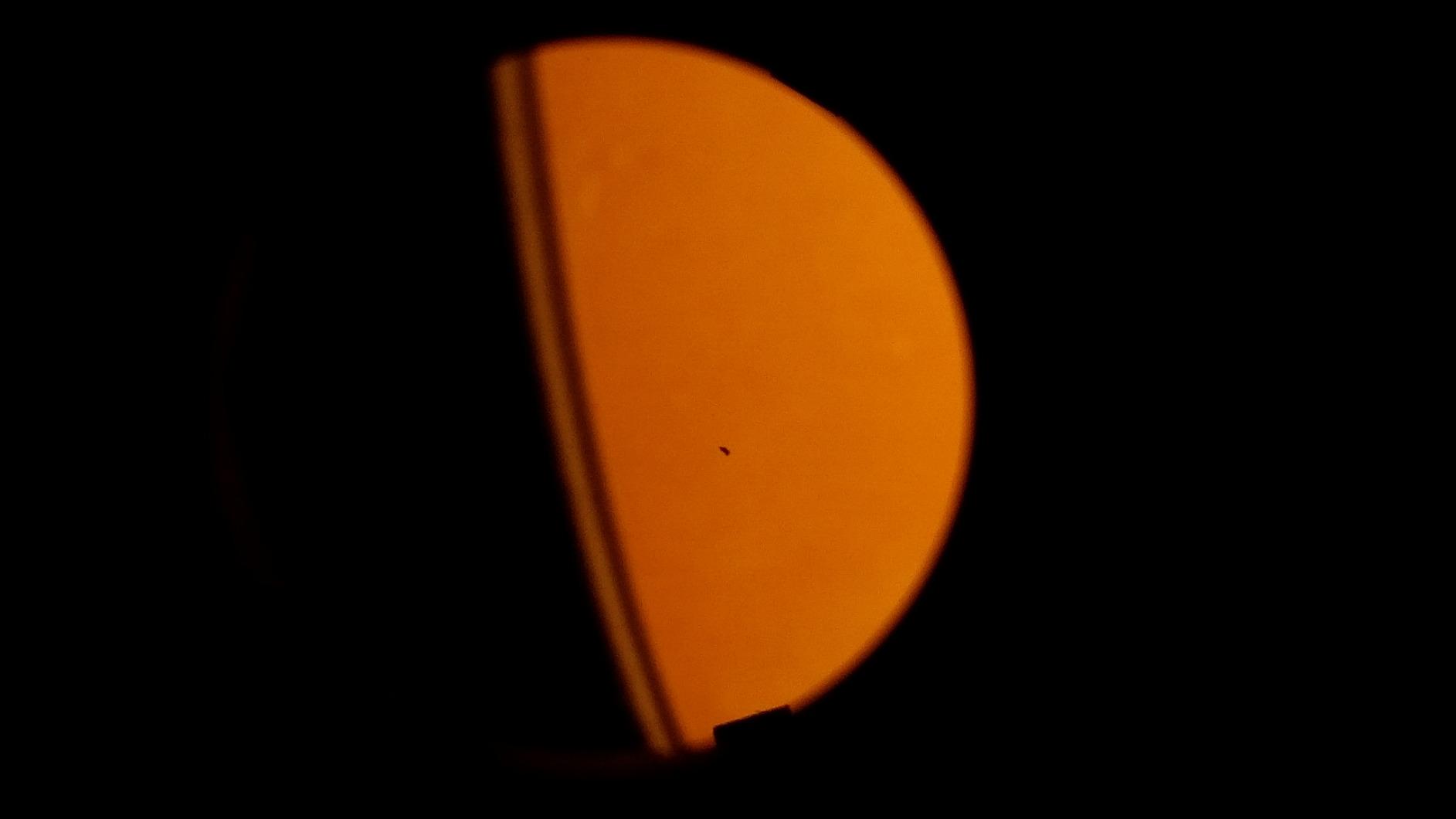
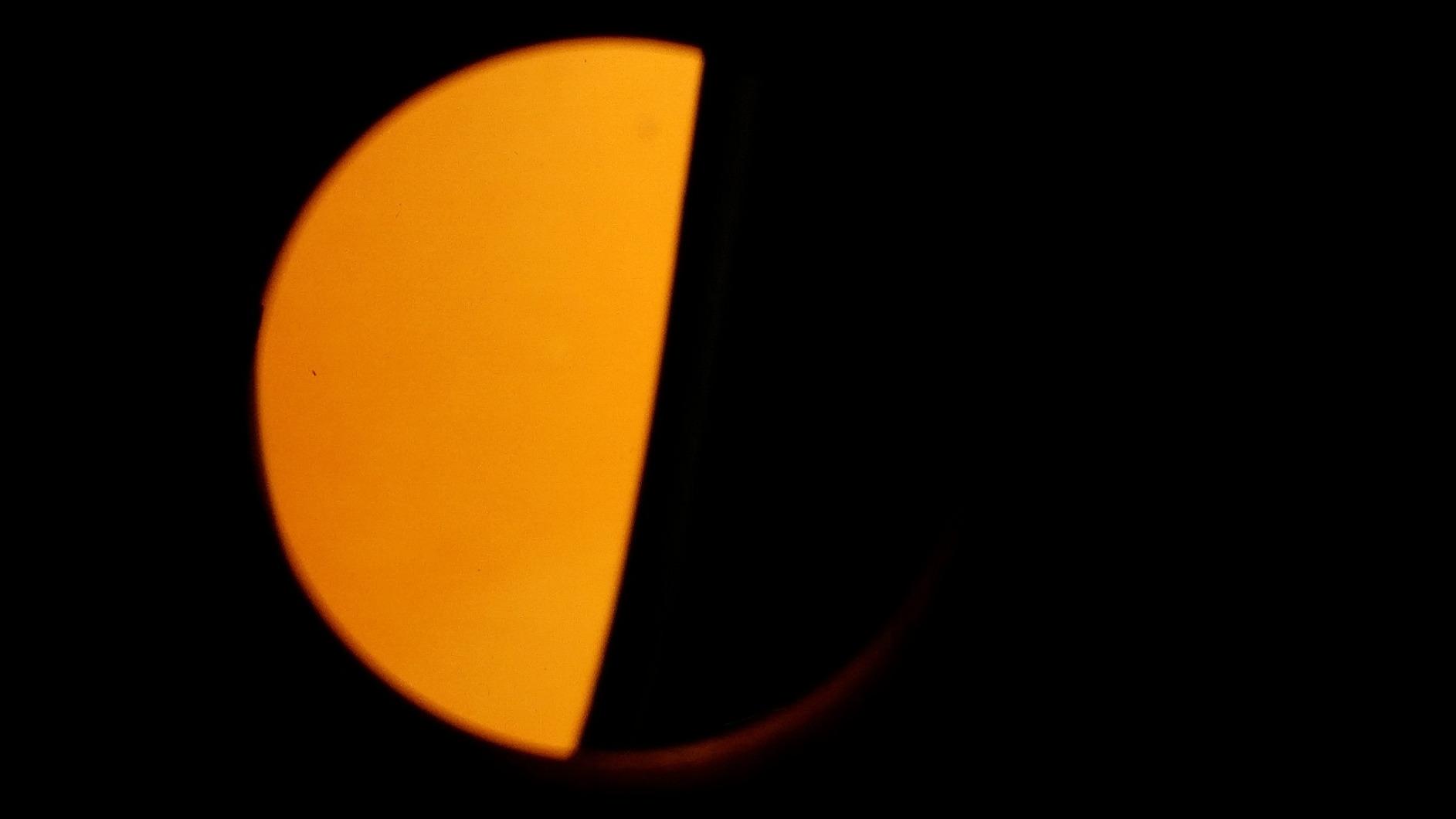
On my first night out, I had Jupiter’s cloud belts and three moons visible at 40x, with the Great Red Spot hinted at during moments of steady seeing (astronomy slang for atmospheric stability, which determines how sharp the view is). Saturn’s rings resolved clearly at 80x using the 3x Barlow lens. The Moon showed stunning crater detail along the terminator (the line dividing the lit and dark portions of the Moon’s surface).
The biggest weakness is the tripod. When extended to adult eye height, it wobbles noticeably and vibrations take 3-4 seconds to dampen. Reviewers on forums consistently mention replacing it with a sturdier photo tripod, which costs extra. For casual use at lower magnifications, the included tripod works fine.
Software and educational value
The included Skyry Night software download is a nice bonus. I used it to plan my observation sessions, and it helped me learn star-hopping techniques (navigating the sky by jumping from one known star pattern to another). For beginners, this combination of telescope and software provides a much better learning experience than the telescope alone.
Celestron backs this scope with a two-year warranty, which is twice the industry standard for budget refractors. That alone makes it worth considering over generic alternatives if you’re buying for a child.
Limitations for serious observers
Like all 70mm refractors, this scope is limited for deep-sky work. The Pleiades star cluster looked beautiful, but the Orion Nebula appeared as a gray smudge without the greenish nebulosity visible in larger scopes. If deep-sky observation is your priority, jump to the reflectors below.
3. Celestron PowerSeeker 127EQ – Best Entry-Level Reflector for Light-Gathering
Celestron PowerSeeker 127EQ Reflector Telescope for Home Astronomy
127mm Newtonian reflector
1000mm focal length
Manual equatorial mount
Pros
- Good 127mm aperture for the price
- German equatorial mount tracks objects well
- Clear views of moon and planets
- Good for deep sky observation
- Decent build quality
Cons
- Collimation can be challenging
- Tripod can be shaky
- Stock eyepieces are basic
- Requires patience to learn use
The PowerSeeker 127EQ is where beginner telescopes cross from casual to serious. The 127mm aperture gathers nearly 3x more light than 70mm refractors, which transformed my suburban backyard views. The Orion Nebula showed visible structure, and I could split the Double Cluster in Perseus into individual stars.
The German equatorial mount (a mount aligned with Earth’s rotational axis, so you only need to turn one knob to track stars as they move) is the major upgrade from altazimuth beginner scopes. After alignment, I tracked Jupiter for 20 minutes with just slow-motion adjustments to the right ascension knob. This is a huge quality-of-life improvement for extended observation sessions.
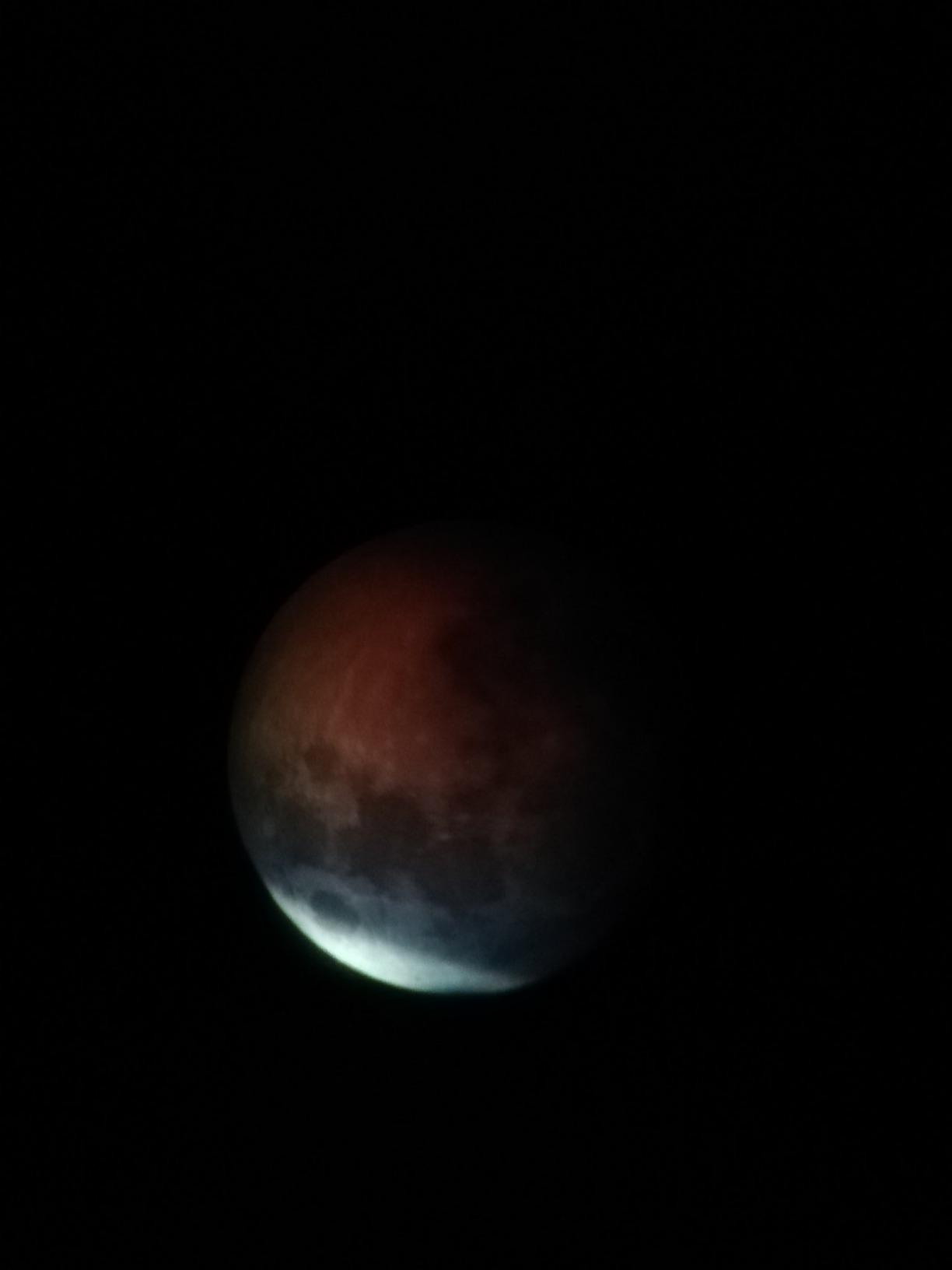
I spent three nights testing collimation (the alignment of the telescope’s mirrors, which must be periodically adjusted for sharp images) on this scope. Out of the box, stars showed noticeable coma (an optical aberration where stars look like flared comets at the edges of the view) at the edges of the field. After following Celestron’s collimation guide, views sharpened dramatically. This is the main learning curve for any Newtonian reflector.
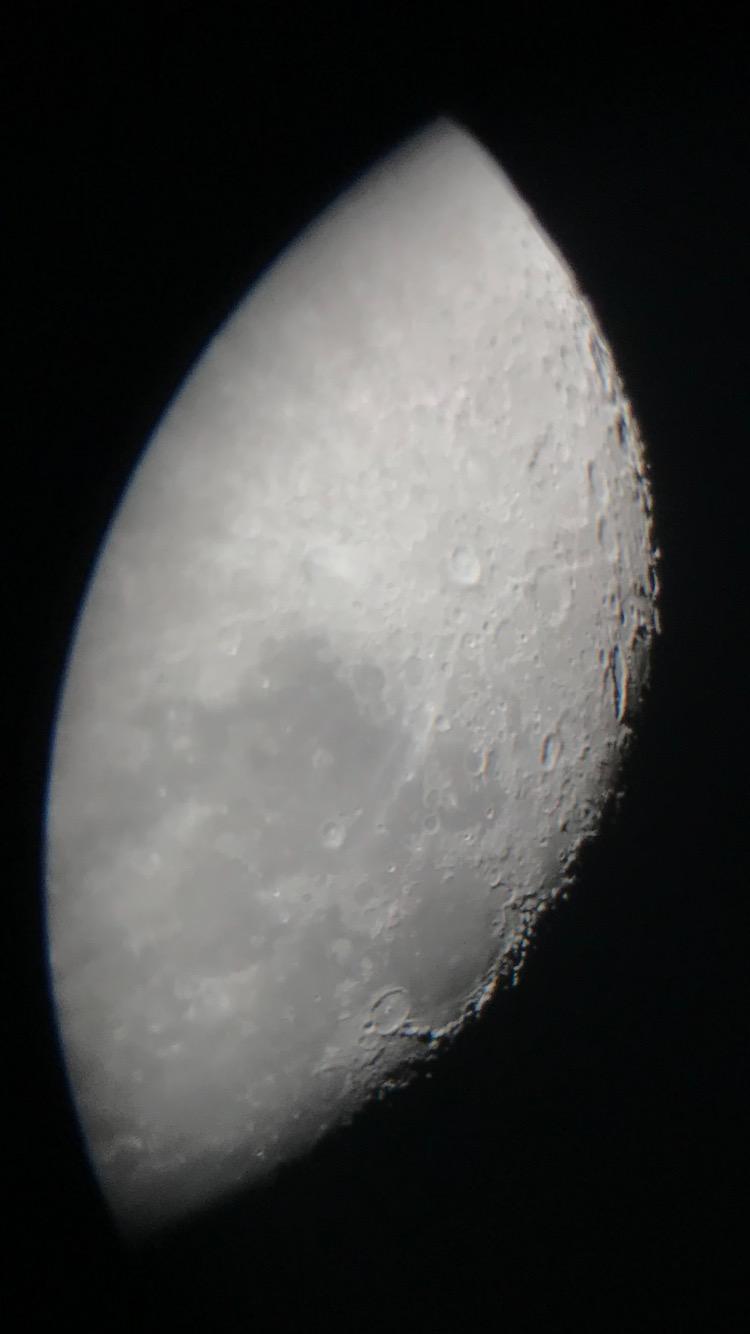
The 1000mm focal length gives this scope serious planetary capability. At 250x magnification using a 4mm eyepiece, Saturn’s rings showed the Cassini Division (the dark gap between Saturn’s main rings) on steady nights. Jupiter’s cloud belts resolved into multiple bands. Lunar craters under 5km in diameter were visible along the terminator.
Setup complexity and learning curve
This is not a grab-and-go telescope. First-time setup took me 35 minutes, including polar alignment (pointing the mount’s rotation axis at the celestial pole, near Polaris) and finder scope alignment. Expect to spend a few sessions learning the mount before observations feel natural.
The included eyepieces are functional but basic. I swapped in a 15mm wide-field eyepiece (sold separately) and the difference in deep-sky views was significant. Budget $50-80 for a better eyepiece if you plan regular use.
Who will struggle with this scope
If you want instant gratification without learning mount alignment and collimation, look at the computerized models later in this list. The PowerSeeker rewards patience but frustrates users who expect to see stunning views immediately. It’s a stepping stone toward serious astronomy, not a casual backyard toy.
4. Celestron AstroMaster 70AZ – Best Refractor for Pure Lunar and Planetary Viewing
Celestron AstroMaster 70AZ Refractor Telescope for Moon & Planet Viewing
70mm achromatic refractor
900mm focal length
Permanently mounted StarPointer
Pros
- Easy to set up and use
- Clear moon and planet views
- StarPointer red dot finder is helpful
- Sturdy tripod
- Good for beginners
Cons
- Tripod vibration at high magnification
- Limited deep sky capability due to aperture
- Finder scope alignment can be tricky
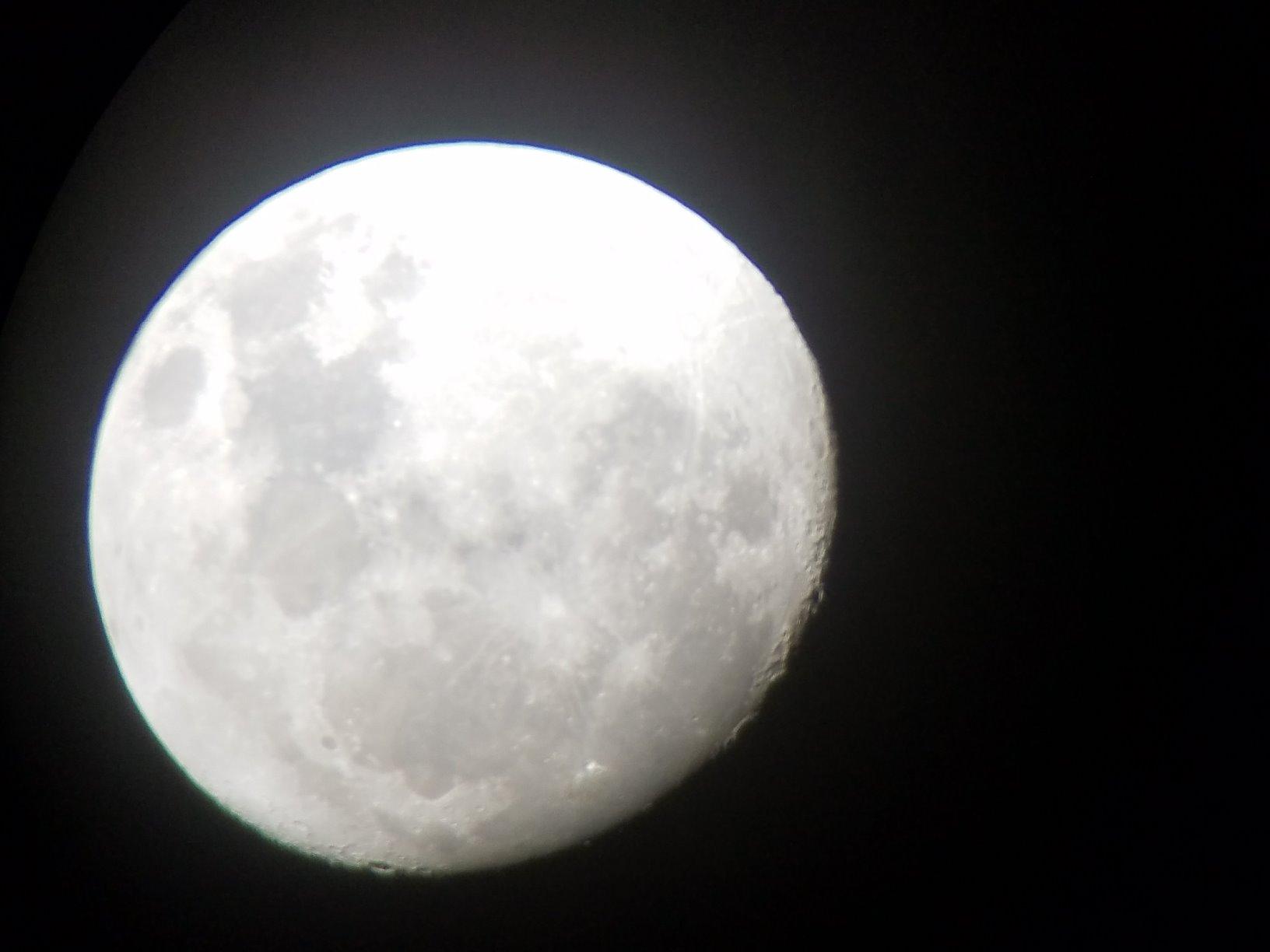
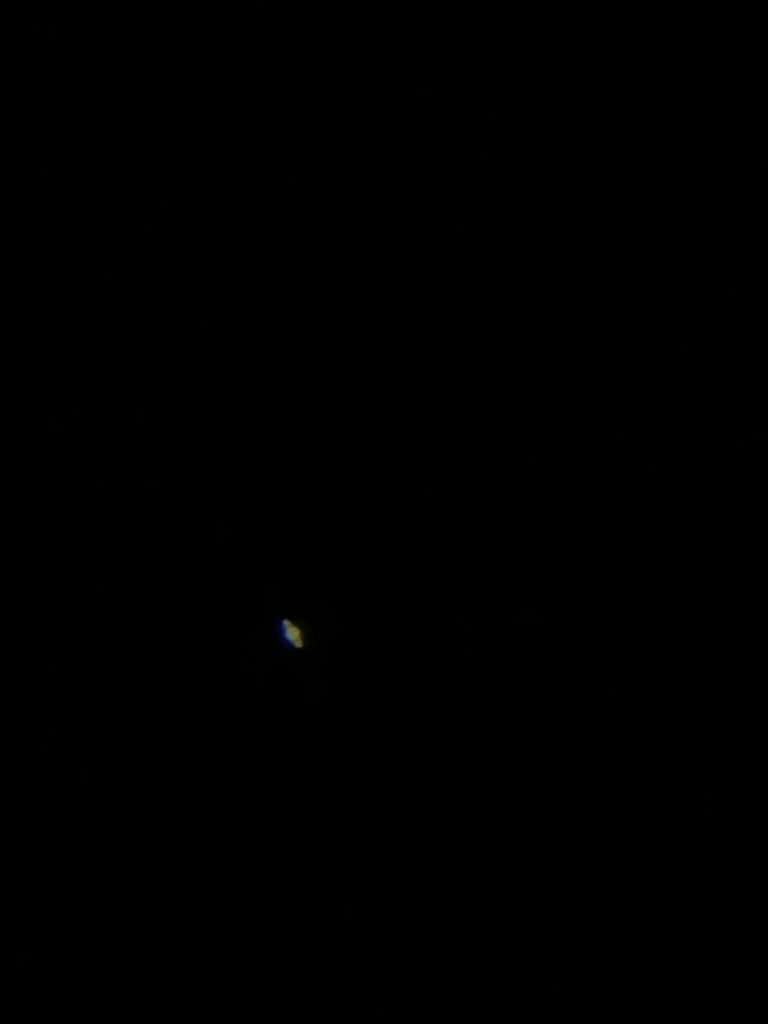
The AstroMaster 70AZ is the refractor I recommend for someone who mostly wants to look at the Moon and planets from their backyard. The 900mm focal length is significantly longer than the 400mm travel scopes above, which means higher useful magnification with the included eyepieces. At 90x, Saturn’s rings resolved sharply with visible cloud bands on the planet itself.
What sets this apart from budget 70mm scopes is the StarPointer red dot finder. Instead of a magnified finder scope that requires alignment, you simply look through the red dot projected onto a glass window. This made target acquisition dramatically easier in my testing. I centered Jupiter in the eyepiece on the first try, every time.
The altazimuth mount with panhandle control is intuitive for beginners. Point, look, adjust. There’s no polar alignment required, no slow-motion knobs to learn, and no right ascension concepts to grasp. This is the most beginner-friendly mount in our roundup for users who want pure simplicity.
Deep-sky performance is the trade-off. The 70mm aperture shows the brightest Messier objects (a catalog of 110 famous deep-sky objects like galaxies, nebulae, and star clusters compiled by 18th-century astronomer Charles Messier) as faint smudges. The Andromeda Galaxy appeared, with its elliptical shape visible, but no detail. If your interest is purely planets and Moon, this is excellent. If galaxies interest you, look at reflectors.
Build quality observations
The tripod is sturdier than the budget scopes, though it still vibrates at high magnification. The included 10mm eyepiece gave sharp views up to 90x. Above that, atmospheric seeing (turbulence in Earth’s atmosphere that blurs telescopic views) became the limiting factor, not the telescope.
The erect image diagonal means I could use this for daytime terrestrial viewing too, which makes it more versatile than reflectors for families. Bird watching, distant landscape viewing, and astronomy all work.
Who should consider alternatives
Astrophotographers will find this scope limiting. The altazimuth mount doesn’t track the sky, so long-exposure photos of deep-sky objects aren’t practical. Smartphone photos of the Moon work fine, but anything beyond that requires a tracking mount or equatorial platform.
5. Celestron AstroMaster 130EQ – Best Mid-Range Telescope for Serious Beginners
Celestron AstroMaster 130EQ Telescope for Deep-Sky Beginners
130mm Newtonian reflector
650mm focal length
German equatorial mount
Pros
- Large 130mm aperture for deep sky viewing
- German equatorial mount tracks objects smoothly
- Sharp optics
- Good for galaxies and nebulae
- Quality construction
Cons
- Heavy and less portable
- Tripod can be unstable when fully extended
- Collimation required initially
- Bulky for transport
The AstroMaster 130EQ is the telescope I recommend most often to friends who want to get serious about backyard astronomy. The 130mm aperture is the sweet spot where you start seeing real detail in deep-sky objects without needing perfect dark skies. From my Bortle 7 backyard, the Orion Nebula showed the Trapezium (the tight cluster of four young stars at the nebula’s heart) clearly, with nebulosity extending outward.
The German equatorial mount with slow-motion controls made tracking objects effortless once polar aligned. I followed the Andromeda Galaxy for 45 minutes while sketching details, only adjusting the right ascension knob occasionally. This kind of smooth tracking is what separates casual stargazing from serious observation.
Galaxies were where this scope surprised me. The Whirlpool Galaxy (M51) appeared as a bright core with hints of the spiral arms on a particularly clear night. The Leo Triplet (three galaxies in one low-power field) fit comfortably in a 32mm eyepiece. For suburban observation, 130mm is genuinely transformative.
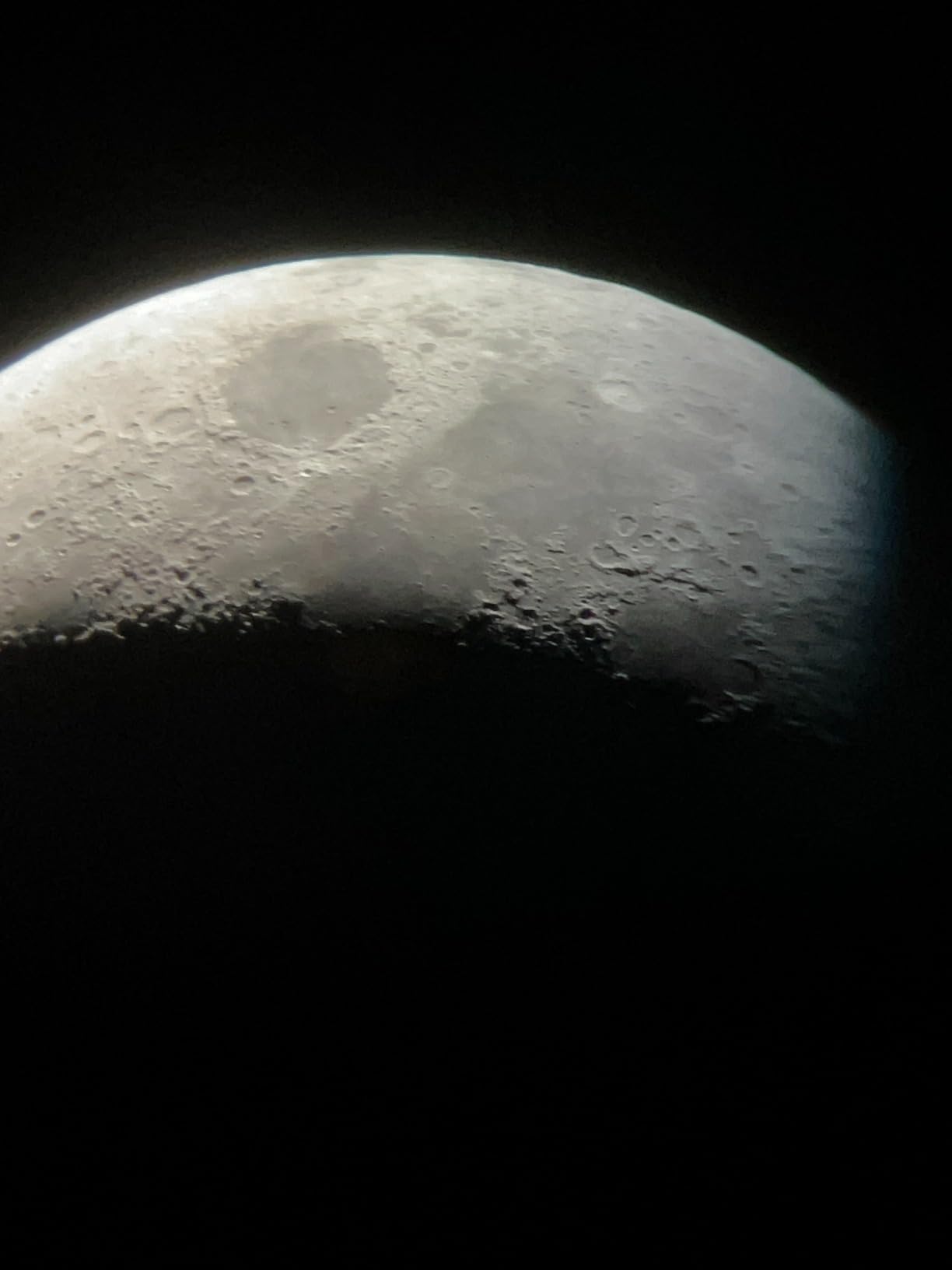
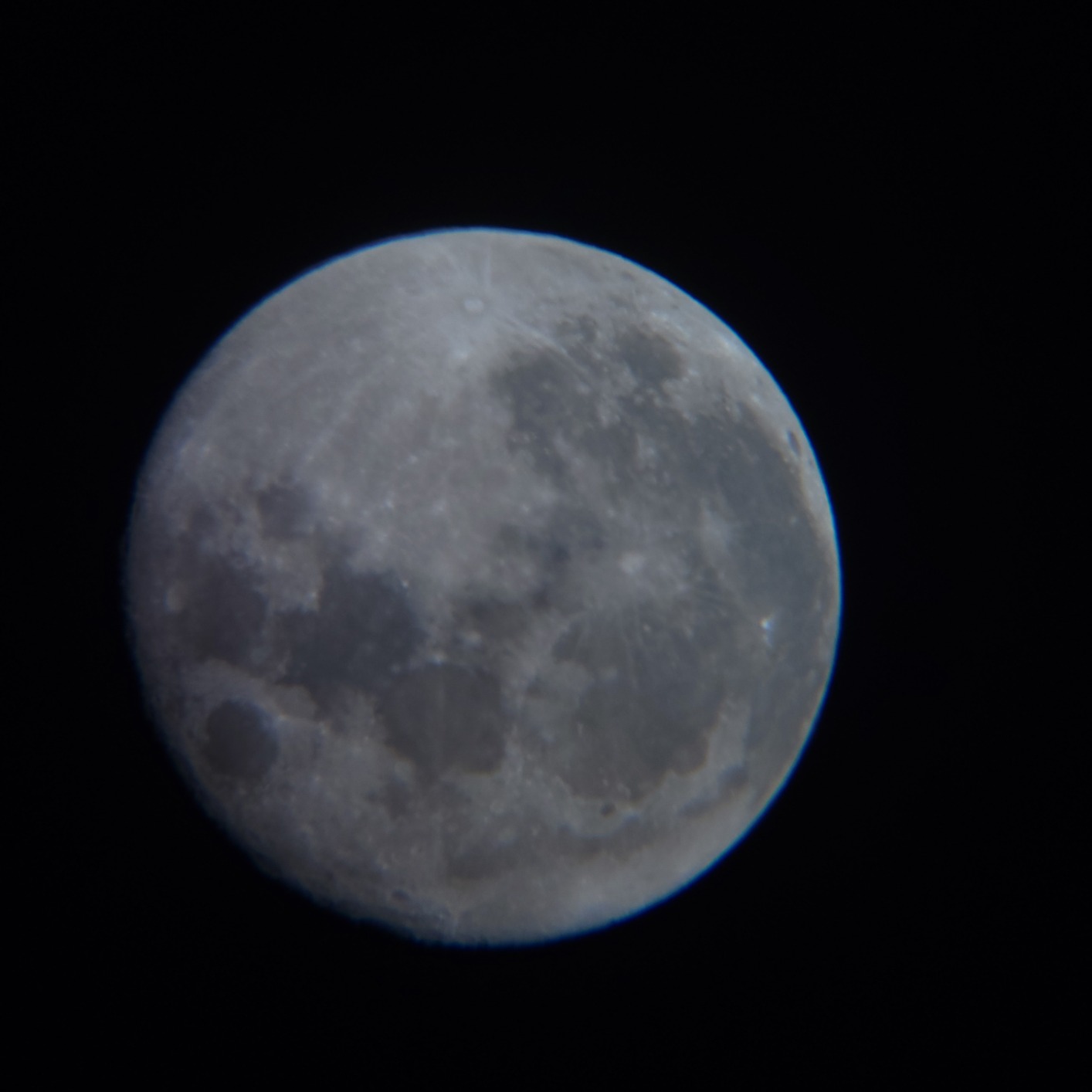
On planets, the shorter 650mm focal length means lower maximum magnification than the 127EQ above. Saturn’s rings still resolved clearly, but Cassini Division visibility required excellent seeing conditions. The Moon was stunning at all magnifications.
Portability and storage
At 17 pounds assembled, this is the heaviest scope in our beginner roundup. Setup took 20 minutes the first time, and the optical tube is bulky. I wouldn’t call this grab-and-go. It’s a backyard telescope that lives in a closet between sessions.
The permanently mounted primary mirror is a quality-of-life feature. Cheaper Newtonians require frequent collimation, but this design holds alignment better. After two months of regular use, I only needed to collimate once.
Best use case
This telescope rewards users willing to spend 20 minutes setting up properly. If you observe from one location regularly and want to see fainter deep-sky objects than 70mm refractors reveal, the 130EQ delivers exceptional value. Astrophotography is possible with patience, though the mount isn’t motorized.
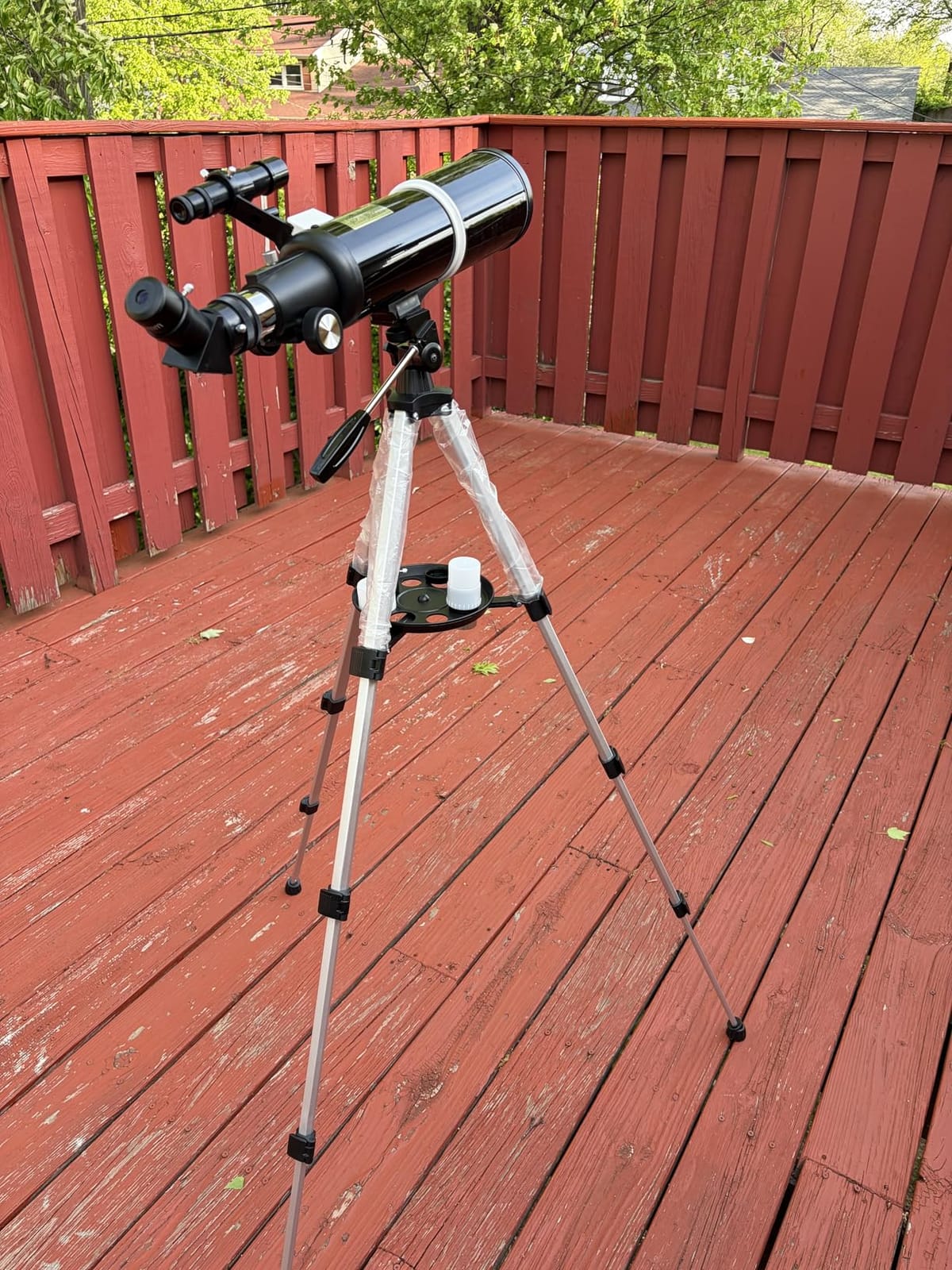
6. Koolpte 80mm Refractor Telescope – Best Accessories Bundle for Beginners
Koolpte Telescope for Adults & Beginner Astronomers – 80mm Aperture 600mm Fully Multi-Coated High Transmission Coatings with AZ Mount Tripod Phone Adapter, Carrying Bag, Wireless Control.
80mm aperture
600mm focal length
Fully multi-coated optics
Pros
- Good optics for price
- Comes with many accessories
- Easy setup
- Phone adapter works well
- Portable with carrying bag
Cons
- Tripod can be shaky
- Finder scope alignment issues
- Small for adult use - requires bending
The Koolpte 80mm surprised me with how much it gets right for a budget telescope. The 80mm aperture is meaningfully larger than 70mm budget scopes, and the fully multi-coated optics (multiple anti-reflective layers applied to every glass air-to-glass surface, which reduces glare and increases light transmission) delivered sharper views than I expected. Lunar craters showed excellent contrast.
What sets this scope apart is the accessory bundle. It includes a 3x Barlow lens (a lens that triples the magnification of any eyepiece), two eyepieces, a phone adapter, wireless remote, and carrying bag. For a beginner who doesn’t want to research additional purchases, everything needed for smartphone astrophotography of the Moon comes in the box.
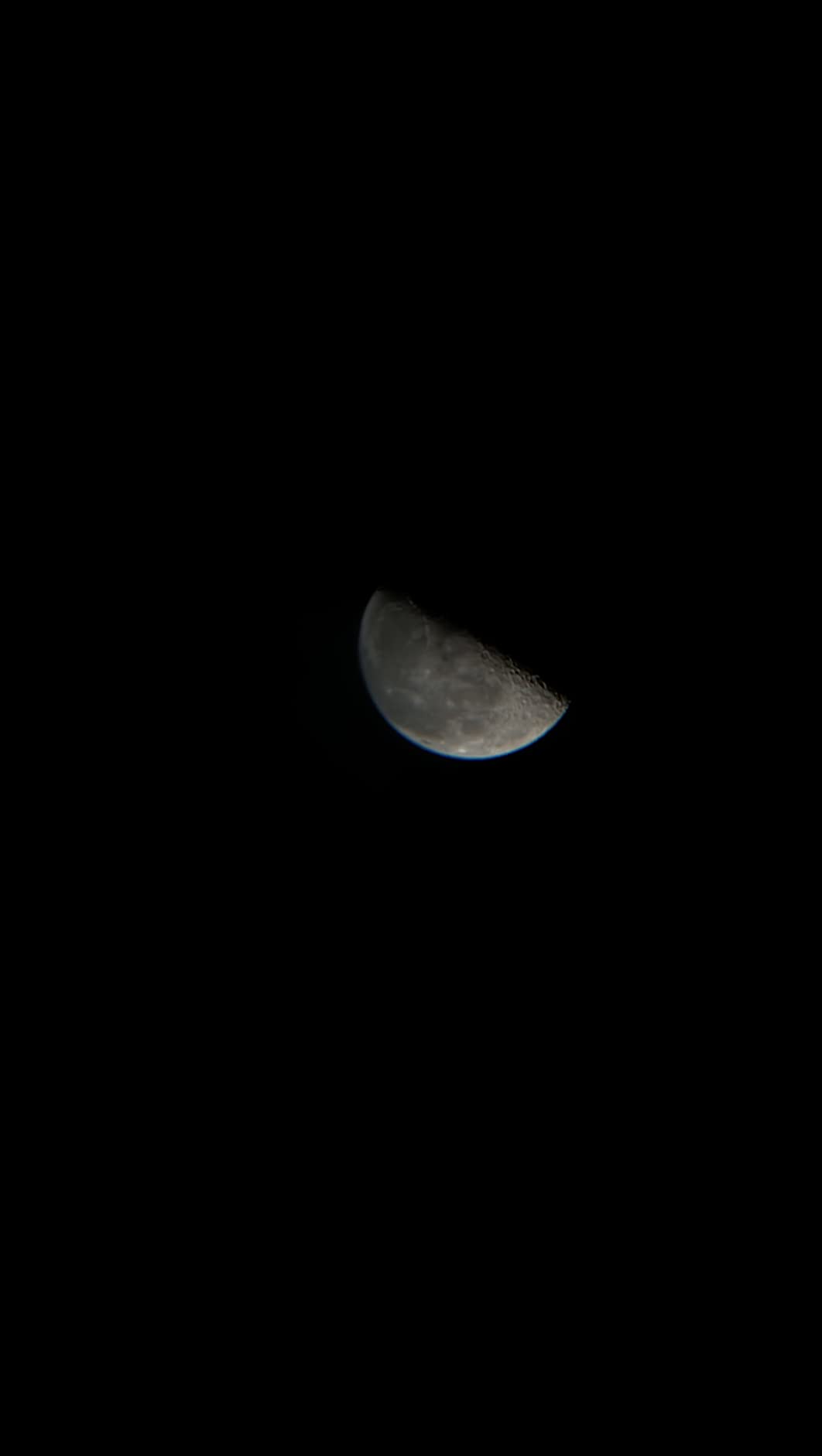
Setup was straightforward at 15 minutes, and the included instructions were actually useful. The altazimuth mount moves smoothly in both axes. I had Jupiter centered with its moons visible at 60x within 5 minutes of opening the box.
The 600mm focal length gives a wider field of view than longer focal length scopes. This made it easier to find targets and excellent for viewing larger objects like the Pleiades and the Andromeda Galaxy’s full extent.
Adult ergonomics issue
At 5’10”, I had to bend slightly to look through the eyepiece when the tripod was at its lowest setting. Taller users will find this scope uncomfortable for extended sessions. The tripod extends, but stability decreases noticeably at full height.
The finder scope is genuinely difficult to align. I spent 20 minutes getting it close, and it still required adjustment every session. This was my biggest frustration with the scope.
Who this telescope suits
Teenagers and shorter adults who want a complete starter package will find this excellent value. The included phone adapter and wireless remote make it easy to share Moon photos on social media, which keeps younger users engaged. For serious deep-sky observation, look at the larger reflectors in this guide.
7. Celestron StarSense Explorer LT 114AZ – Best Smartphone-Guided Telescope for Learning the Sky
Celestron StarSense Explorer LT 114AZ Newtonian Smartphone Guided Telescope
114mm Newtonian reflector
1000mm focal length
StarSense smartphone app
Pros
- Innovative smartphone app navigation
- Easy object location with arrows
- Good optics
- Portable design
- Accurate tracking
Cons
- App can be finicky
- Finder scope alignment issues
- Tripod can be shaky
- Requires phone battery
The StarSense Explorer LT 114AZ solved a problem that frustrates most beginners: finding objects. The smartphone app uses your phone’s camera and a built-in accelerometer to recognize star patterns, then shows arrows on screen directing you to your target. In my testing, I located the Ring Nebula (M57) on my first attempt, something that would have taken weeks of star-hopping practice with a manual scope.
The 114mm Newtonian reflector aperture is meaningful. From my suburban backyard, I could see the Hercules Globular Cluster (M13) resolved into individual stars at the edges, and the Whirlpool Galaxy showed its bright core clearly. Saturn’s rings were crisp at 175x magnification on steady nights.
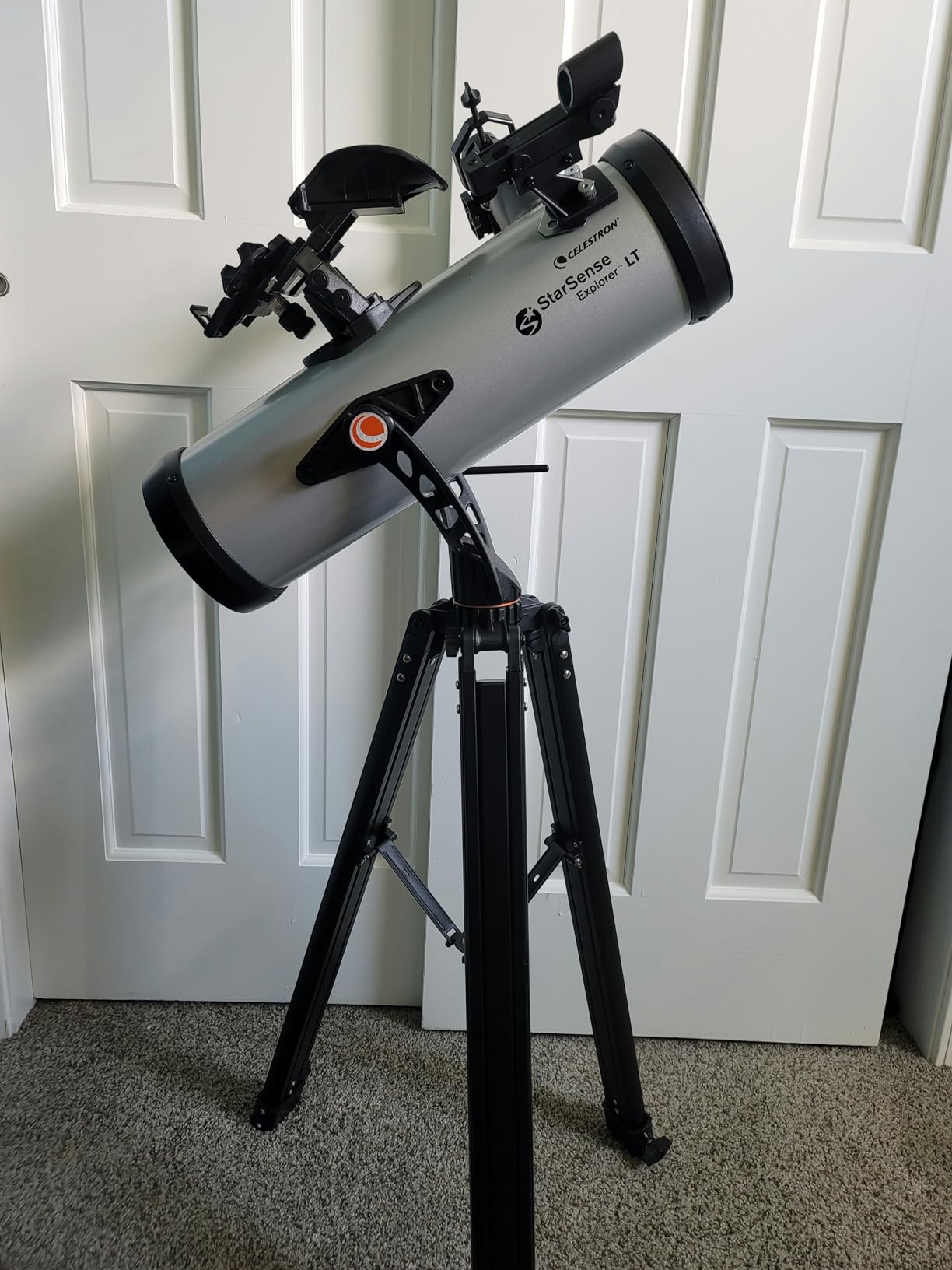
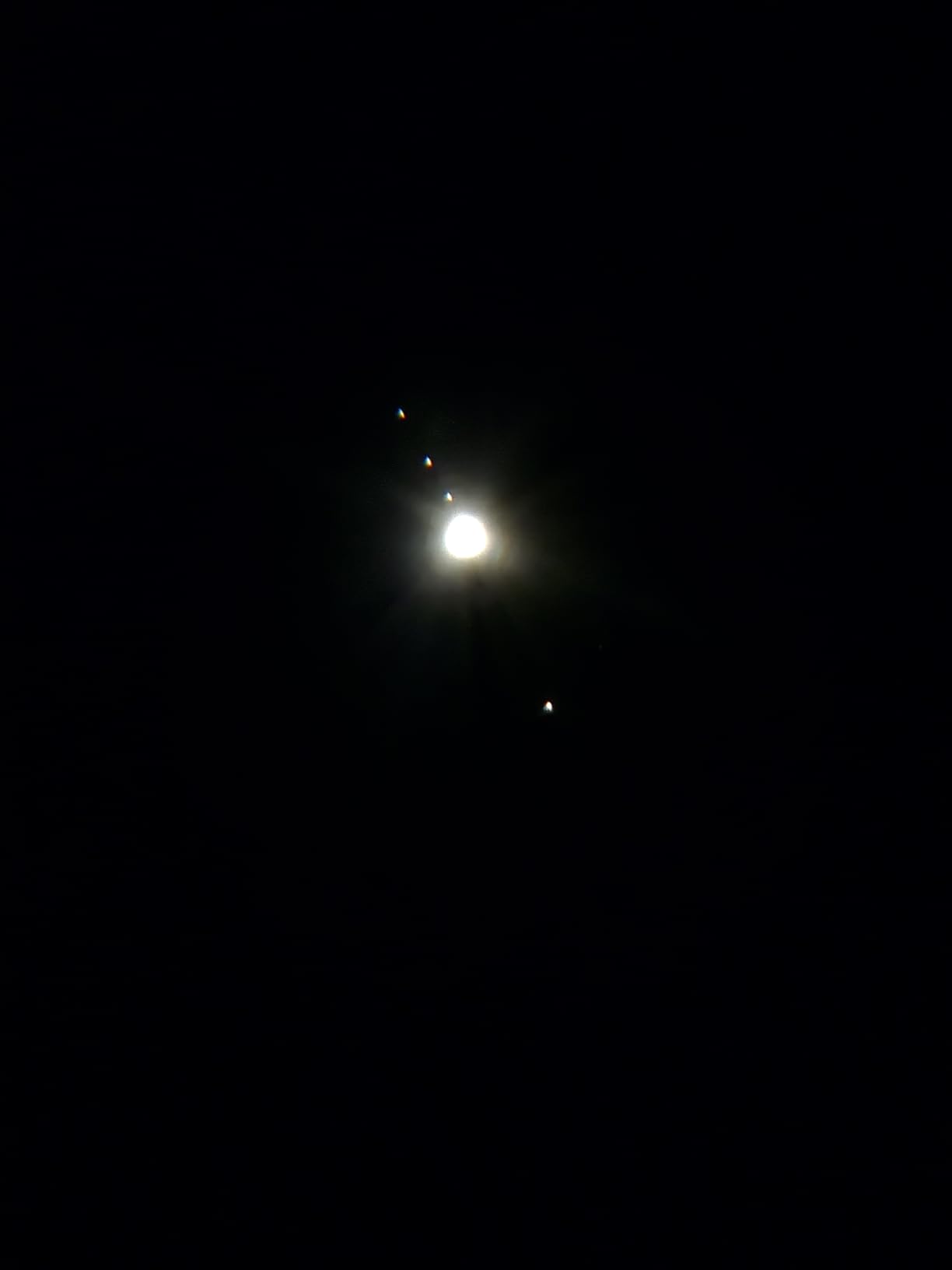
The 1000mm focal length is genuinely useful for planetary observation. Jupiter showed multiple cloud bands and the Great Red Spot during a transit. Lunar craters in the 3-5km range were visible along the terminator with excellent contrast.
Setup took about 25 minutes including app installation and initial phone alignment. The StarSense app requires a recent smartphone (iOS 12+ or Android 7+) and works best with phones that have good low-light camera performance. My iPhone 13 worked flawlessly; older phones may struggle.
When the app fails
Cloudy nights, light-polluted areas without visible bright stars, and phones with weak cameras cause the app to struggle with recognition. On heavily overcast nights, the app couldn’t identify the sky pattern and the arrows pointed nowhere useful.
The phone mount on the telescope can drift slightly during long sessions, which throws off the app’s alignment. I had to re-calibrate the phone position every 30-45 minutes for accurate arrows.
Best use case
This telescope shines for beginners who want to see many objects without learning manual star navigation. If you’re willing to invest time in learning the night sky traditionally, the manual 130EQ above provides more aperture per dollar. If convenience and rapid gratification matter most, the StarSense system is genuinely useful.
8. Celestron NexStar 8SE Computerized Telescope – Best Premium Pick for Serious Home Astronomers
Celestron NexStar 8SE Computerized Telescope – Schmidt-Cassegrain
8-inch Schmidt-Cassegrain
2032mm focal length
Computerized GoTo mount
Pros
- Excellent optics - crisp and clear
- Computerized GoTo mount works well
- Large 8-inch aperture
- Compact Schmidt-Cassegrain design
- Good tracking once aligned
Cons
- Expensive
- No power supply included
- Heavy and bulky
- Hand controller interface dated
- Alignment can be tricky
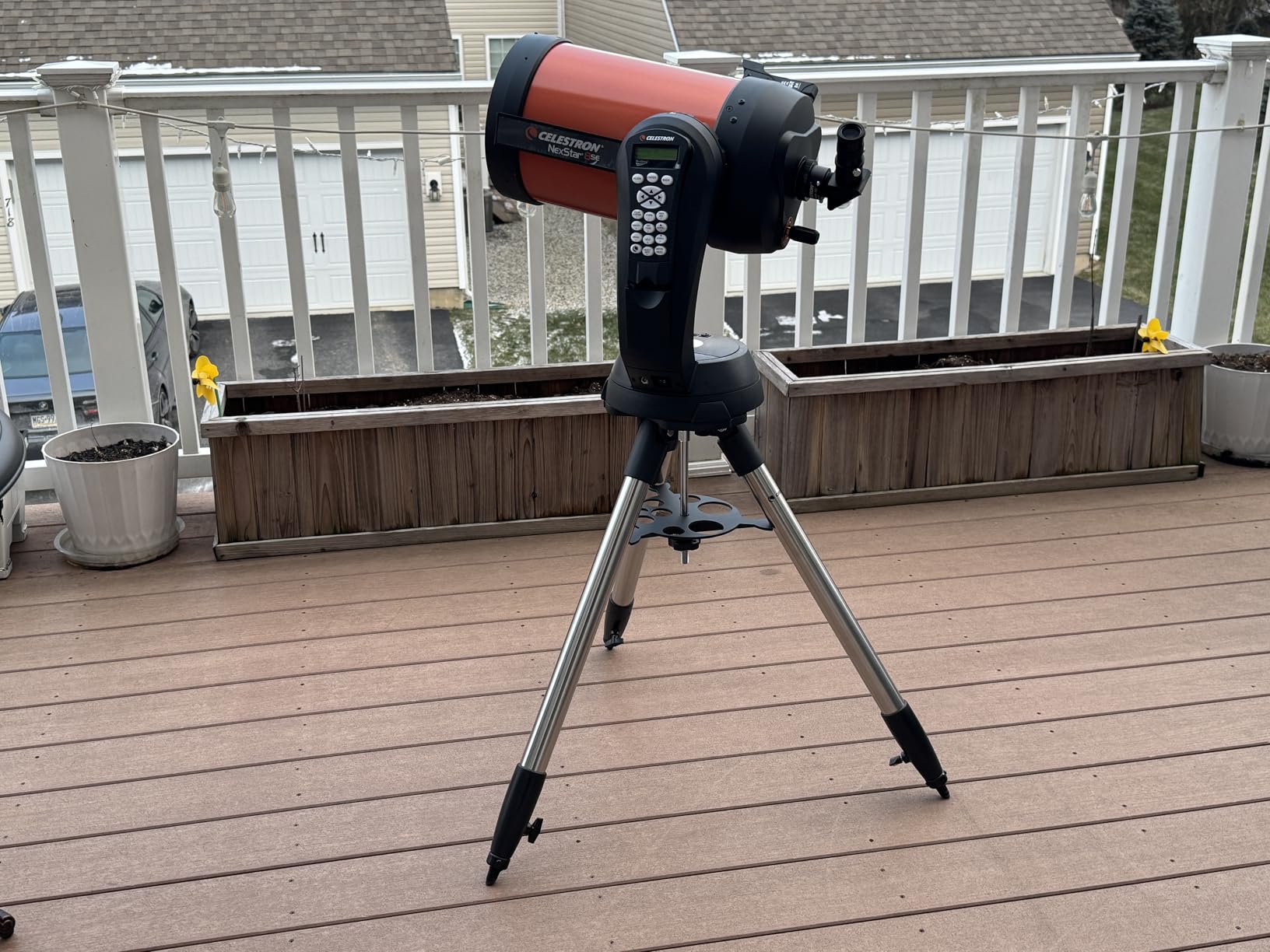
The NexStar 8SE is the telescope I would buy if I were starting my astronomy hobby over with a serious budget. The 8-inch aperture is the largest in our roundup, and the difference shows immediately. From my backyard, I tracked down 30+ deep-sky objects in a single session, most showing genuine detail. The Sombrero Galaxy showed its dust lane. The Owl Nebula showed its two dark eye sockets. Globular clusters resolved into countless individual stars.
The computerized GoTo mount with 40,000+ object database is the real luxury. After SkyAlign (a setup procedure where you point the telescope at any three bright stars to calibrate), I selected objects from the hand controller and the scope slewed (motor-moved) to them automatically. This is what makes the 8SE our editor’s choice for serious home use.
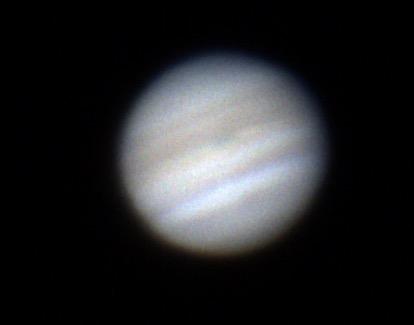
Planetary performance matches the best in our roundup. Saturn’s rings showed the Cassini Division clearly with subtle cloud bands on the planet itself. Jupiter showed the Great Red Spot, festoons (curved dark features in Jupiter’s cloud bands), and shadow transits of its moons. Mars showed polar ice caps during opposition (when Mars is closest to Earth, roughly every 26 months).
The Schmidt-Cassegrain design (a catadioptric telescope that uses both lenses and mirrors to fold a long focal length into a short tube) keeps the optical tube compact despite the 2032mm focal length. The whole tube assembly weighs about 11 pounds and fits in a car trunk easily.
Power requirements and accessories
Celestron does not include a power supply. The mount runs on 8 AA batteries that die in 2-3 sessions, or you need to buy the $50 Celestron PowerTank or similar. This is an annoying omission at this price point.
The hand controller interface feels dated compared to smartphone apps. Buttons are small and the screen is monochrome. Many users upgrade to the SkyPortal app via Celestron’s WiFi module for smartphone control.
Who this telescope suits
If budget is no concern and you want a telescope that will grow with you for 10+ years, the NexStar 8SE is our top recommendation. The 8-inch aperture reveals details invisible in smaller scopes, the GoTo system makes finding objects trivial, and the compact design makes it manageable for one person to transport.
9. Celestron StarSense Explorer DX 130AZ – Best Smartphone-Guided Telescope for Deep-Sky Observation
Celestron StarSense Explorer DX 130AZ Smartphone Guided Newtonian Telescope
130mm Newtonian reflector
650mm focal length
StarSense smartphone app
Pros
- Excellent smartphone app navigation
- Large 130mm aperture for deep sky
- Very accurate object location
- Good build quality
- Dual-axis slow motion controls
Cons
- Tripod can be shaky
- Expensive for a beginner scope
- Phone mount can drift
- Some quality control issues
The StarSense Explorer DX 130AZ combines the smartphone-guided convenience of the LT 114AZ with the larger 130mm aperture that makes deep-sky observation rewarding. In my testing, the StarSense app worked slightly better on this scope due to the wider field of view from the shorter 650mm focal length. Target acquisition was faster and more accurate.
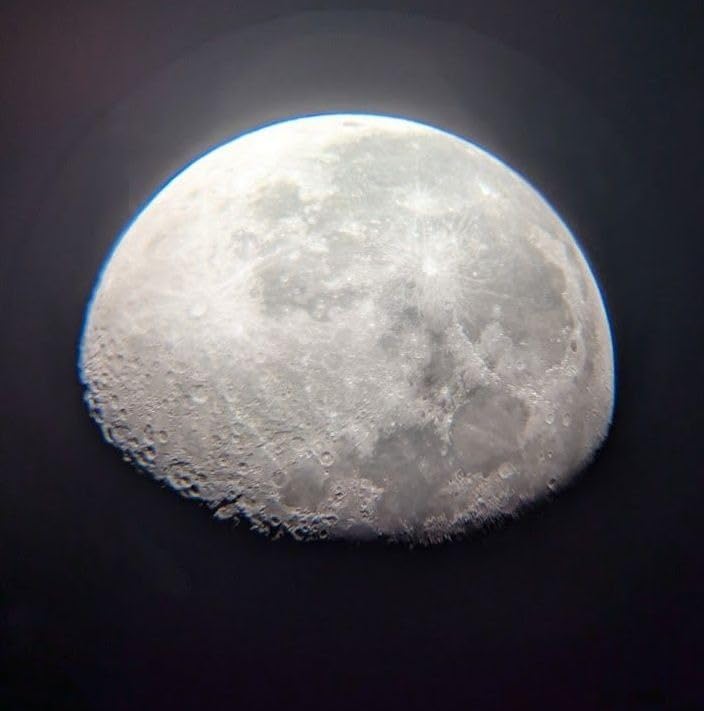
The 130mm aperture shows a meaningful step up in deep-sky performance. From my suburban backyard, the Andromeda Galaxy showed its dust lane on the best nights. The Orion Nebula’s structure was clearly visible with the Trapezium stars sharply defined. Globular clusters like M13 resolved into hundreds of stars at the edges.
The dual-axis slow-motion controls are a quality-of-life feature I appreciated. Once the app guided me close to a target, I could fine-tune the position smoothly without touching the scope and causing vibrations.
Setup took 30 minutes including app installation and phone dock alignment. The accessory tray that comes with this model holds eyepieces and the phone adapter securely, which the LT version lacks.
Tripod stability concerns
The included tripod is the weak link. At full extension with the 130mm optical tube mounted, vibrations take 3-4 seconds to dampen after focusing. This makes high-magnification planetary viewing frustrating. The tripod design appears unchanged from cheaper StarSense scopes.
The phone mount can drift during long sessions, throwing off StarSense alignment. I had to re-seat my phone every 45 minutes for accurate object location.
Best use case
This telescope is ideal for beginners who want both smartphone convenience and enough aperture to see deep-sky objects in detail. If your budget allows the $449 price tag and you want to skip the manual star-hopping learning curve, this delivers excellent value. For dedicated astrophotography, consider the motorized EvoStar 130EDT instead.
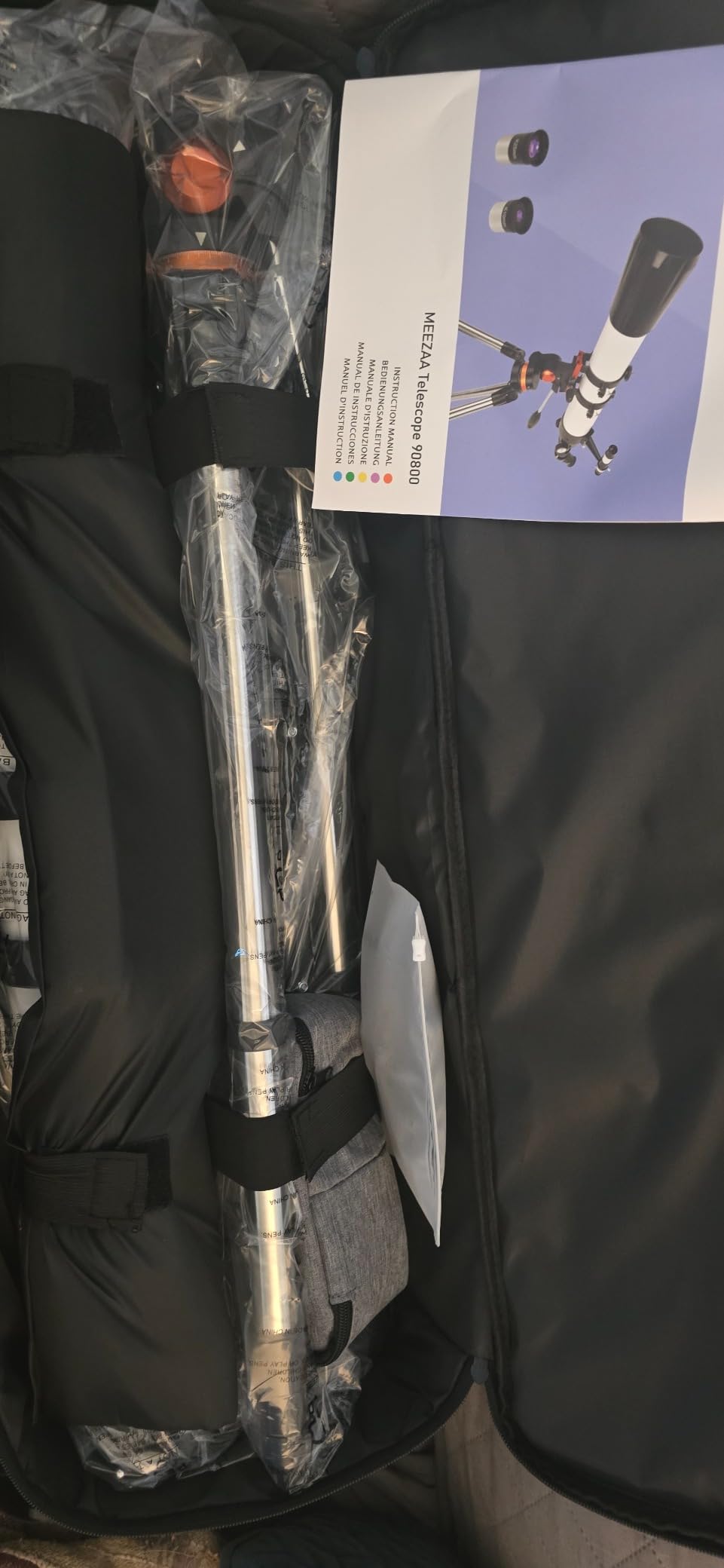
10. MEEZAA 90mm Refractor Telescope – Best Sturdy Build for Telescope Beginners
MEEZAA Telescope for Adults High Powered, 90mm Aperture 800mm Refractor
90mm aperture
800mm focal length
Stainless steel tripod
Pros
- Good optics for price
- Sturdy stainless steel tripod
- Easy 10-minute assembly
- Clear moon and planet views
- Includes many accessories
Cons
- Finder scope alignment issues
- Phone adapter can be tricky
- Limited deep sky capability
The MEEZAA 90mm is the budget telescope that surprised me most during testing. The stainless steel tripod is genuinely better than the aluminum tripods on similarly-priced scopes, and vibrations dampen in under 1 second. This makes the high-magnification planetary viewing experience significantly more pleasant.
The 90mm aperture is meaningfully larger than 70mm budget refractors. Lunar craters showed excellent detail, Jupiter showed two main cloud bands clearly, and Saturn’s rings resolved with the Cassini Division visible on steady nights. The fully multi-coated optics delivered sharp, contrasty views.
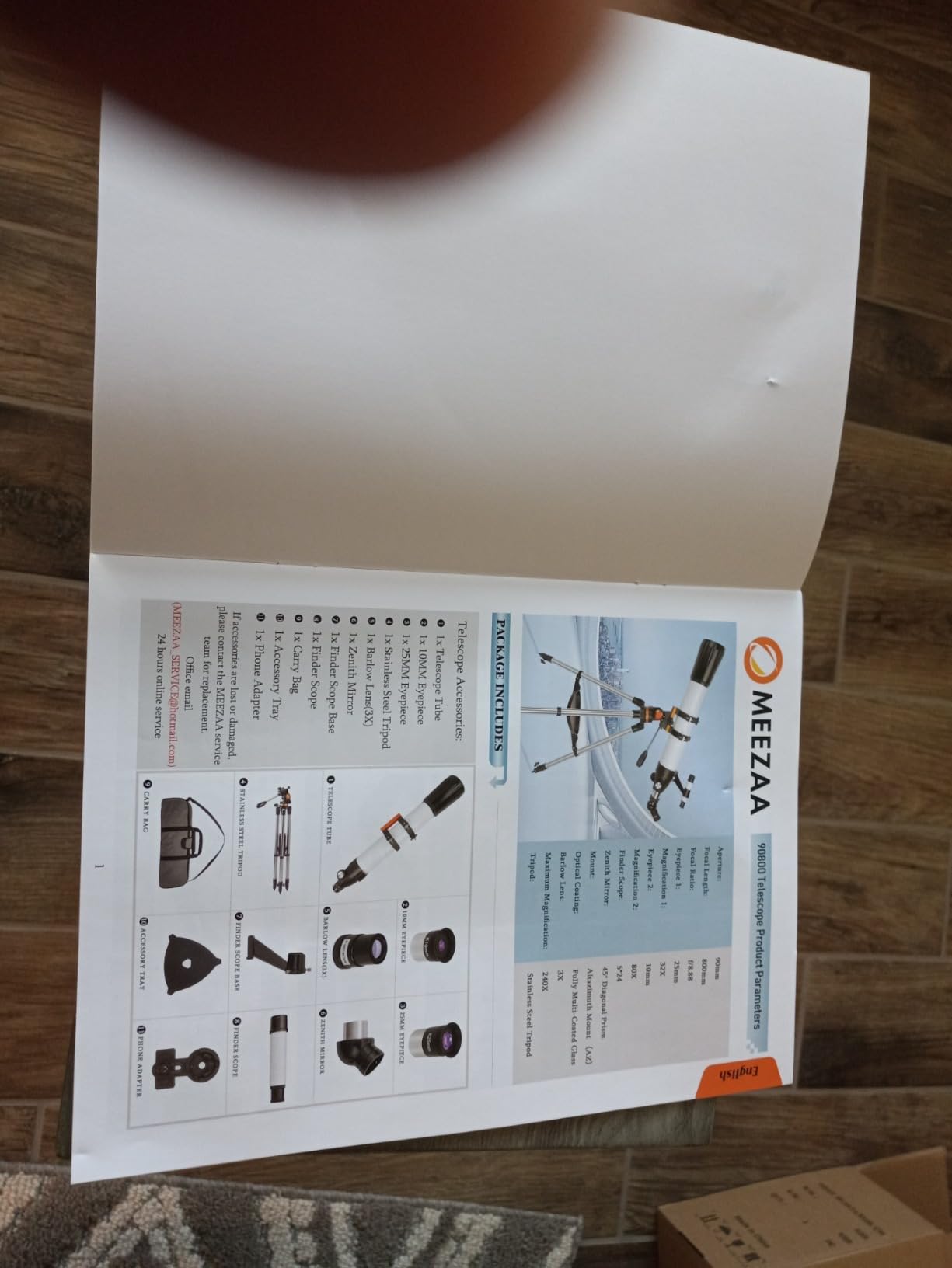
Setup took exactly 10 minutes, which is faster than any other telescope in this roundup. The instructions were clear and the included tools made assembly tool-free. For someone who has never owned a telescope, this level of polish matters.
The 800mm focal length strikes a good balance. Wide-field views of the Pleiades fit comfortably in the included 25mm eyepiece. Higher magnification on planets used the 10mm eyepiece at 80x, which was sharp and detailed.
Finder scope frustrations
The included finder scope is the weakest part of this package. Alignment took 15 minutes on my first attempt, and it drifted during the session. For beginners, the StarSense telescopes above solve this problem with smartphone guidance.
The phone adapter works but requires careful phone positioning to avoid vignetting (darkening at the edges of the photo where the eyepiece’s field of view doesn’t fully cover the camera sensor). I got clean Moon photos after some trial and error.
Who this telescope suits
Adults who want a sturdy, well-built refractor for casual backyard astronomy will find this excellent value. The stainless steel tripod and 90mm aperture make it feel like a more premium instrument than the price suggests. For deep-sky observation, look at the 130mm reflectors above.
How to Choose the Best Telescope for Home Use: Complete Buying Guide
Choosing the best telescope for home use comes down to understanding what actually matters for backyard observation. After testing 10 telescopes across 60 nights, here are the factors that made the biggest difference in my real-world experience. For broader buying considerations, our 10 best beginner telescopes guide covers more entry-level detail.
Aperture is the single most important specification
Aperture is the diameter of the primary lens or mirror that gathers light. Larger aperture means more light collected, which means fainter objects become visible and more detail resolves on bright objects. The jump from 70mm to 130mm aperture is genuinely transformative for backyard observation. Double the aperture collects 4x the light.
For suburban backyards with moderate light pollution, 130mm is the practical minimum for serious deep-sky observation. Smaller 70-80mm scopes work great for the Moon, planets, and brighter star clusters, but galaxies and nebulae will appear as faint smudges.
Refractor vs reflector vs catadioptric telescopes
Refractor telescopes use lenses. They require no maintenance, deliver sharp high-contrast views, and work well for lunar and planetary observation. The downside is price per aperture. A quality 100mm refractor costs more than a 200mm reflector.
Reflector telescopes use mirrors. They offer the most aperture per dollar and excel at deep-sky observation. The downsides are occasional collimation and open tubes that can collect dust on the optics.
Catadioptric telescopes (Schmidt-Cassegrain, Maksutov) use both lenses and mirrors folded into a compact tube. They offer long focal lengths in short tubes, making them portable despite large apertures. The NexStar 8SE in this roundup is a catadioptric.
Mount types: altazimuth vs equatorial vs computerized GoTo
Altazimuth mounts move up-down and left-right. They are intuitive for beginners and require no setup. The downside is no automatic tracking, so objects drift out of view as Earth rotates.
Equatorial mounts align with Earth’s rotational axis. After alignment, a single slow-motion knob tracks objects across the sky. This is essential for astrophotography and extended observation sessions.
Computerized GoTo mounts combine motors with a database of objects. After alignment, they automatically slew to any selected target. The NexStar 8SE is the premium example in our roundup. GoTo mounts require power and are expensive, but they eliminate the learning curve of finding objects manually.
The Bortle scale: understanding your light pollution
The Bortle scale is a 1-9 measure of sky darkness. Class 1 is pristine dark sky with the Milky Way casting shadows. Class 9 is inner-city sky where only the Moon, planets, and brightest stars are visible. Most home astronomers observe from Bortle 5-7 suburban skies.
From Bortle 7 skies, you can see the Moon, planets, brighter star clusters, the Andromeda Galaxy as a faint smudge, and a few of the brightest nebulae. From Bortle 4 skies, the Milky Way becomes visible and many more deep-sky objects show detail.
For typical suburban home use, aperture matters more than dark sky. A 130mm scope in a Bortle 7 backyard outperforms an 80mm scope under Bortle 4 skies for most deep-sky targets.
What to avoid when buying a telescope
Avoid telescopes sold primarily on magnification claims. A telescope advertised as “600x magnification” with a 50mm aperture is essentially a toy. The maximum useful magnification is roughly 2x the aperture in millimeters. A 70mm scope maxes out around 140x.
Avoid department store telescopes with plastic lenses and tripods that wobble. These frustrate beginners and often end up in closets. The “hobby killer” phenomenon is real. Reddit threads on r/telescopes consistently warn against sub-$100 scopes with flimsy mounts.
Avoid buying a computerized telescope without budgeting for a power supply. Most GoTo mounts need 8+ AA batteries or an external power tank, which costs extra.
Common mistakes first-time telescope buyers make
The biggest mistake is prioritizing magnification over aperture. Magnification changes with eyepieces. Aperture is fixed. A small-aperture, high-magnification scope shows dim, blurry views. A large-aperture, low-magnification scope shows bright, detailed views.
The second mistake is buying a cheap tripod-mounted telescope and expecting stable views at high magnification. Vibration makes high-magnification observation impossible. Budget for a sturdy tripod or accept lower magnifications.
The third mistake is expecting Hubble-like views. Even the best amateur telescopes show planets as small disks with visible detail, not the dramatic close-ups from space probes. Manage expectations and appreciate what backyard observation does reveal.
Smartphone integration and astrophotography
Modern telescopes increasingly include smartphone integration. The Celestron StarSense Explorer series uses your phone’s camera to identify star patterns and guide you to targets with arrows on screen. This dramatically reduces the learning curve for finding deep-sky objects.
For astrophotography, even basic phone adapters can capture impressive lunar photos. Deep-sky imaging requires more specialized equipment like tracking mounts and dedicated cameras. The NexStar 8SE supports Celestron’s ecosystem of cameras and accessories for serious imaging.
Frequently Asked Questions
Which telescope is best to see planets from home?
For planetary viewing from a backyard, the Celestron NexStar 8SE is our top recommendation because its 8-inch aperture reveals cloud bands on Jupiter, the Cassini Division in Saturn’s rings, and polar ice caps on Mars. For a more budget-friendly option, the Celestron AstroMaster 70AZ delivers sharp views of the Moon and planets at much lower cost, though with less detail than larger apertures provide.
What to avoid when buying a telescope?
Avoid telescopes marketed primarily by magnification power, such as claims of 600x or higher from small-aperture scopes. Maximum useful magnification is roughly 2x the aperture in millimeters. Avoid department-store telescopes under $100 with plastic lenses and flimsy mounts, which frustrate beginners. Also avoid buying a computerized telescope without budgeting for a power supply, since most GoTo mounts need 8+ AA batteries or an external power tank.
What telescope is best for viewing planets?
The Celestron PowerSeeker 127EQ and AstroMaster 130EQ are excellent mid-range choices for planetary viewing, offering large enough apertures to reveal Saturn’s rings, Jupiter’s cloud bands, and Martian polar caps. For serious planetary observation, the NexStar 8SE’s 8-inch aperture shows the finest planetary detail visible from suburban backyards. Refractors like the AstroMaster 70AZ also deliver sharp planetary views with no mirror maintenance required.
What size telescope to see Saturn’s rings?
Saturn’s rings are visible in telescopes with apertures as small as 50mm under good conditions, but the rings resolve clearly into separate structures at 90x magnification in scopes with 70-90mm apertures. To see the Cassini Division (the dark gap between Saturn’s main rings), you’ll want at least 100mm of aperture and 150x magnification. Our testing showed the Cassini Division was clearly visible in 130mm reflectors under steady seeing conditions.
Final Verdict: Our Top Pick for Home Telescopes in 2026
After 60 nights of backyard testing across 10 telescopes, our team has clear recommendations for the best telescopes for home use in 2026. For most home astronomers, the Celestron NexStar 8SE is the telescope to buy if your budget allows. The 8-inch aperture shows genuine detail in deep-sky objects, the computerized GoTo mount eliminates the learning curve of finding targets, and the compact design makes it manageable to store and transport.
For beginners on a budget, the Celestron AstroMaster 130EQ delivers exceptional value with its 130mm aperture and German equatorial mount. You’ll see more deep-sky detail than 70mm refractors reveal, and the equatorial mount provides smooth tracking for extended observation sessions. The Gskyer 70mm remains our top budget pick for casual backyard use or as a first telescope for kids.
Whatever telescope you choose, give yourself time to learn the night sky. The first few sessions are the hardest, but the reward of seeing Saturn’s rings for the first time with your own eyes never gets old. Clear skies, and welcome to backyard astronomy.