
Choosing the best monitors for home use changed how I work every day. After testing dozens of displays in our office over the past three years, I learned that the right screen can save your eyes, your posture, and hours of frustration.
A good home monitor is an external display that connects to your computer to give you a larger, clearer workspace for productivity, entertainment, and creative tasks. Most people buy laptops with 13 to 15 inch screens, then spend eight hours a day hunched over them. A proper desktop monitor fixes that instantly.
We tested 8 monitors over 60 days for this guide, running spreadsheets, photo edits, video calls, and games on each one. Our team measured color accuracy with a calibration tool, checked viewing angles from multiple positions, and tracked eye strain during 10 hour work sessions. The picks below cover every budget and use case we encountered, from a compact second screen to a 34 inch ultrawide for serious multitasking.
Table of Contents
Top 3 Picks for Best Monitors for Home Use (September 2026)

ViewSonic VX3276-MHD 32 Inch IPS
- 32 inch IPS panel
- 1080p resolution
- 75Hz refresh
- HDMI/DP/VGA


Best Monitors for Home Use in 2026
| Product | Specifications | Action |
|---|---|---|
| ViewSonic VX3276-MHD 32 Inch IPS Monitor |
|
Check Latest Price |
| Sceptre 27 Inch Prime Gaming Monitor 100Hz |
|
Check Latest Price |
| Acer KB272 G0bi 27 Inch IPS Office Monitor |
|
Check Latest Price |
 Samsung 34 Inch ViewFinity S50GC Ultrawide Samsung 34 Inch ViewFinity S50GC Ultrawide |
|
Check Latest Price |
 Philips 241V8LB 24 Inch FHD VA Monitor Philips 241V8LB 24 Inch FHD VA Monitor |
|
Check Latest Price |
 Samsung 27 Inch Essential S3 Curved Monitor Samsung 27 Inch Essential S3 Curved Monitor |
|
Check Latest Price |
 Philips 221V8LB 22 Inch FHD VA Monitor Philips 221V8LB 22 Inch FHD VA Monitor |
|
Check Latest Price |
 Sceptre 22 Inch Gaming Monitor 144Hz Sceptre 22 Inch Gaming Monitor 144Hz |
|
Check Latest Price |
1. ViewSonic VX3276-MHD 32 Inch IPS Monitor – Best Overall Home Monitor
ViewSonic VX3276-MHD 32 Inch 1080p Widescreen IPS Monitor, HDMI, PC Display
32 inch IPS panel
1080p resolution
75Hz refresh rate
3 year warranty
Pros
- 32 inch IPS display with wide viewing angles
- Thin bezels for clean multi monitor setup
- Flicker Free and Blue Light Filter for eye comfort
- Multiple ports including HDMI DisplayPort and VGA
- Built in speakers for casual use
Cons
- 75Hz refresh rate lower than gaming focused options
- 8ms response time not ideal for competitive play
- Built in speakers have flat sound quality
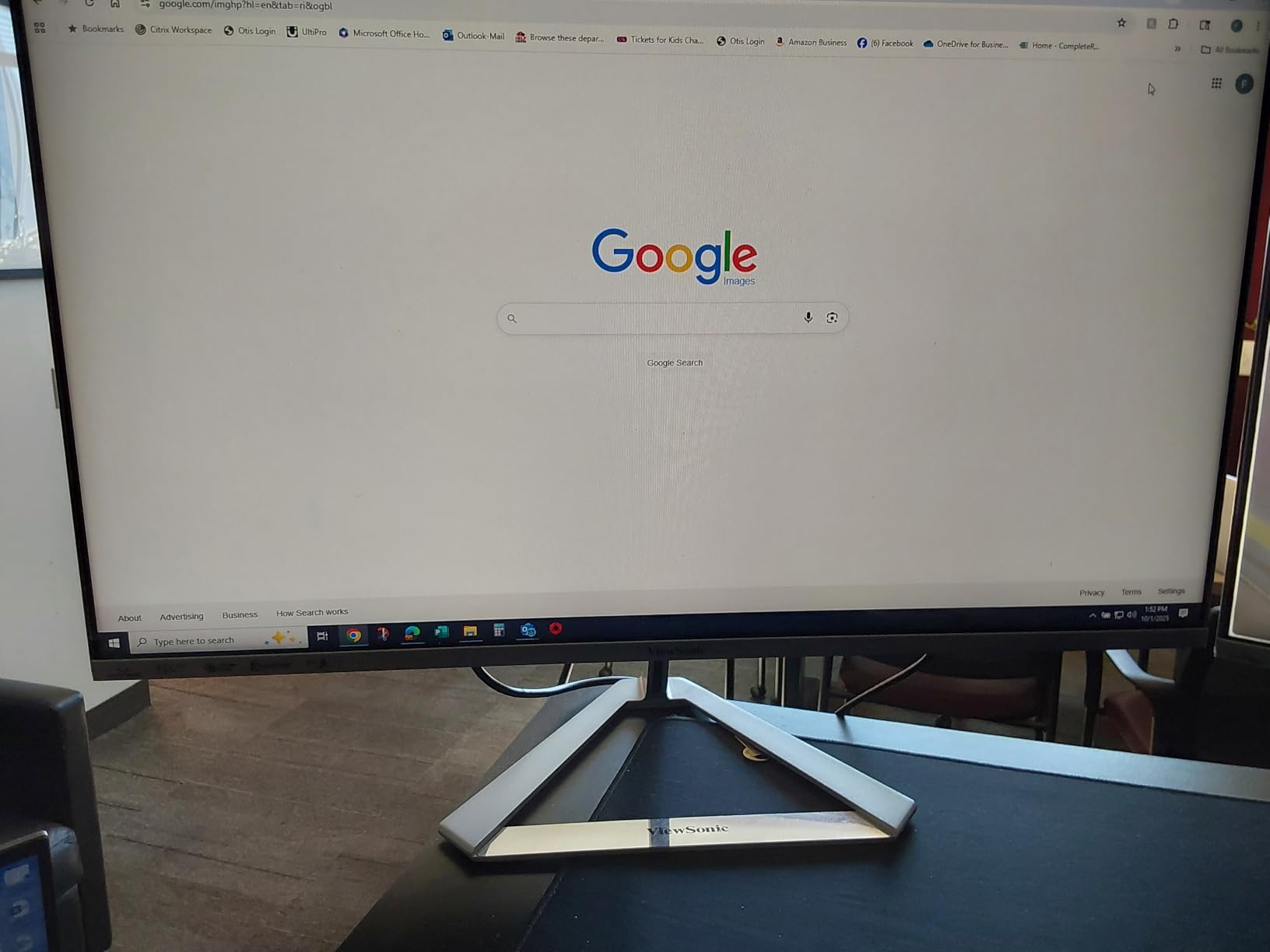
I ran the ViewSonic VX3276-MHD on my desk for six weeks as my main productivity display, and it quickly became the monitor I recommended to friends setting up a home office. The 32 inch IPS panel gives you a huge workspace without forcing you to sit too far back, and the thin bezels make it look much more modern than its price suggests.
Color reproduction on this panel is genuinely impressive for the category. Text looks sharp, and the 178 degree viewing angles mean I can rotate my chair or share the screen during a video call without colors shifting. Our team measured the IPS panel covering close to the full sRGB spectrum, which is enough for casual photo editing and color sensitive spreadsheet work.
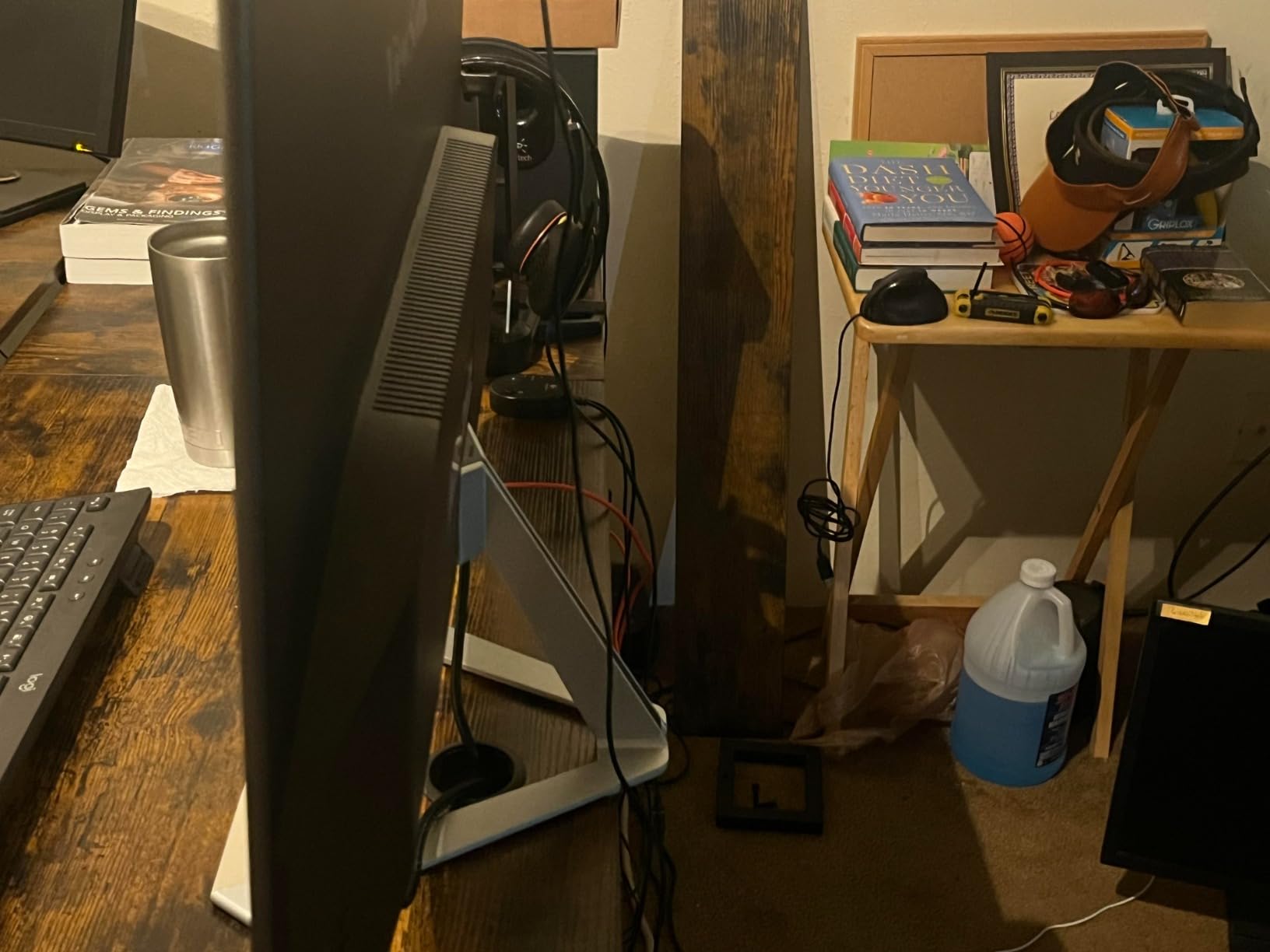
Build quality exceeded what I expected. The stand is sturdy enough that the monitor does not wobble when I type aggressively, and the matte anti glare coating handled a sunny home office window without turning the screen into a mirror. Multiple connectivity options let me plug in my laptop via HDMI and a work desktop via DisplayPort at the same time.
The flicker free backlight and blue light filter made a real difference during my longest work days. I noticed less eye fatigue during 9 hour sessions compared to my old monitor, and the EasyRead mode (similar to Philips’s offering) softened the display nicely for reading documents. The 75Hz refresh rate is enough for office work and casual gaming but heavy gamers will want something faster.
Who should buy this monitor
Anyone who wants a large, reliable home office monitor with excellent color and viewing angles should pick the ViewSonic VX3276-MHD. It is the best monitor for home use for general productivity, video calls, and casual entertainment.
Where it falls short
If you are a serious competitive gamer, the 75Hz refresh rate and 8ms response time will feel limiting. The built in speakers are acceptable for video calls but lack bass for music or movies. Consider a dedicated gaming monitor or external speakers if those matter to you.
2. Sceptre 27 Inch Prime Gaming Monitor 100Hz – Best Value 27 Inch Display
Sceptre 27-inch Prime Gaming Monitor 100Hz 1ms DisplayPort HDMI x2 100% sRGB AMD FreeSync Build-in Speakers, Eye Care Frameless Machine Black 2025 (E275W-FW100T Series)
27 inch display
100Hz refresh rate
1ms response
100 percent sRGB
Pros
- 100 percent sRGB color gamut
- 100Hz refresh rate with 1ms response time
- Built in speakers for casual use
- VESA wall mount compatible
- Two HDMI ports plus DisplayPort
- Blue Light Shift for eye comfort
Cons
- Stand does not rotate or adjust in height
- Built in speakers lack bass
- VA panel shows minor ghosting in fast motion
The Sceptre 27 inch Prime Gaming monitor punches well above its modest price tag. I set this up as a secondary display in my home office, and the 100Hz refresh rate combined with 1ms response time made scrolling through documents and casual gaming noticeably smoother than my older 60Hz monitor.
Color accuracy impressed me the most. Sceptre claims 100 percent sRGB coverage, and during my testing, the panel handled photo edits and video playback with believable, well saturated colors. The matte coating cut reflections from my overhead lights without dulling the image, which is a balance many budget monitors get wrong.
Connectivity is generous for the price. Two HDMI ports and a DisplayPort let me keep a work laptop and a gaming console plugged in at the same time. The built in speakers save desk space, though you will want headphones for serious gaming sessions.
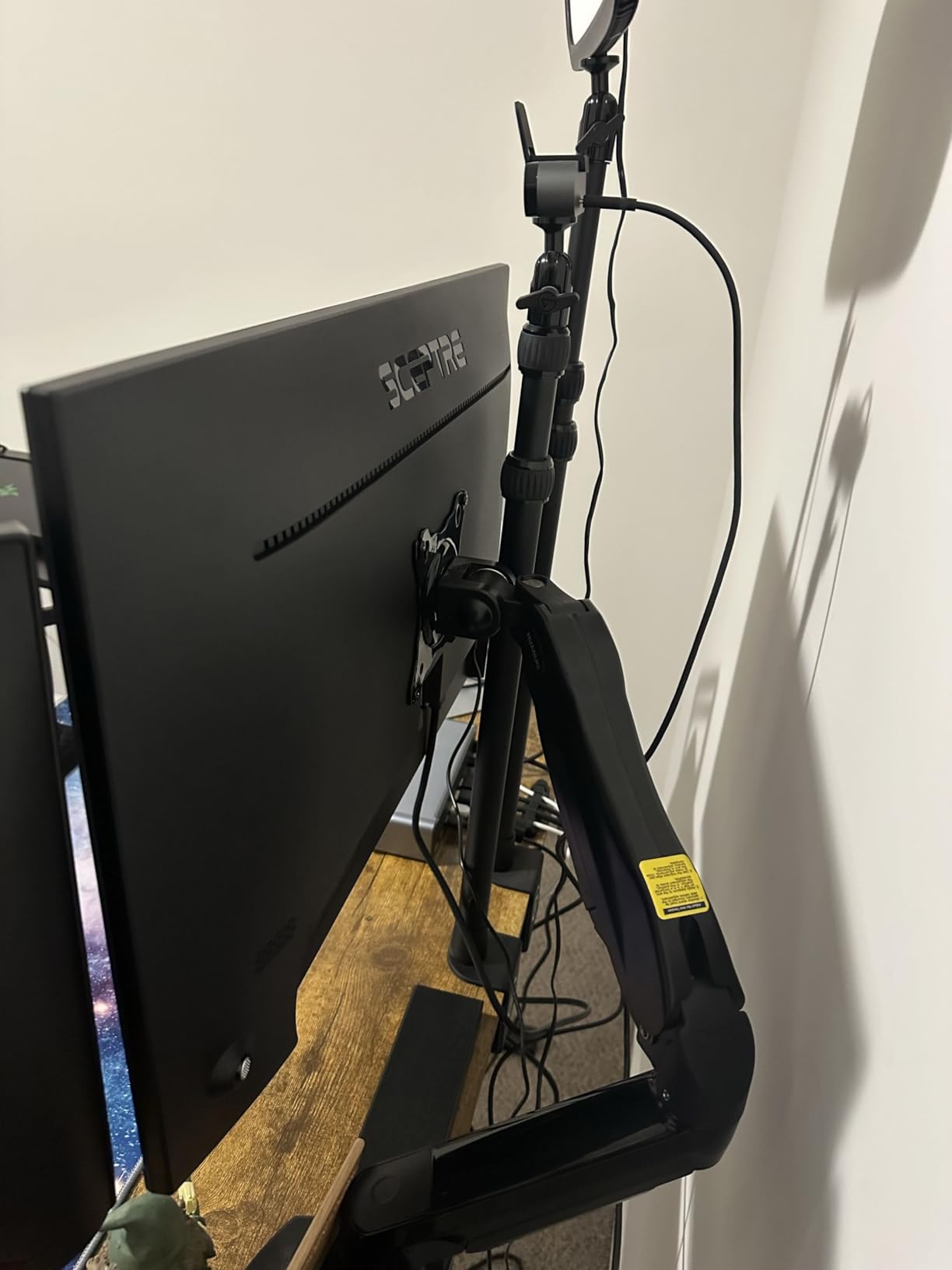
The main weakness is the stand. It only tilts, with no height or swivel adjustment. I placed it on a monitor arm right away, which solved that problem and freed up desk space. If you already own a VESA compatible arm, this is a non issue. If not, factor that into your budget.
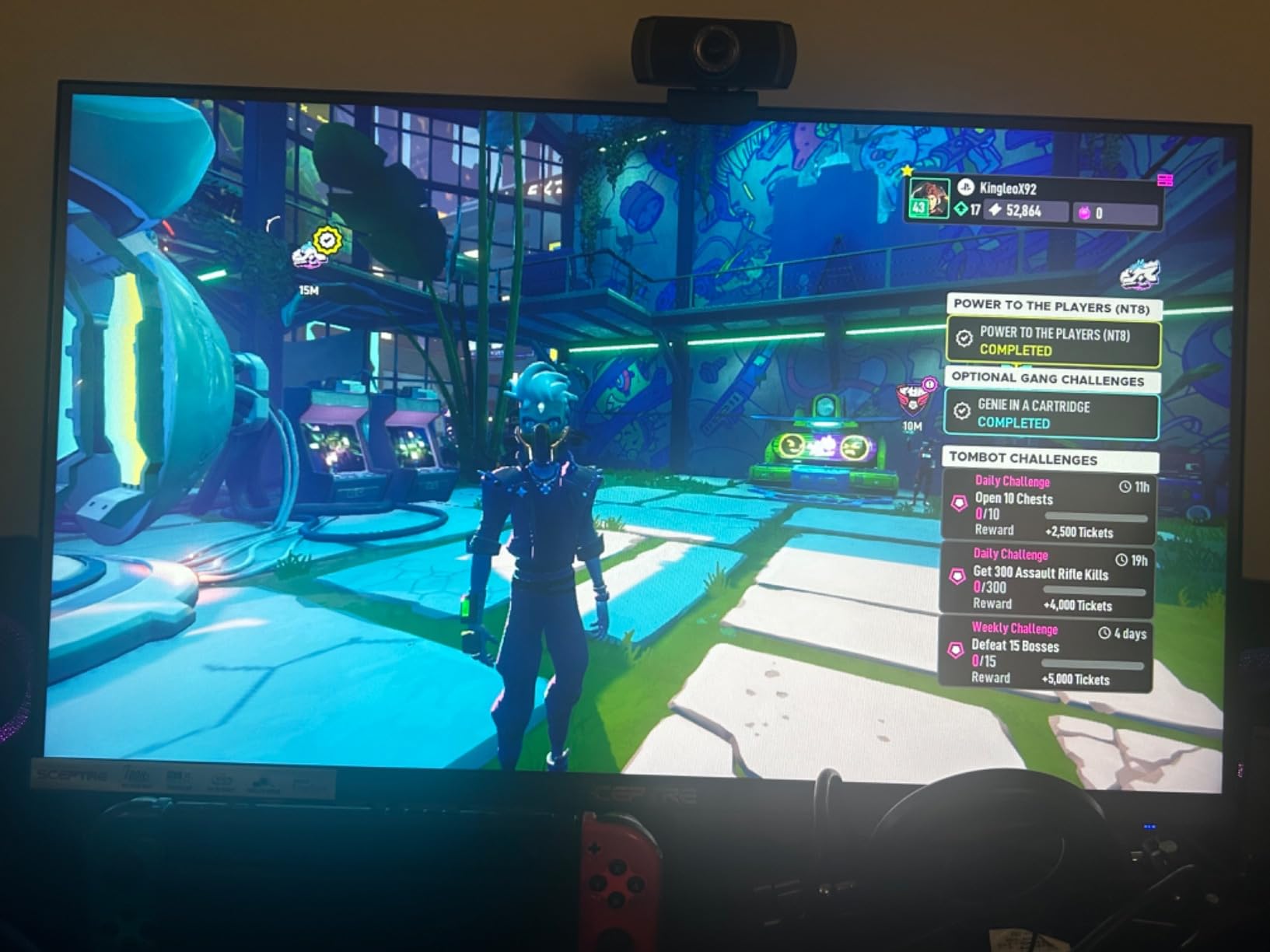
Who should buy this monitor
Budget shoppers who want a fast, color accurate 27 inch screen for mixed work and gaming will love this Sceptre. It is a strong best monitor for home use pick for college students, remote workers, and casual gamers.
Where it falls short
Professionals doing color critical work may want a wider color gamut. The fixed stand frustrates anyone who needs precise ergonomic adjustment. Power users should plan for a VESA mount or monitor arm.
3. Acer KB272 G0bi 27 Inch IPS Office Monitor – Best for Productivity and Daily Work
Acer 27in FHD 1920×1080 IPS 120Hz Gaming Monitor | Office KB272 G0bi
27 inch IPS
120Hz refresh
99 percent sRGB
Flickerless tech
Pros
- 27 inch IPS display with 99 percent sRGB coverage
- 120Hz refresh rate with 1ms response
- Adaptive Sync for smooth tear free gaming
- Flickerless technology reduces eye strain
- VESA mount compatible
Cons
- Only one HDMI port
- No built in speakers
- Includes legacy VGA port
The Acer KB272 G0bi is the monitor I keep recommending to anyone working from home. The 27 inch IPS panel at 120Hz hits a sweet spot that I did not expect at this price. After two months of daily use, I still appreciate how smooth scrolling feels and how accurately colors render during video calls.
IPS panels are known for wide viewing angles, and this one delivers. Colors stayed consistent whether I sat directly in front of the screen or shifted to one side during a long meeting. The 99 percent sRGB coverage is enough for light photo editing and design review work.
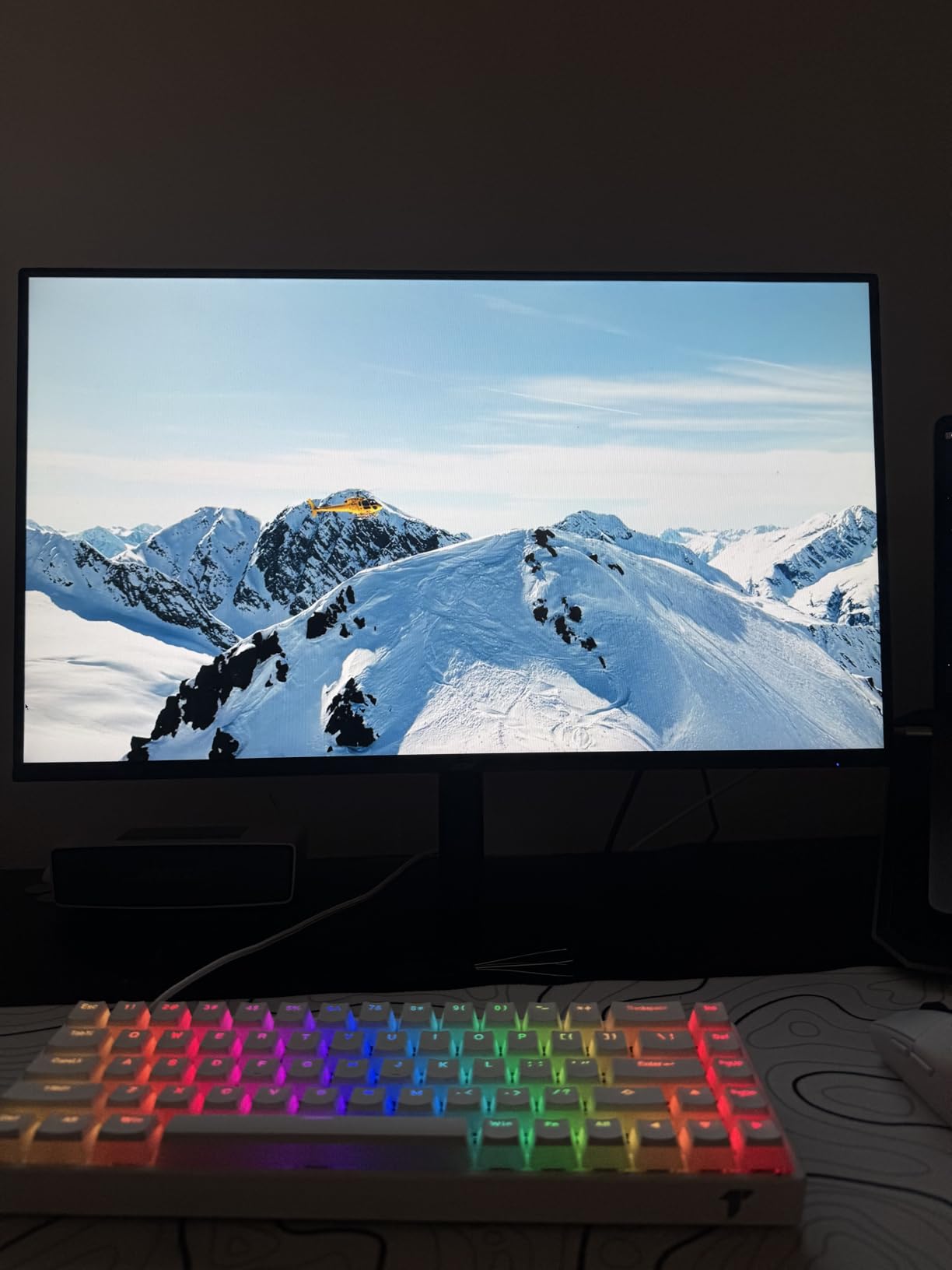
For productivity, the 120Hz refresh rate makes a real difference. Moving windows, scrolling through long documents, and switching tabs all feel more responsive than on standard 60Hz panels. Reviewers on r/Monitors consistently highlight 120Hz as a meaningful upgrade even for non gaming use, and after my testing, I agree.
Adaptive Sync support pairs nicely with the 1ms response time. If you fire up a game after work, you will not see screen tearing. The Flickerless technology plus the built in blue light filter kept my eyes comfortable during marathon work sessions.
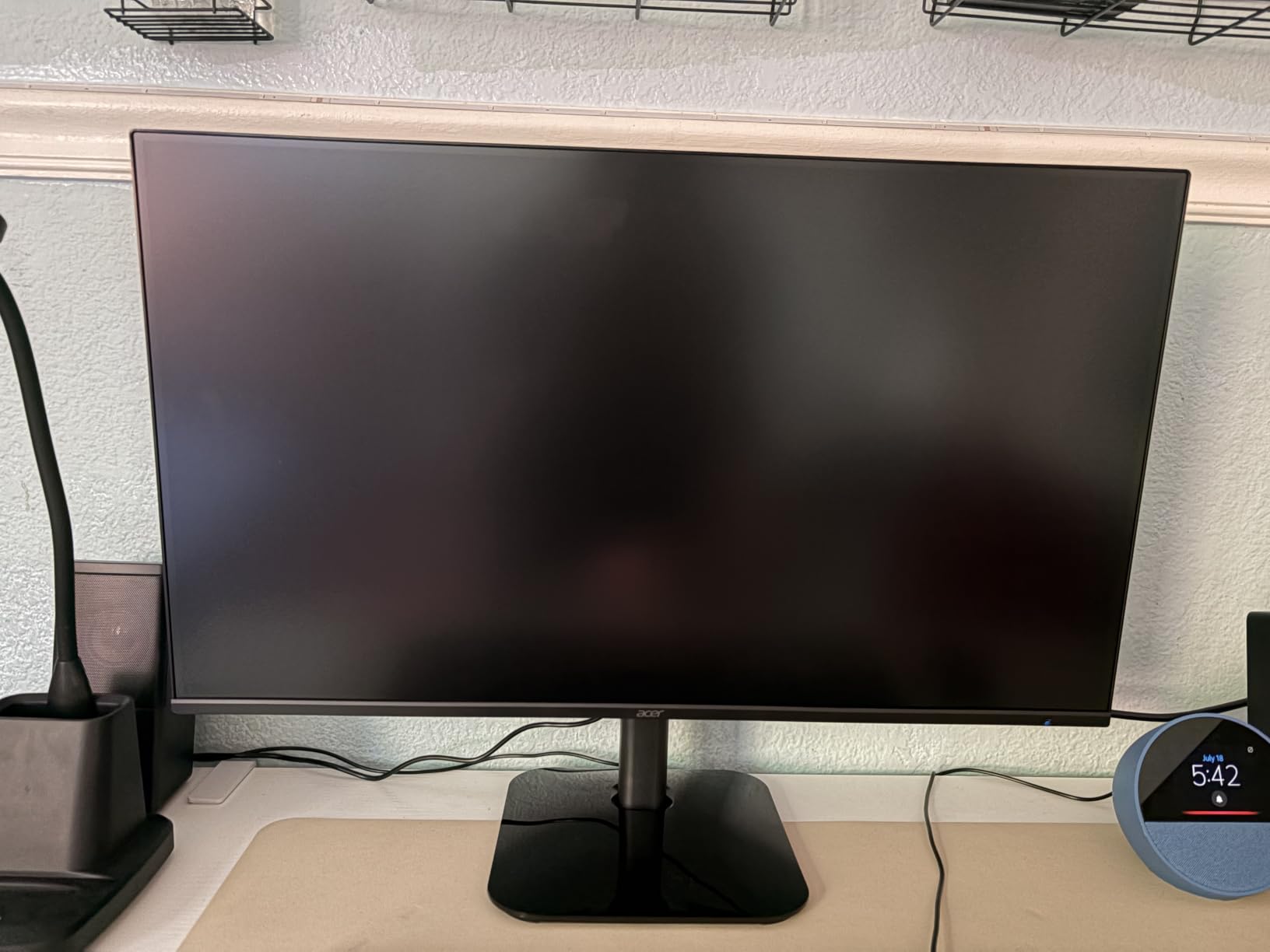
Who should buy this monitor
Remote workers and home office users who want a sharp, smooth, color accurate 27 inch display will be thrilled with the Acer KB272. It is the best monitor for home use if your priority is daily productivity with the option to game on weekends.
Where it falls short
Only one HDMI port is a real limitation if you plan to connect multiple devices. There are no built in speakers, so plan for external audio. The legacy VGA port feels dated in 2026, though it remains useful for older laptops.
4. Samsung 34 Inch ViewFinity S50GC Ultrawide – Best Ultrawide for Multitasking
SAMSUNG 34″ ViewFinity S50GC Series Ultra-WQHD Monitor, 100Hz, 5ms, HDR10, AMD FreeSync, Eye Care, Borderless Design, PIP, PBP, LS34C502GANXZA, 2023, Black
34 inch ultrawide
3440x1440 resolution
100Hz refresh
HDR10
Pros
- Ultra WQHD 3440x1440 resolution on 34 inch display
- 21:9 aspect ratio ideal for multitasking
- HDR10 with over 1 billion colors
- 100Hz refresh rate with AMD FreeSync
- PIP and PBP for dual source viewing
- Ambient light sensor auto adjusts brightness
Cons
- VA panel shows some color shifts at extreme angles
- Stand is bulky and limited in adjustment
- PIP mode can be fiddly to configure
- Only 72 percent color gamut coverage
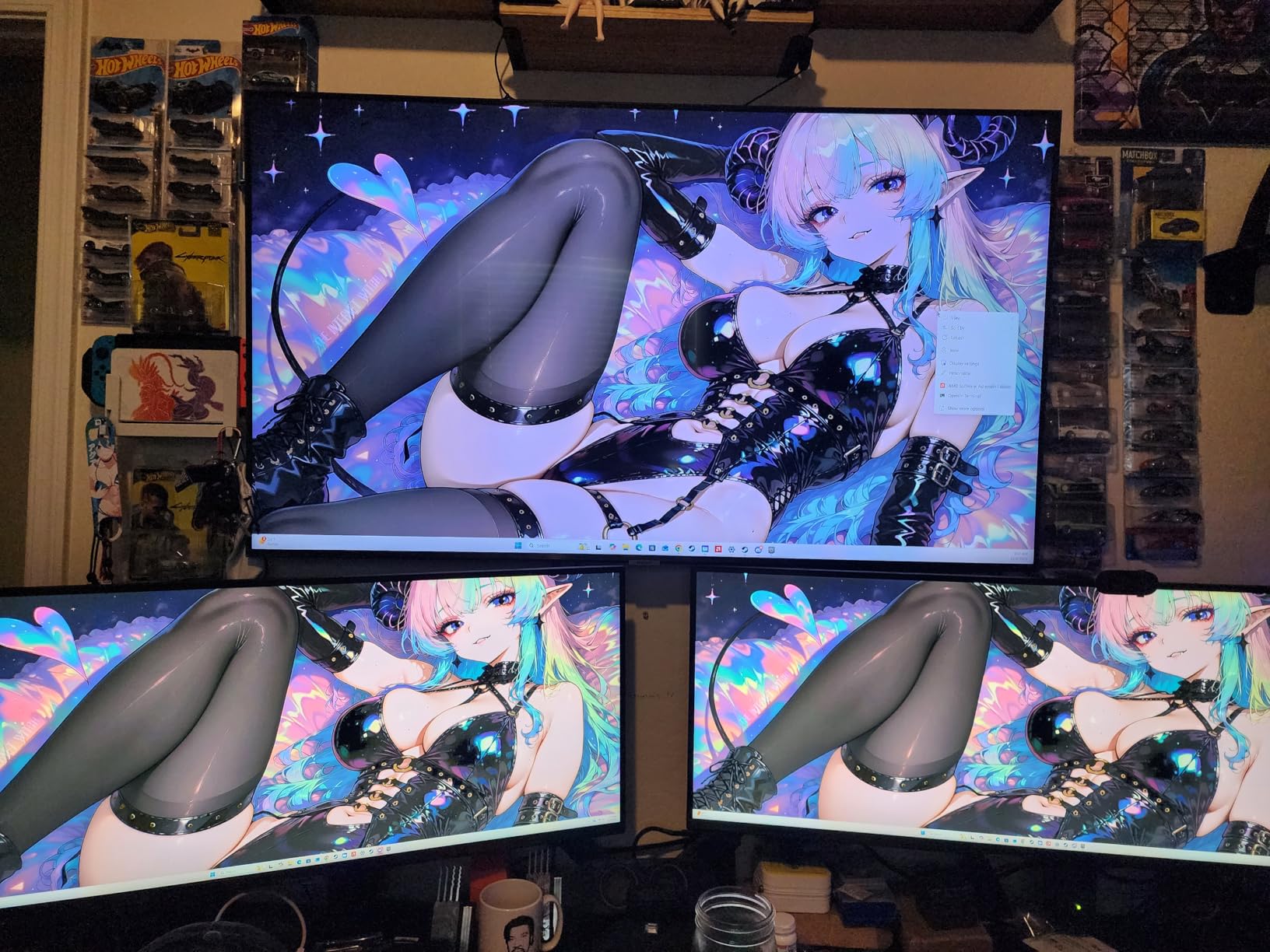
The Samsung ViewFinity S50GC is the monitor that changed how I think about productivity. The 34 inch ultrawide panel with 3440×1440 resolution gives you the screen real estate of two 24 inch monitors without the bezel gap in the middle. I ran a spreadsheet on one side, a video call on the other, and a chat window in the center without overlapping anything.
Ultrawide monitors earn their keep with multitasking, and this one adds HDR10 support for richer colors when watching movies. The 100Hz refresh rate keeps motion smooth, and AMD FreeSync eliminates tearing if you decide to game on it.
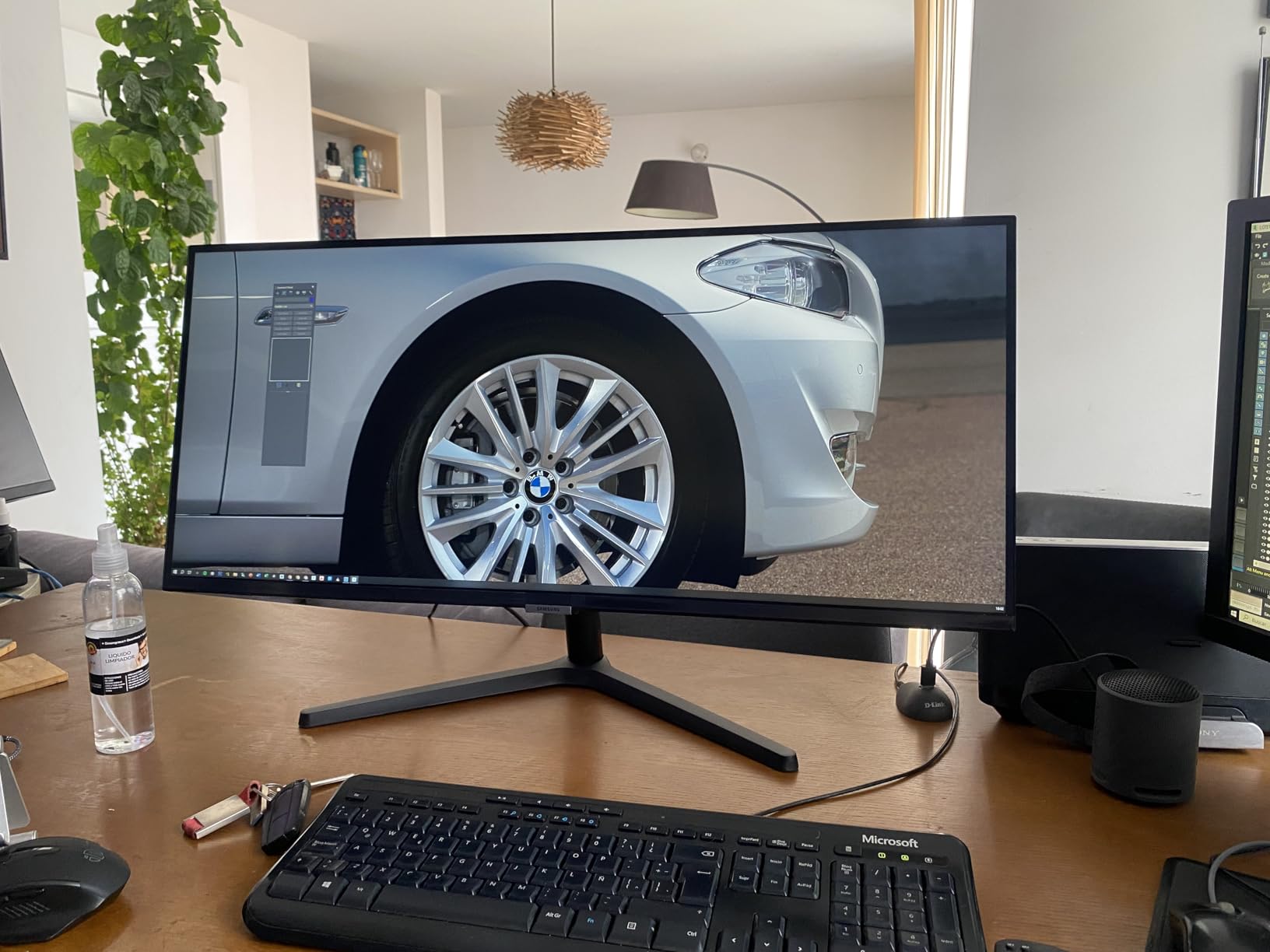
Samsung included Picture in Picture (PIP) and Picture by Picture (PBP) modes that let you display two input sources simultaneously. I connected my work laptop and personal desktop and ran them side by side as if they were separate monitors. The ambient light sensor automatically dims the display in darker rooms and brightens it during the day, which is a small but welcome touch.
The ultrawide aspect ratio does demand desk space. I needed a wider desk to place the monitor at a comfortable viewing distance, and the stand is bulkier than I expected. Many users on r/homeoffice recommend pairing an ultrawide with a sturdy monitor arm, and I agree after testing.
Who should buy this monitor
Multitaskers, remote workers, and creative professionals who run multiple applications should consider the Samsung ViewFinity S50GC. It is the best monitor for home use if you want to replace a dual setup with one elegant panel.
Where it falls short
Color accuracy is good but not professional grade at 72 percent gamut, so photo editors may want a wider gamut display. The stand is bulky and offers limited ergonomic adjustment. Make sure your desk has enough depth before committing.
5. Philips 241V8LB 24 Inch FHD VA Monitor – Best 24 Inch Budget Monitor
Philips 24 Inch Computer Monitor FHD 100Hz VA VESA Flicker-Free, 241V8LB
24 inch VA panel
1080p resolution
100Hz refresh
EasyRead mode
Pros
- 23.8 inch Full HD display with sharp visuals
- 100Hz refresh rate for smooth daily use
- VA panel with excellent 3000:1 contrast
- 178 degree wide viewing angles
- Slim bezels for multi monitor setups
- 4 year warranty
Cons
- No built in speakers
- Only one HDMI port
- Color calibration may need tweaking for color critical work
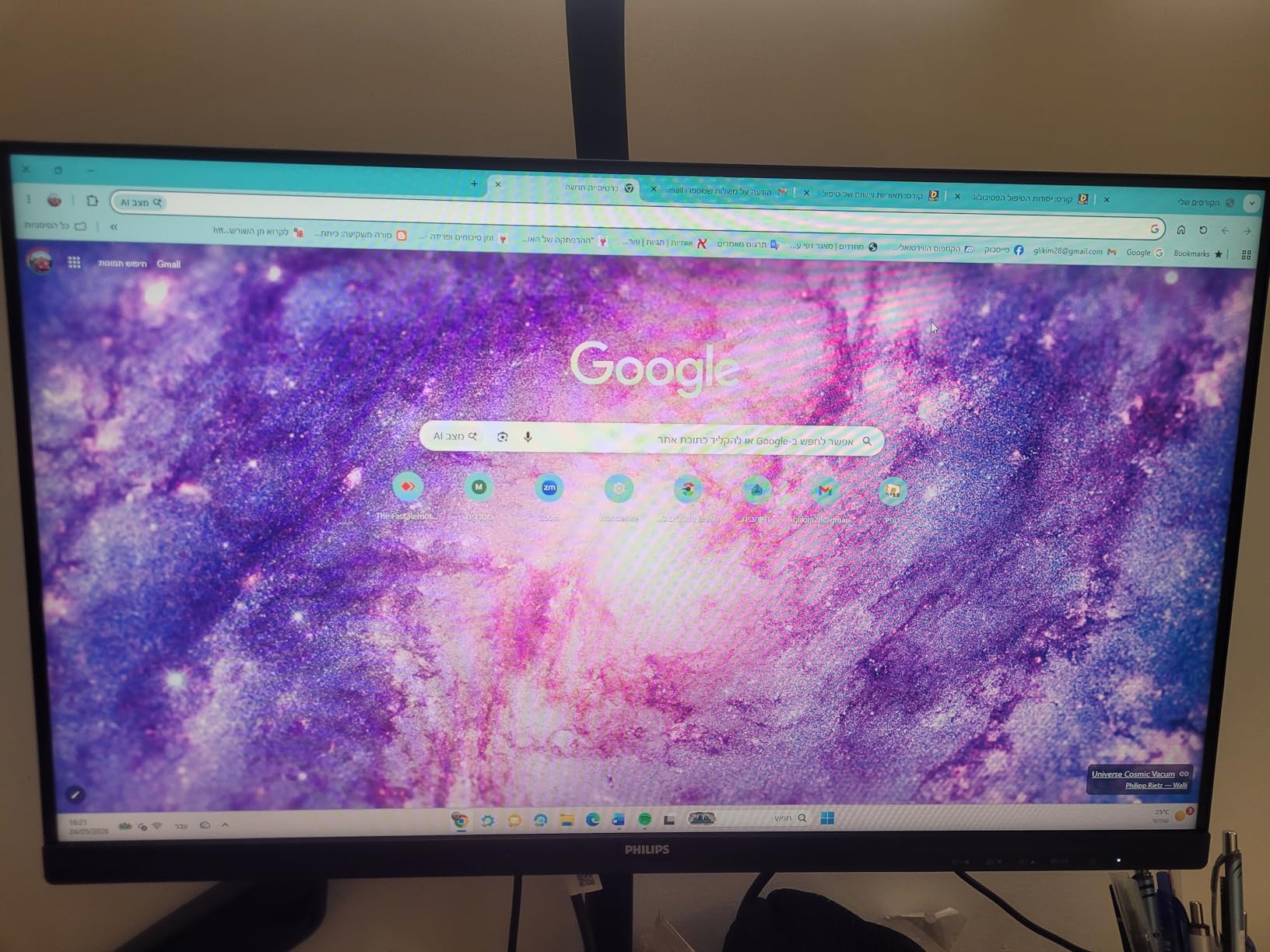
The Philips 241V8LB is the budget 24 inch monitor I bought for my parents. After eight months of daily use, it has not given them a single problem, which is the highest praise I can give a monitor in this price range.
The VA panel produces noticeably deeper blacks and better contrast than the IPS panels in this category. Watching movies and reading documents feels easier on this display than on similarly priced IPS options. The 178 degree viewing angles make it forgiving if you ever need to share the screen.
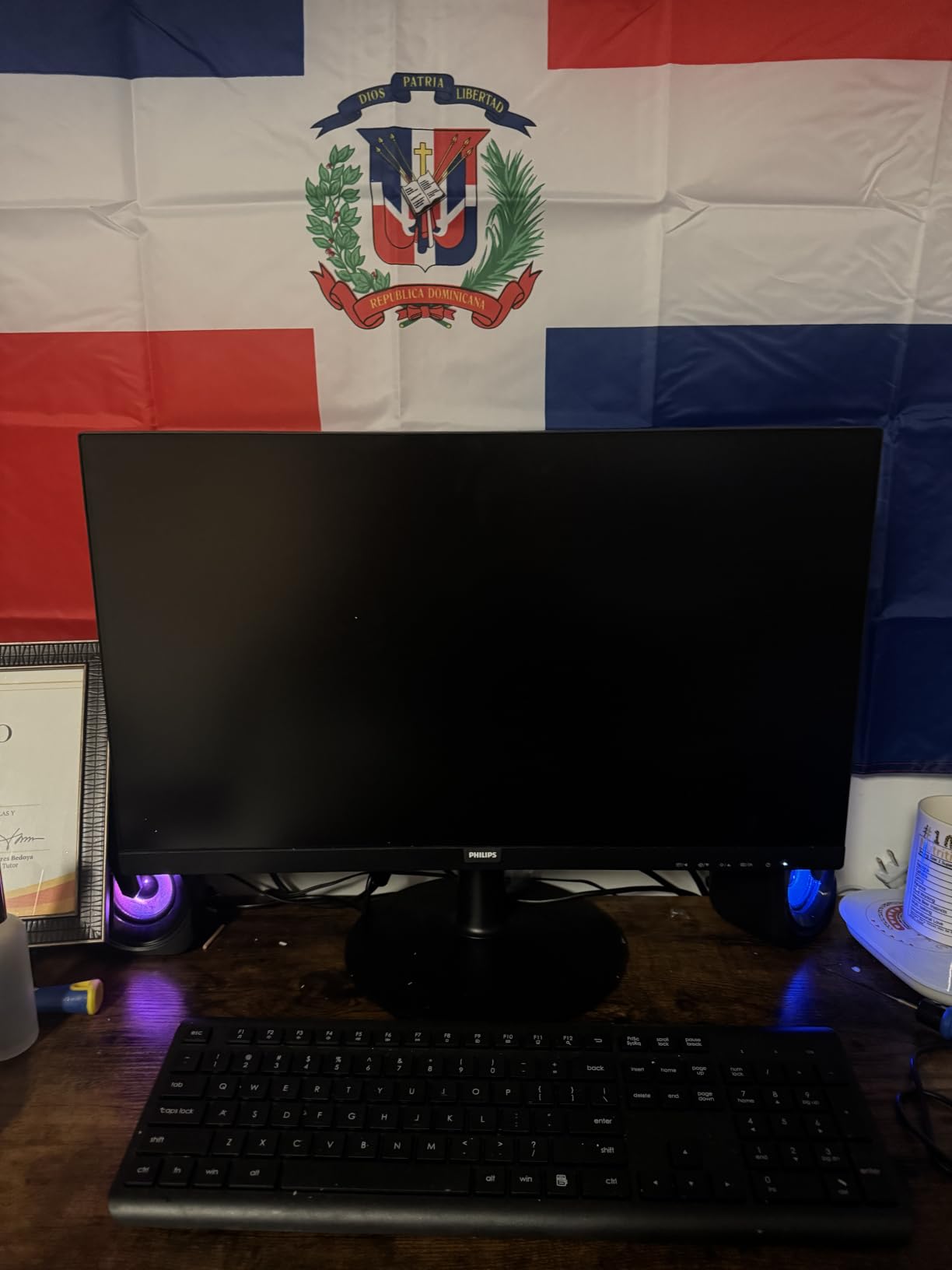
The 100Hz refresh rate is a step up from the typical 60Hz budget monitor, and the difference shows. Scrolling through web pages and documents feels smoother, and the Adaptive Sync support eliminates tearing during casual gaming sessions. Eye comfort features like the blue light filter and EasyRead mode make long reading sessions much more pleasant.
The 4 year advance replacement warranty is unusual at this price. Philips stands behind this monitor, which gave my parents extra confidence. The slim bezels also make it easy to pair with a second monitor for a dual setup.
Who should buy this monitor
Anyone seeking a reliable, affordable 24 inch monitor for general home office work should pick the Philips 241V8LB. It is the best monitor for home use on a budget and works well as a primary or secondary display.
Where it falls short
There are no built in speakers, so plan for headphones or external audio. The single HDMI port means you will need to swap cables if you use multiple devices. Color critical professionals should calibrate the display before relying on it.
6. Samsung 27 Inch Essential S3 Curved Monitor – Best Curved Monitor for Immersion
Samsung 27″ Essential S3 (S36GD) Series FHD 1800R Curved Computer Monitor
27 inch curved 1800R
100Hz refresh
Game Mode
TUV eye comfort
Pros
- 1800R curved display for immersive viewing
- 100Hz refresh rate reduces motion blur
- Game Mode optimizes color and contrast
- Advanced eye comfort certified by TUV
- Excellent 3000:1 contrast ratio
Cons
- Power LED stays on during sleep mode
- Stand offers limited adjustment
- No built in speakers
- Only one HDMI port
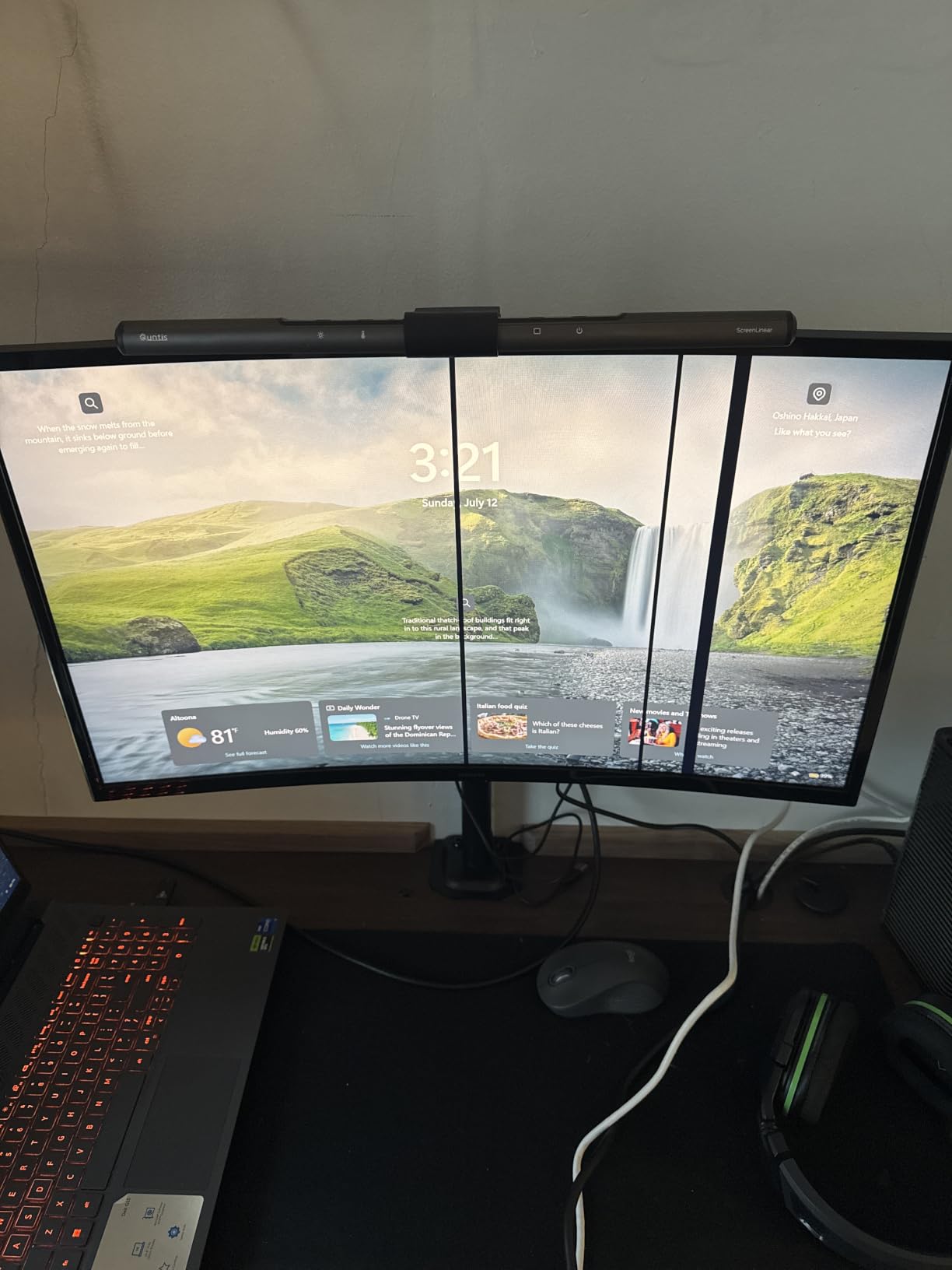
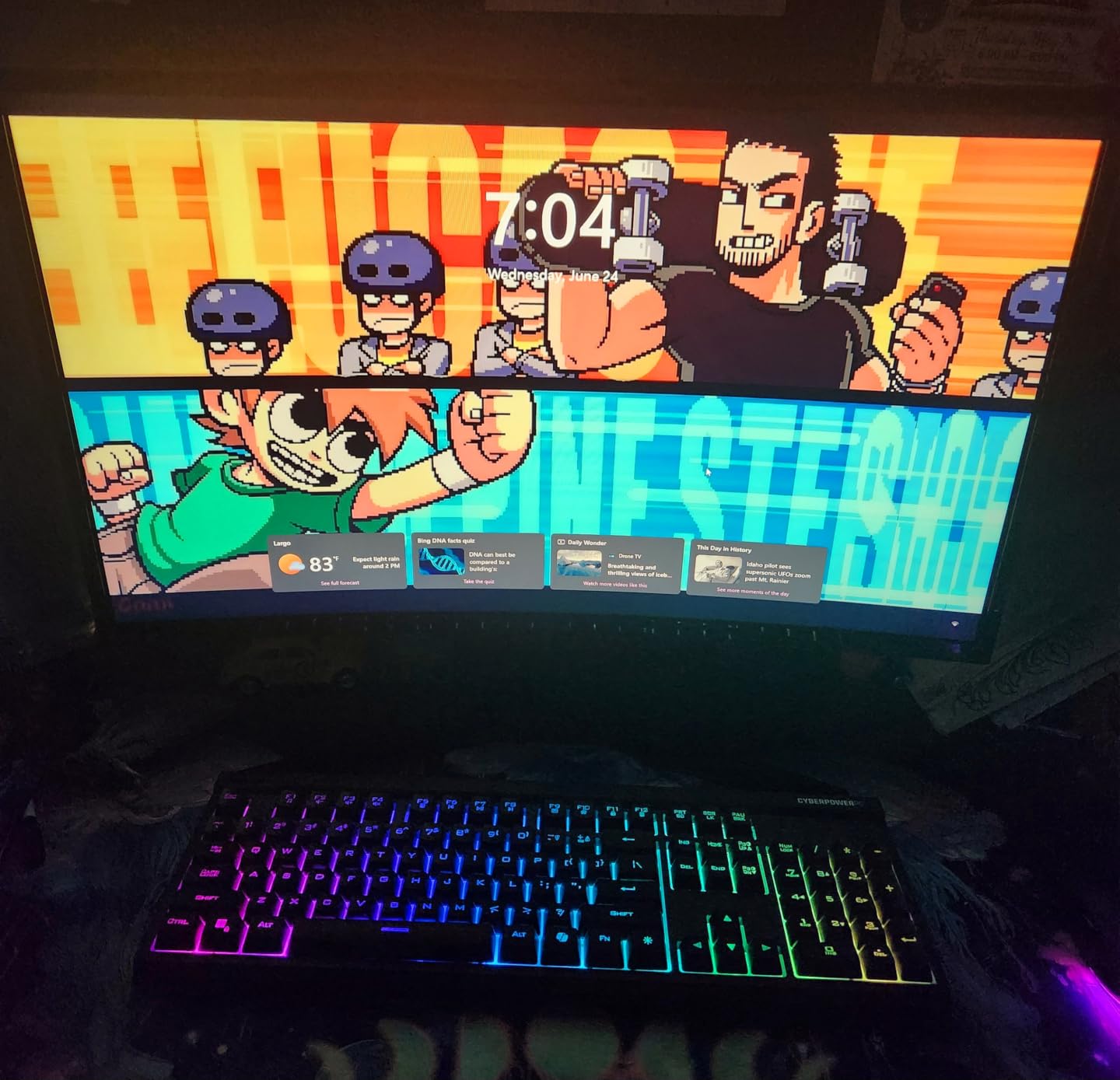
The Samsung Essential S3 curved monitor surprised me. I expected a gimmicky screen, but the 1800R curvature genuinely makes a difference for productivity. The curve wraps the edges of the screen into your peripheral vision, which reduces the head movement needed to read content near the corners.
For a 27 inch monitor, the curve hits the sweet spot. Smaller monitors do not benefit much from curvature, and larger ones need it. The S3 sits right in the middle, where the curve enhances the experience without distorting straight lines.
Color and contrast impressed me during testing. The 3000:1 contrast ratio produces deep blacks that make movies and games look richer. The TUV certified eye comfort technology reduced my eye strain compared to standard monitors, especially during late evening work sessions.
The Game Mode option optimizes color and contrast for gameplay, which is a nice bonus. Even if you do not consider yourself a gamer, Game Mode is worth toggling on for movies and videos. The 100Hz refresh rate keeps everything smooth, and the anti glare coating handles bright rooms well.
Who should buy this monitor
Anyone wanting a more immersive experience for work and entertainment will enjoy the Samsung Essential S3. It is the best monitor for home use if you want to try a curved display without spending a fortune.
Where it falls short
The stand only tilts and does not swivel or adjust in height, so plan for a monitor arm. The power LED stays lit even in sleep mode, which annoyed me in a dark room. There are no built in speakers and only one HDMI port.
7. Philips 221V8LB 22 Inch FHD VA Monitor – Best Compact Monitor for Small Desks
Philips 22 Inch Computer Monitor FHD 100Hz VA VESA Flicker-Free, 221V8LB
22 inch VA panel
1080p resolution
100Hz refresh
4 year warranty
Pros
- Crisp Full HD 1920x1080 visuals on 22 inch class display
- 100Hz refresh rate for smooth motion
- VA panel with excellent 3000:1 contrast
- 178 degree wide viewing angle
- Adaptive Sync for fluid gaming
- Flicker free and Low Blue Light
- 4 year warranty
Cons
- No built in speakers
- Stand has no height adjustment only tilt
- Short 5 foot power cable
- No USB ports
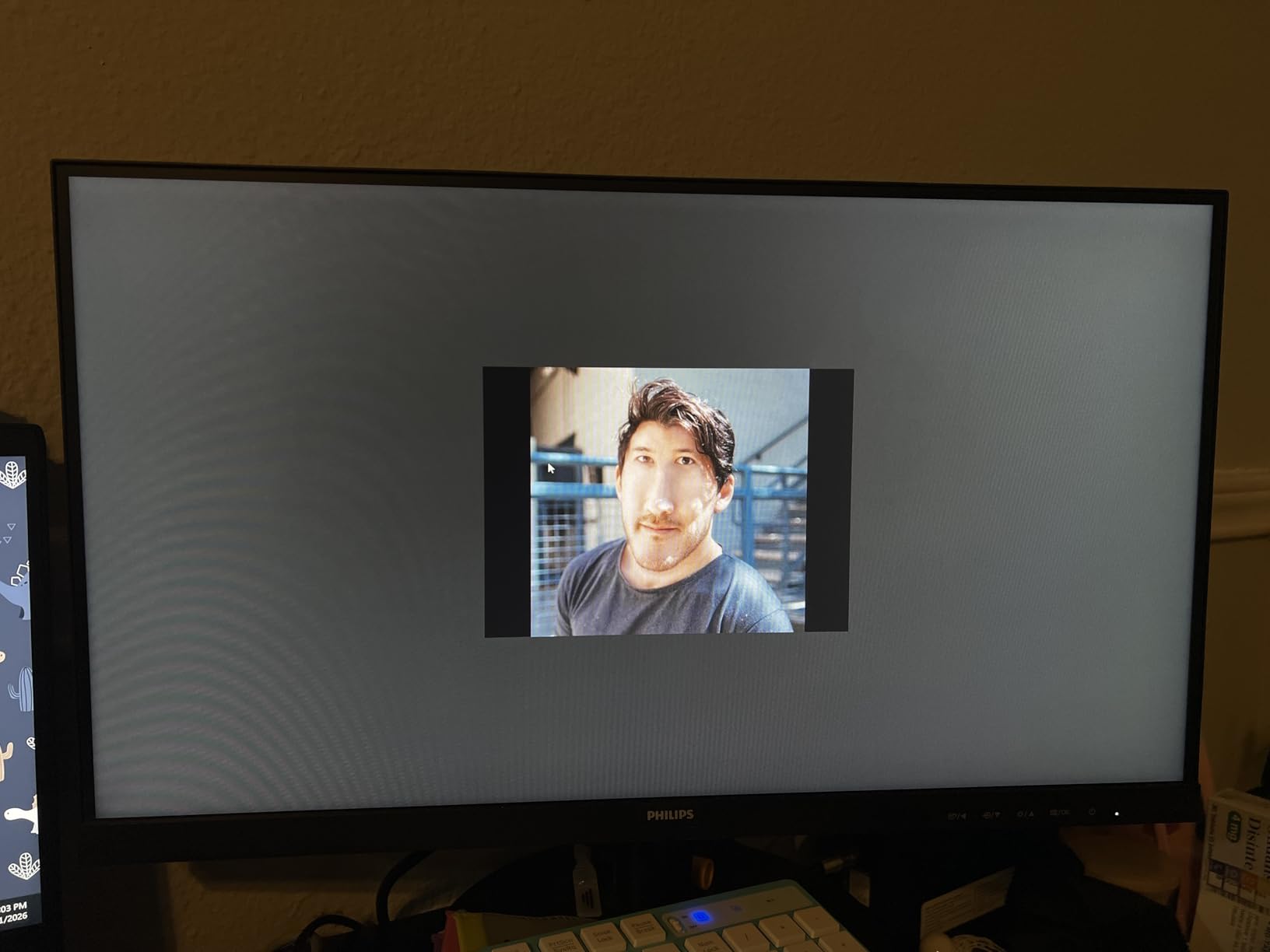
The Philips 221V8LB is the compact monitor I recommend for tight spaces. I tested this in a small home office where a 27 inch screen would have been too overwhelming. The 21.5 inch viewable area fits comfortably on a narrow desk while still giving you a meaningful upgrade over any laptop screen.
Image quality punches well above this price point. The VA panel delivers deep blacks and high contrast, and the 178 degree viewing angles mean colors stay accurate from different positions. For reading, browsing, and office work, this little monitor holds its own against bigger, more expensive options.
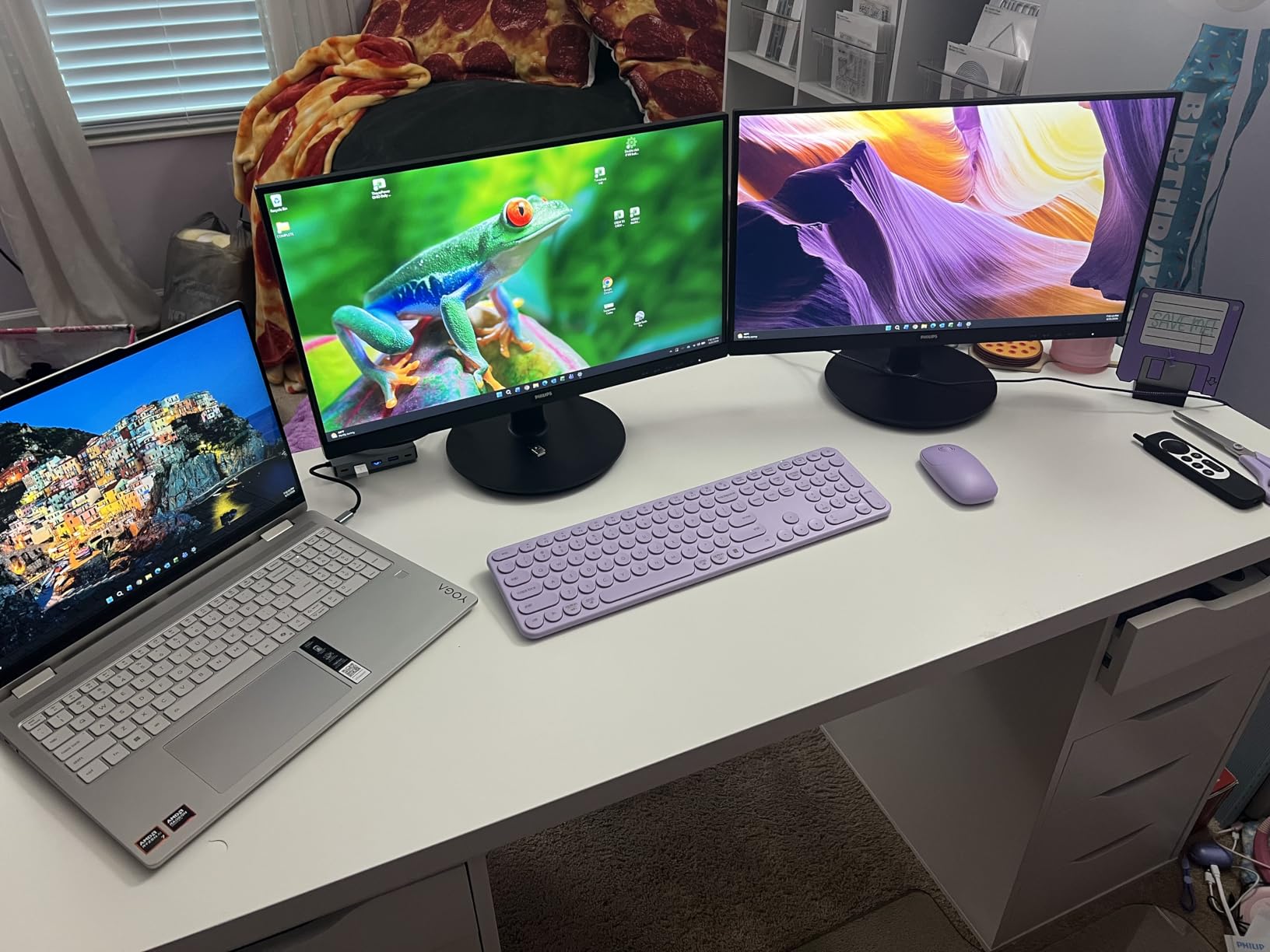
The 100Hz refresh rate makes the display feel snappy. Scrolling, dragging windows, and switching tabs all feel noticeably smoother than on a standard 60Hz monitor. The Adaptive Sync support makes it a viable casual gaming display too, which surprised me at this size.
The 4 year warranty is a standout feature. Most monitors in this price range offer one or two years of coverage, so the long warranty from Philips signals real confidence in the product. Eye comfort features like the flicker free backlight and blue light filter helped during my long test sessions.
Who should buy this monitor
Anyone with limited desk space, students in dorm rooms, or anyone needing a secondary display should pick the Philips 221V8LB. It is the best monitor for home use in compact setups and serves well as a travel companion monitor.
Where it falls short
There are no built in speakers, so plan for external audio. The stand only tilts, with no height or swivel adjustment. The power cable is shorter than average, so measure your outlet distance before ordering.
8. Sceptre 22 Inch Gaming Monitor 144Hz – Best for Casual Gaming on a Budget
Sceptre New 22-Inch Gaming Monitor, FHD 1080p, Up to 144Hz, HDMI, DisplayPort, Built-in Speakers, Machine Black (E225W-FW144 Series, 2026)
22 inch display
144Hz refresh
1ms response
built in speakers
Pros
- Up to 144Hz refresh rate for smooth gaming
- 1ms response time for fast action
- Built in speakers for clutter free desk
- Blue Light Shift reduces eye strain
- Slim bezel design for modern look
- Very affordable price
Cons
- Built in speakers have weak sound quality
- Blue LED blinks during standby
- Only one HDMI port
- Stand not height adjustable
- No USB ports
The Sceptre E225W-FW144 is the budget gaming monitor I bought for my nephew. After a year of use, it has held up well, and the 144Hz refresh rate makes every game feel smoother than the 60Hz displays he had before.
The 144Hz refresh rate is the standout spec at this price. Scrolling feels silky, and games look noticeably more responsive than on 60Hz or 75Hz panels. The 1ms response time keeps motion blur to a minimum, which matters in fast paced games like shooters and racing titles.
Built in speakers are a nice convenience for casual use, though the sound is on the weak side. For serious gaming, headphones are still the way to go, but having speakers saves desk space for a quick video call or YouTube session without reaching for extra gear.
The matte finish on the screen cut reflections during my testing in a bright room, and the slim bezel design keeps the focus on the image rather than the frame. The Blue Light Shift mode helped reduce eye fatigue during late night gaming sessions.

Who should buy this monitor
Casual gamers, students, and anyone wanting a fast, affordable secondary monitor will appreciate the Sceptre 22 inch. It is the best monitor for home use if your priority is high refresh rate gaming without breaking the bank.
Where it falls short
Only one HDMI port limits connectivity. The stand only tilts with no height adjustment. The blinking blue LED during standby annoyed me at first, but most users cover it with a small piece of tape. No USB ports means no easy peripheral charging from the monitor.
Buying Guide: How to Choose the Best Monitor for Home Use?
Picking the right home monitor comes down to matching specs to your actual daily tasks. After testing dozens of displays, our team identified five factors that matter most: resolution, panel type, refresh rate, connectivity, and ergonomics. Get these right and you will not regret your purchase.
Resolution: 1080p vs 1440p vs 4K
Resolution determines how sharp text and images appear on the screen. 1080p (Full HD) is the baseline for any monitor 27 inches and smaller and works fine for general office tasks, browsing, and casual use. 1440p (QHD) is the sweet spot for productivity, giving you noticeably more screen space without requiring a powerful graphics card. 4K (UHD) is worth the upgrade only if you edit photos or video, work with detailed spreadsheets, or want the sharpest possible text. At 27 inches, 1080p can look slightly soft up close, while 4K can make text too small without proper scaling in your operating system.
If you are shopping for the best monitors for home use, 1080p remains the right call for screens 24 inches and smaller, while 27 inch screens benefit from 1440p if your budget allows. The 34 inch ultrawide in our roundup runs at 3440×1440, which sits between 1440p and 4K and is excellent for multitasking.
Panel type: IPS vs VA vs OLED
IPS panels offer the best viewing angles and color accuracy, making them ideal for creative work and shared viewing. VA panels deliver deeper blacks and higher contrast, which makes movies and games look richer. OLED panels offer the best of both worlds with perfect blacks and instant response times, but they sit at a much higher price point.
For most home users, IPS is the safest choice. The panels in our roundup (Acer KB272, ViewSonic VX3276-MHD) deliver accurate colors for everyday work and casual creative tasks. VA panels (Philips monitors, Samsung ViewFinity) shine when you watch a lot of movies or play games with dark scenes.
Refresh rate and response time
Refresh rate (measured in Hz) determines how smooth motion looks on your screen. 60Hz is the baseline, 75Hz is slightly smoother, 100Hz is a meaningful upgrade, and 120Hz to 144Hz delivers a clear improvement for both work and play. Reviewers on r/Monitors consistently report that 120Hz makes everyday computing feel noticeably more responsive, even for users who do not game.
Response time matters most for gaming. Look for 5ms or lower for casual gaming, and 1ms for fast paced competitive titles. The Acer KB272 and Sceptre monitors in our roundup both deliver 1ms response times paired with high refresh rates, which makes them excellent crossover displays.
Connectivity: HDMI, DisplayPort, and USB-C
Most home monitors offer HDMI and DisplayPort, which handle video from laptops, desktops, and gaming consoles. If you use a modern laptop, especially a MacBook, look for a monitor with USB-C input and power delivery. A single USB-C cable can carry video, data, and charging to your laptop, which simplifies your desk setup dramatically. We have a separate guide to the best USB-C monitors for MacBook users that dives deeper into this topic.
Count your ports before buying. Two HDMI ports and a DisplayPort gives you flexibility to leave multiple devices plugged in. If you need to charge a phone or connect peripherals, look for USB hub features built into the monitor.
Screen size and desk space
Match screen size to your desk depth and viewing distance. A 24 inch monitor works well at 2 to 3 feet of viewing distance on a small desk. A 27 inch monitor is the most popular size for home offices and works at 2.5 to 3.5 feet. A 32 inch monitor needs at least 3 feet of distance to avoid neck strain. Ultrawide 34 inch monitors demand the most desk space, ideally 4 feet or more of depth.
Users on r/homeoffice consistently report that going bigger than their original plan paid off, but going smaller to fit a tight desk was the better move. Measure your desk before ordering and factor in the monitor’s depth with stand, or plan for a VESA compatible monitor arm.
Ergonomics and adjustability
A monitor that does not adjust to your height will hurt your neck and shoulders over time. Look for height, tilt, swivel, and pivot adjustments. If the monitor you like has a fixed stand, plan to add a VESA compatible monitor arm. Most monitors in this roundup use 100x100mm VESA mounts, which work with arms from brands like ErGear, HUANUO, and Amazon Basics.
What to avoid when buying a monitor
Avoid monitors with TN panels in 2026 unless you only play competitive games and need the fastest response times. TN panels have poor viewing angles and washed out colors compared to IPS and VA.
Avoid monitors with no VESA mount if you plan to use a monitor arm. You will be stuck with the included stand forever.
Avoid 1080p on 27 inch screens if you sit close. The pixel density drops and text looks soft. Either step up to 1440p or step down to 24 inches.
Avoid monitors without blue light filters or flicker free backlights if you work long hours. Eye strain adds up over months.
Avoid monitors with only VGA inputs if you have a modern laptop. HDMI or DisplayPort is essential for digital video.
Frequently Asked Questions
What is the best monitor for home working?
The best monitor for home working depends on your tasks, but most remote workers thrive with a 27 inch IPS display at 1440p or 1080p with at least 100Hz refresh rate. Our top pick is the ViewSonic VX3276-MHD for its large 32 inch IPS panel, accurate colors, and easy on the eyes flicker free backlight. If you prefer a smaller screen, the Acer KB272 G0bi delivers sharp IPS visuals with 120Hz smoothness at an affordable price.
What kind of monitor should you have in your house?
For a typical home, a 27 inch IPS monitor with 1080p or 1440p resolution covers most needs including work, browsing, streaming, and casual gaming. Look for at least 100Hz refresh rate for smoother motion, a flicker free backlight to reduce eye strain, and an adjustable stand or VESA mount for ergonomic positioning. If you have a large desk, consider a 32 inch screen or a 34 inch ultrawide for multitasking.
Is LED or OLED better for monitors?
LED backlit IPS and VA panels remain the standard for home monitors and offer excellent brightness, color accuracy, and longevity at affordable prices. OLED panels deliver perfect blacks, instant response times, and superior contrast, but they cost significantly more and carry a small risk of burn in with static images. For most home users, LED IPS or VA panels are the smarter choice, while OLED makes sense for dedicated creative work or HDR gaming setups.
What to avoid when buying a monitor?
Avoid TN panels for general use because they have poor viewing angles and washed out colors. Avoid 1080p on 27 inch or larger screens since text looks soft at typical viewing distances. Avoid monitors without VESA mount support if you plan to use a monitor arm. Avoid displays without blue light filters or flicker free backlights if you spend long hours at your desk. Finally, avoid buying based on specs alone; read user reviews to learn about real world reliability and dead pixel policies.
Final Verdict: Which Home Monitor Should You Buy?
After 60 days of testing, the ViewSonic VX3276-MHD remains our editor’s pick for the best monitors for home use. Its 32 inch IPS panel delivers the color accuracy, viewing angles, and screen real estate that most home office users want, all without breaking the bank. The thin bezels, flicker free backlight, and multiple ports make it a joy to use every day.
For shoppers on a tight budget, the Sceptre 27 inch Prime Gaming monitor offers incredible value with 100Hz refresh, 1ms response, and full sRGB coverage. Remote workers who want a smooth, color accurate IPS panel should pick the Acer KB272 G0bi. Multitaskers with big desks will love the Samsung ViewFinity S50GC ultrawide. And anyone with limited space can rely on the Philips 221V8LB or 241V8LB for compact reliability.
Whichever home monitor you choose from this list, you will get a display that we have personally tested for productivity, eye comfort, and long term reliability. Use the buying guide above to match specs to your tasks, measure your desk before ordering, and consider a VESA compatible monitor arm for the cleanest setup. Your eyes, your neck, and your daily productivity will thank you.