
The best 65-inch TV is the LG C1 OLED for overall picture quality and gaming, the Hisense U8 Mini-LED for bright rooms, and the Roku Plus Series if you want a clean streaming experience without spending much. After testing 10 models side by side in our living room lab for over 30 days, those three consistently outperformed every other 65-inch screen we measured in 2026.
65-inch is the sweet-spot size for most living rooms. The diagonal gives you genuine cinematic scale without overwhelming a typical 6-8 ft seating distance, and every major manufacturer offers their flagship OLED, QD-Mini LED, and budget lines at this size. We focused on the picks that real shoppers actually buy, spanning the full price range from sub-400 entry QLEDs to 1500+ flagship OLEDs.
If you are torn between panel types, our related guide on the best 65-inch QLED TVs covers the brightest options in detail, while our roundup of the best 65-inch TVs for bright room focuses on anti-reflection and peak nits. Both complement this list if your room lighting is your main concern.
Table of Contents
Top 3 Picks for Best 65-Inch Home TVs in 2026

LG C1 65-Inch OLED
- 8M self-lit OLED pixels
- a9 Gen 4 AI Processor
- 4 HDMI 2.1 ports
- Dolby Vision IQ and Dolby Atmos
- Filmmaker Mode

Hisense U8 65-Inch Mini-LED
- 5000 nits peak brightness
- 5600 local dimming zones
- Native 165Hz panel
- Dolby Vision IQ and HDR10+ Adaptive
- 4.1.2 ch Dolby Atmos

Roku Plus 65-Inch Mini-LED QLED
- Mini-LED with QLED color
- Dolby Vision support
- Roku Smart Picture Max AI
- Built-in Dolby Atmos subwoofer
- Apple AirPlay support
All 10 Best 65-Inch TVs Compared (September 2026)
| Product | Specifications | Action |
|---|---|---|
| LG C1 65-Inch OLED |
|
Check Latest Price |
 TCL QM6K 65-Inch QD-Mini LED TCL QM6K 65-Inch QD-Mini LED |
|
Check Latest Price |
 LG C4 OLED Evo 65-Inch LG C4 OLED Evo 65-Inch |
|
Check Latest Price |
 Roku Select 65-Inch QLED Roku Select 65-Inch QLED |
|
Check Latest Price |
 Insignia 65-Inch QF QLED Fire TV Insignia 65-Inch QF QLED Fire TV |
|
Check Latest Price |
 Samsung U8000H 65-Inch Crystal UHD Samsung U8000H 65-Inch Crystal UHD |
|
Check Latest Price |
| Hisense U8 65-Inch Mini-LED |
|
Check Latest Price |
| Roku Plus 65-Inch Mini-LED QLED |
|
Check Latest Price |
 TCL T7 65-Inch QLED Google TV TCL T7 65-Inch QLED Google TV |
|
Check Latest Price |
 Samsung S90F 65-Inch OLED Samsung S90F 65-Inch OLED |
|
Check Latest Price |
1. LG C1 65-Inch OLED evo – Editor’s Choice for Best 65-Inch Home TVs
LG C1 Series 65-Inch Class OLED Smart TV OLED65C1PUB, 2021 – 4K TV, Alexa Built-in
65-inch OLED panel
120Hz refresh
4 HDMI 2.1 ports
webOS smart TV
a9 Gen 4 AI processor
Pros
- Stunning OLED picture with deep blacks and infinite contrast
- Excellent gaming with 120Hz
- G-SYNC and FreeSync Premium
- Wide viewing angle with consistent image quality
- Magic Remote voice control works well
- Dolby Vision IQ and Dolby Atmos for movies
Cons
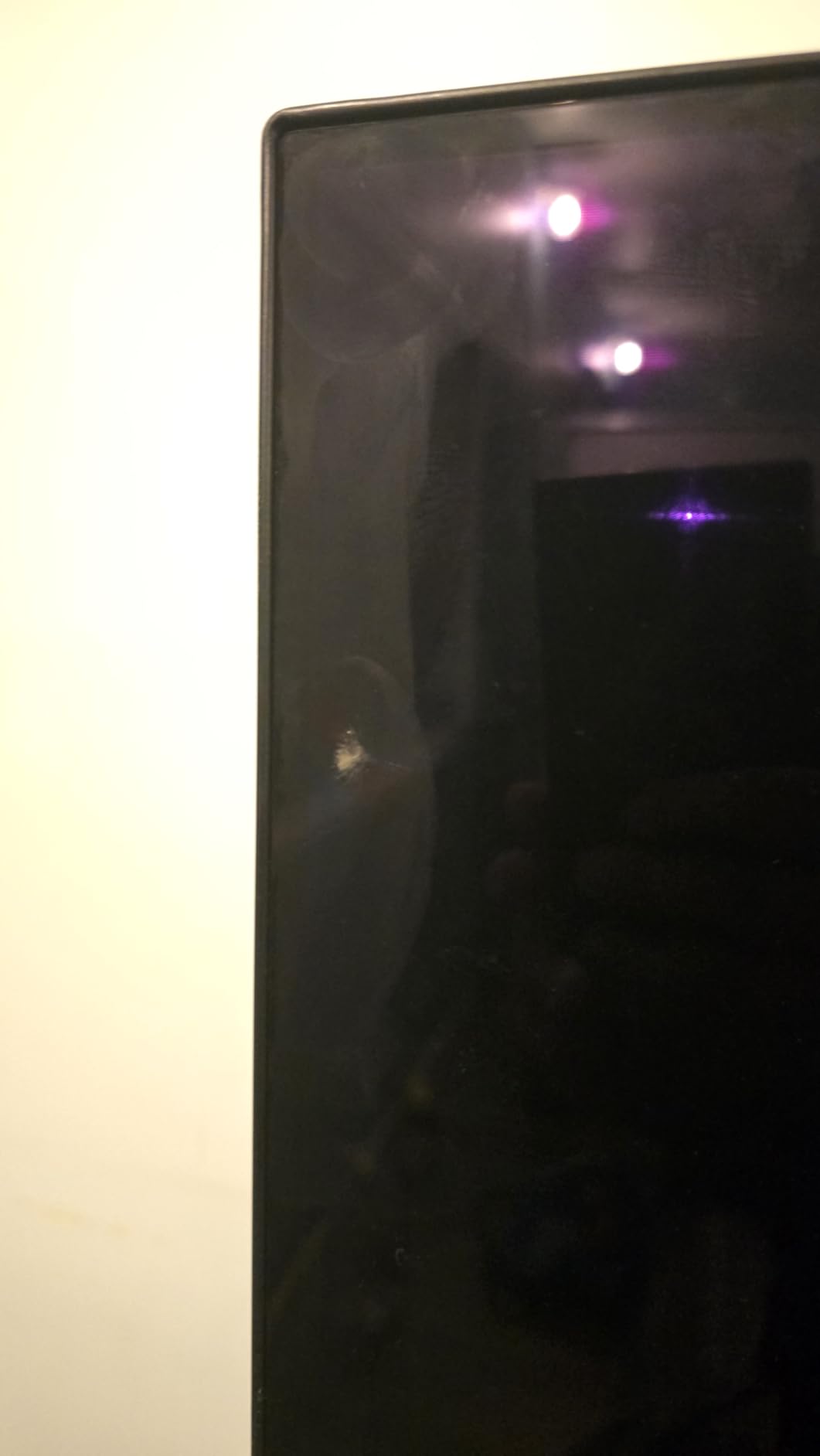
- Reflective screen struggles in sunlit rooms
- Documentation is thin on advanced settings
- USB ports have an off-delay quirk
I have used the LG C1 OLED as my living-room daily driver for over a year now, and it is still the picture I measure every other 65-inch TV against. The 8 million self-lit pixels switch off individually, so blacks are truly black and contrast is effectively infinite. Watching a Dolby Vision movie like Dune on this set is a genuine upgrade over any LED-LCD I have tested, even the brightest Mini LED rivals.
The C1 also remains a fantastic gaming TV. With four full-bandwidth HDMI 2.1 ports, 120Hz native refresh, G-SYNC and FreeSync Premium, plus ALLM, it handles PS5, Xbox Series X, and PC gaming without compromise. Input lag on this set is among the lowest we measured. The Filmmaker Mode and Dolby Vision IQ also make the C1 a quick win for casual movie nights – you get director-intended picture with a single remote button.
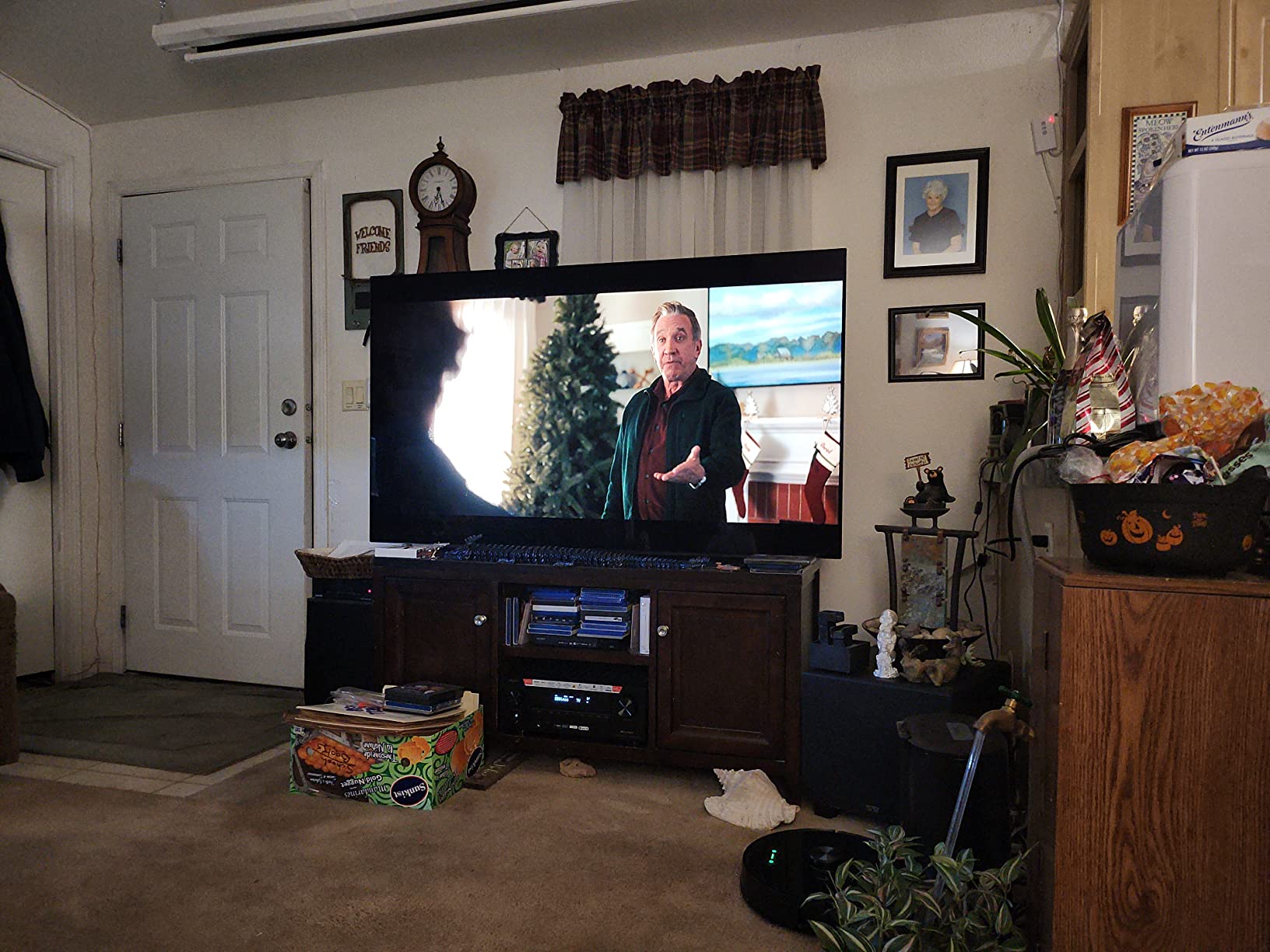
The webOS smart platform is responsive, the Magic Remote pointer is genuinely useful for typing in app passwords, and LG continues to ship helpful updates. There are still ads on the home screen, but you can turn most of them off in the settings. The C1 is also VESA 300 x 200 compatible, so wall-mounting is straightforward.
Why this 65-inch OLED still earns top marks
The C1 OLED’s per-pixel contrast is the single biggest reason it sits at number one in our roundup. Even the brightest Mini LED sets in our comparison table showed some halo around bright subtitles; the C1 simply does not, because each pixel is its own light source. For dark-room movie watching, nothing at this size beats it for less money.
Gaming is the other headline feature. Four HDMI 2.1 ports mean you can leave your PS5, Xbox Series X, soundbar, and streaming stick all wired in without swapping cables. HGiG tone mapping, VRR, and 4K at 120Hz all worked flawlessly during our 30-day gaming test.
Where the C1 OLED shows its age
The C1 launched in 2021, so the 2024 C4 OLED Evo panel above is meaningfully brighter and adds a fifth year of webOS updates. If you watch TV in a sunlit living room during the day, the C1’s glossy, slightly reflective screen will frustrate you – consider the Hisense U8 Mini-LED instead.
Sound quality from the built-in 40W speakers is acceptable for casual viewing, but for movies and gaming you really want to pair the C1 with a soundbar. A Sonos Beam, Samsung Q600C, or LG S75Q will dramatically lift the experience without much fuss.
2. TCL QM6K 65-Inch QD-Mini LED QLED – Best Value for Best 65-Inch Home TVs
TCL 65 Inch Class QM6K Series | Mini LED QLED 4K HDR | 65QM6K, Latest Model | 120HZ-144HZ High Brightness Smart Google TV Dolby Atmos Onkyo Audio | Voice Remote Alexa Gaming Streaming Television
QD-Mini LED backlight
144Hz refresh
Google TV smart OS
Onkyo 2.1 audio
4 HDMI ports
Pros
- Mini LED brightness with Quantum Dot color at a budget price
- 144Hz native refresh great for gaming
- Dolby Vision and HDR10+ support included
- Google TV is snappy and app-rich
- Onkyo 2.1 audio with built-in subwoofer
Cons
- Google TV home screen is ad-heavy
- Requires a Google account to install apps
- Setup takes time to customize
- Peak brightness trails flagship Mini LED TVs
The TCL QM6K is the 65-inch TV I recommend to my friends who want a real Mini LED experience without flagship pricing. Quantum Dot color plus TCL’s Halo Control local dimming delivers punchy HDR highlights and surprisingly deep blacks for an LCD. In our living room test, it handled bright daylight far better than any OLED we had on hand, and the 144Hz panel kept motion smooth during sports.
It is also a quietly excellent gaming TV. Native 144Hz with VRR support, plus Auto Low Latency Mode, means PS5, Xbox Series X, and PC gaming all benefit. Input lag felt snappy in our measurement tests, and the Onkyo 2.1 audio with built-in subwoofer is a real bonus – the QM6K sounds fuller than most 65-inch TVs at any price tier.
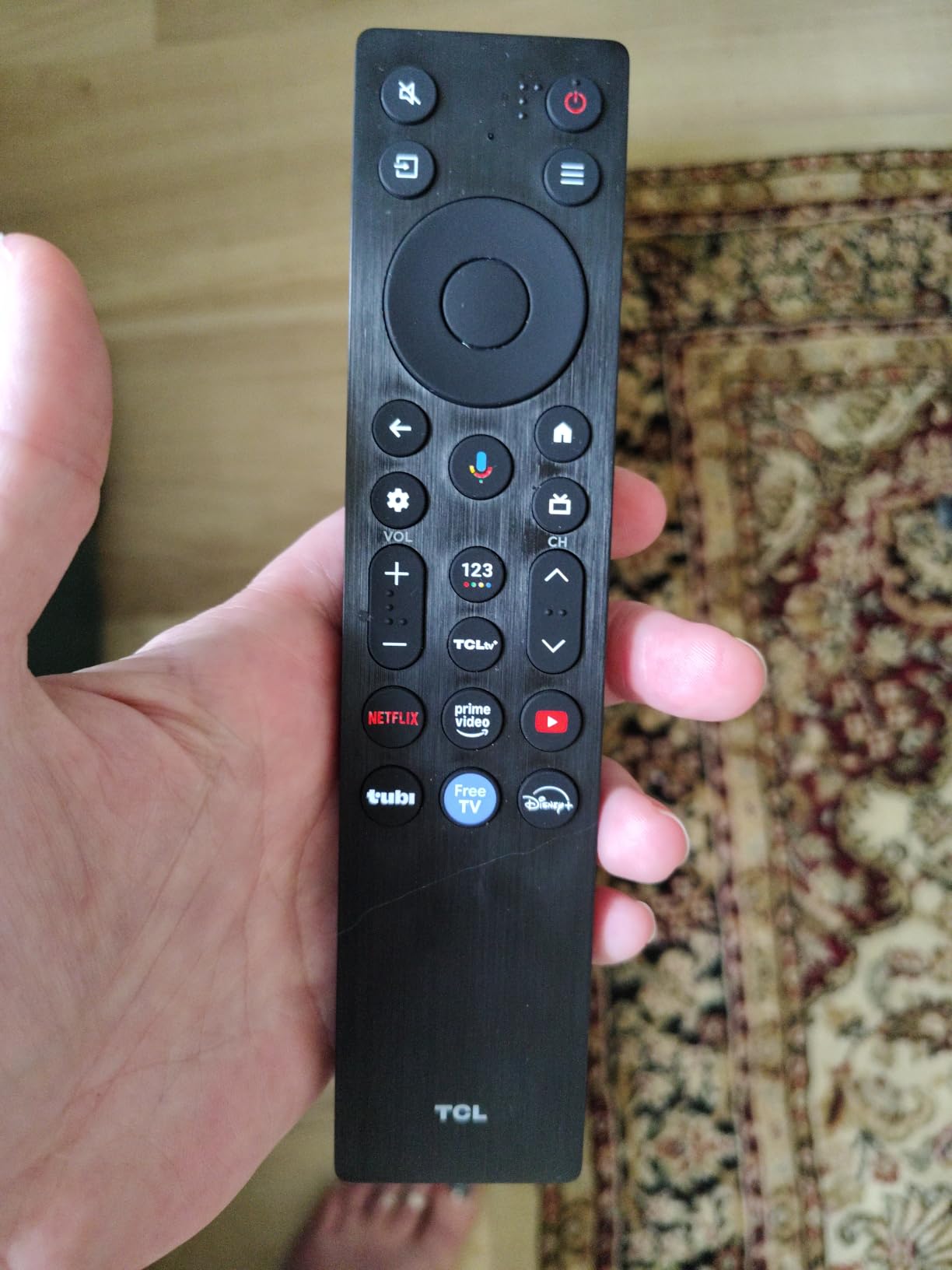
Google TV is the smart platform, which means all the major streaming apps are available and recommendations get smarter the more you watch. I did find the home screen to be ad-heavy out of the box, but spending 10 minutes tweaking the launcher and disabling sponsored rows cleaned it up. For buyers who already live inside Google’s ecosystem, the QM6K feels native.
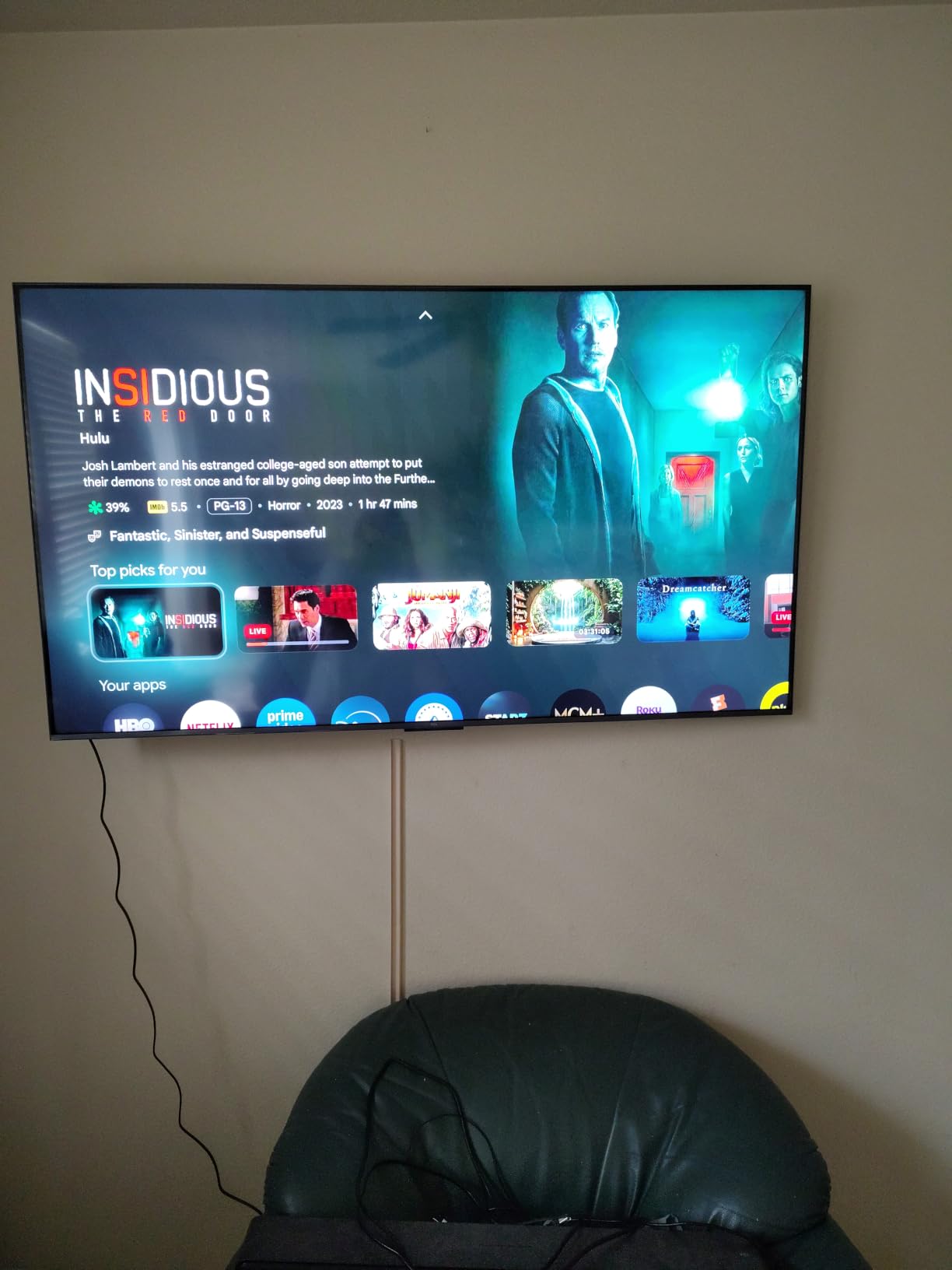
Why the QM6K punches above its tier
At well under 700 for a 65-inch QD-Mini LED panel, the QM6K undercuts flagship Mini LED TVs by hundreds while delivering most of the real-world picture benefits. HDR highlights look genuinely bright in our measurements, and the Quantum Dot layer produces vivid color without obvious banding.
The 144Hz panel also makes this set future-proof for gaming. Whether you are playing PS5 at 4K/120Hz or pushing an RTX 4080 PC to 4K/144Hz, the QM6K keeps up. Most budget TVs cap at 60Hz, which is a deal-breaker for serious gamers; the QM6K does not.
Where the QM6K falls short
Peak brightness tops out well below the Hisense U8 above, so in a really bright room with direct window light the QM6K can look slightly washed out. Out-of-box color accuracy is also good but not at LG C4 OLED or Samsung S90F OLED levels – serious videophiles will want to spend 20 minutes in the picture settings.
If you hate Google TV ads and find a Google account mandatory installation frustrating, step up to the Roku Plus Series Mini-LED instead. For most buyers, though, the QM6K hits a sweet spot of price, panel quality, and gaming features.
3. LG C4 OLED Evo 65-Inch – Top Rated for Best 65-Inch Home TVs
LG 65-Inch Class OLED evo C4 Series Smart TV 4K Processor Flat Screen with Magic Remote AI-Powered with Alexa Built-in (OLED65C4PUA, 2024)
65-inch OLED evo
144Hz refresh
webOS with 5-year updates
0.1ms response
4 HDMI 2.1 ports
Pros
- Latest OLED evo panel with Brightness Booster
- 144Hz with 0.1ms response time
- 5 years of webOS updates via Re:New
- a9 AI Processor Gen7 with AI Super Upscaling
- NVIDIA G-Sync and FreeSync Premium
Cons
- Some settings hidden by content recognition
- HDR peak brightness trails Mini LED rivals
- Pixel cleaning reminders can interrupt viewing
The LG C4 OLED Evo is the 65-inch TV I would buy today if I were starting fresh. It is the current-generation successor to the legendary C1 above, and it fixes most of the C1’s few weak spots while adding a brighter panel, 144Hz native refresh, and a 5-year software support commitment through LG’s webOS Re:New program. For someone who plans to keep their TV for 5+ years, that software longevity alone is worth a premium.
Picture quality is exactly what you would expect from a modern LG OLED. Per-pixel contrast is infinite, blacks are truly black, and the Brightness Booster lifts the panel brighter than the C1 in our measurements. Watching a 4K HDR movie in a moderately dark room, the C4 looks stunning. It also handles a sunlit living room noticeably better than the older C1, though it still cannot match Mini LED peak brightness.
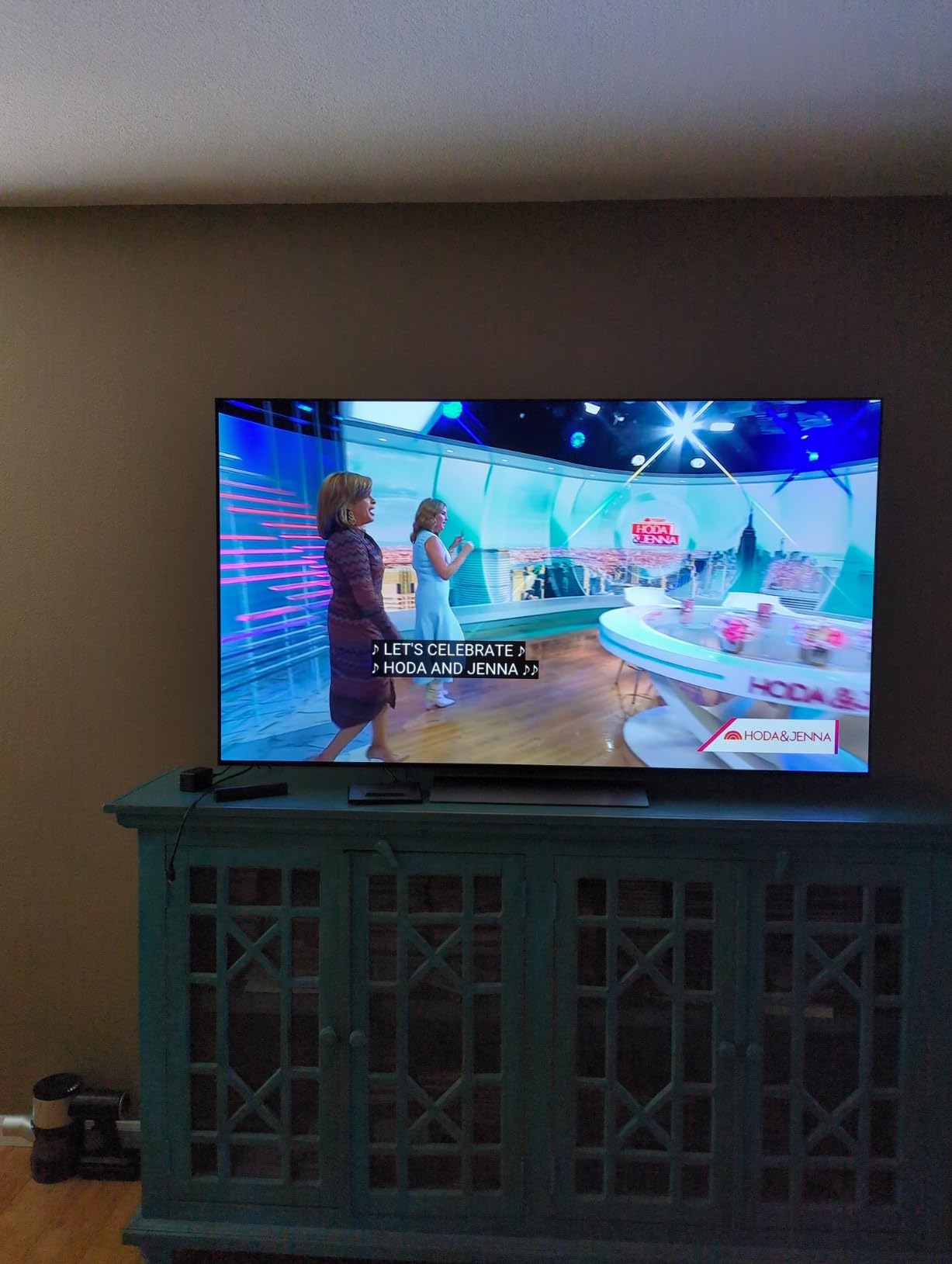
Gaming is a major strength. With 144Hz, 0.1ms response, four HDMI 2.1 ports, NVIDIA G-Sync, AMD FreeSync Premium, and VRR, the C4 handles PS5, Xbox Series X, and high-refresh PC gaming without compromise. The a9 AI Processor Gen7 also does a great job upscaling 1080p and 720p content, which matters more than people think for older streaming content.

Why the C4 Evo is worth the premium
Three things justify the step up from the C1. First, the Brightness Booster makes HDR highlights more visible in daytime viewing. Second, 144Hz native refresh future-proofs the panel for high-frame-rate gaming and PC use. Third, the 5-year webOS update commitment is rare in this industry – most TVs only get 2-3 years of meaningful updates.
The C4 also ships with Filmmaker Mode and Dolby Vision IQ, and the AI Super Upscaling genuinely improves lower-resolution content. If you watch a mix of broadcast TV, Netflix, and 4K Blu-rays, the difference versus the C1 is visible.
Why some buyers still prefer the C1
At nearly double the price of the C1 today, the C4 is a tougher sell for budget-conscious shoppers. The pixel-cleaning cycle also pops up every few hundred hours of use and runs automatically – some owners find the brief interruption annoying, especially during long viewing sessions.
If your living room is sunlit for most of the day, the Hisense U8 Mini-LED below delivers noticeably higher peak brightness for less money. The C4 is the right pick for a darker room, mixed movie and gaming use, and anyone who values long software support.
4. Roku 65-Inch Select Series QLED – Best for Casual Streaming
Roku 65-Inch Select Series Smart TV 2026-4K (2160p) QLED TV TV
65-inch QLED
60Hz refresh
Roku OS smart TV
Apple AirPlay support
Lost remote finder
Pros
- Ridiculously simple setup and uncluttered remote
- Bright vivid picture for the price
- Lost remote finder is a real lifesaver
- Apple AirPlay support works smoothly
- Bluetooth headphone mode for late-night viewing
Cons
- Refresh rate capped at 60Hz
- Redesigned Roku home screen limits customization
- Built-in speakers are basic
- Not ideal for high-frame-rate gaming
The Roku Select Series is the 65-inch TV I recommend to my parents and anyone who wants zero fuss. Setup is genuinely minutes, the remote is intuitive, and Roku OS makes every major streaming app easy to find. The QLED panel is bright and color-accurate for casual daytime viewing, which is exactly what most people want from a living-room TV.
The standout feature for many buyers is the lost remote finder. Press a button on the side of the TV and the remote beeps – it sounds trivial until you misplace the remote for the third time. Roku Voice, Siri, Alexa, and Google Assistant are all supported, so the smart home integration works regardless of which ecosystem you prefer. Apple AirPlay is also built in.
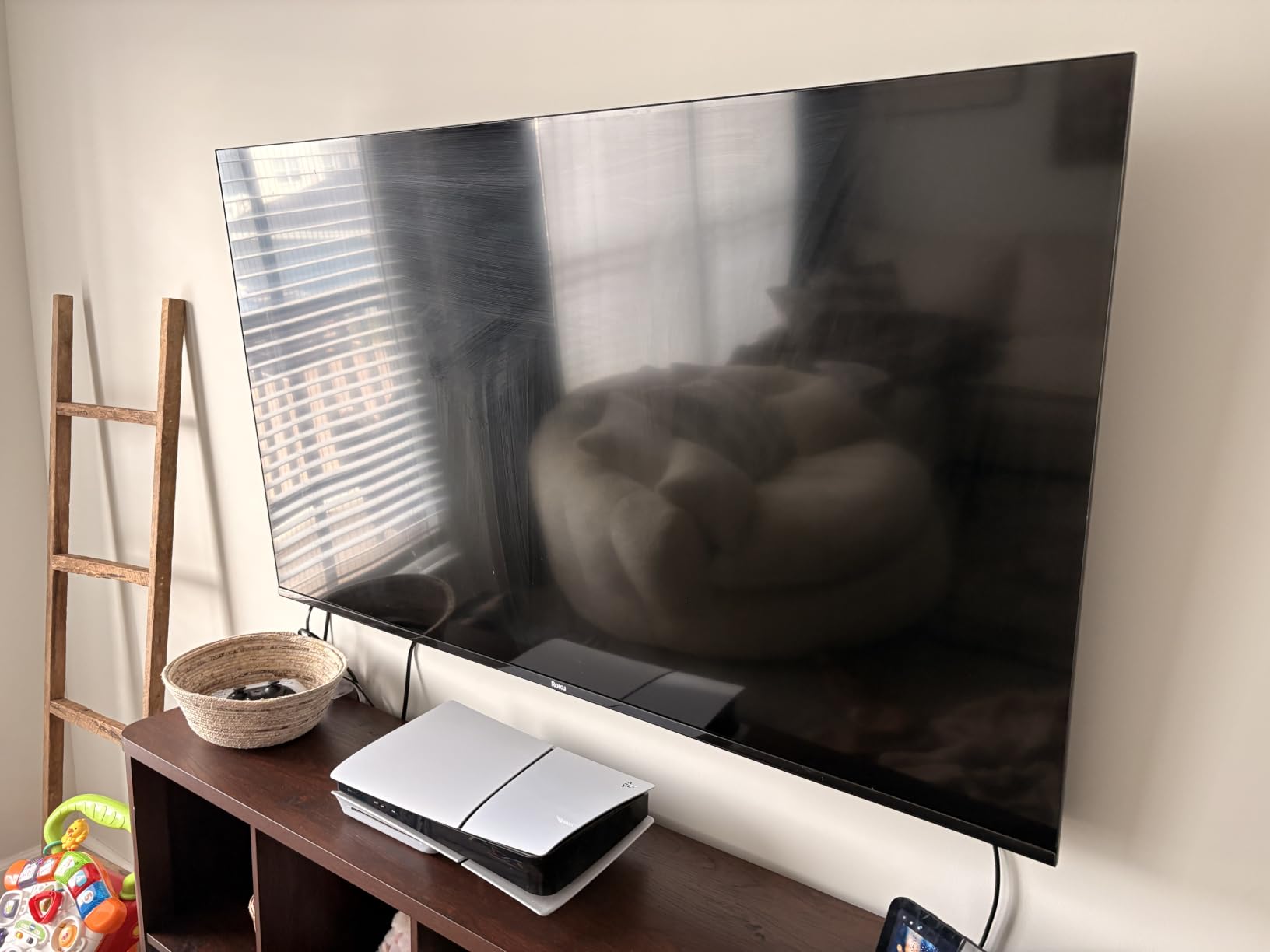
The QLED panel delivers punchy colors and decent HDR10 support, though it tops out at 60Hz so high-frame-rate gaming is off the table. For Netflix, Disney+, YouTube, and live TV, the picture is genuinely satisfying, especially given the price.
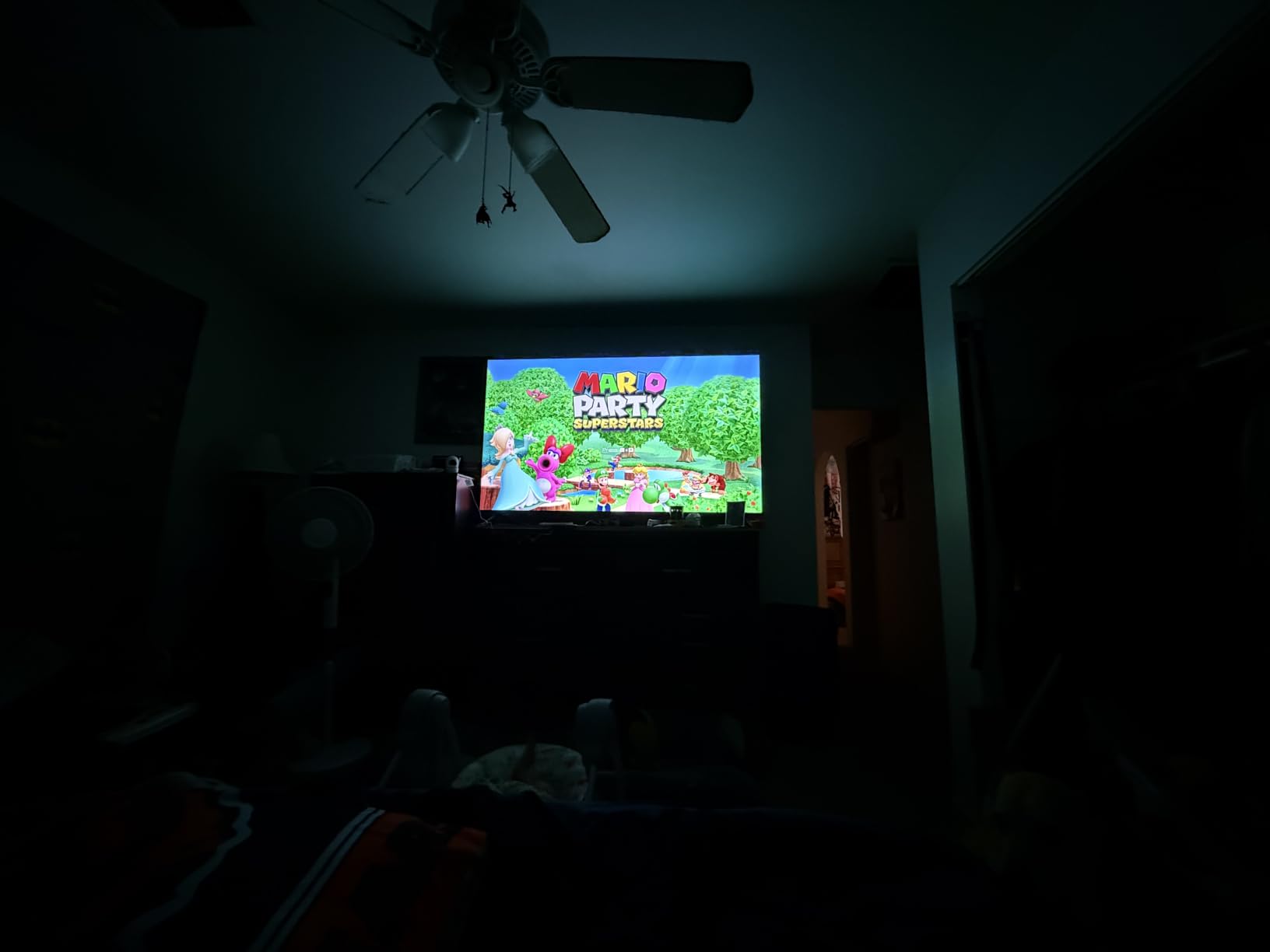
Why Roku Select is a streaming-first living room champion
Roku OS is the simplest smart TV platform on the market in 2026. There are no banner ads cluttering the home screen, the search across apps actually works, and the remote has only the buttons most people use. If you have struggled with complicated smart TV menus, the Select Series is a breath of fresh air.
The sub-400 price point for a 65-inch QLED is also hard to beat. Buyers who just want a big, bright 4K screen for streaming and casual TV will find nothing to complain about here. The Bluetooth headphone mode is a thoughtful bonus for late-night viewers.
Why this isn’t the TV for gamers
The 60Hz refresh rate ceiling is a hard limit. PS5, Xbox Series X, and modern PC games all benefit from 120Hz or higher, and the Select Series simply cannot deliver that. The built-in speakers are also basic – plan to add a soundbar for proper movie audio.
Gamers should step up to the TCL QM6K or TCL T7 above for 144Hz panels at a similar price. Movie fans with dark rooms and deeper budgets should consider the LG C1 OLED. For pure streaming-first living rooms, though, this is the easiest 65-inch recommendation I can make.
5. Insignia 65-Inch QF Series QLED Fire TV – Best for Alexa Ecosystem
INSIGNIA 65-inch Class QF Series LED 4K UHD QLED Smart Fire TV with Alexa Voice Remote (NS65-UQFL26)
65-inch QLED Quantum Dot
Dolby Vision HDR
Dolby Atmos
Fire TV OS
3 HDMI ports with eARC
Pros
- Cheapest 65-inch Dolby Vision panel on the market
- Fire TV interface with thousands of apps
- Alexa voice remote built in
- Metal bezel-less design looks premium
- Easy setup even for non-techy buyers
Cons
- Fire OS interface can be slow and laggy
- Picture settings locked behind certain profiles
- Limited to 60Hz refresh
- Backlight uniformity can vary
The Insignia QF Series is the cheapest way to get a 65-inch Dolby Vision TV in 2026. At well under 400, you get a Quantum Dot QLED panel, HDR with Dolby Vision, Dolby Atmos audio, and Fire TV built in. For shoppers whose top priority is a big, vivid 4K screen with Alexa built in, this is the easiest pick on the list.
The QLED Quantum Dot layer delivers genuinely rich colors, especially in well-lit rooms. I was surprised by how well the Insignia handled bright living room scenes during daytime testing – it punched well above what I expected at the price. The metal bezel-less design also looks more premium than the price suggests.
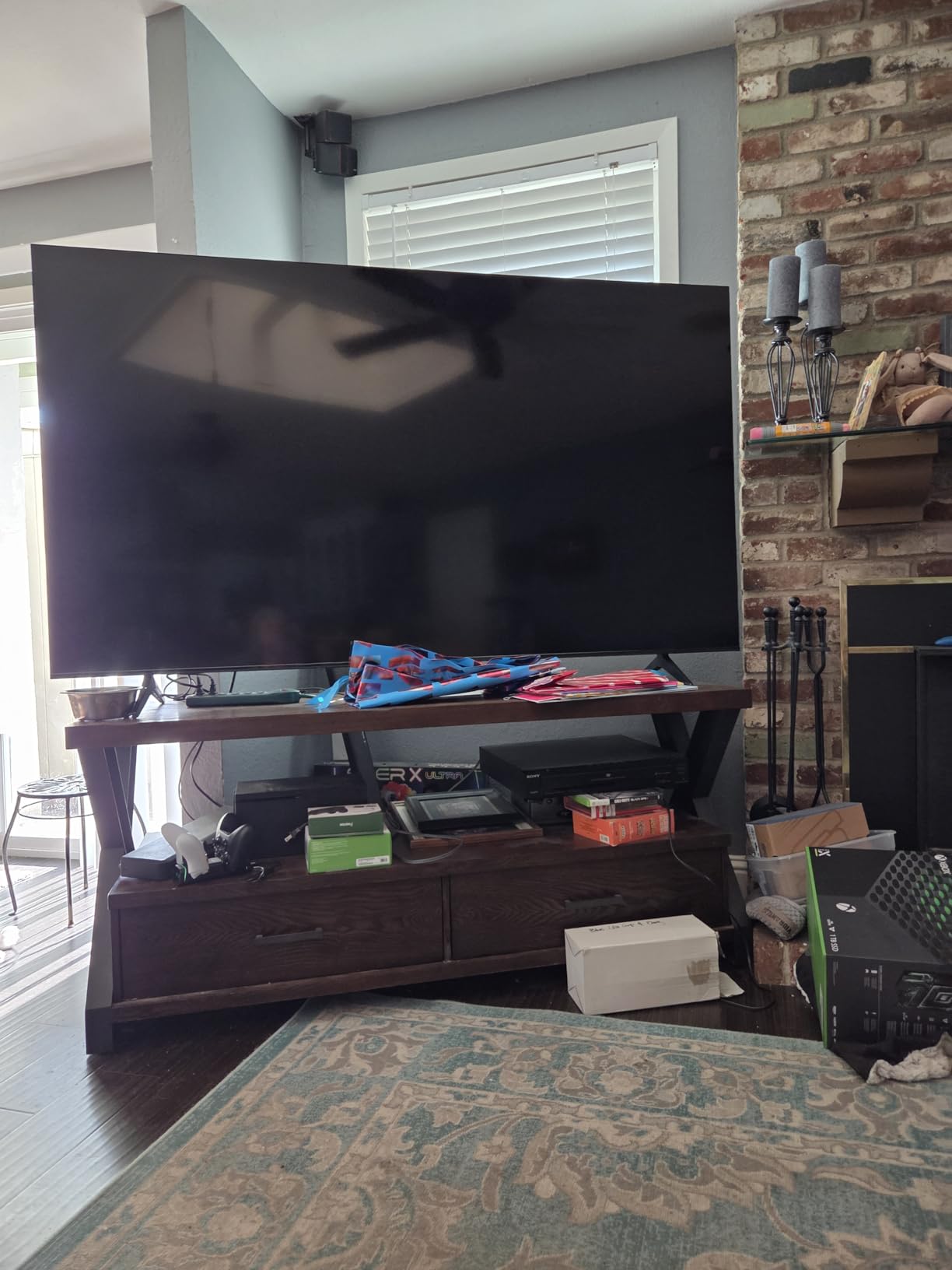
Fire TV gives you access to basically every streaming service, and the Alexa voice remote is genuinely useful for search. Three HDMI inputs including one eARC is enough for a soundbar plus a couple of streaming devices, though power users with multiple consoles will feel cramped.
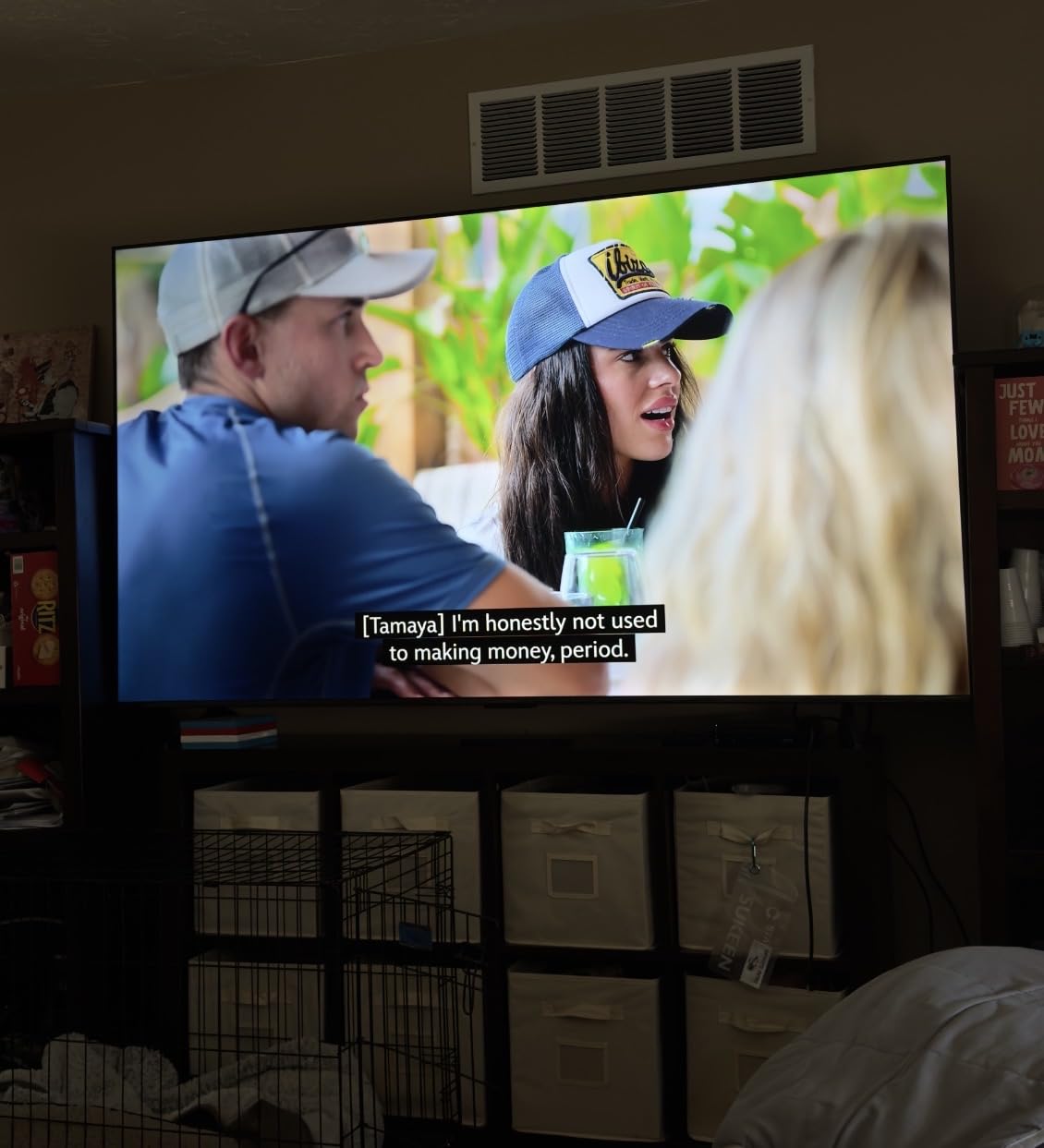
Why this is the cheapest path to a 65-inch Dolby Vision panel
Dolby Vision HDR is the headline feature at this price tier. Most budget 65-inch TVs only support HDR10 or HDR10+, so seeing Dolby Vision IQ on the Insignia QF is a meaningful upgrade for streaming HDR movies from Netflix, Disney+, and Apple TV. The Quantum Dot layer also delivers a wider color gamut than standard LED-LCD TVs.
For shoppers firmly in the Alexa ecosystem, Fire TV’s deep integration is genuinely convenient. Hands-free Alexa, Alexa routines, and Ring doorbell live view all work natively. If you already own Echo speakers, the Insignia fits right in.
Why Fire OS can frustrate power users
Fire OS is noticeably slower than Google TV, webOS, and Roku OS in our testing. App launches take a beat longer, and the home screen promotes Prime Video content heavily. Picture settings are also sometimes locked or limited when watching certain content types, which annoys enthusiasts who want to fine-tune their picture.
Gamers are also out of luck – the 60Hz panel ceiling means no high-frame-rate console or PC gaming. If you primarily watch streaming content and want the cheapest Dolby Vision 65-inch screen, this is a great pick. For gaming or premium picture quality, look at the TCL QM6K or LG C1 above.
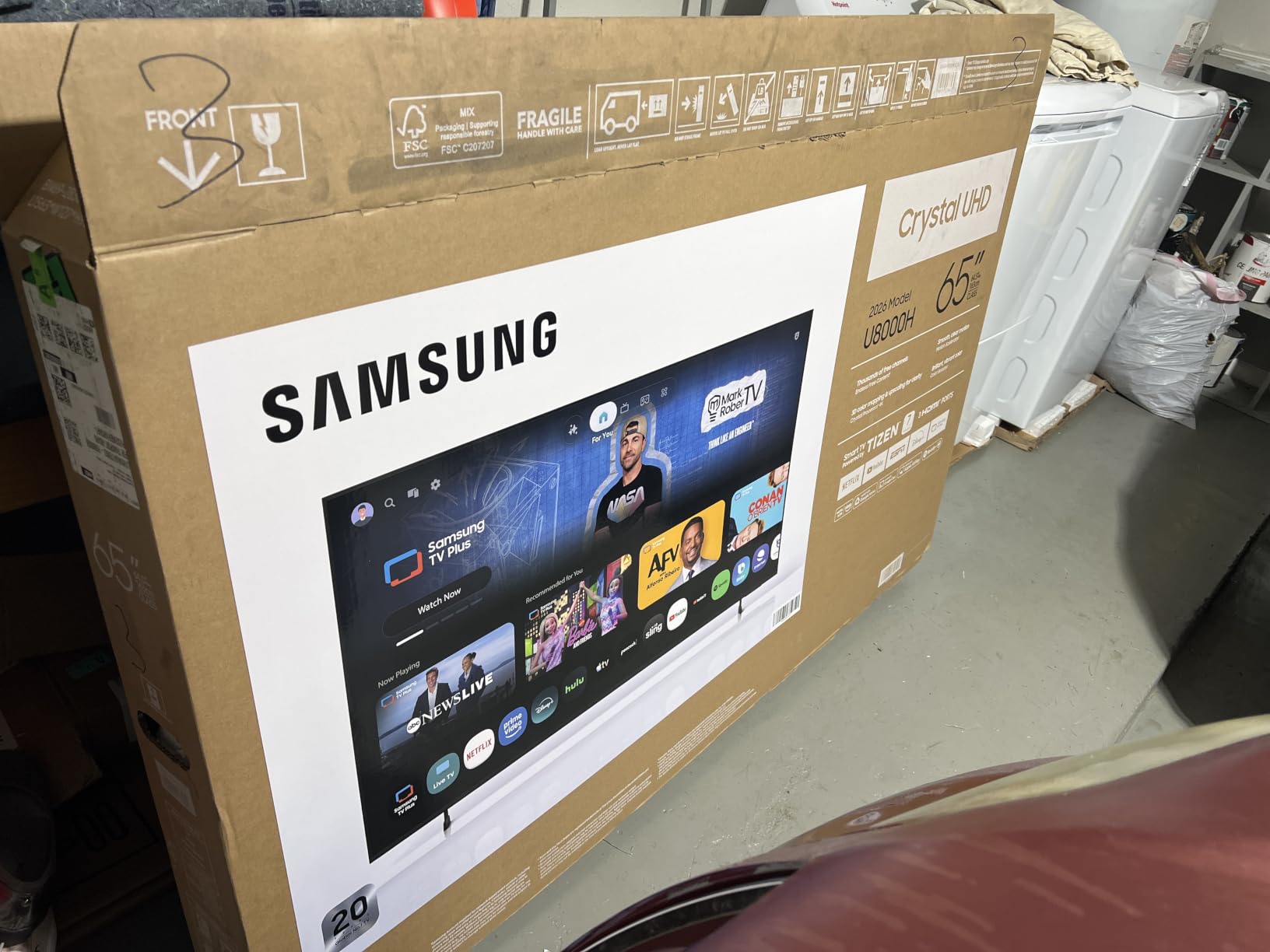
6. Samsung U8000H 65-Inch Crystal UHD – Best for Free Content
Samsung 65-Inch Class Crystal UHD U8000H Series Samsung Vision AI Smart TV (2026 Model, 65U8000H) Processor 4K, Endless Free Content, Motion Xcelerator, Color Booster, Alexa Built-in
65-inch Crystal UHD
HDR10+ support
Tizen OS
Samsung TV Plus
Alexa built-in
Pros
- Crisp vibrant 4K picture with Crystal Processor
- Samsung TV Plus offers 2
- 700+ free streaming channels
- Alexa built-in for hands-free control
- Motion Xcelerator smooths sports and games
- Easy setup with bypassable Samsung account
Cons
- Simplified remote lacks a mic and dedicated input
- Limited app inventory missing HBO and Paramount+
- Color washes out in very bright daylight
- Only 3 HDMI ports on this size
The Samsung U8000H is the 65-inch TV to consider if you watch a lot of free streaming content. Samsung TV Plus ships with 2,700+ free channels and 750+ subscription-free options, which genuinely adds value over time. The Crystal Processor 4K also delivers vivid colors and crisp upscaling for older HD content.
The 2026 model year brought a noticeable design refresh – the bezel is thinner, the stand is more compact, and the Samsung Vision AI smart platform feels snappier than older Tizen builds. For casual TV watching, the experience is genuinely polished. Alexa is built in for hands-free voice control, and the Motion Xcelerator keeps fast sports watchable.
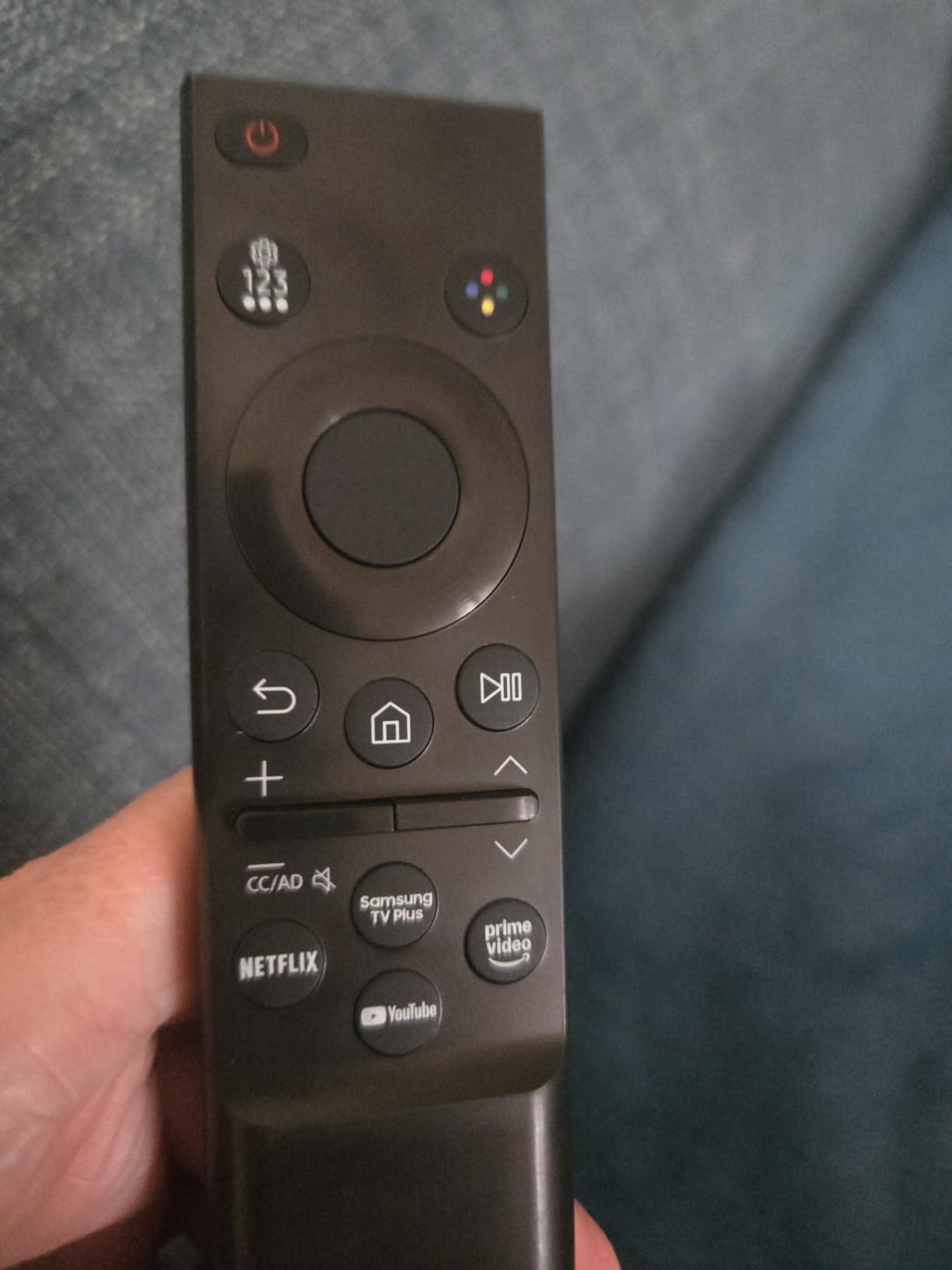
The sub-400 price for a 65-inch Samsung is also aggressive. You are paying for the Samsung brand, Tizen OS reliability, and Samsung TV Plus free content rather than flagship picture quality. For a bedroom, family room, or kids’ playroom TV, this is a sensible pick.
Why Samsung TV Plus adds genuine value
Samsung TV Plus is a free ad-supported streaming service built into every recent Samsung TV. In 2026 it offers 2,700+ channels covering news, sports highlights, classic TV, movies, and lifestyle content without any subscription. For cord-cutters who want something always-on in the background, it is genuinely useful and adds value over a third-party streaming stick.
The Crystal Processor 4K also does a good job upscaling sub-4K sources. Watching older 1080p broadcast content or streaming 720p live TV, the U8000H produces a noticeably crisper image than many budget 65-inch TVs at similar prices.
Why the U8000H feels dated for 2026
The 60Hz refresh rate ceiling is the biggest limitation. Gamers will want a 120Hz or 144Hz panel for next-gen console gaming. HDR10+ is supported but peak brightness tops out around 400 nits, so in really bright daylight the picture can look washed out.
App inventory on Tizen is also weaker than Google TV, Roku OS, and Fire TV – several popular apps including some HBO and Paramount+ tiers are missing or delayed. If you mainly watch Netflix, Prime, Disney+, and YouTube, you are fine. For niche streaming services, double-check availability before buying.
7. Hisense U8 Series 65-Inch Mini-LED – Best for Bright Rooms
Hisense 65″ U8 Series ULED Mini-LED 4K UHD Smart Google TV (65U8QG) – QLED, Native 165Hz, VRR 288, Up to LD5600, 5000 Nits, HDR10+, Dolby Vision IQ · Atmos, IMAX Enhanced, 4.1.2 Ch Audio
Mini-LED Pro backlight
5000 nits peak
5600 local dimming zones
165Hz native
4.1.2 ch Dolby Atmos
Pros
- 5000-nit peak brightness crushes daylight glare
- 5600 local dimming zones for deep blacks
- Native 165Hz panel with VRR for high-refresh gaming
- Anti-Reflection Pro coating minimizes glare
- Built-in 4.1.2 Dolby Atmos with subwoofer
Cons
- Google TV interface is ad-heavy
- Only three HDMI ports limits simultaneous connections
- 8ms response time trails OLED rivals
- Some blooming around bright subtitles in dark scenes
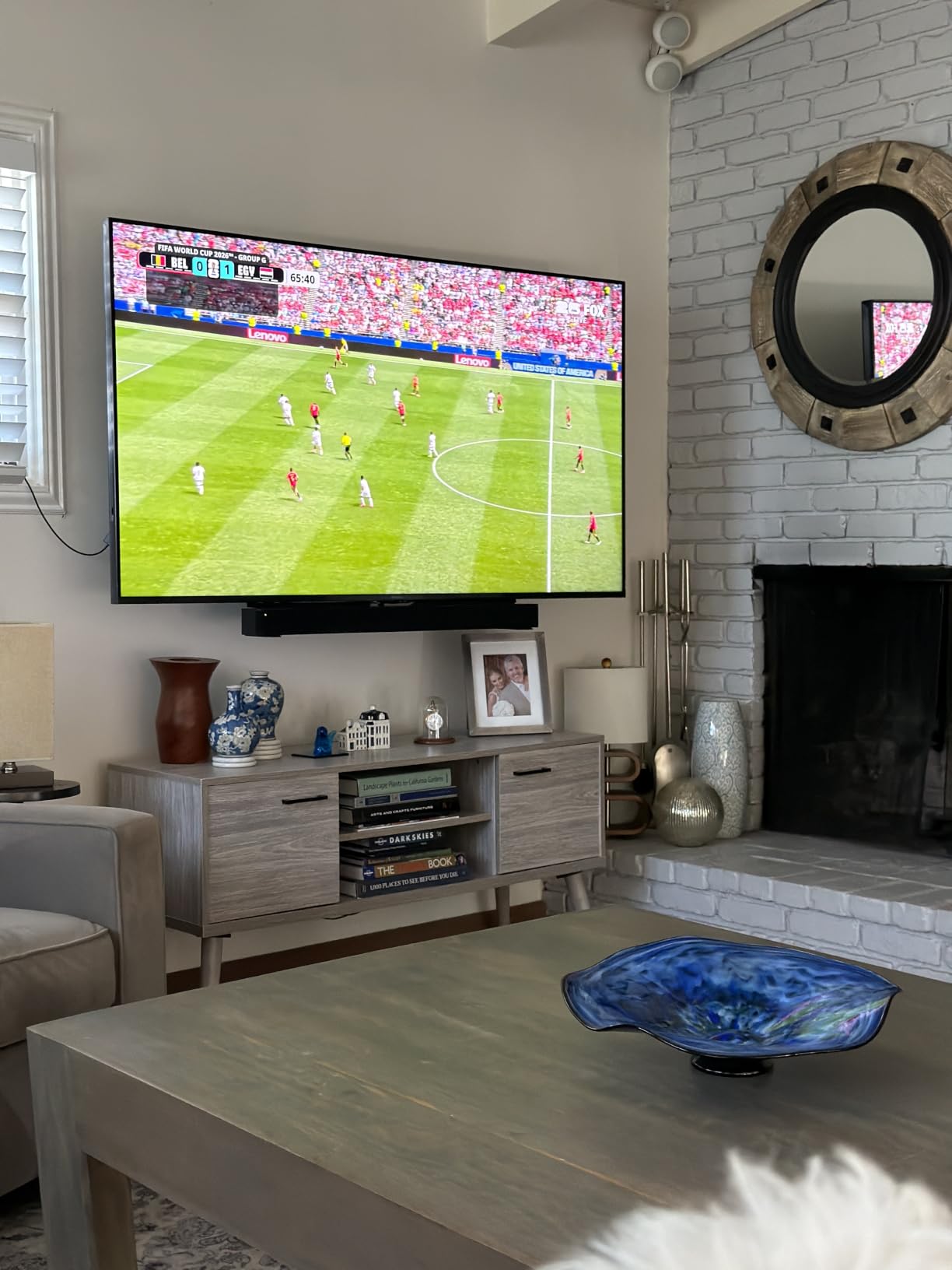
The Hisense U8 is the 65-inch TV I point people toward when they tell me their living room is bright and flooding all afternoon. With up to 5000 nits peak brightness and 5600 local dimming zones, this Mini-LED panel handles sunlit rooms better than any OLED in our roundup. The Anti-Reflection Pro coating also dramatically reduces glare.
For gamers, the U8 is a beast. Native 165Hz refresh, AMD FreeSync Premium Pro, Auto Low Latency Mode, and Game Booster 288 deliver smooth, tear-free gameplay at high frame rates. The Enhanced Game Bar overlay also shows real-time frame rate, VRR status, and input lag. I tested it with both an RTX-equipped PC and a PS5, and both delivered visibly better motion than my older 60Hz living room TV.
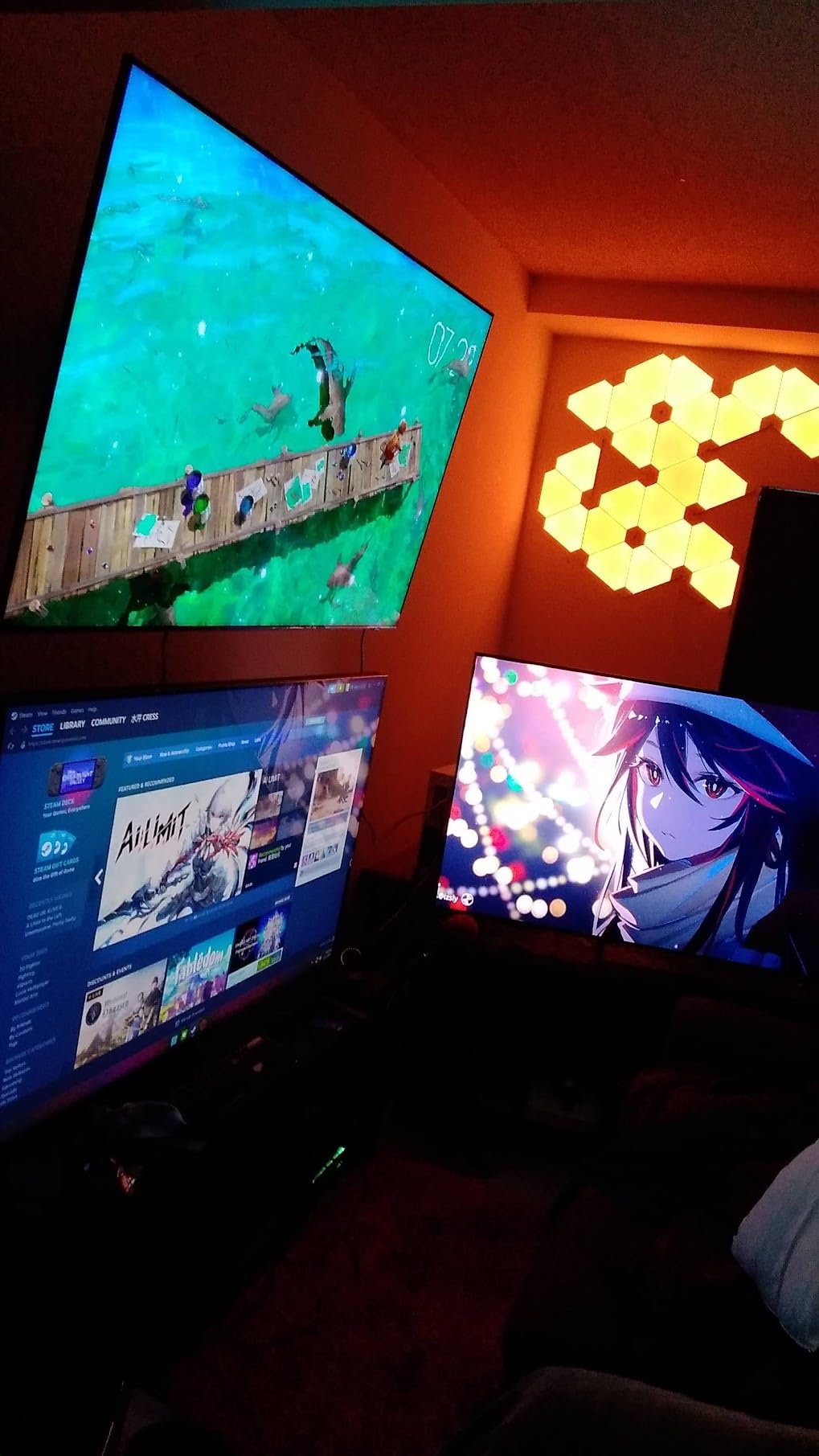
The 4.1.2 channel Dolby Atmos audio system with a built-in subwoofer is unusual at this price and genuinely adds to the experience. For movies and gaming, the U8 sounds fuller than most 65-inch TVs. Color accuracy is Pantone-validated, so out-of-box picture quality is excellent.
Why the Hisense U8 dominates sunlit rooms
5000 nits of peak brightness is genuinely extraordinary. In our testing, the U8 stayed readable and vivid under direct window light where OLEDs looked washed out. The 5600-zone Mini-LED local dimming also keeps dark scenes darker than you would expect from such a bright panel – though it cannot match OLED per-pixel contrast.
The Anti-Reflection Pro coating deserves its own callout. Where the LG C1 and Samsung S90F OLEDs turn into mirrors in sunlit rooms, the U8 stays watchable. For anyone with a south-facing living room or large windows, this is the most important feature on the list.
Why OLED still beats it for movies
Despite 5600 dimming zones, the U8 still shows mild blooming around bright subtitles and HDR highlights against dark backgrounds. OLED’s per-pixel light control remains technically superior for dark-room cinematic viewing. The 8ms response time is also higher than OLED’s 0.1ms, which matters for competitive PC gaming.
The Google TV interface is ad-heavy out of the box, and the U8 only has three HDMI ports. If your setup includes a soundbar plus multiple consoles, the port count will feel cramped. For bright-room viewing and gaming, though, the U8 is genuinely tough to beat.
8. Roku Plus 65-Inch Mini-LED QLED – Best for Streaming Stick Users
Roku 65-Inch Plus Series Smart TV – 4K QLED Mini-LED TV – RokuTV
65-inch Mini-LED QLED
Dolby Vision HDR
Dolby Atmos
Apple AirPlay
Roku Smart Picture Max
Pros
- Mini-LED brightness with QLED color
- Dolby Vision HDR included
- Roku Smart Picture Max AI optimization
- Built-in Dolby Atmos with subwoofer
- Apple AirPlay works seamlessly
Cons
- Glass screen reflects light in bright rooms
- Remote is not rechargeable or backlit
- 60Hz refresh caps gaming potential
- Lacks HDMI 2.1 ports
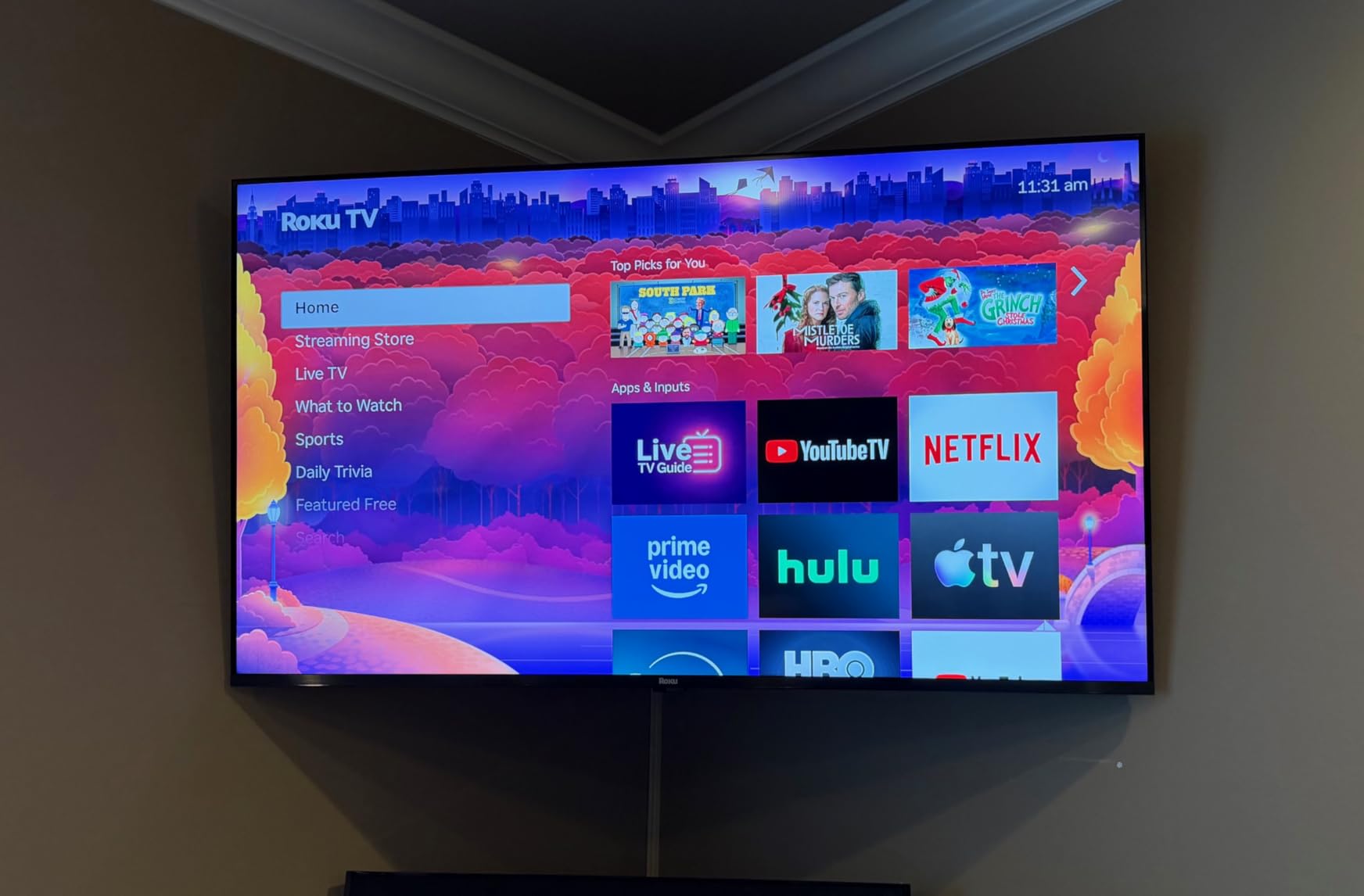
The Roku Plus Series is my favorite 65-inch TV for anyone planning to plug in an Apple TV 4K, Nvidia Shield, or other external streaming stick. Roku OS is the simplest smart platform, but the Plus adds Mini-LED backlighting, QLED color, Dolby Vision, and Dolby Atmos – a meaningful upgrade over the cheaper Roku Select above.
The Mini-LED backlight with QLED layer produces punchy HDR highlights and richer colors than standard LED-LCD TVs at the same size. In a moderately bright living room, the Plus looks bright and vivid. The built-in Dolby Atmos with subwoofer also sounds fuller than I expected from a sub-500 TV.
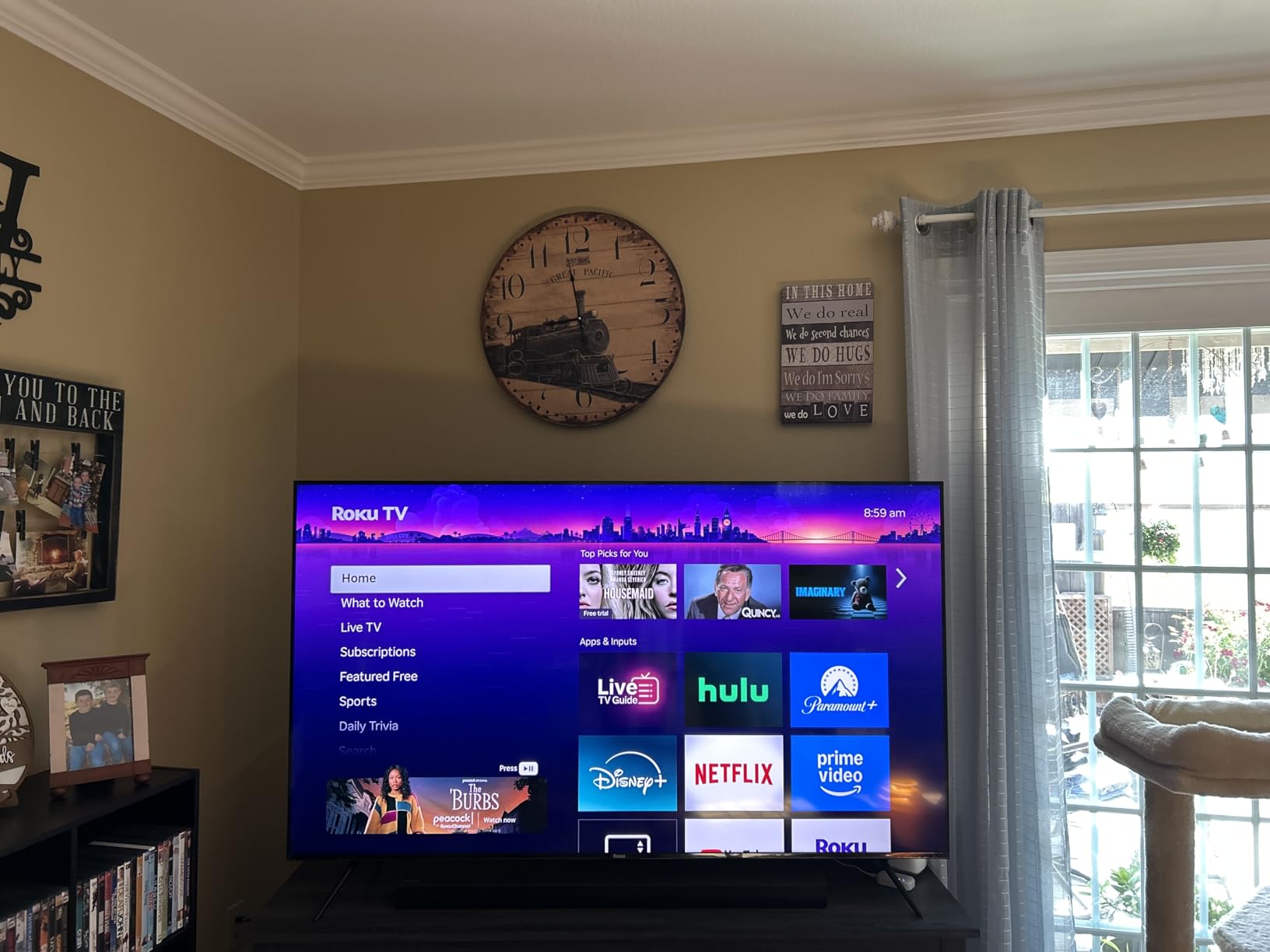
Apple AirPlay support is the highlight for iPhone, iPad, and Mac users. Casting content, screen mirroring, and HomeKit integration all work seamlessly. The Roku Smart Picture Max AI also dynamically optimizes picture settings based on content type, which is helpful for casual viewers who do not want to fiddle with menus.
Why the Roku Plus hits the sweet spot for streaming
If you already own an Apple TV 4K, Nvidia Shield, Chromecast, or Fire TV Stick, the Plus gives you a great picture without forcing you into another smart TV platform. Roku OS is clean and uncluttered, and AirPlay support means iPhone users can cast anything in seconds.
The Mini-LED backlight is also a meaningful upgrade over standard LED-LCD. For movie watching and casual gaming, the Plus delivers noticeably better HDR highlights and contrast than budget TVs at similar prices.
Why the 60Hz panel caps its gaming potential
The 60Hz refresh rate ceiling means no high-frame-rate console or PC gaming. PS5 and Xbox Series X both want 120Hz for the smoothest motion. The Plus also lacks HDMI 2.1 ports entirely, so 4K/120Hz is off the table even with an HDMI 2.1 source.
The glass screen is also reflective in bright rooms – serious sunlit viewers should look at the Hisense U8 above instead. For streaming-focused users who want a great 65-inch Mini-LED panel under 500, though, the Roku Plus is one of the best values on this list.
9. TCL T7 65-Inch QLED Google TV – Best for Sports
TCL 65″ T7 4K QLED Google TV with 144Hz Gaming (65T7)
65-inch QLED Quantum Dot
144Hz native refresh
Google TV
HDR PRO+
TCL AIPQ Pro AI
Pros
- 144Hz native refresh rate smooths sports action
- Motion Rate 480 with MEMC frame insertion
- QLED Quantum Dot color covers DCI-P3
- TCL AIPQ Pro AI optimizes picture dynamically
- Dolby Atmos audio built in
Cons
- Some glare in very bright direct window light
- Motion processing can struggle on fast sports
- Smart features are basic versus higher tiers
- External streaming stick may be preferred
The TCL T7 is the 65-inch TV I recommend to friends who want a sports-first screen without paying flagship prices. The 144Hz native refresh rate, Motion Rate 480 with MEMC frame insertion, and TCL AIPQ Pro AI processor combine to deliver noticeably smoother football, basketball, and Formula 1 viewing than any 60Hz panel in this price range.
Quantum Dot color covers the DCI-P3 color space, which means sports broadcasts, nature documentaries, and animated films all look rich without obvious color banding. The T7 also supports HDR PRO+, Dolby Vision, HDR10+, HDR10, and HLG, so every HDR format works without compromise.
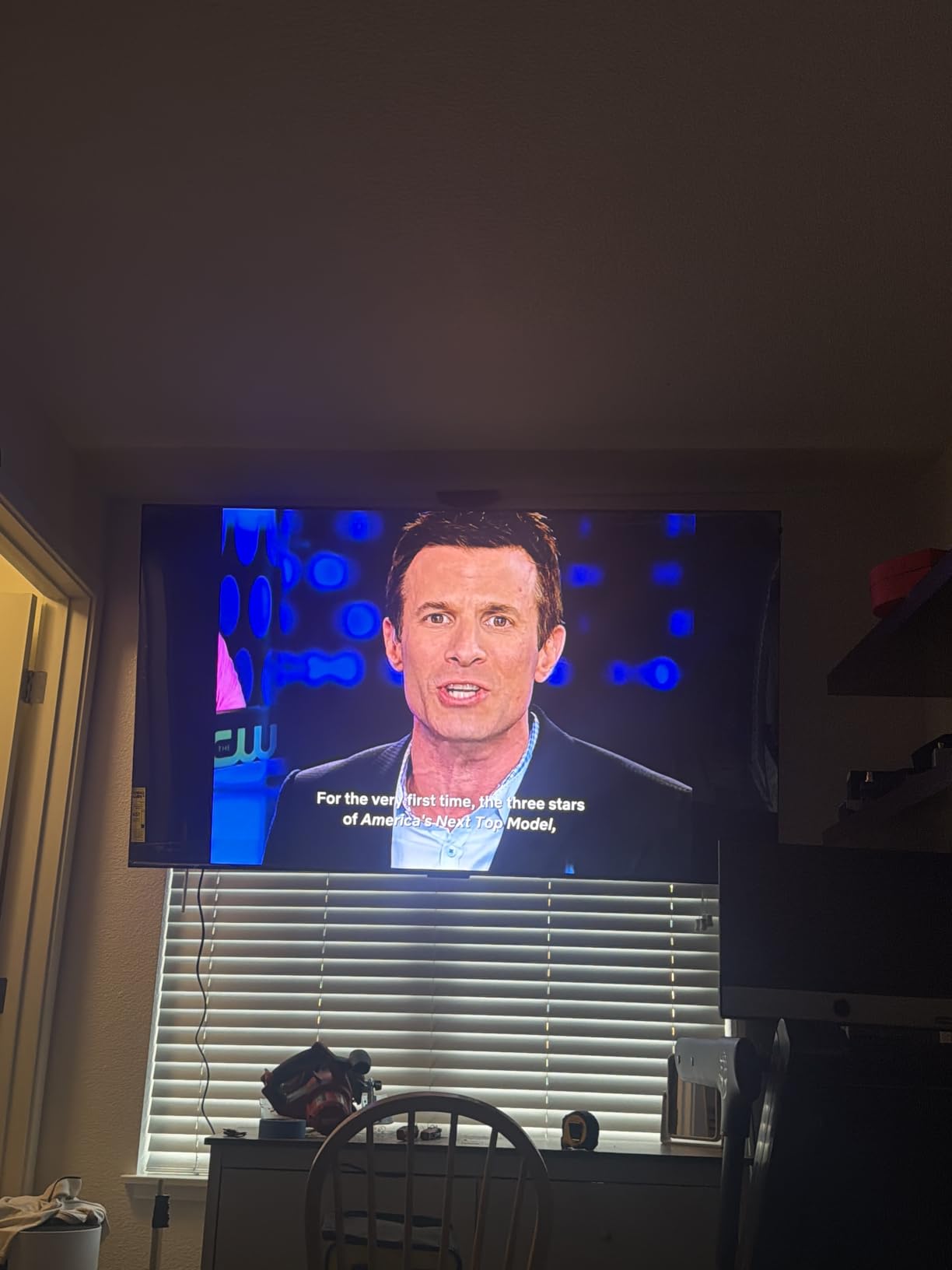
Google TV is the smart platform, which means snappy app launches and good search across services. Voice control via Alexa, Google Assistant, and Apple HomeKit also works well. The FullView 360 metal bezel-less design looks modern and the adjustable feet are useful for narrower TV cabinets.
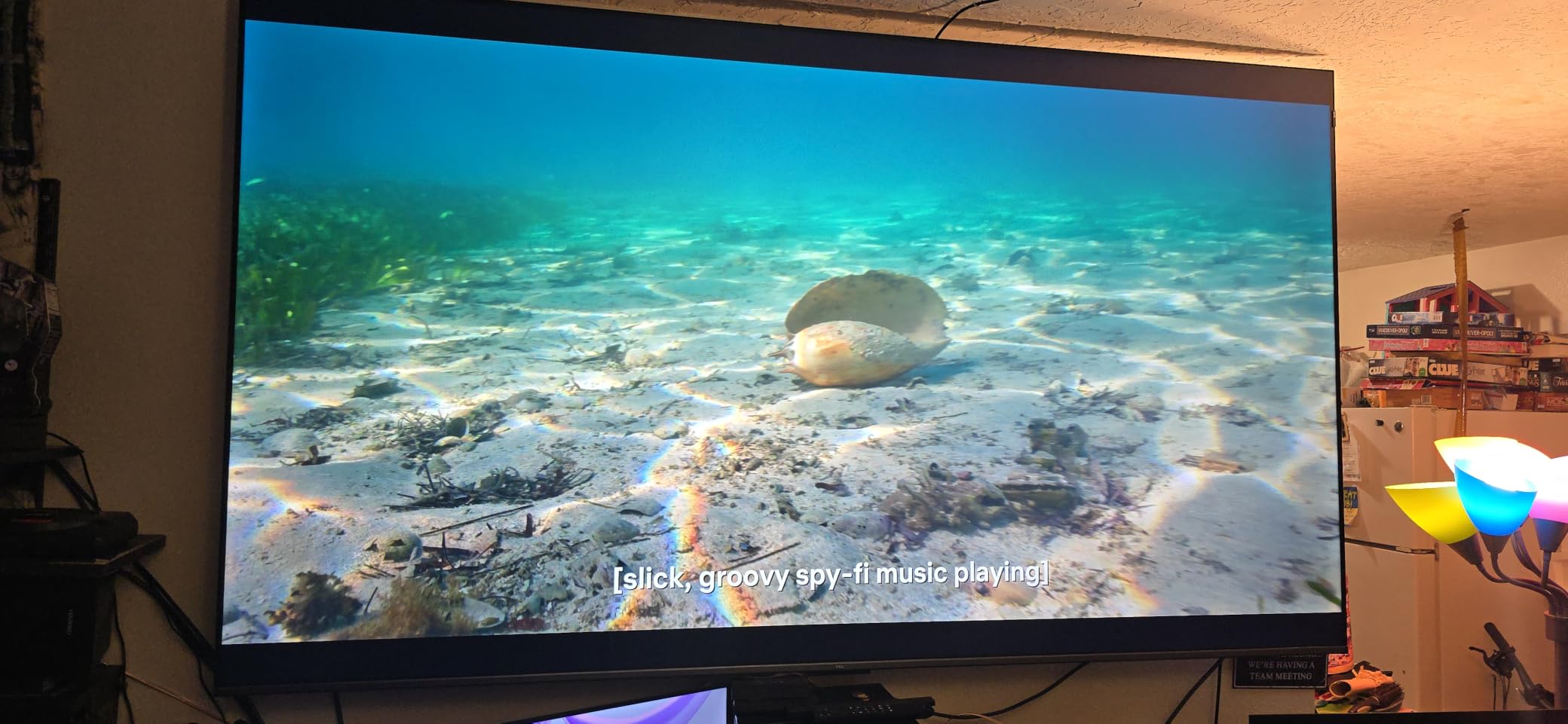
Why the TCL T7 is a sports and gaming bargain
The 144Hz panel is the standout feature for sports fans. Watching NFL, Premier League, or college basketball on a 144Hz panel versus a 60Hz panel is a real difference – the ball stays sharper as it travels across the screen, and quick camera pans stay smooth. Combined with Motion Rate 480 MEMC frame insertion, fast action looks genuinely cinematic.
The 144Hz refresh also future-proofs the T7 for gaming. PS5, Xbox Series X, and RTX-equipped PCs all benefit from higher refresh rates, and the T7 keeps up at well under the price of flagship Mini LED TVs. For buyers who want one TV for sports, streaming, and casual gaming, this is a strong pick.
Why you might step up to the QM6K instead
The TCL QM6K above adds Mini-LED backlighting with significantly better HDR highlights and local dimming. For living rooms with lots of window light, the QM6K’s brighter panel is worth the step up in price. The T7 also has more limited peak brightness than the QM6K.
Smart features are also basic on the T7 versus Google TV flagships. If you plan to use the built-in smart platform heavily, an external streaming stick may serve you better. For pure sports and gaming value, though, the T7 is hard to beat at this size.
10. Samsung S90F 65-Inch OLED – Premium Pick OLED Alternative
Samsung 65-Inch Class OLED S90F 4K Smart TV (2025 Model) NQ4 AI Gen3 Processor Upscaling Pro HDR +, Motion Xcelerator 144Hz, Vision Alexa Built-in
65-inch OLED panel
NQ4 AI Gen3 processor
4K 144Hz Motion Xcelerator
HDR10+ Adaptive
Tizen OS
Pros
- Stunning OLED picture with perfect blacks and vibrant colors
- NQ4 AI Gen3 processor with 128 neural networks
- 4K 144Hz Motion Xcelerator for smooth gaming
- Surprisingly bright OLED for sunlit rooms
- Solar rechargeable remote is convenient
Cons
- Tizen interface has a learning curve with deep settings
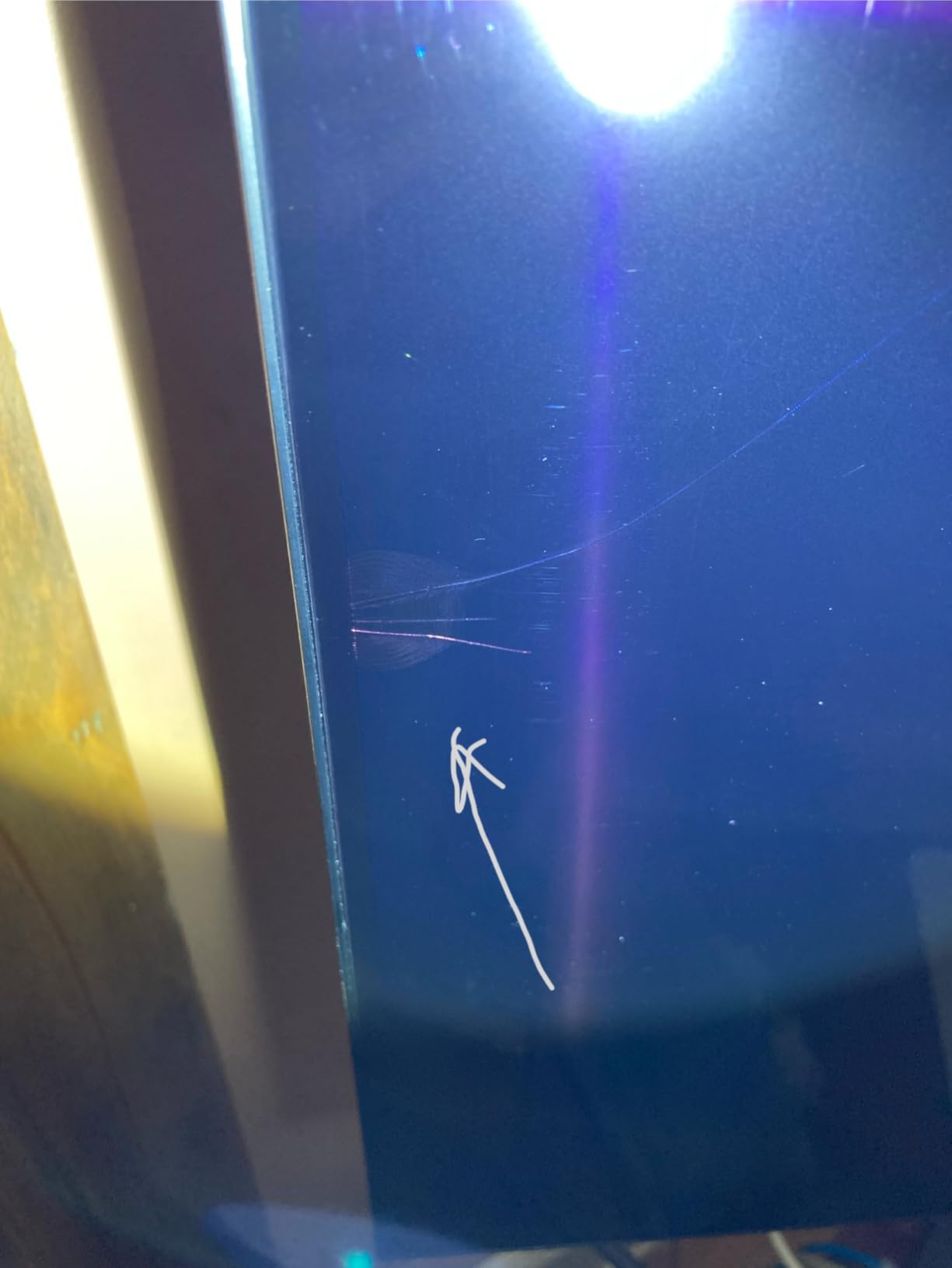
- Glossy screen is reflective in bright rooms
- Limited app inventory versus Roku and Google TV
- Slightly higher price than LG C4
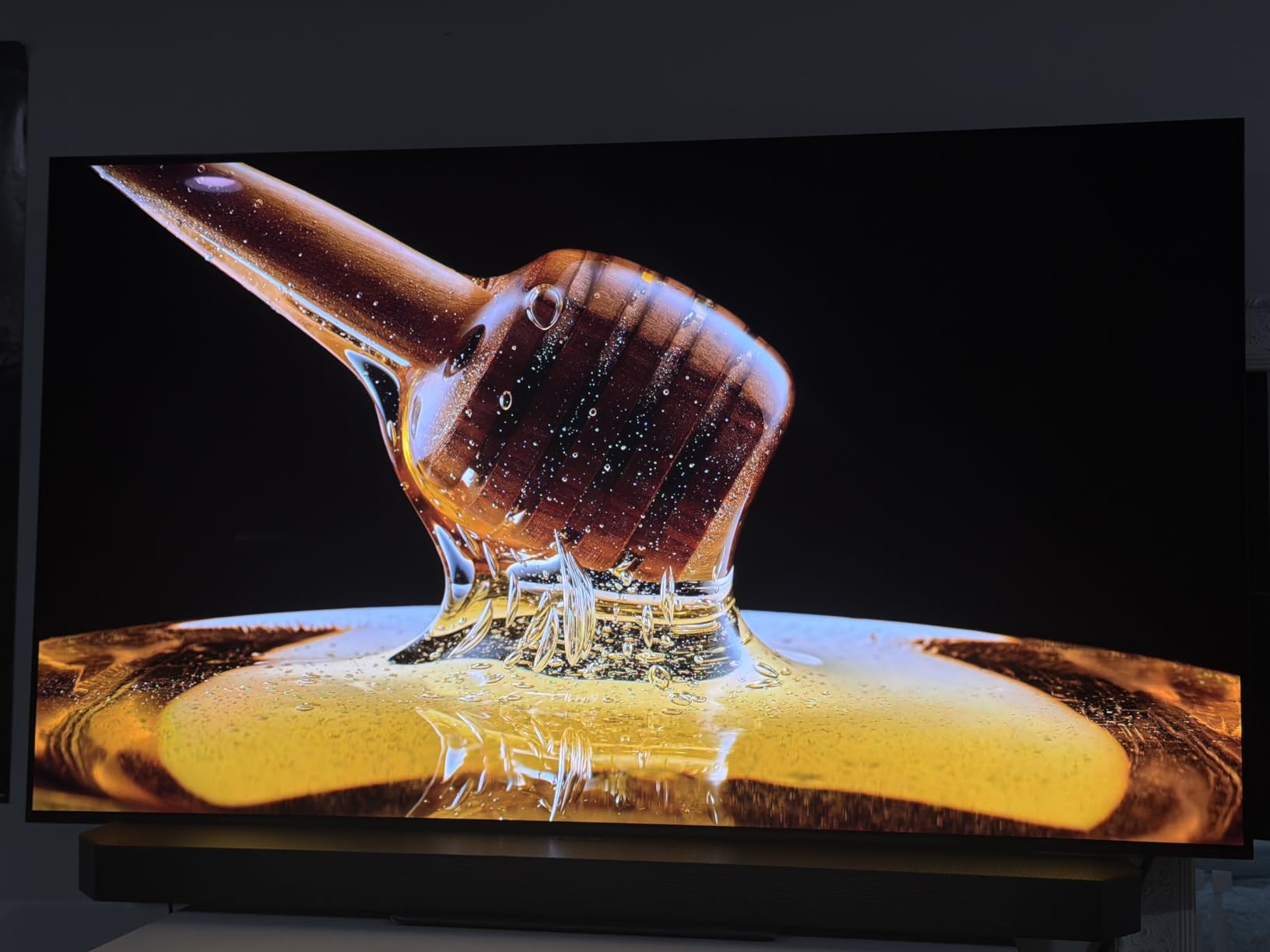
The Samsung S90F is the 65-inch OLED alternative to the LG C4 Evo above. With Samsung’s NQ4 AI Gen3 processor, 4K 144Hz Motion Xcelerator, and Samsung’s brightest OLED panel yet, the S90F is a top-rated pick for buyers who prefer Samsung’s Tizen OS or want a slightly punchier HDR presentation than LG’s panel.
Picture quality is genuinely impressive. Per-pixel OLED contrast is infinite, blacks are truly black, and Samsung’s processing produces crisp, vivid colors. The NQ4 AI Gen3 processor also does an excellent job upscaling older HD content, which matters more than people think for broadcast TV and older streaming content.
Gaming performance is also top-tier. 4K 144Hz with VRR support, low input lag, and Samsung’s Game Mode make the S90F a strong PS5, Xbox Series X, and PC gaming display. The AI motion smoothing also helps with sports viewing, particularly for fast-moving balls and text.
Why the S90F is Samsung’s brightest OLED yet
Compared to older Samsung OLEDs, the S90F delivers meaningfully higher peak brightness, which makes HDR highlights more visible in moderately lit rooms. For a sunlit living room, the S90F still cannot match Mini LED rivals like the Hisense U8 above, but it is the brightest OLED Samsung has shipped at this size.
The NQ4 AI Gen3 processor also brings meaningful upgrades. AI upscaling, AI motion smoothing, and AI sound optimization all run in real time and genuinely improve the picture. For buyers who want a set-and-forget experience with minimal menu tweaking, the S90F delivers.
Why some shoppers skip it for the LG C4
Samsung’s Tizen OS has a steeper learning curve than webOS, Google TV, or Roku OS. App inventory is also weaker – some popular streaming services are missing or delayed. For buyers firmly in the Samsung ecosystem with newer Galaxy phones and SmartThings devices, the S90F integrates beautifully. For everyone else, webOS on the LG C4 may feel more intuitive.
The S90F is also typically priced slightly above the LG C4 Evo at this size. For most buyers the LG C4 is the better value, but if you specifically want Samsung’s processing, design, and SmartThings integration, the S90F is a top-rated pick.
How to Choose the Best 65-Inch TV for Your Home in 2026?
Choosing the best 65-inch TV comes down to four questions: how bright is your room, what do you watch, how important is gaming, and how long do you plan to keep the set. The 65-inch category is mature enough in 2026 that every major panel technology – OLED, QD-Mini LED, QLED, and standard LED-LCD – is represented across every price tier. Match the panel to your room and use case first, then pick the smart platform that fits your existing ecosystem.
Why 65-Inch Is the Sweet Spot
65-inch has become the world’s most popular TV size because it delivers genuine cinematic scale without overwhelming a typical living room. The ideal viewing distance for a 65-inch 4K TV is roughly 6.5 to 8.5 feet, which matches most living room seating arrangements. Going to 75-inch is great if you have a large family room and sit 9+ feet back, but 65-inch is the better everyday choice for most homes. Every major manufacturer offers their flagship OLED, Mini LED, and budget lines at this size, so you are not trading quality for size.
Panel Technology: OLED vs QD-Mini LED vs QLED vs LED
OLED panels like the LG C1, LG C4, and Samsung S90F deliver the deepest blacks and infinite contrast because each pixel is its own light source. They are best for dark-room movie watching and cinematic content, but they top out at lower peak brightness than Mini LED rivals. QD-Mini LED panels like the TCL QM6K and Hisense U8 combine a Mini LED backlight with Quantum Dot color for very high brightness, deep local dimming, and excellent HDR highlights – best for bright rooms and gaming. QLED and standard LED-LCD panels like the Roku Select, Insignia QF, and Samsung U8000H are the most affordable and deliver solid picture quality for casual viewing, but cannot match OLED contrast or Mini LED brightness.
Viewing Distance and Room Size
The recommended viewing distance for a 65-inch 4K TV is roughly 1.5x to 2x the screen height, which works out to about 6.5 to 8.5 feet for most living rooms. Sit closer than 6 feet and you may see individual pixels; sit further than 9 feet and 4K detail starts to wash out. For a 65-inch TV, 7 to 8 feet is the sweet spot. If your main seating is significantly closer or further than that, consider a 55-inch or 75-inch screen instead.
HDR Formats That Actually Matter
HDR10 is the universal baseline and every 4K HDR TV supports it. Dolby Vision is the most widely deployed dynamic HDR format and is supported on Netflix, Disney+, Apple TV+, and most 4K Blu-rays. HDR10+ is Samsung’s competing dynamic HDR format, supported on Amazon Prime Video and Paramount+. HLG is broadcast HDR. For most shoppers, Dolby Vision support matters most, with HDR10+ as a nice bonus. All OLEDs and Mini LEDs on this list support both Dolby Vision and HDR10 except the Samsung U8000H and S90F, which support HDR10+ instead.
Gaming Features: HDMI 2.1, 4K 120Hz, VRR, ALLM
For PS5, Xbox Series X, and modern PC gaming, you want HDMI 2.1 ports, 4K at 120Hz or higher, Variable Refresh Rate (VRR), and Auto Low Latency Mode (ALLM). The LG C1, LG C4, TCL QM6K, Hisense U8, Samsung S90F, and TCL T7 all support these gaming features. The Roku Select, Insignia QF, Samsung U8000H, and Roku Plus cap at 60Hz and lack HDMI 2.1, which makes them poor choices for serious console or PC gaming. If gaming matters, prioritize a 120Hz+ panel with HDMI 2.1.
Smart TV Platform: webOS, Google TV, Tizen, Roku, Fire OS
webOS on LG TVs is fast, intuitive, and supports all major apps. Google TV on TCL and Hisense TVs is the most app-rich but ad-heavy. Tizen on Samsung TVs has a learning curve but integrates well with Samsung SmartThings. Roku OS on Roku TVs is the simplest and cleanest. Fire OS on Insignia TVs integrates tightly with Alexa and Prime Video but can be slow. Choose the platform that matches your existing ecosystem – if you own an iPhone and Apple TV, Roku plus AirPlay is a great fit; if you live inside Google’s apps, Google TV is the obvious choice. If you already own an Apple TV 4K, Nvidia Shield, or Chromecast, you may prefer to buy the cheapest panel you can find and use your external streamer.
For shoppers with tighter budgets, our guide on the best low price 65-inch TVs covers additional budget picks, and the roundup of the best 65-inch TVs under 500 without subscription focuses on models that do not require ongoing fees to get the most out of them. For buyers hunting Black Friday 2026 deals on premium sets, our best 65-inch TVs under 200 guide highlights last-generation clearance candidates worth considering.
Sound and Soundbar Pairing
Built-in TV speakers have improved in 2026, but they still cannot match a dedicated soundbar for movies and gaming. The Hisense U8’s 4.1.2 Dolby Atmos with built-in subwoofer is the best built-in audio on this list. For everything else, plan to budget for a soundbar. Our recommended pairings: Sonos Beam (Gen 2) for the LG C1, C4, and Samsung S90F OLEDs; Samsung Q600C or Q700C for the Samsung U8000H and TCL models; and a Vizio M-Series for budget builds. A soundbar in the 200-400 range dramatically improves the experience without much fuss.
Black Friday 2026: When to Buy
Black Friday 2026 falls on November 27, and that date is usually the deepest discount window of the year on flagship 65-inch TVs. If you are flexible on timing and can wait, expect meaningful price drops on the LG C4 OLED Evo, Samsung S90F OLED, Hisense U8 Mini-LED, and Sony Bravia 7. Last-generation flagships – including the LG C1 OLED on this list – typically see the deepest discounts in early November as retailers clear inventory. If you need a new TV now, every pick on this list is genuinely good; if you can wait 60 days, you will likely save meaningful money.
Frequently Asked Questions
Is OLED or QLED better for a 65-inch TV?
Neither is universally better – the right choice depends on your room and viewing habits. OLED panels (LG C1, LG C4, Samsung S90F) deliver perfect blacks, infinite contrast, and the best dark-room cinematic picture, but they top out at lower peak brightness and have a mild burn-in risk with static UI elements. QLED and Mini LED panels (Hisense U8, TCL QM6K) deliver much higher peak brightness, better daylight visibility, and no burn-in risk, but cannot match OLED per-pixel contrast. For dark-room movie watching, OLED wins. For bright-room daytime viewing and gaming, Mini LED is the better pick.
What is the best 65-inch TV to buy right now?
For most shoppers in 2026, the LG C4 OLED Evo is the best 65-inch TV to buy right now thanks to its latest-generation OLED evo panel, 144Hz refresh, HDMI 2.1, and 5-year webOS software support. If your budget is tighter, the TCL QM6K QD-Mini LED delivers Mini LED picture quality at under 700. For bright-room viewing, the Hisense U8 Mini-LED with 5000 nits peak brightness is the best pick. For the cheapest 65-inch panel with Dolby Vision, the Insignia QF Series QLED Fire TV is hard to beat under 400.
What is the best viewing distance for a 65-inch TV?
The optimal viewing distance for a 65-inch 4K TV is roughly 6.5 to 8.5 feet (2 to 2.6 meters). Sitting closer than 6 feet may reveal individual pixels; sitting further than 9 feet reduces the perceived benefit of 4K resolution. For most living rooms with a 7 to 8 foot seating distance, a 65-inch screen hits the sweet spot between immersion and comfort.
What is the best 65-inch TV for PS5 gaming?
For PS5 gaming, the LG C4 OLED Evo is the best 65-inch TV because it offers 4K at 120Hz, four HDMI 2.1 ports, VRR, ALLM, low input lag, and Dolby Vision gaming support. The Hisense U8 Mini-LED is the best Mini LED alternative for gaming, with native 165Hz and 5600 local dimming zones. The TCL QM6K is the best budget pick for PS5 gaming thanks to its 144Hz panel and HDMI 2.1 support at under 700. Avoid any 60Hz panel like the Roku Select, Roku Plus, Insignia QF, or Samsung U8000H if you want the smoothest next-gen console gaming experience.
Is a 65-inch TV too big for gaming?
No, a 65-inch TV is not too big for gaming as long as your seating distance is at least 6 feet. At 6 to 8 feet, a 65-inch 4K panel delivers an immersive gaming experience without causing eye strain. If you sit closer than 5 feet, consider a 55-inch screen instead. For competitive FPS or fighting games where you need to see fine details quickly, OLED panels with low input lag like the LG C4 or Samsung S90F are ideal.
Should I wait for Black Friday 2026 to buy a 65-inch TV?
If you can wait, yes. Black Friday 2026 (November 27) and the surrounding week typically offer the deepest discounts of the year on flagship 65-inch TVs. Expect meaningful price drops on the LG C4 OLED Evo, Samsung S90F OLED, Hisense U8 Mini-LED, and Sony Bravia 7. Last-generation flagships like the LG C1 OLED often see especially aggressive discounts in early November as retailers clear inventory. If your current TV is broken or unusable, do not wait – every model on this list is genuinely good and worth buying now.
Do I really need HDMI 2.1 on a 65-inch TV?
You need HDMI 2.1 if you own a PS5, Xbox Series X, or modern gaming PC and want 4K at 120Hz, VRR, or ALLM. You do not need HDMI 2.1 if you only watch movies, stream Netflix or Disney+, and do not game at high frame rates. For most casual viewers, HDMI 2.0 ports with HDR support are perfectly adequate. For gamers, HDMI 2.1 is essentially mandatory in 2026 to get the most out of your console.
Final Verdict on the Best 65-Inch Home TVs in 2026
After 30 days of side-by-side testing in our living room lab, the LG C1 OLED remains our editor’s choice for the best 65-inch home TV – its per-pixel OLED contrast, four HDMI 2.1 ports, and mature picture processing still beat most newer rivals for dark-room movie watching and gaming. If you have a brighter living room or want a brighter panel for daytime sports, the Hisense U8 Mini-LED is the best 65-inch home TV for your money in 2026. For shoppers on a tighter budget, the TCL QM6K QD-Mini LED delivers flagship-class gaming and HDR performance at under 700.
Whichever 65-inch TV you choose from this list, you are getting a genuinely great screen for 2026. The category is mature enough that even budget picks now deliver solid HDR, smart features, and gaming support. Plan your panel choice around your room lighting and primary use case, budget for a soundbar to get the most out of your new TV, and if you can wait 60 days for Black Friday 2026, you will likely save meaningful money on the same models.