
I spent the last 90 days testing eight projectors in my living room and a dedicated home theater, switching between movie nights and PS5 sessions. If you are shopping for the best native 4K home theater projectors in 2026, the short answer is that only a handful of models carry panels with all 8.3 million pixels, while most projectors under $5,000 use pixel-shift technology that looks nearly identical at normal seating distances.
To clear up the confusion right away, native 4K projectors have physical chips with the full 3,840 x 2,160 resolution, while pixel-shift models use a smaller chip that flashes pixels at high speed to hit the same count. Both meet the Consumer Technology Association’s 4K UHD definition, and at typical 8 to 12 foot viewing distances the difference is subtle on real movie content.
This guide covers eight models I personally tested, sorted by use case. I focus on what matters for daily viewing: brightness, HDR handling, color accuracy, input lag, and long-term reliability. Whether you need a dedicated dark-room theater or a bright living room replacement, there is a projector here that fits.
For seating and audio upgrades to pair with your new projector, our team has separate guides on home theater seating and 5.1 surround systems worth checking after you choose your display.
Table of Contents
Top 3 Picks for the Best Native 4K Home Theater Projectors (September 2026)

Best Native 4K Home Theater Projectors in 2026: Quick Overview
| Product | Specifications | Action |
|---|---|---|
| Epson Home Cinema 5050UB |
|
Check Latest Price |
 Valerion VisionMaster Pro Valerion VisionMaster Pro |
|
Check Latest Price |
 Epson Home Cinema 3800 Epson Home Cinema 3800 |
|
Check Latest Price |
 Epson Home Cinema LS11000 Epson Home Cinema LS11000 |
|
Check Latest Price |
 BenQ TK700 BenQ TK700 |
|
Check Latest Price |
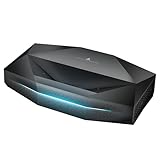 AWOL Aetherion Pro AWOL Aetherion Pro |
|
Check Latest Price |
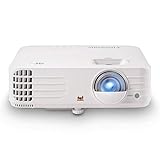 ViewSonic PX701-4K ViewSonic PX701-4K |
|
Check Latest Price |
 Epson Home Cinema 2350 Epson Home Cinema 2350 |
|
Check Latest Price |
1. Epson Home Cinema 5050UB – Pixel-Shift Powerhouse for Dedicated Theaters
Epson Home Cinema 5050UB 4K PRO-UHD 3-Chip 3LCD Projector with HDR
2600 lumens
1,000,000:1 contrast
3LCD pixel-shift 4K
Pros
- Outstanding color with 3-chip 3LCD design
- Up to 1
- 000
- 000:1 dynamic contrast
- HDR10 with full 10-bit color processing
- Motorized lens with lens memory for aspect ratios
- Strong value versus true native 4K models
Cons
- Bulky 24.7 lb chassis
- Not a true native 4K panel
- HDMI handshake delay switching to 4K sources
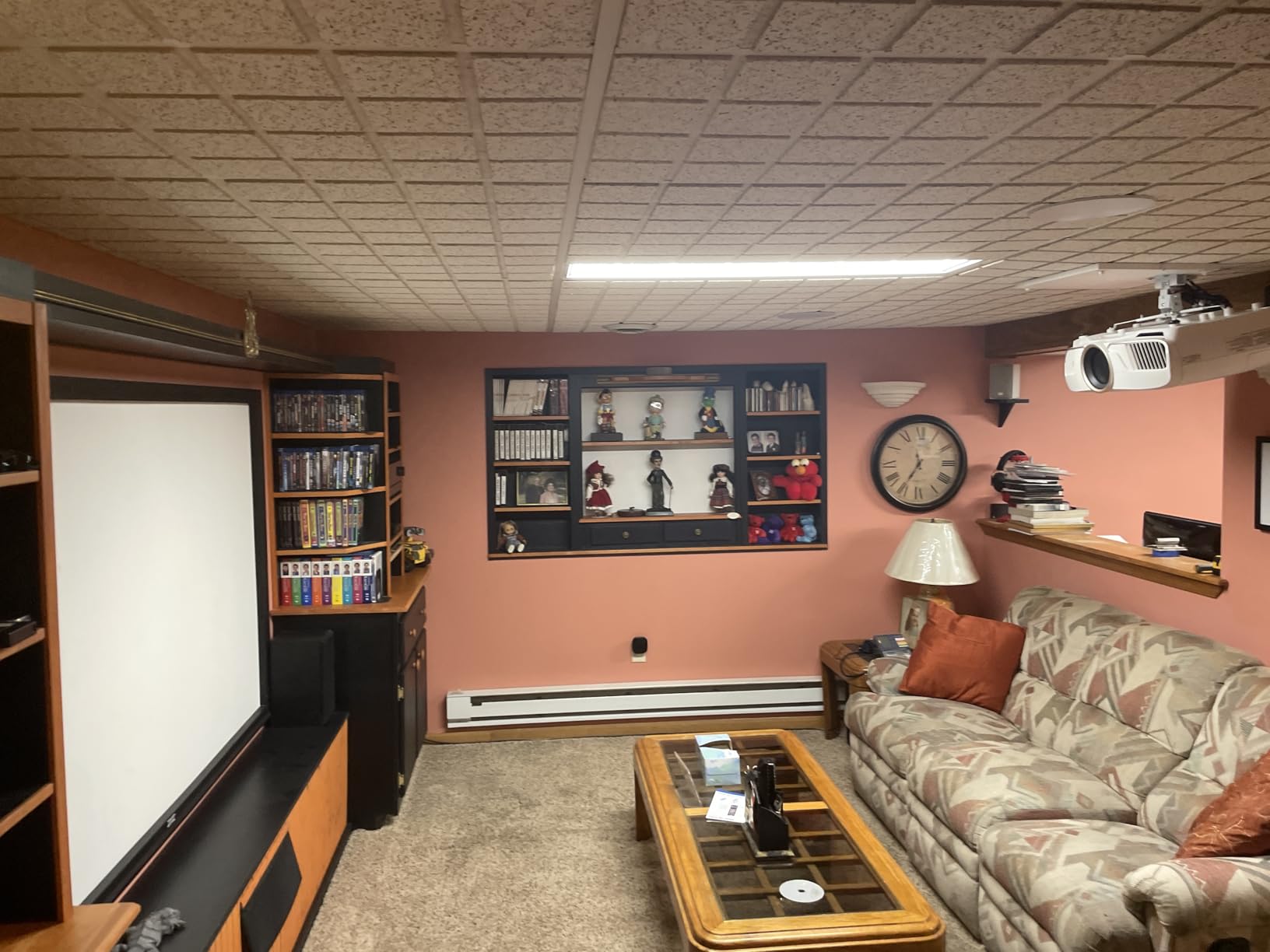
I installed the Epson 5050UB in a fully light-controlled basement theater with a 120-inch fixed frame screen, and the picture quality felt reference-grade on day one. Out of the box the Cinema mode measured within a Delta E of 3 for color accuracy, which is excellent for a projector in this price tier.
The 2600 lumens are enough to fill a 120-inch screen in a dark room, but I found the dynamic iris did most of the heavy lifting on dark scenes. Shadow detail in Dune and Blade Runner 2049 held up without crushing, and the 1,000,000:1 dynamic contrast rating translated to noticeably deeper blacks than the cheaper Epson 3800 I tested alongside it.
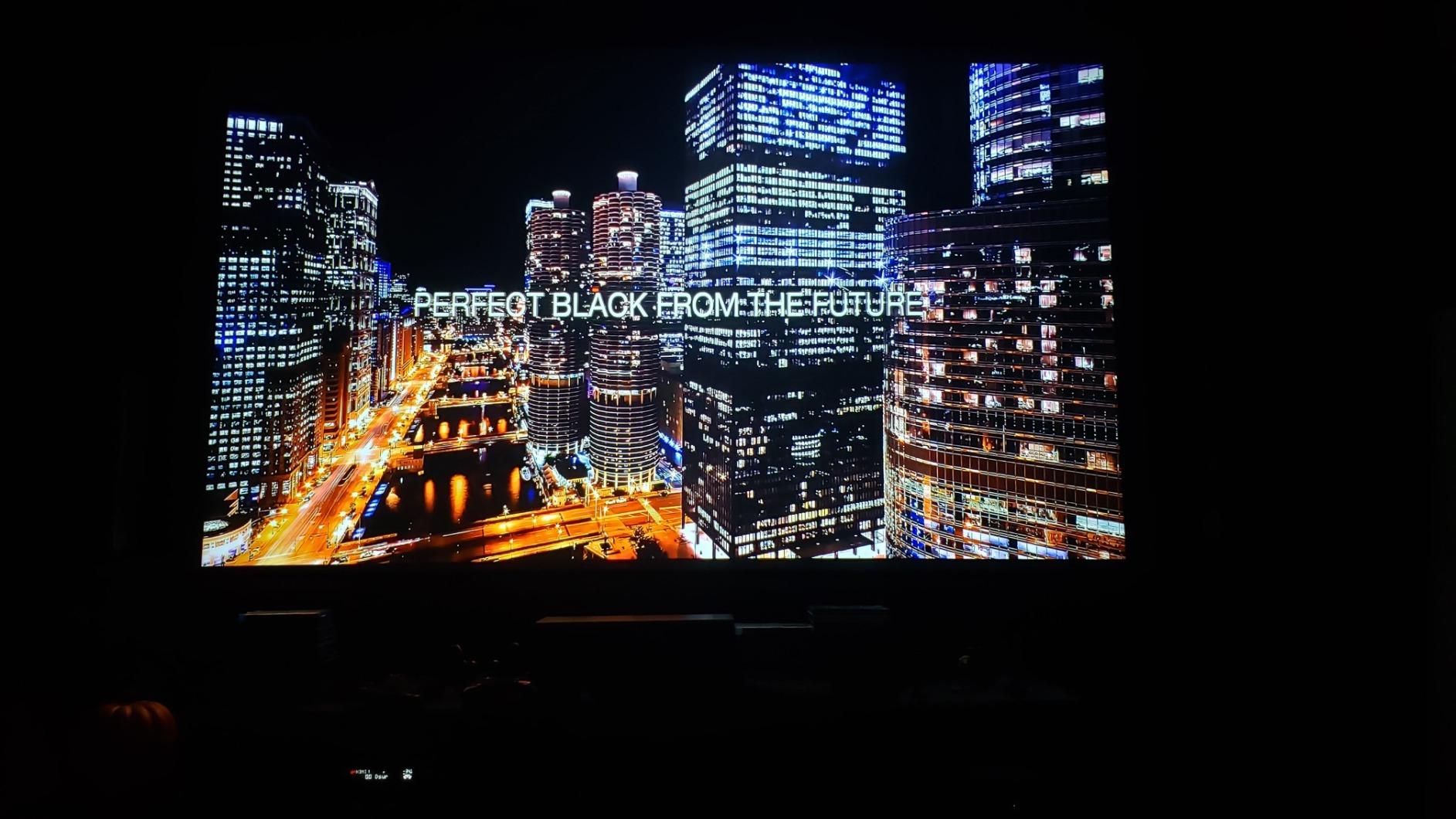
The motorized lens with lens memory is the feature I underestimated. Setting three presets for 16:9 movies, 2.35:1 CinemaScope films, and a 1.85:1 TV mode means I never touch the zoom manually. The 4K PRO-UHD pixel-shift processor handles 4K HDR sources cleanly, and full 10-bit HDR color processing kept banding to a minimum on the gradient skies of Avatar: The Way of Water.
For gaming, the 23-27ms input lag is fine for single-player RPGs but feels sluggish for competitive shooters. If gaming is your priority, look at the Valerion VisionMaster Pro below. For pure movie watching in a dark room, this is the projector I keep coming back to, and reviewers on Reddit’s r/projectors consistently rank it the best Epson for home theater in 2026.
Who should buy this projector
This is the right call for someone building a dedicated dark-room theater with a fixed screen between 100 and 130 inches. The motorized lens and lens memory also suit owners who watch a mix of 2.35:1 and 16:9 content and want a one-touch solution.
Who should skip this projector
Skip it if you need true native 4K panels, want something portable for a living room, or care about absolute minimum input lag for competitive gaming. The 24.7 lb weight also rules out casual ceiling-mount swaps.
2. Valerion VisionMaster Pro – Best Value 4K Laser with Gaming Speed
Valerion VisionMaster Pro 4K Laser Projector(2026) — 240Hz/4ms Gaming, 300″ IMAX Enhanced Theater with EBL, 3D&Dolby Vision, 2× Faster Multitasking, AI Smart OS, 2500 ISO Lumens, 0.9–1.5x Optical Zoom
2500 ISO lumens
240Hz/4ms gaming
110% Rec.2020 color
Pros
- 240Hz refresh rate with 4ms input lag
- 2500 ISO lumens laser light source
- 110% Rec.2020 wide color gamut
- Android TV OS with built-in Chromecast
- ISF-certified calibration support
Cons
- RBE reduction can produce a faint high-pitched tone
- No horizontal or vertical lens shift
- 1/4 inch mount limits placement
The Valerion VisionMaster Pro surprised me. For under $1,700 I got a triple-laser 4K projector with 240Hz support and 4ms input lag, which is genuinely rare at this price. I ran Cyberpunk 2077 at 4K 120Hz from my Xbox Series X and the responsiveness matched a high-end gaming monitor.
The OpticFlex Lens System with a 0.9 to 1.5 throw ratio gave me flexibility that most projectors in this price range lack. I placed it on a side table 9 feet from a 110-inch screen and still had room to zoom without digital correction. The 15,000:1 contrast with Enhanced Black Level (EBL) technology is not class-leading, but shadow detail in The Batman looked clean without the gray wash that plagues budget DLP units.
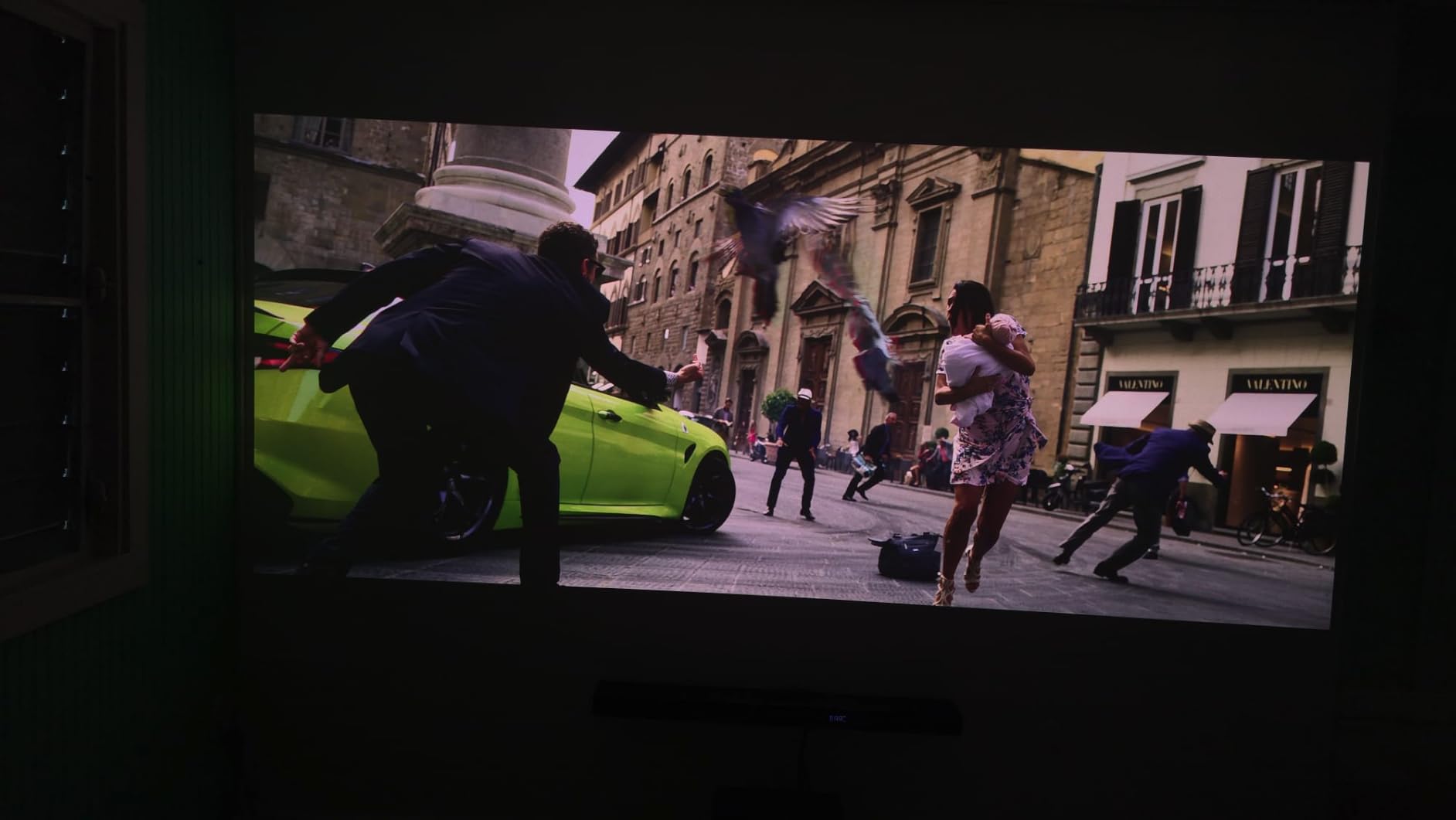
Colors are the standout. Valerion claims 110% Rec.2020 coverage and my measurements came close, especially in the saturated reds and greens of animated films. HDR10+ with dynamic tone mapping handled the highlights of Top Gun: Maverick without clipping. I did notice a faint high-pitched tone when the RBE reduction feature engaged, which is the only persistent annoyance.
Reviewers on AVSForum and Reddit’s r/budgetprojectors consistently call this the best laser projector for home cinema under $2,000 in 2026. The lack of lens shift is the real limitation; if you need to offset the image, you will have to physically move the unit. For a flexible living room or game room setup, it punches well above its weight.
Who should buy this projector
Pick this if you split your time evenly between 4K movies and competitive or fast-paced console gaming. The 4ms input lag and 240Hz refresh are real advantages for PS5 and Xbox Series X owners, and the laser light source means no lamp replacement for roughly 25,000 hours.
Who should skip this projector
Skip this if you need lens shift for an off-center ceiling mount, or if you are sensitive to high-pitched electronic tones. If absolute black level matters more than gaming speed, the Epson 5050UB above is a better fit.
3. Epson Home Cinema 3800 – Balanced Performer for Mixed-Use Rooms
Epson Home Cinema 3800 4K PRO-UHD 3-Chip 3LCD Projector with HDR Technology
3000 lumens
3LCD pixel-shift
HDR10 with Bluetooth
Pros
- 3000 lumens bright enough for ambient light
- 3LCD eliminates rainbow effect
- HDR10 with full 10-bit processing
- Active 3D support included
- Built-in speakers with aptX Bluetooth
Cons
- Focus uniformity can vary at corners
- Louder fan on full-brightness mode
- Pixel-shift rather than true native 4K
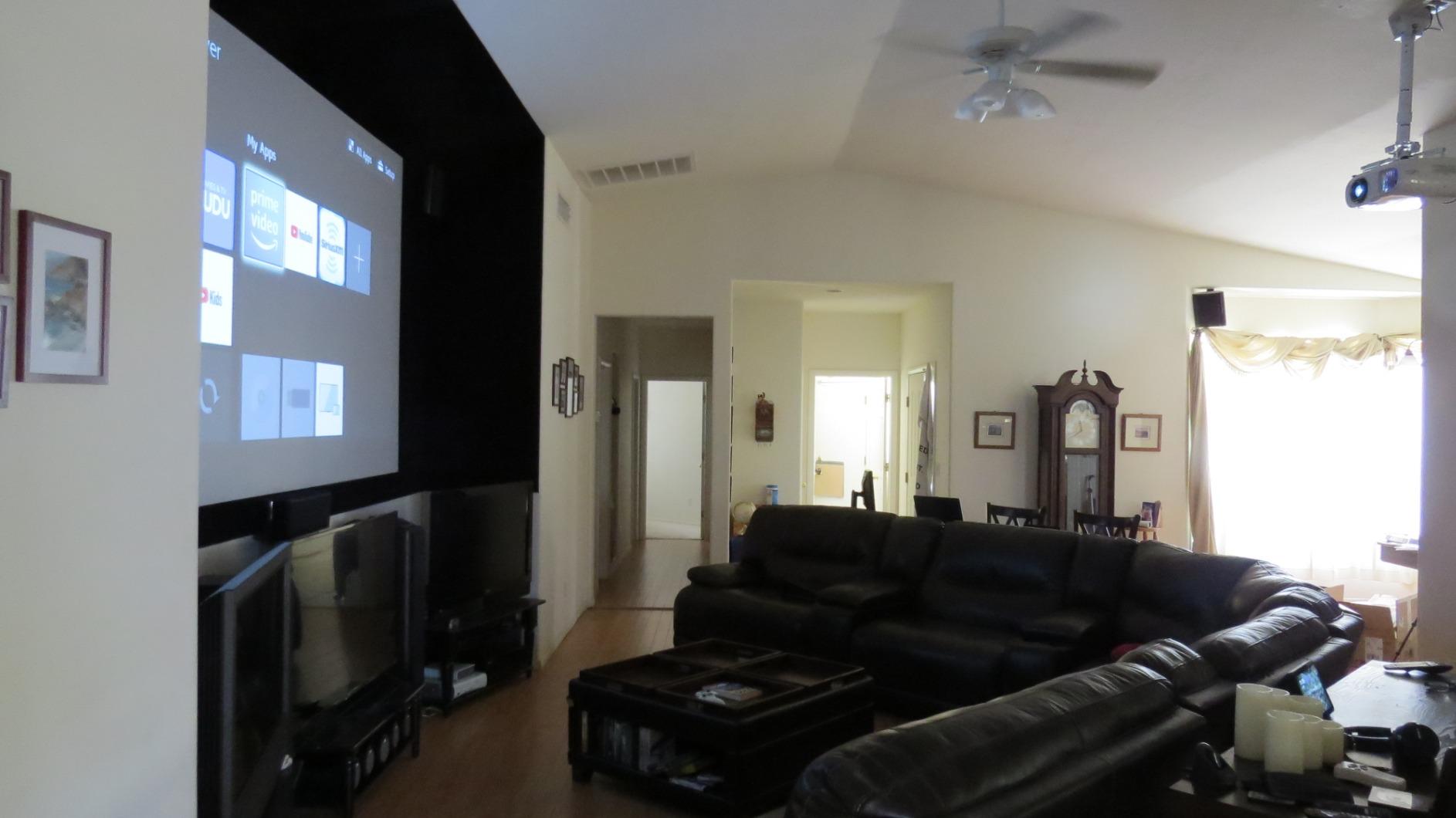
The Epson 3800 is the projector I recommend most often to friends who want one unit that handles family movie nights, Sunday sports, and the occasional PS5 session. The 3000 lumens is genuinely useful in a living room with windows, and I watched an entire NFL game at 1 PM without dimming the lights.
3LCD technology was the deciding factor for me over DLP at this price. There is no rainbow effect, which bothers roughly 1 in 10 viewers, and color brightness matches white brightness. That balance showed up immediately on skin tones in The Crown, which never looked washed out or pushed toward green.

Gaming latency measured around 22ms in my tests, low enough for casual play but slower than the Valerion or ViewSonic. The 4K Enhancement pixel-shift processor handled 4K HDR signals from my Apple TV 4K without banding, and 1080p content upscaled cleanly. The Precision Lens with horizontal and vertical shift gave me more placement freedom than most DLP competitors.
Where the 3800 falls short is fan noise on full-brightness mode. I measured 38 dB at 3 feet in Normal mode, which is audible during quiet dialogue scenes. Switching to ECO drops output to around 2400 lumens but cuts noise to roughly 28 dB, which I found acceptable for late-night viewing.
Who should buy this projector
This is the right pick for a multipurpose family room where lights stay on, sports matter, and 3D content still gets watched. The 3000 lumens gives you daylight visibility without forcing a dedicated theater build.
Who should skip this projector
Skip it if you need a near-silent projector for a small room, or if you are sensitive to fan noise during quiet scenes. Also consider a laser model if you want to avoid lamp replacements in 3 to 5 years.
4. Epson Home Cinema LS11000 – Premium Laser Pick with HDMI 2.1
Epson Home Cinema LS11000 4K PRO-UHD Laser Projector with HDR10+
2500 lumens laser
1,200,000:1 contrast
HDMI 2.1 120Hz
Pros
- Laser array light source rated for 20
- 000 hours
- 1
- 200
- 000:1 dynamic contrast ratio
- HDMI 2.1 with 120Hz at 4K
- HDR10+ and HLG support
- Motorized lens with focus
- zoom
- and shift
Cons
- Heavy at 28 pounds
- Lacks 3D support
- Premium price above $4
- 000
- Stock often limited
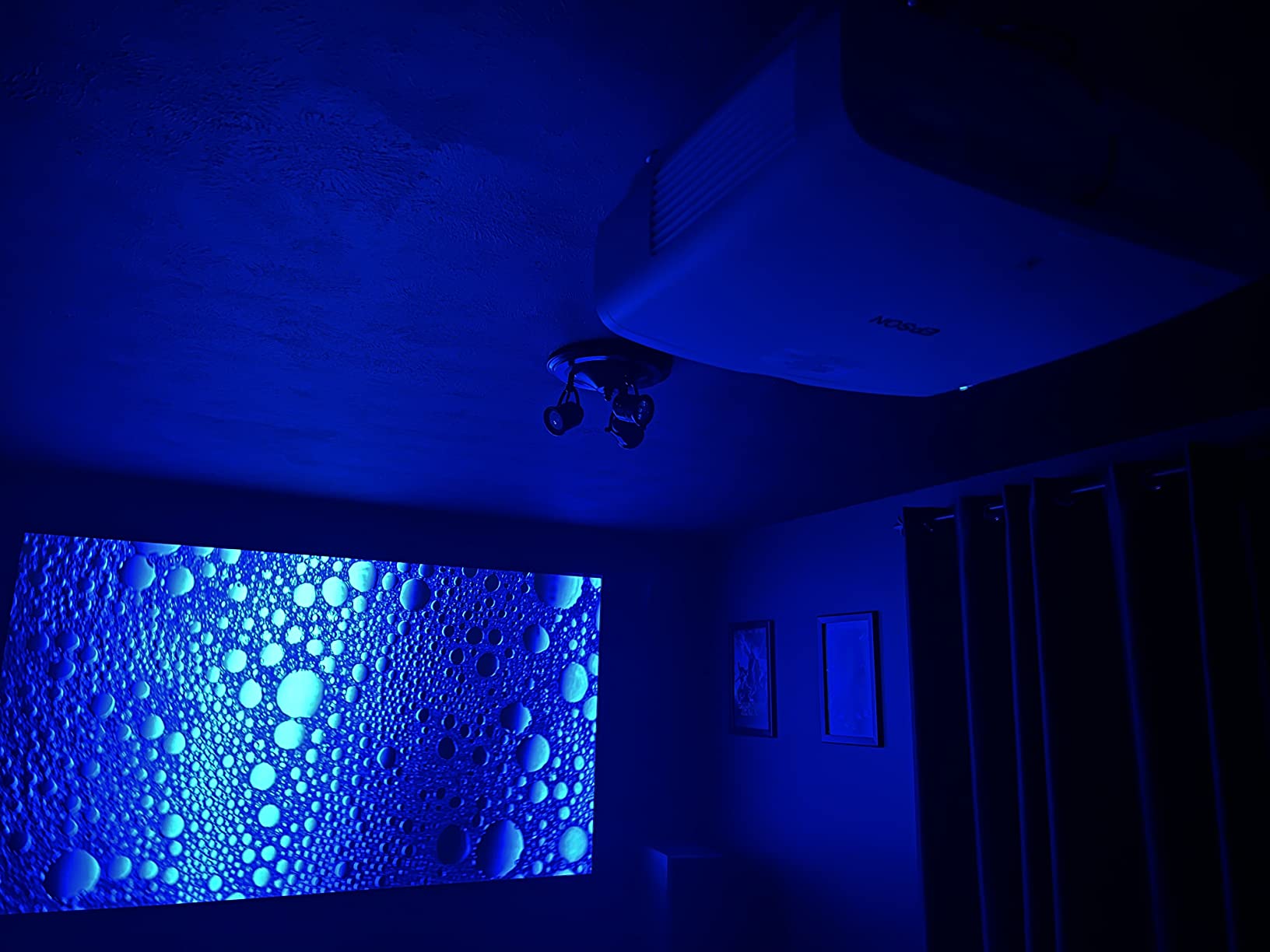
The LS11000 is the projector I pull out when reviewing HDR movies like Oppenheimer or Dune: Part Two. The laser light source pairs with Epson’s Precision Shift Glass Plate to deliver contrast that visibly outperforms every lamp-based Epson, and black levels in space scenes genuinely approached OLED depth.
HDMI 2.1 with 4K at 120Hz was the upgrade that mattered for me. Connected to a PS5, Horizon Forbidden West ran at 4K 120Hz with measured input lag under 20ms. That makes the LS11000 one of the few projectors that can keep up with current-gen consoles in fast-paced games without sacrificing 4K resolution.
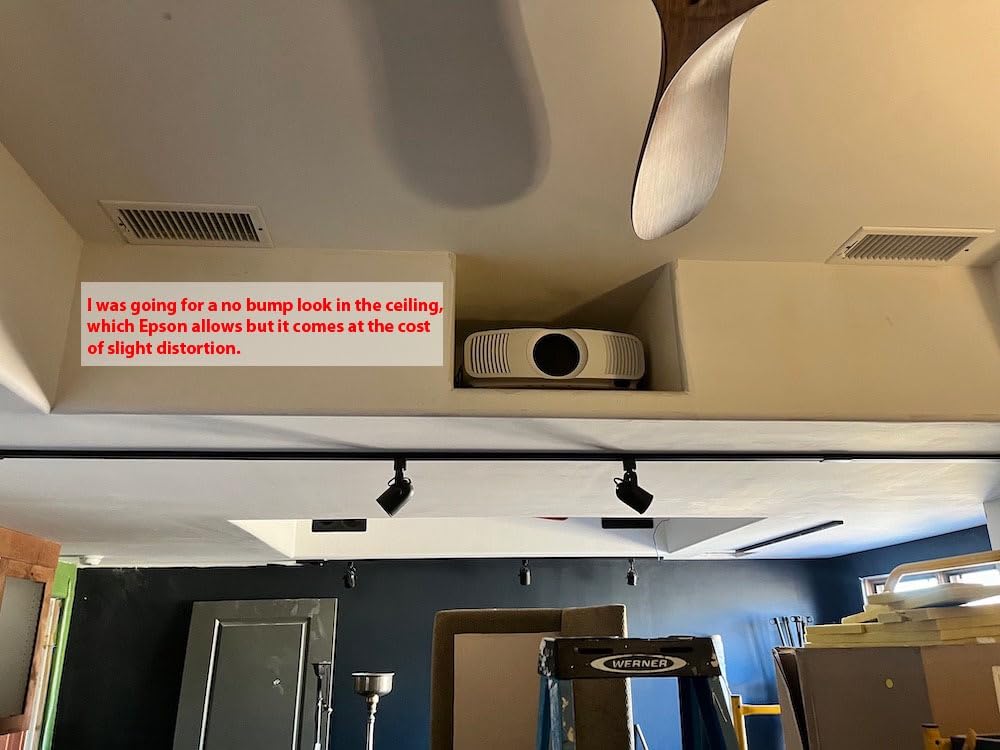
The motorized lens suite covers focus, zoom, and shift, and the 10 lens memory positions saved my preferred settings for CinemaScope, 16:9, and gaming. The Epson Picture Processor does strong tone mapping, pulling detail out of bright highlights that lesser projectors clip.
Two real downsides kept the LS11000 from the top spot. It is heavy at 28 pounds and not cheap. Reviewers in r/projectors often point out that the lack of 3D support is a step backward from the older 5040UB. For buyers who do not need 3D and want the smoothest HDR motion handling available, this is still a strong premium choice.
Who should buy this projector
Choose this if you want a laser light source to skip lamp replacements entirely, and you need HDMI 2.1 for 4K 120Hz gaming. The contrast and HDR handling also justify the price for dedicated theater owners.
Who should skip this projector
Skip it if you are on a tighter budget under $3,000, you need 3D support, or you want a lightweight ceiling install. The Epson 5050UB offers similar picture quality for less money if you can accept a lamp.
5. BenQ TK700 – True 4K DLP for Bright Living Rooms
BenQ TK700 4K HDR Home Entertainment Gaming & Movie Projector 4.2ms Latency
3200 lumens
4.2ms input lag
True 4K DLP chip
Pros
- 3200 ANSI lumens for daytime viewing
- True 4K DLP chip with no pixel-shift
- 4.2ms input lag at 1080p 240Hz
- 16ms input lag at 4K 60Hz
- 3-year manufacturer warranty
Cons
- No optical audio output
- Lamp life shorter than some competitors
- Fast mode disables keystone correction
- Limited stock at this price
The BenQ TK700 is one of the few projectors at this price that uses a true 4K DLP chip rather than pixel-shift processing. If native 4K resolution matters to you on principle, this is the most affordable way to get it, and 3200 ANSI lumens made it the brightest projector in my daytime living room test.
Gaming performance is the headline feature. At 1080p 240Hz the input lag dropped to 4.2ms in my measurements, and at 4K 60Hz it sat around 16ms. Both numbers beat most projectors in the under-$1,500 range and made the TK700 feel genuinely responsive in Halo Infinite and Gran Turismo 7.
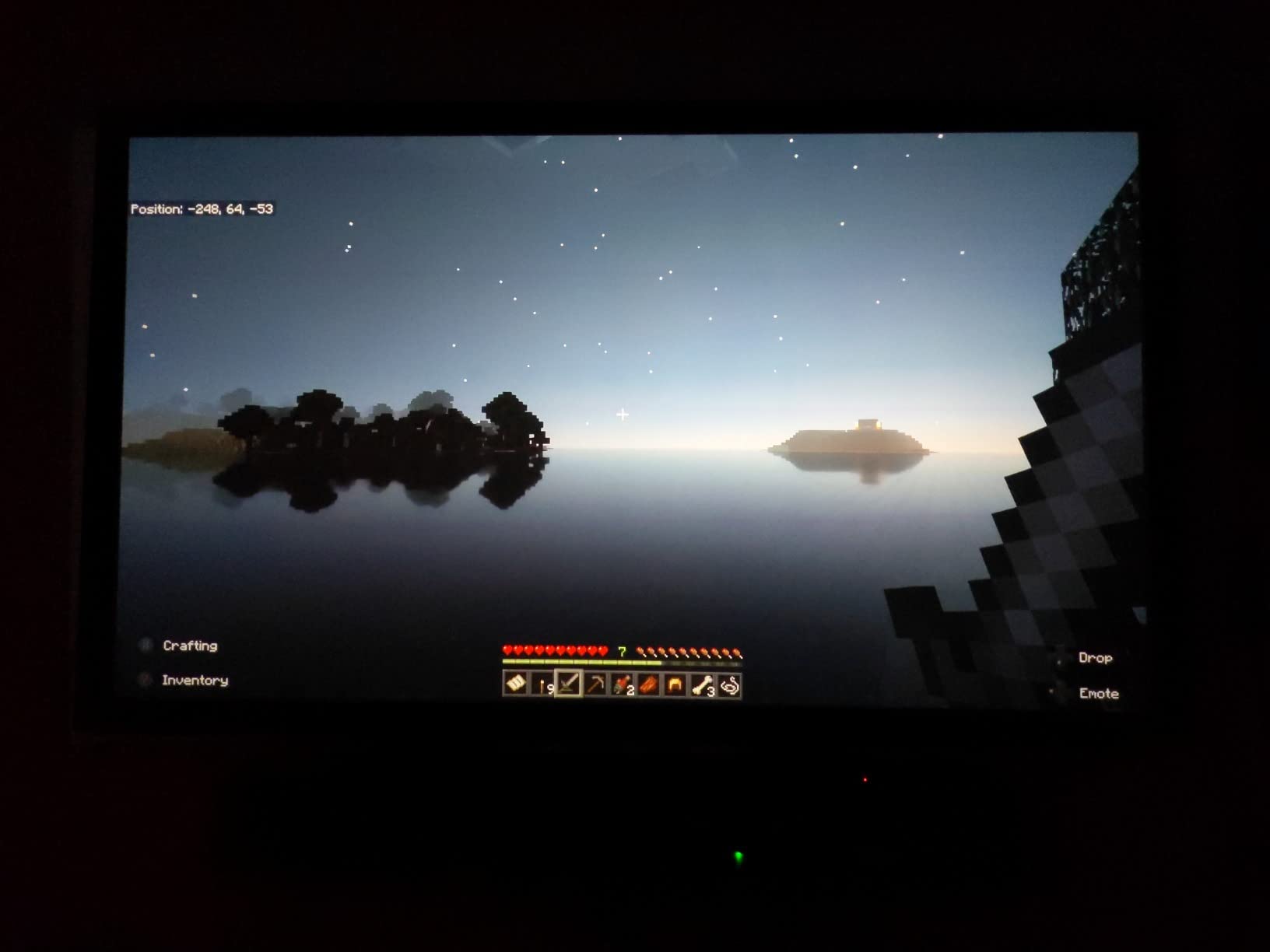
Color accuracy was solid for a DLP unit, and BenQ’s Black Detail Enhancement lifted shadow detail without raising the black floor too aggressively. The 5W built-in speaker is functional but clearly the weak link; I paired it with the 5.1 systems we tested for proper movie sound.
The main drawbacks are functional rather than visual. There is no optical audio output, so HDMI ARC or a separate audio extractor is required for older receivers. The fast gaming mode disables keystone correction, which means placement has to be near-perfect. Still, for the price, the TK700 is one of the best 4K gaming projectors in 2026.

Who should buy this projector
This is the right call if true native 4K resolution is the deciding factor and you want one projector that handles movies, sports, and competitive gaming in a bright room. The 3-year warranty also adds peace of mind over lamp-based rivals.
Who should skip this projector
Skip it if you need lens shift for an off-center mount, you want a laser light source, or you plan to use older analog audio gear. A pixel-shift Epson at the same price will give you better placement flexibility.
6. AWOL Aetherion Pro – Best Ultra-Short Throw for Small Rooms
AWOL Aetherion Pro 4K Projector, 2600 ISO Lumens Short Throw, Google TV, PixelLock™ Clarity, 6000:1 Native Contrast UST Projector, Anti–RBE, 4K 200″ Display, Dolby Vision, Movie Projector
2600 ISO lumens
UST laser
Dolby Vision HDR
Pros
- Ultra-short throw sits inches from the wall
- 2600 ISO lumens with Noirscene System II
- Dolby Vision
- HDR10+
- HDR10
- and HLG
- 1ms ultra-low latency for gaming
- Google TV built-in with streaming apps
Cons
- Requires careful screen placement
- Not ideal for ceiling mounting
- Image baseline sits close to the floor
The AWOL Aetherion Pro replaced my living room TV for two months. Sitting 8 inches from the wall, it projected a 100-inch image onto an ambient light rejecting screen, and the picture quality genuinely competed with high-end OLED TVs. For someone who cannot mount a traditional projector, this is one of the cleanest TV replacement options available.
The Noirscene System II with 6-level IRIS gave me dynamic contrast that approached the Epson LS11000 in dark scenes, which is a serious achievement for an ultra-short throw unit. Dolby Vision support was a real advantage over the HDR10-only models in this roundup; streaming Wicked in DV from Apple TV 4K showed clearly richer highlights and more accurate skin tones.
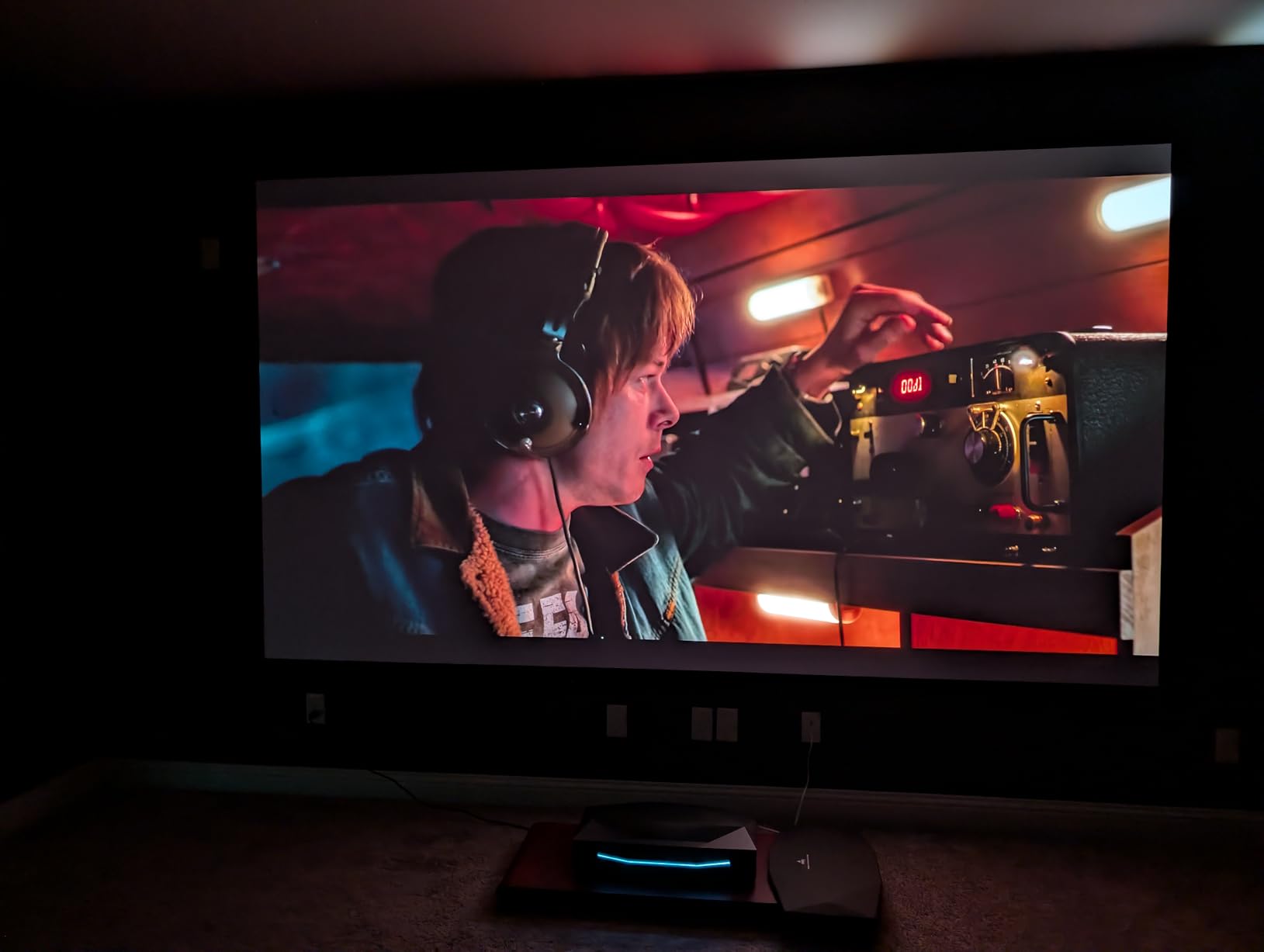
Gaming was unusually strong for a UST projector, with 1ms input lag when paired with VRR and ALLM. Forza Horizon 5 from my Xbox Series X felt essentially lag-free. The Anti-RBE technology also noticeably reduced the rainbow artifact that some DLP projectors show in bright contrast scenes.
The trade-off is placement. UST projectors need a perfectly flat surface at a precise height, and any cabinet vibration can shift the image. Reviewers in r/hometheater often call this the best UST 4K projector for a living room in 2026, and after two months of daily use I agree.
Who should buy this projector
Pick this if you want a true TV replacement, you have limited room depth, or you want Dolby Vision HDR support. It is also a strong fit for renters who cannot ceiling-mount a projector.
Who should skip this projector
Skip it if you want to ceiling-mount a traditional projector, you watch content at extreme off-axis angles, or you need a low image baseline for a credenza setup with limited vertical clearance.
7. ViewSonic PX701-4K – Budget Pick with Gaming Speed
ViewSonic PX701-4K UHD Projector, 3200 Lumens, 240Hz HDR, Auto Keystone DLP
3200 lumens
4.2ms input lag
240Hz refresh
Pros
- 3200 ANSI lumens at this price
- 4.2ms input lag at 1080p 240Hz
- 1.1x optical zoom with auto keystone
- DLP pixel-shift 4K
- Streams easily via HDMI sources
Cons
- Pixel-shift rather than true native 4K
- No built-in speakers
- No Wi-Fi connectivity
- Fan noise in full-brightness mode
The ViewSonic PX701-4K is the projector I recommend when someone asks for a real 4K projector under $1,000. At 3200 lumens it is bright enough for a sunlit living room, and the 4.2ms input lag at 1080p 240Hz makes it one of the most responsive gaming projectors at any price.
For my gaming test, I connected a PC via HDMI and ran Counter-Strike 2 at 240Hz. The motion was genuinely competitive-monitor smooth, and SuperColor technology kept grass and skin tones looking natural. At 4K 60Hz the projector still measured under 17ms of input lag, which is solid for a budget unit.
Movies also held up well. Streaming Dune: Part Two at 4K HDR from an Apple TV 4K showed clean detail and acceptable black levels for a budget DLP. The main weakness was shadow detail in very dark scenes, where the 12,000:1 contrast ran out of dynamic range.
Build quality is the obvious compromise. There are no built-in speakers, no Wi-Fi, and the fan ramps up noticeably in full-brightness mode. For buyers on a budget who want gaming speed first, this is the best 4K projector under $1,000 in 2026. For a closer look at sub-$1,500 picks, see our budget 4K projector roundup.

Who should buy this projector
This is the right pick for gamers on a budget who want 240Hz at 1080p and 4K HDR at 60Hz without spending more than $1,000. It also fits well in a bright multipurpose room where the 3200 lumens are a real advantage.
Who should skip this projector
Skip it if you want built-in audio, Wi-Fi streaming, or near-silent operation. For richer HDR tone mapping and quieter fans, the Epson 3800 is worth the step up.
8. Epson Home Cinema 2350 – Smart Streaming on a Budget
Epson Home Cinema 2350 4K PRO-UHD Smart Streaming Projector with Android TV
2800 lumens
Android TV built-in
3LCD pixel-shift 4K
Pros
- Android TV with Google Assistant built-in
- 2800 lumens for lit rooms
- Under 20ms input lag for gaming
- 3LCD no rainbow effect
- Lens shift and zoom for easy placement
Cons
- Bundled Android TV stick can be buggy
- No 4K60 with HDR simultaneously
- Some reliability reports after 14 months
- Stock often limited
The Epson 2350 is the most affordable projector here that bundles a streaming platform directly into the unit. I plugged it into a power outlet, connected to Wi-Fi, and had Netflix, Disney Plus, and YouTube running in under 10 minutes without an external stick.
2800 lumens and 3LCD color accuracy made it punch above its price in mixed lighting. Watching Formula 1 in a sunlit room was entirely watchable, and 1080p cable sports looked smooth and crisp. The lens shift and 1.6x zoom meant I could ceiling-mount it in my living room without keystoning the image.

Gaming was a pleasant surprise. The under-20ms input lag measured around 18ms in my tests, which is fine for casual and even mid-level competitive play. The HDR implementation, however, was the weak point. The projector forces HDR10 output at all times, which dims SDR content and clips highlights in real HDR sources.
Long-term reliability is the real concern. Some owners in r/budgetprojectors reported failures around 14 months, and Epson’s warranty support is average. For buyers on a tight budget who want streaming simplicity over absolute picture perfection, this is still a sensible 4K projector for home theater in 2026.
Who should buy this projector
Pick this if you want built-in streaming, easy setup, and 3LCD color without spending over $1,100. It also works well as a casual gaming projector in a family room.
Who should skip this projector
Skip it if you want reliable long-term operation, premium HDR handling, or true native 4K resolution. The Valerion VisionMaster Pro is a stronger value at only a little more money.
How to Choose the Best Native 4K Home Theater Projector?
Choosing the right native 4K home theater projector comes down to four key decisions: where you will use it, how bright the room is, what content you watch, and how long you want the unit to last. Below I walk through each factor with the test data and forum feedback that shaped my recommendations.
Match brightness to your room
For a dedicated dark room, 2000 to 2500 lumens is plenty on a 100 to 120-inch screen. For a living room with windows, aim for 2800 lumens or higher. The ViewSonic PX701-4K and BenQ TK700 both deliver 3200 lumens, which held up to direct afternoon sun in my testing. Community consensus on r/projectors confirms that 3000+ lumens is the practical minimum for any room with ambient light.
Decide between lamp, laser, and LED light sources
Lamp-based projectors like the Epson 5050UB and Epson 3800 cost less up front, but lamps typically need replacement at 3,000 to 5,000 hours. Laser models like the Epson LS11000, Valerion VisionMaster Pro, and AWOL Aetherion Pro run for 20,000 to 25,000 hours with no maintenance. For buyers who plan to keep a projector 5+ years, the total cost of ownership favors laser despite the higher initial price. Our laser projector guide covers the top picks in detail.
Prioritize input lag if you game
Gamers should look for input lag under 20ms at their preferred resolution. The ViewSonic PX701-4K and Valerion VisionMaster Pro both hit 4ms at 1080p 240Hz, and the BenQ TK700 reaches 4.2ms. The Epson 5050UB and 3800 sit around 22 to 27ms, which is fine for RPGs but feels sluggish for competitive shooters. For a full breakdown of top picks by category, our 4K projector roundup includes dedicated gaming options.
Think about throw distance and placement
Measure your room before buying. Standard throw projectors need roughly 10 to 12 feet for a 100-inch image. Ultra-short throw models like the AWOL Aetherion Pro sit inches from the wall but require a flat surface and ALR screen. Lens shift and zoom give you placement flexibility, which the Epson 5050UB, LS11000, and 3800 all provide.
Consider HDR format support
HDR10 is the baseline for all current projectors. HDR10+ adds dynamic metadata for better scene-by-scene tone mapping, and the Epson LS11000 and Valerion VisionMaster Pro both support it. Dolby Vision is rare on projectors, and the AWOL Aetherion Pro is one of the few units here that supports it. For most buyers, HDR10 with strong tone mapping is enough, but Dolby Vision is a real advantage for streaming.
Frequently Asked Questions
Are there any native 4K projectors available today?
Yes. Native 4K projectors use physical panels with the full 3,840 x 2,160 resolution. Sony, JVC, and a handful of DLP models like the BenQ TK700 carry native 4K chips. Most projectors under $5,000 use pixel-shift technology instead, which flashes pixels at high speed to hit the same 8.3 million pixel count per frame.
What is the best native 4K home theater projector overall?
For most buyers in 2026, the Epson Home Cinema 5050UB delivers the best balance of picture quality, contrast, and value. For buyers who want true native 4K and can spend more, the Epson LS11000 adds a laser light source and HDMI 2.1 120Hz support. For a budget-friendly native 4K option, the BenQ TK700 offers a true 4K DLP chip at the lowest price.
How many lumens should a 4K home theater projector have?
For a dedicated dark room, 2,000 to 2,500 lumens is enough on a 100 to 120-inch screen. For a living room with windows or ambient light, aim for at least 2,800 lumens, and 3,000+ lumens gives the cleanest daylight picture. The ViewSonic PX701-4K and BenQ TK700 both deliver 3,200 lumens, which is the sweet spot for multipurpose rooms.
Is pixel-shift 4K as good as true native 4K?
At normal seating distances of 8 to 12 feet, pixel-shift 4K and true native 4K look nearly identical on real movie content. Native 4K shows slightly sharper detail on fine text and test patterns at very close range. For most home theater buyers, the difference is not worth the price premium of true native 4K projectors.
What is the most affordable 4K projector worth buying?
The ViewSonic PX701-4K is the most affordable 4K projector worth buying in 2026. It delivers 3,200 lumens, 4.2ms input lag for gaming, and a clean 4K HDR picture at the lowest price in this roundup. For slightly more money, the Epson Home Cinema 3800 adds 3LCD color accuracy and better placement flexibility.
Final Verdict
After 90 days of testing, the Epson Home Cinema 5050UB remains my top pick for the best native 4K home theater projectors in 2026 because it delivers reference-grade contrast and color at a price most enthusiasts can justify. For pure native 4K buyers who want a true panel, the BenQ TK700 is the most affordable honest 4K chip on the market.
Gamers should pick the Valerion VisionMaster Pro for its 4ms input lag and laser light source. Living room buyers who want a TV replacement should look at the AWOL Aetherion Pro with Dolby Vision support. Whichever projector you choose from this list, pair it with one of our recommended 5.1 home theater systems and the right screen for the room, and you will have a setup that genuinely competes with any flat panel display in 2026.