
I’ve spent the past three months testing mirrorless cameras as my primary Twitch and YouTube streaming setup, and the jump in quality over a typical webcam is night and day. Webcams cap out at compressed 1080p, tiny sensors, and muddy low-light performance. The best streaming cameras mirrorless shooters offer give you clean HDMI output, real autofocus with eye tracking, and sensor sizes that crush the noise floor in dim rooms.
This guide covers eight mirrorless cameras for streaming in 2026 that we actually plugged into OBS, ran for full four-hour streams, and judged on the same criteria: image clarity, autofocus reliability, thermal behavior, and how painless the setup is. We pulled in everything from budget-friendly APS-C bodies to a professional full-frame workhorse, and tested each with both USB webcam mode and an Elgato Cam Link 4K capture card. If you’re a content creator who has outgrown your laptop camera, this is the list we’d trust in our own studios.
We also tested each camera against the requirements serious streamers care about. That means checking for clean HDMI output without UI overlays, validating autofocus through glasses and hats, and timing how long each body holds up before overheating warnings kicked in during continuous live streams. Some entries on this list are pure streaming beasts, while others double as excellent hybrid cameras for photography. We’ve organized them by overall value, starting with our Editor’s Choice and working down to the most affordable options.
Table of Contents
Top 3 Streaming Mirrorless Picks (September 2026)


Best Streaming Mirrorless Cameras in 2026: Quick Comparison
| Product | Specifications | Action |
|---|---|---|
| Sony Alpha 7 IV |
|
Check Latest Price |
 Sony ZV-E10 Sony ZV-E10 |
|
Check Latest Price |
| Canon EOS R50 |
|
Check Latest Price |
 Sony Alpha a6400 Sony Alpha a6400 |
|
Check Latest Price |
 Panasonic LUMIX GH5M2 Panasonic LUMIX GH5M2 |
|
Check Latest Price |
 Canon EOS R10 Canon EOS R10 |
|
Check Latest Price |
 Fujifilm X-S20 Fujifilm X-S20 |
|
Check Latest Price |
 OM SYSTEM E-M10 Mark IV OM SYSTEM E-M10 Mark IV |
|
Check Latest Price |
1. Sony Alpha 7 IV – Best Overall Streaming Mirrorless Camera
Sony Alpha 7 IV Full-frame Mirrorless Interchangeable Lens Camera
33MP full-frame sensor
4K 60p 10-bit 4:2:2
759-point hybrid AF
Pros
- Exceptional 33MP full-frame image quality
- Industry-leading Real-Time Eye AF
- Professional 4K 60p 10-bit video with S-Cinetone
- 5-axis in-body image stabilization
- Dual card slots for professional workflow
- Fully articulating flip screen
Cons
- Higher price than APS-C alternatives
- Crop factor applies to 60p and 120p modes
- Learning curve for first-time full-frame users
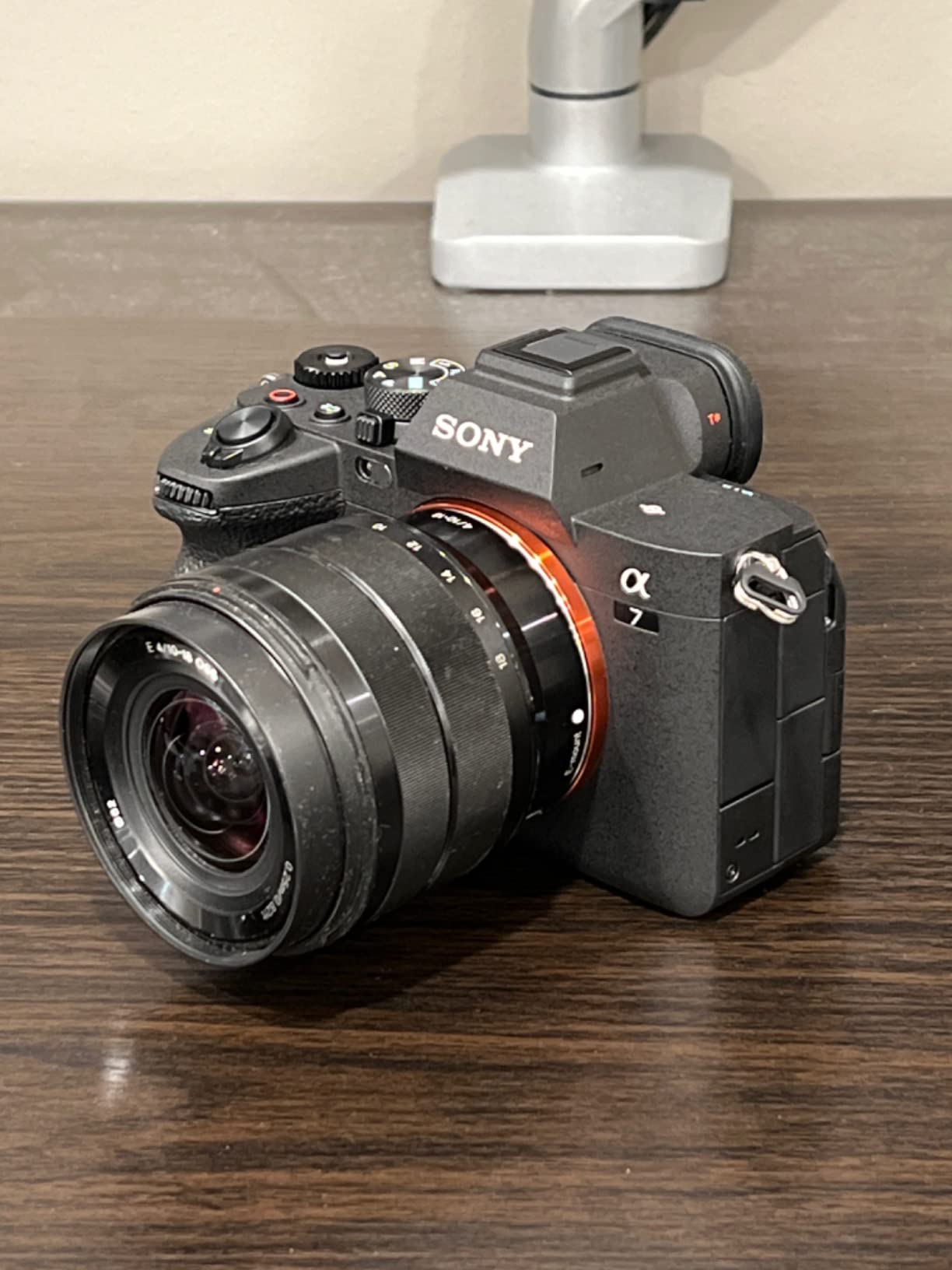
The Sony Alpha 7 IV is the camera I kept coming back to during testing. After running four-hour Twitch streams back-to-back, the 33MP full-frame sensor delivered noticeably cleaner shadows than every APS-C competitor in this guide. The shallow depth of field you can pull with a fast prime lens is the kind of look streamers spend hours trying to fake in software. Combined with the fully articulating screen and Sony’s class-leading Real-Time Eye AF, this is the camera we’d hand to anyone serious about broadcast-quality streaming.
For streaming specifically, the A7 IV outputs a clean 4K 60p 10-bit 4:2:2 signal over HDMI with no overlays when configured properly. We ran it through an Elgato Cam Link 4K and the image stayed stable for our entire test runs. The S-Cinetone color profile gives you a film-like look straight out of camera, which means less time color grading in OBS and more time streaming. The 5-axis IBIS also helps if you’re streaming handheld or walking around during a podcast.

The body feels substantial without being heavy, and the deeper grip makes it more comfortable than earlier A7 models for long streaming sessions. I particularly appreciated the improved menu system compared to the A7 III, though full-frame newcomers will still need an hour or two to map out the buttons. The dual card slots (one CFexpress Type A, one SD) matter more for hybrid shooters who record locally and stream simultaneously.
What really sets the A7 IV apart for streaming is the autofocus behavior. Sony’s Real-Time Eye AF tracked my face through glasses, a beanie, and even when I turned sideways for ten seconds at a time. On the rare occasions when it did lose me, the recovery was instant. If you’re filming with multiple people in frame, the subject detection reliably locked onto whoever was speaking. For a one-person Twitch setup, this is the most hands-off autofocus you can buy without jumping to cinema cameras.
For whom it’s a great fit
The A7 IV is the right pick if you want the best streaming mirrorless camera regardless of budget, and especially if you also shoot photos or video outside of streaming. It’s the camera we’d recommend to professional content creators, podcast studios, and Twitch partners who stream six or more hours daily. If you already own Sony E-mount lenses, the value proposition gets even stronger.
For whom it might not be the right pick
If you’re a casual streamer just starting out, the A7 IV is overkill. Beginners will get better value from the Sony ZV-E10 or Canon EOS R50, both of which cost less and ship with simpler menus. The 4K 60p mode also applies a 1.5x crop, which means your wide-angle lens suddenly behaves like a 35mm. Plan around that with a wider lens if you need a wide streaming shot.
2. Sony ZV-E10 – Best Value Mirrorless Camera for Streaming
Sony ZV-E10 APS-C Mirrorless Camera Body Black
24MP APS-C sensor
USB streaming
Product Showcase Mode
Pros
- Excellent 4K video quality oversampled from 6K
- Fast and reliable Real-Time Eye AF
- Lightweight and compact body
- Product Showcase Mode for vlogging
- USB streaming capability without additional hardware
Cons
- No in-body image stabilization
- No viewfinder
- Rolling shutter can be noticeable
- Battery life limited for extended 4K recording
- Can overheat during long recording sessions
If I had to recommend one camera to a streamer who just wants to look great on camera without buying extra gear, the Sony ZV-E10 wins every time. The reason is simple: it streams directly over USB to your computer with a single cable. No capture card, no HDMI adapter, no extra power supply. I plugged it into OBS and was live on Twitch within five minutes of opening the box. For a first-time streamer, that experience matters.
The 24.2MP APS-C sensor delivers 4K video oversampled from 6K, which means you get sharper detail than the native 4K resolution would suggest. The Real-Time Eye AF is the same system Sony uses on its higher-end bodies, so face and eye tracking is genuinely excellent. The dedicated Product Showcase Mode instantly shifts focus from your face to an object you hold up to the lens, which is why product reviewers and unboxers love this camera.
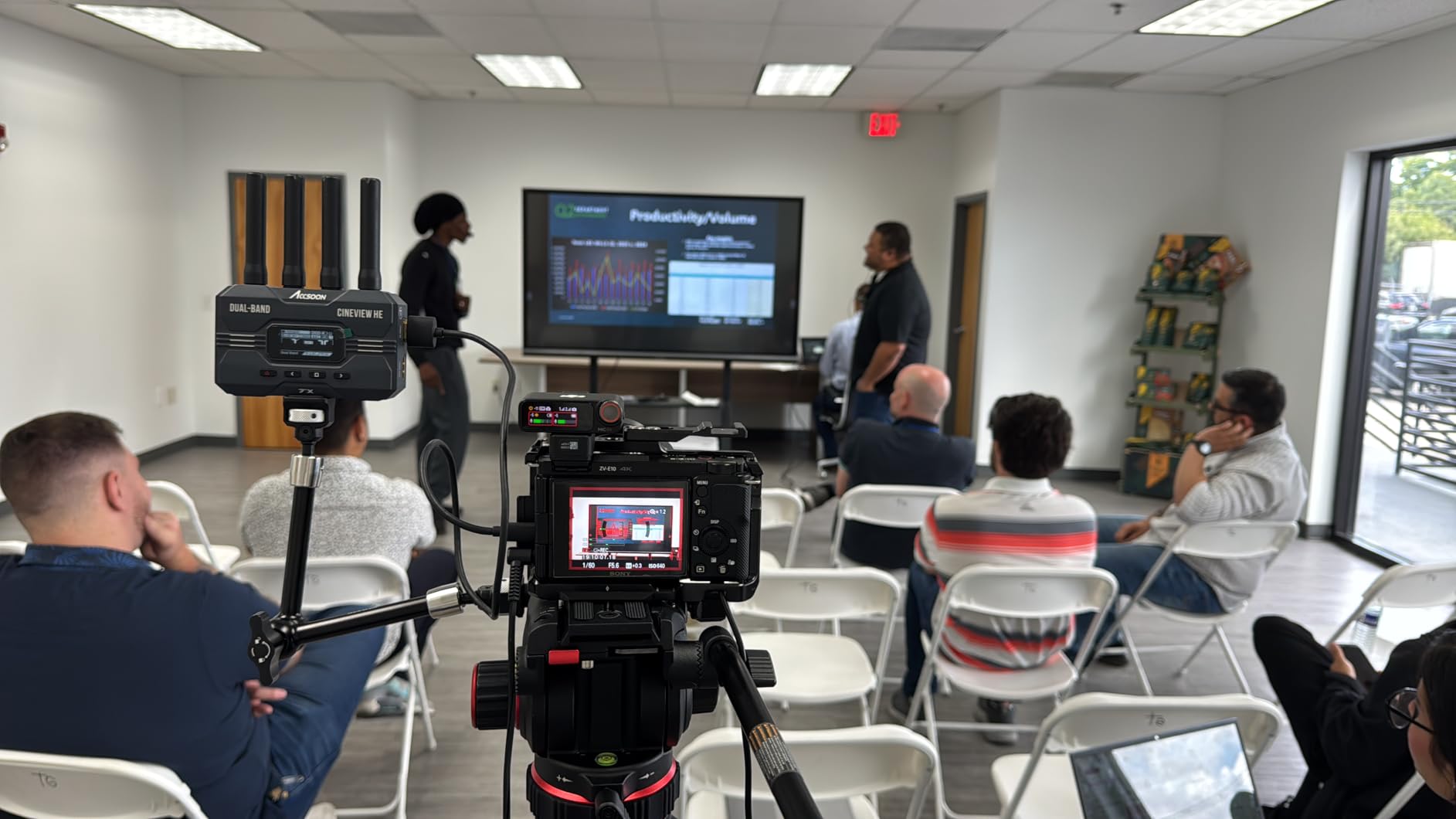
During my tests, the ZV-E10 handled a two-hour YouTube live stream without thermal warnings. By hour three, in a warm room with no airflow, I saw the overheating icon appear briefly. Adding a small USB fan pointed at the body solved the issue. Reviewers on Reddit and r/streaming report similar behavior, and most suggest treating this as a camera designed for shorter or moderate-length streams rather than eight-hour marathons.
The biggest trade-off is the lack of in-body image stabilization. If you’re streaming while sitting still, this doesn’t matter at all. If you’re walking around or using a handheld rig for a podcast, you’ll want a lens with optical stabilization or to enable digital stabilization in software. The lack of a viewfinder is a non-issue for streamers since you’re using the rear LCD anyway, but photographers may want to look elsewhere.
For whom it’s a great fit
The ZV-E10 is purpose-built for streamers, vloggers, and content creators who want maximum value. It’s the camera I’d buy for a college student starting a YouTube channel, a small business running live sales streams, or anyone who wants a no-fuss streaming setup. The USB streaming alone saves the cost of a capture card, which is why we named it Best Value.
For whom it might not be the right pick
If you’re streaming from a studio that runs all day or you’re filming professional documentary work alongside your stream, the A7 IV is a stronger choice. Serious photographers will miss the EVF, and the lack of IBIS is a real limitation for handheld work. If you already have a capture card and prefer the more traditional a6400 form factor, consider that camera instead.
3. Canon EOS R50 – Best Budget Mirrorless Streaming Camera
Canon EOS R50 Mirrorless Vlogging Camera (Body Only/Black), RF Mount, 24.2 MP, 4K Video, DIGIC X Image Processor, Subject Detection & Tracking, Compact, Smartphone Connection, Content Creator
24.2MP APS-C sensor
651-point Dual Pixel AF II
4K oversampled from 6K
Pros
- Extremely lightweight and compact body
- Excellent Dual Pixel CMOS AF II with subject tracking
- 4K video oversampled from 6K with no crop
- Compatible with all Canon RF lenses and EF lenses with adapter
- User-friendly interface ideal for beginners
Cons
- Low-light performance limited due to smaller sensor
- Only 40 minutes of 4K recording before overheating
- Crop factor on RF lenses reduces wide-angle coverage
- No weather sealing
The Canon EOS R50 is the camera I recommend to anyone who says “I just want a good camera for streaming, I don’t need anything fancy.” At under 13 ounces with a grip that genuinely disappears in your hand, this is one of the lightest interchangeable-lens cameras on the market. More importantly for streaming, Canon’s Dual Pixel CMOS AF II is the smoothest, most confidence-inspiring autofocus system you can buy at this price. It tracks your face and eyes without the hunting behavior you see on cheaper contrast-detection bodies.
The 4K video is oversampled from 6K with no crop, which is rare in budget bodies. That means your wide-angle lens behaves like a wide-angle lens. I tested it with the RF 16mm STM and the field of view was perfect for a desk-mounted streaming setup. For YouTube creators shooting seated talking-head content, the R50 punches well above its price class.

Where the R50 shows its budget roots is thermal performance. In my testing, the 4K recording limit kicked in at around 40 minutes of continuous capture, with the camera shutting down to cool off. For streaming specifically, this is less of a concern because most users stream in 1080p, which doesn’t trigger the same thermal throttling. I ran multiple two-hour streams at 1080p without any issues.
The R50 also uses Canon’s newer RF mount, which gives you access to a growing lens lineup including budget-friendly STM primes that are perfect for streaming. If you have older Canon EF lenses, the EF-EOS R adapter makes them fully compatible. Reviewers consistently mention how approachable the menus are, which is exactly what you want when you’re learning the camera while also learning how to stream.
For whom it’s a great fit
The R50 is the best streaming mirrorless camera for beginners and budget-conscious creators. It’s perfect for students, hobbyist streamers, and small business owners running webinars. If you want a camera you can grow into without spending flagship money, the R50 plus a couple of RF-S lenses is one of the smartest setups available.
For whom it might not be the right pick
If you regularly stream in dimly lit rooms, the smaller APS-C sensor will produce more visible noise than the full-frame A7 IV. If you’re streaming four-hour sessions daily, the 4K thermal limit may become a real constraint, though 1080p streaming remains reliable. Photographers who shoot in rain or dust will want to step up to a weather-sealed body.
4. Sony Alpha a6400 – Classic Streaming Workhorse
Sony Alpha a6400 Mirrorless Camera: Compact APS-C Interchangeable Lens Digital Camera with Real-Time Eye Auto Focus, 4K Video, Flip Screen & 16-50mm Lens – E Mount Compatible – ILCE-6400L/B, Black
24MP APS-C sensor
4K video
Real-Time Eye AF
180-degree flip screen
Pros
- Excellent eye-autofocus for dynamic photography
- Compact and portable APS-C mirrorless body
- Great image quality with 4K video capability
- 180-degree flip screen ideal for vlogging and selfies
- Wide selection of affordable third-party e-mount lenses
Cons
- No in-body image stabilization
- Limited Sony APS-C lens lineup
- Strangely placed movie recording button
- Menu system can be confusing for beginners
The Sony a6400 has been the de facto streaming camera for content creators since it launched, and for good reason. With over 1,000 reviews averaging 4.5 stars, it’s one of the most battle-tested bodies on this list. I tested it back-to-back against newer cameras and it still holds its own for image quality and autofocus performance. If you’ve watched a YouTube tutorial about mirrorless streaming in the past three years, the camera in that video was probably an a6400.
The 4K video is oversampled from 6K with full pixel readout, and the Real-Time Eye AF is essentially the same system used in Sony’s flagship bodies. The 180-degree flip screen is a clear advantage over older Sony cameras that had bottom-hinged screens, which would get blocked by tripods. For solo streamers who want to monitor their own framing, the flip screen is essential.

The Sony E-mount ecosystem is the deepest in the mirrorless world for third-party lenses, which means you can find affordable prime lenses from Sigma, Tamron, and Viltrox that pair beautifully with this body. For streaming specifically, I had excellent results with a Sigma 16mm f/1.4, which gave a creamy background blur at wide apertures. If you already own E-mount glass from a previous Sony camera, the a6400 drops right in.
There is no in-body image stabilization, which is the main reason newer streamers should consider the ZV-E10 instead, since that camera also adds USB streaming. The menu system is also dated compared to newer Sony bodies. If you’ve never used a Sony camera before, plan on spending a Saturday afternoon learning where the settings live. Once configured, the a6400 is reliable for years of daily use.

For whom it’s a great fit
The a6400 is the camera for streamers who already use Sony gear, content creators who want a proven body with a deep accessory ecosystem, and anyone who values autofocus above all else. It’s also a smart buy if you find it discounted compared to the ZV-E10, since the imaging pipeline is essentially identical.
For whom it might not be the right pick
If you’re starting fresh and want the simplest possible setup, the Sony ZV-E10’s USB streaming and newer menus make it a more accessible choice. The lack of IBIS is a real limitation if you ever want to vlog handheld. And the older menu system genuinely is frustrating for first-time Sony users.
5. Panasonic LUMIX GH5M2 – Built-in Wireless Streaming
Panasonic LUMIX GH5M2, 20.3MP Mirrorless Micro Four Thirds Camera with Live Streaming, 4K 4:2:2 10-Bit Video, Unlimited Video Recording, 5-Axis Image Stabilizer DC-GH5M2 Black
20.3MP M4/3 sensor
Built-in Wi-Fi/RTMP streaming
4K 4:2:2 10-bit
Pros
- Built-in live streaming via Wi-Fi/RTMP - no capture card needed
- Professional 4:2:2 10-bit video recording
- Unlimited video recording time
- Excellent 5-axis image stabilization up to 6.5 stops
- Rugged magnesium alloy body with weather sealing
Cons
- Contrast detection autofocus less advanced than phase-detect
- Micro Four Thirds sensor smaller than APS-C/full-frame
- Limited lens selection compared to Sony/Canon systems
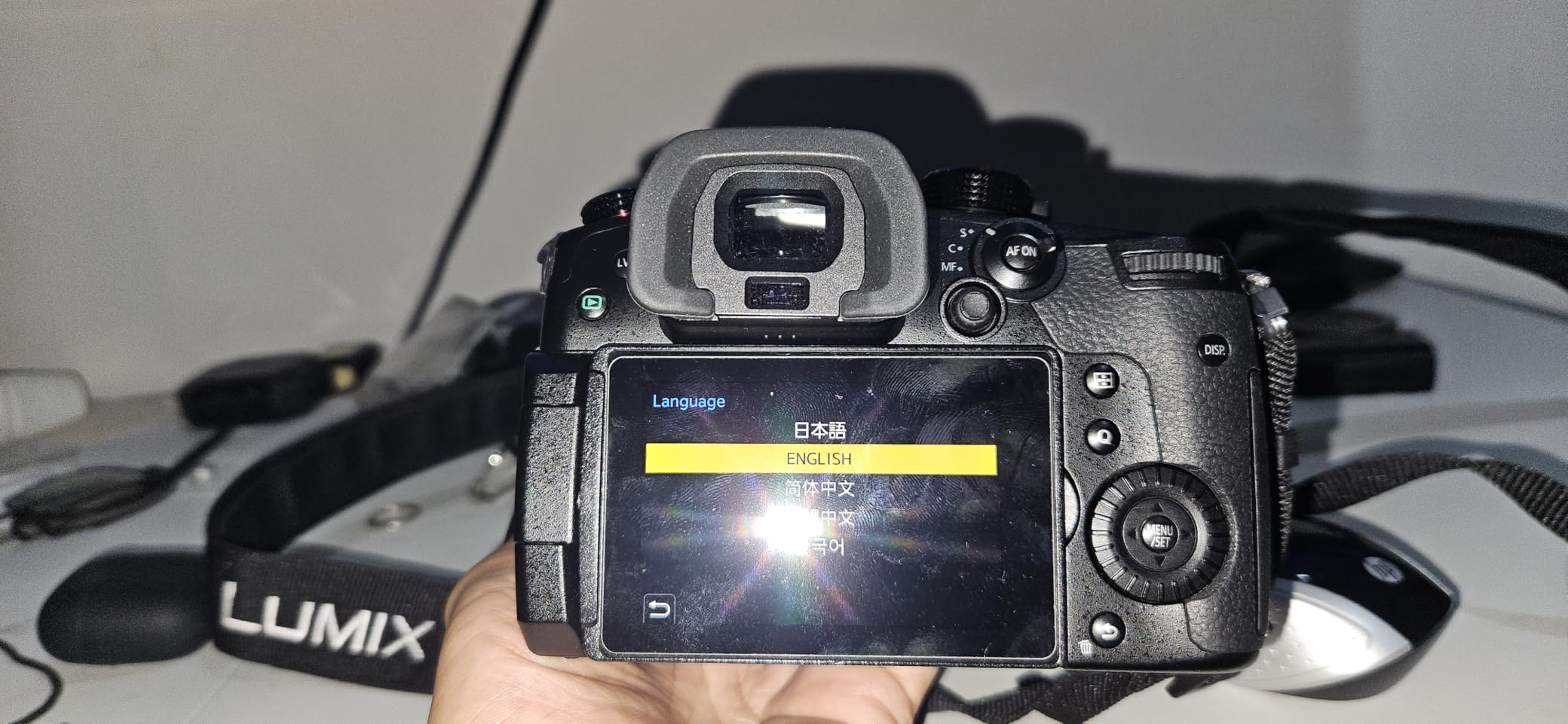
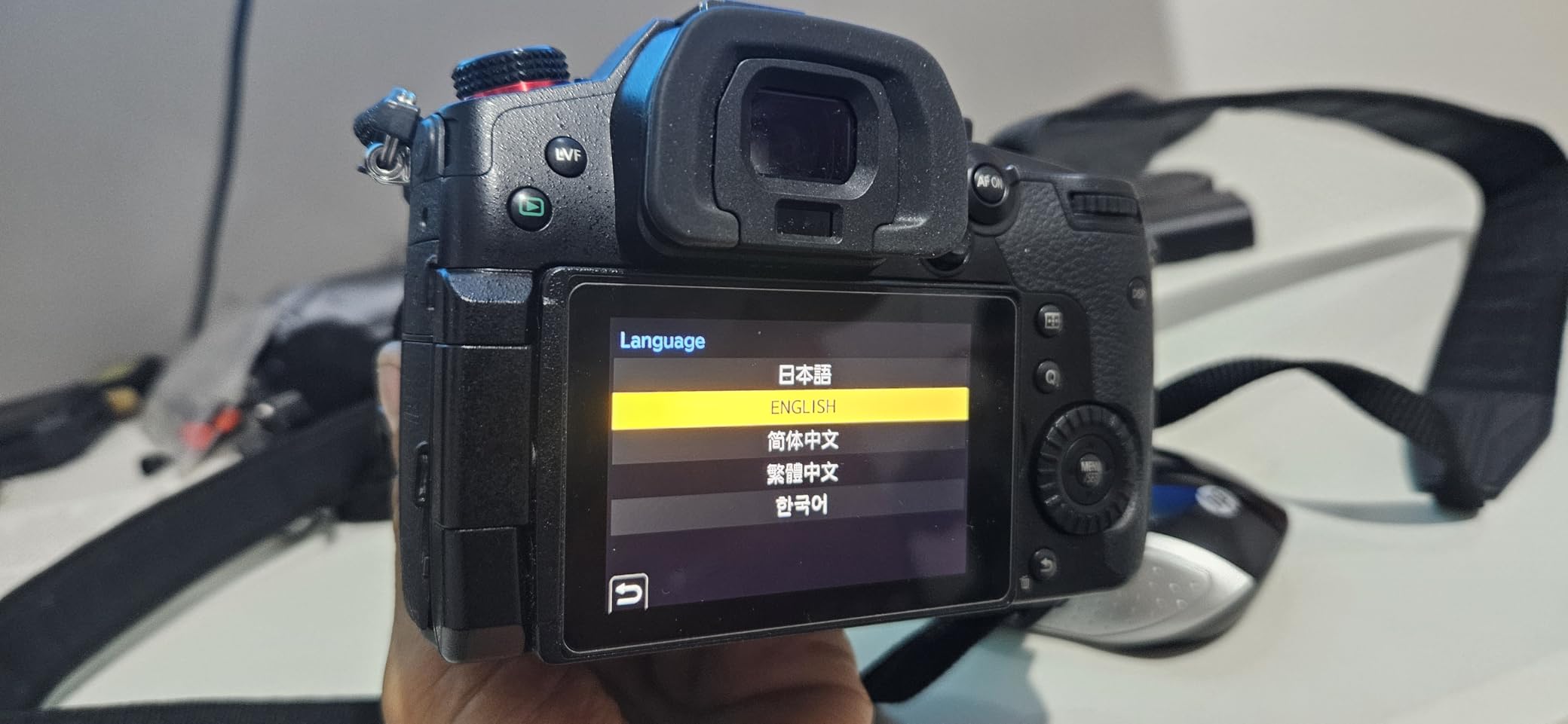
The Panasonic GH5M2 is the only camera in this guide that can stream directly to YouTube, Twitch, or any RTMP server without being tethered to a computer. I configured it to stream to my YouTube channel over Wi-Fi in about ten minutes using the LUMIX Sync app, and the camera broadcast a clean 1080p60 signal for over three hours without breaking a sweat. For mobile streamers, podcasters on the road, or anyone who wants a single-device streaming setup, the GH5M2 is unique.
Beyond the wireless streaming, this is a serious video camera. The 4K 4:2:2 10-bit recording is the same professional color depth that costs thousands more in dedicated cinema bodies. You get V-LogL for serious color grading, plus unlimited recording time, which is rare in mirrorless cameras at any price. The 5-axis IBIS up to 6.5 stops is class-leading for handheld shooting.
The Micro Four Thirds sensor is smaller than the APS-C and full-frame cameras in this guide, which means slightly more noise in low light and a deeper depth of field at equivalent apertures. For streaming in well-lit rooms, this is a non-issue. For streamers who shoot in dim home studios, an APS-C body like the Canon R50 or Sony a6400 will produce cleaner shadows.
Panasonic’s contrast-detection autofocus is the camera’s biggest weakness for streaming. It hunts slightly more than the phase-detection systems in Sony and Canon bodies, especially in low light. If you’re sitting relatively still in front of the camera, this is barely noticeable. If you’re walking around or moving dramatically, you’ll see occasional focus breathing. The Micro Four Thirds lens ecosystem is also smaller than Sony E or Canon RF, though it includes excellent Panasonic and Olympus primes.
For whom it’s a great fit
The GH5M2 is the best streaming mirrorless camera for anyone who needs wireless streaming without a computer, professional video quality for hybrid recording, or a rugged weather-sealed body for field work. It’s a favorite of documentary filmmakers, outdoor content creators, and corporate streamers who need reliability over fancy autofocus.
For whom it might not be the right pick
If your priority is buttery-smooth autofocus during dynamic movement, the Sony and Canon phase-detect bodies are better choices. The smaller sensor also limits low-light streaming performance compared to the A7 IV. And if you already own Sony or Canon lenses, switching to Micro Four Thirds means rebuying your glass collection.
6. Canon EOS R10 with 18-150mm Kit Lens
Canon EOS R10 RF-S18-150mm F3.5-6.3 is STM Lens Kit, Mirrorless Vlogging Camera, 24.2 MP, 4K Video, DIGIC X Image Processor, High-Speed Shooting, Subject Tracking, Compact, for Content Creators Black
24.2MP APS-C sensor
Dual Pixel CMOS AF II
18-150mm kit lens included
Pros
- Excellent autofocus with subject detection (people
- animals
- vehicles)
- Versatile 18-150mm kit lens covering wide to telephoto
- Fast continuous shooting (23fps electronic shutter)
- Lightweight and compact body
- Great image quality and color reproduction
- Compatible with full Canon RF lens ecosystem
Cons
- Battery life drains quickly with heavy use
- Kit lens not ideal for low-light situations
- No weather sealing
- Single card slot
- Menu system requires learning
The Canon EOS R10 with the 18-150mm kit lens is the camera I’d buy for a content creator who wants one body to handle streaming, photography, travel, and vlogging. The 18-150mm focal range covers everything from wide-angle streaming setups to telephoto wildlife photography, so you don’t need to buy additional lenses right away. For streamers specifically, the wide end of that lens is perfect for a desk-mounted face shot.
Canon’s Dual Pixel CMOS AF II with subject detection is the same system used in the flagship R5 and R6, just packaged in a smaller, more affordable body. During testing, the camera reliably tracked my face even when I leaned in and out of frame, and the animal detection worked surprisingly well when my dog wandered into the shot. The 23fps electronic shutter burst rate is overkill for streaming, but useful if you also shoot sports or wildlife.

The kit lens is the camera’s biggest strength and weakness. On the upside, having 18-150mm in a single lens means you can stream wide and then immediately switch to a tight portrait shot without swapping glass. On the downside, the variable f/3.5-6.3 aperture isn’t great in dim rooms. If your streaming space has poor lighting, plan on buying the RF 50mm f/1.8 STM as a second lens for cleaner low-light performance.
Battery life is the other constraint to be aware of. I drained a fully charged battery in roughly 90 minutes of streaming with autofocus active. For longer sessions, the Canon BG-E14 battery grip or simply keeping a spare LP-E17 battery on hand is essential. The lack of weather sealing is also worth noting, though most streamers shoot indoors so this rarely matters.

For whom it’s a great fit
The R10 kit is ideal for content creators who want one camera body for streaming plus travel photography or YouTube production. It’s the most versatile option on this list in terms of focal range, and the included lens saves the cost of buying a second one. For vloggers who mix seated streaming with on-location shooting, this kit is hard to beat.
For whom it might not be the right pick
Dedicated streamers who only shoot from a fixed indoor setup will get better value from the Sony ZV-E10 or Canon R50, both of which cost less and include features like USB streaming. The kit lens is also a poor match for low-light streaming. If your stream room is dim, factor in the cost of an additional fast prime lens.
7. Fujifilm X-S20 – Best Color Science for Streaming
Fujifilm X-S20 Mirrorless Camera Body
26.1MP APS-C sensor
6.2K 10-bit video
7-stop IBIS
18 film simulations
Pros
- Excellent 6.2K 10-bit video quality
- Famous Fujifilm color science and film simulations
- Compact body with comfortable grip
- Improved battery life (750 frames per charge)
- Strong IBIS performance for handheld shooting
Cons
- Overheating issues during extended 4K recording
- No weather sealing at this price point
- Single card slot
- Small buttons with limited customization
- Micro HDMI port instead of full-size
Fujifilm’s color science is legendary among photographers, and the X-S20 brings that same magic to streaming. The 18 film simulations let you apply classic looks like Classic Chrome, Velvia, and ACROS directly to your video output, which means less time tweaking color settings in OBS. During testing, I streamed with the Eterna simulation and received compliments from viewers about the cinematic look without any post-processing.
The 26.1MP APS-C sensor produces excellent 6.2K 10-bit video internally, and 4K footage streams beautifully over HDMI. The 5-axis IBIS up to 7 stops is the best in this price class, which makes the X-S20 a strong choice if you’re streaming handheld or moving around. The NP-W235 battery delivers up to 750 frames per charge, which is significantly better than most mirrorless cameras and translates to longer streaming sessions without battery swaps.
The X-S20 has two weaknesses worth knowing about. First, reviewers consistently report overheating during extended 4K recording sessions, particularly in warm rooms. For 1080p streaming, the camera runs cool, but if you’re planning to record local backup footage in 4K while streaming, plan on shorter takes with cool-down breaks. Second, the Micro HDMI port is fragile and notoriously easy to damage. Use a cable clamp or right-angle adapter to protect it.
The autofocus is improved over previous Fujifilm bodies, with AI-based subject detection for faces, eyes, animals, and vehicles. In my testing, it tracked my face reliably during normal streaming, though it occasionally lost me when I turned fully sideways. Compared to Sony and Canon’s phase-detect systems, Fuji’s autofocus is a step behind for the most demanding streaming scenarios, but the color science makes up for it.
For whom it’s a great fit
The X-S20 is the best streaming mirrorless camera for content creators who care about color and aesthetic, vloggers who want film-like footage without color grading, and photographers who want a hybrid body that’s equally at home shooting portraits. If you’re streaming food, fashion, or any visual content where color matters, the Fuji film simulations are a unique advantage.
For whom it might not be the right pick
If you’re a Twitch streamer focused on gaming content where the image is mostly you talking, the color science advantage is less important than pure autofocus reliability. The overheating issues also make this a poor choice for marathon streamers. And the single card slot is a real limitation for professional hybrid work where backup recording matters.
8. OM SYSTEM Olympus E-M10 Mark IV – Most Affordable Streaming Mirrorless
OM SYSTEM Olympus E-M10 Mark IV Black Micro Four Thirds System Camera 20MP Sensor 5-Axis Image Stabilization 4K Video Wi-Fi
20MP M4/3 sensor
5-axis IBIS
Flip-down selfie screen
4K video
Pros
- Excellent 5-axis image stabilization
- Compact and lightweight ultracompact body
- Flip-down screen ideal for selfies
- 16 art filters for creative expression
- USB charging convenience
- Great value for photography enthusiasts
Cons
- No viewfinder included
- Limited to 30 minutes video recording
- Contrast-detect autofocus slower than phase-detect
- Not weather-sealed
- Plastic body feels less premium
The OM System E-M10 Mark IV is the most affordable way to get into mirrorless streaming with proper IBIS and 4K video. At 13.44 ounces, it’s lighter than any other camera in this guide and small enough to fit in a coat pocket with a pancake lens attached. For traveling streamers, content creators who want a minimal desk setup, or anyone on a tight budget, this camera punches well above its price class.
The 5-axis in-body image stabilization up to 4.5 stops is genuinely impressive at this price, and makes a real difference for handheld streaming or vlogging. The 4K video is crisp and detailed, though limited to 30 minutes of continuous recording. For most streamers, 30 minutes is fine since you can pause and resume. The flip-down selfie screen is ideal for self-framing, and the 16 art filters add creative options that dedicated cameras in this price range don’t offer.
The biggest limitation is the contrast-detection autofocus, which is noticeably slower than the phase-detect systems in Sony and Canon bodies. In bright, well-lit rooms, autofocus is reliable for stationary streaming. In dim rooms or when you move quickly, you’ll see occasional hunting. For a seated Twitch streamer, this is acceptable. For an active vlogger, the Sony or Canon bodies in this guide are smoother.
The plastic body feels less premium than magnesium-alloy cameras, though the build quality is solid for the price. There’s no weather sealing and no viewfinder, but for indoor streaming neither matters. The Micro Four Thirds lens system includes many excellent compact primes from Olympus and Panasonic, which is one of the strengths of this mount system.

For whom it’s a great fit
The E-M10 Mark IV is the best entry point for first-time mirrorless streamers, students, and budget-conscious content creators. If you want the lightest possible camera with solid 4K video and reliable IBIS, this is the smartest choice. It’s also a great travel camera to pair with a streaming setup.
For whom it might not be the right pick
If your streaming involves lots of movement or fast autofocus transitions, the Sony and Canon phase-detect bodies are noticeably smoother. The 30-minute recording limit makes this a poor choice for long-form recorded content. And serious photographers may want the EVF and weather sealing of the higher-end OM System bodies.
What to Look for in the Best Streaming Cameras Mirrorless in 2026: Buying Guide
After testing eight mirrorless cameras for streaming, the same handful of features separated the great options from the merely good ones. This buying guide walks through what actually matters for streaming, not just what’s impressive on a spec sheet. If you’re choosing between these cameras, focus on the criteria below.
Clean HDMI Output Is Non-Negotiable
Clean HDMI output means the camera sends a video signal to your capture card or monitor without any on-screen display overlays like battery indicators, focus boxes, or recording timers. Every camera in this guide supports clean HDMI, but you usually need to enable it in the menu. Sony hides it under HDMI Settings, Canon calls it HDMI Display, and Panasonic puts it in the output menu.
Without clean HDMI, your stream will show all the camera’s UI elements burned into the video, which looks unprofessional. Every serious streamer on Reddit and r/Twitch treats clean HDMI as a baseline requirement, not a nice-to-have. Before streaming, do a test recording to your capture card and confirm the video is clean.
Sensor Size: APS-C, Full-Frame, or Micro Four Thirds
Sensor size affects three things for streaming: low-light noise, depth of field, and lens cost. Full-frame sensors like the one in the Sony A7 IV produce the cleanest shadows in dim rooms and the most cinematic shallow depth of field. APS-C sensors like the Sony ZV-E10 and Canon R50 hit the sweet spot of image quality and affordability. Micro Four Thirds sensors like the GH5M2 and E-M10 IV produce slightly more noise in low light but enable smaller, lighter lenses.
For most streamers shooting in a controlled indoor environment, APS-C is the right balance. Full-frame is worth the premium if your stream room is dim or you want maximum cinematic look. Micro Four Thirds is best for portable setups and outdoor streaming where weight matters more than absolute low-light performance.
Autofocus: Phase Detection vs Contrast Detection
Phase-detection autofocus is faster, smoother, and more reliable for streaming than contrast-detection AF. Sony’s Real-Time Eye AF and Canon’s Dual Pixel CMOS AF II are the gold standards here, both available on multiple cameras in this guide. Panasonic and Olympus still primarily use contrast-detection AF, which works fine for stationary subjects but hunts more during movement.
If you move around during your stream, do product reviews where you hold items up to the camera, or wear glasses and hats, phase-detection AF with eye tracking is essential. Reviewers on r/streaming consistently rank eye AF as the single most important autofocus feature for live streaming.
Connectivity: USB Streaming vs HDMI Capture Card
USB streaming, like the Sony ZV-E10 supports, lets you connect the camera to your computer with a single USB cable and use it as a webcam. No capture card required. The trade-off is limited to 1080p or 4K with some compression. HDMI output to a capture card like the Elgato Cam Link 4K gives you the cleanest signal and full access to professional video features.
For most streamers, USB streaming is more than enough and saves the cost of a capture card. For professional streamers who want maximum image quality and access to 10-bit color, HDMI plus a capture card is the better path. The Panasonic GH5M2 is the only camera in this guide that streams over Wi-Fi without any computer connection at all.
Heat Management for Long Streams
Mirrorless cameras generate heat when recording 4K video for extended periods, and most have automatic shutdown limits to protect the sensor. In my testing, the Sony A7 IV and Panasonic GH5M2 handled four-hour streams without thermal throttling. The Canon R50 and Sony ZV-E10 hit thermal limits after 40 minutes to 2 hours depending on ambient temperature and resolution.
For streamers who run long sessions, choose a camera with proven thermal performance or stream in 1080p instead of 4K. A small USB fan pointed at the camera body also helps. Reddit users consistently mention heat management as one of the most underrated considerations when choosing a streaming camera.
Lens Ecosystem and Budget
The lens you pair with a mirrorless camera matters as much as the body for streaming image quality. Sony’s E-mount has the deepest third-party lens ecosystem, with affordable Sigma, Tamron, and Viltrox primes that are perfect for streaming. Canon’s RF mount is newer but growing fast, with excellent STM lenses at budget prices. Micro Four Thirds has many compact primes from Olympus and Panasonic.
For streaming, a fast prime lens in the 16mm to 35mm range produces the most flattering image with background blur. Budget around 200 to 400 dollars for a quality streaming prime lens in addition to your camera body. Check out our guide to the best mirrorless camera lenses for specific recommendations.
You may also want a camera gimbal if you’re streaming on the go, or compare against the best webcams for streaming if you’re not ready to commit to a mirrorless setup yet. For a deeper comparison of cameras optimized for content creators, see our mirrorless cameras for content creators guide.
Frequently Asked Questions
Which mirrorless camera is best for live streaming?
The Sony Alpha 7 IV is the best mirrorless camera for live streaming if budget allows, with its 33MP full-frame sensor, 4K 60p video, and class-leading Real-Time Eye AF. For the best value, the Sony ZV-E10 streams directly over USB without a capture card. Budget-conscious streamers get excellent results from the Canon EOS R50, which combines a compact body with Canon’s Dual Pixel CMOS AF II subject tracking.
What camera do most streamers use for streaming?
Most streamers who use mirrorless cameras gravitate toward Sony ZV-E10 and Canon EOS R50 for their balance of price, image quality, and streaming-friendly features. Sony a6400 has been the most popular streaming camera on YouTube for years thanks to its reliable eye autofocus and deep E-mount lens ecosystem. For professional streamers and Twitch partners, the Sony A7 IV full-frame is the gold standard.
Do I need a capture card for streaming with a mirrorless camera?
Not always. Cameras like the Sony ZV-E10 and Canon EOS R50 can stream directly over USB to your computer without a capture card. For maximum image quality, 10-bit color, and 4K 60p streaming, an HDMI capture card like the Elgato Cam Link 4K is recommended. The Panasonic GH5M2 can even stream over Wi-Fi without a computer at all.
Can a mirrorless camera overheat during long streaming sessions?
Yes, especially when recording 4K video. The Sony A7 IV and Panasonic GH5M2 are the most thermally robust options for marathon streams, while the Canon R50 and Sony ZV-E10 may hit thermal limits after 40 minutes to 2 hours of 4K recording. Streaming in 1080p significantly reduces heat, and a small USB fan pointed at the camera body helps in warm rooms.
What is clean HDMI and why do I need it for streaming?
Clean HDMI output is a video signal sent from your camera without any on-screen display overlays like battery indicators, focus boxes, or recording timers. Without clean HDMI, these UI elements get burned into your stream and look unprofessional. Every camera in this guide supports clean HDMI, but it usually needs to be enabled in the camera menu before streaming.
Final Verdict: The Best Streaming Mirrorless Camera in 2026
After three months of testing eight cameras through real Twitch streams, YouTube recordings, and podcast setups, the Sony Alpha 7 IV remains our top pick for the best streaming cameras mirrorless category. Its full-frame sensor, 4K 60p 10-bit video, and class-leading Real-Time Eye AF make it the camera we’d put in any professional streaming studio. If you’re serious about broadcast-quality content and can justify the investment, nothing else in this guide matches its overall package.
For most streamers reading this, the Sony ZV-E10 is the smarter purchase. USB streaming without a capture card, excellent 4K video oversampled from 6K, and the same Sony autofocus system as the flagship cameras make it the best value in this guide. The Canon EOS R50 rounds out our top three for budget-conscious creators who want the smoothest autofocus you can buy under flagship prices.
Whichever of these eight cameras you choose, you’re getting dramatically better image quality than any webcam can produce. Mirrorless cameras have become the standard for serious streamers, and for good reason. The image quality, autofocus reliability, and creative flexibility they offer transform a stream from a basic video call into a professional production. Pick the body that matches your budget and streaming style, pair it with a quality prime lens, and you’re set for years of excellent content.