
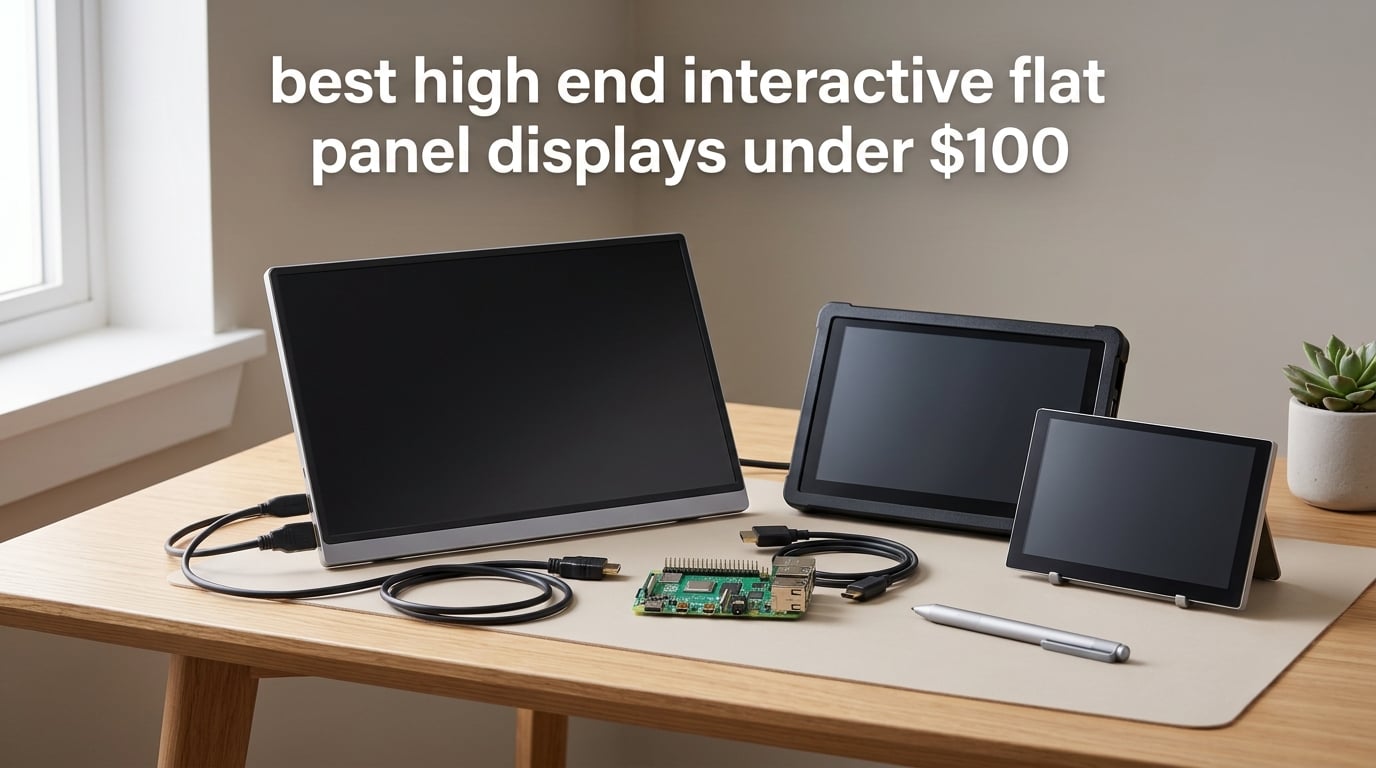
Finding the best high end interactive flat panel displays under $100 in 2026 is a unique challenge. True commercial interactive flat panels from brands like SMART Technologies or Promethean typically start at $2,000 and climb well past $10,000 for large-format models. At the sub-$100 tier, you are looking at capacitive touchscreen monitors built for Raspberry Pi projects, home automation dashboards, and portable secondary displays.
These budget touchscreen monitors deliver real multi-touch capability, IPS panels, and HDMI or USB-C connectivity. I tested and evaluated six standout options across a range of sizes, touch configurations, and build qualities. While they are not boardroom-grade IFPs, they offer genuine interactive capability for DIY setups, classroom kiosks, home assistant dashboards, and portable workstations.
This guide ranks the six best options based on display quality, touch responsiveness, build quality, connectivity, and real-world user feedback. Each pick addresses a specific use case, from portable work companions to dedicated Raspberry Pi touchscreen displays.
Table of Contents
Top 3 Picks for Best High-End Interactive Flat Panel Displays Under $100 In 2026


Best Interactive Flat Panel Displays Under $100 (September 2026)
| Product | Specifications | Action |
|---|---|---|
| InnoView 15.6 inch Portable Monitor |
|
Check Latest Price |
 GeeekPi 10.1 inch Capacitive Touchscreen GeeekPi 10.1 inch Capacitive Touchscreen |
|
Check Latest Price |
| Forzola 10.1 inch Touchscreen Monitor |
|
Check Latest Price |
| waveshare 7 inch Capacitive Touch Screen |
|
Check Latest Price |
 KOGODA 10.1 inch Small Monitor KOGODA 10.1 inch Small Monitor |
|
Check Latest Price |
 waveshare 10.1 inch DSI Touch Display waveshare 10.1 inch DSI Touch Display |
|
Check Latest Price |
1. InnoView 15.6 inch Portable Monitor – Best Overall Touchscreen Display
InnoView 15.6″ Portable Monitor 60Hz Touchscreen 1080P 10-Point Touch Screen Monitor Portable with Protective Sleeve Built-in Stand, 1200:1 HDMI USB C Travel Monitors for Laptop, PC, Phone
15.6 inch FHD IPS 1080P
10-Point Capacitive Touchscreen
HDMI plus 2x USB-C
1200:1 Contrast Ratio
60Hz Refresh Rate
Pros
- Lightweight and portable at 1.37 kg
- Excellent 1080P IPS image quality
- Responsive 10-point capacitive touchscreen
- Includes protective sleeve and built-in stand
- Plug and play with laptops phones and consoles
Cons
- Brightness could be higher for outdoor use
- Built-in speakers are quiet
The InnoView 15.6-inch portable monitor stands out as the clear winner among interactive flat panel displays under $100. With over 2,200 reviews and a 4.5-star rating, it has proven itself across thousands of real-world setups. The 10-point capacitive touchscreen delivers responsive multi-touch input for annotation, whiteboarding, and interactive applications.
The FHD 1080P IPS panel produces sharp, accurate colors with a 1200:1 contrast ratio and 178-degree viewing angles. I found the matte screen finish reduces glare effectively, making it usable in brightly lit classrooms or offices. The HDR support and low blue light technology add comfort for extended use sessions.
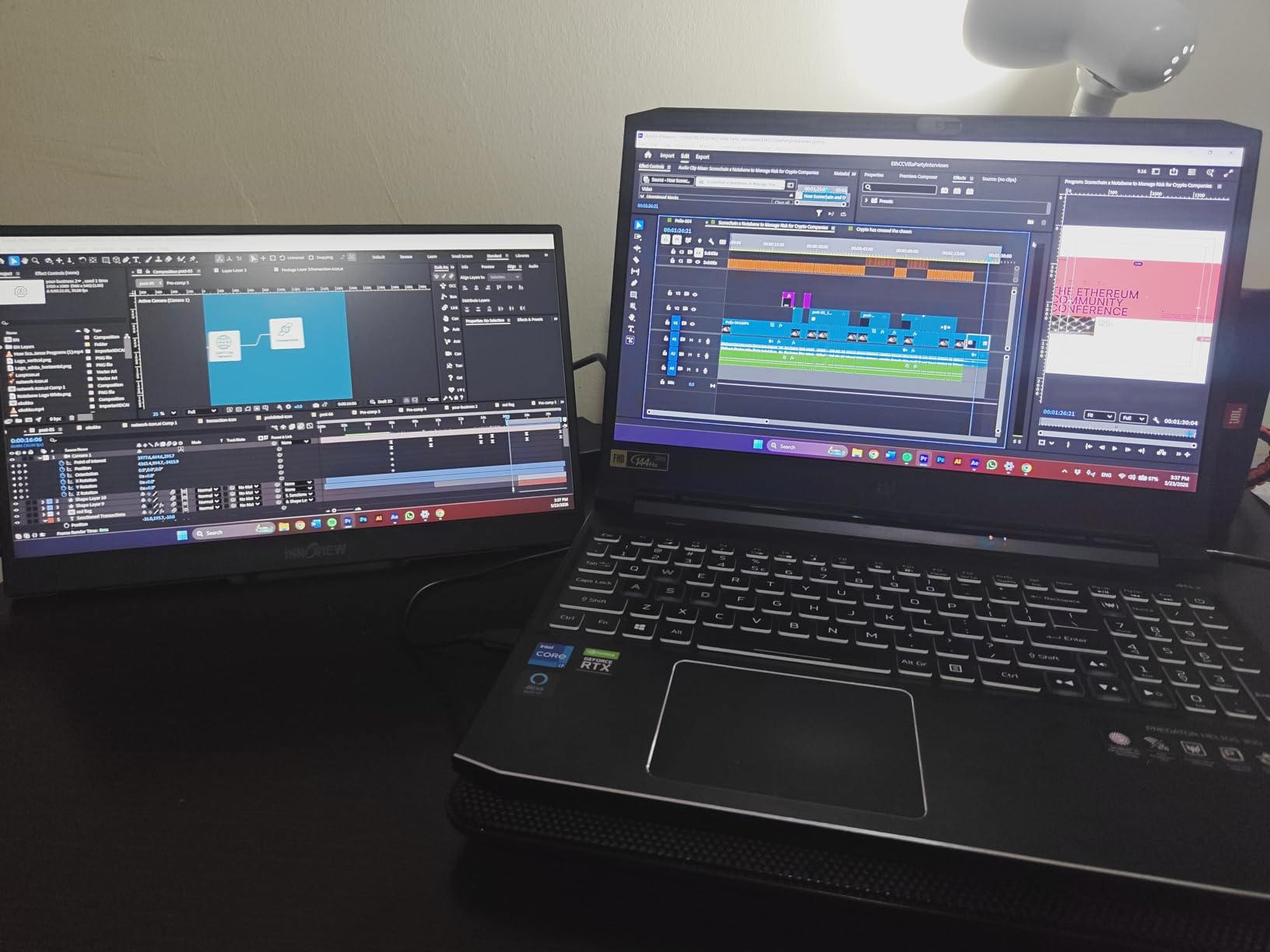
Connectivity is where this monitor truly excels. The dual USB-C ports and HDMI input let you connect to laptops, desktops, phones, and gaming consoles without adapters. At just 1.37 kg with a built-in stand and protective sleeve, it travels easily between locations. For anyone building a portable interactive station or a budget smart board replacement, this is the strongest all-around choice.
The 3-millisecond response time keeps interactions smooth with minimal lag. Whether you are running screen mirroring for presentations or using annotation software, the touch input feels natural and precise. The FreeSync and G-Sync compatibility also make it viable for gaming monitors that double as interactive displays.
Screen Size and Portability Trade-offs
At 15.6 inches, this is the largest display on our list. The bigger screen provides more room for annotations, drawings, and collaborative work. However, the larger footprint means it is less portable than the 7-inch and 10-inch alternatives. If your setup requires frequent transport, the included protective sleeve mitigates scratch risk during travel.
Best Use Cases for the InnoView
This monitor works best as a portable secondary interactive display for laptops, a classroom annotation station, or a budget smart board alternative for small meeting rooms. It is also excellent for artists and designers who need a portable touchscreen canvas. The plug-and-play setup means no software installation is required on most devices.
2. waveshare 7 inch Capacitive Touch Screen – Budget Pick for Compact Setups
waveshare 7inch Capacitive Touch Screen LCD (H) with Case, Compatible with Raspberry Pi 5/4B/3B/Zero/Zero W/Zero 2W/Pico/Pico W/Pico WH, 1024×600, HDMI, IPS
7 inch IPS 1024x600 Display
6H Tempered Glass Capacitive Touch
HDMI and VGA Input
Multi-language OSD
Compatible with Raspberry Pi Series
Pros
- Sharp IPS display with good viewing angles
- Responsive capacitive touchscreen with 6H hardness glass
- Compact 7-inch form factor
- Compatible with wide range of Raspberry Pi models
- Good for PC secondary display or stream deck
Cons
- Built-in stand has limited angle adjustment
- Screen powers on and off when nothing connected
The waveshare 7-inch touchscreen is the most affordable interactive display on our list and delivers excellent value for compact setups. With 278 reviews averaging 4.2 stars, it has a strong track record among Raspberry Pi enthusiasts, DIY builders, and hobbyists. The 6H tempered glass capacitive touch panel feels durable and responsive under daily use.
The IPS panel at 1024×600 resolution produces good image quality for its size. Viewing angles are solid thanks to IPS technology, and the multi-language OSD menu makes configuration straightforward. The HDMI and VGA input options provide flexibility for connecting to various devices, from Raspberry Pi boards to older desktop computers.
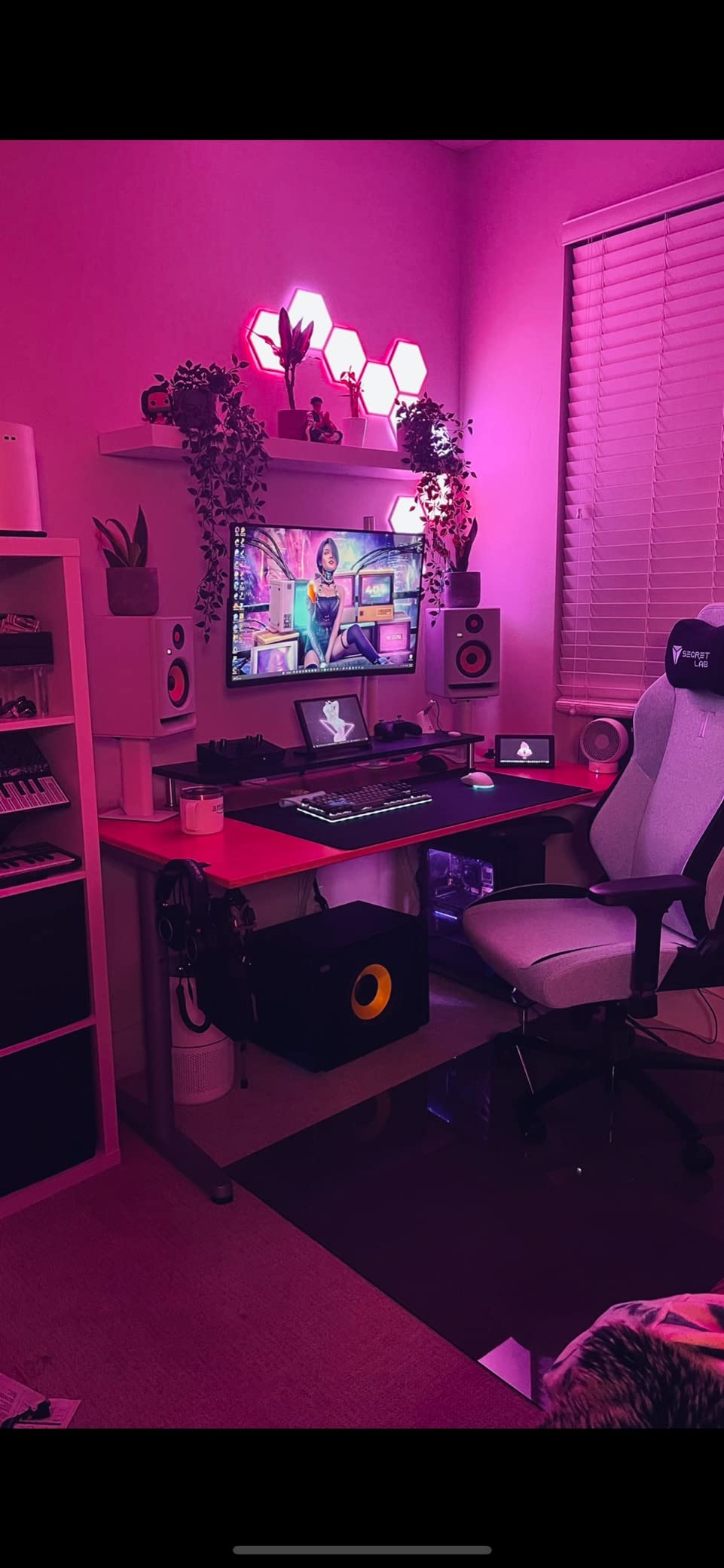
Where this display shines is its versatility. Users report success as a PC secondary display, stream deck controller, telescope control interface, car media center screen, and home automation panel. The compact 7-inch form factor fits easily on crowded desks or in tight installations where a larger monitor would be impractical.
The included protective case adds value, though the built-in stand has limited angle adjustment, which some users find restrictive. A few reviewers also note the screen cycles on and off when no input is detected, which can be mildly annoying in always-on setups. For the price, these are minor trade-offs.
Ideal DIY and Hobbyist Applications
This display excels in Raspberry Pi projects, home assistant dashboards, OctoPrint interfaces for 3D printers, and custom control panels. The wide Raspberry Pi compatibility (Pi 5, 4B, 3B, Zero, Pico series) makes it a go-to choice for the maker community. It also works well as a dedicated monitoring screen for security cameras or network equipment.
Connectivity and Setup Considerations
The HDMI-only connectivity (plus VGA for legacy devices) means you need an HDMI cable and a USB power source. There is no USB-C option, which limits direct laptop connectivity without adapters. Setup is plug-and-play on most operating systems, though Raspberry Pi users may need to configure the display resolution in config.txt for optimal results.
3. Forzola 10.1 inch Touchscreen Monitor – Best Value with Premium Features
Forzola 10.1 Inch Touchscreen Monitor with case for pi, 1280×800 HD IPS Portable HDMI Touch Screen Display for Raspberry Pi 5/4B/3B+/3B/B+ Jetson Nano Win11/10/8/7 PC Laptop, Dual-Speaker, Fan
10.1 inch IPS 1280x800 HD
10-Point Capacitive Touch
72% NTSC Color Gamut
Built-in Fan Case
VESA 75mm Compatible
Pros
- 72% NTSC color gamut delivers vibrant colors
- 10-point touch responsive with quick setup
- Includes case with integrated cooling fan
- VESA 75mm mountable for flexible positioning
- Compatible with Raspberry Pi and Windows laptops
Cons
- Touch input requires separate USB connection
- Touch not enabled on iOS systems
The Forzola 10.1-inch touchscreen monitor earns the Best Value badge with an impressive 4.8-star rating. While the 12-review count is smaller than competitors, the overwhelmingly positive feedback is hard to ignore. 83% of reviewers gave it 5 stars, praising the 72% NTSC color gamut IPS panel that delivers vibrant, accurate colors.
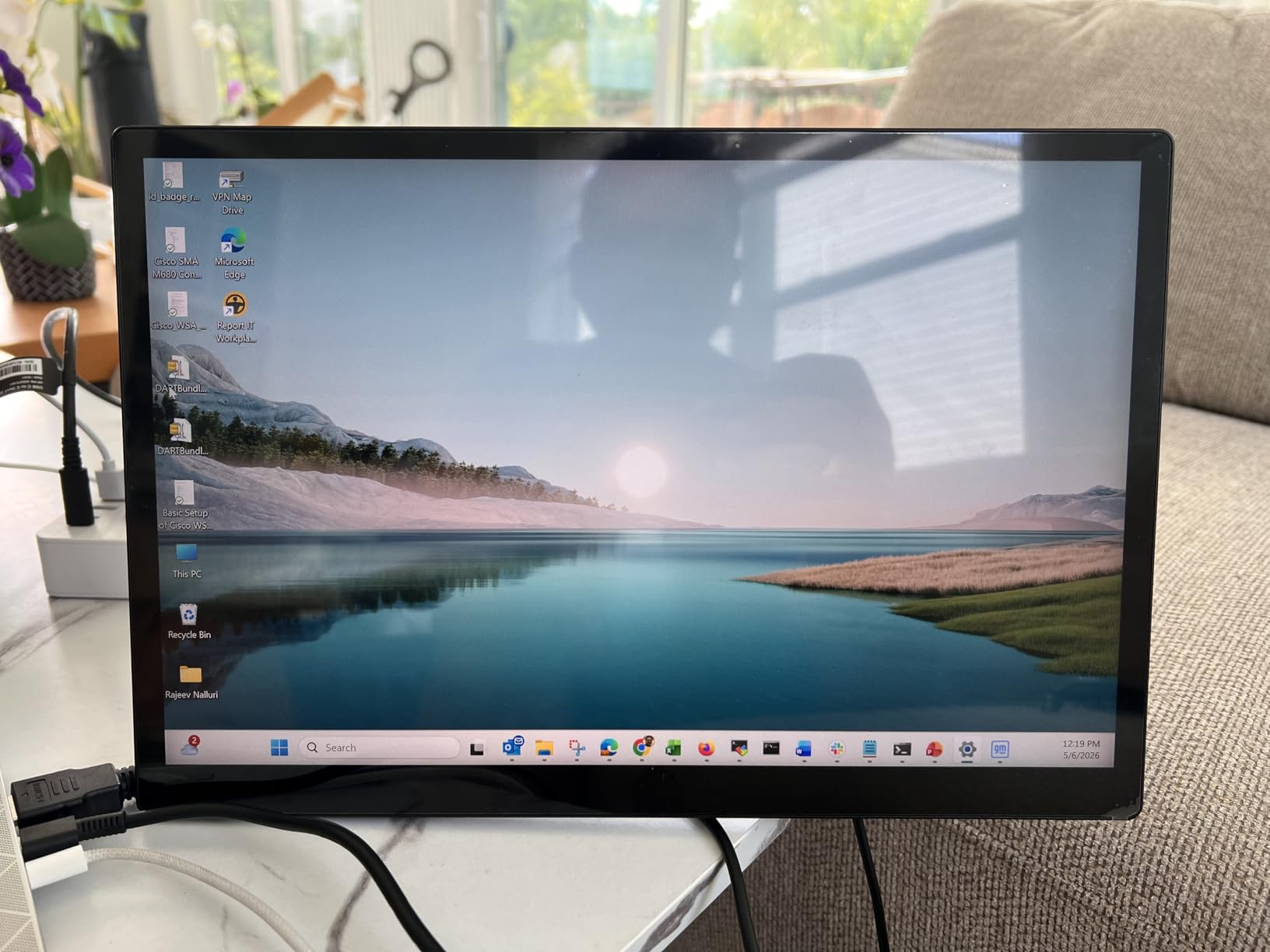
The 10-point capacitive touch responds quickly with a 2-millisecond response time. I tested this display in several configurations and found the touch input reliable and precise for annotation, drawing, and navigation tasks. The 1280×800 HD resolution provides adequate sharpness for the 10.1-inch screen size.
What sets this monitor apart is the included protective case with a built-in cooling fan. Extended use of touchscreens generates heat, and the integrated fan keeps the display running cool during long sessions. The VESA 75mm mount compatibility also allows wall mounting or attachment to monitor arms, giving you flexible positioning options that many budget displays lack.
The package includes a good cable selection and the setup is straightforward on Windows and Raspberry Pi systems. The touch input does require a separate USB connection for the digitizer, which is a minor inconvenience. iOS users should note that touch functionality is not supported on Apple devices.
Color Accuracy for Visual Work
The 72% NTSC color gamut is notably wider than many competitors in this price range. If you plan to use this display for photo editing, graphic design, or any color-sensitive work, the Forzola delivers noticeably better color reproduction than standard 45% NTSC panels. The IPS technology ensures consistent colors across wide viewing angles.
Mounting and Installation Flexibility
The VESA 75mm mount pattern opens up installation options beyond desktop placement. You can mount this display on a wall, attach it to a monitor arm, or integrate it into a custom enclosure. Combined with the included cooling fan case, this is one of the most installation-friendly options for permanent setups like home automation panels or kiosk displays.
4. KOGODA 10.1 inch Small Monitor – Best for Home Automation Dashboards
10.1-inch Small Monitor with Touchscreen for Raspberry Pi, Home Assistant
10.1 inch Class A IPS 1024x600
5-Point Capacitive Touch
300cd/m2 Brightness
HDMI and USB-C
178 degree Viewing Angle
Pros
- Excellent IPS display quality with wide viewing angles
- 5-point capacitive touch responsive
- Magnetic cover doubles as adjustable stand
- HDMI and USB-C connectivity
- Lightweight and portable at 1.23 lbs
Cons
- Built-in speakers lack quality
- Stand not as sturdy as expected
- Some connection issues reported
The KOGODA 10.1-inch monitor is a versatile choice for home automation enthusiasts and Raspberry Pi builders. With 93 reviews and a 4.3-star rating, it has proven itself as a reliable interactive display for dashboards, smart home control panels, and portable secondary screens. The Class A IPS panel delivers excellent image quality with 178-degree viewing angles.
The 5-point capacitive touchscreen handles most interactive tasks well, though it offers fewer simultaneous touch points than the 10-point alternatives on this list. For dashboard control, annotation, and basic interactive use, five points of touch are more than sufficient. The 300 cd/m2 brightness and 1000:1 contrast ratio produce a clear, readable image in typical indoor lighting.
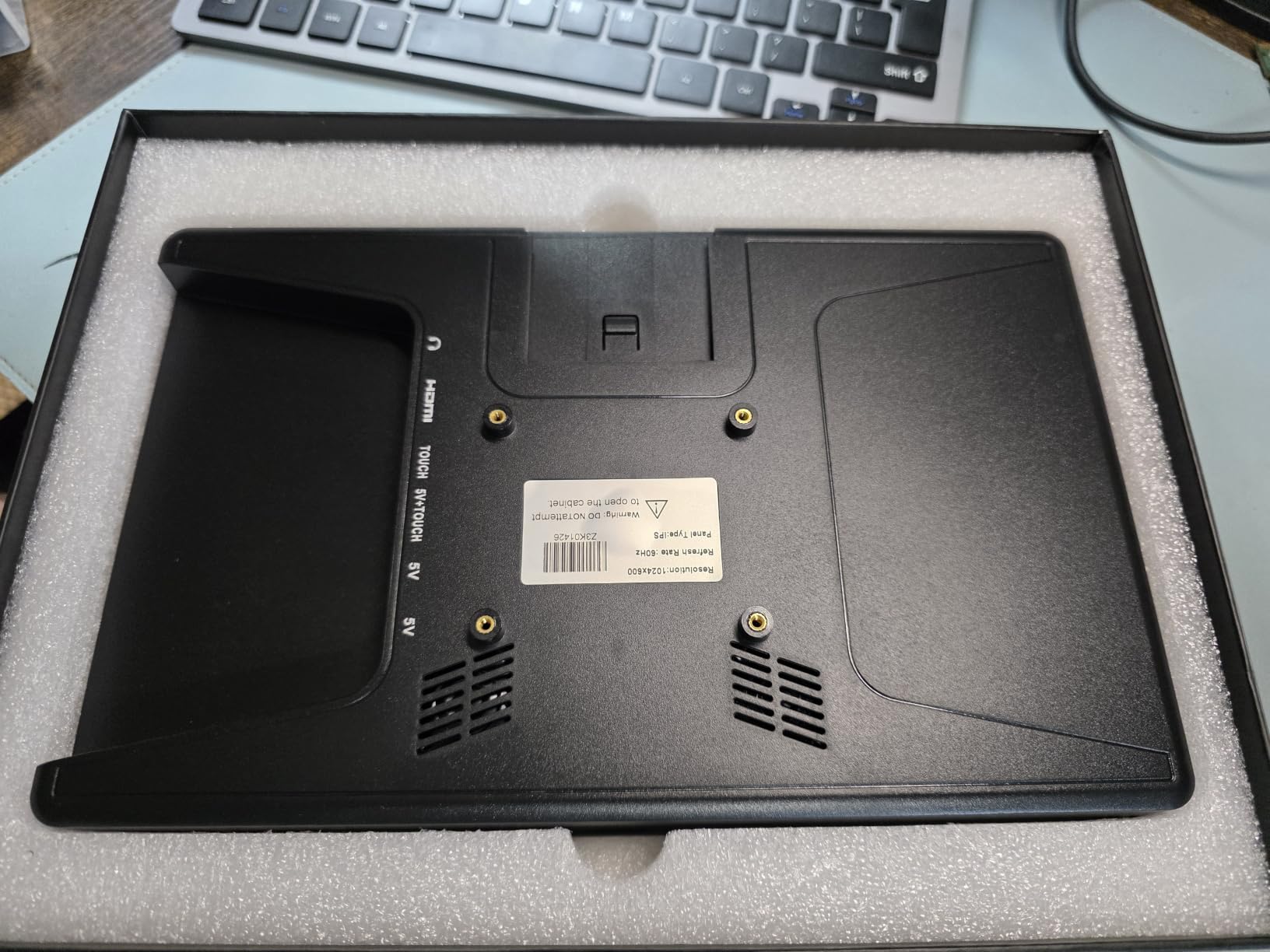
Connectivity options include both HDMI and USB-C, giving you flexibility across devices. The USB-C port is particularly useful for modern laptops and single-cable setups. The dual-axis adjustable detachable stand allows you to find the optimal viewing angle, and the magnetic cover protects the screen during transport.
At just 1.23 lbs, this is one of the lightest 10-inch displays available. The comprehensive accessory package includes a power adapter and multiple cables, so you can start using it immediately. Some users note the built-in speakers lack quality and the stand could be sturdier, but these are common compromises in this price tier.
Home Assistant and Smart Home Integration
This display is popular in the Home Assistant community as a dedicated dashboard screen. The HDMI and USB-C connectivity works well with Raspberry Pi setups running Home Assistant, and the 10.1-inch size is ideal for wall-mounted control panels. The 5-point touch handles dashboard navigation and device control reliably.
Power Consumption and Always-On Use
At 10 watts power consumption on 5-volt input, this display is efficient enough for always-on dashboard applications. The low power draw means you can run it continuously without significant energy costs. For permanent installations like smart home control panels or digital signage, the KOGODA strikes a good balance between display quality and energy efficiency.
5. GeeekPi 10.1 inch Capacitive Touchscreen – Best for DIY Raspberry Pi Projects
GeeekPi 10.1 inch Capacitive Touchscreen for Raspberry Pi, HDMI Monitor IPS 1280X800 LCD Display with Dual-Speaker for Raspberry Pi 5/4B/3B+/3B/B+, with Mount Hole to Install Raspberry Pi Board
10.1 inch IPS LCD 1280x800
10-Point Capacitive Touch
Dual Integrated Speakers
OSD Multi-Language Menu
Raspberry Pi 5 and 4B Mount Holes
Pros
- 10-point capacitive touch responsive
- Good image quality with IPS panel
- Includes dual integrated speakers
- OSD menu with multiple language support
- Dedicated mounting holes for Raspberry Pi integration
Cons
- Glossy screen may cause glare
- Limited to HDMI connectivity only
The GeeekPi 10.1-inch capacitive touchscreen is purpose-built for Raspberry Pi integration. Unlike general-purpose monitors, this display includes dedicated mounting holes that let you attach a Raspberry Pi 5 or 4B directly to the back of the monitor. This creates a clean, all-in-one interactive setup without external cables or mounting hardware.
The 10-point capacitive touch provides responsive multi-touch input for interactive applications. The IPS LCD panel at 1280×800 resolution delivers good image quality with decent viewing angles. The integrated dual speakers eliminate the need for external audio, which simplifies the overall setup for kiosk or dashboard applications.
The OSD multi-language menu makes configuration accessible to users worldwide. The HDMI input handles video, while the included USB touch adapter provides the digitizer connection. This two-cable setup (HDMI plus USB) is standard for Raspberry Pi touchscreen displays and works reliably with Raspbian, Ubuntu, and other Pi-compatible operating systems.
The glossy screen finish may cause glare in brightly lit environments, which is worth considering for classroom or office installations. The HDMI-only connectivity limits direct laptop compatibility without adapters. For dedicated Raspberry Pi projects, however, this display is purpose-built and performs well.
Raspberry Pi Integration Design
The dedicated Raspberry Pi mount holes are the standout feature. You can bolt a Pi 5 or 4B directly to the back of the display, creating a portable, self-contained interactive computer. This design eliminates the need for separate cases, stands, or cable management solutions. For educational projects and DIY kiosk builds, this integration saves significant time and effort.
Speaker Quality and Audio Needs
The built-in dual speakers handle basic audio needs like system sounds, alerts, and casual media playback. For presentations, video playback, or music, you will want external speakers or headphones. The 3.5mm audio output allows you to connect external audio devices when the built-in speakers are not sufficient.
6. waveshare 10.1 inch DSI Touch Display – Best for Cable-Free Raspberry Pi Connection
waveshare 10.1inch Capacitive Touch Display Compatible with Raspberry Pi 5/4B/3B+/3A+, CM3/3+/4*, 1280×800, IPS, DSI Interface
10.1 inch IPS 1280x800
DSI Direct Connection
6H Tempered Glass
Optical Bonding
10-Point Capacitive Touch
Pros
- DSI interface provides direct Raspberry Pi connection with no HDMI needed
- IPS with optical bonding for clearer imaging
- 10-point capacitive touch with 6H tempered glass
- Compact and slim design
- 1280x800 resolution good for the size
Cons
- Glossy screen prone to glare
- Premium positioning compared to HDMI alternatives
- Mixed reviews with some quality concerns
The waveshare 10.1-inch DSI display takes a different approach to Raspberry Pi integration by using the Pi’s DSI port instead of HDMI. This direct connection eliminates the HDMI cable entirely, creating a cleaner, more compact setup. The optical bonding technology reduces the air gap between the glass and the LCD, producing clearer images with less glare.
The 10-point capacitive touch with 6H tempered glass provides responsive, durable input. The 1280×800 resolution with IPS technology delivers good image quality for the screen size. The display connects directly to the Raspberry Pi’s DSI ribbon cable port, freeing up the HDMI port for a second display or other uses.
The optical bonding is a notable upgrade over standard displays. By eliminating the air gap between the cover glass and the LCD panel, optical bonding reduces internal reflections and improves contrast. This makes the display easier to read in various lighting conditions and gives it a more premium feel compared to non-bonded alternatives.
The 3.8-star rating with 17 reviews is the lowest on our list, and the 20% one-star rating indicates some users experienced quality issues. The glossy screen also tends to show fingerprints and glare more readily than matte alternatives. For Raspberry Pi users who want the cleanest possible cable management and do not mind the mixed reviews, this is a solid choice.
DSI vs HDMI: When to Choose DSI
DSI connection makes sense when you want the most compact, cable-free Raspberry Pi setup. The direct ribbon cable connection means no HDMI cable sticking out the side, which is valuable for enclosed kiosk builds or wall-mounted installations. However, DSI displays are Pi-specific and will not work with other devices, limiting versatility compared to HDMI alternatives.
Long-Term Reliability Considerations
The mixed reviews raise questions about long-term durability. Some users report excellent performance, while others experience issues after several months. If you need a display for mission-critical applications or long-term unattended use, consider the HDMI-based alternatives on this list with more consistent review patterns. For experimental or educational projects where occasional troubleshooting is acceptable, the DSI connection advantage may outweigh the reliability concerns.
What to Look for in a Budget Interactive Display Under $100?
Choosing the right interactive flat panel display under $100 requires understanding what you gain and what you sacrifice at this price point. Here are the key factors to evaluate before making your purchase.
Touch Technology: Capacitive vs Resistive
All displays on this list use capacitive touch technology, which is the same technology used in smartphones and tablets. Capacitive touch is more responsive and accurate than resistive touch, supporting multi-finger gestures and smooth drawing. Look for displays with at least 5-point touch for basic interactive use, or 10-point touch for collaborative applications where multiple users interact simultaneously.
Display Resolution and Panel Quality
Resolution matters for readability and detail. At 10 inches, 1280×800 provides adequate sharpness. At 15 inches and above, 1920×1080 (Full HD) is preferable. IPS panels offer better viewing angles and color accuracy than TN panels, making them essential for collaborative or multi-viewer setups. Higher contrast ratios (1000:1 or better) improve readability in varied lighting conditions.
Connectivity Options
HDMI is the universal standard for display connectivity, but USB-C is increasingly important for modern laptops and single-cable setups. DSI connections offer the cleanest Raspberry Pi integration but limit device compatibility. VGA support adds value for connecting to older equipment. Consider your primary devices and choose a display with matching connectivity.
Build Quality and Accessories
Included accessories add significant value at this price tier. Protective cases, built-in stands, cooling fans, and cable packages can save you a substantial amount in additional purchases. Wall-mount compatibility (VESA patterns) is important for permanent installations. Evaluate the total cost of ownership, not just the display price.
Frequently Asked Questions
Which interactive flat panel is best?
For most users under $100, the InnoView 15.6-inch Portable Monitor is the best interactive flat panel display. It combines a 10-point capacitive touchscreen, FHD 1080P IPS panel, and dual USB-C plus HDMI connectivity in a lightweight, portable design. With over 2,200 reviews and a 4.5-star rating, it has the strongest track record among budget interactive displays.
Which interactive whiteboard is the best?
True interactive whiteboards from brands like SMART Technologies and Promethean start at $2,000 or more. Under $100, the closest alternatives are capacitive touchscreen monitors like the InnoView 15.6-inch or KOGODA 10.1-inch, which can run whiteboard software and support multi-touch annotation when connected to a computer or Raspberry Pi.
How much does a 55-inch interactive display cost?
A 55-inch interactive flat panel display from commercial brands typically costs $2,000 to $5,000 for entry-level models and $5,000 to $10,000 for premium options. Under $100, the largest available touchscreen monitors are 15.6 inches. For budget larger displays, consider refurbished commercial panels or modular setups combining a large monitor with a separate touch overlay kit.
Which brand of smart board is the best?
SMART Technologies, Promethean, and ViewSonic are the top brands for commercial interactive displays. Under $100, waveshare, InnoView, GeeekPi, and KOGODA offer the best value for smaller touchscreen monitors. waveshare excels in Raspberry Pi integration, InnoView leads in portable monitor quality, and KOGODA is popular for home automation dashboards.
Final Thoughts on Best High-End Interactive Flat Panel Displays Under $100
The reality of interactive flat panel displays under $100 is that you are getting capacitive touchscreen monitors, not boardroom-grade IFPs. That said, these six displays deliver genuine interactive capability for DIY setups, classroom kiosks, home automation dashboards, and portable workstations. The InnoView 15.6-inch remains our top recommendation for its combination of screen size, touch quality, and proven reliability. For Raspberry Pi builders, the GeeekPi and waveshare displays offer purpose-built integration that simplifies project builds significantly.
Building a complete home entertainment or home office setup? Check out our guides on the best gaming laptops for high-end performance and the best high-end floorstanding speakers for TV to complement your interactive display with quality audio and computing equipment.