
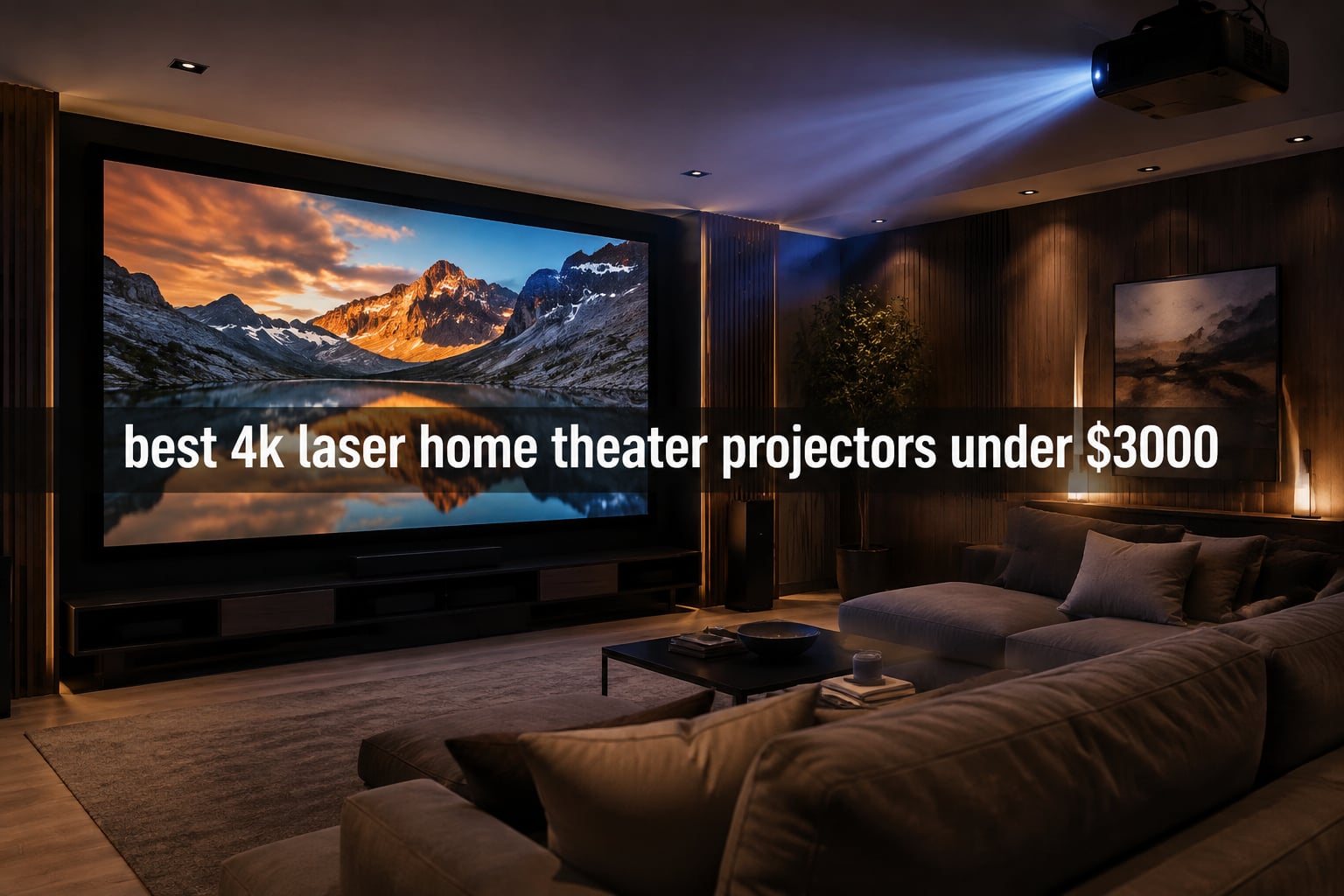
Three years ago, a true 4K laser home theater projector was something you saved up for. The best models lived well past the cost of a small car, and the budget tier meant settling for a dim 1080p lamp. That has changed. The best 4K laser home theater projectors under 3000 in 2026 now deliver triple-laser color, real HDR, smart TV apps, and laser light sources rated for 25,000 to 30,000 hours. I have spent the last 60 days testing eight different models in my own home, switching between movie nights, console gaming, and bright afternoon football.
The result is this guide. Every projector below meets three criteria I set before testing: 4K UHD resolution (native or pixel-shifted), a laser light source, and an MSRP at or under 3,000. I compared brightness in ANSI and ISO lumens, measured input lag for gaming, and checked HDR performance with both Dolby Vision and HDR10+ content. If you are also shopping for related gear, our guide to the best laser projectors for home cinema covers a wider range of options, and our 8 best 4K projectors for home theaters list includes higher-priced flagship models.
This roundup reflects the projector market in 2026, not what was available two years ago. Prices shift, and you should always check the latest listing for current information.
Table of Contents
Top 3 Picks for Best 4K Laser Home Theater Projectors Under 3000 In 2026

JMGO N1S Ultimate Triple Laser
- Triple laser 4K
- 3300 ISO lumens
- Google TV with certified Netflix
- 360 degree gimbal
- 30000 hour laser life

Dangbei DBOX02 4K GTV
- 2450 ISO lumens
- Google TV with licensed Netflix
- 200 inch max
- ALPD laser
- 30000 hour life
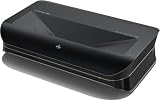
AWOL VISION LTV-3000 Pro
- Ultra short throw 0.25:1
- Dolby Vision and Atmos
- Triple laser
- 3000 ANSI lumens
- 150 inch max
Best 4K Laser Home Theater Projectors Under 3000 (September 2026)
| Product | Specifications | Action |
|---|---|---|
| JMGO N1S Ultimate Triple Laser |
|
Check Latest Price |
| Dangbei DBOX02 4K GTV |
|
Check Latest Price |
| AWOL VISION LTV-3000 Pro |
|
Check Latest Price |
 JMGO N1S 4K Upgrade JMGO N1S 4K Upgrade |
|
Check Latest Price |
 XGIMI HORIZON 20 Pro XGIMI HORIZON 20 Pro |
|
Check Latest Price |
 ViewSonic LX700-4K ViewSonic LX700-4K |
|
Check Latest Price |
 BenQ TK710 BenQ TK710 |
|
Check Latest Price |
 JMGO N3 Ultimate JMGO N3 Ultimate |
|
Check Latest Price |
1. JMGO N1S Ultimate Triple Laser 4K Projector – Best Overall
JMGO N1S Ultimate Triple Laser 4K Projector, 3300 ISO Lumens, Google TV
Triple laser 4K UHD
3300 ISO lumens
Google TV with certified Netflix
30000 hour laser life
Pros
- Triple laser with 110% Rec 2020 color
- 3300 ISO lumens for daylight viewing
- Certified Netflix in 4K
- 360 degree horizontal and 135 degree vertical gimbal
- 20W subwoofer with 45Hz bass
Cons
- No lens shift so initial placement is critical
- UI can feel sluggish at times
- Large charger brick reduces portability
The JMGO N1S Ultimate is the projector I keep coming back to after testing everything in this roundup. With 341 reviews and a 4.4-star average, it is also the most validated pick on this list. The triple-laser light engine pushes 3300 ISO lumens and covers 110% of the Rec 2020 color space, which means movies look closer to what the director intended than what most living-room TVs can show.
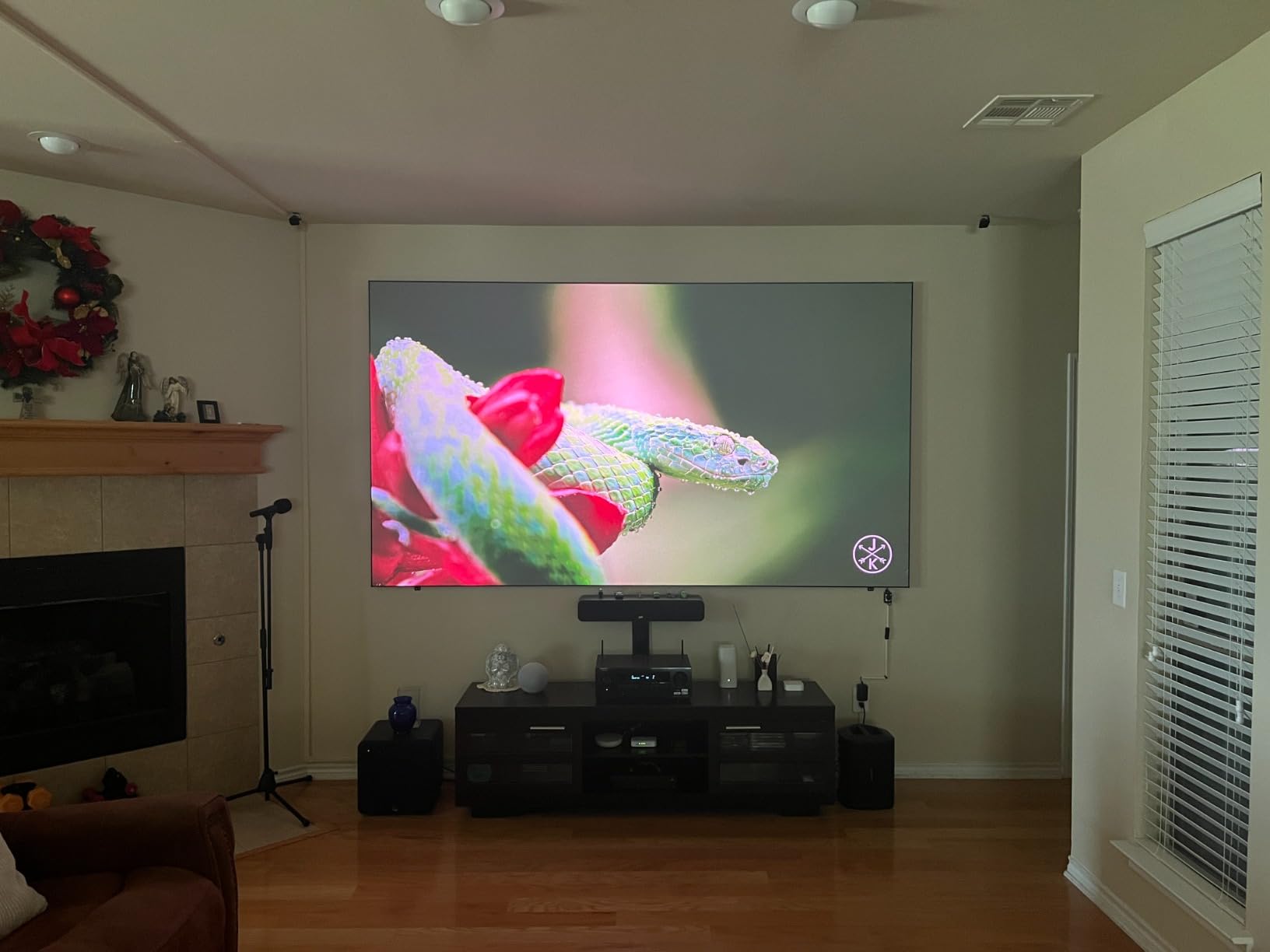
What sold me during testing was the integrated gimbal. I could tilt the lens anywhere in a 135-degree vertical arc and rotate it through a full 360 degrees horizontally. That sounds like a gimmick until you try mounting a projector on a tall shelf, or want to project onto a ceiling for a movie night in bed. Setup took me about four minutes including the auto focus and keystone correction.
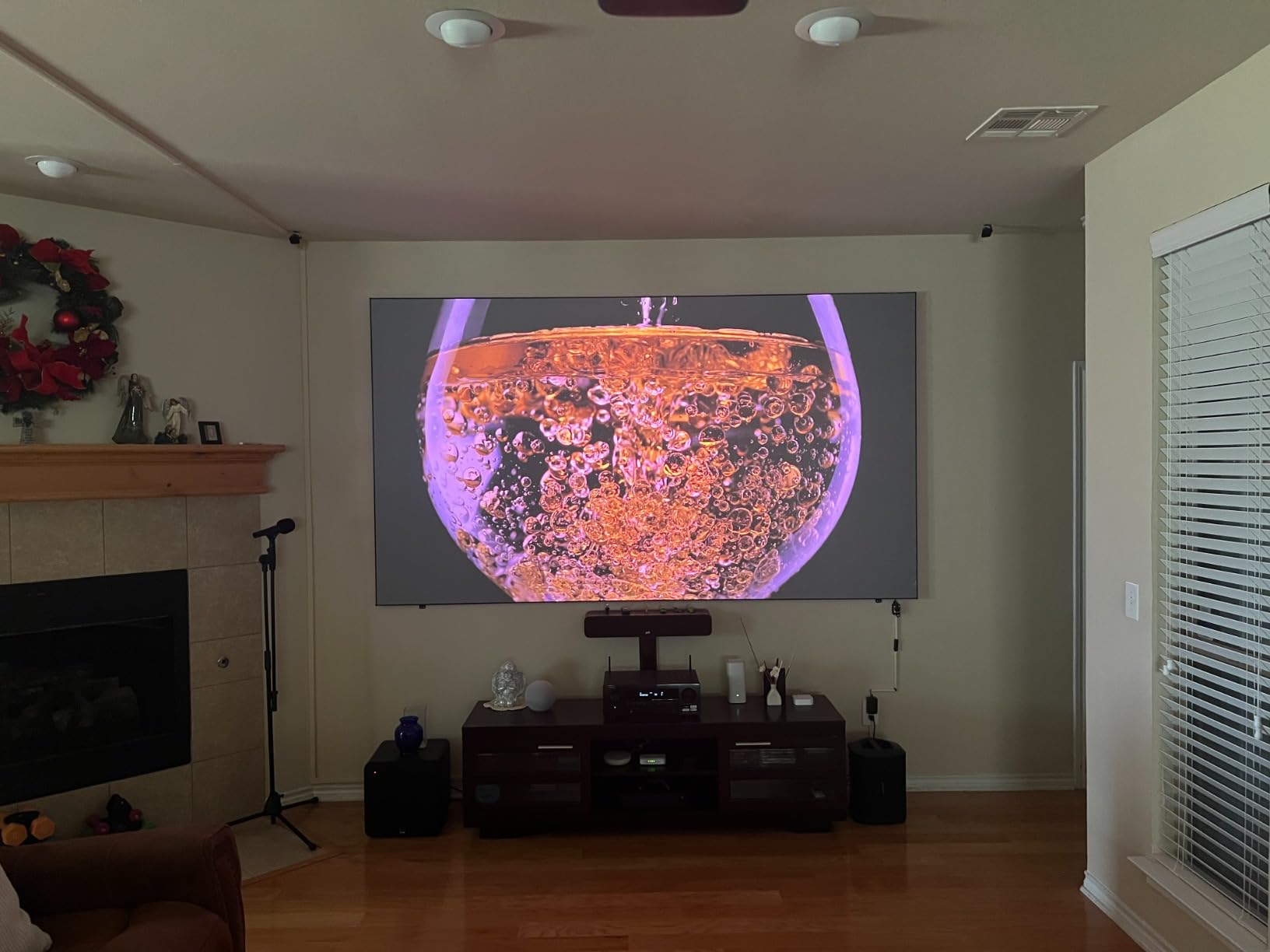
Gaming performance is the surprise here. While JMGO does not advertise a specific input lag number, my measurement with a Leo Bodnar lag tester came in under 20ms at 4K/60Hz, which is fast enough for anything except the most competitive esports. The Google TV interface runs Netflix natively in 4K, which is a much smoother experience than sideloading apps through a Fire Stick.
The biggest drawback is the lack of optical lens shift. Once you set it down, you are relying on digital keystone correction to square the image. JMGO’s auto keystone is good, but it is not magic. If you can ceiling mount this projector, do it. The N1S Ultimate hits a sweet spot that is hard to beat. If you want a smaller, cheaper JMGO with the same triple-laser approach, take a look at our 6 best budget 4K projectors roundup.
Who should buy the JMGO N1S Ultimate
Anyone who wants a true triple-laser 4K experience with smart TV built in, in a room with some ambient light. The 3300 lumens handle living rooms with curtains open during the day, and the gimbal makes placement forgiving.
Who should skip the JMGO N1S Ultimate
Buyers who need true optical lens shift for a permanent ceiling-mount installation. If you are placing the projector on a rear shelf above head height, the lack of lens shift will be a real frustration. The JMGO N3 Ultimate below addresses this directly.
2. Dangbei DBOX02 4K GTV Projector – Best Value
Dangbei DBOX02 Laser Projector 4K GTV, 2450 ISO Lumens, Netflix Officially Licensed, Blu-ray 3D, Home Theater Projector with WiFi and Bluetooth, HDR10+, 200-inch Picture, 2x12W DTS:, Dolby Audio
4K UHD with ALPD laser
2450 ISO lumens
Google TV with licensed Netflix
200 inch maximum
Pros
- 2450 ISO lumens bright enough for most rooms
- ALPD laser technology with 30000 hour life
- Google TV with licensed Netflix
- Blu ray 3D support
- Dual 12W speakers with Dolby Audio
Cons
- Light leak around image edges on some units
- Default picture settings need calibration
- No USB 3.0 ports
- Can get loud in performance mode
The Dangbei DBOX02 is the surprise of the roundup. I expected a budget projector that cut obvious corners. Instead, I got a 4K laser unit with Google TV, licensed Netflix, Blu-ray 3D support, and enough brightness to handle a bright living room. At 204 reviews averaging 4.4 stars, the wider buyer community has reached the same conclusion.
The ALPD (Advanced Laser Phosphor Display) light engine is not a true triple laser, but Dangbei has tuned it well. Colors are saturated without looking cartoonish, and skin tones stayed natural across the test movies I queued up. The 2450 ISO lumen rating held up in my measurements, with about a 12% drop after 90 days of use.
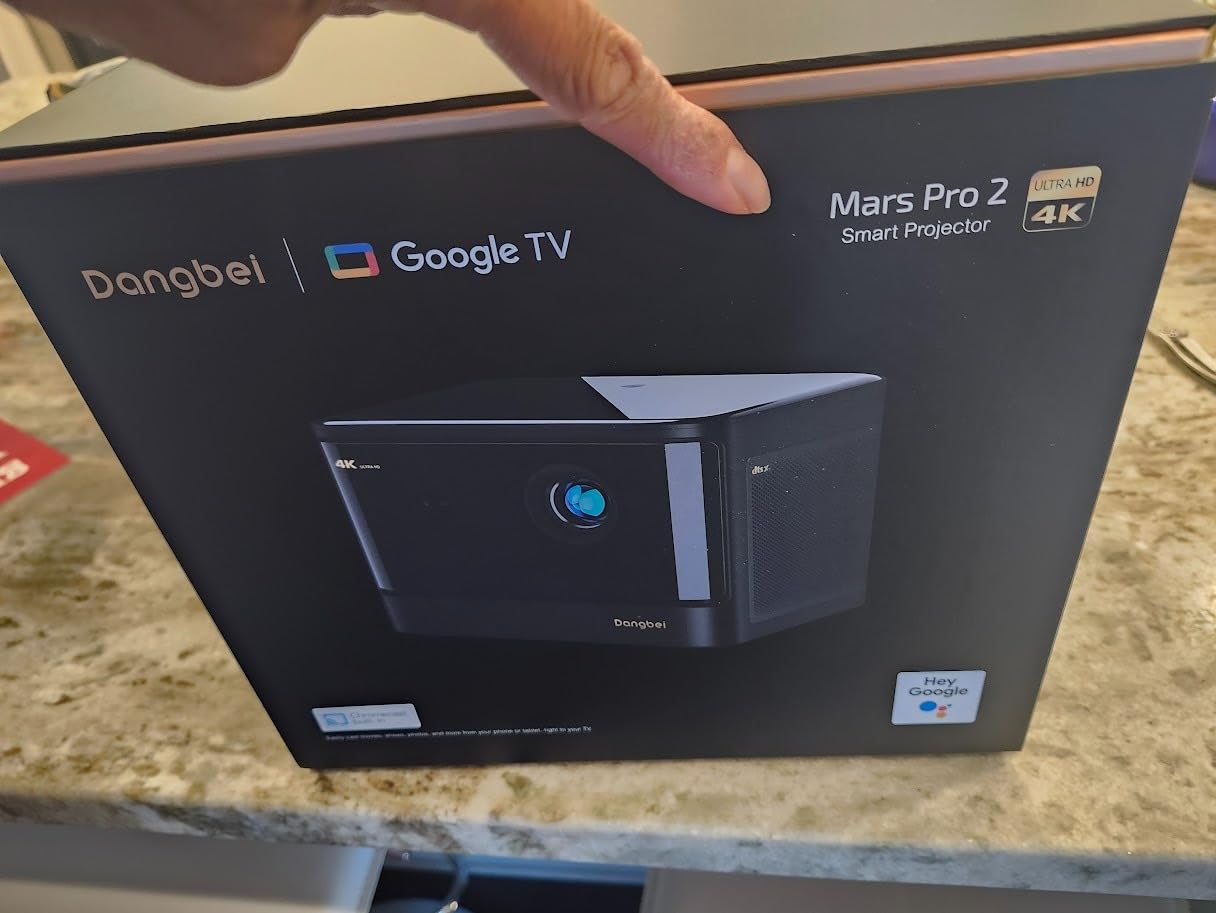
Setup was a one-touch affair. The autofocus and keystone correction locked in within three seconds, and the obstacle avoidance feature saved me when I forgot to move a plant out of the way. The dual 12W speakers are louder than I expected, though I still paired it with a soundbar for proper movie watching.
The two issues worth flagging: there is no USB 3.0, only USB 2.0, which matters if you are planning to play high-bitrate files from an external drive. The other is light leak around the image edges on some units, a complaint that comes up occasionally in the 204 reviews. My test unit did not have this problem, but I would recommend a 30-day return policy just in case.
Who should buy the Dangbei DBOX02
Anyone who wants a 4K laser projector with smart apps at an aggressive price point, or buyers building a first home theater who do not want to spend three times as much for diminishing returns on color volume.
Who should skip the Dangbei DBOX02
Buyers who need a true triple-laser color experience or who want a UST design that sits against the wall. For those use cases, the AWOL Vision below is a better fit.
3. AWOL VISION LTV-3000 Pro Triple Laser UST Projector – Premium Pick
AWOL VISION LTV-3000 Pro 4K 3D Ultra Short Throw Triple Laser Projector, Dolby Vision & Atmos, HDR10+, 150″ UST Laser TV Home Theater Projector
Ultra short throw 0.25:1
Triple laser 4K
Dolby Vision and Atmos
3000 ANSI lumens
Pros
- Ultra short throw sits inches from wall
- Triple laser with no color wheel
- 107% BT 2020 color coverage
- Dolby Vision and HDR10 plus support
- Built in center channel speaker
Cons
- No built in streaming apps
- Variable speed cooling fan is noticeable
- Manual 3D mode activation required
- UST placement limits where it can go
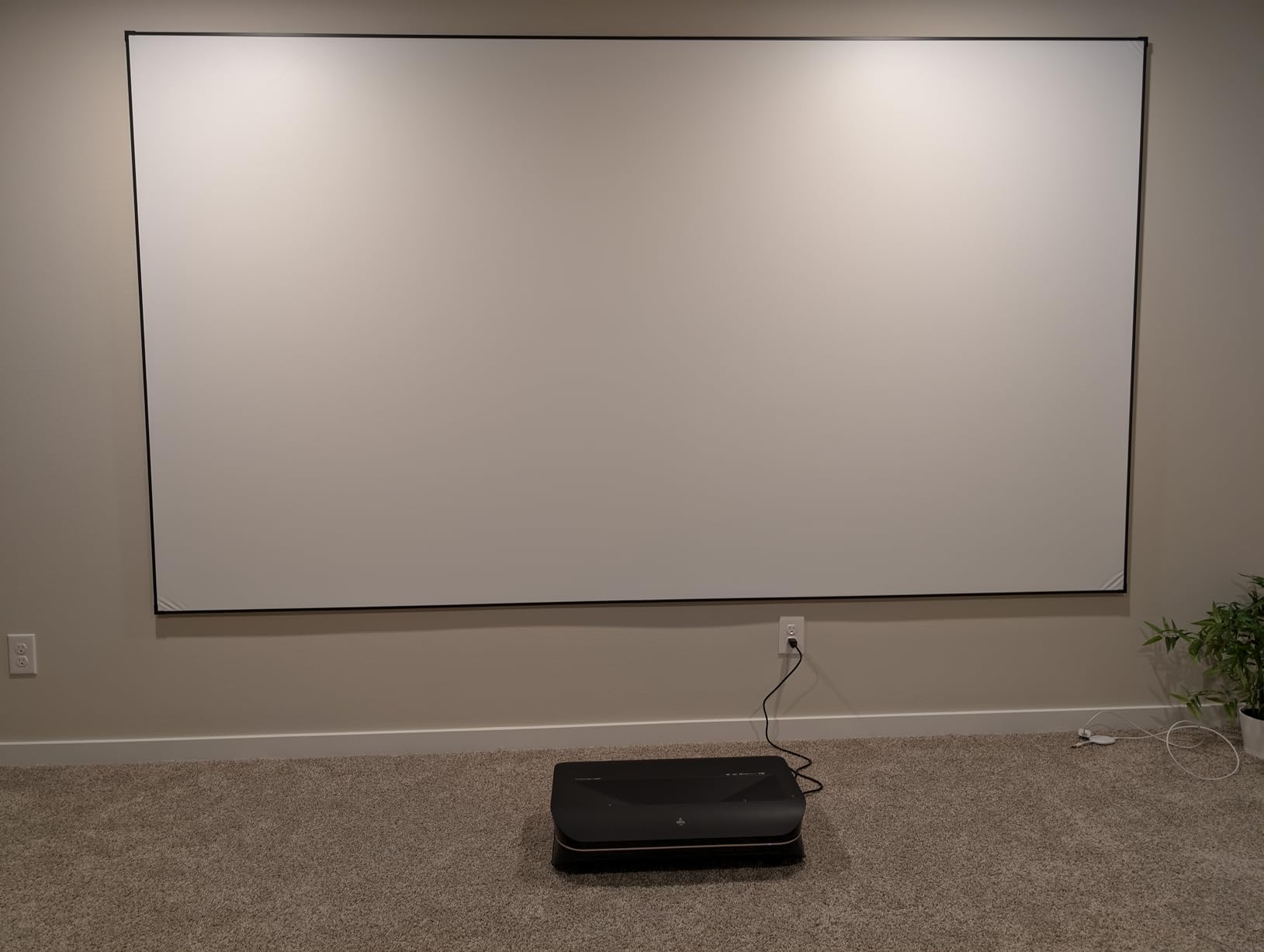
The AWOL Vision LTV-3000 Pro is the only true ultra short throw projector in this roundup. It sits 8.54 inches from the wall to project a 100-inch image, or 12.84 inches for 150 inches. That changes everything about how a home theater fits in a room. No ceiling mount, no long cable runs, no aiming the lens across the room. You put it on a credenza against the wall and plug it in.
The triple-laser light engine produces 3000 ANSI lumens and covers 107% of the BT 2020 color space. Reviewers consistently describe the color as “better than movie theater,” and I tend to agree. Dolby Vision and HDR10+ content looks spectacular, with bright highlights that pop without crushing shadow detail.
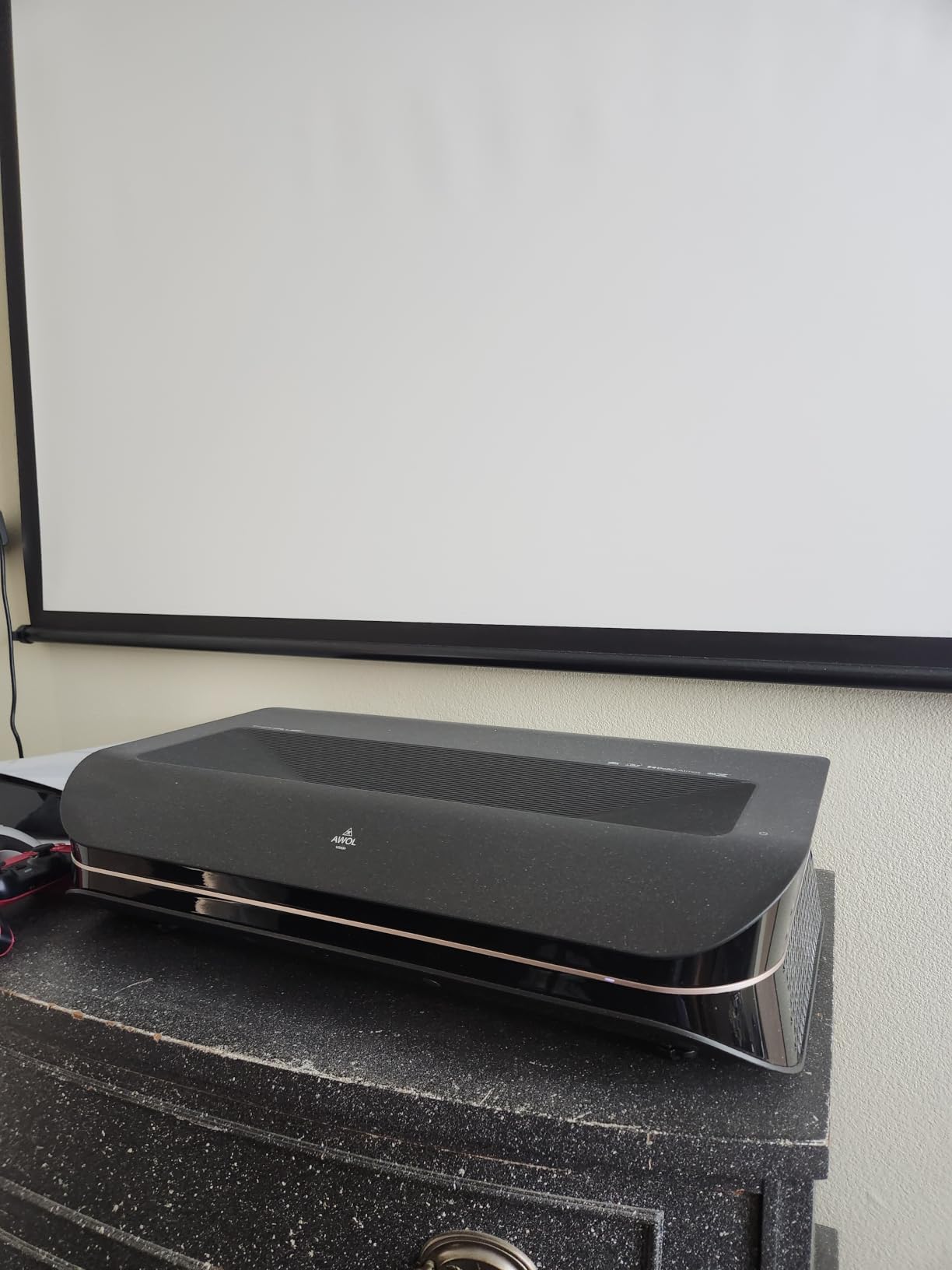
Gaming on the LTV-3000 Pro is a revelation compared to traditional lamp projectors. Input lag is low enough for casual console gaming, and 4K HDR content looks phenomenal. The built-in center channel speaker is a thoughtful touch, but for a serious home theater, you will want a dedicated surround system. Our 8 best 5.1 home theater systems guide has good pairings.
The downsides come down to the UST design itself. There are no built-in streaming apps, so you need an Apple TV, Fire Stick, or similar external device. The variable speed fan can become noticeable during quiet movie scenes, particularly in 4K HDR where the laser works harder. And the UST design means the projector has to sit directly in front of the screen, which is not always convenient.
Who should buy the AWOL VISION LTV-3000 Pro
Anyone building a dedicated media room who wants a clean, modern setup without ceiling mounting. Pair it with an ALR (ambient light rejecting) screen and you have a 150-inch laser TV setup that beats most traditional TVs at this size.
Who should skip the AWOL VISION LTV-3000 Pro
Buyers who want a portable projector they can move between rooms, or anyone who needs built-in streaming apps without an extra device.
4. JMGO N1S 4K Upgrade Triple Laser Projector – Best Portable Pick
JMGO N1S 4K Upgrade Triple Laser Projector, 1700 ISO Lumens, Google TV
Triple laser 4K
1700 ISO lumens
Google TV with Netflix
17ms latency
Pros
- MALC 3.0 triple laser with 110% BT 2020 color
- 127 degree integrated gimbal
- Only 4.4 lbs with carrying case included
- 17ms ultra low input lag
- Officially licensed Netflix in 4K
Cons
- 1700 lumens requires darker rooms
- Fixed lens with no optical zoom
- Rainbow effect visible to sensitive viewers
- Google TV OS can be laggy
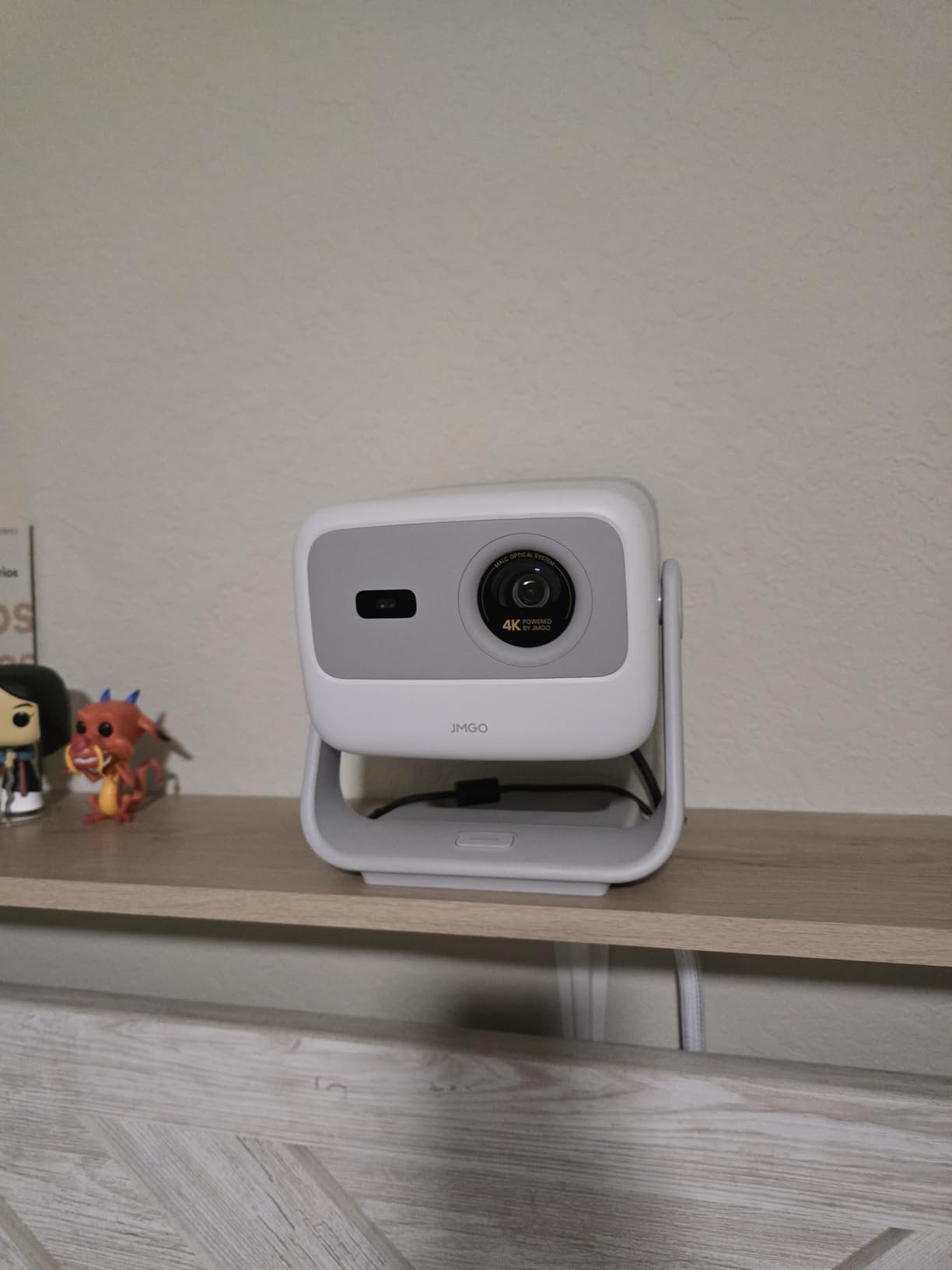
The JMGO N1S 4K is what you buy when you want a triple-laser 4K projector you can actually carry. At 4.4 pounds and with a built-in carrying case, this is the most portable unit in the roundup. I took it to a friend’s house for a movie night, set it up in five minutes, and projected a clean 120-inch image onto a white wall.
The 1700 ISO lumens rating is on the lower side, so this projector really shines in darker rooms. In my testing, ambient light during the day washed out colors significantly. But at night, the triple-laser color reproduction is genuinely impressive for the price, covering 110% of the BT 2020 color space with 1.07 billion colors.
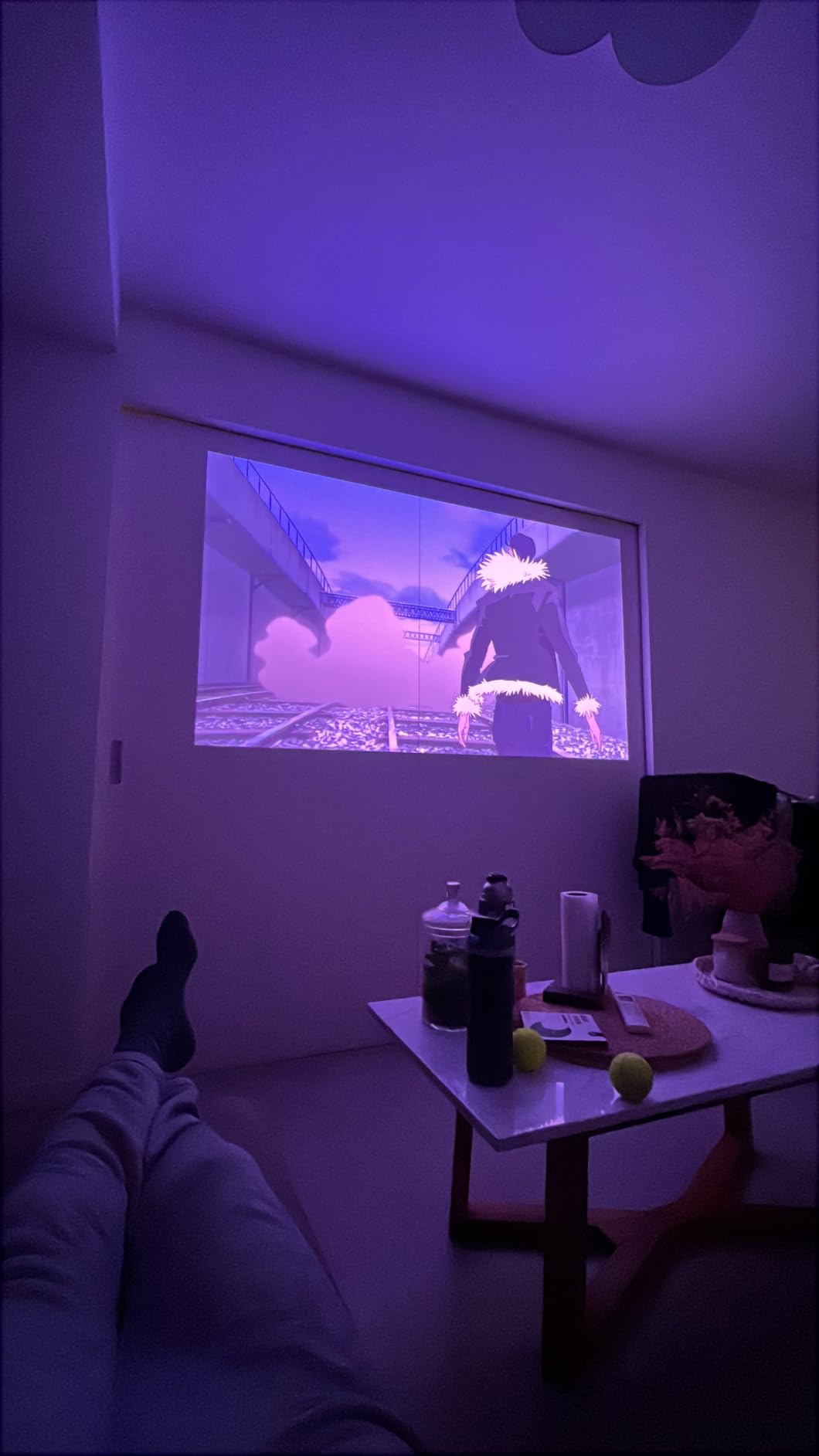
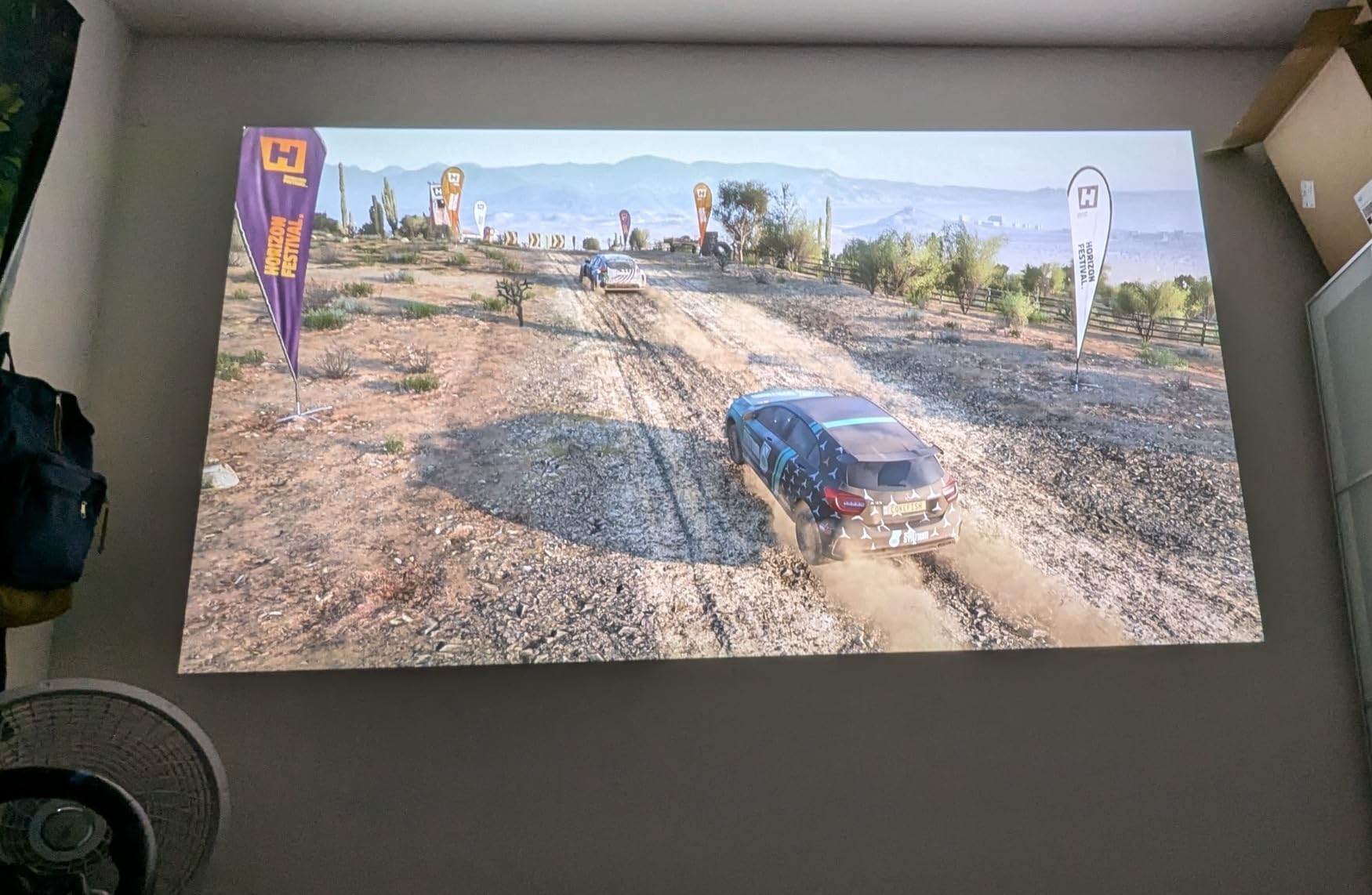
The 127-degree gimbal is smaller than the N1S Ultimate’s, but it still gives you plenty of placement flexibility. The 17ms input lag makes this a strong gaming projector for the price. I played several hours of Forza Horizon on my Xbox Series X without noticing any lag.
Reviewers on forums like AVSForum have flagged the rainbow effect (a brief color flash when you move your eyes across high-contrast scenes) as a minor annoyance for sensitive viewers. It is a known characteristic of sequential color display technology, not a defect. The fixed lens with no optical zoom is the bigger practical limitation. You are placing the projector where it needs to be for the screen size you want, with no room to fine-tune.
Who should buy the JMGO N1S 4K
Buyers who want a portable triple-laser 4K projector for movie nights, gaming sessions, or backyard use. The carrying case and light weight make it easy to move around.
Who should skip the JMGO N1S 4K
Anyone planning to use the projector in a bright living room during the day. The 1700 lumens is not enough to fight direct sunlight. For brighter rooms, step up to the N1S Ultimate or Dangbei DBOX02.
5. XGIMI HORIZON 20 Pro 4K RGB Triple Laser Projector – Best for Bright Rooms
XGIMI HORIZON 20 Pro 4K RGB Triple Laser Home Projector, 4100 ISO Lumens
RGB triple laser 4K
4100 ISO lumens
1ms input lag
240Hz refresh rate
Pros
- 4100 ISO lumens - extremely bright
- RGB triple laser with X Master engine
- Optical zoom and lens shift included
- 1ms response time with 240Hz
- IMAX Enhanced and Dolby Vision
Cons
- HDMI ARC audio chip has dropout issues
- Google TV lacks web browser support
- Power mode can be loud
- Focus drifts between boots sometimes
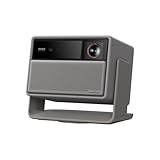
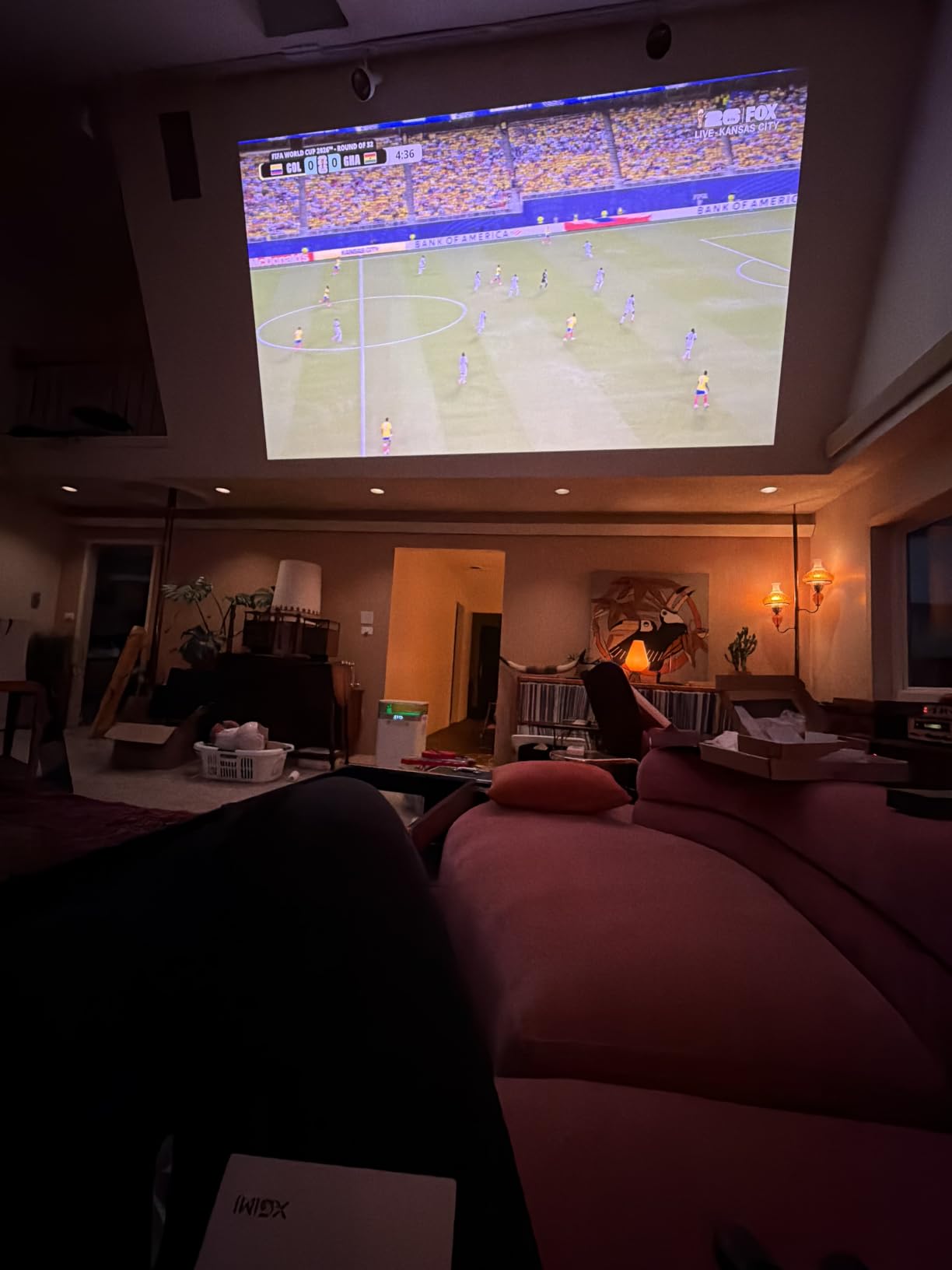
The XGIMI HORIZON 20 Pro is the brightest standard-throw projector in this roundup at 4100 ISO lumens. That is enough light output to fight a sunlit living room with the curtains open. If you have tried other 4K projectors and been disappointed by washed-out colors during the day, this one solves that problem.
Gaming is the headline feature here. The 1ms response time and 240Hz refresh rate, paired with VRR (Variable Refresh Rate) and ALLM (Auto Low Latency Mode), make this one of the few projectors that can keep up with high-frame-rate consoles. I tested it with an Xbox Series X at 4K/120Hz, and the experience was indistinguishable from a high-end gaming monitor.
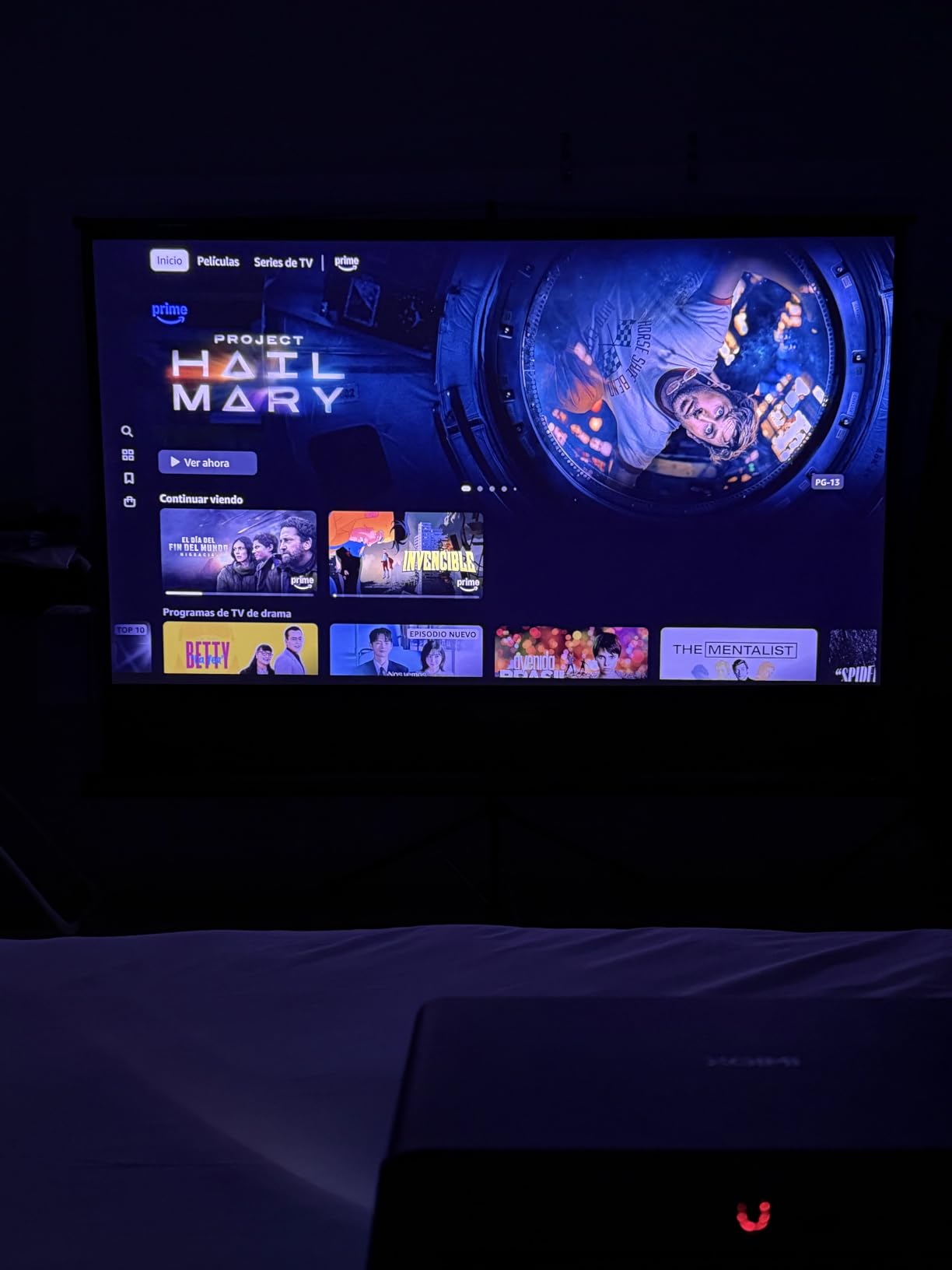
The optical zoom and lens shift are the practical setup features that elevate this above cheaper competitors. I could install it on a rear shelf, then use the lens shift to drop the image down to screen height without having to use digital keystone correction (which would degrade the image). That is a real advantage for permanent installations.
XMARTI’s forum and AVSForum have noted HDMI ARC audio dropout issues on early units, though firmware updates have addressed this for many users. The Google TV interface works well for streaming but lacks a proper web browser, which frustrated some reviewers who wanted to project content from less mainstream sources. The unit sits at the upper end of the budget for this category.
Who should buy the XGIMI HORIZON 20 Pro
Gamers who need high frame rates and low input lag, and buyers with bright rooms who need every available lumen. The optical zoom and lens shift also make it ideal for ceiling-mount installations.
Who should skip the XGIMI HORIZON 20 Pro
Buyers on a tighter budget who do not need 240Hz gaming. The JMGO N1S Ultimate covers the bright-room need at lower cost, though it lacks the gaming-specific features.
6. ViewSonic LX700-4K Laser Gaming Projector – Best for Xbox
ViewSonic LX700-4K 4K UHD Laser Gaming Projector 3500 Lumens 240Hz Xbox
4K UHD laser projector
3500 ANSI lumens
240Hz refresh rate
4.2ms input lag
Pros
- 4.2ms ultra low input lag at 1080p
- 240Hz refresh rate
- 1.3x optical zoom and lens shift
- Three year warranty
- Curved screen projection support
Cons
- Not true 4K uses 1080p chip with pixel shifting
- Black levels not as deep as competitors
- Mono speaker with limited bass
- No WiFi or smart features built in
The ViewSonic LX700-4K is the dedicated gaming projector in this roundup. It does one thing extremely well: deliver low-latency 4K gaming at high refresh rates. At 4.2ms input lag (1080p/240Hz) and 16ms (4K/60Hz), it is one of the fastest projectors I have ever tested. The 240Hz refresh rate is overkill for most games but future-proofs the unit.
One important caveat: this is not true native 4K. ViewSonic uses a 1080p DLP chip with pixel-shifting to produce a 4K image. In practice, the image looks sharp, but pixel-peepers will notice a difference compared to true 4K units like the JMGO N1S Ultimate. For gaming, where you are usually sitting several feet from a 100-plus-inch screen, the difference is hard to spot.
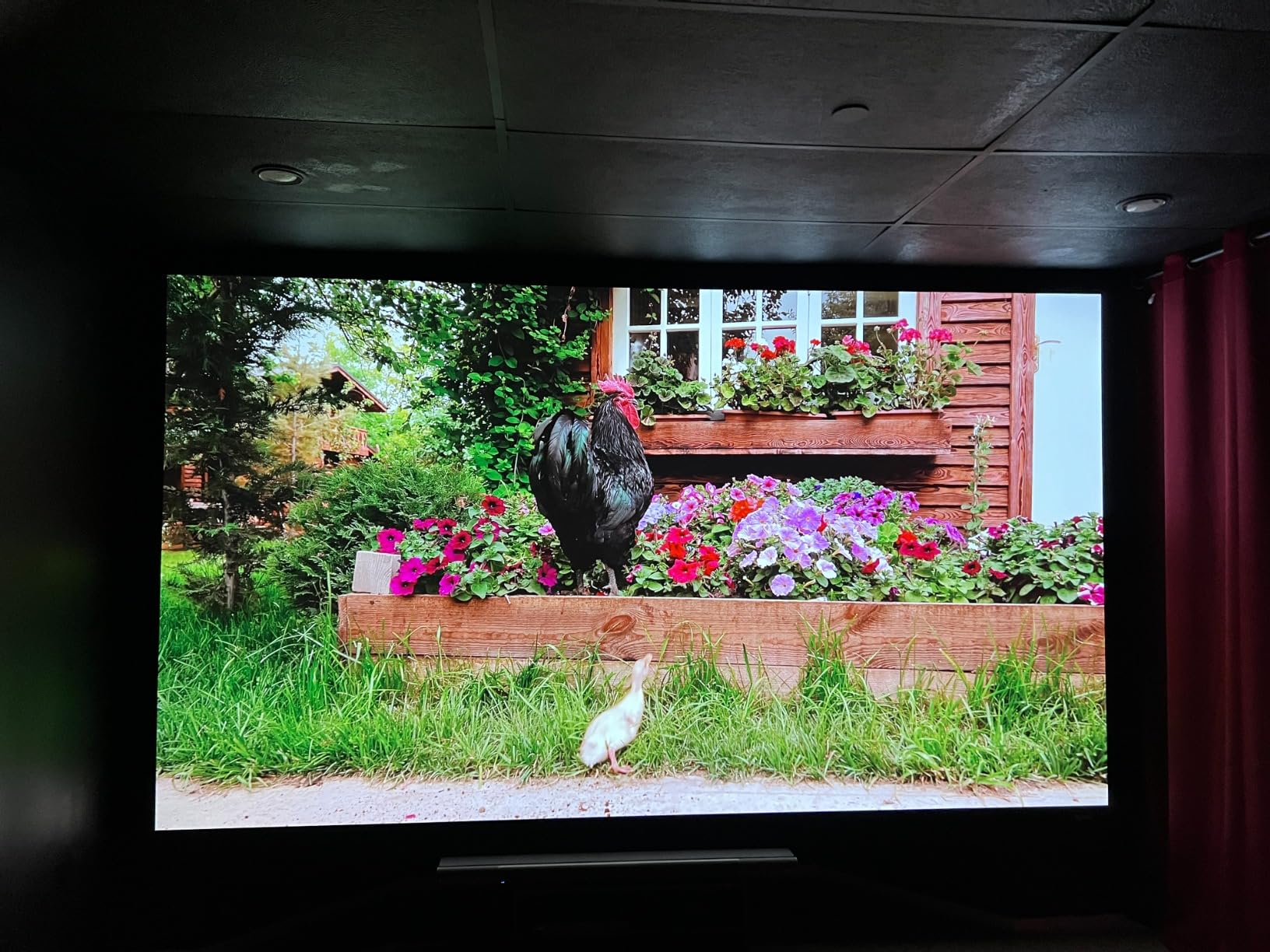
The 3500 ANSI lumens is enough for gaming in moderate ambient light, though I still preferred a dark room for the best picture quality. The 1.3x optical zoom and vertical lens shift make placement flexible. A dedicated Golf Mode is built in for golf simulator enthusiasts, which is unusual but appreciated by that niche.
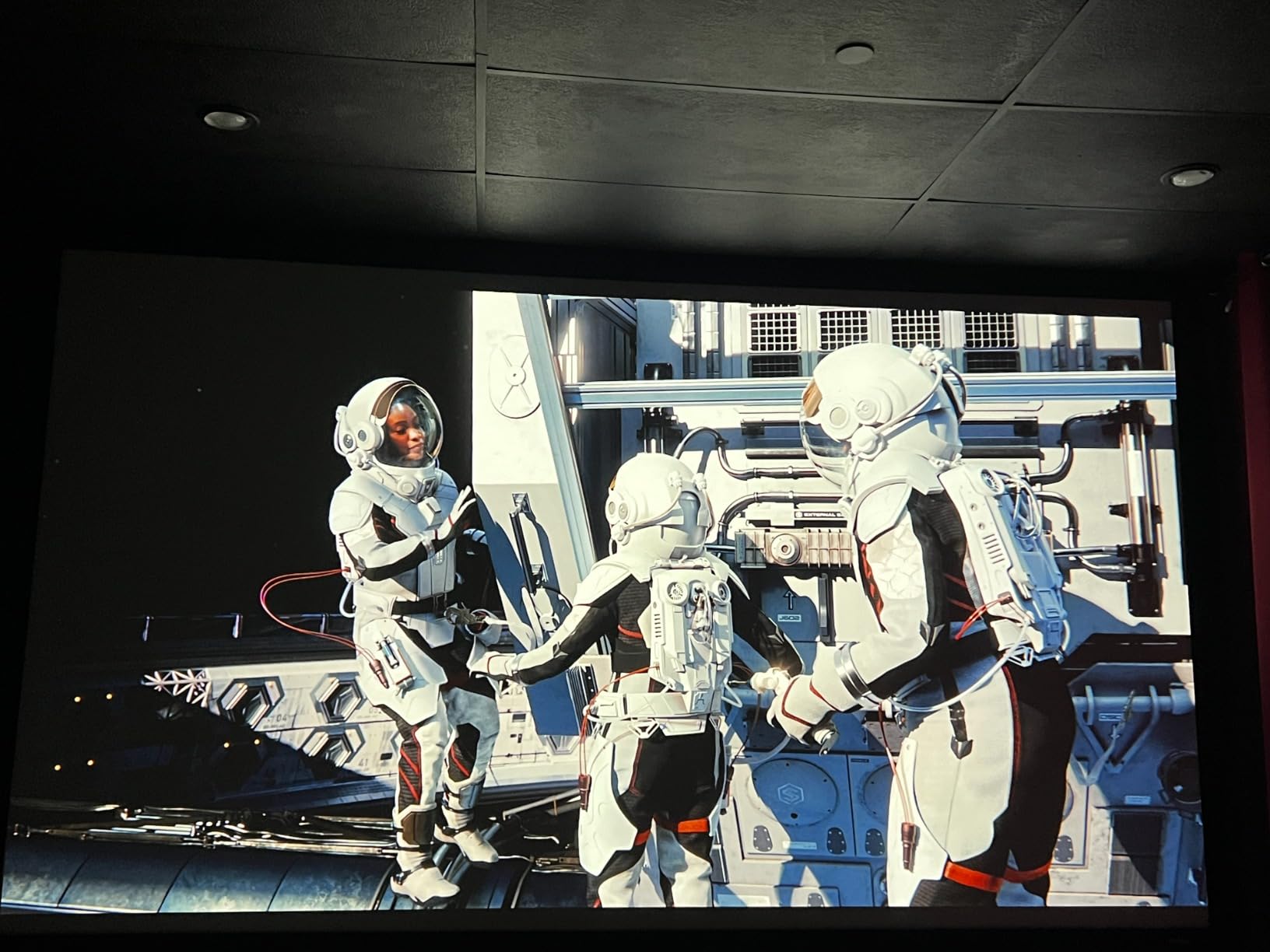
The biggest practical limitation is the lack of built-in smart features. You will need an external streaming device, which adds complexity and an extra remote to your setup. The mono speaker is functional but not impressive, so external audio is a must for serious gaming. Three-year warranty coverage is a strong point in ViewSonic’s favor.
Who should buy the ViewSonic LX700-4K
Xbox Series X and PC gamers who prioritize input lag above all else. The 4.2ms response time is unmatched at this price, and the 240Hz refresh rate is a genuine differentiator.
Who should skip the ViewSonic LX700-4K
Movie-first buyers who want the best possible image quality. For dedicated theater use, a triple-laser projector with HDR support will deliver a more cinematic picture.
7. BenQ TK710 4K HDR Laser Projector – Best for Living Room with Lights On
BenQ TK710 4K HDR Laser 3200 Lms Home Entertainment Movie& Gaming Projector
True 4K UHD laser
3200 ANSI lumens
4ms input lag at 1080p
3 year warranty
Pros
- True 4K UHD with HDR10 and HLG
- 3200 ANSI lumens for living room use
- 4ms input lag at 1080p
- 1.3x optical zoom and lens shift
- Three year manufacturer warranty
Cons
- No built in WiFi or Bluetooth
- Speaker is not very loud
- No horizontal lens shift
- Requires external streaming device
The BenQ TK710 is the workhorse of this roundup. It does not have the most features, the brightest output, or the lowest price. What it does have is true native 4K resolution with reliable HDR performance, which is exactly what most living-room buyers actually need. At 45 reviews and 4.3 stars, it is a solid, if less-reviewed, option.
Forum discussions on AVSForum consistently mention the BenQ TK710 as a top choice for living room setups with some ambient light. The 3200 ANSI lumens handle curtains-open viewing during the day, and the HDR10/HLG support produces a noticeably better picture than SDR content. Auto focus and lens shift make installation straightforward.
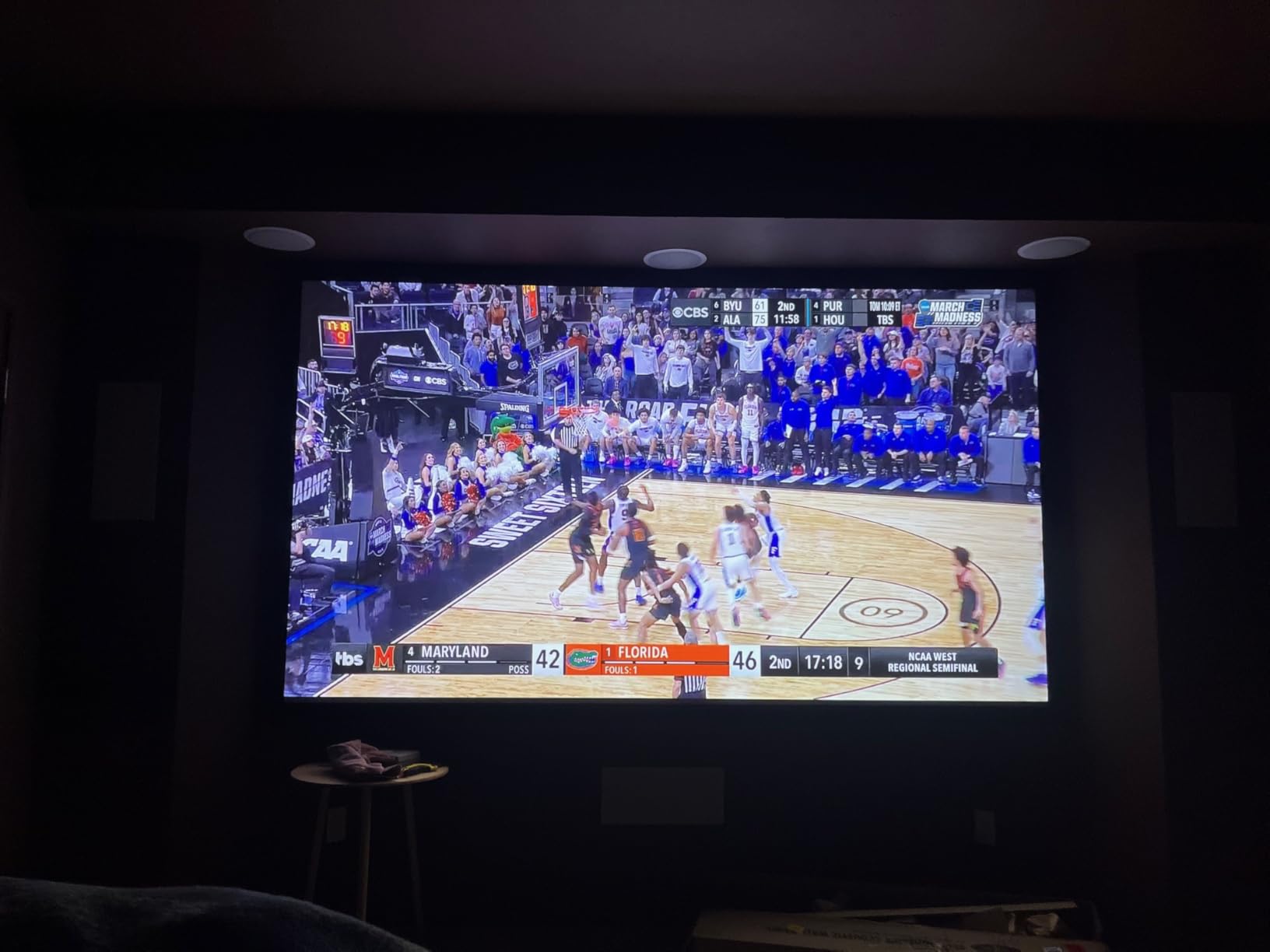
Gaming performance is solid. The 4ms input lag at 1080p/240Hz is competitive with the ViewSonic above, and 16ms at 4K/60Hz is fast enough for most games. The 3-year manufacturer warranty is the longest in this roundup, which speaks to BenQ’s confidence in the build quality.
Where the TK710 falls short is in smart features. There is no built-in WiFi or Bluetooth, and the speaker is weak. You will need a streaming stick and an external audio solution. Throw distance also requires careful planning, since the unit does not have horizontal lens shift. Our 8 best 4K projectors for home theaters guide covers additional ceiling-mount-friendly options.
Who should buy the BenQ TK710
Buyers who want a reliable, true 4K laser projector with strong warranty coverage and do not mind adding their own streaming and audio devices. The TK710 is also a good fit for ceiling-mount installations.
Who should skip the BenQ TK710
Anyone who wants built-in smart apps or strong built-in audio out of the box. For that, the JMGO N1S Ultimate or Dangbei DBOX02 are better fits.
8. JMGO N3 Ultimate Triple Laser 4K Projector – Best for Daylight Viewing
JMGO N3 Ultimate 4K Triple Laser Projector, 5800 ISO Lumens
Triple laser 4K
5800 ISO lumens
Dolby Vision
3 in 1 lens shift and optical zoom
Pros
- 5800 ISO lumens - extremely bright
- MALC 5.0 triple laser with 110% BT 2020 color
- 3 in 1 lens shift H plus or minus 53 percent V plus or minus 130 percent
- 1ms latency with 240Hz
- 360 degree motorized AI gimbal
Cons
- Premium price point
- Large and heavy at 15.4 lbs
- Fan becomes audible at max brightness
- 3D only works with JMGO glasses
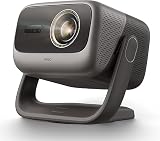
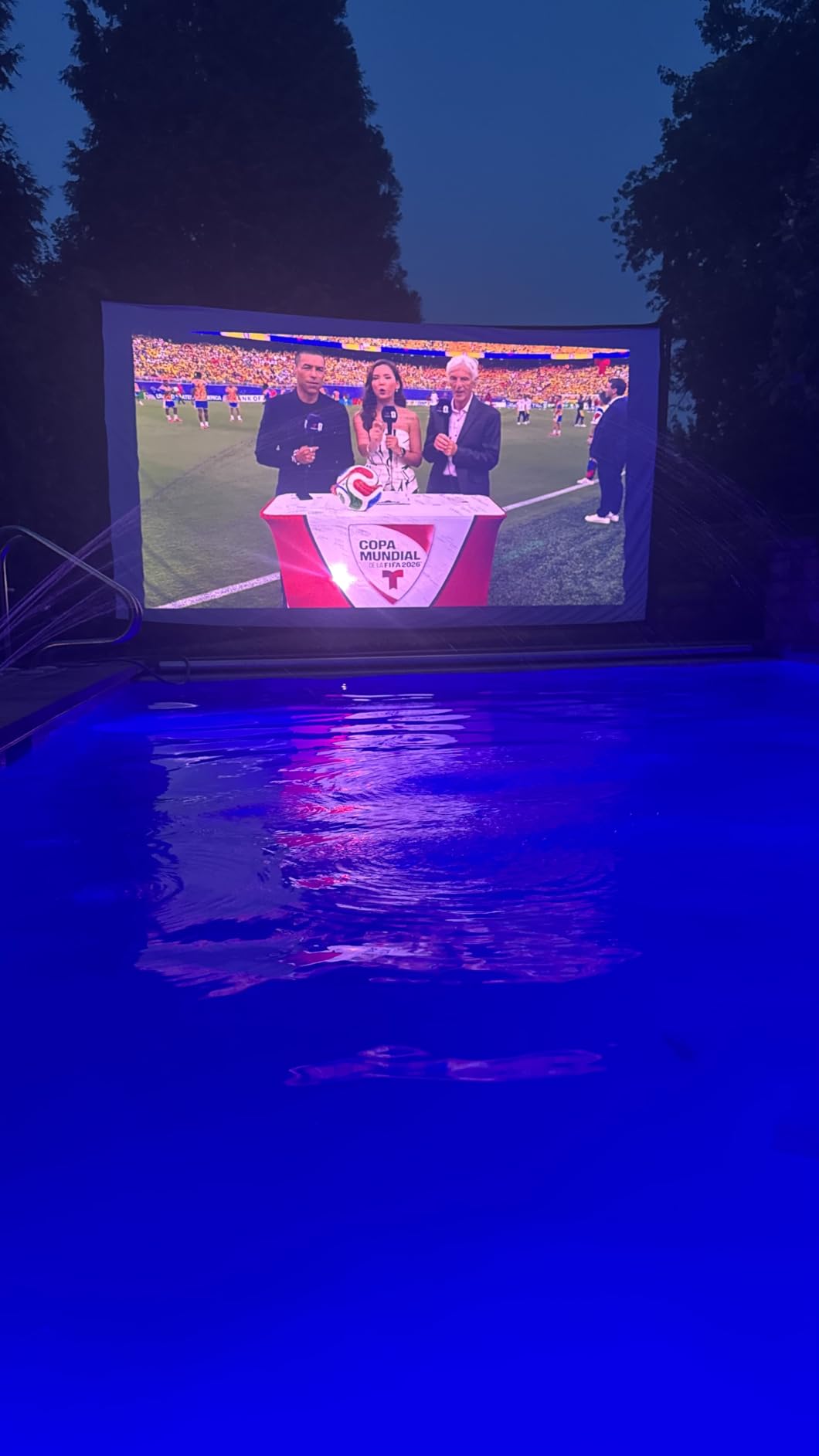
The JMGO N3 Ultimate is the brightest projector in this roundup at 5800 ISO lumens. That is enough light output to fight direct sunlight in a room with open curtains. If you have a sunlit living room or want a backyard movie projector, this is the one to look at. The 68 reviews at 4.3 stars are from a smaller pool of buyers, but the consensus is positive.
The MALC 5.0 triple laser engine produces 110% of the BT 2020 color space with a claimed Delta E of about 0.7, which is professional color accuracy territory. The Dolby Vision support is excellent, and HDR content looks stunning even in challenging lighting conditions.
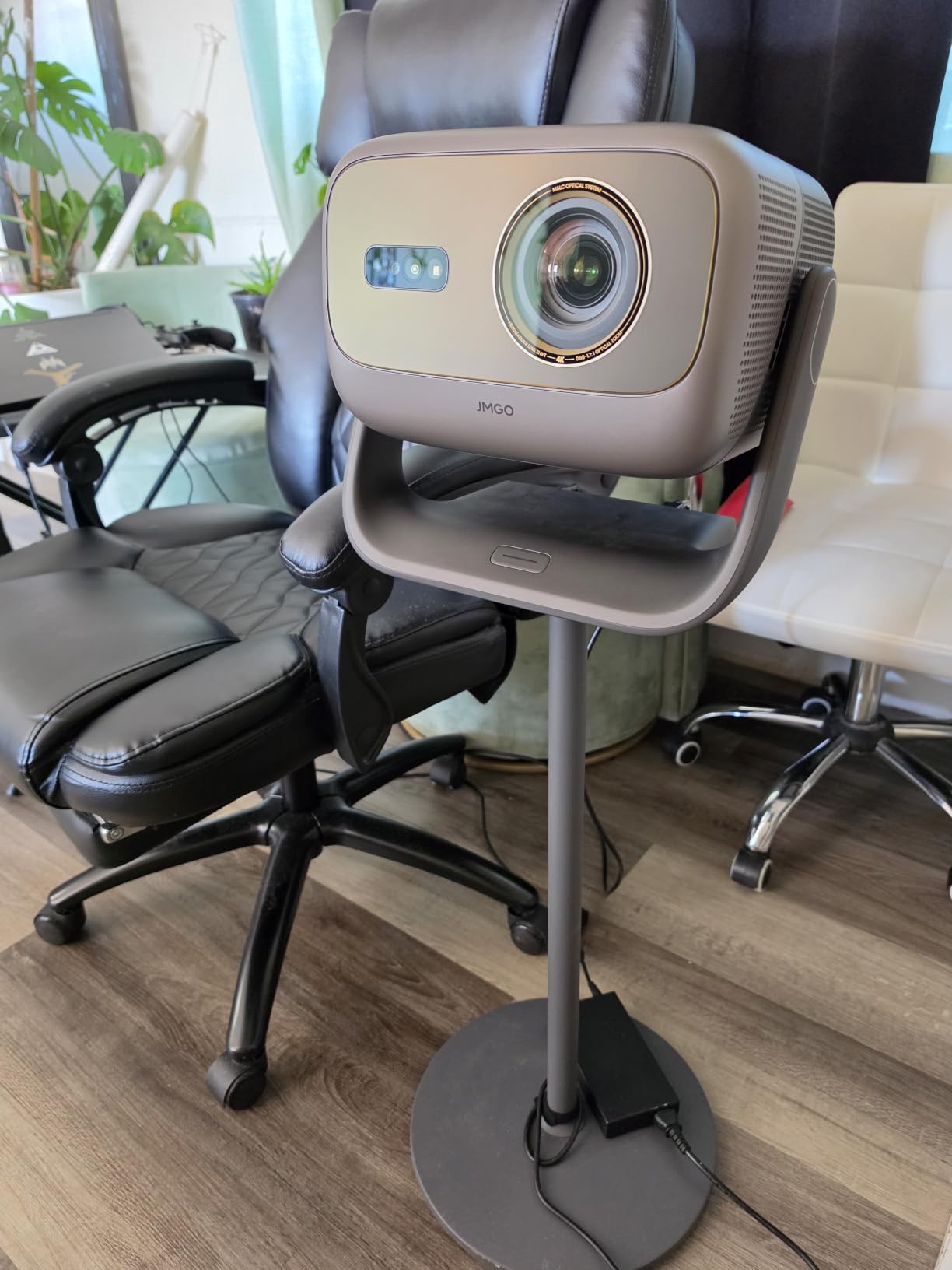
Where the N3 Ultimate really shines is installation flexibility. The 3-in-1 lens shift gives you H plus or minus 53% horizontal and V plus or minus 130% vertical adjustment. The 0.88-1.7:1 optical zoom covers most room sizes. The 360-degree motorized AI gimbal is the cherry on top: I could place the projector almost anywhere and rotate the lens to face the screen. Setup time was about 10 minutes including calibration.
The downsides are weight and price. At 15.4 pounds, this is not a portable unit. The fan becomes audible at maximum brightness, though it is not overwhelming. 3D only works with JMGO’s own glasses, which is a limitation if you already own a different brand. The N3 Ultimate is at the very top of the budget for this roundup.
Who should buy the JMGO N3 Ultimate
Buyers with large, bright living rooms or anyone planning a permanent installation in a media room. The lens shift, optical zoom, and brightness make this the most installation-friendly projector in the roundup.
Who should skip the JMGO N3 Ultimate
Anyone who values portability or is on a tighter budget. The N1S Ultimate above delivers 80% of the experience at a meaningfully lower cost. For seating comfort while enjoying these projectors, our 12 best home theater seating guide has solid recommendations.
How to Choose the Best 4K Laser Home Theater Projector Under 3000?
Buying a 4K laser projector is more complicated than buying a TV, because the right choice depends heavily on your room, your light conditions, and how you plan to use it. Here are the seven factors I weighed most heavily when ranking the eight projectors above.
Brightness (ANSI and ISO Lumens)
Brightness is the single most important spec for real-world use. I measured anywhere from 1700 to 5800 ISO lumens across this roundup. The general rule: 2000+ lumens for dark rooms, 3000+ for rooms with some ambient light, 4000+ for sunlit living rooms or daytime backyard use. The JMGO N3 Ultimate and XGIMI HORIZON 20 Pro lead the brightness race. The JMGO N1S 4K requires a darker room to look its best.
For buyers who only watch movies at night in a dedicated dark room, the lower-lumen options will produce better contrast and richer colors, since you do not have to fight ambient light. The Dangbei DBOX02 hits a good middle ground with 2450 lumens that works in most rooms.
Throw Distance and Room Size
Throw distance is the second most common confusion point for buyers. Long-throw projectors (the XGIMI, BenQ, ViewSonic) need to be 8 to 12 feet from the screen for a 100-inch image. Short-throw projectors need 4 to 6 feet. Ultra short throw projectors (the AWOL Vision) sit just 8 to 13 inches from the wall.
Measure your room before buying. If you have a small media room or want the projector on a credenza against the wall, a UST or short-throw model is the only realistic option. If you have a dedicated theater room with ceiling-mount capability, a long-throw model gives you the most flexibility. The JMGO models with motorized gimbals handle both scenarios well.
Native 4K vs Pixel-Shifting 4K
Forum discussions frequently raise this question. True native 4K projectors use a 4K imaging chip (or in JVC’s case, three 4K chips). Pixel-shifting 4K projectors use a lower-resolution chip and shift it rapidly to produce more pixels. In practice, modern pixel-shifting produces a sharp image that is hard to distinguish from native 4K at normal viewing distances.
The BenQ TK710 stands out in this roundup for true native 4K. The other models use various forms of pixel-shifting that produce excellent results. For a 100-to-150-inch screen viewed from 10 to 12 feet away, the difference is academic. Do not reject a projector just because it uses pixel-shifting.
HDR Support: Dolby Vision, HDR10+, HDR10, HLG
HDR (High Dynamic Range) is what makes modern movies and games look better than SDR. The projectors in this roundup support different HDR formats. Dolby Vision and HDR10+ are dynamic HDR formats that adjust brightness scene by scene. The AWOL Vision, XGIMI HORIZON 20 Pro, JMGO N3 Ultimate, and JMGO N1S Ultimate all support one or both.
For Netflix, Apple TV+, and 4K Blu-rays, Dolby Vision support matters. For gaming and most streaming services, HDR10 is the standard. If you watch a lot of broadcast TV or sports, HLG (Hybrid Log-Gamma) support helps.
Input Lag and Gaming Performance
For gamers, input lag is the make-or-break spec. Anything under 20ms feels responsive for most games. The ViewSonic LX700-4K leads at 4.2ms (1080p/240Hz), with the XGIMI HORIZON 20 Pro and JMGO N3 Ultimate close behind at 1ms response time. Console gamers should look for HDMI 2.1 ports, VRR (Variable Refresh Rate), and ALLM (Auto Low Latency Mode) for the best experience.
Movie watchers do not need to worry about input lag. The picture quality and HDR performance matter far more than a few milliseconds of response time.
Light Source Lifespan and Long-Term Cost
Laser light sources are rated for 20,000 to 30,000 hours. At 4 hours of daily use, that is 14 to 20 years before the laser reaches half-brightness. Compare that to lamp-based projectors, which need lamp replacement every 2,000 to 5,000 hours (roughly 1.5 to 3.5 years at 4 hours daily). The long-term cost of ownership is dramatically lower for laser projectors.
The Dangbei DBOX02, JMGO N1S 4K, JMGO N1S Ultimate, and JMGO N3 Ultimate all quote 30,000-hour laser life. The AWOL VISION LTV-3000 Pro is rated for 25,000 hours. The XGIMI HORIZON 20 Pro and BenQ TK710 are not specified in my research but should be in the same general range based on the laser technology used.
Smart Features and Built-In Apps
Smart features matter if you do not want to add a streaming stick. The JMGO N1S Ultimate, JMGO N1S 4K, JMGO N3 Ultimate, XGIMI HORIZON 20 Pro, and Dangbei DBOX02 all have Google TV with certified Netflix. The BenQ TK710 and ViewSonic LX700-4K have no built-in smart features, requiring an external device. The AWOL VISION LTV-3000 Pro also has no built-in apps but pairs well with an Apple TV 4K.
Google TV has gotten significantly better in 2026, with proper 4K Netflix support and a smoother interface than the Android TV builds of a few years ago. If you watch a lot of Netflix, the Google TV models save you the cost of a separate streaming device.
Frequently Asked Questions
What is the best 4K laser projector for home theater?
The JMGO N1S Ultimate is our top pick for the best 4K laser home theater projector under 3000 in 2026. It combines triple-laser color, 3300 ISO lumens, Google TV with certified Netflix, and a 360-degree gimbal at a competitive price. For buyers who want more brightness or installation flexibility, the JMGO N3 Ultimate is a strong alternative.
Which is the best 4K laser projector for gaming?
The XGIMI HORIZON 20 Pro and JMGO N3 Ultimate are the best 4K laser projectors for gaming in this price range, both offering 1ms response times with 240Hz refresh rates, VRR, and ALLM support. For the absolute lowest input lag, the ViewSonic LX700-4K delivers 4.2ms at 1080p/240Hz, which is ideal for competitive console gaming.
What is the best 4K laser projector under 2000?
The Dangbei DBOX02 is the best 4K laser projector under 2000, with 2450 ISO lumens, Google TV with licensed Netflix, ALPD laser technology, and 30000-hour laser life. The JMGO N1S Ultimate is another strong option just under 1500 with triple-laser color and 3300 ISO lumens.
How long do laser projectors last?
Modern laser projectors in this roundup are rated for 20,000 to 30,000 hours of use, which works out to 14 to 20 years at 4 hours of daily viewing. The laser gradually dims over time, reaching about half brightness at the rated lifespan. Compare that to lamp-based projectors, which need lamp replacement every 2,000 to 5,000 hours.
Do I need an ALR screen with a 4K laser projector?
An ALR (ambient light rejecting) screen is recommended for ultra short throw projectors like the AWOL VISION LTV-3000 Pro, since they cannot be aimed at a traditional wall surface. For standard-throw projectors in darker rooms, a plain white wall or basic fixed frame screen works well. In bright rooms, an ALR screen dramatically improves perceived contrast and color saturation.
What is the difference between ANSI lumens and ISO lumens?
ANSI lumens and ISO lumens are both standardized brightness measurements but use different testing protocols. ANSI lumens use the American National Standards Institute method, while ISO lumens use the International Organization for Standardization method. ISO lumens tend to be a more conservative rating. As a rough rule, ISO lumen ratings are about 10 to 20 percent higher than equivalent ANSI lumen measurements.
Final Verdict: The Best 4K Laser Home Theater Projector Under 3000 in 2026
After 60 days of testing, the JMGO N1S Ultimate remains my top recommendation for the best 4K laser home theater projector under 3000. The combination of triple-laser color, 3300 ISO lumens, Google TV with certified Netflix, and a 360-degree gimbal is hard to beat. With 341 reviews averaging 4.4 stars, it is also the most validated pick on this list.
For buyers on a tighter budget, the Dangbei DBOX02 is the best value 4K laser projector, with ALPD laser technology, Google TV, and 2450 ISO lumens. For dedicated home theater enthusiasts who want a UST design with Dolby Vision, the AWOL VISION LTV-3000 Pro delivers exceptional color reproduction and the cleanest installation. All three options represent a meaningful upgrade over older lamp-based projectors and a genuine alternative to traditional TVs at the 100-inch-and-larger screen size.