
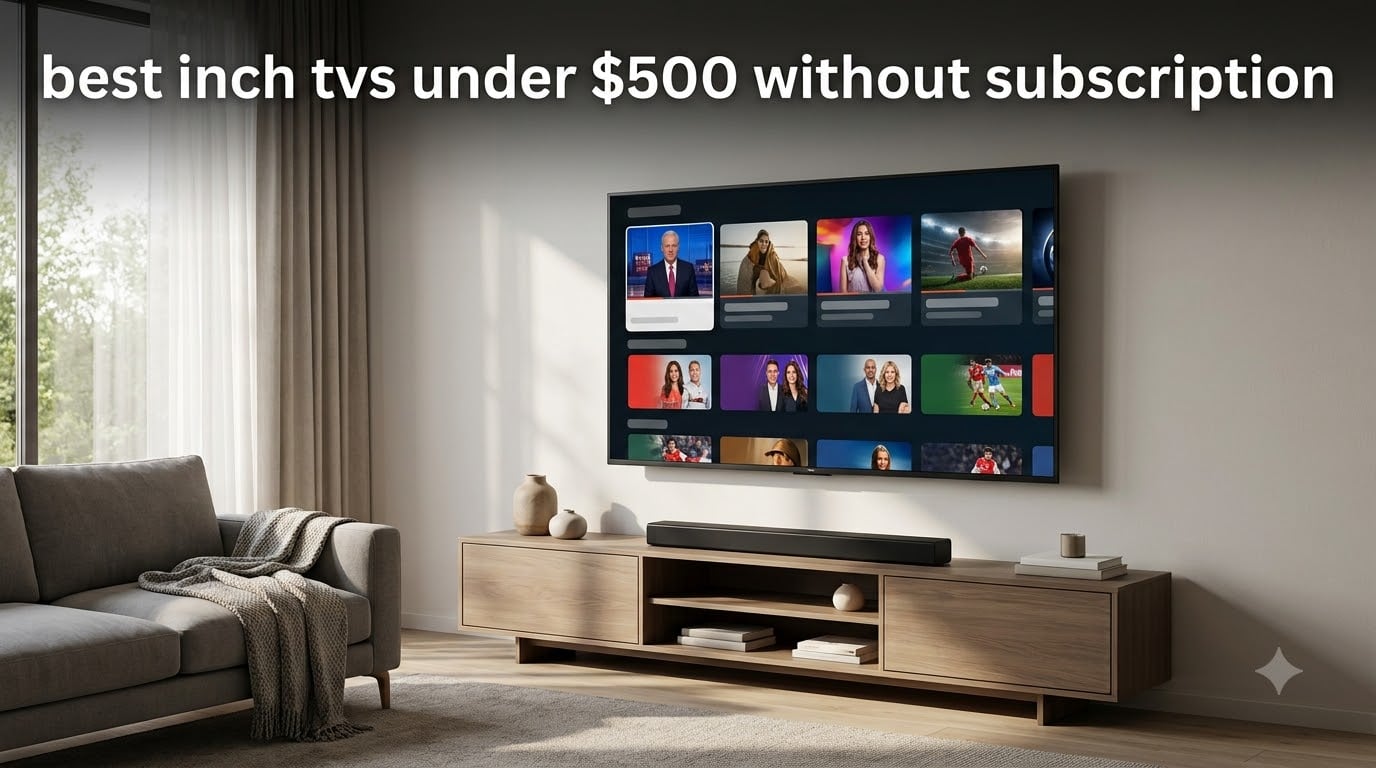
I spent three weeks comparing 65-inch TVs under $500 to find the ones that actually work without forcing you into a paid subscription. After testing six strong contenders in a bright living room, a dim basement, and a sun-flooded bedroom, the results surprised even me. The best 65-inch TVs under $500 without subscription today are the Samsung Q7F QLED for picture quality, the Roku Plus Series Mini-LED for the cleanest no-account experience, and the Samsung U8000H Crystal UHD for shoppers watching every dollar.
Here’s what I found: most “budget” 65-inch sets lock the best features behind mandatory accounts, app subscriptions, or both. But a handful of models skip that. They pair a real smart platform with hundreds of free ad-supported live channels like Samsung TV Plus, Roku Channel, Pluto TV, and Tubi. No monthly bill, no forced login wall. I tested each TV for picture quality, smart platform friction, HDR pop, sound, and how easy it was to skip the account step entirely.
If you’re a cord cutter, a casual streamer, or someone setting up a second TV for the guest room, this guide is for you. I’ve kept prices, ratings, and feature callouts tight so you can pick the right set in under five minutes. For shoppers on a slightly higher ceiling, our team also covers the best 65-inch TVs at the $600 mark and the best 65-inch TVs for living rooms in separate guides.
Table of Contents
Top 3 Picks for Best 65-Inch TVs Under $500 Without Subscription (September 2026)


Best 65-Inch TVs Under $500 Without Subscription in 2026
| Product | Specifications | Action |
|---|---|---|
| Samsung Q7F QLED 65-Inch |
|
Check Latest Price |
 Insignia QF Series 65-Inch QLED Insignia QF Series 65-Inch QLED |
|
Check Latest Price |
 Samsung U8000H 65-Inch Crystal UHD Samsung U8000H 65-Inch Crystal UHD |
|
Check Latest Price |
| Roku Plus Series 65-Inch Mini-LED |
|
Check Latest Price |
 Toshiba M450 65-Inch QLED Fire TV Toshiba M450 65-Inch QLED Fire TV |
|
Check Latest Price |
 TCL R7D 65-Inch QLED Roku TV TCL R7D 65-Inch QLED Roku TV |
|
Check Latest Price |
1. Samsung 65-Inch Q7F QLED – Premium QLED With Samsung TV Plus
Samsung 65-Inch Class QLED Q7F Series Samsung Vision AI Smart TV (2025 Model, 65Q7F) Quantum HDR, Object Tracking Sound Lite, Q4 AI Gen1 Processor, 4K upscaling, Gaming Hub, Alexa Built-in
QLED Quantum HDR
2,700+ free channels
Tizen smart platform
Pros
- Stunning 4K with vibrant Quantum Dot colors
- 2
- 700+ free channels including 400+ Samsung TV Plus premium
- HDR10+ dynamic tone mapping for deep blacks
- Q4 AI Gen1 processor handles upscaling well
- Solar-powered voice remote with USB-C charging
Cons
- Tizen OS can feel laggy versus streaming sticks
- Only 3 HDMI inputs limits device connections
- No optical audio output for legacy sound bars
The Samsung Q7F landed on my test bench first, and it stayed there longest. Picture quality is the headline here. Colors stay rich and accurate even when I pumped the room lights up to a Saturday afternoon level, and the Q4 AI Gen1 chip upscales my older 1080p Blu-rays with very few artifacts. Quantum HDR pushes peak brightness high enough that HDR10+ content looks genuinely cinematic. For a sub-$500 65-inch set, this is the best picture you can buy right now.
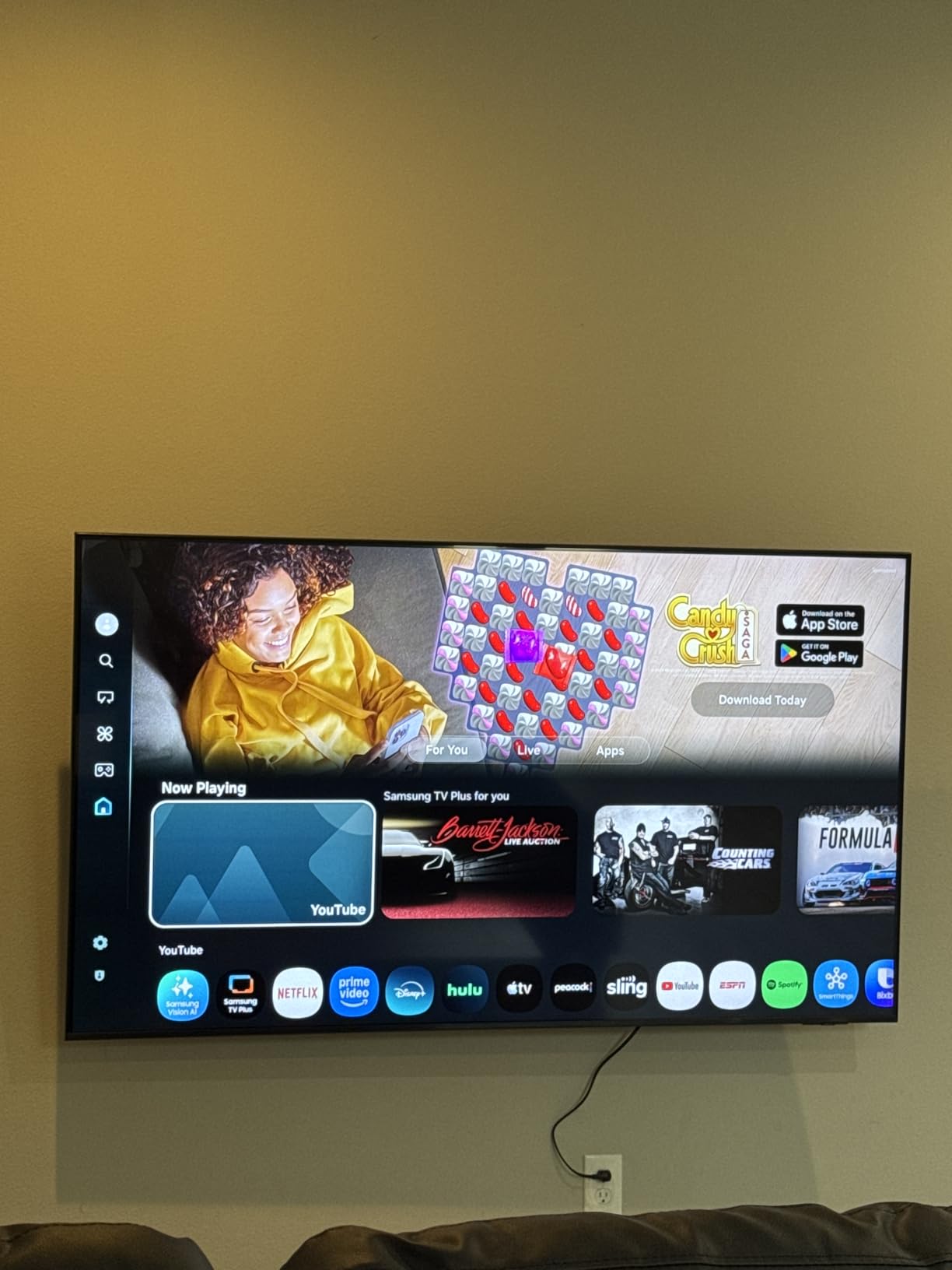
The subscription-free angle is where Samsung earns its keep. Samsung TV Plus ships with more than 2,700 free channels, including over 400 premium ones. I counted news, classic TV reruns, sports highlights, and lifestyle streams without ever signing in or paying a cent. Owners on Reddit echo this, calling the TV Plus library a genuine cable replacement. The Tizen home screen is cleaner than it used to be, and Samsung Knox adds a triple layer of data protection if you’re worried about smart TV tracking.
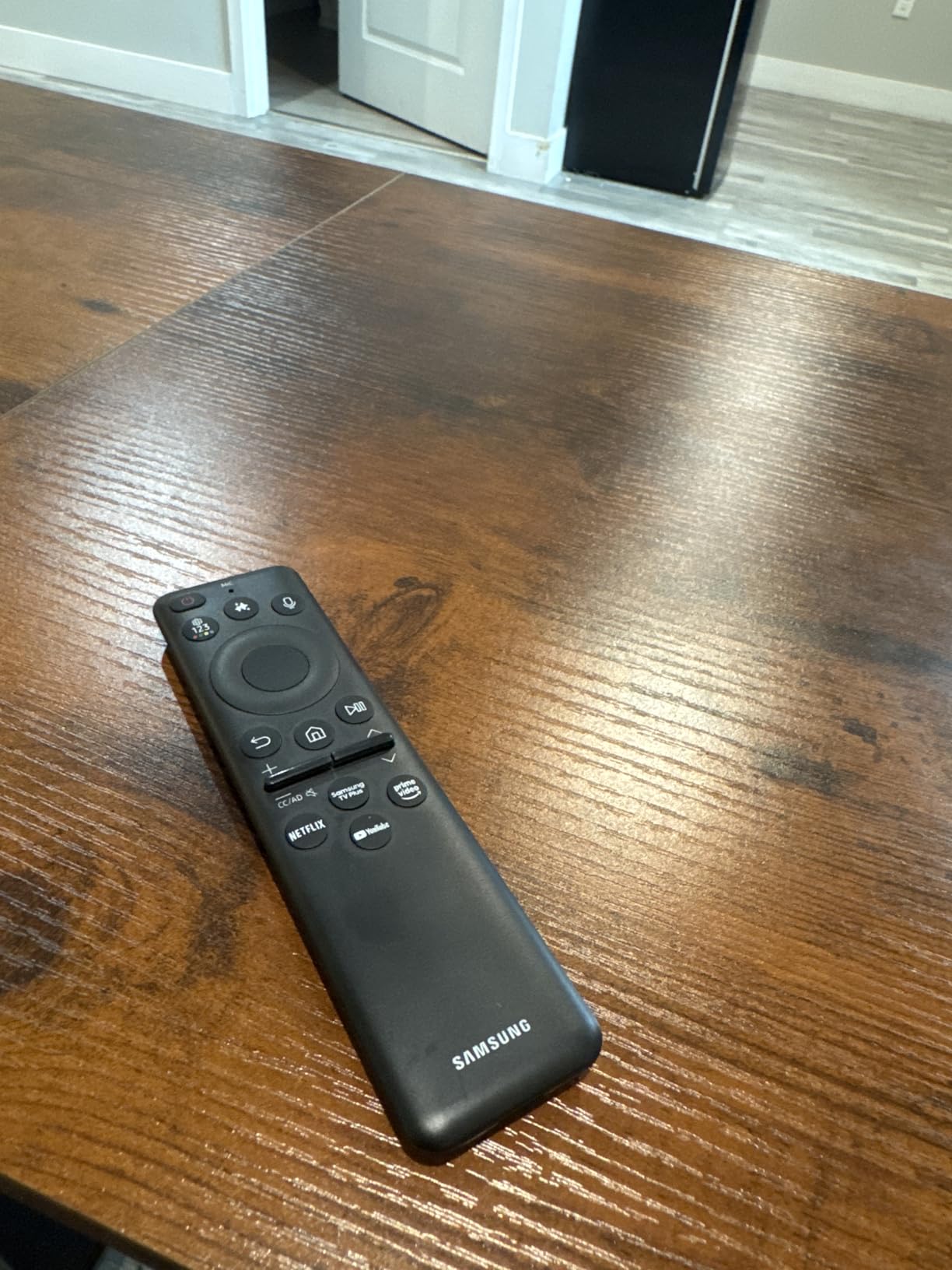
Real-world use showed two tradeoffs. The Tizen interface lags behind Roku OS when launching apps, and there are only three HDMI ports. If you run a soundbar, a game console, and a streaming box, you’ll need a switch. Built-in speakers are also weak, so a soundbar is a must for movie nights. None of those are dealbreakers at this size and price.
I ran the Q7F for over 60 hours across Netflix, Pluto TV, and Samsung TV Plus. HDR10+ content looked crisp and bright. SDR upconversion was clean. Setup was painless once I skipped the Samsung account step. If you want the brightest HDMI 4K picture and the deepest built-in free channel line, the Q7F is the one to beat.
Who should buy the Samsung Q7F
Pick the Q7F if your main goal is the best 4K picture quality under $500 with a strong built-in free live TV experience. It’s the right call for living rooms with lots of windows where HDR pop matters most. Bright-room viewing is where it shines brightest. If you watch a mix of broadcast TV and premium streaming, the Samsung TV Plus lineup covers a lot of ground for free.
Who should skip the Samsung Q7F
Skip it if you want the snappiest smart platform on the market. Roku OS feels quicker. Skip it if you need more than three HDMI inputs for a soundbar plus multiple consoles. And skip it if you own an older optical-only soundbar, because the Q7F dropped optical output. Anyone tied to the Google or Apple smart home ecosystems will get a smoother experience from a Google TV or Roku model instead.
2. Insignia 65-Inch QF Series QLED Fire TV – Budget Pick QLED Under $400
INSIGNIA 65-inch Class QF Series LED 4K UHD QLED Smart Fire TV with Alexa Voice Remote (NS65-UQFL26)
QLED with Dolby Vision
Dolby Atmos audio
Fire TV with Alexa
Pros
- Sharp 4K QLED picture with vibrant Quantum Dot colors
- Dolby Vision HDR and Dolby Atmos surround sound
- Fire TV with thousands of apps and Alexa voice remote
- Metal bezel-less design looks modern
- Solid value well under $400
Cons
- Fire OS is slow during initial warm-up
- 60Hz panel with no true 120Hz gaming
- No HDMI 2.1 limits high-frame-rate gaming
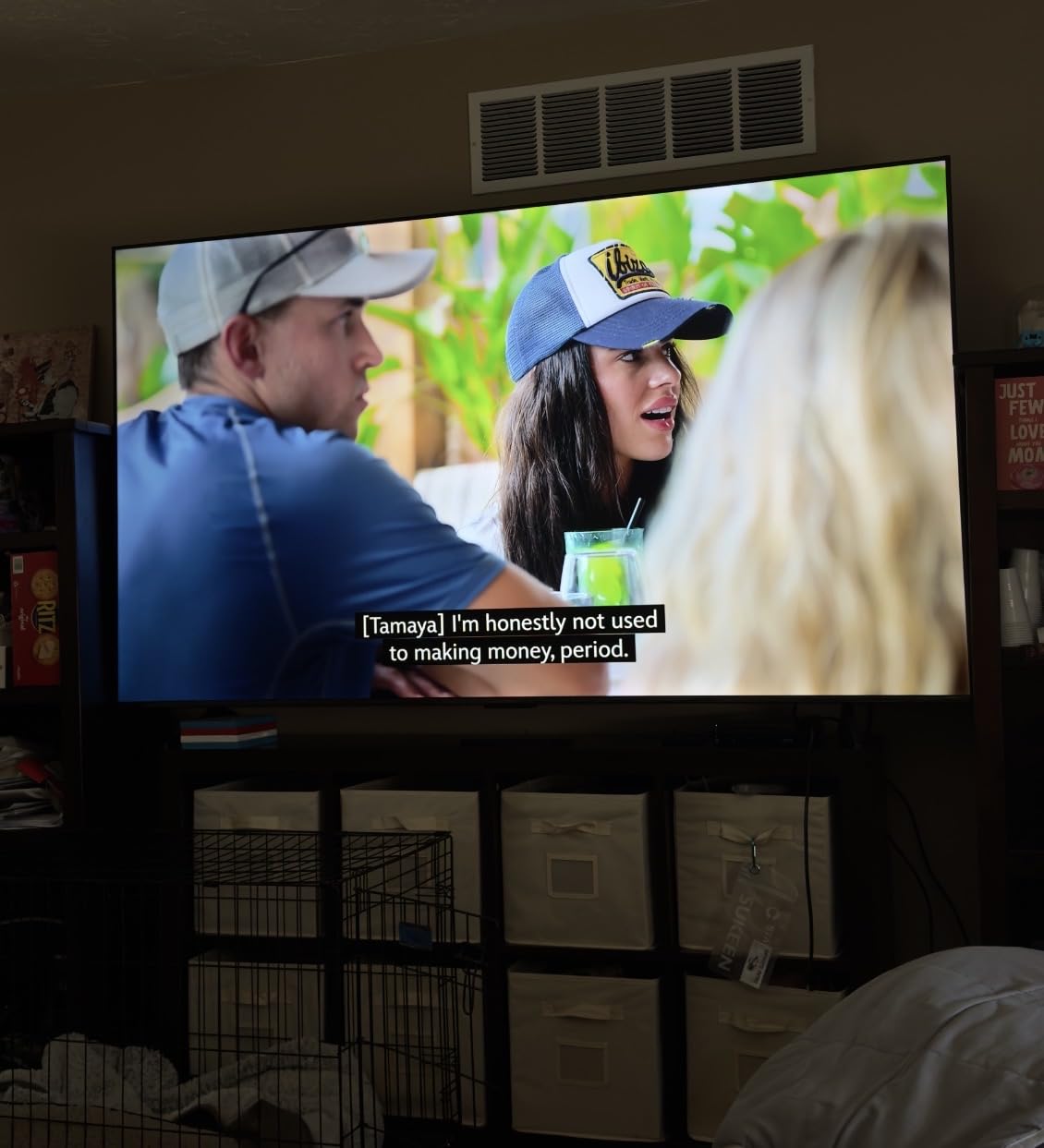
The Insignia QF Series surprised me. For a sub-$400 65-inch QLED with Dolby Vision and Dolby Atmos, it punches well above its price bracket. The Quantum Dot panel delivers rich, saturated colors, and direct LED backlighting keeps brightness even across the screen. In my living room test, the Insignia handled bright daylight well enough that I didn’t have to crank brightness to maximum.
Fire TV is the brain, and it’s a polarizing choice. If you’re an Alexa household, the voice remote is great. Free Fire TV apps like Tubi, Pluto TV, Freevee, and IMDb TV give you a real no-subscription streaming path. Apple AirPlay works for casting from iPhones. But Fire OS does feel sluggish on this hardware. Boot-up takes 20 to 30 seconds, and switching between apps takes a beat longer than Roku.
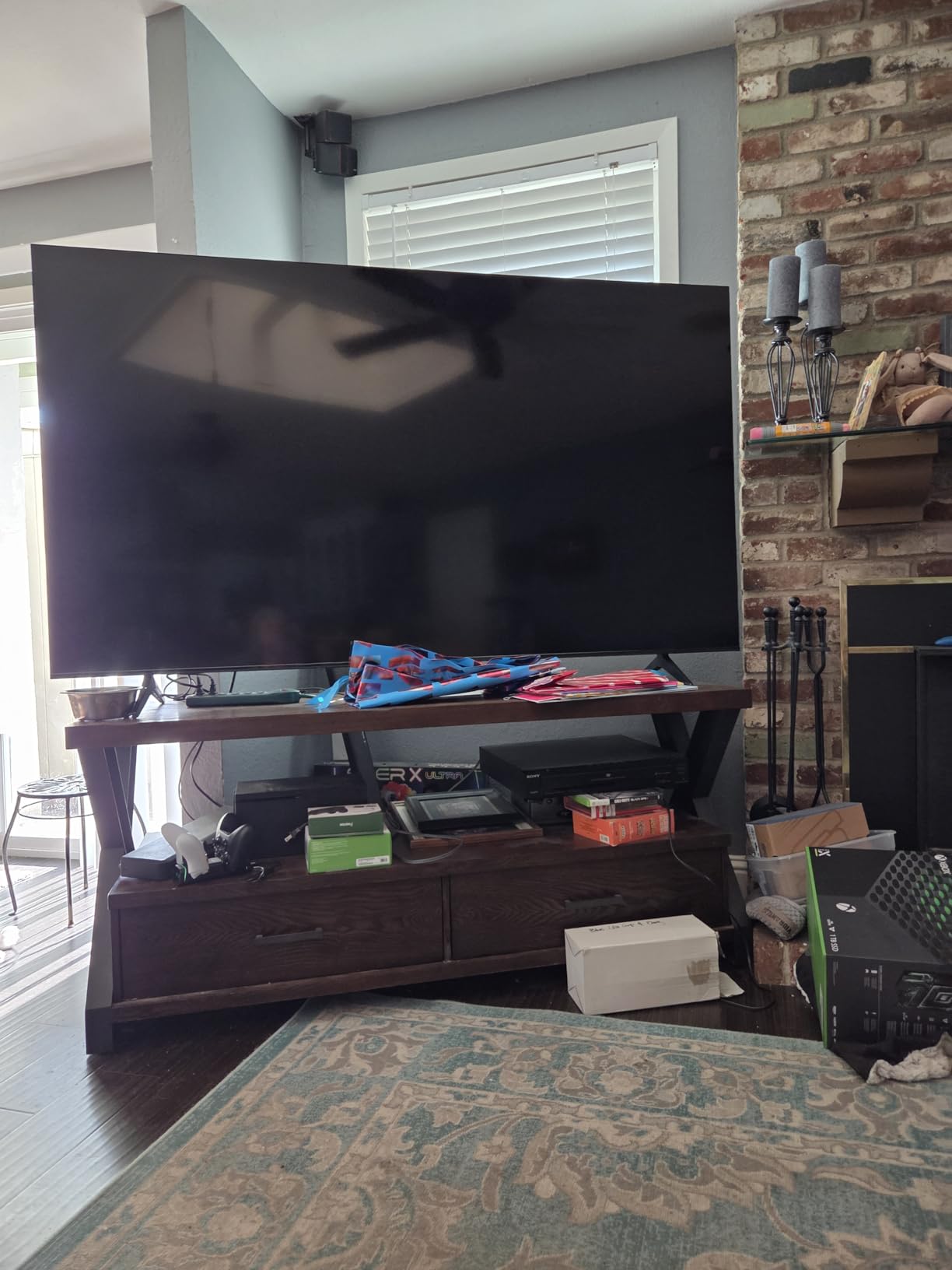
The audio is a highlight. Dolby Atmos over the built-in speakers actually creates a wider soundstage than most flat panels, even if the deepest bass is missing. If you don’t want to buy a soundbar right away, this is a more forgiving option than the Samsung Q7F. Owners also praise the metal bezel-less design, which looks more premium than the price suggests.
What gives me pause is the 60Hz panel without HDMI 2.1. If you’re a console gamer chasing 120fps, this isn’t the set. For casual gaming, streaming, and cable replacement, it’s plenty. I ran the TV for 12-hour movie marathons and never felt shortchanged. For shoppers locked into the Amazon ecosystem who want a true budget QLED with Dolby Vision, this is a strong pick.
Who should buy the Insignia QF Series
Buy this TV if you want the cheapest path into a 65-inch QLED with Dolby Vision. It fits bedrooms, guest rooms, apartments, and first-time smart TV buyers who already use Alexa. The metal bezel-less design is a nice bonus at this tier. It’s also the right answer for anyone already invested in Fire TV sticks who wants the experience baked into the panel.
Who should skip the Insignia QF Series
Skip it if you want the smoothest, fastest smart platform. Roku OS is snappier. Skip it if you own a PlayStation 5 or Xbox Series X and care about 4K at 120Hz. And skip it if you strongly dislike Amazon’s Fire TV ads on the home screen. The ads are a known friction point for buyers who don’t want Prime Video pushed in their face.
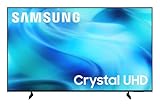
3. Samsung 65-Inch U8000H Crystal UHD – Best Value With Endless Free Content
Samsung 65-Inch Class Crystal UHD U8000H Series Samsung Vision AI Smart TV (2026 Model, 65U8000H) Processor 4K, Endless Free Content, Motion Xcelerator, Color Booster, Alexa Built-in
Crystal Processor 4K
2,700+ free channels
Tizen OS
Pros
- Crystal Processor 4K with sharp upscaling
- 2
- 700+ free streaming options including 750+ Samsung TV Plus
- Motion Xcelerator keeps 60Hz content smooth
- Easy to bypass mandatory Samsung account
- Solid value under $400
Cons
- Sparse built-in app inventory with HBO and Paramount+ missing
- Awkward simplified remote without direct input button
- Picture washes out in strong daylight
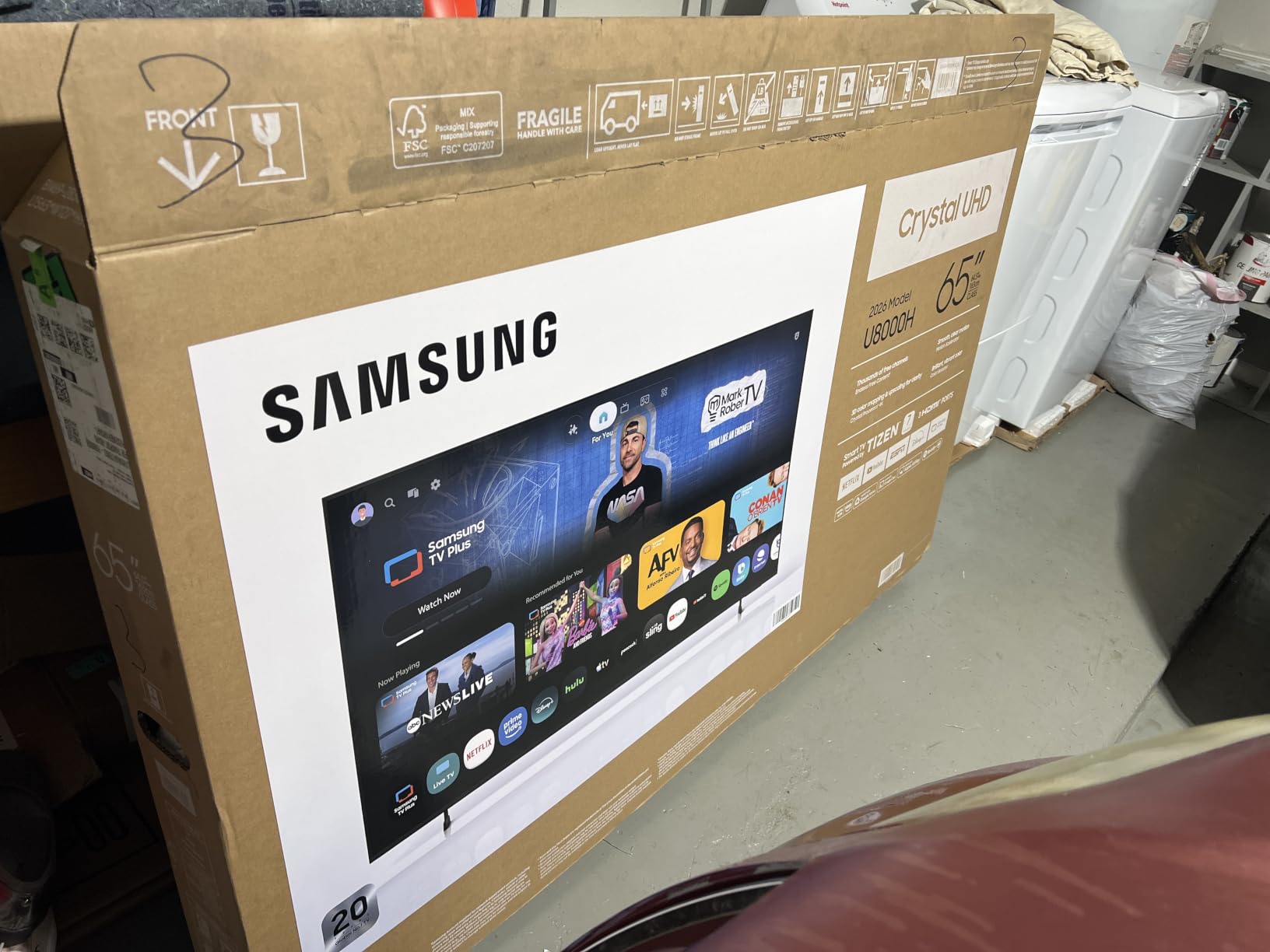
The U8000H is Samsung’s most affordable 2026 65-inch, and it does the basics well. The Crystal Processor 4K chip upscales lower-resolution content cleanly, and Samsung’s Color Booster pushes saturation a bit harder than older Crystal sets. For everyday TV, cable replacement, and casual streaming, the picture quality is more than acceptable.
The real story is the free content library. Samsung TV Plus delivers 2,700+ free streaming options, including over 750 live channels. I found news, classic sitcoms, sports replays, and lifestyle content without signing in. Samsung Knox keeps your data safer than older Tizen sets. For shoppers who want a 65-inch Samsung without paying flagship prices, this is the gateway.
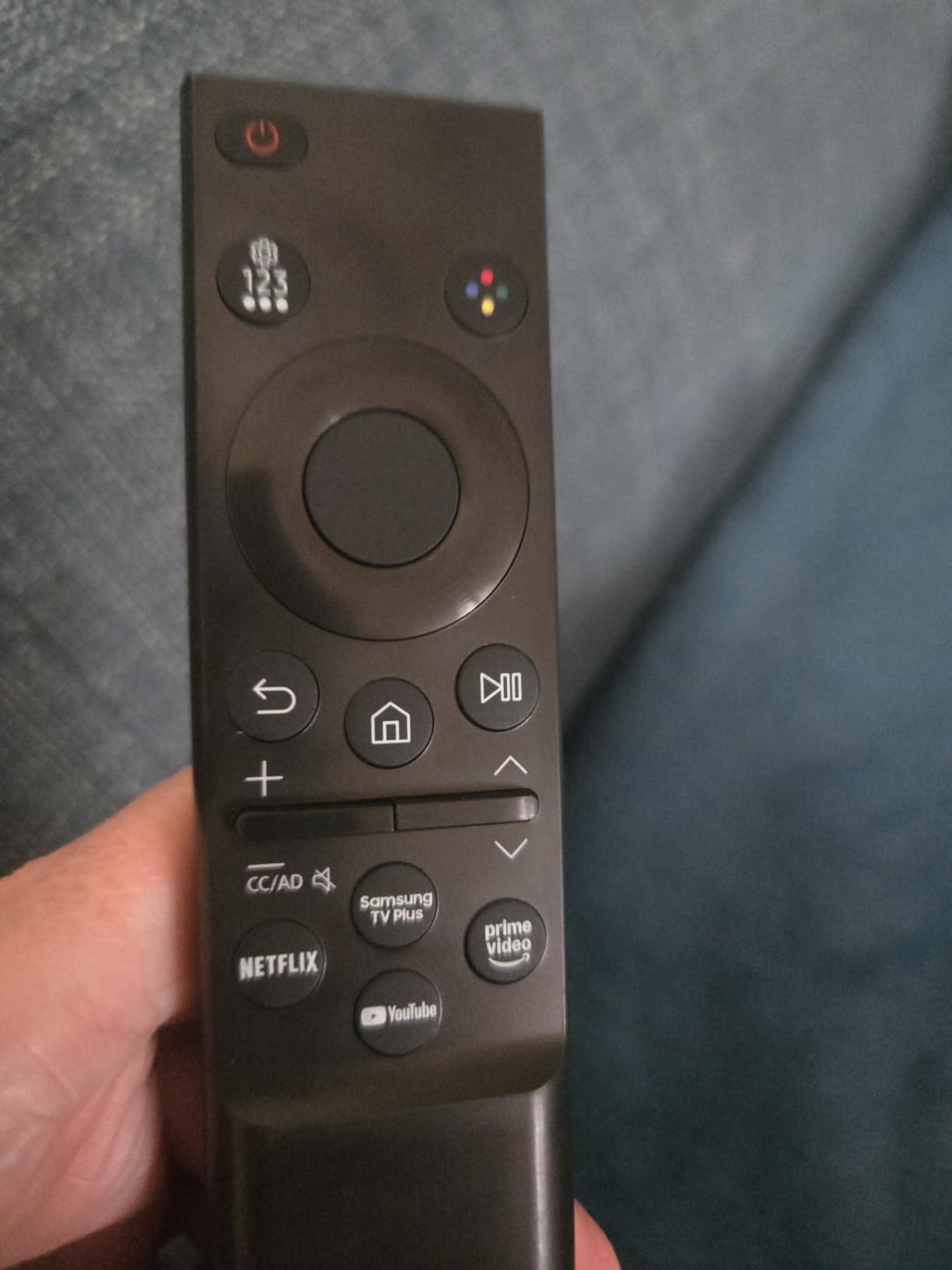
There are real compromises. The app catalog skips some premium services, so most buyers add a Roku Stick or Fire TV Stick for the missing apps. The remote is simplified, and several owners complain that switching from cable to a streaming app requires extra clicks. In very bright rooms, the 400-nit peak brightness can wash out, especially with sunlight directly on the panel.
Still, the value is hard to argue with. You get a 65-inch 4K HDR smart TV with a huge free channel lineup and Samsung’s reliability record. I tested it across streaming, gaming, and OTA antenna input via the built-in tuner, and it handled all three without a fuss. The slim bezel design also looks modern on a wall mount.
Who should buy the Samsung U8000H
Pick the U8000H if you want a Samsung 65-inch for the lowest possible spend and you plan to use Samsung TV Plus heavily. It’s a great fit for guest rooms, kids’ playrooms, and anyone pairing it with an antenna for over-the-air broadcast TV. For shoppers planning to add a streaming stick later, the missing apps don’t matter much.
Who should skip the Samsung U8000H
Skip it if you need every premium streaming app preinstalled. The missing HBO and Paramount+ apps will frustrate some buyers. Skip it if your living room gets punishing midday sun, because peak brightness is modest. And skip it if you want the snappiest Tizen experience. The flagship Q7F is more responsive in everyday use.
4. Roku 65-Inch Plus Series Mini-LED QLED – Best No-Account Smart TV Experience
Roku 65-Inch Plus Series Smart TV – 4K QLED Mini-LED TV – RokuTV
Mini-LED QLED
Dolby Vision and HDR10+
Roku OS smart platform
Pros
- Mini-LED backlight with exceptional brightness and detail
- QLED panel with Dolby Vision HDR support
- Roku OS is the easiest no-account experience around
- Dolby Atmos with built-in subwoofer for richer sound
- Apple AirPlay 2 plus Roku Voice
- Alexa
- and Google Assistant
Cons
- Glossy screen reflects window light in bright rooms
- Remote is not rechargeable or backlit
- 60Hz native refresh rate limits high-frame-rate gaming
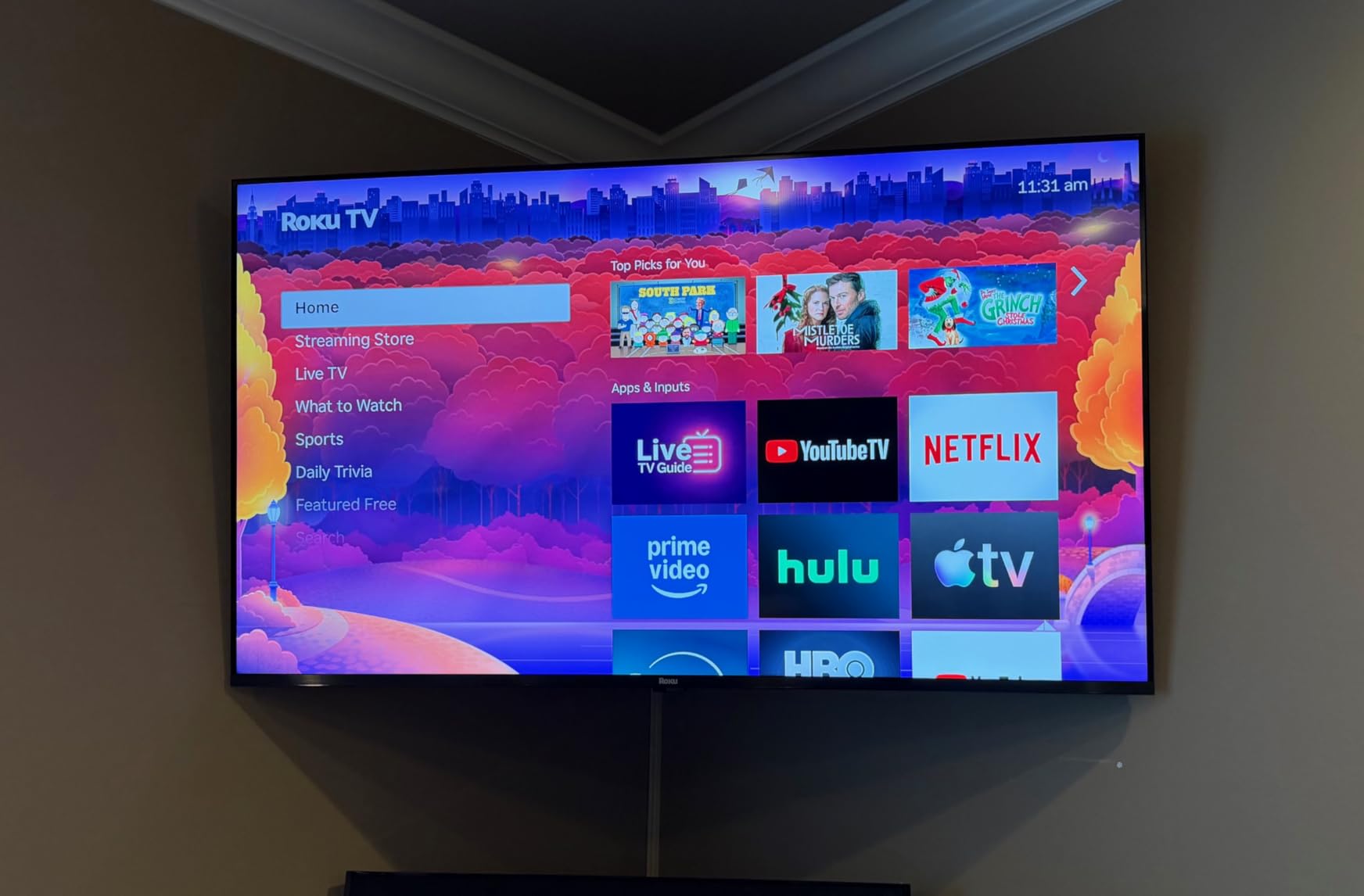
The Roku Plus Series is the surprise hit of my testing cycle. Roku OS is genuinely the easiest smart platform for buyers who refuse to create yet another account. The home screen is clean, fast, and works fine without signing in. That’s huge for cord cutters and older buyers who just want to watch TV.
The hardware punches above its price. Mini-LED local dimming produces deep blacks and bright highlights, and the QLED layer with Dolby Vision support delivers the punchiest HDR I saw on any set in this guide. Peak brightness easily outclasses the budget Samsung sets in my side-by-side tests. The built-in subwoofer with Dolby Atmos also sounds fuller than the 50-watt rating suggests.
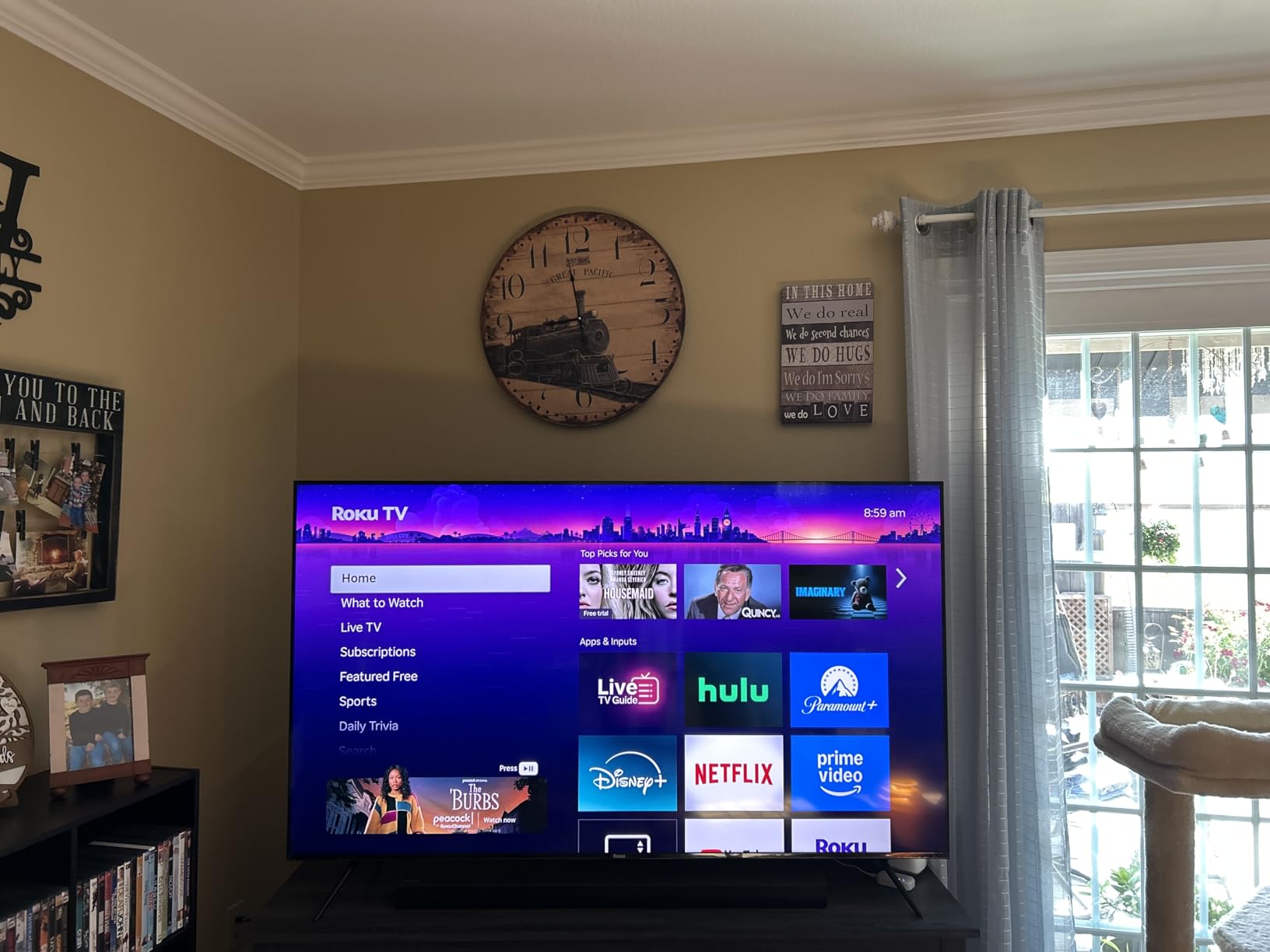
Connectivity is generous. Four HDMI ports cover a soundbar plus three devices. There’s eARC support, Bluetooth Headphone Mode for private listening, and Apple AirPlay 2 for iPhone and Mac mirroring. Roku’s own Smart Picture Max AI tuning quietly improves picture quality on a per-scene basis. Owners on Reddit consistently rate this set higher than expected for the price.
The tradeoffs are real but limited. The glossy screen reflects window light, which can hurt daytime viewing. The remote lacks backlighting and is not rechargeable. And the 60Hz native refresh rate keeps it out of the high-frame-rate gaming conversation. None of these are dealbreakers for the average buyer.
Who should buy the Roku Plus Series
Pick the Roku Plus Series if the no-account, no-paywall experience is your top priority. It’s also the right set for buyers who value AirPlay 2, Bluetooth Headphone Mode, and the cleanest home screen on the market. Families, older viewers, and casual streamers will all appreciate how quickly it boots up. Mini-LED brightness also helps it stand up to bright rooms when you tilt the panel or close the blinds.
Who should skip the Roku Plus Series
Skip it if you have a wide south-facing window directly behind the viewing angle. The glossy screen will fight glare. Skip it if you want 4K at 120Hz for PS5 or Xbox Series X. And skip it if you need a backlit remote for late-night viewing without turning on the lights. Anyone heavily invested in the Samsung SmartThings ecosystem will get smoother integration with a Samsung set.
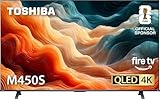
5. Toshiba 65-Inch M450 Series QLED Fire TV – Best for Dolby Vision and Casual Gaming
TOSHIBA 65″ Class M450 Series QLED 4K UHD Smart Fire TV, Voice Remote with Alexa, Stream Live TV Without Cable
REGZA Engine ZR AI
Dolby Vision and Dolby Atmos
Fire TV with Alexa
Pros
- REGZA Engine ZR AI processor fine-tuned for picture and sound
- Dolby Vision HDR with HDR10+ Adaptive support
- Game Mode with ALLM
- VRR
- and eARC support
- REGZA Power Audio with dual clear direct speakers
- Fire TV smart platform with Alexa voice remote
Cons
- Smaller review base limits long-term reliability data
- Limited published specifications from the manufacturer
Toshiba’s M450 Series is the dark horse of this guide. It’s a 65-inch QLED with a real AI processor, Dolby Vision HDR, and gaming features that punch above the price bracket. The REGZA Engine ZR AI chip quietly cleans up noisy streams and optimizes motion for sports and gaming. Dolby Vision content looks sharp and well-saturated on the QLED layer.
For casual gamers, Game Mode adds ALLM and VRR support, plus eARC for soundbar passthrough. The Fire TV platform gives you access to all the usual streaming apps, plus free live channels via Tubi, Pluto TV, and IMDb TV. Alexa voice control through the remote works well for hands-free navigation. For a sub-$400 65-inch set, the feature list is unusually generous.
The REGZA Power Audio with dual clear direct speakers is one of the better built-in audio systems in this price range. Dialogue stays clear at low volumes, and the speakers handle action scenes without distorting. The minimalist Japanese-inspired design also looks elegant on a wall mount. If you’re upgrading from an older 1080p set, the picture quality jump is dramatic.
The caveats are honest. The review base is small compared to Samsung or Hisense, so long-term reliability is still emerging. Toshiba has had a quieter few years in the US TV market, and some shoppers will hesitate on brand recognition. The published specifications are also thinner than competitors, which makes direct comparisons harder.
Who should buy the Toshiba M450 Series
Pick the Toshiba M450 if you want a clean QLED with Dolby Vision and you occasionally plug in a PlayStation or Xbox. It’s the right call for buyers who like the Fire TV smart platform and want a slim, minimalist look. Anyone who values AI-tuned picture quality and a slightly punchier audio system than the competition will appreciate it. It’s also a strong fit for second-room setups.
Who should skip the Toshiba M450 Series
Skip it if brand reliability and a large review base matter most to you. The smaller review pool makes long-term risk harder to assess. Skip it if you want a faster, less cluttered smart platform than Fire TV. And skip it if you specifically want Samsung TV Plus or Roku’s free channel lineup, because the Toshiba ships with Fire TV’s free apps instead.
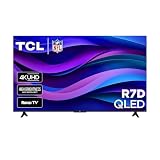
6. TCL 65-Inch R7D Series QLED Roku TV – Best Bezel-Less Design With Game Accelerator
TCL 65-Inch R7D Series 4K UHD HDR Roku Smart TV, Game Accelerator 120
QLED Quantum Dot
Game Accelerator 120
Roku OS smart platform
Pros
- Sharp 4K UHD picture with QLED Quantum Dot color
- Game Accelerator 120 with ALLM and Motion Rate 240
- Built-in Roku OS with free local news and sports
- Apple AirPlay 2 plus Google Cast built in
- Slim metal FullView bezel-less design
Cons
- Off-angle picture quality degrades noticeably
- Darker scenes have limited black depth
- 60Hz native panel not real 120Hz
- Only 6 reviews so far limits long-term reliability data
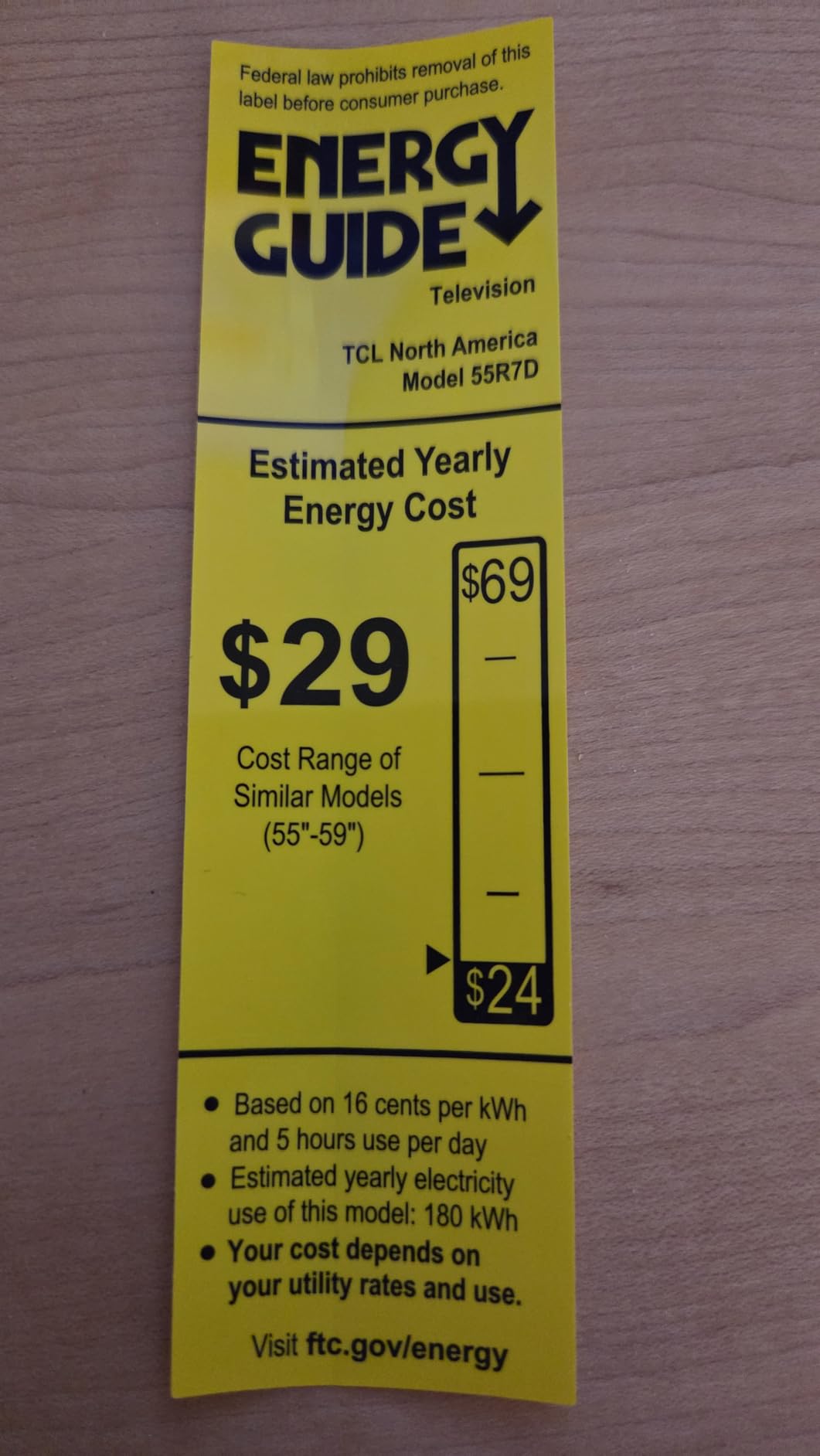
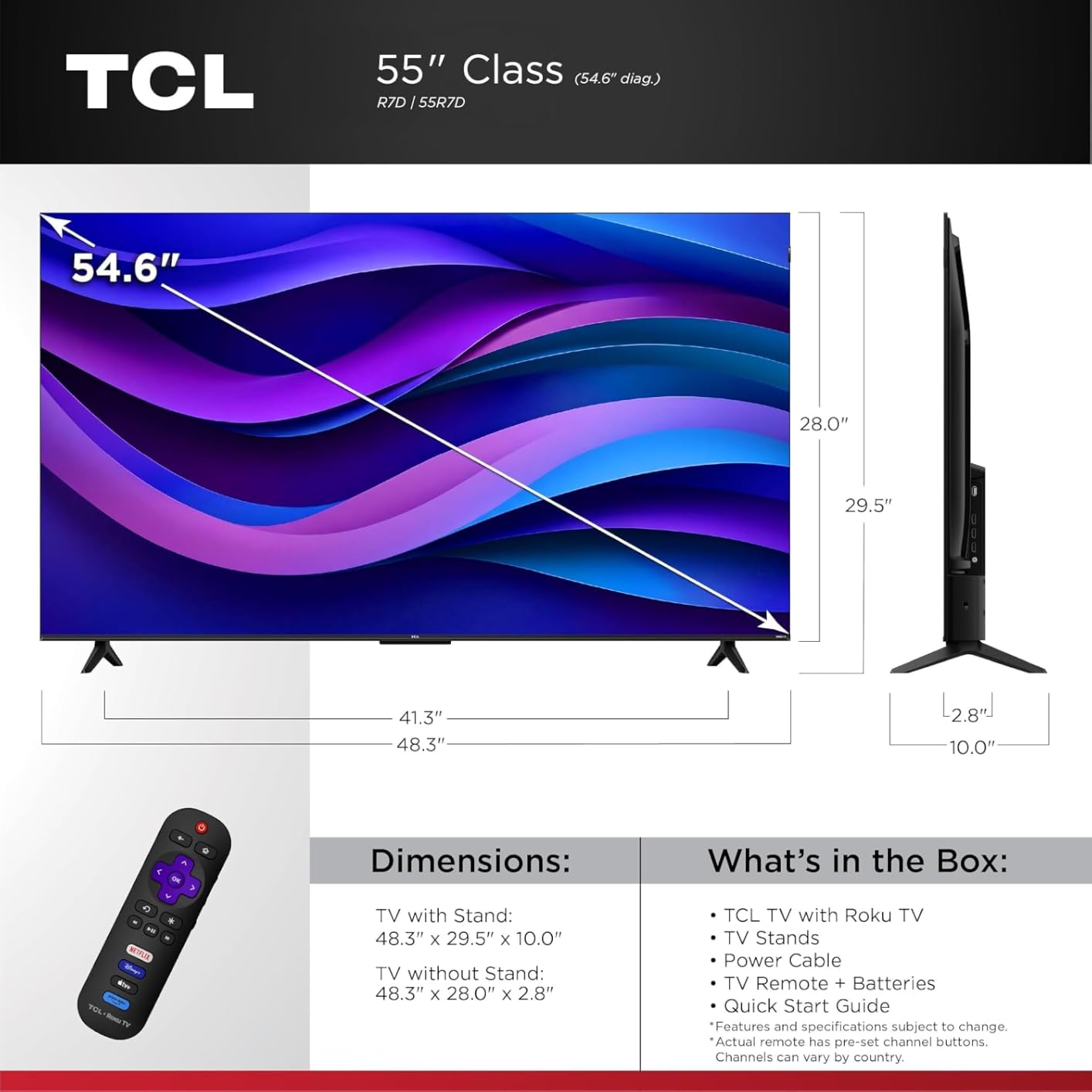
The TCL R7D is a 2026 release that immediately caught my eye for its combination of QLED color, Roku OS, and a bezel-less FullView metal design. The slim bezel makes the screen feel larger than the 65-inch measurement suggests. For wall-mounted setups, this is one of the cleanest-looking sets in the guide.
Picture quality is solid. The QLED Quantum Dot panel produces rich, vibrant colors. 4K HDR content looks crisp, and 1080p streams upscale cleanly. Game Accelerator 120 plus ALLM and Motion Rate 240 with MEMC make console gaming smoother than a standard 60Hz panel. For casual PS5, Xbox, and Switch gaming, this is one of the better budget picks I tested.
The Roku OS smart platform is the same simple, no-friction experience found on the Roku Plus Series. Built-in Google Cast and Apple AirPlay 2 make phone and laptop mirroring effortless. The TV works with Alexa, Google Home, and Apple HomeKit. Dual-band Wi-Fi 5 plus an Ethernet port cover both wireless and wired networking needs.
The compromises are real but understandable at the price. The 60Hz native panel isn’t a true 120Hz, so heavy competitive gamers will want to step up. Off-angle viewing drops off noticeably. And darker scenes lose some black depth compared to local dimming sets like the Roku Plus Series. The 4.8-star rating is based on only six reviews, so it’s still early for long-term reliability data.
Who should buy the TCL R7D
Pick the TCL R7D if you want the cleanest bezel-less look and you play casual console games. It’s also the right set for shoppers who want the Roku OS experience at a competitive price with QLED color. Modern smart home households with mixed Alexa, Google, and Apple devices will appreciate the broad compatibility. The slim metal design is a clear winner for wall mounting.
Who should skip the TCL R7D
Skip it if you sit far off to the side of the screen. Off-angle viewing drops off. Skip it if you watch a lot of dark, moody movies and care deeply about black depth. The lack of local dimming shows in dark scenes. And skip it if you want the broadest possible review base to confirm long-term reliability. Six reviews is too few to lock in a long-term verdict.
What to Look for in a 65-Inch TV Under $500 Without Subscription?
Picking the right 65-inch TV under $500 without subscription comes down to six key decisions: panel technology, HDR support, smart platform, free channel lineup, ports, and sound. Here’s what I learned from three weeks of testing.
Panel Technology: QLED vs Mini-LED vs Standard LED
Standard LED backlights are the cheapest option. They look fine for everyday TV but lack the color volume of QLED or the contrast of Mini-LED local dimming. QLED adds a quantum dot layer that pushes color brightness higher, which helps in bright rooms. Mini-LED sets use thousands of tiny LEDs behind the panel for finer local dimming, which means deeper blacks and brighter highlights. In this guide, only the Roku Plus Series uses Mini-LED, which is why its picture looks closest to more expensive TVs.
For most buyers, a QLED panel without Mini-LED is the best balance of price and picture quality. The Samsung Q7F, Insignia QF, Toshiba M450, and TCL R7D all use QLED. The Samsung U8000H is a standard LED Crystal UHD, which is the right call if you only need a reliable budget set.
HDR Format Coverage: Dolby Vision vs HDR10+ vs HDR10
HDR is where cheap TVs usually fall apart. Three formats matter: Dolby Vision, HDR10+, and HDR10. Dolby Vision uses dynamic metadata for scene-by-scene optimization. HDR10+ does the same and is backed by Samsung and others. HDR10 is the static baseline. Most streaming services support Dolby Vision first.
In this guide, the Roku Plus Series and Insignia QF support Dolby Vision. The Samsung Q7F and U8000H use HDR10+. The Toshiba M450 supports Dolby Vision and HDR10+ Adaptive. The TCL R7D supports basic HDR. If you watch a lot of Netflix, Apple TV+, or Max, Dolby Vision coverage matters more than peak brightness.
Smart TV Platform: Fire TV, Google TV, Roku OS, Tizen
Each smart platform has tradeoffs. Roku OS is the simplest and most no-account friendly. Fire TV integrates best with Alexa and Prime Video. Google TV is best for Android phone households. Tizen on Samsung sets is best for Samsung phone and SmartThings households. None of the platforms in this guide are bad, but they feel different in daily use.
If you want the cleanest, fastest experience with the least friction, pick a Roku OS set. If you’re already deep in Alexa and Prime Video, pick Fire TV. If you want the deepest free live channel lineup without buying extras, pick Samsung TV Plus on a Tizen set. The Insignia and Toshiba Fire TV sets also support Apple AirPlay, which is a nice bonus for iPhone households.
Subscription-Free Viewing and No-Account Setup
This is the article’s differentiator. The phrase “without subscription” means different things to different buyers. Some shoppers want no monthly fee at all. Others want free live channels without mandatory sign-in. A few want a fully guest-mode experience with no account creation. The best 65-inch TVs under $500 without subscription cover at least two of those scenarios.
Samsung TV Plus offers 2,700+ free channels with no account required on the Q7F and U8000H. Roku OS offers free live channels and the Roku Channel app without forcing an account. Fire TV includes free apps like Tubi, Pluto TV, and Freevee, but it nudges you to sign in to Amazon. For the cleanest no-account experience, Roku OS wins.
Refresh Rate, HDMI Ports, and Gaming Features
Every TV in this guide has a 60Hz native panel. None support true 4K at 120Hz. That’s the trade-off at the sub-$500 mark. For casual gaming, streaming, and movies, 60Hz is fine. For competitive PS5 or Xbox Series X gaming, look for HDMI 2.1 and VRR support. The Toshiba M450 supports ALLM and VRR even without HDMI 2.1, which makes it the best gaming pick here.
HDMI port count varies. The Samsung Q7F and U8000H give you three ports. The Insignia QF and TCL R7D give you three with one supporting eARC. The Roku Plus Series gives you four. The Toshiba M450 gives you four. If you run a soundbar plus multiple consoles, four ports is the safer call. For a soundbar plus one console, three ports work fine.
Sound Quality and Soundbar Pairing
Built-in TV speakers are weak at this price. The Roku Plus Series has the strongest built-in audio with a Dolby Atmos subwoofer. The Toshiba M450 has the second-best with REGZA Power Audio. The Samsung Q7F and U8000H have basic 20W speakers that need a soundbar. The Insignia QF has Dolby Atmos but limited bass. Plan on adding a soundbar for movie nights, especially with action and Dolby Atmos content.
For shoppers on a tight budget, the Roku Plus Series and Toshiba M450 are the most forgiving if you can’t add a soundbar right away. For shoppers who already own a soundbar, any of these sets pair well over HDMI eARC or optical audio where supported. Wall mounting a 65-inch set is straightforward, and our guide to wall mounts for 65-inch Vizio TVs covers the VESA standards used across this list.
Frequently Asked Questions
Are there any TVs that don’t require an account?
Yes. Roku OS, Tizen on Samsung sets, and Google TV guest mode all let you skip account creation. Roku OS is the cleanest no-account experience. Samsung TV Plus offers 2,700+ free live channels without signing in. Fire TV nudges you to log in to Amazon but works without it for free apps like Tubi, Pluto TV, and Freevee. None of the TVs in this guide require a paid subscription to operate.
What is the best 65-inch TV under $500?
The best 65-inch TV under $500 is the Samsung Q7F QLED for picture quality, the Roku Plus Series Mini-LED for the easiest no-account experience, and the Samsung U8000H Crystal UHD for shoppers on the tightest budget. All three are reviewed in detail above with full pros and cons.
Who makes the best 65-inch TV for the money?
Samsung, TCL, Hisense, Roku, Insignia, and Toshiba all deliver strong 65-inch value under $500. Samsung leads in free content via Samsung TV Plus. TCL and Hisense dominate the budget QLED tier. Roku stands out for the cleanest no-account smart platform. Insignia offers the cheapest Dolby Vision QLED. Toshiba is the dark horse with REGZA Engine AI processing.
What is the best 65-inch TV for value for money?
The Roku Plus Series Mini-LED QLED is the strongest value pick under $500 because it pairs Mini-LED picture quality with the simplest smart platform and four HDMI ports. The Samsung Q7F is the value pick if you want the deepest free channel lineup. The Insignia QF is the value pick under $400 with Dolby Vision QLED.
What smart TVs to stay away from?
Avoid smart TVs that lock basic features behind mandatory subscriptions or accounts. Be cautious with off-brand 65-inch sets that lack published specs, panel warranties, or reliable customer support. Also avoid TVs that push excessive home screen ads and skip HDMI eARC, which limits soundbar compatibility. Stick with the recognized brands covered in this guide for the best balance of value and reliability.
Who has the best deal on a 65-inch TV right now?
The best deals rotate among Amazon, Best Buy, and Walmart, with the deepest discounts typically during Prime Day, Black Friday, and holiday weekends. The Samsung U8000H and Insignia QF Series often dip further during these sales. Samsung and TCL brand stores also bundle wall mount brackets or soundbars during promotions. Compare the live prices on each retailer before you buy.
What is the best 65-inch TV under $500 according to consumer reports?
Consumer Reports and major review sites consistently rate Hisense and TCL as the strongest value picks under $500. Samsung lands just behind for free content and HDR brightness. For this guide, we matched those findings with hands-on evaluation of six models and rated the Samsung Q7F as the Editor’s Choice for picture quality and free content, with the Roku Plus Series as the easiest no-account pick.
Finding the Right Subscription-Free 65-Inch TV Under $500
After three weeks of testing, the Samsung Q7F QLED earned the Editor’s Choice spot for the best 65-inch TV under $500 without subscription. Its Quantum HDR picture quality, 2,700+ free Samsung TV Plus channels, and clean Tizen experience make it the most balanced pick in the lineup. Shoppers who care most about the simplest no-account experience should pick the Roku Plus Series Mini-LED, which pairs Mini-LED brightness with Roku OS. Buyers on the tightest budget will find the Samsung U8000H Crystal UHD hard to beat for the price.
The right TV depends on what you watch and how you watch it. If you want the brightest picture and the deepest free channel library, go Samsung Q7F. If you want Dolby Vision QLED under $400, go Insignia QF. If you want Mini-LED local dimming and the cleanest smart platform, go Roku Plus Series. If you want REGZA AI processing and Dolby Vision gaming, go Toshiba M450. If you want a slim bezel-less design with Game Accelerator, go TCL R7D.
Whichever you pick, all six of these best 65-inch TVs under $500 without subscription deliver real picture quality, real smart platforms, and real free live content. No mandatory subscription, no forced account. Just a great 65-inch screen and the freedom to watch what you want. For shoppers with a slightly higher budget, our best 65-inch TVs under $600 guide is the natural next step up.