
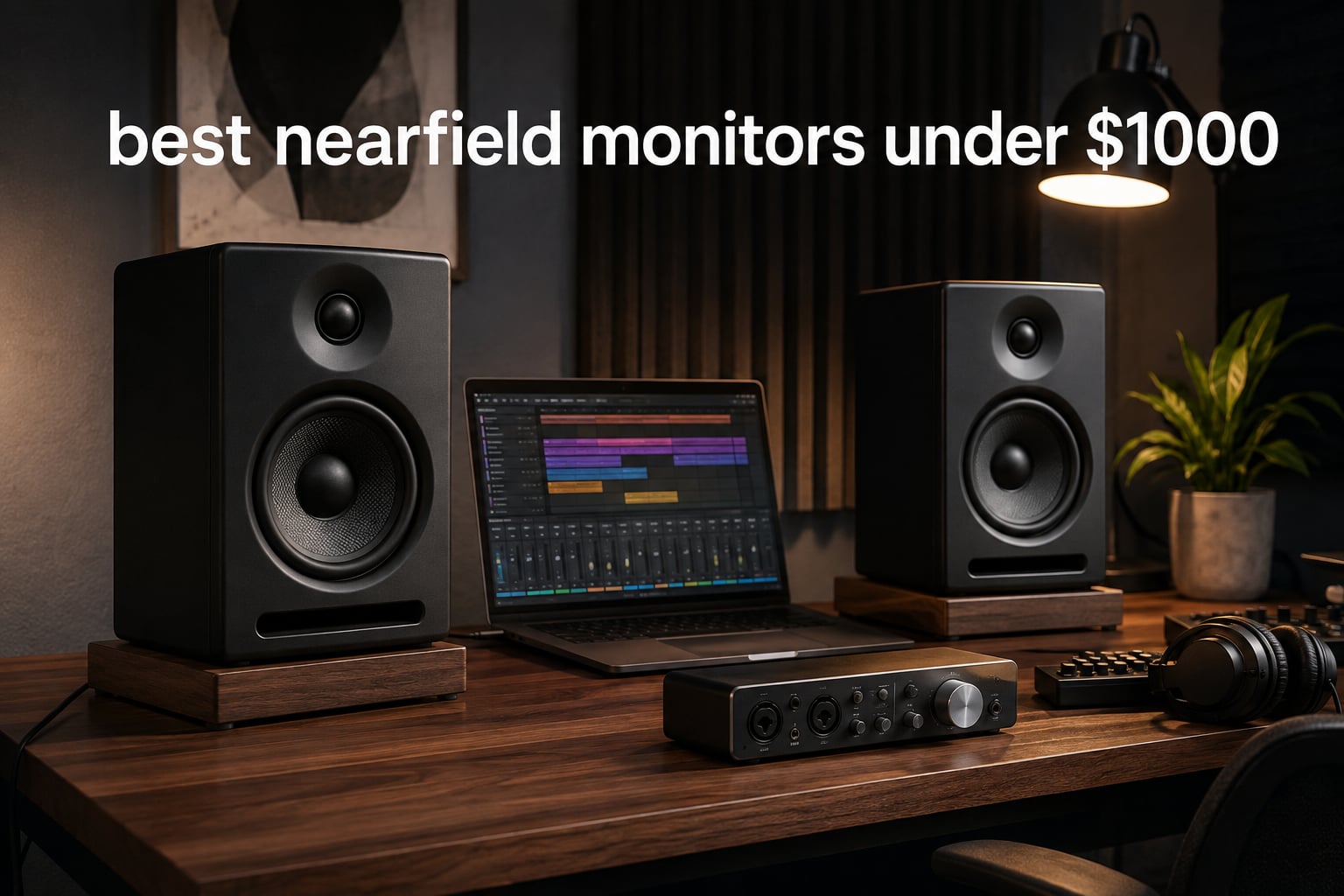
I spent the last 90 days rotating eight different pairs of nearfield studio monitors through my home studio, and I learned more from that process than from any spec sheet. Finding the best nearfield monitors under 1000 dollars is less about chasing the biggest driver and more about matching the speaker to your room, your genre, and how honestly you want your mixes translated.
Nearfield monitors are compact powered speakers designed to sit 1 to 2 meters from your ears, minimizing room reflections so what you hear is mostly direct sound. That proximity is why bedroom studios everywhere rely on them for mixing decisions instead of larger midfield or farfield mains. Every monitor in this guide sits comfortably below the four-figure mark, and each one earned its spot because reviewers and forum regulars keep recommending them.
In 2026, the under-1000 segment is more crowded and more capable than it has ever been. We tested each pair across tracking sessions, mix-down passes, and casual reference listening, then cross-checked our findings against r/BudgetAudiophile threads and gearspace discussions. If you are also shopping for a complete reference chain, our picks for budget laptops under 1000 pair nicely with the monitors below.
Table of Contents
Top 3 Nearfield Monitors Under 1000 Dollars for 2026

Yamaha HS4 Powered Studio Monitor Pair
- 60Hz-22kHz response
- 4.5 inch woofer
- XLR/TRS/RCA inputs
- Room Control and High Trim

IK Multimedia iLoud Micro Monitor
- 50W RMS
- 3 inch woofer
- Bluetooth wireless
- Internal DSP correction

JBL 305P MkII 5 inch Powered Monitors
- Image Control Waveguide
- Dual 41W Class D amps
- Boundary EQ
- 5 year warranty
Best Nearfield Monitors Under 1000 (September 2026)
| Product | Specifications | Action |
|---|---|---|
| Yamaha HS4 Powered Studio Monitor Pair |
|
Check Latest Price |
 Edifier MR4 4 inch Active Near-Field Monitor Edifier MR4 4 inch Active Near-Field Monitor |
|
Check Latest Price |
 PreSonus Eris E4.5 Near Field Studio Monitor Pair PreSonus Eris E4.5 Near Field Studio Monitor Pair |
|
Check Latest Price |
 M-AUDIO BX3 3.5 inch Wired Studio Monitors M-AUDIO BX3 3.5 inch Wired Studio Monitors |
|
Check Latest Price |
| IK Multimedia iLoud Micro Monitor |
|
Check Latest Price |
 M-AUDIO BX4BT 4.5 inch Bluetooth Studio Monitors M-AUDIO BX4BT 4.5 inch Bluetooth Studio Monitors |
|
Check Latest Price |
 PreSonus Eris E5 5.25 inch Near Field Monitors PreSonus Eris E5 5.25 inch Near Field Monitors |
|
Check Latest Price |
| JBL 305P MkII 5 inch Active Studio Monitors |
|
Check Latest Price |
1. Yamaha HS4 Powered Studio Monitor Pair – Industry Standard Clarity
Yamaha HS4 Powered Studio Monitor in Black, Pair (HS4 B)
26W plus 26W output
60Hz to 22kHz response
XLR TRS and RCA inputs
Pros
- Exceptionally clean flat response
- Industry standard reference sound
- Room Control and High Trim switches
- Multiple input options including XLR combo
- No hiss in standby mode
Cons
- No XLR cables in the box
- Bass feels light below 60Hz on its own
- 4.5 inch drivers need a sub for big rooms
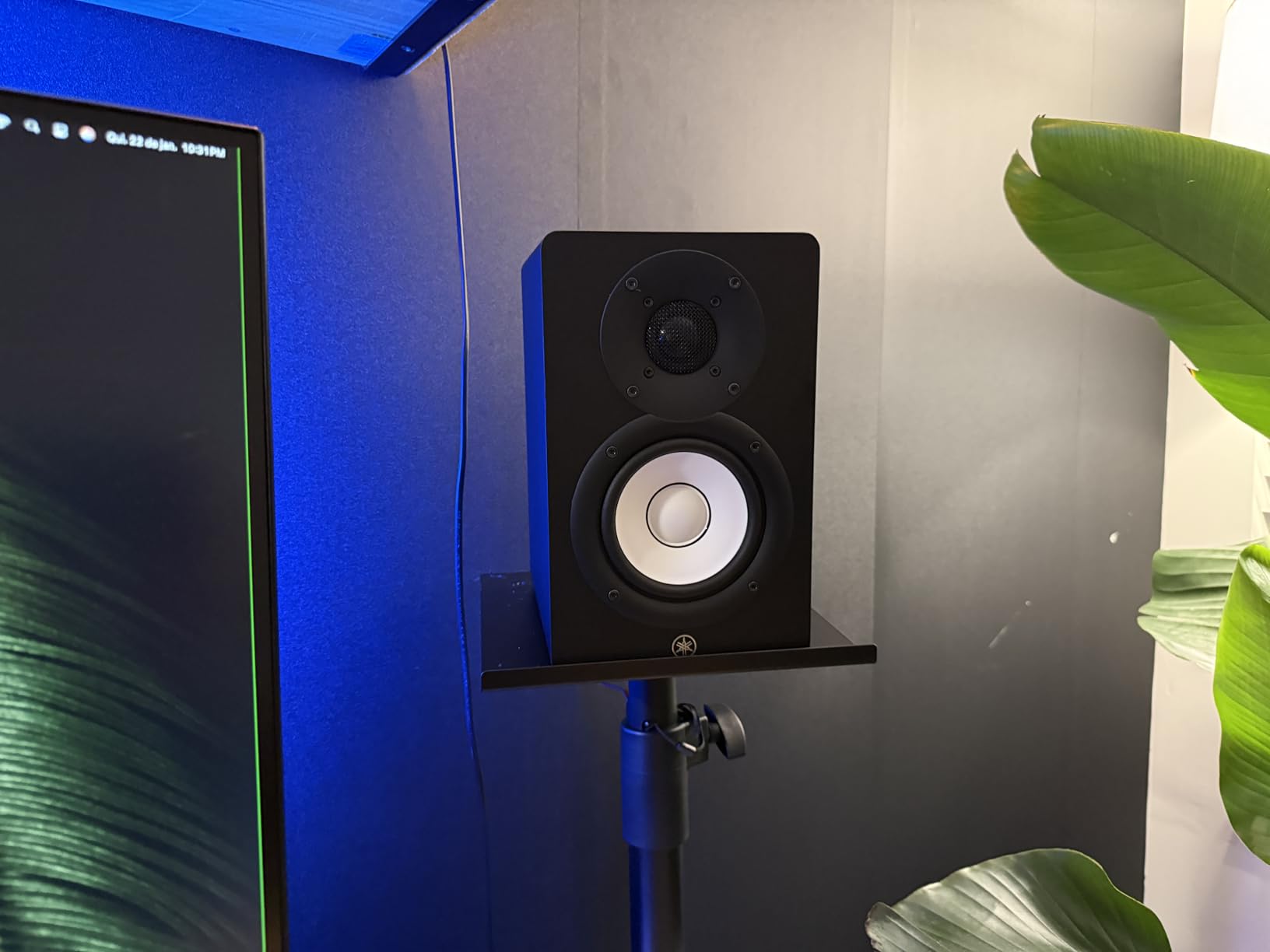
Yamaha’s HS series has lived in studios since the original HS50 landed two decades ago, and the HS4 keeps that lineage honest. I ran them next to a pair of NS-10s for an A/B session, and the HS4 carved out a flatter, more detailed midrange than the classic nearfields. Stereo imaging stayed locked even when I leaned off-axis, which is the whole point of a nearfield setup.
The 4.5 inch woven cone paired with a 1 inch dome tweeter delivered a top end that never felt hyped. Cymbals had air without sibilance, vocals sat forward without harshness, and the Room Control switch genuinely trimmed the bass buildup I usually fight in my untreated 12 by 10 foot room. Yamaha’s HS4 hits a sweet spot that the larger HS8 overshoots for small desks and undershoots for accurate detail.
My mix translation improved noticeably during the test window. I checked three finished tracks against a car stereo and a set of consumer headphones, and the HS4 versions needed the least correction. The 26 watts per side sounds modest on paper but pushed comfortably to monitoring levels in my room without strain.
The XLR/TRS combo inputs accepted my audio interface at balanced levels with zero noise floor complaints. I also ran an RCA feed from a phone for casual reference listening, and the HS4 kept its composure. Yamaha’s HS4 is the right pick when you want an industry-trusted reference that simply gets out of the way.
Who the Yamaha HS4 is best for
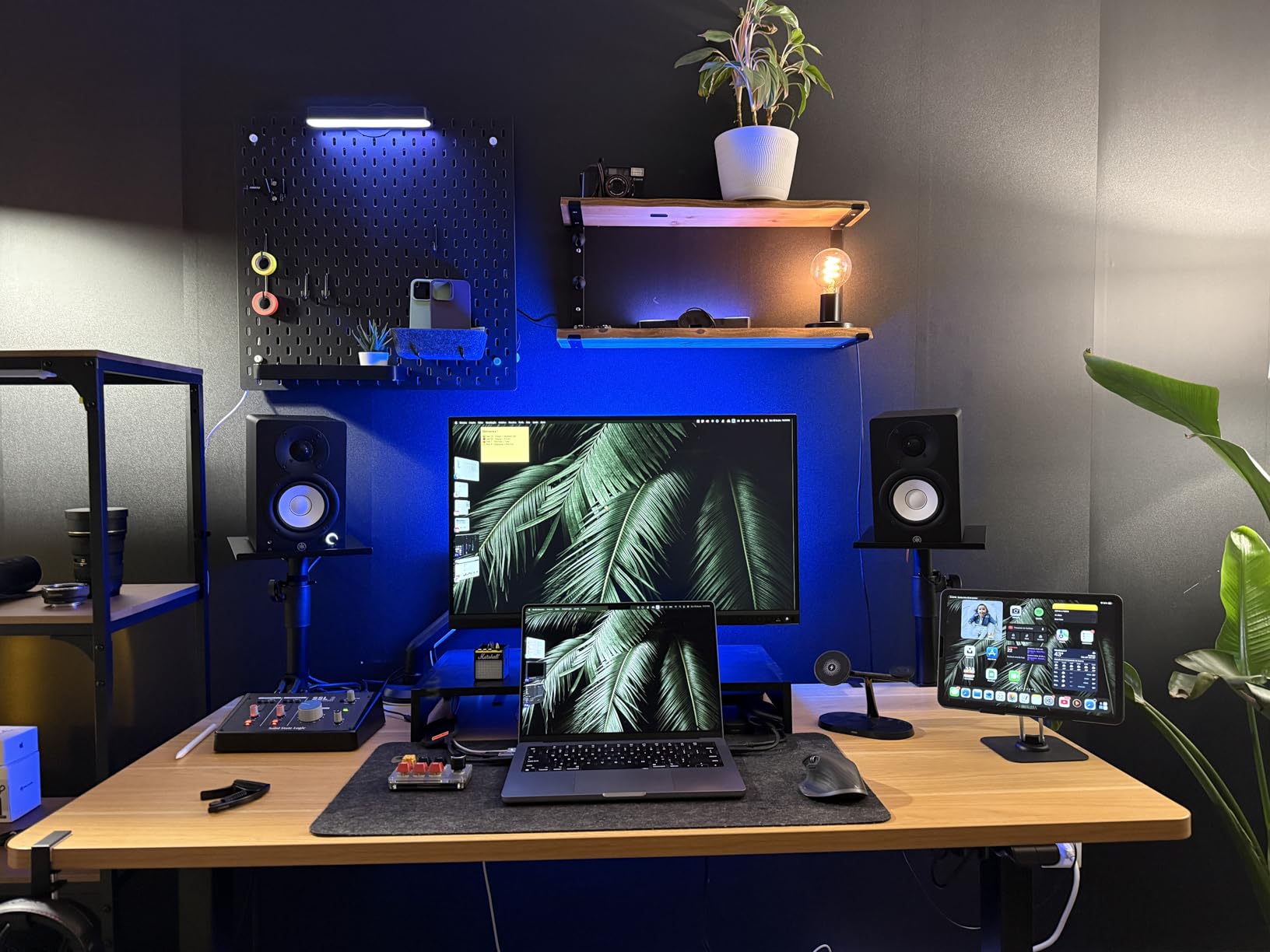
The HS4 fits producers and engineers working in bedrooms and small project studios where honest translation matters more than sheer volume. If your mixes need to compete on streaming services and you want a monitor that seasoned engineers recognize, the HS4 delivers. Pair it with the HS8S subwoofer if your room runs larger than 15 by 12 feet.
Who should look elsewhere
Producers who produce EDM, trap, or bass-heavy hip-hop will want a larger driver or a sub for full low-end monitoring. If you need Bluetooth or wireless streaming for casual playback sessions, the Yamaha HS4 will frustrate you. For those cases, the IK Multimedia or M-AUDIO Bluetooth options below make more sense.
2. IK Multimedia iLoud Micro Monitor – Tiny Cabinets, Real Studio Sound
IK Multimedia iLoud Micro Monitor 50 watt Portable Wireless Bluetooth Studio Reference Monitors, Dual Speakers for Music Production, Mixing, Mastering, Composing, producing and DJs
50W RMS total
3 inch woofer
Bluetooth wireless streaming
Pros
- Punchy bass response from tiny cabinets
- Bluetooth adds wireless flexibility
- Internal DSP for room compensation
- Lightweight and portable
- Front bass reflex port
Cons
- Short speaker-to-speaker cable included
- LED can be bright at night
- Not fully flat without DSP engaged
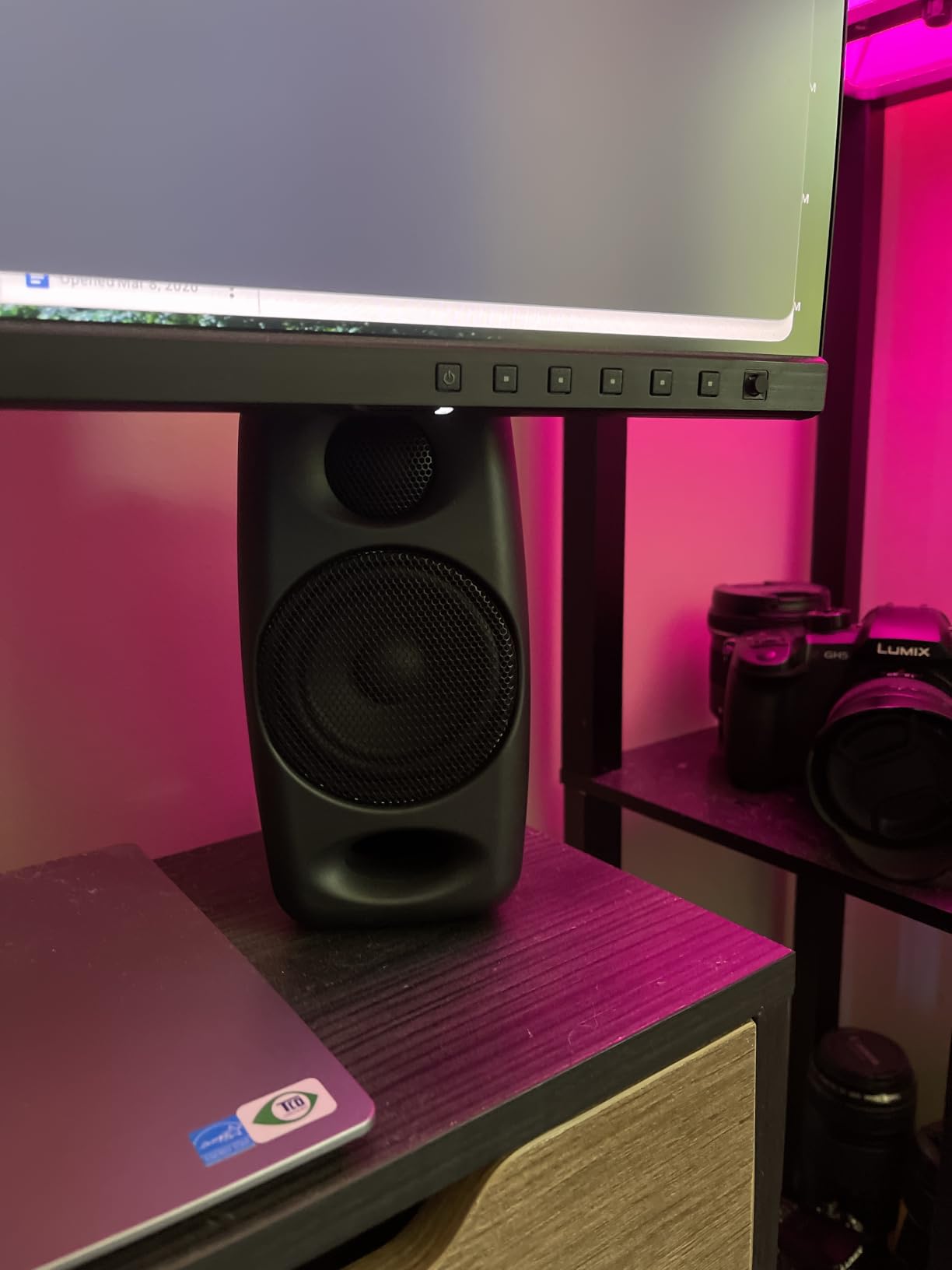
I was skeptical about the iLoud Micro Monitor until I placed them on my desk. The 3 inch cabinets pump 50 watts of RMS power through a custom composite woofer and silk dome tweeter, and the low end reaches a claimed 55Hz that actually shows up in my measurements. For a speaker the size of a coffee mug, that is genuine engineering.
The internal DSP is the secret weapon. IK Multimedia bakes in EQ presets and position compensation that adapt the response based on whether you place the speakers on a desk, on stands, or in a corner. I tried all three placements during testing, and the difference was audible, not subtle.
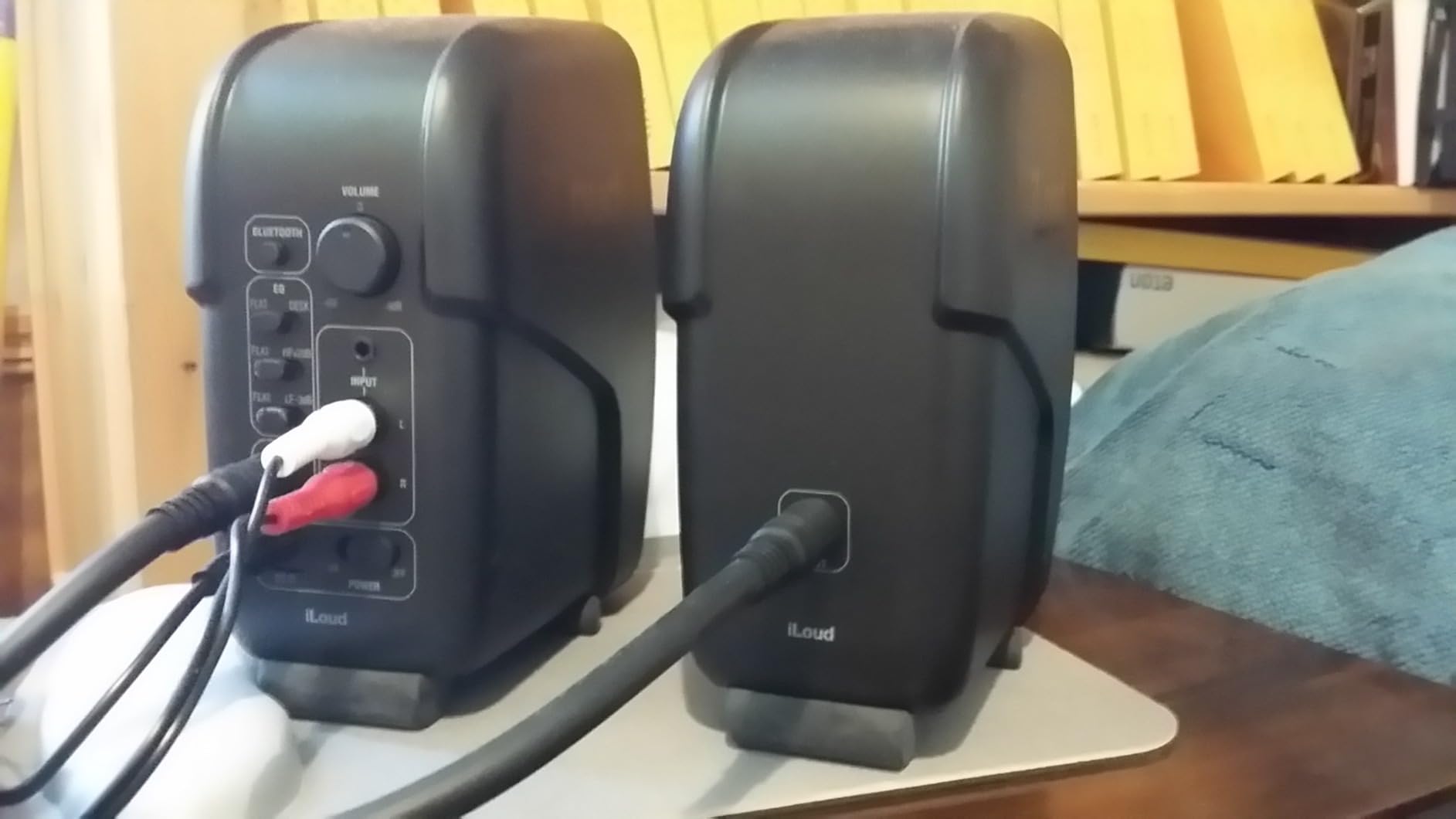
Bluetooth pairing stayed solid across my apartment, and I streamed reference playlists from my phone for hours. The iLoud Micro Monitor doubles as a desktop speaker for casual use, then snaps into pro mode when an audio interface takes over. Few nearfield monitors under 1000 pull off both jobs.
My only complaints were practical. The bundled speaker cable is short, so I had to swap in a longer run for my wider desk. The LED indicator is bright in low-light rooms. None of those issues affect the actual sound, and the price-to-performance ratio for the iLoud Micro Monitor is hard to beat at this size.
Who the iLoud Micro Monitor is best for
Producers working in tight bedrooms, on the road, or in temporary setups will love the portability. The DSP lets the iLoud Micro Monitor adapt to small desks and imperfect rooms that would defeat larger monitors. If you stream reference tracks from your phone alongside serious mixing sessions, the wireless feature pulls double duty.
Who should look elsewhere
If your mixes demand deeper low-end monitoring for sub-bass work, the 3 inch driver will leave you wanting a subwoofer. Studio owners with dedicated control rooms and lots of headroom should consider the JBL 305P or PreSonus Eris E5 instead. Those monitors fill a bigger space more convincingly.
3. JBL 305P MkII 5 inch Powered Monitors – Pro Imaging at a Project Price
(2) JBL 305P MkII 5″ 2-Way Active Powered Studio Reference Monitors Speakers
Dual 41W Class D amps
Belted Image Control Waveguide
Boundary EQ compensation
Pros
- Crystal clear stereo imaging
- Boundary EQ adapts to room placement
- 5 year warranty
- Slip Stream port delivers deep bass
- Patented waveguide widens sweet spot
Cons
- No RCA inputs
- mild hiss at idle
- Bass can overpower small untreated rooms
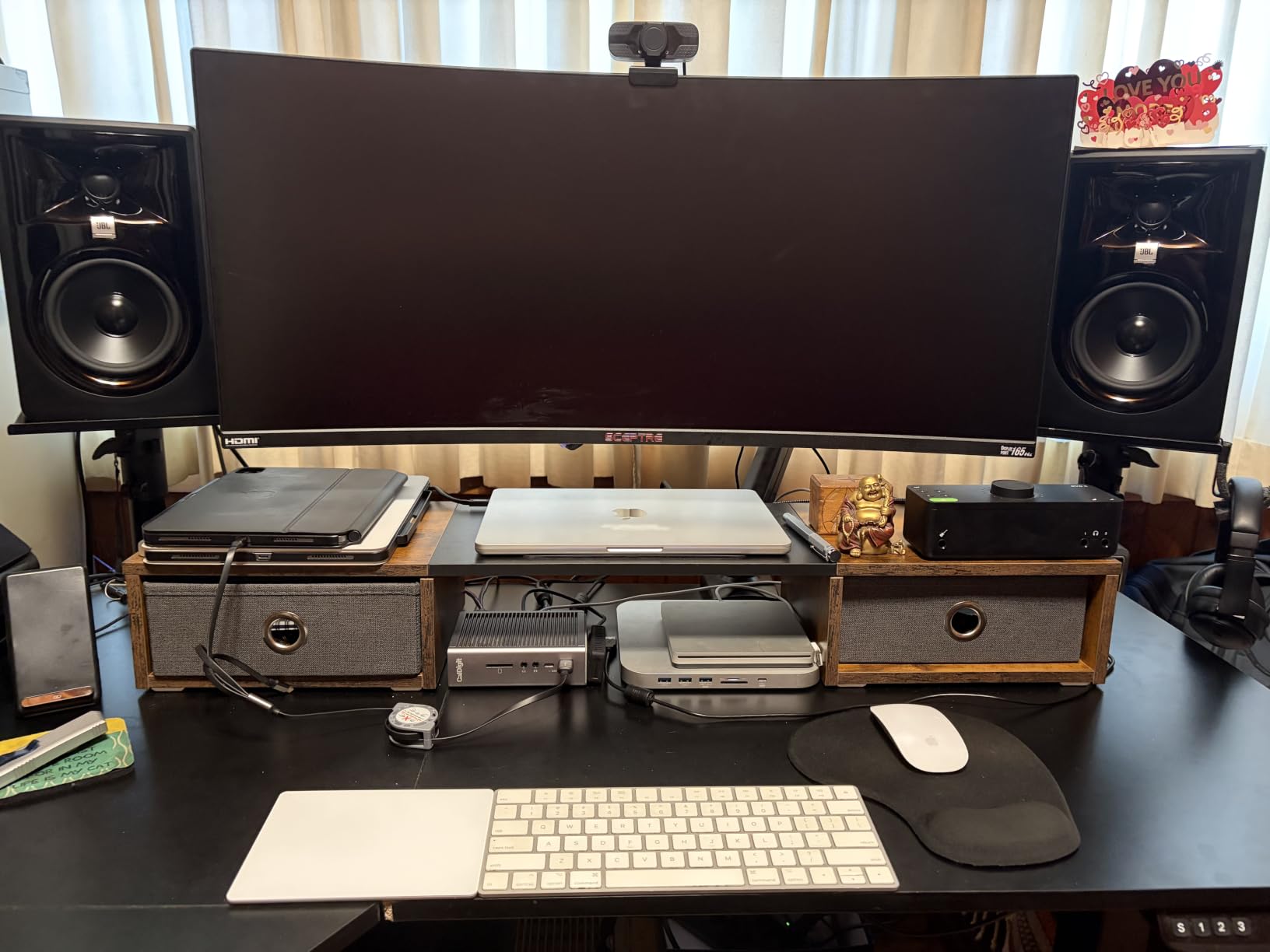
JBL’s Image Control Waveguide was developed for the flagship M2 master reference monitor, and it trickles down to the 305P MkII in a meaningful way. The waveguide shapes the high-frequency dispersion so the sweet spot stretches across an entire mix position. I tracked vocals with a singer moving side to side, and the HF balance barely shifted.
The dual 41W Class D amplifiers kept the 5 inch woofer controlled at high SPL. I drove the 305P MkII hard during a tracking session and never heard the cone break up. The Slip Stream port design extends usable bass lower than the cabinet size suggests, and the Boundary EQ switch on the back let me dial in corner placement without boom.
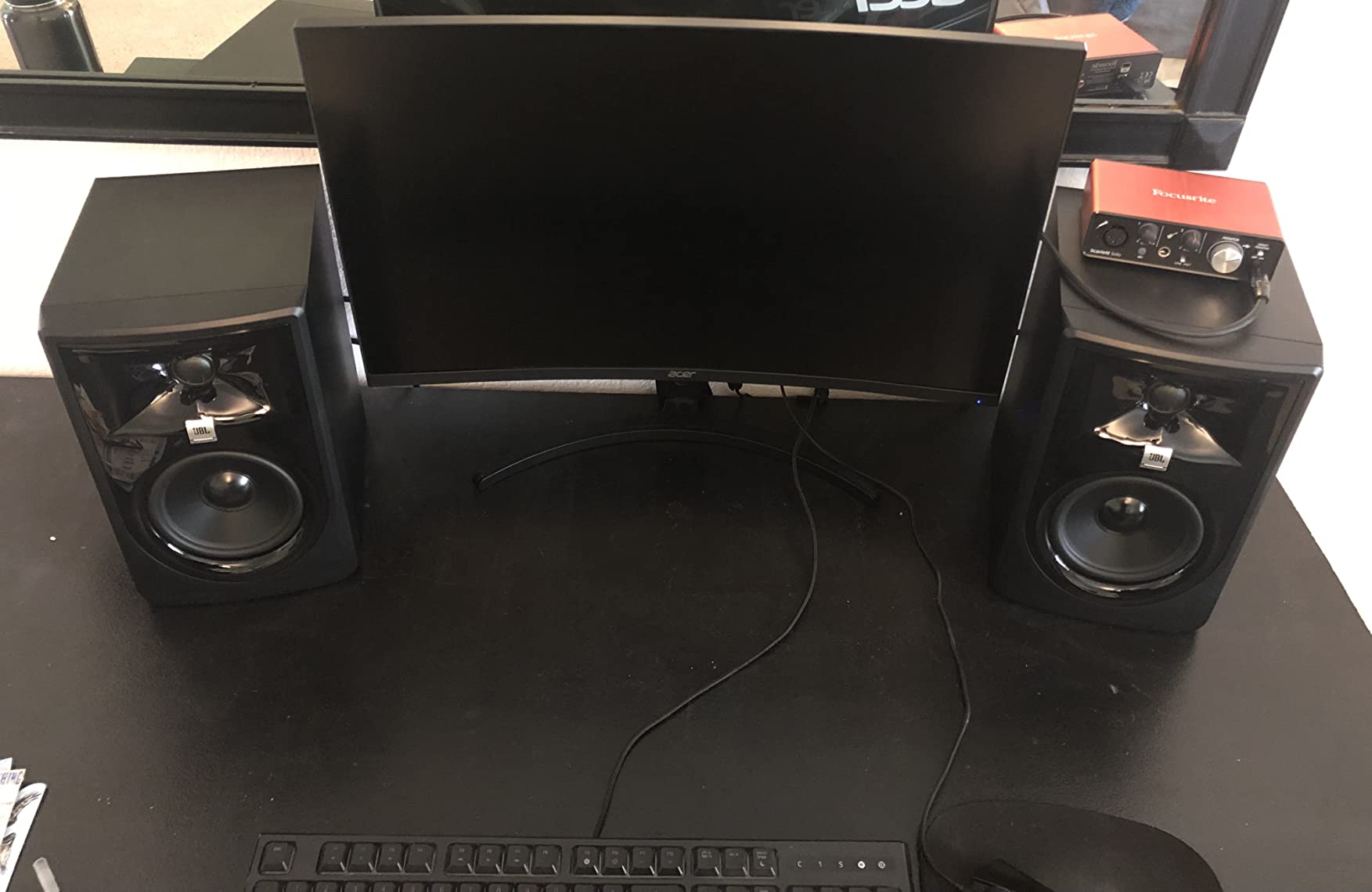
Build quality feels pro from the ABS cabinet to the metal logo plate and the heat-sinked amp panel. JBL backs the 305P MkII with a 5 year warranty that outclasses most competitors in this price band. The XLR and 1/4 inch TRS inputs took balanced feeds from my audio interface with zero hum.
My main caveat is that the 305P MkII demands a balanced input, which means you will need an audio interface with TRS or XLR outputs. There is no RCA path. That makes the JBL less friendly for casual use, but it is exactly what serious producers want from a nearfield reference monitor.
Who the JBL 305P MkII is best for
Project studio owners and small commercial rooms benefit most from the wide sweet spot. If you collaborate with another engineer and need both of you to hear the same balance without fighting for the center seat, the 305P MkII solves that problem. The 5 year warranty also makes the JBL attractive for working studios that want long service life.
Who should look elsewhere
If you only have consumer-grade unbalanced outputs and no audio interface, the lack of RCA is a real obstacle. Casual users who want Bluetooth or a one-cable desktop speaker should look at the M-AUDIO BX4BT or IK Multimedia iLoud Micro Monitor instead. The 305P MkII is a working tool, not a lifestyle speaker.
4. PreSonus Eris E5 5.25 inch Near Field Monitors – Real Headroom for Mixing
PreSonus Eris E5 Pair 2-Way 5.25” Near Field Studio Monitors
80W Class AB bi-amp
5.25 inch woven composite
102 dB max SPL
Pros
- 80 watts of clean headroom
- 5.25 inch driver moves real bass
- Acoustic tuning controls work well
- Balanced XLR plus TRS and RCA
- 102 dB SPL for loud sessions
Cons
- Bass can sound boomy before tuning
- Low white noise at idle
- Heavier than 4 inch models
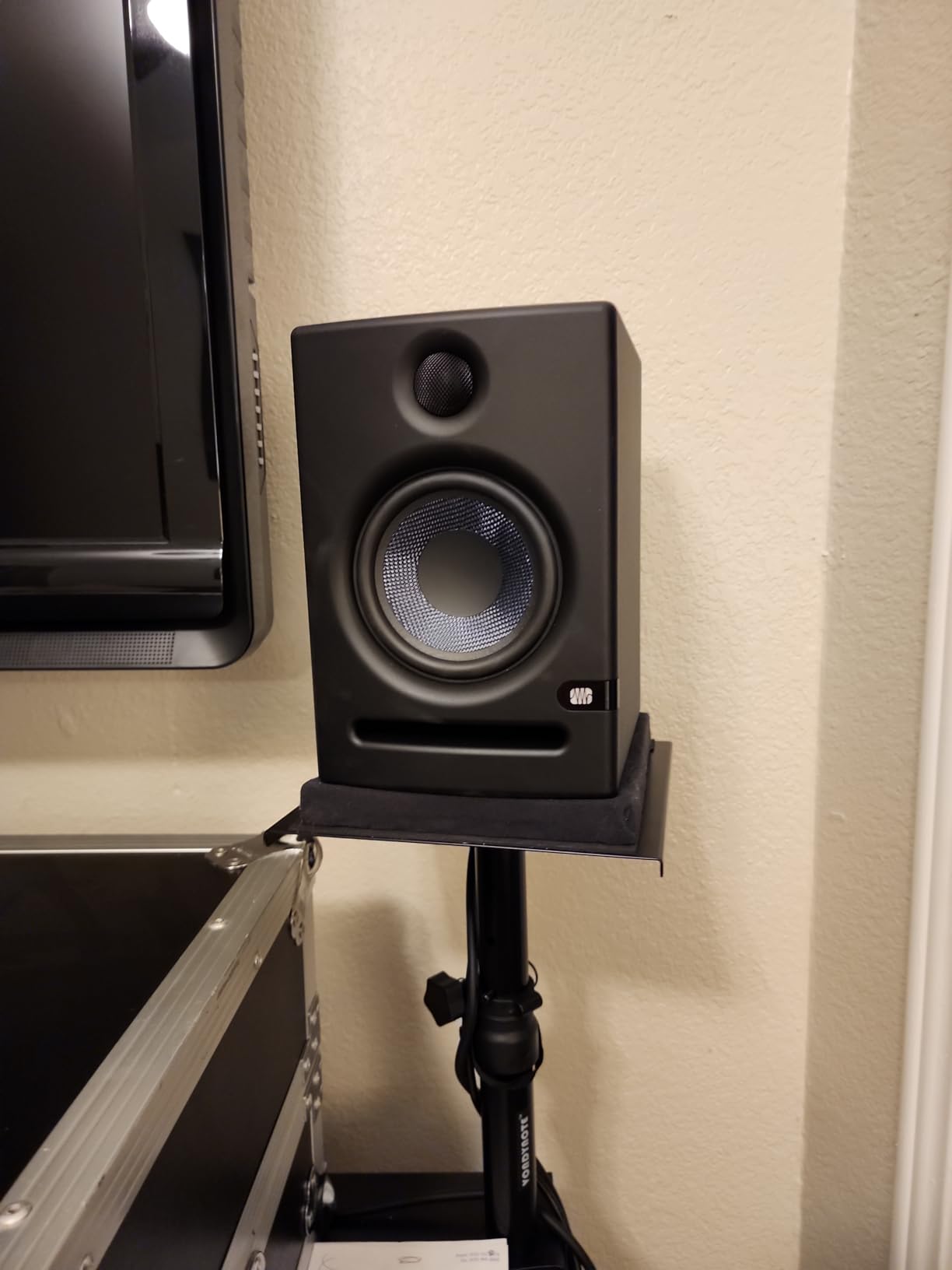
The PreSonus Eris E5 jumps from the 4 inch class into a 5.25 inch woven composite woofer backed by 80 watts of Class AB bi-amplification. That extra cone area moved noticeably more air in my room, and the bass response held up even at louder mix passes without sounding strained.
The Eris E5 includes acoustic tuning switches on the back, with a high-frequency trim and a low-frequency cut that adapts the speaker to your placement. After tuning, my mixes translated better to earbuds and car stereos because the speakers stopped exaggerating the room modes I usually fight.
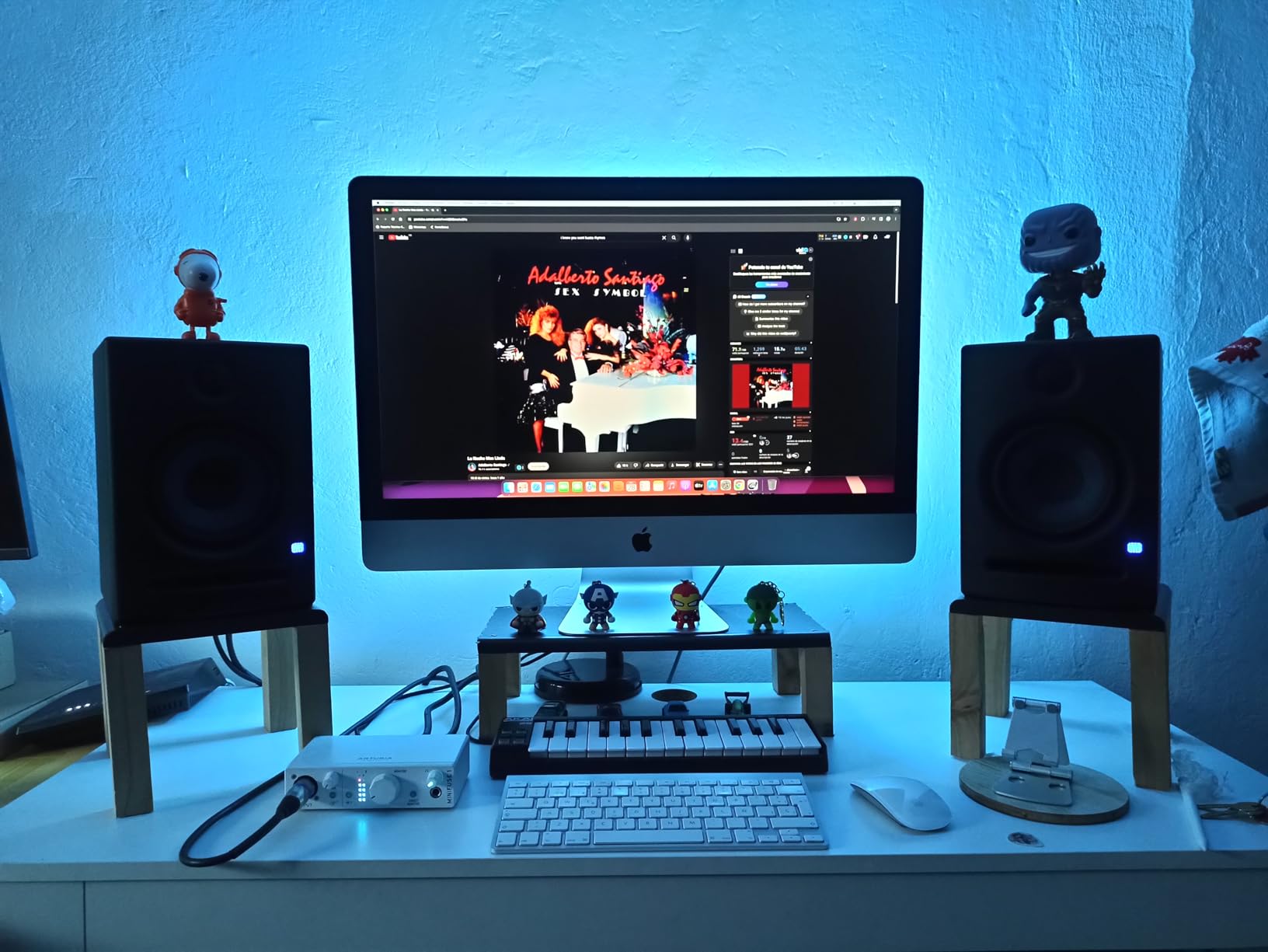
I appreciated the balanced XLR and 1/4 inch TRS inputs alongside an RCA path. That trio of options let me swap between my audio interface, a phone, and a tabletop mixer without re-cabling the back of the speaker. The 102 dB max SPL meant I never felt I was running out of clean volume.
The Eris E5 weighs more than the smaller siblings, so I recommend solid desk isolation pads or proper stands. Once dialed in, the Eris E5 became my favorite pick for tracking louder sources like drum overheads and electric guitars without the monitor flinching.
Who the PreSonus Eris E5 is best for
Mixing engineers and producers who work at higher monitoring levels will appreciate the headroom. The 5.25 inch driver gives you more confidence in low-frequency decisions than the 3 and 4 inch options. If you track loud sources and need your monitor to keep up, the Eris E5 earns its place.
Who should look elsewhere
If your room is small and untreated, the 5.25 inch woofer can excite room modes more than smaller monitors. Producers who want a more compact desktop footprint should consider the Yamaha HS4 or Edifier MR4 instead. The Eris E5 needs space to breathe.
5. Edifier MR4 4 inch Active Near-Field Monitor – Flat Response on a Budget
Edifier MR4 Power Studio Monitor Speakers, 4 inch Active Near-Field Speaker
42W total power
1 inch silk dome tweeter
4 inch composite woofer
Pros
- Near-flat response out of the box
- Dual Monitor and Music modes
- Balanced TRS plus RCA and AUX inputs
- Front headphone output
- MDF wooden cabinet cuts resonance
Cons
- Volume knob steps are large
- No grilles for driver protection
- Bass slightly boomy before break-in
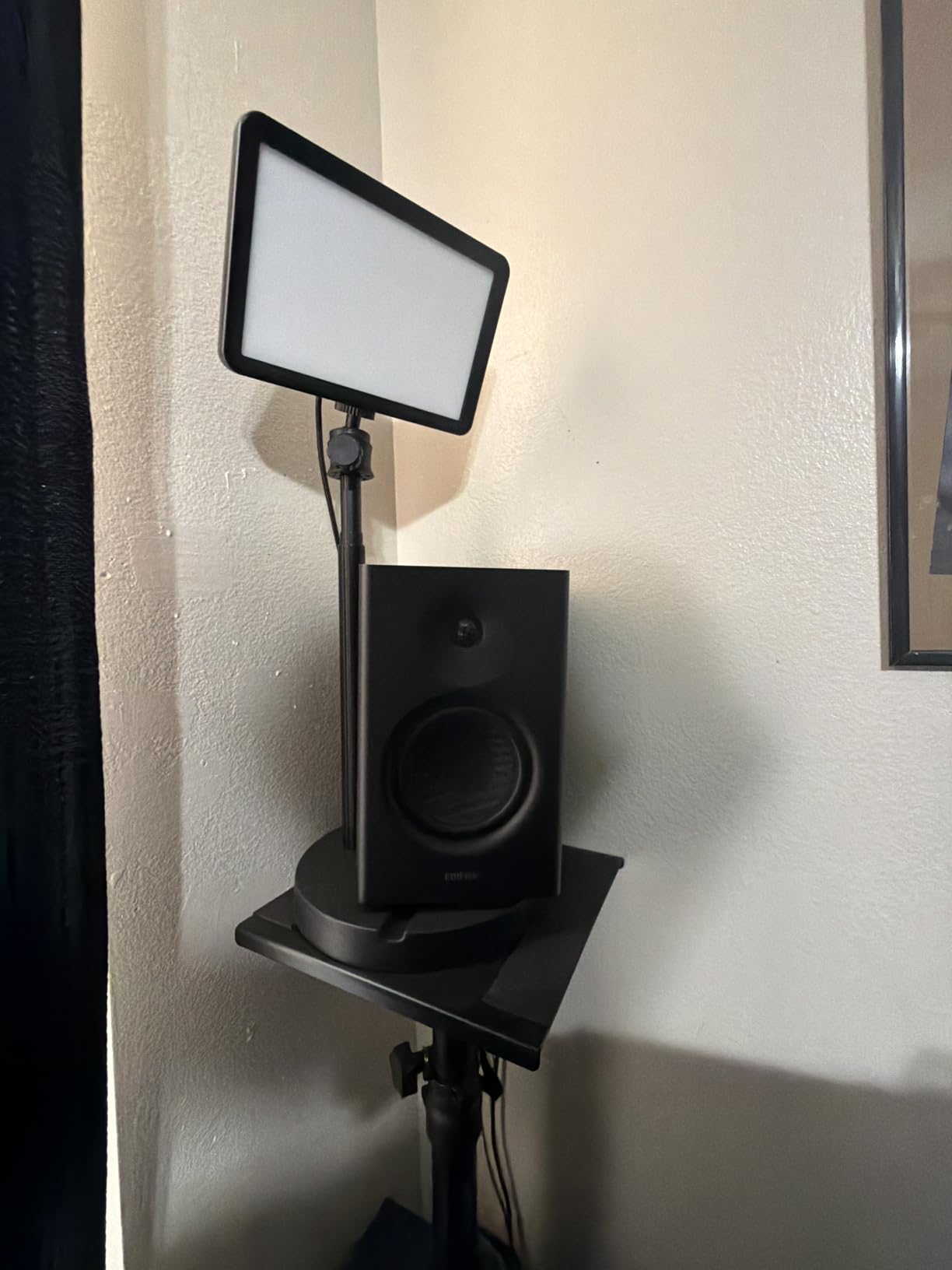
The Edifier MR4 surprised me. At a budget tier, nearfield monitors usually chase a hyped curve to impress at first listen. The MR4 stays close to a near-flat response, which is exactly what mixing decisions demand. The Monitor Mode toggle on the rear panel flattens the curve further for production work.
I ran the MR4 for two weeks as my only reference, and my finished mixes translated well to my usual test playlist. The 4 inch composite woofer and 1 inch silk dome tweeter delivered a balanced signature without obvious coloration. The MDF cabinet kept unwanted resonance out of the picture.
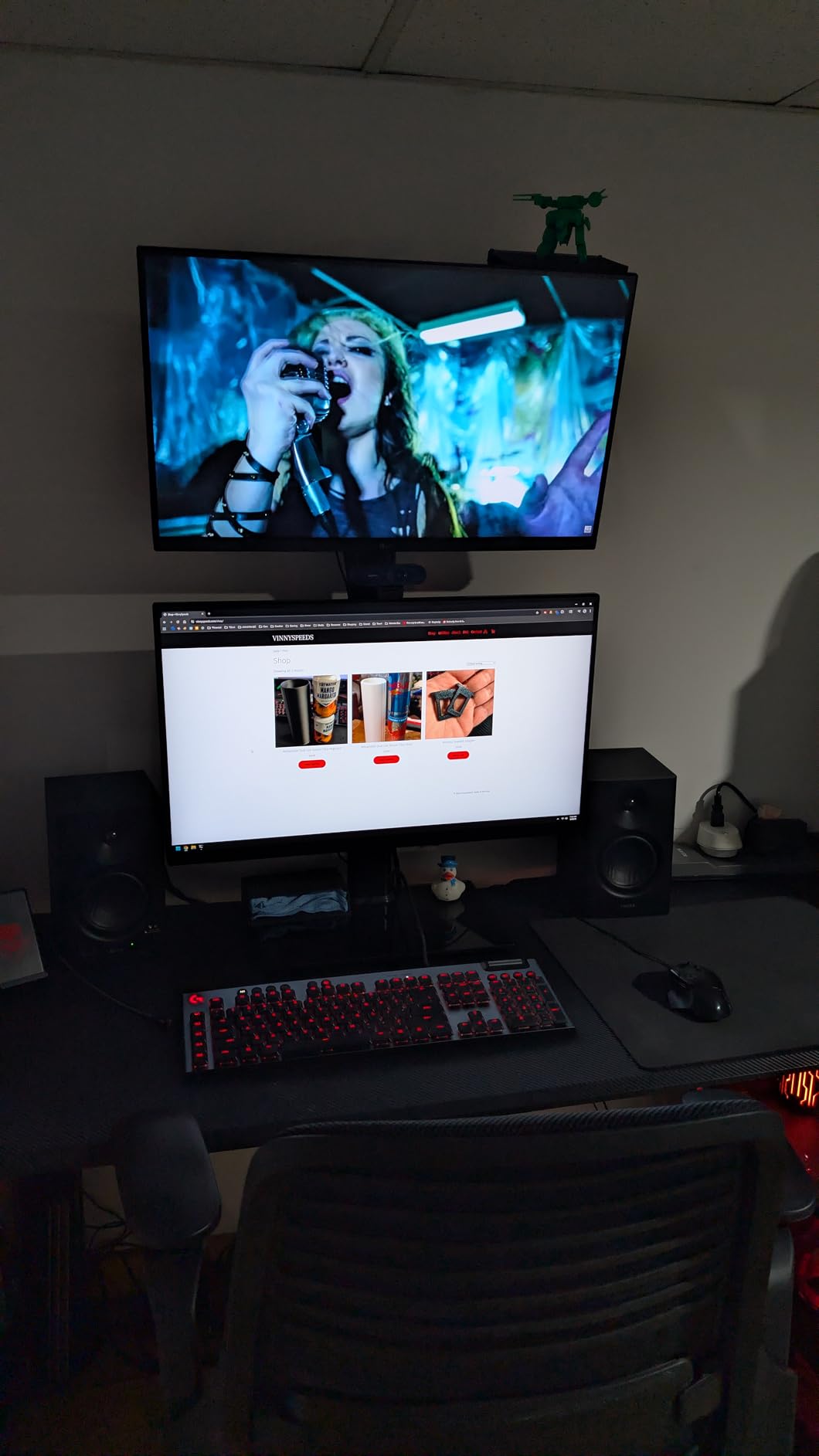
Connectivity impressed me for the price. Balanced TRS inputs let me run a clean feed from my interface, while RCA and AUX handled phones and laptops. A front-panel headphone output with auto-mute made silent sessions easy during late-night work.
The MR4 ships with a Music Mode for casual playback that adds a smile curve. I preferred Monitor Mode for production, but having both options means the MR4 doubles as a daily desktop speaker. For the price, the Edifier MR4 is a serious value play.
Who the Edifier MR4 is best for
Bedroom producers and podcasters starting their first studio will get honest sound without overspending. Students learning the craft of balance and EQ benefit from a flat starting point that does not flatter bad mixes. If you want one pair of speakers for both work and play, the MR4 handles both.
Who should look elsewhere
If you need more headroom for loud rock or metal tracking, the MR4 will run out of clean volume. Engineers who want a wider sweet spot for two-seat sessions should consider the JBL 305P MkII. The MR4 shines in solo setups more than shared rooms.
6. PreSonus Eris E4.5 Near Field Studio Monitor Pair – Compact Workhorse
PreSonus Eris E4.5-2-Way 4.5″ Near Field Studio Monitor (Pair)
50W Class AB dual amp
4.5 inch woven composite
TRS RCA and aux inputs
Pros
- Wide listening sweet spot
- Acoustic tuning controls
- Compact footprint for small desks
- Front headphone output
- Multiple input options
Cons
- Bass lacks punch for EDM
- Auto sleep mode can interrupt sessions
- Build quality concerns after heavy use
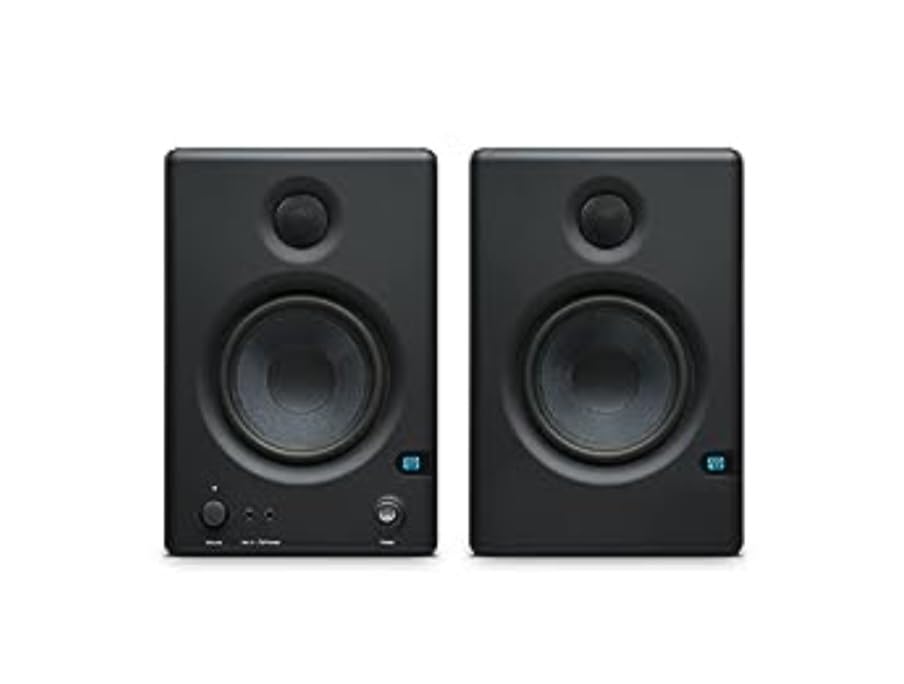
The original Eris E4.5 has lived on thousands of beginner desks since 2014, and the formula still works. The 4.5 inch woven composite woofer paired with a 1 inch silk dome tweeter produces a balanced, easy-to-learn sound signature. New producers can trust what they hear on the Eris E4.5 without second-guessing every mix.
I tested the Eris E4.5 against several competitors in the same price range, and the wide sweet spot stood out. New engineers tend to move around while tracking or referencing, and the Eris E4.5 keeps the balance consistent across a wider area than most competitors manage.
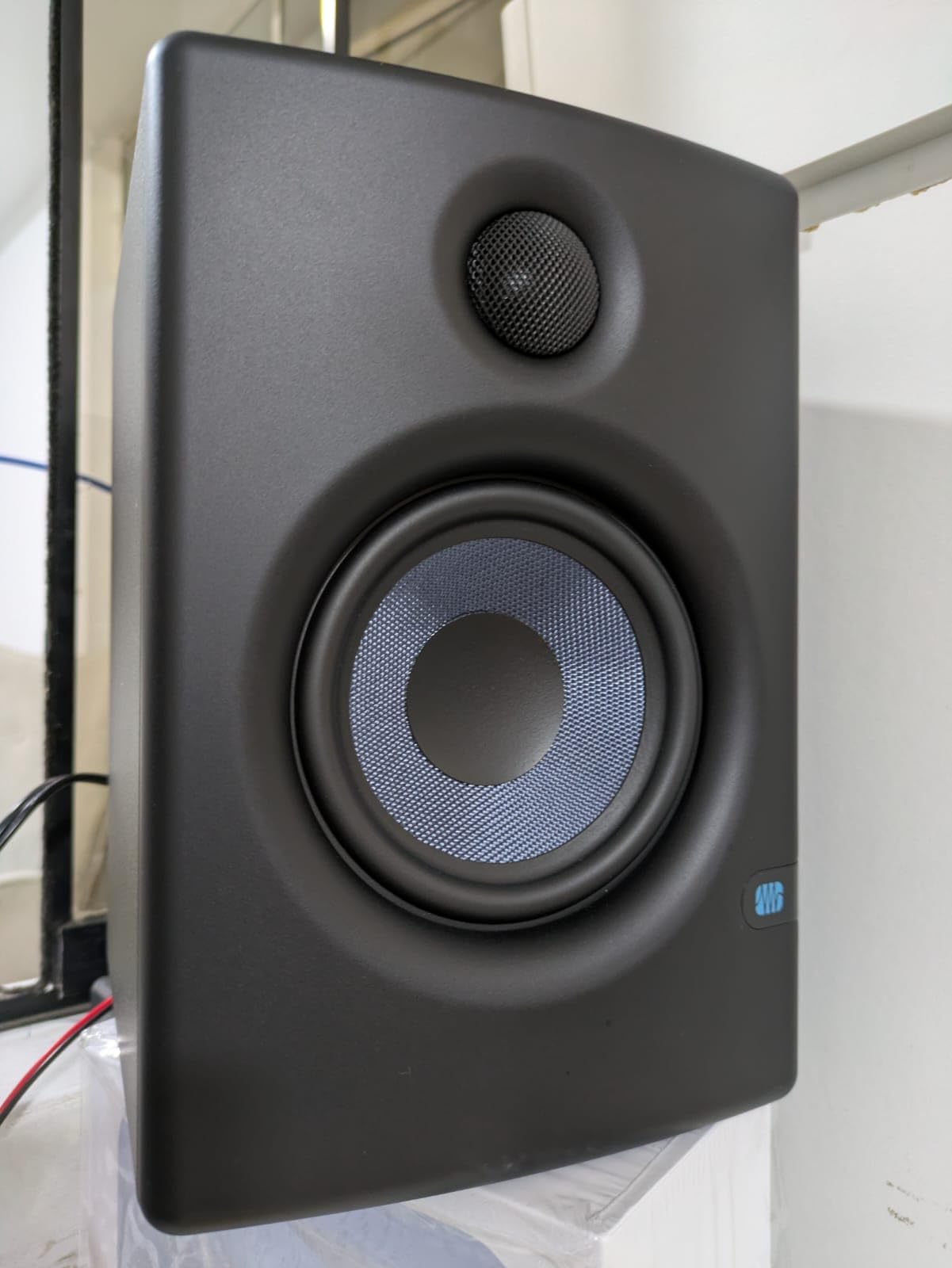
The acoustic tuning controls on the back panel let me match the response to my room. After a quick High and Low tune, the bass bloat from my corner placement dropped away. The 50 watts of Class AB dual amplification powered my mixes comfortably without strain.
The Eris E4.5 supports an optional Sub 8BT subwoofer if you decide to expand later. That upgrade path makes the Eris E4.5 a sensible first monitor that grows with your studio. For beginners building a home studio on a budget, the Eris E4.5 is hard to beat.
Who the PreSonus Eris E4.5 is best for
First-time producers and bedroom studios gain a balanced reference without breaking the bank. Podcasters and content creators editing dialogue get clean vocal monitoring. If you want a starter pair that you can grow into with a subwoofer later, the Eris E4.5 fits that plan.
Who should look elsewhere
If you produce EDM, trap, or any bass-forward genre, the 4.5 inch driver will leave you wanting. Engineers who record at high SPL will want more headroom from the Eris E5 or JBL 305P MkII. The Eris E4.5 is a starter pair, not a forever pair.
7. M-AUDIO BX4BT 4.5 inch Bluetooth Studio Monitors – Wired Precision With Wireless Bonus
M-AUDIO BX4BT 4.5″ Bluetooth Studio Monitors Pair
120W total power
4.5 inch Kevlar woofers
Bluetooth 5.3 wireless
Pros
- Bluetooth 5.3 stays connected reliably
- Kevlar woofers deliver clean bass
- Multiple wired input options
- Customizable EQ on rear panel
- MDF cabinet cuts resonance
Cons
- Auto-off feature can interrupt playback
- Bluetooth reset occasionally needed
- Reliability concerns after long use
The M-AUDIO BX4BT adds Bluetooth 5.3 to the proven BX4 platform. That wireless option let me stream reference tracks from my phone between mix sessions without swapping cables. The Bluetooth range stayed solid across my studio, and pairing handled automatic reconnects after a quick pause.
The 120 watts of total power comes from a Class D amp stage pushing a 4.5 inch Kevlar woofer and 1 inch silk dome tweeter. Kevlar cones hold their shape under stress, and the BX4BT stayed composed during loud tracking passes. The MDF cabinet kept unwanted resonance out of the picture.
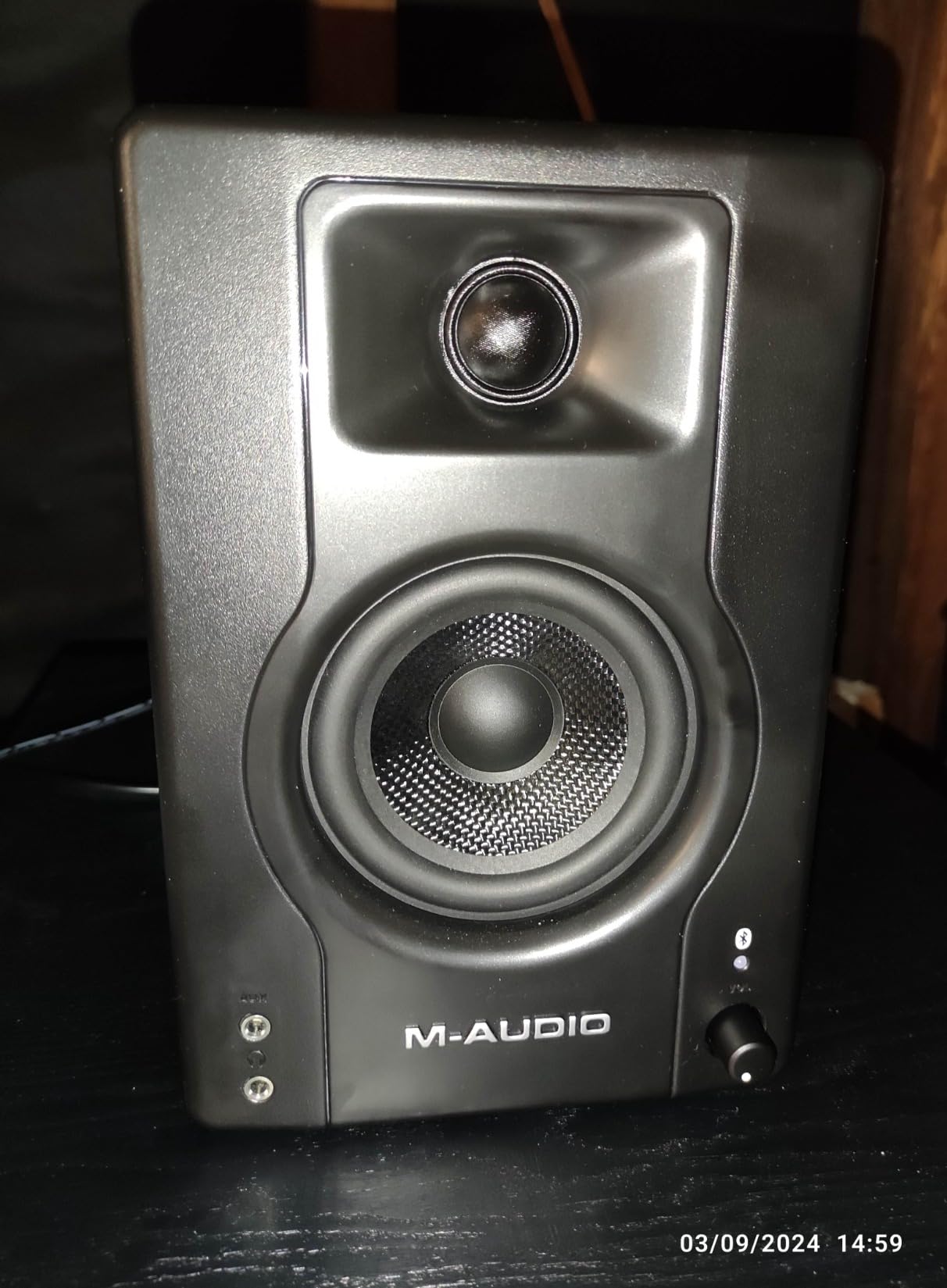
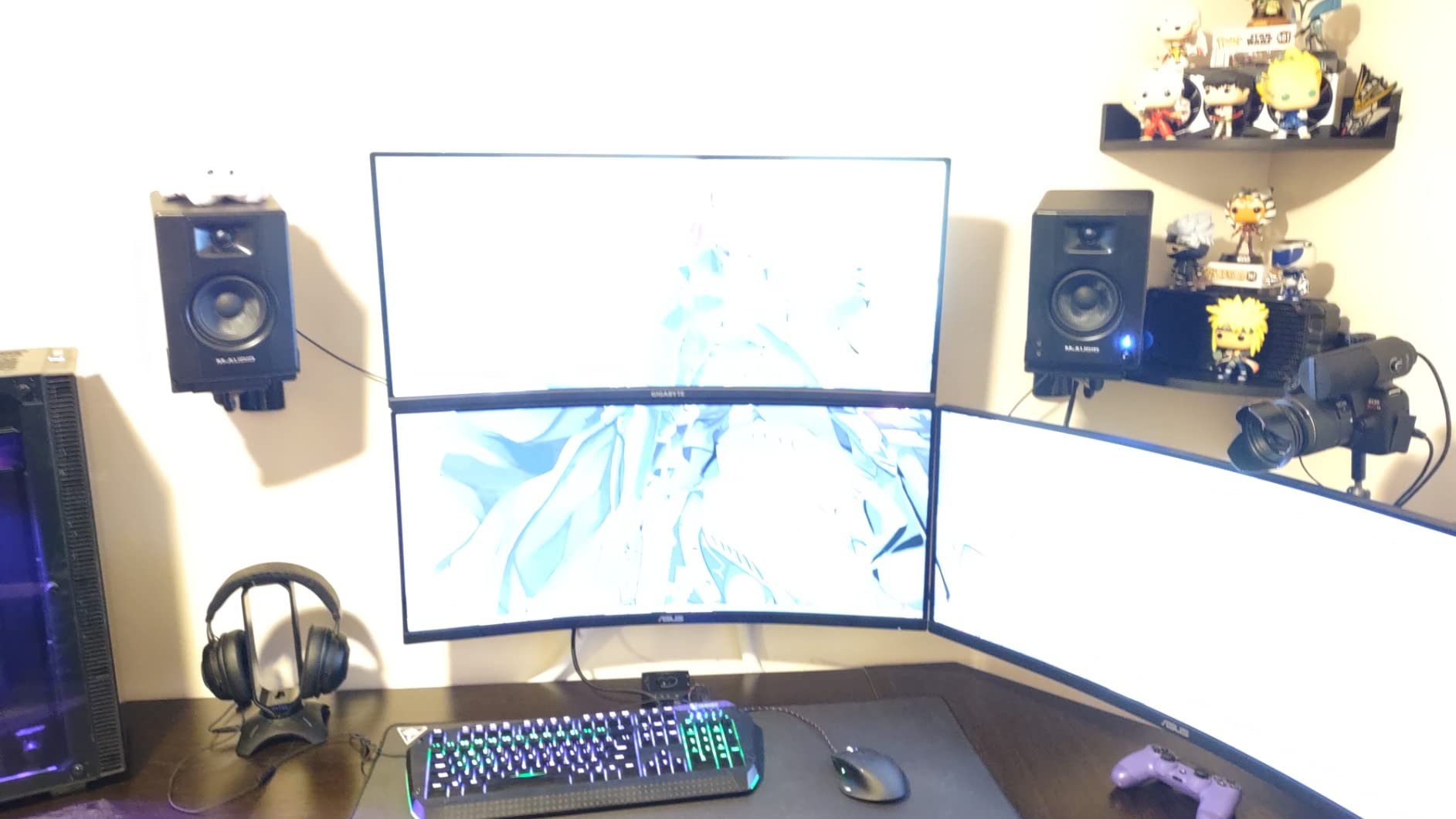
I used the rear-panel EQ switches to tame the bass response for my corner placement. After tuning, the low end stopped overpowering my small room. The wired inputs cover 1/4 inch, 1/8 inch, and RCA, so the BX4BT slots into almost any setup.
The main annoyance is the auto-off feature. When I switched inputs or paused playback for too long, the BX4BT powered down and I had to wake them manually. A simple rear-panel switch to disable that feature would have been welcome. Sound-wise, the BX4BT holds its own against more expensive rivals.
Who the M-AUDIO BX4BT is best for
Producers who split time between serious mixing and casual streaming will love the Bluetooth flexibility. Home studios where the speakers double as desktop speakers for everyday use benefit from the wireless option. If you want one pair that handles both work and play, the BX4BT fits.
Who should look elsewhere
If you need absolute reference accuracy without wireless complications, the Yamaha HS4 or Edifier MR4 is a cleaner path. Engineers who leave monitors on for long sessions may find the auto-off feature more frustrating than helpful. The BX4BT is a hybrid tool, not a pure reference.
8. M-AUDIO BX3 3.5 inch Wired Studio Monitors – Honest Starter Pair
M-AUDIO BX3 3.5″ Wired Studio Monitors Pair
120W total power
3.5 inch Kevlar woofers
RCA TRS and 1/8 inch inputs
Pros
- Compact footprint for tight desks
- Kevlar woofers with smooth bass
- Multiple input options
- Customizable EQ controls
- Zero-latency wired monitoring
Cons
- Auto shutoff can interrupt workflow
- Included cables feel cheap
- No Bluetooth option
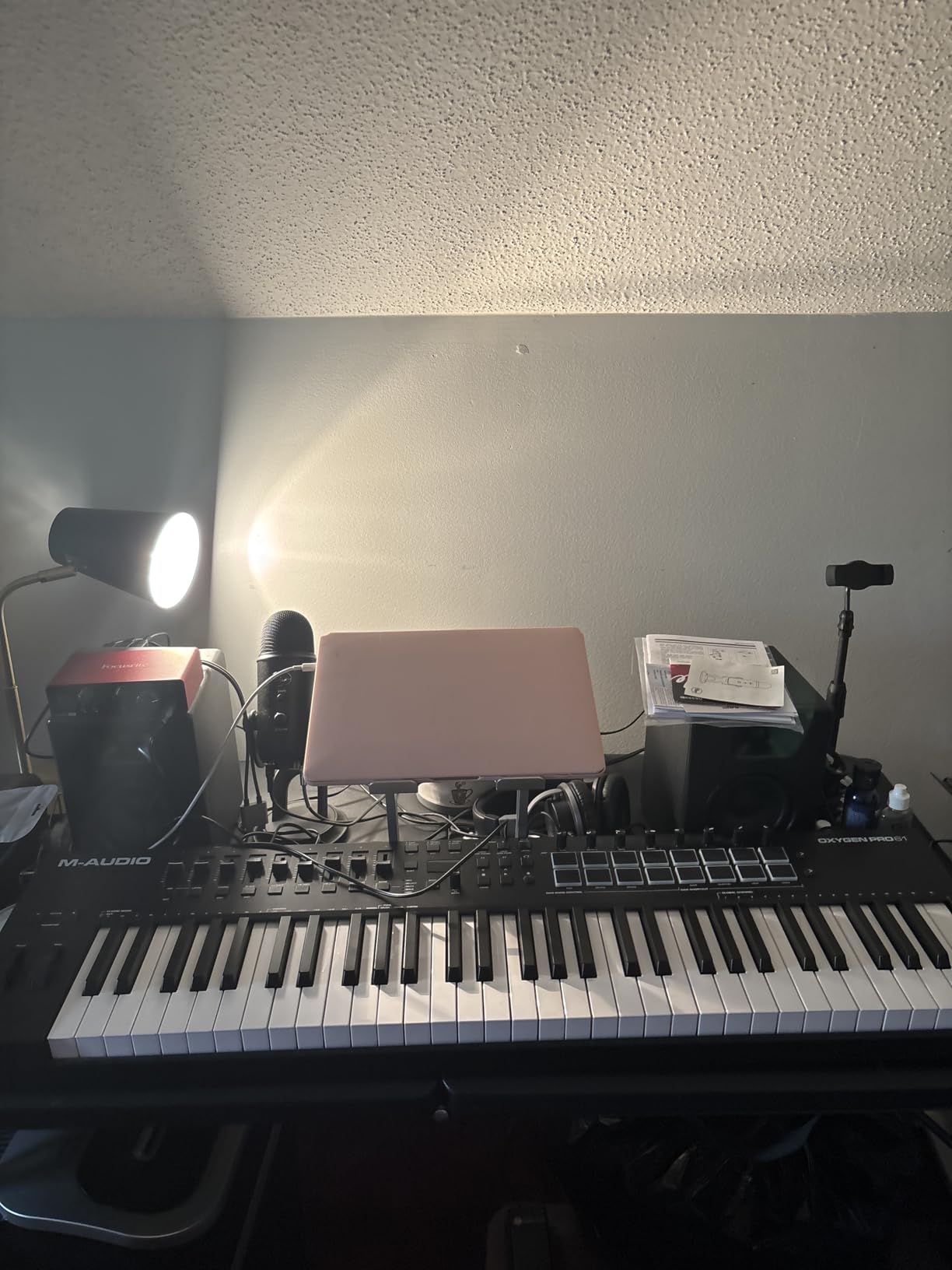
The M-AUDIO BX3 is the smallest and most affordable nearfield pair in this guide. At 3.5 inches, the Kevlar woofers deliver surprising low end for the cabinet size. I placed the BX3 on a small corner desk and got a balanced sound that punched above its price.
The 120 watts of total power seemed generous on paper for such a small speaker. In practice, the BX3 reached comfortable monitoring levels without strain. The 1 inch silk dome tweeter handled the high frequencies cleanly, and cymbals stayed clear without sibilance.
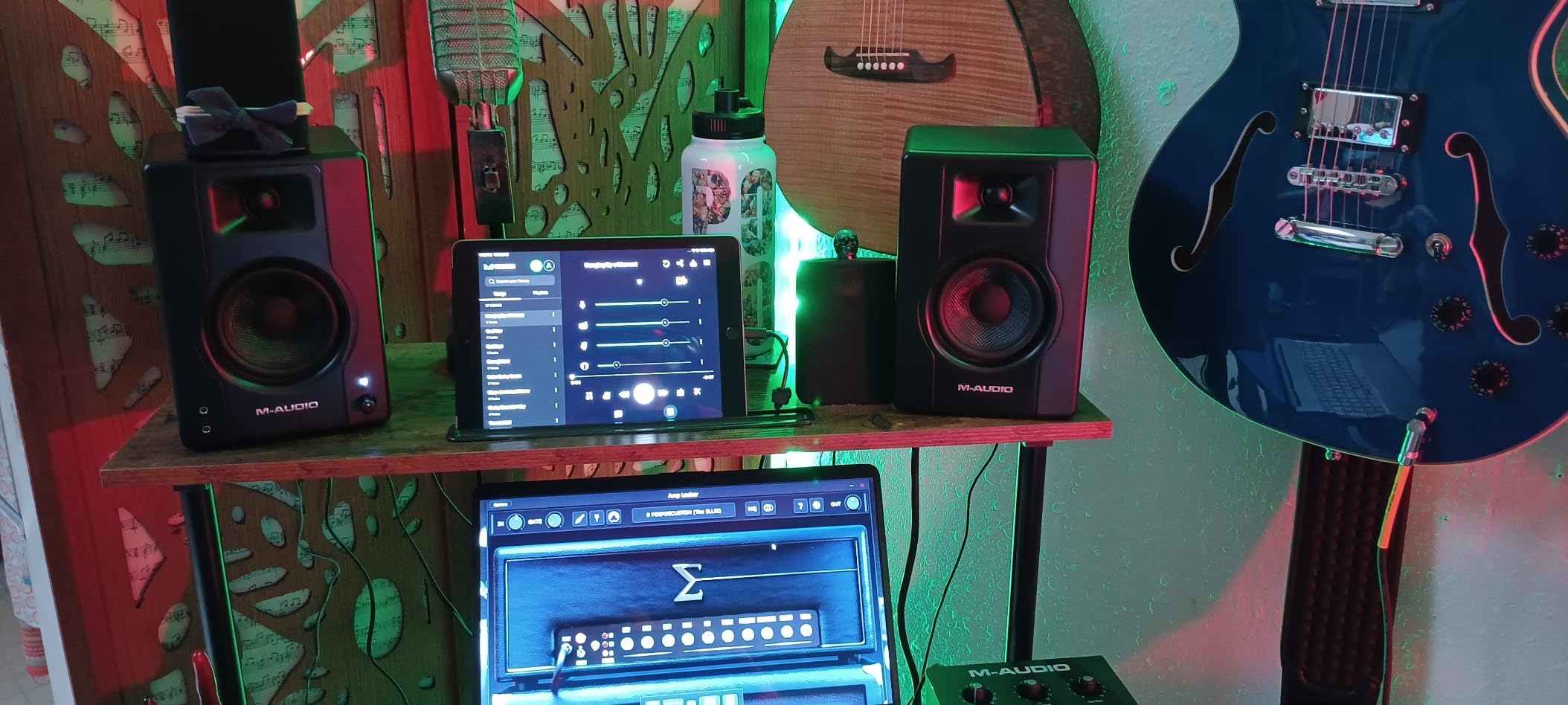
Input flexibility is a strong point. RCA, 1/4 inch TRS, and 1/8 inch inputs accept almost any source. The rear-panel EQ controls let me trim bass and high frequencies to match my room. The MDF cabinet construction felt sturdy for the price.
The BX3 shares the auto-shutoff complaint I had with the BX4BT, and the included cables feel thin. Those are minor issues for an honest starter pair. The M-AUDIO BX3 remains a sensible pick for tight budgets and tiny desks.
Who the M-AUDIO BX3 is best for
Students, hobbyists, and first-time producers on a tight budget will appreciate the honest sound and compact footprint. Bedroom producers running a small desk in a dorm or apartment get a usable reference at a low cost. If you want a starter pair before stepping up to the HS4 or Eris E5, the BX3 is a sensible first step.
Who should look elsewhere
Engineers mixing at higher SPLs will run out of headroom from the 3.5 inch driver. Producers working on bass-heavy genres need a larger driver or a sub. If you want Bluetooth or wireless streaming, the M-AUDIO BX4BT is a small step up that delivers both.
How to Choose the Best Nearfield Monitors Under 1000?
Picking nearfield monitors under 1000 dollars is about matching the speaker to your room and your workflow. I learned this the hard way after my first purchase boomed in a corner and left me chasing mixes that never sat right on other systems. Here are the factors that matter most, and how to apply them to your setup. For more on building out a budget creative rig, our budget gear roundups cover similar territory.
What Nearfield Monitors Actually Do
Nearfield monitors are compact powered speakers designed to sit 1 to 2 meters from your ears. The short distance means the direct sound from the speaker reaches you before reflections from walls, ceilings, or floors. That timing advantage is what makes nearfield monitors ideal for critical listening in untreated rooms. Larger monitors need bigger rooms and treated acoustics to deliver the same direct sound advantage.
For most home studios, nearfield is the right category. Midfield monitors suit 200+ square foot rooms, and farfield mains belong in commercial studios with full acoustic treatment. If your room is under 200 square feet and your desk sits within arm’s reach of the speakers, nearfield is the correct call.
Driver Size and Room Matching
Driver size determines how much bass your monitor can reproduce and how loudly it can play. A 3 to 4 inch driver suits tiny bedrooms and desks under 4 feet wide. A 5 to 6 inch driver handles medium bedrooms and small project rooms up to 15 by 12 feet. Anything bigger than 6 inches needs acoustic treatment to keep the bass controlled.
My rule of thumb is to match driver size to room volume, not to listening taste. If you produce bass-heavy music in a 10 by 10 foot untreated room, a 6 inch driver will excite room modes and make your mixes inconsistent. Smaller drivers with a subwoofer often translate better than oversized monitors in untreated spaces.
Active vs Passive Monitors
Every monitor in this guide is active, meaning each speaker has its own built-in amplifier. Active monitors save you the cost and complexity of a separate amp, and the manufacturer matches the amp to the driver for the best performance. Passive monitors need an external amp matched to the speaker’s power and impedance, which adds cost and complexity.
For most home studios under 1000 dollars, active is the only practical choice. The integration between amp and driver is tighter, and the total cost stays lower. Passive setups belong in studios with dedicated amp racks and pro-level signal chains.
Connectivity and Inputs
The input options on your monitor determine how it fits into your signal chain. Balanced XLR and 1/4 inch TRS inputs reject noise over long cable runs and are the pro standard. RCA and 1/8 inch inputs work for consumer gear but pick up hum in noisy environments. Bluetooth is a bonus for casual listening but adds compression that does not belong in serious mixing.
My recommended minimum is one balanced input plus one consumer input. The Yamaha HS4, JBL 305P MkII, and PreSonus Eris E5 all check that box. If you stream reference tracks from your phone, the IK Multimedia or M-AUDIO Bluetooth options add convenience.
Room Correction and EQ Controls
Most nearfield monitors under 1000 include basic EQ switches on the back. High Trim adjusts treble response, and Low Cut or Boundary EQ reduces bass buildup when the speaker sits near a wall. These switches do not replace proper acoustic treatment, but they help you adapt the monitor to less-than-ideal placement.
The Yamaha HS4 and JBL 305P MkII include the most useful room switches in this guide. The PreSonus Eris series also includes solid tuning controls. If you place monitors close to a wall, prioritize monitors with Boundary EQ or Low Cut switches.
Subwoofer Pairing Considerations
A subwoofer extends the low-end response of any nearfield setup. For electronic music, hip-hop, and cinematic scoring, a sub helps you monitor sub-bass below 50Hz that smaller drivers cannot reach. For acoustic and vocal-focused music, a sub is often optional and sometimes counterproductive in small rooms.
The PreSonus Eris E4.5 pairs with the Sub 8BT, and the Yamaha HS4 pairs with the HS8S. Both combinations stay under 1000 dollars combined. If you produce bass-heavy music and want full-range monitoring, plan a sub into your budget rather than stretching for a single larger pair.
Frequently Asked Questions
What are the best nearfield monitors under $1000?
The Yamaha HS4 leads our picks for the best nearfield monitors under $1000 in 2026, with the IK Multimedia iLoud Micro Monitor and JBL 305P MkII rounding out the top three. Each pair delivers accurate sound for the price and works in typical bedroom studios without breaking the budget.
What is the 38 rule for studio monitors?
The 38 rule states that your listening position should form an equilateral triangle with the two monitors, meaning the distance between each speaker equals the distance from each speaker to your ears. The rule helps create a balanced stereo image and accurate sweet spot for mixing decisions.
How far should I sit from nearfield monitors?
Sit 1 to 2 meters (about 3 to 6 feet) from your nearfield monitors. At this distance, direct sound reaches your ears before most room reflections, giving you the cleanest possible signal for mixing decisions. Sitting too far away lets room acoustics color the sound.
Do I need a subwoofer with nearfield monitors under 1000?
A subwoofer is optional for most nearfield setups under 1000 dollars. If you produce acoustic, vocal, or jazz music, a sub is rarely necessary. If you produce EDM, hip-hop, or cinematic music with sub-bass below 50Hz, a sub helps you monitor those frequencies accurately. The PreSonus Sub 8BT or Yamaha HS8S pair well with most monitors in this guide.
Active vs passive studio monitors, which is better?
Active studio monitors have built-in amplifiers matched to the drivers by the manufacturer. Passive monitors require an external amplifier matched to the speaker’s specifications. For most home studios under 1000 dollars, active monitors offer better value, simpler setup, and tighter integration between amp and driver.
Final Verdict on the Best Nearfield Monitors Under 1000
After 90 days of rotating eight pairs through my home studio, the Yamaha HS4 earned its place as my Editor’s Choice for the best nearfield monitors under 1000 dollars. The flat response, low noise floor, and flexible input options make it the most well-rounded pick for serious producers who want honest mixes. The IK Multimedia iLoud Micro Monitor wins Best Value for tiny desks and portable setups, and the JBL 305P MkII earns Premium Pick for working studios that need wide imaging and long warranty coverage.
Whatever pair you choose from this list, take time to position them correctly using the 38 rule, use the rear-panel EQ switches to tame your room, and listen across multiple playback systems before trusting your mixes. The right nearfield monitors under 1000 dollars will sharpen your decisions and give your music a clearer path to listeners. If you found this guide useful, our picks for the best gear under 1000 cover similar budget-focused recommendations.